


Abstract
Purpose: The purpose of this paper is to provide an integrative review of Positive Psychology in contemporary organizational contexts, examining how psychological resources such as Psychological Capital, Emotional Intelligence, Mindfulness, Psychological Safety, Self-Determination Theory, and Positive Leadership contribute to employee well-being, flourishing, and organizational effectiveness. Design/Methodology/Approach: This study adopts a narrative integrative literature review approach, synthesizing recent theoretical and empirical research in Positive Organizational Psychology, Organizational Behavior, and Human Resource Management. The review integrates foundational theories with contemporary empirical findings published in high-impact academic journals to develop a comprehensive conceptual framework. Findings: The findings indicate that Positive Psychological constructs are consistently associated with higher levels of employee engagement, job satisfaction, performance, resilience, and flourishing, while reducing burnout, stress, and turnover intentions. Psychological Capital emerges as a key malleable resource, while Mindfulness and Emotional Intelligence enhance self-regulation and interpersonal effectiveness. Originality: The paper integrates multiple streams of Positive Psychology into a unified conceptual model, combining individual-level psychological resources with motivational and organizational-contextual factors. Research limitations/implications: As a narrative review, the study does not include primary empirical data or statistical testing. Future research should empirically validate the proposed integrative framework using longitudinal and cross-cultural designs. Practical implications: Organizations can enhance employee well-being and performance by implementing Psychological Capital Interventions, mindfulness-based programs, strengths-based development, and psychologically safe leadership practices. Social implications: The findings highlight the broader societal value of fostering psychologically healthy workplaces that promote sustainable employment, mental health, and human flourishing.
1. Introduction
Over the past two decades, organizations have experienced unprecedented transformations driven by globalization, technological innovation, demographic shifts, economic volatility, and evolving societal expectations. These developments have significantly altered the nature of work and the psychological demands placed upon employees. While traditional organizational research has historically focused on dysfunction, stress, burnout, conflict, and performance deficits, contemporary scholarship increasingly recognizes the importance of understanding factors that promote human flourishing, resilience, engagement, and optimal functioning within the workplace.
The emergence of positive psychology has contributed substantially to this paradigm shift. Initially introduced by Seligman and colleagues at the turn of the twenty-first century, positive psychology sought to rebalance psychological science by investigating not only pathology and dysfunction but also strengths, virtues, well-being, and the conditions that enable individuals and communities to thrive (Seligman & Csikszentmihalyi, 2000). Within organizational settings, these principles have given rise to the fields of Positive Organizational Scholarship (POS) and Positive Organizational Behavior (POB), both of which emphasize the study of positive psychological capacities, supportive organizational processes, and virtuous institutional practices (Cameron et al., 2003; Luthans, 2002).
The relevance of positive psychology in organizational contexts has become increasingly apparent in the aftermath of major global disruptions, including the COVID-19 pandemic, economic instability, technological acceleration, and the widespread adoption of hybrid and remote work arrangements. These changes have amplified concerns regarding employee mental health, work engagement, social isolation, and organizational resilience (Bakker & Demerouti, 2024). Consequently, organizations are increasingly seeking evidence-based approaches that simultaneously enhance employee well-being and organizational effectiveness.
Research consistently demonstrates that positive psychological resources contribute significantly to employee performance, creativity, adaptability, and psychological health. Employees who exhibit higher levels of optimism, resilience, hope, and self-efficacy tend to perform more effectively under challenging circumstances and demonstrate greater capacity to recover from setbacks (Luthans et al., 2007). Furthermore, positive emotional experiences have been associated with broadened cognitive processes, enhanced problem-solving abilities, and improved interpersonal functioning (Fredrickson, 2001).
An important contribution of positive psychology to organizational science lies in its emphasis on strengths rather than deficiencies. Traditional management approaches frequently focus on correcting weaknesses and addressing performance problems. In contrast, positive psychological approaches emphasize identifying, developing, and leveraging existing strengths to maximize human potential. This strengths-based perspective has influenced leadership development, employee training, talent management, and organizational culture initiatives across multiple industries (Clifton & Harter, 2019).
Another significant development concerns the concept of psychological capital (PsyCap), which has emerged as one of the most influential constructs within positive organizational behavior. Psychological capital encompasses four positive psychological capacities: hope, efficacy, resilience, and optimism (Luthans et al., 2007). Empirical evidence suggests that these resources contribute to enhanced performance, greater job satisfaction, stronger organizational commitment, and improved well-being. Unlike fixed personality traits, psychological capital is considered developable, making it particularly attractive for organizational interventions and leadership development programs.
Simultaneously, contemporary organizational research has expanded beyond traditional notions of job satisfaction to examine broader concepts such as flourishing, thriving, and workplace well-being. Flourishing refers to a state of optimal psychological functioning characterized by positive emotions, engagement, meaning, accomplishment, and supportive relationships (Seligman, 2011). Employees who flourish are more likely to experience sustained motivation, psychological resilience, and long-term career success. Recent studies indicate that flourishing employees contribute significantly to organizational innovation, productivity, and adaptability (Donaldson et al., 2021).
Leadership also occupies a central position within positive organizational psychology. Positive leadership approaches emphasize empowerment, authenticity, ethical behavior, emotional intelligence, and the creation of supportive organizational environments. Rather than relying exclusively on hierarchical authority and control, positive leaders seek to foster employee development, intrinsic motivation, and collaborative problem-solving. Research suggests that such leadership styles are associated with higher levels of engagement, trust, creativity, and psychological safety (Kelloway et al., 2013).
Despite growing enthusiasm for positive psychology, critical questions remain regarding its implementation and effectiveness within complex organizational environments. Critics argue that overly optimistic approaches may underestimate structural inequalities, organizational constraints, and systemic sources of workplace stress. Consequently, contemporary scholars increasingly advocate balanced perspectives that integrate positive psychological principles with realistic assessments of organizational challenges (Mills et al., 2013).
The purpose of the present review is to critically examine the role of positive psychology within contemporary workplaces. Specifically, the paper explores the theoretical foundations of positive organizational psychology, psychological capital, emotional intelligence, employee flourishing, leadership, and workplace well-being. Furthermore, the review incorporates recent empirical findings published between 2022 and 2024, thereby providing an updated perspective on the application of positive psychology in modern organizations. Through this analysis, the paper seeks to demonstrate how positive psychological resources can contribute to sustainable organizational success while simultaneously promoting human development and well-being.
2. Methodology
2.1. Review Design
This study adopts a narrative integrative literature review methodology to provide a comprehensive synthesis of the contemporary literature on Positive Psychology in organizational settings. An integrative review was considered the most appropriate methodological approach because it enables the combination and critical evaluation of theoretical developments, empirical findings, and conceptual contributions from multiple disciplines, including organizational behavior, organizational psychology, human resource management, leadership, and management studies. Unlike systematic reviews that primarily address narrowly defined research questions, integrative reviews facilitate a broader understanding of complex and multidisciplinary phenomena while identifying emerging themes, theoretical developments, practical implications, and research gaps.
2.2. Literature Search Strategy
The literature search was conducted using several internationally recognized academic databases, including Scopus, Web of Science, PsycINFO, ScienceDirect, and Google Scholar. To ensure comprehensive coverage of the topic, combinations of the following keywords were used:
Positive Psychology, Positive Organizational Behavior, Positive Organizational Scholarship, Psychological Capital, Employee Flourishing, Workplace Well-Being, Psychological Safety, Positive Leadership, Mindfulness at Work, Emotional Intelligence, Self-Determination Theory, Hybrid Work, Digital Work, and Organizational Resilience.
Boolean operators (“AND”, “OR”) were employed to combine search terms and improve the precision of the search strategy.
2.3. Inclusion and Exclusion Criteria
The literature selection process was guided by predefined inclusion criteria. Studies were included if they:
- Were published in peer-reviewed academic journals;
- Examined Positive Psychology within organizational or workplace contexts;
- Addressed employee well-being, flourishing, leadership, Psychological Capital, organizational behavior, or related constructs;
- Were published primarily in English;
- Included theoretical, empirical, or review contributions relevant to the objectives of the present study.
While seminal publications were retained to establish the theoretical foundations of Positive Psychology (e.g., Seligman, Csikszentmihalyi, Luthans, Fredrickson), particular emphasis was placed on incorporating recent empirical studies published between 2022 and 2024, thereby ensuring that the review reflects the current evolution of the field.
Publications lacking sufficient academic rigor, conference abstracts, non-peer-reviewed documents, and studies unrelated to workplace settings were excluded from the review.
2.4. Data Analysis and Synthesis
Following the literature selection process, the identified studies were analyzed using a thematic synthesis approach. Rather than statistically aggregating findings, the review sought to identify recurring theoretical perspectives, emerging research themes, conceptual relationships, and practical implications across the literature.
The synthesis was organized around the principal dimensions of contemporary Positive Organizational Psychology, including:
- Theoretical foundations of Positive Psychology;
- Positive Organizational Behavior (POB);
- Positive Organizational Scholarship (POS);
- Psychological Capital;
- Emotional Intelligence;
- Mindfulness;
- Employee Flourishing;
- Workplace Well-Being;
- Self-Determination Theory;
- Psychological Safety;
- Positive Leadership;
- Organizational culture;
- Contemporary organizational challenges, including hybrid work, digital transformation, and employee resilience.
This thematic organization allowed for the integration of both foundational theories and recent empirical evidence while critically examining the strengths, limitations, and future directions of Positive Psychology in organizational research.
2.5. Methodological Limitations
As with all narrative integrative literature reviews, this study has certain methodological limitations. Although the review follows a structured search and thematic synthesis process, the selection and interpretation of the literature inevitably involve a degree of researcher judgment. Furthermore, unlike systematic reviews or meta-analyses, the present review does not quantitatively evaluate effect sizes or statistically synthesize empirical findings. Instead, its primary objective is to provide a comprehensive conceptual overview of contemporary developments in Positive Organizational Psychology and identify opportunities for future research.
2.6. Research Gap and Contribution
Although Positive Psychology has generated substantial interest within organizational research over the past two decades, several important limitations remain in the existing literature. Previous reviews have predominantly emphasized the beneficial effects of positive psychological resources on employee attitudes and organizational performance, often presenting these constructs from an inherently optimistic perspective. Comparatively less attention has been devoted to examining the contextual conditions under which positive psychological interventions are most effective, the potential limitations of strengths-based approaches, and the challenges associated with implementing positive organizational practices in increasingly complex work environments characterized by digital transformation, hybrid work arrangements, economic uncertainty, and rapidly evolving employee expectations.
Furthermore, much of the existing literature synthesizes evidence produced prior to the profound organizational changes that followed the COVID-19 pandemic. Consequently, there remains a need for an updated integrative review that incorporates recent empirical findings while critically examining both the opportunities and limitations of Positive Psychology within contemporary organizations. Addressing this gap, the present review adopts a narrative integrative literature review approach to synthesize current theoretical developments and empirical evidence concerning Positive Organizational Behavior, Positive Organizational Scholarship, Psychological Capital, employee flourishing, workplace well-being, psychological safety, and positive leadership. By integrating these complementary perspectives, this review aims to provide a more balanced understanding of how positive psychological resources can contribute to sustainable organizational effectiveness while acknowledging the organizational conditions necessary for their successful implementation.
Although the review followed a structured literature search strategy, it did not aim to achieve exhaustive coverage or formal quality appraisal as required in systematic reviews (e.g., PRISMA), because its primary objective was conceptual integration and theory development.
3. Theoretical Foundations of Positive Psychology
3.1. Origins and Development of Positive Psychology
Positive psychology emerged as a response to the historical imbalance within psychological science, which had largely concentrated on diagnosing and treating mental illness. While these objectives remain essential, scholars increasingly recognized the need to investigate the factors that contribute to psychological health, optimal functioning, and human flourishing.
The formal establishment of positive psychology is commonly associated with Martin Seligman’s presidential address to the American Psychological Association in 1998. Seligman argued that psychology should devote greater attention to understanding strengths, virtues, positive emotions, and life satisfaction. Together with researchers such as Mihaly Csikszentmihalyi, he proposed a scientific agenda focused on identifying the conditions that enable individuals, groups, and institutions to thrive.
Positive psychology subsequently developed into a multidisciplinary field encompassing research on happiness, resilience, optimism, strengths, character virtues, meaning, engagement, and well-being. The field’s influence expanded rapidly into education, healthcare, community development, and organizational science.
3.2. Positive Emotions and the Broaden-and-Build Theory
One of the most influential theoretical contributions within positive psychology is Fredrickson’s Broaden-and-Build Theory (Fredrickson, 2001). According to this perspective, positive emotions broaden individuals’ momentary thought–action repertoires, encouraging exploration, creativity, learning, and social connection.
Unlike negative emotions, which typically narrow attention toward immediate threats, positive emotions promote flexible thinking and resource development. Over time, repeated experiences of positive emotions contribute to the accumulation of psychological, social, cognitive, and physical resources.
Within workplace environments, positive emotions have been associated with increased creativity, stronger interpersonal relationships, greater resilience, and improved decision-making. Employees experiencing positive emotions are generally more likely to engage in collaborative behaviors, generate innovative ideas, and demonstrate adaptability during organizational change.
3.3. Positive Psychology in Contemporary Organizations: A Critical Perspective
Although Positive Psychology has made a substantial contribution to understanding human strengths, flourishing, and optimal functioning, contemporary scholars increasingly argue that its application within organizations should be approached from a balanced and context-sensitive perspective rather than an exclusively strengths-oriented one (Seligman, 2011; Cameron, 2013). Positive psychological interventions have consistently been associated with higher levels of employee engagement, resilience, job satisfaction, creativity, organizational commitment, and work performance. However, these positive outcomes are increasingly understood as emerging not solely from individual psychological resources but from the interaction between employees and the organizational systems within which they operate (Luthans & Youssef-Morgan, 2017; Ryan & Deci, 2020).
Contemporary organizations operate in environments characterized by digital transformation, technological disruption, hybrid work arrangements, continuous organizational change, and increasing performance expectations. These developments have generated new psychosocial risks, including digital overload, role ambiguity, work intensification, blurred work–life boundaries, and emotional exhaustion, all of which challenge employees’ capacity to maintain long-term well-being (Eurofound, 2023; WHO, 2022). Consequently, recent organizational research argues that psychological resources alone are insufficient to sustain employee flourishing when organizational structures, leadership practices, and working conditions remain unsupportive (Ryan & Deci, 2020).
Accordingly, Positive Psychology should not be interpreted as encouraging employees simply to “think positively” or adapt individually to adverse working conditions. Rather, positive psychological resources are most effective when embedded within organizational environments characterized by psychological safety, supportive leadership, organizational justice, inclusive cultures, meaningful work, and opportunities for learning and development (Edmondson, 2019; Cameron, 2013). This interactionist perspective shifts attention from individual positivity toward the dynamic relationship between personal strengths and organizational context, acknowledging that sustainable employee well-being requires both individual capabilities and healthy organizational systems.
Moreover, an emerging stream of literature has drawn attention to the phenomenon of “toxic positivity”, referring to organizational cultures that unintentionally encourage employees to suppress legitimate negative emotions, concerns, or signs of psychological distress in favour of maintaining a consistently optimistic attitude. Such practices may discourage employees from reporting burnout, excessive workload, interpersonal conflict, or ethical concerns, thereby weakening psychological safety, reducing trust, and limiting organizational learning (Edmondson, 2019). Rather than promoting authentic well-being, excessive emphasis on positivity may unintentionally shift responsibility for managing workplace stress from organizations to employees.
Consequently, contemporary Positive Organizational Psychology increasingly advocates a more balanced approach that integrates the development of employees’ psychological strengths with improvements in organizational design, leadership quality, workload management, employee participation, and psychosocial working conditions (Ryan & Deci, 2020; Luthans & Youssef-Morgan, 2017). Such an integrative perspective recognizes that employee flourishing is not solely an individual achievement but the result of continuous interaction between personal psychological resources and supportive organizational environments capable of sustaining both employee well-being and long-term organizational performance.
4. Positive Organizational Psychology and Positive Organizational Scholarship
4.1. Conceptual Foundations
The application of positive psychology within organizational settings has generated two closely related fields: Positive Organizational Behavior (POB) and Positive Organizational Scholarship (POS). Although both approaches share a common emphasis on human strengths and optimal functioning, they differ in scope and focus.
Positive Organizational Behavior, introduced by Luthans (2002), concentrates on measurable and developable psychological capacities that influence workplace performance. These capacities include hope, resilience, optimism, and self-efficacy. POB emphasizes evidence-based interventions that organizations can implement to enhance employee effectiveness and well-being.
Positive Organizational Scholarship adopts a broader perspective by examining organizational processes, cultures, and practices that foster extraordinary individual and collective performance (Cameron et al., 2003). POS investigates phenomena such as compassion, gratitude, virtuousness, trust, flourishing, and organizational resilience.
Both approaches challenge traditional management paradigms that primarily focus on problems, deficiencies, and performance gaps. Instead, they seek to identify conditions that enable organizations and employees to thrive simultaneously.
Recent scholarship has expanded these perspectives by incorporating concepts such as psychological safety, inclusive leadership, employee flourishing, and sustainable well-being (Donaldson et al., 2021). These developments reflect growing recognition that organizational effectiveness and employee well-being are not competing objectives but mutually reinforcing outcomes.
4.2. Strengths-Based Organizational Approaches
A central assumption of positive organizational psychology is that employees perform more effectively when they can identify and utilize their strengths. Traditional management systems frequently concentrate on correcting weaknesses, whereas strengths-based approaches emphasize developing existing talents and capabilities.
Research suggests that employees who regularly use their strengths report higher levels of engagement, job satisfaction, confidence, and organizational commitment (Clifton & Harter, 2019). Furthermore, strengths utilization appears to contribute to greater resilience and adaptability during periods of organizational change.
Organizations increasingly implement strengths-based interventions through coaching programs, leadership development initiatives, and talent management systems. These practices encourage employees to recognize personal resources while creating opportunities to apply them in meaningful ways.
The strengths perspective aligns closely with positive psychology’s broader emphasis on human potential. Rather than viewing individuals primarily through the lens of deficits, strengths-based approaches recognize that optimal performance often emerges when people build upon existing capabilities.
4.3. Contemporary Challenges and Limitations of Strengths-Based Organizational Approaches
Although Positive Organizational Behavior (POB) and Positive Organizational Scholarship (POS) have substantially advanced our understanding of employee strengths, psychological resources, and positive organizational functioning, contemporary scholars increasingly emphasize that strengths-based approaches should be implemented within a broader organizational framework rather than as stand-alone interventions (Luthans & Youssef-Morgan, 2017; Cameron, 2013). Although cultivating employees’ strengths has been associated with higher engagement, resilience, work performance, and organizational commitment, an exclusive emphasis on strengths may unintentionally overlook developmental needs, existing competency gaps, or mismatches between employees’ capabilities and evolving job demands. Particularly in knowledge-intensive and rapidly changing organizational environments, employees must continuously develop new competencies in addition to leveraging their existing strengths (Miglianico et al., 2020; van Woerkom et al., 2022).
Another important challenge concerns the implementation of strengths-based organizational practices. Although many organizations publicly endorse employee well-being, resilience, and positive organizational cultures, these initiatives may remain largely symbolic when they are not accompanied by meaningful improvements in leadership practices, workload management, organizational justice, or human resource policies. Such inconsistencies between organizational rhetoric and employees’ day-to-day experiences may reduce organizational trust, weaken employee engagement, and ultimately undermine the credibility of well-being initiatives (Edmondson, 2019; Ryan & Deci, 2020).
These challenges have become even more prominent in the context of digital transformation and hybrid work. Although remote and hybrid work arrangements provide employees with greater flexibility, autonomy, and opportunities for work–life integration, they may also increase social isolation, communication barriers, digital overload, role ambiguity, and emotional exhaustion when insufficient organizational support is provided (Eurofound, 2023; WHO, 2022). Consequently, recent organizational research increasingly argues that positive organizational interventions should move beyond strengthening individual psychological resources to include organizational systems that foster collaboration, psychological safety, inclusion, healthy work design, and sustainable employee well-being (Edmondson, 2019; Berg et al., 2023).
Furthermore, employee expectations have evolved considerably in recent years. Contemporary employees increasingly value meaningful work, flexibility, psychological safety, inclusive leadership, opportunities for continuous learning, and organizational support for both professional and personal development alongside traditional financial rewards (Ryan & Deci, 2020). Accordingly, organizations that successfully integrate Positive Organizational Behavior with evidence-based leadership practices, employee participation, continuous learning, and comprehensive well-being strategies are more likely to promote employee flourishing, organizational resilience, innovation, and sustainable organizational performance (Luthans & Youssef-Morgan, 2017; Cameron, 2013; Eurofound, 2023).
Finally, an emerging body of literature suggests that the effectiveness of strengths-based approaches depends less on the existence of individual strengths themselves and more on the organizational context in which these strengths are developed and applied. This interactionist perspective highlights that employee strengths generate sustainable value only when supported by psychologically safe climates, equitable organizational practices, supportive leadership, and organizational cultures that encourage learning, collaboration, and adaptability (Edmondson, 2019; Ryan & Deci, 2020). Consequently, contemporary Positive Organizational Scholarship increasingly advocates integrated organizational interventions that simultaneously develop individual psychological resources and improve organizational structures capable of sustaining employee well-being and long-term organizational effectiveness.
5. Psychological Capital: The Core Construct of Positive Organizational Behavior
5.1. Defining Psychological Capital
Among all concepts associated with positive organizational behavior, Psychological Capital (PsyCap) has received particularly extensive scholarly attention. PsyCap represents an individual’s positive psychological state of development and consists of four interrelated components:
- Hope;
- Self-efficacy;
- Resilience;
- Optimism.
Together, these psychological resources influence how employees perceive challenges, respond to adversity, and pursue organizational goals (Luthans et al., 2007).
Unlike personality traits, which tend to remain relatively stable throughout adulthood, PsyCap is considered a state-like construct that can be developed through targeted interventions. This characteristic makes psychological capital especially valuable for organizations seeking practical methods for enhancing employee effectiveness.
5.2. Hope
Hope refers to a motivational state characterized by determination to achieve goals and the perceived ability to generate alternative pathways when obstacles arise (Snyder, 2002).
Hopeful employees are not merely optimistic; they actively identify strategies for overcoming barriers and maintaining progress toward desired outcomes. Research consistently demonstrates positive relationships between hope and performance, persistence, engagement, and job satisfaction.
Recent studies indicate that hope has become particularly important in uncertain work environments where employees must continually adapt to changing circumstances (Robertson et al., 2015).
5.3. Self-Efficacy
Self-efficacy refers to an individual’s confidence in their ability to successfully perform specific tasks and achieve desired outcomes (Bandura, 1997).
Employees with strong self-efficacy typically:
- Approach challenges proactively.
- Demonstrate greater persistence.
- Recover more effectively from setbacks.
- Exhibit higher levels of motivation.
Within organizational settings, self-efficacy has been linked to performance, learning behavior, innovation, and leadership effectiveness.
Research conducted in hybrid and remote work contexts suggests that self-efficacy plays a critical role in helping employees navigate technological demands and maintain productivity outside traditional office environments (Bakker & Demerouti, 2024).
5.4. Resilience
Resilience refers to the capacity to recover, adapt, and grow following adversity, failure, or significant change.
The modern workplace increasingly requires resilience due to:
- Economic uncertainty.
- Organizational restructuring.
- Technological disruption.
- Global competition.
- Hybrid work transitions.
Resilient employees demonstrate flexibility, perseverance, and adaptive coping strategies. Importantly, resilience involves more than simply “bouncing back.” Contemporary perspectives emphasize growth through adversity, whereby challenges contribute to psychological development and increased capability.
Recent evidence indicates that resilient employees experience lower burnout levels and greater psychological well-being even in demanding work environments (Allan et al., 2019).
5.5. Optimism
Optimism reflects generalized positive expectations regarding future outcomes. Optimistic employees tend to interpret setbacks as temporary and manageable rather than permanent or catastrophic.
Optimism contributes to:
- Greater motivation.
- Improved coping strategies.
- Higher engagement.
- Better physical and psychological health.
However, contemporary scholars emphasize the distinction between realistic optimism and unrealistic positivity. Effective organizational functioning requires optimism grounded in accurate assessment rather than denial of challenges.
5.6. Contemporary Research on Psychological Capital
Recent empirical research continues to confirm the importance of psychological capital.
For example, Luthans and Youssef-Morgan (2023) reported that psychological capital predicts employee flourishing, engagement, and organizational commitment across diverse industries. Similarly, studies conducted during and after the COVID-19 pandemic found that PsyCap served as a protective factor against stress, uncertainty, and burnout.
These findings suggest that organizations should view psychological capital as a strategic resource capable of enhancing both employee well-being and organizational performance.
5.7. Psychological Capital Interventions (PCIs)
One of the most significant advantages of Psychological Capital (PsyCap) is that it represents a developable psychological resource rather than a fixed personality characteristic. According to Luthans et al. (2007), psychological capital is conceptualized as a state-like construct composed of hope, self-efficacy, resilience, and optimism, all of which can be enhanced through intentional developmental interventions. This distinction is particularly important for organizations because it suggests that psychological resources can be systematically cultivated to improve both employee well-being and organizational performance.
Building upon this assumption, researchers introduced Psychological Capital Interventions (PCIs), defined as structured developmental programs designed to strengthen employees’ positive psychological capacities (Luthans et al., 2006).
The earliest evidence supporting Psychological Capital Interventions was provided by Luthans et al. (2006), who demonstrated that relatively brief training programs could significantly increase participants’ levels of hope, efficacy, resilience, and optimism. Their findings challenged the traditional assumption that meaningful psychological development requires lengthy therapeutic interventions and highlighted the practical applicability of positive organizational behavior within workplace settings.
Hope-based interventions typically focus on goal-setting and pathway development. Drawing upon Snyder’s (2002) Hope Theory, employees are encouraged to establish clear and meaningful goals while simultaneously identifying multiple pathways for achieving them.
Self-efficacy interventions are largely grounded in Bandura’s (1997) Social Cognitive Theory. According to Bandura, efficacy beliefs develop through mastery experiences, vicarious learning, social persuasion, and physiological regulation.
Resilience interventions have received growing attention in recent years due to increasing concerns regarding employee stress, burnout, and workplace uncertainty. Contemporary resilience programs often incorporate cognitive-behavioral techniques, stress-management training, emotional regulation strategies, and reflective learning exercises. Importantly, resilience is no longer viewed merely as the capacity to recover from adversity but also as the ability to grow through challenging experiences (Robertson et al., 2015). Research suggests that resilience-building interventions contribute to reduced burnout, enhanced psychological well-being, and greater adaptability during organizational change (Avey et al., 2011).
Optimism development interventions typically seek to modify explanatory styles and encourage more constructive interpretations of workplace events. Drawing from positive psychology, these interventions help employees challenge excessively negative assumptions while fostering realistic confidence regarding future outcomes. As Seligman (2011) argued, optimistic individuals tend to interpret setbacks as temporary and manageable rather than permanent and pervasive. Within organizational contexts, optimism has been associated with higher engagement, stronger commitment, improved coping mechanisms, and better mental health outcomes (Youssef-Morgan & Luthans, 2015).
Recent organizational applications increasingly integrate all four PsyCap dimensions into comprehensive development programs. Such interventions frequently combine coaching sessions, strengths-based reflection exercises, peer-learning activities, developmental feedback systems, resilience workshops, and leadership development initiatives. Advances in digital technology have further expanded opportunities for PsyCap development through online coaching platforms, mobile applications, virtual training modules, and self-directed learning programs. These approaches have proven particularly useful in hybrid and remote work environments where traditional face-to-face development opportunities may be limited (Luthans & Youssef-Morgan, 2023).
From a strategic perspective, Psychological Capital Interventions offer organizations a cost-effective mechanism for enhancing workforce resilience, engagement, and adaptability. As contemporary workplaces continue to face technological disruption, economic uncertainty, and evolving employee expectations, the development of psychological capital may represent one of the most valuable investments organizations can make. Consequently, many scholars now regard PsyCap not merely as an individual resource but as a strategic organizational asset capable of generating long-term competitive advantage while simultaneously promoting employee flourishing and sustainable performance (Luthans et al., 2007; Avey et al., 2011).
5.8. Psychological Capital as a Strategic Organizational Resource
Beyond its well-established contribution to individual employee performance and well-being, Psychological Capital (PsyCap) is increasingly recognized as a strategic organizational resource that enhances organizational resilience, adaptability, and long-term competitive advantage (Luthans & Youssef-Morgan, 2017). This perspective is consistent with the Resource-Based View (RBV), which argues that organizations achieve sustainable competitive advantage by developing valuable, rare, difficult-to-imitate, and non-substitutable resources that competitors cannot easily replicate (Barney, 1991). While traditional strategic resources have primarily included financial capital, technological capabilities, and intellectual assets, recent organizational research suggests that employees’ positive psychological resources also represent critical intangible assets that contribute to sustainable organizational success (Newman et al., 2022 Grover et al., 2022).
The four dimensions of Psychological Capital—hope, efficacy, resilience, and optimism (HERO)—provide employees with the psychological capacity to cope effectively with uncertainty, organizational change, and increasingly complex work environments (Luthans et al., 2015; Luthans & Youssef-Morgan, 2017). Employees possessing higher levels of PsyCap demonstrate greater adaptability, proactive problem-solving, learning agility, persistence in the face of setbacks, and openness to innovation. Consequently, PsyCap contributes not only to individual effectiveness but also to organizational learning, knowledge sharing, collaborative behaviour, innovative work performance, and organizational resilience during periods of continuous transformation (Avey et al., 2011; Newman et al., 2022).
An important characteristic that distinguishes Psychological Capital from relatively stable personality traits is its state-like nature, meaning that it can be intentionally developed through evidence-based organizational interventions (Luthans et al., 2015). A growing body of research supports the effectiveness of Psychological Capital Interventions (PCIs), coaching programmes, strengths-based feedback, mentoring, leadership development initiatives, and resilience training in strengthening employees’ psychological resources. These interventions have been associated with improvements in work engagement, adaptive performance, job satisfaction, organizational commitment, and employees’ capacity to manage organizational change (Lupșa et al., 2020; Grover et al., 2022). This developmental perspective positions PsyCap as a strategic investment in sustainable human capital rather than simply an individual characteristic considered during employee selection.
Recent empirical evidence further indicates that Psychological Capital functions as a protective psychological resource against burnout, emotional exhaustion, and work-related stress while simultaneously enhancing employee engagement, innovative work behaviour, psychological well-being, and organizational commitment (Newman et al., 2022; Rabenu & Tziner, 2021). These findings have become particularly relevant in contemporary workplaces characterized by digital transformation, hybrid work arrangements, technological disruption, and persistent organizational uncertainty, where employees are increasingly required to demonstrate resilience, adaptability, and continuous learning. Accordingly, organizations that actively invest in developing employees’ Psychological Capital are better positioned to foster sustainable organizational performance while simultaneously promoting employee flourishing and long-term workforce well-being (Grover et al., 2022; Luthans & Youssef-Morgan, 2017).
Finally, contemporary research increasingly suggests that the organizational value of Psychological Capital extends beyond individual-level outcomes. PsyCap contributes to the development of positive organizational cultures by strengthening trust, collaboration, psychological safety, and collective resilience. When supported by inclusive leadership, fair organizational practices, and opportunities for continuous development, employees’ psychological resources become organizational capabilities that enhance innovation, strategic flexibility, and sustainable competitive advantage. Consequently, Psychological Capital should be viewed not merely as an individual psychological construct but as a strategic organizational capability that enables organizations to navigate increasingly volatile, uncertain, complex, and ambiguous (VUCA) business environments (Barney, 1991; Luthans & Youssef-Morgan, 2017; Newman et al., 2022).
6. Emotional Intelligence and Workplace Success
6.1. Conceptual Overview
Emotional Intelligence (EI) refers to the ability to perceive, understand, regulate, and effectively utilize emotions in oneself and others (Mayer et al., 2004).
The concept has become increasingly influential within organizational psychology because workplace success depends not only on cognitive abilities but also on interpersonal effectiveness.
Emotional intelligence encompasses several dimensions:
- Emotional awareness;
- Emotional understanding;
- Emotional regulation;
- Empathy;
- Social competence;
- Relationship management.
These competencies influence communication, collaboration, leadership, conflict resolution, and customer service.
6.2. Emotional Intelligence and Employee Performance
Research indicates that emotionally intelligent employees are better equipped to manage workplace stress and navigate interpersonal challenges.
Such employees tend to:
- Resolve conflicts constructively.
- Maintain positive workplace relationships.
- Demonstrate adaptability.
- Engage in collaborative problem-solving.
- Show greater job satisfaction.
Additionally, emotional intelligence contributes to psychological well-being by helping individuals regulate emotional responses during stressful situations.
Recent evidence suggests that emotional intelligence also supports employee flourishing by strengthening resilience, engagement, and workplace belongingness (Rodrigues & Junça Silva, 2024).
6.3. Emotional Intelligence and Leadership
Leadership effectiveness represents one of the most extensively studied applications of emotional intelligence.
Emotionally intelligent leaders demonstrate:
- Self-awareness
Understanding personal strengths, weaknesses, values, and emotional reactions.
- Self-regulation
Managing emotions constructively, particularly during challenging circumstances.
- Empathy
Recognizing and understanding the emotions of others.
- Social Skills
Building relationships, facilitating communication, and fostering collaboration.
These competencies contribute to trust, psychological safety, and employee engagement.
Contemporary leadership research increasingly highlights emotional intelligence as a foundational capability for managing diverse and geographically dispersed teams (Kelloway et al., 2013).
6.4. Emotional Intelligence in Hybrid Work Environments
The expansion of remote and hybrid work has increased the importance of emotional intelligence.
Virtual communication often limits access to non-verbal cues, making emotional understanding more difficult. Consequently, leaders and employees must rely more heavily on empathy, active listening, and intentional communication practices.
Studies conducted since 2022 suggest that emotionally intelligent leadership significantly predicts employee well-being, engagement, and trust in remote work environments (Bakker & Demerouti, 2024).
6.5. Mindfulness and Workplace Functioning
Mindfulness has emerged as one of the most influential constructs within contemporary positive psychology and organizational behavior. Originally rooted in contemplative traditions, mindfulness was introduced into Western psychological science through the work of Kabat-Zinn (1994), who defined it as the process of paying attention intentionally, in the present moment, and without judgment. Over the past two decades, mindfulness has gained substantial attention within workplace research due to its demonstrated effects on employee well-being, performance, and psychological functioning.
The increasing complexity of modern work environments has intensified demands on employees’ cognitive and emotional resources (Good et al., 2016). Constant connectivity, information overload, multitasking, and hybrid work arrangements often contribute to heightened stress levels and reduced attentional capacity. Within this context, mindfulness offers a valuable psychological resource that enables employees to regulate attention, manage emotional responses, and maintain focus on present-moment experiences.
Research suggests that mindfulness positively influences multiple workplace outcomes. Employees who exhibit higher levels of mindfulness tend to experience lower levels of stress, anxiety, and emotional exhaustion. They are also more capable of managing workplace pressures without becoming overwhelmed by negative emotional reactions. This capacity for emotional regulation contributes significantly to psychological resilience and overall well-being.
From a cognitive perspective, mindfulness enhances attentional control and decision-making quality. Mindful employees are generally less susceptible to distractions and more capable of concentrating on complex tasks. Furthermore, mindfulness facilitates greater awareness of cognitive biases and automatic reactions, enabling individuals to make more deliberate and effective decisions. These benefits are particularly relevant in knowledge-intensive professions where concentration, judgment, and adaptability are critical (Good et al., 2016).
Mindfulness also contributes to interpersonal functioning within organizations. Employees who practice mindfulness often demonstrate greater empathy, active listening, and emotional awareness during workplace interactions. These competencies strengthen collaboration, conflict management, and team cohesion. Consequently, mindfulness has become increasingly incorporated into leadership development programs, where it is viewed as a mechanism for improving emotional intelligence and relational effectiveness.
The relevance of mindfulness has expanded considerably within remote and hybrid work contexts. Employees working outside traditional office settings frequently encounter challenges related to work–life boundary management, digital fatigue, and social isolation (Good et al., 2016). Mindfulness practices can support employees in maintaining psychological balance, reducing cognitive overload, and promoting recovery from work-related demands. Organizations have increasingly adopted mindfulness-based interventions, including meditation programs, reflective practices, and digital wellness initiatives, as part of broader employee well-being strategies (Good et al., 2016).
Overall, mindfulness represents a valuable positive psychological resource that contributes simultaneously to individual well-being and organizational effectiveness. As workplaces continue to evolve in response to technological innovation and changing work arrangements, mindfulness is likely to remain an important component of evidence-based organizational interventions aimed at promoting employee flourishing and sustainable performance.
6.6. Mindfulness in Hybrid and Digitally Connected Workplaces
While early research primarily conceptualized mindfulness as an individual practice that enhances attention regulation, emotional balance, and stress reduction (Good et al., 2016), more recent studies have expanded this perspective by examining mindfulness within digitally connected and hybrid work environments. The rapid adoption of remote work, virtual collaboration, and digital communication technologies has fundamentally transformed employees’ daily work experiences, creating new psychosocial demands that require adaptive psychological resources and organizational support (Simpson et al., 2024; Young et al., 2024).
One of the most frequently discussed challenges associated with hybrid work is digital fatigue, which results from prolonged virtual meetings, continuous electronic connectivity, information overload, and reduced opportunities for psychological recovery. These conditions have been associated with increased emotional exhaustion, decreased concentration, cognitive overload, and lower overall workplace well-being, particularly when organizations fail to establish healthy digital working practices (Simpson et al., 2024; Young et al., 2024).
Recent systematic reviews indicate that mindfulness-based interventions can improve attentional control, emotional self-regulation, resilience, psychological well-being, and work performance while reducing perceived stress and burnout symptoms. However, the effectiveness of such interventions depends on organizational support and the broader work environment rather than on individual practice alone (Rodrigues & Junça Silva, 2024; Young et al., 2024).
Consequently, contemporary organizational scholars increasingly argue that mindfulness should be embedded within comprehensive organizational well-being strategies that combine supportive leadership, psychologically safe work environments, realistic workload expectations, flexible work arrangements, and employee recovery opportunities. Such an integrated approach is considerably more effective than relying exclusively on individual mindfulness practices to address organizational stressors (Simpson et al., 2024).
7. Employee Flourishing and Workplace Well-Being
7.1. Understanding Flourishing
The concept of flourishing represents one of the most comprehensive frameworks for understanding optimal human functioning.
According to Seligman (2011), flourishing encompasses five dimensions:
- Positive emotions;
- Engagement;
- Relationships;
- Meaning;
- Accomplishment.
Collectively known as the PERMA Model, these dimensions provide a multidimensional understanding of well-being.
Unlike traditional job satisfaction measures, flourishing captures broader aspects of psychological functioning and life quality.
7.2. The PERMA Framework in Organizational Contexts
Seligman’s (2011) PERMA model has become one of the most influential frameworks for understanding employee well-being in contemporary organizations. The model proposes that flourishing emerges through the interaction of five fundamental elements:
7.2.1. Positive Emotions
Positive emotions include happiness, gratitude, hope, inspiration, appreciation, and optimism. Within workplace environments, positive emotions contribute to creativity, resilience, collaboration, and psychological health.
Research indicates that employees who regularly experience positive emotions demonstrate stronger engagement and greater adaptability during periods of organizational change (Fredrickson, 2001).
7.2.2. Engagement
Engagement refers to deep psychological involvement in work activities. Engaged employees invest cognitive, emotional, and behavioral energy into their tasks.
Work engagement is generally characterized by:
- Vigor;
- Dedication;
- Absorption.
Numerous studies have demonstrated positive relationships between engagement and performance, innovation, customer satisfaction, and organizational commitment (Bakker & Demerouti, 2024).
7.2.3. Positive Relationships
Supportive interpersonal relationships are fundamental to human flourishing. Employees who experience trust, social support, and belongingness within organizations tend to report greater psychological well-being and lower stress levels.
Recent research has highlighted the importance of social connectedness in hybrid work environments, where employees may experience isolation and reduced interpersonal interaction (Donaldson et al., 2021).
7.2.4. Meaning
Meaningful work refers to the perception that one’s professional activities contribute to something valuable and worthwhile.
Meaning has become increasingly important among younger generations entering the workforce. Employees who perceive purpose in their work often demonstrate:
- Greater motivation;
- Stronger commitment;
- Higher resilience;
- Lower turnover intentions.
Recent evidence suggests that meaningful work functions as a protective factor against burnout and psychological distress (Allan et al., 2019).
7.2.5. Accomplishment
Achievement contributes to self-esteem, confidence, and long-term motivation. Employees who perceive progress toward valued goals are more likely to experience satisfaction and sustained engagement.
Organizations can support accomplishment through:
- Goal clarity;
- Development opportunities;
- Recognition systems;
- Feedback processes.
Collectively, these five dimensions create a comprehensive framework for understanding workplace flourishing.
7.3. Workplace Well-Being in the Twenty-First Century
Workplace well-being has evolved from a peripheral concern into a strategic organizational priority.
Contemporary perspectives recognize that employee well-being encompasses multiple dimensions:
- Psychological Well-Being
Including positive emotions, resilience, optimism, and mental health.
- Physical Well-Being
Including health behaviors, energy levels, sleep quality, and occupational safety.
- Social Well-Being
Including interpersonal relationships, belongingness, and organizational support.
- Occupational Well-Being
Including job satisfaction, engagement, career development, and meaningful work.
Organizations increasingly recognize that investments in employee well-being contribute directly to productivity, innovation, retention, and organizational sustainability.
7.4. Self-Determination Theory and Employee Flourishing
While the PERMA framework provides a comprehensive understanding of employee flourishing, another highly influential theoretical perspective that complements positive psychology is Self-Determination Theory (SDT). Originally developed by Richard Ryan and Edward Deci, Self-Determination Theory proposes that optimal functioning, psychological growth, and well-being emerge when three fundamental psychological needs are satisfied: autonomy, competence, and relatedness (Ryan & Deci, 2000).
Over the past two decades, SDT has become one of the most extensively researched theories of motivation within organizational psychology. Unlike traditional motivational approaches that emphasize external rewards and punishments, Self-Determination Theory argues that sustainable motivation and well-being depend primarily on the fulfillment of intrinsic psychological needs. Consequently, SDT provides an important theoretical foundation for understanding why some employees flourish in their work environments while others experience disengagement, dissatisfaction, or burnout.
The first psychological need, autonomy, refers to the experience of volition and personal choice in one’s actions. Autonomous employees perceive that they have meaningful control over how they perform their work and are able to make decisions consistent with their values and professional judgment. Autonomy should not be confused with complete independence; rather, it reflects the perception that behavior is self-endorsed rather than externally imposed. Research consistently demonstrates that employees who experience higher levels of autonomy report greater job satisfaction, engagement, creativity, and psychological well-being (Ryan & Deci, 2020). In contemporary workplaces, autonomy has become particularly important as organizations increasingly adopt flexible work arrangements, remote work practices, and self-managed teams.
The second psychological need, competence, refers to the desire to feel effective, capable, and successful when interacting with one’s environment. Employees experience competence when they possess the skills, knowledge, and resources necessary to perform their work successfully. Organizations can support competence through training opportunities, developmental feedback, mentoring programs, and challenging but achievable work assignments. According to Deci and Ryan, competence satisfaction contributes directly to intrinsic motivation because individuals naturally seek opportunities to develop mastery and achieve personal growth. Numerous studies have linked competence fulfillment to higher performance, stronger organizational commitment, increased resilience, and greater workplace flourishing (Van den Broeck et al., 2021).
The third psychological need, relatedness, refers to the desire to establish meaningful interpersonal relationships and experience a sense of belonging. Human beings possess an inherent need to feel connected to others, respected by colleagues, and valued within social groups. Within organizational settings, relatedness is fostered through supportive leadership, positive team climates, trust, collaboration, and high-quality workplace relationships. Research indicates that employees who experience strong social connections at work demonstrate higher engagement, lower stress, greater well-being, and stronger organizational identification (Ryan & Deci, 2000). The importance of relatedness has become particularly evident in hybrid and remote work environments, where employees may face increased risks of social isolation and reduced interpersonal interaction.
A central proposition of Self-Determination Theory is that these three psychological needs are universal and essential for human flourishing. When autonomy, competence, and relatedness are simultaneously satisfied, employees are more likely to experience intrinsic motivation, psychological well-being, engagement, and sustained performance. Conversely, when these needs are frustrated, individuals often experience disengagement, emotional exhaustion, diminished motivation, and reduced organizational commitment (Ryan & Deci, 2020).
The relevance of SDT within positive organizational psychology is particularly evident when examining its relationship with flourishing. Several scholars have argued that the satisfaction of basic psychological needs functions as an important antecedent of the PERMA dimensions proposed by Seligman (2011). For example, autonomy contributes to engagement and accomplishment, competence strengthens achievement and self-confidence, while relatedness enhances positive relationships and meaning. Thus, Self-Determination Theory provides a valuable explanatory mechanism for understanding how flourishing develops within workplace environments.
Recent empirical evidence further supports the integration of SDT into organizational well-being research. Contemporary studies have demonstrated that psychological need satisfaction predicts employee flourishing, work engagement, resilience, organizational commitment, and mental health across a variety of occupational settings (Donaldson & Villalobos, 2024). Furthermore, need-supportive organizational cultures have been associated with lower burnout rates, greater innovation, stronger employee retention, and higher overall organizational effectiveness.
Ultimately, Self-Determination Theory offers a powerful complement to positive psychology by explaining the motivational processes through which flourishing emerges. As contemporary organizations continue to navigate increasingly complex and dynamic work environments, fostering autonomy, competence, and relatedness may represent one of the most effective strategies for promoting both employee well-being and long-term organizational success.
7.5. A Multidimensional Perspective on Workplace Well-Being
Contemporary organizational research increasingly conceptualizes workplace well-being as a multidimensional construct extending beyond employees’ psychological experiences to encompass physical, social, and occupational dimensions of health. While Positive Psychology initially focused primarily on subjective well-being, positive emotions, and life satisfaction, more recent organizational scholarship argues that sustainable employee flourishing depends on the interaction between individual psychological resources and supportive organizational environments. Consequently, workplace well-being should be understood as a holistic phenomenon that integrates employees’ emotional functioning, physical health, quality of interpersonal relationships, sense of purpose, and opportunities for professional growth (Seligman, 2011; Ryan & Deci, 2020).
Psychological well-being remains a fundamental dimension of employee flourishing, reflecting employees’ ability to experience meaning, autonomy, competence, resilience, and positive emotional functioning. However, recent evidence suggests that psychological well-being is strongly influenced by organizational factors such as leadership quality, psychological safety, workload management, organizational justice, and perceived organizational support rather than solely by individual characteristics. Employees are considerably more likely to flourish when organizations create environments that encourage learning, participation, trust, and meaningful work.
Equally important is physical well-being, which has received increasing attention following the expansion of hybrid and remote working arrangements. Although flexible work arrangements may improve work–life balance and reduce commuting stress, they may also contribute to sedentary behaviour, musculoskeletal problems, screen-related fatigue, and insufficient psychological recovery if organizations fail to establish healthy digital work practices. Recent reviews therefore recommend that organizations integrate employee well-being strategies with occupational health initiatives, ergonomic support, workload management, and digital well-being policies.
A third dimension concerns social well-being, referring to employees’ sense of belonging, interpersonal trust, inclusion, collaboration, and quality of workplace relationships. Particularly within hybrid workplaces, maintaining meaningful social interaction has emerged as a critical organizational challenge. Research indicates that supportive leadership, frequent communication, inclusive organizational cultures, and psychologically safe teams play an essential role in reducing professional isolation while strengthening engagement and organizational commitment.
Finally, occupational well-being reflects employees’ perceptions that their work is meaningful, fairly rewarded, professionally stimulating, and compatible with their long-term career development. Contemporary employees increasingly value flexibility, continuous learning opportunities, career development, and organizational support for mental health alongside traditional financial rewards. Organizations that successfully integrate these dimensions into comprehensive well-being strategies are more likely to promote employee flourishing, organizational resilience, innovation, and sustainable performance.
8. Positive Leadership and Organizational Culture
8.1. The Evolution of Leadership Theory
Leadership theory has evolved significantly over the past century.
Earlier models focused primarily on:
- Authority;
- Control;
- Hierarchical influence;
- Task performance.
Contemporary approaches increasingly emphasize:
- Employee empowerment;
- Authenticity;
- Emotional intelligence;
- Ethical behavior;
- Psychological well-being.
These developments align closely with positive psychology’s emphasis on human flourishing and strengths development.
8.2. Positive Leadership
Positive leadership refers to leadership practices that promote employee growth, engagement, well-being, and organizational effectiveness.
Positive leaders focus on:
- Building strengths;
- Developing psychological resources;
- Encouraging collaboration;
- Supporting learning;
- Creating positive organizational climates.
Rather than relying on fear or coercion, positive leaders inspire employees through trust, purpose, and meaningful relationships.
Research demonstrates that positive leadership is associated with:
- Higher employee engagement;
- Greater innovation;
- Reduced burnout;
- Increased job satisfaction;
- Stronger organizational commitment (Kelloway et al., 2013).
8.3. Authentic Leadership
Authentic leadership has emerged as one of the most influential positive leadership approaches.
Authentic leaders demonstrate:
- Self-Awareness
Understanding personal values, strengths, and limitations.
- Relational Transparency
Communicating openly and honestly.
- Internalized Moral Perspective
Making decisions guided by ethical principles.
- Balanced Processing
Considering multiple perspectives before making judgments.
Employees often perceive authentic leaders as trustworthy and credible, resulting in stronger psychological safety and organizational trust.
8.4. Psychological Safety and Organizational Culture
Psychological safety refers to the shared belief that individuals can express ideas, concerns, and mistakes without fear of punishment or humiliation.
Psychologically safe workplaces encourage:
- Learning;
- Innovation;
- Risk-taking;
- Collaboration;
- Continuous improvement.
Recent studies identify psychological safety as one of the strongest predictors of employee flourishing and team effectiveness (Newman et al., 2022).
Organizations that cultivate psychologically safe cultures tend to experience greater adaptability and innovation.
8.5. Psychological Safety and Positive Leadership in Contemporary Organizations
In contemporary organizational environments, psychological safety has emerged as one of the most influential organizational conditions supporting employee learning, innovation, adaptability, and well-being. Originally conceptualized as employees’ shared belief that they can express ideas, ask questions, acknowledge mistakes, and challenge existing practices without fear of negative interpersonal consequences, psychological safety has become increasingly important as organizations experience continuous digital transformation, rapid technological change, and increasingly complex work arrangements (Edmondson, 1999).
Recent empirical evidence suggests that psychologically safe workplaces promote knowledge sharing, creativity, collaborative problem-solving, and organizational learning while simultaneously reducing emotional exhaustion and workplace stress. These benefits are particularly important in hybrid and virtual teams, where reduced face-to-face interaction may increase uncertainty, communication barriers, and social isolation unless leaders intentionally cultivate trust and open communication (Newman et al., 2022; Frazier et al., 2017).
Positive leadership represents a complementary organizational mechanism through which psychological safety can be strengthened. Leaders who demonstrate empathy, authenticity, emotional intelligence, ethical decision-making, and supportive communication contribute to employees’ confidence, intrinsic motivation, and willingness to engage in constructive dialogue. Rather than focusing exclusively on performance outcomes, positive leaders create organizational climates where employees feel respected, valued, and psychologically secure while maintaining high standards of accountability and continuous improvement (Cameron, 2013; Kelloway et al., 2013).
The importance of positive leadership has become even more pronounced following the widespread adoption of hybrid work arrangements. Leaders are increasingly expected to balance organizational performance with employee well-being by promoting flexibility, maintaining social connectedness, supporting work–life boundaries, and recognizing early signs of burnout. Consequently, contemporary leadership extends beyond traditional performance management to encompass employee flourishing, resilience, inclusion, and sustainable organizational performance (Ryan & Deci, 2020; Donaldson & Villalobos, 2024).
9. Positive Psychology in Hybrid and Digital Workplaces
9.1. The Transformation of Work
Technological developments have fundamentally transformed organizational life.
Hybrid and remote work arrangements have become increasingly common across industries.
These changes have created new opportunities:
- Flexibility;
- Autonomy;
- Work–life integration;
- Global collaboration.
However, they have also introduced new challenges:
- Social isolation;
- Digital fatigue;
- Communication difficulties;
- Blurred work–life boundaries.
Positive psychology provides valuable frameworks for addressing these emerging issues.
9.2. Psychological Capital in Remote Work
Psychological capital appears particularly important within remote work environments.
Employees working remotely often encounter:
- Greater independence;
- Reduced supervision;
- Increased uncertainty;
- Greater responsibility for self-management.
Hope, optimism, resilience, and self-efficacy help employees navigate these challenges effectively.
Recent studies suggest that psychological capital functions as a critical protective resource against remote-work stressors (Luthans & Youssef-Morgan, 2023).
9.3. Digital Well-Being
Digital well-being has emerged as a significant organizational concern.
Employees increasingly face:
- Information overload;
- Constant connectivity;
- Virtual meeting fatigue;
- Technology-related stress.
Positive psychology interventions can support digital well-being through:
- Mindfulness practices;
- Strengths-based coaching;
- Recovery experiences;
- Boundary management strategies.
Organizations that actively support digital well-being are more likely to sustain employee engagement and psychological health.
10. Critical Discussion and Limitations
Despite substantial empirical support, positive psychology has faced several criticisms.
Some scholars argue that overly positive perspectives risk minimizing:
- Organizational inequality;
- Job insecurity;
- Structural barriers;
- Workplace discrimination;
- Economic pressures.
From this perspective, individual-level interventions may be insufficient when organizational problems stem from systemic issues.
Critics also caution against what has been termed “toxic positivity,” whereby employees may feel pressured to maintain positive attitudes regardless of legitimate challenges.
Consequently, contemporary researchers increasingly advocate balanced approaches that integrate positive psychological resources with realistic assessments of organizational conditions (Mills et al., 2013).
Another limitation concerns measurement challenges. Constructs such as flourishing, engagement, and optimism often overlap conceptually, creating difficulties for researchers seeking precise theoretical distinctions.
Nevertheless, the overall body of evidence strongly supports the value of positive psychological resources for employee well-being and organizational effectiveness as shown in Figure 1 bellow.
Figure 1.
The value of positive psychological resources for employee well-being and organizational effectiveness.
11. Practical Implications for Organizations
Critical Discussion and Future Research Directions
Positive Psychology has substantially transformed organizational research by shifting scholarly attention from deficits, dysfunctions, and workplace stress toward human strengths, flourishing, resilience, and optimal functioning. Over the past two decades, evidence has consistently demonstrated that positive psychological resources—including Psychological Capital, emotional intelligence, mindfulness, psychological safety, and positive leadership—are associated with improved employee well-being, engagement, creativity, organizational commitment, and performance (Luthans et al., 2007; Fredrickson, 2001; Seligman, 2011). Nevertheless, the growing popularity of Positive Psychology has also generated important theoretical and practical debates regarding its assumptions, scope, and application within contemporary organizations.
One of the most frequently discussed criticisms concerns the tendency of some organizational interventions to emphasize individual psychological resources while giving comparatively limited attention to the structural conditions shaping employees’ experiences. Although cultivating optimism, resilience, hope, and self-efficacy may enhance employees’ capacity to cope with workplace challenges, these psychological resources cannot compensate indefinitely for excessive workloads, inadequate leadership, job insecurity, organizational injustice, or poor working conditions. Consequently, interventions that focus exclusively on strengthening individual positivity without addressing organizational deficiencies risk placing responsibility for employee well-being primarily on employees themselves rather than on organizational systems and leadership practices (Ryan & Deci, 2020).
A related concern involves the emergence of what has recently been described as “toxic positivity” within organizational settings. While encouraging positive emotions can strengthen motivation and resilience, unrealistic expectations that employees should continuously display optimism may inadvertently discourage the expression of legitimate concerns, stress, emotional exhaustion, or dissatisfaction. Employees working within highly competitive environments may therefore become reluctant to report burnout symptoms, interpersonal conflicts, ethical concerns, or excessive workloads if organizational cultures implicitly equate positivity with professional commitment. Rather than enhancing employee well-being, such organizational climates may ultimately undermine psychological safety, trust, and authentic communication.
These issues have become particularly significant following the widespread adoption of hybrid work arrangements and accelerated digital transformation. Contemporary employees increasingly navigate complex working environments characterized by continuous connectivity, virtual collaboration, information overload, blurred work–life boundaries, and rapidly changing technological demands. Under such conditions, individual psychological strengths remain important but are insufficient in isolation. Sustainable employee flourishing increasingly depends upon organizational systems that integrate flexible work practices, supportive leadership, equitable workload distribution, digital well-being initiatives, and psychologically healthy organizational cultures (Eurofound, 2023).
Furthermore, the relationship between employee strengths and organizational performance should not be interpreted as universally linear. Although strengths-based approaches encourage employees to capitalize on their existing capabilities, organizations must also recognize developmental needs, competency gaps, and changing job requirements. Employees frequently operate in environments requiring continuous learning, reskilling, adaptability, and interdisciplinary collaboration. Consequently, effective human resource management should balance strengths development with continuous competence development rather than assuming that existing strengths alone are sufficient for long-term organizational effectiveness.
Another important implication emerging from the contemporary literature concerns the interaction between Positive Organizational Behavior and organizational context. Recent research increasingly suggests that psychological resources generate the greatest organizational value when embedded within supportive organizational environments characterized by high-quality leadership, psychological safety, organizational justice, inclusive cultures, employee participation, and meaningful work. This interactionist perspective extends earlier approaches by recognizing that employee flourishing results not only from individual psychological strengths but also from organizational conditions that enable employees to apply and develop these strengths effectively.
Future research should therefore move beyond examining whether Positive Psychology interventions are effective toward identifying the contextual conditions under which they are most effective. Comparative studies across industries, cultures, and organizational sizes would substantially enhance current understanding of how organizational context influences the effectiveness of positive organizational interventions. Similarly, longitudinal studies would provide valuable insights into the long-term sustainability of Psychological Capital interventions, mindfulness programs, and positive leadership development initiatives.
Additional research is also needed to investigate emerging organizational challenges associated with artificial intelligence, algorithmic management, digital surveillance, and increasingly technology-mediated work environments. These developments create new ethical, psychological, and managerial questions regarding employee autonomy, trust, organizational justice, and psychological well-being that remain relatively underexplored within the Positive Psychology literature. Integrating Positive Psychology with research on digital transformation, sustainable human resource management, and organizational resilience therefore represents a promising direction for future scholarship.
Overall, Positive Psychology continues to offer one of the most influential theoretical perspectives for understanding employee flourishing and organizational effectiveness. However, its future contribution will depend increasingly on adopting balanced and context-sensitive approaches that integrate individual psychological resources with supportive organizational structures, inclusive leadership, healthy work design, and evidence-based management practices. Such an integrative perspective provides a more comprehensive understanding of sustainable organizational success while acknowledging both the opportunities and limitations of Positive Psychology within rapidly evolving workplaces.
Although Positive Psychology has generated substantial empirical support, no single theoretical framework appears sufficient to explain employee flourishing across all organizational contexts. Rather than viewing Psychological Capital, PERMA, Self-Determination Theory, Emotional Intelligence, Mindfulness, and Psychological Safety as competing perspectives, contemporary organizational psychology increasingly suggests that they operate as complementary mechanisms within an integrated system of employee well-being. This integrative perspective represents one of the principal conceptual contributions of the present review.
12. Conclusions
This paper has examined the role of Positive Psychology within contemporary organizational contexts, highlighting its theoretical foundations, core constructs, and practical implications for employee well-being and organizational effectiveness. The analysis demonstrates that Positive Psychology has shifted the focus of organizational science from a deficit-based model—centered on stress, dysfunction, and performance gaps—toward a strengths-based paradigm that emphasizes flourishing, resilience, motivation, and optimal human functioning.
A central contribution of this review is the integration of Psychological Capital (PsyCap) as a core explanatory and applied construct in Positive Organizational Behavior. Hope, self-efficacy, resilience, and optimism have been shown to function as developable psychological resources that significantly influence employee engagement, performance, adaptability, and well-being (Luthans et al., 2007; Avey et al., 2011). Furthermore, the discussion of Psychological Capital Interventions (PCIs) highlights the practical relevance of positive psychology by demonstrating that these resources can be systematically enhanced through structured organizational programs, coaching practices, and strengths-based developmental strategies.
The inclusion of Emotional Intelligence further strengthens the argument that effective workplace functioning depends not only on cognitive abilities but also on emotional and interpersonal competencies. Emotional intelligence supports leadership effectiveness, conflict management, and collaboration, particularly in complex and hybrid work environments (Mayer et al., 2004; Kelloway et al., 2013). Together with PsyCap, it contributes to a broader understanding of psychological resources that enable employees to thrive under conditions of uncertainty and change.
Importantly, the concept of employee flourishing has been conceptualized through the PERMA framework, emphasizing positive emotions, engagement, relationships, meaning, and accomplishment (Seligman, 2011). However, this study further extends the theoretical foundation of flourishing by incorporating Self-Determination Theory (SDT). The work of Richard Ryan and Edward Deci provides a complementary motivational perspective, suggesting that flourishing is most likely to emerge when the basic psychological needs of autonomy, competence, and relatedness are satisfied (Ryan & Deci, 2000; Ryan & Deci, 2020). The integration of SDT with PERMA offers a more comprehensive understanding of the motivational and psychological mechanisms underlying workplace well-being.
Another important contribution of this paper is the expansion of Positive Psychology through the inclusion of Mindfulness and Psychological Safety. Mindfulness enhances attention regulation, emotional balance, and cognitive flexibility, thereby supporting resilience and reducing workplace stress in increasingly complex and digitally demanding environments (Good et al., 2016). Psychological safety, in turn, fosters an organizational climate in which employees feel free to express ideas, report errors, and engage in learning behaviors without fear of negative consequences (Edmondson, 2019). Together, these constructs reinforce the importance of creating organizational environments that support both individual psychological resources and collective learning processes.
The analysis of Positive Leadership and organizational culture further underscores the critical role of leaders in shaping employee experiences and outcomes. Leaders who demonstrate authenticity, emotional intelligence, and strengths-based development practices contribute significantly to employee engagement, trust, and psychological well-being.
In addition, the growing importance of hybrid and digital work environments highlights the need for adaptive psychological resources. The findings suggest that PsyCap, mindfulness, emotional intelligence, and need satisfaction (as defined by SDT) are particularly relevant in contexts characterized by remote work, technological mediation, and reduced face-to-face interaction. These conditions increase the importance of self-regulation, autonomy, and psychological resilience.
From a practical perspective, organizations are encouraged to adopt integrated Positive Psychological Interventions that combine PsyCap development, mindfulness training, strengths-based coaching, leadership development, and strategies that enhance psychological safety. Such interventions provide a holistic approach to improving employee well-being.
Despite its contributions, this paper also acknowledges several limitations within the Positive Psychology paradigm, including concerns related to measurement overlap, cultural variability, and the risk of “toxic positivity” or overly individualistic interpretations of workplace challenges. These limitations highlight the importance of maintaining a balanced perspective that integrates psychological strengths with structural and organizational realities.
In conclusion, Positive Psychology offers a powerful and empirically supported framework for understanding and improving contemporary organizational life. By integrating Psychological Capital, Emotional Intelligence, Flourishing (PERMA), Self-Determination Theory, Mindfulness, Psychological Safety, and Positive Leadership, this paper provides a comprehensive model of employee well-being and performance. Organizations that invest in these psychological and relational resources are more likely to achieve sustainable success, resilience, and innovation in an increasingly complex and uncertain global environment.
The principal contribution of this review lies not only in summarizing the literature but in proposing an integrated conceptual framework that explains how multiple Positive Psychology constructs interact to promote sustainable employee flourishing and organizational effectiveness.
Funding
This research received no external funding.
Institutional Review Board Statement
Not applicable.
Informed Consent Statement
Not applicable.
Data Availability Statement
The data presented in this study are available on request.
Conflicts of Interest
The author declares no conflicts of interest.
References
- Allan, B. A., Batz-Barbarich, C., Sterling, H. M., & Tay, L. (2019). Outcomes of meaningful work: A meta-analysis. Journal of Management Studies, 56(3), 500–528. [Google Scholar] [CrossRef] [Scilit]
- Avey, J. B., Reichard, R. J., Luthans, F., & Mhatre, K. H. (2011). Meta-analysis of the impact of positive psychological capital on employee attitudes, behaviors, and performance. Human Resource Development Quarterly, 22(2), 127–152. [Google Scholar] [CrossRef] [Scilit]
- Bakker, A. B., & Demerouti, E. (2024). Work engagement: Feeling happy, motivated, and resilient at work. Annual Review of Organizational Psychology and Organizational Behavior, 13, 23–48. [Google Scholar] [CrossRef] [Scilit]
- Bandura, A. (1997). Self-efficacy: The exercise of control. Freeman. [Google Scholar]
- Barney, J. (1991). Firm resources and sustained competitive advantage. Journal of Management, 17(1), 99–120. [Google Scholar] [CrossRef] [Scilit]
- Berg, J. M., Wrzesniewski, A., Grant, A. M., Kurkoski, J., & Welle, B. (2023). Getting unstuck: The effects of growth mindsets about the self and job on happiness at work. Journal of Applied Psychology, 108(1), 152–166. [Google Scholar] [CrossRef] [Scilit] [PubMed]
- Cameron, K. S. (2013). Practicing positive leadership: Tools and techniques that create extraordinary results. Berrett-Koehler. [Google Scholar]
- Cameron, K. S., Dutton, J. E., & Quinn, R. E. (Eds.). (2003). Positive organizational scholarship. Berrett-Koehler. [Google Scholar]
- Clifton, J., & Harter, J. (2019). It’s the manager. Gallup Press. [Google Scholar]
- Donaldson, S. I., Cabrera, V., & Gaffaney, J. (2021). Following the Science to Generate Well-Being: Using the Highest-Quality Experimental Evidence to Design Interventions. Frontiers in Psychology, 12, 739352. [Google Scholar] [CrossRef] [Scilit]
- Donaldson, S. I., & Villalobos, J. (2024). Positive mindset: PsyCap’s roles in PERMA+4 and positive organizational psychology, behavior, and scholarship 2.0. Organizational Dynamics, 53(4), 101084. [Google Scholar] [CrossRef] [Scilit]
- Edmondson, A. C. (1999). Psychological safety and learning behavior in work teams. Administrative Science Quarterly, 44(2), 350–383. [Google Scholar] [CrossRef] [Scilit]
- Edmondson, A. C. (2019). The fearless organization: Creating psychological safety in the workplace for learning, innovation, and growth. Wiley. [Google Scholar]
- Eurofound. (2023). Working conditions in the time of COVID-19: Implications for the future. Publications Office of the European Union. [Google Scholar]
- Frazier, M. L., Fainshmidt, S., Klinger, R. L., Pezeshkan, A., & Vracheva, V. (2017). Psychological safety: A meta-analytic review and extension. Personnel Psychology, 70(1), 113–165. [Google Scholar] [CrossRef] [Scilit]
- Fredrickson, B. L. (2001). The role of positive emotions in positive psychology: The broaden-and-build theory of positive emotions. American Psychologist, 56(3), 218–226. [Google Scholar] [CrossRef] [PubMed]
- Good, D. J., Lyddy, C. J., Glomb, T. M., Bono, J. E., Brown, K. W., Duffy, M. K., Baer, R. A., Brewer, J. A., & Lazar, S. W. (2016). Contemplating mindfulness at work: An integrative review. Journal of Management, 42(1), 114–142. [Google Scholar] [CrossRef] [Scilit]
- Grover, S. L., Teo, S. T. T., Pick, D., Roche, M., & Newton, C. J. (2022). Psychological capital as a personal resource in the workplace: A systematic review, meta-analysis, and implications for human resource development. Human Resource Development Review, 21(4), 456–482. [Google Scholar]
- Kabat-Zinn, J. (1994). Wherever you go, there you are: Mindfulness meditation in everyday life. Hyperion. [Google Scholar]
- Kelloway, E. K., Weigand, H., McKee, M. C., & Das, H. (2013). Positive leadership and employee well-being. Journal of Leadership & Organizational Studies, 20(1), 107–117. [Google Scholar] [CrossRef] [Scilit]
- Lupșa, D., Vîrgă, D., Maricuțoiu, L. P., & Rusu, A. (2020). Increasing psychological capital: A pre-registered meta-analysis of controlled interventions. Applied Psychology, 69(4), 1506–1556. [Google Scholar] [CrossRef] [Scilit]
- Luthans, F. (2002). Positive organizational behavior: Developing and managing psychological strengths. Academy of Management Executive, 16(1), 57–72. [Google Scholar] [CrossRef] [Scilit]
- Luthans, F., Avey, J. B., Avolio, B. J., Norman, S. M., & Combs, G. M. (2006). Psychological capital development: Toward a micro-intervention. Journal of Organizational Behavior, 27(3), 387–393. [Google Scholar] [CrossRef] [Scilit]
- Luthans, F., Avolio, B. J., & Avey, J. B. (2015). Psychological capital and beyond. Oxford University Press. [Google Scholar]
- Luthans, F., Avolio, B. J., Avey, J. B., & Norman, S. M. (2007). Positive psychological capital: Measurement and relationship with performance and satisfaction. Personnel Psychology, 60(3), 541–572. [Google Scholar] [CrossRef] [Scilit]
- Luthans, F., & Youssef-Morgan, C. M. (2017). Psychological capital: An evidence-based positive approach. Annual Review of Organizational Psychology and Organizational Behavior, 4, 339–366. [Google Scholar] [CrossRef] [Scilit]
- Luthans, F., & Youssef-Morgan, C. M. (2023). Psychological capital and employee flourishing. In Oxford research encyclopedia of psychology. Oxford University Press. [Google Scholar] [CrossRef] [Scilit]
- Mayer, J. D., Salovey, P., & Caruso, D. R. (2004). Emotional intelligence: Theory, findings, and implications. Psychological Inquiry, 15(3), 197–215. [Google Scholar] [CrossRef] [Scilit] [PubMed]
- Miglianico, M., Dubreuil, P., Miquelon, P., Bakker, A. B., & Martin-Krumm, C. (2020). Strength use in the workplace: A literature review. Journal of Happiness Studies, 21(2), 737–764. [Google Scholar] [CrossRef] [Scilit]
- Mills, M. J., Fleck, C. R., & Kozikowski, A. (2013). Positive psychology at work: A conceptual review, state-of-practice assessment, and a look ahead. The Journal of positive psychology, 8(2), 153–164. [Google Scholar]
- Newman, A., Nielsen, I., Smyth, R., & Hooke, A. (2022). Psychological safety and employee performance: A systematic review. Human Resource Management Review, 32(4), 100876. [Google Scholar] [CrossRef] [Scilit]
- Rabenu, E., & Tziner, A. (2021). Back to routine after the coronavirus pandemic lockdown: A proposal from a psychological perspective. Industrial and Organizational Psychology, 14(1–2), 178–183. [Google Scholar] [CrossRef] [Scilit]
- Robertson, I. T., Cooper, C. L., Sarkar, M., & Curran, T. (2015). Resilience training in the workplace from 2003 to 2014: A systematic review. Journal of Occupational and Organizational Psychology, 88(3), 533–562. [Google Scholar] [CrossRef] [Scilit]
- Rodrigues, R. I., & Junça Silva, A. (2024). Harmonizing emotions in the workplace: Exploring the interaction between emotional intelligence, positive psychological capital, and flourishing. Frontiers in Psychology, 14, 1343043. [Google Scholar] [CrossRef] [Scilit] [PubMed]
- Ryan, R. M., & Deci, E. L. (2000). Self-determination theory and the facilitation of intrinsic motivation, social development, and well-being. American Psychologist, 55(1), 68–78. [Google Scholar] [CrossRef] [PubMed]
- Ryan, R. M., & Deci, E. L. (2020). Intrinsic and extrinsic motivation from a self-determination theory perspective: Definitions, theory, practices, and future directions. Contemporary Educational Psychology, 61, 101860. [Google Scholar] [CrossRef] [Scilit]
- Seligman, M. E. P. (2011). Flourish: A visionary new understanding of happiness and well-being. Free Press. [Google Scholar]
- Seligman, M. E. P., & Csikszentmihalyi, M. (2000). Positive psychology: An introduction. American Psychologist, 55(1), 5–14. [Google Scholar] [CrossRef] [PubMed]
- Simpson, E., Sutton, A., Cantrell, A., Clowes, M., Weich, S., Bentley-Hollins, K., & Visintin, C. (2024). Effectiveness of interventions to improve job-related wellbeing of employees working from home: A rapid review. Discover Psychology, 4, 69. [Google Scholar] [CrossRef] [Scilit]
- Snyder, C. R. (2002). Hope theory: Rainbows in the mind. Psychological Inquiry, 13(4), 249–275. [Google Scholar] [CrossRef] [Scilit] [PubMed]
- Van den Broeck, A., Ferris, D. L., Chang, C. H., & Rosen, C. C. (2021). A review of self-determination theory’s basic psychological needs at work. Journal of Management, 47(1), 5–32. [Google Scholar]
- van Woerkom, M., Meyers, M. C., & Bakker, A. B. (2022). Considering strengths use in organizations as a multilevel construct. Human Resource Management Review, 32(3), 100767. [Google Scholar] [CrossRef] [Scilit]
- WHO. (2022). World mental health report: Transforming mental health for all. World Health Organization. Available online: https://www.who.int/publications/i/item/9789240049338 (accessed on 1 June 2026).
- Young, P., Elgee, A., Chow, V., Haslam, C. O., & Barker, J. B. (2024). A systematic review of cognitive behavioral and mindfulness-based interventions for white-collar worker mental well-being in business environments. Mental Health Science, 2, e84. [Google Scholar] [CrossRef] [Scilit]
- Youssef-Morgan, C. M., & Luthans, F. (2015). Psychological capital and well-being. Stress and Health, 31(3), 180–188. [Google Scholar] [CrossRef] [Scilit] [PubMed]
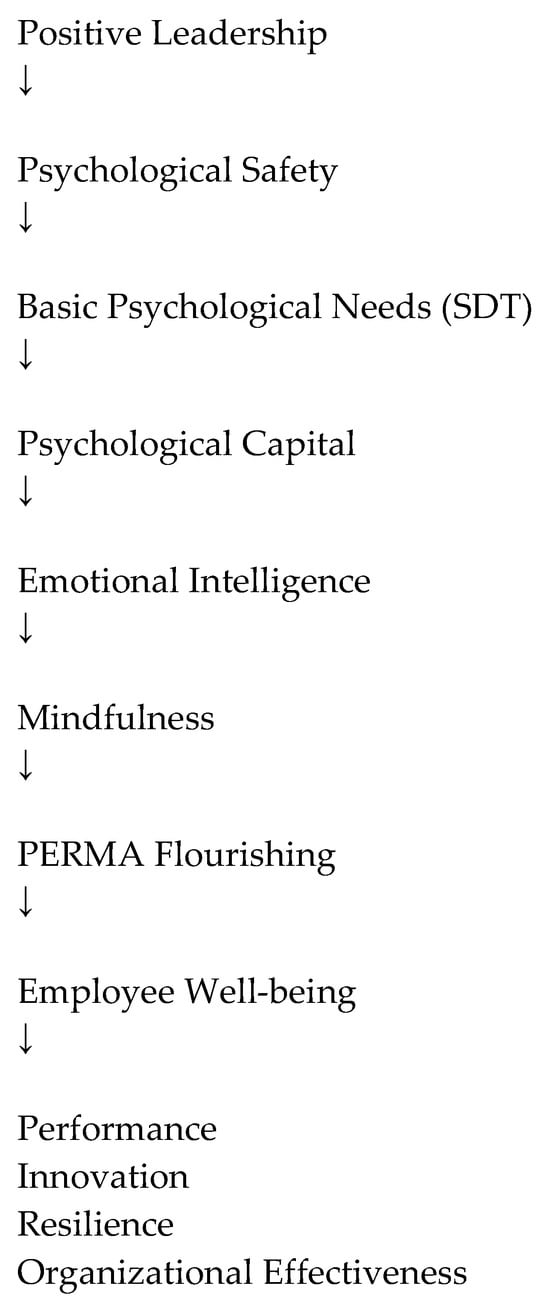
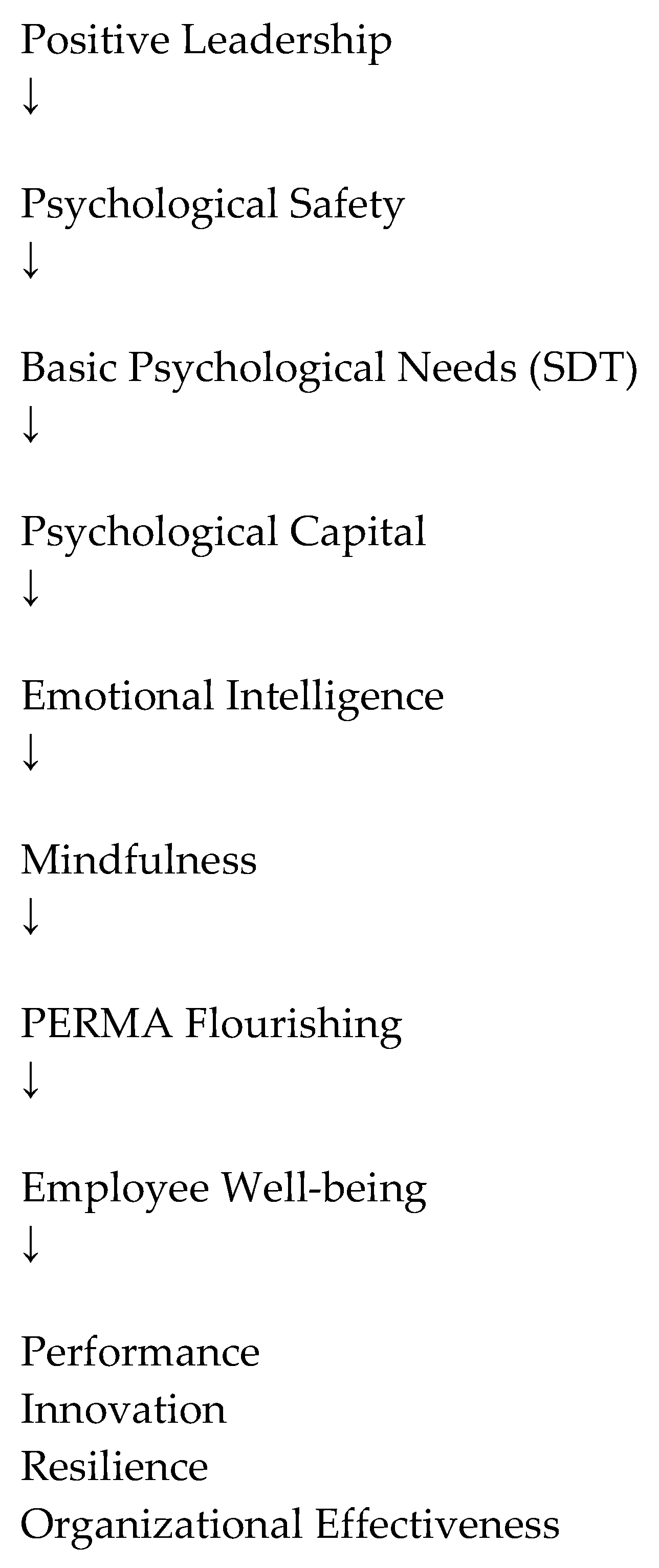
Disclaimer/Publisher’s Note: The statements, opinions and data contained in all publications are solely those of the individual author(s) and contributor(s) and not of MDPI and/or the editor(s). MDPI and/or the editor(s) disclaim responsibility for any injury to people or property resulting from any ideas, methods, instructions or products referred to in the content. |
© 2026 by the author. Licensee MDPI, Basel, Switzerland. This article is an open access article distributed under the terms and conditions of the Creative Commons Attribution (CC BY) license.