


Abstract
This study investigates how leadership fairness, support, well-being, and digital adaptation interact to shape employee functioning in digitally transforming banks. Using PLS-SEM (N = 594), multigroup analysis, and mediation testing, the findings reveal that resource activation operates through reciprocal emotional–technological pathways. Theoretically, digital adaptation is shown to function as a resource converter, and well-being produces cross-domain spillovers. Practically, Millennials and Generation X activate resources differently, indicating the need for differentiated transformation strategies. Full and partial mediation results underscore the centrality of support and adaptation as transmission mechanisms. Future research should explore identity-based meaning construction in digital change contexts.
1. Introduction
Digital transformation in banking has generated a fragmented body of research in which efficiency gains coexist with growing concerns about employee strain and relational deterioration (Felipe et al., 2025; Scholze & Hecker, 2024). These contradictions are especially salient in service-oriented environments, where improvements in coordination often coincide with intensified monitoring and reduced autonomy (Ravid et al., 2023). In this rapidly evolving context, teams must sustain cohesive, trust-based relationships despite increasingly digital and standardized workflows—a challenge that current theories struggle to fully explain (Weritz et al., 2022).
The core problem to solve is that digital transformation is eroding the relational fabric of banking teams, undermining trust, mutual support, and coordinated engagement (Robina-Ramírez et al., 2022), dimensions collectively described as Team Relational Well-Being (TRW). As digital systems reshape interpersonal interactions, many employees report declining relational quality and weakening social cohesion, especially in environments where algorithmic procedures replace traditional interpersonal exchanges (Robina-Ramírez et al., 2021). Accordingly, the central research question—and the dependent variable guiding this study—is: How do organizational resources sustain team relational well-being under digital transformation, and do these mechanisms differ across generational cohorts?
This research question is the direct response to the relational problem created by digital transformation, positioning TRW as the key outcome through which the success or failure of resource activation can be understood.
Addressing this question requires moving beyond assumptions that resource–outcome relationships operate uniformly across employees (Bakker & Demerouti, 2017). This limitation becomes evident when considering the Job Demands–Resources (JD-R) model, which posits that resources buffer demands and support performance (Demerouti et al., 2001) but often overlooks how digital contexts reshape the availability and interpretation of those resources (Bakker et al., 2023). Conservation of Resources (COR) theory similarly assumes stable resource valuation, a premise challenged when digital transformation alters how employees perceive control, fairness, and support (Halbesleben et al., 2014).
The integration of JD-R and COR theories provides the conceptual foundation for the research question. JD-R theory proposes that resources buffer demands and enable adaptive functioning, while COR theory emphasizes the preservation, accumulation, and loss of valued resources. However, digital transformation alters both the meaning and accessibility of these resources: fairness becomes less visible under algorithmic procedures, support becomes more ambiguous in digitally mediated communication, and purpose becomes harder to interpret when interpersonal contact is reduced. These shifts create uncertainty about whether traditional resource mechanisms still operate as expected. This theoretical tension directly motivates the central research question: how do organizational resources sustain team relational well-being under digital transformation, and do these mechanisms differ across generational cohorts?
These theoretical constraints help explain persistent contradictions: digital systems improve coordination yet intensify pressure (Scholze & Hecker, 2024). Consequently, organizational resources—such as perceived support—may no longer function consistently as protective mechanisms in digitally mediated environments (Kurtessis et al., 2017). Similar tensions emerge in leadership research, where fairness traditionally fosters trust and cooperation (Colquitt et al., 2013), yet algorithmic decision-making and process standardization weaken relational signals of fairness (Colquitt et al., 2001).
A parallel paradox arises within the meaningful work literature. Although meaningful work enhances well-being and resilience (Bailey et al., 2019; Robina-Ramírez et al., 2021), digital restructuring can distance employees from the social impact of their work, undermining its motivational value (Grant, 2007; Grant & Berry, 2011). These contradictions are especially pronounced in rural banking, where digitalization threatens relational embeddedness and community trust (Bednarik & Marshall, 2024).
Crucially, these issues intersect with ongoing debates about generational differences. Although generational effects on work attitudes tend to be modest (Costanza et al., 2012), evidence suggests that differences in technological socialization and accumulated experience shape how employees interpret fairness, purpose, and support (Ng & Feldman, 2012; Rudolph & Zacher, 2017). Employees with longer professional trajectories may rely more on institutional resources, whereas digitally socialized employees may prioritize purpose and alignment (Twenge et al., 2010).
Building on these insights, this study proposes a dual-path resource activation framework integrating institutional and meaning-based resources (Bakker et al., 2023). This framework conceptualizes resource activation as sequential and context-dependent, aligning JD-R with the dynamic logic of COR theory (Hobfoll et al., 2018). By introducing generational cohort as a boundary condition, it challenges assumptions of uniform resource activation and argues that employees interpret and prioritize resources differently based on their life course experiences.
This integrative perspective reconciles contradictions between efficiency and strain, and between stability and change, demonstrating that organizational resources are not inherently protective but are activated differently depending on digital context, experience, and generational positioning.
2. Conceptual Framework Built Through Qualitative Pretest
To address the research question—how organizational resources sustain team relational well-being under digital transformation and whether these mechanisms vary across generational cohorts—this study incorporates a qualitative pretest as a theory-driven refinement stage. This approach responds to a key limitation in prior research: dominant frameworks such as the Job Demands–Resources (JD-R) model and Conservation of Resources (COR) theory assume stable and universally interpreted resources, despite evidence that digital contexts reshape how employees perceive fairness, support, and purpose (Bakker et al., 2023; Hobfoll et al., 2018). Thus, the qualitative phase directly tackles a core contradiction between theoretical stability and contextual variability.
Traditional resource activation assumes that resources such as fairness, support, and purpose are stable, consistently interpreted, and reliably available. In contrast, digital transformation disrupts these assumptions. Algorithmic decision-making weakens relational cues of fairness; automated workflows reduce opportunities for interpersonal support; and digital restructuring can obscure the social purpose of work. As a result, resource activation becomes more volatile and context-dependent, requiring employees to reinterpret signals that were previously stable. This distinction is central to the dual-path framework developed in this study, which conceptualizes resource activation as an emotional–technological process shaped by digital mediation rather than a linear, uniform mechanism.
In contrast to studies relying on Exploratory Factor Analysis (EFA), this research adopts an expert-informed, context-sensitive approach. While EFA identifies covariance patterns, it does not ensure conceptual validity, particularly in complex organizational settings (Haynes et al., 1995; Hardesty & Bearden, 2004). This limitation is especially critical in digital transformation research, where constructs may overlap statistically but diverge in meaning. By using a focus group, the study aligns with calls for stronger content validity and theoretical clarity (Podsakoff et al., 2016; Sánchez-Oro & Ramírez, 2020), addressing the tendency in JD-R research to prioritize model testing over construct refinement.
The qualitative pretest was conducted in rural banking branches in Extremadura (Spain), a context where digitalization coexists with strong relational embeddedness (Table 1 and Table 2). This setting amplifies contradictions identified in the literature: efficiency gains through digitalization contrast with disruptions to trust-based service relationships (Bednarik & Marshall, 2024). The inclusion of diverse participants across generational cohorts allows the study to examine whether inconsistencies in prior findings reflect real differences or variations in interpretation.
Table 1.
Qualitative pretest objectives.
Table 2.
Overview of focus group design and procedure.
The qualitative pretest revealed that team adaptability is not inherently relationally beneficial. Participants emphasized that adaptation under digital pressure may generate temporary strain, ambiguity, or conflict, particularly when roles shift rapidly or when adaptation is perceived as imposed rather than collectively coordinated. This indicates that the relational consequences of adaptability are conditional rather than universally positive. However, when adaptation is enacted through shared interpretation, fair leadership, and adequate support, it can strengthen coordination and relational stability. This duality explains why adaptability emerged as a process distinct from relational well-being, while still retaining the potential to influence it under favorable conditions.
The findings validate and challenge existing theory. Table 3 shows that all constructs were recognized as relevant; however, participants revealed important conceptual tensions. Fair leadership (FL) and Perceived Organizational Support (POS), often treated as distinct, were experienced as closely linked yet functionally different: fairness as procedural legitimacy and support as relational care. This challenges JD-R assumptions of discrete, additive resources.
Table 3.
Construct refinement based on qualitative pretest.
Similarly, Team Dynamic Adaptability (TDA) and Team Relational Well-being (TRW) were distinguished as process versus outcome. This finding contradicts studies that implicitly equate adaptation with positive relational outcomes, highlighting that adaptation under digital pressure may not automatically enhance team cohesion.
Crucially, the analysis identifies two interrelated resource activation pathways. The justice-based pathway links fairness to support and coordinated adaptation, while the well-being–purpose pathway links subjective well-being to social purpose and relational functioning. This dual structure challenges linear assumptions in JD-R and COR, suggesting that resources operate through differentiated but complementary mechanisms.
Generational differences emerged not as distinct processes but as variations in resource salience. Employees with longer tenure emphasized institutional stability, whereas digitally socialized employees prioritized meaning and engagement. This finding reconciles contradictions in generational research by positioning cohorts as boundary conditions rather than sources of fundamentally different behavior.
The qualitative pretest strengthens the conceptual model (see Figure 1) by resolving theoretical ambiguities, grounding constructs in lived experience, and aligning the framework more closely with the complexities of digital transformation in banking.
Figure 1.
Model.
3. Literature Review
Building on the dual-path framework identified in the qualitative pretest, this section develops the theoretical foundations of the proposed resource-activation model. Team Relational Well-Being (TRW) is understood as a collective state of trust, mutual respect, and coordinated engagement within the team (Gittell et al., 2008; Edmondson & Lei, 2014). Subjective Well-Being (SWB) follows Diener et al.’s (1999) definition as employees’ affective and cognitive evaluation of their work experience, including emotional balance and overall satisfaction. Social Purpose of Work (SPW) is defined as the perception that one’s work contributes to the welfare of others and has social or moral significance (Grant, 2007). Team Dynamic Adaptability (TDA) refers to the team’s capacity to adjust roles, routines, and coordination patterns in response to changing demands (Christian et al., 2017; DeChurch & Mesmer-Magnus, 2010). Fair Leadership (FL) is grounded in organizational justice theory and refers to the transparent, consistent, and respectful enactment of decisions and procedures (Colquitt et al., 2001). Perceived Organizational Support (POS) refers to employees’ perception that the organization values their contribution and cares about their well-being (Rhoades & Eisenberger, 2002; Kurtessis et al., 2017).
These definitions anchor the constructs in established theoretical traditions while allowing their meaning to be reconsidered under digital transformation. Existing research offers valuable insights into fairness, support, adaptation, purpose, and well-being, but the evidence remains fragmented and sometimes contradictory. Some studies report strong positive effects of these resources, whereas others find weak, inconsistent, or negative relationships under conditions of digitalization, monitoring, role instability, or reduced interpersonal contact. This fragmentation suggests that traditional resource mechanisms may not operate uniformly in digitally mediated environments.
Accordingly, this literature review adopts a structured and integrative approach. First, it distinguishes between traditional resource activation—where resources are stable, relationally visible, and consistently interpreted—and digitally mediated resource activation, where algorithmic systems, reduced face-to-face interaction, and technological standardization alter the meaning and accessibility of resources. Second, it integrates contradictory findings to highlight the theoretical tensions that motivate the dual-path framework. Third, it organizes the literature around two core pathways identified in the qualitative pretest: a justice-based pathway and a well-being–purpose pathway. This structure provides the conceptual basis for the hypotheses developed below.
3.1. Team Relational Well-Being (TRW)
Research on Team Relational Well-Being (TRW) highlights important conceptual tensions across studies examining how teams sustain trust, cohesion, and coordinated engagement. While many scholars argue that adaptive coordination strengthens TRW by enabling mutual adjustment and shared understanding (Christian et al., 2017; DeChurch & Mesmer-Magnus, 2010; Gittell et al., 2008), other findings complicate this assumption. TRW is fundamentally collective: it depends on synchronized interaction patterns rather than individual emotional states or isolated prosocial tendencies. Under conditions of digital transformation or high-pressure coordination, adaptation can introduce uncertainty, shifting roles, or conflict that temporarily undermines relational stability (Rico et al., 2008). Research also reveals that employees differ in how they interpret adaptive demands. Individuals accustomed to constant change may treat adaptability as routine, reducing its relational impact (Ng & Feldman, 2012; Rudolph & Zacher, 2017), whereas others interpret adaptation as a stabilizing signal of competence and reliability (Baltes, 1997; Costanza et al., 2012). These contradictions show that TRW is context-dependent rather than universally strengthened by adaptability, requiring models that integrate both structural and perceptual dimensions of team functioning.
3.2. Subjective Well-Being (SWB)
Research on Subjective Well-Being (SWB) remains theoretically influential yet empirically fragmented (Robina-Ramírez et al., 2021), especially when applied to multigenerational banking work under digital transformation. Classic approaches conceptualize SWB as a broad evaluation of life satisfaction and affect (Diener et al., 1999), but this stability assumption contrasts sharply with evidence that contemporary banking environments expose employees to volatile emotional demands and fluctuating digital stressors (Sánchez-Hernández et al., 2025). For instance, while theories of positive affect emphasize that frequent positive emotions enhance resilience (Fredrickson, 2001; Robina-Ramírez et al., 2021), empirical studies reveal that rapid technological change can erode emotional balance, disproportionately affecting older employees with lower digital efficacy. This contradiction challenges universalist claims about the benefits of positive affect.
Similarly, psychological energy has been linked to personal resources (Xanthopoulou et al., 2007), yet digital transformation research shows that technostress drains resources faster than they can be replenished, especially when organizational support is uneven across generations. The assumption of stable emotional equilibrium (Indrayanti et al., 2025) also fails to account for persistent uncertainty in algorithm-driven banking workflows, where younger employees may adapt more quickly than older cohorts. While recent work suggests technological change should not inherently harm well-being (Mansuroğlu & Smith, 2026), banking evidence indicates substantial variation based on leadership fairness, training access, and team relational climates. These contradictions highlight SWB as an emergent, context-dependent state, rather than a stable psychological construct, requiring more nuanced, generation-sensitive theorization.
H1.
Subjective Well-Being (SWB) positively influences Team Relational Well-Being (TRW).
3.3. Social Purpose of Work (SPW)
Social Purpose of Work (SPW) is widely regarded as a core motivational resource that enhances employees’ sense of significance, moral contribution, and psychological engagement. Research consistently shows that perceiving one’s work as socially meaningful strengthens intrinsic motivation, fosters prosocial behavior, and reinforces positive affective states (Grant, 2007; Bailey et al., 2019). These mechanisms widen cognitive flexibility (Fredrickson, 2001) and encourage cooperative and helping behaviors, reflecting the deep motivational pull of purpose-driven work (Grant & Berry, 2011).
Yet, several contradictions emerge when examining SPW across different organizational contexts. A major limitation in existing studies is the assumption that the effects of SPW are uniformly positive. Under demanding conditions—such as burnout risk, emotional dissonance, or moral strain—meaningful work can paradoxically intensify pressure, amplifying employees’ sense of responsibility rather than alleviating it. This challenges the notion that purpose invariably strengthens motivation.
A second tension concerns generational differences in the value placed on purpose. Millennials tend to emphasize identity alignment and purpose as central to their work experience (Twenge et al., 2010; Costanza et al., 2012), making them more responsive to meaning-related cues. In contrast, Generation X employees may prioritize stability, predictability, and role clarity, suggesting that SPW is not an equally salient resource across cohorts (Rudolph & Zacher, 2017).
Structural and technological changes—such as digitalization, reduced interpersonal contact, or role ambiguity—can weaken employees’ perception of making a meaningful social contribution. When SPW becomes obscured by technological mediation, its motivational force diminishes. These contradictions indicate that SPW is deeply context-dependent, requiring multi-level models that integrate organizational conditions, generational expectations, and resource activation dynamics.
H2.
Social Purpose of Work (SPW) positively influences Team Relational Well-Being (TRW).
H3.
Subjective Well-Being (SWB) positively influences Social Purpose of Work (SPW).
3.4. Team Dynamic Adaptability (TDA)
Team Dynamic Adaptability (TDA) refers to a team’s ability to adjust responsibilities, reinterpret emerging challenges, and modify coordination routines in response to changing demands (Christian et al., 2017; DeChurch & Mesmer-Magnus, 2010). Research generally portrays TDA as a positive functional resource, enabling teams to remain flexible, responsive, and resilient during uncertainty. However, important limitations and contradictions emerge when examining adaptability across different organizational contexts.
A major tension concerns the ambivalent effects of adaptation. Although adaptability can promote effective adjustment, it may also introduce temporary strain, ambiguity, or conflict during periods of rapid change, especially when roles shift or procedures become unstable (Rico et al., 2008). In digitally transforming environments, adaptation may feel compulsory rather than empowering, reducing the extent to which employees perceive it as a constructive capability. Studies also show that employees who are accustomed to continuous change, a hallmark of digital workplaces, tend to become less sensitive to traditional resource cues such as procedural fairness or managerial reassurance (Ravid et al., 2023). In contrast, other research highlights that cumulative experiences of fair processes can bolster confidence during adaptation, mitigating uncertainty (Hobfoll et al., 2018).
A second contradiction arises from generational and experiential differences. Employees socialized in high-change, digital environments often view adaptability as routine and may attribute little developmental or motivational significance to it (Ng & Feldman, 2012; Rudolph & Zacher, 2017). Conversely, employees who value stability or predictability may interpret adaptive behaviors as important signals of security and competence, particularly under conditions of technological disruption (Baltes, 1997; Costanza et al., 2012). Taken together, these contradictions reveal that TDA is context-dependent rather than universally beneficial, shaped by digital pressures, interpretive differences, and generational expectations.
Although the qualitative findings highlight that adaptation does not automatically enhance relational well-being, they also indicate that when adaptation is collectively coordinated and supported, it can reinforce trust, mutual reliance, and team cohesion. In digitally transforming environments, teams that successfully reinterpret challenges and adjust routines together often experience stronger relational bonds. Therefore, while the relationship is not unconditional, the dominant expectation—supported by both theory and participant accounts—is that higher levels of coordinated adaptability will be associated with higher relational well-being.
H4.
Team Dynamic Adaptability (TDA) positively influences Subjective Well-Being (SWB).
H5.
Team Dynamic Adaptability (TDA) positively influences Team Relational Well-Being (TRW).
H6.
Team Dynamic Adaptability (TDA) positively influences Social Purpose of Work (SPW).
3.5. Fair Leadership (FL)
Fair Leadership (FL) is traditionally viewed as a stabilizing organizational resource that fosters legitimacy, trust, and cooperative behavior within teams (Colquitt et al., 2001, 2013). Grounded in organizational justice theory, fairness signals procedural consistency, transparent communication, and respectful treatment—conditions that support relational stability and collaborative functioning. However, under digital transformation, the assumed clarity and impact of fairness cues become more ambiguous. Digitally mediated contexts characterized by algorithmic decision-making, reduced face-to-face interaction, and standardized procedures may weaken or distort the relational meaning of fairness, making it appear as procedural compliance rather than genuine interpersonal consideration (Ravid et al., 2023).
This shift complicates the effectiveness of FL as a relational resource. Employees may no longer interpret fairness cues uniformly, particularly when digital systems obscure leaders’ intentions or limit personalized interaction. Generational perspectives add another layer of complexity. While empirical evidence shows that overall cohort differences remain modest (Costanza et al., 2012), a lifespan approach suggests that employees interpret fairness differently depending on their accumulated work experiences and technological socialization. Those with longer professional trajectories may assign greater significance to fairness as a signal of stability and legitimacy (Ng & Feldman, 2012), whereas younger, digitally socialized employees may rely less on fairness cues and more on meaning-based or purpose-driven indicators when navigating change. As a result, the relational influence of Fair Leadership becomes context-dependent, shaped by digitalization, interpretive variability, and generational expectations.
H7.
Fair Leadership (FL) positively influences Team Dynamic Adaptability (TDA).
H8.
Fair Leadership (FL) positively influences Subjective Well-Being (SWB).
H9.
Fair Leadership (FL) positively influences Team Relational Well-Being (TRW).
H10.
Fair Leadership (FL) positively influences Social Purpose of Work (SPW).
3.6. Perceived Organizational Support (POS)
Perceived Organizational Support (POS) is traditionally understood as a central contextual resource that signals institutional care, recognition, and protection, thereby reducing the interpersonal and performance risks employees face, especially under demanding conditions (Rhoades & Eisenberger, 2002; Kurtessis et al., 2017). Within the JD-R framework, POS strengthens employees’ psychological capacity to cope with uncertainty, legitimizes proactive behavior, and reinforces a sense of organizational commitment and stability (Bakker & Demerouti, 2017).
However, digital transformation challenges several underlying assumptions about how POS operates. As banks adopt algorithmic decision-making, automated workflows, and standardized procedures, employees may find it increasingly difficult to interpret supportive signals from the organization. Reduced face-to-face interaction and heightened performance monitoring can blur the distinction between genuine support and procedural formality, weakening the relational meaning traditionally associated with POS. In such environments, support may be perceived as abstract or distant, diminishing its motivational and protective value.
Generational perspectives further complicate this picture. While differences across cohorts are generally modest (Costanza et al., 2012), a lifespan developmental view suggests that employees rely on POS differently depending on their professional history and technological socialization. Those with longer careers may depend more heavily on institutional reassurance during periods of digital disruption, interpreting POS as a stabilizing signal of organizational commitment (Ng & Feldman, 2012). Younger employees, socialized within digitally fluid environments, may instead place greater emphasis on meaning-based or identity-related cues, reducing the relative influence of POS on their work experience. Under digital transformation, POS remains valuable but becomes context-dependent, shaped by changes in communication, relational interpretation, and generational expectations.
H11.
Fair Leadership (FL) positively influences Perceived Organizational Support (POS).
H12.
Perceived Organizational Support (POS) positively influences Team Dynamic Adaptability (TDA).
H13.
Perceived Organizational Support (POS) positively influences Subjective Well-Being (SWB).
H14.
Perceived Organizational Support (POS) positively influences Team Relational Well-Being (TRW).
H15.
Perceived Organizational Support (POS) positively influences Social Purpose of Work (SPW).
While many studies highlight the positive effects of fairness, support, and adaptability, the evidence is far from uniform. Research on organizational justice shows that fairness does not always translate into higher trust or cooperation, particularly when procedural transparency is low or when digital systems obscure the source of decisions (Ravid et al., 2023; Colquitt et al., 2013). Similarly, although perceived organizational support is generally associated with well-being and performance, several studies report weak or inconsistent effects in highly standardized or technologically mediated environments, where support signals become ambiguous or depersonalized. Adaptability, often portrayed as a universally beneficial capability, has also been shown to generate strain, role ambiguity, or conflict under conditions of rapid technological change (Rico et al., 2008). Including these contradictory findings clarifies that resource activation under digital transformation is not linear or uniformly positive, but contingent, unstable, and context dependent.
4. Materials and Methods
4.1. Research Design, Population, and Sample
The study used a sequential mixed-methods design, beginning with a qualitative focus group to refine constructs and ensure contextual fit, followed by a quantitative phase testing a dual-path resource activation model across generations. Data were collected from employees in rural banking branches in Extremadura (Spain), a region marked by digital transformation and strong community-based service traditions. This setting, combining standardized digital procedures with relational expectations, offered a relevant context for examining adaptation and well-being. Of 658 branches contacted, an electronic survey yielded a final cleaned sample of 594 respondents. Participants were classified into Generation X and Millennials following established typologies, enabling multigroup comparisons. Sample sizes met PLS-SEM requirements, and controls included gender, role, and tenure.
4.2. Selection of Indicators
All constructs were assessed using multi-item reflective scales adapted from validated instruments in organizational behavior research. A seven-point Likert scale (1 = strongly disagree; 7 = strongly agree) captured response variability.
Item selection was informed by prior literature and a qualitative pretest, which confirmed contextual relevance and supported retaining the model’s six dimensions. Wording adjustments ensured alignment with digitally transforming banking environments, emphasizing digital procedures, coordination demands, and community-based service. A panel of banking managers reviewed the questionnaire to verify clarity and relevance, leading to minor refinements without altering the theoretical meaning or validity of the constructs (see Table 4).
Table 4.
Measurement indicators and supporting literature.
The decision to retain a multi-path structure is grounded in the qualitative pretest, which revealed that employees interpret fairness, support, purpose, and adaptation as interdependent yet distinct resources. This aligns with recent calls in organizational behavior research to avoid oversimplifying resource dynamics in digitally transforming environments, where emotional, technological, and relational processes interact in non-linear ways. The model therefore reflects the lived complexity of digital transformation rather than an artificially reduced representation.
While the study employs a rigorous mixed-methods design, the quantitative phase is cross-sectional, capturing employees’ perceptions at a single point in time. This design is appropriate for testing the structural relationships proposed in the dual-path resource activation framework; however, it does not allow for the assessment of temporal dynamics. Given that digital adaptation and well-being processes may fluctuate as transformation progresses, future research should adopt longitudinal or panel designs to examine how resource activation unfolds over time.
Furthermore, the present study uses self-report measures due to the relational and perceptual nature of the constructs. Nonetheless, future research would benefit from incorporating multi-source data—such as supervisor ratings, behavioral indicators, or digital performance logs—to reduce common method bias and triangulate the mechanisms identified in the model.
4.3. Hypotheses and Model
The hypotheses derive directly from the combined logic of JD-R and COR theories under digital transformation. JD-R predicts that resources should enhance well-being and relational functioning, while COR suggests that employees will activate resources strategically to prevent loss and maintain stability. However, digital transformation modifies how these resources are perceived and utilized. Fairness may activate support only when relational signals remain interpretable; purpose may enhance well-being only when employees can still perceive the social value of their work; and adaptation may function as a resource converter only when teams can collectively reinterpret technological demands. These theoretical mechanisms underpin the directional expectations embedded in the hypotheses. The conceptual framework and proposed relationships are presented in Figure 2.
Figure 2.
Model: Constructs and Indicators.
Hypotheses:
- H1: SWB positively influences TRW.
- H2: SPW positively influences TRW.
- H3: SWB positively influences SPW.
- H4: TDA positively influences SWB.
- H5: TDA positively influences TRW.
- H6: TDA positively influences SPW.
- H7: FL positively influences TDA.
- H8: FL positively influences SWB.
- H9: FL positively influences TRW.
- H10: FL positively influences SPW.
- H11: FL positively influences POS.
- H12: POS positively influences TDA.
- H13: POS positively influences SWB.
- H14: POS positively influences TRW.
- H15: POS positively influences SPW.
4.4. Data Collection and Processing
Data collection was carried out through a structured questionnaire distributed electronically through 230 managers of rural banking branches in Extremadura, reaching 594 employees. To ensure strong engagement and maximize response rates, follow-up phone calls were conducted, allowing researchers to clarify the study’s purpose and encourage participation. This combined strategy—digital distribution supported by personalized contact—proved effective for securing a high number of completed questionnaires, particularly in a geographically dispersed rural banking context.
Hypotheses were tested using PLS-SEM with SmartPLS 4 (SmartPLS GmbH, Oststeinbek, Germany), suitable for complex latent-variable models (Hair et al., 2022). Analysis followed a two-step approach: first, evaluating measurement model reliability, consistency, and validity; second, assessing the structural model through path coefficients, significance, R2, and direct and indirect effects. Multi-Group Analysis (MGA) was conducted to assess structural differences between generational cohorts (Millennials vs. Generation X), consistent with the study’s focus on generational variation in resource activation.
5. Results
The analysis applies PLS-SEM to rigorously test the proposed model, with the measurement model validating latent organizational constructs and the structural model assessing relationship strength and direction. This approach reveals how organizational resources function as activation mechanisms shaping well-being and team relational functioning in digital banking contexts.
5.1. External Model
Indicator reliability was assessed through outer loadings, using the recommended threshold of 0.70 as a reference criterion (Carmines & Zeller, 1979). As shown in Table 5, all retained indicators exceeded this threshold, supporting adequate indicator reliability and confirming that the items adequately represent their corresponding latent constructs.
Table 5.
Outer model loadings.
The measurement scales underwent rigorous reliability testing. Cronbach’s alpha and composite reliability exceeded 0.70, confirming construct coherence and stability (Nunnally & Bernstein, 1994). Convergent validity was verified via AVE, with all constructs surpassing 0.50, indicating indicators capture more variance from their constructs than error. Full statistics are reported in Table 6.
Table 6.
Validity and Reliability.
Discriminant validity was tested using the Fornell–Larcker criterion, requiring each construct to share more variance with its indicators than with other constructs. As Table 7 shows, all constructs meet this condition, confirming conceptual distinctiveness, preventing overlap, and enhancing the model’s interpretive power and robustness.
Table 7.
Discriminant validity matrix (Fornell-Larcker Criterion).
Discriminant validity was also examined using the Heterotrait–Monotrait (HTMT) ratio (Henseler et al., 2015). All values remained under the 0.90 threshold, indicating that constructs are well separated and demonstrate strong empirical distinctiveness (see Table 8).
Table 8.
Discriminant validity matrix (Heterotrait-Monotrait Ratio Criterion).
These results provide strong evidence of discriminant validity among the constructs included in the proposed resource-activation model (Henseler et al., 2015). Model fit was assessed using the standardized root mean square residual (SRMR), with values below 0.08 indicating an acceptable fit between the proposed model and the observed data.
5.2. Structural Model Analysis
Table 9 indicates that the model has substantial explanatory and predictive power. The R2 values show that the model explains a meaningful proportion of variance in the endogenous constructs, particularly TRW, which reaches an R2 value of 0.707. This suggests that FL, POS, TDA, SPW, and SWB jointly provide a strong explanation of relational functioning in digitally transforming banking teams. In addition, the positive Q2-predict values across all endogenous constructs indicate that the model has out-of-sample predictive relevance. Overall, these results support the proposed resource-activation framework and show that organizational resources and adaptation mechanisms are important predictors of TRW in the banking digital transformation context.
Table 9.
Structural model results.
Table 10 reports the f2 effect sizes, which indicate the incremental contribution of each predictor to the explained variance of the endogenous constructs. FL shows substantial effects on POS (f2 = 0.388) and TDA (f2 = 0.361), suggesting that fair leadership plays an important role in activating organizational support and digital adaptation during banking digital transformation. POS shows its strongest effect on SWB (f2 = 0.450), indicating that perceived organizational support is a central predictor of employees’ subjective well-being. In addition, SWB has a substantial effect on SPW (f2 = 0.414), while TDA shows a meaningful effect on TRW (f2 = 0.192). By contrast, several direct effects involving FL or POS on SPW and TRW are small or negligible, suggesting that these relationships operate mainly through indirect or mediated pathways rather than through strong direct effects. Overall, the f2 results support the proposed resource-activation logic by showing that FL, POS, SWB, and TDA make uneven but theoretically meaningful contributions to the model.
Table 10.
f-square.
To enhance interpretability, the analysis distinguishes between core and peripheral pathways. The justice-based sequence (FL→POS→TDA) and the well-being–purpose sequence (SWB→SPW→TRW) are presented as the primary mechanisms. Secondary paths with marginal effect sizes are retained for theoretical completeness but are explicitly labeled as supplementary. This distinction improves clarity without compromising the conceptual integrity of the model. Table 11 shows a clear asymmetry between significant and non-significant paths, revealing important theoretical and empirical tensions. Strong effects such as SWB→SPW (H3, β = 0.686) and FL→TDA (H7, β = 0.530) confirm resource-activation mechanisms consistent with Bakker and Demerouti’s (2017) JD–R theory, which argues that supportive contexts rapidly translate into psychological resources. Similarly, POS→SWB (H13, β = 0.520) reinforces the view that perceived support enhances well-being, echoing Allan et al. (2016) on meaning and socio-emotional reinforcement. Digital demands also show robust effects—TDA→TRW (H5, β = 0.331)—aligning with Abhari (2025) on predisposition to transformation.
Table 11.
Path coefficients.
In contrast, non-significant effects of FL→TRW (H9) and FL→SPW (H10) suggest that leadership fairness alone is insufficient to shape teamwork or social purpose of work, contradicting the broader relational claims in Bailey et al. (2019). These null paths highlight contextual constraints, supporting findings by Costanza et al. (2012) on generational variability, where fairness perceptions do not uniformly activate team or well-being outcomes across age cohorts.
Table 12 compares structural paths for Millennials (M) and Generation X (Gen-X), revealing generational asymmetries in how leadership, support, and digital transformation activate well-being and teamwork resources. Both groups show strong, significant effects for FL→POS, FL→TDA, POS→SWB, and SWB→SPW, indicating that fairness and perceived support remain core resource triggers across age cohorts. These patterns align with Bakker and Demerouti’s (2017) Job Demands–Resources theory, which predicts universally strong activation of motivational pathways.
Table 12.
Multigroups Analysis MGA.
However, the magnitude of effects differs. Generation X consistently shows higher coefficients for emotional and relational pathways (e.g., POS→SWB = 0.567 vs. 0.505), reflecting greater socio-emotional stability consistent with lifespan developmental principles outlined by Baltes (1997) and generational attitude research (Costanza et al., 2012). Millennials, by contrast, exhibit stronger responsiveness to digital transformation mechanisms (e.g., POS→TDA = 0.259 vs. 0.193), supporting findings from Abhari (2025) indicating younger workers’ greater receptivity to digital change.
Non-significant paths—such as FL→SPW and FL→TRW for both cohorts—highlight limitations identified in the meaningful-work literature (Bailey et al., 2019), where leadership fairness alone does not guarantee improved social purpose of work. Overall, the MGA reveals that while foundational resource processes operate similarly, their strength varies systematically by generation, shaped by differing motivational orientations and digital adaptation patterns.
Table 13 further clarifies the relational architecture linking FL, POS, TDA, SWB, SPW, and TRW through specific indirect effects. Several relationships with weak or non-significant direct effects in Table 11 show significant indirect effects, suggesting that these relationships operate mainly through mediated pathways. For example, the indirect effects involving FL, POS, TDA, SWB, and SPW indicate that leadership fairness and organizational support influence downstream relational outcomes primarily through sequential resource-activation mechanisms. This pattern is consistent with JD-R theory, which suggests that organizational resources often shape well-being and relational functioning indirectly by activating motivational, adaptive, and socio-emotional processes.
Table 13.
Specific indirect effect.
Key pathways such as FL→POS→SWB (0.275) and TDA→SWB→SPW (0.138) illustrate strong partial mediation, reflecting mechanisms described by Allan et al. (2016), who emphasize that well-being emerges through layered socio-emotional processes rather than isolated cues. Similarly, multi-step chains such as FL→TDA→SWB→SPW→TRW mirror findings by Abhari (2025) that digital transformation readiness operates through psychological adaptability rather than direct leadership influence.
A few relationships show patterns approaching full mediation, especially where direct effects are non-significant yet indirect chains are robust, consistent with Barsade’s (2002) and Bailey et al.’s (2019) observations that emotional and meaningful-work dynamics require relational intermediaries. Moreover, the cumulative cascade from POS and TDA into SWB and SPW resonates with lifespan-development perspectives such as Baltes (1997), highlighting that well-being activation depends on sequential resource gains. Overall, the mediation evidence positions POS, TDA, and SWB as central transmission mechanisms, transforming leadership influence into downstream well-being and teamwork outcomes. All mediation paths were retained because they correspond to theoretically meaningful mechanisms identified during the qualitative pretest. Paths with small effect sizes are reported transparently but interpreted cautiously to avoid overstating their substantive importance.
6. Discussion
Although the proposed model integrates multiple mediation paths, this structure reflects the dual-path resource activation framework identified in the qualitative pretest. Employees consistently distinguished between justice-based and purpose-based mechanisms, indicating that resource activation under digital transformation is not linear but operates through differentiated emotional–technological pathways. Simplifying the model by removing these mechanisms would risk omitting theoretically essential processes that emerged directly from employee interpretations and would reduce the explanatory coherence of the dual-path framework. The evaluation of the structural model reveals that R2 and Q2-predictive jointly clarify how effectively the model captures the mechanics of resource activation in digitally transforming banking environments. Whereas R2 indicates how much variance in outcomes—particularly teamwork well-being—is explained, Q2-predictive demonstrates whether these relationships possess real predictive utility rather than representing mere statistical patterns. This distinction is essential, echoing early warnings by Rossiter (2002) about construct realism and by Hardesty and Bearden (2004) regarding the need for predictive adequacy in behavioral models. Taken together, these indicators affirm that the model does not simply describe relationships but meaningfully forecasts how employees convert resources into adaptive functioning.
Building on this predictive foundation, the final model advances the literature by illustrating that resource activation in digital banking is fundamentally multi-layered, dynamic, and reciprocal. Rather than treating digital demands as unidirectional stressors, the model shows that digital adaptation operates as a mediating resource-converter, transforming technology-induced pressures into enhanced emotional, situational, and teamwork outcomes. This challenges the conventional JD–R framing of digitalization as predominantly demanding and aligns with more contemporary perspectives such as Scholze and Hecker (2024), while moving beyond them by demonstrating how technology can expand—not erode—employee well-being. The findings reinforce the need to reinterpret JD-R and COR theories in digitally transforming environments. Rather than functioning as stable protective factors, resources become fluid, contingent, and mediated by technology. This explains why some pathways operate strongly while others weaken or become inconsistent. Digital transformation alters the visibility, meaning, and relational interpretation of resources, requiring employees to activate them through new emotional–technological processes. By clarifying these mechanisms, the study provides a more coherent theoretical account of how JD-R and COR operate under digital transformation, addressing the fragmentation noted in earlier versions of the manuscript.
These insights deepen theoretical understanding of cross-domain spillover, where emotional, relational, and technological pathways jointly shape well-being. This echoes but extends the relational coordination framework of Gittell et al. (2008), showing that support and adaptation reinforce one another in a mutually amplifying loop. By capturing these reciprocal dynamics, the model surpasses the static assumptions criticized by Creswell and Plano Clark (2018) and instead offers a more context-responsive interpretation of behavior during organizational transformation. The findings also complement lifespan developmental views by Baltes (1997), who emphasizes the need for ongoing selection, optimization, and compensation across life domains—reflecting how employees reorganize resources in response to technological change. Moreover, the buffering role of digital adaptation mirrors evidence by Brandão and Matias (2024) showing that resources protect well-being across work–life boundaries. Finally, the model extends Grant’s (2007) insights on prosocial motivation by demonstrating that well-being activation increases not only personal functioning but also collective performance within teams.
The strength of hypotheses H11, H3, and H7 further reinforces these theoretical contributions. The prominence of H11 (FL→POS) underscores fairness as a fundamental precursor of support perceptions, reflecting justice processes articulated by Colquitt et al. (2001) and elaborated by Li and Cropanzano (2009). Meanwhile, H7 (FL→TDA) reveals that leadership fairness fosters digital readiness, consistent with voice-readiness research by Detert and Burris (2007) and the trust-based mechanisms described by Dirks and Ferrin (2002). H3 (SWB→SPW) emerges as the strongest well-being pathway, affirming emotional-transfer processes noted by Dunn et al. (2008) and the upward spirals of positive emotion proposed by Fredrickson and Joiner (2002).
At first glance, the significant positive effect of TDA on TRW (β = 0.331, p < 0.001) may appear inconsistent with the qualitative finding that adaptation under digital stress does not automatically enhance cohesion. However, these results are complementary rather than contradictory. The qualitative insights identify boundary conditions: adaptability can undermine relational stability when it is experienced as chaotic, imposed, or unsupported. The quantitative model, by contrast, captures the average effect across the sample, showing that when adaptation is enacted under conditions of fairness, support, and shared interpretation, it tends to strengthen relational well-being. Thus, the qualitative findings highlight the risks and contingencies of adaptation, while the quantitative results reflect the prevailing pattern in this organizational context. Together, they provide a more nuanced understanding of how adaptability functions as a relational resource during digital transformation.
Generational differences enrich this discussion. Millennials and Generation X mobilize resources differently: Millennials exhibit stronger digital-adaptation pathways, reflecting identity-readiness patterns described by Oyserman (2009), whereas Generation X demonstrates greater emotional stability, aligning with the developmental consistency described by Rudolph and Zacher (2017). This divergence parallels value-based differences noted by Ng and Feldman (2010), demonstrating that digital transformation is not uniformly experienced but filtered through generational identities.
The mediation analysis offers a crucial theoretical insight: well-being and digital adaptation serve as transmission channels rather than passive outcomes. Partial mediation indicates that leadership and support exert influence through both direct and indirect routes, consistent with the multidimensional resource logic described by Halbesleben et al. (2014). Full mediation emerges when indirect pathways fully carry the relationship, revealing psychological and digital processes as necessary conduits. These findings extend relational perspectives from Grant (2007) and deepen understanding of adaptive resource cycles akin to those described by Hobfoll et al. (2018). Ultimately, the results position resource activation as a cascading system, explaining how emotional, relational, and digital capacities jointly sustain performance during transformation. The findings should be interpreted with caution given the cross-sectional and single-source nature of the data. Although the mediation results provide valuable insights into how fairness, support, and adaptation shape relational well-being, the absence of longitudinal or multi-source data limits the strength of causal claims. Digital transformation is a dynamic process, and resource activation may vary as employees accumulate experience with new systems. Future studies employing longitudinal and multi-informant designs would therefore offer a more rigorous test of the temporal and cross-level mechanisms proposed here.
7. Conclusions
This study demonstrates that resource activation during digital transformation is shaped by intertwined psychological, relational, and technological mechanisms. By analyzing well-being, support, and adaptation across generations, the research highlights how employees mobilize resources unevenly, revealing patterned differences in emotional stability, digital readiness, and leadership sensitivity that together shape transformation outcomes.
7.1. Theoretical Conclusions
The results reveal that resource activation is systemic rather than linear, advancing earlier work that saw digital demands mainly as stressors. Instead of functioning as isolated predictors, digital adaptation, well-being, and support form a reciprocal amplification network, where each reinforces the others. This finding moves beyond traditional JD-R formulations proposed by Bakker and Demerouti (2017) and refined by Bakker et al. (2023), offering a richer account aligned with multidimensional frameworks advocated by Halbesleben et al. (2014). Digital adaptation emerges not merely as a coping response but as a resource-converter, echoing transformation predisposition arguments by Abhari (2025) and complementing socio-emotional spillover dynamics described by Barsade (2002).
The study contributes theoretical nuance to lifespan and generational research. Millennials’ stronger responsiveness to digital pathways and Generation X’s greater affective consistency suggest that transformation unfolds through age-contingent resource strategies, extending perspectives by Rudolph and Zacher (2017) and challenging static age-effect views. These results refine identity-based motivation arguments by Oyserman (2009), demonstrating that generational identity shapes not only motivational readiness but also the mechanisms through which digital adaptation translates into well-being. The findings also resonate with the optimization–compensation logic of Baltes (1997), indicating that employees tailor resource deployment according to developmental rhythms and accumulated competencies.
The layered mediation effects advance leadership and meaning-making theories. Leadership fairness influences outcomes primarily indirectly, operating through psychological and digital intermediaries rather than direct behavioral effects. This reinforces justice-climate insights from Colquitt et al. (2001) and relational trust dynamics identified by Dirks and Ferrin (2002). Yet the present study adds a novel dimension: leadership produces its strongest effects only when filtered through digital readiness, echoing technology-related boundary conditions highlighted by Scholze and Hecker (2024) and complementing well-being research by Brandão and Matias (2024). Moreover, the cascading emotional pathways support upward-spiral theories described by Fredrickson and Joiner (2002) and intersect with prosocial motivation perspectives by Grant (2007), indicating that well-being amplification contributes to both individual flourishing and collective functioning in transformation contexts. Together, these theoretical contributions show that digital transformation is best understood through multi-pathway, multi-level, and generationally differentiated resource activation processes.
7.2. Managerial Practices
Designing integrated activation architectures. Managers should build transformation strategies that intentionally link fairness practices, organizational support mechanisms, and digital-skill development into a unified resource-activation cycle. Rather than treating leadership development, digital training, and well-being programs as isolated initiatives, they should be synchronized so that each amplifies the others. This approach finds indirect support in relational coordination theories by Gittell et al. (2008) and motivational-meaning perspectives by Allan et al. (2016), showing that employees respond best when emotional and technical systems reinforce one another. Practically, leaders can increase transparency during digital rollouts, pair technological explanation with socio-emotional reassurances, and ensure support structures are visible and equitable. The goal is to build a climate where fairness encourages openness, openness fosters digital confidence, and digital confidence strengthens well-being—producing a continuous upward activation loop.
Tailoring transformation strategies to generational resource profiles. Given that Millennials activate resources primarily through digital readiness and Generation X through emotional stability, management should design differentiated transformation pathways. Millennials benefit from autonomy, technology-enriched learning, and rapid-innovation tasks, whereas Generation X benefits from structure, predictability, and relational anchoring. These insights align with identity-based readiness ideas from Oyserman (2009) and work-value shifts observed by Ng and Feldman (2010). A practical application is to implement dual transformation tracks: exploratory digital labs for younger cohorts and relationally anchored transition programs for older ones. Cross-generational mentoring—where Millennials coach digital tools and Generation X contributes experience-based judgment—can harness complementary strengths. This ensures equitable participation and enhances collective adaptability. Ultimately, managers create a culture where transformation is experienced as supportive rather than destabilizing, reinforcing well-being and strengthening team climate across demographic divides.
Future studies should examine how employees’ sensemaking and identity-based interpretations of technological change influence resource activation patterns. Investigating how workers construct meaning around fairness, competence, and digital legitimacy can uncover deeper cognitive-emotional mechanisms, offering new insights into how resource systems emerge, stabilize, or destabilize across varying occupational, cultural, and technological contexts. Future research should examine the conditions under which adaptability strengthens or weakens relational well-being, potentially through moderated mediation models. This would allow for a more precise identification of when adaptation becomes a relational resource and when it becomes a source of strain.
A key limitation is the absence of external contextual moderators—such as institutional pressures, cultural norms, or organizational governance structures—that may reshape resource activation pathways. These contextual forces could alter how leadership, adaptation, and well-being interact under different transformation conditions. A further limitation concerns the complexity of the structural model. While the inclusion of multiple mediating mechanisms reflects the dual-path resource activation framework identified in the qualitative phase, it also increases the model’s analytical density. Future research may benefit from testing more parsimonious or modular versions of the framework, focusing on the strongest pathways or examining each resource activation sequence independently. Such simplification would enhance generalizability and facilitate replication across different organizational contexts.
A further limitation concerns the cross-sectional nature of the research design. Although the model identifies statistically significant mediation mechanisms, the use of single-time-point data restricts the ability to draw strong causal inferences. Resource activation processes—particularly those involving emotional and technological pathways—are inherently dynamic and may unfold over time. A longitudinal design would therefore allow for a more precise examination of temporal ordering and causal direction, especially in the case of sequential mediations. Future studies should incorporate repeated measurements to capture how fairness, support, adaptation, and well-being evolve during digital transformation.
The study relies exclusively on self-reported data, which may introduce common method variance. Multi-source data collection—such as managerial assessments of adaptation, peer-rated relational functioning, or objective indicators of digital performance—would reduce perceptual bias and strengthen the robustness of the findings. Integrating such data sources would provide a more comprehensive and externally validated understanding of resource activation across generational cohorts.
Author Contributions
Conceptualization, A.L.-S.; methodology, A.L.-S. and R.R.-R.; software, R.R.-R.; validation, A.L.-S., R.R.-R. and M.J.S.-G.; formal analysis, R.R.-R.; investigation, A.L.-S. and R.R.-R.; resources, R.R.-R.; data curation, R.R.-R.; writing—original draft preparation, A.L.-S.; writing—review and editing, A.L.-S. and M.J.S.-G.; visualization, R.R.-R.; supervision, M.J.S.-G.; project administration, A.L.-S. All authors have read and agreed to the published version of the manuscript.
Funding
This research received no external funding.
Institutional Review Board Statement
Ethical review and approval were waived for this study due to the non-invasive nature of the research, which involved anonymous survey data collected from adult participants, with no sensitive personal information recorded. The study was conducted in accordance with the ethical standards of the University of Extremadura and followed the principles of the Declaration of Helsinki.
Informed Consent Statement
Informed consent was obtained from all subjects involved in the study.
Data Availability Statement
The data presented in this study are available on reasonable request from the corresponding author. The data are not publicly available due to privacy and confidentiality restrictions.
Acknowledgments
We gratefully acknowledge the participating banking institutions and employees whose insights enriched this research, as well as the academic partners who supported its conceptual development.
Conflicts of Interest
The authors declare no conflicts of interest.
References
- Abhari, K. (2025). Employee participation in digital transformation: From digitalization sentiment to transformation predisposition. Information & Management, 62(8), 104212. [Google Scholar] [CrossRef] [Scilit]
- Allan, B. A., Autin, K. L., & Duffy, R. D. (2016). Self-determination and meaningful work: Exploring socioeconomic constraints. Frontiers in Psychology, 7, 71. [Google Scholar] [CrossRef] [Scilit] [PubMed]
- Bailey, C., Yeoman, R., Madden, A., Thompson, M., & Kerridge, G. (2019). A review of the empirical literature on meaningful work: Progress and research agenda. Human Resource Development Review, 18(1), 83–113. [Google Scholar] [CrossRef] [Scilit]
- Bakker, A. B., & Demerouti, E. (2017). Job demands–resources theory: Taking stock and looking forward. Journal of Occupational Health Psychology, 22(3), 273–285. [Google Scholar] [CrossRef] [Scilit]
- Bakker, A. B., Demerouti, E., & Sanz-Vergel, A. (2023). Job demands–resources theory: Ten years later. Annual Review of Organizational Psychology and Organizational Behavior, 10, 25–53. [Google Scholar] [CrossRef] [Scilit]
- Baltes, P. B. (1997). On the incomplete architecture of human ontogeny: Selection, optimization, and compensation as foundation of developmental theory. American Psychologist, 52(4), 366–380. [Google Scholar] [CrossRef]
- Barsade, S. G. (2002). The ripple effect: Emotional contagion and its influence on group behavior. Administrative Science Quarterly, 47(4), 644–675. [Google Scholar] [CrossRef] [Scilit]
- Bauwens, R., & Cortellazzo, L. (2025). The different faces of e-leadership: Six perspectives on leading in the era of digital technologies. Human Resource Management Review, 35(1), 101058. [Google Scholar] [CrossRef] [Scilit]
- Bednarik, Z., & Marshall, M. I. (2024). Personal relationships of rural small businesses with community banks in times of crisis. Journal of Small Business and Enterprise Development, 31(5), 881–904. [Google Scholar] [CrossRef] [Scilit]
- Brandão, L., & Matias, M. (2024). Organizational and individual resources as buffers of work–family conflict linkages to affect. Administrative Sciences, 14(4), 68. [Google Scholar] [CrossRef] [Scilit]
- Carmines, E. G., & Zeller, R. A. (1979). Reliability and validity assessment. Sage Publications. [Google Scholar]
- Christian, J. S., Christian, M. S., Pearsall, M. J., & Long, E. C. (2017). Team adaptation in context: An integrated conceptual model and meta-analytic review. Organizational Behavior and Human Decision Processes, 140, 62–89. [Google Scholar] [CrossRef] [Scilit]
- Cnossen, F., & Nikolova, M. (2025). Work meaningfulness and effort. Journal of Behavioral and Experimental Economics, 119, 102460. [Google Scholar] [CrossRef] [Scilit]
- Colquitt, J. A., Conlon, D. E., Wesson, M. J., Porter, C. O. L. H., & Ng, K. Y. (2001). Justice at the millennium: A meta-analytic review of 25 years of organizational justice research. Journal of Applied Psychology, 86(3), 425–445. [Google Scholar] [CrossRef] [Scilit]
- Colquitt, J. A., Scott, B. A., Rodell, J. B., Long, D. M., Zapata, C. P., Conlon, D. E., & Wesson, M. J. (2013). Justice at the millennium, a decade later: A meta-analytic test of social exchange and affect-based perspectives. Journal of Applied Psychology, 98(2), 199–236. [Google Scholar] [CrossRef] [Scilit]
- Costanza, D. P., Badger, J. M., Fraser, R. L., Severt, J. B., & Gade, P. A. (2012). Generational differences in work-related attitudes: A meta-analysis. Journal of Business and Psychology, 27(4), 375–394. [Google Scholar] [CrossRef] [Scilit]
- Creswell, J. W., & Plano Clark, V. L. (2018). Designing and conducting mixed methods research (3rd ed.). SAGE Publications. [Google Scholar]
- DeChurch, L. A., & Mesmer-Magnus, J. R. (2010). The cognitive underpinnings of effective teamwork: A meta-analysis. Journal of Applied Psychology, 95(1), 32–53. [Google Scholar] [CrossRef] [Scilit]
- De Jong, B. A., Dirks, K. T., & Gillespie, N. (2016). Trust and team performance: A meta-analysis of main effects, moderators, and covariates. Journal of Applied Psychology, 101(8), 1134–1150. [Google Scholar] [CrossRef] [Scilit] [PubMed]
- Dekate, S., & Mehta, P. (2025). Team adaptive performance in the metaverse workspace: Team cohesion as a mediator. Computers in Human Behavior, 165, 108535. [Google Scholar] [CrossRef] [Scilit]
- Demerouti, E., Bakker, A. B., Nachreiner, F., & Schaufeli, W. B. (2001). The job demands–resources model of burnout. Journal of Applied Psychology, 86(3), 499–512. [Google Scholar] [CrossRef]
- Detert, J. R., & Burris, E. R. (2007). Leadership behavior and employee voice: Is the door really open? Academy of Management Journal, 50(4), 869–884. [Google Scholar] [CrossRef] [Scilit]
- Diener, E., Suh, E. M., Lucas, R. E., & Smith, H. L. (1999). Subjective well-being: Three decades of progress. Psychological Bulletin, 125(2), 276–302. [Google Scholar] [CrossRef]
- Dirks, K. T., & Ferrin, D. L. (2002). Trust in leadership: Meta-analytic findings and implications for research and practice. Journal of Applied Psychology, 87(4), 611–628. [Google Scholar] [CrossRef] [Scilit]
- Dunn, E. W., Aknin, L. B., & Norton, M. I. (2008). Spending money on others promotes happiness. Science, 319(5870), 1687–1688. [Google Scholar] [CrossRef] [Scilit]
- Edmondson, A. C., & Lei, Z. (2014). Psychological safety: The history, renaissance, and future of an interpersonal construct. Annual Review of Organizational Psychology and Organizational Behavior, 1, 23–43. [Google Scholar] [CrossRef] [Scilit]
- Eisenberger, R., Huntington, R., Hutchison, S., & Sowa, D. (1986). Perceived organizational support. Journal of Applied Psychology, 71(3), 500–507. [Google Scholar] [CrossRef]
- Felipe, T., Torres de Oliveira, R., Toth-Peter, A., Mathews, S., & Dulleck, U. (2025). Digital transformation in commercial banks: Unraveling the flow of Industry 4.0. Digital Business, 5(2), 100129. [Google Scholar] [CrossRef] [Scilit]
- Fredrickson, B. L. (2001). The role of positive emotions in positive psychology: The broaden-and-build theory of positive emotions. American Psychologist, 56(3), 218–226. [Google Scholar] [CrossRef] [PubMed]
- Fredrickson, B. L., & Joiner, T. (2002). Positive emotions trigger upward spirals toward emotional well-being. Psychological Science, 13(2), 172–175. [Google Scholar] [CrossRef] [Scilit]
- Gittell, J. H., Weinberg, D., Pfefferle, S., & Bishop, C. (2008). Impact of relational coordination on job satisfaction and quality outcomes. Human Resource Management Journal, 18(2), 154–170. [Google Scholar] [CrossRef] [Scilit]
- Grant, A. M. (2007). Relational job design and the motivation to make a prosocial difference. Academy of Management Review, 32(2), 393–417. [Google Scholar] [CrossRef] [Scilit]
- Grant, A. M., & Berry, J. W. (2011). The necessity of others is the mother of invention: Intrinsic and prosocial motivations, perspective taking, and creativity. Academy of Management Journal, 54(1), 73–96. [Google Scholar] [CrossRef] [Scilit]
- Hair, J. F., Hult, G. T. M., Ringle, C. M., Sarstedt, M., Danks, N. P., & Ray, S. (2022). Partial least squares structural equation modeling (PLS-SEM) using R: A workbook. Springer. [Google Scholar] [CrossRef] [Scilit]
- Halbesleben, J. R. B., Neveu, J.-P., Paustian-Underdahl, S. C., & Westman, M. (2014). Getting to the “COR”: Understanding the role of resources in conservation of resources theory. Journal of Management, 40(5), 1334–1364. [Google Scholar] [CrossRef] [Scilit]
- Hardesty, D. M., & Bearden, W. O. (2004). The use of expert judges in scale development: Implications for improving face validity of measures of unobservable constructs. Journal of Business Research, 57(2), 98–107. [Google Scholar] [CrossRef] [Scilit]
- Haynes, S. N., Richard, D., & Kubany, E. S. (1995). Content validity in psychological assessment: A functional approach to concepts and methods. Psychological Assessment, 7(3), 238. [Google Scholar] [CrossRef]
- Henseler, J., Ringle, C. M., & Sarstedt, M. (2015). A new criterion for assessing discriminant validity in variance-based structural equation modeling. Journal of the Academy of Marketing Science, 43(1), 115–135. [Google Scholar] [CrossRef] [Scilit]
- Hobfoll, S. E., Halbesleben, J., Neveu, J.-P., & Westman, M. (2018). Conservation of resources in the organizational context: The reality of resources and their consequences. Annual Review of Organizational Psychology and Organizational Behavior, 5, 103–128. [Google Scholar] [CrossRef] [Scilit]
- Indrayanti, I., Faturochman, F., Rahmayanti, R., Salsabila, A. K., & Amrita, V. (2025). Refining well-being at work: Integrating the WHO-5 with workplace well-being constructs for Indonesian organizational settings. Acta Psychologica, 260, 105681. [Google Scholar] [CrossRef] [Scilit]
- Khalequzzaman, M., Wang, S., Zhang, N., & Wang, L. (2025). Digital transformation stressors in banking: Technostress as a mediator and organizational support as a moderator of job performance. Acta Psychologica, 260, 105612. [Google Scholar] [CrossRef] [Scilit]
- Kurtessis, J. N., Eisenberger, R., Ford, M. T., Buffardi, L. C., Stewart, K. A., & Adis, C. S. (2017). Perceived organizational support: A meta-analytic evaluation of organizational support theory. Journal of Management, 43(6), 1854–1884. [Google Scholar] [CrossRef] [Scilit]
- Li, A., & Cropanzano, R. (2009). Fairness at the group level: Justice climate and intraunit justice climate. Journal of Management, 35(3), 564–599. [Google Scholar] [CrossRef] [Scilit]
- Mannheim, K. (1952). The problem of generations. In P. Kecskemeti (Ed.), Essays on the sociology of knowledge (pp. 276–322). Routledge & Kegan Paul. [Google Scholar]
- Mansuroğlu, E., & Smith, A. P. (2026). Technostress and employee well-being: A systematic review of empirical evidence. Computers in Human Behavior Reports, 21, 100941. [Google Scholar] [CrossRef] [Scilit]
- Maynard, M. T., Kennedy, D. M., & Sommer, S. A. (2015). Team adaptation: A fifteen-year synthesis (1998–2013) and framework for how this literature needs to “adapt” going forward. European Journal of Work and Organizational Psychology, 24(5), 652–677. [Google Scholar] [CrossRef] [Scilit]
- Ng, T. W. H., & Feldman, D. C. (2010). The relationships of age with job attitudes: A meta-analysis. Personnel Psychology, 63(3), 677–718. [Google Scholar] [CrossRef] [Scilit]
- Ng, T. W. H., & Feldman, D. C. (2012). Evaluating six common stereotypes about older workers with meta-analytical data. Personnel Psychology, 65(4), 821–858. [Google Scholar] [CrossRef] [Scilit]
- Nunnally, J. C., & Bernstein, I. H. (1994). Psychometric theory (3rd ed.). McGraw-Hill. [Google Scholar]
- Oyserman, D. (2009). Identity-based motivation: Implications for action-readiness, procedural-readiness, and consumer behavior. Journal of Consumer Psychology, 19(3), 250–260. [Google Scholar] [CrossRef] [Scilit]
- Podsakoff, P. M., MacKenzie, S. B., & Podsakoff, N. P. (2016). Recommendations for creating better concept definitions in the organizational, behavioral, and social sciences. Journal of Applied Psychology, 101(5), 625–650. [Google Scholar] [CrossRef] [Scilit]
- Ravid, D. M., White, J. C., Tomczak, D. L., Miles, A. F., & Behrend, T. S. (2023). A meta-analysis of the effects of electronic performance monitoring on work outcomes. Personnel Psychology, 76(1), 5–40. [Google Scholar] [CrossRef] [Scilit]
- Rhoades, L., & Eisenberger, R. (2002). Perceived organizational support: A review of the literature. Journal of Applied Psychology, 87(4), 698–714. [Google Scholar] [CrossRef]
- Rico, R., Sánchez-Manzanares, M., Gil, F., & Gibson, C. (2008). Team implicit coordination processes: A team knowledge-based approach. Academy of Management Review, 33(1), 163–184. [Google Scholar] [CrossRef] [Scilit]
- Robina-Ramírez, R., Medina-Merodio, J. A., Estriegana, R., Sánchez-Oro, M., & Castro-Serrano, J. (2021). Stress at work: Can the spiritual dimension reduce it? An approach from the banking sector. Frontiers in Psychology, 12, 715884. [Google Scholar] [CrossRef] [Scilit]
- Robina-Ramírez, R., Medina-Merodio, J. A., Estriégana, R., & Jimenez-Naranjo, H. V. (2022). Money cannot buy happiness: Improving governance in the banking sector through spirituality. Corporate Governance: The International Journal of Business in Society, 22(3), 546–561. [Google Scholar] [CrossRef] [Scilit]
- Rojas, A., Gölgeci, I., & Santoro, G. (2025). Navigating meaningful work: Exploring the impact of mobile telepresence robots on healthcare professionals. Technological Forecasting and Social Change, 217, 124156. [Google Scholar] [CrossRef] [Scilit]
- Rossiter, J. R. (2002). The C-OAR-SE procedure for scale development in marketing. International Journal of Research in Marketing, 19(4), 305–335. [Google Scholar] [CrossRef] [Scilit]
- Rudolph, C. W., & Zacher, H. (2017). Considering generations from a lifespan developmental perspective. Work, Aging and Retirement, 3(2), 113–129. [Google Scholar] [CrossRef] [Scilit]
- Sánchez-Hernández, M. I., Robina-Ramírez, R., & Stankevičiūtė, Ž. (2025). Innovation and happiness management enhancing transcendence at work in the banking sector in Spain. European Journal of Innovation Management, 28(4), 1366–1393. [Google Scholar] [CrossRef] [Scilit]
- Sánchez-Oro, M., & Ramírez, R. R. (2020). Los grupos focales (“focus groups”) como herramienta de investigación turística. Universidad de Extremadura, Servicio de Publicaciones. [Google Scholar]
- Scholze, A., & Hecker, A. (2024). The job demands–resources model as a theoretical lens for the bright and dark side of digitization. Computers in Human Behavior, 155, 108177. [Google Scholar] [CrossRef] [Scilit]
- Twenge, J. M., Campbell, S. M., Hoffman, B. J., & Lance, C. E. (2010). Generational differences in work values: Leisure and extrinsic values increasing, social and intrinsic values decreasing. Journal of Management, 36(5), 1117–1142. [Google Scholar] [CrossRef] [Scilit]
- Uhlemann, K. F., Tumasjan, A., Strobel, M., Korsgaard, M. A., Picot, A., & Welpe, I. M. (2025). Productive engagement in virtual teams: How team relational climates shape virtual team performance over time. European Management Journal. [Google Scholar] [CrossRef] [Scilit]
- Uitdewilligen, S., Rico, R., & Waller, M. J. (2018). Fluid and stable: Dynamics of team action patterns and adaptive outcomes. Journal of Organizational Behavior, 39(9), 1113–1128. [Google Scholar] [CrossRef] [Scilit]
- van Roekel, H., Branderhorst, M., Tummers, L., & Meijer, A. (2025). Digital transformation leadership: A public value-centered measurement scale. Government Information Quarterly, 42(4), 102091. [Google Scholar] [CrossRef] [Scilit]
- Weritz, P., Braojos, J., & Benitez, J. (2022). Critical skills in the digital workplace. Administrative Sciences, 12(3), 94. [Google Scholar] [CrossRef] [Scilit]
- Xanthopoulou, D., Bakker, A. B., Demerouti, E., & Schaufeli, W. B. (2007). The role of personal resources in the job demands–resources model. International Journal of Stress Management, 14(2), 121–141. [Google Scholar] [CrossRef] [Scilit]
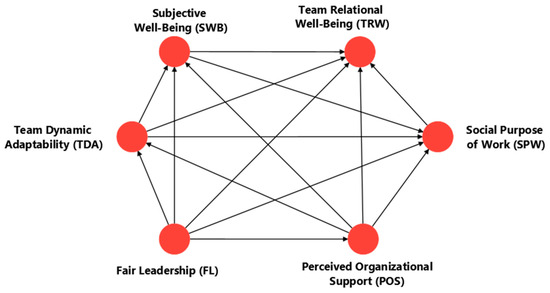
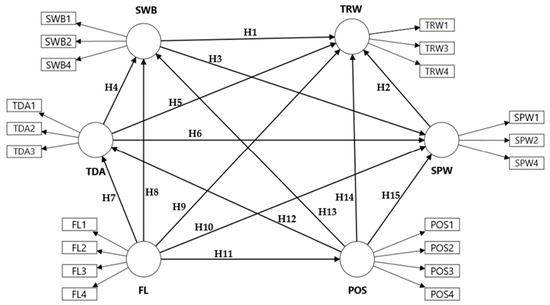

Disclaimer/Publisher’s Note: The statements, opinions and data contained in all publications are solely those of the individual author(s) and contributor(s) and not of MDPI and/or the editor(s). MDPI and/or the editor(s) disclaim responsibility for any injury to people or property resulting from any ideas, methods, instructions or products referred to in the content. |
© 2026 by the authors. Licensee MDPI, Basel, Switzerland. This article is an open access article distributed under the terms and conditions of the Creative Commons Attribution (CC BY) license.