


Abstract
The research landscape in tourism and hospitality often feels like a house divided. On one side, there is the quantitative camp searching for broad, linear patterns; on the other side, there are qualitative scholars who prefer deep, contextual dives. This division suggests that scholars may overlook valuable insights in the middle. Therefore, this study examines how Fuzzy-Set Qualitative Comparative Analysis (fsQCA) and Necessary Condition Analysis (NCA) are transforming the landscape and bridging the methodological and analytical divide. For this purpose, authors analyzed 91 peer-reviewed articles using PRISMA 2020 systematic review principles from six databases. The findings highlight that this multi-methodological triangulation addresses causal asymmetry, acknowledging that the drivers of success are not necessarily mirror images of those of failure. The study implies that, in theory, it bridges the gap between qualitative nuance and quantitative rigor, moving from universal linear assumptions to complexity theory. Methodologically, it allows for a prioritized roadmap in which NCA pinpoints exact operational thresholds and fsQCA provides strategic flexibility. In practice, the findings offer a two-tiered decision-making framework for industry managers: first, addressing non-negotiable bottlenecks, and second, selecting the strategic configuration that best aligns with their unique resource base. The review concludes that, while challenges such as data calibration and interpretative complexity remain, integrating these paradigms offers a more authentic and comprehensive understanding of the volatile landscape of tourism and hospitality.
1. Introduction
The historical landscape of tourism and hospitality research has long been defined by a bipolar methodological divide, often forcing scholars to choose between two disparate philosophical and analytical camps (Geremew & Kleynhans, 2025; Olya, 2023; Olya et al., 2020). On one side, quantitative researchers utilize large-scale surveys and regression-based models to identify net effects—generalized patterns that describe what happens on average across a population (Creswell & Creswell, 2017; Kahwati & Kane, 2018). Conversely, qualitative researchers typically engage in small-scale, idiographic inquiries to unearth the deep, contextual nuances of specific cases (Antwi & Hamza, 2015; S. Chang & Tse, 2015). While both approaches offer significant value, they often struggle to capture the inherent messiness and complexity of real-world phenomena (Mariani & Baggio, 2020; Truong et al., 2020). For instance, the success of a hotel or a destination is rarely the product of isolated variables like price or location acting independently; instead, it emerges from a sophisticated interplay of factors that converge in specific and often unpredictable ways. This methodological gap has facilitated a complexity turn in the field, championed by scholars who argue for a transition away from traditional linear, straight-line thinking (Woodside et al., 2018). Linear models rely on the assumption of symmetry, which posits that if a factor, such as high service quality, leads to success, its absence must inherently and proportionately lead to failure (N. Pappas, 2019).
However, real-world tourism and hospitality problems often involve conjunctural causation and threshold effects that neither standalone qualitative studies nor variance-based quantitative models fully capture (Woodside et al., 2018). fsQCA and NCA address these limitations: fsQCA uncovers equifinal configurations, distinct combinations of conditions that produce the same outcome (Fiss, 2011; Ragin, 2009), while NCA identifies minimum thresholds or bottlenecks that must be present for an outcome to be achievable (Dul, 2022; Lee et al., 2023). Together, these delineate the feasible solution space (NCA) and explain which recipes within that space lead to success (fsQCA), providing richer theoretical, methodological, and policy-relevant insights (De Canio et al., 2020; Rasoolimanesh et al., 2021). As Woodside et al. (2018) argue, an excellent location may indeed propel a hotel to success. Still, a poor location is not necessarily the sole catalyst for failure, as exceptional service, innovative niche branding, or unique amenities can often compensate for geographic disadvantages. To address these non-linear realities, qualitative comparative analysis (fsQCA and NCA) has emerged as an essential tool for modeling complexity (De Canio et al., 2020; Dul, 2016a; Geremew et al., 2024). These asymmetrical methods provide a third way that more authentically reflects the multifaceted experiences of travelers and managers by embracing three core set-theoretic principles (Rasoolimanesh et al., 2021; Woodside, 2014, 2016).
These tools are particularly robust when integrated into a singular research framework. While fsQCA is used to identify sufficient configurations, mapping out various strategic paths that are sufficient to produce a desired result, NCA is utilized to pinpoint necessary conditions (Dul, 2016a; X. Wang & Wang, 2025). NCA identifies the bottlenecks or non-negotiable requirements that must be satisfied before any other strategic recipes can even begin to function. Furthermore, integrating fsQCA and NCA presents several interrelated challenges for researchers: ensuring compatible calibration and commensurability given differing score semantics (Ragin, 2009; Vis & Dul, 2018); preserving measurement equivalence when primary data use heterogeneous operationalizations (Ragin, 1998, 2009, 2014; Vis & Dul, 2018); managing sample-size and case-composition sensitivity that can destabilize fsQCA solutions and NCA bottleneck estimates (Dul et al., 2023; Fiss, 2011); balancing sequential strategies (NCA as pre-screen vs. post hoc check) to avoid prematurely excluding contextually important variables (De Canio et al., 2020; Dul, 2022); reconciling divergent inferential logics where sufficiency and necessity findings may appear contradictory (Ragin, 2009); meeting high standards of reporting and reproducibility (calibration tables, truth tables, software/versioning, sensitivity checks) (Schneider & Wagemann, 2012); acquiring technical proficiency across software tools; accommodating multi-level and temporal complexities common in tourism and hospitality (Misangyi et al., 2017; Rasoolimanesh et al., 2021); and avoiding overinterpretation of set relations as causal proof without triangulation (Woodside, 2014). Addressing these issues requires explicit calibration protocols, iterative model testing, transparent reporting, and methodological triangulation to realize the complementary insights of fsQCA and NCA (De Canio et al., 2020; Rasoolimanesh et al., 2021). Therefore, this study addresses the following research questions: (1) Under what empirical conditions do symmetrical (variance-based) and asymmetrical (fsQCA and NCA) methods produce convergent or divergent findings when applied to comparable tourism and hospitality datasets? (2) In what specific scenarios are asymmetrical methods most effectively utilized in relation to traditional symmetrical methods, and how can their integration enhance the robustness of research outcomes while addressing the challenges faced by researchers? (3) What are the theoretical, methodological, and practical implications of using asymmetrical analyses for integrating qualitative and quantitative evidence in tourism and hospitality research?
2. Literature Review
2.1. Theoretical Underpinnings and Methodological Evolution
The theoretical framework currently governing research within this industry appears to be navigating a profound complexity turn, an epistemological shift that fundamentally challenges the traditional, almost bipolar divide between qualitative and quantitative methodologies (Geremew & Kleynhans, 2025, 2026). Historically, researchers in the field have mainly divided themselves into two distinct camps: idiographic qualitative inquiries, which prioritize a deep, contextual understanding of individual cases, and nomothetic quantitative models, which seek to identify generalizable net effects across broad populations (Creswell & Creswell, 2017; Mariani & Baggio, 2020; Truong et al., 2020). This divide has often resulted in a trade-off between depth and breadth, where quantitative studies might miss the nuanced why behind a phenomenon, and qualitative studies might struggle to offer generalizable strategic frameworks (Antwi & Hamza, 2015; S. Chang & Tse, 2015; Goertz & Mahoney, 2012). As the global tourism industry grows increasingly volatile and interconnected, these rigid poles often appear insufficient to capture the truly multifaceted, non-linear realities of the modern hospitality ecosystem (Geremew et al., 2024; Geremew & Kleynhans, 2026). Traditional symmetrical methods, such as regression analysis, assume that relationships between variables are linear and reversible, meaning that if more of a factor leads to success, less of it must lead to failure (Woodside et al., 2018). However, human behavior and business outcomes in tourism rarely follow predictable paths; instead, they exhibit causal complexity, with factors interacting rather than acting in isolation (Di Fabio & Peiró, 2018; Khan & Khan, 2022).
In response to these limitations, the integration of fsQCA and NCA has emerged as a robust third way. This hybrid approach effectively bridges the methodological gap by combining the interpretive, case-oriented depth typically found in qualitative work with the mathematical rigor and generalizability associated with cross-case analysis (Geremew & Kleynhans, 2025). This synthesis is beneficial because it allows researchers to move beyond simplistic, linear causal models and embrace the principles of equifinality and asymmetry (Geremew et al., 2024; Geremew & Kleynhans, 2025; Woodside et al., 2018). The logic of asymmetry acknowledges that the causes of a specific outcome, such as high guest satisfaction, are often entirely different from those of its absence. Meanwhile, equifinality suggests that multiple, equally effective strategic recipes or paths can lead to the same result, such as a hotel achieving excellence through either a high-tech or a high-touch service model (Olya et al., 2020; Woodside, 2014). Thus, equifinality denotes the principle that an identical outcome may arise from multiple, distinct combinations of antecedent conditions. Rather than presuming a single, linear causal pathway, equifinality recognizes that different conjunctural recipes can independently be sufficient for the same result, and that the absence of one recipe does not preclude success if an alternative configuration is present. For instance, a heritage site may achieve high visitation either through (a) exceptional historical significance combined with curated interpretation services and targeted international marketing, or (b) strong domestic promotion coupled with high accessibility and affordable entry fees; both configurations yield comparable visitor volumes via different mechanisms. Likewise, a seaside resort may attain profitability by (a) premium positioning (luxury amenities, high room rates, exclusive branding) or (b) a volume strategy (broad market appeal, competitive pricing, extensive online distribution). These illustrate why analytical approaches that accommodate conjunctural causation (e.g., fsQCA) are appropriate: they reveal multiple sufficient configurations and illuminate how context-dependent combinations of conditions produce identical empirical outcomes.
By employing fsQCA to identify sufficient configurations, the combinations of factors that are enough to produce success, and NCA to pinpoint necessary conditions, the bottlenecks that must be present for an outcome even to be possible (Geremew & Kleynhans, 2025; Vis & Dul, 2018). Despite advances in the application of fsQCA and NCA to tourism and hospitality, prior work remains fragmented and methodologically inconsistent, warranting a new systematic review. Many studies lack transparency (e.g., absent calibration anchors, truth tables, or bottleneck documentation), use heterogeneous operationalizations and samples, and rarely adopt multi-level or longitudinal designs, producing divergent and non-comparable findings (Dul et al., 2023; Schneider & Wagemann, 2012). Crucially, integration of NCA’s threshold delimitation with fsQCA’s configurational sufficiency remains underdeveloped, leaving interpretive tensions unresolved and limiting cumulative theory-building and practical guidance. A focused review is therefore needed to synthesize empirical patterns, evaluate methodological choices, and provide standardized recommendations.
2.2. Bridging the Qualitative and Quantitative Divide
The primary mechanism through which fsQCA and NCA reconcile these historically disparate research traditions is their shared reliance on set-theoretic logic (Schneider & Wagemann, 2012). Unlike traditional quantitative methodologies that prioritize correlation and mean-based values to identify the net effect of a single variable, set-theoretic approaches treat individual cases as complex configurations of diverse attributes (Geremew et al., 2024; Geremew & Kleynhans, 2025; Woodside, 2014). This epistemological shift allows for a significantly more nuanced exploration of how varying combinations of factors interact to produce a specific outcome, a conceptual framework known as causal complexity. For example, in a hospitality context, high guest satisfaction is rarely the result of price alone, but rather a unique interaction between price, service quality, and physical amenities (Furnari et al., 2021; Misangyi et al., 2017). This methodological integration is particularly transformative for the pervasive small-to-medium N problem frequently encountered in tourism research, where sample sizes are often too large for deep qualitative immersion yet insufficient for high-level linear modeling/SEM (Kock & Hadaya, 2018; Rasoolimanesh et al., 2021). By using data calibration, researchers can transform raw, continuous variables into fuzzy sets (with membership scores ranging from 0 to 1), thereby maintaining the contextual integrity of individual cases while simultaneously identifying patterns that transcend those specific contexts (Geremew et al., 2024; Olya, 2023). This calibration process ensures that membership in a set, such as a luxury hotel or high-performing destination, is determined by theoretical benchmarks rather than arbitrary statistical means.
Furthermore, this approach enhances the overall robustness of academic findings by recognizing equifinality, the principle that multiple, equally effective strategic recipes can achieve a single outcome (Ham et al., 2020). In the field’s study, this suggests that a destination could achieve high visitor loyalty through two distinct paths: one combining high natural beauty with affordable pricing, and another combining superior service with exclusive infrastructure. By identifying these diverse sufficient configurations via fsQCA, while concurrently using NCA to pinpoint the absolute must-have conditions (such as basic security), researchers provide managers with a flexible yet mathematically rigorous roadmap for strategic decision-making (Vis & Dul, 2018).
2.3. Comparing the Two Ways of Analysis: Symmetrical and Asymmetrical Methods
A fundamental methodological distinction that contemporary scholars must grasp is the paradigm shift from symmetrical to asymmetrical causal logic. Traditional symmetrical methods, most notably Multiple Regression Analysis (MRA) and Structural Equation Modeling (SEM), assume that relationships between variables are linear and reversible. In this framework, scholars view causality as a mirror image (Geremew et al., 2024). If scholars find that the presence of a specific antecedent (e.g., high service quality) increases a desired outcome (e.g., high guest loyalty), they assume that the absence or reduction in that same antecedent inherently and proportionately leads to the opposite outcome (low loyalty) (Küçükergin et al., 2021; Mohammad, 2020). This net-effect logic suggests a stable, predictable path in which each variable contributes independently to the result. However, empirical evidence from industry contexts often contradicts this linear assumption, revealing that human behavior and organizational success rarely follow simple proportionality (Ajzen, 1991; Atadil & Lu, 2021; Khan & Khan, 2022). Asymmetrical methodologies, specifically fsQCA and NCA, acknowledge that the drivers of success often differ qualitatively and structurally from those of failure (Shi et al., 2022; J. Zhang & Zhang, 2021b). The concept illustrates causal asymmetry: the configurations of conditions that lead to an outcome are not merely the inverse of those that cause its absence. In other words, the presence of specific factors that lead to a positive outcome does not imply that their absence will lead to a negative outcome; distinct causal pathways, combinations, and thresholds may be involved in each case. This concept contrasts with symmetric, correlational models that assume effects are linear and reversible (e.g., a unit change in location quality produces a proportional change in profit regardless of context). For instance, consider the process of selecting a destination. A symmetric model might treat factors such as accessibility, safety, price, and novelty as additive predictors: higher accessibility and lower price increase the likelihood of selecting a destination.
In contrast, reductions in these factors uniformly decrease it. Conversely, a set-theoretic, asymmetric perspective recognizes multiple, qualitatively distinct “recipes” for attracting visitors (Rasoolimanesh et al., 2021). For example, achieving high visitation at a cultural heritage site might involve high historical significance, curated visitor services, and targeted international marketing. In this context, historical significance is essential, and the combination leads to high visitor numbers even with moderate accessibility. Alternatively, a pathway for a beach resort might be excellent accessibility, extensive family amenities, and competitive pricing. Here, accessibility and amenities compensate for lower heritage value. Notably, the absence of elements in the first pathway (e.g., loss of historical interpretation or marketing) does not necessarily result in low visitation solely due to inverse conditions; the resort could still sustain high visitation through the second pathway. Furthermore, some conditions are necessary but not sufficient. For example, minimum safety or sanitation standards may be prerequisites for any visitation; however, once these thresholds are satisfied, other combinations determine success. A logical reduction within the framework of fsQCA is a critical set-theoretic procedure that systematically eliminates logically redundant conditions while preserving the explanatory integrity of causal configurations (Oana & Schneider, 2024). In the hospitality and tourism literature, this distinction is indispensable for distinguishing between core conditions, which exhibit a strong causal link to the outcome, and peripheral conditions, which serve as exchangeable or secondary components (Fiss, 2011; Misangyi et al., 2017). For example, complex hospitality profiles associated with high guest satisfaction may be simplified to reveal that while service quality is a non-negotiable core antecedent, attributes such as premium bedding or convenient location serve as substitutable enhancers within the broader configuration. Similarly, diverse pathways to destination loyalty can be reduced to identify foundational infrastructural requirements, such as transport connectivity, alongside various strategic complements. Ultimately, this reductive process facilitates the development of concise causal statements that enhance theoretical parsimony and provide practitioners with a clear hierarchy for resource prioritization (Schneider & Wagemann, 2012).
Consequently, an asymmetrical perspective reveals that while a perfect location is a powerful asset, it is rarely sufficient on its own to guarantee success; it must be complemented by other factors, such as digital presence or brand reputation, to achieve high performance (Olya et al., 2020; Olya & Gavilyan, 2017). Conversely, a hotel might overcome a mediocre location through a unique configuration of exceptional personalized service and niche thematic décor, a recipe for success that a linear model might overlook as an outlier. This concept, known as equifinality, posits that there are multiple, non-competing paths to the same successful outcome (Ham et al., 2020). The adoption of asymmetrical thinking further distinguishes between necessity and sufficiency. Using NCA, a researcher might find that basic safety is a necessary condition, a non-negotiable bottleneck that must be satisfied before any other strategy can work. Even if a hotel boasts a five-star restaurant and prime beachfront, it cannot succeed if it fails to meet the safety threshold (Dul, 2022; Vis & Dul, 2018).
Meanwhile, fsQCA supports the identification of sufficient configurations and the diverse causal recipes that combine various ingredients to produce the outcome (Geremew et al., 2024; J. Zhang & Zhang, 2021b). Ultimately, this asymmetrical perspective offers a more authentic and theoretically robust reflection of the messy, unpredictable reality of business operations in the industry (Geremew et al., 2024). By moving away from the average effects of isolated variables and focusing on how conditions converge in specific, asymmetrical ways, scholars can provide managers with a prioritized checklist: first, satisfy the necessary bottlenecks identified by NCA, and second, select a sufficient strategic configuration from the various paths identified by fsQCA that best matches their unique resources (Vis & Dul, 2018; X. Wang & Wang, 2025).
2.4. The Synergy of Necessity and Sufficiency: A Dual Lens on Causality
The integration of fsQCA and NCA represents a significant advancement in tourism and hospitality research by addressing two distinct but highly complementary dimensions of causality (Dul, 2016a; Vis & Dul, 2018). While scholars often view these methods through the same asymmetrical lens, they operate on different logical planes: fsQCA identifies sufficiency, while NCA pinpoints necessity (Dul, 2016a, 2016b; Geremew & Kleynhans, 2025). fsQCA is arguably unparalleled in its ability to identify sufficient configurations, the various strategic recipes or causal pathways that, when present, are enough to produce a desired outcome (Geremew et al., 2024; Woodside et al., 2018). The concept aligns with the principle of equifinality, which posits that there is no single best way to achieve success in the messy reality of the industry (Ham et al., 2020; Woodside, 2014, 2019). For example, consider the goal of achieving high guest loyalty at a hotel: Path A might combine high physical luxury and personalized butler service. Path B might combine an exceptional natural location and aggressive digital marketing. Both paths are sufficient for success, allowing managers to choose the recipe that best fits their specific resource base. However, a limitation of fsQCA is that it may overlook deal-breaker components that are required for all recipes to function (Olya & Altinay, 2016; Woodside, 2011).
NCA focuses on necessity, identifying the bottlenecks or non-negotiable conditions that must be present at a specific threshold for an outcome even to be possible. Unlike sufficiency, which offers choices, necessity dictates requirements (Dul, 2022; Richter et al., 2020; X. Wang & Wang, 2025). To illustrate this, imagine a destination’s path to popularity: While fsQCA identifies multiple paths based on marketing or infrastructure, NCA reveals that basic safety is a necessary condition. If the safety level falls below a critical threshold (bottleneck), none of the identified sufficient recipes will function. No amount of luxury service or prime location can compensate for the absence of a necessary condition. The integration enables a tiered strategic approach: first, identify and address the foundational bottlenecks (Dul, 2016a; Vis & Dul, 2018). If NCA identifies digital connectivity as a necessity for modern business hotels, managers must ensure it is in place before anything else. Once the necessary thresholds are met, managers can use fsQCA to identify which diverse strategic configurations of other factors (e.g., price, loyalty programs, or themed events) they should invest in to drive excellence. This dual-method approach ultimately enhances the robustness of both qualitative and quantitative findings by ensuring that strategic recommendations are not only sufficient for success but also respect the necessary realities of the operational environment (Geremew & Kleynhans, 2025; Vis & Dul, 2018; X. Wang & Wang, 2025). Consequently, prior applications of fsQCA and NCA in tourism and hospitality reveal substantial empirical gaps and methodological inconsistencies that constrain cumulative knowledge: studies frequently exhibit fragmented practice, variable calibration choices, heterogeneous sample characteristics, and incomplete reporting of NCA effect sizes or fsQCA coverage/consistency metrics, which undermines comparability and reproducibility (Dul, 2016a; Eluwole et al., 2024; Geremew et al., 2024). A critical comparison of asymmetrical and symmetrical approaches underscores that set-theoretic methods are especially suited to capture complex, non-linear phenomena such as equifinality and asymmetric causation in destination competitiveness and customer loyalty, yet their scope and limitations relative to regression-based techniques require clearer articulation (Geremew et al., 2024; Rasoolimanesh et al., 2021; X. Wang & Wang, 2025). These shortcomings motivate the present review: synthesizing empirical patterns across diverse contexts, diagnosing whether divergences reflect substantive contextual variation or methodological artefacts, and proposing a combined NCA and fsQCA protocol to strengthen replicability and theory development.
3. Methodology
A systematic literature review (SLR) serves as the foundational methodological framework for this study because it can provide a rigorous, transparent, and reproducible synthesis of a fragmented body of knowledge (Cucari, 2019; Jain et al., 2023; Okoli, 2015). This approach allows for a structured evaluation of academic discourse, facilitating the identification of conceptual patterns, methodological trends, and the epistemological shifts required to move beyond the traditional bipolar divide between qualitative and quantitative research (Geremew & Kleynhans, 2025; Jain et al., 2023; Kumar et al., 2023). This secondary research method is particularly appropriate for generating theoretical insights and informing future methodological innovations in fields characterized by high causal complexity (Jain et al., 2023; Kumar et al., 2023). To ensure a comprehensive and academically rigorous assessment, the researchers implemented a structured search strategy across six prominent multidisciplinary databases: Google Scholar advanced search, ScienceDirect, ProQuest, EBSCOhost (Hospitality and Tourism Complete), Scopus, and Web of Science. Researchers selected these databases for their extensive indexing of peer-reviewed journals in the social sciences, particularly in tourism and hospitality management (Kumar et al., 2023). The researchers constructed the search queries using Boolean operators (AND/OR) to combine keywords such as (fuzzy-set qualitative comparative analysis OR fsQCA) AND (necessary condition analysis OR NCA) AND (methods OR analysis) AND (tourism OR hospitality). To maintain contemporary relevance while preserving historical depth, researchers limited the scope to peer-reviewed, English-language publications from 2013 to 2025 and extracted them on 23 December 2025, independently, and merged them, as there are no publications before 2013 in the tourism and hospitality field in this method and analysis (Geremew et al., 2024).
The researchers guided the selection of studies using the PRISMA 2020 guidelines (Page et al., 2021), and predefined inclusion and exclusion criteria to ensure results aligned with the study’s core research questions. Researchers included articles that explicitly applied or critically evaluated asymmetrical methodologies, with a particular focus on integrating fsQCA and NCA effectively to enhance research outcomes in the field. Conversely, researchers excluded studies that focused exclusively on symmetrical, regression-based methods without providing a comparative discussion or that lacked sufficient methodological transparency regarding data calibration. In the initial identification phase, a diverse array of databases were used, yielding 2113 studies from several esteemed sources, including Scopus, Web of Science, ScienceDirect, ProQuest, EBSCOhost (focusing on hospitality and tourism), and Google Scholar advanced search. This multi-database search maximizes recall and reduces selection bias, thereby ensuring comprehensive coverage of the literature (Bramer et al., 2017). Curated citation indexes such as Scopus and Web of Science are preferred for impact assessment and citation tracking (Chapman & Ellinger, 2019), while subject-specific resources (e.g., EBSCOhost Hospitality & Tourism Complete, ProQuest) capture niche and field-focused publications (Hua, 2016). Google Scholar complements these sources by retrieving grey literature, conference papers, and rapidly indexed items that may be absent from curated databases (Bramer et al., 2017; Haddaway et al., 2015).
Following this extensive search, a rigorous filtering process commenced, during which 252 duplicate entries were eliminated, along with three ineligible reports and nine records that could not be retrieved, culminating in a refined total of 1849 unique records. A subsequent screening phase revealed that 1596 of these records were not relevant to tourism and hospitality. Consequently, only 253 records emerged as eligible for further assessment. The eligibility evaluation process further distilled these records, ultimately narrowing the selection to 251 reports for comprehensive analysis. In the final inclusion phase, various reports were excluded based on specific criteria: 21 studies were abandoned due to language constraints (non-English), 35 were classified as book chapters, nine as editorials, 39 as conference proceedings, 27 as reviews, and 29 for lacking methodological rigor and analysis. Ultimately, 91 studies met the review’s inclusion criteria, reflecting a meticulous process that underscores methodological rigor. This systematic approach, grounded in the PRISMA 2020 framework, enhances the transparency and replicability of the literature review’s findings, ensuring that the conclusions drawn are credible and scientifically robust. Researchers used an inductive coding process to identify recurring themes related to methodological practices, the challenges of asymmetrical techniques, and the practical implications for managerial decision-making. Researchers further appraised each study for methodological rigor, focusing on the clarity of research objectives and the appropriateness of the analytical techniques employed (see Figure 1).
Figure 1.
Methodological framework as per the PRISMA 2020 criteria (Page et al., 2021).
4. Results
4.1. Articles Published Across Years
The chronological distribution of scholarly articles from 2013 to 2025 reveals a clear upward trajectory in research output in this domain. The publication trend is characterized by three distinct phases: an incipient period of limited and fluctuating activity (2013–2015) where annual publications remained below three articles; a consolidation phase (2016–2021) marked by steady, incremental growth and relative stability despite a minor contraction in 2020; and a final exponential phase (2022–2025) exhibiting an aggressive surge in academic interest, with the volume of articles doubling from 9 in 2022 to a peak of 18 by 2025. This significant acceleration in recent years underscores the field’s growing scholarly relevance and its evolving maturity in fsQCA and NCA methods and analyses (see Figure 2).
Figure 2.
Number of articles published per years.
4.2. Research Themes of fsQCA and NCA: Configurational and Necessity Perspectives
Across themes, NCA detects bottlenecks, conditions without which outcomes are impossible, while fsQCA reveals equifinal, conjunctural pathways that yield those outcomes in different contexts. Below are key thematic areas examined using NCA, fsQCA, or their integration. (1) Strategic performance, competitiveness, and business continuity: Research on firm and destination-level performance, such as competitive advantage, market entry, business model viability, SME survival, and hotel revenue management, benefits from combining NCA and fsQCA. NCA is employed to test whether baseline resources or capabilities (e.g., core infrastructure, access to finance, dynamic pricing capability, or minimum demand data) constitute necessary preconditions for positive outcomes. fsQCA complements this by identifying multiple equifinal configurations (e.g., digital marketing + natural endowments; occupancy management + channel mix) that produce sustained performance or profitability. Representative studies include (Boger et al., 2025; Ham et al., 2020; Harms et al., 2021; Kim et al., 2022; N. Pappas, 2018; N. Pappas & Glyptou, 2021; Ruan et al., 2021; Stoyanova-Bozhkova et al., 2022; Wu et al., 2023). (2) Technology, digitalization, and innovation adoption: Studies of digital transformation, smart tourism, e-tourism, AI and VR adoption, and platform participation are well served by necessity and configurational approaches. NCA can identify bottlenecks, such as baseline connectivity, mobile ease of use, or data privacy assurance, that must be in place for adoption to occur. fsQCA then maps alternative pathways whereby different combinations of usability, personalization, perceived utility, security, and narrative quality lead to technology uptake and favorable user outcomes, key references include (Arici et al., 2024; Y. Chen et al., 2025; Dutta & Borah, 2018; Filimonau & Naumova, 2020; Gretzel et al., 2015; N. Pappas, 2018; Tussyadiah et al., 2018). (3) Customer experience, marketing, and brand outcomes: Research on customer satisfaction, loyalty, social media influence, gastronomy and food tourism, and luxury brand equity benefits from examining necessary thresholds (e.g., trust, perceived safety, authenticity, visual appeal) alongside configurational recipes. NCA tests whether particular attributes are indispensable for desired customer outcomes, while fsQCA uncovers multiple conjunctural pathways (e.g., high food quality + moderate price; high service + brand image; unique taste + storytelling) that lead to loyalty, positive word of mouth, or strong brand equity. Examples include (Arnould & Price, 1993; Baldwin & Rankin, 2025; Barron et al., 2007; Olya & Altinay, 2016; Pop et al., 2022; Škare et al., 2021).
(4) Service operations, human resources, and workplace outcomes: Topics such as employee engagement, work–life balance, digital literacy training, food waste mitigation, and service quality recovery are amenable to NCA and fsQCA. NCA identifies minimum resource or skill thresholds (e.g., digital literacy, staff awareness, flexible scheduling) that function as bottlenecks to performance or retention. fsQCA then reveals how combinations of job design, managerial support, incentives, and technological aids produce desirable employee and operational outcomes. Relevant studies include (Costa et al., 2019; Cucino et al., 2021; Kallmuenzer et al., 2021; Morkunas et al., 2025; Pham et al., 2020; Rasoolimanesh et al., 2021). (5) Governance, CSR, sustainability, and community outcomes: Research on sustainability adoption, CSR effectiveness, destination governance, and community-based tourism should consider necessity tests for conditions such as environmental concern, transparency, or stakeholder participation. fsQCA complements this by delineating how regulatory incentives, firm capabilities, community engagement, and governance arrangements combine to produce sustainable or socially beneficial outcomes. Notable references include (Bramwell & Lane, 2011; Q. Chen et al., 2022; Cohanpour, 2025; Ertuna et al., 2019; J. Lin et al., 2023; M. S. Lin & Chung, 2019; Paraskevas et al., 2013; Saharti et al., 2024). (6) Crisis, risk management, and resilience: Crisis resilience, pandemic recovery, health and safety adoption, and reputation recovery are prime targets for NCA and fsQCA. NCA can determine whether managerial agility, liquidity, or baseline safety standards are non-negotiable prerequisites for survival or recovery. fsQCA then identifies multiple recovery recipes combining aid, innovation, operational pivoting, and safety compliance, see studies (Abuawad et al., 2025; Al Amosh & Khatib, 2025; P. Cheng et al., 2025; Geremew & Kleynhans, 2025; Jones & Comfort, 2020; N. Pappas, 2018; N. Pappas & Papatheodorou, 2017; Torres & Augusto, 2021; J. Wang et al., 2022).
(7) Specialized markets and experiential tourism: Specialized subfields, including medical and wellness tourism, volunteer tourism, dark tourism, cultural heritage engagement, gastronomy tourism, and MICE events, can be productively examined with necessity and configurational methods. NCA tests for indispensable factors (e.g., safety accreditation in medical tourism; altruistic motivation in voluntourism; internet connectivity for events), while fsQCA maps the conjunctural combinations of cost, specialization, interpretive design, social impact, or technical support that produce engagement, satisfaction, or event success, representative work includes (Al-Ansi et al., 2025; Azimi Hashemi & Hanser, 2018; J. Chang et al., 2020; Y. Chen et al., 2025; Eden et al., 2024; Filep et al., 2024; Light, 2017; Olya et al., 2019, 2021; Olya & Nia, 2021). (8) Transportation and distribution choices: Aviation/airline choice and distribution/pricing topics (including dynamic pricing and OTA dependence) benefit from using NCA to detect necessary perceptions or capabilities (e.g., safety perception; dynamic pricing systems) and fsQCA to identify combined influences of price, frequency, booking convenience, and channel mix on consumer or firm outcomes, see studies (Mossberg, 2007; Napierała et al., 2020; Olya, 2020; Olya et al., 2020). (9) Rural entrepreneurship and spatial tourism dynamics: Rural tourism entrepreneurship, spatial clustering, and second-home tourism research can deploy NCA to test necessities such as microfinance access or minimum market connectivity, and fsQCA to trace how local culture, family support, digital marketing, and agglomeration interact to produce resilient rural enterprises or destination patterns, representative studies include (L. Cheng & Xu, 2021; Kallmuenzer et al., 2019, 2021; Luu, 2022; Rasoolimanesh et al., 2017; Setokoe & Ramukumba, 2020; Sexton et al., 2025; Suarez et al., 2018).
4.3. Bridging the Methodological Divide: fsQCA and NCA as a Third Way
The integration of fsQCA and NCA serves as a robust third way that effectively bridges the long-standing bipolar divide between qualitative and quantitative methodologies (Geremew & Kleynhans, 2025). Traditionally, scholars have divided themselves into two camps: those pursuing idiographic qualitative inquiries that prioritize deep contextual understanding and those adopting nomothetic quantitative models aimed at uncovering generalizable net effects. This dual-method, asymmetrical approach reconciles these disparate traditions by adopting a set-theoretic logic, enabling scholars to treat cases as complex configurations of attributes rather than isolated variables (Creswell & Creswell, 2017; Mariani & Baggio, 2020; Truong et al., 2020). This logic allows for a more nuanced exploration of causal complexity, where multiple combinations of factors can interact to produce a single outcome. A core strength of this bridge is its ability to address the small-to-medium N problem frequently encountered in tourism research, where sample sizes are too small for traditional qualitative immersion but insufficient for high-level linear modeling (Antwi & Hamza, 2015; S. Chang & Tse, 2015; Goertz & Mahoney, 2012). Through data calibration, raw variables are transformed into fuzzy sets, preserving the contextual integrity of individual cases while identifying cross-case patterns through mathematical rigor (Geremew et al., 2024; Woodside, 2014). For example, in studying hotel success, a traditional quantitative model might show that location has a positive average effect on profit. However, an asymmetrical approach reveals that while an excellent location may be part of a sufficient recipe for success, it is not always necessary; a hotel with a mediocre location might still succeed through a combination of exceptional service and niche branding (Olya et al., 2020).
The integration of fsQCA and NCA deepens this connection by clearly differentiating between necessary conditions and sufficient configurations (Vis & Dul, 2018). NCA serves as the bottleneck finder, identifying foundational requirements that must be met at a specific threshold for success (Dul, 2022; X. Wang & Wang, 2025). In a destination context, for instance, NCA might identify basic safety as a necessary condition; if safety falls below a critical level, no amount of marketing or infrastructure (factors identified by fsQCA as sufficient) will be enough to produce popularity (Vis & Dul, 2018). Meanwhile, fsQCA identifies equifinality, the various strategic paths or recipes that lead to the same result (Shi et al., 2022). Managers can choose the path that best aligns with their unique resources, such as a resort driving loyalty through high-tech/low-price configurations versus another achieving it via high-touch/sophisticated branding. Therefore, combining these methods enhances the robustness of findings by providing a prioritized roadmap for practical decision-making (X. Wang & Wang, 2025). It forces scholars to move beyond simplistic, average guesses and instead offer a two-tiered strategy: first, use NCA logic to eliminate operational bottlenecks, and second, use fsQCA to select a specific strategic configuration that capitalizes on a firm’s unique strengths (Dul, 2016a; Vis & Dul, 2018). This integrated approach offers a more nuanced and potentially comprehensive account of the complex, non-linear dynamics observed in the global tourism and hospitality sector (Geremew et al., 2024; Geremew & Kleynhans, 2025) (see Table 1).
Table 1.
Comparison of symmetrical and asymmetrical methods and analyses.
4.4. Symmetrical vs. Asymmetrical Methods and Analyses
The shift from symmetrical to asymmetrical methodologies marks a fundamental change in how scholars in the field conceptualize causality (Dul, 2016b). Traditional symmetrical approaches, such as MRA or SEM, rely on linear, net-effect logic (Woodside, 2014). These methods assume that a relationship is reversible: if high service quality correlates with high customer loyalty, then a decrease in service must lead to a proportionate reduction in loyalty (Vis, 2012). While helpful in identifying broad, average trends across large populations, this straight-line thinking often fails to account for the messy reality of business (Carvajal-Trujillo et al., 2021; Olya & Nia, 2021). For example, a budget hotel might achieve high loyalty through a configuration of low price and extreme convenience, even if its service quality is objectively low. Symmetrical models might treat such cases as outliers, whereas asymmetrical models see them as valid, alternative paths to success (Kraus et al., 2018). Asymmetrical methodologies, specifically fsQCA and NCA, embrace causal complexity by moving beyond individual variables to focus on recipes or configurations (Vis & Dul, 2018). This approach is rooted in the principle of equifinality, which posits that there is no single best path to a desired outcome (Ferguson et al., 2017; Woodside & Baxter, 2013). In destination management, for instance, a city might become a top-tier tourist hub through two entirely different configurations: one based on cultural heritage and government subsidy, and another based on modern nightlife and private investment. By identifying these diverse sufficient configurations through fsQCA, scholars provide a menu of strategic options. Such an approach represents a significant departure from symmetrical methods, which typically aim to identify a single optimized model for the entire dataset (Rasoolimanesh et al., 2021).
Furthermore, the integration of NCA introduces the vital distinction between necessity and sufficiency, a nuance often lost in symmetrical correlation. NCA functions as a bottleneck finder, identifying non-negotiable conditions that must be met at a specific threshold for success to be even possible (Dul, 2016b; Lee et al., 2023; Richter et al., 2020). To illustrate, consider basic safety in a tourism context. While safety alone is not sufficient to make a destination popular (it does not drive popularity on its own), it is a necessary condition. If safety levels fall below a critical threshold, no number of configurations, such as world-class marketing or luxury resorts, will be sufficient. Symmetrical methods often conflate this must-have status into a single influence score, whereas asymmetrical logic clearly separates deal-breakers from strategic choices (Dul, 2022). Consequently, combining these methods yields greater methodological robustness and practical utility. For practitioners, the dual-method approach provides a prioritized roadmap for decision-making: first, use NCA to ensure that all foundational bottlenecks (like hygiene or security) are cleared; second, use fsQCA to select a specific strategic configuration that aligns with the organization’s unique resources (Dul, 2016a; X. Wang & Wang, 2025). This transition from seeking average effects to understanding causal recipes allows the industry managers to navigate a volatile market with a strategy that is both rigorous and flexible, acknowledging that the path to failure is rarely a simple mirror image of the path to success (Rasoolimanesh et al., 2021) (see Table 1).
4.5. Integration of Symmetrical and Asymmetrical Methods and Analyses
The theoretical landscape of the field’s research is currently undergoing a complexity turn, shifting toward a multi-methodological approach that integrates traditional symmetrical analysis with asymmetrical frameworks (Geremew et al., 2024; Geremew & Kleynhans, 2025, 2026; Olya & Gavilyan, 2017). Scholars relied on symmetrical methods like Partial Least Squares Structural Equation Modeling (PLS-SEM) or Multiple Regression to identify the net effect, the average impact of an independent variable on a dependent variable across a population. While this provides a high-level overview of general trends, it often fails to account for causal complexity, in which variables interact in non-linear and unpredictable ways (De Canio et al., 2020; Shi et al., 2022). By contrast, integrating NCA and fsQCA addresses these inherent limitations, offering a more robust, three-dimensional view of industry phenomena that acknowledges the messy reality of business operations (Geremew & Kleynhans, 2025; Vis & Dul, 2018; X. Wang & Wang, 2025). The synergistic mechanism of this integration lies in the ability to move beyond average results to identify specific causal requirements and pathways (Dul, 2016a). For instance, in destination competitiveness, while a symmetrical analysis shows that natural resources and infrastructure are statistically significant drivers of competitiveness, an integrated asymmetrical approach provides deeper nuance. NCA acts as a bottleneck finder, potentially revealing that basic safety is a necessary condition at a specific threshold (Lee et al., 2023; Vis & Dul, 2018). If safety falls below this critical level, the destination will fail regardless of its other assets. Once scholars identify this foundational requirement, fsQCA reveals sufficient configurations (De Canio et al., 2020; Dul, 2016b; Kraus et al., 2018). For destinations meeting the safety threshold, fsQCA might identify two distinct paths: one combining high natural beauty and low price, and another combining cultural heritage and luxury infrastructure. This principle of equifinality proves that different combinations of factors can produce the same high-performance result.
This methodological triangulation significantly improves research outcomes by providing a prioritized roadmap for practitioners, moving from foundational must-haves to strategic recipes (Geremew et al., 2024; Kraus et al., 2018; Kumar et al., 2023). In customer loyalty studies, for instance, a symmetrical model might indicate that trust is a strong predictor of loyalty. An integrated approach, however, clarifies that trust is necessary for loyalty to exist at all, but is not, on its own, sufficient to guarantee it. In Stage 1 (NCA), managers must ensure foundational thresholds are met to prevent failure (Dul et al., 2023; Vis & Dul, 2018; X. Wang & Wang, 2025). In Stage 2 (fsQCA), researchers identify complementary factors, such as personalized service or loyalty programs, that must be configured with trust to build loyalty (Latif, 2021; Mohamed et al., 2020; Olya & Altinay, 2016). Finally, in Stage 3 (Symmetrical), they can monitor the average strength of these drivers to maintain long-term performance (Geremew et al., 2024; Geremew & Kleynhans, 2026; Olya et al., 2020). This integrated framework acknowledges that the industry is governed by causal asymmetry, meaning the drivers of success are often different from those of failure. By combining the generalizability of symmetrical methods with the configurational depth of fsQCA and the bottleneck identification of NCA, researchers offer findings that are both statistically rigorous and authentically reflective of industry complexity (Geremew & Kleynhans, 2025; Olya & Gavilyan, 2017). This approach allows managers to allocate resources more effectively, ensuring they satisfy the foundational requirements of their operation before investing in complex strategic configurations that depend on those foundations for success.
4.6. Fuzzy-Set Qualitative Comparative Analysis or Necessary Condition Analysis?
Choosing between fsQCA and NCA depends on whether the researcher aims to discover success recipes or identify failure bottlenecks (Dul, 2016a; Vis & Dul, 2018; X. Wang & Wang, 2025). While both methods embrace causal asymmetry, the idea that the causes of an outcome are not merely the opposite of the causes of its absence (Dul, 2016a; Vis & Dul, 2018). The following scenarios illustrate this distinction and its application: (1) Scenarios best suited for fsQCA: It is ideal for research scenarios characterized by conjunctural causation and equifinality. In these situations, multiple non-competing paths can lead to the same high-performing outcome, and the impact of a factor depends entirely on how it pairs with other factors (Geremew & Kleynhans, 2025; Olya & Gavilyan, 2017; Woodside, 2014). For Example 1, in hospitality entrepreneurship, success often stems from diverse combinations of risk-taking, innovativeness, and proactiveness. fsQCA is best suited here because it can identify that one hotel succeeds through high innovation and low risk, while another succeeds through low innovation and high proactiveness. In Example 2, when analyzing why travelers choose specific destinations or green hotels, fsQCA can reveal that price might lead to loyalty in one configuration (e.g., budget travelers) but be irrelevant in another (e.g., luxury eco-tourism). In Example 3, studies of sports tourism accidents in high-risk regions use fsQCA to map how tourist negligence, weak supervision, and communication breakdown couple together in specific non-linear paths to cause failures. (2) Scenarios best suited for NCA: NCA is preferred when the research objective is to identify essential constraints, which are the must-haves that cannot be compensated for by any other factor. NCA is uniquely capable of specifying the exact level of a condition required to achieve a specific level of an outcome (Geremew & Kleynhans, 2025; Richter et al., 2020; Vis & Dul, 2018; X. Wang & Wang, 2025). Example 1: Perceived safety is a classic necessary but not sufficient condition. NCA is best suited to determine the safety floor. If perceived health or physical safety falls below a specific threshold, travel intention will be zero, regardless of how beautiful the destination is or how low the prices are. In Example 2, for small tourism ventures, digital literacy might be a necessary bottleneck. NCA can reveal that without a minimum level of digital competence, high-level growth is impossible, acting as a disqualifier even if the business has excellent traditional marketing. Example 3, in gastronomy and halal tourism, perceived risk acts as a necessary constraint. NCA can pinpoint the level of trust required to prevent consumers from opting out entirely, where no amount of tasty food can compensate for a lack of religious or health-related assurance (see Table 2).
Table 2.
Primary logic and causal concept differences between fsQCA and NCA.
4.7. Robustness of the Asymmetrical (fsQCA and NCA) Methods and Analyses
The asymmetrical methods (fsQCA and NCA) can enhance empirical rigor in tourism and hospitality research by uncovering recurrent configurational patterns and threshold constraints that symmetric approaches may overlook. Across studies, fsQCA frequently identifies multiple empirically supported configurations associated with the same outcome, evidence of equifinality, rather than a single average effect (Geremew et al., 2024; Geremew & Kleynhans, 2026; Olya & Gavilyan, 2017; Woodside, 2014). Concurrently, NCA studies in the corpus report necessary thresholds for foundational conditions, most commonly basic safety for destination choice and minimum digital connectivity for business hotels, below which identified sufficient configurations do not produce the outcome (Dul et al., 2023; Geremew & Kleynhans, 2025; Vis & Dul, 2018). These observed regularities, recurring sufficient recipes, and invariant bottlenecks provide an empirical basis for claiming that asymmetrical analyses may offer complementary insights to traditional net-effect models. Framing robustness claims in terms of these specific, repeatedly observed patterns strengthens the evidentiary basis of methodological recommendations and reduces reliance on theoretical assertion alone (Ham et al., 2020; Kock & Hadaya, 2018; J. Zhang & Zhang, 2021a).
4.8. Conceptual Framework for Integrating NCA and fsQCA: Necessary and Configurational Conditions
The integration of NCA and fsQCA is theoretically grounded in Complexity Theory (Woodside et al., 2018), acknowledging that social and organizational phenomena are rarely linear and often involve asymmetric relationships in which the causes of success differ from those of failure. While traditional linear models (like SEM or Regression) focus on the average effect of a variable, this combined approach identifies both the essential ingredients and the diverse recipes that lead to an outcome. The core logic of this framework rests on the distinction between necessity (conditions that must be present for the outcome to exist) and sufficiency (conditions that are sufficient to produce the outcome). When integrating NCA and fsQCA, researchers should adhere to the following basic sequential stages:
Stage 1—Foundation (NCA): Before examining combinations of conditions, it is necessary to determine whether any single factor acts as a bottleneck (Dul, 2016a, 2016b; X. Wang & Wang, 2025). NCA evaluates the minimum level, or floor, of an independent variable X that is required for outcome Y to occur. When such a necessity exists, the absence of X guarantees the failure of Y, irrespective of the presence or magnitude of other factors. This insight has practical value because it prevents researchers and practitioners from proposing multifaceted interventions that omit a fundamental prerequisite (Vis & Dul, 2018). NCA quantifies the strength of these constraints using an effect-size metric (d), which indicates the degree to which a condition limits the attainment of the outcome.
Stage 2—Combinations (fsQCA): After necessary constraints have been identified, fsQCA is used to investigate how multiple conditions jointly produce the outcome through distinct configurational recipes. fsQCA accommodates equifinality, the possibility that different combinations of causal conditions can yield the same outcome, and thus captures the interdependent and context-sensitive nature of causal mechanisms in social phenomena (Ali, 2026; Kumar et al., 2023). Its principal evaluative metrics are consistency, which assesses the reliability of a configuration in producing the outcome, and coverage, which gauges the empirical relevance or substantive importance of the configuration (see Table 3).
Table 3.
The must-haves and could-haves (NCA and fsQCA) complementary mechanism.
Stage 3—Synthetic Integration: The third stage of this framework facilitates a synthetic integration by reconciling the absolute prerequisites identified through NCA with the configurational flexibility inherent in fsQCA (Dul, 2016a; I. Pappas & Woodside, 2021). This hierarchical approach establishes a tiered strategic roadmap that first mandates fulfilling necessary conditions to mitigate the risk of guaranteed failure, and subsequently leverages the principle of equifinality to identify multiple sufficient pathways toward the desired outcome (Fiss, 2011; Richter et al., 2020). By prioritizing NCA-identified bottlenecks, researchers establish a robust structural baseline, ensuring that investments in complex configurations are not rendered futile by the absence of non-substitutable essential elements (Dul et al., 2023). Once these boundary conditions are empirically secured, practitioners can selectively implement fsQCA-derived recipes that align with an organization’s idiosyncratic capabilities and resource constraints. Consequently, this integrated framework transforms static factor identification into a dynamic decision-making matrix that balances foundational stability with strategic agility (Misangyi et al., 2017) (see Figure 3).
Figure 3.
A roadmap that shows how NCA and fsQCA complement each other in practice.
5. Discussion
The combined use of fsQCA and NCA offers a coherent set-theoretic framework that complements and, in some respects, integrates qualitative case nuance with quantitative rigor (Geremew et al., 2024; Geremew & Kleynhans, 2025). Whereas symmetrical methods (regression, PLS-SEM) report average net effects, NCA identifies necessary threshold conditions (bottlenecks) and fsQCA uncovers multiple sufficient configurations (equifinality), together capturing causal complexity that single-approach analyses may miss (Vis & Dul, 2018; Woodside et al., 2018). Empirically, this dual approach allows researchers to validate cross-case patterns mathematically while preserving configurational heterogeneity, and it yields a practical sequencing for managers: secure necessary conditions first, then adopt the most feasible sufficient recipe for the targeted outcome.
5.1. Scholarly Gaps and Best Practices in Integrating Symmetrical and Asymmetrical Methods and Analyses
The integration of symmetrical and asymmetrical methodologies represents a sophisticated approach to capturing the industry’s non-linear realities. However, this triangulation is not without epistemological, technical, and interpretative challenges (Geremew & Kleynhans, 2025). Here are some key challenges scholars encounter in their research, along with innovative best practices to enhance their methodologies: (1) Epistemological tensions: The foremost challenge lies in the fundamental philosophical difference between the two approaches (Geremew & Kleynhans, 2025, 2026; Woodside et al., 2018). Symmetrical methods (such as SEM) are based on probabilistic logic and aim to explain the variance of a dependent variable across a population (Woodside, 2014). In contrast, asymmetrical methods (fsQCA and NCA) root themselves in set-theoretic logic, treating cases as members of sets defined by specific criteria (Olya, 2023; Rasoolimanesh et al., 2021). Therefore, integrating these requires the researcher to balance two different truths: one that speaks to the average effect and another that speaks to necessary or sufficient conditions. Conceptual confusion can arise if the researcher is not well-versed in both approaches, as a variable might be statistically significant in a regression model but neither necessary nor sufficient in an asymmetrical analysis. Therefore, scholars should strive for clarity when balancing these different epistemologies. Geremew and his colleagues (2024) clearly articulate the rationale for selecting these methodologies that can mitigate misunderstandings.
(2) Data calibration and integrity: Unlike symmetrical methods that use raw, continuous data, fsQCA requires data calibration (2024). This process, transforming raw scores into fuzzy-set membership scores (0 to 1), is a critical bottleneck (Olya, 2023). Researchers must define qualitative anchors (e.g., what score constitutes full membership in the set of high guest loyalty). If these anchors are set arbitrarily without strong theoretical or empirical justification, the entire subsequent analysis becomes flawed (Geremew et al., 2024; Olya & Gavilyan, 2017; Rasoolimanesh et al., 2021). Introducing subjectivity, which is absent in traditional quantitative analysis, can compromise the perceived objectivity of the findings. The most critical step in fsQCA is the transition from raw data to fuzzy-set membership scores (Geremew et al., 2024). Geremew and his colleagues (2024) stated that to maintain objectivity, scholars should avoid arbitrary thresholds. Instead, they should use theoretical anchors or empirical percentiles (e.g., the 95th percentile for full membership, the 50th percentile for the crossover point, and the 5th percentile for full non-membership). It is always better to provide a calibration table in the Appendix or the Results Section. This table should explicitly state the raw values used for each anchor and provide a theoretical justification for the specific points chosen. Such an approach enables other scholars to replicate the logic and ensures that the sets remain grounded in reality rather than convenience.
(3) Complexity in interpretation: Integrating these methods often produces a high volume of data that can be difficult to interpret cohesively (Rasoolimanesh et al., 2021). While NCA might identify a single must-have necessary condition, fsQCA identifies multiple sufficient recipes (X. Wang & Wang, 2025). When researchers layer these on top of SEM path coefficients, they can create an overly complex narrative (Geremew & Kleynhans, 2025). Thus, researchers may face the risk of information overload, in which the strategic value of the findings is lost amid the technical details of the results. Determining which configuration is the most practically relevant or theoretically significant among several equally valid paths remains a subjective and challenging task (Carvajal-Trujillo et al., 2021; Kumar et al., 2023). Therefore, when reporting NCA and fsQCA results together, clarity is paramount to avoid confusing the reader. The analysis should follow a two-step sequence: Step 1 (NCA): Report the Effect Size and the p-value. If a condition has an effect size of d > 0.1, it is considered meaningful. Use the bottleneck table to display the required level for each condition at each outcome level (Vis & Dul, 2018; X. Wang & Wang, 2025). Step 2 (fsQCA): Only after discussing necessity should you present the truth table and the resulting sufficient configurations (H. Zhang & Zhang, 2019).
(4) Sample size and technical constraints: There is a practical sweet spot for sample sizes when integrating these tools. Symmetrical methods typically require large samples for adequate statistical power (often N > 300), whereas fsQCA is usually a small- to medium N tool (5 < N < 50) (Kock & Hadaya, 2018; Rasoolimanesh et al., 2021). When researchers attempt to apply fsQCA to large datasets to meet SEM requirements, the truth table can become overly complex, resulting in many logical remainders (configurations with no cases). Conversely, if the sample is too small, the symmetrical findings lose their statistical validity (Geremew et al., 2024; Rasoolimanesh et al., 2021). Finding a sample size that satisfies the mathematical assumptions of both paradigms is a recurring operational challenge. To address this, a standard analysis procedure shall be employed to generate intermediate solutions (Geremew et al., 2024; Olya & Gavilyan, 2017). This approach leverages theoretical assumptions to fill gaps left by these missing cases. By making educated assumptions about unobserved configurations, scholars can enhance the interpretability of the results for managers (Al-Ansi et al., 2025; Geremew & Kleynhans, 2025). This process provides a clearer picture of the causal relationships at play, ensuring that the conclusions drawn are relevant and actionable in a real-world context. Moreover, while incorporating these theoretical assumptions, the method maintains mathematical robustness, ensuring that the interpretations remain grounded in valid analytical foundations. This balance between theory and practice is crucial for translating complex data into valuable insights for decision-making.
(5) Addressing conflicting results: A significant limitation occurs when the methods yield seemingly contradictory results (Olya et al., 2020). For instance, a symmetrical model might find that price is a highly significant driver of booking intention, but an NCA might show that it is not a necessary condition. Resolving these discrepancies requires a deep understanding of causal asymmetry. Scholars must explain that while price might drive intention on average, it is not a bottleneck (meaning success is still possible at high prices if other conditions are met). Communicating these nuances to practitioners, who often prefer simple, linear answers, is one of the field’s most persistent challenges. It is common for a variable to be statistically significant in a regression model but not necessary in an NCA model (Lee et al., 2023; X. Wang & Wang, 2025). Rather than viewing this as a failure, scholars should discuss it as a finding of causal asymmetry. For example, if marketing spend is significant in a regression but not necessary in NCA, the discussion should explain that while more marketing helps on average, it is not a bottleneck; a destination can still succeed with low marketing if its natural beauty and safety configurations are robust. Therefore, using a comparison matrix to show where findings converge or diverge across the three methods (SEM, fsQCA, and NCA) provides a three-dimensional view of the data (Agag et al., 2020; Vis & Dul, 2018; X. Wang & Wang, 2025).
5.2. Methodological Decision Framework: Navigating the NCA and fsQCA-NCA Nexus
The choice between utilizing NCA as a standalone tool and adopting an integrated fsQCA-NCA approach fundamentally rests on the researcher’s ontological assumptions regarding causality. This distinction specifically delineates between necessity conditions, which are indispensable for achieving an outcome, and sufficiency conditions, which, when combined, produce an outcome (Dul, 2016b; Ragin, 2014). In addition, the primary determinant in selecting the appropriate tool is the nature of the research objective. NCA is particularly suited for identifying critical bottlenecks or prerequisites, operating under the logic of necessity to determine whether a specific level of a single antecedent is a non-negotiable requirement for achieving a particular outcome (Dul, 2016b). It effectively addresses the question: “What minimum threshold of X is required to enable level Y?” Conversely, an integrated fsQCA-NCA approach is warranted when the research objective involves exploring causal complexity, equifinality, and conjunctural causation (Misangyi et al., 2017). This methodology posits that outcomes emerge from recipes of interrelated conditions rather than isolated variables, thereby facilitating the identification of multiple pathways leading to the same outcome (I. Pappas & Woodside, 2021) (see Table 4).
Table 4.
Decision matrix for method selection.
To ensure methodological alignment, scholars should adopt a sequential logic comprising four distinct phases. Phase 1, theoretical scoping, involves determining whether the underlying theory posits prerequisites, such as the assertion that “resource X is required for success,” or strategic combinations, such as “either strategy A or strategy B leads to success.” When both elements are suggested, an integrated approach becomes imperative (Vis & Dul, 2018). Phase 2, the test of necessity, mandates the application of NCA to identify any conditions exhibiting an effect size (d) significantly greater than zero, as a condition deemed “necessary” must inherently be present in any successful fsQCA configuration (Dul, 2016a, 2016b). Subsequently, Phase 3, the test of sufficiency, focuses on conditions that fail to meet the necessity threshold or operate in conjunction; these are analyzed using fsQCA to uncover sufficient configurations that form competitive bundles that drive the desired outcome (Ragin, 2014). Finally, Phase 4, synthesis and integration, involves synthesizing the identified bottlenecks from NCA with the success recipes derived from fsQCA. This hybrid model stands as the most robust framework for hospitality research, elucidating fundamental requirements for entry into leadership pipelines while simultaneously highlighting the specific cultural or organizational combinations that catalyze promotion.
5.3. Addressing Calibration Subjectivity
To ensure the transparency, replicability, and construct validity of fsQCA, scholars should employ the direct method of calibration as outlined by Ragin (2014). Calibration, the mathematically rigorous process of transforming interval- or ratio-scale variables into fuzzy-set membership scores ranging from 0.0 (total non-membership) to 1.0 (total membership), facilitates the interpretation of data from a set-theoretic perspective grounded in substantive and theoretical insights (I. Pappas & Woodside, 2021). To mitigate scholars’ subjectivity and address potential calibration bias, they should advocate for a structured three-anchor protocol to delineate the qualitative boundaries of each set, ensuring that membership scores reflect theoretically meaningful criteria rather than mere sample means (Thiem, 2014). This protocol comprises: Full membership (threshold set at the 95th percentile of the sample distribution or aligned with established theoretical maxima, representing cases that are “fully in” the set), crossover point (defined as 0.50, the point of maximum ambiguity where a case is equally “in” and “out,” typically grounded in the median), and full non-membership (established at the 5th percentile or theoretical minima, signifying cases that are “fully out”). Furthermore, to uphold objective transparency and internal validity, scholars should conduct sensitivity analyses, systematically recalibrating the crossover point in small increments (e.g., ±0.05) to assess the stability of the resulting configurations (Misangyi et al., 2017). By meticulously documenting these thresholds, scholars elevate the calibration process from an opaque black box to a replicable, evidence-based transformation.
Scholars using fsQCA must rigorously defend their calibration logic against critiques of arbitrary thresholding by employing three strategic safety valves. First, theoretical grounding (meaning rule) necessitates prioritizing theoretical thresholds over sample-centric means; for instance, the 0.5 crossover point should signify a qualitative shift in perception from not experiencing a barrier to experiencing a barrier, rather than merely reflecting the mathematical average (Schneider & Wagemann, 2012). Second, external benchmarking advocates calibrating anchors against established industry-standard metrics whenever applicable; for example, in assessing high retention, the threshold for full membership should align with recognized hospitality benchmarks, such as an 80% retention rate for low-turnover environments. Lastly, the gap rule emphasizes the importance of placing crossover points in gaps or valleys within the data distribution, as recommended by Ragin (2014); anchors placed within dense clusters of data can lead to inconsistent classifications of similar cases, thereby compromising the reliability of the truth table analysis. Collectively, these safety valves serve to enhance the robustness and credibility of fsQCA calibration practices.
5.4. Synthesis of Emerging Trends: Scalability in the Era of Big Data and AI
As hospitality and tourism research increasingly capitalizes on large-scale datasets, from online reviews to real-time analytics, the scalability of asymmetric methods such as NCA and fsQCA has emerged as a pivotal topic of discussion. Traditionally categorized as small-to-medium-N methods, these methods have recently demonstrated robust scalability and the potential to integrate with AI-driven workflows. While fsQCA has historically encountered the curse of dimensionality, indicated by the exponential growth of the truth table (2k) with the addition of more conditions, recent algorithmic advancements and the introduction of the fsQCA in the R package have markedly improved computational efficiency, thereby facilitating the analysis of larger datasets prevalent in contemporary hospitality research (Oana & Schneider, 2024). In contrast, NCA inherently offers scalability, relying on ceiling line optimization rather than combinatorial logic, enabling it to process tens of thousands of cases with minimal computational overhead, making it particularly suitable for identifying bottlenecks in big data contexts (Dul, 2022). An emerging trend involves utilizing machine learning (ML) techniques, such as random forests or LASSO regression, as pre-processors for asymmetric analysis, thereby identifying significant predictors from extensive feature sets that can subsequently be analyzed through fsQCA to uncover causal recipes (Ali, 2026). This hybrid methodology effectively bridges AI’s predictive capabilities with the explanatory depth of fsQCA, yielding interpretable AI insights for hospitality managers.
Furthermore, the shift from descriptive to predictive asymmetry in AI-driven analytics is gaining momentum. At the same time, standard regression models usually predict average effects, whereas asymmetric methods can flag critical failures, such as missing necessary conditions, in real time. For example, in predictive maintenance or labor retention systems, an NCA-informed AI can signal when a necessary facilitator, such as a specific mentorship threshold, drops below its ceiling, thereby forecasting an imminent decline in leadership intention (I. Pappas & Woodside, 2021). A particularly promising avenue for scalability is the application of natural language processing (NLP) to automate the calibration process; AI-driven sentiment analysis of large-scale qualitative data, such as thousands of employee exit interviews, can generate objective fuzzy-set anchors, significantly reducing the manual effort involved in calibration and enabling the implementation of fsQCA on previously inaccessible massive unstructured datasets (Guo et al., 2025) (see Table 5).
Table 5.
NCA and fsQCA scalability in the era of big data and AI.
5.5. NCA and fsQCA Software Evolution
The methodological trajectory in tourism and hospitality research marks a profound shift from rudimentary, standalone software to integrated, open-source computational environments that enable a more rigorous examination of causal complexity. While early scholars in the field primarily utilized the graphical user interface of standalone applications such as fsQCA 3.0 to navigate set-theoretic methods, this initial gateway software is increasingly being superseded by the QCA and set methods packages in R version 3.6 or newer (Mehran et al., 2020; Oana & Schneider, 2024). This evolution is largely driven by the demand for heightened transparency, algorithmic reproducibility, and the capacity for advanced sensitivity analysis, which legacy graphical user interface-based tools often lack the flexibility to execute at scale (Thiem, 2014). Furthermore, the recent integration of configurational logic into SmartPLS 4, alongside the specialized implementation of the NCA package in R, represents the current state of the art for identifying bottleneck variables within the field of hospitality and tourism (I. Pappas & Woodside, 2021). These tools allow scholars to move beyond symmetric modeling to isolate essential, non-negotiable precursors, the necessary conditions of a premium guest experience (Dul, 2022). Consequently, while legacy graphical user interface tools remain functional for preliminary descriptive exploration, a transition toward script-based, open-source environments is recommended to achieve the methodological rigor necessitated by modern algorithmic and psychological hospitality inquiries (Cangialosi, 2023).
6. Conclusions
The integration of symmetrical and asymmetrical (fsQCA and NCA) methodologies and analyses establishes a transformative framework and signifies a maturation of research in the field. Shifting away from the bipolar fixation on either purely qualitative narratives or purely quantitative correlations, these methods offer a rigorous, mathematical approach to addressing the complexities of real-world social phenomena. This integration bridges the divide, recognizing that, much like in life, success in the industry rarely stems from a single cause; instead, it typically involves multiple necessary prerequisites.
6.1. Implications of the Study
This study yields a wealth of insights for both scholars and practitioners, including the following key implications:
(1) Theoretical implications: The theoretical implications of this study highlight a significant shift toward complexity theory and the principle of causal asymmetry. Traditional theories in the field have primarily relied on symmetrical assumptions, suggesting that the factors leading to success are merely the inverse of those causing failure (Chaouali et al., 2022; Olya & Altinay, 2016). In contrast, integrating symmetrical and asymmetrical methods reveals that the configurations for success often diverge from those for failure. This approach not only underscores the concept of equifinality but also demonstrates that no single optimal theoretical model of performance exists, highlighting the diverse trajectories that can lead to different outcomes.
(2) Methodological implications: The study makes a significant methodological contribution, thoroughly tackling these issues from inception to completion. It effectively bridges the divide between qualitative and quantitative research, enhancing the robustness of findings. Combining the statistical generalizability of symmetrical methods, such as PLS-SEM, with the configurational depth of fsQCA fosters a more comprehensive understanding of complex phenomena. Central to this approach is the distinction between necessity and sufficiency, which refines methodological rigor by differentiating between drivers that propel success and bottlenecks that hinder it. Adopting set-theoretic logic enables researchers to view cases as intricate configurations rather than isolated variables, faithfully capturing the messy realities of real-world data. Moreover, this asymmetrical framework addresses non-linearity head-on. Rather than smoothing over outliers, it recognizes these unique pathways as legitimate strategic alternatives, providing a richer, more nuanced perspective on causal relationships.
(3) Practical decision-making implications: The integration of asymmetrical modeling techniques, specifically NCA and fsQCA, equips hospitality and tourism practitioners with a robust, non-linear framework for strategic resource optimization. By distinguishing between necessary and sufficient conditions, hotel managers and destination management organizations can transition from standardized, aggregate-based interventions toward high-precision, configurational management. A hierarchical decision-making protocol facilitates this strategic implementation: first, practitioners must prioritize structural interventions by identifying bottlenecks using NCA. This phase isolates the non-negotiable precursors or must-have antecedents required to achieve a desired outcome, such as destination competitiveness or high-tier guest loyalty. For instance, a hotel manager may utilize NCA to determine the minimum threshold of digital connectivity or perceived safety required to remain viable in the market. Failure to satisfy these necessary conditions renders subsequent investments in auxiliary luxury amenities or marketing campaigns largely ineffective, as these foundational requirements act as absolute constraints on performance (Dul, 2022). Second, once these necessary thresholds are secured, organizations can leverage fsQCA to identify optimal resource configurations that lead to success. Unlike traditional linear modeling, fsQCA recognizes the principle of equifinality, allowing managers to discern multiple, equally effective causal recipes tailored to their specific internal capabilities. A boutique lodge, for example, might identify that superior guest satisfaction is achievable through either a configuration of radical cultural localism and high-touch service or a combination of advanced in-room automation and operational efficiency. This enables more targeted capital allocation, ensuring that resources are concentrated on high-impact bundles rather than spread across all potential service variables (I. Pappas & Woodside, 2021). Ultimately, this dual approach empowers organizations to balance foundational compliance with strategic differentiation. While meeting the necessary conditions ensures that an entity remains in the game, identifying unique sufficient configurations provides the game-winning combinations needed for a distinct market position. This analytical hierarchy ensures that strategic maneuvers within hospitality and tourism organizations remain fundamentally sound and competitively robust. Consequently, such a stratified approach mitigates the risk of strategic failure while simultaneously maximizing the distinctiveness of the organization’s market position (Dul, 2016a; I. Pappas & Woodside, 2021).
6.2. Limitations and Future Research Agendas
The authors acknowledge potential anglophone and journal publication bias, the exclusion of methodological innovations reported in non-indexed or non-English outlets, and possible underrepresentation of emerging integrative studies. To mitigate these limitations, the authors conducted backward and forward citation searches. Additionally, emphasizing longitudinal studies will facilitate exploration of how concepts and findings evolve, yielding a dynamic perspective on trends grounded in primary data. Furthermore, researchers shall explore and include gray literature to enrich perspectives and reduce publication bias.
Combining NCA and fsQCA offers scholars a powerful means to investigate necessary constraints and sufficient configurations. However, scholars combining NCA and fsQCA frequently encounter the following recurring methodological traps that can undermine their studies: (1) Conceptual Conflation, scholars sometimes conflate the distinct inferential aims of NCA and fsQCA, treating necessity and sufficiency as interchangeable properties of the same empirical pattern. This conceptual conflation may lead to three frequent errors: (a) expecting identical findings from both techniques, (b) interpreting an NCA-detected necessary condition as if it were sufficient, and (c) treating fsQCA-derived sufficient configurations as if they implied necessity. Such mistakes produce imprecise theoretical claims and improper empirical inference. To avoid conflation, scholars should articulate separate research questions for necessity and sufficiency, adopt terminology that preserves the distinction (e.g., X is necessary for Y versus A + B is sufficient for Y), and design analyses so that NCA screens for constraints before fsQCA exploration of conjunctural sufficiency. Where apparent contradictions arise between the two methods, treat them as diagnostics to be resolved through re-examination of measurement, calibration, and case-level evidence rather than as evidence that one method is wrong (Dul, 2022; Ragin, 1998).
(2) Calibration Misalignment, both NCA and fsQCA are sensitive to numerical scaling and calibration. Calibration misalignment occurs when the same theoretical condition is operationalized differently across the two methods, for example, when fuzzy-set anchors used in fsQCA do not correspond to the numeric scale applied in NCA bottleneck calculations. Misaligned calibrations render joint interpretation incoherent: NCA ceiling lines and effect sizes refer to raw numeric relations, while fsQCA truth tables and solution terms depend on fuzzy-membership scores. To prevent this trap, adopt a unified calibration rationale that links raw scores, NCA bottleneck thresholds, and fsQCA anchors. Document anchors and their substantive justification, apply identical or transparently mapped operationalizations across methods, and perform sensitivity analyses that vary anchors and examine effects on both NCA and fsQCA results (Vis & Dul, 2018; X. Wang & Wang, 2025).
(3) Redundant Variable Inclusion, including variables that are empirically ubiquitous, tautological, or effectively identical across cases, can distort both NCA and fsQCA. In NCA, near-universal variables may generate trivial necessity findings (a condition present in almost all cases will appear necessary yet offer no explanatory leverage). In fsQCA, such variables may appear in every solution or collapse variation in the truth table, masking substantive configurational patterns. Redundancy can also arise when the same construct is represented by multiple indicators that are highly collinear across analyses. To guard against redundant inclusion, conduct preliminary diagnostics: inspect variable distributions, check for near-constant membership after calibration, and compute collinearity measures. When a variable is genuinely ubiquitous and theoretically important, report it as a contextual constraint rather than treat it as a configurational ingredient in fsQCA; where redundancy stems from overlapping operationalizations, select a single principled measure or derive orthogonal indices and document the choice with sensitivity checks (Carvajal-Trujillo et al., 2021; Dul, 2022).
(4) Ceiling Line Mis-specification, NCA relies on the specification of a ceiling line (or frontier) to separate empirically possible from impossible combinations of condition and outcome values. Mis-specifying the ceiling, choosing an inappropriate estimator (e.g., a linear versus a stepwise frontier), or failing to inspect diagnostics such as bottleneck tables and outlying cases produces biased effect-size estimates and misleading claims about necessity. Mis-specification is especially consequential when ceiling placement interacts with fsQCA calibration: an erroneously permissive or restrictive ceiling can either understate a true necessity constraint or generate spurious necessity findings driven by a few extreme cases. Best practice requires transparent reporting of the choice of ceiling, presentation of ceiling-line plots and bottleneck tables, inspection of cases near or violating the ceiling, and sensitivity testing using alternative frontier specifications and sample restrictions (Dul, 2016a; Vis & Dul, 2018).
(5) Symmetry Bias, symmetry bias denotes the mistaken expectation that causal relations discovered by one configurational perspective (necessity or sufficiency) will mirror those discovered by the other. Practically, this bias manifests as: expecting that the absence of a necessary condition implies the absence of the outcome; assuming that sufficiency pathways imply symmetric contra-causal patterns; or directly comparing NCA p-values and effect sizes to fsQCA consistency/coverage metrics as if they measure the same concept. Such symmetry-based reasoning neglects the asymmetric logic underlying configurational causation and misleads interpretation. Thus, scholars should avoid symmetry bias by framing causal claims asymmetrically and interpreting NCA and fsQCA metrics within their conceptual domains (NCA effect sizes and bottlenecks quantify constraints; fsQCA consistency and coverage quantify conjunctural sufficiency and empirical relevance). When you make comparative statements, you should explain conceptually why apparent asymmetries may occur (e.g., multiple sufficient pathways, conditional necessity, measurement error) and use case-level inspection to elucidate asymmetric patterns (Dul, 2022; Fiss, 2011).
Consequently, to minimize these traps, researchers combining NCA and fsQCA should adhere to the following practices: (a) pre-specify distinct research questions for necessity and sufficiency; (b) harmonize calibration and operationalization across methods or transparently map differing operationalizations; (c) screen for and rationalize the treatment of ubiquitous or redundant variables, reporting them as contextual constraints where appropriate; (d) justify and document the NCA ceiling estimator, present ceiling-line plots and bottleneck diagnostics, and test alternative frontiers; and (e) explicitly acknowledge the asymmetric logic of configurational causation, avoid direct metric conflation, and investigate apparent contradictions through recalibration and case-level scrutiny. Finally, scholars should provide full methodological transparency, raw scores, calibration anchors, NCA ceiling choices and diagnostics, fsQCA truth tables (with frequencies and consistencies), and sensitivity analyses, so that combined inferences about necessity and sufficiency can be independently evaluated and replicated (Dul, 2022; Ragin, 1998) (see Table 6).
Table 6.
Potential methodological traps and corrective actions.
Author Contributions
Conceptualization, Y.M.G. and C.K.; Data curation, Y.M.G.; Formal analysis, Y.M.G. and C.K.; Investigation, Y.M.G.; Methodology, Y.M.G.; Project administration, C.K.; Resources, C.K.; Software, Y.M.G.; Supervision, C.K.; Validation, Y.M.G. and C.K.; Visualization, Y.M.G.; Writing original draft, Y.M.G. and C.K.; Writing review and editing, Y.M.G. and C.K. All authors have read and agreed to the published version of the manuscript.
Funding
This research received no external funding.
Institutional Review Board Statement
Not applicable.
Informed Consent Statement
Not applicable.
Data Availability Statement
Data can be shared on request.
Acknowledgments
We sincerely appreciate Tshwane University of Technology for its support and resources, which facilitated the completion of this research. During the preparation of this manuscript, the authors used Grammarly Pro for language editing and OpenAI’s GPT-3.5 for paraphrasing. The authors have reviewed and edited the output and take full responsibility for the content of this publication.
Conflicts of Interest
The authors declare no conflicts of interest.
References
- Abuawad, A., Griffiths, M., Edwards, G. H., Eftekhari, A., Al-Ebweini, M., Al-Najar, H., Butmeh, A., Abu Dayyeh, R., El-Shewy, M., & Aker, A. (2025). The ongoing environmental destruction and degradation of Gaza: The resulting public health crisis. American Journal of Public Health, 115(7), 1053–1061. [Google Scholar] [CrossRef] [Scilit] [PubMed]
- Agag, G., Brown, A., Hassanein, A., & Shaalan, A. (2020). Decoding travellers’ willingness to pay more for green travel products: Closing the intention–behaviour gap. Journal of Sustainable Tourism, 28(10), 1551–1575. [Google Scholar] [CrossRef] [Scilit]
- Ajzen, I. (1991). The theory of planned behavior. Organizational Behavior and Human Decision Processes, 50(2), 179–211. [Google Scholar] [CrossRef] [Scilit]
- Al Amosh, H., & Khatib, S. F. A. (2025). Adversity and accountability: Unravelling the nexus between geopolitical risks and ESG performance in the USA. Competitiveness Review: An International Business Journal, 36, 358–377. [Google Scholar] [CrossRef] [Scilit]
- Al-Ansi, A., Kim, S., Xu, Y., Chen, C., Chua, B.-L., & Han, H. (2025). Wellness tourism attributes and tourist outcomes: An analysis of configurational effects. Journal of Travel Research, 64(5), 1244–1261. [Google Scholar] [CrossRef] [Scilit]
- Ali, Z. (2026). What configurations of big data use facilitate digital supply chain performance? An integrative perspective of SEM-fsQCA. Industrial Management & Data Systems, 1–25. [Google Scholar] [CrossRef] [Scilit]
- Antwi, S. K., & Hamza, K. (2015). Qualitative and quantitative research paradigms in business research: A philosophical reflection. European Journal of Business and Management, 7(3), 217–226. [Google Scholar]
- Arici, H. E., Saydam, M. B., & Koseoglu, M. A. (2024). How do customers react to technology in the hospitality and tourism industry? Journal of Hospitality & Tourism Research, 48(6), 1081–1096. [Google Scholar] [CrossRef] [Scilit]
- Arnould, E. J., & Price, L. L. (1993). River magic: Extraordinary experience and the extended service encounter. Journal of Consumer Research, 20(1), 24–45. [Google Scholar] [CrossRef] [Scilit]
- Atadil, H. A., & Lu, Q. (2021). An investigation of underlying dimensions of customers’ perceptions of a safe hotel in the COVID-19 era: Effects of those perceptions on hotel selection behavior. Journal of Hospitality Marketing & Management, 30(6), 655–672. [Google Scholar] [CrossRef] [Scilit]
- Azimi Hashemi, M., & Hanser, E. (2018). Cultural antecedents of inbound tourism in five Asian and Middle East countries: A fuzzy set qualitative comparative analysis. International Journal of Tourism Research, 20(6), 698–712. [Google Scholar] [CrossRef] [Scilit]
- Baldwin, A., & Rankin, D. (2025). Rethinking first-generation student engagement in the higher education experience. In How first-generation students navigate higher education through an embrace of their multiple identities (1st ed., p. 24). Routledge. [Google Scholar]
- Barron, P., Maxwell, G., Broadbridge, A., & Ogden, S. (2007). Careers in hospitality management: Generation Y’s experiences and perceptions. Journal of Hospitality and Tourism Management, 14(2), 119–128. [Google Scholar] [CrossRef] [Scilit]
- Boger, C. A., Bradford, B. S., & Lin, L.-C. (2025). Rethinking cultural inclusiveness in the hospitality discipline: A strategic imperative. Journal of Teaching in Travel & Tourism, 25(2), 75–81. [Google Scholar] [CrossRef] [Scilit]
- Bramer, W. M., Rethlefsen, M. L., Kleijnen, J., & Franco, O. H. (2017). Optimal database combinations for literature searches in systematic reviews: A prospective exploratory study. Systematic Reviews, 6(1), 245. [Google Scholar] [CrossRef] [Scilit]
- Bramwell, B., & Lane, B. (2011). Critical research on the governance of tourism and sustainability. Journal of Sustainable Tourism, 19(4–5), 411–421. [Google Scholar] [CrossRef] [Scilit]
- Cangialosi, N. (2023). Fuzzy-set qualitative comparative analysis (fSQCA) in organizational psychology: Theoretical overview, research guidelines, and a step-by-step tutorial using R software. The Spanish Journal of Psychology, 26, e21. [Google Scholar] [CrossRef] [Scilit]
- Carvajal-Trujillo, E., Molinillo, S., & Liébana-Cabanillas, F. (2021). Determinants and risks of intentions to use mobile applications in museums: An application of fsQCA. Current Issues in Tourism, 24(9), 1284–1303. [Google Scholar] [CrossRef] [Scilit]
- Chang, J., Wang, S., Mancini, C., McGrath-Mahrer, B., & Orama de Jesus, S. (2020). The complexity of cultural mismatch in higher education: Norms affecting first-generation college students’ coping and help-seeking behaviors. Cultural Diversity & Ethnic Minority Psychology, 26(3), 280–294. [Google Scholar] [CrossRef] [Scilit]
- Chang, S., & Tse, E. C.-Y. (2015). Understanding the initial career decisions of hospitality graduates in Hong Kong: Quantitative and qualitative evidence. Journal of Hospitality & Tourism Research, 39(1), 57–74. [Google Scholar] [CrossRef] [Scilit]
- Chaouali, W., Hammami, S. M., Cristóvão Veríssimo, J. M., Harris, L. C., El-Manstrly, D., & Woodside, A. G. (2022). Customers who misbehave: Identifying restaurant guests “acting out” via asymmetric case models. Journal of Retailing and Consumer Services, 66, 102897. [Google Scholar] [CrossRef] [Scilit]
- Chapman, K., & Ellinger, A. E. (2019). An evaluation of Web of Science, Scopus and Google Scholar citations in operations management. The International Journal of Logistics Management, 30(4), 1039–1053. [Google Scholar] [CrossRef] [Scilit]
- Chen, Q., Hu, M., He, Y., Lin, I., & Mattila, A. S. (2022). Understanding guests’ evaluation of green hotels: The interplay between willingness to sacrifice for the environment and intent vs. quality-based market signals. International Journal of Hospitality Management, 104, 103229. [Google Scholar] [CrossRef] [Scilit]
- Chen, Y., Ye, H., & Law, R. (2025). Subtle success of digitalization in hospitality: A triangulation study. Journal of Hospitality and Tourism Technology, 16(4), 615–644. [Google Scholar] [CrossRef] [Scilit]
- Cheng, L., & Xu, J. (2021). Benefit-sharing and residents’ subjective well-being in rural tourism: An asymmetric approach. Journal of Destination Marketing and Management, 21, 100631. [Google Scholar] [CrossRef] [Scilit]
- Cheng, P., Wang, M., Li, K., Choi, B., & Chen, W. (2025). The impact mechanism of geopolitical risks on ESG performance: The moderating effects of investor attention and government subsidies. PLoS ONE, 20(1), e0311659. [Google Scholar] [CrossRef] [Scilit] [PubMed]
- Cohanpour, D. (2025, April 17). Empowering community-based tourism for emerging and established destinations | destinations international. Available online: https://destinationsinternational.org/blog/empowering-community-based-tourism-emerging-and-established-destinations (accessed on 4 December 2025).
- Costa, A. C., Demo, G., & Paschoal, T. (2019). Do human resources policies and practices produce resilient public servants? Evidence of the validity of a structural model and measurement models. Review of Business Management, 21(1), 70–85. [Google Scholar] [CrossRef] [Scilit]
- Creswell, J. W., & Creswell, J. D. (2017). Research design: Qualitative, quantitative, and mixed methods approaches. SAGE Publications. [Google Scholar]
- Cucari, N. (2019). Qualitative comparative analysis in corporate governance research: A systematic literature review of applications. Corporate Governance (Bingley), 19(4), 717–734. [Google Scholar] [CrossRef] [Scilit]
- Cucino, V., Del Sarto, N., Di Minin, A., & Piccaluga, A. (2021). Empowered or engaged employees? A fuzzy set analysis on knowledge transfer professionals. Journal of Knowledge Management, 25(5), 1081–1104. [Google Scholar] [CrossRef] [Scilit]
- De Canio, F., Nieto-García, M., Martinelli, E., & Pellegrini, D. (2020). The motives behind consumers’ intention to use peer-to-peer accommodation: An fsQCA application. International Journal of Contemporary Hospitality Management, 32(9), 2969–2989. [Google Scholar] [CrossRef] [Scilit]
- Di Fabio, A., & Peiró, J. M. (2018). Human Capital sustainability leadership to promote sustainable development and healthy organizations: A new scale. Sustainability, 10(7), 2413. [Google Scholar] [CrossRef] [Scilit]
- Dul, J. (2016a). Identifying single necessary conditions with NCA and fsQCA. Journal of Business Research, 69(4), 1516–1523. [Google Scholar] [CrossRef] [Scilit]
- Dul, J. (2016b). Necessary Condition Analysis (NCA): Logic and methodology of “Necessary but Not Sufficient” causality. Organizational Research Methods, 19(1), 10–52. [Google Scholar] [CrossRef] [Scilit]
- Dul, J. (2022). Problematic applications of Necessary Condition Analysis (NCA) in tourism and hospitality research. Tourism Management, 93, 104616. [Google Scholar] [CrossRef] [Scilit]
- Dul, J., Hauff, S., & Bouncken, R. B. (2023). Necessary condition analysis (NCA): Review of research topics and guidelines for good practice. Review of Managerial Science, 17(2), 683–714. [Google Scholar] [CrossRef] [Scilit]
- Dutta, P., & Borah, A. S. (2018). A study on role of moderating variables in influencing employees’ acceptance of information technology. Vision: The Journal of Business Perspective, 22(4), 387–394. [Google Scholar] [CrossRef] [Scilit]
- Eden, C., Onyebuchi, N., & Adeniyi, I. (2024). Cultural competence in education: Strategies for fostering inclusivity and diversity awareness. International Journal of Applied Research in Social Sciences, 6, 383–392. [Google Scholar] [CrossRef] [Scilit]
- Eluwole, K. K., Lasisi, T. T., Parvez, M. O., & Cobanoglu, C. (2024). Application of fuzzy-set qualitative comparative analysis (fsQCA) in hospitality and tourism research: A bibliometric study. Journal of Hospitality and Tourism Insights, 7(5), 3032–3054. [Google Scholar] [CrossRef] [Scilit]
- Enad Al-Qaralleh, R., & Atan, T. (2022). Impact of knowledge-based HRM, business analytics and agility on innovative performance: Linear and FsQCA findings from the hotel industry. Kybernetes, 51(1), 423–441. [Google Scholar] [CrossRef] [Scilit]
- Ertuna, B., Karatas-Ozkan, M., & Yamak, S. (2019). Diffusion of sustainability and CSR discourse in hospitality industry: Dynamics of local context. International Journal of Contemporary Hospitality Management, 31(6), 2564–2581. [Google Scholar] [CrossRef] [Scilit]
- Ferguson, G., Megehee, C. M., & Woodside, A. G. (2017). Culture, religiosity, and economic configural models explaining tipping-behavior prevalence across nations. Tourism Management, 62, 218–233. [Google Scholar] [CrossRef] [Scilit]
- Filep, S., Kondja, A., Wong, C. C. K., Weber, K., Moyle, B. D., & Skavronskaya, L. (2024). The role of technology in users’ wellbeing: Conceptualizing digital wellbeing in hospitality and future research directions. Journal of Hospitality Marketing & Management, 33(5), 583–601. [Google Scholar] [CrossRef] [Scilit]
- Filimonau, V., & Naumova, E. (2020). The blockchain technology and the scope of its application in hospitality operations. International Journal of Hospitality Management, 87, 102383. [Google Scholar] [CrossRef] [Scilit]
- Fiss, P. C. (2011). Building better causal theories: A fuzzy set approach to typologies in organization research. Academy of Management Journal, 54(2), 393–420. [Google Scholar] [CrossRef] [Scilit]
- Furnari, S., Crilly, D., Misangyi, V. F., Greckhamer, T., Fiss, P. C., & Aguilera, R. V. (2021). Capturing causal complexity: Heuristics for configurational theorizing. Academy of Management Review, 46(4), 778–799. [Google Scholar] [CrossRef] [Scilit]
- Geremew, Y. M., Huang, W.-J., & Hung, K. (2024). Fuzzy-set qualitative comparative analysis as a mixed-method and analysis technique: A comprehensive systematic review. Journal of Travel Research, 63(1), 3–26. [Google Scholar] [CrossRef] [Scilit]
- Geremew, Y. M., & Kleynhans, C. (2025). Qualitative comparative analysis in tourism, leisure, and hospitality studies: Bridging methodological polarities. African Journal of Hospitality, Tourism and Leisure, 14(5), 1058–1065. [Google Scholar] [CrossRef] [Scilit]
- Geremew, Y. M., & Kleynhans, C. (2026). Fuzzy-set qualitative comparative analysis (fSQCA) and necessary condition analysis (nca) in tourism and hospitality studies: Bridging bipolar methodological divides. Journal on Tourism & Sustainability, 8(2), 63–69. [Google Scholar] [CrossRef]
- Goertz, G., & Mahoney, J. (2012). A tale of two cultures: Qualitative and quantitative research in the social sciences. Princeton University Press. [Google Scholar] [CrossRef] [Scilit]
- Gretzel, U., Sigala, M., Xiang, Z., & Koo, C. (2015). Smart tourism: Foundations and developments. Electronic Markets, 25(3), 179–188. [Google Scholar] [CrossRef] [Scilit]
- Guo, M., Yan, M., Yan, X., & Li, Y. (2025). Systemic configurations of functional talent for green technological innovation: A fuzzy-set QCA study. Systems, 13(7), 604. [Google Scholar] [CrossRef] [Scilit]
- Haddaway, N. R., Collins, A. M., Coughlin, D., & Kirk, S. (2015). The role of google scholar in evidence reviews and its applicability to grey literature searching. PLoS ONE, 10(9), e0138237. [Google Scholar] [CrossRef] [Scilit]
- Ham, J., Koo, C., & Chung, N. (2020). Configurational patterns of competitive advantage factors for smart tourism: An equifinality perspective. Current Issues in Tourism, 23(9), 1066–1072. [Google Scholar] [CrossRef] [Scilit]
- Harms, R., Alfert, C., Cheng, C. F., & Kraus, S. (2021). Effectuation and causation configurations for business model innovation: Addressing COVID-19 in the gastronomy industry. International Journal of Hospitality Management, 95, 102896. [Google Scholar] [CrossRef] [Scilit] [PubMed]
- Hua, N. (2016). E-commerce performance in hospitality and tourism. International Journal of Contemporary Hospitality Management, 28(9), 2052–2079. [Google Scholar] [CrossRef] [Scilit]
- Jain, V., Wirtz, J., Salunke, P., Nunkoo, R., & Sharma, A. (2023). Luxury hospitality: A systematic literature review and research agenda. International Journal of Hospitality Management, 115, 103597. [Google Scholar] [CrossRef] [Scilit]
- Jones, P., & Comfort, D. (2020). The COVID-19 crisis and sustainability in the hospitality industry. International Journal of Contemporary Hospitality Management, 32(10), 3037–3050. [Google Scholar] [CrossRef] [Scilit]
- Kahwati, L. C., & Kane, H. L. (2018). Qualitative comparative analysis in mixed methods research and evaluation. SAGE Publications. [Google Scholar]
- Kallmuenzer, A., Baptista, R., Kraus, S., Ribeiro, A. S., Cheng, C. F., & Westhead, P. (2021). Entrepreneurs’ human capital resources and tourism firm sales growth: A fuzzy-set qualitative comparative analysis. Tourism Management Perspectives, 38, 100801. [Google Scholar] [CrossRef] [Scilit]
- Kallmuenzer, A., Kraus, S., Peters, M., Steiner, J., & Cheng, C. F. (2019). Entrepreneurship in tourism firms: A mixed-methods analysis of performance driver configurations. Tourism Management, 74, 319–330. [Google Scholar] [CrossRef] [Scilit]
- Khan, A. N., & Khan, N. A. (2022). The nexuses between transformational leadership and employee green organisational citizenship behaviour: Role of environmental attitude and green dedication. Business Strategy and the Environment, 31(3), 921–933. [Google Scholar] [CrossRef] [Scilit]
- Kim, J., Kim, S. I., & Lee, M. (2022). What to sell and how to sell matters: Focusing on luxury hotel properties’ business performance and efficiency. Cornell Hospitality Quarterly, 63(1), 78–95. [Google Scholar] [CrossRef] [Scilit]
- Kock, N., & Hadaya, P. (2018). Minimum sample size estimation in PLS-SEM: The inverse square root and gamma-exponential methods. Information Systems Journal, 28(1), 227–261. [Google Scholar] [CrossRef] [Scilit]
- Kraus, S., Ribeiro-Soriano, D., & Schüssler, M. (2018). Fuzzy-set qualitative comparative analysis (fsQCA) in entrepreneurship and innovation research—The rise of a method. International Entrepreneurship and Management Journal, 14(1), 15–33. [Google Scholar] [CrossRef] [Scilit]
- Kumar, S., Sahoo, S., Ali, F., & Cobanoglu, C. (2023). Rise of fsQCA in tourism and hospitality research: A systematic literature review. International Journal of Contemporary Hospitality Management, 36(7), 2165–2193. [Google Scholar] [CrossRef] [Scilit]
- Küçükergin, K. G., Çalışkan, C., Dedeoglu, B. B., & Birinci, M. C. (2021). Analyzing the role of constraints and motivations behind traveling in the prediction of destination choice: Evidence from PLS-SEM and fsQCA. International Journal of Tourism Research, 23(6), 1191–1209. [Google Scholar] [CrossRef] [Scilit]
- Latif, K. F. (2021). Recipes for customer loyalty: A cross-country study of the hotel industry. International Journal of Contemporary Hospitality Management, 33(5), 1892–1916. [Google Scholar] [CrossRef] [Scilit]
- Lee, W., Dul, J., & Toth, Z. (2023). Application of Necessary Condition Analysis (NCA) in hospitality and tourism research. In F. Okumus, S. M. Rasoolimanesh, & S. Jahani (Eds.), Cutting edge research methods in hospitality and tourism. Emerald Publishing Limited. [Google Scholar] [CrossRef] [Scilit]
- Light, D. (2017). Progress in dark tourism and thanatourism research: An uneasy relationship with heritage tourism. Tourism Management, 61, 275–301. [Google Scholar] [CrossRef] [Scilit]
- Lin, J., Zhou, Z., Zheng, F., Jiang, X., & Nguyen, N. (2023). How do hotel star ratings affect the relationship between environmental CSR and green word-of-mouth? Corporate Social Responsibility and Environmental Management, 30(5), 2651–2663. [Google Scholar] [CrossRef] [Scilit]
- Lin, M. S., & Chung, Y. K. (2019). Understanding the impacts of corporate social responsibility and brand attributes on brand equity in the restaurant industry. Tourism Economics, 25(4), 639–658. [Google Scholar] [CrossRef] [Scilit]
- Luu, T. T. (2022). Fostering green service innovation perceptions through green entrepreneurial orientation: The roles of employee green creativity and customer involvement. International Journal of Contemporary Hospitality Management, 34(7), 2640–2663. [Google Scholar] [CrossRef] [Scilit]
- Mariani, M., & Baggio, R. (2020). The relevance of mixed methods for network analysis in tourism and hospitality research. International Journal of Contemporary Hospitality Management, 32(4), 1643–1673. [Google Scholar] [CrossRef] [Scilit]
- Mehran, J., Olya, H., Han, H., & Kapuscinski, G. (2020). Determinants of canal boat tour participant behaviours: An explanatory mixed-method approach. Journal of Travel and Tourism Marketing, 37(1), 112–127. [Google Scholar] [CrossRef] [Scilit]
- Misangyi, V. F., Greckhamer, T., Furnari, S., Fiss, P. C., Crilly, D., & Aguilera, R. (2017). Embracing causal complexity: The emergence of a neo-configurational perspective. Journal of Management, 43(1), 255–282. [Google Scholar] [CrossRef] [Scilit]
- Mohamed, N., Taheri, B., Farmaki, A., Olya, H., & Gannon, M. J. (2020). Stimulating satisfaction and loyalty: Transformative behaviour and Muslim consumers. International Journal of Contemporary Hospitality Management, 32(9), 2903–2923. [Google Scholar] [CrossRef] [Scilit]
- Mohammad, A. A. A. (2020). Understanding motivations, employability skills, employment aspiration, and training of hospitality management undergraduates. Tourism Review International, 24(4), 185–199. [Google Scholar] [CrossRef] [Scilit]
- Morkunas, M., Wang, Y., & Borsellino, V. (2025). What really drives food waste in the restaurant industry? evidence from Lithuania. Journal of Quality Assurance in Hospitality & Tourism, 1(38). [Google Scholar] [CrossRef] [Scilit]
- Mossberg, L. (2007). A marketing approach to the tourist experience. Scandinavian Journal of Hospitality and Tourism, 7(1), 59–74. [Google Scholar] [CrossRef] [Scilit]
- Napierała, T., Leśniewska-Napierała, K., & Burski, R. (2020). Impact of geographic distribution of COVID-19 cases on hotels’ performances: Case of Polish cities. Sustainability, 12(11), 4697. [Google Scholar] [CrossRef] [Scilit]
- Oana, I.-E., & Schneider, C. Q. (2024). A robustness test protocol for applied QCA: Theory and r software application. Sociological Methods & Research, 53(1), 57–88. [Google Scholar] [CrossRef] [Scilit]
- Okoli, C. (2015). A guide to conducting a standalone systematic literature review. Communications of the Association for Information Systems, 37(43). [Google Scholar] [CrossRef] [Scilit]
- Olya, H. (2020). Towards advancing theory and methods on tourism development from residents’ perspectives: Developing a framework on the pathway to impact. Journal of Sustainable Tourism, 31, 329–349. [Google Scholar] [CrossRef] [Scilit]
- Olya, H. (2023). Towards advancing theory and methods on tourism development from residents’ perspectives: Developing a framework on the pathway to impact. In Methodological advancements in social impacts of tourism research. Routledge. [Google Scholar]
- Olya, H., & Akhshik, A. (2019). Tackling the complexity of the pro-environmental behavior intentions of visitors to turtle sites. Journal of Travel Research, 58(2), 313–332. [Google Scholar] [CrossRef] [Scilit]
- Olya, H., & Altinay, L. (2016). Asymmetric modeling of intention to purchase tourism weather insurance and loyalty. Journal of Business Research, 69(8), 2791–2800. [Google Scholar] [CrossRef] [Scilit]
- Olya, H., Altinay, L., Farmaki, A., Kenebayeva, A., & Gursoy, D. (2021). Hotels’ sustainability practices and guests’ familiarity, attitudes and behaviours. In Sustainable consumer behaviour and the environment. Routledge. [Google Scholar]
- Olya, H., Bagheri, P., & Tümer, M. (2019). Decoding behavioural responses of green hotel guests: A deeper insight into the application of the theory of planned behaviour. International Journal of Contemporary Hospitality Management, 31(6), 2509–2525. [Google Scholar] [CrossRef] [Scilit]
- Olya, H., & Gavilyan, Y. (2017). Configurational models to predict residents’ support for tourism development. Journal of Travel Research, 56(7), 893–912. [Google Scholar] [CrossRef] [Scilit]
- Olya, H., Jung, T. H., Tom Dieck, M. C., & Ryu, K. (2020). Engaging visitors of science festivals using augmented reality: Asymmetrical modelling. International Journal of Contemporary Hospitality Management, 32(2), 769–796. [Google Scholar] [CrossRef] [Scilit]
- Olya, H., & Nia, T. H. (2021). The medical tourism index and behavioral responses of medical travelers: A mixed-method study. Journal of Travel Research, 60(4), 779–798. [Google Scholar] [CrossRef] [Scilit]
- Page, M. J., McKenzie, J. E., Bossuyt, P. M., Boutron, I., Hoffmann, T. C., Mulrow, C. D., Shamseer, L., Tetzlaff, J. M., Akl, E. A., Brennan, S. E., Chou, R., Glanville, J., Grimshaw, J. M., Hróbjartsson, A., Lalu, M. M., Li, T., Loder, E. W., Mayo-Wilson, E., McDonald, S., … Moher, D. (2021). The PRISMA 2020 statement: An updated guideline for reporting systematic reviews. BMJ, 372, n71. [Google Scholar] [CrossRef] [Scilit]
- Pappas, I., & Woodside, A. G. (2021). Fuzzy-set qualitative comparative analysis (fsQCA): Guidelines for research practice in information systems and marketing. International Journal of Information Management, 58(February), 102310. [Google Scholar] [CrossRef] [Scilit]
- Pappas, N. (2018). Hotel decision-making during multiple crises: A chaordic perspective. Tourism Management, 68, 450–464. [Google Scholar] [CrossRef] [Scilit]
- Pappas, N. (2019). UK outbound travel and Brexit complexity. Tourism Management, 72, 12–22. [Google Scholar] [CrossRef] [Scilit]
- Pappas, N., & Glyptou, K. (2021). Risk-induced competitive productivity in times of recession: A chaordic tourism decision-making perspective. International Journal of Contemporary Hospitality Management, 33(9), 2932–2949. [Google Scholar] [CrossRef] [Scilit]
- Pappas, N., & Papatheodorou, A. (2017). Tourism and the refugee crisis in Greece: Perceptions and decision-making of accommodation providers. Tourism Management, 63, 31–41. [Google Scholar] [CrossRef] [Scilit]
- Paraskevas, A., Altinay, L., McLean, J., & Cooper, C. (2013). Crisis knowledge in tourism: Types, flows and governance. Annals of Tourism Research, 41, 130–152. [Google Scholar] [CrossRef] [Scilit]
- Pham, N. T., Vo Thanh, T., Tučková, Z., & Thuy, V. T. N. (2020). The role of green human resource management in driving hotel’s environmental performance: Interaction and mediation analysis. International Journal of Hospitality Management, 88, 102392. [Google Scholar] [CrossRef] [Scilit]
- Pop, R.-A., Săplăcan, Z., Dabija, D.-C., & Alt, M.-A. (2022). The impact of social media influencers on travel decisions: The role of trust in consumer decision journey. Current Issues in Tourism, 25(5), 823–843. [Google Scholar] [CrossRef] [Scilit]
- Ragin, C. (1998). The logic of qualitative comparative analysis. International Review of Social History, 43(S6), 105–124. [Google Scholar] [CrossRef] [Scilit]
- Ragin, C. (2009). Redesigning social inquiry: Fuzzy sets and beyond. University of Chicago Press. [Google Scholar]
- Ragin, C. (2014). The comparative method: Moving beyond qualitative and quantitative strategies. Univ of California Press. [Google Scholar]
- Rasoolimanesh, S. M., Ringle, C. M., Sarstedt, M., & Olya, H. (2021). The combined use of symmetric and asymmetric approaches: Partial least squares-structural equation modeling and fuzzy-set qualitative comparative analysis. International Journal of Contemporary Hospitality Management, 33(5), 1571–1592. [Google Scholar] [CrossRef] [Scilit]
- Rasoolimanesh, S. M., Roldán, J. L., Jaafar, M., & Ramayah, T. (2017). Factors influencing residents’ perceptions toward tourism development: Differences across rural and urban world heritage sites. Journal of Travel Research, 56(6), 760–775. [Google Scholar] [CrossRef] [Scilit]
- Richter, N. F., Schubring, S., Hauff, S., Ringle, C. M., & Sarstedt, M. (2020). When predictors of outcomes are necessary: Guidelines for the combined use of PLS-SEM and NCA. Industrial Management and Data Systems, 120(12), 2243–2267. [Google Scholar] [CrossRef] [Scilit]
- Ruan, W. Q., Yang, T. T., Zhang, S. N., Liu, C. H., & Li, Y. Q. (2021). How to create tourists’ enjoyment? Critical factors and strategic configurations for cultural and creative tourists’ enjoyment. Journal of Travel and Tourism Marketing, 38(6), 554–567. [Google Scholar] [CrossRef] [Scilit]
- Ruhlandt, R. W. S., Levitt, R., Jain, R., & Hall, D. (2020). One approach does not fit all (smart) cities: Causal recipes for cities’ use of “data and analytics”. Cities, 104, 102800. [Google Scholar] [CrossRef] [Scilit]
- Saharti, M., Chaudhry, S. M., Pekar, V., & Bajoori, E. (2024). Environmental, social and governance (ESG) performance of firms in the era of geopolitical conflicts. Journal of Environmental Management, 351, 119744. [Google Scholar] [CrossRef] [Scilit]
- Schneider, C. Q., & Wagemann, C. (2012). Set-theoretic methods for the social sciences: A guide to qualitative comparative analysis. Cambridge University Press. [Google Scholar]
- Setokoe, T. J., & Ramukumba, T. (2020). Challenges of community participation in community-based tourism in rural areas. WIT Transactions on Ecology and the Environment, 248(9), 13–22. [Google Scholar] [CrossRef] [Scilit]
- Sexton, K. K., Gibbons, M. M., Hardin, E. E., Cook, K. D., Hoch, J., & Ault, H. R. (2025). Historically underrepresented students: Influences of rurality, parent education level and family income on graduate school intentions. Frontiers in Education, 10, 1569432. [Google Scholar] [CrossRef] [Scilit]
- Shi, D., Yi, B., Shi, F., & Satta, S. (2022). Motivation configuration of bluxury tourism behavior: An FsQCA application. Cornell Hospitality Quarterly, 63(1), 33–47. [Google Scholar] [CrossRef] [Scilit]
- Stoyanova-Bozhkova, S., Paskova, T., & Buhalis, D. (2022). Emotional intelligence: A competitive advantage for tourism and hospitality managers. Tourism Recreation Research, 47(4), 359–371. [Google Scholar] [CrossRef] [Scilit]
- Suarez, A., Árias-Arévalo, P. A., & Martínez-Mera, E. (2018). Environmental sustainability in post-conflict countries: Insights for rural Colombia. Environment, Development and Sustainability, 20(3), 997–1015. [Google Scholar] [CrossRef] [Scilit]
- Škare, M., Soriano, D. R., & Porada-Rochoń, M. (2021). Impact of COVID-19 on the travel and tourism industry. Technological Forecasting and Social Change, 163, 120469. [Google Scholar] [CrossRef] [Scilit] [PubMed]
- Thiem, A. (2014). Navigating the complexities of qualitative comparative analysis: Case numbers, necessity relations, and model ambiguities. Evaluation Review, 38(6), 487–513. [Google Scholar] [CrossRef] [Scilit]
- Torres, P., & Augusto, M. (2021). Attention to social issues and CEO duality as enablers of resilience to exogenous shocks in the tourism industry. Tourism Management, 87, 3–6. [Google Scholar] [CrossRef] [Scilit]
- Truong, D., Xiaoming Liu, R., & Yu, J. (2020). Mixed methods research in tourism and hospitality journals. International Journal of Contemporary Hospitality Management, 32(4), 1563–1579. [Google Scholar] [CrossRef] [Scilit]
- Tussyadiah, I. P., Wang, D., Jung, T. H., & Tom Dieck, M. C. (2018). Virtual reality, presence, and attitude change: Empirical evidence from tourism. Tourism Management, 66, 140–154. [Google Scholar] [CrossRef] [Scilit]
- Vis, B. (2012). The comparative advantages of fsQCA and regression analysis for moderately large-N analyses. Sociological Methods & Research, 41(1), 168–198. [Google Scholar] [CrossRef] [Scilit]
- Vis, B., & Dul, J. (2018). Analyzing relationships of necessity not just in kind but also in degree: Complementing fsQCA with NCA. Sociological Methods and Research, 47(4), 872–899. [Google Scholar] [CrossRef] [Scilit] [PubMed]
- Wang, J., Chen, R., & Zhang, S. (2022). The mediating and moderating effect of organizational resilience on competitive advantage: Evidence from Chinese companies. Sustainability, 14(21), 13797. [Google Scholar] [CrossRef] [Scilit]
- Wang, X., & Wang, C. (2025). How can scientific inquiry groups improve learning performance?—Analysis based on the combination of NCA and fsQCA. Learning and Instruction, 98, 102135. [Google Scholar] [CrossRef] [Scilit]
- Woodside, A. G. (Ed.). (2011). Advances in culture, tourism and hospitality research. In Tourism sensemaking: Strategies to give meaning to experience (Vol. 5). Emerald Group Publishing Limited. [Google Scholar] [CrossRef] [Scilit]
- Woodside, A. G. (2014). Embrace•perform•model: Complexity theory, contrarian case analysis, and multiple realities. Journal of Business Research, 67(12), 2495–2503. [Google Scholar] [CrossRef] [Scilit]
- Woodside, A. G. (2016). The good practices manifesto: Overcoming bad practices pervasive in current research in business. Journal of Business Research, 69(2), 365–381. [Google Scholar] [CrossRef] [Scilit]
- Woodside, A. G. (2019). Accurate case-outcome modeling in economics, psychology, and marketing. Psychology and Marketing, 36(11), 1046–1061. [Google Scholar] [CrossRef] [Scilit]
- Woodside, A. G., & Baxter, R. (2013). Achieving accuracy, generalization-to-contexts, and complexity in theories of business-to-business decision processes. Industrial Marketing Management, Theoretical Perspectives in Industrial Marketing Management, 42(3), 382–393. [Google Scholar] [CrossRef] [Scilit]
- Woodside, A. G., Nagy, G., & Megehee, C. M. (2018). Applying complexity theory: A primer for identifying and modeling firm anomalies. Journal of Innovation & Knowledge, 3(1), 9–25. [Google Scholar] [CrossRef] [Scilit]
- Wu, M.-Y., Wu, X., Li, Q., Wang, J., & Wang, Y. (2023). Justice and community citizenship behavior for the environment: Small tourism business entrepreneurs’ perspectives. Journal of Sustainable Tourism, 31(12), 2839–2856. [Google Scholar] [CrossRef] [Scilit]
- Zhang, H., & Zhang, Y. (2019). Comparing fsQCA with PLS-SEM: Predicting intended car use by national park tourists. Tourism Geographies, 21(4), 706–730. [Google Scholar] [CrossRef] [Scilit]
- Zhang, J., & Zhang, Y. (2021a). A qualitative comparative analysis of tourism and gender equality in emerging economies. Journal of Hospitality and Tourism Management, 46(26), 284–292. [Google Scholar] [CrossRef] [Scilit]
- Zhang, J., & Zhang, Y. (2021b). Tourism and low-carbon performance: An fsQCA approach. Asia Pacific Journal of Tourism Research, 26(6), 626–639. [Google Scholar] [CrossRef] [Scilit]
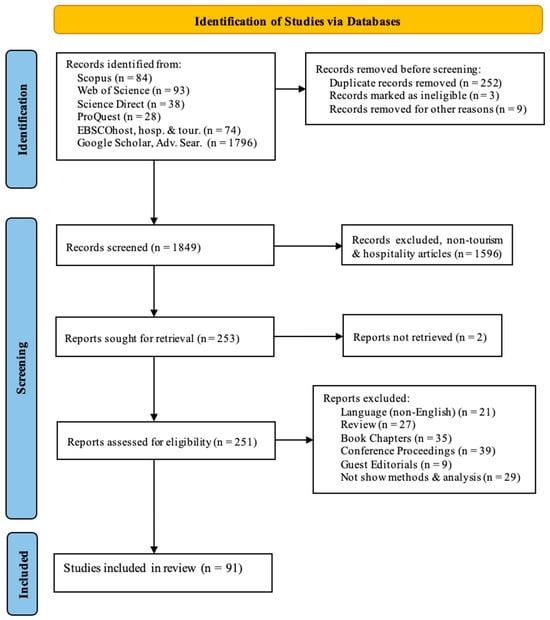
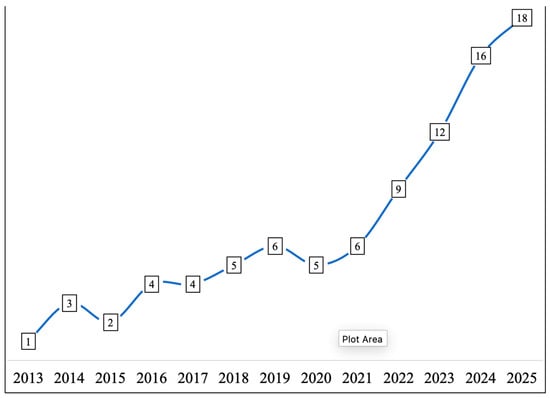
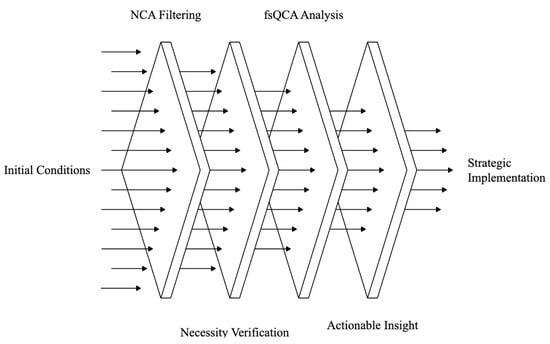
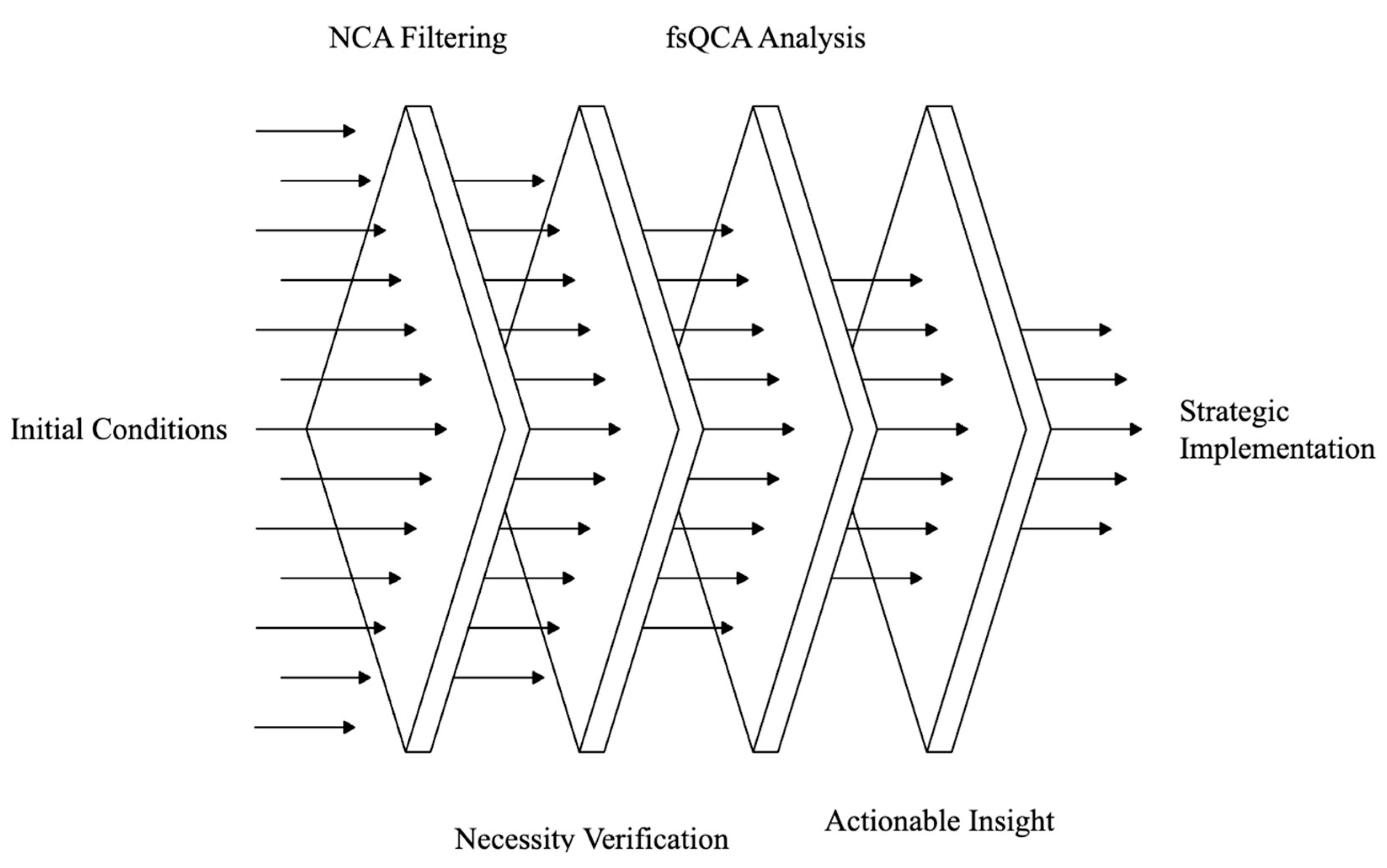

Disclaimer/Publisher’s Note: The statements, opinions and data contained in all publications are solely those of the individual author(s) and contributor(s) and not of MDPI and/or the editor(s). MDPI and/or the editor(s) disclaim responsibility for any injury to people or property resulting from any ideas, methods, instructions or products referred to in the content. |
© 2026 by the authors. Licensee MDPI, Basel, Switzerland. This article is an open access article distributed under the terms and conditions of the Creative Commons Attribution (CC BY) license.