


Abstract
This study addresses the growing need for structured, measurable organizational development (OD) models amid digital transformation, geopolitical uncertainty, and increasing managerial complexity. Contemporary middle- and top-level managers are expected to ensure productivity, strategic clarity, resilience, and data-driven decision-making; however, existing leadership methodologies are often examined separately and lack integrated evaluation frameworks. The research analyses two prominent approaches: the American Action Science methodology and the Scandinavian (particularly Finnish) consensus-based leadership concept. While Action Science emphasizes explicit reasoning, double-loop learning, accountability, and measurable performance outcomes, the Finnish consensus model prioritizes trust, participation, and relational cohesion. The aim of the study is to develop and empirically test the original digital model LeadWinO (LEADership for WINning Organizations) for evaluating the organizational development activities of middle- and top-level managers. The model was empirically tested on managers in Lithuania. The novelty of the research lies in combining management and informatics perspectives by embedding organizational development evaluation into a digital, indicator-based, and potentially predictive framework. The type of study is quantitative research integrating questionnaire analysis in the case of multi-profile sections. Analytical tool used for data simulation is Feedforward Neural Network for constructing sufficient gapless sets of digitalized data. Research results showed that the American Action Science methodology is most effectively used by managers working in very small and small enterprises in the service and maintenance sectors. The findings are expected to contribute to the operationalization of leadership effectiveness under uncertainty and provide organizations with an auditable structure linking managerial behaviour, decision-making processes, and organizational performance outcomes.
Keywords:
top; middle-level managers; organizational development; LeadWinO model; productivity; efficiency; AI 1. Introduction
Organizational development methodologies are essential for improving management processes within companies, as they enhance employee productivity and contribute to overall organizational profitability (Appelbaum et al., 1998). In this context, middle- and top-level managers play a critical role, as they are responsible for leading teams and ensuring the effective implementation of organizational strategies and decisions. Their ability to apply appropriate management approaches directly influences organizational performance and long-term outcomes. Therefore, understanding how managerial practices can be improved through effective methodologies is increasingly important in today’s business environment.
The contemporary world is undergoing a profound transformation. The contemporary environment is shaped by the rapid advancement of digitalization and artificial intelligence (AI). It is also influenced by generational differences among employees and evolving attitudes toward work. Workforce expectations are changing, while Lithuania’s working-age population is declining. At the same time, there is a growing need to enhance productivity, and organizations continue to face multiple market crises. Together, these factors underscore the need to identify and implement effective organizational development methodologies.
The problem of the research.
Modern organizations operate in increasingly complex, uncertain, and rapidly changing environments shaped by digital transformation, artificial intelligence, and global economic instability. These conditions require managers to demonstrate advanced leadership capabilities, including strategic decision-making, adaptability, and effective management of organizational change. Recent studies emphasize that digital leadership is becoming critical for ensuring organizational resilience, innovation, and long-term performance (Bevilacqua et al., 2026; Tagscherer & Carbon, 2023; Ye, 2025). At the same time, macroeconomic trends highlight growing fragility despite overall economic growth, further increasing the pressure on organizations to improve productivity and efficiency (Organisation for Economic Co-Operation and Development [OECD], 2025).
However, a significant gap persists between the required managerial competencies and the skills managers demonstrate in practice. Research on skill gap management shows that organizations globally struggle to align workforce capabilities with rapidly evolving demands, particularly in leadership and decision-making competencies (Braun et al., 2025). Managerial effectiveness is strongly linked to individual competencies such as communication, problem-solving, and role breadth self-efficacy, which directly influence employee performance and organizational outcomes (Branch, 2025; Mohamad et al., 2025). Despite this, many organizations lack structured mechanisms to systematically assess and develop these competencies, leading to inconsistencies in leadership quality and reduced organizational effectiveness.
Existing organizational development methodologies are often fragmented and insufficiently integrated. Traditional approaches such as Action Science emphasize reflection, double-loop learning, and evidence-based decision-making (Argyris, 2000; Friedman & Rogers, 2009), while Scandinavian consensus-based models focus on trust, dialogue, and participatory decision-making (Haavisto & Linge, 2022; Koskinen & Lämsä, 2017). Although both approaches provide valuable insights, they are typically applied separately and lack a unified, measurable framework for evaluating managerial performance in real organizational conditions. Moreover, recent research highlights the growing importance of data-driven and AI-supported approaches in management, which are often used as analytical tools rather than integrated into comprehensive organizational development models (Raina et al., 2026; Santos et al., 2025).
The key problem addressed in this study is the lack of an integrated, empirically tested, and digitally supported model to systematically evaluate managerial activities and their impact on organizational development outcomes. Existing approaches do not sufficiently integrate the behavioural, relational, and analytical dimensions of leadership into a unified, measurable system. This creates a need for innovative solutions that bridge theoretical methodologies and practical application, allowing organizations to assess managerial effectiveness in a structured, data-driven, and context-sensitive manner.
Lithuania was chosen for the empirical study. In Lithuania and across Europe, managers face multiple challenges, including geopolitical instability, economic uncertainty, labour shortages, and growing competition (Čižiūnienė et al., 2025; Eurofound, 2023; Wojnarowska-Szpucha, 2022). These conditions require strong leadership capabilities, innovation, and the ability to manage change effectively (Čižiūnienė et al., 2025).
Research papers highlights significant gaps in leadership competencies across organizations (Myszak & Filina-Dawidowicz, 2025; Braun et al., 2025; Pihlainen et al., 2019a), which negatively affect productivity, innovation, and organizational performance (Appelbaum et al., 1998; Riivari & Lämsä, 2014; Han et al., 2025). Managers increasingly need skills in communication, decision-making, collaboration (Argyris, 1994; Haavisto & Linge, 2022; Sørensen et al., 2018), and operating in AI-driven environments (Bevilacqua et al., 2026; Hossain et al., 2025). At the same time, organizations require practical and measurable models (Kraujalienė & Gruodis, 2025; Törmänen et al., 2022a) that support managerial development and improve decision quality, coordination, and long-term effectiveness (Poot et al., 2018; Volz-Peacock et al., 2016).
The Lithuanian context is shaped by a transition from hierarchical to more collaborative management practices. While elements of hierarchy still exist, organizations increasingly adopt participatory approaches (Kangas & Lämsä, 2021; Pulkkinen et al., 2015; Törmänen et al., 2022a; Lietuvos Respublikos Vyriausybė [Government of the Republic of Lithuania], 2022).
Lithuania has been shaped by several historical stages. As a post-Soviet country, Lithuania has transitioned relatively quickly and successfully from a centralized, hierarchical system of governance to more decentralized and less hierarchical forms, particularly through its integration into European institutional and policy frameworks (Krupavičius, 2025). While hierarchical elements still persist, reflecting broader structural differences within Europe, collaborative and network-based practices are increasingly emphasized (Hladchenko, 2026). Policy directions of Lithuania further highlight the shift towards more inclusive, participatory, and adaptive governance models (Seimas of the Republic of Lithuania, 2024). As a result, elements of hierarchical decision-making still exist in Lithuania, as in many other European countries, but various collaborative practices are also increasingly applied.
In this context, the application of Action Science (AM) and the Finnish consensus-based management concept (FIN) may face certain cultural and structural challenges. For example, consensus-based approaches such as FIN require a high level of trust, open communication, and shared decision-making (Sørensen et al., 2018; Haavisto & Linge, 2022; Törmänen et al., 2022a), which may be less developed in organizations where hierarchical leadership styles prevail. Similarly, Action Science, which emphasizes reflection, learning, and interpersonal feedback, may be constrained in organizational cultures where open dialogue and constructive criticism are not yet fully established (Argyris, 1994; Coghlan & Rigg, 2021; Witherspoon, 2014).
However, these factors do not necessarily preclude the application of these methodologies; rather, they shape how they are implemented. The results of this study suggest that while both approaches are applied, their effectiveness may depend on leadership experience, organizational maturity, and the gradual development of participatory and reflective practices within the Baltic cultural context.
Contemporary managers can no longer rely on simple, single-narrative solutions. This study introduces the LeadWinO (LEADership for WINning Organizations) model, which integrates elements of Action Science and Finnish consensus-based management into a digital evaluation framework. This model is designed to equip managers with the knowledge and competencies necessary to evaluate their own performance and organizational functioning in complex, multi-layered business environments where strategy, culture, and data intersect. There is a need for models that support managers in strategic thinking and in preparing for and leading change, enabling them to operate effectively in a growing yet unstable economy and to understand its broader dynamics. Such models would contribute to increased organizational productivity, foster innovation, and strengthen the country’s long-term economic resilience and institutional stability. Consequently, their development and implementation are both economically and strategically essential. The LeadWinO model enables managers to lead with confidence during periods of uncertainty and transformation, while fostering organizational development by transforming strategic constraints into opportunities for growth and competitive advantage.
Within the European Union and OECD policy context, there is a strong emphasis on strengthening managerial competencies, digital skills, and decision-making capabilities (European Commission, 2019; Organisation for Economic Co-Operation and Development [OECD], 2025; Hossain et al., 2025; Myszak & Filina-Dawidowicz, 2025; Bevilacqua et al., 2026). The proposed model contributes to these goals by providing a structured approach to organizational development.
In Lithuania, most companies are micro, small, and medium-sized enterprises (Statistics Lithuania, 2023). Therefore, it is important to analyze organizational development practices specifically at this level (Kianto et al., 2018; Kraujalienė & Gruodis, 2025).
The novelty of this research lies in the development of an original digital model to evaluate the organizational development activities of middle- and top-level managers. The model is created at the intersection of the management and informatics fields.
2. Literature Review
The most prominent organizational development (OD) methodology in America and in the world is Action Science methodology, called meta-theory and developed by C. Argyris and D. Schön. The mentioned theory was developed during a 50-year research period analyzing leadership development and organizational learning dilemmas (Bolman, 2021).
Scandinavia is widely recognized for its collaboration-based approaches to organizational development. The facilitation and moderation of relationships play a crucial role in multi-professional collaboration aimed at enhancing service effectiveness. The foundation of collaboration lies in developing of a governance culture and the capacity to accommodate diverse interests. A collaboration-oriented approach is particularly effective in managing complex processes. The Finnish management style is based on principles of consensus, characterized by deliberative discussions and negotiation aimed at achieving agreement. Uljens and Ylimaki (2017) emphasized the concept of educational leadership, which is generally focused on the organizational conditions and expectations associated with performance management and leadership (Gavrilescu & Vizireanu, 2019; M. Q. Li et al., 2022; Sørensen et al., 2018).
2.1. The Added Value of the Action Science Methodology
Action Science, based on Argyris’ theory-of-action concept, is prominent and well-suited to organizational development (OD) needs. It provides the foundations of effectiveness and offers a detailed explanation of how managers and teams reason, communicate, and make decisions in real time, particularly under conditions of ambiguity and within complex interpersonal dynamics when addressing conflicts and disagreements. Rather than treating “better leadership” as a collection of abstract traits, the Action Science methodology conceptualizes effectiveness in terms of action-oriented behaviour (e.g., explicit reasoning, testing assumptions, and jointly designing subsequent actions) and evaluates whether such behaviour reliably produces intended consequences within a specific context. It is precisely this criterion that Argyris employs to distinguish advice that can be implemented and learned in practice. This focus on actionability makes the methodology inherently relevant to organizational development, as it directly links learning to performance and change outcomes (Argyris, 2000).
The Action Science methodology is effective in advancing organizational development because it addresses organizational defensive routines—implicit norms that encourage individuals to behave politely, ambiguously, and self-protectively, while relying on ineffective communication patterns that prevent the surfacing of errors, conflicts, or weak assumptions. Although the short-term benefit of such routines may be reduced tension, the long-term consequences include impaired problem-solving and low-quality decision-making. Action Science promotes productive norms, including transparency regarding goals, public testing of inferences, and accountability for the consequences of one’s claims. From an organizational development perspective, this is critical, as sustainable change depends less on slogans and formal declarations and more on the everyday conversational infrastructure through which strategies, priorities, and resources are negotiated and transformed (Argyris, 1994, 2000).
The Action Science methodology provides added value for managers by cultivating skilled leadership and enabling them to apply mentoring, coaching, and facilitation competencies effectively. This supports managers in developing capable, self-correcting teams that continuously improve their performance. Double-loop learning is fundamental in this context: leaders learn not only to correct errors (“Are we executing properly?”), but also to examine and revise governing variables (“Are our assumptions, goals, and norms appropriate?”). This is particularly relevant for middle- and top-level managers, whose challenges are often non-routine and politically complex, and where performance outcomes depend on the leader’s ability to help teams think more effectively together rather than merely working harder. Double-loop coaching extends this logic by explicitly linking the systems and theories-in-use that leaders apply to the results they produce, thereby transforming leadership development into a performance-oriented practice rather than a generic training exercise (Argyris, 2000; Witherspoon, 2014).
Action Science supports effective teamwork by providing practical tools for conducting meaningful discussions and coordinating teams effectively. Productive group work depends on the ability to explore a situation while also confidently expressing and defending one’s viewpoint. This means clearly presenting one’s perspective, inviting others to examine and question it, and treating disagreement as a source of greater accuracy rather than as a threat to status. Research on dialogic feedback and structured peer dialogue reinforces this idea: when discussions are designed to encourage reasoning, respectfully challenge assumptions, and jointly develop improved actions, teams build shared understanding and make more reliable decisions. Action Science contributes by offering concrete conversational techniques and norms that make dialogic teamwork possible even under real organizational pressures such as time constraints, hierarchical structures, and concerns about reputation (Argyris, 1994; Er et al., 2021).
Moreover, Action Science is particularly effective in the domain of “difficult conversations” and feedback because it treats feedback as a shared learning process rather than as an evaluation or a source of blame. In action-based development practice, the primary obstacle is often not the lack of data, but the inability to discuss sensitive performance issues without triggering defensiveness, withdrawal, or counterattack. The methods applied within Action Science enable leaders to provide and receive feedback characterized by high validity—based on observable examples, explicit reasoning, and testable claims—as well as high psychological safety, which encourages correction, acknowledges uncertainty, and focuses on joint problem solving. Feedback must be systematic, usable, and embedded within routine practice—precisely the conditions that Action Science seeks to establish through clearly defined norms and repeatable interaction patterns (Argyris, 1994; Hepburn et al., 2022).
Methodologically, Action Science integrates theory and practice into a coherent framework. Learning is demonstrated not as abstract knowledge, but through improved capabilities and measurable results within a specific organizational context. This represents a key strength of action-oriented research, as leaders require approaches that are both theoretically rigorous and practically effective in real-world conditions. By grounding intervention in explicit theory-of-action principles (such as behaviour, governing norms, reasoning, and argumentation), Action Science enables leaders to examine how their actions produce particular outcomes. It therefore offers a structured learning system that can be audited, refined, and continuously improved. Rather than functioning as a one-time training method, Action Science establishes an ongoing learning process embedded in everyday managerial practice (Dick & Greenwood, 2015; Friedman & Rogers, 2009).
Regarding decision-making and empowerment, Action Science enhances productivity by improving the quality and speed of evidence-informed decisions while simultaneously reducing hidden conflicts. Evidence-informed decision-making frameworks emphasize systematic processes (from identifying decision needs to translating evidence into practice) because organizations often fail not due to a lack of competence, but because of ineffective processes for transforming information into coordinated action. Action Science complements these frameworks by strengthening the micro-skills required for evidence-based work in group settings, including clarifying claims, distinguishing data from interpretation, testing causal assumptions, and reaching agreement on next steps with clearly defined accountability. This combination increases individual empowerment, as employees can participate meaningfully in decision-making rather than merely comply with opaque directives (Argyris, 2000; Poot et al., 2018).
Action Science is well-suited for change management, as it conceptualizes change as iterative learning under real constraints rather than as the linear implementation of a top-down plan. The outcomes of strategic change depend on leadership, learning, and motivation—particularly on an organization’s capacity to learn from implementation feedback and to adapt accordingly. Action Science equips leaders with the capability to diagnose weaknesses without assigning blame, to experiment with new practices, and to revise governing assumptions when reality contradicts planned strategies. Furthermore, Action Science positions real organizational problems as opportunities for leadership development, recognizing that leaders learn most effectively when reflection and action are closely integrated around authentic challenges (Appelbaum et al., 1998; Horan, 2007; Volz-Peacock et al., 2016).
The aforementioned methodology enhances the quality of managerial work, thereby driving performance outcomes such as improved coordination, fewer unproductive conflicts, faster learning cycles, and more robust strategy implementation in uncertain environments. As work becomes increasingly interdependent, including in virtual and hybrid teams, leadership effectiveness depends heavily on communication that motivates, aligns, and sustains engagement. These mechanisms have been empirically linked to effective e-leadership and the strategic use of motivating language. Action Science provides clear tools for transforming collaborative capabilities into measurable results, including higher productivity, greater reliability, and ultimately sustainable profitability (Appelbaum et al., 1998; Argyris, 2000; Fan et al., 2014).
Contemporary research across action research, organizational learning, and human action theories consistently emphasizes that effective organizational development depends on integrating reflective inquiry, structured dialogue, evidence-informed decision-making, and adaptive learning processes. Transformational theory and action research traditions demonstrate that theory and practice must be interconnected to generate meaningful change and strengthen professional capability (Coghlan & Rigg, 2021; Moreno-Poyato et al., 2023; Redman-MacLaren & Mills, 2015). Studies on argument-based inquiry and recursive learning highlight that disciplined discussion, structured reasoning, and iterative feedback loops enhance collective understanding and the robustness of decisions in complex environments (Hammond, 2013; Weiss et al., 2022). Evidence-informed decision-making frameworks further stress the importance of systematic processes that translate knowledge into coordinated action, thereby strengthening accountability and empowerment (Poot et al., 2018). Research on interactive and feedback-driven learning systems shows that timely corrective input and adaptive adjustment mechanisms improve performance and behavioural alignment (Celemin & Ruiz-del-Solar, 2015; Kim et al., 2017). Action-oriented professional development has been found to enhance leadership effectiveness and practical competence over time (Feldman et al., 2022; Young et al., 2021). Theoretical analyses of action and motivation underline that human behaviour is guided by internalized norms, goals, and reasoning processes, and that productive performance emerges when cognition, identity, and context are aligned (Asma, 2021; Eyster et al., 2022; Frese & Gielnik, 2023; Marshall et al., 2021; Urhahne & Wijnia, 2023). From a change management perspective, effective transformation requires revisiting underlying assumptions and systemic behaviours rather than merely correcting surface-level errors (Luechtefeld, 2005), mobilizing creative and knowledge-based capacities (Choain & Malzy, 2019), and critically examining implicit organizational norms and power dynamics that shape learning processes (Raaijmakers et al., 2018).
The studies presented provide a coherent foundation for leadership models grounded in theory-of-action principles, dialogic competence, feedback-driven adaptation, and structured problem-solving as key drivers of organizational effectiveness and sustainable performance. The analysis demonstrates that Action Science aligns closely with contemporary organizational and policy-level demands. In an environment characterized by digital transformation, geopolitical uncertainty, AI integration, and increasing interdependence of work, managers are required to think strategically, make evidence-informed decisions, lead change, and foster collaborative problem solving. Action Science addresses these demands by strengthening core managerial competencies such as explicit reasoning, double-loop learning, constructive dialogue, feedback capability, and disciplined decision-making. By reducing defensive routines and promoting transparent, accountable communication, it enhances the quality of managerial work and supports sustainable organizational development. The broader research and strategic policy context emphasize the need for digital competence, innovation capability, resilience, and data-driven leadership.
The proposed LeadWinO model extends Action Science principles by integrating them with Scandinavian collaborative traditions and embedding them within a digital evaluation framework. This integration responds to the growing need for measurable, systematic, and practice-oriented organizational development models. Overall, management-oriented organizational development models are essential for increasing employee productivity, improving coordination and decision quality, and ensuring long-term organizational effectiveness and profitability. In complex and uncertain environments, such models provide managers with structured frameworks that transform leadership capabilities into sustainable performance outcomes.
The proposed LeadWinO model should not be interpreted as fully aligned with either Action Science (AM) or the Finnish consensus-based management concept (FIN). Instead, it integrates selected principles from both approaches in a complementary manner. While AM provides a strong foundation for reflection, learning, and evidence-based improvement, and FIN emphasizes collaboration and shared understanding, the model recognizes the practical limitations of each approach. Consensus-based decision-making, as promoted in the Finnish model, may be less suitable in situations requiring rapid responses, as it can slow down the decision-making process. Therefore, the LeadWinO model adopts a balanced perspective, combining reflective and collaborative elements with the need for timely and effective managerial action in dynamic organizational environments.
2.2. Scandinavian Methodology Concept
The Scandinavian, particularly Finnish, leadership concept is based on the principles of consensus, trust, transparency, and participatory engagement. However, empirical research suggests that such a system may be less effective under certain organizational conditions. In crisis situations, Nordic leadership theory emphasizes the importance of open and participative communication (Haavisto & Linge, 2022). Nevertheless, in practice, the inclusion of all stakeholders and the pursuit of unanimous agreement can slow decision-making, as not all parties may be willing or able to reach consensus, thereby constraining rapid, decisive action when it is most needed. Participatory decision-making processes within a consensus-oriented framework require advanced argumentation skills, careful preparation, and structured deliberation. Without clear methodological frameworks and explicit criteria for evaluating competing viewpoints, consensus may result in negotiated compromise rather than the most analytically robust or strategically optimal solution. Consequently, while consensus-based leadership can enhance legitimacy and relational cohesion, it may simultaneously reduce decision speed and strategic clarity in time-sensitive or high-uncertainty contexts (Larison, 2022; Morente-Molinera et al., 2021).
Some important insights are from the research in public policy and community boundary-making, which demonstrates that the question of who is included in a consensus-building process is an inherently political question, and that negotiation processes may obscure underlying power structures rather than neutralize them (Puumala & Maïche, 2021; Salomaa et al., 2018). Furthermore, consensus-oriented systems can be vulnerable to rhetorical strategies in which scientific or expert agreement becomes politicized, shifting the debate toward symbolic positioning rather than outcome-oriented problem-solving (Kukkonen & Malkamäki, 2024; Säntti et al., 2021). These findings suggest that consensus itself does not guarantee decision quality or an effective implementation process, particularly in contexts characterized by competing interests and contested knowledge claims.
Within the context of leadership competencies, the Finnish coaching and mentoring model emphasizes the importance of dialogue and sustained time investment in people development (Geeraerts et al., 2015; Pulkkinen et al., 2015). However, from a performance-oriented perspective, prolonged reflection and process-centred interaction may be difficult to reconcile with increasing demands for efficiency, measurable outcomes, and rapid execution. Expert assessments regarding the future of hospital leadership in Finland, for example, indicate that stronger strategic and managerial capabilities will be required beyond the cultivation of a collaborative culture alone (Pihlainen et al., 2019a, 2019b). This suggests that the principle of consensus, while valuable for fostering relational quality and inclusive people management, is insufficient on its own for achieving defined organizational objectives, and that additional structured methodologies are necessary to ensure effective leadership and goal attainment.
Research on the trust aspect of CEO–board relationships provide important insights, demonstrating that trust is a dynamic, inherently fragile construct that evolves over time and is sensitive to strategic alignment and interpersonal expectations (Koskinen & Lämsä, 2016, 2017). Consequently, an excessive emphasis on harmony and relational cohesion may inadvertently suppress open confrontation on critical strategic issues, thereby limiting constructive challenge and robust decision-making. Studies on organizational ethics and innovativeness further indicate that while an ethical organizational culture can create favourable conditions for innovation, the relationship is not automatic or self-sustaining. Effective managerial tools are required to translate normative values into concrete action and measurable outcomes (Riivari & Lämsä, 2014, 2019). In the absence of structured, performance-oriented methods, collaboration risks remaining a normative aspiration rather than an operational driver of organizational effectiveness.
Research on collective work and organizational learning in Finland indicates that the development of teamwork and systems intelligence can enhance reflective capacity and improve the quality of interpersonal interaction (Antinluoma et al., 2021; Törmänen et al., 2022a, 2022b). However, these improvements do not automatically translate into increased productivity unless they are accompanied by clearly defined performance indicators and well-established accountability structures. In other words, enhanced reflection and interaction quality alone are insufficient to ensure measurable organizational outcomes without corresponding performance management mechanisms. Even neuropsychological research on collaboration demonstrates that interpersonal synchronization can occur without physical co-presence (Wikström et al., 2022). Nevertheless, effective coordination and sustained performance remain dependent on structured task organization, clearly defined roles, and systematic operational processes. Thus, while relational alignment is important, it must be complemented by formal organizational structures to achieve consistent efficiency and results.
Research on argumentation and interaction modes demonstrates that inquiry-oriented communication (focused on exploration and questioning) and advocacy-oriented communication (focused on defending a position) produce distinct emotional and physiological responses (Leppänen et al., 2018). In a consensus-driven culture, there may therefore be a tendency to privilege inquiry while avoiding more explicit forms of confrontation, even when constructive advocacy is necessary to achieve clarity, resolve disagreements, and reach decisive conclusions. Such avoidance may preserve relational harmony but can reduce analytical sharpness and strategic decisiveness. In complex innovation–efficiency tensions, managers frequently face the challenge of organizational ambidexterity—balancing exploration and exploitation simultaneously. Under these conditions, excessively broad participation and prolonged consensus-seeking may complicate timely and directionally coherent strategic choices (Papachroni et al., 2016). While inclusion enhances legitimacy, it may also diffuse responsibility and delay commitment, particularly when organizations must reconcile competing priorities under performance pressure.
Research on knowledge management in Finnish companies shows that even in organizations characterized by a strong culture of trust, structured processes and clearly defined management tools are necessary to ensure that knowledge is effectively translated into tangible results (Kianto et al., 2018). In other words, trust alone does not automatically lead to improved performance without systematic management practices. Similarly, studies on corporate social responsibility and work–family practices reveal a gap between organizational discourse and actual implementation (Heikkinen et al., 2021; Heikkinen & Lämsä, 2017; Kangas & Lämsä, 2021). This suggests that normative values and declared principles do not automatically transform into effective action. Without concrete structures, accountability systems, and operational methods, organizational ideals may remain rhetorical commitments rather than drivers of measurable outcomes.
The analyzed studies indicate that collaboration- and consensus-based processes can strengthen personal efficiency and organizational performance; however, their effectiveness depends on the presence of structure and clearly defined methodological principles. Research on contentious projects demonstrates that early stakeholder involvement, facilitated negotiations, and transparent communication enhance trust and support the implementation of change, although decision quality ultimately depends on the strength of argumentation and the balance of power relations (Laukka et al., 2021). The Delphi method further illustrates that structured expert dialogue combined with iterative feedback can lead to well-founded agreement and the development of professional competencies, provided that decision logic and evaluation criteria are explicitly defined (Kielo-Viljamaa et al., 2022). From a values-based leadership perspective, empathy, care, and universalism are associated with higher-quality mentoring and coaching practices, as well as transparent behaviour that fosters organizational trust (Miralles-Armenteros & Guinot, 2023). In addition, the systems intelligence perspective emphasizes the importance of reflection, conscious communication, and holistic system awareness for effective teamwork and problem solving (Jumisko-Pyykkö et al., 2021). Research on consensus and measurement approaches shows that the chosen evaluation logic itself can shape how results are interpreted, indicating that effectiveness depends not only on dialogue but also on clearly defined performance indicators and accountability mechanisms (Ilmakunnas & Mäkinen, 2021).
Although Scandinavian, particularly Finnish, consensus-based leadership strengthens trust, openness, and collaboration, empirical research indicates that in the absence of a clear approach for structured argumentation, decision escalation, accountability, and performance measurement, it may be less effective in contexts characterized by high uncertainty, innovation-related tensions, and crisis situations (Polterovich, 2022; Sutherland et al., 2022). Therefore, the principle of consensus should not be regarded as inherently effective in and of itself. Rather, it functions as a cultural orientation that promotes inclusion and dialogue, but its practical effectiveness depends on the presence of clearly defined decision-making ways, explicit accountability approaches, measurable performance criteria, and formal processes for resolving disagreements and escalating unresolved issues. Without such complementary frameworks, consensus may remain a relational ideal rather than a reliable mechanism for ensuring timely, high-quality, and strategically coherent decisions.
2.3. Other Alternative Methodologies for Organizational Development
An analysis of commonly discussed methodologies for organizational development and effective workplace relationships reveals a lack of empirically proven alternatives. Instead, the literature often refers to individual management approaches or, in some cases, methods insufficiently supported by scientific evidence and may be considered pseudo-methods. In recent years, there has been a growing tendency to refer to management models associated with the Basque region. However, no evidence-based method, such as the “Basque method” or “Basque methodology,” has been identified in the scientific literature. Rather, existing studies refer to research conducted within the Basque Country as a geographical and institutional context, not as a distinct methodological framework.
Estensoro et al. (2025) examine the application of action research to the transformation of public-sector organizations and territorial governance. Their empirical study is based on the Basque Country, particularly the Bilbao Next Lab case. The authors employ a systemic action research approach, emphasizing the importance of collaboration between policymakers and researchers. This approach is based on joint problem framing, experimentation, and iterative reflection, involving multiple stakeholders, including public organizations, experts, and institutional actors. The study highlights that transformation processes extend beyond individual organizations to encompass inter-organizational relationships and broader governance structures, all of which are shaped by collaborative practices.
Furthermore, in another research, the Basque Country is selected in the literature as an example of a highly developed innovation ecosystem, where relationships between corporations and startups are actively initiated, developed, and sustained within a supportive institutional environment. The region is characterized by a strong industrial base and an active role of public institutions in fostering innovation. The Basque Government has implemented targeted initiatives, such as accelerator programmes (e.g., BIND 4.0), to promote partnerships between large corporations and startups. In addition, the Basque innovation system demonstrates a high level of coordination among key actors, including corporations, startups, research institutions, and government organizations. This creates favourable conditions for the development of open innovation practices (Pillado-Arbide, 2024).
An overview of training topics for managers nowadays shows that Neuro-Linguistic Programming (NLP) training is still being offered. However, an analysis of this topic in the scientific literature reveals that NLP is primarily examined in the context of mental health and psychotherapy, rather than as a methodology for management or organizational development. For example, Kattimani and Abhijita (2024) review existing empirical studies and conclude that NLP is sometimes used as a supportive psychological technique, yet there is insufficient scientific evidence to justify its practical application. NLP has not been validated as a methodological system and cannot be considered a reliable tool for organizational or managerial use. Similarly, the study by Wang et al. (2025) provides a critical bibliometric and theoretical analysis of NLP. The authors identify significant theoretical weaknesses, emphasizing the absence of a consistent scientific foundation and the misalignment of its core assumptions with established research paradigms. Their findings indicate that NLP is not recognized as a scientifically based model and is not supported by robust empirical evidence. Due NLP theoretical and empirical limitations, it is critically evaluated and excluded from this study as a scientifically unsupported approach to organizational development.
Recent studies emphasize AI-driven management and Natural Language Processing (NLP) tools as emerging approaches for organizational development. These approaches primarily focus on using data analytics and intelligent systems as tools to support timely decision-making, process management, knowledge creation, and communication (Raina et al., 2026). NLP is used as a tool to analyze and generate insights from textual and communication data. Such approaches can be useful for studying organizational development, as they enable data-driven decision-making; however, they are not suitable as standalone methodologies for developing organizations themselves. Despite the relevance of AI-driven management and NLP tools, they are not applied in this study because, first, they function as analytical tools rather than comprehensive methodologies, and second, this research is grounded in Action Science methodology and the Finnish consensus-based management approach, which prioritize human interaction, reflective learning, and shared understanding over technologically mediated analysis.
An analysis of recent scientific studies shows that digital transformation methodologies and AI-driven systems are increasingly used to implement organizational change. These approaches emphasize integrating digital technologies into organizational processes and contribute to improved decision-making, innovation, and operational efficiency (W. Li et al., 2026; X. Li et al., 2026). Digital transformation is often understood as a systemic change process in which organizations adopt new technologies alongside structural and cultural transformations. AI-driven digital transformation systems encompass not only the implementation of technologies within an organization but also broader changes in how the organization operates. This includes transforming work processes, strengthening employee capabilities, and improving decision-making. Thus, technologies are integrated with organizational capabilities and management practices to achieve better performance outcomes (W. Li et al., 2026; X. Li et al., 2026). Digital transformation methodologies are relevant to the study of organizational development, as they demonstrate how organizations adapt to changing environments and adopt technological innovations. However, they are not included in this study, as the research focuses on behaviour- and interaction-based methodologies, rather than technology-driven transformation models.
The literature also identifies organizational capability frameworks and models that emphasize organizations’ ability to develop, integrate, and reconfigure internal and external competencies to achieve sustainable performance and innovation growth (Han et al., 2025; Santos et al., 2025). Some authors argue that an organization’s learning capability helps transform the adoption of artificial intelligence into improved innovation outcomes (Han et al., 2025). Similarly, capability-based frameworks show how technological innovation enables organizations to adapt to change and achieve sustainability (Santos et al., 2025). Although these approaches are important for analyzing organizational development and performance, they are not applied in this study, as they focus on capability assessment and measurement. Instead, this research is based in Action Science and consensus-based management, emphasizing human interpersonal interaction.
The reviewed methods and methodologies are excluded from this study because they are either not empirically validated as comprehensive management methodologies or focus on technological and capability-based approaches, while this research is specifically based on Action Science and consensus-based management, emphasizing human interaction, reflection, and collaborative decision-making.
2.4. Advantages and Disadvantages of Action Science (US) and Finnish Methodologies
The key advantage of Action Science methodology lies in its explicit focus on effectiveness, testable reasoning, and the observable consequences of managerial behaviour. Argyris’ theory-of-action framework, a meta-theory, emphasizes structured argumentation, double-loop learning, and the public testing of assumptions (Argyris, 1994, 2000). Rather than prioritizing agreement, Action Science prioritizes decision quality, quick decision-making, and learning validity. It directly addresses defensive routines that inhibit honest feedback and problem-solving, thereby strengthening leaders’ mentoring, coaching, and facilitation competencies in performance-oriented contexts. Another strength is its integration of theory and practice into an auditable learning architecture (Dick & Greenwood, 2015; Friedman & Rogers, 2009). Action Science transforms dialogue into a disciplined problem-solving mechanism, linking communication processes to measurable outcomes such as coordination quality, productivity, and strategic execution. It is particularly effective under conditions of ambiguity, crisis, or rapid change, where assumptions must be questioned and governing variables revised.
Its potential limitation, however, is that it requires high cognitive discipline, emotional maturity, and advanced argumentation skills from participants. Without sufficient training and cultural readiness, structured confrontation and assumption testing may be perceived as overly analytical or challenging. Therefore, while Action Science offers stronger performance alignment and decision rigour, it demands greater behavioural competence and organizational commitment to reflective practice.
Meanwhile, one of the primary advantages of the Scandinavian (Finnish) consensus-based leadership concept lies in its strong emphasis on trust, transparency, participation, and relational cohesion. This approach, which has not been scientifically validated in any scientific paper as a methodology (as was performed in the Action Science case), promotes inclusive dialogue, psychological safety, and stakeholder legitimacy, which can strengthen long-term cooperation and institutional stability (Haavisto & Linge, 2022; Koskinen & Lämsä, 2017). The concept supports mentoring-oriented leadership, open communication, and collective sensemaking, which are valuable in knowledge-intensive and socially complex environments. It also aligns well with ethical culture and participatory governance traditions (Polterovich, 2022; Riivari & Lämsä, 2014).
However, its limitations become evident in contexts requiring rapid decision-making, high strategic clarity, or achieving strong performance results. A consensus-seeking approach can slow decision cycles, diffuse accountability, and lead to compromise solutions rather than analytically optimal ones (Larison, 2022; Morente-Molinera et al., 2021). In crisis situations or innovation–efficiency tensions, extensive participation may complicate the timely making of strategic choices (Papachroni et al., 2016). Furthermore, research indicates that trust and ethical culture alone do not automatically translate into measurable performance outcomes without structured processes and accountability mechanisms (Kianto et al., 2018; Heikkinen et al., 2021). Thus, while consensus leadership strengthens relational capital, it may lack sufficient operational rigour in high-uncertainty or high-performance environments.
In Table 1, a literature analysis on the advantages and disadvantages of Action Science and Finnish methodologies is presented.
Table 1.
Literature analysis on the advantages and disadvantages of Action Science and Finnish methodologies (prepared by the author’s 2026).
Based on scientific literature, several interconnected research gaps can be identified. There is a lack of integrated organizational development (OD) models that systematically combine two distinct leadership methodologies, such as the American Action Science approach and the Finnish consensus-based culture, into a single, conceptually coherent evaluation framework, as most studies examine these paradigms separately rather than in combination. Furthermore, existing research rarely focuses specifically on the OD practices of middle- and top-level managers, instead addressing leadership in general terms, and there is a shortage of metrics-based evaluation systems tailored to roles characterized by politically complex, multi-layered decision-making that directly impact productivity, coordination, and strategy implementation. A significant gap also persists between organizational learning processes and the measurement of decision quality and performance outcomes, since dialogic feedback and structured discussion literature often demonstrates improvements in shared understanding but does not sufficiently link these two decision speed, quality, escalation mechanisms, or organizational KPIs. Finally, although strategic policy frameworks at the EU and OECD levels emphasize the importance of digital, strategic, and resilience-oriented managerial competencies, they do not provide operationalized mechanisms for measuring and developing these capabilities in daily managerial practice, leaving organizations without practical, evidence-based models to evaluate the effectiveness of OD initiatives and their impact on productivity and competitiveness.
The novelty of the research is the development of an integrated model that combines organizational development (OD) evaluation with digital indicators and predictive analytics. Although interpretable neural networks have already been applied in scientific literature to assessment and forecasting tasks, such methodological integration remains largely unexplored in the field of organizational development—particularly in the evaluation of middle- and top-level managerial performance. Therefore, this study addresses a research gap by bridging management and informatics and proposing a novel, empirically testable solution for evaluating OD.
The study’s research question (RQ) is how the LeadWinO model can be used to evaluate managerial effectiveness in organizational development under conditions of uncertainty.
Based on the literature analysis and the identified academic gaps, the following hypotheses are formulated in this study.
H1.
The application of the Action Science methodology by middle-level managers is positively and statistically significantly associated with higher operational leadership effectiveness compared to the application of the Finnish consensus-based management concept.
H2.
The application of the Action Science methodology by top-level managers is positively and statistically significantly associated with higher strategic leadership effectiveness compared to the Finnish consensus-based management concept.
H3.
The application of the Finnish consensus-based management concept by middle-level managers is positively and statistically significantly associated with lower operational leadership effectiveness.
H4.
The application of the Finnish consensus-based management concept by top-level managers is positively and statistically significantly associated with lower strategic leadership effectiveness.
The goal of the research is to create a digital model to evaluate organizational development (OD) for middle- and top-level managers by integrating two methodologies (American and Scandinavian) and using quantitative parameters. The research is chosen to be conducted on the case of Lithuania.
This research has the following objectives:
- To analyze the prominent American and Scandinavian methodologies for effective management of companies and organizational development for discretization possibilities under conditions of uncertainty.
- To integrate digital indicators into designing and developing the LeadWinO digital model for valuation of the organizational development for middle- and top-level managers using American and Scandinavian methodologies.
- To empirically test the LeadWinO model through a study conducted among middle- and top-level managers in Lithuania, collect, aggregate, and simulate (predict) the survey data with an artificial neural network.
- To train artificial neural networks and implement predictive simulation (prediction) models for different categories of middle- and top-level managers, with the aim of assessing managerial effectiveness and its influence on employee productivity and overall organizational profitability in real-world conditions.
Figure 1 represents the diagram of the hypothesized relationship. Four hypotheses are related by a common idea: increasing the effectiveness of organizational management.
Figure 1.
Diagram of the hypothesized relationship.
Based on the strategic documents of the European Union (EU) and Lithuania, managers in Lithuania and across Europe are currently facing complex, interrelated challenges. In an environment characterized by high uncertainty (driven by geopolitical tensions, security risks, energy instability, and supply chain disruptions), there is a growing demand for managers to make sound strategic decisions under limited information. Productivity growth remains modest, while intensifying international competition requires advanced managerial capabilities, the implementation of innovation, and organizational transformation, particularly during the transition toward a knowledge- and technology-based economy.
As digital transformation accelerates, managers are expected to lead change effectively and ensure organizational resilience. Demographic shifts, labour shortages, and generational change increase the importance of inclusive leadership and effective talent management. Consequently, there is a growing emphasis on strengthening managers’ analytical skills, critical thinking, collaboration competencies, and data-driven decision-making capabilities to ensure successful organizational governance and development, high employee productivity, sustained organizational profitability, and, ultimately, long-term economic growth and national competitiveness.
The challenges have also been identified in scholarly research. An article examining skills gaps and leadership challenges found that organizations worldwide are facing a growing skills shortage, particularly in leadership and organizational capabilities. The study emphasizes that managers acknowledge deficiencies in leadership competencies as a significant barrier to organizational competitiveness and adaptability to change, ultimately affecting productivity (Braun et al., 2025). Similarly, Branch (2025), in an analysis of the impact of leadership capabilities on productivity and motivation, demonstrated that managers lacking essential leadership skills (such as trust-building, effective communication, empathy, and motivation) struggle to sustain employee productivity and engagement. The findings indicate that insufficient leadership competencies are associated with lower job performance. In another study on leadership and behaviour, research showed that leadership capabilities have a statistically significant effect on employee behaviour and organizational performance outcomes. The authors conclude that organizations must systematically strengthen managerial competencies to enhance overall organizational effectiveness (Mohamad et al., 2025). Tagscherer and Carbon (2023) argue that successful digitalization requires specific leadership competencies, including strategic vision, change management, and the ability to embed technologies into organizational processes and culture. A lack of such competencies frequently constrains digital transformation. Next research empirically links digital leadership to organizational resilience under turbulent conditions (Ye, 2025), while another highlights leadership deficiencies in transformation processes and stresses that leadership is critical for integrating technologies into organizational processes, culture, and decision-making systems. Traditional managerial competencies are no longer sufficient (Sacavém et al., 2025). AI-driven environments require new, dynamic leadership capabilities, particularly in human–AI collaboration and process management (Hossain et al., 2025). Other authors identify managerial skills gaps as a barrier to AI implementation and propose a competency framework necessary in the AI context, including technological literacy, ethics and risk management, and data-driven decision-making (Myszak & Filina-Dawidowicz, 2025). Artificial intelligence is also reshaping leadership competencies, generating a need for AI-oriented mindsets, strategic AI partnership capabilities, and ethical risk governance, thereby transforming the overall configuration of managerial skill sets (Bevilacqua et al., 2026). The ability to manage uncertainty is a critical leadership competence (Jain & Kondayya, 2023), and communication about uncertainty and decision-making under ambiguity are essential components of contemporary leadership behaviour (Løhre & Halvor Teigen, 2024).
The Organisation for Economic Co-Operation and Development (OECD, 2025) emphasizes that although Lithuania’s economy continues to grow, it operates amid heightened uncertainty, marked by increasing geopolitical, trade, regulatory, and financial risks. Such an environment requires managers who can make decisions under uncertainty, manage risks effectively, and ensure organizational resilience.
The geopolitical situation and the threat of war in the region have fundamentally altered organizations’ operating conditions, increasing uncertainty, elevating risk, and intensifying the need for rapid adaptation to a changing environment. Under such circumstances, middle- and top-level managers must be able to think strategically, make complex decisions in uncertain and transitional contexts, maintain organizational continuity, and safeguard employees’ psychological safety. Strengthening these competencies requires systematic, targeted academic preparation. National strategic documents and labour market analyses indicate a growing need to enhance managerial competencies in both the private and public sectors.
Within the European Union’s long-term development agenda, “A Europe Fit for the Digital Age” (2019), there is a clear need to strengthen digital, managerial, and strategic decision-making competencies at all organizational levels. This study contributes to these objectives by providing managers with a model for effectively leading and managing organizational transformation in the digital era.
The original LeadWinO model introduced in this study aligns with both OECD and European Union recommendations (Organisation for Economic Co-Operation and Development [OECD], 2025) aimed at strengthening economic resilience and enhancing productivity. These policy frameworks emphasize that organizational competitiveness increasingly depends on managers’ ability to implement innovation, manage risks effectively, and execute strategic decisions efficiently.
Lithuania’s National Progress Plan 2021–2030 highlights the importance of strengthening human capital, promoting data-driven decision-making, fostering innovation, and enhancing the capacity to adapt to evolving economic and geopolitical conditions (Vidaus Reikalų Ministerija [Ministry of Internal Affairs], 2022). The LeadWinO model contributes to these objectives by developing managers capable of addressing complex organizational challenges and ensuring the long-term sustainability of organizations.
Furthermore, the LeadWinO model is consistent with the Public Governance De-velopment Programme 2022–2030, which underscores the need to enhance managerial competencies, modernize human resource management practices, and improve the operational efficiency of public sector organizations (Lietuvos Respublikos Vyriausybė [Government of the Republic of Lithuania], 2022). By applying the LeadWinO model, managers gain the necessary framework to develop their competencies and effectively contribute to achieving these strategic objectives in both the public and private sectors.
In Lithuania, based on all active enterprises (excluding agriculture, finance, and insurance), 95.2% are micro-enterprises (0–9 employees), 3.9% are small enterprises (10–49 employees), and 0.8% are medium-sized enterprises (50–249 employees) (Statistics Lithuania, 2023). Therefore, it is important to examine organizational development practices among these types of enterprises in Lithuania.
The study by Kraujalienė and Gruodis (2025) is directly related to the present research, as it conceptually lays the foundation for integrating American (Action Science) and Finnish consensus-based methodologies into a digital indicator system for evaluating organizational development. The article introduces the idea that organizational development processes can be operationalized through measurable digital indicators, thereby linking leadership behaviour, decision-making quality, and organizational outcomes.
The current research extends this contribution by moving from a conceptual indicator framework to the development of a more comprehensive, empirically testable digital model, LeadWinO, designed specifically to evaluate middle- and top-level managerial effectiveness under conditions of uncertainty.
3. Research Methodology
3.1. Data Collection
This work is devoted to the initial analysis of the survey presented for top- and middle-level managers (Kraujalienė, 2025). The initial number of respondents for the survey was set at around 300 (middle- and top-level managers and owners) in Lithuania. The data for the analysis were collected between July and December 2024. The selection criteria for the research sample included middle- and top-level managers of Lithuanian companies employing more than 50 employees.
Traditional evaluation of questionnaire responses is performed by selecting one or more causal arguments that are leading according to the formed hypothesis. If one or a few causal arguments can be conveyed in several two-dimensional or three-dimensional diagrams and distributions, then the dependencies of several dozen arguments are simply represented in this way. First, it is necessary to assess and to estimate the importance of causal arguments and the relations between them. Second, to collect a complete set of all possible distributions, which is usually impossible. Thirdly, as in all other cases, most often the interviewees lack goodwill, and the answers are received fragmentarily and cut (what I want—I answer, what I don’t want—I don’t). There are psychological moments here, when the surveys are conducted anonymously through an agency, the people interviewed do not feel responsible for precise accuracy. Ultimately, a large proportion of fragmentary responses had to be rejected for these reasons, and only 27 respondents (11 men, 16 women) met the criterion for a coherent response and were included in the final model.
After evaluating the survey data, it became clear that uniform data alone is insufficient to assess the activities of this specific group of people (managers!) across multiple parameters. Linear interpolation methods could be used to create virtual data and supplement it with real survey data. This method is sometimes used, but it has been criticized for losing the sense of reality. It is much more correct to create a virtual data set as a first approximation based on the real data set. Given these circumstances, survey data were organized for simulations using a Feed-Forward Neural Network (FNN) as follows. The main idea of LeadWinO is to use digitized data extracted from surveys using a previously constructed template. Table 2 represents the main parameters of respondents.
Table 2.
Main parameters of respondents of the research (prepared by the authors, 2026).
According to the idea of this questionnaire, a manager is related to his company (characterized by size, parameter P03) and to the duration of his management (the range of this position, parameter P05). Figure 2 and Figure 3 show the amount of data on P03 and P05 parameters, respectively.
Figure 2.
Data amount on parameter P03, organization size.
Figure 3.
Data amount on parameter P05, leadership period. Blue zone: up to 35 years old (youth); red zone: 36–40 years old; orange zone: 41–50 years old; green zone: over 50 years old.
Table 3 presents the digitalized parameters of managers’ responses within the framework of American/Finnish technologies.
Table 3.
Responses of the respondents within the framework of USA/Finnish (AM/FIN) methodologies (prepared by the author’s 2026).
To avoid truncation of survey data, simple filtering was applied. Finally, thirteen parameters (P01…P13) were titled as the input parameters for ANN—see Table 2. This set includes seven parameters (P01…P07) related to the manager person, organization size, region, field of activity, and six parameters related to the self-assessment of the manager’s abilities (P08–P13). Thirty parameters (E1…E165) were titled as the output parameters for ANN—see Table 3. This set includes fifteen parameters of pure AM (weight coefficient βAM = 1), one parameter of pure FIN (βFIN = 1), and fourteen parameters of both (βAM = βFIN = 0.5).
Survey data presented for simulations using FNN were presented in the following form. A set of survey data, AAA(27), containing 27 observations, was confirmed as valid due to the absence of value gaps. P1…P13 parameters were used as ANN input parameters. Two output parameters were generated for each observation as the accumulated parameters SAM and SFIN:
where N represents the number of answer positions (0–29, different for AM and FIN), Ei represents the value of the respondent’s answer in the interval (1, 10), and βAM and βFIN represent the weight coefficients for the corresponding subset presented in Table 3 (AM and FIN, respectively).
For prediction, two large data sets, BBB(46,080)(10), BBB(46,080)(5), consisting of 46,080 observations (events) were constructed for the input layer: the first consists of idealized parameters (P09 = P10 = P11 = P12 = P13 = 10), and the second consists of parameters close to reality (P09 = P10 = P11 = P12 = P13 = 5). Other parameters were presented in all possible forms, as specified by the survey. The final number of observations is 46,080 = 2 × 4 × 4 × 3 × 6 × 5 × 8 × 2 (all possible states according to Table 2 for parameters P01…P08, respectively).
For ANN simulation, all data must be converted from presented input values Xi (i) and output values Yj (j ) to their respective fuzzy logic values XXi, YYj in either forward or backward direction, in accordance with the specified formulas:
Here, XMIN and XMAX denote the minimum and maximum values of the data set Xi (i), respectively. After calibration, XXi values will be presented in the interval (0, 1).
3.2. Artificial Neural Network Simulation Technique for Training, Validation, and Prediction
A desktop computer with an Intel(R) Core(TM) i5-6400 CPU @ 2.70 GHz, 8 GB RAM, running Windows 10 Pro, version 22H2, was used for simulations. The central part of the LeadWinO model represents the advanced tool VALLUM01 (Gruodis, 2025) as an implementation of an Artificial Neural Network (ANN) (containing two classes: Neural Network and Matrix (Sonawane, 2025), which was described, tested, and previously used (Matijošius et al., 2024a, 2024b). Table 4 presents the ANN simulation parameters.
Table 4.
Parameters of Artificial Neural Network simulations.
The schema of the Feedforward Neural Network (FNN) is presented in Figure 4. The VALLUM01 package, which features a graphical, user-friendly interface for input, output, and control, was developed using the Eclipse Java IDE. Two distinct plugins were employed to convert data from any real interval to a fuzzy logic interval (0; 1), facilitating both forward and backward transformations for input and output. The main behaviour of VALLUM01 is the implementation of an FNN with an input layer (P = 13 units), a single hidden layer, and an output layer (R = 30 units). The hidden layer consists of the requested number of perceptrons Q = 30. Quantities of input/output layers are presented in Figure 4. As a result of the adjustments made, bias was incorporated into the hidden layer. The nonlinear sigmoidal function, characterized by its S-shaped curve, was employed:
Figure 4.
Artificial Neural Network (ANN) architecture illustrating the interactions among the input layer, a single hidden layer, and the output layer. The block schema of an ANN in the realization of a Feed-Forward Neural Network (FNN) is shown: the input layer, P = 13 units (yellow); a single hidden layer, Q = 30 perceptrons (blue); and the output layer, R = 30 units (green). Routine operations are executed sequentially from left to right. Biases are included in each perceptron unit in the hidden layer for adjustment purposes. Units in the input and output layers operate over the fuzzified interval (0, 1).
4. Results
4.1. Training of Feedforward Neural Network Using Data of Organizational Development Practices of Middle-, Top-, and Owner-Level Managers
The first stage of using an ANN is to define the training procedure. The successful configuration of ANN is presented in Table 4 (input layer, P = 13, single hidden layer Q = 30, output layer R = 30). A set of survey data (27 observations) was used. The quality of training can be characterized by the evolutionary dependence of several parameters, such as Total Network Error (TNE), Root Mean Square Error (RMSE), and Mean Absolute Percentage Error (MAPE). In program VALUE01, the key parameter for management of the training interruption process is TNE:
The target value is obtained from the survey as Ei, and the current value is obtained in simulations at each epoch. N represents the number of observations (events). Training had escaped by distinguishing the number of epochs, 115,269,243, upon receiving TNE2 < 9.87 × 10⁻¹⁰. Figure 5 represents the evolution of the successful training process. We estimated that the received TNE value
Figure 5.
The log-log dependence of TNE2 on the number of epochs, which represents the quality of ANN training. The number of observations (27 events) has been recorded. The single hidden layer consists of Q = 30 perceptrons. The training process was interrupted after reaching epoch 115,269,243, with TNE2 < 9.87 × 10⁻¹⁰.
It is enough for high-precision simulation.
4.2. Validation of Feedforward Neural Network
For validation, the same data set (27 observations) was used. Due to the low TNE value, the deviations between the simulated and original values are negligible. Figure 6 represents the distribution of E03 parameter on RolNo. Survey values E03 and simulated values E03* cover each other. It means that training has converged, and the simulated values EXX* correspond to the original values with satisfactory deviation.
Figure 6.
Dependence of E03 parameter (Manager-leader coaching skills. Do you use coaching methods to help employees achieve higher results?) on RolNo. Survey values E03 and simulated values E03* cover each other.
4.3. Predictions Using a Feedforward Neural Network for a Virtual Dataset
A successfully trained and validated ANN was used for prediction. Two large data sets consisting of 46,080 virtual observations (events) were constructed for the input layer: the first BBB(46,080)(10) consists of idealized parameters (P09 = P10 = P11 = P12 = P13 = 10), and the second BBB(46,080)(5) consists of parameters that are close to reality (P09 = P10 = P11 = P12 = P13 = 5). Generated output layer of thirty parameters Ex was recalculated using Equations (4) and (5) for accumulated parameters SAM and SFIN.
A large amount of data, SAM, SFIN (different scenarios D1…D5, different manager quality parameters P09…P13 as 10 or 5 (presented in parentheses), was visualized using five cuts, described in Table 5. In all cases, values of the first and second arguments are validated for integer numbers 0, 1, 2, 3, …, but not for any intermediate value of real type, for example, 0.5, etc.
Table 5.
Different cuts of simulated data (arguments according to notations in Table 2) (prepared by authors, 2026).
Figure 7 shows the idealized D1(10) map distribution of the accumulated parameters SAM and SFIN (colour scale: (3.60; 6.84)) for two digitalized arguments: P01 and P02. Figure 7 represents a close-to-reality D1(5) map distribution of the same type (colour scale: (2.42; 3.85)). For ideal representation (Figure 7a,b), sex (P01) and age (P02) of managers were used as parameters in AM framework. The highest AM grade was established for women aged 41–60. For men-managers, the accumulated AM parameter falls around 1.5 times. These tendencies indicate that women managers are better suited to the knowledge and skills required by AM methodology in practice. The same tendency is evident in FIN distribution.
Figure 7.
D1(10) map distribution of accumulated parameters SAM (a) and SFIN (b) on two digitalized arguments: P01 (sex, 0—man, 1—women) and P02 (age, 0—(<35), 1—(36–40), 2—(41–50), 3—(>50)). P09 = P10 = P11 = P12 = P13 = 10.
For close-to-real representation (Figure 8a,b), the red area expands to the man category (age 41–50 only). FIN case shows activated are for men aged 41–60 with very low grade (3.22 < 3.8). According to the distribution presented in the AM framework, effective management of women is weakly related to age (a large activity interval of 36–55) (see Figure 7 and Figure 8), whereas for men, it is only related to age (41–50). This tendency is not overlapped by additional factors: for experienced men aged 41–55, a small green area is present—see Figure 7b. Women managers across several age intervals between 35 and 55 achieved the highest SAM coefficient scores, whereas men reached the same level only within a narrow-fixed age range of 41–50. This means that men’s leadership tendencies within the AM framework are significantly worse compared to women’s leadership within the same age range.
Figure 8.
D1(5) map distribution of accumulated parameters SAM (a) and SFIN (b) on two digitalized arguments: P01 (sex, 0—man, 1—women) and P02 (age, 0—(<35), 1—(36–40), 2—(41–50), 3—(>50)). P09 = P10 = P11 = P12 = P13 = 5.
Figure 9 shows the idealized D2(10) map distribution of the accumulated parameters SAM and SFIN (colour scale: (3.8; 6.5)) for two digitalized arguments: P03 and P04. Figure 10 represents a close-to-reality D2(5) map distribution of the same type (colour scale: (2.04; 4.15)). For ideal representation (Figure 9a,b), organization size (P03) and leadership level (P04) of managers were used as parameters in AM framework. The highest AM grade was established for top-level managers (P04 = {1}) in very small, small, and middle organizations (P03 = {0; 1; 2}). In other words, top-level managers are vitally interested in effectively managing small and medium companies, and this is only possible with high-level skills in applying AM methodology. This tendency is extended to the owner level using the FIN methodology. It is observed that the knowledge and skills of middle-level managers to use the AM methodology are significantly lower (up to 1.5 times).
Figure 9.
D2(10) map distribution of accumulated parameters SAM (a) and SFIN (b) on two digitalized arguments: P03 (organization size, 0—(very small, <10), 1—(small, 11–50), 2—(middle, 51–250), 3—(large, >250)) and P04 (leadership level, 0—(middle level manager), 1—(top level manager), 2—(owner)). P09 = P10 = P11 = P12 = P13 = 10.
Figure 10.
D2(5) map distribution of accumulated parameters SAM (a) and SFIN (b) on two digitalized arguments: P03 (organization size, 0—(very small, <10), 1—(small, 11–50), 2—(middle, 51–250), 3—(large, >250)) and P04 (leadership level, 0—(middle level manager), 1—(top level manager), 2—(owner)). P09 = P10 = P11 = P12 = P13 = 5.
The same tendency is evident in the FIN distribution, which is expanded to the owner level (P04 = {1; 2}). For close-to-real representation (Figure 10a,b), the red area expands to very large organizations (P03 = {0; 1; 2; 3}). The FIN case shows an activated area for very large organizations (P03 = {3} and owners only (P04 = {2}). The presented distribution must be explained from a psychological perspective: ineffective management aligns with consensus practice, whereas effective leadership is most prominent with the AM approach (see Figure 9 and Figure 10). The results of the research, which closely reflect the real case, show that applying the FIN methodology to management at the owner level is acceptable but insufficient, as achieving consensus requires significant time and human resources. If productivity and organizational efficiency are prioritized, only the tools of the AM methodology are suitable and enable significantly higher levels of assessment. Based on these conclusions, it can be stated that middle-level managers lack the capabilities needed for effective day-to-day organizational management.
Figure 11 shows the idealized D3(10) map distribution of the accumulated param-eters SAM and SFIN (colour scale: (3.69; 6.5)) for two digitalized arguments: P04 and P05. Figure 12 shows a near-reality D3(5) map distribution of the same type (colour scale: (1.85; 4.12)). For ideal representation (Figure 11a,b), the leadership level (P04) and the leadership period (P05) of managers were used as parameters in the AM/FIN framework. The highest AM grade was established for managers at the top and owner levels (P04 = {1; 2}) for a large leadership period of 0–20 years (P05 = {0; 1; 2; 3; 4}). The same tendency is evident in FIN distribution, which is expanded to owner levels (P04 = {1; 2}) and the leadership period of 0–30 years (P05 = {0; 1; 2; 3; 4; 5}). When examining the correlation between managerial position and management experience, it turned out that top-level managers effectively manage for up to 20 years of experience. There is no surprise from a psychological point of view, since the AM methodology requires constant active working capacity for results to increase. Under the FIN methodology, this provision is extended to owners because consensus is psychologically less taxing for managers during the strategic decision-making process. For middle-level managers, the correlation of experience with positions is significantly worse (up to 1.5 times) than for top-level managers.
Figure 11.
D3(10) map distribution of accumulated parameters SAM (a) and SFIN (b) on two digitalized arguments: P04 (leadership level, 0—(middle level manager), 1—(top level manager), 2—(owner)) and P5 (leadership period, 0—(0–5), 1—(6–10), 2—(11–15), 3—(16–20), 4—(21–25), 5—(26–30)). P09 = P10 = P11 = P12 = P13 = 10.
Figure 12.
D3(5) map distribution of accumulated parameters SAM (a) and SFIN (b) on two digitalized arguments: P04 (leadership level, 0—(middle level manager), 1—(top level manager), 2—(owner)) and P5 (leadership period, 0—(0–5), 1—(6–10), 2—(11–15), 3—(16–20), 4—(21–25), 5—(26–30)). P09 = P10 = P11 = P12 = P13 = 5.
For a close-to-real representation (Figure 12a,b), the red area shrinks to a new one with interesting properties. In the AM framework, top-level managers and owners (P04 = {1; 2}) can effectively operate for 0–10 years (P05 = {0; 1}); otherwise, for owners, this period extends to 10–20 years (P05 = {0; 1; 2; 3}). In the FIN framework, the owners only (P04 = {2}) can effectively operate for 0–20 years (P05 = {0; 1; 2; 3}). This contradiction could be explained by the possibility of long-term management in the role of owner only (P04 = {2}) (using ineffective decision-making tools, such as consensus). Owners with up to 20 years of management experience and top-level managers with up to 10 years of management experience demonstrate the strongest leadership capabilities within the AM and FIN methodologies. In the case of FIN, the interval is not limited by experience, whereas in the case of AM, the limit is 15–20 years. When examining the correlation between the experience and position of middle-level managers, it turned out that their leadership abilities, as measured by the AM and FIN methodologies, are extremely low compared with those of top-level managers.
Figure 13 shows the idealized D4(10) map distribution of accumulated parameters SAM and SFIN (colour scale: (3.6; 6.54)) for two digitalized arguments: P04 and P06. Figure 14 represents a close-to-reality D4(5) map distribution of the same type (colour scale: (1.73; 4.26)). For ideal representation (Figure 13a,b), the leadership level (P04) and region (P04) of managers were used as parameters in the AM/FIN framework. The highest AM grade was assigned to top-level managers (P04 = {1}) in the Vilnius, Kaunas, and Marijampolė districts (P06 = {1; 2; 3}). When examining the correlations between management level and region of the organization, it is evident that the most effective management within the AM methodology is observed in the Vilnius and Kaunas districts when top-level managers lead. This trend is also observed in the FIN methodology, when the top-level manager case is extended to owners. Surprisingly, the influence of middle-level managers is significantly weaker than that of top-level managers.
Figure 13.
D4(10) map distribution of accumulated parameters SAM (a) and SFIN (b) on two digitalized arguments: P04 (leadership level, 0—(middle level manager), 1—(top level manager), 2—(owner)) and P6 (region, 0—(whole Lithuania), 1—(Vilnius district), 2—(Kaunas district), 3—(Marijampole district), 4—(EMEA)). P09 = P10 = P11 = P12 = P13 = 10.
Figure 14.
D4(5) map distribution of accumulated parameters SAM (a) and SFIN (b) on two digitalized arguments: P04 (leadership level, 0—(middle level manager), 1—(top level manager), 2—(owner)) and P6 (region, 0—(whole Lithuania), 1—(Vilnius district), 2—(Kaunas district), 3—(Marijampole district), 4—(EMEA)). P09 = P10 = P11 = P12 = P13 = 5.
The same tendency is evident in the FIN distribution, which is expanded to the owner level (P04 = {1; 2}) and reduced to the Marijampolė district (P06 = {3}). For close-to-real representation (Figure 14a,b), the red area (AM) shrinks to Marijampole district and EMEA (P06 = {3; 4}). The FIN case shows an activated area for owners (P04 = {2} and all Lithuanian regions (P06 = {0; 1; 2}). The presented distribution allows estimation of a private business as an owned manager, who is the sole responsible person. When examining the correlations of Marijampolė district and EMEA region organizations with managerial positions, it seems that only top- and owner-level managers’ results are significant (highest). This is possible because managers work in small organizations as owners of their own businesses. Also, the research results show that the EMEA region needs more effective tools than the FIN management methodology (namely, AM, as is evident from Figure 14a,b).
Figure 15 shows the idealized D5(10) map distribution of the accumulated parameters SAM and SFIN (colour scale: (4.08; 6.485)) for two digitalized arguments: P03 and P07. Figure 16 represents a close-to-reality D5(5) map distribution of the same type (colour scale: (2.43; 4.23)). For ideal representation (Figure 15a,b), managers of small and middle organizations (P03 = {1; 2}), who are employed in services, real estate rental, trade, investment projects, medicine/IT (P07 = {0; 1; 2; 3; 4}), could be graded by the highest grade in AM framework. For the FIN framework, the situation is different. Managers of small and middle organizations (P03 = {1; 2}) employed in trade, investment projects, medicine/IT, consulting, and education (P07 = {2; 3; 4; 5; 6}) could be graded at the highest level in the FIN framework which is significant lower that AM (4.53 (blue) < 6.2 (red)). The shift in simulated top position indicates that the AM approach (with idealized knowledge of managers) is most suitable for managing a specific field of activity, such as services or real estate rental, related to high technologies. For a close-to-reality representation (Figure 16a,b), managers of very small and small organizations (P03 = {0; 1}) in services, real estate rental, and trade (P07 = {0; 1; 2}) could be graded at the highest level in the AM approach. For FIN approach, area expands: managers of small, middle and large organizations (P03 = {1; 2; 3}) employed in services, real estate rental, trade, investment projects, medicine/IT, consulting, (P07 = {0; 1; 2; 3; 4; 5}) could be graded at the highest level in the FIN framework which is significant lower that AM (2.88 (cyan) < 4.23 (red)). A significant expansion of area estimation, accompanied by a decrease in grade value (from dark red in Figure 15a to cyan in Figure 15b), indicates that effective management is lost when the principles of AM are replaced by those of FIN.
Figure 15.
D5(10) map distribution of accumulated parameters SAM (a) and SFIN (b) on two digitalized arguments: P03 (organization size, 0—(very small, <10), 1—(small, 11–50), 2—(middle, 51–250), 3—(large, >250)) and P07 (field of activity, 0—services, 1—real estate rental, 2—trade, 3—investment projects, 4—medicine/IT, 5—consulting, 6—education, 7—production). P09 = P10 = P11 = P12 = P13 = 10.
Figure 16.
D5(5) map distribution of accumulated parameters SAM (a) and SFIN (b) on two digitalized arguments: P03 (organization size, 0—(very small, <10), 1—(small, 11–50), 2—(middle, 51–250), 3—(large, >250)) and P07 (field of activity, 0—services, 1—real estate rental, 2—trade, 3—investment projects, 4—medicine/IT, 5—consulting, 6—education, 7—production). P09 = P10 = P11 = P12 = P13 = 5.
Effective leadership based on the AM methodology is associated with small- and medium-sized organizations in Lithuania that are engaged in the service and maintenance sector. The same trend is observed when applying the FIN methodology. The research results showed that the AM methodology is most effectively used by managers working in very small and small enterprises in the service and maintenance sectors.
Additionally, it is necessary to assess how the distributions of the real data compare with those of the simulated data. Figure 17 shows the distributions of the cumulative indices SAM and SFIN, calculated from real sets on RolNo. Figure 18 shows the box-and-whisker plots of the cumulative indices SAM and SFIN, calculated from real data sets (not simulated).
Figure 17.
Distributions of the accumulative index SAM and SFIN calculated from real sets on RolNo.
Figure 18.
Statistical box chart for the distributions of the accumulative index SAM and SFIN calculated from real sets (not simulated).
Table 6 represents the descriptive statistics after comparison of two pairs of sets: (i) EAM (real) and EAM* (simulated), (ii) EFIN (real) and EFIN* (simulated). Negligible differences between the real value and the simulated value are present. The difference between the mean values of EAM and EFIN is approximately 1.93 (the tools and methods of AM are valued and more strongly manifested in reality). Figure 19 and Figure 20 show the Pearson distribution for EAM (real) and EAM* (simulated), EFIN (real) and EFIN* (simulated), respectively. Both distributions look close to linear.
Table 6.
Descriptive statistics: two pairs of sets: EAM (real) and EAM* (simulated), EFIN (real) and EFIN* (simulated).
Figure 19.
Pearson distribution for EAM (real) and EAM* (simulated).
Figure 20.
Pearson distribution for EFIN (real) and EFIN* (simulated).
The results of the simulation within the LeadWinO model confirm all four hypotheses. Specifically, H1 and H2 are supported, indicating that the application of the Action Science methodology by both middle- and top-level managers is positively and statistically significantly associated with higher operational and strategic leadership effectiveness, respectively, compared to the Finnish consensus-based management concept. The findings also reveal that this effect is more pronounced at the top management level, likely due to higher educational and competency requirements. In addition, H3 and H4 are confirmed, showing that the application of the Finnish consensus-based management concept is associated with lower operational and strategic leadership effectiveness. However, the results suggest that elements of the Finnish approach may be more applicable in the early stages of leadership (0–5 years), particularly for organizational owners, while a gradual transition toward Action Science practices is observed over time, accompanied by changes in management style and effectiveness.
5. Discussion and Implications
5.1. Theoretical Implications
The literature analysis emphasizes that modern organizations operate amid high uncertainty, digital transformation, and geopolitical tension. Therefore, managers need structured and measurable organizational development models that are clearly linked to productivity. It is emphasized that middle- and top-level managers must be able to make sound strategic decisions, manage change, and ensure organizational resilience. However, existing methodologies are often analyzed separately and lack an integrated evaluation model. This gap is clearly conceptualized in the literature review by distinguishing two main approaches: Action Science (AM), which focuses on explicit reasoning, double-loop learning, and accountability, and the Scandinavian (FIN) consensus model, which is based on trust, dialogue, and participation.
The research results transfer these theoretical assumptions into empirical modelling by using an artificial neural network. Based on survey data collected from managers, 46,080 virtual scenario combinations were generated. In the D2 analysis (organization size with leadership level), the highest SAM values (the accumulated AM parameter) are observed among top-level managers in small and medium-sized organizations. In contrast, in the FIN case, the highest scores are lower and more dispersed, especially within the owner segment. This indicates that the AM methodology concentrates responsibility and decision quality more effectively in situations where strategic clarity is required.
The D3 analysis (leadership level with experience) further shows that in the AM model, the highest results are achieved during the first 0–10 years of top-level leadership, when intensive strategic activity and continuous review of assumptions are necessary. In the FIN model, the effective period may be longer, but the maximum scores remain lower, suggesting that consensus supports stability, but not maximum performance.
The D5 analysis (organization size with field of activity) is particularly significant. In the idealized scenario, the AM methodology yields the highest scores for small and medium-sized organizations operating in the services, real estate, trade, and IT sectors. In the more realistic scenario, the strongest results are observed in very small and small companies in services and trade. In the FIN model, the area of application expands to include larger organizations and more sectors; however, the overall score level decreases. This expansion of area with a reduction in score effect suggests that the consensus principle may be more universal but less effective in measurable results. In contrast, although the AM methodology is more concentrated, it maintains a higher quality level and a stronger correlation with effective management. This empirically supports the argument presented in the literature that structured argumentation, clear decision-making mechanisms, and accountability are critical factors in high-uncertainty environments.
The findings of this study provide empirical support for the theoretical assumptions underlying the Action Science methodology, particularly its emphasis on explicit reasoning, double-loop learning, and evidence-based decision-making. The results demonstrate that managers applying Action Science achieve higher effectiveness scores compared to those relying on the Finnish consensus-based approach, especially in dynamic and performance-oriented contexts. This aligns with prior research by Argyris (2000) and Poot et al. (2018), which highlights that structured reasoning, transparent communication, and systematic testing of assumptions improve decision quality and organizational performance. The present study extends these theoretical insights by empirically confirming that such tools are not only conceptually valid but also measurable through a digital indicator system and predictive modelling.
Furthermore, the results reinforce previous literature suggesting that Action Science is particularly effective in environments characterized by uncertainty, rapid change, and the need for strategic clarity. The study shows that top-level managers and those operating in small and medium-sized enterprises achieve the highest effectiveness results when applying Action Science principles. This is consistent with research on evidence-informed decision-making and leadership under uncertainty (Tagscherer & Carbon, 2023; Ye, 2025), which emphasizes that analytical thinking, accountability, and adaptive learning are critical in complex organizational development conditions. Thus, the findings contribute to theory by demonstrating that Action Science is especially relevant in contexts requiring fast, high-quality decision-making and coordinated action.
In contrast, the study’s findings regarding the Finnish consensus-based approach are consistent with earlier research highlighting both its strengths and limitations. While the consensus model shows broader applicability across different organizational contexts, its effectiveness scores remain lower compared to Action Science. This supports previous studies (Kianto et al., 2018; Morente-Molinera et al., 2021), which argue that although consensus-based leadership enhances trust, participation, and relational cohesion, it may reduce decision speed and dilute accountability. The present research confirms that, without structured decision-making frameworks and performance-oriented mechanisms, consensus alone does not lead to optimal organizational outcomes, particularly in high-pressure or competitive environments.
This study contributes to the theoretical literature by addressing the identified gap between relational and analytical leadership paradigms. While prior studies have examined Action Science and consensus-based leadership separately, the results demonstrate the value of integrating these approaches within a unified, measurable framework. The LeadWinO model shows that although consensus-based practices may support stability and inclusiveness, especially in early leadership stages or owner-led organizations, Action Science provides stronger tools for achieving measurable performance outcomes. These finding advances organizational development theory by suggesting that effective leadership requires not only relational competence but also structured, data-driven, and accountable decision-making systems, particularly in digitally transforming and uncertain environments.
From a critical perspective on the relationship between theory and practice, the study consistently confirms the hypothesis in the literature that the AM methodology is superior in terms of productivity and strategic effectiveness. The theory states that trust and dialogue alone do not ensure measurable outcomes without structured processes. The results show that in the FIN model, high scores are more scattered and generally lower than in the AM model. Overall, the data provide a solid basis for concluding that the Action Science methodology more effectively transforms leadership competencies into measurable organizational outcomes, such as decision quality, productivity, and strategic consistency, and is therefore more suitable for dynamic, competitive, and highly uncertain environments.
5.2. Practical Implications
The practical implication of this research is to provide organizations with an integrated, digitally supported model for evaluating the effectiveness of middle- and top-level managers in driving organizational development under conditions of uncertainty. By combining the structured, performance-oriented principles of Action Science with the trust- and dialogue-based elements of the Finnish consensus concept, the model enables companies to operationalize leadership behaviours, decision quality, accountability, and collaboration into measurable indicators linked to productivity and strategic execution.
This approach supports data-driven governance, strengthens managerial resilience in crisis and digital-transformation contexts, and enables organizations of different sizes to systematically align leadership development with measurable performance outcomes rather than relying solely on normative cultural assumptions.
The digital model can serve as an auditable framework for comparing managerial behaviour, decision-making processes, and outcomes.
A survey is always an important tool for evaluating sociological information to address a key comparative question. The development of a questionnaire is always coordinated to establish cause-and-effect relationships by selecting factors with strong correlations. According to the expert’s opinion, cause-and-effect factors were collected as a component of the model LeadWinO—see Table 2 and Table 3. P = 13 cause parameters and R = 30 effect parameters must be treated as model validation issues for future simulations, as augmentation or shrinking may occur due to effective data manipulations or increased precision.
A survey is always an important tool for evaluating sociological information to address a key comparative question. The development of a questionnaire is always coordinated through a cause-and-effect relationship to select factors with strong correlations to determine causality. According to the expert’s opinion, cause-and-effect factors were collected as a component of the model LeadWinO—see Table 2 and Table 3. P = 13 cause parameters and R = 30 effect parameters must be treated as model validation issues for future simulations, as augmentation or shrinking may occur due to effective data manipulations or increased precision.
In a physics or engineering experiment, it is always possible to obtain a statistically reliable data set that can serve as a reference. Unfortunately, in sociology and management, it is usually impossible to cover all possible data samples and sequences. Thus, the data obtained from the questionnaire are fragmentary and incomplete. Data augmentation and/or generation can be considered as state-of-the-art technologies, which makes sense as a first-order model. We decided not to use empirical parameters for the model, as they are very approximate, even though some sources use them. It is much better to use AI solutions that are manageable and well-documented. We decided not to use empirical parameters for the model, as they are highly approximate, even though some sources do. It is much better to use AI solutions that are manageable and well-documented.
Feedforward Neural Networks (FNNs) are a well-known part of AI for establishing cause-and-effect relationships in chaotic datasets. The gradient-descent method allows for minimizing interactions among several factors, both when there is a strong correlation and when there is a very weak collective response. Such a case is particularly relevant in sociology and management because a digitized sociological argument (age, period, region, etc.) can be very difficult to incorporate into an empirical formula due to contextual uncertainty.
There are two important statements in LeadWinO modelling: (a) the number of input/output layers for ANN simulation, and (b) the quality of ANN teaching. Firstly, for ANN, we can define the set of indicators as input and output parameters, based on expert opinion and experience in management science. In fact, this may be a subjective decision, but the model can always be adjusted with appropriate corrections, adding or removing parameters. Secondly, the quality of ANN teaching plays a very important role in the following simulation, and convergence of the TNE value per epoch to the requested value (<0.00001) (see Figure 5) allows the validation process to be performed with very low deviation.
After a successful validation process, a prediction can be made. In this case, the prediction is fully consistent with the training and validation data sequence AAA(27). Prediction using the AAA(27) set is important for checking purposes, but for survey estimations, BBB(46,080)(10) and BBB(46,080)(5) datasets consisting of 13 input units were used. Significant expansion of the argument set must be presented as a discussion object. Otherwise, simulated data sets are presented as model data or first-assumption data to gain insight into the dynamics of accumulated coefficients across AM and FIN methodologies.
Several insights were derived from the analysis of distributions, including those related to managers’ personal characteristics, activity factors, geographical location, and field of activity. These findings provide practical guidance for identifying contexts in which different management approaches may be more effective.
5.3. Research Limitations
Several limitations of this research should be acknowledged. First, the study integrates two complex, context-dependent methodologies—Action Science and the Finnish consensus-based leadership concept—into a unified digital evaluation model, which risks oversimplifying rich theoretical traditions by translating them into quantitative indicators.
The operationalization of leadership effectiveness through measurable digital parameters may not fully capture contextual, cultural, and relational nuances that influence managerial behaviour, particularly in politically complex or highly dynamic environments.
Empirical testing of the model may be constrained by sectoral, national, or organizational size differences, limiting the generalizability of the findings beyond the sample studied.
As the model focuses primarily on middle- and top-level managers, it does not comprehensively assess cross-level dynamics (e.g., frontline leadership or board governance), which may also significantly affect organizational development outcomes under conditions of uncertainty.
6. Conclusions
The American (AM) Action Science methodology of organizational development and the Scandinavian (FIN) organizational development concept differ in their assumptions about effectiveness; consequently, their potential for discretization under conditions of uncertainty is not equivalent. The Action Science methodology is more conducive to discretization because it defines specific, observable elements of managerial and team behaviour and reasoning (e.g., testing assumptions, grounding arguments in data, clearly allocating accountability, ensuring transparency of decision logic, and learning from errors), which can be directly linked to decision quality, problem-solving effectiveness, change management, and performance outcomes. In contrast, the AM/FIN consensus-oriented approach strengthens trust, inclusion, and dialogue. However, in contexts characterized by high uncertainty, crises, or tensions between innovation and efficiency, it may slow decision-making and reduce strategic clarity if not supported by explicit escalation procedures, accountability structures, and performance measurement tools.
The reviewed approaches, including Neuro-Linguistic Programming, so-called “Basque” models, AI-driven management, Natural Language Processing, digital transformation methodologies, and organizational capability frameworks, are excluded from this study because they are either not empirically validated as comprehensive management methodologies or focus on technological and capability-based perspectives, whereas this research is based on Action Science and consensus-based management, emphasizing human interaction, reflection, and collaborative decision-making.
The results of this study answer the research question by showing that the LeadWinO model can effectively evaluate managerial effectiveness through a structured, data-driven approach that integrates behavioural, relational, and analytical dimensions of leadership. The results show that the model enables the evaluation of leadership effectiveness across different managerial levels, organizational contexts, and experience profiles, linking managerial behaviour to measurable outcomes such as decision quality, productivity, and strategic performance. Therefore, the LeadWinO model can be considered a practical, analytically grounded tool for evaluating and improving managerial effectiveness in dynamic and uncertain environments.
American (AM) and Scandinavian (FIN) methodologies for effective company management and organizational development were successfully analyzed for discretization possibilities under conditions of uncertainty.
Digital model LeadWinO, for evaluating organizational development among middle- and top-level managers using American and Scandinavian methodologies, was created, described, tested, and validated in the case of Lithuanian managers. A set of digital indicators is included in the main interface for designing and developing purposes.
Truncated survey data collected among middle- and top-level managers in Lithuania were developed and augmented using the capabilities of an artificial neural network within the framework of the LeadWinO model.
Lithuania is a relevant and appropriate context for testing the proposed model, as it reflects a transitional organizational environment in which both hierarchical and collaborative management practices coexist. This combination provides a suitable setting for evaluating the applicability and effectiveness of different managerial methodologies under real conditions. Therefore, the Lithuanian case offers meaningful insights and serves as a valid empirical basis for assessing the LeadWinO model.
Simulated survey data were estimated using several cuts of accumulated parameters related to the two methodologies: AM and FIN. Several insights were presented and discussed as the first model assumption, which allowed us to conclude on the significance of the AM methodology over the FIN.
The empirical results from the artificial neural network simulations provide consistent evidence that the Action Science (AM) methodology yields higher accumulated effectiveness scores (SAM) than the Finnish consensus-based model (SFIN) across multiple analytical dimensions. In particular, the D2 analysis (organization size with leadership level) shows that top-level managers in small and medium-sized organizations achieve the highest AM scores. This indicates that structured reasoning, explicit accountability, and disciplined decision-making are especially critical in organizations that require strategic clarity and rapid coordination. In contrast, although the FIN model shows broader applicability in certain segments (such as owner-led organizations), its maximum scores remain lower. This suggests that while consensus may support inclusiveness and relational cohesion, it does not generate the same level of measurable performance outcomes as AM.
Analysis of leadership level and managers’ leadership experience reveals that AM is particularly effective during the first 0–10 years of top-level leadership. This period is typically associated with strategic transformation, restructuring, and high-intensity decision-making. The results imply that AM provides stronger tools for questioning assumptions, revising governing variables, and aligning actions with measurable goals. Although the FIN model allows for a longer effective period, especially for owners, its peak performance remains lower. This supports the interpretation that consensus-based leadership may help maintain stability over time, but it does not optimize decision quality or strategic execution to the same degree as AM.
Analysis of managers’ organization size with the field of activity further strengthens the conclusion that AM is more closely aligned with high-performance contexts. In both idealized and near-real scenarios, AM achieves the highest evaluations among small and medium-sized enterprises operating in the services, trade, real estate, and IT sectors. These industries often require fast adaptation, analytical clarity, and evidence-informed decision-making. In contrast, the FIN model demonstrates a broader applicability across sectors and organization sizes. However, this expansion is accompanied by a noticeable decrease in score intensity. This expansion with a lower peak-performance effect suggests that consensus may function as a culturally flexible governance approach, but it lacks the operational rigour necessary to achieve superior productivity and organizational performance.
Action Science (AM) methodology is not only theoretically robust but also empirically associated with stronger measurable organizational effectiveness, particularly in dynamic, competitive, and transformation-oriented environments.
According to the simulation within the LeadWinO framework, H1 and H2 hypotheses are confirmed. This means that the application of the Action Science methodology by middle- and top-level managers, respectively, is positively and statistically significantly associated with higher operational leadership effectiveness compared to the application of the Finnish consensus-based management concept. The difference between middle- and top-level managers is significant and reflects the higher level of education required for top-level managers.
According to the simulation in the LeadWinO model, our research findings did not confirm H3 and H4. The assumption in management that uses aspects of FIN methodology is applicable to owners of organizations when their leadership tenure is short (0–5 years). With the increase in the leadership period, step-by-step switching to AM facilities occurs, along with changes in management style and effective manipulation.
Future research directions. Longitudinal studies would be particularly valuable in examining how the combined use of Action Science and the Finnish consensus-based approach affect managerial effectiveness, decision quality, and organizational performance over time under conditions of uncertainty and digital transformation.
Author Contributions
L.K. developed the methodology, L.K. and A.G. created the final version of article, L.K. reviewed the literature, A.G. implemented ANN modelling. L.K. initiated research concept and design, L.K. collected and analyzed data, L.K. wrote the theoretical overview. All authors have read and agreed to the published version of the manuscript.
Funding
This research was funded by the Research Council of Lithuania (LMTLT) grant number S-PD-24-11.
Institutional Review Board Statement
Ethical review and approval were waived for this study due to in the research paper was integrated the survey data which was conducted by filling out a questionnaire of direct group of managers and without any personal information. The survey was anonymous. The survey was conducted by a certain external service organization, not me as one of the author of the article. This was not a study involving humans in drug testing or clinical trials.
Informed Consent Statement
Informed consent was obtained from all subjects involved in the study.
Data Availability Statement
Dataset available on request from the authors.
Acknowledgments
Lidija Kraujalienė acknowledges the funding from the Research Council of Lithuania (LMTLT), agreement No: S-PD-24-11.
Conflicts of Interest
The authors declare no conflict of interest.
Abbreviations
The following abbreviations are used in this manuscript:
| AI | Artificial Intelligence |
| AM | American Action Science |
| OD | Organizational Development |
| FIN | Finish Case |
| ANN | Artificial Neural Network |
| FNN | Feed-forward Neural Network |
| EMEA | Europe, the Middle East and Africa |
| LeadWinO | LEADership for WINning Organizations |
References
- Antinluoma, M., Ilomäki, L., & Toom, A. (2021). Practices of professional learning communities. Frontiers in Education, 6, 617613. [Google Scholar] [CrossRef] [Scilit]
- Appelbaum, S. H., St-Pierre, N., & Glavas, W. (1998). Strategic organizational change: The role of leadership, learning, motivation and productivity. Management Decision, 36(5), 289–301. [Google Scholar] [CrossRef] [Scilit]
- Argyris, C. (1994). Good communication that blocks learning. Harvard Business Review, 72(4), 77–85. Available online: https://6-30partners.com/wp-content/uploads/2015/12/Chris-Argyris-Good-Communication-that-Blocks-Learning.pdf (accessed on 7 January 2025).
- Argyris, C. (2000). Flawed advice and the management trap: How managers can know when they’re getting good advice and when they’re not. Oxford University Press. [Google Scholar]
- Asma, L. J. F. (2021). The guidance theory of action: A critical review. Topoi, 40(3), 687–694. [Google Scholar] [CrossRef] [Scilit]
- Bevilacqua, S., Ferraris, A., Matzler, K., & Kuděj, M. (2026). Strategic leadership at high altitude: Investigating how AI affects the required skills of top managers. Journal of Business Research, 205, 115878. [Google Scholar] [CrossRef] [Scilit]
- Bolman, L. (2021). Argyris, Chris: The iconoclast. In D. B. Szabla (Ed.), The Palgrave handbook of organizational change thinkers. Palgrave Macmillan. [Google Scholar] [CrossRef] [Scilit]
- Branch, A. (2025). Leadership skills necessary for leaders to avoid challenges with productivity and motivation. Open Journal of Business and Management, 13, 3059–3089. [Google Scholar] [CrossRef]
- Braun, G., Räty, P., Bokinge, M., Rikala, P., Hämäläinen, R., Syberfeldt, A., & Stahre, J. (2025). The skill bridge—A global qualitative analysis of skill gap management. Journal of Environmental Management, 395, 127738. [Google Scholar] [CrossRef] [Scilit]
- Celemin, C., & Ruiz-del-Solar, J. (2015). Interactive learning of continuous actions from corrective advice communicated by humans. In Robot soccer world cup (pp. 16–27). Springer International Publishing. [Google Scholar] [CrossRef] [Scilit]
- Choain, L., & Malzy, T. (2019). Leading change through your creative class. Journal of Organizational Change Management, 32(3), 377–384. [Google Scholar] [CrossRef] [Scilit]
- Coghlan, D., & Rigg, C. (2021). Writing an account of practice as a process of theorising in action learning. Action Learning: Research and Practice, 18(3), 250–256. [Google Scholar] [CrossRef] [Scilit]
- Čižiūnienė, K., Voronavičiūtė, G., Marinkovic, D., & Matijošius, J. (2025). Sustainable human resource management in emergencies: The case of the Lithuanian logistics sector. Sustainability, 17(6), 2591. [Google Scholar] [CrossRef] [Scilit]
- Dick, B., & Greenwood, D. J. (2015). Theory and method: Why action research does not separate them. Action Research, 13(2), 194–197. [Google Scholar] [CrossRef] [Scilit]
- Er, E., Dimitriadis, Y., & Gašević, D. (2021). A collaborative learning approach to dialogic peer feedback: A theoretical framework. Assessment & Evaluation in Higher Education, 46(4), 586–600. [Google Scholar] [CrossRef] [Scilit]
- Estensoro, M., Icaran-Díaz de Corcuera, C., & Larrea, M. (2025). Action research for the simultaneous transformation of governments and their territorial governance. Systemic Practice and Action Research, 38(2), 8. [Google Scholar] [CrossRef] [Scilit]
- Eurofound. (2023). Measures to tackle labour shortages: Lessons for future policy. Publications Office of the European Union. Available online: https://assets.eurofound.europa.eu/f/279033/d4b602060a/ef22015en.pdf (accessed on 7 January 2025).
- European Commission. (2019). Strategy and policy. A Europe fit for the digital age Empowering people with a new generation of technologies by 2050. Available online: https://commission.europa.eu/strategy-and-policy/priorities-2019-2024/europe-fit-digital-age_en (accessed on 7 January 2025).
- Eyster, H. N., Satterfield, T., & Chan, K. M. (2022). Why people do what they do: An interdisciplinary synthesis of human action theories. Annual Review of Environment and Resources, 47(1), 725–751. [Google Scholar] [CrossRef] [Scilit]
- Fan, K. T., Chen, Y. H., Wang, C. W., & Chen, M. (2014). E-leadership effectiveness in virtual teams: Motivating language perspective. Industrial Management & Data Systems, 114(3), 421–437. [Google Scholar] [CrossRef] [Scilit]
- Feldman, A., Nation, M., & Laux, K. (2022). The effects of extended action research-based professional development on the teaching of climate science. Educational Action Research, 30(4), 609–625. [Google Scholar] [CrossRef] [Scilit]
- Frese, M., & Gielnik, M. M. (2023). The psychology of entrepreneurship: Action and process. Annual Review of Organizational Psychology and Organizational Behavior, 10(1), 137–164. [Google Scholar] [CrossRef] [Scilit]
- Friedman, V. J., & Rogers, T. (2009). There is nothing so theoretical as good action research. Action Research, 7(1), 31–47. [Google Scholar] [CrossRef] [Scilit]
- Gavrilescu, M., & Vizireanu, N. (2019). Feedforward neural network-based architecture for predicting emotions from speech. Data, 4(3), 101. [Google Scholar] [CrossRef] [Scilit]
- Geeraerts, K., Tynjälä, P., Heikkinen, H. L., Markkanen, I., Pennanen, M., & Gijbels, D. (2015). Peer-group mentoring as a tool for teacher development. European Journal of Teacher Education, 38(3), 358–377. [Google Scholar] [CrossRef] [Scilit]
- Gruodis, A. (2025). Vallum01. Available online: https://1717.lt/2_vallum01.html (accessed on 7 January 2025).
- Haavisto, V. E., & Linge, T. T. (2022). Internal crisis communication and Nordic leadership: The importance of transparent and participative communication in times of crisis. Scandinavian Journal of Hospitality and Tourism, 22(4–5), 331–356. [Google Scholar] [CrossRef] [Scilit]
- Hammond, D. (2013). Reflections on recursion and the evolution of learning. Kybernetes, 42(9–10), 1396–1403. [Google Scholar] [CrossRef] [Scilit]
- Han, S., Zhang, D., Zhang, H., & Lin, S. (2025). Artificial intelligence technology, organizational learning capability, and corporate innovation performance: Evidence from Chinese specialized, refined, unique, and innovative enterprises. Sustainability, 17(6), 2510. [Google Scholar] [CrossRef] [Scilit]
- Heikkinen, S., & Lämsä, A. M. (2017). Narratives of spousal support for the careers of men in managerial posts. Gender, Work & Organization, 24(2), 171–193. [Google Scholar] [CrossRef] [Scilit]
- Heikkinen, S., Lämsä, A. M., & Niemistö, C. (2021). Work–family practices and complexity of their usage: A discourse analysis towards socially responsible human resource management. Journal of Business Ethics, 171(4), 815–831. [Google Scholar] [CrossRef] [Scilit]
- Hepburn, L. A., Borthwick, M., Kerr, J., & Vasnev, A. (2022). A strategic framework for delivering ongoing feedback at scale. Assessment & Evaluation in Higher Education, 47(5), 742–754. [Google Scholar] [CrossRef] [Scilit]
- Hladchenko, M. (2026). Evolving scientific collaboration among EU member states, candidate countries and global partners: 2000–2024. arXiv. [Google Scholar] [CrossRef] [Scilit]
- Horan, J. (2007). Business driven action learning: A powerful tool for building world-class entrepreneurial business leaders. Organization Development Journal, 25(3), P75. [Google Scholar] [CrossRef] [Scilit]
- Hossain, S., Fernando, M., & Akter, S. (2025). Digital leadership: Towards a dynamic managerial capability perspective of artificial intelligence-driven leader capabilities. Journal of Leadership & Organizational Studies, 32(2), 189–208. [Google Scholar] [CrossRef] [Scilit]
- Ilmakunnas, I., & Mäkinen, L. (2021). Age differences in material deprivation in Finland: How do consensus and prevalence-based weighting approaches change the picture? Social Indicators Research, 154(2), 393–412. [Google Scholar] [CrossRef] [Scilit]
- Jain, A., & Kondayya, A. (2023). Leader development: How “leaders in the making” manage uncertainties. IIMB Management Review, 35(1), 82–89. [Google Scholar] [CrossRef] [Scilit]
- Jumisko-Pyykkö, S., Viita-Aho, T., Tiilikainen, E., & Saarinen, E. (2021, June). Towards systems intelligent approach in empathic design. In Academic Mindtrek ’21: Proceedings of the 24th international academic Mindtrek conference (pp. 197–209). Association for Computing Machinery. [Google Scholar]
- Kangas, E., & Lämsä, A. M. (2021). Leadership practices in relation to men’s work-family balance in Finnish organizations. Community, Work & Family, 24(5), 567–585. [Google Scholar] [CrossRef] [Scilit]
- Kattimani, S., & Abhijita, B. (2024). Neurolinguistic programming: Old wine in new glass. Indian Journal of Psychiatry, 66(3), 304–306. [Google Scholar] [CrossRef] [Scilit] [PubMed]
- Kianto, A., Hussinki, H., Vanhala, M., & Nisula, A. M. (2018). The state of knowledge management in logistics SMEs: Evidence from two Finnish regions. Knowledge Management Research & Practice, 16(4), 477–487. [Google Scholar] [CrossRef] [Scilit]
- Kielo-Viljamaa, E., Viljamaa, J., Suhonen, R., Salminen, L., & Stolt, M. (2022). Learning goals and content for wound care education in Finnish nursing education—A Delphi study. Nurse Education Today, 110, 105278. [Google Scholar] [CrossRef] [Scilit]
- Kim, S. K., Kirchner, E. A., Stefes, A., & Kirchner, F. (2017). Intrinsic interactive reinforcement learning–using error-related potentials for real world human-robot interaction. Scientific Reports, 7(1), 17562. [Google Scholar] [CrossRef] [Scilit]
- Koskinen, S., & Lämsä, A. M. (2016). The CEO-chair relationship from a relational leadership perspective. Leadership & Organization Development Journal, 37(8), 1135–1146. [Google Scholar] [CrossRef] [Scilit]
- Koskinen, S., & Lämsä, A. M. (2017). Development of trust in the CEO-chair relationship. Baltic Journal of Management, 12(3), 274–291. [Google Scholar] [CrossRef] [Scilit]
- Kraujalienė, L. (2025). Quantitative survey of managers of Lithuanian companies/organizations: Organizational development practices in organizations [Unpublished manuscript]. Mykolas Romeris University. [Google Scholar]
- Kraujalienė, L., & Gruodis, A. (2025). Digital indicators for evaluation of the organizational development: American and Finnish methodologies. In Building economic resilience: Strategies for sustainable growth and competitiveness (pp. 151–180). Springer Nature Switzerland. [Google Scholar] [CrossRef] [Scilit]
- Krupavičius, A. (2025). Public policy in Lithuania. In M. van Gerven, C. Rothmayr Allison, & K. Schubert (Eds.), Encyclopedia of public policy. Springer Nature Switzerland. [Google Scholar] [CrossRef] [Scilit]
- Kukkonen, A., & Malkamäki, A. (2024). A cultural approach to politicization of science: How the forestry coalition challenged the scientific consensus in the Finnish news media debate on increased logging. Society & Natural Resources, 37(1), 91–112. [Google Scholar] [CrossRef] [Scilit]
- Larison, K. D. (2022). Argumentation and scientific consensus-building: Using the nonfiction narrative to generate contextual understanding. Teaching in Higher Education, 27(1), 130–139. [Google Scholar] [CrossRef] [Scilit]
- Laukka, V., Katko, T. S., Peltonen, L., & Rajala, R. (2021). Creating collaboration for contentious projects on managed aquifer recharge: Two cases from Finland. Hydrogeology Journal, 29(4), 1369–1378. [Google Scholar] [CrossRef] [Scilit]
- Leppänen, I., Hämäläinen, R. P., Saarinen, E., & Viinikainen, M. (2018). Intrapersonal emotional responses to the inquiry and advocacy modes of interaction: A psychophysiological study. Group Decision and Negotiation, 27(6), 933–948. [Google Scholar] [CrossRef] [Scilit]
- Li, M. Q., Fung, B. C., & Abusitta, A. (2022). On the effectiveness of interpretable feedforward neural network. In 2022 International Joint Conference on Neural Networks (IJCNN) (pp. 1–8). IEEE. [Google Scholar] [CrossRef] [Scilit]
- Li, W., Sukesi, H., & Purnomo, B. R. (2026). AI-driven digital transformation: A framework for organizational capability assessment and strategic decision-making in technology management. Future Technology, 5(2), 81–91. [Google Scholar] [CrossRef] [Scilit]
- Li, X., Xie, L., Hou, D., & Yuan, Z. (2026). The interplay of artificial intelligence and digital transformation in shaping corporate strategy: Insights from Chinese enterprises. Engineering Economics, 37(1), 47–59. [Google Scholar] [CrossRef] [Scilit]
- Lietuvos Respublikos Vyriausybė [Government of the Republic of Lithuania]. (2022). Managed by the Ministry of the Interior of the Republic of Lithuania; Resolution No. 206 of 9 March 2022. Available online: https://www.e-tar.lt/portal/lt/legalAct/9ba13c90a4f911ec8d9390588bf2de65?csrt=17381180090115320323&utm_source (accessed on 7 January 2025).
- Løhre, E., & Halvor Teigen, K. (2024). When leaders disclose uncertainty: Effects of expressing internal and external uncertainty about a decision. Quarterly Journal of Experimental Psychology, 77(6), 1221–1237. [Google Scholar] [CrossRef] [Scilit]
- Luechtefeld, R. (2005). A “theory of action” perspective on effective organizational change. In 2005 IEEE international engineering management conference. Institute of Electrical and Electronics Engineers (IEEE). [Google Scholar] [CrossRef] [Scilit]
- Marshall, S. K., Botia, L. A., Chiang, M. M. C., Domene, J. F., Noel, M., Pradhan, K., & Young, R. A. (2021). Using contextual action theory and action-project method to study real-time identity. Identity, 21(4), 309–323. [Google Scholar] [CrossRef] [Scilit]
- Matijošius, J., Rimkus, A., & Gruodis, A. (2024a). Validation challenges in data for different diesel engine performance regimes utilising HVO fuel: A study on the application of artificial neural networks for emissions prediction. Machines, 12, 279. [Google Scholar] [CrossRef] [Scilit]
- Matijošius, J., Rimkus, A., & Gruodis, A. (2024b). Validation of ecology and energy parameters of diesel exhausts using different fuel mixtures, consisting of hydrogenated vegetable oil and diesel fuels, presented at real market: Approaches using artificial neural network for large-scale predictions. Machines, 12, 353. [Google Scholar] [CrossRef] [Scilit]
- Miralles-Armenteros, S., & Guinot, J. (2023). Going deeper into compassion through Schwartz’s value theory. Journal of Further and Higher Education, 47(6), 782–796. [Google Scholar] [CrossRef] [Scilit]
- Mohamad, N. I., Rahman, I. A., Özdemir, S., Ahmad, N. N., & Asha’ari, M. J. (2025). Examining the influence of managerial skills on in-role behavior through role breadth self-efficacy as mediator. Discover Psychology, 5(1), 85. [Google Scholar] [CrossRef] [Scilit]
- Moreno-Poyato, A. R., Subias-Miquel, M., Tolosa-Merlos, D., Ventosa-Ruiz, A., Pérez-Toribio, A., El Abidi, K., Navarro-Maldonado, R., Suárez-Pérez, R., Valera-Fernández, R., Romeu-Labayen, M., Lluch-Canut, T., Roldán-Merino, J., & Puig-Llobet, M. (2023). A systematic review on the use of action research methods in mental health nursing care. Journal of Advanced Nursing, 79(1), 372–384. [Google Scholar] [CrossRef] [Scilit] [PubMed]
- Morente-Molinera, J. A., Kou, G., Samuylov, K., Cabrerizo, F. J., & Herrera-Viedma, E. (2021). Using argumentation in expert’s debate to analyze multi-criteria group decision making method results. Information Sciences, 573, 433–452. [Google Scholar] [CrossRef] [Scilit]
- Myszak, J. M., & Filina-Dawidowicz, L. (2025). Leaders’ competencies and skills in the era of artificial intelligence: A scoping review. Applied Sciences, 15(18), 10271. [Google Scholar] [CrossRef] [Scilit]
- Organisation for Economic Co-Operation and Development [OECD]. (2025). OECD economic outlook. Resilient growth but with increasing fragilities. OECD Publishing. Available online: https://www.oecd.org/content/dam/oecd/en/publications/reports/2025/12/oecd-economic-outlook-volume-2025-issue-2_413f7d0a/9f653ca1-en.pdf (accessed on 20 February 2026). [CrossRef] [Scilit]
- Papachroni, A., Heracleous, L., & Paroutis, S. (2016). In pursuit of ambidexterity: Managerial reactions to innovation–efficiency tensions. Human Relations, 69(9), 1791–1822. [Google Scholar] [CrossRef] [Scilit]
- Pihlainen, V., Kivinen, T., & Lammintakanen, J. (2019a). Experts’ perceptions of management and leadership competence in Finnish hospitals in 2030. Leadership in Health Services, 32(2), 280–295. [Google Scholar] [CrossRef] [Scilit]
- Pihlainen, V., Kivinen, T., & Lammintakanen, J. (2019b). Perceptions of future hospital management in Finland. Journal of Health Organization and Management, 33(5), 530–546. [Google Scholar] [CrossRef] [Scilit]
- Pillado-Arbide, L. (2024). Developing relationships between corporations and startups through public-private collaboration: A Basque case study. Available online: https://hdl.handle.net/20.500.11984/6626 (accessed on 7 January 2025).
- Polterovich, V. M. (2022). Competition, collaboration, and life satisfaction part 1. The seven of European leaders. Ekonomicheskie i Sotsialnye Peremeny, 15(2), 31–43. [Google Scholar] [CrossRef] [Scilit]
- Poot, C. C., Van Der Kleij, R. M., Brakema, E. A., Vermond, D., Williams, S., Cragg, L., Broek, J. M. v. D., & Chavannes, N. H. (2018). From research to evidence-informed decision making: A systematic approach. Journal of Public Health, 40(Suppl. 1), i3–i12. [Google Scholar] [CrossRef] [Scilit]
- Pulkkinen, S., Lahtero, T. J., Kanervio, P., & Risku, M. (2015). Coaching leadership and time: A finnish perspective. US-China Education Review, 5(1), 16–26. [Google Scholar] [CrossRef] [Scilit]
- Puumala, E., & Maïche, K. (2021). ‘Whether you like it or not, this is the future!’: Everyday negotiations of the community’s boundary in urban space. Citizenship Studies, 25(6), 808–824. [Google Scholar] [CrossRef] [Scilit]
- Raaijmakers, S., Bleijenbergh, I., Fokkinga, B., & Visser, M. (2018). The gender subtext of organizational learning. The Learning Organization, 25(1), 19–28. [Google Scholar] [CrossRef] [Scilit]
- Raina, K., Sharma, G. D., Taheri, B., Dev, D., & Chavriya, S. (2026). Artificial intelligence-driven management: Bridging innovation, knowledge creation, and sustainable business practices. Journal of Innovation & Knowledge, 11, 100860. [Google Scholar] [CrossRef] [Scilit]
- Redman-MacLaren, M., & Mills, J. (2015). Transformational grounded theory: Theory, voice, and action. International Journal of Qualitative Methods, 14(3), 1–12. [Google Scholar] [CrossRef] [Scilit]
- Riivari, E., & Lämsä, A. M. (2014). Does it pay to be ethical? Examining the relationship between organisations’ ethical culture and innovativeness. Journal of Business Ethics, 124(1), 1–17. [Google Scholar] [CrossRef] [Scilit]
- Riivari, E., & Lämsä, A. M. (2019). Organizational ethical virtues of innovativeness. Journal of Business Ethics, 155(1), 223–240. [Google Scholar] [CrossRef] [Scilit]
- Sacavém, A., de Bem Machado, A., dos Santos, J. R., Palma-Moreira, A., Belchior-Rocha, H., & Au-Yong-Oliveira, M. (2025). Leading in the digital age: The role of leadership in organizational digital transformation. Administrative Sciences, 15(2), 43. [Google Scholar] [CrossRef] [Scilit]
- Salomaa, A., Paloniemi, R., & Ekroos, A. (2018). The case of conflicting Finnish peatland management–Skewed representation of nature, participation and policy instruments. Journal of Environmental Management, 223, 694–702. [Google Scholar] [CrossRef] [Scilit]
- Santos, M. R. C., Carvalho, L. C., & Francisco, E. (2025). A capability-based framework for knowledge-driven AI innovation and sustainability. Information, 16(11), 987. [Google Scholar] [CrossRef] [Scilit]
- Säntti, J., Hansen, P., & Saari, A. (2021). Future jamming: Rhetoric of new knowledge in Finnish educational policy texts. Policy Futures in Education, 19(7), 859–876. [Google Scholar] [CrossRef] [Scilit]
- Seimas of the Republic of Lithuania. (2024). Lithuania 2050 strategy. Available online: https://www.lrs.lt/sip/getFile3?p_fid=83423 (accessed on 7 January 2025).
- Sonawane, S. (2025). Understanding and implementing neural networks in Java from scratch. Available online: https://medium.com/data-science/understanding-and-implementing-neural-networks-in-java-from-scratch-61421bb6352c (accessed on 25 March 2025).
- Sørensen, M., Stenberg, U., & Garnweidner-Holme, L. (2018). A scoping review of facilitators of multi-professional collaboration in primary care. International Journal of Integrated Care, 18(3), 13. [Google Scholar] [CrossRef] [Scilit]
- Statistics Lithuania. (2023). Business in Lithuania 2023: Active enterprises. Statistics Lithuania. Available online: https://osp.stat.gov.lt/verslas-lietuvoje-2023/veikiancios-imones (accessed on 7 January 2025).
- Sutherland, N., Bolden, R., Edwards, G., & Schedlitzki, D. (2022). Putting leadership in its place: Introduction to the special issue. Leadership, 18(1), 3–12. [Google Scholar] [CrossRef] [Scilit]
- Tagscherer, F., & Carbon, C. C. (2023). Leadership for successful digitalization: A literature review on companies’ internal and external aspects of digitalization. Sustainable Technology and Entrepreneurship, 2(2), 100039. [Google Scholar] [CrossRef] [Scilit]
- Törmänen, J., Hämäläinen, R. P., & Saarinen, E. (2022a). On the systems intelligence of a learning organization: Introducing a new measure. Human Resource Development Quarterly, 33(3), 249–272. [Google Scholar] [CrossRef] [Scilit]
- Törmänen, J., Hämäläinen, R. P., & Saarinen, E. (2022b). Perceived systems intelligence and performance in organizations. The Learning Organization, 29(2), 100–115. [Google Scholar] [CrossRef] [Scilit]
- Uljens, M., & Ylimaki, R. M. (2017). Bridging educational leadership, curriculum theory and Didaktik: Non-affirmative theory of education. Springer Nature. Available online: https://link.springer.com/content/pdf/10.1007/978-3-319-58650-2.pdf (accessed on 7 January 2026).
- Urhahne, D., & Wijnia, L. (2023). Theories of motivation in education: An integrative framework. Educational Psychology Review, 35(2), 45. [Google Scholar] [CrossRef] [Scilit]
- Vidaus Reikalų Ministerija [Ministry of Internal Affairs]. (2022). Dėl 2022–2030 metų viešojo valdymo plėtros programos pažangos priemonės Nr. 01-004-08-04-01 “Didinti visuomenės įsitraukimą į vietos problemų sprendimą” aprašo patvirtinimo. 2022 m. rugpjūčio 17 d. Nr. 1V-536 [On the approval of the description of progress measure No. 01-004-08-04-01 “Increasing public engagement in addressing local issues” under the public governance development programme 2022–2030. 17 August 2022 No. 1V-536]. Available online: https://www.e-tar.lt/portal/lt/legalAct/6a2c5ed01df111edb4cae1b158f98ea5 (accessed on 7 January 2025).
- Volz-Peacock, M., Carson, B., & Marquardt, M. (2016). Action learning and leadership development. Advances in Developing Human Resources, 18(3), 318–333. [Google Scholar] [CrossRef] [Scilit]
- Wang, B., Li, B., & Tang, Y. (2025). Theoretical deficiency in neuro-linguistic programming and the dual-track dilemma in knowledge dissemination: A critical review based on bibliometric analysis. Global Review of Humanities, Arts, and Society, 1(3), 1–22. [Google Scholar] [CrossRef]
- Weiss, K. A., McDermott, M. A., & Hand, B. (2022). Characterising immersive argument-based inquiry learning environments in school-based education: A systematic literature review. Studies in Science Education, 58(1), 15–47. [Google Scholar] [CrossRef] [Scilit]
- Wikström, V., Saarikivi, K., Falcon, M., Makkonen, T., Martikainen, S., Putkinen, V., Cowley, B. U., & Tervaniemi, M. (2022). Inter-brain synchronization occurs without physical co-presence during cooperative online gaming. Neuropsychologia, 174, 108316. [Google Scholar] [CrossRef] [Scilit]
- Witherspoon, R. (2014). Double-loop coaching for leadership development. The Journal of Applied Behavioral Science, 50(3), 261–283. [Google Scholar] [CrossRef] [Scilit]
- Wojnarowska–Szpucha, S. (2022). Geopolitical and geostrategic situation of Lithuania in the context of the foreign policy of the Russian Federation-with an outlook to 2019. Przegląd Nauk o Obronności, (15), 111–126. [Google Scholar] [CrossRef] [Scilit]
- Ye, Q. (2025). Digital leadership enhances organizational resilience by fostering job crafting: The moderating role of organizational culture. Scientific Reports, 15(1), 24640. [Google Scholar] [CrossRef] [Scilit]
- Young, T. L., Carter-Edwards, L., Frerichs, L., Green, M. A., Hassmiller-Lich, K., Quarles, E., Dave, G., & Corbie-Smith, G. (2021). Action learning cohort series: An innovative community-engaged approach for translating research into practice. Health Promotion Practice, 22(1), 63–71. [Google Scholar] [CrossRef] [Scilit]
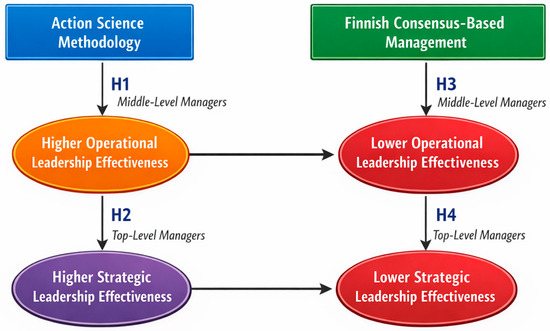
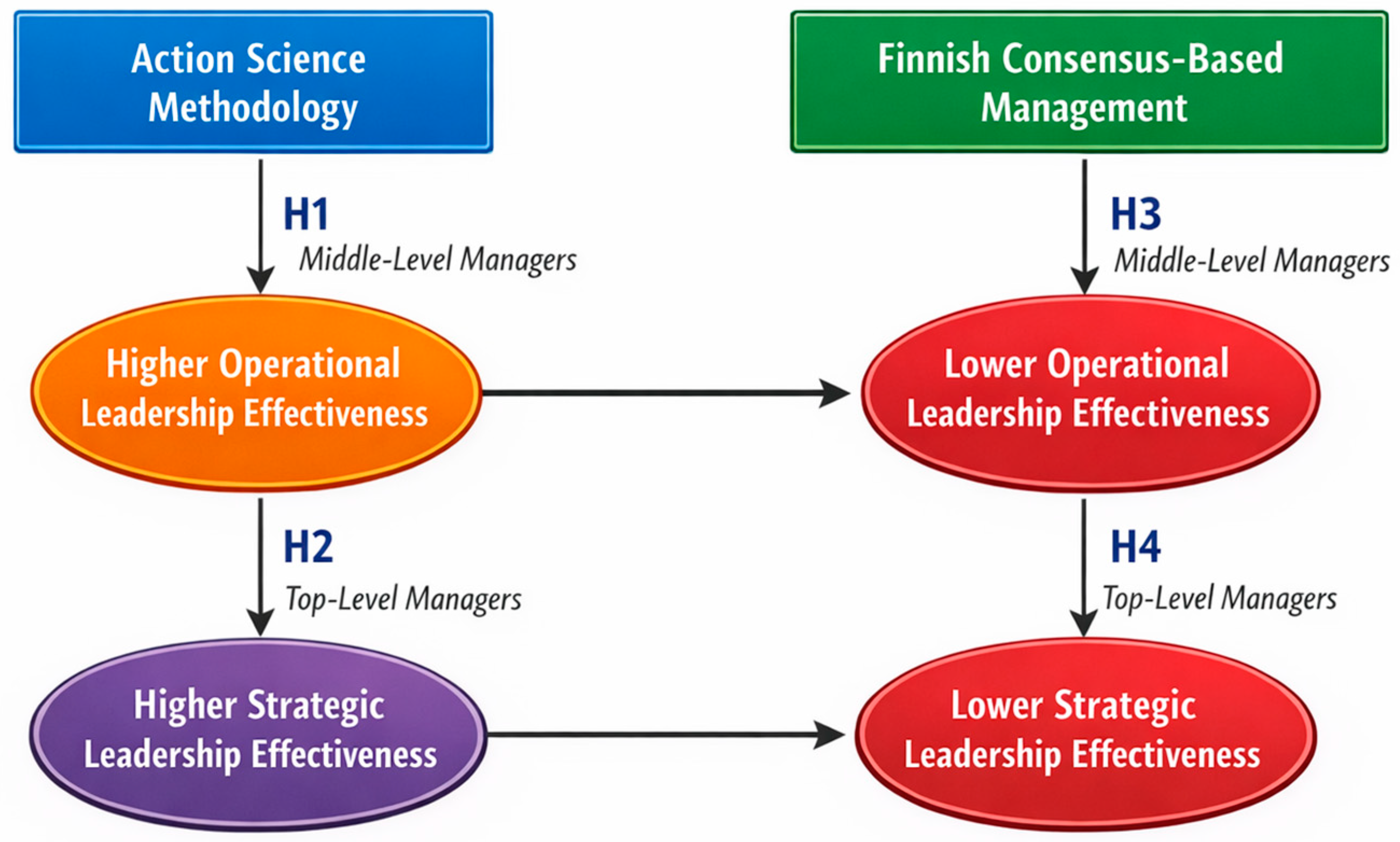
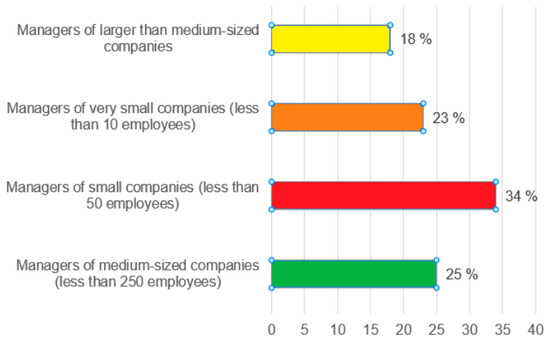
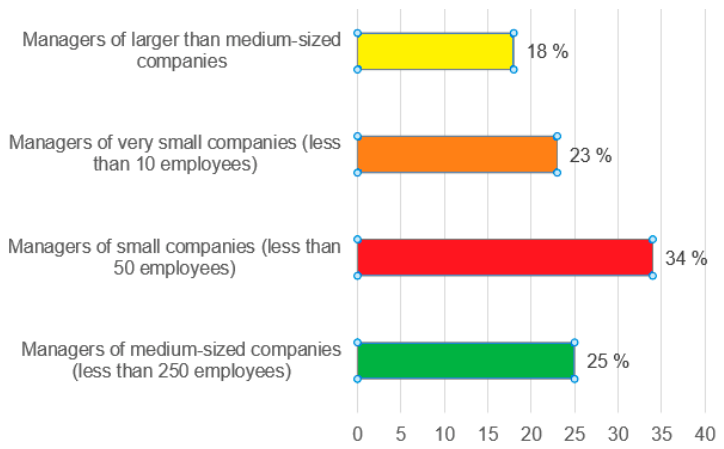
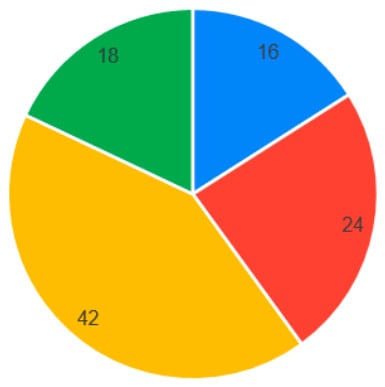
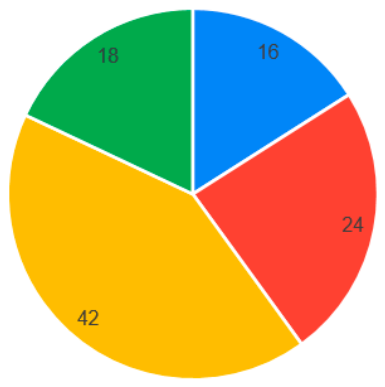
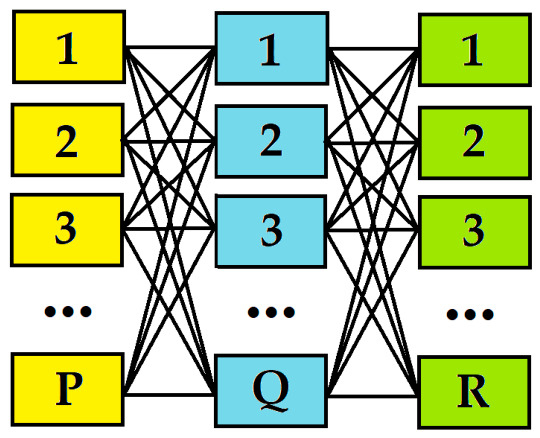
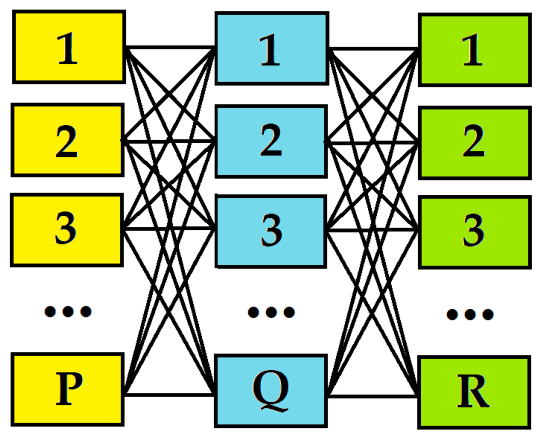
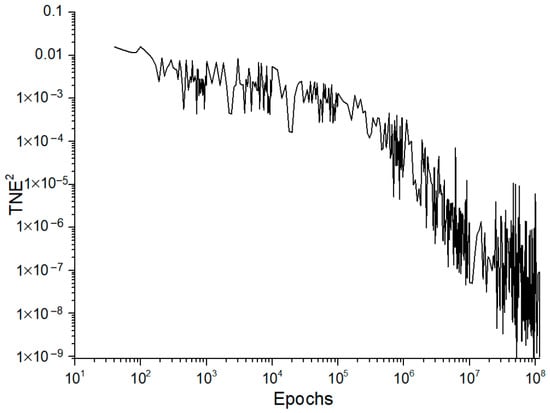
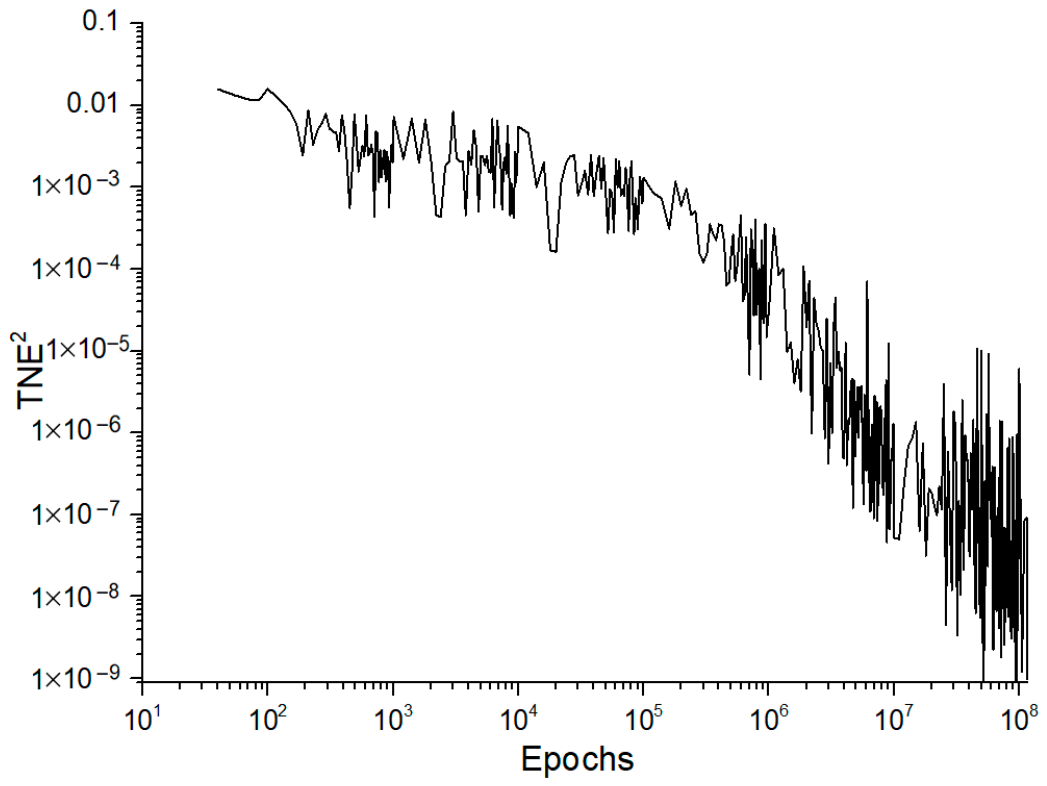
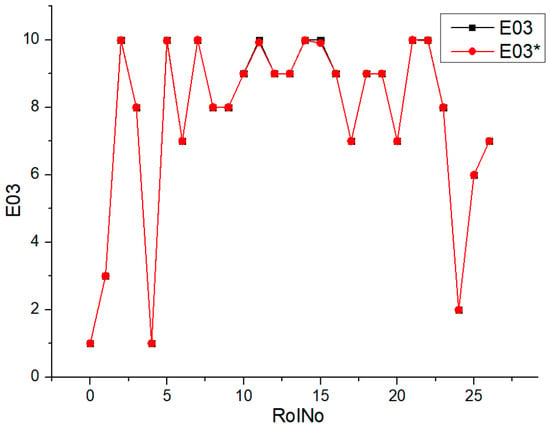
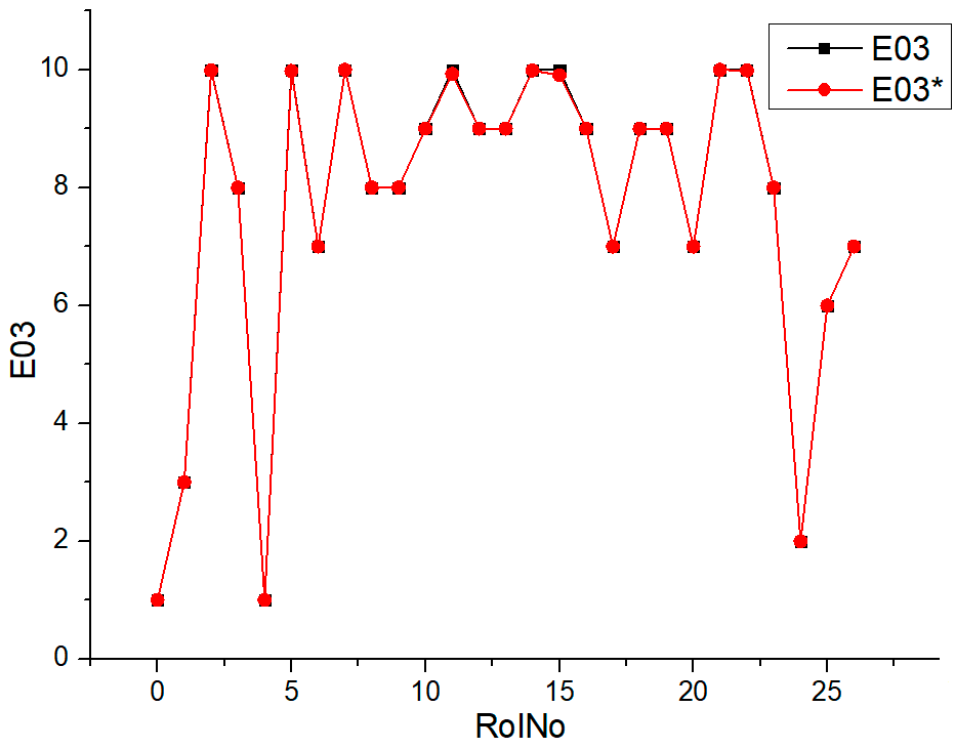
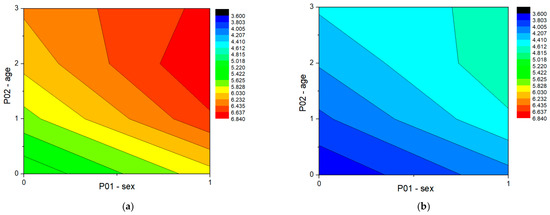
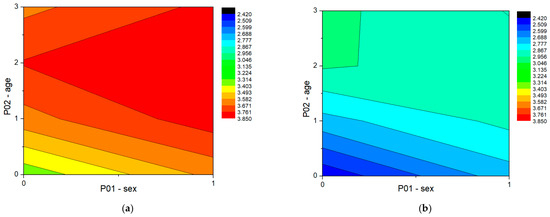
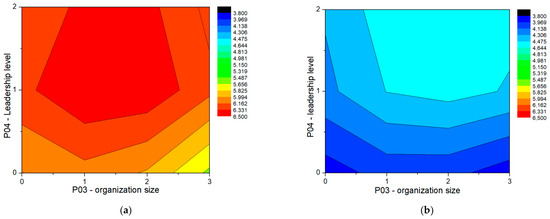
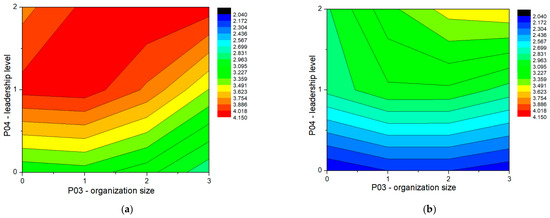
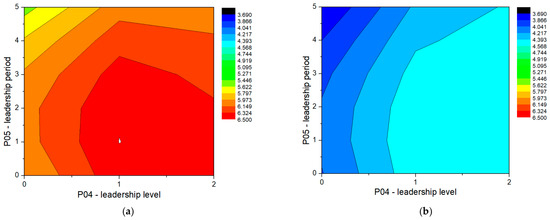
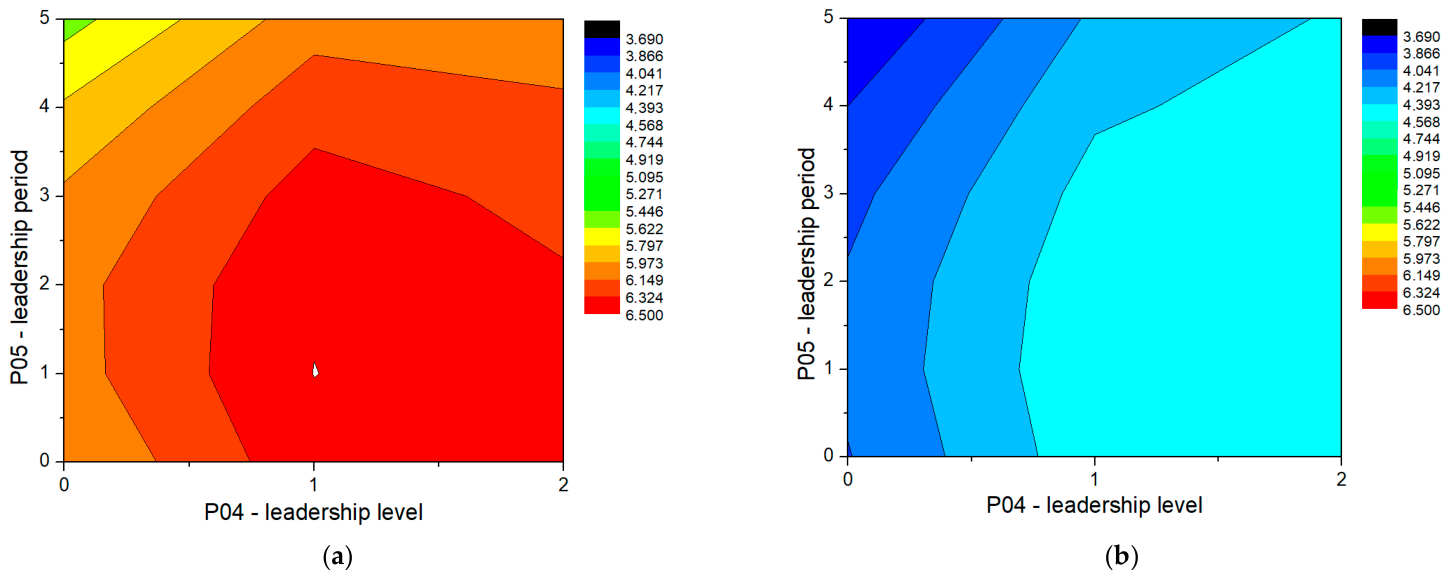
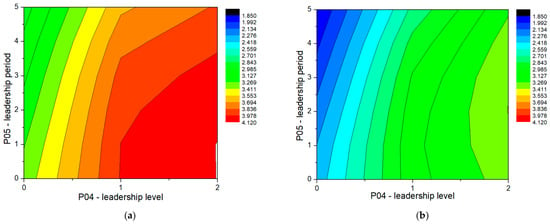
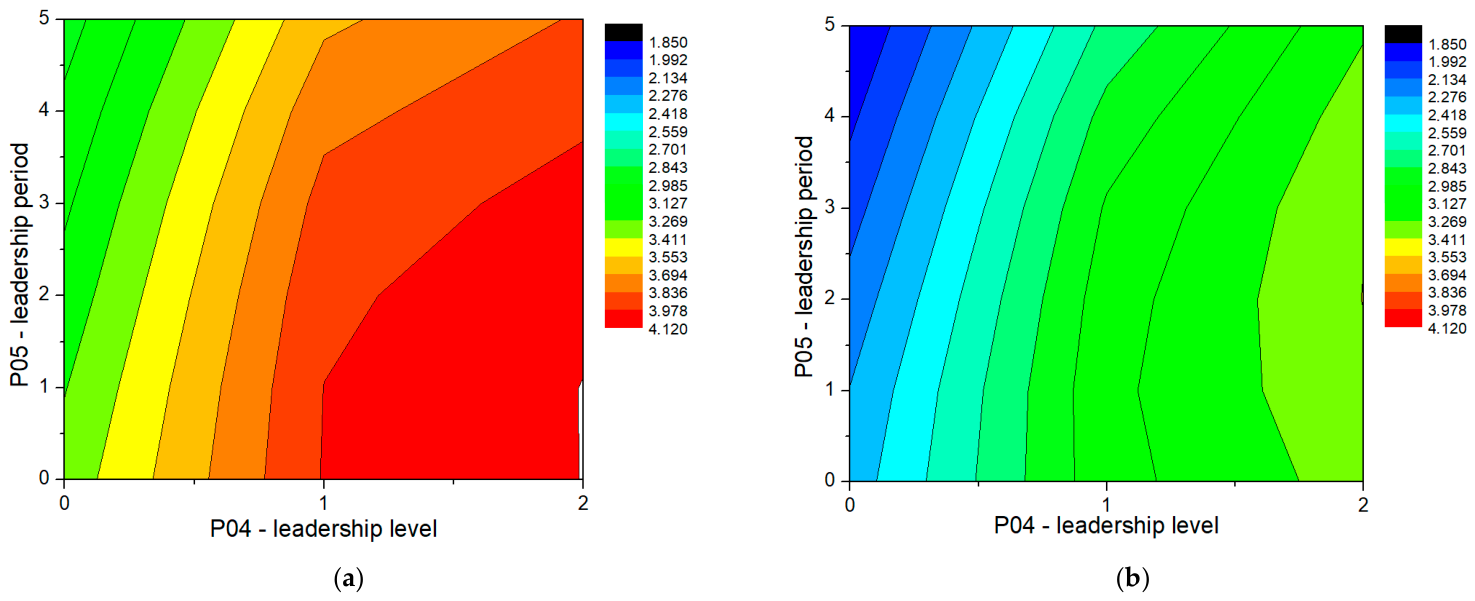
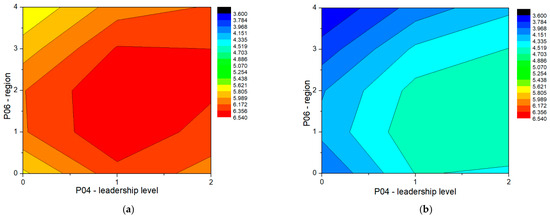
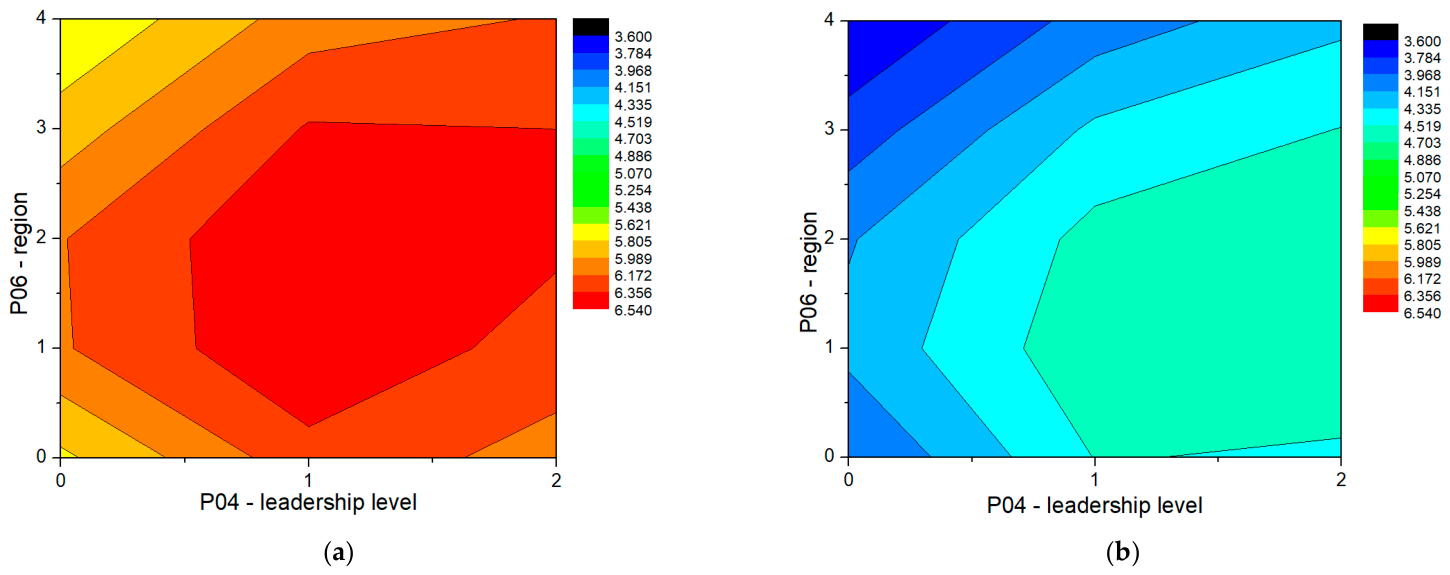
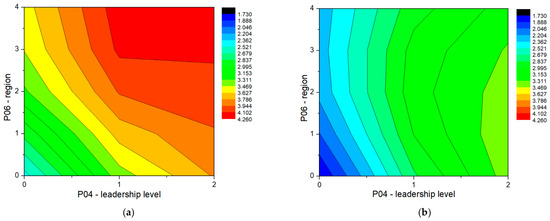
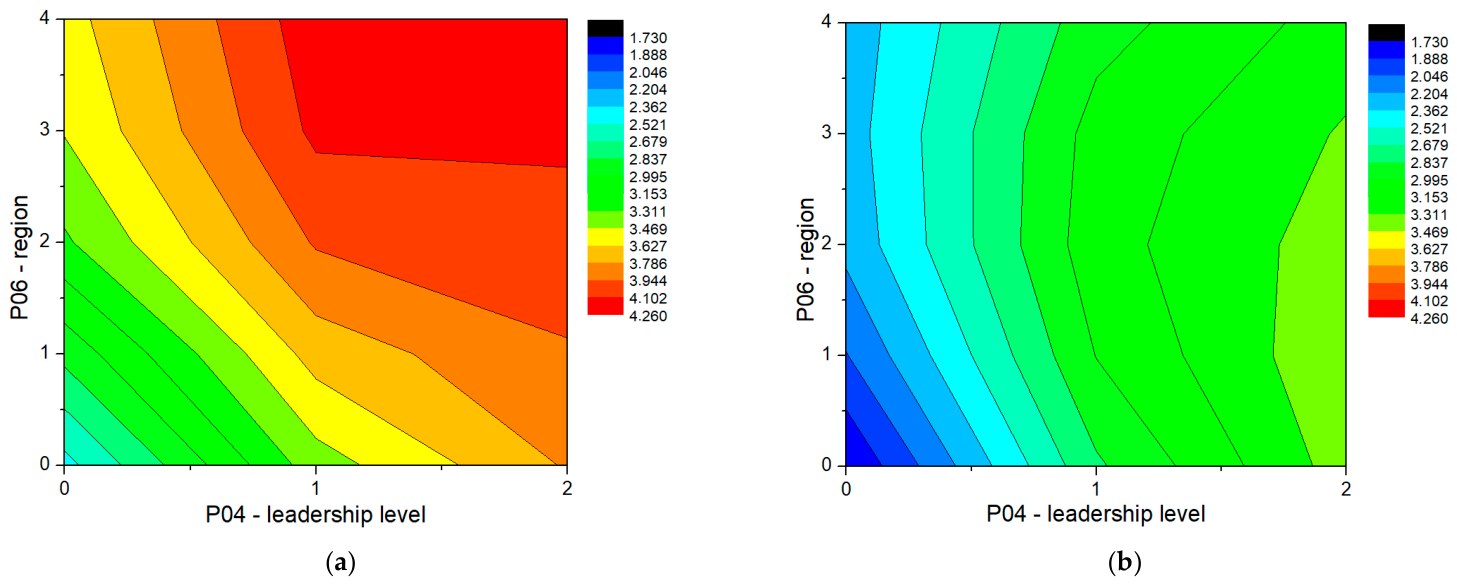
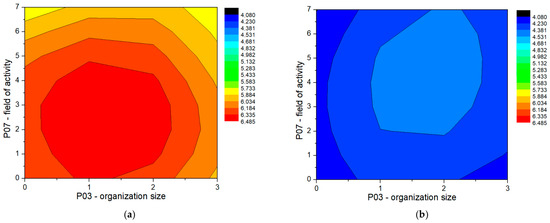
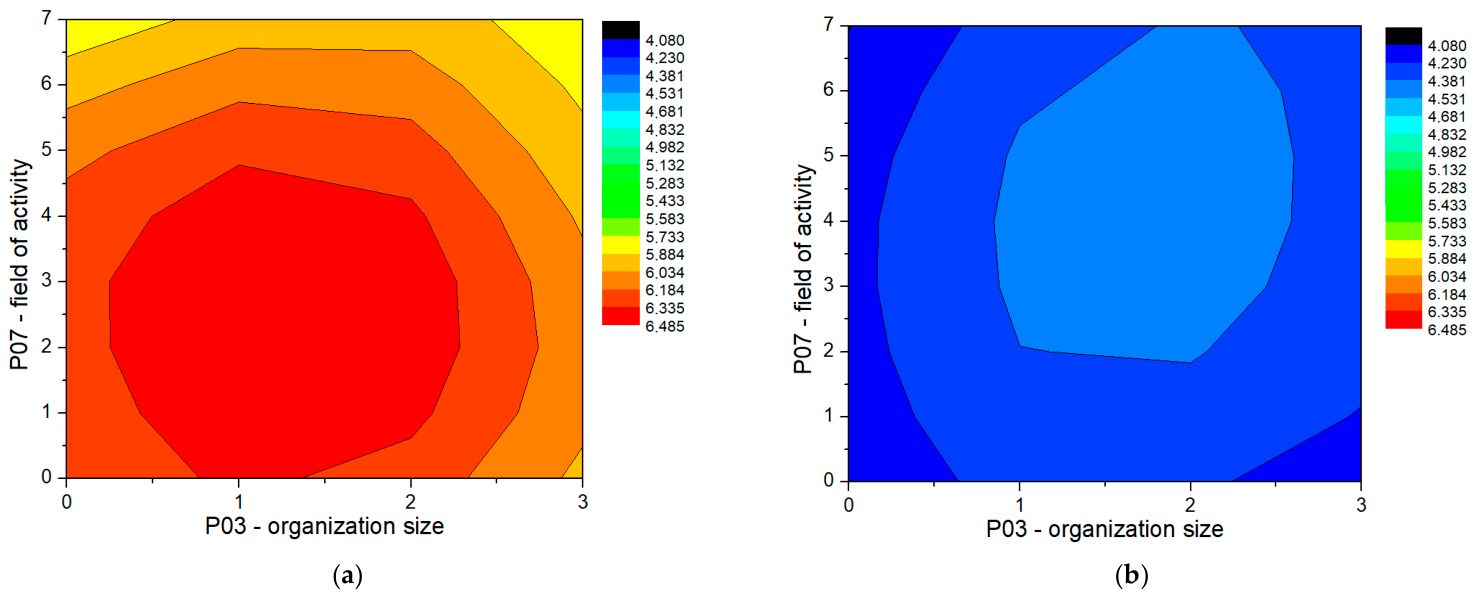
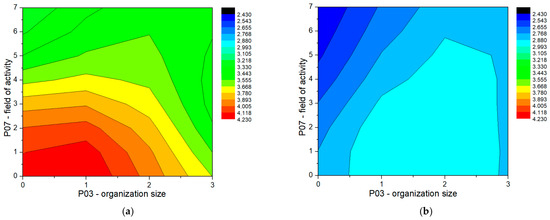
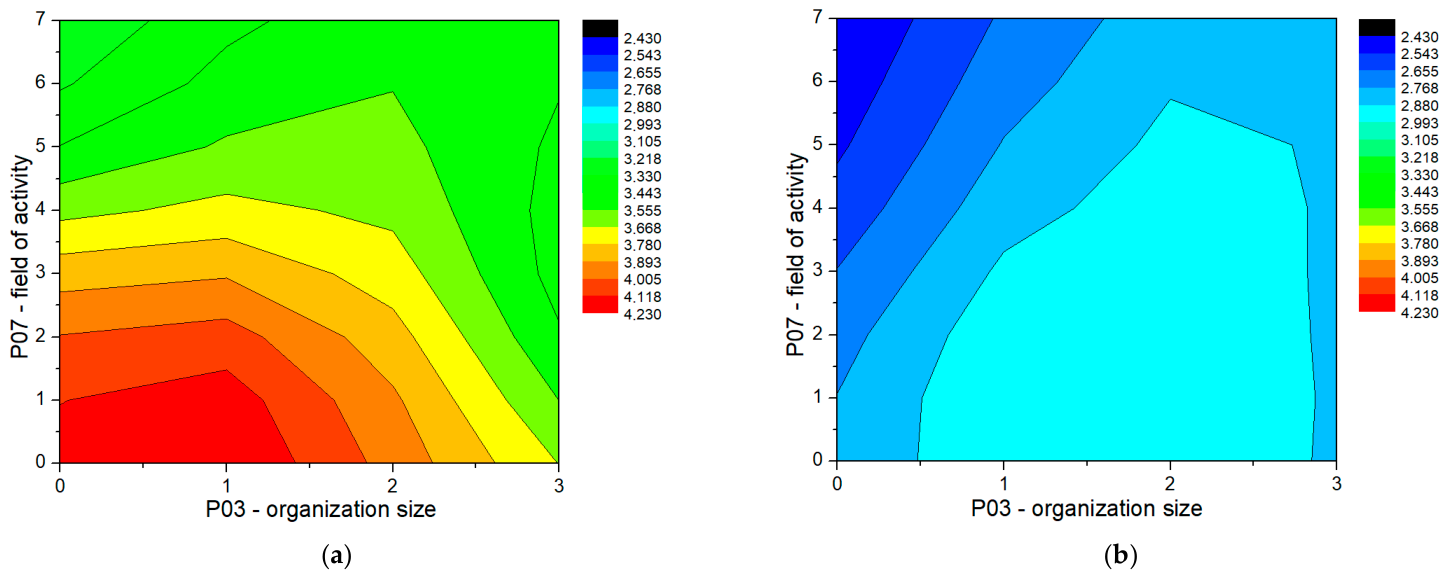
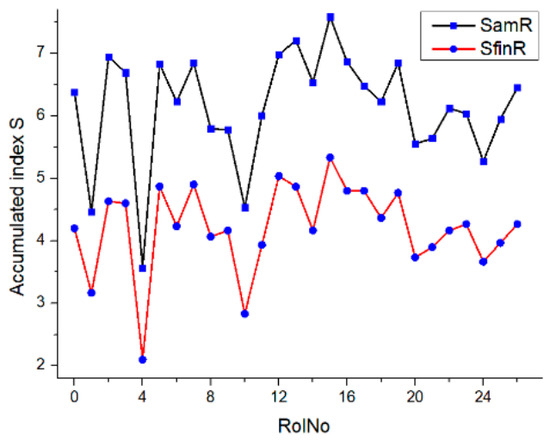
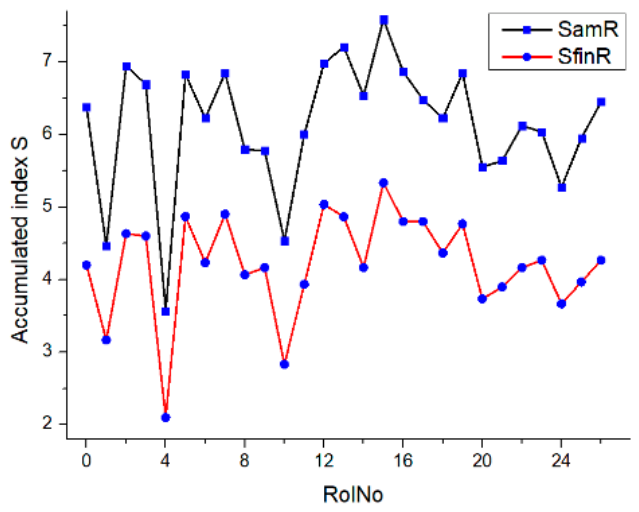
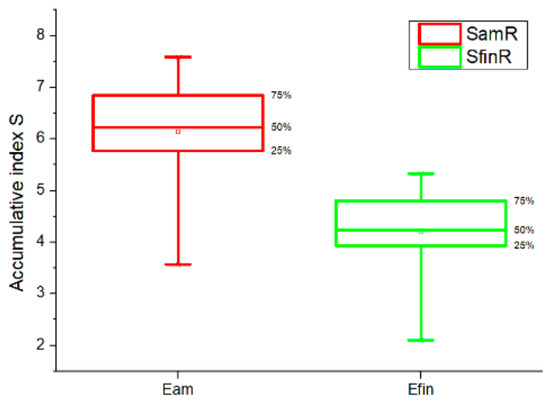
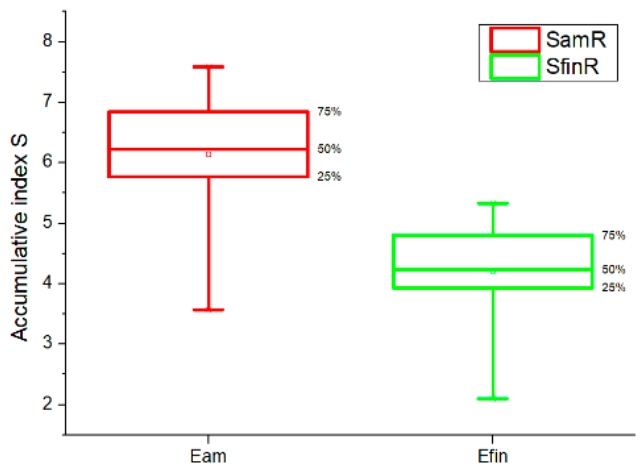
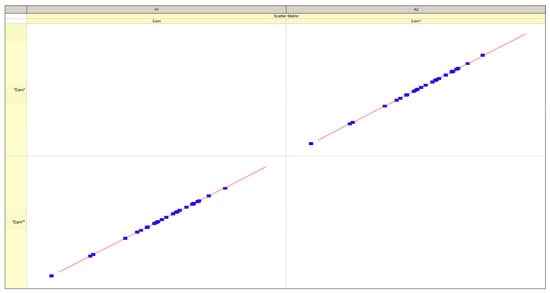
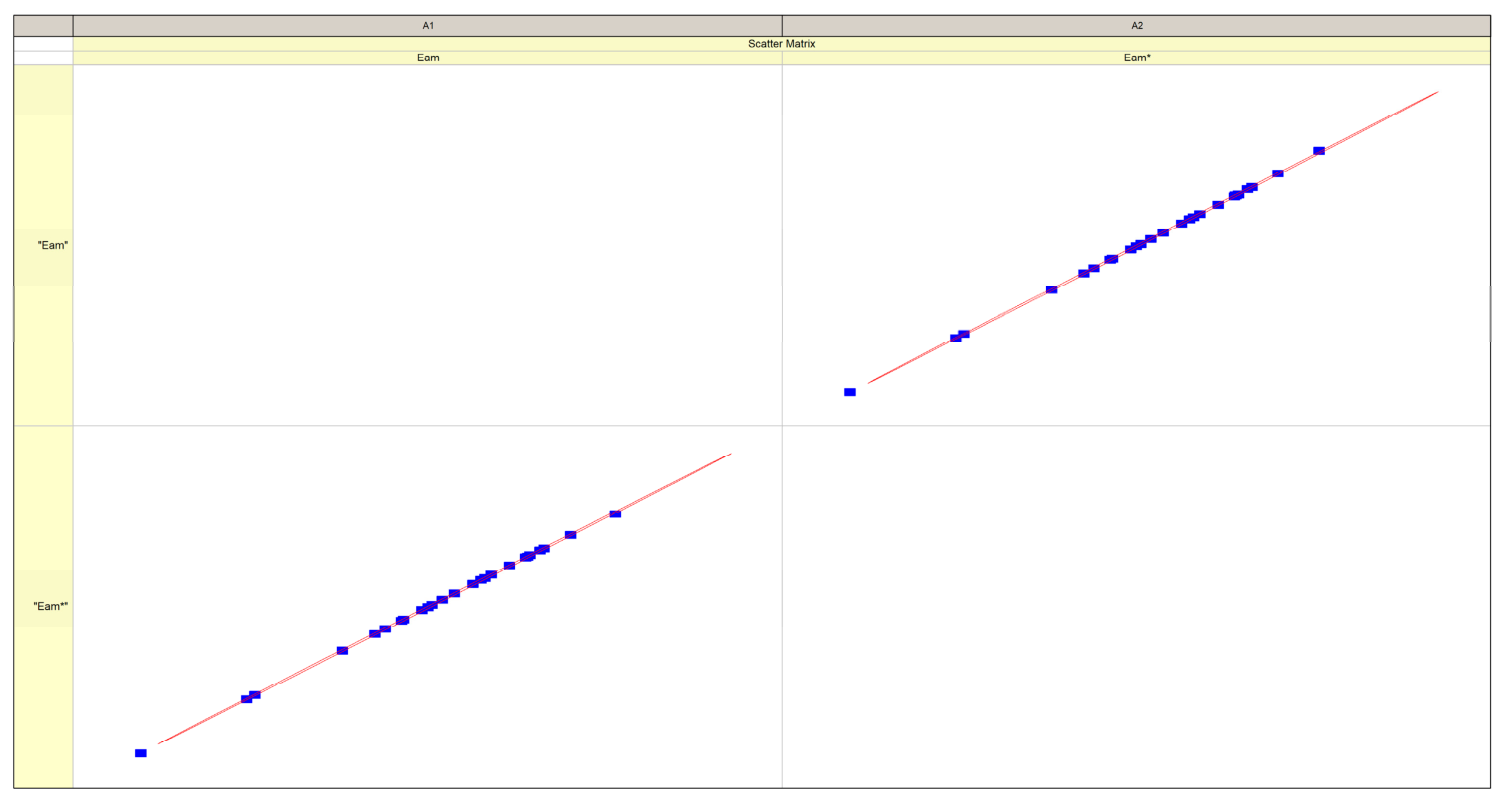
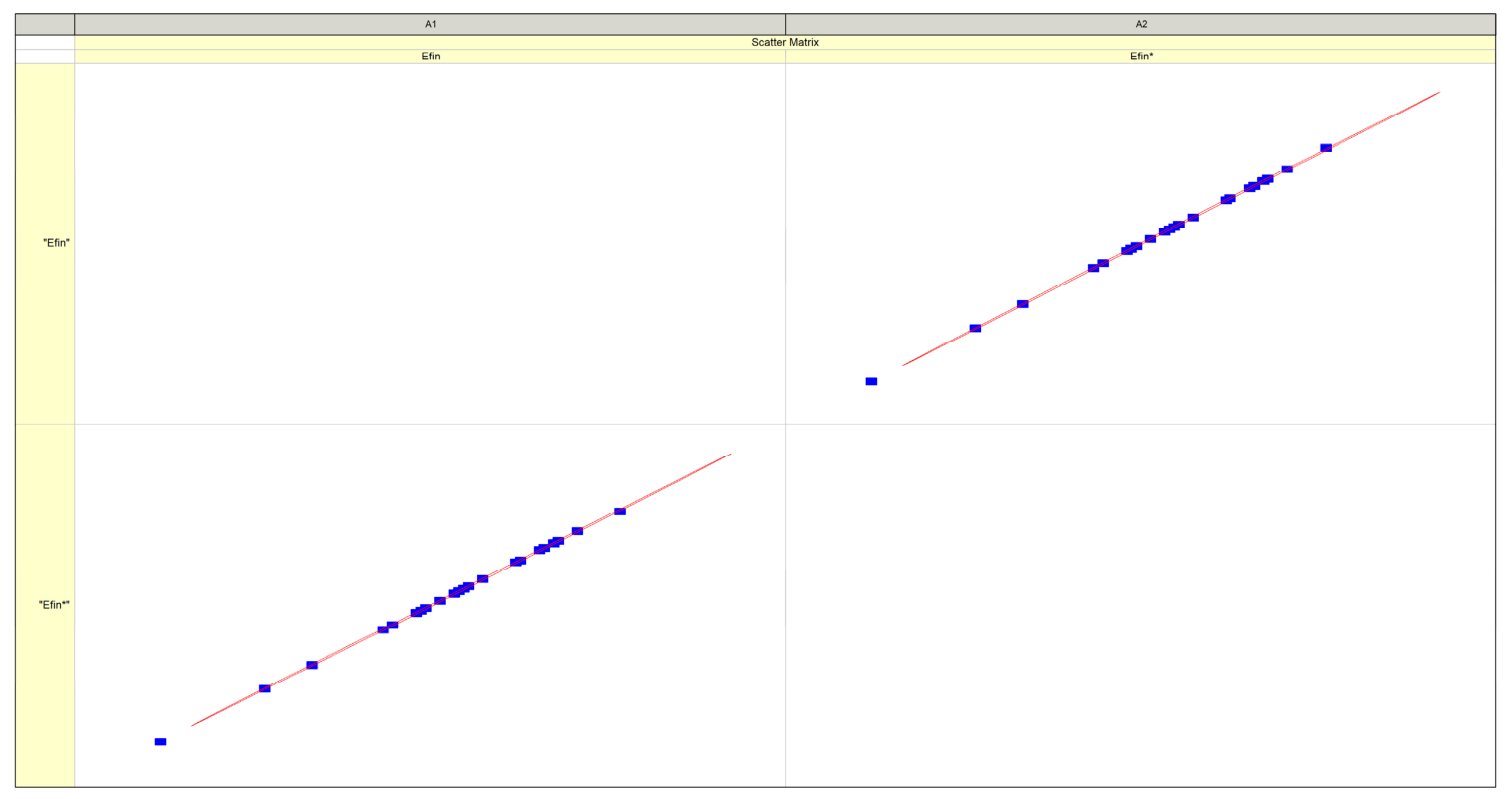

Disclaimer/Publisher’s Note: The statements, opinions and data contained in all publications are solely those of the individual author(s) and contributor(s) and not of MDPI and/or the editor(s). MDPI and/or the editor(s) disclaim responsibility for any injury to people or property resulting from any ideas, methods, instructions or products referred to in the content. |
© 2026 by the authors. Licensee MDPI, Basel, Switzerland. This article is an open access article distributed under the terms and conditions of the Creative Commons Attribution (CC BY) license.