


Abstract
The digital transformation of the textile industry poses unique challenges due to its labor-intensive processes, complex global supply chains, and coexistence of traditional methods and emerging technologies. Despite the urgency of this transition, existing digital maturity models lack sector-specific frameworks and often fail to integrate multi-criteria decision-making (MCDM) methodologies for quantitative performance assessment. This study addresses these gaps by proposing a novel digital maturity model tailored specifically to the textile sector. The research employs an integrated decision-making framework using the Method Based on the Removal Effects of Criteria (MEREC) to determine objective criterion weights and the Operational Competitiveness Rating Analysis (OCRA) method to rank firm-level digital maturity performance. The findings indicate that Strategy is the most influential dimension, whereas Technology receives the lowest weight. At the sub-criterion level, Management Support, Market Analysis, and Vision and Strategic Awareness are the most critical factors, while Technology Usage Competency is less influential. The performance evaluation shows that Company A3 achieves the highest level of digital maturity, whereas Company A2 ranks lowest. The robustness of the proposed framework is comprehensively validated through a scenario-based sensitivity analysis and a comparative evaluation using the Additive Ratio Assessment System (ARAS) method. Overall, the results suggest that successful digital transformation in the textile sector depends primarily on strategic vision and managerial support rather than on technological infrastructure alone.
1. Introduction
Industry 4.0 and digital transformation are two fundamental concepts that reshape the way businesses operate. Digital transformation goes beyond the integration of technology into business processes. It encompasses cultural and organizational transformation, the creation of new value and revenue models, and innovation-driven business strategies (Kraus et al., 2021; L. Li et al., 2018; S. Li et al., 2023). Successful transformation requires coordinated cultural, strategic, technological, and operational shifts. Processes, data, and organizational capabilities form the foundational elements of this holistic change (Kahveci et al., 2024a). Industry 4.0, on the other hand, focuses on the technological infrastructure such as IoT, artificial intelligence, big data analytics, cyber-physical systems, and augmented reality that enables broader digital transformation initiatives. Together, these two concepts are considered indispensable tools for businesses today to gain competitive advantage and achieve sustainability goals.
Industry 4.0 technologies generate a wide spectrum of advantages for firms. Operationally, they facilitate automation, enhance data-driven decision-making, and promote the integration of previously isolated business processes (Saáry et al., 2022). Strategically, these technologies strengthen market positioning, enable high-precision collaboration across geographical boundaries, and improve stakeholder relationships (Browder et al., 2024; Garzoni et al., 2020; Matalamäki & Joensuu-Salo, 2022). They also stimulate innovation by expanding knowledge-sharing mechanisms and supporting human capital development (Fauzi & Sheng, 2022; Khin & Ho, 2019; Radicic & Petković, 2023). Moreover, digital tools enhance customer satisfaction through personalization and differentiated service offerings (Alonso-Almeida et al., 2015; Kalidas et al., 2020). They also improve cost efficiency, productivity, and revenue growth, ultimately reinforcing long-term competitive positioning (Costa & Castro, 2021; Kahveci et al., 2024b; Neumeyer et al., 2021).
Beyond these advantages, digital transformation and Industry 4.0 contribute not only to optimizing organizations’ operational processes but also to achieving sustainability objectives. Existing studies emphasize that digital transformation requires cultural and organizational change, highlighting the importance of leadership, organizational culture, and technological infrastructure in managing these processes (Kahveci, 2025; Kahveci et al., 2024b). Research conducted across various sectors, including textiles, apparel, and defense industries, provides valuable insights into how sector-specific characteristics shape digital transformation paths and outcomes.
While digital transformation describes the process of change, digital maturity represents the level of transformation achieved. Digital maturity reflects the extent to which a firm has adopted Industry 4.0 technologies and aligned them with organizational strategy. It also captures how deeply these technologies are embedded into the firm’s culture and how far data-driven decision-making has been institutionalized. Firms with higher digital maturity exhibit stronger integration between people, processes, and technologies, allowing them to respond more effectively to market changes and competitive pressures. From a managerial perspective, digital maturity assessments serve as diagnostic tools that help decision-makers identify capability gaps, prioritize digital investments, and align transformation initiatives with strategic objectives.
Achieving digital maturity requires more than investing in advanced tools; it requires a strategic and organizational transformation supported by leadership commitment and system-wide coordination. Continuous learning and employee training in data analytics, automation, and cybersecurity contribute to sustained digital maturity. As firms progress along this maturity path, they gain the ability to leverage technology not only operationally but strategically turning digital transformation into a source of long-term competitive advantage (De Carolis et al., 2025; Kalender & Žilka, 2024; Schallmo et al., 2022).
Despite growing interest in digital maturity, several critical gaps remain. Existing digital maturity models largely adopt generic frameworks that insufficiently account for sector-specific characteristics. This is particularly problematic in industries such as textiles, which are marked by labor-intensive production, complex global supply chains, and the coexistence of traditional methods with emerging digital technologies. Furthermore, many existing models rely primarily on qualitative assessments. They lack the integration of multi-criteria decision-making (MCDM) approaches that would allow for systematic, quantitative comparison of firm-level digital maturity performance.
Accordingly, the primary objective of this study is to propose a comprehensive digital maturity model (DMM) for the textile industry and to operationalize it through a data-driven analytical framework. This study contributes to the digital transformation literature in three main ways. First, it introduces a DMM specifically tailored to the unique operational and strategic characteristics of the textile sector. Second, it develops a novel hybrid multi-criteria decision-making (MCDM) approach that combines the Method Based on the Removal Effects of Criteria (MEREC) and the Operational Competitiveness Rating Analysis (OCRA) to enable transparent assessments at both the dimension and sub-criterion levels. Within this framework, the MEREC method objectively determines the importance weights of dimensions and sub-criteria, while the OCRA method evaluates and ranks the firms based on their digital maturity levels. To the best of the authors’ knowledge, the integration of MEREC and OCRA has never been previously applied to digital maturity assessment. Thus, applying this hybrid methodology to the textile sector constitutes the primary methodological novelty of this paper. Third, the study provides compelling empirical evidence demonstrating that strategic and managerial factors play a more decisive role in driving digital maturity outcomes than technological infrastructure alone.
The remainder of this paper is organized as follows. Section 2 presents a comprehensive review of the relevant literature. Section 3 details the methodological framework. Section 4 analyzes the results and discusses the findings. Finally, Section 5 presents the conclusions, along with limitations and directions for future research.
2. Theoretical Framework
Digital transformation represents a restructuring process that enhances organizations’ capacity to adapt to environmental changes. Throughout this process, elements such as technology, leadership, organizational structure, and strategic alignment play critical roles. Chen et al. (2022) analyzed, for example, success factors in the digital transformation processes of SMEs and proposed solutions for overcoming barriers to transformation. During digital transformation processes, organizational dynamic capabilities enable firms to gain agility, particularly under competitive market conditions. Shen et al. (2022) highlighted the positive effects of digital dynamic capabilities on organizational performance and emphasized their role in change management.
As Industry 4.0 technologies reshape organizational strategies and value creation models, firms must carefully evaluate their existing operations and identify where digital technologies can create the greatest impact. Developing a clear and prioritized Industry 4.0 roadmap is essential. Recognizing that digital transformation is fundamentally a business model transformation—rather than a simple technological upgrade—is crucial for designing comprehensive strategic plans (Bag et al., 2018; Ghobakhloo & Iranmanesh, 2021). Successful transformation requires a coordinated alignment of people, processes, and technologies, supported by strong change management practices (De Sousa Jabbour et al., 2018).
Digital maturity serves as a critical assessment tool that enables organizations to comprehend their current position in the digital transformation journey and to formulate future strategic directions (De Carolis et al., 2025; Kalender & Žilka, 2024; Schallmo et al., 2022). Digital maturity models presented in the literature provide guidance to organizations across various sectors, facilitating the successful management of digital transformation processes (Aras & Büyüközkan, 2023). Furthermore, extensive research exists examining the impacts and applications of digital transformation and Industry 4.0 across diverse sectors. These studies contribute substantial knowledge toward understanding both the opportunities that digital transformation offers to organizations and the challenges encountered along the way (Omol et al., 2025).
Digital maturity models serve as strategic guides for companies in their digital transformation processes. They help measure the impact of digital transformation and support the effective management of these processes (Aras & Büyüközkan, 2023; De Carolis et al., 2025). Moura and Kohl (2020) compared the digital maturity levels of organizations in Brazil and Germany, analyzing the differences in digitalization strategies between these two countries. Jamouli et al. (2023) assessed the current state of organizations by analyzing digitalization levels in the Moroccan textile sector. Wagire et al. (2021) developed a comprehensive model consisting of seven dimensions and 38 criteria to evaluate digital maturity in Indian manufacturing. The model encompasses not only technological infrastructure but also leadership, strategic planning, and data management. Ondrík and Jankal (2025) developed a six-step framework guiding SMEs in selecting and tailoring digital maturity models aligned with their strategic objectives and operational realities. Their framework covers Strategy/Leadership/Governance, Processes and Operations, Technology/IT Infrastructure, Data and Information Management, People and Culture, and Customer/Value/Product and Services. Based on comprehensive literature review, Aras and Büyüközkan (2023) proposed a framework comprising six dimensions and 24 sub-dimensions, including digital strategy, digital value, digital process, digital technology and data, digital work, and digital governance. Van Tonder et al. (2024) offered a nine-dimensional model encompassing strategy, leadership, culture, organization, people/employees, technology, processes, products, and customers derived from recent literature synthesis.
Recent studies have introduced a wide range of digital maturity models across different sectors and organizational contexts. Omol et al. (2025) proposed a six-dimensional framework for SMEs encompassing Technology, Product, Strategy, People, Organization, and Operations. Wernicke et al. (2023) developed a digital maturity assessment model tailored to construction sites, while Suprun et al. (2024) introduced a seven-category framework designed to evaluate digital maturity in large government-owned corporations in Australia. Büyükipekçi and Duman (2025) analyzed digital maturity levels in the automotive industry. In the healthcare domain, Duncan et al. (2022) synthesized digital maturity into seven dimensions for hospitals: strategy, IT capability, interoperability, governance and management, patient-centered care, people and skills, and data analytics. Similarly, Flott et al. (2016), through a systematic review, identified five themes for assessing digital maturity in health services: general evaluation methodology, resources and abilities, usage, interoperability, and impact. Pinto et al. (2023) examined the Brazilian retail sector using a five-dimensional model comprising strategy, market, operations, culture, and technology. Brodny and Tutak (2023) assessed digital maturity across Three Seas Initiative countries by analyzing enterprise implementation of nine critical Industry 4.0 technologies. The Czech Republic, Lithuania, and Estonia demonstrated the highest maturity levels, while Hungary, Romania, and Bulgaria exhibited the lowest. Tubis (2023) presented a two-dimensional maturity model distinguishing organizational dimensions—capturing overall digital transformation levels—from process dimensions focused on operational effectiveness.
Beyond model development, empirical research has examined the organizational impacts of digital maturity. Jie et al. (2025) demonstrated that digital maturity positively influences innovation performance and dynamic capabilities in Chinese SMEs.
Cross-industry approaches have also been expanded. Haryanti et al. (2023) proposed an extended digital maturity model based on seven core dimensions—Organization and Structure, Technology, Strategy, Customer, Employee, Culture, and Process Transformation—after comparing 44 maturity models that collectively contained more than 100 dimensions. Finally, Cognet et al. (2023) developed a comprehensive comparison tool for digital maturity models and applied it to 13 state-of-the-art frameworks, including IMPULS, Forrester, and Warwick. Their structured evaluation used 12 dimensions and 58 sub-dimensions covering areas such as Business Strategy and Governance, Smart Manufacturing, Digital Data, Human Resources, and Value Chain Digitalization.
Before presenting our model, we would like to examine four prominent models—IMPULS, Acatech, Forrester, and DMAT—due to their distinct methodological approaches, international recognition, and relevance to manufacturing contexts. These models share a common objective of enabling systematic evaluation of digital transformation status, yet differ in dimensional focus, assessment scope, and sectoral applicability. Understanding these established frameworks provides essential context for developing sector-specific assessment tools.
IMPULS Industry 4.0 Readiness Model evaluates manufacturing organizations across six dimensions (strategy and organization, smart factory, smart operations, smart products, data-driven services, and employees) using a six-level maturity scale from Level 0 (Outsiders) to Level 5 (Top Performers). Developed by the IMPULS Foundation and RWTH Aachen University, this model emphasizes technical infrastructure and production system integration, providing clear progression pathways for Industry 4.0 implementation (Lichtblau et al., 2015).
The Acatech Industry 4.0 Maturity Index, developed by Germany’s National Academy of Science and Engineering, assesses organizations across four dimensions: Resources, Information Systems, Organizational Structure, and Culture. The model employs six progressive development stages, each building upon its predecessor. It emphasizes incremental capability development across technical, informational, organizational, and cultural domains (Schuh et al., 2020).
Forrester Digital Maturity Model provides a business-oriented assessment framework evaluating four capability dimensions—Culture, Technology, Insights, and Organization—across four maturity levels: Skeptics, Adopters, Collaborators, and Differentiators. This model emphasizes customer relationships, data-driven decision-making, and organizational capacity for digital innovation, with broad applicability across public and private sectors beyond manufacturing contexts (Gill & VanBoskirk, 2016).
DMAT Digital Maturity Assessment Model, developed at Aarhus University, evaluates organizations across six dimensions: Strategy, Culture, Organization, Processes, Technology, and Customers and Partners. As an online assessment tool applicable to both public and private sectors, DMAT provides comprehensive evaluation capabilities encompassing strategic planning, cultural readiness, process integration, and stakeholder relationship management (Aagaard et al., 2021).
2.1. Comparison of the Models
These models demonstrate both convergence and divergence in conceptualizing digital maturity. Common dimensions across all frameworks include strategy, organizational structure, technology infrastructure, and cultural factors, confirming these as foundational elements of digital transformation. Key differences emerge in emphasis: manufacturing-focused models (IMPULS, Acatech) prioritize technical infrastructure and production systems, while business-oriented models (Forrester, DMAT) emphasize customer insights and stakeholder relationships. All models conceptualize maturity as a progressive development rather than a binary state, though they vary in the number of levels and dimensional granularity.
Despite their conceptual richness, existing digital maturity models share several limitations. Most adopt generic, cross-sector frameworks that insufficiently reflect industry-specific operational characteristics. In addition, many rely on qualitative or semi-quantitative scoring approaches, which limits their ability to support transparent, data-driven comparison across firms. These limitations highlight the need for sector-specific models that integrate objective multi-criteria decision-making methods to evaluate digital maturity more rigorously.
To position the proposed model within the existing landscape and articulate the specific gaps it addresses, Table 1 provides a systematic comparison of prominent digital maturity studies, highlighting their focus, dimensions, methodology, identified limitations, and how the current study responds to each gap.
Table 1.
Summary of Digital Maturity Studies and Gaps.
Building on these identified gaps, Table 2 summarizes the research gaps, the overarching research goal, and the corresponding research outputs of this study.
Table 2.
Research Gaps, Goal, and Outputs.
2.2. The Suggested Model for the Textile Industry
While the existing digital maturity models offers a rich variety of dimensional frameworks, most models present their dimensions inductively from practice surveys or literature synthesis, the proposed model draws additionally on theoretical perspectives to justify the selection and structure of its five dimensions.
The Human dimension is grounded in the Resource-Based View (RBV) (J. Barney, 1991; J. B. Barney, 2001), the Dynamic Capabilities (DC) perspective (Teece, 2007; Teece et al., 1997) and Motivation theory (Herzberg, 1964). In the digital transformation context, for digital skills and training to translate into a genuine core competency, firms must invest systematically in skill development and continuous learning for better positioned to sense and seize digital transformation opportunities. Beyond skill development, the adoption of new technologies often generates resistance, uncertainty, and disruption to established routines. Herzberg’s framework suggests that merely providing digital tools (a hygiene factor) is insufficient; firms must actively cultivate intrinsic motivators—such as involving employees in transformation decisions, recognizing digital initiative, and providing growth pathways through digitalized roles—to foster genuine engagement with the transformation process.
The Strategy dimension draws on RBV, DC framework, Industrial Organization (IO) Theory (Peteraf, 1993; Porter, 1998). RBV and DC provide the internal logic: firms must assess their existing resource base—including knowledge assets, organizational routines, and technological capabilities—to identify where digital transformation can create the greatest strategic value by committing resources to exploit the opportunities and realigning their strategies accordingly. Porter’s (1998) competitive forces framework provides a systematic lens for understanding how external market conditions shape digital transformation priorities. In the textile sector, where competition is intensely globalized and price-sensitive, systematic market and competitive analysis enables firms to identify which digital investments will yield the greatest competitive differentiation. Additionally, given that textile firms in developing economies operate within global value chains, they must align their digital strategies with the requirements of international markets, and cross-border supply chain coordination. Market analysis in this context extends beyond domestic competition to encompass the digital expectations and compliance standards of global trading partners.
The Leadership dimension is anchored in Transformational Leadership Theory (Bass, 1985) and Upper Echelons Theory (Hambrick, 2007; Hambrick & Mason, 1984). Digital transformation requires leaders who articulate a compelling digital vision, foster innovation culture, and mobilize organizational commitment—capabilities that directly reflect transformational leadership and upper echelons characteristics. Contingency Theory (Woodward, 1958) adds that effective digital leadership is context-dependent: the optimal approach varies with the firm’s maturity level, workforce readiness, and competitive pressures, which is particularly relevant for textile firms operating under the diverse conditions of developing economies. The RBV further supports this dimension by framing leadership capability itself as a rare and inimitable organizational resource that determines how effectively other resources are deployed.
The Business Processes/Production dimension is informed by IO theory and Transaction Cost Theory (TCT) (Coase, 1937). Process optimization, automation, and performance measurement represent the operational mechanisms through which firms reconfigure value chain activities, while digital integration of hardware and workforce reduces internal coordination and monitoring costs across complex, sequential textile production stages.
The Technology dimension is positioned within the frameworks of the Technology–Organization–Environment (TOE) model (Tornatzky et al., 1990), IO Theory, and TCT. From the IO and TOE perspectives, technology adoption in the textile sector is largely driven by external industry pressures, buyer requirements, and competitive dynamics rather than by firm initiative alone. TCT explains how adoption decisions are further shaped by integration costs and the potential for coordination efficiencies. Consistent with the interplay emphasized by the TOE framework, the model treats technology as a necessary but not sufficient condition for digital maturity—its impact is contingent upon the strategic, leadership, human, and process foundations captured by the other four dimensions.
Taken together, these theoretical perspectives form a coherent and layered justification for the proposed five-dimensional model. The RBV and DC frameworks provide the foundational logic: firms achieve digital maturity by building, deploying, and reconfiguring valuable internal resources and capabilities. Motivation Theory deepens the human dimension by explaining the behavioral mechanisms that enable or constrain workforce engagement with digital transformation. IO Theory and TCT anchor the external and operational dimensions, explaining how industry structure, competitive forces, and coordination costs shape the priorities and outcomes of digital transformation. The TOE framework reinforces the technology dimension by situating technological readiness within a broader system of organizational and environmental contingencies. Transformational Leadership, Upper Echelons Theory, and Contingency Theory bridge the internal and external perspectives by explaining how leadership characteristics, managerial cognition, and situational adaptation mediate between environmental pressures and organizational responses. This multi-theoretic foundation ensures that the proposed model is not merely a descriptive compilation of digital maturity factors, but a theoretically grounded assessment framework with clear explanatory logic for why each dimension contributes to overall digital maturity.
The dimensions and sub-criteria of the model were determined through a two-stage process integrating literature review and expert validation. Initially, a preliminary framework of digital maturity determinants was constructed based on the theoretical background presented in the previous section. To ensure practical relevance and industrial applicability, this framework was subsequently refined through structured panel discussions with managers from the participating textile companies. The eight decision-makers participating in this study were selected using a purposive sampling approach, a commonly employed method in Delphi-based and multi-criteria decision-making studies to ensure the inclusion of knowledgeable and experienced participants (Kizielewicz et al., 2024; Okoli & Pawlowski, 2004). The selection criteria were determined prior to data collection. To be included in the expert panel, participants were required to: (i) have at least 10 years of professional experience in the textile industry; (ii) hold a managerial or decision-making position (e.g., general manager, production manager, or department manager); and (iii) have direct involvement in or substantial knowledge of digital transformation initiatives within their organizations, such as Industry 4.0 applications, digital production systems, ERP integration, automation projects, or data-driven decision-making processes. All selected decision-makers have between 10 and 15 years of industry experience and are actively engaged in strategic or operational decision-making processes related to digital transformation in the textile sector. This purposive sampling strategy ensured that participants possessed both sector-specific expertise and practical exposure to digital transformation, thereby enhancing the reliability and validity of the study findings. The final model is structured around five key dimensions and 17 corresponding sub-criteria (Table 3), with detailed explanations provided in Appendix A.
Table 3.
Dimensions and sub-criteria of the proposed digital maturity model.
Recent studies increasingly employ MCDM methods to operationalize digital maturity assessment, as these approaches allow for the simultaneous consideration of multiple organizational, strategic, and technological factors. However, many commonly used methods rely on subjective weighting methods (Büyüközkan & Güler, 2020; Krulčić et al., 2025; Nebati & Toprak, 2025), underscoring the need to combine objective weighting techniques with robust ranking methods.
In contrast to traditional weighting methods that rely heavily on subjective expert opinions, objective criteria weighting determines criterion weights through computational steps based on initial data or a decision matrix that represents each alternative’s performance. Unlike objective weighting methods such as ENTROPY and CRITIC, which consider only the variance or correlation among criteria, MEREC offers an objective, data-driven mechanism for determining the relative importance of evaluation criteria by directly assessing the removal effect of each criterion (Keshavarz-Ghorabaee et al., 2021). The use of the MEREC technique improves the efficiency of the model, and its greatest advantage over other methods is its higher sensitivity in weighting (Kou et al., 2025; Wang et al., 2025). The MEREC method has been successfully utilized in various fields, including food waste treatment technology selection (Rani et al., 2022), digital marketing technology assessment (Gao et al., 2023), sustainable energy storage technologies (Mishra et al., 2024), blockchain platform evaluation (Rani et al., 2024), and sustainable supplier selection (Karakas & Deniz, 2026).
Establishing a comprehensive hybrid framework, the MEREC-OCRA integration successfully couples objective weighting with systematic ranking. This methodology bridges theoretical precision and practical utility, guaranteeing a transparent and highly reproducible assessment perfectly tailored for real-world managerial scenarios (Wang et al., 2025). The OCRA method has previously been applied in personnel selection (Ulutaş et al., 2020), performance evaluation of publicly traded banks (Ozcalici & Bumin, 2020), sustainable urban transportation selection (Mishra et al., 2023), and evaluation of intelligent transportation systems (Deveci et al., 2024). Furthermore, the integrated MEREC-OCRA framework has proven effective in solid waste management (Dutta et al., 2025) and sustainability assessment (Wang et al., 2025).
Despite the successful application of the MEREC-OCRA methodology across various domains, no hybrid MEREC-OCRA approach for digital maturity assessment has yet been proposed in the literature. To the best of the authors’ knowledge, this study utilizes the MEREC-OCRA framework for the first time to assess digital maturity in the textile industry.
3. Materials and Methods
In this study, the MEREC and the OCRA methods are employed to assess the digital maturity levels of firms in the textile industry. MEREC is used to determine the importance weights of the dimensions and sub-criteria, whereas the OCRA method is used to evaluate the firms’ digital maturity levels.
As presented in the previous sections, digital maturity reflects the extent to which a firm has adopted Industry 4.0 technologies and aligned them with organizational strategy. DMMs provide strategic insights into an organization’s digital adaptability. While methodologies differ, most converge on strategy, technology, human capital, and organizational culture to boost competitiveness in a digitized economy (Krulčić et al., 2025).
Based on existing DMMs, our proposed framework consists of Human, Strategy, Leadership, Business, Processes/Production, and Technology dimensions. Because these dimensions represent organizational capabilities and positive achievements, they are defined as benefit-type criteria, which require maximization, where a higher value indicates a highly preferred alternative. Within this context, the digital competitiveness of the firms is evaluated through the OCRA method, a non-parametric technique. Conceptually, OCRA determines the relative performance of alternatives by measuring their advantage over the least preferred option. This aligns perfectly with the core philosophy of maturity models: benchmarking companies against a baseline. Furthermore, while distance-based MCDM methods (e.g., TOPSIS) measure performance relative to an ideal solution, OCRA uses the actual performance values. Consequently, it provides a much more realistic and data-driven sectoral competitiveness ranking.
The framework of the study is presented in Figure 1. To ensure consistency throughout the proposed evaluation framework, the computational procedure was first applied to the dimensions and subsequently to the sub-criteria.
Figure 1.
The framework of the study.
3.1. Method Based on the Removal Effects of Criteria (MEREC)
This study employs the MEREC method, introduced by Keshavarz-Ghorabaee et al. (2021), to determine objective dimension and sub-criterion weights. In contrast to conventional objective weighting approaches, MEREC calculates weights by measuring the impact of removing each criterion on the performance of the alternatives. The method operates on the principle that a criterion has greater weight if its removal significantly affects the overall performance. By systematically analyzing this impact, it ensures a data-driven and transparent weighting process. Such objectivity significantly enhances the framework’s reliability, making it particularly well-suited for complex decision-making applications (Keshavarz-Ghorabaee et al., 2021; Wang et al., 2025).
The method includes the following steps:
Step 1: Construct the decision matrix (). The elements of the decision matrix are denoted by , where each element shows the values of the th alternative concerning th criterion. Suppose that there are alternatives and criteria. The decision matrix is formed as follows:
Step 2: Normalize the decision matrix (). Each element of is found by simple linear normalization, as shown in Equation (2), where Β and H represent the set of beneficial criteria and non-beneficial criteria, respectively:
Step 3: Calculate the overall performance of the alternatives . The overall performances of the alternatives are calculated based on a logarithmic measure in Equation (3).
Step 4: Compute the performance of the alternatives by removing each criterion. Using a similar logarithmic measure to that in Step 3, this step calculates the performance of the alternatives by removing each criterion separately, yielding sets of performance values, one for each criterion.
Let represent the overall performance of th alternative concerning the removal of th criterion. We can calculate the values using the following equation:
Step 5: Calculate the summation of absolute deviations. Let denote removal effect of the th criterion. Based on the values obtained from Step 3 and Step 4, we calculate values as follows:
Step 6: Determine final weights of the criteria The objective weight of each criterion is calculated using the removal effects ( derived in the previous step. The following equation is used to calculate values:
Determining Criterion Weights Using the MEREC Method
In the first stage of the proposed framework presented in Figure 1, the relative importance of the digital maturity dimensions and sub-criteria is determined using the MEREC, as follows.
Step 1: Table 4 shows the elements of the decision matrix. We have five beneficial dimensions and four alternatives. To construct this matrix, assessments were collected from eight experienced decision-makers within the sector. The decision-makers were asked to evaluate each criterion on a five-point Likert scale, where 1 indicated the least important and 5 the most important. The arithmetic mean of the scores provided by all decision-makers was then calculated to obtain a single aggregated decision matrix for the analysis. The decision matrices for the sub-criteria are shown in Table 5, Table 6, Table 7, Table 8 and Table 9.
Table 4.
Decision Matrix for Dimensions.
Table 5.
Decision Matrix for Human.
Table 6.
Decision Matrix for Strategy.
Table 7.
Decision Matrix for Leadership.
Table 8.
Decision Matrix for Business Processes/Production.
Table 9.
Decision Matrix for Technology.
Step 2: Decision-makers use Equation (2) and obtain the normalized decision matrix. Table 10 represents this matrix for main dimensions.
Table 10.
The Normalized Decision Matrix for Dimensions.
Step 3: In this step, decision-makers should obtain the overall performance of the alternatives. Total performance values were obtained by using Equation (3) and are shown in Table 11.
Table 11.
Total Performance Values .
Step 4: Equation (4) was used to calculate the changes in the performance value of the alternatives. values are shown in Table 12.
Table 12.
Changes in Performance Value of Alternatives .
Step 5: Decision-makers calculate the removal effect of each criterion on the overall performance of the alternatives based on the deviation-based formula of Equation (5). The resulting values are presented in Table 13.
Table 13.
Sum of Absolute Deviations.
Step 6: Calculation of each criterion’s weight is performed based on the effect of their removal on the performance of the alternatives. The weights of the main criteria were calculated using Equation (6) and the values derived in Step 5. A similar procedure was applied to determine the sub-criteria weights. The weights of the main criteria and sub-criteria are presented in Table 14.
Table 14.
Weights of Dimensions and Sub-criteria.
3.2. Operational Competitiveness Rating (OCRA)
The OCRA method, introduced by Parkan (1991, 1994), is a non-parametric tool used to measure the relative performance of production units (PUs). It is known for its intuitive handling of decision-maker preferences. The method’s main advantage lies in its algorithmic flexibility; it can effectively handle MCDM situations in which the relative weights of criteria are alternative-dependent or in which certain criteria are not applicable to all alternatives. Its core principle involves independently evaluating beneficial and non-beneficial criteria to obtain operational competitiveness ratings of the alternatives. Specifically, the application of OCRA involves the determination of (1) preference ratings with respect to non-beneficial (input) criteria, (2) preference ratings with respect to beneficial (output) criteria, and (3) the alternatives’ overall preference ratings (Chatterjee & Chakraborty, 2012; Madic et al., 2015; Parkan & Wu, 2000).
The main procedure of the OCRA method consists of the following steps (Ercan & Kundakci, 2017; Parkan & Wu, 2000).
Step 1: Construct the decision matrix. The elements of the decision matrix are denoted by , where each element shows the performance value of the th alternative with respect to the th criterion. Suppose that there are alternatives and criteria. The decision matrix is formed as follows:
Step 2: Determine the criteria weights .
In this step, the relative importance weights for each criterion are determined using a suitable criteria weighting method. It can be noted that equality should be satisfied, where is the number of non-beneficial criteria.
Step 3: Determine the preference ratings with respect to the non-beneficial criteria.
The aggregate performance of the th alternative with respect to all non-beneficial criteria is calculated using the following equation:
where is the relative performance of the th alternative, is the number of non-beneficial criteria, is the performance score of th alternative with respect to the th non-beneficial criterion, and is the weight of the th non-beneficial criterion (calibration constant).
Step 4: Determine the linear preference rating of the alternatives with respect to non-beneficial criteria.
The linear preference rating of an alternative with respect to non-beneficial criteria is determined by Equation (10):
represents the aggregate preference rating of the th alternative with respect to the non-beneficial criteria.
Step 5: Determine the preference rating with respect to the beneficial criteria.
The aggregate performance of the th alternative with respect to all beneficial criteria is calculated using Equation (11):
where is the aggregate performance of th alternative with respect to all beneficial criteria, is the weight of the jth beneficial criterion, ( is the number of beneficial criteria.
Step 6: Determine the linear preference rating for beneficial criteria.
Step 7: Calculate the overall preference ratings of the alternatives. The overall preference rating of the alternatives are calculated in the following equation:
The alternatives are ranked with their overall preference rating. The alternative with the highest overall preference rating is determined as the best.
Evaluating Alternatives Using OCRA Method
In the second phase, the digital maturity levels of the firms are assessed using the OCRA method. The analysis is based on four textile firms operating in Türkiye. Firms were selected using purposive sampling to ensure inclusion of organizations actively engaged in digital transformation initiatives. Selection criteria required that firms (i) operate within the textile manufacturing sector, (ii) have implemented or be implementing digital transformation practices (e.g., ERP systems, automation, Industry 4.0 applications), and (iii) be willing to participate in strategic-level evaluations. The firms differ in size, export orientation, and level of digital maturity. The sample includes both medium-sized and large enterprises, as well as firms at varying stages of digital transformation adoption. This heterogeneity was intentionally sought to reflect diverse organizational approaches within the Turkish textile sector. Given the limited number of firms, the study does not aim for statistical generalization but rather analytical generalization, offering context-specific insights into digital transformation dynamics. This strengthens the credibility and contextual validity of the findings. The OCRA method based on the following computational steps:
Step 1: Firstly, the preferences for firms with respect to the listed criteria are collected from all the eight different decision-makers. The decision matrix is developed with using Equation (7) and the table is presented in Table 15. All the criteria have been determined as benefits.
Table 15.
Decision Matrix.
Step 2: The criteria weights are calculated using the MEREC method, and the obtained results are presented in Table 14.
Step 3–4: Given that the decision matrix consists solely of beneficial criteria, the procedures applicable to non-beneficial criteria are not relevant to this study and were therefore omitted.
Step 5–6: The performance values ( for the beneficial criteria were calculated using Equation (10), and the linear preference ranking () was obtained using Equation (11). The results are presented in Table 16.
Table 16.
Performance Values and Preference Ranking for Beneficial Criteria.
Step 7: Finally, after calculating the value of each alternative using Equation (12), the overall ranking was obtained as presented in Table 17.
Table 17.
Values and Ranking of the Firms.
4. Results and Discussion
According to the results, MEREC method reveal a clear pattern regarding the key drivers of digital maturity in the textile sector. As depicted in Figure 2 and Figure 3, the most important dimension is Strategy (0.296), followed by Leadership (0.286), Human (0.163), and Business Processes/Production (0.156). Technology (0.098) receives the lowest weight. This finding aligns with Kane et al. (2015), demonstrating that digital maturity is driven by strategic clarity rather than by technology alone. They noted that over 80% of digitally mature firms possess a clear strategy, compared to only 15% of early-stage ones. Consequently, the results confirm that digital maturity in textile firms relies more on managerial capability than on the availability of digital tools.
Figure 2.
Weights of dimensions.
Figure 3.
Weights of sub-criteria.
At the sub-criterion level, as illustrated in Figure 3, the strongest contributors to digital maturity are Management Support (C8), Market Analysis (C5), and Vision and Strategic Awareness (C10). Together, these factors emphasize the pivotal role of top management commitment, strategic clarity, and market orientation in guiding successful digital transformation. The dominance of Management Support (C8) and Vision (C10) aligns with Porfírio et al. (2021), highlighting managerial coherence towards the company’s mission as the key driver of transformation rather than technical infrastructure. Within the textile industry, these findings are consistent with Malik et al. (2025), defining digital leadership as the essential mechanism for innovation. Collectively, the study concludes that firms create more value by integrating technology into a clear strategic vision rather than treating it as a standalone investment.
The OCRA analysis further confirms that textile firms differ substantially in their digital maturity (Table 14). A3 achieved the highest performance score (0.287) and ranked first, followed by A1 (0.266), A4 (0.085), and A2 (0.000). A3’s strong performance can be attributed to its superior capabilities in critical areas, particularly leadership and strategy. It appears to have developed a clearer digital vision, stronger managerial support, and better strategic alignment, enabling it to translate digital initiatives into tangible organizational progress. In contrast, A2, the weakest performer, shows clear deficiencies in these same areas. Despite having access to basic technologies, a lack of strategic direction, leadership commitment, and market awareness limits its digital maturity. This finding reinforces the idea that digital transformation cannot be achieved solely through technology investments. Without organizational readiness and strategic guidance, technological resources remain underutilized.
The relatively low weight of the Technology dimension does not imply that technology is unimportant; rather, it suggests that in the Turkish textile context, basic digital infrastructure—ERP systems, automated machinery, digital design tools—is already widely available and relatively standardized across firms. Therefore, additional technology investments yield diminishing returns unless the strategic, human, and process foundations are already in place.
Another noteworthy outcome of the analysis is the relatively low weight assigned to the technology dimension. While digital infrastructure, automation, and digital tools are important, their impact on maturity appears to depend on how well they are embedded in organizational processes and decision-making structures. While many textile firms already operate ERP systems, automated machinery, and digital design tools, these assets do not automatically translate into higher maturity unless supported by skilled employees, integrated workflows, and a clear strategic purpose. Therefore, additional technology investments yield diminishing returns unless the strategic, human, and process foundations are already in place. Overall, the results suggest that firms with strong leadership, well-defined digital strategies, and effective market intelligence outperform their competitors in terms of digital maturity. A3’s leading position illustrates how aligning human resources, strategic intent, and production systems creates a foundation for sustainable digital transformation. Conversely, A2’s low ranking highlights how weaknesses in leadership and strategic governance can hinder progress, even in the presence of technological infrastructure.
Although the Technology dimension received the lowest weight in the MEREC-based objective weighting process, this outcome should be interpreted with caution. While the result suggests that managerial and strategic capabilities currently play a more decisive role in determining digital maturity within the Turkish textile sector, it may also partially reflect expert perception bias inherent in criteria weighting procedures. Recent systematic reviews highlight that expert judgment continues to play a significant role in contemporary weight determination approaches, and the reliance on subjective assessments can influence the final weight distribution depending on the decision context and expert backgrounds (Kizielewicz et al., 2024). Moreover, weight values in multi-criteria decision-making are context dependent and may vary across different expert groups and industry settings. For instance, professionals whose work is closely tied to technological implementation may assign higher importance to technological infrastructure than those focused on managerial or strategic competencies. This highlights the potential for cognitive and contextual variations in weight derivation that can stem from differences in expert perspectives and sectoral experiences. While objective methods like MEREC help mitigate overt subjective bias, underlying cognitive framing and expert influence cannot be entirely ruled out. In addition, sectoral dynamics evolve over time; as advanced digital technologies such as AI, IoT, and automation become increasingly critical in textile production, the relative importance of the Technology dimension may also grow in future evaluations. Therefore, the current weighting structure should be interpreted as context-specific and temporally bounded, with future studies in different settings expected to yield alternative distributions.
These patterns carry direct implications for how textile managers should prioritize their digital transformation efforts, which are discussed in the following subsection.
4.1. Sensitivity Analysis
Sensitivity analysis plays a key role in ensuring the robustness and reliability of the results (Kawecka et al., 2024). There are several methods available for conducting sensitivity analysis (Biswas et al., 2024; Božanić et al., 2024), one common approach being the modification of weight coefficients. In this study, the sensitivity analysis was performed by decreasing the weight of the most significant criterion by 10% and proportionally redistributing this difference equally among the remaining criteria in each scenario. The corresponding weight adjustment scenarios (S) are presented in Table 18.
Table 18.
Sensitivity analysis scenarios.
The ranking of alternatives under the different scenarios is presented in Figure 4. As illustrated, the final ranking order remains perfectly consistent across all scenarios, demonstrating the robustness of the proposed framework.
Figure 4.
Ranking of alternatives using different scenarios.
4.2. Comparative Analysis
To verify the validity and robustness of the proposed framework, a comparative analysis was conducted using the Additive Ratio Assessment System (ARAS) (Zavadskas & Turskis, 2010). ARAS evaluates the complex efficiency of alternatives through a utility function that is directly proportional to the relative importance of the criteria. This approach provides a convenient and highly effective mechanism for prioritizing and ranking decision alternatives (Zavadskas & Turskis, 2010).
ARAS was specifically selected for this validation phase due to its distinct methodological philosophy compared to OCRA. While OCRA evaluates the competitiveness of alternatives relative to the lowest performing alternative, ARAS measures the degree of utility of alternatives with respect to an ideal alternative (Kou et al., 2025). Validating a baseline-referencing method (OCRA) with an ideal-seeking method (ARAS) provides a highly rigorous test of the model’s stability.
From Table 19, it is apparent that the ranking orders obtained using the presented MEREC and OCRA and MEREC and ARAS methods are identical. This perfect alignment establishes the robustness and validity of the proposed methodology.
Table 19.
Overall prospect values and rankings with different ranking methods.
This full consistency indicates that the proposed digital maturity evaluation framework is robust and method-independent, meaning that the final ranking is not sensitive to the ranking technique. Moreover, the identical results suggest that the MEREC-based objective weighting scheme plays a dominant role in determining the relative performance of the firms. The clear separation between the best-performing firm (A3) and the weakest firm (A2) further confirms the strong discriminative power and reliability of the proposed model.
4.3. Managerial Implications
The findings carry direct practical implications for textile industry managers seeking to advance their digital maturity. Based on the criterion weights and firm-level performance patterns discussed above, a phased prioritization framework can be outlined.
As a first priority, textile managers should focus on establishing a formal digital transformation strategy that articulates clear goals, timelines, and accountability structures. Equally important is securing visible and sustained commitment from top management, including dedicated budget allocation and governance mechanisms for digital initiatives. Managers should also strengthen market intelligence capabilities through systematic competitive benchmarking and customer analytics. These actions require relatively low capital investment compared to technology infrastructure but yield the highest marginal improvement in digital maturity according to the model.
Once strategic direction and leadership commitment are established, firms should invest in upskilling their workforce to operate within digitalized environments—particularly in areas such as data literacy, ERP utilization, and digital quality control. Simultaneously, managers should begin systematically redesigning core production workflows to integrate automation and real-time performance monitoring.
Long-term technology priorities should focus on advanced integration—such as IoT-enabled supply chain visibility, AI-driven demand forecasting, and digital twin applications for production optimization—once the organizational capacity to absorb and leverage these tools has been developed. This phased approach reflects a key insight from the study: digital maturity in the textile sector is best understood as a holistic organizational capability rather than a purely technological achievement. Firms that sequence their transformation efforts—beginning with strategy and leadership, progressing through human capital and process redesign, and culminating in advanced technology deployment—are more likely to achieve sustainable and measurable improvements in digital maturity.
5. Conclusions
The accelerating pace of Industry 4.0 has fundamentally changed how firms in traditional manufacturing sectors, including textiles, compete and create value. Digitalization today extends far beyond the adoption of automation or information systems; it reflects a deeper organizational transformation that involves leadership, strategy, culture, business processes, and market awareness. In this context, understanding where a firm stands in its digital journey has become essential for designing realistic and effective transformation roadmaps.
This study responded to that need by developing a digital maturity assessment framework tailored specifically to the textile industry. The proposed model is built on five main dimensions and seventeen sub-criteria and combines the MEREC method for objective weighting with the OCRA method for performance-based ranking. This hybrid structure allows the importance of digital maturity factors to be determined in a data-driven way while also enabling a transparent comparison of firm-level performance.
The results show that digital maturity in textile firms is shaped primarily by strategic and managerial capabilities. Strategy and leadership emerged as the most influential dimensions, whereas technology, although necessary, played a secondary role. This suggests that the main bottleneck in digital transformation is not the lack of digital tools but the ability of organizations to define a clear digital vision, mobilize leadership support, and align their operations with market and competitive realities. Firms that combine strategic clarity with strong leadership are better able to turn digital investments into sustainable performance improvements. A key insight from the study is that digital maturity in the textile sector is best understood as a holistic organizational capability rather than a purely technological achievement. Firms that sequence their transformation efforts—beginning with strategy and leadership, progressing through human capital and process redesign, and culminating in advanced technology deployment—are more likely to achieve sustainable and measurable improvements in digital maturity.
The firm-level analysis further confirmed that digital maturity varies considerably across companies. Firm A3 stood out as the most digitally mature, while Firm A2 showed substantial weaknesses, despite operating in the same sector and under similar technological conditions. This highlights that access to technology alone does not guarantee digital readiness; what matters more is how technology is embedded into organizational structures, decision-making processes, and strategic priorities. From a broader perspective, this study contributes to the digital transformation literature by offering one of the first MEREC–OCRA based maturity models for the textile sector and by providing empirical evidence that soft organizational factors outweigh purely technological ones. In addition, the model offers a practical benchmarking tool that firms can use to identify gaps, set priorities, and monitor their progress toward digital maturity.
An important implication of these findings is that, in competitive manufacturing environments such as the Turkish textile sector, digital technologies and Industry 4.0 tools are increasingly accessible and largely standardized across firms. As a result, sustainable competitive advantage is less likely to stem from the acquisition of new technologies and more from firms’ strategic orientation and leadership capabilities in deploying them effectively. While firms that develop proprietary digital solutions or advanced innovation capabilities may achieve additional advantages, the evidence from this study suggests that most companies rely on commercially available technologies. Under these conditions, what differentiates high-performing firms is not which digital tools they adopt, but how coherently those tools are integrated into corporate strategy, organizational routines, and managerial decision-making. Accordingly, strategic direction and top-management leadership emerge as the central levers through which digital investments are transformed into lasting competitive outcomes.
Limitations and Future Research
Despite these contributions, the study has several limitations that should be acknowledged and that simultaneously open avenues for future research.
First, the empirical analysis is based on four textile firms operating in Turkey, which limits the generalizability of the findings. While the sample is appropriate for demonstrating the proposed MEREC–OCRA framework, future studies should apply the model to larger samples spanning different textile sub-sectors (e.g., weaving, dyeing, garment manufacturing) and firm sizes to test the stability and scalability of the dimensional weights.
Second, the study captures digital maturity at a single point in time. Digital transformation, however, is inherently a dynamic and evolving process. Longitudinal studies that track changes in firms’ digital maturity over multiple assessment periods would provide valuable insights into how maturity evolves in response to strategic initiatives, market shifts, and technology adoption cycles. Such longitudinal tracking would also allow researchers to examine causal relationships between specific interventions and maturity improvements.
Third, the current framework does not explicitly incorporate AI readiness as a distinct assessment dimension. Given the accelerating role of artificial intelligence in manufacturing—including predictive maintenance, AI-driven quality control, and intelligent supply chain management—future iterations of the model could integrate AI readiness criteria to capture this increasingly important aspect of digital maturity.
Fourth, the growing convergence between digital transformation and sustainability objectives suggests that integrating Environmental, Social, and Governance (ESG) indicators into digital maturity frameworks represents a promising research direction. Examining how digital maturity interacts with sustainability performance—and whether digitally mature firms demonstrate stronger ESG outcomes—would contribute to both the digital transformation and sustainable manufacturing studies.
Fifth, while MEREC provides objective criterion weights, the current framework does not capture configurational relationships among the dimensions. Future research could employ fuzzy-set Qualitative Comparative Analysis (fsQCA) to identify which combinations of dimensions are sufficient or necessary for achieving high digital maturity or use Structural Equation Modeling (SEM) to test causal pathways between the proposed dimensions and overall digital maturity outcomes. Cross-country comparative studies—particularly across major textile-producing nations such as Turkey, Bangladesh, Vietnam, India, and China—would further test the model’s transferability and reveal how institutional, economic, and cultural contexts shape digital maturity patterns in the textile sector.
Finally, future studies could explore the integration of objective performance data (e.g., production efficiency metrics, digital tool usage logs) alongside subjective expert evaluations to strengthen the measurement validity of the framework.
Author Contributions
Conceptualization, E.E.N., B.T. and E.K.; methodology, S.Z., E.E.N. and B.T.; software, E.E.N. and B.T.; validation, E.E.N., B.T. and S.Z.; formal analysis, E.E.N., B.T., S.Z. and E.K.; investigation, E.E.N., B.T., S.Z. and E.K.; resources, E.E.N., B.T., S.Z. and E.K.; data curation, E.E.N. and B.T.; writing—original draft preparation, E.E.N., B.T. and E.K.; writing—review and editing, E.E.N., B.T., S.Z. and E.K.; visualization, E.E.N., B.T. and E.K.; supervision, S.Z.; project administration, E.E.N., E.K. and S.Z. All authors have read and agreed to the published version of the manuscript.
Funding
This research received no external funding.
Institutional Review Board Statement
The study was conducted in accordance with the Declaration of Helsinki and approved by the Institutional Review Board of İBN HALDUN ÜNİVERSİTESİ (protocol code E-71395021-050.04-65392 and date: 7 November 2025).
Informed Consent Statement
All participants were verbally informed of the purpose of the study, how their data would be used, and any associated risks. Verbal informed consent was obtained from all participants.
Data Availability Statement
The original contributions presented in this study are included in the article. Further inquiries can be directed to the corresponding authors.
Acknowledgments
During the preparation of this manuscript, the authors used ChatGPT 4o and Claude 4.5 in order to edit the manuscript. After using these tools/services, the authors have reviewed and edited the output and take full responsibility for the content of this publication.
Conflicts of Interest
The authors declare no conflicts of interest.
Abbreviations
The following abbreviations are used in this manuscript:
| ARAS | Additive Ratio Assessment System |
| DMAT | Digital Maturity Assessment Model |
| DMM | Digital Maturity Model |
| MCDM | Multi-criteria decision-making |
| MEREC | Method Based on the Removal Effects of Criteria |
| OCRA | Operational Competitiveness Rating Analysis |
Appendix A
Human
- Employees’ Digital Skills: Refers to the digital proficiency of the workforce, acting as a key driver of organizational digital maturity. Focuses on how efficiently employees utilize digital solutions to contribute to transformation goals (Jamouli et al., 2023).
- Training and Development Programs: Encompass continuous efforts to keep employees’ digital skills up to date. Assesses the extent to which training programs increase aptitude for technology and the capacity to use digital tools effectively (Lopes et al., 2023).
- Workforce Management and Motivation: Addresses the role of motivation in fostering employee willingness to adopt new technologies. Covers effective workforce management practices, such as appropriate personnel selection and task distribution, to support the digital adaptation process (Abhari, 2025; Pinto et al., 2023).
Strategy
- Digital Transformation Strategy: Involves long-term planning to increase the enterprise’s digital maturity. Defines the clarity of digitalization goals and their alignment with Industry 4.0 components like IoT, AI, big data, and cloud computing (Kane et al., 2015).
- Market Analysis: Refers to the development of marketing strategies during the digital transformation process, utilizing big data and AI-supported analyses to enhance market targeting (Ahmadi & Ainurrofiqie, 2025).
- Innovation Strategies: Relates to the organization’s agility and capacity for innovation adaptation. Evaluates innovation management through digital platforms, external partnerships, and new product/service development driven by AI, automation, and big data (Mühürdaroğlu & Akbaba, 2025).
- Competitive Analysis: Emphasizes the need to determine digital maturity levels to enhance the effectiveness of competitive analysis within the sector (Dawood et al., 2024).
Leadership
- Management Support: Evaluates top management’s determination and commitment to leading digital transformation. Covers the continuity of investments, strategic planning, and the provision of financial support for infrastructure, human resources, and technological shifts (Porfírio et al., 2021; Schuh et al., 2020)
- Innovation Culture: Defines an organizational culture that directly influences the success of digital transformation. Includes fostering an environment where making mistakes is accepted during testing and accelerating innovation through collaborations with universities, startups, and other sectors (Malik et al., 2025; Schuh et al., 2020).
- Vision and Strategic Awareness: Represents visionary leadership that establishes long-term strategic goals for digitalization. Assesses the inclusion of employees, customers, and business partners in the transformation process (Chen et al., 2022; Malik et al., 2025; Porfírio et al., 2021).
Business Processes/Production
- Process Optimization: Constitutes the cornerstone of digital transformation, focusing on making production processes more efficient, flexible, and cost-effective through Industry 4.0 technologies. Involves the integration of data analytics, machine learning, and AI to identify and eliminate bottlenecks (Yaqub & Alsabban, 2023).
- Production Processes Automation: Refers to transforming production processes into more efficient, flexible, and scalable systems through the application of automation and Industry 4.0 technologies (Yaqub & Alsabban, 2023).
- Performance Measurement Systems: Assess systems that support data-driven decision-making mechanisms essential for success. Monitors critical performance indicators (KPIs) related to efficiency, quality, error rates, and energy consumption in production processes (Tubis, 2023).
- Hardware and Workforce Integration: Addresses the efficiency of human–machine interaction facilitated by digitalization. Evaluates the synergy between humans and machines in an Industry 4.0 environment to enhance production flexibility (Mühürdaroğlu & Akbaba, 2025).
Technology
- Technological Infrastructure and Systems: Highlights the necessity of a robust technological infrastructure as a prerequisite for success. Measures the enterprise’s readiness, particularly regarding the use of cloud-based systems for secure and flexible data management (Malik et al., 2025).
- Digital Tool and Technology Integration: Evaluates the harmonious operation of different systems within the enterprise. Focuses on the efficient integration of tools such as ERP, IoT, and Digital Twins to optimize production and operational processes (Dawood et al., 2024).
- Technology Usage Competency: Highlights the capability of the enterprise to effectively utilize its technological infrastructure. Includes continuous training programs for adapting to Industry 4.0 technologies and the adoption of a data-driven decision-making culture (Malik et al., 2025; Schuh et al., 2020).
References
- Aagaard, A., Presser, M., Collins, T., Beliatis, M., Skou, A. K., & Jakobsen, E. M. (2021). The role of digital maturity assessment in technology interventions with industrial internet playground. Electronics, 10(10), 1134. [Google Scholar] [CrossRef] [Scilit]
- Abhari, K. (2025). Employee participation in digital transformation: From digitalization sentiment to transformation predisposition. Information & Management, 62(8), 104212. [Google Scholar] [CrossRef] [Scilit]
- Ahmadi, D., & Ainurrofiqie, A. (2025). Optimizing marketing strategies with big data, AI, and technology: Its Impact on business innovation and economic growth and in the digital market. RIGGS: Journal of Artificial Intelligence and Digital Business, 4(2), 5880–5888. [Google Scholar] [CrossRef] [Scilit]
- Alonso-Almeida, M. D. M., Bremser, K., & Llach, J. (2015). Proactive and reactive strategies deployed by restaurants in times of crisis: Effects on capabilities, organization and competitive advantage. International Journal of Contemporary Hospitality Management, 27(7), 1641–1661. [Google Scholar] [CrossRef] [Scilit]
- Aras, A., & Büyüközkan, G. (2023). Digital transformation journey guidance: A Holistic digital maturity model based on a systematic literature review. Systems, 11(4), 213. [Google Scholar] [CrossRef] [Scilit]
- Bag, S., Telukdarie, A., Pretorius, J. H. C., & Gupta, S. (2018). Industry 4.0 and supply chain sustainability: Framework and future research directions. Benchmarking: An International Journal, 28(5), 1410–1450. [Google Scholar] [CrossRef] [Scilit]
- Barney, J. (1991). Special theory forum the resource-based model of the firm: Origins, implications, and prospects. Journal of Management, 17(1), 97–98. [Google Scholar] [CrossRef] [Scilit]
- Barney, J. B. (2001). Resource-based theories of competitive advantage: A ten-year retrospective on the resource-based view. Journal of Management, 27(6), 643–650. [Google Scholar] [CrossRef]
- Bass, B. M. (1985). Leadership and performance beyond expectations. Free Press; Collier Macmillan. [Google Scholar]
- Biswas, A., Gazi, K. H., Bhaduri, P., & Mondal, S. P. (2024). Neutrosophic fuzzy decision-making framework for site selection. Journal of Decision Analytics and Intelligent Computing, 4(1), 187–215. [Google Scholar] [CrossRef] [Scilit]
- Božanić, D., Borota, M., Štilić, A., Puška, A., & Milić, A. (2024). Fuzzy DIBR II-MABAC model for flood prevention: A case study of the river Veliki Rzav. Journal of Decision Analytics and Intelligent Computing, 4(1), 285–298. [Google Scholar] [CrossRef] [Scilit]
- Brodny, J., & Tutak, M. (2023). Assessing the level of digital maturity in the Three Seas Initiative countries. Technological Forecasting and Social Change, 190, 122462. [Google Scholar] [CrossRef] [Scilit]
- Browder, R. E., Dwyer, S. M., & Koch, H. (2024). Upgrading adaptation: How digital transformation promotes organizational resilience. Strategic Entrepreneurship Journal, 18(1), 128–164. [Google Scholar] [CrossRef] [Scilit]
- Büyükipekçi, S., & Duman, A. (2025). Determining digital maturity levels within the framework of Industry 4.0 in the automotive sector: Konya example. Sosyoekonomi, 33(64), 261–285. [Google Scholar] [CrossRef] [Scilit]
- Büyüközkan, G., & Güler, M. (2020). Analysis of companies’ digital maturity by hesitant fuzzy linguistic MCDM methods. Journal of Intelligent & Fuzzy Systems, 38(1), 1119–1132. [Google Scholar] [CrossRef] [Scilit]
- Chatterjee, P., & Chakraborty, S. (2012). Material selection using preferential ranking methods. Materials & Design, 35, 384–393. [Google Scholar] [CrossRef] [Scilit]
- Chen, Q., Zhang, W., Jin, N., Wang, X., & Dai, P. (2022). Digital transformation evaluation for small- and medium-sized manufacturing enterprises using the fuzzy synthetic method DEMATEL-ANP. Sustainability, 14(20), 13038. [Google Scholar] [CrossRef] [Scilit]
- Coase, R. H. (1937). The nature of the firm. Economica, 4(16), 386–405. [Google Scholar] [CrossRef]
- Cognet, B., Pernot, J.-P., Rivest, L., & Danjou, C. (2023). Systematic comparison of digital maturity assessment models. Journal of Industrial and Production Engineering, 40(7), 519–537. [Google Scholar] [CrossRef] [Scilit]
- Costa, J., & Castro, R. (2021). SMEs must go online—E-commerce as an escape hatch for resilience and survivability. Journal of Theoretical and Applied Electronic Commerce Research, 16(7), 3043–3062. [Google Scholar] [CrossRef] [Scilit]
- Dawood, H. M., Bai, C., Zaman, S. I., Quayson, M., & Garcia, C. (2024). Enabling the integration of Industry 4.0 and sustainable supply chain management in the textile industry: A framework and evaluation approach. IEEE Transactions on Engineering Management, 71, 14704–14717. [Google Scholar] [CrossRef] [Scilit]
- De Carolis, A., Sassanelli, C., Acerbi, F., Macchi, M., Terzi, S., & Taisch, M. (2025). The Digital readiness assessment MaturitY (DREAMY) framework to guide manufacturing companies towards a digitalisation roadmap. International Journal of Production Research, 63(15), 5555–5581. [Google Scholar] [CrossRef] [Scilit]
- De Sousa Jabbour, A. B. L., Jabbour, C. J. C., Foropon, C., & Godinho Filho, M. (2018). When titans meet—Can industry 4.0 revolutionise the environmentally-sustainable manufacturing wave? The role of critical success factors. Technological Forecasting and Social Change, 132, 18–25. [Google Scholar] [CrossRef] [Scilit]
- Deveci, M., Raj Mishra, A., Rani, P., Gokasar, I., Isik, M., Delen, D., Ooi, K.-B., & Daim, T. (2024). Evaluation of intelligent transportation system implementation alternatives in metaverse using a Fermatean fuzzy distance measure-based OCRA model. Information Sciences, 657, 120008. [Google Scholar] [CrossRef] [Scilit]
- Duncan, R., Eden, R., Woods, L., Wong, I., & Sullivan, C. (2022). Synthesizing dimensions of digital maturity in hospitals: Systematic review. Journal of Medical Internet Research, 24(3), e32994. [Google Scholar] [CrossRef] [Scilit] [PubMed]
- Dutta, P., Konwar, A., Kumar, R., & Palit, N. (2025). A hybrid fermatean fuzzy approach based on a novel score function for solid waste management. Engineering Applications of Artificial Intelligence, 157, 110876. [Google Scholar] [CrossRef] [Scilit]
- Ercan, E., & Kundakci, N. (2017). Comparison of ARAS and OCRA methods in the selection of pattern software for a textile company. Afyon Kocatepe Üniversitesi Sosyal Bilimler Dergisi, 19(1), 83–105. [Google Scholar] [CrossRef] [Scilit]
- Fauzi, A. A., & Sheng, M. L. (2022). The digitalization of micro, small, and medium-sized enterprises (MSMEs): An institutional theory perspective. Journal of Small Business Management, 60(6), 1288–1313. [Google Scholar] [CrossRef] [Scilit]
- Flott, K., Callahan, R., Darzi, A., & Mayer, E. (2016). A patient-centered framework for evaluating digital maturity of health services: A systematic review. Journal of Medical Internet Research, 18(4), e75. [Google Scholar] [CrossRef] [Scilit] [PubMed]
- Gao, K., Liu, T., Yue, D., Simic, V., Rong, Y., & Garg, H. (2023). An integrated spherical fuzzy multi-criterion group decision-making approach and its application in digital marketing technology assessment. International Journal of Computational Intelligence Systems, 16(1), 125. [Google Scholar] [CrossRef] [Scilit]
- Garzoni, A., De Turi, I., Secundo, G., & Del Vecchio, P. (2020). Fostering digital transformation of SMEs: A four levels approach. Management Decision, 58(8), 1543–1562. [Google Scholar] [CrossRef] [Scilit]
- Ghobakhloo, M., & Iranmanesh, M. (2021). Digital transformation success under Industry 4.0: A strategic guideline for manufacturing SMEs. Journal of Manufacturing Technology Management, 32(8), 1533–1556. [Google Scholar] [CrossRef] [Scilit]
- Gill, M., & VanBoskirk, S. (2016). The digital maturity model 4.0. Forrester Research, Inc. Available online: http://forrester.nitro-digital.com/pdf/Forrester-s%20Digital%20Maturity%20Model%204.0.pdf (accessed on 22 January 2026).
- Hambrick, D. C. (2007). Upper echelons theory: An update. Academy of Management Review, 32(2), 334–343. [Google Scholar] [CrossRef] [Scilit]
- Hambrick, D. C., & Mason, P. A. (1984). Upper echelons: The organization as a reflection of its top managers. The Academy of Management Review, 9(2), 193. [Google Scholar] [CrossRef] [Scilit]
- Haryanti, T., Rakhmawati, N. A., & Subriadi, A. P. (2023). The extended digital maturity model. Big Data and Cognitive Computing, 7(1), 17. [Google Scholar] [CrossRef] [Scilit]
- Herzberg, F. (1964). The motivation-hygiene concept and problems of manpower. Personnel Administration, 27(1), 3–7. [Google Scholar]
- Jamouli, Y., Tetouani, S., Omar Cherkaoui, O. C., & Soulhi, A. (2023). To diagnose Industry 4.0 by maturity model: The case of Moroccan clothing industry. Data and Metadata, 2, 137. [Google Scholar] [CrossRef] [Scilit]
- Jie, H., Gooi, L. M., & Lou, Y. (2025). Digital maturity, dynamic capabilities and innovation performance in high-tech SMEs. International Review of Economics & Finance, 99, 103971. [Google Scholar] [CrossRef] [Scilit]
- Kahveci, E. (2025). Digital transformation in SMEs: Enablers, interconnections, and a framework for sustainable competitive advantage. Administrative Sciences, 15(3), 107. [Google Scholar] [CrossRef] [Scilit]
- Kahveci, E., Akgul, A. K., Daim, T., & Meissner, D. (2024a). The critical mediator role of process management for effective Industry 4.0 implementation in SMEs. IEEE Transactions on Engineering Management, 72, 4–17. [Google Scholar] [CrossRef] [Scilit]
- Kahveci, E., Avunduk, Z. B., Daim, T., & Zaim, S. (2024b). The role of flexibility, digitalization, and crisis response strategy for SMEs: Case of COVID-19. Journal of Small Business Management, 63(3), 1198–1235. [Google Scholar] [CrossRef] [Scilit]
- Kalender, Z. T., & Žilka, M. (2024). A comparative analysis of digital maturity models to determine future steps in the way of digital transformation. Procedia Computer Science, 232, 903–912. [Google Scholar] [CrossRef] [Scilit]
- Kalidas, S., Magwentshu, N., & Rajagopaul, A. (2020). South African SMEs post COVID-19|McKinsey. How South African SMEs can survive and thrive Post COVID-19. Available online: https://www.mckinsey.com/featured-insights/middle-east-and-africa/how-south-african-smes-can-survive-and-thrive-post-covid-19 (accessed on 22 January 2026).
- Kane, G. C., Palmer, D., Phillips, A. N., Kiron, D., & Buckley, N. (2015). Strategy, not technology, drives digital transformation. MIT Sloan Management Review and Deloitte University Press. [Google Scholar]
- Karakas, A., & Deniz, N. (2026). Sustainable and resilient supplier selection with a novel MEREC based MAIRCA methodology towards achieving sustainable development goals. Annals of Operations Research. [Google Scholar] [CrossRef] [Scilit]
- Kawecka, E., Perec, A., & Radomska-Zalas, A. (2024). Use of the simple multicriteria decision-making (MCDM) method for optimization of the high-alloy steel cutting processby the abrasive water jet. Spectrum of Mechanical Engineering and Operational Research, 1(1), 111–120. [Google Scholar] [CrossRef] [Scilit]
- Keshavarz-Ghorabaee, M., Amiri, M., Zavadskas, E. K., Turskis, Z., & Antucheviciene, J. (2021). Determination of objective weights using a new method based on the removal effects of criteria (MEREC). Symmetry, 13(4), 525. [Google Scholar] [CrossRef] [Scilit]
- Khin, S., & Ho, T. C. (2019). Digital technology, digital capability and organizational performance: A mediating role of digital innovation. International Journal of Innovation Science, 11(2), 177–195. [Google Scholar] [CrossRef] [Scilit]
- Kizielewicz, B., Tomczyk, T., Gandor, M., & Sałabun, W. (2024). Subjective weight determination methods in multi-criteria decision-making: A systematic review. Procedia Computer Science, 246, 5396–5407. [Google Scholar] [CrossRef] [Scilit]
- Kou, G., Aydın, F. B., Eti, S., Yüksel, S., & Dinçer, H. (2025). A novel spherical fuzzy MEREC-ARAS decision framework for optimizing innovation-driven investment strategies in energy systems. Energy Strategy Reviews, 59, 101771. [Google Scholar] [CrossRef] [Scilit]
- Kraus, S., Jones, P., Kailer, N., Weinmann, A., Chaparro-Banegas, N., & Roig-Tierno, N. (2021). Digital transformation: An overview of the current state of the art of research. Sage Open, 11(3), 21582440211047576. [Google Scholar] [CrossRef] [Scilit]
- Krulčić, E., Doboviček, S., Pavletić, D., & Čabrijan, I. (2025). A dynamic assessment of digital maturity in industrial SMEs: An adaptive AHP-based digital maturity model (DMM)with customizable weighting and multidimensional classification (DAMA-AHP). Technologies, 13(7), 282. [Google Scholar] [CrossRef] [Scilit]
- Li, L., Su, F., Zhang, W., & Mao, J. (2018). Digital transformation by SME entrepreneurs: A capability perspective. Information Systems Journal, 28(6), 1129–1157. [Google Scholar] [CrossRef] [Scilit]
- Li, S., Gao, L., Han, C., Gupta, B., Alhalabi, W., & Almakdi, S. (2023). Exploring the effect of digital transformation on Firms’ innovation performance. Journal of Innovation & Knowledge, 8(1), 100317. [Google Scholar] [CrossRef] [Scilit]
- Lichtblau, K., Stich, V., Bertenrath, R., Blum, M., Bleider, M., Millack, A., Schmitt, K., Schmitz, E., & Schröter, M. (2015). Industrie 4.0 Readiness [eng.]. Impuls-Stiftung. Available online: https://epub.fir.de/frontdoor/index/index/docId/2570 (accessed on 22 January 2026).
- Lopes, A. S., Sargento, A., & Farto, J. (2023). Training in digital skills—The perspective of workers in public sector. Sustainability, 15(13), 10577. [Google Scholar] [CrossRef] [Scilit]
- Madic, M., Petkovic, D., & Radovanovic, M. (2015). Selection of non-conventional machining processes using the OCRA method. Serbian Journal of Management, 10(1), 61–73. Available online: https://aseestant.ceon.rs/index.php/sjm/article/view/6802 (accessed on 22 January 2026).
- Malik, M., Raziq, M. M., Sarwar, N., & Gohar, M. (2025). Navigating the change: A case study of the textile industry on digital leadership, digital transformation and innovative business models. Benchmarking: An International Journal, 32(2), 550–577. [Google Scholar] [CrossRef] [Scilit]
- Matalamäki, M. J., & Joensuu-Salo, S. (2022). Digitalization and strategic flexibility—A recipe for business growth. Journal of Small Business and Enterprise Development, 29(3), 380–401. [Google Scholar] [CrossRef] [Scilit]
- Mishra, A. R., Pamucar, D., Rani, P., Shrivastava, R., & Hezam, I. M. (2024). Assessing the sustainable energy storage technologies using single-valued neutrosophic decision-making framework with divergence measure. Expert Systems with Applications, 238, 121791. [Google Scholar] [CrossRef] [Scilit]
- Mishra, A. R., Rani, P., Cavallaro, F., Hezam, I. M., & Lakshmi, J. (2023). An integrated intuitionistic fuzzy closeness coefficient-based OCRA Method for sustainable urban transportation options selection. Axioms, 12(2), 144. [Google Scholar] [CrossRef] [Scilit]
- Moura, L. R., & Kohl, H. (2020). Maturity assessment in Industry 4.0—A comparative analysis of brazilian and german companies. Emerging Science Journal, 4(5), 365–375. [Google Scholar] [CrossRef] [Scilit]
- Mühürdaroğlu, A., & Akbaba, A. İ. (2025). Endüstri 4.0 Bağlaminda İşletmelerde dijital olgunluk: Erzurum İli Örneği. ETÜ Sentez İktisadi ve İdari Bilimler Dergisi, 14, 1–24. [Google Scholar] [CrossRef]
- Nebati, E. E., & Toprak, B. (2025). A hesitant fuzzy SWARA methodology for big data maturity assessment. In Sustainable green conversion. ISPR 2024. Lecture notes in mechanical engineering. Springer. [Google Scholar] [CrossRef] [Scilit]
- Neumeyer, X., Santos, S. C., & Morris, M. H. (2021). Overcoming barriers to technology adoption when fostering entrepreneurship among the poor: The role of technology and digital literacy. IEEE Transactions on Engineering Management, 68(6), 1605–1618. [Google Scholar] [CrossRef] [Scilit]
- Okoli, C., & Pawlowski, S. D. (2004). The Delphi method as a research tool: An example, design considerations and applications. Information & Management, 42(1), 15–29. [Google Scholar] [CrossRef] [Scilit]
- Omol, E. J., Mburu, L. W., & Abuonji, P. A. (2025). Digital maturity assessment model (DMAM): Assimilation of design science research (DSR) and capability maturity model integration (CMMI). Digital Transformation and Society, 4(2), 128–152. [Google Scholar] [CrossRef] [Scilit]
- Ondrík, P., & Jankal, R. (2025). Digital transformation: A comparative analysis of SME digital maturity models. Entrepreneurship and Sustainability Issues, 13(1), 155–174. [Google Scholar] [CrossRef] [Scilit]
- Ozcalici, M., & Bumin, M. (2020). An integrated multi-criteria decision making model with self-organizing maps for the assessment of the performance of publicly traded banks in Borsa Istanbul. Applied Soft Computing, 90, 106166. [Google Scholar] [CrossRef] [Scilit]
- Parkan, C. (1991). The calculation of operational performance ratings. International Journal of Production Economics, 24(1–2), 165–173. [Google Scholar] [CrossRef] [Scilit]
- Parkan, C. (1994). Operational competitiveness ratings of production units. Managerial and Decision Economics, 15(3), 201–221. [Google Scholar] [CrossRef] [Scilit]
- Parkan, C., & Wu, M.-L. (2000). Comparison of three modern multicriteria decision-making tools. International Journal of Systems Science, 31(4), 497–517. [Google Scholar] [CrossRef] [Scilit]
- Peteraf, M. A. (1993). The cornerstones of competitive advantage: A resource-based view. Strategic Management Journal, 14(3), 179–191. [Google Scholar] [CrossRef] [Scilit]
- Pinto, M. R., Salume, P. K., Barbosa, M. W., & De Sousa, P. R. (2023). The path to digital maturity: A cluster analysis of the retail industry in an emerging economy. Technology in Society, 72, 102191. [Google Scholar] [CrossRef] [Scilit]
- Porfírio, J. A., Carrilho, T., Felício, J. A., & Jardim, J. (2021). Leadership characteristics and digital transformation. Journal of Business Research, 124, 610–619. [Google Scholar] [CrossRef] [Scilit]
- Porter, M. E. (1998). Competitive strategy: Techniques for analyzing industries and competitors: With a new introduction (1st Free Press ed.). Free Press. [Google Scholar]
- Radicic, D., & Petković, S. (2023). Impact of digitalization on technological innovations in small and medium-sized enterprises (SMEs). Technological Forecasting and Social Change, 191, 122474. [Google Scholar] [CrossRef] [Scilit]
- Rani, P., Mishra, A. R., Alshamrani, A. M., Alrasheedi, A. F., Atanasković, P., & Simic, V. (2024). Intuitionistic fuzzy distance measure-based approach for adopting the blockchain technology in the logistics industry. Facta Universitatis, Series: Mechanical Engineering, 23(3), 555–578. [Google Scholar] [CrossRef] [Scilit]
- Rani, P., Mishra, A. R., Saha, A., Hezam, I. M., & Pamucar, D. (2022). Fermatean fuzzy heronian mean operators and MEREC-based additive ratio assessment method: An application to food waste treatment technology selection. International Journal of Intelligent Systems, 37(3), 2612–2647. [Google Scholar] [CrossRef] [Scilit]
- Saáry, R., Kárpáti-Daróczi, J., & Tick, A. (2022). Profit or less waste?: Digitainability in SMEs: A comparison of hungarian and slovakian SMEs. Serbian Journal of Management, 17(1), 33–49. [Google Scholar] [CrossRef] [Scilit]
- Schallmo, D., Williams, C. A., & Tidd, J. (2022). The art of holistic digitalisation: A meta-view on strategy, transformation, implementation, and maturity. International Journal of Innovation Management, 26(3), 2240007. [Google Scholar] [CrossRef] [Scilit]
- Schuh, G., Dumitrescu, R., Krüger, A., & Hompel, M. (2020). Industrie 4.0 maturity index: Managing the digital transformation of companies—Update 2020. Acatech. Available online: https://www.acatech.de/publikation/industrie-4-0-maturity-index-update-2020/ (accessed on 22 January 2026).
- Shen, L., Zhang, X., & Liu, H. (2022). Digital technology adoption, digital dynamic capability, and digital transformation performance of textile industry: Moderating role of digital innovation orientation. Managerial and Decision Economics, 43(6), 2038–2054. [Google Scholar] [CrossRef] [Scilit]
- Suprun, E., Roumi, S., Mohamed, S., & Stewart, R. A. (2024). Digital transformation maturity assessment framework for large infrastructure asset owners. Digital Engineering, 1, 100003. [Google Scholar] [CrossRef] [Scilit]
- Teece, D. J. (2007). Explicating dynamic capabilities: The nature and microfoundations of (sustainable) enterprise performance. Strategic Management Journal, 28(13), 1319–1350. [Google Scholar] [CrossRef] [Scilit]
- Teece, D. J., Pisano, G., & Shuen, A. (1997). Dynamic capabilities and strategic management. Strategic Management Journal, 18(7), 509–533. [Google Scholar]
- Tornatzky, L. G., Fleischer, M., & Chakrabarti, A. K. (1990). The processes of technological innovation. Lexington Books. [Google Scholar]
- Tubis, A. A. (2023). Digital maturity assessment model for the organizational and process dimensions. Sustainability, 15(20), 15122. [Google Scholar] [CrossRef] [Scilit]
- Ulutaş, A., Popovic, G., Stanujkic, D., Karabasevic, D., Zavadskas, E. K., & Turskis, Z. (2020). A new hybrid MCDM model for personnel selection based on a novel grey PIPRECIA and grey OCRA methods. Mathematics, 8(10), 1698. [Google Scholar] [CrossRef] [Scilit]
- Van Tonder, C., Bossink, B., Schachtebeck, C., & Nieuwenhuizen, C. (2024). Key dimensions that measure the digital maturity levels of small and medium-sized enterprises (SMEs). Journal of Technology Management & Innovation, 19(1), 110–130. [Google Scholar] [CrossRef] [Scilit]
- Wagire, A. A., Joshi, R., Rathore, A. P. S., & Jain, R. (2021). Development of maturity model for assessing the implementation of Industry 4.0: Learning from theory and practice. Production Planning & Control, 32(8), 603–622. [Google Scholar] [CrossRef] [Scilit]
- Wang, C.-N., Nguyen, H.-K., & Nhieu, N.-L. (2025). Assessing sustainability on the modern silk road: An objective weighting methodological approach. PLoS ONE, 20(5), e0324538. [Google Scholar] [CrossRef] [Scilit] [PubMed]
- Wernicke, B., Stehn, L., Sezer, A. A., & Thunberg, M. (2023). Introduction of a digital maturity assessment framework for construction site operations. International Journal of Construction Management, 23(5), 898–908. [Google Scholar] [CrossRef] [Scilit]
- Woodward, J. (1958). Management and technology. HMSO. Available online: http://archive.org/details/op1266909-1001 (accessed on 22 January 2026).
- Yaqub, M. Z., & Alsabban, A. (2023). Industry-4.0—Enabled Digital transformation: Prospects, instruments, challenges, and implications for business strategies. Sustainability, 15(11), 8553. [Google Scholar] [CrossRef] [Scilit]
- Zavadskas, E. K., & Turskis, Z. (2010). A new additive ratio assessment (ARAS) method in multicriteria decision—Making/naujas adityvinis kriterijų santykių įvertinimo metodas (ARAS) daugiakriteriniams uždaviniams spręsti. Technological and Economic Development of Economy, 16(2), 159–172. [Google Scholar] [CrossRef] [Scilit]
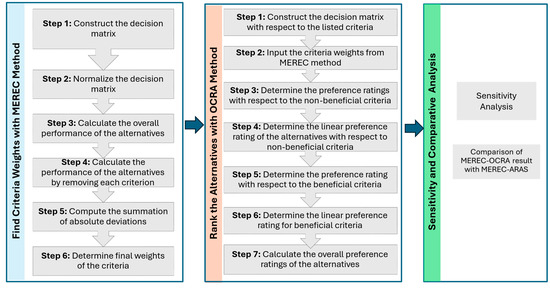
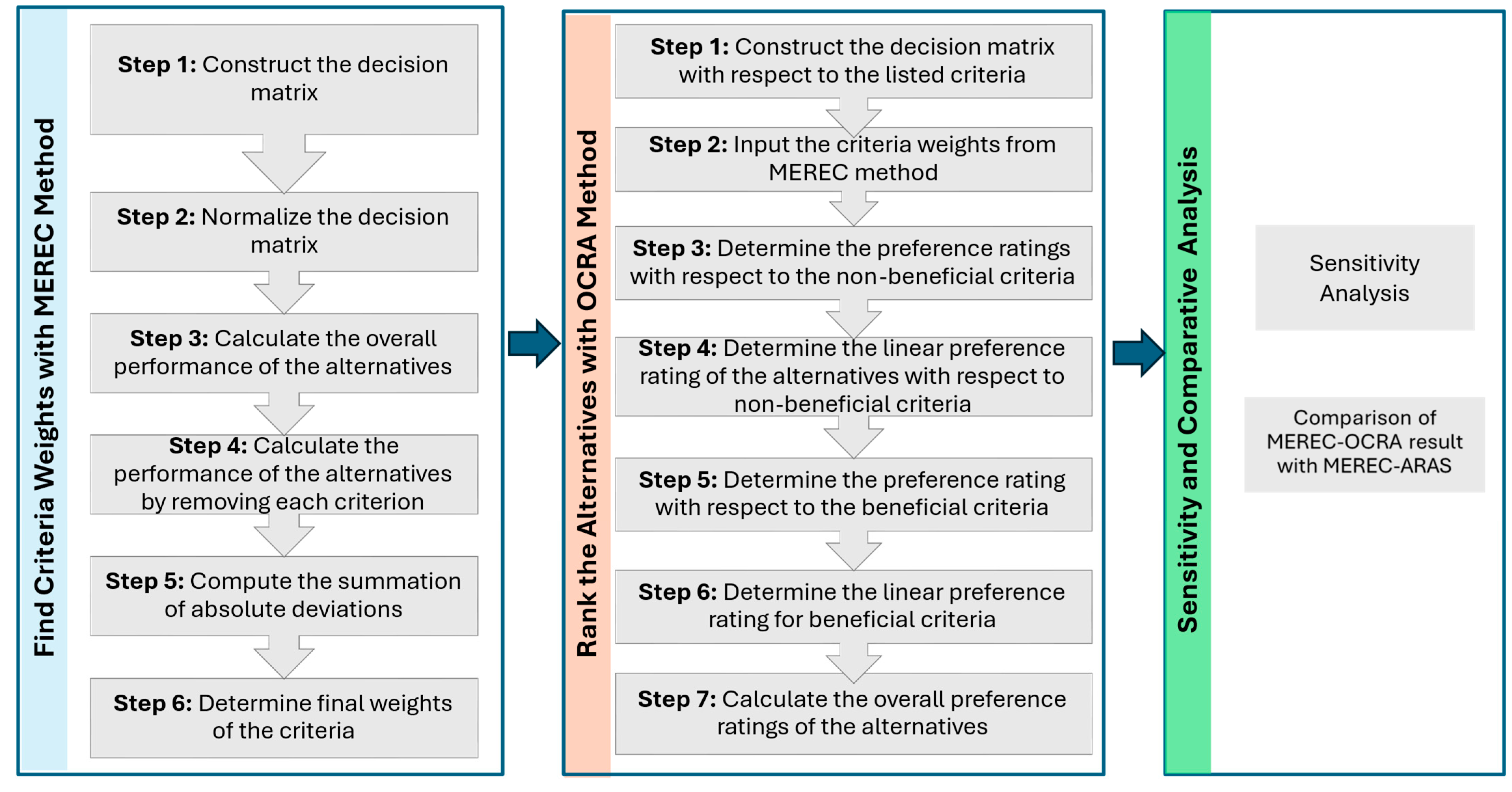
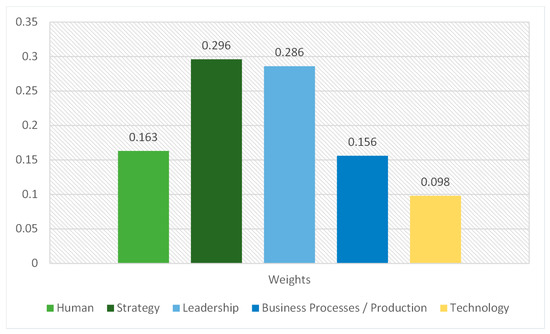
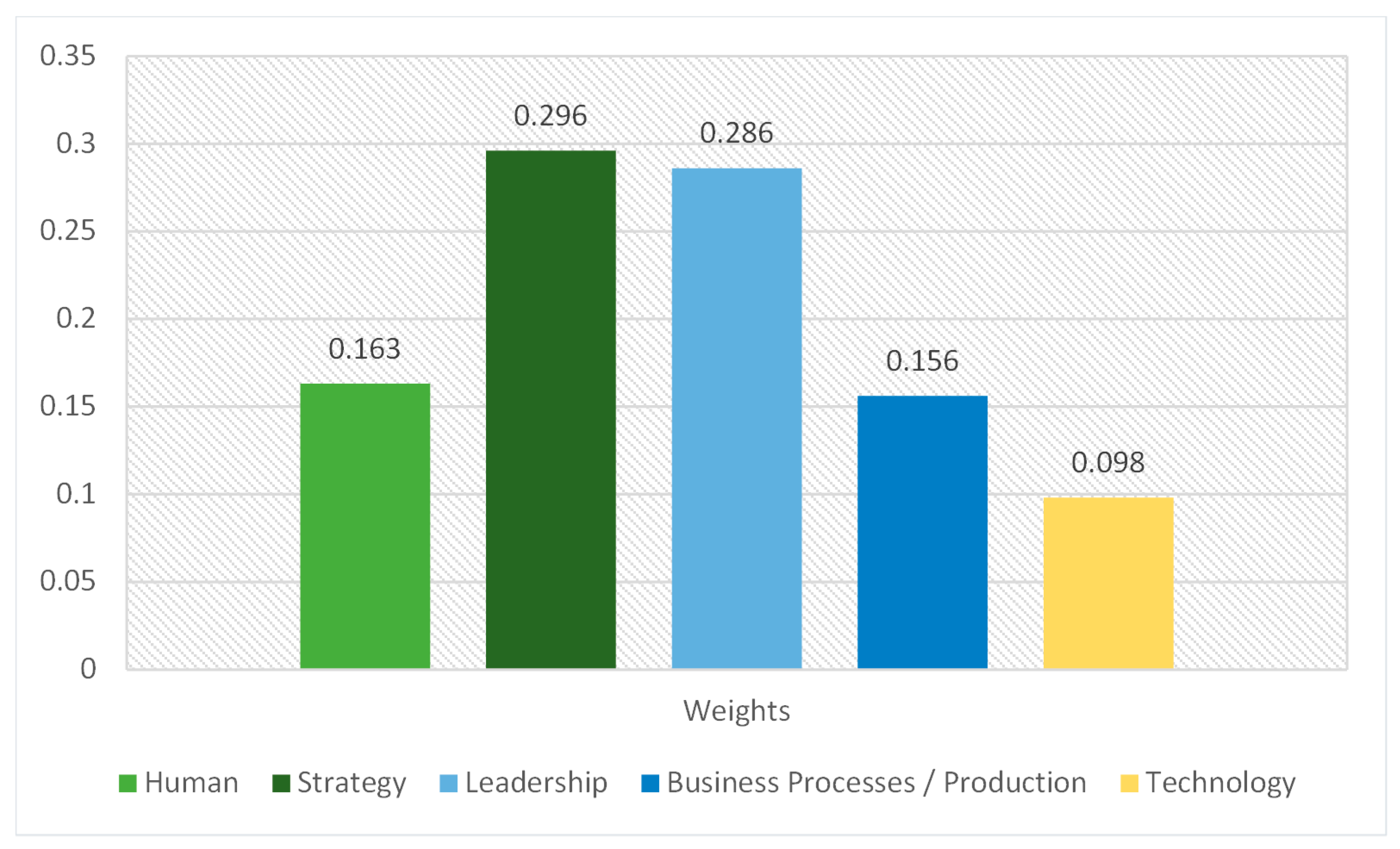
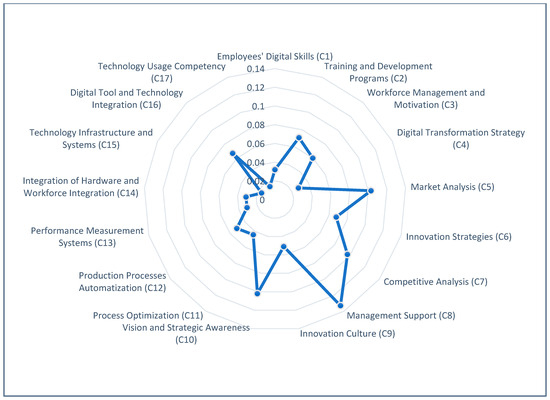
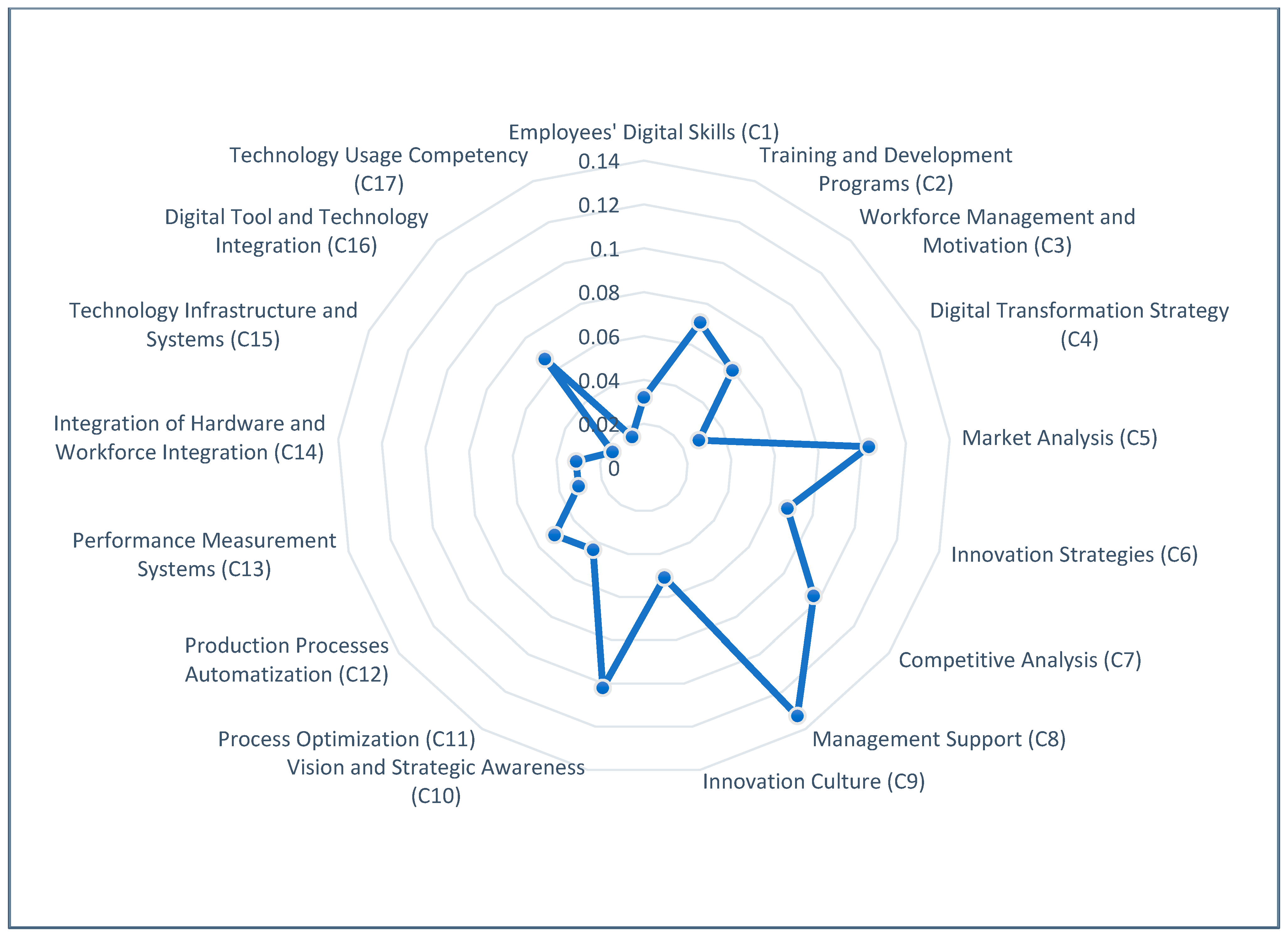
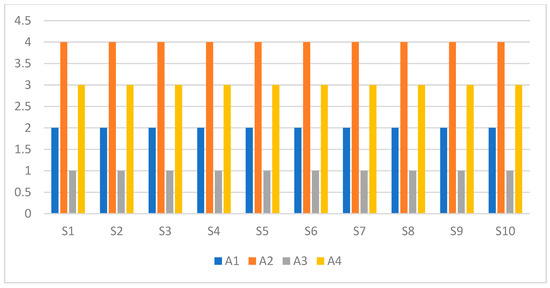
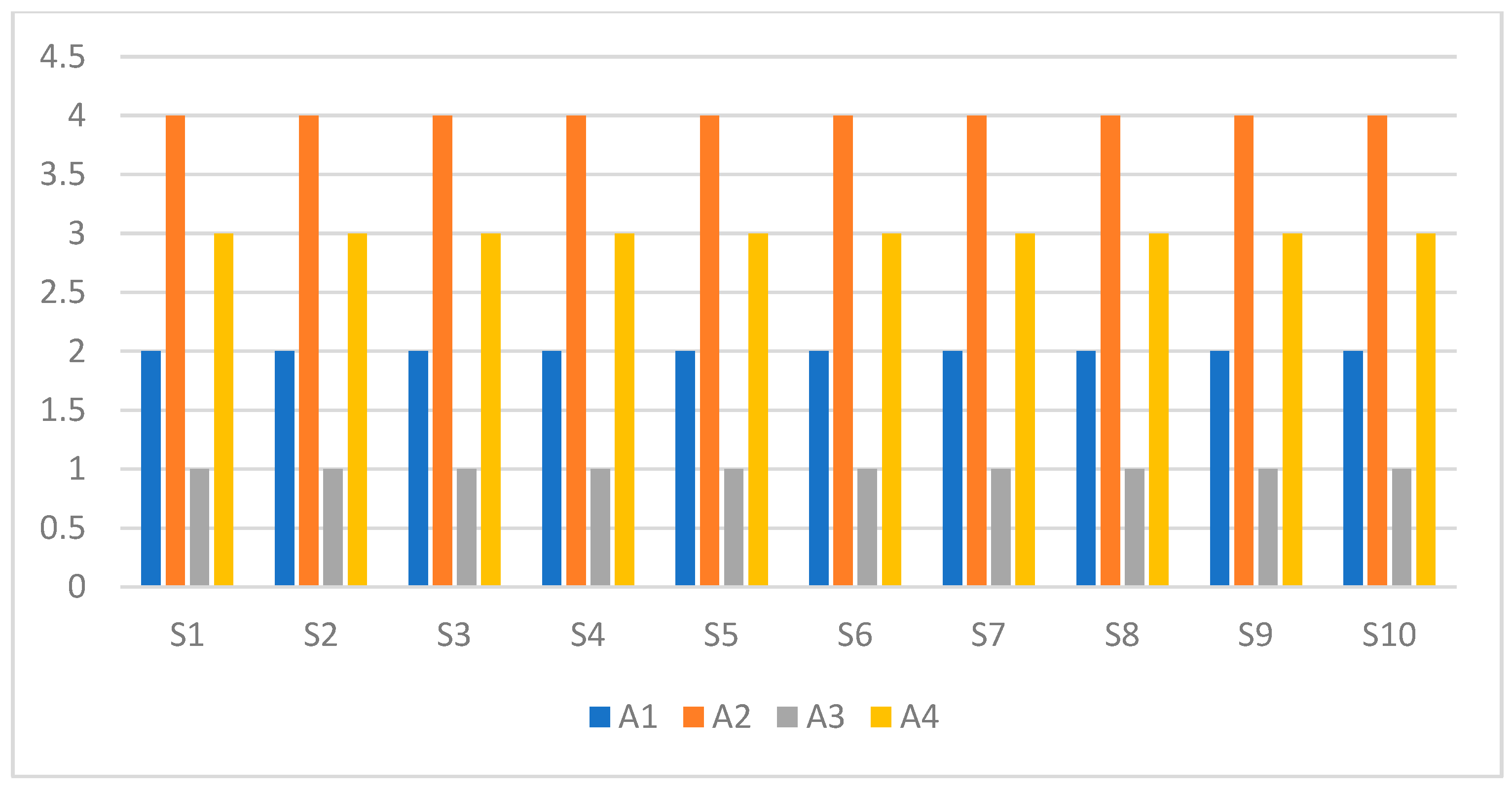

Disclaimer/Publisher’s Note: The statements, opinions and data contained in all publications are solely those of the individual author(s) and contributor(s) and not of MDPI and/or the editor(s). MDPI and/or the editor(s) disclaim responsibility for any injury to people or property resulting from any ideas, methods, instructions or products referred to in the content. |
© 2026 by the authors. Licensee MDPI, Basel, Switzerland. This article is an open access article distributed under the terms and conditions of the Creative Commons Attribution (CC BY) license.