


Abstract
Ephemeral mobile social media content has become a dominant marketing communication format. However, little is known about how such content influences consumer behaviour in mobile messaging environments such as WhatsApp, particularly among women consumers. Also, the challenge for brands using ephemeral mobile social media content is a lack of understanding of the precursors to consumers’ switching intentions across varied contexts. As a result, this study investigated the influence of ephemeral mobile social media content on the switching intentions of women consumers, particularly in the fitness market of a developing economy (Zimbabwe). The study adopted PLS-SEM to analyse data and test the proposed hypotheses grounded in uses and gratifications theory (UGT) and the stimulus–organism–response (S-O-R) framework. The findings, based on a sample of 358 consumers, confirm that ephemeral content significantly influences switching intention and enhances consumers’ perceptions of authenticity and trust, which are key explanatory mechanisms linking ephemeral content to behavioural outcomes. Perceived involvement strengthens the trust pathway, although its moderating effect on the authenticity pathway is not supported. This study helps practitioners to develop effective ephemeral content capabilities and enables fitness marketers to target women appropriately, preventing costly and unproductive short-lived WhatsApp content advertising.
1. Introduction
Marketers are capitalising on the rise of digital culture to attract potential customers through ephemeral content marketing on mobile social media. Ephemeral content is visible only for a limited time before vanishing (Dange et al., 2022; Wakefield, 2024). Lim et al. (2021) note that ephemeral content is transient and disappears after 24 h; examples include stories on Instagram, Facebook, and Snapchat. According to Barnea et al. (2023), the short lifespan of ephemeral content may prompt users to devote more mental effort to understand it before it vanishes, thereby influencing memory formation. Those exposed to ephemeral content often try to remember information from fleeting posts, which can improve advertising recall compared with more permanent formats (Lee et al., 2025). “Moment marketing” has amplified the use of ephemeral content, as experts have leveraged it to establish connections with trendy communities, engage customers, boost sales through limited-time offers and maintain customer touchpoints (Dange et al., 2022). Social media platforms such as Snapchat, Instagram and Facebook have been maximising the use of ephemeral content to create brand awareness, generate interest, promote desire, and drive conversions.
Campbell et al. (2021) emphasise that this content format differs from traditional permanent posts and introduces a temporal dimension that may influence how consumers perceive and respond to marketing messages. Likewise, temporary posts frequently appear less planned and more impromptu, which may boost perceptions of brand authenticity in social media communications (Lopez et al., 2024). In online settings, where consumers rely on mediated interactions rather than direct brand encounters, authenticity and trust are closely linked to reducing consumers’ intentions to switch (Nguyen et al., 2026). Research also shows that consumers engage with ephemeral content for informational, social, and entertainment purposes, find it gratifying, and interact with digital messages (Chen & Cheung, 2019). Time-sensitive communication further boosts engagement because users recognise the urgency of content that will soon disappear and respond with immediacy (Haldborg Jørgensen et al., 2023).
Despite the numerous benefits derived from ephemeral content, the literature on its influence on consumer behavioural outcomes generally remains fragmented. The extant literature typically examines all consumer genders in general, isolated mechanisms, such as information processing, recall, authenticity or engagement, rather than integrating these processes with other contextual variables into a unified explanatory framework (Barnea et al., 2023; Lee et al., 2025; Lopez et al., 2024). The majority of the empirical work on ephemeral content has predominantly focused on platforms such as Instagram, Facebook and Snapchat (Bainotti et al., 2021; Lim et al., 2021; Villaespesa & Wowkowych, 2020), whereas mobile messaging environments with customer switching intentions on WhatsApp remain underexplored, despite its widespread use in emerging markets (Campbell et al., 2021; Nguyen et al., 2026; Wakefield, 2024). This gap is particularly relevant in Zimbabwe, where WhatsApp serves not only as a communication tool but also as a marketing channel through which service providers, such as fitness entrepreneurs, share temporary promotions, workout tips, and motivational messages, particularly with women consumers.
Since 2020, at the onset of the COVID-19 pandemic, there has been increased emphasis on health and wellness, particularly among women (Chabata, 2025; Fauzi & Sheng, 2021; Hou & Elliott, 2021). As physical movement was restricted, women resorted to home workouts, which later became an established fitness routine. Hence, the WhatsApp platform dominates both peer-to-peer communication and business–consumer engagement. Yet scholarship on how ephemeral mobile social media content shapes women’s fitness-switching behaviours remains limited. The rationale for focusing precisely on women consumers in this study is established by the convergence of social media, body-related self-evaluation, and fitness consumption that is becoming more prominent among women consumers. Visual fitness-related social media content is heavily consumed by women who may interact with it for body management, exercise information, inspiration, and social comparison. These claims are echoed by Mayoh and Jones (2021) who discovered that gender tendencies in fitspiration consumption were predominant among female participants. While males may be more driven by enjoyment or other exercise benefits, women’s fitness engagement is more linked to weight control and body toning derived from short-lived clips on social platforms (Craft et al., 2014). Women’s assessments of current and rival fitness offers may consequently be influenced by fitness-related narratives, transient endorsements, membership promotions and transformation material. Additionally, recent research proposes that after being exposed to fitspiration content, women mostly have lower body-related self-evaluations and more self-criticism than male consumers (Czubaj et al., 2025; Limniou et al., 2025). Hence, concentrating on women offers a theoretically sound and contextually limited foundation for investigating the relationship between switching intentions in the fitness industry and transitory WhatsApp ephemeral content.
Therefore, grounded in the uses and gratifications theory (UGT), which seeks to explain how specific stimuli explain user behaviours and how communication is employed to meet needs (QuanHaase, 2012; Ruggiero, 2000), we adopted a dual focus on (a) the variables that motivate the use of WhatsApp ephemeral mobile content and (b) women using the content for fitness purposes to comprehend their trust, authenticity and switching intentions.
Ultimately, fostering authenticity and trust in switching intentions in ephemeral content is important, and several prior studies call for a deeper investigation of its related impact (D. Kim & Kim, 2023; Kucirkova, 2023). To the researchers’ knowledge, there has not been validation of authenticity and trust on switching intentions among women in the fitness sector within an emerging market context. Hence, we build on the extant literature by enhancing the understanding of how ephemeral communication shapes trust, authenticity and switching intentions, as well as the moderating role of perceived involvement in the fitness market. Closing the prevailing gap in the literature is crucial for both practitioners and the advancement of the literature. Thus, this study contributes to the growing body of literature on ephemeral mobile social media content by developing a comprehensive theoretical framework that integrates cognitive, relational and behavioural insights. Consequently, the following is the research question that guided this study:
How does content ephemerality in WhatsApp-based marketing communication influence women consumers’ behaviour in Zimbabwe’s fitness sector?
The proposed sub-research objectives that supported the main research question were:
- To determine the influence of ephemeral content on perceived authenticity, trust and switching intention.
- To establish the mediating role of perceived authenticity and trust in the relationship between ephemeral content and switching intention.
- To empirically test the moderating effect of perceived involvement on the relationship between ephemeral content and perceived authenticity and trust.
The rest of this paper is divided as follows: The next section covers the study’s underpinning theories, followed by conceptual model and hypotheses development. Thereafter, the methodology guiding this study is presented. A thorough discussion is provided, along with the empirical findings, which is followed by theoretical and practical implications. Finally, we offer the conclusion, limitations and directions for future research.
2. Theoretical Framework
This study was based on two theories: the uses and gratifications theory (UGT) and the stimulus–organism–response (S-O-R) framework. These theories formed the theoretical foundation of the research and will be elaborated on in the following sections.
2.1. Uses and Gratifications Theory (UGT)
The UGT, propounded by Katz et al. (1973), is based on the premise that individuals actively select specific media channels to satisfy psychological and social needs. According to Ruggiero (2000), consumers are active agents who intentionally seek media content that fulfils informational, entertainment, social interaction, escapism or self-expression needs. This contrasts with traditional media theories that portray audiences as passive recipients of information. The UGT is relevant in digital and social media environments because contemporary consumers possess greater control over media selection, interaction and content creation (QuanHaase, 2012). Recent studies applied UGT to explain engagement with social media platforms and transient digital content. In the same vein, the literature demonstrates that users consume ephemeral content because it offers immediacy, entertainment, social connectedness and interactive gratification (Lopez et al., 2024; Haldborg Jørgensen et al., 2023). In mobile-based environments such as WhatsApp, ephemeral content often creates heightened emotional engagement because users perceive disappearing messages as urgent, authentic and socially intimate (Martin, 2024; Nguyen et al., 2026). Similarly, Chen and Cheung (2019) argue that the temporary nature of ephemeral content stimulates consumer curiosity and enhances participation due to fear of missing out (FOMO). These gratifications may subsequently strengthen users’ trust and emotional attachment toward brands.
Despite its relevance, UGT is less explicit about the psychological mechanism through which exposure to selected media content produces subsequent behavioural outcomes. Its principal explanatory emphasis is on audience agency: individuals identify needs, select media and content expected to satisfy those needs, and evaluate the gratifications obtained from their use (Katz et al., 1973; Ruggiero, 2000). Although later refinements recognise that technological affordances can generate distinctive gratifications, UGT does not often specify a structured causal sequence connecting a digital cue to cognitive and affective appraisal and, subsequently, to behavioural response (Sundar & Limperos, 2013). Thus, the limitation is not that UGT ignores media characteristics or assumes that users are unaffected by content. Rather, it provides a comparatively stronger explanation of selective exposure and goal-directed media use than of the post-exposure psychological process through which ephemeral content shapes perceived authenticity, trust and switching intention. This distinction makes the S-O-R framework complementary to UGT.
2.2. Stimulus–Organism–Response (S-O-R) Framework
The S-O-R framework complements UGT by explaining the post-exposure psychological process that connects a consumer’s engagement with digital content to a behavioural response. While UGT foregrounds the active user and explains why particular media or content are selected, S-O-R specifies how environmental cues, once encountered, alter internal cognitive and affective states that subsequently shape behaviour (Mehrabian & Russell, 1974). In the present study, ephemeral mobile social media content constitutes the stimulus; perceived authenticity and trust represent organismic evaluations; and switching intention constitutes the behavioural response. This conceptualisation is consistent with applications of S-O-R in digital environments, in which technological and communication cues influence behaviour through intervening cognitive and emotional states (Eroglu et al., 2001).
The recent literature demonstrates the growing applicability of the S-O-R framework to explain consumer behaviour in social commerce and digital platform environments. For instance, characteristics of ephemeral content, such as temporality, interactivity and immediacy, may serve as stimuli shaping consumers’ emotional and cognitive evaluations of brands (Lee et al., 2025; Lopez et al., 2024). These evaluations often manifest through perceptions of authenticity and trust, which subsequently influence behavioural intentions (Patel, 2025). In fitness-related digital environments, where consumers continually seek motivation, emotional support and personalised interactions, the S-O-R framework offers a valuable explanation of how ephemeral WhatsApp content influences women’s responses to service providers.
The S-O-R framework offers greater explanatory power than UGT regarding the mechanism by which digital stimuli influence behaviour. While UGT emphasises consumer motivations for media use, S-O-R explains the causal pathway linking content exposure to behavioural responses through psychological processes. However, the S-O-R framework is not without limitations. Critics argue that it may oversimplify consumer decision-making by assuming linear relationships between stimuli, internal states and responses (Pandita et al., 2021). Additionally, the framework may underemphasise consumers’ agency in selecting media content, an issue that UGT addresses more effectively.
2.3. Theoretical Integration and Justification
UGT and S-O-R are integrated through a sequential and complementary division of explanatory labour. UGT explains the user-initiated stage of the process: women consumers actively attend to and engage with ephemeral WhatsApp content because they expect it to satisfy informational, social, emotional, or entertainment-related needs (Katz et al., 1973; Ruggiero, 2000). This perspective prevents exposure from being treated as entirely passive or environmentally determined. S-O-R then explains the post-exposure stage by specifying how the encountered content operates as a stimulus that is cognitively and affectively appraised before producing a behavioural response (Mehrabian & Russell, 1974).
Accordingly, S-O-R does not extend UGT by adding authenticity, trust, and switching intention to a gratification-based model. S-O-R complements UGT by supplying a different explanatory mechanism. UGT answers the question, “Why do consumers selectively engage with ephemeral WhatsApp content?”, whereas S-O-R focuses on the question, “through which internal evaluations do ephemeral content influence subsequent switching intention?” In the proposed model, ephemeral content is the external stimulus; perceived authenticity and trust are organismic states through which the stimulus is interpreted, and switching intention is the resulting behavioural response. Perceived involvement further captures variation in the strength with which consumers process the stimulus. Thus, consumers remain purposive media users, as proposed by UGT, while their responses remain contingent on their cognitive and relational evaluations of the encountered content, as explained by S-O-R.
This integration also addresses the respective limitations of the two perspectives. UGT may identify the needs and gratifications associated with media selection but offers less precision concerning the intervening psychological process linking exposure to post-consumption behaviour (Sundar & Limperos, 2013). Conversely, S-O-R provides a clear stimulus–appraisal–response structure but can understate the agency consumers exercise when selecting content and determining the intensity of their engagement. Combining the two theories therefore produces a theoretically coherent account of both purposive content engagement and post-exposure psychological processing. They both explain how women consumers may actively engage with ephemeral fitness content and how that content subsequently influences switching intention through perceptions of authenticity and trust.
Importantly, the theories are integrated without conflating their constructs. Expected gratifications explain the motivational basis for engaging with ephemeral content, whereas authenticity and trust are treated as evaluations formed after the content has been encountered. This distinction prevents perceived authenticity and trust from being incorrectly represented as gratifications and clarifies their function as organismic mechanisms within the S-O-R sequence. The resulting framework consequently connects active media selection with stimulus-driven psychological appraisal while retaining the conceptual boundaries of both theoretical perspectives.
Building on this integrated theoretical foundation, the hypotheses translate the complementary explanatory roles of UGT and S-O-R into testable relationships. UGT provides the motivational basis for understanding women consumers’ engagement with ephemeral WhatsApp content, whereas S-O-R specifies how this content functions as an external stimulus that shapes perceived authenticity and trust before influencing switching intention. The hypotheses therefore examine both the direct effect of ephemeral content on switching intention and its indirect explanatory pathways through authenticity and trust. Perceived involvement is further introduced as a boundary condition because consumers who are more involved with fitness-related content may process and respond to these stimulus–organism relationships more strongly. Collectively, the hypotheses operationalise the progression from purposive content engagement to internal evaluation and, ultimately, behavioural response.
2.4. Conceptual Model and Hypotheses Development
Figure 1 illustrates the conceptual model, which depicts the distinct paths and connections between the constructs under investigation.
Figure 1.
Conceptual model. Source: Authors’ own compilation.
2.4.1. Ephemeral Content and Switching Intention
Switching intention refers to a consumer’s conscious inclination to discontinue an existing service relationship and move to an alternative provider. Such intention is more likely to develop when consumers become aware of an attractive alternative and perceive that it offers greater benefits than their current provider (Jones et al., 2000). In the present study, ephemeral content refers to temporary WhatsApp content communicated by an alternative fitness-service provider and encountered by consumers who currently use another provider. This competitive context is important because ephemerality alone does not necessarily produce switching; rather, it can make a competing provider and its offering more salient during consumers’ evaluation of available alternatives.
UGT suggests that consumers actively engage with short-lived content when it promises informational, entertainment, or social gratification. When an alternative fitness provider uses ephemeral WhatsApp content to communicate new programmes, time-sensitive promotions, personalised support or desirable fitness outcomes, the content supplies information with which consumers can compare the alternative against their current provider. Such comparisons can reveal perceived deficiencies in the incumbent provider or increase the attractiveness of the competing offer, thereby weakening consumers’ willingness to maintain the existing relationship. Alternative attractiveness is relevant to switching because consumers are less likely to remain with their current provider when they perceive that a competitor offers a more desirable service experience (Jones et al., 2000).
From an S-O-R perspective, ephemeral content constitutes an external stimulus whose temporary availability heightens attention and encourages immediate behavioural orientation. Unlike permanent posts that can be reconsidered later, disappearing content compresses the decision window and creates temporal scarcity. Scarcity cues can increase the perceived desirability of an offer and accelerate consumers’ responses because delaying action may mean losing access to information or opportunity (Aggarwal et al., 2011). Content ephemerality can also evoke fear of missing out, which increases engagement with brand content (Maar et al., 2023). More importantly for switching, fear of missing out can weaken loyalty to an existing option by making consumers reluctant to repeat their current experience when a potentially superior alternative appears available (Hayran et al., 2020).
The proposed direct relationship therefore captures an action-inducing pathway that is conceptually distinct from authenticity and trust mechanisms. Exposure to ephemeral content may increase switching intention before consumers have developed strong authenticity or trust evaluations because the content simultaneously makes an alternative provider salient, facilitates comparison with the incumbent and signals that the opportunity to respond is temporary. In Zimbabwe’s competitive fitness market, where consumers can encounter alternative trainers, programmes and promotional offers through WhatsApp Status, these mechanisms may encourage consideration of, and movement towards, a competing provider. Accordingly, the following hypothesis is proposed:
H1.
Ephemeral content positively influences switching intention.
2.4.2. Ephemeral Content and Perceived Authenticity
Perceived authenticity has become a central determinant of consumer evaluations in social media environments, particularly where users seek genuine and relatable brand communication (Kanjer & Doshi, 2026; Yang et al., 2021). Ephemeral content often conveys spontaneity because it is temporary, less polished, and perceived as less curated than permanent posts (Bainotti et al., 2021). This creates an impression of real-time interaction, enhancing perceptions of authenticity. UGT suggests that users derive gratifications from content that appears personal, transparent, and socially meaningful (Hoang et al., 2024). A recent study by Hasan et al. (2024) indicates that ephemeral communication formats foster stronger perceptions of authenticity because users associate temporary disclosures with honesty and reduced commercial manipulation. In fitness markets, where trust in personal trainers, gyms, and wellness brands is relational, authentic communication can strongly influence evaluation of alternatives (Wang et al., 2024). As such, ephemeral content is regarded as an important input for perceived authenticity, justifying the following hypothesis:
H2.
Ephemeral content positively influences perceived authenticity.
2.4.3. Ephemeral Content and Trust
Trust is a critical relational mechanism in digital consumer decision-making because it reduces uncertainty associated with service evaluation and switching decisions (Mattathil et al., 2026). Generally, in the S-O-R framework, ephemeral content may serve as a stimulus shaping trust as an organismic response. Temporary updates may increase trust by signalling immediacy, transparency, and ongoing engagement, thereby reducing the perceived distance between the brand and the consumer (Kesar, 2026). Recent social commerce studies demonstrate that interactive and dynamic content strengthens trust formation by enhancing perceptions of responsiveness and social presence (Herzallah et al., 2025; Sarkis et al., 2026). For women consumers in fitness services, such trust is particularly salient because service choice often involves concerns about personal well-being, privacy, and long-term commitment (Paschalidou et al., 2023; Yiapanas, 2025). Consequently, exposure to ephemeral content may strengthen trust in alternative providers and encourage reassessment of current service relationships. Considering the consistent relationship between ephemeral content and trust, the following hypothesis is proposed:
H3.
Ephemeral content positively influences trust.
2.4.4. Perceived Authenticity and Switching Intention
Authenticity influences consumer behaviour by shaping confidence in brand claims and reducing scepticism (Poulis et al., 2026; Virkus & Klein, 2026). Within UGT, authentic content satisfies users’ need for credible and socially meaningful information, while in S-O-R it represents an internal evaluative state that influences behavioural outcomes (Bui et al., 2025). When consumers perceive a competing fitness provider’s content as authentic, they are more likely to view the provider as credible, reliable, and aligned with their personal values (Na et al., 2023). This can weaken attachment to current providers and increase switching intention. Literature confirms that authenticity significantly predicts behavioural outcomes such as purchase intention, brand engagement and migration to alternative service providers, particularly in digital social environments where trust cues are limited (Hasan et al., 2024). In the Zimbabwean fitness context, where consumer relationships are often socially embedded, authenticity may serve as a decisive signal for switching. Based on these findings, the following hypothesis is proposed:
H4.
Perceived authenticity positively influences switching intention.
2.4.5. Trust and Switching Intention
Trust is widely recognised as a crucial factor shaping consumer behavioural intentions, especially in digital and service-oriented contexts (D. Kim & Kim, 2023; Lyu et al., 2026). When consumers cultivate trust in a brand or service provider, they develop favorable expectations concerning reliability, credibility, and performance. This tendency often mitigates perceived risks and uncertainties, particularly in decision-making processes. Nabwire et al. (2026) affirm that trust enhances the effectiveness of persuasive communication, thereby increasing the probability of behavioural change. It enhances customer loyalty and may even incentivise switching behaviour, particularly when competing brands are perceived as more dependable (Iqbal & Elahi, 2024; Na et al., 2023).
The literature suggests that it directly influences users’ willingness to engage with and transition to new offerings, particularly when trust in alternative options exceeds that in current providers (Joshi, 2025). Recent scholarship suggests that trust mitigates switching barriers by diminishing perceived risk and bolstering confidence in decision outcomes (Hipólito et al., 2025). In highly competitive markets where multiple alternatives are readily available, consumers are more inclined to transition to brands that exhibit higher trustworthiness (Abdelkader & Mohamed, 2017). Therefore, trust serves as a dynamic evaluative mechanism, enabling consumers to reassess their current choices and consider superior alternatives. It is hypothesised that promoting risk reduction, elevating confidence and reinforcing consumers’ willingness to adopt more credible alternatives will positively influence switching intentions. Consequently, the following hypothesis is hereby proposed:
H5.
Trust positively influences switching intention.
2.4.6. Mediating Effects of Perceived Authenticity
Ephemeral content, by its transient, less-curated nature, enhances perceptions of authenticity (Nguyen et al., 2026). This, in turn, shapes consumers’ cognitive and emotional evaluations of brands. Research confirms that authenticity functions as a significant mediator between digital content characteristics and consumer behavioural outcomes (Kothari et al., 2025). In digital marketing contexts, perceived authenticity mediates the relationship between message appeal and behavioural intentions (Papadopoulou et al., 2025). As a result, it reinforces its role as a key explanatory mechanism in consumer decision-making. When consumers perceive content as authentic, they are more likely to trust the brand, identify with it and reconsider their current choices, thereby increasing their propensity to switch (J.-Y. Kim et al., 2024; Lyu et al., 2026). Thus, it is posited that ephemeral content influences switching intentions indirectly through perceived authenticity, which transforms transient content exposure into meaningful behavioural outcomes.
H6.
Perceived authenticity mediates the relationship between ephemeral content and switching intentions.
2.4.7. Mediating Effects of Trust
Ephemeral content enhances interactivity, immediacy and perceived credibility, thereby contributing to the development of consumer trust (Sardar & Rousseau, 2025). This trust subsequently shapes behavioural outcomes by reducing uncertainty and increasing confidence in alternative brands. Empirical evidence demonstrates relationships between social media stimuli and consumer decision-making outcomes (Prasetyo et al., 2025), and between social media marketing activities and consumer intentions, including purchase and repurchase behaviours (Alrwashdeh, 2025). Digital content formats, particularly short-form and dynamic media, significantly influence consumer trust (Pal, 2024), which in turn drives behavioural intentions. In line with the stimulus–organism–response framework, ephemeral content acts as the stimulus, trust as the internal psychological state (organism), and switching intention as the behavioural response. Therefore, it is posited that ephemeral content indirectly influences switching intentions through trust, as it transforms exposure to transient content into meaningful behavioural change by enhancing credibility and reducing perceived risk.
H7.
Trust mediates the relationship between ephemeral content and switching intentions.
2.4.8. Moderating Role of Perceived Involvement
Perceived involvement is a critical boundary condition shaping how consumers interpret and respond to ephemeral content in the Zimbabwean fitness market. Consumers with high levels of involvement are more cognitively attentive and emotionally invested in the content they consume, leading them to engage in more extensive information processing and evaluation (Ahmed et al., 2024). Consequently, they are more likely to recognise and appreciate the distinctive characteristics of ephemeral content, including spontaneity, immediacy, transparency, and real-time interaction, which serve as important signals of authenticity and credibility. In contrast, consumers with lower levels of involvement typically engage in less intensive processing and rely more heavily on peripheral cues, reducing the extent to which ephemeral content can strengthen perceptions of authenticity and trust (Sansome et al., 2025).
The moderating role of involvement is well supported in the digital marketing literature. Previous studies have demonstrated that involvement enhances consumers’ responsiveness to marketing stimuli by increasing both engagement and interpretive depth (Khan et al., 2022; Loureiro et al., 2019). When consumers are highly involved, they devote greater cognitive effort to evaluating marketing messages, thereby forming richer and more favourable perceptions of authenticity (Shkeer et al., 2024; Yang & Su, 2026). Similar evidence from social media and influencer marketing contexts suggests that involvement shapes how authenticity cues are interpreted and transformed into meaningful attitudinal and behavioural responses (Hasan et al., 2024; Lu et al., 2025; Roth-Cohen et al., 2025).
The same logic extends to trust formation. Highly involved consumers are more likely to critically assess the informational and relational cues embedded in ephemeral content, thereby strengthening their confidence in the credibility and reliability of the message source (Dirwan, 2023). Research on ephemeral media further suggests that the temporary and real-time nature of such content encourages deeper cognitive engagement among involved users, amplifying its influence on trust perceptions (Allison, 2024; Lee et al., 2025). Conversely, consumers with low involvement are less likely to engage with these cues, weakening the capacity of ephemeral content to generate trust. Therefore, perceived involvement enhances the effectiveness of ephemeral content by strengthening consumers’ interpretation of authenticity and trust cues (Elsotouhy et al., 2025). As involvement increases, the positive influence of ephemeral content on perceived authenticity and trust becomes more pronounced, resulting in stronger attitudinal and behavioural outcomes (Lee et al., 2025; Haider et al., 2025; Vazquez, 2019). Thus, perceived involvement serves as an important moderator that intensifies the authenticity and trust-building effects of ephemeral content within social media environments. Hence, the following hypotheses are proposed:
H8.
Perceived involvement moderates the relationship between ephemeral content and trust.
H9.
Perceived involvement moderates the relationship between ephemeral content and perceived authenticity.
3. Materials and Methods
3.1. Research Design and Data Collection
In this study, the researchers utilised a quantitative, cross-sectional survey to examine a moderated mediation model linking ephemeral content to switching intention, mediated by perceived authenticity and trust in the fitness market. Proponents of the survey method contend that it is particularly effective for capturing latent constructs, validating theoretical propositions, and investigating the complex relationships outlined in the research framework (J. F. Hair et al., 2021). Before the main data collection, the questionnaire was pre-tested with 20 women whose characteristics corresponded with those of the target population. The pre-test assessed the clarity of the survey instructions and items, the logical sequencing of the sections, the readability of the online format, and the approximate time required for completion. Participants generally found the questionnaire understandable and relevant to their experiences. Nevertheless, their feedback resulted in minor editorial revisions. Complex or potentially ambiguous expressions were simplified; instructions preceding the measurement scales were clarified; wording was standardised to ensure consistent references to ephemeral WhatsApp content and fitness service providers; and the sequence and presentation of some questions were adjusted to improve the questionnaire’s flow and readability. No construct or measurement item was deleted, and the substantive meanings of the validated scales were not altered. The revised questionnaire was reviewed by the research team before being distributed for the main survey. Data obtained from the 20 pre-test participants were not included in the final sample of 358 respondents.
A non-probability convenience and self-selection sampling approach was employed because a complete sampling frame of women who used WhatsApp to engage with fitness-related information in Zimbabwe was unavailable. The survey link was distributed through multiple active public WhatsApp groups accessible to the four researchers after permission had been obtained from the respective group administrators. The recruitment message specified the study’s eligibility criteria, namely that participants had to be women aged 18–55, reside in Zimbabwe, and use WhatsApp to access or engage with fitness-related information. Participation was not limited to the customers or followers of any particular fitness brand or service provider. To broaden the pool of potential respondents and reduce dependence on a single online network, the questionnaire was circulated across the different groups available to the research team. Responses were subsequently screened for completeness and conformity with the eligibility criteria before analysis.
Nevertheless, the recruitment approach could not eliminate selection bias. Women who were members of the selected WhatsApp groups, regularly active online, interested in fitness-related content, or more willing to participate in research may have been overrepresented. Conversely, eligible women who were not members of these groups, had limited internet access, or used WhatsApp less frequently had a lower likelihood of inclusion. No statistical weighting or probability-based correction was applied. Therefore, the final sample should not be interpreted as statistically representative of all women in Zimbabwe’s fitness market, and the findings should be cautiously generalised.
The population comprised over 1 200 women in Zimbabwe’s fitness market, aged 18 to 55, who use WhatsApp to access and engage with fitness-related information. As recommended by J. F. Hair et al. (2021) and Chabata (2025), a target sample size of 300–500 was considered for PLS-SEM. After removing incomplete responses during the data screening stage, the study yielded a final usable sample of 358 participants.
3.2. Measurement Instrument
All latent constructs within the model were evaluated using validated multi-item reflective scales, selected from the existing literature, and adapted to the context of mobile social media. The measurement employed a seven-point Likert scale, ranging from 1 (strongly disagree) to 7 (strongly agree). Perceived ephemerality was conceptualised using Bayer et al. (2016)’s framework for ephemeral media. It was operationalised by Haldborg Jørgensen et al. (2023), emphasising features such as disappearing content, temporality, visibility, and limited duration. Perceived authenticity was assessed using a four-item scale by Morhart et al. (2015), including a representative item: ‘This fitness brand communicates honestly with consumers.’ The perceived involvement construct was adapted from (Zaichkowsky, 1994), originally developed for advertising messages and focusing on importance, relevance, interest, appeal and meaning. Perceived trust in the fitness brand was evaluated using a four-item scale developed by Morgan and Hunt (1994), which addressed trust, reliability, confidence, and the capacity to fulfil promises. Switching intention was measured using a four-item scale from Bansal et al. (2005), covering considerations for switching, the likelihood of switching, propensity to try a different brand, and the probability of abandoning the current brand for alternatives.
3.3. Ethical Considerations
The data collection process complied with established ethical standards for research involving human participants. Ethical clearance was granted by the relevant Ethics Review Committee under protocol number 13576. Before accessing the questionnaire, every potential participant was presented with an electronic information and consent statement explaining the purpose of the study, the nature of participation, the intended academic use of the data, the voluntary nature of participation, the right to discontinue participation without penalty, and the measures adopted to protect confidentiality. Participants were required to indicate their informed consent before proceeding to the questionnaire. The survey was configured so that individuals who did not provide consent could not continue, and only responses from participants who provided electronic consent were included in the analysis.
No direct identification information was requested. Specifically, the questionnaire did not collect participants’ names, telephone numbers, WhatsApp account details, email addresses, or other direct personal identifiers. The survey link was circulated in the approved groups without requiring participants to disclose their identity to the researchers, and the researchers did not extract contact details from WhatsApp group membership records. The resulting dataset was therefore analysed anonymously. Data were retained exclusively for academic research and stored in password-protected electronic files accessible only to the research team.
3.4. Data Analysis Procedure
The researchers utilised a structured, multi-layered analytical approach, employing SmartPLS (version 4.1.1.7) to analyse the data. Both direct and indirect relationships were examined through partial least squares structural equation modelling (PLS-SEM). Given the objective of investigating an integrated model encompassing direct, mediated, and moderated relationships among multiple latent constructs, PLS-SEM was considered appropriate. PLS-SEM was also selected because of its capacity to support explanatory and prediction-oriented studies (J. Hair & Alamer, 2022) that aim to extend rather than confirm theory (Chabata, 2025; J. F. Hair et al., 2021). The research adhered strictly to established PLS-SEM guidelines for evaluating reflective measurement models (Bagozzi & Yi, 2012). To assess indicator reliability via factor loadings and internal consistency using Cronbach’s alpha and composite reliability, a threshold of ≥0.70 was adopted. Convergent validity was established with an average variance extracted (AVE) of ≥0.50, while discriminant validity was evaluated employing the Fornell–Larcker criterion and the heterotrait–monotrait ratio (HTMT < 0.9). Multicollinearity among observed variables was examined using the variance inflation factor (VIF), with values below 5 indicating the absence of multicollinearity. The structural model was assessed utilising standardised path coefficients (β), bootstrapping with 5000 resamples, and metrics such as R2, effect size (f2) and predictive relevance (Q2).
4. Results
Since the predictor and outcome variables were obtained from the same respondents at a single point in time, common method bias (CMB) represents a potential threat to the validity of the results. To minimize this risk, several procedural remedies were implemented during the design of the study, including the use of anonymous responses, the separation of predictor and outcome items within the questionnaire, and the interspersion of scale items to reduce the likelihood of patterned responding. Moreover, CMB was addressed through a comprehensive collinearity assessment, which revealed internal VIF values below 5. This result indicated that common-method bias did not substantially influence the interpretation of the structural estimates. This was complemented by Harman’s single-factor test conducted on all 21 measurement items that were entered simultaneously into an unrotated factor analysis. Five factors with eigenvalues greater than 1 emerged, collectively explaining 70.18% of the variance. The first factor accounted for 34.73% of the total variance, below the recommended 50% threshold, suggesting that CMB was unlikely to be a serious concern in this study.
4.1. Measurement Model Assessment
The measurement model was evaluated by examining indicator reliability, internal consistency, convergent validity, discriminant validity, and multicollinearity.
Table 1 shows that all indicator loadings exceeded the minimum recommended threshold of 0.50, ranging from 0.557 to 0.892, indicating satisfactory reliability. Although TR4 had a relatively low loading (0.557), its removal was considered but not warranted. Indicators with loadings between 0.40 and 0.70 may be retained when their exclusion does not meaningfully improve composite reliability or AVE (J. M. Hair et al., 2022). As the construct met the recommended reliability and convergent validity thresholds, TR4 was retained to preserve its conceptual coverage.
Table 1.
Reliability analysis and multicollinearity tests.
Internal consistency was also confirmed, with Cronbach’s alpha ranging from 0.712 to 0.848 and composite reliability (CR) from 0.820 to 0.898, all exceeding the standard of 0.70 (Chabata et al., 2024). Evidence of convergent validity was shown by average variance extracted (AVE) values ranging from 0.508 to 0.687, all exceeding the 0.50 threshold. Multicollinearity was not a concern since all variance inflation factor (VIF) values were below the recommended 5.0 threshold (Chabata et al., 2024).
Discriminant validity was evaluated through both the heterotrait–monotrait ratio (HTMT) and the Fornell–Larcker criterion. Table 2 shows that HTMT values ranged from 0.331 to 0.829, all under the 0.90 threshold. While the HTMT value of 0.829 between perceived involvement and switching intention is relatively high, it remains below the recommended thresholds of 0.85 and 0.90 for assessing discriminant validity (Henseler et al., 2015). Thus, the result indicates that the two constructs are related but remain empirically distinct. Furthermore, Table 3 shows that the square root of each construct’s AVE was higher than its inter-construct correlations, providing additional evidence of discriminant validity. Overall, these findings confirmed that the measurement model had good reliability and validity, making it appropriate for future structural model analysis.
Table 2.
Discriminant validity—HTMT ratios.
Table 3.
Discriminant validity—Fornell-Larcker criterion.
4.2. Structural Model and Hypotheses Testing
The structural model was assessed using the bootstrapping procedure (see Figure 2).
Figure 2.
Structural model.
The results in Table 4 revealed that ephemeral content exerted significant positive effects on switching intention (β = 0.272, t = 3.969, p < 0.001), perceived authenticity (β = 0.220, t = 3.662, p < 0.001) and trust (β = 0.183, t = 2.409, p = 0.016). In turn, both perceived authenticity (β = 0.225, t = 3.278, p = 0.001) and trust (β = 0.268, t = 5.396, p < 0.001) had significant positive effects on switching intention.
Table 4.
Structural model results and indirect effects.
The mediation analysis further showed that perceived authenticity significantly mediated the relationship between ephemeral content and switching intention (β = 0.049, t = 2.318, p = 0.021). A similar mediating effect was observed for trust (β = 0.049, t = 2.257, p = 0.024), indicating that both constructs served as significant indirect pathways through which ephemeral content influenced switching intention.
With respect to moderation, perceived involvement did not significantly moderate the relationship involving the authenticity pathway (β = 0.002, t = 0.363, p = 0.717), thus H9 was not supported. However, its moderating effect on the trust pathway was statistically significant (β = 0.023, t = 2.033, p = 0.042), resulting in H8 being supported.
The model accounted for 54.6% of the variance in perceived authenticity, 18.4% in trust, and 33.5% in switching intention. Furthermore, Table 5 shows that the positive Q2 values for all endogenous constructs indicate that the model had adequate predictive power.
Table 5.
Explanatory and predictive indices.
5. Discussion
The findings demonstrate that ephemeral mobile social media content is a significant driver of consumers’ switching intentions within Zimbabwe’s fitness market, exerting both direct effects and indirect effects through perceived authenticity and trust. The positive association between ephemeral content and perceived authenticity is consistent with emerging research suggesting that the transient, spontaneous and less curated nature of ephemeral content enhances perceptions of genuineness, transparency and credibility among consumers (Lopez et al., 2024). In the context of fitness-related social media communication, disappearing content appears to create a sense of immediacy and realism that strengthens consumers’ perceptions of authentic brand interactions. The results further indicate that ephemeral content positively influences consumer trust. This finding aligns with prior studies demonstrating that ephemeral social media formats foster more intimate and credible brand–consumer relationships by encouraging real-time engagement and reducing perceptions of excessive commercialisation (Campbell et al., 2021; Nguyen et al., 2026). As a result, consumers are more likely to develop confidence in the messages conveyed through such content.
In addition, both perceived authenticity and trust had significant positive effects on switching intention. These findings support previous research showing that authenticity serves as a key evaluative mechanism through which consumers interpret brand communications and develop behavioural responses (Hasan et al., 2024; Papadopoulou et al., 2025). Similarly, the positive influence of trust is consistent with evidence indicating that trust reduces uncertainty and strengthens consumers’ willingness to act on brand-related decisions (J.-Y. Kim et al., 2024; Na et al., 2023; Prasetyo et al., 2025). The significant mediation effects further suggest that the influence of ephemeral content on switching intention is transmitted, at least in part, through enhanced perceptions of authenticity and trust, corroborating studies that identify these constructs as critical psychological mechanisms linking social media marketing activities with consumer behaviour (Lyu et al., 2026; Yang & Su, 2026).
The moderation analysis yielded mixed results. Perceived involvement significantly strengthened the trust pathway but did not significantly moderate the authenticity pathway. Fitness marketers can strengthen the trust pathway by using interactive and personally relevant ephemeral content, such as workout challenges, polls, and tailored fitness tips, to increase consumer involvement. When such content is credible, consistent, and responsive to consumer needs, greater involvement can reinforce trust and strengthen the effectiveness of ephemeral fitness marketing. Authenticity judgments may rely more on cues of genuineness, credibility, and consistency than on consumers’ involvement level. Thus, involvement may shape how deeply consumers process ephemeral content without necessarily changing their authenticity evaluations. The significant interaction effect involving trust is consistent with research suggesting that highly involved consumers devote greater cognitive attention to marketing stimuli and are therefore more likely to develop trust-based evaluations from ephemeral content (Khan et al., 2022; Lee et al., 2025). However, the non-significant moderation effect may reflect factors beyond uniform authenticity of perceptions. Limited variation in perceived involvement, sample characteristics, or measurement sensitivity may have reduced the ability to detect interaction effects. Thus, the non-significance does not necessarily imply that perceived involvement is theoretically unimportant within the proposed pathway.
However, the absence of a significant moderating effect on authenticity contrasts with studies that position involvement as a key boundary condition influencing authenticity perceptions (Lee et al., 2025; Vazquez, 2019). This divergence suggests that the authenticity-enhancing properties of ephemeral fitness content may operate relatively uniformly across consumers, regardless of their level of involvement. In contrast, the development of trust appears to be more contingent upon the extent to which consumers actively engage with and process the content. Collectively, these findings highlight the distinct roles of authenticity, trust and involvement in shaping behavioural responses to ephemeral social media content within fitness services.
6. The Study Implications
This study makes several important theoretical contributions to the uses and gratifications theory (UGT) and the stimulus–organism–response (S-O-R) framework within the context of ephemeral mobile social media content. First, the findings extend UGT by demonstrating that consumers do not merely use ephemeral content to satisfy informational, social and experiential needs; rather, the unique characteristics of such content generate important psychological evaluations that influence behavioural outcomes. Specifically, the study identifies perceived authenticity and trust as key mechanisms through which ephemeral content shapes switching intentions, thereby broadening the explanatory scope of UGT beyond traditional gratification outcomes. Secondly, the findings strengthen and refine the S-O-R framework by empirically validating a process in which ephemeral content functions as the stimulus, perceived authenticity and trust operate as organismic states, and switching intention represents the behavioural response. The significant mediation effects confirm the central role of internal psychological evaluations in translating marketing stimuli into consumer behaviour. Furthermore, the moderating role of perceived involvement on the trust pathway suggests that consumers differ in how they process ephemeral content, adding a boundary condition to the traditional S-O-R sequence. Collectively, these findings contribute to a more nuanced understanding of how ephemeral social media content influences consumer decision-making in online environments.
The findings offer several practical implications for fitness brands, marketers and digital content creators operating in Zimbabwe’s increasingly competitive fitness market. The significant influence of ephemeral content on perceived authenticity, trust and switching intention suggests that organisations should strategically utilise short-lived content formats, such as stories and status updates, to enhance consumer engagement. Content that appears spontaneous, timely and less commercialised is more likely to be perceived as authentic and trustworthy. The results further indicate that authenticity and trust are critical drivers of behavioural responses. Consequently, fitness brands should prioritise transparent communication, behind-the-scenes content, real-time updates, customer testimonials, and genuine interactions that reinforce credibility. Since trust was found to mediate the relationship between ephemeral content and switching intention, managers should focus on building consistent and reliable digital experiences that strengthen consumer confidence. The moderating effect of perceived involvement on the trust pathway also underscores the importance of audience engagement strategies. Marketers should encourage active participation through interactive content, polls, feedback requests, and personalised communication to deepen involvement and strengthen trust. These initiatives can enhance the effectiveness of ephemeral content campaigns and improve consumer responsiveness to fitness-related offerings while reducing switching intentions.
Limitations and Directions for Future Research
Despite its contributions, this study is subject to several limitations that should be considered when interpreting the findings. Since consumer perceptions change over time, the use of a cross-sectional research design implies that observed relationships should be interpreted as associative rather than strictly causal. Using non-probability recruitment through public WhatsApp groups often limits the representativeness of the sample. This approach may have introduced coverage and self-selection bias by disproportionately reaching women who were active WhatsApp users, interested in fitness content, and willing to complete an online questionnaire. Although the survey was circulated across multiple groups and responses were screened against the eligibility criteria, these measures could not eliminate selection bias. Accordingly, the findings are most directly applicable to women with characteristics similar to those of the respondents rather than to all women in Zimbabwe. Future research could employ stratified, cluster, or venue-based sampling across different provinces, age categories, and types of fitness participation.
The cross-sectional design precludes establishing temporal precedence and limits causal inference. Accordingly, the observed relationships should not be interpreted as definitive causal effects. Future research should employ longitudinal designs to assess changes in ephemeral content perceptions, trust, authenticity, and switching intentions over time. Experimental designs could provide stronger causal evidence by manipulating ephemeral content characteristics and assessing their effects on consumer responses.
Moreover, consumer responses to ephemeral content vary across contexts; therefore, the use of the Zimbabwean fitness market may limit the broader applicability of the findings. Future research should examine ephemeral content marketing in other service industries and geographical contexts to assess the generalisability of the findings. Comparative studies across social media platforms may also provide deeper insights into whether the effects of ephemerality vary by platform characteristics. Future studies may further explore additional psychological mediators and boundary conditions that influence consumer responses to ephemeral content, thereby extending current understanding of digital consumer behaviour.
7. Conclusions
The study set out to examine the influence of ephemeral mobile social media content on switching intention and the intervening roles of perceived authenticity and trust in Zimbabwe’s fitness market. The results demonstrate that ephemeral content significantly influences switching intention both directly and indirectly through perceived authenticity and trust. The findings further show that ephemeral content enhances consumers’ perceptions of authenticity and trust, which, in turn, increases switching intention. The mediation analysis confirms that perceived authenticity and trust are key explanatory mechanisms linking ephemeral content to behavioural outcomes. In addition, perceived involvement strengthens the trust pathway, although its moderating effect on the authenticity pathway is not supported. Overall, the study provides empirical evidence that ephemeral content is an effective marketing stimulus that shapes consumer perceptions and behavioural intentions through distinct psychological processes.
Author Contributions
J.M., T.T.C. and G.M.: conceptualization, investigation, resources, Writing—original draft, Writing—review & editing; J.M.: Data curation, Formal analysis, investigation, Writing—original draft, Writing—review & editing; B.M.: conceptualization, Methodology, Writing—original draft, Writing—review & editing. All authors have read and agreed to the published version of the manuscript.
Funding
This work was supported by the University of South Africa Research Funds.
Institutional Review Board Statement
The study was conducted in accordance with the Declaration of Helsinki, and approved by the College of Economic and Management Sciences_ERC Marketing and Retail Management Ethics Review Committee (protocol code 13576 and 4 June 2026).
Informed Consent Statement
Informed consent was obtained from all subjects involved in the study.
Data Availability Statement
The data that supports the findings of this study are available on reasonable request from the corresponding author. The data is not publicly available due to privacy or ethical restrictions.
Acknowledgments
The authors would like to thank all the respondents for their support and invaluable contributions to this study.
Conflicts of Interest
The authors declare no conflicts of interest.
References
- Abdelkader, A. A., & Mohamed, H. A.-D. F. (2017). Brand trust determinants and customer switching resistance: The case of mobile phone companies in Egypt. International Journal of Customer Relationship Marketing and Management, 8(4), 12–31. [Google Scholar] [CrossRef] [Scilit]
- Aggarwal, P., Jun, S. Y., & Huh, J. H. (2011). Scarcity messages. Journal of Advertising, 40(3), 19–30. [Google Scholar] [CrossRef] [Scilit]
- Ahmed, S., Sharif, T., Ting, D. H., & Sharif, S. J. (2024). Crafting emotional engagement and immersive experiences: Comprehensive scale development for and validation of hospitality marketing storytelling involvement. Psychology & Marketing, 41(7), 1514–1529. [Google Scholar] [CrossRef] [Scilit]
- Allison, H. (2024). Ephemeral content and content marketing [EBSCO]. Ephemeral Content and Content Marketing. Available online: https://www.ebsco.com/research-starters/marketing/ephemeral-content-and-content-marketing (accessed on 26 April 2026).
- Alrwashdeh, M. (2025). How do social media marketing activities enhance online purchase intention among Jordanian consumers? The role of brand trust and brand engagement. Innovative Marketing, 21(2), 291–302. [Google Scholar] [CrossRef] [Scilit]
- Bagozzi, R. P., & Yi, Y. (2012). Specification, evaluation, and interpretation of structural equation models. Journal of the Academy of Marketing Science, 40, 8–34. [Google Scholar] [CrossRef] [Scilit]
- Bainotti, L., Caliandro, A., & Gandini, A. (2021). From archive cultures to ephemeral content, and back: Studying instagram stories with digital methods. New Media & Society, 23(12), 3656–3676. [Google Scholar] [CrossRef] [Scilit]
- Bansal, H. S., Taylor, S. F., & James, Y. S. (2005). Migrating to new service providers: Toward a unifying framework of consumers’ switching behaviors. Journal of the Academy of Marketing Science, 33, 96–115. [Google Scholar] [CrossRef] [Scilit]
- Barnea, U., Meyer, R. J., & Nave, G. (2023). The effects of content ephemerality on information processing. Journal of Marketing Research, 60(4), 750–766. [Google Scholar] [CrossRef] [Scilit]
- Bayer, J. B., Ellison, N. B., Schoenebeck, S. Y., & Falk, E. B. (2016). Sharing the small moments: Ephemeral social interaction on Snapchat. Information, Communication & Society, 19(7), 956–977. [Google Scholar] [CrossRef] [Scilit]
- Bui, C. T., Ngo, T. T. A., Chau, H. K. L., & Tran, N. P. N. (2025). How perceived eWOM in visual form influences online purchase intention on social media: A research based on the SOR theory. PLoS ONE, 20(7), e0328093. [Google Scholar] [CrossRef] [Scilit] [PubMed]
- Campbell, C., Sands, S., Treen, E., & McFerran, B. (2021). Fleeting, but not forgotten: Ephemerality as a means to increase recall of advertising. Journal of Interactive Marketing, 56(1), 96–105. [Google Scholar] [CrossRef] [Scilit]
- Chabata, T. T. (2025). Do female consumers care about the continuance use of grocery applications? Antecedents, drivers, and consequences of hedonic value and user experience. Studies in Media and Communication, 14(1), 351–365. [Google Scholar] [CrossRef] [Scilit]
- Chabata, T. T., Nel, J., & Maziriri, E. T. (2024). Experiential value and continuance use of retailers’ mobile apps: Emerging market perspective. South African Journal of Economic and Management Sciences, 27(1), a5706. [Google Scholar] [CrossRef] [Scilit]
- Chen, K.-J., & Cheung, H. L. (2019). Unlocking the power of ephemeral content: The roles of motivations, gratification, need for closure, and engagement. Computers in Human Behavior, 97, 67–74. [Google Scholar] [CrossRef] [Scilit]
- Craft, B. B., Carroll, H. A., & Lustyk, M. K. B. (2014). Gender differences in exercise habits and quality of life reports: Assessing the moderating effects of reasons for exercise. International Journal of Liberal Arts and Social Science, 2(5), 65–76. [Google Scholar] [PubMed]
- Czubaj, N., Szymańska, M., Nowak, B., & Grajek, M. (2025). The impact of social media on body image perception in young people. Nutrients, 17(9), 1455. [Google Scholar] [CrossRef] [Scilit] [PubMed]
- Dange, A., Gowda, K. R., Srinidhi, V. R., & Halaswamy, D. (2022). Analysing the attitude of social media users towards ephemeral marketing as a digital marketing tool. Acta Universitatis Bohemiae Meridionalis, 24(3), 77–94. [Google Scholar] [CrossRef] [Scilit]
- Dirwan, D. (2023). Understanding the psychology behind consumer behavior. Advances in Business & Industrial Marketing Research, 1(3), 130–145. [Google Scholar] [CrossRef] [Scilit]
- Elsotouhy, M. M., Ghonim, M. A., & Khashan, M. A. (2025). Smartphone advocacy: Perceived brand authenticity and love and the need for uniqueness. Management Decision, 1–24. [Google Scholar] [CrossRef] [Scilit]
- Eroglu, S. A., Machleit, K. A., & Davis, L. M. (2001). Atmospheric qualities of online retailing: A conceptual model and implications. Journal of Business research, 54(2), 177–184. [Google Scholar] [CrossRef] [Scilit]
- Fauzi, A. A., & Sheng, M. L. (2021). Ride-hailing apps’ continuance intention among different consumer groups in Indonesia: The role of personal innovativeness and perceived utilitarian and hedonic value. Asia Pacific Journal of Marketing and Logistics, 33(5), 1195–1219. [Google Scholar] [CrossRef] [Scilit]
- Haider, R., Shaif, M. F. I., Ahmed, R., Nafi, N. H., Sumon, M. R., & Rahman, M. (2025). The influence of social media branding on consumer purchase behavior: A comprehensive empirical and thematic analysis. International Journal of Science and Research Archive, 16(2), 460–470. [Google Scholar] [CrossRef] [Scilit]
- Hair, J., & Alamer, A. (2022). Partial least squares structural equation modeling (PLS-SEM) in second language and education research: Guidelines using an applied example. Research Methods in Applied Linguistics, 1(3), 100027. [Google Scholar] [CrossRef] [Scilit]
- Hair, J. F., Hult, G. T. M., Ringle, C. M., Sarstedt, M., Danks, N. P., & Ray, S. (2021). Partial least squares structural equation modeling (PLS-SEM) using R: A workbook. Springer International Publishing. [Google Scholar] [CrossRef] [Scilit]
- Hair, J. M., Hult, G. T. M., Ringle, C. M., & Sarstedt, M. (2022). A primer on partial least squares structural equation modeling (PLS-SEM) (3rd ed.). Sage. [Google Scholar]
- Haldborg Jørgensen, R., Voorveld, H. A. M., & Van Noort, G. (2023). Instagram stories: How ephemerality affects consumers’ responses toward instagram content and advertising. Journal of Interactive Advertising, 23(3), 187–202. [Google Scholar] [CrossRef] [Scilit]
- Hasan, S., Zahid, H., & Qayyum, A. (2024). Influencer authenticity and intention to co-create brand value: An investigation of central and peripheral pathways. Cogent Business & Management, 11(1), 2393236. [Google Scholar] [CrossRef] [Scilit]
- Hayran, C., Anik, L., & Gürhan-Canli, Z. (2020). A threat to loyalty: Fear of missing out (FOMO) leads to reluctance to repeat current experiences. PLoS ONE, 15(4), e0232318. [Google Scholar] [CrossRef] [Scilit] [PubMed]
- Henseler, J., Ringle, C. M., & Sarstedt, M. (2015). A new criterion for assessing discriminant validity in variance-based structural equation modeling. Journal of the Academy of Marketing Science, 43(1), 115–135. [Google Scholar] [CrossRef] [Scilit]
- Herzallah, F., Abosamaha, A. J., Salameh, S. M., & Alhayek, M. (2025). Social commerce attributes, customer engagement and repurchase intention in social commerce platforms: A stimulus–organism–response approach. Journal of Open Innovation: Technology, Market, and Complexity, 11(4), 100635. [Google Scholar] [CrossRef] [Scilit]
- Hipólito, F., Dias, Á., & Pereira, L. (2025). Influence of consumer trust, return policy, and risk perception on satisfaction with the online shopping experience. Systems, 13(3), 158. [Google Scholar] [CrossRef] [Scilit]
- Hoang, H. Q., Tran, K. T., & Le, T. D. (2024). Engaging users on university Facebook pages: Insights from the uses and gratifications theory and post characteristics. Cogent Social Sciences, 10(1), 2402086. [Google Scholar] [CrossRef] [Scilit]
- Hou, J., & Elliott, K. (2021). Mobile shopping intensity: Consumer demographics and motivations. Journal of Retailing and Consumer Services, 63, 102741. [Google Scholar] [CrossRef] [Scilit]
- Iqbal, A., & Elahi, M. (2024). The impact of perceived value determinants on brand loyalty: The moderating role customer trust. Journal of Social & Organizational Matters, 3(2), 527–542. [Google Scholar] [CrossRef] [Scilit]
- Jones, M. A., Mothersbaugh, D. L., & Beatty, S. E. (2000). Switching barriers and repurchase intentions in services. Journal of retailing, 76(2), 259–274. [Google Scholar] [CrossRef] [Scilit]
- Joshi, H. (2025). Integrating trust and satisfaction into the UTAUT model to predict Chatbot adoption—A comparison between Gen-Z and Millennials. International Journal of Information Management Data Insights, 5(1), 100332. [Google Scholar] [CrossRef] [Scilit]
- Kanjer, H., & Doshi, N. C. (2026). Social media marketing and consumer trust: Examining the role of authenticity in digital brand communication. Advances in Consumer Research, 3(1), 816–828. [Google Scholar]
- Katz, E., Blumler, J. G., & Gurevitch, M. (1973). Uses and gratifications research. The Public Opinion Quarterly, 37(4), 509–523. [Google Scholar] [CrossRef] [Scilit]
- Kesar, B. (2026). Impact of social media adoption on stakeholder engagement and trust. Management Matters, 23(1), 1–29. [Google Scholar] [CrossRef] [Scilit]
- Khan, A., Ullah, M., & Malik, F. F. (2022). Mediating role of consumer involvement in the relationship between marketing stimuli and consumer purchase behavior. Journal of Marketing Strategies, 4(1), 202–220. [Google Scholar] [CrossRef] [Scilit]
- Kim, D., & Kim, S. (2023). Social media affordances of ephemerality and permanence: Social comparison, self-esteem, and body image concerns. Social Sciences, 12(2), 87. [Google Scholar] [CrossRef] [Scilit]
- Kim, J.-Y., Ko, S.-H., & Choi, Y. (2024). Unveiling the power of social influencers in brand trust and brand identification. South African Journal of Business Management, 55(1), a4087. [Google Scholar] [CrossRef] [Scilit]
- Kothari, H., Choudhary, A., Jain, A., Singh, S., Prasad, K. D. V., & Vani, U. K. (2025). Impact of social media advertising on consumer behavior: Role of credibility, perceived authenticity, and sustainability. Frontiers in Communication, 10, 1595796. [Google Scholar] [CrossRef] [Scilit]
- Kucirkova, N. (2023). Digital edible literacies: Ephemeral and highly affective. Reading Research Quarterly, 58(4), 495–504. [Google Scholar] [CrossRef] [Scilit]
- Lee, J., Soh, J., & Kim, E. (2025). Gone but not forgotten: Investigating the cognitive effects of social media content ephemerality and the moderating role of viewer involvement. Journal of Current Issues & Research in Advertising, 46(4), 539–556. [Google Scholar] [CrossRef] [Scilit]
- Lim, H., Childs, M., Cuevas, L., & Lyu, J. (2021). Between you and me: The effects of content ephemerality and the role of social value orientation in luxury brands’ social media communication. Journal of Global Fashion Marketing, 12(2), 120–132. [Google Scholar] [CrossRef] [Scilit]
- Limniou, M., Duckett, H., & Mitchell, E. (2025). TikTok fitspiration and fitness ideal internalisation: Gender differences in self-esteem and body satisfaction. Frontiers in Psychology, 16, 1578510. [Google Scholar] [CrossRef] [Scilit] [PubMed]
- Lopez, E., Flecha-Ortiz, J. A., Santos-Corrada, M., & Dones, V. (2024). The gratifications of ephemeral marketing content, the use of snapchat by the millennial generation and their impact on purchase motivation. Global Business Review, 25(6), 1440–1451. [Google Scholar] [CrossRef] [Scilit]
- Loureiro, S. M. C., Bilro, R. G., & Japutra, A. (2019). The effect of consumer-generated media stimuli on emotions and consumer brand engagement. Journal of Product & Brand Management, 29(3), 387–408. [Google Scholar] [CrossRef] [Scilit]
- Lu, X., Balakrishnan, K., Chan, T. J., & Na, M. (2025). The role of real-time engagement in shaping social media check-in behavior: Moderating effects of trust and peer influence. Brain and Behavior, 15(9), e70887. [Google Scholar] [CrossRef] [Scilit] [PubMed]
- Lyu, M., Wang, S., & Zhang, J. (2026). Unpacking the effects of brand authenticity on consumer trust and loyalty in nutrition: A psychological perspective. Frontiers in Nutrition, 12, 1731800. [Google Scholar] [CrossRef] [Scilit] [PubMed]
- Maar, D., Kefi, H., & Orhan, M. A. (2023). Should brands foster their Instagram account followers’ fear of missing out by posting ephemeral content? Recherche et Applications en Marketing (English Edition), 38(4), 104–120. [Google Scholar] [CrossRef] [Scilit]
- Martin, J. (2024). Ephemeral content and its impact on marketing: Stories, disappearing content and FOMO marketing. Marketing-blog.com. Available online: https://marketing-blog.com/ephemeral-content-and-its-impact-on-marketing-stories-disappearing-content-and-fomo-marketing/ (accessed on 30 April 2026).
- Mattathil, A. P., George, B., & Henthorne, T. L. (2026). Trust as behavioral architecture: How E-commerce platforms shape consumer judgment and agency. Platforms, 4(1), 2. [Google Scholar] [CrossRef] [Scilit]
- Mayoh, J., & Jones, I. (2021). Young people’s experiences of engaging with fitspiration on Instagram: Gendered perspective. Journal of Medical Internet Research, 23(10), e17811. [Google Scholar] [CrossRef] [Scilit] [PubMed]
- Mehrabian, A., & Russell, J. A. (1974). An approach to environmental psychology. The MIT Press. [Google Scholar]
- Morgan, R., & Hunt, S. (1994). The commitment-trust theory of relationship marketing. Journal of Marketing, 58, 20–38. [Google Scholar] [CrossRef] [Scilit]
- Morhart, F., Malär, L., Guèvremont, A., Girardin, F., & Grohmann, B. (2015). Brand authenticity: An integrative framework and measurement scale. Journal of Consumer Psychology, 25(2), 200–218. [Google Scholar] [CrossRef] [Scilit]
- Na, M., Rong, L., Ali, M. H., Alam, S. S., Masukujjaman, M., & Ali, K. A. M. (2023). The Mediating role of brand trust and brand love between brand experience and loyalty: A study on smartphones in China. Behavioral Sciences, 13(6), 502. [Google Scholar] [CrossRef] [Scilit] [PubMed]
- Nabwire, S., De Oliveira, R. S. C., Merikallio, H., Savolainen, M. J., Hukkanen, J., & Oinas-Kukkonen, H. (2026). Enhancing the perceived effectiveness of health behaviour change support systems through transparency in persuasive systems design. Behaviour & Information Technology, 1–15. [Google Scholar] [CrossRef] [Scilit]
- Nguyen, K. M., Nguyen, N. T., Pham, T. T. X., Tran, N. H. M., Cap, N. C. B., & Nguyen, V. K. (2026). How ephemeral content marketing fosters brand love and customer engagement. Spanish Journal of Marketing-ESIC, 30(1), 2–30. [Google Scholar] [CrossRef] [Scilit]
- Pal, S. (2024). Ephemeral brand content on Instagram stories to influence attitudes and behaviors [Doctoral dissertation, University of Miami]. [Google Scholar]
- Pandita, S., Mishra, H. G., & Chib, S. (2021). Psychological impact of COVID-19 crises on students through the lens of Stimulus-Organism-Response (SOR) model. Children and Youth Services Review, 120, 105783. [Google Scholar] [CrossRef] [Scilit] [PubMed]
- Papadopoulou, C., Hultman, M., & Oghazi, P. (2025). Authenticity perceptions of informational and transformational advertising: Decoding the role of construal level mindset. Psychology & Marketing, 42(3), 817–841. [Google Scholar] [CrossRef] [Scilit]
- Paschalidou, K., Tsitskari, E., Alexandris, K., Karagiorgos, T., & Filippou, D. (2023). Segmenting fitness center customers: Leveraging perceived ethicality for enhanced loyalty, trust, and word-of-mouth communication. Sustainability, 15(22), 16131. [Google Scholar] [CrossRef] [Scilit]
- Patel, R. (2025). Virtual and human influencers: Examining the dimensions of authenticity, reliability, and innovation in consumer perception. In N. Rangaswamy, G. R. Sim, & P. P. Borah (Eds.), Human-computer interaction. Design and research (Vol. 2338, pp. 123–138). Springer Nature. [Google Scholar] [CrossRef] [Scilit]
- Poulis, A., Theodoridis, P., & Zacharatos, T. (2026). Green branding in the digital era: The role of influencer credibility and greenwashing in shaping brand authenticity, trust and purchase intentions. Sustainability, 18(1), 451. [Google Scholar] [CrossRef] [Scilit]
- Prasetyo, R. A., Siregar, A. R., & Phuc, T. H. (2025). The mediating role of brand trust in the relationship between social media marketing and purchase intention. Journal of Economics and Management, 3(3), 85–94. [Google Scholar] [CrossRef] [Scilit]
- QuanHaase, A. (2012). Is the uses and gratifications approach still relevant in a digital society? Theoretical and methodological applications to social media. Journal of Mass Communication & Journalism, 2(7), e124. [Google Scholar] [CrossRef]
- Roth-Cohen, O., Segev, S., & Liu, Y. (2025). The effect of non-celebrity influencers’ perceived authenticity on social media advertising outcomes. International Journal of Advertising, 44(6), 1017–1039. [Google Scholar] [CrossRef] [Scilit]
- Ruggiero, T. E. (2000). Uses and gratifications theory in the 21st century. Mass Communication & Society, 3(1), 3–37. [Google Scholar] [CrossRef] [Scilit] [PubMed]
- Sansome, K., Conduit, J., & Wilkie, D. (2025). Consumers demand transparency… but do they actually engage? Exploring motives and interactions with brand transparency information. Journal of Business Research, 194, 115386. [Google Scholar] [CrossRef] [Scilit]
- Sardar, P., & Rousseau, S. J. M. (2025). Short-lived, long-lasting impact: A study on ephemeral contents’ role in consumer behaviour and brand building. International Journal For Multidisciplinary Research, 7(3), 48572. [Google Scholar] [CrossRef]
- Sarkis, N., Jabbour Al Maalouf, N., Abou Jaoude, E., & Azzi, T. (2026). Building brand trust through influencers: The mediating role of consumer engagement. Journal of Theoretical and Applied Electronic Commerce Research, 21(4), 114. [Google Scholar] [CrossRef] [Scilit]
- Shkeer, A. S., Sharabati, A.-A. A., Samarah, T., Alqurneh, M. I. M., & Ali, A. A. A. (2024). The influence of social media content marketing on consumer engagement: A mediating of the role of consumer cognition. International Journal of Data and Network Science, 8(4), 2423–2434. [Google Scholar] [CrossRef] [Scilit]
- Sundar, S. S., & Limperos, A. M. (2013). Uses and grats 2.0: New gratifications for new media. Journal of Broadcasting & Electronic Media, 57(4), 504–525. [Google Scholar] [CrossRef] [Scilit]
- Vazquez, E. E. (2019). Effects of enduring involvement and perceived content vividness on digital engagement. Journal of Research in Interactive Marketing, 14(1), 1–16. [Google Scholar] [CrossRef] [Scilit]
- Villaespesa, E., & Wowkowych, S. (2020). Ephemeral storytelling with social media: Snapchat and instagram stories at the Brooklyn Museum. Social Media + Society, 6(1), 2056305119898776. [Google Scholar] [CrossRef] [Scilit]
- Virkus, T., & Klein, K. (2026). The role of authenticity and skepticism in consumers’ reactions to brand activism. Journal of Business Research, 206, 115944. [Google Scholar] [CrossRef] [Scilit]
- Wakefield, L. (2024). Conceptualizing ephemerality in online marketing communication for consumers and firms. European Journal of Marketing, 58(6), 1437–1462. [Google Scholar] [CrossRef] [Scilit]
- Wang, L., Li, X., Wang, D., & Zhu, J. (2024). Influence of social media fitness influencers’ credibility on users’ physical activity intentions. Digital Health, 10, 20552076241302016. [Google Scholar] [CrossRef] [Scilit] [PubMed]
- Yang, Y., & Su, Q. (2026). Research on the impact mechanism of green emotional involvement on consumer engagement behavior: The chain mediating roles of perceived authenticity and perceived value. Frontiers in Psychology, 16, 1687837. [Google Scholar] [CrossRef] [Scilit] [PubMed]
- Yang, Y., Zhu, S., Gan, Y., & Dang, J. (2021). To be authentic, to be eco: Exploring the link between authenticity and pro-environmental behavior. Frontiers in Psychology, 12, 755860. [Google Scholar] [CrossRef] [Scilit] [PubMed]
- Yiapanas, G. (2025). A Strategic HRM framework for esports: Proactive strategies and practices for inclusion and employee safeguarding. Human Resource Strategy and Practice, 1(1), 1–13. [Google Scholar] [CrossRef] [Scilit]
- Zaichkowsky, J. L. (1994). The personal involvement inventory: Reduction, revision, and application to advertising. Journal of Advertising, 23(4), 59–70. [Google Scholar] [CrossRef] [Scilit]
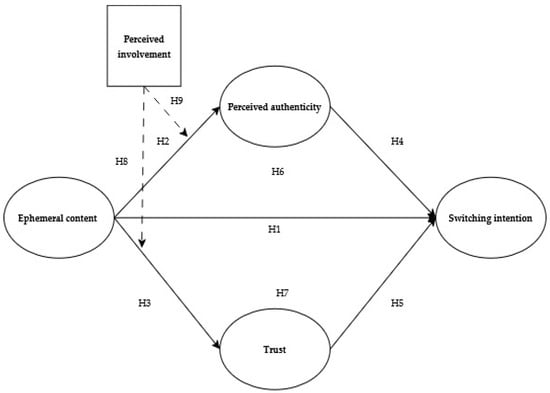
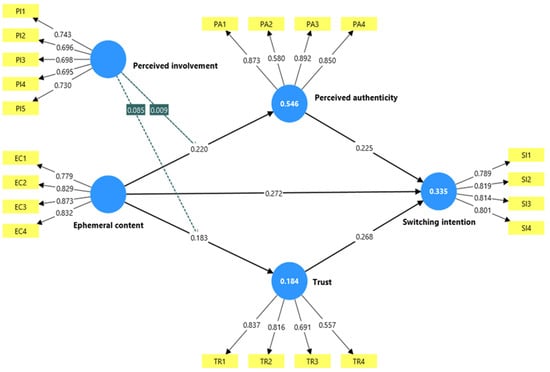

Disclaimer/Publisher’s Note: The statements, opinions and data contained in all publications are solely those of the individual author(s) and contributor(s) and not of MDPI and/or the editor(s). MDPI and/or the editor(s) disclaim responsibility for any injury to people or property resulting from any ideas, methods, instructions or products referred to in the content. |
© 2026 by the authors. Licensee MDPI, Basel, Switzerland. This article is an open access article distributed under the terms and conditions of the Creative Commons Attribution (CC BY) license.