


Abstract
Enteric methane (CH4) emissions from dairy and beef cattle are a major source of agricultural greenhouse gases, creating a need for mitigation strategies that are effective, permanent, and economically sustainable. This review evaluates the current status of methane traits in cattle breeding programs and examines opportunities and challenges associated with incorporating methane into national breeding objectives. Published evidence on methane phenotyping technologies, quantitative genetics, genomic prediction, economic valuation, and international breeding initiatives was synthesized. In addition, mechanistic forecasting and Monte Carlo simulation models were used to assess the potential long-term contribution of methane-inclusive breeding programs to greenhouse gas mitigation under different genetic gain and adoption scenarios through 2050. Available evidence indicates that methane emissions are moderately heritable and amenable to genetic selection, yet methane remains absent from most commercial multi-trait selection indices. Simulation analyses suggest that incorporating methane-specific traits into breeding objectives could generate cumulative and permanent reductions in greenhouse gas emissions while increasing economic value under evolving carbon-pricing frameworks. Successful implementation will require expanded phenotyping, standardized genomic evaluations, appropriate index construction, and international collaboration. Integrating methane traits into national breeding objectives represents a practical and scalable strategy that complements nutritional, managerial, and technological mitigation approaches while supporting climate-smart, sustainable, and resilient cattle production.
1. Introduction
Agriculture is a major contributor to anthropogenic greenhouse gas (GHG) emissions, with ruminant livestock systems playing a particularly important role because of the production of enteric methane (CH4) during digestion. In dairy cattle, CH4 is produced primarily through microbial fermentation in the rumen, where methanogenic archaea convert hydrogen and carbon dioxide into CH4 as a metabolic by-product. This process not only represents energy loss for the animal but also contributes to global warming. Methane is a short-lived but highly potent greenhouse gas, with a global warming potential approximately 28–34 times greater than carbon dioxide over a 100-year time horizon [1,2]. As such, reducing enteric CH4 emissions has become a central objective in agricultural climate change mitigation frameworks.
The urgency of addressing agricultural emissions is heightened by continued growth in global demand for dairy and meat products, driven by population increases, urbanization, and dietary shifts. This creates a dual challenge: improving production efficiency to meet nutritional demands while simultaneously reducing the environmental footprint of dairy and beef systems. Traditional mitigation strategies have focused on management-based interventions, including dietary manipulation (e.g., lipid supplementation or forage quality improvement), feed additives such as CH4 inhibitors, improved manure management practices, and enhanced herd management systems. These approaches can yield meaningful short-term reductions in emissions, but they are often limited by cost, practicality, variability in adoption, and the need for ongoing implementation [3,4].
In contrast, genetic selection offers a fundamentally different and potentially more sustainable solution. Genetic improvement is cumulative, permanent, and self-propagating across generations, meaning that once favorable alleles are selected, their effects persist without continued intervention. This makes breeding a particularly attractive strategy for long-term climate mitigation. Moreover, advances in genomic selection, high-throughput phenotyping, and large-scale data integration have significantly improved the ability to identify and select animals with desirable production, health, and efficiency traits [5,6]. These technological developments have enabled substantial genetic progress in dairy cattle over recent decades, particularly in traits such as milk yield, fertility, and longevity.
Despite these advances, integration of environmental sustainability traits, particularly CH4 emissions, into national breeding objectives remains limited. Although some progress has been made in developing methane-related genomic evaluations in countries such as Canada and Spain, these traits are generally implemented as stand-alone indicators rather than as components of multi-trait selection indices [7]. As a result, their influence on commercial selection decisions is indirect and constrained, limiting the rate at which genetic improvement in CH4 efficiency can be realized at the population level.
Furthermore, many current selection indices incorporate traits that are indirectly related to emissions, e.g., feed efficiency, body maintenance, and productivity. However, these proxy traits do not fully capture the biological variation associated with CH4 production, suggesting that a proportion of heritable variation in enteric CH4 emissions remains unexploited. This raises important questions regarding the completeness of current breeding objectives and the extent to which they align with climate mitigation targets [8].
Previous studies have established genetic variation in enteric methane-related phenotypes and have investigated methane production, methane yield, methane intensity, and residual methane as potential selection criteria. Parallel research has evaluated genomic prediction of methane phenotypes, their relationships with feed intake and production, and the incorporation of environmental costs into breeding objectives. More recently, national and international initiatives have begun translating this evidence into methane breeding values and larger genomic reference populations. However, comparatively few assessments have integrated methane trait definition, phenotyping technology, genetic covariance, economic weighting, producer adoption, and population-level mitigation within a common breeding-objective framework. The present review addresses this gap by linking these components and evaluating their implications for dairy and beef breeding programs.
This review examines the current state of selective breeding for CH4 reduction in dairy cattle, with a focus on the integration of CH4 emission traits into national breeding objectives. It highlights key limitations in data availability and index construction, evaluates ongoing international efforts to develop CH4 genomic evaluations, and assesses potential contributions of genetic selection to achieving net-zero dairy production systems. In doing so, it provides a critical perspective on how breeding programs can evolve to incorporate environmental sustainability alongside traditional economic and production goals, ensuring that future genetic improvement strategies contribute meaningfully to both agricultural productivity and climate change mitigation.
The objectives of this review are to: (1) examine the current status of methane (CH4) traits in cattle genetic evaluation systems; (2) evaluate limitations of existing breeding objectives and the challenges associated with integrating CH4 emissions into national selection indices; (3) review methane phenotyping technologies, genetic parameters, genomic prediction approaches, and economic valuation frameworks relevant to methane-inclusive breeding programs; (4) assess the potential contribution of methane-focused genetic selection to national and global greenhouse gas mitigation goals through forecasting and mechanistic simulation models; (5) examine implementation opportunities and constraints across major dairy and beef production regions worldwide; and (6) identify biological limitations, economic trade-offs, and future research priorities required to support methane-inclusive breeding strategies for climate-smart livestock production. Collectively, these objectives provide an interdisciplinary framework for evaluating how genetic improvement can contribute to long-term greenhouse gas mitigation while maintaining productivity, profitability, animal health, and sustainability within global livestock systems.
2. Current Status of Methane Traits in Genetic Evaluation
At present, there is no widely adopted commercial selection index that explicitly incorporates enteric CH4 emissions as a core trait within a multi-trait breeding objective for dairy cattle. Selection indices in modern animal breeding are typically constructed as weighted aggregates of economically important traits, including production efficiency, fertility, health, and longevity, with increasing attention also being given to environmental sustainability. These indices are designed to reflect the overall economic merit of animals under commercial conditions, ensuring balanced genetic progress across multiple trait categories. However, despite growing recognition of the importance of reducing greenhouse gas emissions from livestock systems, CH4 has not yet been systematically integrated into most national or international breeding objectives [9,10,11].
In recent years, some progress has been made toward the development of methane-related genetic evaluations. Notably, Canada and Spain have taken steps toward quantifying genetic variation in enteric CH4 production and incorporating these measurements into routine genetic evaluation systems. Methane emissions have sufficient heritable variation to support genetic improvement [12,13]. These developments represent important milestones in livestock genomics, as they confirm that CH4 output is not solely an environmental or management-driven trait but also has a measurable genetic component that can be altered by selection.
However, despite these advancements, methane traits in current systems are typically applied as independent evaluations rather than being incorporated into broader selection indices. Consequently, CH4 breeding values are reported separately from economic selection indices such as national total merit indexes or lifetime performance measures. This allows breeders and researchers to monitor genetic trends in CH4 emissions; however, it does not ensure that CH4 reduction is directly incorporated into selection decisions at the farm level. As a result, adoption of methane-efficient genetics remains largely optional rather than embedded within routine breeding strategies.
This distinction is critically important. Stand-alone traits serve primarily as informational or benchmarking tools, providing insights into genetic variation and population trends. However, without inclusion in a weighted multi-trait selection index, these traits exert limited influence on selection pressure. In commercial breeding systems, selection decisions are overwhelmingly driven by aggregate indices rather than individual trait values. Consequently, CH4 traits that are not incorporated into these indices are unlikely to achieve widespread genetic progress, regardless of their estimated heritability or potential environmental benefits [14].
Furthermore, the absence of CH4 from integrated breeding objectives limits the ability to balance environmental and economic selection goals simultaneously. Without formal inclusion in selection indices, CH4 reduction relies on voluntary uptake or indirect selection through correlated traits, which may not fully capture the underlying genetic variation in CH4 production. Therefore, although scientific progress has been made in quantifying CH4 traits, their translation into widespread commercial genetic improvement remains in its initial stages [15].
3. Limitations of Current Breeding Objectives
Although several environmental and sustainability-focused selection indices have been developed in recent years, integration of greenhouse gas emissions into breeding objectives remains largely indirect. Some national and regional breeding programs have introduced environmental weighting into existing trait frameworks, incorporating economic penalties or adjustments related to greenhouse gas outputs. Examples include initiatives reported by Richardson et al. (2025), Silva Neto et al. (2024), the Irish Cattle Breeding Federation (ICBF, 2022), and the Global Methane Hub (2021) [16,17,18,19]. These approaches represent important progress toward environmentally conscious breeding systems; however, they predominantly rely on proxy indicators rather than direct measurement of CH4 emissions [10,20].
In most current breeding objectives, CH4 mitigation is achieved indirectly through correlated traits such as feed efficiency, milk yield per unit input, fertility performance, and maintenance requirements. Although these traits are biologically related to CH4 output, they do not fully capture the complexity of enteric CH4 production. Methane emissions are influenced by a combination of rumen microbial ecology, feed digestibility, animal physiology, and host genetics. As a result, relying solely on correlated traits risks overlooking a substantial portion of genetic variation that is specific to CH4 production pathways [3,4].
A major constraint limiting the inclusion of CH4 as a direct selection trait is the limited availability of high-quality phenotypic and genomic data. Current datasets are insufficient in size and scope to support robust, large-scale genetic evaluation systems that directly optimize CH4 emissions within commercial breeding programs [16]. Methane phenotyping is technically complex, costly, and often requires specialized measurement technologies such as respiration chambers, GreenFeed systems, laser CH4 detectors, or indirect proxies derived from mid-infrared milk spectroscopy [12]. These limitations restrict data collection at the population scale and reduce the statistical power and reliability of genomic prediction models.
Reliance on limited datasets has important consequences for breeding objective design. In the absence of robust methane-specific evaluations, national breeding programs continue to prioritize traditional economic and production traits. Although this ensures continued genetic gain in productivity, it constrains progress in environmental sustainability. Moreover, without sufficient data, it is difficult to accurately estimate genetic correlations between CH4 emissions and other economically important traits, increasing uncertainty in selection index construction.
Consequently, a comprehensive national breeding objective that explicitly integrates CH4 traits, along with appropriately calibrated emission coefficients for correlated traits, is still absent in most dairy breeding systems. This is an important structural gap between current genetic selection frameworks and emerging climate policy targets. As governments and industry stakeholders increasingly commit to net-zero emissions pathways, the absence of CH4 in formal selection indices limits the ability of genetic improvement programs to contribute fully to mitigation strategies.
Beyond these limitations, practical implementation presents several interrelated challenges, including inconsistent methane trait definitions, heterogeneous phenotyping technologies, small reference populations, uncertain genetic correlations, potential genotype-by-environment interactions, risk of double-counting correlated efficiency traits, uncertain economic valuation, unequal genomic infrastructure, and variable producer adoption. Potential solutions include harmonized phenotype definitions and measurement protocols, calibration across recording technologies, expansion and international sharing of methane reference populations, multivariate genomic evaluations, restricted or desired-gain selection indices, periodic recalibration of economic weights, region-specific validation, and strategic phenotyping of nucleus or reference populations where population-wide recording is impractical. These measures will be essential for translating methane genetic evaluations from research applications into robust commercial breeding objectives.
4. Methane Mitigation in the Context of Global Climate Policy
Reducing enteric methane (CH4) emissions from livestock has become a central component of international climate mitigation strategies because methane is a highly potent greenhouse gas with a relatively short atmospheric lifetime. Unlike carbon dioxide (CO2), which can persist in the atmosphere for centuries, methane remains in the atmosphere for approximately 12 years but exerts a substantially greater warming effect over shorter time horizons. Consequently, reducing methane emissions is widely recognized as one of the most effective opportunities for slowing near-term global warming while supporting longer-term decarbonization efforts. Within the agricultural sector, livestock production accounts for a substantial proportion of anthropogenic methane emissions, primarily through enteric fermentation in ruminants. As a result, genetic approaches aimed at reducing methane production are increasingly being considered within broader climate policy frameworks alongside nutritional, management, and technological mitigation strategies [1,20,21,22,23].
4.1. Paris Agreement and Livestock Emissions
The adoption of the Paris Agreement in 2015 established a global framework for limiting average temperature increases to well below 2 °C above pre-industrial levels while pursuing efforts to limit warming to 1.5 °C. Achieving these targets requires substantial reductions in greenhouse gas emissions across all sectors, including agriculture. Although the Paris Agreement does not prescribe specific mitigation measures for livestock systems, it has stimulated national and regional efforts to identify practical pathways for reducing agricultural emissions while maintaining food security and economic sustainability. Livestock methane has emerged as a priority because of its significant contribution to agricultural greenhouse gas inventories and the potential for relatively rapid climate benefits from emission reductions [1,20,22,23]. Consequently, livestock breeding, feed management, manure management, and methane-inhibiting technologies are increasingly being evaluated as components of national climate strategies.
4.2. Global Methane Pledge
Momentum for methane mitigation accelerated further with the launch of the Global Methane Pledge during the 2021 United Nations Climate Change Conference (COP26). Participating countries committed to collectively reducing global methane emissions by at least 30% from 2020 levels by 2030. Because agriculture contributes approximately 40% of anthropogenic methane emissions globally, livestock systems are expected to play a significant role in achieving these reductions [2,18,20,22,23]. While much attention has focused on feed additives and management interventions, genetic improvement offers a complementary strategy capable of generating permanent and cumulative reductions in methane emissions over time [10,11,24,25,26]. Unlike management-based interventions that require continual implementation, favorable genetic changes accumulate across generations and remain embedded within livestock populations. Consequently, methane-inclusive breeding programs represent a potentially valuable long-term component of national methane reduction strategies.
4.3. FAO Roadmap and Net-Zero Livestock Systems
The Food and Agriculture Organization of the United Nations (FAO) has emphasized the importance of reducing livestock-sector emissions within broader sustainability and food-system transformation initiatives. Recent FAO roadmaps for achieving climate-neutral agri-food systems identify productivity improvements, enhanced resource-use efficiency, improved animal health, and genetic innovation as key mechanisms for reducing emissions intensity while maintaining food production [20,27]. Within this framework, methane-inclusive breeding objectives align closely with the concept of sustainable intensification, whereby livestock productivity and environmental performance improve simultaneously [11,24,25,27]. By reducing methane emissions per unit of milk or meat produced, genetic selection contributes to both climate mitigation and resource-use efficiency, thereby supporting multiple sustainability objectives.
4.4. Nationally Determined Contributions (NDCs)
Under the Paris Agreement, countries establish Nationally Determined Contributions (NDCs) that outline their greenhouse gas mitigation commitments and pathways toward emissions reduction. Many nations with significant livestock sectors, including the United States, Canada, New Zealand, Australia, Ireland, Brazil, and several European Union member states, have identified agricultural methane as an important target for future mitigation efforts [18,20,22,23,27]. Although current NDCs primarily emphasize management practices, renewable energy adoption, and technological innovations, increasing attention is being directed toward the role of genetic improvement as a complementary mitigation pathway. Incorporating methane traits into national breeding objectives could provide a measurable and verifiable mechanism for supporting agricultural contributions toward NDC targets while preserving livestock productivity and economic viability [10,22,25,26,28].
4.5. Carbon Markets and Economic Incentives
The emergence of carbon markets and climate-related financial incentives further strengthens the potential value of methane-inclusive breeding programs. Voluntary and compliance-based carbon markets increasingly recognize agricultural greenhouse gas mitigation activities, creating opportunities for livestock producers to receive economic benefits from emission reductions. Carbon pricing mechanisms, emissions trading systems, and carbon-credit programs provide financial signals that can influence breeding objectives and selection decisions [29,30,31,32]. As carbon values increase and climate policies become more stringent, the economic importance of methane emissions within livestock production systems is likely to grow [16,28,29,30,31,32,33]. This may create additional incentives for incorporating methane-related traits into breeding indices and could accelerate adoption of low-emission genetics. However, successful integration will require robust methodologies for quantifying genetic contributions to methane mitigation and translating those reductions into verifiable carbon-market outcomes.
4.6. Implications for Climate-Smart Livestock Production
Collectively, international climate agreements, methane-reduction initiatives, FAO sustainability frameworks, national emissions commitments, and emerging carbon markets are creating a policy environment that increasingly favors incorporation of environmental traits into livestock breeding programs. Methane-focused genetic selection is uniquely positioned within this landscape because it offers a permanent, cumulative, and scalable mitigation strategy that complements nutritional, management, and technological interventions [10,11,24,25,26,27]. As governments and industries intensify efforts to achieve net-zero agriculture and climate-neutral food systems, inclusion of methane traits within national breeding objectives may become an essential component of climate-smart livestock production. Ultimately, successful integration of methane mitigation into breeding programs will depend on continued advances in phenotyping, genomic prediction, economic valuation, and international collaboration, ensuring that genetic improvement contributes meaningfully to global climate goals while maintaining food security, profitability, and animal well-being.
5. Need for a National Breeding Objective Incorporating Methane
Development of a national breeding objective that explicitly includes enteric CH4 emissions is increasingly recognized as a critical step in aligning livestock genetic improvement with global climate mitigation targets. National breeding objectives are the foundation for selection decisions in commercial dairy populations, integrating multiple economically and functionally important traits into a single index that reflects overall animal merit. Traditionally, these objectives have focused on production efficiency, fertility, health, and longevity. However, the growing urgency of reducing agricultural greenhouse gas emissions necessitates explicit inclusion of environmental traits, particularly CH4, within these frameworks. Incorporating CH4 directly into breeding objectives would enable sustained genetic reduction in emissions while maintaining balanced progress in economically important traits such as milk yield, reproductive performance, and productive lifespan [16,24,34].
Recent research indicates that the inclusion of a direct CH4 trait, combined with emission coefficients for correlated traits, can substantially enhance the accuracy and effectiveness of selection for greenhouse gas mitigation [7,8,9,17]. This integrated approach provides a more biologically realistic representation of the complex pathways influencing CH4 production, including rumen microbial activity, feed digestion efficiency, and host genetic factors. By explicitly accounting for CH4 variation rather than relying solely on proxy traits, breeding programs can more effectively target the underlying genetic architecture of emissions. This leads to improved selection response and a greater cumulative reduction in emissions over time [12,35].
Importantly, several international initiatives are already advancing toward operational implementation of methane-inclusive breeding strategies. The Canadian dairy industry has taken a leading role by launching the first official genomic evaluation system for CH4 efficiency [36]. This represents an important milestone in translating research findings into practical breeding tools. In parallel, large-scale collaborative initiatives such as the Resilient Dairy Genome Project [37] are facilitating international data sharing across countries including Australia, Canada, Denmark, Germany, Spain, Switzerland, and the United States. These efforts focus on integrating genotypic and phenotypic data related to CH4 emissions, feed intake, and animal resilience, thereby strengthening the foundation for more accurate genomic predictions.
Complementary programs such as Re-Livestock (https://re-livestock.eu/, accessed on 1 May 2026) [38] and the Global Methane Hub–Agriculture initiative (https://www.globalmethanehub.org/agriculture/, accessed on 4 May 2026) [18] further reinforce global coordination in addressing CH4 emissions from livestock systems. Collectively, these initiatives highlight a clear international trajectory toward inclusion of CH4 traits in formal breeding objectives. However, achieving full implementation at the national scale will require continued investment in phenotyping infrastructure, data harmonization, and genomic evaluation methodologies.
6. Structuring Methane in Selection Indices
A central challenge in integrating CH4 into national breeding objectives is appropriate placement and weighting within multi-trait selection indices. Selection indices are designed to optimize genetic gain across multiple traits simultaneously by assigning economic or relative weights that reflect each trait’s contribution to overall breeding goals. However, CH4 presents unique methodological challenges due to its biological relationship with several existing traits already included in breeding indices, e.g., feed efficiency, body maintenance, fertility, and longevity. These interrelationships create a risk of redundancy and double-counting if CH4 is incorporated without careful statistical adjustment [35,39].
Accordingly, CH4 should not be incorporated by simply assigning an additional independent weight to an existing selection index. Rather, methane-inclusive indices should be constructed using the complete additive-genetic and phenotypic variance–covariance structure among CH4 and existing traits, including feed intake or feed efficiency, milk or meat production, fertility, health, longevity, and maintenance requirements. Within selection-index theory, economic values define the aggregate breeding objective, whereas genetic and phenotypic covariances among selection criteria determine their optimal index coefficients. Genetic effects shared between CH4 and existing traits are therefore represented through the covariance structure rather than counted independently.
Various breeding systems offer alternative approaches to addressing this issue. For example, in Canada’s Lifetime Performance Index (LPI), expressed as a unitless composite score, CH4 could be incorporated as a sub-index without requiring explicit economic valuation. This provides flexibility in integrating environmental traits without fundamentally restructuring the economic model. However, even in such systems, careful attention must be paid to traits such as Herd Life, which may already capture aspects of efficiency and longevity that are indirectly correlated with emissions. Failure to adjust for these relationships could inflate the overall emphasis on durability-related traits and reduce index balance.
Where uncertainty in genetic covariance estimates remains substantial, restricted or desired-gain indices may provide an additional safeguard by allowing methane reduction while constraining undesirable correlated responses in productivity, fertility, health, longevity, or other functional traits. As methane reference populations increase, genetic covariance estimates and index weights should be periodically re-estimated and validated against realized correlated responses. This iterative approach will be important for maintaining index balance as methane phenotyping expands and the underlying genetic relationships among traits become more precisely estimated.
7. Contribution to Net-Zero Dairy 2050 Targets
One of the most compelling motivations for incorporating CH4 into national breeding objectives is its potential contribution to achieving net-zero greenhouse gas emissions in dairy production systems by 2050. Modeled results from the current study indicate that a one-standard deviation improvement in a greenhouse gas selection index could result in a reduction of ~168.75 kg CO2e per cow. When extrapolated across national dairy populations, such reductions represent a substantial cumulative mitigation potential and highlight the strategic importance of genetic selection as a long-term climate solution [21,40].
The magnitude of this genetic impact becomes even more significant when considered across generations. Assuming a genetic gain period of ~10 years under current selection intensities in populations such as the Canadian dairy herd, these improvements could contribute meaningfully to national emissions reduction trajectories [7,11,41]. However, realized genetic gains are highly dependent on several interacting factors, including selection intensity, accuracy of genomic prediction, and availability of high-quality phenotypic data [5,14].
As genomic technologies continue to advance, and CH4 phenotyping becomes more widespread, prediction accuracy should improve. High-throughput tools such as mid-infrared spectroscopy and laser CH4 detection are increasing data availability at scale [23,31,35,42]. This will enhance reliability of estimated breeding values for CH4 and accelerate genetic progress. In addition, increasing policy and industry emphasis on sustainability is likely to intensify selection pressure on environmental traits, further enhancing response to selection. Therefore, the contribution of genetic selection to CH4 mitigation is likely to increase over time [22,23,32,33].
At the farm level, variation in selection intensity also plays a crucial role in determining realized outcomes. Herds that adopt more aggressive selection strategies than national averages may achieve faster genetic gains and greater reductions in emissions. This highlights the importance of farmer engagement and decision-making in translating national breeding objectives into on-farm environmental impacts. Consequently, genetic selection should be viewed not as a standalone solution but as a key component of an integrated mitigation strategy that includes management and technological interventions [4].
8. Integration with Existing Economic Traits
A fundamental consideration in the development of methane-focused breeding objectives is ensuring that environmental improvements can be achieved without compromising economic performance in dairy cattle populations. Historically, breeding programs prioritized traits directly associated with farm profitability, including milk yield, reproductive efficiency, health status, and longevity [10,25]. The challenge in incorporating environmental traits such as enteric CH4 lies in maintaining genetic progress in these economically important traits while simultaneously reducing greenhouse gas emissions. Achieving this balance is central to sustainable intensification, whereby productivity and environmental performance are improved concurrently rather than in opposition.
Evidence from the present study indicates that this balance is achievable through carefully structured selection index design. The greenhouse gas (GHG) index evaluated in this research was aligned with the three primary components of the Canadian LPI, i.e., production, durability, and health and fertility [36], collectively representing core economic drivers of dairy profitability. Importantly, inclusion of CH4 within this framework did not disrupt the favorable genetic trends observed in these categories. Instead, all three LPI components continued to show positive responses to selection when CH4 was incorporated, demonstrating that environmental and economic objectives are not mutually exclusive under an appropriately balanced index structure [43].
This outcome reinforces a key principle of quantitative genetics and modern animal breeding: multi-trait selection allows for simultaneous improvement of multiple objectives, provided that appropriate weighting factors are applied [44]. In this context, CH4 can be integrated as an additional selection criterion without reducing progress in productivity or functional traits. This is particularly important because it challenges the long-standing assumption that environmental sustainability necessarily comes at the expense of economic efficiency. Instead, it appears that carefully calibrated selection indices can support dual-purpose breeding goals, improving both profitability and environmental performance over time.
Integration of CH4 into breeding objectives requires ongoing refinement and recalibration. Genetic trends are dynamic and evolve as selection pressure changes, population structures shift, and new data become available. Consequently, emissions reduction potential associated with any given index configuration must be periodically re-estimated; this includes updating trait weights, reassessing genetic correlations, and validating predicted responses against observed performance. Without such iterative refinement, there is a risk that index accuracy may decline over time, leading to suboptimal selection decisions.
Ultimately, successful integration of CH4 into existing economic trait frameworks depends on the ability to maintain equilibrium between profitability and sustainability. The evidence presented here suggests that this balance is achievable if selection indices are designed using robust genetic models and continuously updated to reflect emerging biological and economic knowledge.
9. The Added Value of a Methane-Specific Trait
An important finding from recent research is that inclusion of a methane-specific trait within selection indices provides additional greenhouse gas mitigation benefits beyond those achieved through correlated traits alone [12,35]. In the current study, explicit incorporation of CH4 efficiency into the selection index resulted in an additional reduction of ~30 kg CO2e per cow [16]. This may appear modest at the individual-animal level, but it represents a substantial cumulative impact when scaled across national dairy populations over multiple generations.
An important distinction is required among absolute methane production, methane yield, methane intensity, and residual methane emission. These phenotypes are related but are not interchangeable breeding traits. Selection directly against absolute CH4 production may inadvertently favor animals with lower feed intake, body size, or production. Methane intensity incorporates productive output but is mathematically coupled to the denominator and may therefore respond to changes in production independently of methane biology. Methane yield expresses CH4 relative to feed intake and is useful for characterizing fermentation efficiency. Where adequate individual feed-intake and production records are available, residual methane emission may provide a particularly useful selection phenotype because it represents methane production after adjustment for expected emissions associated with intake and relevant production or maintenance requirements. We therefore favor incorporation of a methane-specific phenotype, preferably residual methane where reliably estimable, rather than unadjusted absolute methane production as an isolated selection objective. The final trait definition should nevertheless be population-specific and evaluated jointly with the complete genetic covariance structure of the national breeding objective.
The additional response obtained from a methane-specific trait indicates that methane production contains heritable variation that is not fully captured by existing proxy traits such as feed efficiency, milk production, or body maintenance requirements [12,35]. Although these traits share physiological and metabolic relationships with CH4 production, methane formation is also influenced by variation in rumen fermentation, microbial ecology, hydrogen utilization, and host genetic regulation [15,45]. Consequently, selection based exclusively on correlated production or efficiency traits is unlikely to exploit the full genetic potential for methane mitigation [10,12,35].
Inclusion of an appropriately defined methane-specific trait can therefore complement, rather than replace, existing production and functional traits within a balanced breeding objective [12,35]. Its contribution should be determined through multivariate selection-index methodology that accounts for genetic covariance with feed intake, production, fertility, health, longevity, and other economically relevant traits [35,39,44]. This approach enables additional selection pressure on methane-specific genetic variation while minimizing redundancy with traits already represented in the index [10,35,39].
10. Methane Phenotyping, Genetic Parameters, and Economic Valuation for Breeding Programs
Methane emissions from cow breath, recorded using non-dispersive infrared units or “sniffers,” have been validated in small studies as an accurate method for measuring CH4 intensity [35,46,47,48]. Compared with other CH4 measurement techniques, the sniffer method is more affordable, scalable, and can be readily integrated into existing milking systems [38]. Methane concentrations measured using sniffers had a phenotypic standard deviation ranging from 65 to 137 ppm [28,39,41,42,43,47,49,50], whereas h2 estimates ranged from 0.10 to 0.26 [39,42,43]. In addition, several genetic correlations have been reported between CH4 production or intensity and traits already included in the Dutch national breeding goal selection index [46,47,51].
The reported heritability range of approximately 0.10–0.26 should not, however, be interpreted as a universal parameter applicable to all cattle populations. Available estimates differ according to breed and population, methane phenotype, measurement technology, diet, production level, physiological stage, management system, and statistical model. Furthermore, much of the available genetic evidence originates from populations with relatively well-developed methane phenotyping and recording infrastructure. Thus, the principal inference from the published range is that methane-related phenotypes contain exploitable additive genetic variation, rather than that a single heritability range can be extrapolated without qualification to the global cattle population. In the forecasting model, this range was therefore treated as a literature-informed uncertainty range for scenario analysis. Region- and population-specific genetic parameters should be used as larger methane reference populations become available.
Comparability among methane phenotyping technologies also requires caution. Respiration chambers, GreenFeed systems, breath-sampling “sniffers,” laser methane detectors, and milk mid-infrared spectroscopy differ in measurement duration, sampling frequency, environmental control, units of measurement, and whether CH4 is measured directly or predicted indirectly. Consequently, measurements obtained from these technologies should not be regarded as directly interchangeable observations. Harmonization for genetic evaluation requires standardized trait definitions and units, technology-specific calibration and quality control, adequate repeated measurements, adjustment for diet, physiological stage, and management, and, where appropriate, multivariate genetic models that treat observations from different technologies as correlated rather than identical traits. In this review, estimates derived using different platforms were therefore considered collectively as evidence for the broader genetic architecture of methane production but were not mathematically pooled as a single directly comparable methane phenotype.
Carbon Price
The economic value of CH4 production included in the selection index was derived from the shadow price of carbon dioxide (CO2). This was based on the expected CO2 shadow price for 2025 reported in the UK Government publication “Updated short-term traded carbon values used for modelling purposes”. The applied value was €36.19 per ton CO2e, converted using the exchange rate at the time of analysis [1,3,29].
This CO2 shadow price was then converted into an equivalent economic value for CH4 production [1,3]. The conversion accounted for several factors: the direction of selection on CH4 (negative, hence multiplication by −1), the global warming potential of CH4 (used to convert CO2-equivalent to CH4), unit conversion from grams to tons (÷1,000,000) [21], and temporal scaling from daily CH4 measurements to an annual breeding index (×365) to ensure consistency with other traits expressed on a yearly basis. Overall, this calculation resulted in an economic value of €0.37 per gram of CH4 per day on an annualized basis.
The €36.19 t−1 CO2e value and GWP100 conversion were used as a transparent policy-linked reference case rather than as universal economic constants [1,3,39]. Under this formulation, the economic weight assigned to methane changes approximately in proportion to the assumed CO2-equivalent carbon price and the selected CH4-to-CO2e conversion factor. Thus, higher carbon prices increase the economic penalty assigned to methane and, all else being equal, increase selection emphasis on CH4 reduction, whereas lower carbon prices reduce that emphasis. Alternative methane valuation frameworks, particularly methane-specific social-cost approaches, may generate different weights because they incorporate assumptions regarding atmospheric lifetime, future damages, and discounting rather than relying solely on a fixed physical-equivalence metric [30,31,32,33].
In contrast, the United States does not typically derive CH4 values from CO2 shadow price conversions. Instead, CH4 is valued using the Social Cost of Greenhouse Gases framework, where the Social Cost of Methane (SC-CH4) is estimated directly from integrated assessment models that account for methane’s radiative forcing, atmospheric lifetime, and climate damages [30,31]. Federal estimates developed under the U.S. Interagency Working Group and applied by the Environmental Protection Agency generally place the SC-CH4 in the range of approximately $900–1500 per ton CH4, depending on discount rate assumptions and model specification [31,32].
Although some agricultural economic studies in the U.S. still apply simplified CO2-equivalent approaches (i.e., multiplying CO2 shadow prices by a GWP factor), this method is considered an approximation and is less commonly used in formal regulatory analysis [3,33]. Instead, the SC-CH4 approach is preferred because it avoids reliance on fixed global warming potentials and captures methane-specific climate dynamics more explicitly.
Economic valuation of CH4 emissions is critical to integrating greenhouse gas mitigation into livestock breeding objectives. However, there is no single standardized approach, with regions and policy frameworks applying various methods for assigning value to emissions. To clarify these differences and their implications for breeding index development, a harmonized comparison of major CH4 valuation frameworks used in EU/UK, U.S., and FAO/IPCC contexts is presented in Table 1.
Table 1.
Harmonized comparison of methane (CH4) economic valuation approaches across EU/UK, U.S., and FAO/IPCC frameworks.
Interpretation:
- The EU/UK column represents a market-linked proxy valuation suitable for breeding index integration.
- The U.S. column reflects a damage-function approach (welfare-based economic cost of emissions).
- The FAO/IPCC column is not a pricing system at all, but a standardized accounting framework used for inventory and cross-country comparability.
Methodological distinction between GWP-based monetization and SC-CH4: The GWP-based monetization approach (i.e., converting CO2 shadow prices to CH4 values using a fixed global warming potential) is fundamentally different from the Social Cost of Methane (SC-CH4) framework used in U.S. policy analysis. The GWP method assumes a linear and time-invariant equivalence between gases (e.g., CH4 = 28 × CO2 over a 100-year horizon), implying that climate impacts scale proportionally with radiative forcing alone. In contrast, SC-CH4 is derived from integrated assessment models that explicitly simulate methane’s atmospheric decay, radiative efficiency, carbon–climate feedback, and economic damages over time. As a result, SC-CH4 reflects marginal welfare losses in monetary terms, whereas GWP-based methods represent physical equivalence in CO2 terms without direct linkage to economic damage functions. Consequently, applying a CO2 shadow price via GWP conversion does not yield a welfare-consistent estimate of methane’s social cost and should be interpreted as a proxy suitable for accounting or relative comparison purposes rather than as a true damage-based valuation.
11. Projection of Greenhouse Gas Mitigation Through Methane-Focused Genetic Selection in the Global Dairy Industry
To illustrate the potential contribution of genetic selection to climate mitigation at a global scale, a forecasting model was developed to evaluate greenhouse gas (GHG) reductions resulting from the incorporation of enteric methane (CH4) emissions into dairy cattle breeding objectives. The model was based on an estimated global dairy cattle population of approximately 265 million animals and examined the cumulative effects of methane-focused genetic improvement between 2025 and 2050. Three scenarios representing low, moderate, and high levels of genetic progress and producer adoption were evaluated to capture potential variation in realized outcomes across diverse production systems worldwide.
Model projections indicated that sustained incorporation of methane-related traits into breeding objectives could generate substantial reductions in carbon dioxide-equivalent (CO2e) emissions over time. Annual mitigation increased progressively as favorable alleles accumulated within populations and improved genetics diffused through replacement animals. Under the moderate adoption scenario, annual mitigation approached approximately 1.8 million t CO2e yr−1 by 2050, whereas high-adoption scenarios exceeded 2.7 million t CO2e yr−1. Cumulative mitigation benefits increased continuously throughout the simulation period because genetic improvement is permanent and additive across generations.
The economic value of avoided methane emissions also increased substantially over time under dynamic carbon-pricing assumptions. Depending on adoption rates and selection intensity, cumulative economic benefits exceeded €0.5–1.3 billion by 2050, demonstrating the potential financial value associated with methane-focused breeding programs. Comparisons with illustrative global methane-reduction targets further indicated that genetic selection can contribute meaningfully to long-term climate mitigation objectives, although breeding alone is unlikely to achieve net-zero emissions without complementary nutritional, management, and technological interventions (Figure 1).
Figure 1.
Global Forecasting Model for Genetic Mitigation of Enteric Methane in Dairy Cattle (2025–2050). Projected greenhouse gas mitigation achieved through incorporation of enteric methane (CH4) emissions into dairy cattle breeding objectives for a hypothetical dairy population of 1 million cows from 2025 to 2050. Three genetic selection scenarios were evaluated, representing low, moderate, and high selection intensity and adoption rates. (Panel (A)) illustrates annual reductions in carbon dioxide-equivalent (CO2e) emissions, demonstrating increasing mitigation potential with greater genetic progress and selection pressure. (Panel (B)) presents cumulative CO2e reductions over time, highlighting the permanent and additive nature of genetic improvement across successive generations. (Panel (C)) shows the cumulative economic value of avoided emissions, calculated using a carbon value of €36.19 * per ton CO2e, illustrating the increasing financial benefits associated with sustained genetic mitigation. (Panel (D)) compares projected annual emission reductions under moderate and high selection scenarios with an illustrative national dairy-sector emissions-reduction target, demonstrating the extent to which methane-focused breeding programs may contribute toward climate mitigation goals. 1 euro (€) = 1.17 U.S. dollars (USD).
The three scenarios should be interpreted as alternative implementation pathways rather than deterministic predictions. The low scenario represents conditions in which methane phenotyping remains relatively limited, genomic prediction accuracy and selection pressure are modest, and uptake of methane-inclusive genetics proceeds slowly. The moderate scenario represents progressive expansion of methane recording and genomic evaluation accompanied by intermediate selection pressure and producer adoption. The high scenario represents more rapid development of reference populations, greater prediction accuracy and selection intensity, and faster dissemination of low-methane genetics. Differences among scenarios increase over time because favorable genetic changes accumulate across generations and are progressively disseminated through herd replacement. Thus, the scenario comparison illustrates that realized mitigation depends not only on methane heritability but also on prediction accuracy, selection intensity, generation interval, replacement dynamics, and adoption.
The forecasting framework highlights the unique advantage of genetic mitigation strategies. Unlike feed additives, management interventions, or methane inhibitors that require continual implementation, favorable genetic changes become permanently embedded within livestock populations and continue delivering environmental benefits across successive generations.
- Basic model structure
Annual CO2e Reductiont = Nt × Rcow × At
- Nt = dairy cattle population represented in the scenario in year t;
- Rcow = realized per-cow CO2e mitigation resulting from accumulated genetic gain; and
- At = producer adoption rate of methane-inclusive breeding objectives in year t.
- Cumulative mitigation was calculated as the sum of annual CO2e reductions over the simulation period.
This model provides scenario-based estimates of future methane mitigation in the global dairy cattle population but is subject to several limitations. Projections depend on assumptions regarding cattle numbers, productivity, emission intensity, and mitigation adoption, all of which may change over time. Global averages may not fully capture regional differences in genetics, nutrition, management, and environmental conditions. Uncertainty also arises from limited methane measurements in many regions and variability among published emission factors. The model does not explicitly incorporate climate change effects, technological disruptions, or full life-cycle greenhouse gas emissions. Therefore, results should be interpreted as plausible scenarios rather than precise forecasts.
12. Projected Contributions of Genetic Selection for Reduced Enteric Methane Emissions to Global Dairy-Sector Climate Mitigation Goals, 2025–2050
To evaluate the potential global-scale impact of methane-focused genetic selection, a mechanistic forecasting model was developed for the global dairy industry. The model incorporated global dairy population dynamics (approximately 265 million dairy cattle), herd growth and replacement rates, generation intervals (L, 3.0–5.0 years), methane-trait heritability (h2, 0.10–0.26), genomic prediction accuracy (r), selection intensity (i), producer adoption rates, and dynamic carbon pricing within a Monte Carlo simulation framework [52,53,54]. Genetic progress was represented using a mechanistic selection-response framework parameterized by selection intensity, genomic prediction accuracy, generation interval, replacement dynamics, and normalized methane-trait heritability, and was translated into annual and cumulative CO2e reductions through progressive dissemination of improved genetics across global dairy populations (Figure 2).
Figure 2.
Annual Greenhouse Gas Mitigation from Methane-Focused Genetic Selection in Global Dairy Cattle (2025–2050). Projected annual greenhouse gas mitigation achieved through methane-focused genetic selection in the global dairy industry between 2025 and 2050. The mechanistic simulation incorporates global dairy population dynamics (265 million dairy cattle), herd growth and replacement rates, generation intervals (3.0–5.0 years), methane-trait heritability (0.10–0.26), genomic prediction accuracy, selection intensity, producer adoption rates, and dynamic carbon-pricing assumptions. The solid line represents the median annual reduction in carbon dioxide-equivalent (CO2e) emissions, whereas the shaded region indicates the 95% uncertainty interval derived from 10,000 Monte Carlo simulations. The dashed horizontal line represents an illustrative 30% methane-reduction benchmark, while the dotted line represents the estimated annual enteric methane footprint of the global dairy sector. Genetic response was represented by a reference mitigation trajectory scaled by selection intensity, genomic prediction accuracy, generation interval, replacement rate, and a normalized methane-trait heritability multiplier, as described in the Model Assumptions, Uncertainty, and Sensitivity Analysis section. The annual mitigation summary data underlying Figure 2 are available in the associated Zenodo repository as summary_annual_mitigation.csv [55].
Model projections indicated steadily increasing annual mitigation benefits through 2050, reflecting the cumulative and permanent nature of genetic improvement. Median annual greenhouse gas mitigation reached approximately 21.2 million t CO2e yr−1 by 2050, while cumulative avoided emissions approached 195 million t CO2e over the 2025–2050 simulation period (Figure 3). These results demonstrate that methane-inclusive breeding objectives have the potential to contribute meaningfully to long-term climate mitigation strategies within the global dairy sector.
Figure 3.
Cumulative Climate Benefits of Methane-Focused Genetic Selection in Global Dairy Cattle (2025–2050). The cumulative mitigation summary data underlying Figure 3 are available in the associated Zenodo repository as summary_cumulative_mitigation.csv {55].
Projected cumulative greenhouse gas mitigation achieved through sustained genetic improvement for reduced enteric methane emissions in global dairy cattle between 2025 and 2050. The model integrates annual genetic gain, herd turnover, producer adoption, and population dynamics to estimate cumulative avoided carbon dioxide-equivalent (CO2e) emissions. The central line represents median cumulative mitigation, and the shaded area indicates the 95% uncertainty interval. Results illustrate the long-term climate benefits of permanent and cumulative genetic improvements compared with mitigation strategies that require continual implementation. The purpose of the benchmark comparison is to illustrate relative contribution rather than imply that genetic selection alone can achieve the full methane-reduction target.
Under dynamic carbon-pricing assumptions, avoided methane emissions generated substantial economic value, with cumulative benefits reaching approximately €12.2 billion by 2050 (Figure 4). Economic gains increased over time because both methane mitigation and carbon values accumulated throughout the simulation period. Consequently, methane-focused breeding programs may provide not only environmental benefits but also increasing economic incentives as carbon markets and climate-related policies continue to evolve.
Figure 4.
Economic Value of Avoided Methane Emissions Under Dynamic Carbon Pricing Scenarios (2025–2050). The economic-value summary data underlying Figure 4 are available in the associated Zenodo repository as summary_economic_value.csv [55].
Projected cumulative economic value associated with avoided methane emissions resulting from methane-inclusive breeding objectives in global dairy cattle from 2025 to 2050. Economic values were calculated using an initial carbon value of €36.19 t−1 CO2e and annual increases reflecting dynamic carbon-pricing trajectories. The solid line represents the median cumulative economic benefit, whereas the shaded region indicates the 95% uncertainty interval derived from Monte Carlo simulations. Economic benefits accumulate through permanent reductions in methane emissions achieved via genetic selection.
Producer adoption emerged as a critical determinant of realized mitigation potential. Logistic adoption modeling predicted a median global adoption rate of approximately 55% by 2050, although substantial regional variation is expected depending on breeding infrastructure, genomic capacity, policy incentives, and market conditions. Realized per-cow mitigation increased progressively as favorable genetics accumulated within commercial populations, reaching approximately 149 kg CO2e cow−1 yr−1 by 2050 (Figure 5).
Figure 5.
Producer Adoption and Realized Per-Cow Methane Mitigation in the Global Dairy Industry (2025–2050). The producer-adoption and realized per-cow mitigation data underlying Figure 5 are available in the associated Zenodo repository as summary_adoption.csv and summary_per_cow_mitigation.csv, respectively [55].
Comparisons with global dairy-sector methane-reduction benchmarks demonstrated that methane-focused breeding programs can contribute meaningfully toward long-term climate mitigation goals. Although genetic selection alone is unlikely to achieve sector-wide net-zero emissions, it provides a durable, cumulative, and economically sustainable mitigation pathway that complements management, nutritional, and technological approaches within integrated climate-smart dairy production systems.
Predicted trajectories of producer adoption of methane-inclusive breeding objectives and associated realized reductions in enteric methane emissions per dairy cow from 2025 to 2050. The blue line (left y-axis) represents the percentage of global dairy producers adopting methane-focused genetic selection strategies, modeled using a logistic diffusion function. The orange line (right y-axis) represents the realized reduction in greenhouse gas emissions expressed as kilograms of CO2-equivalent (CO2e) per cow per year resulting from accumulated genetic gain. Together, these variables represent key determinants of realized population-level greenhouse gas mitigation potential and demonstrate how increasing adoption accelerates the expression of favorable methane-efficiency genetics within global dairy populations.
Model Assumptions, Uncertainty, and Sensitivity Analysis
The forecasting model was designed to illustrate the potential long-term contribution of methane-focused genetic selection to global greenhouse gas mitigation rather than to provide deterministic predictions. The simulation incorporated uncertainty in global dairy population dynamics, methane-trait heritability (h2 = 0.10–0.26), genomic prediction accuracy, selection intensity, generation interval (3.0–5.0 years), replacement rate (22–35% per year), producer adoption, population growth, and carbon valuation [5,6,12,24,25,26,28,35,41,43,44]. Population and genetic parameters were informed by published evidence, whereas future adoption and carbon-price trajectories were treated as prospective scenario assumptions. Additional methodological details and sensitivity-analysis information are provided in Supplementary Document S1. Detailed model inputs, complete simulation outputs, figure-specific summary datasets, variable definitions, and reproducible Python (version 3.12; Python Software Foundation) code are publicly available in the associated Zenodo repository [55]. The repository includes model_parameters_10000_iterations.csv,annual_outputs_10000_iterations_2025_2050.csv, summary_annual_mitigation.csv, summary_cumulative_mitigation.csv, summary_economic_value.csv, summary_adoption.csv, summary_per_cow_mitigation.csv, data_dictionary.csv, and monte_carlo_model_code.py.
Genetic improvement was implemented as a normalized scaling of the reference mitigation trajectory using heritability, genomic prediction accuracy, selection intensity, generation interval, and replacement rate. Methane-trait heritability was treated as a relative scenario-scaling parameter rather than as a direct estimate of additive genetic standard deviation: the reference trajectory was parameterized at h2 = 0.18, with alternative values scaling mitigation proportionally as h2/0.18. This approach avoids assuming a common phenotypic variance across the heterogeneous methane phenotypes and populations represented in the literature. Accordingly, the heritability term should be interpreted as a relative uncertainty multiplier rather than a direct application of the classical breeder’s equation.
Uncertainty was propagated by simultaneously varying biological, genetic, demographic, adoption, and economic inputs across 10,000 Monte Carlo iterations [33,41,43,44]. Outcomes were summarized as medians and 2.5–97.5th percentile ranges, reported as 95% uncertainty intervals rather than formal confidence intervals. These intervals therefore represent uncertainty arising from the specified model assumptions and should be interpreted as plausible scenario ranges.
Parameter influence was evaluated using partial rank correlation coefficients (PRCC) across the 10,000 iterations. Cumulative mitigation through 2050 was most sensitive to methane-trait heritability (PRCC = 0.931), selection intensity (0.907), genomic prediction accuracy (0.898), maximum producer adoption (0.827), and generation interval (−0.801). Adoption timing was also influential (midpoint PRCC = −0.655), followed by annual population growth (0.606) and replacement rate (0.525), whereas the adoption-rate coefficient had a smaller effect (0.159). Carbon-price variation had essentially no influence on biological mitigation (PRCC = 0.009), because it affects economic valuation rather than the amount of avoided emissions. The comparatively strong influence of heritability reflects its linear scaling in the forecasting model and should therefore be interpreted within this model structure rather than as a universal ranking of determinants of genetic response. Additional details of the sensitivity analysis are provided in Supplementary Document S1.
The projections remain subject to uncertainty in methane genetic parameters, future genomic prediction accuracy, producer adoption, population dynamics, and policy conditions, and do not explicitly model genotype-by-environment interactions or future changes in nutrition, management, and mitigation technologies [7,8,9,12,13,17,21,24,25,26,27,41,48,49,50,51,52,53,54,56,57,58,59]. Nevertheless, the analysis demonstrates that realized mitigation depends jointly on genetic progress and dissemination of improved genetics through commercial populations. Future country- or region-specific models should incorporate locally relevant populations, genetic parameters, production systems, adoption trajectories, and economic conditions.
13. Global Implementation of Methane-Inclusive Breeding Programs in Dairy and Beef Cattle
The Netherlands provides an illustrative example of how enteric CH4 can be incorporated into an established multi-trait dairy breeding framework. The Dutch national breeding goal already applies selection-index methodology to balance genetic improvement in production, health, fertility, longevity, calving performance, feed efficiency, and conformation, providing an appropriate framework for evaluating an additional environmental trait. Methane production has been reported to be moderately heritable (h2 ≈ 0.21) and genetically associated with production and feed-intake traits, emphasizing the need to account for these relationships when CH4 is incorporated into the breeding objective. Evaluated scenarios indicate that carbon-based economic weighting, restricted selection, and genomic prediction could support reductions in CH4 emissions while maintaining productivity and overall breeding efficiency [2,12,35,52,60]. Thus, the Dutch example demonstrates how methane can be incorporated alongside existing economically important traits rather than treated as an isolated environmental phenotype.
In the United States, established genomic evaluation systems and large performance-recording populations provide favorable infrastructure for methane-inclusive selection, particularly in dairy cattle. Implementation in beef cattle is more complex because cow–calf, grazing, backgrounding, and feedlot systems differ substantially in diet, environment, phenotype availability, and economic objectives. Feed-efficiency traits such as residual feed intake are already used in some beef breeding programs and are genetically associated with CH4 emissions, providing opportunities for complementary indirect and methane-specific selection [15,61,62]. Strategic methane phenotyping in genetically connected reference populations, combined with genomic prediction, may ultimately be more practical than population-wide direct methane recording.
Canada is well positioned for methane-inclusive breeding because of its organized dairy and beef industries, national genetic evaluation infrastructure, and established genomic and performance-recording systems. In dairy cattle, methane-related traits can be evaluated alongside production, feed efficiency, fertility, health, and longevity, while the large cow–calf and feedlot sectors provide opportunities to extend methane mitigation to beef populations [36,58]. Development of sufficiently large methane reference populations and continued validation across breeds and production environments will be important for translating these opportunities into routine selection.
In South America, particularly Brazil and Argentina, methane-inclusive breeding must accommodate extensive grazing systems, tropical and subtropical environments, and substantial use of Bos indicus and crossbred cattle. Improving productivity, growth, reproductive efficiency, and feed utilization may reduce CH4 emissions intensity, but breeding objectives should preserve adaptation to heat, variable forage quality, and other environmental constraints. Limited direct methane phenotyping remains an important challenge, emphasizing the potential value of regional reference populations, international collaboration, and locally validated genomic predictions [63,64].
Implementation in the Indian subcontinent and other predominantly smallholder systems presents different priorities. Limited animal identification, performance recording, methane phenotyping, and genomic infrastructure may initially make direct methane selection difficult. Improvements in productivity, reproductive efficiency, nutrition, and basic recording may therefore provide substantial reductions in emissions intensity while infrastructure for methane-specific selection develops [57,64]. Locally adapted cattle and buffalo genetics should be preserved, and methane prediction equations or genomic evaluations developed in intensive dairy populations should not be transferred to these populations without appropriate local validation.
Australia and New Zealand combine advanced genetic evaluation with predominantly grazing-based livestock systems and therefore provide important environments for evaluating methane selection outside intensive confinement systems. Methane breeding objectives in these regions must account for forage-based diets, climatic variability, and, particularly in northern Australian beef systems, heat, drought, and Bos indicus genetics. Existing methane research, genomic evaluation, and recording infrastructure provide a strong foundation for development and validation of methane breeding values under grazing-based dairy and beef production conditions [65,66,67,68,69,70,71].
Across beef populations and regions with limited methane-phenotyping infrastructure, implementation will likely require a staged rather than population-wide direct-recording approach. Breeding objectives should reflect differences among cow–calf, grazing, growing/backgrounding, and feedlot phases and evaluate methane alongside growth, feed efficiency, reproduction, adaptation, and carcass output [58,61,62]. Direct recording may initially be concentrated in genetically connected nucleus or reference populations, with genomic relationships used to extend prediction to larger commercial populations. In lower-resource systems, priorities include standardized animal identification and performance recording, strategic use of validated lower-cost phenotypes, international reference-population sharing, and locally calibrated genomic evaluations [57,58,64]. Predictions developed in intensive dairy populations should not be assumed to transfer directly to beef, Bos indicus, crossbred, grazing, tropical, or smallholder populations without local validation and evaluation of genotype-by-environment interactions [64,65,66,67,68,69,70,71]. Across production systems, methane reduction should remain balanced with productivity, functional performance, and adaptation rather than being pursued as an isolated breeding objective [69].
14. Global Collaboration and Future Prospects
International collaboration will be particularly important for methane-inclusive breeding because direct CH4 phenotyping remains technically demanding and available reference populations are relatively small compared with those for conventional production traits [27,43]. Pooling standardized phenotypic and genomic data across populations can increase statistical power, improve estimation of genetic parameters, and strengthen genomic prediction, provided that differences in phenotype definition, measurement technology, breed composition, diet, and production environment are appropriately addressed [23,40].
Major collaborative initiatives, including the Resilient Dairy Genome Project [37,59], Re-Livestock [38], and programs supported by the Global Methane Hub [18], are contributing to expansion of methane phenotyping, data harmonization, and development of genomic prediction resources across countries. Their principal value for breeding programs is the opportunity to establish larger and more diverse reference populations while developing common approaches to phenotype definition, quality control, data sharing, and genetic evaluation [23,37,38,59].
Nevertheless, larger international datasets do not eliminate the need for population-specific validation. Genetic parameters and genomic prediction accuracy may differ across breeds, diets, climates, and management systems, particularly when genetic connectedness among populations is limited [27,43]. Future progress should therefore combine international data sharing with region-specific validation and evaluation of genotype-by-environment interactions. This approach will be important for extending methane breeding values beyond highly recorded dairy populations to beef cattle, grazing systems, crossbred populations, and regions where direct methane phenotyping remains limited.
15. Biological Limitations and Potential Trade-Offs in Methane-Selective Breeding
Although selective breeding for reduced enteric methane (CH4) emissions represents a promising long-term mitigation strategy, several important biological limitations and potential trade-offs must be considered before widespread implementation in national breeding objectives. Methane production is a highly complex biological trait influenced by interactions among host genetics, rumen microbial ecology, feed intake, diet composition, digestive physiology, metabolic efficiency, and environmental conditions [4,10,12,14]. Consequently, reducing CH4 emissions through genetic selection may not always produce uniformly favorable outcomes across diverse production systems and management environments.
One important limitation is that methane production is closely linked to ruminal fermentation processes that are essential for digestion and nutrient utilization in ruminants. Methanogenesis functions as a hydrogen disposal pathway that helps maintain ruminal fermentation stability. Excessive suppression of methanogenesis could theoretically alter volatile fatty acid production, hydrogen accumulation, fiber digestibility, and microbial ecosystem balance within the rumen [4,14]. Therefore, aggressive selection for lower CH4 emissions without consideration of digestive efficiency or rumen function may inadvertently compromise feed utilization, especially in forage-based production systems where fiber digestion is critically important.
Another challenge involves the complex and partially independent relationship between CH4 production and economically important traits such as feed efficiency, milk yield, growth rate, fertility, and resilience. Although favorable genetic correlations between lower CH4 intensity and improved feed efficiency have been reported in some populations [12,15], these relationships are not universally consistent across breeds, diets, or production systems. Selection pressure directed exclusively toward CH4 reduction could potentially produce unintended consequences if antagonistic relationships emerge under specific environmental conditions. For example, animals with lower CH4 production may exhibit altered rumen fermentation patterns, changes in feed intake behavior, or reduced capacity to utilize low-quality forage resources efficiently.
The substantial influence of environmental and nutritional factors on methane phenotypes also presents important biological limitations. Methane emissions are highly responsive to diet composition, forage quality, feeding strategy, climate, and management conditions, which complicates interpretation of genetic evaluations [3,4]. Genotype-by-environment interactions may therefore reduce the stability and transferability of methane breeding values across regions and production systems. Animals identified as methane-efficient under intensive, high-concentrate feeding systems may not perform similarly in grazing-based or low-input systems. This issue is particularly relevant in tropical and subtropical regions where heat stress, forage variability, and environmental constraints strongly influence productivity and rumen function.
An additional source of uncertainty involves the role of the rumen microbiome in mediating methane production. Emerging evidence suggests that microbial community composition, methanogenic archaeal populations, and host–microbe interactions contribute substantially to variation in CH4 emissions [4,45]. However, the degree to which rumen microbial profiles are stable, heritable, and responsive to host genetic selection remains incompletely understood. Consequently, long-term effects of methane-selective breeding on ruminal microbial ecology and ecosystem resilience require further investigation. Selection strategies that unintentionally reduce microbial diversity or alter fermentation stability could potentially compromise animal adaptability and digestive robustness under challenging feeding conditions.
Methane phenotyping itself also introduces biological and methodological limitations. Methane production varies substantially across time, stage of lactation, diet transitions, feeding behavior, and environmental conditions [12,28,46,47,48,49,50]. Short-duration measurements obtained from sniffers, laser detectors, or milking-station sensors may not fully capture long-term methane production efficiency, potentially reducing accuracy of genetic evaluations. Furthermore, different phenotyping technologies measure distinct aspects of methane output, including total production, methane yield, or methane intensity, which may not be biologically equivalent traits. Lack of harmonization among phenotyping systems may therefore complicate international genomic evaluations and reduce comparability among studies.
Collectively, these limitations highlight the importance of balanced and biologically informed breeding strategies. Methane reduction should not be pursued as an isolated objective but rather integrated within multi-trait selection indices that simultaneously consider productivity, feed efficiency, fertility, health, resilience, longevity, and animal welfare [72]. Continued refinement of phenotyping methodologies, genomic prediction models, microbiome research, and genotype-by-environment analyses will be essential to ensure that methane-selective breeding programs achieve meaningful environmental benefits without compromising biological function, production efficiency, or long-term sustainability of dairy and beef production systems.
16. Economic Assumptions and Policy Sensitivity of Methane-Inclusive Breeding Objectives
Economic valuation of enteric methane (CH4) remains an evolving component of methane-inclusive breeding objectives, and no universally accepted framework currently exists for assigning methane economic weights [16,29,30,31,32,33]. Accordingly, the economic value assigned to CH4 should be regarded as policy-dependent rather than as a fixed biological constant. The reference carbon valuation used in this review, described in the Carbon Price section, provides a transparent basis for incorporating methane into a breeding objective but should be interpreted as an illustrative scenario rather than a universally applicable value.
The choice of carbon price, climate metric, and valuation framework can materially alter the relative selection emphasis placed on CH4. Under a CO2-equivalent pricing approach, higher carbon prices increase the economic penalty assigned to methane emissions and therefore increase the relative emphasis on CH4 reduction, whereas lower prices reduce that emphasis [1,3,29]. Methane-specific social-cost approaches may generate different economic weights because they are sensitive to assumptions regarding future climate damages, model structure, atmospheric dynamics, and discount rates [30,31,32]. Importantly, these changes affect the economic weight assigned to CH4 rather than its underlying heritability, additive genetic variation, or genetic correlations with other traits.
Because CH4 is genetically associated with feed intake, production, fertility, health, longevity, and other traits, alternative methane economic weights should be evaluated within the complete multi-trait selection-index framework rather than in isolation [35,39,44]. Expected correlated responses should be assessed to ensure that greater emphasis on methane reduction does not compromise economically or biologically important traits. Where future carbon values are highly uncertain, restricted or desired-gain indices may provide an alternative means of achieving specified methane reductions while maintaining minimum acceptable responses in other traits [35,39,44].
Methane economic values are also likely to differ among dairy and beef systems and across regions because production intensity, output, management, emissions intensity, and policy incentives vary. Moreover, the societal value of reduced methane emissions may not translate directly into immediate farm-level profitability. Consequently, adoption may depend on carbon-credit programs, sustainability incentives, processor requirements, or other mechanisms that transfer environmental value to producers [16,29,30,31,32,33].
Methane-inclusive breeding objectives should therefore remain adaptive. Economic weights should be periodically recalibrated as carbon prices, discount rates, climate metrics, production systems, and policy frameworks evolve. Evaluating alternative valuation scenarios before implementation will help ensure that methane reduction remains compatible with balanced genetic progress in productivity, feed efficiency, fertility, health, longevity, and overall economic merit.
17. Conclusions
Enteric methane-related phenotypes contain sufficient additive genetic variation to support sustained genetic improvement, providing an opportunity to incorporate greenhouse gas mitigation directly into cattle breeding objectives. Selection based solely on correlated traits such as productivity and feed efficiency can contribute to lower emissions intensity but does not capture all methane-specific genetic variation [8,10,12,35]. Methane should therefore be considered explicitly within balanced multi-trait breeding objectives, using appropriately defined phenotypes and genetic covariance structures that account for relationships with feed intake, production, fertility, health, longevity, and other economically important traits.
The forecasting analyses presented in this review indicate that methane-focused genetic selection could generate cumulative and persistent reductions in greenhouse gas emissions through 2050, with realized population-level benefits determined by the rate of genetic gain, genomic prediction accuracy, generation interval, herd replacement, and producer adoption. These projections should be interpreted as scenario-based estimates rather than deterministic forecasts because methane genetic parameters, adoption trajectories, future cattle populations, and economic valuation remain uncertain. Genetic selection should therefore be viewed as a complementary mitigation strategy rather than a substitute for nutritional, management, and technological interventions.
Successful implementation will require expansion and harmonization of methane phenotyping, larger genomic reference populations, continued estimation of genetic correlations, periodic recalibration of economic weights, and validation across breeds and production environments. In regions with limited phenotyping infrastructure, strategic reference-population recording and international data sharing may provide practical pathways toward genomic evaluation. With these safeguards, methane-inclusive breeding can provide a scalable and cumulative contribution to reducing the environmental impact of dairy and beef production while maintaining balanced genetic progress in productivity, health, fertility, adaptation, and economic performance.
Supplementary Materials
The following supporting information can be downloaded at: https://www.mdpi.com/article/10.3390/environments13090508/s1, Supplementary Document S1, methodological overview and sensitivity-analysis information supporting the Monte Carlo forecasting analysis. The complete model inputs, simulation outputs, summary datasets underlying Figure 2, Figure 3, Figure 4 and Figure 5, data dictionary, and reproducible Python code are publicly available in the associated Zenodo data repository [55].
Author Contributions
Conceptualization, R.K.; methodology, R.K., M.H.R., C.P.S., J.C.P.F. and J.P.K.; software, R.K., M.H.R., C.P.S., J.C.P.F. and J.P.K.; validation, R.K., M.H.R., C.P.S., J.C.P.F. and J.P.K.; investigation, R.K., M.H.R., C.P.S., J.C.P.F. and J.P.K.; resources, R.K.; data curation, R.K.; writing—original draft preparation, R.K., M.H.R. and C.P.S.; writing—review and editing, R.K., J.C.P.F. and J.P.K.; visualization, R.K., M.H.R., C.P.S., J.C.P.F. and J.P.K.; supervision, R.K.; project administration, R.K. All authors have read and agreed to the published version of the manuscript.
Funding
This research received no external funding.
Data Availability Statement
The data supporting the simulations reported in this study are publicly available at Zenodo: https://doi.org/10.5281/zenodo.20548424.
Acknowledgments
The graphical abstract was generated with the assistance of artificial intelligence-based image generation tools (GPT-5.6 Sol) using author-developed scientific concepts, text, and figure design instructions. The authors reviewed, edited, and validated all visual content to ensure scientific accuracy and relevance to the manuscript.
Conflicts of Interest
The authors declare no conflicts of interest.
References
- Myhre, G.; Shindell, D.; Bréon, F.-M.; Collins, W.; Fuglestvedt, J.; Huang, J.; Koch, D.; Lamarque, J.-F.; Lee, D.; Mendoza, B.; et al. Anthropogenic and natural radiative forcing. In Climate Change 2013: The Physical Science Basis. Contribution of Working Group I to the Fifth Assessment Report of the Intergovernmental Panel on Climate Change; Stocker, T.F., Qin, D., Plattner, G.-K., Tignor, M., Allen, S.K., Doschung, J., Nauels, A., Xia, Y., Bex, V., Midgley, P.M., Eds.; Cambridge University Press: Cambridge, UK, 2013; pp. 659–740. [Google Scholar] [CrossRef] [Scilit]
- US EPA: Global Methane Initiative (GMI). Available online: https://www.epa.gov/gmi (accessed on 4 May 2026).
- Montes, F.; Meinen, R.; Dell, C.; Rotz, A.; Hristov, A.N.; Oh, J.; Waghorn, G.; Gerber, P.J.; Henderson, B.; Makkar, H.P.; et al. Special topics—Mitigation of methane and nitrous oxide emissions from animal operations: II. A review of manure management mitigation options. J. Anim. Sci. 2013, 91, 5070–5094. [Google Scholar] [CrossRef] [Scilit] [PubMed]
- Beauchemin, K.A.; Ungerfeld, E.M.; Eckard, R.J.; Wang, M. Review: Fifty years of research on rumen methanogenesis: Lessons learned and future challenges for mitigation. Animal 2020, 14, S2–S16. [Google Scholar] [CrossRef] [Scilit] [PubMed]
- Meuwissen, T.H.; Hayes, B.J.; Goddard, M.E. Prediction of total genetic value using genome-wide dense marker maps. Genetics 2001, 157, 1819–1829. [Google Scholar] [CrossRef] [Scilit] [PubMed]
- Hayes, B.J.; Bowman, P.J.; Chamberlain, A.J.; Goddard, M.E. Invited review: Genomic selection in dairy cattle: Progress and challenges. J. Dairy Sci. 2009, 92, 433–443. [Google Scholar] [CrossRef] [Scilit] [PubMed]
- Rojas de Oliveira, H.; Sweett, H.; Narayana, S.; Fleming, A.; Shadpour, S.; Malchiodi, F.; Jamrozik, J.; Kistemaker, G.; Sullivan, P.; Schenkel, F.; et al. Development of genomic evaluation for methane efficiency in Canadian Holsteins. JDS Commun. 2024, 5, 756–760. [Google Scholar] [CrossRef] [Scilit] [PubMed]
- Dressler, E.A.; Bormann, J.M.; Weaber, R.L.; Rolf, M.M. Use of methane production data for genetic prediction in beef cattle: A review. Transl. Anim. Sci. 2024, 8, txae014. [Google Scholar] [CrossRef] [Scilit] [PubMed]
- Kamalanathan, S.; Houlahan, K.; Miglior, F.; Chud, T.C.S.; Seymour, D.J.; Hailemariam, D.; Plastow, G.; de Oliveira, H.R.; Baes, C.F.; Schenkel, F.S. Genetic analysis of methane emission traits in Holstein dairy cattle. Animals 2023, 13, 1308. [Google Scholar] [CrossRef] [Scilit] [PubMed]
- Wall, E.; Simm, G.; Moran, D. Developing breeding schemes to assist mitigation of greenhouse gas emissions. Animal 2010, 4, 366–376. [Google Scholar] [CrossRef] [Scilit] [PubMed]
- Hayes, B.J.; Lewin, H.A.; Goddard, M.E. The future of livestock breeding: Genomic selection for efficiency, reduced emissions intensity, and adaptation. Trends Genet. 2013, 29, 206–214. [Google Scholar] [CrossRef] [Scilit] [PubMed]
- de Haas, Y.; Windig, J.J.; Calus, M.P.; Dijkstra, J.; Haan, M.D.; Bannink, A.; Veerkamp, R.F. Genetic parameters for predicted methane production and potential for reducing enteric emissions through genomic selection. J. Dairy Sci. 2011, 94, 6122–6134. [Google Scholar] [CrossRef] [Scilit] [PubMed]
- Fresco, S.; Boichard, D.; Fritz, S.; Martin, P. Genetic parameters for methane production, intensity, and yield predicted from milk mid-infrared spectra throughout lactation in Holstein dairy cows. J. Dairy Sci. 2024, 107, 11311–11323. [Google Scholar] [CrossRef] [Scilit] [PubMed]
- Waghorn, G.C.; Hegarty, R.S. Lowering ruminant methane emissions through improved feed conversion efficiency. Anim. Feed Sci. Technol. 2011, 166–167, 291–301. [Google Scholar] [CrossRef] [Scilit]
- Hegarty, R.S.; Goopy, J.P.; Herd, R.M.; McCorkell, B. Cattle selected for lower residual feed intake have reduced daily methane production. J. Anim. Sci. 2007, 85, 1479–1486. [Google Scholar] [CrossRef] [Scilit] [PubMed]
- Richardson, C.; Amer, P.; Post, M.; Oliveria, T.; Grant, K.; Crowley, J.; Quinton, C.; Miglior, F.; Fleming, A.; Baes, C.F.; et al. Breeding for sustainability: Development of an index to reduce greenhouse gas in dairy cattle. Animal 2025, 19, 101491. [Google Scholar] [CrossRef] [Scilit] [PubMed]
- Silva Neto, J.B.; Mota, L.F.M.; Londoño-Gil, M.; Schmidt, P.I.; Rodrigues, G.R.D.; Ligori, V.A.; Arikawa, L.M.; Magnabosco, C.U.; Brito, L.F.; Baldi, F. Genotype-by-environment interactions in beef and dairy cattle populations: A review of methodologies and perspectives on research and applications. Anim. Genet. 2024, 55, 871–892. [Google Scholar] [CrossRef] [Scilit] [PubMed]
- Global Methane Hub. Agriculture. Available online: https://www.globalmethanehub.org/agriculture/ (accessed on 4 May 2026).
- ICBF. Sustainable Breeding Through Economic Breeding Index (EBI). Available online: https://www.icbf.com/sustainable-breeding-through-ebi/ (accessed on 4 May 2026).
- FAO. Tackling Climate Change Through Livestock: A Global Assessment of Emissions and Mitigation Opportunities; Food and Agriculture Organization of the United Nations: Rome, Italy, 2013; Available online: https://www.fao.org/3/i3437e/i3437e.pdf (accessed on 1 May 2026).
- Hristov, A.N.; Oh, J.; Firkins, J.L.; Dijkstra, J.; Kebreab, E.; Waghorn, G.; Makkar, H.P.; Adesogan, A.T.; Yang, W.; Lee, C.; et al. Special topics—Mitigation of methane and nitrous oxide emissions from animal operations: I. A review of enteric methane mitigation options. J. Anim. Sci. 2013, 91, 5045–5069. [Google Scholar] [CrossRef] [Scilit] [PubMed]
- Li, L.; Awada, T.; Shi, Y.; Jin, V.L.; Kaiser, M. Global greenhouse gas emissions from agriculture: Pathways to sustainable reductions. Glob. Change Biol. 2025, 31, e70015. [Google Scholar] [CrossRef] [Scilit] [PubMed]
- IPCC. AR6 WG1: Climate Change 2021: The Physical Science Basis. Available online: https://www.ipcc.ch/report/ar6/wg1/ (accessed on 2 May 2026).
- Manzanilla-Pech, C.I.V.; Løvendahl, P.; Mansan Gordo, D.; Difford, G.F.; Pryce, J.E.; Schenkel, F.; Wegmann, S.; Miglior, F.; Chud, T.C.; Moate, P.J.; et al. Breeding for reduced methane emission and feed-efficient Holstein cows: An international response. J. Dairy Sci. 2021, 104, 8983–9001. [Google Scholar] [CrossRef] [Scilit] [PubMed]
- de Haas, Y.; Veerkamp, R.F.; de Jong, G.; Aldridge, M.N. Selective breeding as a mitigation tool for methane emissions from dairy cattle. Animal 2021, 15, 100294. [Google Scholar] [CrossRef] [Scilit] [PubMed]
- Pickering, N.K.; Oddy, V.H.; Basarab, J.; Cammack, K.; Hayes, B.; Hegarty, R.S.; Lassen, J.; McEwan, J.C.; Miller, S.; Pinares-Patiño, C.S.; et al. Animal board invited review: Genetic possibilities to reduce enteric methane emissions from ruminants. Animal 2015, 9, 1431–1440. [Google Scholar] [CrossRef] [Scilit] [PubMed]
- FAO. Pathways Towards Lower Emissions—A global Assessment of the Greenhouse Gas Emissions and Mitigation Options from Livestock Agrifood Systems; FAO: Rome, Italy, 2023. [Google Scholar] [CrossRef] [Scilit]
- González-Recio, O.; López-Paredes, J.; Ouatahar, L.; Charfeddine, N.; Ugarte, E.; Alenda, R.; Jiménez-Montero, J.A. Mitigation of greenhouse gases in dairy cattle via genetic selection: 2. Incorporating methane emissions into the breeding goal. J. Dairy Sci. 2020, 103, 7210–7221. [Google Scholar] [CrossRef] [Scilit] [PubMed]
- Department for Business, Energy and Industrial Strategy. Updated Energy and Emissions Projections: 2017. Available online: https://www.gov.uk/government/publications/updated-energy-and-emissions-projections-2017 (accessed on 7 May 2026).
- Marten, A.L.; Kopits, E.A.; Griffiths, C.W.; Newbold, S.C.; Wolverton, A. Incremental CH4 and N2O mitigation benefits consistent with the US Government’s SC-CO2 estimates. Clim. Policy 2015, 15, 272–298. [Google Scholar] [CrossRef] [Scilit]
- U.S. Environmental Protection Agency. Report on the Social Cost of Greenhouse Gases. Available online: https://www.epa.gov (accessed on 7 May 2026).
- Interagency Working Group on Social Cost of Greenhouse Gases (IWGSCC). Technical Support Document: Social Cost of Carbon, Methane, and Nitrous Oxide. Available online: https://upload.wikimedia.org/wikipedia/commons/4/4e/Technical_Support_Document_-_Social_Cost_of_Carbon%2C_Methane_and_Nitrous_Oxide_Interim_Estimates_under_Executive_Order_13990.pdf?utm_source=en.wikisource.org&utm_campaign=index&utm_content=original (accessed on 7 May 2026).
- Allen, M.R.; Shine, K.P.; Fuglestvedt, J.S.; Millar, R.J.; Cain, M.; Frame, D.J.; Macey, A.H. A solution to the misrepresentations of CO2-equivalent emissions of short-lived climate pollutants under ambitious mitigation. npj Clim. Atmos. Sci. 2018, 1, 16. [Google Scholar] [CrossRef] [Scilit]
- Worku, D. Unraveling the genetic basis of methane emission in dairy cattle: A comprehensive exploration and breeding approach to lower methane emissions. Anim. Biotechnol. 2024, 35, 2362677. [Google Scholar] [CrossRef] [Scilit] [PubMed]
- Lassen, J.; Løvendahl, P. Heritability estimates for enteric methane emissions from Holstein cattle measured using noninvasive methods. J. Dairy Sci. 2016, 99, 1959–1967. [Google Scholar] [CrossRef] [Scilit] [PubMed]
- Van Doormaal, B.; Rojas de Oliveira, H.R.; Narayana, S.; Fleming, A.; Sweett, H.; Malchiodi, F.; Jamrozik, J.; Kistemaker, G.; Sullivan, P.; Miglior, F. Implementation of methane efficiency evaluations for Canadian Holsteins. Interbull Bull. 2023, 59, 74–82. [Google Scholar]
- Resilient Dairy Genome Project. Available online: https://www.resilientdairy.ca/ (accessed on 1 May 2026).
- Re-Livestock—Facilitating Innovations for Resilient Livestock Farming Systems. Available online: https://re-livestock.eu/ (accessed on 1 May 2026).
- van Cleef, F.O.S.; Dubeux, J.C.B.; Naumann, H.D.; Santos, E.R.S.; Sollenberger, L.E.; Vendramini, J.M.B.; Ruiz-Moreno, M.; Ciriaco, F.M.; DiLorenzo, N. Methane emissions and δ13C composition from beef steers consuming increasing proportions of sericea lespedeza hay on bermudagrass hay diets. J. Anim. Sci. 2021, 99, skab224. [Google Scholar] [CrossRef] [Scilit] [PubMed]
- Garnsworthy, P.C.; Difford, G.F.; Bell, M.J.; Bayat, A.R.; Huhtanen, P.; Kuhla, B.; Lassen, J.; Peiren, N.; Pszczola, M.; Sorg, D.; et al. Comparison of methods to measure methane for use in genetic evaluation of dairy cattle. Animals 2019, 9, 837. [Google Scholar] [CrossRef] [Scilit] [PubMed]
- Lynch, M.; Walsh, B. Genetics and Analysis of Quantitative Traits; Sinauer Associates: Sunderland, MA, USA, 1998; pp. 535–557. [Google Scholar]
- Dijkstra, J.; van Zijderveld, S.M.; Apajalahti, J.A.; Bannink, A.; Gerrits, W.J.J.; Newbold, J.R.; Perdok, H.B.; Berends, H. Relationships between methane production and milk fatty acid profiles in dairy cattle. Anim. Feed Sci. Technol. 2011, 166–167, 590–595. [Google Scholar] [CrossRef] [Scilit]
- Goddard, M.E.; Hayes, B.J. Mapping genes for complex traits in domestic animals and their use in breeding programmes. Nat. Rev. Genet. 2009, 10, 381–391. [Google Scholar] [CrossRef] [Scilit] [PubMed]
- Hill, W.G.; Mackay, T.F.C. D.S. Falconer and Introduction to Quantitative Genetics. Genetics 2004, 167, 1529–1536. [Google Scholar] [CrossRef] [Scilit] [PubMed]
- Janssen, P.H. Influence of hydrogen on rumen methane formation and fermentation balances through microbial growth kinetics and fermentation thermodynamics. Anim. Feed Sci. Technol. 2010, 160, 1–22. [Google Scholar] [CrossRef] [Scilit]
- Lassen, J.; Løvendahl, P.; Madsen, J. Accuracy of noninvasive breath methane measurements using Fourier transform infrared methods on individual cows. J. Dairy Sci. 2012, 95, 890–898. [Google Scholar] [CrossRef] [Scilit] [PubMed]
- Difford, G.F.; Olijhoek, D.W.; Hellwing, A.L.F.; Lund, P.; Bjerring, M.A.; de Haas, Y.; Lassen, J.; Løvendahl, P. Ranking cows’ methane emissions under commercial conditions with sniffers versus respiration chambers. Acta Agric. Scand. A Anim. Sci. 2018, 68, 25–32. [Google Scholar] [CrossRef] [Scilit]
- van Engelen, S.; Bovenhuis, H.; van der Tol, P.P.J.; Visker, M.H.P.W. Genetic background of methane emission by Dutch Holstein Friesian cows measured with infrared sensors in automatic milking systems. J. Dairy Sci. 2018, 101, 2226–2234. [Google Scholar] [CrossRef] [Scilit] [PubMed]
- López-Paredes, J.; Goiri, I.; Atxaerandio, R.; García-Rodríguez, A.; Ugarte, E.; Jiménez-Montero, J.A.; Alenda, R.; González-Recio, O. Mitigation of greenhouse gases in dairy cattle via genetic selection: 1. Genetic parameters of direct methane using noninvasive methods and proxies of methane. J. Dairy Sci. 2020, 103, 7199–7209. [Google Scholar] [CrossRef] [Scilit] [PubMed]
- Olijhoek, D.W.; Difford, G.F.; Lund, P.; Løvendahl, P. Phenotypic modeling of residual feed intake using physical activity and methane production as energy sinks. J. Dairy Sci. 2020, 103, 6967–6981. [Google Scholar] [CrossRef] [Scilit] [PubMed]
- Breider, I.S.; Wall, E.; Garnsworthy, P.C. Short communication: Heritability of methane production and genetic correlations with milk yield and body weight in Holstein-Friesian dairy cows. J. Dairy Sci. 2019, 102, 7277–7281. [Google Scholar] [CrossRef] [Scilit] [PubMed]
- Harrison, R.L. Introduction to Monte Carlo simulation. AIP Conf. Proc. 2010, 1204, 17–21. [Google Scholar] [CrossRef] [Scilit] [PubMed]
- Derwent, R.G. Global warming potential (GWP) for methane: Monte Carlo analysis of the uncertainties in global tropospheric model predictions. Atmosphere 2020, 11, 486. [Google Scholar] [CrossRef] [Scilit]
- Bara, M. Enhanced Monte Carlo simulation for project risk analysis: Integrating cost and schedule impacts with time-shifted risks and dependency modeling. Appl. Oper. Anal. 2025, 1, 1–15. [Google Scholar] [CrossRef] [Scilit]
- Kasimanickam, R.K. Monte Carlo Simulation Data for Global Methane-Focused Genetic Selection Scenarios in Dairy Cattle (2025–2050), Version 1.0; Zenodo: Geneva, Switzerland, 2026. [Google Scholar] [CrossRef]
- Niu, M.; Kebreab, E.; Hristov, A.N.; Oh, J.; Arndt, C.; Bannink, A.; Bayat, A.R.; Brito, A.F.; Boland, T.; Casper, D.; et al. Prediction of enteric methane production, yield, and intensity in dairy cattle using an intercontinental database. Glob. Change Biol. 2018, 24, 3368–3389. [Google Scholar] [CrossRef] [Scilit] [PubMed]
- Ku-Vera, J.C.; Castelán-Ortega, O.A.; Galindo-Maldonado, F.A.; Arango, J.; Chirinda, N.; Jiménez-Ocampo, R.; Valencia-Salazar, S.S.; Flores-Santiago, E.J.; Montoya-Flores, M.D.; Molina-Botero, I.C.; et al. Review: Strategies for enteric methane mitigation in cattle fed tropical forages. Animal 2020, 14, S453–S463. [Google Scholar] [CrossRef] [Scilit] [PubMed]
- Ghassemi Nejad, J.; Ju, M.S.; Jo, J.H.; Oh, K.H.; Lee, Y.S.; Lee, S.D.; Kim, E.J.; Roh, S.; Lee, H.G. Advances in methane emission estimation in livestock: A review of data collection methods, model development and the role of AI technologies. Animals 2024, 14, 435. [Google Scholar] [CrossRef] [Scilit] [PubMed]
- Managos, M.; Lindahl, C.; Agenäs, S.; Sonesson, U.; Lindberg, M. Considering greenhouse gas emissions from feed production in diet formulation for dairy cows as a means of reducing the carbon footprint. Animal 2025, 19, 101544. [Google Scholar] [CrossRef] [Scilit] [PubMed]
- Jenkins, B.; Herold, L.; de Mendonça, M.; Loughnan, H.; Willcocks, J.; David, T.; Ginns, B.; Rock, L.; Wilshire, J.; Avis, K. Breeding for Reduced Methane Emissions in Livestock; ClimateXChange: Edinburgh, UK, 2024; pp. 1–61. [Google Scholar] [CrossRef]
- Basarab, J.A.; Beauchemin, K.A.; Baron, V.S.; Ominski, K.H.; Guan, L.L.; Miller, S.P.; Crowley, J.J. Reducing GHG emissions through genetic improvement for feed efficiency: Effects on economically important traits and enteric methane production. Animal 2013, 7, 303–315. [Google Scholar] [CrossRef] [Scilit] [PubMed]
- Berry, D.P.; Crowley, J.J. Residual intake and body weight gain: A new measure of efficiency in growing cattle. J. Anim. Sci. 2012, 90, 109–115. [Google Scholar] [CrossRef] [Scilit] [PubMed]
- Silva, J.A.; Valente, J.P.S.; Mota, L.F.M.; Rodrigues, G.R.D.; Soares, T.L.S.; Marcatto, J.O.S.; Pelaez, A.M.; Monteiro, F.M.; Canesin, R.C.; Albuquerque, L.G.; et al. Genetic parameters of methane emission, feed efficiency, feeding behaviour, and growth traits in beef cattle. J. Anim. Breed. Genet. 2025, 143, 496–507. [Google Scholar] [CrossRef] [Scilit] [PubMed]
- Albuquerque, L.G.; Fernandes Júnior, G.A.; Carvalheiro, R. Beef cattle genomic selection in tropical environments. In Proceedings of the 22nd Association for the Advancement of Animal Breeding and Genetics Conference, Townsville, Australia, 2–5 July 2017; Volume 22, pp. 255–263. [Google Scholar]
- Methane Makeover: How India’s Dairy Sector Can Clean Up Its Climate Act. Down To Earth, 1 October 2025. Available online: https://www.downtoearth.org.in/climate-change/methane-makeover-how-indias-dairy-sector-can-clean-up-its-climate-act (accessed on 8 May 2026).
- Donoghue, K.A.; Bird-Gardiner, T.; Arthur, P.F.; Herd, R.M.; Hegarty, R.F. Genetic and phenotypic variance and covariance components for methane emission and postweaning traits in Angus cattle. J. Anim. Sci. 2016, 94, 1438–1445. [Google Scholar] [CrossRef] [Scilit] [PubMed]
- Herd, R.M.; Arthur, P.F.; Donoghue, K.A.; Bird, S.H.; Bird-Gardiner, T.; Hegarty, R.S. Measures of methane production and their phenotypic relationships with dry matter intake, growth, and body composition traits in beef cattle. J. Anim. Sci. 2014, 92, 5267–5274. [Google Scholar] [CrossRef] [Scilit] [PubMed]
- Lassey, K.R.; Ulyatt, M.J.; Martin, R.J.; Walker, C.F.; Shelton, I.D. Methane emissions measured directly from grazing livestock in New Zealand. Atmos. Environ. 1997, 31, 2905–2914. [Google Scholar] [CrossRef] [Scilit]
- Pinares-Patiño, C.S.; Hickey, S.M.; Young, E.A.; Dodds, K.G.; MacLean, S.; Molano, G.; Sandoval, E.; Kjestrup, H.; Harland, R.; Hunt, C.; et al. Heritability estimates of methane emissions from sheep. Animal 2013, 7, 316–321. [Google Scholar] [CrossRef] [Scilit] [PubMed]
- Reisinger, A. The Contribution of Methane Emissions from New Zealand Livestock to Global Warming: Report to the Parliamentary Commissioner for the Environment; Parliamentary Commissioner for the Environment: Wellington, New Zealand, 2018; pp. 1–44. [Google Scholar]
- AgResearch. New Tech to Boost Emissions Reduction Efforts. Available online: https://www.agresearch.co.nz/news/new-tech-to-boost-emissions-reduction-efforts/ (accessed on 8 May 2026).
- Zarbà, C.; Selvaggi, R.; Pecorino, B.; Pappalardo, G.; Bellia, C. Is it possible to combine animal welfare and mitigation strategies? A network analysis. Environ. Sustain. Indic. 2026, 30, 101245. [Google Scholar] [CrossRef] [Scilit]
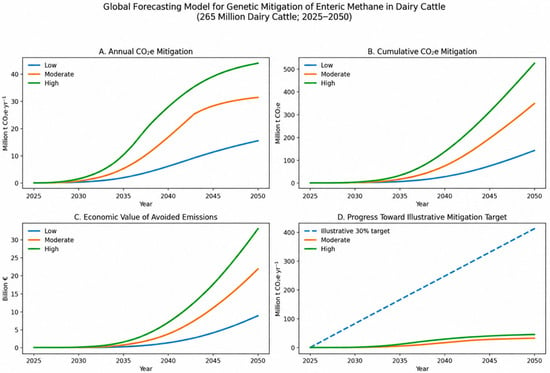
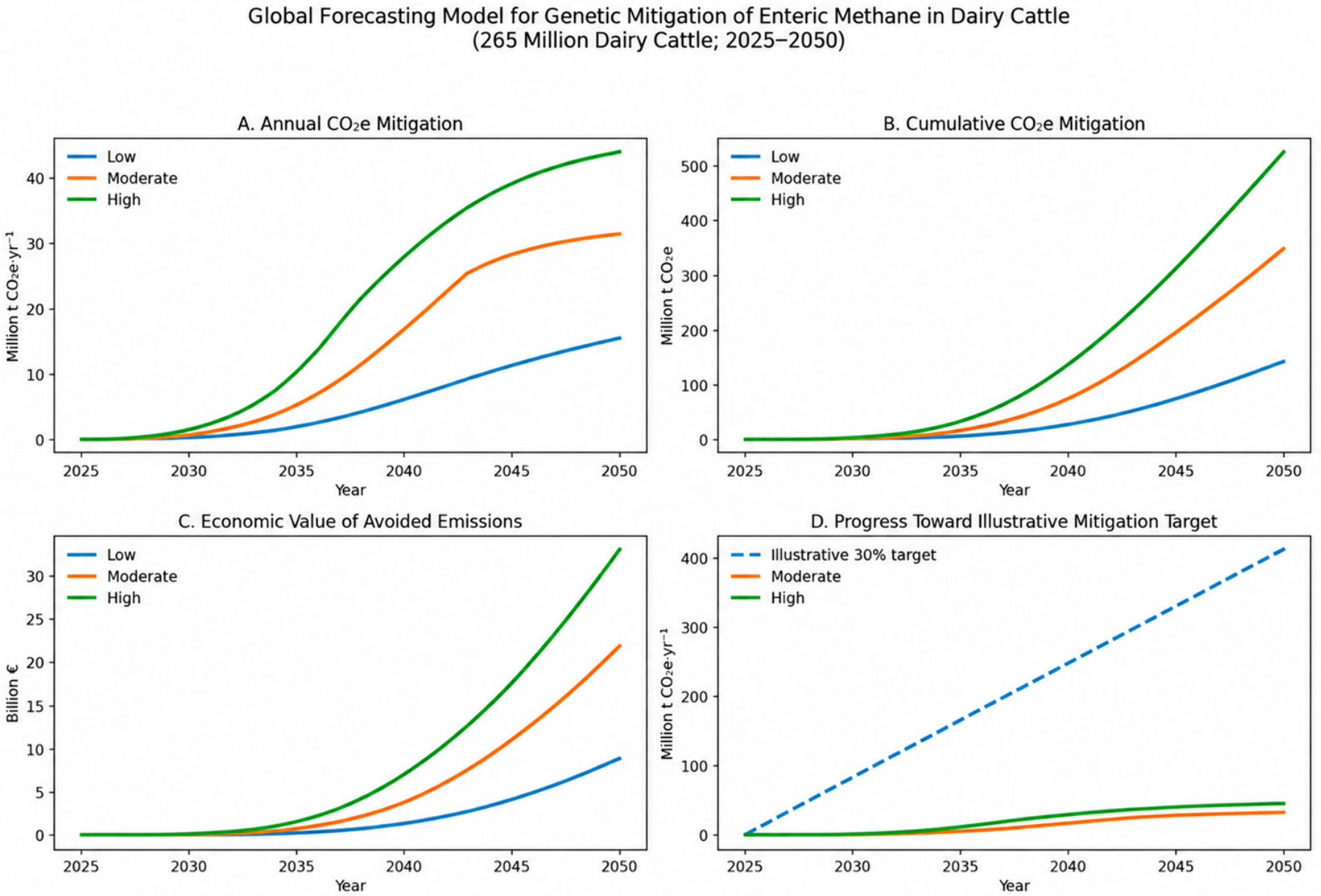
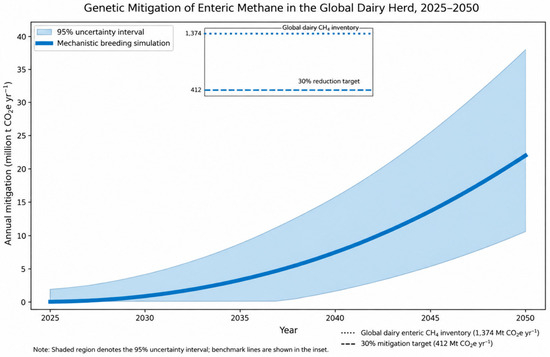
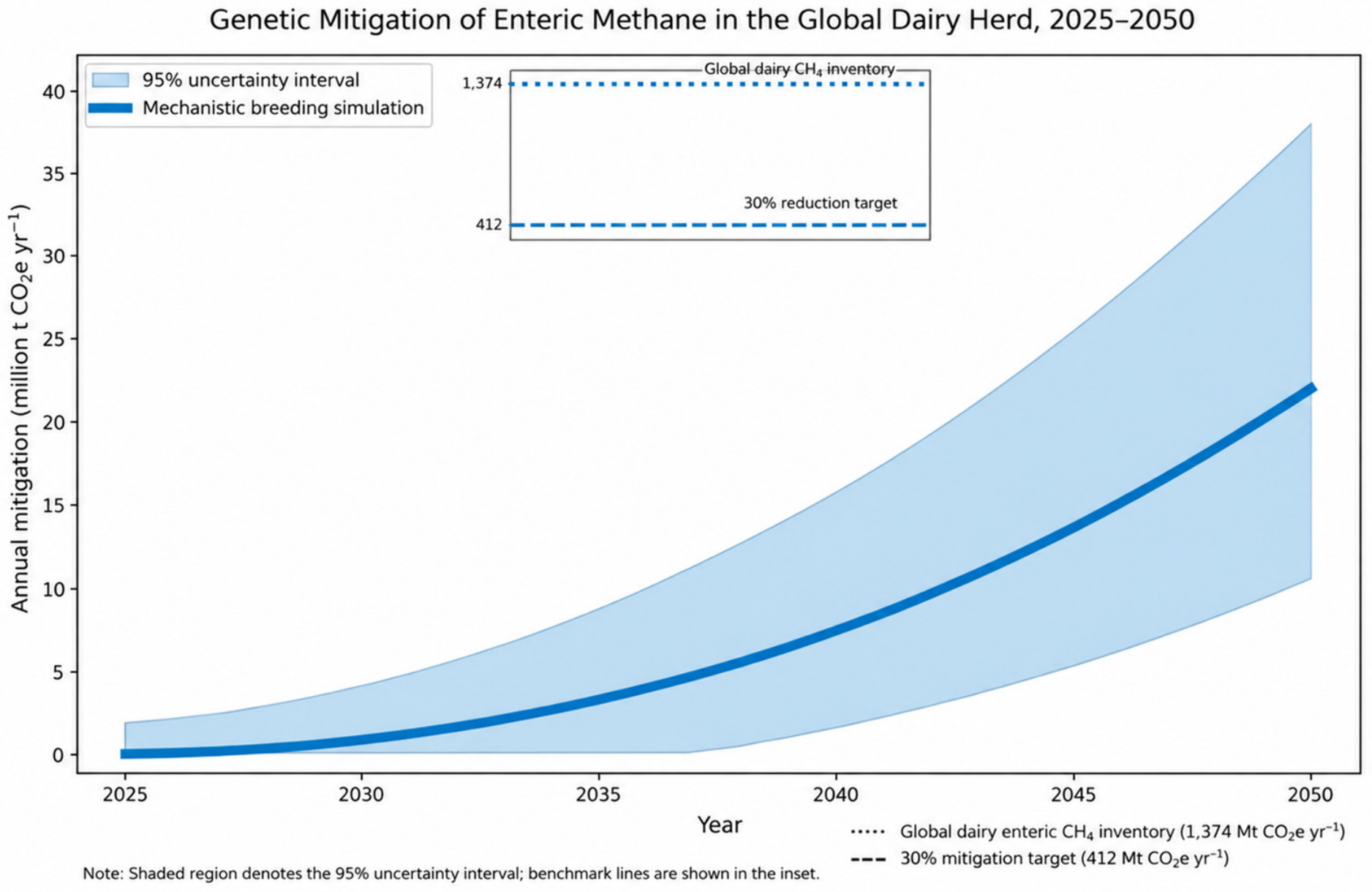
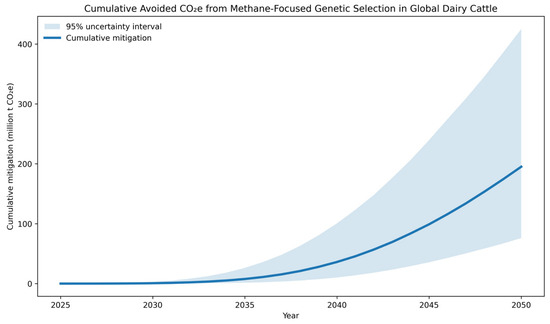
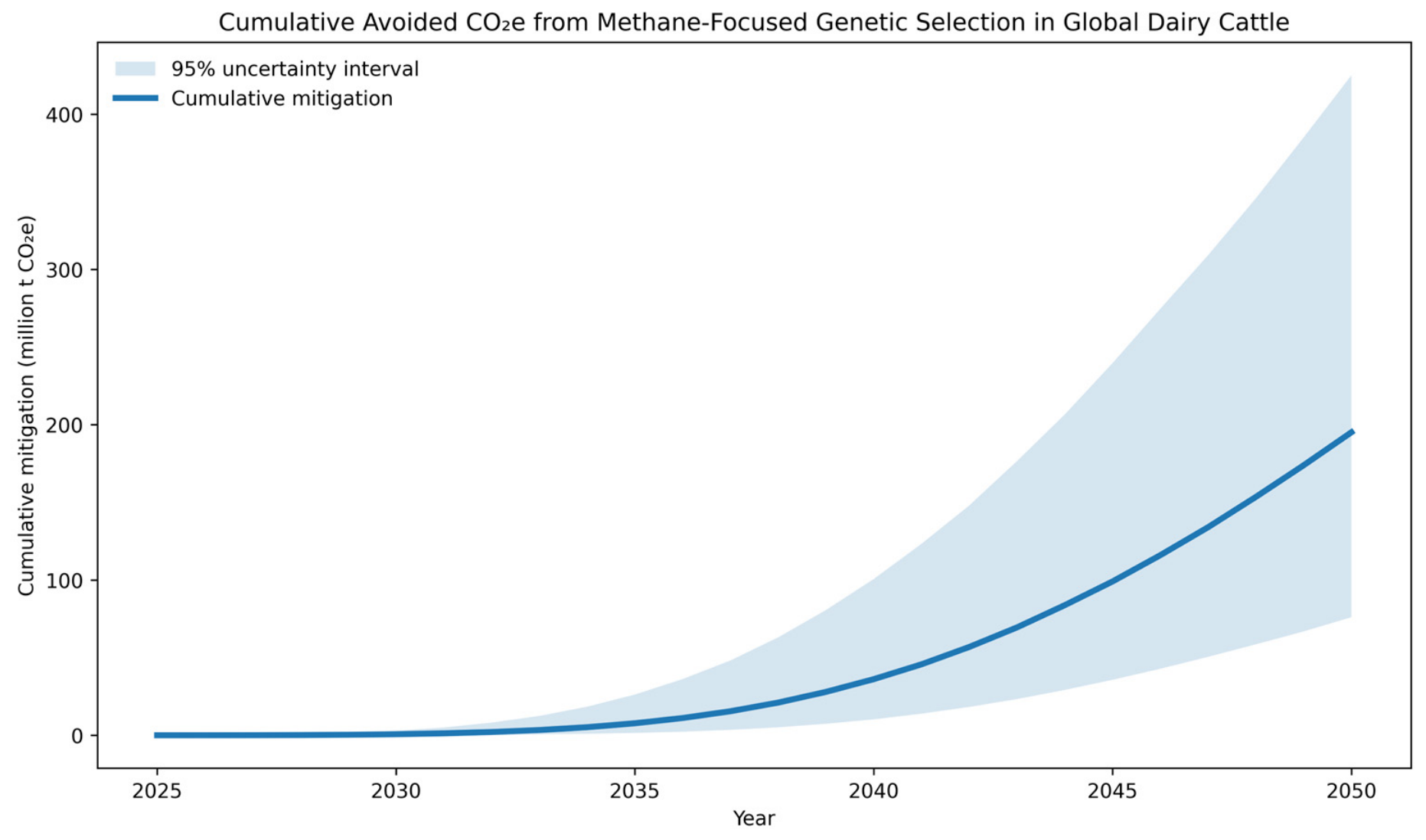
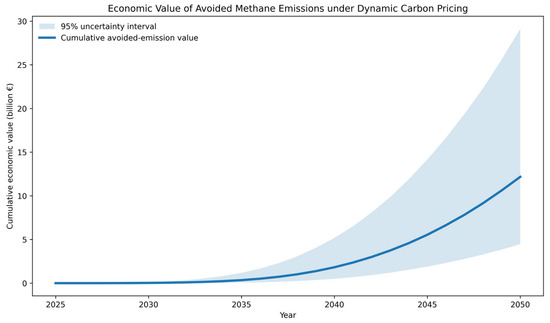
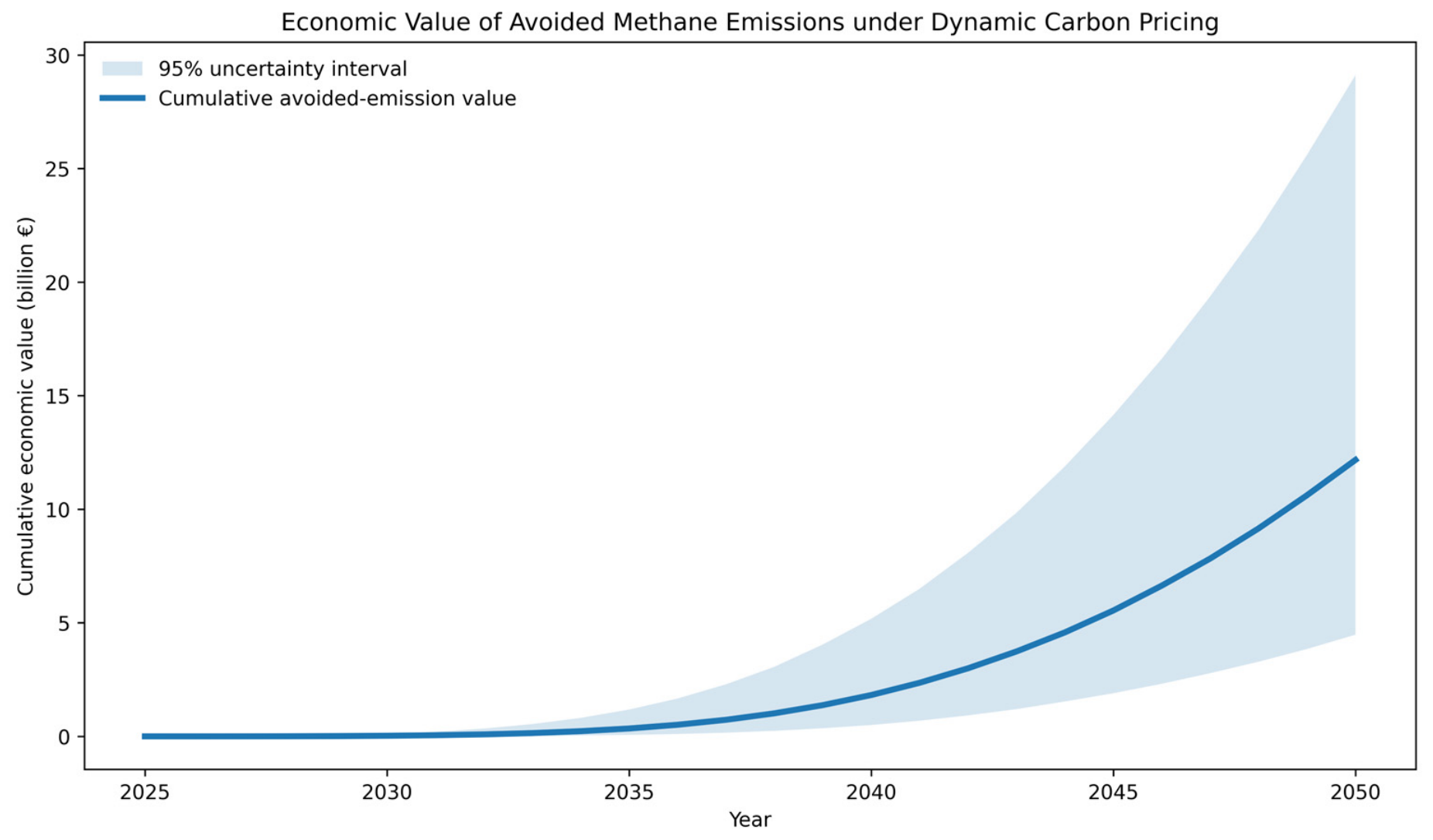
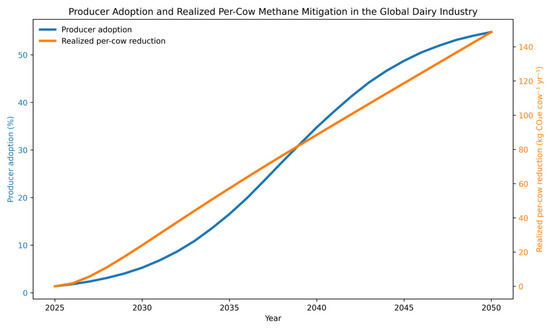
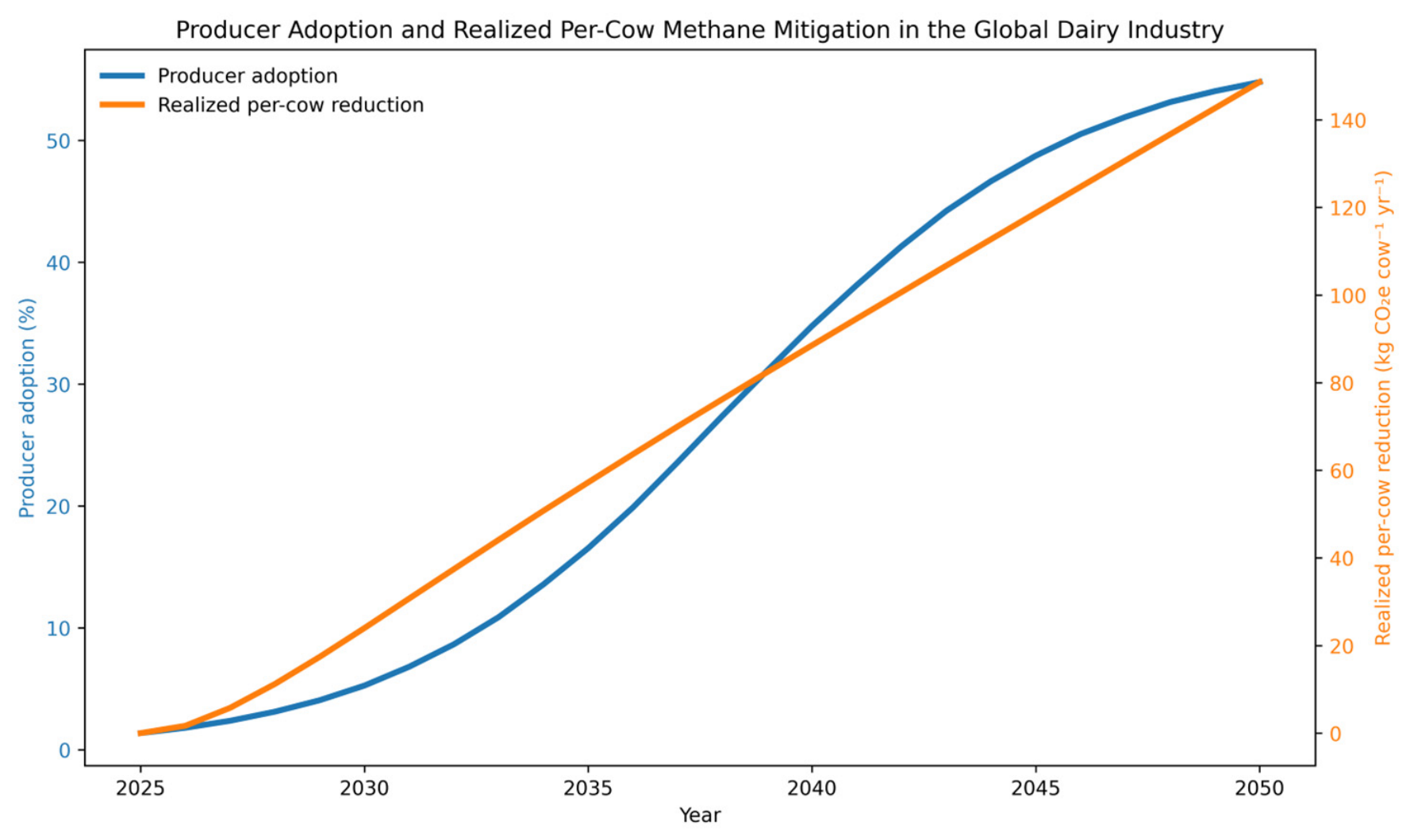

Disclaimer/Publisher’s Note: The statements, opinions and data contained in all publications are solely those of the individual author(s) and contributor(s) and not of MDPI and/or the editor(s). MDPI and/or the editor(s) disclaim responsibility for any injury to people or property resulting from any ideas, methods, instructions or products referred to in the content. |
© 2026 by the authors. Licensee MDPI, Basel, Switzerland. This article is an open access article distributed under the terms and conditions of the Creative Commons Attribution (CC BY) license.