


Abstract
Fish farming can contribute to sustainable rural tourism when environmental performance and visitor expectations are considered jointly. This study aimed to evaluate fish farming as a strategy for sustainable tourism in Somondoco, Boyacá, Colombia, by integrating an environmental assessment of water quality with visitors’ perceptions of sustainable tourism. A case study was conducted at the “Los Lagos” fish farm, where physicochemical parameters were measured at the water supply and discharge points and the water quality index (WQI) was calculated. In parallel, a survey of 73 visitors was conducted to characterize perceptions of sustainable tourism and willingness to pay for more sustainable services. The WQI decreased from 0.75 (acceptable) at the water supply point to 0.60 (regular) at the discharge point, mainly associated with changes in electrical conductivity and chemical oxygen demand. From the tourism perspective, 93.1% of respondents considered sustainable tourism important, while 54.8% identified responsible management of natural resources as the main aspect to be addressed. In addition, 84.9% expressed willingness to pay an additional 10–20% for a more sustainable offering. The integration of environmental and tourism-perception results, complemented by a SWOT analysis, identified water management, environmental education, technological modernization, and community participation as priority areas for sustainable tourism development. These findings provide a case-based framework for linking aquaculture environmental performance with visitor expectations in the formulation of sustainable tourism strategies.
1. Introduction
Fish farming can be understood as an economic activity aimed at raising fish under human-controlled conditions; it is a widely practiced activity in rural communities, primarily for subsistence [1]. Understanding the environmental, social, and economic characteristics of the multifaceted nature of fish farming provides more specific solutions for each context, addressing both the opportunities and challenges for its future development. The diverse fish farming sector makes significant contributions to achieving the Sustainable Development Goals (SDGs)/2030 Agenda, and can do so increasingly in the future. Its important role in food security, nutrition, livelihoods, economies, and cultures is not clearly reflected in the Agenda 21 declaration [2].
In Latin America and the Caribbean, fish farming production has experienced rapid expansion (16.4% annually during the 1990s) [3]. Colombia, a country known for its geographic, natural, and cultural diversity, has become a popular tourist destination in recent years. With its rich culture and astonishing biodiversity, Colombia offers visitors an unparalleled experience that they will remember for a lifetime [4]. “Colombia is the third country in the Americas to surpass pre-pandemic tourism figures,” and according to Migración Colombia, “The country closed 2022 with 4.6 million international travelers, exceeding the figures reached in 2019 by 1.7%,” in addition to the fact that the first half of 2023 showed a 36.7% increase in visitors compared to the same period in 2022. Similarly, the Central Bank of Colombia indicated that “In 2022, USD 7368.1 million was generated from passenger and travel revenues to the national territory,” the highest amount of these foreign currency earnings in recent years [5].
Fish farming in Colombia is a constantly growing and developing sector that is part of the nutritional diet of all Colombians, thus playing an important role in the country’s food security and job creation. Colombia has a great diversity of aquatic ecosystems, such as rivers, lakes, reservoirs, and coastal regions, which allows it to provide an environment for the breeding and production of a wide variety of fish species [6].
One of the most notable attributes of Colombian fish farming is its diversity of cultivated species, such as, for example, tilapia, cachama, catfish, shrimp, mojarra, and trout, each adapted to different regions and climatic conditions of the country; Mojarra is one of the most outstanding species due to its rapid growth and adaptation to diverse water conditions, which has made it an affordable and profitable option for local producers [7]. Among the country’s top producing departments are Huila (39%), Meta (11%), Tolima (9%), Boyacá (5%), Córdoba (5%), and Antioquia (4%). Similarly, the Colombian government has supported the fish farming industry by promoting research and development of advanced technologies for fish breeding, as well as implementing technical training programs for fish farmers. This has contributed to increased production and the sustainability of this activity [8]. These figures demonstrate that tourism in Colombia is one of the activities that fosters investment and economic development in the country. For this reason, this activity must be guided by the principles of sustainability in order to conserve natural resources and preserve the country’s cultural heritage.
Located in the eastern province of the Tenza Valley, in the southwest of the department of Boyacá, Somondoco is known for its splendid natural landscape as well as its culture, religious traditions, and rich gastronomy. The municipality presents ideal geographical conditions for the development of tourist activities and sites of interest, from waterfalls and hills to handicrafts and tasting typical regional dishes [9]. The municipality covers an area of 58.7 km2 distributed among 16 rural districts surrounding the urban center (Sabanetas, Resguardo, San Sebastián, Boya 1, Cucuavaca, San Antonio, Canos, Barreras, Bohórquez, Pancupa, Zarzal, Richa, Guaduas, Cabrera, Cobavita, and Boya Segunda). It has a population of approximately 3632 inhabitants, the peasant heritage of the district of Boyacá strongly prevails, and the town is located at an altitude of 1670 m above sea level and has an average temperature of 19 °C [9].
Following these international guidelines, Colombia’s Sustainable Tourism Law (Law 2068 of 2020) was enacted in 2020. Its objective is to promote sustainable and responsible tourism in the country, strengthen the competitiveness of the tourism sector, and improve the quality of life of local communities. The law establishes measures for the protection of cultural and natural heritage, the promotion of investment in tourism, the improvement of the quality of tourism services, and the development of community-based and rural tourism. The Tourism Law is an important tool for boosting Colombia’s economic and social development through sustainable and responsible tourism [10].
Sustainable tourism is included as a subcategory within Sustainable Bioproducts and Services; the plan seeks to incentivize tourism companies that adopt environmentally and locally responsible practices with tax and fiscal benefits; it also seeks to promote the sustainable management of natural resources in tourist destinations, through measures such as efficient waste management, responsible water use and implementation of renewable energies; finally, it seeks to promote the conservation of cultural and natural heritage through responsible tourism by supporting the creation of new tourist routes that highlight the country’s cultural and natural diversity [11].
Although fish farming has potential to contribute to rural tourism and local economic development, its integration with sustainable tourism requires consideration of both environmental performance and visitor expectations. In particular, water quality represents a relevant environmental component because fish farming depends directly on water resources and may modify physicochemical conditions along the production system. At the same time, understanding visitors’ perceptions is necessary to determine whether sustainable practices are valued and whether there is potential demand for tourism services incorporating environmental management. However, these environmental and social dimensions have not been jointly examined in the context of fish farming as a tourism activity in Somondoco, Boyacá.
Therefore, this study aimed to evaluate fish farming as a strategy for sustainable tourism in Somondoco, Boyacá, by integrating an environmental assessment of water quality using the water quality index (WQI) with visitors’ perceptions of sustainable tourism in order to identify environmental, social, and economic aspects that can guide the development of sustainable strategies for the activity.
2. Materials and Methods
In Colombia, the most common tilapia species in aquaculture are the red tilapia (Tilapia rendalli) and the silver tilapia (Tilapia aurea). These species are valued for their quality meat, rapid growth, and ability to adapt to diverse water conditions. To cultivate these species, farmers have prepared the appropriate infrastructure, from ponds and floating cages in natural bodies of water to recirculation systems in closed facilities [12].
Likewise, water quality is essential for cultivation, where it must be ensured that the water is clean and free of contaminants and that factors such as temperature, pH, and oxygenation of the water are verified to obtain the optimal growth of the fish, in addition to providing them with adequate and balanced food according to the nutritional needs that guarantee their development [13].
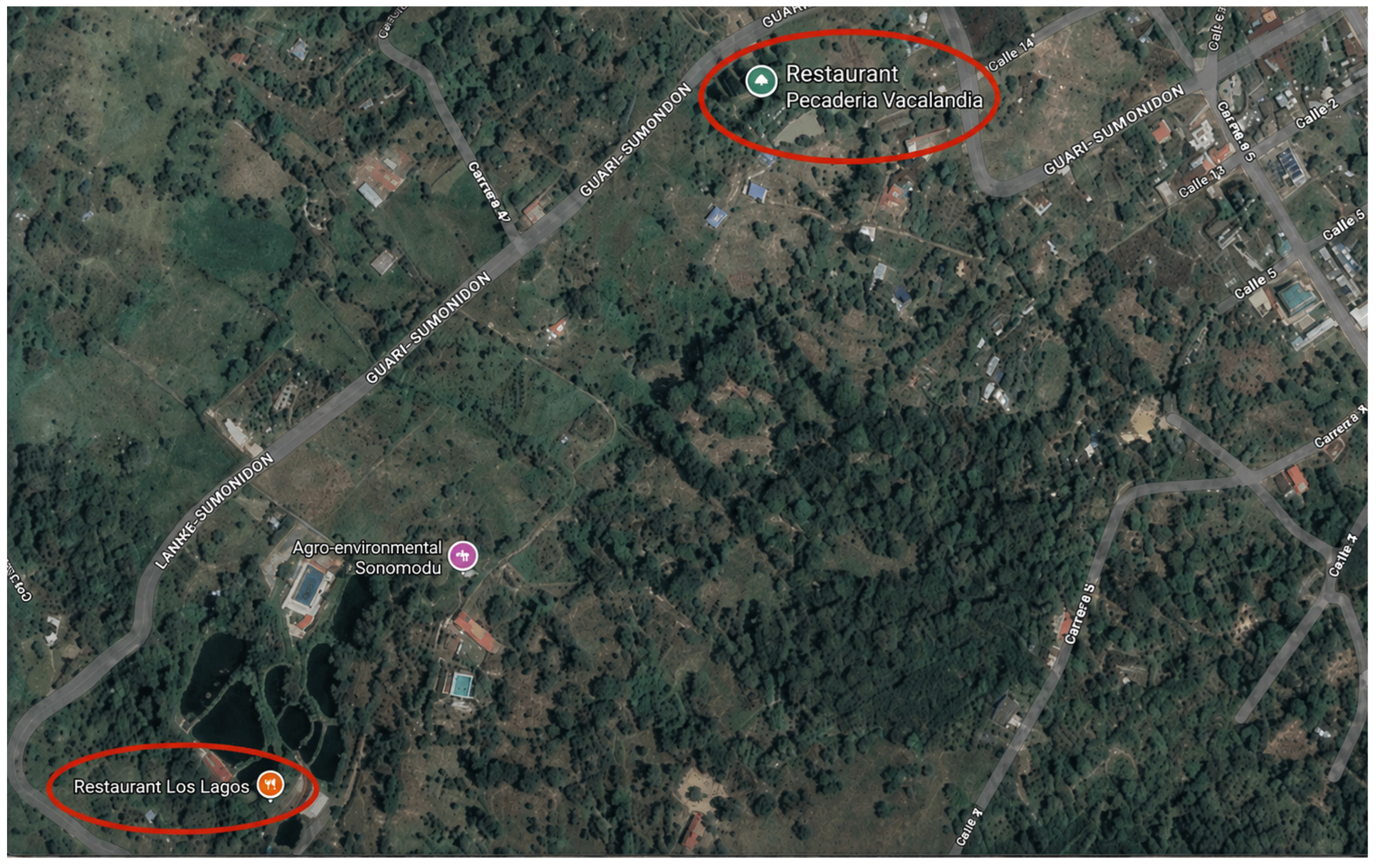
Los Lagos and Vacalandia are two restaurants in the region dedicated to tilapia farming in the municipality of Somondoco, both located 30 min from the town center in the Cucuavaca district. They represent a gastronomic and tourist destination in the Tenza Valley, where they manage a total of 16 natural ponds (10 at Los Lagos restaurant and 6 at Vacalandia restaurant). Both operate with a simple yet efficient infrastructure, an open space adorned with mountainous landscapes, and offer their diners a unique experience, as shown in Figure 1.
Figure 1.
Satellite image of the municipality of Somondoco obtained via satellite using Google Earth.
Figure 1 presents the satellite image used to provide a general geographic reference for the municipality of Somondoco and the location of the fish farming activity considered in this study. The image establishes the spatial context of the research area and helps identify the municipality in which the evaluated fish farming and tourism activities are located.
These two restaurants, through the artisanal cultivation of tilapia, have identified several critical variables in the development of this activity, such as water quality and supply, feeding, stocking density management, disease control, and species growth management. Therefore, they propose implementing sustainable fish farming practices to optimize the process, maximize profits, and simultaneously contribute to environmental conservation.
2.1. Selection of the Area Reference Point
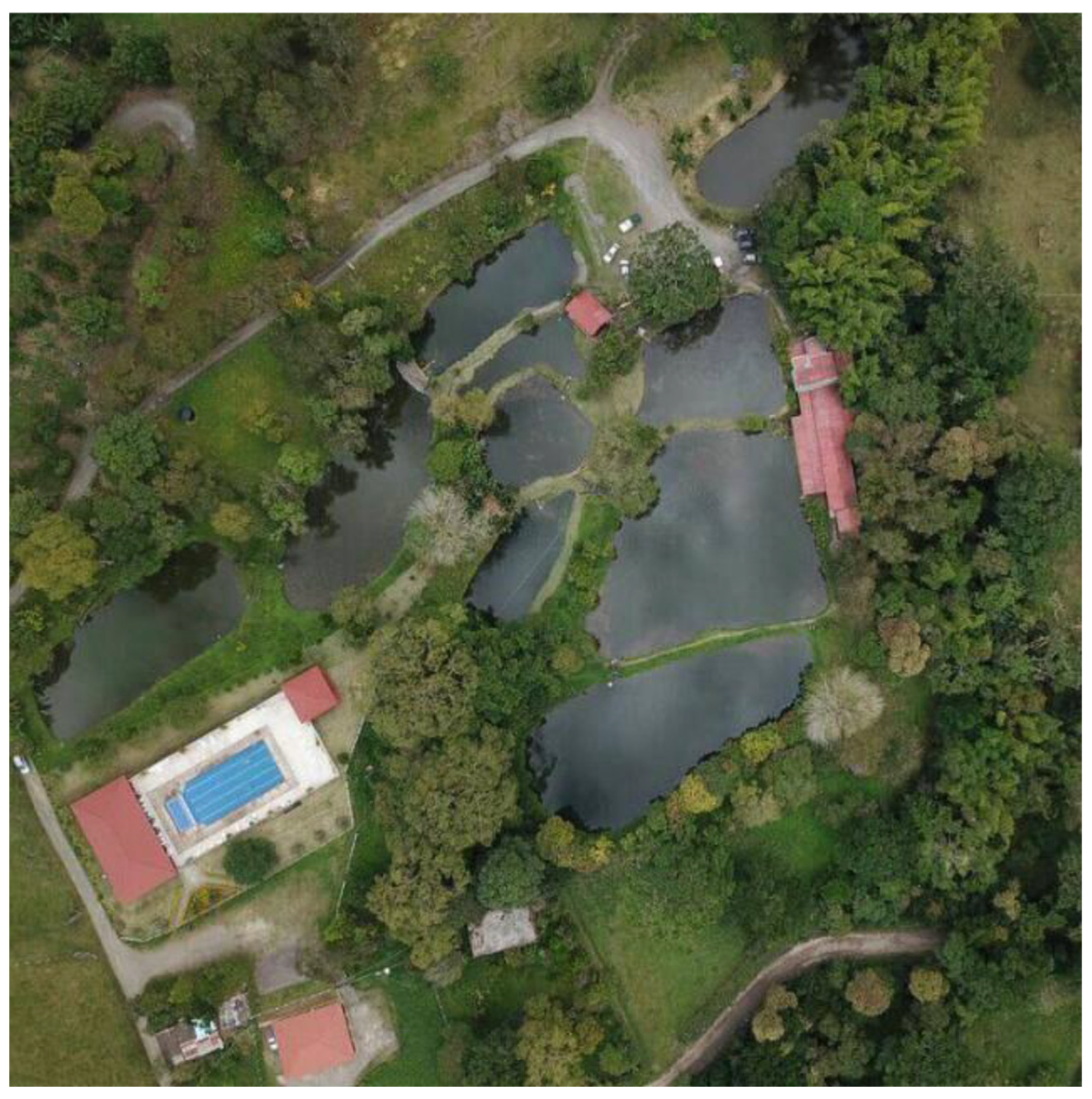
After identifying aquaculture activities in the municipality of Somondoco, the “Los Lagos” fish market was chosen as a reference point. Figure 2 shows the geographical location of the study area, where the 10 fish farming ponds can be seen, along with a small beach on the left and the restaurant’s infrastructure on the right.
Figure 2.
Geographic location of the study area “Los Lagos” fish market.
Figure 2 shows the geographic location of the “Los Lagos” fish market, which was selected as the reference site for this study. The figure identifies the spatial configuration of the facility, including the ten fish farming ponds, the small beach area, and the restaurant infrastructure, thereby providing a detailed representation of the study area where the water quality assessment and tourism-related survey were conducted.
2.2. Physicochemical Analysis of the “Los Lagos” Fish Market
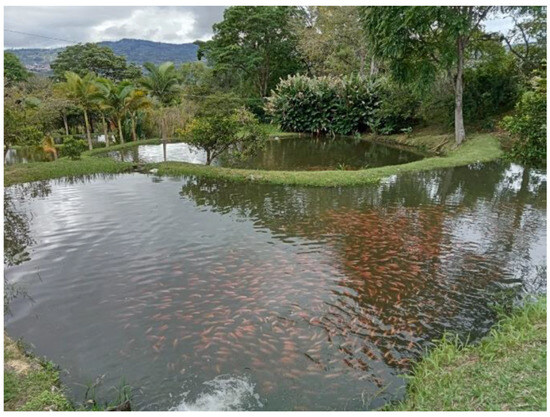
The restaurant has been operating for 36 years, serving diners. Its main product is tilapia, prepared in various ways: fried, baked, or grilled. Approximately 120,000 fish are produced annually. The process begins with acquiring fingerlings from hatcheries located in the municipality of Villanueva in the department of Casanare. When the fish are transported to the facility, the water temperature must be adjusted to allow them to adapt to the conditions there, as shown in Figure 3.
Figure 3.
Fish farm of the “Los Lagos” fish shop.
Figure 3 presents the fish farming facilities of the “Los Lagos” fish market, where the tilapia production activity evaluated in this study takes place. The figure provides a visual representation of the production environment and complements the description of the fish farming process, including the management of water and fish within the facility. This context is relevant for understanding the water flow conditions evaluated at the supply and discharge points.
The physicochemical characterization of the water was conducted through several sampling campaigns during the dry season. Sampling included different points associated with the fish farming system, with particular emphasis on the water supply and discharge points, in order to characterize changes in water quality throughout the production process. The physicochemical parameters were measured following the procedures established for each analysis.
Field measurements were conducted using calibrated equipment prior to the sampling campaigns. The parameters evaluated included pH, electrical conductivity, temperature, turbidity, dissolved oxygen, and total dissolved solids. Measurements at the water supply and discharge points were used to compare the physicochemical conditions of the water before and after its passage through the fish farming system.
For parameters requiring laboratory analysis, samples were collected and preserved according to the established sample preservation procedures for each analytical determination. The preservation and handling conditions were maintained from collection until laboratory analysis to minimize changes in sample characteristics and ensure the reliability of the analytical results.
Sampling was conducted during the dry season to characterize the water quality conditions under a period of relatively lower precipitation and reduce the influence of rainfall-related variations in water flow and pollutant transport. The use of multiple sampling campaigns and sampling points allowed the assessment to consider spatial and temporal variability within the fish farming system rather than relying on a single measurement event.
The physicochemical parameters of the water were measured in situ in the area where the resource is supplied to the ponds and at the end of the water flow, where it comes out as discharge (Table 1).
Table 1.
Physicochemical results of the water flows of the fish farm.
2.3. Calculation of the Water Quality Index (WQI)
The water quality index (WQI) is based on the measurement of various physicochemical and biological parameters. The index establishes different water quality categories, ranging from good to acceptable, fair, poor, and very poor, expressed in relation to human well-being, without being tied to a specific use [14]. Thus, it is possible to calculate the index using five variables. These variables and their weighting in the index are listed in Table 2, and the calculation for each variable is based on the results of the analysis of each parameter.
Table 2.
Variables and weighting factors of the five-variable WQI according to the IDEAM methodology.
In this study, the term water quality index (WQI) is used consistently throughout the manuscript to refer to the water quality assessment index. The methodology is based on the water quality index approach described by IDEAM. Although the Spanish terminology “Índice de Calidad del Agua (ICA)” is used in the original institutional context, WQI is adopted as the standardized abbreviation in the present manuscript to maintain consistency with the title and the English-language terminology. Therefore, after its first definition, the abbreviation WQI is used exclusively throughout the manuscript.
For the five-variable water quality index (WQI) applied in this study, the weighting scheme follows the methodology established by the Institute of Hydrology, Meteorology, and Environmental Studies of Colombia (IDEAM). According to the IDEAM methodology, the five-variable index assigns an equal weight of 0.20 to dissolved oxygen (DO), total suspended solids (TSSs), chemical oxygen demand (COD), electrical conductivity (EC), and pH, resulting in a total weighting factor of 1.00. Therefore, the weights used in the present study were not independently assigned by the authors but adopted from the standardized five-variable ICA methodology. The equal weighting should consequently be interpreted as a characteristic of the selected index formulation rather than as an assumption that the five parameters have identical environmental relevance. Each parameter contributes to the final WQI according to its corresponding sub-index and the standardized weighting factor. The use of the IDEAM five-variable formulation was considered appropriate because it provides a consistent framework for comparing water quality conditions between the supply and discharge points of the fish farming system.
Thus, each parameter contributes equally to the overall index, providing a balanced representation of the physicochemical conditions evaluated in the fish farming system. The use of equal weights should be understood as a methodological choice of the present study rather than an assumption that all parameters have identical environmental importance. The formula for calculating the indicator is found in Equation (1):
- ICAnjt is the water quality index of a given surface stream in the water quality monitoring j at time t, evaluated based on n variables.
- Wi is the weighting factor or relative weight assigned to the quality variable i.
- Iikjt is the calculated value of variable i in the monitoring of water quality j, recorded during the measurement carried out at k of the time period t.
- n is the number of quality variables involved in the calculation of the indicator; n is equal to 5 or 6, depending on the ICA measurement that is selected.
2.4. Calculation of the Dissolved Oxygen (DO) Value
This variable plays a fundamental biological role in defining the potential presence or absence of aquatic species. Initially, the percentage of dissolved oxygen saturation PSOD is calculated according to Equation (2):
- Ox is the dissolved oxygen measured in the field (mg/L) associated with the elevation, flow rate, and oxygenation capacity.
- Cp is the equilibrium concentration of oxygen (mg/L) at non-standard pressure, i.e., saturation oxygen.
To find the value of the saturated oxygen concentration, see Table 3 which shows the saturated oxygen values with respect to the change in temperature.
Table 3.
Oxygen saturation values with the rate of temperature change.
Once the percentage of dissolved oxygen saturation has been calculated, the IOD value is calculated using Equation (3):
In this way, the IOD value is calculated for both water samples, as shown in Table 4.
Table 4.
Results of the calculated dissolved oxygen values.
2.5. Calculation of the Value of Total Suspended Solids (TSSs)
The presence of suspended solids in water bodies indicates changes in hydrological conditions and may be associated with processes such as erosion, industrial discharges, material extraction, and debris disposal. Suspended solids are related to turbidity because the presence of particulate matter in water can reduce its transparency and increase turbidity. In the present study, turbidity was measured in the field, while total suspended solids (TSSs) were estimated from the turbidity values rather than directly determined as an independent parameter. Therefore, Equation (4), suggested by [15], was used to estimate TSSs from the measured turbidity:
The estimated TSS values were subsequently incorporated into the water quality index (WQI) as one of the five weighted variables, together with dissolved oxygen (DO), chemical oxygen demand (COD), electrical conductivity (EC), and pH. This distinction is made explicit because turbidity was the parameter measured directly in the field, whereas TSSs corresponded to an estimated value derived from turbidity. Once the value of total suspended solids has been calculated, the ISST value is calculated using Equation (5):
In this way, the ISST value is calculated for both water samples, as shown in Table 5.
Table 5.
Results of the calculated value of total suspended solids.
2.6. Calculation of the Value of the Chemical Oxygen Demand (COD)
The COD reflects the presence of chemical substances susceptible to being oxidized under strongly acidic conditions and high temperature, such as organic matter, whether biodegradable or not, and inorganic matter. Once the value of the chemical oxygen demand has been obtained, the IDQO value is guided by the following relationships present in Equation (6):
In Equation (6), the final condition was corrected from “If COD < 80” to “If COD > 80”. The previous conditions already cover COD values up to and including 80 mg/L; therefore, the final condition must apply to values greater than 80 mg/L. This correction ensures that the conditional intervals are mutually exclusive and collectively define the appropriate COD sub-index calculation across the range of observed values.
I COD is calculated for both water samples, as shown in Table 6.
Table 6.
Results of the calculated value of the chemical oxygen demand.
2.7. Calculation of the Electrical Conductivity (EC) Value
This variable is closely related to the sum of cations and anions determined chemically and reflects mineralization. It is calculated using Equation (7):
For electrical conductivity, the sub-index was calculated using Equation (7). When the observed conductivity value exceeds the upper threshold defined by the equation, the mathematical result of the expression may become negative. Because the WQI sub-index represents a non-negative quality score, negative values are not retained in the calculation and are assigned a minimum value of zero. Therefore, for the discharge point, where electrical conductivity was 297.5 μS/cm, the resulting was reported as 0. This value does not indicate the absence of electrical conductivity; rather, it indicates that the observed conductivity falls outside the range in which the adopted quality function assigns a positive sub-index value.
In this way, the IDQO value is calculated for both water samples, as shown in Table 7.
Table 7.
Results of the calculated values of electrical conductivity.
2.8. Calculation of the pH Value
This variable measures the acidity of the water; it must be taken into account because extreme values can affect aquatic flora and fauna; the I pH value is guided by the following relationships shown in Equation (8):
I pH is calculated for both water samples, as shown in Table 8.
Table 8.
Results of the calculated pH values.
Finally, after calculating each variable, the water quality index is calculated as expressed in Equation (1); Table 9 shows the summary of this calculation and the values obtained.
Table 9.
Water quality index (WQI) results.
A clear difference in water quality was observed between the inlet and outlet points of the fish farming system. The water quality index (WQI) decreased from 0.75 at the inlet to 0.60 at the outlet, corresponding to a reduction of 0.15 index units and a change in the water quality classification from acceptable to regular. The main changes were observed in electrical conductivity and chemical oxygen demand (COD). Electrical conductivity increased from 151.5 ± 0.5 to 297.5 ± 0.5 μS/cm, representing an increase of approximately 96.4%, while its corresponding WQI sub-index decreased from 0.54 to 0.00. Similarly, COD increased from 38 ± 1 to 75 ± 1 mg/L, corresponding to an increase of approximately 97.4%, and its sub-index decreased from 0.51 to 0.26. Dissolved oxygen decreased from 11.5 ± 1.5 to 7.3 ± 1.5 mg/L, whereas turbidity and estimated total suspended solids showed comparatively smaller changes. In contrast, pH remained practically unchanged between the two sampling points, with values of 7.53 ± 0.01 and 7.54 ± 0.01, respectively. Overall, the observed difference indicates a deterioration in the integrated physicochemical water quality condition at the outlet, mainly driven by the changes in electrical conductivity and COD reflected in the WQI calculation.
The optional values that the indicator can take are classified into categories, according to which the water quality of surface streams is rated, with each category associated with a color as a warning signal. Table 10 shows the relationship between values and ratings.
Table 10.
Water quality rating according to the values taken by the ICA.
2.9. Application of the Tourism Outlook Survey: Fish Farming Activity in Somondoco, Boyaca
A tourism outlook survey was implemented to assess the potential for sustainable tourism development in the area, identifying positive aspects that could attract interested tourists, as well as understanding tourist preferences and expectations in order to adapt offers to meet market needs and improve the visitor experience.
To determine the number of surveys to be completed, the sample size to be collected for the study was calculated, taking into account a population of 300 visitors per weekend, mentioned by the owner of the fish shop, with a confidence level of 95% and a margin of error of 10% (see Equation (9)):
- n: Desired sample size
- N: Population or universe size (300)
- Zα: Statistical parameter that depends on the confidence level (1,96)
- e: Maximum acceptable estimation error (10%)
- p: Probability of the studied event occurring (50%)
- q = (1 − p): Probability that the evaluated event will not occur (50%)
The reference population used for the survey sample size calculation was estimated at approximately 300 visitors per weekend, based on information provided by the owner of the “Los Lagos” fish farm. This figure was used only as a reference value for the finite-population sample size calculation and was not considered an independently verified measurement of visitor numbers. Because the farm did not have a longitudinal visitor registry available for the study, the reported visitor volume may be subject to estimation error and seasonal variation. Consequently, the resulting sample of 73 respondents should not be interpreted as statistically representative of the total annual or seasonal visitor population. Instead, the survey results describe the perceptions of the visitors who participated during the data collection period.
Other operational information concerning the fish farming activity, including the approximate annual production reported by the farm, was also obtained from farm management rather than from an independent production record. These data were therefore treated as contextual information and not used as independently validated quantitative evidence in the environmental assessment. In contrast, the physicochemical parameters used for the water quality assessment were obtained through the sampling and measurement procedures described in Section 2.2, Section 2.3, Section 2.4, Section 2.5, Section 2.6, Section 2.7 and Section 2.8. This distinction was maintained to differentiate management-reported information from measurements obtained directly during the study. In this way, a survey format was proposed that involved questions related to the characterization of visitors, with a focus on sustainable tourism applied to fish farming in the municipality (see Table 11).
Table 11.
Parameters used to estimate the minimum sample size for the visitor survey.
In this way, the values for each variable were replaced and the sample size for applying the survey was calculated from Equation (10):
The reference population used for the survey sample size calculation was estimated at approximately 300 visitors per weekend, based on information provided by the owner of the “Los Lagos” fish farm. Therefore, the estimated population should not be interpreted as a statistically verified annual or seasonal visitor count. The sample size was calculated using this reference value together with the specified confidence level, expected proportion, and margin of error, resulting in 73 respondents. Given the absence of a longitudinal visitor registry, the resulting sample should be interpreted in relation to the visitors surveyed during the study period rather than as a statistically representative estimate of all visitors throughout the year.
The representative sample size was found to be 73 respondents, taking into account the result obtained and the calculated number of people to be surveyed in order to understand their perspective on sustainability practices and the improvements that could be applied in the business.
A structured questionnaire was administered to visitors of the “Los Lagos” fish farm to characterize their perceptions of sustainable tourism and their willingness to support more sustainable tourism practices. The questionnaire addressed aspects related to the importance of sustainable tourism, the main factors considered relevant for its development, responsible management of natural resources, sustainable practices, and willingness to pay an additional amount for a more sustainable tourism offering.
The required sample size was calculated based on the estimated visitor population, resulting in a sample of 73 respondents. Participants were selected using a non-probabilistic convenience sampling approach. Visitors who were present at the site during the data collection period and voluntarily agreed to participate were invited to complete the questionnaire. Thus, participation depended on visitor availability and willingness to respond.
Before its application, the questionnaire was reviewed by experts to assess the relevance and clarity of the items in relation to the research objectives. Based on this review, the instrument was considered suitable for collecting information on visitors’ perceptions of sustainable tourism. The questionnaire items corresponded to the dimensions subsequently analyzed in the study, including perceptions of sustainable tourism, responsible management of natural resources, sustainable practices, and willingness to pay for a more sustainable tourism offering.
The complete questionnaire is provided to make the survey instrument available and facilitate methodological transparency and reproducibility. Because participation was voluntary and no identifying information was required, only completed responses from visitors who agreed to participate were included in the analysis.
3. Results
3.1. Demographic Results of the Tourism Outlook Survey
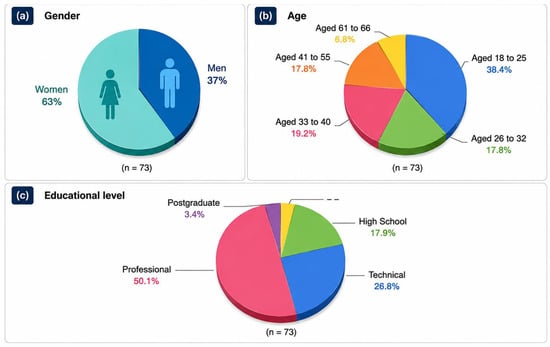
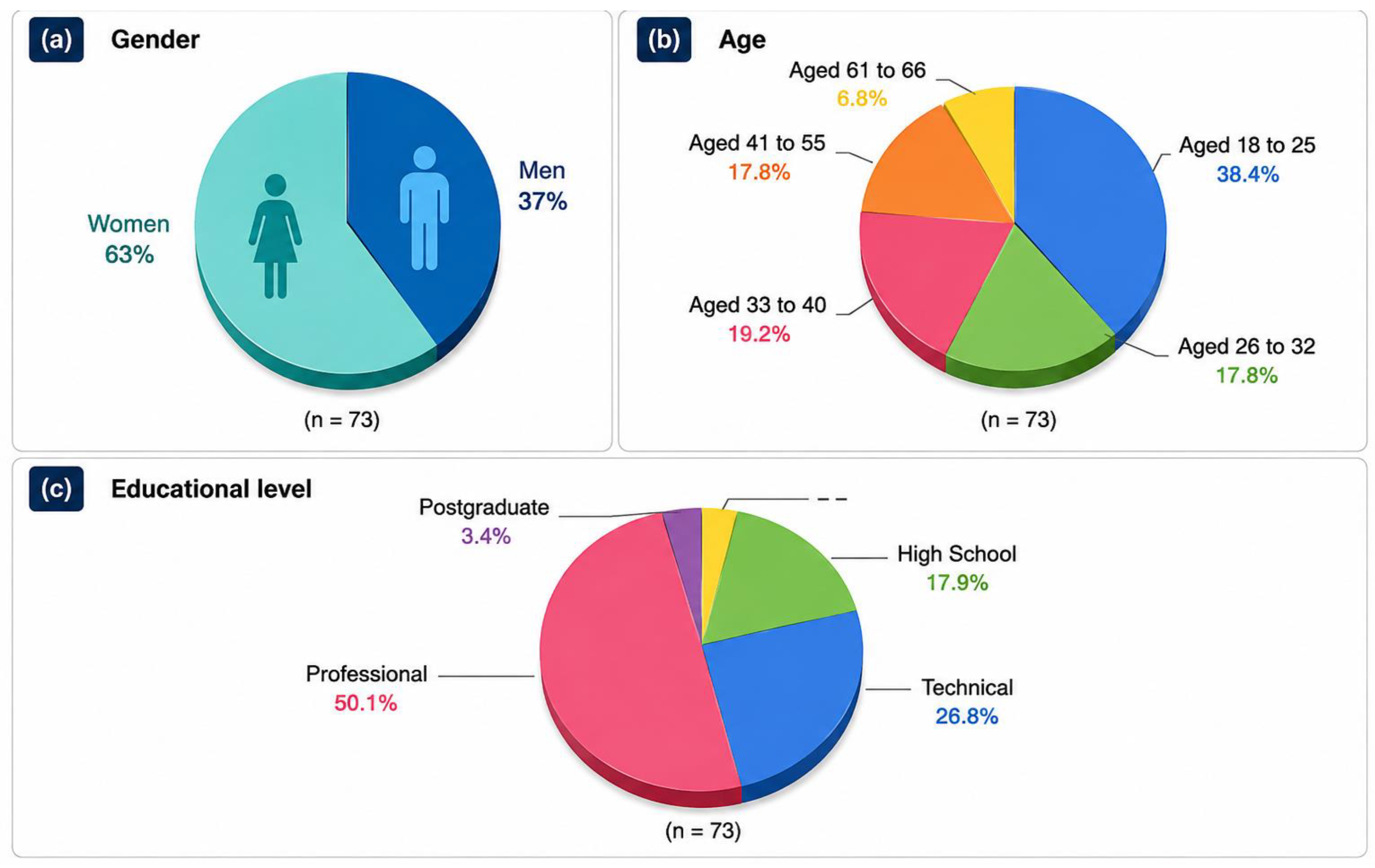
After applying the surveys, a compilation of the results obtained was made, where, initially, a demographic segregation was made by gender, age, level of education, and origin of the respondents in order to demonstrate the diversification in these variables in the selected sample; in Figure 4, the results can be observed.
Figure 4.
Sociodemographic characteristics of surveyed visitors (n: 73), (a) gender, (b) age and (c) educational level.
The results shown in Figure 4 demonstrate that the respondents represent a diverse range of ages, with 38.4% between 18 and 25 years old, followed by 19.2% between 33 and 44 years old, and, finally, 17.8% between 26 and 32 years old and 41 and 55 years old. Similarly, Figure 4 shows that 50% of respondents held a professional degree, followed by 26.8% with a technical or technological degree, and, finally, 3.4% with postgraduate studies. These data indicate that visitors possess knowledge based on their level of education, and it is expected that future sustainability results will be consistent with the level of schooling observed.
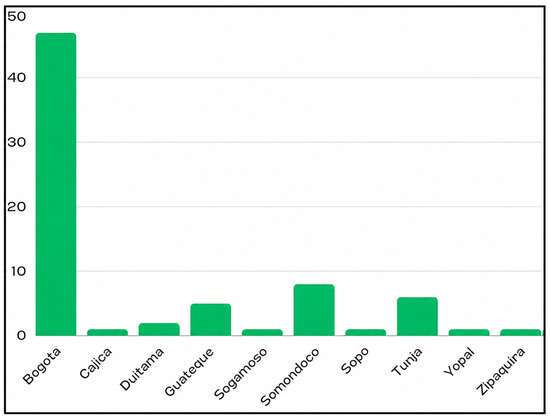
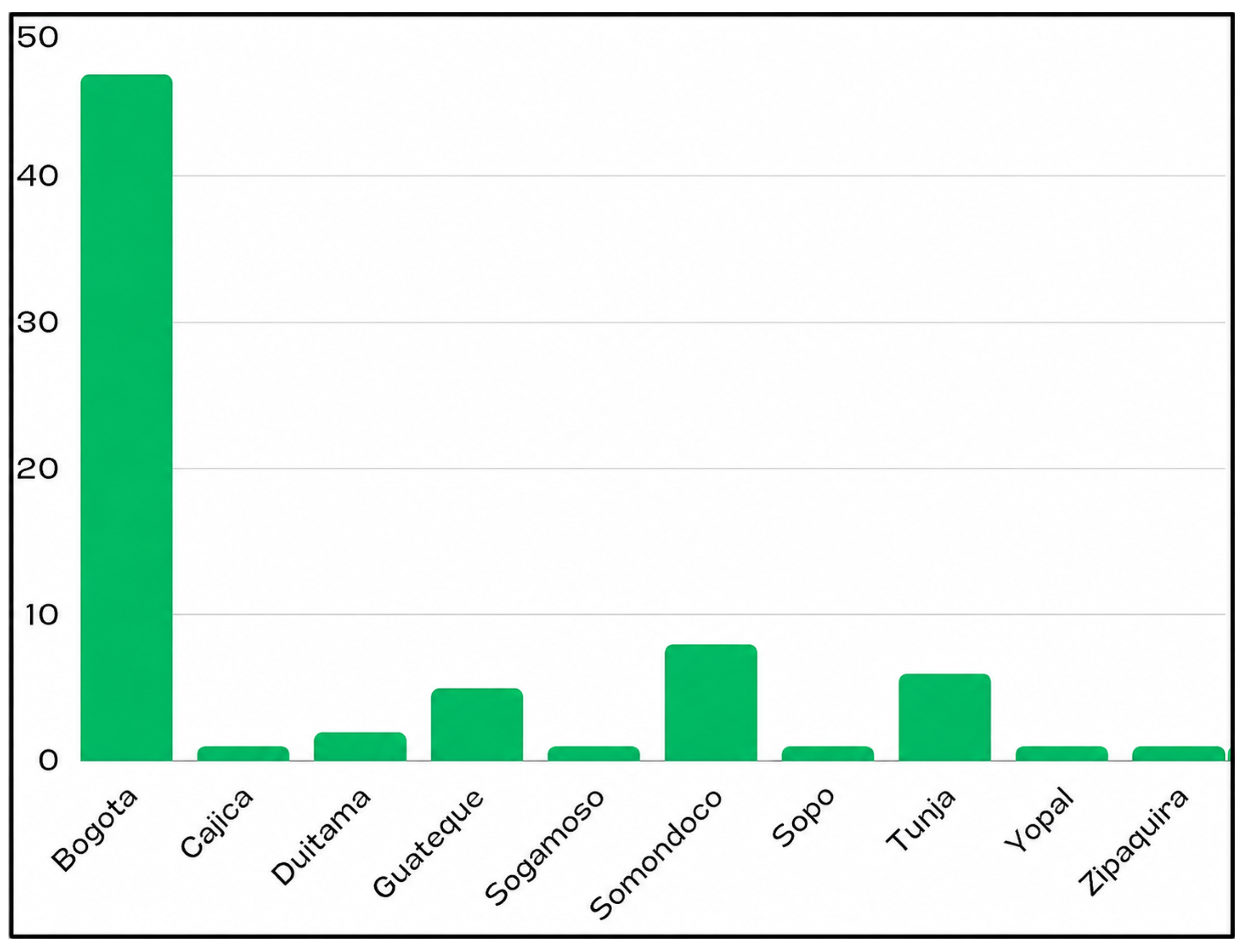
Finally, as shown in Figure 5, visitors come from various locations, including the cities of Bogotá, Tunja, and Yopal, as well as different municipalities in the districts of Boyacá and Cundinamarca, such as Cajicá, Duitama, Guateque, Sogamoso, Sopó, and Zipaquirá. It is important to note that Bogotá is the primary source of visitors to the fish markets, followed by local visitors from Somondoco and Guateque. The demographic results indicate that the surveyed population possesses the characteristics necessary to develop a sustainable perspective, as they are between 18 and 62 years old and have educational levels ranging from secondary school to postgraduate studies.
Figure 5.
Graph of survey results segregated by visitor origin.
3.2. Survey Results Focused on Participation in Tourist Activities
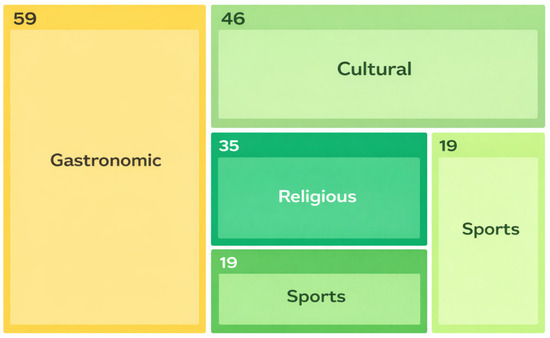
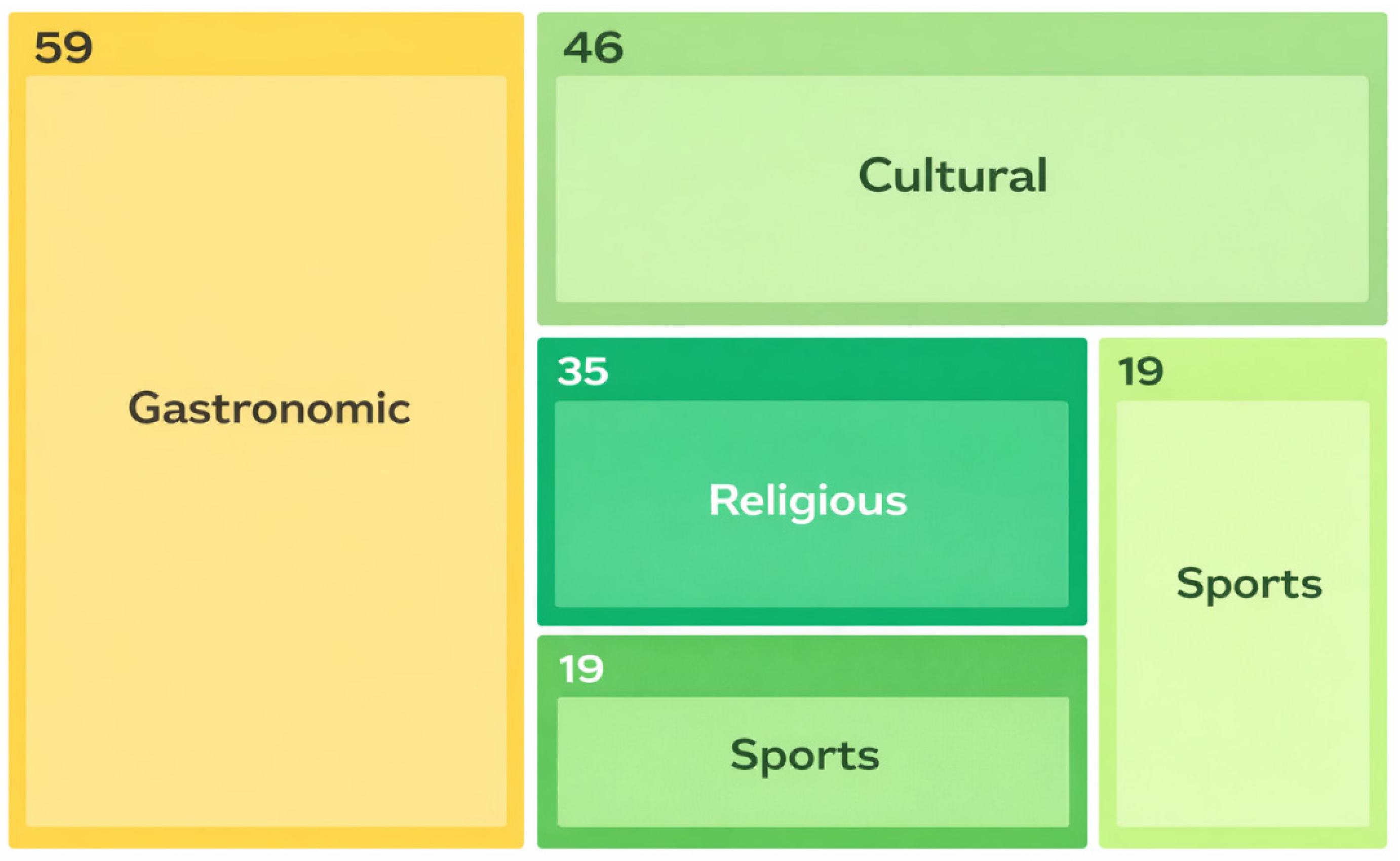
After segregating the surveys demographically, the results related to participation in the tourist activities offered by the municipality of Somondoco were collected; the results are shown in Figure 6.
Figure 6.
Graph of survey results segregated by participation in tourist activities offered by Somondoco.
As shown in Figure 6, the most prevalent activity within Somondoco’s tourism portfolio is gastronomy, specifically fish markets, fried cheese curds, and traditional baked goods. Cultural activities, such as fairs and festivals and Farmers’ Day, are the second most common, followed by religious activities like the pilgrimage to Somondoco Hill. Finally, sporting activities, such as cycling tours and hiking, are less frequent. These results demonstrate the importance of fish markets as a key element of tourism in Somondoco, highlighting the need for a study to ensure the sustainability of this activity and mitigate any potential negative impacts.
3.3. Survey Results Focused on Sustainable Fish Farming
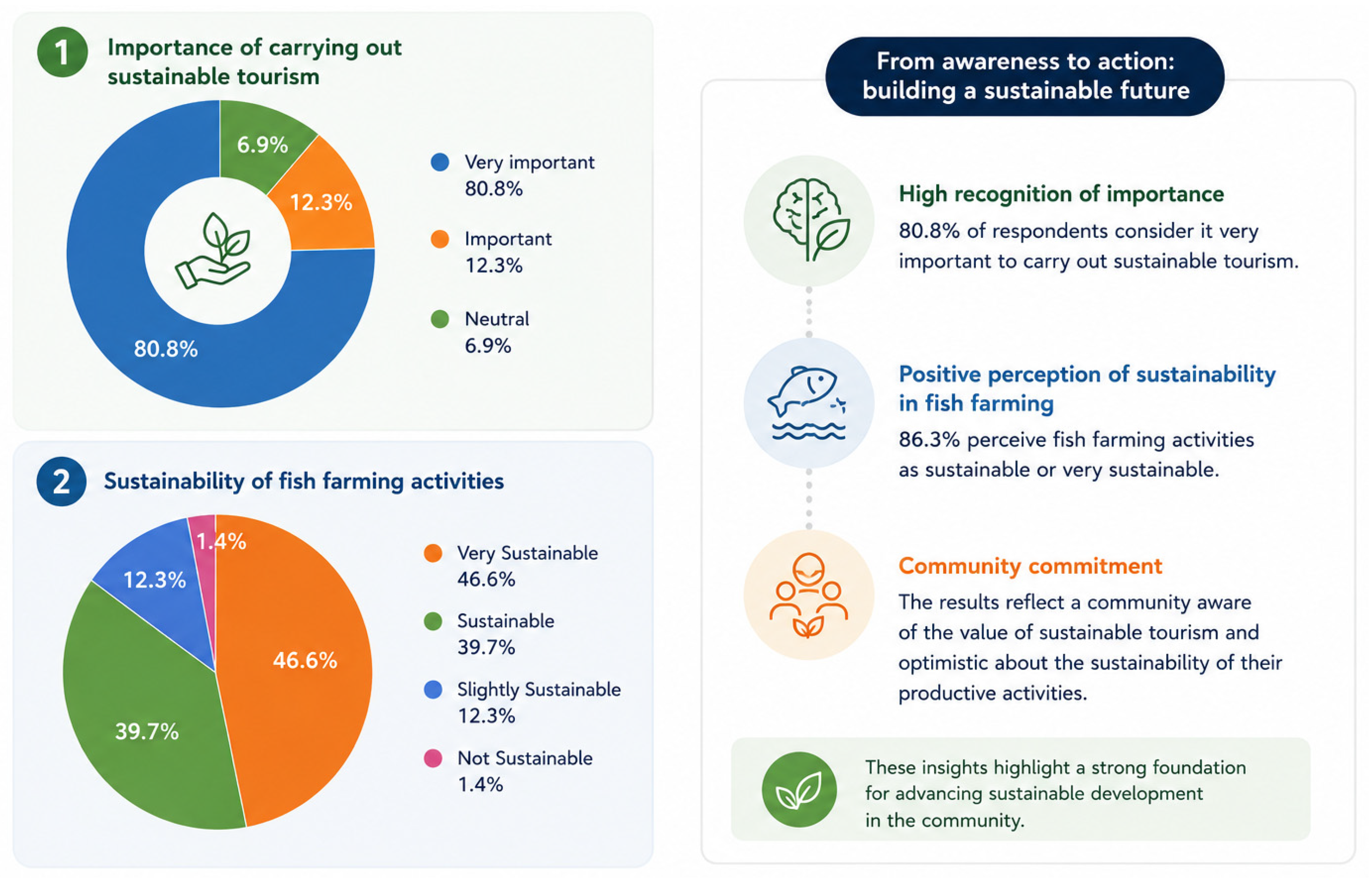
Regarding the importance of fish farming activities in Somondoco for tourism participation, the following five questions focus on the sustainability of this sector in order to understand the perspective of visitors on this economic activity; these results are shown in Figure 7.
Figure 7.
Survey results on sustainable tourism.
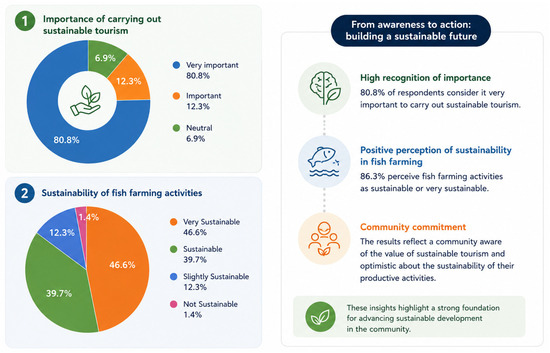
The results of these three questions show that 86.3% of visitors to the fish farm are familiar with the term “sustainable tourism,” while 13.7% are unfamiliar with it. Furthermore, 93.1% affirm that it is important to practice sustainable tourism in the municipality of Somondoco, while 6.9% remain neutral. Finally, regarding the sustainability of fish farming activities, 86.3% of respondents state that fish farming in the municipality is carried out sustainably, while 12.3% disagree, stating that it is not sustainable. These data highlight the importance that visitors place on sustainability for tourism activities such as fish farming; however, it is necessary to identify the specific aspects that must be considered to ensure the sustainability of this activity.
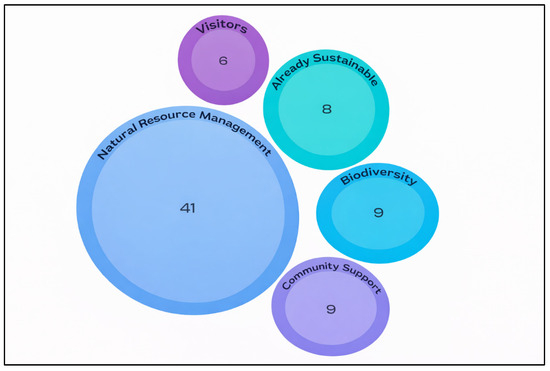
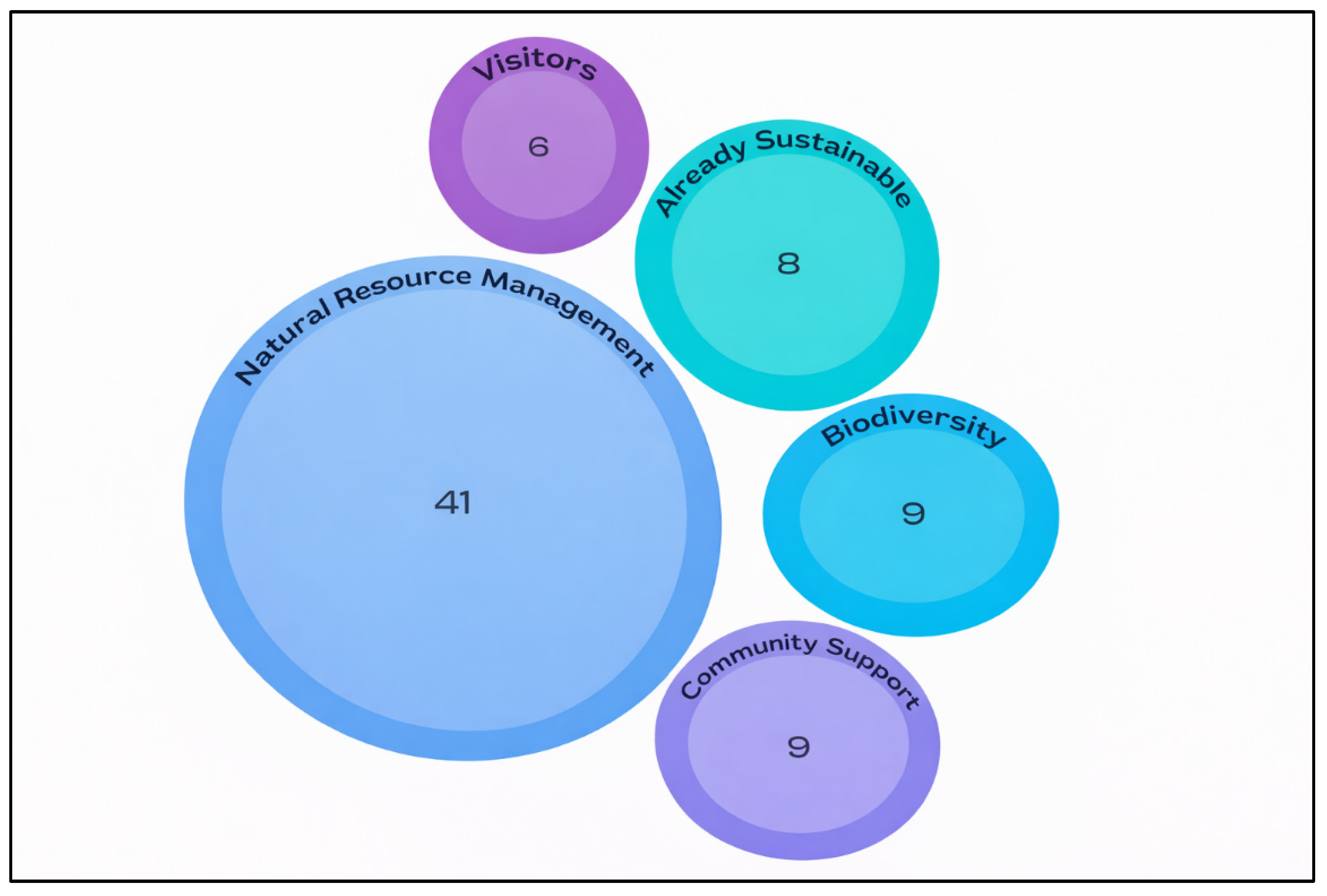
Finally, as shown in Figure 8, the aspect most considered by visitors for the sustainability of fish farming activities in Somondoco is the responsible management of natural resources (54.8%), followed by biodiversity conservation and support for the local community (12.3% each). These results demonstrate that the management of natural resources is the key factor that must be addressed in order to implement a sustainable methodology, from the use of water resources to the use of land near the ponds.
Figure 8.
Graph of survey results segregated by aspects to consider for carrying out sustainable fish farming in Somondoco.
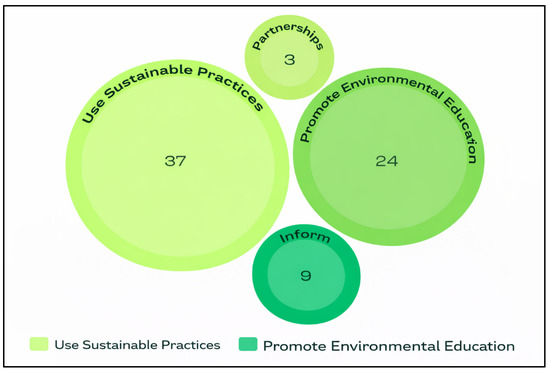
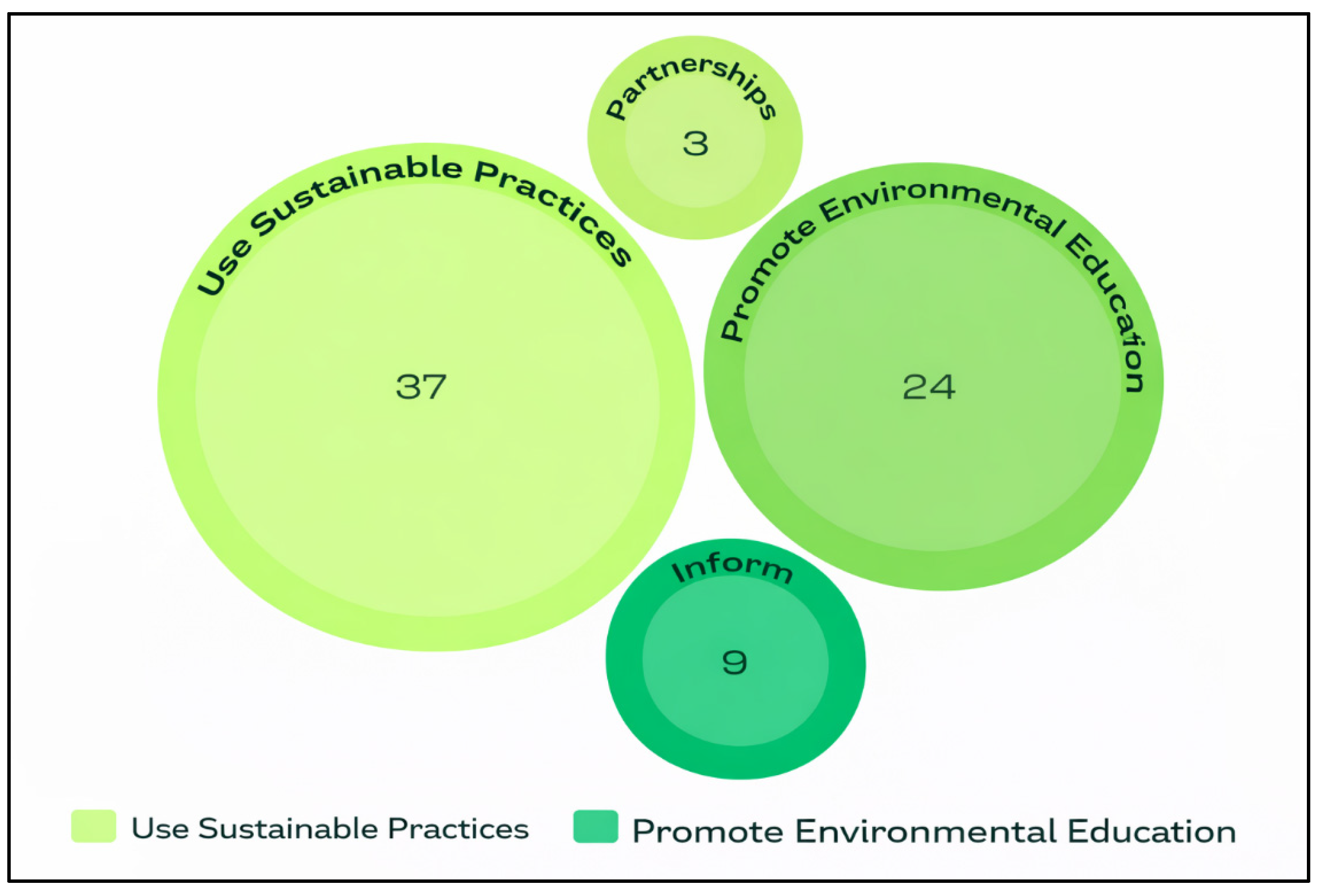
Similarly, as shown in Figure 9, the majority of respondents (49.3%) mentioned that using sustainable practices in fish farming operations, focusing on water quality or fishing techniques, are actions that should be implemented to promote sustainable tourism regarding fish farming in Somondoco. They also mentioned that promoting environmental education and sustainable awareness among their visitors (32.9%) is an action that would contribute to the sustainable approach of the business.
Figure 9.
Graph of survey results segregated by actions that could be carried out to promote sustainable tourism regarding fish farming in Somondoco.
3.4. Survey Results Focused on the Economic Factor
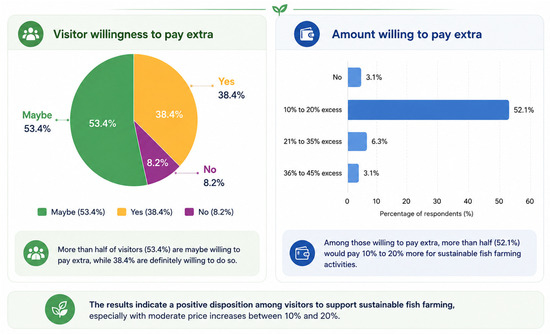
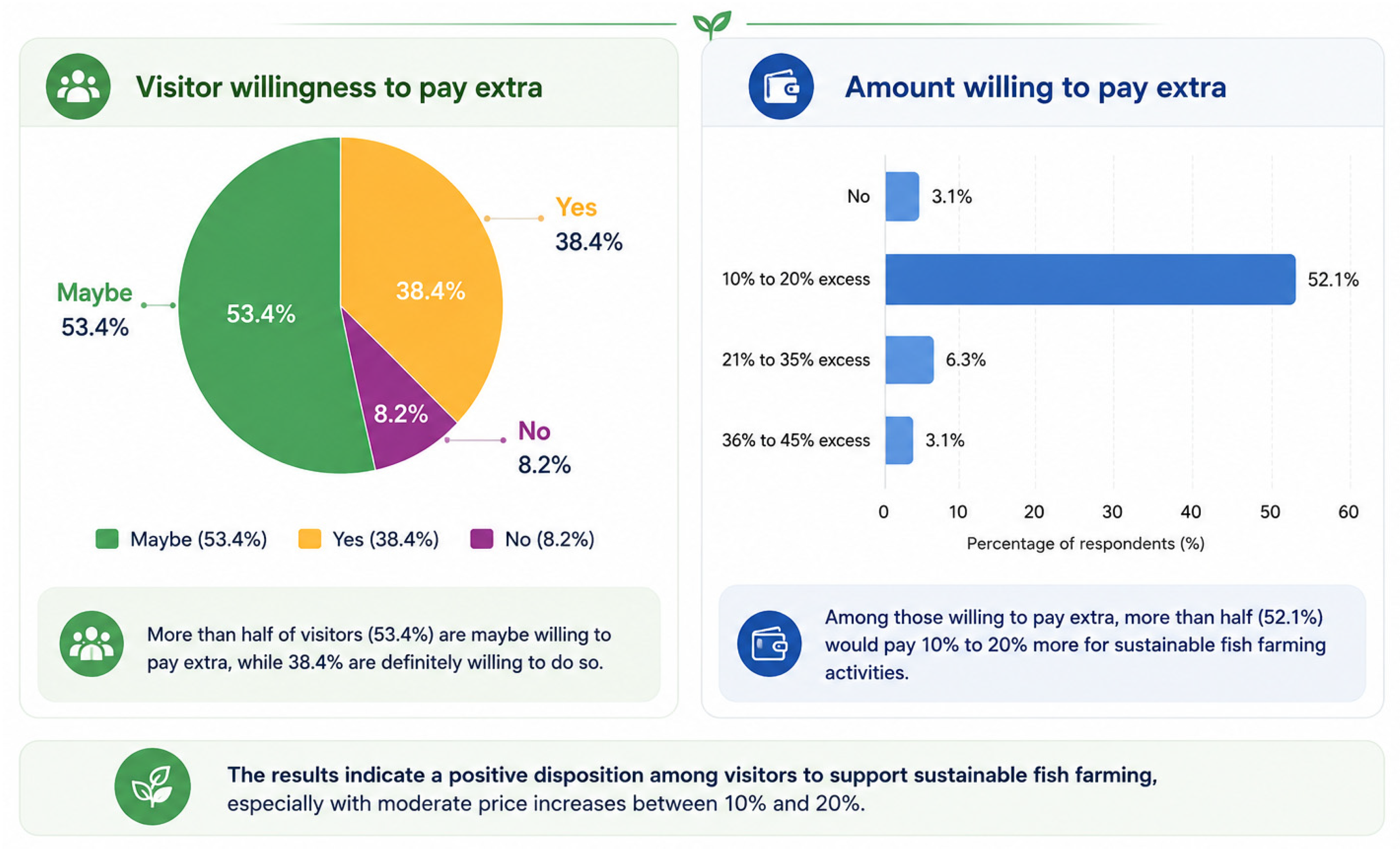
One of the pillars of sustainability is based on the economic sector it relates to; therefore, the following two questions focus on asking respondents how willing they would be to contribute financially in order to maintain and promote sustainability in the fish farming sector. Figure 10 shows the results.
Figure 10.
Willingness to pay extra for sustainable fish farming activities.
3.5. Survey Results Focused on the Benefits of Sustainable Fish Farming
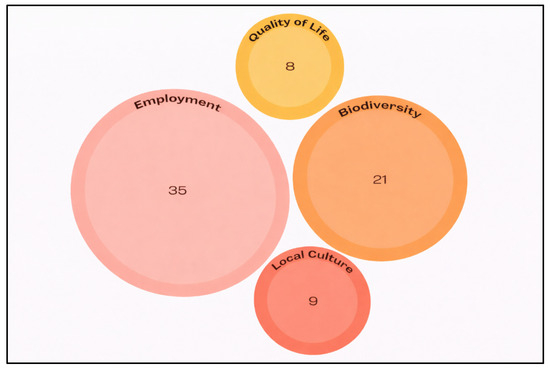
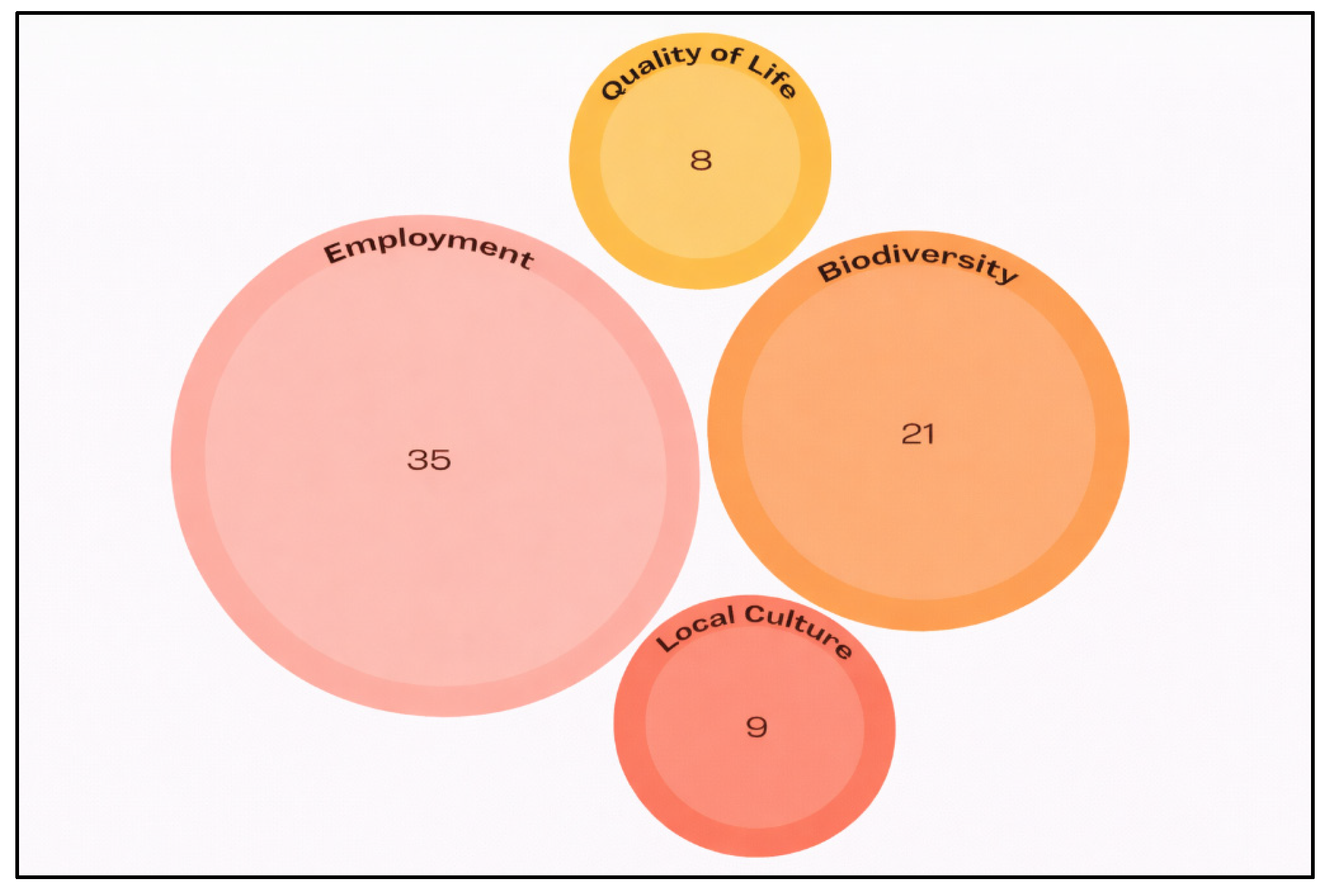
Similarly, as the economic pillar is important in a sustainable context, it is important that the social aspect generates the same significance for the community that is closely related to the fish farming trade of the municipality. Thus, the respondents were asked about the main benefit that can be obtained from carrying out a fish farming activity in a sustainable way; the results are shown in Figure 11.
Figure 11.
Graph of survey results segregated by the benefit that can be obtained from carrying out a sustainable fish farming activity in Somondoco.
3.6. SWOT Matrix: Diagnosis of Fish Farming Activity in the Municipality of Somondoco, Boyaca
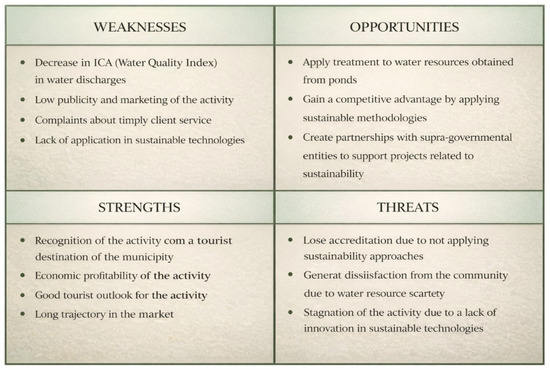
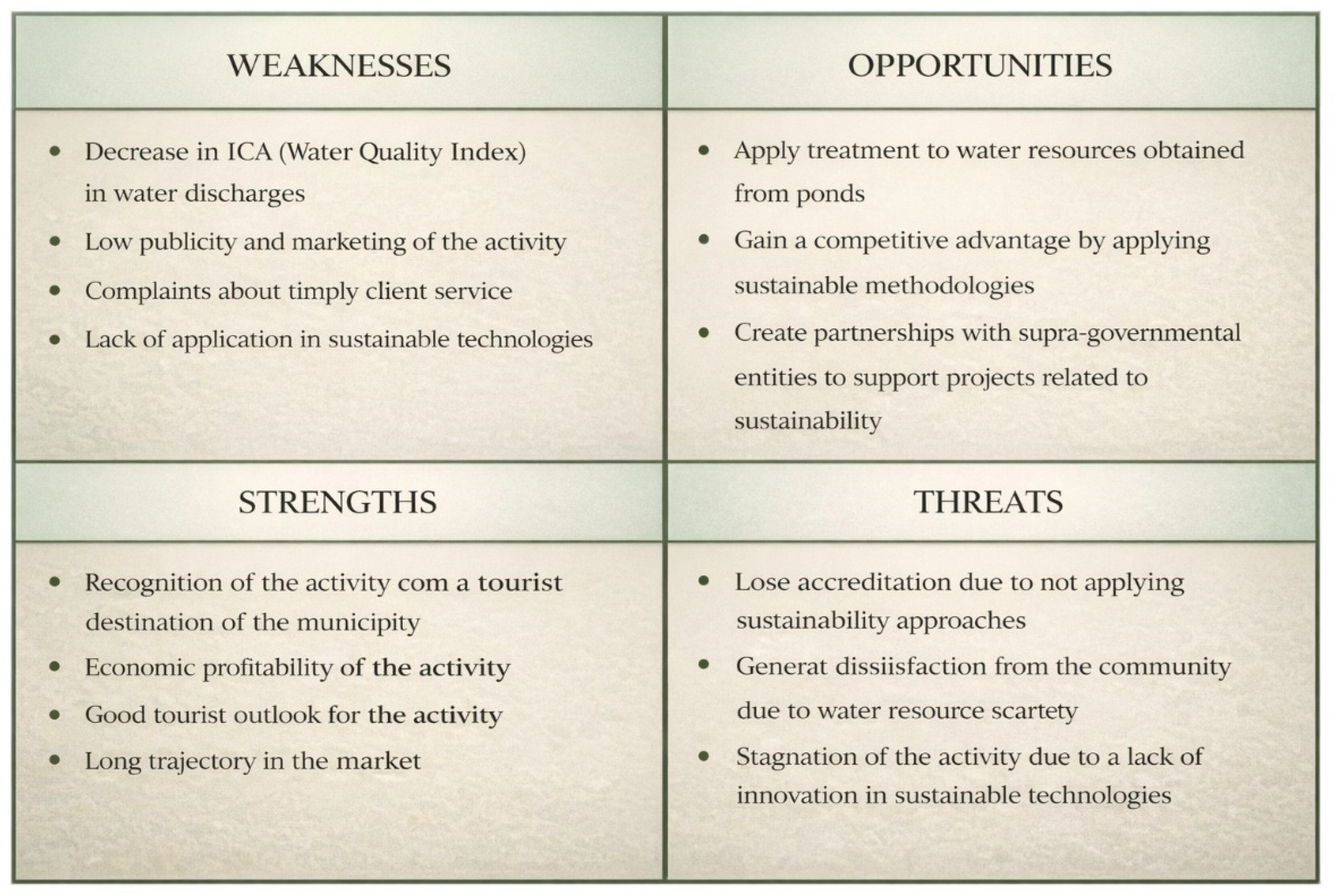
A SWOT matrix was used to compile all the information obtained, as reflected in Figure 12.
Figure 12.
SWOT matrix: diagnosis of fish farming activity in the municipality of Somondoco, Boyacá.
The diagnosis shows that the results present accurate information, revealing weaknesses that must be addressed promptly, such as the decrease in the ICA (water quality index) in water discharges and relevant threats, such as community dissatisfaction due to water scarcity. These aspects can be developed during the course of the research, leveraging the strengths of the fish market, in order to implement a tool related to water resource management.
Finally, as shown in Figure 12 to carry out sustainable rotational farming within the fish farming sector, the five characteristics developed in this chapter must be considered; these parameters will serve as a reference for the development of the technology methodology that will be presented in the next chapter.
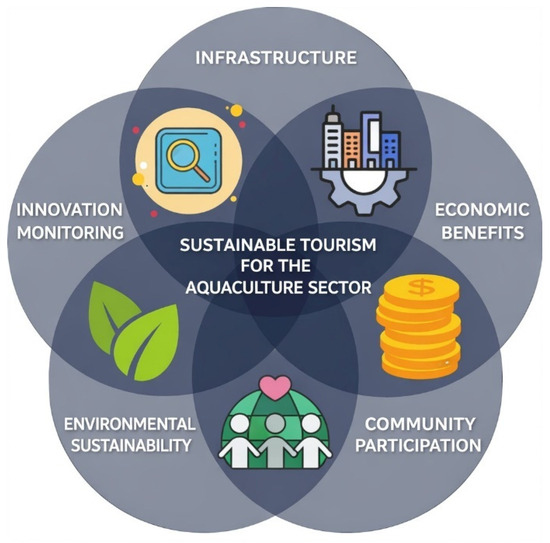
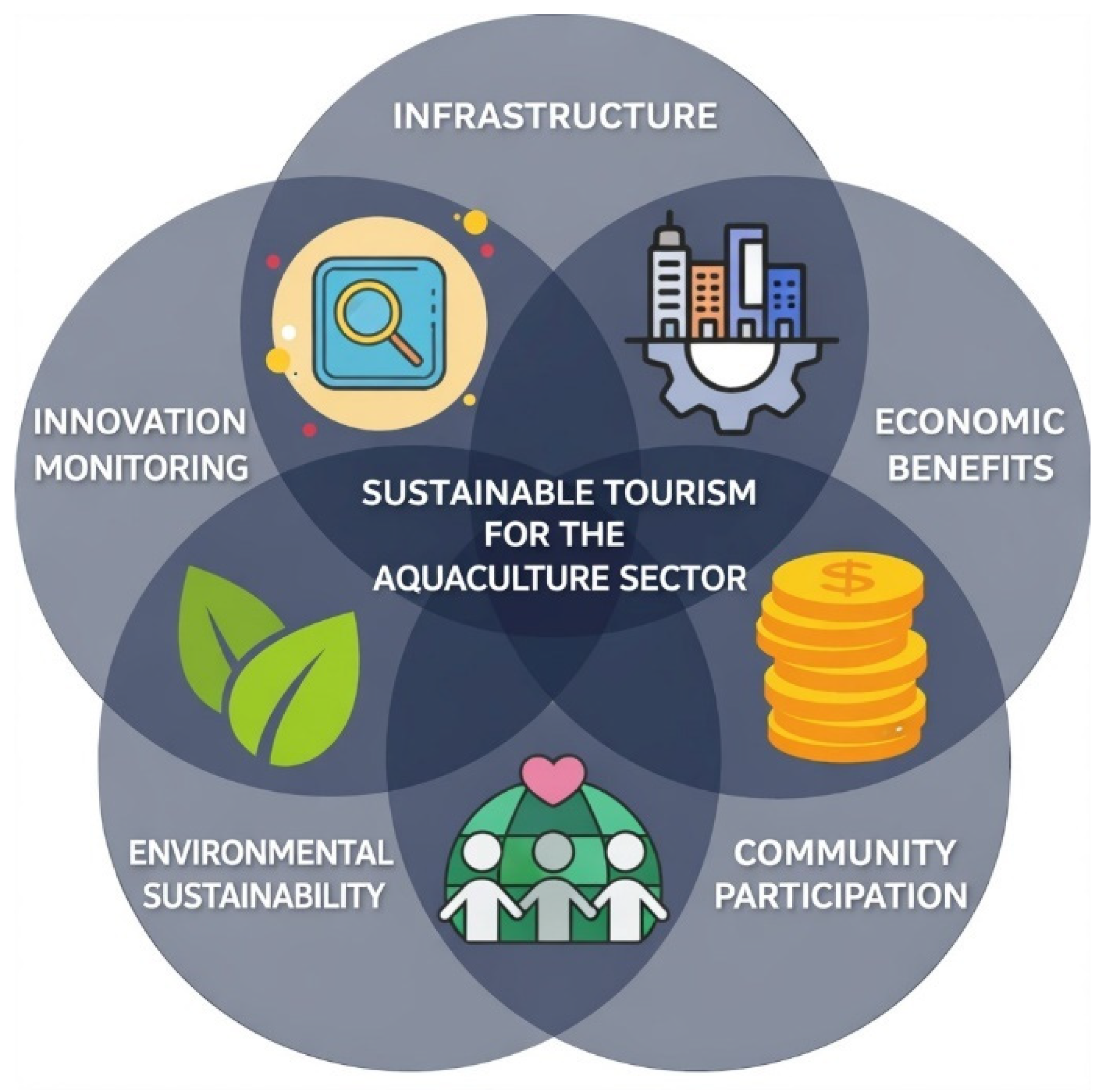
Figure 13 presents the main characteristics proposed for sustainable tourism within the fish farming sector. The figure integrates the elements identified throughout this study as relevant to the sustainability of the activity, particularly the relationships between fish farming, environmental management, water resource management, and the tourism experience. It serves as a conceptual framework for linking the environmental and social findings with the proposed sustainable management approach for the activity.
Figure 13.
Characteristics of sustainable tourism for the fish farming sector.
The aim is to educate visitors about sustainable fish farming and its impact on the environment, offering an interactive experience where tourists learn about fish breeding processes, feeding, water control, and ecological management, thus promoting responsible tourism by integrating environmental education.
4. Discussion
The change in the water quality condition between the supply and discharge points indicates that fish farming activity is associated with a deterioration in the integrated water quality assessment. This variation can be interpreted in relation to the physicochemical parameters contributing to the ICA, particularly electrical conductivity, whose sub-index showed the most pronounced reduction. The increase in EC observed at the discharge point indicates a greater concentration of dissolved ions in the effluent. This behavior may be associated with processes occurring within the fish farming system, including the decomposition of organic matter and the release of dissolved substances from uneaten feed and fish metabolic processes. These processes can contribute to changes in the ionic composition of the water and, consequently, the observed increase in electrical conductivity.
From a management perspective, the observed change highlights the importance of strengthening water quality monitoring and improving the management of discharges from the fish farming system. Although the present study identifies the change in EC and its contribution to the ICA as an important environmental concern, the specific contribution of individual sources of dissolved ions was not experimentally determined. Therefore, further studies should evaluate the composition of the effluent and the relative contribution of feed residues, metabolic products, and other sources before implementing specific treatment measures. Improving water management could subsequently contribute to reducing environmental pressures associated with the activity and strengthening its sustainability as a tourism-oriented fish farming system.
The decline in the WQI between the water supply and discharge points is relevant not only from a physicochemical perspective but also because changes in water quality conditions may have ecological implications for the receiving environment. In fish farming systems, variations in dissolved oxygen, electrical conductivity, chemical oxygen demand, and suspended solids can modify the conditions experienced by cultured organisms and influence the quality of the receiving water. In particular, increased organic loading and associated oxygen demand may reduce oxygen availability, while changes in ionic composition and suspended material may affect the suitability of the water for aquatic organisms. However, the present study did not directly evaluate fish health, biological communities, toxicity, or ecological responses in the receiving water body. Therefore, the observed WQI decline should be interpreted as an indicator of a change in physicochemical water quality conditions rather than direct evidence of ecological damage.
The environmental significance of the discharge should also be considered within the Colombian regulatory framework governing wastewater discharges and water resource management. The measured physicochemical conditions provide useful evidence for identifying parameters that require monitoring and management; however, compliance with a regulatory discharge limit cannot be established solely from the WQI because regulatory assessment depends on the specific discharge category, receiving water, applicable parameters, and conditions established by the competent environmental authority. Therefore, the results should be complemented by a parameter-by-parameter comparison with the applicable Colombian discharge requirements. This comparison would provide a more appropriate basis for determining whether the effluent requires additional treatment or management measures.
From an ecological management perspective, these findings support the need for continued monitoring of the discharge and, where appropriate, the receiving water body. Future studies should incorporate biological indicators, fish health parameters, and ecological assessments to determine whether the physicochemical changes identified in this study translate into measurable effects on aquatic organisms or ecosystem functioning. Such assessments would strengthen the environmental evaluation of fish farming and provide a more comprehensive basis for designing mitigation strategies.
Similarly, the next variable that showed a significant change is COD, where the weighting was reduced from 0.10 to 0.05. This change is due to a 96% increase in the COD measurement, reaching a concentration of 75 ± 1 mg/L. As with EC, the presence of organic matter in the form of food scraps and other waste increases COD. As organic matter decomposes, microorganisms consume oxygen to carry out the decomposition process. Another reason is the population density; a high number of fish in the pond generates a greater waste load and a higher COD value.
On the other hand, the weighting of the SST and pH variables remained constant, which did not generate any significant change. Finally, for the DO variable, an increase in weighting was observed, going from 0.15 to 0.17 in the calculation of this variable. This change is beneficial for the water resource. The main reason is the different waterfalls that connect the ponds, where a water aeration process takes place, increasing the contact surface between the water and the air and facilitating the transfer of oxygen to the water.
The water temperature increased from 19.3 ± 0.3 °C at the supply point to 22.9 ± 0.3 °C at the discharge point, corresponding to a difference of approximately 3.6 °C. This change indicates that the water temperature was modified during its passage through the fish farming system. Because temperature was measured at the inlet and discharge points rather than continuously throughout the system, the specific contribution of individual factors to this difference cannot be determined from the present data. However, the change may be associated with the exposure of the water to environmental conditions during its passage through the production system. Therefore, the observed temperature difference should be interpreted as a change between the sampling points rather than evidence of a specific causal mechanism.
4.1. Eco Tradition: Fish Farming and Family Heritage
The project aims to build a souvenir shop with an exhibition stand where visitors can learn about the history of the family business and the importance of fish farming in Somondoco. The shop will offer unique products reflecting the municipality’s local culture, such as handicrafts made using the braided-beak technique and regional culinary specialties like fried curd. Meanwhile, the family heritage stand will serve as an educational and interactive space to share the history of the business and raise awareness about responsible aquaculture.
This store aims to create a commercial space where visitors can purchase souvenirs that represent local identity and fish farming, as well as inform and raise awareness of the family business brand, highlighting its history, commitment to the environment, and evolution over time, in addition to promoting local economic development through the sale of artisanal, food, and organic products.
The souvenir shop will sell products related to fish farming and local identity, such as T-shirts, caps, magnets, postcards, and figures inspired by mojarras; in addition, an alliance will be sought with local artisans to promote the sale of their native items.
4.2. Circular Aquaculture: RAS Technology and Microalgae in Action
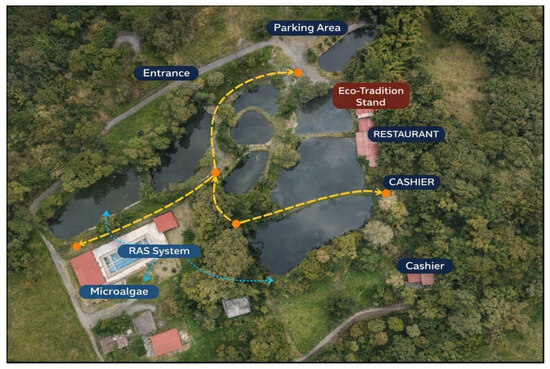
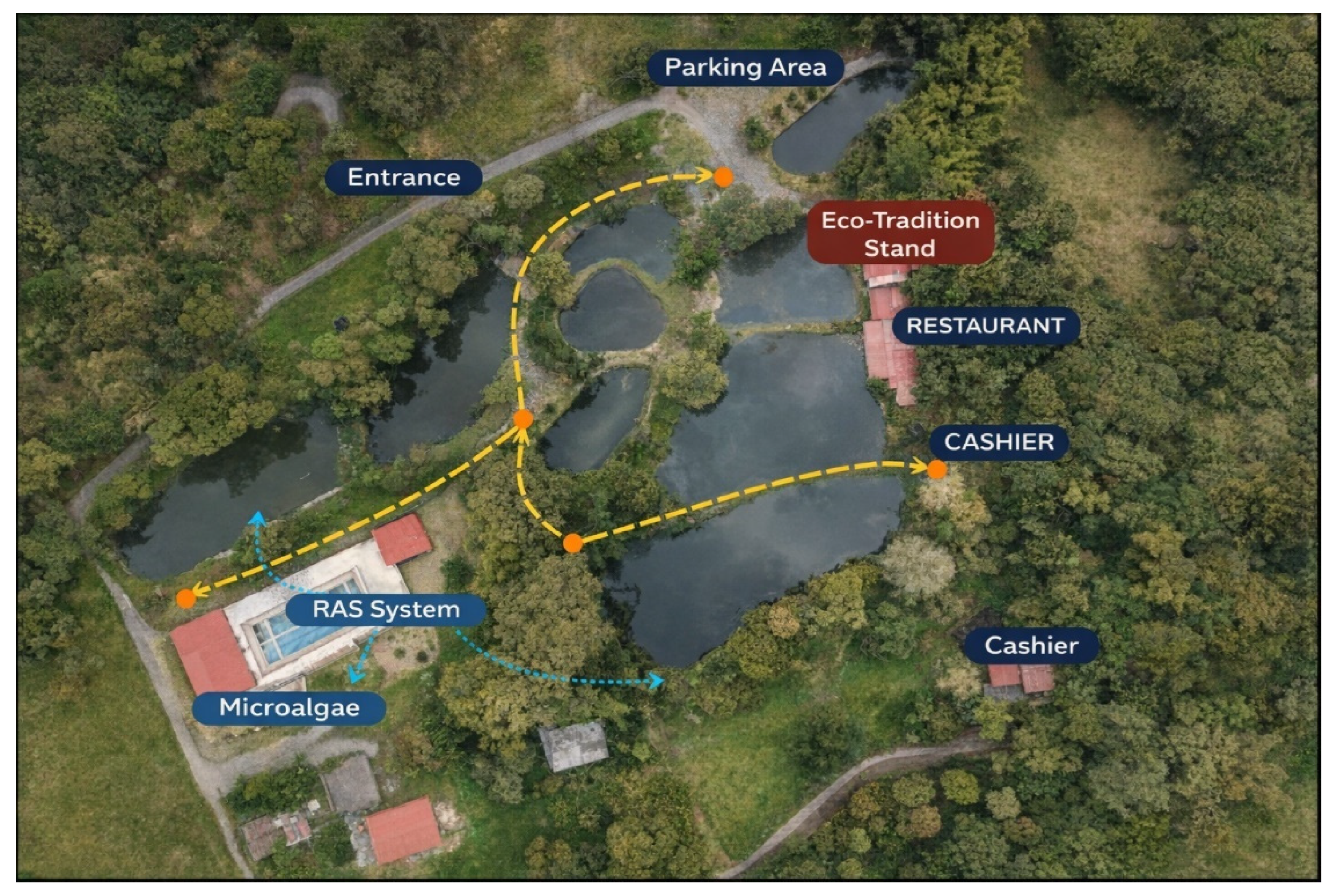
Finally, as shown in Figure 14 a technological model based on recirculating aquaculture systems (RASs) is proposed for this stage, along with the use of microalgae for the biofiltration of excess compounds such as nitrogen and phosphorus. A RAS is a closed aquaculture system that allows for water reuse through filtration and treatment processes. RASs reduce the need for constant water renewal, making fish farming more sustainable and efficient by removing metabolic waste before recirculating the water back into the system. Water purification is achieved through mechanical or biological filtration, oxygenation, and sterilization, and different levels of sophistication and efficiency can be achieved [16].
Figure 14.
Location of the RAS system coupled to microalgae in the “Los Lagos” fish market.
Based on the water quality conditions identified in this study, a preliminary conceptual alternative is the integration of a recirculating aquaculture system (RAS) with a microalgae-based treatment stage. The proposed system would be designed initially at pilot scale and positioned to treat the discharge generated by the fish production system before its final release. The conceptual configuration would include a solids-removal stage, biological treatment through a microalgae unit, water quality monitoring, and recirculation of the treated water to the production system, where appropriate.
The main objective of the proposed RAS–microalgae configuration would be to reduce the environmental pressure associated with water discharge while improving water reuse within the production process. The parameters identified in the present study, particularly chemical oxygen demand, electrical conductivity, total suspended solids, dissolved oxygen, and pH, could be used as initial performance indicators for evaluating the treatment system. However, the present study did not experimentally determine the hydraulic flow required for the system, select a specific microalgae species, establish reactor dimensions, or quantify pollutant removal efficiencies. Therefore, these parameters should be determined during a subsequent pilot-scale assessment based on the actual flow rate, hydraulic retention time, water characteristics, and operational conditions of the facility.
A preliminary economic assessment should also be incorporated into the pilot stage by comparing the initial investment and operating costs of the RAS–microalgae system with potential benefits associated with water reuse, reduced discharge, and improved environmental performance. Because these economic parameters were not measured in the present study, a quantitative cost–benefit ratio cannot be established at this stage. Accordingly, the RAS–microalgae configuration is proposed as a technically promising alternative requiring pilot-scale validation and economic assessment rather than a validated treatment solution.
Figure 14 illustrates the proposed location of the RAS coupled with a microalgae treatment system within the “Los Lagos” fish market. The figure provides a conceptual representation of how the proposed water recirculation and treatment alternative could be integrated into the existing fish farming operation. Its purpose is to identify the proposed position of the system within the facility and support the discussion of water reuse and environmental management. Because the RAS–microalgae system was not experimentally implemented in the present study, the figure represents a preliminary conceptual proposal rather than a validated treatment configuration.
Proper management of water resources is a fundamental pillar for ensuring environmental sustainability in sustainable tourism within the fish farming sector. This involves implementing practices that reduce water pollution and optimize water use by, for example, controlling the use of feed and fertilizers in ponds to prevent eutrophication and the accumulation of waste [17].
Water quality must be regularly monitored to ensure optimal conditions for both farmed species and surrounding ecosystems. Similarly, it is crucial to preserve natural water sources through conservation strategies such as reforestation of riverbanks, protection of wetlands, and the implementation of vegetation barriers that reduce runoff of pollutants. These actions not only support aquaculture production but also create an attractive environment for tourists, who will learn about the importance of responsible water resource management within an environmental education framework [18].
On the other hand, employing water recirculation systems that minimize waste and allow for the efficient reuse of this resource includes adopting cultivation techniques that minimize environmental impact, limiting the use of chemicals such as fertilizers and antibiotics and replacing them with natural or biological alternatives that protect the health of aquatic ecosystems and support fish farming [19]. Involving nearby communities ensures that the decisions and benefits derived from tourism and aquaculture activities are shared equitably. This is achieved by creating direct jobs in areas such as tour guides, fish farm workers, and maintenance personnel, prioritizing the hiring of local residents [20].
Active community participation fosters a sense of ownership and commitment to environmental conservation through knowledge transfer via workshops, training, and educational programs. This approach not only enhances skills and economic opportunities but also promotes the adoption of responsible practices that benefit local ecosystems. Together, these strategies build a harmonious relationship between tourism, fish farming, and the community, consolidating a sustainable development model that values both people and the environment [21].
However, despite this growth, the fish farming industry in Colombia still faces several challenges, such as the need to optimize water management and the environmental sustainability of fishing businesses. Therefore, this project seeks to investigate and develop sustainable practices that contribute to mitigating the environmental impacts of this industry, enabling its expansion and contribution to the country’s economy [22]. Aquaculture facilities must be designed and built with environmentally friendly materials and techniques that minimize environmental impact, such as the use of renewable energy, rainwater harvesting systems, and efficient waste management solutions. These infrastructures must be harmoniously integrated with the natural environment, avoiding the alteration of local habitats and contributing to an attractive environment for visitors [23].
From an economic perspective, diversifying income involves complementing the main activity of raising and selling tilapia with additional services and products aimed at tourists, such as educational tours, recreational fishing, gastronomic experiences based on local recipes, and the sale of byproducts like fresh fillets and smoked tilapia. These activities not only increase income sources but also attract a wider audience interested in authentic and sustainable experiences [24]. This model also benefits the local economy by promoting the hiring of community members and encouraging the creation of small, complementary businesses, such as craft shops, rural accommodations, and transportation services. Furthermore, by being based on responsible practices, sustainable tourism reduces costs associated with environmental damage, ensuring long-term economic viability [23].
Innovation can manifest itself in the implementation of advanced technologies, such as real-time monitoring systems for water quality, sensors to optimize fish feeding, and the latest Industry 4.0 technologies in Internet of Things programming, as well as digital applications that manage visitor reservations and reduce paper use.
4.3. Community Participation and Water Governance
The SWOT analysis identified water scarcity as an important external threat to the sustainability of fish farming and tourism activities in Somondoco. Addressing this risk requires mechanisms that go beyond the implementation of technological solutions and involve coordinated water resource governance among the fish farm, local authorities, environmental institutions, and other water users. In this context, community participation could contribute to identifying periods of higher water demand, establishing priorities for water use, monitoring changes in water availability, and developing collective responses during periods of water scarcity.
A specific governance mechanism could involve the establishment of a participatory water management arrangement in which water users and relevant institutions periodically review water availability, current water demand, and the conditions associated with water use. Within the regulatory framework applicable to water resources, the allocation and authorization of water use should be considered when planning the long-term operation of the fish farming activity. This could include verification of the applicable water-use authorization, monitoring of the authorized abstraction volume, and coordination with the competent environmental authority regarding potential restrictions or adjustments during periods of water scarcity [25,26,27].
At the local level, a water management committee or similar participatory mechanism could be used to facilitate communication among fish farmers, community representatives, tourism stakeholders, and public or environmental authorities. Such a mechanism could support agreements on water-saving practices, reporting of changes in water availability, monitoring of abstraction and discharge conditions, and coordination of contingency measures during periods of reduced water availability. These actions would complement the proposed technological alternatives by addressing water scarcity as a governance and resource management issue rather than solely as a technical problem [28,29,30].
5. Conclusions
The SWOT analysis indicates that fish farming in Somondoco has important strengths that can support its development as a sustainable tourism activity related to the tourist destination location, profitability, and accumulated market experience. However, the activity also presents internal weaknesses, particularly the limited implementation of sustainable technologies, deficiencies in customer service, and restricted market visibility. These findings indicate the need to strengthen internal capacities and improve the management and positioning of the activity.
The analysis also identified opportunities related to the adoption of sustainable methodologies, improved water resource management, and the establishment of institutional alliances. These opportunities may contribute to strengthening the competitiveness and sustainability of fish farming when appropriately implemented. At the same time, threats such as the potential loss of accreditations, water scarcity, and stagnation resulting from limited innovation highlight the importance of developing preventive and adaptive management strategies.
Within this context, this study identifies water management, technological modernization, and environmental sustainability as priority areas for future action. The implementation of sustainable technologies, including recirculating aquaculture systems, microalgae-based treatment, and digital monitoring tools associated with Industry 4.0, is proposed as a potential pathway based on the conditions identified in the diagnosis. However, these alternatives were not experimentally implemented or validated in the present study; therefore, their effectiveness should be assessed through future pilot-scale or experimental research before being adopted at the study site.
Overall, the findings suggest that fish farming in Somondoco has the potential to contribute to sustainable tourism and local economic development, provided that the environmental pressures associated with water use and the identified management weaknesses are addressed. The results of this study provide a basis for guiding future interventions toward more efficient water management, environmental sustainability, innovation, and institutional collaboration. The proposed strategies should therefore be understood as recommendations derived from the environmental, social, and strategic diagnosis rather than as experimentally validated solutions.
Author Contributions
Conceptualization, L.A.M.-B. and A.T.O.-R.; methodology, L.A.M.-B. and A.T.O.-R.; software, L.A.M.-B.; validation, L.A.M.-B.; formal analysis, L.A.M.-B.; investigation, L.A.M.-B.; resources, A.T.O.-R.; data curation, A.T.O.-R.; writing—original draft preparation, L.A.M.-B.; writing—review and editing, A.T.O.-R.; visualization, A.T.O.-R.; supervision, A.T.O.-R.; project administration, A.T.O.-R.; funding acquisition, A.T.O.-R. All authors have read and agreed to the published version of the manuscript.
Funding
This research received no external funding.
Data Availability Statement
All authors have read and accepted the published version of the manuscript. The datasets used and/or analyzed during the current study are available from the corresponding author upon reasonable request.
Conflicts of Interest
The authors declare no conflicts of interest.
References
- Giraldo Restrepo, V.M. Desarrollo Sostenible de la Piscicultura de la Vereda Bachichi; Universidad Católica de Pereira: Pereira, Colombia, 2020. [Google Scholar]
- Troell, M.; Costa-Pierce, B.; Stead, S.; Cottrell, R.S.; Brugere, C.; Farmery, A.K.; Little, D.C.; Strand, Å.; Pullin, R.; Soto, D.; et al. Perspectives on aquaculture’s contribution to the Sustainable Development Goals for improved human and planetary health. J. World Aquac. Soc. 2023, 54, 251–342. [Google Scholar] [CrossRef] [Scilit]
- Ponce-Palafox, J.T.; Cruz, O.R.; Vargasmachuca, S.C.; Nochebuena, P.A.; Ulloa-García, M.; Sala, R.G.; Toussaint, I.F.; Lea, H.E. El desarrollo sostenible de la acuicultura en América Latina. REDVET. Rev. Electrón. Vet. 2006, 7, 1–16. [Google Scholar]
- MINCIT. Colombia es el Tercer País en América en Superar las Cifras Prepandemia en Turismo, Según la OMT; Noticia de Turismo: Pereira, Colombia, 2023. Available online: https://www.mincit.gov.co/prensa/noticias/turismo/colombia-supera-cifras-prepandemia-en-turismo-omt (accessed on 27 July 2026).
- MINCIT. Colombia Travel. Colombia, El País de La Belleza. 2023. Available online: https://colombia.travel/es (accessed on 27 July 2026).
- Carrera-Quintana, S.C.; Gentile, P.; Girón-Hernández, J. An overview on the aquaculture development in Colombia: Current status, opportunities and challenges. Aquaculture 2022, 561, 738583. [Google Scholar] [CrossRef] [Scilit]
- Cruz-Casallas, P.E.; Medina-Robles, V.M.; Velasco-Santamaría, Y.M. Fish farming of native species in Colombia: Current situation and perspectives. Aquac. Res. 2011, 42, 823–831. [Google Scholar] [CrossRef] [Scilit]
- Bonilla, A.Q. Génesis de la actividad piscícola en el Huila. Rev. Acad. Huilense Hist. 2019, 89–117. [Google Scholar]
- Alcaldía Municipal. Guía de Servicios Turísticos; La Marca de Está En Tu Corazón: Bogotá, Colombia, 2023. Available online: https://www.calameo.com/read/007199056f448847737c8?fbclid=IwAR1PmPKesXpnwxRHsM94LcKcYjfUmMUtbWzss6-ZVaIxafjSX5Ob1izBdBo (accessed on 27 July 2026).
- MINCIT. La Nueva Ley de Turismo, Ley 2068 de 2020, Fue Sancionada por el Presidente Duque; Ministerio de Comercio, Industria y Turismo: Bogotá, Colombia, 2020. Available online: https://www.mincit.gov.co/prensa/noticias/turismo/ley-de-turismo-sancionada-por-el-presidente-duque (accessed on 27 July 2026).
- Ministerio de Ambiente y Desarrollo Sostenible. Plan Nacional de Negocios Verdes; Ministerio de Ambiente y Desarrollo Sostenible: Bogotá, Colombia, 2022. Available online: https://www.minambiente.gov.co/negocios-verdes/plan-nacional-de-negocios-verdes/ (accessed on 27 July 2026).
- Durán, E.; Rosado Cárcamo, R.; Ballesteros, O.D.; Lerma, D.E. Comercialización de pescado en las principales plazas de mercado de montería, Colombia. Temas Agrar. 2014, 19, 48–62. [Google Scholar] [CrossRef] [Scilit][Green Version]
- Freitas, J.; Vaz-Pires, P.; Câmara, J.S. From aquaculture production to consumption: Freshness, safety, traceability and authentication, the four pillars of quality. Aquaculture 2020, 518, 734857. [Google Scholar] [CrossRef] [Scilit]
- IDEAM. ESTUDIO NACIONAL DEL AGUA. 2022. Available online: https://ideam.gov.co/sala-de-prensa/informes/publicacion-jue-23032023-1200 (accessed on 20 August 2024).
- Murillo Díaz, J.M. Turbidez y sólidos en suspensión de las aguas de escorrentía susceptibles de ser utilizadas en la recarga artificial del acuífero granular profundo subyacente a la ciudad de San Luis de Potosí (México). Bol. Geológico Min. 2009, 120, 169–184. [Google Scholar]
- Ahmed, F.; Bijoy, M.H.I.; Hemal, H.R.; Noori, S.R.H. Smart aquaculture analytics: Enhancing shrimp farming in Bangladesh through real-time IoT monitoring and predictive machine learning analysis. Heliyon 2024, 10, e37330. [Google Scholar] [CrossRef] [Scilit] [PubMed]
- Khandakar, A.; Elzein, I.M.; Nahiduzzaman, M.; Ayari, M.A.; Ashraf, A.I.; Korah, L.; Zyoud, A.; Ali, H.; Badawi, A. Smart aquaponics: An innovative machine learning framework for fish farming optimization. Comput. Electr. Eng. 2024, 119, 109590. [Google Scholar] [CrossRef] [Scilit]
- Figueiró, C.S.M.; Bastos de Oliveira, D.; Russo, M.R.; Caires, A.R.L.; Rojas, S.S. Fish farming water quality monitored by optical analysis: The potential application of UV–Vis absorption and fluorescence spectroscopy. Aquaculture 2018, 490, 91–97. [Google Scholar] [CrossRef] [Scilit]
- Zhang, S.Y.; Li, G.; Wu, H.B.; Liu, X.G.; Yao, Y.H.; Tao, L.; Liu, H. An integrated recirculating aquaculture system (RAS) for land-based fish farming: The effects on water quality and fish production. Aquac. Eng. 2011, 45, 93–102. [Google Scholar] [CrossRef] [Scilit]
- Ford, E.; Billing, S.L.; Hughes, A.D. The role of community and company identities in the social license to operate for fin-fish farming. Aquaculture 2022, 553, 738081. [Google Scholar] [CrossRef] [Scilit]
- Zhu, J.; Yuan, X.; Yuan, X.; Liu, S.; Guan, B.; Sun, J.; Chen, H. Evaluating the sustainability of rural complex ecosystems during the development of traditional farming villages into tourism destinations: A diachronic emergy approach. J. Rural Stud. 2011, 86, 473–484. [Google Scholar] [CrossRef] [Scilit]
- Brú-Cordero, S.B.; Pertúz-Buelvas, V.; Ayazo-Genes, J.; Atencio-García, V.J.; Pardo-Carrasco, S. Bicultivo de cachama blanca Piaractus brachypomus y tilapia nilótica Oreochromis niloticus en biofloc alimentadas con dietas de origen vegetal. Rev. Fac. Med. Vet. Zootec. 2017, 64, 44–60. [Google Scholar] [CrossRef] [Scilit]
- Islam, M.H.; Anam Md, Z.; Hoque, M.R.; Nishat, M.; Bari, A.B.M.M. Agriculture 4.0 adoption challenges in the emerging economies: Implications for smart farming and sustainability. J. Econ. Technol. 2024, 2, 278–295. [Google Scholar] [CrossRef] [Scilit]
- Savari, A.; Sharifzadeh, M.; Karami, A. Assessing sustainability performance of community-based fish farming cooperatives: A comprehensive checklist. Environ. Sustain. Indic. 2024, 24, 100469. [Google Scholar] [CrossRef] [Scilit]
- Rakhimov, S.; Tilakova, Z.; Ixtiyorova, M.; Turayev, Z.; Isakova, S.; Kodirova, K.; Umirzakova, N. Enhancing fish health and ensuring environmental resilience in ecosystems supporting sustainable tourism through integrated genetic and nutritional approaches. Int. J. Aquat. Res. Environ. Stud. 2026, 6, 113–127. Available online: https://www.injoere.com/index.php/injoere/article/view/8 (accessed on 27 July 2026). [CrossRef] [Scilit]
- Albasri, H.; Sammut, J. A comparative study of sustainability profiles between small-scale mariculture, capture fisheries and tourism communities within the Anambas Archipelago Small Island MPA, Indonesia. Aquaculture 2022, 551, 737906. [Google Scholar] [CrossRef] [Scilit]
- Dash, B.; Balamurugan, G. Sustainable tourism, livelihood and coastal governance: Chilika lake, India. Ocean Coast. Manag. 2024, 253, 107128. [Google Scholar] [CrossRef] [Scilit]
- Rita Parmawati SP, M.E.; Yanti, I.; Ramadhani, A.W.; Risvita, W.; Achsin, M.Z.; Rahmawati, N.O.; Gunawan, F.K.; Ashari, F.M. Implementation of Integrated Farming System Technology Towards Sustainable Agriculture in the Kemiren Tourist Village, Banyuwangi. J. Innov. Appl. Technol. 2024, 10, 85–93. [Google Scholar] [CrossRef] [Scilit]
- Arinta, D.; Susilo, S. Development of integrated and sustainable community based eco-tourism on Sipelot beach, Indonesia. Geo J. Tour. Geosites 2023, 46, 19–26. [Google Scholar] [CrossRef] [Scilit]
- Balsas, C.J. Coastal waterfront transformations, fishing structures, and sustainable tourism. Sustainability 2024, 16, 6313. [Google Scholar] [CrossRef] [Scilit]

Disclaimer/Publisher’s Note: The statements, opinions and data contained in all publications are solely those of the individual author(s) and contributor(s) and not of MDPI and/or the editor(s). MDPI and/or the editor(s) disclaim responsibility for any injury to people or property resulting from any ideas, methods, instructions or products referred to in the content. |
© 2026 by the authors. Licensee MDPI, Basel, Switzerland. This article is an open access article distributed under the terms and conditions of the Creative Commons Attribution (CC BY) license.