Article

Geochemical Patterns of Soil and Water in Recently Deglaciated Lands of Peruvian Tropical Glaciers


1
Research Center for Environmental Earth Science and Technology (ESAT-FCAM), Faculty of Environmental Sciences, Universidad Nacional Santiago Antúnez de Mayolo, 200 Centenario Avenue, Huaraz 02002, Peru
2
Departamento de Geografía, Universidad Complutense de Madrid, c/Profesor Aranguren s/n, 28040 Madrid, Spain
3
Faculty of Biological Sciences, Universidad Nacional Mayor de San Marcos, 375 Carlos Germán Amezaga Avenue, Lima 15081, Peru
*
Author to whom correspondence should be addressed.
Environments 2026, 13(8), 423; https://doi.org/10.3390/environments13080423

Submission received: 15 June 2026 / Revised: 13 July 2026 / Accepted: 23 July 2026 / Published: 27 July 2026
(This article belongs to the Section Climate Change and Ecosystems)

Abstract

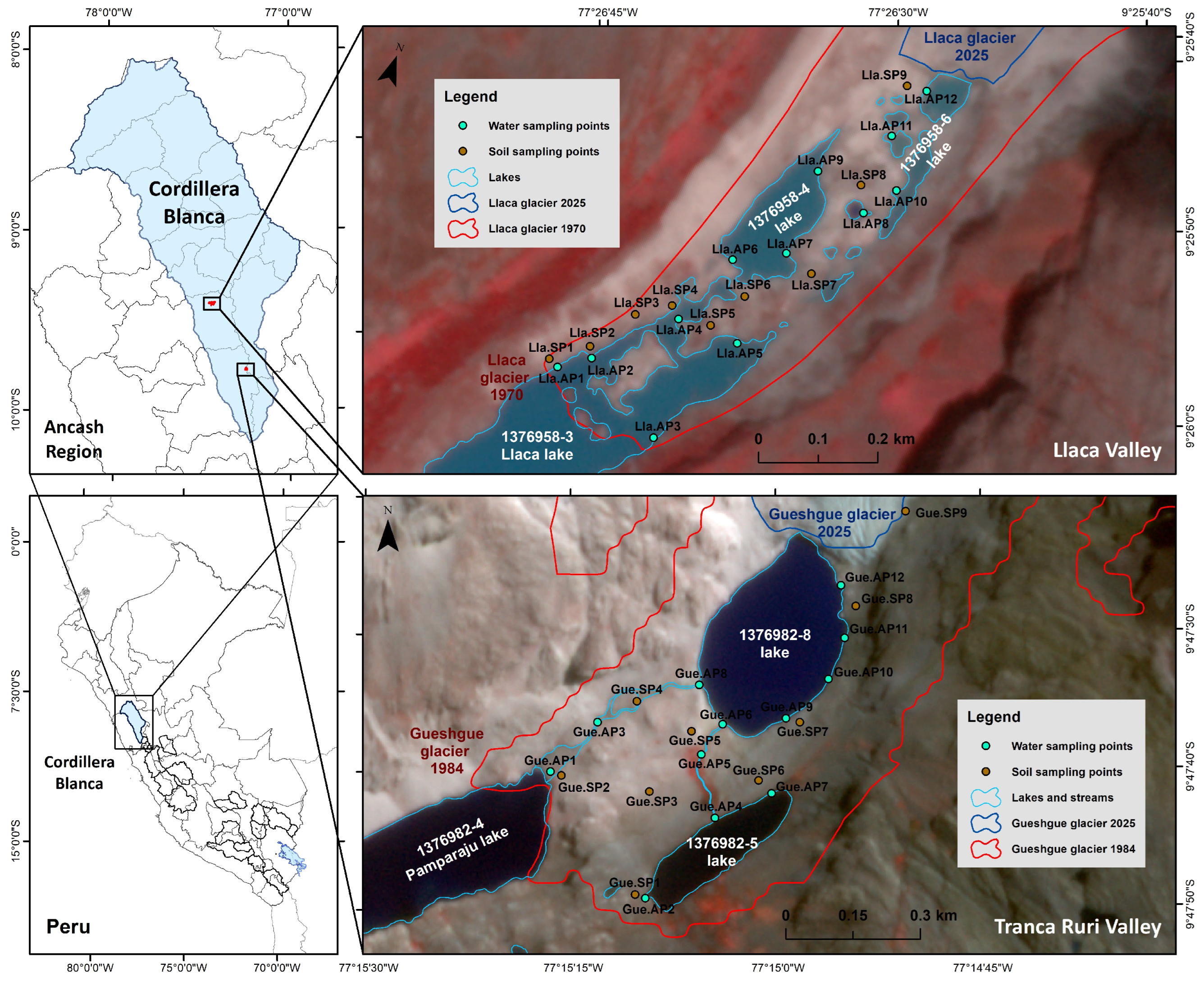
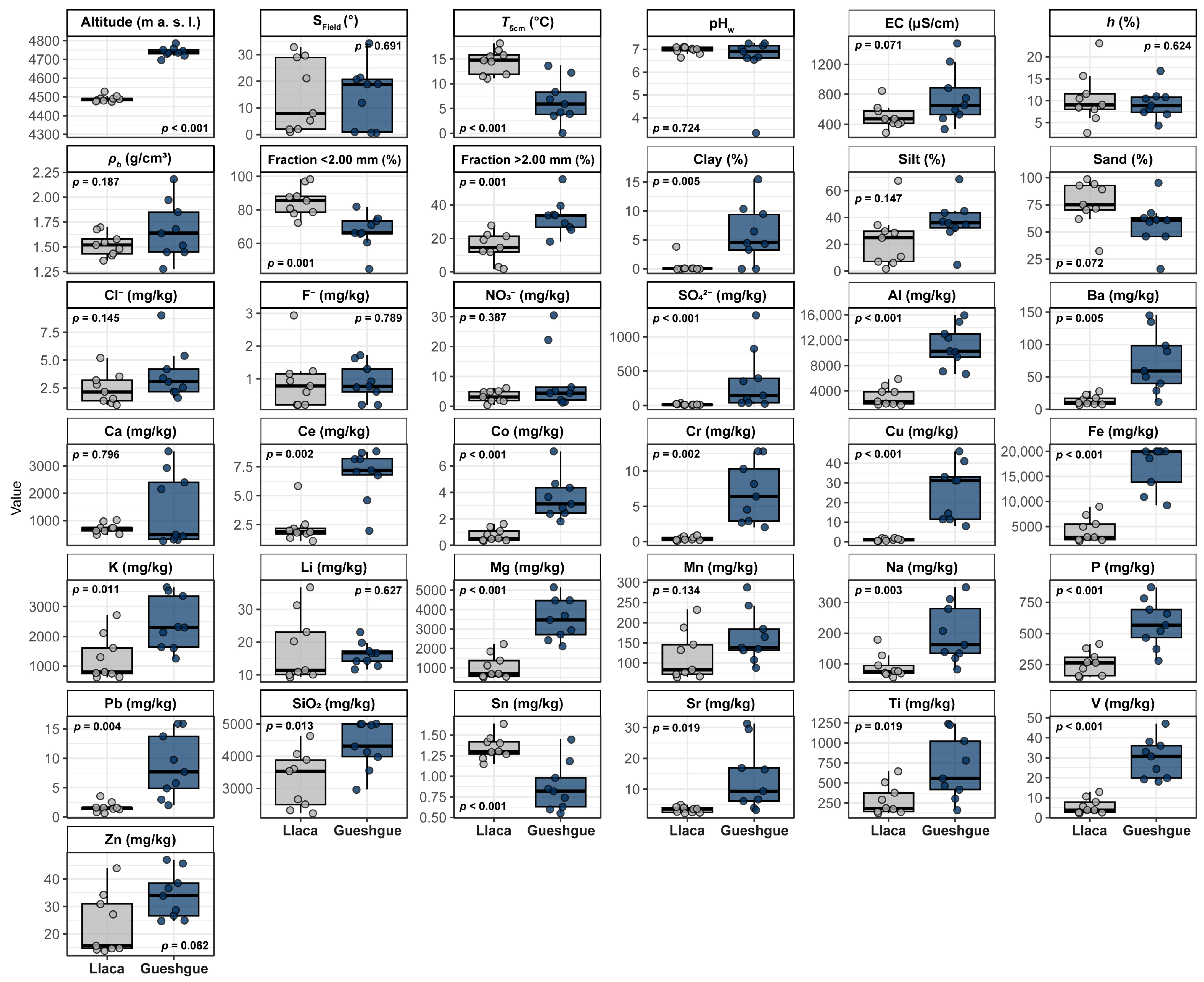
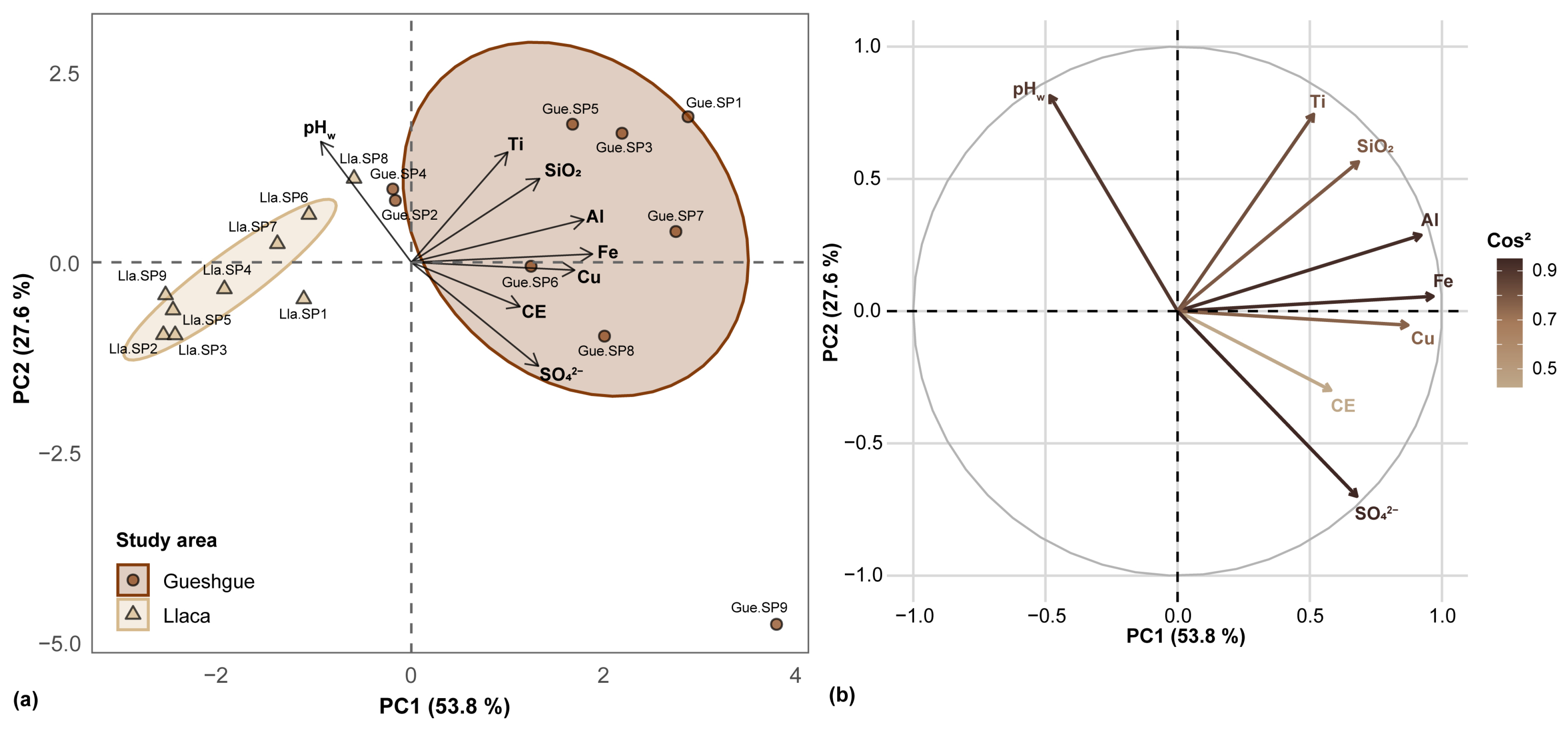
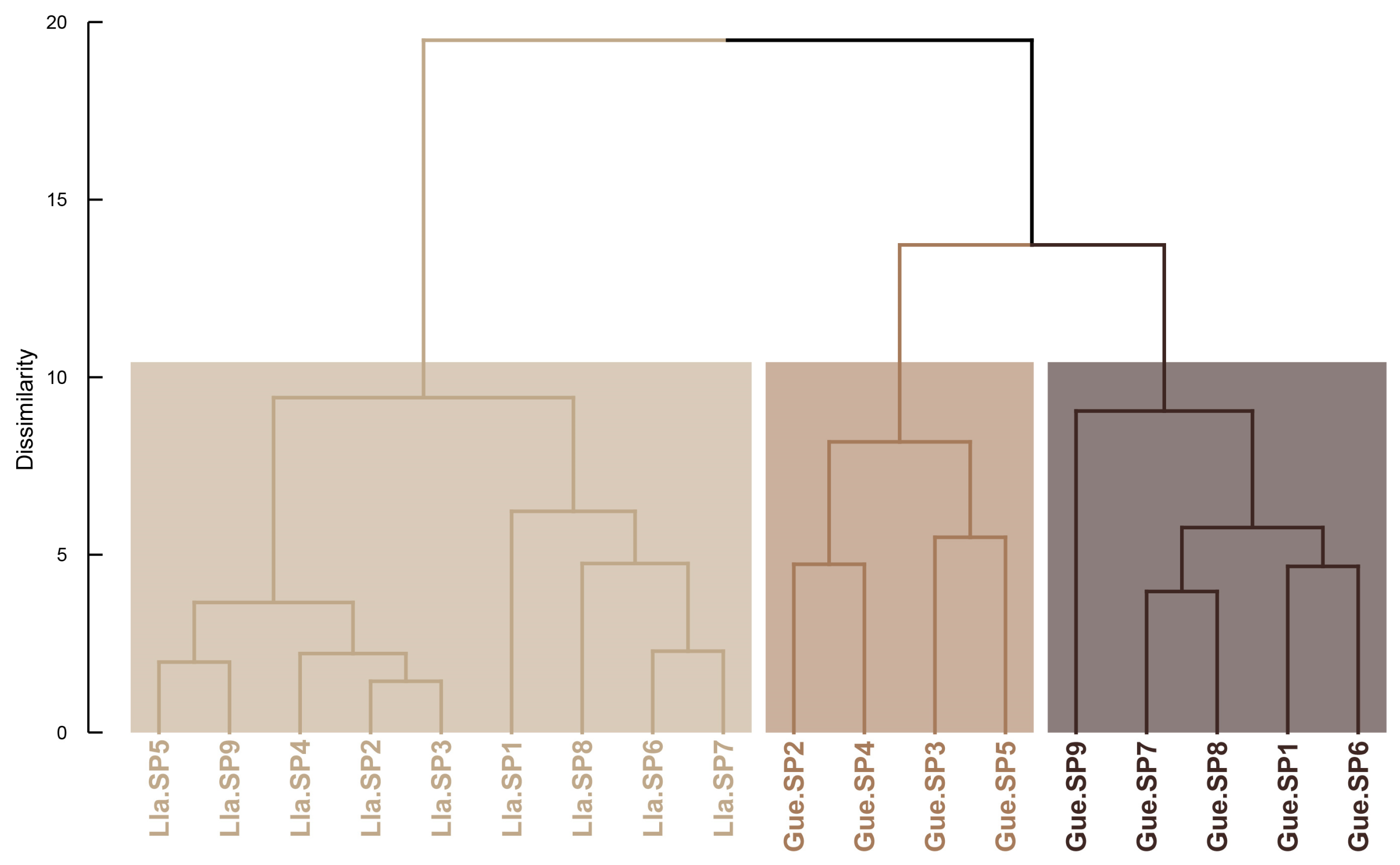
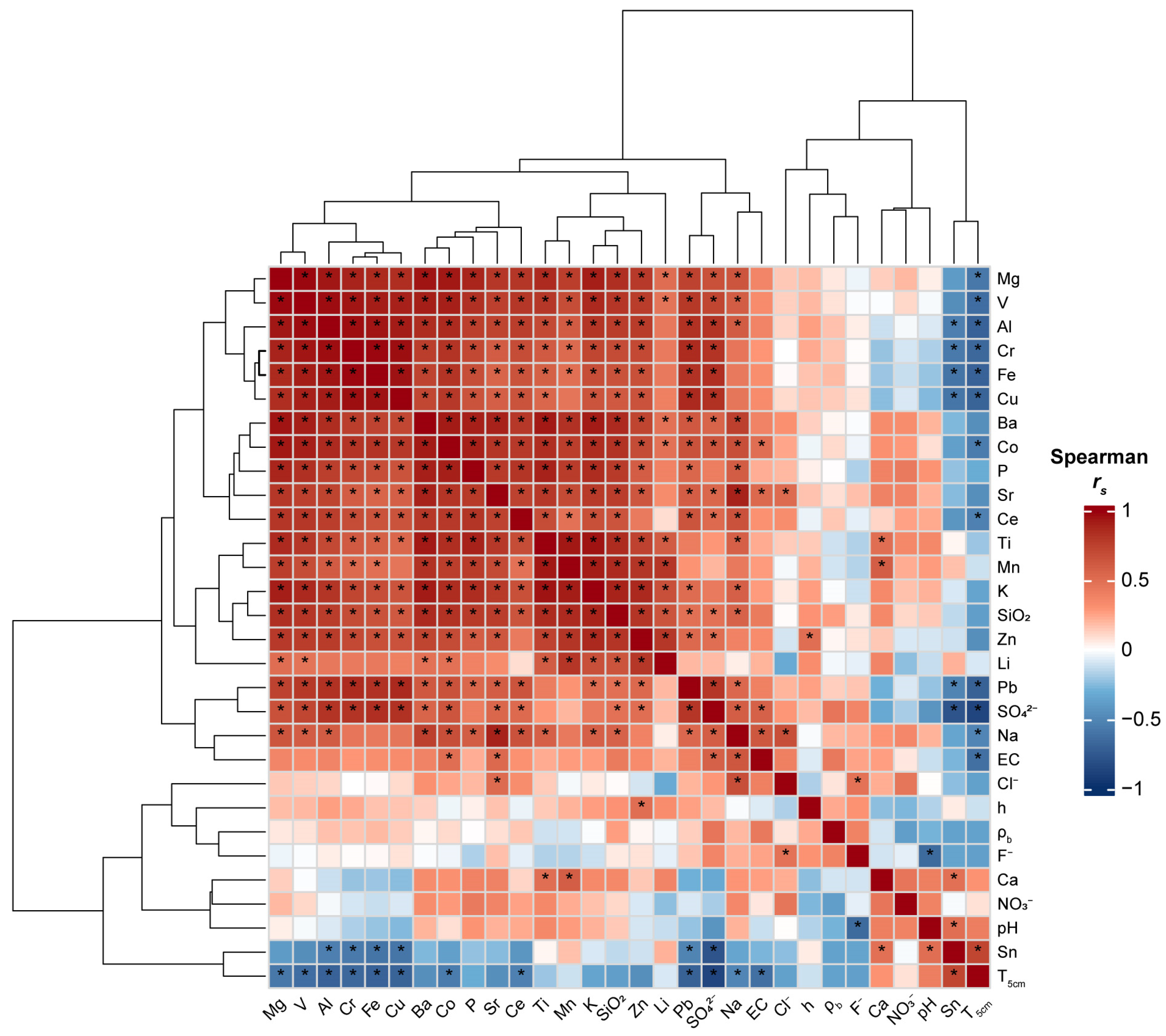
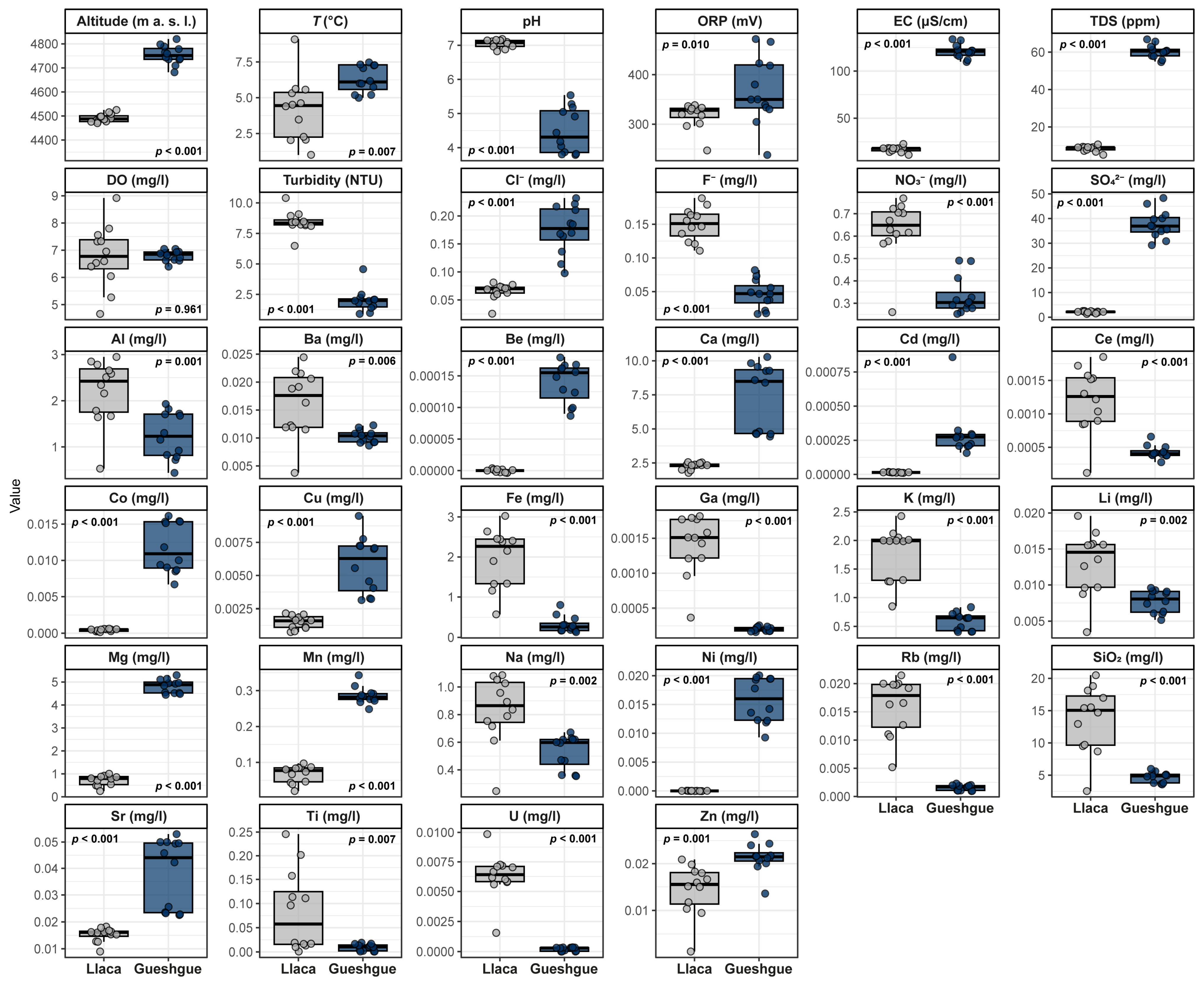
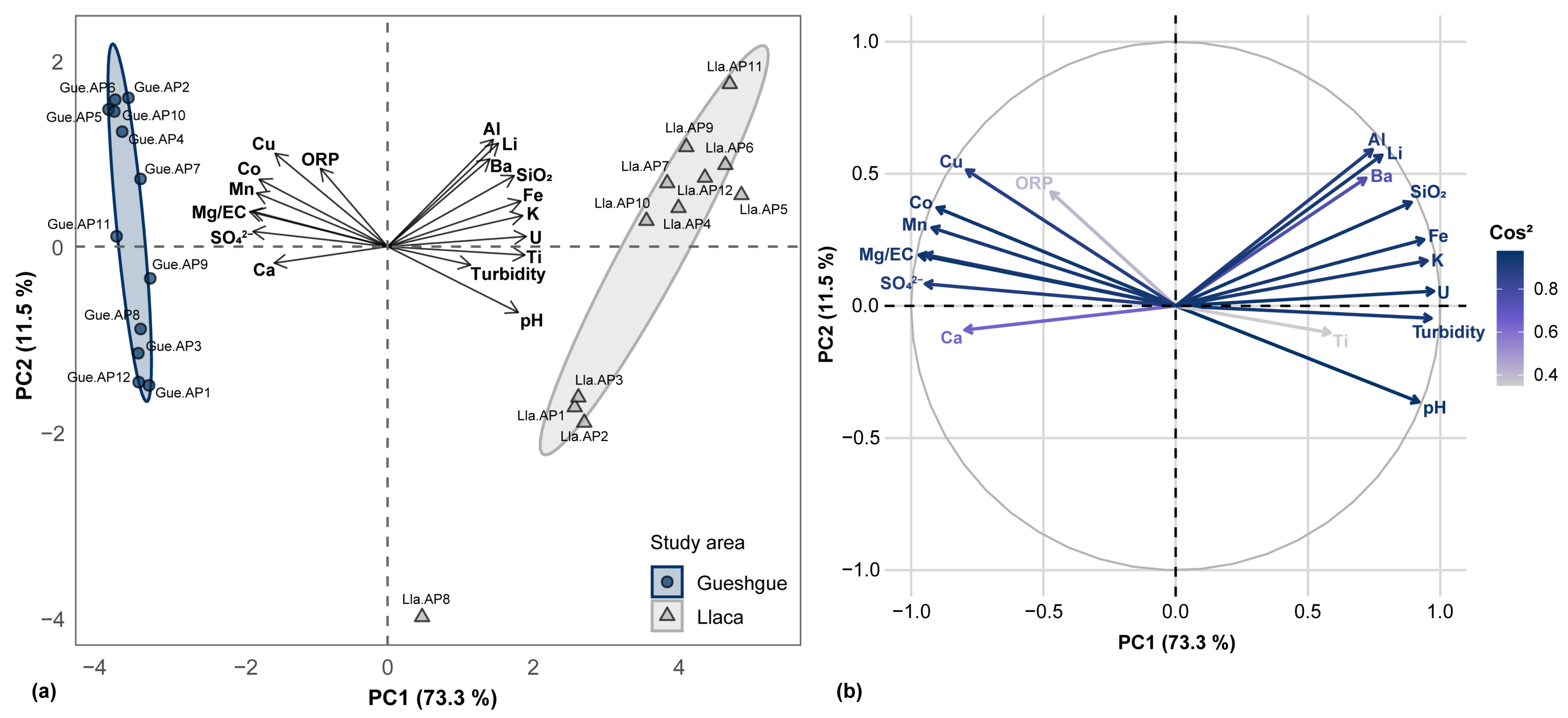
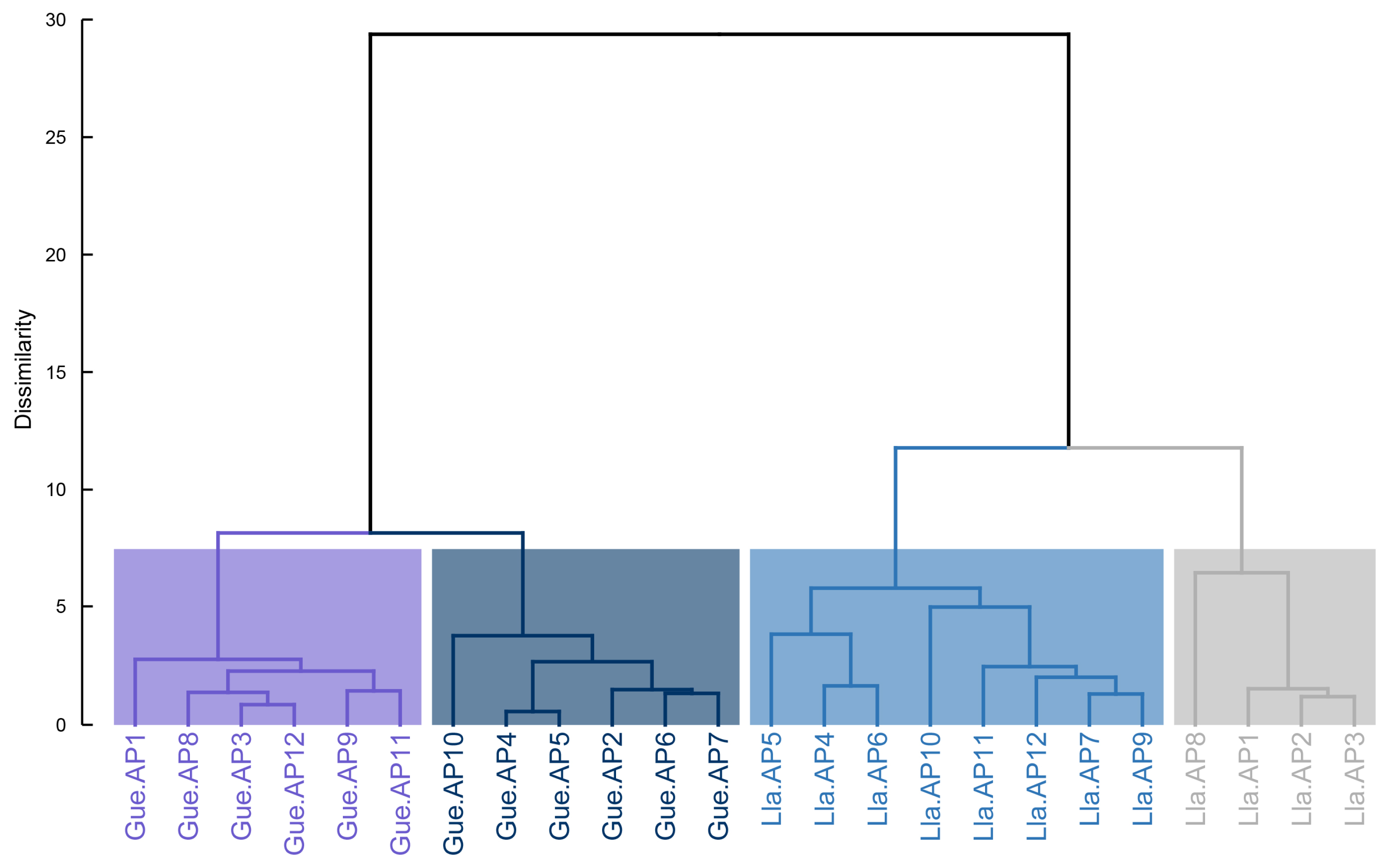
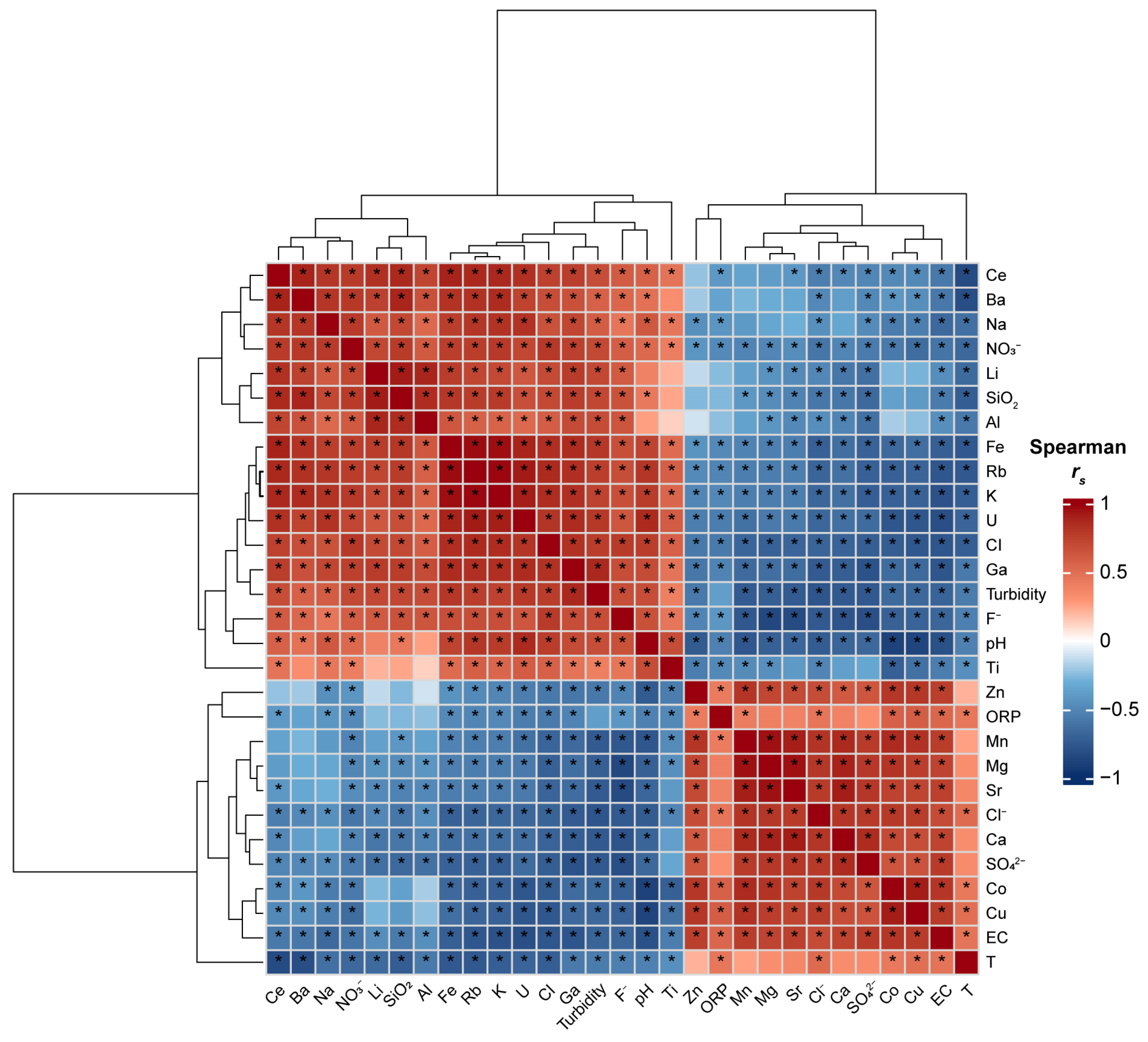
The shrinking of glaciers is drastically transforming headwater catchments, exposing new land surfaces and forming new water bodies, characterized by marked environmental gradients and the activation of potential geochemical hazards. The aim of this study was to characterize and compare the geochemical patterns of soil and water in areas deglaciated between 1970/1984 and 2025 within the Llaca and Gueshgue valleys of the Cordillera Blanca, Peru. Systematic soil and water sampling was conducted, and data were analyzed using descriptive statistics and multivariate techniques. The analyses revealed a clear and statistically significant geochemical differentiation between the two areas (p ≤ 0.05). Gueshgue was identified as a system in transition, exhibiting geochemical signatures of acid rock drainage (ARD), with loamy soils rich in Fe and Al, and acidic waters featuring high redox potential and elevated concentrations of SO42−, EC, Co, Cu, Mn and Mg. In contrast, Llaca exhibited greater stability, with neutral waters and sandy soils dominated by silicate weathering signatures (SiO2) and trace elements (Al, Li, Ba, K, and Ti). These findings indicate that the impact of glacier retreat on proglacial ecosystems is heterogeneous; identifying these geochemical patterns is fundamental to establishing baseline monitoring and guiding the sustainable management of these climate-change-sensitive ecosystems.
Keywords: hydrogeochemistry; soil geochemistry; physicochemical patterns; glacier retreat; glacier forelands; tropical proglacial ecosystem; Cordillera Blanca hydrogeochemistry; soil geochemistry; physicochemical patterns; glacier retreat; glacier forelands; tropical proglacial ecosystem; Cordillera Blanca