


Abstract
Catalytic ozonation has gained increasing attention as an advanced oxidation process (AOP) capable of overcoming some limitations of conventional ozonation in water treatment, particularly incomplete pollutant mineralization and the formation of undesirable by-products. This review provides a critical assessment of recent advances in heterogeneous catalytic ozonation, covering developments from microscale powdered catalysts to macrostructured supported systems. While research has predominantly focused on suspended microscale catalysts, a growing number of studies have investigated macrostructured materials due to their potential advantages for catalyst handling, recovery, and implementation in continuous-flow processes. The influence of catalyst composition, including metal oxides, carbon-based materials, and composite systems, on catalytic performance and stability is discussed. Although still an emerging research area, macrostructured catalysts have demonstrated promising characteristics that may facilitate catalyst recovery and continuous operation, making them attractive candidates for large-scale catalytic ozonation applications. The analysis also reveals important research gaps, particularly regarding long-term stability under continuous operation, scale-up studies, catalyst deactivation mechanisms, and the evaluation of real wastewater matrices. Future research should focus on developing robust, scalable catalytic systems that combine high activity, durability, and ease of recovery while meeting the requirements of sustainable and circular economy principles for advanced water treatment applications.
1. Introduction
Ozonation is one of the most established advanced oxidation processes (AOPs) employed for water and wastewater treatment, with applications ranging from disinfection to the removal of contaminants of emerging concern (CECs) [1,2]. Its widespread implementation, particularly in drinking-water treatment plants, is attributed to ozone’s (O3) high oxidative potential and its ability to degrade a broad spectrum of pollutants without introducing additional chemical reagents into the treated water [3,4]. In recent years, increasing regulatory pressure regarding micropollutant discharge and water reuse has further stimulated interest in ozone-based technologies for advanced wastewater treatment [5].
Despite its extensive use, conventional ozonation presents important limitations, including incomplete mineralization, the formation of refractory low-molecular-weight by-products, and the potential generation of transformation products with increased toxicity [1,6]. These drawbacks have driven the development of catalytic ozonation systems as a promising strategy to overcome these limitations by accelerating O3 decomposition and promoting the generation of reactive oxygen species (ROS), such as hydroxyl radicals (•OH), superoxide oxygen anion (•O2–), and singlet oxygen (1O2), capable of enhancing pollutant degradation and mineralization into more innocuous substances [1,2,7].
Catalytic ozonation may be classified as homogeneous (HoCO) when the catalyst is dissolved in the reaction medium (typically dissolved metal ions), or heterogeneous (HeCO) when the catalyst is present in a different phase, typically as a solid material such as metal oxides, carbon-based materials, or composite structures [8,9]. While HoCO may offer high reactivity, HeCO is generally more attractive for practical applications due to the catalyst’s easier separation, potential for reuse, and suitability for continuous operation [7,9,10]. In HeCO, several reaction pathways may occur simultaneously [10] as the catalyst may (i) adsorb organic molecules followed by oxidation by O3 or ROS, (ii) promote O3 decomposition on its surface, generating ROS that subsequently react in solution or at the interface, or (iii) enable the co-adsorption of O3 and pollutants, facilitating interfacial reactions (Figure 1) [11,12]. In many cases, both species are co-adsorbed, promoting reactions at the solid–liquid interface [10]. The formed oxidants can diffuse further into the bulk solution, contributing to pollutant degradation beyond the surface. Because oxidation mainly occurs at or near the catalyst surface, interference from matrix components is minimized, leading to more efficient oxidation [10]. These highlighted advantages justify the observed Research and Development (R&D) effort on this topic over the last decade [13,14,15,16,17,18,19,20,21,22,23].
Figure 1.
Possible mechanisms for organic compound degradation in heterogeneous catalytic ozonation.
The catalyst type is one of the most important factors in the catalytic ozonation process, as it primarily dictates the degradation efficiency of the compounds [12], seeing its physicochemical properties are closely linked to the type of ROS generated, and consequently, to the HeCO overall performance [24,25,26,27].
From an application perspective, most studies still rely on powder or microscale catalysts, typically applied in suspension systems [13,28,29,30,31]. Although these configurations provide high surface availability, they introduce important limitations for practical implementation, including difficulty in catalyst recovery, potential material loss, and challenges in continuous-flow operation. These drawbacks represent a major barrier for process scale-up. In this context, macrostructured catalytic systems have emerged as a promising strategy to overcome these limitations [32]. Furthermore, a new approach to developing macrostructured catalysts has recently been developed through additive manufacturing, also known as 3D printing [33]. By immobilizing active phases onto structured supports or by designing engineered geometries through additive manufacturing, it is possible to improve catalyst handling, reduce separation requirements, and enhance hydrodynamic control under continuous operation [34,35]. However, this field is still developing, and further efforts are required to optimize performance, stability, and long-term applicability under realistic conditions.
The progress of publications related to catalytic ozonation and catalyst materials in the last 10 years (2015 to 2025) is shown in Figure 2. The number of studies and publications on catalysts supported on macrostructured materials presents an increasing trend over the last years (Figure 2b), likely due to recognition of their advantages. Nevertheless, few studies address important catalyst features for practical application, particularly stability under continuous-flow operation, as this is an important research gap.
Figure 2.
Number of publications over the years (a) related to catalytic ozonation and catalyst materials and (b) related to catalysts supported on macrostructured materials.
To complement this information and have a better notion of the most prominent research directions in HeCO, a bibliometric analysis was carried out using the Scopus database for the same period (2015–2025). Scopus was selected due to its broad coverage of peer-reviewed literature in engineering and materials science. The search strategy combined the terms “catalytic ozonation” or “heterogeneous catalytic ozonation” and “supported catalyst” or “immobilized catalyst” or “doped” or “dispersed catalyst” or “3D printing” or “macrostructures”. The identified publications were filtered for relevance to catalyst-supported and macrostructured systems, with a focus on peer-reviewed articles and review papers. Duplicate and non-relevant records were excluded during the screening process. A total of 482 documents were included in the final bibliometric dataset and analyzed using VOSviewer version 1.6.20 software. For keyword co-occurrence analysis, only terms with more than 25 occurrences were retained, resulting in 83 keywords from a total of 4101 occurrences. Among these, “ozonization” and “catalytic ozonation” were the most frequent keywords, with 357 and 334 occurrences, respectively. Figure 3 presents the resulting bibliographic map visualization. Three major research clusters can be identified. The red cluster is centered on catalytic ozonation and comprises terms related to catalyst design and reaction mechanisms, namely catalyst activity, heterogeneous catalytic ozonation, adsorption and catalyst supports. The presence of keywords such as density functional theory suggests a growing interest in elucidating catalytic ozonation mechanisms at the molecular level. The green cluster is associated with environmental applications and process performance, linking terms such as degradation, pollutant removal and wastewater treatment, reflecting the increasing focus on applying catalytic ozonation for water depollution. Finally, the blue cluster reflects efforts in developing novel catalytic materials, linking keywords such as activated carbon, titanium dioxide, nitrogen and doping (additives).
Figure 3.
Bibliographic map of publications related to catalytic ozonation.
Overall, the bibliometric analysis reveals a growing emphasis on understanding reaction mechanisms, designing more efficient and sustainable catalysts, and advancing the application of catalytic ozonation for environmental remediation. Interestingly, despite being included in the search strategy, terms directly related to macrostructured catalysts did not emerge among the most frequent keywords in the co-occurrence network. This observation suggests that research on macrostructured catalytic systems remains relatively underrepresented compared with studies focused on catalyst composition, reaction mechanisms, and pollutant degradation, highlighting the need for a dedicated review on this topic.
In this context, this review aims to provide an updated perspective on the transition from conventional powdered catalysts to macrostructured catalytic systems in HeCO for the degradation of organic pollutants.
2. Catalysts Used in Micro- and Mesoscale
Since most studies on HeCO have focused on powdered catalysts operating as suspended particles at the micro- and mesoscale, it is important to first review these conventional systems before discussing the current state of the art in macrostructured catalytic systems. In this sense, this section will review catalysts used in micro- and mesoscale, focusing on their design, properties, and catalytic performance.
Some of the most used catalysts for this purpose are metal oxides and carbon-based materials [4,36]. From a mechanistic perspective, catalytic performance is primarily governed by their physicochemical properties, including surface area, pore volume, purity, chemical stability, and the presence of active surface sites, such as Lewis acid sites [37]. Increasing the surface area and pore volume of catalysts enables the adsorption of greater amounts of O3 and organic molecules, thereby promoting ROS formation and enhancing contaminant degradation. However, impurities can block active sites or react with O3 in an undesirable way, reducing catalytic efficiency. To ensure long-term stability and continuous operation, catalysts must be chemically stable enough to withstand decomposition by O3 and the ROS it generates. Additionally, active sites facilitate the decomposition of O3 into highly reactive radicals, which promote the oxidation of organic molecules, thereby enhancing contaminant mineralization.
Table 1 summarizes selected works on metal oxides and carbon-based catalysts, used either independently or supported on different materials.
Table 1.
Some studies on metal oxides and carbon-based catalysts. Keywords used: “catalytic ozonation” OR “heterogeneous catalytic ozonation” AND “supported catalyst” OR “immobilized catalyst” OR “doped” OR “dispersed catalyst” OR “3D printing” OR “macrostructures”.
2.1. Metal Oxides
Metal oxides as catalysts in HeCO have proven effective against a wide range of organic compounds, including pharmaceuticals, dyes, and phenols (Table 1). They are among the most widely used powder catalysts in catalytic ozonation and can serve both as an active phase and as support for a specific active metal phase [37]. Catalysts, in addition to influencing degradation efficiency, can also affect contaminant mineralization and the formation of toxic byproducts [62]. For metal oxides, it is important to monitor secondary pollution from metal leaching given the potential environmental risks associated.
When comparing different oxide systems, it becomes evident that catalytic performance is not governed by a single property but by the interplay among surface chemistry, redox behavior, and textural characteristics. For instance, aluminum oxide (Al2O3), particularly in its γ-phase, is widely used due to its high surface area, Lewis’s acidity, and defective spinel structure, which promotes strong interactions between surface sites and reacting species [29,63,64].
However, its performance can vary significantly depending on the reaction environment. γ-Al2O3 in powder form was used to degrade ciprofloxacin (CIP) in synthetic and real wastewater [28] and showed minimal improvement in real wastewater compared to synthetic systems, highlighting the strong influence of competing matrix components. In this study, the CIP degradation achieved with and without the catalyst was 93% and 88%, respectively, for the synthetic solution. In real hospital wastewater, the catalyst was less effective, achieving only 41.2% CIP removal compared to 39.7% without the catalyst, due to the presence of other contaminant molecules in the effluent that may compete with the •OH radicals for active sites [28,65]. This highlights the importance of conducting catalytic ozonation tests with environmental matrices, as these complex media provide more realistic insights into catalyst behavior under potential full-scale application scenarios.
Comparative studies among different oxides further confirm that structural and surface properties control catalytic trends. In m-cresol degradation, SiO2 (51.9%) and γ-Al2O3 (47.1%) exhibited higher performance compared to V2O5 (40.9%) and activated charcoal (43.4%), primarily attributed to differences in surface area, porosity, and surface functionality [38]. Whereas activated charcoal only became more effective after extended reaction time, likely because O3 gradually unblocked its pores. By contrast, V2O5 initially showed activity but later deactivated, apparently due to poisoning of active sites by chemisorbed m-cresol. This result highlights that catalytic efficiency must be interpreted alongside surface accessibility and resistance to deactivation, rather than solely by the initial degradation rate. It is also notable that leaching was not evaluated, leaving open the question of whether the material remained chemically stable under ozonation conditions.
Among transition metal oxides, manganese-based materials (MnOx) stand out due to their multiple oxidation states (Mn2+, Mn3+, and Mn4+) and diverse crystal structures, which provide high redox flexibility [62,66]. It can be found in various forms in nature (e.g., MnO, MnO2, Mn2O3, Mn3O4, Mn2O5, etc.), and in the case of MnO2, catalytic activity depends strongly on crystalline phase, oxygen vacancy density, and the Mn3+/Mn4+ ratio.
De la Cruz et al. [39] evaluated the effect of the crystalline phase of manganese dioxide (MnO2) on the degradation of bisphenol A (BPA). The authors synthesized the crystalline phases α-, γ-, and three kinds of δ-MnO2 using the hydrothermal method. Complete BPA removal was achieved within 120 min in all cases; however, mineralization (measured as a decrease in total organic carbon, TOC) varied considerably, reaching 51% for γ-MnO2, 46.7% for δ3-MnO2, around 38% for δ1-, δ2-, and α-MnO2, and only 10% in the absence of a catalyst. These results indicate that organic intermediates remained in solution despite the complete disappearance of BPA. Catalytic activity was strongly influenced by the surface oxygen vacancy density (SOVD) and the Mn3+/Mn4+ ratio, with activity increasing as SOVD decreased and Mn3+ content increased. Accordingly, γ-MnO2 exhibited the highest TOC removal, attributed to its low SOVD and high Mn3+ concentration, whereas materials with higher SOVD showed greater Mn leaching and lower stability. Overall, a low SOVD and a high Mn3+/Mn4+ ratio promote O3 decomposition on the MnO2 surface, enhancing •OH generation and the oxidation of organic compounds. These findings suggest that catalytic performance in manganese oxides is governed by a balance between redox activity and structural stability.
Salla et al. [40] compared Mn2O3 and α-Al2O3 in the decomposition of humic acids (HA) through catalytic ozonation [45]. The catalysts exhibited distinct behaviors, primarily due to their effects on solution pH and surface interactions. At the natural pH of the HA solution (5.5), α-Al2O3 exhibited higher removal efficiency, whereas Mn2O3 demonstrated minimal catalytic activity. This was attributed to the negatively charged α-Al2O3 surface, which favored the adsorption of protonated HA molecules, and to its larger specific surface area, which provided more active sites for reaction [45]. This comparison shows that a catalyst’s efficiency cannot be interpreted independently of the reaction environment, as pH, electrostatic interactions, and matrix composition may impact the behavior of different oxide systems.
More broadly, oxides of cerium, zinc, magnesium and iron, as well as bimetallic and polymetallic systems (e.g., CoFe2O4 and Cu-Fe-O), further expand the range of catalytic functionalities [4,67]. Among these, CeO2 is particularly attractive because its 4f electronic structure enables the Ce3+/Ce4+ redox cycle [41,68]. This favors the formation of oxygen vacancies, which facilitate the decomposition of O3 and the generation of ROS, especially •OH radicals, thus promoting the mineralization of contaminants [68]. A simplified representation of this mechanism is shown in Figure 4. Additionally, this property can also enhance the stability of metal nanoparticles dispersed on its surface [69].
Figure 4.
Simplified scheme of CeOx-assisted catalytic ozonation, highlighting the Ce3+/Ce4+ redox cycle, oxygen vacancies, and ROS generation for contaminant mineralization.
Zhang et al. [70] investigated phenol degradation using CeO2 in HeCO. Compared with ozonation alone, the catalyst increased chemical oxygen demand (COD) removal from 21% to 69% and phenol removal from 52% to 92%. The enhanced performance was attributed to the Ce3+/Ce4+ redox cycle and the material’s surface area. Nevertheless, as observed by many HeCO systems, information regarding catalyst stability and metal leaching remains limited, raising doubts about the practical implementation of this material.
Zhu et al. [42] evaluated ordered mesoporous Fe3O4 for the degradation of atrazine (ATZ). Using KIT-6 as a template, the authors synthesized a mesoporous material (om-Fe3O4) and compared its performance with that of a non-mesoporous counterpart (nano-Fe3O4). In batch ozonation experiments, om-Fe3O4 achieved 82% ATZ degradation within 10 min, whereas nano-Fe3O4 and O3 alone reached only 25% and 9%, respectively. The superior performance of om-Fe3O4 was associated with its substantially larger surface area (154.2 vs. 9.5 m2/g) and pore volume (0.44 vs. 0.06 cm3/g), which enhanced mass transfer and increased the availability of active sites. The formation of •OH radicals was further linked to Fe2+/Fe3+ redox cycling. These results emphasize that catalyst texture and pore architecture can be as important as chemical composition, since structural accessibility determines how effectively redox-active sites participate in the reaction.
The high specific surface area and well-structured porosity not only provide a large number of accessible active sites but also promote strong and specific interactions between the active metal phase and the support. These characteristics favor the uniform dispersion of metal species, increase the number of accessible active sites, enhance proton transfer, and improve catalyst stability in heterogeneous systems [62]. Those types of catalysts are typically synthesized by anchoring metals or metal oxides onto supports with tailored surface properties to enhance their activity in ozonation processes [4].
2.1.1. Doping Metal Oxides with a Second Metal/Metal Oxide
Doping metal oxides with a second metal/metal oxide can add functionalities that enhance catalytic activity while simultaneously acting as dispersants and stabilizers (support function) [30,71]. As a result, performance is often determined by the synergistic interaction between the active phase and the support rather than by each component alone. These roles depend on the nature of the metal oxide, as it can exhibit a complex surface with acidic or basic sites and/or structural defects [71]. Metal oxides such as Al2O3 [7,43,72], CeO2 [44,73], ZnO [45], and ZrO2 [46] are also commonly used as support materials for loading metals or other metal oxides and used as a catalyst in catalytic ozonation of organic compounds [74]. Comparative studies consistently demonstrate that supported catalysts outperform the corresponding bare supports, although the extent of improvement depends strongly on the nature of the deposited metal and the resulting structural modifications.
Some studies employ Al2O3 as a support/doping material instead of directly using it as a catalyst, as it provides a higher surface area and a uniform, well-defined porous structure [62]. Zhou et al. [47] evaluated CuO/Al2O3 and MnO2/Al2O3 for diclofenac degradation, obtaining COD removals of 77.6% and 89.3%, respectively, compared with only 18% for bare Al2O3. The enhanced performance was attributed to the homogeneous dispersion of the active phases, the formation of Al–O–Cu and Al–O–Mn interfacial bonds, and improved contact between O3, pollutants, and catalytic sites. SEM images (Figure 5d,f) revealed uniformly distributed rod-like particles anchored to the support, confirming effective dispersion of the metal oxides. These observations indicate that alumina contributes not only as a structural scaffold but also through its surface chemistry, which influences reaction pathways via its acidity and interactions with the deposited oxides.
Figure 5.
Scanning Electron Microscopy images of Al2O3 ((a): 5 μm, (b): 500 nm), CuO/Al2O3 ((c): 5 μm, (d): 500 nm), and MnO2/Al2O3 ((e): 5 μm, (f): 500 nm) at different magnifications [47].
A similar trend is observed for ZrO2-supported systems. Mkhize et al. [46] investigated Mn, Ni, V, and Fe metal catalysts as dopants/supported on ZrO2 for 1,2-dichlorobenzene degradation. Although bare ZrO2 achieved 50% conversion, incorporation of transition metals significantly improved performance, following the order Fe > V > Ni ≈ Mn. The superior activity of Fe-containing catalysts was associated with the presence of Fe3+ and Fe2O3 species, which enhanced redox activity more effectively than the other metals. These results suggest that support-induced stabilization and dispersion are important but insufficient on their own; the intrinsic redox properties of the active phase remain decisive for catalytic performance. Once again, leaching analyses were not performed, which prevents a more complete assessment of this catalytic system.
Beyond support effects, numerous studies report that combining two catalytically active oxides can generate synergistic effects that exceed the performance of the corresponding monometallic systems [41]. Ma et al. [48], for example, evaluated MnOx/γ-Al2O3, CeO2/γ-Al2O3, and MnOxCe1−xO2/γ-Al2O3 catalysts for the degradation of nitrofurazone (NFZ). All catalysts demonstrated 100% efficiency in NFZ removal; and COD removal of 70.2%, 69.0%, 65.8%, and 35.8% for MnOxCe1−xO2/γ-Al2O3, MnOx/γ-Al2O3, CeO2/γ-Al2O3, and γ-Al2O3, respectively. These results show that although γ-Al2O3 exhibited low catalytic activity, it was a more robust and stable catalyst, resulting in higher ROS generation. Also, although exhibiting very similar COD removal within 60 min, the bimetallic catalysts showed higher degradation rate constants than the monometallic catalysts (k = 0.14 vs. 0.06 min−1), indicating faster pollutant conversion. This improvement was attributed to electronic and structural interactions between Mn and Ce, which promoted lattice distortion, oxygen-vacancy formation, and oxygen mobility, thereby enhancing ROS generation. The results demonstrate that reaction kinetics can provide a more sensitive measure of catalyst performance than final conversion alone. While the catalyst remained active over multiple cycles, metal leaching was not evaluated, which has been recurrent in the literature reviewed herein.
Overall, the benefits of oxide doping arise mainly from three interconnected effects: (i) improved dispersion of active species, (ii) modification of surface and redox properties through metal–support interactions, and (iii) generation of structural defects and oxygen vacancies that facilitate O3 activation. Nevertheless, gains in activity should be balanced against practical considerations such as catalyst stability, metal leaching, recovery, and scalability. Consequently, catalyst design should prioritize not only performance enhancement but also compatibility with structured and industrially viable catalytic configurations.
2.1.2. Carbon-Based Materials as Metal/Metal Oxide Supports
Carbon materials are often used as catalyst supports because of their large surface area and porous structure, which provide many sites for metal species to anchor and promote their even distribution [75]. Additionally, their high electrical conductivity promotes efficient electron transport during redox reactions, thereby acting as catalysts and enhancing the material’s overall catalytic efficiency [1,62]. The performance of metal-supported carbon catalysts is often attributed to the synergistic interplay between the redox activity of the metal phase and the adsorption capacity of the carbon support. In general, the porous structure enhances the contact between reactants and catalytic sites, while the supported metal oxides promote O3 activation and ROS generation. As a result, these systems frequently outperform both ozonation alone and adsorption processes.
A representative example is MnOx supported on rice-straw-derived activated carbon (MnOx/RSAC) [50]. This material achieved 77.5% COD removal, significantly outperforming ozonation alone (45.5%), adsorption (19.2%), and the carbon support itself (55.5%). Scanning electron microscopy (SEM) images (Figure 6) revealed an irregular macroporous structure with uniformly dispersed MnOx particles, minimizing agglomeration and maximizing accessibility to catalytic sites. The high surface area (918 m2/g) further favored O3 activation and catalyst utilization. Although catalytic performance remained stable over 20 reuse cycles, Mn leaching of 0.5 mg/L was detected throughout operation, highlighting the need to balance catalytic efficiency with environmental safety and long-term stability.
Figure 6.
SEM images of the catalysts: (a) RSAC and (b) MnOx/RSAC [50].
Similar effects have been reported for CeO2-based catalysts supported on carbonaceous matrices. A CeO2 catalyst dispersed on a chitosan/expanded graphite composite (CeO2/CS/EG) achieved 99.4% degradation and 70.2% mineralization of 4-chlorophenol (4-CP), compared with 73.5% degradation for the undoped support [13]. Notably, the support itself displayed substantial catalytic activity, indicating that carbon-containing matrices can directly participate in pollutant removal. The improvement associated with cerium incorporation was attributed to the Ce3+/Ce4+ redox cycle, which is activated upon co-adsorption of the contaminant and O3 at the active sites. •OH radicals were identified experimentally as the main reactive species. Additional •OH production occurred through H2O2 formation and the O3/H2O2 pathway. The catalyst maintained its activity over eight reuse cycles, despite metal leaching not being evaluated. These findings emphasize that supported catalysts should be evaluated with respect to both the active phase and the support’s intrinsic catalytic contribution.
The importance of support structure is also evident in mesoporous carbon-based materials. Hu et al. [51] developed a nanosized copper oxide catalyst (nano-sized CuO-Cu2O) supported on mesoporous carbon aerogel (MCA) for the ozonation of the commercial dye RB-5, although the synthesis yield was not reported, limiting the evaluation of its large-scale feasibility. The material consisted of well-dispersed CuO-Cu2O nanoparticles embedded within the amorphous MCA structure. Under the tested conditions in a batch system, nearly complete RB-5 removal was achieved in the catalytic system, corresponding to 46% COD removal, with adsorption contributing only 29%. The discrepancy between RB-5 and COD removal was hypothetically attributed to the preferential degradation of chromophore groups over the more recalcitrant aromatic structures. Notwithstanding this, this was achieved only in the presence of a catalyst, possibly due to the synergy between copper oxide nanoparticles and the three-dimensional, mesoporous structure of MCA, which facilitates their effective incorporation and dispersion and ensures efficient contact between O3 and the pollutants in solution. Such architectures facilitate reactant transport and improve accessibility to active sites. However, because the catalytic contribution of the carbon aerogel alone was not evaluated, it is difficult to distinguish the relative importance of the support and the metal phase; additionally, this should not be disregarded given its known role as an O3 catalyst [76]. This limitation is common in the literature and may lead to an overestimation of the benefits associated with metal incorporation. Once again, this study did not evaluate TOC or metal leaching.
Activated carbon-supported catalysts have also been widely investigated for phenol degradation. Xiong et al. [52] employed unmodified granular activated carbon (GAC) as a support for Fe-, Mn-, and Fe–Mn-based catalysts prepared by impregnation–calcination, while Yang et al. [53] used chemically modified activated carbon (MAC) to support Fe–Ni species synthesized by co-precipitation. The two systems differed substantially in support modification, metal composition, and operating conditions. In the Fe–Ni/MAC catalyst, the main active phases were a Fe–Ni alloy and NiFe2O4, which facilitated O3 activation through enhanced electron transfer. In this system, 1O2 was identified as the dominant reactive species. By contrast, the Fe–Mn/GAC catalyst promoted •OH generation through Fe2+/Fe3+ and Mn2+/Mn3+/Mn4+ redox cycles, with •OH playing the primary role in phenol degradation. The adsorption capacity of GAC further enhanced surface-mediated reactions by increasing the proximity between O3 and phenol at active sites. As a result, greater degradation and mineralization were achieved under comparatively milder operating conditions. However, galvanic corrosion between Fe3O4 and MnO2 may compromise long-term stability. Overall, both approaches illustrate how the interaction between carbon supports and redox-active metals can enhance catalytic performance, although through distinct reaction pathways and stability profiles.
Taken together, the available literature shows that the effectiveness of carbon-based catalysts derives from a combination of structural and catalytic contributions. High surface area and porosity improve mass transfer and metal dispersion, while surface functional groups and graphitic domains can actively participate in O3 decomposition. Therefore, the performance of these systems cannot be attributed solely to the supported metals. Importantly, many studies do not quantify the catalytic contribution of the carbon support itself, despite its recognized activity toward O3 activation. This omission may overestimate the benefits of metal incorporation, which often increases material cost, relies on finite resources, and introduces the risk of metal leaching. Addressing these aspects is essential for identifying the true role of doping and for guiding the development of more sustainable and scalable catalytic ozonation systems.
2.1.3. Ordered Mesoporous Materials as Metal/Metal Oxide Supports
Due to their high surface area, tunable pore structure, and strong thermal stability, mesoporous materials, such as SBA-15 [49], MCM-41 [15], and CMK3 [77], have emerged as highly efficient catalysts. Their performance can be improved further by incorporating active metal or metal oxide species, which provide accessible redox and acid-base sites. Advances in synthesis methods enable precise control of pore size and structural organization, thereby enhancing catalytic activity and mechanical stability in demanding applications [49,78,79].
Overall, the literature indicates that the key advantage of mesoporous support lies in its ability to simultaneously control diffusion phenomena and stabilize highly dispersed active phases. However, improvements in catalytic performance are determined not solely by surface area but also by how effectively the mesostructure facilitates interactions between reactants and active sites.
A representative example is Cu/SBA-15, which achieved substantially higher TOC removal during Reactive Orange 4 (RO4) degradation than ozonation alone (70% versus 40%) [49]. Additionally, both O3 alone and catalyst-based processes achieved complete color removal within 21 min of reaction, with the latter having a higher initial removal rate. Copper impregnation reduced the surface area of SBA-15 from 538 to 432 m2 g−1 due to partial pore occupation, yet the ordered channel structure still enabled excellent metal dispersion and accessibility. The incorporation of Cu created additional active sites, enhancing O3 activation and •OH generation. However, the study did not evaluate pristine SBA-15 under identical conditions, making it difficult to quantify the support’s individual contribution. This highlights a recurrent issue in the field, where the role of the support is often assumed rather than systematically quantified.
Mesoporous materials can also serve as structural templates for constructing more sophisticated catalytic architectures. A representative example is given by the work of Xie et al. [77], with the development of the catalyst Co3O4@Co–N–CMK3, where an ordered mesoporous carbon (CMK3) derived from SBA-15 and doped with nitrogen was combined with Co3O4 nanoparticles to form a hierarchical heterostructure [77]. The material exhibits a high surface area (537 m2/g), which favors mass transfer, and achieves 99.6% atrazine (ATZ) removal in just 15 min, significantly surpassing O3 alone and conventional catalysts. The high efficiency is directly related to the ordered mesoporous structure inherited from the template, which facilitates the access of O3 and ATZ to the active sites throughout the matrix. In this case, catalytic performance was dictated not only by surface area but also by the synergistic interaction between Co3O4 and Co–N active sites, which sustained the Co3+/Co2+ redox cycle during ozonation (the ≡Co-Nx sites act as electron donors, continuously regenerating ≡Co2+ from ≡Co3+). Furthermore, the CMK3 promotes the homogeneous dispersion of the Co3O4 nanoparticles, preventing agglomeration and maximizing the availability of reaction sites. As a result, the catalyst exhibits an ATZ removal rate 35.4 times higher than that of conventional ozonation and superior performance compared with systems with isolated sites. The material also demonstrated high efficiency in real matrices, with removals of 94.6% and 96.3% in lake water and secondary effluent, respectively. Despite slight Co leaching (0.38 mg/L), the value remains within safety limits. Furthermore, the catalyst showed good stability and reusability (88.7% after five cycles), maintaining its crystalline structure and minimizing metal release. Importantly, this example illustrates a transition from simple supported catalysts to structurally engineered systems, in which catalytic behavior is governed as much by architecture as by composition.
Similarly, Fe-incorporated MCM-41 systems demonstrate that ordered mesoporosity plays a key role in controlling both reaction kinetics and the evolution of by-products. Chen et al. [80] investigated the use of Fe-MCM-41 in the catalytic ozonation of diclofenac and observed a significant increase in pollutant mineralization. The incorporation of Fe into the MCM-41 structure favors the formation of •OH radicals (experimentally verified), resulting in a TOC removal up to 2.8 times greater than that obtained with O3 alone. This effect is associated with the generation of Lewis acid sites, which promote the adsorption and decomposition of O3. While simple ozonation leads to the accumulation of refractory carboxylic acids, the catalytic system enables their near-complete degradation, achieving approximately 70% TOC removal. The high surface area and ordered mesoporous structure of the material favor the dispersion of Fe active sites and facilitate O3 access to the pore interior, thereby increasing process efficiency. Furthermore, the low iron leaching (~0.29 mg/L) contributes, secondarily, to radical generation via homogeneous catalysis, although this also raises questions about long-term stability. Interestingly, although toxicity initially increases due to intermediate formation, the catalyst enables rapid detoxification, achieving complete removal in 30 min, highlighting the importance of controlled reaction environments to avoid the accumulation of refractory by-products. This demonstrates that Fe-MCM-41 is essential for the rapid and efficient elimination of toxic byproducts.
Compared with conventional oxide-supported catalysts, mesoporous systems provide an additional level of control by regulating diffusion pathways and the spatial accessibility of active sites. Whereas traditional supports primarily enhance dispersion and stability, ordered mesostructures actively influence transport phenomena and reaction kinetics. This distinction becomes particularly relevant under dynamic operating conditions, where mass-transfer limitations often govern overall process performance.
2.1.4. Mineral Materials as Metal/Metal Oxide Supports
Mineral materials have emerged as attractive alternatives to conventional and synthetic metal oxide supports in catalytic ozonation (Table 1) due to their significant advantages, such as low cost, availability, lack of significant harmful effects, and environmental friendliness [81]. Materials such as sedimentary rocks, clays, and ash are particularly appealing because they can be derived from industrial residues or waste streams, thereby contributing to resource recovery and circular economy strategies. In contrast to highly engineered supports such as SBA-15 or MCM-41, mineral materials generally offer lower production costs and simpler preparation methods, although this often comes at the expense of lower surface areas and less controlled pore structures.
The catalytic performance of mineral-supported systems is typically governed by the interaction between the supported metal species and the intrinsic physicochemical properties of the mineral matrix. In many cases, the support contributes not only as a dispersing medium but also as a source of surface functional groups and adsorption sites that facilitate pollutant–catalyst interactions. However, compared with synthetic supports, mineral materials often exhibit greater heterogeneity, which may affect catalyst reproducibility and performance.
Studies employing fly ash-derived supports illustrate these trade-offs. Modified fly ash loaded with Ni and Mn demonstrated the ability to promote sodium acetate degradation, with catalytic activity strongly influenced by metal loading and composition [54]. Different Ni/Mn ratios were tested, with the Ni-Mn atom percentage ranging from 8 to 30 wt.%. The authors identified that the optimal Ni/Mn ratio was 4:2 and the optimal Ni-Mn atom percentage was 20 wt.%. Under the best conditions evaluated, this system achieved 57.5% degradation of sodium acetate. This can occur due to the influence of NiOOH or MnOx formation during the surface reactions. Additionally, high metallic loads can block pores, reducing the substrate’s specific surface area. This promotes particle agglomeration and alters the porous structure, decreasing metal dispersion, the number of accessible active sites, and catalytic activity, even at higher metal content. This behavior highlights a common challenge in supported catalytic systems: maximizing the number of active species while preserving the structural properties required for efficient mass transfer.
Similarly, biomass-derived mineral supports have shown promising catalytic activity despite their relatively low surface areas. Hussain et al. [55] investigated iron-loaded dead leaf ash (Fe/DLA) for the degradation of Reactive Black 5 (RB5). The support and catalyst exhibited surface areas of only 14 and 11 m2/g, respectively, with the latter reduction attributed to partial pore coverage by iron species. Nevertheless, catalytic ozonation increased RB5 decolorization from 76.8% to 99.9%, indicating the key role of Fe-mediated O3 activation. The proposed mechanism involved the generation of •OH radicals at the catalyst surface and the formation of superoxide species, which in turn promoted further radical production (Figure 7a). Despite the high initial efficiency, catalyst activity decreased by approximately 18% after three reuse cycles (Figure 7b), likely due to iron leaching and dye accumulation on the surface. Although the reported leaching levels were considered environmentally insignificant, the gradual loss of Fe may still contribute to catalyst deactivation by removing active redox centers. Furthermore, the study did not evaluate the catalytic contribution of pristine DLA, and performance was assessed solely by decolorization, with no evidence of mineralization.
Figure 7.
Proposed mechanism for RB-5 degradation (a) and catalyst reusability (b) [55].
Another promising mineral support is diatomite (Dia), a natural mineral with a porous structure, a high surface area, and abundant hydroxyl groups, which may facilitate O3 adsorption and activation. Compared with fly ash and biomass-derived ashes, diatomite offers a more organized porous network, which may favor the dispersion and stabilization of active metal species. This effect was observed in the study of Yu et al. [56], which used Fe2O3 supported on Dia for the degradation of the antibiotic sulfachloropyridazine sodium (SPDZ). In a one-hour process under optimal operating conditions, the authors achieved 87% COD removal with the catalytic ozonation system, which is almost 6 times higher than that achieved without a catalyst. Although Fe2O3 exhibits considerable catalytic activity (73% COD removal), diatomite, as a support, provides essential structural and chemical advantages that enhance overall process efficiency and address the practical limitations of using iron oxide alone. In addition to the 14% increase in COD removal, the Fe2O3/Dia catalyst demonstrates greater stability, improved metal dispersion, and a higher capacity to generate oxidizing radicals due to the formation of Si–O–Fe bonds, compared to Fe2O3 by itself. These results reinforce a trend observed throughout the previous sections: supports contribute to catalytic performance not simply by increasing surface area, but also by modifying the electronic and structural environment of the active phase. However, despite the support being characterized to confirm successful catalyst synthesis, the catalytic activity of pristine Dia was not evaluated, making it difficult to quantify its intrinsic contribution to O3 activation and ROS generation.
Compared with carbonaceous and mesoporous supports, mineral materials generally offer lower structural control and reduced surface areas. Nevertheless, their low cost, widespread availability, and potential origin from industrial residues may offset these limitations, particularly in large-scale water treatment applications where catalyst production costs become increasingly relevant. This consideration highlights an important distinction between laboratory-scale performance and practical implementation: the most active catalyst is not always the most viable option for industrial deployment.
In light of the studies analyzed in this section, metal oxides present favorable physicochemical properties, redox versatility, and abundance of active surface sites that favour catalytic ozonation reactions, either alone or supported on other materials. O3 decomposition pathways and •OH generation can be strongly influenced by metal oxidation state, leading to substantial variability in degradation and mineralization results.
2.2. Carbon-Based Materials
Carbon-based materials have attracted growing interest in ozonation reactions due to their remarkable versatility and intrinsic properties [36]. These include thermal stability under non-oxidizing conditions, which potentiates catalyst regeneration without significant loss of activity; morphological tunability into diverse forms; chemical resistance in both acidic and basic media, allowing operation across a wide pH range; and adjustable pore structures combined with high surface areas, which enhance mass transfer and increase the availability of active sites for O3 decomposition. In addition, their amphoteric character promotes interactions with both acidic and basic species, while their electrical conductivity facilitates electron transfer during redox processes involved in O3 activation and ROS formation [82,83,84].
An additional advantage of carbon materials is their potential to be derived from biomass waste or recycled resources, thereby reducing environmental impact and supporting circular economy principles and sustainable production pathways. Activated carbons can be produced from biomass precursors, while carbon nanotubes may be synthesized from recycled plastics [57,85]. In this context, carbon materials can also function as metal-free catalysts, avoiding issues associated with metal leaching and associated ecological impacts. As a result, they have been widely investigated for the catalytic ozonation of organic pollutants.
Across the literature, catalytic performance is not governed by a single descriptor such as surface area, but rather by the interplay between adsorption capacity, surface chemistry, and electron-transfer properties. Graça et al. [57] demonstrated this clearly using biochars (BCs) and activated carbons (ACs) derived from different biomass residues (orange peel, coffee grounds, cork, almond shells, and peanut shells) for oxalic acid (OXL) removal via adsorption and catalytic ozonation. BCs exhibited higher adsorption capacity due to more acidic surfaces and stronger electrostatic interactions, but showed limited catalytic activity in ozonation (Figure 8a). Among the ACs, only the cork-derived (ACCK) and coffee-ground-derived (ACCG) materials demonstrated significant catalytic performance, achieving OXL degradation of 72% and 67.3%, respectively (Figure 8b). This performance difference was attributed not only to surface area (ACCK: 114 m2/g), but also to nitrogen content (ACCG), which enhances O3 activation and ROS formation. Although laboratory-scale production costs for the prepared ACs exceeded those of commercial ACs, ACCG exhibited the most favorable cost–performance ratio (0.02 € per % of OXL degraded) and stands out as a promising candidate for industrial application, particularly given the abundance and sustainability advantages of valorizing spent coffee grounds. However, to firmly support claims of industrial applicability, a more detailed techno-economic evaluation combined with a life-cycle assessment is necessary. Moreover, the long-term stability, reusability, and effectiveness of the catalysts in complex water matrices should be systematically examined to better simulate practical conditions.
Figure 8.
OXL catalytic degradation with BCs (a) and ACs (b) derived from orange peel (OP), cork (CK), coffee ground (CG), almond shell (AS), and peanut shell (PS) [57].
Surface chemistry modification further demonstrates the sensitivity of carbon performance to structural tuning. Montenegro-Apraez et al. [6] showed that controlled oxidation followed by thermal treatment significantly improved the performance of activated carbon, increasing TOC removal from 26.2% (ozonation alone) to 66.5% in the catalytic system. This improvement was associated with the introduction and subsequent partial removal of oxygen-containing groups, thereby optimizing the balance between active site density and pore accessibility. Calcination increased surface area (1335 m2/g) and pore volume, enhancing pollutant diffusion and catalyst–pollutant contact. These results highlight that catalytic efficiency depends on a delicate balance between surface functionality and structural openness rather than simple surface enrichment. The catalyst also reduced the phytotoxicity of the solution treated, although the presence of mixed pollutants and the aqueous matrix influenced the results.
Orge et al. [23] further emphasized that the surface area of the carbon material per se does not determine performance. Comparing three carbon materials, activated carbon, carbon nanotubes (CNTs), and graphene oxide (GRAF), for the removal of ibuprofen, salicylic acid, carbamazepine, fluoxetine, and ketoprofen, the authors observed the order AC > CNT > GRAF in the mineralization efficiency. Additionally, all catalysts enhanced contaminant degradation compared to ozonation alone. The superior performance of AC was attributed to its larger surface area (748 m2/g) and higher adsorption capacity, both of which favor the conversion of O3 to ROS. Although GRAF has a higher surface area than CNTs, it showed lower mineralization because ozonation promoted the desorption of organic intermediates, increasing dissolved carbon and favoring by-product formation rather than complete degradation. CNTs, despite their lower surface area, also contributed effectively to water purification, and carboxylic acids such as oxalic acid were not detected after some treatments with CNTs and AC. Additionally, AC maintained its ability to completely degrade pharmaceuticals in wastewater matrices, despite slower degradation rates due to competition with natural organic matter. Overall, the study highlights the importance of textural properties and adsorption in catalytic ozonation, as well as the need to monitor transformation products.
Despite their widespread use as support for metal oxides, the use of alumina oxide and carbon-based materials as hybrid composites remains underexplored. Their simultaneous use in hybrid composites was recently explored by Dai et al. [58], who developed a Fe–Mn-loaded Ni-catalyzed graphitized carbon supported on γ-Al2O3 (NiCAF) and evaluated its performance for the catalytic ozonation of both synthetic pollutants and real industrial wastewater. Removal efficiencies for OXL, p-hydroxybenzoic acid (pHBA), phenol, and nitrobenzene (NB) ranged from ~90% to 98%, compared with 10–50% in ozonation alone. In real wastewater, COD and TOC removals reached 78% and 73%, respectively. The tests with O3 alone had considerably lower efficiencies (18% and 19%, respectively), and adsorption did not make a significant contribution to contaminant removal. Unlike isolated carbon or oxide systems, this composite enabled multiple oxidation pathways, including •OH- and singlet oxygen (1O2)-driven degradation, depending on the pollutant structure. Experimentally, the authors indicated that for OXL and NB, •OH radicals were primarily responsible for their degradation, whereas removal of pHBA and phenol was preferentially mediated by 1O2. This pollutant-specific behavior suggests that the catalytic mechanism is strongly influenced by molecular size and electron density. Importantly, the authors did not evaluate the influence of support alone on the catalytic ozonation process. Additionally, Fe-Mn/NiCAF exhibits low metal leaching, well below regulatory limits. However, the small amount of metal released during the initial cycles suggests that further optimization is necessary to ensure long-term stability in continuous applications.
As noted, modifications to materials can improve the efficiency of contaminant degradation. In this regard, functionalization has been applied to carbon materials to improve their properties and enhance selectivity for specific contaminants [86]. Surface functionalization strategies further illustrate the central role of electronic structure in catalytic performance. For this reason, heteroatom doping has been widely used to increase the catalytic efficiency of carbon-based materials [59,60]. This process generates additional electrons or holes, creating active surface sites and improving the materials’ electrochemical properties and electronic structure by altering electron density [59]. Another effective strategy for modifying the surface of carbon materials is mechanical treatment. Mechanical milling, for instance, can increase the surface area of carbon nanotubes while reducing their particle size and degree of agglomeration [87,88]. Among these methods, ball milling has proven particularly efficient, especially for carbon-based materials [19]. Repeated collisions between milling balls can induce both the breaking and the formation of chemical bonds within the samples [89]. In addition, ball milling can enhance the incorporation of oxygen-containing functional groups in various biochars [90]. A further advantage of this technique is its environmental friendliness, as it enables surface functionalization without chemical reagents [89].
Heteroatom doping introduces electron-rich or electron-deficient sites that modify O3 adsorption and activation behavior. Chen et al. [59] showed that a Co embedded N-doped carbon nanotube (Co@N-CNT) significantly enhances methylene blue MB degradation (100% vs. 64% for O3 alone and 80% commercial MWCNTs), driven by Co–N synergistic sites and increased electron density from nitrogen doping. The authors experimentally observed that more 1O2 and •O2– were produced, and they are the main contributors to the enhanced MB degradation in catalytic ozonation. Electron transfer from Co nanoparticles to the graphitic layers enhances O3 adsorption and its decomposition into ROS. The formation of Co–Nx sites with pyridinic N-groups further facilitates this process, while the higher electronegativity of N increases electron density, promoting additional O3 decomposition.
Similarly, Wang et al. [60] demonstrated that fluorine doping improves O3 activation by strongly altering the electronic distribution of carbon nanotubes, achieving 83% of OXL degradation versus only 45% for unmodified MWCNTs in 90 min of reaction. The modified material accelerated the decomposition of O3, generating more •O2–. Doping F into carbon nanotubes improved the catalyst’s activity due to fluorine’s relatively high electronegativity, which can significantly modify the electronic structure of the carbon framework, thereby creating more active sites for O3 adsorption and activation. These electronically modified sites primarily facilitate electron transfer from the carbon surface to O3, thereby accelerating its decomposition and promoting the generation of ROS (specifically •O2–). The authors reused the catalyst for 3 consecutive cycles, experiencing a catalytic loss of approximately 22%; however, a heat treatment (900 °C, 2 h, Ar flow) recovered its catalytic activity, achieving a 92% degradation. Furthermore, it was also more efficient than conventional metal-based catalysts such as ZnO, Al2O3, and Fe2O3. These studies collectively indicate that catalytic activity is governed more by electronic structure engineering than by morphology alone.
In addition to heteroatom doping, oxygen functionalization also plays a critical mechanistic role. Tian et al. [61] showed that oxygen-functionalized carbon nanotubes (O-CNTs) significantly enhance O3 utilization efficiency (increased 2.7 times, and the conversion into •OH radicals increased by 554.8 times), since the surface oxygen groups provide additional adsorption sites for O3 and strongly facilitate electron transfer between the carbon surface and O3, thereby lowering the energy barrier to its decomposition. Interestingly, although multiple ROS were generated (Figure 9), •OH remained the dominant oxidant, partly due to in situ H2O2 formation and its participation in peroxone-like pathways. This highlights a key mechanistic trend across studies: carbon surfaces not only catalyze O3 decomposition but can also actively redirect ROS pathways, depending on surface chemistry.
Figure 9.
Molecular level mechanism of H2O2 (HO2−) formation (a); relative energy profiles of the different reaction intermediates (b), and the proposed mechanism of •OH during catalytic ozonation of O-CNTs (c) [90]. Reprinted with permission from Ref. [61]. Copyright 2026 American Chemical Society.
Overall, the studies discussed in this section demonstrate that the catalytic performance of carbon-based materials is governed by the interplay between porous structure, surface chemistry, and electronic properties, which collectively control O3 activation pathways and ROS generation. Like the trends identified for metal oxides and supported catalytic systems (Section 2.1), enhanced catalytic activity is consistently associated with a combination of high surface area, accessible active sites, and efficient electron-transfer pathways. However, carbon-based materials introduce an additional advantage by enabling O3 activation through surface functionalities, defects, and heteroatom doping, often avoiding the risks of metal leaching associated with metal-containing catalysts. This comparison highlights a central theme that emerges throughout the review: regardless of catalyst composition, catalytic performance is primarily governed by the ability to promote efficient O3 decomposition while maintaining structural stability under operational conditions.
However, several limitations remain consistent across the literature, challenging the translation of laboratory-scale results into practical applications. Most investigations are still performed in synthetic matrices and batch systems, which limits the environmental relevance of the reported results. In contrast, parameters that are equally important for real-world implementation, such as catalyst reuse, long-term stability, structural changes during operation, by-product formation, and metal leaching in hybrid systems, remain insufficiently explored. These knowledge gaps are particularly important because catalyst performance alone does not determine process viability. A critical observation emerging from both Section 2.1 and Section 2.2 is that, despite the wide variety of catalyst compositions and O3 activation mechanisms reported, considerably less attention has been paid to the operational aspects governing large-scale implementation. The use of catalysts in powder form introduces additional operational challenges related to catalyst recovery, reuse, process integration, and overall economic feasibility. Consequently, the transition from catalyst development to practical implementation requires addressing a major bottleneck in HeCO: the efficient separation and recovery of micro- and mesoscale catalysts after treatment, a challenge that motivates the discussion presented in the following section.
2.3. Separation Strategies for Micro and Mesoscale Catalysts
To achieve scale-up and applicability at real/industrial scales, in addition to degradation efficiency, other important factors must always be considered when studying catalysts: stability, reuse, and separation of the medium at the end of the process or at the end of its useful life. Although they have been extensively studied and exhibit excellent degradation rates, micro- and mesoscale catalysts are typically used in suspension in solutions and require an additional step to recover them. Even though many articles report the reuse of powder catalysts and achieve good stability and efficiency across cycles, the separation process used by the authors is often filtration [7], centrifugation [91], or not identified at all [48]. These processes are inefficient, and this additional step increases their costs, especially when applied at an industrial scale.
In this context, magnetic materials have gained prominence as a viable solution, as they facilitate faster, easier separation of these particles from the medium using an external magnetic field [92,93]. Magnetic materials are primarily composed of metallic elements and their alloys, as well as ferrite-based compounds [93]. Spinel ferrites, particularly Fe3O4, have gained increased attention and their relevance lies not only in their magnetic separability under external fields, but also in their intrinsic catalytic properties, which are largely governed by Fe2+/Fe3+ redox cycling, enabling efficient electron transfer during O3 decomposition and ROS formation [92,93,94]. From a broader perspective, this positions magnetic systems within the same mechanistic framework observed for metal oxides and supported catalysts (Section 2.1) and for carbon-based materials (Section 2.2), where catalytic efficiency is fundamentally determined by the interplay among surface reactivity, electron-transfer processes, and accessible active sites.
In most reported systems, magnetic phases such as Fe3O4 are not used in isolation but are integrated into composite architectures with porous supports or functional matrices. Mg(OH)2 and Fe3O4 nanoparticles supported on 4A zeolite (Fe3O4/Mg(OH)2/4AZ) were applied for dairy effluent treatment via catalytic ozonation [20], enabling easy recovery by magnetic separation. After five reuse cycles, the catalyst showed an activity loss of about 18%, indicating reasonable for practical applications. Although XRD confirmed structural stability, metal ion leaching was not evaluated, which represents a significant limitation, as leached ions may affect process efficiency and pose secondary contamination risks. Phonhem et al. [95] synthesized a catalyst by incorporating Fe3O4 nanoparticles, sludge ash, and iron filings into an alginate support for CIP removal from wastewater. The material exhibited easy separation and reuse, retaining its O3 activity over 5 consecutive cycles (over 85%). However, its recovery and handling in large-scale applications may still pose practical challenges. In total, 91% of BPA degradation was achieved by MWCNTs/Fe3O4 composites as catalysts, due to the abundance of surface oxygen-containing functional groups, the large surface area, and the hollow tubular structure of the catalysts. In addition, the material’s magnetic properties enabled efficient separation. The catalyst maintained its activity over five consecutive reuse cycles, due to the good magnetic properties.
Despite this approach being highly promising, its large-scale implementation still faces significant challenges. To date, most studies have been confined to laboratory-scale batch experiments, which do not fully reflect real operational environments. In addition, ensuring fast, efficient magnetic recovery across multiple cycles is crucial to avoid catalyst loss, secondary contamination, and increased operational costs. Therefore, further research under realistic operating conditions is essential to properly assess the effectiveness, long-term stability, and economic viability of magnetic separation in large-scale applications.
Although there is versatility and significant advances in applied catalysts, several barriers must be overcome before these materials and processes are ready for efficient large-scale use. One of the key challenges is the practical implementation of catalysts, as using powdered catalysts is impractical for large-scale applications.
To address this, researchers are exploring structured or immobilized catalysts that maintain high catalytic activity while being easier to handle, recover, and operate continuously, making large-scale applications more feasible.
3. Macrostructured Catalysts
As verified in the previous section, the literature heavily relies on powder catalysts in semi-batch reactors. Moving toward macrostructures enables the use of these materials in scale-up scenarios and continuous processes, bridging the gap between laboratory discovery and real-world engineering applications [96]. Moreover, macrostructured catalysts avoid handling very fine powders, which pose significant safety concerns, as they may be hazardous to both human health and the environment if not properly managed, stored, or disposed of [97].
From a process engineering perspective, the use of powder catalysts at larger scales poses several operational challenges. Fine particles tend to cause high pressure drops in packed or fixed-bed reactors, negatively affecting flow distribution and increasing energy consumption [21]. Moreover, powder catalysts are prone to agglomeration, attrition, and washout, especially under continuous-flow conditions, leading to catalyst deactivation, poor process stability, and difficulty in maintaining consistent performance. Their use also requires additional downstream separation steps, such as filtration or sedimentation, which increase process complexity, operational time, and costs [21].
To overcome these limitations, immobilization of powder catalysts onto macrostructured inert supports has emerged as a promising strategy for catalyst confinement [19,98]. Catalyst immobilization significantly simplifies catalyst recovery and reuse, enhances mechanical stability, and minimizes catalyst loss during operation. Furthermore, macrostructured systems enable improved control over hydrodynamics and mass transfer, reducing pressure drop and making them more suitable for scale-up and continuous operation, resulting in a safer, more practical, and industrially viable alternative to the use of powder materials for large-scale catalytic applications [19,98].
However, few studies in the literature address this type of immobilization for the catalytic ozonation of organic compounds. Over the last 10 years, approximately 6% of publications on catalysts for catalytic ozonation have addressed the use of macrostructured catalysts. The main immobilization strategies utilize cordierite monolith (e.g., honeycomb) and membranes (ceramic or polymeric) as supports, and more recently 3D printing.
3.1. Ceramic Cordierite Monolith Supports
Over the past few years, ceramic structures, such as cordierite monoliths and ceramic foams, have been widely studied as structured supports for the immobilization of powder catalysts in catalytic ozonation applications [99]. These materials combine high mechanical and thermal stability with a well-defined porous architecture, allowing efficient catalyst anchoring while minimizing pressure drop and catalyst loss [100,101]. In addition, their open channels or reticulated structures enhance gas–liquid–solid (G-L-S) contact, which is particularly advantageous for ozone-based processes, where mass transfer plays a critical role [100]. As a result, cordierite-based structured catalysts have been increasingly explored in continuous-flow reactors, offering improved operational stability and scalability compared to conventional suspended catalyst systems [75,100].
Zhao et al. [102] investigated the heterogeneous catalytic ozonation of nitrobenzene at neutral pH using ceramic honeycomb monoliths. The monoliths were employed without any additional treatment or catalyst coating, serving as structured supports in the aqueous system. The results indicated that metal ions in solution enhanced nitrobenzene degradation by catalyzing the decomposition of O3 into •OH radicals at the monolith surface, while the ceramic honeycomb provided a stable open-channel structure that promoted efficient G-L-S contact, thereby allowing the radicals to oxidize the target pollutant. In this system, catalytic activity arises from the synergistic interaction between dissolved metal ions, O3, and the structured support, rather than from the monolith itself.
In another approach, additional studies focused on directly impregnating metal phases onto the cordierite support to enhance catalytic activity. Shen et al. [16] investigated acetic acid catalytic ozonation in water (in a continuous-flow aqueous system) using a solid-base prepared via excess impregnation, showing well-distributed MgO and significantly enhanced acetic acid degradation at neutral pH, achieving ~81.6% removal in 30 min versus 18.7% for single ozonation. The improvement was attributed to basic MgO sites promoting O3 decomposition and the formation of reactive species (particularly •OH radicals), while the ceramic honeycomb structure enabled efficient gas–liquid–solid contact and stable operation. Lan-He et al. [103] also studied the preparation and application of a series of Mn-Co bimetallic catalysts supported on ceramic honeycomb monoliths (Mn-Co/CH) by a coating method using cobalt and manganese salts as precursors. Among the tested catalysts, 1:1 Mn to Co ratio exhibited the highest catalytic activity for catalytic ozonation of hydroquinone in water (in a continuous-flow reactor), achieving 78% of removal and 54% of COD removal, significantly outperforming single ozonation. The kinetic study revealed that the apparent rate constant for catalytic ozonation was nearly twice that of conventional ozonation. Mechanistic tests using tert-butanol indicated that •OH radicals play an important role in the catalytic process. The catalysts also exhibited high mechanical strength (compressive strength of ~15.9–16.9 MPa) and long working life. Additionally, in the same line of decorating honeycomb structures with active metal phases, Guo et al. [104] studied a multicomponent Fe/Mn catalyst supported on a honeycomb ceramic monolith (Fe/Mn@CH) prepared by a dipping method. The metal elements were successfully loaded onto the ceramic carrier as α-Fe2O3 and α-MnO2 oxides, resulting in a structured catalyst with high catalytic activity for ozonation. The performance of the Fe/Mn@CH catalyst was evaluated in the catalytic ozonation of Fischer–Tropsch synthetic wastewater, which is typically high in organic content, corrosive, and difficult to treat using conventional biological methods. Under optimized conditions (pH ~9, O3 dosage ~6 g/h, 167 g catalyst/L, 60 min reaction), the system achieved a maximum COD removal of ~64%, representing a significant improvement over ozonation alone. Mechanistic investigation indicated the involvement of •OH radicals in the catalytic oxidation pathway to degrade organic constituents.
Considering the high activity of CeO2 in catalytic ozonation, Zhao et al. [105] developed ceramic foams modified with CeO2 (CeO2/AlCF) as structured catalysts for continuous-flow catalytic ozonation of refractory organic pollutants in wastewater. The CeO2 modification (via impregnation) significantly improved catalytic performance relative to unmodified supports, achieving high TOC removal efficiencies (~80%) for phenol at a short hydraulic retention time (~12 min). The system also demonstrated effective TOC removal (68–81%) for other model pollutants, such as oxalic acid, 2,4-dimethylphenol, and p-nitrophenol. Furthermore, treatment of actual petrochemical biological effluent resulted in a decrease in COD from 136 to 45.2 mg L−1 (~67% removal), indicating practical applicability. More recently, Cheng et al. [106] developed a Ce-Co ceramic honeycomb monolith by impregnating the ceramic foam with Ce and Co precursors, followed by drying and calcination, thereby producing a uniform oxide layer with abundant oxygen vacancies. The catalyst exhibited higher sulfamethoxazole removal and TOC mineralization than single ozonation, attributed to improved O3 mass transfer and the generation of •OH radicals.
In this context, various strategies have been developed to impregnate metal oxides onto ceramic monolithic supports. However, effective methods for immobilizing carbon-based materials onto such structured supports have remained largely underexplored. Early studies on structured carbon catalysts have focused on using chemical vapor deposition (CVD) to deposit carbon materials onto macroscopic supports [107]. In this method, the macrostructure is placed inside a tubular reactor and heated under an inert or reducing atmosphere to the desired deposition temperature. A carbon-containing precursor, such as methane, ethylene, acetylene, ethanol, or another volatile organic compound, is then introduced in the gas phase, usually diluted in N2, Ar, and/or H2. At the reaction temperature, the precursor decomposes on the macrostructure’s surface, leading to the formation of a carbon layer or carbon nanostructures, such as carbon nanotubes or nanofibers, depending on the precursor, temperature, residence time, and the presence of metal catalyst particles. CVD allows precise control over the material’s thickness, morphology, porosity, and composition, enabling the immobilization of carbon- or metal-based active sites without the risk of detachment that is common in conventional impregnation methods [107,108,109]. By producing robust, high-surface-area coatings that conform to complex 3D geometries, CVD-synthesized macrostructured catalysts enhance mass transfer, gas–liquid–solid contact, and mechanical stability, making them particularly suitable for catalytic ozonation in continuous-flow systems [110]. A schematic representation of the CVD methodology is presented in Figure 10.
Figure 10.
Schematic representation of CVD methodology for carbon nanotubes growth in a given structure [111,112].
Restivo et al. [110,113,114] were one of the pioneers on studying the application of CVD catalysts in catalytic ozonation processes in continuous systems. In the performed works, the group has explored the application of CVD synthesized macrostructured catalysts for the treatment of different pollutants present in water in a continuous catalytic system. In one study, these catalysts were used to catalyze the ozonation of organic micropollutants in water [114]. In this study, carbon nanofibers (CNFs) were grown directly on a cordierite honeycomb support, creating a high-surface-area carbon active layer firmly anchored to the monolithic substrate. The catalyst was tested for the ozonation of several representative micropollutants, including atrazine, bezafibrate, erythromycin, metolachlor, and nonylphenol, under both laboratory and real-water conditions. The incorporation of the carbon-nanofiber catalyst significantly improved the degree of mineralization compared to single ozonation. The high surface area and porous carbon network provided abundant adsorption sites for both O3 and organic micropollutants, increasing their local concentration at the catalyst surface. In addition, oxygen-containing functional groups on the carbon surface played a crucial role in promoting O3 decomposition and the formation of reactive oxygen species, particularly hydroxyl radicals. The graphitic nature of the nanofibers favored π–π interactions with aromatic pollutants, enhancing adsorption and facilitating their oxidation. Additionally, the open-channel honeycomb geometry of the macrostructured catalyst improved G-L-S contact and mass transfer, enabling efficient O3 utilization while maintaining low pressure drop. Additionally, nitrogen-doped carbon nanofibers prepared by CVD were studied for oxalic acid ozonation [110]. In this work, nitrogen doping was achieved by incorporating an N-containing precursor into the carbon synthesis process, thereby chemically integrating nitrogen atoms into the carbon lattice during growth and increasing the concentration of N-functional groups on the nanofibers’ surface. Nitrogen dopants typically substitute carbon atoms in the graphitic network or form pyridinic, pyrrolic and N-quaternary sites, which modify the electronic structure and surface chemistry of the nanocarbon, facilitating O3 activation and reactive oxygen species generation [115,116]. Such N-doped carbon materials are known to exhibit enhanced electron transfer and higher catalytic activity than undoped carbon nanofibers, owing to surface heteroatom sites that promote O3 decomposition and pollutant adsorption. The presence of N-functionalities was found to enhance the catalytic activity of the CNFs during ozonation, thereby improving O3 activation and the generation of reactive oxygen species that degrade pollutants. This enhancement was attributed to nitrogen functionalities, which increased the number and reactivity of active sites on the carbon surface.
Although significant advances have been achieved and efficient catalytic performance has been demonstrated for CVD-synthesized catalysts in continuous ozonation reactions, the optimized methodology still presents important limitations. In particular, it does not allow full exploitation of the functionalizations typically performed on powdered materials, which are commonly associated with enhanced catalytic activity in ozonation processes. Examples of such functionalizations include mechanical grinding of carbon materials and heteroatom doping, as discussed in the previous section.
Taking this limitation into account, subsequent studies by Restivo and co-workers focused on developing a novel methodology to directly immobilize functionalized carbon materials onto macroscopic supports, specifically honeycomb cordierite monoliths. In this approach, an appropriate surfactant was used to ensure adequate dispersion of the functionalized materials in water prior to immobilization. Several functionalized carbon materials were successfully immobilized, with catalyst loading and degree of detachment strongly dependent on the material’s nature. Overall, immobilization yields of approximately 2.0–2.5 wt.% were achieved, with MWCNTs ball-milled for 4 h at 15 Hz exhibiting the highest resistance to detachment during mechanical stability tests (Figure 11).
Figure 11.
Direct immobilization of N-doped CNT in macroscopic supports (cordierite monolith) (a), MWCNT loadings achieved for the different modified MWCNT powder catalysts (b), weight loss achieved for each structured catalysts after resistance experiments (c) and SEM images of the cross-section distribution of the synthesized macrostructured catalysts (d) [19]. Reprinted with permission from Ref. [19]. Copyright 2026 American Chemical Society.
The immobilized catalysts were subsequently evaluated in the catalytic ozonation of aqueous organic pollutants, using oxalic acid as a model compound [19,88]. The processed MWCNTs layers exhibited a significant enhancement in pollutant degradation compared to non-catalytic ozonation, demonstrating that surface properties and nanostructure play a key role in promoting O3 reactivity. This improved performance is attributed to the mechanical processing of the carbon materials, which increases defect density and modifies surface chemistry, thereby enhancing O3–surface interactions and the formation of reactive radicals. Moreover, most of the synthesized catalysts showed superior performance compared with macrostructured catalysts prepared by more conventional CVD-based methods. The studied washcoating catalysts, consisting of immobilized ball-milled CNT and ball-milled oxidized CNT (CNT-BM and CNT-COOH-BM, respectively), were tested over long-run experiments (35 h) and were found to be stable for around 15 h of reaction. However, after this point, some coating detaching was observed for the CNT-BM macrostructured catalysts due to prolonged O3 exposure. In contrast, the CNT-COOH-BM sample showed no damage and maintained stable activity throughout the experiment. This stability was attributed to the oxygen-containing functional groups on the CNTs surface, which are expected to promote covalent bonding between CNTs and between the CNTs and the cordierite support, resulting in a more robust structure that resists chemical attack by O3.
The same methodology was also tested for the synthesis of CeO2-based macrostructured catalysts, focusing on different preparation methodologies. In this work [21], the combination of CeO2 with MWCNTs yields a clear synergistic effect, enhancing catalytic performance relative to the individual components. The study reports the successful transfer of nanostructured powder catalysts onto honeycomb cordierite monoliths, obtaining mechanically stable macro-structured catalysts with catalyst loadings suitable for continuous operation. Among the immobilized systems, MWCNTs impregnated with finely dispersed ceria showed the best performance, confirming that preserving nanoscale contact between CeO2 and MWCNTs after immobilization is essential. In continuous catalytic ozonation tests, the structured CeO2–MWCNTs catalysts significantly outperformed non-catalytic ozonation and catalysts prepared by more conventional methodologies. The most active structured catalyst achieved up to ~85% steady-state removal of oxalic acid, demonstrating high efficiency under realistic flow conditions. A two-step coating strategy (an MWCNTs layer followed by CeO2 deposition) delivered the highest overall activity, albeit at the cost of increased synthesis complexity.
In more recent studies, Santos et al. [117] reported a novel, green, and efficient methodology for the synthesis of carbon-coated macrostructured catalysts with improved catalytic performance. In this approach, sodium alginate was employed as an environmentally friendly dispersant to prepare stable aqueous suspensions of modified carbon nanotubes, which were subsequently immobilized onto honeycomb ceramic supports. When evaluated under continuous catalytic ozonation conditions, the optimized macrostructured carbon catalysts exhibited significantly higher activity than non-catalytic ozonation, and catalysts produced using more conventional preparation methods, achieving approximately 75% degradation of OXL as a model refractory pollutant.
The practical applicability of immobilized catalysts was further evaluated by implementing them in an integrated catalytic treatment process that combines catalytic ozonation and catalytic reduction to degrade and convert organic and inorganic contaminants [118,119]. In this integrated approach, MWCNT-based catalysts were employed in the catalytic ozonation stage. They demonstrated high efficiency in removing emerging organic micropollutants from real water matrices, including wastewater and surface water. The targeted compounds included substances listed in the new Urban Wastewater Treatment Directive and in the Watch List, highlighting the relevance of the study under current regulatory frameworks. No activity loss was observed over a 20 h reaction period. These results clearly demonstrate the effectiveness of immobilized MWCNT-based catalytic structures in real-world water treatment scenarios, confirming their potential for integration into advanced, practical water treatment systems.
3.2. Membranes as Support
Catalytic membranes represent an innovative and promising approach for the removal of micropollutants in water treatment systems. This synergistic integration overcomes the limitations of conventional processes, minimizing fouling, enhancing the degradation of emerging organic contaminants, and reducing secondary pollution [120]. Furthermore, it is a process easily adaptable to larger scales. Moreover, O3 use reduces fouling and extends the useful life of catalytic membranes [121]. From a materials perspective, catalytic membranes can be broadly classified into polymeric and ceramic systems [122], with ceramic membranes, typically based on Al2O3 [123] and TiO2 [124], being more widely employed due to their superior resistance to O3 exposure and harsh chemical environments [125,126].
Across the literature, the catalytic activity of these systems is consistently governed by the same mechanistic principles observed in suspended catalytic ozonation systems (Section 2.1 and Section 2.2), particularly the ability of surface-confined metal oxide sites to promote O3 decomposition into ROS, especially •OH. For instance, a ceramic membrane embedded with MnO2 was fabricated by Cheng et al. [127] and was shown to degrade p-chloronitrobenzene (p-CNB) by 20% more than the virgin membrane. Furthermore, incorporating Mn oxide increased the membrane’s intrinsic resistance, leading to fouling and consequently reduced flux. However, the catalytic ozonation process mitigated both reversible and irreversible fouling, restoring membrane flux. Similarly, Guo et al. [128] modified a flat microfiltration membrane (MC) with MnFeOX (Mn-Fe-MC) and integrated it into a combined pretreatment (coagulation–precipitation–sand filtration) and in situ ozonation filtration system (pre-treatment/O3/Mn-Fe-MC). The hybrid pre-treatment/O3/Mn-Fe-MC system proved effective in removing pollutants and mitigating membrane fouling. When the dissolved O3 concentration was 0.5 mg/L, the Mn-Fe-MC membrane exhibited a service life, i.e., the time of operation before requiring cleaning or replacement, approximately twice longer than that achieved in the absence of O3, effectively mitigating membrane fouling and recovering approximately 95% of the membrane flux.
Nevertheless, these improvements are often reported under controlled laboratory conditions, and their translation to real systems remains uncertain, particularly given the dependence on stable O3 dosing and feedwater composition. In polymer-supported systems, MnO2-coated PVDF membranes have shown long-term antifouling behavior over extended operation (70 days), conducted in laboratory-scale tests with simulated effluent. The coated membrane exhibited minimal fouling, whereas the uncoated membrane experienced both reversible and irreversible fouling. The improved performance was attributed to the catalytic action of MnO2, which promotes the decomposition of O3 into •OH radicals, reduces the levels of organic matter and microorganisms, and increases the membrane surface hydrophilicity. However, evidence of nanoparticle detachment (not quantified) suggests that the stability of catalyst anchoring remains a critical unresolved issue [129].
A recurring mechanistic feature across these systems is the redox cycling of transition metals (e.g., Co3+/Co2+, Mn4+/Mn3+, Fe3+/Fe2+), which facilitates electron transfer to O3, accelerating its decomposition into ROS. This is particularly evident in bimetallic systems, where synergistic effects between metal centers significantly enhance catalytic efficiency. For example, Co0.5Mn0.5-MOF-74-based ceramic membranes (96% Al2O3) achieve higher TOC (50.6%) and color removal (93.1%) than their monometallic counterparts (Co-MOF−74@CM: 81% decolorization and 43% TOC removal) in the study by Han et al. [130] for the degradation of the azo dye Congo red (CR). Although the membrane alone achieved a high decolorization efficiency of 72%, TOC removal was significantly lower, at only 20%. This behavior may be due to the formation of Lewis acid sites and improved electron-transfer pathways. However, reuse tests revealed that the Co-MOF−74@CM membrane lost 8% of its catalytic activity between cycles, whereas the Co0.5Mn0.5-MOF-74@CM membrane lost only 5%. Notably, the bimetallic membrane exhibited a higher initial decolorization rate after three cycles than the monometallic membrane did in its first cycle. These results suggest that, while the bimetallic membrane improves stability and maintains faster decolorization over repeated use, the overall TOC removal remains relatively low, indicating that further optimization is needed to achieve both high decolorization and effective mineralization.
Additionally, post-process characterization tests revealed negligible changes in the metals after ozonation, suggesting chemical stability. However, the exact amount released was not measured. The authors did not evaluate the membrane’s impact on fouling.
The influence of membrane architecture is equally critical. Hydrothermally synthesized Mn–Co [131] and Cu–Mn spinel oxides [132] demonstrate that catalytic performance depends not only on composition but also on morphology and spatial distribution of active phases, with cubic structures favoring mass transfer and interfacial reactions [131,132].
In the case of Mn-Co-impregnated ceramic membranes, Zhang et al. [131] evaluated the influence of the types of precipitating and inducing agents on the membrane preparation. NaOH and NH4OH did not form MCOs and caused mullite corrosion, exposing SiO2 present in the mullite whisker film. In contrast, urea and NH4F generated uniform cubic MCOs, improving catalytic activity, pollutant degradation, and membrane self-cleaning. The impregnated membrane (IM) significantly enhanced BPA degradation during ozonation, achieving 89.1% removal after 60 min compared to 64.2% for the non-impregnated membrane. In the absence of O3, both membranes exhibited negligible BPA removal (<10%), indicating a limited contribution of adsorption or membrane filtration alone. For the Cu-Mn membrane [132], the authors evaluated the in situ growth of a 3D spherical Cu1.4Mn1.6O4 spinel in CMs [132] and achieved 85.7% BPA degradation with this impregnated membrane in 60 min under the same operating conditions.
When comparing the catalytic efficiency of the two membranes, Cu1.4Mn1.6O4-CM and CoMn-CM, the latter demonstrated slightly improved catalytic activity. Although the same synthesis method was used for both membranes, the Mn-Co membrane showed slightly better performance. Furthermore, the CoMn-CM catalyst exhibits a cubic cluster structure, whereas the Cu1.4Mn1.6O4-CM catalyst presents spherical structures of two sizes, uniformly distributed on the membrane surface. Cubic clusters can accelerate mass transfer between ROS and the contaminant, thereby enabling more efficient, immediate degradation. Another important factor is the superior anti-fouling performance of the CoMn-CM, which achieved a flux recovery of 99.5%, compared with 90% for the Cu1.4Mn1.6O4-CM. Figure 12 presents the microstructural analysis of the Cu1.4Mn1.6O4-CM before and after ozonation. After O3 treatment, the membrane surface showed almost no contaminants. In addition, the CoMn-CM membrane exhibits a variety of compound metal oxides on its surface, which yield a more effective synergistic effect in the catalytic process than copper-based oxides. Although the concentrations of released metal ions remained below regulatory limits, the occurrence of leaching indicates that metal anchoring is insufficiently stable and requires improvement for long-term applications.
Figure 12.
Microstructural analysis of Cu1.4Mn1.6O4-CM [132].
Similarly, layer-by-layer deposition strategies improve catalytic performance by increasing active-site density, although they may also increase susceptibility to metal leaching, depending on coating stability. For example, Guo et al. [133] employed the layer-by-layer technique to load a CM (made of ZrO2 and α-Al2O3) with MnO2-Co3O4 for the degradation of benzophenone-3 (BP-3). The layer-by-layer deposition was repeated 30, 40, 60, and 80 times, forming MnO2–Co3O4 nanoparticles on its surface. Coating the membrane 80 times resulted in the highest performance (74.8%), compared to 30 (61.0%), 40 (69.4%), and 60 (72.3) coatings, suggesting that increasing the number of coatings increased the content of active components, thereby explaining the improved performance. The best-performing catalytic membrane was reused seven times, and only a minimal performance decline (6.0%) in BP-3 removal was observed, indicating stable catalytic activity with no significant interference from accumulated intermediates. However, metal leaching (alumina, manganese, cobalt) was observed; although it did not significantly affect performance, it is a source of secondary pollution that must be avoided.
In addition, in situ redox incorporation of transition metals into ceramic matrices has shown that oxygen vacancies (e.g., Ce3+/Ce4+ and Mn+3/Mn4+) can significantly enhance ROS formation and pollutant degradation, while also improving long-term fouling resistance [134,135]. Commercial CM based on α-Al2O3 incorporated with Mn and Ce metal oxides (MnCe-CM) achieved 99.99% of atrazine degradation in 40 min of reaction, followed by MnCo-CM (96%) and MnFe-CM (85%) membranes. The authors attribute this result to the uniform distribution of nanoparticles (as confirmed by SEM) and, primarily, to the oxygen vacancies arising from the coexistence of Ce3+/Ce4+ and Mn3+/Mn4+. Low metal leaching and fouling were observed, reinforcing the structural stability achieved by incorporating oxides into the membrane’s micropores. Furthermore, the process significantly reduced the environmental risk posed by the degradation of atrazine into less toxic products.
Additionally, the membrane MnCe-CM was tested by the authors in continuous catalytic ozonation (for 70 days) of secondary effluent from wastewater treatment plants, evaluating the removal performance of four representative micropollutants: atrazine, benzotriazole, N, N-Diethyl-3-methylbenzamide (DEET), and simazine [135]. The O3/MnCe-CM process maintained removal efficiencies above 80% for all four micropollutants and remained constant over time. For the enriched secondary effluent, COD was reduced by more than 30% after 43 d, UV254 reached 100% removal, and polysaccharides and proteins showed average reductions of 32.5% and 24.4%. O3 significantly reduced fouling of the catalytic membrane, as evidenced by a smaller increase in transmembrane pressure and a higher flux recovery ratio. Even after 70 days of operation, Mn and Fe leaching remained below 0.1 mg/L, indicating that the catalytic layer is quite stable, although metal anchoring could be further optimized. Overall, the study demonstrates that the system is robust and stable, representing a technological advancement [135].
The confinement of the active phase within the membrane pores can play a decisive role in increasing catalytic efficiency, raising the local concentration of ROS, and improving the contact between pollutants and active sites. This effect is particularly evident in systems with controlled pore size and optimized catalyst loading, where pollutant degradation increases significantly as pore diameter decreases and active phase content increases. An example of this was observed by Lu et al. [136], who incorporated MgO into tubular ceramic membranes (TCM) to evaluate the degradation of ibuprofen (IBU). The authors observed an increase in IBU degradation from 49.6% to 90.2% as the TCM pore size decreased from 1000 to 50 nm. The authors attributed this behavior to the greater enrichment of •OH in the pore nanospaces. Another important factor is the catalyst mass loaded on the support. Increasing the MgO mass from 15 to 30 mg increased IBU degradation from approximately 47% to 78%. The membrane with a pore size of 50 nm and 30 mg of MgO-loaded reached an IBU degradation of 94% in 60 min. The sensitivity to pore size and MgO content suggests that strict structural control is required to ensure consistent performance under varying operating conditions, highlighting a key limitation: performance becomes highly sensitive to synthesis parameters, raising concerns about reproducibility and scalability under industrial variability. Experiments confirmed that •OH radicals were the main ROS responsible for IBU degradation. The TCM also demonstrated high catalytic stability across various pH values and ionic conditions, as well as self-cleaning capacity in secondary wastewater treatment.
Bimetallic catalytic membranes generally outperform monometallic systems due to improved electron transfer, higher density of active sites, and synergistic redox cycling. As an example, attapulgite nanofibers (APT) membranes were loaded with dual active sites of MnFe (MnFe0.05@CNM) [137] and with Mn2O3 only (Mn@CNM) [138]. For the bimetallic case, maximum sulfamethoxazole (SMX) degradation (99%) was achieved in 60 min when Fe (with FeSO4.7H2O as precursor) was loaded with a concentration of 0.05 mol/L. The authors proposed that this behavior is due to the presence of Fe2+, which promotes oxide crystallization, thereby favoring the formation of the Mn3O4 phase. Furthermore, polyvalent ions facilitate electron transfer, and doping with Fe2+ increases the Mn4+ to Fe3+ ratio; these species are then reduced to Mn2+/Mn3+ and Fe2+ by interaction with O3. Additionally, the virgin membrane had negligible catalytic activity during the process, only 12%. In the monometallic case, the Mn2O3 concentration varied from 0.025 to 0.1 mol/L, with the best results at 0.05 mol/L. The authors achieved 81.3% SMX removal during 7 h of continuous operation.
When comparing the two membranes in terms of SMX removal, it is evident that the catalytic activity of the bimetallic membrane is significantly higher than that of the monometallic one, and more rapid. This enhanced performance is mainly attributed to the more efficient electron transfer facilitated by the multiple valence states resulting from the combined presence of Mn and Fe. In addition, the bimetallic membrane exhibits a greater abundance of acidic sites and a more optimized nanoconfinement effect, which further contributes to its superior catalytic performance. Tests were also conducted with real hospital effluent, achieving 98.5% removal of various emerging contaminants (sulphapyridine, amoxicillin, cabaclo, bezafibrate, clarithromycin, tetracycline, metoprolol, theophylline, and caffeine) and preventing fouling through the O3 self-cleaning effect. These results can be attributed to nanoconfinement within the membrane layer, with a synergistic effect between the abundance of active sites and the proximity of ROS and SMX. Nevertheless, the Mn@CNM proved highly efficient at removing a wide range of contaminants from real water matrices. Although the MnFe0.05@CNM was not evaluated using real wastewater, it demonstrated remarkable stability, with metal-ion leaching well below established regulatory limits and consistent performance across successive cycles [137].
Based on the articles analyzed in this section, bimetallic ceramic membranes demonstrated high catalytic efficiency in the degradation of organic pollutants, greatly surpassing unmodified membranes. The synergy between metal oxides and the appropriate synthesis methodology is decisive in optimizing the decomposition of O3 into highly oxidizing species, ensuring high contaminant removal and good operational stability in long-term treatment applications. Despite their promising laboratory-scale performance, most studies still rely on synthetic feedwaters and batch or semi-continuous configurations, which limit direct extrapolation to real wastewater treatment scenarios.
Although carbon-based materials offer several advantages, as previously discussed, their application in catalytic membranes for the ozonation-driven degradation of organic contaminants remains limited. In contrast, the incorporation of these materials into membranes has been extensively investigated in other systems, such as peroxymonosulfate (PMS) activation [139], photocatalysis [140], and electrocatalysis [141]. These approaches have demonstrated high efficiency in removing contaminants in wastewater treatment processes. Despite these promising results, important aspects still require more comprehensive evaluation, particularly regarding the associated costs and the potential environmental impacts of these technologies [142].
On the other hand, polymeric catalytic membranes remain underexplored in ozonation systems due to their inherent susceptibility to O3-induced degradation. However, PVDF-based systems remain the most used owing to their relatively higher stability and high commercial availability [143,144,145].
Recent studies combining carbon-based materials and metal oxides on polymeric supports demonstrate improved performance and membrane protection, as the catalytic layer can act as a sacrificial interface that limits polymer oxidation while enhancing ROS generation. Among the few studies on the development of polymeric catalytic membranes and carbon-based materials, Li et al. [18] reported the use of a PVDF membrane coated with iron oxide nanoparticles supported on powdered activated carbon (ACT1) for the treatment of DEET in a membrane reactor. The catalyst ACT1 was dispersed in ethanol, and Nafion was used as a binder, resulting in a catalytic paste that was applied to the membrane with a brush and dried at 60 °C for 12 h. The same procedure was also performed to coat another membrane with unmodified AC (without iron oxide nanoparticles). The authors observed an increase in DEET conversion in the membrane reactor when compared to the process without the membrane, with removal of 30% to 38% with the uncoated membrane, 30% to 39% with the membrane coated only with AC, and 48% to 60% with the membrane coated with ACT1.
Furthermore, the catalytic ozonation of DEET in a membrane reactor equipped with a water-permeable membrane separator was evaluated. The catalytic membrane impregnated with ACT1 achieved a 60% conversion of DEET and a 30% removal of TOC in only 4 min. The authors demonstrated that the catalytic coating improves membrane stability by functioning as a protective barrier, reducing excessive pore wetting and safeguarding the polymer matrix from direct chemical attack. Moreover, positioning the catalyst on the membrane surface confines the reaction to the region with the highest O3 concentration. As a result, O3 conversion to ROS primarily occurs within the catalyst layer rather than the membrane matrix, minimizing the risk of degradation. Thus, coating polymeric membranes not only enhances contaminant removal efficiency but also increases membrane durability and operational lifespan, representing a highly promising strategy. These results demonstrate the potential of catalytic polymeric membranes for ozonation and highlight the synergy of combining metal oxides and carbon materials to produce a composite material with upgraded catalytic activity.
Overall, catalytic membranes integrate efficient separation and pollutant degradation, offering a promising solution for micropollutant removal by overcoming conventional process limitations, such as fouling and secondary pollution. In general, studies agree that catalytic ozonation plays a central role in reducing membrane fouling. In this context, Jiang et al. [146] investigated the removal of irreversible contaminants, such as humic acid, from PVDF membranes via in situ catalytic ozonation. The PVDF membrane was doped with N-MnOx using a non-solvent-induced reverse transfer method, enhancing hydrophilicity, pore structure, anti-fouling properties, and permeability. After catalytic ozonation, the flow recovery rate (FRR) of the N-MnOx/PVDF membrane reached 94.3% within 5 min, compared to 72.1% for the catalytic membrane before ozonation and 59.3% for the undoped membrane. Stability tests over three cleaning cycles showed FRR consistently above 94%, demonstrating effective reuse and sustained anti-fouling performance. In addition, catalytic ozonation restored the porosity of the N-MnOx@PVDF membrane, which had its pores clogged after use. Additionally, the ordinary cleaning does not improve the membrane’s porosity.
In this context, catalytic membranes represent a clear advancement over conventional catalytic systems by integrating reaction and separation in a single unit and reducing fouling through in situ O3 activation. Nevertheless, their practical implementation still faces critical barriers, including catalyst cost, anchoring stability, membrane durability, and performance consistency under realistic hydraulic and chemical conditions. While several studies refer to “scalability” or “industrial potential,” such claims are rarely supported by techno-economic assessments or pilot-scale validation, making it difficult to assess the true feasibility of implementation reliably.
Therefore, although catalytic membranes demonstrate strong potential for process intensification, their transition from laboratory systems to real applications remains constrained by both materials and engineering limitations. Future progress will likely depend on the development of more robust immobilization strategies, the use of lower-cost and environmentally compatible materials (including biodegradable polymers, like poly(ε-caprolactone), and systematic validation under continuous-flow, real wastewater conditions. Addressing these aspects is essential not only to improve performance but also to ensure a realistic assessment of their scalability and integration into existing water treatment infrastructures.
3.3. 3D-Printing as a Free Technique for Catalyst Design
The terms ‘3D printing’ and ‘additive manufacturing’ (AM) are closely related to each other, but the ISO/ASTM 52900:2021 indicates that both terms should be applied in distinct contexts [147]. AM is used in the joining of materials to develop 3D model data, usually layer-by-layer; 3D printing is used to fabricate objects by depositing material using a print head, nozzle, or other printer technology. When combined with the design of macrostructured catalysts, the term “3D printing” is more suitable for use. The advantages of using 3D printing technologies compared with other approaches to develop 3D materials are: (i) independence in the design process due to computational modeling [148]; (ii) flexibility to change printing parameters to adapt the materials for their applications [149], and (iii) no need for assistance from additional tools, only the printer and its consumables [150].
There are several distinct 3D printing techniques, each based on different material forms and bonding mechanisms. Common approaches include material extrusion (e.g., fused deposition modeling, direct ink writing), vat photopolymerization (e.g., stereolithography), powder bed fusion (e.g., selective laser sintering and melting), material jetting, binder jetting, and directed energy deposition [151]. These techniques vary in resolution, mechanical performance, processing speed, and compatibility with materials, including polymers, metals, ceramics, and composites. Understanding the principles, advantages, and limitations of each technique is essential for selecting appropriate manufacturing strategies and guiding future research, depending on the type of material to be used to prepare the 3D structure and the proposed application.
Regarding the development of 3D-printed catalysts for catalytic ozonation, there is currently a lack of studies in the literature. Despite the different natures of materials such as metals and ceramics [152,153,154,155], which are extensively applied in 3D printing, no studies report the applications of the resulting structures in catalytic ozonation. However, recent studies report the use of 3D-printed carbon-based structures. As discussed in previous sections of the present review, carbon materials have been well reported as remarkable materials for water treatment, including catalytic ozonation processes for the removal of organic pollutants. Considering that knowledge, Blyweert et al. [156] employed a stereolithography (SLA) 3D printing technique with a tannin-based resin to fabricate the desired 3D structure, followed by carbonization to obtain a carbon-based structure. For instance, thermally treated samples with steam and/or CO2 (C-steam and C-CO2, respectively) followed by HNO3 or NH4OH treatments (C-HNO3 and C-NH4OH). Briefly, the SLA technique involves selectively curing a liquid photosensitive resin with a focused light source, typically a UV laser. The curing process induces photopolymerization, solidifying the resin layer by layer in accordance with the digital design [157].
The 3D-printed monoliths were then tested in a tubular reactor operating in continuous mode for OXL catalytic ozonation in the liquid phase, as schematized in Figure 13a. When comparing non-catalytic reactions with those using 3D catalysts, promising results were obtained, demonstrating the potential of 3D-printed carbon-based structures for catalytic ozonation, as shown in Figure 13b. Upon contrasting the obtained results with the characterization studies, the mesoporous nature of the 3D-printed monoliths was the main factor influencing the catalytic activity. C-steam was the sample with the highest surface area (18 m2/g); therefore, its catalytic activity distinguished itself from the other materials. Furthermore, the influence of surface chemistry was observed: C-NH4OH exhibited good catalytic activity, whereas sample C-HNO3 exhibited the worst performance. The authors state that, although the catalytic activity of these materials remains lower than that of some structured catalysts based on ACs or MWCNTs, the observed trends are consistent with previous studies on the mineralization of OXL using carbonaceous catalysts.
Figure 13.
Representation of the experimental set-up (lab scale) for continuous mode catalytic ozonation of OXL using 3D printed monoliths (a) and respective results in steady state (b) [156].
The previously mentioned study relies on a two-step method to develop macrostructured catalytic materials. However, using the direct ink writing (DIW) technique—a material extrusion 3D printing methodology—it is possible to develop these catalysts in a one-step process. DIW is a simple and versatile technique that uses high-viscosity inks. Briefly, it is necessary to develop an ink with a suitable rheology that ensures flow through a nozzle under high shear stress and then sudden settling at low stress (pseudoplastic behavior) after leaving the nozzle to achieve shape retention. An advantage of this technique is that the printed layers can be dried under environmental conditions [158,159].
The application of DIW to develop 3D-printed catalysts for catalytic ozonation was recently explored. Barbosa et al. [33] studied the development of 3D-printed AC macrostructures via DIW for the catalytic ozonation of OXL. Using 20 wt.% sodium carboxymethyl cellulose (CMC) or sodium alginate (ALG) as thickener and binder agents, resulting in viscous inks that exhibited pseudoplastic behavior, as confirmed by rheological analysis. The mechanical stability of the printed structures was assessed by running preliminary essays, simulating the semi-batch reaction system without O3 and OXL, with only stirred water at 200 rpm. These initial trials permitted the exclusion of the structures prepared with 20 wt.% CMC, as they crumbled to powder after a few minutes of testing. The chemical interaction between CMC and ALG in the presence of water, the solvent used to prepare the printing inks, was discussed, mentioning the ‘egg-box’ effect that ALG can create. Briefly, this effect describes the typical robust hydrogel network created due to ALG’s ability to undergo ionic crosslinking between the carboxylate groups and cations (e.g., Ca2+) present in the ink [160].
For the catalytic ozonation tests, small pellets (0.4 cm diameter, 0.5 cm length) containing ACs and 20 wt.% ALG (AC_20ALG) were printed to evaluate their catalytic properties, as presented in Figure 14a. Their catalytic ability was promising compared with a single ozonation assay, whose removal after 180 min was ~47%, while for AC_20ALG it was 90 ± 2%. Moreover, the authors tested the reusability of these macrostructured catalysts over three cycles, and the results demonstrated stable catalytic activity after 180 min of reaction. However, after the third run, slight disintegration of the main pellet structures, i.e., visible fissures upon the surface of the pellets, was noted. After consecutive ozonation processes, the mechanical properties were compromised, indicating the need to improve the mechanical stability of these materials, for instance, by replacing ALG with a more O3-resistant binder or by optimizing the binder content.
Figure 14.
3D printed pellets containing AC and 20 wt.% ALG prepared by DIW technique (a), dimensionless concentration of OXL after catalytic ozonation (b), and reutilization essays indicating the OXL removal after 180 min of reaction (c) [33].
These findings confirm the potential of 3D printed carbon-based materials for catalytic ozonation. Furthermore, 3D printing enables tailored catalyst design and geometry, which could help mitigate mass-transfer limitations and optimize overall performance. Furthermore, it is an attractive approach to incorporate and transform promising, well-reported powdered catalysts into macrostructured designs to introduce these materials into a larger-scale water treatment process.
4. Reactivation Strategies
The loss of catalytic activity, or catalyst deactivation, can occur mainly due to the loss of its active components through leaching or physical abrasion, or to the accumulation of inert residues deposited on its surface [161]. Deactivated catalysts that are not regenerated are considered solid waste and, if not properly disposed of, can cause serious environmental problems [162]. Furthermore, deactivated catalysts can lead to increased O3 use [163]. Therefore, strategies for reactivating this material are important and should be evaluated in studies employing catalysts.
Thermal treatment is particularly effective for regenerating catalysts deactivated by carbonaceous deposits or strongly adsorbed organic contaminants, as controlled heating oxidizes or decomposes these contaminants, thereby restoring catalytic activity [163]. For the calcination process to be efficient, the best temperature, time, and atmospheric conditions must be evaluated [164]. For carbon-based catalysts, high-temperature thermal treatments in oxidizing atmospheres should be avoided, as they may lead to carbon oxidation or combustion. Kong et al. [161] investigated the deactivation and thermal regeneration of a powder catalyst (Fe2O3/Al2O3•SiO2) used in catalytic ozonation in the treatment of wastewater from a coal chemical industry. Catalyst deactivation occurred due to a dense carbonaceous layer that formed on the surface, blocking active sites and inhibiting O3 interaction, thereby reducing •OH radical generation and organic contaminant removal. Regeneration was performed by washing the deactivated catalyst in ultrapure water, followed by calcination in a muffle furnace at 150 °C or 450 °C for 3 h. SEM analysis showed that calcination at 450 °C removed the carbonaceous layer, restored the porous structure, re-exposed Fe active sites, and reactivated the catalyst for effective O3 oxidation.
Excessive temperature or prolonged calcination, however, can cause structural damage, such as sintering or loss of surface area. When properly optimized, thermal regeneration is a reliable method to extend catalyst lifetime and can be preferable to replacement [161]. Nonetheless, it is energy-intensive and costly, with economic and environmental implications due to high temperatures, thermal losses, and equipment maintenance. Cost considerations must include catalyst type, synthesis, raw materials, disposal, and local regulations [165,166]. In continuous industrial processes, these factors can substantially increase operational expenses. Developing optimized protocols or alternative strategies is therefore essential to minimize energy use and environmental impact while maintaining catalyst performance.
Chemical regeneration can effectively remove organic and inorganic deposits from catalysts used in catalytic ozonation, partially restoring activity after deactivation by re-exposing active sites [167]. However, it has significant limitations: the process may alter the catalyst structure, reducing the number of available active sites compared to fresh materials. The choice of reagent is critical, as strong acids or bases can leach active metal sites or damage the support. Additionally, the use of harsh chemicals increases operational costs and generates waste streams that require careful treatment, posing challenges for sustainability and practical application.
For instance, Li et al. [167] investigated the regeneration of catalysts deactivated by highly alkaline wastewater, which deposits calcium carbonate on their surface, blocking active sites. Chemical regeneration with acetic acid was tested to prevent the leaching of metal active sites. The deactivated catalyst was first washed and dried, then treated with acetic acid. The acid regeneration solution at pH 3 was found to be optimal, restoring catalytic activity to near the original level. The regenerated catalyst achieved 71.2% OXL removal, compared to 72.7% for the original and 21.4% for the deactivated catalyst. Fe (the active component) loss was negligible at this pH, preventing dissolution of active sites. Acid treatment also slightly increased the pore size (from 17.3 nm to 18.5 nm), thereby enhancing adsorption without impairing catalytic performance.
In another study, Huang et al. [168] investigated in situ regeneration using sequential NaOH, HCl, H2O2, ethanol, and water to restore the catalytic performance of stainless-steel mesh coated with Ti-Mn oxide (SSCWM) for the catalytic ozonation of biologically treated municipal solid waste leachate. The fresh catalyst removed 87.2% of COD (88 mg/L). However, after two reuse cycles, efficiency dropped below national discharge standards (over 100 mg/L), which was attributed to the blockage of active sites from organic matter accumulation. The regenerated catalyst achieved 80.6% COD removal, with the surface structure practically unchanged and only a slight reduction in active sites.
Solvent washing is also a common practice in regeneration processes. It can be used to remove impurities, organic residues, or lightly adsorbed salts from the catalyst surface [164]. Unlike chemical regeneration, it is a physical process; therefore, it only helps desorb contaminants by interacting with the solvent with molecules deposited on the surface [164]. This process does not alter the material’s composition or modify its surface. Furthermore, this regeneration strategy is mainly used when there is a slight loss of catalytic activity, as an initial step before more intense regeneration processes, or when the catalysts cannot withstand very high temperatures or strong acids and bases.
For example, He et al. [169] investigated the regeneration of MnxCe1−xO2/γ-Al2O3 powder catalysts used in catalytic ozonation of biologically treated coking wastewater. Both in situ (pilot-scale continuous) and ex situ (semi-batch) regeneration methods were evaluated. Catalyst deactivation was mainly due to the accumulation of inorganic salts, which formed dense crystalline layers that blocked active sites and hindered O3 interaction. In situ backflushing with air, air/water, and water slightly reduced COD removal (from 56.0% to 47.9%) over 12 months. Ex situ ultrasonic washing effectively restored activity (catalyst sample withdrawn after 12 months of use (DC12): 14.5% to catalyst sample subjected to ultrasonic cleaning (WDC12): 35.5%), while thermal regeneration via calcination at 450 °C had minimal effect.
Unlike the other processes mentioned, the active phase re-deposition, also called re-impregnation, can be used when the catalyst has become irreversibly deactivated or when the active component has been lost through leaching or sintering. This process involves reapplying the active phase to the support, thus restoring its initial composition and catalytic activity. However, it is a complex process that justifies its use only in cases of severe loss of metallic sites, for example, [164]. This strategy has been used to try to recover active metallic sites in catalysts used in the Fenton process [170]. In that case, the material’s catalytic activity was almost completely recovered. However, to the authors’ knowledge, there are no reported cases in the literature of re-deposition of the active phase of supported catalysts used in catalytic ozonation.
In summary, Figure 15 presents the main advantages and disadvantages of each regeneration method.
Figure 15.
Main advantages (highlighted in green) and disadvantages (highlighted in red) of different reactivation strategies.
Regeneration/reactivation is a fundamental step in increasing the lifespan of a catalyst; however, few studies address regeneration strategies for macrostructured catalysts used specifically in catalytic ozonation. Most of the available research reported in the literature has focused on powdered catalysts, as discussed in the previous sections.
For macrostructured catalysts, significant progress remains to be made. As highlighted in Section 3.2, however, catalytic ozonation itself helps prolong the operational life of catalytic membranes by reducing fouling. This demonstrates that, in addition to promoting contaminant degradation, catalytic ozonation can inherently enhance catalyst durability, thereby extending service life.
However, further studies on the regeneration of structured catalysts are still needed, particularly considering that the efficient reuse of these materials is a critical factor for economic and operational feasibility at an industrial scale. Future research should address not only regeneration methods but also the effects on long-term catalyst stability, selectivity, and overall performance.
5. Conclusions
This review examined recent advances in heterogeneous catalytic ozonation, covering developments from micro- and mesoscale powder catalysts to macrostructured catalytic systems.
At the micro- and mesoscales, most studies rely on slurry-based powder catalysts, typically composed of transition-metal oxides such as Fe, Co, and Mn, as well as bimetallic and supported systems. Although these materials often exhibit high catalytic activity, their practical application is limited by metal leaching, challenges in catalyst recovery, and an incomplete understanding of the support’s role in O3 activation.
Macrostructured catalysts represent a more recent and promising direction for improving process operability and scalability. Among these, monolithic catalysts are currently the most mature option, showing stable performance under continuous-flow conditions. Catalytic membranes offer additional advantages through process intensification and multifunctionality, although their industrial implementation is still constrained by fabrication complexity and cost. In contrast, 3D-printed catalytic structures remain at an early developmental stage, despite their design flexibility and potential for future process optimization. Overall, the maturity of these technologies can be qualitatively ranked as: monoliths > catalytic membranes > 3D-printed structures.
Despite these advances, several critical research gaps remain. A common limitation identified across the literature is the restricted translation of catalytic ozonation systems from laboratory-scale studies to practical applications. Most reported works are conducted under controlled batch conditions using synthetic matrices, with limited consideration of complex real-water environments, long-term operation, and process integration. In addition, techno-economic assessments and pilot-scale validations remain scarce, making it difficult to reliably evaluate the industrial feasibility of the proposed catalysts. As a result, scale-up remains a critical knowledge gap in the field.
Future research should therefore prioritize not only improvements in catalytic efficiency but also systematic evaluations under realistic conditions, including catalyst stability, reuse, reduced environmental footprint, by-product formation, operational robustness, and alignment with circular economy principles. The integration of technical performance with economic feasibility and environmental impact assessment is essential for guiding industrial implementation.
In conclusion, heterogeneous catalytic ozonation is progressively evolving from powder-based slurry systems toward structured, scalable, and more sustainable catalytic architectures. This transition reflects a clear shift toward industrial applicability, although significant challenges related to stability, cost, and mechanistic understanding remain to be addressed.
Author Contributions
M.P.S.: data curation, methodology, writing—original draft preparation, investigation. A.S.G.G.S.: investigation, writing—review and editing. J.R.M.B.: investigation, writing—review and editing, C.A.O.: writing—review and editing, O.S.G.P.S.: writing—review and editing, M.F.R.P.: writing—review and editing, funding acquisition; C.A.L.G.: Conceptualization, methodology, project administration, supervision, writing—review and editing. All authors have read and agreed to the published version of the manuscript.
Funding
This research was funded by Fundação para a Ciência e a Tecnologia, under Project DIFCATO3, 2023.11502.PEX. This work was financially supported by Fundação para a Ciência e a Tecnologia, I.P./MECI through national funds: LSRE-LCM, UID/50020/2025 (https://doi.org/10.54499/UID/50020/2025); and ALiCE, LA/P/0045/2020 (https://doi.org/10.54499/LA/P/0045/2020). C.A.L. Graça thanks FCT funding under the Scientific Employment Stimulus—Individual Call 2022. 08029.CEECIND (https://doi.org/10.54499/2022.08029.CEECIND/CP1733/CT0010).
Data Availability Statement
No new data were created or analyzed in this study. Data sharing is not applicable to this article.
Conflicts of Interest
The authors declare no conflicts of interest.
Abbreviations
The following abbreviations are used in this manuscript:
| 1O2 | Singlet oxygen | HCl | Hydrochloric acid |
| 4AZ | 4A zeolite | HeCO | Heterogeneous catalytic ozonation |
| 4-CP | 4-chlorophenol | HNO3 | Nitric acid |
| AOP | Advanced oxidative processes | HoCO | Homogeneous catalytic ozonation |
| ACCG | Coffee-ground-derived activated carbon | HZSM-5 | Protonated Zeolite Socony Mobil-5 |
| ACCK | Cork-derived activated carbon | IBU | Ibuprofen |
| ACH-600 | Modified activated carbon | IM | Impregnated membrane |
| ACs | Activated carbon | MB | Methylene blue |
| Al2O3 | Aluminum oxide | MC | Microfiltration membrane |
| ALG | Sodium alginate | MCA | Mesoporous carbon aerogel |
| AM | Additive manufacturing | MCM-41 | Mobil Composition of Matter-41 |
| APT | Attapulgite nanofibers | MOCs | Metal oxides |
| Ar | Argon | Mg | Magnesium |
| ATZ | Atrazine | MgO | Magnesium oxide |
| BCs | Biochars | Mn | Manganese |
| BET | Brunauer–Emmett–Teller method | MnOx | Manganese oxide |
| BP-3 | Benzophenone-3 | MOF | Metal–organic framework |
| BPA | Bisphenol A | MWCNTs | Multiwalled carbon nanotubes |
| Ce | Cerium | NaOH | Sodium hydroxide |
| CeOx | Cerium oxide | NB | Nitrobenzene |
| CIP | Ciprofloxacin | NFZ | Nitrofurazone |
| CM | Ceramic membranes | Ni | Nickel |
| CMC | Sodium carboxymethyl cellulose | NiCAF | Ni-induced carbon-Al2O3-framework |
| CMK3 | Ordered mesoporous carbon | •O2− | Superoxide oxygen anion |
| CNFs | Carbon nanofibers | O3 | Ozone |
| CNM | Ceramic nanofiber membranes | O-CNTs | Oxygen-functionalized carbon nanotubes |
| CNT-BM | Ball-milled CNT | •OH | Hydroxyl radicals |
| CNT-COOH-BM | Ball-milled oxidized CNT | OXL | Oxalic acid |
| CNTs | Carbon nanotubes | p-CNB | p-chloronitrobenzene |
| Co | Cobalt | pHBA | p-hydroxybenzoic acid |
| COD | Chemical oxygen demand | PP | Polypropylene |
| CR | Congo red | PTFE | Polytetrafluoroethylene |
| CS | Chitosan | PVDF | Polyvinylidene fluoride |
| Cu | Copper | R&D | Research and development |
| CuO | Copper oxide | RB5 | Reactive black 5 |
| CVD | Chemical vapor deposition | RO4 | Reactive orange 4 |
| DEET | N,N-Diethyl-3-methylbenzamide | ROS | Reactive oxygen species |
| Dia | Diatomite | RSAC | Rice straw-derived activated carbon |
| DIW | Direct ink writing | SBA-15 | Santa Barbara Amorphous-15 |
| DLA | Dead leaf ash | SEM | Scanning electron microscopy |
| EG | Expanded graphite | SiO2 | Silicon dioxide |
| EPR | Electron paramagnetic resonance | SLA | Stereolithography |
| F | Fluorine | SMX | Sulfamethoxazole |
| F-CNTs | Fluorine-doped carbon nanotubes | SOVD | Surface oxygen vacancy density |
| Fe | Iron | SPDZ | Sulfachloropyridazine sodium |
| FexOx | iron oxides | TCM | Tubular ceramic membrane |
| FRR | Flow recovery rate | TOC | Total organic carbon |
| FTIR | Fourier transform infrared spectroscopy | V | Vanadium |
| GAC | Granulated activated carbon | V2O5 | Vanadium pentoxide |
| G-L-S | Gas–liquid–solid | XPS | X-ray photoelectron spectroscopy |
| GRAF | Graphene oxide | XDR | X-ray diffraction |
| H2O2 | Hydrogen peroxide | ZnO | Zinc oxide |
| H3PO4 | Phosphoric acid | ZrO2 | Zirconia oxide |
| HA | Humic acids |
References
- Wang, J.; Chen, H. Catalytic Ozonation for Water and Wastewater Treatment: Recent Advances and Perspective. Sci. Total Environ. 2020, 704, 135249. [Google Scholar] [CrossRef] [Scilit] [PubMed]
- Li, X.; Fu, L.; Chen, F.; Zhao, S.; Zhu, J.; Yin, C. Application of Heterogeneous Catalytic Ozonation in Wastewater Treatment: An Overview. Catalysts 2023, 13, 342. [Google Scholar] [CrossRef] [Scilit]
- Lim, S.; Shi, J.L.; von Gunten, U.; McCurry, D.L. Ozonation of Organic Compounds in Water and Wastewater: A Critical Review. Water Res. 2022, 213, 118053. [Google Scholar] [CrossRef] [Scilit] [PubMed]
- Fallah, N.; Bloise, E.; Santoro, D.; Mele, G. State of Art and Perspectives in Catalytic Ozonation for Removal of Organic Pollutants in Water: Influence of Process and Operational Parameters. Catalysts 2023, 13, 324. [Google Scholar] [CrossRef] [Scilit]
- European Commission. Commission Implementing Decision (EU) 2025/439 of 28 February 2025; Publications Office of the European Union: Luxembourg, 2025. [Google Scholar]
- Montenegro-Apraez, D.; Graça, C.A.L.; Machuca-Martinez, F.; Soares, O.S.G.P. Catalytic Ozonation of Lamotrigine with Modified Activated Carbon: Degradation, Mineralization and by-Products Analysis. J. Water Process Eng. 2025, 77, 108434. [Google Scholar] [CrossRef] [Scilit]
- Xing, B.; Luo, P.; Yang, G.; Wang, Z.; Wang, Y.; Zhang, F.; Liu, W.; Liu, X.; Liu, X.; Pan, Z.; et al. Regulating Surface Acid-Base Properties of Mn-Mg/Al2O3 for the Enhanced Catalytic Ozonation of Oxytetracycline Hydrochloride Degradation. J. Environ. Chem. Eng. 2025, 13, 115740. [Google Scholar] [CrossRef] [Scilit]
- Bilińska, M.; Bilińska, L.; Gmurek, M. Homogeneous and Heterogeneous Catalytic Ozonation of Textile Wastewater: Application and Mechanism. Catalysts 2022, 13, 6. [Google Scholar] [CrossRef] [Scilit]
- Nawrocki, J.; Kasprzyk-Hordern, B. The Efficiency and Mechanisms of Catalytic Ozonation. Appl. Catal. B 2010, 99, 27–42. [Google Scholar] [CrossRef] [Scilit]
- Mahmood, Z.; Yuan, Y.; Garg, S.; Waite, T.D. Catalytic versus Pure Ozonation: Insights from Real Wastewater Treatment Performance. Environ. Sci. Technol. 2026, 60, 4440–4448. [Google Scholar] [CrossRef] [Scilit] [PubMed]
- Yu, G.; Wang, Y.; Cao, H.; Zhao, H.; Xie, Y. Reactive Oxygen Species and Catalytic Active Sites in Heterogeneous Catalytic Ozonation for Water Purification. Environ. Sci. Technol. 2020, 54, 5931–5946. [Google Scholar] [CrossRef] [Scilit] [PubMed]
- Yang, Z.; Yang, H.; Liu, Y.; Hu, C.; Jing, H.; Li, H. Heterogeneous Catalytic Ozonation for Water Treatment: Preparation and Application of Catalyst. Ozone Sci. Eng. 2023, 45, 147–173. [Google Scholar] [CrossRef] [Scilit]
- He, J.; Dou, J.; Song, W.; Song, T.; Chen, J.; Lin, X. Performance Evaluation of Supported Cerium Catalysts for Catalytic Ozonation of 4-Chlorophenol in Wastewater. J. Chem. Sci. 2025, 137, 51. [Google Scholar] [CrossRef] [Scilit]
- Xing, S.; Lu, X.; Zhang, X.; Zhang, Y.; Ma, Z.; Wu, Y. Mechanism for Catalytic Ozonation of P-Nitrophenol in Water with Titanate Nanotube Supported Manganese Oxide. RSC Adv. 2015, 5, 101975–101981. [Google Scholar] [CrossRef] [Scilit]
- Jeirani, Z.; Soltan, J. Ozonation of Oxalic Acid with an Effective Catalyst Based on Mesoporous MCM-41 Supported Manganese and Cerium Oxides. J. Water Process Eng. 2016, 12, 127–134. [Google Scholar] [CrossRef] [Scilit]
- Shen, T.; Wang, Q.; Tong, S. Solid Base MgO/Ceramic Honeycomb Catalytic Ozonation of Acetic Acid in Water. Ind. Eng. Chem. Res. 2017, 56, 10965–10971. [Google Scholar] [CrossRef] [Scilit]
- Luo, L.; Zou, D.; Lu, D.; Yu, F.; Xin, B.; Ma, J. Study of Catalytic Ozonation for Tetracycline Hydrochloride Degradation in Water by Silicate Ore Supported Co3O4. RSC Adv. 2018, 8, 41109–41116. [Google Scholar] [CrossRef] [Scilit] [PubMed]
- Li, Y.; Yeung, K.L. Polymeric Catalytic Membrane for Ozone Treatment of DEET in Water. Catal. Today 2019, 331, 53–59. [Google Scholar] [CrossRef] [Scilit]
- Restivo, J.; Orge, C.A.; dos Santos, A.S.G.G.; Soares, O.S.G.P.; Pereira, M.F.R. Nanostructured Layers of Mechanically Processed Multiwalled Carbon Nanotubes for Catalytic Ozonation of Organic Pollutants. ACS Appl. Nano Mater. 2020, 3, 5271–5284. [Google Scholar] [CrossRef] [Scilit]
- Hajipour, A.; Derakhshanfard, F.; Mehrizad, A.; Amirkhani, L. Application of Catalytic Ozonation Process Using a Novel Fe3O4/Mg(OH)2/4A-Zeolite Catalyst for Swift Treatment of Dairy Effluent. J. Inorg. Organomet. Polym. Mater. 2021, 31, 2818–2830. [Google Scholar] [CrossRef] [Scilit]
- Restivo, J.; Orge, C.A.; Santos, A.S.G.G.; Soares, O.S.G.P.; R. Pereira, M.F. Nano- and Macro-Structured Cerium Oxide—Carbon Nanotubes Composites for the Catalytic Ozonation of Organic Pollutants in Water. Catal. Today 2022, 384–386, 187–196. [Google Scholar] [CrossRef] [Scilit]
- Yuan, R.; Qin, Y.; He, C.; Wang, Z.; Bai, L.; Zhao, H.; Jiang, Z.; Meng, L.; He, X. Fe-Mn-Cu-Ce/Al2O3 as an Efficient Catalyst for Catalytic Ozonation of Bio-Treated Coking Wastewater: Characteristics, Efficiency, and Mechanism. Arab. J. Chem. 2023, 16, 104415. [Google Scholar] [CrossRef] [Scilit]
- Orge, C.A.; Graça, C.A.L.; Restivo, J.; Pereira, M.F.R.; Soares, O.S.G.P. Catalytic Ozonation of Pharmaceutical Compounds Using Carbon-Based Catalysts. Catal. Commun. 2024, 187, 106863. [Google Scholar] [CrossRef] [Scilit]
- Ren, T.; Lu, K.; Yin, M.; Yan, N.; Sai, S.; Huang, X.; Zhang, X. Single-Atom Cobalt Enables Efficient Catalytic Ozonation for Advanced Wastewater Treatment: Mechanisms and Application. Chem. Eng. J. 2024, 500, 156805. [Google Scholar] [CrossRef] [Scilit]
- Lee, D.W.; Yoo, B.R. Advanced Metal Oxide (Supported) Catalysts: Synthesis and Applications. J. Ind. Eng. Chem. 2014, 20, 3947–3959. [Google Scholar] [CrossRef] [Scilit]
- Munnik, P.; De Jongh, P.E.; De Jong, K.P. Recent Developments in the Synthesis of Supported Catalysts. Chem. Rev. 2015, 115, 6687–6718. [Google Scholar] [CrossRef] [Scilit] [PubMed]
- Bitter, J.H.; De Jong, K.P. Preparation of Carbon-Supported Metal Catalysts. In Carbon Materials for Catalysis; Serp, P., Figueiredo, J.L., Eds.; John Wiley & Sons, Inc.: Hoboken, NJ, USA, 2008; pp. 157–176. [Google Scholar]
- Sani, O.N.; Navaei Fezabady, A.A.; Yazdani, M.; Taghavi, M. Catalytic Ozonation of Ciprofloxacin Using γ-Al2O3 Nanoparticles in Synthetic and Real Wastewaters. J. Water Process Eng. 2019, 32, 100894. [Google Scholar] [CrossRef] [Scilit]
- Yin, B.; Li, C.; Tian, Z.; Chen, R.; Zhao, Y. Effective Catalytic Ozonation of Orange G by Supported Ce–Fe-Co Oxides on Al2O3: Performance, Mechanism and Selective Oxidation. J. Water Process Eng. 2025, 69, 106752. [Google Scholar] [CrossRef] [Scilit]
- State, R.N.; Morosan, M.A.; Cretu, L.; Straca, A.I.; Vasile, A.; Bratan, V.; Culita, D.; Atkinson, I.; Balint, I.; Papa, F. The Effect of the Metal Oxide as the Support for Silver Nanoparticles on the Catalytic Activity for Ammonia Ozonation. Catalysts 2025, 15, 104. [Google Scholar] [CrossRef] [Scilit]
- Xu, T.; Jiang, M.; Mo, S.; Wang, X.; Ren, T.; Liu, Z.; Wang, Z.; Qiu, Y.; Gu, L.; Wang, X.; et al. Mn−Fe Dual-Metal Assemblages on Carbon-Coated Al2O3 Spheres for Catalytic Ozonation Oxidation: Structure, Performance, and Reaction Mechanism. ChemSusChem 2024, 18, e202401837. [Google Scholar] [CrossRef] [Scilit] [PubMed]
- Santos, A.S.G.G.; Restivo, J.; Orge, C.A.; Pereira, M.F.R.; Soares, O.S.G.P. Synthesis of Monometallic Macrostructured Catalysts for Bromate Reduction in a Continuous Catalytic System. Environ. Technol. 2023, 44, 3834–3849. [Google Scholar] [CrossRef] [Scilit] [PubMed]
- Barbosa, J.R.M.; Pereira, M.F.R.; Ribeiro, A.M.; Soares, O.S.G.P. A Novel Stirrer for Feasible Use of 3D-Printed Carbon-Based Catalysts within Semi-Batch Systems. Discov. Catal. 2026, 3, 7. [Google Scholar] [CrossRef] [Scilit]
- Zhu, J.; Wu, P.; Chao, Y.; Yu, J.; Zhu, W.; Liu, Z.; Xu, C. Recent Advances in 3D Printing for Catalytic Applications. Chem. Eng. J. 2022, 433, 134341. [Google Scholar] [CrossRef] [Scilit]
- Wang, H.; Jiang, G.; Han, Q.; Cheng, Y. Formation of Magnetic Ionic Liquid-Water Janus Droplet in Assembled 3D-Printed Microchannel. Chem. Eng. J. 2021, 406, 126098. [Google Scholar] [CrossRef] [Scilit]
- Rame, R.; Purwanto, P.; Sudarno, S. A Comprehensive Review on Catalytic Ozonation: Emerging Trends and Future Perspectives. Desalin. Water Treat. 2023, 315, 260–279. [Google Scholar] [CrossRef] [Scilit]
- Kasprzyk-Hordern, B.; Ziółek, M.; Nawrocki, J. Catalytic Ozonation and Methods of Enhancing Molecular Ozone Reactions in Water Treatment. Appl. Catal. B 2003, 46, 639–669. [Google Scholar] [CrossRef] [Scilit]
- Ncanana, Z.S.; Rajasekhar Pullabhotla, V.S.R. Oxidative Degradation of M-Cresol Using Ozone in the Presence of Pure γ-Al2O3, SiO2 and V2O5 Catalysts. J. Environ. Chem. Eng. 2019, 7, 103072. [Google Scholar] [CrossRef] [Scilit]
- De la Cruz, I.J.; Rodríguez, J.L.S.; Fuentes, I.; Tiznado, H.; Vazquez-Arce, J.L.; Romero-Ibarra, I.; Guzmán, J.I.C.; Gutiérrez, H.M. Effect of Crystalline Phase of MnO2 on the Degradation of Bisphenol A by Catalytic Ozonation. J. Environ. Chem. Eng. 2023, 11, 110753. [Google Scholar] [CrossRef] [Scilit]
- Salla, J.S.; Padoin, N.; Amorim, S.M.; Li Puma, G.; Moreira, R.F.P.M. Humic Acids Adsorption and Decomposition on Mn2O3 and α-Al2O3 Nanoparticles in Aqueous Suspensions in the Presence of Ozone. J. Environ. Chem. Eng. 2020, 8, 102780. [Google Scholar] [CrossRef] [Scilit]
- Wang, J.; Quan, X.; Chen, S.; Yu, H.; Liu, G. Enhanced Catalytic Ozonation by Highly Dispersed CeO2 on Carbon Nanotubes for Mineralization of Organic Pollutants. J. Hazard. Mater. 2019, 368, 621–629. [Google Scholar] [CrossRef] [Scilit] [PubMed]
- Zhu, S.; Dong, B.; Yu, Y.; Bu, L.; Deng, J.; Zhou, S. Heterogeneous Catalysis of Ozone Using Ordered Mesoporous Fe3O4 for Degradation of Atrazine. Chem. Eng. J. 2017, 328, 527–535. [Google Scholar] [CrossRef] [Scilit]
- Wang, Z.; Xu, T.; Tang, D.; Zhou, Y.; Zheng, B.; Qiu, Y.; He, D.; Zeng, X.; Jiang, R.; Mao, X. Catalytic Ozonation with γ-Al2O3 Sphere Supported Highly Dispersed Iron Species: Preparation, Performance and Catalytic Mechanism. Colloids Surf. A Physicochem. Eng. Asp. 2023, 658, 130560. [Google Scholar] [CrossRef] [Scilit]
- Xing, S.; Lu, X.; Liu, J.; Zhu, L.; Ma, Z.; Wu, Y. Catalytic Ozonation of Sulfosalicylic Acid over Manganese Oxide Supported on Mesoporous Ceria. Chemosphere 2016, 144, 7–12. [Google Scholar] [CrossRef] [Scilit] [PubMed]
- Zhao, Z.; Zhang, Y.; Wang, S.; Zhu, H.; Xiong, J. Efficient Catalytic Ozonation over CuO/ZnO for Ofloxacin Degradation: The Synergistic Effect between CuO and ZnO Promotes the Catalytic Effect. Desalin. Water Treat. 2023, 286, 136–149. [Google Scholar] [CrossRef] [Scilit]
- Mkhize, N.; Vashistha, V.K.; Pullabhotla, V.S.R. Catalytic Oxidation of 1,2-Dichlorobenzene over Metal-Supported on ZrO2 Catalysts. Top. Catal. 2024, 67, 409–421. [Google Scholar] [CrossRef] [Scilit]
- Zhou, W.; Wang, X.; Xu, Y.; Xu, Q.; Shen, Z.; Qiao, J. Catalytic Ozonation of Diclofenac Using CuO/Al2O3- and MnO2/Al2O3-Supported Catalysts. Chemistry 2025, 7, 107. [Google Scholar] [CrossRef] [Scilit]
- Ma, N.; Ru, Y.; Weng, M.; Chen, L.; Chen, W.; Dai, Q. Synergistic Mechanism of Supported Mn–Ce Oxide in Catalytic Ozonation of Nitrofurazone Wastewater. Chemosphere 2022, 308, 136192. [Google Scholar] [CrossRef] [Scilit] [PubMed]
- Ghuge, S.P.; Saroha, A.K. Ozonation of Reactive Orange 4 Dye Aqueous Solution Using Mesoporous Cu/SBA-15 Catalytic Material. J. Water Process Eng. 2018, 23, 217–229. [Google Scholar] [CrossRef] [Scilit]
- Zhuang, H.; Guo, J.; Hong, X. Advanced Treatment of Paper-Making Using Catalytic Ozonation with Waste Rice Straw-Derived Activated-Supported Manganese Oxides as a Novel and Efficient Catalyst. Pol. J. Environ. Stud. 2018, 27, 451–457. [Google Scholar] [CrossRef] [Scilit] [PubMed]
- Hu, E.; Wu, X.; Shang, S.; Tao, X.M.; Jiang, S.X.; Gan, L. Catalytic Ozonation of Simulated Textile Dyeing Wastewater Using Mesoporous Carbon Aerogel Supported Copper Oxide Catalyst. J. Clean. Prod. 2016, 112, 4710–4718. [Google Scholar] [CrossRef] [Scilit]
- Xiong, W.; Chen, N.; Feng, C.; Liu, Y.; Ma, N.; Deng, J.; Xing, L.; Gao, Y. Ozonation Catalyzed by Iron- and/or Manganese-Supported Granular Activated Carbons for the Treatment of Phenol. Environ. Sci. Pollut. Res. 2019, 26, 21022–21033. [Google Scholar] [CrossRef] [Scilit] [PubMed]
- Yang, Y.; Shi, X.; Zhao, M.; Chu, S.; Xiao, J. Heterogeneous Catalytic Ozonation of Phenol by a Novel Binary Catalyst of Fe-Ni/MAC. Catalysts 2020, 10, 1123. [Google Scholar] [CrossRef] [Scilit]
- Chen, R.; Zhang, H.; Shao, S.; Xu, H.; Zhou, K.; Jiang, Y.; Sun, P. Degradation of Sodium Acetate by Catalytic Ozonation Coupled with MnOx/NiOOH-Modified Fly Ash. Toxics 2024, 12, 412. [Google Scholar] [CrossRef] [Scilit] [PubMed]
- Hussain, L.; Javed, F.; Tahir, M.W.; Munir, H.M.S.; Ikhlaq, A.; Wołowicz, A. Catalytic Ozonation of Reactive Black 5 in Aqueous Solution Using Iron-Loaded Dead Leaf Ash for Wastewater Remediation. Molecules 2024, 29, 836. [Google Scholar] [CrossRef] [Scilit] [PubMed]
- Yu, Y.; Wang, L.; Wu, Z.; Liu, X.; Liu, Z.; Zhang, L.; Li, L. Catalytic Ozonation of Sulfachloropyridazine Sodium by Diatomite-Modified Fe2O3: Mechanism and Pathway. Catalysts 2024, 14, 540. [Google Scholar] [CrossRef] [Scilit]
- Graça, C.A.L.; Soares, O.S.G.P. From Waste to Resource: Evaluating Biomass Residues as Ozone-Catalyst Precursors for the Removal of Recalcitrant Water Pollutants. Environments 2024, 11, 172. [Google Scholar] [CrossRef] [Scilit]
- Dai, M.; Yang, C.; Yang, L.; Lin, Y.; He, S.; Li, X.; Niu, Q.; Wu, S. Performances and Mechanisms of Catalytic Ozonation for Paint Wastewater via Catalysts of Fe-Mn Deposited within Graphitized Beads of γ-Al2O3. J. Clean. Prod. 2025, 495, 145099. [Google Scholar] [CrossRef] [Scilit]
- Chen, J.; Zhao, L.; Yi, Y.; Deng, C.; Zhang, Z.; Wu, J.; Zhu, M. Metal Cobalt Embedded N-Doped Carbon Nanotube Catalyst for Catalytic Ozonation. Mater. Lett. 2022, 324, 132631. [Google Scholar] [CrossRef] [Scilit]
- Wang, J.; Chen, S.; Quan, X.; Yu, H. Fluorine-Doped Carbon Nanotubes as an Efficient Metal-Free Catalyst for Destruction of Organic Pollutants in Catalytic Ozonation. Chemosphere 2018, 190, 135–143. [Google Scholar] [CrossRef] [Scilit] [PubMed]
- Tian, Y.; Li, Y.; Ying, G.G.; Wu, D.; Shih, K.; Feng, Y. Oxygen Functionalization of Carbon Nanotubes Shifted the Formation Pathway of Hydroxyl Radicals in Catalytic Ozonation: The Overlooked Role of Hydrogen Peroxide. ACS EST Eng. 2024, 4, 3021–3031. [Google Scholar] [CrossRef] [Scilit]
- Yang, Y.; Peng, J.; Zhang, X. Heterogeneous Catalytic Ozonation for Degradation of Pharmaceutically Active Compounds (PHACs) in Wastewater: A Review. Water 2025, 17, 3490. [Google Scholar] [CrossRef] [Scilit]
- Trueba, M.; Trasatti, S.P. γ-Alumina as a Support for Catalysts: A Review of Fundamental Aspects. Eur. J. Inorg. Chem. 2005, 2005, 3393–3403. [Google Scholar] [CrossRef] [Scilit]
- Ivanova, A.S.; Slavinskaya, E.M.; Gulyaev, R.V.; Zaikovskii, V.I.; Stonkus, O.A.; Danilova, I.G.; Plyasova, L.M.; Polukhina, I.A.; Boronin, A.I. Metal–Support Interactions in Pt/Al2O3 and Pd/Al2O3 Catalysts for CO Oxidation. Appl. Catal. B 2010, 97, 57–71. [Google Scholar] [CrossRef] [Scilit]
- Ikhlaq, A.; Brown, D.R.; Kasprzyk-Hordern, B. Catalytic Ozonation for the Removal of Organic Contaminants in Water on Alumina. Appl. Catal. B 2015, 165, 408–418. [Google Scholar] [CrossRef] [Scilit]
- Wang, P.; Zhang, X.; Zhang, X.; Du, P.; Zhou, B.; Meng, F.; Wei, C.; Zhou, L.; Wen, G.; Wang, Y. Manganese Oxide Catalytic Materials for Degradation of Organic Pollutants in Advanced Oxidation Processes: A Review. J. Water Process Eng. 2024, 66, 106048. [Google Scholar] [CrossRef] [Scilit]
- Wang, J.; Bai, Z. Fe-Based Catalysts for Heterogeneous Catalytic Ozonation of Emerging Contaminants in Water and Wastewater. Chem. Eng. J. 2017, 312, 79–98. [Google Scholar] [CrossRef] [Scilit]
- Wu, Z.; Zhang, G.; Zhang, R.; Yang, F. Insights into Mechanism of Catalytic Ozonation over Practicable Mesoporous Mn-CeOx/γ-Al2O3 Catalysts. Ind. Eng. Chem. Res. 2018, 57, 1943–1953. [Google Scholar] [CrossRef] [Scilit]
- Peera, S.G.; Kim, S.W. Rare Earth Ce/CeO2 Electrocatalysts: Role of High Electronic Spin State of Ce and Ce3+/Ce4+ Redox Couple on Oxygen Reduction Reaction. Nanomaterials 2025, 15, 600. [Google Scholar] [CrossRef] [Scilit] [PubMed]
- Zhang, L.H.; Zhou, J.; Liu, Z.Q.; Guo, J.B. Mesoporous CeO2 Catalyst Synthesized by Using Cellulose as Template for the Ozonation of Phenol. Ozone Sci. Eng. 2019, 41, 166–174. [Google Scholar] [CrossRef] [Scilit]
- Jayarathna, R.; Javaid, R.; Lauterbach, J. Understanding the Role of Metal Oxide Support in Ruthenium-Based Catalysts for Ammonia Synthesis via Interpretable Machine Learning. J. Catal. 2025, 447, 116136. [Google Scholar] [CrossRef] [Scilit]
- Coronado, M.A.; Babazadeh, M.; Rezaei, E.; Kozinski, J. Complete Oxidation of Trans-4-Pentylcyclohexanecarboxylic Acid by Catalytic Ozonation Using Alumina Supported Bi-Metallic Copper-Magnesium Oxides. Chem. Eng. J. 2024, 497, 154365. [Google Scholar] [CrossRef] [Scilit]
- Mkhize, N.; Pullabhotla, V.S.R. Ozone-Initiated Degradation of 1,2-Dichlorobenzene over Ceria-Supported Manganese, Nickel, Vanadium and Iron Catalysts. Pure Appl. Chem. 2024, 96, 625–639. [Google Scholar] [CrossRef] [Scilit]
- Pocostales, P.; Álvarez, P.; Beltrán, F.J. Catalytic Ozonation Promoted by Alumina-Based Catalysts for the Removal of Some Pharmaceutical Compounds from Water. Chem. Eng. J. 2011, 168, 1289–1295. [Google Scholar] [CrossRef] [Scilit]
- Restivo, J.; Soares, O.S.G.P.; Pereira, M.F.R. From Nano- to Macrostructured Carbon Catalysts for Water and Wastewater Treatment. In Nanostructured Catalysts for Environmental Applications; Springer: Cham, Switzerland, 2021; pp. 273–308. [Google Scholar] [CrossRef] [Scilit]
- Shang, S.; Hu, E.; Tao, X.; Jiang, S.; Chiu, K.; Ting Chong, Y. Carbon Aerogel Materials Promoted Catalytic Ozonation of Residual Dyes in Waste Effluents from Cotton Dyeing. Adv. Mater. Lett. 2017, 8, 841–846. [Google Scholar] [CrossRef] [Scilit]
- Xie, J.; Fu, W.; Zhang, X.; Song, G.; Wu, H.; Zhou, M. Cobalt Species Immobilized on Nitrogen-doped Ordered Mesoporous Carbon for Highly Efficient Catalytic Ozonation of Atrazine. Sep. Purif. Technol. 2024, 335, 126077. [Google Scholar] [CrossRef] [Scilit]
- Yan, H.; Chen, W.; Liao, G.; Li, X.; Ma, S.; Li, L. Activity Assessment of Direct Synthesized Fe-SBA-15 for Catalytic Ozonation of Oxalic Acid. Sep. Purif. Technol. 2016, 159, 1–6. [Google Scholar] [CrossRef] [Scilit]
- Sun, Q.; Li, L.; Yan, H.; Hong, X.; Hui, K.S.; Pan, Z. Influence of the Surface Hydroxyl Groups of MnOx/SBA-15 on Heterogeneous Catalytic Ozonation of Oxalic Acid. Chem. Eng. J. 2014, 242, 348–356. [Google Scholar] [CrossRef] [Scilit]
- Chen, W.; Li, X.; Pan, Z.; Ma, S.; Li, L. Effective Mineralization of Diclofenac by Catalytic Ozonation Using Fe-MCM-41 Catalyst. Chem. Eng. J. 2016, 304, 594–601. [Google Scholar] [CrossRef] [Scilit]
- Inchaurrondo, N.S.; Font, J. Clay, Zeolite and Oxide Minerals: Natural Catalytic Materials for the Ozonation of Organic Pollutants. Molecules 2022, 27, 2151. [Google Scholar] [CrossRef] [Scilit] [PubMed]
- Lam, E.; Luong, J.H.T. Carbon Materials as Catalyst Supports and Catalysts in the Transformation of Biomass to Fuels and Chemicals. ACS Catal. 2014, 4, 3393–3410. [Google Scholar] [CrossRef] [Scilit]
- Rodŕíguez-Reinoso, F.; Seṕulveda-Escribano, A. Carbon as Catalyst Support. In Carbon Materials for Catalysis; Serp, P., Figueiredo, J.L., Eds.; John Wiley & Sons, Inc.: Hoboken, NJ, USA, 2008; pp. 131–155. ISBN 9780470178850. [Google Scholar]
- Ma, R.; Xue, Y.; Ma, Q.; Chen, Y.; Yuan, S.; Fan, J. Recent Advances in Carbon-Based Materials for Adsorptive and Photocatalytic Antibiotic Removal. Nanomaterials 2022, 12, 4045. [Google Scholar] [CrossRef] [Scilit] [PubMed]
- de Tuesta, J.L.D.; Silva, A.S.; Roman, F.F.; Sanches, L.F.; da Silva, F.A.; Pereira, A.I.; Silva, A.M.T.; Faria, J.L.; Gomes, H.T. Polyolefin-Derived Carbon Nanotubes as Magnetic Catalysts for Wet Peroxide Oxidation of Paracetamol in Aqueous Solutions. Catal. Today 2023, 419, 114162. [Google Scholar] [CrossRef] [Scilit]
- Perveen, S.; Slovák, V. Chemical Modification of Carbon Surfaces with Oxygen, Nitrogen, and Sulphur Groups. J. Saudi Chem. Soc. 2026, 30, 38. [Google Scholar] [CrossRef] [Scilit]
- Munkhbayar, B.; Nine, M.J.; Jeoun, J.; Bat-Erdene, M.; Chung, H.; Jeong, H. Influence of Dry and Wet Ball Milling on Dispersion Characteristics of the Multi-Walled Carbon Nanotubes in Aqueous Solution with and without Surfactant. Powder Technol. 2013, 234, 132–140. [Google Scholar] [CrossRef] [Scilit]
- Restivo, J.; Orge, C.A.; Guedes Gorito dos Santos, A.S.; Gonçalves Pinto Soares, O.S.; Ribeiro Pereira, M.F. Influence of Preparation Methods on the Activity of Macro-Structured Ball-Milled MWCNT Catalysts in the Ozonation of Organic Pollutants. J. Environ. Chem. Eng. 2021, 9, 104578. [Google Scholar] [CrossRef] [Scilit]
- Kiani, A.; Acocella, M.R.; Granata, V.; Mazzotta, E.; Malitesta, C.; Guerra, G. Green Oxidation of Carbon Black by Dry Ball Milling. ACS Sustain. Chem. Eng. 2022, 10, 16019–16026. [Google Scholar] [CrossRef] [Scilit]
- Lopez-Tenllado, F.J.; Motta, I.L.; Hill, J.M. Modification of Biochar with High-Energy Ball Milling: Development of Porosity and Surface Acid Functional Groups. Bioresour. Technol. Rep. 2021, 15, 100704. [Google Scholar] [CrossRef] [Scilit]
- Pang, C.K.; Joseph, C.G.; Farm, Y.Y.; Gansau, J.A.; Teo, S.H.; Taufiq-Yap, Y.H.; Liew, R.K. Metal Ferrites Nanoparticles for Catalytic and Photocatalytic Ozonation in Wastewater Treatment: A Review. Environ. Chem. Lett. 2023, 21, 2953–2993. [Google Scholar] [CrossRef] [Scilit]
- Zhao, H.; Dong, Y.; Wang, G.; Jiang, P.; Zhang, J.; Wu, L.; Li, K. Novel Magnetically Separable Nanomaterials for Heterogeneous Catalytic Ozonation of Phenol Pollutant: NiFe2O4 and Their Performances. Chem. Eng. J. 2013, 219, 295–302. [Google Scholar] [CrossRef] [Scilit]
- Jin, X.; Wu, Z.; Wan, C.; Zuo, J.; Zhou, Y.; Tian, X.; Wang, P.; Sun, C.; Wu, C. Magnetic Nano-Size Normal Spinel-ZnFe2O4 and Inverse Spinel-MnFe2O4 for Catalytic Ozonation: Performance and Mechanism. Sep. Purif. Technol. 2023, 313, 123535. [Google Scholar] [CrossRef] [Scilit]
- Chen, H.; Wang, J. Catalytic Ozonation of Sulfamethoxazole over Fe3O4/Co3O4 Composites. Chemosphere 2019, 234, 14–24. [Google Scholar] [CrossRef] [Scilit] [PubMed]
- Phonhem, W.; Autang, C.; Promsri, T.; Jarusutthirak, C. Removal of Ciprofloxacin in Wastewater by Catalytic Ozonation Using Magnetite-Supported Alginate as a Catalyst. EnvironmentAsia 2025, 18, 119–131. [Google Scholar] [CrossRef]
- Rocha, R.P.; Santos, D.F.M.; Soares, O.S.M.P.; Silva, A.M.T.; Pereira, M.F.R.; Figueiredo, J.L. Metal-Free Catalytic Wet Oxidation: From Powder to Structured Catalyst Using N-Doped Carbon Nanotubes. Top. Catal. 2018, 61, 1957–1966. [Google Scholar] [CrossRef] [Scilit]
- Gridelet, L.; Delbecq, P.; Hervé, L.; Boissolle, P.; Fleury, D.; Kowal, S.; Fayet, G. Proposal of a New Risk Assessment Method for the Handling of Powders and Nanomaterials. Ind. Health 2015, 53, 56–68. [Google Scholar] [CrossRef] [Scilit] [PubMed]
- Santos, A.S.G.G.; Restivo, J.; Troutman, J.P.; Werth, C.J.; Orge, C.A.; Pereira, M.F.R.; Soares, O.S.G.P. Immobilization of Carbon Composite Materials on Structured Frameworks for Application in Continuous Catalytic Experiments: Application in NO3- Conversion. Appl. Catal. A Gen. 2024, 688, 119997. [Google Scholar] [CrossRef] [Scilit]
- Chernykh, M.; Grabchenko, M.; Knyazev, A.; Mamontov, G. Cordierite-Supported Transition-Metal-Oxide-Based Catalysts for Ozone Decomposition. Crystals 2023, 13, 1674. [Google Scholar] [CrossRef] [Scilit]
- Kapteijn, F.; Nijhuis, T.A.; Heiszwolf, J.J.; Moulijn, J.A. New Non-Traditional Multiphase Catalytic Reactors Based on Monolithic Structures. Catal. Today 2001, 66, 133–144. [Google Scholar] [CrossRef] [Scilit]
- Carty, W.M.; Lednor, P.W. Monolithic Ceramics and Heterogeneous Catalysts: Honeycombs and Foams. Curr. Opin. Solid State Mater. Sci. 1996, 1, 88–95. [Google Scholar] [CrossRef] [Scilit]
- Zhao, L.; Ma, W.; Lu, S.; Ma, J. Influencing Investigation of Metal Ions on Heterogeneous Catalytic Ozonation by Ceramic Honeycomb for the Degradation of Nitrobenzene in Aqueous Solution with Neutral PH. Sep. Purif. Technol. 2019, 210, 167–174. [Google Scholar] [CrossRef] [Scilit]
- Zhang, L.H.; Gao, W.W.; Chen, Z.C.; Zhang, H.F.; Wang, X.M. Preparation of Mn-Co/Ceramic Honeycomb Catalyst and Its Performance on Catalytic Ozonation of Hydroquinone. Huanjing Kexue/Environ. Sci. 2018, 39, 3194–3202. [Google Scholar] [CrossRef] [PubMed]
- Guo, L.; Xiao, Z.; Sun, W.; Xu, H.; Xu, Y.; Zheng, H.; Sun, Y. Fischer–Tropsch Synthetic Wastewater Treatment with Fe/Mn@CH: Catalytic Ozonation and Process Evaluation. Sep. Purif. Technol. 2021, 276, 119274. [Google Scholar] [CrossRef] [Scilit]
- Zhao, Y.; Ding, W.; Chen, X.; Chen, S. CeO2-Modified Monolithic Ceramic Foams for Efficient Catalytic Ozonation of Refractory Organic Pollutants in a Continuous-Flow Reactor. Catal. Sci. Technol. 2024, 14, 5653–5661. [Google Scholar] [CrossRef] [Scilit]
- Cheng, T.; Liu, Y.; Miao, F.; Duan, X.; Liu, Y.; Jiao, W. Catalytic Ozonation Degradation of Sulfamethoxazole by High Gravity Coupled Monolithic Catalyst Ce-Co/CH: Efficacy, Mechanism, Pathways and Toxicity. Chem. Eng. J. 2025, 515, 163553. [Google Scholar] [CrossRef] [Scilit]
- García-Bordejé, E.; Liu, Y.; Su, D.S.; Pham-Huu, C. Hierarchically Structured Reactors Containing Nanocarbons for Intensification of Chemical Reactions. J. Mater. Chem. A Mater. 2017, 5, 22408–22441. [Google Scholar] [CrossRef] [Scilit]
- De Jong, K.P.; Geus, J.W. Carbon Nanofibers: Catalytic Synthesis and Applications. Catal. Rev. Sci. Eng. 2000, 42, 481–510. [Google Scholar] [CrossRef] [Scilit]
- Lobo, L.S. Nucleation and Growth of Carbon Nanotubes and Nanofibers: Mechanism and Catalytic Geometry Control. Carbon 2017, 114, 411–417. [Google Scholar] [CrossRef] [Scilit]
- Restivo, J.; Garcia-Bordejé, E.; Órfão, J.J.M.; Pereira, M.F.R. Carbon Nanofibers Doped with Nitrogen for the Continuous Catalytic Ozonation of Organic Pollutants. Chem. Eng. J. 2016, 293, 102–111. [Google Scholar] [CrossRef] [Scilit]
- Green, J. What Is Chemical Vapor Deposition (CVD)? The Ultimate Guide. Available online: https://www.sputtertargets.net/blog/what-is-chemical-vapor-deposition-cvd.html (accessed on 11 March 2026).
- Zaytseva, O.; Neumann, G. Carbon Nanomaterials: Production, Impact on Plant Development, Agricultural and Environmental Applications. Chem. Biol. Technol. Agric. 2016, 3, 17. [Google Scholar] [CrossRef] [Scilit]
- Restivo, J.; órfão, J.J.M.; Armenise, S.; Garcia-Bordejé, E.; Pereira, M.F.R. Catalytic Ozonation of Metolachlor under Continuous Operation Using Nanocarbon Materials Grown on a Ceramic Monolith. J. Hazard. Mater. 2012, 239–240, 249–256. [Google Scholar] [CrossRef] [Scilit] [PubMed]
- Restivo, J.; Órfão, J.J.M.; Pereira, M.F.R.; Garcia-Bordejé, E.; Roche, P.; Bourdin, D.; Houssais, B.; Coste, M.; Derrouiche, S. Catalytic Ozonation of Organic Micropollutants Using Carbon Nanofibers Supported on Monoliths. Chem. Eng. J. 2013, 230, 115–123. [Google Scholar] [CrossRef] [Scilit]
- Tsierkezos, N.G.; Ritter, U. Influence of Ozone on N-Doped Multi-Walled Carbon Nanotubes. J. Exp. Nanosci. 2014, 9, 421–431. [Google Scholar] [CrossRef] [Scilit]
- Zhan, S.; Huang, H.; He, C.; Xiong, Y.; Li, P.; Tian, S. Controllable Synthesis of Substitutional and Interstitial Nitrogen-Doped Ceria: The Effects of Doping Sites on Enhanced Catalytic Ozonation of Organic Pollutants. Appl. Catal. B 2023, 321, 122040. [Google Scholar] [CrossRef] [Scilit]
- Santos, A.S.G.; Restivo, J.; Orge, C.A.; Pereira, M.F.R.; Soares, O.S.G.P. Green Synthesis of Carbon Coated Macrostructured Catalysts: Optimized Methodology and Enhanced Catalytic Performance. Appl. Mater. Today 2024, 38, 102158. [Google Scholar] [CrossRef] [Scilit]
- Santos, A.S.G.G.; Gorito, A.M.; Orge, C.A.; Pereira, M.F.R.; Soares, O.S.G.P. Novel Technology Based on Heterogeneous Catalysis Application for the Simultaneous Removal of Organic and Inorganic Species in Water: Efficiency Assessment in Real Water Matrices. J. Environ. Manag. 2025, 394, 127276. [Google Scholar] [CrossRef] [Scilit] [PubMed]
- Santos, A.S.G.G.; Gorito, A.M.; Ribeiro, A.R.L.; Orge, C.A.; Pereira, M.F.R.; Soares, O.S.G.P. Innovative Integrated Catalytic System for Enhanced Water Treatment: Towards a Safer Future for Drinking Water. J. Environ. Chem. Eng. 2026, 14, 121421. [Google Scholar] [CrossRef] [Scilit]
- Yu, R.; Chen, W.; Zhang, J.; Liu, J.; Li, X.Y.; Lin, L. Catalytic Membranes for Water Treatment: Perspectives and Challenges. J. Hazard. Mater. Adv. 2024, 13, 100414. [Google Scholar] [CrossRef] [Scilit]
- Li, S.; Zhu, T.; Ji, W.; Wu, Z.; Ren, T.; Zhang, S.; Wei, Y. Catalytic Ceramic Membranes with Ozonation for Wastewater Treatment: Preparations, Mechanisms and Applications. Chem. Eng. J. 2024, 501, 157689. [Google Scholar] [CrossRef] [Scilit]
- Psaltou, S.; Zouboulis, A. Catalytic Ozonation and Membrane Contactors—A Review Concerning Fouling Occurrence and Pollutant Removal. Water 2020, 12, 2964. [Google Scholar] [CrossRef] [Scilit]
- Janknecht, P.; Picard, C.; Larbot, A.; Wilderer, P.A. Membrane Ozonation in Wastewater Treatment. Acta Hydrochim. Hydrobiol. 2004, 32, 33–39. [Google Scholar] [CrossRef] [Scilit]
- Zhu, B.; Hu, Y.; Kennedy, S.; Milne, N.; Morris, G.; Jin, W.; Gray, S.; Duke, M. Dual Function Filtration and Catalytic Breakdown of Organic Pollutants in Wastewater Using Ozonation with Titania and Alumina Membranes. J. Memb. Sci. 2011, 378, 61–72. [Google Scholar] [CrossRef] [Scilit]
- Psaltou, S.; Mitrakas, M.; Zouboulis, A. Catalytic Membrane Ozonation. Encyclopedia 2021, 1, 131–143. [Google Scholar] [CrossRef] [Scilit]
- Karnik, B.S.; Davies, S.H.; Baumann, M.J.; Masten, S.J. Fabrication of Catalytic Membranes for the Treatment of Drinking Water Using Combined Ozonation and Ultrafiltration. Environ. Sci. Technol. 2005, 39, 7656–7661. [Google Scholar] [CrossRef] [Scilit] [PubMed]
- Cheng, X.; Liang, H.; Qu, F.; Ding, A.; Chang, H.; Liu, B.; Tang, X.; Wu, D.; Li, G. Fabrication of Mn Oxide Incorporated Ceramic Membranes for Membrane Fouling Control and Enhanced Catalytic Ozonation of P-Chloronitrobenzene. Chem. Eng. J. 2017, 308, 1010–1020. [Google Scholar] [CrossRef] [Scilit]
- Guo, H.; Chi, Y.; Jia, Y.; Li, M.; Yang, Y.; Yao, H.; Yang, K.; Zhang, Z.; Ren, X.; Gu, P.; et al. Mitigation Mechanism of Membrane Fouling in MnFeOx Functionalized Ceramic Membrane Catalyzed Ozonation Process for Treating Natural Surface Water. Separations 2022, 9, 372. [Google Scholar] [CrossRef] [Scilit]
- Yu, W.; Brown, M.; Graham, N.J.D. Prevention of PVDF Ultrafiltration Membrane Fouling by Coating MnO2 Nanoparticles with Ozonation. Sci. Rep. 2016, 6, 30144. [Google Scholar] [CrossRef] [Scilit] [PubMed]
- Han, L.; Liu, J.; Li, F.; Zhao, Y.; Guo, X.; Wang, S.; Ji, Z. CoMn-MOF-74 Coated Ceramic Membranes for Catalytic Ozonation of Azo Dye in Wastewater by Membrane Dispersion—Membrane Catalysis Process. J. Environ. Chem. Eng. 2025, 13, 116612. [Google Scholar] [CrossRef] [Scilit]
- Zhang, E.; Zhao, P.; Xu, G.; Meng, F.; Wang, X.; Gao, Y.; Liu, L.; Jin, S. High Efficiency Manganese Cobalt Spinel Structure Catalytic Ozonation Ceramic Membrane for in Situ BPA Degradation and Membrane Fouling Elimination. J. Environ. Chem. Eng. 2024, 12, 111774. [Google Scholar] [CrossRef] [Scilit]
- Zhao, P.; Gao, Y.; Xu, G.; Zhang, E.; Liu, L.; Jin, S. Fabrication of Cu1.4Mn1.6O4 Modified Catalytic Ozonation Ceramic Membrane for Membrane Fouling Elimination and Micro-Pollutant Degradation. J. Am. Ceram. Soc. 2023, 106, 4089–4102. [Google Scholar] [CrossRef] [Scilit]
- Guo, Y.; Xu, B.; Qi, F. A Novel Ceramic Membrane Coated with MnO2–Co3O4 Nanoparticles Catalytic Ozonation for Benzophenone-3 Degradation in Aqueous Solution: Fabrication, Characterization and Performance. Chem. Eng. J. 2016, 287, 381–389. [Google Scholar] [CrossRef] [Scilit]
- He, Y.; Wang, L.; Chen, Z.; Huang, X.; Wang, X.; Zhang, X.; Wen, X. Novel Catalytic Ceramic Membranes Anchored with MnMe Oxide and Their Catalytic Ozonation Performance towards Atrazine Degradation. J. Memb. Sci. 2022, 648, 120362. [Google Scholar] [CrossRef] [Scilit]
- He, Y.; Chen, Z.; Huang, X.; Wang, X.; Wen, X. A Novel Catalytic Membrane Integrated with Ozone Process for Secondary Wastewater Treatment: Micropollutant Removal, Membrane Fouling Control, and Its Mechanisms. Desalination 2023, 565, 116869. [Google Scholar] [CrossRef] [Scilit]
- Lu, Z.; Bai, H.; Liang, L.; Chen, S.; Yu, H.; Quan, X. MgO-Loaded Tubular Ceramic Membrane with Spatial Nanoconfinement for Enhanced Catalytic Ozonation in Refractory Wastewater Treatment. J. Hazard. Mater. 2024, 474, 134842. [Google Scholar] [CrossRef] [Scilit] [PubMed]
- Yang, Y.; Li, H.; Saffarimiandoab, F.; Chen, X.; Tang, T.; Chang, Q. Preparation of Catalytic Ceramic Nanofiber Membranes with MnFe Dual-Active Sites Enhancing Catalytic Ozonation of Sulfamethoxazole. J. Alloys Compd. 2024, 1004, 175807. [Google Scholar] [CrossRef] [Scilit]
- Yang, Y.; Fu, W.; Chen, X.; Chen, L.; Hou, C.; Tang, T.; Zhang, X. Ceramic Nanofiber Membrane Anchoring Nanosized Mn2O3 Catalytic Ozonation of Sulfamethoxazole in Water. J. Hazard. Mater. 2022, 436, 129168. [Google Scholar] [CrossRef] [Scilit] [PubMed]
- Liu, Y.; Lin, Q.; Guo, Y.; Zhao, J.; Luo, X.; Zhang, H.; Li, G.; Liang, H. The Nitrogen-Doped Multi-Walled Carbon Nanotubes Modified Membrane Activated Peroxymonosulfate for Enhanced Degradation of Organics and Membrane Fouling Mitigation in Natural Waters Treatment. Water Res. 2022, 209, 117960. [Google Scholar] [CrossRef] [Scilit] [PubMed]
- Cao, T.T.; Zhou, D.D.; Wang, X.D.; Cui, C. Photocatalytic Degradation of Bisphenol A over Co-BiOCl/Biochar Hybrid Catalysts: Properties, Efficiency and Mechanism. J. Mol. Liq. 2022, 362, 119622. [Google Scholar] [CrossRef] [Scilit]
- Zhang, Z.; Huang, G.; Li, Y.; Chen, X.; Yao, Y.; Zhang, P.; Ren, S.; Li, M.; Luo, Y.; Chen, N.; et al. Heterogeneous Electro-Fenton Catalytic FeOCl@NCNT/Ceramic Membrane Filtration for in-Situ Membrane Fouling Control: Performance and Mechanism. Sep. Purif. Technol. 2023, 316, 123845. [Google Scholar] [CrossRef] [Scilit]
- Xue, Y.; Chew, J.W. Sustainable Carbonaceous Materials-Based Catalytic Membranes for Organic Wastewater Treatment: Progress and Prospects. Sep. Purif. Technol. 2025, 360, 131119. [Google Scholar] [CrossRef] [Scilit]
- Mori, Y.; Oota, T.; Hashino, M.; Takamura, M.; Fujii, Y. Ozone-Microfiltration System. Desalination 1998, 117, 211–218. [Google Scholar] [CrossRef] [Scilit]
- Mansas, C.; Mendret, J.; Brosillon, S.; Ayral, A. Coupling Catalytic Ozonation and Membrane Separation: A Review. Sep. Purif. Technol. 2020, 236, 116221. [Google Scholar] [CrossRef] [Scilit]
- Bamperng, S.; Suwannachart, T.; Atchariyawut, S.; Jiraratananon, R. Ozonation of Dye Wastewater by Membrane Contactor Using PVDF and PTFE Membranes. Sep. Purif. Technol. 2010, 72, 186–193. [Google Scholar] [CrossRef] [Scilit]
- Jiang, C.; Tang, P.; Shi, X.; Yang, L.; Liu, X.; Xing, B.; Yang, G.; Luo, Y.; Wang, D.; Zhao, X. Deep Removal the Irreversible Contaminants of N-MnOx@PVDF Membrane Using in-Situ Coupling Catalyzed Ozonation. Sep. Purif. Technol. 2025, 368, 132880. [Google Scholar] [CrossRef] [Scilit]
- ISO/ASTM 52900:2021; Additive Manufacturing—General Principles—Fundamentals and Vocabulary in 3 Terms and Definitions. International Organization for Standardization: Geneva, Switzerland, 2021.
- Martin, J.H.; Yahata, B.D.; Hundley, J.M.; Mayer, J.A.; Schaedler, T.A.; Pollock, T.M. 3D Printing of High-Strength Aluminium Alloys. Nature 2017, 549, 365–369. [Google Scholar] [CrossRef] [Scilit] [PubMed]
- Zheng, M.; Guo, Q.; Yin, X.; Getangama, N.N.; de Bruyn, J.R.; Xiao, J.; Bai, Y.; Liu, M.; Yang, J. Direct Ink Writing of Recyclable and in Situ Repairable Photothermal Polyurethane for Sustainable 3D Printing Development. J. Mater. Chem. A Mater. 2021, 9, 6981–6992. [Google Scholar] [CrossRef] [Scilit]
- Ma, Y.; Zhang, C.; Wang, Y.; Zhang, L.; Zhang, J.; Shi, J.; Si, J.; Yuan, Y.; Liu, C. Direct Three-Dimensional Printing of a Highly Customized Freestanding Hyperelastic Bioscaffold for Complex Craniomaxillofacial Reconstruction. Chem. Eng. J. 2021, 411, 128541. [Google Scholar] [CrossRef] [Scilit]
- ISO 17296-2:2015; Additive Manufacturing—General Principles—Part 2: Overview of Process Categories and Feedstock. International Organization for Standardization: Geneva, Switzerland, 2015.
- Zhang, D.; Jonhson, W.; Herng, T.S.; Ang, Y.Q.; Yang, L.; Tan, S.C.; Peng, E.; He, H.; Ding, J. A 3D-Printing Method of Fabrication for Metals, Ceramics, and Multi-Materials Using a Universal Self-Curable Technique for Robocasting. Mater. Horiz. 2020, 7, 1083–1090. [Google Scholar] [CrossRef] [Scilit]
- Buj-Corral, I.; Tejo-Otero, A. 3D Printing of Bioinert Oxide Ceramics for Medical Applications. J. Funct. Biomater. 2022, 13, 155. [Google Scholar] [CrossRef] [Scilit] [PubMed]
- Poologasundarampillai, G.; Nommeots-Nomm, A. Materials for 3D Printing in Medicine: Metals, Polymers, Ceramics, Hydrogels. 3D Print. Med. 2017, 83, 43–71. [Google Scholar] [CrossRef] [Scilit]
- Revilla-León, M.; Özcan, M. Additive Manufacturing Technologies Used for 3D Metal Printing in Dentistry. Curr. Oral Health Rep. 2017, 4, 201–208. [Google Scholar] [CrossRef] [Scilit]
- Blyweert, P.; Restivo, J.; Soares, O.S.G.P.; Nicolas, V.; Fierro, V.; Pereira, M.F.R.; Celzard, A. First Insight into the Catalytic Activity of Stereolithographically 3D-Printed Tannin-Based Carbon Architectures. ChemCatChem 2024, 16, e202400190. [Google Scholar] [CrossRef] [Scilit]
- Pagac, M.; Hajnys, J.; Ma, Q.P.; Jancar, L.; Jansa, J.; Stefek, P.; Mesicek, J. A Review of Vat Photopolymerization Technology: Materials, Applications, Challenges, and Future Trends of 3D Printing. Polymers 2021, 13, 598. [Google Scholar] [CrossRef] [Scilit] [PubMed]
- Lewis, J.A.; Smay, J.E.; Stuecker, J.; Cesarano, J. Direct Ink Writing of Three-Dimensional Ceramic Structures. J. Am. Ceram. Soc. 2006, 89, 3599–3609. [Google Scholar] [CrossRef] [Scilit]
- Lewis, J.A.; Gratson, G.M. Direct Writing in Three Dimensions. Mater. Today 2004, 7, 32–39. [Google Scholar] [CrossRef] [Scilit]
- Lee, K.Y.; Mooney, D.J. Alginate: Properties and Biomedical Applications. Prog. Polym. Sci. 2012, 37, 106–126. [Google Scholar] [CrossRef] [Scilit] [PubMed]
- Kong, X.; Garg, S.; Chen, G.; Waite, T.D. Investigation of the Deactivation and Regeneration of an Fe2O3/Al2O3•SiO2 Catalyst Used in Catalytic Ozonation of Coal Chemical Industry Wastewater. J. Hazard. Mater. 2023, 451, 131194. [Google Scholar] [CrossRef] [Scilit] [PubMed]
- Verma, S.K.; Dwivedi, V.K.; Dwivedi, S.P. Utilization of Waste Spent Alumina Catalyst for the Development of Valuable Product—A Review. Mater. Today Proc. 2021, 47, 4079–4082. [Google Scholar] [CrossRef] [Scilit]
- Jin, X.; Li, M.; Fu, L.; Wu, C.; Tian, X.; Wang, P.; Zhou, Y.; Zuo, J. A Thorough Observation of an Ozonation Catalyst under Long-Term Practical Operation: Deactivation Mechanism and Regeneration. Sci. Total Environ. 2022, 830, 154803. [Google Scholar] [CrossRef] [Scilit] [PubMed]
- Shang, Y.; Kan, Y.; Xu, X. Stability and Regeneration of Metal Catalytic Sites with Different Sizes in Fenton-like System. Chin. Chem. Lett. 2023, 34, 108278. [Google Scholar] [CrossRef] [Scilit]
- Argyle, M.D.; Bartholomew, C.H. Heterogeneous Catalyst Deactivation and Regeneration: A Review. Catalysts 2015, 5, 145–269. [Google Scholar] [CrossRef] [Scilit]
- Trimm, D.L. The Regeneration or Disposal of Deactivated Heterogeneous Catalysts. Appl. Catal. A Gen. 2001, 212, 153–160. [Google Scholar] [CrossRef] [Scilit]
- Li, B.; Zhao, X.; Sun, X.; Duan, Y.; Wan, C.; Fan, Y.; Wu, C. Regeneration of Deactivated Ozone Catalysts in the Treatment of High-Alkalinity Industrial Wastewater. J. Environ. Chem. Eng. 2025, 13, 115327. [Google Scholar] [CrossRef] [Scilit]
- Huang, X.; Quan, X.; Zhu, S.; Cheng, W.; Cheng, C.; Qiu, F.; Cheng, Z. Catalytic Ozonation Treatment of Biochemically Treated Leachate from Municipal Waste Solid Using Ti–Mn Oxide-Coated Stainless Steel Mesh Catalyst. J. Chem. Technol. Biotechnol. 2020, 95, 2371–2382. [Google Scholar] [CrossRef] [Scilit]
- He, C.; Wang, J.; Wang, C.; Zhang, C.; Hou, P.; Xu, X. Catalytic Ozonation of Bio-Treated Coking Wastewater in Continuous Pilot- and Full-Scale System: Efficiency, Catalyst Deactivation and in-Situ Regeneration. Water Res. 2020, 183, 116090. [Google Scholar] [CrossRef] [Scilit] [PubMed]
- Akinremi, C.A.; Rashid, S.; Upreti, P.D.; Chi, G.T.; Huddersman, K. Regeneration of a Deactivated Surface Functionalised Polyacrylonitrile Supported Fenton Catalyst for Use in Wastewater Treatment. RSC Adv. 2020, 10, 12941–12952. [Google Scholar] [CrossRef] [Scilit] [PubMed]
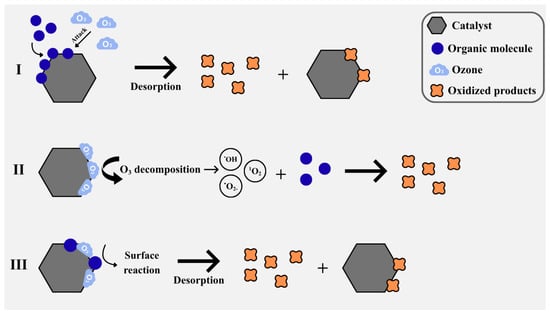
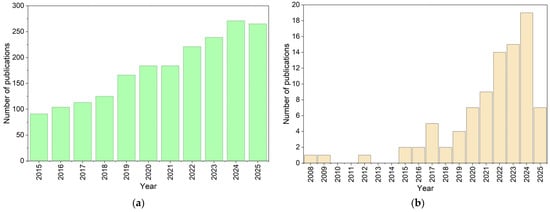
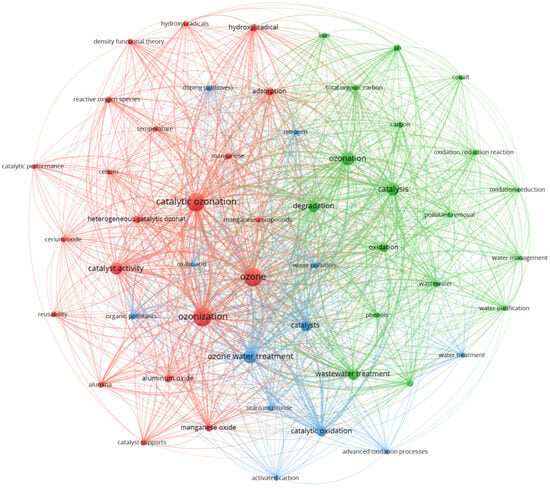

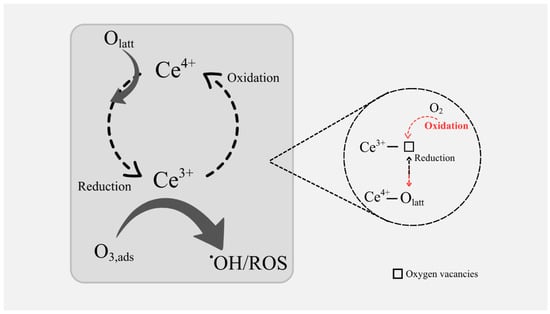
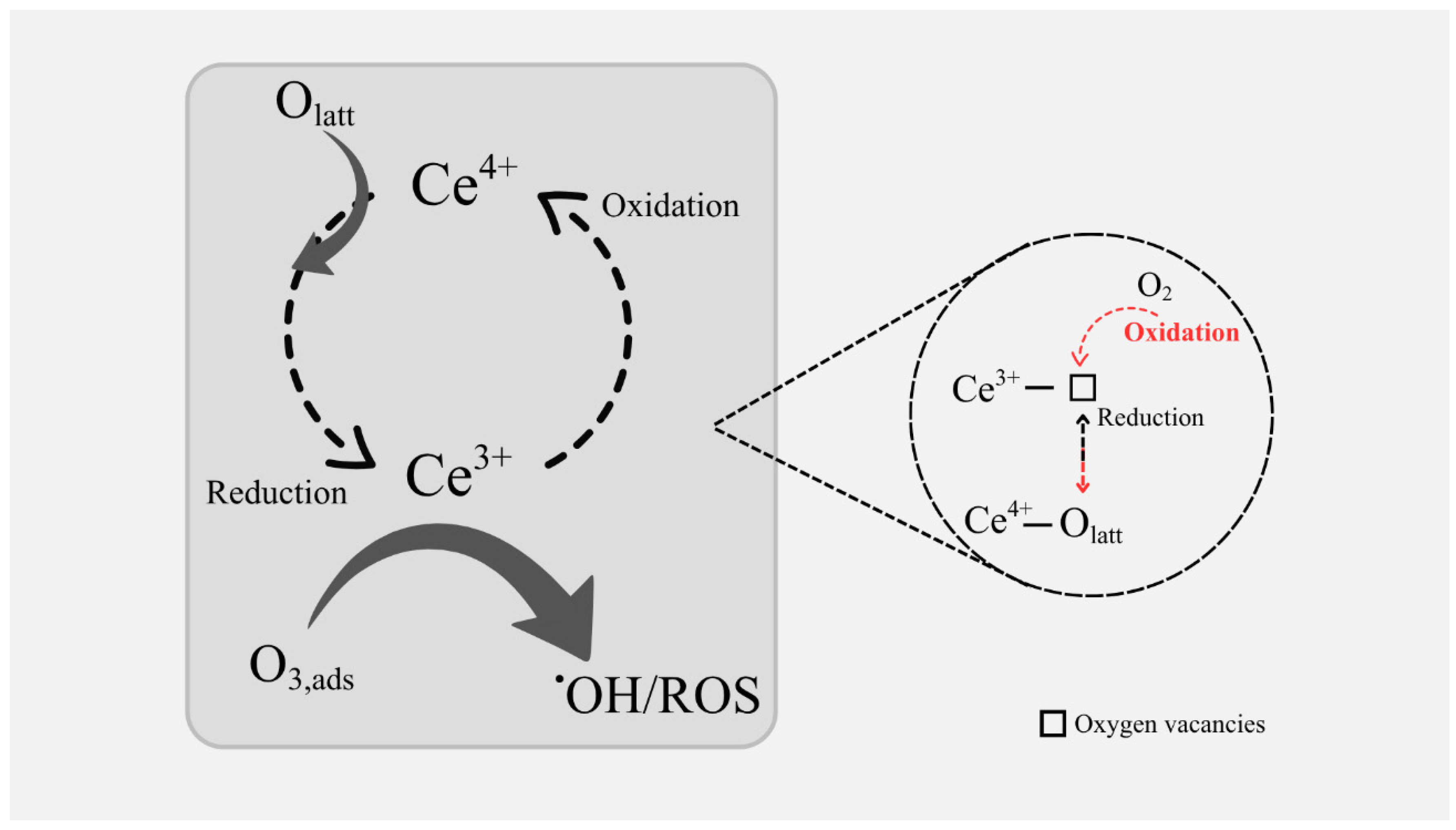
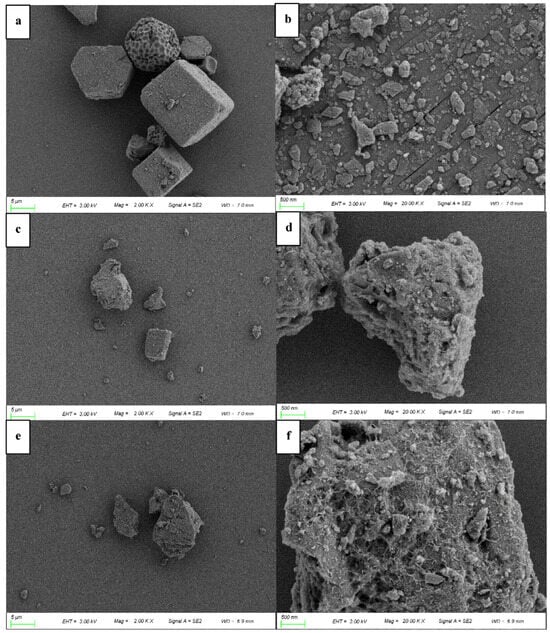
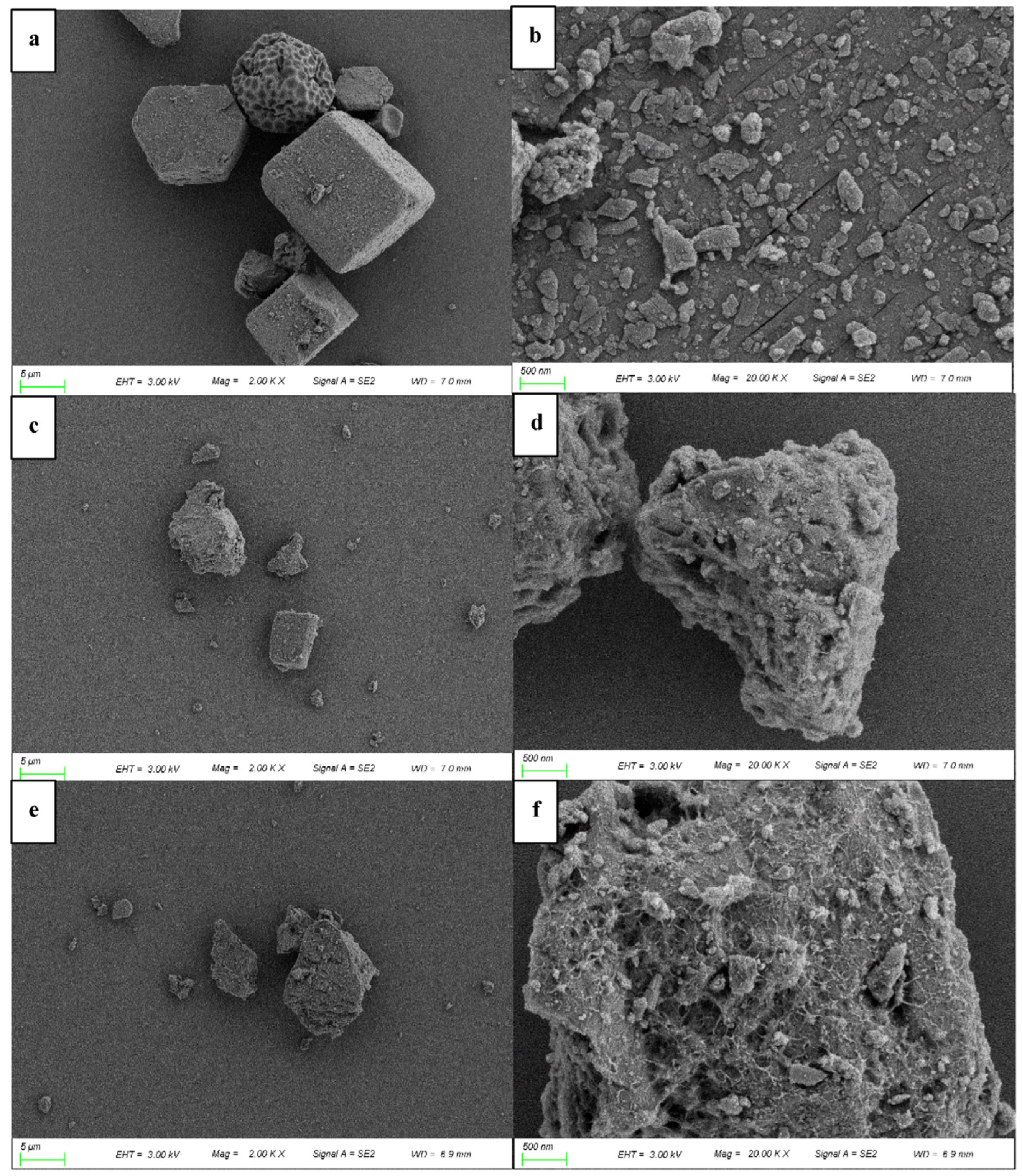
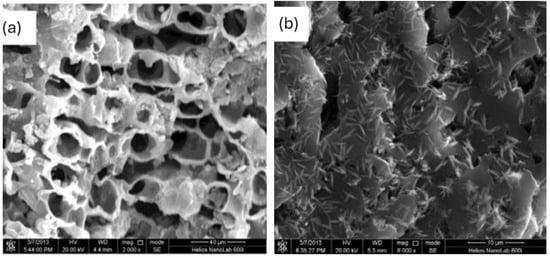
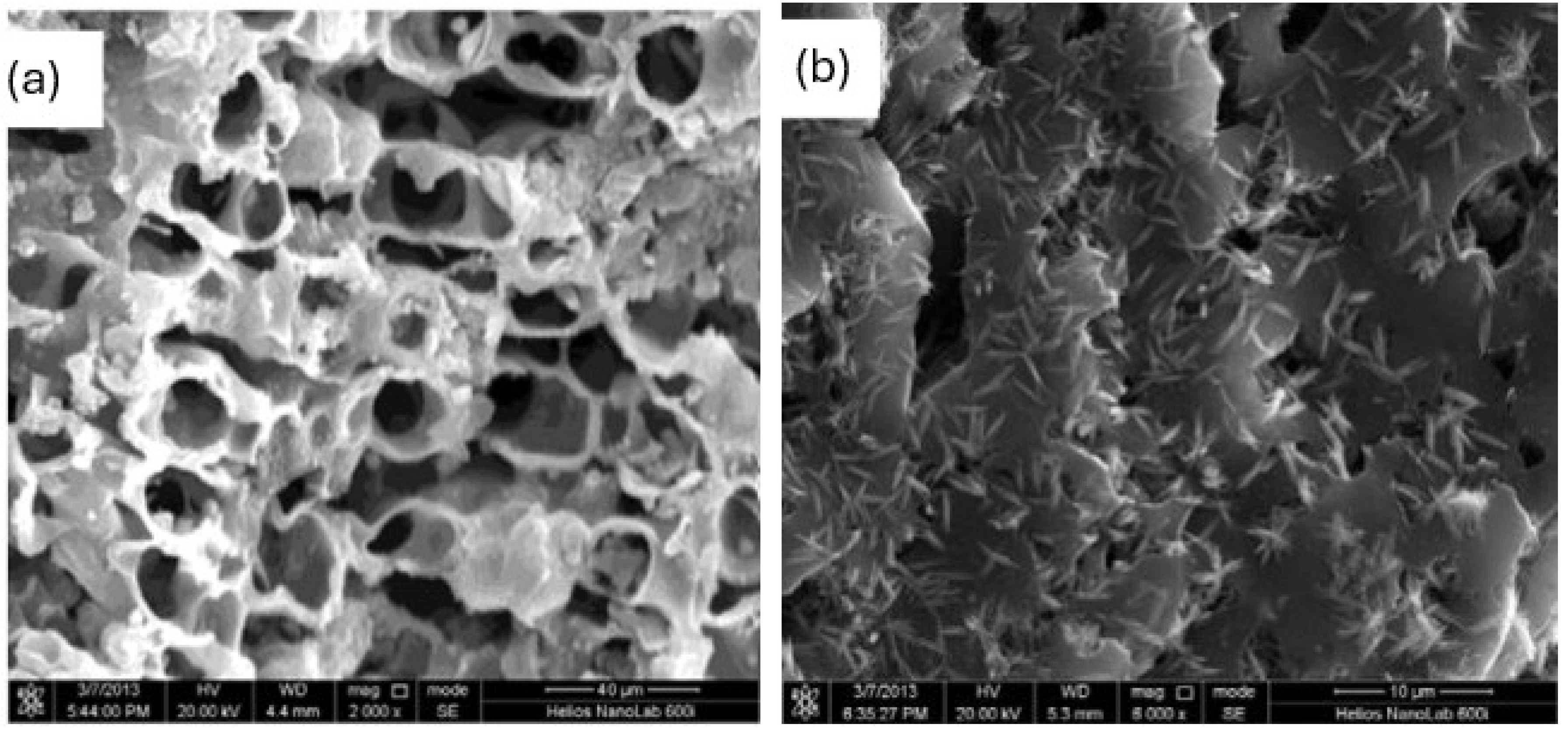
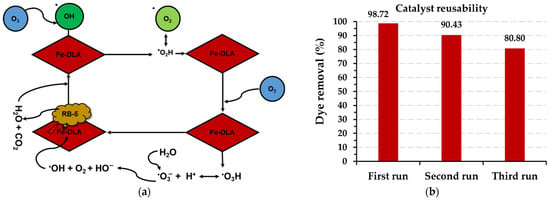
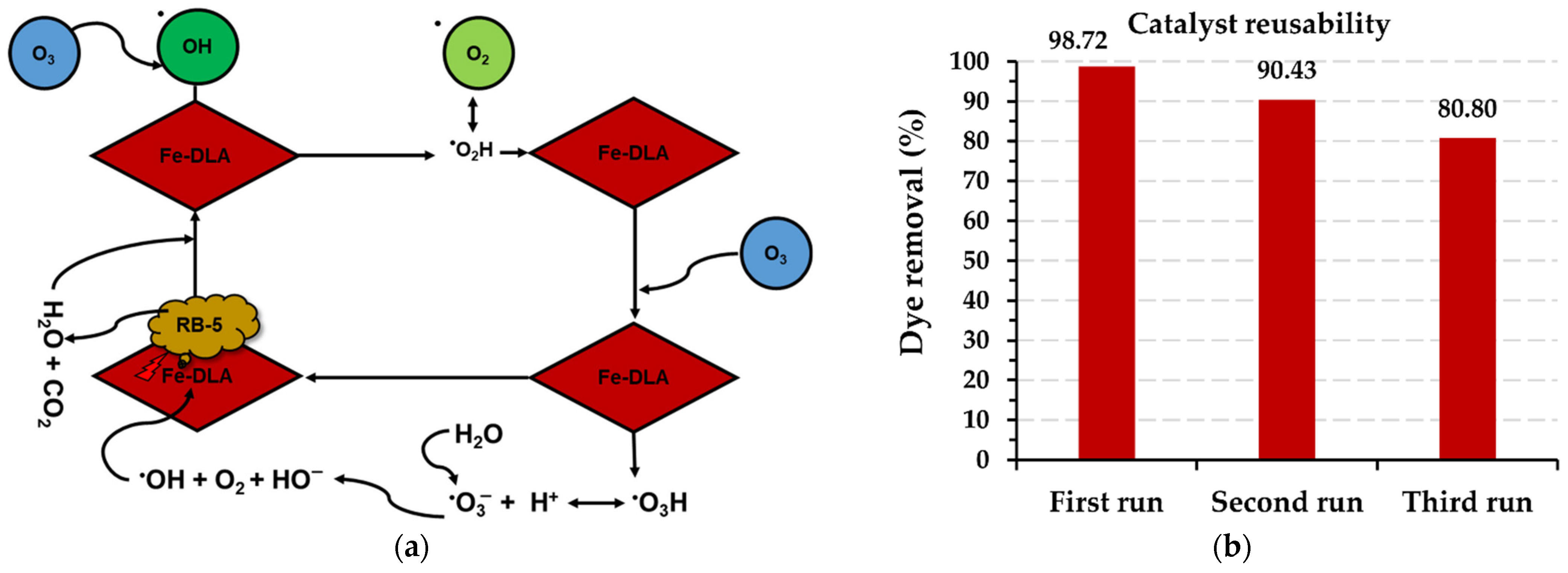
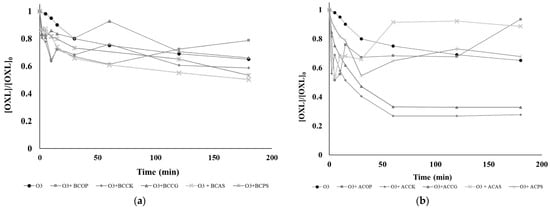
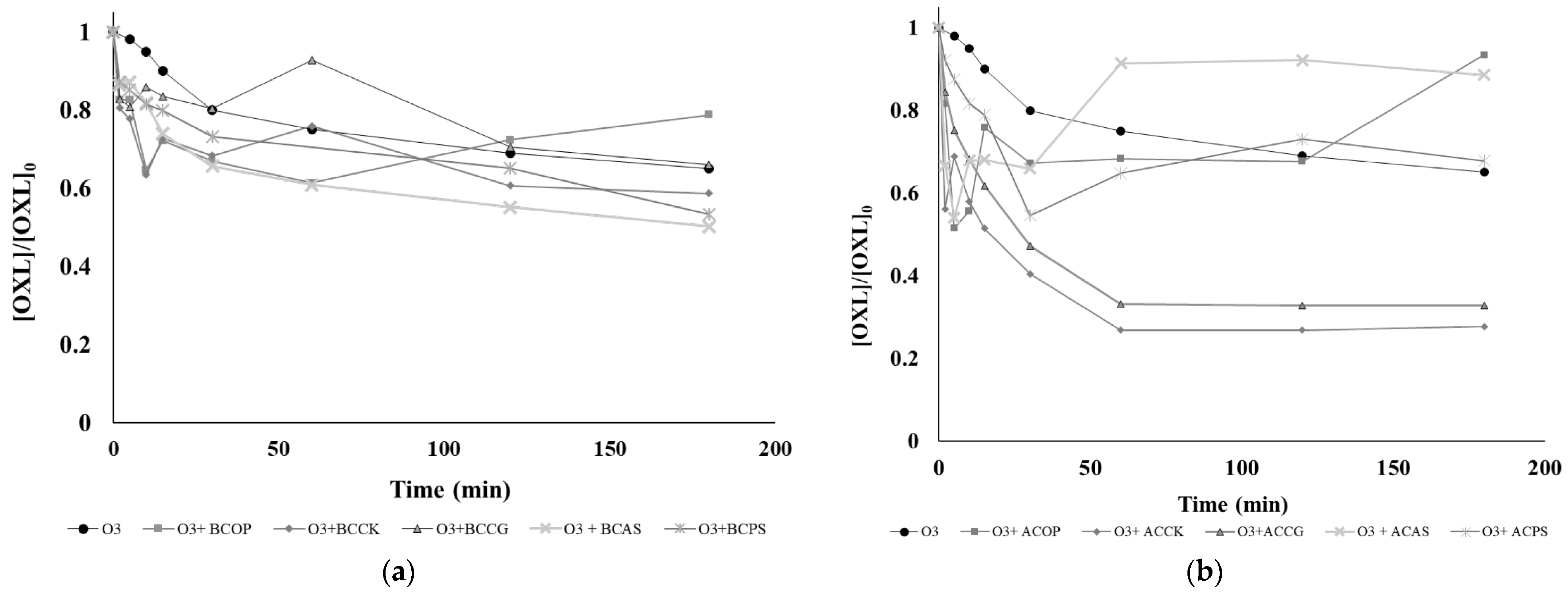
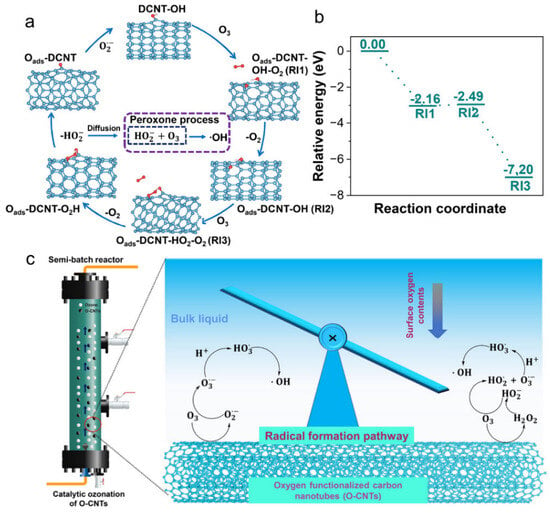
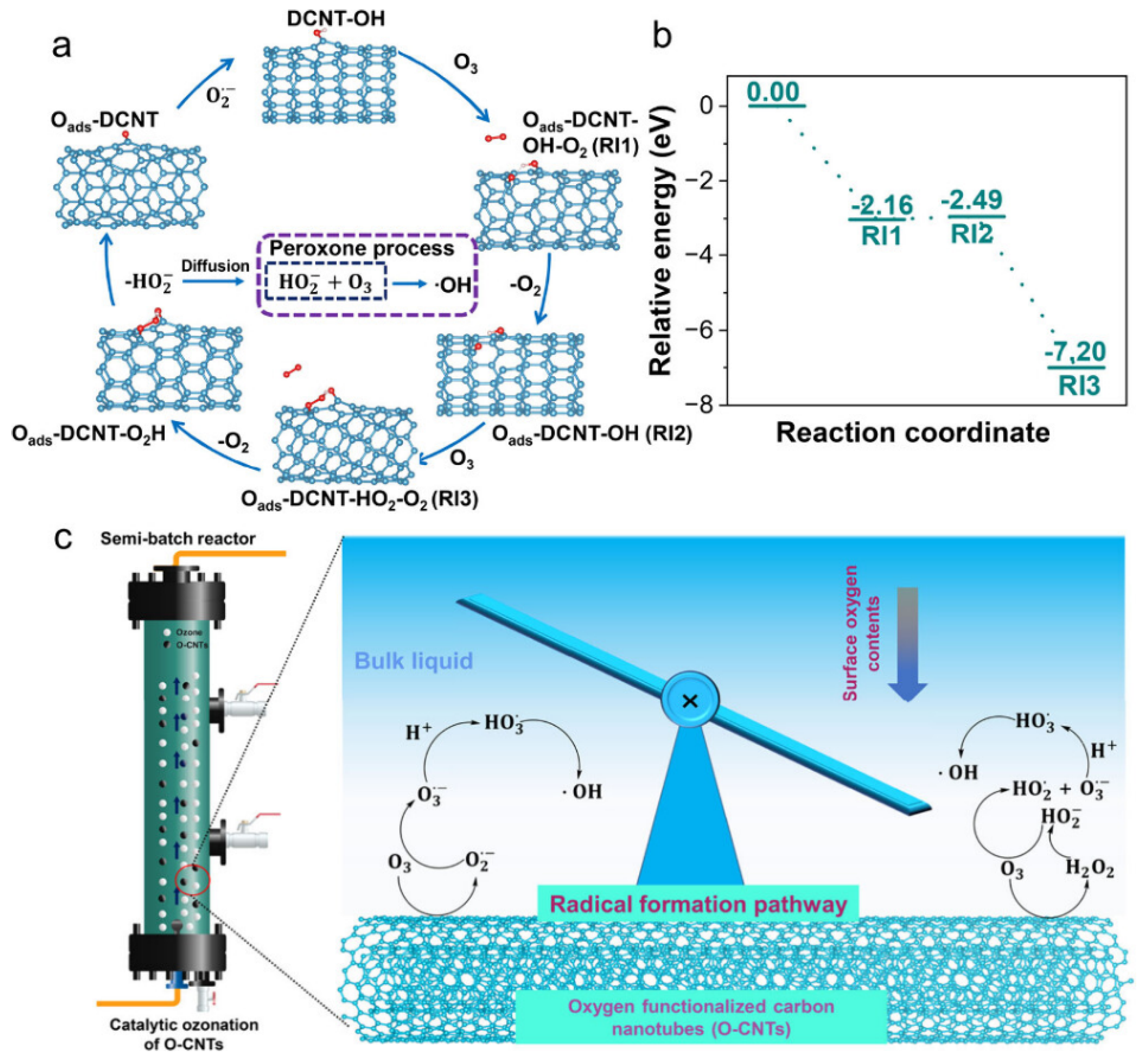
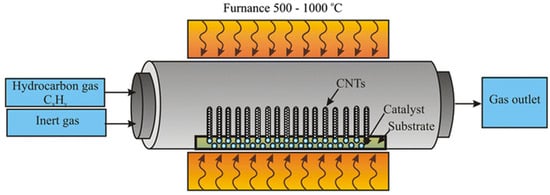
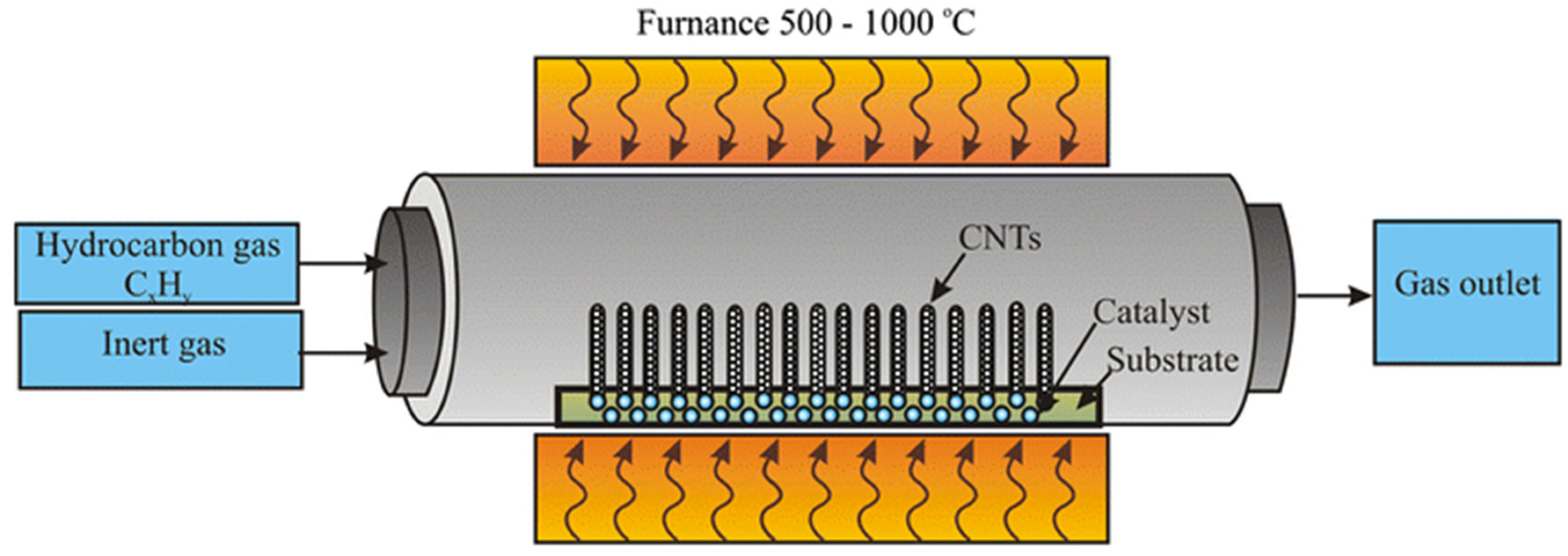
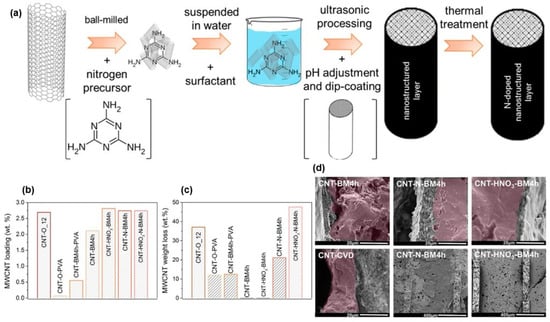
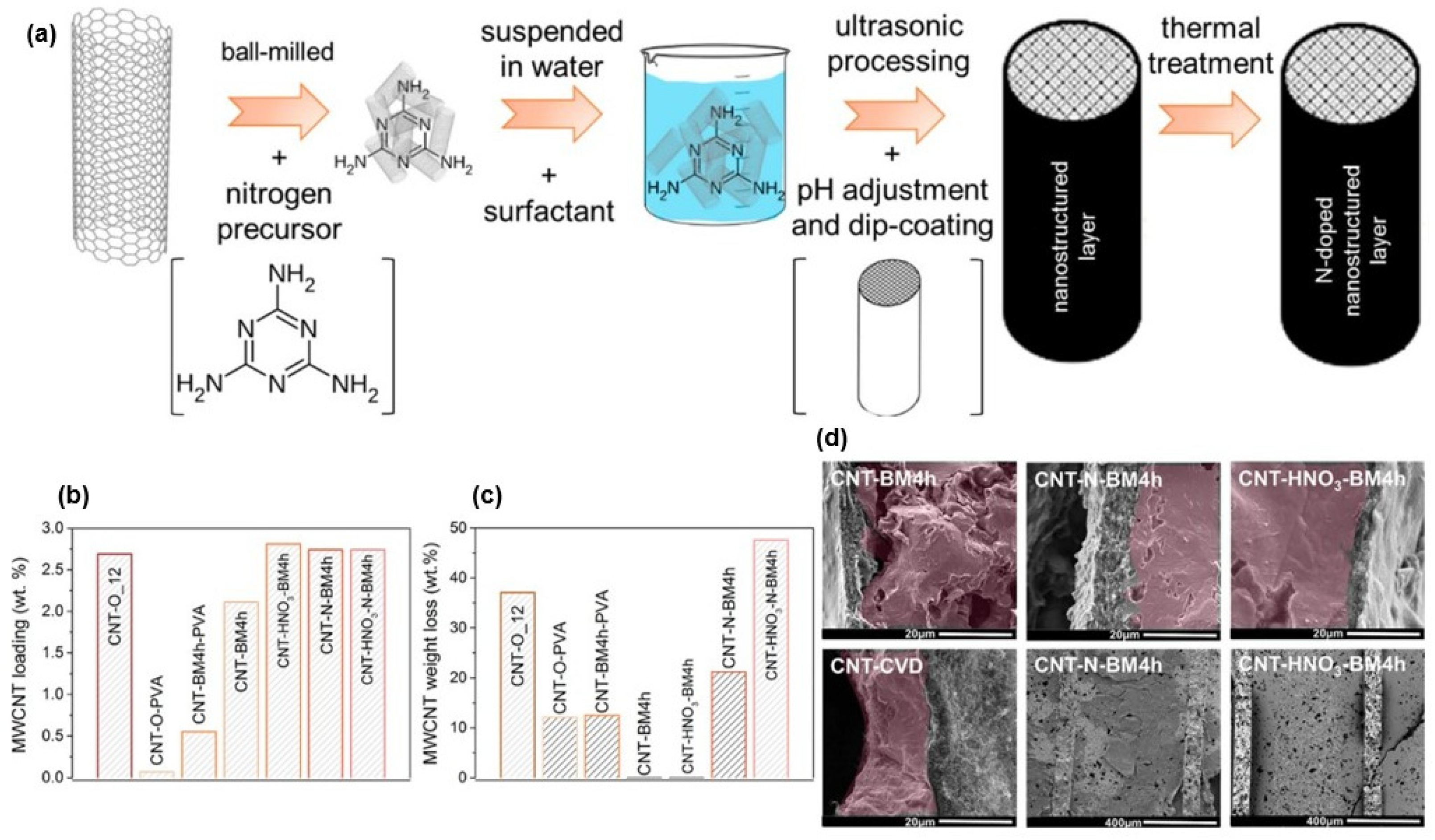
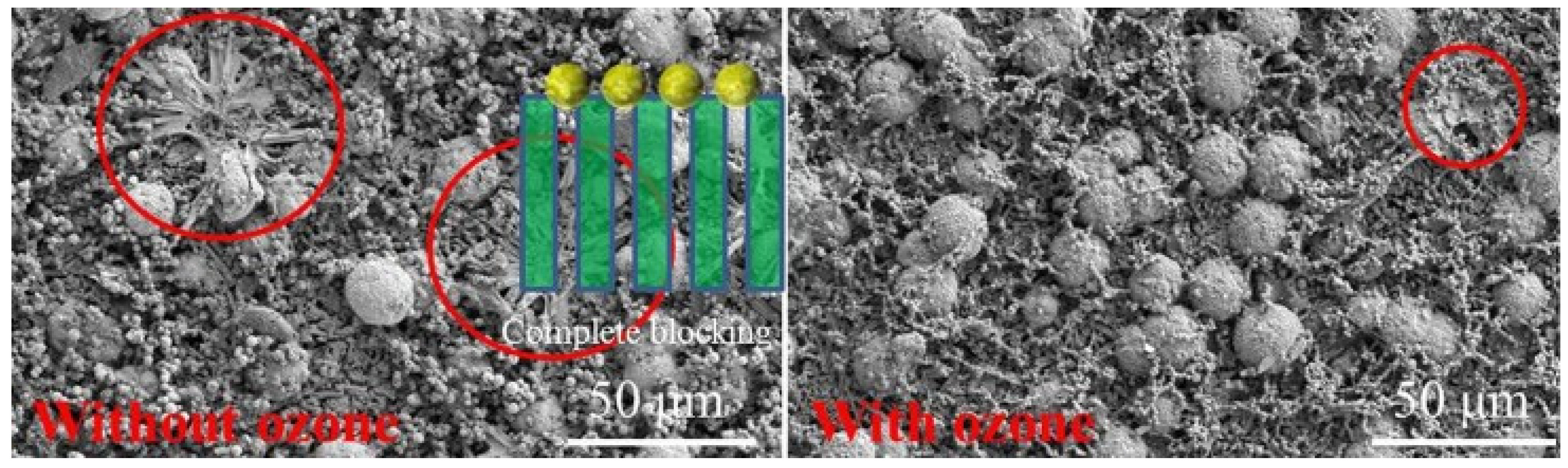
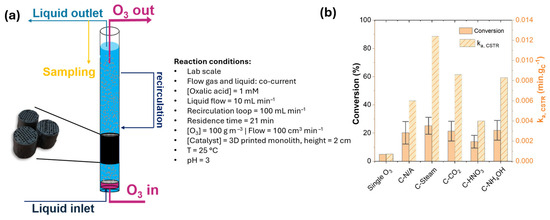
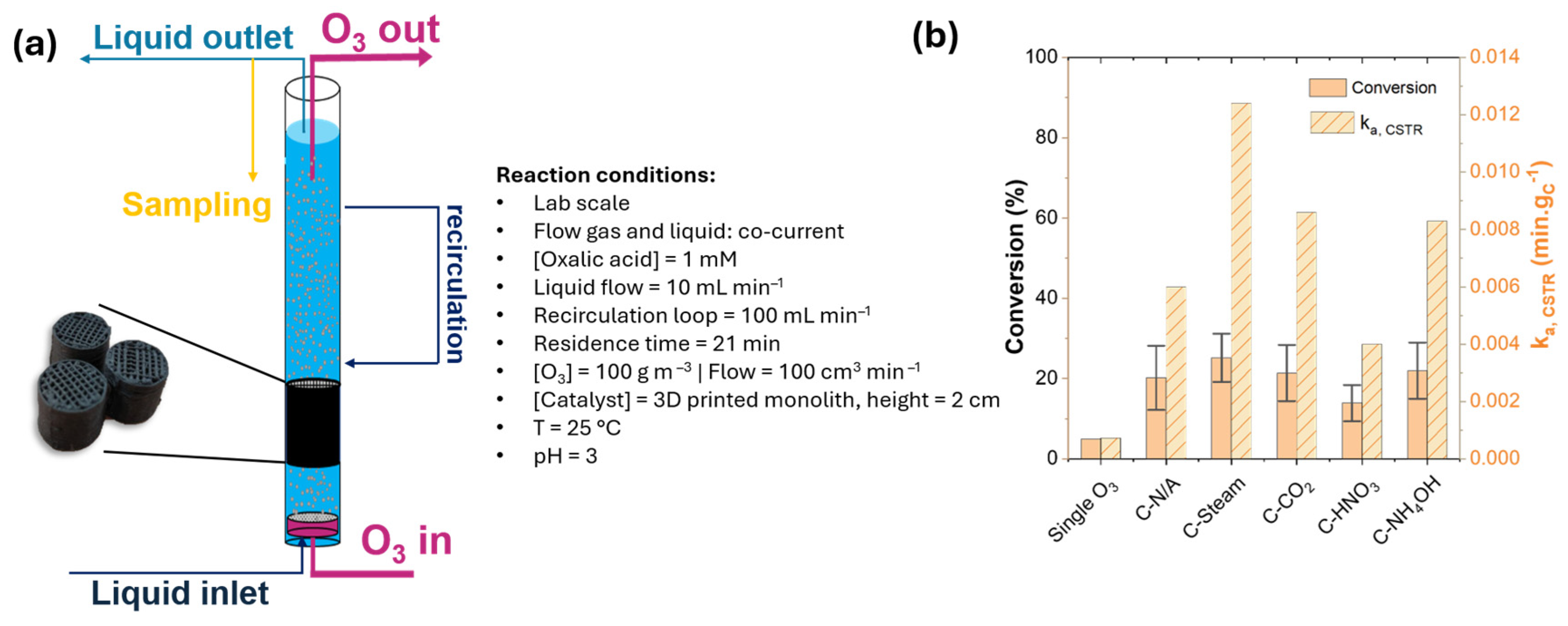
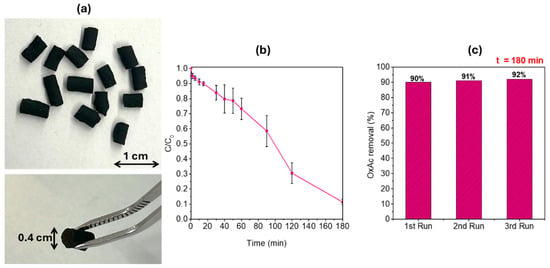
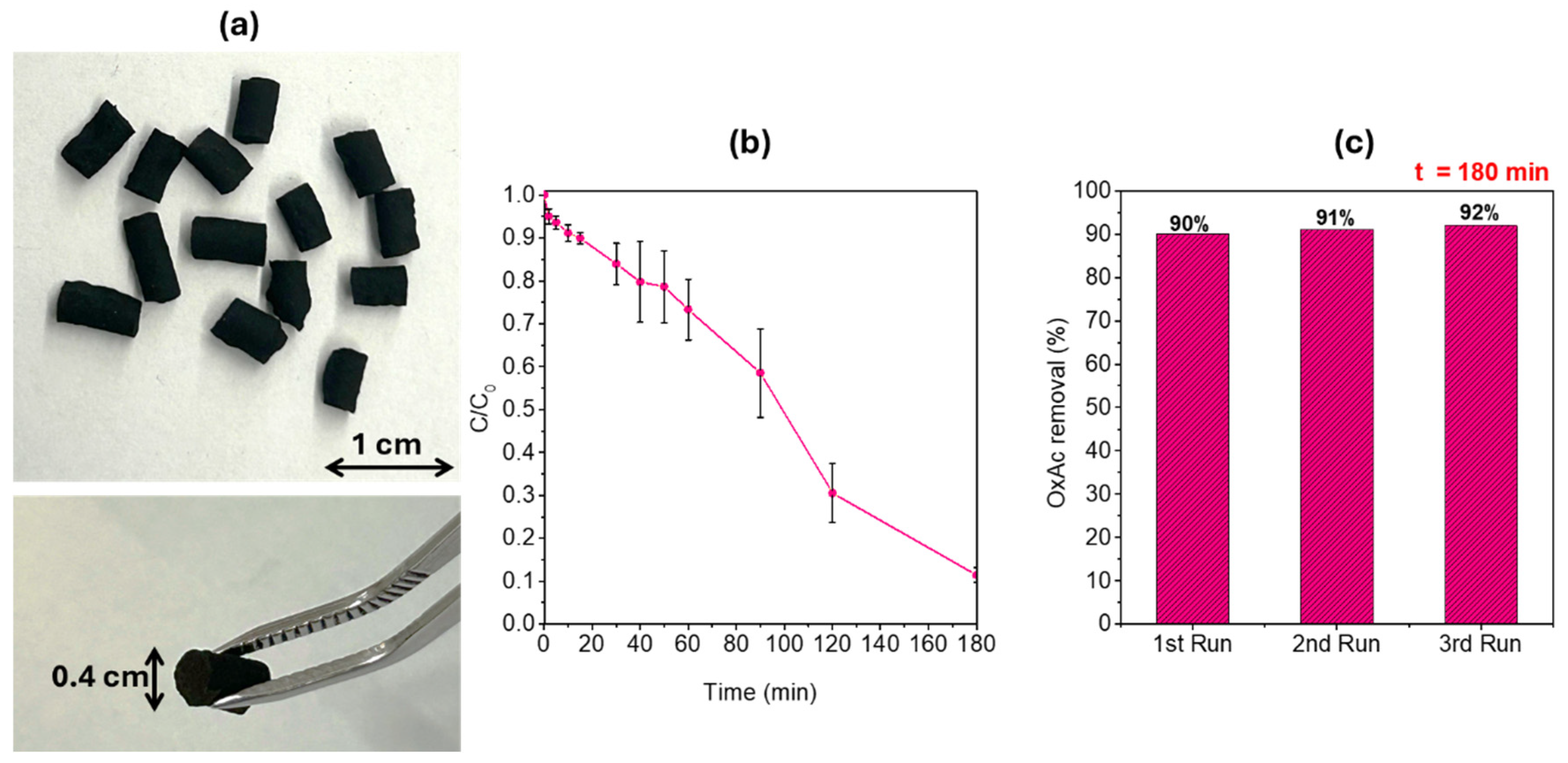
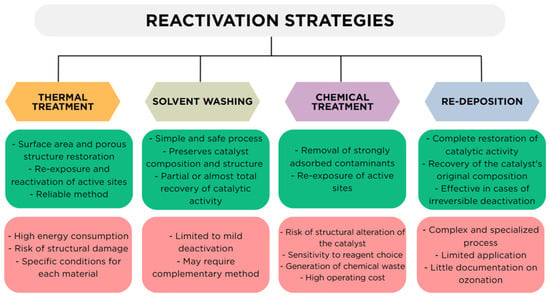
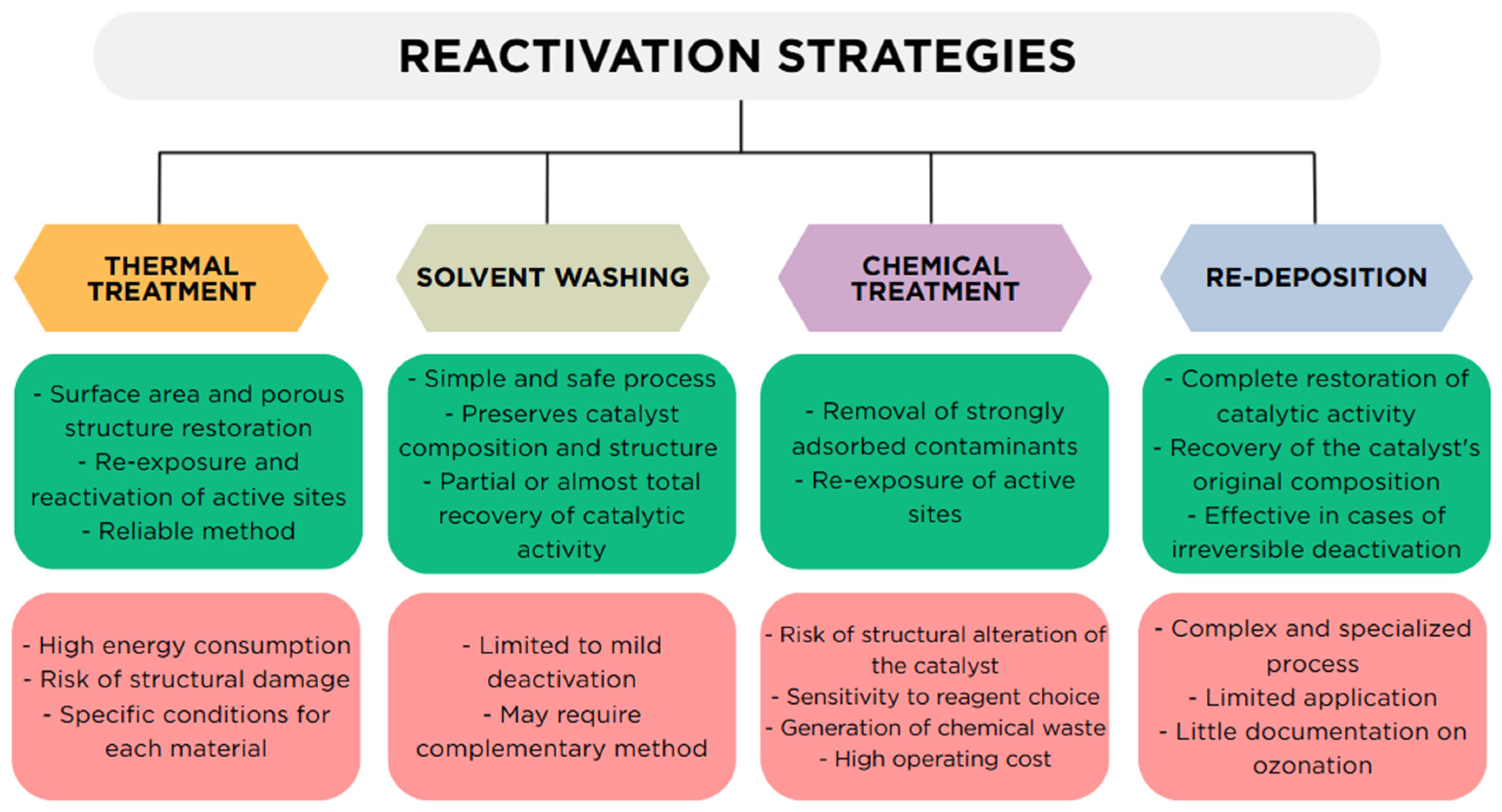

Disclaimer/Publisher’s Note: The statements, opinions and data contained in all publications are solely those of the individual author(s) and contributor(s) and not of MDPI and/or the editor(s). MDPI and/or the editor(s) disclaim responsibility for any injury to people or property resulting from any ideas, methods, instructions or products referred to in the content. |
© 2026 by the authors. Licensee MDPI, Basel, Switzerland. This article is an open access article distributed under the terms and conditions of the Creative Commons Attribution (CC BY) license.