


Abstract
Per- and polyfluoroalkyl substances (PFASs) are persistent environmental contaminants whose mobility in soil and groundwater is strongly controlled by adsorption and desorption processes. In saturated clay-rich soils, these processes are complex because PFASs interact with hydrated mineral surfaces, organic matter, metal oxides, exchangeable cations, and pore-water constituents. This review synthesizes the current literature on PFAS adsorption and desorption in saturated soils, with an emphasis on clay mineralogy, mineral–water interfaces, pore-water chemistry, and electrochemical double layer (EDL) effects. PFAS retention is influenced by molecular properties such as chain length, functional head group, and charge state, as well as soil properties such as organic carbon content, clay mineral type, surface charge, cation exchange capacity, and Fe/Al oxide content. Longer-chain PFASs and sulfonate-based compounds generally show stronger retention, while shorter-chain PFASs tend to remain more mobile. This review focuses particularly on how an EDL affects PFAS behavior in saturated clay systems. Unlike dry clay surfaces, saturated clay surfaces are covered by structured water, exchangeable ions, and diffuse counterion layers. These hydrated interfacial conditions influence how closely anionic PFASs can approach negatively charged clay surfaces, how dissolved cations reduce electrostatic repulsion or promote cation-mediated binding, and how effectively short-range interactions such as hydrophobic association, van der Waals forces, hydrogen bonding, and surface association contribute to adsorption. Desorption is also emphasized because adsorption does not necessarily represent permanent immobilization. Changes in pH, ionic strength, cation composition, dissolved organic matter, or competing solutes can weaken retention and promote PFAS release. Overall, PFAS mobility in saturated clay-rich soils should be interpreted as a coupled interfacial process rather than simple partitioning to soil solids. Future work should better connect molecular-scale mechanisms, EDL behavior, adsorption–desorption experiments, and saturated transport studies to improve predictions of PFAS retention and long-term groundwater release.
1. Introduction
Per- and polyfluoroalkyl substances (PFASs) are a group of synthetic organic compounds widely used in industrial and consumer products due to their unique properties, including thermal stability, resistance to degradation, and hydrophobic and lipophobic behavior [1,2,3]. These attributes, while advantageous for applications such as firefighting foams, nonstick cookware, and water-repellent textiles, have contributed to their persistent accumulation in the environment [4,5,6]. Structurally, many PFASs contain a hydrophobic fluorinated carbon chain and a hydrophilic functional head group, such as a carboxylate or sulfonate group, which gives them amphiphilic behavior and distinguishes them from many conventional hydrophobic organic contaminants [3,7,8]. The general structure of PFASs is shown in Figure 1. X is the functional group head (e.g., –COOH, –SO3H) [9]. The strength of the carbon–fluorine bond contributes to their persistence, while their ionic and surfactant-like properties influence their mobility and retention in soil and groundwater systems [7].
Figure 1.
Generalized PFAS structure showing a fluorinated carbon chain and variable functional head group (X), where n represents the number of repeating –CF2– units.
Soils and sediments play a central role in controlling the environmental fate of PFASs because they can act as temporary sinks that retain PFASs under favorable physicochemical conditions, while also serving as long-term secondary sources when changes in pore-water chemistry, pH, ionic strength, cation composition, or competing solutes promote PFAS desorption and release to surrounding soil–groundwater systems [10]. Unlike many nonpolar organic contaminants, PFAS partitioning cannot be explained solely by organic carbon content or by single soil property. Instead, PFAS sorption and desorption depend on the combined effects of molecular structure, soil composition, surface charge, pore-water chemistry, and saturation conditions [11,12]. This complexity is particularly relevant under saturated soil conditions, where PFASs move through water-filled pore spaces and interact with hydrated mineral surfaces, organic matter, and pore-water constituents rather than with dry soil particles.
Adsorption and desorption are therefore key processes governing PFAS mobility in subsurface environments [3]. Adsorption can retard PFAS migration by transferring dissolved PFASs from pore water to soil solids, mineral surfaces, organic matter, or other interfacial domains. However, adsorption does not necessarily represent permanent immobilization. Desorption and hysteresis can allow previously retained PFASs to act as long-term secondary sources of groundwater contamination, particularly when pore-water chemistry changes. Previous review work has emphasized that PFAS sorption–desorption behavior in soils is governed by multiple interacting soil and solution properties, and that no single parameter can adequately predict PFAS partitioning across different systems [11].
PFAS adsorption is influenced by both compound-specific properties and soil characteristics. Chain length and functional group chemistry affect retention, with longer-chain PFASs and sulfonates generally showing stronger sorption than shorter-chain PFASs and carboxylates [13,14]. Soil properties such as organic carbon content, clay minerals, Fe/Al oxides, surface charge, and solution chemistry also contribute to PFAS adsorption [12,13,15,16]. These factors influence adsorption through a combination of hydrophobic interactions, electrostatic forces, cation-mediated interactions, and surface complexation processes.
Despite increasing attention to PFAS adsorption in soils, the literature remains fragmented with respect to saturated clay systems. Many studies report relationships between PFAS adsorption and parameters such as organic carbon, pH, ionic strength, clay content, or metal oxides, and recent reviews emphasize the coupled role of hydrophobic and electrostatic interactions in PFAS retention [12]. However, fewer studies explicitly connect these macroscopic adsorption trends to interfacial processes occurring in saturated clay pores, including hydrated mineral surfaces, pore-water ions, and mineral-specific adsorption sites. In particular, the role of electrochemical double layer (EDL) processes at clay–water interfaces, which govern ion distribution, surface charge screening, and electrostatic interactions, is often not explicitly incorporated into interpretations of PFAS adsorption behavior. This represents an important gap because saturated clay soils are hydrated, charged, and chemically dynamic environments in which adsorption and desorption are strongly influenced by interfacial electrostatics and pore-water chemistry [12,17].
This review synthesizes the current literature on PFAS adsorption and desorption in saturated clay-rich soils, with emphasis on mineral–water interfaces, pore-water chemistry, and environmental controls on retention and release. It focuses on three main goals: understanding how PFAS properties and soil composition influence retention, evaluating the major adsorption and desorption mechanisms reported in the literature, and interpreting these processes through electrical double layer theory to better explain PFAS mobility in saturated clay systems.
2. Methodological Approach
This review was prepared through a structured literature search focused on PFAS adsorption and desorption in saturated soils, clay minerals, and mineral–water interfaces. Peer-reviewed articles were identified using databases including Web of Science, Scopus, ScienceDirect, ACS Publications, SpringerLink, and Google Scholar. Search terms included combinations of “PFAS adsorption,” “PFAS desorption,” “PFOA,” “PFOS,” “saturated soil,” “clay minerals,” “kaolinite,” “montmorillonite,” “smectite,” “soil organic matter,” “ionic strength,” “cation bridging,” “electrochemical double layer,” “mineral–water interface,” and “molecular dynamics simulation.”
A total of 65 references were included in the final review. These references were selected because they directly addressed PFAS sorption–desorption behavior, soil or mineral controls, pore-water chemistry, saturated transport, electrochemical double layer behavior, or molecular-scale mechanisms relevant to PFAS retention and release in saturated clay-rich soils. Priority was given to studies that reported mechanistic interpretation, controlled physicochemical conditions, adsorption–desorption measurements, saturated porous-media experiments, or molecular simulation results. Studies focused on non-soil systems were included only when they provided relevant mechanistic insight into mineral–water interfacial processes.
3. PFAS Properties Relevant to Adsorption in Saturated Clay Soils
PFAS adsorption in saturated clay soils is strongly controlled by the molecular structure of the compound. Many environmentally relevant PFASs contain a fluorinated carbon chain and a polar or charged functional head group [11,16,18,19,20,21]. The fluorinated chain contributes to hydrophobic and lipophobic behavior, while the head group controls charge, solubility, and interactions with mineral surfaces, organic matter, and pore-water ions [11,12]. Because of this amphiphilic structure, PFASs do not behave like conventional nonpolar organic contaminants. Their adsorption depends on both tail-driven interactions, such as hydrophobic association and van der Waals forces, and head-group-driven interactions, such as electrostatic attraction or repulsion, hydrogen bonding, and cation-mediated association [12,13].
3.1. Chain Length
Carbon chain length is one of the most important PFAS properties controlling adsorption. In general, longer-chain PFASs show stronger sorption than shorter-chain PFASs because the longer fluorinated tail increases hydrophobic interactions and van der Waals contributions with soil organic matter, hydrophobic mineral domains, and other interfacial phases [11,18,22]. Kookana et al. summarized that the sorption of perfluoroalkyl acids depends strongly on chain length, with partitioning generally increasing as the number of CF2 units increases [11]. This trend has also been reported in experimental studies of PFAS partitioning in soils and sediments [13,18].
Under saturated conditions, the chain-length effect is important because PFAS mobility is controlled by partitioning between pore water and available soil surfaces. Short-chain PFASs are generally more water soluble and less strongly retained, making them more mobile in soil–water systems. In contrast, long-chain PFASs can exhibit stronger interfacial retention and slower release because of stronger hydrophobic interactions and a greater tendency for surface association [11]. This chain-length effect is also supported by recent molecular interfacial studies, where longer-chain PFDoDA showed substantially higher adsorption, stronger aggregation, and greater tail insertion at a hydrophobic solid–water interface than shorter-chain PFHxA [23]. Loganathan and Wilson showed that long-chain PFASs form larger aggregated clusters at water-saturated kaolinite surfaces and have more restricted dynamics than short-chain PFASs [17]. Willemsen and Bourg found that the entropic contribution to PFAS adsorption on smectite increased with an increasing fluorinated chain length [24].
3.2. Functional Head Group
The functional head group is a major control on PFAS adsorption because it determines molecular charge, polarity, hydration behavior, and the types of interactions that can occur with mineral surfaces, organic matter, and pore-water ions. The most studied PFASs in soil and sediment systems include perfluoroalkyl carboxylic acids, such as PFOA, and perfluoroalkyl sulfonic acids, such as PFOS [19,25]. Under typical environmental pH conditions, these compounds are mainly present as anions, which makes their adsorption sensitive to electrostatic interactions with charged soil surfaces and exchangeable cations [12,22,26].
Several studies have shown that sulfonate-based PFASs generally adsorb more strongly than carboxylate-based PFASs with comparable chain lengths. Higgins and Luthy (2006) reported that both perfluorocarbon chain length and functional group chemistry influence PFAS sorption to sediments [13], while Zhao et al. showed that perfluorosulfonates and perfluorocarboxylic acids exhibit different sorption behavior on clay minerals [26]. This trend is also supported by clay-focused studies, where PFOS commonly shows stronger retention than PFOA, reflecting differences in head-group chemistry as well as hydrophobicity and molecular structure [27].
Molecular-scale studies provide further insight into how functional groups control adsorption at clay–water interfaces. Loganathan and Wilson found that PFAS adsorption structures and coordination environments in water-saturated kaolinite depend on both the functional head group and fluorinated chain length [27]. Ke et al. showed that perfluoroalkyl sulfonate anions interact differently with the two basal surfaces of kaolinite [28]. On hydroxyl surfaces, the sulfonate group can form hydrogen bonds with surface hydrogen atoms, while on siloxane surfaces, the fluorinated chain lies closer to the surface and adsorption is mainly associated with hydrophobic interactions.
3.3. Ionic Character
PFASs can be anionic, cationic, zwitterionic, or neutral depending on their functional groups and environmental conditions. Most legacy PFASs commonly studied in soil adsorption research, including PFOA, PFOS, PFHxA, PFHxS, PFBA, and PFBS, are anionic under typical groundwater pH conditions [11,29,30]. Their negative charge can increase aqueous mobility and create electrostatic repulsion from negatively charged mineral surfaces. However, adsorption may still occur through hydrophobic interactions, positively charged mineral edge sites, Fe/Al oxides, or cation-mediated mechanisms [12,24].
Cationic and zwitterionic PFASs may behave differently because they can interact more strongly with negatively charged clay minerals and organic matter through electrostatic attraction. Although they are less frequently studied than anionic PFASs, their strong binding potential and possible desorption hysteresis make them important for understanding PFASs’ fates in natural soils [29,31]. This is relevant to clay-rich soils because permanently negatively charged and exchangeable cations can create multiple pathways for charged PFAS retention. A summary of the PFAS properties relevant to adsorption in saturated clays is provided in Table 1.
Table 1.
PFAS properties most relevant to adsorption in saturated clay soils.
4. Soil Characteristics Controlling PFAS Retention
PFAS retention in soils is controlled not only by PFAS molecular structure, but also by the physical and chemical properties of the soil matrix. Natural soils are heterogeneous systems composed of minerals, organic matter, metal oxides, pore water, and exchangeable ions, all of which can influence PFAS adsorption and desorption. Among these components, clay minerals are particularly important because they provide reactive surfaces, small pore structures, variable surface charge, and exchangeable cations that can affect PFAS transport under saturated conditions [11,12]. The contribution of clay minerals is especially relevant in low-organic soils, where mineral–water interfaces may represent a major sorption domain rather than a secondary effect. Feng et al. emphasized that PFAS adsorption in soils is governed by a combination of soil properties, PFAS molecular characteristics, and environmental conditions, rather than by a single soil parameter [12].
4.1. Clay Minerals as Reactive Surfaces
Clay minerals can influence PFAS retention through their high specific surface area, layered structure, surface charge, exchange capacity, and ability to interact with water and dissolved ions [12,32]. The clay minerals most commonly discussed in PFAS adsorption studies include kaolinite and smectite minerals such as montmorillonite, although illite and mixed clay systems are also relevant in natural soils [17,24,26,27]. Kaolinite is a 1:1 clay mineral composed of one silica tetrahedral sheet and one alumina octahedral sheet, whereas montmorillonite is a 2:1 swelling clay mineral with exchangeable interlayer cations and a higher cation exchange capacity [17,24,32]. These structural differences affect how PFASs interact with clay surfaces and pore water because they control surface charge distribution, interlayer accessibility, hydration behavior, and the availability of hydrophilic and hydrophobic surface domains [24,28].
Kaolinite is particularly important because its basal surfaces are chemically different. The siloxane surface has a relatively hydrophobic character, while the hydroxyl surface is more hydrophilic and can participate in hydrogen bonding. Molecular simulations of water-saturated kaolinite show that PFAS adsorption depends on this surface chemistry, as well as on PFAS chain length, functional group, and the presence of metal cations [17]. Ke et al. further showed that perfluoroalkyl sulfonate anions can adsorb on both hydroxyl and siloxane surfaces of kaolinite, but through different mechanisms [28]. On hydroxyl surfaces, the sulfonate head group can interact with surface hydroxyl hydrogens, while on siloxane surfaces, the fluorinated chain tends to lie closer to the surface due to hydrophobic interactions.
Montmorillonite and other smectite clays can also play an important role because of their high surface area, permanent negative charge, swelling behavior, and exchangeable cations [33]. In smectite systems, PFAS adsorption is influenced by both hydrophobic domains on the basal surfaces and electrostatic interactions involving exchangeable cations. Willemsen and Bourg showed that PFAS adsorption on smectite is favorable on hydrophobic domains of external basal surfaces, where the fluorinated chain can adopt a flat orientation. Their simulations also showed that Ca2+ can stabilize adsorption through “lateral cation bridging” with sulfonate head groups [24].
4.2. Surface Charge and Exchangeable Cations
Surface charge is one of the main reasons clay minerals influence PFAS adsorption. Many clay minerals contain a permanent negative charge from isomorphic substitution within the mineral lattice, while edge sites and the associated oxide phases may develop a pH-dependent positive or negative charge [12]. For anionic PFAS, this creates a complex adsorption environment: negatively charged basal surfaces may generate electrostatic repulsion, while positively charged mineral sites, exchangeable cations, and less polar surface domains may still promote adsorption [24,34]. Ref. [34] summarized that PFAS adsorption onto mineral surfaces can involve electrostatic interactions, hydrophobic interactions, hydrogen bonding, and ligand or ion exchange, depending on mineral surface chemistry, pH, salt concentration, and PFAS structure.
Exchangeable cations are especially important in saturated clay systems because they occupy interlayer or near-surface regions and modify electrostatic interactions between PFASs and clay surfaces. In smectite, molecular dynamics simulations show that anionic PFASs experience electrostatic repulsion from negatively charged clay surfaces but can also interact favorably with exchangeable cations near the surface [24]. The same study showed that adsorption is favored on hydrophobic domains of external basal surfaces, where the fluorinated chain can adopt a flat orientation, and that Ca2+ can stabilize adsorption through “lateral cation bridging” between divalent cations and PFAS sulfonate head groups [24].
Solution chemistry also affects cation-mediated retention. Feng et al. reported that Ca2+ and Mg2+ can be more effective than Na+ in increasing adsorption of long-chain PFASs, and that Ca2+ and Fe3+ soils can show greater adsorption of PFCAs due to bridging between carboxyl groups and exchangeable cations or complex formation. However, this effect is not universal because ionic strength, pH, cation type, and soil composition can act together, making it difficult to isolate the role of one parameter alone [12].
4.3. Organic Matter
Soil organic matter is often an important contributor to PFAS retention, especially for long-chain PFASs. This contribution is commonly attributed to hydrophobic interactions between the fluorinated PFAS tail and organic domains in soil organic matter, together with possible electrostatic, hydrogen-bonding, and cation-mediated interactions involving polar organic functional groups [12,13,18,21]. However, organic matter can also compete with PFASs for mineral surface sites or alter the charge and accessibility of clay surfaces. Therefore, its effect on PFAS adsorption can be either enhanced or inhibitory depending on the amount, composition, and association of organic matter with mineral surfaces [21,35].
In natural soils, organic matter is often associated with clay minerals and Fe/Al hydroxides/oxides rather than existing as an isolated phase. These mineral-associated organic coatings can change the surface chemistry of clays by introducing additional hydrophobic domains, charged functional groups, and steric barriers [21,36]. This is important because PFASs may interact not only with bare clay surfaces, but also with organic-coated mineral surfaces. For this reason, adsorption in natural clay-rich soils may differ from adsorption measured on clean mineral phases. This supports the need to interpret PFAS retention in saturated clay systems as an interfacial process involving mineral surfaces, organic matter, and pore-water chemistry together, rather than as simple partitioning to organic carbon alone [12,21].
4.4. Metal Oxides and Mineral Impurities
In addition to clay minerals and organic matter, metal oxides and mineral impurities can contribute to PFAS adsorption. Iron and aluminum oxides are particularly relevant because their surfaces can develop a pH-dependent charge and provide positively charged sites under acidic to circumneutral conditions, which may promote electrostatic attraction of anionic PFASs [11,32]. PFAS adsorption on oxide surfaces may also involve hydrogen bonding, ligand exchange, or outer-sphere complexation, depending on the oxide type, pH, and PFAS functional group [34,37]. Soil studies further indicate that mineral oxides can contribute to PFAS retention beyond organic carbon alone. Wei et al. found that PFOS sorption was positively correlated with Al2O3, soil organic carbon, and Fe2O3 contents [16], while Campos-Pereira et al. reported that Fe/Al hydroxides/oxides contributed to the sorption of selected PFASs in temperate mineral soils [38].
These findings are important for natural clay-rich soils because kaolinite, montmorillonite, and illite rarely occur as pure minerals in field conditions. Instead, they are commonly mixed with Fe/Al oxides, organic matter, and other mineral phases. As a result, the adsorption behavior measured in natural soils may reflect overlapping mechanisms, including hydrophobic interactions with organic matter, electrostatic attraction to oxide surfaces, cation bridging near clay or oxide surfaces, and hydrogen bonding or surface association at mineral edge sites [11,24,34]. Therefore, clay mineralogy should be considered together with associated oxides, organic coatings, and pore-water chemistry when evaluating PFAS retention.
5. Influence of Physicochemical Conditions on PFAS Adsorption
Physicochemical conditions can substantially modify PFAS adsorption by changing the surface charge, pore-water chemistry, ion distributions, and the availability of sorption sites. In saturated soils, these effects are especially important because PFASs are transported through pore water and interact with hydrated mineral and organic surfaces. The major physicochemical controls discussed in the literature include pH, ionic strength, electrolyte composition, dissolved organic matter, and co-contaminants.
5.1. pH
Solution pH influences PFAS adsorption mainly by altering the charge of soil organic matter, clay edges, and metal oxide surfaces [18,37,38,39]. Because many commonly studied PFASs occur as anions under typical environmental pH conditions, a lower pH can reduce negative surface charge and decrease electrostatic repulsion, thereby increasing adsorption. Oliver et al. showed that the net surface charge of seven tropical soils became less negative as the pH decreased from 7.5 to 3.5, and the sorption of PFOS, PFOA, and PFHxS generally increased under lower-pH conditions [39]. The strongest increases occurred in soils rich in Fe and Al oxides, indicating the importance of pH-dependent surface charge in variable-charge soils [39].
A similar trend was reported for an organic soil horizon by Campos Pereira et al. [38], where PFAS sorption generally decreased with an increasing pH and with an increasing modeled net negative charge of soil organic matter. Their results also showed that pH was more important for strongly sorbing, longer-chain PFASs, while cation effects were more evident for PFASs with low to moderate sorption [38].
5.2. Ionic Strength
Ionic strength affects adsorption by screening electrostatic interactions between charged PFAS molecules and charged soil surfaces. Higher ionic strength can reduce electrostatic repulsion and allow PFASs to approach sorption domains more easily [40]. Cai et al. found that increasing concentrations of soluble cations made soil suspension zeta potential less negative and increased the sorption of several anionic PFASs, especially long-chain compounds. This indicates that ionic strength can modify PFAS retention by changing electrostatic conditions at soil–water interfaces [40].
5.3. Electrolyte Composition and Cation Valence
The effect of pore-water ions depends not only on ionic strength, but also on cation type and valence. Divalent and trivalent cations can be more effective than monovalent cations because they modify surface charge conditions more strongly [40]. Campos Pereira et al compared Na+, Ca2+, and Al3+ in an organic soil horizon and found that cation effects were most evident for PFASs with low to moderate sorption [38]. Cai et al. also showed that polyvalent cations, particularly Ca2+ and Mg2+, enhanced adsorption more strongly than monovalent cations for several anionic PFASs [40].
However, cation effects are not universal. Mejia-Avendaño et al. showed that pH and Ca2+ can affect anionic, cationic, and zwitterionic PFASs differently in saturated soil–water systems. This indicates that electrolyte effects should be interpreted together with PFAS charge state and soil surface chemistry rather than treated as a single general trend [41].
5.4. Dissolved Organic Matter and Co-Contaminants
Dissolved organic matter and co-contaminants can also change PFAS adsorption by modifying surface sites or by interacting with PFASs in a solution. Depending on the system, dissolved organic matter may either enhance or reduce PFAS adsorption by changing surface-site availability and solution chemistry. Liu et al. found that PFOS sorption in contrasting soils depended on both soil composition and solution chemistry. In their experiments, dissolved organic carbon, PFOA, and Pb2+ generally increased PFOS sorption, showing that co-existing solutes can modify PFAS retention behavior in complex soils [42].
Figure 2 provides a conceptual summary of how pH, ionic strength, cation valence, organic carbon, and adsorbent/mineral type influence PFAS retention. The figure emphasizes that the dominant control varies among oxide-rich soils, clay-rich systems, and organic-rich soils.
Figure 2.
Conceptual summary of major physicochemical controls on PFAS retention across different adsorbent systems.
Overall, physicochemical conditions modify PFAS adsorption by changing surface charge, electrostatic screening, cation-mediated interactions, and the availability of sorption domains.
6. Adsorption Mechanisms at Saturated Clay–Water Interfaces
PFAS adsorption in saturated clay-rich soils occurs through multiple, overlapping mechanisms rather than a single partitioning process. The dominant pathway depends on the PFAS molecular structure, soil/mineral composition, and pore-water chemistry discussed in the previous sections. Because PFASs contain both fluorinated hydrophobic tails and polar or charged head groups, adsorption can involve both nonpolar interactions with organic matter or hydrophobic mineral domains and electrostatic or specific interactions involving functional head groups [24,28,40]. Kookana et al. summarized the main PFAS retention mechanisms in soils as solid-phase adsorption, hydrophobic interactions, electrostatic interactions, cation bridging, surface complexation, fluid–water interfacial adsorption, absorption, and physical retention, while also emphasizing that sorption behavior differs between saturated and unsaturated soils [11].
As summarized in Table 2, PFAS adsorption and desorption behavior varies substantially among soils, clay minerals, oxide surfaces, and saturated porous media. However, the reported trends consistently show that PFAS retention is controlled by the coupled effects of PFAS molecular structure, soil or mineral composition, surface charge, organic matter, ionic strength, cation composition, and pore-water chemistry.
Table 2.
Comparison of representative published studies on PFAS adsorption and desorption in soils, clay minerals, and mineral–water systems.
The main PFAS adsorption and desorption pathways in clay soils are summarized in Figure 3.
Figure 3.
Conceptual summary of PFAS adsorption and desorption mechanisms on clay surfaces with humic acid, showing the roles of hydrophobic interactions, cation bridging, hydrogen bonding, electrostatic attraction/repulsion, and van der Waals for anionic and cationic PFASs.
6.1. Electrostatic Interactions and Cation Bridging
Electrostatic interactions are important because many widely studied PFASs, such as PFOA, PFOS, PFHxA, and PFHxS, are negatively charged under common soil and groundwater pH conditions [45]. In clay-rich systems, negatively charged clay surfaces can repel anionic PFASs, while positively charged edge sites, oxide surfaces, or cation-modified surfaces can promote adsorption. This helps explain why PFAS retention changes with pH, ionic strength, and cation type [39,46,47,48].
Cations can affect PFAS adsorption in two main ways. First, they can screen negative charges on PFAS head groups and soil surfaces, reducing electrostatic repulsion. Cai et al. showed that increasing Na+, Ca2+, and Mg2+ concentrations made soil zeta potential less negative and increased the sorption of several anionic PFASs, especially long-chain compounds [40]. They concluded that cations enhanced adsorption mainly by charge screening, which allowed stronger interactions between PFAS fluorinated tails and soil surfaces. Second, multivalent cations can form cation bridges between PFAS functional groups and clay or organic surfaces. Willemsen and Bourg showed through molecular dynamics simulations that Ca2+ can stabilize PFAS adsorption on smectite through lateral cation bridging with sulfonate head groups [24].
PFAS charge state also changes adsorption behavior. Nickerson et al. showed that AFFF-impacted soils can contain large amounts of zwitterionic and cationic PFASs, with these compounds making up most of the PFAS mass in some source-zone soils [30]. Their field data also indicated that zwitterionic and cationic PFASs had more limited transport than anionic PFASs, consistent with stronger retention by negatively charged organic matter or clay surfaces.
6.2. Hydrophobic and van der Waals Interactions
Hydrophobic interactions are mainly associated with a fluorinated PFAS tail. These interactions generally become stronger as the fluorinated chain becomes longer, which is why long-chain PFASs often adsorb more strongly than short-chain PFASs [26,49]. In soils with high organic carbon, this mechanism can be especially important. Liu et al. found that PFOS sorption was strongly related to total organic carbon and that hydrophobic interactions dominated in high-organic-carbon soils [42]. However, the same study also showed that electrostatic interactions became more important at lower pHs and in soils with lower organic carbon content [42].
Hydrophobic and van der Waals interactions can also occur on clay mineral surfaces, not only on organic matters. Willemsen and Bourg found that PFAS adsorption on smectite was favorable on hydrophobic domains of external basal surfaces, where the fluorinated chain adopted a flat orientation [24]. Ke et al. reported a similar behavior for kaolinite siloxane surfaces, where PFSA anions showed a mobile surface adsorption mode and the nonpolar C-F chain lay close to the surface. These findings show that mineral surfaces can provide hydrophobic retention domains, especially where siloxane surfaces or less hydrated regions are exposed [28].
6.3. Hydrogen Bonding and Specific Surface Association
Hydrogen bonding and specific surface association are most relevant on hydroxylated clay surfaces, clay edge sites, and metal oxide surfaces. These interactions involve the PFAS functional head group more directly than the fluorinated tail. For example, kaolinite contains chemically different basal surfaces: a hydroxyl surface that can participate in hydrogen bonding and a siloxane surface that is more favorable for hydrophobic association [17]. Loganathan and Wilson showed that PFAS molecules in water-saturated kaolinite mesopores adsorb near the hydroxyl surface, and that adsorption structure depends on functional group and chain length [17]. Ke et al. further showed that PFSA adsorption on kaolinite differs between the hydroxyl and siloxane surfaces, confirming that surface chemistry controls the adsorption mode [28].
On the kaolinite hydroxyl surface, Ke et al. reported a localized “point adsorption” mode in which the sulfonate group of PFSA forms hydrogen bonds with surface hydrogen atoms, described as a “three-pin plug” arrangement [28]. Their simulations also showed that hydration of the hydroxyl surface creates an energy barrier that PFSA anions must overcome before reaching a stable adsorption position. This finding is important for saturated clay systems because it shows that adsorption is controlled not only by direct PFAS–surface attraction, but also by the structure of interfacial water [28].
Specific surface association has also been reported for PFASs on oxide and hydroxylated mineral surfaces. Gao and Chorover reported that PFOS can form outer-sphere complexes with hematite surfaces [37], while Wang and Shih showed that PFOS and PFOA adsorption on boehmite is influenced by surface hydroxyl groups, pH, and electrolyte composition [37,50]. These studies suggest that Fe/Al oxides and hydroxylated mineral surfaces may contribute to PFAS retention through electrostatic attraction, outer-sphere complexation, hydrogen bonding, or ligand-exchange-like association, depending on the pH and surface charge [34,37,47,50].
For expandable or modified clay systems, specific association may also occur in interlayer regions. Zhang et al. reported interlayer adsorption of PFOS in montmorillonite but not in kaolinite, showing that clay structure can control whether PFASs can access interlayer domains [35]. Yan et al. later showed that PFAS can enter surfactant-modified clay interlayers and interact with quaternary ammonium intercalants through charge–charge, charge–dipole, and dipole–dipole interactions. This provides useful mechanistic evidence for engineered clay adsorbents, although it should not be directly generalized to unmodified natural clay soils [35,51].
Overall, PFAS adsorption in saturated clay-rich soils is controlled by coupled interfacial mechanisms rather than a single interaction. Electrostatic forces influence whether charged PFASs are attracted to or repelled from surfaces, cations can reduce repulsion or form bridges with PFAS head groups, and hydrophobic or van der Waals interactions support the retention of fluorinated tails on organic matter and hydrophobic mineral domains. Hydrogen bonding, specific surface association, and coexisting solutes can further modify adsorption by changing site availability or creating additional retention pathways.
These mechanisms often act together. For example, higher ionic strength can screen electrostatic repulsion and allow short-range tail interactions to become more effective. Similarly, negatively charged clay surfaces may repel anionic PFASs, while exchangeable cations, edge sites, and oxide coatings can create local regions where adsorption is favored.
7. Linking Kinetic, Isotherm, Desorption, and Molecular-Scale Evidence to PFAS Adsorption Mechanisms
Although this review does not report new kinetic or thermodynamic experiments, kinetic, isotherm, desorption, and molecular-scale results reported in the literature provide important evidence for interpreting PFAS adsorption mechanisms. These observations help distinguish whether PFAS retention is mainly controlled by reversible physisorption-like surface association, electrostatic interactions, hydrophobic partitioning, cation-mediated association, ion-exchange-type interactions, or stronger site-specific surface complexation. Representative studies are compared in Table 3 to link the type of experimental or molecular evidence with the likely adsorption pathway.
Table 3.
Literature-based comparison linking kinetic, isotherm, desorption, and molecular-scale evidence to likely PFAS adsorption pathways.
Overall, these studies show that PFAS adsorption behavior changes with PFAS structure, mineral type, surface charge, organic carbon, pore-water chemistry, and desorption reversibility. Therefore, adsorption in saturated soils, clay minerals, iron oxides, and organic soil components cannot be explained by a single mechanism. Instead, PFAS adsorption is best interpreted as a coupled process involving physisorption-like surface association, an electrostatic interaction, hydrophobic partitioning, cation-mediated association, and ion-exchange-type retention. True chemisorption may occur only in specific surface-complexation cases and should not be assumed as the dominant pathway for all PFAS-soil systems.
8. Electrochemical Double Layer Control of PFAS Adsorption and Desorption at Saturated Clay–Water Interfaces
The electrochemical double layer (EDL) provides a useful framework for explaining why PFAS adsorption in saturated clay soils can differ from adsorption on dry clay surfaces. In dry clay, PFASs may interact more directly with exposed mineral surfaces through van der Waals forces, hydrophobic interactions, hydrogen bonding, or surface association [3]. In saturated clay, however, the mineral surface is covered by water molecules, exchangeable ions, and a diffuse distribution of counterions. Therefore, PFAS adsorption is controlled not only by the direct affinity between PFASs and the clay surface, but also by the hydrated ionic environment between dissolved PFASs and mineral surfaces. Molecular studies of montmorillonite and smectite–water interfaces show that the water and ions near clay surfaces are arranged into structured interfacial layers rather than behaving like bulk water, supporting the interpretation of saturated clay as a hydrated electrochemical interface rather than a dry mineral surface [52,53].
This distinction is especially important for anionic PFASs such as PFOA and PFOS. In water-filled pores, negatively charged clay surfaces can repel anionic PFASs before the molecules reach the surface. At the same time, dissolved cations can screen this repulsion or form cation-mediated associations with PFAS head groups. As a result, the EDL controls the accessibility of adsorption sites and determines whether short-range interactions, such as hydrophobic association, van der Waals forces, hydrogen bonding, and cation bridging, can become effective. Studies on PFAS sorption have repeatedly shown that pH, ionic strength, composition, PFAS charge state, organic carbon, and mineral surface charge influence adsorption behavior, which supports the need for interfacial rather than single-property interpretation [41,48,54].
8.1. EDL Structure at Clay–Water Interfaces
Clay minerals commonly carry a permanent negative charge on basal surfaces, while edge sites and the associated Fe/Al oxides may develop a pH-dependent charge. When clay is saturated, this surface charge is balanced by ions in the pore water. Some counterions are located close to the surface in the Stern layer, while others are distributed farther from the surface in the diffuse layer. Together, these regions form the EDL.
An EDL should not be viewed only as a theoretical charge boundary. It is a hydrated interfacial region where ion concentration, water orientation, and electrostatic potential differ from the bulk pore water. Leroy et al. emphasized that clay electrical behavior depends on ion electromigration in bulk water, the diffuse layer, and interlayer spaces, as well as ion back-diffusion in the Stern layer and interlayer regions [55]. Although that study focused on clay complex conductivity rather than PFASs, it is useful because it shows that saturated clay behavior is strongly controlled by microstructure and EDL properties.
This is especially important in compacted or fine-pored clay systems. Qu et al. showed that most connected pores in compacted clay can be smaller than 50 nm and that EDL overlapping occurs when pore spaces are narrow or ionic strength is low [56]. Under those conditions, anions are more strongly excluded, and cations are enriched in the pore space. Their model also shows that the EDL effects weaken at high ionic strengths because the double layer becomes thinner.
For PFASs, this means that saturated clay pores should not be treated as open bulk water. If the diffuse layers overlap, anionic PFASs may experience stronger electrostatic exclusion, while cations may be concentrated near surfaces. This can directly affect whether PFASs can approach clay surfaces and whether cation-mediated adsorption becomes possible.
Although fused silica is not a clay mineral, Chang et al. provides useful supporting evidence for the importance of Stern-layer water at hydrated mineral–water interfaces [57]. Using heterodyne-detected second-harmonic generation spectroscopy, they showed that Stern-layer water molecules contribute strongly to the total interfacial potential at fused silica–water interfaces, and that PFOA and PFOS produced measurable interfacial optical and electrostatic responses. This supports the broader point that hydrated mineral–water interfaces are controlled by surface charge, interfacial water, and surfactant surface activity, although it should not be treated as clay-specific evidence.
8.2. Charge Screening and PFAS Approach to Clay Surfaces
For anionic PFASs, the EDL controls how close the charged head group can approach a clay surface. Clay particles commonly develop negative surface charge in water, with counterions enriched and co-ions depleted near the surface; this can reduce the accessible pore space for anions and create electrostatic exclusion in narrow clay pores [55,56]. In compacted bentonite, Qu et al. showed that EDL overlap becomes important when pore spaces are narrow or ionic strength is low, causing stronger anion exclusion and cation attraction [56]. Therefore, if the clay surface and near-surface region remain strongly negative, electrostatic repulsion can limit the adsorption of anionic PFASs even when the fluorinated tail has an affinity for organic matter or hydrophobic mineral domains. In that case, hydrophobic and van der Waals interactions may exist, but they may not be fully expressed because the molecule cannot approach the surface closely enough.
Increasing ionic strength compresses the diffuse layer and reduces the distance over which electrostatic repulsion acts. This does not create a hydrophobic attraction by itself. Instead, it reduces the electrostatic barrier and allows PFAS molecules to approach the surface more closely, so that existing short-range interactions can become more effective. Qu et al. showed that low ionic strength produces a thicker EDL and stronger anion exclusion, whereas high ionic strength produces a thinner EDL and weaker EDL control on ion transport [56]. This interpretation is consistent with PFAS-specific studies: Willemsen and Bourg showed that PFAS adsorption on smectite occurs on hydrophobic basal domains with the fluorinated chain lying flat [24], but adsorption energetics are strongly affected by salinity and coordinating cation type; Ca2+ reduces the unfavorable enthalpy through lateral cation bridging with sulfonate head groups. Similarly, Cogorno and Rolle showed that PFOS retention in saturated goethite-coated porous media changed with NaCl concentration because the dominant surface species shifted from hydrogen-bonded PFOS complexes at low NaCl concentrations to PFOS–Na+ outer-sphere complexes at higher NaCl concentrations [43].
This point is central to the dry clay versus saturated clay comparison. On dry clay, PFASs can contact exposed mineral surfaces more directly. In saturated clay, PFASs must approach the surface through hydration layers, exchangeable ions, and the EDL. Therefore, adsorption may be lower or higher depending on whether the aqueous interface blocks access, screens repulsion, or creates cation-mediated retention pathways. This is why saturated clay adsorption should be interpreted as a hydrated interfacial process, not simply as direct PFAS contact with a dry mineral surface.
8.3. Cation Bridging and Ion-Specific Effects
Cation type also affects the EDL and PFAS adsorption. Monovalent cations such as Na+ mainly reduce electrostatic repulsion through charge screening. Divalent and trivalent cations such as Ca2+, Mg2+, Al3+, and Fe3+ can provide stronger screening [43] and may also form bridges between PFAS functional groups and negatively charged clay or organic surfaces.
This mechanism is particularly relevant in saturated clay systems because exchangeable cations are already present near clay surfaces and within interlayer or near-surface regions. Zerva et al. showed that the distribution of mobile charged species between the diffuse layer and bulk-like pore water depends on ion-specific interactions in the EDL [58]. Their illite diffusion study found that ion hydration properties affect surface charge neutralization and the distribution of mobile species near clay surfaces. Although their tracers were Co2+ and Zn2+ rather than PFASs, the study is useful because it shows that electrolyte type and cation identity can strongly affect transport and retention in compacted clay.
The effect of EDL compression on PFAS approach and adsorption at saturated clay–water interfaces is illustrated in Figure 4.
Figure 4.
EDL control of anionic PFAS adsorption at saturated clay–water interfaces under low and high ionic strength conditions.
Flow-through evidence from saturated porous media also supports the importance of ion-mediated surface reactions. Cogorno and Rolle showed that PFOS transport in goethite-coated porous media was controlled by pH, ionic strength, surface charge, and competitive adsorption effects [43]. Their reactive transport model identified two major PFOS–goethite surface species: a hydrogen-bonded complex and a ternary PFOS-Na+ outer-sphere complex. At a low NaCl concentration, hydrogen-bonded PFOS complexes were dominant, while at higher NaCl concentrations, the PFOS-Na+ outer-sphere complex became more important. Although this study focused on goethite rather than clay, it provides strong support for the idea that PFAS retention in saturated mineral systems can shift with electrolyte conditions and surface charge.
Li and de Wijn also provides useful supporting evidence for an ion-specific EDL structure on illite [59]. Their molecular dynamics simulations showed that illite develops different EDL structures depending on salt type, and that monovalent and divalent cations occupy different positions near the surface. This paper is not a PFAS adsorption study, so it should be used only to support the broader idea that cation type changes the near-surface clay–water environment.
8.4. Hydration Layers and Access to Adsorption Sites
In saturated clay, the EDL is not only an electrostatic zone but also a hydrated interface. Water molecules near clay and oxide surfaces can be more ordered than bulk water, and these hydration layers may limit direct contact between PFASs and adsorption sites. This is a key difference from dry clay: on dry surfaces, hydroxyl groups, siloxane surfaces, and oxide sites may be more directly accessible, while in saturated systems they can be partly shielded by water and ions.
Molecular studies support this interpretation. For kaolinite, Loganathan and Wilson showed that PFAS adsorption in water-saturated mesopores depends on chain length, functional group, and cation environment [17]. Ke et al. further showed that PFSA adsorption differs between kaolinite hydroxyl and siloxane surfaces, with hydration of the hydroxyl surface creating an energy barrier before stable adsorption [28]. Supporting mineral-interface evidence also comes from Chang et al. [57], who showed that Stern-layer water contributes strongly to the interfacial potential at fused silica–water interfaces and that PFOA and PFOS produce measurable interfacial responses. Although fused silica is not clay, this supports the broader role of structured water at saturated mineral–water interfaces.
Li et al also showed that water confined near clay surfaces does not behave as uniform bulk water, with water activity varying with distance from Na–montmorillonite, Ca–montmorillonite, and illite surfaces [60]. Although this study focused on gas hydrates rather than PFASs, it supports the idea that saturated clay contains spatially variable bound-water zones that can influence adsorption and release.
8.5. Dynamic Pore-Water Chemistry and Limitations of Kd-Based Interpretations
The EDL also explains why PFAS adsorption may change when pore-water chemistry changes. A single distribution coefficient, Kd, is useful for comparing adsorption among soils, but it can hide changes in the surface charge, ion competition, and cation-mediated association. This is important in saturated soils because pH and electrolyte concentration may vary during groundwater mixing, leaching, seawater intrusion, or remediation activities [43].
Cogorno and Rolle demonstrated this under saturated flow conditions [43]. They showed that PFOS transport through goethite-coated porous media was controlled by coupled pH and electrolyte fronts, and that Kd-based simulations failed because they could not capture surface charge changes, electrostatic effects, or competition for adsorption sites. Although their system was goethite-coated sand rather than clay, the finding is relevant because saturated clay soils also contain charged surfaces and exchangeable ions that respond to changing pore-water chemistry.
Recent data-driven work supports the same broader point. Fabregat-Palau et al. compiled 1274 Kd entries and found that PFAS sorption depends on both PFAS properties and soil properties, including molecular weight, hydrophobicity, organic carbon, charge density, CEC, and pH [54]. This does not directly prove EDL mechanisms, but it reinforces that PFAS adsorption cannot be predicted from one bulk soil property alone.
8.6. Implications for Adsorption and Desorption
Overall, the EDL helps connect pore-water chemistry with both adsorption and desorption. Higher ionic strength can compress the diffuse layer and reduce electrostatic repulsion, while multivalent cations can promote stronger screening or cation-mediated association. In contrast, a decrease in ionic strength, a change in cation composition, or a shift in pH can weaken these interactions and promote PFAS release.
This means saturated clay soils may act as PFAS sinks under one geochemical condition and later become secondary sources when pore-water chemistry changes. Cogorno and Rolle showed that dynamic hydro chemical conditions can alter PFOS breakthrough and that changes in ionic strength, pH, and competitive ion adsorption can mobilize previously adsorbed PFOS [43]. Therefore, the EDL should not be treated as a separate mechanism replacing hydrophobic, van der Waals, hydrogen-bonding, or surface-complexation processes. Instead, it controls whether PFASs can reach the surface closely enough for these mechanisms to occur and whether retained PFASs may later desorb.
9. Desorption, Hysteresis, and Long-Term Release
Adsorption controls the initial retention of PFASs in saturated clay-rich soils, but desorption determines whether retained PFASs can later re-enter pore water and continue migrating toward groundwater. Therefore, adsorption and desorption should be interpreted together rather than as separate processes. Soil may temporarily retain PFASs under one geochemical condition, but later release part of that retained mass if the pore-water chemistry, pH, ionic strength, or competing solutes change [11,44,61].
9.1. Reversibility of PFAS Adsorption
PFAS desorption depends on the strength and type of interaction responsible for adsorption. If retention is mainly controlled by weak electrostatic attraction or reversible surface association, PFASs may desorb relatively easily when pore-water conditions change. In contrast, a stronger hydrophobic association, cation-mediated interaction, interlayer entrapment, or association with organic matter may lead to slower release or partial irreversibility [26,31,35].
Powell et al. provides useful mineral-specific evidence for this distinction. They measured sorption and desorption for a broad set of PFASs on ferrihydrite, goethite, montmorillonite, and kaolinite [44]. Their results showed that PFAS desorption from iron oxides was relatively facile, suggesting that sorption on iron oxides was largely controlled by weaker electrostatic interactions. In contrast, desorption from silica clay minerals was less facile, suggesting stronger hydrophobic and electrostatic contributions on montmorillonite and kaolinite [44].
This difference is important for saturated clay-rich soils because natural soils often contain both clay minerals and Fe/Al oxide coatings. Even if PFASs show high adsorption under one condition, the retained mass may not be permanently immobilized. Instead, desorption may occur gradually as the groundwater chemistry changes or as the aqueous concentration decreases.
9.2. Desorption Hysteresis
Desorption hysteresis occurs when the release pathway does not follow the adsorption pathway. In other words, PFASs that adsorb under one condition may not desorb to the same extent when the solution concentration decreases. This matters because hysteresis can make contaminated soils behave as long-term secondary sources even after the original source has been removed.
Several mechanisms can contribute to hysteresis. PFASs may partition into organic matter, enter less accessible mineral or organic domains, associate with exchangeable cations, or interact with specific mineral sites. Xiao et al. showed that cationic and zwitterionic PFASs can exhibit strong sorption and desorption hysteresis in natural soils, highlighting the importance of PFAS charge state [31]. Zhi and Liu also showed that anionic, cationic, and zwitterionic PFASs can behave differently during sorption and desorption with soil organic matter and pyrogenic carbonaceous materials [62]. For clay minerals, Zhang et al. reported that PFOS adsorption and desorption differed between kaolinite and montmorillonite, indicating that clay structure and mineral accessibility can influence release [35].
The recent Powell et al. study further supports this point. Although many PFASs desorbed substantially after repeated desorption cycles, desorption from montmorillonite and kaolinite was less facile than from iron oxides. The authors suggested that interlayer spaces in montmorillonite may contribute to entrapment for some PFASs, while clay edge sites may enhance the retention of some PFAS classes [44].
9.3. Influence of Pore-Water Chemistry on Desorption
Pore-water chemistry can strongly affect PFAS release from saturated soils. A decrease in ionic strength can expand the diffuse double layer and increase electrostatic repulsion between anionic PFASs and negatively charged mineral or organic surfaces. This can promote desorption, especially if adsorption was previously enhanced by charge screening or cation-mediated association. Similarly, changes in cation composition can weaken cation bridges or replace ions that previously stabilized PFASs at the surface [24,40,43].
Changes in pH can also influence desorption by altering the charge of clay edge sites, organic matter, and Fe/Al oxides. At a higher pH, many mineral and organic surfaces become more negatively charged, which can increase the repulsion of anionic PFASs. At a lower pH, surfaces may become less negative or locally positive, increasing retention. This behavior has been reported in soil and mineral sorption studies, especially for iron oxides and variable-charge soils [21,37,39,47].
Cogorno and Rolle provide an important saturated-flow example. They showed that PFOS transport through goethite-coated porous media was controlled by coupled pH, ionic strength, surface charge, and competitive adsorption effects. Their work also showed that simple Kd-based models could not reproduce PFOS release under dynamic hydro chemical conditions because they did not account for the changing surface charge and ion competition [43]. This is directly relevant to saturated clay-rich soils because clay minerals also contain charged surfaces, exchangeable ions, and pore-water chemistry that can change over time.
9.4. Mixed Pore-Water Chemistry and Long-Term Release
PFAS desorption in field soils occurs in complex pore-water systems. Dissolved organic matter, phosphate, metals, surfactants, salts, and other PFASs can change release behavior by competing for surface sites, altering surface charge, or modifying PFAS association in a solution. For example, Pan et al. showed that cationic and anionic surfactants can affect PFOS sorption and desorption on natural sediments [63], Qian et al. reported phosphate competition during PFOS adsorption onto soils [64], and Liu et al. showed that dissolved organic carbon, PFOA, and Pb2+ modified PFOS sorption in contrasting soils [42].
Leaching studies also show that PFAS release depends on soil–water contact conditions. Rayner et al. found that PFAS release from aged field soils varied with the liquid-to-soil ratio, mixing, pH, and test method, with short-chain PFASs such as PFBA being more enriched in leachates [61]. Nguyen et al. also noted that PFAS mobilization potential depends on both soil properties and PFAS properties [18].
These findings are important for groundwater because saturated clay layers may temporarily retain PFASs on mineral surfaces, organic matter, oxide coatings, or clay-associated interfaces. However, retained PFASs can later become a secondary source if the groundwater chemistry changes, such as through flushing, shifts in pH or ionic strength, changes in cation composition, or competition from dissolved organic matter and other solutes [11,30,65]. Therefore, saturated clay systems should be evaluated not only by adsorption capacity, but also by desorption, hysteresis, aging, and long-term release potential.
10. Knowledge Gaps and Future Research Needs
Although PFAS adsorption in soils and sediments has been widely studied, the role of the electrochemical double layer (EDL) in saturated clay-rich systems is still not fully integrated into PFAS adsorption and desorption interpretation. Many studies report relationships between PFAS retention and pH, ionic strength, cation type, organic carbon, clay content, or mineral oxides, but these factors are often discussed as separate controls rather than as connected parts of a hydrated clay–water interfacial system [11,12,40,44]. Powell et al. for example, showed that PFAS sorption and desorption differ among ferrihydrite, goethite, montmorillonite, and kaolinite, and that mineral type, pH, surface charge, chain length, and PFAS class all influence retention and reversibility [44].
A key missing link is the direct connection between bulk adsorption measurements, such as Kd values or isotherms, and EDL-controlled interfacial processes. Kd values are useful for comparing soils and minerals, but they do not explain how anionic PFASs approach negatively charged clay surfaces, how cations screen electrostatic repulsion, or how structured water affects access to adsorption sites. Clay-focused EDL studies show that ions and water near montmorillonite, smectite, illite, and compacted clay surfaces are not distributed like bulk water, but instead form structured interfacial regions where cation enrichment, anion exclusion, and double-layer overlap can occur [52,53,56,58]. These findings are highly relevant to PFASs, but they are not yet commonly linked with PFAS adsorption–desorption data in saturated clay systems.
Molecular dynamics studies provide an important foundation for closing this gap. Because this review does not present new molecular dynamics simulations, the MD discussion is based on molecular-scale studies reported in the literature. These studies provide mechanistic evidence for how PFAS chain length, functional head group, ionic form, surface hydration, clay mineralogy, and cation environment influence adsorption at hydrated mineral–water and soil-component interfaces. Willemsen and Bourg used MD simulations to study PFAS adsorption on smectite and showed that adsorption depends on PFAS chain length [24], salinity, coordinating cation type, hydrophobic basal domains, and cation-mediated interactions. Loganathan and Wilson showed that PFAS adsorption in water-saturated kaolinite mesopores depends on the functional group, chain length, cation environment, interfacial structure, and molecular dynamics [17], with long-chain PFASs forming larger clusters and showing more restricted motion. Ke et al. further showed that PFSA adsorption on kaolinite differs between hydroxyl and siloxane surfaces: the hydroxyl surface favors point adsorption through sulfonate-surface interactions, while the siloxane surface favors flatter, tail-driven adsorption through hydrophobic interactions [28]. These studies are directly relevant to the EDL discussion because they show that PFAS adsorption is controlled by hydrated surface chemistry, cations, water structure, and PFAS molecular configuration. However, most MD studies still focus on idealized mineral systems, selected PFAS compounds, and fixed solution conditions. Future work should connect these molecular-scale findings with batch adsorption–desorption experiments and saturated column studies. This would help test whether MD-predicted mechanisms, such as cation bridging, hydration barriers, surface-specific adsorption modes, and chain-length-dependent clustering, can explain measured Kd values, desorption hysteresis, and long-term release under changing pore-water chemistry.
The EDL is also important for desorption, not only adsorption. If PFAS retention is enhanced by high ionic strength, multivalent cations, or compressed double layers, then changes in groundwater chemistry may weaken retention and promote PFAS release. Cogorno and Rolle showed that PFOS transport under saturated flow changed with the pH and electrolyte fronts, and that simple Kd-based models could not capture surface charge changes and competitive adsorption [43]. Rayner et al. also showed that PFAS release from aged field soils depends on leaching conditions, pH, and soil–water contact. These studies support the need to treat desorption as a dynamic interfacial process rather than only the reverse of adsorption [61].
Overall, the main research need is not simply to collect more adsorption data, but to better connect PFAS adsorption and desorption with the hydrated electrochemical environment of saturated clay pores. An EDL-aware framework, supported by molecular simulations, controlled adsorption–desorption experiments, and saturated transport studies, can help explain why pore-water chemistry changes PFAS retention, why hydrophobic and van der Waals interactions become more or less effective under saturated conditions, and why retained PFASs may later desorb when ionic strength, pH, or cation composition changes.
11. Conclusions
PFAS adsorption and desorption in saturated clay-rich soils are controlled by a combination of PFAS molecular properties, soil composition, mineral surface chemistry, and pore-water conditions. Because many PFASs contain both a fluorinated hydrophobic tail and a polar or charged functional head group, their retention cannot be explained by organic carbon partitioning or by a single soil property alone. Chain length, functional group chemistry, and charge state influence how strongly PFASs interact with mineral surfaces, organic matter, oxide coatings, and dissolved ions. In general, longer-chain PFASs and sulfonate-based PFASs tend to show stronger retention than shorter-chain PFASs and carboxylates, although this behavior can vary with soil composition and solution chemistry.
Clay minerals play an important role in saturated soil systems because they provide charged surfaces, exchangeable cations, hydrated interfacial regions, and mineral-specific adsorption sites. Kaolinite, montmorillonite, and other clay minerals differ in surface charge, basal surface chemistry, interlayer accessibility, and cation exchange behavior, leading to different PFAS adsorption mechanisms. Natural clay-rich soils are even more complex because clay minerals commonly occur with organic matter, Fe/Al oxides, and other mineral impurities. Therefore, PFAS retention in field soils should be interpreted as a coupled interfacial process involving mineral surfaces, organic matter, pore-water chemistry, and coexisting solutes.
A central finding of this review is that the electrochemical double layer provides a useful framework for understanding PFAS adsorption in saturated clay systems. Unlike dry clay surfaces, saturated clay surfaces are covered by structured water, exchangeable ions, and diffuse counterion layers. These features influence whether anionic PFASs can approach negatively charged surfaces, whether cations can screen electrostatic repulsion, and whether short-range interactions such as hydrophobic association, van der Waals forces, hydrogen bonding, or cation bridging can occur. Therefore, the EDL should not be viewed as a separate adsorption mechanism, but as the hydrated electrochemical environment that controls when and how other adsorption mechanisms become effective.
Desorption is equally important because adsorption does not necessarily mean permanent immobilization. PFASs retained in saturated clay-rich soils may later be released if the pore-water chemistry changes. Decreases in ionic strength, changes in cation composition, pH shifts, dissolved organic matter, or competing solutes can weaken electrostatic screening, disrupt cation-mediated associations, or change the mineral surface charge. As a result, saturated clay-rich soils may act as temporary sinks under one geochemical condition and as secondary sources under another. This highlights the need to evaluate PFAS mobility using both adsorption and desorption behavior, rather than adsorption capacity alone.
Overall, predicting PFASs’ fates in saturated clay-rich soils requires moving beyond static partition coefficients and single-factor explanations. A more reliable approach should connect PFAS molecular structure, clay mineralogy, organic matter, oxide coatings, EDL behavior, and changing pore-water chemistry. Future work that combines molecular simulations, controlled adsorption–desorption experiments, and saturated transport studies can help develop more mechanistic models for PFAS retention and release in subsurface clay systems. This is essential for understanding long-term groundwater risks and for improving remediation strategies for PFAS-contaminated soils.
Author Contributions
J.N.M.: Writing—review and editing, Writing—original draft, Validation, Resources, Project administration, Methodology, Investigation, Formal analysis, and Conceptualization. R.N.M.: Writing—review and editing, Writing—original draft, Visualization, Validation, Methodology, Investigation, and Formal analysis. D.W.W.: Writing—review and editing, Writing—original draft. D.C.P.: Writing—review and editing, Writing—original draft. All authors have read and agreed to the published version of the manuscript.
Funding
This research received no external funding.
Data Availability Statement
No new data were created or analyzed in this study.
Conflicts of Interest
The authors declare no conflicts of interest.
References
- Dias, D.; Bons, J.; Kumar, A.; Kabir, M.H.; Liang, H. Forever Chemicals, Per- and Polyfluoroalkyl Substances (PFAS), in Lubrication; Multidisciplinary Digital Publishing Institute (MDPI): Basel, Switzerland, 2024. [Google Scholar] [CrossRef] [Scilit]
- Gaines, L.G.T. Historical and Current Usage of Per- and Polyfluoroalkyl Substances (PFAS): A Literature Review; John Wiley and Sons Inc.: Hoboken, NJ, USA, 2023. [Google Scholar] [CrossRef] [Scilit]
- Meegoda, J.N.; Mudalige, R.N.; Perera, D.C. Maximum Adsorption Capacity of Perfluorooctanoic Acid (PFOA) on Clays. Environments 2026, 13, 37. [Google Scholar] [CrossRef] [Scilit]
- Wang, M.; Orr, A.A.; Jakubowski, J.M.; Bird, K.E.; Casey, C.M.; Hearon, S.E.; Tamamis, P.; Phillips, T.D. Enhanced adsorption of per- and polyfluoroalkyl substances (PFAS) by edible, nutrient-amended montmorillonite clays. Water Res. 2021, 188, 116534. [Google Scholar] [CrossRef] [Scilit] [PubMed]
- Perera, D.C.; Meegoda, J.N. PFAS: The Journey from Wonder Chemicals to Environmental Nightmares and the Search for Solutions; Multidisciplinary Digital Publishing Institute (MDPI): Basel, Switzerland, 2024. [Google Scholar] [CrossRef] [Scilit]
- Buck, R.C.; Zhang, J.; Thiessen, P.A.; Chirsir, P.; Kondic, T.; Bolton, E.E. Perfluoroalkyl and polyfluoroalkyl substances in the environment: Terminology, classification, and origins. Integr. Environ. Assess. Manag. 2011, 7, 513–541. [Google Scholar] [CrossRef] [Scilit] [PubMed]
- Schymanski, E.L.; Zhang, J.; Thiessen, P.A.; Chirsir, P.; Kondic, T.; Bolton, E.E. Per- and Polyfluoroalkyl Substances (PFAS) in PubChem: 7 Million and Growing. Environ. Sci. Technol. 2023, 57, 16918–16928. [Google Scholar] [CrossRef] [Scilit] [PubMed]
- Krafft, M.P.; Riess, J.G. Selected physicochemical aspects of poly- and perfluoroalkylated substances relevant to performance, environment and sustainability-Part one. Chemosphere 2015, 129, 4–19. [Google Scholar] [CrossRef] [Scilit] [PubMed]
- Benford, D.; Schrenk, D. Opinion of the Scientific Panel on Contaminants in the Food Chain on Perfluorooctane Sulfonate (PFOS), Perfluorooctanoic Acid (PFOA) and Their Salts. 2008. Available online: https://www.researchgate.net/publication/254917140 (accessed on 15 April 2026).
- Sookhak Lari, K.; Davis, G.B.; Kumar, A.; Rayner, J.L.; Kong, X.Z.; Saar, M.O. The Dynamics of Per- and Polyfluoroalkyl Substances (PFAS) at Interfaces in Porous Media: A Computational Roadmap from Nanoscale Molecular Dynamics Simulation to Macroscale Modeling. ACS Omega 2024, 9, 5193–5202. [Google Scholar] [CrossRef] [Scilit] [PubMed]
- Kookana, R.S.; Navarro, D.A.; Kabiri, S.; McLaughlin, M.J. Key Properties Governing Sorption–Desorption Behaviour of Poly- and Perfluoroalkyl Substances in Saturated and Unsaturated Soils: A Review; CSIRO Publishing: Clayton South, Australia, 2022. [Google Scholar] [CrossRef] [Scilit]
- Feng, G.; Zhou, B.; Yuan, R.; Luo, S.; Gai, N.; Chen, H. Influence of Soil Composition and Environmental Factors on the Adsorption of Per- and Polyfluoroalkyl Substances: A Review; Elsevier B.V.: Amsterdam, The Netherlands, 2024. [Google Scholar] [CrossRef] [Scilit]
- Higgins, C.P.; Luthy, R.G. Sorption of perfluorinated surfactants on sediments. Environ. Sci. Technol. 2006, 40, 7251–7256. [Google Scholar] [CrossRef] [Scilit] [PubMed]
- Milinovic, J.; Lacorte, S.; Vidal, M.; Rigol, A. Sorption behaviour of perfluoroalkyl substances in soils. Sci. Total Environ. 2015, 511, 63–71. [Google Scholar] [CrossRef] [Scilit] [PubMed]
- Johnson, R.L.; Anschutz, A.J.; Smolen, J.M.; Simcik, M.F.; Penn, R.L. The adsorption of perfluorooctane sulfonate onto sand, clay, and iron oxide surfaces. J. Chem. Eng. Data 2007, 52, 1165–1170. [Google Scholar] [CrossRef] [Scilit]
- Wei, C.; Song, X.; Wang, Q.; Hu, Z. Sorption kinetics, isotherms and mechanisms of PFOS on soils with different physicochemical properties. Ecotoxicol. Environ. Saf. 2017, 142, 40–50. [Google Scholar] [CrossRef] [Scilit] [PubMed]
- Loganathan, N.; Wilson, A.K. Adsorption, Structure, and Dynamics of Short- and Long-Chain PFAS Molecules in Kaolinite: Molecular-Level Insights. Environ. Sci. Technol. 2022, 56, 8043–8052. [Google Scholar] [CrossRef] [Scilit] [PubMed]
- Nguyen, T.M.H.; Bräunig, J.; Thompson, K.; Thompson, J.; Kabiri, S.; Navarro, D.A.; Kookana, R.S.; Grimison, C.; Barnes, C.M.; Higgins, C.P.; et al. Influences of Chemical Properties, Soil Properties, and Solution pH on Soil-Water Partitioning Coefficients of Per- And Polyfluoroalkyl Substances (PFASs). Environ. Sci. Technol. 2020, 54, 15883–15892. [Google Scholar] [CrossRef] [Scilit] [PubMed]
- Luft, C.M.; Schutt, T.C.; Shukla, M.K. Properties and Mechanisms for PFAS Adsorption to Aqueous Clay and Humic Soil Components. Environ. Sci. Technol. 2022, 56, 10053–10061. [Google Scholar] [CrossRef] [Scilit] [PubMed]
- Leung, S.C.E.; Wanninayake, D.; Chen, D.; Nguyen, N.T.; Li, Q. Physicochemical Properties and Interactions of Perfluoroalkyl Substances (PFAS)—Challenges and Opportunities in Sensing and Remediation; Elsevier B.V.: Amsterdam, The Netherlands, 2023. [Google Scholar] [CrossRef] [Scilit] [PubMed]
- Campos-Pereira, H.; Kleja, D.B.; Ahrens, L.; Enell, A.; Kikuchi, J.; Pettersson, M.; Gustafsson, J.P. Effect of pH, surface charge and soil properties on the solid–solution partitioning of perfluoroalkyl substances (PFASs) in a wide range of temperate soils. Chemosphere 2023, 321, 138133. [Google Scholar] [CrossRef] [Scilit] [PubMed]
- Higgins, C.P.; Luthy, R.G. Modeling sorption of anionic surfactants onto sediment materials: An a priori approach for perfluoroalkyl surfactants and linear alkylbenzene sulfonates. Environ. Sci. Technol. 2007, 41, 3254–3261. [Google Scholar] [CrossRef] [Scilit] [PubMed]
- Otémé, G.S.A.; Finster-Goel, R.; Mohamadi, S.; Moya, J.; Mohona, T.M.; Dai, N.; Ye, Z.; Nalam, P.C. An integrated molecular characterization and simulation study of chain length effects on PFAS adsorption at hydrophobic interfaces. Water Res. 2026, 302, 126128. [Google Scholar] [CrossRef] [Scilit] [PubMed]
- Willemsen, J.A.R.; Bourg, I.C. Molecular dynamics simulation of the adsorption of per- and polyfluoroalkyl substances (PFASs) on smectite clay. J. Colloid Interface Sci. 2021, 585, 337–346. [Google Scholar] [CrossRef] [Scilit] [PubMed]
- Omo-Okoro, P.N.; Curtis, C.J.; Karásková, P.; Melymuk, L.; Oyewo, O.A.; Okonkwo, J.O. Kinetics, Isotherm, and Thermodynamic Studies of the Adsorption Mechanism of PFOS and PFOA Using Inactivated and Chemically Activated Maize Tassel. Water Air Soil Pollut. 2020, 231, 485. [Google Scholar] [CrossRef] [Scilit]
- Zhao, L.; Bian, J.; Zhang, Y.; Zhu, L.; Liu, Z. Comparison of the sorption behaviors and mechanisms of perfluorosulfonates and perfluorocarboxylic acids on three kinds of clay minerals. Chemosphere 2014, 114, 51–58. [Google Scholar] [CrossRef] [Scilit] [PubMed]
- Ahmad, A.; Tian, K.; Tanyu, B.; Foster, G.D. Effect of Clay Mineralogy on the Partition Coefficients of Perfluoroalkyl Substances. ACS ES T Water 2023, 3, 2899–2909. [Google Scholar] [CrossRef] [Scilit]
- Ke, Z.W.; Wei, S.J.; Shen, P.; Chen, Y.M.; Li, Y.C. Mechanism for the adsorption of Per- and polyfluoroalkyl substances on kaolinite: Molecular dynamics modeling. Appl. Clay Sci. 2023, 232, 106804. [Google Scholar] [CrossRef] [Scilit]
- Jiang, L.; Cao, R.; Huang, Z.; Jin, J.; Du, Z.; Li, H. Efficiencies and mechanisms of remediation techniques for cationic and zwitterionic per- and polyfluoroalkyl substances (PFAS) from aqueous environments: A review. Chem. Eng. J. 2024, 502, 158161. [Google Scholar] [CrossRef] [Scilit]
- Nickerson, A.; Rodowa, A.E.; Adamson, D.T.; Field, J.A.; Kulkarni, P.R.; Kornuc, J.J.; Higgins, C.P. Spatial Trends of Anionic, Zwitterionic, and Cationic PFASs at an AFFF-Impacted Site. Environ. Sci. Technol. 2021, 55, 313–323. [Google Scholar] [CrossRef] [Scilit] [PubMed]
- Xiao, F.; Jin, B.; Golovko, S.A.; Golovko, M.Y.; Xing, B. Sorption and Desorption Mechanisms of Cationic and Zwitterionic Per- And Polyfluoroalkyl Substances in Natural Soils: Thermodynamics and Hysteresis. Environ. Sci. Technol. 2019, 53, 11818–11827. [Google Scholar] [CrossRef] [Scilit] [PubMed]
- Mukhopadhyay, R.; Sarkar, B.; Palansooriya, K.N.; Dar, J.Y.; Bolan, N.S.; Parikh, S.J.; Sonne, C.; Ok, Y.S. Natural and Engineered Clays and Clay Minerals for the Removal of Poly- and Perfluoroalkyl Substances from Water: State-of-the-Art and Future Perspectives; Elsevier B.V.: Amsterdam, The Netherlands, 2021. [Google Scholar] [CrossRef] [Scilit]
- Guo, F.; Shi, M.; Mao, Y.; Li, Y.; Zhao, Y.; Wu, F. Molecular Insights into Perfluoroalkyl Substance Adsorption onto Montmorillonite and Montmorillonite-Humic Acid Complexes. Environ. Sci. Technol. 2026, 60, 8085–8095. [Google Scholar] [CrossRef] [Scilit] [PubMed]
- Alves, A.V.; Tsianou, M.; Alexandridis, P. Fluorinated Surfactant Adsorption on Mineral Surfaces: Implications for PFAS Fate and Transport in the Environment; Multidisciplinary Digital Publishing Institute (MDPI): Basel, Switzerland, 2020. [Google Scholar] [CrossRef] [Scilit]
- Zhang, R.; Yan, W.; Jing, C. Mechanistic study of PFOS adsorption on kaolinite and montmorillonite. Colloids Surf. A Physicochem. Eng. Asp. 2014, 462, 252–258. [Google Scholar] [CrossRef] [Scilit]
- Weng, L.; Van Riemsdijk, W.H.; Koopal, L.K.; Hiemstra, T. Adsorption of humic substances on goethite: Comparison between humic acids and fulvic acids. Environ. Sci. Technol. 2006, 40, 7494–7500. [Google Scholar] [CrossRef] [Scilit] [PubMed]
- Wang, F.; Shih, K. Adsorption of perfluorooctanesulfonate (PFOS) and perfluorooctanoate (PFOA) on alumina: Influence of solution pH and cations. Water Res. 2011, 45, 2925–2930. [Google Scholar] [CrossRef] [Scilit] [PubMed]
- Campos Pereira, H.; Ullberg, M.; Kleja, D.B.; Gustafsson, J.P.; Ahrens, L. Sorption of perfluoroalkyl substances (PFASs) to an organic soil horizon—Effect of cation composition and pH. Chemosphere 2018, 207, 183–191. [Google Scholar] [CrossRef] [Scilit] [PubMed]
- Oliver, D.P.; Li, Y.; Orr, R.; Nelson, P.; Barnes, M.; McLaughlin, M.J.; Kookana, R.S. The role of surface charge and pH changes in tropical soils on sorption behaviour of per- and polyfluoroalkyl substances (PFASs). Sci. Total Environ. 2019, 673, 197–206. [Google Scholar] [CrossRef] [Scilit] [PubMed]
- Cai, W.; Navarro, D.A.; Du, J.; Ying, G.; Yang, B.; McLaughlin, M.J.; Kookana, R.S. Increasing ionic strength and valency of cations enhance sorption through hydrophobic interactions of PFAS with soil surfaces. Sci. Total Environ. 2022, 817, 152975. [Google Scholar] [CrossRef] [Scilit] [PubMed]
- Mejia-Avendaño, S.; Zhi, Y.; Yan, B.; Liu, J. Sorption of Polyfluoroalkyl Surfactants on Surface Soils: Effect of Molecular Structures, Soil Properties, and Solution Chemistry. Environ. Sci. Technol. 2020, 54, 1513–1521. [Google Scholar] [CrossRef] [Scilit] [PubMed]
- Liu, Y.; Qi, F.; Fang, C.; Naidu, R.; Duan, L.; Dharmarajan, R.; Annamalai, P. The effects of soil properties and co-contaminants on sorption of perfluorooctane sulfonate (PFOS) in contrasting soils. Environ. Technol. Innov. 2020, 19, 100965. [Google Scholar] [CrossRef] [Scilit]
- Cogorno, J.; Rolle, M. Multicomponent and Surface Charge Effects on PFOS Sorption and Transport in Goethite-Coated Porous Media under Variable Hydrochemical Conditions. Environ. Sci. Technol. 2024, 58, 13866–13878. [Google Scholar] [CrossRef] [Scilit] [PubMed]
- Powell, S.; Ban, H.; Sang, Y.; Kim, D.; Milner, P.J.; Reid, M.; Helbling, D.E. Sorption and desorption of per- and polyfluoroalkyl substances (PFASs) on unmodified iron oxide and silica clay minerals. Environ. Sci. Process. Impacts 2025, 28, 330–342. [Google Scholar] [CrossRef] [Scilit] [PubMed]
- Munoz, G.; Duy, S.V.; Labadie, P.; Botta, F.; Budzinski, H.; Lestremau, F.; Liu, J.; Sauvé, S. Analysis of zwitterionic, cationic, and anionic poly- And perfluoroalkyl surfactants in sediments by liquid chromatography polarity-switching electrospray ionization coupled to high resolution mass spectrometry. Talanta 2016, 152, 447–456. [Google Scholar] [CrossRef] [Scilit] [PubMed]
- Barzen-Hanson, K.A.; Davis, S.E.; Kleber, M.; Field, J.A. Sorption of Fluorotelomer Sulfonates, Fluorotelomer Sulfonamido Betaines, and a Fluorotelomer Sulfonamido Amine in National Foam Aqueous Film-Forming Foam to Soil. Environ. Sci. Technol. 2017, 51, 12394–12404. [Google Scholar] [CrossRef] [Scilit] [PubMed]
- Gao, X.; Chorover, J. Adsorption of perfluorooctanoic acid and perfluorooctanesulfonic acid to iron oxide surfaces as studied by flow-through ATR-FTIR spectroscopy. Environ. Chem. 2012, 9, 148–157. [Google Scholar] [CrossRef] [Scilit]
- Umeh, A.C.; Naidu, R.; Shilpi, S.; Boateng, E.B.; Rahman, A.; Cousins, I.T.; Chadalavada, S.; Lamb, D.; Bowman, M. Sorption of PFOS in 114 Well-Characterized Tropical and Temperate Soils: Application of Multivariate and Artificial Neural Network Analyses. Environ. Sci. Technol. 2021, 55, 1779–1789. [Google Scholar] [CrossRef] [Scilit] [PubMed]
- Zhao, L.; Zhang, Y.; Fang, S.; Zhu, L.; Liu, Z. Comparative sorption and desorption behaviors of PFHxS and PFOS on sequentially extracted humic substances. J. Environ. Sci. 2014, 26, 2517–2525. [Google Scholar] [CrossRef] [Scilit] [PubMed]
- Wang, F.; Liu, C.; Shih, K. Adsorption behavior of perfluorooctanesulfonate (PFOS) and perfluorooctanoate (PFOA) on boehmite. Chemosphere 2012, 89, 1009–1014. [Google Scholar] [CrossRef] [Scilit] [PubMed]
- Yan, B.; Wang, J.; Liu, J. STXM-XANES and computational investigations of adsorption of per- and polyfluoroalkyl substances on modified clay. Water Res. 2021, 201, 117371. [Google Scholar] [CrossRef] [Scilit] [PubMed]
- Tournassat, C.; Chapron, Y.; Leroy, P.; Bizi, M.; Boulahya, F. Comparison of molecular dynamics simulations with triple layer and modified Gouy-Chapman models in a 0.1 M NaCl-montmorillonite system. J. Colloid Interface Sci. 2009, 339, 533–541. [Google Scholar] [CrossRef] [Scilit] [PubMed]
- Bourg, I.C.; Sposito, G. Molecular dynamics simulations of the electrical double layer on smectite surfaces contacting concentrated mixed electrolyte (NaCl-CaCl2) solutions. J. Colloid Interface Sci. 2011, 360, 701–715. [Google Scholar] [CrossRef] [Scilit] [PubMed]
- Fabregat-Palau, J.; Ershadi, A.; Finkel, M.; Rigol, A.; Vidal, M.; Grathwohl, P. Modeling PFAS Sorption in Soils Using Machine Learning. Environ. Sci. Technol. 2025, 59, 7678–7687. [Google Scholar] [CrossRef] [Scilit] [PubMed]
- Leroy, P.; Maineult, A.; Mendieta, A.; Jougnot, D. A mechanistic model for the complex conductivity of clay materials. I. Theory. Geophys. J. Int. 2025, 241, 86–109. [Google Scholar] [CrossRef] [Scilit]
- Qu, Y.; Li, B.; Wang, L.; Yan, H.; Bian, K.; Jivkov, A.P.; Xiong, Q. Discrete modelling of ion diffusion in clays with overlapped electrical double layers. J. Radioanal. Nucl. Chem. 2026, 335, 3937–3951. [Google Scholar] [CrossRef] [Scilit]
- Chang, H.B.; Lozier, E.H.; Ma, E.; Geiger, F.M. Quantification of Stern Layer Water Molecules, Total Potentials, and Energy Densities at Fused Silica:Water Interfaces for Adsorbed Alkali Chlorides, CTAB, PFOA, and PFAS. J. Phys. Chem. A 2023, 127, 8404–8414. [Google Scholar] [CrossRef] [Scilit] [PubMed]
- Zerva, D.; Glaus, M.A.; Provis, J.L.; Churakov, S.V. Diffusion and retention of Co2+ and Zn2+ in compacted homocationic forms of illite: Role of the electrical double layer. Appl. Geochem. 2025, 181, 106312. [Google Scholar] [CrossRef] [Scilit]
- Li, G.; de Wijn, A.S. Molecular dynamics simulations of nanoscale friction on illite clay: Effects of solvent salt ions and electric double layer. J. Colloid Interface Sci. 2026, 703, 139107. [Google Scholar] [CrossRef] [Scilit] [PubMed]
- Li, S.L.; Chen, Y.X.; Carroll, J.J.; Jiang, S.H.; Su, P.B. The electric double layer governs the spatially-variable thermodynamic equilibrium of gas hydrates in clays. Chem. Eng. J. 2025, 525, 170408. [Google Scholar] [CrossRef] [Scilit]
- Rayner, J.L.; Slee, D.; Falvey, S.; Kookana, R.; Bekele, E.; Stevenson, G.; Lee, A.; Davis, G.B. Laboratory batch representation of PFAS leaching from aged field soils: Intercomparison across new and standard approaches. Sci. Total Environ. 2022, 838, 156562. [Google Scholar] [CrossRef] [Scilit] [PubMed]
- Zhi, Y.; Liu, J. Sorption and desorption of anionic, cationic and zwitterionic polyfluoroalkyl substances by soil organic matter and pyrogenic carbonaceous materials. Chem. Eng. J. 2018, 346, 682–691. [Google Scholar] [CrossRef] [Scilit]
- Pan, G.; Jia, C.; Zhao, D.; You, C.; Chen, H.; Jiang, G. Effect of cationic and anionic surfactants on the sorption and desorption of perfluorooctane sulfonate (PFOS) on natural sediments. Environ. Pollut. 2009, 157, 325–330. [Google Scholar] [CrossRef] [Scilit] [PubMed]
- Qian, J.; Shen, M.; Wang, P.; Wang, C.; Hou, J.; Ao, Y.; Liu, J.; Li, K. Adsorption of perfluorooctane sulfonate on soils: Effects of soil characteristics and phosphate competition. Chemosphere 2017, 168, 1383–1388. [Google Scholar] [CrossRef] [Scilit] [PubMed]
- Adamson, D.T.; Nickerson, A.; Kulkarni, P.R.; Higgins, C.P.; Popovic, J.; Field, J.; Rodowa, A.; Newell, C.; DeBlanc, P.; Kornuc, J.J. Mass-Based, Field-Scale Demonstration of PFAS Retention within AFFF-Associated Source Areas. Environ. Sci. Technol. 2020, 54, 15768–15777. [Google Scholar] [CrossRef] [Scilit] [PubMed]
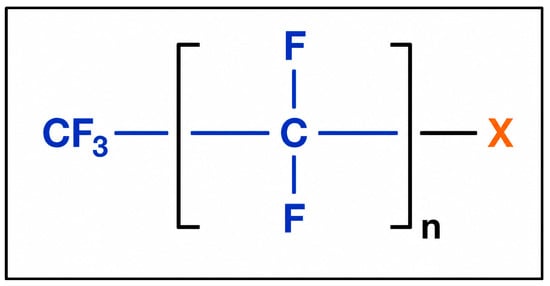
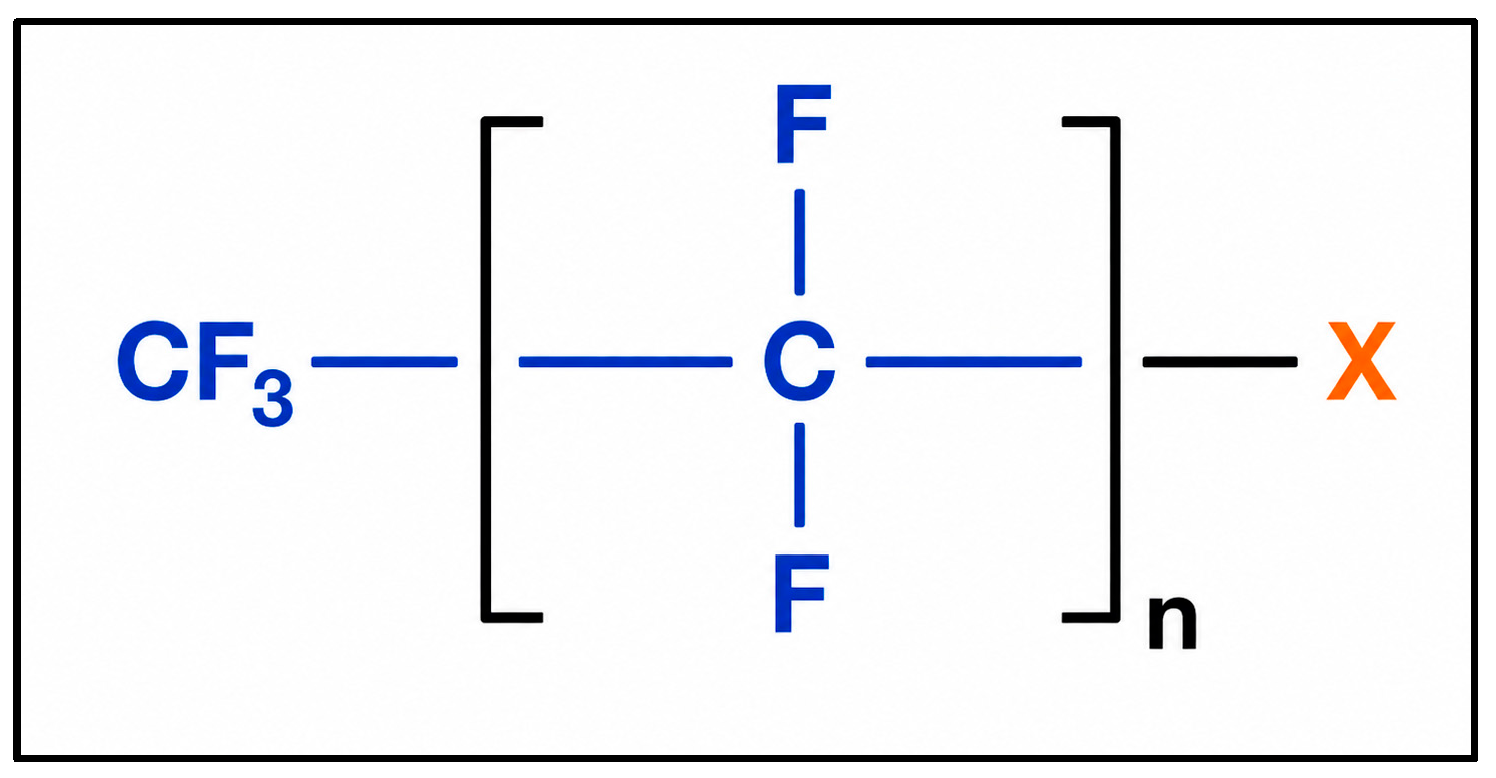
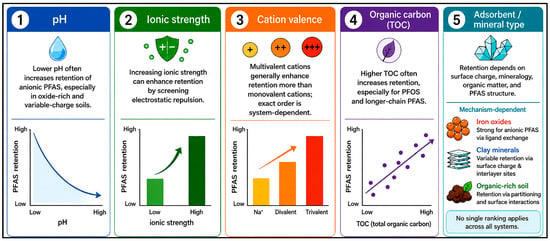
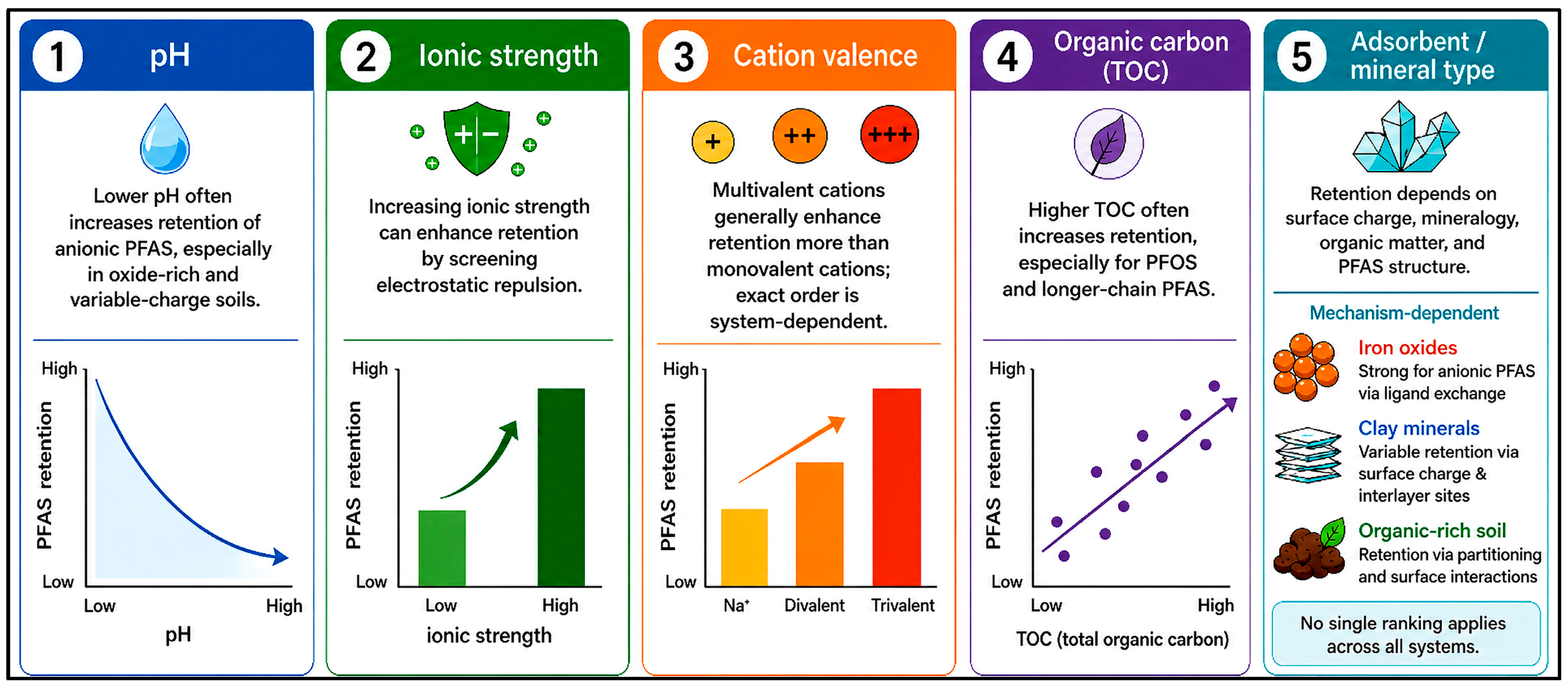
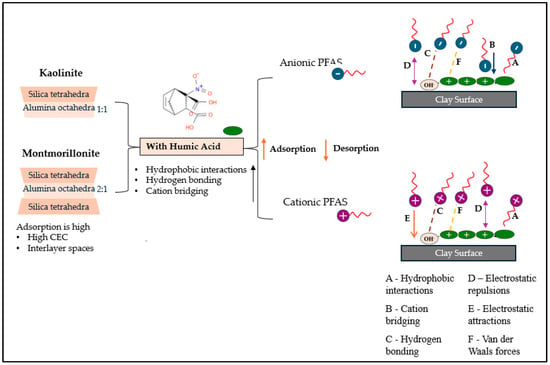
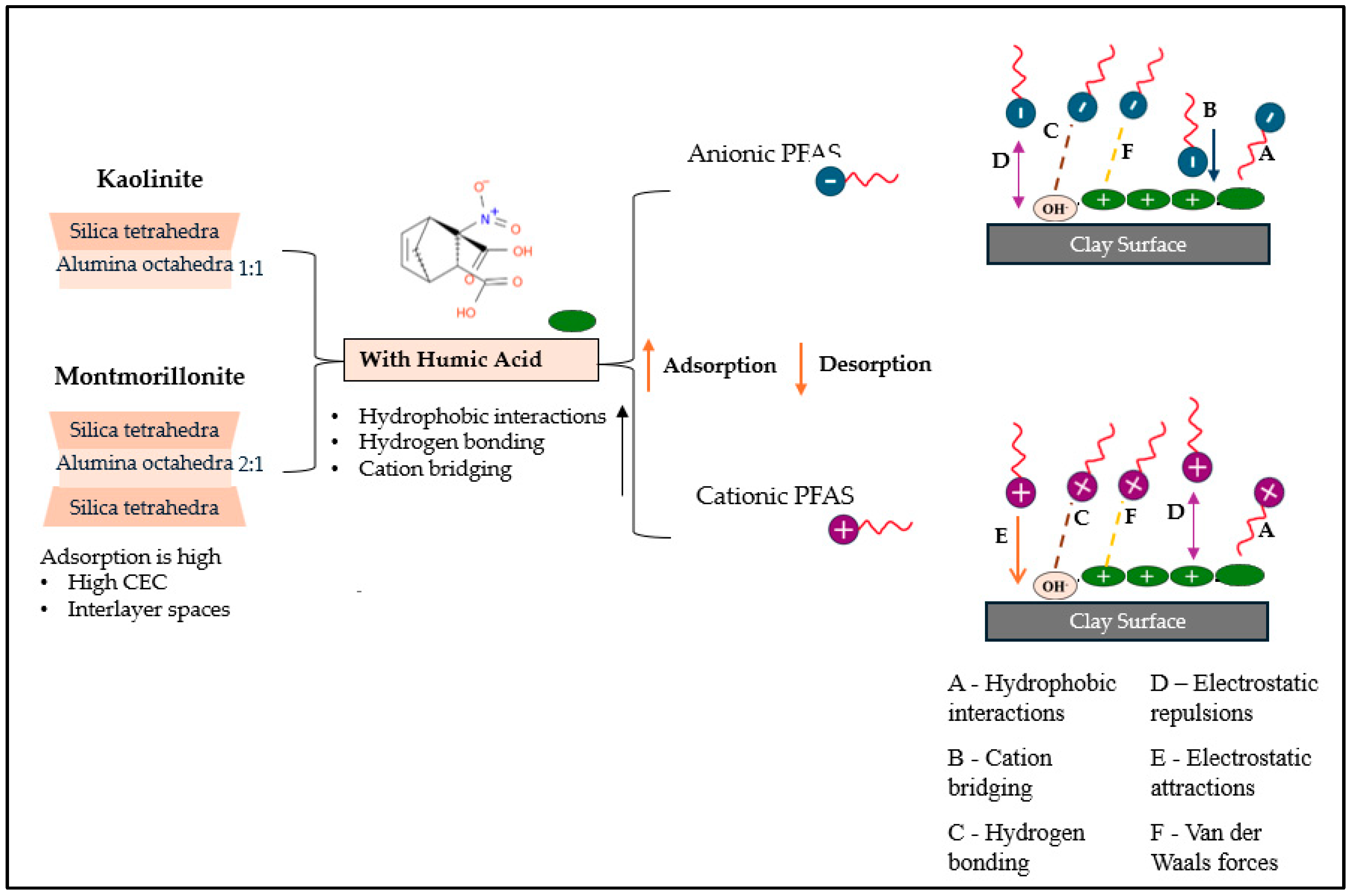
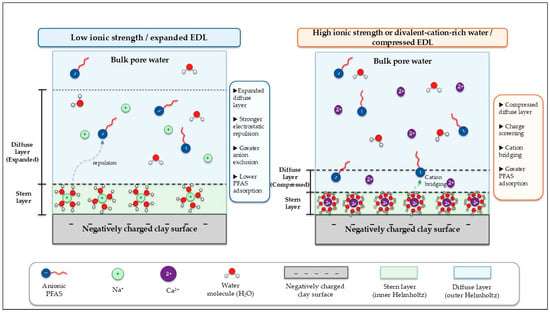
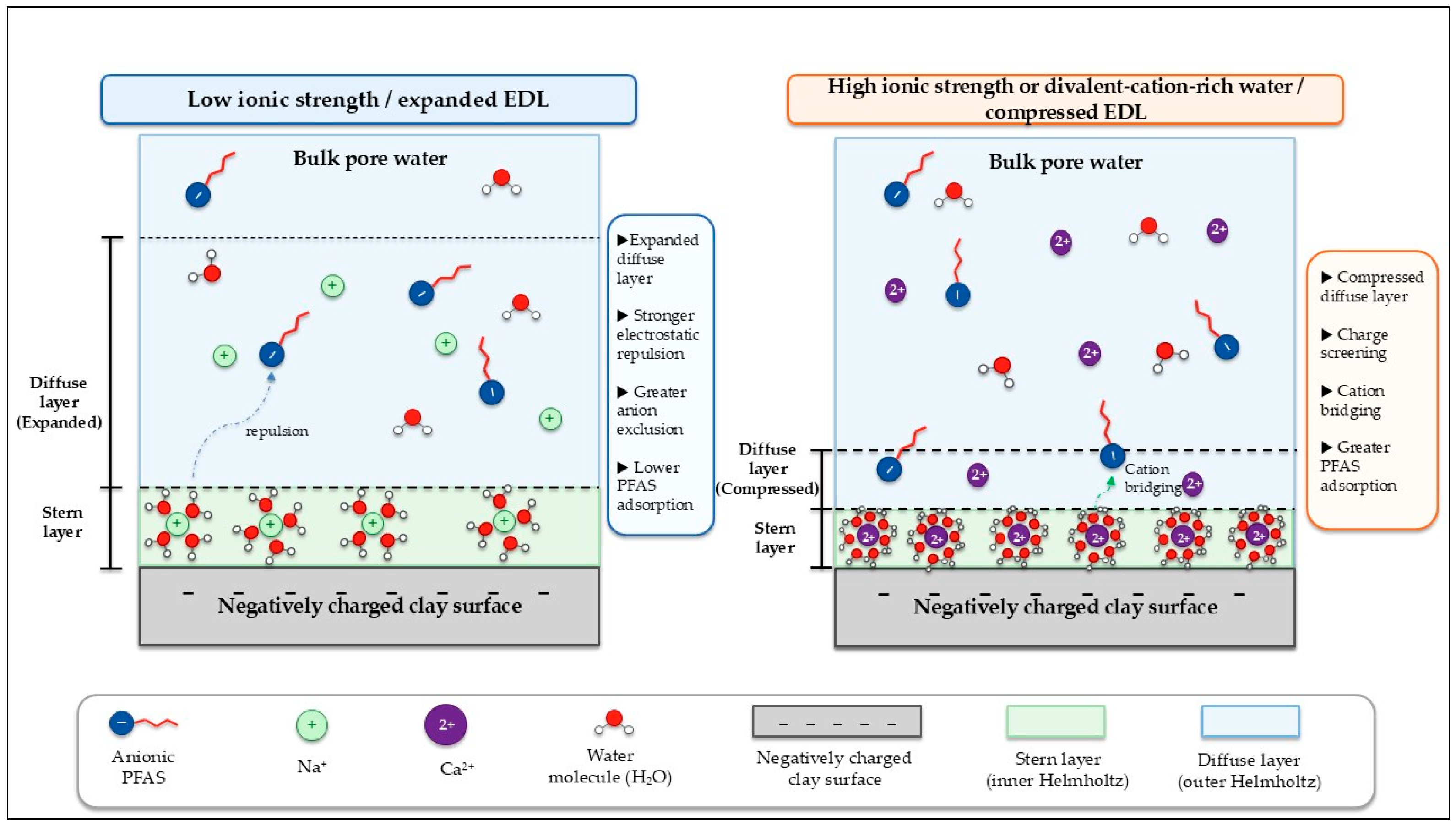

Disclaimer/Publisher’s Note: The statements, opinions and data contained in all publications are solely those of the individual author(s) and contributor(s) and not of MDPI and/or the editor(s). MDPI and/or the editor(s) disclaim responsibility for any injury to people or property resulting from any ideas, methods, instructions or products referred to in the content. |
© 2026 by the authors. Licensee MDPI, Basel, Switzerland. This article is an open access article distributed under the terms and conditions of the Creative Commons Attribution (CC BY) license.