


Abstract
This review examines microplastics (MPs) in aquatic environments, their interactions with organic pollutants (OPs), effects on organisms, and implications for human and ecological health. MPs are ubiquitous, persistent contaminants. Their small size and large surface area enhance adsorption of diverse OPs; however, the extent to which MPs influence pollutant transport, fate, and bioavailability remains highly context-dependent and is still under scientific debate. Sorption processes are influenced by polymer type, pollutant properties, environmental factors, and aging processes that increase surface reactivity, further contributing to the variability of MP–OP interactions. Detection of MPs in human tissues raises concerns about long-term health effects, including inflammatory, immune, gastrointestinal, respiratory, and endocrine responses. Despite advances in analytical techniques, challenges remain in identifying and quantifying small particles in complex matrices. This review emphasizes the need for integrated, multi-technique, and environmentally realistic studies to understand MP–OP interactions and support risk assessment. Future research should focus on standardizing methodologies, improving nano-sized particle detection, and elucidating long-term effects, including trophic transfer and potential tissue accumulation.
1. Introduction
Plastic pollution has become one of the most pressing environmental challenges worldwide, largely driven by the continuous increase in plastic production and the release of plastic waste from land-based sources into aquatic environments [1]. Marine and freshwater ecosystems are increasingly exposed to a complex mixture of chemical pollutants, including hydrocarbons, pesticides, heavy metals, persistent organic pollutants and plastic debris [2,3,4]. Among these, microplastics (MPs) have attracted particular concern due to their persistence, widespread distribution and increasing abundance associated with the rapid growth in plastic production and consumption [5,6]. Microplastics are generally defined as plastic particles smaller than 5 mm, originating from the fragmentation of larger plastic materials [7]. These have different shapes and sizes depending on their source. Cole et al. (2011) [8] divided MPs into primary MPs used in cosmetic products, or originating from industrial plastic production, and secondary MPs which generated through the degradation of large plastics debris as a result of physical, chemical, microbiological, and mechanical degradation processes such as thermodegradation or photodegradation, or abrasion [9,10].
Daily human activities and industrial processes are closely linked to the main anthropogenic sources of MPs [11]. According to the UNEP (2023) [12], synthetic textiles are the largest contributor to microplastic pollution globally. Additional important sources include tire wear, road marking, personal care products containing plastic particles and urban dust [12,13]. These sources continuously release MPs into both aquatic and terrestrial environments, where they can persist for long periods of time and accumulate in environmental matrices. MPs can enter the aquatic systems through multiple pathways, including industrial and domestic wastewater, runoff and atmospheric deposition [13,14,15]. Wastewater treatment plants an important pathway for microplastic contamination, as synthetic fibers originating from washing processes may be discharged with treated effluents, while sewage sludge can contain even higher concentrations of MPs than wastewater itself [13,14]. Environmental transport mechanisms such as ocean currents, wind transport and stormwater drainage systems may further facilitate the dispersion of MPs within aquatic environments [10].
An alarming concern regarding MPs is their ability to interact with chemical contaminants, potentially transforming them into potential vectors of environmental pollution. This ability is largely associate with their physicochemical properties, including their large surface area, hydrophobic polymeric structure and dynamic surface chemistry, which favor the adsorption of toxic substances [16,17]. As a result, MPs may serve as carriers for a wide range of contaminants, influencing their distribution and mobility in aquatic systems [17].
Among these contaminants, emerging organic pollutants (EOPs) have attracted attention due to their special properties, such as resistance to degradation and low efficiency in conventional wastewater treatment processes. This category includes bisphenols [18], per- and polyfluoroalkyl substances (PFAS), pharmaceuticals, UV filters and modern pesticides [19,20]. These substances are widely used in industrial activities, agriculture, combustion processes and consumer products, which leads to their continuous release into the environment [19,21]. Many EOPs present toxic and bioaccumulative potential and have been associated with endocrine-disrupting effects that may reproductive, developmental or behavioral disorders in organisms [19,21].
In addition to emerging pollutants, a wide range of conventional contaminants, including metals, polychlorinated biphenyls (PCBs), volatile compounds, polycyclic aromatic hydrocarbons, industrial organic dyes and phenolic compounds may also interact with microplastic particles [19,22,23,24]. The adsorption of these contaminants onto MPs is influenced by several physicochemical properties, including electrostatic forces, van der Waals forces, hydrophobic interactions, or hydrogen bonds. Due to these interactions, MPs may act as mobile vectors capable of transporting different pollutants across environmental compartments [19]. The presence of pollutant-loaded MPs may significantly influence the transport, environmental fate and distribution pollutants. The MPs can facilitate the transfer between different water matrices, biota or soils and sediments through ingestion by aquatic organisms, sedimentation processes and hydrodynamic transport [21,25]. Once ingested, MPs may release adsorbed contaminants, potentially increasing their bioavailability and ecological impact. These processes highlight the potential role of MPs in modifying pollutant exposure pathways and environmental risk [19,26].
Despite the growing number of studies addressing MPs and organic pollutants separately, important knowledge gaps remain regarding their combined behavior and environmental implications. Numerous studies have investigated the interactions between microplastics and contaminants, including sorption–desorption processes, transport mechanisms and vector effects [7,16,17,19,21,25,26]. These studies demonstrate that microplastics can act as carriers of organic pollutants, influencing their environmental fate and potential bioavailability. However, despite this progress, several aspects remain insufficiently understood. In particular, most studies are conducted under simplified laboratory conditions, which do not fully reflect environmental variability (e.g., pH, salinity, dissolved organic matter), limiting the extrapolation of results to real systems [10,13,14]. In addition, the dynamic nature of sorption–desorption processes, especially under changing environmental and biological conditions, remains poorly constrained, leading to uncertainties in predicting pollutant release and bioavailability [17,19,25]. Furthermore, although adsorption mechanisms have been widely described, their integration into large-scale transport models and ecological risk assessment frameworks is still limited. Another key gap concerns the coupling between physicochemical interactions and biological responses, as most studies address these processes separately rather than in an integrated manner [7,21,24]. These uncertainties represent a major challenge for environmental monitoring and risk assessment.
Considering the increasing global concern regarding plastic pollution and emerging contaminants, understanding the interaction between MPs and organic pollutants has become an important research priority. Therefore, the present minireview aims to summaries current knowledge on the interaction between MPs and EOPs in aquatic systems, with particular emphasis on adsorption mechanism, environmental fate and transport processes and the implications for ecological risk assessment. By synthesizing recent findings from the literature, this review highlights key factors controlling microplastic-pollutant interactions and identifies major research gaps that should be addressed in future.
2. Literature Search and Selection Criteria
A comprehensive literature search was conducted to identify relevant studies addressing the interactions between MPs and organic pollutants in aquatic environments (Table 1). Scientific databases including Web of Science, Scopus and ScienceDirect were systematically screened for peer-reviewed articles published primarily in the last decade, with emphasis on recent advances (2015–2025). The search strategy was based on combinations of keywords such as “microplastics”, “organic pollutants”, “emerging contaminants”, “PFAS”, “pharmaceuticals”, “UV filters”, “adsorption”, “sorption mechanisms”, “environmental fate”, “transport”, “bioavailability” and “risk assessment”. Additional relevant publications were identified through cross-referencing of cited literature. Studies were selected based on their relevance to (i) microplastic occurrence in aquatic systems, (ii) interactions between MPs and organic contaminants, and (iii) implications for environmental fate, transport and ecological risk. Both experimental and review studies were considered, with priority given to articles providing mechanistic insights, quantitative data on adsorption processes, and evidence of environmental or biological impacts. Non-peer-reviewed sources were excluded, except for key reports from international organizations (e.g., UNEP, GESAMP) that provide essential background information.
Table 1.
Summary of literature search and selection criteria.
3. MPs and Organic Pollutants: Characteristics, Occurrence and Interactions
3.1. MPs—Characteristics and Behavior in the Environment
Currently, MPs are recognized as pollutants spread on a global scale, being identified in most water matrices, as well as in the terrestrial environment or atmosphere [15,27]. It is estimated that approximately 80% of plastic pollution in the marine environment comes from terrestrial sources, transported to aquatic ecosystems through wastewater, urban runoff and waterways [28]. The diversity of forms in which they are found, such as fibers, spheres or fragments, predisposes MPs to further degradation processes down to nanometric sizes, which give them even greater mobility in the environment [29,30].
The manufacture of plastics began in the 1940s and despite the major benefits of plastic, this product so valued by society, has led to an increase in waste worldwide [31]. Plastics are very persistent in the environment because they degrade at a slower rate and accumulate at a faster rate [32]. MPs may include polymers such as: polyethylene (PE), polystyrene (PS), polypropylene (PP), polyethylene terephthalate (PET) and polyvinyl chloride (PVC) [32,33]. Ultra-high molecular weight compounds such as polytetrafluoroethylene (PTFE) and poly(methyl methacrylate, PMMA) and other acrylics and methacrylate, silicones, polyurethanes used in total hip replacements, vascular grafts, dentistry as well as poly(2-hydroxyethyl) methacrylate (PHEMA) used in the manufacture of intraocular lenses, can become biomedical MPs debris [34].
MPs contamination can come from wastewater discharges into natural outlets, industrial activities such as plastics and textile manufacturing, where MPs are either released into the atmosphere or discharged into wastewater [10,14]. The breakdown of macroplastics in landfills, textile washing and wastewater treatment plants are major sources of MPs [35]. In contrast, agricultural sources, activities and atmospheric precipitation are more difficult to quantify and control [35]. MPs can be deposited on the terrestrial parts of the river basins by wind, precipitation or surface water runoff. In rivers, the transport of MPs is governed by hydraulic conditions that influence their entrainment and deposition [36]. MPs can be released into the atmosphere from textile manufacturing processes, incomplete incineration of plastic waste and resuspension of dust particles [37,38]. Several authors have observed that the level of MPs in the atmosphere correlate with population density [15,38,39] with textile being dominant, which are largely associated with the use of household washing machines [38,39].
Studying the transport of contaminants is important for understanding their impact on ecosystems and human health [40]. Rivers are considered a key conduit, transferring MPs from terrestrial ecosystems to the ocean [41]. As a continuous process, the transport of MPs cam be interrupted by storage in soil and sediments [42]. Studies have indicated that rivers temporarily store MPs with accumulation of material in riverbeds for varying periods of time [24]. Numerous authors have reported that river sediments can accumulate MPs with concentrations in sediments twice as high as those found in river water [24,42]. Due to the topography, flow differences of each river and the characteristics of microplastic particles, the transport and dynamics of MPs entrainment will differ from river to river [42,43].
MPs are small solid particles with a complex and heterogenous chemical composition. They are mainly composed of synthetic polymers such as PP, PS, PE, PVC and others, originating either from primary sources, intentionally manufactured on a small scale, or from secondary sources, resulting from the degradation of large plastics materials [32]. Due to their chemical stability, resistance to degradation and hydrophobicity these polymers persist in the environment for long periods, accumulating in sediments or floating in aquatic ecosystems, depending on their density [32,44]. In addition, MPs can adsorb various contaminants such as heavy metals, pesticides, polycyclic aromatic hydrocarbons and pharmaceutical residues on their surface, amplifying their toxic potential and role as vectors for hazardous substances [18,20,45]. To better illustrate the link between the physicochemical properties of MPs, their environmental transformation, and their role in pollutant interactions and fate, a conceptual framework is presented in Figure 1.
Figure 1.
Conceptual framework illustrating the role of the physicochemical properties of MPs in controlling their environmental behavior, interactions with organic pollutants, and associated ecological risks in aquatic systems.
Besides the base polymers, MPs also have a bunch of plastics additives, like plasticizers, colorants, UV stabilizers, flame retardants and antistatic agents, which are not chemically bound to the polymer matrix, but are physically incorporated, allowing them to be gradually released into the environment as MPs fragment [46,47]. These substances can have toxic and endocrine-disrupting effects, such as bisphenol A, phthalates and bromates. Due to this complex chemical composition, MPs pose a significant threat to ecosystems and human health, making it essential to develop in-depth studies and effective policies to reduce pollution [45,46,47].
The environmental behavior of MPs is strongly influenced by their physicochemical properties, including particle size, density, surface area and degree of weathering [48]. Aging processes such as photooxidation and mechanical abrasion can modify surface chemistry, increase roughness and introduce oxygen-containing functional groups, which enhance their capacity to interact with organic pollutants [42]. In natural environments, the formation of biofilms (eco-corona) further alters the surface properties of MPs, influencing their transport, aggregation behavior and contaminant adsorption potential [49].
3.2. Organic Compounds Associated with MPs
MPs can act as carriers for a wide range of organic contaminants, particularly hydrophobic compounds that exhibit strong affinity for polymeric materials [21]. A class of EOPs that has attracted considerable attention are hydrophobic ones, which have high cumulative toxicity and poor biodegradability [50]. Major classes of organic pollutants associated with MPs include polycyclic aromatic hydrocarbons (PAHs), polychlorinated biphenyls (PCBs), per- and polyfluoroalkyl substances (PFAS), pharmaceuticals, pesticides, UV filters and bisphenols (Table 2). For example, polycyclic aromatic hydrocarbons (PAHs) are among the most significant classes of priority organic contaminants and can exist in more than 100 different combinations. They can enter the environment through natural or anthropogenic sources, forming through pyrogenic, petrogenic and biological processes [24]. PAHs can be transformed in the environment into compounds with higher toxicity and persistence through chemical reactions of sulfonation, nitrification or photooxidation. Due to their strong hydrophobic character, PAHs exhibit a high affinity for microplastic surfaces, facilitating their adsorption and transport in aquatic environments. Polychlorinated biphenyls (PCBs) represent another important class of persistent organic pollutants, comprising two phenyl rings with varying degrees of chlorine atom substitution. PCBs are used in industry because they have excellent properties as additives for lubricating oils, electrical installations and plastics, which is why they are responsible or the persistence of PCBs in the environment [51]. Similar to PAHs, their hydrophobic nature promotes strong interactions with MPs, allowing MPs to act as vectors for their environmental transport. Another class of emerging organic pollutants generally that originates largely from aqueous film-forming foams used in wastewater, firefighting or leached from landfills and biosolids is represented by per- and polyfluoroalkyl substances (PFAS), which contain at least one fully fluorinated carbon atom [52]. Unlike classical hydrophobic contaminants, PFAS exhibit amphiphilic behavior, which influences their interaction mechanisms with MPs and contributes to their widespread occurrence in aquatic environment [53]. In addition to these compounds, other emerging contaminants such as pharmaceuticals, pesticides, UV filters and bisphenols are increasingly detected in association with MPs due to their continuous release into aquatic systems and their interaction potential [54].
Table 2.
Major classes of organic pollutants associated with microplastics.
The interaction between organic contaminants and MPs is largely governed by their physicochemical properties. Hydrophobic organic contaminants have a high affinity for a wide range of plastics (PE, PP, PVC), compared to natural sediments [55]. The extent and rate of desorption/adsorption are influenced by factors such as sorbent properties (organic matter), sorbate properties (hydrophobic organic compounds), organic compounds dissolved in the organic phase, pH and temperature [56]. The distribution of hydrophobic organic compounds between different types of MPs and the aqueous phase is a function of physicochemical properties and is governed by equilibrium partitioning and molecular diffusion, typically quantified using polymer–water partition coefficients [56].
3.3. Mechanisms of Microplastic–Organic Compound Interaction
Interactions between MPs and organic compounds occur before, during and after they enter the environment. These interactions occur as a result of product formulation (through the addition of plasticizers), as well as unintentionally, for example from wastewater, urban runoff containing complex mixtures of other environmental contaminants [47,55]. The sorption of compounds on sorbents can be achieved through absorption or adsorption processes. Absorption involves the partitioning of molecules into the polymer matrix, with the molecules remaining dissolved and retained only by relatively weak van der Waals forces. Such partitioning is largely driven by the hydrophobicity of the compound, leading to partition ratios that correlate with octanol-water partition coefficient (Kow) [55]. In contrast, surface adsorption involves a wide range of interaction forces, including electrostatic interaction, steric forces, π–π interactions, and, in some cases, covalent bonding [56]. At low concentrations of chemical compounds, adsorption generally leads to a much higher partition ratio compared to absorption due to stronger surface interaction. However, at high concentrations, absorption often takes over the retention process due increased molecular diffusion into the polymer matrix [55].
Several authors have conducted numerous studies on the adsorption of organic compounds on MPs, establishing that the main mechanisms are hydrophobic partitioning and surface adsorption [55]. Plastic exhibit high hydrophobicity, which favors the adsorption of organic pollutants. Depending on their physical structure, resins are classified as macroporous or macroreticular polymers and highly cross-linked polymers [57,58]. Additionally, many organic pollutants are hydrophobic and have poor solubility in water, so they tend to adsorb easily on the surfaces of MPs [25,59].
Hydrophobic partitioning is thus a key mechanism in which organic pollutants are distributed between water and plastic particles [60]. Hydrophobic interactions are among the most frequently reported mechanisms governing the adsorption of EOPs on MPs [25]. Thus, it has been found that compounds with higher Kow values exhibit stronger adsorption on MPs, as demonstrated in the case of bisphenols and perfluorooctanesulfonamide (FOSA) on polyethylene MPs [58,61]. Furthermore, hydrophobic pollutants, such as PAHs, PCBs, pharmaceuticals or pesticides, exhibit a stronger affinity for plastic particles [25,60]. The adsorption capacity also depends on the polymer type and the pore structure with polymers such as PP, PS and PA often exhibiting higher adsorption capacities than PE and PVC [62]. Hydrophobic interactions, pore diffusion/trapping and partitioning processes play a key role in the accumulation of organic pollutants on MPs in aquatic environments [63,64].
Along with hydrophobic partitioning, surface adsorption is a well-studied mechanism, involving several types of interactions, such as electrostatic interactions, π–π interactions, van der Waals forces and hydrogen bonding [65]. The main mechanisms governing the adsorption of organic pollutants onto MPs are schematically illustrated in Figure 2. Studies have shown that electrostatic interaction occurs as a result of charges on MPs and OPs [65]. In the case of opposite charges, the two are attracted, and repulsion occurs when their charges are identical [66]. The dissociation constant of OPs, pH and point of zero charge of MPs are key factors influencing these interactions. At the typical pH of the environment, most MPs have a negatively charged surface, as their point of zero charge is generally lower than environmental pH [25]. In fact, electrostatic interactions may differ due to variations in the dissociation constant of OPs. For example, studies have highlighted an electrostatic interaction in negatively charges PS/PVC MPs and positively charged tylosin (TYL) when the pH of the solution was below 7.1 [25]. In contrast, electrostatic repulsion was dominant between anion-dominated oxtetracycline (OTC) and negatively charged PS MPs when the pH was above 7.32 [25,67].
Figure 2.
Mechanism of OP adsorption onto MPs.
The π–π interaction is non-covalent and very common between molecules with π– conjugated structures [68]. It is frequently reported as a dominant mechanism in adsorption studies of OPs, becoming crucial for adsorption and electron transfer [68]. Studies have highlighted that the presence of aromatic structures such as phenyl facilitate π–π interaction between MPs or OPs. Other groups (carboxyl, methyl and hydroxyl) have also been shown to influence the intensity of the interaction. These functional groups also influence hydrogen bonds involving proton donor and acceptor groups [25].
Van der Waals forces represent relatively weak interactions, but they occur frequently between OPs and MPs [69]. Several studies have shown that polyolefin (PP, PE, PS) MPs and polysulfone (PES) MPs can adsorb OPs (pharmaceuticals and PAHs) through Van der Waals forces [70,71,72].
The pore filling mechanism occurs when the pores of MPs trap OPs, a process that is more common in glassy MPs, such as polystyrene [73]. The process is enhanced in MPs with smaller particle sizes and higher specific surface areas, but also in aged MPs [55]. According to Sun et al. (2021) [74], the aging of LDPE leads to increased BPA adsorption, due to the reduction in particle size and increase in surface area, causing faster pore filling. However, the adsorption of OPs on MPs almost never involves a single mechanism, but rather multiple combined mechanism [72]. The most common are surface adsorption and hydrophobic partitioning, but additional interactions such as hydrogen bonding, Van der Waals forces and micropore filling also contribute to the adsorption process [55,72].
3.4. Factors Affecting the Adsorption of OPs onto MPs
As illustrated in Figure 3, the adsorption behavior of organic pollutants on MPs depends largely on a number of specific properties, both of MPs and organic pollutants, as well as environmental factors [60]. These variables act simultaneously and control both the extent and mechanisms of adsorption processes in aquatic systems.
Figure 3.
Representative visualization of organic pollutants commonly detected in environmental matrices.
The adsorption of OPs on MPs is influenced by a multitude of variables, but the specific surface area and particle size are some of the most important factors [59]. According to the literature, smaller particles have a higher adsorption potential due to their higher volume-to-surface ratio, thus providing more available adsorption sites [65]. Numerous studies have shown that reducing particle size has a positive impact on adsorption. For example, Du et al. (2022) [69], observed increased adsorption of rhodamine B with decreasing particles size of PVC, PS and PET, while Zhang et al. (2020) [75], reported enhanced adsorption of 9-nitroanthracene after reducing MPs (PE, PP and PS) size from 1.7 mm to 0.15 mm [76].
Once in the environment, MPs undergo aging processes such as physical abrasion, biodegradation, chemical oxidation and photodegradation [77]. These processes alter surface properties and promote colonization by microbial biofilms (bacteria, algae and fungi), which can contribute to polymer structure degradation through corrosion, enzymatic activity or cracking [25,77]. Although pristine MPs are generally hydrophobic and exhibit high affinity for organic pollutants, aging modifies surface functional groups, polarity, morphology and crystallinity, which can significantly influence adsorption behavior [25,78]. In many cases, aging enhances adsorption due to increased surface roughness and formation of oxygen-containing functional groups.
In the case of OPs, adsorption on MPs is influenced by properties such as molecular structure, polarity, functional groups, hydrophobicity, dissociation capacity and compound concentration [70]. The hydrophobicity of pollutants is often a determining factor, as compounds with higher hydrophobicity show stronger affinity for plastic surfaces. For example, Li et al. (2018) [62] reported that the adsorption of antibiotics on different polymers followed the order CIP > AMX > TMP > SDZ > TCs. Flat and aromatic molecules are generally more easily adsorbed than spherical ones, particularly due to their ability to participate in π–π interactions with polymer surfaces [25,79]. Additionally, the ionization state of organic pollutants, governed by their dissociation constants (pKa), strongly influences electrostatic interactions with charged microplastic surfaces [25].
Environmental factors such as pH, salinity, temperature and dissolved organic matter (DOM), can influence adsorption by altering the surface properties of MPs and the species of pollutants [80,81]. pH affects the degree of ionization of pollutants and the surface charge of MPs, thereby controlling electrostatic interactions. Salinity can either inhibit adsorption through ionic competition or enhance it through salting-out effects [82]. In addition, DOM and surfactants can alter the surface of MPs or compete for adsorption sites, influencing the adsorption capacity for organic pollutants [66]. Adsorption processes are governed by a complex interplay between microplastic properties, pollutant characteristics and environmental conditions. Among these, surface area, hydrophobicity and environmental chemistry emerge as dominant factors controlling the fate and distribution of organic pollutants associated with MPs [80,82].
4. Ecotoxicological Implications and Health Risks
Widely distributed in aquatic ecosystems, MPs are persistent environmental contaminants and have the ability to interact with OPs, thus contributing to ecological and health risks [81]. Characterized by persistence, high toxicity and high bioaccumulation potential, OPs have become a significant threat to ecosystems [58]. Studies have shown that some compounds, such as PCBs and other EOPs can induced carcinogenic effects and endocrine disruption, as well as developmental abnormalities in both humans and wildlife [7,58,60].
MPs are small in size, which makes them easy for aquatic organisms, including zooplankton and fish, to ingest [75]. Table 3 shows the repercussions of ingesting these MPs, such as physical damage like intestinal blockage, reduce activity and even mortality [58]. Beyond their physical effects, MPs can act as carriers of organic pollutants and plastic additives, potentially increasing their bioavailability and facilitating trophic transfer within food webs. According to Wang et al. (2020) [73], MPs have a negative effect on microalgae, inhibiting their growth, reducing photosynthetic activity and inducing oxidative stress by producing reactive oxygen and nitrogen species. MPs can interact directly with the cell membranes of algae or limit light availability through shading effects in the water column, ultimately affecting cell metabolism and primary productivity [73].
Table 3.
Table on synergistic toxicity of MPs and co-pollutants in aquatic organisms.
Recent studies further indicate that the ecotoxicological effects of MPs in combination with organic pollutants are not uniform, but depend strongly on polymer type, particle size, aging status, pollutant properties and exposure conditions. In this context, MPs should not be regarded only as inert particles, but as dynamic vectors able to modify contaminant partitioning, internal exposure and toxicokinetics. As a result, co-exposure may produce synergistic, additive or, in some cases, antagonistic effects, depending on the balance between pollutant adsorption, desorption and organism uptake. From a thermodynamic perspective, the interaction between MPs and organic pollutants can be described by polymer–water partitioning processes, governed by equilibrium partition coefficients (Kpw) and sorption–desorption dynamics [19,23,25,26]. Under environmentally relevant conditions, where the concentration of MPs is generally low compared to natural organic matter and suspended particles, MPs are more likely to contribute to the redistribution of contaminants rather than significantly increasing total exposure [9,25,26]. However, the vector role of MPs becomes more relevant when particle ingestion occurs and desorption is promoted under physiological conditions, leading to localized increases in internal contaminant concentrations [19,21,25]. Therefore, the dominance of the vector or sink effect is not defined by a fixed concentration threshold, but depends on the relative balance between partitioning behavior, exposure pathways and biological uptake [19,25,26].
This mechanistic complexity is particularly relevant for organic pollutants such as pesticides, PFAS, organotins, PAHs and other hydrophobic contaminants. For example, polyethylene MPs were shown to adsorb lambda-cyhalothrin and increase its acute toxicity in zebrafish, while combined exposure also exacerbated intestinal oxidative stress, altered immune-related gene expression and disrupted gut microbiota; these effects were more pronounced for aged PE-MPs than for virgin particles. Similarly, co-exposure of juvenile striped catfish to fenitrothion and polyamide MPs led to reduced growth and survival, hematological alterations, severe histopathological lesions in intestine, gills, liver and kidney, and dysregulation of immune-related genes, indicating that MPs can amplify pesticide toxicity at multiple biological levels.
Evidence from broader review studies also shows that MPs-associated organic pollutants can induce multi-level toxicity across aquatic organisms, including oxidative stress, impaired feeding, reproductive toxicity, neurotoxicity, genotoxicity, microbiota dysbiosis and endocrine disruption. At the same time, some experimental systems have shown apparently reduced toxicity when the pollutant remains strongly sorbed to the polymer surface, suggesting a temporary sink effect. However, this apparent mitigation may be transient, as desorption under biological or environmental conditions can later restore pollutant bioavailability. This behavior is consistent with dynamic partitioning models, where sorption equilibrium can shift in response to changes in environmental or physiological conditions, such as pH, temperature and the presence of surfactants [19,23,25,26]. Therefore, the dual role of MPs as both vectors and sinks remains one of the major unresolved issues in the interpretation of combined toxicity.
Importantly, the combined exposure to MPs and organic pollutants may lead to synergistic, additive or, in some cases, antagonistic effects, depending on environmental conditions and pollutant–polymer interactions [94]. However, these outcomes are highly system-specific and cannot be generalized, as they are influenced by multiple factors, including polymer type, particle size, aging state, pollutant properties and exposure pathways [19,25,26,47]. This dual role of MPs—as vectors or, alternatively, as sinks reducing pollutant bioavailability—remains a key scientific debate [95]. While some studies suggest that MPs can enhance contaminant bioavailability following ingestion, others indicate that strong sorption may temporarily reduce pollutant uptake, highlighting the context-dependent nature of these interactions [19,25,26].
With regard to the risk to terrestrial and human health, it has been demonstrated that ingestion of MPs causes intestinal damage and transgenerational oxidative stress, which reduces survival, reproduction and growth [96]. Recent studies have shown that MPs have been detected in blood and milk, as well as in feces and lungs [97]. Furthermore, co-exposure of MPs with organic pollutants and other associated contaminants affects the microbiota, bioaccumulation and histopathology in terrestrial organisms [47,83,94,98]. Importantly, the contribution of MPs to human exposure should be interpreted in the context of their relative abundance compared to other environmental compartments. Current evidence suggests that MPs alone may represent a minor fraction of total contaminant transport; however, their role as vectors becomes significant at the biological interface, particularly following ingestion and internalization [19,21,25,26]. In this context, MPs may act as localized carriers, modifying contaminant bioavailability and internal dose rather than increasing overall environmental concentrations [19,25].
In addition, recent evidence suggests that the health relevance of MPs is not limited to their physical presence, but also to their capacity to transport sorbed organic contaminants and plastic additives across biological barriers. This is particularly important for epithelial tissues, where co-exposure may intensify oxidative stress, mitochondrial dysfunction, inflammation and barrier impairment. This interpretation is also supported by current evidence on human exposure pathways. Ingestion and inhalation are considered the dominant routes of exposure, while dermal contact is regarded as a secondary pathway [58,99]. Ingestion may occur through contaminated food and drinking water, whereas inhalation originates from atmospheric MPs released from industrial activities, traffic emissions and indoor sources such as textiles and household dust [15,37,38,39,58]. Once internalized, smaller particles may cross biological barriers and enter systemic circulation, thereby increasing the likelihood of tissue-level exposure and biological effects [3,11,58,99].
Recent studies have reported the presence of MPs in human biological samples, including placenta, meconium, infant feces, breast milk and blood-related matrices, supporting the hypothesis of widespread internal exposure [97,99]. In such cases, MPs may not only exert direct particle-related effects, but also act as carriers of sorbed contaminants and additives, enhancing local chemical burden through the so-called vector or “Trojan horse” effect [19,21,47]. This process may be especially relevant under gastrointestinal conditions, where pH, surfactants and other physiological factors can influence desorption and thus pollutant bioaccessibility [19,25]. Such mechanisms provide biological plausibility for the hypothesis that MPs-associated contaminants can contribute to long-term systemic effects beyond the site of initial exposure. Nevertheless, the actual risk associated with this process remains context-dependent and should be evaluated considering both thermodynamic partitioning behavior and organism-specific exposure scenarios [19,25,26,99].
Human exposure to MPs may occur through ingestion, inhalation or dermal contact, as illustrated in Figure 4 [58]. The associated risks are further amplified by the chemical composition of both MPs and sorbed pollutants, including additives such as bisphenol A (BPA) and halogenated compounds, which are known endocrine disruptors [99].
Figure 4.
Potential sources, exposure routes, and toxicity routes of MPs in the human body.
Among these pathways, ingestion and inhalation are considered the dominant routes of exposure. Ingestion occurs through contaminated food and drinking water, including seafood, salt and bottled water, while inhalation originates from atmospheric MPs released from industrial activities, traffic emissions and indoor sources such as textiles and household dust. Dermal contact is generally regarded as a secondary pathway, although it may contribute under conditions of prolonged exposure.
Due to their small size, especially in the micro- and nano-scale range, MPs can cross biological barriers and enter systemic circulation. Particles smaller than 10 μm may translocate from the gastrointestinal tract into the lymphatic system and bloodstream, enabling distribution to secondary organs. Recent evidence has confirmed the presence of MPs in human feces, blood, lungs, milk and placenta, indicating widespread internal exposure. Notably, higher concentrations of MPs have been reported in patients with inflammatory bowel disease compared to healthy individuals, suggesting a possible link between MPs exposure and gastrointestinal disorders.
Particle size is a critical determinant of internal distribution and toxicity. Smaller particles, particularly nanoplastics, exhibit higher cellular uptake and may reach sensitive organs such as the brain via inhalation pathways, potentially inducing neuronal toxicity and affecting cognitive function. In addition, irregular and aged particles may exhibit enhanced reactivity and interaction with biological tissues, further increasing toxic potential.
A key mechanism underlying human health risk is the so-called “Trojan Horse” effect, whereby MPs act as carriers for environmental pollutants. Through this mechanism, MPs can adsorb organic contaminants such as POPs, pesticides and PFAS in the environment and transport them into the human body. Once internalized, these pollutants may desorb under physiological conditions, such as variations in pH, temperature and the presence of surfactants in the gastrointestinal tract, leading to localized increases in bioavailability and toxicity.
This process may enhance oxidative stress, inflammation, DNA damage and mitochondrial dysfunction at the cellular level. For example, MPs loaded with BPA have been shown to increase reactive oxygen species (ROS) production and induce mitochondrial depolarization in intestinal cells, while co-exposure with other contaminants may interfere with membrane transport systems, further amplifying toxicity. These findings suggest that combined exposure scenarios are more relevant than single-compound assessments for understanding real-world risks.
In addition to direct exposure, the food chain represents a major indirect pathway. MPs can accumulate in aquatic and terrestrial organisms and transfer associated pollutants through trophic levels, ultimately reaching humans. Moreover, MPs can act as vectors for antibiotic-resistant bacteria (ARB) and antibiotic resistance genes (ARGs), which may disrupt human gut microbiota and contribute to the spread of antimicrobial resistance. The persistence, mobility and pollutant-carrying capacity of MPs highlight their role as emerging vectors of contamination, raising significant concerns regarding long-term ecological impacts and human health risks across environmental compartments and food chains [58,72].
Despite growing evidence, important uncertainties remain. Most available studies are based on in vitro systems or short-term exposure scenarios, which may not accurately reflect chronic, low-dose exposure typical of real-world conditions. Furthermore, the mechanisms governing particle translocation, organ-specific accumulation and long-term health effects are still insufficiently understood. Future research should therefore focus on environmentally relevant exposures, standardized experimental models and mechanistic studies at tissue and cellular levels to better assess the risks posed by MPs and their associated pollutants
5. Identification and Quantification of MPs
Thermal, visual and spectroscopic methods are used in order to identify and quantify MPs (Table 4). For large sample volumes, visual inspection is often applied as a preliminary screening method, allowing classification of MPs based on color, shape and size; however, it is subjective and inefficient for small or degraded particles [33,58]. For thermal analysis, techniques such as pyrolysis–gas chromatography–mass spectrometry (Pyr-GC-MS) and thermal extraction desorption (TED-GC-MS) are widely used, to identify polymer composition based on characteristic volatile degradation products. TED-GC-MS enables rapid, bulk analysis with minimal sample preparation, whereas Pyr-GC-MS provides detailed qualitative and quantitative information, particularly for complex matrices such as sediments [58].
Table 4.
Comparative overview of analytical methods for MPs identification and quantification.
For polymers identification based on vibrational spectra, Fourier-transform infrared spectroscopy (FTIR) and Raman spectroscopy are the most commonly applied techniques. Micro-FTIR (μFTIR) is typically suitable for particles > 10–20 μm, especially in water and sediment samples, whereas Raman spectroscopy offers higher spatial resolution and can detect particles down to the submicron scale (<1 μm), making it particularly useful for smaller MPs and nanoplastics [33,58]. Other complementary techniques include scanning electron microscopy coupled with energy-dispersive X-ray spectroscopy (SEM-EDS) and hyperspectral imaging (HSI), which provide morphological, elemental and spatial distribution information [100]. These methods are often combined with chemometric or machine learning approaches to improve classification accuracy and reduce misidentification [58,100].
The selection of analytical methods depends strongly on the polymer type, particle size and sample matrix. Spectroscopic techniques (FTIR, Raman) are primarily used for polymer identification, while thermal methods enable mass-based quantification of total polymer content [101]. Imaging-based methods (SEM, HSI) contribute mainly to morphological characterization and particle counting [100]. Therefore, a multi-technique approach is generally recommended to achieve comprehensive characterization of MPs, combining visual screening, spectroscopic identification and thermal quantification for improved reliability and comparability across studies [102].
In addition to particle-based and thermal techniques, liquid chromatography coupled with tandem mass spectrometry (LC-MS/MS) plays an important complementary role in MPs research, particularly for the analysis of associated organic contaminants and plastic additives [24]. LC-MS/MS enables the highly sensitive and selective quantification of a wide range of emerging organic pollutants (e.g., PFAS, pharmaceuticals, bisphenols, UV filters) that may be adsorbed onto microplastic surfaces or released into the surrounding matrix. Although LC-MS/MS does not allow direct identification of microplastic particles, it provides essential information on the chemical burden associated with MPs, supporting the assessment of their role as vectors of contamination. This technique is especially valuable for evaluating pollutant desorption, bioavailability and transformation processes in environmental samples [103]. Furthermore, LC-MS/MS is widely applied in environmental monitoring due to its low detection limits, robustness and suitability for complex matrices such as wastewater, sediments and biota, making it a key tool for linking microplastic occurrence with chemical risk assessment. Therefore, combining LC-MS/MS with spectroscopic and thermal methods enables a more comprehensive understanding of both the physical and chemical dimensions of microplastic pollution [104].
6. Knowledge Gaps, Challenges and Future Perspectives
Despite the growing body of research on MPs (MPs) and their interactions with organic pollutants (OPs), significant knowledge gaps and methodological challenges remain, limiting a comprehensive understanding of their environmental behavior and associated risks. Current knowledge is largely based on simplified laboratory experiments, which often fail to capture the complexity of real environmental systems, including fluctuating physicochemical conditions and multi-contaminant mixtures. As a result, the extrapolation of laboratory findings to environmental scenarios remains uncertain.
Although numerous studies have demonstrated the ability of MPs to adsorb organic pollutants, the mechanisms governing these interactions under environmentally realistic conditions remain insufficiently understood. In addition to sorption processes, recent evidence suggests that plastics themselves may act as sources of polymer-derived micropollutants, as stress-induced phase separation can promote the release of low molecular weight amorphous polymer fractions into water [105]. Most experimental studies are conducted under controlled laboratory conditions, which do not fully reflect the complexity of natural systems, including fluctuating pH, salinity, temperature and the presence of dissolved organic matter. Consequently, the environmental relevance and magnitude of these interactions remain uncertain and may be over- or underestimated in simplified experimental setups [19,25,26]. Furthermore, the role of MPs as vectors versus sinks of contaminants is still under debate. While MPs can enhance pollutant transport and bioavailability, in some cases they may reduce contaminant uptake by acting as passive sorbents. Importantly, these contrasting behaviors are highly context-dependent and cannot be generalized, as they are influenced by multiple factors including polymer type, particle size, aging state, pollutant properties, and exposure pathways [19,25,26,47]. This dual behavior depends on multiple factors, including polymer type, aging state and environmental conditions, and requires further investigation. In addition, under environmentally relevant conditions, MPs often represent only one of several competing sorbents (e.g., natural organic matter, suspended solids), which may further modulate their relative contribution to contaminant transport and bioavailability [9,26]. Another critical limitation is the lack of long-term and low-dose exposure studies. Most available data are derived from short-term experiments at relatively high concentrations, which may overestimate acute toxicity while underrepresenting chronic effects relevant to real-world exposure. Another important gap concerns nanoplastics, which are far less studied due to analytical limitations. Their small size, high surface area and ability to cross biological barriers suggest potentially greater ecological and human health risks compared to MPs. However, current knowledge on nanoplastic occurrence, behavior and toxicity remains highly limited, and their actual environmental relevance is still poorly constrained [3,99].
The identification and quantification of MPs remain challenging due to the lack of standardized methodologies. Differences in sampling, extraction, identification and reporting protocols hinder comparability between studies and limit the development of global datasets. This methodological heterogeneity introduces additional uncertainty when comparing results across studies and complicates risk assessment at larger spatial scales [10,100]. Spectroscopic techniques such as FTIR and Raman spectroscopy are widely used for particle identification, while thermal methods (Pyr-GC-MS, TED-GC-MS) enable mass-based quantification. However, each method presents inherent limitations related to size detection limits, selectivity, sample preparation and throughput. In particular, the detection of smaller particles (including nanoplastics) remains a major analytical challenge [101,102]. In addition, the integration of chemical analysis with particle-based identification remains insufficiently developed, limiting the ability to directly link MPs occurrence with associated contaminant burdens. In this context, LC-MS/MS plays a crucial complementary role, enabling the sensitive quantification of organic pollutants and plastic additives associated with MPs. Nevertheless, challenges such as matrix effects, low concentration levels and the lack of harmonized protocols for coupled MP–chemical analysis remain significant barriers. These limitations further complicate the interpretation of MPs–pollutant interactions under environmentally realistic conditions [25,54].
Current knowledge on the ecotoxicological effects of MPs and associated OPs is still limited and often inconsistent. Most studies focus on short-term exposure and single-species experiments, whereas real ecosystems involve complex interactions across trophic levels and long-term exposure scenarios. Therefore, extrapolation of laboratory findings to natural environments should be performed with caution [47,58]. In addition, the combined effects of MPs and co-occurring contaminants (e.g., synergistic, additive or antagonistic effects) are not yet fully understood, complicating the assessment of their actual environmental risk. These effects appear to be highly system-specific and dependent on exposure conditions, further limiting the ability to derive generalized conclusions [19,25,47]. Moreover, there is a limited understanding of the mechanistic pathways underlying combined toxicity, particularly regarding microbiome alterations, immune responses and cellular-level processes such as oxidative stress and mitochondrial dysfunction. There is also a lack of standardized biomarkers and endpoints for evaluating the impact of MP–OP mixtures on organisms.
Future research should focus on developing standardized and harmonized analytical protocols for MPs detection and quantification, enabling better comparability across studies and supporting regulatory frameworks. The integration of multi-technique approaches, combining spectroscopic, thermal and chromatographic methods (e.g., LC-MS/MS), is essential for achieving a comprehensive characterization of both the physical and chemical dimensions of microplastic pollution. Particular emphasis should be placed on environmentally relevant exposure scenarios, multi-species approaches and the integration of omics-based tools to better understand biological responses at different levels of organization. Advances in high-resolution analytical techniques, omics approaches and machine learning tools are expected to improve the detection, classification and risk assessment of MPs and associated contaminants. Finally, bridging the gap between experimental research and regulatory implementation remains a key challenge, requiring the translation of scientific findings into standardized monitoring strategies and policy-relevant indicators.
7. Conclusions
This review critically examines the occurrence of MPs in aquatic environments, their interactions with organic pollutants, effects on organisms, and ecological and human health implications. Rather than acting solely as inert particles, MPs function as dynamic vectors that can alter the environmental fate, transport and bioavailability of organic contaminants through complex sorption–desorption processes. MPs are ubiquitous, persistent contaminants form through the degradation of plastic materials, under environmental conditions such as UV radiation, temperature, pH, and salinity. Their small size and large surface area promote interactions with a wide range of organic pollutants, influencing their environmental fate, transport and bioavailability. The adsorption of contaminants onto MPs is governed by complex mechanisms and controlled by multiple factors, including polymer characteristics, pollutant properties and environmental conditions. Aging processes further enhance sorption capacity by modifying surface chemistry and increasing available adsorption sites. Ecotoxicological evidence indicates that MPs can affect aquatic organisms at multiple trophic levels, including inhibition of microalgal photosynthesis, bioaccumulation in intervertebrates and translocation in fish. Importantly, combined exposure to MPs and organic pollutants leads to context-dependent effects (synergistic, additive or antagonistic), highlighting the need for integrated assessment approaches. The detection of MPs in human biological samples highlights the potential for widespread exposure and raises concerns regarding long-term health effects, including inflammatory, immune, respiratory, gastrointestinal disorders and endocrine-related responses. Despite significant analytical advances, current limitations in standardization, detection of small particles and integration of chemical and biological data still hinder robust risk assessment. This review highlights the need for integrated, multi-technique approaches and environmentally realistic studies to better understand MP–OP interactions and their implications for risk assessment. Future progress will depend on the development of harmonized methodologies, improved detection of nano-sized particles and a stronger focus on mechanistic understanding and long-term exposure scenarios.
Author Contributions
Conceptualization, F.L.C. and D.S.S.; methodology, F.L.C. and D.S.S.; software, I.-A.C.; validation, F.L.C., I.-A.C. and D.S.S.; formal analysis, I.-A.C.; investigation, I.-A.C.; resources, I.-A.C.; data curation, F.L.C., I.-A.C. and D.S.S.; writing—original draft preparation, F.L.C., I.-A.C. and D.S.S.; writing—review and editing, F.L.C., I.-A.C. and D.S.S.; visualization, F.L.C. and D.S.S.; supervision, F.L.C. and D.S.S.; project administration, F.L.C.; funding acquisition, I.-A.C. All authors have read and agreed to the published version of the manuscript.
Funding
This work was carried out through the “Nucleu” Program within the National Research Development and Innovation Plan 2022–2027 with the support of the Romanian Ministry of Research, Innovation and Digitalization, Contract No. 3N/2022, Project Codes PN 23 22 01 01.
Data Availability Statement
No new data were created or analyzed in this study.
Acknowledgments
During the preparation of this manuscript, the authors used AI technology to assist with language editing and text refinement. The authors have thoroughly reviewed and edited the AI-generated content and take full responsibility for the final version of the manuscript.
Conflicts of Interest
The authors declare no conflicts of interest.
References
- Thushari, G.G.N.; Senevirathna, J.D.M. Plastic pollution in the marine environment. Heliyon 2020, 6, e04709. [Google Scholar] [CrossRef] [Scilit]
- Barbieri, M.V.; González, M.P.; Piqué, V.A.; Blasco, J.; Eljarrat, E. Contaminants in fish and seafood from the marine environment: A global overview of current status and future perspective. Mar. Pollut. Bull. 2025, 219, 118319. [Google Scholar] [CrossRef] [Scilit]
- Nawaz, F.; Islam, Z.U.; Ghori, S.A.; Bahadur, A.; Ullah, H.; Ahmad, M.; Khan, G.U. Microplastic and nanoplastic pollution: Assessing translocation, impact, and mitigation strategies in marine ecosystems. Water Environ. Res. 2025, 97, e70032. [Google Scholar] [CrossRef] [Scilit] [PubMed]
- Islam, F.S. The effects of plastic and microplastic waste on the marine environment and the ocean. Eur. J. Environ. Earth Sci. 2025, 6, 1–9. [Google Scholar] [CrossRef] [Scilit]
- Welden, N.A. The environmental impacts of plastic pollution. In Plastic Waste and Recycling; Academic Press: London, UK, 2020; pp. 195–222. [Google Scholar]
- Albaseer, S.S.; Al-Hazmi, H.E.; Kurniawan, T.A.; Xu, X.; Abdulrahman, S.A.; Ezzati, P.; Saeb, M.R. Microplastics in water resources: Global pollution circle, possible technological solutions, legislations, and future horizon. Sci. Total Environ. 2024, 946, 173963. [Google Scholar] [CrossRef] [Scilit]
- Song, X.; Zhuang, W.; Cui, H.; Liu, M.; Gao, T.; Li, A.; Gao, Z. Interactions of microplastics with organic, inorganic and bio-pollutants and the ecotoxicological effects on terrestrial and aquatic organisms. Sci. Total Environ. 2022, 838, 156068. [Google Scholar] [CrossRef] [Scilit]
- Cole, M.; Lindeque, P.; Halsband, C.; Galloway, T.S. Microplastics as contaminants in the marine environment: A review. Mar. Pollut. Bull. 2011, 62, 2588–2597. [Google Scholar] [CrossRef] [Scilit]
- Razaviarani, V.; Saudagar, A.; Gallage, S. Comprehensive investigation on microplastics from source to sink. Clean Technol. Environ. Policy 2024, 26, 1755–1782. [Google Scholar] [CrossRef] [Scilit]
- Jolaosho, T.L.; Rasaq, M.F.; Omotoye, E.V.; Araomo, O.V.; Adekoya, O.S.; Abolaji, O.Y.; Hungbo, J.J. Microplastics in freshwater and marine ecosystems: Occurrence, characterization, sources, distribution dynamics, fate, transport processes, potential mitigation strategies, and policy interventions. Ecotoxicol. Environ. Saf. 2025, 294, 118036. [Google Scholar] [CrossRef] [Scilit]
- Lovett, A.P.; Browning-Samoni, L.; Freeman, C. Fashion to Dysfunction: The Role of Plastic Pollution in Interconnected Systems of the Environment and Human Health. Textiles 2025, 5, 21. [Google Scholar] [CrossRef] [Scilit]
- United Nations Environment Programme. Turning Off the Tap: How the World Can End Plastic Pollution and Create a Circular Economy; United Nations Environment Programme: Nairobi, Kenya, 2023. [Google Scholar]
- Thompson, R.C.; Courtene-Jones, W.; Boucher, J.; Pahl, S.; Raubenheimer, K.; Koelmans, A.A. Twenty years of microplastic pollution research—What have we learned? Science 2024, 386, eadl2746. [Google Scholar] [CrossRef] [Scilit]
- Debnath, R.; Prasad, G.S.; Amin, A.; Malik, M.M.; Ahmad, I.; Abubakr, A.; Faggio, C. Understanding and addressing microplastic pollution: Impacts, mitigation, and future perspectives. J. Contam. Hydrol. 2024, 266, 104399. [Google Scholar] [CrossRef] [Scilit]
- Gaylarde, C.C.; Baptista Neto, J.A.; da Fonseca, E.M. Atmospheric microplastics: Inputs and outputs. Micro 2025, 5, 27. [Google Scholar] [CrossRef] [Scilit]
- Lim, C.; Kim, N.; Lee, J.; Yoon, Y. Potential of adsorption of diverse environmental contaminants onto microplastics. Water 2022, 14, 4086. [Google Scholar] [CrossRef] [Scilit]
- Yu, F.; Wu, J.; Wang, H.; Bao, Y.; Xing, H.; Ye, W.; Huang, M. Interaction of microplastics with perfluoroalkyl and polyfluoroalkyl substances in water: A review of the fate, mechanisms and toxicity. Sci. Total Environ. 2024, 948, 175000. [Google Scholar] [CrossRef] [Scilit]
- Cimpean, I.-A.; Chiriac, F.L.; Stefan, D.S. Preliminary assessment of bisphenol A adsorption on microplastics: Capacity, efficiency and control factors. UPB. Sci. Bull. Ser. B 2026, 88, 1. [Google Scholar]
- Al-Emran, M.; Nayem, M.J. Vector effects of microplastics on organic pollutants: Sorption-desorption and bioaccumulation kinetics. Chemosphere 2025, 388, 144698. [Google Scholar] [CrossRef] [Scilit] [PubMed]
- Cojocaru, V.C.; Cristea, I.N.; Paris, I.A.; Ionescu, I.A.; Chiriac, F.L. Exploring sustainable solutions: Dynamic adsorption, isotherm models, and kinetics of organic contaminants on polystyrene microplastics. Sustainability 2024, 16, 7743. [Google Scholar] [CrossRef] [Scilit]
- Rafa, N.; Ahmed, B.; Zohora, F.; Bakya, J.; Ahmed, S.; Ahmed, S.F.; Almomani, F. Microplastics as carriers of toxic pollutants: Source, transport, and toxicological effects. Environ. Pollut. 2024, 343, 123190. [Google Scholar] [CrossRef] [Scilit] [PubMed]
- Tenea, A.G.; Dinu, C.; Rus, P.A.; Ionescu, I.A.; Gheorghe, S.; Iancu, V.I.; Chiriac, F.L. Exploring adsorption dynamics of heavy metals onto varied commercial microplastic substrates: Isothermal models and kinetics analysis. Heliyon 2024, 10, 15. [Google Scholar] [CrossRef] [Scilit]
- Ogbeh, G.O.; Ogunlela, A.O.; Akinbile, C.O.; Iwar, R.T. Adsorption of organic micropollutants in water: A review of advances in modelling, mechanisms, adsorbents, and their characteristics. Environ. Eng. Res. 2025, 30, 230733. [Google Scholar] [CrossRef] [Scilit]
- Pirvu, F.; Pascu, L.F.; Paun, I.; Stoica, C.; Iancu, V.I.; Niculescu, M.; Chiriac, F.L. Sorption of PAHs onto microplastics in Romanian surface waters and sediments: Environmental toxicity and human health risk with emphasis on pediatric exposure. Water Res. 2025, 287, 124483. [Google Scholar] [CrossRef] [Scilit]
- Xia, Y.; Niu, S.; Yu, J. Microplastics as vectors of organic pollutants in aquatic environment: A review on mechanisms, numerical models, and influencing factors. Sci. Total Environ. 2023, 887, 164008. [Google Scholar] [CrossRef] [Scilit]
- Tourinho, P.S.; Kočí, V.; Loureiro, S.; van Gestel, C.A. Partitioning of chemical contaminants to microplastics: Sorption mechanisms, environmental distribution and effects on toxicity and bioaccumulation. Environ. Pollut. 2019, 252, 1246–1256. [Google Scholar] [CrossRef] [Scilit] [PubMed]
- Prapanchan, V.N.; Kumar, E.; Subramani, T.; Sathya, U.; Li, P. A global perspective on microplastic occurrence in sediments and water with a special focus on sources, analytical techniques, health risks, and remediation technologies. Water 2023, 15, 1987. [Google Scholar] [CrossRef] [Scilit]
- Zaini, N.; Kasmuri, N.; Mojiri, A.; Kindaichi, T.; Nayono, S.E. Plastic pollution and degradation pathways: A review on the treatment technologies. Heliyon 2024, 10, 7. [Google Scholar] [CrossRef] [Scilit]
- Hartmann, N.B.; Huffer, T.; Thompson, R.C.; Hassellov, M.; Verschoor, A.; Daugaard, A.E.; Rist, S.; Karlsson, T.; Brennholt, N.; Cole, M. Are we speaking the same language? Recommendations for a definition and categorization framework for plastic debris. Environ. Sci. Technol. 2019, 53, 1039–1047. [Google Scholar] [CrossRef] [Scilit]
- Besseling, E.; Redondo-Hasselerharm, P.; Foekema, E.M.; Koelmans, A.A. Quantifying ecological risks of aquatic micro-and nanoplastic. Crit. Rev. Environ. Sci. Technol. 2019, 49, 32–80. [Google Scholar] [CrossRef] [Scilit]
- Gatidou, G.; Arvaniti, O.S.; Stasinakis, A.S. Review on the occurrence and fate of microplastics in Sewage Treatment Plants. J. Hazard. Mater. 2019, 367, 504–512. [Google Scholar] [CrossRef] [Scilit]
- Mutuku, J.; Yanotti, M.; Tocock, M.; Hatton MacDonald, D. The abundance of microplastics in the world’s oceans: A systematic review. Oceans 2024, 5, 398–428. [Google Scholar] [CrossRef] [Scilit]
- Crawford, C.B.; Quinn, B. Plastic production, waste and legislation. Microplastic Pollut. 2017, 30, 39–56. [Google Scholar]
- Jha, S.; Akula, B.; Enyioma, H.; Novak, M.; Amin, V.; Liang, H. Biodegradable biobased polymers: A review of the state of the art, challenges, and future directions. Polymers 2024, 16, 2262. [Google Scholar] [CrossRef] [Scilit] [PubMed]
- Kataoka, T.; Nihei, Y.; Kudou, K.; Hinata, H. Assessment of the sources and inflow processes of microplastics in the river environments of Japan. Environ. Pollut. 2019, 244, 958–965. [Google Scholar] [CrossRef] [Scilit]
- Peng, G.; Xu, P.; Zhu, B.; Bai, M.; Li, D. Microplastics in freshwater river sediments in Shanghai, China: A case study of risk assessment in mega-cities. Environ. Pollut. 2018, 234, 448–456. [Google Scholar] [CrossRef] [Scilit]
- Chen, G.; Feng, Q.; Wang, J. Mini-review of microplastics in the atmosphere and their risks to humans. Sci. Total Environ. 2020, 703, 135504. [Google Scholar] [CrossRef] [Scilit]
- Liu, K.; Wu, T.; Wang, X.; Song, Z.; Zong, C.; Wei, N.; Li, D. Consistent transport of terrestrial microplastics to the ocean through atmosphere. Environ. Sci. Technol. 2019, 53, 10612–10619. [Google Scholar] [CrossRef] [Scilit]
- Dris, R.; Gasperi, J.; Saad, M.; Mirande, C.; Tassin, B. Synthetic fibers in atmospheric fallout: A source of microplastics in the environment? Mar. Pollut. Bull. 2016, 104, 290–293. [Google Scholar] [CrossRef] [Scilit]
- Hemond, H.F.; Fechner, E.J. Chemical Fate and Transport in the Environment; Academic Press: London, UK, 2022. [Google Scholar]
- Thanh, N.T.; Minh, H.V.T.; Lavane, K.; Vo Chau Ngan, N.; Toan, P.V.; Ty, T.V.; Kumar, P. From River to Sea: Tracking Plastic Waste Transport via the Hau River, Mekong Delta, Vietnam. Water 2025, 17, 2438. [Google Scholar] [CrossRef] [Scilit]
- Wang, C.; Tang, J.; Yu, H.; Wang, Y.; Li, H.; Xu, S.; Zhou, Q. Microplastic pollution in the soil environment: Characteristics, influencing factors, and risks. Sustainability 2022, 14, 13405. [Google Scholar] [CrossRef] [Scilit]
- Shikwambana, P.; Foxcroft, L.C.; Taylor, J.C.; Bouwman, H. Microplastic concentrations in sediments and waters do not decrease in two rivers flowing through the Kruger National Park, South Africa. Water Air Soil Pollut. 2024, 235, 675. [Google Scholar] [CrossRef] [Scilit]
- Zhang, L.; Li, X.; Li, Q.; Xia, X.; Zhang, H. The effects of land use types on microplastics in river water: A case study on the mainstream of the Wei River, China. Environ. Monit. Assess. 2024, 196, 349. [Google Scholar] [CrossRef] [Scilit] [PubMed]
- Ashrafy, A.; Liza, A.A.; Islam, M.N.; Billah, M.M.; Arafat, S.T.; Rahman, M.M.; Rahman, S.M. Microplastics pollution: A brief review of its source and abundance in different aquatic ecosystems. J. Hazard. Mater. Adv. 2023, 9, 100215. [Google Scholar] [CrossRef] [Scilit]
- Chen, Y.; Chen, Q.; Zhang, Q.; Zuo, C.; Shi, H. An overview of chemical additives on (micro)plastic fibers: Occurrence, release, and health risks. Rev. Environ. Contam. Toxicol. 2022, 260, 22. [Google Scholar] [CrossRef] [Scilit]
- Li, M.; Ma, W.; Fang, J.K.H.; Mo, J.; Li, L.; Pan, M.; Lai, K.P. A review on the combined toxicological effects of microplastics and their attached pollutants. Emerg. Contam. 2025, 11, 100486. [Google Scholar] [CrossRef] [Scilit]
- Kye, H.; Kim, J.; Ju, S.; Lee, J.; Lim, C.; Yoon, Y. Microplastics in water systems: A review of their impacts on the environment and their potential hazards. Heliyon 2023, 9, e14359. [Google Scholar] [CrossRef] [Scilit] [PubMed]
- Wu, X.; He, F.; Xu, X.; Wu, L.; Rong, J.; Lin, S. Environmental health and safety implications of the interplay between microplastics and the residing biofilm. Environ. Health 2024, 3, 118–132. [Google Scholar] [CrossRef] [Scilit]
- Smídova, K.; Svobodova, M.; Hofman, J. Toxicokinetics of hydrophobic organic compounds in oligochaeta: A critical review. Environ. Pollut. 2021, 289, 117743. [Google Scholar] [CrossRef] [Scilit]
- Tatarus, A.; Puiu, D.; Scutariu, R.; Simion, M.; Niculescu, M.A.; Galaon, T. PCB congeners occurrence in sewage sludge from municipal wastewater treatment plants in Romania. In Proceedings Book International Symposium “The Environment and the Industry”; SIMI: Aegean Sea, Turkey, 2019; pp. 310–317. [Google Scholar]
- Bolan, N.; Sarkar, B.; Yan, Y.; Li, Q.; Wijesekara, H.; Kannan, K.; Tsang, D.C.; Schauerte, M.; Bosch, J.; Noll, H.; et al. Remediation of poly- and perfluoroalkyl substances (PFAS) contaminated soils—to mobilize or to immobilize or to degrade? J. Hazard. Mater. 2021, 401, 123892. [Google Scholar] [CrossRef] [Scilit]
- Dai, Y.; Zhao, J.; Sun, C.; Li, D.; Liu, X.; Wang, Z.; Yue, T.; Xing, B. Interaction and combined toxicity of microplastics and per- and polyfluoroalkyl substances in aquatic environment. Front. Environ. Sci. Eng. 2022, 16, 136. [Google Scholar] [CrossRef] [Scilit]
- Li, X.; Shen, X.; Jiang, W.; Xi, Y.; Li, S. Comprehensive review of emerging contaminants: Detection technologies, environmental impact, and management strategies. Ecotoxicol. Environ. Saf. 2024, 278, 116420. [Google Scholar] [CrossRef] [Scilit]
- Cui, W.; Hale, R.C.; Huang, Y.; Zhou, F.; Wu, Y.; Liang, X.; Chen, D. Sorption of representative organic contaminants on microplastics: Effects of chemical physicochemical properties, particle size, and biofilm presence. Ecotoxicol. Environ. Saf. 2023, 251, 114533. [Google Scholar] [CrossRef] [Scilit] [PubMed]
- Fox, S.; Stefánsson, H.; Peternell, M.; Zlotskiy, E.; Ásbjörnsson, E.J.; Sturkell, E.; Konrad-Schmolke, M. Physical characteristics of microplastic particles and potential for global atmospheric transport: A meta-analysis. Environ. Pollut. 2024, 342, 122938. [Google Scholar] [CrossRef] [Scilit]
- Ayman, F.M.F.; Taha, M.; Farghali, A.A.; Abdelhameed, R.M. Synthesis and applications of porphyrin-based MOFs in removal of pesticide from wastewater: Molecular simulations and experimental studies. CrystEngComm 2023, 25, 6697–6709. [Google Scholar] [CrossRef] [Scilit]
- Pal, D.; Prabhakar, R.; Barua, V.B.; Zekker, I.; Burlakovs, J.; Krauklis, A.; Vincevica-Gaile, Z. Microplastics in aquatic systems: A comprehensive review of its distribution, environmental interactions, and health risks. Environ. Sci. Pollut. Res. 2025, 32, 56–88. [Google Scholar] [CrossRef] [Scilit]
- Fu, L.; Li, J.; Wang, G.; Luan, Y.; Dai, W. Adsorption behavior of organic pollutants on microplastics. Ecotoxicol. Environ. Saf. 2021, 217, 112207. [Google Scholar] [CrossRef] [Scilit]
- Yu, Y.; Mo, W.Y.; Luukkonen, T. Adsorption behaviour and interaction of organic micropollutants with nano and microplastics—A review. Sci. Total Environ. 2021, 797, 149140. [Google Scholar] [CrossRef] [Scilit] [PubMed]
- Liu, Z.; Qin, Q.; Hu, Z.; Yan, L.; Ieong, U.I.; Xu, Y. Adsorption of chlorophenols on polyethylene terephthalate microplastics from aqueous environments: Kinetics, mechanisms and influencing factors. Environ. Pollut. 2020, 265, 114926. [Google Scholar] [CrossRef] [Scilit] [PubMed]
- Li, J.; Zhang, K.; Zhang, H. Adsorption of antibiotics on microplastics. Environ. Pollut. 2018, 237, 460–467. [Google Scholar] [CrossRef] [Scilit]
- Ma, J.; Zhao, J.; Zhu, Z.; Li, L.; Yu, F. Effect of microplastic size on the adsorption behavior and mechanism of triclosan on polyvinyl chloride. Environ. Pollut. 2019, 254, 113104. [Google Scholar] [CrossRef] [Scilit]
- Wiśniowska, E.; Włodarczyk-Makuła, M. Evaluation of the adsorption efficiency of carcinogenic PAHs on microplastic (polyester) fibers—Preliminary results. Appl. Water Sci. 2022, 12, 119. [Google Scholar] [CrossRef] [Scilit]
- Wu, P.; Cai, Z.; Jin, H.; Tang, Y. Adsorption mechanisms of five bisphenol analogues on PVC microplastics. Sci. Total Environ. 2019, 650, 671–678. [Google Scholar] [CrossRef] [Scilit]
- Xia, Y.; Zhou, J.J.; Gong, Y.Y.; Li, Z.J.; Zeng, E.Y. Strong influence of surfactants on virgin hydrophobic microplastics adsorbing ionic organic pollutants. Environ. Pollut. 2020, 265, 115061. [Google Scholar] [CrossRef] [Scilit]
- Zhang, H.; Wang, J.; Zhou, B.; Zhou, Y.; Dai, Z.; Zhou, Q.; Chriestie, P.; Luo, Y. Enhanced adsorption of oxytetracycline to weathered microplastic polystyrene: Kinetics, isotherms and influencing factors. Environ. Pollut. 2018, 243, 1550–1557. [Google Scholar] [CrossRef] [Scilit] [PubMed]
- Zhang, Q.; Chen, J.; Gao, X.; Che, H.; Ao, Y.; Wang, P. Understanding the mechanism of interfacial interaction enhancing photodegradation rate of pollutants at molecular level: Intermolecular π–π interactions favor electrons delivery. J. Hazard. Mater. 2022, 430, 128386. [Google Scholar] [CrossRef] [Scilit] [PubMed]
- Du, H.; Zhang, Y.; Jiang, H.; Wang, H. Adsorption of rhodamine B on polyvinyl chloride, polystyrene, and polyethylene terephthalate microplastics in aqueous environments. Environ. Technol. Innov. 2022, 27, 102495. [Google Scholar] [CrossRef] [Scilit]
- Elizalde-Velázquez, A.; Subbiah, S.; Anderson, T.A.; Green, M.J.; Zhao, X.; Cañas-Carrell, J.E. Sorption of three common nonsteroidal anti-inflammatory drugs (NSAIDs) to microplastics. Sci. Total Environ. 2020, 715, 136974. [Google Scholar] [CrossRef] [Scilit]
- Guo, X.; Wang, J. The chemical behaviors of microplastics in marine environment: A review. Mar. Pollut. Bull. 2019, 142, 1–14. [Google Scholar] [CrossRef] [Scilit]
- Liu, N.; Yu, F.; Wang, Y.; Ma, J. Effects of environmental aging on the adsorption behavior of antibiotics from aqueous solutions in microplastic-graphene coexisting systems. Sci. Total Environ. 2022, 806, 150956. [Google Scholar] [CrossRef] [Scilit]
- Wang, F.; Zhang, M.; Sha, W.; Wang, Y.; Hao, H.; Dou, Y.; Li, Y. Sorption behavior and mechanisms of organic contaminants to nano and microplastics. Molecules 2020, 25, 1827. [Google Scholar] [CrossRef] [Scilit] [PubMed]
- Sun, P.; Liu, X.; Zhang, M.; Li, Z.; Cao, C.; Shi, H.; Yang, Y.; Zhao, Y. Sorption and leaching behaviors between aged MPs and BPA in water: The role of BPA binding modes within plastic matrix. Water Res. 2021, 195, 116956. [Google Scholar] [CrossRef] [Scilit]
- Zhang, J.; Chen, H.; He, H.; Cheng, X.; Ma, T.; Hu, J.; Yang, S.; Li, S.; Zhang, L. Adsorption behavior and mechanism of 9-nitroanthracene on typical microplastics in aqueous solutions. Chemosphere 2020, 245, 125628. [Google Scholar] [CrossRef] [Scilit]
- Wang, J.; Liu, X.; Liu, G.; Zhang, Z.; Wu, H.; Cui, B.; Bai, J.; Zhang, W. Size effect of polystyrene microplastics on sorption of phenanthrene and nitrobenzene. Ecotoxicol. Environ. Saf. 2019, 173, 331–338. [Google Scholar] [CrossRef] [Scilit]
- Ge, J.; Wang, M.; Liu, P.; Zhang, Z.; Peng, J.; Guo, X. A systematic review on the aging of microplastics and the effects of typical factors in various environmental media. Trends Anal. Chem. 2023, 162, 117025. [Google Scholar] [CrossRef] [Scilit]
- Miri, S.; Saini, R.; Davoodi, S.M.; Pulicharla, R.; Brar, S.K.; Magdouli, S. Biodegradation of microplastics: Better late than never. Chemosphere 2022, 286, 131670. [Google Scholar] [CrossRef] [Scilit] [PubMed]
- Müller, A.; Becker, R.; Dorgerloh, U.; Simon, F.G.; Braun, U. The effect of polymer aging on the uptake of fuel aromatics and ethers by microplastics. Environ. Pollut. 2018, 240, 639–646. [Google Scholar] [CrossRef] [Scilit]
- Mejías, C.; Martín, J.; Santos, J.L.; Aparicio, I.; Alonso, E. Adsorption of perfluoroalkyl substances on polyamide microplastics: Effect of sorbent and influence of environmental factors. Environ. Res. 2023, 216, 114834. [Google Scholar] [CrossRef] [Scilit]
- Mei, W.; Chen, G.; Bao, J.; Song, M.; Li, Y.; Luo, C. Interactions between microplastics and organic compounds in aquatic environments: A mini review. Sci. Total Environ. 2020, 736, 139472. [Google Scholar] [CrossRef] [Scilit]
- Tsuchida, K.; Imoto, Y.; Saito, T.; Hara, J.; Kawabe, Y. Effect of solution pH on nanoplastic adsorption onto soil particle surface and the aggregation of soil particles. Sci. Total Environ. 2025, 975, 178712. [Google Scholar] [CrossRef] [Scilit]
- Zhao, Y.; Chen, H.; Liang, H.; Zhao, T.; Ren, B.; Li, Y.; Liang, H.; Liu, Y.; Cao, H.; Cui, N. Combined toxic effects of polyethylene microplastics and lambda-cyhalothrin on gut of zebrafish (Danio rerio). Ecotoxicol. Environ. Saf. 2024, 276, 116296. [Google Scholar] [CrossRef] [Scilit] [PubMed]
- Shahriar, S.I.M.; Islam, N.; Emon, F.J.; Nepal, V.; Khan, S.; Shahjahan, M. Combined impacts of organophosphate pesticide and polyamide microplastics on growth, hematology, and immune responses in juvenile striped catfish (Pangasianodon hypophthalmus). Emerg. Contam. 2025, 11, 100520. [Google Scholar] [CrossRef] [Scilit]
- Brenckman, C.M.; Borgaonkar, A.D.; Pennock, W.H.; Meegoda, J.N. Combined environmental impacts and toxicological interactions of per- and polyfluoroalkyl substances (PFAS) and microplastics. Environments 2026, 13, 38. [Google Scholar] [CrossRef] [Scilit]
- Sun, N.; Shi, H.; Li, X.; Gao, C.; Liu, R. Combined toxicity of micro/nanoplastics loaded with environmental pollutants to organisms and cells: Role, effects, and mechanism. Environ. Int. 2023, 171, 107711. [Google Scholar] [CrossRef] [Scilit] [PubMed]
- Rehse, S.; Kloas, W.; Zarfl, C. Microplastics reduce short-term effects of environmental contaminants. Part I: Effects of bisphenol A on freshwater zooplankton are lower in presence of polyamide particles. Int. J. Environ. Res. Public Health 2018, 15, 280. [Google Scholar] [CrossRef] [Scilit]
- Yi, X.; Wang, J.; Li, Z.; Zhang, Z.; Chi, T.; Guo, M.; Li, W.; Zhou, H. The effect of polystyrene plastics on the toxicity of triphenyltin to the marine diatom Skeletonema costatum—Influence of plastic particle size. Environ. Sci. Pollut. Res. 2019, 26, 25445–25451. [Google Scholar] [CrossRef] [Scilit]
- Yoon, D.S.; Lee, Y.; Park, J.C.; Lee, M.C.; Lee, J.S. Alleviation of tributyltin-induced toxicity by diet and microplastics in the marine rotifer Brachionus koreanus. J. Hazard. Mater. 2021, 402, 123739. [Google Scholar] [CrossRef] [Scilit] [PubMed]
- Almeda, R.; Rodriguez-Torres, R.; Rist, S.; Winding, M.H.; Stief, P.; Hansen, B.H.; Nielsen, T.G. Microplastics do not increase bioaccumulation of petroleum hydrocarbons in Arctic zooplankton but trigger feeding suppression under co-exposure conditions. Sci. Total Environ. 2021, 751, 141264. [Google Scholar] [CrossRef] [Scilit]
- Bussolaro, D.; Wright, S.L.; Schnell, S.; Schirmer, K.; Bury, N.R.; Arlt, V.M. Co-exposure to polystyrene plastic beads and polycyclic aromatic hydrocarbon contaminants in fish gill (RTgill-W1) and intestinal (RTgutGC) epithelial cells derived from rainbow trout (Oncorhynchus mykiss). Environ. Pollut. 2019, 248, 706–714. [Google Scholar] [CrossRef] [Scilit]
- Devriese, L.I.; De Witte, B.; Vethaak, A.D.; Hostens, K.; Leslie, H.A. Bioaccumulation of PCBs from microplastics in Norway lobster (Nephrops norvegicus): An experimental study. Chemosphere 2017, 186, 10–16. [Google Scholar] [CrossRef] [Scilit]
- Bringer, A.; Thomas, H.; Dubillot, E.; Le Floch, S.; Receveur, J.; Cachot, J.; Tran, D. Subchronic exposure to high-density polyethylene microplastics alone or in combination with chlortoluron significantly affected valve activity and daily growth of the Pacific oyster. Crassostrea gigas. Aquat. Toxicol. 2021, 237, 105880. [Google Scholar] [CrossRef] [Scilit]
- Wang, T.; Wang, L.; Chen, Q.; Kalogerakis, N.; Ji, R.; Ma, Y. Interactions between microplastics and organic pollutants: Effects on toxicity, bioaccumulation, degradation, and transport. Sci. Total Environ. 2020, 748, 142427. [Google Scholar] [CrossRef] [Scilit]
- Gouin, T.; Whelan, M.J. Evaluating microplastic particles as vectors of exposure for plastic additive chemicals using a food web model. Microplastics Nanoplastics 2024, 4, 21. [Google Scholar] [CrossRef] [Scilit]
- Hirt, N.; Body-Malapel, M. Immunotoxicity and intestinal effects of nano- and microplastics: A review of the literature. Part. Fibre Toxicol. 2020, 17, 57. [Google Scholar] [CrossRef] [Scilit]
- Liu, S.; Guo, J.; Liu, X.; Yang, R.; Wang, H.; Sun, Y.; Chen, B.; Dong, R. Detection of various microplastics in placentas, meconium, infant feces, breastmilk and infant formula: A pilot prospective study. Sci. Total Environ. 2023, 854, 158699. [Google Scholar] [CrossRef] [Scilit]
- Tan, S.; Liang, S.; Zhao, Y.; Pan, X.; Wang, W.; Liao, W.; Yang, X.; Wu, W.; He, Q. The evolving interface of aged microplastics and heavy metals: Implications for environmental fate and toxicity. Environ. Geochem. Health 2026, 48, 98. [Google Scholar] [CrossRef] [Scilit]
- Winiarska, E.; Jutel, M.; Zemelka-Wiacek, M. The potential impact of nano- and microplastics on human health: Understanding human health risks. Environ. Res. 2024, 251, 118535. [Google Scholar] [CrossRef] [Scilit]
- Ibrahim, N.; Rahman, A.M.N.A.A.; Shafiq, M.D.; Lockman, Z.; Jaafar, M.; Kameda, Y. Microplastic pollution: Sources, degradation mechanisms, analytical advances, and mitigation strategies for environmental sustainability. Rev. Environ. Contam. Toxicol. 2025, 263, 27. [Google Scholar] [CrossRef] [Scilit]
- Käppler, A.; Fischer, D.; Oberbeckmann, S.; Schernewski, G.; Labrenz, M.; Eichhorn, K.J.; Voit, B. Analysis of environmental microplastics by vibrational microspectroscopy: FTIR, Raman or both? Anal. Bioanal. Chem. 2016, 408, 8377–8391. [Google Scholar] [CrossRef] [Scilit]
- Huppertsberg, S.; Knepper, T.P. Instrumental analysis of microplastics—Benefits and challenges. Anal. Bioanal. Chem. 2018, 410, 6343–6352. [Google Scholar] [CrossRef] [Scilit] [PubMed]
- Iwanowicz, D.D.; Baldwin, A.K.; Barber, L.B.; Blazer, V.S.; Corsi, S.R.; Duris, J.W.; Spanjer, A.R. Integrated Science for the Study of Microplastics in the Environment—A Strategic Science Vision for the US Geological Survey (Circular 1521); U.S. Geological Survey: Reston, VA, USA, 2024. [CrossRef] [Scilit]
- Lin, J.T.; Chung, Y.P.; Lee, Y.Y.; Wu, T.L.; Huynh, T.T.T.; Nguyen, P.T.; Lin, W.C. Emerging analytical frontiers in microplastic detection: From spectroscopy to smart sensor technologies. Talanta Open 2025, 12, 100514. [Google Scholar] [CrossRef] [Scilit]
- Li, D.; Li, P.; Shi, Y.; Sheerin, E.D.; Zhang, Z.; Yang, L.; Xiao, L.; Hill, C.; Gordon, C.; Ruether, M.; et al. Stress-induced phase separation in plastics drives the release of amorphous polymer micropollutants into water. Nat. Commun. 2025, 16, 3814. [Google Scholar] [CrossRef] [Scilit]
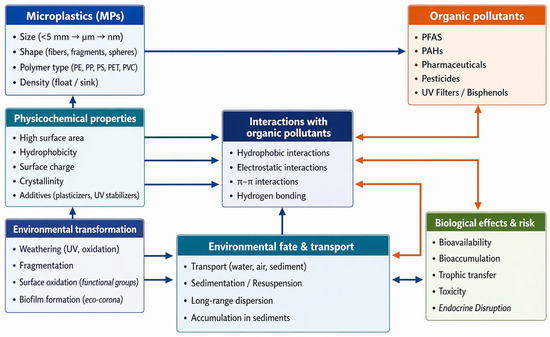
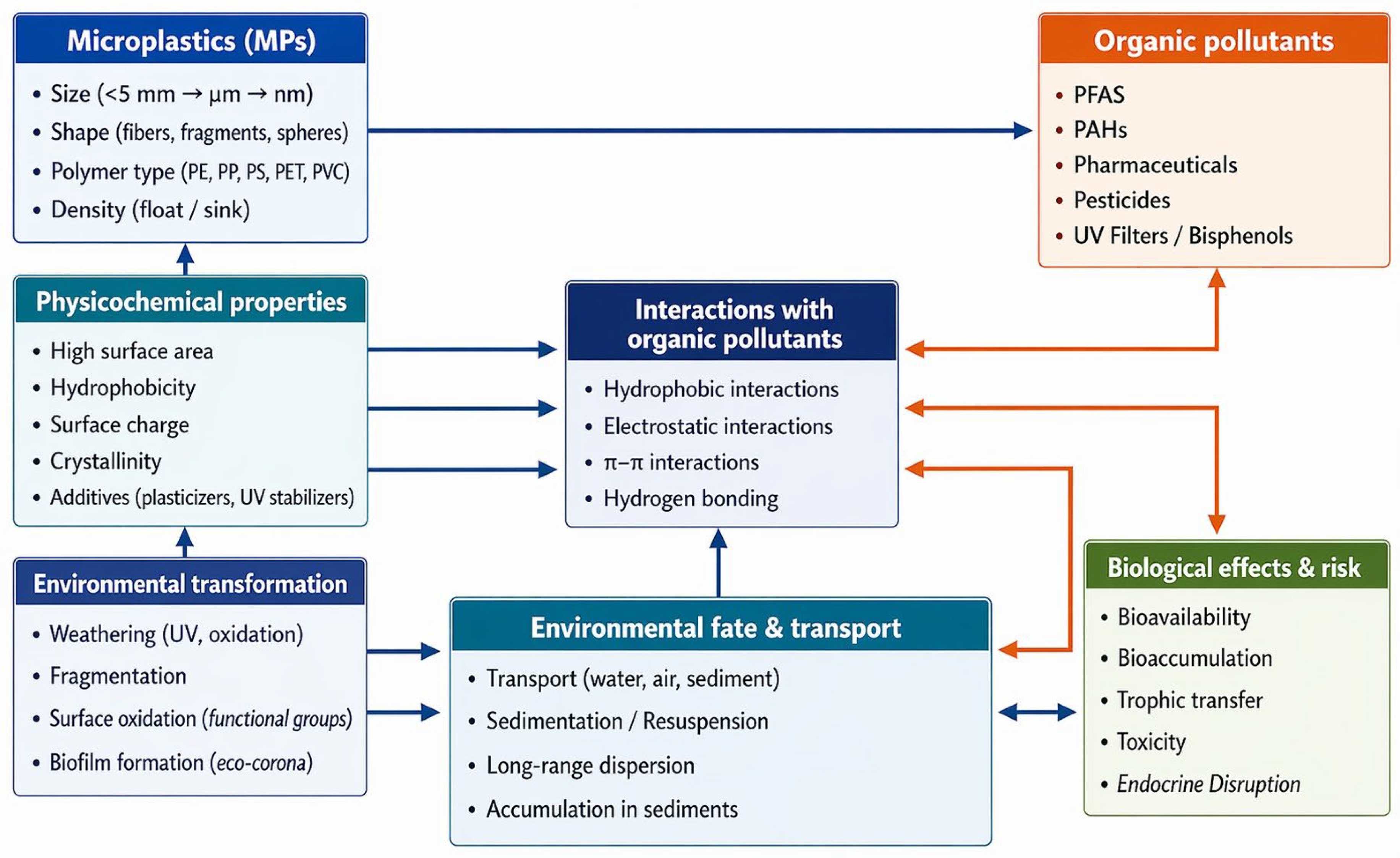
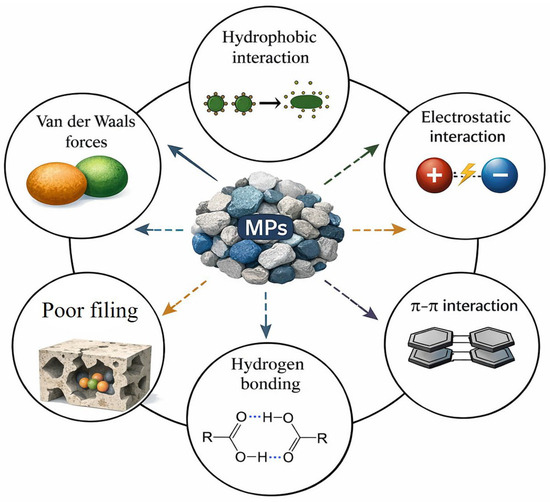
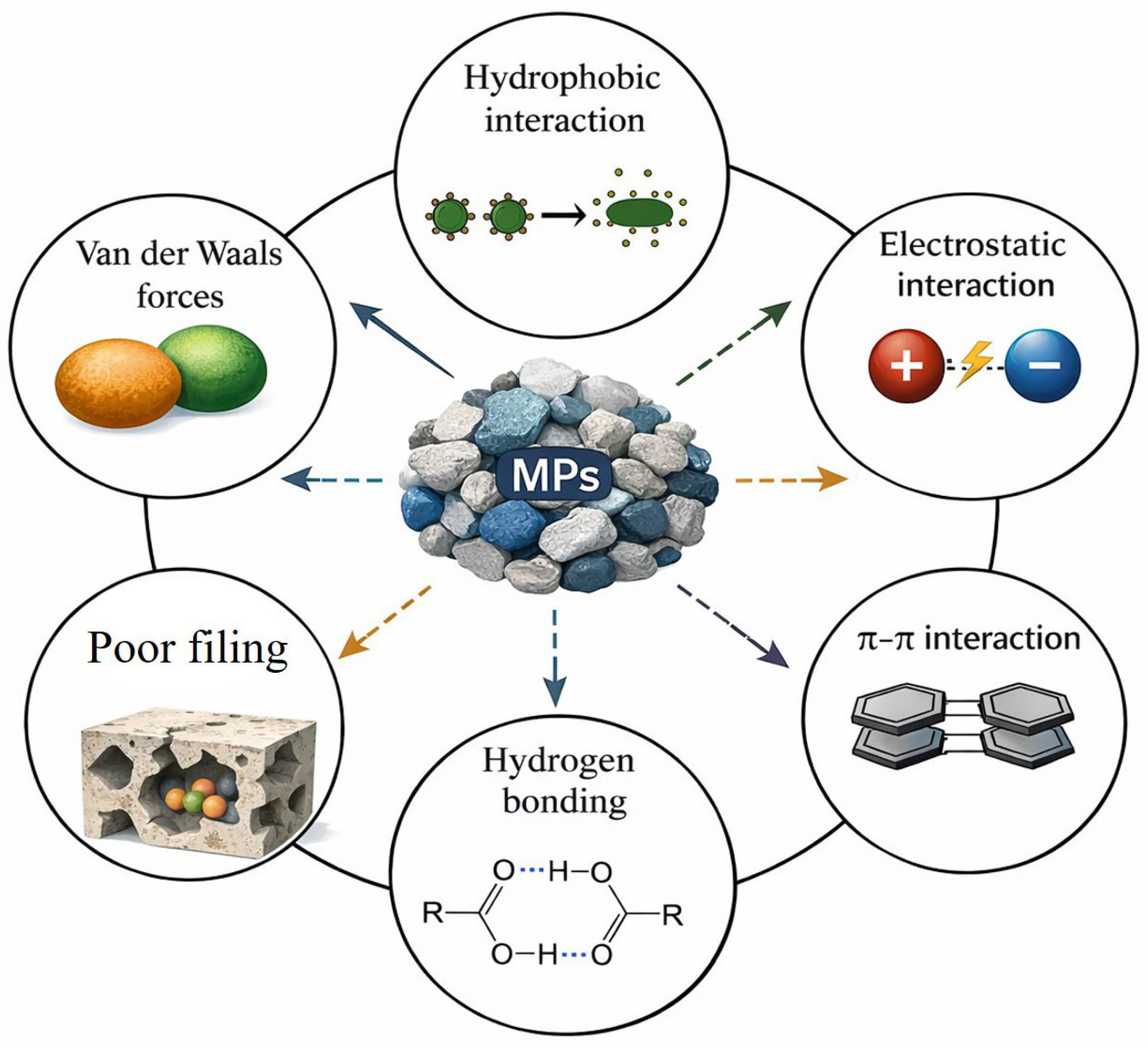
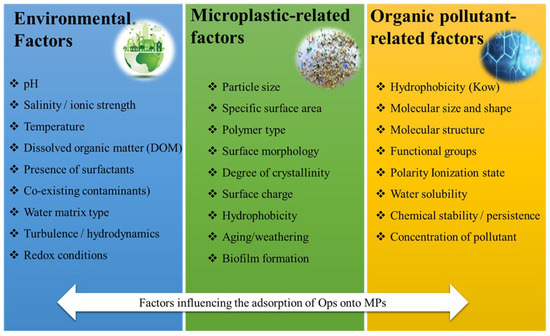
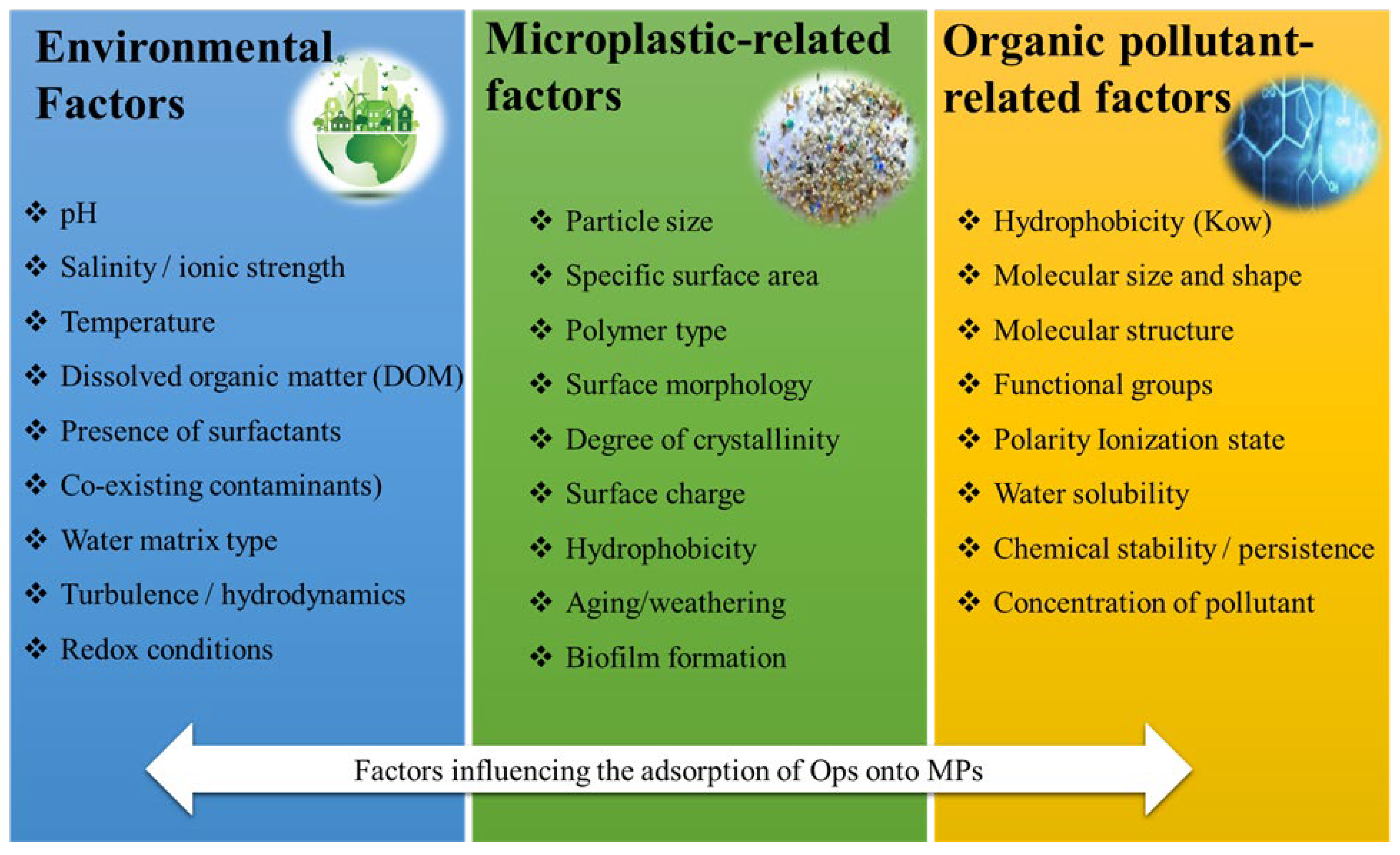
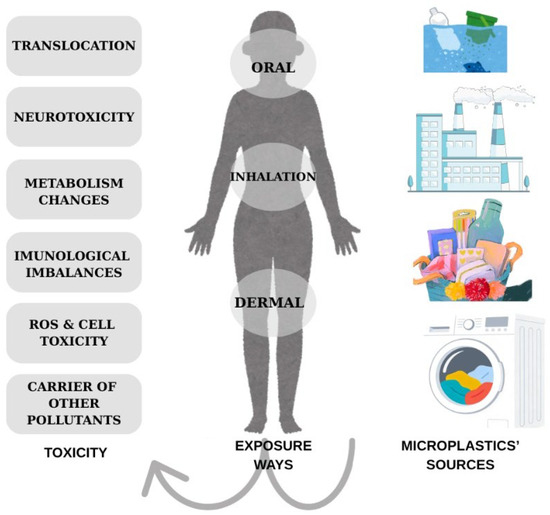
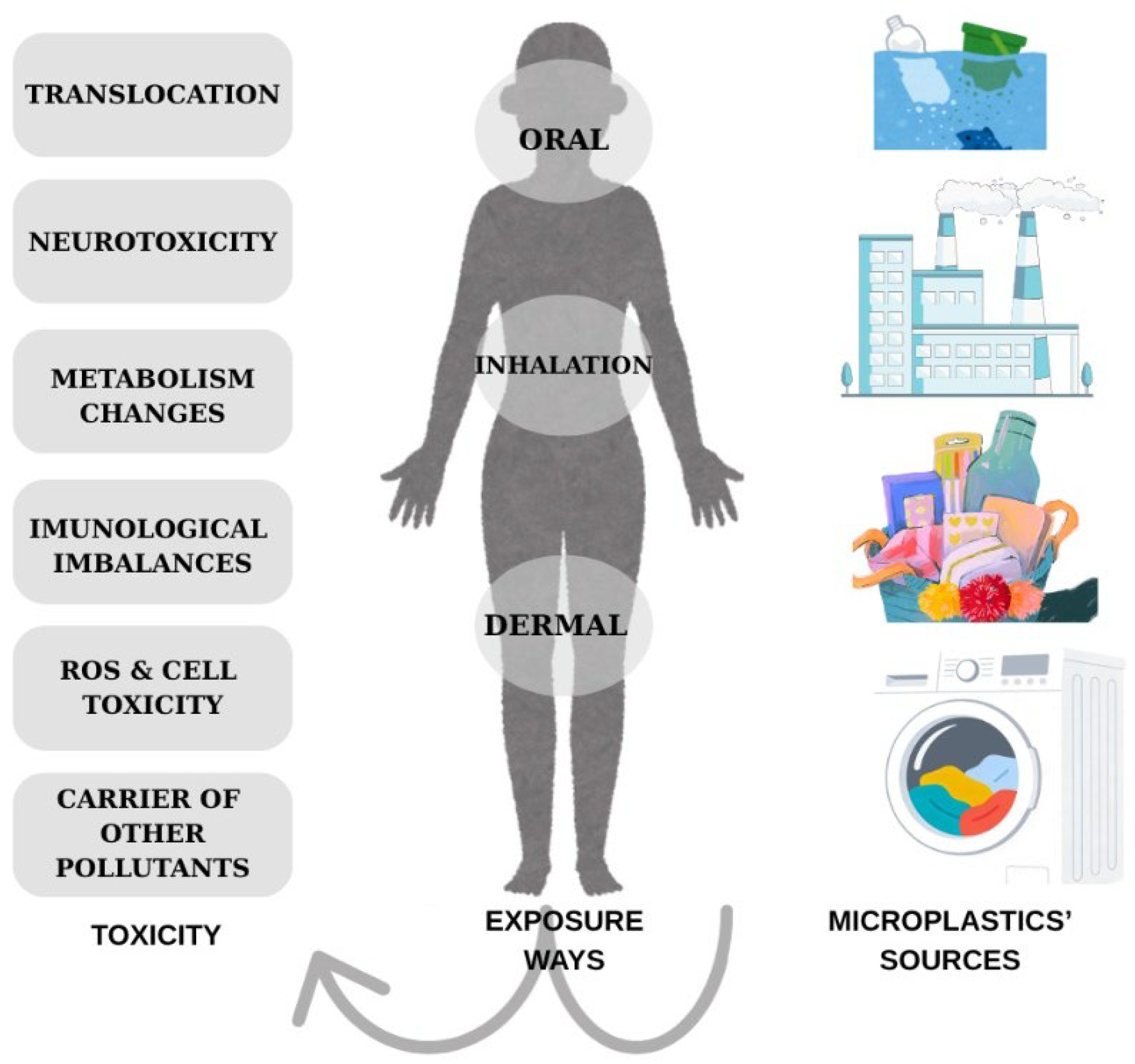

Disclaimer/Publisher’s Note: The statements, opinions and data contained in all publications are solely those of the individual author(s) and contributor(s) and not of MDPI and/or the editor(s). MDPI and/or the editor(s) disclaim responsibility for any injury to people or property resulting from any ideas, methods, instructions or products referred to in the content. |
© 2026 by the authors. Licensee MDPI, Basel, Switzerland. This article is an open access article distributed under the terms and conditions of the Creative Commons Attribution (CC BY) license.