


Abstract
Organochlorine pesticides (OCPs), a broad class of highly stable and lipophilic chemicals, have been widely used to control pests and disease vectors in agriculture, households, and the public health sector. Due to their lipophilic nature and resistance to degradation, OCPs accumulate in the fatty tissues of fish and shellfish, positioning these foods as critical vectors for human exposure. This review synthesizes current global research on the presence of OCPs in fish and shellfish, with an emphasis on geographical variation, species-specific accumulation patterns, and temporal trends. This study discusses the sources and pathways which bring OCPs to the aquatic environment to highlight regional disparities in pollutant levels, influenced by industrial activities, agricultural practices, and waste management systems. It also explores the mechanisms of bioaccumulation and biomagnification that contribute to the elevated levels of OCPs in fish and shellfish, underscoring the complexities of food chain dynamics in contaminant transfer. This paper also highlights the diverse adverse effects of OCPs on consumer health, including chronic and carcinogenic diseases such as endocrine and respiratory malfunctions, neurotoxicity, kidney and liver damage, reproductive disorders, and skin or eye injuries, while suggesting mitigation strategies to promote an OCP-free and healthy aquatic environment.
1. Introduction
Organochlorine pesticides (OCPs) are synthetic chemicals composed of carbon, chlorine, and other elements such as hydrogen, and include compounds like aldrin, dieldrin, endrin, chlordane, dichlorodiphenyltrichloroethane (DDT), dichlorodiphenyldichloroethylene (DDE), dichlorodiphenyldichloroethane (DDD), methoxychlor, toxaphene, lindane, and endosulfan, among others. DDT is the parent organochlorine pesticide, while its main environmental transformation products are DDE and DDD. The conversion of DDT to DDE occurs predominantly through dehydrochlorination, which creates a double bond and enhances molecular stability. Furthermore, DDD is primarily produced via anaerobic reductive dechlorination. A comparable transformation pattern is observed with aldrin, which undergoes rapid epoxidation to form dieldrin in natural settings. Interestingly, compared to its parent molecule, dieldrin exhibits higher hazardous potency, persistence, and bioaccumulative capability [1]. For many decades, OCPs have been used to eradicate pests and diseases in agriculture, home, and the public health sector [2,3]. Certain OCPs, such as DDT, are still legally produced and applied in India and some African countries under health-sector exemptions for malaria vector control. Additionally, we have explained that even where OCPs are no longer used in agriculture, they remain significant environmental and human health hazards due to their chemical stability, persistence, bioaccumulation in aquatic ecosystems, and long-range transport. OCPs are used for pest control because of their versatility [4]. As a result, crop yields have improved and public health has been enhanced by eliminating endemic disease vectors. Unfortunately, OCPs are probably a serious environmental problem due to the method of application and their direct effects on target and non-target organisms [5]. Most of these pesticides enter the ecosystem through sewage from agricultural farms, illegal waste disposal, and as by-products of chlorine combustion processes [6,7,8]. Research around the world has detected extremely high levels of these pesticides in various biodiversity substrates such as sediments, soil, water, and food products [9]. In water, concentrations above 1 µg/L for DDT and above 0.01–0.05 µg/L for other OCPs (e.g., lindane, heptachlor, aldrin) are considered elevated according to WHO and EPA guidelines. In fish and seafood, concentrations exceeding 20–100 ng/g lipid weight depending on the specific OCP are regarded as high due to their potential for bioaccumulation and human exposure. Lipophilic property is responsible for their stability in the environment through accumulation in water, sediments, soil, and plants. OCPs can concentrate directly in fish tissues from surrounding water and diets, thereby making assessment of the transfer of pollutants through the food chain difficult [10]. Fish are a suitable indicator for monitoring environmental pollution among all kinds of aquatic organisms [11]. The absorption of pollutants in fish occurs directly from the surrounding water through the gills and skin, and indirectly through their diet [10,12]. Consumption of OCPs-contaminated food stuffs can cause apposition of pollutants in the human [13,14]. The World Health Organization (WHO) has determined that approximately one million people are affected by acute poisoning resulting from pesticide exposure. According to the World Health Organization (WHO) 2023 report on pesticide poisonings, the pesticides most commonly implicated in acute intoxications are organophosphates, carbamates, and some organochlorines, with OCPs like DDT occasionally involved due to legacy exposure. Acute pesticide poisoning incidents are reported more frequently in India, China, and several African countries, where both agricultural use and improper handling contribute to higher exposure.
In addition to fish, bivalves are widely used as bioindicators of organic pollution in coastal areas because they are known to concentrate these compounds [15]. They pose a serious threat to human health and ecosystems due to their potential for bioaccumulation and toxicity in organisms [16]. The inappropriate handling of these chemicals by farmers and other users is responsible for the high concentration (WHO guideline) of pesticides in the atmosphere, water resources and soils, thereby threatening human health and the ecosystem at large. Various problems arising from the presence of pesticides in the environment (particularly OCPs) have been reported in Asia, America, Europe, and Africa [17]. OCPs affect the liver, lung, kidney, heart, brain, blood, pancreas, intestine, gonad, and breast tissues of consumers. It also causes various physical changes in the human body, including hypertension, obesity, skin lesions with discoloration, thyroid, bone effects, and hair loss [18]. There is plenty of research on the outbreak of OCPs in different aquatic organisms and their toxic effects due to exposure in humans [19,20,21]. Despite extensive studies on the occurrence and toxic effects of OCPs in aquatic organisms and humans, significant research gaps remain regarding their precise sources, transfer mechanisms through the aquatic food web, and pathways of bioaccumulation from fish and shellfish to consumers. Furthermore, limited data are available on regional variations in OCP distribution, their long-term persistence, and the effectiveness of existing mitigation strategies in reducing contamination levels. Addressing these gaps is crucial for understanding the full extent of OCP pollution, its implications for human health, and for developing sustainable management approaches toward an OCP-free aquatic environment. Therefore, the aim of this review paper is to evaluate the sources of OCPs in the aquatic environment, bioaccumulation process in fish and shellfish, effects on consumers’ health, and their mitigation strategies.
2. Search Strategy
To address the aforementioned research gaps regarding OCP bioaccumulation and provide novel insights into aquatic food safety, the current study reviewed research papers through Science Direct, Google Scholar, PubMed, Scopus, and the Science Citation Index (SCI/SCI-Expanded) of Web of Science. The search used a combination of the keywords “Organochlorine pesticides,” “Health effects,” and “Mitigation strategy of OCPs pollution.” The Preferred Reporting Items for Systematic Reviews and Meta-Analyses (PRISMA) guidelines were followed to identify scientific literature related to OCPs (Figure 1). The article selection process involved screening titles and abstracts. During the screening process, a language restriction filter was applied, and only articles published in English were included (Period 2000–2025). The review protocol was not prospectively registered.
Figure 1.
PRISMA flow diagram of study selection process for the systematic review.
Despite its broad scope, this review faces limitations that restrict direct comparison of OCP concentrations across studies. Variations in species, size, season, tissue selection, and habitat introduce biological heterogeneity. Differences in analytical methods and detection limits further affect data consistency. Reporting concentrations on wet weight, dry weight, or lipid weight bases complicates interpretation, particularly given the lipophilic nature of OCPs. Regional contamination backgrounds and regulatory differences add another layer of complexity. Future monitoring should prioritize standardized sampling and harmonized, lipid-normalized reporting to strengthen global risk assessments.
3. Sources of OCPs in the Aquatic Environment
The aquatic environment has been contaminated due to the extensive use of OCPs, which are primarily applied to regulate terrestrial food production and processing activities [22]. The levels of toxic OCPs in freshwater and marine environments have been evaluated using remote sensing and geographic information system technology. This has aided in the spatial assessment of potential pollution sources [23,24]. Various sources contribute to organochlorine pollutants in aquatic environments, including agricultural and dairy activities, industrial discharges, and historical pesticide usage [25]. OCPs persist in soil, water, and air for long periods and are transported by rainwater or irrigation runoff, leading to long-term damage to aquatic ecosystems [26]. The use of insecticides and pesticides in agriculture poses a significant threat to aquatic environments. It is critical to acknowledge the severity of this issue and take immediate action to prevent further damage to our aquatic ecosystems [27,28,29]. OCPs can be found in the environment from three primary sources. The sources of OCPs in the aquatic environment are shown in Figure 2.
Figure 2.
Sources of organochlorine pollutants in the aquatic environment.
3.1. Agricultural Runoff
For years, OCPs were extensively utilized in agriculture to manage pests and enhance crop production in developing and underdeveloped countries. Though small quantities of pesticides are sufficient to boost field yields, farmers often use excessive amounts due to a lack of proper knowledge about the required dosage which causes significant soil contamination [30]. Agricultural and urban runoff can lead to penetration in the soil or the direct discharge of contaminated wastewater. When farmers spray pesticides onto fields, they can be washed away by rain or irrigation and carried into adjacent water bodies through surface runoff. Surface runoff is the process through which pesticides, in either dissolved or particulate forms, are carried across the surface of sloping agricultural land. Agricultural runoff is believed to be the main source of pollutants in streams and lakes, as well as estuaries. The concentrations of ∑21OCPs (sum of 21 OCP components) were 2.57–41.2 ng/L in Pearl River Delta, China during the study period of 2005–2006 due to the source of riverine runoff [31]. A comprehensive analysis of 30 OCPs in Ethiopian water, sediment, and biota revealed that sediments generally contained the highest levels (0.074–1161.2 µg/kg), followed by biota and water, with DDTs, endosulfan, and HCHs being most frequently detected, and the DDT metabolite p, p′-DDE showing extreme biomagnification in water birds relative to sediment and water [32]. The concentrations of OCPs measured in water samples from the Chenab River, Pakistan, ranged from 0.54 to 122 ng L−1, with DDE and α-HCH being the most prevalent residues [33]. The concentrations of OCPs in water ranged from 4.41 to 29.04 ng g−1, with hexachlorobenzene (HCB) and ∑DDT being the most dominant compounds across sampling sites, and the varying distributions of HCB, ∑DDT, and other OCPs suggest multiple sources of contamination [34]. Water is an indispensable resource that plays a crucial role in maintaining the well-being of both human and environmental systems. However, due to human actions, water pollution has become a pressing concern. One of the primary causes of water pollution is the use of OCPs in and around residential, commercial, and public areas. These pesticides are capable of lingering in the soil for extended periods and can infiltrate water bodies through irrigation or rainfall. Furthermore, the improper disposal of these pesticides, such as illegal dumping or burial of unused or expired products, can lead to soil and groundwater contamination. This contamination can then spread to surface water bodies through groundwater flow or runoff, leading to aquatic pollution.
3.2. Industrial Discharges
Industries that produce or utilize OCPs have the potential to discharge polluted effluent into streams, rivers, and potentially, the ocean. They break down very slowly in the environment and can accumulate in the bodies of fish and other wildlife. Various industrial processes, such as manufacturing, mining, and wastewater treatment, deal with OCPs. Effluent discharges are commonly produced from cleaning operations, cooling processes, and runoff from industrial sites. When solid waste containing OCPs is improperly disposed of in landfills or burned, these chemicals may leak into the groundwater and soil, further damaging water supplies. Waste materials resulting from these processes are often disposed of in open areas and can be carried by urban runoff into storm water drains, which eventually discharge into rivers, lakes, and coastal waters. Massive discharges may result from poor waste management techniques and inadequate containment. Industrial discharges typically contain a mix of HCH isomers, with α-HCH ranging from 55% to 80%, β-hexachlorocyclohexane (β-HCH) from 5% to 14%, γ-HCH (lindane) from 8% to 15%, and δ-HCH from 2% to 16%. OCPs were detected at low concentrations in suspended particulate matter (0.02–0.89 ng/L; mean 0.21 ± 0.17 ng/L) and substantially higher levels in sediments (265.92–1121.51 ng/g dw; mean 705.67 ± 228.41 ng/g dw), primarily originating from riverine terrestrial inputs and mixed industrial–agricultural effluents [35]. According to another study, γ-HCH was found to constitute 46.2% of industrial waste-related areas, with lindane suspected as being the primary source of contamination. Two different kinds of DDTs (80–85% p, p′-DDT and 15–20% o,p′-DDT) were also identified in industrial discharge [36]. In another study, the mean concentrations of OCPs in industrial wastewater effluent in Nigeria ranged from 1.76 ng L−1 for dieldrin to 0.89 ng L−1 for endrin [37].
3.3. Atmospheric Source
Atmospheric sources of OCPs include direct emissions as well as volatilization from water and soil surfaces. It can travel long distances through the atmosphere. The atmosphere influences the exchange of OCPs between air and water, the transport of these substances between particle and gas phases to remote areas, and their deposition onto water surfaces, soils, and vegetation through dry and wet deposition [38]. They are released during manufacturing, combustion, or application, and then deposited onto land and water surfaces via dry deposition or precipitation. When these substances mix with the clouds, they form toxic clouds, which then lead to the precipitation of OCPs combined with water during rain; then, OCPs are dispersed in aquatic environment easily [39]. The atmospheric concentrations of OCPs are measured using the polyurethane foam passive air sampling (PUF-PAS) technique. Atmospheric deposition of OCPs on the glaciers of northern South Asia ultimately reaches the region’s coastal areas and estuaries. In Pakistan, Punjab Province, in the atmosphere, OCPs were detected in significant amounts, particularly DDTs, HCHs, and chlordane [40]. The open Pacific Ocean water atmosphere contains HCHs ranging from 2.1 to 12.0 pg/m3, DDTs and its derivatives ranging from 1.1 to 3.6 pg/m3, and chlordane compounds at 3.3 pg/m3 [41]. These pollutants can arise from various sources, including local land use practices, industrial activities, and historical pesticide use patterns. To mitigate the contamination, a multi-faceted approach is typically employed. This includes reducing or eliminating the use of these chemicals, improving agricultural and industrial practices to minimize runoff and emissions, and implementing proper waste management and remediation measures. It requires a concerted effort to ensure that our environment is protected from the harmful effects of these persistent and toxic pollutants. The presence of pesticides in aquatic environments can have negative impacts on aquatic life due to ecological imbalances caused by the introduction of these chemicals through soil erosion, rainfall, and direct application [42]. Organochlorine residues have been detected in fish species like Oreochromis niloticus and Mugil cephalus in diverse aquatic environments, indicating the prevalence of these pollutants [43,44]. Additionally, the examination of common aquatic pollutants like hexachlorobenzene (HCB), DDTs, and PAHs in bioindicator species such as mussels has been employed to monitor marine coastal areas for pollution [45]. Furthermore, the accumulation and persistence of pesticides in aquatic ecosystems can threaten aquatic life through acute or chronic poisoning phenomena [46]. Pesticides can have toxic effects on aquatic animals, including fish and invertebrates. These toxins can accumulate in animal tissues over time, posing risks to human health when consumed as part of the food chain [47,48]. The use of pesticides has the potential to impact microbial communities in aquatic habitats, which can subsequently alter the physical and chemical characteristics of these environments [49]. Pesticides have harmful effects on freshwater insects like mosquitoes, which can lead to the development of resistance in populations, and can also increase the transmission of diseases. The pathways of these chemicals in the aquatic environment are complex and involve various organisms, ecosystems, and chemicals. It is essential to understand the sources and effects of these chemicals to mitigate their harmful effects on the health of aquatic biodiversity and ecosystems.
4. Bioaccumulation of Organochlorine in Fish and Shellfish
Bioaccumulation refers to the absorption of water-borne chemicals through aqueous pathways and the ingestion of contaminated food particles through dietary routes. Bioaccumulation is the combined form of dietary intake and bioconcentration. Bioaccumulation of OCPs in fishes and shellfish is a serious environmental and public health hazard. Numerous human activities, including industrial operations, agricultural runoff, and the application of herbicides and insecticides, result in the release of organochlorines into the environment. OCPs can easily penetrate the fish body and accumulate in their tissues. OCP bioaccumulation in organisms may interfere with the balance of the food chain, leading to unfavorable outcomes including depleted biodiversity and unbalanced aquatic environments [50].
These accumulated OCPs could have notable harmful impacts at the molecular, tissue, organismal, population, and eventually, ecosystem levels. In vivo and in vitro absorption, distribution, metabolism, and excretion (ADME) research, food web models, accumulation monitoring, and field or laboratory investigations are frequently used to determine bioaccumulation. For example, the concentrations of OCPs in fish from Lake Qarun were found to be relatively high, with total concentrations of OCPs ranging from 1487 to 6217 mg/kg wet weight [51]. Table 1 presents the various amounts and types of OCPs found in the bodies of fish and shellfish. The amount of OCPs in fish tissues depends on several factors such as age, metabolism and feeding habits. Lipid content can also play a role in the accumulation of these contaminants in fish tissues. Applying pesticides containing OCPs in crop fields can cause water contamination, since they directly enter into the soil [52]. Indeed, rainy seasons intensify pesticide problems in aquatic ecosystems. Runoff carries these contaminants to freshwater and marine habitats, harming wildlife [17,53,54]. The contaminated water is being directly used by fish or by aquatic vegetation as food. Herbivorous fish eat the aquatic vegetation and carnivorous fish eat small fish. Thus, OCPs accumulate in the fish body. Fish have a lower detoxification enzyme activity compared to mammals, which allows for a higher accumulation of toxicants in their bodies. Internal organs have a higher potential to accumulate these OCPs due to direct exposure to these toxic compounds in the water. Pesticides are generally found at higher concentrations in the internal organs (such as liver and gills) of fish species compared to their muscle tissue. The use of large amounts of ∑DDT for controlling malaria in South Africa has also been reported with values ranging from 54 to 81,491 ng g/1 lw and 368 to 18,539 ng g/1 lw in the tissues of Clarias gariepinus and Oreochromis mossambicus, respectively [55].
Table 1.
Bioaccumulation and availability of various OCPs in fish and shellfish.
5. The Health Effects of OCPs on Human
Numerous pathways exist for humans to become exposed to OCPs, such as inhaling contaminated air, absorbing contaminated food or water, or undergoing dermal penetration as shown in Figure 3. Foods contaminated with OCPs, such as fish and fish products, are thought to be one of the main sources that pesticides are exposed to humans [65]. Human organs such as blood, adipose tissue, and breast milk contain OCPs which deteriorate gradually and accumulate in adipose tissue and other fatty tissues, where they exist for an extended period of time [66]. Consumers may experience a range of health consequences if they consumed OCPs, particularly affected fish, shellfish, and other edible aquatic organisms. Cancer, allergies, neurological conditions, and reproductive issues have been directly linked in some instances to pesticide exposure. The cumulative exposure to DDT, HCB, and HCH contributed to an increased risk of cancer in humans [67]. A summary of some recent studies on the impact of pesticides on humans can be found in Table 2.
Figure 3.
Exposure of OCPs on aquatic organisms and their impacts on human organs.
5.1. Endocrine Disruption
An imbalance in hormone production within the body can be caused by some pesticides, also referred to as endocrine disruptors [68]. The impact of pesticides that disrupt the endocrine system in humans is extensively recorded in scientific literature and presents a significant level of toxicity in instances of both direct and indirect contact with these substances. Endocrine disruption occurs when a chemical interferes with the body hormonal system. Hormones are chemical messengers that control a wide range of critical biological processes, such as metabolism, growth, development, and reproduction. Anomalies in development and disturbances in metabolic processes might result from them replicating, obstructing with the synthesis, release, transport, metabolism, or clearance of natural hormones. For example, estrogens, androgens, and insulin hormone production can be inhibited by some endocrine disruptor pesticides such as DDT, aldrin, endosulfan, and methoxychlor [69]. According to previous reports, molting embryonic development and juvenile hormone activity are inhibited by the presence of endosulfan sulphate in Daphnia magna [70]. From another previous report, DDT can cause seizures, developmental disorders, and reproductive and neurological disorders in humans, and DDE can lead to diabetes, and obesity for children [71,72]. In a case–control study of 1812 participants, OCP exposure was linked to endocrine disruption and an increased risk of type 2 diabetes mellitus, with each 2.718 ng/mL rise in p, p′-DDE significantly elevating risk in males by 95%, implicating hormonal and epigenetic pathways [73]. Gong et al. [74] reported that 11 OCPs inhibited human and rat 17β-HSD1 with distinct kinetic modes, reduced estradiol production in BeWo cells, and, through docking and ADME analyses, revealed binding sites and toxicokinetics underlying their disruption of steroid metabolism and hormone regulation. Therefore, OCPs act as toxic endocrine disruptors that severely impair natural hormone regulation, leading to widespread developmental, reproductive, and metabolic disorders such as diabetes.
Table 2.
Health hazardous effects of different OCPs on consumer’s health.
5.2. Respiratory Dysfunction
Several insecticides have the potential to harm lung tissues by triggering inflammation, irritation, or weakening the immune response, which in turn increases susceptibility to allergens and other diseases. As a result, the number of respiratory diseases such as asthma, bronchitis, organic dust lethal condition, over-sensitivity pneumonitis, silo-filler’s disorder, and neuromuscular respiratory failure increased owing to the effects of OCPs. Many studies have confirmed a direct or indirect relationship between OCPs and respiratory dysfunction [99]. Evidence also showed that consumed pesticides in fish were related to advanced incidences of lung dysfunction [77]. A study on children, age 3–6 years, infected with asthmatic and non-asthmatic inflictions reported that asthmatic children presented significantly higher levels of seven OCPs (α-HCH, HCB, β-HCH, γ-HCH, Heptachlor, p, p′-DDE, and o,p′-DDT) than non-asthmatic children [100]. Exposure to pesticides may increase the risk of lung illnesses and worsen the issue of morbidity and mortality [101]. Organophosphates block acetylcholinesterase, causing excess acetylcholine that overstimulates nerve receptors. This causes bronchoconstriction, leading to symptoms of wheezing, coughing, or shortness of breath [102]. Exposure to certain pesticides can increase the risk of lung cancer. A Brazilian study reported that rural workers and their families had higher rates of coughing, allergic rhinitis, and chest tightness during harvest seasons. Additionally, living close to agricultural fields or coming into contact with pesticide-contaminated clothing has been linked to reduced lung function [103]. Evidence from small farm studies suggests that pesticide exposure predominantly impacts respiratory health, particularly increasing the risk of asthma, while a lack of protective equipment accelerates lung function decline.
5.3. Neurotoxicity and Nervous Dysfunction
OCPs in fish can have neurological toxic effects on human health. Endosulfan, chlordane, and DDT can build up in the fatty tissues of fish, endangering human health. These pesticides can penetrate the blood–brain barrier when consumed and obstruct the regular operation of the nervous system. Particularly in older age groups, DDT causes cognitive impairment, which contributes to their neurotoxicity. Dieldrin causes hyperacetylation of the histones, which causes epigenetic dysregulation and causes neurotoxicity [104]. In the brain, Parkinson’s disease is characterized by an increased amount of pesticides affecting the substantia nigra, leading to degeneration of dopamine-producing neurons [105]. Neural growth is significantly mediated by the neurotransmitter γ-aminobutyric acid. OCPs cause disruption of sodium/potassium currents in nerve fibers in PD because of problems in energy metabolism, persistent activation of sodium channels, and interaction with GABA receptors [106,107]. A logistic regression analysis model for understanding the effects of 4,4′-DDT for cognition and language with trans-chlordane was associated with socioemotional scores and found negative relation. OCPs exert their neurotoxic effects by modulating neurotransmitter receptor function and altering ion channel activity. Compounds such as aldrin, dieldrin, heptachlor, and lindane disrupt chloride ion currents by interfering with GABA receptors, leading to abnormal neuronal excitation [108]. In the nervous system, disruption of mitochondrial function impairs neuronal energy production, leading to cell damage, abnormal nerve signaling, and potentially contributing to neurodegenerative symptoms. Aldrin and dieldrin have been shown to significantly reduce cell viability by inducing mitochondrial dysfunction and compromising membrane integrity, as demonstrated by MTT and LDH assays in dopaminergic PC6-3 cells [109]. Human neuroblastoma SH-SY5Y cells are susceptible to OCP toxicity. Exposure to aldrin and heptachlor causes significant, morphological changes, including reduced cell numbers, loss of neurites, and disruption of normal cell shape and texture [110]. Additionally, OCPs inhibit acetylcholinesterase activity at synapses and neuromuscular junctions, leading to cholinergic syndrome, which may manifest as coma, memory and attention deficits, and other delayed neurological effects. Prolonged or severe acetylcholinesterase inhibition can result in intermediate syndromes. Another form of neurotoxicity associated with organophosphate exposure is peripheral neuropathy, which typically develops within 10–20 days and involves damage to multiple peripheral nerves, causing loss of sensory and motor axon function. Heavy or chronic exposure to OCPs can impair attention and emotional stability and may lead to neurological and psychiatric symptoms such as anxiety, depression, psychosis, and emotional lability [111]. In essence, OCPs from contaminated fish cross the human blood–brain barrier to disrupt vital neurotransmitter and cellular functions, resulting in severe cognitive impairment, neurodegenerative diseases like Parkinson’s, and profound psychiatric disorders.
5.4. Skin/Eye Irritation
OCPs are persistent chemicals that can enter the body through skin contact, ingestion, or direct eye exposure. These are easily found on human skin, especially on the face and hands, and are absorbed through the skin into the bloodstream, and can also get through the epithelial barriers of the lungs, skin, and intestinal mucosa. This can cause temporary or permanent changes in the way the affected tissues work [71]. It causes skin irritation symptoms such as itchiness, hives, eczema, psoriasis, and other symptoms associated with inflammation [75]. The risk is regulated by age, gender, sanitation and surroundings, with children and females having greater hand-to-mouth ingestion rates [112]. A significant amount of dermal OCP contamination occurs in the skin of the neck and head area, emphasizing the need for facial care in minimizing absorption. Erythema (redness), edema (swelling), pruritus (itching), and dermatitis (skin inflammation) are all possible symptoms of skin and eye irritation [66]. Frequent exposure to OCPs might worsen allergic responses or contact dermatitis as well as cause skin irritation. Hexachlorobenzene exposure on dermal cells leads to porphyria cutanea tarda, leading to poor healing, blisters, and hypersensitivity to sunlight [81]. Similarly, redness, itching, tears, and blurred vision might be signs of OCP-induced eye irritation. OCPs can enter the human body through skin/eyes directly, and is distributed by metabolism and excretion [3]. Chlorinated benzenes in human can cause skin lesions [113]. HCB also causes physical changes in the consumer’s body, like skin lesions with discoloration, thyroid effects, bone effects, and loss of hair [18].
Health hazards upon exposure to pesticides are dependent on the duration of the exposure. The eyes are among the most complex sensory organs, consisting of multiple layers. The front layer, known as the cornea, allows light to pass through to the retina. OCPs are absorbed more swiftly by ocular tissues compared to other organs, leading to quick and significant tissue damage [114]. Absorption of xenobiotic pesticides causes ocular toxicity by changing the way corneal cells turn over, which disrupts the cell cycle and causes apoptosis, resulting in the loss of visual sharpness [115]. Furthermore, these agricultural pesticides are causative of pathological conditions of the eye, such as ocular irritation, excessive tearing, constricted pupils, abrasions on the ocular surface, lens crystallization, poor lens and retina development, retinal detachment, vacuolization of the outer and inner retinal plexiform layers, fundus hemorrhage, and diminished visual acuity. Ocular exposure to pesticides transpires through direct contact, such as chronic low-level exposure or inadvertent splashes impacting the ocular surface, resulting in hyper lacrimation, corneal pacification, and neovascularization, or indirectly via systemic absorption through dermal, oral, or respiratory pathways, culminating in retinal and macular degeneration and diminished visual acuity. Such exposure in aquatic vertebrates cause corneal necrosis [115]. Ultimately, OCPs rapidly penetrate dermal and ocular barriers, leading to severe inflammatory skin disorders, systemic toxicity, and profound structural eye damage that can result in irreversible vision loss.
5.5. Kidney Dysfunction
The kidney is the most important organ for human beings. OCPs hinder their normal excretion and detoxification of xenobiotics. OCPs can build up in renal tissues as a result of direct exposure or absorption from tainted food. OCPs cause the production of reactive oxygen species (ROS) in the renal cells, resulting in oxidative damage to lipids, proteins, and DNA within the cell. Oxidative stress has the potential to hinder renal function and play a role in a variety of kidney disorders. γ-HCH, p, p′-DDE, and β-endosulfan pesticides levels strongly linked positively with CKD patients’ urine albumin and adversely with their estimated glomerular filtration rate [116]. There is a negative correlation between patients’ glomerular filtration rate and hexachlorocyclohexane (α, γ), endosulfan, aldrin, and DDE contents in blood. Exposure to these pollutants may impair the function of glomerular and tubular renal cells. Another study assessed OCP exposure and hyperuricemia risk, showing that body burdens of five OCPs significantly increased the risk of hyperuricemia, with females, older adults, and low-income groups appearing more vulnerable; the results emphasize the need for continued population monitoring of OCPs and the use of multiple analytic approaches to improve the reliability of environmental health assessments [21]. OCPs and PCBs lower kidney function by decreasing the glomerulus filtration rate as well as increasing the risk of carcinogenic kidney diseases [117]. OCPs have been reported to cause kidney damage primarily by generating oxidative stress, which causes cellular injury in the renal tubules, promotes protein leakage (proteinuria), and leads to progressive interstitial fibrosis [116]. Biomarker studies in populations exposed to OCPs have revealed early signs of tubular dysfunction, such as increased urine enzymes and tubular proteins, even before severe glomerular damage is detectable [118]. Histological changes in C. gariepinus kidneys included widespread melanomacrophage centers and tubular vacuolation, with aldrin exposure causing glomerular dilation and high-dose exposure (1.40 µg/L) inducing renal tubular necrosis [119]. Therefore, OCP accumulation in the kidneys induces severe oxidative stress and cellular damage, leading to progressive tubular dysfunction, reduced glomerular filtration, and a significantly elevated risk of chronic kidney diseases and renal carcinomas.
5.6. Liver Damage
OCP exposure is consistently associated with various forms of liver dysfunction, including hepatic steatosis (fatty liver disease), abnormal elevations of liver enzymes, and an increased risk of hepatocellular carcinoma. Combined exposure to multiple OCPs can have additive or synergistic effects, increasing the risk of liver pathology [120]. These toxicological outcomes are primarily mediated through mitochondrial impairment, oxidative stress, and metabolic dysregulation, which collectively compromise hepatic cellular integrity and function. Chronic exposure to OCPs such as p, p′-DDE and β-HCH impairs mitochondrial function in liver cells, decreases fatty acid β-oxidation, and increases lipogenesis, leading to fatty acid accumulation and metabolic disturbances [121]. Prolonged exposure to OCPs may also interfere with lipid metabolism, alter gene expression related to detoxification pathways, and trigger inflammatory responses that exacerbate liver injury. In people who are highly exposed to OCPs, the levels of certain liver enzymes like alanine aminotransferase, aspartate aminotransferase, and gamma-glutamyl transferase and bilirubin in the blood are found to be higher than normal, reflecting liver injury or impaired hepatic function [75]. OCPs increase lipid peroxidation and reduce antioxidant enzyme activity (e.g., SOD, GPx, CAT), resulting in oxidative damage and compromised liver function [122]. OCPs alter bile acid profiles and glucose metabolism, further contributing to liver dysfunction [123]. It causes abnormal buildup of connective tissue, resulting in the damaging of hepatocytes. Chronic exposure to pesticides involves DNA damage, genetic mutations, and abnormal cell signaling by generating ROS, disrupting hormonal balance, or interfering with cell cycle regulation resulting in the development of cancer [124]. Pesticides such as p, p′-DDE, β-HCH, and oxychlordane are associated with increased risk of Nonalcoholic Fatty Liver Disease (NAFLD) and Metabolic Dysfunction-Associated Fatty Liver Disease (MAFLD) [125].
OCPs have the ability to produce ROS in hepatocytes, which can cause damage to DNA, lipid peroxidation, and protein oxidation. The final consequence of this oxidative stress pathway is inflammation and hepatocyte damage [126]. Furthermore, OCPs can interfere with the metabolism of hepatic lipids, which can result in the buildup of cholesterol and triglycerides in the liver—a disease called fatty liver or hepatic steatosis. Long-term OCP exposure can make this condition worse and lead to more serious liver illnesses. Exposure to OCPs such as trans-nonachlor or chlordane, heptachlor, HCB, DDT, and DDE increases the chance of developing diabetes [127]. The sum of OCP concentrations was negatively associated with alanine transaminase enzyme content [128]. Aldrin exposure in C. gariepinus showed widespread melanomacrophage centers, hepatocellular vacuolation associated with steatosis, and pleomorphic hepatocytes across all groups, that further induced liver atrophy and hepatocellular necrosis, indicating progressive degenerative damage at higher concentrations [119]. Evidence suggested that chronic exposure to OCPs severely compromised hepatic function through profound oxidative stress and metabolic dysregulation, ultimately driving the pathogenesis of fatty liver diseases, progressive tissue necrosis, and hepatocellular carcinoma.
5.7. Reproductive Malfunction
OCPs are strongly linked to reproductive dysfunction in both men and women. Human reproductive function is a multifaceted process affected by various variables, including hormonal abnormalities generated by pesticides. The human reproductive system is vital for the continuation of generations. Exposure to OCPs before birth, such as when mothers use DDT around the time of childbirth, can affect fetal development, delay conception, reduce the chances of pregnancy, and increase the risk of infertility. Numerous studies have shown that OCPs may have detrimental effects on human reproductive systems [20,129]. A metabolite and degradation product of DDT is p, p′-DDE, and its abundance was high in the Faroe Islands population as this population has a history of high organochlorine exposure. Men with elevated exposure to p, p′-DDE had higher rates of an extra X chromosome and total sex-chromosome disomy [130]. This study also included a birth cohort in which blood levels of p, p′-DDE were measured in cord blood at 14 years, and in adulthood. Sex-chromosome disomy was associated with exposure to organ chlorines at 14 years of age, which is the time for the onset of puberty. The human ovarian surface epithelial cells were infected owing to the exposure of DDE, dieldrin, and β-HCH in relation to risk assessment for epithelial ovarian cancer [129]. Moreover, early exposure to OCPs also had an impact on normal prostate shape and function [20]. Congenital cryptorchidism malfunction disorder occurred in their childhoods and semen quality was limited [131].
Exposure to several kinds of OCPs may negatively impact human fertility. Women who are exposed to more pesticides are 18% less likely to get pregnant and 26% less likely to have a successful delivery than women who are exposed to fewer pesticides [132]. Exposure to OCPs can harm the reproductive systems of people and other living things by damaging cells as they change these chemicals into hazardous metabolites. They can cause damage to biological macromolecules like DNA, RNA, and other parts of the genome, as well as hormones that control the endocrine system. This can mess up the regular control of important sex hormones [133]. A previous investigation found that in animal models treated with mancozeb, healthy follicles decreased while atretic follicles increased, providing clear evidence that pesticide exposure can impact fertility. Furthermore, substances such as HCH, PCBs, and DDT have been linked to increased female sterility and a 50% decrease in conception ability; however, fecundity has an inverse relationship with serum DDE concentration [134]. OCPs can even be transferred to infants through nursing, resulting in child hormonal imbalance, potentially affecting growth, development, and future reproductive health. OCP exposure in female reproductive systems can result in alterations in ovarian weight, altered follicle formation, and diminished oocyte survivability [135]. Women with the highest PCB exposure had a 50% lower fertility and a higher chance of miscarriage [136]. Couples undergoing in vitro fertilization (IVF) who have elevated PCB levels are substantially less likely to have a successful pregnancy. OCPs may regulate sexual behavior and reproductive function by influencing gamete generation and maturation, and reproductive cycle management, resulting in premature reproductive development, infertility, or other functional irregularities. These processes are critical for maintaining proper reproductive health in both males and females, relying on the overall integrity of the reproductive system [137]. OCPs such as DDT, aldrin, HCH, and endosulfan are very harmful to the female reproductive system and delayed fertility in women [134]. OCPs, which influence estrogen and androgen levels, also alter thyroid and pituitary function. Thyroid disturbance during pregnancy is especially concerning because this hormone is necessary for fetal neurodevelopment. OCPs pose significant risks to maternal and infant health due to their endocrine-disrupting properties and weak estrogenic activity, allowing them to accumulate in mothers before and after pregnancy and interfere with lactation. These chemicals can cross the placenta and also concentrate in fat-rich mammary glands, leading to infant exposure through both fetal transfer and breast milk. Such exposure may negatively affect infant growth, neurodevelopment, gut microbiota balance, and reproductive system development, creating long-term health concerns [138]. OCPs can disrupt normal hormonal function in both animals and humans, and exposure to these endocrine-disrupting chemicals has been linked to reproductive abnormalities, including feminization of males, altered sexual behavior, birth defects, skewed sex ratios, reduced sperm production and testicular size, infertility, and thyroid dysfunction [139]. Demonstrating such biological effects links environmental contamination levels to tangible ecological and health consequences, strengthening the toxicological significance of the study. Therefore, assessing reproductive endpoints helps clarify both the risks of OCP exposure and the broader implications for population sustainability and ecosystem stability.
6. Mitigation Strategy of Organochlorine Pollution
Mitigating the risks associated with OCPs in fish and shellfish, and thereby reducing health risks for consumers, requires a multifaceted approach involving policy interventions, environmental management, public awareness, and dietary strategies. Continuous monitoring and assessment of OCPs in surface and groundwater, plants, sediments, soil, air, milk and dairy products, fish, animals, and human samples are necessary for the eradication of OCPs from the aquatic environment. Figure 4 illustrates a diagram that shows some mitigation strategies for organochlorine-free fish and shellfish.
Figure 4.
Approaches for managing and minimizing organochlorine pesticide pollution.
The effects of OCPs on human health are well known. There are some generally recommended strategies to prevent OCP pollution. Organic farming can be a potential solution for avoiding the use of OCPs. Advanced countries are extensively employing organic farming practices. Although the use of OCPs has been banned or restricted in many countries under the Stockholm Convention on Persistent Organic Pollutants, they continue to pose a significant current threat due to their extreme persistence, bioaccumulation, and long-range environmental transport. Despite efforts by the Stockholm Convention Secretariat and other stakeholders to support POP elimination programs in Africa, significant reductions have not yet been observed due to challenges such as inadequate policy and regulatory frameworks and limited capacity to manage relevant socio-economic data [140]. These compounds remain in soils, sediments, and water bodies for decades, re-entering food webs and concentrating in animal and human tissues over time [141]. Legacy contamination from past agricultural use, improper disposal, and illegal or unregulated applications in some regions further sustain exposure. As a result, humans are still exposed through food, water, and maternal transfer, maintaining ongoing risks to reproductive, developmental, and endocrine health worldwide. The ban for OCPs was successful in developed countries, but in developing countries, its low cost, easy availability, and effectiveness as pesticides and vector control has caused hindrance in the complete ban of OCPs. India alone uses over 88,000 metric tons of pesticides annually, out of which 70% are OCPs [142]. DDT is still manufactured and used in India and a few African countries for malaria and vector control under health-sector exemptions, with annual production in the thousands of tonnes for disease-control programs. Long-term monitoring remains essential to track the long-term fate of these chemicals within Manila clams and mussels, and how recent changes in the estuary environment might be affecting them [143]. Lower than recommended levels of OCP dosages should be applied if needed. Public awareness, monitoring programs, and investments in research need to be established to reduce the use of OCPs globally. Monitoring organizations should impose strict laws and regulations to limit the use of OCPs. Sustainable and eco-friendly aquafarming practices need to be introduced to farmers for organochlorine-free fish and shellfish as well to lessen risks to consumers’ health. Apart from this, there are some suggested strategies for the mitigation of OCPs. Phytoremediation is a green approach that removes OCPs from aquatic systems by utilizing certain bacteria or specific plants [144]. The goal of this method is to maximize these organisms and establish the best possible environments such that they can proliferate and break down pollutants. Additionally, bioremediation is considered a promising biotechnology for treating environments contaminated with persistent organic pollutants (POPs). Research in Mexico has mainly focused on identifying and characterizing microorganisms, particularly bacteria and fungi, capable of biodegrading POPs such as OCPs, polychlorinated biphenyls, and polybrominated diphenyl ethers to support future bioremediation applications [145]. Researchers are looking into particular enzymes that can degrade OCPs. Large-scale production and isolation of these enzymes may enable the targeted breakdown of OCPs in contaminated sites. Another method is adsorption, which proves to be the most effective way to reduce pesticide levels. Pesticides can be effectively adsorbed from the environment using nanoadsorbents based on activated carbon, iron, and titanium oxide. Agrochemical adsorption mechanisms can be categorized into many categories, such as hydrophobic, pore-filling, hydrogen bonding, electrostatic, and π-π interactions [146]. The adsorption rate depends on the molecular size of the OCPs and their pore size [147]. Ionic bonds are formed through electrostatic interactions, which involve both attraction and repulsion. Conjugation between the pollutant’s benzene rings and the adsorbent’s C-C bonds results in the creation of π-π interactions (Figure 5).
Figure 5.
Reaction mechanisms in an adsorbent for pesticide removal. Adapted with permission from da Silva Júnior et al. [148]. 2024, Elsevier Ltd. (Amsterdam, The Netherlands).
The existence of functional groups containing oxygen affects how much of the pollutant is adsorbed on the material. Metals such as Ag, Au, Fe, Al, Mg, Ca, and Zn can be used to mitigate pesticides from the aquatic environment. The nanocomposites forms of Fe/zeolite and CuO/chitosan are also able to remove pesticides from the environment [149]. Water neutralization is also a useful way to protect against OCPs. Another crucial method is high temperature plasma technology that can degrade the OCPs.
7. Future Perspectives
From a public health standpoint, future assessments of organochlorine pesticide exposure should adopt cumulative exposure frameworks that reflect real world dietary habits, vulnerable population groups, and simultaneous exposure to multiple environmental contaminants. Studies need to account for realistic dietary patterns, sensitive population groups such as children and pregnant women, and combined exposure to multiple environmental contaminants. There is also a need to refine probabilistic risk assessment models to produce more accurate and population-specific estimates of human health risks. Further investigations should support the development of harmonized international safety standards by generating robust, comparable datasets across regions. Research should also explore sustainable aquaculture practices and evaluate innovative technologies for the effective removal of persistent pollutants from aquatic systems. In addition, future work should examine the effectiveness of seafood traceability systems, ecological certification schemes, and community-based education programs for fishermen in reducing contamination and limiting consumer exposure.
8. Conclusions
The global perspective on OCPs in fish and shellfish reveals significant concerns regarding consumer health. Through this review, it is evident that these contaminants persist in aquatic ecosystems worldwide, posing a threat to human health through the consumption of contaminated aquatic food. The fate, transport, transformation, toxicity, and impacts generated by OCPs on the ecosystem must be systematically evaluated to elucidate the problems. The bioaccumulation and biomagnification of organochlorines in fish and shellfish underscore the need for continued monitoring and regulation to mitigate their impact on human health. Although OCPs are banned or strictly regulated under the Stockholm Convention on Persistent Organic Pollutants, they continue to pose risks because their high chemical stability enables them to remain in the environment for decades after use. Moreover, the insecticide DDT is still produced and applied in India and several African nations under public health exemptions for malaria vector control, with annual outputs reaching thousands of tonnes for disease prevention programs. Furthermore, in many underdeveloped countries, people still use OCPs as a cheap and convenient method for controlling insects in agricultural fields. Therefore, interdisciplinary efforts involving scientists, policymakers, and public health officials are crucial for implementing effective strategies to minimize exposure and ensure the safety of seafood consumers worldwide. By addressing these issues comprehensively, we can work towards safeguarding both environmental integrity and public health in the face of organochlorine pollution.
Author Contributions
Conceptualization: M.A.R.A., M.T.A., M.S.A. and M.H.; data curation: M.A.R.A. and M.H.; methodology: S.A.R., S.S. and S.S.S.; formal analysis: S.A.R., S.S.S. and M.H.; writing—original draft: M.A.R.A., M.T.A. and M.S.A.; review and editing: M.S.A. and S.S.; supervision: S.S. and M.H.; visualization: M.T.A., S.A.R., and S.S.S. All authors have read and agreed to the published version of the manuscript.
Funding
This research received no external funding.
Data Availability Statement
No new data were created or analyzed in this study.
Conflicts of Interest
The authors declare that they have no competing interests.
References
- Vandenberg, L.N.; Pierce, E.J.; Arsenault, R.M. Pesticides, an urgent challenge to global environmental health and planetary boundaries. Front. Toxicol. 2025, 3, 1656297. [Google Scholar] [CrossRef] [Scilit]
- Kumar, J.M.; Kumar, S.D.; Kubendran, D.; Kalaichelvan, P. Hexachlorobenzene-sources, remediation and future prospects. Int. J. Curr. Res. Rev. 2013, 5, 1. [Google Scholar]
- Kim, K.H.; Kabir, E.; Jahan, S.A. Exposure to pesticides and the associated human health effects. Sci. Total Environ. 2017, 575, 525–535. [Google Scholar] [CrossRef] [Scilit]
- Olisah, C.; Adeniji, A.O.; Okoh, O.O.; Okoh, A.I. Occurrence and risk evaluation of organochlorine contaminants in surface water along the course of Swartkops and Sundays River Estuaries, Eastern Cape Province, South Africa. Environ. Geochem. Health 2019, 41, 2777–2801. [Google Scholar] [CrossRef] [Scilit] [PubMed]
- Sandra, B. Levels of Selected Pesticide Residues in Cocoa Beans from Ashanti and Brong Ahafo Regions of Ghana. Doctoral Dissertation, Kwame Nkrumah University of Science and Technology, Kumasi, Ghana, 2012. [Google Scholar]
- Ziliotto, M.; Kulmann-Leal, B.; Roitman, A.; Bogo Chies, J.A.; Ellwanger, J.H. Pesticide Pollution in the Brazilian Pampa: Detrimental Impacts on Ecosystems and Human Health in a Neglected Biome. Pollutants 2023, 3, 280–292. [Google Scholar] [CrossRef] [Scilit]
- Barreca, S.; Busetto, M.; Forni, C.; Colzani, L.; Clerici, L.; Daverio, D.; Balzamo, S.; Calabretta, E.; Peleggi, M.; Dellavedova, P. Determination of antibiotics, pesticides, herbicides, fungicides and hormones in water bodies in Italy in occurrence with European Watch List mechanism by using an UHPLC-MS/MS system: Method validation, quantification and evaluations. Pollutants 2021, 1, 207–216. [Google Scholar] [CrossRef] [Scilit]
- Kolani, L.; Mawussi, G.; Sanda, K. Assessment of organochlorine pesticide residues in vegetable samples from some agricultural areas in Togo. Am. J. Anal. Chem. 2016, 7, 332–341. [Google Scholar] [CrossRef]
- Akoto, O.; Azuure, A.A.; Adotey, K. Pesticide residues in water, sediment and fish from Tono Reservoir and their health risk implications. SpringerPlus 2016, 5, 1849. [Google Scholar] [CrossRef] [Scilit]
- Islam, M.R.; Yeasmin, M.; Sadia, S.; Ali, M.S.; Haque, A.R.; Roy, V.C. Small indigenous fish: A potential source of valuable nutrients in the context of Bangladesh. Hydrobiology 2023, 2, 212–234. [Google Scholar] [CrossRef] [Scilit]
- Lanfranchi, A.L.; Menone, M.L.; Miglioranza, K.S.B.; Janiot, L.J.; Aizpun, J.E.; Moreno, V.J. Striped weakfish (Cynoscion guatucupa): A biomonitor of organochlorine pesticides in estuarine and near-coastal zones. Mar. Pollut. Bull. 2006, 52, 74–80. [Google Scholar] [CrossRef] [Scilit]
- Ahmed, M.T.; Ali, M.S.; Ahamed, T.; Suraiya, S.; Haq, M. Exploring the aspects of the application of nanotechnology system in aquaculture: A systematic review. Aquac. Int. 2024, 32, 4177–4206. [Google Scholar] [CrossRef] [Scilit]
- Li, X.-H.; Wang, W.; Wang, J.; Cao, X.-L.; Wang, X.-F.; Liu, J.-C.; Liu, X.-F.; Xu, X.-B.; Jiang, X.-N. Contamination of soils with organochlorine pesticides in urban parks in Beijing, China. Chemosphere 2008, 70, 1660–1668. [Google Scholar] [CrossRef] [Scilit] [PubMed]
- Coelho, J.; Rosa, M.; Pereira, E.; Duarte, A.; Pardal, M. Pattern and annual rates of Scrobicularia plana mercury bioaccumulation in a human induced mercury gradient (Ria de Aveiro, Portugal). Estuar. Coast. Shelf Sci. 2006, 69, 629–635. [Google Scholar] [CrossRef] [Scilit]
- Ariman, S.; Centinkaya, N. Determınatıon of organochlorine pesticide residues in plant, sediment, soil and water of Kizilirmak Delta in Central Black Sea Regıon. In Proceedings of the International Conference on Latest Trends in Food, Biological Ecological Sciences (ICLTFBE’15), Dubai, United Arab Emirates, 11–12 October 2015; pp. 11–12. [Google Scholar]
- Ali, N.; Ali, L.; Mehdi, T.; Dirtu, A.C.; Al-Shammari, F.; Neels, H.; Covaci, A. Levels and profiles of organochlorines and flame retardants in car and house dust from Kuwait and Pakistan: Implication for human exposure via dust ingestion. Environ. Int. 2013, 55, 62–70. [Google Scholar] [CrossRef] [Scilit] [PubMed]
- Thakur, M.; Pathania, D. Environmental fate of organic pollutants and effect on human health. In Abatement of Environmental Pollutants; Elsevier: Amsterdam, The Netherlands, 2020; pp. 245–262. [Google Scholar]
- Olisah, C.; Okoh, O.O.; Okoh, A.I. Occurrence of organochlorine pesticide residues in biological and environmental matrices in Africa: A two-decade review. Heliyon 2020, 6, e03518. [Google Scholar] [CrossRef] [Scilit] [PubMed]
- Qi, S.-Y.; Xu, X.-L.; Ma, W.-Z.; Deng, S.-L. Effects of organochlorine pesticide residues in maternal body on infants. Front. Endocrinol. 2022, 13, 890307. [Google Scholar] [CrossRef] [Scilit]
- Wen, Y.; Wang, Y.; Chen, R.; Guo, Y.; Pu, J.; Li, J.; Jia, H.; Wu, Z. Association between exposure to a mixture of organochlorine pesticides and hyperuricemia in US adults: A comparison of four statistical models. Eco. Environ. Health 2024, 3, 192–201. [Google Scholar] [CrossRef] [Scilit]
- Basak, P.; Ali, M.S.; Isra, L.; Rahman, M.H.; Haq, M. Effects of thermal and salt water soaking pre-treatment on the physicochemical and nutritional properties of sundried tilapia fish (Oreocromis niloticus) products. Heliyon 2023, 9, e21749. [Google Scholar] [CrossRef] [Scilit]
- El-Alfy, M.A.; Hasballah, A.F.; Abd El-Hamid, H.T.; El-Zeiny, A.M. Toxicity assessment of heavy metals and organochlorine pesticides in freshwater and marine environments, Rosetta area, Egypt using multiple approaches. Sustain. Environ. Res. 2019, 29, 19. [Google Scholar] [CrossRef] [Scilit]
- Guo, J.; Chen, W.; Wu, M.; Qu, C.; Sun, H.; Guo, J. Distribution, sources, and risk assessment of organochlorine pesticides in water from Beiluo River, Loess Plateau, China. Toxics 2023, 11, 496. [Google Scholar] [CrossRef] [Scilit]
- Shi, W.; Zhang, F.; Zhang, X.; Su, G.; Wei, S.; Liu, H.; Cheng, S.; Yu, H. Identification of trace organic pollutants in freshwater sources in Eastern China and estimation of their associated human health risks. Ecotoxicology 2011, 20, 1099–1106. [Google Scholar] [CrossRef] [Scilit] [PubMed]
- Shamma, S.; Dawood, M.; El-Nahrery, E.M.; Shahat, A.; El-Sayed, M.M.; Hegazy, M.N.; Sewilam, H.N.; Shoeib, T.; Abdelnaser, A. Seasonal dynamics and ecological risks of organochlorine pesticides in Kafrelsheikh-Egypt: Implications for aquatic ecosystems and public health. Environ. Adv. 2024, 16, 100547. [Google Scholar] [CrossRef] [Scilit]
- Selvam, A.D.G.; Thatheyus, A.; Vidhya, R. Biodegradation of the synthetic pyrethroid, fenvalerate by Pseudomonas viridiflava. Am. J. Microbiol. Res 2013, 1, 32–38. [Google Scholar] [CrossRef] [Scilit]
- Cochard, R.; Maneepitak, S.; Kumar, P. Aquatic faunal abundance and diversity in relation to synthetic and natural pesticide applications in rice fields of Central Thailand. Int. J. Biodivers. Sci. Ecosyst. Serv. Manag. 2014, 10, 157–173. [Google Scholar] [CrossRef] [Scilit]
- Abdelmagid, A.D.; El Asely, A.M.; Said, A.M. Evaluation of Foeniculum vulgare impact on glyphosate hepato-toxicity in Nile tilapia: Biochemical, molecular and histopathological study. Aquacult. Res. 2021, 52, 5397–5406. [Google Scholar] [CrossRef] [Scilit]
- Qin, F.; Gao, Y.X.; Guo, B.Y.; Xu, P.; Li, J.Z.; Wang, H.L. Environmental behavior of benalaxyl and furalaxyl enantiomers in agricultural soils. J. Environ. Sci. Health B 2014, 49, 738–746. [Google Scholar] [CrossRef] [Scilit]
- Guan, Y.F.; Wang, J.Z.; Ni, H.G.; Zeng, E.Y. Organochlorine pesticides and polychlorinated biphenyls in riverine runoff of the Pearl River Delta, China: Assessment of mass loading, input source and environmental fate. Environ. Pollut. 2009, 157, 618–624. [Google Scholar] [CrossRef] [Scilit] [PubMed]
- Sun, L.K.; Fu, J.; Zhao, M.L.; Wang, W.Q.; He, Z.; Yang, G.P. Spatial distribution, source, and ecological risk of organochlorine pesticides (OCPs) in the Yellow and Bohai Seas. Mar. Environ. Res. 2025, 213, 107619. [Google Scholar] [CrossRef] [Scilit]
- Asefa, E.M.; Mergia, M.T.; Damtew, Y.T.; Mengistu, D.A.; Dugusa, F.F.; Tessema, R.A.; Enoe, J.; Ober, J.; Teklu, B.M.; Woldemariam, E.D. Organochlorine pesticides in Ethiopian waters: Implications for environmental and human health. Toxicol. Rep. 2024, 12, 622–630. [Google Scholar] [CrossRef] [Scilit]
- Siddique, S.; Chaudhry, M.N.; Ahmad, S.R.; Nazir, R.; Zhao, Z.; Javed, R.; Alghamdi, H.A.; Mahmood, A. Ecological and human health hazards; integrated risk assessment of organochlorine pesticides (OCPs) from the Chenab River, Pakistan. Sci. Total Environ. 2023, 882, 163504. [Google Scholar] [CrossRef] [Scilit]
- Necibi, M.; Mzoughi, N. Determination of organochlorine pesticides in the surface water from Medjerda river, Tunisia. Int. J. Environ. Anal. Chem. 2023, 103, 31–42. [Google Scholar] [CrossRef] [Scilit]
- Jin, X.; Liu, Y.; Qiao, X.; Guo, R.; Liu, C.; Wang, X.; Zhao, X. Risk assessment of organochlorine pesticides in drinking water source of the Yangtze River. Ecotoxicol. Environ. Saf. 2019, 182, 109390. [Google Scholar] [CrossRef] [Scilit]
- Ali, U.; Syed, J.H.; Malik, R.N.; Katsoyiannis, A.; Li, J.; Zhang, G.; Jones, K.C. Organochlorine pesticides (OCPs) in South Asian region: A review. Sci. Total Environ. 2014, 476, 705–717. [Google Scholar] [CrossRef] [Scilit] [PubMed]
- Amaku, J.F.; Chidozie, N.J.; Amadi, O.K.; Mtunzi, F.M.; Greener, J. A robust assessment and treatment of selected organochlorine pesticides and heavy metals in industrial wastewater using nanoparticles: A case study in Nigeria. Sci. Rep. 2025, 15, 32126. [Google Scholar] [CrossRef] [Scilit] [PubMed]
- Chen, L.; Feng, Q.; He, Q.; Huang, Y.; Zhang, Y.; Jiang, G.; Zhao, W.; Gao, B.; Lin, K.; Xu, Z. Sources, atmospheric transport and deposition mechanism of organochlorine pesticides in soils of the Tibetan Plateau. Sci. Total Environ. 2017, 577, 405–412. [Google Scholar] [CrossRef] [Scilit] [PubMed]
- Syed, J.H.; Malik, R.N.; Liu, D.; Xu, Y.; Wang, Y.; Li, J.; Zhang, G.; Jones, K.C. Organochlorine pesticides in air and soil and estimated air–soil exchange in Punjab, Pakistan. Sci. Total Environ. 2013, 444, 491–497. [Google Scholar] [CrossRef] [Scilit]
- Li, Y.; Lohmann, R.; Zou, X.; Wang, C.; Zhang, L. Air-water exchange and distribution pattern of organochlorine pesticides in the atmosphere and surface water of the open Pacific ocean. Environ. Pollut. 2020, 265, 114956. [Google Scholar] [CrossRef] [Scilit]
- Dumitru, G.; Todirascu-Ciornea, E.; Sandu, I.; Hritcu, L. Cypermethrin influence on oxidative status and anxious behaviour in Paracheirodon innensi species. Rev. Chim. 2019, 70, 202–206. [Google Scholar] [CrossRef] [Scilit]
- Nantongo, M.F.; Edebe, J.; Otachi, E.O.; Kipkemboi, J. Organochlorine pesticide residues in water, sediments and Nile tilapia (Oreochromis niloticus) of Lake Nakuru, Kenya and implications for its fishery. Lakes Reserv. Res. Manag. 2023, 28, e12424. [Google Scholar] [CrossRef] [Scilit]
- Aksoy, A.; Guvenc, D.; Yavuz, O.; Das, Y.K.; Atmaca, E. Seasonal variation of polychlorinated biphenyls and organochlorine pesticide levels of sea and cultured farm fish in the Samsun Region of Turkey. Bull. Environ. Contam. Toxicol. 2012, 88, 842–849. [Google Scholar] [CrossRef] [Scilit]
- Mandour, R. Monitoring the toxicity of Pesticides in contaminated tap water. Mansoura Vet. Med. J. 2022, 23, 48–52. [Google Scholar] [CrossRef] [Scilit]
- Agnaou, M.; Ait Alla, A.; Nadir, M.; El Mourabit, Y.; Bazzi, L.H.; Moukrim, A. The use of brown mussel as bioindicator of pesticides pollution in Agadir Bay (Southern Morocco). Trop. Ecol. 2024, 65, 524–538. [Google Scholar] [CrossRef] [Scilit]
- Motamedi-Tehrani, J.; Peyghan, R.; Shahriari, A.; Razijalali, M.; Ebrahimi, E. The influence of ammonia-N and salinity levels on oxidative stress markers, hepatic enzymes, and acid phosphatase activity in Nile tilapia (Oreochromis niloticus). Sci. Rep. 2025, 15, 559. [Google Scholar] [CrossRef] [Scilit]
- Urio, N.H.; Pinda, P.G.; Ngonzi, A.J.; Muyaga, L.L.; Msugupakulya, B.J.; Finda, M.; Matanila, G.S.; Mponzi, W.; Ngowo, H.S.; Kahamba, N.F. Effects of agricultural pesticides on the susceptibility and fitness of malaria vectors in rural south-eastern Tanzania. Parasit. Vectors 2022, 15, 213. [Google Scholar] [CrossRef] [Scilit] [PubMed]
- Barakat, A.O.; Khairy, M.; Aukaily, I. Bioaccumulation of organochlorine contaminants in fish species from Lake Qarun, a protected area of Egypt. Toxicol. Environ. Chem. 2017, 99, 117–133. [Google Scholar] [CrossRef] [Scilit]
- Kadiru, S.; Patil, S.; D’Souza, R. Effect of pesticide toxicity in aquatic environments: A recent review. Int. J. Fish. Aquat. Stud. 2022, 10, 113–118. [Google Scholar] [CrossRef] [Scilit]
- Habibullah-Al-Mamun, M.; Sakib, S.; Das, R.; Faruque, M.H.; El-Gendy, A.H.; Almansour, M.I.; Alfarraj, S. Bioaccumulation variability and human health risk assessment of organochlorine pesticides in edible fish and shellfish from the Northeast Bay of Bengal. Mar. Pollut. Bull. 2025, 215, 117856. [Google Scholar] [CrossRef] [Scilit]
- Damalas, C.A.; Eleftherohorinos, I.G. Pesticide exposure, safety issues, and risk assessment indicators. Int. J. Environ. Res. Public Health 2011, 8, 1402–1419. [Google Scholar] [CrossRef] [Scilit]
- Chopra, A.; Sharma, M.K.; Chamoli, S. Bioaccumulation of organochlorine pesticides in aquatic system—An overview. Environ. Monit. Assess. 2011, 173, 905–916. [Google Scholar] [CrossRef] [Scilit]
- Hasan, H.A.; Muhammad, M.H. A review of biological drinking water treatment technologies for contaminants removal from polluted water resources. J. Water Process Eng. 2020, 33, 101035. [Google Scholar] [CrossRef] [Scilit]
- Buah-Kwofie, A.; Humphries, M.S.; Pillay, L. Bioaccumulation and risk assessment of organochlorine pesticides in fish from a global biodiversity hotspot: iSimangaliso Wetland Park, South Africa. Sci. Total Environ. 2018, 621, 273–281. [Google Scholar] [CrossRef] [Scilit]
- Zhou, S.; Pan, Y.; Zhang, L.; Xue, B.; Zhang, A.; Jin, M. Biomagnification and enantiomeric profiles of organochlorine pesticides in food web components from Zhoushan Fishing Ground, China. Mar. Pollut. Bull. 2018, 131, 602–610. [Google Scholar] [CrossRef] [Scilit]
- Hussein, M.A.; Hammad, O.S.; Tharwat, A.E.; Darwish, W.S.; Sayed-Ahmed, A.; Zigo, F.; Farkašová, Z.; Rehan, I.F. Health risk assessment of organochlorine pesticide residues in edible tissue of seafood. Front. Vet. Sci. 2022, 9, 1042956. [Google Scholar] [CrossRef] [Scilit]
- Borrell, A.; Tornero, V.; Bhattacharjee, D.; Aguilar, A. Organochlorine concentrations in aquatic organisms from different trophic levels of the Sundarbans mangrove ecosystem and their implications for human consumption. Environ. Pollut. 2019, 251, 681–688. [Google Scholar] [CrossRef] [Scilit] [PubMed]
- Robinson, T.; Ali, U.; Mahmood, A.; Chaudhry, M.J.I.; Li, J.; Zhang, G.; Jones, K.C.; Malik, R.N. Concentrations and patterns of organochlorines (OCs) in various fish species from the Indus River, Pakistan: A human health risk assessment. Sci. Total Environ. 2016, 541, 1232–1242. [Google Scholar] [CrossRef] [Scilit] [PubMed]
- Yu, X.; He, Q.; Sanganyado, E.; Liang, Y.; Bi, R.; Li, P.; Liu, W. Chlorinated organic contaminants in fish from the South China Sea: Assessing risk to Indo-Pacific humpback dolphin. Environ. Pollut. 2020, 263, 114346. [Google Scholar] [CrossRef] [Scilit]
- Liu, W.-X.; Wang, Y.; He, W.; Qin, N.; Kong, X.-Z.; He, Q.-S.; Yang, B.; Yang, C.; Jiang, Y.-J.; Jorgensen, S.E. Aquatic biota as potential biological indicators of the contamination, bioaccumulation and health risks caused by organochlorine pesticides in a large, shallow Chinese lake (Lake Chaohu). Ecol. Indic. 2016, 60, 335–345. [Google Scholar] [CrossRef] [Scilit]
- Belhabib, L.; Belhoucine, F.; Tabeche, A.; Alioua, A. Bioaccumulation and biomarker responses caused by organochlorine pesticides in Bogue Boops boops (Linneaus, 1758) from the Bay of Oran, Algeria. Appl. Ecol. Environ. Res. 2023, 21, 1629–1654. [Google Scholar] [CrossRef] [Scilit]
- Lavandier, R.C.; Arêas, J.; Lemos, L.S.; de Moura, J.F.; Taniguchi, S.; Montone, R.; Quinete, N.S.; Hauser-Davis, R.A.; Siciliano, S.; Moreira, I. Trophic Chain Organochlorine Pesticide Contamination in a Highly Productive Upwelling Area in Southeastern Brazil. Int. J. Environ. Res. Public Health 2023, 20, 6343. [Google Scholar] [CrossRef] [Scilit]
- Garshin, A.; Altynova, N.; Djangalina, E.; Khamdiyeva, O.; Baratzhanova, G.; Tolebaeva, A.; Zhaniyazov, Z.; Khussainova, E.; Cakir-Kiefer, C.; Jurjanz, S. Individual Risk Assessment for Population Living on the Territories Long-Term Polluted by Organochlorine Pesticides. Toxics 2023, 11, 482. [Google Scholar] [CrossRef] [Scilit]
- FAO/WHO. Codex Alimentarius International Food Standards: Pesticide Residues in Food and Feed. Food and Agriculture Organization of the United Nations/World Health Organization. 2024. Available online: https://www.fao.org/fao-who-codexalimentarius/codex-texts/dbs/pestres/en/ (accessed on 12 May 2025).
- Padhi, S.; Pati, B. Severity of persistence and toxicity of hexachlorocyclohexane (HCH) to the environment-A current approach. Sch. Res. J. Interdiscip. Stud. 2016, 4, 3158–3168. [Google Scholar]
- Taiwo, A.M. A review of environmental and health effects of organochlorine pesticide residues in Africa. Chemosphere 2019, 220, 1126–1140. [Google Scholar] [CrossRef] [Scilit]
- Ray, S.; Shaju, S.T. Bioaccumulation of pesticides in fish resulting toxicities in humans through food chain and forensic aspects. Environ. Anal. Health Toxicol. 2023, 38, e2023017. [Google Scholar] [CrossRef] [Scilit] [PubMed]
- Mnif, W.; Hassine, A.I.H.; Bouaziz, A.; Bartegi, A.; Thomas, O.; Roig, B. Effect of endocrine disruptor pesticides: A review. Int. J. Environ. Res. Public Health 2011, 8, 2265–2303. [Google Scholar] [CrossRef] [Scilit]
- Palma, P.; Palma, V.; Matos, C.; Fernandes, R.; Bohn, A.; Soares, A.; Barbosa, I. Assessment of the pesticides atrazine, endosulfan sulphate and chlorpyrifos for juvenoid-related endocrine activity using Daphnia magna. Chemosphere 2009, 76, 335–340. [Google Scholar] [CrossRef] [Scilit]
- Ferreira, A.L.L.; Freitas-Costa, N.; da Silva Rosa Freire, S.; Figueiredo, A.C.C.; Padilha, M.; Alves-Santos, N.H.; Kac, G. Association of pre-pregnancy maternal overweight/obesity and dietary intake during pregnancy with the concentrations of persistent organic pollutants in the human milk of women from Rio de Janeiro, Brazil. Environ. Sci. Pollut. Res. 2023, 30, 44999–45014. [Google Scholar] [CrossRef] [Scilit] [PubMed]
- Odewale, G.O.; Sosan, M.B.; Oyekunle, J.A.O.; Adeleye, A.O. Human health risk assessment of dichlorodiphenyltrichloroethane (DDT) and hexachlorocyclohexane (HCH) pesticide residues in fruits and vegetables in Nigeria. Environ. Sci. Pollut. Res. 2021, 28, 33133–33145. [Google Scholar] [CrossRef] [Scilit] [PubMed]
- Shi, J.; Wei, D.; Ma, C.; Geng, J.; Zhao, M.; Hou, J.; Huo, W.; Jing, T.; Wang, C.; Mao, Z. Combined effects of organochlorine pesticides on type 2 diabetes mellitus: Insights from endocrine disrupting effects of hormones. Environ. Pollut. 2024, 341, 122867. [Google Scholar] [CrossRef] [Scilit]
- Gong, C.; Chen, S.; Tang, Y.; Chen, H.; Xie, J.; Lv, Y.; Shen, Z.; Zhu, Y.; Wang, S.; Ge, R.-S.; et al. Effects of organochlorine pesticides on human and rat 17β-hydroxysteroid dehydrogenase 1 activity: Structure-activity relationship and in silico docking analysis. J. Steroid Biochem. Mol. Biol. 2024, 240, 106510. [Google Scholar] [CrossRef] [Scilit]
- Jayaraj, R.; Megha, P.; Sreedev, P. Organochlorine pesticides, their toxic effects on living organisms and their fate in the environment. Interdiscip. Toxicol. 2016, 9, 90–100. [Google Scholar] [CrossRef] [Scilit]
- Mamane, A.; Baldi, I.; Tessier, J.-F.; Raherison, C.; Bouvier, G. Occupational exposure to pesticides and respiratory health. Eur. Respir. Rev. 2015, 24, 306–319. [Google Scholar] [CrossRef] [Scilit] [PubMed]
- Ye, M.; Beach, J.; Martin, J.W.; Senthilselvan, A. Pesticide exposures and respiratory health in general populations. J. Environ. Sci. 2017, 51, 361–370. [Google Scholar] [CrossRef] [Scilit]
- Siddharth, M.; Datta, S.K.; Bansal, S.; Mustafa, M.; Banerjee, B.D.; Kalra, O.P.; Tripathi, A.K. Study on organochlorine pesticide levels in chronic kidney disease patients: Association with estimated glomerular filtration rate and oxidative stress. J. Biochem. Mol. Toxicol. 2012, 26, 241–247. [Google Scholar] [CrossRef] [Scilit]
- Donat-Vargas, C.; Schillemans, T.; Kiviranta, H.; Rantakokko, P.; de Faire, U.; Arrebola, J.P.; Wolk, A.; Leander, K.; Åkesson, A. Blood Levels of Organochlorine Contaminants Mixtures and Cardiovascular Disease. JAMA Netw. Open 2023, 6, e2333347. [Google Scholar] [CrossRef] [Scilit]
- Donat-Vargas, C.; Åkesson, A.; Tornevi, A.; Wennberg, M.; Sommar, J.; Kiviranta, H.; Rantakokko, P.; Bergdahl, I.A. Persistent organochlorine pollutants in plasma, blood pressure, and hypertension in a longitudinal study. Hypertension 2018, 71, 1258–1268. [Google Scholar] [CrossRef] [Scilit]
- Singh, N.; Chhillar, N.; Banerjee, B.; Bala, K.; Basu, M.; Mustafa, M. Organochlorine pesticide levels and risk of Alzheimer’s disease in north Indian population. Hum. Exp. Toxicol. 2013, 32, 24–30. [Google Scholar] [CrossRef] [Scilit]
- Genuis, S.J.; Lane, K.; Birkholz, D. Human elimination of organochlorine pesticides: Blood, urine, and sweat study. Biomed Res. Int. 2016, 1, 1624643. [Google Scholar] [CrossRef] [Scilit] [PubMed]
- Costa, L.G. The neurotoxicity of organochlorine and pyrethroid pesticides. Handb. Clin. Neurol. 2015, 131, 135–148. [Google Scholar]
- Rogan, W.J.; Chen, A. Health risks and benefits of bis (4-chlorophenyl)-1,1,1-trichloroethane (DDT). Lancet 2005, 366, 763–773. [Google Scholar] [CrossRef] [Scilit] [PubMed]
- Turyk, M.; Anderson, H.; Knobeloch, L.; Imm, P.; Persky, V. Organochlorine exposure and incidence of diabetes in a cohort of Great Lakes sport fish consumers. Environ. Health Perspect. 2009, 117, 1076–1082. [Google Scholar] [CrossRef] [Scilit]
- Toichuev, R. Immunological aspects of the impact of organochlorine pesticides during pesticide penetration into the body through the gastrointestinal tract. Eur. J. Nat. Hist. 2016, 5, 28–32. [Google Scholar]
- Sharma, D.; Shiri, T.; Kapri, A.; Sharma, V. Effect of Endosulfan Organochlorine-based Insecticide on Human Mental Health at the Molecular Level using Panther. Anal. Chem. Lett. 2021, 11, 303–314. [Google Scholar] [CrossRef] [Scilit]
- Upson, K.; De Roos, A.J.; Thompson, M.L.; Sathyanarayana, S.; Scholes, D.; Barr, D.B.; Holt, V.L. Organochlorine pesticides and risk of endometriosis: Findings from a population-based case–control study. Environ. Health Perspect. 2013, 121, 1319–1324. [Google Scholar] [CrossRef] [Scilit]
- Pirsaheb, M.; Limoee, M.; Namdari, F.; Khamutian, R. Organochlorine pesticides residue in breast milk: A systematic review. Med. J. Islam. Repub. Iran. 2015, 29, 228. [Google Scholar]
- Mekonen, S.; Ibrahim, M.; Astatkie, H.; Abreha, A. Exposure to organochlorine pesticides as a predictor to breast cancer: A case-control study among Ethiopian women. PLoS ONE 2021, 16, e0257704. [Google Scholar]
- Mohammadkhani, M.A.; Shahrzad, S.; Haghighi, M.; Ghanbari, R.; Mohamadkhani, A. Insights into Organochlorine Pesticides Exposure in the Development of Cardiovascular Diseases: A Systematic Review. Arch. Iran. Med. 2023, 26, 592. [Google Scholar] [CrossRef] [Scilit]
- Subramaniam, K.; Solomon, J. Organochlorine pesticides BHC and DDE in human blood in and around Madurai, India. Indian J. Clin. Biochem. 2006, 21, 169–172. [Google Scholar] [CrossRef] [Scilit]
- Li, C.; Cheng, Y.; Tang, Q.; Lin, S.; Li, Y.; Hu, X.; Nian, J.; Gu, H.; Lu, Y.; Tang, H. The association between prenatal exposure to organochlorine pesticides and thyroid hormone levels in newborns in Yancheng, China. Environ. Res. 2014, 129, 47–51. [Google Scholar] [CrossRef] [Scilit]
- Damgaard, I.N.; Skakkebæk, N.E.; Toppari, J.; Virtanen, H.E.; Shen, H.; Schramm, K.W.; Petersen, J.H.; Jensen, T.K.; Main, K.M. Nordic Cryptorchidism Study Group. Persistent pesticides in human breast milk and cryptorchidism. Environ. Health Perspect. 2006, 114, 1133–1138. [Google Scholar] [CrossRef] [Scilit]
- Meeker, J.D.; Altshul, L.; Hauser, R. Serum PCBs, p, p′-DDE and HCB predict thyroid hormone levels in men. Environ. Res. 2007, 104, 296–304. [Google Scholar] [CrossRef] [Scilit] [PubMed]
- Guo, H.; Jin, Y.; Cheng, Y.; Leaderer, B.; Lin, S.; Holford, T.R.; Qiu, J.; Zhang, Y.; Shi, K.; Zhu, Y. Prenatal exposure to organochlorine pesticides and infant birth weight in China. Chemosphere 2014, 110, 1–7. [Google Scholar] [CrossRef] [Scilit]
- Briz, V.; Molina-Molina, J.-M.; Sánchez-Redondo, S.; Fernández, M.F.; Grimalt, J.O.; Olea, N.; Rodríguez-Farré, E.; Sunol, C. Differential estrogenic effects of the persistent organochlorine pesticides dieldrin, endosulfan, and lindane in primary neuronal cultures. Toxicol. Sci. 2011, 120, 413–427. [Google Scholar] [CrossRef] [Scilit]
- Yang, J.-H.; Lee, Y.-M.; Bae, S.-G.; Jacobs, D.R., Jr.; Lee, D.-H. Associations between organochlorine pesticides and vitamin D deficiency in the US population. PLoS ONE 2012, 7, e30093. [Google Scholar]
- Rani, L.; Thapa, K.; Kanojia, N.; Sharma, N.; Singh, S.; Grewal, A.S.; Srivastav, A.L.; Kaushal, J. An extensive review on the consequences of chemical pesticides on human health and environment. J. Clean. Prod. 2021, 283, 124657. [Google Scholar] [CrossRef] [Scilit]
- Meng, G.; Feng, Y.; Nie, Z.; Wu, X.; Wei, H.; Wu, S.; Yin, Y.; Wang, Y. Internal exposure levels of typical POPs and their associations with childhood asthma in Shanghai, China. Environ. Res. 2016, 146, 125–135. [Google Scholar] [CrossRef] [Scilit]
- Buralli, R.J.; Ribeiro, H.; Mauad, T.; Amato-Lourenço, L.F.; Salge, J.M.; Diaz-Quijano, F.A.; Leão, R.S.; Marques, R.C.; Silva, D.S.; Guimarães, J.R.D. Respiratory condition of family farmers exposed to pesticides in the state of Rio de Janeiro, Brazil. Int. J. Environ. Res. Public Health 2018, 15, 1203. [Google Scholar] [CrossRef] [Scilit]
- Shaffo, F.C.; Grodzki, A.C.; Fryer, A.D.; Lein, P.J. Mechanisms of organophosphorus pesticide toxicity in relation to airway hyperreactivity and asthma. Am. J. Physiol. Lung. Cell. Mol. Physiol. 2018, 315, L485–L501. [Google Scholar] [CrossRef] [Scilit]
- Tarmure, S.; Alexescu, T.G.; Orasan, O.; Negrean, V.; Sitar-Taut, A.V.; Coste, S.C.; Todea, D.A. Influence of pesticides on respiratory pathology-a literature review. Ann. Agr. Environ. Med. 2020, 27, 194–200. [Google Scholar] [CrossRef] [Scilit]
- Yu, G.; Su, Q.; Chen, Y.; Wu, L.; Wu, S.; Li, H. Epigenetics in neurodegenerative disorders induced by pesticides. Gene Environ. 2021, 43, 55. [Google Scholar] [CrossRef] [Scilit] [PubMed]
- Corrigan, F.; Wienburg, C.; Shore, R.; Daniel, S.; Mann, D. Organochlorine insecticides in substantia nigra in Parkinson’s disease. J. Toxicol. Environ. Health A 2000, 59, 229–234. [Google Scholar]
- Vellingiri, B.; Chandrasekhar, M.; Sabari, S.S.; Gopalakrishnan, A.V.; Narayanasamy, A.; Venkatesan, D.; Iyer, M.; Kesari, K.; Dey, A. Neurotoxicity of pesticides–A link to neurodegeneration. Ecotoxicol. Environ. Saf. 2022, 243, 113972. [Google Scholar] [CrossRef] [Scilit] [PubMed]
- Saravi, S.S.S.; Dehpour, A.R. Potential role of organochlorine pesticides in the pathogenesis of neurodevelopmental, neurodegenerative, and neurobehavioral disorders: A review. Life Sci. 2016, 145, 255–264. [Google Scholar] [CrossRef] [Scilit] [PubMed]
- Heusinkveld, H.J.; Westerink, R.H.S. Organochlorine insecticides lindane and dieldrin and their binary mixture disturb calcium homeostasis in dopaminergic PC12 cells. Environ. Sci. Technol. 2012, 46, 1842–1848. [Google Scholar] [CrossRef] [Scilit] [PubMed]
- Allen, E.M.G.; Florang, V.R.; Davenport, L.L.; Jinsmaa, Y.; Doorn, J.A. Cellular localization of dieldrin and structure-activity relationship of dieldrin analogues in dopaminergic cells. Chem. Res. Toxicol. 2013, 26, 1043–1054. [Google Scholar] [CrossRef] [Scilit]
- Alehashem, M.; Alcaraz, A.J.; Hogan, N.; Weber, L.; Siciliano, S.D.; Hecker, M. Linking pesticide exposure to neurodegenerative diseases: An in vitro investigation with human neuroblastoma cells. Sci. Total Environ. 2024, 933, 173041. [Google Scholar] [CrossRef] [Scilit]
- Jokanović, M. Neurotoxic effects of organophosphorus pesticides and possible association with neurodegenerative diseases in man: A review. Toxicology 2018, 410, 125–131. [Google Scholar] [CrossRef] [Scilit]
- Seo, S.; Choi, S.; Batterman, S.; Chang, Y. Health risk assessment of exposure to organochlorine pesticides in the general population in Seoul, Korea over 12 years: A cross-sectional epidemiological study. J. Hazard. Mater. 2021, 424, 127381. [Google Scholar] [CrossRef] [Scilit]
- Johnson, S.; Sahu, R.; Jadon, N.; Duca, M.C. Contamination of soil and water inside and outside the Union Carbide India Limited, Bhopal. Cent. Sci. Environ. 2009, 41, 1–31. [Google Scholar]
- Kempuraj, D.; Zhang, E.; Gupta, S.; Gupta, R.C.; Sinha, N.R.; Mohan, R.R. Carbofuran pesticide toxicity to the eye. Exp. Eye Res. 2023, 227, 109355. [Google Scholar] [CrossRef] [Scilit]
- Sanyal, S.; Ravula, V. Mitigation of pesticide-mediated ocular toxicity via nanotechnology-based contact lenses: A review. Environ. Sci. Pollut. Res. 2024, 31, 46602–46624. [Google Scholar] [CrossRef] [Scilit]
- Ghosh, R.; Siddarth, M.; Singh, N.; Tyagi, V.; Kare, P.K.; Banerjee, B.D.; Kalra, O.P.; Tripathi, A.K. Organochlorine pesticide level in patients with chronic kidney disease of unknown etiology and its association with renal function. Environ. Health Prev. Med. 2017, 22, 49. [Google Scholar] [CrossRef] [Scilit]
- Xie, C.; Yang, S.; Li, Y.; Zhang, M.; Xu, Q.; Wan, Z.; Song, L.; Lv, Y.; Luo, D.; Li, Q.; et al. Associations of exposure to organochlorine pesticides and polychlorinated biphenyls with chronic kidney disease among adults: The modifying effects of lifestyle. Environ. Sci. Pollut. Res. 2024, 31, 45192–45203. [Google Scholar] [CrossRef] [Scilit]
- Jacobson, M.; Wu, Y.; Liu, M.; Kannan, K.; Li, A.; Robinson, M.; Warady, B.; Furth, S.; Trachtman, H.; Trasande, L. Organophosphate pesticides and progression of chronic kidney disease among children: A prospective cohort study. Environ. Int. 2021, 155, 106597. [Google Scholar] [CrossRef] [Scilit]
- Abdo, W.; Hirata, A.; Sakai, H.; El-Sawak, A.; Nikami, H.; Yanai, T. Combined effects of organochlorine pesticides heptachlor and hexachlorobenzene on the promotion stage of hepatocarcinogenesis in rats. Food Chem. Toxicol. 2013, 55, 578–585. [Google Scholar] [CrossRef] [Scilit]
- Coetzee, H.J.; Nibamureke, U.M.C.; Das Neves, J.; Barnhoorn, I.E.J.; Wagenaar, G.M. The effects of acute aldrin exposure on the liver and kidney of the african sharptooth catfish, Clarias gariepinus (Burchell, 1822). Environments 2025, 12, 481. [Google Scholar] [CrossRef] [Scilit]
- Liu, Q.; Shao, W.; Zhang, C.; Xu, C.; Wang, Q.; Liu, H.; Sun, H.; Jiang, Z.; Gu, A. Organochloride pesticides modulated gut microbiota and influenced bile acid metabolism in mice. Environ. Pollut. 2017, 226, 268–276. [Google Scholar] [CrossRef] [Scilit]
- Karami-Mohajeri, S.; Ahmadipour, A.; Rahimi, H.; Abdollahi, M. Adverse effects of organophosphorus pesticides on the liver: A brief summary of four decades of research. Arc. Ind. Hyg. Toxicol. 2017, 68, 261–275. [Google Scholar] [CrossRef] [Scilit] [PubMed]
- Liu, Q.; Wang, Q.; Xu, C.; Shao, W.; Zhang, C.; Liu, H.; Jiang, Z.; Gu, A. Organochloride pesticides impaired mitochondrial function in hepatocytes and aggravated disorders of fatty acid metabolism. Sci. Rep. 2017, 7, 46339. [Google Scholar] [CrossRef] [Scilit]
- Zucchini-Pascal, N.; Peyre, L.; De Sousa, G.; Rahmani, R. Organochlorine pesticides induce epithelial to mesenchymal transition of human primary cultured hepatocytes. Food Chem. Toxicol. 2012, 50, 3963–3970. [Google Scholar] [CrossRef] [Scilit] [PubMed]
- Sang, H.; Lee, K.; Jung, C.; Han, K.; Koh, E. Association between organochlorine pesticides and nonalcoholic fatty liver disease in the National Health and Nutrition Examination Survey 2003–2004. Sci. Rep. 2022, 12, 11590. [Google Scholar] [CrossRef] [Scilit]
- Ileriturk, M.; Kandemir, F.M. Carvacrol protects against λ-Cyhalothrin-induced hepatotoxicity and nephrotoxicity by modulating oxidative stress, inflammation, apoptosis, endoplasmic reticulum stress, and autophagy. Environ. Toxicol. 2023, 38, 1535–1547. [Google Scholar] [CrossRef] [Scilit] [PubMed]
- Evangelou, E.; Ntritsos, G.; Chondrogiorgi, M.; Kavvoura, F.K.; Hernández, A.F.; Ntzani, E.E.; Tzoulaki, I. Exposure to pesticides and diabetes: A systematic review and meta-analysis. Environ. Int. 2016, 91, 60–68. [Google Scholar] [CrossRef] [Scilit]
- Kumar, J.; Lind, L.; Salihovic, S.; van Bavel, B.; Ingelsson, E.; Lind, P.M. Persistent organic pollutants and liver dysfunction biomarkers in a population-based human sample of men and women. Environ. Res. 2014, 134, 251–256. [Google Scholar] [CrossRef] [Scilit] [PubMed]
- Shah, H.K.; Sharma, T.; Banerjee, B.D. Organochlorine pesticides induce inflammation, ROS production, and DNA damage in human epithelial ovary cells: An in vitro study. Chemosphere 2020, 246, 125691. [Google Scholar] [CrossRef] [Scilit]
- Perry, M.J.; Young, H.A.; Grandjean, P.; Halling, J.; Petersen, M.S.; Martenies, S.E.; Karimi, P.; Weihe, P. Sperm aneuploidy in faroese men with lifetime exposure to dichlorodiphenyldichloroethylene (p, p-DDE) and polychlorinated biphenyl (PCB) pollutants. Environ. Health Perspect. 2016, 124, 951–956. [Google Scholar] [CrossRef] [Scilit]
- Cortes, D.; Thorup, J.M.; Visfeldt, J. Cryptorchidism: Aspects of fertility and neoplasms: A study including data of 1,335 consecutive boys who underwent testicular biopsy simultaneously with surgery for cryptorchidism. Horm. Res. Paediatr. 2001, 55, 21–27. [Google Scholar] [CrossRef] [Scilit]
- Chiu, Y.H.; Williams, P.L.; Gillman, M.W.; Gaskins, A.J.; Mínguez-Alarcón, L.; Souter, I.; Toth, T.L.; Ford, J.B.; Hauser, R.; Chavarro, J.E.; et al. Association between pesticide residue intake from consumption of fruits and vegetables and pregnancy outcomes among women undergoing infertility treatment with assisted reproductive technology. JAMA Intern. Med. 2018, 178, 17–26. [Google Scholar] [CrossRef] [Scilit]
- Roy, P.; Phukan, P.K.; Changmai, D.; Boruah, S. Pesticides, insecticides and male infertility. Int. J. Reprod. Contracept. Obs. Gynecol. 2017, 6, 3387–3391. [Google Scholar] [CrossRef] [Scilit]
- Venkidasamy, B.; Subramanian, U.; Samynathan, R.; Rajakumar, G.; Shariati, M.A.; Chung, I.M.; Thiruvengadam, M. Organopesticides and fertility: Where does the link lead to? Environ. Sci. Pollut. Res. 2021, 28, 6289–6301. [Google Scholar] [CrossRef] [Scilit] [PubMed]
- Rattan, S.; Zhou, C.; Chiang, C.; Mahalingam, S.; Brehm, E.; Flaws, J.A. Exposure to endocrine disruptors during adulthood: Consequences for female fertility. J. Endocrinol. 2017, 233, R109–R129. [Google Scholar] [CrossRef] [Scilit]
- Pizzorno, J. Environmental toxins and infertility. Integr. Med. 2018, 17, 8–11. [Google Scholar]
- Blanco-Munoz, J.; Morales, M.M.; Lacasana, M.; Aguilar-Garduno, C.; Bassol, S.; Cebrian, M.E. Exposure to organophosphate pesticides and male hormone profile in floriculturist of the state of Morelos, Mexico. Hum. Reprod. 2010, 25, 1787–1795. [Google Scholar] [CrossRef] [Scilit]
- Pan, J.; Liu, P.; Yu, X.; Zhang, Z.; Liu, J. The adverse role of endocrine disrupting chemicals in the reproductive system. Front. Endocrinol. 2024, 14, 1324993. [Google Scholar] [CrossRef] [Scilit]
- Vasanth, A.; Gopi, S.; Akkaiah, S. A Review of Organochlorine-induced Male Reproductive Disorders. Asian J. Res. Chem. 2024, 17, 59–66. [Google Scholar] [CrossRef] [Scilit]
- Tian, H. Determination of chloramphenicol, enrofloxacin and 29 pesticides residues in bovine milk by liquid chromatography–tandem mass spectrometry. Chemosphere 2011, 83, 349–355. [Google Scholar] [CrossRef] [Scilit]
- Akinrinade, O.E.; Agunbiade, F.O.; Alani, R.; Ayejuyo, O.O. Implementation of the Stockholm Convention on persistent organic pollutants (POPs) in Africa–progress, challenges, and recommendations after 20 years. Environ. Sci. Adv. 2024, 3, 623–634. [Google Scholar] [CrossRef] [Scilit]
- Tsygankov, V. (Ed.) The Dirty Dozen of the Stockholm Convention and Other Persistent Organic Pollutants: A Review. In Persistent Organic Pollutants in the Ecosystems of the North Pacific; Earth and Environmental Sciences Library; Springer: Cham, Switzerland, 2023. [Google Scholar]
- Barnhoorn, I.E.; Van Dyk, J.C.; Genthe, B.; Harding, W.; Wagenaar, G.; Bornman, M. Organochlorine pesticide levels in Clarias gariepinus from polluted freshwater impoundments in South Africa and associated human health risks. Chemosphere 2015, 120, 391–397. [Google Scholar] [CrossRef] [Scilit]
- Choi, J.Y.; Yang, D.B.; Hong, G.H.; Kim, K.; Shin, K.-H. Ecological and human health risk from polychlorinated biphenyls and organochlorine pesticides in bivalves of Cheonsu Bay, Korea. Environ. Eng. Res. 2016, 21, 373–383. [Google Scholar] [CrossRef] [Scilit]
- Ajiboye, T.O.; Kuvarega, A.T.; Onwudiwe, D.C. Recent strategies for environmental remediation of organochlorine pesticides. Appl. Sci. 2020, 10, 6286. [Google Scholar] [CrossRef] [Scilit]
- Castrejón-Godínez, M.L.; Rodríguez, A.; Sánchez-Salinas, E.; Mussali-Galante, P.; Tovar-Sánchez, E.; Ortiz-Hernández, M.L. Soils Contaminated with Persistent Organic Pollutants (POPs): Current Situations, Management, and Bioremediation Techniques: A Mexican Case Study. In Pesticides Bioremediation; Siddiqui, S., Meghvansi, M.K., Chaudhary, K.K., Eds.; Springer: Cham, Switzerland, 2022. [Google Scholar]
- Qiu, B.; Shao, Q.; Shi, J.; Yang, C.; Chu, H. Application of biochar for the adsorption of organic pollutants from wastewater: Modification strategies, mechanisms and challenges. Sep. Purif. Technol. 2022, 300, 121925. [Google Scholar] [CrossRef] [Scilit]
- Jiang, B.; Lin, Y.; Mbog, J.C. Biochar derived from swine manure digestate and applied on the removals of heavy metals and antibiotics. Bioresour. Technol. 2018, 270, 603–611. [Google Scholar] [CrossRef] [Scilit] [PubMed]
- da Silva Júnior, A.H.; De Oliveira, C.R.S.; Leal, T.W.; Mapossa, A.B.; Fiates, J.; De Souza, A.A.U.; de Souza, S.M.d.A.G.U.; Da Silva, A. Organochlorine pesticides remediation techniques: Technological perspective and opportunities. J. Hazard. Mater. Lett. 2024, 5, 100098. [Google Scholar] [CrossRef] [Scilit]
- Intisar, A.; Ramzan, A.; Sawaira, T.; Kareem, A.T.; Hussain, N.; Din, M.I.; Bilal, M.; Iqbal, H.M. Occurrence, toxic effects, and mitigation of pesticides as emerging environmental pollutants using robust nanomaterials–A review. Chemosphere 2022, 293, 133538. [Google Scholar] [CrossRef] [Scilit] [PubMed]
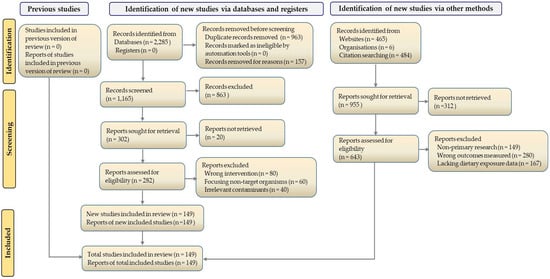
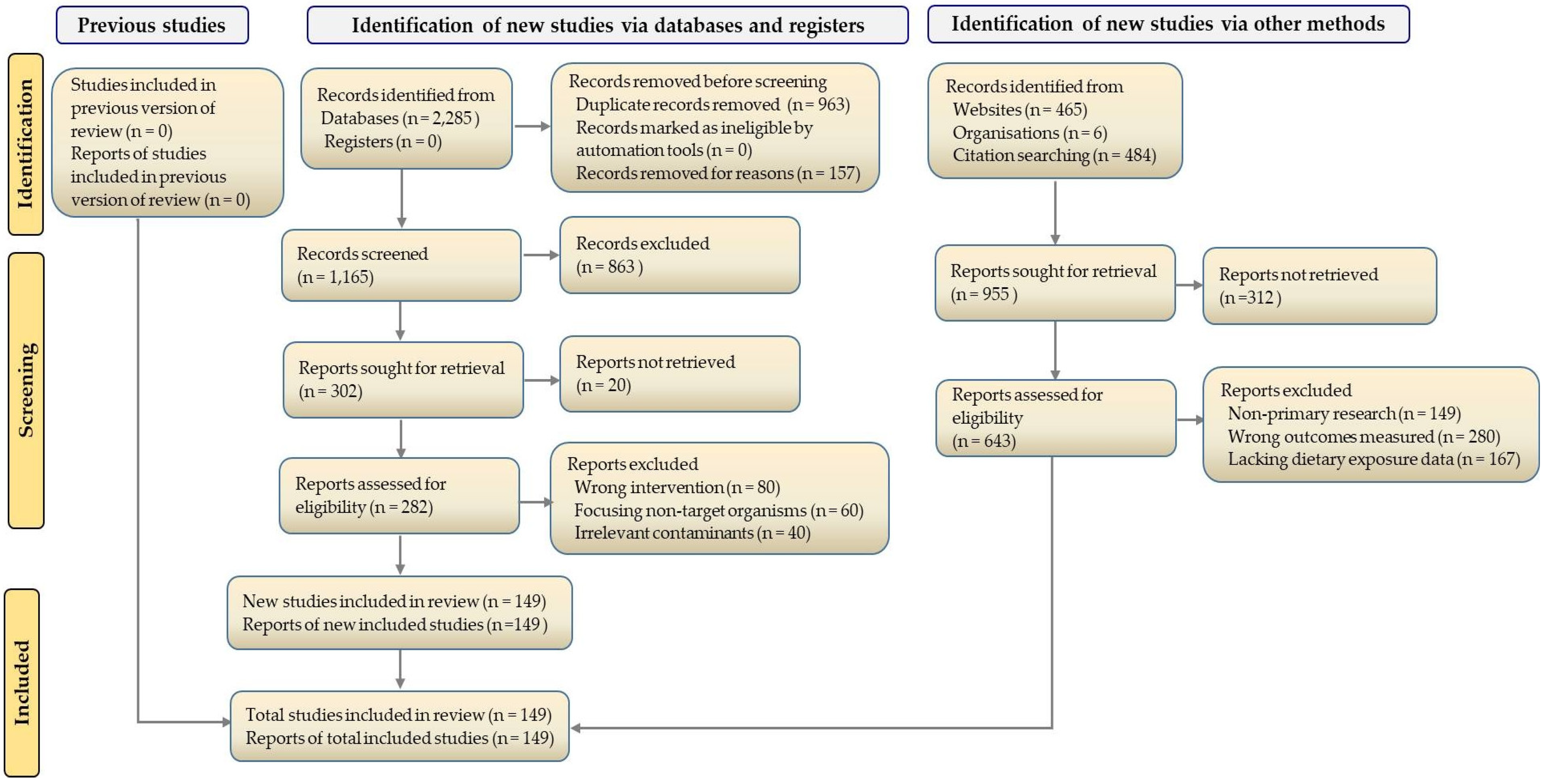
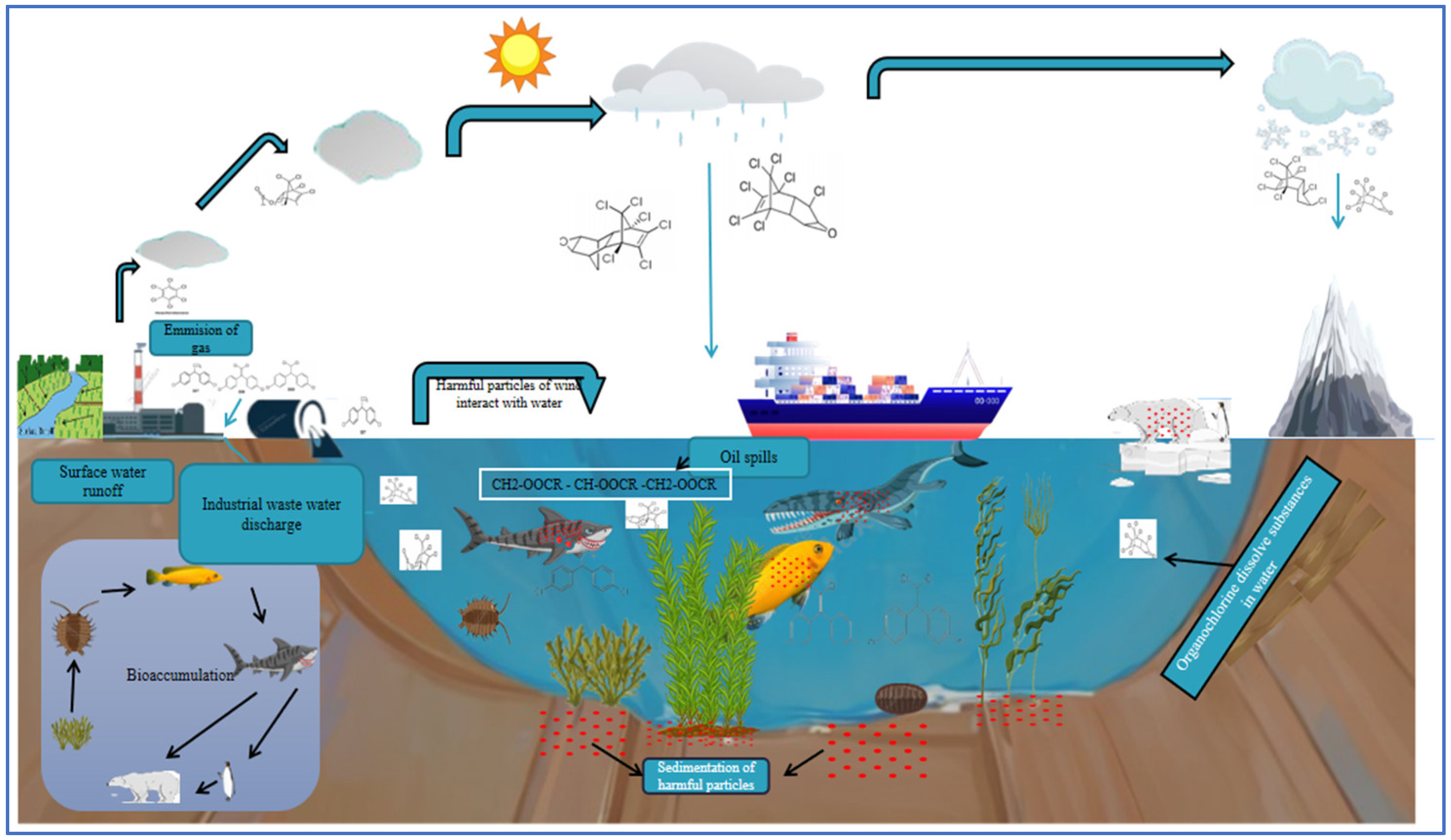
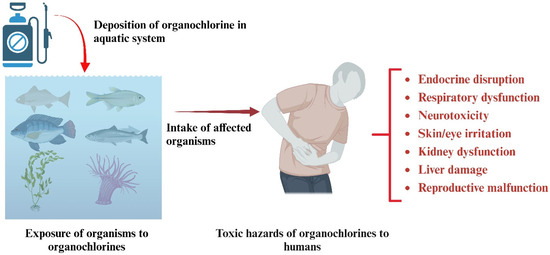
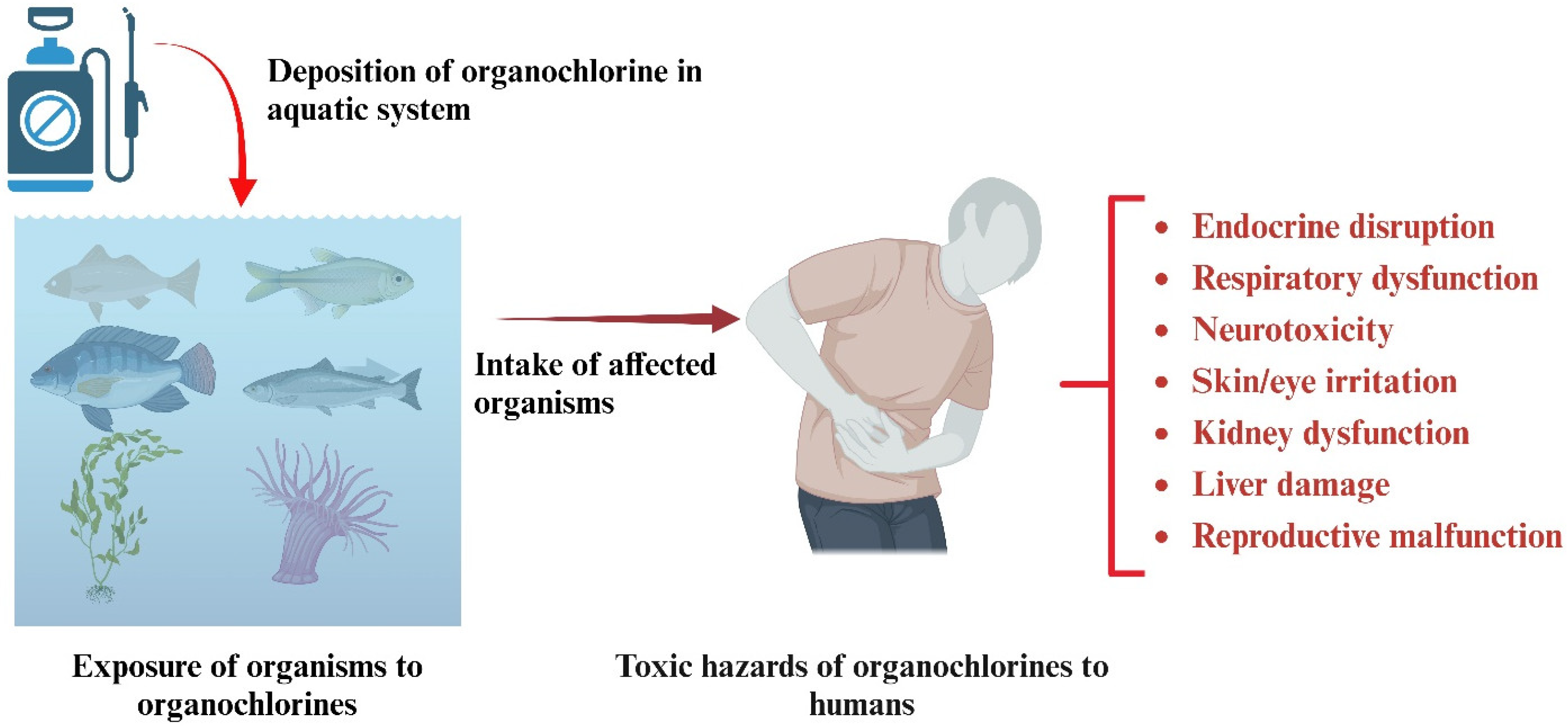
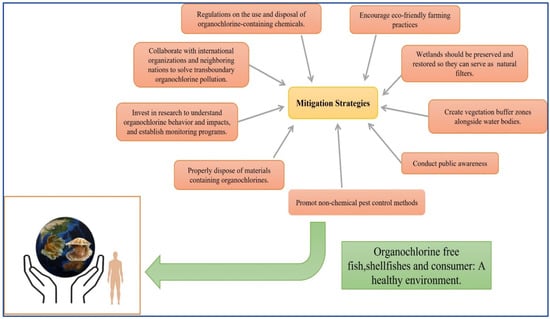
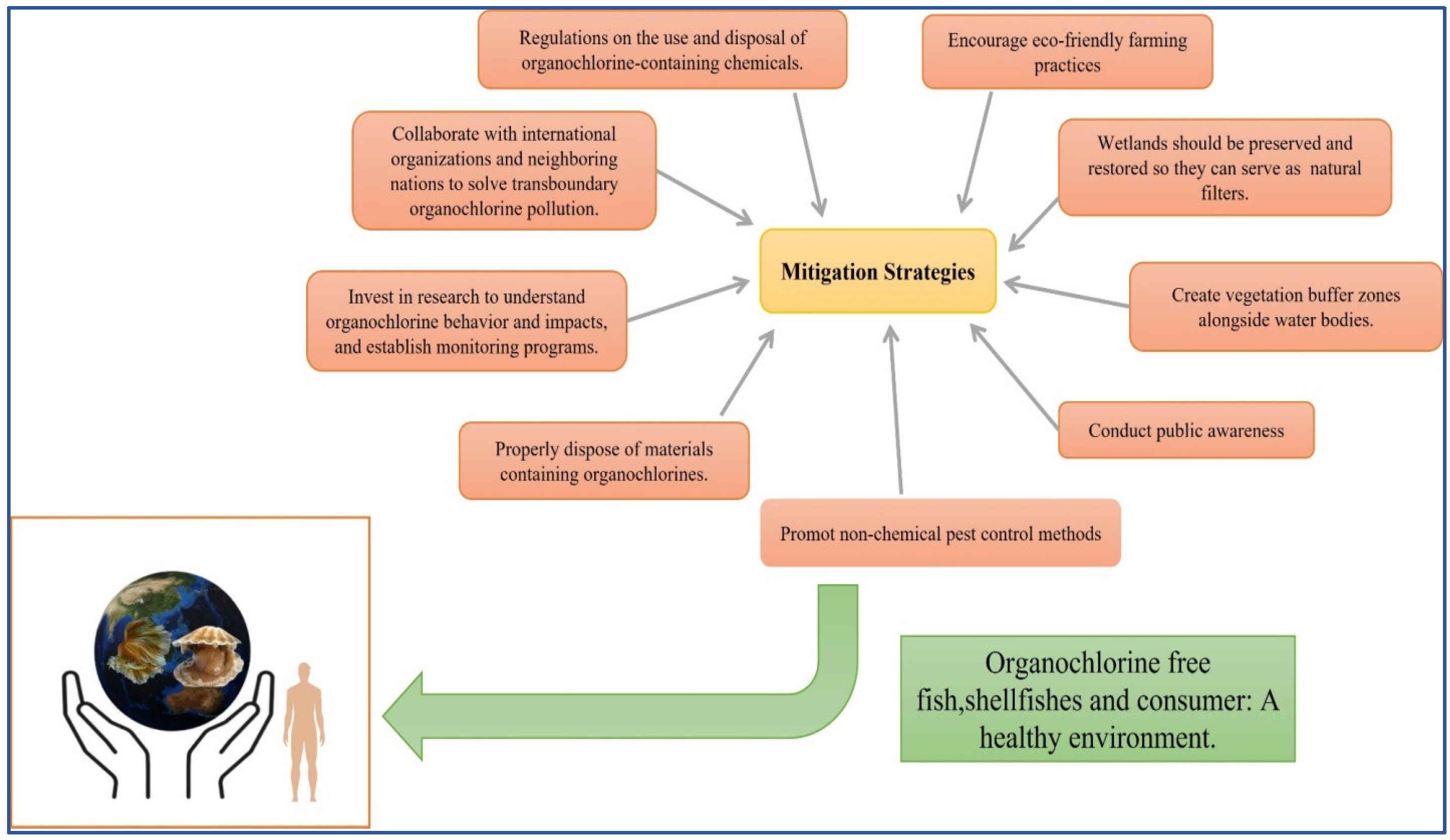
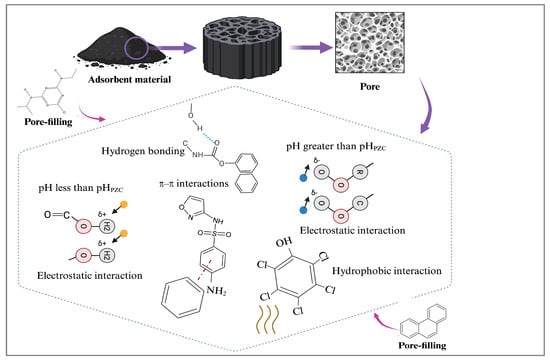
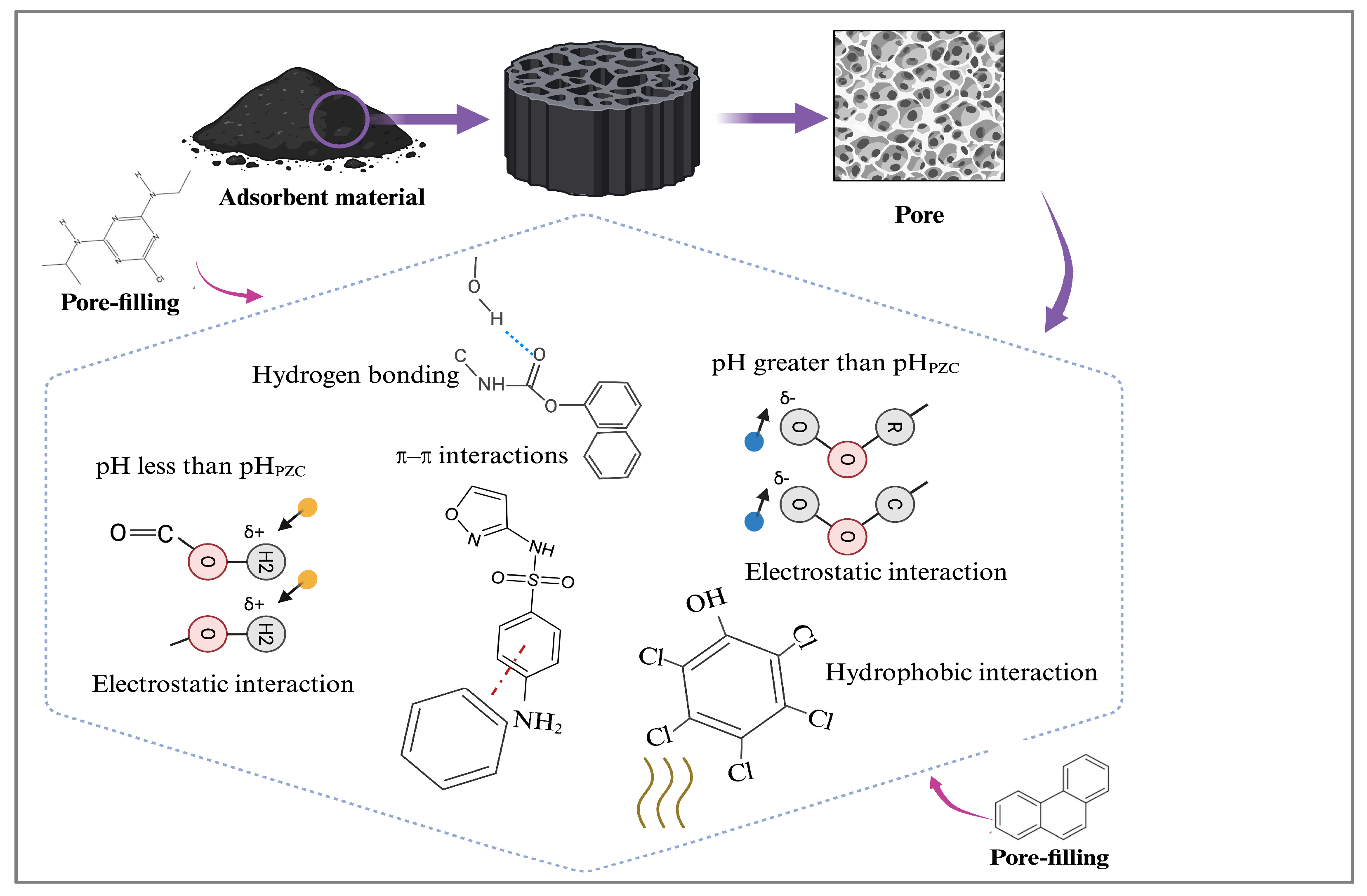

Disclaimer/Publisher’s Note: The statements, opinions and data contained in all publications are solely those of the individual author(s) and contributor(s) and not of MDPI and/or the editor(s). MDPI and/or the editor(s) disclaim responsibility for any injury to people or property resulting from any ideas, methods, instructions or products referred to in the content. |
© 2026 by the authors. Licensee MDPI, Basel, Switzerland. This article is an open access article distributed under the terms and conditions of the Creative Commons Attribution (CC BY) license.