


Abstract
Critical metals play a crucial role in advancing sustainable energy technologies, with their demand steadily increasing due to the global push for a circular economy. At present, critical metals are primarily extracted from mineral resources, but critical metal-contaminated soils could often be considered as an alternative source of these elements. There is a growing need for remediation approaches that not only decontaminate soils but also recover valuable metals, thereby aligning with the principles of a circular economy. This review aims to suggest soil remediation strategies able to tackle critical metals contamination, particularly those capable of extracting these elements (dual-purpose technologies). Existing studies indicate that critical metal-contaminated soils are commonly found near mining sites, but their increasing use is spreading these elements into the whole environment. Considering nickel as an example of critical metal, we examine some consolidated technologies which, in addition to remediation, enable the recovery of this critical metal from the soil. Phytomining demonstrated significant potential in extracting nickel from contaminated soils. Electrokinetic treatment and soil washing can be considered as a promising methodology to clean up soils, also facilitating nickel recovery.
1. Introduction
Soil is a fundamental natural resource that supports terrestrial ecosystems, agricultural productivity, carbon cycling, and biodiversity conservation. However, widespread industrialization, increased urbanization, and intensive agricultural practices have significantly degraded soil quality, making soil increasingly vulnerable to contamination by metals, metalloids, and other potentially toxic substances. Metal contamination in soils is considered as one of the most significant global environmental issues, raising serious concerns about the safety of agricultural products [1,2]. It is estimated that more than 5 million sites have been contaminated worldwide by heavy metals or metalloids [3]. Not being biodegradable, these pollutants can accumulate in soils, posing severe risks to ecosystems and human health due to their potential transfer along the food chain [4].
Among metals, growing interest has been directed toward “critical metals” (CMs), which are so defined not by their chemical or physical properties but by their economic significance and supply risk [5]. In this review, CMs refer to metallic elements within the broader category of critical raw materials. The global demand for mineral resources driven by the energy transition, digitalization, and the expansion of the electronics sector has placed considerable pressure on traditional supply chains, which are often geographically concentrated and associated with high environmental and social costs [6].
Efforts to address challenges associated with critical metals vary worldwide, with legislative frameworks emphasizing resource security, supply chain resilience, and environmental sustainability. According to the European Commission and the United States Geological Survey (USGS), CMs are economically and strategically important materials characterized by a high risk of supply disruption [7,8,9]. The EU adopted the Critical Raw Materials Act to ensure the supply of essential critical materials, while also seeking to promote their extraction, processing, and recycling in Europe. The Commission even plans to introduce restrictions on the export of scraps and the waste of critical materials in early 2026 [10]. Countries such as China, Japan, and Australia have introduced national policies focusing on mining, recycling, and trade regulations. Lists of critical materials for industrialized countries [11] include elements such as rare earth elements (REEs), antimony (Sb), tungsten (W), cobalt (Co), nickel (Ni) and platinum group elements (PGEs), many of which may accumulate in the environment as a result of anthropogenic activities. This situation has stimulated growing interest in secondary sources of CMs, such as mineral processing tailings [12], industrial waste, wastewater, sediments, and increasingly contaminated soils. Contaminated soils represent a largely overlooked secondary reservoir of critical metals.
Within the framework of the circular economy, sustainable soil management should go beyond conventional remediation and focus on the recovery, valorization, and reintegration of valuable resources into the production cycle. This approach could not only reduce pressure on natural ecosystems and primary mining but also transform contaminated sites from environmental liabilities into economic opportunities.
Unlike industrial wastes, contaminated soils require remediation, making metal recovery a co-benefit rather than a primary objective.
Despite growing interest in secondary sources of critical metals, the evaluation of contaminated soils as recoverable reservoirs is still lacking. The aim of this review is to evaluate current perspectives on the recovery of CMs from contaminated soils, considering this as an integrated strategy for both remediation and resource valorization. As a representative example of the dual nature of critical metals (contaminant/resource), the review examines the remediation of soils contaminated by nickel as a widespread soil contaminant and a key metal for batteries and energy transition technologies to be recovered.
2. Critical Metals in Contaminated Soils
2.1. Origin and Distribution in Soils
Beyond representing a contamination issue, the occurrence of CMs in soils defines their potential role as secondary resources, making the identification of their origin and spatial distribution essential for recovery-oriented remediation strategies. The presence of CMs in soils is strongly dependent on the geological background, and on the type and intensity of anthropogenic inputs. CMs may be released and accumulate in soils as a result of various anthropogenic activities related to the use of critical raw materials. The main sources include mining and metallurgical operations [12] which generate solid waste (tailings, processing residues) and acid mine drainage rich in metals and metalloids. The dependence on metals extracted from mining characterizes all industrialized countries [13,14] and is associated with significant environmental pollution [15,16,17,18]. During the mining and processing of minerals, CMs are among the elements most frequently released into the soil. The release and accumulation of mineral residues containing CMs contributes to soil pollution surrounding mining activity [14]. Furthermore, suspended particles released into the air can deposit metals onto the soil near mining areas [19]. Similarly, atmospheric deposition and urban traffic contribute to the accumulation of CMs in roadside soils [20]. While mining remains a dominant source, diffuse contamination in urban and agricultural soils is increasingly relevant for recovery-oriented remediation.
Further sources of soil pollution are the electronic and manufacturing industries, which use critical raw materials in various production stages, leading to the release of CMs such as nickel, cobalt, tantalum, niobium, and other rare elements into surrounding soils [21,22]. As the ecological transition advances, waste from electronic equipment continues to increase. This waste is often abandoned or not collected correctly [23]. Landfills and electronic waste management sites can represent contamination hotspots for critical elements like indium, gallium, nickel and cobalt [24].
Historically, a significant input of CMs in soil such as Ni has come from agricultural activities through the use of fertilizers and sewage sludge [25,26,27]. However, data on emerging critical elements remain scarce. Sewage sludge may also contain non-negligible amounts of elements such as vanadium, scandium, and rare earths deriving from industrial effluents [28,29].
2.2. Speciation, Mobility, and Bioavailability
As with all inorganic contaminants, the behavior of CMs in soil depends strongly on the specific properties of each element, as well as on the specific characteristics of the contaminated soil [30,31]. The characteristics of soil, such as pH, organic matter, clay content, and iron, manganese and aluminum oxi-hydroxides determine the specific chemical forms (speciation) in which elements occur (free ions, organic complexes, mineral phases, oxidized or reduced forms [32]. Speciation determines both the mobility of the CMs and the applicability of different remediation technologies [33]. From a recovery perspective, metal speciation is a key factor controlling the feasibility and efficiency of different remediation and recovery technologies, including soil washing, chemical extraction, and phytomining.
Considering CMs, such as Co and Ni, their behavior in soils is primarily governed by their interactions with organic and inorganic constituents. These interactions, mainly controlled by sorption processes, determine the distribution of elements among soil phases and ultimately regulate their mobility and bioavailability. Since bioavailability controls the transfer of elements from the soil solution to plants, it represents a key parameter for evaluating potential risks to human health through the food chain, but also the potential of remediation technology such as phytomining to recover CMs. High bioavailability may increase both ecological risk and recovery efficiency.
Among soil parameters, pH exerts the strongest influence on metal solubility. Under alkaline conditions, precipitation and hydrolysis reactions promote the formation of hydroxo-metal complexes, thereby reducing ion activity in the soil solution. Conversely, acidic environments enhance metal mobility by dissolving oxi-hydroxides and decreasing the complexation capacity of organic matter [30,31]. Clay minerals significantly contribute to metal retention through ion exchange and surface complexation mechanisms. Expandable clays such as smectite and vermiculite exhibit higher sorption capacities than non-expandable clays like kaolinite, making fine-textured soils generally more effective in immobilizing metals than sandy soils [33].
Although typically less abundant, soil organic matter strongly affects metal mobility through the formation of organo-metallic complexes. Low-molecular-weight fulvic acids increase solubility, whereas humic acids form stable complexes that restrict mobility. Functional groups such as carboxyl, phenolic, and amino groups are central to these interactions, whose stability increases with progressive humification, particularly under alkaline conditions [34]. The soil’s cation exchange capacity (CEC), controlled by the density of negative charges on soil surfaces, also modulates metal retention. Soils rich in clay and organic matter exhibit higher CEC and, consequently, a greater ability to retain metals through exchange reactions.
Finally, redox potential governs metal solubility by influencing the stability of oxyhydroxides. Under reducing conditions, their dissolution releases adsorbed metals, whereas the formation of insoluble metal sulphides can immobilize them. In many soils, Fe and Mn oxides serve as major sinks for heavy metals [35].
In addition to heavy metals, rare earth elements (REEs) are among the most important CMs. Like heavy metals, their behavior in soils is strongly influenced by soil pH [36], organic matter, clays and Fe, Al, and Mn oxides [37,38,39]. Thus, their solubility and bioavailability are controlled by a combination of these soil properties. Acidic conditions typically increase REE mobility, making them more available for plant uptake. In contrast, alkaline conditions tend to immobilize REEs through adsorption or precipitation. Organic matter has a dual effect: It can enhance solubility via complexation but may also limit bioavailability when organo-complexes are very stable. Plant uptake mechanisms for REEs appear similar to those for iron, suggesting a close link between REE cycling and iron dynamics [40]. Therefore, REE behavior in soils is dynamic and highly dependent on local geochemical and environmental factors [41]. The complex interplay of soil properties requires tailored remediation approaches for each site. Effective remediation strategies must consider the unique characteristics of both the soil matrix and the critical elements involved. Thus, bioavailability represents a dual parameter, simultaneously governing ecological risk and the effectiveness of plant-based or biologically assisted recovery approaches.
2.3. Pollutants or Resources?
In soils contaminated by CMs, remediation targets increasingly intersect with the opportunity to treat these sites as complementary or alternative secondary sources rather than solely as waste matrices. Traditional approaches to managing contaminated sites generally prioritize reducing contaminant levels in soil to meet legislative remediation targets established through risk assessment [15,42,43]. These strategies typically focus on treating the contaminated soil, with limited consideration of the environmental impact of the clean-up process, and even less of the potential to recover valuable materials from remediation byproducts. In such cases, the choice of remediation methods is often driven by cost-efficiency and the duration required to complete the intervention [44]. A notable limitation of these conventional approaches is disposal as waste, often sent to landfills. Given the pressing challenges of environmental sustainability, it is critical to adopt technologies that mitigate soil contamination risks while balancing ecological, economic, and community impacts. The traditional focus on merely reducing pollutant levels within contaminated soil is no longer sufficient. A more comprehensive perspective is needed, evaluating the entire remediation process in order to enhance environmental quality and promote sustainability [45,46]. In this context, the presence of CMs in soil raises a central question regarding whether these elements should be considered pollutants to be removed or valuable resources to be recovered. This “duality” represents both a challenge and an opportunity. While high concentrations of metals and metalloids pose serious risks to human health and ecosystems, they may also justify selective recovery based on economic criteria. A circular economy perspective requires an integrated approach, in which risk is assessed alongside resource potential, promoting technologies capable of transforming contaminated soils into potential alternative or complementary sources enabling both decontamination and the production of strategic materials. For soils contaminated with CMs, this dual-purpose strategy is essential, aiming at achieving both environmental restoration and critical metal recovery.
3. Technologies for CM Recovery from Contaminated Soils
3.1. Overview of Recovery Approaches
The recovery of CMs from contaminated soils presents a complex technical task that requires the integration of remediation and resource extraction principles. Unlike conventional ore processing, soils are highly heterogeneous matrices, often containing low and dispersed concentrations of target CMs. Therefore, recovery strategies must be carefully selected based on both technological feasibility and site-specific conditions (soil composition, CMs speciation, co-contaminants, land use constraints) (Figure 1).
Figure 1.
Remediation strategy of critical metal-contaminated soils.
Moving from a strictly risk-based remediation paradigm toward the sustainable valorization of contaminated soils would require coordinated regulatory, technological, and socio-economic adjustments. In this context, recovery-oriented technologies should be assessed not only in terms of risk reduction, but also with respect to resource efficiency and long-term land use. The technologies for CMs generally correspond to those applied for the remediation of heavy metal-contaminated soils, and the CM recovery approaches can be planned for both “ex situ” and “in situ” technologies. Generally, higher costs should be considered for “ex situ” technologies because the excavation and transport of contaminated soil to a treatment facility are necessary, but process controls to recover CMs are greater. In situ methods treat the soil in place, minimizing disturbance and cost, but typically require longer timeframes and exhibit lower CM recovery efficiencies. Each category encompasses a range of physical, chemical, and biological techniques aimed at concentrating, mobilizing, or extracting CMs from the soil matrix.
3.2. Physical and Chemical Extraction Methods
3.2.1. Soil Washing
Soil washing involves the use of water (physical SW) to separate different soil size classes or chemical solutions such as acids, chelating agents, surfactants (chemical SW) to extract metal contaminants from soil particles [47]. Physical soil washing, an ex situ process, involves mixing contaminated soil with water (or, occasionally, enhanced washing solutions), separating it into coarse and fine fractions through scrubbing, agitation, and gravity separation. These operations concentrate contaminants (such as CMs) in fine fractions. This allows the separation of fine, metal-rich particles from cleaner fractions, which can be reused on-site or safely disposed of as non-hazardous material [48]. Physical SW is a consolidated technology based on mineral processing technologies such as flotation or attrition [49].
The technique does not directly recover CMs but enables their concentration into fine soil fractions, thereby facilitating subsequent extraction and recovery steps. However, its applicability strongly depends on soil characteristics such as texture, pH, organic matter content, and CEC [50,51]. When CMs are strongly adsorbed or chemically bound to soil constituents, especially under neutral to alkaline pH, water alone is not sufficient to achieve their mobilization, and CMs tend to remain trapped in fine fractions. Thus, the granulometric separation offers a concentration effect: CMs are isolated in a smaller soil volume (typically about 30% of the total), thereby increasing the feasibility of downstream recovery operations (Figure 2).
Figure 2.
Schematic flow of physical soil washing with the aim of recovering CMs.
Chemical SW optimized for CM recovery may include acid leaching, particularly effective for REEs [41] and chelating agents (e.g., EDTA, citric acid) that enhance the solubilization of metals present in the contaminated soils as positive ions. However, issues related to reagent consumption, selectivity, secondary pollution, and post-treatment management must be carefully addressed. The technology is also applicable to CMs present in anionic forms in soils by the use of ionic liquids or deep eutectic solvents which have been successfully employed for tungsten extraction [52]. Physical SW and chemical SW can be used also in combination. The chemical leaching process may be preceded by a physical separation step to reduce the volume of contaminated soils requiring chemical treatment, significantly decreasing remediation costs.
3.2.2. Hydrometallurgical Processes
Adapted from primary ore processing, hydrometallurgical techniques involve three phases: the selective dissolution of CMs in a specific solvent, the separation of the metal from the solution, and the final recovery of metals in aqueous media [53]. Hydrometallurgical approaches are particularly efficient in recovering CMs in the field of industrial sludge valorization. Although traditionally applied to ores, sludges, and industrial residues, hydrometallurgical processes have recently been investigated for mining soil [54]. While these techniques offer high selectivity and scalability, they typically require preliminary soil pre-treatment (e.g., washing, sieving, or thermal treatment) and careful control of process parameters [55]. The technology can be considered a valorization process rather than a remediation one, but it is also important to study it as a potential field for the development of remediation technologies to recovery CMs in the near future.
3.2.3. Electrokinetic Remediation (EKRT)
EKRT is an in situ technique that employs a low-intensity direct electric current to create an electric field within contaminated soils, enabling the movement of contaminants toward the electrodes [56]. Electrodes are strategically placed in the soil, under a low-intensity direct electric current, which induces the movement of positively charged CM ions towards the cathode where they can be concentrated and subsequently recovered through electrode harvesting, electrolyte treatment, or secondary extraction processes [57]. The extent and direction of CM migration depend heavily on the soil’s characteristics, such as texture, pH, and organic matter, which determine the metal chemical forms. EKRT proves particularly effective in treating clay-rich soils, which are challenging for other remediation methods.
This technology relies on three transport mechanisms for moving pollutants: electromigration, electrophoresis and electro-osmosis. Electromigration is the movement of ions in the soil solution under the influence of an electric field. Cations travel to the cathode, while anions migrate to the anode. Electrophoresis concerns the movement of charged colloidal particles, including bacteria, caused by the applied electric field. Unlike ion migration, the charge on colloidal particles can vary with local conditions. Although mass transport via electrophoresis is negligible in low-permeability soils, it is significant for colloidal and micelle-sized particles. Electro-osmosis is the movement of interstitial water within the soil induced by the electric field transports solutes, depending on the soil’s surface properties and their interaction with contaminants [58,59,60].
Applying an electric field induces a series of chemical reactions (e.g., dissolution, precipitation, redox reactions, adsorption, and desorption) that significantly influence CM mobility and removal efficiency. The process depends on the surface charge of soil particles, which is generally negative. This charge forms a double layer near the solid surface, where immobile CM ions reside in proximity, while mobile ions migrate, dragging the interstitial solution toward the cathode. One of the main advantages of EKRT is the relatively high degree of control over CM transport pathways, even in low-permeability or heterogeneous soils.
Especially effective in fine-textured soils, EKRT mobilizes CM ions toward electrodes for selective collection and recovery (Figure 3). The process can be tuned to recover specific ions such as Co and Ni and rare earths from polluted soils, while minimizing environmental disruption [41,61].
Figure 3.
Schematic flow of EKRT with the aim of recovering CMs.
3.3. Bio-Based Recovery Methods
Biological processes are gaining attention as eco-friendly, low-energy alternatives for CM recovery from soils. These include bioleaching and phytomining.
3.3.1. Bioleaching
Bioleaching is a biotechnological process [62] that uses microorganisms such as bacteria (Acidithiobacillus ferrooxidans) or fungi (Aspergillus niger) to solubilize and mobilize CMs such as Nickel (Ni) from the solid soil phase of contaminated soils or mine tailings [63]. The metal-rich leachate can then be collected and processed to recover CMs in their pure form (Figure 4).
Figure 4.
Bioleaching scheme to recover CMs from contaminated matrices.
The use of microorganisms, particularly bacteria, as an alternative to hydrometallurgical methods can represent a complementary or alternative approach to conventional hydrometallurgical methods, in mining soils and sulphide minerals with low environmental impact [64,65]. Certain bacteria and fungi can solubilize metals through the production of organic acids or redox reactions; for example, Aspergillus niger produces citric acid, which can mobilize REEs [66]. These microbial processes are influenced by soil conditions, microbial community structure, and nutrient availability.
Another recent and interesting bioleaching study used siderophore molecules produced by a marine strain of Pseudomonas sp. as a bioleaching agent [67]. Siderophores are low-molecular-weight molecules and are mainly produced by bacteria and fungi. They form stable complexes with the ferric ion (Fe3+), making it soluble and thus facilitating its transport into plant cells. This study optimized the production of a siderophore by the Pseudomonas strain ASA235, increasing the percentage of units produced from 44.5% to 91%. The purified siderophore showed the ability to leach approximately 14.8% of the lanthanum from the anode of a dead NiMH battery. Although demonstrated on secondary materials rather than soils, this study highlights the potential of biologically produced chelating agents for selective REE mobilization, which may be transferable to soil matrices.
The metabolic pathways that microorganisms use for bioleaching are acidolysis, chelation, and redox, and different mechanisms can be involved in the same bioleaching reaction [68]. Microorganisms capable of bioleaching are generally acidophilic. Chemolithoautotrophic acidophiles, such as the biomining bacteria Acidithiobacillus ferrooxidans and Acidithiobacillus thiooxidans, use atmospheric CO2 as a carbon source and the Fe or S present in the CRM as an energy source. In this case, bioleaching reactions occur directly between the microorganisms and the CRM. Meanwhile, in the case of acidophilic heterotrophic microorganisms, bioleaching occurs in two successive steps; the microorganisms must first be supplied with organic carbon, preferably waste materials [69], which is used to produce a bioleaching agent that is then added, often with a reducing agent, to the critical material.
The efficiency of the technology depends on several factors, such as nutrient availability and the chemical characteristics of the specific waste material [66]. Though generally slower than chemical leaching, bioleaching offers higher selectivity, lower reagent use, and potential in situ applicability [70].
3.3.2. Phytomining
Phytoremediation is an environmentally sustainable and cost-effective in situ technology that utilizes plants to extract, stabilize, or degrade contaminants. For CMs, the most relevant mechanism is phytoextraction, whereby metals are taken up by plant roots and translocated to aboveground tissues [71,72,73]. This technique offers several advantages: low energy input, esthetic benefits, and minimal environmental disturbance. When properly managed, phytoremediation can also yield valuable biomass, aligning the method with circular economy principles.
Some hyperaccumulator plants can absorb CMs (e.g., nickel, cobalt, thallium) into their biomass. Hyperaccumulators are characterized by a great ability to extract metals from soil and transport them from the roots to the shoots [74,75]. Differently from simple phytoremediation, phytomining/agromining technology involves cultivating hyperaccumulator plants (called metal crops) on contaminated soils to obtain a biomass enriched in the target CM to be recovered [76,77,78,79] (Figure 5). Thus, the harvested biomass can be considered a bio-ore [80]. The technology has also been successfully proposed for REE, although most studies remain at the laboratory or pilot scale and field-scale demonstrations are still limited [80,81,82].
Figure 5.
Phytomining scheme to recover CMs from contaminated soil.
This approach is particularly attractive for low-grade, widespread contamination and offers the dual benefits of land restoration and resource recovery. In several hyperaccumulator species, bioaccumulation and translocation factors greater than 1 have been reported, indicating an effective uptake and accumulation of target metals under specific soil and environmental conditions [83]. To date, more than 800 plant species exhibiting hyperaccumulation capabilities have been documented across a wide spectrum of taxonomic groups. Despite their considerable potential for metal recovery and environmental remediation, a large proportion of these plants remain unsuitable for field-scale phytomining applications. This limitation primarily arises from their inherently low biomass yield, suboptimal agronomic characteristics, and limited tolerance to the adverse edaphic conditions typically encountered in contaminated sites. Nevertheless, agronomic interventions—such as the optimization of planting density and the enhancement of nutrient availability through targeted fertilization—may substantially improve the growth performance and biomass productivity of hyperaccumulator species. The efficiency of metal uptake and storage in plants is largely governed by the bioavailability of metals within the soil matrix. This, in turn, is influenced by factors including soil pH, oxygen concentration, nutrient composition, and the presence of both inorganic and organic co-contaminants.
In contaminated soils, phytomining and agromining should be framed not solely as remediation technologies but as components of an integrated resource recovery platform [77]. While the land demand associated with large-scale metal production limits their ability to compete with conventional mining, these approaches can complement traditional extraction by targeting low-grade metal concentrations in soils and overburden that remain below economic cut-off values. Through the use of hyperaccumulator species, metals dispersed at trace levels in soil can be concentrated into biomass, effectively generating a secondary bio-ore [76,77,78,79]. The technical and economic feasibility of this strategy, however, depends on its coupling with downstream hydrometallurgical processing. Subsequent hydrometallurgical steps including alkaline washing, acid leaching under controlled temperature and residence time, and selective precipitation enable high recovery efficiencies and create opportunities for internal reagent reuse [80].
These technologies vary significantly in terms of development level, cost, energy demand, and environmental impact. Emerging methods, such as the use of microbial-assisted recovery, are still often confined to the pilot scale, whereas others (e.g., soil washing, acid leaching) are already well-established but raise concerns regarding chemical use and secondary waste generation.
Given the diversity of soil conditions and CM types, “train technologies” can be used, combining, for example, physical soil washing followed by bioleaching of fine fractions [84]; microbial inoculation to enhance plant uptake for phytomining [85]; and chelating agents to enhance EKRT efficiency [86]. In particular, the fundamental interaction between plant roots and rhizospheric bacteria contributes significantly to the effective uptake of metals from contaminated soils. Plant roots communicate with microorganisms in the rhizosphere via chemical signals, leading to the formation of biofilms of beneficial bacteria. Some bacteria possess unique properties, which promote the mobilization and bioavailability of metals for plant uptake. Thus, microorganisms and the plant act as a single evolutionary and functional organism [85]. Some characteristics of the most relevant CM recovery technologies are reported in Table 1 to summarize their target elements, operational principles, benefits, limitations, and practical applicability.
Table 1.
Summary of CM remediation and recovery technologies from contaminated soils [41,47,48,49,52,54,55,57,58,59,61,64,65,66,70,76,77,78,79,80].
3.4. Critical Outlook on CM Recovery from Contaminated Soils
Despite the growing interest in recovering CMs from contaminated soils, the practical implementation of most recovery-oriented technologies remains constrained by technical, economic, and regulatory limitations. A primary problem lies in the intrinsically low and spatially heterogeneous concentrations of CMs in soils, which often fall below the thresholds required for economically viable recovery. As a result, many approaches currently enable contaminant mobilization or concentration rather than the direct production of marketable metal products.
Another key limitation concerns the scale of technological maturity. While soil washing, chemical leaching, and electrokinetic remediation are well-established for contaminant removal, their adaptation to metal recovery is frequently demonstrated only at the laboratory or pilot scale. In contrast, bio-based approaches such as bioleaching and phytomining, although attractive for their low environmental footprint, are typically characterized by slow kinetics, which constrain their short-term applicability at the field scale.
From an environmental perspective, recovery-oriented remediation may introduce new trade-offs. The use of leaching agents, persistent chelating agents, or energy-intensive processes can generate secondary waste streams, increase energy demand, or pose risks to soil functions if not properly managed. Consequently, the net sustainability of CM recovery from soils must be evaluated through integrated life-cycle and risk-based assessments rather than solely on metal recovery efficiency.
In conclusion, the recovery of CMs from contaminated soils should be regarded as a site-specific opportunity rather than a universally applicable solution. Future research should therefore prioritize the identification of threshold conditions under which CM recovery becomes technically and economically viable, alongside the development of regulatory frameworks capable of considering soil valorization without compromising environmental protection.
3.5. Soil Reuse After Remediation and CM-Oriented Recovery Processes
Once heavy metals (Ni, Co), rare earths or other CMs have been recovered from contaminated soils either through chemical, biological, or physical remediation from within a circular economy perspective, soil can be treated as a valuable resource that can be regenerated and reintegrated into the productive system.
Based on the used remediation technology, post-recovery soils with reduced contaminant concentrations may retain their physical structure (porosity, texture), residual organic matter and nutrients.
To support soil reuse after CM recovery, it is essential to quantify the chemical, physical and biological functionality of the soil. Chemical quality is determined by residual metal concentrations and nutrient content (N, P, K), pH, salinity, and organic carbon. Physical quality is related to parameters such as aggregation, permeability, water retention, bulk density and compaction risk. Microbial biomass and diversity and enzymatic activity determine the residual biological activity [87].
Post-remediation soil must meet the quality requirements for its destination according to the concept of “fit-for-use”. Several indices and risk-based approaches can help to determine whether the soil meets the standards for reuse in agriculture, urban environments, or as construction fill [88,89,90]. However, the most important issue is the legislative context.
In many countries, regulatory uncertainty remains about when remediated soil can be effectively reused without further legislative constraints. The integration of soil into circular economy flows requires clear end-of-waste criteria for soils after treatment, including guidance on acceptable uses depending on post-treatment soil quality [91]. When CM recovery is combined with soil rehabilitation, the resulting system not only reduces waste and pollution, but closes material loops by returning both elements and substrate to the economy.
Table 2 provides an overview of the most relevant enablers and barriers related to CM recovery from contaminated soils, according to a SWOT framework: Strengths [11,12], Weaknesses [41], Opportunities [12], Threats [91].
Table 2.
Framework of SWOT analysis of CM recovery from contaminated soils.
As this table illustrates, while there is increasing political and financial support for CM recovery, significant systemic barriers persist. For example, most legislations do not yet distinguish between traditional pollutants and recoverable critical elements. As a result, projects aiming to valorize contaminated soils often face the same procedural burdens as conventional remediation, despite offering substantial potential added value. Furthermore, many recovery methods and their economic viability are highly site-dependent, affected by factors such as CM concentration, land ownership, and soil heterogeneity. In some cases, even when a technology is theoretically effective, it may not be economically or socially acceptable without robust stakeholder engagement and appropriate incentives.
This analysis highlights the dual nature of the current situation: on the one hand, the growing strategic relevance of CMs and the policy drive supporting the circular economy create a fertile ground for innovation. On the other hand, the field still lacks clear legislative pathways, widely accepted risk–benefit models, and sufficient case studies to serve as references.
Overcoming these barriers will require multidisciplinary collaboration between environmental scientists, policy makers, economists, and industry stakeholders. Only through such integrated approaches can the recovery of CMs from contaminated soils evolve from a scientific opportunity to a sustainable practice.
4. Remediation of Nickel-Contaminated Soils with the Aim of Recovering a Critical Metal
The ongoing shift in soil remediation from a purely risk-based approach toward the integration of resource recovery can be illustrated using nickel (Ni) as a representative case study among CMs.
Nickel has been selected for several compelling reasons. Firstly, it is a well-characterized element, extensively studied in environmental and geochemical contexts, with its behavior in soils and biota widely documented [92,93]. Moreover, Ni exemplifies the complex nature of heavy metals due to its dual role: It is essential for various biological functions at trace levels [94,95,96,97], yet becomes toxic at elevated concentrations [98,99].
Nickel is naturally widespread in soils, either through geogenic processes or anthropogenic input, and is simultaneously one of the most industrially exploited metals. Its applications span numerous sectors, including metallurgy, chemical manufacturing, electroplating, battery technology, and electronics [100]. This dual identity, both as a biological micronutrient and an industrially strategic element, places Ni at the intersection of environmental protection, public health, and sustainable resource management.
From a regulatory standpoint, Ni is a key parameter in environmental monitoring. It is subject to stringent thresholds in soil and agricultural legislation due to its potential ecotoxicological effects. Particularly, before reaching concentrations that pose direct risks to human health, Ni can cause phytotoxicity, leading to reduced plant growth, compromised crop yields, and impaired soil fertility, so there are many studies in the agronomic field on this CM [101].
The fate and mobility of Ni in soils are highly influenced by intrinsic soil properties such as pH, redox conditions, organic matter content, cation exchange capacity (CEC), and clay mineralogy [102,103]. These factors collectively regulate Ni speciation, bioavailability, and the potential for leaching or plant uptake. A thorough understanding of these interactions is fundamental to designing sustainable remediation strategies, especially when recovery of the metal is a primary objective in conjunction with risk mitigation.
4.1. Nickel as a Critical Metal
In recent years, the global transition toward low-carbon energy systems, particularly solar and wind power, has intensified the demand for efficient energy storage technologies. Lithium-ion batteries (LIBs), which currently dominate this field, rely heavily on Ni for their cathode materials. Owing to its high energy density, thermal stability, and electrical conductivity, nickel is a key component in several LIBs, such as NMC (nickel–manganese–cobalt) and NCA (nickel–cobalt–aluminum) [100,104].
The rising deployment of electric vehicles, stationary energy storage systems, and portable electronics is projected to drive an exponential increase in global Ni consumption [105,106]. However, the availability of high-grade nickel ores is declining, and the global supply is concentrated in a few countries, leading to concerns over supply security and geopolitical risk. For these reasons, Ni has been classified as a critical raw material in several strategic frameworks, including those of the European Union and other major economies [9,104].
Beyond its role in energy storage, Ni remains essential for the production of stainless steel and corrosion-resistant alloys, which account for most of its industrial use. This persistent and diversified demand, coupled with constrained supply, has underscored the importance of exploring alternative sources, including secondary recovery from industrial wastes, spent batteries, and even contaminated soils [107].
Innovative approaches such as phytomining, bioleaching, chelant-assisted washing and EKRT are being increasingly studied not only for remediating Ni-contaminated sites, but also for the selective recovery of Ni as part of a circular economy model. Such strategies support the principles of sustainable soil management and contribute to reducing reliance on primary mining operations.
4.2. Technologies for the Remediation and Recovery of Nickel from Contaminated Soils
In the context of soil remediation oriented towards the recovery of Ni, four primary technological approaches are recognized: chemical extraction, physical separation methods, phytomining, and electrokinetic remediation (EKRT). Each method offers distinct advantages and limitations, often dictated by soil characteristics, contaminant speciation, and recovery objectives.
4.2.1. Chemical Soil Washing
Chemical washing involves mobilizing and desorbing heavy metals, including Ni, from soil particles using inorganic acids (e.g., nitric acid, hydrochloric acid), organic acids (e.g., citric acid), or chelating agents, with ethylenediaminetetraacetic acid (EDTA) being the most commonly used [108]. These agents enhance metal solubility and facilitate their removal from the soil matrix.
An interesting application of chemical SW for Ni remediation is the use of EDTA and organic acids (citric, oxalic, and tartaric) as washing agents. The results of soil washing experiments showed Ni removal rates increase up to 80% due to the organic acid’s capacity to decrease soil pH, promoting its mobilization [109]. At the end of the process, the treatment of wastewater by advanced oxidation processes (AOPs) leads to the destruction of the metal–organic complexes, so that the metal (including nickel) can be recovered by precipitation.
However, the high operational costs, potential environmental risks, and an economically unviable concentration in most contaminated soils limit the widespread application of chemical extraction. It is often more economically viable for treating high-value waste streams or end-of-life products rather than complex matrices like soils [110,111,112].
In addition, chemical soil washing may alter soil physico-chemical properties, potentially impairing its future reuse. Strategies for metal recovery from extractant solutions (e.g., precipitation, ion exchange) are under development but require further optimization for Ni in dilute and complex leachates [113].
4.2.2. Physical Soil Washing
As previously stated, physical soil washing exploits the differential distribution of contaminants across soil particle sizes. Ni, like other heavy metals, tends to associate preferentially with fine particles, while coarser fractions generally remain less contaminated [114]. Physical SW separates the most contaminated particles which, in turn, can undergo chemical extraction with specific reagents [115,116].
Despite this potential, relatively few studies have explicitly addressed the recovery of Ni from fine soil fractions generated by physical washing, highlighting a relevant research gap that deserves further investigation.
4.2.3. Phytomining
Nickel is one of the few heavy metals for which phytomining has demonstrated concrete results [117,118,119]. In this approach, hyperaccumulator species (e.g., Alyssum murale, Berkheya coddii) are cultivated on Ni-enriched soils. These plants can accumulate over 1% Ni in dry biomass (classified as hypernickelophores [120,121], which is then harvested and incinerated to produce a bio-ore suitable for Ni extraction.
Such a strategy is particularly suited for Ni-rich sites, including Ni mines, smelter-impacted zones, beneficiation tailings, and Ni-contaminated soils [122].
The selection of appropriate plant species is essential for successful Ni phytomining. Native species are often preferred due to their adaptation to the local environment, including climate and soil conditions. Additionally, suitable plants must offer practical advantages such as easy seed collection, high germination rates, and vigorous growth [123].
The development of viable phytomining technologies relies heavily on the adoption of effective agronomic practices [124]. Research conducted since the first field trials in 1995 has greatly advanced our understanding of Ni phytomining [125]. Field experiments with Alyssum murale have reported a concentration of Ni in the biomass higher than 34,000 mg/kg [126], highlighting its potential as a cost-competitive source for metal extraction.
The recovery of Ni from hyperaccumulator-derived biomass represents an essential step in rendering phytomining and agromining technologically viable. In contaminated soils, this phase is central to a sustainable remediation framework, as the transition from simple contaminant removal to controlled metal recovery can reduce net environmental burdens, improve resource efficiency, and partially compensate remediation costs through valorization of the extracted Ni [80].
Substantial efforts have been devoted to developing hydrometallurgical routes for treating Ni-rich plant material and the corresponding ash residues [80]. Processing strategies generally follow three main pathways: (i) thermal conversion of biomass to ash followed by reductive smelting to produce metallic Ni; (ii) hydrometallurgical treatment based on leaching of dried biomass or ash with subsequent recovery from solution; and (iii) integrated hydrometallurgical schemes in which controlled combustion enhances Ni concentration and modifies its speciation, thereby improving downstream leaching performance [80].
The selection of the optimal route must consider not only metallurgical efficiency but also life-cycle impacts, energy demand, reagent consumption, waste generation, and local infrastructure availability. Capital and operational costs, product value, residue management, technical expertise, and market access all influence feasibility. Within a sustainable remediation perspective, process integration should therefore aim to maximize metal recovery while minimizing secondary environmental impacts, ensuring that Ni extraction from contaminated soils supports circular economy principles and long-term site management objectives [76,77,78,79,80].
Worldwide, more than 500 plant species capable of hyperaccumulating Ni have been documented [76,127,128]. Agronomic trials have demonstrated several strategies for enhancing Ni uptake by plants such as fertilization using nitrogen, phosphorus, and potassium, along with organic matter and growth regulators, which can increase biomass production without significantly reducing shoot Ni concentrations. Adjusting soil pH and introducing beneficial microorganisms improve Ni availability in the soil, thereby increasing plant uptake and Ni yield [126].
Furthermore, repeated cropping of hyperaccumulators can enhance the mobilization of previously immobile Ni forms into bioavailable states, thereby sustaining Ni recovery over time. The progress of Ni phytomining [129,130] may contribute significantly to reducing Ni supply risks for industrial production [131].
4.2.4. Electrokinetic Remediation (EKRT)
EKRT has been reported to reduce the Ni concentration in contaminated soil by about 60%, by enhancing metal mobilization following acidification at pH 3.0; further Ni removal of about 75% was obtained by the addition of surfactants [132]. The study showed the effectiveness of EKRT in facilitating the removal of Ni from contaminated soils in the electrode compartments; further recovery steps may be applied.
A series of experimental trials were conducted under varying conditions, revealing that the efficiency of metal extraction is significantly influenced by the pH of the purging solution. Specifically, a reduction in pH was found to enhance nickel mobility and decrease its adsorption affinity to soil particles. Corresponding removal efficiencies were observed as follows: 65.2% at pH 3, 58, 8% at pH 5, and 51.6% at pH 7.
Moreover, the introduction of a surfactant into the remediation process led to a marked increase in Ni removal efficiency, reaching up to 74.8%. These findings suggest that surfactants can serve as an effective enhancer in electrokinetic soil decontamination strategies. The positive results of EKRT on Ni removal (about 50%) were also obtained in contaminated clayey soil [133]. In this research, a remediation procedure for Ni removal from polluted soil was successfully carried out by combining EKRT with a zeolite-based permeable reactive barrier. The efficiency of the procedure was strictly linked to the possibility of counteracting the effect of the alkaline pH of the soil, which promotes the precipitation of nickel as hydroxide compounds within the soil matrix. Enhanced removal efficiencies (about 55%) were observed in experiments where zeolite-based permeable reactive barriers were strategically positioned in the EKRT configuration and acetic acid solution was employed both for soil preconditioning and as the cathodic flushing agent. Coupling EKRT with activated carbon barrier showed successful results, with a removal of about 50% of the metal from kaolinitic soil and kaolinite [134,135].
Despite its benefits, EKRT has limitations. Its efficiency decreases in soils with high buffering capacity, as achieving the necessary acidity for metal solubilization becomes difficult. Additives may be required to mobilize Ni, but these can raise environmental concerns, such as increased leaching. Soil heterogeneity and high concentrations of competing ions can also reduce effectiveness. This means that, at present, EKRT requires further refinement to enable economically viable recovery of Ni from contaminated soils [136].
4.2.5. Bioleaching
Most bioleaching studies on nickel recovery have been conducted on ores, tailings, or industrial residues rather than on soils; nevertheless, these systems provide mechanistic and operational insights that are relevant for evaluating the potential transferability of bioleaching to contaminated soil matrices.
Bioleaching of the low-grade sample using mesophilic bacteria at 0.5% pulp density achieved an impressive Ni recovery of 99% after 13 days, while treatment with moderately thermophilic bacteria resulted in 100% dissolution within 9 days. Various mining industries have used autotrophic bioleaching for nickel, copper, zinc, gold, and cobalt from minerals such as chalcopyrite, sphalerite, and laterite (rich in iron and sulfur) [137]. The extraction of Ni from the sulfidic tailings was studied using a consortium of moderately thermophilic microorganisms capable of oxidizing both iron and sulfur. The introduction of these microbes significantly improved metal recovery, which was roughly three times higher than abiotic controls. After 30 days of bioleaching, the process achieved recoveries of 98.2% for Ni.
Leaching efficiency was strongly influenced by pH. Ni recoveries were higher when the initial pH was very acidic; authors suggested that elevated redox potentials at this pH favored microbial activity and promoted more efficient leaching of the metal [138].
Bioleaching with mixed autotrophic and heterotrophic communities is an interesting approach [139]. Indeed, the greater efficiency of microbial consortia compared to single strains has been widely demonstrated, where the powerful synergistic effect of the different microbial competencies of autotrophic and heterotrophic acidophiles comes into play.
Khandan et al. [65] conducted a study on microbial leaching using mixed mesophilic bacteria to process five nickel-containing ophiolitic ore samples, primarily composed of sulfide minerals.
It has long been known that white rot fungi can biodegrade and transform organic contaminants such as pesticides, herbicides, polyaromatic compounds, and xenobiotics. Recently, it has been shown that these fungi can also convert toxic heavy metals such as chromium, lead, and cadmium into non-toxic forms by accumulating them in their cell walls [140].
A recent study [141] on the use of the fungus Trametes versicolor OG2 highlights its potential in bioleaching Ni from chromite, olivine, and serpentine residues. This fungus produces various organic acids, such as oxalic acid and citric acid. After 7 days of treatment at pH 5, recoveries of 41.82% of Ni from olivine and 30.97% from serpentine were achieved. Another research [70] explores the oxidative bioleaching of Ni from two arsenic-rich ores of different grades using mesophilic and moderately thermophilic bacteria. Mesophilic cultures achieved nearly complete (99%) Ni extraction within 10–28 days, far outperforming abiotic and chemical leaching, which showed much lower recoveries, ranging from about 7–26%. Thermophilic strains also showed high efficiency, fully dissolving nickel from low-grade ore and reaching about 63% recovery from the high-grade sample. Corresponding abiotic and chemical tests achieved only 19–45% dissolution.
Further studies on bioleaching have shown the potential of this technology to recover nickel from several waste sources [142,143], including e-waste, which is produced in ever-increasing quantities [144]. The efficiency of the technology is largely determined by several factors, such as nutrient availability and the chemical characteristics of the specific waste material [66,145]. A recent study has also reviewed and evaluated the effect of some parameters, including pH and redox potential, on the technology’s efficiency [146].
The knowledge acquired from Ni bioleaching applied to waste and ore matrices provides a valuable basis for assessing the potential and limitations of extending this approach to contaminated soils, even though this is a very complex matrix and with a generally lower concentration of Ni.
In conclusion, Ni represents one of the most favorable cases for exploring the integration of soil remediation and critical metal recovery. Nevertheless, even for Ni, the transition from contaminant removal to economically viable recovery remains challenging and strongly site-dependent. Among the available technologies, phytomining currently offers the clearest pathway toward actual metal recovery from soils, while chemical washing, EKRT, and bioleaching primarily serve as mobilization or concentration steps requiring further downstream processing.
4.3. Economic Considerations of Nickel Recovery from Contaminated Soils
The recovery of Ni from contaminated soils not only contributes to environmental remediation but also represents a promising opportunity from both an economic and a strategic resource perspective. With Ni classified as a critical raw material by many industrialized countries, interest in alternative sources of supply is rapidly growing. The market value of Ni has experienced significant fluctuations in recent years due to supply disruptions, geopolitical tensions, and increasing demand from the electric vehicle (EV) and battery sectors. As of mid-2025, Ni prices are estimated to be around 15,000 USD per metric ton for primary-grade nickel, with higher premiums for battery-grade sulfates and high-purity products [142]. Table 3 provides a broad economic evaluation of selected technologies for nickel recovery from contaminated soils. Nickel prices are subject to significant market volatility; therefore, the values reported here should be regarded as indicative and used primarily for comparative purposes.
Table 3.
Technologies for nickel recovery from contaminated soils. Reference Ni price: ~15,000 USD/ton ≈ 15 USD/kg [147].
Recovery efficiencies and costs depend strongly on soil properties, metal speciation, process design, scale of application, and local economic conditions.
In phytomining scenarios, Ni concentrations in biomass of hyperaccumulator species can reach up to 3–4% of dry weight, with average values ranging between 1 and 2, meaning that, from 1 ton of dried biomass, one can theoretically extract about 10 kg of nickel. Assuming a mean Ni price of 15,000 USD/ton, for 10 kg Ni, the gross metal value of 10 kg Ni is approximately ~150 USD per ton of biomass. Field trials with Alyssum murale have reported biomass yields of 10–15 tons/ha/year under optimized conditions [126], implying a potential gross income of 1500 USD/ha/year, depending on Ni content and extraction efficiency. These data may be further improved by optimizing agronomic practices and implementing multiple harvest cycles per year [77,78].
In the case of soil washing, where Ni is concentrated in fine-grained fractions, recovery could become economically attractive if the Ni content in these fines reaches >0.3–0.5%. This condition is typically met only in some mining-impacted soils or industrial areas [148,149]. Processing such fines may be integrated into existing metallurgical operations, reducing the need for new infrastructure.
Electrokinetic remediation, although more costly (up to 50–100 USD/m3 of treated soil), can offer competitive value when Ni concentrations exceed 100–200 mg/kg; the metal is selectively recovered from the catholyte and the technology is applied in confined, high-value sites (e.g., brownfields, industrial lots) where land value increases after remediation.
Bioleaching offers an environmentally friendly and potentially cost-effective alternative to conventional mining, especially when applied to marginal soils. Operational costs related to site preparation, microbial inoculum production, nutrient addition, pH control, aeration (if required), and process monitoring are generally low [150]. The results obtained in the field of metal recovery from waste containing Ni indicate that the economic viability depends heavily on the amount of Ni that can be biologically mobilized and subsequently recovered. Advances in microbial consortia optimization and process conditions can significantly improve yields [150,151].
A key problem is that Ni concentrations in typical contaminated soils (e.g., 50–300 mg/kg) may not support immediate profitability unless recovery is combined with regulatory incentives, such as, for example, those introduced by the European Parliament and Council [152] concerning the Critical Raw Materials or with co-benefits linked to soil remediation and land value enhancement. The recovered Ni from contaminated soils represents a value-generating co-product which can allow part of the treatment costs to be offset, while simultaneously delivering environmental benefits, regulatory compliance, and land value enhancement. Within this framework, even moderate recovery efficiencies may become economically meaningful, particularly in policy contexts that recognize CM recovery as a strategic component of circular economy and soil management policies.
5. Conclusions
The recovery of CMs from contaminated soils represents a promising and underexplored pathway at the intersection of sustainable remediation and circular economy strategies. As discussed in Section 3, the remediation technology to be adopted should be consistent with the strategic need for a transition from dissipative to conservative models in the use of critical resources. Such an assumption leads to viewing soils contaminated by CMs not merely as an isolated problem to be removed, perhaps through landfill disposal, but rather as a topic at the interface between the major strategic sectors on which future development depends: energy and materials.
Within the broader issue of critical materials, a systemic vision now appears indispensable, one capable of integrating the cycles of resources and residues and enabling action on the complex network of flows connecting the environment, the production system, and consumption structures. As presented in Section 2.3, the primary objectives thus become maximizing the recycling of CMs, with the reducing the extraction of scarce and energy-intensive resources from the environment, and minimizing the potential hazards associated with their industrial transformation.
Future research should therefore focus on identifying the best conditions under which CM recovery from soils becomes technically, economically, and environmentally viable. As presented in Section 4, priority areas include the development of selective and low-impact extractants, the optimization of agronomic practices for phytomining, the coupling of remediation technologies with efficient downstream metal recovery processes, and the integration of life-cycle assessment and risk-based frameworks. From a regulatory perspective, adaptive policies will be required to provide soil valorization approaches while ensuring the protection of soil functions and ecosystem services.
In this sense, as discussed in Section 3.5, post-recovery soil reuse, whether in agriculture, green infrastructure, etc., could complete the circle, ensuring that both CMs and soil ecosystem functions are returned to productive cycles. However, several difficulties remain, due to the low and heterogeneous concentrations of CMs in contaminated soils, and the need for regulatory frameworks that recognize both the CMs and the remediated soil as usable materials. To fully exploit the potential of this remediation approach, it will be necessary to harmonize technological aspects with those of resource policy and land use planning. In this way, the hidden value of CMs in contaminated soils can be effectively exploited within the circular economy strategies.
Author Contributions
Conceptualization, G.P., F.P., E.F., D.F. and M.B.; investigation G.P., F.P., E.F., D.F. and M.B.; validation, G.P., F.P., E.F., D.F. and M.B.; methodology G.P., F.P., E.F., D.F. and M.B.; writing—review and editing, G.P., F.P., E.F., D.F. and M.B. All authors have read and agreed to the published version of the manuscript.
Funding
This research received no external funding.
Data Availability Statement
Data are contained within the present article.
Conflicts of Interest
Author Elisabetta Franchi and Danilo Fusini were employed by the company R&D Environmental & Biological Laboratories, Eni S.P.A. The remaining authors declare that the research was conducted in the absence of any commercial or financial relationships that could be construed as a potential conflict of interest.
References
- Liu, L.; Wang, J.; Zhai, J.; Yan, D.; Lin, Z. Regional disparities and technological approaches in heavy metal remediation: A comprehensive analysis of soil contamination in Asia. Chemosphere 2024, 366, 143485. [Google Scholar] [CrossRef] [Scilit]
- Xu, W.; Jin, Y.; Zeng, G. Introduction of heavy metals contamination in the water and soil: A review on source, toxicity and remediation methods. Green Chem. Lett. Rev. 2024, 17, 2404235. [Google Scholar] [CrossRef] [Scilit]
- Cao, M.; Tang, Q.; Gai, N.; Ma, S.; Liu, J.; Wang, F. Contamination characteristics, source apportionment, and risk assessment of heavy metals and metalloids in the soil-crop-human system within the typical high geological background region of the Yangtze River Delta. J. Environ. Manag. 2025, 391, 126443. [Google Scholar] [CrossRef] [Scilit] [PubMed]
- Petruzzelli, G.; Pezzarossa, B.; Pedron, F. The Fate of Chemical Contaminants in Soil with a View to Potential Risk to Human Health: A Review. Environments 2025, 12, 183. [Google Scholar] [CrossRef] [Scilit]
- Schrijvers, D.; Hool, A.; Blengini, G.A.; Chen, W.Q.; Dewulf, J.; Eggert, R.; van Ellen, L.; Gauss, R.; Goddin, J.; Habib, K.; et al. A review of methods and data to determine raw material criticality. Resour. Conserv. Recycl. 2020, 155, 104617. [Google Scholar] [CrossRef] [Scilit]
- Berthet, E.; Lavalley, J.; Anquetil-Deck, C.; Ballesteros, F.; Stadler, K.; Soytas, U.; Hauschild, M.; Laurent, A. Assessing the social and environmental impacts of critical mineral supply chains for the energy transition in Europe. Glob. Environ. Change 2024, 86, 102841. [Google Scholar] [CrossRef] [Scilit]
- Grohol, M.; Veeh, C. Study on the Critical Raw Materials for the EU 2023—Final Report, Publications Office of the European Union, European Commission, Directorate-General for Internal Market, Industry, Entrepreneurship and SMEs. 2023. Available online: https://www.eunews.it/wp-content/uploads/2023/10/study-on-the-critical-raw-materials-for-the-eu-2023-ET0723116ENN.pdf (accessed on 1 November 2025).
- USGS Geological Survey Releases 2022 List of Critical Minerals. 2022. Available online: https://www.usgs.gov/news/national-news-release/us-geological-survey-releases-2022-list-critical-minerals (accessed on 15 November 2025).
- U.S. Department of Energy. Releases: Critical Materials Assessment to Evaluate Supply Chain Security for Clean Energy Technologies; US Department of Energy: Washington, DC, USA, 2023. Available online: www.energy.gov (accessed on 15 November 2025).
- Baldassarre, B.; Carrara, S. Critical Raw Materials, Circular Economy, Sustainable Development: EU Policy Reflections for Future Research and Innovation. Resour. Conserv. Recycl. 2025, 215, 108060. [Google Scholar] [CrossRef] [Scilit]
- Reddy, D.R. Critical Minerals from Primary and Secondary Geological Sources, and Their Recovery—Extraction with Indian Examples. Academia Eng. 2024, 1, 1–15. [Google Scholar] [CrossRef] [Scilit]
- Kursunoglu, S. A Review on the Recovery of Critical Metals from Mine and Mineral Processing Tailings: Recent Advances. J. Sustain. Metall. 2025, 11, 2023–2050. [Google Scholar] [CrossRef] [Scilit]
- Soltani, N.; Keshavarzi, B.; Moore, F.; Sorooshian, A.; Ahmadi, M.R. Distribution of potentially toxic elements (PTEs) in tailings, soils, and plants around Gol-E-Gohar iron mine, a case study in Iran. Environ. Sci. Pollut. Res. 2017, 24, 18798–18816. [Google Scholar] [CrossRef] [Scilit] [PubMed]
- Dehkordi, M.M.; Nodeh, Z.P.; Dehkordi, K.S.; Salmanvandi, H.; Khorjestan, R.R.; Ghaffarzadeh, M. Soil, air, and water pollution from mining and industrial activities: Sources of pollution, environmental impacts, and prevention and control methods. R. Eng. 2024, 23, 102729. [Google Scholar]
- Li, H.; Yao, J.; Sunahara, G.; Min, N.; Li, C.; Duran, R. Quantifying ecological and human health risks of metal(loid)s pollution from non-ferrous metal mining and smelting activities in Southwest China. Sci. Total Environ. 2023, 873, 162364. [Google Scholar] [CrossRef] [Scilit]
- Ferreira, R.A.; Pereira, M.F.; Magalhães, J.P.; Maurício, A.M.; Caçador, I.; Martins-Dias, S. Assessing local acid mine drainage impacts on natural regeneration-revegetation of São Domingos mine (Portugal) using a mineralogical, biochemical and textural approach. Sci. Total Environ. 2020, 755, 142825. [Google Scholar] [CrossRef] [Scilit]
- Morales-Esteban, A.; De Justo Alpañés, J.L.; Castillo, P.; Karabulut, M. Dynamic analysis of the Almagrera tailings dam with dry closure condition. Sustainability 2024, 16, 1607. [Google Scholar] [CrossRef] [Scilit]
- Szabo, A.; Shriver, T.E.; Longo, S. Environmental threats and activism against extractive industries: The case of gold mining in Rosia Montană, Romania. J. Rural Stud. 2022, 92, 26–34. [Google Scholar] [CrossRef] [Scilit]
- Luo, X.; Wu, C.; Lin, Y.; Li, W.; Deng, M.; Tan, J.; Xue, S. Soil heavy metal pollution from Pb/Zn smelting regions in China and the remediation potential of biomineralization. J. Environ. Sci. 2023, 125, 662–677. [Google Scholar] [CrossRef] [Scilit] [PubMed]
- Jorge, C. Degradation of urban soil quality due to air and road traffic: Relevant info and research. Environ. Geotech. 2024, 11, 440–458. [Google Scholar] [CrossRef] [Scilit]
- Erkmen, A.N.; Ulber, R.; Jüstel, T.; Altendorfner, M. Towards sustainable recycling of critical metals from e-waste: Bioleaching and phytomining. Resour. Conserv. Recycl. 2025, 215, 108057. [Google Scholar] [CrossRef] [Scilit]
- Xia, D.; Lee, C.; Charpentier, N.M.; Deng, Y.; Yan, Q.; Gabriel, J.C.P. Drivers and Pathways for the Recovery of Critical Metals from Waste-Printed Circuit Boards. Adv. Sci. 2024, 11, 2309635. [Google Scholar] [CrossRef] [Scilit] [PubMed]
- Goren, S. The Importance of Responsible Electronic Waste Treatment for Sustainability. Adv. Environ. Eng. Res. 2024, 5, 016. [Google Scholar] [CrossRef] [Scilit]
- Ankit; Saha, L.; Kumar, V.; Tiwari, J.; Sweta; Rawat, S.; Singh, J.; Bauddh, K. Electronic waste and their leachates impact on human health and environment: Global ecological threat and management. Environ. Technol. Innov. 2021, 24, 102049. [Google Scholar] [CrossRef] [Scilit]
- De Vries, W.; Römkens, P.F.A.M.; Kros, J.; Voogd, J.C.; Schulte-Uebbing, L.F. Impacts of Nutrients and Heavy Metals in European Agriculture. Current and Critical Inputs in Relation to Air, Soil and Water Quality. ETC-DI Report 2022/01, 1–72. Available online: https://www.eionet.europa.eu/etcs/etc-di/products/etc-di-products/impacts-of-nutrients-and-heavy-metals-in-european-agriculture-current-and-critical-inputs-in-relation-to-air-soil-and-water-quality (accessed on 1 November 2025).
- Yunta, F.; Schillaci, C.; Panagos, P.; Van Eynde, E.; Wojda, P.; Jones, A. Quantitative analysis of the compliance of EU Sewage Sludge Directive by using the heavy metal concentrations from LUCAS topsoil database. Environ. Sci. Pollut. Res. 2025, 32, 16554–16569. [Google Scholar] [CrossRef] [Scilit]
- Yunta, F.; Schillaci, C.; Panagos, P.; Van Eynde, E.; Wojda, P.; Jones, A. Ecological risk assessment of heavy metals from application of sewage sludge on agricultural soils in Europe. Eur. J. Soil Sci. 2024, 75, e13562. [Google Scholar] [CrossRef] [Scilit]
- Kaegi, R.; Gogos, A.; Voegelin, A.; Hug, S.J.; Winkel, L.H.E.; Buser, A.M.; Berg, M. Quantification of individual Rare Earth Elements from industrial sources in sewage sludge. Water Res. X 2021, 11, 100092. [Google Scholar] [CrossRef] [Scilit]
- Kostrz-Sikora, P. An investigation of rare earth elements in sewage sludge generated in Poland. Geol. Geophys. Environ. 2024, 50, 341–356. [Google Scholar] [CrossRef] [Scilit]
- Petruzzelli, G.; Pedron, F.; Barbafieri, M.; Rosellini, I.; Grifoni, M.; Franchi, E. Remediation Technologies, from Incineration to Phytoremediation: The Rediscovery of the Essential Role of Soil Quality. In Phytoremediation for Environmental Sustainability; Prasad, R., Ed.; Springer: Singapore, 2022; pp. 113–149. [Google Scholar] [CrossRef] [Scilit]
- Pedron, F.; Grifoni, M.; Barbafieri, M.; Franchi, E.; Vocciante, M.; Petruzzelli, G. Comparative Evaluation of Technologies at a Heavy Metal Contaminated Site: The Role of Feasibility Studies. Environments 2022, 9, 139. [Google Scholar] [CrossRef] [Scilit]
- Li, C.; Zhou, K.; Qin, W.; Tian, C.; Qi, M.; Yan, X.; Han, W. A review on heavy metals contamination in soil: Effects, sources and remediation techniques. Soil Sediment. Contam. 2019, 28, 380–394. [Google Scholar] [CrossRef] [Scilit]
- Petruzzelli, G.; Pedron, F.; Rosellini, I.; Barbafieri, M. The Bioavailability Processes as a Key to Evaluate Phytoremediation Efficiency. In Phytoremediation, 1st ed.; Ansari, A., Gill, S., Gill, R., Lanza, G., Newman, L., Eds.; Springer: Cham, Switzerland, 2015; pp. 31–43. [Google Scholar] [CrossRef] [Scilit]
- Fan, T.; Wang, Y.; Li, C.; Zhou, D.; Friedman, S.P. Effects of Soil Organic Matter on Sorption of Metal Ions on Soil Clay Particles. Soil Sci. Soc. Am. J. 2015, 79, 794–802. [Google Scholar] [CrossRef] [Scilit]
- Violante, A.; Cozzolino, V.; Perelomov, L.; Caporale, A.G.; Pigna, M. Mobility and bioavailability of heavy metals and metalloids in soil environments. J. Soil Sci. Plant Nutr. 2010, 10, 268–292. [Google Scholar] [CrossRef] [Scilit]
- Alloway, B.J. Heavy Metals in Soils, 3rd ed.; Springer: Dordrecht, The Netherlands, 2013; pp. 3–613. [Google Scholar] [CrossRef] [Scilit]
- Rabung, T.; Stumpf, T.; Geckeis, H.; Klenze, R.; Kim, J.I. Sorption of AM(III) and Eu (III) onto γ-alumina: Experiment and modelling. Radiochim. Acta 2000, 88, 711–716. [Google Scholar] [CrossRef] [Scilit]
- Lozano, A.; Ayora, C.; Fernández-Martínez, A. Sorption of rare earth elements onto basaluminite: The role of sulfate and pH. Geochem. Cosmochim. Acta 2019, 258, 50–62. [Google Scholar] [CrossRef] [Scilit]
- Sager, M.; Wiche, O. Rare Earth Elements (REE): Origins, Dispersion, and Environmental Implications—A Comprehensive Review. Environments 2024, 11, 24. [Google Scholar] [CrossRef] [Scilit]
- Brioschi, L.; Steinmann, M.; Lucot, E.; Pierret, M.C.; Stille, P.; Prunier, J.; Badot, P.M. Transfer of rare earth elements (REE) from natural soil to plant systems: Implications for the environmental availability of anthropogenic REE. Plant Soil 2013, 366, 143–163. [Google Scholar] [CrossRef] [Scilit]
- Lima, A.T.; Ottosen, L. Recovering rare earth elements from contaminated soils: Critical overview of current remediation technologies. Chemosphere 2021, 265, 129163. [Google Scholar] [CrossRef] [Scilit]
- Liu, L.; Li, W.; Song, W.; Guo, M. Remediation techniques for heavy metal-contaminated soils: Principles and applicability. Sci. Total Environ. 2018, 633, 206–219. [Google Scholar] [CrossRef] [Scilit]
- Dhaliwal, S.S.; Singh, J.; Taneja, P.K.; Mandal, A. Remediation techniques for removal of heavy metals from the soil contaminated through different sources: A review. Environ. Sci. Pollut. Res. 2020, 27, 1319–1333. [Google Scholar] [CrossRef] [Scilit] [PubMed]
- Reddy, K.; Kumar, G. Green and sustainable remediation of polluted sites: New concept, assessment tools, and challenges. Proc. Civ. Eng. 2018, 2, 83–92. [Google Scholar] [CrossRef] [Scilit]
- Grifoni, M.; Franchi, E.; Fusini, D.; Vocciante, M.; Barbafieri, M.; Pedron, F.; Rosellini, I.; Petruzzelli, G. Soil Remediation: Towards a Resilient and Adaptive Approach to Deal with the Ever-Changing Environmental Challenges. Environments 2022, 9, 18. [Google Scholar] [CrossRef] [Scilit]
- El Rasafi, T.; Haouas, A.; Tallou, A.; Chakouri, M.; Aallam, Y.; El Moukhtari, A.; Hamamouch, N.; Hamdali, H.; Oukarroum, A.; Farissi, M.; et al. Recent progress on emerging technologies for trace elements-contaminated soil remediation. Chemosphere 2023, 341, 140121. [Google Scholar] [CrossRef] [Scilit] [PubMed]
- Saqr, A.M.; Pant, R.R.; Alao, J.O.; Chaurasia, P.K.; Abdelkebir, B.; Abd-Elmaboud, M.E. Soil remediation through washing and flushing: Bibliometric trends, technical review, and future prospects. Environ. Earth Sci. 2025, 84, 401. [Google Scholar] [CrossRef] [Scilit]
- Chu, W.; Chan, K.H. The mechanism of the surfactant-aided soil washing system for hydrophobic and partial hydrophobic organics. Sci. Total Environ. 2003, 307, 83–92. [Google Scholar] [CrossRef] [Scilit]
- Fedje, K.K.; Strömvall, A.M. Enhanced soil washing with copper recovery using chemical precipitation. J. Environ. Manag. 2019, 236, 68–74. [Google Scholar] [CrossRef] [Scilit]
- Petruzzelli, G.; Barbafieri, M.; Bonomo, L.; Saponaro, S.; Milani, A.; Pedron, F. Bench scale evaluation of soil washing for heavy metal contaminated soil at a former manufactured gas plant site. Bullettin Environ. Contam. Toxicol. 2004, 73, 38–44. [Google Scholar] [CrossRef] [Scilit]
- Grifoni, M.; Petruzzelli, G.; Barbafieri, M.; Rosellini, I.; Pedron, F. Soil quality protection at heavy metal-contaminated manufactured gas plant sites: Role of biological remediation. In Enhancing Cleanup of Environmental Pollutants, 1st ed.; Anjum, N., Gill, S., Tuteja, N., Eds.; Springer: Cham, Switzerland, 2017; pp. 231–260. [Google Scholar] [CrossRef] [Scilit]
- Bolan, S.; Wijesekara, H.; Ireshika, A.; Zhang, T.; Pu, M.; Petruzzelli, G.; Pedron, F.; Hou, D.; Wang, L.; Zhou, S.; et al. Tungsten contamination, behavior and remediation in complex environmental settings. Environ. Int. 2023, 181, 108276. [Google Scholar] [CrossRef] [Scilit]
- Gunarathne, V.; Rajapaksha, A.U.; Vithanage, M.; Alessi, D.S.; Selvasembian, R.; Naushad, M.; You, S.; Oleszczuk, P.; Ok, Y.S. Hydrometallurgical processes for heavy metals recovery from industrial sludges. Crit. Rev. Environ. Sci. Technol. 2021, 52, 1022–1062. [Google Scholar] [CrossRef] [Scilit]
- Cortés, S.; Maluenda-León, P.; Wong-Pinto, L.; Ordóñez, J.I. Hydrometallurgical processing of mining-impacted soils: A preliminary study to recover copper salts by leaching with seawater and crystallization. Hydrometallurgy 2024, 225, 106267. [Google Scholar] [CrossRef] [Scilit]
- Ordóñez, J.I.; Cortés, S.; Maluenda-León, P.; Wong-Pinto, L. Hydrometallurgical Processing of Mining-Impacted Soils. 2023. Available online: https://ssrn.com/abstract=4593837 (accessed on 1 November 2025).
- Reddy, K.R.C.C.; Cameselle, C. Electrochemical Remediation Technologies for Polluted Soils, Sediments and Groundwater, 1st ed.; Wiley: Hoboken, NJ, USA, 2009; pp. 1–718. [Google Scholar]
- Suzuki, T.; Kawai, K.; Nishibayashi, Y.; Oyama, Y.; Niinae, M. Electrokinetic remediation of soils contaminated by cationic metals. Resourc. Process. 2015, 62, 63–68. [Google Scholar] [CrossRef] [Scilit]
- Villen-Guzman, M.; del Mar Cerrillo-Gonzalez, M.; Paz-Garcia, J.M.; Rodriguez-Maroto, J.M. An Overview of the Modeling of Electrokinetic Remediation. In Electrokinetic Remediation for Environmental, 1st ed.; Ribeiro, A.B., Prasad, M.N.V., Eds.; John Wiley & Sons Ltd.: Hoboken, NJ, USA, 2021; pp. 1–34. [Google Scholar]
- Ghobadi, R.; Altaee, A.; Zhou, J.L.; Karbassiyazdi, E.; Ganbat, N. Effective remediation of heavy metals in contaminated soil by electrokinetic technology incorporating reactive filter media. Sci. Total Environ. 2021, 794, 148668. [Google Scholar] [CrossRef] [Scilit]
- Hamdi, F.M.; Altaee, A.; Aedan, Y.; Zhou, J.; AL-Ejji, M.; Hawari, A.H.; Zaidi, S.J.; Mohsen, M.; Kardani, R. Decontamination of Heavy Metals from Soil by Electrokinetic Combined with Reactive Filter Media from Industrial Wastes. Water Air Soil Pollut. 2025, 236, 565. [Google Scholar] [CrossRef] [Scilit]
- Vocciante, M.; Dovì, V.G.; Ferro, S. Sustainability in ElectroKinetic Remediation Processes: A Critical Analysis. Sustainability 2021, 13, 770. [Google Scholar] [CrossRef] [Scilit]
- Chen, S.Y.; Lin, P.L. Optimization of operating parameters for the metal bioleaching process of contaminated soil. Sep. Purif. Technol. 2010, 71, 178–185. [Google Scholar] [CrossRef] [Scilit]
- Sarkodie, E.K.; Jiang, L.; Li, K.; Yang, J.; Guo, Z.; Shi, J.; Deng, Y.; Liu, H.; Jiang, H.; Liang, Y.; et al. A review on the bioleaching of toxic metal(loid)s from contaminated soil: Insight into the mechanism of action and the role of influencing factors. Front. Microbiol. 2022, 13, 1049277. [Google Scholar] [CrossRef] [Scilit] [PubMed]
- Pattanaik, A.; Sukla, L.B.; Pradhan, D.; Samal, D.K. Microbial mechanism of metal sulfide dissolution. Mater. Today Proc. 2020, 30, 326–331. [Google Scholar] [CrossRef] [Scilit]
- Khandan, N.; Abdollahi, H.; Gharabaghi, M.; Mirmohammadi, M.S.; Ghassa, S.; Tuovinen, O. Bioleaching of low-grade Ni-sulfide samples with a mesophilic consortium of iron- and sulfur-oxidizing acidophiles. Geomicrobiol. J. 2022, 39, 233–241. [Google Scholar] [CrossRef] [Scilit]
- Zhao, Y.; Zhao, H.; Shen, L.; Qiu, G.; Wang, Y. Study on the role of microbial metabolites in in-situ noncontact bioleaching of ion-adsorption rare earth ore. J. Environ. Manag. 2024, 368, 122184. [Google Scholar] [CrossRef] [Scilit]
- Hegazy, A.S.; Soliman, H.M.; Mowafy, A.M.; Mohamedin, A.H. Bioleaching of lanthanum from nickel metal hydride dry battery using siderophores produced by Pseudomonas sp. World J. Microbiol. Biotechnol. 2025, 41, 39. [Google Scholar] [CrossRef] [Scilit]
- Zurier, H.S.; Banta, S.; Park, D.M.; Reed, D.W.; Werner, A.Z. Biotechnological solutions for critical mineral recovery from unconventional feedstocks. Curr. Opin. Biotechnol. 2025, 95, 103336. [Google Scholar] [CrossRef] [Scilit]
- Gavrilescu, M. Microbial recovery of critical metals from secondary sources. Bioresour. Technol. 2022, 344, 126208. [Google Scholar] [CrossRef] [Scilit] [PubMed]
- Boroumand, Z.; Abdollahi, H.; Pashaki, S.N.A.; Mirmohammadi, M.; Ghorbani, Y. Enhanced oxidative bioleaching for nickel and metal recovery from arsenic ores moves toward efficient and sustainable extraction. Chemosphere 2025, 370, 143944. [Google Scholar] [CrossRef] [Scilit]
- Pandey, V.C.; Souza-Alonso, P. Market opportunities: In sustainable phytoremediation. In Phytomanagement of Polluted Sites: Market Opportunities in Sustainable Phytoremediation, 1st ed.; Pandey, V.C., Bauddh, K., Eds.; Elsevier: Amsterdam, The Netherlands, 2019; pp. 51–82. [Google Scholar] [CrossRef] [Scilit]
- Grifoni, M.; Pedron, F.; Barbafieri, M.; Rosellini, I.; Petruzzelli, G.; Franchi, E. Sustainable valorization of biomass: From assisted phytoremediation to green energy production. In Handbook on Assisted and Amendments Enhanced Sustainable Remediation Technology, 1st ed.; Prasad, M.N.V., Ed.; Wiley: London, UK, 2021; pp. 29–51. [Google Scholar] [CrossRef] [Scilit]
- Vocciante, M.; Caretta, A.; Bua, L.; Bagatin, R.; Franchi, E.; Petruzzelli, G.; Ferro, S. Enhancements in phytoremediation technology: Environmental assessment including different options of biomass disposal and comparison with a consolidated approach. J. Environ. Manag. 2019, 237, 560–568. [Google Scholar] [CrossRef] [Scilit]
- Novo, L.A.B.; Castro, P.M.L.; Alvarenga, P.; da Silva, E.F. Phytomining of Rare and Valuable Metals. In Phytoremediation: Management of Environmental Contaminants, 1st ed.; Ansari, A., Gill, S., Gill, R., Lanza, G., Newman, L., Eds.; Springer International Publishing: Cham, Switzerland, 2017; pp. 469–486. [Google Scholar]
- Purwadi, I.; Erskine, P.D.; Casey, L.W.; van der Ent, A. Recognition of Trace Element Hyperaccumulation Based on Empirical Datasets Derived from XRF Scanning of Herbarium Specimens. Plant Soil 2023, 492, 429–438. [Google Scholar] [CrossRef] [Scilit]
- Van der Ent, A.; Baker, A.J.M.; Reeves, R.D.; Pollard, A.J.; Schat, H. Hyperaccumulators of metal and metalloid trace elements: Facts and fiction. Plant Soil 2013, 362, 319–334. [Google Scholar] [CrossRef] [Scilit]
- Van der Ent, A.; Baker, A.J.M.; Reeves, R.D.; Chaney, R.L.; Anderson, C.H.W.; Meech, J.; Erskine, P.D.; Simonnot, M.O.; Vaughan, J.; Morel, J.L.; et al. ‘Agromining’: Farming for metals in the future? Environ. Sci. Technol. 2015, 49, 4773–4780. [Google Scholar] [CrossRef] [Scilit]
- van der Ent, A.; Parbhakar-Fox, A.; Erskine, P.D. Treasure from trash: Mining critical metals from waste and unconventional sources. Sci. Total Environ. 2021, 758, 143673. [Google Scholar] [CrossRef] [Scilit]
- Whitworth, A.J.; Vaughan, J.; Southam, G.; van der Ent, A.; Nkrumah, P.N.; Ma, X.; Parbhakar-Fox, A. Review on metal extraction technologies suitable for critical metal recovery from mining and processing wastes. Miner. Eng. 2022, 182, 107537. [Google Scholar] [CrossRef] [Scilit]
- Vaughan, J.; Riggio, J.; Chen, J.; Peng, H.; Harris, H.H.; van der Ent, A. Characterisation and hydrometallurgical processing of nickel from tropical agromined bio-ore. Hydrometallurgy 2017, 169, 346–355. [Google Scholar] [CrossRef] [Scilit]
- Kikis, C.; Thalassinos, G.; Antoniadis, V. Soil Phytomining: Recent Developments—A Review. Soil Syst. 2024, 8, 8. [Google Scholar] [CrossRef] [Scilit]
- Dinh, T.; Dobo, Z.; Kovacs, H. Phytomining of rare earth elements—A review. Chemosphere 2022, 297, 134259. [Google Scholar] [CrossRef] [Scilit] [PubMed]
- Akinbile, B.J.; Mbohwa, C. Incorporating hyperaccumulating plants in phytomining, remediation and resource recovery: Recent trends in the African region—A review. RSC Sustain. 2025, 3, 1652. [Google Scholar] [CrossRef] [Scilit]
- Rendón-Castrillón, L.; Ramírez-Carmona, M.; Ocampo-López, C.; Gómez-Arroyave, L. Bioleaching Techniques for Sustainable Recovery of Metals from Solid Matrices. Sustainability 2023, 15, 10222. [Google Scholar] [CrossRef] [Scilit]
- Rosenkranz, T.; Kidd, P.; Puschenreiter, M. Effect of bacterial inoculants on phytomining of metals from waste incineration bottom ash. Waste Manag. 2018, 73, 351–359. [Google Scholar] [CrossRef] [Scilit] [PubMed]
- Zhang, M.; Duan, C.D.; Wang, X.F. Comparison of the cadmium and lead removal from three soils by electrokinetic remediation. Soil Water Res. 2025, 20, 195–205. [Google Scholar] [CrossRef] [Scilit]
- Raupp, P.; Carrillo, Y.; Nielsen, U.N. Soil Health to Enhance Ecological Restoration and Conservation. J. Sustain. Agric. Environ. 2024, 3, e70022. [Google Scholar] [CrossRef] [Scilit]
- Askari, M.S.; Holden, N.M. Indices for quantitative evaluation of soil quality under grassland management. Geoderma 2014, 230, 131–142. [Google Scholar] [CrossRef] [Scilit]
- Gozukara, G.; Acar, M.; Ozlu, E.; Dengiz, O.; Hartemink, A.E.; Zhang, Y. A soil quality index using Vis-NIR and pXRF spectra of a soil profile. Catena 2022, 211, 105954. [Google Scholar] [CrossRef] [Scilit]
- Vasu, D.; Tiwary, P.; Chandran, P. A novel and comprehensive soil quality index integrating soil morphological, physical, chemical, and biological properties. Soil Tillage Res. 2024, 244, 106246. [Google Scholar] [CrossRef] [Scilit]
- García, G.; Rosique, G. Underlying Causes of Long-Term Environmental Pollution by Waste from an Abandoned Metal Mining District: When Legislative and Remediation Measures Are Ineffective. Environments 2025, 12, 7. [Google Scholar] [CrossRef] [Scilit]
- Echevarria, G.; Massoura, S.T.; Sterckeman, T.; Becquer, T.; Schwartz, C.; Morel, J.L. Assessment and control of the bioavailability of nickel in soils. Environ. Toxicol. Chem. 2006, 25, 643–651. [Google Scholar] [CrossRef] [Scilit]
- El-Naggar, A.; Ahmed, N.; Mosa, A.; Niazi, N.K.; Yousaf, B.; Sharma, A.; Sarkar, B.; Cai, Y.; Chang, S.X. Nickel in soil and water: Sources, biogeochemistry, and remediation using biochar. J. Hazard. Mater. 2021, 419, 126421. [Google Scholar] [CrossRef] [Scilit] [PubMed]
- Yusuf, M.; Fariduddin, Q.; Hayat, S.; Ahmad, A. Nickel: An Overview of Uptake, Essentiality and Toxicity in Plants. Bull. Environ. Contam. Toxicol. 2011, 86, 1–17. [Google Scholar] [CrossRef] [Scilit]
- Gupta, V.; Jatav, P.K.; Verma, R.; Kothari, S.L.; Kachhwaha, S. Nickel Accumulation and Its Effect on Growth, Physiological and Biochemical Parameters in Millets and Oats. Environ. Sci. Pollut. Res. 2017, 24, 23915–23925. [Google Scholar] [CrossRef] [Scilit]
- Vischetti, C.; Marini, E.; Casucci, C.; De Bernardi, A. Nickel in the Environment: Bioremediation Techniques for Soils with Low or Moderate Contamination in European Union. Environments 2022, 9, 133. [Google Scholar] [CrossRef] [Scilit]
- Küpper, H.; Kroneck, P.M.H. Nickel in the Environment and Its Role in the Metabolism of Plants and Cyanobacteria. In Nickel and Its Surprising Impact in Nature, 1st ed.; Sigel, A., Sigel, H., Sigel, R.K.O., Eds.; John Wiley & Sons: Hoboken, NJ, USA, 2007; pp. 31–62. [Google Scholar] [CrossRef] [Scilit]
- Rehman, F.; Khan, F.A.; Irfan, M.; Dar, M.I. Impact of Nickel on the Growth of Lycopersicon esculentum Var. Navodaya. Int. J. Environ. Sci. 2016, 7, 100–106. [Google Scholar]
- Muhammad, B.H.; Shafaqat, A.; Aqeel, A.; Hina, S.; Farooq, M.A.; Ali, B.; Bharwana, S.A.; Gill, M.B. Morphological, Physiological and Biochemical Responses of Plants to Nickel Stress: A Review. Afr. J. Agric. Res. 2013, 8, 1596–1602. [Google Scholar] [CrossRef] [Scilit]
- Nuhu, B.A.; Bamisile, O.; Adun, H.; Abu, U. Effects of transition metals for silicon-based lithium-ion battery anodes: A comparative study in electrochemical applications. J. Alloys Compd. 2023, 933, 167737. [Google Scholar] [CrossRef] [Scilit]
- Environment, Health And Safety (EHS) Regulations Relating To Nickel. International Nickel Study Group, 2022. Available online: https://insg.org/wp-content/uploads/2022/02/publist_EHS_2022_Report.pdf (accessed on 1 November 2025).
- Weng, L.P.; Wolthoorn, A.; Lexmond, T.M.; Temminghoff, E.J.M.; van Riemsdijk, W.H. Understanding the effects of soil characteristics on phytotoxicity and bioavailability of nickel using speciation models. Environ. Sci. Technol. 2004, 38, 156–162. [Google Scholar] [CrossRef] [Scilit]
- Campillo-Cora, C.; Rodríguez-González, L.; Arias-Estévez, M.; David Fernández-Calviño, D.; Soto-Gómez, D. Influence of Soil Properties and Initial Concentration on the Fractionation of Nickel, Zinc, Copper and Lead in Soils Derived from Different Parent Materials. Agronomy 2021, 11, 301. [Google Scholar] [CrossRef] [Scilit]
- Peters, J.F.; Weil, M. A critical assessment of the resource depletion potential of current and future lithium-ion batteries. Resources 2016, 5, 46. [Google Scholar] [CrossRef] [Scilit]
- Chordia, M.; Nordelöf, A.; Ellingsen, L.A.W. Environmental life cycle implications of upscaling lithium-ion battery production. Int. J. Life Cycle Assess. 2021, 26, 2024–2039. [Google Scholar] [CrossRef] [Scilit]
- Or, T.; Gourley, S.W.D.; Kaliyappan, K.; Yu, A.; Chen, Z. Recycling of mixed cathode lithium-ion batteries for electric vehicles: Current status and future outlook. Carbon Energy 2020, 2, 6–43. [Google Scholar] [CrossRef] [Scilit]
- Cerdeira-Pérez, C.; Monterroso, B.; Rodríguez-Garrido, G.; Machinet, G.; Echevarria, G.; Prieto-Fernández, Á.; Kidd, P.S. Implementing nickel phytomining in a serpentine quarry in NW Spain. J. Geochem. Explor. 2019, 197, 1–13. [Google Scholar] [CrossRef] [Scilit]
- Wan, X.; Lei, M.; Chen, T. Cost–benefit calculation of phytoremediation technology for heavy-metal-contaminated soil. Sci. Total Environ. 2016, 563–564, 796–802. [Google Scholar] [CrossRef] [Scilit]
- Cheng, S.; Lin, Q.; Wang, Y.; Luo, H.; Huang, Z.; Fu, H.; Chen, H.; Xiao, R. The removal of Cu, Ni, and Zn in industrial soil by washing with EDTA-organic acids. Arab. J. Chem. 2020, 13, 5160–5170. [Google Scholar] [CrossRef] [Scilit]
- Gzar, H.; Abdul-Hameed, A.; Yahya, A. Extraction of Lead, Cadmium and Nickel from Contaminated Soil Using Acetic Acid. Open J. Soil Sci. 2014, 4, 207–214. [Google Scholar] [CrossRef]
- Zhang, Z.F.; Zhang, W.B.; Zhang, Z.G.; Chen, X.F. Nickel extraction from nickel laterites: Processes, resources, environment and cost. China Geol. 2025, 8, 187–213. [Google Scholar] [CrossRef] [Scilit]
- Meshram, P.; Abhilash; Pandey, B.D. Advanced Review on Extraction of Nickel from Primary and Secondary Sources. Min. Proc. Ext. Met. Rev. 2018, 40, 157–193. [Google Scholar] [CrossRef] [Scilit]
- Wu, B.; Wang, Z.R.; Peng, D.H.; Wang, Y.; He, T.T.; Tang, H.; Xu, H. Removal and recovery of heavy metals from soil with sodium alginate coated FeSSi nanocomposites in a leaching process. J. Hazard. Mater. 2020, 398, 122732. [Google Scholar] [CrossRef] [Scilit]
- Williford, C.W.; Bricka, R.M. Physical separation of metal-contaminated soils. In Environmental Restoration of Metals-Contaminated Soils, 1st ed.; Iskandar, I.K., Ed.; Lewis Publishers: Boca Raton, FL, USA, 2000; pp. 121–165. [Google Scholar]
- Saponaro, S.; Bonomo, L.; Barbafieri, M.; Petruzzelli, G. Soil Washing Feasibility at a Manufacturing Gas Plant Site. Soil Sediment Contam. 2002, 11, 751–767. [Google Scholar] [CrossRef] [Scilit]
- Dermont, G.; Bergeron, M.; Mercier, G.; Richer-Laflèche, M. Soil washing for metal removal: A review of physical/chemical technologies and field applications. J. Hazard. Mater. 2008, 152, 1–31. [Google Scholar] [CrossRef] [Scilit] [PubMed]
- Cassina, L.; Tassi, E.; Morelli, E.; Giorgetti, L.; Remorini, D.; Chaney, R.L.; Barbafieri, M. Exogenous cytokinin treatments of an NI hyper-accumulator, Alyssum murale, grown in a serpentine soil: Implications for phytoextraction. Int. J. Phytoremediat. 2011, 13, 90–101. [Google Scholar] [CrossRef] [Scilit] [PubMed]
- Lyu, S.; Fang, Y.; Zhang, Y.; Liu, Z.; Deng, S. Nickel phytoremediation potential of Plantago major L.: Transcriptome analysis. Environ. Exp. Bot. 2024, 228, 106020. [Google Scholar] [CrossRef] [Scilit]
- Minuţ, M.; Petronela, C.; Rosca, M.; Vasilachi, I.C.; Hlihor, R.M.; Diaconu, M. Recovery of Valuable Heavy Metals from Polluted Soil Using Phytomining Process—A New Challenge for Earning Secondary Raw Materials and Health Risk Reduction. In Proceedings of the International Conference on e-Health and Bioengineering (EHB), Iasi, Romania, 18–19 November 2021. [Google Scholar] [CrossRef] [Scilit]
- Chaney, R.L.; Angle, J.S.; Broadhurst, C.L.; Peters, C.A.; Tappero, R.V.; Sparks, D.L. Improved understanding of hyperaccumulation yields commercial phytoextraction and phytomining technologies. J. Environ. Qual. 2007, 36, 1429–1443. [Google Scholar] [CrossRef] [Scilit]
- Losfeld, G.; L’Huillier, L.; Fogliani, B.; McCoy, S.; Grison, C.; Jaffré, T. Leaf-age and soil-plant relationships: Key factors for reporting trace-elements hyperaccumulation by plants and design applications. Environ. Sci. Pollut. Res. Int. 2014, 22, 5620–5632. [Google Scholar] [CrossRef] [Scilit]
- van der Ent, A.; Mulligan, D. Multi-element Concentrations in Plant Parts and Fluids of Malaysian Nickel Hyperaccumulator Plants and some Economic and Ecological Considerations. J. Chem. Ecol. 2015, 41, 396–408. [Google Scholar] [CrossRef] [Scilit]
- Nkrumah, P.N.; Baker, A.J.M.; Chaney, R.L.; Erskine, P.D.; Echevarria, G.; Morel, J.L.; van der Ent, A. Current status and challenges in developing nickel phytomining: An agronomic perspective. Plant Soil 2016, 406, 55–69. [Google Scholar] [CrossRef] [Scilit]
- Alves, A.R.A.; Silva, E.F.; Domene, X.; Carabassa, V.; Novo, L.A.B. Organic amendments for improving nickel phytomining with Odontarrhena serpyllifolia. J. Environ. Manag. 2025, 391, 126475. [Google Scholar] [CrossRef] [Scilit] [PubMed]
- Mustafa, A.; Zulfiqar, U.; Mumtaz, M.Z.; Radziemska, M.; Haider, F.U.; Holatko, J.; Hammershmiedt, T.; Naveed, M.; Ali, H.; Kintl, A.; et al. Nickel (Ni) phytotoxicity and detoxification mechanisms: A review. Chemosphere 2023, 328, 138574. [Google Scholar] [CrossRef] [Scilit] [PubMed]
- Bani, A.; Echevarria, G.; Sulçe, S.; Morel, J.L. Improving the agronomy of Alyssum murale for extensive phytomining: A five-year field study. Int. J. Phytoremediat. 2015, 17, 117–127. [Google Scholar] [CrossRef] [Scilit]
- Reeves, R.D.; Baker, A.J.M.; Jaffré, T.; Erskine, P.D.; Echevarria, G.; van der Ent, A. A global database for plants that hyperaccumulate metal and metalloid trace elements. New Phytol. 2017, 218, 407–411. [Google Scholar] [CrossRef] [Scilit]
- Xu, W.; Xiang, P.; Liu, X.; Ma, L.Q. Closely-related species of hyperaccumulating plants and their ability in accumulation of As, Cd, Cu, Mn, Ni, Pb and Zn. Chemosphere 2020, 251, 126334. [Google Scholar] [CrossRef] [Scilit]
- Tognacchini, A.; Rosenkranz, T.; van der Ent, A.; Machinet, G.E.; Echevarria, G.; Puschenreiter, M. Nickel phytomining from industrial wastes: Growing nickel hyperaccumulator plants on galvanic sludges. J. Environ. Manag. 2020, 254, 109798. [Google Scholar] [CrossRef] [Scilit]
- Álvarez-López, V.; Prieto-Fernández, Á.; Cabello-Conejo, M.I.; Kidd, P.S. Organic amendments for improving biomass production and metal yield of Ni-hyperaccumulating plants. Sci. Total Environ. 2016, 548–549, 370–379. [Google Scholar] [CrossRef] [Scilit]
- Dilshara, P.; Abeysinghe, B.; Premasiri, R.; Dushyantha, N.; Ratnayake, N.; Senarath, S.; Ratnayake, A.S.; Batapola, N. The role of nickel (Ni) as a critical metal in clean energy transition: Applications, global distribution and occurrences, production-demand and phytomining. J. Asian Earth Sci. 2024, 259, 105912. [Google Scholar] [CrossRef] [Scilit]
- Hawal, L.H.; Al-Zubaidi, L.; Allah, S.A. Electro-Kinetic Remediation of Nickel from Contaminated Soil Using Bio remedies Banana Peels and Surfactant-Enhanced. J. Ecol. Eng. 2021, 22, 214–220. [Google Scholar] [CrossRef] [Scilit]
- Khalil, A.H.B.; Abdalwahedb, B. Remediation of Nickel-Contaminated Clayey Soil by Electro-Kinetic Technology Coupled with Zeolite—A Permeable Reactive Barrier. J. Environ. Res. Eng. Manag. 2017, 73, 58–69. [Google Scholar] [CrossRef] [Scilit]
- Saeedi, M.; Jamshidi, A.; Shariatmadri, N.; Falamaki, A. An investigation on the efficiency of electro kinetic coupled with carbon active barrier to remediate nickel contaminated clay. Int. J. Environ. Res. 2009, 3, 629–636. [Google Scholar]
- Zanjani, A.J.; Saeedi, M.; Weng, C.H. An electrokinetic process coupled with activated carbon barrier for nickel removal from kaolinite. Environ. Asia 2012, 5, 28–35. [Google Scholar]
- Sun, Z.; Zhao, M.; Chen, L.; Gong, Z.; Hu, J.; Degang Ma, D. Electrokinetic remediation for the removal of heavy metals in soil: Limitations, solutions and prospection. Sci. Total Environ. 2023, 903, 165970. [Google Scholar] [CrossRef] [Scilit]
- Roberto, F.F.; Schippers, A. Progress in bioleaching: Part B, applications of microbial processes by the minerals industries. Appl. Microbiol. Biotechnol. 2022, 106, 5913–5928. [Google Scholar] [CrossRef] [Scilit] [PubMed]
- Ahmadi, A.; Khezri, M.; Abdollahzadeh, A.A.; Askari, M. Bioleaching of copper, nickel and cobalt from the low grade sulfidic tailing of Golgohar Iron Mine, Iran. Hydrometallurgy 2015, 154, 1–8. [Google Scholar] [CrossRef] [Scilit]
- Owusu-Fordjour, E.Y.; Yang, X. Bioleaching of rare earth elements challenges and opportunities: A critical review. J. Environ. Chem. Eng. 2023, 11, 110413. [Google Scholar] [CrossRef] [Scilit]
- Chen, L.; Zhang, X.; Zhang, M.; Zhu, Y.; Zhuo, R. Removal of heavy-metal pollutants by white rot fungi: Mechanisms, achievements, and perspectives. J. Clean. Prod. 2022, 354, 131681. [Google Scholar] [CrossRef] [Scilit]
- Acar, İ.; Gülmez, Ö.; Barış, Ö.; Başman, G. Sustainable Nickel Extraction from Low-Grade Ores via Trametes versicolor: A Bioleaching Case Study on Olivine and Serpentine. J. Sustain. Metall. 2025, 11, 2527–2540. [Google Scholar] [CrossRef] [Scilit]
- Nasab, M.H.; Noaparast, M.; Abdollahi, H.; Amoozegar, M.A. Indirect bioleaching of Co and Ni from iron rich laterite ore, using metabolic carboxylic acids generated by P. putida, P. koreensis, P. bilaji and A. niger. Hydrometallurgy 2020, 193, 105309. [Google Scholar] [CrossRef] [Scilit]
- Yun, S.; Jung, H.; Lee, H.J.; Yang, Y.; Lee, J.S.; Hur, M.; Lee, B.; Ahn, J.; Hwang, G. Bioleaching of valuable metals from three cathode active materials comprising lithium nickel cobalt manganese (NCM) oxide using indigenous microorganisms. J. Ind. Eng. Chem. 2024, 135, 552–560. [Google Scholar] [CrossRef] [Scilit]
- Diallo, S.; Tran, L.H.; Larivière, D.; Blais, J.F. Leaching and recovery of rare earth elements, copper, nickel, silver and gold from used smartphone circuit boards. Miner. Eng. 2025, 222, 109157. [Google Scholar] [CrossRef] [Scilit]
- Chen, Z.; Han, Z.; Gao, B.; Zhao, H.; Qiu, G.; Shen, L. Bioleaching of rare earth elements from ores and waste materials: Current status, economic viability and future prospects. J. Environ. Manag. 2024, 371, 123217. [Google Scholar] [CrossRef] [Scilit]
- Kusuma, H.S.; Putri, N.A.; Farahita, A.M.; Manullang, H.B.; Jaya, D.E.C.; Nosakhare, A.; Darmokoesoemo, A.H.; Mahfud, M. Sustainable nickel recovery: Advancing bioleaching techniques for secondary sources in renewable energy and circular economy applications. Sustain. Chem. Pharm. 2025, 46, 102094. [Google Scholar] [CrossRef] [Scilit]
- London Metal Exchange (LME). Market Prices for Nickel; London Metal Exchange: London, UK, 2025. [Google Scholar]
- Kumar, U.; Kumar, I.; Singh, P.K.; Dwivedi, A.; Singh, P.; Mishra, S.; Seth, C.S.; Sharma, R.K. Nickel Contamination in Terrestrial Ecosystems: Insights into Impacts, Phytotoxicity Mechanisms, and Remediation Technologies. Rev. Environ. Contam. 2025, 263, 2. [Google Scholar] [CrossRef] [Scilit]
- Chiu, J.C.; Gani, P. Soil Washing Methods for Effective Removal of Heavy Metal Contaminants. Ind. Domest. Waste Manag. 2024, 4, 56–71. [Google Scholar] [CrossRef] [Scilit]
- Sur, I.M.; Micle, V.; Hegyi, A.; Lăzărescu, A.V. Extraction of Metals from Polluted Soils by Bioleaching in Relation to Environmental Risk Assessment. Materials 2022, 15, 3973. [Google Scholar] [CrossRef] [Scilit] [PubMed]
- Jegan, J.; Srinivasan, R.M.; Cao, B. Bioleaching as an Eco-Friendly Approach for Metal Recovery from Spent NMC-Based Lithium-Ion Batteries at a High Pulp Density. ACS Sustain. Chem. Eng. 2021, 9, 3060–3069. [Google Scholar] [CrossRef] [Scilit]
- Regulation (EU) 2024/1252 of the European Parliament and of the Council of 11 April 2024 Establishing a Framework for Ensuring a Secure and Sustainable Supply of Critical Raw Materials and Amending Regulations (EU) No 168/2013, (EU) 2018/858, (EU) 2018/1724 and (EU) 2019/1020. Available online: http://data.europa.eu/eli/reg/2024/1252/oj (accessed on 1 December 2025).
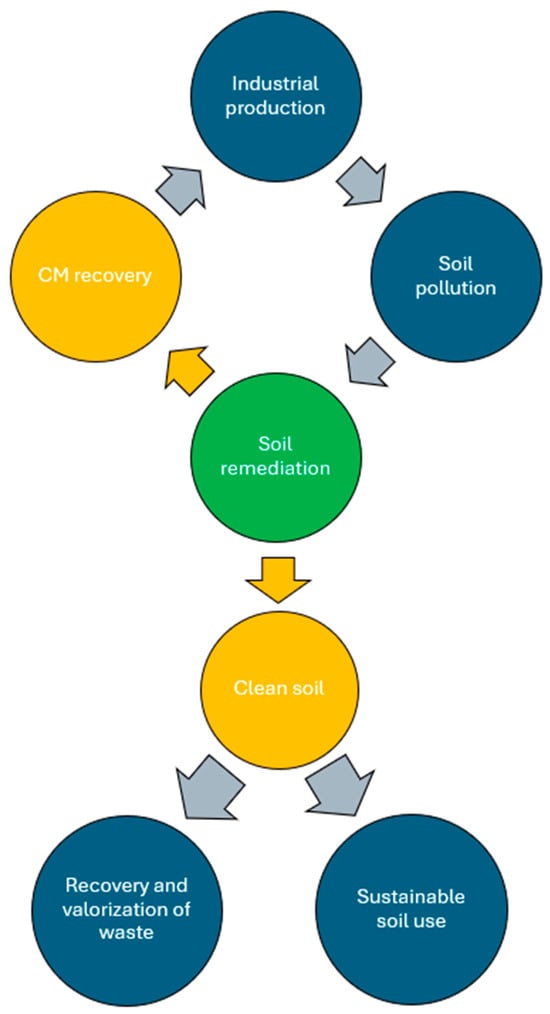
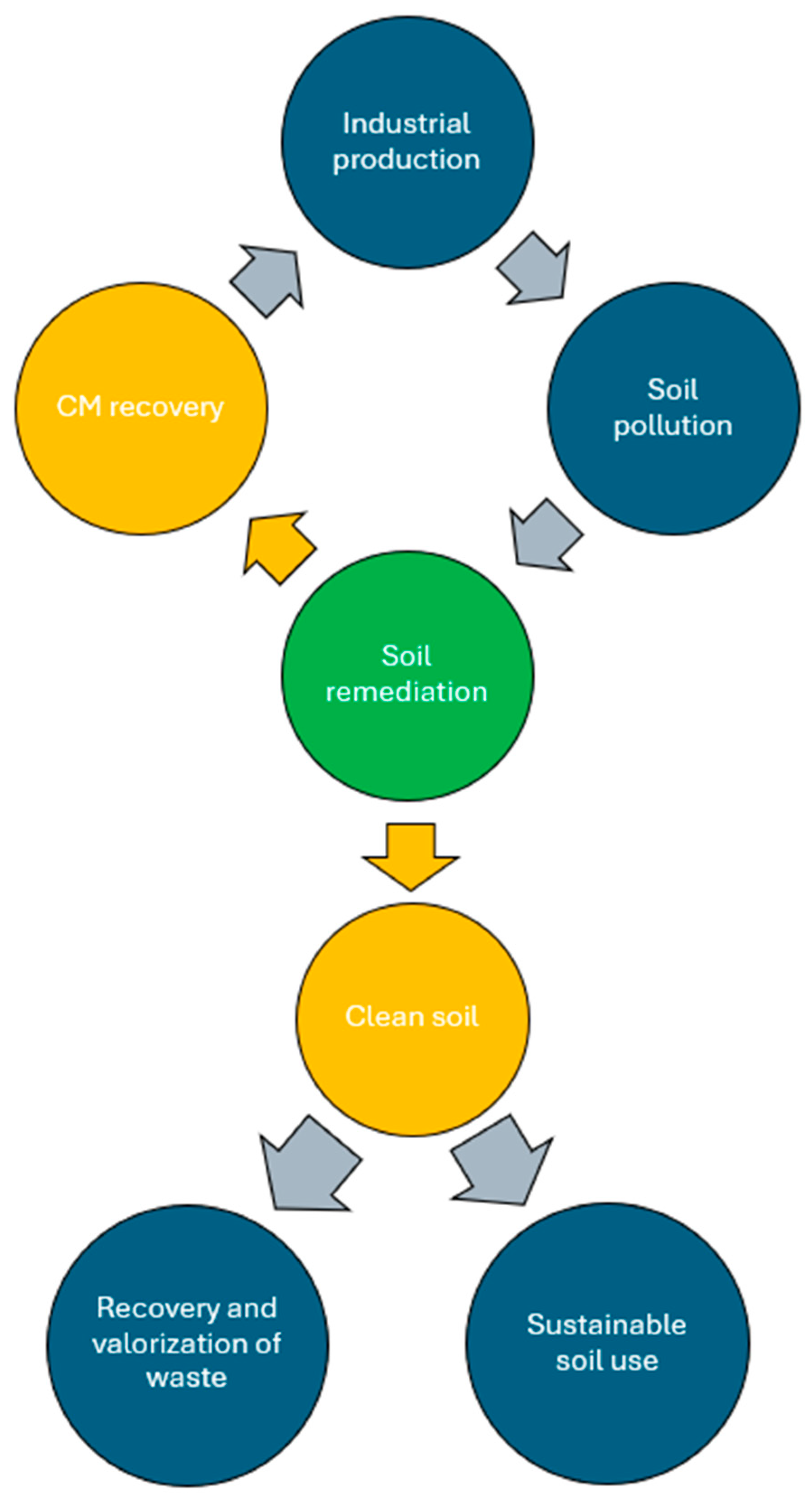
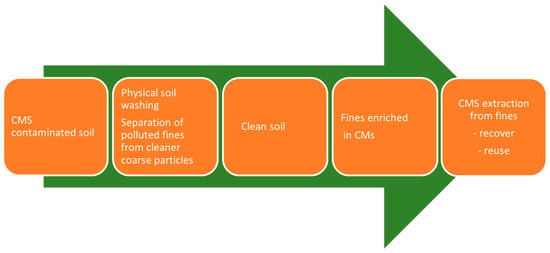
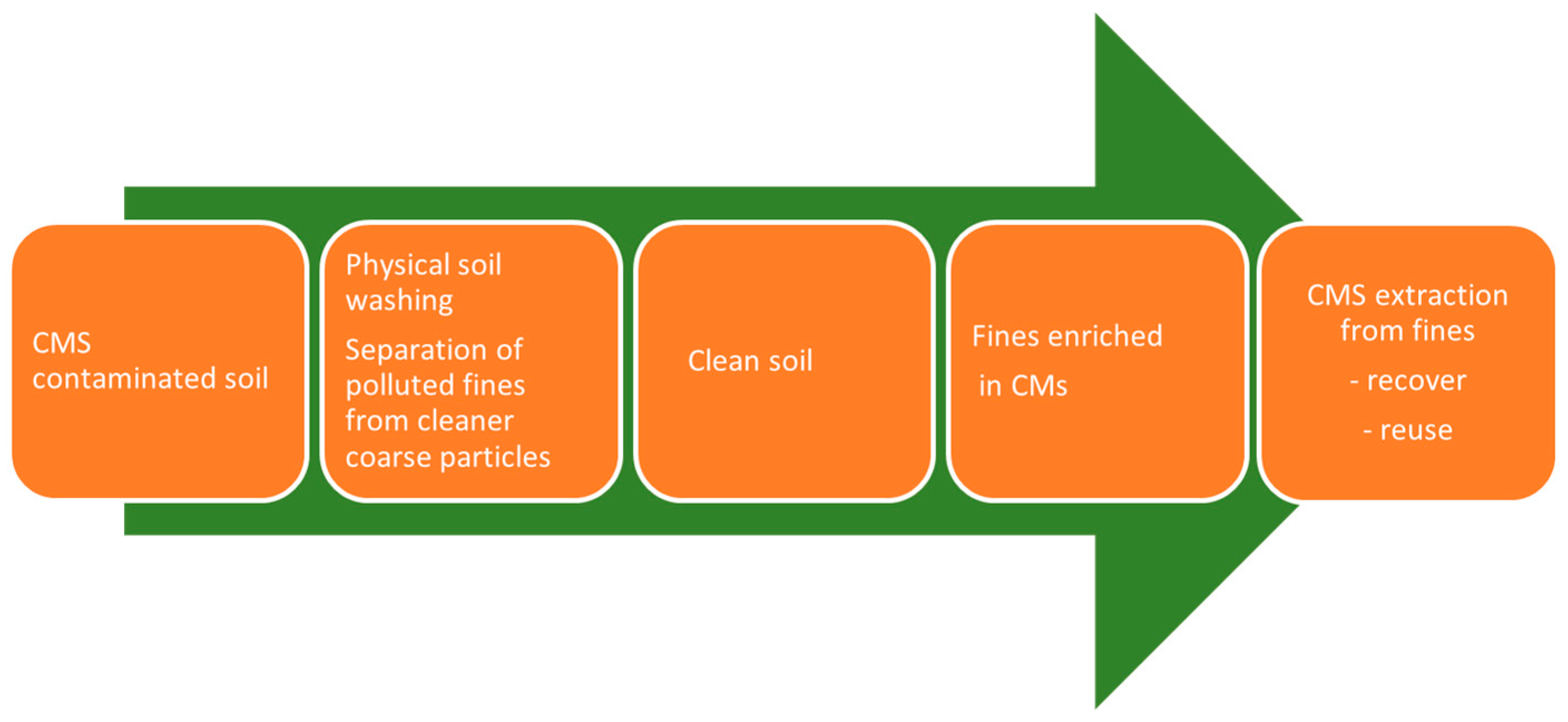
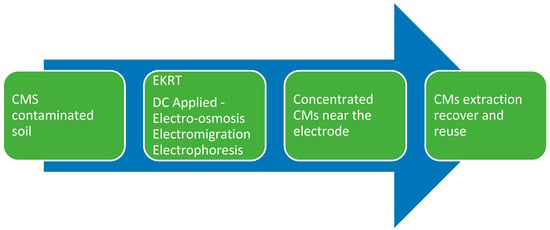
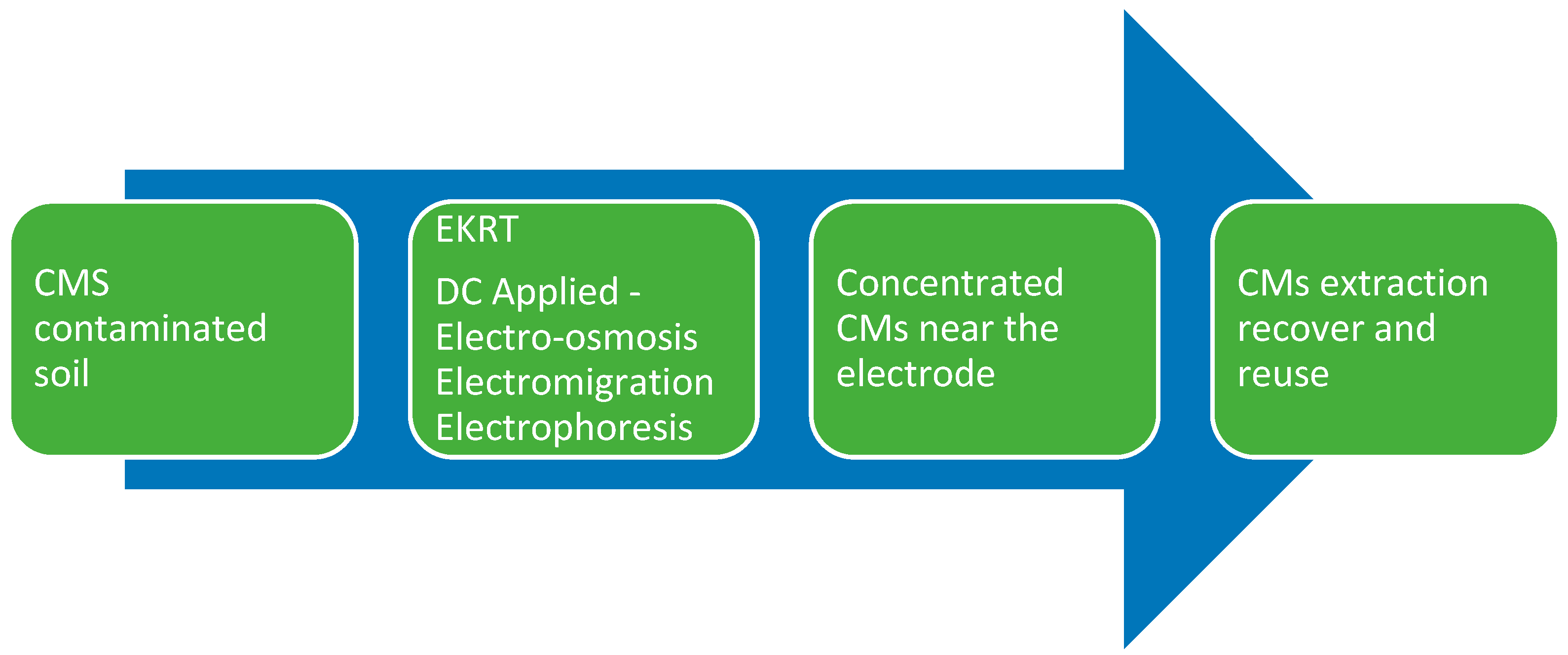
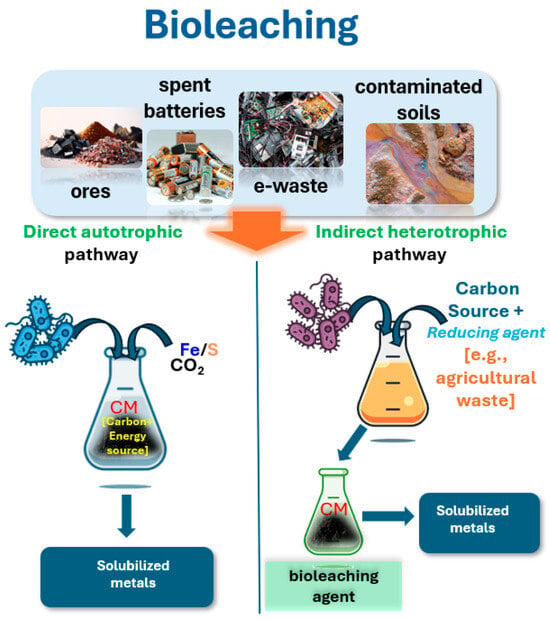
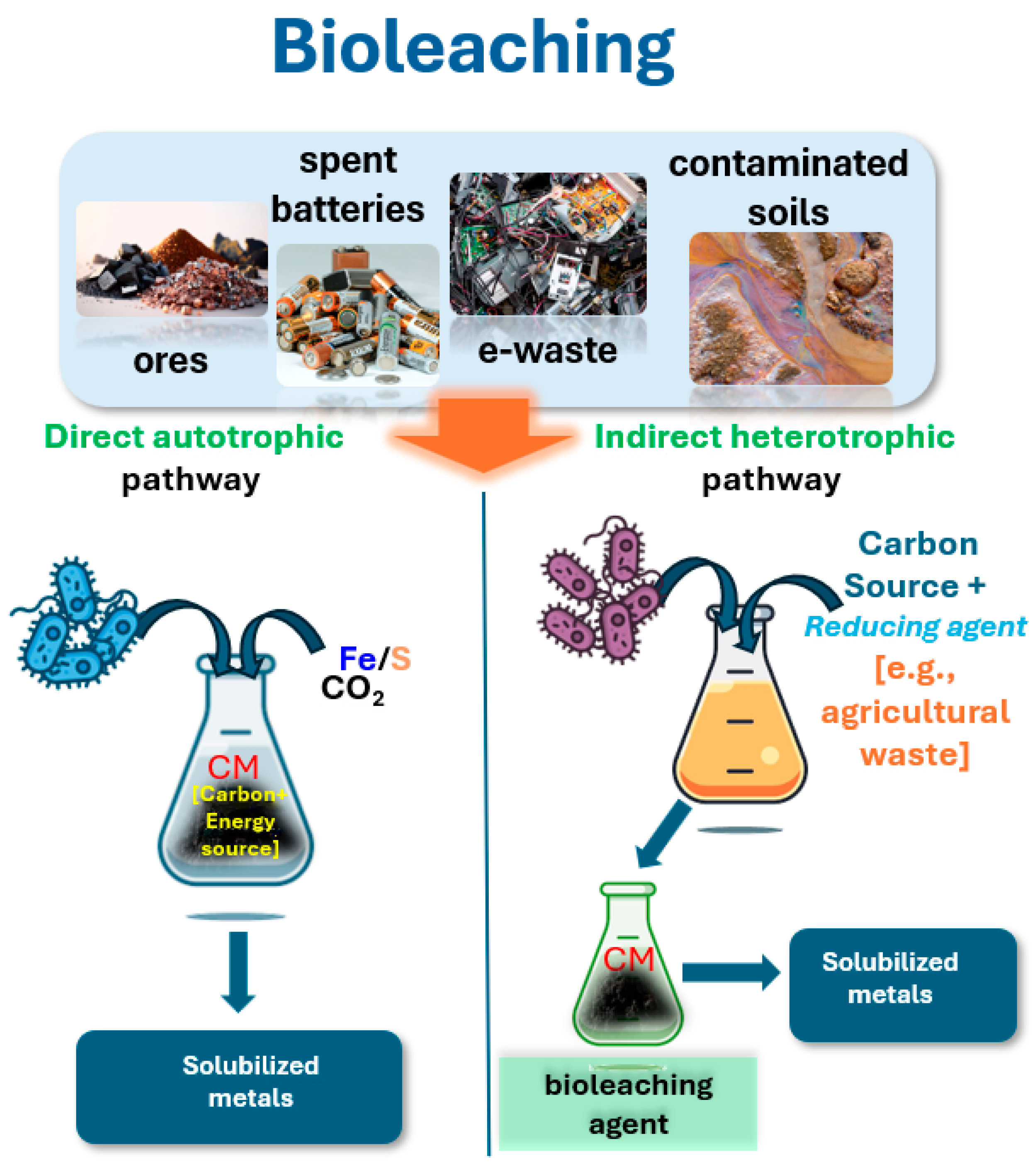
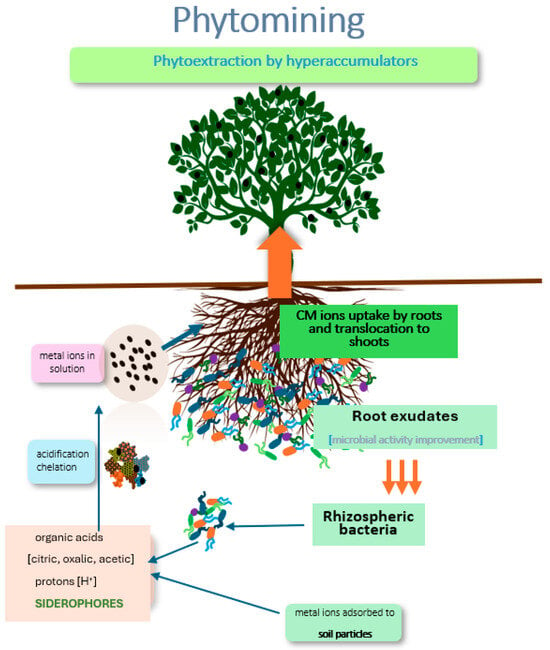
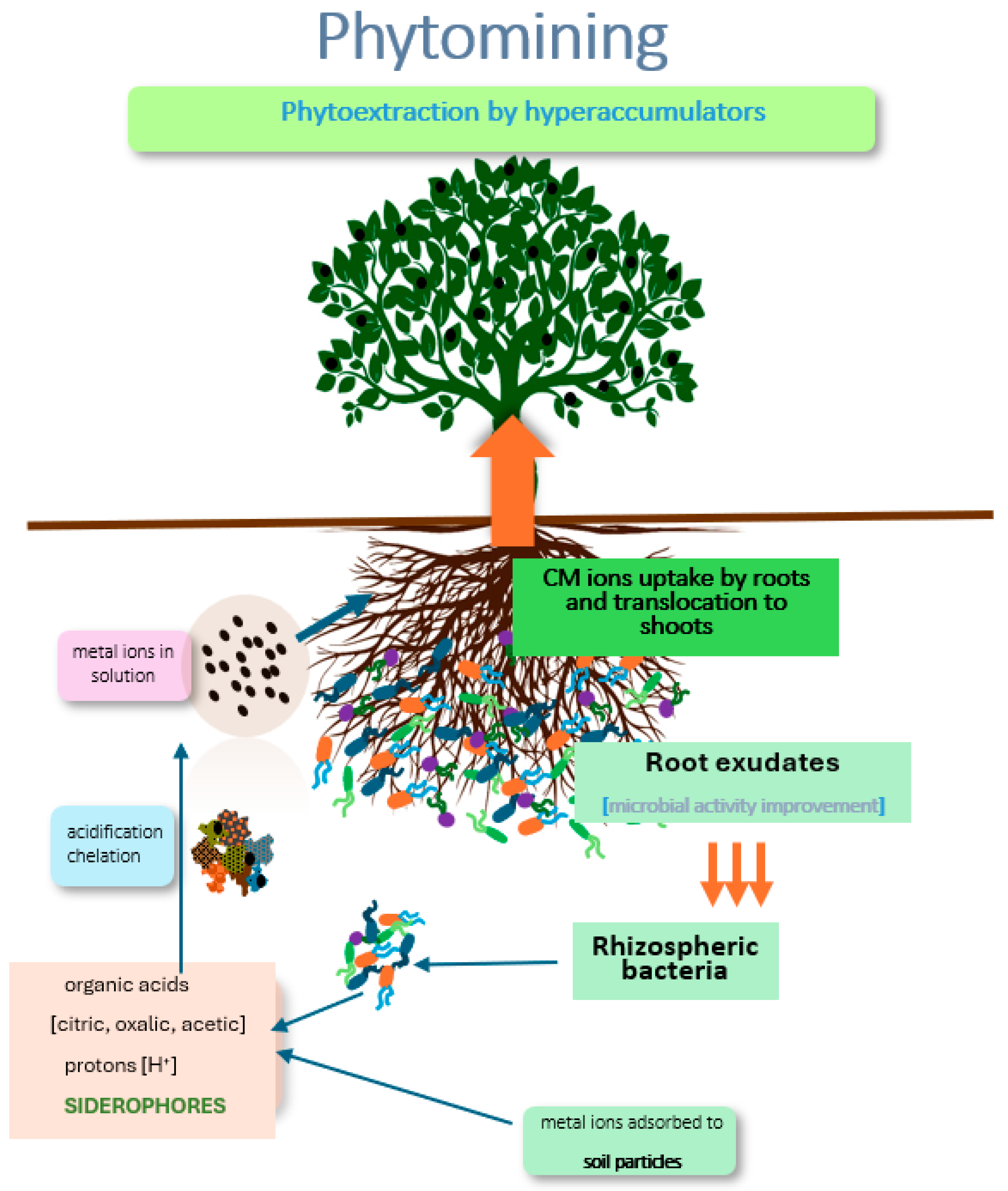

Disclaimer/Publisher’s Note: The statements, opinions and data contained in all publications are solely those of the individual author(s) and contributor(s) and not of MDPI and/or the editor(s). MDPI and/or the editor(s) disclaim responsibility for any injury to people or property resulting from any ideas, methods, instructions or products referred to in the content. |
© 2026 by the authors. Licensee MDPI, Basel, Switzerland. This article is an open access article distributed under the terms and conditions of the Creative Commons Attribution (CC BY) license.