


Abstract
Shallow lakes are susceptible to eutrophication, hydrological alteration, and habitat degradation, which can drive ecological regime shifts and impede recovery. This review examines these processes using Lake Honghu, China, as a case study. Literature from 1941 to 2026 was retrieved from the Web of Science Core Collection and China National Knowledge Infrastructure (CNKI). Evidence on water quality, nutrient loading, sediment nutrient fluxes, hydrological processes, and submerged vegetation was synthesized; quantitative trends were assessed for 2000–2023. Sustained watershed nutrient inputs contribute to eutrophication and declining water transparency, limiting submerged macrophyte growth. Macrophyte decline weakens sediment stabilization and nutrient uptake, while wind-wave resuspension and seasonal hypoxia can further enhance the release of nitrogen and phosphorus from sediments. Hydrological regulation alters water exchange and pollutant transport, although its contribution to the persistence of the turbid state remains insufficiently quantified. In Lake Honghu, the reported total phosphorus threshold for recovery to the clear-water state (~0.051 mg·L−1) is lower than that associated with the transition to the turbid state (~0.092 mg·L−1), indicating ecological hysteresis. Such hysteresis suggests that recovery may depend not only on sustained reductions in external nutrient inputs but also on improved hydrological conditions, benthic habitat rehabilitation, and the re-establishment of submerged macrophytes.
1. Introduction
Heavily regulated shallow lakes subjected to prolonged, high-intensity anthropogenic nutrient stress are undergoing profound structural degradation, driving them far beyond their historical ecological baselines. Comparable ecological challenges have been documented in other large shallow lakes. In Lake Taihu, China, wind-induced sediment resuspension increases turbidity and nutrient concentrations, promotes phytoplankton growth, and can delay ecological recovery. Submerged macrophytes, in contrast, substantially suppress sediment resuspension and its associated nutrient mobilization [1,2]. In Lake Chaohu, also located in the lower Yangtze River basin, two major ecological regime shifts were identified: the disappearance of submerged vegetation in 1963, predominantly driven by water-level control, and the emergence of intense algal blooms around 1980, primarily associated with aggravated nutrient loading. Hydrological regulation interacted with nutrient loading and accelerated both transitions [3]. These cases illustrate that the degradation and recovery of shallow lakes cannot be understood solely in terms of external nutrient loading but require consideration of the interactions among hydrological regulation, sediment-mediated nutrient cycling, and aquatic vegetation dynamics.
Within this broader context, Lake Honghu provides an important case for examining the ecological responses of highly regulated shallow lakes. Located in the lower reaches of the Four-Lake Basin in the Jianghan Plain, Lake Honghu is the largest freshwater lake in Hubei Province. It plays an important ecological role in the region by contributing to flood regulation, water quality purification, and biodiversity conservation [4,5]. However, persistent human interventions have exerted substantial stress on its aquatic ecosystem. Since 2021, the water quality of Lake Honghu has periodically deteriorated to Grade V or worse (indicative of severe pollution according to Chinese national standards). The primary variables exceeding regulatory standards are total nitrogen (TN) and total phosphorus (TP), followed by the permanganate index. Monitoring data spanning 2021 to 2023 indicate that the lake-wide mean chlorophyll-a (Chl-a) exceeded 30 μg·L−1 in 30% of observations. Furthermore, Chl-a concentrations surpassing 100 μg·L−1 were recorded across all monitored zones, indicating a severe risk of algal blooms [4]. This phenomenon, coupled with nutrient accumulation and the deterioration of the underwater light environment, underscores that the lake ecosystem is under severe eutrophication stress. Existing studies demonstrate that the eutrophication of Lake Honghu is driven by the combined effects of watershed pollution inputs, internal nutrient cycling, and human-induced hydrological regulation [6,7].
Investigations into the aquatic environmental degradation and ecological restoration of Lake Honghu frequently focus on isolated processes or individual ecological components. Such studies include estimations of external non-point source pollution fluxes [8], assessments of sediment nitrogen and phosphorus release dynamics [9], and evaluations of submerged macrophyte community degradation [10,11]. Under intensive human-induced regulation, the degradation of shallow lowland lakes is fundamentally a non-linear dynamic process driven by multiple interactive pressures. Despite this, a comprehensive understanding of the coupled relationships among hydrological processes, benthic ecological memory and sediment legacy effects, and habitat structural modifications remains limited. Specifically, there is a lack of systematic analysis of how hydrodynamic variations—such as hydraulic infrastructure operations and wind-wave disturbances—affect benthic nutrient release and subsequently establish a positive feedback loop through elevated water turbidity and the decline of submerged vegetation.
This knowledge gap compromises the precision and efficacy of targeted restoration strategies. Current management practices predominantly rely on poorly coordinated engineering interventions, such as end-of-pipe pollution interception and sediment dredging. These approaches rarely identify key processes and controlling factors within the watershed-lake system that influence pollutant transport, nutrient cycling, and ecological regime shifts. Consequently, certain restoration projects exhibit unstable recovery or recurrent degradation, as they fail to adequately disrupt the positive feedback loops perpetuating the turbid state [5]. Addressing this challenge requires an examination of multiple interacting stresses to elucidate the coupled feedback mechanisms among hydrological fluctuations, biogeochemical nutrient cycling, internal benthic release, and submerged macrophyte degradation in Lake Honghu. Identifying the core processes that drive the ecosystem regime shift provides a theoretical foundation for the synergistic integration of watershed pollution control, lake-wide benthic habitat management, and ecological restoration.
Within this context, this review aims to synthesize the characteristics and drivers of water quality degradation in the Lake Honghu basin, tracing the ecological trajectory of its regime shift. By focusing on the regime shift mechanisms governing highly regulated shallow lowland lakes, this analysis provides a theoretical basis for systemic management, ecological water-level regulation, and basin-wide coordinated governance. Accurate delineation of the critical thresholds between natural baselines and anthropogenic stressors is imperative for reversing environmental degradation and disrupting the key positive feedbacks that perpetuate the eutrophic state. Quantifying the interplay between external nutrient loading and internal benthic nutrient fluxes elucidates the mechanisms underlying nutrient-driven regime shifts in these ecosystems. Building upon these insights, this review identifies the key processes and interacting stressors underlying the ecological regime shift in Lake Honghu, providing a scientific basis for understanding the mechanisms of ecological degradation and the constraints on ecosystem recovery in highly regulated shallow lakes. offering a theoretical framework and practical guidelines for rehabilitating the structural integrity and ecological functionality of the Lake Honghu wetland ecosystem.
2. Data Sources and Analytical Methods
Peer-reviewed studies on Lake Honghu published between 1941 and 2026 were searched in the Web of Science Core Collection and China National Knowledge Infrastructure (CNKI) databases. Search terms included combinations of “Lake Honghu,” “Honghu Lake,” “nutrient,” “water quality,” “benthic,” “macrophyte,” and “regime shift”. Relevant comparative studies of other shallow lakes and foundational studies were identified by examining the reference lists of selected Honghu studies. Duplicate records were removed, and studies were selected based on their relevance to lake hydrology, water quality, nutrient loading, sediment processes, aquatic vegetation, and ecological regime shifts. For quantitative comparisons, studies were required to provide traceable data and sufficient methodological information. Model results were considered when supported by empirical calibration or validation and were distinguished from direct observations. Historical records were also consulted to verify the timing of major hydraulic works and enclosure aquaculture.
Data were extracted from the selected studies on water quality (TN, TP, Chl-a, water transparency, pH, and DO), external nutrient loads, sediment nutrient concentrations and release fluxes, hydrological conditions, hydraulic infrastructure operations, and submerged macrophyte coverage and biomass. Information on fish, zooplankton, microbial communities, and other pollutants, including heavy metals, antibiotics, and microplastics, was also recorded where available. Temporal changes were compared according to the observation periods reported in individual studies, with particular attention to long-term records covering 2000–2023. Earlier observations were used to establish the historical context of ecological change. Because the studies differed in sampling periods, spatial coverage, and analytical methods, their results were compared descriptively rather than combined into a continuous annual dataset. Quantitative comparisons were restricted to sufficiently comparable indicators and measurement units. These data were used to examine the relationships among external nutrient inputs, hydraulic regulation, sediment nutrient cycling, and submerged vegetation dynamics during the transition of Lake Honghu from a clear-water to a turbid state.
3. Regime Shifts in Shallow Lakes and Evidence from Lake Honghu
3.1. Alternative Stable State Theory in Shallow Lakes and Its Implications for Research on Lake Honghu
According to the alternative stable state theory, ecosystems subjected to sustained environmental pressure may cross ecological thresholds when internal feedback mechanisms are altered, transitioning from one stable state to another [12]. In shallow lakes, this paradigm primarily explains transitions between a clear, macrophyte-dominated state and a turbid, phytoplankton-dominated state.
The clear and turbid states are governed by distinct self-reinforcing mechanisms. In the clear state, submerged macrophytes maintain dominance by stabilizing benthic sediments and enhancing underwater light availability. As external stressors intensify and impair these ecological feedbacks, the system shifts toward an alternative turbid state perpetuated by phytoplankton dominance [12]. Once established, these alternative feedback loops require considerably stricter environmental conditions to revert the system to a clear state, exhibiting pronounced hysteresis [5,12].
Recent investigations into shallow lake regime shifts increasingly emphasize the coupled dynamics among nutrients, water level, water clarity, and benthic biogeochemical processes. Fluctuations in water level modulate underwater light availability for submerged macrophytes, thereby altering the critical thresholds for their decline and recovery [11]. Consequently, lake ecosystems do not undergo regime shifts in response to isolated environmental parameters; rather, such shifts emerge from synergistic interactions among multiple environmental drivers and their associated feedback mechanisms.
For Lake Honghu, conventional regime shift theory clarifies the linkages among submerged macrophyte decline, reduced water clarity, and subsequent phytoplankton dominance. However, unique system characteristics—such as inputs from lowland river networks, hydraulic infrastructure operations, and intense wind-wave action—render traditional nutrient-centric frameworks insufficient to explain its ecological trajectory. Integrating external watershed nutrient loading, hydrodynamic processes, and internal benthic feedbacks represents a comprehensive approach.
3.2. Global Variations in the Regime Shift Mechanisms of Shallow Lakes
While the alternative stable state theory offers a unified conceptual framework for ecological regime shifts in shallow lakes, specific transition pathways exhibit substantial variability across individual systems. Basin morphology, climatic conditions, hydrological processes, and anthropogenic disturbances interact to determine which ecological feedbacks dominate a given system.
An important historical example is Lake Apopka in Florida, USA, which shifted from submerged macrophyte to phytoplankton dominance around 1947. Although initially associated with a hurricane, subsequent analyses questioned a direct causal link and emphasized the role of long-term anthropogenic changes, particularly wetland drainage and agricultural development. These changes increased nutrient inputs and water color, while phosphorus-stimulated phytoplankton blooms and rising lake levels further reduced underwater light availability, restricting submerged macrophyte growth [13].
These categories represent different geographical and mechanistic perspectives rather than mutually exclusive lake types.
3.2.1. Temperate Shallow Lakes: Nutrient-Driven Shifts in Ecological Feedbacks
European temperate shallow lakes provided an important empirical basis for the development of ecological regime shift theory. In these environments, the clear-water state relies heavily upon the suppression of phytoplankton by submerged macrophytes and large-bodied zooplankton. Elevated external nutrient loading stimulates phytoplankton proliferation, diminishing water clarity and compromising benthic light environments and habitats for submerged vegetation, thereby driving a progressive transition toward a turbid state [12].
The ecological recovery of these systems exhibits pronounced hysteresis. Even following reductions in external nutrient loading, the self-reinforcing mechanisms established within the turbid state often perpetuate this degraded condition. Consequently, reverting the system necessitates ambient nutrient concentrations to be reduced to levels substantially lower than the critical thresholds that triggered the initial degradation [12]. Thus, re-establishing positive ecological feedbacks, in conjunction with external nutrient loading abatement, constitutes the cornerstone of temperate shallow lake management.
3.2.2. Shallow Lakes in the Middle and Lower Yangtze River Basin: Co-Limitation by Light Availability and Hydrodynamics
These lakes are characterized by their shallow morphometry, extensive open-water areas, and pronounced hydrodynamic forcing. Their ecological stability relies critically upon the positive feedbacks sustaining the clear-water state, which are primarily mediated by submerged macrophytes. Compared with many temperate shallow lakes, where top-down control by large-bodied zooplankton plays an important role, subtropical systems may rely more strongly on the bottom-up effects of submerged vegetation to maintain water clarity and stabilize benthic sediments [14].
Regional-scale investigations indicate that transitions between clear and turbid states in these lakes are governed by distinct critical nutrient thresholds, with recovery thresholds remaining substantially lower than those triggering the initial degradation [15]. Concurrently, water level fluctuations alter water depth and, consequently, light availability at the lake bottom. Because benthic light availability is a key constraint on submerged macrophyte growth and distribution, water-level-induced changes in underwater light conditions can influence the depth limits and persistence of submerged vegetation, thereby affecting ecosystem regime shifts [11].
3.2.3. Sediment-Dominated Lakes: Internal Feedbacks Perpetuating the Turbid State
Prolonged eutrophication establishes a pronounced benthic “ecological memory” (or legacy effect) across many shallow lake ecosystems. Substantial pools of organic matter and nutrients accumulated within benthic sediments are highly susceptible to mobilization under hypoxic or fluctuating redox conditions, thereby supplying a persistent internal nutrient flux to the overlying water column [16,17].
In cold-region eutrophic lakes, hypoxia at the sediment–water interface accelerates the release of iron-bound phosphorus (Fe-P), transforming the sediment bed into a primary source that perpetuates this degraded eutrophic state [17]. Consequently, reversing ecological degradation in these systems hinges not only upon external nutrient loading abatement but also upon suppressing internal benthic nutrient cycling.
3.2.4. Large, Open Shallow Lakes: Wind-Wave Disturbances Amplifying State Instability
Large, open shallow lakes are markedly influenced by wind-induced hydrodynamic forcing, where benthic resuspension frequently serves as a key catalyst for ecological state transitions. In systems such as Lake Erie, intense wind-wave events scour the sediment–water interface and accelerate the mobilization of legacy nutrient pools, thereby exacerbating phytoplankton proliferation within the overlying water column [18].
Unlike systems driven primarily by gradual external nutrient loading, these lakes display heightened sensitivity to short-term physical forcing, imparting a distinctly episodic character to their regime shift dynamics.
3.2.5. Highly Regulated, River-Connected Lakes: Driven by Synergistic Multi-Process Coupling
Lake Honghu constitutes an integral component of the lowland river network-shallow lake system in the middle reaches of the Yangtze River. Its ecological trajectory is governed by synergistically interacting stressors, including external watershed nutrient loading, hydraulic infrastructure operations, benthic biogeochemical dynamics, and hydrodynamic disturbances. Previous investigations demonstrate robust linkages among TP concentrations, submerged macrophyte dynamics, and regime shifts in Lake Honghu, with system recovery jointly constrained by ambient nutrient levels and altered positive ecological feedbacks [5,19].
In contrast to unmanaged natural lakes, intensive anthropogenic water-level and flow manipulations alter nutrient transport pathways and hydrodynamic regimes, contributing to complex interactions among multiple stressors during regime shifts. Consequently, an isolated critical nutrient threshold is fundamentally insufficient to capture these non-linear ecological transitions, necessitating a holistic analytical framework that integrates watershed-scale external loading with lake-wide internal benthic feedbacks(Figure 1; Table 1).
Figure 1.
Regime shift mechanisms across shallow lake typologies and the research framework for Lake Honghu. The green and orange areas represent the clear-water and turbid-water states, respectively, while the arrows indicate the directional pathways of ecological feedbacks, drivers, and research priorities.
Table 1.
Comparative analysis of dominant regime shift mechanisms and ecological feedback characteristics across different shallow lake typologies.
3.3. Ecological Setting and Hydrological Characteristics of Lake Honghu
Situated in the central region of the Four-Lake Basin within the Jianghan Plain along the middle reaches of the Yangtze River, Lake Honghu is a large shallow lake embedded within a densely interconnected river-channel-lake network. Since the 1950s, the construction of embankments, drainage and irrigation channels, sluices, and pumping stations has progressively transformed the regional hydrological system. Consequently, water exchange in the lake is influenced by both natural processes, particularly precipitation and seasonal runoff variability, and anthropogenic regulation through hydraulic infrastructure operations [21,22].
Lake Honghu had a water surface area of 348.33 km2 in 2019, while its commonly reported mean water depth is approximately 1.35 m [5,19]. Its shallow morphology makes the lake particularly sensitive to changes in underwater light availability and hydrodynamic disturbance. Wind-induced waves can promote sediment resuspension, while changes in water exchange and flow conditions associated with sluice and pumping operations may further modify local hydrodynamic environments. Submerged macrophytes contribute to sediment stabilization, water clarity, and nutrient regulation. However, the relative contributions of natural wind-wave disturbance and infrastructure-mediated hydrological changes to sediment resuspension in Lake Honghu remain insufficiently quantified.
The hydrological network of the Four-Lake Basin comprises the Four-Lake Main Channel, connected tributaries, drainage channels, lakes, sluices, and pumping stations. These facilities support flood drainage, irrigation, water-level regulation, and water transfer. The approved design of the East Honghu Flood Storage and Detention Area Project, for example, includes four major sluices with designed discharge capacities of 460, 80, 8000, and 2000 m3·s−1, respectively; two pumping stations with designed drainage capacities of 110 and 100 m3·s−1, respectively; and 102.6 km of channels to be dredged or newly constructed for water-system restoration. These figures illustrate the scale of infrastructure development in the Honghu area but represent the specifications of this project rather than the entire basin-wide system. Although provincial-level ecological dispatch policies provide a broader framework for lake regulation, the available public information does not clearly identify a dedicated water-level operation plan for Lake Honghu or specify the institutional responsibilities for determining ecologically suitable lake levels and coordinating the operation of all relevant pumping stations and sluices.
Hydrological observations from 2010 to 2023 show marked seasonal and interannual variations in Four-Lake Main Channel discharge (Figure 2). At Futiansi Sluice, mean monthly discharge was approximately 140 m3·s−1 during April–September and 74 m3·s−1 during October–March, with the former period accounting for 65.7% of the annual total discharge. At Xijiakou Sluice, the reported discharge values ranged from 0–8 m3·s−1 during 2010–2016 to 12–31 m3·s−1 during 2017–2023. These variations were associated with both precipitation and agricultural water demand and therefore cannot be attributed solely to hydraulic operations [21]. Model-based assessments further indicate that drainage project construction under the simulated 2016 and 2020 rainfall conditions would reduce Honghu’s peak water level by 1.19 and 1.41 m, respectively [22]. Meanwhile, regional connectivity assessments have identified sluice and pumping-station barriers, particularly prolonged closures, as constraints on functional connectivity in parts of the Jianghan Plain, including the Four-Lake Main Channel and Lake Honghu [23]. The 2024 Central Environmental Protection Inspection also reported insufficient ecological inflows through several sluices during certain periods, highlighting potential conflicts between flood drainage and ecological water replenishment. These findings indicate that the hydrological regime of Lake Honghu is shaped by the interaction of natural variability and long-term hydraulic engineering development and operation.
Figure 2.
Geographical location and surrounding hydrological network of Lake Honghu.
3.4. Empirical Evidence of the Clear-to-Turbid Regime Shift in Lake Honghu
3.4.1. Nutrient Enrichment and Evidence of Critical Thresholds in Lake Honghu
Nutrient enrichment acts as a primary external forcing that drives the transition of shallow lake ecosystems from a clear-water to a turbid state. Unlike deep-water systems, shallow lakes exhibit heightened ecological sensitivity to nitrogen and phosphorus fluctuations, a characteristic associated with their shallow morphometry and intense hydrological exchange. Once nutrient inputs exceed the system’s buffering capacity, the lake may undergo a nonlinear shift from a clear-water state dominated by submerged macrophytes to a phytoplankton-dominated turbid state [15].
Empirical investigations of shallow lakes across the Middle and Lower Yangtze River Basin indicate that regime shifts from macrophyte-dominated clear-water to phytoplankton-dominated turbid states typically occur under elevated nutrient loading, with a critical TP threshold ranging from 0.08 to 0.12 mg·L−1 [15]. Specific analyses of Lake Honghu indicate a critical TP threshold of approximately 0.092 mg·L−1 for the forward shift to a turbid state; conversely, reversing this trajectory requires TP concentrations to be reduced to approximately 0.051 mg·L−1 [5]. This discrepancy indicates pronounced ecological hysteresis in Lake Honghu, suggesting that reducing external nutrient loading alone may not ensure immediate ecosystem recovery.
Recent monitoring data indicate that TP concentrations in Lake Honghu remain elevated. The lake-wide mean TP concentration reached 0.132 mg·L−1, exceeding the reported threshold associated with maintaining a clear-water state dominated by submerged macrophytes [4]. Sustained nitrogen and phosphorus loading provides a biogeochemical basis for phytoplankton proliferation. This continuous nutrient input can progressively restructure the primary producer community, shifting ecosystem dominance from submerged macrophytes to phytoplankton.
Nutrient enrichment does not trigger ecological state changes through isolated mechanisms; rather, it promotes regime shifts by altering internal ecological feedbacks. Elevated nutrient concentrations stimulate phytoplankton proliferation, which reduces water clarity and limits light availability for submerged macrophytes. The resulting decline in macrophyte biomass weakens sediment stabilization and nutrient assimilation, reinforcing feedbacks that favor phytoplankton dominance. In Lake Honghu, nutrient enrichment therefore acts as a major driver that can push the ecosystem across critical thresholds and sustain a turbid state. This transition represents a fundamental change in ecosystem structure and functioning rather than merely a deterioration in water quality.
3.4.2. Deterioration of the Underwater Light Climate and Submerged Macrophyte Degradation
Submerged macrophytes function as a critical ecological guild sustaining the clear-water state in shallow lakes. These plants preserve the stability of macrophyte-dominated regimes by suppressing phytoplankton through competition for nutrients, enhancing water clarity, stabilizing benthic sediments, and modulating biogeochemical nutrient cycling [24,25]. Sustained eutrophication pressure elicits differential responses among macrophyte species. Taxa with lower tolerance typically decline first, facilitating a shift in community dominance toward more resilient species and ultimately simplifying community structure. Such alterations in biodiversity and functional composition can compromise ecosystem functioning and weaken resistance to external perturbations [26].
The benthic light environment acts as a primary physical constraint governing the proliferation and recovery of submerged vegetation. Eutrophication accelerates phytoplankton proliferation and can increase suspended particulate matter concentrations in the overlying water column. The resulting reduction in water clarity and intensified light attenuation restrict both the photosynthetic capacity and spatial expansion of submerged macrophytes [25,27]. Throughout the degradation trajectory of shallow lakes, impaired underwater illumination is more than a water-quality indicator: it directly constrains the survival and recovery of submerged macrophytes and is a key mechanism driving ecological regime shifts.
Long-term observations of Lake Honghu reveal a persistent decline in water clarity. Remote-sensing analyses of water-color metrics spanning 2000 to 2023 demonstrate changes in the optical properties and trophic status of the lake, characterized by an overall trend of diminishing transparency and increasing turbidity [28]. Impaired light penetration imposes severe light limitation on submerged macrophytes, driving a progressive contraction of their bathymetric distribution and depth limits. Consequently, the spatial distribution and biomass of submerged macrophytes in Lake Honghu have declined, culminating in severe degradation across much of the open-water area [29]. This trajectory indicates that macrophyte loss in Lake Honghu is not an isolated biological event, but a manifestation of declining ecological functions under cumulative environmental pressures.
The loss of submerged macrophytes further impairs the mechanisms that maintain the clear-water state. Reduced vegetation cover compromises sediment stabilization, facilitating the resuspension of benthic particulate matter into the overlying water column. Concurrently, diminished nutrient assimilation and weakened suppression of phytoplankton by macrophytes create favorable conditions for phytoplankton dominance, promoting the persistence of a turbid state. Viewed holistically, the ecological degradation of Lake Honghu can be described as a sequential response chain: “intensified eutrophication—deterioration of the underwater light environment—macrophyte degradation—erosion of clear-water feedbacks”.
Field surveys conducted at 12 sampling sites provide snapshots of phytoplankton conditions in Lake Honghu during different periods. The mean Chl-a concentration was 13.92 ± 7.74 μg·L−1 in April 2019 and 62.64 ± 19.52 μg·L−1 in May 2023 [19]. Although these values indicate a difference between the two survey periods, they do not establish a continuous temporal trend. Additional surveys conducted in June 2021 also documented the spatial distribution of Chl-a, with elevated concentrations predominantly occurring in the northwestern and northeastern sectors, whereas the northwestern and south–central regions were identified as major hotspots in May 2023. No Chl-a data were available for October 2020 because of instrument malfunction. Therefore, the available observations provide evidence of changes in the spatial distribution and ecological conditions of Lake Honghu during individual survey periods but are insufficient to establish a continuous temporal trajectory of Chl-a concentrations between 2019 and 2023 (Figure 3) [19].
Figure 3.
Ecological state evolution and regime shift mechanisms in Lake Honghu. Data synthesized based on empirical findings from [5,19,29]. Arrows placed next to the text (↑/↓) indicate an increase or decrease in the corresponding driving factors. The red dashed arrow indicates the internal feedback from the current turbid state that reinforces the ecological hysteresis and affects the recovery threshold.
Complementarily, using monitoring data from 2021 to 2023, Lou et al. [4] evaluated water quality at fixed monitoring stations, including Lake Center A, Lake Center B, the Drainage Sluice, and Yangchai Lake. Their findings indicate that mean Chl-a concentrations exceeded 30 μg·L−1 in 30% of observations, with peak concentrations exceeding 100 μg·L−1 across all monitored zones [4]. Although the temporal scopes of these two studies overlap, their sampling networks, spatial coverage, and analytical frameworks differ. The former used multi-site synoptic surveys covering the northeastern, northwestern, and south–central sectors, whereas the latter relied on fixed monitoring stations for routine water-quality assessment. Consequently, Chl-a concentrations derived from these studies should not be treated as spatially or statistically equivalent averages. Taken together, the datasets indicate pronounced spatial and seasonal heterogeneity in Chl-a concentrations across Lake Honghu, with some areas experiencing substantial phytoplankton proliferation [4,19]. These spatiotemporal patterns are associated with declining water clarity and submerged macrophyte degradation, indicating continued erosion of the positive feedback mechanisms that maintain the clear-water state.
4. Coupled Mechanisms Driving Regime Shifts in Lake Honghu
Chronic water quality degradation in Lake Honghu does not stem from isolated nutrient inputs but from the synergistic coupling of external watershed nutrient loading, hydraulic infrastructure operations, and mass transport processes within the lowland river network system. In contrast to unmanaged natural lakes, the Lake Honghu basin is characterized by a highly engineered hydrological architecture, including interconnected drainage and irrigation channels, sluices, and pumping stations (see Section 3.3 and Table 2 for an overview of the relevant infrastructure and available design parameters). Nutrient fluxes undergo a multi-tiered transport cascade spanning tributary rivers, drainage canals, hydraulic sluices, and the lacustrine interior. Throughout this transport continuum, intermittent processes of biogeochemical retention, transformation, and sediment re-release impart pronounced cumulative and pulsed delivery dynamics to the external loading.
Table 2.
Selected hydraulic infrastructure and design parameters relevant to hydrological regulation in the Honghu area.
4.1. External Nutrient Inputs Intensifying Ecological Stress
External nutrient loading is a major driver of ecological regime shifts in shallow lakes. Its effects depend not only on the magnitude of nutrient inputs but also on watershed land-use patterns, hydrological connectivity, and hydraulic infrastructure operations. The Four-Lake Basin, within which Lake Honghu is located, is a highly regulated lowland river-lake system. Nutrients generated across the watershed are transported through interconnected tributaries, drainage canals, sluices, and pumping systems before potentially reaching the lake. Rainfall-runoff processes, hydrodynamic conditions, and retention within the river network contribute to the spatial and temporal variability of nutrient delivery.
Historical pollution-control measures have reduced contributions from several conventional point sources. Source apportionment using the Absolute Principal Component Score-Multiple Linear Regression (APCS-MLR) model showed that untreated industrial wastewater decreased by 65% between 2012 and 2016, accompanied by a 1.17 mg·L−1 reduction in its estimated contribution to CODMn (Chemical oxygen demand (permanganate index)). Untreated domestic sewage decreased by 85% between 2004 and 2016, with corresponding reductions of 0.7 mg·L−1 and 887 cfu·L−1 in its estimated contributions to Biochemical oxygen demand (BOD) and fecal indicator bacteria, respectively. The same study found that enclosure aquaculture decreased by 81% in 2012 compared with 2004, accompanied by reductions of 0.2, 0.039, and 0.37 mg·L−1 in its estimated contributions to NH3-N, TP, and TN, respectively. Although the study predicted that COD (Chemical oxygen demand) and TP concentrations could meet the relevant water-quality requirements after 2017, further control of rainfall-driven non-point source pollution was considered necessary to achieve the desired TN concentration [30]. These findings demonstrate that pollution-control outcomes differed among source categories and water-quality indicators.
Non-point source pollution remains an important concern in the Honghu catchment. Zhong et al. (2023) identified livestock rearing, aquaculture, rural domestic wastewater, and cropland cultivation as the principal source categories in their assessment, with respective overall contributions of 39.33%, 32.92%, 23.33%, and 4.41% [8]. These percentages represent the study’s overall source-contribution estimates and should not be interpreted as pollutant-specific TN or TP contributions. A separate investigation by Ma et al. (2013) estimated that annual TN and TP loads entering Lake Honghu from its catchment were approximately 4349.1 and 396.1 t·a−1, respectively [31]. Its pollutant-specific source apportionment identified livestock and poultry breeding as the dominant source, contributing 63.23% of TN and 74.91% of TP (Table 3) [31]. These estimates provide a historical reference for external nutrient inputs rather than a representation of current loading conditions.
Table 3.
Estimated source contributions to external nitrogen and phosphorus loads entering Lake Honghu from its catchment [31]. (Individual loads calculated from the reported total loads and source contribution percentages. The estimates represent the study’s catchment-based assessment, not a contemporary monitoring-based nutrient budget).
Non-point source pollution also exhibits considerable spatial variability. Zhong et al. (2023) reported that cropland occupied 86.32% of the study catchment and maximum sub-basin TN and TP yields of 18.08 and 5.34 kg·hm−2, respectively [8]. These values are sub-basin-scale model estimates rather than basin-wide annual loads. During transport, nutrients from cropland runoff, aquaculture discharges, and rural wastewater may undergo sedimentation, adsorption, and microbial transformation within drainage ditches and tributary channels. These processes may temporarily retain or transform nutrients, but retained nutrients can be released again when hydrodynamic conditions change or hydraulic infrastructure is operated.
Other anthropogenic contaminants have also been detected in Lake Honghu and its surrounding areas. Trace elements, including Zn, Pb, Cu, Cr, As, and Cd, have been detected in the lake’s surface water. Although their mean concentrations were reported to be within the drinking-water guideline values adopted in the corresponding study, the health-risk assessment identified potential carcinogenic risks associated with several elements, particularly As [32]. Heavy metals have also been detected in lake sediments. A sediment-core study reported that the concentrations of Cu, Cd, Zn, and Pb varied over the sedimentary sequence, with Cd showing moderate to strong contamination according to the geoaccumulation index [33]. More recent investigations of surface sediments also identified Cd accumulation and elevated ecological risk, while As was highlighted as an element of concern in Lake Honghu [34]. In addition, microplastic abundance in water from aquaculture ponds around Lake Honghu ranged from 296 ± 140 to 992 ± 558 items·m−3 [35]. In Lake Honghu itself, antibiotic concentrations in water reached a maximum of 446.25 ng·L−1, while the corresponding maximum concentration in sediments was 110.63 μg·kg−1 [36]. These findings indicate that pollution in the Honghu area extends beyond nutrient enrichment. However, available evidence remains limited, and the relative contributions of these contaminants to the ecological regime shift in Lake Honghu have not been sufficiently established. Published field data on pesticide residues in Lake Honghu were not identified in the literature reviewed here.
Hydraulic infrastructure operations may influence the timing and pathways of external pollutant delivery to Lake Honghu by modifying seasonal discharge patterns and hydrological connectivity (see Section 3.3). During dry periods, low-flow conditions may favor pollutant accumulation in drainage networks, whereas rainfall events can mobilize accumulated materials and increase their transport through channels toward the lake. Hydrodynamic modeling has shown that seasonal variations in inflow and outflow conditions are associated with spatial differences in nutrient concentrations within Lake Honghu. For example, concentrations of NH3-N and TP were higher near pollutant inflow points during dry periods, whereas higher concentrations were observed at locations farther from inflow points during high-water periods [37]. In addition, hydrodynamic changes following polder removal have been reported to facilitate the migration of accumulated pollutants from enclosed areas into the open lake [19]. These effects are also reflected in the spatial heterogeneity of nutrient distribution within Lake Honghu. The southern sector, where water exchange is relatively restricted and wind-wave disturbance is frequent, may experience greater accumulation of TN and organic matter, whereas the northwestern sector is more strongly affected by upstream agricultural runoff, resulting in localized TP hotspots [38].
Overall, external nutrient inputs to Lake Honghu are associated with historical point-source pollution, continuing non-point source inputs, and transport processes influenced by hydrological conditions. Although contributions from some conventional point sources have declined, agricultural and other diffuse inputs remain relevant to nutrient management. Together with spatial variations in hydrodynamic conditions, these inputs contribute to sustained nutrient stress and may reinforce internal sediment loading and ecological feedbacks that maintain the turbid state.
4.2. Benthic Nutrient Accumulation and the Driving Mechanisms of Internal Loading
Chronic external nutrient loading has profoundly altered the benthic composition and biogeochemical environment of Lake Honghu, transforming the benthic sediments into a substantial reservoir for TN and TP. Within shallow lowland lake systems, benthic sediments function dualistically: they sequester external nutrient fluxes via sedimentation and adsorption yet simultaneously release nutrients into the overlying water column under hydrodynamic disturbances, redox fluctuations, and microbial metabolic processes. This mobilization generates a persistent internal loading that acts as a critical constraint on the ecological recovery of the lacustrine ecosystem.
In the context of Lake Honghu’s ecological regime shift, these processes are particularly important because internal nutrient mobilization can maintain elevated nutrient availability even under reduced external nutrient inputs, thereby reinforcing the feedback mechanisms associated with the turbid state. Accordingly, this section examines sediment nutrient accumulation and the major hydrodynamic and biogeochemical processes governing internal loading, with particular emphasis on their implications for the persistence of the turbid state and the recovery of the clear-water state.
4.2.1. Accumulation Characteristics and Spatial Distribution of Benthic Nutrients
The measured concentrations of ammonia nitrogen, nitrate, TN, and TP in sediment samples were 253.56, 33.78, 3.18, and 4.95 times those in water samples, respectively [38]. These findings indicate substantial nutrient accumulation in the sediments, suggesting their potential role as a secondary source of nutrients under favorable hydrodynamic and biogeochemical conditions.
Prolonged watershed inputs have accelerated the deposition of organic matter and essential nutrients. In Lake Honghu, the average organic matter content in surface benthic sediments reaches 19%, accompanied by mean TN and TP concentrations of 4407.4 mg·kg−1 and 1421.0 mg·kg−1, respectively [6]. Nutrient distribution across the benthic zone exhibits distinct spatial heterogeneity, characterized by elevated concentrations in the northwest and lower levels across the central and southeastern sectors. This spatial pattern may be associated with watershed inputs, localized hydrodynamic conditions, and differences in water exchange among lake sectors [37].
Tributary inflow zones receiving sustained riverine discharge function as primary hotspots for benthic nutrient enrichment. Surface benthic sediments within these inflow areas record TP concentrations ranging from 781.31 to 1955.84 mg·kg−1 (mean: 1287.21 mg·kg−1), starkly contrasting with the 718.10 mg·kg−1 average observed across open-water pelagic zones in the lacustrine center [39,40]. Such spatial differences highlight the potential influence of watershed nutrient inputs on benthic nutrient accumulation.
4.2.2. Internal Release Processes Under Hydrodynamic Disturbance and Biogeochemical Regulation
Nutrient release from benthic sediments in Lake Honghu is jointly governed by hydrodynamic disturbances, structural alterations in benthic sediment, and biogeochemical processes across the sediment–water interface, rather than being a simple concentration-gradient diffusion process.
Under static conditions, solute exchange across the sediment–water interface is predominantly governed by molecular diffusion. The static release flux of Ammonia nitrogen (NH4+-N) from Lake Honghu benthic sediments is approximately 192.4 t·a−1. Wind-wave disturbances enhance benthic sediment resuspension and particulate mixing, prompting dissolved and particulate nutrients stored within benthic sediments to rapidly flux into the overlying water column. A single wind-wave disturbance event can elevate NH4+-N release to 51.18–259.69 t and TN release to 162.44–1243.34 t [9].
Phosphorus release dynamics are similarly modulated by hydrodynamic disturbances (Figure 4). Benthic sediment resuspension promotes particulate phosphorus release and mineral-bound phosphorus desorption, with a single wind-wave event yielding a TP release of 40.89–64.54 t and a labile phosphorus (Labile-P) release of 18.80–46.58 t. In contrast, the annual Labile-P release under static conditions is approximately 3.37 t·a−1 [9]. Thus, wind-wave disturbances constitute a pivotal driver triggering episodic nutrient pulses from benthic sediments into Lake Honghu (Table 4).
Figure 4.
Benthic sediment nutrient mobilization and internal loading pathways driven by hydrodynamic disturbances. Based on data from [9].
Table 4.
Nutrient mobilization processes, estimated release amounts, and primary driving mechanisms in the benthic sediments of Lake Honghu. Compiled based on data from [9].
Available studies indicate temporal and spatial variations in the physicochemical conditions of Lake Honghu. Long-term water-quality observations from 2010 to 2019 showed a significant decreasing trend in water pH (Spearman’s rs = −0.789, p < 0.01), whereas DO showed no statistically significant temporal trend (rs = 0.491, p > 0.05) [41]. An earlier spatial survey of surface water reported pH values ranging from 7.26 to 7.79 (mean: 7.59) and DO concentrations ranging from 6.34 to 12.42 mg·L−1 (mean: 9.47 mg·L−1) [32]. In addition, four field surveys conducted between 2019 and 2023 revealed temporal variations in sediment redox conditions. Mean sediment Eh values were −122.91 mV in April 2019 and −94.63 mV in June 2021, both indicating reducing conditions, whereas the sediments were characterized as weakly reducing in October 2020 and May 2023 [19]. These observations indicate that water-column pH and DO trends should be distinguished from changes in sediment redox conditions.
Elevated summer temperatures and oxygen depletion near the sediment–water interface can promote benthic nutrient mobilization. In Lake Honghu, water temperatures exceeding 30 °C have been associated with hypoxic conditions in shallow benthic areas [6]. Oxygen depletion promotes reducing conditions at the sediment–water interface, lowering redox potential and facilitating the reductive dissolution of iron oxides. This process weakens the retention of phosphate by Fe(III) minerals and promotes the release of iron-bound phosphorus into the overlying water column [6,42]. However, the available evidence does not establish a consistent pH response specifically attributable to hypoxia in Lake Honghu. Concurrently, elevated thermal regimes accelerate organic matter mineralization and microbial metabolic activity within the benthic sediments, fundamentally restructuring nitrogen transformation pathways. Consequently, summer benthic TN release fluxes in Lake Honghu reach 133.9 mg·m−2·d−1, substantially exceeding the winter baseline of 32.1 mg·m−2·d−1 (Figure 5) [6].
Figure 5.
Quantified internal nutrient release metrics in Lake Honghu under different operational regimes: (a) annual diffusion-controlled nutrient release under quiescent conditions; (b) event-based nutrient release driven by wind-wave disturbances (error bars represent the min–max range per disturbance event); (c) seasonal variations in benthic sediment release flux between summer and winter (error bars represent standard deviation, ±SD). Based on data from [6,9].
Studies of the river-lake-groundwater interaction zones in the Four-Lake Basin have also revealed nutrient enrichment and associated biogeochemical processes. In the Honghu section, phosphorus enrichment in groundwater was attributed to the combined effects of organic matter mineralization and mineral dissolution, with phosphate oxygen isotope evidence indicating the contribution of microbially mediated reductive dissolution of iron oxides [43]. In the same broader regional interaction-zone system, groundwater nitrogen enrichment was associated with the mineralization of nitrogen-bearing organic matter, with pronounced seasonal variations in ammonium concentrations [44]. These findings provide complementary evidence of nutrient transformation in the groundwater system, although they do not directly quantify nutrient exchange across the sediment–water interface of Lake Honghu.
Benthic internal loading in Lake Honghu is co-regulated by hydrodynamic forcing and biogeochemical processes. Wind-wave disturbances primarily accelerate benthic sediment resuspension and interfacial exchange, whereas elevated temperatures and hypoxia accelerate nutrient activation. Estimates indicate that potential annual benthic release loads of TN and TP in Lake Honghu reach 3500–14,000 t·a−1 and 350–400 t·a−1, respectively [6]. The massive nutrient reserves sequestered within benthic sediments sustain a chronically elevated trophic state in the overlying water column via combined pathways of continuous diffusion and episodic mobilization, thereby reinforcing the persistence of the turbid state through augmented nutrient supply.
4.3. Benthic Sediment Disturbance Processes Driven by Habitat Alterations and Hydraulic Infrastructure Operations
Chronic land reclamation, the expansion of aquaculture, and hydraulic infrastructure operations have fundamentally altered the natural hydrological regimes and habitat architecture of Lake Honghu, exerting profound impacts on water exchange, near-bottom hydrodynamics, and benthic sediment stability. Within shallow lowland lake systems, processes across the sediment–water interface are heavily dependent on hydrodynamic regulation and structural ecological maintenance. The degradation of submerged macrophytes compromises benthic sediment stabilization capacity, whereas altered watershed hydrology escalates pollutant transport and benthic sediment resuspension risks; concurrently, these processes promote nutrient mobilization from benthic sediments into the overlying water column.
4.3.1. Habitat Degradation Undermining Benthic Sediment Stability
Submerged macrophytes play a vital ecological role for preserving benthic sediment stability and clear-water states in shallow lowland lakes. Root networks enhance the resistance of benthic sediments to physical disturbances, while canopies of submerged macrophytes attenuate near-bottom flow velocities and mitigate wind-wave shear stress, thereby curbing surface benthic sediment resuspension. Additionally, submerged macrophytes contribute to sustaining clear-water state feedbacks by assimilating nitrogen and phosphorus from the water column and promoting the settling of suspended particles.
Decades of accelerated lake reclamation, shoreline modification, and pen aquaculture have reconfigured the littoral zone architecture of Lake Honghu, inducing severe habitat fragmentation among submerged macrophyte communities. Historical records indicate substantial changes in the distribution of dominant submerged macrophyte communities in Lake Honghu. The area occupied by the Myriophyllum spicatum community increased from 6% of the lake area in the 1950s to 65% in the 1990s, before declining sharply to 2% in 2010 [10]. Since 2000, the distribution of submerged macrophyte communities has become increasingly fragmented [10].
The decline in submerged macrophytes coincided with a marked reduction in water transparency. Field surveys conducted in April 2019, June 2021, and May 2023 recorded mean Secchi depths of 47.2 ± 9.6 cm, 36.3 ± 9.5 cm, and 16.1 ± 10.4 cm, respectively. By May 2023, mean transparency had declined by approximately 66% compared with April 2019, with Secchi depth ranging from 5 to 30 cm across the lake [19]. This deterioration in underwater light availability further constrained the growth and recovery of submerged macrophytes.
The degradation of submerged macrophyte communities severely weakens the ecological stabilization capacity of benthic sediments. Reduced submerged macrophyte coverage diminishes the buffering capacity of the benthic boundary layer, leaving shallow zones increasingly vulnerable to wind-wave disturbances. Consequently, the frequency of resuspension of surface sediments increases, facilitating the transfer of particulate-bound TN and TP into the overlying water column.
In situ enclosure experiments further illuminate the profound influence of hydrodynamic regimes on submerged macrophyte restoration and benthic sediment stability. Within the “dual-polder-returned” zones, the attenuation of shoreline obstructions extends the effective fetch, intensifies wind-wave action, and drives frequent surface benthic sediment resuspension—conditions highly unfavorable for the establishment of submerged macrophyte seedlings. Conversely, “single-polder-returned” areas retain partial shoreline architecture, effectively mitigating local hydrodynamic stress and providing favorable niches for pioneer submerged macrophytes such as Vallisneria denseserrulata to establish stable communities [25].
4.3.2. Hydraulic Infrastructure Operations Modifying Watershed Hydrological Connectivity and Benthic Sedimentation Dynamics
In addition to these habitat changes, hydraulic infrastructure operations within the basin have fundamentally altered the natural hydrological regimes of Lake Honghu, reshaping pollutant transport, depositional environments, and water exchange. Sluice-gate and dam operations, channel rectification, and inter-basin water transfer projects have modified runoff dynamics, inducing shifts in hydraulic retention times, suspended particulate migration pathways, and benthic sediment deposition patterns.
Research utilizing the SWAT-MODFLOW coupled model indicates that the operation of the Three Gorges Dam (TGD) has modified hydrological regimes in the middle and lower reaches of the Yangtze River, reducing the dry-season recharge rate from the Yangtze River to the groundwater system of the Four-Lake Basin by approximately 40.6% [45]. This finding provides evidence that large-scale water regulation can alter regional surface water–groundwater connectivity. However, its specific implications for suspended particulate transport and nutrient accumulation in Lake Honghu remain insufficiently quantified.
These hydrological alterations can influence pollutant transport, sediment deposition, and water exchange within the lake. Their interaction with external nutrient loading and internal biogeochemical processes may further affect benthic nutrient accumulation and ecological feedbacks, thereby contributing to the environmental conditions associated with the persistence of the turbid state.
4.4. Formation of the Turbid State and Ecological Feedback Lock-In Driven by Multiple Coupled Stressors
Regime shifts in shallow lowland lake ecosystems can occur under the combined influence of multiple environmental stressors. Rather than accumulating additively, these distinct stressors compromise ecosystem stability by fundamentally altering internal ecological feedback loops. When critical feedbacks sustaining the clear-water state erode and those propelling the turbid state intensify, the ecosystem can breach the critical threshold, shifting toward an alternative stable state.
Throughout the ecological trajectory of Lake Honghu, the historically stable feedbacks between submerged macrophytes and the aquatic environment have progressively eroded. Within a clear-water state, submerged macrophytes sustain their dominance—and thereby maintain high lake transparency—by ameliorating the underwater light climate, reinforcing benthic sediment stability, and regulating nutrient cycling. However, as environmental stressors chronically escalate, submerged macrophyte dominance wanes and the ecosystem’s capacity to buffer environmental disturbances declines. Consequently, ecological regulation shifts toward phytoplankton-dominated processes. Concurrently, the degradation of submerged macrophyte communities and the intensification of hydrodynamic forcing restructure processes across the sediment–water interface. This restructuring drives a functional inversion of the benthic sediments from a nutrient sink to a chronic internal source, profoundly exacerbating the eutrophic state of the overlying water column (Figure 6).
Figure 6.
Benthic disturbance and nutrient mobilization pathways driven by habitat alterations and hydraulic infrastructure operations. Compiled in this study based on integrated research concerning hydrodynamics, habitat transformations, and benthic nutrient mobilization in Lake Honghu. Arrows placed next to the text (↑/↓) indicate an increase or decrease in the corresponding driving factors.
Changes in animal communities provide additional evidence of ecological deterioration in Lake Honghu. Historical investigations reported a decline in fish species richness and changes in fish community composition over several decades. Specifically, comparisons of fish surveys indicated a shift from catches dominated by medium- and large-sized fish toward smaller-bodied species, with omnivorous fish becoming more prominent and herbivorous fish nearly disappearing from catches [46]. A subsequent analysis of fish assemblages from five periods between 1959 and 2004 further revealed declines in species and genus numbers from 1981 onward, followed by decreases in the numbers of families and higher taxonomic groups after 1993 [47]. Long-term observations from 1959 to 2021 also revealed a decline in zooplankton species richness, accompanied by increases in abundance and biomass and a growing proportion of pollution-tolerant taxa among dominant species [48]. These findings indicate that ecological changes in Lake Honghu extend beyond aquatic vegetation and phytoplankton, involving broader alterations in aquatic community structure.
During this ecological trajectory, the internal stabilizing feedback mechanisms of the ecosystem undergo a fundamental shift. Within a clear-water state, the proliferation of submerged macrophytes progressively ameliorates the lacustrine habitat, generating a positive feedback loop that perpetuates submerged macrophyte dominance. Conversely, within a turbid state, diminished water column transparency suppresses submerged macrophyte recovery. The chronic internal release of TN and TP from the benthic sediments provides a sustained material foundation for phytoplankton proliferation, which in turn further degrades the underwater light climate, thereby forging a feedback loop that sustains the turbid state. These dual states correspond to distinct ecological feedback structures, endowing the lowland lake ecosystem with pronounced characteristics of alternative stable states and critical regime shifts [49].
Recent manifestations in Lake Honghu—including declining transparency, the recession of submerged macrophytes, and increasing phytoplankton dominance—indicate that the internal ecological regulatory structure of the lake is undergoing a profound reconfiguration [28,29]. Once the ecosystem transitions into a turbid state, reverting to a clear-water state typically necessitates substantial external interventions. This recalcitrance arises because the newly established ecological feedback mechanisms severely erode the intrinsic resilience of the ecosystem.
Viewed through the lens of regime shift theory, a central feature of the current ecological degradation in Lake Honghu lies not in the mere exacerbation of a single pollutant, but in the fundamental restructuring of internal ecological feedback relationships under chronic environmental stress. The intensified benthic internal loading chronically sustains TN and TP pressures within the overlying water column. By synergistically interacting with processes such as diminished transparency and submerged macrophyte degradation, it undermines the mechanisms sustaining the clear-water state and reduces ecosystem resilience, thereby rendering the lake increasingly susceptible to transitioning toward a turbid state. Understanding these feedback transitions provides a basis for assessing the future ecological trajectory of Lake Honghu and identifying the key constraints on ecosystem recovery.
5. Knowledge Gaps and Future Research Priorities
Lake Honghu embodies a dual identity: it provides the hydrological regulation and storage functions typical of large lowland plain lakes while exhibiting the complex ecological characteristics of a shallow, submerged macrophyte-dominated lake. Its ecological trajectory is thus co-regulated by a confluence of factors, including watershed inputs, hydraulic infrastructure operations, benthic sediment dynamics, and successional dynamics within biological communities. While existing literature has established the linkages among TN and TP fluctuations, submerged macrophyte degradation, and the increasing dominance of phytoplankton, a systemic understanding of how internal ecological feedbacks shift, how state transitions unfold, and where ecological recovery thresholds lie under multiple coupled stressors remains elusive.
5.1. Transitioning from Environmental Indicator Tracking to the Elucidation of Internal Ecological Feedback Mechanisms
Current regime shift research in Lake Honghu relies predominantly on long-term monitoring data and statistical approaches to trace ecological trajectories, employing techniques such as change-point analysis and correlation analysis to pinpoint critical transition phases. While these methodologies effectively capture synchronous variations among environmental parameters, they fall short of elucidating how disparate stressors modulate the strength of internal ecological feedbacks, or in identifying the specific processes dictating the ecosystem’s transition between alternative stable states.
For instance, despite the well-documented interplay among submerged macrophyte degradation, declining water-column transparency, and the internal release of TN and TP from benthic sediments, the relative contributions of these processes to the overall regime shift have yet to be rigorously disentangled. Furthermore, while source apportionment models such as APCS-MLR successfully quantify the impacts of anthropogenic inputs on aquatic environments, they exhibit inherent limitations in resolving the contributions of transient, non-stationary processes, such as benthic sediment disturbances and short-term hydrological events [30].
5.2. Delineation of Ecological Thresholds Under the Synergistic Influence of Multiple Stressors
Ecological regime shifts in Lake Honghu are not strictly driven by monotonic changes in isolated TN and TP concentrations. Rather, watershed inputs, benthic internal loading, and hydrodynamic disturbances synergistically modulate the ecological stability of the lacustrine ecosystem. Although existing studies have established TP thresholds for the recovery of Lake Honghu from a turbid state to a clear-water state, these thresholds predominantly reflect whole-lake-scale responses, thereby falling short of elucidating the spatial heterogeneity in ecosystem resilience across distinct lacustrine zones [5].
Significant spatial heterogeneity exists across Lake Honghu regarding water depth, benthic sediment properties, hydrodynamic conditions, and the extent of remnant submerged macrophyte communities. Consequently, distinct critical state transition thresholds may exist across different lake zones, suggesting that a single lake-wide threshold may be insufficient to characterize spatial differences in ecosystem resilience and recovery potential.
5.3. Long-Term Mechanistic Linkages Between Hydrodynamic Alterations and Benthic Sediment Feedbacks
Within the quintessential shallow lowland lake ecosystem of Lake Honghu, benthic sediment dynamics play a pivotal role in sustaining its macroscopic ecological state. While existing research has acknowledged the impacts of wind-wave disturbances, benthic sediment resuspension, and the internal benthic release of TN and TP on overlying water column transparency and submerged macrophyte recovery, long-term, continuous observational data elucidating the coupled dynamics of these processes remain scarce.
Initiatives such as polder-to-lake restoration, hydraulic infrastructure operations, and extreme hydrological events have fundamentally reshaped the hydrodynamic environment of Lake Honghu, thereby modifying benthic sediment stability and TN and TP mobilization processes. Current literature predominantly focuses on short-term responses to isolated disturbance events, leaving a critical knowledge gap regarding how long-term hydrodynamic alterations restructure the “ecological memory” of benthic sediments and how these changes influence the persistence of internal nutrient loading and the potential recovery of the clear-water state.
5.4. Transitioning from Ecological State Identification to the Early Warning of Critical Regime Shifts
Regime shifts are characteristically preceded by the erosion of ecosystem resilience and amplified environmental variance. However, the contemporary monitoring framework in Lake Honghu relies predominantly on discrete, periodic water quality surveys, exhibiting a severely limited capacity to capture short-term ecological dynamics. Transient events—such as extreme precipitation, hydraulic infrastructure operations, and abrupt phytoplankton blooms—can trigger rapid shifts in the ecological state, processes that traditional discrete monitoring fails to comprehensively capture [5].
Remote sensing technologies offer novel methodologies for the long-term, macroscopic surveillance of ecological states. Remote sensing analysis of water color from 2000 to 2023 has revealed long-term changes in the water color and trophic status of Lake Honghu [28]. Nevertheless, pinpointing the precursors of critical regime shifts necessitates the integration of high-frequency monitoring, satellite observations, and ecological modeling to construct a robust early warning system capable of tracking real-time fluctuations in ecosystem stability [50].
6. Conclusions
Lake Honghu has shifted from a submerged macrophyte-dominated clear-water state to a phytoplankton-dominated turbid state under sustained anthropogenic pressure [5,19,28,29]. This shift is associated with increased nutrient inputs from the catchment, hydrological disturbance, nutrient accumulation in sediments, and the decline of submerged macrophytes. External nutrients enter the lake through upstream inflows and catchment runoff associated with agricultural production and aquaculture [8,19,28,30]. Hydrological disturbances also affect pollutant transport and redistribution within the lake [19]. Nitrogen and phosphorus accumulate in benthic sediments, and their release varies seasonally [6]. The decline in submerged macrophytes weakens sediment stabilization and nutrient uptake, making sediments more susceptible to wind-wave resuspension [19,25]. During polder-to-lake restoration, changes in local hydrodynamic conditions have been linked to pollutant migration within restored areas, while wind-wave disturbance has affected sediment stability [19]. However, the long-term effects of basin-scale hydraulic regulation on water exchange, nutrient transport, and retention in Lake Honghu remain poorly understood.
The persistence of the turbid state is associated with interactions among nutrient enrichment, sediment disturbance, reduced water transparency, and limited macrophyte recovery [19,25,29,49]. The reported TP threshold for recovery to the clear-water state (~0.051 mg·L−1) is lower than that associated with the transition to the turbid state (~0.092 mg·L−1), indicating ecological hysteresis in Lake Honghu [5]. This difference suggests that recovery requires a greater reduction in TP than would be needed to prevent the initial transition. Therefore, reducing external nutrient inputs alone may not be sufficient once internal feedbacks have become established [5,12,16,29]. The relative contributions of external loading, internal nutrient release, hydrological alteration, and biological feedbacks have yet to be clearly distinguished. In addition, the lake-wide thresholds reported in previous studies do not account for spatial variation in ecological resilience [5,19,37]. Further studies should examine how these processes interact and how ecological thresholds vary across different lake zones. Long-term observations, high-frequency monitoring, remote sensing, and ecological modeling will be important for tracking regime shifts, evaluating recovery potential, and identifying early warning signals in highly regulated shallow lakes [28,50].
Author Contributions
Conceptualization, Y.W. and Z.W.; methodology, Y.W.; software, Y.W.; validation, Y.W., M.L. and Y.H.; formal analysis, Y.W.; investigation, M.L. and Y.H.; resources, Z.W.; data curation, Y.W., M.L. and X.C.; writing—original draft preparation, Y.W.; writing—review and editing, Y.W., Z.W., M.L. and Y.H.; visualization, Y.W.; supervision, Z.W.; project administration, Z.W.; funding acquisition, Z.W. All authors have read and agreed to the published version of the manuscript.
Funding
This research was funded by the Joint Funds of the National Natural Science Foundation of China (grant numbers U2340219 and U21A20156) and the Hubei Provincial Natural Science Foundation, China (grant number 2026AFC1149).
Data Availability Statement
No new data were created or analyzed in this study. Data sharing is not applicable to this article.
Acknowledgments
During the preparation of this manuscript, the authors used ChatGPT (version 4o) and Gemini (version 3 Pro) for the purposes of language polishing, text drafting, and figure generation based on author-provided data and instructions. The authors have reviewed and edited all outputs and take full responsibility for the content, accuracy, and integrity of the data presented in this publication.
Conflicts of Interest
The authors declare no conflicts of interest. The funders had no role in the design of the study; in the collection, analyses, or interpretation of data; in the writing of the manuscript; or in the decision to publish the results.
Abbreviations
The following abbreviations are used in this manuscript:
| APCS-MLR | Absolute Principal Component Score-Multiple Linear Regression |
| BOD | Biochemical oxygen demand |
| Chl-a | Chlorophyll-a |
| CNKI | China National Knowledge Infrastructure |
| COD | Chemical oxygen demand |
| CODMn | Chemical oxygen demand (permanganate index) |
| Fe-P | Iron-bound phosphorus |
| Labile-P | Labile phosphorus |
| NH4+-N | Ammonia nitrogen |
| TGD | Three Gorges Dam |
| TN | Total nitrogen |
| TP | Total phosphorus |
References
- Zhu, M.; Zhu, G.; Nurminen, L.; Wu, T.; Deng, J.; Zhang, Y.; Qin, B.; Ventelä, A.-M. The Influence of Macrophytes on Sediment Resuspension and the Effect of Associated Nutrients in a Shallow and Large Lake (Lake Taihu, China). PLoS ONE 2015, 10, e0127915. [Google Scholar] [CrossRef] [Scilit] [PubMed]
- Tang, C.; Li, Y.; He, C.; Acharya, K. Dynamic behavior of sediment resuspension and nutrients release in the shallow and wind-exposed Meiliang Bay of Lake Taihu. Sci. Total Environ. 2020, 708, 135131. [Google Scholar] [CrossRef] [Scilit] [PubMed]
- Kong, X.; He, Q.; Yang, B.; He, W.; Xu, F.; Janssen, A.B.G.; Kuiper, J.J.; van Gerven, L.P.A.; Qin, N.; Jiang, Y.; et al. Hydrological regulation drives regime shifts: Evidence from paleolimnology and ecosystem modeling of a large shallow Chinese lake. Glob. Change Biol. 2017, 23, 737–754. [Google Scholar] [CrossRef] [Scilit] [PubMed]
- Lou, B.F.; Ding, J.Q.; Dai, X.Y.; Liu, X.; Huang, B. Research on characteristics and countermeasures of eutrophication in Honghu Lake. Yangtze River 2025, 56, 70–79. [Google Scholar] [CrossRef]
- Liu, X.; Li, E.H.; Xu, J.; Deng, Z.L.; Huang, X.L.; Wang, Y.C.; Wang, X.L. Evolution mechanism of Lake Honghu wetland ecosystem and regime shift crucial threshold. J. Lake Sci. 2023, 35, 934–940. [Google Scholar] [CrossRef] [Scilit]
- Liu, X.; Deng, Z.L.; Zhang, L.; Xie, T.T.; Wang, X.L.; Yang, C.; Li, E.H.; Wang, Z. Sediment endogenous pollution and release characteristics of Honghu Lake. Res. Environ. Sci. 2022, 35, 80–88. [Google Scholar] [CrossRef]
- Lin, L.; Pan, X. The core of water quality problem of Honghu Lake and comprehensive improvement approaches. J. Chang. River Sci. Res. Inst. 2023, 40, 1–6. [Google Scholar] [CrossRef]
- Zhong, Y.; Xia, Z.H.; Zhang, L.W.; Song, L.; Yu, Y.A.; Wang, Z.G. Simulation and assessment of non-point source pollution in the Honghu Lake basin, Hubei Province. South-Cent. Agric. Sci. Technol. 2023, 44, 128–132. [Google Scholar]
- Li, N. Distribution features of nutrient salts in Honghu Lake sediments and evaluation of their release potential. Chem. Fertil. Des. 2024, 62, 32–36. [Google Scholar] [CrossRef]
- Song, X.X.; Cai, X.B.; Wang, Z.; Li, E.H.; Wang, X.L. Community change of dominant submerged macrophyte in Lake Honghu since 1950s. J. Lake Sci. 2016, 28, 859–867. [Google Scholar] [CrossRef] [Scilit]
- Yu, Y.X.; Li, Y.H.; Wang, H.J.; Su, H.J.; Rao, Q.Y.; Liu, Y.; Xie, P. Integrating water depth to predict the threshold of collapse and recovery of submerged macrophytes for lakes with large depth gradients. Front. Plant Sci. 2025, 16, 1541394. [Google Scholar] [CrossRef] [Scilit] [PubMed]
- Scheffer, M.; Hosper, S.H.; Meijer, M.L.; Moss, B.; Jeppesen, E. Alternative equilibria in shallow lakes. Trends Ecol. Evol. 1993, 8, 275–279. [Google Scholar] [CrossRef] [Scilit] [PubMed]
- Schelske, C.L.; Lowe, E.F.; Kenney, W.F.; Battoe, L.E.; Brenner, M.; Coveney, M.F. How anthropogenic darkening of Lake Apopka induced benthic light limitation and forced the shift from macrophyte to phytoplankton dominance. Limnol. Oceanogr. 2010, 55, 1201–1212. [Google Scholar] [CrossRef] [Scilit]
- Yu, J.; Liu, Z.; Li, K.; Chen, F.; Guan, B.; Hu, Y.; Zhong, P.; Tang, Y.; Zhao, X.; He, H.; et al. Restoration of Shallow Lakes in Subtropical and Tropical China: Response of Nutrients and Water Clarity to Biomanipulation by Fish Removal and Submerged Plant Transplantation. Water 2016, 8, 438. [Google Scholar] [CrossRef] [Scilit]
- Wang, H.J.; Wang, H.Z.; Liang, X.M.; Wu, S.K. Total phosphorus thresholds for regime shifts are nearly equal in subtropical and temperate shallow lakes with moderate depths and areas. Freshw. Biol. 2014, 59, 1659–1671. [Google Scholar] [CrossRef] [Scilit]
- Jeppesen, E.; Søndergaard, M.; Jensen, J.P.; Havens, K.E.; Anneville, O.; Carvalho, L.; Coveney, M.F.; Deneke, R.; Dokulil, M.T.; Foy, B.; et al. Lake responses to reduced nutrient loading—An analysis of contemporary long-term data from 35 case studies. Freshw. Biol. 2005, 50, 1747–1771. [Google Scholar] [CrossRef] [Scilit]
- Zhao, S.; Hermans, M.; Niemistö, J.; Jilbert, T. Elevated internal phosphorus loading from shallow areas of eutrophic boreal lakes: Insights from porewater geochemistry. Sci. Total Environ. 2024, 907, 167950. [Google Scholar] [CrossRef] [Scilit] [PubMed]
- Dhiman, A.; Holm, T.; Herweck, K.; Ciochetto, A.; Wahl, T.; Yuan, F.; Klump, J.V.; Grunert, B.K. Sediment resuspension as a system-wide driver of legacy and bioavailable phosphorus release in Lake Erie. Environ. Sci. Technol. 2026, 60, 12207–12218. [Google Scholar] [CrossRef] [Scilit] [PubMed]
- Zhang, X.W.; Peng, X.; Deng, Z.L.; Ge, F.J.; Zhang, H.K.; Wang, N.J.; Fang, M.J.; Xiong, Y.F.; Zhang, L.; Li, X.; et al. Spatiotemporal characteristics and causes of eco-environmental changes in Lake Honghu from 2019 to 2023. J. Lake Sci. 2025, 37, 496–507. [Google Scholar] [CrossRef] [Scilit]
- Portielje, R.; Rijsdijk, R.E. Stochastic Modelling of Nutrient Loading and Lake Ecosystem Response in Relation to Submerged Macrophytes and Benthivorous Fish. Freshw. Biol. 2003, 48, 741–755. [Google Scholar] [CrossRef] [Scilit]
- Hu, Y.P.; Wang, Z.H.; Shao, D.G.; Long, M.; Song, K.Z.; Zhai, W.L. The water quantity and quality characteristics of Four Lakes Main Channel and its response to the changes in agricultural cropping-breeding mode in Jianghan Plain, 2010–2023. J. Lake Sci. 2025, 37, 2009–2023. [Google Scholar] [CrossRef] [Scilit]
- Shen, L.Y.; Wu, F.Y.; Zhou, C.; Zhou, N.L. Research on the Impact of Drainage Projects and Operation Strategies on Flood Control Safety in the Sihu Basin of Jianghan Plain. China Rural Water Hydropower 2024, 8–14. [Google Scholar] [CrossRef]
- Fan, L.Y.; Gu, W.Q.; Shao, D.G.; Liu, J. Research on the Connectivity Evaluation of River and Lake Systems in Jianghan Plains. China Rural Water Hydropower 2023, 111–119. [Google Scholar] [CrossRef]
- Janse, J.H.; van Donk, E.; Aldenberg, T. A model study on the stability of the macrophyte-dominated state as affected by biological factors. Water Res. 1998, 32, 2696–2706. [Google Scholar] [CrossRef] [Scilit]
- Gao, Y.G.; Xia, Y.J.; Xu, L.; Zhang, X.L.; Kong, W.J.; Zhang, H.; Xing, W. Structural functions of submerged macrophytes and the causes of their degradation and ecological restoration strategies in eutrophic lakes of China. Plant Sci. J. 2025, 43, 415–424. [Google Scholar] [CrossRef]
- Hooper, D.U.; Chapin, F.S.; Ewel, J.J.; Hector, A.; Inchausti, P.; Lavorel, S.; Lawton, J.H.; Lodge, D.M.; Loreau, M.; Naeem, S.; et al. Effects of biodiversity on ecosystem functioning: A consensus of current knowledge. Ecol. Monogr. 2005, 75, 3–35. [Google Scholar] [CrossRef] [Scilit]
- Kemp, W.M.; Batiuk, R.; Bartleson, R.; Bergstrom, P.; Carter, V.; Gallegos, C.L.; Hunley, W.; Karrh, L.; Koch, E.W.; Landwehr, J.M.; et al. Habitat requirements for submerged aquatic vegetation in Chesapeake Bay: Water quality, light regime, and physical-chemical factors. Estuaries 2004, 27, 363–377. [Google Scholar] [CrossRef] [Scilit]
- Geng, X.; Zhou, Y.; Yang, F.; He, B.; Liu, H.; Yu, K.; Feng, Q.; Zhang, Y.; Kou, J.; Du, Y. Remotely sensed water color and eutrophication in a downstream lake: Long-term dynamic and driving factors in Hong Lake, China. Ecol. Indic. 2025, 177, 113783. [Google Scholar] [CrossRef] [Scilit]
- Yu, D.C.; Dong, P.; Sun, G.J.; Chen, B.M.; Liu, M.; Xing, W. Interannual variations of nutrients and submerged macrophytes in Honghu Lake and the challenges of ecological restoration. Adv. Environ. Prot. 2025, 15, 7–14. [Google Scholar] [CrossRef]
- Chen, S.; Wang, S.; Yu, Y.; Dong, M.; Li, Y. Temporal trends and source apportionment of water pollution in Honghu Lake, China. Environ. Sci. Pollut. Res. 2021, 28, 60130–60144. [Google Scholar] [CrossRef] [Scilit] [PubMed]
- Ma, Y.B.; Chen, L.W.; Liu, J.J.; Deng, C.Z.; Wu, Z.; Zhang, Y.Z.; Dai, J. Investigation of agricultural non-point source pollution and estimation of pollution loads in Honghu Valley. Hubei Agric. Sci. 2013, 52, 803–806. [Google Scholar] [CrossRef]
- Li, F.; Qiu, Z.Z.; Zhang, J.D.; Liu, C.Y.; Cai, Y.; Xiao, M.S. Spatial distribution and fuzzy health risk assessment of trace elements in surface water from Honghu Lake. Int. J. Environ. Res. Public Health 2017, 14, 1011. [Google Scholar] [CrossRef] [Scilit] [PubMed]
- Zheng, H.; Yang, D.; Xing, X.L.; Zhang, Z.Z.; Shu, Q.L. Historical records, distribution characteristics and sources of heavy metals from sediment core in Honghu Lake, China. China Environ. Sci. 2016, 36, 2139–2145. [Google Scholar] [CrossRef]
- Lu, H.B.; Lu, S.Y.; Li, X.; Zhang, S.L.; Huang, Z.G. Distribution Characteristics, Ecological Risk Assessment, and Source Tracing of Heavy Metals in the Sediments of Typical Lakes in the Middle Reaches of the Yangtze River. Environ. Sci. 2024, 45, 1402–1413. [Google Scholar] [CrossRef] [Scilit] [PubMed]
- Chen, Y.L.; Xiong, X.; Zhou, B.S.; Wu, C.X. Microplastic pollution in aquaculture ponds around Honghu area. Acta Hydrobiol. Sin. 2024, 48, 634–642. [Google Scholar] [CrossRef]
- Yang, C.; Tong, L.; Ma, N.J.; Li, Y.Q. Distribution characteristics and influencing factors of antibiotics in water and sediments of Honghu Lake. Saf. Environ. Eng. 2022, 29, 78–90. [Google Scholar] [CrossRef]
- Luo, H.P.; Luo, P.A.; Cao, H.Q.; Jing, Z. Spatio-temporal variation of water quality and threshold of pollutants inflow of Honghu Lake. Water Resour. Power 2022, 40, 59–62. [Google Scholar]
- Lian, Y.Q.; Zhen, L.S.; Fang, Y.; Li, H.; Li, X.N.; Li, Y.; Xu, X.H. Microbial biomarkers to identify areas of wetland sediments affected by massive fish farming. Front. Environ. Sci. 2022, 10, 1000437. [Google Scholar] [CrossRef] [Scilit]
- Liu, Y.J.; Huang, S.Z.; Zhang, L.; Peng, X.; Zhang, X.Y.; Ge, F.J.; Liu, B.Y.; Wu, Z.B. Spatial distribution characteristics of phosphorus fractions and release risk in sediments of Honghu International Importance Wetland. Environ. Sci. 2021, 42, 3198–3205. [Google Scholar] [CrossRef] [Scilit] [PubMed]
- Pan, X.; Gu, W.J.; Li, H.; Hu, Y.; Zhang, W.; Lin, L. Carbon, nitrogen, and phosphorus in sediments of Honghu Lake: Spatial distribution and pollution evaluation. J. Yangtze River Sci. Res. Inst. 2021, 38, 41–46. [Google Scholar] [CrossRef]
- Xie, G.; Chen, Y.; Zhou, Y.; Dong, Y.; Sun, Y. Regime shift of phytoplankton community structure and its influencing factors in the Honghu Lake. Wetl. Sci. 2024, 22, 264–272. [Google Scholar] [CrossRef]
- Mortimer, C.H. The exchange of dissolved substances between mud and water in lakes (Parts I and II). J. Ecol. 1941, 29, 280–329. [Google Scholar] [CrossRef] [Scilit]
- Liang, Y.H.; Sun, H.C.; Zhu, Q.; Li, Y.; Wu, M.Q.; Liu, L.G.; Liu, H. Enrichment characteristics and cause analysis of phosphorus in lateral interaction zone of the Yangtze River in Four Lake Basin. Earth Sci. 2026, 51, 2228–2236. [Google Scholar] [CrossRef] [Scilit]
- Gao, J.; Guo, J.; Cai, A.M.; Yang, H.C.; Li, Y.Y.; Wang, Y.L.; Chi, Z.Y.; Li, W.; Zhao, D.J. Spatial-temporal distribution characteristics and driving factors of nitrogen in groundwater of river-lake-groundwater interaction zone along middle reaches of the Yangtze River. Bull. Geol. Sci. Technol. 2025, 44, 247–256. [Google Scholar] [CrossRef]
- Zhu, Q.; Kang, Y.; Wen, Z.; Liu, H.; Liu, L.G.; Li, Y.; Li, X.; Park, E. Effects of the Three Gorges Dam operation on the hydrological interaction between the Yangtze River and downstream aquifers. Hydrol. Earth Syst. Sci. 2026, 30, 2037–2058. [Google Scholar] [CrossRef] [Scilit]
- Song, T.X.; Zhang, G.H.; Chang, J.B.; Miao, Z.G.; Deng, Z.L. Fish diversity in Honghu Lake. Chin. J. Appl. Ecol. 1999, 10, 86–90. [Google Scholar]
- Ji, L.; He, P.; Ye, J.; Peng, S.X. The taxonomic distinctness diversity of fish community in Lake Honghu during the past 50 years. J. Lake Sci. 2017, 29, 932–941. [Google Scholar] [CrossRef] [Scilit]
- Wang, C.; Li, E.H.; Zhang, L.; Wei, H.M.; Zhang, L.; Wang, Z. Long-Term Succession Characteristics and Driving Factors of Zooplankton Communities in a Typical Subtropical Shallow Lake, Central China. Environ. Sci. Pollut. Res. 2023, 30, 49435–49449. [Google Scholar] [CrossRef] [Scilit] [PubMed]
- Scheffer, M. Alternative attractors of shallow lakes. Sci. World J. 2001, 1, 254–263. [Google Scholar] [CrossRef] [Scilit] [PubMed]
- Zhang, H.X.; Li, H.; Huo, S.L.; Yang, Z.F.; Wu, F.C. Navigating tipping points: A complex systems framework for anticipating lake ecosystem collapse. Fundam. Res. 2026, 6, 592–603. [Google Scholar] [CrossRef] [Scilit] [PubMed]
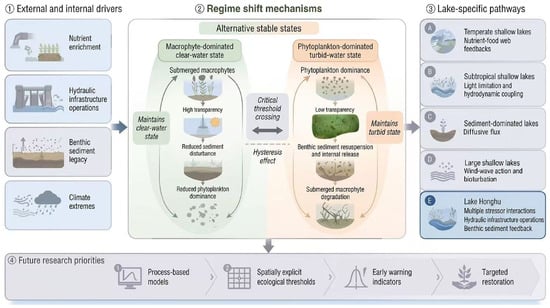
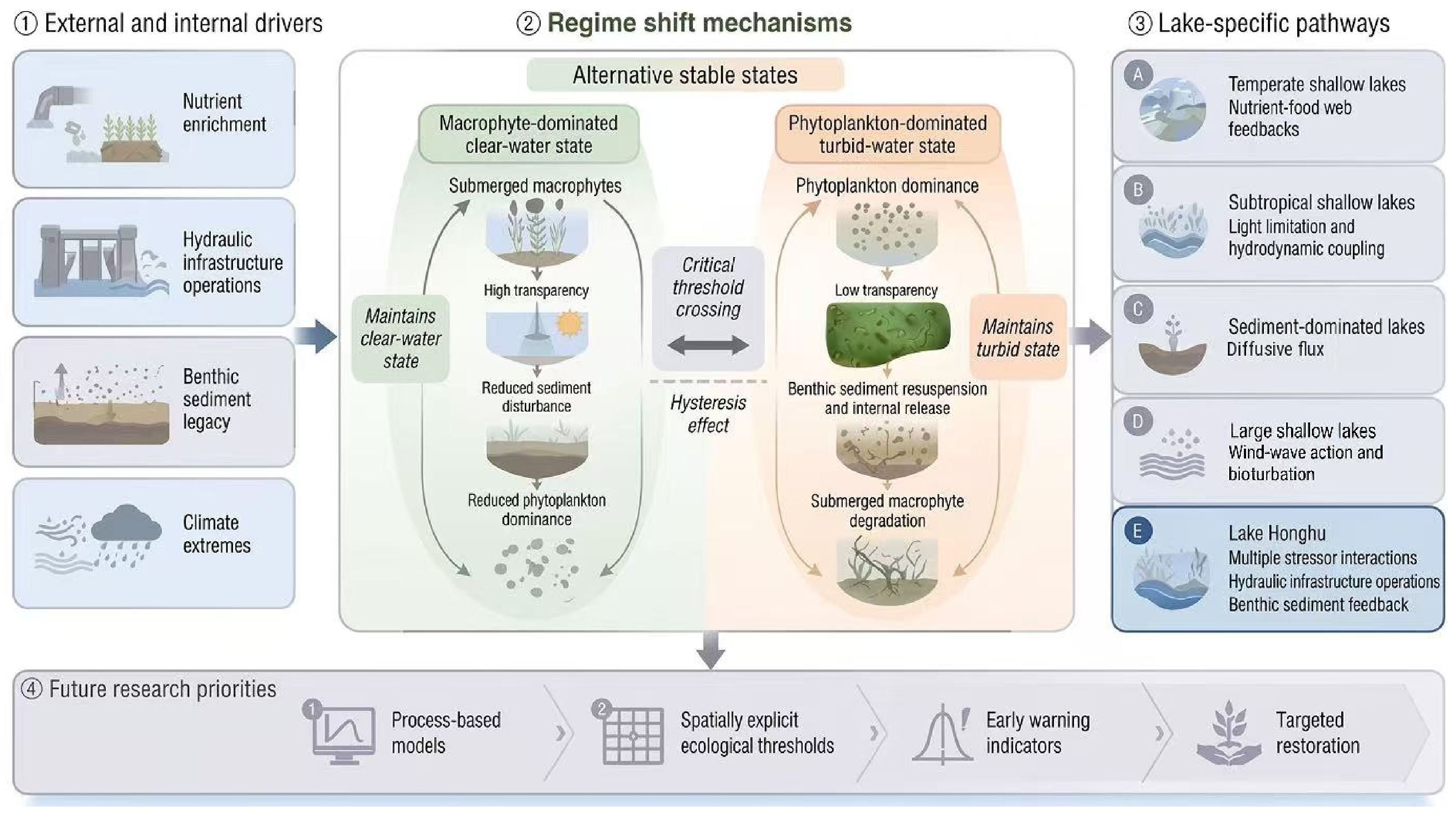
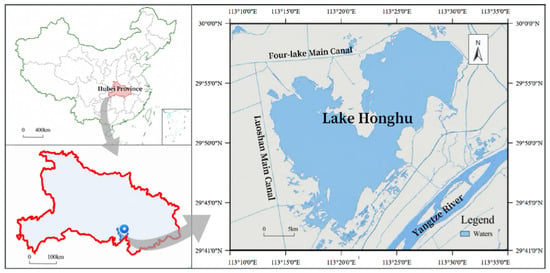
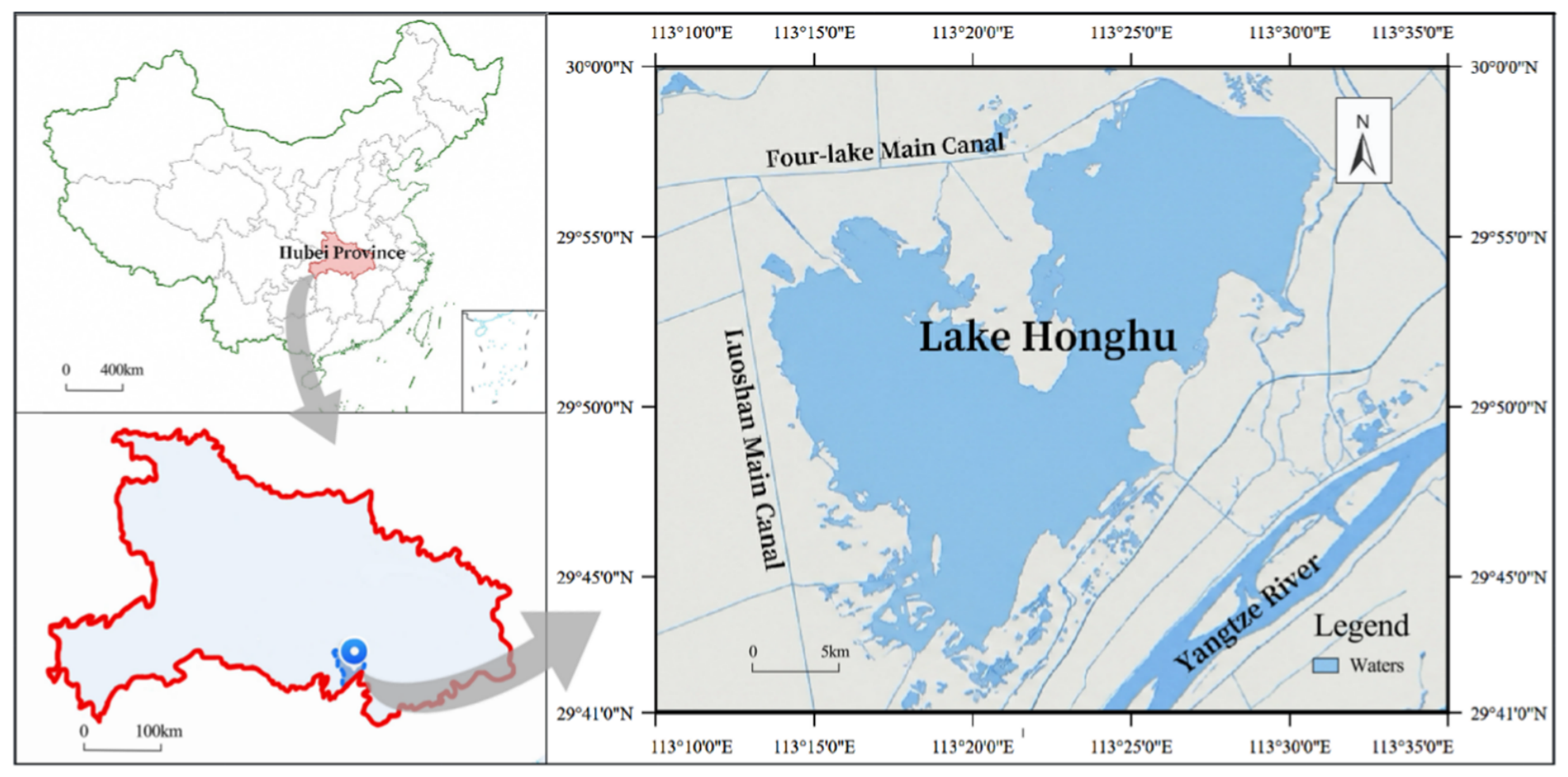
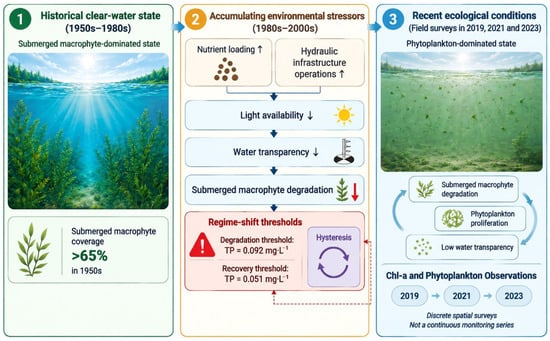
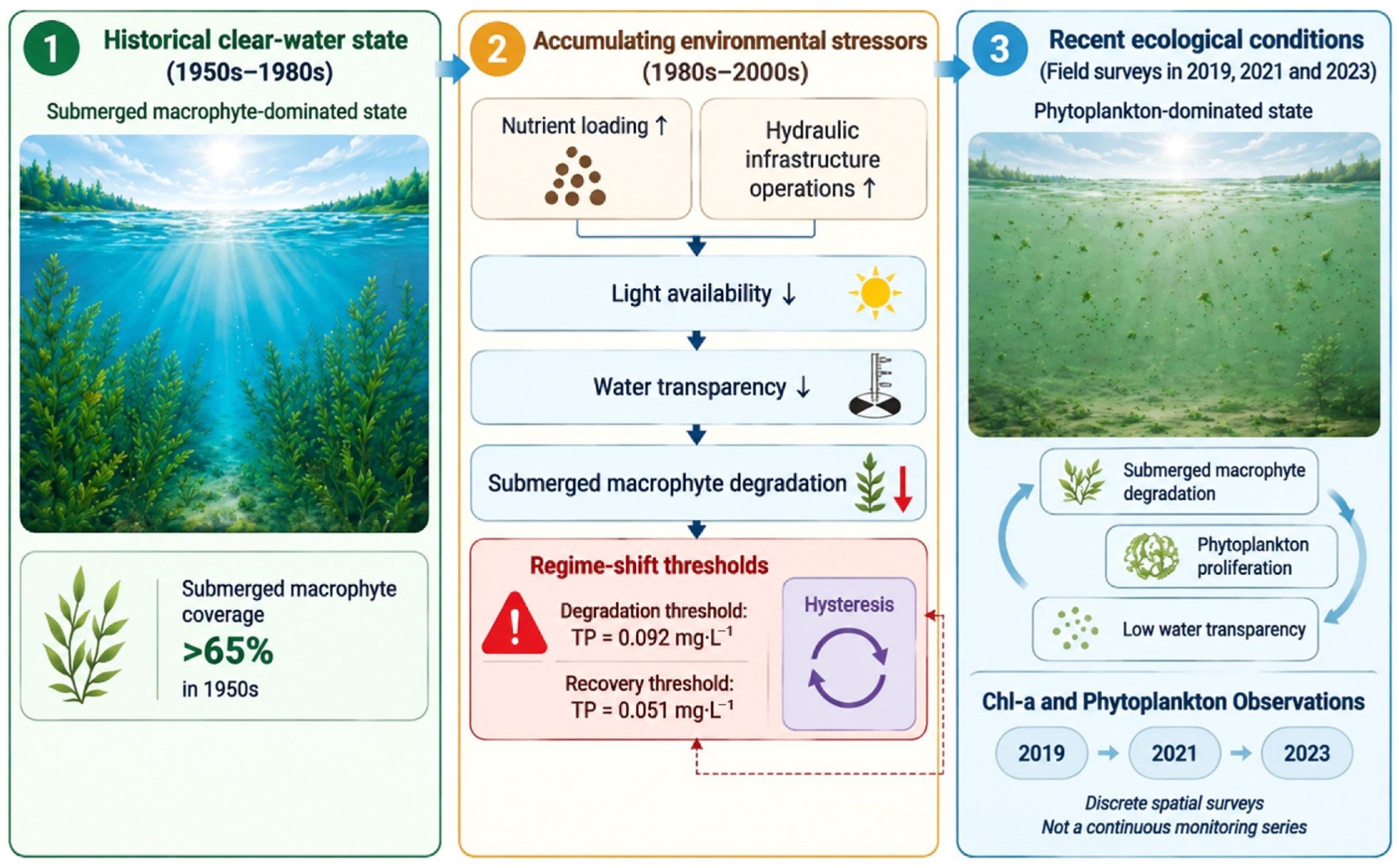
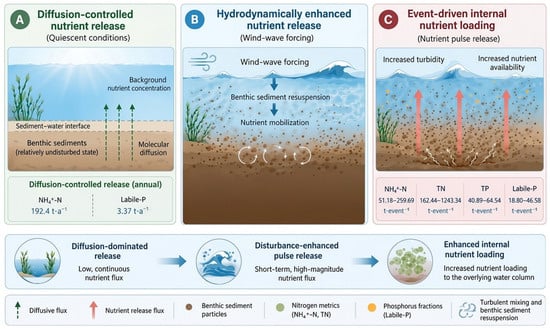
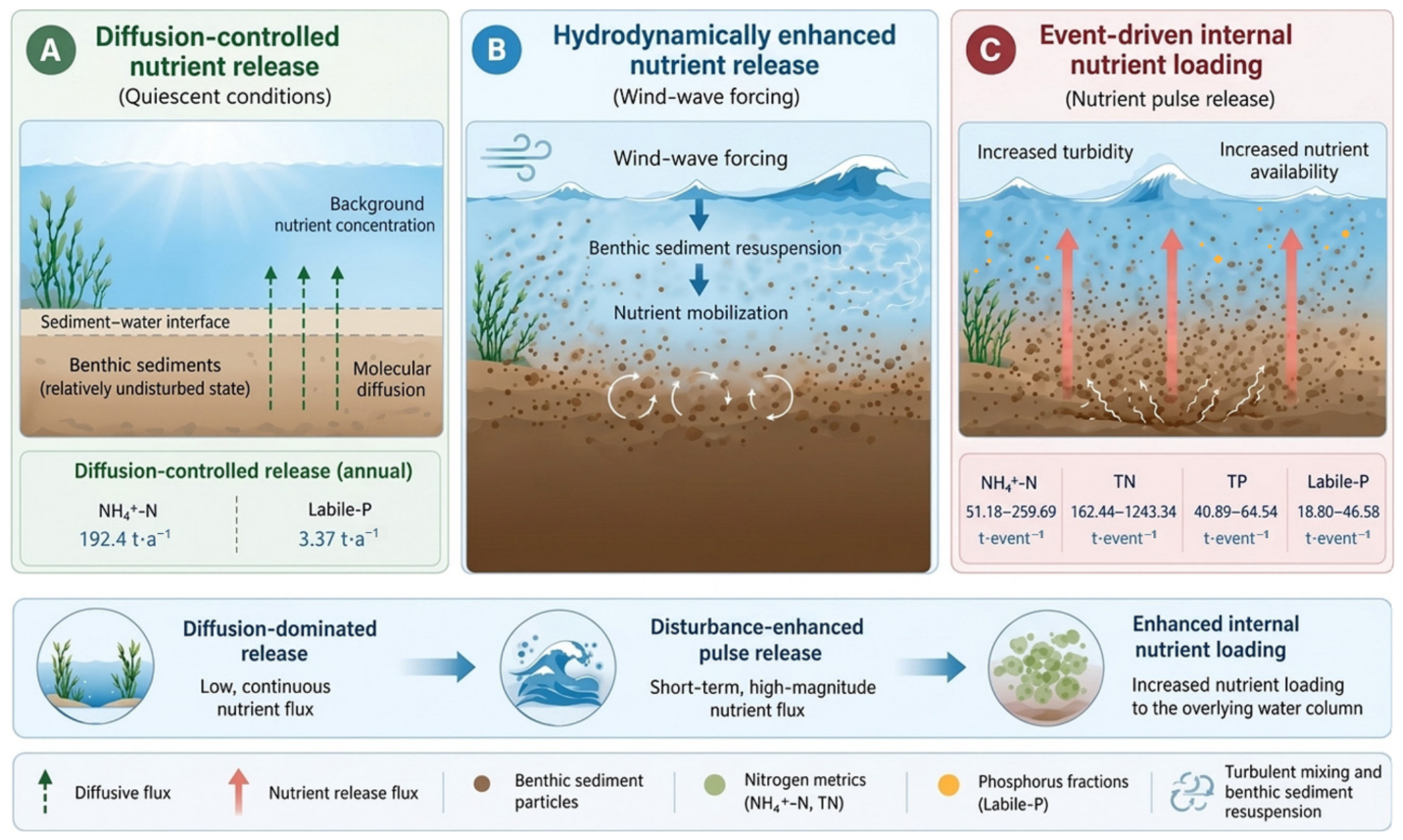
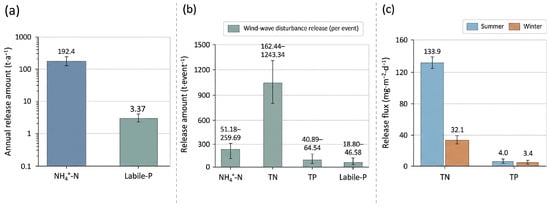
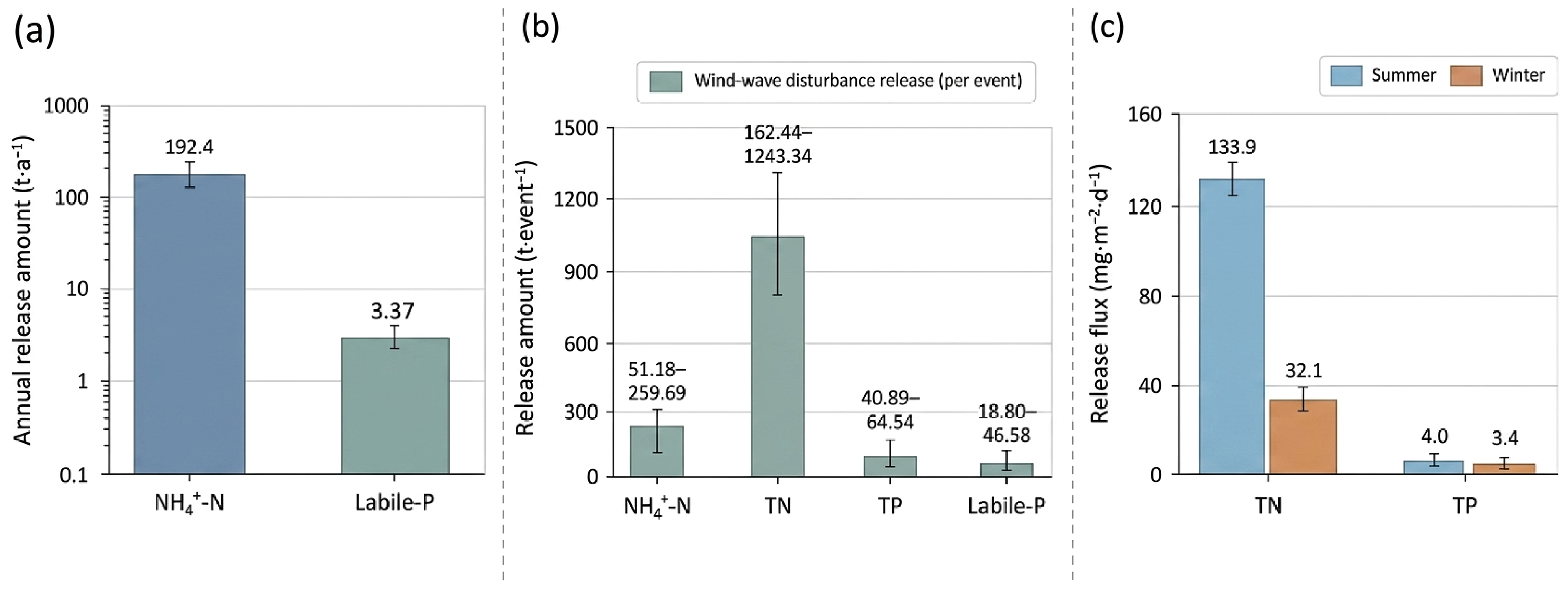
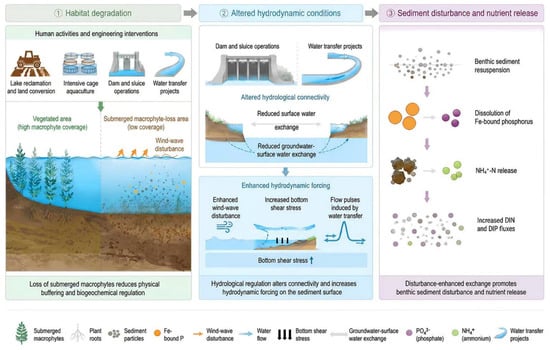
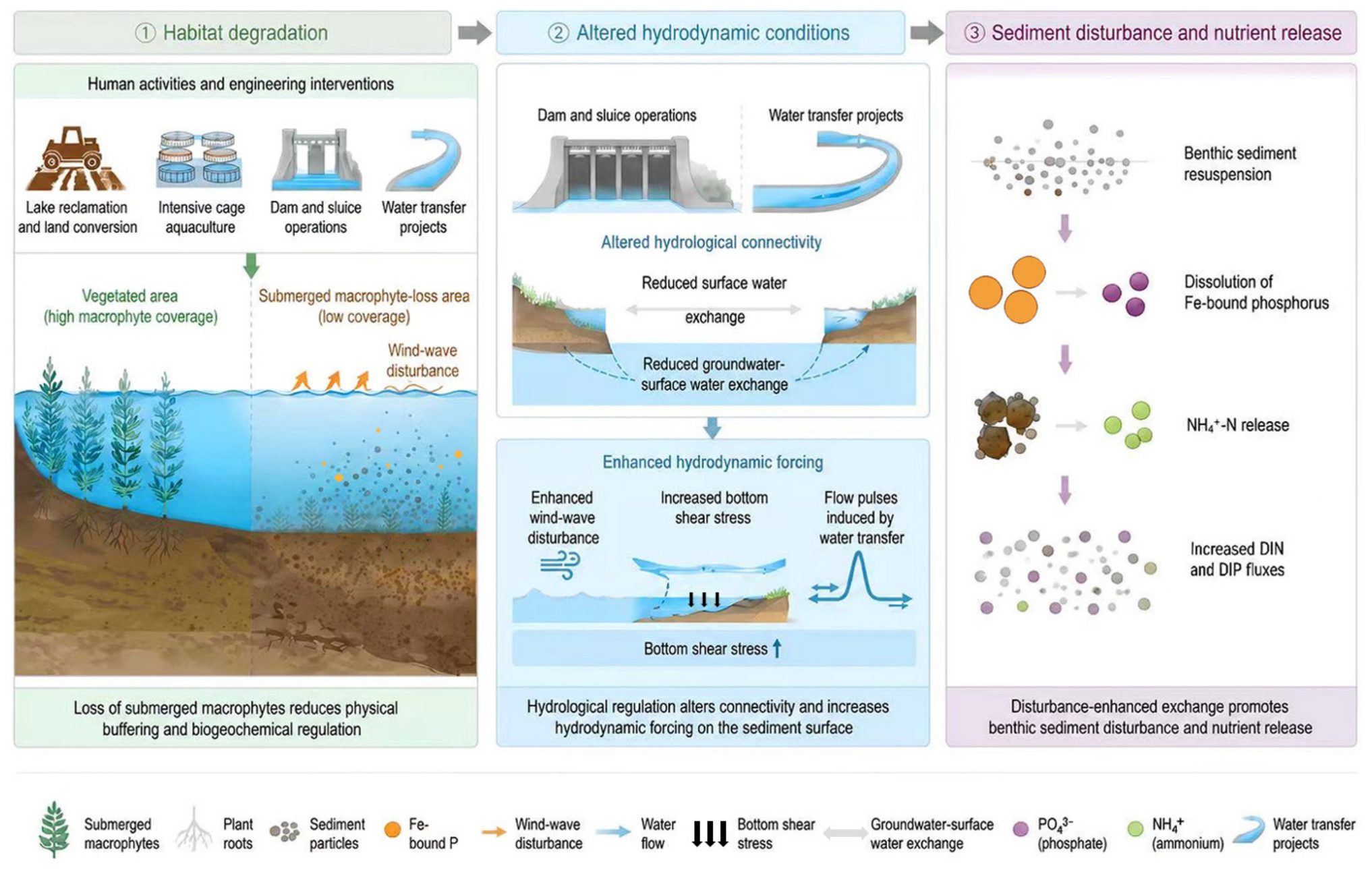

Disclaimer/Publisher’s Note: The statements, opinions and data contained in all publications are solely those of the individual author(s) and contributor(s) and not of MDPI and/or the editor(s). MDPI and/or the editor(s) disclaim responsibility for any injury to people or property resulting from any ideas, methods, instructions or products referred to in the content. |
© 2026 by the authors. Licensee MDPI, Basel, Switzerland. This article is an open access article distributed under the terms and conditions of the Creative Commons Attribution (CC BY) license.