


Abstract
This research developed a participatory, multi-criterion strategy to support the contextual identification of energy ecotechnologies for rural communities. The proposal articulates three dimensions of analysis: (a) the energy needs of households, based on the services required, the devices used, and the fuels employed; (b) the financial conditions of households, considering income, saving capacity, and investment recovery period; and (c) compatibility with locally available natural resources. These dimensions are analyzed sequentially using a color-coded system that serves as a decision-support tool. The strategy was applied in two P’urhépecha communities as case studies and can be adapted to other contexts, provided that the criteria are reviewed according to socio-territorial conditions and community participation.
1. Introduction
Currently, the energy crisis and energy inequalities, alongside environmental degradation, have increased the relevance of ecotechnologies as technological alternatives linked to sustainable development at the local, national, and international levels. Their relevance lies in the fact that some of these technologies make it possible to meet basic household energy needs through low-cost, efficient solutions and, in some cases, through the use of locally available natural energy resources. Accordingly, it has been noted that an appropriate ecotechnology should be evaluated not only in terms of its technical performance, but also in terms of its social, economic, and environmental uptake, since its contribution to sustainability depends on the actual context in which it is used on an ongoing basis [1].
Internationally, the importance of ecotechnologies has been associated with the need to democratize access to sustainable energy services. Recent studies have indicated that the domestic and cultural routines associated with programs, such as fuel-efficient wood stoves, exhibit limitations related to cost, lack of information, perceived usefulness, service life, insufficient training, and the absence of technical follow-up after implementation [2,3,4,5]. In addition, Pachauri et al. [6] indicate that universal access to clean cooking services remains a challenge, because technologies such as fuel-efficient wood stoves and solar cookers are important for minimizing energy consumption, improving household health, and reducing environmental impacts. Poblete-Cazenave et al. [7] note that, under climate-change mitigation scenarios, it is necessary to reduce inequalities in access to basic household energy services, particularly for domestic activities such as food preparation and preservation, thermal comfort, and cleaning. In other words, ecotechnologies can provide alternatives to help meet basic energy needs, promote climate-change mitigation and adaptation strategies, and contribute to the socio-environmental wellbeing of vulnerable populations [8,9,10,11,12].
Similarly, technologies such as solar water heaters and household photovoltaic systems face constraints that prevent their uptake by households. Although these types of ecotechnologies can improve energy access and consumption while strengthening energy autonomy, their implementation is limited by upfront costs, lack of financing, insufficient technical know-how, and social inequality in access. Research on household solar systems shows that stand-alone lighting is feasible, but it does not always alleviate energy poverty or guarantee productive benefits unless training, maintenance and financial models suited to household budgets are provided [13,14,15,16,17,18,19]. Therefore, many of the limitations of ecotechnologies are not due to an isolated technological failure, but rather to a lack of integration among technology, community, household economy, local natural resources, training, and monitoring. Indeed, it is necessary to move from technology transfer models towards participatory solutions for appropriation, provided that the communities are involved in the selection, adaptation, operation, maintenance, and evaluation of these devices [13].
In Mexico, ecotechnologies have acquired particular importance and may address certain local needs. In a Mexican Indigenous community, the importance of ecotechnologies in developing a sustainable rural energy system was demonstrated; such a system must integrate household energy demand with an evaluation of its environmental and economic implications [20], as well as the use of local and renewable energy resources. Likewise, the literature indicates that the adoption of ecotechnologies in rural communities depends on community participation, social appropriation, technical support and capacity building for their proper operation [21]. Consequently, ecotechnologies should not be analyzed as isolated solutions, but rather as socio-territorial strategies that link energy, household economics, the environment and community appropriation [22]. In this respect, although advances have been made in the development, transfer, and acquisition of ecotechnologies, these efforts do not always achieve adoption and sustained use, nor have they resolved the energy, economic, and environmental needs of the families in the communities where interventions have been carried out. This shortcoming explains why several initiatives have prioritized a linear model of technology transfer focused on the installation or implementation of energy devices, often without taking into account everyday practices, community organization, the economic context, natural resources, and local socio-cultural conditions [23]. It has been found that acquiring a technology does not guarantee its consistent use, due to cost, compatibility with household practices and families’ perceptions [24]. In Indigenous community contexts, it is necessary to incorporate worldviews, autonomy, local knowledge, and the collaborative design of solutions that ensure their cultural organization [25], which can ideally promote pathways toward their adoption and potential sustained use.
Considering the foregoing, this research focuses on proposing a participatory, multi-criterion analysis strategy aimed at supporting the contextual identification of energy ecotechnologies that align with the socio-territorial conditions of the communities of interest. The strategy considers three main dimensions: energy needs identified from a local perspective, household financial conditions, and the availability of natural resources in the territory. These dimensions are analyzed in a differentiated and sequential manner to identify technological alternatives that correspond to the conditions observed in each community. This approach seeks to move beyond decision-making processes based solely on technical efficiency, the commercial availability of technologies, or the isolated characterization of energy demand, by incorporating complementary energy, economic, and territorial evidence. This proposal aims to establish a link between the characteristics of each ecotechnology in terms of its energy, economic, and environmental benefits and the socio-cultural context of the community. In this way, an adaptable strategy is proposed to support local decision-making, reducing the risk of considering technological alternatives that are poorly compatible with local needs and capacities. At the same time, it seeks to strengthen the engagement of the community as a key player in identifying needs and adapting comprehensive solutions, therefore promoting the adoption of ecotechnologies and their sustained use.
Multi-Criterion Analysis for the Selection of Ecotechnologies
The transfer of energy technologies to rural communities has contributed to expanding the available options for meeting needs related to cooking, lighting, water heating, and other domestic services. However, the literature has shown that the availability or installation of technology does not necessarily guarantee its adoption or continued use in households. Studies in different rural contexts have identified barriers related to acquisition costs, the availability of fuel or energy resources, maintenance, training, perceived usefulness, and compatibility with families’ household practices [2,4,11,24]. For example, domestic solar systems can contribute to improving access to and strengthening the energy autonomy of households; however, their implementation and permanence are often conditioned by the initial investment, financing mechanisms, their maintenance and the prior technical knowledge available locally [14,15,16]. These experiences have shown that selecting an ecotechnology requires considering factors beyond its technical performance to ensure successful transfers and uses.
In response to these challenges, multi-criterion analysis methods have been widely used to support decision-making in energy and sustainability projects through the simultaneous integration of technical, economic, environmental, and social criteria [26,27,28,29]. Among the classic approaches is the Weighted Sum Model (WSM), also called Simple Additive Weighting (SAW), which allows the integration of criteria through relative weightings to obtain an aggregate valuation of the alternatives [30,31]. These models have facilitated a transition from decisions based solely on technical parameters to assessments that incorporate various dimensions of viability. However, their application requires transparency regarding the selection of criteria, the origin of weightings, and the aggregation rules, particularly due to the compensatory nature of additive models, in which a viable outcome in one dimension can partially offset an unfavorable condition in another [27,29].
Recent applications show the diversity of these approaches in different energy contexts. Makai et al. [32] used a multi-criterion model to select hybrid renewable energy systems for rural areas in Zambia, by integrating technical, economic, environmental and social criteria. Lu et al. [33] combined subjective and objective weighting procedures to evaluate integrated energy systems at the community scale, while Rebucas et al. [34] used fuzzy Delphi and DEMATEL methods to analyze the barriers that condition the adoption of photovoltaic systems in rural communities, analyzing factors associated with public policies, research, training, technology transfer, and local participation. These studies demonstrate the usefulness of multi-criterion analysis in energy decision-making. However, they also highlight the need for frameworks that better account for the context and social dimensions, since these continue to receive less attention than economic and technical criteria in various energy planning models [22,29].
However, a recurring limitation is that some of these applications begin with a predefined set of technological alternatives and then classify them according to criteria established for the model. In effect, the procedure may be analytically robust without necessarily guaranteeing that the initially included alternatives correspond to the priority needs of households or the specific conditions of the territory. In rural and indigenous communities, this limitation becomes even more relevant, since technological suitability can also depend on domestic practices, local knowledge, community organization, families’ ability to afford the technology, and the availability of natural resources in the territory [13,21,23,25].
In response to this gap, a participatory, multi-criterion strategy is proposed to support the identification of energy ecotechnologies for local use. This type of approach allows for the incorporation of local conditions and priorities in the early stages of energy planning, particularly in rural and indigenous communities, where technological relevance depends on socio-technical capacities, economic conditions, local knowledge, and the availability of local natural resources [22,35]. The contribution consists of sequentially organizing evidence from a community assessment of energy needs, financial conditions, and the availability of natural resources, in a manner consistent with approaches that integrate social, technical, and economic dimensions to identify energy alternatives appropriate to the context. The aim is not to generate an aggregate viability score, but rather to provide elements for informed selection [36]. In this way, technological identification is based on a comprehensive, multi-criterion approach that supports informed, situated, and participatory decision-making [37].
This review identifies a methodological gap between the community assessments used to characterize household energy conditions and the subsequent procedures used to select technologies that could address them. The recent literature shows that the adoption of energy technologies depends on a combination of economic, technical, social, cultural, and territorial factors, whose interaction varies according to the specific conditions of each community [34,38,39]. Consequently, it remains necessary to strengthen methodological approaches that integrate, within a single procedure, the energy needs identified by households, financing conditions, and the availability of natural resources, while also including community participation in prioritizing criteria and defining technological alternatives. This need is particularly relevant in rural and indigenous communities, where decision-making is linked to domestic practices, resource availability, economic resources, and local preferences [20,40,41]. In response to this gap, a multi-criterion strategy is proposed, based on a contextual application of the WSM/SAW approach to support the selection of energy ecotechnologies. This approach is widely recognized for integrating heterogeneous criteria within decision-making processes [22,30,31]. The methodological contribution lies not in developing a new multi-criterion algorithm, but in applying a decision model through community participation that links household energy needs, financing conditions, and locally available natural resources. In this way, the aim is to move from a selection focused predominantly on the characteristics of technology towards an assessment of its correspondence with the energy, economic and territorial conditions of the context where it could be implemented.
2. Methodology
This research proposes a decision-support strategy for identifying ecotechnologies that meet local energy needs while also considering families’ financial circumstances and the availability of natural resources in the region. These elements are integrated through a sequential process that progressively narrows down the set of technological alternatives based on their alignment with the energy, economic, and territorial conditions identified in each community. The aim is to establish a foundation for identifying ecotechnologies compatible with the communities’ context, reducing the risk of selecting technological solutions unsuitable for local conditions and providing a basis for subsequent stages of adoption, training, implementation, and sustainable use.
The methodology presented in Figure 1 was applied through case studies in Indigenous communities located in the Lake Pátzcuaro region of Michoacán and was structured as a participatory decision-support strategy. The procedure is organized into three stages: (a) definition of the criteria that comprise the participatory multi-criterion analysis, (b) selection of two communities for strategic application, and (c) sequential application of the criteria in the case studies. In this way, the procedure seeks to provide structured evidence that justifies the compatibility of the identified alternatives with the socio-territorial conditions of each community.
Figure 1.
Map of the research methodology.
2.1. Participatory Multi-Criterion Strategy for Identifying Ecotechnologies
To establish a systematic approach for identifying ecotechnologies aligned with the socio-territorial conditions of the studied communities, a participatory multi-criterion strategy was structured based on three dimensions: household energy needs, families’ financial circumstances, and the availability of natural resources in the territory. These dimensions are analyzed sequentially as decision-support criteria and are not integrated through an aggregated feasibility score.
The contribution of this research is to sequentially organize the evidence obtained through community assessments, with the aim of progressively narrowing down the set of technological alternatives and substantiating the identification of those ecotechnologies that best match the energy, economic, and territorial conditions of each community. Thus, a favorable condition in one dimension does not automatically compensate for a critical limitation identified in another.
The strategy is applied through a three-stage sequence. First, household energy needs are assessed, considering the priority of the energy service, the characteristics of the devices used, and the fuels available through community assessments. Second, families’ financial conditions are analyzed, taking into account income, saving capacity, and the investment recovery period they consider acceptable for an ecotechnology. Finally, the availability and compatibility of the natural resources required for the operation of the considered technological alternatives are evaluated.
The sequential application of these dimensions functions as a decision-support strategy for the contextual identification of ecotechnologies and not as a qualitative measure of viability. An alternative can remain in the selection process when it addresses an identified energy need, presents financial conditions compatible with families’ capabilities, and has the necessary energy resources for its operation. When any of these conditions represent a significant limitation, the alternative can be classified as conditional or complementary. When an essential constraint for its operation is identified, the alternative is not considered a priority within the selection process.
In this way, the multi-criterion analysis keeps the three dimensions of analysis independent and prevents favorable performance in one dimension from mathematically compensating for an unfavorable condition in another. The result of the procedure should be interpreted as structured support for the decision and as a tool for identifying the ecotechnologies that best adapt to the socio-territorial context, and not as a score measured by technological viability.
The study integrates the three stages into a traffic light system that is used as a qualitative tool for analyzing and visualizing the decision sequence. Its function is to identify favorable, intermediate, or limiting conditions within each dimension analyzed and to facilitate traceability between the evidence obtained in the community assessments and the technological alternatives considered. This type of representation has been previously used as a visualization tool for multidimensional assessments of sustainability, energy, and socio-environmental performance [42,43,44,45,46].
For the assessment of energy needs, three criteria are considered, obtained through community assessments: (N) priority of the energy need, (D) technological condition of the device used to meet it, and (C) accessibility to the corresponding fuel or energy source. First, the percentages of households associated with each category are analyzed to identify their frequency and relevance within the community. Subsequently, the observed conditions are organized according to the categories established in Table 1 to facilitate their interpretation within the energy needs identification process. In this strategy, N, D, and C are used as complementary descriptive criteria to characterize the energy need, the technological condition by which it is met, and the accessibility of the energy resource used. This information constitutes the first dimension of the sequential evaluation process and allows for the identification of energy needs that can be addressed through technological alternatives.
Table 1.
Energy-need assessment criteria used in the participatory analysis strategy.
Criteria N, D and C were considered conceptually different within the evaluation of energy needs, although they were not assumed to be statistically independent variables. Prioritizing energy needs (N) defines the energy service demand identified by households, allowing for the identification of the most relevant requirement within the community (Priority). This dimension was incorporated separately because households using similar fuels or devices may exhibit different patterns of energy demand and use with respect to their domestic activities and specific needs [47,48].
Next, the device used (D) characterizes the technological condition through which the energy need is currently met, considering its performance and relative efficiency. The literature has shown that technologies linked to the same service can exhibit substantial differences in efficiency and fuel consumption, so the type of energy used does not, by itself, characterize the technological performance of the household [11]. Finally, fuel accessibility (C) represents a dimension of availability and access to the energy sector, associated with supply, distribution, and local availability conditions. These conditions can either favor or limit the sustained use of technology, even when it is technically adequate [49,50]. Consequently, N, D, and C were maintained as distinct components because they represent the demand for energy services, the technological condition of the device, and the accessibility of the energy used. However, D and C may exhibit conceptual dependence, since certain devices determine compatible fuels, and conversely, the availability of these fuels can influence the technology used by the household.
To avoid ambiguity between ordinal categories and the population frequency of observed conditions, both types of information were differentiated. In criterion D, the percentage of households was used solely to identify the predominant device associated with each energy need, while the ordinal category was assigned based on the technological condition and relative efficiency of the device. Therefore, the frequency of use of a device within the community does not determine its score in D. Together, criteria N, D, and C allow for the characterization of the energy need dimension within the multicriterion evaluation process. The information is not combined using an arithmetic average nor transformed into an aggregate index; instead, it is used in a complementary manner to identify the priority of the need, the technological condition by which it is currently met, and the accessibility to the corresponding energy source. This assessment constitutes the first stage of sequential multicriterion evaluation for the contextual selection of ecotechnologies. The qualitative weighting (Traffic Light System) of each symbol is shown in Supplementary Material S1.
Subsequently, the financial conditions of the families were evaluated within the multicriterion evaluation process; three components were analyzed: disposable family income (I), saving capacity (A), and Investment Payback Period (IPP). The percentages obtained from the community assessments allowed for the identification of predominant income ranges, saving possibilities, and family expectations for investment recovery. These criteria are analyzed separately as evidence of households’ economic capacity and are not integrated through an aggregated financial score.
For criterion I, the percentage distribution of households is used to identify the predominant monthly income range in a community, while the corresponding category is determined from the observed monetary range. In contrast, criterion A represents a measure of the community’s saving capacity and is characterized by the proportion of households that indicates the possibility of allocating approximately 10% of their income to savings or investment in an ecotechnology. For its part, IPP allows for the identification of the period that families consider acceptable to recover the investment made in a technological alternative. In this way, the three criteria provide complementary information to characterize the financial conditions of households within the analysis process. Table 2 presents the criteria and categories used to characterize the financial conditions of families. At this stage, the purpose is to identify whether income, savings, and investment recovery conditions can favor, condition, or limit the incorporation of a particular ecotechnology within the socioeconomic context of each community. These criteria will also be obtained from community assessments using the instrument shown in Supplementary Material S2, as will energy needs.
Table 2.
Financial condition assessment criteria used in the participatory multicriterion analysis strategy.
These economic considerations are based on specific contexts that have been analyzed in the literature [51,52].
As a supplementary reference for interpreting household economic capacity in relation to the alternatives considered, the approximate investment ranges for the eco-technologies are presented in Supplementary Material S3.
Finally, the availability of natural resources was evaluated as the third dimension of the analysis process. For this purpose, solar radiation, wind speed, and local biomass availability were considered due to their relationship with the energy sources required for the operation of various ecotechnologies, which are commonly found in many communities.
For the evaluation of natural resources, each variable must be examined independently to determine its availability and compatibility with the technological alternatives considered. In this way, the availability of a natural resource functions as a territorial criterion within the analysis process and allows us to identify whether local conditions can favor, condition, or limit the operation of a given ecotechnology. Table 3 presents the criteria used to characterize the availability of natural energy resources and their relationship with associated ecotechnologies. The categories included in this table are used as references for interpreting the territorial availability of each resource and not as terms in an aggregation equation; nor do they represent definitive criteria, so they can be adapted to the socio-territorial context as appropriate. The qualitative weighting (Traffic Light System) of each symbol is shown in Supplementary Material S1.
Table 3.
Assessment criteria for climatological variables and locally available energy resources used in the participatory multicriterion evaluation strategy.
Taken together, the three dimensions—energy needs, financial conditions, and availability of natural resources—are analyzed sequentially to support the identification of ecotechnologies compatible with the socio-territorial context of the communities. The strategy allows for the traceable identification of how each ecotechnology addresses an energy need, relates to the economic conditions of families, and depends on the availability of the energy resource necessary for its operation.
A traffic light system was used to visually represent this sequence of analysis. Green indicates conditions compatible with the selection of a technological alternative; yellow represents conditions that require additional considerations, adaptation, or conditional implementation; and red indicates the presence of a relevant limitation that advises against prioritizing the alternative within the evaluated context. This classification serves as a decision-support tool and not as a scale derived from numerical intervals of viability.
Table 4 presents the qualitative criteria used to interpret the results of traffic light analysis and to distinguish between compatible ecotechnologies for identification, conditional or complementary alternatives, and non-priority alternatives within the evaluated socio-territorial context.
Table 4.
Qualitative traffic-light assessment criteria for the identification of energy ecotechnologies.
The criteria presented in Table 4 allow for a qualitative interpretation of the conditions associated with the identification of ecotechnologies, considering the priority of energy needs, the financial circumstances of families, and the availability of the natural resources required for their operation. Based on this multicriterion evaluation sequence, it is possible to distinguish between alternatives compatible with the local context, alternatives whose implementation is conditioned by some limitation, and alternatives that are not a priority under the observed conditions.
The traffic light system, therefore, functions as a decision-support tool and a visualization of the evidence obtained through community assessments. Its purpose is to facilitate a transparent and traceable interpretation of the correspondence between the characteristics of each ecotechnology and the energy, economic, and territorial conditions of the communities studied.
2.2. Case Study: Selection of the Communities
To select the communities studied, a hierarchical multicriterion analysis was used based on four criteria that consider their territorial characteristics and vulnerability to climate change, population size, predominance of Indigenous languages and productive activities. The climate change vulnerability indicator is considered based on the premise that marginalized populations tend to experience the greatest impacts of climate change [58]. These criteria are applied hierarchically in the order in which they are presented, making it possible to narrow/filter the results for the subsequent criterion:
- Vulnerability to climate change. In the case of Michoacán, particularly in the Pátzcuaro lake region, various municipalities exhibit high levels of climate vulnerability. This information is based on an Atlas of Vulnerability to Climate Change in Mexico, from which the conditions of the municipalities around interest will be analyzed [59]. From a territorial perspective, it was established that the communities must be located at least 1 km from Lake Pátzcuaro.
- Population size. The criterion considered localities with populations between 2000 and 6000 inhabitants, using data obtained from the National Institute of Statistics and Geography [60,61,62].
- Predominance of Indigenous languages. This indicator was evaluated by considering communities in which more than 50% of the population speak an Indigenous language (monolingual or bilingual), using information obtained from INEGI databases [60,61,62].
- Productive activities. For this criterion, communities were analyzed in which more than 50% of the productive activity of the population takes place within the community. The data were obtained from INEGI [60,61,62].
The selection of the above criteria follows a territorial approach that makes it possible to develop a comprehensive profile of the communities studied, incorporating environmental, demographic, socio-cultural, and economic factors.
Thus, these criteria of territory, population, language, and employment, applied to the communities along the shores of Lake Pátzcuaro, made it possible to identify the localities to be used as case studies for the application of the proposed participative multi-criterion analysis strategy. These are in the municipality of Quiroga: Santa Fe de la Laguna and San Jerónimo Purenchécuaro. The selection of these towns is the result of a hierarchical filtering process, based on the indicators defined in the methodology (Table 5, Figure 2).
Table 5.
Indicators for the two communities in the lake region.
Figure 2.
Map showing the selection of the two communities in the Pátzcuaro lake region and the location of David Vantage Pro2 weather stations. Prepared using QGIS.
The data in Table 6 were used to analyze the relevant criteria for the two communities. The climate change vulnerability indicator made it possible to justify the territorial relevance of the study, since both communities are in the municipality of Quiroga, identified as one of the municipalities in the state of Michoacán with high climate vulnerability. This information establishes a link between the importance of selecting these communities and the need to develop local strategies for the adaptation and use of local natural resources.
Table 6.
Categorized definition of the community assessments.
As regards the territory, both localities have favorable access conditions within the Pátzcuaro lake region. For the population indicator, the communities fall within the range of 2000 to 6000 inhabitants. Additionally, the language indicator assesses the relevance of intercultural communication strategies. In both communities, more than 50% of the population are bilingual (Spanish and P’urhépecha), supporting the incorporation of an intercultural approach and facilitating the transmission of technical content to participating families, while respecting their local knowledge and their own forms of community organization. Finally, in both communities, between 30% and 50% of their economically active or productive residents remain in their community. They have a social base that supports the implementation of ecotechnologies and may be associated with family businesses, artisanal activities, or community-based ventures.
2.3. Application of the Participatory Multicriterion Decision Analysis Strategy to the Case Studies
To implement the participatory multicriterion decision analysis strategy described in Section 2.1, the community diagnoses mentioned above were carried out. These included an assessment of energy needs, locally available financial resources, and knowledge of ecotechnologies, as well as an analysis of the available natural resources. The assessment instrument consisted of a total of 35 multiple-choice and open-ended questions (Supplementary Material S2), grouped into three categories: (i) energy needs, (ii) economic circumstances, and (iii) knowledge of ecotechnologies. To determine the finite sample size for the communities of interest, Equation (5) [63] was used. This equation has also been used in other energy-related and social studies [64].
where is the sample size, is the population size, is the value of the normal distribution for the confidence level (95%), is the expected probability of success (50%), is the probability of failure (50%), and is the allowable margin of error (12%) [65]. Community technicians from the communities studied participated in applying these assessments. These technicians were selected based on the following criteria: residence in the community, experience in conducting community surveys, completed or incomplete high school education, and proficiency in the P’urhépecha language.
To assess the locally available natural resources, two professional David 6152 Vantage Pro2 weather stations were installed in the localities of Santa Fe de la Laguna (19°40′19″ N, 101°33′16″ W) and Tzentzénguaro (19°40′45.2″ N, 101°36′42.9″ W). To provide a meaningful territorial reference framework, the stations are located at diametrically opposite points on the shores of Lake Pátzcuaro (Figure 2). The data were recorded from 11 December 2023, to 31 December 2025. The software used for the collected data was Weather Link Cloud. These instruments made it possible to estimate available solar energy, precipitation and wind speed. In addition, the biomass resource available in the region was estimated using data from INEGI [66].
To establish the criteria for selecting energy ecotechnologies appropriate to the socio-territorial context, the data obtained from the community assessments were categorized (Table 5). Taken together, the three types of assessment establish a close link with the socio-territorial context, providing an integrated understanding, that can serve as a framework for participatory multicriterion analysis and decision-making in the selection of ecotechnologies for potential implementation. In other words, Table 6 makes it possible to identify the context of energy-need satisfaction, financial resources and saving capacity, as well as the locally available energy sources; taken together, these provide the basis for formulating realistic and sustainable solutions in the communities, using a participatory approach grounded in the realities of the inhabitants of these localities.
Based on the data in Table 6, it was observed that the categories per se of the community assessments do not constitute a decision-making pathway for the selection of energy ecotechnologies. Therefore, their operationalization and support through a participatory process are necessary to prioritize energy needs and define topics related to ecotechnologies, financial affordability and available natural resources, thereby demonstrating the relevance of the proposed metric.
3. Results
3.1. Results of the Community Assessments
Based on the selected case study, the assessments were conducted in two communities during the period from 3 March to 20 June 2025. A total of 128 questionnaires were administered: 64 in Santa Fe de la Laguna and 64 in San Jerónimo Purenchécuaro. These instruments were administered to identify energy needs, the energy-using devices employed in the household, the fuels used, financial availability, and perceptions around knowledge of ecotechnologies. The energy needs that families identified as priorities in their households were determined. Figure 3 shows the percentages of the total number of families surveyed who identified each category as a relevant energy need in the households of Santa Fe de la Laguna and San Jerónimo Purenchécuaro.
Figure 3.
Percentage distribution of the priority energy needs identified by the families surveyed.
The results of Figure 3 show that the most relevant energy needs in both communities are cooking and domestic water heating. The greatest difference was observed in water heating, with San Jerónimo Purenchécuaro reporting a higher value (85%) than Santa Fe de la Laguna. The need for lighting and electricity is virtually equivalent (60%), while cooking shows very similar values in both communities (80% and 79%). These data are directly related to the devices and appliances used in households, as families still rely on conventional technologies.
After analyzing the main energy needs of the household, the assessment also identified the technologies that families currently use to meet those needs. This aspect is essential because the same energy need can be met using technologies that differ in type, cost, access, efficiency, and fuel. This information made it possible to identify opportunities for the implementation of ecotechnologies (Figure 4).
Figure 4.
Comparative analysis of the devices used most frequently in households for cooking, water heating and lighting in the communities studied.
The results show differences in the devices used by families in the two communities. For cooking, Santa Fe de la Laguna has a higher use of traditional stoves (58%), indicating that this community still depends on conventional technologies based on fossil fuels, as well as on biomass resources such as firewood. In contrast, San Jerónimo Purenchécuaro makes greater use of gas stoves (55%). Electric stoves account for lower percentages in both communities. Regarding domestic water heating, the results show significant differences. In San Jerónimo Purenchécuaro, the traditional stove (34%) and the instantaneous water heater (23%) are the most widely used conventional technologies for meeting these needs. In contrast, Santa Fe de La Laguna reports higher percentages of solar water heaters (35%) and electric immersion heaters (36%). There are also differences between the two communities in terms of lighting. In Santa Fe de la Laguna, incandescent bulbs are more widely used in households (65%) than LED bulbs (35%); this condition reveals a potential margin for incorporating more energy-efficient lighting technologies and for reducing electricity consumption in homes. Conversely, San Jerónimo Purenchécuaro exhibits more efficient lighting patterns, with greater use of LED bulbs (70%). Both communities exhibit distinct energy-use patterns in their use of devices with conventional technologies.
Identifying the devices used in households makes it possible to understand not only the conventional technologies used in the communities studied, but also the fuels employed in their everyday energy practices. Families in the communities use different devices for cooking and domestic water heating, depending on the type of fuel available, accessible and culturally accepted by the families. Accordingly, Figure 5 presents an analysis of the fuels most frequently used to meet the domestic energy needs of the communities studied. The results show relevant differences between the fuels and energy sources used by families in the two communities. In Santa Fe de la Laguna, the main fuel used is firewood (60%), which indicates that biomass remains an essential resource for food preparation and is related to the local availability of the resource and cultural practices. In contrast, San Jerónimo Purenchécuaro shows greater reliance on LPG (60%) for cooking and heating food, indicating greater access to and availability of commercial fuel within the community. Electricity accounted for a smaller proportion of energy used for cooking in both communities, at 17% in Santa Fe de la Laguna and 8% in San Jerónimo Purenchécuaro. In the case of charcoal, its use as a fuel was marginal in both localities, and therefore it cannot be identified as a predominant source.
Figure 5.
Comparative analysis of fuels and energy sources used for cooking and water heating in the communities studied.
Overall, the results regarding energy needs make it possible to link demand not only with technical solutions, but also with an economic condition that enables these solutions to be adopted. Cooking, domestic water heating, and lighting are considered priority needs in both communities; however, the implementation of ecotechnologies associated with these uses depends on the financial capacity of the families to acquire, build, maintain and recover the investment in such technologies. In this way, financial accessibility or availability makes it possible to assess whether families have sufficient income, savings or expectations of financial recovery to acquire more efficient alternative technologies.
The results of the community assessment also make it possible to identify the socio-economic conditions of the households in Santa Fe de la Laguna and San Jerónimo Purenchécuaro. This comparative analysis considered variables such as available household income, saving capacity, and the Investment Payback Period (IPP) that families consider acceptable for acquiring or building ecotechnologies. Table 7 contains an analysis of the percentages obtained from the financial analysis for the communities studied.
Table 7.
Percentages indicating financial accessibility in the communities studied.
The results in Table 7 show that temporary income predominates in both localities, accounting for 67% in Santa Fe de la Laguna and 72% in San Jerónimo Purenchécuaro. This indicates that a large proportion of households depends on occasional activities, which may place constraints on financial planning for the acquisition of ecotechnologies. Regarding monthly income, Santa Fe de la Laguna is in the range from USD 353.93 to USD 471.92 per month, whereas in San Jerónimo Purenchécuaro the range is slightly higher, more than USD 471.92 per month. This indicates that San Jerónimo Purenchécuaro has comparatively more favorable economic conditions for investing in ecotechnologies; however, the predominance of temporary income must also be considered, as it results in variable financial availability throughout the year. Despite this difference, both localities report annual saving capacity in more than 60% of their households, suggesting the potential for gradual adoption of appropriate technologies. Regarding the investment payback period, 55% of families in San Jerónimo Purenchécuaro and 45% in Santa Fe de la Laguna estimate that an investment in ecotechnologies could be recovered within one year. These results indicate that, although there are limitations associated with the temporality of household income, families identify the possibility of financial returns in the short and medium term, which strengthens the financial viability of implementing ecotechnologies. Overall, the results obtained indicate that the implementation of ecotechnologies should consider a low-cost budgetary scheme, gradual recovery of the investment, programmed savings, and partial financing options, since income temporality may be an obstacle to the initial investment required by each household.
3.2. Results of the Availability of Natural Resources
On the other hand, the compatibility of ecotechnologies with the conditions of the communities studied depends not only on the energy needs and financial conditions of the households, but also on the availability of natural energy resources present in the territory. The energy resources present in the territory were evaluated, such as average insolation, average wind speed, and locally available biomass (Figure 6). This analysis identified the ecotechnologies that are best suited to the environmental conditions and natural energy resources available in Santa Fe de la Laguna and San Jerónimo Purenchécuaro. The data make it possible to analyze whether climatic conditions favor the use of various ecotechnologies, such as solar water heaters, solar dehydrators, solar cookers, and photovoltaic systems.
Figure 6.
Variation in wind speed and insolation recorded by the weather station during the 2024–2025 period in the Lake Pátzcuaro region.
The results for insolation and wind speed shown in Figure 6 indicate that solar energy has greater potential than wind energy in the communities studied. The estimated average insolation value was 4.66 kWh/ per day; this value indicates a medium-to-favourable level of solar availability. The highest insolation values are observed in the months of March, April and May. This indicates that conditions are favorable for ecotechnologies that prioritize thermal solar systems, such as solar dehydrators, solar water heaters and solar cookers. Small-scale photovoltaic systems could also be considered, primarily for basic electrical use or lighting. In contrast, the average wind speed was 0.87 m/s, which was considered low for wind-power generation. However, wind may be useful for natural ventilation processes or passive drying, or to improve air flow in solar dehydrators.
On the other hand, the availability of biomass associated with forest land was analyzed, as reported in databases from the Mexican government. For the municipality of Quiroga, forest land accounts for 47%, significantly exceeding areas devoted to agriculture (37.01%), forest (47.90%), grassland (3.16%), tropical forest (0.95%) and cattail wetlands (0.47%). It is also well above the area classified as urban (3.02%).
From the perspective of locally available energy sources, the most suitable ecotechnologies for the communities studied are those that harness solar energy and biomass, whereas wind-based alternatives should only be used as complementary technologies. Accordingly, solar water heaters, fuel-efficient wood stoves and small-scale photovoltaic systems address both the energy needs and the locally available natural resources, thus reducing the consumption of LPG, firewood or electricity for household activities.
Therefore, the energy needs identified in households make it possible to determine the priority demands of the families, mainly those related to cooking, domestic water heating and lighting. On the other hand, the analysis of devices, fuels, and energy sources indicates current patterns of conventional technology use, as well as reliance on firewood, LPG, and electricity. In turn, the results concerning financial accessibility showed the economic opportunities and limitations associated with acquiring, building, or maintaining an ecotechnology, while weather station records made it possible to assess the availability of local natural energy resources in the communities studied.
3.3. Application of the Participatory Multicriterion Analysis Strategy
Based on the results of the community assessments, the energy, socio-economic, and environmental conditions relevant to the selection of ecotechnologies in the communities of Santa Fe de la Laguna and San Jerónimo Purenchécuaro were identified.
Based on the integration of results, the energy, socioeconomic and environmental conditions were analyzed sequentially as independent dimensions within the participatory multi-criterion analysis strategy. Instead of generating a global feasibility score, the information obtained made it possible to identify favorable or limited conditions for the technological alternatives considered in each community. This procedure-maintained traceability between the evidence obtained through community diagnoses and the technological alternatives analyzed. Consequently, the dimensions corresponding to energy needs, financial conditions and the availability of natural resources were analyzed in a differentiated manner and subsequently interpreted using the traffic light type qualitative classification defined in the methodology as a decision support tool.
As the first stage of the participatory multi-criterion analysis, the results corresponding to the energy needs, the devices currently used and the accessibility to fuels or energy sources reported by the families were analyzed. The information was interpreted using criteria N, D and C described in Table 1.
The results presented in Table 8 allow us to characterize the energy needs by jointly considering the priority of the need, the characteristics of the devices used and the conditions of access to the corresponding fuel or energy source. These variables were interpreted differently and were not combined using an aggregate score. In Santa Fe de la Laguna, cooking and food-heating needs, as well as lighting, exhibit high values for the need criterion. However, the predominant use of traditional stoves and incandescent bulbs lowers the rating of the technological component, since both devices have low energy efficiency. In the case of domestic water heating, although the need is classified as medium, a greater diversity of technologies was analyzed, including devices such as electric immersion heaters and solar water heaters, indicating a possible energy transition towards more efficient alternatives.
Table 8.
Energy-need result for the participatory multicriterion analysis.
Overall, this first stage allowed us to identify the correspondence between priority energy needs, the devices used, and the available fuels. The results provide evidence for recognizing those ecotechnologies that can functionally meet the energy services required by households. However, this technological correspondence was not interpreted as a definitive selection, since the financial circumstances of families and the availability of resources were subsequently considered.
Once the priority energy needs, the type of devices currently used, and the fuels or energy sources used by families had been identified, the socio-economic conditions required to adopt, build, or maintain the ecotechnologies associated with those needs were considered. It is important to establish that the technical suitability of ecotechnologies does not guarantee their implementation in the localities, since their adoption also depends on the financial capacity to cover the initial investment, carry out appropriate maintenance, and recover the investment within a reasonable period. For this reason, the analysis was complemented by the evaluation of the financial conditions obtained in the community diagnoses, considering the disposable income of households, the capacity for savings, the availability of resources for investment and the recovery period of the investment that families consider acceptable. These variables were analyzed independently without being integrated into an aggregate financial index.
The results in Table 9 constitute the second stage of the participatory multi-criterion analysis process and allow us to characterize the economic conditions that may favor, condition or limit the possible incorporation of the technological alternatives considered. In Santa Fe de la Laguna, 65% of households have an income range of USD 353.93 to USD 471.92 per month, while in San Jerónimo Purenchécuaro, 70% of the population is concentrated within a range of USD 471.92 to USD 533.77 per month. These results allow us to identify differences in the income ranges of both communities; however, a higher income level does not determine the capacity to acquire, build, or maintain an ecotechnology. Therefore, this variable was interpreted in conjunction with income seasonality, saving capacity, and the availability of resources for investment. The saving capacity reported in both communities is a relevant condition for planning the possible incorporation of ecotechnologies; however, low-cost alternatives, partial financing schemes, subsidies, community construction, or programmed saving mechanisms should also be considered.
Table 9.
Financial condition associated with the energy needs considered in the participatory multicriterion analysis.
Thus, savings are not regarded as immediately available funds for purchase, but rather as a potential condition for planning the acquisition, construction, and maintenance of the appropriate ecotechnologies. Regarding the investment recovery period, the results allow us to characterize the expectations of families regarding the time they consider acceptable to recover their possible investment in ecotechnologies. In Santa Fe de la Laguna, 55% of families consider that they could recover their investment within one year. Meanwhile, in San Jerónimo Purenchécuaro, the expectation regarding payback is slightly more favorable, with 62% of families considering that they could recover their investment within one year. These results reflect that families in both communities identify the short- and medium-term benefits associated with reducing fuel consumption, electricity use, and other energy-related household expenses. Taking together, disposable income, saving capacity, and the investment recovery period constitute the second dimension of the participatory multi-criterion analysis. These variables made it possible to identify financial conditions that may favor, condition, or limit the potential incorporation of the associated ecotechnologies, without being integrated into an aggregate financial index.
Once the household’s financial conditions were analyzed, a third dimension of the participatory multi-criterion analysis was considered, corresponding to the availability of natural resources in the territory. This dimension allowed for an analysis of the compatibility between local energy resources and the operational requirements of the ecotechnologies under consideration, since a favorable financial condition does not guarantee that a technological alternative can function efficiently under the observed territorial conditions. For this purpose, the meteorological records for insolation and wind speed for the 2024–2025 period were considered, as was the availability of local biomass.
Solar radiation, wind speed, and local biomass availability were analyzed independently using the qualitative categories established in Table 3. These variables were not weighted or integrated into an aggregate index. Table 10 presents the characterization of the natural resources considered and their correspondence with associated ecotechnical alternatives. In this case, the evaluation is dual for both communities, since the data are regional, as the communities are in the same municipality. The regional availability of natural resources presented differentiated conditions. The average insolation of 4.66 kWh/m2/day was classified at the medium level, corresponding to average solar availability and below the threshold of 5 kWh/m2/day established for the high level. Wind speed remained at a low level, while biomass availability was classified at the medium level according to the criteria in Table 3.
Table 10.
Assessment of locally available natural energy resources in the communities studied.
Thus, the areas studied offer conditions for implementing solar ecotechnologies, such as water heaters, solar cookers, solar dehydrators and small-scale photovoltaic systems [67]. According to Morales-Máximo et al. [68], woody biomass residues generated in communities in the region have physical, chemical, and energy characteristics that make them viable to produce solid biofuels, which supports their incorporation as a local energy resource. In contrast, the average wind speed had a value of 0.87 m/s. According to the 2024 Annual Technology Baseline (ATB) of the National Renewable Energy Laboratory, wind projects are classified according to annual average wind speed, and the lowest class has a value of 5.13 m/s at a height of 110 m. In this regard, the recorded wind speed presents limiting conditions for wind power generation applications. However, the resource can be considered as a complementary tool in natural ventilation processes, passive drying, or to support airflow in solar dehydrators [69].
Taken together, the independent analysis of solar radiation, wind speed, and biomass allowed for the characterization of the territorial compatibility of the alternative technologies considered. The results show a greater correspondence between solar and biomass-based alternatives and local conditions, while wind-dependent technologies present greater limitations under the recorded conditions.
Once the three dimensions—energy needs, financial conditions, and availability of natural resources—were analyzed, the results were interpreted sequentially using the traffic light-type qualitative classification established in Table 4. The dimensions were not summed, averaged, or weighed to generate an overall score. Instead, Table 11 integrates the evidence obtained for each community and shows the result of the participatory multi-criterion analysis, allowing for the identification of compatible alternatives for selection, conditional alternatives, and non-priority alternatives.
Table 11.
Contextual selection of energy ecotechnologies based on the participatory multicriterion analysis.
In Santa Fe de la Laguna, for the need to cook and heat food, the fuel-efficient wood stove was identified, because this community makes considerable use of traditional stoves and firewood. This ecotechnology addresses the local context, as it makes it possible to reduce biomass consumption and improve thermal efficiency, and has an affordable investment cost that can be recovered in the short term. For lighting/electricity, efficient LED bulbs and stand-alone lighting fixtures were identified, as they are a low-cost alternative for reducing electricity consumption and replacing inefficient devices. In the case of domestic water heating, a low-cost solar water heater was identified, due to the average insolation value in the community. These alternatives should be implemented because of contextual selection, not as technologies whose definitive viability has been demonstrated. Their subsequent incorporation requires consideration of specific implementation conditions, costs, maintenance, user acceptance, and the effective availability of the resources necessary for their operation.
In contrast, for San Jerónimo Purenchécuaro, the solar water heater was identified as one of the alternatives with the greatest contextual correspondence to meet the need for domestic water heating, since it can reduce LPG and electricity consumption, enabling its operation with the available natural resource: insolation. Next, for lighting/electricity, a small-scale photovoltaic system was considered as a complementary alternative to strengthen basic electrical autonomy, especially because the community reports predominant use LED bulbs. Finally, for the cooking need, the solar cooker was identified, because the community mainly uses LPG and has minimal firewood consumption. Therefore, this alternative can take advantage of the available solar resources as a complementary support to partially reduce LP gas consumption, without depending on the use of biomass. Overall, in Santa Fe de la Laguna, greater contextual correspondence was identified with ecotechnologies associated with the efficient use of biomass and with low-cost solar solutions, considering the predominant use of firewood, the identified energy needs and the financial conditions observed in the households. In San Jerónimo Purenchécuaro, solar thermal and photovoltaic alternatives showed the greatest correspondence with the observed conditions, due to the importance of water heating and lighting needs, the predominant use of LP gas and electricity, the financial conditions of the households, and the average availability of solar resources. Taken together, these results allow us to justify the selection of eco-technologies compatible with the energy, economic, and territorial conditions of the communities studied, without interpreting them as technologies whose definitive viability has been demonstrated. The scope of this research lies in formulating training strategies for these identified eco-technologies. Therefore, based on the above results, traffic light classification (Figure 7) was developed to visualize and qualitatively represent the sequential process of participatory multi-criterion analysis through three dimensions: energy needs, financial conditions, and availability of natural resources. Each dimension was analyzed independently and functioned as a successive stage of decision support, without being integrated through aggregated indices. In this way, the information is synthesized from a broad set of technological alternatives associated with energy needs to a contextual selection of ecotechnologies that correspond to the energy, financial, and territorial conditions of the communities studied.
Figure 7.
Traffic-Light-Based Multicriterion Analysis for the Contextual Identification of Ecotechnologies in the Communities of Santa de la Laguna and San Jerónimo Purenchécuaro.
Figure 7 summarizes the participatory multi-criterion analysis process for the contextual selection of ecotechnologies in each of the communities studied, sequentially considering energy needs, household financial conditions, and compatibility with available natural resources in the territory. In this regard, the traffic-light classification process was considered a key methodological tool for ordering and clearly and simply visualizing the technology selection process, preventing the decision from considering only technological availability. Its relevance involves the integration of energy, financial, and territorial criteria, which makes it easier to analyze which alternatives respond to the needs of the communities, which ones they can afford, and whether they are compatible with the available local resources. In this way, the traffic light-type classification strengthens the decision support process and allows for a traceable justification of the contextual selection of ecotechnologies, distinguishing compatible, conditional or complementary and non-priority alternatives according to the observations of each community. Once selected, these technologies could be implemented at a later stage through participatory training processes related to their operation, maintenance, appropriate use, and adaptation to the local context. Overall, the results make it possible to establish a methodological pathway for prioritizing ecotechnologies based on community, financial, and territorial evidence, providing a replicable analytical basis for guiding future stages of technology selection, training, implementation, and evaluation in other rural communities.
4. Discussion and Final Comments
In this study, geographical proximity between the communities does not result in homogeneous energy needs and practices. In the case of Santa Fe de la Laguna, traditional stoves and firewood of fuel-efficient wood stoves and low-cost solar solutions are used; in contrast, San Jerónimo Purenchécuaro makes greater use of LPG, making water heating a relevant need, and the availability of insolation shows a greater territorial correspondence with alternatives such as solar water heaters, solar stoves and small-scale photovoltaic systems. These findings are consistent with certain recent studies indicating that technologies follow linear patterns of energy substitution, as families combine technologies and fuels according to the everyday household activities they perform and their energy availability [70]. In this study, this coexistence of technologies reinforces the need to analyze, jointly but not in aggregate, the energy, financial, and territorial conditions before considering a technological alternative. Similarly, other studies have shown that the transition toward biofuels varies between initial adoption and primary use, although the acquisition of an ecotechnology does not guarantee the replacement of conventional energy devices [71].
Regarding financial availability, the results allowed for the identification of differences in household economic conditions and the distinction of alternatives whose potential implementation might require different schemes for savings, gradual investment, collective acquisition, or financing. These conditions were not interpreted as a measure of financial viability, but rather as evidence to determine whether an alternative presents favorable, conditional, or limiting economic conditions within each community context. This analysis is relevant because the cost of the energy transition may increase the economic burden on households and favor the adoption of traditional fuels with minimal cost, even when they are less efficient or generate greater environmental impacts [72]. Studies have analyzed socio-economic inequalities in the adoption of renewable energy, particularly in rural communities and communities experiencing economic poverty [73]. Other studies recognize that the energy transition involves not only the initial purchase of technology, but also its continued use. Such is the case of Ang’u et al. [74], who determined that the adoption of alternative fuels and technologies is linked to economic, educational, family, and territorial factors. Taken together, the independent consideration of income, saving capacity, and investment recovery period prevents a favorable technological match from being automatically interpreted as an economically suitable alternative for households.
Regarding the availability of natural resources, average solar irradiance correlated with solar technologies. The availability of this natural energy resource is average according to the categories established in this study. Although both communities receive similar levels of solar energy, the adoption of solar water heaters and small-scale photovoltaic systems is not automatically considered. Reports by Shakeel et al. [38] show that household decisions regarding the implementation of photovoltaic systems are limited by economic, social, and environmental factors, as well as by aspects of the technology itself. Moreover, Opstal et al. [75] identified that people’s confidence and technological performance influence the acceptance of solar technologies. Likewise, estimating the local biomass used constitutes a territorial approximation, which should be complemented by means of community inventories, since state-level availability is not necessarily representative of local accessibility and sustainability.
From a methodological perspective, the contribution of this research lies not in the formulation of a new mathematical model for multi-criterion decision-making, but in the structuring of a participatory analysis strategy that sequentially organizes energy, socioeconomic, and territorial evidence to support the contextual identification of ecotechnologies. This type of approach is consistent with recent studies that highlight the usefulness of participatory multi-criterion approaches for structuring complex energy decisions, incorporating the knowledge of stakeholders, and jointly considering technical, economic, social, and territorial [22,35,37,76].
Separating the criteria corresponding to energy need, device used, and fuel accessibility allows us to recognize their possible conceptual relationship without incorporating them as additive terms of an index. In particular, the device and the fuel may be associated, since certain technologies depend on specific energy sources, infrastructures, or energy resources; furthermore, in rural households, the simultaneous combination of different devices and fuels to satisfy the same energy need is common [77,78]. By maintaining these criteria as distinct evidence within the qualitative assessment, the risk of the same technological condition being represented more than once through mathematical aggregation is reduced. This consideration is consistent with methodological studies of multi-criterion analysis and composite indicators that warn that redundant or highly related criteria can generate double counting and alter their influence within an aggregated assessment [79,80].
The results obtained should not be interpreted as a quantitative ranking of communities or technologies, but rather as a characterization of the correspondence between the ecotechnologies considered and the socio-territorial conditions observed in each case study.
This statement is consistent with multicriterion approaches that analyze the integration of technical, economic, environmental, and social criteria for the planning of decentralized energy systems [22]. However, the exploratory nature of the study, the household sample selection, the use of meteorological data from a limited period, and the absence of follow-up or monitoring restrict the generalization of the results. Based on the ecotechniques identified, participatory training processes concerning installation, operation, maintenance, and evaluation, as well as peer learning, can be designed for their proper use [12].
Finally, the contribution of this study with respect to earlier research consists in linking the participatory multi-criterion analysis and contextual identification of eco-technologies to a more comprehensive decision-making process. This factor is relevant in the communities of Santa Fe de la Laguna and San Jerónimo Purenchécuaro, where the P’urhépecha language, local knowledge, and community organization are part of the decision-making process. Duran et al. [23] define that research on alternative technologies with Indigenous peoples involves recognition of their rights, autonomy and conceptions of sustainability. Meanwhile, Rioux-Gobeil et al. [81] state that a viable transition requires procedural, distributive, and recognition dimensions. Thus, the contribution of this research focuses on transforming the community energy assessment into a methodological pathway that connects feasibility, training, and social appropriation, overcoming conventional models centered on the linear transfer of technology. In addition, this proposal may encourage future research on training processes, development, and acquisition of energy ecotechnologies, aspects that may be addressed in other studies.
5. Conclusions
This research proposes a participatory, multi-criterion analysis strategy to support the contextual selection of ecotechnologies in rural communities. It represents an effort to strengthen processes related to the ecotechnology–community nexus and provides a pathway for incorporating household energy needs, financial capacity, and local energy sources available within the community as complementary dimensions to support the decision-making process.
This research concludes that the suitability of an ecotechnology for the community context cannot be determined solely based on its efficiency. Its consideration requires a joint analysis of the energy need it aims to address, the household’s financial situation, the availability of natural resources in the territory, and local capacities.
To apply this strategy, two communities in the state of Michoacán were selected as case studies. The results of the community assessments in both communities identified cooking, domestic water heating, and lighting as priority needs; however, differences in the devices and fuels used in Santa Fe de la Laguna and San Jerónimo Purenchécuaro reflect the distinct local contexts and underscore the need for context-specific technological solutions. In Santa Fe de la Laguna, the use of traditional stoves and firewood, along with the widespread use of incandescent bulbs, correlated with the selection of ecotechnologies such as fuel-efficient wood stoves and efficient lighting (LED bulbs). In contrast, in San Jerónimo Purenchécuaro, the greater demand for domestic water heating led to the consideration of solar water heaters, solar cookers, and autonomous photovoltaic lighting systems as alternatives compatible with the observed conditions. The average insolation of 4.66 kWh/m2/day represented a medium solar availability that allowed solar alternatives to remain within the evaluation process, in conjunction with the energy and financial conditions of the households.
The sequential organization of the three dimensions—energy needs, financial conditions, and availability of natural resources—allowed the community diagnosis to be transformed into a participatory, multi-criterion analysis path oriented toward decision support. The dimensions remained distinct and were not integrated through an aggregated score, which allowed for maintaining traceability between the community evidence from the diagnoses and the technological alternatives considered. The participatory multi-criterion analysis strategy and its representation through a qualitative traffic light classification can be adapted to other case studies, provided that the criteria used are reviewed according to the socio-territorial characteristics of each context. The traffic light classification allowed for the visual synthesis of the evidence corresponding to the three dimensions and the distinction between compatible alternatives for selection, conditional or complementary alternatives, and non-priority alternatives. These results should not be interpreted as a quantitative measurement of viability or as a definitive technological decision, but rather as a support tool for identifying ecotechnologies before subsequent implementation stages.
This study has limitations that should be considered when interpreting its findings. Future research can use this strategy as a starting point for processes of development, evaluation, acquisition, or implementation of energy ecotechnologies and to strengthen subsequent stages of capacity building, monitoring, adoption, social appropriation, and sustainable use. Further studies could apply the strategy to a larger number of communities and compare the initial identification of ecotechnologies with actual adoption, long-term performance of the technologies, and their social, economic, and environmental outcomes once implemented.
In this way, the research proposal provides a basis for moving beyond conventional technology-transfer models toward energy transition processes that are site-specific, gradual, and socially relevant, with the communities involved in identifying, assessing, and adapting potential energy solutions.
Supplementary Materials
The following supporting information can be downloaded at: https://www.mdpi.com/article/10.3390/environments13110606/s1, Supplementary Material S1; Table S1: Qualitative energy-needs criteria used in the multicriteria decision analysis for ecotechnology identification. Table S2: Qualitative financial-condition criteria used in the multicriteria decision analysis for ecotechnology identification. Table S3: Qualitative natural resource compatibility criteria used in the multicriteria decision analysis for ecotechnology identification. Supplementary Material S2; Community Diagnosis: Development and Implementation of Ecotechnologies in Communities of the Lake Patzcuaro Region (Michoacan). Supplementary Material S3; Table S4: Approximate investment ranges of the energy ecotechnologies considered in the financial feasibility analysis. The following references correspond to Table S4 [82,83,84,85] are cited in the Supplementary Materials.
Author Contributions
Conceptualization, C.R.A.-N. and L.B.L.-S.; methodology, C.R.A.-N., L.B.L.-S. and V.M.B.-S.; software, V.M.B.-S. and M.Á.C.F.; validation, S.L.H.-T., H.S.C., M.M.-M., V.M.B.-S. and M.Á.C.F.; formal analysis, C.R.A.-N., L.B.L.-S., S.L.H.-T., and V.M.B.-S.; investigation, C.R.A.-N., L.B.L.-S. and V.M.B.-S.; resources, C.R.A.-N., L.B.L.-S., S.L.H.-T., M.M.-M., H.S.C., V.M.B.-S., and M.Á.C.F. ; data curation, C.R.A.-N., L.B.L.-S., S.L.H.-T., H.S.C., M.M.-M.; writing—original draft preparation, C.R.A.-N. and L.B.L.-S.; writing—review and editing, C.R.A.-N., L.B.L.-S., S.L.H.-T., M.M.-M., H.S.C., V.M.B.-S.; visualization, V.M.B.-S., S.L.H.-T., H.S.C., M.M.-M. and M.Á.C.F.; supervision, L.B.L.-S., H.S.C., M.Á.C.F. and M.M.-M.; project administration, C.R.A.-N., V.M.B.-S. and L.B.L.-S.; funding acquisition, V.M.B.-S. and L.B.L.-S. All authors have read and agreed to the published version of the manuscript.
Funding
This research received no external funding.
Institutional Review Board Statement
The survey used to develop this paper was reviewed and approved by the ethics committee of the Master’s Program in Environmental Education, belonging to the Universidad Intercultural Indígena de Michoacán, at its meeting on 8 November 2025, with approval code MEA/CE-SE-09/11/2025.
Informed Consent Statement
The authors can declare that the interaction between community members, local authorities, community technicians, and the academic research team was guided by an ethical framework grounded in the intercultural education model. This approach emphasized dialogic, respectful, and inclusive engagement, including informed consent, strict confidentiality and anonymity, transparent communication of findings through ongoing community forums, and equitable opportunities for participation or withdrawal. In addition, we guarantee the responsible handling of information, ensuring no harm or profit to third parties, and the incorporation of community feedback to align project development with local priorities and consensus. In this context, it is important to highlight that two of the authors belong to an indigenous community, establishing a strong basis for this work. Their respect for the local perceptions, knowledge of culture, and dedication to the communal well-being are essential to the integrity of the results. These methodological and ethical considerations demonstrate a rigorous, context-sensitive approach that enhances the reliability and relevance of the findings and provides a foundation for more inclusive and effective interventions in similar contexts. Additionally, in the community intervention processes, informed consent and use of photographs was obtained verbally from the families who participated in the processes of this investigation.
Data Availability Statement
The raw data supporting the conclusions of this article will be made available by the authors on request.
Acknowledgments
The authors would like to thank the Indigenous communities of Santa Fe de la Laguna and San Jerónimo Purenchécuaro for their support in carrying out this research. The authors also acknowledge the support of the Secretariat of Science, Humanities, Technology, the Institute of Science, Technology and Innovation, through the CONAHCYT National Laboratory for Solid Biofuels (BIOENER) (ApoyoLNC-2023-40), and project PEE-2025-G-551 (SECIHTI), also the Institute of Science, Technology and Innovation of the State of Michoacán (ICTI-Michoacán) as well as the Intercultural Indigenous University of Michoacan.
Conflicts of Interest
The authors declare no conflict of interest.
Nomenclature
| Symbol/Abbreviation | Name |
| N | Priority of Energy Need |
| D | Efficiency Rating of Household Appliances |
| C | Accessibility to Energy Fuel |
| Proportion of Households with the Assessed Energy Need | |
| Proportion of Households with the Condition of the Appliances | |
| Proportion of Households with Fuel Accessibility | |
| I | Level of Available Family Income |
| A | Household Savings or Investment Capacity |
| IPP | Investment Payback Period |
| Sample Size | |
| Population Size | |
| Z | Value of the Normal Distribution for the Confidence Level |
| p | Expected Probability of Success |
| q | Probability of Failure |
| e | Margin of Error |
References
- Patnaik, J.; Tarei, P.K. Analysing appropriateness in appropriate technology for achieving sustainability: A multi-sectorial examination in a developing economy. J. Clean. Prod. 2022, 349, 131204. [Google Scholar] [CrossRef] [Scilit]
- Cabiyo, B.; Ray, I.; Levine, D.I. The refill gap: Clean cooking fuel adoption in rural India. Environ. Res. Lett. 2021, 16, 014035. [Google Scholar] [CrossRef] [Scilit]
- Osiolo, H.H. Cook stove technology adoption: Evidence from Kenya. Energy Sustain. Dev. 2021, 63, 133–144. [Google Scholar] [CrossRef] [Scilit]
- Gill-Wiehl, A.; Kammen, D.M.; Haya, B.K. Pervasive over-crediting from cookstove offset methodologies. Nat. Sustain. 2024, 7, 191–202. [Google Scholar] [CrossRef] [Scilit]
- Nuño, N.; Mäusezahl, D.; Hartinger, S.M.; Riley-Powell, A.R.; Verastegui, H.; Wolf, J.; Muela, J.; Paz-Soldán, V.A. Acceptance and uptake of improved biomass cookstoves in Peru—Learning from system level approaches to transform large-scale cooking interventions. Energy Res. Soc. Sci. 2023, 97, 102958. [Google Scholar] [CrossRef] [Scilit]
- Pachauri, S.; Poblete-Cazenave, M.; Aktas, A.; Gidden, M.J. Access to clean cooking services in energy and emission scenarios after COVID-19. Nat. Energy 2021, 6, 1067–1076. [Google Scholar] [CrossRef] [Scilit]
- Poblete-Cazenave, M.; Pachauri, S.; Byers, E.; Mastrucci, A.; van Ruijven, B. Global scenarios of household access to modern energy services under climate mitigation policy. Nat. Energy 2021, 6, 824–833. [Google Scholar] [CrossRef] [Scilit]
- Araújo, A.C.; Gomes, A.; Rodrigues, P.M.; Silva, C.L.M. Advancing solar cooking: Challenges, innovations, and future directions. Energy Nexus 2025, 19, 100521. [Google Scholar] [CrossRef] [Scilit]
- Cuesta-Mosquera, A.; Kothe, H.; Madueno, L.; Mubiru, A.; Muhongerva, C.; Müller, T.; Rupp, J.; van Pinxteren, D.; van Pinxteren, M.; Ogurtsova, K.; et al. Improved cookstoves enhance household air quality and respiratory health in rural Rwanda. Sci. Rep. 2025, 15, 100521. [Google Scholar] [CrossRef] [Scilit] [PubMed]
- Bapfakurera, E.N.; Kilawe, C.J.; Nduwamungu, J.; Nyberg, G. Fuelwood use and household appreciation of improved and traditional cooking stoves in Rwanda. Biomass Bioenergy 2024, 186, 107280. [Google Scholar] [CrossRef] [Scilit]
- Uwizeyimana, V.; Mutert, M.; Mbonigaba, T.; Niyonshuti, A.; Nkurikiye, J.B.; Nsabuwera, V.; Peeters, J.; Ruticumugambi, J.A.; Gatesi, J.; Mukuralinda, A.; et al. Assessment of the efficiency of improved cooking stoves and their impact in reducing forest degradation and contaminant emissions in Eastern Rwanda. Energy Sustain. Dev. 2024, 80, 101442. [Google Scholar] [CrossRef] [Scilit]
- Chanda, H.; Mohareb, E.; Peters, M.; Harty, C. Community-led solar energy technology adoption in rural Zambia: The role of observational learning and neighbor influence. Energy Res. Soc. Sci. 2025, 122, 103972. [Google Scholar] [CrossRef] [Scilit]
- Chattopadhyay, A.; Sauer, P.W.; Witmer, A.P. Can renewable energy work for rural societies? Exploring productive use, institutions, support systems, and trust for solar electricity in the Navajo Nation. Energy Res. Soc. Sci. 2024, 107, 103342. [Google Scholar] [CrossRef] [Scilit]
- Schulte, E.; Scheller, F.; Sloot, D.; Bruckner, T. A meta-analysis of residential PV adoption: The important role of perceived benefits, intentions and antecedents in solar energy acceptance. Energy Res. Soc. Sci. 2022, 84, 102339. [Google Scholar] [CrossRef] [Scilit]
- Abu Saim, M.; Khan, I. Problematizing solar energy in Bangladesh: Benefits, burdens, and electricity access through solar home systems in remote islands. Energy Res. Soc. Sci. 2021, 74, 101969. [Google Scholar] [CrossRef] [Scilit]
- Harrington, E.; Wambugu, A.W. Beyond technical standards: Creating an ecosystem for quality and repair in Kenya’s off-grid solar sector. Energy Res. Soc. Sci. 2021, 77, 102101. [Google Scholar] [CrossRef] [Scilit]
- Akter, S.; Bagchi, K. Is off-grid residential solar power inclusive? Solar power adoption, energy poverty, and social inequality in India. Energy Res. Soc. Sci. 2021, 82, 102314. [Google Scholar] [CrossRef] [Scilit]
- Nasirov, S.; Carredano, N.; Agostini, C.A.; Silva, C. Public perception and adoption of Solar Water Heating systems in Chile: The role of supply side income tax credits. Renew. Sustain. Energy Rev. 2021, 135, 110389. [Google Scholar] [CrossRef] [Scilit]
- Bin Amin, S.; Chowdhury, M.I.; Asif Ehsan, S.M.; Zahid Iqbal, S.M. Solar energy and natural disasters: Exploring household coping mechanisms, capacity, and resilience in Bangladesh. Energy Res. Soc. Sci. 2021, 79, 102190. [Google Scholar] [CrossRef] [Scilit]
- López-Sosa, L.B.; García, C.A. Towards the construction of a sustainable rural energy system: Case study of an indigenous community in Mexico. Energy Sustain. Dev. 2022, 70, 524–536. [Google Scholar] [CrossRef] [Scilit]
- Shi, Z.; Liang, F.; Pezzuolo, A. Renewable energy communities in rural areas: A comprehensive overview of current development, challenges, and emerging trends. J. Clean. Prod. 2024, 484, 144336. [Google Scholar] [CrossRef] [Scilit]
- McMaster, R.; Noble, B.; Poelzer, G. Assessing local capacity for community appropriate sustainable energy transitions in northern and remote Indigenous communities. Renew. Sustain. Energy Rev. 2024, 191, 114232. [Google Scholar] [CrossRef] [Scilit]
- Duran, S.; Hrenyk, J.; Sahinyazan, F.G.; Salmon, E. Re-righting renewable energy research with Indigenous communities in Canada. Clean. Prod. 2024, 445, 141264. [Google Scholar] [CrossRef] [Scilit]
- Boudewijns, E.A.; Trucchi, M.; van der Kleij, R.M.J.J.; Vermond, D.; Hoffman, C.M.; Chavannes, N.H.; van Schayck, O.C.P.; Kirenga, B.; Brakema, E.A. Facilitators and barriers to the implementation of improved solid fuel cookstoves and clean fuels in low-income and middle-income countries: An umbrella review. Lancet Planet. Health 2022, 6, e601–e612. [Google Scholar] [CrossRef] [Scilit] [PubMed]
- Munro, P.G.; Samarakoon, S.; Hansen, U.E.; Kearnes, M.; Bruce, A.; Cross, J.; Walker, S.; Zalengera, C. Towards a repair research agenda for off-grid solar e-waste in the Global South. Nat. Energy 2023, 8, 123–128. [Google Scholar] [CrossRef] [Scilit]
- Campos-Guzmán, V.; García-Cáscales, M.S.; Espinosa, N.; Urbina, A. Life Cycle Analysis with Multi-Criteria Decision Making: A review of approaches for the sustainability evaluation of renewable energy technologies. Renew. Sustain. Energy Rev. 2019, 104, 343–366. [Google Scholar] [CrossRef] [Scilit]
- Das, S.; Dutta, R.; De, S.; De, S. Review of multi-criteria decision-making for sustainable decentralized hybrid energy systems. Renew. Sustain. Energy Rev. 2024, 202, 114676. [Google Scholar] [CrossRef] [Scilit]
- Bhatia, M.; Williams, A. Selection of Criteria Using MCDM Techniques—An Application in Renewable Energy. arXiv 2023, arXiv:2303.17520. [Google Scholar]
- Gallozzi, T.; Micangeli, F.; Bricca, D.; Groppi, D.; Astiaso Garcia, D. Multi-Criteria Decision-Making for Distributed Renewable Energy Systems: A Review of Methods, Criteria Selection and Weighting Techniques. Energies 2026, 19, 2810. [Google Scholar] [CrossRef] [Scilit]
- Churchman, C.W.; Ackoff, R.L. An Approximate Measure of Value. J. Oper. Res. Soc. Am. 1954, 2, 172–187. [Google Scholar] [CrossRef] [Scilit]
- Hwang, C.-L.; Yoon, K. Multiple Attribute Decision Making; Springer: Berlin/Heidelberg, Germany, 1981. [Google Scholar] [CrossRef] [Scilit]
- Makai, L.; Popoola, O. Assessment and selection of a micro-hybrid renewable energy system for sustainable energy generation in rural areas of Zambia. Renew. Energy 2024, 232, 121036. [Google Scholar] [CrossRef] [Scilit]
- Lu, Q.; Liu, M. A multi-criteria compromise ranking decision-making approach for analysis and evaluation of community-integrated energy service system. Energy 2024, 306, 132439. [Google Scholar] [CrossRef] [Scilit]
- Rebucas, M.; Radam, J.L.; Molero, N.; Macayana, R.R.; Go, C.; Abellana, D.P.; Ubando, A.; Culaba, A.; Ocampo, L. An integrated fuzzy evaluation of photovoltaic systems adoption barriers in rural island communities of developing economies. Energy Sustain. Dev. 2024, 80, 101424. [Google Scholar] [CrossRef] [Scilit]
- Lode, M.L.; Felice, A.; Martinez Alonso, A.; De Silva, J.; Angulo, M.E.; Lowitzsch, J.; Coosemans, T.; Ramirez Camargo, L. Energy communities in rural areas: The participatory case study of Vega de Valcarce, Spain. Renew. Energy 2023, 216, 119030. [Google Scholar] [CrossRef] [Scilit]
- Pandyaswargo, A.H.; Wibowo, A.D.; Onoda, H. Socio-techno-economic assessment to design an appropriate renewable energy system for remote agricultural communities in developing countries. Sustain. Prod. Consum. 2022, 31, 492–511. [Google Scholar] [CrossRef] [Scilit]
- Wulf, C.; Mesa Estrada, L.S.; Haase, M.; Tippe, M.; Wigger, H.; Brand-Daniels, U. MCDA for the sustainability assessment of energy technologies and systems: Identifying challenges and opportunities. Energy Sustain. Soc. 2025, 15, 45. [Google Scholar] [CrossRef] [Scilit]
- Shakeel, S.R.; Yousaf, H.; Irfan, M.; Rajala, A. Solar PV adoption at household level: Insights based on a systematic literature review. Energy Strategy Rev. 2023, 50, 101178. [Google Scholar] [CrossRef] [Scilit]
- Ngusa, D.A. Barriers to the adoption of clean cooking energy technologies in rural households within selected lower-middle-income countries: A bibliometric analysis. Energy Strategy Rev. 2025, 61, 101834. [Google Scholar] [CrossRef] [Scilit]
- Matavel, C.E.; Hoffmann, H.; Kaechele, H.; Löhr, K.; Bonatti, M.; Kipkulei, H.K.; Njoya, H.M.; Massuque, J.; Sieber, S.; Rybak, C. Does participatory research stimulate sustained adoption of energy technologies? Lessons from stove dissemination in Gurué district, rural Mozambique. Technol. Soc. 2024, 79, 102722. [Google Scholar] [CrossRef] [Scilit]
- Ibe, K.K.; Kollur, S.P. Livelihood and household clean cooking challenges in rural India: A community-based participatory approach for solutions. Energy Res. Soc. Sci. 2025, 119, 103846. [Google Scholar] [CrossRef] [Scilit]
- Ddiba, D.; Ekener, E.; Lindkvist, M.; Finnveden, G. Sustainability assessment of increased circularity of urban organic waste streams. Sustain. Prod. Consum. 2022, 34, 114–129. [Google Scholar] [CrossRef] [Scilit]
- Terés-Zubiaga, J.; González-Pino, I.; Álvarez-González, I.; Campos-Celador, Á. Multidimensional procedure for mapping and monitoring urban energy vulnerability at regional level using public data: Proposal and implementation into a case study in Spain. Sustain. Cities Soc. 2023, 89, 104301. [Google Scholar] [CrossRef] [Scilit]
- Suarez-Visbal, L.J.; Rosales-Carreón, J.; Corona, B.; Alomoto, W.; Worrell, E. Walking the circular talk: Analyzing the soft and hard aspects of circular economy implementation of ten business cases within the textile and apparel value chain. J. Clean. Prod. 2024, 476, 143683. [Google Scholar] [CrossRef] [Scilit]
- Tian, J.; Culley, S.; Maier, H.R.; Zecchin, A.C.; Hopeward, J. Diagnostic Approach and Tool for Assessing and Increasing the Sustainability of Renewable Energy Projects. Sustainability 2024, 16, 10871. [Google Scholar] [CrossRef] [Scilit]
- López-Sosa, L.B.; Oseguera-Rivera, A.Y.; Morales-Máximo, M.; Corral-Huacuz, J.C.; Valdespino, J.C.L.; Rodríguez-Torres, G.M.; Rivero, M.; García, C.A.; Orozco, S. Multivariate analysis of materials used in rural housing in Mexico considering sustainability indicators: Towards suitable house construction. Results Eng. 2025, 25, 103744. [Google Scholar] [CrossRef] [Scilit]
- Al Kez, D.; Foley, A.; Lowans, C.; Del Rio, D.F. Energy poverty assessment: Indicators and implications for developing and developed countries. Energy Convers. Manag. 2024, 307, 118324. [Google Scholar] [CrossRef] [Scilit]
- Gould, C.F.; Jha, S.; Patnaik, S.; Agrawal, S.; Zhang, A.T.; Saluja, S.; Nandan, V.; Mani, S.; Urpelainen, J. Variability in the household use of cooking fuels: The importance of dishes cooked, non-cooking end uses, and seasonality in understanding fuel stacking in rural and urban slum communities in six north Indian states. World Dev. 2022, 159, 106051. [Google Scholar] [CrossRef] [Scilit]
- Ocen, S.; Nkurunziza, G.; Bagire, V.; Echegu, S.; Ssekakubo, J.; Atukunda, R. Unveiling factors influencing choice of clean cooking solutions among households: A systematic review of literature. Front. Sustain. 2024, 5, 1452900. [Google Scholar] [CrossRef] [Scilit]
- Roy, K. Transition to cooking with clean fuels in rural households of India: Studying the effect of policy and other factors. Energy Sustain. Dev. 2024, 80, 101456. [Google Scholar] [CrossRef] [Scilit]
- Gill-Wiehl, A.; Ray, I.; Kammen, D. Is clean cooking affordable? A review. Renew. Sustain. Energy Rev. 2021, 151, 111537. [Google Scholar] [CrossRef] [Scilit]
- Ankrah Twumasi, M.; Asante, D.; Fosu, P.; Essilfie, G.; Jiang, Y. Residential renewable energy adoption. Does financial literacy matter? J. Clean. Prod. 2022, 361, 132210. [Google Scholar] [CrossRef] [Scilit]
- Energy Sector Management Assistance Program, Global Solar Atlas 2.0: Technical Report. 2019. Available online: https://documents1.worldbank.org/curated/en/529431592893043403/pdf/Global-Solar-Atlas-2-0-Technical-Report.pdf (accessed on 14 July 2026).
- World Bank Group. Global Photovoltaic Power Potential by Country. 2020. Available online: https://documents1.worldbank.org/curated/en/466331592817725242/pdf/Global-Photovoltaic-Power-Potential-by-Country.pdf (accessed on 14 July 2026).
- Davis, N.N.; Badger, J.; Hahmann, A.N.; Hansen, B.O.; Mortensen, N.G.; Kelly, M.; Larsén, X.G.; Olsen, B.T.; Floors, R.; Lizcano, G.; et al. The Global Wind Atlas: A high-resolution dataset of climatologies and associated web-based application. Bull. Am. Meteorol. Soc. 2023, 104, E1507–E1525. [Google Scholar] [CrossRef] [Scilit]
- U.S. Department of Energy. Distributed Wind Market Report: 2023 Edition | Department of Energy. 2023. Available online: https://www.energy.gov/cmei/systems/articles/distributed-wind-market-report-2023-edition (accessed on 14 July 2026).
- International Renewable Energy Agency. Agricultural Residue-Based Bioenergy: Regional Potential and Scale-Up Strategies. 2023. Available online: https://www.irena.org/Publications/2023/Nov/Agricultural-residue-based-bioenergy-Regional-potential-and-scale-up-strategies (accessed on 14 July 2026).
- Schlingmann, A.; Graham, S.; Benyei, P.; Corbera, E.; Martinez Sanesteban, I.; Marelle, A.; Solemany-Fard, R.; Reyes-García, V. Global patterns of adaptation to climate change by Indigenous Peoples and local communities. A systematic review. Curr. Opin. Environ. Sustain. 2021, 51, 55–64. [Google Scholar] [CrossRef] [Scilit] [PubMed]
- Instituto Nacional de Ecología y Cambio Climático, Instituto Nacional de Ecología y Cambio Climático | Gobierno | gob.mx. 2019. Available online: https://www.gob.mx/inecc (accessed on 26 June 2026).
- Instituto Nacional de Estadística y Geografía, Censo de Población y Vivienda (CPV) 2010. 2010. Available online: https://www.inegi.org.mx/programas/ccpv/2010/ (accessed on 26 June 2026).
- Instituto Nacional de Estadística y Geografía. Población Indígena en México: Características Sociodemográficas 2020. 2020. Available online: https://www.gob.mx/cms/uploads/attachment/file/907689/Conapo.__2024_._Poblacion_indigena._Caracteristicas_sociodemograficas_2020..pdf (accessed on 26 June 2026).
- Instituto Nacional de Estadística y Geografía. II Conteo de Población y Vivienda (Conteo) 2005. 2005. Available online: https://www.inegi.org.mx/programas/ccpv/2005/ (accessed on 26 June 2026).
- Cochran, W.G. Sampling Techniques, 3rd ed.; John Wiley & Sons: New York, NY, USA, 1977. [Google Scholar]
- Adam, A.M. Sample Size Determination in Survey Research. J. Sci. Res. Rep. 2020, 26, 90–97. [Google Scholar] [CrossRef] [Scilit]
- Bornstein, M.H.; Rothenberg, W.A. The Unicef Multiple Indicator Cluster Surveys and Early Childhood Development Index: Parenting, National Development, and Early Childhood Development in 51 Low- and Middle-income Countries. In Parenting and Child Development in Low- and Middle-Income Countries; Routledge: London, UK, 2022; pp. 240–275. [Google Scholar] [CrossRef] [Scilit]
- Instituto Nacional de Estadística y Geografía. RESULTADOS DEFINITIVOS DEL CENSO AGROPECUARIO 2022 EN EL ESTADO DE MICHOACÁN DE OCAMPO. 2023. Available online: https://www.inegi.org.mx/contenidos/programas/ca/2022/doc/ca2022_rdMIC.pdf (accessed on 25 July 2026).
- Fideicomiso para el Ahorro de Energía Eléctrica, Generación Distribuida. 2024. Available online: https://www.fide.org.mx/?page_id=14828 (accessed on 25 July 2026).
- Morales-Máximo, M.; Gudiño-Macedo, R.; Rutiaga-Quiñones, J.G.; Coral-Huacuz, J.C.; Pintor-Ibarra, L.F.; López-Sosa, L.B.; Ruíz-García, V.M. Characterization of Residual Woody Biomass for the Production of Densified Solid Biofuels and Their Local Utilization. Fuels 2026, 7, 23. [Google Scholar] [CrossRef] [Scilit]
- Mirletz, B.; Vimmerstedt, L.; Avery, G.; Sekar, A.; Stright Dayo Akindipe, D.; Cohen, S.; Cole, W.; Duffy, P.; Eberle, A.; Feldman, D.; et al. Annual Technology Baseline: The 2024 Electricity Update; National Renewable Energy Laboratory (NREL): Golden, CO, USA, 2024. [Google Scholar]
- Guta, D.; Baumgartner, J.; Jack, D.; Carter, E.; Shen, G.; Orgill-Meyer, J.; Rosenthal, J.; Dickinson, K.; Bailis, R.; Masuda, Y.; et al. A systematic review of household energy transition in low and middle income countries. Energy Res. Soc. Sci. 2022, 86, 102463. [Google Scholar] [CrossRef] [Scilit]
- Kar, A.; Tawiah, T.; Graham, L.; Owusu-Amankwah, G.; Daouda, M.; Malagutti, F.; Chillrud, S.; Harned, E.E.; Iddrisu, S.; Apraku, E.A.; et al. Factors associated with the use of liquefied petroleum gas in Ghana vary at different stages of transition. Nat. Energy 2024, 9, 434–445. [Google Scholar] [CrossRef] [Scilit]
- Jiang, K.; Xing, R.; Luo, Z.; Li, Y.; Wang, J.; Zhang, W.; Zhu, Y.; Men, Y.; Shen, G.; Tao, S. Unclean but affordable solid fuels effectively sustained household energy equity. Nat. Commun. 2024, 15, 9761. [Google Scholar] [CrossRef] [Scilit] [PubMed]
- Haq, I.; Khan, M.; Chakma, S.; Hossain, M.I.; Sarkar, S.; Rejvi, M.R.A.; Salauddin, M.; Sarker, M.M.R. Determinants of household adoption of clean energy with its rural–urban disparities in Bangladesh. Sci. Rep. 2024, 14, 2356. [Google Scholar] [CrossRef] [Scilit] [PubMed]
- Ang’u, C.; Muthama, N.J.; Mutuku, M.A.; M’IKiugu, M.H. Determinants of the sustained use of household clean fuels and technologies: Lessons from Vihiga county, Kenya. Energy Rep. 2023, 9, 1990–2001. [Google Scholar] [CrossRef] [Scilit]
- Van Opstal, W.; Manshoven, S. From trust to transition: Residential customer acceptance of circular solar business models. Energy Res. Soc. Sci. 2024, 115, 103647. [Google Scholar] [CrossRef] [Scilit]
- Bucio-Sistos, C.; Bernardo López-Sosa, L.; Morales-Máximo, M. Multiparametric analysis of three construction systems considering sustainability indicators: Environmental, economic and energy-functional. Inf. Construcción 2022, 74, e461. [Google Scholar] [CrossRef] [Scilit]
- Antonopoulos, C.A.; Fuentes, T.L.; McCord, K.H.; Rackley, A.L.S.; Biswas, S. Regional assessment of household energy decision-making and technology adoption in the United States. Energy Policy 2024, 185, 113940. [Google Scholar] [CrossRef] [Scilit]
- Betina, C.M.; Atlanxochitl, M.G.M.; Victor, B.; Omar, M. Longitudinal analysis and expected evolution of household fuel and stove stacking patterns in rural Mexico. Energy Sustain. Dev. 2022, 70, 1–9. [Google Scholar] [CrossRef] [Scilit]
- Lindén, D.; Cinelli, M.; Spada, M.; Becker, W.; Gasser, P.; Burgherr, P. A framework based on statistical analysis and stakeholders’ preferences to inform weighting in composite indicators. Environ. Model. Softw. 2021, 145, 105208. [Google Scholar] [CrossRef] [Scilit]
- Kügemann, M.; Polatidis, H. Methodological Framework to Select Evaluation Criteria for Multi-Criteria Decision Analysis of Road Transportation Fuels and Vehicles. Energies 2022, 15, 5267. [Google Scholar] [CrossRef] [Scilit]
- Rioux-Gobeil, F.; Thomassin, A. A just energy transition for Indigenous peoples: From ideal deliberation to fairness in Canada and Australia. Energy Res. Soc. Sci. 2024, 114, 103593. [Google Scholar] [CrossRef] [Scilit]
- Comisión Nacional de Vivienda, Fichas técnicas de ecotecnologías, Ciudad de México, México, 2024. Available online: https://siesco.conavi.gob.mx/doc/tecnicos/ecotecnologias/Fichas%20T%C3%A9cnicas/FT%20Ecotecnologias.pdf (accessed on 27 October 2026).
- Gobierno del Estado de Tlaxcala, Tercer Informe de Gobierno 2021–2027, 2024. Available online: https://cgpi.tlaxcala.gob.mx/documentos/eval/informe/3er_Informe_de_Gobierno.pdf (accessed on 27 October 2026).
- INDISECT, Lista de Precios de Tecnología Solar INDISECT, (2026). Available online: https://www.indisect.com/lista-de-precios (accessed on 27 October 2026).
- Cámara Mexicana de la Industria de la Construcción, Catálogo de Costos Directos de Eco-Tecnologías y Materiales Sustentables 2026, Ciudad de México, 2026. Available online: https://www.cmic.org.mx/servicios/ceico/costosnacionales/ (accessed on 27 October 2026).
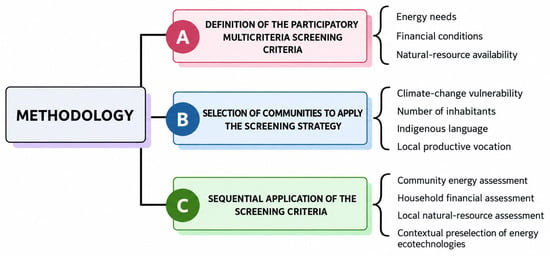
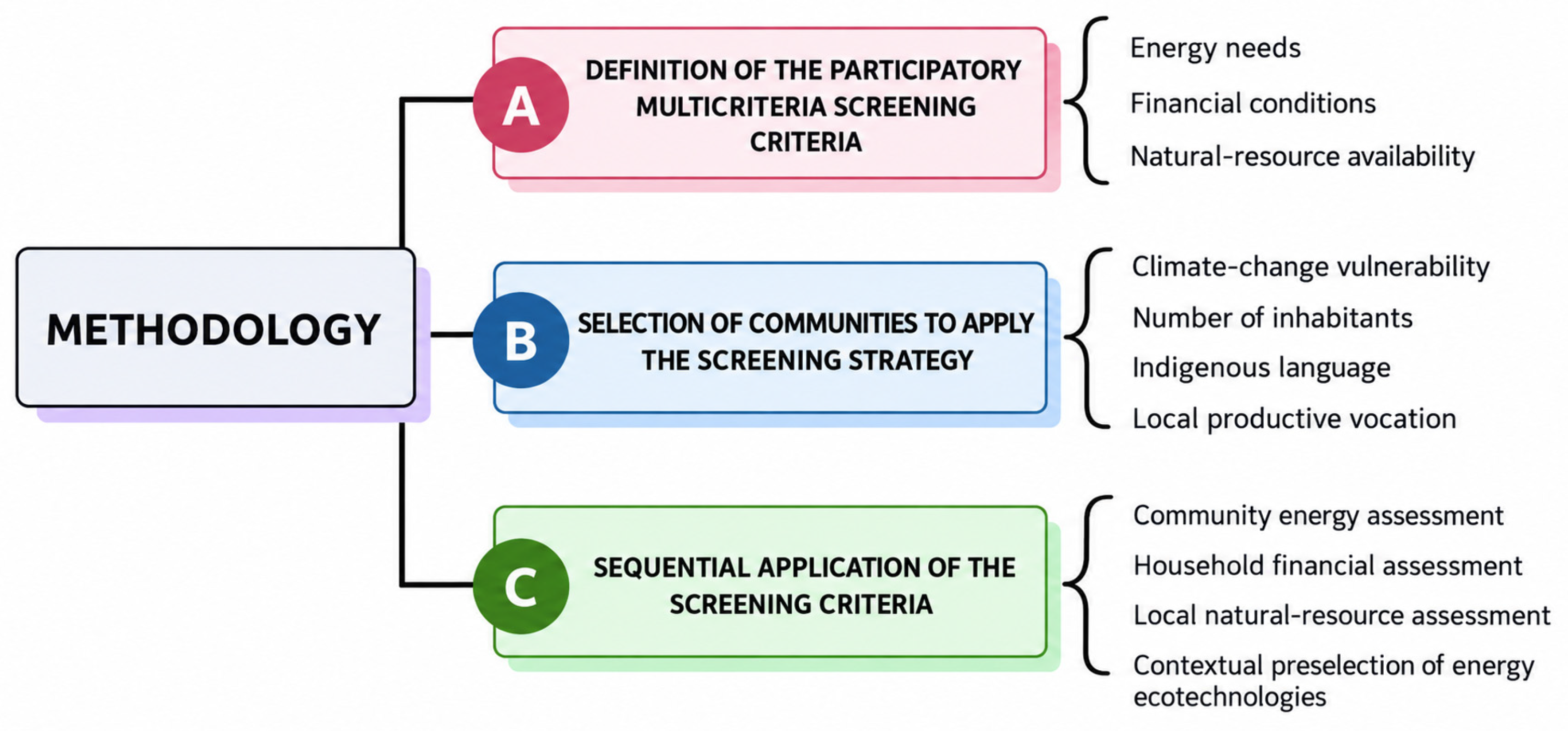
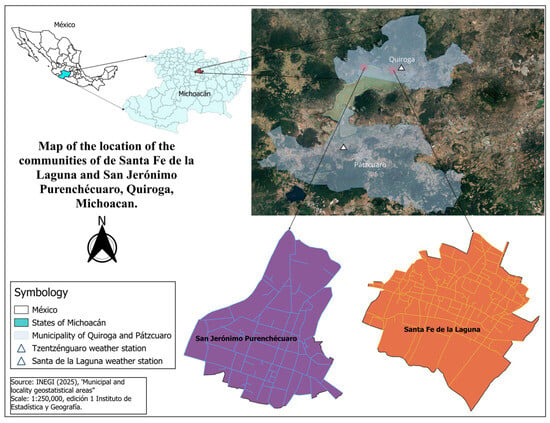
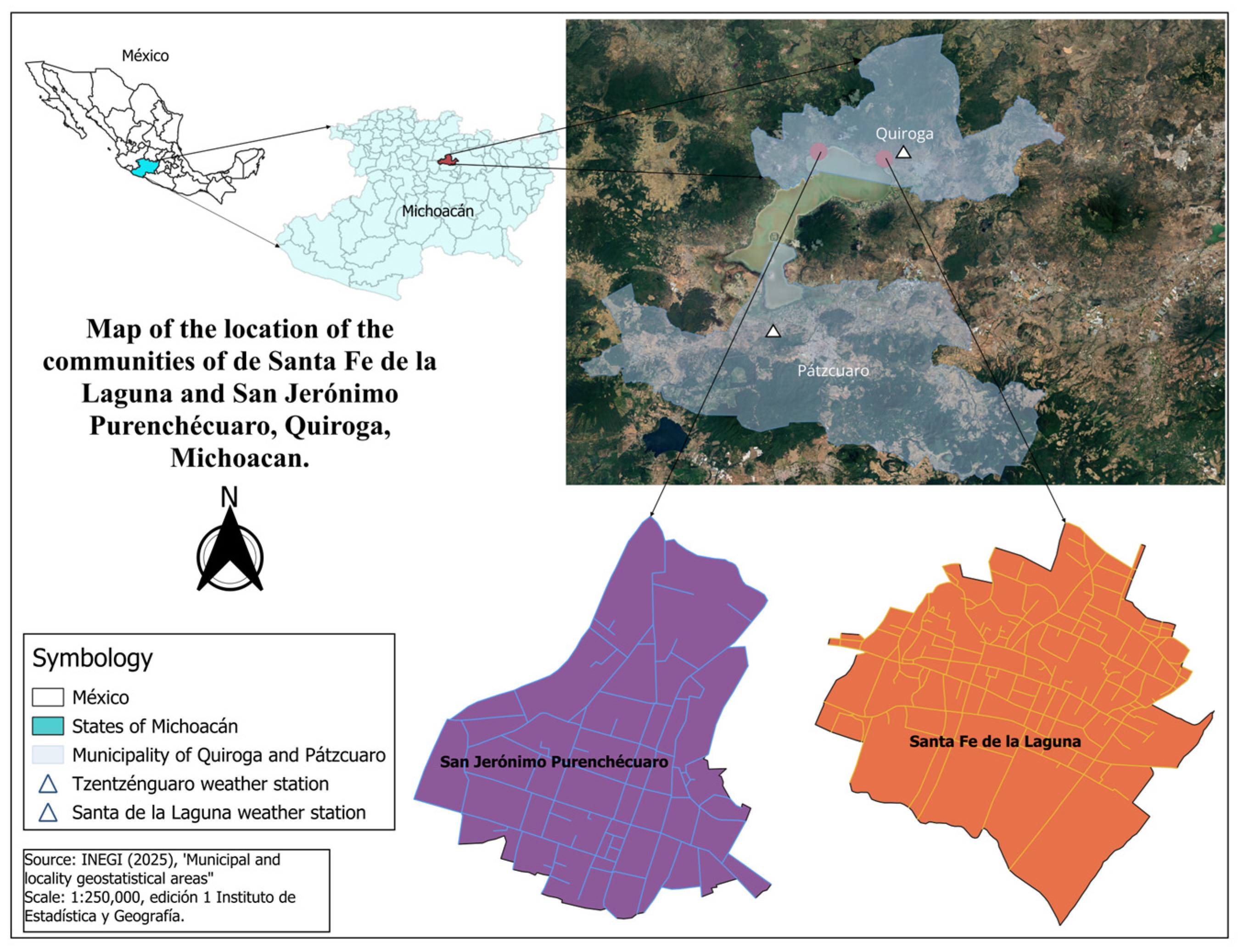
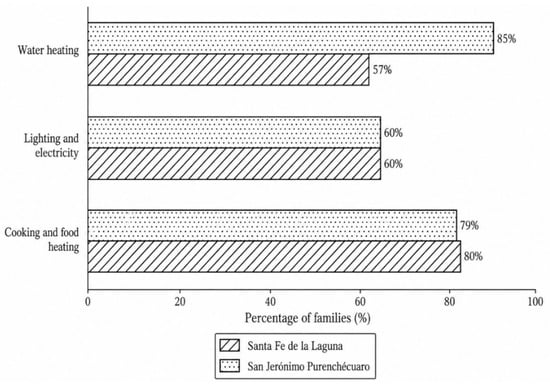
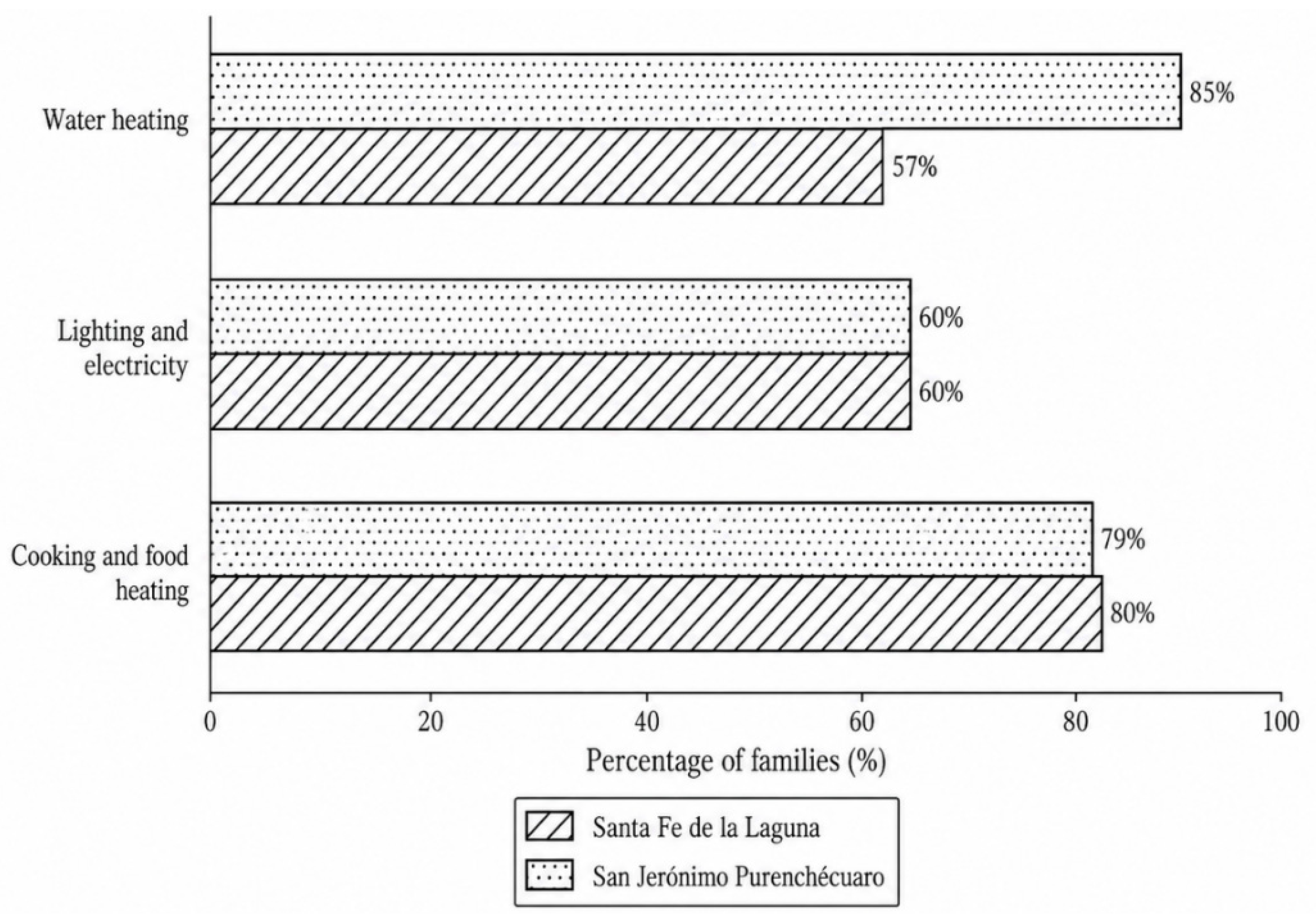
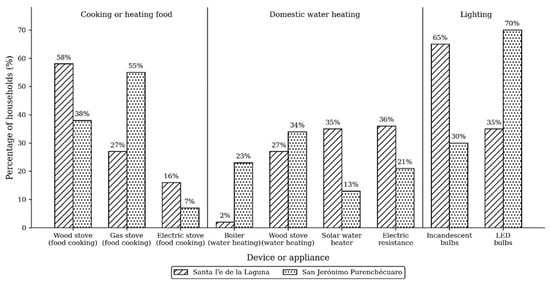
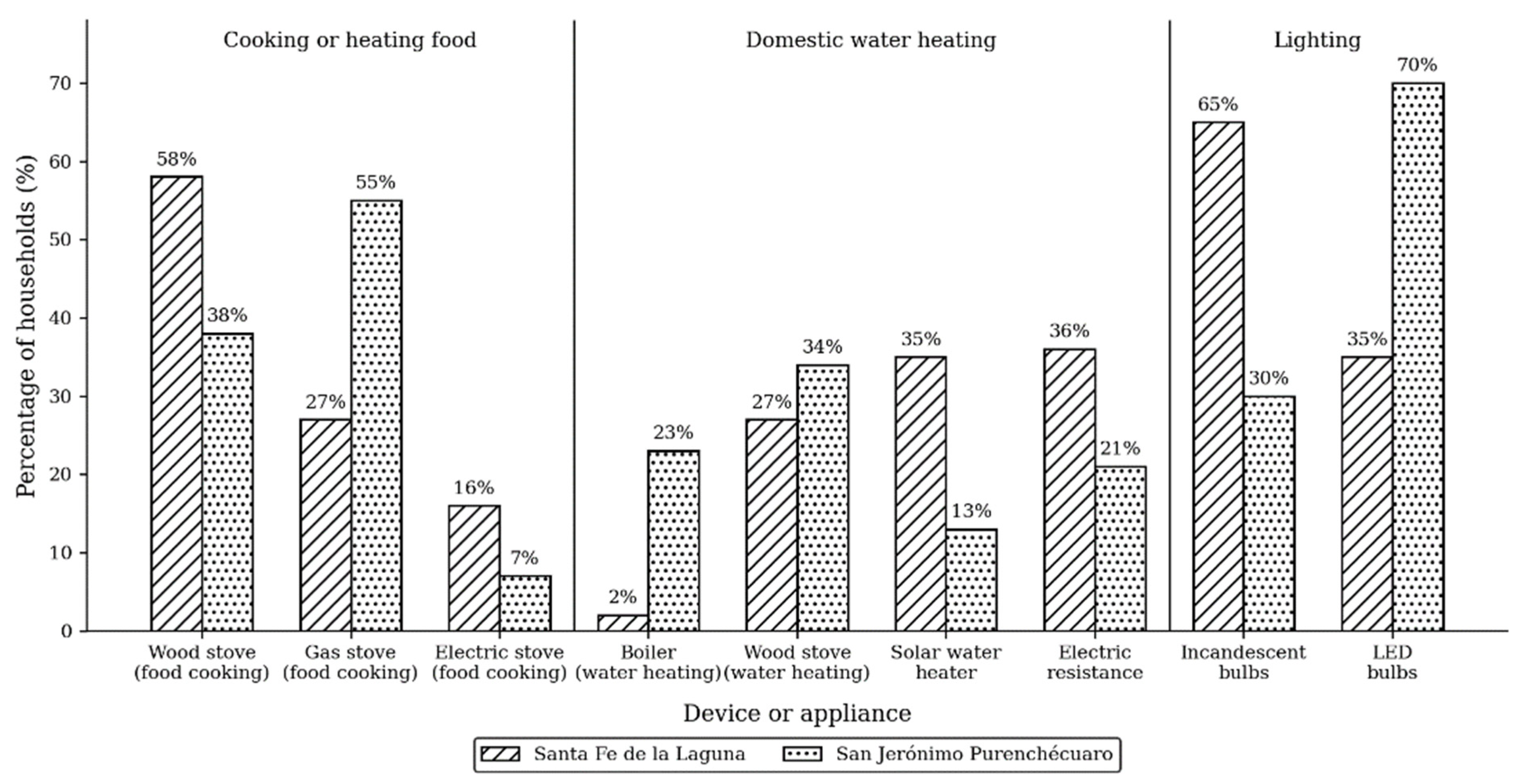
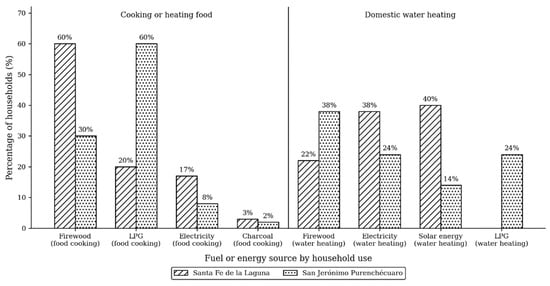
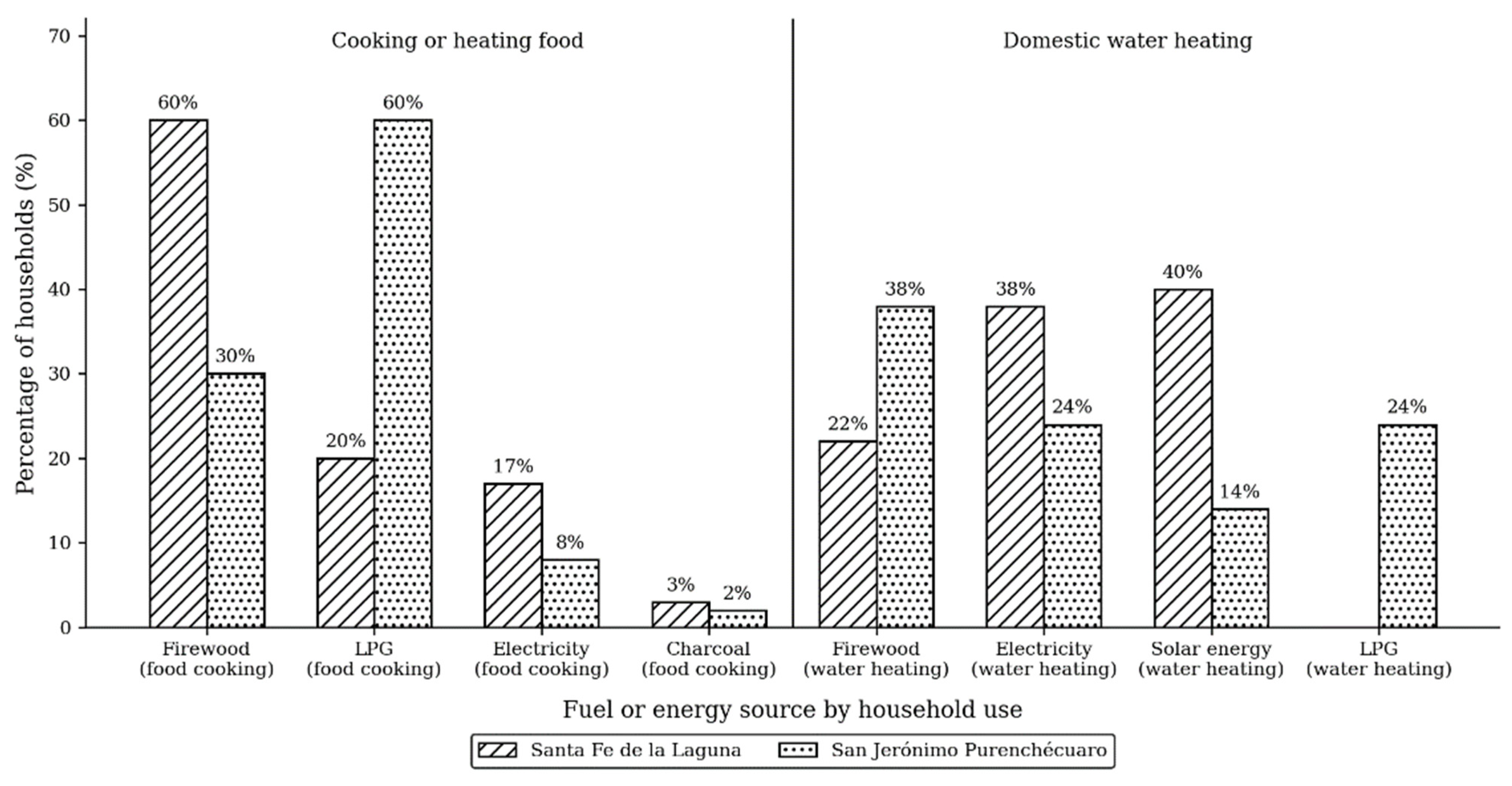
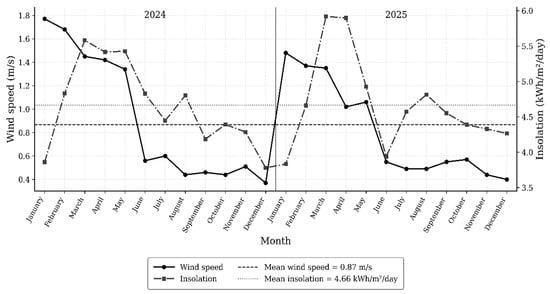
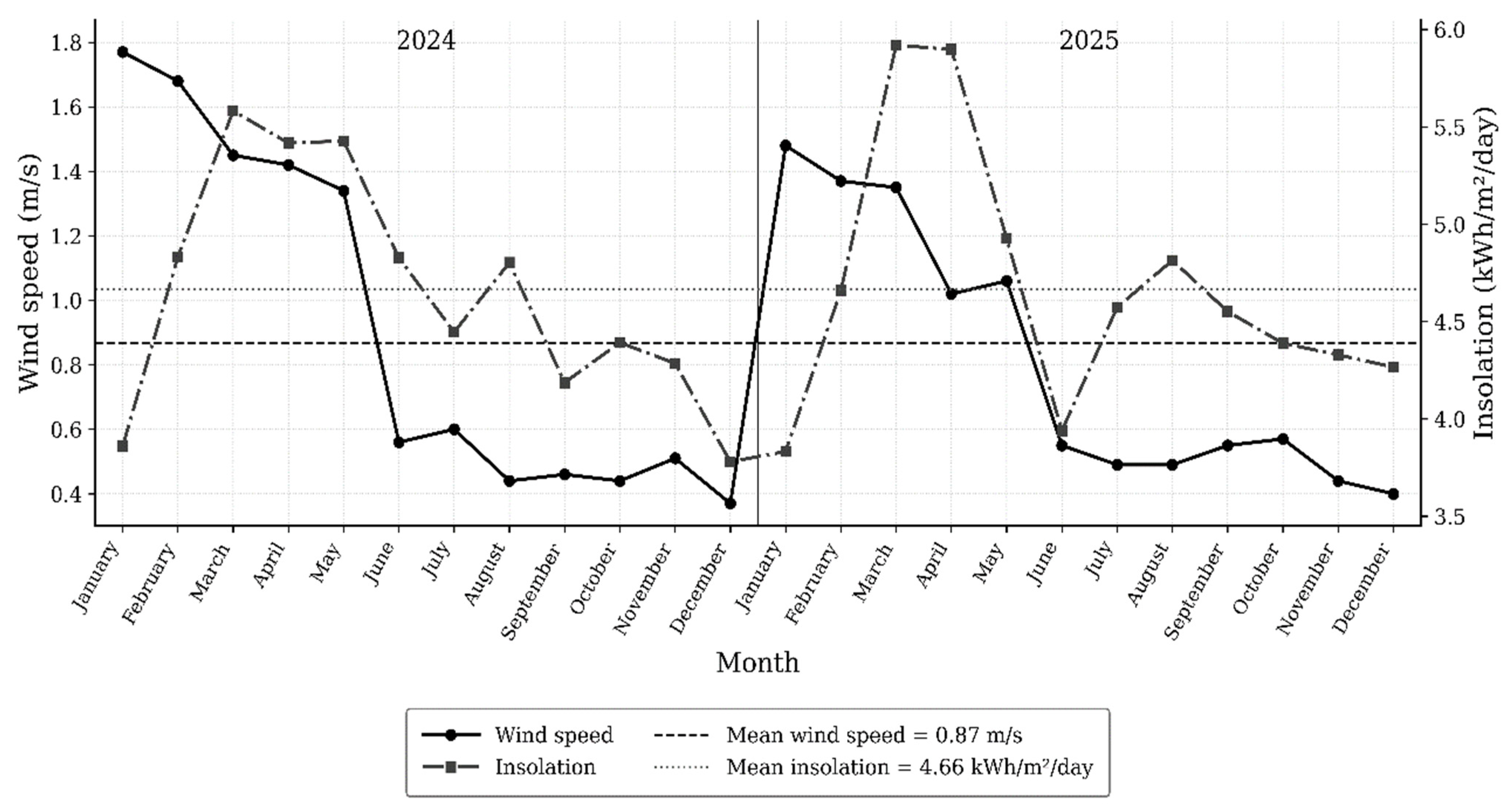
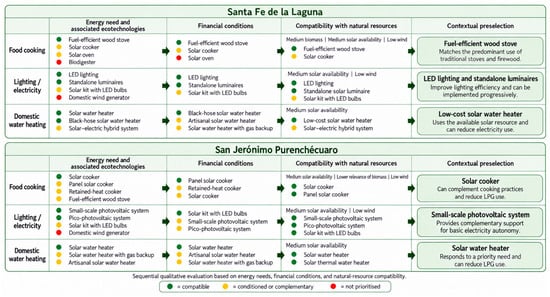
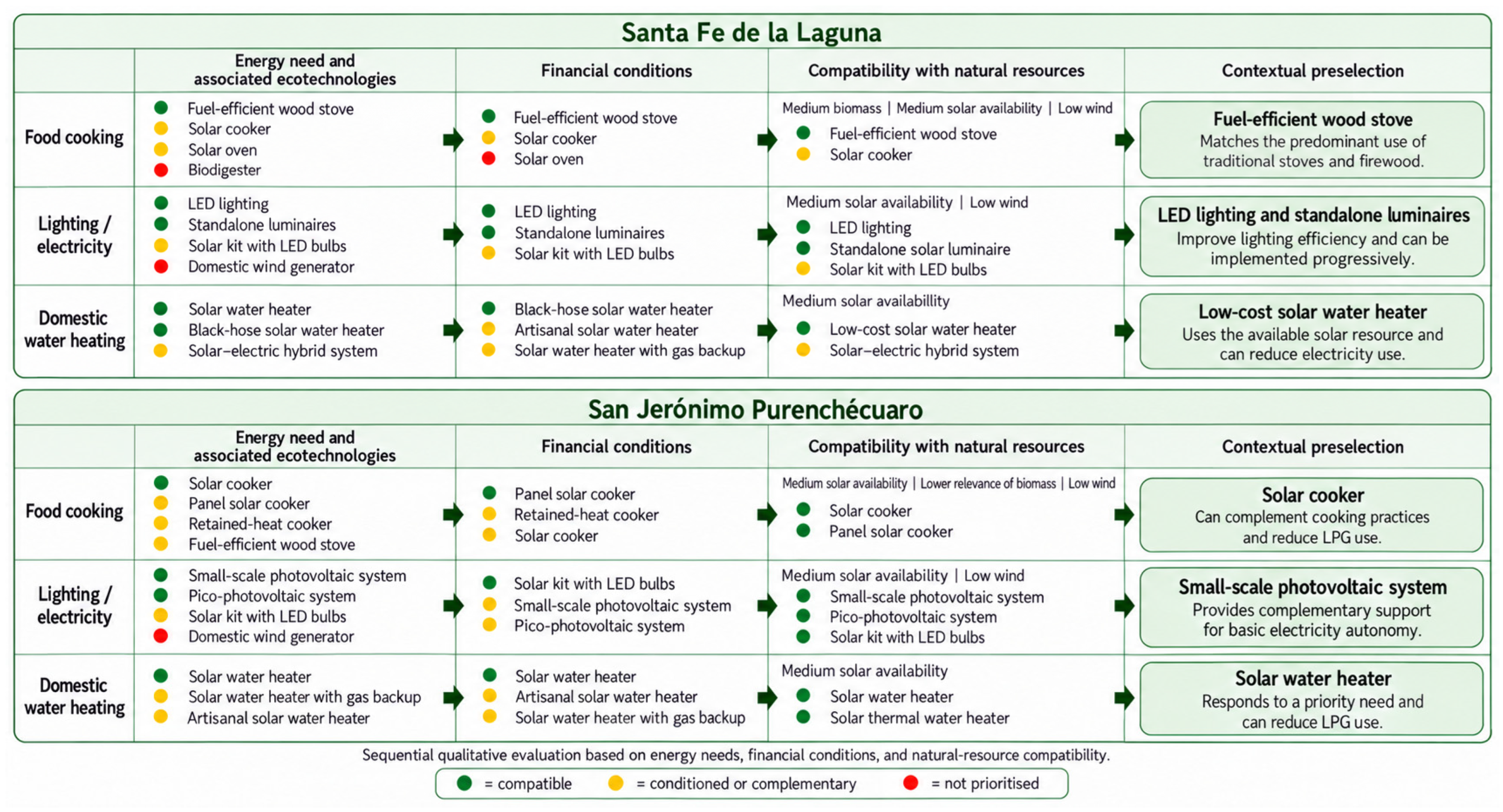

Disclaimer/Publisher’s Note: The statements, opinions and data contained in all publications are solely those of the individual author(s) and contributor(s) and not of MDPI and/or the editor(s). MDPI and/or the editor(s) disclaim responsibility for any injury to people or property resulting from any ideas, methods, instructions or products referred to in the content. |
© 2026 by the authors. Licensee MDPI, Basel, Switzerland. This article is an open access article distributed under the terms and conditions of the Creative Commons Attribution (CC BY) license.