


Abstract
User entrepreneurship is a demand-driven form of entrepreneurship; however, existing research has largely explained the phenomenon of user entrepreneurship from a single source of demand, and the mechanisms underlying users’ transition from product innovators to entrepreneurs remain insufficiently explained. Based on this, this study constructs a research framework of dual-subject demand orientation (i.e., self-demand orientation and other-demand orientation), explaining the psychological process of users’ transition from innovators to entrepreneurs from the perspectives of internal and external demand. Drawing on entrepreneurial event theory, this study analyzes the mediating roles of entrepreneurial desirability and entrepreneurial feasibility, and simultaneously examines the boundary effect of social support. Through questionnaire surveys and scenario-based experiments conducted with user entrepreneurs, we analyze 405 survey responses and 320 experimental observations, and reach the following conclusions: (1) both self-demand orientation and other-demand orientation positively influence user entrepreneurial behavior; (2) entrepreneurial desirability and feasibility play dual mediating roles in the entrepreneurial process; and (3) social support moderates the influence of entrepreneurial desirability and feasibility on user entrepreneurial behavior. These findings elucidate the formation mechanism of user entrepreneurial behavior, extend the application of demand orientation to the user entrepreneurship context, and provide theoretical guidance for user entrepreneurship practice.
1. Introduction
With the rise and expansion of user-entrepreneurial firms such as Roblox, Medtronic, and Pop Mart, user entrepreneurship has attracted increasing scholarly and public attention. Publicly available data show that Roblox’s gaming platform has 380 million monthly active users, far exceeding Steam’s 132 million—the second-highest in the industry. As the first “metaverse” stock to go public, Roblox’s market capitalization once surpassed $80 billion. Likewise, Medtronic and Pop Mart each reached market values exceeding $150 billion and $50 billion respectively. At present, user-entrepreneurial ventures are flourishing globally and exerting growing social influence, prompting governments and broader society to pay greater attention to this phenomenon. In academia, interest in user entrepreneurship has been steadily rising, and research on this topic has increasingly become a vibrant area within the entrepreneurship field (Yan et al., 2018; X. Li et al., 2022; Browder et al., 2023).
The initiation process of user entrepreneurship differs from that of traditional entrepreneurship. In traditional entrepreneurship, individuals first make an entrepreneurial decision and then design products, whereas the process of user entrepreneurship follows the reverse order. Shah and Tripsas (2007) characterize user entrepreneurs as “accidental” entrepreneurs: in the user entrepreneurship context, individuals first innovate on a product, then share the improved product within their surrounding networks; when they discover that others have similar needs and express purchase intentions, they “suddenly” conceive the idea of starting a business. Given this “accidental” nature, building an integrated model of user entrepreneurial behavior formation is a critical issue in this field. Specifically, first, attention should be paid to the triggering factors of user entrepreneurship. Rivieccio et al. (2023) suggest that user entrepreneurship originates from individuals’ dissatisfaction with existing products, which prompts them to innovate and subsequently leads to entrepreneurial behavior. Peuckert and Kern (2023) find that others’ needs facilitate users’ iterative product upgrades, thereby enhancing the commercial value of the products and ultimately promoting users’ entrepreneurial behavior. However, existing literature remains confined to a single dimension of demand orientation, which inadequately explains the unique features of user entrepreneurship. Focusing solely on self-demand orientation may account for user innovation but cannot explain why users eventually choose to start a business; focusing only on other-demand orientation blurs the distinction between user entrepreneurship and traditional entrepreneurship in terms of their triggering mechanisms. Existing studies have examined user entrepreneurship only from a single perspective, but they lack sufficient analysis of the complete chain from user innovation to user entrepreneurship. User entrepreneurship results from the joint effect of self-demand and other-demand: individuals’ dissatisfaction with a product triggers user product innovation, others’ needs drive iterative product upgrades, and users’ expectations of returns from product use further propel this process. By distinguishing self-demand orientation from other-demand orientation, this paper connects user innovation and user entrepreneurship to reveal the psychological mechanism through which users transition from product users to innovators and then to entrepreneurs. Therefore, in the user entrepreneurship context, it is necessary to examine the influence of dual-subject demand orientation (i.e., self-demand orientation and other-demand orientation) on entrepreneurial behavior.
Second, the question of why individuals transition from product users to entrepreneurs requires exploration. The literature indicates that when users perceive commercial value in the product, this suddenly triggers them to engage in entrepreneurial behavior (X. Li et al., 2022). Yet, the underlying psychological mechanisms in this process remain unclear. Some studies suggest that entrepreneurial desirability and feasibility may be key psychological factors that drive individuals to engage in entrepreneurial behavior (Kariv et al., 2023); however, those findings are derived from general entrepreneurship contexts, and their applicability to user entrepreneurship warrants further investigation. Hence, in-depth research is needed to enrich our understanding of the psychological decision-making process and the role of the user entrepreneurship context.
Third, external environmental factors’ role in shaping user entrepreneurial behavior has been insufficiently examined. Entrepreneurship is the outcome of both internal and external factors. Social support, as a critical environmental factor, may interact with individual psychological factors to facilitate user entrepreneurship. Yun and Park (2016), through case studies, find that user entrepreneurship is often accompanied by a network that provides user entrepreneurs with market information, business resources, and psychological assistance. Social support plays an important role in helping user entrepreneurs access resources and thus significantly promotes the success of their ventures. Nevertheless, the interactive effects between social support and entrepreneurial desirability/feasibility have not been thoroughly explored, and the comprehensive mechanism underlying user entrepreneurial behavior remains largely unrevealed.
Given these research gaps, this paper makes two novel contributions. First, we propose that dual-subject demand orientation is an important antecedent of user entrepreneurship and distinguish it into self-demand orientation and other-demand orientation, empirically testing the mechanisms through which the two influence user entrepreneurial behavior. Second, we attempt to open the “black box” of the transition from ordinary consumer to entrepreneur. By applying entrepreneurial desirability and feasibility to the user entrepreneurship context, we reveal the psychological mechanisms through which users become entrepreneurs.
Accordingly, building on entrepreneurial event theory, this study examines the influence of dual-subject demand orientation on user entrepreneurial behavior, and simultaneously explores the mediating roles of entrepreneurial desirability and feasibility in the formation of entrepreneurial behavior. Finally, it investigates the moderating effect of social support, as an important external environmental factor, on user entrepreneurial behavior. In doing so, we construct an integrated model from dual-subject demand orientation to user entrepreneurial behavior, revealing the transition mechanism through which users move from the role of consumer to the role of entrepreneur.
2. Literature Review
2.1. User Entrepreneurship
User entrepreneurship refers to the phenomenon in which individuals innovate on existing products because those products fail to satisfy their needs, subsequently recognize the commercial value of the innovated products, and then initiate entrepreneurial activities (Escobar et al., 2023). User entrepreneurship can be divided into professional user entrepreneurship and end-user entrepreneurship: the former involves products used in the user’s work context, whereas the latter involves products used in daily life (Yu, 2022). The initiation logic of user entrepreneurship differs from that of traditional entrepreneurship (Haefliger et al., 2010). In the traditional context, entrepreneurs are typically driven by economic incentives to first form entrepreneurial intentions and only thereafter develop products. In user entrepreneurship, by contrast, first, users are motivated to innovate not by the pursuit of economic gains but because existing products or services fail to meet their needs (Kalisz et al., 2021). Second, the process of user entrepreneurship unfolds in reverse: the product emerges before the entrepreneurial decision. Specifically, the commercial value of the product gradually becomes apparent during the stages of sharing and improvement, and it is only after this that users conceive the idea of starting a business and proceed to entrepreneurial actions (Wang et al., 2021). Earlier scholars have conducted some case studies on user entrepreneurship. Shah and Tripsas (2007), through a survey of user entrepreneurs across multiple U.S. industries, found that users unexpectedly discover the commercial value of their improved products, subsequently develop entrepreneurial intentions, and proceed to start a business. Cuomo et al. (2017), through a case study of Italian gourmet food, established a process model of user entrepreneurship. The study indicated that the sharing of innovative products and collective feedback bring individuals’ product innovation activities into a virtuous cycle, thereby enabling individuals to recognize entrepreneurial opportunities and ultimately become entrepreneurs. Despite these initial explorations, existing studies remain fragmented (Näslund et al., 2020), and the mechanisms underlying user entrepreneurship remain poorly understood; thus, further research is needed to elucidate the formation path of user entrepreneurship. Taken together, this paper defines user entrepreneurial behavior as the specific entrepreneurial actions taken by users after they recognize the commercial value of a product.
2.2. Dual-Subject Demand Orientation
Dual-subject demand orientation comprises two mutually independent dimensions: self-demand orientation and other-demand orientation. Self-demand orientation refers to users’ dissatisfaction with existing products, their need to innovate, and their expectations of returns from product use. Other-demand orientation refers to the demand information that users receive from others when sharing their products within their surrounding networks. Self-demand orientation and other-demand orientation are two coexisting dimensions; individuals may exhibit high levels in both dimensions simultaneously or may be particularly prominent in one dimension.
With respect to self-demand orientation, the literature has conducted some preliminary exploration. Lettl and Georg Gemünden (2005) conducted a case study of user entrepreneurship in the medical industry. The study indicated that user entrepreneurship is demand-driven, distinguishing it from traditional technology-driven entrepreneurship; it identifies individuals’ unmet needs, high problem pressure that existing technologies cannot effectively address, resource scarcity, capability deficiencies, and entrepreneurial networks as primary preconditions for user entrepreneurship. Escobar et al. (2023) examined user innovation and entrepreneurial spirit, finding that users’ self-demand is at the forefront of market trends, and that their expectations of returns from product use, risk-taking propensity, and other factors drive them to undertake radical projects that traditional manufacturers are reluctant to invest in. Existing studies have largely emphasized the influence of users’ self-demand orientation on user entrepreneurship, without simultaneously considering the two demand orientations.
Other-demand orientation originates from market-demand orientation, a core concept in corporate strategy and marketing, and plays an important role in product innovation and corporate strategy (Lin et al., 2025). D. Yang et al. (2020), from the perspective of firm survival and development, define other-demand orientation as the continuous collection of intelligence on customer preferences and competitors’ moves, enabling firms to dynamically adjust their production activities to enhance economic performance. Chatterjee et al. (2020), examining firm selection and elimination, argue that other-demand orientation allows firms to realign with changing markets and update products and services in a timely manner to sustain core competitive advantages. In the user entrepreneurship context, the literature has conducted preliminary exploration of the influence of other-demand orientation on user entrepreneurial behavior. M. Yang et al. (2026) show that other-demand orientation positively affects user entrepreneurial behavior, as community members provide valuable suggestions for users’ products and actively serve as product testers and disseminators of innovations. M. X. Li and Xia (2025) suggest that other-demand information constitutes a valuable resource that reduces entrepreneurial uncertainty and helps users grasp opportunities. Although existing literature has recognized the facilitating effect of other-demand orientation on user entrepreneurial behavior, it has not further revealed the intrinsic nature of user entrepreneurship or clarified its differences from and connections with traditional entrepreneurship. Other-demand orientation affects entrepreneurial behavior in both user and traditional entrepreneurship; however, in the user entrepreneurship process, the driving role of self-demand orientation is also necessary.
In sum, user entrepreneurship may be simultaneously influenced by self-demand orientation and other-demand orientation. Self-demand orientation prompts users to innovate on products, whereas other-demand orientation prompts users to iteratively upgrade products. Self-demand orientation arises from individuals’ dissatisfaction with products and their need for product innovation, whereas other-demand orientation arises from demand information and product feedback from people around them. Because the two orientations have different sources, they may influence user entrepreneurial behavior through different psychological mechanisms. Prior studies have often been limited to one aspect of the issue and have failed to distinguish between user entrepreneurship and traditional entrepreneurship when examining demand orientation. In view of this, this study constructs a dual-subject demand orientation framework and explores the mechanisms through which the two demand orientations influence user entrepreneurial behavior.
2.3. Entrepreneurial Desirability and Feasibility in User Entrepreneurship
Entrepreneurial event theory holds that events occurring around individuals exert significant influences on entrepreneurial behavior, and that once individuals perceive entrepreneurial opportunities, they evaluate those opportunities based on their perceived desirability and feasibility and subsequently engage in corresponding entrepreneurial behavior (Shapero & Sokol, 2002). Entrepreneurial desirability refers to an individual’s affective inclination toward entrepreneurship—a value orientation that reflects one’s endorsement of entrepreneurial pursuits (Chang et al., 2025); entrepreneurial feasibility refers to an individual’s confidence in being able to handle the difficulties and complex interpersonal relationships involved in entrepreneurial activities (Schiavone et al., 2021).
Existing research has examined entrepreneurial desirability and feasibility in the contexts of traditional entrepreneurship and social entrepreneurship. Khoi et al. (2023), studying traditional entrepreneurship in Vietnam, find that both desirability and feasibility jointly affect entrepreneurial intentions, and that they interact with each other in this process. However, the authors only discussed the effects of entrepreneurial desirability and feasibility on outcome variables, while overlooking that the two are not innate to individuals and may also be shaped by certain events (e.g., inventions, business opportunities). Kariv et al. (2023) explored how individuals’ perceived entrepreneurial desirability and feasibility based on their self-assessed marketing capabilities significantly affect entrepreneurial behavior. This study focused on individuals’ assessments of their own internal capabilities, while its analysis of the stimulating role of external events remained insufficient. Nguyen et al. (2025) show that generative AI affects individuals’ perceived digital entrepreneurial desirability and feasibility, thereby promoting digital entrepreneurial intentions. While they emphasize the impact of an external event (new technology) on desirability and feasibility, their analysis does not extend to actual entrepreneurial behavior. Lopes et al. (2023) find that desirability and feasibility significantly influence both social entrepreneurship and general entrepreneurship, but with notable differences between the two: the effect on social entrepreneurial intentions is stronger for women than for men, whereas the opposite holds for general entrepreneurship. However, they limit their discussion to these two types of entrepreneurship and do not explore other forms.
In the user entrepreneurship context, the entrepreneurial event has distinctive characteristics. In a narrow sense, the entrepreneurial event refers to the turning point in the process of product innovation, sharing, and iteration at which an individual recognizes others’ purchase intentions and the commercial value of the product, thereby triggering the entrepreneurial choice. In a broad sense, the entrepreneurial event encompasses the entire process in which users first innovate on a product, iterate on it, and eventually recognize its commercial value. This study adopts the broad sense of the entrepreneurial event. Users first innovate on a product because their needs are unmet, and the entrepreneurial event initially emerges. They then share the product with people around them and iteratively upgrade it by drawing on others’ needs, further reinforcing the entrepreneurial event. When they discover others’ purchase intentions and recognize the commercial value of the product, the entrepreneurial event is ultimately formed. Under the influence of the entrepreneurial event, users tend to evaluate entrepreneurial desirability and feasibility. Entrepreneurial desirability reflects an individual’s affective–value evaluation, which may be influenced by emotional investment in the product innovation process and the commercial value of the product. Entrepreneurial feasibility reflects a competence–value evaluation, which may be promoted by improvements in personal capabilities during product innovation and recognition of the product by others. As the commercial value of the product increases, users’ entrepreneurial desirability and feasibility may be gradually formed or strengthened, thereby influencing subsequent user entrepreneurial behavior. Therefore, throughout the entrepreneurial event process, entrepreneurial desirability and feasibility may mediate the relationship between dual-subject demand orientation and user entrepreneurial behavior.
Entrepreneurial desirability, feasibility, entrepreneurial intention, and entrepreneurial behavior are related but distinguishable constructs. Entrepreneurial desirability focuses on evaluating whether entrepreneurship aligns with an individual’s value orientation; entrepreneurial feasibility focuses on evaluating an individual’s capabilities and entrepreneurial resources; entrepreneurial intention refers to an individual’s inclination to engage in entrepreneurial behavior; and entrepreneurial behavior refers to the specific actions an individual has already taken. User entrepreneurship differs from traditional entrepreneurship in terms of sequence. In traditional entrepreneurship, individuals engage in entrepreneurial behavior, such as developing new products and seeking entrepreneurial opportunities, driven by entrepreneurial intention. In the user entrepreneurship context, however, user innovation occurs before entrepreneurial behavior: users first innovate on a product, share and iterate on it, and gradually endow it with commercial value; they then evaluate their own entrepreneurial desirability and feasibility, and finally engage in entrepreneurial behavior. In user entrepreneurship, activities such as product innovation, sharing, and iteration are not driven by entrepreneurial intention; rather, the entrepreneurial process follows a chain path of product innovation → entrepreneurial evaluation → entrepreneurial behavior. Therefore, this paper treats entrepreneurial desirability and feasibility as mediating variables between dual-subject demand orientation and user entrepreneurial behavior.
In summary, in light of the research gaps, this study constructs a research model of dual-subject demand orientation → entrepreneurial desirability/feasibility → user entrepreneurial behavior in the user entrepreneurship context, and explores the mechanisms of entrepreneurial desirability and feasibility.
2.4. Social Support
Entrepreneurship is a noble endeavor, yet the actual process is extremely challenging. Individuals do not succeed in entrepreneurship simply because they possess entrepreneurial desirability and feasibility; social support is also indispensable (Mukherjee & Jain, 2022). Social support refers to the material and psychological resources provided to entrepreneurs by their family members, friends, and other close contacts. Akter et al. (2020), studying entrepreneurial behavior in developing countries, find that interpersonal trust and cooperation—key elements of social support—are critical factors for the growth of start-ups. Awan et al. (2026), through case studies of start-ups, find that knowledge and resources embedded in social support facilitate new product innovation. Afrahi et al. (2025) show that emotional support from family and social networks enhances entrepreneurs’ psychological safety and promotes their emotional engagement in entrepreneurial practice. However, these studies focus on only one aspect of social support, neglecting the fact that social support encompasses both material and psychological resources, and thus fail to provide a comprehensive account of its influence on entrepreneurs. Cardella et al. (2024) examine the role of social support in social entrepreneurship, finding that social entrepreneurship differs from general entrepreneurship and that gender moderates the effect of perceived social support on entrepreneurial intentions. While they highlight a distinctive feature of non-traditional entrepreneurship, they do not extend their analysis to other forms of non-traditional entrepreneurship. Molino et al. (2018), studying user entrepreneurs in Italy, find that psychological support—a component of social support—can effectively alleviate the psychological stress caused by early entrepreneurial setbacks and positively affect entrepreneurs’ emotional states. Molinillo et al. (2020), investigating user engagement in social commerce, find that social support enhances users’ perceived value and well-being, thereby positively influencing engagement and co-creation willingness. In summary, user entrepreneurship differs from traditional entrepreneurship, and the role of social support in user entrepreneurship is also distinctive. However, research on social support in the user entrepreneurship domain remains scarce, and studies examining how social support interacts with user entrepreneurs’ psychological factors to jointly promote entrepreneurial behavior are still lacking.
Based on entrepreneurial event theory, this study therefore analyzes the triggering effect of dual-subject demand orientation on user entrepreneurial behavior, and simultaneously explores the mediating roles of entrepreneurial desirability and feasibility in the formation of user entrepreneurial behavior. Finally, it investigates the moderating effect of social support on entrepreneurial behavior in the user entrepreneurship context. In doing so, we construct an integrated model from dual-subject demand orientation to user entrepreneurial behavior, revealing the mechanism underlying the formation of user entrepreneurial behavior.
3. Research Hypothesis
3.1. Dual-Subject Demand Orientation and User Entrepreneurial Behavior
According to Maslow’s hierarchy of needs, individuals have various levels of needs—ranging from survival and safety to self-actualization—and unmet needs motivate individuals to take further action. In the user entrepreneurship context, users innovate on products because existing products or services fail to satisfy their own needs; they then iterate on the product under the influence of other-demand orientation, and when they perceive that others express purchase intentions for the product, they conceive entrepreneurial ideas and engage in entrepreneurial behavior (Shah & Tripsas, 2007).
Dual-subject demand orientation comprises users’ self-demand orientation and other-demand orientation. Users’ self-demand includes dissatisfaction with existing products, the need for product innovation, and expectations of high returns. Dissatisfaction with product functions gives rise to unpleasant experiences, which in turn generate a sense of arousal that drives individuals to address the root cause of the problem (Srivastava et al., 2022). Moreover, dissatisfaction with product functions to some extent reflects latent market needs, thereby helping users anticipate future market directions (Yu et al., 2020). The need for product innovation prompts users to improve the product, gradually enhancing its commercial value (von Hippel, 2007). High-return expectations reflect individuals’ desire to benefit from product use, which strengthens their motivation to innovate. Thus, self-demand orientation facilitates product innovation and lays a solid foundation for subsequent entrepreneurial behavior (Schiavone et al., 2020).
Other-demand can be divided into explicit and implicit demands; correspondingly, other-demand orientation includes reactive and proactive dimensions (Khan et al., 2024). Reactive other-demand orientation corrects erroneous functional positioning during product development, thereby reducing the risks associated with subsequent entrepreneurial behavior; proactive other-demand orientation helps users explore unarticulated needs of others, enriches their inspiration for product innovation, and enables them to identify entrepreneurial opportunities earlier (L. Zhou & Tang, 2023). Therefore, other-demand orientation guides the direction of product innovation, promotes iterative upgrades and the enhancement of commercial value, and thus positively influences the initiation of user entrepreneurial behavior (Ye et al., 2015).
As the product undergoes iterative upgrades, when others express approval and show purchase intentions, users suddenly conceive entrepreneurial ideas, which are then followed by entrepreneurial behavior. In summary, dual-subject demand orientation provides the impetus for user innovation, enhances product competitiveness and commercial value, and consequently plays a triggering role in users’ entrepreneurial behavior (Prandelli et al., 2016).
H1a.
Self-demand orientation has a significant positive effect on user entrepreneurial behavior.
H1b.
Other-demand orientation has a significant positive effect on user entrepreneurial behavior.
3.2. Entrepreneurial Desirability and Its Role in User Entrepreneurship
3.2.1. Dual-Subject Demand Orientation and Entrepreneurial Desirability
Users with high entrepreneurial desirability evaluate entrepreneurship more favorably and believe that entrepreneurship is more advantageous than other pursuits (Lopes et al., 2023). Users, with rich product usage experience, often conceive innovative ideas and design product prototypes when they find that products cannot satisfy their own needs. Users’ self-demand orientation enables them to identify existing deficiencies in products, which helps them seize opportunities for product innovation and thereby fosters entrepreneurial attitudes (Yan et al., 2018). In the process of product innovation, users perceive the prevalence of demand for the product among other consumers, thereby feeling that entrepreneurship has favorable prospects and subsequently developing entrepreneurial ideas (Rivieccio et al., 2023).
Other-demand orientation prompts users to continuously improve the product, thereby enhancing its commercial value. This process enables users to gradually recognize that entrepreneurship may bring relatively high returns. In addition, other-demand orientation facilitates users’ acquisition of market demand knowledge, reduces the uncertainty associated with product launch in future ventures, and thereby strengthens users’ inner attraction toward entrepreneurship (Autio et al., 2013).
In sum, dual-subject demand orientation enhances users’ motivation for product innovation and elevates the commercial value of the product, thus exerting a positive influence on entrepreneurial desirability (Cuomo et al., 2017). On this basis, we propose the following hypotheses:
H2a.
Self-demand orientation has a significant positive effect on entrepreneurial desirability.
H2b.
Other-demand orientation has a significant positive effect on entrepreneurial desirability.
3.2.2. The Mediating Role of Entrepreneurial Desirability
According to entrepreneurial event theory, whether individuals engage in entrepreneurial behavior is not entirely determined by objective factors such as innate dispositions or available resources; entrepreneurial desirability is also an important predictor of entrepreneurial behavior (Shapero & Sokol, 2002). Entrepreneurial desirability reflects an individual’s value orientation toward entrepreneurship, and those with higher desirability tend to exhibit higher expectations of entrepreneurial prospects (Liñán & Chen, 2009). Research has found that after users find that their innovative products receive positive feedback from others, they tend to assess the likelihood and returns of commercialization in deciding whether to engage in entrepreneurial behavior. The more favorable their expectations of commercial returns, the stronger the entrepreneurial desirability, and the more likely they are to engage in further entrepreneurial behavior (Xie & Wang, 2020). In the user entrepreneurship context, entrepreneurial desirability differs from traditional entrepreneurial desirability in that users experience a strong sense of pleasure when improving products, a sense of achievement when sharing their innovations with surrounding people, and even greater excitement when they discover that others share similar needs and express purchase intentions. Consequently, in the user entrepreneurship context, individuals are likely to develop stronger entrepreneurial desirability, which in turn is more likely to stimulate subsequent entrepreneurial behavior (Hamdi-Kidar & Vellera, 2018).
Moreover, entrepreneurial desirability embodies a positive entrepreneurial spirit and plays an irreplaceable motivational role in overcoming the hardships and obstacles encountered in the entrepreneurial process (Phan et al., 2020). Studies have shown that user entrepreneurship often occurs in environments where consumer preferences change frequently and market conditions are volatile; higher entrepreneurial desirability helps individuals continuously innovate products to adapt to harsh market conditions, thereby facilitating entrepreneurial behavior (J. Zhou & Ma, 2023).
Taken together with the preceding and current sections, dual-subject demand orientation enhances the commercial value of the product, thereby improving users’ entrepreneurial desirability (Phan et al., 2020); the higher the users’ entrepreneurial desirability, the more likely they are to engage in subsequent entrepreneurial behavior (J. Zhou & Ma, 2023). Therefore, entrepreneurial desirability may mediate the relationship between dual-subject demand orientation and user entrepreneurial behavior. Based on the above arguments, we propose the following hypotheses:
H3a.
Entrepreneurial desirability significantly mediates the relationship between self-demand orientation and entrepreneurial behavior.
H3b.
Entrepreneurial desirability significantly mediates the relationship between other-demand orientation and entrepreneurial behavior.
3.3. Entrepreneurial Feasibility and Its Role in User Entrepreneurship
3.3.1. Dual-Subject Demand Orientation and Entrepreneurial Feasibility
Entrepreneurial feasibility reflects users’ confidence in tasks such as opportunity development and resource utilization (Lopes et al., 2023). User entrepreneurship can be driven by different demands, and both self-demand orientation and other-demand orientation can promote it. Self-demand orientation provides strong impetus for product innovation, while other-demand orientation supplies users with information and resources (Hienerth et al., 2011). Users with a self-demand orientation are keenly aware of the high-return prospects of the product, which stimulates their motivation for innovation and entrepreneurship. Other-demand information reveals consumer preferences and product deficiencies, enabling users to make targeted improvements to product prototypes, thereby enhancing the market suitability of the innovative product (Ho-Dac, 2020). In addition, other-demand knowledge enriches users’ knowledge base, and the continuous flow of market feedback provides various possible solutions, thus improving users’ ability to identify entrepreneurial opportunities (M. Yang et al., 2026).
Consequently, under the influence of dual-subject demand orientation, users are able to anticipate future mass demand earlier, facilitating their assessment of the potential value of innovative products and thereby enhancing entrepreneurial feasibility (Escobar et al., 2023). At the same time, in this process, with the dual-subject demand orientation at work, users become more confident that their innovative products will be widely accepted by the market and firmly believe in their own entrepreneurial success (Ye & Kankanhalli, 2018). On this basis, we propose the following hypotheses:
H4a.
Self-demand orientation has a significant positive effect on entrepreneurial feasibility.
H4b.
Other-demand orientation has a significant positive effect on entrepreneurial feasibility.
3.3.2. The Mediating Role of Entrepreneurial Feasibility
According to entrepreneurial event theory, individuals’ internal entrepreneurial feasibility is also an important determinant of entrepreneurial behavior (Fitzsimmons & Douglas, 2011). In the user entrepreneurship context, individuals with higher entrepreneurial feasibility tend to evaluate their own abilities and psychological qualities positively, believing that they can fully utilize surrounding resources and effectively cope with the difficulties and obstacles encountered in entrepreneurship (Fragoso et al., 2020). From the process of product commercialization, entrepreneurial feasibility plays a relatively positive role. When users present their innovative products to people around them, they receive substantial product feedback, some of which may be negative or even harshly critical. Individuals with high entrepreneurial feasibility are more confident in embracing all types of information and utilizing feedback with a more positive mindset. They treat feedback as a valuable resource, enabling them to iteratively upgrade the product and subsequently target the market more precisely with offerings that better meet market demands (Hienerth, 2006). Moreover, during the process of presenting products to surrounding networks, high entrepreneurial feasibility enables users to leverage financial, commercial, and other resources more effectively, thereby providing practical support for their entrepreneurial behavior (Del Bosco et al., 2020). In sum, when users possess higher entrepreneurial feasibility, they believe that they are capable of enhancing the commercial value of the product and that they can utilize surrounding resources, thereby promoting entrepreneurial behavior. Therefore, entrepreneurial feasibility may mediate the relationship between dual-subject demand orientation and user entrepreneurial behavior. Based on the above arguments, we propose the following hypotheses:
H5a.
Entrepreneurial feasibility significantly mediates the relationship between self-demand orientation and user entrepreneurial behavior.
H5b.
Entrepreneurial feasibility significantly mediates the relationship between other-demand orientation and user entrepreneurial behavior.
3.4. The Moderating Role of Social Support
Person–environment interaction theory posits that individual development cannot be separated from the influence of external environments, and that social environmental factors interact with internal psychological factors to jointly shape individual behavior (Magnusson, 2003). Social support is an external environmental factor that cannot be overlooked in the entrepreneurial process; it encompasses informational, material, and psychological resources.
When individuals possess high entrepreneurial desirability, market demand information corrects erroneous functional positioning of products and reduces risks in the entrepreneurial process, thereby making individuals’ affective inclination toward entrepreneurship more likely to translate into actual entrepreneurial behavior (Lettl & Georg Gemünden, 2005). When users present their innovative products to family members, friends, and participants in their networks, they receive feedback. Such product feedback helps users improve their innovations, thereby increasing the commercial potential of the products. The enhanced commercial value reinforces users’ conviction that entrepreneurship may yield substantial returns, making them more likely to exhibit entrepreneurial behavior (Yun & Park, 2016). When individuals possess high entrepreneurial feasibility, social support provides user entrepreneurs with financial and business resources, compensating for their disadvantage in resource access and lowering the entry barriers for ordinary individuals, thereby making individuals’ entrepreneurial confidence more likely to translate into actual entrepreneurial behavior (Oo et al., 2019). Social support also offers psychological encouragement and recognition to user entrepreneurs, which helps entrepreneurs maintain positive self-evaluations and strengthens their commitment to entrepreneurial choices. In addition, psychological support can promptly alleviate the negative emotions caused by entrepreneurial setbacks, contributing to sustained mental and physical well-being and an optimistic mindset, thereby facilitating the smooth progression of entrepreneurial behavior (Hau & Kang, 2016).
In sum, when individuals possess entrepreneurial desirability and feasibility, high social support can effectively provide informational, material, and psychological resources, enabling user entrepreneurs to integrate both internal and external forces to promote entrepreneurial behavior. Conversely, when individuals face low social support, even if their entrepreneurial desirability and feasibility are high, they have difficulty obtaining recognition from people around them and are less likely to obtain social resources, making it difficult for them to engage in entrepreneurial behavior. Therefore, when dual-subject demand orientation influences user entrepreneurial behavior through entrepreneurial desirability and feasibility, social support may interact with individuals’ internal entrepreneurial desirability and feasibility to jointly affect user entrepreneurial behavior. Based on the above arguments, we propose the following hypotheses:
H6a.
Social support positively moderates the effect of entrepreneurial desirability on user entrepreneurial behavior.
H6b.
Social support positively moderates the effect of entrepreneurial feasibility on user entrepreneurial behavior.
In summary, the conceptual model of the moderated mediation effect of dual-subject demand orientation on user entrepreneurial behavior is constructed, as shown in Figure 1.
Figure 1.
Research conceptual model.
4. Study 1: Multi-Time Point Questionnaire Survey
4.1. Research Sample
This study selected major cities across various provinces in China as survey locations and recruited user entrepreneurs with entrepreneurial experience from different industries as respondents. Data were collected through a combination of on-site questionnaire distribution and online surveys. The survey first contacted suitable respondents through alumni networks and entrepreneur communities, and then conducted a snowball-style questionnaire survey. Before the survey, participants were asked whether they had started a business because they were dissatisfied with a product or service, which served as the basis for determining whether they were user entrepreneurs.
From December 2025 to March 2026, questionnaire data were collected at three time points, with an interval of 40 days between adjacent time points. At Time 0 (t0), 650 questionnaires covering basic demographic information (e.g., gender, occupation) and dual-subject demand orientation were distributed. After excluding those with overly short response times or invalid responses, 565 valid questionnaires were retained. At Time 1 (t1), the respondents who had provided valid questionnaires at t0 were followed up, and questionnaires on entrepreneurial desirability, entrepreneurial feasibility, and social support were distributed, yielding 493 valid responses after screening. At Time 2 (t2), the respondents who had provided valid questionnaires at t1 were followed up, and questionnaires on user entrepreneurial behavior were distributed, resulting in 405 valid responses after screening. The main reasons for sample attrition were changes in participants’ contact information, being too busy with work to complete the questionnaires, and unwillingness to continue participating. Anonymous questionnaires were numbered in this study to facilitate tracking of participants across survey waves. Missing values were handled as follows: if the proportion of missing values was less than 10%, the mean of the variable in that wave was used as a substitute; if it exceeded 10%, the questionnaire was regarded as invalid and excluded. The demographic characteristics of the sample are presented in Table 1, and the sample screening process is presented in Table 2.
Table 1.
Sample basic information.
Table 2.
Sample flow table.
To examine whether sample attrition affected the study findings, we compared participants who completed all three waves with those who dropped out. Independent-samples t-test results are presented in Table 3. The results showed no significant differences in the main variable scores or gender distribution (p > 0.05), suggesting that sample attrition did not substantially affect the study conclusions.
Table 3.
Sample Attrition Analysis.
4.2. Measurement of Variables
The scales used in this study were all drawn from existing well-established scales, and the wording of the original scales was appropriately adjusted to fit the user entrepreneurship context. All scales underwent a translation–back-translation procedure, and experts in the field of entrepreneurship were invited to review the back-translated version against the original version. Before the formal measurement, 50 individuals with entrepreneurial experience were selected to pretest the scales, and the scales were appropriately revised based on their feedback. All scales were measured on a 7-point Likert scale. The complete measurement items for each scale are provided in the Supplementary Measurement Items File.
- Self-demand orientation. Drawing on the user needs scale of Schreier et al. (2007), with appropriate adjustments to fit the user entrepreneurship context, a 9-item scale was developed. A typical item is: “I am dissatisfied with the existing products or services currently available on the market.” The Cronbach’s alpha coefficient for this scale was 0.85.
- Other-demand orientation. Following the other-demand orientation scale of Narver et al. (2004), with appropriate revisions to fit the user entrepreneurship context, a 10-item scale was developed. A typical item is: “We continuously explore potential needs that others have not yet recognized.” The Cronbach’s alpha coefficient for this scale was 0.891.
- Entrepreneurial desirability. Building upon the questionnaire design of Lee and Tsang (2001), with contextual rephrasing to fit the user entrepreneurship context, six measurement items were finalized. A representative item is: “I am highly interested in and enjoy entrepreneurship.” Cronbach’s alpha was 0.896.
- Entrepreneurial feasibility. On the basis of the entrepreneurial feasibility scale of Barbosa et al. (2007), with reasonable adjustments, six measurement items were finalized. An example item is: “I can identify market opportunities for new products and services.” Cronbach’s alpha was 0.893.
- Social support. With reference to the scale used by Liñán and Chen (2009), with reasonable modifications to fit the actual context of user entrepreneurship, six measurement items were developed. An example item: “My family provides concrete support and assistance for my entrepreneurial endeavors.” Cronbach’s alpha was 0.867.
- User entrepreneurial behavior. Guided by the entrepreneurial behavior scale of Shirokova et al. (2016), with slight revisions to fit the user entrepreneurship context, eight measurement items were developed. A typical item is: “I have developed a business plan.” Cronbach’s alpha was 0.887.
- Control Variables. Supported by prior scholarly research, factors such as individual age and educational background influence life experience, while gender affects emotional and cognitive patterns. Additionally, firm characteristics including size, tenure, and industry impact social networks. These variables may influence entrepreneurial behavior. Therefore, this study incorporates them as control variables to reduce analytical error and enhance the rigor and reliability of the research (Van Gelderen et al., 2015). Gender was included as a categorical variable, coded as 1 for male and 0 for female. Because the user entrepreneurs surveyed had entrepreneurial experience, and firm-level characteristics such as size, tenure, and industry can be regarded as part of individuals’ entrepreneurial backgrounds that may influence their psychology and behavior, this set of control variables was still included even though the unit of analysis was the individual.
4.3. Measurement Model
4.3.1. Reliability and Validity Testing
We used SmartPLS 4 to analyze the reliability and validity of the constructs—dual-subject demand orientation, entrepreneurial desirability, entrepreneurial feasibility, social support, and user entrepreneurial behavior. The results showed that Cronbach’s α values for all measures ranged from 0.85 to 0.896, all exceeding the recommended threshold of 0.70, and all rho_A values were greater than 0.7, indicating good internal consistency of the variables. As presented in Table 4, the outer loadings of all items met the requirement of being greater than 0.7, and composite reliability (CR) for each construct exceeded the recommended benchmark of 0.70, indicating good convergent validity of the variables. In terms of discriminant validity, following the Fornell–Larcker criterion, the square root of the average variance extracted (AVE) for each construct was greater than the inter-construct correlations (Table 5); in addition, this study also examined the heterotrait-monotrait ratio (HTMT), and all HTMT values between variables were below 0.85, and the upper bounds of their 95% confidence intervals were all below 1. These results indicate good discriminant validity of the variables. All constructs in this study were reflective, and the items were regarded as external manifestations of the constructs, with high internal consistency among the items. Overall, the survey data exhibit satisfactory stability and reliability.
Table 4.
Factor structure of the variables.
Table 5.
Fornell–Larcker criterion.
4.3.2. Common Method Bias
To mitigate common method bias, this study adopted certain procedural control measures: First, questionnaires were administered at three time points, and the questionnaire was appropriately adjusted, with reverse-coded items carefully arranged. Second, Harman’s single-factor test was conducted; the results showed that the variance explained by the first unrotated factor was 36.05%, which did not exceed the 40% threshold. Finally, a full collinearity VIF test was conducted, and the VIF values of all variables were below the reference criterion of 3.3, indicating that common method bias did not pose a serious threat in this survey.
4.4. Survey Results
4.4.1. Structural Model
Following the standard procedure for structural equation modeling, we first assessed potential collinearity among the latent constructs in the model. In PLS-SEM, collinearity is typically evaluated using the variance inflation factor (VIF). In our model, the VIF values for all constructs ranged from 1.357 to 1.775, all below the commonly accepted threshold of 5.0, indicating that collinearity among the predictor variables was not a serious concern.
4.4.2. Hypothesis Testing
We tested the hypotheses using a structural equation model with bootstrapping and two-tailed tests, with the significance level set at 0.05. The results are presented in Table 6. Entrepreneurial desirability and entrepreneurial feasibility were simultaneously entered into the structural model as parallel mediators. In addition, control variables were included in the model estimation, and the results showed that none of their path coefficients were significant. Furthermore, the path coefficients among the core variables were compared before and after the inclusion of the control variables. The results showed that the changes were small and did not affect the testing of the hypotheses.
Table 6.
Path coefficients and significance levels.
- 1.
- Main Effects
As shown in Table 6, self-demand orientation had a significant positive effect on user entrepreneurial behavior (β = 0.115, p < 0.05), and other-demand orientation also positively affected user entrepreneurial behavior (β = 0.122, p < 0.05). Thus, H1a and H1b were both supported. These results indicate that, in the user entrepreneurship context, both dimensions of dual-subject demand orientation drive entrepreneurial behavior.
- 2.
- Mediating Effects
Table 6 shows that self-demand orientation (β = 0.303, p < 0.001) and other-demand orientation (β = 0.279, p < 0.001) positively affect entrepreneurial desirability, supporting H2a and H2b. In terms of indirect effects, entrepreneurial desirability mediates the relationship between self-demand orientation and user entrepreneurial behavior (β = 0.043, p < 0.01) and between other-demand orientation and user entrepreneurial behavior (β = 0.039, p < 0.01); the 95% CIs do not include zero, supporting H3a and H3b. The mediation proportions were 22.6% and 19.2%, respectively.
We further examined the mediating effect of entrepreneurial feasibility. The results show that self-demand orientation (β = 0.262, p < 0.001) and other-demand orientation (β = 0.351, p < 0.001) significantly enhance entrepreneurial feasibility, supporting H4a and H4b. The indirect effect values of the two paths—self-demand orientation → entrepreneurial feasibility → user entrepreneurial behavior and other-demand orientation → entrepreneurial feasibility → user entrepreneurial behavior—were 0.032 (p < 0.05) and 0.042 (p < 0.05), respectively; the 95% CIs did not include zero, supporting H5a and H5b. The mediation proportions of entrepreneurial feasibility were 16.8% and 21.2%, respectively.
Overall, both the direct and indirect effects were significant and in the same direction, indicating that both entrepreneurial desirability and entrepreneurial feasibility play partial mediating roles. In the user entrepreneurship context, they jointly constitute the psychological pathway through which dual-subject demand orientation influences user entrepreneurial behavior.
- 3.
- Moderating Effects
When testing the moderating effect of social support, SmartPLS 4 was used to construct interaction terms via the product indicator approach, and the variables were standardized before the interaction terms were constructed. The Bootstrap method (5000 resamples) was employed for parameter estimation, and bias-corrected 95% confidence intervals were obtained. The results are presented in Table 6 above.
The analysis showed that the interaction term between entrepreneurial desirability and social support had a significant path coefficient on user entrepreneurial behavior (β = 0.115, p < 0.01), indicating that social support moderated the relationship between entrepreneurial desirability and user entrepreneurial behavior, thus supporting H6a. Similarly, social support moderated the relationship between entrepreneurial feasibility and entrepreneurial behavior (β = 0.128, p < 0.01), supporting H6b.
To more clearly illustrate the moderating effects of social support, we plotted simple slope graphs (Figure 2 and Figure 3) to visually depict the interaction patterns.
Figure 2.
The moderating effect of social support on entrepreneurial desirability.
Figure 3.
The moderating effect of social support on entrepreneurial feasibility.
As shown in Figure 2 and Figure 3, under conditions of high social support, increases in entrepreneurial desirability and feasibility significantly promote user entrepreneurial behavior.
To further analyze the moderating effect of social support, this study conducted a simple slope analysis. The analysis showed that under low social support, the slope of entrepreneurial desirability on user entrepreneurial behavior was 0.014 (SE = 0.072, p = 0.851, 95% CI [−0.128, 0.150]), and the slope of entrepreneurial feasibility was 0.011 (SE = 0.067, p = 0.702, 95% CI [−0.119, 0.131]). Both confidence intervals included zero, and the simple slopes were not significant.
Under high social support, the slope of entrepreneurial desirability on user entrepreneurial behavior was 0.256 (SE = 0.057, p < 0.001, 95% CI [0.141, 0.364]), and the slope of entrepreneurial feasibility was 0.258 (SE = 0.072, p < 0.001, 95% CI [0.116, 0.398]). Neither confidence interval included zero, indicating that under high social support, entrepreneurial desirability and feasibility had significant effects on user entrepreneurial behavior.
4.4.3. Explanatory Power and Predictive Relevance of the Model
This study used SmartPLS 4 to analyze the explanatory power and predictive relevance of the model, and the results are presented in Table 7. In terms of explanatory power, Table 7 shows that the R2 values for entrepreneurial desirability, entrepreneurial feasibility, and user entrepreneurial behavior were 0.261, 0.29, and 0.395, respectively. Dual-subject demand orientation, entrepreneurial desirability, and other variables jointly explained 39.5% of the variance in user entrepreneurial behavior. Because entrepreneurial behavior is influenced by factors such as the external environment, this level of explanatory power is broadly comparable to that reported in similar studies, indicating that the model has substantial explanatory power. In terms of predictive relevance, Q2 was calculated using the blindfolding procedure with an omission distance set to 7. The analysis showed that the Q2 values of all predictor variables met the reference criterion of being greater than zero, indicating good predictive relevance. Table 7 shows that the Q2 for user entrepreneurial behavior was 0.325, indicating that the model has a certain degree of out-of-sample predictive power for user entrepreneurial behavior.
Table 7.
R2 and Q2 values for endogenous constructs.
5. Study 2: Scenario Experiment
Although Study 1 leveraged the advantage of multi-wave surveys to reflect the logical relationships between variables, the use of self-reported data from entrepreneurs could potentially affect the study’s internal validity. Research on user entrepreneurship is therefore better served by employing a combination of methods to more fully reveal the mechanisms of action among variables. Study 2 manipulated self-demand orientation and other-demand orientation through a scenario experiment, providing further evidence for verifying their logical relationships with entrepreneurial desirability, entrepreneurial feasibility, and user entrepreneurial behavior. The moderating effect of social support was still tested in Study 1. The two studies have different emphases, complement each other, and jointly provide support for the theoretical model proposed in this paper.
5.1. Research Method
5.1.1. Sample
We recruited 340 individuals with entrepreneurial experience from various cities in China to participate in the experiment. After excluding 20 responses that did not match the assigned scenarios, 320 valid samples remained. The exclusion criterion was determined before the experiment: if a participant’s responses to the manipulation check items were clearly inconsistent with the assigned scenario condition, the participant was judged to have failed the manipulation check and was excluded. The demographic characteristics of the participants were as follows: In terms of gender, 49.07% were male and 50.93% female. Regarding age, the entrepreneurs were predominantly under 40 years old: under 20 (1.55%), 20–29 (40.25%), 30–39 (33.60%), 40–49 (23.04%), and over 50 (2.48%). An analysis of education levels showed that most participants held a bachelor’s degree: vocational college or below (38.80%), undergraduate (44.41%), and postgraduate (16.77%). In terms of entrepreneurial experience, the majority had less than one year (53.42%), followed by 2–3 years (31.06%), 4–5 years (11.18%), and over 6 years (4.35%).
5.1.2. Experimental Design and Procedure
In this experiment, participants were randomly divided into four groups (80 participants per group) through the manipulation of self-demand orientation and other-demand orientation. In the first step, participants read Cover Story 1 and were instructed to imagine themselves as the protagonist in the scenario for at least five minutes, after which they completed measures of self-demand orientation and other-demand orientation. In the second step, participants read Cover Story 2, imagined their feelings in the scenario as vividly as possible, and then completed measures of entrepreneurial desirability and entrepreneurial feasibility; they were also asked to assess the entrepreneurial behavior they were about to undertake. The dependent variable in Study 2 was anticipated entrepreneurial behavior, that is, the extent to which participants assessed the likelihood of engaging in entrepreneurial behavior in the future within the experimental scenario. This measure is consistent with the design logic of scenario-based experiments and helps examine the relationships among variables while controlling for external interference.
The manipulations of self-demand orientation and other-demand orientation were developed by adapting the experimental materials of Hsu et al. (2019) and Prandelli et al. (2016).
Scenario Story 1:
High self-demand orientation group: You are Zhang Qiang, a manager who runs regularly. You find that the energy bars available on the market do not meet your needs in terms of health and taste. Therefore, you decide to make a new energy bar to satisfy your own needs. Through repeated testing and refinement, the product meets health and taste requirements.
Low self-demand orientation group: You are Zhang Qiang, a manager who runs regularly. You feel that the energy bars available on the market largely meet your needs in terms of health and taste. You sometimes make improvements to the appearance and taste of energy bars, but your need for improvement is not very strong.
Scenario Story 2:
High other-demand orientation group: Zhang Qiang shares the energy bar he invented with people around him and proactively asks for their opinions. He improves the product based on others’ needs. In this process, Zhang Qiang finds that many people are interested in the energy bar he invented.
Low other-demand orientation group: Zhang Qiang shares the energy bar he invented with people around him but does not proactively ask for their opinions. He improves the product based solely on his own judgment. In this process, Zhang Qiang does not pay particular attention to whether others are interested in the energy bar he invented.
5.1.3. Measures
Self-demand orientation, other-demand orientation, entrepreneurial desirability, entrepreneurial feasibility, and anticipated entrepreneurial behavior were measured using the same scales as in Study 1. The Cronbach’s alpha coefficients were 0.899, 0.831, 0.825, 0.817, and 0.831, respectively.
5.2. Sample Testing
5.2.1. Manipulation Check
Independent-samples t-tests showed that the two groups differed significantly in self-demand orientation, with the high-score group (M = 4.96, SD = 1.03) scoring significantly higher than the low-score group (M = 4.02, SD = 0.95), t(318) = 8.45, p < 0.001, Cohen’s d = 0.94, 95% CI [0.711, 1.172]. Similarly, for other-demand orientation, the high-score group (M = 4.74, SD = 1.10) scored significantly higher than the low-score group (M = 3.90, SD = 1.05), t(318) = 6.94, p < 0.001, Cohen’s d = 0.77, 95% CI [0.547, 1.000]. These results indicate that the experimental manipulations were effective.
5.2.2. Confirmatory Factor Analysis
We randomly combined the five factors to form different factor models, with five combinations ranging from one-factor to five-factor models tested for model fit using confirmatory factor analysis. The results from Mplus are presented in Table 8. The results show that the Δχ2/df, RMSEA, and SRMR of the five-factor model were at acceptable levels, while the CFI and TLI were slightly below the conventional threshold of 0.9 but superior to those of the alternative competing models. This indicates that the five-factor model has acceptable discriminant validity. Theoretically, SDO and ODO reflect different demands, ED and EF capture entrepreneurs’ internal states, and AEB is the outcome of entrepreneurship; together they represent five distinct dimensions. Therefore, the five-factor model is consistent with the theoretical framework.
Table 8.
Fit indices for confirmatory factor analysis.
5.3. Experimental Results
5.3.1. Descriptive Statistics
Table 9 presents the descriptive statistics for all variables. To control for potential bias arising from common source data, we examined multicollinearity among self-demand orientation, other-demand orientation, entrepreneurial desirability, entrepreneurial feasibility, and anticipated entrepreneurial behavior using the variance inflation factor (VIF). The VIF values ranged from 1.73 to 2.05, well below the threshold of 10, indicating that multicollinearity was not a significant concern among the variables.
Table 9.
Descriptive statistics and correlations.
5.3.2. Testing of Main Effects
The experimental manipulation data for self-demand orientation are presented in Table 10 and Figure 4. Independent-samples t-test results showed that the mean scores of anticipated entrepreneurial behavior in the high and low self-demand orientation groups were 4.71 and 4.08, respectively, with the difference being statistically significant (p < 0.001, Cohen’s d = 0.55). This indicates that self-demand orientation exerts a significant positive effect on anticipated entrepreneurial behavior, thus supporting H1a.
Table 10.
Experimental manipulation of self-demand orientation.
Figure 4.
Effects of self-demand orientation on the study variables under experimental manipulation. Note: *** indicates p < 0.001, the same applies below.
Similarly, the data for the manipulation of other-demand orientation are shown in Table 11 and Figure 5. The results revealed a significant difference in anticipated entrepreneurial behavior scores between the high and low groups (p < 0.001, Cohen’s d = 0.6), suggesting that other-demand orientation positively influences entrepreneurial behavior. Therefore, H1b was supported.
Table 11.
Experimental manipulation of other-demand orientation.
Figure 5.
Effects of other-demand orientation on the study variables under experimental manipulation. “*** indicates p < 0.001.
5.3.3. Testing of Mediating Effects
- 1.
- Indirect Effect Testing of Entrepreneurial Desirability
As shown in Table 10, under the high versus low self-demand orientation conditions, the mean scores of entrepreneurial desirability were 4.78 and 4.10, respectively (p < 0.001, Cohen’s d = 0.63), indicating that self-demand orientation exerts a significant positive effect on entrepreneurial desirability, thus supporting H2a. Similarly, as shown in Table 11, other-demand orientation also had a significant positive effect on entrepreneurial desirability (p < 0.01, Cohen’s d = 0.38), supporting H2b.
To further examine the mediating effects, this study conducted additional analyses using the PROCESS macro (Version 4.2) for SPSS (Version 27.0). In these analyses, participants’ scores on self-demand orientation and other-demand orientation were entered into the model, with entrepreneurial desirability and entrepreneurial feasibility specified as parallel mediators and anticipated entrepreneurial behavior as the dependent variable. The results are presented in Table 12.
Table 12.
Mediation effect tests.
The results in Table 12 indicate that the indirect effect of entrepreneurial desirability between self-demand orientation and anticipated entrepreneurial behavior was 0.0643 (95% CI excludes 0), thus supporting H3a. Similarly, in the path of other-demand orientation → entrepreneurial desirability → anticipated entrepreneurial behavior, the standardized indirect effect coefficient was 0.0635 (95% CI excludes 0), supporting H3b.
- 2.
- Indirect Effect Testing of Entrepreneurial Feasibility
As shown in Table 10, under the high versus low self-demand orientation conditions, the mean scores of entrepreneurial feasibility were 4.80 and 4.02, respectively (p < 0.01, Cohen’s d = 0.71), indicating that self-demand orientation exerts a significant positive effect on entrepreneurial feasibility, thus supporting H4a. Similarly, as shown in Table 11, other-demand orientation also had a significant positive effect on entrepreneurial feasibility (p < 0.01, Cohen’s d = 0.31), supporting H4b.
The analysis of the latter two paths in Table 12 shows that in the path of self-demand orientation → entrepreneurial feasibility → anticipated entrepreneurial behavior, the standardized indirect effect coefficient was 0.0648 (95% CI excludes 0), supporting H5a. In the path of other-demand orientation → entrepreneurial feasibility → anticipated entrepreneurial behavior, the standardized indirect effect coefficient was 0.0734 (95% CI excludes 0), supporting H5b.
5.3.4. Combined Effects Analysis
- 1.
- Two-Way ANOVA
To further explore the effects of self-demand orientation and other-demand orientation on the dependent variables, this study conducted a two-way ANOVA, treating the two orientations as fixed factors and entrepreneurial desirability, entrepreneurial feasibility, and anticipated entrepreneurial behavior as dependent variables. The results are presented in Table 13.
Table 13.
Two-way analysis of variance (ANOVA).
The results show that the main effect of self-demand orientation was significant for all dependent variables (all p < 0.001), the main effect of other-demand orientation was significant for all dependent variables (all p < 0.01), and the interaction term was significantly associated with all dependent variables (all p < 0.01). These results indicate that self-demand orientation and other-demand orientation not only each had a significant positive effect on the dependent variables, but may also exert a certain joint effect.
- 2.
- Group Comparison Test
To further explore the joint influence of dual-subject demand orientation on the dependent variable, we coded the four combinations of self-demand orientation and other-demand orientation (low-low, low-high, high-low, high-high) as a new grouping variable (Groups 1–4), and conducted a one-way ANOVA on the dependent variable. The results are presented in Table 14.
Table 14.
One-way ANOVA results.
The data in Table 14 show that the mean differences across groups were significant for all dependent variables. For a more detailed analysis of group differences, we conducted post-hoc tests using the Tukey HSD method; the results are presented in Table 15. To visually illustrate the between-group differences, we plotted the group means of the dependent variables in a stacked bar chart, as shown in Figure 6.
Table 15.
Post hoc multiple comparisons among groups (Tukey’s HSD).
Figure 6.
Comparison of mean values of the study variables across groups.
The post hoc analysis in Table 15 shows that, for the mean score of entrepreneurial desirability, only the high–high group scored significantly higher than the other groups (p < 0.001), while differences among the remaining groups were not significant. This indicates that the joint effect of dual-subject demand orientation can significantly enhance entrepreneurial desirability.
The analysis further reveals that, for the mean score of entrepreneurial feasibility, the high–high group scored significantly higher than the other groups (p < 0.001), and the high–low group differed significantly from the low–low group (p = 0.041). This suggests that self-demand orientation has a significant marginal effect on entrepreneurial feasibility, but when combined with other-demand orientation, it can significantly enhance entrepreneurial feasibility.
The data analysis indicates that, for the mean score of anticipated entrepreneurial behavior, only the high–high group scored significantly higher than the other groups (p < 0.001). This suggests that self-demand orientation needs to operate jointly with other-demand orientation to significantly enhance anticipated entrepreneurial behavior.
6. Conclusions and Discussion
6.1. Discussion
Study 1 found that both self-demand orientation and other-demand orientation significantly influenced user entrepreneurial behavior. Notably, the path coefficient from self-demand orientation to entrepreneurial desirability was larger than that to entrepreneurial feasibility (0.303 > 0.262), whereas the reverse pattern was observed for other-demand orientation (0.279 < 0.351). Further analysis revealed that the indirect path of self-demand orientation → entrepreneurial desirability → user entrepreneurial behavior (0.043) was stronger than the self-demand orientation → entrepreneurial feasibility → user entrepreneurial behavior path (0.032), while other-demand orientation exhibited the opposite pattern (0.039 < 0.042). The above coefficient differences currently derive only from descriptive observations of the empirical data, and no statistical test has been conducted on the differences in indirect effects; therefore, it cannot yet be determined that the two demand orientations are dominated by different mechanisms. From a theoretical perspective, one possible explanation is that self-demand orientation embodies individuals’ intrinsic motivational components, such as self-actualization and emotional satisfaction, whereas entrepreneurial desirability reflects individuals’ attitudes and willingness; therefore, self-demand orientation may be more easily translated into entrepreneurial desirability. Other-demand orientation, to some extent, embodies external driving forces, such as others’ recognition of and demand for the innovative product, whereas entrepreneurial feasibility reflects individuals’ assessments of entrepreneurial opportunities, individual capabilities, and entrepreneurial resources; therefore, other-demand orientation may be more likely to influence individuals’ rational evaluation processes.
Study 2 found that both self-demand orientation and other-demand orientation positively influenced anticipated entrepreneurial behavior. Similar to Study 1, the data from Study 2 also reflected an imbalanced pattern in the effects of the two demand orientations on desirability and feasibility, suggesting that user entrepreneurship may require the mutual complementarity of self-demand orientation and other-demand orientation to function more effectively. To explore the combined effect of self-demand and other-demand, this study treated them as fixed factors and conducted a two-way ANOVA. The data showed that their main effects on anticipated entrepreneurial behavior were significant, and the interaction term was significantly positively associated with anticipated entrepreneurial behavior. A possible exploratory explanation is that the effects of self-demand orientation and other-demand orientation on anticipated entrepreneurial behavior may be synergistic rather than merely linearly additive. In addition, further exploration was conducted through group comparison tests and Tukey HSD post hoc analysis. The results showed that enhancing self-demand orientation or other-demand orientation alone yielded relatively limited improvements in anticipated entrepreneurial behavior, whereas under the joint effect of dual-subject demand orientation, anticipated entrepreneurial behavior showed a clear improvement. This result was consistent with the two-way ANOVA and provided supplementary evidence for exploring the combined effect of self-demand and other-demand.
This paper uses questionnaire surveys and scenario experiments to complement each other. Study 1 employed a multi-wave questionnaire survey, which has good external validity and provides temporally separated observational evidence. Study 2 improved the internal validity of the research through a scenario experiment; however, its dependent variable was measured as anticipated entrepreneurial behavior, which differs to some extent from actual entrepreneurial behavior. The two studies empirically support the mediating roles of entrepreneurial desirability and feasibility, but this mechanism still leaves room for further research in the future. In addition, in the validation of the theoretical model, prior entrepreneurial experience, industry background, technical knowledge, and individual characteristics may also serve as alternative explanations for entrepreneurial behavior; future research could combine empirical and qualitative studies for further verification.
6.2. Conclusions
This study adopts a process-oriented perspective on user entrepreneurship, taking dual-subject demand orientation as an important antecedent of user entrepreneurial behavior, while integrating external environmental factors and internal psychological factors to explore the deeper reasons underlying the formation of user entrepreneurial behavior. The main conclusions are as follows:
First, user entrepreneurship is demand-driven. Study 1 showed that both self-demand orientation and other-demand orientation had significant positive effects on user entrepreneurial behavior, and Study 2 showed that dual-subject demand orientation was significantly positively correlated with anticipated entrepreneurial behavior. Users design product prototypes under the influence of self-demand orientation and then iteratively upgrade the products under the influence of other-demand orientation. The combined effect of the two demand orientations gradually enhances the commercial value of the products, thereby prompting users to conceive entrepreneurial ideas and engage in entrepreneurial behavior (J. Zhou et al., 2025).
Second, both Study 1 and Study 2 support that entrepreneurial desirability and entrepreneurial feasibility mediate the relationship between dual-subject demand orientation and user entrepreneurial behavior. The article’s conclusions on the psychological decision-making process of entrepreneurial behavior echo the study by Yu (2023). This study shows that, under the influence of dual-subject demand orientation, products are iteratively upgraded and gradually acquire commercial value, thereby possibly enhancing users’ entrepreneurial desirability and feasibility. Individual psychological factors play an important role in the decision-making of entrepreneurial behavior. Entrepreneurial desirability reflects individuals’ recognition of entrepreneurship and may influence entrepreneurial behavior; entrepreneurial feasibility embodies individuals’ assessment of internal entrepreneurial capabilities and external entrepreneurial conditions, and is also a key factor influencing entrepreneurial behavior.
Third, Study 1 found that, in the process of entrepreneurial desirability and feasibility influencing user entrepreneurial behavior, social support plays a moderating role. Consistent with Marshall et al. (2020), this study finds that social support helps entrepreneurs acquire market knowledge, seize entrepreneurial opportunities, and enhance their confidence in entrepreneurship. The product feedback that social support provides to entrepreneurs essentially amounts to testing the product in the market prior to launching the venture. Thus, social support reduces entrepreneurial risks and decreases uncertainty in evaluating entrepreneurial prospects, thereby facilitating the translation of entrepreneurial desirability and feasibility into user entrepreneurial behavior.
6.3. Theoretical Contributions
Extant research has examined the formation mechanisms of entrepreneurial behavior from perspectives such as entrepreneurial resources and entrepreneur traits, yet relatively little attention has been paid to the entrepreneurial context. This study explores the formation mechanism of entrepreneurial behavior in the user entrepreneurship context, thereby enriching and advancing the scope of user entrepreneurship research. The theoretical contributions of this paper are threefold.
First, this study proposes and empirically tests dual-subject demand orientation as an important antecedent of the formation of user entrepreneurial behavior. Prior literature on demand orientation has predominantly focused on the application of other-demand orientation in established firms, examining its effects on product innovation and organizational performance (Juárez-Varón & Monreal, 2025). However, in the unique context of user entrepreneurship, both self-demand orientation and other-demand orientation are required to operate jointly. Self-demand orientation drives users to innovate on products, while other-demand orientation facilitates iterative upgrades; their combined effect enhances the commercial value of the product. The commercial value of the product may make users feel that entrepreneurship is more attractive, and also make them realize that they are capable of engaging in entrepreneurship, thereby promoting subsequent entrepreneurial behavior. Drawing on entrepreneurial event theory and taking into account the distinctive process of user entrepreneurship, this study elucidates the mechanism through which dual-subject demand orientation affects user entrepreneurial behavior, thus extending and enriching prior work on user entrepreneurship (Escobar et al., 2023).
Second, this paper integrates dual-subject demand orientation, entrepreneurial desirability, and entrepreneurial feasibility, and examines the mediating roles of the latter two in the formation of entrepreneurial behavior. Existing research on user entrepreneurship has largely focused on objective factors such as entrepreneurial resources and entrepreneurial opportunities, while paying insufficient attention to psychological mechanisms such as entrepreneurial desirability and feasibility (Rivieccio et al., 2023), thus failing to explain why users transform from ordinary consumers into entrepreneurs. User entrepreneurship differs from traditional entrepreneurship. In the early stage of product innovation, users may not yet have formed stable perceptions of entrepreneurial desirability and feasibility; these perceptions gradually develop or strengthen during the product iteration process. The two demand orientations, respectively originating from internal innovation and external feedback, may jointly influence users’ affective identification with entrepreneurship and cognitive judgment, thereby promoting the development of entrepreneurial behavior (Nguyen et al., 2025). Therefore, in the process of users’ transition from ordinary consumers to product innovators and then to entrepreneurs, entrepreneurial desirability and feasibility may play important mediating roles.
Third, the boundary conditions of social support’s influence on user entrepreneurial behavior enrich the theoretical research in the user entrepreneurship field and advance the application of person-environment interaction theory in this domain. Previous studies have predominantly focused on the independent effects of external objective factors—such as information and resources—on user entrepreneurial behavior (Yu et al., 2023), while overlooking the interactive effects between external factors and entrepreneurs’ internal psychological factors. When users’ internal entrepreneurial desirability and feasibility facilitate entrepreneurial behavior, social support provides both information and resources and offers emotional support. User entrepreneurship is the result of an interplay between specific objective and subjective factors. Social support not only helps entrepreneurs overcome inherent resource disadvantages, but also aids in emotional recovery when facing setbacks. Responding to Awan et al.’s call for in-depth research on social support (Awan et al., 2026), this study further examines its boundary effects on user entrepreneurial behavior formation. Thus, this research offers a novel perspective on the contextual conditions under which user entrepreneurial behavior emerges.
7. Practical Implications and Research Prospects
7.1. Practical Implications
Given the booming development of user-entrepreneurial firms, the findings of this study offer the following practical implications for entrepreneurs:
- User entrepreneurs should recognize the critical role of dual-subject demand orientation, which serves as a compass for entrepreneurship and provides guidance for product innovation direction. On the one hand, entrepreneurs should attend to self-demand orientation and actively drive product innovation. On the other hand, when facing uncertain prospects, they should leverage other-demand orientation to reduce entrepreneurial risks by promptly exposing their products to surrounding networks and soliciting feedback, thereby detecting entrepreneurial opportunities under the guidance of others’ needs.
- Empirical evidence shows that entrepreneurial desirability and entrepreneurial feasibility play mediating roles in the model. This suggests that user entrepreneurs should pay attention to the dual driving factors in the translation into entrepreneurial behavior. Objective resource conditions are not the sole determinant of entrepreneurial behavior; entrepreneurs’ subjective perceptions—and even non-rational perceptions—exert a considerable influence on the translation into entrepreneurial behavior. User entrepreneurs should enhance their entrepreneurial desirability and feasibility to promote the translation into entrepreneurial behavior.
- The conclusion that social support moderates entrepreneurial desirability and feasibility tells entrepreneurs that entrepreneurship is the result of both internal and external factors working in concert. User entrepreneurs can proactively expand their network relationships, comprehensively leverage surrounding resources, and timely seek external support when encountering difficulties and setbacks, thereby effectively navigating the complex and dynamic circumstances of entrepreneurship.
7.2. Research Prospects
Although this study integrates user entrepreneurs’ internal psychological factors and external environmental factors, this paper still has certain limitations, mainly as follows: (1) Methodological limitations. Study 1 used non-probability sampling and self-reported data. Although a multi-wave questionnaire survey was adopted, it was not a direct observation of the actual entrepreneurial process, so it still has certain limitations in making strict causal claims; sample attrition during the questionnaire survey may affect the representativeness of the sample. Study 2 used a scenario experiment, and the anticipated entrepreneurial behavior in the experiment differs to some extent from actual entrepreneurial behavior; the scenario manipulation may have included other cues beyond demand orientation; participant exclusions may have influenced the sample composition; and the ecological validity of the scenario experiment is limited. In addition, the constructs in this study may overlap conceptually, and future research could further distinguish and refine them. (2) Entrepreneurial context limitations. The formation mechanisms of user entrepreneurship are complex, and future research could consider additional contextual factors, such as entrepreneurs’ family backgrounds and the entrepreneurial climate of their hometowns. (3) Sample regional limitations. This study used user entrepreneurs from major Chinese cities as samples. Future research could consider samples from rural areas and ethnic minority regions, so as to examine user entrepreneurial behavior embedded in distinct local cultural contexts. (4) Research perspective limitations. This study adopts a process-oriented perspective on user entrepreneurship. Future research could usefully incorporate other angles. For instance, a gender perspective would be valuable: China is also home to user-entrepreneurial firms founded by female entrepreneurs (Burt, 2019). Exploring the formation processes of female user entrepreneurs could enrich both the theoretical perspectives and the conceptual development of user entrepreneurship research.
Supplementary Materials
The following supporting information can be downloaded at: https://www.mdpi.com/article/10.3390/bs16111992/s1, Full Measurement Items (provided as a separate file).
Author Contributions
Conceptualization, F.Z. and K.L.; methodology, K.L.; software, K.L.; validation, F.Z., K.L. and X.Q.; formal analysis, K.L.; investigation, F.Z.; resources, K.L.; data curation, K.L. and Y.C.; writing—original draft preparation, K.L.; writing—review and editing, F.Z., X.Q. and Y.C.; visualization, X.Q.; supervision, K.L.; project administration, K.L. All authors have read and agreed to the published version of the manuscript.
Funding
This research received no external funding.
Institutional Review Board Statement
This study was conducted in accordance with the Declaration of Helsinki. Ethical review and approval were waived for this study according to China’s Measures for Ethical Review of Life Sciences and Medical Research Involving Humans (Article 32, Chapter 3).
Informed Consent Statement
Informed consent was obtained from all subjects involved in the study.
Data Availability Statement
The datasets presented in this article are not readily available because the datasets involve unfinished research projects. If necessary, requests to access the datasets should be directed to the corresponding author.
Conflicts of Interest
The authors declare no conflicts of interest.
References
- Afrahi, B., Zaefarian, R., Oghazi, P., & Mostaghel, R. (2025). Understanding entrepreneurial disengagement: Exploring the role of team vision and emotional support. Technological Forecasting and Social Change, 212, 123958. [Google Scholar] [CrossRef] [Scilit]
- Akter, A., Rana, S. M. S., & Ramli, A. J. (2020). Factors influencing social entrepreneurial behavior: Evidence from a developing nation. International Journal of Ethics and Systems, 36(4), 581–599. [Google Scholar] [CrossRef] [Scilit]
- Autio, E., Dahlander, L., & Frederiksen, L. (2013). Information exposure, opportunity evaluation, and entrepreneurial action: An investigation of an online user community. Academy of Management Journal, 56(5), 1348–1371. [Google Scholar] [CrossRef] [Scilit]
- Awan, U., Alshibani, S. M., Shariq, S. M., Sahore, N., & Dash, S. (2026). Social capital and knowledge resources in exchange relationship: Pathways to new product ideas for technology entrepreneurs. Journal of Knowledge Management, 30(6), 2070–2093. [Google Scholar] [CrossRef] [Scilit]
- Barbosa, S. D., Gerhardt, M. W., & Kickul, J. R. (2007). The role of cognitive style and risk preference on entrepreneurial self-efficacy and entrepreneurial intentions. Journal of Leadership & Organizational Studies, 13(4), 86–104. [Google Scholar] [CrossRef] [Scilit]
- Browder, R. E., Crider, C. J., & Garrett, R. P. (2023). Hybrid innovation logics: Exploratory product development with users in a corporate makerspace. Journal of Product Innovation Management, 40(4), 451–474. [Google Scholar] [CrossRef] [Scilit]
- Burt, R. S. (2019). The networks and success of female entrepreneurs in China. Social Networks, 58, 37–49. [Google Scholar] [CrossRef] [Scilit]
- Cardella, G. M., Hernández Sánchez, B. R., de Miranda Justo, J. M. R., & Sánchez García, J. C. (2024). Understanding social entrepreneurial intention in higher education: Does gender and type of study matter? Studies in Higher Education, 49(4), 670–689. [Google Scholar] [CrossRef] [Scilit]
- Chang, Y. J., Martirosyan, A., Lim, H. W., & Yoo, J. W. (2025). Effects of failure acceptance, entrepreneurial orientation, and social safety net on entrepreneurial intention: A moderated mediation analysis of Korean employees. Behavioral Sciences, 15(1), 28. [Google Scholar] [CrossRef] [Scilit] [PubMed]
- Chatterjee, S., Dutta Gupta, S., & Upadhyay, P. (2020). Technology adoption and entrepreneurial orientation for rural women: Evidence from India. Technological Forecasting and Social Change, 160, 120236. [Google Scholar] [CrossRef] [Scilit]
- Cuomo, M. T., Tortora, D., Festa, G., Giordano, A., & Metallo, G. (2017). Enablers for end-user entrepreneurship: An investigation on Italian food bloggers. Psychology & Marketing, 34(12), 1109–1118. [Google Scholar] [CrossRef] [Scilit]
- Del Bosco, B., Chierici, R., & Mazzucchelli, A. (2020). User entrepreneurship in the video game industry: The role of communities. Journal of Small Business and Enterprise Development, 27(4), 681–701. [Google Scholar] [CrossRef] [Scilit]
- Escobar, O., Schiavone, F., Khvatova, T., & Maalaoui, A. (2023). Lead user innovation and entrepreneurship: Analyzing the current state of research. Journal of Small Business Management, 61(3), 1174–1191. [Google Scholar] [CrossRef] [Scilit]
- Fitzsimmons, J. R., & Douglas, E. J. (2011). Interaction between feasibility and desirability in the formation of entrepreneurial intentions. Journal of Business Venturing, 26(4), 431–440. [Google Scholar] [CrossRef] [Scilit]
- Fragoso, R., Weimar, R.-J., & Xavier, A. (2020). Determinant factors of entrepreneurial intention among university students in Brazil and Portugal. Journal of Small Business & Entrepreneurship, 32(1), 33–57. [Google Scholar] [CrossRef] [Scilit]
- Haefliger, S., Jäger, P., & von Krogh, G. (2010). Under the radar: Industry entry by user entrepreneurs. Research Policy, 39(9), 1198–1213. [Google Scholar] [CrossRef] [Scilit]
- Hamdi-Kidar, L., & Vellera, C. (2018). Triggers entrepreneurship among creative consumers. Journal of Business Research, 92, 465–473. [Google Scholar] [CrossRef] [Scilit]
- Hau, Y. S., & Kang, M. (2016). Extending lead user theory to users’ innovation-related knowledge sharing in the online user community: The mediating roles of social capital and perceived behavioral control. International Journal of Information Management, 36(4), 520–530. [Google Scholar] [CrossRef] [Scilit]
- Hienerth, C. (2006). The commercialization of user innovations: The development of the rodeo kayak industry. R&D Management, 36(3), 273–294. [Google Scholar] [CrossRef] [Scilit]
- Hienerth, C., Keinz, P., & Lettl, C. (2011). Exploring the nature and implementation process of user-centric business models. Long Range Planning, 44(5), 344–374. [Google Scholar] [CrossRef] [Scilit]
- Ho-Dac, N. N. (2020). The value of online user generated content in product development. Journal of Business Research, 112, 136–146. [Google Scholar] [CrossRef] [Scilit]
- Hsu, D. K., Burmeister-Lamp, K., Simmons, S. A., Foo, M.-D., Hong, M. C., & Pipes, J. D. (2019). “I know I can, but I don’t fit”: Perceived fit, self-efficacy, and entrepreneurial intention. Journal of Business Venturing, 34(2), 311–326. [Google Scholar] [CrossRef] [Scilit]
- Juárez-Varón, D., & Monreal, E. G. (2025). Market-oriented entrepreneurship and the impact of social media and crowdsourcing on continuous organizational learning. An empirical study. Sustainable Technology and Entrepreneurship, 4(1), 100088. [Google Scholar] [CrossRef] [Scilit]
- Kalisz, D., Schiavone, F., Rivieccio, G., Viala, C., & Chen, J. (2021). Analyzing the macro-level determinants of user entrepreneurship. The moderating role of the national culture. Entrepreneurship & Regional Development, 33(3–4), 185–207. [Google Scholar] [CrossRef] [Scilit]
- Kariv, D., Krueger, N., Cisneros, L., & Kashy-Rosenbaum, G. (2023). Embedding the marketing angle into the pursuit of entrepreneurial propensity: Roles of perceived feasibility and desirability and stakeholders’ support. International Journal of Entrepreneurial Behavior & Research, 31(2–3), 587–608. [Google Scholar] [CrossRef] [Scilit]
- Khan, T. H., Ali, S., Peng, X., & Liu, Z. (2024). Responsive to proactive market orientations: Unleashing the potential of effectuation–causation blending for business model innovation. IEEE Transactions on Engineering Management, 71, 14307–14325. [Google Scholar] [CrossRef] [Scilit]
- Khoi, N. H., Tuu, H. H., Olsen, S. O., & Le, A. N.-H. (2023). Patterns of forming entrepreneurial intention: Evidence in Vietnam. Entrepreneurship Research Journal, 13(2), 281–307. [Google Scholar] [CrossRef] [Scilit]
- Lee, D. Y., & Tsang, E. W. K. (2001). The effects of entrepreneurial personality, background and network activities on venture growth. Journal of Management Studies, 38(4), 583–602. [Google Scholar] [CrossRef] [Scilit]
- Lettl, C., & Georg Gemünden, H. (2005). The entrepreneurial role of innovative users. Journal of Business & Industrial Marketing, 20(7), 339–346. [Google Scholar] [CrossRef] [Scilit]
- Li, M. X., & Xia, M. Z. (2025). How does user participation mode of “User-led” and “Firm-led” realize product innovation? Journal of Business Research, 188, 115075. [Google Scholar] [CrossRef] [Scilit]
- Li, X., Zhang, X., Liu, Y., Mi, Y., & Chen, Y. (2022). The impact of artificial intelligence on users’ entrepreneurial activities. Systems Research and Behavioral Science, 39(3), 597–608. [Google Scholar] [CrossRef] [Scilit]
- Lin, F. F., Eng, T. Y., Ojiako, U., & Ansell, J. (2025). Product innovativeness under market uncertainty: The mediating impact of market orientation and absorptive capacity. Production Planning & Control, 36(16), 2363–2381. [Google Scholar] [CrossRef] [Scilit]
- Liñán, F., & Chen, Y. W. (2009). Development and cross–cultural application of a specific instrument to measure entrepreneurial intentions. Entrepreneurship Theory and Practice, 33(3), 593–617. [Google Scholar] [CrossRef] [Scilit]
- Lopes, J., Gomes, S., & Dias, C. C. (2023). How do gender attitudes influence the relationships between perceived desirability, perceived feasibility and social entrepreneurial intentions? International Journal of Gender and Entrepreneurship, 16(1), 27–46. [Google Scholar] [CrossRef] [Scilit]
- Magnusson, D. (2003). The person approach: Concepts, measurement models, and research strategy. New Directions for Child and Adolescent Development, 2003(101), 3–23. [Google Scholar] [CrossRef] [Scilit] [PubMed]
- Marshall, D. R., Meek, W. R., Swab, R. G., & Markin, E. (2020). Access to resources and entrepreneurial well-being: A self-efficacy approach. Journal of Business Research, 120, 203–212. [Google Scholar] [CrossRef] [Scilit]
- Molinillo, S., Anaya-Sánchez, R., & Liébana-Cabanillas, F. (2020). Analyzing the effect of social support and community factors on customer engagement and its impact on loyalty behaviors toward social commerce websites. Computers in Human Behavior, 108, 105980. [Google Scholar] [CrossRef] [Scilit]
- Molino, M., Dolce, V., Cortese, C. G., & Ghislieri, C. (2018). Personality and social support as determinants of entrepreneurial intention. Gender differences in Italy. PLoS ONE, 13(6), e0199924. [Google Scholar] [CrossRef] [Scilit] [PubMed]
- Mukherjee, S., & Jain, T. (2022). Social embeddedness in user innovation networks: Evidence from Stackoverflow.com. Economics of Innovation and New Technology, 31(3), 191–208. [Google Scholar] [CrossRef] [Scilit]
- Narver, J. C., Slater, S. F., & MacLachlan, D. L. (2004). Responsive and proactive market orientation and new-product success. Journal of Product Innovation Management, 21(5), 334–347. [Google Scholar] [CrossRef] [Scilit]
- Näslund, H., Sjöström, S., & Markström, U. (2020). Service user entrepreneurs and claims to authority—A case study in the mental health area. European Journal of Social Work, 23(4), 672–684. [Google Scholar] [CrossRef] [Scilit]
- Nguyen, T. T. T., Duong, C. D., Nguyen, N. H., Pham, H. T., Nguyen, T. P. T., Le, V. T., & Nguyen, N. D. (2025). How does GenAI reinforce higher education students’ digital entrepreneurship? The curvilinear roles of perceived digital entrepreneurial desirability and feasibility. Acta Psychologica, 259, 105463. [Google Scholar] [CrossRef] [Scilit] [PubMed]
- Oo, P. P., Allison, T. H., Sahaym, A., & Juasrikul, S. (2019). User entrepreneurs’ multiple identities and crowdfunding performance: Effects through product innovativeness, perceived passion, and need similarity. Journal of Business Venturing, 34(5), 105895. [Google Scholar] [CrossRef] [Scilit]
- Peuckert, J., & Kern, F. (2023). How user innovation communities contribute to sustainability transitions. An exploration of three online communities. Environmental Innovation and Societal Transitions, 49, 100785. [Google Scholar] [CrossRef] [Scilit]
- Phan, L., Pham, L., & Bui, T. (2020). Personality traits and social entrepreneurial intention: The mediating effect of perceived desirability and perceived feasibility. The Journal of Entrepreneurship, 30(1), 56–80. [Google Scholar] [CrossRef] [Scilit]
- Prandelli, E., Pasquini, M., & Verona, G. (2016). In user’s shoes: An experimental design on the role of perspective taking in discovering entrepreneurial opportunities. Journal of Business Venturing, 31(3), 287–301. [Google Scholar] [CrossRef] [Scilit]
- Rivieccio, G., Raïes, K., & Schiavone, F. (2023). Are you attractive enough? An empirical analysis on user innovators’ characteristics and the creation of new social ventures. Technological Forecasting and Social Change, 189, 122383. [Google Scholar] [CrossRef] [Scilit]
- Schiavone, F., Rivieccio, G., Paolone, F., & Rocca, A. (2021). The macro-level determinants of user entrepreneurship in healthcare: An explorative cross-country analysis. Management Decision, 59(5), 1158–1178. [Google Scholar] [CrossRef] [Scilit]
- Schiavone, F., Tutore, I., & Cucari, N. (2020). How digital user innovators become entrepreneurs: A sociomaterial analysis. Technology Analysis & Strategic Management, 32(6), 683–696. [Google Scholar] [CrossRef] [Scilit]
- Schreier, M., Oberhauser, S., & Prügl, R. (2007). Lead users and the adoption and diffusion of new products: Insights from two extreme sports communities. Marketing Letters, 18(1), 15–30. [Google Scholar] [CrossRef] [Scilit]
- Shah, S. K., & Tripsas, M. (2007). The accidental entrepreneur: The emergent and collective process of user entrepreneurship. Strategic Entrepreneurship Journal, 1(1–2), 123–140. [Google Scholar] [CrossRef] [Scilit]
- Shapero, A., & Sokol, L. (2002). Some social dimensions of entrepreneurship. Entrepreneurship: Critical perspectives on business and management (Vol. 4, pp. 83–111). Routledge. [Google Scholar]
- Shirokova, G., Osiyevskyy, O., & Bogatyreva, K. (2016). Exploring the intention–behavior link in student entrepreneurship: Moderating effects of individual and environmental characteristics. European Management Journal, 34(4), 386–399. [Google Scholar] [CrossRef] [Scilit]
- Srivastava, S., Panda, S., & Williams, W. A. (2022). User-entrepreneurship and innovation: Does customer involvement and learning orientation matter? Journal of Business & Industrial Marketing, 37(6), 1182–1196. [Google Scholar]
- Van Gelderen, M., Kautonen, T., & Fink, M. (2015). From entrepreneurial intentions to actions: Self-control and action-related doubt, fear, and aversion. Journal of Business Venturing, 30(5), 655–673. [Google Scholar] [CrossRef] [Scilit]
- von Hippel, E. (2007). Horizontal innovation networks—By and for users. Industrial and Corporate Change, 16(2), 293–315. [Google Scholar] [CrossRef] [Scilit]
- Wang, L., Yang, Y., & Li, Y. (2021). Extending lead-user theory to a virtual brand community: The roles of flow experience and trust. Asian Business & Management, 20(5), 618–643. [Google Scholar] [CrossRef] [Scilit]
- Xie, X., & Wang, H. (2020). How can open innovation ecosystem modes push product innovation forward? An fsQCA analysis. Journal of Business Research, 108, 29–41. [Google Scholar] [CrossRef] [Scilit]
- Yan, J., Leidner, D. E., & Benbya, H. (2018). Differential innovativeness outcomes of user and employee participation in an online user innovation community. Journal of Management Information Systems, 35(3), 900–933. [Google Scholar] [CrossRef] [Scilit]
- Yang, D., Wei, Z., Shi, H., & Zhao, J. (2020). Market orientation, strategic flexibility and business model innovation. Journal of Business & Industrial Marketing, 35(4), 771–784. [Google Scholar] [CrossRef] [Scilit]
- Yang, M., Amankwah-Amoah, J., & Han, C. (2026). Idea readability and complexity in online user innovation communities: Effects on implementation and advocacy. Technology in Society, 86, 103259. [Google Scholar] [CrossRef] [Scilit]
- Ye, H. J., Feng, Y., & Choi, B. C. F. (2015). Understanding knowledge contribution in online knowledge communities: A model of community support and forum leader support. Electronic Commerce Research and Applications, 14(1), 34–45. [Google Scholar] [CrossRef] [Scilit]
- Ye, H. J., & Kankanhalli, A. (2018). User service innovation on mobile phone platforms: Investigating impacts of lead userness, toolkit support, and design autonomy. Management Information Systems Quarterly, 42(1), 165–188. [Google Scholar] [CrossRef] [Scilit]
- Yu, X. (2022). Differences between end user innovators and embedded user innovators in diffusion channel selection: The moderating role of technological advances. European Journal of Innovation Management, 25(4), 997–1036. [Google Scholar] [CrossRef] [Scilit]
- Yu, X. (2023). Older adult’s commercial diffusion of household sector innovation: A vocational and retirement perspective. European Journal of Innovation Management, 27(8), 2841–2861. [Google Scholar] [CrossRef] [Scilit]
- Yu, X., Kohlbacher, F., & Ogawa, S. (2020). How a user innovation origin affects firms’ subsequent innovation performance: The case of Japan’s fishing tackle industry. Innovation, 22(2), 160–192. [Google Scholar] [CrossRef] [Scilit]
- Yu, X., Zhang, T., & Bogers, M. L. A. M. (2023). Why do user innovators want to pursue user entrepreneurship? On the influence of the communitarian identity. Journal of Business Venturing Insights, 20, e00414. [Google Scholar] [CrossRef] [Scilit]
- Yun, J. J., & Park, K. (2016). How user entrepreneurs succeed: The role of entrepreneur’s caliber and networking ability in Korean user entrepreneurship. Science, Technology and Society, 21(3), 391–409. [Google Scholar] [CrossRef] [Scilit]
- Zhou, J., Cen, W., & Ling, Y. (2025). Makerspace network embeddedness, business model innovation, and user entrepreneurial performance in China: The moderating effect of environmental dynamics. PLoS ONE, 20(4), e0322388. [Google Scholar] [CrossRef] [Scilit] [PubMed]
- Zhou, J., & Ma, X. (2023). The influence of users’ status in online user community on entrepreneurial intention. Academic Journal of Business & Management, 5(2), 84–94. [Google Scholar] [CrossRef] [Scilit]
- Zhou, L., & Tang, L. (2023). Personality traits and user innovation engagement in open innovation platform: The moderating role of social network position. Behaviour & Information Technology, 42(14), 2428–2441. [Google Scholar] [CrossRef] [Scilit]
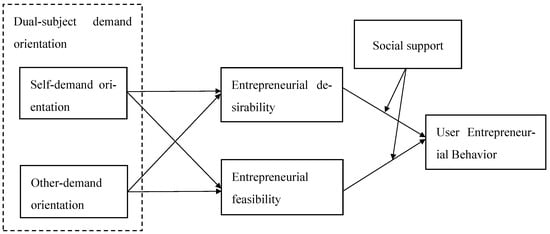
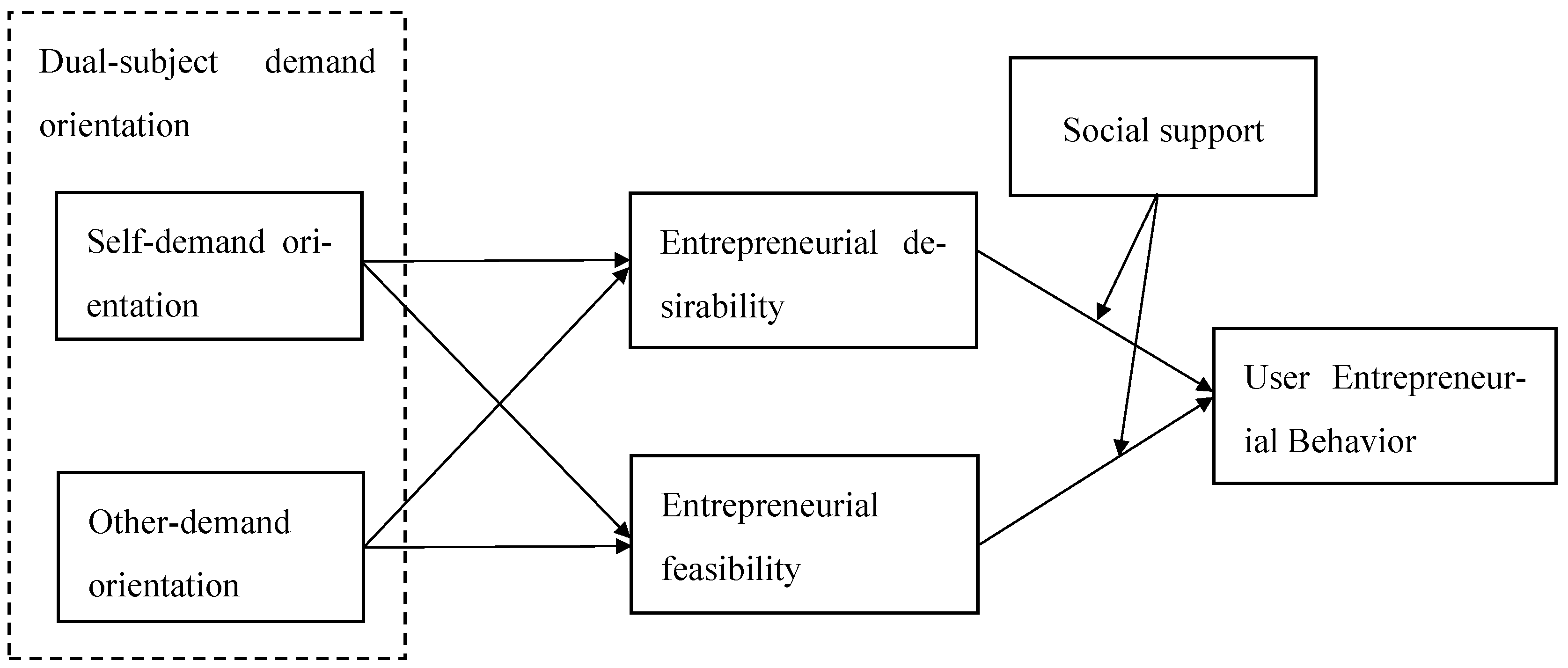
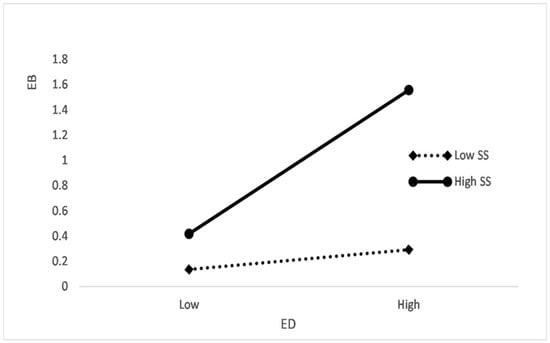
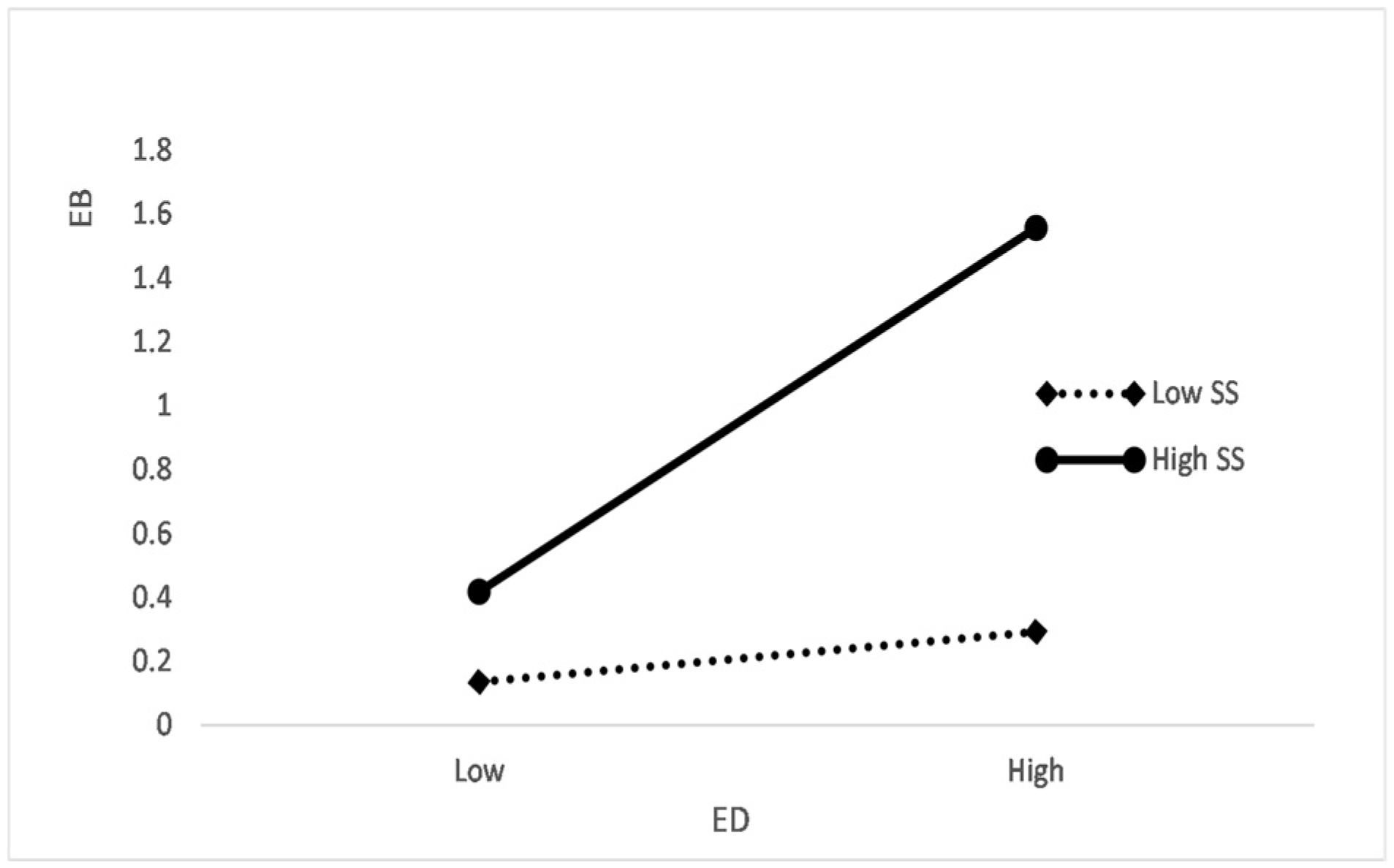
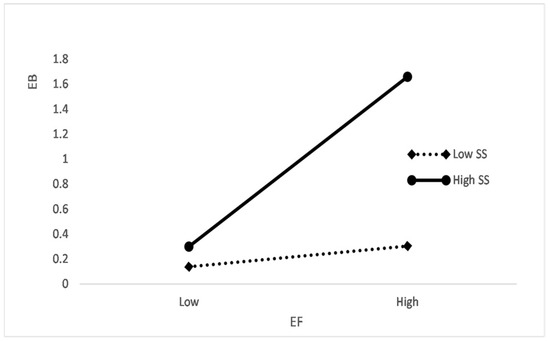
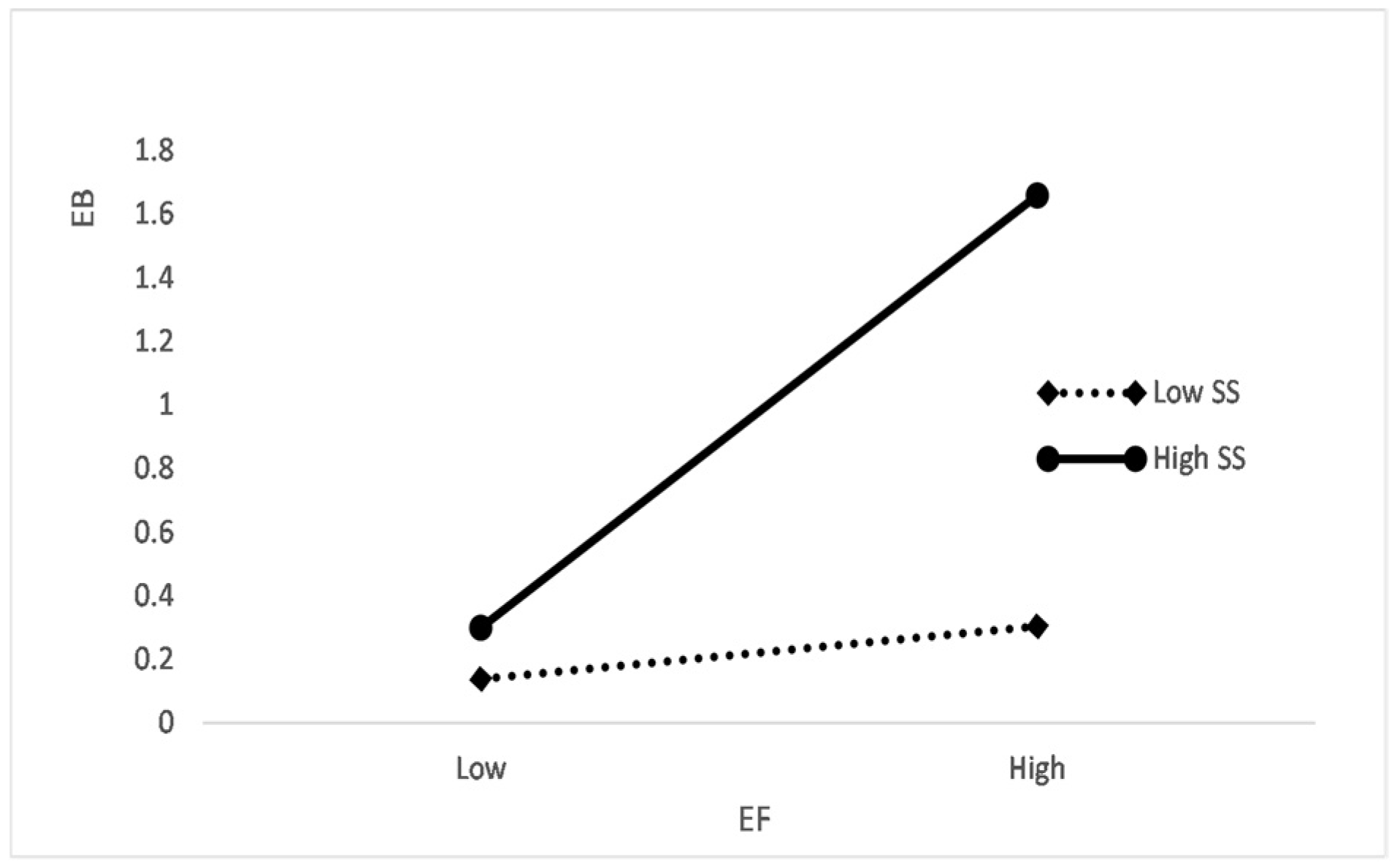
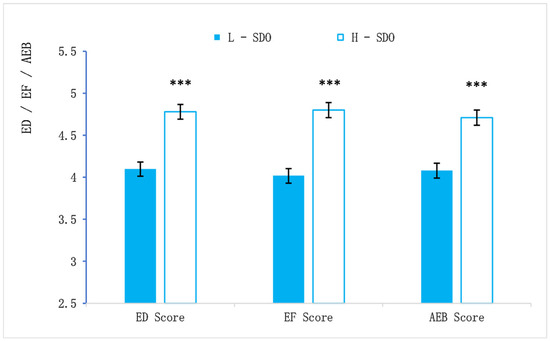
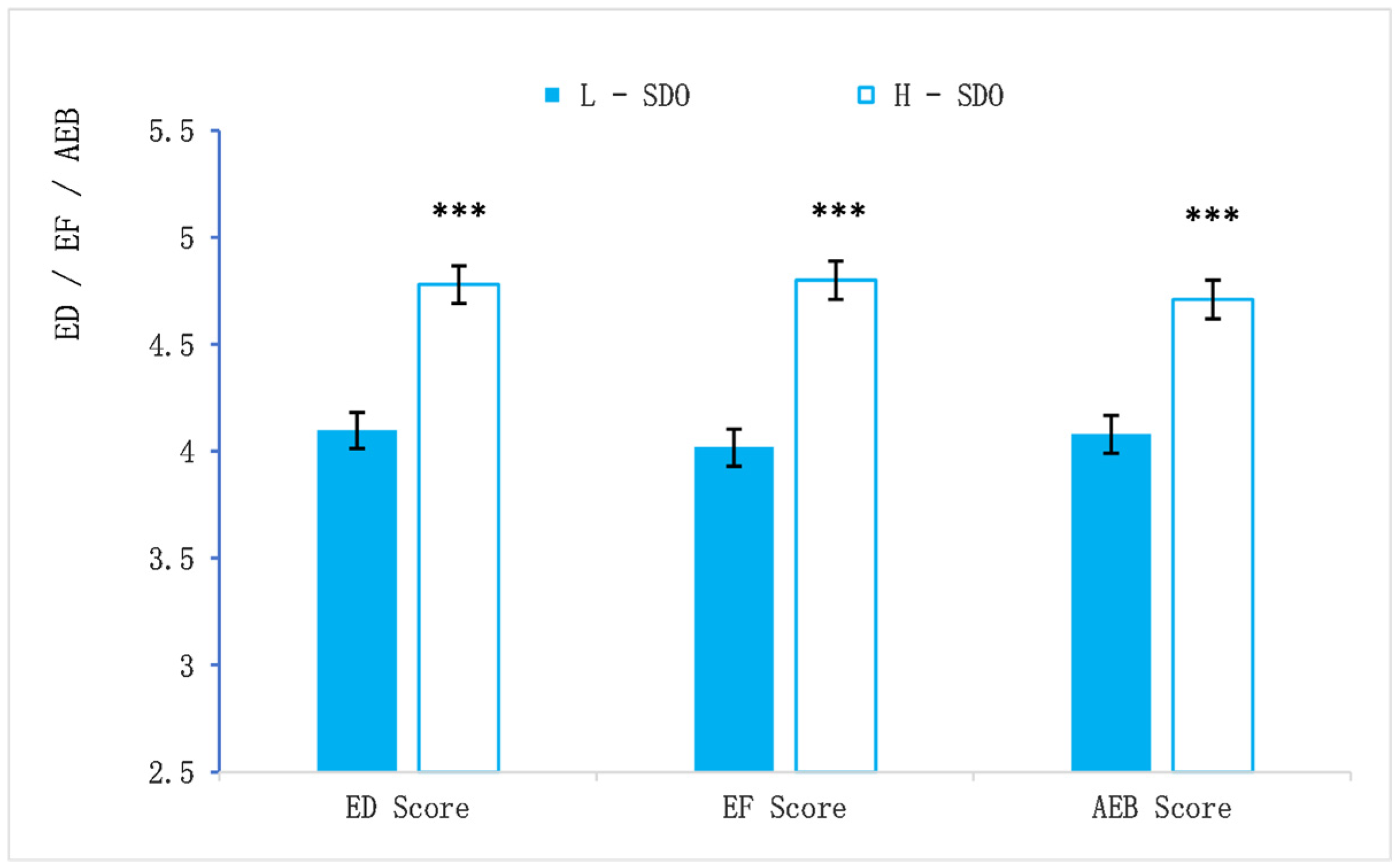
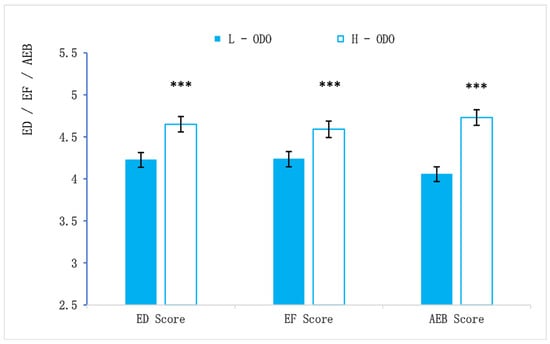
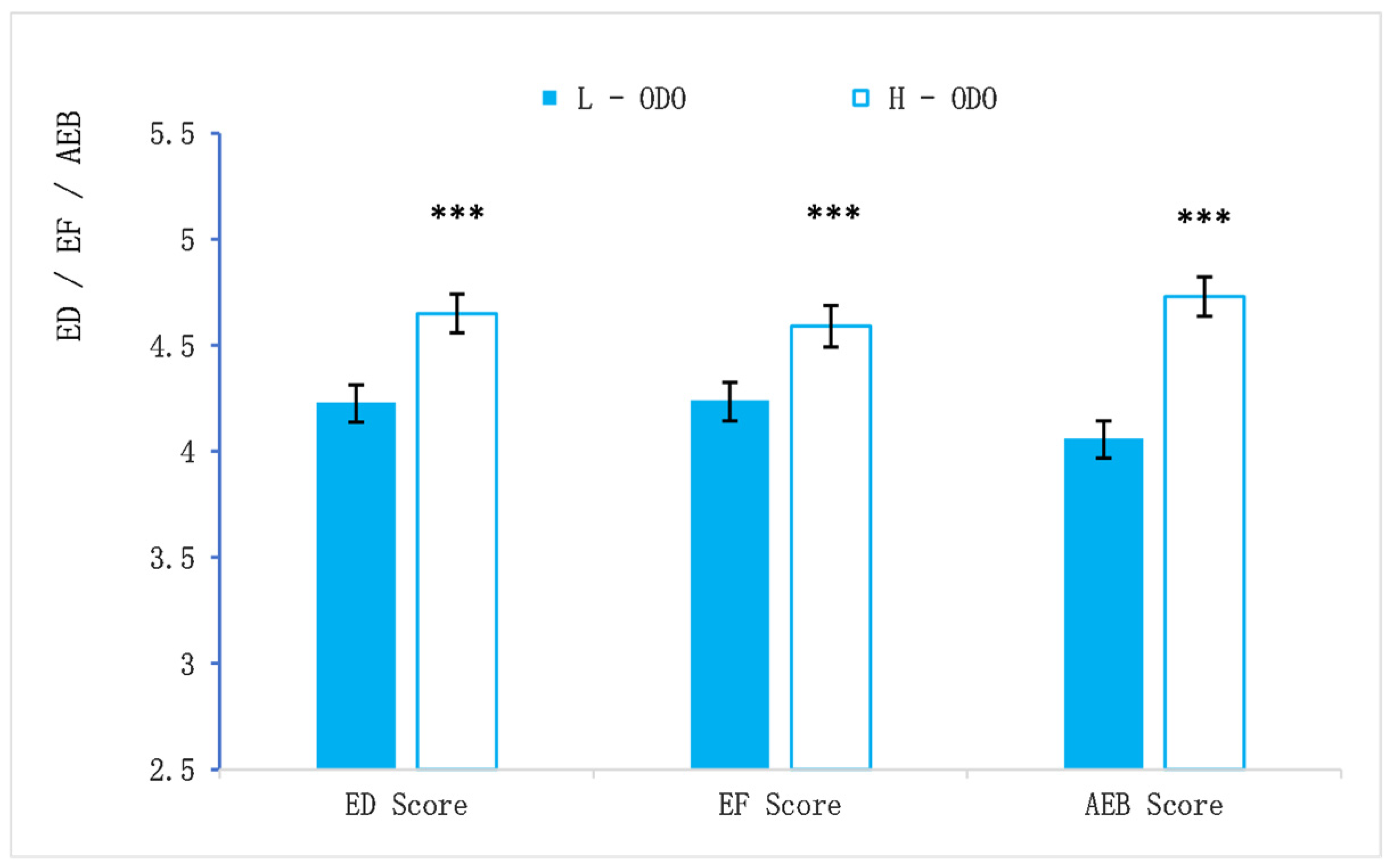
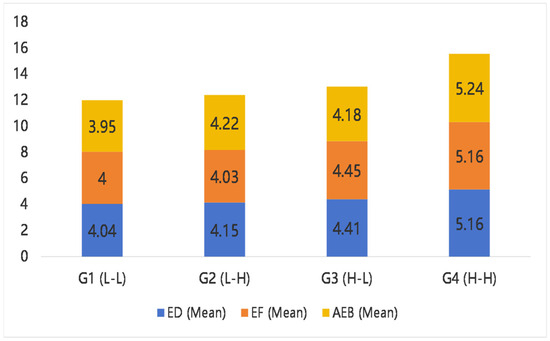
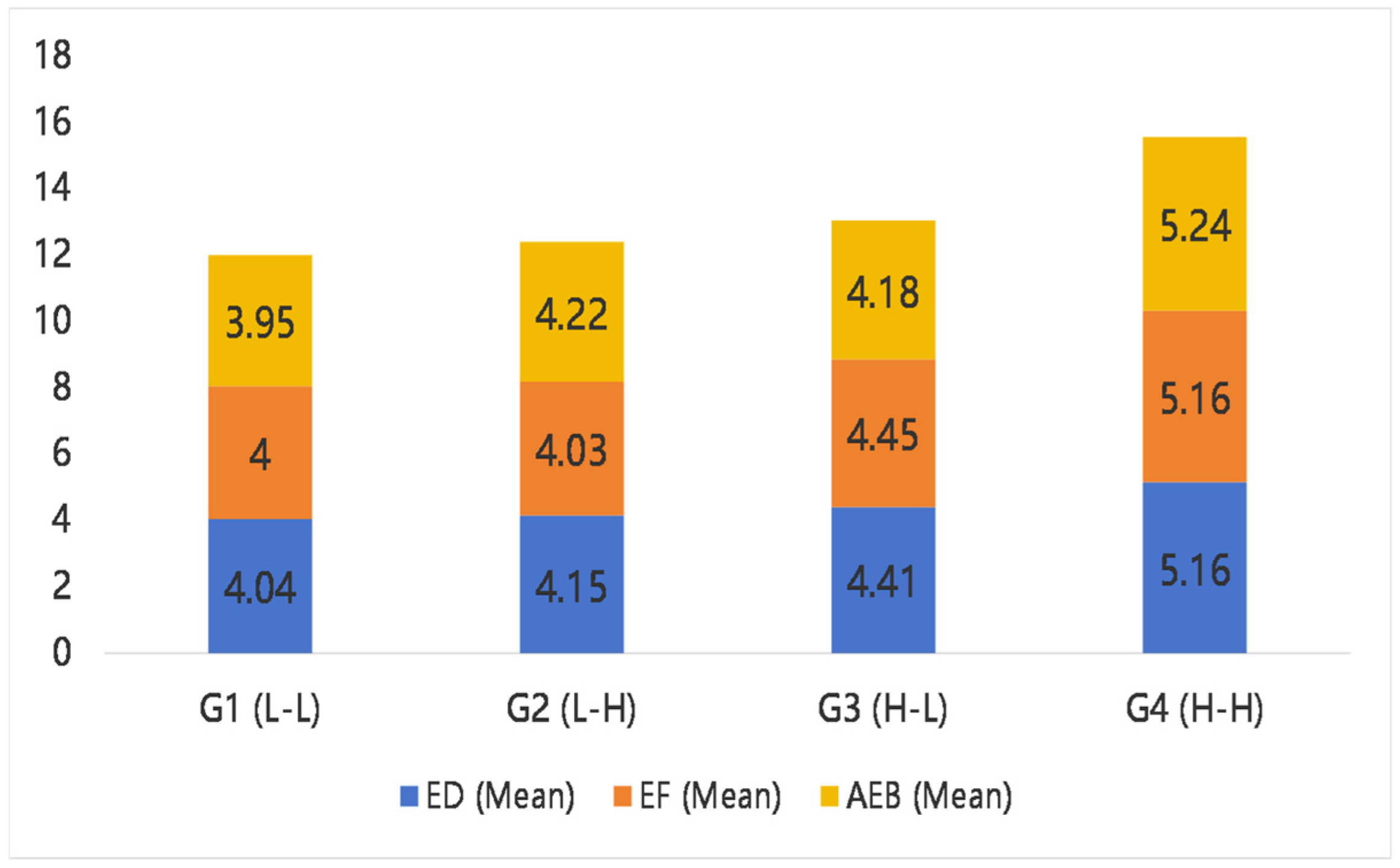

Disclaimer/Publisher’s Note: The statements, opinions and data contained in all publications are solely those of the individual author(s) and contributor(s) and not of MDPI and/or the editor(s). MDPI and/or the editor(s) disclaim responsibility for any injury to people or property resulting from any ideas, methods, instructions or products referred to in the content. |
© 2026 by the authors. Licensee MDPI, Basel, Switzerland. This article is an open access article distributed under the terms and conditions of the Creative Commons Attribution (CC BY) license.