


Abstract
Social information search is an important form of social learning under uncertainty, yet little is known about how state anxiety and intolerance of uncertainty (IU) jointly shape adolescents’ active search behavior. Across two experiments, 180 high school students were assigned to an easy-arithmetic, difficult-arithmetic, or no-task control condition and then completed a social gambling task under risk (Experiment 1) or ambiguity (Experiment 2). Mixed-effects hurdle negative-binomial models separately examined search initiation and search length after initiation. In both experiments, the easy-arithmetic task reduced state anxiety, whereas the difficult-arithmetic task did not significantly increase it; therefore, the findings primarily concern the easy-arithmetic condition. Experimental condition, IU, and their interactions did not reliably predict search initiation. Under risk, the association between IU and search length differed between the easy- and difficult-arithmetic conditions; however, no between-condition differences in search length were significant at either relatively low or high IU. Under ambiguity, participants with relatively low IU in the easy-arithmetic condition searched more than those in the control condition, whereas no comparable difference emerged among participants with relatively high IU. These findings suggest that search initiation and continuation may reflect partly distinct processes and that IU may condition adolescents’ search persistence.
1. Introduction
Individuals frequently make decisions when information about available options or future outcomes is incomplete. In such situations, they may consult not only objective evidence but also social information, including other people’s choices, opinions, behaviors, and experiences (Kendal et al., 2018; Laland, 2004). Social information can provide an additional basis for evaluating alternatives, reduce subjective uncertainty, and improve decision accuracy under some circumstances (Gino & Moore, 2007; Jayles et al., 2017). It may be particularly salient during adolescence, when interactions with peers increase and peers become important sources of information and influence (Brown & Larson, 2009; Lam et al., 2014). Importantly, adolescents are not merely passive recipients of peer influence; they can actively decide whether to consult others and how much social information to acquire before making their own decisions. Recent evidence indicates that adolescents’ social information search varies with decision difficulty, outcome uncertainty, reward magnitude, and the characteristics of the available peer information (Slagter et al., 2023). However, much less is known about how temporary emotional states and dispositional responses to uncertainty jointly shape this active search process.
1.1. Literature Review and Theoretical Background
State anxiety is especially relevant to information search because uncertainty is a central feature of anxiety. Anxiety heightens vigilance toward potentially threatening or unpredictable outcomes and may increase the motivation to obtain additional information. Consistent with this account, anxious individuals have been found to seek and use more advice, partly because anxiety reduces confidence in their own judgments (Gino et al., 2012). Anxiety has also been associated with greater information seeking about uncertain or risk-related issues (Gadarian & Albertson, 2014; Yang & Kahlor, 2013), and laboratory evidence suggests that it can increase information acquisition when individuals encounter substantial changes in their environment (Charpentier et al., 2022). Recent studies further suggest that anxiety-related processes can shape decision-making and bias the seeking and integration of social information (Thyagaraj et al., 2025). Nevertheless, anxiety does not uniformly facilitate information seeking. When information is expected to be threatening, distressing, or difficult to manage, people may avoid rather than acquire it (Case et al., 2005; Soroya et al., 2021; Sweeny et al., 2010). Anxiety may therefore promote search when additional information is expected to restore confidence or control, but inhibit search when it is perceived as emotionally costly or unlikely to resolve uncertainty. These competing possibilities may help explain why previous studies have reported inconsistent relationships between anxiety and information seeking (Savolainen, 2014). Moreover, most existing evidence has been obtained from adults and has often relied on self-reported information-seeking intentions rather than directly observed behavior, leaving it unclear whether similar patterns characterize adolescents’ active social information search.
Individual differences in intolerance of uncertainty may help account for this variability. Intolerance of uncertainty (IU) refers to a relatively stable tendency to perceive uncertain, ambiguous, or insufficiently specified situations as stressful, threatening, or unacceptable (Carleton, 2016). Individuals with higher IU are more likely to experience anxiety and worry when important information is unavailable and may have greater difficulty adapting to outcomes that cannot be predicted with confidence (Buhr & Dugas, 2002; Dugas et al., 2001; Morriss et al., 2016). IU may influence information search through two competing processes. On the one hand, individuals with higher IU may engage in repeated information or reassurance seeking in an attempt to reduce uncertainty and regain a sense of control (Carleton, 2016; Rector et al., 2011). On the other hand, they may avoid information when obtaining it is expected to reveal an undesirable outcome or intensify distress (Sweeny et al., 2010). Supporting such a conditional account, Bartoszek et al. (2022) found that IU moderated the relationship between threat relevance and actual information-seeking behavior. By contrast, Slagter et al. (2023) found no direct association between IU and adolescents’ social information search. These findings suggest that IU may not exert a uniform main effect on search behavior but may instead alter how temporary emotional states are translated into information acquisition.
From a broader theoretical perspective, appraisal-based accounts propose that emotions of the same valence may influence decisions differently because they involve distinct appraisals of certainty and control (Lerner et al., 2015). Expected and immediate affect can also shape probability judgments and the processing of decision-relevant information (Loewenstein & Lerner, 2003). Consistent with these perspectives, anxiety may influence decision-making across contexts (Sharma et al., 2023), while IU may shape individuals’ responses to uncertain environments. Together, these accounts suggest that the effects of anxiety and IU on information search may vary across decision contexts.
Decision-making research distinguishes between risk, in which outcome probabilities are known, and ambiguity, in which relevant probability information is missing or incompletely specified (Camerer & Weber, 1992; Huettel et al., 2006). When probabilities are explicitly available, they provide a direct basis for evaluating the available options, and peer choices may function primarily as supplementary evidence. Under ambiguity, however, social information may be perceived as relatively more informative because other people’s choices provide an additional cue when objective probability information is incomplete. Consistent with this account, Slagter et al. (2023) found that adolescents were more likely to initiate social information search under ambiguity than under risk, although ambiguity did not increase search length after initiation. The relevance of decision context may be particularly pronounced among individuals with high IU. Higher IU has been associated with greater threat appraisal and negative affect specifically under ambiguity rather than under uncertainty involving specified probabilities (J. T. H. Chen & Lovibond, 2016). Moreover, IU was positively associated with the number of cues requested in a moderately ambiguous inference task, but not in either unambiguous or highly ambiguous conditions (Ladouceur et al., 1997). These findings suggest that IU-related information search may not increase linearly with uncertainty; instead, it may depend on whether additional information is perceived as capable of meaningfully reducing the uncertainty. Examining risk and ambiguity may therefore clarify the conditions under which temporary anxiety and IU are associated with adolescents’ social information search.
A further issue is that information search may involve separable decisions rather than constitute a unitary behavioral response. Sequential-search accounts distinguish the decision to begin acquiring information from the subsequent decision to terminate acquisition once the available evidence is judged sufficient (Browne & Pitts, 2004; Hausmann & Läge, 2008). Search initiation may therefore reflect whether additional information is considered sufficiently useful to justify the required time and cognitive effort, whereas search length may reflect the amount of evidence or level of confidence an individual requires before stopping and making a choice (Browne & Pitts, 2004; Hausmann & Läge, 2008). Consistent with this distinction, Slagter et al. (2023) found that adolescents’ social information search was best characterized as a two-step sequential process: an initial decision about whether to search, followed by a separate decision about whether to continue sampling. Moreover, different task characteristics were associated with these two components. Choice difficulty, outcome uncertainty, and reward magnitude were primarily related to search initiation, whereas incongruency between sampled peer information and adolescents’ initial preferences was associated with more extended search. Nevertheless, previous research on anxiety and information seeking has rarely distinguished the initial decision to search from the persistence of search after it has begun. Examining these outcomes separately may therefore provide a more precise account of whether anxiety and IU influence adolescents’ willingness to consult peers, the extent to which they continue sampling peer information, or both.
1.2. The Present Study
The present study examined how experimentally manipulated mental-arithmetic conditions and IU were associated with high school students’ social information search. Building on Slagter et al. (2023), the present study shifts attention from task-related determinants of social information search to the roles of temporary psychological conditions and dispositional IU. We further examine whether these factors are differently associated with search initiation and search length under risk and ambiguity. In two experiments, participants were assigned to an easy-arithmetic condition, a difficult-arithmetic condition, or a no-task control condition before completing a social gambling task. Mental arithmetic was selected because it provides a brief and standardized laboratory challenge with controllable difficulty and response deadlines. Difficult arithmetic requires sustained cognitive effort under time pressure, which can heighten performance-related tension and state anxiety; it has previously been used to elicit acute stress and anxiety, whereas an easier version retains the same task format with lower cognitive demand (X. Chen et al., 2023; Liu & Liang, 2008). Experiment 1 examined decisions under risk, in which outcome probabilities were explicitly displayed, whereas Experiment 2 examined decisions under ambiguity, in which the true outcome probabilities were unknown. In both experiments, participants could reveal choices ostensibly made by other students before making their own decisions. Social information search was modeled as a two-stage process: search initiation indicated whether participants revealed at least one peer choice on a trial, whereas search length indicated the number of peer choices revealed after search had been initiated. We first hypothesized that the mental-arithmetic manipulation would produce differentiated levels of state anxiety: the easy-arithmetic condition was expected to reduce state anxiety relative to the control condition, whereas the difficult-arithmetic condition was expected to increase state anxiety. We then examined whether experimental condition predicted search initiation and search length separately. Given the mixed evidence that anxiety may either promote uncertainty reduction or encourage information avoidance, no uniform directional effect of experimental condition on the two search outcomes was specified. More importantly, we hypothesized that IU would moderate the association between experimental condition and social information search, such that condition-related differences in search initiation and/or search length would vary across levels of IU. Finally, we explored whether the patterns observed respectively under risk and ambiguity were descriptively different.
2. Experiment 1: Social Information Search Under Risk
2.1. Method
2.1.1. Design
Experiment 1 employed a three-condition between-subjects design with repeated trial-level observations. Participants were randomly assigned to an easy-arithmetic condition, a difficult-arithmetic condition, or a no-task control condition. Intolerance of uncertainty (IU) was measured as a continuous individual-difference variable and examined as a moderator. The dependent variables were social information search initiation and search length during a social gambling task involving decisions under risk. Search initiation indicated whether a participant revealed at least one piece of peer-choice information on a given trial. Conditional on search initiation, search length was defined as the number of peer choices revealed.
2.1.2. Participants
A priori power analysis was conducted using G*Power 3.1 (Faul et al., 2009) as an approximate benchmark for the planned moderation analysis. Based on previous research examining the relationship between emotional states and information seeking (Charpentier et al., 2022; Gino et al., 2012; Rapp et al., 2024), the analysis assumed an effect size of 0.25, an alpha level of 0.05, and statistical power of 0.95. The estimated minimum sample size was 73 participants. Because this conventional regression framework did not reproduce the nonlinear multilevel models used in the final analyses, it was treated only as a preliminary planning benchmark. Initially, 97 participants were recruited. All scored below the trait-anxiety cutoff of 65 (Li & Qian, 1995; Spielberger et al., 1970; Yue et al., 2023), and none were excluded on this basis. Three participants lacked complete behavioral data, and two additional participants were excluded for failing the task-validity criteria. These criteria were not met if participants rated the difficult-arithmetic task as very easy while achieving an accuracy rate above 90%, or rated the easy-arithmetic task as very difficult. The primary analysis sample comprised 92 participants (Mage = 17.25 years, SDage = 1.10; 44 males). The difficult-arithmetic, easy-arithmetic, and control conditions included 31 participants (12 males), 33 participants (16 males), and 28 participants (16 males), respectively. Trait-anxiety scores did not differ significantly across conditions, F(2, 89) = 1.18, p = 0.313. Baseline state-anxiety scores measured before the mental-arithmetic manipulation also did not differ significantly across conditions, F(2, 89) = 0.54, p = 0.585. The participant-exclusion sensitivity analysis included all 94 participants with complete behavioral data. All participants had normal or corrected-to-normal vision and reported no history of psychiatric disorders. Participants received one small gift after completing each session. The study was conducted in accordance with the Declaration of Helsinki and approved by the Ethics Committee of Ningbo University (NBU-2024-134). Written informed consent was obtained from all participants and their legal guardians.
2.1.3. Materials and Measures
Emotional-State Manipulation
Participants completed continuous mental-arithmetic subtraction tasks of different difficulty levels that were intended to alter state anxiety. The tasks were adapted from previous stress- and anxiety-induction procedures (X. Chen et al., 2023; Kirschbaum et al., 1993; Liu & Liang, 2008). In the difficult-arithmetic condition, participants repeatedly subtracted 17 from a three-digit number. This task was intended to impose relatively high cognitive demand and increase state anxiety. In the easy-arithmetic condition, participants repeatedly subtracted 10 from a three-digit number. This task was intended to impose relatively low cognitive demand and reduce state anxiety. Participants in the control condition did not complete an arithmetic task and instead waited for an equivalent period.
Each arithmetic trial began with the presentation of a three-digit starting number for 1500 ms. Participants mentally subtracted either 17 or 10 and entered their answer within 3000 ms. The correct answer was then displayed for 1500 ms and served as the starting value for the subsequent subtraction. Participants again entered their response within 3000 ms. This sequence continued for 5 min, after which the program terminated automatically. All experimental tasks were programmed using PsychoPy version 2023.2.3 (Peirce et al., 2019).
State and Trait Anxiety
State and trait anxiety were assessed using the revised version of the State–Trait Anxiety Inventory (STAI; Li & Qian, 1995; Spielberger et al., 1970; Yue et al., 2023). The STAI comprises a 20-item State Anxiety Inventory and a 20-item Trait Anxiety Inventory. Items are rated on a 4-point scale, with positively worded items reverse-scored. Higher total scores indicate higher levels of anxiety. In the present study, the State Anxiety Inventory and Trait Anxiety Inventory showed acceptable internal consistency, with Cronbach’s α values of 0.85 and 0.82, respectively. Short-term changes in state anxiety were assessed using the six-item short form of the State Anxiety Inventory (SAI-6; Marteau & Bekker, 1992/2020; Tian et al., 2018). The six items assess the extent to which participants feel calm, tense, upset, relaxed, content, and worried.
Intolerance of Uncertainty
IU was assessed using the 12-item Intolerance of Uncertainty Scale (IUS-12; Carleton et al., 2007; McEvoy & Mahoney, 2011; Wu et al., 2016). The IUS-12 was administered in Session 1 after the experimental manipulation and individual gambling task. Items are rated on a 5-point scale, with higher scores indicating stronger negative cognitive, emotional, and behavioral responses to uncertainty. The scale demonstrated good internal consistency in the present study, with Cronbach’s α = 0.87.
Social Information Search Under Risk
Social information search was assessed using a modified social gambling task adapted from Slagter et al. (2023). The task comprised two sessions separated by approximately 7 days. In Session 1, participants completed 20 trials of an individual gambling task under risk. On each trial, they chose between a safe option that yielded a certain gain of 5 points and a risky option that could yield a larger reward with an explicitly stated probability. The probability of obtaining the risky reward was represented by the proportion of green and black marbles displayed in a transparent vase. For example, 30 green marbles and 70 black marbles indicated a 30% probability of receiving the risky reward and a 70% probability of receiving 0 points. Ten green-to-black marble ratios were used: 20:80, 30:70, 35:65, 40:60, 50:50, 60:40, 65:35, 70:30, 80:20, and 85:15. Possible rewards for choosing the risky option were 8, 14, 20, 32, and 50 points, presented across trials at frequencies of 2, 5, 4, 4, and 5 trials, respectively. The positions of the safe and risky options were randomized across trials. The expected value of the safe option was fixed at 5 points. The expected value of the risky option was calculated by multiplying the probability of receiving the reward by its magnitude. Choice difficulty was indexed by the absolute difference between the expected values of the risky and safe options, with smaller differences indicating more difficult choices. Participants made all decisions independently in Session 1 and were not given access to social information. Session 1 was included solely to support the cover story used in Session 2. By completing the gambling task individually, participants could plausibly believe that the peer-choice information later displayed had been collected from students who had previously completed the same task. Participants’ choices in Session 1 were neither used to construct the social-information boards in Session 2 nor included in the statistical analyses.
In Session 2, participants completed 20 social gambling trials under risk. Before making their own choice on each trial, they were told that they could view choices previously made by other students. A social-information board containing 20 gray boxes was displayed at the top of the screen. Each box ostensibly represented the choice of another student. Clicking a box revealed either blue, indicating a safe choice, or yellow, indicating a risky choice. In fact, the displayed choices were generated by the experimental program rather than obtained from actual students. To standardize the information presented across participants and trials, each board was predetermined using one of three risky-to-safe choice ratios: 14:6, 10:10, or 6:14. Across the 20 trials, nine boards had a risky-to-safe ratio of 14:6, six had a ratio of 6:14, and five had a ratio of 10:10. There were 15 unique choice problems, five of which appeared twice, once with a majority-choice board and once with a 10:10 board. Trial order was randomized separately for each participant. Whenever an unrevealed box was clicked, its content was sampled randomly without replacement from the board’s preset pool; thus, the board composition was fixed, but the spatial allocation and reveal sequence were not predetermined. Participants could reveal as many boxes as they wished before making their final decision and were not required to reveal any information. Search initiation was coded as 1 when a participant revealed at least one box on a trial and 0 otherwise. Conditional on initiation, search length was defined as the number of boxes revealed, ranging from 1 to 20. A representative interface of the risk task is shown in Figure 1a.
Figure 1.
Representative interfaces of the social information search tasks. (a) Risk condition with explicitly displayed outcome probabilities. (b) Ambiguity condition with unknown outcome probabilities and a visible sample of marbles. Participants could click the gray boxes to reveal predetermined, program-generated peer choices; blue and yellow indicated safe and risky/ambiguous choices, respectively.
2.1.4. Procedure
At the beginning of Session 1, participants completed the full STAI. They were then assigned to the difficult-arithmetic, easy-arithmetic, or control condition. Immediately after the arithmetic task or equivalent waiting period, participants completed the SAI-6 and rated the subjective difficulty of the task on a 4-point scale ranging from 1 (very easy) to 4 (very difficult). They subsequently completed the individual gambling task under risk without access to social information. After the gambling task, participants completed the SAI-6 again, followed by the IUS-12.
Approximately 7 days after Session 1, participants returned to complete Session 2. In Session 2, participants completed the same arithmetic or control condition as in Session 1. Different three-digit starting numbers were used to minimize practice effects. The SAI-6 was administered immediately before and after the manipulation. Participants in the control condition waited for an equivalent period before completing the postmanipulation SAI-6. Participants then completed the social gambling task under risk and completed the SAI-6 once more after the task. To minimize learning effects, no trial-by-trial outcome feedback was provided. At the end of each session, one trial was randomly selected to determine participants’ rewards. Depending on the points earned on the selected trial, participants received one to three lottery tickets that could be entered into a drawing for a gift. Participants were fully debriefed regarding the predetermined nature of the peer-choice information after completing the study. No formal credibility or belief check was administered before debriefing.
2.1.5. Data Analysis
Data cleaning was conducted before model fitting. Participants with missing data or who failed the task-validity criteria described in Section 2.1.2 were excluded, resulting in a final sample of 92 participants. Following Slagter et al. (2023), social information search was conceptualized as a two-stage process. The first stage concerned whether participants initiated a search, whereas the second concerned how much information they sampled after initiating the search.
Of the 92 participants, 19 did not initiate social information search on any trial, whereas 73 initiated a search on at least one trial. Among participants who searched at least once, search was initiated on an average of 9.88 of the 20 trials (SD = 9.92). Conditional on initiation, the mean search length was 10.10 boxes (SD = 6.02, range = 1–20). At the trial level, trials without search accounted for 60.80% of all observations. The positive search counts also showed substantial overdispersion. Among positive-count trials, 76 observations reached the upper boundary of 20 (16.78%; 4.13% of all trials). A mixed-effects hurdle negative-binomial model was therefore fitted to the trial-level data.
The binary component used logistic regression to model the probability that no social information search occurred on each trial. Conditional on initiation, the positive-count component used a zero-truncated negative-binomial distribution to model the number of boxes revealed. Experimental condition, IU, and their interaction were entered as predictors in both model components. Choice difficulty and reward magnitude were included as trial-level covariates. IU and the continuous trial-level predictors were grand-mean centered before the interaction terms were calculated. Participant random intercepts accounted for within-person clustering across trials. Experimental condition and IU varied only between participants, whereas choice difficulty and reward magnitude were included as trial-level fixed effects. Given the modest sample and sparse positive-count observations, we retained a parsimonious random-intercept structure. Board composition and sequence-dependent congruence were not included in the models. Significant interactions were probed by estimating conditional effects at one standard deviation below and above the mean of IU. These values were used as representative points on the continuous IU distribution and did not indicate that participants were divided into categorical low- and high-IU groups. The hurdle-model analyses were planned primary analyses, whereas the simple slopes, conditional comparisons at ±1 SD of IU, and cross-experiment interpretations were exploratory. Holm correction was applied separately within each experiment and follow-up family. No global correction was applied across model components or experiments.
To assess statistical power, a simulation-based sensitivity analysis was conducted separately for each model component in Experiment 1, using a design with 92 participants and 20 trials per participant. Exploratory simulations were used to identify candidate effect sizes yielding approximately 80% power. Each setting was then evaluated using 1000 replications. Power was estimated as the proportion of valid fits yielding a two-sided p-value < 0.05 for the target effect.
In addition, as a sensitivity analysis, we refitted the primary hurdle negative-binomial model using all participants with complete behavioral data, including those previously excluded on task-validity grounds (sensitivity sample: N = 94); the model specification was otherwise unchanged.
All analyses were conducted in R using the GLMMadaptive package (Rizopoulos, 2020). Models were fitted using adaptive Gauss–Hermite quadrature with 11 quadrature points. Convergence was checked, and model fit was compared with hurdle Poisson and zero-inflated negative-binomial alternatives using AIC and BIC.
2.2. Results
2.2.1. Manipulation Check
The manipulation check was based on SAI-6 scores obtained immediately before and after the mental-arithmetic manipulation in Session 2, prior to the social gambling task. Postmanipulation state-anxiety scores differed significantly across the three experimental conditions, F(2, 89) = 6.60, p = 0.002, . Bonferroni-corrected pairwise comparisons showed that participants in the easy-arithmetic condition (M = 1.66, SD = 0.49) reported significantly lower state anxiety than those in the control condition (M = 2.10, SD = 0.58), t(59) = −3.20, adjusted p = 0.005, d = 0.83, and those in the difficult-arithmetic condition (M = 2.16, SD = 0.71), t(62) = −3.29, adjusted p = 0.002, d = 0.82. State anxiety did not differ significantly between the difficult-arithmetic and control conditions, t(57) = 0.37, adjusted p = 0.794.
Within-condition comparisons further showed that state anxiety decreased significantly from pre- to postmanipulation in the easy-arithmetic condition, from M = 1.96 (SD = 0.50) to M = 1.66 (SD = 0.49) after the task, t(32) = −4.01, p < 0.001, d = 0.70. State anxiety did not increase significantly in the difficult-arithmetic condition, changing from M = 2.05 (SD = 0.48) to M = 2.16 (SD = 0.71), t(30) = 0.92, p = 0.368.
These findings indicate that the easy-arithmetic task successfully reduced state anxiety, whereas the difficult-arithmetic task did not significantly increase it relative to either baseline or the control condition. The subsequent results are therefore interpreted primarily in terms of the easy-arithmetic condition rather than as a successful contrast between experimentally induced low- and high-anxiety states.
2.2.2. Search Initiation Under Risk
The hurdle negative-binomial model converged successfully (log-likelihood = −2086.28, AIC = 4212.55, BIC = 4263.42). It provided substantially better fit than the hurdle Poisson model (ΔAIC = 219.27; ΔBIC = 216.72) and comparable fit to the zero-inflated negative-binomial model (ΔAIC = ΔBIC = 0.22). The hurdle specification was retained because it corresponded to the distinction between search initiation and search length.
The binary component of the hurdle model showed that experimental condition did not significantly predict whether participants initiated social information search (Table 1). Relative to the easy-arithmetic condition, neither the difficult-arithmetic condition, b = 1.99, SE = 2.25, 95% CI [−2.43, 6.40], nor the control condition, b = 0.05, SE = 2.27, 95% CI [−4.39, 4.49], was significantly associated with search initiation. IU was also not significantly associated with search initiation in the easy-arithmetic reference condition, b = −0.03, SE = 0.05, 95% CI [−0.13, 0.07]. Neither the Difficult-Arithmetic Condition × IU interaction, b = −0.05, SE = 0.07, 95% CI [−0.19, 0.09], nor the Control Condition × IU interaction, b = 0.03, SE = 0.07, 95% CI [−0.11, 0.16], was significant. Choice difficulty and reward magnitude were likewise not significantly associated with search initiation. Thus, experimental condition, IU, and their interaction did not reliably predict whether participants began searching for peer-choice information under risk.
Table 1.
Mixed-effects hurdle negative-binomial model predicting social information search under risk in Experiment 1.
2.2.3. Search Length Under Risk
The positive-count component examined the number of peer choices revealed on trials in which search had been initiated (Table 1). With the easy-arithmetic condition as the reference category, participants in the difficult-arithmetic condition revealed more peer-choice information, b = 1.70, SE = 0.61, 95% CI [0.50, 2.90], p = 0.006. Participants in the control condition also revealed more information than those in the easy-arithmetic condition, b = 1.21, SE = 0.60, 95% CI [0.03, 2.40], p = 0.045. However, because these condition coefficients were qualified by interactions with IU, they should be interpreted in conjunction with the conditional-effects analyses reported below.
Within the easy-arithmetic condition, higher IU was associated with longer search length, b = 0.03, SE = 0.01, 95% CI [0.00, 0.06], p = 0.021. This association differed significantly between the easy- and difficult-arithmetic conditions, as indicated by the Difficult-Arithmetic Condition × IU interaction, b = −0.05, SE = 0.02, 95% CI [−0.09, −0.02], p = 0.004. The Control Condition × IU interaction did not reach statistical significance, b = −0.03, SE = 0.02, 95% CI [−0.07, 0.00], p = 0.088. Neither choice difficulty nor reward magnitude significantly predicted search length.
Following exploratory simulations, 1000 replications were conducted with the Difficult-Arithmetic Condition × IU coefficient set to −0.054 in the positive-count component and −0.230 in the zero component, yielding estimated power of 86.0% and 83.8%, respectively.
In the participant-exclusion sensitivity analysis (N = 94), the Difficult-Arithmetic Condition × IU interaction in the positive-count component remained significant, b = −0.05, SE = 0.02, 95% CI [−0.09, −0.02], p = 0.003, consistent with the primary analysis.
2.2.4. Probing the Condition × IU Interaction
The significant Difficult-Arithmetic Condition × IU interaction was further examined using simple-slope and conditional-effects analyses. IU was treated as a continuous variable, with conditional effects estimated at one standard deviation below and above its mean. Simple-slope analyses showed that, in the easy-arithmetic condition, higher IU was significantly associated with longer search length, b = 0.03, p = 0.021, Holm-adjusted p = 0.042. In contrast, IU was not significantly associated with search length in either the difficult-arithmetic condition, b = −0.02, p = 0.076, Holm-adjusted p = 0.076.
Conditional comparisons between experimental conditions did not reach statistical significance at either representative IU level. At relatively high IU, search length did not differ significantly between the easy- and difficult-arithmetic conditions, b = 0.45, p = 0.092, Holm-adjusted p = 0.184. At relatively low IU, search length also did not differ significantly between the easy- and difficult-arithmetic conditions, b = −0.48, p = 0.096, Holm-adjusted p = 0.184.
In the participant-exclusion sensitivity analysis (N = 94), the IU slope remained significant in the easy-arithmetic condition, b = 0.04, p = 0.015, Holm-adjusted p = 0.030, but was nonsignificant in the difficult-arithmetic condition, b = −0.02, p = 0.095, Holm-adjusted p = 0.095. The easy- and difficult-arithmetic conditions did not differ significantly at either relatively high IU, b = 0.47, p = 0.066, Holm-adjusted p = 0.132, or relatively low IU, b = −0.45, p = 0.116, Holm-adjusted p = 0.132. These findings were consistent with the primary analysis.
Thus, the interaction was primarily characterized by a positive association between IU and search length in the easy-arithmetic condition rather than in the difficult-arithmetic condition, but does not provide evidence of condition differences in search length at relatively low or high IU.
2.3. Summary of Experiment 1
Experiment 1 showed that experimental condition, IU, and their interaction did not significantly predict search initiation under risk. Conditional on search initiation, the IU slope differed significantly between the easy- and difficult-arithmetic conditions. However, neither conditional between-condition comparison at ±1 SD of IU was significant after Holm correction. Thus, the interaction indicates a difference in IU slopes rather than evidence of condition differences in search length at relatively low or high IU.
3. Experiment 2: Social Information Search Under Ambiguity
3.1. Method
3.1.1. Design
Experiment 2 used the same three-condition between-subjects design and dependent variables as Experiment 1, except that the social gambling task involved decisions under ambiguity. Participants were assigned to the easy-arithmetic, difficult-arithmetic, or no-task control condition. IU was treated as a continuous moderator of social information search initiation and search length.
3.1.2. Participants
Experiment 2 recruited an independent sample using the same school-based convenience sampling strategy. Initially, a total of 97 high school students were recruited from the same public high school. All scored below the trait-anxiety cutoff of 65, and none were excluded on this basis. During data cleaning, three participants were excluded because of missing data or noncompletion, and six additional participants were excluded for failing the task-validity criteria, yielding a primary analysis sample of 88 (mean age = 16.98 years, SD = 0.48; 26 males). The difficult-arithmetic, easy-arithmetic, and control conditions included 26 participants (6 males), 34 participants (11 males), and 28 participants (9 males), respectively. Baseline state- and trait-anxiety scores did not differ significantly across conditions, ps > 0.05. The participant-exclusion sensitivity analysis included all 94 participants with complete behavioral data. The eligibility criteria, compensation, and ethical procedures were identical to those in Experiment 1.
3.1.3. Materials and Measures
The emotional-state manipulation, anxiety measures, and IUS-12 were identical to those used in Experiment 1.
Social Information Search Under Ambiguity
Social information search was assessed using an ambiguity version of the social gambling task adapted from Slagter et al. (2023). The task comprised two sessions separated by approximately 7 days. In Session 1, participants completed 21 trials of an individual gambling task under ambiguity. On each trial, they chose between a safe option yielding a certain gain of 5 points and an ambiguous option that could yield a larger reward, although the true probability of receiving that reward was unknown. The ambiguous option was represented by an opaque vase containing an unknown distribution of green and black marbles. Participants were shown a sample of 15 marbles ostensibly drawn from the vase. The sample proportion provided a partial cue from which the reward probability could be inferred, but the true distribution in the vase remained unknown. Five green-to-black sample ratios were used: 3:12, 5:10, 7:8, 10:5, and 12:3. Possible rewards for choosing the ambiguous option were 8, 14, 20, 32, and 50 points, presented across the 21 trials at frequencies of 6, 2, 4, 4, and 5 trials, respectively. The locations of the safe and ambiguous options were randomized across trials. Choice difficulty was indexed by the absolute difference between the expected values of the safe and ambiguous options. For this calculation, the proportion of green marbles in the displayed sample was used as an estimate of the probability of receiving the ambiguous reward. Smaller absolute expected-value differences indicated more difficult choices. As in Experiment 1, Session 1 was included solely to enhance the plausibility of the cover story that the peer-choice information presented in Session 2 had been collected from students’ earlier decisions. Participants’ Session 1 choices were neither used to construct the social-information boards nor included in the statistical analyses.
In Session 2, participants completed 21 social gambling trials under ambiguity. Before making their own choice, they could reveal choices ostensibly made by other students during Session 1. A social-information board containing 20 gray boxes was displayed above the choice options. Clicking a box revealed either blue, indicating a safe choice, or yellow, indicating an ambiguous choice. The displayed choices were generated by the experimental program rather than obtained from actual participants. The boards were predetermined using ambiguous-to-safe choice ratios of 14:6, 10:10, or 6:14. Following Slagter et al. (2023), across the 21 trials, eleven used a 14:6 ambiguous-to-safe board, five used a 6:14 board, and five used a 10:10 board. The task contained 16 unique choice problems, five of which were presented twice, once with a majority board and once with a 10:10 board. Trial order was randomized separately for each participant. When an unrevealed box was selected, its content was sampled randomly without replacement from the remaining choices in that trial’s preset pool; therefore, box positions and reveal sequences were not predetermined. Participants could reveal as many boxes as they wished and were not required to reveal any information. Search initiation was coded as 1 when a participant revealed at least one box on a trial and 0 otherwise. Conditional on initiation, search length was defined as the number of boxes revealed, ranging from 1 to 20. A representative interface of the ambiguity task is shown in Figure 1b.
3.1.4. Procedure
The procedure was identical to that of Experiment 1, except that all gambling decisions involved ambiguity and each gambling task comprised 21 trials.
3.1.5. Data Analysis
Data cleaning and statistical modeling followed the procedures described for Experiment 1. Of the 88 participants, 20 did not initiate social information search on any trial, whereas 68 initiated search at least once. Among participants who searched, the mean number of trials on which search was initiated was 7.22 (SD = 6.23) out of 21. Conditional on initiation, the mean search length was 9.11 boxes (SD = 4.77, range = 1–20). At the trial level, zero observations accounted for 74.40% of all trials, and the positive counts showed substantial overdispersion. Among positive-count trials, 65 observations reached the upper boundary of 20 (13.74% of positive-count trials; 3.52% of all trials). A mixed-effects hurdle negative-binomial model was therefore fitted to the trial-level data.
The zero part modeled whether no social information search occurred on each trial. Conditional on search initiation, the positive-count part used a zero-truncated negative-binomial distribution to model the number of boxes revealed. Experimental condition, IU, and their interaction were entered as predictors in both model components. Choice difficulty and reward magnitude were included as trial-level covariates. IU and the continuous trial-level predictors were grand-mean centered, and participant-level random intercepts were specified as in Experiment 1.
To assess statistical power, a simulation-based sensitivity analysis was conducted separately for each model component in Experiment 2, using a design with 88 participants and 21 trials per participant. Exploratory simulations were used to identify candidate effect sizes yielding approximately 80% power. Each setting was then evaluated using 1000 replications. Power was estimated as the proportion of valid fits yielding a two-sided p-value < 0.05 for the target effect.
In addition, the Experiment 2 sensitivity analysis included all participants with complete behavioral data (N = 94); the model specification was otherwise unchanged.
Analyses were conducted in R using the GLMMadaptive package. The model-fitting and model-comparison procedures were identical to those used in Experiment 1.
3.2. Results
3.2.1. Manipulation Check
The manipulation check was based on SAI-6 scores obtained immediately before and after the mental-arithmetic manipulation in Session 2, prior to the social gambling task. Postmanipulation state-anxiety scores differed significantly across conditions, F(2,85) = 6.70, p = 0.002, . Bonferroni-adjusted pairwise comparisons showed that participants in the easy-arithmetic condition (M = 1.87, SD = 0.59) reported significantly lower state anxiety than those in the control condition (M = 2.26, SD = 0.42), t(59.12) = −3.05, adjusted p = 0.006, d = 0.75, and those in the difficult-arithmetic condition (M = 2.25, SD = 0.37), t(56.15) = −3.05, adjusted p = 0.010, d = 0.75. State anxiety did not differ significantly between the difficult-arithmetic and control conditions, t(52) = −0.13, adjusted p = 1.000.
Within-condition comparisons showed that state anxiety decreased significantly in the easy-arithmetic condition, from M = 2.08 (SD = 0.56) before the task to M = 1.87(SD = 0.59) after the task, t(33) = −2.31, p = 0.027, d = 0.40. State anxiety did not change significantly in the difficult-arithmetic condition, from M = 2.32(SD = 0.21) to M = 2.25(SD = 0.37), t(25) = 0.97, p = 0.340.
Thus, the easy-arithmetic task reduced state anxiety, whereas the difficult-arithmetic task did not significantly increase it relative to baseline or the control condition. The subsequent findings are therefore interpreted primarily in terms of the easy-arithmetic condition, which was associated with reduced state anxiety, rather than as a successful contrast between experimentally induced low- and high-anxiety states.
3.2.2. Search Initiation Under Ambiguity
The hurdle negative-binomial model converged successfully (log-likelihood = −2196.40, AIC = 4432.79, BIC = 4483.66). It provided substantially better fit than the hurdle Poisson model (ΔAIC = 143.33; ΔBIC = 140.78) and comparable fit to the zero-inflated negative-binomial model (ΔAIC = ΔBIC = 0.98). The hurdle specification was retained because it corresponded to the distinction between search initiation and search length.
The zero part of the hurdle model showed that experimental condition did not significantly predict whether participants initiated social information search (Table 2). Relative to the easy-arithmetic condition, neither the difficult-arithmetic condition, b = 0.63, SE = 2.62, 95% CI [−4.50, 5.75], p = 0.811, nor the control condition, b = 2.57, SE = 2.42, 95% CI [−2.18, 7.32], p = 0.289, was significant. IU was not significantly associated with search initiation in the easy-arithmetic reference condition, b = 0.06, SE = 0.05, 95% CI [−0.03, 0.15], p = 0.208. Neither the Difficult-Arithmetic Condition × IU interaction, b = −0.02, SE = 0.08, 95% CI [−0.17, 0.14], p = 0.829, nor the Control Condition × IU interaction, b = −0.10, SE = 0.08, 95% CI [−0.26, 0.05], p = 0.198, was significant. Choice difficulty and reward magnitude were also nonsignificant. Overall, experimental condition, IU, and their interactions did not reliably predict whether participants initiated social information search under ambiguity.
Table 2.
Mixed-effects hurdle negative-binomial model predicting social information search under ambiguity in Experiment 2.
3.2.3. Search Length Under Ambiguity
The positive-count part examined search length on trials in which at least one peer choice had been revealed. At the mean level of IU, search length did not differ significantly between the difficult- and easy-arithmetic conditions, b = −0.13, SE = 0.75, 95% CI [−1.59, 1.34], p = 0.866. Participants in the control condition showed shorter search length than those in the easy-arithmetic condition, b = −1.77, SE = 0.72, 95% CI [−3.19, −0.36], p = 0.014.
The Difficult-Arithmetic Condition × IU interaction was not significant, b = 0.00, SE = 0.02, 95% CI [−0.04,0.05], p = 0.889. In contrast, the Control Condition × IU interaction was significant, b = 0.05, SE = 0.02, 95% CI [0.00, 0.09], p = 0.039. Thus, the difference in search length between the easy-arithmetic and control conditions varied as a function of IU and was examined further using conditional-effects analyses.
Following exploratory simulations, 1000 replications were conducted with the Control Condition × IU coefficient set to 0.058 in the positive-count component and −0.208 in the zero component, yielding estimated power of 74.5% and 82.3%, respectively.
In the participant-exclusion sensitivity analysis (N = 94), the Control Condition × IU interaction in the positive-count component remained significant, b = 0.05, SE = 0.02, 95% CI [0.01, 0.10], p = 0.030, consistent with the primary analysis.
3.2.4. Probing the Condition × IU Interaction
The significant Control Condition × IU interaction was examined by estimating the difference between the easy-arithmetic and control conditions at one standard deviation below and above the mean of IU. IU was treated as a continuous variable; these values did not represent categorical low- and high-IU groups. Figure 2a displays model-predicted search length conditional on search initiation across the observed IU range.
Figure 2.
Model-predicted social information search length across IU levels and experimental conditions. (a) Predicted search length conditional on search initiation across the observed IU range for the control and easy-arithmetic conditions. Shaded bands indicate 95% confidence intervals; points show observed positive search lengths, and rug marks indicate observed IU values. (b) Conditional comparisons at IU values of −1 SD and +1 SD. At −1 SD, predicted search length was greater in the easy-arithmetic condition than in the control condition, b = 0.70, p = 0.011, Holm-adjusted p = 0.022. At +1 SD, the condition difference was nonsignificant, b = −0.11, p = 0.913, Holm-adjusted p = 0.913.
Conditional comparisons at ±1 SD further clarified this pattern (Figure 2b). At relatively low IU, participants in the easy-arithmetic condition revealed significantly more peer-choice information than those in the control condition, b = 0.70, p = 0.011, Holm-adjusted p = 0.022. At relatively high IU, search length did not differ significantly between the two conditions, b = −0.11, p = 0.913, Holm-adjusted p = 0.913. Simple-slope analyses further showed that IU was not significantly associated with search length in the easy-arithmetic condition, b = −0.01, p = 0.490, Holm-adjusted p = 0.490. In the control condition, higher IU tended to be associated with longer search length, b = 0.04, p = 0.028, Holm-adjusted p = 0.056.
In the participant-exclusion sensitivity analysis (N = 94), at relatively low IU, participants in the easy-arithmetic condition searched more extensively than those in the control condition, b = 0.70, p = 0.012, Holm-adjusted p = 0.024. No significant condition difference was found at relatively high IU, b = −0.14, p = 0.876, Holm-adjusted p = 0.876. The IU slope was nonsignificant in both the easy-arithmetic condition, b = −0.01, p = 0.460, Holm-adjusted p = 0.460, and the control condition, b = 0.04, p = 0.031, Holm-adjusted p = 0.062. These findings were consistent with the primary analysis.
Thus, the condition difference was primarily observed among participants with relatively low IU: after initiating search, participants in the easy-arithmetic condition sampled more peer-choice information than those in the control condition. No comparable condition difference was detected at relatively high IU.
3.3. Summary of Experiment 2
Experiment 2 showed that experimental condition, IU, and their interaction did not significantly predict search initiation under ambiguity. Conditional on initiation, the IU slope differed significantly between the easy-arithmetic and control conditions. After Holm correction, participants in the easy-arithmetic condition searched more extensively than those in the control condition at relatively low IU, whereas no significant condition difference was detected at relatively high IU.
4. Discussion
The present study examined whether temporary psychological states induced by mental-arithmetic tasks were associated with high school students’ active social information search and whether these associations varied as a function of intolerance of uncertainty (IU). Across two experiments, participants completed a social gambling task under risk or ambiguity and could decide both whether to consult peer-choice information and how much information to sample. The manipulation hypothesis was only partially supported: the easy-arithmetic task consistently reduced state anxiety, whereas the difficult-arithmetic task did not significantly increase anxiety relative to baseline or the no-task control condition. The behavioral findings should therefore be interpreted primarily in relation to the easy-arithmetic condition, rather than as evidence for contrasting effects of experimentally induced low and high anxiety.
The results provided partial support for the proposed moderating role of IU. Experimental condition, IU, and their interactions did not reliably predict search initiation in either experiment. Conditional on search initiation, however, the association between experimental condition and search length varied with IU. Under risk, higher IU was associated with longer search length in the easy-arithmetic condition, although most conditional between-condition comparisons were nonsignificant. Under ambiguity, participants with relatively low IU sampled more peer-choice information in the easy-arithmetic condition than in the control condition, whereas no corresponding condition difference was observed among participants with relatively high IU. Thus, the findings do not indicate a uniform effect of anxiety reduction or IU on information search. Instead, they suggest that temporary psychological states and dispositional responses to uncertainty may be more closely related to how long adolescents continue searching than to whether they initiate search.
4.1. Social Information Search as a Two-Stage Process
Across both experiments, experimental condition, IU, and their interactions did not reliably predict whether adolescents initiated social information search, whereas condition-by-IU patterns emerged for search length after initiation. This descriptive dissociation is consistent with the conceptualization of social information search as a sequence of partly separable decisions rather than a unitary behavioral response. Individuals first decide whether social information is sufficiently useful to justify initiating a search and, once search has begun, determine whether the available evidence is sufficient to stop. Sequential-search accounts similarly propose that information acquisition continues until a subjective criterion, such as a desired level of confidence or perceived evidence sufficiency, has been reached (Browne & Pitts, 2004; Hausmann & Läge, 2008). The present findings are also consistent with Slagter et al. (2023), who showed that adolescents’ search initiation and continuation were associated with different task characteristics. The current study extends this distinction by suggesting that temporary psychological conditions and IU may be more closely related to search persistence after adolescents have already decided to consult peers.
One possible explanation is that search initiation primarily reflects the perceived usefulness of peer information, whereas search length reflects the amount of evidence required before committing to a decision. Adolescents who are less comfortable with unresolved uncertainty may require more social evidence before stopping. However, this interpretation remains provisional because confidence, perceived information sufficiency, and stopping criteria were not measured directly. Longer search could also reflect reassurance seeking, curiosity, indecision, or difficulty disengaging. Moreover, the high proportion of trials without search suggests that some participants may have adopted relatively stable strategies of consulting or ignoring peer information. Nevertheless, distinguishing initiation from continuation provides a more precise account of active social information acquisition and complements conventional peer-influence research, which often presents social information automatically rather than allowing adolescents to control whether and how extensively they access it.
4.2. The Conditional Role of Intolerance of Uncertainty
The findings did not support a simple account in which higher IU uniformly increases or decreases social information search. IU was not reliably associated with search initiation, and its relationship with search length depended on experimental condition. This pattern suggests that IU may function less as a direct predictor of information acquisition than as a dispositional factor shaping responses to temporary psychological and situational conditions. Such an interpretation is consistent with Bartoszek et al. (2022), who found that IU moderated the effect of threat relevance on actual information-seeking behavior, and with Slagter et al. (2023), who reported no direct association between IU and adolescents’ social information search.
Under risk in Experiment 1, the IU slope differed significantly between the easy- and difficult-arithmetic conditions. After Holm correction, the IU slope remained significant in the easy-arithmetic condition but not in the difficult-arithmetic condition. However, neither conditional between-condition comparison at ±1 SD of IU was significant. The interaction should therefore be interpreted as a difference in IU slopes rather than as evidence of condition differences at relatively low or high IU.
Under ambiguity in Experiment 2, participants with relatively low IU searched more extensively in the easy-arithmetic condition than in the control condition, whereas no corresponding condition difference emerged at relatively high IU. Higher IU was also associated with longer search length in the control condition but not in the easy-arithmetic condition. Because the true outcome probabilities were unknown, participants with higher IU may already have been motivated to gather additional cues in the control condition, leaving less scope for anxiety reduction to further increase search. This account is consistent with evidence that higher IU is associated with greater threat appraisal and negative affect under ambiguity (J. T. H. Chen & Lovibond, 2016) and with greater cue acquisition when additional information can partially, but not completely, reduce uncertainty (Ladouceur et al., 1997). More broadly, the results suggest that IU-related search depends on the perceived uncertainty-reducing value of additional information: IU may promote continued acquisition when further evidence is expected to increase control or confidence, but may not do so when the information is inconclusive or emotionally costly (Sweeny et al., 2010). However, given the modest sample, multiple model components and follow-up comparisons, and limited sensitivity to small interaction effects, the Experiment 2 interaction should be regarded as preliminary and requires independent replication in a larger, preregistered sample.
4.3. Social Information Search Across Risk and Ambiguity
The Condition × IU patterns differed descriptively across the two experiments. Under risk, the association between IU and search length differed between the easy- and difficult-arithmetic conditions, whereas under ambiguity, participants at IU = −1 SD searched more in the easy-arithmetic condition than in the control condition. However, risk and ambiguity were examined in independent samples, and no Experimental Condition × IU × Decision Context interaction was tested. These differences may reflect sampling variability or other between-experiment differences and should therefore be regarded as hypothesis-generating. A within-participant or fully crossed design is required to test whether decision context moderates these associations.
4.4. Broader Implications for Adolescent Social Information Search
More broadly, the findings reinforce the view that anxiety does not uniformly facilitate or inhibit information seeking. Anxiety may increase information acquisition when additional evidence is expected to compensate for low confidence, resolve meaningful uncertainty, or support action, but it may also promote avoidance when the anticipated information is distressing or difficult to manage (Case et al., 2005; Charpentier et al., 2022; Gino et al., 2012; Sweeny et al., 2010). Information-seeking decisions can also reflect multiple forms of value, including the expected usefulness of information, its anticipated emotional impact, and the cognitive value of resolving uncertainty (Kelly & Sharot, 2021). The present findings extend this perspective by suggesting that the behavioral consequences of temporary psychological states may depend on dispositional IU and on whether the initial decision to search or the persistence of search is being considered.
The findings also contribute to research on adolescent social learning by treating adolescents as active selectors rather than passive recipients of peer information. Adolescents do not merely respond to social information presented by others; they can regulate whether and how extensively they expose themselves to it (Slagter et al., 2023). Such selection may shape subsequent social influence because the information adolescents choose to access determines their opportunities to encounter peer consensus, disagreement, and socially salient behavior. Active social information search may therefore represent an intermediate process linking uncertainty and temporary emotional states to later belief updating and decision-making (Hofmans & van den Bos, 2022). Nevertheless, more extensive search should not automatically be considered more adaptive. Additional peer information may improve decisions when it is reliable and informative, but it may also reflect indecision, reassurance seeking, or excessive reliance on others. Future studies should examine whether search length predicts decision accuracy, confidence calibration, susceptibility to peer influence, and satisfaction with the final choice before practical recommendations are made.
4.5. Limitations and Future Directions
Several limitations qualify the present conclusions. First, the mental-arithmetic manipulation was only partially successful. The easy-arithmetic task reduced state anxiety, whereas the difficult-arithmetic task did not significantly increase it relative to baseline or the control condition. The findings therefore concern the easy-arithmetic condition, which was associated with reduced state anxiety, rather than a successful contrast between low- and high-anxiety states. The nonsignificant difference between the difficult-arithmetic and control conditions may reflect the limited affective intensity of the manipulation. Mental arithmetic tends to elicit stronger stress responses when combined with social-evaluative threat and uncontrollability (Dickerson & Kemeny, 2004; Het et al., 2009), whereas the present task did not include social evaluation. It may therefore have increased cognitive demand without producing a distinct increase in subjective anxiety. Moreover, the arithmetic conditions may have differed in cognitive load, error frequency, perceived competence, frustration, and experiences of success or failure. These potential differences prevent anxiety from being isolated as the causal mechanism underlying the behavioral findings. Because positive affect was not measured, the easy-arithmetic condition should not be characterized as a positive-emotion condition. Future studies should employ stronger but ethically appropriate manipulations, include active control conditions matched for effort and engagement, and assess anxiety, positive affect, cognitive load, perceived difficulty, and task performance separately.
Second, the study design and sample sizes limited the strength of the conclusions. Risk and ambiguity were examined in independent samples, preventing a direct test of whether decision context moderated the Condition × IU association. Moreover, the original power analysis was based on an approximate regression framework rather than the nonlinear models ultimately used. To better characterize the sensitivity of the present samples, we conducted a simulation-based analysis reproducing the observed sample sizes, trial structure, zero-response rates, overdispersion, and random-intercept structure. For each assumed interaction effect, 1000 datasets were generated and refitted using the same hurdle negative-binomial model. In Experiment 1, approximately 80% power required a Difficult-Arithmetic Condition × IU coefficient of b = −0.052 to −0.054 in the positive-count component and b = −0.22 to −0.23 in the zero component. In Experiment 2, the corresponding values for the Control Condition × IU interaction were approximately b = 0.06 and b = −0.20 to −0.21, respectively. These results indicate limited sensitivity to small interaction effects, particularly in the zero component. Future studies should recruit larger preregistered samples and prespecify focal contrasts. Participant random intercepts did not capture possible dependencies associated with task-item identity, board composition, or reveal sequence. The findings are therefore conditional on the present task items and random-effects specification.
Third, the mechanisms underlying search continuation were not measured directly. Longer search may reflect a higher evidence threshold, lower decision confidence, reassurance seeking, curiosity, indecision, or difficulty disengaging. Future studies should assess confidence before and after search, the expected usefulness and perceived sufficiency of peer information, participants’ reasons for continuing or stopping, and trial-level response times. Although the IUS-12 assesses a relatively stable individual difference, it was administered after the first-session manipulation and gambling task. Thus, the measured IU scores cannot be assumed to be fully independent of the preceding experimental experience, and the temporal precedence of IU as an antecedent moderator cannot be established. Accordingly, the Condition × IU findings should be interpreted associationally. Future studies should measure IU before any experimental manipulation or in a separate session.
Finally, the peer choices were generated by the experimental program rather than obtained from actual classmates. Although this procedure standardized the social information presented across participants, it reduced ecological validity and involved partial deception. Moreover, no formal credibility or belief check was administered before debriefing. We therefore cannot confirm that participants consistently perceived the displayed choices as genuine social information. Future studies should use genuine peer choices and/or include a belief check before debriefing. Because the sample excluded adolescents scoring above the trait-anxiety cutoff, the findings may not generalize to individuals with elevated trait anxiety. Future studies should examine whether similar effects emerge among adolescents with above-cutoff trait-anxiety levels. Participants were also recruited from a single high school and represented a relatively narrow age range. The findings may therefore reflect characteristics of this particular educational and cultural context and cannot be assumed to generalize to broader adolescent populations. Multisite, developmental, and cross-cultural studies are therefore needed to determine whether the observed relationships generalize across adolescent populations and social contexts.
5. Conclusions
The present findings are consistent with a multistage account of adolescent social information search and suggest that associations involving IU and temporary psychological conditions may vary across decision contexts. Temporary psychological conditions and IU were not reliably associated with the initial decision to seek peer information, but their interaction was associated with the amount of information sampled after search had begun. Although the partial success of the manipulation and the use of independent samples require caution, the results extend previous research by showing that IU may shape how adolescents translate temporary states into active social-information acquisition rather than exerting a uniform effect on search behavior. Cross-experiment differences should be considered descriptive and hypothesis-generating because risk and ambiguity were examined in independent samples and were not directly compared.
Author Contributions
Conceptualization, J.Z., T.Z. and Y.Z.; methodology, J.Z., T.Z. and Y.Z.; software, J.Z.; validation, T.Z. and Y.Z.; formal analysis, J.Z. and T.Z.; investigation, J.Z., T.Z., W.Y., L.C., Y.C., J.L. and P.Y.; resources, Y.Z.; data curation, J.Z., T.Z. and W.Y.; writing—original draft preparation, J.Z. and T.Z.; writing—review and editing, J.Z., T.Z. and Y.Z.; visualization, J.Z.; supervision, Y.Z.; project administration, J.Z., T.Z. and Y.Z.; funding acquisition, Y.Z. All authors have read and agreed to the published version of the manuscript.
Funding
This work was funded by the National Natural Science Foundation of China (Grant No. 62407025), the Youth Foundation Project of Humanities and Social Sciences Research of the Ministry of Education of China (Grant No. 23YJC190043), and the Fundamental Research Funds for the Provincial Universities of Zhejiang (Grant No. SJWZ2024016).
Institutional Review Board Statement
The study was conducted in accordance with the Declaration of Helsinki and approved by the Medical Ethics Committee of Ningbo University (protocol code NBU-2024-134; approval date: 22 February 2024).
Informed Consent Statement
Informed consent was obtained from all subjects and their parents or legal guardians involved in the study.
Data Availability Statement
The data presented in this study are available from the corresponding author upon reasonable request. The data are not publicly available due to privacy and ethical restrictions associated with research involving minors.
Acknowledgments
During the preparation of this manuscript, the authors used ChatGPT (OpenAI, version 5.6) for English-language editing and improving the clarity of expression. The authors reviewed and edited the output and take full responsibility for the content of this publication.
Conflicts of Interest
The authors declare no conflicts of interest.
References
- Bartoszek, G., Ranney, R. M., Curanovic, I., Costello, S. J., & Behar, E. (2022). Intolerance of uncertainty and information-seeking behavior: Experimental manipulation of threat relevance. Behaviour Research and Therapy, 154, 104125. [Google Scholar] [CrossRef] [Scilit]
- Brown, B. B., & Larson, J. (2009). Peer relationships in adolescence. In R. M. Lerner, & L. Steinberg (Eds.), Handbook of adolescent psychology: Vol. 2. Contextual influences on adolescent development (3rd ed., pp. 74–103). Wiley. [Google Scholar]
- Browne, G. J., & Pitts, M. G. (2004). Stopping rule use during information search in design problems. Organizational Behavior and Human Decision Processes, 95(2), 208–224. [Google Scholar] [CrossRef] [Scilit]
- Buhr, K., & Dugas, M. J. (2002). The Intolerance of Uncertainty Scale: Psychometric properties of the English version. Behaviour Research and Therapy, 40(8), 931–945. [Google Scholar] [CrossRef] [Scilit]
- Camerer, C. F., & Weber, M. (1992). Recent developments in modeling preferences: Uncertainty and ambiguity. Journal of Risk and Uncertainty, 5(4), 325–370. [Google Scholar] [CrossRef] [Scilit]
- Carleton, R. N. (2016). Fear of the unknown: One fear to rule them all? Journal of Anxiety Disorders, 41, 5–21. [Google Scholar] [CrossRef] [Scilit]
- Carleton, R. N., Norton, M. A. P., & Asmundson, G. J. G. (2007). Fearing the unknown: A short version of the Intolerance of Uncertainty Scale. Journal of Anxiety Disorders, 21(1), 105–117. [Google Scholar] [CrossRef] [Scilit]
- Case, D. O., Andrews, J. E., Johnson, J. D., & Allard, S. L. (2005). Avoiding versus seeking: The relationship of information seeking to avoidance, blunting, coping, dissonance, and related concepts. Journal of the Medical Library Association, 93(3), 353–362. [Google Scholar]
- Charpentier, C. J., Cogliati Dezza, I., Vellani, V., Globig, L. K., Gädeke, M., & Sharot, T. (2022). Anxiety increases information-seeking in response to large changes. Scientific Reports, 12(1), 7385. [Google Scholar] [CrossRef] [Scilit]
- Chen, J. T. H., & Lovibond, P. F. (2016). Intolerance of uncertainty is associated with increased threat appraisal and negative affect under ambiguity but not uncertainty. Behavior Therapy, 47(1), 42–53. [Google Scholar] [CrossRef] [Scilit]
- Chen, X., Li, P., & Yan, Z. (2023). The effect of anxiety on weight perception judgments. Acta Psychologica Sinica, 55(1), 66–78. [Google Scholar]
- Dickerson, S. S., & Kemeny, M. E. (2004). Acute stressors and cortisol responses: A theoretical integration and synthesis of laboratory research. Psychological Bulletin, 130(3), 355–391. [Google Scholar] [CrossRef] [Scilit]
- Dugas, M. J., Gagnon, F., Ladouceur, R., & Freeston, M. H. (2001). Generalized anxiety disorder: A preliminary test of a conceptual model. Behaviour Research and Therapy, 39(1), 55–65. [Google Scholar]
- Faul, F., Erdfelder, E., Buchner, A., & Lang, A.-G. (2009). Statistical power analyses using G*Power 3.1: Tests for correlation and regression analyses. Behavior Research Methods, 41(4), 1149–1160. [Google Scholar] [CrossRef] [Scilit]
- Gadarian, S. K., & Albertson, B. (2014). Anxiety, immigration, and the search for information. Political Psychology, 35(2), 133–164. [Google Scholar] [CrossRef] [Scilit]
- Gino, F., Brooks, A. W., & Schweitzer, M. E. (2012). Anxiety, advice, and the ability to discern: Feeling anxious motivates individuals to seek and use advice. Journal of Personality and Social Psychology, 102(3), 497–512. [Google Scholar] [CrossRef] [Scilit]
- Gino, F., & Moore, D. A. (2007). Effects of task difficulty on use of advice. Journal of Behavioral Decision Making, 20(1), 21–35. [Google Scholar] [CrossRef] [Scilit]
- Hausmann, D., & Läge, D. (2008). Sequential evidence accumulation in decision making: The individual desired level of confidence can explain the extent of information acquisition. Judgment and Decision Making, 3(3), 229–243. [Google Scholar] [CrossRef] [Scilit]
- Het, S., Rohleder, N., Schoofs, D., Kirschbaum, C., & Wolf, O. T. (2009). Neuroendocrine and psychometric evaluation of a placebo version of the ‘Trier Social Stress Test’. Psychoneuroendocrinology, 34(7), 1075–1086. [Google Scholar] [CrossRef] [Scilit]
- Hofmans, L., & van den Bos, W. (2022). Social learning across adolescence: A Bayesian neurocognitive perspective. Developmental Cognitive Neuroscience, 58, 101151. [Google Scholar] [CrossRef] [Scilit]
- Huettel, S. A., Stowe, C. J., Gordon, E. M., Warner, B. T., & Platt, M. L. (2006). Neural signatures of economic preferences for risk and ambiguity. Neuron, 49(5), 765–775. [Google Scholar] [CrossRef] [Scilit]
- Jayles, B., Kim, H., Escobedo, R., Cezera, S., Blanchet, A., Kameda, T., Sire, C., & Theraulaz, G. (2017). How social information can improve estimation accuracy in human groups. Proceedings of the National Academy of Sciences of the United States of America, 114(47), 12620–12625. [Google Scholar] [CrossRef] [Scilit]
- Kelly, C. A., & Sharot, T. (2021). Individual differences in information-seeking. Nature Communications, 12(1), 7062. [Google Scholar] [CrossRef] [Scilit]
- Kendal, R. L., Boogert, N. J., Rendell, L., Laland, K. N., Webster, M., & Jones, P. L. (2018). Social learning strategies: Bridge-building between fields. Trends in Cognitive Sciences, 22(7), 651–665. [Google Scholar] [CrossRef] [Scilit]
- Kirschbaum, C., Pirke, K. M., & Hellhammer, D. H. (1993). The “Trier Social Stress Test”: A tool for investigating psychobiological stress responses in a laboratory setting. Neuropsychobiology, 28(1–2), 76–81. [Google Scholar] [CrossRef] [Scilit]
- Ladouceur, R., Talbot, F., & Dugas, M. J. (1997). Behavioral expressions of intolerance of uncertainty in worry: Experimental findings. Behavior Modification, 21(3), 355–371. [Google Scholar] [CrossRef] [Scilit]
- Laland, K. N. (2004). Social learning strategies. Learning & Behavior, 32(1), 4–14. [Google Scholar] [CrossRef] [Scilit]
- Lam, C. B., McHale, S. M., & Crouter, A. C. (2014). Time with peers from middle childhood to late adolescence: Developmental course and adjustment correlates. Child Development, 85(4), 1677–1693. [Google Scholar] [CrossRef] [Scilit]
- Lerner, J. S., Li, Y., Valdesolo, P., & Kassam, K. S. (2015). Emotion and decision making. Annual Review of Psychology, 66, 799–823. [Google Scholar] [CrossRef] [Scilit]
- Li, W., & Qian, M. (1995). Revision of the State–Trait Anxiety Inventory with Chinese college students. Acta Scientiarum Naturalium Universitatis Pekinensis, 31(1), 108–112. [Google Scholar]
- Liu, X., & Liang, B. (2008). The relationship between mental-arithmetic stress, trait anxiety, and coping style. Studies of Psychology and Behavior, 6(1), 30–37. [Google Scholar]
- Loewenstein, G., & Lerner, J. S. (2003). The role of affect in decision making. In R. J. Davidson, K. R. Scherer, & H. H. Goldsmith (Eds.), Handbook of affective sciences (pp. 619–642). Oxford University Press. [Google Scholar]
- Marteau, T. M., & Bekker, H. (1992). The development of a six-item short-form of the state scale of the Spielberger State–Trait Anxiety Inventory. British Journal of Clinical Psychology, 31(3), 301–306, (Erratum in 2020, British Journal of Clinical Psychology, 59, 276). [Google Scholar] [CrossRef] [Scilit]
- McEvoy, P. M., & Mahoney, A. E. J. (2011). Achieving certainty about the structure of intolerance of uncertainty in a treatment-seeking sample with anxiety and depression. Journal of Anxiety Disorders, 25(1), 112–122. [Google Scholar] [CrossRef] [Scilit]
- Morriss, J., Christakou, A., & van Reekum, C. M. (2016). Intolerance of uncertainty predicts fear extinction in adolescents. Translational Psychiatry, 6(11), e861. [Google Scholar]
- Peirce, J. W., Gray, J. R., Simpson, S., MacAskill, M. R., Höchenberger, R., Sogo, H., Kastman, E., & Lindeløv, J. K. (2019). PsychoPy2: Experiments in behavior made easy. Behavior Research Methods, 51, 195–203. [Google Scholar] [CrossRef] [Scilit]
- Rapp, A. M., Ashinoff, B. K., Baker, S., Simpson, H. B., & Horga, G. (2024). Transdiagnostic anxiety-related increases in information sampling are associated with altered valuation. Computational Psychiatry, 8(1), 202–216. [Google Scholar] [CrossRef] [Scilit]
- Rector, N. A., Kamkar, K., Cassin, S. E., Ayearst, L. E., & Laposa, J. M. (2011). Assessing excessive reassurance seeking in the anxiety disorders. Journal of Anxiety Disorders, 25(7), 911–917. [Google Scholar] [CrossRef] [Scilit]
- Rizopoulos, D. (2020). GLMMadaptive: Generalized linear mixed models using adaptive Gaussian quadrature (Version 0.7-0) [R package]. Available online: https://github.com/drizopoulos/GLMMadaptive (accessed on 29 May 2018).
- Savolainen, R. (2014). Emotions as motivators for information seeking: A conceptual analysis. Library & Information Science Research, 36(1), 59–65. [Google Scholar] [CrossRef] [Scilit]
- Sharma, A., Hewege, C., & Perera, C. (2023). How do Australian female consumers exercise their decision-making power when making financial product decisions? The triad of financial market manipulation, rationality and emotions. International Journal of Bank Marketing, 41(6), 1464–1497. [Google Scholar] [CrossRef] [Scilit]
- Slagter, S. K., van Duijvenvoorde, A. C. K., & van den Bos, W. (2023). Adolescents seek social information under uncertainty. Journal of Experimental Psychology: General, 152(3), 890–905. [Google Scholar] [CrossRef] [Scilit]
- Soroya, S. H., Farooq, A., Mahmood, K., Isoaho, J., & Zara, S. E. (2021). From information seeking to information avoidance: Understanding the health information behavior during a global health crisis. Information Processing & Management, 58(2), 102440. [Google Scholar] [CrossRef] [Scilit]
- Spielberger, C. D., Gorsuch, R. L., & Lushene, R. E. (1970). Manual for the state–trait anxiety inventory. Consulting Psychologists Press. [Google Scholar]
- Sweeny, K., Melnyk, D., Miller, W., & Shepperd, J. A. (2010). Information avoidance: Who, what, when, and why. Review of General Psychology, 14(4), 340–353. [Google Scholar] [CrossRef] [Scilit]
- Thyagaraj, Y., Topel, S., & Charpentier, C. J. (2025). Biased information-seeking and information-integration in social anxiety. Current Opinion in Psychology, 62, 102002. [Google Scholar] [CrossRef] [Scilit]
- Tian, Y., Yang, D., Ding, C., & Cao, M. (2018). Validity and reliability of the short version of the State Anxiety Scale in Chinese college students. Chinese Mental Health Journal, 32(10), 886–888. [Google Scholar]
- Wu, L., Wang, J., & Qi, X. (2016). Validity and reliability of the short version of the Intolerance of Uncertainty Scale in Chinese middle school students. Chinese Mental Health Journal, 30(9), 700–705. [Google Scholar]
- Yang, Z. J., & Kahlor, L. (2013). What, me worry? The role of affect in information seeking and avoidance. Science Communication, 35(2), 189–212. [Google Scholar] [CrossRef] [Scilit]
- Yue, P., Zhang, J., & Bai, X. (2023). Life events and academic procrastination among middle school students: A moderated mediation model. Psychological Development and Education, 39(2), 228–235. [Google Scholar]
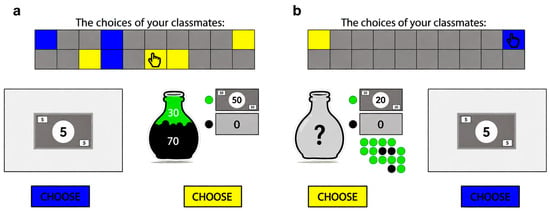
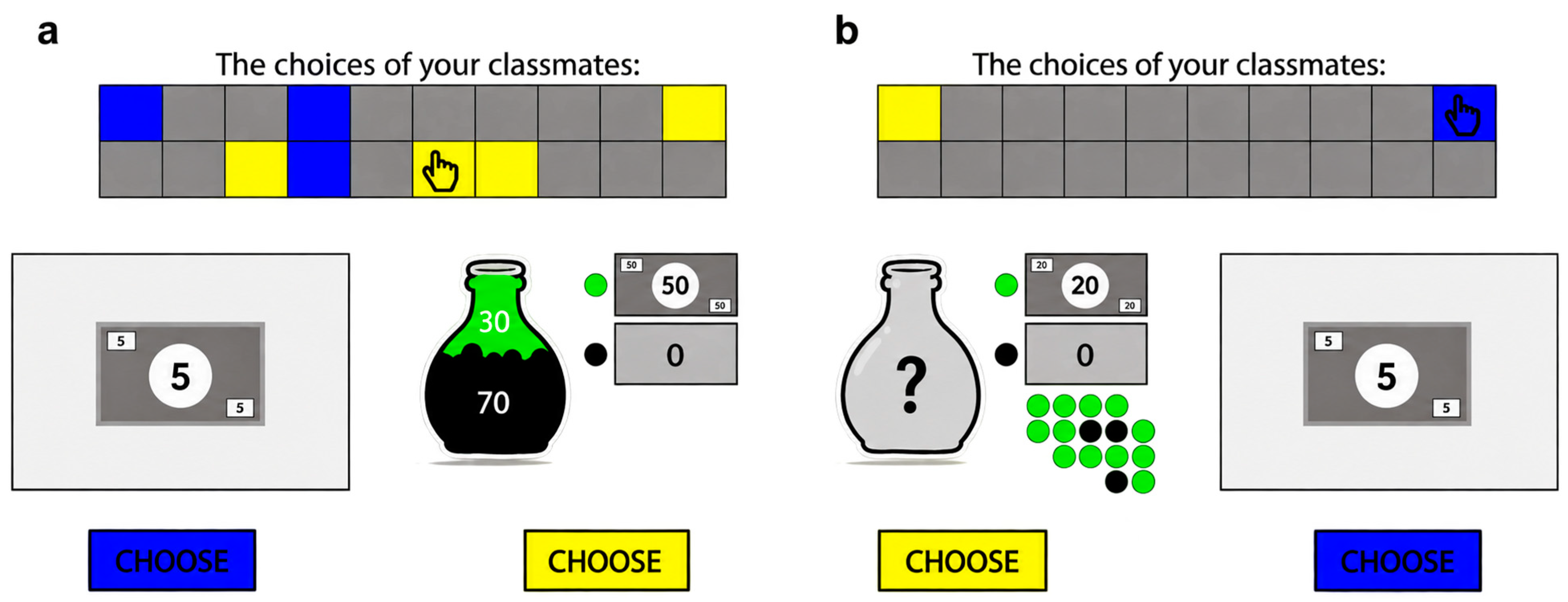
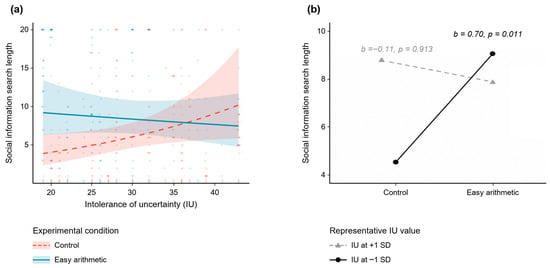
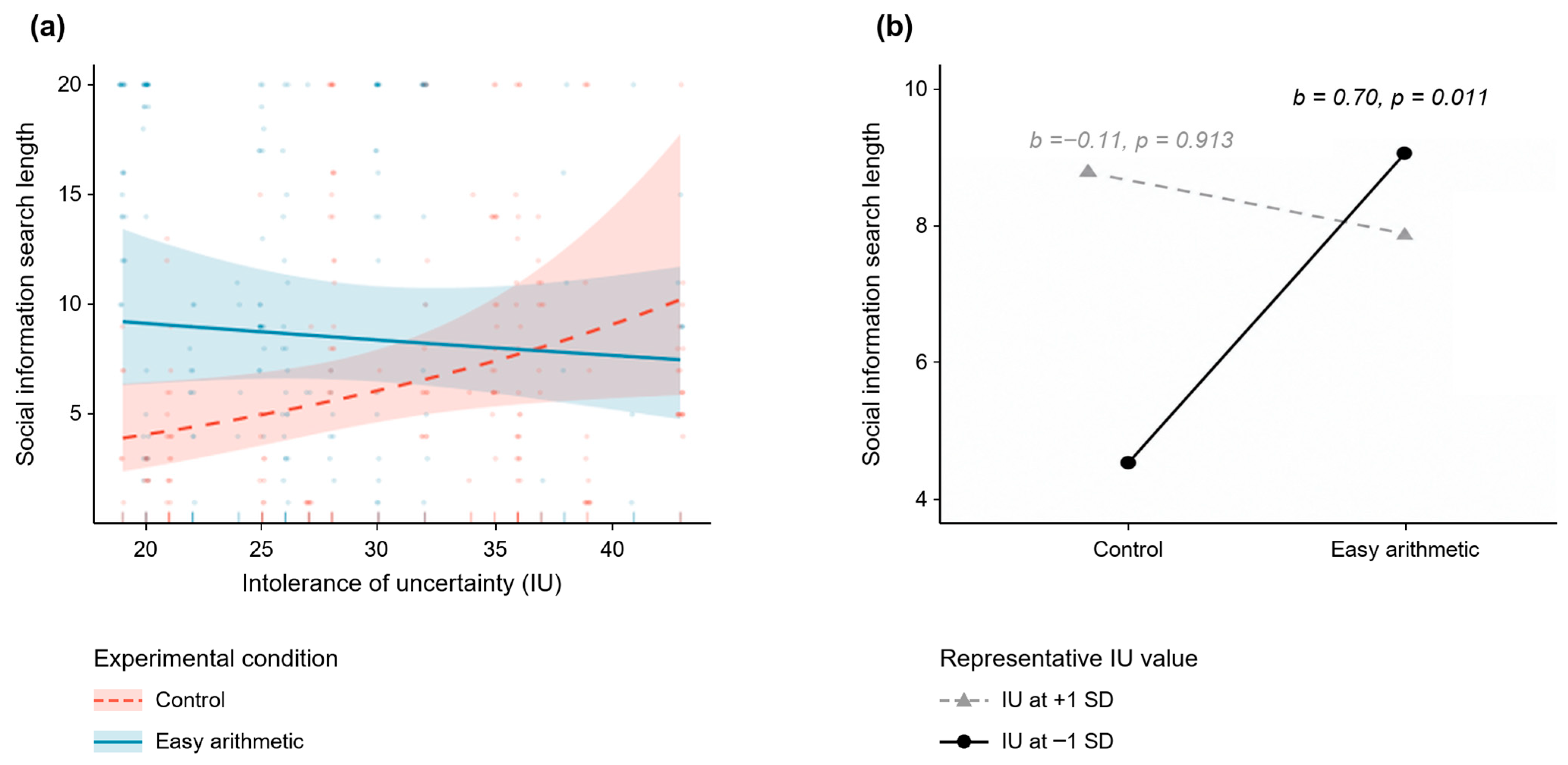

Disclaimer/Publisher’s Note: The statements, opinions and data contained in all publications are solely those of the individual author(s) and contributor(s) and not of MDPI and/or the editor(s). MDPI and/or the editor(s) disclaim responsibility for any injury to people or property resulting from any ideas, methods, instructions or products referred to in the content. |
© 2026 by the authors. Licensee MDPI, Basel, Switzerland. This article is an open access article distributed under the terms and conditions of the Creative Commons Attribution (CC BY) license.