


Abstract
Researchers in sport psychology have positioned parents as having key influential roles in the experiences and development of young athletes in sport. However, there has been a call for greater applied research with sport organizations to engage parents more explicitly in the psychosocial development process of the athlete. Grounded within the British Lawn Tennis Association’s national parent education strategy, the purpose of this paper is to illustrate how two scientist–practitioners developed, implemented, evaluated, and evolved a parent support workshop based on the 5Cs framework. Drawing upon the three phases of Educational Design Research (EDR), the authors explain the processes of workshop design, evaluation, and iterative development through ongoing stakeholder engagement. Following a 2.5-year implementation period involving 255 parents, quantitative and qualitative post-workshop feedback (n = 101 parents) reinforced the utility value, strengths, benefits to learning, and opportunities for improvement. The actioning of parental feedback stimulated further workshop iterations and progressions to national governing body strategy, with additional qualitative research (n = 20 parents) leading to more contextualised workshop resources. This programme of work supports the psychosocial value and relevance of the 5Cs as a framework for enhancing parental knowledge of key behaviours and strategies to reinforce with their child-athlete. Recommendations are offered in terms of advancing methodologies to assess psychosocial behaviour change, conducting longitudinal interventions with parents, coaches, and athletes together, as well as extending and tailoring the workshop to other sports.
1. Introduction
Dorsch et al.’s (2021) recent historical scoping review provides scholars with a reminder of how scientific interest in the role of parents within organised youth sport continues to gather pace from its early beginnings. The foci of research on the influence of parental behaviour on child outcomes (e.g., Atkins et al., 2013), parents’ experiences of role-related stress (Harwood & Knight, 2009), and young athletes’ perceptions of parental involvement in sport (e.g., Knight et al., 2010) have transitioned recently to more nuanced studies of parent–child interactions (e.g., Hamann et al., 2025; Thrower et al., 2022) and the properties of effective and less effective interpersonal relationships between parents, athletes, and coaches (Lisinskiene et al., 2019; Maurice et al., 2021; Tagliavini et al., 2024). Just over a decade ago, Harwood and Knight (2015) proposed that expertise in sport parenting was “demonstrated through parental involvement that increases the chances for children to achieve their sporting potential, have a positive psychosocial experience, and develop a range of positive developmental outcomes” (p. 25). Their statement was based upon the belief that success for children and adolescents involved in youth sport cannot, and should not, be measured by athletic performance alone. Rather, an optimal and holistically centred sport environment is one that facilitates a child’s ongoing involvement in sport and physical activity, supports psychological wellbeing, and provides young people with opportunities to develop transferable life skills.
Over the past 20 years of applied research, our understanding of the critical and complex roles parents play in young athletes’ development has been mirrored by a corresponding growth in the development, delivery, and evaluation of sport parent education programmes aimed at enabling and optimising the experiences of young athletes (see Burke et al., 2024; Teixeira et al., 2027 for systematic reviews). Early published work focused solely on practitioners’ reflections on working with sport parents (see Richards & Winter, 2013), highlighting the need to provide parents with detailed information about the sport, make parents aware of their roles and responsibilities, and improve parents’ knowledge and awareness of verbal and non-verbal communication. The salience of educating parents about different achievement goal orientations (Nicholls, 1989; Roberts et al., 1998) and their role in facilitating task-involving motivational climates (Ames, 1992; White, 1998) characterised a scientific era when helping parents with the quality of their motivational messaging to children was the key evidence-based mechanism for supporting young athletes in optimal cognitive and emotion-focused manners.
Over the intervening years, researchers have adopted more rigorous investigations to evaluate the effectiveness of both face-to-face (e.g., Dorsch et al., 2017) and online (i.e., Tamminen et al., 2020) sport parent education programs. Such programs differ in terms of their duration and frequency (e.g., one-off workshops, 12-month programs), content (e.g., parent behaviour, establishing and maintaining relationships, communication styles and/or strategies), sports (e.g., tennis, soccer, ice hockey), and intervention designs (i.e., qualitative, quantitative, and mixed-methods research; see Burke et al., 2024 for a review). However, taken together, they have provided consistent evidence to suggest that both longitudinal (e.g., Thrower et al., 2017) and brief one-off group-based programs (e.g., Dorsch et al., 2017; Tamminen et al., 2020) are well received and can positively impact both parent (e.g., increased task-orientated communication; Thrower et al., 2017) and child outcomes (e.g., reduced stress and anti-social behaviours; Dorsch et al., 2017; Tamminen et al., 2020).
A tangible outcome of successfully delivered empirical interventions is the resultant interest in national youth sport organizations seeking to tailor knowledge (Holt et al., 2018) and scale out evidence-based parent support programs (e.g., Tamminen et al., 2020; Thrower et al., 2022) across their national community. One prominent ‘science-to-practice-to policy’ example was the Lawn Tennis Association’s (i.e., the national governing body of tennis in Great Britain) launch of the ‘Optimal Competition Parenting Workshop’, developed through knowledge tailoring of Thrower et al.’s (2017, 2018) field-based intervention studies. The 2 h interactive workshop for parents of children aged 9–14 years drew on both achievement goal theory and stress management approaches to assist parents in communicating effectively with children before, during, and after a match. By the end of 2024, after six years of a national tennis parent strategy, the workshop had been delivered in person and online to over 3000 tennis parents across the United Kingdom via a network of educated tutors. Notably, a 4-year evaluation (Thrower et al., 2023) of the workshop reported significant motivational, cognitive, and emotion-related impacts on parents and their children. Such insights were accompanied by experiential skills gained by the researchers and an understanding of the value of co-design with national governing body staff and parents. This enabled ongoing iterations and workshop enhancements that maintained the currency and impact of the workshop over such an extended period (Thrower et al., 2023).
2. Materials and Methods
2.1. Methodology
2.1.1. Philosophical Approach and Research Design
Workshop construction and research activities in this paper were conducted from a pragmatic philosophical perspective. Pragmatists use research findings to solve practical “real-world” problems and improve the human experience. In this respect, pragmatists adopt a relativist ontological position (i.e., truth is what works at the time) and focus on the practical consequences and outcomes of inquiry (Creswell & Creswell, 2017; Poucher et al., 2019). Noting how knowledge is shaped through active engagement and refined through practical outcomes, we were interested in creating a workshop that raised parents’ awareness of psychosocial concepts aligned to the 5Cs and sharing psychoeducational strategies with parents to enhance their support role in tennis. We believe that knowledge is optimally generated through cycles of design, implementation, evaluation, and redesign in partnership with the end user; hence, parents not only served as consumers of the workshop but also served as active participants in the design process through various stages of this project.
Aligned with our pragmatic position, EDR was adopted as the methodological framework for the current project. EDR is characterised by the iterative development of solutions to complex educational problems while simultaneously generating knowledge that can inform future practice (McKenney & Reeves, 2013, 2019).
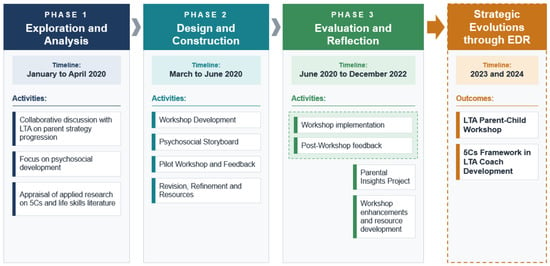
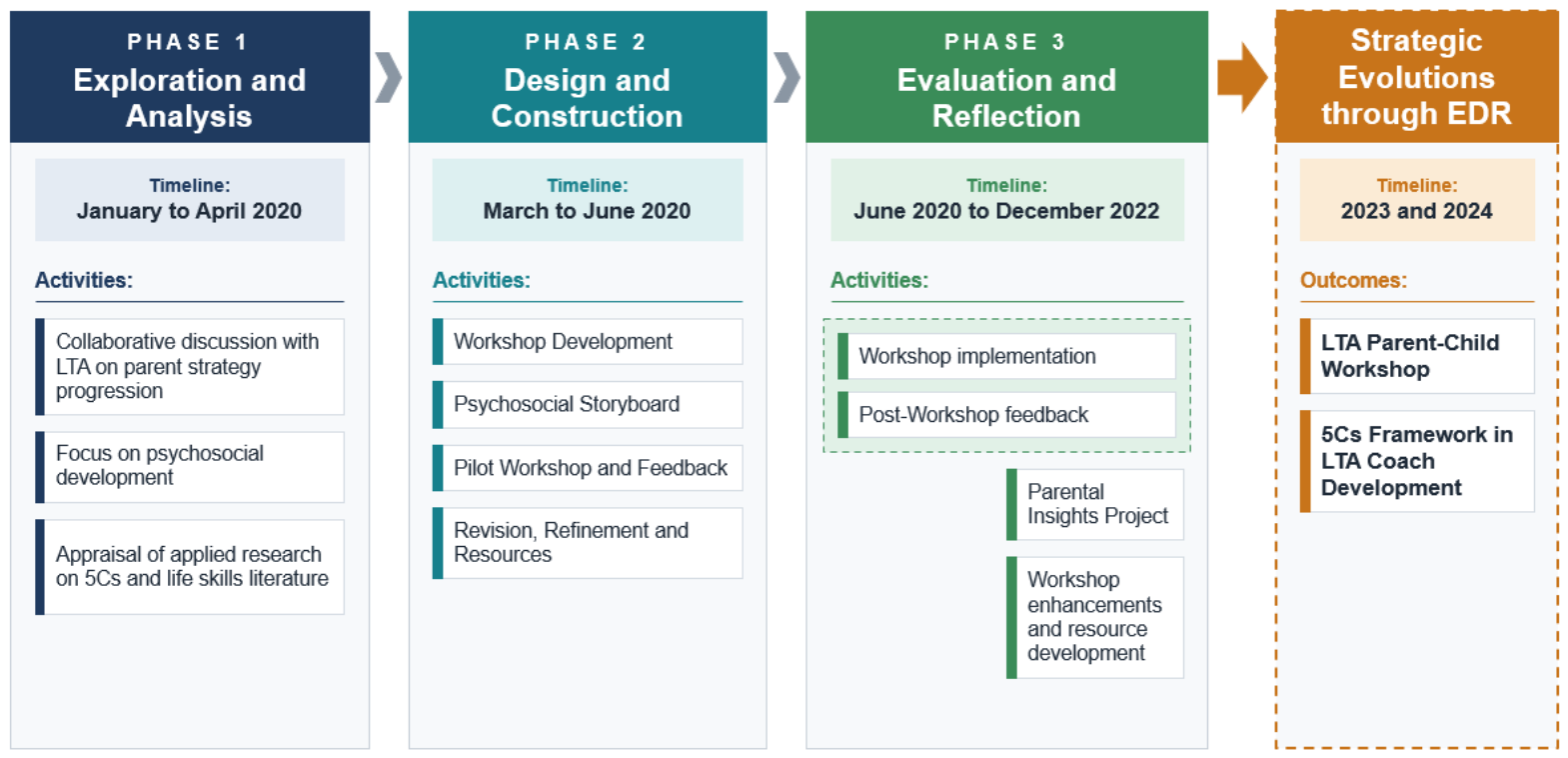
As a scientist–practitioner, the first author was drawn to EDR due to its emphasis on the practitioner–researcher interfacing through cycles of needs analysis, design, implementation, evaluation, and refinement in a defined community setting (i.e., junior tennis) and in collaboration with key stakeholders. Three core phases are typical of EDR—(i) the analysis and exploration phase, (ii) the design and construction phase, and (iii) the evaluation and reflection phase. Figure 1 presents the full EDR process applied to this project, with more specific details of activities and results in each phase provided in the forthcoming sections of the article.
Figure 1.
Educational design research process for the 5Cs Sport Parenting Workshop in Tennis.
The analysis and exploration phase brought together the National Governing Body staff with ourselves as researchers and practitioners to appraise and advocate knowledge around psychosocial development and PYD as a timely, necessary, and relevant progression to the LTA parent education strategy. Prior experience and effective application of the 5Cs framework in youth football with parents (Harwood et al., 2015; Kramers et al., 2023) presented the academic and national governing body collaborators with an opportunity to tailor and extend the model to junior tennis.
The design and construction phase of EDR involved building the educational workshop. It demanded attention to the specific and interactive ways that psychosocial and PYD concepts (i.e., through the 5Cs) could be communicated through the development of an initial two-hour workshop.
The evaluation and reflection phase incorporated the implementation of the workshop for the parent as a consumer and their evaluations of factors such as workshop practicality, relevance, and the utility value of the framework. Practitioner reflections and participant feedback together served to prompt iterative adaptations, improvements, and further organisational initiatives, as noted later in the article.
In sum, through the development and delivery of educational content, refined through parent feedback and co-design activities, the project aimed to meet the identified needs of the organisation alongside a sustainable and tailored solution for the end user (i.e., tennis parent).
2.1.2. The Research Team
The first author is a white male Health and Care Professions Council (HCPC)-registered Sport and Exercise Psychologist in the UK. As a scientist–practitioner, experienced in qualitative and mixed-methods research, he has researched and consulted within the field of youth sport for 33 years. With extensive knowledge of junior tennis settings, sport parenting science, and the 5Cs framework, he led the design and delivery of the project, data collection, analysis, write-up, and manuscript completion. The second author is a white male sport and exercise psychology academic with over 10 years of experience designing, delivering, and evaluating sport parent interventions using both qualitative and mixed-method designs. For the current project, he assisted with the LTA workshop delivery process, data collection, and acted as a ‘critical friend’ throughout the project.
2.1.3. Context
This project took place within the context of British junior tennis and the organisational structure of the LTA’s emerging national parent tennis programme. This programme comprised a range of educational resources within a ‘Parents Area’ (e.g., guidance, readings, workshops, recorded webinars, and courses) linked to the LTA Youth Compete initiative (see https://www.lta.org.uk/play/parents-area/, accessed on 20 July 2026). While any parent or adult LTA member could register for the free workshops, the overall programme was targeted at and recommended for parents of children aged 9–14 who were deemed regularly competing juniors (n = 15,000). Following on from the effectiveness and reach of the ‘Competition Parenting Workshop’ [which was later converted into an online course], the development and delivery of the 5Cs workshop would serve as the next educational step on the tennis parent journey.
The following Results section presents the processes and outcomes pertaining to each of the EDR phases, with a specific focus on Phase 2 and Phase 3, following the collective decision in Phase 1 to apply the 5Cs as a relevant vehicle for psychosocial education (see Figure 1).
3. Results
3.1. Phases 1 and 2: Moving from Exploration to Workshop Construction
With the organisational decision made to focus on psychosocial development through the 5Cs framework in the EDR analysis and exploration phase, the team transitioned to Phase 2, focused on workshop design and construction. The development of the workshop comprised three sub-stages: (a) Building the Psychosocial Storyboard; (b) Piloting through Stakeholder Involvement; and (c) Refinement and Resources. These stages underpinned the final ppt. slide deck, interactive tasks, pre- and post-workshop support resources, which would represent the subsequent implementation and delivery of the workshop as a two-hour online webinar to parents in Phase 3.
3.1.1. Building the Psychosocial Storyboard
The starting point of workshop development centred on establishing learning outcomes associated with (a) raising parental awareness of psychosocial characteristics and life skills that are mutually necessary for and shaped by engagement in tennis; (b) building confidence in parental roles through increased knowledge of salient psychosocial behaviours; and (c) exploring practical strategies for parents to influence their child’s psychosocial behaviour through parent–child interactions (see Table 1).
Table 1.
Initial 5Cs Workshop: Learning outcomes, content, and processes.
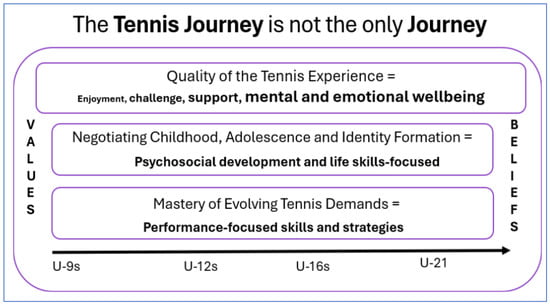
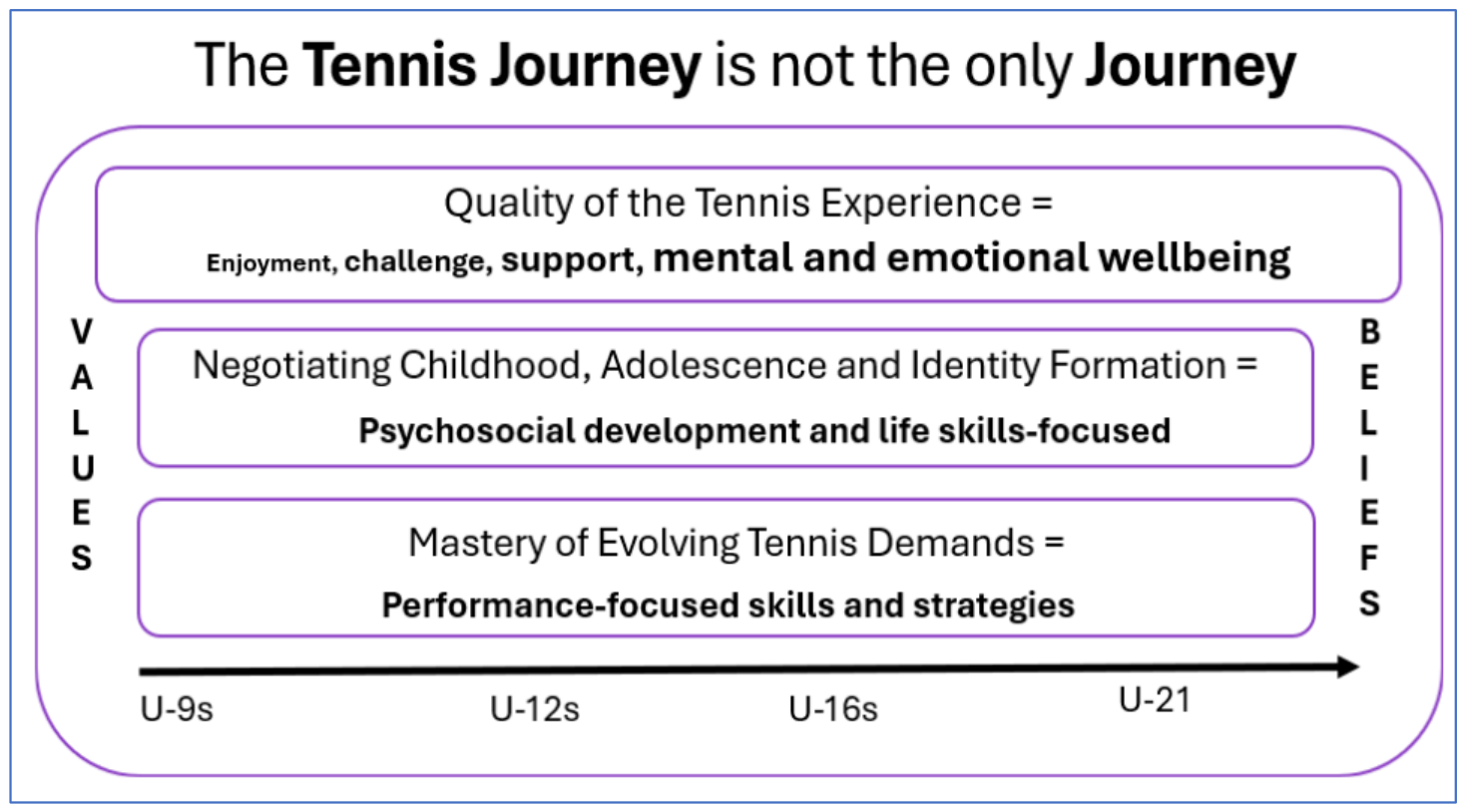
Drawing from the exploration and analysis phase, these outcomes underpinned the storyboard forming the pilot workshop content and mirrored Harwood’s approach to educating coaches about the 5Cs (Harwood, 2008; Harwood & Anderson, 2015) through an ‘awareness-to-knowledge-to-action’ cycle. Progressing through the storyboard, the workshop leader (i.e., the first author) would illustrate to parents how the psychological and task-based demands of tennis as an open-skilled, individual sport inform the psychological and social skills that are necessary to develop within young players. An interactive ice-breaker task, with parents discussing and debating how these elements of tennis underpin specific psychological skills and attributes, would seek to raise the energy and interest of parents. With this energy elevated, the workshop would transition to a more ‘sobering reinforcement’ around the salient role of parents in the context of ‘duty of care’ (DCMS, 2017) and the fact that that player development is more than simply ‘athlete development’ through competition. Illustrating how the ‘tennis journey is not the only journey’, a slide (see Figure 2) depicts how the young ‘person’ is negotiating childhood, adolescence, and identity formation—transitions that are facilitated by holistic attention to psychosocial skills and positive prosocial behaviours (Anderson-Butcher, 2019).
Figure 2.
Workshop slide illustrating the importance of attention to psychosocial development beyond athlete development.
Such qualities represent the life skills journey (Bean & Forneris, 2019) and what Schulman and Davies (2007) note: “the acquisition of the knowledge, skills, competencies, and experiences required to successfully transition from adolescence to adulthood” (p. 4). These qualities would be emphasised as separate from the end result of tennis matches, but reinforced as assets and ‘processes’ that can help performance consistency, and be nurtured through training and competition experiences in the sport. Importantly, the support environment (e.g., coaches, parents, and organisational staff) needs to demonstrate ‘belief’ in the relevance of the bottom and middle layers and then actively ‘value’ such elements with attentional and financial resources. In such environments, where proactive attention is given to the psychological demands of tennis and the psychosocial development of young people through the game (the bottom and middle layers), the player would have a greater chance of (a) a high-quality tennis experience and (b) sustained well-being over time.
Following attention to the value of a psychosocial approach, the presenter would offer an evidence-based example of Harwood’s (2008) work in youth academy soccer and the utility of the 5Cs framework as a vehicle for the intentional development of key motivational, interpersonal, and self-regulatory characteristics in players. Subsequently, a second interactive task would engage parents in proposing behaviours in tennis that they felt represented each ‘C’ in turn, prior to the presenter revealing an indicative list of positive example behaviours. Following a 10 min break, the next section of the workshop prompted parents to consider how they could create a positive and proactive psychosocial environment (i.e., a 5Cs climate) through either direct support strategies or their behavioural interactions and responses to their child in training and competition contexts. With parental insights shared and discussed, the presenter would then reveal a range of example behavioural strategies linked to each ‘C’ (e.g., Control: praising a player when they use time to take a breath to compose themselves after a mistake) that parents could deploy at home, in training, and during and after matches.
In the final section, the presenter would interlink and reinforce the 5Cs framework with Cronin’s Life Skills framework (Cronin & Allen, 2017), illustrating to parents how behaviours pursuant to the 5Cs mirror attention to developing life skills such as goal setting, communication, emotional skills, teamwork, leadership, social skills, and problem-solving through tennis. Closing points would emphasise the intentional nature of considering behaviours and actions that players and parents could agree on together as tennis-related goals within training and matches and which could be transferred and practised in other settings such as school and the home.
3.1.2. Piloting Through Stakeholder Involvement
In keeping with the iterative and collaborative principles of EDR, this pilot 5Cs workshop was delivered to a stakeholder group (five mothers; four fathers) of parents of regularly competing juniors aged 10–13 years. These parents were recruited by the LTA via the primary author’s connections to geographically local LTA tennis coaches, centres, and clubs. The LTA promoted the opportunity to parents at these local venues to register and attend the workshop. Importantly, all parents were required to have completed the LTA’s Competition Parenting Workshop in order to make them suitable participants in the formative evaluation and refinement of the workshop prior to formal implementation (McKenney & Reeves, 2021). Parents were briefed on the purpose of attending the two-hour workshop as an opportunity to provide feedback on the relevance, delivery, and utility value of the content as part of the LTA’s ongoing educational strategy. Nine parents registered and attended the workshop, with only one parent being known to the primary author as a former player. In line with focus group guidance (i.e., 4 to 10 participants; Smith & Sparkes, 2016), facilitating post-workshop shared discussion with nine parents was deemed to be an appropriate approach for garnering a range of perspectives on the pilot workshop and its delivery.
The workshop was held in person and delivered by the primary author at their university tennis centre. At the end of the workshop, a 30 min open discussion followed, during which parents were asked to share constructive feedback on the workshop content, interactive activities, sequencing, pacing, and overall delivery. The primary author took written and annotated notes on slides, and parents were invited to share any further feedback via email in the week that followed. This feedback subsequently informed several iterative refinements to the educational process of the workshop.
3.1.3. Refinement and Resources
The value of the pilot workshop in terms of improving awareness, knowledge, and prospective confidence in influencing the psychosocial development of their child was reinforced by all parents. However, several constructive pieces of feedback arose that both prompted the creation of additional material and augmented the final workshop process in important ways. While maintaining the elemental structure of the initial workshop, these additional changes and revisions are presented in Table 2. Firstly, adjustments were made to the title because parents felt the workshop would help them ‘nurture’ their child’s psychosocial skills by applying the principles of the 5Cs. Feedback also suggested that while the presenter might explain broader learning outcomes verbally, a slide covering specific, progressive aims would be useful as a sequential guide through the workshop. One key observation from parents was the benefit of a pre-workshop primer (i.e., PDF booklet) that could introduce parents to the workshop background and orientate their developmental roles. Parents based this observation on having received a pre-workshop primer for the Competition Parenting Workshop and felt this new workshop should coherently align to help parents optimise their learning. To that end, a four-page pre-workshop primer was written, within which we reinforced how tennis experiences offer children more than simply performative and result-based information. Specifically, we posited how coaching, training, and competitions represent contexts rich in social and identity-building experiences that parents can reinforce for psychosocial development, and that we would explore such themes in the workshop. Parents would receive this PDF booklet upon registration prior to the course.
Table 2.
Final 5Cs Workshop: refinements following stakeholder feedback.
When discussing the psychological demands of tennis, the presenting first author noted that a key motivational challenge for young players was that tennis did not provide any individual Knowledge of Performance (KP; first serve percentage) information to a child, only Knowledge of Result (KR; the match outcome). He discussed how much more task-involving tennis [as a sport] could be if it provided more self-referenced, ‘personal best’ information in the performance of different qualities (e.g., a personal or season’s best score (PB; SB) such as ‘composure’, ‘respect and fair play’, and ‘positivity’, irrespective of the match result. Parents appreciated and recognised how they could praise and reward their child for mastery of processes, rather than outcomes. To visualise this better, however, the first author created ‘an alternate reality tennis knockout draw’ where he could illustrate how players scored PBs or SBs in psychosocial qualities [as rated by the crowd] alongside the match result. The message to parents was that they could do this exercise for their child by discussing and rating agreed, controllable process goals for the match.
Additional interactive activities emerging from the pilot process included a short debate as to whether psychosocial skills are learned implicitly (i.e., naturally shaped by tennis) or explicitly (i.e., through intentional teaching and support; Pierce et al., 2017). This was followed by the ‘Domed world’ task, in which parents were asked about the attributes or qualities they wanted to see in their child if they existed in a ‘Domed world’ where there were only school and tennis situations until the age of 18 [when the dome disappeared]. This prompted parents to share valued psychosocial qualities and how they could be nurtured through tennis contexts. Further feedback for the final sections led to illustrations of model examples for the 5Cs (e.g., 5C Bingo cards; Steptoe et al., 2019) and included a completed 5C match goal-setting sheet and a blank template that could be used by parents and children as part of pre-competition preparation and review.
3.2. Phase 3: Evaluation, Reflection and Evolution
3.2.1. Workshop Implementation and Evaluation
With refinements completed and further resources developed, the LTA promoted the 5Cs Parent workshop as a free 2 h online course delivered over Zoom from the summer of 2020 after the first COVID-19 lockdown. This online workshop was only available to parents if and when they had completed the prior LTA Competition Parenting Workshop as part of their tennis parent development pathway. Over the next 2.5 years, 10 free workshops were delivered by the first author, supported by the second author, on a broadly quarterly basis to a collective total of 255 parents who both registered via the LTA portal and then subsequently attended the course online.
Following workshop attendance, and as part of routine organisational communication and service evaluation, parents were contacted by the LTA via email, and the workshop slide handout was shared with attendees. These parents were invited by the LTA and given the option to voluntarily complete a short anonymous evaluation survey to share their perceptions of the workshop. Consistent with training evaluation research (e.g., Cooley et al., 2016) and based on Thrower et al.’s (2023) prior evaluation of the LTA Competition Parenting Workshop, this anonymous feedback survey assessed parents’ reactions to the workshop (i.e., satisfaction; enjoyment), quality of delivery (i.e., Level 1; Kirkpatrick, 1994), their intention to transfer learning to their child, and perceived value for coaches. Specifically, aligned with Thrower et al.’s (2023) approach, workshop satisfaction was measured using two composite items (e.g., “overall the workshop was excellent” and “I would recommend the workshop to a friend”. Enjoyment and utility value were measured using two items (i.e., “I enjoyed the activities (e.g., pre-webinar booklet and interactive tasks) very much” and “the activities were useful to do”). Tutor evaluation and delivery w assessed using two items (i.e., “overall the tutor was excellent” and “I would recommend this tutor to a friend”. Drawing upon the theory of planned behaviour (Ajzen, 1991), transfer intention was measured using two items (i.e., “I intend to use the knowledge I gained to help my child develop their 5Cs” and “I will try to use the strategies provided to help my child develop their 5Cs”). Finally, perceived value for coaches was captured by a single item—“It would be beneficial for coaches to be educated on the 5Cs”. All items were rated using a Likert scale from 1 (not at all true) and 7 (very true), with a final open-ended question for parents to share their anonymous experiences of the webinar and how it could be improved. Data screening, coding and descriptive analyses were conducted using Microsoft Excel (Version 365; Microsoft Corporation, Redmond, WA, USA).
3.2.2. Results of Quantitative Feedback
A total of 101 parents (n = 61 mothers; 40 fathers; Mage = 46.5 years) of the 255 attendees (response rate: 39.6%) voluntarily completed the anonymous LTA post-workshop survey over the course of the 2.5-year period. These parents supported children at club (n = 17), county (n = 68), regional (n = 10) and national (n = 6) levels. Four parents noted that their children were over 18 years old, while the remaining parents’ children were aged between 7 and 16 years (n = 97, Mage = 10.3 years; SD = 1.89), showing close alignment with the target age range of the LTA parent support strategy. Over this period, results collectively indicated highly positive perceptions of the workshop, its delivery, and its influence on parental intentions towards strategies related to the psychosocial development of their child. Please refer to Table 3 for a descriptive summary, with a number of median responses reaching the ceiling of the scale, including tutor delivery, intentions to transfer learning, and perceived value to coaches.
Table 3.
Descriptive statistics for parent workshop evaluation measures.
3.2.3. Results of Qualitative Feedback
A total of 45 parents voluntarily responded to the open-ended question focused on participants’ workshop experience and recommendations for improvement. In line with previous studies evaluating parent workshop feedback (i.e., Thrower et al., 2023), qualitative data were analysed by the first author using template analysis (aka codebook analysis; Braun & Clarke, 2021). Template analysis (see Brooks et al., 2015) is widely used in pragmatic applied research and combines the principles of thematic analysis with a more structured or systematic approach to meet specific predetermined information needs (e.g., general perceptions of the workshop, feedback on workshop content, activities and examples, etc.; Braun & Clarke, 2021). Specifically, all parent responses were read to promote familiarity with the data. Second, prior themes were identified based on the 5Cs workshop, and wider project and used to inform preliminary coding on a subset of the data. Third, initial themes were organised into meaningful and contextually located clusters. Fourth, these clusters were subsequently defined (e.g., online workshop delivery) and formed an initial coding template. Penultimately, this initial coding template was then used to analyse further data and modified (e.g., inserting new themes, merging themes). Finally, the finalized template was subsequently applied to analyze the data set (see Brooks et al., 2015). Through this analytical process, the second author acted as a ‘critical friend’ (Smith & McGannon, 2018) to encourage reflexivity and (critically) challenge the first author’s analytic interpretations of parents’ perceptions. The resulting four themes are outlined below:
General Perceptions of the Workshop. Parents consistently described the 5Cs as ‘insightful’, ‘thought-provoking’, and ‘highly relevant’ to their child’s tennis development. Many reported that the framework helped them re-evaluate their role, understand their child’s psychological needs, and identify new ways to support them. Noting its utility value and holistic intentions, one parent wrote: “There are lots of things to reflect on and to implement, and it is really useful to refocus the tennis process as whole person development”.
Workshop Content, Activities and Examples. Parents valued the practical activities and examples provided in the workshop but repeatedly asked for further actionable guidance beyond an introduction to the concept and strategic discussions and ideas in the time available. Parents proposed the development of tennis-specific scripts, scenarios, and case studies that would help them understand more exactly what to say in a specific situation. One parent noted: “I’d really enjoy a face-to-face session with case studies and role plays,” while another said: “It would be great to have printable resources and more take-home materials”.
Online Workshop Delivery. Parents generally liked the online Zoom format, with many being both happy and ‘pleasantly surprised’ by its effectiveness in the context of a COVID/post-COVID era. However, parents suggested the value of even more interaction, greater time for questions, and a better balance between the first and second halves of the session. One parent shared: “I would have preferred to unmute to ask questions rather than typing”, while another stated: “A little more time at the end for Q&A would have been good.” Some parents stated that the first half, which was devoted more to concepts, felt ‘heavy’ or ‘long’ and recommended shortening this section to allow for more questions or more interactive polling and sharing of experiences.
Future Educational Needs and Wants. Many parents expressed a desire for children to receive the same education, either through player-only workshops or, more preferably, joint parent–child sessions. It is important to note that some parents involved their children informally in the workshop and found it beneficial. However, they felt that the shared language and understanding would strengthen the impact of the 5Cs. Several parents posited that their children needed to learn about the 5Cs from an “external source” to take it seriously, with one parent stating: “There needs to be a child-friendly version… my child wouldn’t 100% believe this concept if introduced by me.”
Similarly, and aligned with the quantitative findings, parents also emphasised the role of the coach in the development of and attention to the 5Cs in players, noting how “coaches should provide psychological training too, not only the technical skills training”. Parents sought alignment between home, coaching, and competition settings when it came to the 5Cs, affirming the importance of reinforcing the same messages to help embed the framework into on-court training. Regarding the education of the 5Cs to coaches, one parent noted: “It would be really useful if my child’s coach could be involved”, while another asserted: “I would really want tennis coaches to do all the parent workshops”, ensuring consistency of integration across the tennis environment.
3.2.4. Strategic Evolutions Through Stakeholder Engagement
The ongoing, evaluative feedback from parents about the workshop and the observations regarding the wider involvement of players and coaches prompted several progressive initiatives. Such initiatives represented not only direct evolutions of the workshop and its resources, but also the wider LTA strategy in the area of parent, coach, and player development.
5C Analogies and Behaviours Quiz. Drawing specifically on parents’ feedback requesting further practical ways of communicating the 5Cs and example scenarios, we integrated a passenger aeroplane image and analogy into the slide deck. The analogy referred to how tennis psychologically challenges players in terms of their motivation, attention, emotion, and interpersonal responses, and that players need their four [psychosocial] jet engines (i.e., commitment, concentration, control, and communication) working together to fly smoothly with ‘confidence’ as the nose cone! This allowed parents to also talk about pre-flight checks and the need for all engines to be ready and fuelled with clear goals and a direction of travel. Further, in response to parents’ requests for scenarios but mindful of the limited time available, we decided that an interactive knowledge-check activity at the end would serve as an informative and valuable reminder of content. To that end, we created a slide where parents were presented with five short scenarios that depicted a parent demonstrating behaviour that would shape a particular ‘C’ in the player (e.g., confidence; the parent praises their child for continuing to make brave decisions when the score was close at the end of a match). Parents were asked to select which ‘C-in-Action’ they were showing as part of their 5Cs parenting climate before the presenter would reveal and discuss the answers.
5Cs Parental Insights Project. Continuing the collaborative nature of the strategy and based on parents’ feedback emerging through the first year of the workshops, a small-scale research insights project was conducted that invited parents’ own perceptions of tennis-specific 5Cs behaviours that they considered salient and relevant to nurture and reinforce. Through this exercise, we sought to respond to parents’ requests to develop more contextual resources where the solution was co-created by parents as informed consumers of the game. Following ethical approval from the Loughborough University Research Ethics Sub-Committee (ID: 2021-1581-4137), the LTA Competitions Manager acted as the conduit for the recruitment of participants by contacting parents who had attended a prior 5Cs workshop. These parents were notified about the opportunity to contribute in greater depth to a follow-up initiative and provided with links to relevant participant information and informed consent forms. Informed consent for participation was obtained from all parents who subsequently participated in this final phase. An online survey captured basic demographic details before providing parents with a brief reminder and definition of each ‘C’. Using open-ended response options, parents were then asked to consider up to five examples of situational behaviours or actions representative of each individual ‘C’ in turn that they perceived as important for a young person to develop and exhibit consistently. Parents were encouraged to consider behaviours that could occur across contexts—within coaching and training sessions, as well as before, during, and after matches or tournaments.
The LTA invited those parents who had completed the workshop during its first year and up to the end of 2021 (a pool of approximately 120 parents). In total, 20 parents (n = 15 mothers; five fathers; Mage: 43 years) responded to the request from the LTA with the survey closing after 7 months due to the sufficient amount of insights that this sample had offered. As in the prior evaluation, data from the Parent Insights Project were analysed using template analysis by the first author (Brooks et al., 2015). Across the 20 parents, between 72 and 95 salient behaviours were proposed for each of the 5Cs. After reading each behaviour to promote familiarity, preliminary coding was conducted on a subset of the data pertaining to each individual ‘C’. Initial themes were then organised by each C and within contextually located clusters (e.g., related to home, training, pre-competition, during competition, and post-competition) in each C category. These clusters were then defined (e.g., commitment: ‘being prepared through having packed all equipment necessary’) and formed the coding template, which was used to analyse the remaining data and was modified (e.g., by inserting new themes and merging contextual themes). The finalized template was subsequently applied to analyse the full dataset (see Table 4). Each of the 5Cs, represented by these behavioural clusters, subsequently formed a new PDF resource booklet for parents and children to be shared as part of the ongoing LTA strategy. As above, the second author also acted as a ‘critical friend’ during this analytical process.
Table 4.
Behavioural clusters generated from parental insights for 5Cs.
A Joint Parent–Child Workshop. As a direct result of Phase 3 feedback, the LTA supported the development of an online workshop that enabled parents and children to collaborate together. Entitled ‘Working together for a mental advantage’, this one-hour online webinar integrated some of the key elements and messages of the prior parent-focused workshops, allowing players to listen and engage alongside their parents. From 2022, we delivered this workshop twice yearly to over 150 families until LTA-wide strategic planning in 2024 paused education activities for two years. All online workshops are now recommencing at the time of writing with a renewed parent support campaign.
5Cs Coach Development Initiatives. Alongside the parent–child workshop, further reach and implementation outcomes emerged in terms of coach education. Through Phase 3 feedback and ongoing discussion between the LTA Competitions and LTA Coach Development departments, responsive initiatives integrated the principles of the 5Cs into the national governing body’s coach education programme. As a result of this work, the 5Cs concepts were introduced into the LTA Level 1 national coaching award. Subsequently, in 2024, the first author and the LTA Head of Coach Development collaborated to develop a 3 h on-court 5Cs mental skills workshop for coaches as part of a nationwide LTA roadshow across the 43 counties of the United Kingdom. This initiative reached 1300 coaches who registered and attended the workshop in their county (LTA Head of Coach Development, personal communication, May).
4. General Discussion
This article sought to offer a detailed illustration of the development, implementation, and initial evaluation of a national governing body’s sport parent education workshop based on the 5Cs framework (Harwood, 2008; Harwood & Porter, 2026) delivered within British junior tennis. Through the benefit of ongoing stakeholder engagement, it also demonstrated the evolution of the workshop, the educational resource offered to parents, and the impact of feedback on the development of complementary initiatives with players and coaches.
The principles of educational design research (McKenney & Reeves, 2019) have seldom been applied within the field of sport psychology. Yet participant (i.e., parent) evaluations and subsequent outcomes of this four-year process demonstrate the value of scientist–practitioners designing and refining sport-specific psychosocial education through responsive collaboration with the ‘end users’.
Informed by McKenney and Reeves’ (2019) three core phases of EDR, the process demanded attention to the specific and interactive ways that psychosocial and PYD concepts (i.e., through the 5Cs) could be communicated through an initial two-hour workshop. The pilot workshop feedback enabled salient refinements and additions (see Figure 2; Table 2), offering readers a blueprint for the content of education sessions focused on enhancing sport parent role-knowledge and confidence. Delivered nationally over 2.5 years, post-workshop evaluations reinforced the relevance and utility value of the framework, with perceptions of workshop content and delivery associated with positive parental intentions to engage with knowledge and strategies around the 5Cs with their child. Furthermore, qualitative feedback offered important insights into actionable improvements around interactive content and the balance of theory and practical suggestions, as well as recommendations for parent–child sessions and extending the workshop content to coaches. Consistent with previous interventions (e.g., Thrower et al., 2017), which have integrated parent recommendations to improve outcomes, this phase led directly to specific workshop adaptations, further practical resource development driven by parent perceptions, a new parent–child collaborative session, and integration of the 5Cs framework into coach development initiatives. The impetus created by this sequence of parent-centred activities post-COVID-19 facilitated a recent intervention by Harwood and Porter (2026) at an LTA Regional Performance Development Centre, where a sport psychologist integrated the 5Cs framework across a 30-week programme with coaches, players, and parents together. Congruent findings were generated from parent, coach, and player interviews about how the educational utility of the framework had enabled tailored and individualised support, improving psychosocial behaviours through a collaborative support environment. Harwood and Porter’s (2026) findings reinforce how psychosocial development in tennis is best achieved by integrating parents, players, and coaches ‘on the same page’, a finding that echoes Kramers et al.’ (2023) observations of parents in youth football.
Limitations and Future Research Directions
In an era within academia where assessments of Research Impact within the UK Research Excellence Framework (REF, 2024) are directly associated with the awarding of quality-related (QR) research funding in the UK system (e.g., the REF2029 assessment exercise), it is increasingly important for applied researchers in sport psychology to demonstrate how their work carries societal value and positive influence on relevant consumers. The processes engaged in this programme of work offer a methodology for those psychologists working within other youth sports to tailor the 5Cs content to their specific sport contexts in ways that inform parents and coaches about activities to promote healthy psychosocial development. This would facilitate the utility of the framework more widely across youth sport settings and strengthen the role of youth sport psychology in terms of the societal good within national governing body sport policy.
The limitations of this project, however, reveal the necessary and relevant scientific extensions to enable a greater understanding of the influence of parent education on athlete psychosocial development. Firstly, as a piece of design-based research, we did not incorporate quasi-experimental conditions into the fieldwork, including pre–post baseline and follow-up assessments of parental knowledge, confidence, and actual application of psychosocial strategies with their child. Parental self-reported feedback was limited to those parents who volunteered their post-workshop viewpoints as part of a convenient LTA follow-up process, and ceiling effects were evident for a number of items used to evaluate workshop content, process, and delivery. The perceptions of those parents who did not self-select were not gathered or pursued. In addition, while methodological care was taken by engaging the second author as a critical friend during qualitative analysis, the use of an independent researcher would increase the objective distance between the scientist–practitioner and the participants in the evaluation.
Such issues and reflections reinforce the salience of more controlled, longitudinal intervention research on the adoption of 5Cs strategies by parents and the effects of such strategies on child psychosocial behaviour and experiences within training and competition. Extending the research to young athletes’ perceptions of their parents’ behaviour and changes in their own psychosocial (i.e., 5Cs) behaviours is important and achievable through carefully designed mixed-methods research (see Teixeira et al., 2027). Such research, with ongoing behavioural support techniques (e.g., nudges; reminders) for parents, in conjunction with reward systems for positive 5Cs behaviour demonstration in children, would extend the findings of Harwood and Porter (2026). Deeper education in the form of separate online 5Cs modules for parents and children ‘working together’ would extend and strengthen the practical knowledge that is afforded to parents and children in single, one-off education sessions. This is a particularly salient consideration given the appetite demonstrated by parents for more practical content and guidance in terms of ‘how to be a 5Cs parent’ in day-to-day tennis situations. Investigating the integrated role of coaches as part of the parent–athlete–coach triad (Tagliavini et al., 2024) in creating a 5Cs environment would be an additional methodological consideration that would strengthen our understanding. Finally, the degree to which such integrated psychosocial interventions, across parents, coaches, and athletes, influence life skills development and transfer to non-sport settings in young people represents probably a gold-standard investigation at the present time in this area.
Lastly, the current project is located within a single sport, country, and national governing body context. We believe that applied researchers and practitioners should consider the strengths and limitations of the methods and processes executed here and explore how the 5Cs might be adapted to other sport settings and cultures with parents, athletes, and coaches.
In conclusion, we hope that the level of detail, the scientist–practitioner journey, and starting points offered in this long-term project illustrate the utility value of the 5Cs framework for parents. Importantly, we offer this journey as a stimulus for other applied researchers and practitioners to continue and progress the important work on the psychosocial development of athletes through key stakeholders of influence.
Author Contributions
Conceptualization, C.G.H.; methodology, C.G.H. and S.N.T.; validation, C.G.H.; formal analysis, C.G.H.; investigation, C.G.H. and S.N.T.; writing—original draft preparation, C.G.H.; writing—review and editing, C.G.H. and S.N.T.; project administration, C.G.H. All authors have read and agreed to the published version of the manuscript.
Funding
This research received no external funding.
Institutional Review Board Statement
In relation to the Phase 3 parental insights project, this study was conducted in accordance with the Declaration of Helsinki and approved by the Loughborough University Research Ethics Sub-Committee (ID: 2021-1581-4137; 26 May 2021). In terms of the Phase 2 pilot workshop and Phase 3 post-workshop feedback, data was collected from routine organizational service evaluation. The Phase 3 workshop evaluation consisted of pre-existing, anonymous consumer feedback data given voluntarily, collected and shared consensually by the Lawn Tennis Association. As this data and insights from the Phase 2 pilot workshop contained no personally identifiable information (PII) and was analysed strictly at an aggregate group level, it was determined to be exempt from Institutional Review Board (IRB) processes.
Informed Consent Statement
Informed consent was obtained from all participants involved in the Phase 3 parental insights project.
Data Availability Statement
The original contributions presented in this study are included in the article. Further inquiries can be directed to the corresponding author.
Acknowledgments
The authors would like to thank the Lawn Tennis Association Competition’s Department for its valuable support, administration, and collaboration through this project.
Conflicts of Interest
The authors declare no conflicts of interest.
References
- Ajzen, I. (1991). The theory of planned behavior. Organizational Behavior and Human Decision Processes, 50, 179–211. [Google Scholar] [CrossRef] [Scilit]
- Ames, C. (1992). Classrooms: Goals, structures, and student motivation. Journal of Educational Psychology, 84(3), 261. [Google Scholar] [CrossRef] [Scilit]
- Anderson-Butcher, D. (2019). Youth sport as a vehicle for social development. Kinesiology Review, 8(3), 180–187. [Google Scholar] [CrossRef] [Scilit]
- Atkins, M. R., Johnson, D. M., Force, E. C., & Petrie, T. A. (2013). “Do I still want to play?” Parents’ and peers’ influences on girls’ continuation in sport. Journal of Sport Behavior, 36(4), 329. [Google Scholar]
- Bean, C., & Forneris, T. (2019). Examining the role of needs support in mediating the relationship between programme quality and developmental outcomes in youth sport. International Journal of Sport and Exercise Psychology, 17(4), 350–366. [Google Scholar] [CrossRef] [Scilit]
- Braun, V., & Clarke, V. (2021). Can I use TA? Should I use TA? Should I not use TA? Comparing reflexive thematic analysis and other pattern-based qualitative analytic approaches. Counselling and Psychotherapy Research, 21(1), 37–47. [Google Scholar] [CrossRef] [Scilit]
- Brooks, J., McCluskey, S., Turley, E., & King, N. (2015). The utility of template analysis in qualitative psychology research. Qualitative Research in Psychology, 12(2), 202–222. [Google Scholar] [CrossRef] [Scilit] [PubMed]
- Burke, S., Sharp, L. A., Woods, D., & Paradis, K. F. (2024). Enhancing parental support through parent-education programs in youth sport: A systematic review. International Review of Sport and Exercise Psychology, 17(1), 208–235. [Google Scholar] [CrossRef] [Scilit]
- Cooley, S. J., Burns, V. E., & Cumming, J. (2016). Using outdoor adventure education to develop students’ groupwork skills: A quantitative exploration of reaction and learning. Journal of Experiential Education, 39(4), 329–354. [Google Scholar] [CrossRef] [Scilit]
- Creswell, J. W., & Creswell, J. D. (2017). Research design: Qualitative, quantitative, and mixed methods approaches. Sage. [Google Scholar]
- Cronin, L. D., & Allen, J. (2017). Development and initial validation of the life skills scale for sport. Psychology of Sport and Exercise, 28, 105–119. [Google Scholar] [CrossRef] [Scilit]
- DCMS. (2017). Duty of care in sport review. Available online: https://www.gov.uk/government/publications/duty-of-care-in-sport-review (accessed on 20 July 2018).
- Deci, E. L., & Ryan, R. M. (1985). Intrinsic motivation and self-determination in human behavior. Plenum. [Google Scholar] [CrossRef] [Scilit]
- Dorsch, T. E., King, M. Q., Dunn, C. R., Osai, K. V., & Tulane, S. (2017). The impact of evidence-based parent education in organized youth sport: A pilot study. Journal of Applied Sport Psychology, 29(2), 199–214. [Google Scholar] [CrossRef] [Scilit]
- Dorsch, T. E., Wright, E., Eckardt, V. C., Elliott, S., Thrower, S. N., & Knight, C. J. (2021). A history of parent involvement in organized youth sport: A scoping review. Sport, Exercise, and Performance Psychology, 10(4), 536. [Google Scholar] [CrossRef] [Scilit]
- Hamann, M., Thrower, S. N., Stokoe, E., & Harwood, C. G. (2025). What determines (in) effective post-competition parent-child interactions in British Tennis? A conversation analysis of car journeys home. Psychology of Sport and Exercise, 79, 102840. [Google Scholar] [CrossRef] [Scilit] [PubMed]
- Harwood, C. G. (2008). Developmental consulting in a professional football academy: The 5Cs coaching efficacy program. The Sport Psychologist, 22(1), 109–133. [Google Scholar] [CrossRef] [Scilit]
- Harwood, C. G., & Anderson, R. (2015). Coaching psychological skills in youth football. Bennion Kearny Limited. [Google Scholar]
- Harwood, C. G., Barker, J., & Anderson, R. (2015). Psychosocial development in youth soccer players: Assessing the effectiveness of the 5Cs intervention program. The Sport Psychologist, 29(4), 319–334. [Google Scholar] [CrossRef] [Scilit]
- Harwood, C. G., & Knight, C. (2009). Stress in youth sport: A developmental investigation of tennis parents. Psychology of Sport and Exercise, 10(4), 447–456. [Google Scholar] [CrossRef] [Scilit]
- Harwood, C. G., & Knight, C. J. (2015). Parenting in youth sport: A position paper on parenting expertise. Psychology of Sport and Exercise, 16, 24–35. [Google Scholar] [CrossRef] [Scilit]
- Harwood, C. G., Knight, C. J., Thrower, S. N., & Berrow, S. R. (2019). Advancing the study of parental involvement to optimise the psychosocial development and experiences of young athletes. Psychology of Sport and Exercise, 42, 66–73. [Google Scholar] [CrossRef] [Scilit]
- Harwood, C. G., & Porter, K. (2026). Applying the 5Cs framework to elite youth tennis: Impact factors in a talent development environment. Behavioral Sciences, 16(2), 166. [Google Scholar] [CrossRef] [Scilit] [PubMed]
- Hodge, C. J., Kanters, M. A., Forneris, T., Bocarro, J. N., & Sayre-McCord, R. (2017). A family thing: Positive youth development outcomes of a sport-based life skills program. Journal of Park & Recreation Administration, 35(1), 34. [Google Scholar] [CrossRef] [Scilit]
- Holt, N. L., Camiré, M., Tamminen, K. A., Pankow, K., Pynn, S. R., Strachan, L., MacDonald, D. J., & Fraser-Thomas, J. (2018). PYDSportNET: A knowledge translation project bridging gaps between research and practice in youth sport. Journal of Sport Psychology in Action, 9(2), 132–146. [Google Scholar] [CrossRef] [Scilit]
- Holt, N. L., Neely, K. C., Slater, L. G., Camiré, M., Côté, J., Fraser-Thomas, J., MacDonald, D., & Tamminen, K. (2017). A grounded theory of positive youth development through sport based on results from a qualitative meta-study. International Review of Sport and Exercise Psychology, 10(1), 1–49. [Google Scholar] [CrossRef] [Scilit] [PubMed]
- Kirkpatrick, D. L. (1994). Evaluating training programs: The four levels. Berrett-Koehler. [Google Scholar]
- Knight, C. J., Boden, C. M., & Holt, N. L. (2010). Junior tennis players’ preferences for parental behaviors. Journal of Applied Sport Psychology, 22(4), 377–391. [Google Scholar] [CrossRef] [Scilit]
- Kramers, S., Thrower, S. N., Steptoe, K., & Harwood, C. G. (2023). Parental strategies for supporting children’s psychosocial development within and beyond elite sport. Journal of Applied Sport Psychology, 35, 498–520. [Google Scholar] [CrossRef] [Scilit]
- Lisinskiene, A., May, E., & Lochbaum, M. (2019). The initial questionnaire development in measuring of coach-athlete–parent interpersonal relationships: Results of two qualitative investigations. International Journal of Environmental Research and Public Health, 16(13), 2283. [Google Scholar] [CrossRef] [Scilit] [PubMed]
- Maurice, J., Devonport, T. J., & Knight, C. J. (2021). Toward improved triadic functioning: Exploring the interactions and adaptations of coaches, parents and athletes in professional academy soccer through the adversity of COVID-19. Frontiers in Psychology, 12, 609631. [Google Scholar] [CrossRef] [Scilit] [PubMed]
- McKenney, S., & Reeves, T. C. (2013). Systematic review of design-based research progress: Is a little knowledge a dangerous thing? Educational Researcher, 42(2), 97–100. [Google Scholar] [CrossRef] [Scilit]
- McKenney, S., & Reeves, T. C. (2019). Conducting educational design research (2nd ed.). Routledge. [Google Scholar] [CrossRef] [Scilit]
- McKenney, S., & Reeves, T. C. (2021). Educational design research: Portraying, conducting, and enhancing productive scholarship. Medical Education, 55(1), 82–92. [Google Scholar] [CrossRef] [Scilit] [PubMed]
- Neely, K. C., & Holt, N. L. (2014). Parents’ perspectives on the benefits of sport participation for young children. The Sport Psychologist, 28(3), 255–268. [Google Scholar] [CrossRef] [Scilit]
- Nicholls, J. G. (1989). The competitive ethos and democratic education. Harvard University Press. [Google Scholar]
- Pierce, S., Gould, D., & Camiré, M. (2017). Definition and model of life skills transfer. International Review of Sport and Exercise Psychology, 10(1), 186–211. [Google Scholar] [CrossRef] [Scilit]
- Poucher, Z. A., Tamminen, K. A., Caron, J. G., & Sweet, S. N. (2019). Thinking through and designing qualitative research studies: A focused mapping review of 30 years of qualitative research in sport psychology. International Review of Sport and Exercise Psychology, 13(1), 163–186. [Google Scholar] [CrossRef] [Scilit]
- Research Excellence Framework. (2024). REF 2029: Section 1—Overview. Available online: https://2029.ref.ac.uk/guidance/section-1-overview/ (accessed on 10 August 2026).
- Richards, K., & Winter, S. (2013). Key reflections from “on the ground”: Working with parents to create a task climate. Journal of Sport Psychology in Action, 4(1), 34–44. [Google Scholar] [CrossRef] [Scilit]
- Roberts, G. C., Treasure, D. C., & Balague, G. (1998). Achievement goals in sport: The development and validation of the Perception of Success Questionnaire. Journal of Sports Sciences, 16(4), 337–347. [Google Scholar] [CrossRef] [Scilit] [PubMed]
- Schulman, S., & Davies, T. (2007). Evidence of the impact of the ‘youth development’ model on outcomes for young people—A literature review. National Youth Agency. [Google Scholar]
- Smith, B., & McGannon, K. R. (2018). Developing rigor in qualitative research: Problems and opportunities within sport and exercise psychology. International Review of Sport and Exercise Psychology, 11(1), 101–121. [Google Scholar] [CrossRef] [Scilit]
- Smith, B., & Sparkes, A. (2016). Routledge handbook of qualitative research in sport and exercise. Routledge. [Google Scholar]
- Steptoe, K., King, T., & Harwood, C. (2019). The consistent psycho-social development of young footballers: Implementing the 5C’s as a vehicle for interdisciplinary cohesion. In E. Konter, J. Beckman, & T. M. Loughead (Eds.), Football psychology: From theory to practice (pp. 61–73). Routledge. [Google Scholar]
- Tagliavini, E. F., Harwood, C. G., Jowett, S., & Thrower, S. N. (2024). A collective case study of parent–athlete–coach triads in British youth tennis. The Sport Psychologist, 38(1), 14–27. [Google Scholar] [CrossRef] [Scilit]
- Tamminen, K. A., McEwen, C. E., Kerr, G., & Donnelly, P. (2020). Examining the impact of the Respect in Sport Parent Program on the psychosocial experiences of minor hockey athletes. Journal of Sports Sciences, 38(17), 2035–2045. [Google Scholar] [CrossRef] [Scilit] [PubMed]
- Teixeira, M., Morais, C., Gomes, A. R., Gonzalez, R., & Seixas, A. (2027). Who benefits from parental intervention programs in youth sport? A systematic review. Psychology of Sport and Exercise, 88, 103273. [Google Scholar] [CrossRef] [Scilit] [PubMed]
- Thrower, S. N., Hamann, M., Stokoe, E., & Harwood, C. G. (2022). Examining parent-child interactions in British junior tennis: A conversation analysis of the pre-competition car journey. Psychology of Sport and Exercise, 60, 102166. [Google Scholar] [CrossRef] [Scilit]
- Thrower, S. N., Harwood, C. G., & Spray, C. M. (2017). Educating and supporting tennis parents: An action research study. Qualitative Research in Sport, Exercise and Health, 9(5), 600–618. [Google Scholar] [CrossRef] [Scilit]
- Thrower, S. N., Harwood, C. G., & Spray, C. M. (2018). Educating and supporting tennis parents using web-based delivery methods: A novel online education program. Journal of Applied Sport Psychology, 31(3), 303–323. [Google Scholar] [CrossRef] [Scilit]
- Thrower, S. N., Spray, C. M., & Harwood, C. G. (2023). Evaluating the “optimal competition parenting workshop” using the RE-AIM framework: A 4-year organizational-level intervention in British junior tennis. Journal of Sport and Exercise Psychology, 45(1), 1–14. [Google Scholar] [CrossRef] [Scilit] [PubMed]
- White, S. A. (1998). Adolescent goal profiles, perceptions of the parent-initiated motivational climate, and competitive trait anxiety. The Sport Psychologist, 12(1), 16–28. [Google Scholar] [CrossRef] [Scilit]
- Whyte, A. (2022). The Whyte Review: An independent investigation commissioned by Sport England and UK Sport following allegations of mistreatment within the sport of gymnastics. UK Sport and Sport England. Available online: www.sportengland.org/guidance-and-support/safeguarding/whyte-review (accessed on 10 August 2026).

Disclaimer/Publisher’s Note: The statements, opinions and data contained in all publications are solely those of the individual author(s) and contributor(s) and not of MDPI and/or the editor(s). MDPI and/or the editor(s) disclaim responsibility for any injury to people or property resulting from any ideas, methods, instructions or products referred to in the content. |
© 2026 by the authors. Licensee MDPI, Basel, Switzerland. This article is an open access article distributed under the terms and conditions of the Creative Commons Attribution (CC BY) license.