


Abstract
Background/Objectives: High-throughput molecular profiling identifies potential determinants of treatment resistance, but the extent to which these discoveries support reversal of acquired resistance or enhanced treatment sensitivity in oral squamous cell carcinoma (OSCC) remains unclear. This review evaluated evidence linking molecular discovery, target-directed intervention, and improved anticancer treatment response. Methods: PubMed/MEDLINE, Scopus, and Embase were searched, supplemented by Google Scholar and citation searching. Two reviewers independently screened reports, extracted data, and assessed methodological limitations. Eligible investigations connected integrated multi-omics (Category A) or single-omics/broad functional screening (Category B) with target-specific perturbation and a treatment-response comparison. Evidence was synthesized without meta-analysis. Results: Of 1091 database records, 816 unique records were screened and 40 full-text reports assessed; 29 were excluded. Eleven reports were included from databases and two from backward citation searching (total, 13; Category A, four; Category B, nine). Nine reports examined acquired-resistance reversal, whereas four demonstrated sensitization without acquired-resistance reversal. The highest therapeutic evaluation setting was cell culture (three reports), patient-derived organoids (one), or animal models (nine). Randomization was explicitly described in three of nine animal-treatment reports; allocation concealment and outcome blinding were generally unclear. Conclusions: Omics-informed perturbations were associated with improved treatment responses in preclinical OSCC models. Heterogeneous interventions, uneven methodological safeguards, and limited independent validation prevent conclusions about clinical efficacy. Treatment-specific causal experiments and validation in authentic patient-derived systems are needed.
1. Introduction
Oral squamous cell carcinoma (OSCC) remains a major therapeutic challenge despite advances in surgery, radiotherapy, cytotoxic chemotherapy, targeted agents, and immunotherapy. Intrinsic and acquired resistance continue to compromise disease control, particularly in advanced or recurrent settings [1,2,3]. Resistance can involve altered drug handling, enhanced deoxyribonucleic acid (DNA) damage repair, evasion of cell death, phenotypic plasticity, and interactions with the tumor microenvironment. These mechanisms may coexist and evolve under treatment pressure, making it difficult to infer therapeutic vulnerability from the expression of an isolated molecular marker. Furthermore, findings from head and neck squamous cell carcinoma (HNSCC) populations cannot necessarily be generalized to OSCC when the primary anatomical sites and treatment outcomes are not separable [2,3].
High-throughput molecular technologies offer a means of moving beyond individual resistance-associated genes toward interconnected biological programs. Genomic, transcriptomic, proteomic, epigenomic, and metabolomic profiling can identify alterations associated with treatment response, whereas large-scale functional screens can nominate dependencies for experimental testing. In OSCC, integrated molecular profiling has informed patient stratification and treatment-response hypotheses [4]. Proteomic and transcriptomic investigations of cisplatin-resistant models have implicated CKLF-like MARVEL transmembrane domain-containing 6 (CMTM6) and ribosome-binding protein 1 (RRBP1) in resistance-associated signaling programs [5,6]. Patient-derived tongue cancer organoids have also linked persistent drug tolerance to autophagy and cholesterol-related processes and enabled pharmacological tests of these vulnerabilities [7]. However, combining several analyses from one molecular layer is not equivalent to integrating distinct omics layers, and a genome-scale functional screen does not, by itself, constitute multi-omics integration. These distinctions are important when judging how a therapeutic target was discovered and validated.
An association between a molecular feature and treatment resistance is not the same as evidence that its modulation restores therapeutic sensitivity. Establishing a treatment-specific effect requires experimental comparisons that distinguish the effect of the anticancer treatment, the effect of target perturbation alone, and their combined effect. Molecularly guided investigations involving chemotherapy-induced long non-coding ribonucleic acid 1 (CILA1) and the urokinase-type plasminogen activator receptor (uPAR) illustrate efforts to connect candidate resistance mediators with intervention and drug-response experiments in OSCC [8,9]. Nevertheless, recovery of sensitivity in a model with established acquired resistance must be distinguished from increased sensitivity in an untreated parental model. Similarly, reduced tumor-cell viability under combination treatment does not necessarily demonstrate reversal of resistance, and pharmacological synergy should not be inferred without an appropriate interaction analysis. The strength of a translational claim therefore depends not only on the candidate pathway but also on the provenance of its discovery, the anatomical validity of the model, the comparators used, and the specificity of the measured therapeutic response.
Several systematic reviews have examined adjacent questions, but their scope differs from this sequence of molecular discovery and intervention-specific testing. Atashi et al. [1] synthesized the frequency of cisplatin and 5-fluorouracil resistance across HNSCC studies, whereas Bizzoca et al. [2] assessed approaches to overcoming chemoresistance with an emphasis on cancer stem cells. Ramnarayan et al. [3] reviewed immunotherapy resistance and combination strategies using clinical evidence from OSCC and broader head and neck or oropharyngeal populations. Within OSCC-specific omics research, Alapati et al. [10] evaluated metabolomic biomarkers primarily for diagnostic purposes, and Pomella et al. [11] synthesized proteomic markers of the tumor microenvironment for diagnostic and prognostic characterization. Pan and Zhang [12] surveyed extracellular vesicle-mediated chemoresistance through a systematic literature search, including evidence from OSCC and other malignancies. These reviews provide important complementary perspectives; however, none uses an eligibility framework specifically requiring a traceable connection between large-scale molecular or functional discovery, targeted intervention, and an experimentally measured improvement in response to the original anticancer treatment in OSCC.
This systematic review therefore aims to synthesize and critically appraise omics-informed reversal of acquired resistance and treatment sensitization in anatomically defined OSCC. Two complementary evidence pathways are distinguished: (A) studies integrating at least two different high-throughput molecular layers and linking the resulting target or pathway to experimentally improved treatment response; and (B) studies using at least one global omics layer or a broad functional screen, followed by targeted perturbation and direct demonstration of increased treatment sensitivity. The structured synthesis will distinguish reversal of established resistance from sensitization of parental models, assess treatment-specific controls and potential confounding by baseline cytotoxicity, and examine the extent of functional and translational validation. Its purpose is to determine how convincingly molecular discovery has been translated into experimentally supported therapeutic vulnerability, rather than to infer clinical effectiveness from preclinical findings.
2. Materials and Methods
2.1. Review Design, Reporting, and Registration
This systematic review addressed the experimental translation of omics-informed molecular discoveries into improved anticancer treatment responses in OSCC. The review was reported in accordance with the Preferred Reporting Items for Systematic Reviews and Meta-Analyses (PRISMA) 2020 statement [13]. The protocol was registered in the International Prospective Register of Systematic Reviews (PROSPERO; registration number CRD420261536015). A structured synthesis without quantitative pooling was selected because of the anticipated heterogeneity in discovery methods, experimental systems, treatment regimens, and outcomes.
2.2. Research Question and Conceptual Framework
The research question was developed using an adapted Population–Intervention–Comparator–Outcome–Study design (PICOS) framework. The population comprised anatomically attributable OSCC specimens and experimental models (P). The intervention was genetic or pharmacological perturbation of a target or pathway nominated by qualifying global molecular profiling or broad functional screening (I). The comparator was the relevant anticancer treatment without the targeted perturbation, supported where available by perturbation-only and vehicle or non-targeting control groups (C). The primary outcome was an experimentally demonstrated improvement in treatment-specific sensitivity or reversal of established resistance (O). Eligible study designs comprised original preclinical and translational investigations, including cell-based, organoid, animal, and patient-linked experimental studies (S). The resulting question was whether, in authentic OSCC models, a targeted intervention informed by global omics or broad functional screening improves the response to anticancer treatment compared with the corresponding treatment without that intervention.
2.3. Eligibility Criteria
Published original investigations were eligible when they reported a verifiable OSCC model, a qualifying molecular discovery route, a specific perturbation of the nominated target or pathway, and an experimental comparison demonstrating improvement in response to a relevant anticancer treatment. Eligible oral sites included the mobile tongue, gingiva, buccal mucosa, floor of the mouth, and other explicitly identified oral cavity subsites. Human tumors or specimens, established or patient-derived OSCC cells, organoids, xenografts, and other anatomically valid models were considered. Mixed HNSCC cohorts or experimental systems were eligible only when the treatment-response evidence attributable to OSCC could be distinguished. Oropharyngeal and base-of-tongue cancers were not treated as oral cavity primaries. Findings based exclusively on cell lines of uncertain or invalid oral provenance, including KB, Tca8113, or TSCCa without adequate authentication, were excluded.
Two discovery pathways were defined. Category A required the explicit integration of at least two distinct global high-throughput molecular layers, such as transcriptomics and proteomics or genomics and metabolomics, together with targeted intervention and direct measurement of improved treatment response. Category B required at least one global omics layer or a broad functional or genetic screen, such as clustered regularly interspaced short palindromic repeats (CRISPR) screening, short hairpin RNA (shRNA) screening, or a kinome-wide screen, followed by a specific target-directed intervention and experimental evidence of increased sensitivity to the original treatment. Distinct resolutions of the same molecular class, including bulk and single-cell transcriptomics, were counted as one layer rather than as two independent omics modalities. Targeted polymerase chain reaction, immunoblotting, and immunohistochemistry were considered validation approaches, not additional global omics layers.
To establish a direct discovery-to-intervention link, eligibility required evidence within the same report that a qualifying global omics analysis or broad functional screen had identified or prioritized a treatment-relevant candidate target or pathway; that the nominated candidate had been perturbed genetically or pharmacologically; and that the effect of this intervention on the original anticancer treatment had been compared with an appropriate treatment-exposed control in an anatomically eligible OSCC model. Molecular profiling conducted only after target nomination was considered downstream mechanistic characterization rather than a separate discovery layer. The treatment-specific experimental context was tracked separately from parallel experiments involving other interventions or models; consequently, an animal experiment testing a different intervention was not treated as direct in vivo validation of the nominated target. Perturbation-only and vehicle or nontargeting controls, when reported, were considered in appraising treatment-specific attribution.
The treatment under investigation could include chemotherapy, radiotherapy, molecularly targeted agents, or immunotherapy, provided that the experimental comparison was relevant to the original anticancer treatment. Studies reporting only molecular associations, prognostic signatures, computational drug predictions, untreated-cell growth suppression, or target inhibition without a treatment-specific comparison were excluded. An alternative agent used as monotherapy in resistant cells was not considered evidence of resensitization unless an improvement in response to the original treatment was directly demonstrated. An independent resistant derivative was not mandatory for inclusion in sensitization studies, but reversal of acquired resistance was reserved for models in which resistance had been established and documented. No restrictions on publication date or language were imposed.
2.4. Information Sources and Search Strategy
PubMed/MEDLINE (via PubMed), Scopus, and Embase (via Embase.com) were searched on 10 October 2026. Database-specific strategies combined controlled vocabulary, where supported, and free-text terms describing oral squamous carcinoma, anticancer treatment resistance or response, and high-throughput molecular profiling or relevant experimental models. To capture studies using different terminology for molecular discovery and therapeutic testing, the PubMed and Scopus strategies were developed through iterative refinement and complementary retrieval components. Records obtained from the executed components were consolidated and deduplicated before screening. The complete search expressions, platforms, execution dates, and source-specific retrieval details are reported in Supplementary Table S1. No publication-date or language restrictions were applied. Search reporting followed the PRISMA search-reporting extension (PRISMA-S) [14].
Google Scholar was searched on 10 October 2026, using the expression documented in Supplementary Table S1. The first 200 results, ranked by relevance, were screened. On the same date, backward citation searching was completed by examining the reference lists of eligible reports, and forward citation searching was completed by examining publications citing those reports. Records identified through these supplementary methods were cross-checked against the deduplicated database set and assessed using the same eligibility criteria and reviewer procedures. The search dates, screening scope, and outcomes of these procedures are detailed in Supplementary Table S1.
2.5. Record Management and Study Selection
Records retrieved from the databases were consolidated and deduplicated by matching bibliographic identifiers and metadata, with discrepancies reviewed manually. Two reviewers independently screened titles and abstracts against the eligibility criteria, followed by independent full-text assessment of potentially eligible reports. Disagreements were resolved by discussion and consensus; a third reviewer was available for adjudication when consensus could not be reached. Eligibility judgments were made at the report level, whereas possible overlap of biological material or experimental lineages was documented separately for synthesis.
Full bibliographic details and the primary reasons for excluding reports after full-text assessment are provided in Supplementary Table S2. Reports obtained through supplementary citation searching were screened in the same manner as database-derived reports and were not counted more than once.
2.6. Data Items and Extraction Procedures
Two reviewers independently extracted data using a standardized record structure. The extracted items included author, publication year, oral subsite, source and authenticity of the model, study design, discovery platform, omics layers and integration method, resistance phenotype, nominated target or pathway, genetic or pharmacological perturbation, original anticancer treatment, comparator groups, and principal therapeutic results. Additional items included dose and exposure conditions when reported, biological and technical replicates, numerical effects and uncertainty measures, pathway and rescue experiments, animal and patient-derived validation, independent cohorts or datasets, and potential reuse of cell lines, specimens, or experimental lineages across publications.
For experiments classified as reversal of acquired resistance, we additionally extracted the methods and duration of resistance induction, the corresponding parental or sensitive model, the assays used to verify the resistant phenotype, and the available baseline half-maximal inhibitory concentration (IC50) values, resistance indices, or radiation-response comparisons. Induction doses and baseline resistance measurements were distinguished from treatment-response changes following molecular target perturbation.
Discrepancies between the two reviewers were resolved through discussion and consensus, with a third reviewer available to adjudicate unresolved disagreements. Numerical outcomes were extracted only when reported or reproducibly derived from the publication; unreported biological sample sizes and uncertainty estimates were not inferred. Experiments conducted within the same biological system were distinguished from independent validation.
2.7. Therapeutic Outcomes and Evidence Classification
The primary endpoint was treatment-specific improvement following a target-directed intervention, expressed through measures such as the half-maximal IC50, dose–response behavior, treated-cell viability or apoptosis, clonogenic survival following irradiation, or tumor response under therapy in an animal model. Where available, patient-linked treatment-response observations were recorded as a separate level of evidence. Outcomes were categorized as (i) reversal of documented acquired resistance, (ii) sensitization in parental or otherwise non-acquired-resistance models, or (iii) a treatment-combination effect for which resistance reversal or target-specific contribution could not be established. Only the first two categories satisfied the direct treatment-response eligibility requirement when supported by an adequate comparison; ambiguous combination effects were described conservatively. Throughout this review, “resensitization” and “reversal of acquired resistance” were reserved for experiments demonstrating improved response to the original anticancer treatment in models with a documented acquired-resistant phenotype. “Sensitization” was used for enhanced treatment response in parental, unselected, or intrinsically less-sensitive models without demonstrated acquired resistance; neither designation implied complete elimination of the underlying resistance mechanisms.
The strength of target-specific attribution was evaluated against the availability of treatment-alone, perturbation-alone, and matched control arms; the consistency of dose–response or clonogenic results; and evidence from genetic rescue, orthogonal perturbation, or independent models. Drug-interaction assessments were extracted when reported, including combination index, Bliss independence, Loewe additivity, zero interaction potency (ZIP), highest single agent, or comparable quantitative reference models. The specific drug combination, experimental model, and reported interaction estimates were recorded. Greater cytotoxicity or growth inhibition following combined treatment was not classified as pharmacological synergy in the absence of a formal interaction analysis.
2.8. Methodological Appraisal and Risk of Bias
Methodological quality and potential sources of bias were evaluated using two complementary approaches. All 13 included reports underwent a design-adapted qualitative appraisal addressing oral tumor model provenance and authenticity, baseline comparability, adequacy of treatment and perturbation controls, target specificity, biological replication, experimental units, statistical methods, outcome reporting, and attribution of treatment-specific effects. In addition, the nine reports containing treatment-linked animal experiments were assessed using all ten domains of the Systematic Review Centre for Laboratory Animal Experimentation (SYRCLE) risk-of-bias tool [15]: sequence generation, baseline characteristics, allocation concealment, random housing, blinding of caregivers and investigators, random outcome assessment, blinding of outcome assessors, incomplete outcome data, selective outcome reporting, and other sources of bias. Mouse and zebrafish experiments within the same publication were evaluated separately when their experimental designs differed.
Each SYRCLE domain was assigned a low-, high-, or unclear-risk judgment using the corresponding signaling questions and the methodological information available in the original reports and their supplementary materials. Insufficient reporting was classified as unclear risk rather than interpreted as evidence that a methodological safeguard was absent. Two reviewers independently assessed the methodological evidence and reached consensus on the domain-level judgments. The complete SYRCLE assessment and its supporting observations are presented in Supplementary Table S4 (Section S4A). The complementary qualitative appraisal of all 13 reports is provided in Section S4B. No composite methodological quality score or formal clinical certainty rating was calculated.
2.9. Structured Synthesis Without Meta-Analysis
The evidence was synthesized without meta-analysis and reported following the Synthesis Without Meta-analysis (SWiM) guidance [16]. Quantitative pooling was not performed because studies differed substantially in discovery technologies, interventions, treatment classes, model systems, resistance definitions, outcome scales, statistical reporting, and potential non-independence of experimental lineages. Studies were grouped first by discovery pathway (A versus B), then by anticancer treatment, resistance setting, molecular pathway, and level of validation.
The structured synthesis followed the sequence from global molecular or functional discovery to mechanistic target nomination, targeted perturbation, and measured therapeutic response. Where available, study-level effect magnitudes, uncertainty measures, and the direction of treatment response were extracted and compared descriptively without pooled effect estimates. Evidence from parental cells was analyzed separately from evidence from induced or acquired-resistance models; cell-based outcomes were not treated as interchangeable with organoid, animal, or patient-derived validation. Potentially overlapping datasets or experimental lineages were considered together rather than counted as independent replication. Divergent findings and limitations in treatment-specific attribution were reported rather than resolved by simple vote counting.
2.10. Reporting Bias and Confidence in the Evidence
Selective outcome reporting, missing numerical data, discrepancies between text and figures, and availability of supporting methodological information were examined during appraisal. Reliance on published evidence alone was recognized as a potential source of publication bias. Because no meta-analysis was conducted, funnel plots and statistical tests for small-study effects were not performed.
The reliability of the findings across studies was assessed qualitatively through a structured comparison of six complementary considerations: (i) methodological limitations, including the study-level appraisal and domain-specific SYRCLE risk-of-bias judgments for animal experiments; (ii) directness of the evidence, determined by whether the nominated target or pathway was perturbed in the same experimental setting in which the original anticancer treatment response was measured; (iii) consistency of treatment-response findings across biologically independent OSCC models and experimental approaches; (iv) precision and completeness of the reported quantitative outcomes, including effect magnitudes and uncertainty estimates when available; (v) mechanistic support, including reciprocal perturbation, genetic rescue, or orthogonal validation; and (vi) potential reporting bias and the extent of independent validation in patient-derived or animal models. Repeated assays within the same biological lineage, potentially overlapping experimental models, and animal experiments evaluating interventions different from those used for target-specific testing were not regarded as independent corroboration. Divergent or insufficiently documented findings were retained as limitations rather than interpreted as confirming evidence. These considerations informed the narrative interpretation of individual therapeutic claims and the reliability of the evidence across studies, without generating an overall numerical reliability score.
The Grading of Recommendations Assessment, Development and Evaluation (GRADE) framework was considered but was not applied to assign formal outcome-level certainty ratings. Although GRADE can be used in syntheses without meta-analysis and has been adapted to preclinical animal intervention research [17,18], the included reports differed substantially in molecular targets, interventions, treatment classes, resistance phenotypes, experimental models, and outcome measures. Accordingly, the evidence did not constitute sufficiently comparable intervention–outcome bodies to support formal certainty ratings. Molecular associations and preclinical treatment-response improvements were not interpreted as evidence of clinical effectiveness.
3. Results
3.1. Study Selection
The database searches identified 1091 records: 174 from PubMed/MEDLINE, 266 from Scopus, and 651 from Embase. After removal of 275 duplicates, 816 records underwent title and abstract screening, and 776 were excluded. Full texts were sought for the remaining 40 reports; all 40 were retrieved and assessed for eligibility. Of these, 29 were excluded, and 11 met the inclusion criteria.
The supplementary Google Scholar search screened the first 200 results ranked by relevance and identified no additional eligible reports. Backward citation searching contributed two additional eligible reports, whereas forward citation searching yielded no additional included reports. Consequently, 13 reports were included in the systematic review (Figure 1). The full bibliographic details and primary reasons for exclusion of the 29 database-derived full-text reports are presented in Supplementary Table S2.
Figure 1.
PRISMA 2020 flow diagram of the study selection process [13].
3.2. Characteristics of the Included Studies
The 13 included reports were published between 2015 and 2026 [4,5,6,7,8,9,19,20,21,22,23,24,25], with six appearing in 2025–2026. Four reports met the criteria for category A, based on the integration of distinct high-throughput molecular layers, and nine met the criteria for category B, based on one global omics layer or a broad functional screen linked to target-directed treatment testing. The discovery approaches comprised transcriptomic, proteomic, epigenomic, and metabolomic profiling and functional genetic screening.
The experimental settings included established oral cancer cell lines, acquired-resistance derivatives, patient-derived tumor cells, organoids, and animal xenografts. Cisplatin was the most frequently evaluated anticancer treatment; other treatment contexts included radiotherapy, cetuximab, and docetaxel. The original reports varied in whether their therapeutic contrasts involved acquired-resistant or intrinsically insensitive models. Table 1 summarizes the individual study characteristics without duplicating the experimental outcomes detailed in later sections; the full extraction record is provided in Supplementary Table S3.
Table 1.
Characteristics and discovery pathways of the included reports.
3.3. Omics Discovery and Target Identification
The qualifying discovery sequences differed in how high-throughput measurements were used to nominate treatment-related molecular candidates (Figure 2). Within the integrated multi-omics pathway, the studies combined transcriptomic and proteomic measurements, proteogenomic and phosphoproteomic characterization, RNA and chromatin-accessibility profiling, or proteomic and metabolomic analyses. In the four Category A reports, distinct global molecular layers contributed to the nomination of treatment-relevant targets or pathways. Global molecular analyses performed only after target nomination were considered downstream mechanistic investigations rather than evidence of integrated multi-omics discovery.
Figure 2.
Omics-to-Intervention Evidence Map of the Included Reports. The figure depicts two molecular-discovery pathways and the targets linked to treatment-specific interventions. Category A includes four reports integrating distinct global omics layers; Category B includes nine reports using a single global molecular layer or broad functional screening followed by targeted intervention. Target nodes identify the nominated genes or pathways, and each node identifies its experimental treatment context. The RRAS links concern cisplatin and irradiation tested with RRAS depletion in cultured cells; separate cetuximab–cisplatin xenograft experiments did not assess RRAS depletion. Category assignments refer to target-discovery logic, not effect size, methodological quality, or clinical efficacy. The complete study-to-target mapping and experiment-specific context are given in Table 1 and Supplementary Table S3.
These approaches and their analytical roles are documented separately in Supplementary Table S3.
Studies assigned to the single-omics or broad-screening pathway used genome-scale DNA methylation analysis, bulk or single-cell RNA profiling, noncoding RNA expression arrays, a kinome-wide genetic screen, or a phenotypic organoid drug-response screen coupled with transcriptional analysis. Proteomic target nomination followed by RNA sequencing after target depletion was classified in Category B because the second assay examined downstream mechanisms rather than contributing to target discovery. The use of multiple transcriptomic datasets or platforms, including single-cell and bulk RNA measurements, did not introduce an additional molecular layer. Likewise, genomic profiling performed to establish organoid fidelity and expression profiling undertaken after genetic perturbation were recorded according to their reported roles rather than automatically treated as separate components of target discovery.
The resulting nominations included individual protein-coding genes, noncoding RNA regulators, and pathway-level dependencies. Candidate selection was informed by comparisons of treatment-sensitive and acquired-resistant models, molecular profiles of clinical tumor specimens, or variation in baseline therapeutic sensitivity among patient-derived models. Figure 2 maps the discovery modalities to the nominated targets or pathways and their corresponding anticancer treatment contexts. Study-level platforms and substrates are identified in Table 1, while the interventions and treatment-specific outcomes are presented in the subsequent Results sections.
3.4. Targeted Interventions and Therapeutic Response
Treatment-linked experiments used genetic depletion, knockout, or re-expression of nominated targets, pathway-directed pharmacologic agents, or combinations of these approaches. The original anticancer treatments were evaluated against corresponding target-manipulated and control conditions. Several reports also included rescue manipulations or separate pharmacologic tests. Table 2 summarizes the treatment-specific interventions, comparators, and reported responses.
Table 2.
Genetic and pharmacological interventions, anticancer treatment comparisons, and observed therapeutic responses.
Therapeutic outcomes were recorded as changes in viability, apoptosis, colony or organoid formation, or xenograft tumor growth. These outcomes were obtained from established oral cancer lines, acquired-resistant derivatives, patient-derived organoids, and animal models. Within some reports, target manipulation and a separate treatment combination were assessed in different experimental settings.
Quantitative treatment-response reporting varied across the included studies. In intrinsically cisplatin-insensitive OSCC-23O patient-derived organoids, CDCP1 depletion reduced the cisplatin half-maximal IC50 from 20.12 to 8.51 μM, corresponding to an approximately 2.36-fold decrease (57.7% reduction) [25]. In acquired cetuximab-resistant mouse xenografts, combined uPAR knockdown and cetuximab treatment produced approximately 82.0% tumor-growth inhibition in SAS-R tumors on day 21 and 86.6% in Sa3-R tumors on day 44 [9]. Other target-directed interventions, including CMTM6 depletion [5] and RRBP1 knockout [6], enhanced cisplatin-associated cell death and reduced xenograft tumor growth; however, exact intervention-attributable numerical contrasts were primarily presented graphically rather than reported as directly extractable effect estimates. These findings illustrate treatment-linked activity across distinct molecular targets, but differences in experimental models, outcomes, treatment schedules, and numerical reporting precluded the estimation of a common effect-size range. Study-specific quantitative details and source-figure locations are provided in Supplementary Table S5.
Formal pharmacological interaction analysis was documented in one of the 13 included reports. Wang et al. [25] evaluated the combination of 8-PN, a pharmacological inhibitor associated with CDCP1 targeting, and cisplatin in CAL27 and HN6 cells using the zero interaction potency (ZIP) model. The reported ZIP synergy scores were 13.614 and 14.742, respectively, supporting a synergistic interaction for this specific drug combination under the tested conditions. These experiments were distinct from the CDCP1 genetic-silencing experiments in organoids and the siCDCP1 nanoparticle treatment experiments in patient-derived xenografts. No combination index, Bliss, or Loewe estimates were identified in the remaining reports. Although Mao et al. [19] and Uzawa et al. [9] described certain treatment combinations as synergistic, their publications did not report formal quantitative interaction analyses supporting those descriptions. Accordingly, enhanced combined activity and formally assessed pharmacological synergy were distinguished in the synthesis (Supplementary Table S5).
Other numerical findings characterized resistance before target-directed intervention. Lin Z et al. [8] reported 8.0-fold and 6.2-fold increases in cisplatin IC50 in CAL27-resistant and SCC9-resistant derivatives, respectively, relative to their parental counterparts. Uzawa et al. [9] reported parental versus resistant cetuximab IC50 values of 141.2 ± 65.4 versus 840.0 ± 91.7 nM in SAS cells, 50.0 ± 24.1 versus 170.9 ± 33.6 nM in Sa3 cells, and 115.8 ± 17.5 versus 542.9 ± 42.9 nM in HSC-3 cells. Mao et al. [19] defined acquired cisplatin resistance using a resistance index exceeding threefold. These baseline measures established the resistance phenotype but did not quantify the subsequent benefit of target perturbation.
Apoptosis, clonogenic survival, and tumor-growth outcomes were also evaluated across the included experiments. However, several publications presented the relevant group-level measurements in figures without separately stating exact numerical intervention-attributable differences. For example, FHIT restoration reduced colony formation following a 10-Gy irradiation challenge in radioresistant oral cancer cells [20], whereas treatment-associated apoptosis and xenograft growth responses were frequently represented graphically [5,6,8,21,23,24]. These outcomes were retained in the synthesis without reconstructing numerical estimates from plotted data. Supplementary Table S5 provides the available quantitative values, treatment conditions, experimental denominators, and primary-source figure locations.
3.5. Evidence of Resistance Reversal and Treatment Sensitization
The included therapeutic comparisons were grouped according to the resistance status of the experimental model at the time of intervention. Nine reports investigated acquired-resistant oral cancer systems [5,6,8,9,19,20,21,23,24]. Six examined resistance to cisplatin [5,6,8,19,21,24], and one report each examined resistance to irradiation [20], cetuximab [9], or docetaxel [23]. Two of these nine reports belonged to category A and seven to category B. The relevant experiments evaluated the original anticancer treatment in target- or pathway-modulated resistant models against matched treatment-exposed controls. The origins of the resistant models and the available comparisons are documented in Supplementary Table S3.
Acquired resistance was established through prolonged or progressively intensified exposure to the original anticancer treatment, followed by comparison with the corresponding parental or treatment-sensitive cells. Mohapatra et al. [5], Shriwas et al. [6], and Behera et al. [24] evaluated early and late cisplatin-resistant derivatives generated over four and eight months, whereas Mao et al. [19] used stepwise cisplatin escalation and confirmed resistance through a more than threefold increase in the half-maximal IC50 relative to parental cells. Lin Z et al. [8] documented 8.0-fold and 6.2-fold increases in cisplatin IC50 in resistant CAL27 and SCC9 derivatives, respectively. Fan et al. [21] examined cisplatin-selected derivatives, while Lin HY et al. [20] confirmed radioresistance following fractionated irradiation through a subsequent radiation-challenge assay. Uzawa et al. [9] established cetuximab-resistant derivatives and verified the phenotype using parental-versus-resistant IC50 comparisons. Ansari et al. [23] generated a docetaxel-resistant H357 derivative but also investigated naturally differing baseline drug sensitivities and patient-derived chemotherapy-nonresponder cells; these experimental contexts were distinguished rather than treated as equivalent evidence of acquired resistance. Exact selection procedures, available baseline sensitivity values, resistance indices, and reporting limitations are detailed in Supplementary Table S5. Drug concentrations used during resistance induction were not interpreted as postselection IC50 values or as estimates of treatment resensitization.
The other four reports did not demonstrate reversal of an experimentally acquired-resistance phenotype [4,7,22,25]. Two examined treatment sensitization following genetic target modulation in parental or otherwise unselected oral cancer cell lines [4,22]. Two evaluated preexisting differences in cisplatin response among patient-derived organoids and tested target- or pathway-directed interventions in less-responsive models [7,25]. These four reports comprised two category A and two category B studies. Their treatment-response findings were classified as sensitization in non-acquired-resistance settings rather than restoration of sensitivity in experimentally selected resistant derivatives.
In reports that investigated more than one therapeutic comparison, the resistance-status classification referred to the experiment linking the nominated target or pathway to an anticancer treatment. Additional combination-treatment experiments involving a different intervention or model were retained as distinct contrasts, rather than classified as repeated testing of the same target-directed manipulation. The individual treatment comparisons and outcome directions are presented in Table 2; numerical reporting and primary-source locations are detailed in Supplementary Table S5.
3.6. Mechanistic Validation and Translational Maturity
The included reports investigated target- or pathway-linked mechanisms using combinations of genetic perturbation, pharmacologic pathway inhibition, molecular assays, and rescue experiments. Re-expression or opposing gain- and loss-of-function experiments were used to assess the dependence of treatment response on selected molecular candidates, whereas pathway-reactivation experiments examined downstream signaling contributions [5,8,21,22,23,24]. Mechanistic assays evaluated cellular signaling, transcriptional regulation, mitochondrial function, metabolism, and cell-state changes. These assessments were distinguished from the treatment-specific comparisons used to determine whether the intervention altered anticancer treatment response (Table 2).
The highest experimental setting in which the nominated intervention was evaluated together with the relevant anticancer treatment was an animal model in nine reports (category A, n = 1; category B, n = 8), a patient-derived organoid system in one report (category A, n = 1), and cultured cells in three reports (category A, n = 2; category B, n = 1) (Figure 3). Treatment-linked animal studies used mouse xenografts established from tumor cell lines or patient-derived material, and zebrafish xenografts. These counts refer to reports rather than independent tumors, experimental lineages, or animals. The number of biologically independent OSCC models supporting target- or pathway-linked therapeutic validation ranged from two to four per report. Parental and resistant derivatives of the same lineage, repeated experiments, and xenografts established from previously counted tumor sources were not considered additional independent models. Molecular characterization without a corresponding target-directed treatment comparison was likewise excluded. Distinct therapeutic strategies within the same report were enumerated separately where appropriate. Study-specific model identities, counts, and highest treatment-linked validation settings are detailed in Supplementary Table S3.
Figure 3.
Mechanistic Validation and Translational Maturity of the Included Reports.
In the animal experiments, treatment-response comparisons involved the original anticancer agent combined with a targeted genetic intervention or a pharmacologic intervention evaluated in the same model [5,6,8,9,20,21,23,24,25]. The specific relationship between molecular perturbation and animal treatment differed across reports. In the radiosensitization study, FHIT gain- and loss-of-function experiments were performed in cellular systems, whereas the xenograft combination involved the DNA-demethylating agent 5-azacytidine and irradiation [20]. Accordingly, the xenograft result represented treatment-linked epigenetic intervention rather than an FHIT-specific in vivo perturbation.
Eight publications evaluated therapeutic responses in mouse xenografts [5,6,8,9,20,21,23,25]. These experiments included xenografts derived from established OSCC cell lines or patient-derived tumor material and principally assessed tumor growth, volume, or weight following treatment. Target-linked interventions involving CMTM6, RRBP1, CILA1, uPAR, miR-2392, NEK9, or CDCP1 were associated with improved antitumor responses under the respective anticancer treatments [5,6,8,9,21,23,25]. In particular, Uzawa et al. [9] reported approximately 82.0% and 86.6% tumor-growth inhibition in two cetuximab-resistant xenograft models following combined uPAR knockdown and cetuximab treatment. The FHIT-associated study evaluated 5-azacytidine plus irradiation in mice; its animal findings therefore supported treatment-linked epigenetic radiosensitization rather than direct in vivo validation of FHIT manipulation [20]. Differences in tumor origin, intervention specificity, treatment protocols, and experimental safeguards limited direct comparison of the murine findings.
Zebrafish xenografts were used for treatment-linked validation in two publications [23,24]. Ansari et al. [23] evaluated NEK9-deficient patient-derived OSCC cells exposed to docetaxel, reporting reduced tumor-associated fluorescence in treated xenografts. Behera et al. [24] examined patient-derived OSCC cells with BASP1 depletion under cisplatin exposure and reported reduced tumor-associated fluorescence, with BASP1 re-expression supporting target dependence. Both studies assessed short-term tumor responses using fluorescence-based measurements over five days after implantation. These endpoints were distinguished from the longitudinal tumor-volume or terminal tumor-weight measurements used in mouse xenografts. The separate murine metastasis experiment involving B16F10 melanoma cells in Behera et al. [24] was not considered OSCC-specific therapeutic validation. Although Ansari et al. [23] employed both animal species, these experiments represented complementary model settings rather than independent patient-derived tumor lineages.
Two other reports incorporated in vivo models without testing the same nominated intervention–treatment combination used in their principal mechanistic experiments. In Wu et al. [4], RRAS knockdown was tested with cisplatin or radiation in oral cancer cells, while the separate patient-derived xenograft experiments evaluated cetuximab and cisplatin. In Sase et al. [7], combinations of cisplatin with autophagy- or cholesterol-pathway inhibitors were evaluated in patient-derived organoids; the xenograft experiments did not test those combinations. Clinical specimens and tumor-derived models provided additional molecular or biological validation in several reports, but none of the included publications reported patient-level clinical benefit resulting from an omics-informed resensitization intervention. Numerical treatment comparisons and source-figure locations are presented in Supplementary Table S5.
The figure summarizes the highest therapeutic validation stage reached by the included reports after target nomination and intervention testing. Reports were classified according to the most advanced experimental setting in which the target-directed intervention was evaluated together with the relevant anticancer treatment: cell culture only, patient-derived organoids, or animal models with therapeutic evaluation. Category A includes integrated multi-omics reports (n = 4), and Category B includes single-omics or broad-screening reports with subsequent target-specific intervention (n = 9). The numbers shown within each stage indicate the count of reports assigned to that highest validation level. These levels do not represent effect size, methodological quality, certainty of evidence, or clinical efficacy. Special cases and study-level details are provided in the main text and in Supplementary Tables S3–S5.
3.7. Methodological Quality and Risk of Bias
All 13 included reports underwent design-adapted qualitative methodological appraisal. The nine publications containing treatment-linked animal experiments were additionally assessed using the complete ten-domain SYRCLE risk-of-bias tool. Eight assessments concerned mouse xenografts and two concerned zebrafish xenografts. Because Ansari et al. [23] reported therapeutic experiments in both species, ten model-specific assessments were conducted across the nine publications. The two animal settings were evaluated separately without treating their experimental units, outcome measures, or methodological safeguards as interchangeable. Individual domain-level judgments and supporting methodological observations are presented in Supplementary Table S4 (Section S4A), while the complementary qualitative appraisal of all 13 reports is retained in Section S4B. No composite risk-of-bias score was calculated.
Across the cellular and patient-derived experiments, the reports included target-directed genetic or pharmacologic interventions paired with anticancer treatment comparisons. The extent of target-specific attribution varied: several studies reported reciprocal perturbation or re-expression experiments, whereas pharmacologic pathway inhibition did not necessarily establish that the effect was exclusive to a single nominated target. Biological replication was described for multiple treatment assays, but replicate assays, independently generated resistant cell lines, and distinct patient-derived samples were not interchangeable experimental units. Potential reuse of resistance-model lineages was also documented in the study-level appraisal (Supplementary Table S4).
Nine reports included treatment-linked animal experiments. Random assignment to treatment groups was explicitly described in three of these reports; it was not clearly documented in the other six. Allocation concealment and blinded assessment of the principal therapeutic-response outcome could not be confirmed from the reported methods for any of the nine animal treatment comparisons. One report described blinded histologic-field quantification, which was not taken to establish blinded evaluation of tumor treatment response more broadly. These results indicate the completeness of the published reporting, not whether unreported safeguards were actually performed (Figure 4).
Figure 4.
Methodological appraisal and reporting of experimental safeguards across the included reports. Panel (A) summarizes the three groups of domains examined in all 13 reports: provenance and authenticity of oral tumor models, adequacy of target-directed intervention and treatment contrasts, and reproducibility and outcome reporting. These domains were assessed qualitatively for each report rather than assigned numerical scores. Panel (B) shows the number of treatment-linked animal reports (n = 9) in which randomized treatment allocation, allocation concealment, and blinding of the principal treatment-response outcome were explicitly described. Filled segments represent explicitly reported safeguards; gray segments indicate that the safeguard was not clearly documented in the available report, not that it was absent. Three reports described randomized treatment allocation; none clearly documented allocation concealment or blinded assessment of the principal treatment-response outcome. Blinded histologic-field quantification reported in one study was not regarded as evidence of blinding across all therapeutic outcomes. The figure summarizes the reporting of selected experimental safeguards and does not replace the complete SYRCLE risk-of-bias assessment. Individual domain-level judgments and supporting explanations are provided in Supplementary Table S4 (Section S4A), while complementary study-level methodological observations are presented in Section S4B.
The complete SYRCLE assessment revealed substantial uncertainty across multiple domains, particularly sequence generation, allocation concealment, random housing, blinding, outcome assessment, and incomplete outcome data. Most domain-level judgments were classified as unclear because the published reports did not provide sufficient methodological information to establish low or high risk. Two mouse xenograft studies were judged to have high risk in the other-sources-of-bias domain because control and genetically modified tumors were implanted in predetermined contralateral flanks, raising concerns regarding systematic laterality effects and within-animal dependence [5,6]. These concerns were considered separately from limitations involving target specificity, model authenticity, biological independence, and translational relevance. The complete domain-level judgments and supporting explanations are presented in Supplementary Table S4 (Section S4A), together with the complementary methodological appraisal in Section S4B.
3.8. Structured Synthesis of the Evidence
The structured synthesis integrated the evidence corpus, the discovery-to-target pathway, the therapeutic context, the type of treatment response, and the highest level of translational validation, together with the principal methodological considerations identified during appraisal (Figure 5). Study-level details supporting this synthesis are provided in Supplementary Tables S3–S5.
Figure 5.
Structured synthesis of the evidence on omics-informed resistance reversal and treatment sensitization in oral squamous cell carcinoma. The figure summarizes the evidence corpus (13 included reports), the two analytic pathways used for eligibility and synthesis (Category A, integrated multi-omics, n = 4; and Category B, single-omics or broad functional screening with target-specific intervention, n = 9), the principal discovery modalities, the transition to target or pathway nomination and target-directed perturbation, the anticancer treatment contexts (cisplatin, cetuximab, radiotherapy, and docetaxel), the observed treatment-response patterns, and the translational and methodological synthesis. The treatment-response panel distinguishes reversal of acquired resistance (n = 9) from sensitization without demonstrated acquired resistance (n = 4). The translational summary indicates the highest therapeutic validation stage reached by the included reports: cell culture only (n = 3), patient-derived organoids (n = 1), and animal therapeutic evaluation (n = 9). The methodological summary indicates that model authenticity and intervention-specific attribution were commonly addressed, that reporting of randomization was explicit in 3 of 9 studies with animal therapeutic evaluation, and that allocation concealment and blinding were seldom clearly reported. Categories A and B denote analytic pathways rather than methodological quality. The figure is intended as a structured synthesis and does not represent effect size, certainty of evidence, or clinical efficacy. Study-level details are provided in Supplementary Tables S3–S5.
The corpus comprised 13 included reports, of which 4 were classified as Category A and 9 as Category B. Across both categories, the analytical sequence generally began with a global discovery or screening approach and progressed to target or pathway nomination followed by target-directed perturbation. The discovery modalities represented in the included reports included transcriptomics, proteomics, methylation or other epigenomic analyses, microRNA profiling, and broad functional screening. As summarized in Figure 5, Categories A and B reflected analytic pathways used for study eligibility and synthesis and did not denote methodological quality.
The therapeutic context was centered on established anticancer treatments used in oral squamous cell carcinoma models. Cisplatin was the most frequently evaluated anticancer agent. Other treatment contexts included cetuximab, radiotherapy, and docetaxel. In all reports, the nominated target or pathway was evaluated through a directed perturbation strategy, including gene silencing, overexpression, or pharmacologic inhibition, in combination with the relevant anticancer treatment. Study-level intervention details and quantitative treatment comparisons are presented in Table 2 and Supplementary Table S5.
Two broad response patterns were identified. Nine reports provided evidence consistent with reversal of acquired resistance, whereas four reported treatment sensitization without direct demonstration of acquired resistance. These patterns were observed across both analytic categories and across several treatment classes. The synthesis therefore distinguished between restored sensitivity in previously resistant systems and enhanced treatment response in models without explicit acquired-resistance derivation, as detailed in Section 3.5 and Supplementary Tables S3 and S5.
The highest therapeutic validation stage also varied across the included reports. Three reports remained at the level of cell culture experiments, one advanced to patient-derived organoids, and nine included therapeutic evaluation in animal models. The structured synthesis therefore combined discovery, intervention, response, and validation levels within a single framework while retaining the distinction between preclinical experimental settings. As shown in Figure 5, the full body of evidence remained preclinical.
The across-study reliability assessment identified several limitations affecting confidence in the reproducibility and generalizability of the reported therapeutic effects. Although the included reports provided direct target-linked treatment comparisons, the strength of mechanistic corroboration and independent experimental validation varied substantially. Some studies incorporated reciprocal genetic manipulation, rescue experiments, or patient-derived models, whereas others relied on a narrower range of perturbation approaches or experimental systems (Supplementary Table S3). Quantitative treatment effects were frequently presented graphically without complete numerical estimates of intervention-attributable differences or associated uncertainty, limiting assessment of precision and comparability (Supplementary Table S5). The complete SYRCLE assessment of animal treatment experiments further identified predominantly unclear-risk judgments across methodological domains and high risk in the other-sources-of-bias domain for two bilateral xenograft designs (Supplementary Table S4). Potential overlap between experimental lineages and differences between cellular target perturbations and separate animal treatment interventions further limited independent corroboration. Consequently, the evidence supported intervention-specific preclinical treatment-response findings but did not permit reliable estimation of comparative effect magnitudes, consistent reproducibility across independent models, or clinical effectiveness. These methodological and translational constraints informed the structured synthesis without being reduced to a numerical quality or certainty score.
4. Discussion
The principal finding of this systematic review is that molecular discovery in OSCC has progressed beyond the description of resistance-associated markers to experimental attempts to restore or increase anticancer treatment response. The 13 included reports linked a global omics analysis or broad functional screening strategy to a nominated target or pathway and subsequent intervention testing. This evidence establishes a series of experimentally testable vulnerabilities, but it does not establish that any of these strategies improves outcomes in patients. The distinction between the two eligibility pathways is important: Category A required integration of distinct molecular layers, whereas Category B permitted a single global layer or broad screen followed by a target-specific intervention. Neither route was treated as inherently more credible. Rather, the biological and therapeutic meaning of each discovery depended on whether perturbing the nominated target altered the response to the original anticancer treatment under an appropriate experimental comparison. This discovery-to-action perspective is consistent with current calls to study resistance mechanisms in patient-relevant systems instead of relying exclusively on cross-sectional associations [26].
The contribution of multi-omics was the opportunity to connect molecular alterations across biological levels, while functional screens could identify dependencies that would be difficult to prioritize from abundance data alone. Integrating transcriptomic, proteomic, epigenomic, and metabolic measurements can increase the biological context available for target nomination; however, concordance across platforms is not itself evidence of therapeutic causality. Contemporary precision-oncology literature similarly emphasizes that high-dimensional integration must yield reproducible, biologically testable hypotheses and that data provenance, validation, and generalizability remain central obstacles to clinical translation [27,28]. Within our corpus, the studies assigned to Categories A and B differed substantially in how candidates were identified and selected. Consequently, the number of omics layers should not be interpreted as a surrogate for the strength of the intervention experiment. A broadly screened vulnerability supported by independent perturbation and rescue experiments may provide stronger causal support for a specific treatment effect than a multi-omics association followed by limited functional testing. The value of the two approaches is therefore complementary rather than hierarchical.
The molecular processes implicated by the included interventions also suggest that treatment response in OSCC is not governed by a single resistance pathway. The reported experiments implicated signaling networks, epigenetic regulation, mitochondrial and purine metabolism, noncoding RNA regulation, and cell-state plasticity, with different mechanisms evaluated under different anticancer treatments [5,6,19,20,21,24]. This diversity is biologically plausible in light of evidence from other cancer systems that drug tolerance and acquired resistance can emerge along dynamic, partly reversible cell-state trajectories. Recent work on drug-tolerant persister populations and a resistance continuum links adaptation to stress responses, transcriptional programs, epigenetic reinforcement, and metabolic dependencies [29,30]. These findings provide an interpretive framework, not proof that the same trajectories occurred in every OSCC experiment reviewed here. They also underscore a limitation of single-time-point molecular profiling: a target associated with the resistant state may reflect a downstream consequence, a compensatory response, or a causal dependency. Temporal sampling and intervention studies are needed to distinguish among those possibilities.
Separating acquired-resistance reversal from sensitization was therefore essential to the interpretation of the therapeutic findings. Nine reports investigated treatment effects in systems with an acquired-resistant phenotype, whereas four demonstrated enhanced treatment response without directly showing reversal of experimentally acquired resistance. Both outcomes may be informative, but they answer different questions. Restoration of responsiveness in a resistant derivative is more directly aligned with overcoming an established resistance phenotype; increased drug sensitivity in a parental or intrinsically less sensitive system establishes sensitization under the tested conditions. Neither outcome automatically demonstrates that the underlying resistance mechanism has been eliminated. In particular, a reduction in viability after target inhibition could reflect impaired baseline growth rather than a treatment-specific change in response. Matched sensitive and resistant models, intervention-only controls, dose–response measurements, and longitudinal assessment of persistent survival would help separate these alternatives. This distinction is particularly relevant when comparing studies that use acquired-resistant cell derivatives with studies centered on intrinsically treatment-insensitive organoids or parental cell lines [7,8,22,25].
The degree of causal support varied with the intervention design. Genetic depletion, reciprocal overexpression, re-expression, and pathway-rescue experiments can progressively strengthen the link between a candidate target and the observed treatment phenotype, especially when the original drug comparison is retained. Some included studies combined more than one of these approaches, whereas others relied substantially on pharmacologic modulation, for which pathway selectivity cannot be assumed [5,6,8,9,23,24]. Importantly, evidence obtained in different experimental compartments should not be merged into a stronger claim than the reported comparisons support. In Wu et al. [4], RRAS perturbation was evaluated with cisplatin or irradiation in cultured cells, whereas separate xenograft experiments tested a different treatment combination without RRAS silencing. Similarly, Sase et al. [7] assessed pathway-inhibitor combinations with cisplatin in patient-derived organoids, while the xenografts served other experimental purposes. These distinctions do not negate the reported findings; they identify precisely which intervention-to-treatment link was demonstrated and at what level of validation. Such specificity is necessary to avoid equating parallel mechanistic and therapeutic experiments with direct in vivo confirmation of the nominated target.
A related issue is the interpretation of combination-treatment effects. Greater growth inhibition or apoptosis in a combined-treatment group than in a single-treatment group is evidence of an observed treatment contrast, but it is not, by itself, proof of pharmacologic synergy. Synergy requires a defined reference model of noninteraction, sufficient dose combinations, and appropriate statistical assessment. Different reference models can yield different interaction estimates even when the same experimental response surface is analyzed [31]. Within the included evidence, Wang et al. [25] provided a formal ZIP-based interaction analysis for 8-PN plus cisplatin in cultured OSCC cells, whereas the other reports did not establish pharmacological synergy using comparable quantitative models. This distinction limited the generalizability of synergy claims beyond the specific drugs and experimental settings evaluated. Future primary OSCC studies should adopt standardized reporting practices that document the baseline resistance phenotype relative to matched sensitive or parental controls, provide single-agent dose–response curves for the anticancer treatment and any pharmacological modifier, and include vehicle, treatment-only, target-perturbation-only, and combination-treatment arms. Studies claiming pharmacological synergy should evaluate appropriate combination dose matrices using prespecified interaction models, such as Bliss independence, Loewe additivity, highest single agent (HSA), or zero interaction potency (ZIP), and report model-specific interaction estimates, biological replicate numbers, and uncertainty measures [31]. When target manipulation is genetic rather than pharmacological, treatment-specific changes in dose–response relationships, supported by appropriate perturbation-only controls and preferably independent or rescue experiments, should establish sensitization or resistance reversal without automatically implying pharmacological synergy. These reporting requirements are particularly relevant given the heterogeneity in doses, exposure durations, outcome measures, and response scales observed across the included studies. For this reason, the present synthesis emphasized the experimentally supported direction and context of response rather than deriving a common effect estimate or labeling all effective combinations synergistic.
The translational implications depend as much on the model as on the target. Although nine reports reached animal therapeutic evaluation, this did not provide evidence of clinical efficacy, and the presence of an in vivo experiment did not necessarily mean that the exact molecular perturbation tested in vitro was evaluated together with treatment in the animal model. Cell lines permit controlled mechanistic experiments but may not reproduce the diversity of resistant tumor subpopulations, stromal influences, or immune interactions. Patient-derived organoids and xenografts can preserve additional features of patient tumors, yet neither platform reproduces every component of the human tumor environment. Recent work on patient-derived xenografts has emphasized their contribution to functional precision oncology alongside important constraints in scale, model selection, and predictive validation [32]. In a separate HNSCC investigation, Gan et al. [33] showed that incorporating immune or stromal components into organoids changed treatment-response profiles, illustrating why microenvironment composition matters for interpretation. Reviews of HNSCC immunotherapy models likewise highlight limitations of conventional systems for studying human immune resistance [34]. These external studies inform the translational context; they are not additional members of the OSCC corpus synthesized here.
Mouse and zebrafish xenografts provided different, complementary forms of preclinical evidence and should not be interpreted as equivalent validation platforms. Murine experiments enabled evaluation of tumor responses over treatment courses and, in some studies, incorporated patient-derived tumor material, but remained subject to limitations related to host biology, model selection, experimental independence, and incompletely reported allocation or blinding procedures. Zebrafish embryo xenografts offered short-term in vivo assessment of target-dependent responses through fluorescence-based measurements [23,24], but their five-day observation period did not establish durable tumor control or reversal of resistance over prolonged treatment. Moreover, fluorescence-based tumor-burden estimates and murine tumor-volume or weight outcomes could not be combined into a common measure of therapeutic effectiveness. The concordant direction of NEK9-associated treatment responses across mouse and zebrafish models in Ansari et al. [23] provided cross-platform experimental support, although the shared patient-derived cellular source did not constitute independent tumor-donor validation. The interpretation of both animal platforms was further constrained by the predominantly unclear SYRCLE judgments and the incomplete reporting of several experimental safeguards. Consequently, the animal findings supported model-specific therapeutic activity rather than comparative efficacy between platforms or readiness for clinical translation.
Methodological appraisal further qualified the treatment-related claims. Although model provenance and targeted interventions were commonly described, the reporting of experimental safeguards was uneven. Among the nine reports with animal therapeutic evaluations, only three explicitly described random assignment to treatment groups; allocation concealment and blinding were generally not clearly documented. Lack of reporting does not establish that a procedure was omitted, but it prevents a confident judgment about protection against selection and detection biases. Importantly, the predominance of unclear SYRCLE judgments should not be interpreted as evidence of uniformly high risk of bias or as confirmation that methodological safeguards were absent. Nevertheless, this uncertainty limits confidence in the internal validity and reproducibility of the reported animal treatment effects. In addition, predetermined bilateral tumor implantation in two reports raised specific concerns regarding systematic laterality effects and within-animal dependence [5,6]. Small experimental groups, uncertainty concerning biological independence, incomplete numerical reporting, and differences in the specificity of intervention controls further constrained some comparisons. Although Supplementary Table S5 provides the available study-specific quantitative outcomes, incomplete reporting of intervention-attributable effect magnitudes, variability estimates, and independent biological replication prevented consistent assessment of treatment-effect precision and reproducibility across studies. Consequently, concordant directions of therapeutic response were interpreted as model-specific findings rather than evidence of quantitatively consistent or independently replicated treatment benefits. The Animal Research: Reporting of In Vivo Experiments (ARRIVE) 2.0 guidelines underscore the value of transparent reporting of allocation, experimental units, sample-size determination, and outcome assessment in animal research [35]. Because the evidence encompassed distinct preclinical designs, interventions, and outcomes, the review did not assign unsupported overall quality scores or formal clinical GRADE ratings. Confidence in individual mechanistic claims instead depended on directness, replication, independent validation, and the safeguards applicable to the experimental design, as documented in Supplementary Table S4.
These findings should be considered alongside, rather than in place of, previous systematic reviews. Atashi et al. [1] quantified resistance to cisplatin and 5-fluorouracil in head and neck squamous cell carcinoma, while Bizzoca et al. [2] synthesized strategies directed at cancer stem cells and chemoresistance, including OSCC studies. Ramnarayan et al. [3] addressed immunotherapy resistance and combination strategies in a clinically oriented, partly mixed-site evidence base, whereas Pan and Zhang [12] focused on extracellular vesicle-related mechanisms of chemoresistance. Reviews of metabolomic and proteomic OSCC biomarkers have provided complementary molecular context but primarily addressed biomarker identification rather than intervention-specific restoration of treatment response [10,11]. The present synthesis differs from these adjacent reviews by applying a common discovery-to-perturbation-to-treatment-response framework to anatomically defined OSCC evidence and by explicitly separating reversal of acquired resistance from sensitization. Its contribution is thus a focused appraisal of the experimental causal chain, not a claim that therapeutic resistance or its molecular mechanisms had not previously been systematically reviewed.
The review has several strengths, including an explicitly defined distinction between integrated multi-omics and other global discovery routes, an explicit requirement for treatment-linked target perturbation, separation of acquired-resistance reversal from sensitization, and study-level scrutiny of translational validation. Its limitations are equally important. The corpus was small and heterogeneous, with variable definitions of resistance, treatment exposure, intervention specificity, outcome reporting, and model authenticity. These differences precluded a meaningful meta-analysis and limited cross-study judgments about comparative effectiveness. Furthermore, the predominantly unclear SYRCLE risk-of-bias judgments for animal experiments restricted confidence in their internal validity and prevented interpreting the observed xenograft responses as methodologically robust confirmation of target-directed therapeutic efficacy. An additional search-reporting limitation was that the total number of records screened during forward citation searching was not retained. Although this procedure was completed and yielded no additional eligible reports, the missing screening denominator limits the reproducibility and independent auditability of this supplementary search component. The evidence was confined to preclinical systems, with no basis for estimating patient benefit or establishing which candidate should enter clinical practice first. Importantly, parallel animal experiments were not considered direct in vivo validation of the nominated target or pathway unless the corresponding target-directed intervention was evaluated alongside anticancer treatment in the animal model. This distinction was particularly relevant to Wu et al. [4] and Sase et al. [7], whose xenograft experiments did not evaluate the same intervention–treatment combinations tested in cultured cells or patient-derived organoids. Future work should prioritize authenticated, independently derived OSCC models; longitudinal profiling during acquisition and persistence of resistance; orthogonal genetic and pharmacologic perturbations with rescue experiments; properly controlled dose–response and interaction analyses; and randomized, blinded animal experiments with clearly reported experimental units. Subsequent evaluation in independent patient-derived organoids and appropriately characterized xenografts, ideally linked to prospective clinical response data, will be important for testing generalizability. Thus, the most immediate implication of this review is not a treatment recommendation but a set of evidentiary requirements for converting plausible molecular vulnerabilities into reproducible and clinically relevant strategies for acquired-resistance reversal or treatment sensitization.
5. Conclusions
This systematic review identified a small but diverse preclinical evidence base connecting global omics or broad functional discovery to targeted interventions that altered anticancer treatment response in OSCC. Across 13 included reports, the evidence supported two distinct outcomes: reversal of acquired resistance in experimentally resistant systems and sensitization in models without demonstrated acquired resistance. These findings establish candidate molecular vulnerabilities and provide a structured basis for comparing mechanistic and therapeutic experiments, but they do not establish clinical efficacy. The number of omics layers used for discovery was not a measure of causal strength; the decisive evidence was the directness and reproducibility of the intervention–treatment comparison.
Progress toward clinical translation will require rigorous confirmation of target specificity, consistent treatment-response measurements, independent validation in authentic patient-derived models, and transparent safeguards against experimental bias. The distinction between an observed combination effect and true resistance reversal or pharmacologic synergy must also be preserved. Overall, omics-informed approaches to acquired-resistance reversal and treatment sensitization in OSCC represent promising experimental strategies whose clinical value remains to be demonstrated.
Supplementary Materials
The following supporting information can be downloaded at: https://www.mdpi.com/article/10.3390/medsci14070726/s1, Table S1. Database-specific search strategies and search execution details. Table S2. Excluded Full-Text Studies. Table S3. Study-Level Molecular Discovery, Target Perturbation, and Therapeutic Validation. Table S4. SYRCLE Risk-of-Bias Assessment of Animal Experiments and Study-Level Methodological Appraisal. Table S5. Quantitative Treatment Comparisons and Reporting Availability in Included OSCC Studies; PRISMA 2020 [13].
Author Contributions
C.M.A. performed the conceptualization, data curation, data analysis, manuscript writing, and revision of the manuscript; E.P.-V. performed the data curation, data analysis, and revision of the manuscript; A.M.V.-B. performed the data curation, data analysis, and revision of the manuscript. All authors have read and agreed to the published version of the manuscript.
Funding
This research received no external funding.
Institutional Review Board Statement
Not applicable.
Informed Consent Statement
Not applicable.
Data Availability Statement
No new data were created or analyzed in this study. Data sharing is not applicable to this article.
Conflicts of Interest
The authors declare no conflicts of interest.
References
- Atashi, F.; Vahed, N.; Emamverdizadeh, P.; Fattahi, S.; Paya, L. Drug resistance against 5-fluorouracil and cisplatin in the treatment of head and neck squamous cell carcinoma: A systematic review. J. Dent. Res. Dent. Clin. Dent. Prospects 2021, 15, 219–225. [Google Scholar] [CrossRef] [Scilit] [PubMed]
- Bizzoca, M.E.; Caponio, V.C.A.; Lo Muzio, L.; Claudio, P.P.; Cortese, A. Methods for overcoming chemoresistance in head and neck squamous cell carcinoma: Keeping the focus on cancer stem cells, a systematic review. Cancers 2024, 16, 3004. [Google Scholar] [CrossRef] [Scilit] [PubMed]
- Ramnarayan, B.K.; Vidya, M.A.; Rakesh, N.; Krishnanand, P.S.; Rangan, V.; Avinash, J. Immunotherapy in oral squamous cell carcinoma: A systematic review of resistance mechanisms and combination strategies. J. Appl. Pharm. Sci. 2026; online ahead of print. [CrossRef] [Scilit]
- Wu, C.-S.; Li, H.-P.; Hsieh, C.-H.; Lin, Y.-T.; Chang, I.Y.-F.; Chung, A.-K.; Huang, Y.; Ueng, S.-H.; Hsiao, Y.-C.; Chien, K.-Y.; et al. Integrated multi-omics analyses of oral squamous cell carcinoma reveal precision patient stratification and personalized treatment strategies. Cancer Lett. 2025, 614, 217482. [Google Scholar] [CrossRef] [Scilit] [PubMed]
- Mohapatra, P.; Shriwas, O.; Mohanty, S.; Ghosh, A.; Smita, S.; Kaushik, S.R.; Arya, R.; Rath, R.; Majumdar, S.K.D.; Muduly, D.K.; et al. CMTM6 drives cisplatin resistance by regulating Wnt signaling through the ENO-1/AKT/GSK3β axis. JCI Insight 2021, 6, e143643. [Google Scholar] [CrossRef] [Scilit] [PubMed]
- Shriwas, O.; Arya, R.; Mohanty, S.; Mohapatra, P.; Kumar, S.; Rath, R.; Kaushik, S.R.; Pahwa, F.; Murmu, K.C.; Majumdar, S.K.D.; et al. RRBP1 rewires cisplatin resistance in oral squamous cell carcinoma by regulating Hippo pathway. Br. J. Cancer 2021, 124, 2004–2016. [Google Scholar] [CrossRef] [Scilit] [PubMed]
- Sase, M.; Sato, T.; Sato, H.; Miya, F.; Zhang, S.; Haeno, H.; Kajita, M.; Noguchi, T.; Mori, Y.; Ohteki, T. Comparative analysis of tongue cancer organoids among patients identifies the heritable nature of minimal residual disease. Dev. Cell 2025, 60, 396–413.e6. [Google Scholar] [CrossRef] [Scilit] [PubMed]
- Lin, Z.; Sun, L.; Xie, S.; Zhang, S.; Fan, S.; Li, Q.; Chen, W.; Pan, G.; Wang, W.; Weng, B.; et al. Chemotherapy-induced long non-coding RNA 1 promotes metastasis and chemo-resistance of TSCC via the Wnt/β-catenin signaling pathway. Mol. Ther. 2018, 26, 1494–1508. [Google Scholar] [CrossRef] [Scilit] [PubMed]
- Uzawa, K.; Amelio, A.L.; Kasamatsu, A.; Saito, T.; Kita, A.; Fukamachi, M.; Sawai, Y.; Toeda, Y.; Eizuka, K.; Hayashi, F.; et al. Resveratrol targets urokinase-type plasminogen activator receptor expression to overcome cetuximab-resistance in oral squamous cell carcinoma. Sci. Rep. 2019, 9, 12179. [Google Scholar] [CrossRef] [Scilit] [PubMed]
- Alapati, S.; Fortuna, G.; Ramage, G.; Delaney, C. Evaluation of metabolomics as diagnostic targets in oral squamous cell carcinoma: A systematic review. Metabolites 2023, 13, 890. [Google Scholar] [CrossRef] [Scilit] [PubMed]
- Pomella, S.; Melaiu, O.; Cifaldi, L.; Bei, R.; Gargari, M.; Campanella, V.; Barillari, G. Biomarkers identification in the microenvironment of oral squamous cell carcinoma: A systematic review of proteomic studies. Int. J. Mol. Sci. 2024, 25, 8929. [Google Scholar] [CrossRef] [Scilit] [PubMed]
- Pan, S.; Zhang, C. Extracellular vesicles as regulators of chemotherapy resistance in oral squamous cell carcinoma. Discov. Oncol. 2026, 17, 881. [Google Scholar] [CrossRef] [Scilit] [PubMed]
- Page, M.J.; McKenzie, J.E.; Bossuyt, P.M.; Boutron, I.; Hoffmann, T.C.; Mulrow, C.D.; Shamseer, L.; Tetzlaff, J.M.; Akl, E.A.; Brennan, S.E.; et al. The PRISMA 2020 statement: An updated guideline for reporting systematic reviews. BMJ 2021, 372, n71. [Google Scholar] [CrossRef] [Scilit] [PubMed]
- Rethlefsen, M.L.; Kirtley, S.; Waffenschmidt, S.; Ayala, A.P.; Moher, D.; Page, M.J.; Koffel, J.B.; PRISMA-S Group. PRISMA-S: An extension to the PRISMA statement for reporting literature searches in systematic reviews. Syst. Rev. 2021, 10, 39. [Google Scholar] [CrossRef] [Scilit] [PubMed]
- Hooijmans, C.R.; Rovers, M.M.; de Vries, R.B.M.; Leenaars, M.; Ritskes-Hoitinga, M.; Langendam, M.W. SYRCLE’s risk of bias tool for animal studies. BMC Med. Res. Methodol. 2014, 14, 43. [Google Scholar] [CrossRef] [Scilit] [PubMed]
- Campbell, M.; McKenzie, J.E.; Sowden, A.; Katikireddi, S.V.; Brennan, S.E.; Ellis, S.; Hartmann-Boyce, J.; Ryan, R.; Shepperd, S.; Thomas, J.; et al. Synthesis without meta-analysis (SWiM) in systematic reviews: Reporting guideline. BMJ 2020, 368, l6890. [Google Scholar] [CrossRef] [Scilit] [PubMed]
- Murad, M.H.; Mustafa, R.A.; Schünemann, H.J.; Sultan, S.; Santesso, N. Rating the certainty in evidence in the absence of a single estimate of effect. Evid. Based Med. 2017, 22, 85–87. [Google Scholar] [CrossRef] [Scilit] [PubMed]
- Hooijmans, C.R.; de Vries, R.B.M.; Ritskes-Hoitinga, M.; Rovers, M.M.; Leeflang, M.M.G.; IntHout, J.; Wever, K.E.; Hooft, L.; de Beer, H.; Kuijpers, T.; et al. Facilitating healthcare decisions by assessing the certainty in the evidence from preclinical animal studies. PLoS ONE 2018, 13, e0187271. [Google Scholar] [CrossRef] [Scilit] [PubMed]
- Mao, Y.-L.; Mao, B.-Y.; Ouyang, Y.-L.; Zhang, Y.; Cheng, P.; Feng, H.-C. Targeting purine metabolism with 6-mercaptopurine overcomes solute carrier family 7 member 2 deficiency-induced cisplatin resistance in tongue squamous cell carcinoma. Oral Dis. 2026; advance online publication. [CrossRef] [Scilit] [PubMed]
- Lin, H.-Y.; Hung, S.-K.; Lee, M.-S.; Chiou, W.-Y.; Huang, T.-T.; Tseng, C.-E.; Shih, L.-Y.; Lin, R.-I.; Lin, J.M.J.; Lai, Y.-H.; et al. DNA methylome analysis identifies epigenetic silencing of FHIT as a determining factor for radiosensitivity in oral cancer: An outcome-predicting and treatment-implicating study. Oncotarget 2015, 6, 915–934. [Google Scholar] [CrossRef] [Scilit] [PubMed]
- Fan, S.; Tian, T.; Chen, W.; Lv, X.; Lei, X.; Zhang, H.; Sun, S.; Cai, L.; Pan, G.; He, L.; et al. Mitochondrial miRNA determines chemoresistance by reprogramming metabolism and regulating mitochondrial transcription. Cancer Res. 2019, 79, 1069–1084. [Google Scholar] [CrossRef] [Scilit] [PubMed]
- Li, R.; Li, W.; He, F.; Zhang, M.; Luo, H.; Tang, H. Systematic screening identifies a TEAD4-S100A13 axis modulating cisplatin sensitivity of oral squamous cell carcinoma cells. J. Oral Pathol. Med. 2021, 50, 882–890. [Google Scholar] [CrossRef] [Scilit] [PubMed]
- Ansari, S.A.; Mohanty, S.; Mohapatra, P.; Datta, S.; Swain, M.; Rath, R.; Muduly, D.K.; Majumdar, S.K.D.; Swain, R.K.; Raghav, S.K.; et al. NEK9-mediated Wnt signalling repressor TLE3 rewires docetaxel resistance in cancer cells by inducing pyroptosis. Br. J. Cancer 2025, 133, 1428–1440. [Google Scholar] [CrossRef] [Scilit] [PubMed]
- Behera, A.; Datta, S.; Mohanty, S.; Mohapatra, P.; Ansari, S.A.; Podder, S.; Rath, R.; Muduly, D.K.; Swain, R.K.; Raghav, S.K.; et al. Single-cell analysis identifies BASP1 as a driver of drug resistance and cell plasticity in oral squamous cell carcinoma. J. Biol. Chem. 2026, 302, 111126. [Google Scholar] [CrossRef] [Scilit] [PubMed]
- Wang, Y.; Diao, P.; Lv, P.; Qi, N.; Wang, Z.; Yan, E.; Li, J.; Wang, Y.; Wang, D.; Wu, Y.; et al. A human patient-derived organoid biobank to model tumor heterogeneity and therapeutic vulnerability for oral squamous cell carcinoma. Cell Rep. Med. 2026, 7, 102622. [Google Scholar] [CrossRef] [Scilit] [PubMed]
- Soragni, A.; Knudsen, E.S.; O’Connor, T.N.; Tognon, C.E.; Tyner, J.W.; Gini, B.; Kim, D.; Bivona, T.G.; Zang, X.; Witkiewicz, A.K.; et al. Acquired resistance in cancer: Towards targeted therapeutic strategies. Nat. Rev. Cancer 2025, 25, 613–633. [Google Scholar] [CrossRef] [Scilit] [PubMed]
- Liu, F.; Beck, S.; Yang, L.; Luo, H.; Zhang, K. Advancing AI for multi-omics and clinical data integration in basic and translational cancer research. Nat. Rev. Cancer 2026, 26, 497–512. [Google Scholar] [CrossRef] [Scilit] [PubMed]
- Reardon, B.; Culhane, A.C.; Van Allen, E.M. Convergence of machine learning and genomics for precision oncology. Nat. Rev. Cancer 2026, 26, 217–229. [Google Scholar] [CrossRef] [Scilit] [PubMed]
- Russo, M.; Chen, M.; Mariella, E.; Peng, H.; Rehman, S.K.; Sancho, E.; Sogari, A.; Toh, T.S.; Balaban, N.Q.; Batlle, E.; et al. Cancer drug-tolerant persister cells: From biological questions to clinical opportunities. Nat. Rev. Cancer 2024, 24, 694–717. [Google Scholar] [CrossRef] [Scilit] [PubMed]
- França, G.S.; Baron, M.; King, B.R.; Bossowski, J.P.; Bjornberg, A.; Pour, M.; Rao, A.; Patel, A.S.; Misirlioglu, S.; Barkley, D.; et al. Cellular adaptation to cancer therapy along a resistance continuum. Nature 2024, 631, 876–883. [Google Scholar] [CrossRef] [Scilit] [PubMed]
- Ianevski, A.; Giri, A.K.; Aittokallio, T. SynergyFinder 3.0: An interactive analysis and consensus interpretation of multi-drug synergies across multiple samples. Nucleic Acids Res. 2022, 50, W739–W743. [Google Scholar] [CrossRef] [Scilit] [PubMed]
- Blanchard, Z.; Brown, E.A.; Ghazaryan, A.; Welm, A.L. PDX models for functional precision oncology and discovery science. Nat. Rev. Cancer 2025, 25, 153–166. [Google Scholar] [CrossRef] [Scilit] [PubMed]
- Gan, J.; Meng, W.; Yang, F.; Cao, C.; He, J.; Li, L.; Wang, X.; Feng, X.; Zhu, G. Tumor microenvironment-simulated organoids for personalized therapy prediction in head and neck squamous cell carcinoma. Oncogene 2026, 45, 4065–4076. [Google Scholar] [CrossRef] [Scilit] [PubMed]
- Shen, S.; Li, J.; Cui, X.; Feng, G.; Liu, Z.; Gou, X. Bridging the translational gap in HNSCC immunotherapy: From resistance mechanisms to high-fidelity preclinical models. Crit. Rev. Oncol. Hematol. 2026, 220, 105193. [Google Scholar] [CrossRef] [Scilit] [PubMed]
- Percie du Sert, N.; Hurst, V.; Ahluwalia, A.; Alam, S.; Avey, M.T.; Baker, M.; Browne, W.J.; Clark, A.; Cuthill, I.N.; Dirnagl, U.; et al. The ARRIVE guidelines 2.0: Updated guidelines for reporting animal research. PLoS Biol. 2020, 18, e3000410. [Google Scholar] [CrossRef] [Scilit] [PubMed]
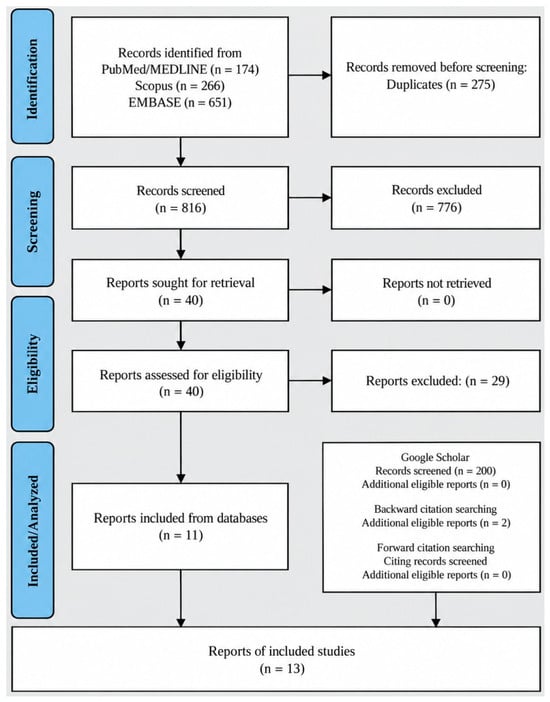
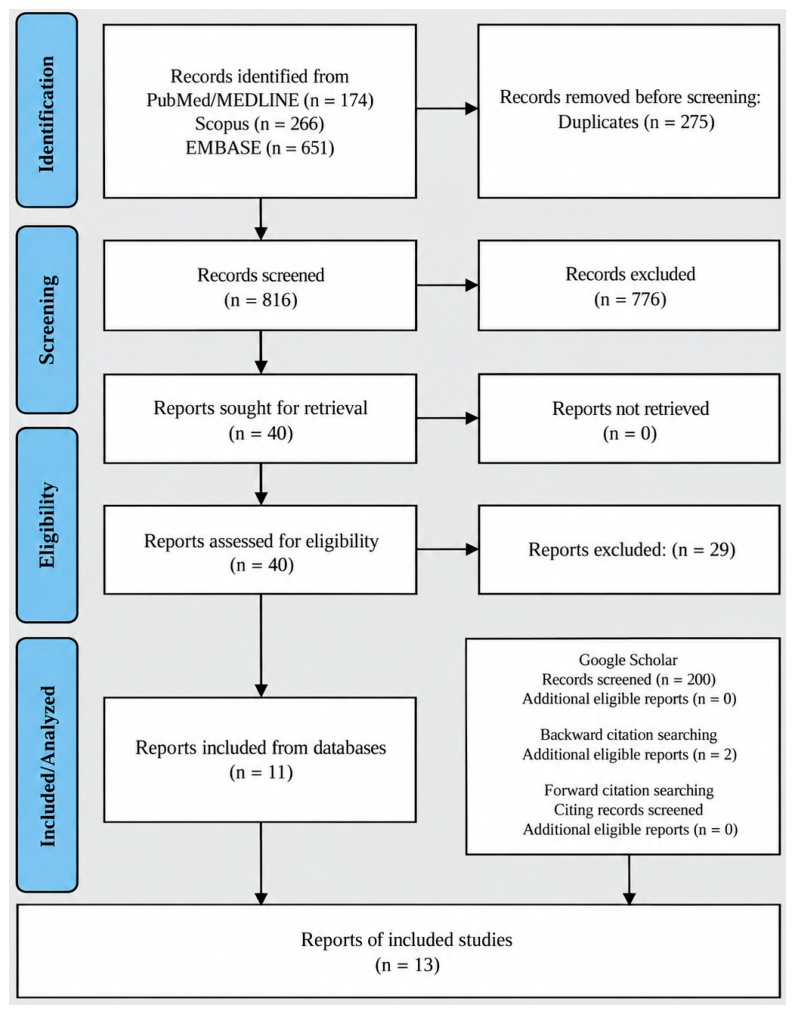
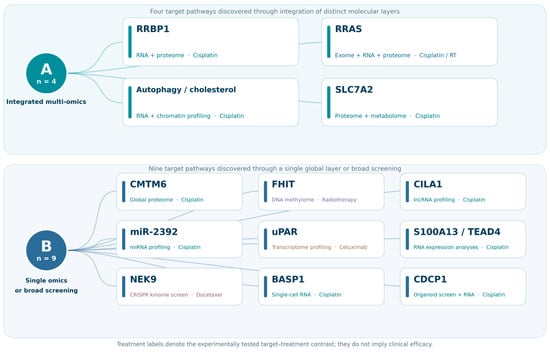
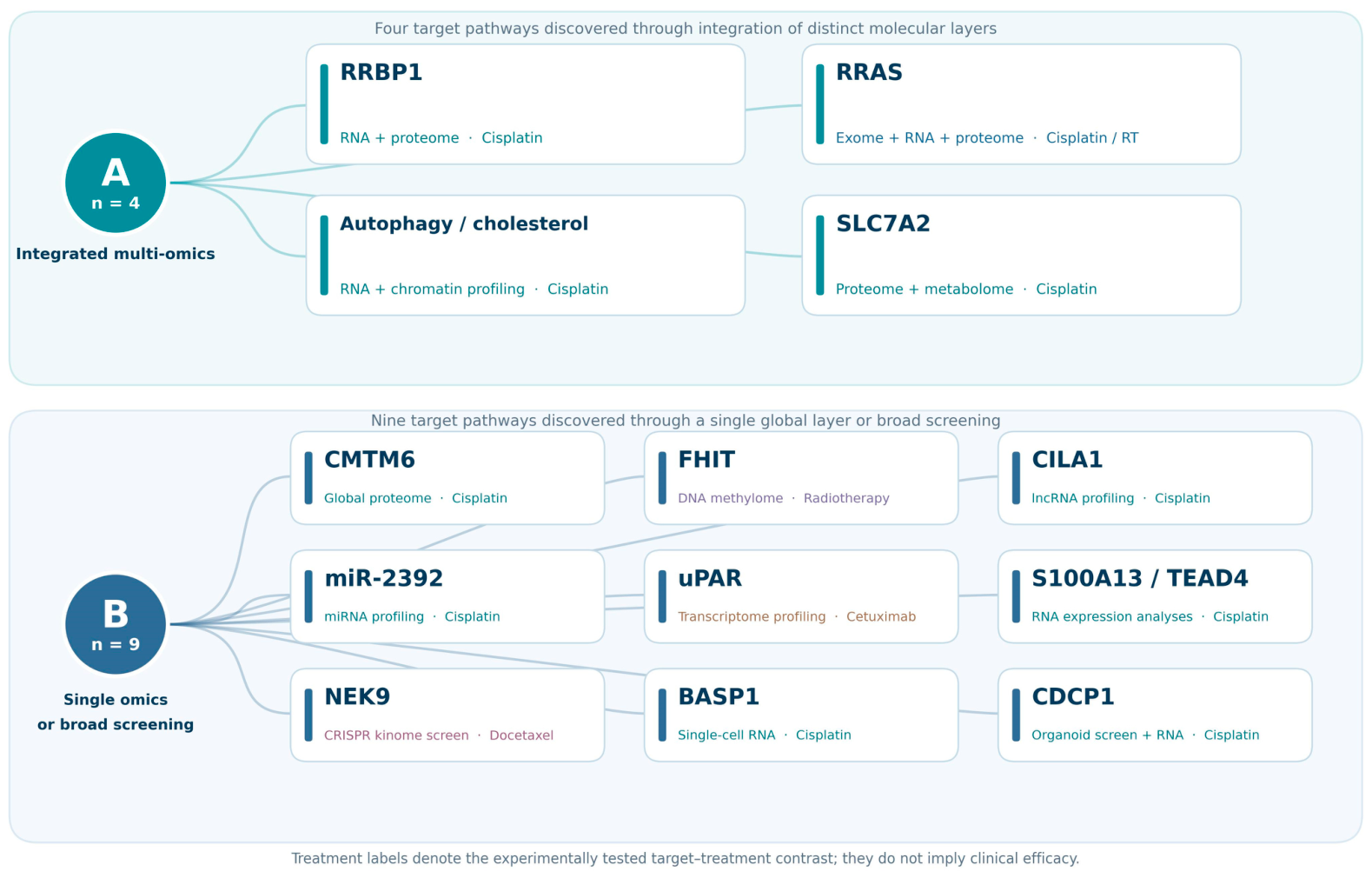
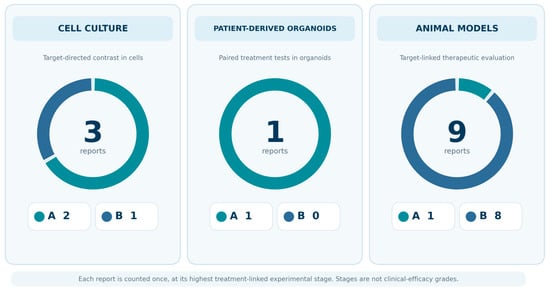
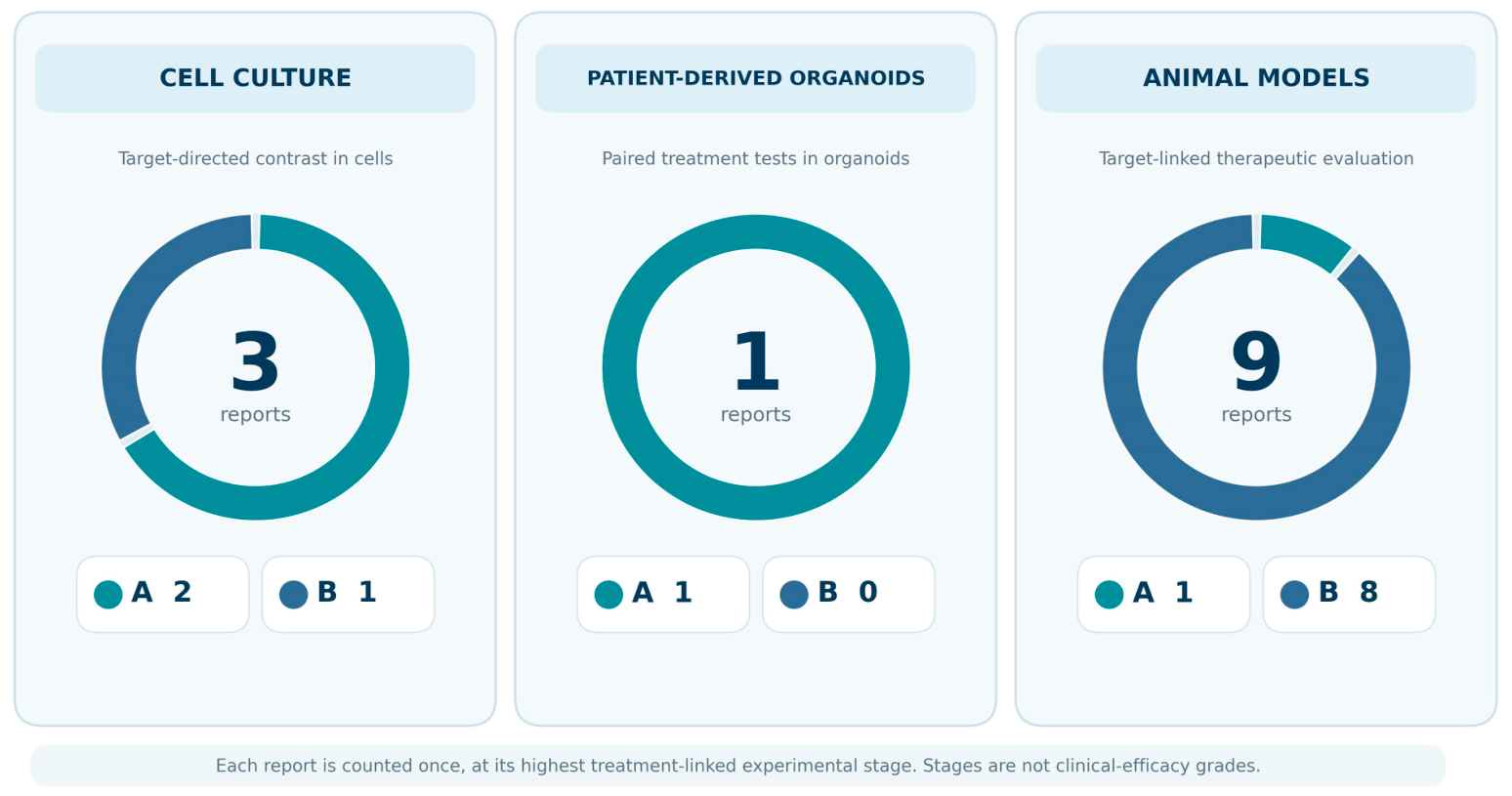
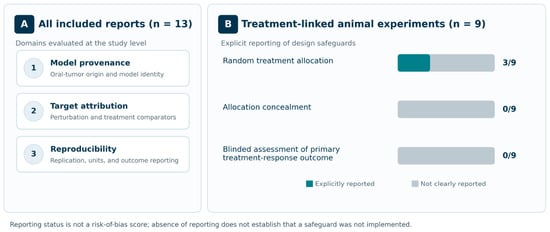
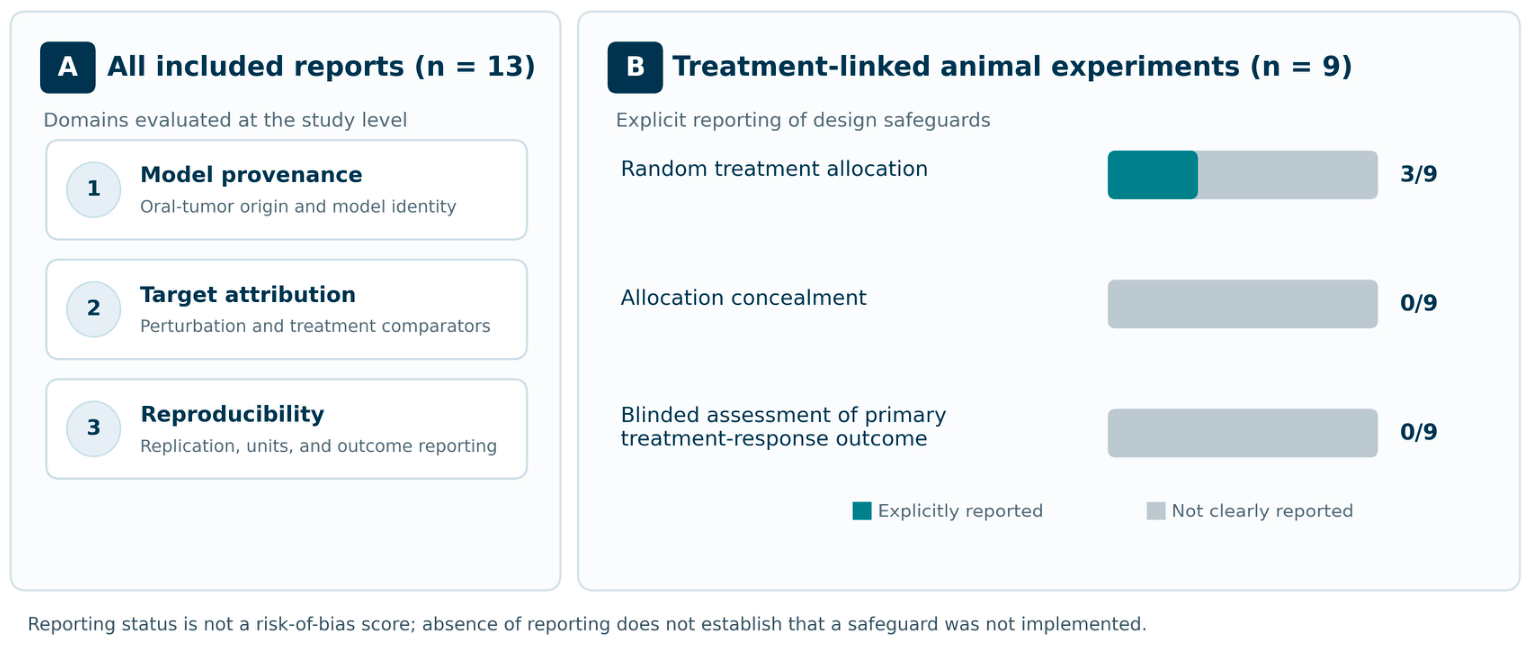
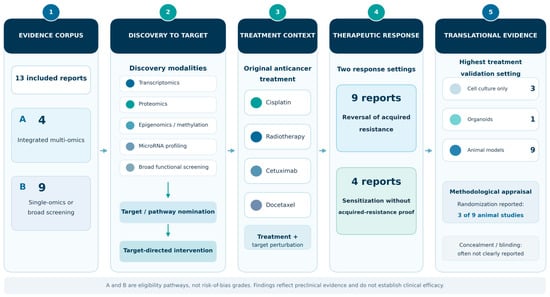
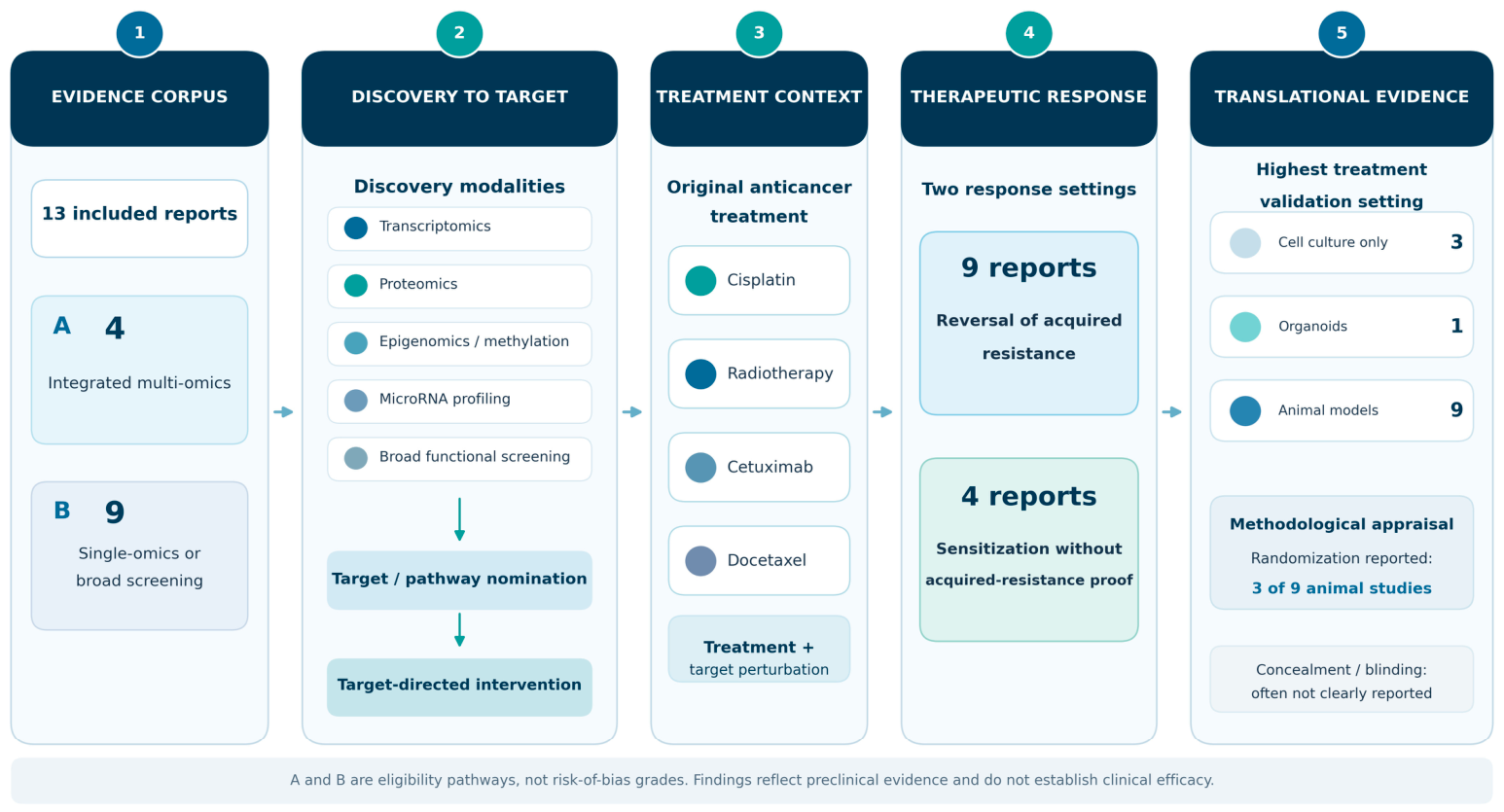

Disclaimer/Publisher’s Note: The statements, opinions and data contained in all publications are solely those of the individual author(s) and contributor(s) and not of MDPI and/or the editor(s). MDPI and/or the editor(s) disclaim responsibility for any injury to people or property resulting from any ideas, methods, instructions or products referred to in the content. |
© 2026 by the authors. Licensee MDPI, Basel, Switzerland. This article is an open access article distributed under the terms and conditions of the Creative Commons Attribution (CC BY) license.