Genetic Adaptations in Mudskipper and Tetrapod Give Insights into Their Convergent Water-to-Land Transition
1
Interdisciplinary Program in Bioinformatics, Seoul National University, 1 Gwanak-ro, Gwanak-gu, Seoul 08826, Korea
2
Department of Agricultural Biotechnology and Research Institute of Agriculture and Life Sciences, Seoul National University, 1 Gwanak-ro, Gwanak-gu, Seoul 08826, Korea
3
eGnome, Inc., 26 Beobwon-ro 9-gil, Songpa-gu, Seoul 05836, Korea
*
Author to whom correspondence should be addressed.
Animals 2021, 11(2), 584; https://doi.org/10.3390/ani11020584
Submission received: 15 January 2021
/
Revised: 13 February 2021
/
Accepted: 20 February 2021
/
Published: 23 February 2021
(This article belongs to the Section Aquatic Animals)
Simple Summary
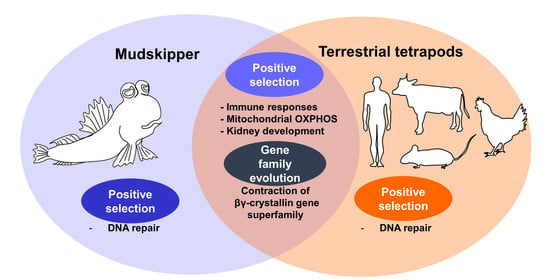
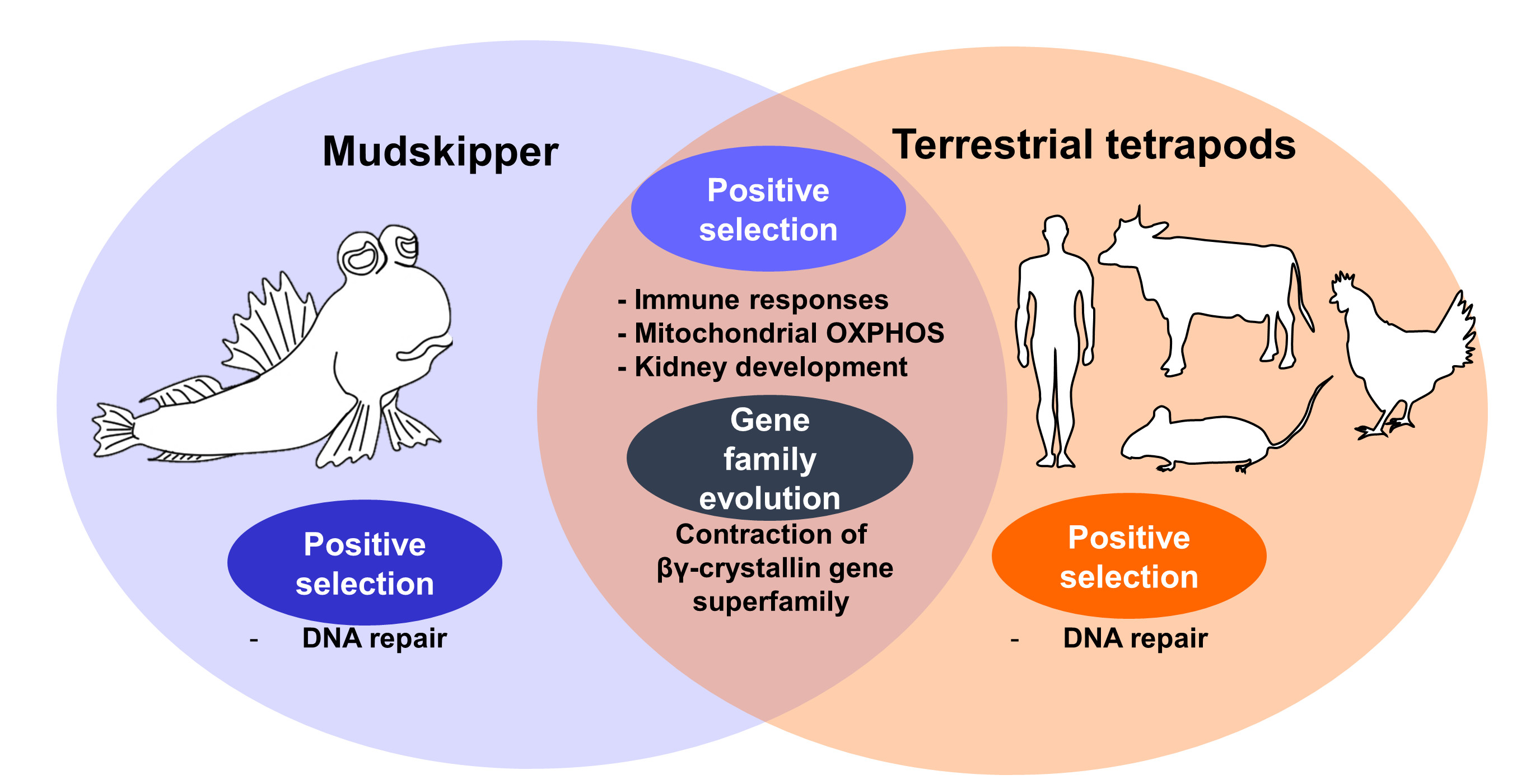
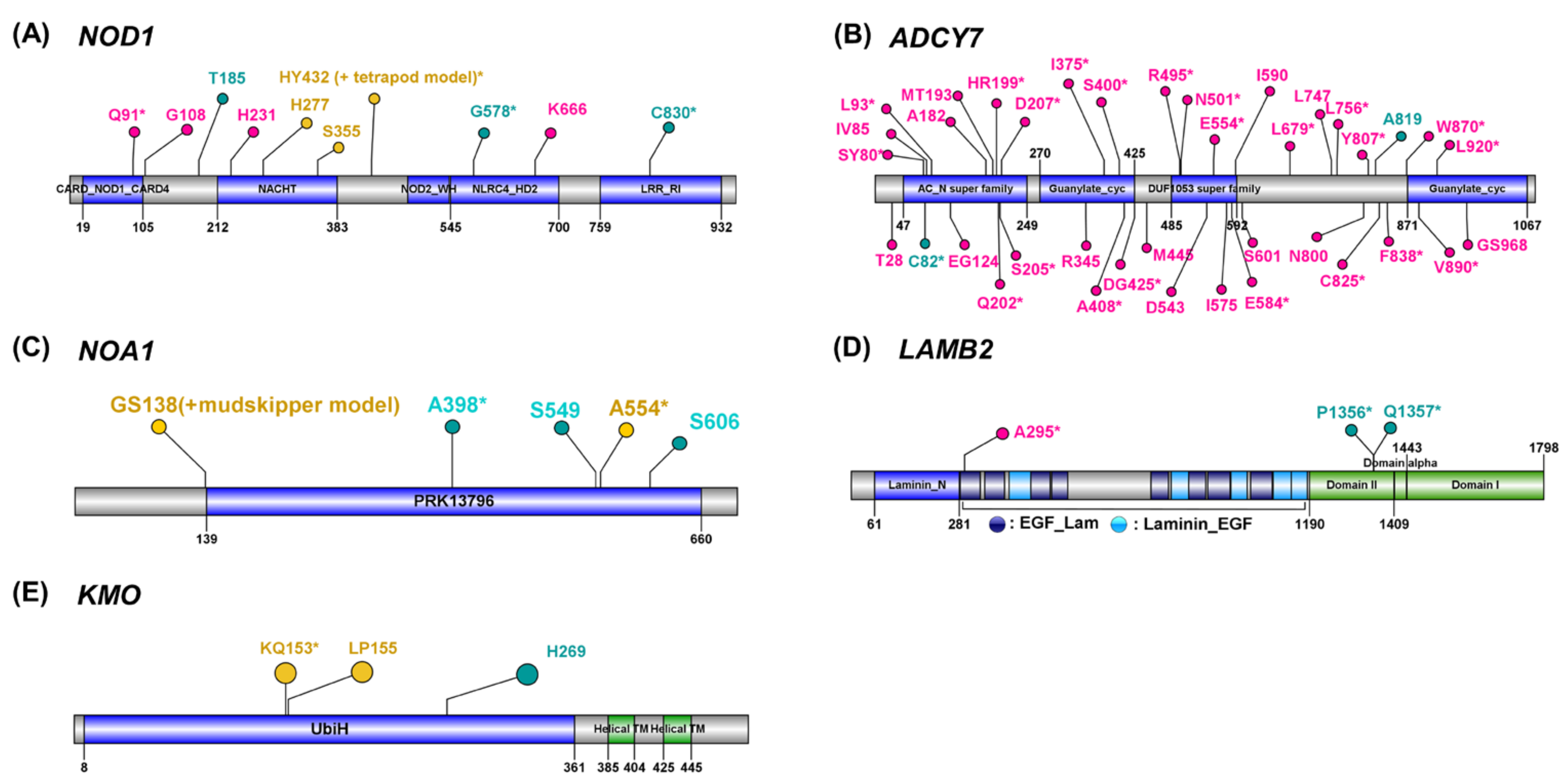
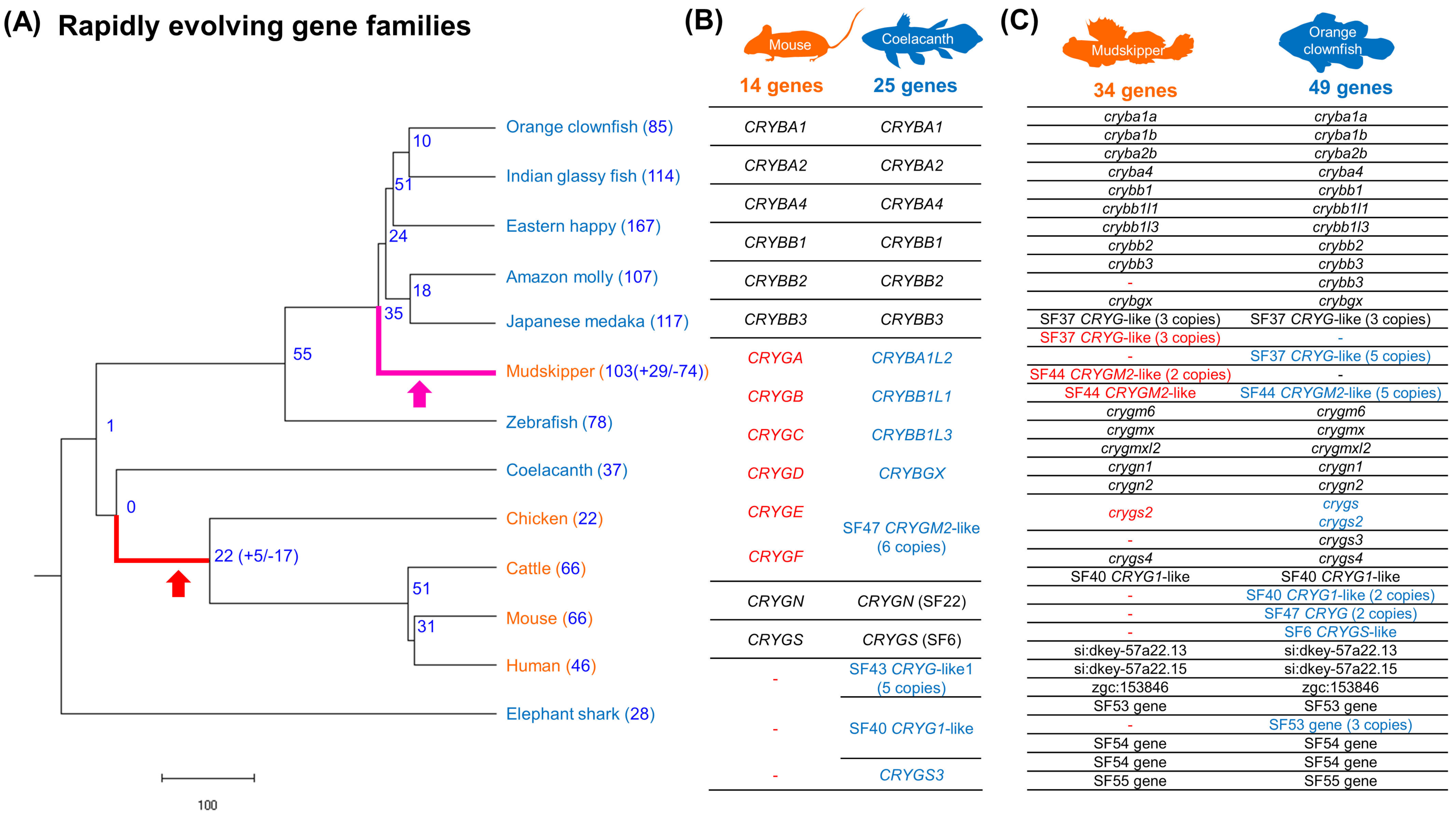
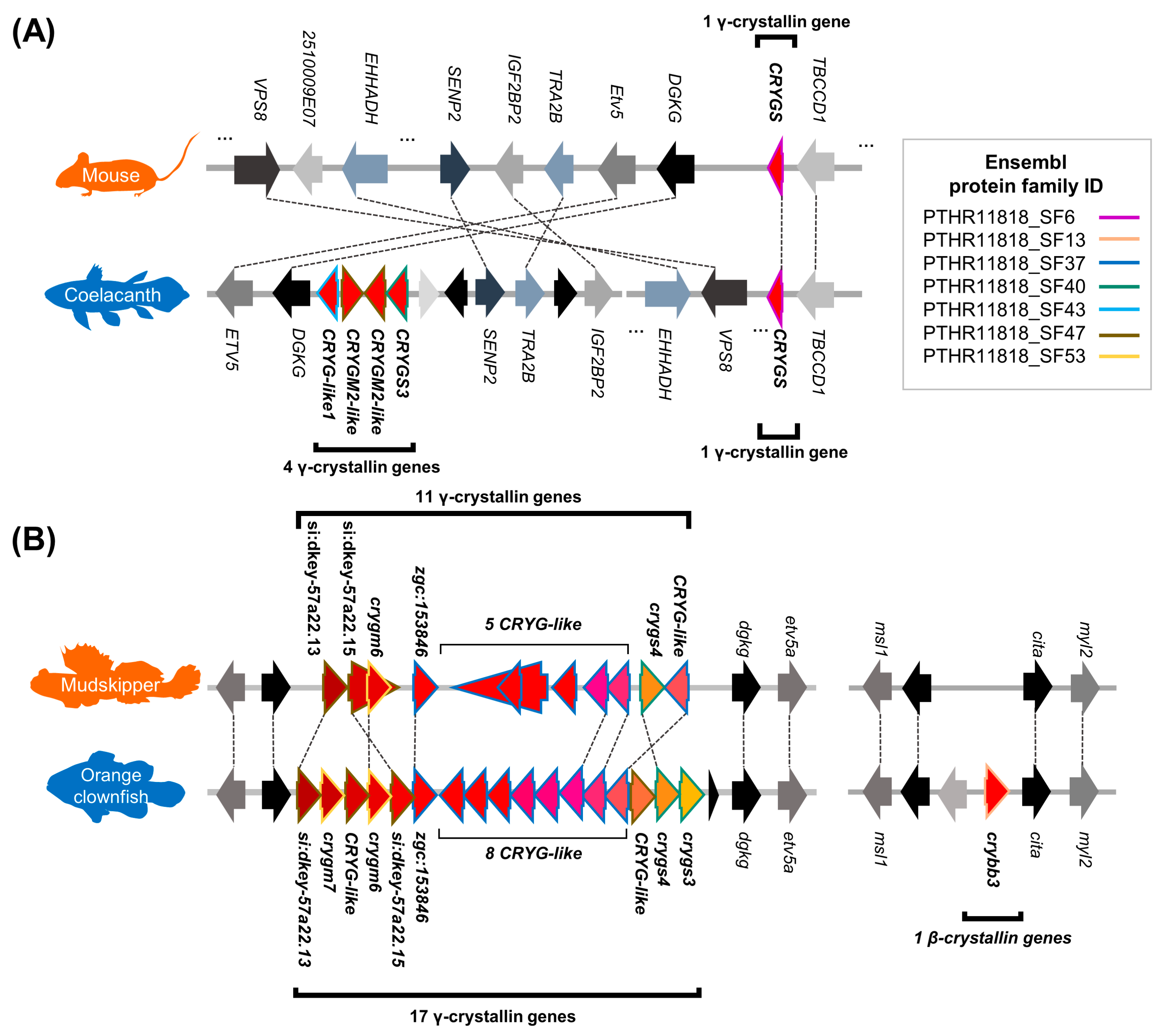
Mudskippers are amphibious fish that spend most of their lives on mudflats. The morphological and physiological adaptations of mudskippers resemble water-to-land transition of ancient tetrapod, yet comparative studies on the genetic backgrounds underlying the adaptation are still limited. The aim of this study is to compare genome-wide signatures of positive selection and gene family evolution between mudskipper and tetrapods. Here, we performed comparative genomics analysis between terrestrial tetrapods, coelacanth, mudskipper, and aquatic fish species. As a result, we discovered genes with selective signature in tetrapod and mudskipper lineages associated with immune responses, mitochondrial oxidative phosphorylation, kidney development, and DNA repair processes. In both tetrapod and mudskipper linages, we found convergent contraction of the gene family encoding βγ-crystallins that are found in the lens of vertebrate eye and involved in the refraction of the light. Our results present similar genetic adaptations in mudskipper and tetrapod lineages, which independently adapted to land environment.
Abstract
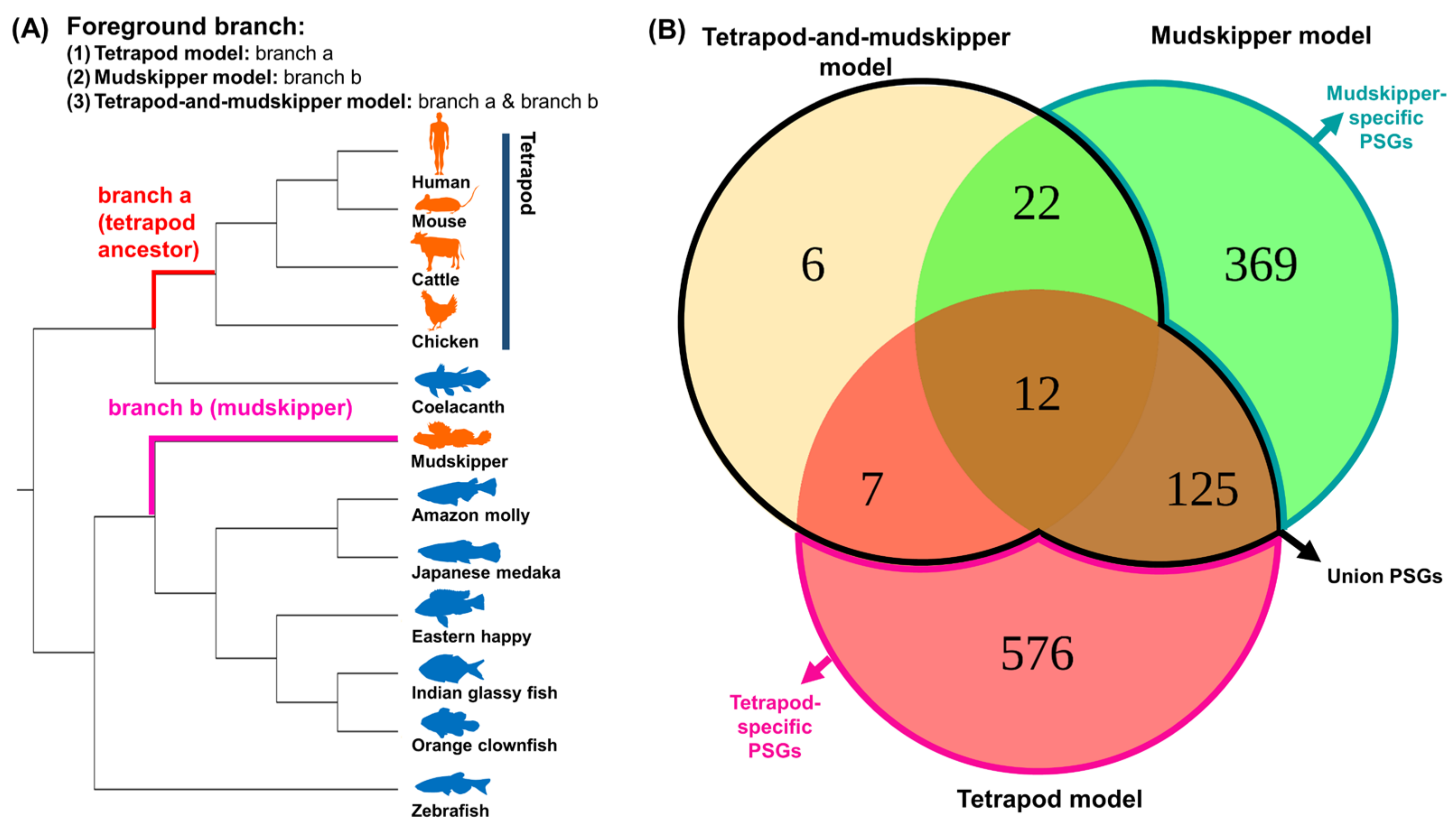
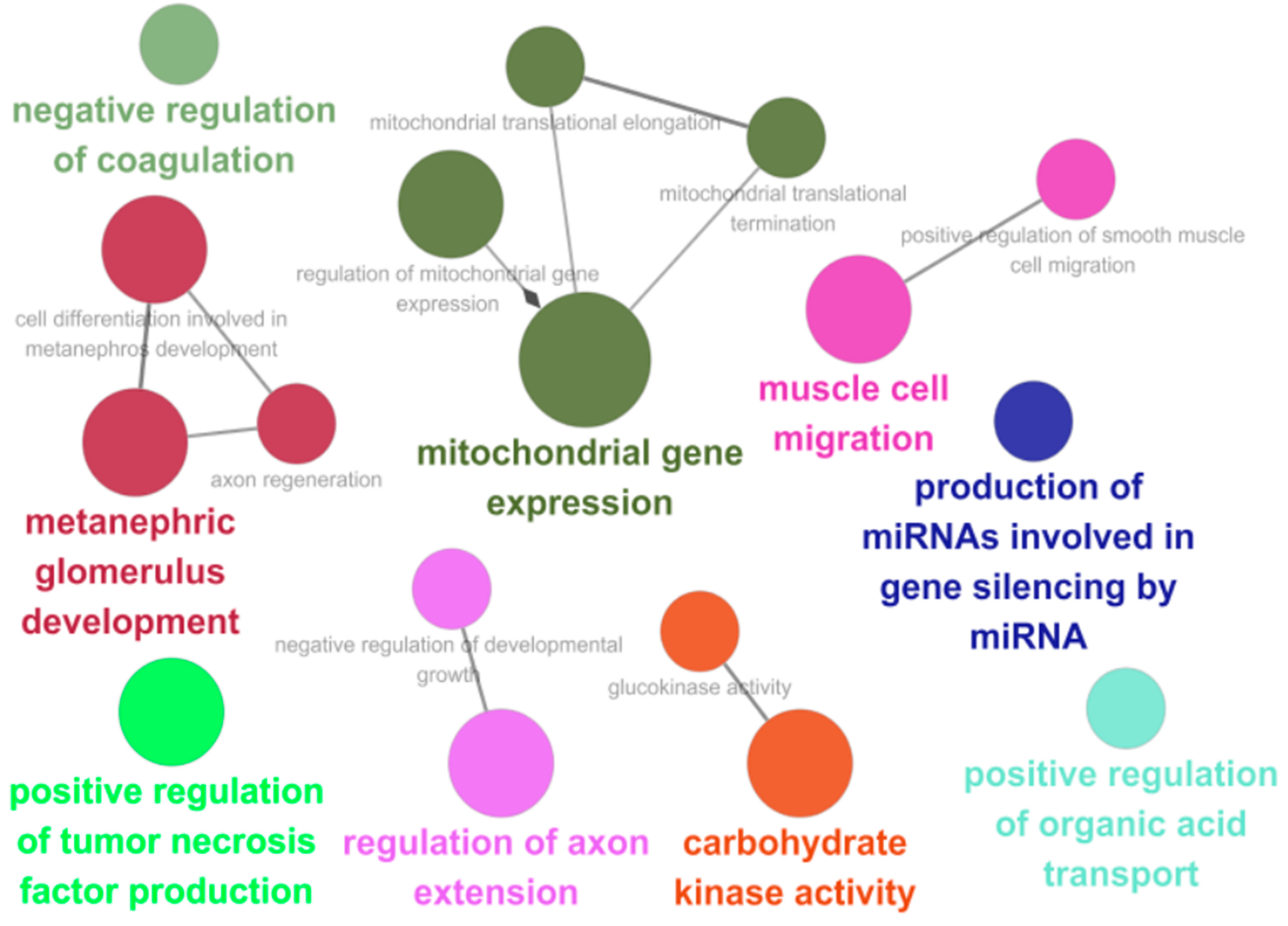
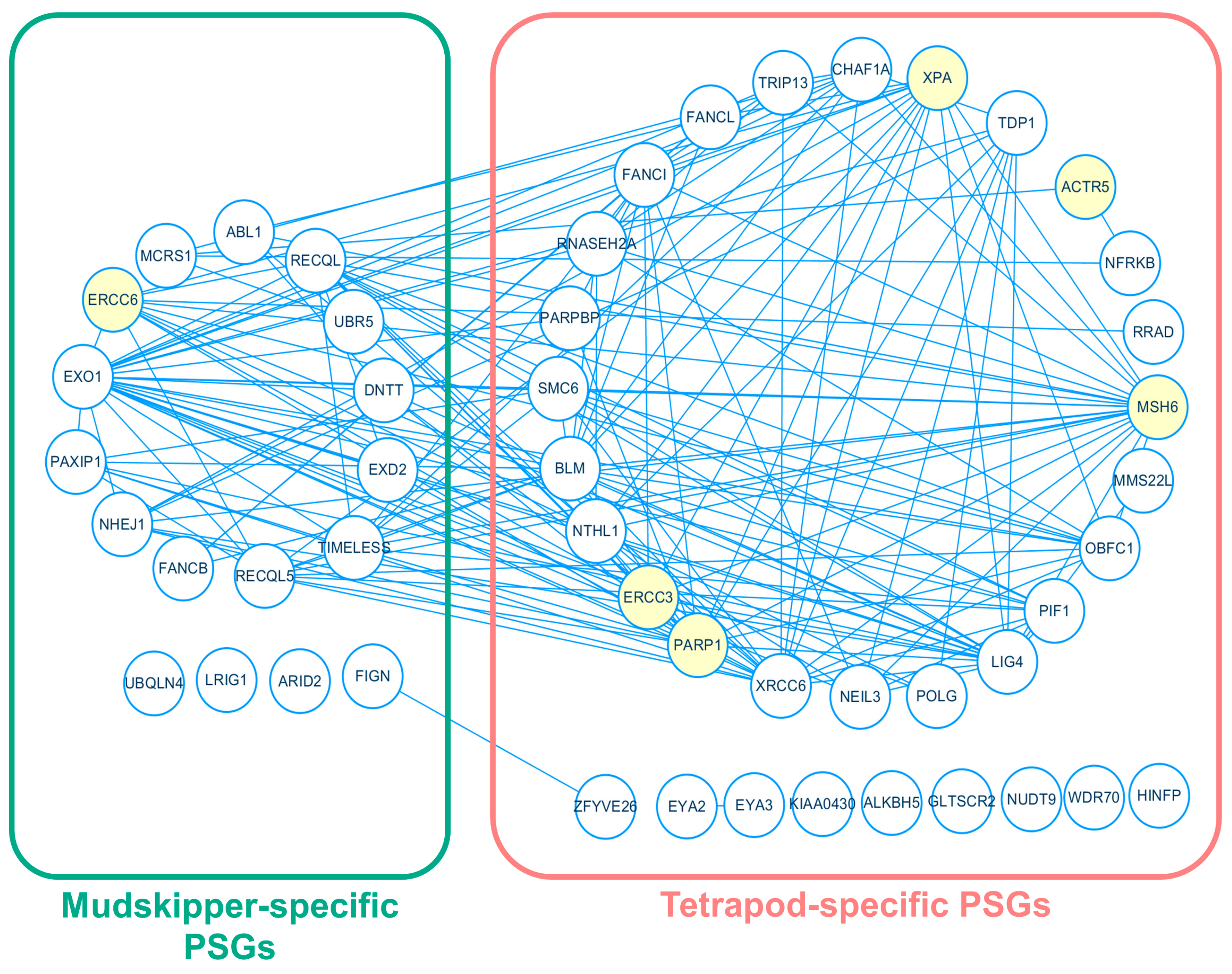
Water-to-land transition has been independently evolved in multiple vertebrate lineages including the most recent common ancestor of tetrapod and multiple fish clades, and among them, mudskippers uniquely adapted to the mudflat. Even though physiological and morphological adaptation of mudskippers is thought to resemble that of the ancestral tetrapod, it is unclear if they share genome-wide evolutionary signatures. To detect potential signatures of positive selection in mudskipper and tetrapods, we analyzed 4118 singleton orthologues of terrestrial tetrapods, coelacanth, mudskipper, and fully aquatic fishes. Among positively selected genes identified in mudskipper and tetrapod lineages, genes involved in immune responses, mitochondrial oxidative phosphorylation, and kidney development were detected. On the other hand, tetrapod-specific and mudskipper-specific positively selected genes were functionally enriched for DNA repair processes, which could be associated with higher exposure to UV light. We also performed gene family analysis and discovered convergent contraction of eight gene families, including βγ-crystallin coding genes in both tetrapod and mudskipper lineages. Findings of this study suggest the similar genetic adaptation against environmental constraints between the ancient tetrapod and mudskippers for their land adaptation.