Review

Antimicrobial Resistance: A Bibliometric Review of Patient Health, Mechanisms, and Therapeutic Strategies


by
Peter E. Murray
1,*,
Jonathan A. Coffman
2,* and
Franklin Garciá-Godoy
3
1
Independent Researcher, San Francisco, CA 94102, USA
2
Department of Biomedical Sciences, Mercer University School of Medicine, Mercer, GA 31207, USA
3
College of Dentistry, University of Tennessee Health Science Center, Memphis, TN 38103, USA
*
Authors to whom correspondence should be addressed.
Pathogens 2026, 15(3), 288; https://doi.org/10.3390/pathogens15030288

Submission received: 10 January 2026 / Revised: 16 February 2026 / Accepted: 27 February 2026 / Published: 6 March 2026
(This article belongs to the Section Bacterial Pathogens)

Abstract

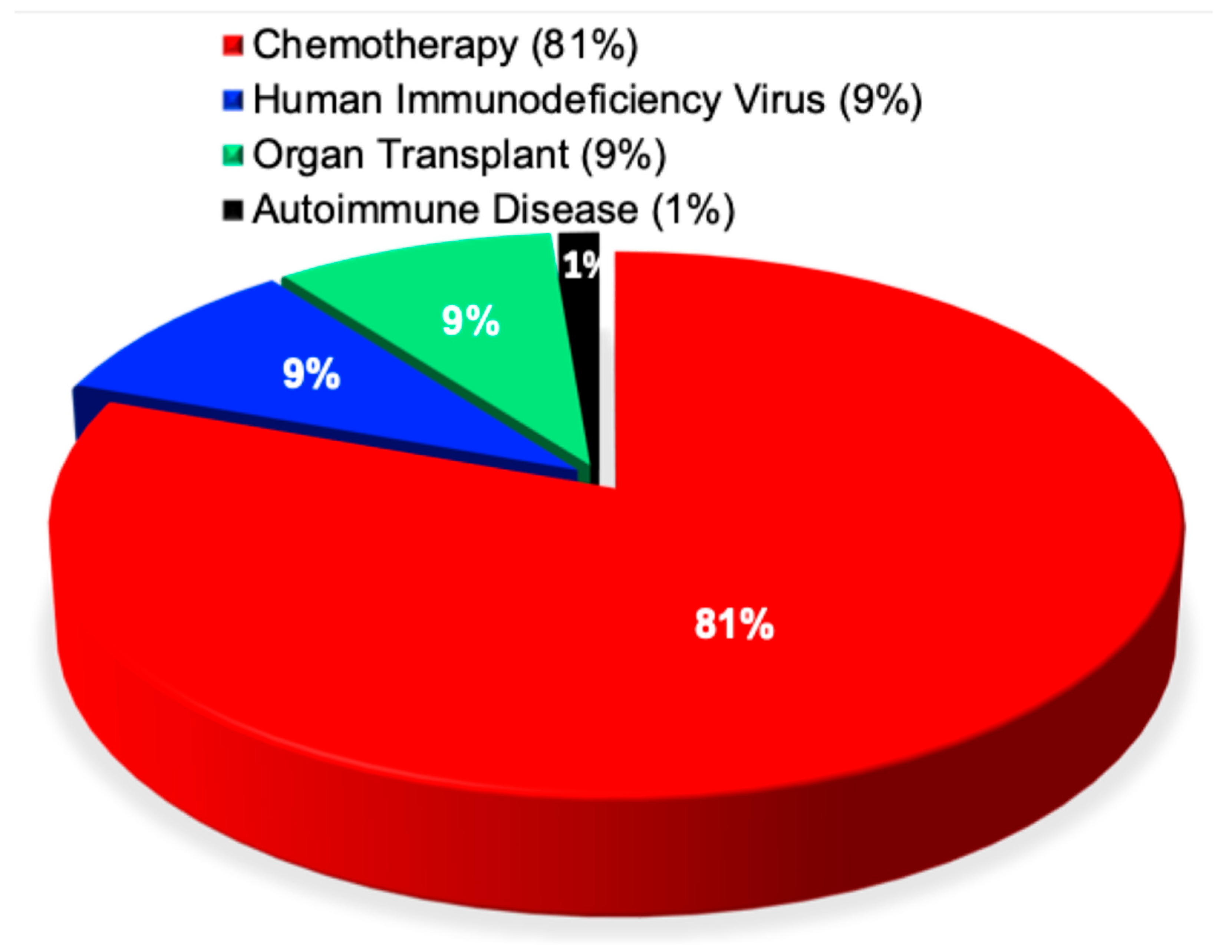
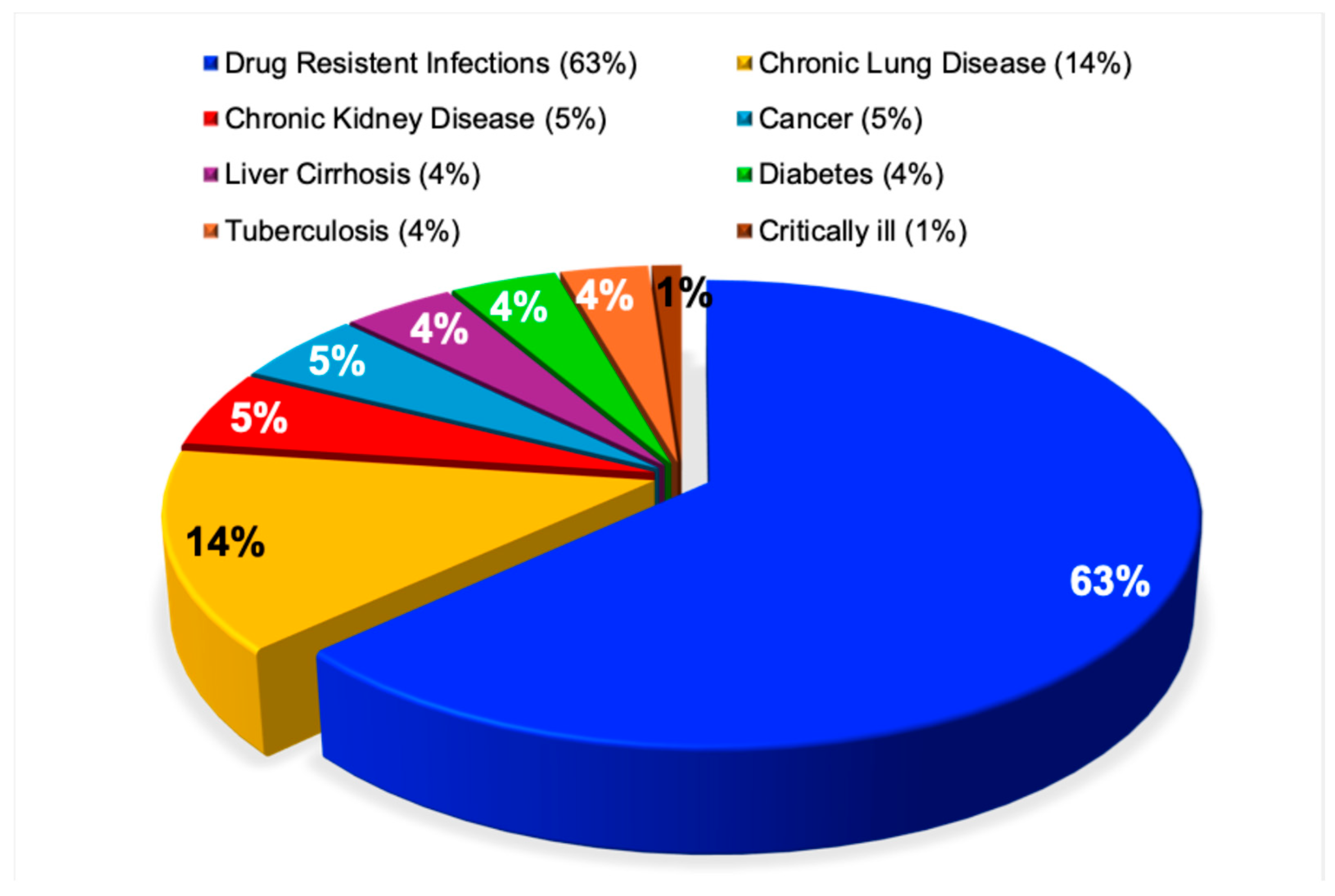
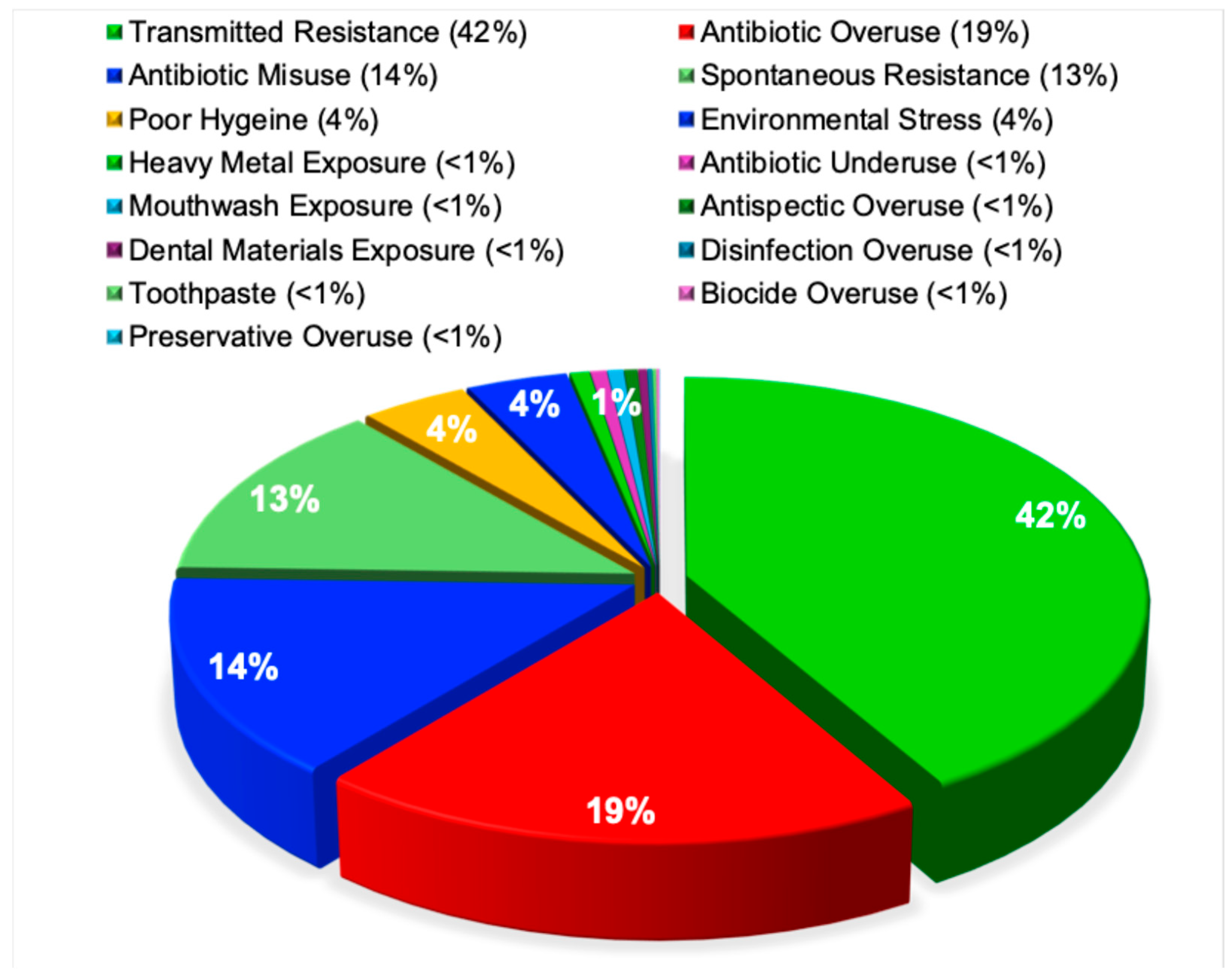
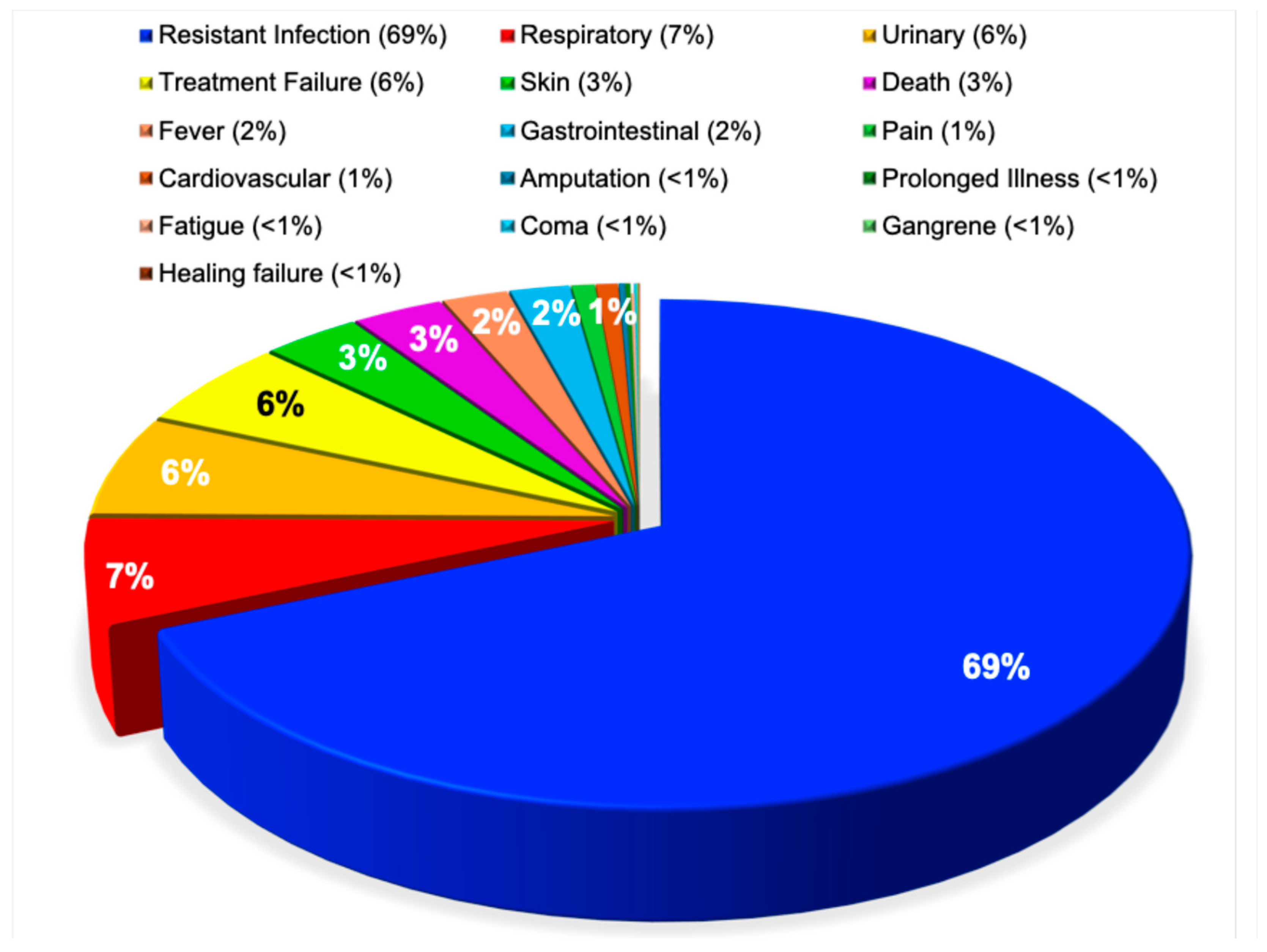
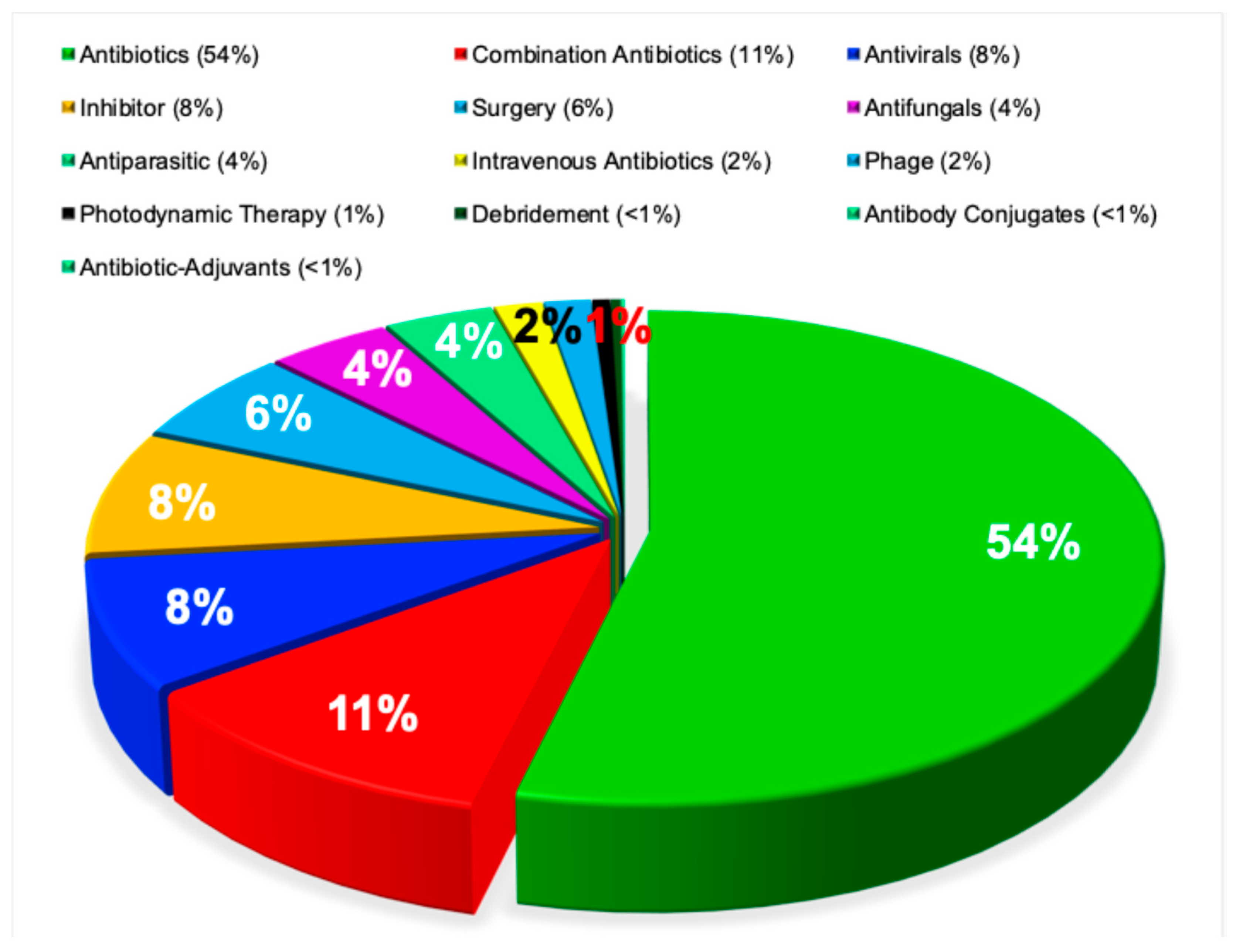
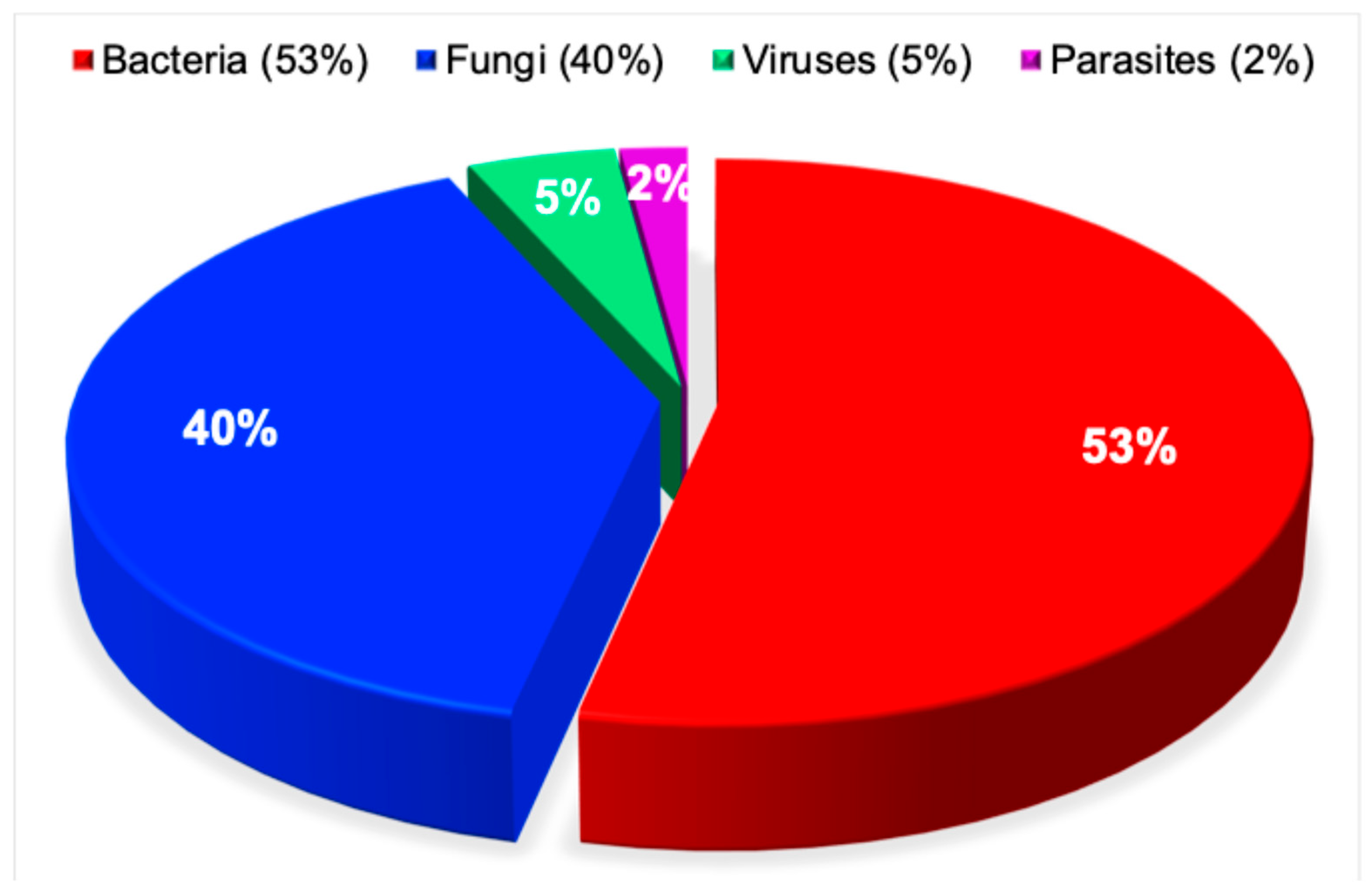
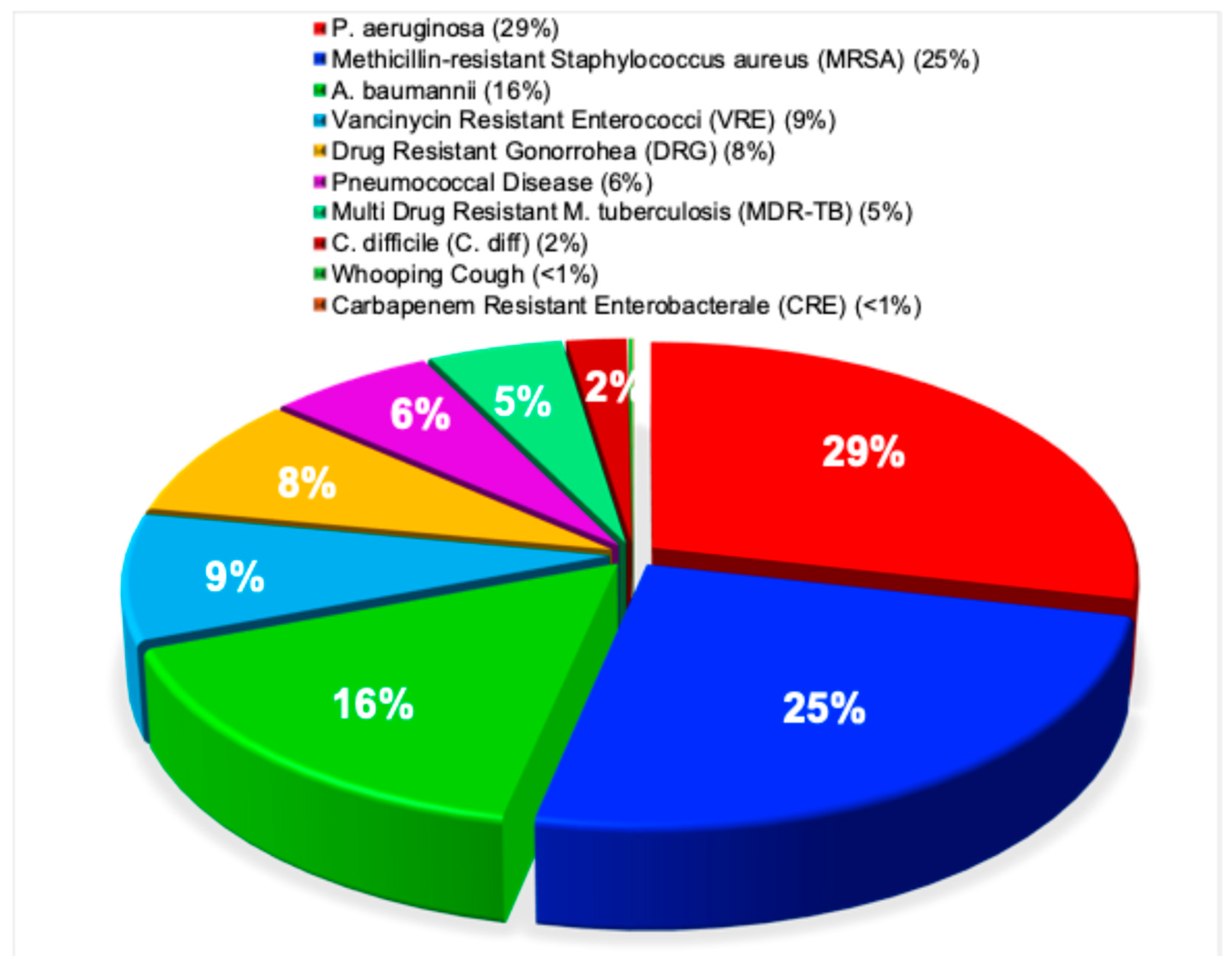
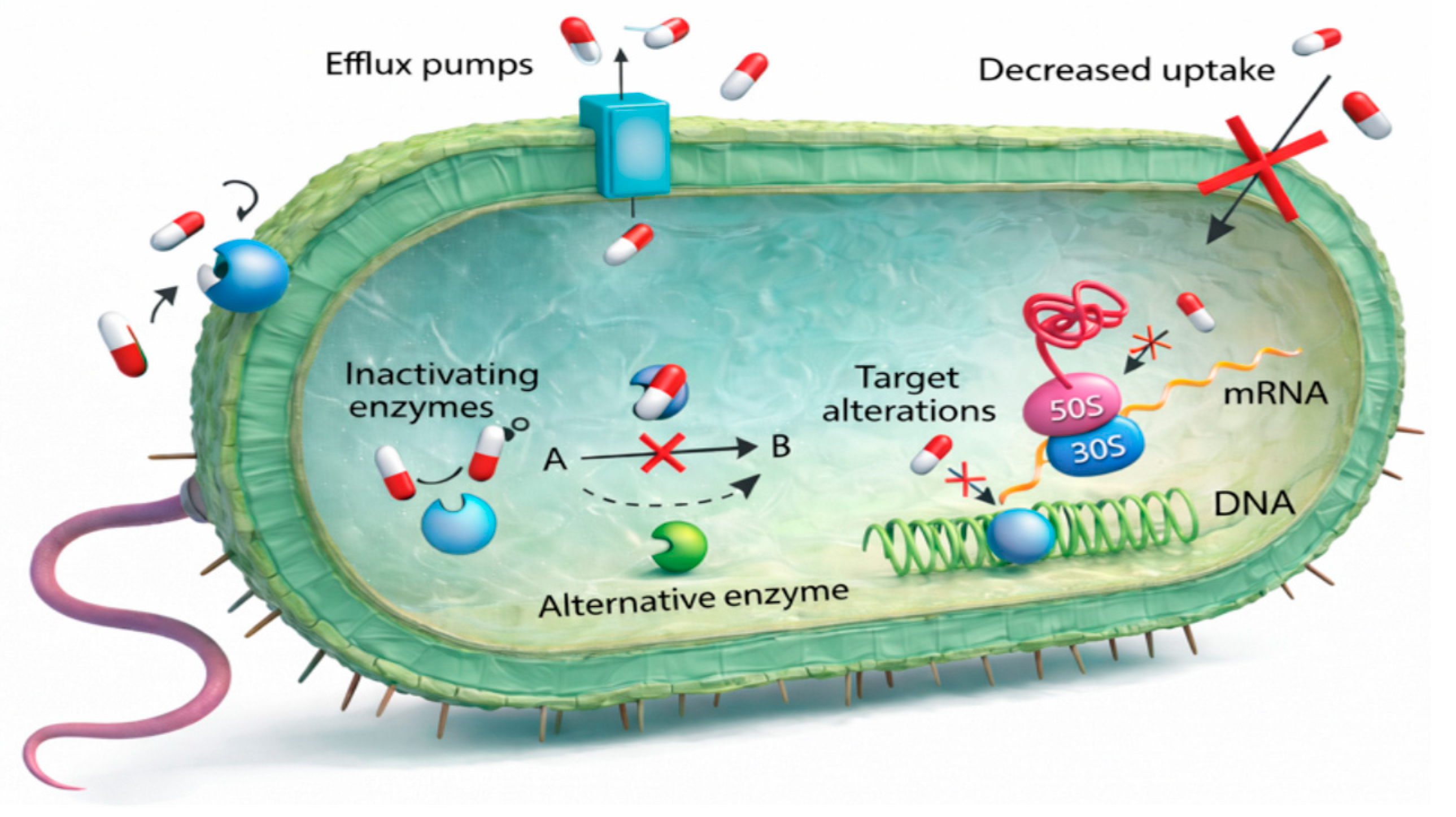
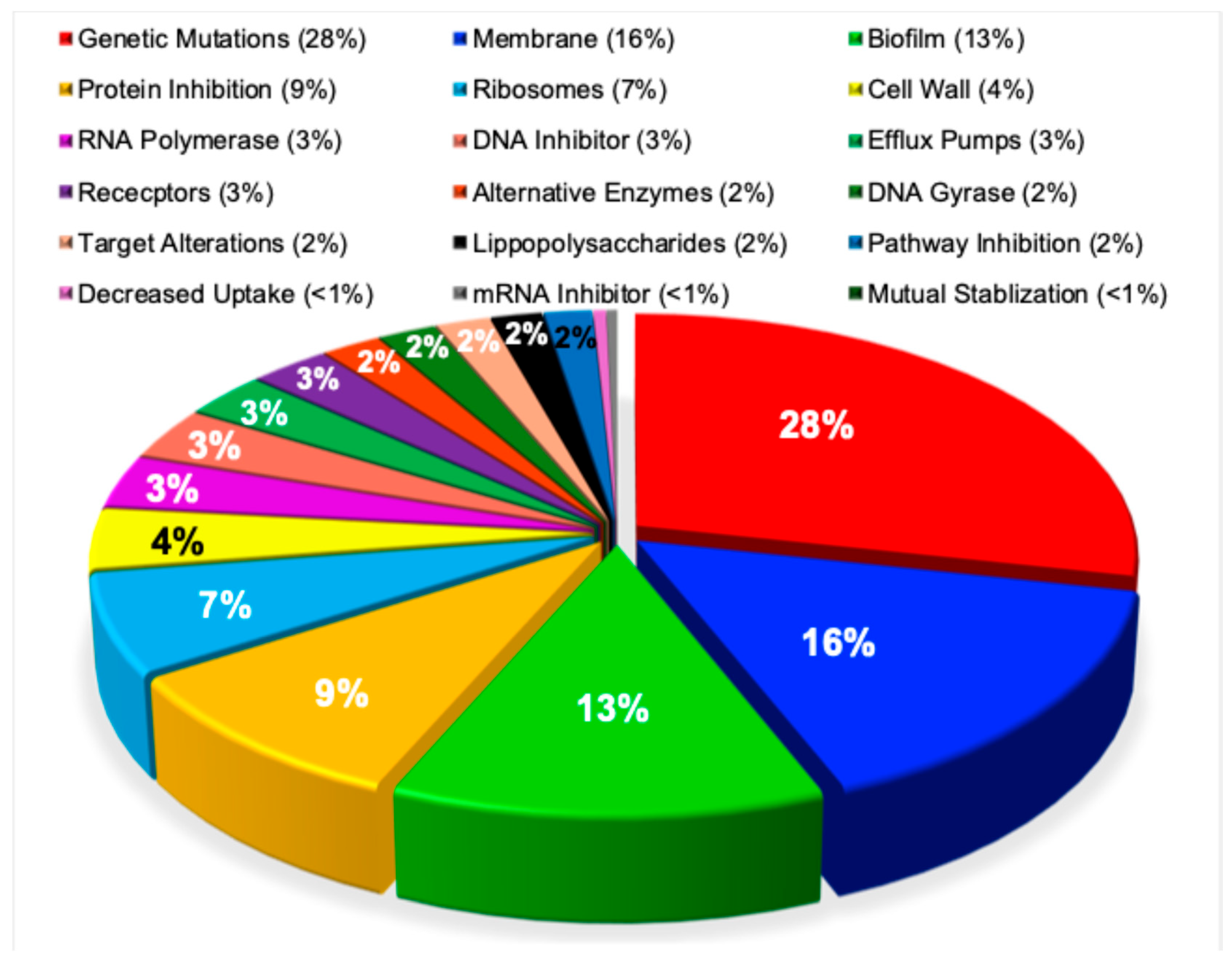
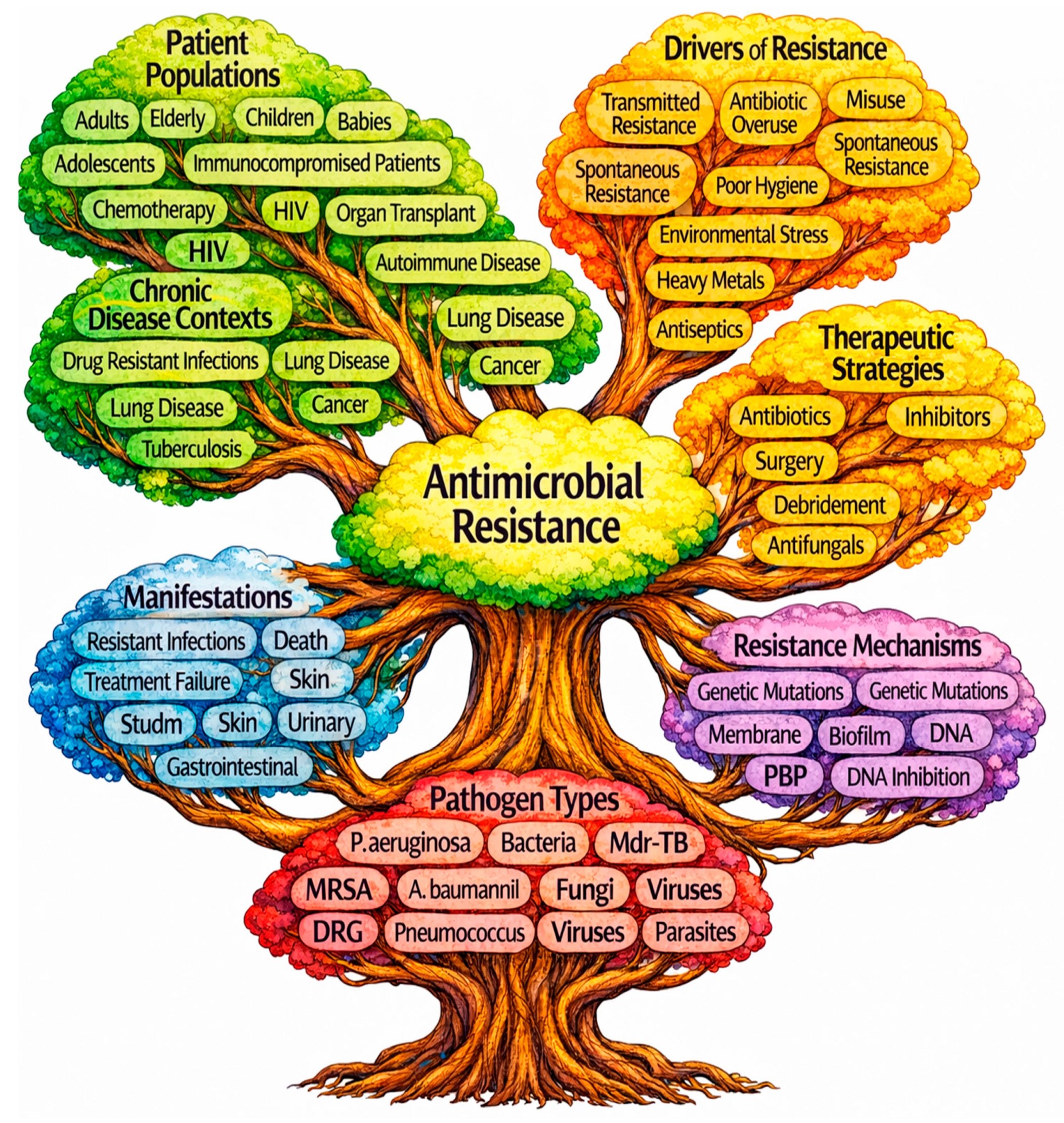
Antimicrobial resistance is a growing global health crisis, with projections estimating up to 10 million deaths annually and more than 130 million hospitalizations attributable to resistant infections. Resistance emerges through microbial adaptation to sustained antimicrobial pressure, resulting in genetic and phenotypic mechanisms such as target mutations, enzymatic drug inactivation, efflux pump activation, biofilm formation, and metabolic adaptation that drive the emergence of multidrug-resistant pathogens and limit effective therapy. This bibliometric review analyzes the MEDLINE-indexed articles to characterize patient health and age factors, resistance mechanisms, pathogen types, and therapeutic strategies associated with antimicrobial resistance. The findings demonstrate that antimicrobial resistance is disproportionately reported among adults and chemotherapy-treated patients, with transmitted resistance emerging as the dominant driver, emerging from antibiotic misuse or overuse. Despite extensive mechanistic knowledge, treatment remains largely focused on escalation to newer antibiotics, while combination and adjunctive therapies are less commonly reported. These results analyze 308,290 studies to identify patient-related contexts, resistance mechanisms, pathogens, and therapeutic strategies.
Keywords: infectious diseases; viruses; fungi; parasites; antibiotics; antibacterial; hygiene infectious diseases; viruses; fungi; parasites; antibiotics; antibacterial; hygiene
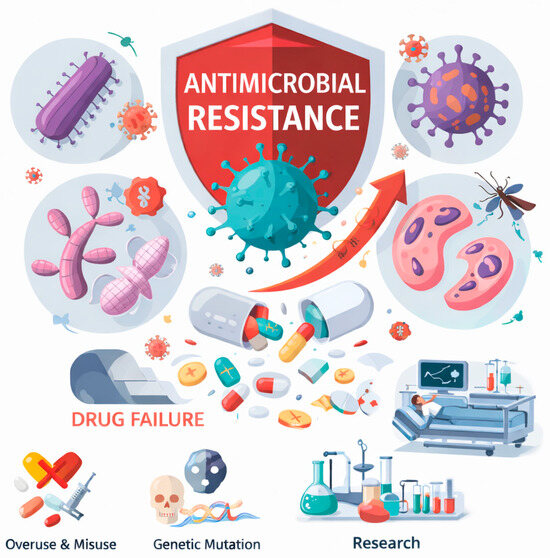
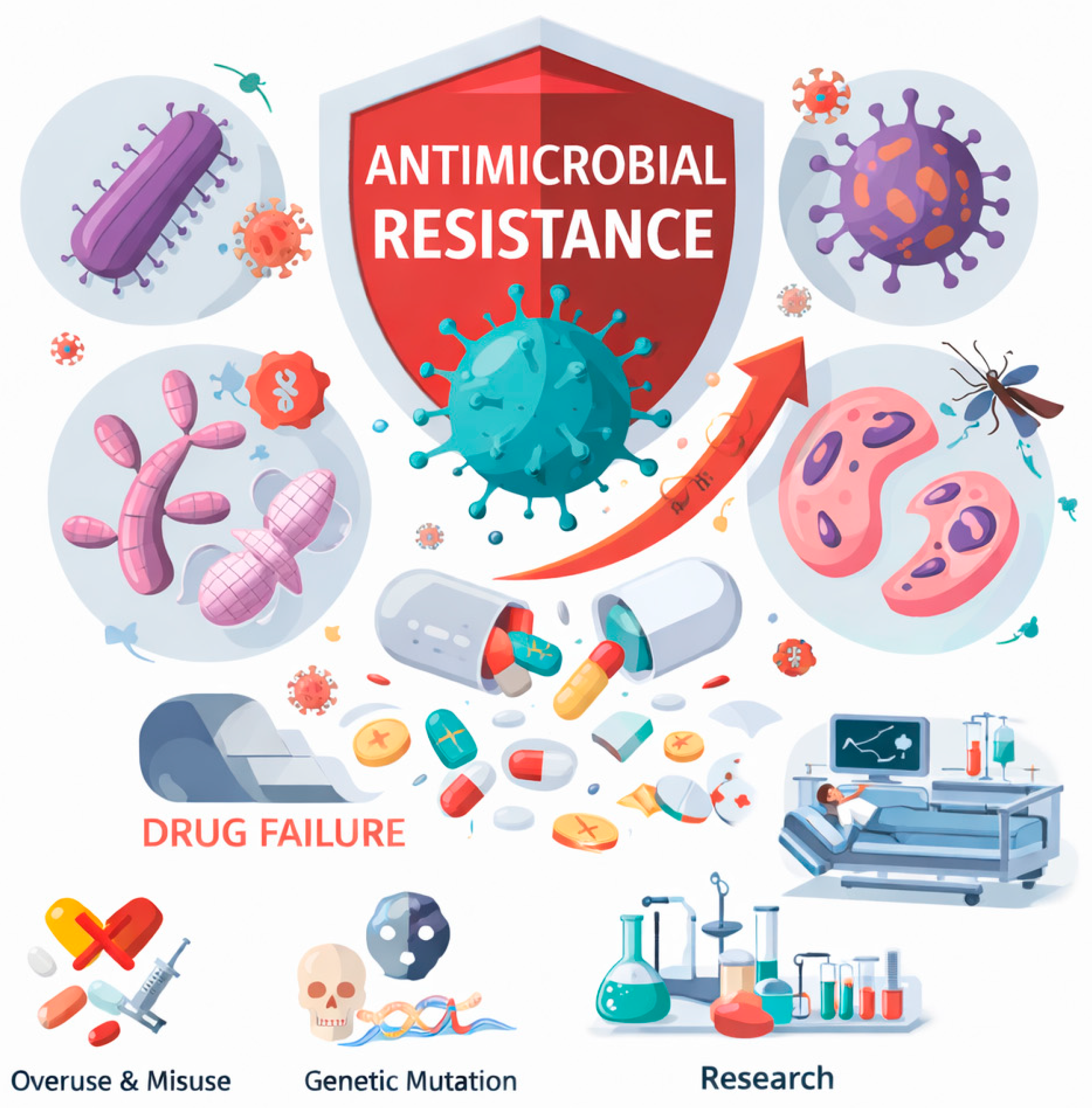
Graphical Abstract