


Abstract
Early childhood education (ECE) in Vietnam remains a heavily feminized profession, deeply influenced by traditional gender stereotypes. This study employs an explanatory sequential mixed-methods design, involving a survey of 256 male teachers and 12 in-depth interviews, to examine their career motivations and professional commitment. Regression analysis reveals that gender stereotypes (β = 0.585, p < 0.001) and professional experiences (β = 0.249, p < 0.001) are the primary predictors of commitment. Findings highlight a significant paradox: despite high intrinsic motivation and positive perceptions of institutional equity, long-term commitment remains low due to persistent societal prejudice and “hyper-visibility” pressure. The study concludes that while schools provide a supportive institutional environment, sustainable workforce diversification requires both institutional and societal efforts to address persistent gender stereotypes. The findings suggest that strengthening the recruitment and retention of male preschool teachers depends on promoting inclusive professional cultures, reducing gender-based stigma, and ensuring that professional recognition and career development opportunities are grounded in demonstrated competencies rather than gendered assumptions. These findings contribute to contemporary debates on gender, professional identity, and workforce diversity in early childhood education.
1. Introduction
Early childhood education (ECE) is widely recognized as a critical foundation within national education systems, playing a decisive role in fostering children’s physical, cognitive, emotional, and social development during their formative years (Haines et al. 2025; UNESCO 2015). On a global scale, however, the ECE sector has long been characterized by a stark and stubborn gender asymmetry, operating as a deeply feminized professional field. According to comparative annual data from the OECD’s Education at a Glance indicators (OECD 2023), women consistently comprise an average of 95% to 98% of the pre-primary teaching workforce across member and partner states. This structural gender concentration is particularly evident across East Asian and post-socialist educational systems comparable to Vietnam, where early childhood education remains highly feminized and culturally associated with maternal care and nurturing roles (Brody et al. 2020; Peeters 2013; Rohrmann 2016; Warin 2018b). Consequently, male practitioners often face challenges related to professional legitimacy, gender stereotypes, and social acceptance, requiring them to continuously negotiate their professional identities in order to establish sustainable career trajectories in the field (Rohrmann 2016; Warin 2018a; Xie 2026; Yang 2024). By anchoring global macro-benchmarks alongside localized structural parameters, the isolation of male ECE practitioners emerges as an entrenched institutional regime that demands rigorous empirical investigation.
In recent decades, alongside the growth of gender equality movements, the influx of male preschool teachers has gained research attention across developed Western economies, including the United Kingdom, Australia, Germany, Sweden, and the United States (Brody et al. 2020; Rohrmann 2020; Warin 2018b). Ample literature demonstrates that male educators inject positive dynamics into ECE, such as providing diverse gender role models, balancing the educational environment, and supporting boys’ social–emotional growth (Rolfe 2006; Sargent 2004). Concurrently, however, these pioneering men face severe multi-layered adversities, including acute societal skepticism, deeply ingrained gender prejudices, psychological pressure, depressed wage structures, and restricted career mobility (Bhana et al. 2022; Brody 2014; Cushman 2007; Sumsion 2000). To survive within such a highly gendered space, male teachers must continuously reconstruct their professional behaviors and bargain with pervasive gender norms (Burn and Pratt-Adams 2015; Martino 2008; Peeters 2007).
While these workforce dynamics have been extensively charted in the West, this critical phenomenon remains fundamentally under-explored within contemporary Southeast Asia, and particularly within the post-socialist context of Vietnam (Deng et al. 2023; Li et al. 2023; Zhu 2024). Vietnam presents a unique institutional and socio-cultural matrix; as an East Asian society, traditional Confucian gender roles and kinship expectations maintain a rigid division of labor (T. B. Nguyen 2018). Concurrently, the post-socialist state framework officially mandates gender equity, creating a profound ideological friction for men entering non-traditional occupations. Against this backdrop, the increasing participation of male preschool teachers—particularly within specific regional localities such as Thanh Hoa Province—has emerged as a distinctive socio-educational phenomenon. This transition carries significant academic value, offering an empirical window to contribute to international discourses on labor diversification, workforce sustainability, and minority professional integration in highly segregated spaces (Bhana et al. 2022; Ramolula and Mokhele-Makhalwa 2023; Perales-Dolendo 2025; Xu et al. 2022).
To contextualize these dynamics for the international reader, the operational structure of the Vietnamese ECE system requires clarification. Governed directly by the Ministry of Education and Training (MOET), the system accommodates children aged from 3 months to 6 years, formally split into infant care groups (nhà trẻ, under 3 years) and kindergarten classes (mẫu giáo, 3 to 6 years). Within the domestic policy framework, these institutions are standardized as fully recognized schools (trường mầm non) (Ministry of Education and Training 2022). Although ECE remains non-compulsory in Vietnam, the institutional environment is highly regulated. Under the national Education Law 2019, professional qualification standards have been elevated, mandating that all practicing educators hold at least a three-year college diploma in early childhood pedagogy (Cao đẳng Sư phạm Mầm non) to ensure instructional quality (National Assembly of Vietnam 2019). The male educators participating in this inquiry are actively employed across both public and private nursery and kindergarten sectors, spanning the entire early childhood age spectrum. This broad operational baseline provides an essential backdrop for analyzing their professional experiences, career durability, and systemic commitment within a traditionally female-saturated labor market.
Although the visible presence of male teachers in Vietnamese preschools has shown a gradual upward trajectory, systematic empirical evidence examining their professional pathways remains scarce. The existing domestic literature is predominantly descriptive, localized, and small in scale, leaving a pronounced gap in the structural knowledge base required to inform effective, evidence-based workforce policies (T. H. Nguyen and Tran 2021). The participation of 256 male preschool teachers in the present study constitutes a highly substantial sample of this underrepresented professional cohort, offering an unprecedented opportunity for empirical scale.
Driven by these structural gaps, this study provides a systematic empirical evaluation of the male preschool teaching workforce in Vietnam. The inquiry focuses on mapping their career trajectories, documenting the everyday institutional and psychological challenges encountered during professional practice, measuring levels of social acceptance, and evaluating their long-term professional commitment. To guide this investigation, the study addresses two central research questions:
(RQ1): How are the career motivations and professional commitments of male preschool teachers in Vietnam constructed within the context of a female-dominated profession?
(RQ2): How do these practitioners adapt to localized societal challenges and navigate professional development opportunities within the institutional ECE framework?
By answering these questions, the findings not only expand the international discourse on gender diversification in ECE but also provide a scientific foundation for strategic policy implications regarding gender equity and sustainable workforce management.
2. Literature Review
2.1. ECEC as a Gendered Socio-Professional Structure
Early childhood education and care (ECEC) is a heavily feminized professional field, with the proportion of male teachers remaining very low in most countries, typically under 5% (Connell 2002; Sumsion 2005). This persistent demographic imbalance is not merely a statistical phenomenon but a structural manifestation of institutional gender regimes (Connell 1995, 2002), where childcare is systematically assigned to women based on naturalized assumptions regarding caregiving instincts and traditional feminine qualities.
International research indicates that men entering ECEC face deeply entrenched barriers: (1) prejudices concerning professional suitability and career motivations; and (2) skepticism regarding caregiving competence and professional practice (Cushman 2010, 2015; Peeters 2013; Skelton 2012). These barriers are reinforced by institutional expectations and a lack of gender-sensitive support policies, which diminish social acceptance and long-term career commitment (Haines et al. 2025). Within this highly gendered structure, male teachers operate under a continuous state of professional vulnerability, where their presence is fundamentally viewed as an anomaly to the normative gender order.
2.2. Career Motivation and the Dual-Edged “Glass Escalator”
The career motivation of male preschool teachers is a multi-dimensional socio-psychological construct, formed by the dynamic interaction between individual drivers and contextual conditions. Men enter early childhood education due to intrinsic values, such as a passion for working with young children, a desire to contribute to society, and the aim of exerting a positive influence on children’s holistic development (Cushman 2007; Rolfe 2006). Simultaneously, their career decisions are negotiated alongside instrumental factors such as the need for job stability and labor market conditions (Cushman 2007; Peeters 2013).
When analyzing the career trajectories of men in feminized spaces, Williams (1992) conceptualized the “glass escalator” effect, arguing that the symbolic authority of masculinity often provides male minorities with unearned structural privileges, accelerated promotions, and heightened professional authority. However, within contemporary ECEC, this minority status operates as a complex theoretical tension. The very scarcity that drives structural privilege concurrently triggers acute “hyper-visibility” (Warin 2018a), turning the glass escalator into a distinct psychological liability. Consequently, the motivational advantages of male educators are constantly negotiated against a heightened sense of professional surveillance and accountability.
2.3. Stigma, Identity Work, and “Explanation Fatigue”
Despite possessing robust motivations, male preschool teachers encounter persistent barriers resulting from the gender-essentialist nature of the profession (Peeters 2013; Skelton 2012). They are frequently subjected to doubts regarding their childcare competence, associated with negative societal assumptions, or placed under more rigorous supervision compared to their female counterparts (Cushman 2010; Sargent 2004). Recent theoretical advancements within global early childhood scholarship conceptualize this disruptive experience as a form of ‘gender vertigo,’ a chronic state of socio-psychological disorientation that occurs when male minorities cross rigid institutional boundaries and find their professional identities perpetually scrutinized under a gender-essentialist gaze (Xie 2026). This structural stigma forces male educators into intensive identity work to defend their professional legitimacy and moral suitability (Warin 2018a). Furthermore, recent high-impact scholarship demonstrates that even when institutional equity is top-down mandated, atypical male practitioners remain fundamentally ‘trapped in implicit social exclusion,’ an invisible structural restrictive mechanism that continually undermines their psychological sense of professional belonging (Sun and Leili 2026). To adapt, male teachers must continuously self-regulate their professional behavior, limiting physical interactions that could be misinterpreted and strictly adhering to rigid codes of conduct to preempt parental suspicion (Peeters 2013; Skelton 2012). This creates a state of prolonged, exhausting professional self-monitoring. When school environments fail to act as a secure institutional buffer zone—a protective organizational space that validates minority teachers against external prejudice (Bhana et al. 2022)—this constant surveillance culminates in “explanation fatigue”. This fatigue represents a chronic state of psychological exhaustion derived from the continuous requirement to justify one’s career choice and professional presence to a skeptical public (Cushman 2015), severely undermining long-term occupational commitment.
2.4. Confucian Masculinities and Male Privilege in the Asian Context
In the Asian region, the exploration of male ECEC practitioners is still in its infancy; however, preliminary empirical evidence records structural barriers similar to those found in Western societies, specifically concerning cultural expectations and social norms regarding gender roles (Deng et al. 2023; H. V. Nguyen 2019; Pham et al. 2025; Tran 2020; Vu 2021). In Vietnam, this tension is further intensified by Confucian-rooted expectations of masculinity, which strictly dictate the male role as the financial “breadwinner” and devalue domestic or care-oriented labor for men (Connell 1995; Martino 2008). This complex socio-cultural dynamic mirrors contemporary empirical evidence across neighboring East Asian landscapes, which highlights that navigating these initial early career barriers requires male educators to actively construct unique agentic strategies for embracing their professional identity and transforming systematic vulnerability into institutional visibility (Qin and Xiao 2026).
Critically, a comprehensive gender analysis within ECEC cannot view male teachers exclusively through a narrative of victimization. A serious theoretical gap in the existing regional literature is the systematic avoidance of male privilege and power asymmetries within feminized spaces. While male educators in Vietnam navigate societal stigma, the broader socio-cultural framework simultaneously grants them a form of masculinized symbolic authority. This asymmetry ensures that their professional voices and competencies are often granted rapid, visible validation (such as accelerated parental trust or administrative backing), while the standard emotional labor of their female colleagues remains naturalized and invisible.
In Vietnam, most studies have predominantly focused on describing the current situation; meanwhile, the intricate intersections of career motivation, hyper-visibility, male privilege, and professional commitment have yet to be investigated on a large scale using robust analytical frameworks. Therefore, this study addresses this international literature gap by executing a rigorous mixed-methods analysis grounded in theories of gender regimes, stigma, and identity work.
3. Materials and Methods
3.1. Research Design
This study employed an explanatory sequential mixed-methods design, aimed at leveraging the complementary strengths of quantitative and qualitative approaches to provide a comprehensive analysis of factors influencing professional motivation, experiences of gender bias, and occupational commitment among male preschool teachers. Methodologically, this study is situated within the pragmatist paradigm. Pragmatism serves as the primary philosophical foundation for mixed-methods research, as it prioritizes the practical resolution of complex research problems over rigid epistemological dualisms, allowing for the strategic combination of post-positivist (quantitative) and constructivist (qualitative) approaches.
In the first phase, quantitative data were collected via a structured survey to identify key factors associated with career motivation, perceptions of gender prejudice, professional experiences within a gender-biased environment, and levels of organizational commitment. This initial macro-level quantitative phase was essential for identifying statistically significant predictors and establishing broader behavioral trends within the target population.
In the subsequent second phase, semi-structured in-depth interviews were conducted with a select group of male preschool teachers to interpret and further elucidate the quantitative findings. The choice of an explanatory sequential design was explicitly driven by the need to address an empirical paradox emerged from the initial data: why male teachers report low long-term occupational commitment despite demonstrating high intrinsic motivation and positive perceptions of institutional equity. Quantitative metrics alone are insufficient to deconstruct such complex psychological and cultural nuances. Therefore, the subsequent qualitative phase provided nuanced, empirical evidence regarding their professional lived experiences within the specific context of early childhood education in Vietnam, thereby uncovering the micro-level mechanisms (such as “hyper-visibility” and “explanation fatigue”) that underlie the statistical patterns. The integration of these two data sources enhances the overall reliability, interpretive depth, and comprehensiveness of the research findings.
3.2. Participants and Research Setting
The participants for the survey phase consisted of 256 male preschool teachers currently employed at various early childhood education (ECE) institutions across Vietnam. The sample encompassed individuals from diverse organizational settings, including both public and private schools, with varying levels of teaching experience and professional seniority.
The purposive focus on male educators was intended to gain a deeper understanding of their career motivations and their lived experiences regarding gender stereotypes within a traditionally female-dominated profession. Furthermore, the study aimed to assess their level of professional commitment within the specific sociocultural landscape of the Vietnamese ECE sector.
3.3. Sample Size and Sampling Strategy
The study employed a combination of convenience sampling and purposive sampling techniques. For the quantitative phase, 256 male preschool teachers were recruited to complete the survey via both face-to-face and online platforms.
Regarding the qualitative phase, 12 male preschool teachers were selected through purposive sampling to ensure a diverse representation in terms of years of teaching experience, professional positions, and the degree of exposure to gender-related stereotypes in the workplace. This approach facilitated the collection of in-depth and multi-dimensional insights into the professional lived experiences of male educators in the early childhood education sector.
3.4. Data Collection Instruments and Procedure
Quantitative data were collected using a structured questionnaire with a 5-point Likert scale (ranging from 1 = strongly disagree to 5 = strongly agree). The Likert scale is a widely recognized method in social science research for measuring participants’ attitudes, perceptions, and experiences (Likert 1932). While the quantitative phase served as the primary component for identifying statistical relationships among the study variables, the qualitative phase played a complementary explanatory role. Semi-structured interviews with 12 male preschool teachers were conducted to provide deeper insight into the mechanisms underlying the quantitative findings, particularly the apparent discrepancy between high professional motivation and comparatively lower levels of long-term professional commitment.
The measurement scales in the questionnaire were developed by synthesizing and adapting instruments from previous studies regarding teacher career motivations, gender stereotypes in education, and professional commitment (Eccles and Wigfield 2002; Eagly and Wood 2012; Meyer and Allen 1991). The measurement items were adapted to suit the specific context of early childhood education (ECE) in Vietnam. The questionnaire comprised five primary scales:
- (1)
- Career choice motivation (B1–B5);
- (2)
- Perceived gender stereotypes in ECE (C1–C5);
- (3)
- Professional experiences in gender-biased environments (D1–D6);
- (4)
- Perceptions of career development opportunities and organizational equity (E1–E5);
- (5)
- Professional commitment (F1–F4), with item F4 designed as a reverse-coded variable to control for response bias.
To ensure the instrument’s validity and reliability, a pilot study was conducted prior to the official survey. As illustrated in Table 3, all measurement scales exhibited high internal consistency. The Cronbach’s Alpha coefficients for the five factors ranged from 0.923 to 0.948, significantly exceeding the 0.70 threshold recommended by (Nunnally and Bernstein 1994), indicating excellent reliability. Furthermore, the Corrected Item-Total Correlation (CITC) values were all above 0.799, which is substantially higher than the minimum requirement of 0.30 (Hair et al. 2000). These results confirm that the observed variables within each construct are highly cohesive and effectively measure the underlying theoretical concepts.
Prior to the official survey, the questionnaire underwent a rigorous review and pre-test to ensure clarity and relevance to the research context. Qualitative data were collected through semi-structured interviews with 12 male preschool teachers. The interview protocol focused on key themes, including professional experiences, perceptions and experiences of gender stereotypes, and future career intentions. Interviews were conducted either face-to-face or online, depending on convenience for the participant.
3.5. Data Analysis
The study employed a mixed-methods approach to analyze the collected data. Quantitative data were processed using SPSS software (version 26.0). The analytical procedures included:
Reliability and Validity Testing: Before the main analysis, Exploratory Factor Analysis (EFA) and Cronbach’s Alpha coefficients were calculated to verify the construct validity and internal consistency of the measurement scales.
Descriptive Statistics: Used to identify the demographic characteristics of the participants and the mean scores of the primary variables.
Pearson Correlation: Conducted to examine the preliminary relationships between career motivation, gender stereotypes, professional experiences, organizational equity, and commitment.
Multiple Regression Analysis: Performed to determine the predictive power of the independent variables on the professional commitment of male preschool teachers.
Qualitative data analysis was guided by Reflexive Thematic Analysis (RTA), moving away from a prescriptive or mechanical tracking of phases and instead aligning with the contemporary conceptual developments proposed by (Braun and Clarke 2019, 2022). Epistemologically, this study adopts a social constructionist stance, treating theme generation not as an objective “discovery” of pre-existing data, but as an active, interpretive process of meaning-making located within specific institutional contexts.
The analytical execution involved an iterative, six-phase reflective engagement: (1) immersive familiarization through verbatim interview transcription and active re-reading; (2) organic generation of open codes; (3) clustering codes into candidate conceptual themes; (4) critically reviewing and refining themes against the entire dataset; (5) defining and naming latent thematic structures; and (6) constructing the final analytical narrative. To capture the profound complexities of male teachers’ experiences, the analysis operated predominantly at a latent level through a hybrid inductive–deductive approach. This allowed codes to emerge organically from the participants’ lived realities while simultaneously utilizing the structural lenses of institutional gender regimes and masculinities to interpret the deeper, systemic dynamics of identity negotiation. The resulting themes were subsequently integrated with the quantitative findings during interpretation in order to provide explanatory depth and contextual understanding of the statistical relationships identified in the survey data.
3.6. Ethical Considerations
Ethical approval for this study was formally granted by The Scientific and Training Committee of the Faculty of Education, Hong Duc University (Approval Code: 2025/FE-HDU). Beyond basic institutional compliance, the research design, field protocols, and data management strictly adhered to internationally recognized ethical frameworks, specifically the Ethical Guidelines for Educational Research issued by the British Educational Research Association (British Educational Research Association 2018) and the Code of Ethical Conduct of the National Association for the Education of Young Children (National Association for the Education of Young Children 2011). Prior to data collection, all potential participants were provided with a comprehensive plain-language statement detailing the study’s scope, objectives, and their right to unconditional withdrawal at any stage of the research process without any penalty or prejudice. Written informed consent was explicitly secured from all 256 survey respondents and 12 in-depth interviewees before any data generation commenced. Given the sensitive socio-cultural position of male teachers within a highly feminized profession in Vietnam, rigorous measures were implemented to protect the privacy and confidentiality of the participants. All identifying personal, occupational, and institutional data were systematically anonymized using alphanumeric pseudonyms (e.g., Participant 1, Teacher A). In accordance with established mixed-methods ethical standards (Creswell and Creswell 2018), all digital records and qualitative transcriptions were stored securely in encrypted, password-protected cloud repositories, which remained accessible exclusively to the primary research team for academic analysis.
4. Results
The demographic profile of the 256 male preschool teachers, as shown in Table 1, reflects a remarkably stable and experienced workforce within the Vietnamese educational context. Notably, the sample is characterized by a predominance of mature educators, with 61.7% of participants aged over 35 years. This age distribution aligns with the professional seniority observed, as 58.6% of the respondents reported having more than 10 years of teaching experience.
Table 1.
Demographic Characteristics of the Participants (N = 256).
Furthermore, the majority of participants (70.3%) are employed within the public school system. In Vietnam, this distribution is representative of the broader institutional landscape, where male educators often seek long-term career stability through formal state recruitment and the ‘permanent’ tenure typically offered by public institutions. Despite the older demographic, the workforce demonstrates high academic standardization, with 62.9% holding a Bachelor’s degree, reflecting the national trend of professionalizing the early childhood workforce. Lastly, the high rate of married participants (82.4%) provides a critical sociocultural lens for analyzing professional commitment, as these individuals navigate the dual pressure of being primary household providers while working in a traditionally feminized and lower-status profession.
4.1. Measurement Scale Reliability and Factor Validity
To evaluate the internal consistency and reliability of the research instruments, Cronbach’s Alpha coefficients and Corrected Item-Total Correlations (CITCs) were calculated. As illustrated in Table 2, all measurement scales exhibited high internal consistency. The Cronbach’s Alpha coefficients for the five factors ranged from 0.923 to 0.948, significantly exceeding the 0.70 threshold recommended by (Nunnally and Bernstein 1994). Furthermore, the CITC values were all above 0.799, which is substantially higher than the minimum requirement of 0.30 (Hair et al. 2000).
Table 2.
Cronbach’s Alpha Reliability Test Results (N = 256).
The Exploratory Factor Analysis (EFA) was conducted using Principal Component Analysis with Varimax rotation to evaluate the construct validity of the measurement scales. The comprehensive factor properties and rotated component matrix are detailed in Table 3 below. As indicated by the analysis, the Kaiser–Meyer–Olkin (KMO) measure was 0.952, which significantly exceeds the recommended threshold of 0.60, and Bartlett’s Test of Sphericity reached statistical significance (p < 0.001), confirming that the data were highly suitable for factor analysis. Three components were extracted with Eigenvalues greater than 1.0, collectively accounting for 80.253% of the total variance, which indicates a robust explanatory power of the research instrument. Most items exhibited strong factor loadings (ranging from 0.564 to 0.927) and high communalities, suggesting that the observed variables effectively represent their respective underlying constructs.
Table 3.
Rotated Component Matrix and Factor Properties (N = 256).
Although the EFA yielded a three-factor solution, the study retained the original five-factor theoretical framework for subsequent analyses. This decision was based on both theoretical and methodological considerations. The five constructs were derived from the established literature on career motivation, gender stereotypes, professional experiences, organizational equity, and professional commitment, each representing conceptually distinct dimensions of male teachers’ professional lives. The emergence of three factors in the EFA suggests that these theoretically differentiated constructs may be experienced by participants as highly interconnected aspects of a broader professional reality within the Vietnamese ECE context.
In particular, dimensions related to professional experiences, organizational equity, and career development appear to overlap empirically, reflecting the integrated nature of institutional support mechanisms in schools. However, all original scales demonstrated excellent internal consistency (Cronbach’s Alpha > 0.90), indicating that the observed items continued to measure coherent underlying constructs. Therefore, retaining the theoretically grounded five-factor framework allowed the study to preserve conceptual specificity while acknowledging the empirical convergence identified through EFA.
Consequently, the regression analysis was conducted using the theoretically derived constructs, and the findings should be interpreted as reflecting relationships among conceptually distinct but empirically interconnected dimensions. Future research should employ confirmatory factor analysis (CFA) with larger and more diverse samples to further evaluate the alignment between the original five-factor framework and the three-factor empirical structure identified in this study. This approach follows recommendations in exploratory research where theoretically validated scales may be retained despite partial factor convergence, particularly when the objective is theory-informed explanation rather than scale redevelopment.
4.2. Descriptive and Correlation Analyses
Table 4 presents the descriptive statistics (Means, Standard Deviations, and Ranges) for the five measured factors regarding male preschool teachers’ perceptions and professional orientations.
Table 4.
Survey Results on Career Motivation, Perceptions of Gender Stereotypes, and Professional Commitment (N = 256).
4.3. Career Motivation
Male preschool teachers participating in the survey exhibited a high and consistent level of overall career motivation (M = 4.00, SD = 0.47). When dissecting the specific motivational dimensions, a clear distinction emerges between cognitive-evaluative drivers and affective-relational factors. The highest statistical mean within this construct was recorded for the cognitive-evaluative perception of the profession’s social significance (M = 4.11, SD = 0.32), followed closely by their proactive autonomy in selecting this career path (M = 4.05, SD = 0.54). In contrast, the affective-relational motivation, measured through their immediate emotional enjoyment of working with preschool children, presented a slightly lower score (M = 4.02, SD = 0.46). This empirical divergence is highly significant for a gender-critical analysis: it demonstrates that these male educators do not base their career commitment primarily on an exceptionalized, hyper-individualized “love for children.” Instead, they actively ground their motivation in a structural awareness of the profession’s broader societal utility (M = 4.11), utilizing this macro-level validation as a strategic resource to legitimize their professional presence within a heavily feminized domain. Additionally, the instrumental factors of job stability (M = 3.88, SD = 0.75) and perceived family support (M = 3.95, SD = 0.53) reflect substantial consolidation, indicating that their career choice is mediated by deliberate institutional and social negotiation rather than temporary impulse.
4.4. Gender Stereotypes
Despite strong motivations, male teachers still face significant pressure from gender stereotypes (M = 3.92, SD = 0.60). The highest scores were for the societal perception that early childhood education is unsuitable for men (M = 4.25) and the frequent questioning of their professional competence solely because of their gender (M = 4.15). While parental apprehension persists (M = 3.55), the perceived level of gender difference in the workplace tends to be lower than external factors (M = 3.69), reflecting that stereotypes mainly stem from cultural and social barriers outside the school.
To illuminate the pervasive nature of these societal stereotypes, qualitative narratives provided critical empirical evidence regarding the intense psychological and social pressures experienced by male teachers in their daily routines. The interviews revealed that parental apprehension and societal suspicion often manifest as active distrust, creating a challenging environment for identity negotiation. One participant vividly described this lived experience:
“Whenever a new parent brings their child to class, the first thing they ask the principal is why there is a man in a preschool room. They look at me with clear suspicion, as if I am out of place or, worse, a potential threat to their children’s safety. It takes months of double effort and continuous self-validation just to earn the basic trust that a female colleague inherently receives on day one.”(Teacher B, 26 years old, 3 years of experience)
This qualitative insight underscores that while institutional numbers suggest a manageable level of friction, the micro-level daily interactions expose male teachers to a continuous state of professional vulnerability, heavily driven by traditional East Asian gender roles.
4.5. Professional Experience in a Gender-Based Environment
The practical experience of male teachers at school was a highlight with positive scores (M = 3.93, SD = 0.73). They received strong support from colleagues (M = 4.04) and felt that gender was no longer a major barrier in evaluating professional competence (M = 3.98). This result confirms that the pedagogical environment in preschools is operating in a professional and equitable direction, creating a safe “buffer zone” that helps male teachers minimize pressure from social prejudices. The qualitative data further elucidated the concept of “hyper-visibility” pressure, where male teachers feel constantly monitored not only by parents but also by the public:
“Being a male preschool teacher means you are always under a microscope. If a child cries when I comfort them, people judge immediately. Moreover, there is an unspoken expectation that I must do all the heavy lifting, fixing electronics, and moving furniture just because I am a man, while my professional pedagogical skills are secondary.”(Teacher E, 31 years old, 7 years of experience)
4.6. Career Development & Equity
This group of variables showed the most significant improvement, with the average reaching the absolute threshold (M = 4.00, SD = 0.57). Male teachers fully believe in fairness in promotion (M = 4.18) and professional development opportunities (M = 4.15). Their affirmation that gender is not a barrier to development (M = 4.04) shows that current human resource development policies in educational institutions have placed more emphasis on gender equality, opening up clear career paths for men in a field previously considered female-dominated.
4.7. Career Commitment
Contrary to the optimism about development opportunities, the level of career commitment was the lowest among the five factors (M = 3.34, SD = 0.60). Although pride in their profession remained at a relatively high level (M = 3.77), the intention to stay long term only reached 3.48 (approaching the level of uncertainty). In particular, the item indicating “having considered leaving the profession” scored low, suggesting that uncertainty still exists. The contradiction between “good opportunities, supportive environment” and “low commitment” suggests that pressure from social prejudice carries a greater psychological weight than the actual career benefits.
The survey results reveal a multifaceted picture: Male preschool teachers in Vietnam currently have great passion, are aware of development opportunities, and receive good support at school. However, social prejudice remains the main “bottleneck” preventing their long-term commitment from being truly sustainable. The study emphasizes that to retain this workforce, support from within the school system alone is insufficient; more profound changes in public perception regarding the role of men in early childhood education are needed.
Based on the survey results of 256 male preschool teachers in Vietnam, Figure 1 illustrates the mean scores of five core factor groups within the research model.
Figure 1.
Mean scores of key research variables among male preschool teachers (N = 256).
Based on the validated factor structure obtained through exploratory factor analysis, composite scores were calculated for each factor. Figure 1 presents the mean scores of the five factor groups included in the research model.
As shown in Figure 1, Career Motivation (M = 4.00) and Career Development and Equity (M = 4.00) received the highest mean scores. Professional Experiences in Gender-Biased Environments (M = 3.93) and Gender Stereotypes (M = 3.92) were also reported at relatively high levels. In contrast, Professional Commitment recorded the lowest mean score (M = 3.34), indicating comparatively weaker intentions for long-term career retention among participants.
Pearson correlation analysis results presented in Table 5 showed a positive, strong, and statistically significant relationship (p < 0.01) between all factors in the research model.
Table 5.
Correlation Matrix between Research Variables (N = 256).
Pearson correlation analysis results showed a positive, strong, and statistically significant relationship (p < 0.01) between all factors in the research model. Notably, professional experiences and gender stereotypes exhibited a very strong correlation (r = 0.891), indicating a close conceptual and empirical linkage between organizational environments and the internal perception of gender barriers. Furthermore, gender stereotypes also showed the strongest correlation with job commitment (r = 0.873), suggesting its prominent role within the predictive network of teachers’ retention behavior. Given the high inter-correlations among the independent variables (r > 0.80), potential multicollinearity risks were rigorously scrutinized using formal collinearity diagnostics and sensitivity testing in the subsequent regression phase to ensure model stability and prevent structural interpretive distortion.
4.8. Qualitative Findings: Identity Negotiation, Hyper-Visibility, and Professional Commitment
To complement the quantitative findings, semi-structured interviews were conducted with 12 male preschool teachers. The qualitative analysis followed a Reflexive Thematic Analysis (Braun and Clarke 2019, 2022) approach and aimed to explain the apparent paradox identified in the survey results: despite reporting high levels of career motivation, professional support, and perceived organizational equity, participants demonstrated comparatively lower levels of long-term professional commitment.
The analysis generated four interconnected themes: (1) Professional Meaning and Social Contribution; (2) Hyper-Visibility and Public Scrutiny; (3) Negotiating Masculinity in a Feminized Profession; and (4) Institutional Support and Career Sustainability.
4.8.1. Theme 1. Professional Meaning and Social Contribution
The majority of participants described their career choice as being strongly associated with personal values and a desire to contribute to children’s development. Rather than emphasizing an exceptional personal affinity for childcare, participants frequently framed their motivation in terms of social responsibility, educational contribution, and long-term developmental impact. One participant explained:
“I chose preschool education because I believe the early years are crucial for children’s future development. Being able to contribute to that process gives meaning to my work.”(Teacher A, 34 years old, 11 years of experience)
These narratives support the quantitative finding that the perceived social significance of the profession received the highest mean score among motivational indicators. The interviews suggest that participants construct professional legitimacy through emphasizing the societal value of early childhood education rather than through gendered assumptions about caregiving.
4.8.2. Theme 2. Hyper-Visibility and Public Scrutiny
The most dominant theme concerned the experience of hyper-visibility. Participants consistently reported that their minority status within a female-dominated profession made them highly visible to parents, colleagues, and the broader community.
Many teachers described feeling under continuous observation and experiencing pressure to demonstrate professional competence beyond what they believed was expected of female colleagues.
As one participant noted:
“Whenever a new parent brings their child to class, the first thing they ask is why there is a man in a preschool classroom. I often feel that I need to prove myself repeatedly before being accepted.”(Teacher B, 26 years old, 3 years of experience)
Another teacher stated:
“Being a male preschool teacher means you are always under a microscope. People pay attention to everything you do, even simple interactions with children.”(Teacher E, 31 years old, 7 years of experience)
These accounts help explain why gender stereotypes remained highly salient despite generally positive workplace experiences. The findings suggest that external societal attitudes continue to shape teachers’ professional identities even when school environments are relatively supportive.
4.8.3. Theme 3. Negotiating Masculinity in a Feminized Profession
Participants frequently described tensions between their professional identity and prevailing social expectations regarding masculinity. Family members, acquaintances, and community members often questioned their career choice because preschool teaching was perceived as a “women’s profession.”
Several interviewees reported that they had repeatedly been asked why they had chosen a profession associated with nurturing and caregiving rather than occupations traditionally viewed as more appropriate for men.
One participant explained:
“People often ask whether I could not find another job. Some assume that preschool teaching is not suitable for men. Over time, you become tired of constantly explaining your choice.”(Teacher G, 38 years old, 15 years of experience)
These experiences reflect the influence of broader gender norms and Confucian-inspired expectations concerning male breadwinner roles. Participants were therefore required to continuously negotiate and justify their professional identities within a social context that frequently questioned their occupational legitimacy.
4.8.4. Theme 4. Institutional Support and Career Sustainability
Although participants generally reported positive relationships with colleagues and administrators, institutional support alone was not always sufficient to ensure long-term career commitment.
Many teachers expressed appreciation for supportive school environments while simultaneously acknowledging uncertainty regarding their long-term future in the profession. Concerns related to social recognition, occupational status, and financial responsibilities emerged as important considerations.
As one participant stated:
“My colleagues support me, and I enjoy working with children. However, maintaining this career long-term can be challenging because society still does not fully recognize the value of male preschool teachers.”(Teacher J, 40 years old, 18 years of experience)
This theme provides an important explanation for the quantitative finding that professional commitment received the lowest mean score among all measured factors. While institutional support contributes positively to professional experiences, broader societal expectations and persistent gender stereotypes continue to influence long-term retention decisions.
Overall, the qualitative findings reveal that male preschool teachers in Vietnam actively construct professional meaning and demonstrate strong intrinsic motivation. However, these positive factors are continuously negotiated against experiences of hyper-visibility, gender-based scrutiny, and persistent societal expectations regarding masculinity. These underlying mechanisms help explain the discrepancy between high motivation and comparatively lower levels of long-term professional commitment identified in the quantitative analysis.
4.9. Multiple Regression Analysis
The multiple regression analysis (Table 6) indicates that the model demonstrates a high degree of fit with the empirical data, accounting for 78% of the variance in Professional Commitment (R2 = 0.780, F = 222.462, p < 0.001). Among the four predictors, two factors significantly contribute to the commitment levels of male teachers.
Table 6.
Thematic Coding Matrix.
To assess potential multicollinearity, collinearity diagnostics were examined (Table 7). The Tolerance values ranged from 0.166 to 0.333, corresponding to VIF values between 3.004 and 6.020. These results indicate moderate multicollinearity among several predictors. Although some VIF values exceeded conservative thresholds proposed in the methodological literature, they remained below the commonly accepted threshold of 10 for severe multicollinearity in social science research. Therefore, all predictors were retained in the regression model, and the results were interpreted with appropriate caution. Nevertheless, the relatively high correlations among several predictors suggest that the regression coefficients should be interpreted cautiously, as they may reflect partially shared variance among theoretically related constructs.
Table 7.
Multiple Regression Results for Professional Commitment (N = 256).
Based on the finalized model, Gender Stereotypes emerged as the most prominent statistical predictor of long-term retention (β = 0.585, p < 0.001), suggesting that the perception and management of stereotypical pressures share a dominant predictive relationship with professional commitment. Additionally, Professional Experiences exhibited a significant positive association with commitment levels (β = 0.249, p < 0.001), reaffirming the critical role of a supportive organizational climate in predicting teacher retention.
Conversely, Professional Motivation (β = 0.011, p = 0.823) and Development Opportunities (β = 0.070, p = 0.223) were not statistically significant within this integrated predictive regression model (p > 0.05). This indicates that when contextualized alongside intense gender-related and environment-specific pressures, individual career motivations and institutional advancement paths alone are insufficient to directly predict or sustain long-term professional commitment for men within the scope of this sample. It is important to interpret these regression results in conjunction with the EFA findings reported earlier. While the regression model was estimated using the theoretically derived five-factor framework, the factor analysis revealed substantial empirical overlap among several constructs. Accordingly, the significant predictors identified in the model should not be viewed as entirely independent influences but rather as interconnected dimensions of male teachers’ professional experiences. This interpretation is consistent with the exploratory nature of the study and highlights the need for future confirmatory analyses to further validate the structural relationships among the constructs. The substantial correlations among several predictors and the convergence observed in the EFA suggest that the boundaries between some constructs may be less distinct in practice than in theory. This finding reinforces the importance of interpreting the regression coefficients as reflecting overlapping dimensions of professional experience rather than entirely discrete predictors.
4.10. Integration of Quantitative and Qualitative Findings
The explanatory sequential mixed-methods design enabled the qualitative findings to provide deeper explanations for the statistical patterns identified in the quantitative phase. The integration of both datasets revealed several important mechanisms underlying male preschool teachers’ professional commitment in Vietnam.
First, the regression analysis identified gender stereotypes as the strongest predictor of professional commitment (β = 0.585, p < 0.001). Interview data help explain why this relationship emerged so prominently. Participants consistently described experiences of parental suspicion, public scrutiny, and the need to repeatedly justify their professional choice. These experiences generated what several teachers described as a persistent sense of hyper-visibility, whereby their professional actions were monitored more closely than those of female colleagues. Over time, this continuous need for self-validation contributed to feelings of psychological exhaustion and uncertainty regarding long-term career retention. Therefore, the qualitative findings clarify that gender stereotypes influence commitment not merely as abstract social attitudes but as everyday lived experiences that shape professional identity and career decisions.
Second, professional experiences within the workplace emerged as the second strongest predictor of commitment (β = 0.249, p < 0.001). Interview participants frequently emphasized the importance of collegial support, equitable treatment, and positive relationships with school leaders. These institutional experiences functioned as protective mechanisms that helped teachers cope with external social pressures. The qualitative findings therefore explain how supportive workplace environments contribute to sustaining commitment despite the persistence of broader societal stereotypes.
Third, the integrated findings provide a compelling explanation for the apparent paradox identified in the survey results. Although career motivation received one of the highest mean scores (M = 4.00), it did not significantly predict commitment in the multivariate model. Interview narratives suggest that intrinsic motivation alone is insufficient to sustain long-term commitment when teachers are repeatedly exposed to gender-based scrutiny and social stigma. Participants expressed strong commitment to children’s development and the social value of early childhood education, yet many simultaneously reported fatigue from constantly defending their occupational legitimacy.
Finally, perceptions of career development opportunities and organizational equity were highly positive, but these factors did not independently predict commitment after controlling for other variables. Qualitative evidence suggests that professional advancement opportunities may improve job satisfaction, yet they cannot fully compensate for the lack of social recognition experienced by male preschool teachers. Several participants emphasized that broader societal acceptance was more influential than promotion opportunities in shaping their future career intentions.
Taken together, the integrated findings indicate that long-term retention among male preschool teachers is shaped less by individual motivation or formal career opportunities and more by the interaction between societal acceptance and everyday professional experiences. These qualitative explanations strengthen the interpretation of the quantitative results and support the explanatory purpose of the mixed-methods design. The integration of both datasets suggests that professional commitment among male preschool teachers is not directly determined by individual motivation or institutional opportunities. Rather, commitment emerges from the interaction between supportive organizational environments and broader societal acceptance. This finding illustrates how external gender norms continue to shape occupational sustainability even when internal institutional conditions are favorable.
5. Discussion
5.1. The Empirical Paradox of Career Commitment Among Male Educators
The quantitative findings of this study reveal a compelling sociological paradox within the Vietnamese early childhood education and care (ECEC) sector. On the one hand, male preschool teachers reported strong professional motivation (M = 4.00, SD = 0.47), particularly associated with the perceived social significance of early childhood education (M = 4.11) and their proactive career choice. The qualitative findings further suggest that participants framed their occupational commitment primarily in terms of educational contribution, professional meaning, and social responsibility rather than exclusively through an individualized affection for children. These findings are consistent with contemporary perspectives on professional motivation in early childhood education, which emphasize the importance of occupational values, social contribution, and professional identity. Furthermore, participants perceived high levels of fairness regarding institutional promotion and career advancement opportunities (M = 4.00, SD = 0.57), reflecting positive developments in organizational equity within the Vietnamese educational system. This reflects significant structural progress within the Vietnamese educational system, where administrative barriers and internal workplace discrimination are gradually being dismantled to create equitable professional spaces for male practitioners.
On the other hand, contrary to this institutional optimism, the level of long-term career commitment among these educators is the lowest among all measured constructs (M = 3.34, SD = 0.60), representing a critical “statistical trough” in our empirical data. Strikingly, although 58.6% of the participants possess more than ten years of teaching experience, this prolonged professional tenure does not automatically translate into psychological retention or institutional loyalty. This discrepancy confirms that internal organizational support is a necessary but insufficient condition to secure workforce sustainability when external social stigma remains unchanged (Cameron 2006). Prolonged exposure to pervasive gender stereotypes (M = 3.92, SD = 0.60) operates as an external “bottleneck,” exerting a psychological weight that severely erodes male teachers’ long-term attachment to the profession. The integrated mixed-methods findings further clarify this paradox. While participants reported high levels of career motivation and perceived institutional support, the qualitative data revealed that these positive factors were frequently undermined by persistent experiences of social scrutiny, identity negotiation, and explanation fatigue. Consequently, long-term professional commitment appears to depend not only on organizational conditions but also on broader societal acceptance of men’s participation in early childhood education.
5.2. Societal Stereotypes and the Construction of Masculinities in ECEC
To fully contextualize this commitment paradox, the analysis must move beyond localized cultural anomalies and engage with international sociological frameworks of hegemonic masculinity (Connell 1995) and institutional gender roles (Martino 2008). In the highly feminized space of ECEC, male teachers find themselves in a state of perpetual identity negotiation. The qualitative narratives vividly illuminate this psychological mechanism through the lens of “hyper-visibility” (Warin 2018a). As demonstrated by the empirical accounts of participants in this study, being a male early childhood educator means operating under a continuous social microscope. Recent empirical evidence from contemporary Asian educational landscapes confirms that navigating these heavily feminized environments frequently triggers a profound ‘gender vertigo,’ where male practitioners must continuously perform and recalibrate their professional identities under intense cultural friction (Xie 2026). To survive these early career challenges without abandoning the field, educators are forced to adopt active empowerment strategies to redefine their roles against pervasive structural skepticism (Qin and Xiao 2026).
This hyper-visibility manifests as a demanding “dual role”: male educators feel compelled to fulfill their standard pedagogical responsibilities while simultaneously striving to prove that men possess a nurturing capacity equal to that of women. This phenomenon reflects a more complex version of the glass escalator thesis (Williams 1992), in which symbolic advantages associated with minority status coexist with heightened public scrutiny and persistent gender-based suspicion. While men in female-dominated fields may receive symbolic praise or accelerated career advancement due to their scarcity, this structural advantage is offset by intense public scrutiny. Minor professional mistakes are instantly linked to their gender, reinforcing rather than dismantling rigid gender-essentialist benchmarks. The resulting “explanation fatigue”—the psychological exhaustion derived from constantly justifying their professional presence to suspicious parents and community members—ultimately drives the low commitment scores (M = 3.34). At the same time, the experiences of male preschool teachers should not be interpreted exclusively through a deficit-oriented framework. Although participants frequently reported suspicion, scrutiny, and identity-related challenges, the qualitative findings also suggest that some parents and school administrators expressed particular appreciation for the presence of male educators. Such positive evaluations, however, should be interpreted cautiously. They may partly reflect a gender-based halo effect, whereby favorable assumptions are attributed to male teachers because of their minority status within a female-dominated profession rather than solely because of demonstrated professional competence. Consequently, male preschool teachers may simultaneously experience both symbolic privilege and heightened scrutiny, illustrating the complex and often contradictory nature of gender dynamics in early childhood education.
Crucially, this vulnerability is not unique to Vietnam, but rather represents a global phenomenon. While East Asian contexts further intensify these pressures through Confucian-rooted expectations of masculinity—where domestic, care-oriented labor is traditionally devalued for men and clashes with the male “breadwinner” status—remarkably identical barriers are observed across diverse geopolitical landscapes. The comparative international literature from more “conservative” European countries, such as Greece, Italy, and Germany, reaffirms that male ECEC practitioners are systematically subjected to the exact same “microscope of suspicion” (Brody 2014; Rohrmann 2020; Sak 2019). Across these European societies, traditional configurations of masculinity continue to dictate that a man’s physical presence in a toddler classroom is anomalous, frequently triggering latent anxieties regarding child safety, appropriate touch, and professional suitability. Nevertheless, the Vietnamese context introduces several distinctive structural features that may intensify these pressures. Male preschool teachers constitute only a very small proportion of the national early childhood workforce, and the profession continues to be strongly associated with maternal care and nurturing responsibilities. In addition, traditional expectations regarding men’s role as primary economic providers may create tensions between professional commitment and broader social expectations. These contextual characteristics help explain why concerns regarding occupational legitimacy remain particularly salient among Vietnamese male preschool teachers.
5.3. De-Gendering Pedagogical Roles: From Buffering to Strategic Asset Utilization
A significant and encouraging highlight within the Vietnamese context is the positive transformation observed in parent–teacher dynamics. Although parental apprehension initially presents a notable barrier (M = 3.55), direct, prolonged interaction with male educators effectively dismantles these external stereotypes over time, turning initial skeptics into strong institutional supporters (McGrath and Sinclair 2013).
However, discussions concerning physical education, digital literacy, or STEAM-related activities should be approached cautiously. The findings do not suggest that male teachers possess inherent or gender-specific competencies in these domains. Rather, participants frequently reported that parents, colleagues, and school administrators perceived them as particularly suitable for such activities. These perceptions reflect broader social expectations and gender norms rather than objective differences in professional capability. As noted by gender equity critics, framing these competencies as “male-exclusive advantages” risks reinforcing a dangerous gender binary within ECEC, where female teachers are pigeonholed into emotional “caring” aspects while male teachers take over “play, technology, and science” (Peeters 2013). This critique is echoed by modern intervention studies, which argue that empowering male practitioners must not rely on essentialist stereotypes that institutionalize a gender-differentiated division of labor, but must instead foster gender-neutral pedagogical flexibility (Qin and Xiao 2026). This essentialist task allocation is antithetical to the true goals of workforce diversity in ECEC. Therefore, the contribution of this study lies not in identifying gender-specific advantages, but in demonstrating how supportive institutional environments can help educators of all genders participate fully in early childhood education. Rather than assigning specialized roles to male teachers, schools should foster inclusive professional cultures that recognize diverse competencies and encourage collaborative pedagogical practice. Competencies related to STEAM education, physical development, classroom management, and socio-emotional learning should not be interpreted as gendered attributes. Contemporary perspectives on teacher professionalism emphasize that such competencies can be developed through training, experience, and professional practice regardless of gender. Consequently, educational institutions should avoid assigning pedagogical responsibilities based on assumptions about masculine or feminine strengths and instead promote competency-based participation across all areas of the curriculum. Rather than positioning male teachers as providers of gender-specific expertise, schools should foster inclusive professional cultures that recognize diverse competencies among all educators. By reducing gender-based expectations and evaluating professional performance independently of gender, educational institutions can mitigate explanation fatigue, strengthen professional identity, and promote more sustainable long-term commitment among male preschool teachers.
In summary, increasing male representation and retention in Vietnam’s early childhood education sector necessitates a multi-dimensional strategy. This approach must extend beyond internal institutional policies to actively dismantle deep-seated gender stereotypes within the broader environment.
5.4. Methodological Considerations and Limitations
Several limitations should be acknowledged when interpreting the findings of this study. First, although the conceptual framework proposed five theoretically distinct constructs, the exploratory factor analysis yielded a more parsimonious three-factor empirical structure. While the original scales demonstrated excellent reliability and were retained to preserve theoretical specificity, the substantial correlations among several predictors and the convergence observed in the EFA suggest that the boundaries between some constructs may be less distinct in practice than in theory. Consequently, the regression results should be interpreted as reflecting relationships among conceptually distinct but empirically interconnected dimensions of male teachers’ professional experiences. Future research should employ confirmatory factor analysis (CFA) and structural equation modeling (SEM) to further examine construct distinctiveness and causal relationships.
Second, the study relied on convenience and purposive sampling techniques. Although the sample of 256 male preschool teachers represents one of the largest datasets currently available on this population in Vietnam, the findings should be generalized with caution. Future studies should incorporate broader probability-based sampling strategies across different regions and educational contexts.
Third, the cross-sectional nature of the research limits causal interpretation. The relationships identified in the regression model reflect statistical associations rather than definitive causal mechanisms. Longitudinal studies would provide stronger evidence regarding how professional experiences, gender stereotypes, and organizational support influence commitment over time.
Despite these limitations, the integration of quantitative and qualitative data provides a robust and contextually grounded understanding of the professional experiences and career commitment of male preschool teachers within the Vietnamese early childhood education sector.
6. Conclusions
This study provides some important information about the professional lives of male preschool teachers in Vietnam, educators who face profound gender discrimination as they directly care for and educate children daily in preschools. The results of this study point to three important observations:
Firstly, the research results highlight a thought-provoking reality regarding the relationship between schools and society. Although preschools in Vietnam have initially built a fair and transparent working environment with significant support from colleagues for male preschool teachers (M = 4.18), these factors are still insufficient to create lasting cohesion. The biggest barrier currently lies not in workplace policies but in deeply ingrained gender stereotypes, causing male teachers to constantly feel pressured by public discrimination.
Secondly, the findings illustrate how male preschool teachers actively negotiate and construct their professional identities within a profession that is traditionally perceived as feminine. The qualitative data indicate that participants sought to establish professional legitimacy through educational contribution, pedagogical competence, and meaningful engagement with children rather than through gender-specific roles. While parents and colleagues sometimes associated male teachers with activities such as physical education or STEAM-related learning experiences, these perceptions primarily reflect prevailing social expectations and gendered assumptions rather than inherent differences in professional capability.
Thirdly, the paradox between strong intrinsic motivation and limited commitment to the profession (M = 3.34) raises urgent issues for educational management in preschool education. This result reflects that fairness and support within the school are insufficient to retain male teachers. To build a sustainable workforce, comprehensive policies are needed to enhance social recognition, transforming the profession of male preschool teacher into a ‘respectable’ career choice that receives genuine respect from the community.
6.1. Policy Implications
To foster the sustainable development of the male preschool teaching workforce and address the paradox between high developmental opportunities and low long-term commitment, this study proposes a multi-dimensional policy framework as follows:
National Communication and Gender De-stigmatization: Governments and educational authorities should implement national communication campaigns aimed at dismantling the notion of “gendered instinct” in early childhood care. Policies must promote the “de-genderization” of caregiving roles, asserting that early childhood education is a high-level professional skill set rather than an inherent female trait. This is pivotal in reducing “explanation fatigue” and the negative pressure from societal stereotypes, which directly undermine professional retention.
De-essentializing Workplace Tasks and Professional Integration: While educational institutions currently provide an informal organizational support structure, grassroot policies must evolve to establish formalized, non-gendered support mechanisms for male practitioners. Crucially, policy recommendations must reject essentialist frameworks of “strategic task allocation” that disproportionately relegate male teachers to stereotypically masculine domains, such as physical education or STEAM activities. Such practices inadvertently institutionalize a gender-differentiated division of pedagogical labor, reinforcing the very patriarchal boundaries the field seeks to dismantle. Instead, interventions should promote gender-neutral pedagogical flexibility, actively encouraging male educators to engage fully in core caregiving, emotional nurturing, and foundational literacy alongside their female peers. Professional development paths must treat care as a professionalized, gender-transcendent competency rather than a naturalized feminine trait. By integrating male teachers thoroughly across all instructional facets, institutions can defuse the defensive pressures of “hyper-visibility” and explanation fatigue, fostering a collaborative professional environment grounded in substantive structural equity rather than tokenistic division.
Curriculum Reform in Teacher Education: Gender equality and diversity education should be integrated into the core curriculum of teacher training institutions. Preparing both male and female pre-service teachers to collaborate in gender-diverse environments will foster mutual support and minimize internal workplace biases. This proactive approach ensures that future educators are equipped with the agency to adapt to and challenge existing gender-biased professional structures.
6.2. Concluding Remarks
The findings indicate that male preschool teachers in Vietnam are motivated by professional values, educational contribution, and social responsibility rather than gender-specific characteristics. Although participants generally reported supportive workplace environments and equitable professional opportunities, persistent societal stereotypes and expectations regarding masculinity continue to shape their professional identities and long-term career decisions. Consequently, efforts to strengthen recruitment and retention should focus on reducing gender-based stigma, promoting inclusive professional cultures, and ensuring that professional recognition is grounded in demonstrated competence rather than gendered assumptions.
Sustainable diversification of the early childhood education workforce therefore requires coordinated action at both institutional and societal levels. Such efforts are essential not only for improving workforce stability but also for fostering a more inclusive understanding of professional caregiving and teaching in contemporary society.
Author Contributions
Conceptualization, H.S.H.; methodology, H.S.H.; software, H.S.H.; validation, H.S.H. and H.V.P.; formal analysis, H.S.H.; investigation, H.S.H. and H.V.P.; resources, H.S.H.; data curation, H.S.H.; writing—original draft preparation, H.S.H.; writing—review and editing, H.S.H. and H.V.P.; visualization, H.S.H.; supervision, H.S.H.; project administration, H.S.H. All authors have read and agreed to the published version of the manuscript.
Funding
This research received no external funding.
Institutional Review Board Statement
The study was conducted in accordance with the Decla-ration of Helsinki, and approved by The Scientific and Training Committee of the Faculty of Ed-ucation, Hong Duc University (protocol code 2025/FE-HDU and 15 August 2025).
Informed Consent Statement
Informed consent was obtained from all subjects involved in the study.
Data Availability Statement
The data presented in this study are available on request from the corresponding author. The data are not publicly available due to privacy and ethical restrictions involving human participants.
Acknowledgments
The authors would like to thank the teachers and the Department of Education and Training of Thanh Hoa Province for their support and participation in this study. During the preparation of this manuscript, the authors used ChatGPT (GPT-4o, OpenAI) and Gemini (Gemini 1.5 Pro, Google) solely for language editing and improving the clarity of the English text. All scientific content, data analysis, and interpretations were performed by the authors. The authors have critically reviewed and revised all AI-assisted language suggestions and take full responsibility for the final content of this publication.
Conflicts of Interest
The authors declare no conflicts of interest.
References
- Bhana, Deevia, Shaaista Moosa, Yuwei Xu, and Kari Emilsen. 2022. Men in Early Childhood Education and Care: On Navigating a Gendered Terrain. European Early Childhood Education Research Journal 30: 543–56. [Google Scholar] [CrossRef] [Scilit]
- Braun, Virginia, and Victoria Clarke. 2019. Reflecting on Reflexive Thematic Analysis. Qualitative Research in Sport, Exercise and Health 11: 589–97. [Google Scholar] [CrossRef] [Scilit]
- Braun, Virginia, and Victoria Clarke. 2022. Thematic Analysis: A Practical Guide. London: SAGE Publications. [Google Scholar]
- British Educational Research Association. 2018. Ethical Guidelines for Educational Research, 4th ed. London: BERA. [Google Scholar]
- Brody, David L. 2014. Men Who Teach Young Children: An International Perspective. London: Institute of Education Press. [Google Scholar]
- Brody, David L., Kari Emilsen, Tim Rohrmann, and Jo Warin. 2020. Gender Balance in ECEC: International Perspectives. London: Routledge. [Google Scholar]
- Burn, Elizabeth, and Sacha Pratt-Adams. 2015. Men Teaching Children 3–11: Dismantling Gender Barriers. London: Bloomsbury Academic. [Google Scholar]
- Cameron, Claire. 2006. Men in the Nursery Revisited: Issues of Male Workers and Professionalism. Contemporary Issues in Early Childhood 7: 68–79. [Google Scholar] [CrossRef] [Scilit]
- Connell, Raewyn W. 1995. Masculinities. Cambridge: Polity Press. [Google Scholar]
- Connell, Raewyn W. 2002. Gender. Cambridge: Polity Press. [Google Scholar]
- Creswell, John W., and J. David Creswell. 2018. Research Design: Qualitative, Quantitative, and Mixed Methods Approaches, 5th ed. Thousand Oaks: SAGE Publications. [Google Scholar]
- Cushman, Penni. 2007. The Male Teacher Shortage: A Synthesis of Research and Worldwide Strategies for Addressing the Shortage. Educational Review 59: 79–93. [Google Scholar]
- Cushman, Penni. 2010. Male Primary School Teachers: Helping or Hindering a Move to Gender Equity? Teaching and Teacher Education 26: 1211–18. [Google Scholar] [CrossRef] [Scilit]
- Cushman, Penni. 2015. Male Primary School Teachers: Public and Private Lives. Teaching and Teacher Education 45: 76–84. [Google Scholar]
- Deng, Xiaoping, Yunjie Tang, Lu Wang, and Fan Zhou. 2023. Gender Stereotypes of Male Preschool Teachers: Taking the Investigation of Changsha International Kindergarten as an Example. Journal of Education, Humanities and Social Sciences 8: 541–48. [Google Scholar] [CrossRef] [Scilit]
- Eagly, Alice H., and Wendy Wood. 2012. Social Role Theory. In Handbook of Theories of Social Psychology. Edited by Paul A. M. Van Lange, Arie W. Kruglanski and E. Tory Higgins. London: Sage Publications, vol. 2, pp. 458–76. [Google Scholar]
- Eccles, Jacquelynne S., and Allan Wigfield. 2002. Motivational Beliefs, Values, and Goals. Annual Review of Psychology 53: 109–32. [Google Scholar] [CrossRef] [Scilit] [PubMed]
- Haines, Elizabeth L., Sabine Sczesny, and Sylvie Graf. 2025. Who Cares? Stereotypes of and Support for Men Working in Childcare. Sex Roles 91: 19. [Google Scholar] [CrossRef] [Scilit]
- Hair, Joseph F., William C. Black, Barry J. Babin, and Rolph E. Anderson. 2000. Multivariate Data Analysis, 7th ed. Upper Saddle River: Pearson Prentice Hall. [Google Scholar]
- Li, Jian, Chen Wang, and Min Xiao. 2023. Male Preservice Teachers’ Perspectives and Experiences regarding Early Childhood Education Program in China. Education Research International 2023: 1–11. [Google Scholar] [CrossRef] [Scilit]
- Likert, Rensis. 1932. A Technique for the Measurement of Attitudes. Archives of Psychology 22: 1–55. [Google Scholar]
- Martino, Wayne. 2008. Male Teachers as Role Models: Addressing Issues of Masculinity, Pedagogy and the Re-Masculinization of Schooling. McGill Journal of Education 43: 109–30. [Google Scholar]
- McGrath, Kevin F., and Margaret Sinclair. 2013. More Male Primary-School Teachers? Social Benefits for Boys and Girls. Gender and Education 25: 531–47. [Google Scholar] [CrossRef] [Scilit]
- Meyer, John P., and Natalie J. Allen. 1991. A Three-Component Conceptualization of Organizational Commitment. Human Resource Management Review 1: 61–89. [Google Scholar] [CrossRef] [Scilit]
- Ministry of Education and Training. 2022. Báo cáo Thực Trạng Đội Ngũ Giáo Viên Mầm Non Việt Nam [Report on the Current Status of the Preschool Teacher Workforce in Vietnam]. Hanoi: Ministry of Education and Training. [Google Scholar]
- National Assembly of Vietnam. 2019. Law on Education No. 43/2019/QH14. Hanoi: National Political Publishing House. [Google Scholar]
- National Association for the Education of Young Children. 2011. Code of Ethical Conduct and Statement of Commitment. Washington, DC: NAEYC. [Google Scholar]
- Nguyen, Ha Van. 2019. Practical Toolkits for Science Instruction in Preschools: A Pedagogical Evaluation. Journal of Education and Society (Vietnam) 94: 15–21. [Google Scholar]
- Nguyen, Thanh Binh. 2018. Giới và Vai Trò Giới trong Giáo Dục Việt Nam Hiện Nay. Tạp chí Khoa học Giáo dục 152: 12–18. [Google Scholar]
- Nguyen, Thi Ha, and Van Nam Tran. 2021. Thực Trạng Nghề Nghiệp của Giáo Viên Mầm Non Nam tại Việt Nam. Tạp chí Giáo dục 507: 45–49. [Google Scholar]
- Nunnally, Jum C., and Ira H. Bernstein. 1994. Psychometric Theory, 3rd ed. New York: McGraw-Hill. [Google Scholar]
- OECD. 2023. Education at a Glance 2023: OECD Indicators. Paris: OECD Publishing. [Google Scholar]
- Peeters, Jan. 2007. Including Men in Early Childhood Education: Insights from the European Experience. New Zealand Research in Early Childhood Education 10: 15–24. [Google Scholar]
- Peeters, Jan. 2013. Towards a Gender Balance in Early Childhood Education and Care. European Early Childhood Education Research Journal 21: 1–15. [Google Scholar]
- Perales-Dolendo, Maria Fatima. 2025. The Lived Experiences of Male Early Childhood Educators: Insights from Qualitative Interviews. People and Behavior Analysis 3: 1–16. [Google Scholar] [CrossRef] [Scilit]
- Pham, Hoang, Anh Nhat Quynh Phan, and Marek Tesar. 2025. Because of Thương: Listening to the Voices of Vietnamese Early Childhood Educators. Policy Futures in Education 23: 689–707. [Google Scholar] [CrossRef] [Scilit]
- Qin, Wei, and Yang Xiao. 2026. Empowering Male Kindergarten Teachers: Strategies for Embracing Identity and Overcoming Early Career Challenges. Current Psychology 45: 120–35. [Google Scholar] [CrossRef] [Scilit]
- Ramolula, Kabelo, and Mpho Mokhele-Makhalwa. 2023. Male Teacher Representation in Early Childhood Care Education. International Journal of Business and Social Science 14: 77–84. [Google Scholar] [CrossRef] [Scilit]
- Rohrmann, Tim. 2016. Men and Women as Professionals in Early Childhood Education: An Issue of Inclusion? La Nouvelle Revue de l’Adaptation et de la Scolarisation 73: 201–18. [Google Scholar] [CrossRef] [Scilit]
- Rohrmann, Tim. 2020. Men as Promoters of Change in ECEC? An International Overview. Early Child Development and Care 190: 5–19. [Google Scholar] [CrossRef] [Scilit]
- Rolfe, Heather. 2006. Where Are the Men? Gender Segregation in the Childcare and Early Years Sector. National Institute Economic Review 195: 103–17. [Google Scholar] [CrossRef] [Scilit]
- Sak, Ramazan. 2019. Effects of Preschool Teachers’ Developmentally Appropriate Beliefs on 3- to 6-Year-Old Children’s Social Skills: A Longitudinal Study. Ankara: İksad Publishing House. [Google Scholar]
- Sargent, Paul. 2004. Between a Rock and a Hard Place: Men Caught in the Gender Bind of Early Childhood Education. The Journal of Men’s Studies 12: 173–90. [Google Scholar] [CrossRef] [Scilit]
- Skelton, Christine. 2012. Men Teachers and the “Feminised” Primary School. Educational Review 64: 1–19. [Google Scholar] [CrossRef] [Scilit]
- Sumsion, Jennifer. 2000. Negotiating Otherness: A Male Early Childhood Educator’s Gender Positioning. International Journal of Early Years Education 8: 129–40. [Google Scholar] [CrossRef] [Scilit]
- Sumsion, Jennifer. 2005. Male Teachers in Early Childhood Education: Issues and Case Study. Early Childhood Research Quarterly 20: 109–23. [Google Scholar] [CrossRef] [Scilit]
- Sun, Ya, and Ni Leili. 2026. Trapped in Implicit Social Exclusion: A Study on the Restrictive Mechanism of Male Preschool Teachers’ Identity Construction in China. Frontiers in Psychology 17: 1796491. [Google Scholar] [CrossRef] [Scilit] [PubMed]
- Tran, Thi Hong Hanh. 2020. Định Kiến Giới trong Lựa Chọn Nghề Nghiệp của Sinh Viên Sư Phạm. Tạp chí Khoa học Giáo dục Việt Nam 30: 67–73. [Google Scholar]
- UNESCO. 2015. Investing against Evidence: The Global State of Early Childhood Care and Education. Paris: UNESCO. [Google Scholar]
- Vu, Thi Thu. 2021. Early Childhood Education in Vietnam: History and Development. International Journal of Child Care and Education Policy 15: 3. [Google Scholar] [CrossRef] [Scilit]
- Warin, Jo. 2018a. Men in Early Childhood Education and Care: Gender Balance and Professional Identity. Cham: Springer International Publishing. [Google Scholar]
- Warin, Jo. 2018b. Men in Early Childhood Education and Care: Gender, Professionalism and Progress. Cham: Palgrave Macmillan. [Google Scholar]
- Williams, Christine L. 1992. The Glass Escalator: Hidden Advantages for Men in the “Female” Professions. Social Problems 39: 253–67. [Google Scholar] [CrossRef] [Scilit]
- Xie, Zhen. 2026. Between Stereotypes and Realities: Perspective and Negotiation of Gender Vertigo among Male Kindergarten Teachers in China. Gender and Education 38: 210–25. [Google Scholar] [CrossRef] [Scilit]
- Xu, Yuwei, Michele Schweisfurth, and Barbara Read. 2022. Men’s Participation in Early Childhood Education and Care (ECEC): Comparative Perspectives from Edinburgh, Scotland and Tianjin, China. Comparative Education 58: 345–63. [Google Scholar] [CrossRef] [Scilit]
- Yang, Chen. 2024. The Pretend Me, and the Real Me—Male Student Teachers Negotiating Gender and Professional Identity in China. Journal of Education for Teaching 50: 185–99. [Google Scholar] [CrossRef] [Scilit]
- Zhu, Yujie. 2024. An Analysis of the Minority of Males Working as Kindergarten Teachers. Paper presented at the Conference on Humanities Research, Qingdao, China, May 24–26, pp. 101–8.
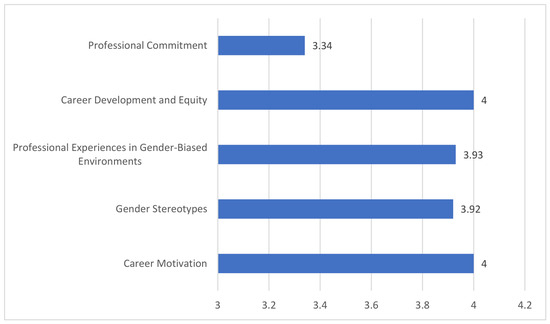

Disclaimer/Publisher’s Note: The statements, opinions and data contained in all publications are solely those of the individual author(s) and contributor(s) and not of MDPI and/or the editor(s). MDPI and/or the editor(s) disclaim responsibility for any injury to people or property resulting from any ideas, methods, instructions or products referred to in the content. |
© 2026 by the authors. Licensee MDPI, Basel, Switzerland. This article is an open access article distributed under the terms and conditions of the Creative Commons Attribution (CC BY) license.