


Abstract
This article examines the persistent gap between the formal recognition of work–life balance (WLB) policies and their effective implementation in Italy, within the broader European framework of gender equality. It adopts a multi-level approach that integrates the analysis of EU policy developments—particularly Directive (EU) 2019/1158—with pandemic-related dynamics and organizational practices The study is based on a combined methodology, including policy analysis, recent statistical evidence, and an original empirical dataset on corporate initiatives, focusing on the Code of Corporate Self-Regulation on Maternity. The findings indicate that, despite significant regulatory advances, structural, cultural, and institutional constraints continue to limit the accessibility and uptake of WLB measures in Italy. These shortcomings were further exacerbated during the pandemic, which intensified unpaid care burdens and reinforced traditional gender roles. Company initiatives show uneven levels of engagement and are often driven by organizational capacity rather than a substantive commitment to gender equality. Overall, the study highlights that the effectiveness of WLB policies depends on the interaction between institutional capacity, cultural norms, and governance arrangements. It concludes that bridging the gap between formal rights and everyday practices requires a shift toward integrated strategies based on social investment, coordinated governance, and shared responsibility.
1. Introduction
Bridging the gap between formal policy commitments and effective gender equality remains one of the core challenges of European social policy. While the 2019 Work–Life Balance Directive marked a significant step forward in redefining care responsibilities and promoting gender-equitable labour markets, its implementation has revealed a persistent disconnect between normative ambition and practical realisation. This is particularly evident in Italy, where entrenched cultural norms, fragmented governance, and uneven access to services limit the transformative potential of work–life balance (WLB) measures. The Italian case is relevant because it combines several structural features that make implementing work–life balance policies especially challenging: a familistic welfare tradition, strong territorial disparities, limited public care infrastructure, and persistent gendered expectations regarding caregiving responsibilities. These characteristics make Italy a critical case for examining the gap between formal policy commitments and their concrete implementation in everyday life.
Rooted in the United Nations 2030 Agenda for Sustainable Development—and especially Goal 5 on gender equality—WLB policies are increasingly understood not only as instruments of personal well-being but also as structural levers for social sustainability. Yet the case of Italy illustrates that formal compliance with EU directives does not automatically translate into substantive change, especially when caregiving is still viewed as a private, maternal responsibility.
This article contributes to the literature by adopting a multi-level perspective that integrates European policy frameworks, pandemic dynamics, and organizational practices, in order to explain the persistent gap between formal work–life balance entitlements and their effective implementation. It begins by tracing the European policy context and its transposition into national law, highlighting the structural and political obstacles to inclusive implementation. It then examines pandemic-related dynamics, which intensified unpaid care burdens and reinforced traditional gender roles exposing the limitations of emergency responses that lacked a gender-sensitive framework.
In particular, the paper addresses the following research questions: (1) How and under what conditions are work–life balance policies effectively implemented in the Italian context? (2) To what extent do institutional, cultural, and organizational factors shape unequal access to these measures? (3) What role can public and private actors play in reducing the gap between formal rights and everyday practices?
To address these questions, the article adopts an integrated analytical framework combining three complementary perspectives. First, it draws on welfare regime and social investment approaches to examine how institutional structures and care arrangements shape gender inequalities in work–life balance policies. Second, it mobilizes gender and intersectional perspectives in order to analyze how care responsibilities, labor market inequalities, and family norms unevenly affect women and men across different social groups. Third, it adopts a governance and organizational perspective to explore how public institutions, firms, and territorial actors contribute to the implementation—or limitation—of work–life balance measures in practice.
These perspectives are treated as interconnected rather than separate analytical dimensions. European policy frameworks define formal rights and regulatory goals; institutional and cultural arrangements shape their accessibility and social legitimacy; and organizational practices mediate their concrete implementation in everyday working life.
To interpret the uneven implementation of work–life balance measures within organizations, the article introduces the distinction between “welfare of convenience” and “welfare of conviction”. This distinction is broadly consistent with existing debates on corporate welfare, diversity management, and organizational responsibility, which differentiate between instrumental approaches driven by economic rationales and more substantive forms of organizational commitment to gender equality and workers’ well-being (Lascoumes and Le Galès 2007; Parisse 2025). While some initiatives appear primarily driven by economic incentives, reputational concerns, or organizational adaptation, others reflect a more substantive commitment to gender equality and workers’ well-being. This is also an analytical lens for understanding the different logics underpinning corporate engagement in work–life balance policies.
Building on this analysis, the article explores innovative governance approaches that have emerged at the local level and within collaborative frameworks between public, private, and third-sector actors. These examples suggest that effective WLB strategies require not only legal entitlements but also institutional capacity, cultural change, and participatory governance.
The article concludes by arguing that bridging the gap between formal rights and everyday practices requires more coordinated and inclusive approaches to work–life balance governance, capable of integrating institutional capacity, organizational responsibility, and cultural change. In this perspective, diversity management, corporate social responsibility, and gender-sensitive welfare arrangements emerge as potentially important dimensions for improving the effective implementation of work–life balance policies.
2. Work–Life Balance for Gender Equality: A Policy Perspective in the European Framework
The pursuit of gender equality and work–life balance (WLB) has emerged as a fundamental pillar of the European Union’s (EU) social and employment policies. These twin goals reflect a growing recognition that gender parity in the labor market cannot be achieved without a substantial transformation of care arrangements, family policies, and employment structures (Bonoli and Natali 2011; Esping-Andersen 2009). At the heart of this effort lies Directive (EU) 2019/1158 on work–Life Balance for Parents and Carers, which aims to promote the equal sharing of care responsibilities between women and men, improve reconciliation between professional and private life, and enhance the participation of women in the workforce (Chieregato 2020; Oliveira et al. 2020; EIGE 2020; D’Andrea 2022; Arabadjieva 2022).
This Directive replaced the outdated 2010 Parental Leave Directive 2010/88, introducing a broader and more ambitious framework. It mandates, among other things: (a) ten working days of paternity leave remunerated at least at the level of sick pay; (b) two months of non-transferable parental leave per parent; (c) five days of carers’ leave per year; and (d) the right to request flexible working arrangements (De la Porte et al. 2023). These rights apply to both public and private sector workers, with the aim of fostering a more profound cultural and institutional transformation in how care work is distributed between genders. Still, as Parisse (2025) argues, the mere existence of these rights is insufficient if inclusive organizational cultures and diversity management strategies do not support them. As Pircher et al. (2024) emphasize, institutional frameworks play a crucial role in ensuring real access to these new rights.
What makes the 2019 Directive innovative is not just its content but its symbolic dimension: it repositions men as legitimate and necessary caregivers, making male engagement in care both a legal entitlement and a policy objective (Oliveira et al. 2020). It promotes a “defeminization” logic, shifting responsibility for care away from women and families to public institutions (Bonoli and Natali 2011; Ćalić 2025). However, such transformations require more than legal instruments—they demand investment, awareness campaigns, and coordinated multi-level governance (De la Porte et al. 2022).
However, the Directive’s implementation has proven uneven and fragmented. These implementation asymmetries become particularly visible when examining national welfare configurations and institutional capacities across member states. Member States enjoy broad discretion in how they implement their provisions, especially regarding payment levels, eligibility conditions, and the actual availability of services that make care work manageable (Pircher et al. 2024). While countries like Sweden, France, and Portugal have gone beyond the minimum requirements, others—such as Poland or Hungary—have applied the Directive in ways that reproduce traditional gender roles, offering minimal compensation and little outreach to working fathers. This fragmentation is also discussed by Zacharenko (2024), who highlights conflicting state-level gender norms, and by Dobrotić and Iveković Martinis (2023), who stress the inclusivity challenges in policy design. Comparative research (Žofčinová and Košíková 2022; Andrei 2024) confirms this and countries like France and Portugal have accompanied legal reforms with public campaigns, digital tools for leave applications, and widespread involvement of trade unions and employers.
In Italy, none of these mechanisms has been systematically deployed. Communication remains minimal, employers often discourage paternity leave, and enforcement is weak (Pircher et al. 2024). Regional disparities further exacerbate this problem: workers in the north have more access to family services and stable contracts, while those in the south—especially women—face more precarious conditions and lower institutional support (ISTAT 2021; OECD 2021).
The Italian case is emblematic of a broader issue observed in the implementation of EU social directives: the tendency to formally adopt obligations without embedding them in existing institutional frameworks or cultural norms. More specifically, Italy represents a particularly significant case because the implementation of WLB policies occurs within a welfare regime historically characterized by familism, fragmented care infrastructures, strong territorial inequalities, and persistent gendered expectations surrounding unpaid care work. As Korca et al. (2021) note in the context of non-financial disclosure, compliance in Italy often emphasises form over substance, resulting in a “tick-box” approach that weakens transformative potential (Calafà 2020). Similar dynamics are explored by Dordoni (2025) in the context of academia and by Gaiaschi (2025) regarding professional women in Italy. See also Addabbo and Militello (2023) for an economic perspective.
In this regard, although Italy formally incorporated into national law the Directive in 2022, its implementation remains weakly transformative. The country already had forms of parental and paternity leave prior to the Directive (notably Law 53/2000), but these were modest in scope and insufficiently utilised, especially by men. The Directive introduced mandatory paternity leave of 10 days and slightly improved carers’ rights, yet substantial structural or cultural changes did not accompany these reforms. Moreover, financial compensation remains limited for many types of leave, further discouraging men from using them. Recent studies (e.g., Alfano et al. 2024; Isailovic 2021) further show how COVID-19 exacerbated structural barriers to WLB implementation across Europe.
Studies highlight that in Italy, fathers’ leave uptake remains among the lowest in Europe, while female employment rates and fertility continue to stagnate (OECD 2021; Moss and Deven 2020). This is not merely a consequence of policy design, but of deeply embedded gender norms that frame caregiving as inherently feminine (Esping-Andersen 2009). These norms are reinforced by fragmented childcare infrastructure, limited part-time options for men, and a political culture often hostile to gender-sensitive welfare reform (Parisi et al. 2021; Plantenga and Remery 2010; Buonocore et al. 2025).
The Directive also excludes key categories. As Chieregato (2020) argues, the Directive remains primarily oriented toward full-time, formal-sector workers in nuclear families. In Italy, a significant share of caregivers are informal or migrant workers, often excluded from formal protections. LGBTQ+ families, single parents, and non-married couples may also face access barriers due to administrative or cultural hurdles. Thus, even when rights exist on paper, the “inclusiveness gap” remains substantial (Renga 2023; Buonocore et al. 2025).
From a legal-institutional perspective, Italy has also struggled with delays in legislative adaptation and a lack of integration with broader family policy reform. There is still no national strategy that fully aligns fiscal, labour, and care policies toward the goals of WLB and gender equality. Moreover, the judicial system has only recently begun to hear discrimination cases regarding denial of paternity or carers’ leave, and jurisprudence remains fragmented.
Yet, despite these challenges, Italy also demonstrates areas of potential. Municipal and regional innovations (e.g., in Emilia-Romagna; Trentino-Alto and Lombardia, Italian north regional areas) have shown how locally embedded WLB strategies, supported by European funds, can generate positive results. These cases underline the importance of multi-level governance and territorial experimentation. Still, these initiatives often lack scalable mechanisms and rely on local political will.
In sum, the Work–Life Balance Directive introduces a promising framework. Still, its potential remains partially unfulfilled, particularly in countries like Italy, where structural, cultural, and administrative constraints limit its reach. While the Directive pushes the EU towards upward social convergence, the Italian case illustrates the gap between legal obligation and social transformation; rights on paper must be matched by real access, information, and incentives.
To bridge this gap, scholars (De la Porte et al. 2023) call for a triangular strategy: first, improving the inclusivity of the policies (e.g., extending protections to atypical workers and diverse family types); second, increasing financial compensation and incentives for fathers; and third, strengthening institutional mechanisms, such as centralized information portals, automatic application procedures, and active labor market policies that reward gender-equal behavior (Oliveira et al. 2020; Parisse 2025).
The Italian case therefore illustrates how the transformative potential of work–life balance policies depends not only on the formal expansion of rights, but also on the institutional, cultural, and organizational conditions that shape their effective accessibility and social legitimacy.
3. Work–Life Balance and Gender Inequalities in Italy During the COVID-19 Pandemic
The COVID-19 pandemic served as a stress test for work–life balance (WLB) policies across Europe, exposing structural weaknesses and amplifying entrenched gender inequalities.
In Italy, these vulnerabilities were particularly acute: the pandemic disproportionately affected women through unpaid care responsibilities, employment precarity, and limited access to social protections (ISTAT 2021; Crespi et al. 2023). Emergency measures largely prioritized economic continuity and health system resilience, while gender-sensitive WLB strategies remained marginal or underdeveloped. As a result, temporary policies failed to account for the unequal care burden within families, exacerbating already pronounced disparities.
From the outset, Italian women faced heightened vulnerability on multiple fronts. They were more likely to be employed in sectors severely disrupted by lockdowns—such as hospitality, education, and retail—and more likely to hold part-time or informal positions (OECD 2021; Boccacin and Bosoni 2024). Concurrently, the closure of schools, day-care services, and eldercare facilities led to a surge in unpaid domestic labour, disproportionately borne by women (EIGE 2020). Research shows that during lockdowns, women performed over 70% of unpaid care work, a burden intensified by the retraction of external supports and public services (ISTAT 2021).
This re-domestication of care work reflected and reinforced pre-existing cultural norms that cast caregiving as an inherently female responsibility. In dual-earner households, the division of labour regressed toward traditional arrangements, with women becoming the “default parent” regardless of professional obligations (Buonocore et al. 2025). Martucci (2023) highlights that, while both partners technically “worked from home,” mothers were overwhelmingly those trying to balance professional duties with full-time childcare—a dynamic that rendered their labour largely invisible and unsustainable.
The COVID-19 pandemic definitely worsened this picture. During lockdowns, the unequal division of unpaid care became more visible and pronounced. In Italy, mothers were far more likely than fathers to reduce or interrupt paid work to care for children and dependents (ISTAT 2021). Even when teleworking became more common, caregiving remained asymmetrically distributed within households.
Gaiaschi (2025) highlights this as a key factor limiting women’s advancement in high-skilled and scientific professions, revealing a persistent gender paradox despite formal equality mechanisms. Moreover, as Chung (2022) argues, flexibility in working arrangements—often framed as a progressive solution to work–life conflict—can become a double-edged sword. In practice, flexible work may lead to increased self-exploitation, especially among women, who internalise both the pressures of caregiving and the expectation of uninterrupted productivity. As highlighted by de Castro (2024), this “flexibility paradox” helps explain why the Directive’s right to request flexible work, while symbolically significant, may fall short in contexts where gender norms remain rigid and institutional support is weak.
The Italian government’s policy response to this intensification of care work included short-term interventions such as the Cassa Integrazione Guadagni (CIG), emergency parental leave, and babysitting vouchers. However, these measures were limited in both duration and compensation, and crucially, they lacked a gender lens (Pircher et al. 2024; De la Porte et al. 2023). Emergency parental leave, for instance, was compensated at just 50% of salary and failed to incentivise paternal uptake, leaving the care burden on mothers unchallenged (Oliveira et al. 2020). Similarly, the babysitter bonus benefited families with access to care markets but excluded those in lower-income brackets or precarious employment (Chieregato 2020).
Women in informal or marginal labour markets—including migrant domestic workers—were often excluded from such supports altogether (D’Andrea 2022). This exclusion illustrates the intersectionality of the crisis: gender, class, and migration status intersect to create compounded forms of vulnerability. Boccacin and Bosoni (2024) argue that these blind spots in policy design demonstrate the urgent need for inclusive WLB strategies that recognise the diversity of family and labour conditions in contemporary Italy.
Teleworking, widely promoted as a solution for reconciling work and care, proved to be a double-edged sword. On the one hand, it allowed many professionals to remain employed; on the other, it blurred the boundaries between work and family life in ways that were deeply gendered (Gaiaschi 2025; Moss and Deven 2020). Women working remotely often did so in inadequate conditions, managing children’s online schooling and household tasks alongside professional obligations. In Martucci’s (2023) qualitative study, mothers reported feeling like they were “always failing someone”—either their employer or their children—highlighting the emotional toll of this invisible overload.
Moreover, telework was not equally accessible across the population. It remained largely the privilege of urban, middle-class, white-collar workers. Many women—especially those employed in health care, domestic services, and the informal economy—could not benefit from this flexibility (De la Porte et al. 2022). Regional disparities further compounded these inequalities: in southern Italy, limited digital infrastructure and childcare services exacerbated the challenges faced by working mothers (OECD 2021).
In addition to material strain, the pandemic profoundly reshaped family dynamics. Several studies observed a “withdrawal into the nuclear family” as a protective but isolating strategy (Mazzucchelli et al. 2020; Di Nicola 2022). The loss of intergenerational support, social networks, and institutional care structures increased emotional and psychological burdens, particularly for women. Parisi et al. (2021) note that physical distancing measures also strained intimate relationships and increased the risk of family conflict, further complicating women’s efforts to manage work and caregiving.
These dynamics highlight how the pandemic did not generate new inequalities, but rather exposed and intensified pre-existing gaps between formal policy provisions and their concrete accessibility and use. This suggests that the effectiveness of WLB measures is strongly conditioned by underlying institutional and cultural arrangements, which shape how policies are translated into everyday practices.
Yet, despite these regressive trends, the pandemic opened a discursive and policy window for reform. The visibility of care work—its essential nature and unequal distribution—sparked renewed calls for gender-sensitive public investment and cultural change.
Italy’s National Recovery and Resilience Plan (PNRR), funded by the EU’s NextGenerationEU initiative, allocated significant resources to early childhood education, eldercare, and digitalisation—sectors critical for enabling more sustainable WLB (Buonocore et al. 2025). However, critics have warned that without coordinated governance and gender mainstreaming, these funds risk reproducing pre-pandemic inequalities (Pircher et al. 2024).
Public narratives briefly celebrated caregivers and essential workers—most of whom were women—but such recognition has yet to translate into structural change. The idea of care as a shared societal responsibility remains peripheral in Italian political discourse, where the family is still implicitly framed as the default provider of welfare (Crespi et al. 2023; Volosevici 2025).
Several critical lessons emerge from the Italian experience that are vital for informing post-pandemic work–life balance (WLB) policies.
First, emergency measures must evolve into structural reforms. While instruments such as temporary leave schemes and babysitting bonuses offered short-term relief, they did not alter the underlying inequalities in the distribution of care work. These interventions often reinforced the existing reliance on families—particularly women—as the default providers of care, rather than prompting a reconfiguration of state and institutional responsibilities. Long-term investment in universal, accessible, and affordable care services is therefore essential to move beyond reactive policy models and establish a stable WLB infrastructure.
Second, WLB policies must be gender-responsive by design, not merely gender-neutral in appearance. Policies that do not explicitly address gendered care responsibilities risk reinforcing traditional norms. For instance, emergency parental leave during the pandemic was formally available to all parents but was overwhelmingly taken up by mothers, due to both cultural expectations and inadequate incentives for fathers. This indicates that effective WLB frameworks must actively promote equitable sharing of care duties through targeted financial incentives, public communication campaigns, and employer accountability measures.
Third, intersectionality must be central to future policy approaches. Caregiving burdens are not equally distributed among all women: migrant workers, single mothers, and those in informal or precarious employment often face cumulative disadvantages. These groups were also more likely to be excluded from pandemic-related support schemes, revealing deep gaps in the inclusiveness of existing welfare instruments. Designing WLB policies that reflect this diversity is crucial to ensuring both equity and effectiveness.
Fourth, gender-sensitive data collection and monitoring systems are indispensable. Italy continues to lack real-time, disaggregated data on how WLB measures are accessed and used across different socio-demographic groups. This absence of data hinders both policy evaluation and the ability to respond dynamically to emerging inequalities. Developing comprehensive indicators and longitudinal datasets would enable more precise targeting of resources and the continuous refinement of policy tools.
Finally, cultural change must accompany institutional reform. As multiple studies have shown, formal entitlements alone are insufficient unless supported by a broader shift in the social valuation of care work. Deeply rooted norms around gender roles continue to shape individual choices, employer expectations, and institutional behavior. Promoting care as a collective, societal responsibility—rather than a private, maternal obligation—remains one of the most significant cultural challenges for Italian society.
In sum, the COVID-19 pandemic has not only exposed the fragility of Italy’s WLB infrastructure but has also revealed the pathways through which transformative change could occur. If Italy is to make lasting progress toward gender equality, it must move beyond fragmented emergency responses and commit to a long-term vision that integrates WLB into a broader social investment strategy—one that values care, empowers all caregivers, and challenges.
Such critical issues make it necessary to move beyond a purely policy-oriented perspective and examine more closely how work–life balance measures are accessed, implemented, and experienced in practice, as explored in the following section.
4. Family Policy and Gender Equality in Italy: The Post-Pandemic Era and Beyond
The transition out of the COVID-19 emergency phase has marked a significant moment in the reconfiguration of family policy in Italy. Beyond the emergency measures enacted through legislative decrees, the period following 2020 has been characterized by the consolidation of a policy framework aimed at supporting families in their everyday reproductive and social functions. This development has unfolded alongside the National Strategy for Gender Equality 2021–2026, which articulates an integrated and measurable policy architecture grounded in coordinated actions across multiple domains.
Within this evolving framework, the enactment of the Family Act (Law No. 32/2022) represents a pivotal step in redefining the role of family policy. The Act delegates legislative authority to the Government to implement measures oriented towards promoting gender equality within the family, strengthening its social and educational functions, mitigating the economic costs of childrearing, and enhancing work–life balance mechanisms.
More specifically, the Family Act introduced a broad framework of measures aimed at supporting parenting and fertility through both direct economic support and work–life balance provisions. These include the reorganization of parental leave schemes, incentives for female employment, childcare support measures, and the strengthening of flexible working arrangements. The reform also explicitly encouraged the involvement of private actors and employers in the promotion of family wellbeing and gender equality, reinforcing the growing role of corporate welfare within the Italian welfare mix.
From a theoretical perspective, this legislative framework reflects an understanding of the family as a relational and dynamic institution, shaped by the intersection of gendered and generational asymmetries (Saraceno 2022; Naldini and Saraceno 2022). Within this perspective, processes of social reproduction—encompassing care, socialization, and the reconciliation of productive and reproductive labor—emerge as central to both family life and welfare arrangements. These dynamics challenge welfare systems historically structured around the male-breadwinner model (Crompton 1999; Lewis 1992; Esping-Andersen 1999).
The reform trajectory initiated by the Family Act also marks a conceptual shift towards a social investment paradigm (Hemerijck 2013), distinguishing family policy from anti-poverty interventions and emphasizing its role in fostering human capital and intergenerational equity (Esping-Andersen et al. 2002; Morel et al. 2012). The introduction of structural measures—such as the Single and Universal Allowance, childcare subsidies, expanded parental leave, fiscal incentives for working mothers, and birth-related cash transfers—reflects a partial move in this direction, albeit within the hybrid configuration typical of Southern European welfare regimes (Ferrera 1996).
At the European level, the Next Generation EU program and Italy’s National Recovery and Resilience Plan (PNRR) have further reinforced gender equality and generational inclusion as cross-cutting priorities. Within this framework, instruments such as gender certification (UNI/PdR 125:2022) exemplify forms of soft governance aimed at promoting organizational change through performance indicators and incentive mechanisms.
The interconnection between work–life balance and gender equality goals is further reflected in the Code of Corporate Self-Regulation for Maternity, introduced in November 2023 by the Minister for Family, Natality and Equal Opportunities. This initiative can be interpreted as part of a broader policy framing that constructs declining birth rates as an issue of public concern and shared responsibility, while also engaging with persistent gender inequalities in the distribution of reproductive labor. In line with feminist approaches to social reproduction (Fraser 2016; Folbre 2006), the Code appears to promote a revaluation of maternity within the workplace, positioning it both as a socially relevant function and as a potential site of structural inequality.
More broadly, the Code frames fertility as a public good and a relevant policy objective, while acknowledging the limited capacity of public intervention alone to address demographic decline. In this respect, it encourages a more active involvement of private actors—particularly firms—in supporting reproductive choices. This orientation may be seen as contributing to an ongoing redefinition of the boundaries between public and private responsibility in the governance of social reproduction (Daly and Lewis 2000). At the same time, it is consistent with a wider trend toward more plural and territorially embedded welfare arrangements, in which public, private, and third-sector actors are expected to interact within coordinated governance frameworks (Ascoli and Pavolini 2015).
From a policy perspective, the adoption of an intersectional lens appears particularly relevant for assessing the effectiveness and inclusiveness of work–family balance measures (Collins 2019). Care responsibilities are not evenly distributed, and tend to disproportionately affect specific groups of women, including migrant workers, single mothers, and those in informal or precarious forms of employment. This suggests the importance of designing policy interventions that take into account differentiated needs and constraints, in order to avoid reinforcing existing inequalities.
4.1. Work–Life Balance and Gender Equality in Italy: Evidence from Recent Data
Gender equality is closely intertwined with the reconciliation of work and life time, and its realization follows a multidirectional trajectory spanning both primary social networks and institutional arrangements. In the Italian context, these dynamics are deeply shaped by a familistic welfare model, in which care responsibilities are predominantly assigned to families and, within them, to women. As a result, gender inequalities in the labor market cannot be understood solely in terms of individual preferences but must be interpreted through the interaction between institutional constraints and persistent cultural norms (Aassve et al. 2024).
Comparative evidence indicates that female labor market participation in Italy remains significantly lower than that of men and continues to rank among the lowest in advanced economies (OECD 2023; Eurostat 2023). National data confirm the persistence of this gender gap: according to the INPS (2025 Gender Report, the female employment rate stands at approximately 53.3%, compared to 71.1% for men—a difference of nearly 18 percentage points) (INPS 2025). This persistent disparity reflects structural features of the Italian labor market, including the limited availability of accessible childcare services, weak work–family reconciliation policies, and enduring gender norms that position women as primary caregivers.
Within this broader inequality, parenthood emerges as a key structuring factor. Among women aged 25–49, the employment rate reaches approximately 76.6% for those without children but declines to 55.5% among those with children under six, producing a gap exceeding 20 percentage points (Eurostat 2023). This differential—commonly referred to as the motherhood employment gap—is substantially higher than the EU average of around 5 percentage points. Rather than being the outcome of individual choices alone, this gap reflects the interaction between institutional constraints and normative expectations surrounding motherhood. In this sense, it can be interpreted through the lens of the “maternal wall”, which captures both the direct and anticipatory penalties associated with motherhood and shapes women’s employment trajectories even before childbirth.
Furthermore, the gap widens with the number of children: ISTAT data show a decline from 64.7% among women without children to 40.9% among those with three or more children (ISTAT 2023). This pattern points to the cumulative effect of care responsibilities and highlights how women with greater caregiving burdens are more likely to experience constrained labor market participation. These dynamics can also be interpreted through the concept of the “sticky floor”, as many women—particularly those with lower educational attainment or living in Southern regions—remain concentrated in low-paid, low-mobility and often precarious jobs, with limited opportunities for upward mobility.
Evidence also highlights significant difficulties in employment retention following childbirth. Approximately 16% of women interrupt or suspend their employment after becoming mothers, while more than 70% of resignations in the early years of a child’s life involve women, often due to work–care reconciliation challenges (INAPP 2024; Save the Children 2022). These patterns are not merely the result of individual decisions, but reflect the lack of supportive institutional arrangements, rigid working conditions, and the persistence of cultural expectations assigning caregiving responsibilities primarily to women. As argued by Williams (2004), labor market institutions continue to be structured around the norm of the “ideal unencumbered worker”, implicitly assuming the absence of care responsibilities. This norm contributes to penalizing mothers both directly and indirectly, reinforcing gendered employment trajectories.
While motherhood is associated with reduced labor market participation, fatherhood tends to reinforce men’s employment trajectories. Across Europe, fathers exhibit systematically higher employment rates than men without children, frequently exceeding 90% (Eurostat 2023). A similar pattern emerges in Italy, where 62% of mothers with minor children are employed compared to over 91% of fathers, reflecting strongly divergent gendered trajectories. This asymmetry highlights the persistence of a gendered division of labor, whereby motherhood triggers employment penalties while fatherhood strengthens labor market attachment. Such divergence reflects both institutional arrangements and deeply rooted cultural norms that continue to support a male breadwinner model.
These patterns indicate that the transition to parenthood represents a key mechanism through which gender inequalities are reproduced, reflecting not only individual choices but also structural constraints and normative expectations. In this context, the child penalty may be understood as the intersectional outcome of gender inequality and the unequal distribution of care work. The penalty is particularly pronounced among women in Southern Italy, migrant women, and those with lower educational attainment, highlighting the role of intersecting inequalities in shaping labor market outcomes. The issue, therefore, lies not only in the absence of gender equality, but in the lack of gender equity-oriented approaches. As mothers and fathers do not begin from equivalent starting positions, equality-based policies alone are insufficient to address deeply embedded structural inequalities (Goldin 2021; Nussbaum 2011).
Several conceptual frameworks help interpret these dynamics. The glass ceiling describes invisible barriers preventing women from accessing top positions despite apparent equality of opportunity, while the sticky floor refers to the concentration of women in low-paid, low-mobility jobs. The maternal wall, by contrast, captures the structural and anticipatory penalties associated with motherhood. In the Italian case, these mechanisms operate simultaneously: the maternal wall helps explain the sharp employment penalties associated with motherhood, the sticky floor accounts for the persistence of women in precarious and low-mobility positions, and the glass ceiling continues to limit access to leadership roles. Taken together, these mechanisms contribute to the intersectional reproduction of labor market inequalities.
Once pregnant—particularly in professional and managerial roles—women are often subject to stereotypes concerning their commitment and productivity and are evaluated against the norm of the “ideal unencumbered worker”. As Williams (2004) argues, the maternal wall arises precisely from the interaction between rigid gender norms and institutional structures that remain organized around a worker model historically premised on the male breadwinner supported by a partner responsible for family and domestic life.
The evidence discussed above highlights how the achievement of gender equality is closely linked to the consequences of motherhood within labour markets and workplaces. Research on the child penalty has consistently shown that many of the disadvantages experienced by women after childbirth emerge in organizational settings, affecting employment participation, career opportunities, and earnings. In the post-pandemic context, this has contributed to a growing convergence between family policies aimed at supporting motherhood and gender equality policies. At the same time, the complexity of these challenges has encouraged the adoption of governance approaches that increasingly involve multiple stakeholders beyond public institutions alone. Within this framework, the Code of Corporate Self-Regulation on Maternity represents a particularly relevant case. As a soft governance instrument promoted by public authorities, it seeks to encourage firms to adopt measures supporting motherhood and work–life balance precisely in those organizational contexts where gender inequalities are often produced and reproduced.
4.2. Corporate Responsibility for Work–Life Balance and Gender Equality: The Case of the Code Corporate Self-Regulation on Maternity
Within this broader context, to what extent and under what conditions do corporate initiatives contribute to effective work–life balance together with the gender equality?
The Code of Corporate Self-Regulation on Maternity can be interpreted as an instrument aimed at operationalizing corporate responsibility in the field of work–life balance and gender equality. It is grounded in the recognition that motherhood, more than gender alone, constitutes a key axis of disadvantage for women in the labor market.
In its original formulation by the Department for Equal Opportunities (DPO), the Code already identifies three areas of intervention and provides a predefined list of measures supporting maternity, identified by the Department and referred to as “actions.” The first area concerns career continuity for mothers and includes measures such as continuous information on organizational and professional developments during periods of leave, targeted training and support for psychological and physical well-being upon return to work, consideration of maternity within career pathways involving logistical constraints, and gender pay gap analyses designed to neutralize the effects of career interruptions. The second area concerns health prevention and care initiatives, including vaccination campaigns, periodic screening and maternity-focused health check packages, attention to gender-specific medicine, and supplementary healthcare provision. The third area concerns the adaptation of working time and arrangements, alongside support for childcare and education costs, including extended and better-compensated leave, flexible working hours, part-time arrangements, remote working, and the provision or reimbursement of childcare and domestic support services.
The instrument is based on voluntary corporate participation. Upon joining, companies are explicitly required by the Department to submit “a letter of intent outlining the good practices implemented in accordance with the Code or planned by the company for the current year”. Participating organizations are publicly listed and continuously updated on the website of the Department for Equal Opportunities of the Presidency of the Council of Ministers. The Code is conceived as a “light” and flexible instrument, and these same characteristics represent both its strength and its weakness. Its principal advantage lies in its adaptability across sectors and company sizes; its main limitation, however, is the absence, at present, of any formal incentive or reward for participating organizations. Unlike other instruments linked to certification or economic benefits, the Code does not provide a direct mechanism encouraging activation and institutionalization of socially responsible organizational practices.
Methodology and Data Analysis
The case study about the Code of Corporate Self-Regulation on Maternity examines the implications associated with the introduction, by the central administration, of “light” regulatory instruments and initiatives promoting corporate social responsibility aimed at encouraging the involvement of companies in responding to family needs from a gender equity perspective. In particular, the research is guided by the following questions: how do companies that adhere to these policies act? What characteristics do the welfare measures they implement assume, and which logics orient corporate action? The objective is to understand to what extent these practices contribute to the construction of forms of territorial governance of wellbeing capable of supporting work–life balance from a gender equity perspective. The interpretative hypotheses guiding our analysis are the following.
HP1.
Companies mainly implement measures driven by economic incentives and/or fiscal advantages (welfare of convenience), rather than interventions embedded within an organic and personalized corporate welfare plan, designed around the real needs of the workforce and coherent with the organization’s culture (welfare of conviction).
HP2.
The inequalities—with intersectional effects—that traditionally characterize work–life balance policies, particularly those related to company size, productive sector, and geographical area, tend to be reproduced also within policy instruments characterized by a light regulatory framework and limited incentive capacity.
The empirical analysis is based on a dataset developed by the authors by collecting the data on all the 160 companies adhering to the Code as of 6 November 2025 from the dedicated web page of the Department for Equal Opportunities of the Presidency of the Council of Ministers. The construction of the database was based on companies’ self-reported declarations regarding the individual actions implemented or in the process of being implemented. The adopted procedure is easily replicable, allowing for subsequent updates of the database, as well as for diachronic comparisons aimed at capturing potential expansions or contractions in the range of measures adopted, both at the level of individual firms and as aggregate.
Company data were then grouped according to the type of measures implemented, firm size, and geographical location, and cross-matched. Given that the analysis concerns the implementation of a specific voluntary policy instrument, the statistical sample is necessarily limited in size based on the effective participation of companies, and comparative benchmarking is therefore not feasible.
Approximately 40% of signatory companies are located in Central Italy, 37.4% in the North-West, 17.8% in the North-East, and only 4.3% in Southern Italy and the Islands. In the North-West, the province of Milan is the most represented with 37 companies, while in Central Italy the province of Rome predominates with 50 companies (almost a third of the total) (See Figure 1).
Figure 1.
Geographic location of signatory companies.
The territorial distribution of firms adopting maternity-related corporate welfare measures indicates higher levels of organizational innovation in Northern and Central Italy and in the economic capitals Milan and Rome, where larger companies, more dynamic economic environments, and higher female labor force participation are concentrated, while the South remains marginal. This pattern reflects the combined effect of a greater presence of organizations more attuned to welfare-related issues and a higher responsiveness to policy opportunities, particularly those promoted by non-economic public actors. These dynamics point to a process of selective adoption shaped by organizational networks and intermediary structures.
In terms of size, 40.1% are large enterprises, 28.6% are medium-sized enterprises, and 30.4% are small and micro enterprises. Although this distribution does not reflect the overall structure of the Italian productive system—where small and medium-sized enterprises account for the vast majority of enterprises—it is consistent with patterns commonly observed in the field of corporate welfare (See Figure 2).
Figure 2.
Size of signatory companies.
An intersectional lens makes it possible to interpret the underrepresentation of small companies and companies located in Southern Italy in the implementation of maternity protection measures as the outcome of the interplay of multiple dimensions of inequality, rather than the effect of a single isolated factor. From this perspective, organizational size (small-scale production), territorial context (the socio-economic conditions of the Mezzogiorno), and institutional factors (unequal access to resources and informational networks) interact to produce cumulative constraints. Small companies tend to have more limited economic, organizational, and administrative resources to adopt and formalize maternity-support practices; at the same time, operating in territorial contexts characterized by weaker infrastructure, more limited welfare provision, and a lower density of institutional networks may further reduce both the capacity and the incentives to engage with voluntary policy instruments such as the Code. These factors do not operate independently, but instead reinforce one another, generating a selective exclusion effect that affects both participation in the Code and the effective implementation of its measures.
Approximately half of the sample joined the Code in the first half of 2024, shortly after its introduction. This can be interpreted as the result of a strong “launch effect,” driven by immediate visibility, institutional endorsement, and concentrated communication efforts at the time of introduction. In the absence of subsequent promotional campaigns, relaunch initiatives, or sustained outreach activities, this initial momentum appears to have weakened over time, leading to a significant decline in new adhesions. This pattern suggests that participation was largely stimulated by the temporal proximity to the policy’s introduction, rather than by a continuous process of engagement, highlighting the importance of ongoing institutional activation in maintaining and expanding participation in voluntary policy instruments.
According to the ATECO classification of economic activities adopted by ISTAT, the most represented sector is professional, scientific, and technical activities, followed by manufacturing and information and communication technologies. This sectoral distribution of participating companies is likely the outcome of structural and selection dynamics linked to the nature of voluntary policy instruments. Professional, scientific, and technical activities emerge as the most represented sector, reflecting the higher propensity of knowledge-intensive organizations to adopt formalized human resource practices, engage with regulatory frameworks, and invest in reputational strategies related to corporate social responsibility and gender equality. The significant presence of manufacturing can be attributed both to its weight within the Italian productive system and to the involvement of medium and large companies equipped with more structured organizational and administrative capacities, which facilitate the adoption and reporting of maternity-related measures. Similarly, the prominence of the information and communication sector is consistent with its orientation toward innovation, international standards, and flexible work arrangements, which align with maternity protection policies and support talent retention. Overall, this distribution highlights a self-selection mechanism whereby sectors characterized by greater organizational capacity, institutional embeddedness, and reputational incentives are more likely to engage with the Code, while more fragmented or resource-constrained sectors remain comparatively underrepresented.
Turning to the measures implemented by companies, the most developed area concerns the adaptation of working time and arrangements, accounting for 504 measures out of a total of 878. The prominence of this domain is not surprising, insofar as it primarily encompasses interventions based on internal organizational flexibility, which tend to be less costly, more easily reversible, and more compatible with existing managerial practices. From a sociological perspective, the diffusion of these measures can be interpreted as part of a broader shift toward “flexibilized” models of work organization, where the reconciliation of productive and reproductive responsibilities is increasingly delegated to temporal and spatial adjustments rather than to structural transformations of work. The most frequently implemented interventions—remote working (81%) and flexible working hours (77%)—are emblematic of this trend. They are particularly suited to enabling workers—and mothers in particular—to reconcile paid work with care responsibilities across diverse family configurations and care needs. At the same time, their prevalence also reflects the persistence of a gendered division of labor, insofar as these tools often operate as adaptive mechanisms that allow women to remain in the labor market without fundamentally challenging the unequal distribution of unpaid care work.
The second most developed area concerns measures aimed at ensuring career continuity for working mothers. In this domain, 47% of companies provide information and training during the return-to-work phase following maternity leave, signaling a recognition of the risks of professional marginalization associated with career interruptions. From an institutional perspective, these interventions can be seen as attempts to mitigate the well-documented “motherhood penalty,” yet their relatively uneven diffusion suggests that such awareness is not uniformly translated into comprehensive organizational strategies. More structurally demanding measures remain less common: gender pay gap monitoring is implemented by only 25% of companies, while initiatives addressing the logistical constraints linked to maternity—such as work-related mobility requirements —are adopted by just 12.5%. These patterns point to a stratification in the capacity to engage with more complex and resource-intensive equality measures, which tend to require formalized procedures, data monitoring systems, and long-term organizational commitment. Consequently, they are predominantly observed in larger companies, highlighting how organizational size operates as a key axis of differentiation in the adoption of substantive gender equality practices (See Figure 3).
Figure 3.
Total actions implemented by signatory companies in support of mother’s welfare divided by areas of intervention.
The least developed area concerns health and prevention initiatives for mothers, with only 97 companies engaged in this domain, again predominantly large enterprises. The most frequently implemented measure is supplementary healthcare provision, which is often already embedded in sectoral or company-level collective bargaining agreements. The limited diffusion of this area can be interpreted through both economic and cultural lenses: on the one hand, such measures involve direct costs and coordination with external service providers; on the other, they reflect a more expansive understanding of maternal welfare that goes beyond immediate productivity concerns. The stronger involvement of large companies underscores their greater organizational capacity and the presence of more structured human resource practices, which facilitate the institutionalization of work–life balance measures. More broadly, this distribution suggests that while voluntary policy instruments can promote the adoption of certain categories of interventions, they tend to privilege those that are most compatible with existing organizational logics, thereby reproducing existing inequalities in the scope and depth of maternity-related protections across firms.
Overall, company engagement in WLB seems to be driven less by normative commitment and more by organizational capacity and existing welfare infrastructures: these findings are consistent with broader research on corporate welfare and work–life balance. Public support mechanisms often tend to reinforce pre-existing organizational initiatives rather than fostering genuinely innovative practices. As a result, larger firms—already equipped with socially responsible organizational cultures and more developed managerial structures—are more likely to act as the main actors in this field.
Moreover, many of the implemented measures coincide with those benefiting from fiscal incentives under Italian corporate welfare legislation. Yet these incentives were not originally designed to promote work–life balance or gender equality, but rather to reduce labor costs. This distinction can be captured by the contrast between welfare of convenience and welfare of conviction. The former refers to measures adopted primarily because of their fiscal advantages, whereas the latter designates initiatives grounded in organizational culture and genuinely responsive to workers’ welfare needs.
At present, the absence of a systematic assessment of how these measures are associated with the quality of life of working mothers limits the ability to determine whether they can produce virtuous policy feedback loops.
5. Rethinking Governance for Work–Life Balance: The Role of Public and Private Actors in Advancing Gender Equality
Starting from these results, this section reflects on the governance implications emerging from the Italian case.
New social risks such as work–life balance and gender equality (Taylor-Gooby 2004), once recognized as relevant policy issues, tend to interact with broader processes of welfare restructuring and territorial differentiation (Kazepov 2010). In this perspective, work–life balance can be understood as a cross-cutting policy domain whose effective implementation depends not only on formal rights, but also on the coordination between welfare institutions, labor market structures, organizational practices, and territorially embedded resources.
The findings of this study suggest that voluntary policy instruments alone are unlikely to reduce structural inequalities in access to WLB opportunities. The analysis of the Code of Corporate Self-Regulation on Maternity shows that organizational participation is unevenly distributed across territories, sectors, and company sizes. Larger firms and organizations operating in economically stronger areas appear more capable of adopting and institutionalizing maternity-related measures, while smaller firms and companies located in more fragile territorial contexts remain comparatively underrepresented. This indicates that the implementation of WLB policies risks reproducing pre-existing inequalities unless broader coordination mechanisms and supportive institutional infrastructures are in place.
From this perspective, the Italian case highlights the importance of territorial and multi-actor governance arrangements. Particularly in the field of work–life balance, more effective and inclusive interventions appear to emerge when public institutions, firms, and third-sector actors are able to coordinate their actions within locally embedded welfare systems. Experiences such as family districts, territorial alliances, and collaborative welfare networks suggest that local governance arrangements may facilitate the integration of services, organizational practices, and social support mechanisms, thereby improving the accessibility and usability of WLB measures. In this regard, the effectiveness of territorially embedded welfare arrangements can be further understood through their capacity to mobilize context-specific knowledge and to adapt policy instruments to the differentiated needs of local populations and labor markets. Unlike centralized or purely sectoral approaches, multi-actor governance configurations foster processes of co-production in which diverse stakeholders—public authorities, employers, trade unions, non-profit organizations, and community groups—contribute complementary resources, competencies, and perspectives. This interactive dynamic not only enhances the responsiveness of work–life balance (WLB) measures but also promotes institutional learning and the diffusion of innovative practices across organizational boundaries. Moreover, locally coordinated systems tend to reduce fragmentation in service provision by aligning formal welfare services with informal support networks, thereby addressing structural inequalities in access that often affect women, precarious workers, and migrant populations.
At the same time, the empirical evidence also suggests that many corporate initiatives remain concentrated on measures that are more easily compatible with existing organizational structures, such as remote working and flexible working hours. While these interventions may support workers in reconciling paid work and care responsibilities, they do not necessarily challenge the unequal distribution of unpaid care work within households. In the absence of broader cultural and institutional change, flexible arrangements may therefore risk reinforcing adaptive strategies that continue to place the main burden of reconciliation on women.
These dynamics point to the need for governance approaches capable of combining flexibility, coordination, and continuous policy learning. In this regard, the experimentalist governance approach (Sabel 1994; Sabel and Zeitlin 2012) appears particularly relevant. This model combines the definition of shared goals at the central level with a significant degree of local discretion in implementation, fostering processes of experimentation, monitoring, and iterative policy revision. Rather than assuming that one single model can be uniformly applied across contexts, experimentalist governance emphasizes continuous adjustment based on feedback and comparative learning. The analysis of the implementation of the Code can be conceptualised then as a particularly valuable learning experience when situated within an experimentalist approach to social and labour market policies. Within this framework, policies are not understood as rigid sets of rules to be uniformly enforced, but rather as open-ended governance frameworks that articulate broad objectives and shared principles, while leaving room for local adaptation, organisational discretion, and iterative learning processes. In this regard, the Code—precisely because it relies on voluntary participation by firms and lacks binding enforcement mechanisms—should not be assessed solely in terms of its immediate effectiveness or overall coverage, but rather as a laboratory for observing and analysing organisational practices. The voluntary nature of adherence is a key feature, as it enables the examination of how, and under which organisational conditions, measures aimed at supporting maternity and facilitating work–care reconciliation are translated into concrete practices. This makes it possible to analyse implementation dynamics, including organisational reinterpretations, forms of symbolic compliance, and the conditions under which formal commitments result—or fail to result—in substantive change. Within an experimentalist framework, the primary value of such initiatives lies not in their automatic scalability or replicability, but in their capacity to generate lessons learned that can inform broader processes of policy learning. Through a systematic analysis of these voluntary experiences, it becomes possible to identify which instruments are effective for which types of firms, and under which institutional and organisational conditions, as well as to uncover unintended effects and structural limitations. A more detailed and systematic examination of these implementation processes constitutes the focus of the ongoing research.
Applied to work–life balance policies, this approach may help overcome some of the limitations emerging from the Italian case. The uneven participation of firms, the territorial concentration of organizational initiatives, and the selective diffusion of more substantive welfare measures all suggest the need for governance mechanisms capable of supporting weaker actors and reducing implementation gaps across contexts. In this sense, multi-level coordination, monitoring systems, and territorial networks may play a crucial role in transforming voluntary initiatives into more inclusive and sustainable welfare arrangements.
More broadly, the Italian experience suggests that the effectiveness of WLB policies depends less on the formal existence of rights than on the institutional and organizational conditions that make those rights concretely accessible and socially legitimate. Voluntary corporate initiatives can contribute to this process, but their transformative capacity remains limited when they are not embedded within broader governance frameworks capable of linking public policy, territorial coordination, organizational responsibility, and gender-sensitive welfare strategies.
From this perspective, advancing gender equality through work–life balance policies require moving beyond fragmented and purely adaptive interventions toward more integrated governance models based on shared responsibility, territorial embeddedness, and continuous institutional learning.
6. Conclusions
This article has examined the persistent gap between the formal recognition of work–life balance (WLB) rights and their effective implementation in the Italian context, adopting a multi-level perspective that integrates European policy frameworks, pandemic dynamics, and organizational practices. The analysis has shown that, despite significant regulatory advances, most notably the transposition of Directive (EU) 2019/1158, Italy continues to face structural, cultural, and institutional barriers that limit the transformative potential of WLB policies.
The findings highlight three main dimensions of this implementation gap. First, at the macro-institutional level, the Italian welfare system remains characterized by fragmentation, weak coordination, and limited investment in care infrastructure, which constrain the accessibility and usability of formal entitlements. Second, the COVID-19 pandemic has acted as both a magnifying lens and a stress test, exposing the fragility of existing WLB arrangements and reinforcing traditional gender roles, particularly through the disproportionate allocation of unpaid care work to women. Third, at the organizational level, company initiatives, such as the Code of Corporate Self-Regulation on Maternity, demonstrate the potential of private actors to support WLB, but also reveal significant limitations related to voluntariness, uneven participation, and the tendency to reproduce existing inequalities. On the whole, these dimensions show that unequal access to work–life balance policies in Italy is not the result of a single institutional deficiency, but rather emerges from the interaction between fragmented welfare arrangements, persistent gender norms, and uneven organizational capacities.
Taken together, these results suggest that the effectiveness of WLB policies cannot be understood solely in terms of their formal design. Rather, it depends on the interaction between institutional capacity, organizational practices, cultural norms and governance design. In this sense, the Italian case exemplifies a broader European challenge: ensuring that formally recognized rights are effectively translated into accessible, usable, and socially legitimate practices.
From a theoretical perspective, the article contributes to the literature by conceptualizing work–life balance implementation as a multi-level process structured through the combined effects of the interaction between welfare regimes, organizational environments, and cultural norms. Rather than treating gender inequalities as the outcome of individual preferences alone, the analysis highlights how institutional fragmentation, selective organizational engagement, and persistent care norms jointly structure unequal access to work–life balance opportunities. The distinction proposed in this article between welfare of convenience and welfare of conviction may offer a useful analytical framework for interpreting the uneven implementation of corporate WLB initiatives. While the first model is largely incentive-driven and adaptive, the second implies a deeper organizational commitment to gender equality and social sustainability. The Italian case suggests that without a transition toward more conviction-based approaches, corporate involvement risks reproducing existing inequalities rather than transforming them.
The findings also carry important policy implications. Strengthening WLB requires coordinated action across multiple domains: expanding public care services, increasing financial incentives for equitable leave uptake, promoting inclusive access for diverse family and employment conditions, and enhancing monitoring systems based on disaggregated data. At the same time, greater attention should be devoted to the role of organizations and local governance arrangements, which can act as key intermediaries in translating formal rights into everyday practices.
This study is not without limitations. The empirical analysis of corporate initiatives is based on a specific dataset that, while original, remains limited in scope and may not fully capture the diversity of organizational practices across sectors and territories. Moreover, the lack of longitudinal data prevents a systematic assessment of the long-term relevance of these measures for career trajectories and well-being.
Future research should therefore focus on developing more robust evaluative frameworks capable of measuring the effectiveness of WLB policies over time and across different social groups. Comparative analyses across countries and regions, as well as mixed-method approaches combining quantitative and qualitative data, would be particularly valuable in identifying the conditions under which WLB policies can produce genuinely transformative outcomes.
Author Contributions
Conceptualization: I.C. and E.M.; Methodology: I.C. and E.M.; Investigation: I.C. and E.M.; Writing—original draft: I.C. (Section 2 and Section 3) and E.M. (Section 4 and Section 5); Writing—review and editing: I.C. and E.M.; Supervision: E.M.; Funding acquisition: E.M. All authors have read and agreed to the published version of the manuscript.
Funding
This research received no external funding.
Institutional Review Board Statement
Not applicable.
Informed Consent Statement
Not applicable.
Data Availability Statement
The original contributions presented in this study are included in the article. Further inquiries can be directed to the corresponding author.
Acknowledgments
The analysis of the Corporate Self-Regulation Code for Maternity presented in this article was carried out within the research project The Corporate Self-Regulation Code for Maternity: Actors, Cultures and Practices, funded by the Department for Equal Opportunities of the Presidency of the Council of Ministers (Italy). The project is led by Elena Macchioni as Principal Investigator.
Conflicts of Interest
The authors declare no conflicts of interest.
References
- Aassve, Arnstein, Alícia Adserà, Paul Y. Chang, Letizia Mencarini, Hyunjoon Park, Chen Peng, Samuel Plach, James M. Raymo, Senhu Wang, and Wei-Jun Jean Yeung. 2024. Family ideals in an era of low fertility. Proceedings of the National Academy of Sciences of the United States of America 121: e2311847121. [Google Scholar] [CrossRef] [Scilit] [PubMed]
- Addabbo, Tiziana, and Marco Militello. 2023. Gender equality and public policies. In Work Beyond the Pandemic. Cham: Springer. [Google Scholar]
- Alfano, Vincenzo, Ilaria Mariotti, Nunzia Nappo, and Gaetano Vecchione. 2024. Work-life balance during the COVID-19 pandemic: A European perspective. Journal of Industrial and Business Economics 51: 1041–65. [Google Scholar] [CrossRef] [Scilit]
- Andrei, Dalina Maria. 2024. Legislative updates and cross-national comparisons of work-life balance in the EU. Internal Auditing & Risk Management 69: 20–35. [Google Scholar]
- Arabadjieva, Kristina. 2022. Reshaping the Work–Life Balance Directive with COVID-19 Lessons in Mind. ETUI Working Paper. Available online: https://papers.ssrn.com/sol3/papers.cfm?abstract_id=4013346&__cf_chl_f_tk=bVZ9i7x7zz3eBXTTlnRaG2xhw2o9uplfOasS5OmGfDo-1783439781-1.0.1.1-lOAKpe39iHlJGC.AYVCjhXXsCNBaIqIN8ahaOa6R79Q (accessed on 12 May 2026).
- Ascoli, Ugo, and Emmanuele Pavolini, eds. 2015. The Italian Welfare State in a European Perspective: A comparative Analysis. Bristol: Policy Press. [Google Scholar]
- Boccacin, Lucia, and Maria Letizia Bosoni. 2024. Balancing work and family care in Italy: Current challenges and perspectives. In Promoting Labour Market Participation of Parents with Young Children Across the EU. Budapest: Kopp Mária Institute for Demography and Families (KINCS), pp. 139–58. [Google Scholar]
- Bonoli, Giuliano, and David Natali. 2011. The Politics of the New Welfare States in Western Europe. London: Routledge. [Google Scholar]
- Buonocore, Filippo, Francesca Colella, and Valentina Grassi, eds. 2025. Empowering Women Through Italy’s Recovery and Resilience Plan: Innovative Practices in Complex Organizations. Bingley: Emerald Publishing. [Google Scholar]
- Calafà, Laura. 2020. The transposition of Directive 2019/1158 in Italy: Unresolved issues and complex solutions. Revue de Droit Comparé du Travail et de la Sicurezza Sociale 4: 82–95. [Google Scholar] [CrossRef] [Scilit]
- Chieregato, Elisabetta. 2020. A work–life balance for all? Assessing the inclusiveness of EU Directive 2019/1158. International Journal of Comparative Labour Law and Industrial Relations 36: 59–80. [Google Scholar] [CrossRef] [Scilit]
- Chung, Heejung. 2022. The Flexibility Paradox: Why Flexible Working Leads to (Self-)Exploitation. Bristol: Policy Press. [Google Scholar]
- Collins, Patricia Hill. 2019. Intersectionality as Critical Social Theory. Durham: Duke University Press. [Google Scholar]
- Crespi, Isabella, Sara Mazzucchelli, and Maria Letizia Bosoni. 2023. The COVID-19 pandemic in Italy: With special reference to the effects on women and families. In COVID-19 Pandemic: Problems Arising in Health and Social Policy. Edited by Christian Aspalter. Singapore: Springer Nature, pp. 229–52. [Google Scholar] [CrossRef] [Scilit] [PubMed]
- Crompton, Rosemary. 1999. Restructuring Gender Relations and Employment: The Decline of the Male Breadwinner. Oxford: Oxford University Press. [Google Scholar]
- Ćalić, Jovana Rajić. 2025. Directive (EU) 2019/1158 on work–Life Balance for Parents and Carers. Revija za Evropsko Pravo. Available online: http://ricl.iup.rs/2239/1/04.pdf (accessed on 12 May 2026).
- Daly, Mary, and Jane Lewis. 2000. The concept of social care and the analysis of contemporary welfare states. The British Journal of Sociology 51: 281–98. [Google Scholar] [CrossRef] [Scilit] [PubMed]
- D’Andrea, Sabrina. 2022. Implementing the work-life balance directive in times of COVID-19: New prospects for post-pandemic workplaces in the European Union? ERA Forum 23: 7–18. [Google Scholar] [CrossRef] [Scilit]
- de Castro, Raffaello Santagata. 2024. Working time, flexible working arrangements, care needs: Italy, Germany. Z Problematyki Prawa Pracy i Polityki Socjalnej 5: 1–31. [Google Scholar] [CrossRef] [Scilit]
- De la Porte, Caroline, Zhen Im, Barbara Pircher, Dorota Szelewa, Nuria Ramos Martín, Jesús R. Mercader, Uguina Francisco, Javier Gómez Abelleira, Ana Belén, Muñoz Ruiz, and et al. 2022. Strengthening European social rights via the work-life balance directive? Zenodo. [Google Scholar] [CrossRef]
- De la Porte, Caroline, Zhen Jie Im, Barbara Pircher, and Dorota Szelewa. 2023. The EU’s work-life balance directive: Institutional change of father-specific leave across member states. Social Policy & Administration 57: 549–63. [Google Scholar] [CrossRef] [Scilit]
- Di Nicola, Paola. 2022. Family relationships at the time of COVID-19: The Perspective of the Italian Sociological Review. Italian Sociological Review 12: 601–15. [Google Scholar] [CrossRef]
- Dobrotić, Ivana, and Ana Iveković Martinis. 2023. Inclusiveness and Flexibility of Work-Life Balance Policies. Available online: https://www.researchgate.net/publication/376717998 (accessed on 12 May 2026).
- Dordoni, Alessandra. 2025. Gender inequalities and precarious work–life balance in Italian academia. Social Sciences 14: 471. [Google Scholar] [CrossRef] [Scilit]
- Esping-Andersen, Gøsta. 1999. Social Foundations of Postindustrial Economies. Oxford: Oxford University Press. [Google Scholar]
- Esping-Andersen, Gøsta. 2009. The Incomplete Revolution: Adapting to Women’s New Roles. Cambridge: Polity Press. [Google Scholar]
- Esping-Andersen, Gøsta, Duncan Gallie, Anton Hemerijck, and John Myles. 2002. Why We Need a New Welfare State. Oxford: Oxford University Press. [Google Scholar]
- European Institute for Gender Equality (EIGE). 2020. Beijing +25: The 5th Review of the Implementation of the Beijing Platform for Action in the EU Member States. Vilnius: European Institute for Gender Equality. [Google Scholar]
- Eurostat. 2023. Employment and Labour Market Statistics. Available online: https://ec.europa.eu/eurostat (accessed on 29 March 2026).
- Ferrera, Maurizio. 1996. The “Southern model” of welfare in social Europe. Journal of European Social Policy 6: 17–37. [Google Scholar] [CrossRef] [Scilit]
- Folbre, Nancy. 2006. Measuring care: Gender, empowerment, and the care economy. Journal of Human Development 7: 183–99. [Google Scholar] [CrossRef] [Scilit]
- Fraser, Nancy. 2016. Contradictions of capital and care. New Left Review 100: 99–117. [Google Scholar] [CrossRef] [Scilit]
- Gaiaschi, Chiara. 2025. The advance of women in highly skilled professions and science in Italy: A gender paradox? In Diversity and Inclusion in Italy: Societal and Organizational Perspectives. Cham: Springer Nature, pp. 397–419. [Google Scholar]
- Goldin, Claudia. 2021. Career and Family: Women’s Century-Long Journey Toward Equity. Princeton: Princeton University Press. [Google Scholar]
- Hemerijck, Anton. 2013. Changing Welfare States. Oxford: Oxford University Press. [Google Scholar]
- INAPP. 2024. Rapporto Sul Mercato del Lavoro e Politiche Sociali. Rome. Available online: https://www.inapp.gov.it/pubblicazioni/rapporto/edizioni-pubblicate/rapporto-inapp-2024 (accessed on 12 May 2026).
- INPS. 2025. Rendiconto di Genere. Rome. Available online: https://www.inps.it/it/it/inps-comunica/ufficio-stampa/comunicati-stampa/dettaglio.comunicati-stampa.2026.02.civ-inps-presentato-il-rendiconto-di-genere-2025_3944.html (accessed on 12 May 2026).
- Isailovic, Ivana. 2021. Gender Equality as Investment: EU Work-Life Balance Measures. Available online: https://papers.ssrn.com/sol3/papers.cfm?abstract_id=3523289 (accessed on 24 May 2026).
- ISTAT. 2021. Report Sulle Disuguaglianze di Genere e Partecipazione al Lavoro in Italia Durante la Pandemia. Rome: ISTAT. [Google Scholar]
- ISTAT. 2023. Occupazione e Condizioni del Lavoro. Rome: ISTAT. [Google Scholar]
- Kazepov, Yuri, ed. 2010. Rescaling Social Policies: Towards Multilevel Governance in Europe. Ashgate. [Google Scholar] [CrossRef] [Scilit]
- Korca, Belinda, Ester Costa, and Federica Farneti. 2021. From voluntary to mandatory non-financial disclosure following Directive 2014/95/EU: An Italian case study. Accounting in Europe 18: 353–77. [Google Scholar] [CrossRef] [Scilit]
- Lascoumes, Pierre, and Patrick Le Galès. 2007. Introduction: Understanding public policy through its instruments. Governance 20: 1–21. [Google Scholar] [CrossRef] [Scilit]
- Lewis, Jane. 1992. Gender and the development of welfare regimes. Journal of European Social Policy 2: 159–73. [Google Scholar] [CrossRef] [Scilit]
- Martucci, Sara. 2023. Experiences of childcare and the work–family balance among mothers during COVID-19. Journal of Family Issues 44: 291–314. [Google Scholar] [PubMed]
- Mazzucchelli, Silvia, Maria Letizia Bosoni, and Laura Medina. 2020. The impact of COVID-19 on family relationships in Italy. Italian Sociological Review 10: 687–97. [Google Scholar] [CrossRef]
- Morel, Nathalie, Bruno Palier, and Joakim Palme, eds. 2012. Towards a Social Investment Welfare State? Ideas, Policies and Challenges. Bristol: Policy Press. [Google Scholar]
- Moss, Peter, and Fred Deven. 2020. Leave policies in Europe: Current policies, future directions. International Journal of Sociology and Social Policy 40: 429–40. [Google Scholar]
- Naldini, Manuela, and Chiara Saraceno. 2022. Changes in the Italian work–family system and the role of social policies in the last forty years. Stato e Mercato 42: 429–58. [Google Scholar] [CrossRef] [PubMed]
- Nussbaum, Martha. 2011. Creating Capabilities: The Human Development Approach. Cambridge: Harvard University Press. [Google Scholar]
- OECD. 2021. Balancing paid work, unpaid work and leisure. In Society at a Glance 2021: OECD Social Indicators. Paris: OECD Publishing. [Google Scholar]
- OECD. 2023. OECD Employment Outlook. Paris: OECD Publishing. [Google Scholar] [CrossRef]
- Oliveira, Álvaro, María de la Corte Rodríguez, and Felix Lütz. 2020. The new directive on work-life balance: Towards a new paradigm of family care and equality? European Law Review 45: 295–323. [Google Scholar]
- Parisi, Roberta, Francesca Lagomarsino, Nicoletta Rania, and Irene Coppola. 2021. Women face fear and safety devices during the COVID-19 pandemic in Italy. Frontiers in Public Health 9: 622155. [Google Scholar] [CrossRef] [Scilit] [PubMed]
- Parisse, Chiara Alberta. 2025. Work–life balance and diversity management: A new approach to old problems. Social Sciences 14: 214. [Google Scholar] [CrossRef] [Scilit]
- Pircher, Barbara, Caroline De la Porte, and Dorota Szelewa. 2024. Actors, costs and values: The implementation of the work-life balance directive. West European Politics 47: 543–68. [Google Scholar]
- Plantenga, Janneke, and Chantal Remery. 2010. Flexible Working Time Arrangements and Gender Equality. European Expert Group on Gender and Employment. Luxembourg: Publications Office of the European Union. [Google Scholar]
- Renga, Silvia. 2023. Country Report: Gender Equality. How Are EU Rules Transposed into National Law? Brussels: European Commission. [Google Scholar]
- Sabel, Charles F. 1994. Learning by monitoring: The institutions of economic development. In The Handbook of Economic Sociology. Edited by Neil J. Smelser and Richard Swedberg. Princeton: Princeton University Press, pp. 137–65. [Google Scholar]
- Sabel, Charles F., and Jonathan Zeitlin. 2012. Experimentalist governance. In The Oxford Handbook of Governance. Edited by David Levi-Faur. Oxford: Oxford University Press, pp. 169–83. [Google Scholar] [CrossRef] [Scilit]
- Saraceno, Chiara. 2022. Advanced Introduction to Family Policy. Cheltenham: Edward Elgar. [Google Scholar]
- Save the Children. 2022. Le Equilibriste: La Maternità in Italia. Available online: https://www.savethechildren.it/cosa-facciamo/pubblicazioni/le-equilibriste-la-maternita-in-italia-2022 (accessed on 3 March 2026).
- Taylor-Gooby, Peter. 2004. New Risks, New Welfare: The Transformation of the European Welfare State. Oxford: Oxford University Press. [Google Scholar]
- Volosevici, Dana. 2025. Promoting sustainability through corporate practices: Empowering working mothers and advancing gender equality in the EU. In Sustainable Economic Development. Cham: Springer Nature, pp. 291–325. [Google Scholar]
- Williams, Joan. 2004. Unbending Gender: Why Family and Work Conflict and What to Do About It. Oxford: Oxford University Press. [Google Scholar]
- Zacharenko, Elena. 2024. European Union gender equality and work–life balance policies. European Journal of Politics and Gender, 1–24. [Google Scholar] [CrossRef] [Scilit]
- Žofčinová, Viera, and Alena Košíková. 2022. Selected legislative instruments of family policy supporting work-life balance. Online Journal Modelling the New Europe 39: 93–106. [Google Scholar]
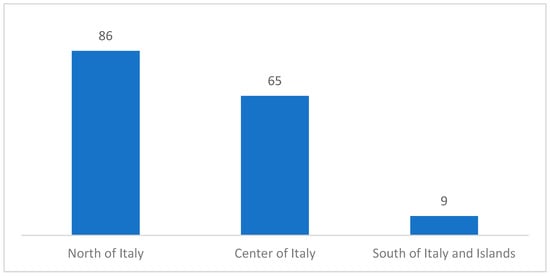
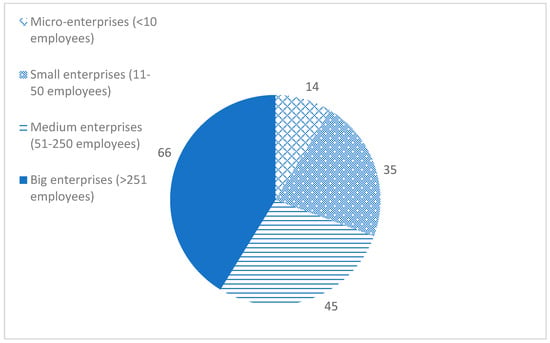
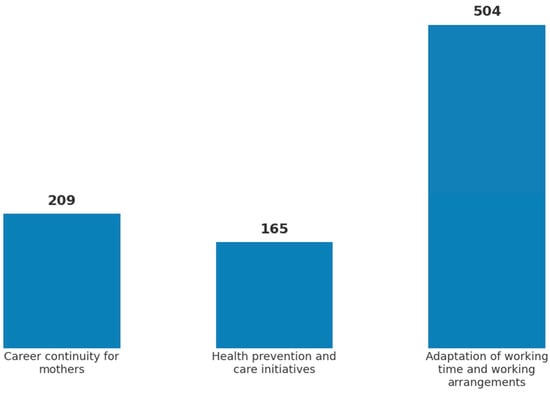
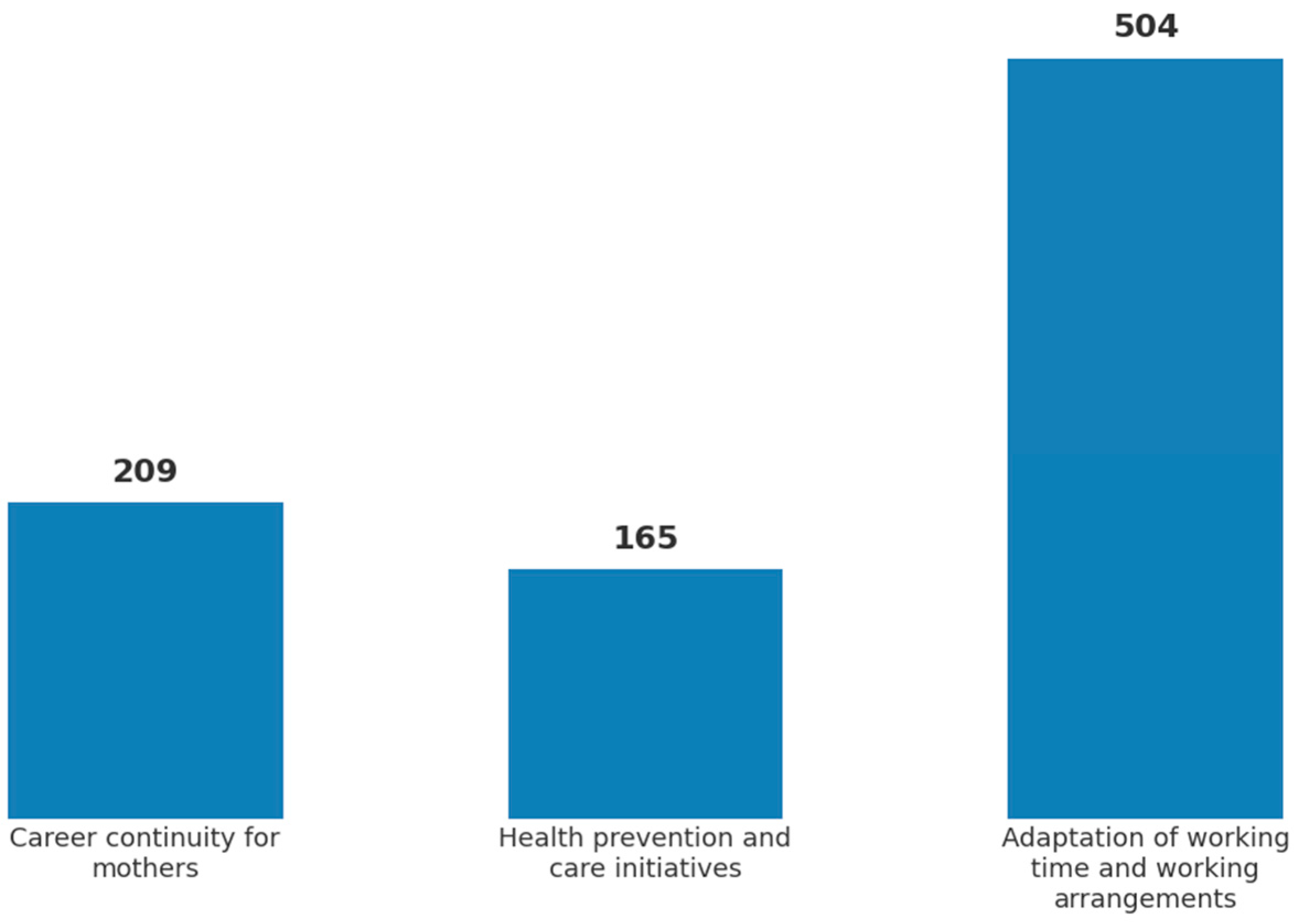
Disclaimer/Publisher’s Note: The statements, opinions and data contained in all publications are solely those of the individual author(s) and contributor(s) and not of MDPI and/or the editor(s). MDPI and/or the editor(s) disclaim responsibility for any injury to people or property resulting from any ideas, methods, instructions or products referred to in the content. |
© 2026 by the authors. Licensee MDPI, Basel, Switzerland. This article is an open access article distributed under the terms and conditions of the Creative Commons Attribution (CC BY) license.