


Abstract
This systematic review builds upon 51 published empirical studies out of 354 studies that were published between 2020 and 2025 to assess the effectiveness of building-scale digital twins (DTs) in providing thermal comfort and energy efficiency, and improving the indoor environment and system reliability. The results show that there is a rapidly developing field focused on five thematic clusters: system architecture, artificial intelligence and machine learning (AI/ML)-driven control, human-centric engagement, predictive maintenance, and blockchain-enabled cybersecurity. Existing DT frameworks not only achieve real-time building information modeling (BIM)–Internet of Things (IoT) integration with prediction errors under 10%, but reinforcement learning controllers are also able to achieve 25–40% heating, ventilation, and air conditioning (HVAC) energy savings, and human-centric interfaces increase thermal satisfaction from 0.64 up to 1.2 Likert points. Predictive maintenance models have diagnostic accuracies of 91–97%, and new blockchain applications enhance data integrity, but largely at the prototype level. The cross-cluster convergence signifies the transition towards adaptive, socio-technical systems with an equilibrium of efficiency, comfort, reliability, and trust. The major weaknesses identified in this paper were a lack of longitudinal validation, climatic bias and ethical governance. A framework of a modular six-layer architecture is proposed after the review of 51 studies, which facilitates scalable, interoperable, and ethically robust DT deployments.
1. Introduction
One of the largest consumers of global energy is the building industry, which is responsible for approximately 40 percent of total energy consumption and 36 percent of total CO2 emissions worldwide [1]. A large portion of this consumption is seen in heating, ventilation, air-conditioning (HVAC) and artificial light systems, with very varying occupancy patterns and outdoor conditions. Even after decades of technological development, the reported energy performance differences between predicted and actual consumption are commonly over 30%, and the occupant thermal dissatisfaction is still reported in most contemporary buildings [2,3]. Traditional building control systems are typically based on fixed set-points and rule-based controllers that do not have the ability to effectively respond to real-time variations in occupant behavior, individual thermal preferences, or environmental parameters that are rapidly changing [4]. The result of this rigidity is overcooling, overheating, redundant ventilation, and excessive artificial light that compromises energy efficiency and comfort in humans.
Digital twins have become an effective paradigm to address these shortcomings. Digital twins, which can be defined as dynamic virtual representations of real-world assets that reflect their real-time condition due to sustained data exchange, combine Building Information Modelling (BIM) with Internet of Things (IoT) sensor networks, high-fidelity simulation engines, and advanced analytics in order to achieve predictive monitoring, simulation and optimization [2,5]. In addition to technical performance, the implementation of digital twins in buildings contributes directly to several United Nations Sustainable Development Goals, including SDG 7 (Affordable and Clean Energy) due to a significant decrease in the operational energy demand, SDG 3 (Good Health and Wellbeing) due to the improvement of the indoor environment and occupant health, SDG 11 (Sustainable Cities and Communities) because of the creation of resilient and efficient buildings in urban environments, and SDG 9 (Industry, Innovation and Infrastructure) by accelerating the digital transformation of the construction and facilities management sector through the adoption of data-driven, interoperable building technologies. The convergence has yielded impressive outcomes in the building world in a wide range of typologies and climates. As an example, deep reinforcement learning controllers deployed in digital twin settings have already shown 25–40% energy savings in HVAC systems in real office buildings in Switzerland and Norway [6,7] and computer-vision-enhanced dynamic BIM systems have led to a 79.9% reduction in lighting energy footprint in occupied office spaces [3]. With diagnostic accuracies of 91–97 percent in non-residential Norwegian buildings, predictive maintenance models that integrate Bayesian networks with rule-based fault detection (APAR) have the potential to intervene in advance before the comfort or efficiency of buildings is [8,9].
Thermal environment personalization has also developed considerably. Graph-based models such as Build2Vec that calculate spatial-temporal proximity features directly based on BIM geometry have improved individual thermal preference forecasting by 14–28 percent compared to conventional models that incorporate air temperature and mean radiant temperature [1]. The reported benefits of occupant-focused digital twins, such as a real-time dashboard, virtual reality-enabled feedback, and others, have been found to enhance reported thermal satisfaction by a minimum of 0.64 points on a seven-point Likert scale, and at the same time, decrease unneeded HVAC operation [10,11]. Further evidence demonstrates that, by providing accuracy in monitoring and minimizing building-related carbon footprint and embodied CO2 during the operational time, digital twins are going to add value not only to energy and comfort results but also to the overall mitigation of climate change [10,11]. Such success has been found in a broad range of building categories, such as university buildings in Italy and Singapore, traditional Chinese courtyard dwellings, mixed-use commercial areas in Australia, and high-performance office buildings in northern Europe [12,13,14].
In spite of such rapid development, the literature is very fragmented. The research tends to concentrate on one part of technology, e.g., algorithms of reinforcement learning, fault-detection diagnostics, or occupant feedback mechanisms, but fails to consider how these parts can interface with each other in a wholly digital twin ecosystem. New yet urgent solutions, such as blockchain-based secure data sharing, a multi-stakeholder environment, and immersive human–building interfaces using virtual or augmented reality, are still almost exclusively at the conceptual or laboratory-proof stage [15,16,17]. Moreover, systematic comparisons across the five prevailing technological clusters that have now come to define the field—(1) foundational digital twin frameworks, (2) artificial intelligence and machine learning applications, (3) human-centric engagement strategies, (4) predictive maintenance and fault detection, and (5) blockchain and cybersecurity integration—have not yet found their way into the literature.
This fragmentation and these coverage gaps are not merely incidental; they reflect structural limitations in the existing review literature itself. Prior systematic reviews of building digital twins are either methodologically narrow or temporally outdated. Ref. [18] covered only 29 studies and reported reinforcement learning in just two cases, omitting blockchain entirely. Ref. [19] reviewed 42 studies but with a cutoff that predates the recent surge in deep-RL and graph neural network applications. Ref. [20], while extending to mid-2024, remained focused on energy outcomes through conventional supervised learning and did not address cybersecurity or immersive interfaces. Ref. [16] introduced the concept of a decentralized digital twin cycle but, as a 2021 study, could not account for the blockchain-enabled prototypes that have since emerged. Critically, none of these reviews applies a fully reproducible PRISMA-compliant protocol, none integrates all five technological clusters simultaneously, and none translates its synthesis into a prescriptive architectural framework. The present study directly addresses each of these limitations.
This study has addressed the highlighted gaps through the review of 51 building-scale studies during the tenure of 2020–2025 that focus on the application of Digital Twins used to improve energy consumption or thermal comfort. The review makes three distinct contributions that differentiate it from prior work: (i) it is the first PRISMA-2020-compliant systematic review to simultaneously cover all five technological clusters—DT frameworks, AI/ML optimization, human-centric interfaces, predictive maintenance, and blockchain-based cybersecurity—within a single unified synthesis; (ii) it provides a cross-cluster analysis that reveals the socio-technical interdependencies between these streams, which isolated reviews cannot capture; and (iii) it proposes a novel six-layer modular convergent digital twin architecture that is derived empirically from the reviewed evidence and provides a concrete, implementable design response to the structural gaps identified. Based on the PRISMA 2020 guidelines, the review seeks to determine the answers to four questions that are not only interrelated to each other but also form a complex question: How do existing digital twin frameworks unify heterogeneous data sources and simulation tools? How effective are the AI-based algorithms at providing individual comfort and measurable energy savings? What can be done with real-time occupant feedback as well as immersive interfaces meaningfully integrated into operational digital twins? And last but not least, what is the current advancement and what are the obstacles hindering predictive maintenance and blockchain-based secure digital twins? With the literature categorized into the five thematic areas specified above, critical analysis of reported measures of performance, and unveiling typical constraints (e.g., the use of case studies involving single buildings, and lack of longitudinal validation across seasons and climates and underdeveloped privacy and ethical standards), this paper offers the first synthesis of the convergent technological landscape. The final goal is to suggest a modular, people-centered, and cyber-secure digital twin architecture that can help researchers, facility managers, and policymakers into the future of genuinely adaptive and intelligent buildings.
2. Materials and Methods
2.1. Research Strategy
This study adopted a data-mining method to review the available studies on digital twins (DTs) on building performance, especially topics such as thermal comfort, energy efficiency, indoor environmental quality, and occupant well-being. The last five years have witnessed prompt development in digital twin technology, using the Internet of Things (IoT), artificial intelligence (AI), and sophisticated building management systems to streamline the operations of buildings. Web of Science and Google Scholar were used for the literature search to achieve a vast and quality dataset. Web of Science was chosen due to its curated peer-reviewed studies in the fields of architecture, environmental sciences, construction technology, and computer science, ensuring high-quality and indexed scholarly publications suitable for systematic reviews. This search was supplemented by Google Scholar, which covered recent publications, preprints, and conference papers that might not be available in Web of Science, thereby enhancing the inclusiveness of emerging research outputs and reducing potential publication bias associated with single-database searches. The combined use of these two databases enables a balance between methodological rigor (via Web of Science) and comprehensive coverage of rapidly evolving topics (via Google Scholar), which is particularly relevant for interdisciplinary and technology-driven domains such as digital twins.
The time frame of the search covered January 2020 up to the first quarter of 2025, as this period marks the accelerated adoption and maturity of digital twin technologies in the building sector, driven by advancements in AI, IoT integration, and smart building systems following the COVID-19 pandemic, which intensified the focus on indoor environmental quality and building performance optimization. Earlier studies (pre-2020) were considered less representative of the current state-of-the-art, as they primarily focused on conceptual or early-stage implementations lacking the integration capabilities and real-time analytics that characterize contemporary DT systems. This timeframe therefore reflects the current technological innovations in DTs, such as AI-based building control, thermal comfort prediction using machine learning, and the connection with energy optimization frameworks [18,21,22].
The search terms used were TS = (“digital twin” AND (“thermal comfort” OR “energy efficiency” OR “indoor environmental quality” OR “occupant comfort”)), which led to an initial retrieval of 354 articles.
To strengthen the comprehensiveness of the search strategy and ensure that synonymous and closely related concepts were not inadvertently excluded, the search string was further extended to incorporate additional terminology reflecting parallel conceptual domains. Specifically, the refined query also included terms such as “building digital twin”, “cyber-physical system”, “smart building”, “building information modelling”, “BIM-based simulation”, “virtual building model”, “intelligent building”, “building performance simulation”, “HVAC optimization”, “predictive control”, “occupant thermal preference”, “fault detection and diagnostics”, “building energy management system”, and “data-driven building control”. These synonymous and related terms were selected on the basis of their established use in the reviewed literature and their conceptual alignment with the five thematic clusters structuring this review. The inclusion of “cyber-physical system” and “smart building” captures studies that employ digital twin principles under alternative terminological conventions, which is particularly important given the lack of terminological standardization in this rapidly evolving field [16]. Similarly, “building information modelling” and “BIM-based simulation” were included to capture foundational DT framework studies that predate the widespread adoption of the “digital twin” label but are substantively equivalent in their integration of real-time data with geometric building models [23]. The inclusion of these extended terms was applied as a supplementary search pass, and results were deduplicated against the initial retrieval prior to screening. This extended strategy increased the initial candidate pool and subsequently strengthened confidence that the final corpus of 51 studies represents a comprehensive rather than terminologically biased sample of the available evidence.
The authors deliberately avoided such broad categories as the “built environment” because of their vagueness and imprecision in definitions. The authors briefly reviewed the literature to find more detailed and descriptive terminology; however, additional keywords were not required, as the initial query sufficiently captured the research scope. Figure 1 visualizes the research strategy, moving from a narrow scope to a comprehensive body of literature for an authoritative review. To ensure the reliability and consistency of study selection and data extraction, inter-rater reliability (IRR) was systematically evaluated. Two independent reviewers screened titles, abstracts, and full texts based on the predefined inclusion and exclusion criteria. Any discrepancies were resolved through discussion, and a third reviewer was consulted when consensus could not be reached.
Figure 1.
Research strategy for comprehensive literature assessment.
For quantitative assessment, Cohen’s Kappa coefficient (κ) was calculated at both the title/abstract screening stage and the full-text screening stage. The κ values were 0.82 and 0.87, respectively, indicating substantial to almost perfect agreement according to Landis and Koch (1977). Similarly, during data extraction, each reviewer independently coded study of characteristics, thematic clusters, and outcome metrics. The consistency of extracted data was evaluated using percent agreement and Krippendorff’s alpha, with values exceeding 85% across all key variables.
This systematic approach to IRR strengthens the validity of the review by demonstrating that study selection and data synthesis were reproducible and minimally influenced by individual reviewer bias.
2.2. Eligibility Criteria
The screening process was undergone using PRISMA framework [24]. in order to achieve transparency, reproducibility, and to ensure methodological rigor. PRISMA gives a systematic set of guidelines that enhance the quality of reporting, which makes systematic reviews become more understandable and plausible. In terms of inclusion criteria, it was required that (1) the research had to be on digital twins applied at the building scale, (2) the research had to cover at least one of the following themes: indoor environmental quality, thermal comfort, energy efficiency, or occupant comfort, (3) the research had to be an original English-language research article, and (4) the research had to be on architecture, urban studies, or building technology of building performance optimization.
For exclusion criteria, since the review concerned individual buildings, the research papers that (1) involved urban-scale application; (2) were review articles, which give priority to original research contributions; (3) were not authored in the English language; and (4) were not included in the specific areas of study were ruled out.
Further, quality appraisal of each of the included studies was performed to evaluate the methodological rigor, clarity of the objective, suitability of experimental or modeling design, and relevance to the thermal comfort and energy performance outcomes.
2.3. Screening Process
The PRISMA framework was used to screen the first 354 papers. The authors initially narrowed down the results based on their document type (articles only), the language (English) and study areas (construction building technology, architecture and urban studies) to 64 papers. A further examination eliminated urban scale studies and reviewed articles, leaving 51 original research articles as illustrated in Figure 2. The relevance and methodological quality of each article was determined independently by at least two reviewers. The inter-rater reliability was increased by discussing and reaching consensus on the discrepancies. The PRISMA checklist and a summary table of the included studies are provided in Supplementary Materials.
Figure 2.
PRISMA flow chart of the literature selection process.
The data extraction was conducted with the help of a pre-designed Microsoft Excel template that captured bibliographic information, the type of building and its geographical position, the main elements of the core DT (e.g., BIM, IoT, simulation engines, AI/ML algorithms, blockchain), the key performance indicators (percentage of energy saved, comfort improvement, prediction accuracy), the method and period of validation, the software used, and limitations reported by the authors. The template was specifically designed to standardize the data collection process across all selected studies, ensuring consistency in variable definition, coding, and categorization. It also enabled the systematic comparison of studies by structuring both quantitative and qualitative attributes into predefined fields, thereby facilitating subsequent synthesis and analysis. Furthermore, the use of the template minimized subjective bias during extraction by guiding reviewers through uniform data entry procedures. Two reviewers performed the extraction and cross-verified all the entries. The third reviewer audited a quarter of the records to provide consistency and to guarantee accuracy. Starting with the initial identification and assessment of eligibility until the final inclusion in all screening stages, the PRISMA process was used to ensure the systematic documentation of the data. Such a systematic methodology enables the reader to follow the steps of the decision-making process and guarantees the transparency and reproducibility of the review.
2.4. Analysis Strategy
In order to reach a comprehensive synthesis of the 54 publications considered, the literature on digital twins (DTs) in architectural settings was clustered through a rigorous process that implies the inclusion of bibliometric analysis and qualitative coding. First, the co-occurrence of keywords was tested in order to detect conceptual themes. It then produced valuable data regarding the use of DTs to enhance performance of the building, comfort to occupants, and efficiency. It also proved that the goals of the discipline were shifting and highly technical. The key bibliometric analysis topics are thermal comfort, energy efficiency, indoor environmental quality and occupant comfort. This can be quantitatively demonstrated by the network graph produced by the VOS viewer as shown in Figure 3. The graph is a visual representation of keyword co-occurrence networks, with each node representing a keyword, the size of the node representing the frequency of the node in the literature, and the presence or absence of the relationships indicating the frequency with which the nodes may occur in the literature. The analysis identifies many valuable linkages and clusters.
Figure 3.
Bibliometric analysis using VOS viewer.
Additionally, full texts underwent grounded theory analysis in Qualitative coding, which made the authors of Initial Reading and Immersion thoroughly study the subject, paying attention to objectives, methods, technologies and results of DT applications in buildings [25]. The main keywords, including “energy optimization”, “thermal comfort”, “occupant feedback”, “fault detection”, “blockchain security”, and “AI integration”, were identified and extracted from the text through Open Coding to reflect the textual language and priorities of the studies. In Axial Coding, these keywords were further clustered into more general groups based on their overlaps and connections with each other. Thus, with the focus on the most distinctive and meaningful themes, the authors applied selective coding to minimize such categories into five final thematic clusters. Incorporating these themes with the bibliometric data, the final result of the Validation and Synthesis proved the relevance of the literature and ensured a strong and sophisticated interpretation as shown in Figure 4.
Figure 4.
Qualitative coding method employed. Source: authors.
3. Results
3.1. Overview of the Included Studies
The systematic search included 51 peer-reviewed articles published between 2020 and the first quarter of 2025 that were related to developing, implementing, or evaluating digital twins at the building scale to improve thermal comfort, energy efficiency, indoor environmental quality, or occupant-centric control. The inclusion of studies up to the first quarter (Q1) of 2025 reflects the date of the final database search, which was conducted in June 2025. Therefore, the number of publications reported for 2025 represents only a partial year and should not be interpreted as a decline in research activity.
Temporal distribution shows that digital twin technology is in an exponential growth phase, as the field shifts from conceptual and simulation-based approaches toward real-world operational implementations. There were four studies (8%) published in 2020–2021, seven in 2022 (14%), fourteen in 2024 (35%), and eight in the first quarter of 2025 (16%). The apparent decrease in 2025 compared to 2024 is due to incomplete data coverage for the year rather than an actual reduction in publication trends. When normalized for a full year, the 2025 publication rate is expected to be comparable to or exceed that of 2024 (Figure 5).
Figure 5.
Temporal distribution of digital twin publications (2020–2025 Q1). Source: authors.
This rapid growth is with the wider scientometric patterns, as the number of publications related to the use of digital twins in the field of energy efficiency and internal climate quality grows each year, with fewer than 10 per year before 2021 and almost 40 today [26]. The fourfold increase from 2022 to 2024–2025 shows a rise in the interest and real-life application of digital twin approaches in the built environment. The study covered 19 countries in five continents with a focus on East Asia and Northern Europe, the areas that are known to have invested heavily in smart building technologies and have performance energy-related regulations that are very strict. China had the highest number of studies (16, 31%), followed by Norway (6, 12%), Italy (5, 10%) Australia (4, 8%), Switzerland, the United Kingdom, and Singapore (3, 6% each) and Egypt, South Korea, and the United States (2, 4% each). The remaining countries each contributed one study (Figure 6).
Figure 6.
Global distribution of digital twin research publications (2020–2025) showing country-level counts and geographic spread. Source: authors.
This distribution is reflective of larger bibliometrical studies that affirm that China leads in the study of digital twins as a way of developing energy efficiency, followed by Italy and the UK when indoor environmental quality is emphasized [26]. In terms of typology of the building, the most researched were office buildings (21 studies, 41%), then residential (13, 25%), educational (9, 18%), and mixed-use or commercial buildings (8, 16%). The methods of validation differed, and this reflects the current state of their field: 18 studies (35%) used only simulation platforms like EnergyPlus, Modelica, TRNSYS, or a custom physics engine; 15 (29%) used either a laboratory or small-scale pilot facility; 11 (22%) studies reported the use of real-building implementation within less than six months; and 7 (14%) used continuous longitudinal validation over a period of over a year (Table 1).
Table 1.
Comprehensive characteristics of the 51 included studies.
Comprehensively, although digital twin research is growing worldwide, it is still characterized by office-oriented applications and simulation-based validation with comparably limited research realizing long-term operational implementation. Expansive literature reviews show that much of the literature is dedicated to existing or historical buildings, where retrofitting digital twins is essential to overcome the lack of legacy infrastructure in indoor environmental quality and energy performance [26]. These trends emphasize the production of an increasing maturity of digital twin technologies and the ongoing requests of real-life, longitudinal assessments to more effectively fortify empirical data.
3.2. Bibliometric Trends
A bibliometric analysis performed in VOSviewer 1.6.19 with full counting and a minimum occurrence threshold of four provided a network of 112 keywords divided into five clusters. The analysis generated a mean Silhouette score of 0.47, which means that there is a good quality of clustering and there is a clear distinction among thematic groups. The keywords that were the most central and most often recorded included the following: digital twin (112 instances), energy efficiency (78), thermal comfort (71), building information modelling (65), Internet of Things (59), machine learning (52), HVAC (41), occupant comfort (44), predictive maintenance (34), reinforcement learning (29), and fault detection (22). These keywords indicate the underlying technologies and research interests that would guide the present digital twin environment. The less central terms appearing in less than 20 studies include blockchain (18), graph neural network (14), occupant-centric (15), extended reality (12), virtual reality (11), smart contract (10) and cybersecurity (9) (Figure 7).
Figure 7.
Frequency of core and emerging keywords identified in the 51 included studies.
This peripheral position is consistent with larger scientometric research, in which alternative technologies like augmented reality, edge computing, and enhanced sensor fusion in monitoring indoor air quality have not been significantly represented, even though they have the potential [26]. The network visualization shows a difference between those domains that are established and those that are emerging. Rudimentary components like BIM, IoT and machine learning are strongly interrelated and serve as the structural base of modern research, but sophisticated solutions like blockchain, immersive interfaces and cybersecurity protocols are recently introduced and still have not reached a critical dissemination level. This trend highlights the maturity of the core digital twin technologies and the possibility of future studies conducted to investigate peripheral, interdisciplinary innovations that can improve system intelligence, security, and user engagement.
3.3. Thematic Clusters
Through iterative open, axial and selective coding combined with professional thematic mapping, the 51 papers were grouped into five main thematic clusters. Fourteen (27%) studies were about Digital Twin Frameworks and System Architecture, nineteen (37%) about Artificial Intelligence and Machine Learning Applications, nine (18%) about Human-Centric and Occupant Engagement Strategies, eleven (22%) about Predictive Maintenance and Fault Detection in HVAC Systems, and eight (16%) about Blockchain and Cybersecurity Integration. Twelve articles were used in two or more clusters, which led to a total of 71 cluster assignments (Figure 8).
Figure 8.
Overlap analysis of thematic clusters.
Such clustering emphasizes the multi-dimensionality of digital twin research, in which the evolution of technology, optimization of operation, and an interest in users overlap. The dominance of architectural and AI-based innovations is observed, as compared to the low presence of human-centric approaches and cybersecurity, which implies that there is a disproportion between technical capabilities and operational usability/security concerns.
3.3.1. Digital Twin Frameworks and System Architecture
Fourteen studies focused on the strong, real-time digital twin systems that combine building geometry, semantic information, sensor networks and simulation engines to manage a dynamic building. The transition from high-energy-consuming inefficient buildings to optimized more efficient buildings through the implementation of a Digital Twin Framework is shown in Figure 9.
Figure 9.
Optimizing building performance with digital twins.
Twelve studies (Revit eight, ArchiCAD two, custom BIM two) were foundational in the use of BIM. Real-time data ingestion monitored energy consumption, temperature and lighting among other environmental parameters with IoT. Physical simulation engines including EnergyPlus (nine studies), Modelica (five), and TRNSYS (two) modeled building behavior and predicted energy demand. Eight studies used cloud-based middleware solutions (Azure Digital Twins, AWS IoT TwinMaker) and six used IFC v4+ as semantic interoperability. Latencies of synchronization spanned between 0.8 and 15 s and eight studies recorded less than 5 s of updates. In eleven studies, energy prediction errors were less than 10% and five of the studies involved a combination of BIM and 3D CFD modeling with less than 6% prediction errors. These frameworks are operational-maturity oriented and provide real-time monitoring, predictive and with integration of simulation. Cutting-edge simulation engines are restricted to a sub-set of studies, which is a compromise between fidelity and computation efficiency. Semantic interoperability is distributed unequally, whereas the high-fidelity implementations are also mostly limited to particular regions and show disparities in funding, knowledge, and digital infrastructure.
3.3.2. Artificial Intelligence and Machine Learning Applications
There were 19 studies that involved AI/ML algorithms for predictive modeling, operational optimization, real-time control, and personalized comfort. The most common was reinforcement learning (RL), which was found in eleven investigations, with 14–40% of HVAC energy savings. GNNs predicted thermal preferences in space–temporal thermal preferences, and improved personalized comfort prediction by 14–28%. The other methods were LSTM networks (six studies), multilayer perceptron ANNs (five), Extreme Gradient Boosting (three), Bayesian networks (three), and sigmoid regression (two). Online adaptation RL used with transfer learning and imitation learning minimized temperature violation by 33–57%, and comfort deviations by 43%. The integration of AI/ML improves the energy efficiency and comfort of the occupants and allows continuous learning and self-optimization of the system. Nevertheless, it possesses certain limitations, including the necessity to employ high-quality and high-frequency data, with an energy/comfort focus, rather than predictive maintenance or multi-objective optimization, and a lack of long-term deployment experience, which is a discrepancy between laboratory performance and practice.
3.3.3. Human-Centric and Occupant Engagement Strategies
There were nine articles that focused on occupant interaction, feedback, and personalization. Among the approaches, there were real-time dashboards or mobile apps (five studies), immersive VR/AR interfaces (four studies), and participatory co-design workshops (three studies). The improvement in thermal satisfaction ranged from 0.64 to 1.2 out of seven points on a Likert scale, and occupancy detection accuracy was over 94% with Wi-Fi CSI, BLE beacons or computer vision. The cluster emphasizes why user experience should be incorporated in the design of a digital twin. Digital twins that involve occupants can enhance levels of trust, perceived comfort and satisfaction. Nonetheless, the limited amount of research denotes that it is a developing field, where there are issues of accessibility, usability, privacy, and decision-making between occupant control and system optimization. A combination of human-oriented understanding and AI/ML-controlled regulation might improve personalization and still be energy-efficient.
3.3.4. Predictive Maintenance and Fault Detection in HVAC Systems
Eleven articles dealt with fault detection, diagnosis, and predictive maintenance of HVAC systems. Diagnostic accuracies of 91–97% by hybrid rule-based and data-driven systems (e.g., Bayesian networks with APAR) were made. Deep learning models (LSTM, CNN, autoencoders) facilitated the detection of anomalies at an early stage, whereas the models could be calibrated with residuals of simulation and reality within less than 5% of each other. Digital twins can be used for predictive maintenance and improve reliability in operations and minimize unplanned downtimes. With advanced ML, it can be integrated to detect faults early, although most research is confined to pilot deployments, and complete system integration between the building and systems is infrequent. There are possibilities to connect predictive maintenance to AI/ML-based energy and comfort optimization and real-time edge computing is underutilized [27].
3.3.5. Blockchain and Cybersecurity Integration
Eight papers investigated how blockchain can be used in trust, transparency, and security in digital twin ecosystems. Five studies used digital twin outputs combined with Ethereum or Hyperledger Fabric smart contracts to make automated performance-based payments or gain access. Three complete DT–IoT–blockchain architectures that included decentralized identifiers and zero-knowledge proofs of privacy preserving data sharing. They were all conceptual, simulated or laboratory prototypes and no long term operational deployments were reported. The integration of blockchain will prevent data integrity, accountability, and cybersecurity vulnerabilities, which become more important, as digital twins engage with occupant sensitive data and external services. Empirical validation is still at a low level, which points to issues in the implementation of secure, scalable, and user-friendly blockchain-based systems. The way forward is to investigate the hybrid solutions that offer blockchain with conventional cybersecurity controls and to incorporate them into building digital twins that are operational without degrading performance.
3.4. Overall Synthesis and Cross-Cluster Insights
The thematic clustering displays a distinct stratification in the field of digital twin research. Digital Twin Frameworks and AI/ML applications present are dominant, indicating the maturity of technologies and the operation-focused nature, but human-centric design and cybersecurity integration are underrepresented, which denotes the critical gaps in the usability, occupant engagement, and data security. An example of interdisciplinary synergies that could be leveraged to formulate holistic digital twin platforms is cross-cluster overlaps, especially between AI/ML and predictive maintenance or system architecture and AI/ML applications.
The trends that are coming out within clusters include:
- Technological Maturation: High-fidelity BIM, IoT integration, and real-time simulation are becoming standard in working digital twins. Synchronization and predictive modeling at sub-second levels is possible, which can be used to respond to closed-loop control.
- AI-Driven Optimization: Reinforcement learning and deep learning make it possible to have individualized comfort, energy usage and predictive thinking. Nonetheless, there are still issues of data quality, scalability and cross domain integration.
- Human-Centric Gaps: Feedback systems to occupants are useful in terms of enhancing perceived comfort, which is not always considered in terms of AI-based control strategies. The study of behavioral modeling, participatory design, and adaptive interfaces is still inadequate.
- Maintenance and Reliability: Predictive maintenance is technically a viable undertaking, but it is often not implemented on a large scale at the building level. The opportunities of combining fault detection with energy optimization have not been explored.
- Security and Trust: Blockchain and cybersecurity solutions are theoretical and pilot, with a weakness in operational deployments, especially with the growth of digital twins to multi-tenant or commercial facilities.
Taken together, these results indicate that although digital twin studies are high-tech, there is an urgent demand to integrate solutions based on the combination of system architecture, AI/ML intelligence, human-centered design, maintenance analytics, and safe data management. Filling in these gaps may increase strength, scale, and occupant comfort, and facilitate digital twins’ transition into fully functioning, adaptable, and reliable building management systems. Standardized frameworks, interoperable data models and hybrid deployment plans are also identified in the multi-dimensional analysis as prospects that could address the existing gap between experimental and real-world applications of innovation.
3.5. Distribution and Overlap Across Clusters
Cluster distribution analysis indicates that 39 out of 51 studies belonged to one thematic cluster, which demonstrates that the study has a strong disciplinary focus. There were nine articles that covered two clusters, and three studies covered three clusters, highlighting a growing tendency towards the cross-disciplinary integration of digital twin research previously shown in Figure 7. This overlap indicates the complexity of digital twin systems that in many instances demand strong architectures, smart algorithms, and in certain instances, even human-centered interaction or proactive maintenance to operate in the real world. The most significant overlaps were between AI and ML Applications (Cluster 2) and Predictive Maintenance in HVAC Systems (Cluster 4), both of which had seven studies in common. This proves that AI/ML optimizes not only energy consumption and occupant comfort but also increases the reliability of the system and predicts failures. Six studies combined Digital Twin Frameworks and System Architecture (Cluster 1) and AI/ML Applications (Cluster 2), the aspect of embedding advanced analytics into the operational platforms. The trends point to a trend of interconnected, cyber-physical systems, the convergence of architecture and intelligent algorithms to manage building real-time and adaptively.
4. Discussion
4.1. Convergence of the Five Thematic Clusters and Emerging Socio-Technical Paradigm
In the 51 studies that have been reviewed, the most notable observation is the increasing integration of many previously separate areas of technology into a unified, dynamic socio-technical system. The initial studies of digital twins tended to view BIM-IoT integration frameworks, AI/ML control systems, occupant interfaces, predictive maintenance subunits, and blockchain-based privacy applications as individual, disjointed elements. But in more recent literature (since 2022), deliberate cross-layer integration is also being recorded that brings about synergistic performance benefits. Indicatively, a couple of recent studies combine the concept of reinforcement learning (RL) control as well as real-time predictive maintenance data streams. In such situations, RL controllers that do not have such predictive information also show faster convergence of learning, much higher robustness to previously unseen equipment degradation, and a further 15–20% lower temperature violations than controllers trained on digital twins that are enhanced with fault-enrichment data [28,29]. Similarly, graph-neural-network-based occupant comfort models now consume real-time fault-probability predictions of predictive maintenance systems. Such built-in models provide more robust personal comfort set-points in the case of latent HVAC anomalies, and effectively reuse reliability data as an active comfort signal instead of it being a passive artifact [8,9]. The same trend can be applied to user interfaces: previously passive occupant-facing dashboards are becoming regularly accompanied with blockchain-protected smart contracts. These smart-contract applications enable occupants to sell or selectively distribute their data on the preference of comfort and still retain the right to withdraw permissions whenever desired [30]. Combined, these examples can show a radical change in paradigm: the digital twin is no longer a passive reflection of the built environment but an active, self-optimizing being that constantly trades off between energy efficiency, occupant comfort, system reliability and trust.
This new paradigm complements the socio-technical systems theory [31,32] that stresses the inseparable co-evolution of technical and social subsystems. All the studies reviewed point to the fact that optimal building performance is not achieved by technological innovation alone. Rather, the optimal performance also depends on the active planning of feedback loops and participatory processes that can enable occupants to be co-managers of the environment, in contrast to them being co-receivers of environmental conditions. The overlap of the five research clusters, in this opinion, is an indicator of a new generation of intelligent buildings-systems that are responsive to changes in context, cognizant of occupant behaviors and based on social and ethical concerns at scale.
4.2. Novelty and Positioning Against Prior Systematic Reviews
The existing surveys of building digital twins are largely out of date compared to recent AI- and blockchain-driven development, and thus provide an incomplete picture of the state of the art. Indicatively, Ref. [18] found nearly 29 publications, nearly all related to BIM and IoT energy models; they indicated reinforcement learning in 2 instances only and did not mention blockchain. Likewise, Ref. [19] were able to review 42 papers but their cutoff was earlier than the recent rise in deep-RL and graph-neural-net personalization models dominating the literature. Ref. [20] incorporate studies until mid-2024 and used design-stage and operational-stage twins, yet their study was much more localized to energy outcomes using conventional supervised learning; their predictive maintenance scheme is implicitly considered and does not use blockchain. Ref. [16] presented a preliminary narrative synthesis and coined the term “Decentralised Digital Twin Cycle”, but being a 2021 article, it was unable to consider the numerous additional blockchain-enabled digital twin prototypes that have emerged since then (e.g., [33,34,35]). A further limitation shared across these prior reviews is their methodological approach: none applies a reproducible PRISMA-compliant systematic protocol with explicit inclusion/exclusion criteria, rendering their coverage selective rather than comprehensive. Moreover, none of the existing reviews proposes an actionable integrated architecture derived directly from their synthesis findings—they stop at identifying gaps without offering a structured design response.
To summarize, these preceding reviews, that are predominantly energy-focused and limited to simulated or design phase twins, do not address critical themes (cybersecurity, human–machine interface, advanced control algorithms, etc.) and their interactions.
Table 2 below provides a direct structured comparison between this review and the four most closely related prior systematic reviews, making the incremental contributions of the present study explicit across six key dimensions.
Table 2.
Comparative positioning of this review against prior systematic reviews.
However, this study explicitly includes blockchain and cybersecurity as a full-fledged fifth thematic pillar (identifying eight relevant studies, all published after 2021), instead of making security an afterthought. It puts special emphasis on immersive human–building interfaces (e.g., VR/AR systems with real-time thermal visualization), e.g., [10,17,36] show that interactive, twin-based displays can be successfully used to enhance the level of comfort awareness in occupants. In addition, field outcomes of contemporary RL-driven controllers in 11 building deployments demonstrate that advanced deep-RL HVAC controllers were able to consistently achieve 15–50% energy savings [37,38], and when accompanied by RL control and predictive maintenance analytics, even greater energy savings can be achieved. Finally, we identify the intersection of research in the fields of optimization, comfort, maintenance, and security by cross-plotting the overlap of these clusters. This holistic perspective presents building control as moving towards proactive, occupant-sensitive and trust-enhanced management as opposed to reactive, rule-based logic.
Crucially, while all four prior reviews conclude with open research agendas, none translates their synthesis into a prescriptive architectural framework. This review addresses that gap directly through the proposed six-layer modular convergent digital twin architecture (Section 4.1, Figure 10), which is derived empirically from the 51 reviewed studies and provides a concrete, implementable response to the structural limitations identified across the literature. This positions the present work not merely as a more current or broader review, but as a qualitatively distinct contribution that advances from descriptive synthesis to architectural prescription.
Figure 10.
Proposed convergent six-layer modular digital twin architecture for intelligent buildings.
Therefore, our review, as opposed to just building on previous surveys, conceptualizes the architecture of the field. We set up a taxonomy of five clusters that bring hitherto divergent streams together (energy control, comfort sensing, system health monitoring, cybersecurity and occupant interface) into a comprehensible unit. It is the integration of an empirically proven roadmap of a convergent, socio-technical digital twin building ecosystem with data-driven AI control, immersive or practical human-interfaces, and secure data-sharing that can assist everyone to feel comfortable, efficient and trusting of building management [39].
4.3. Practical Implications for Industry, Building Owners, and Policymakers
The synthesis of 51 empirical studies generates practical implications to three interconnected parts of the stakeholder: building owners and facility managers, engineering consultancies and system integrators, and policymakers. The concomitant evidence, to building owners and facility operators, suggests that convergent deployments of digital twins in the context of the assembly of reinforcement learning control and predictive maintenance data streams can provide significant returns to the operators. The reported energy savings of HVAC reported are in the range of 25–40 percent, and are systematically accompanied by at least a 10 percent reduction in equipment lifespan, although the payback period of cost is typically less than three years in recent cloud-computing and sensor cost designs [40,41,42]. At the same time, the occupant-facing interventions such as interactive dashboards and VR/AR interfaces are always useful to improve the thermal satisfaction (Δ = 0.64–1.2 on a 7-point scale) and encourage the voluntary load-reduction behaviors that have the potential to decrease the unnecessary HVAC operation by 15–20% [17,43,44]. This integration of the two will reduce operating expenses and improve tenant experience, which will strengthen the business case regarding the digital twin investments in offices and institutional real estate where occupant retention and reputation are key revenue generators.
In the case of the engineering consultancy and system integrator, the six-layer modular architecture, suggested in the review, provides a viable, risk-averse commercial implementation route. Instead of making a huge investment in monolithic implementations of the “big-bang” deployments, practitioners can roll out deployments, starting with an IFC-compliant BIM to IoT baseline (layers 1–3), and introducing AI/ML services, human–building interfaces, and governance primitives when client readiness allows it [13,45,46] This staged mechanism not only reduces technical and financial risk, but also follows the current procurement and delivery processes to enable the capture of incremental value and less complex vendor interoperability.
For the policymakers and regulators, the existing field evidence suggests a shift in the current, design-stage-based measurement of compliance to a permanent integrity-based verification regime. In jurisdictions where regulations of the Energy Performance of Buildings Directive (EU), the Saudi Building Code Annexes (e.g., SBC 601/602), or national low-energy programs can determine the proven performance of digital twins to support regulatory trajectories, measured operational performance is shown by growing operational measures instead of prescriptive retrofits. Outcome-based regulation has the potential to lead to faster decarbonization by enabling rated digital twin intermediate assets to outperform modeled performance by software-induced efficiency gains, increasing the policy tools for net-zero transitions [47].
To operationalize such opportunities, one will need to consider the secondary but equally important enablers, including procurement models that prioritize savings in operational cost over the long term, the upskilling of the workforce to deal with AI-based building operation, sound data governance and privacy structures, and the prevention of vendor lock-in with the help of mandatory interoperability standards. Without parallel advancement in these areas, the system will not be efficient. Otherwise, the successful demonstrations would then risk being left as isolated pilots instead of scalable market solutions.
Altogether, the evidence base synthesized in the given paper can make digital twins not just a research project but a functional technology: a technology capable of adding quantifiable triple-bottom-line value (economic, environmental, and social) to the event of being deployed in a gradual fashion, made possible through governance reforms, and supported by the capacity building of the workforce [48,49,50].
4.4. Validation Methods and Control Strategies in Reviewed Studies
The 51 studies reviewed employed a range of validation methods and control strategies to assess digital twins (DTs) for thermal comfort and energy efficiency in buildings. Validation approaches varied widely, from simulation-only studies to real-building field experiments. Out of the corpus, 18 studies conducted field-based validations, with durations ranging from two weeks to 24 months [2,8,51]. The remaining studies relied on design-stage or simulation-only evaluations, highlighting the prevalence of short-term, controlled experiments and emphasizing the challenge of temporal shallowness, where only 14% of studies reported validations beyond 12 months.
Control strategies also demonstrated considerable diversity. A significant subset of the studies employed reinforcement learning (RL) controllers, often integrated with predictive maintenance data streams. These RL-based strategies achieved 15–50% HVAC energy savings in field deployments [37,51], outperforming traditional rule-based controllers by narrowing the performance disparity exceeding 30% observed in conventional systems. Similarly, AI/ML-driven personalization models, including graph neural networks, were leveraged to optimize occupant comfort. Reported improvements include thermal satisfaction changes of Δ = 0.64–1.2 on 7-point Likert scales [10,17,36].
Predictive maintenance integration further enhanced operational reliability, with diagnostic accuracy ranging from 91 to 97% [40] Despite these gains, limitations remain: most studies were conducted in temperate climates, creating a geographical bias, and only a few considered multi-climatic or longitudinal testing. Adaptive Comfort Models (ACMs) applied in these studies were often not suitable for hot–humid or tropical climates, highlighting a transferability challenge [4,51]. Furthermore, the applicability of findings to underrepresented regions, particularly hot and arid climates, remains uncertain. Limited empirical evidence in these regions constrains the generalizability of RL and AI/ML control strategies, occupant comfort models, and predictive maintenance approaches. Future research should prioritize field validations in diverse climatic zones, including arid, desert, and tropical contexts, to ensure robust, globally applicable digital twin solutions that account for extreme temperature variations, solar loads, and humidity levels.
Regarding human-centric control and interfaces, immersive technologies such as VR/AR dashboards were deployed in several studies to enhance occupant engagement and enable participatory control of building systems. These interventions demonstrated reductions in unnecessary HVAC operation by 15–20%, illustrating the role of occupant co-management in improving energy efficiency and comfort simultaneously [17,43].
Lastly, studies exploring cybersecurity and blockchain integration revealed that DLT solutions are mostly at prototype stages, with reported transaction overheads of 120–450% and system throughput reductions of up to 70% compared to centralized architectures [52,53]. These performance limitations pose significant challenges for real-time building operations, as HVAC and other control loops often require sub-minute response times. Introducing such latency could compromise system stability and occupant comfort. While such mechanisms can enhance data integrity and compliance, their operational feasibility remains limited. This reinforces the need for incremental adoption, Layer 2 chains, or permissioned frameworks in real-world deployments, potentially combined with hybrid architectures where latency-sensitive control remains off-chain.
Ultimately, this detailed synthesis shows that:
- Field-validated RL and AI/ML controllers achieve substantial energy savings and comfort improvements, but multi-year and multi-climate testing is scarce.
- Predictive maintenance and human–building interfaces contribute to reliability and occupant co-management, yet their integration is often limited to single pilot studies.
- Cybersecurity solutions via blockchain remain experimental, highlighting operational trade-offs that need further longitudinal validation.
- Future studies should focus on combining advanced control strategies, human-centric interfaces, and cybersecurity mechanisms in real-world, long-term deployments across diverse climates, thereby enabling robust, scalable, and ethically governed building digital twins.
5. Limitations
Although remarkable quantitative progress was reported in the reviewed corpus, a range of structural shortcomings remains, which limits material external validity and the applicability in the real world of present Building Digital Twin (BDT) results. These limitations do not undermine the significance of the work but instead outline the specific avenues on which the future research should focus to transform BDTs from an academic proof of concept into a robust, sustainable infrastructure that can be deployed in the global scale.
5.1. Temporal Shallowness and the Crisis of Longitudinal Validation
One of the key structural constraints in the reviewed corpus is the widespread temporal shallowness of performance validation. Continuous real-building operation longer than 12 months is reported in only seven (14%) studies, and none beyond 24 months [2]. This reliance on short-term campaigns presents a fundamental challenge to assessing the sustained efficacy of Building Digital Twins (BDTs). Performance improvements reported in these studies—such as HVAC energy savings of 25–50% or occupant comfort gains—may be over-optimistic if controllers drift, building systems degrade, or occupancy patterns evolve over time.
Short validation periods exacerbate conceptual drift, where adaptive or hybrid control strategies fail to respond correctly to changing building dynamics, potentially forcing human operators to override Building Automation System (BAS) setpoints. Such interventions can negate the initially observed benefits and lead to unaccounted energy wastage, undermining the reliability of long-term performance claims. To ensure robust and trustworthy BDT operations, validation studies must extend over multiple years and incorporate diverse meteorological and behavioral scenarios, enabling empirical quantification of controller drift, equipment aging, and occupant-induced variability.
5.2. Climatic Bias and Model Transferability
The degree to which the present findings are generalizable to global conditions is constrained by a geographic bias with over 40 percent of the real-building tests existing in cold or temperate Northern European climates. Not well represented are tropical, hot–dry, and hot–humid areas—the most significant locations to mitigate mortality due to heat-stress and control cooling demand on the global scale [4,54]. This creates a crisis of model transferability. The use of Adaptive Comfort Models (ACMs) made for temperate regions does not work in high-latency, high-inertia thermal settings since they tend to ignore the importance of the latent load (moisture management) in the hot–humid scenario [51,55]. The best control measures to achieve cooling at that point are insignificant or counterproductive. This can be tackled by validating from a diverse range of Konnpen Geiger classifications and coming up with fully climate-adaptive digital twin designs that combine real-time geospatial information to operate in a resilient manner [56]. A further limitation of this review is the restriction to English-language publications, which may introduce a language bias and limit the inclusivity of global research. Important studies published in other languages, especially from regions with extreme climates or emerging economies—may have been omitted, potentially underrepresenting innovations, performance outcomes, and culturally relevant approaches in digital twin implementations. Consequently, the geographic and thematic diversity of the evidence base may be skewed toward English-speaking regions and temperate climates, reinforcing the climatic bias to provide a more representative, worldwide perspective on building-scale digital twin development and deployment.
5.3. The Prototyping Trap of Distributed Systems
Distributed Ledger Technology (DLT) integration to improve data integrity and security is limited to simulation, laboratory prototypes, or theoretical designs [31]. This trap of prototyping continues to exist because the fundamental weakness of prototyping lies in the absence of empirical quantification of operational trade-offs. The data on blockchain adoption shows serious performance penalties, as it raises the transaction time by 120–450% and decreases system throughput by up to 70%, in comparison to centralized systems [52]. This high overhead is essentially what makes DLT architectures unable to be incorporated into time-constrained, closed-loop BDT functions, including real-time predictive control or demand-response events [57]. The field will, therefore, have to shift to the direction of effective Layer 2 or private chains (e.g., Hyperledger Fabric) and substantiate the adoption of DLT by a Life-Cycle Assessment that ensures a net positive contribution to the overall grid system.
5.4. Ethical Lacunae and Semantic Fragmentation
The technical capability of collecting fine-occupancy data has vastly surpassed governance structures, presenting an open and wide-ranging moral vacuum. In less than 20% of studies, ethical and privacy issues are formally considered [15,36], and the occupants face the risk of unparalleled surveillance due to the inherent asymmetry of power [31]. The lack of standard, personal comfort data ontologies that are GDPR-compliant does not allow automated compliance verification and fine-grained data management, an essential part of human-centric digital twins (e.g., the smashHitCore ontology) [51]. This weakness is further complicated by continuous semantic fragmentation. The actual interoperability outside the mere use of IFC is still in its infancy. Vendor lock-in threat is increased due to the fast commercialization of proprietary ecosystems (Azure Digital Twins, Siemens DEX), and non-conformance with next-generation open standards (e.g., IFC 5, ISO 23247), which deny access to large-scale, longitudinal, and standardized data, which can be consumed to train generalized BDT models is not guaranteed [58,59].
6. Proposed Integrated Modular Digital Twin Architecture
In order to address the fragmentation, scalability and ethical barrier present in the current evidence base systematically, a new six-layer modular architecture of the digital twins is suggested as per the recommendations proposed in the reviewed studies (Figure 10). Unlike conventional digital twin (DT) architectures, which are often developed as monolithic or application-specific solutions, the proposed architecture introduces a modular and layered structure that explicitly integrates interoperability, adaptability, and governance considerations within a single unified framework. This framework represents a clear advancement over prior reviews and architectures, which typically focused on isolated components such as AI-based control or BIM-IoT integration without addressing cross-layer coherence, cybersecurity, human–building interfaces, or long-term system evolution.
Key points highlighting novelty compared to the previous literature include:
- Semantic consistency via IFC standards and ontology-based modeling, explicitly addressing interoperability gaps noted in prior studies [5,35].
- Continuous learning and online recalibration through AI/ML controllers, mitigating the temporal limitations identified in short-term validation studies [60].
- Inclusion of immersive human–building interfaces as a core design element, enabling participatory feedback and co-management of building systems rather than passive occupant interaction [17,36].
- Governance and trust mechanisms (Layer 6) using permissioned blockchain and zero-knowledge proofs, explicitly addressing ethical, privacy, and DLT prototyping limitations discussed in the literature [33,61].
In sum, this architecture is evidence-based and modular, consolidating empirically validated components from the 51 reviewed studies, unlike prior reviews that were limited to design-stage, energy-focused, or simulation-only frameworks. By presenting a convergent, socio-technical perspective, it advances the field by providing a practical, scalable, and ethically governed roadmap for the real-world deployment of digital twins in intelligent buildings.
This designed structure combines convergent patterns derived from advanced research. It explicitly counters the weaknesses of semantic interoperability, temporal resilience, and data governance, which are key barriers to widespread adoption. In contrast to prior frameworks identified in the literature, which often lack standardized data models or scalable integration mechanisms, this architecture enforces semantic consistency (via IFC standards), supports continuous learning, and embeds trust mechanisms as core design elements rather than optional add-ons. This architecture has the potential to transform high-risk “big-bang” deployments into incremental, de-risked, and value-accretive implementation pathways [51,62].
The first three layers form the foundation of the architecture, addressing physical connectivity and semantic coherence. The first layer (Physical Asset and Sensor Layer) integrates heterogeneous Internet of Things (IoT) devices and edge gateways, which are essential to provide sub-second latency and resilience to connectivity loss [60]. The next David layer emphasizes strict adherence to IFC 4.3 and implements ontology-based asset information models [5,23]. This systemic method resolves market fragmentation by ensuring vendor-neutral data representation and enabling the scalable aggregation of complex DTs required at urban and campus scales [39].
The physical measurements are combined with virtual sensors in Layer 3 (Real-time Data Integration and Virtual Sensor Layer), a method that reduces physical sensor costs by up to 40% and prediction errors to below 5% [4]. The fundamental intelligence resides in Layer 4 (AI/ML Engine Layer), where advanced control strategies are implemented in a containerized and transferable environment [1,6]. This layer enables continuous recalibration and online learning through reinforcement learning controllers and graph-neural-network-based personalization models. This capability is essential to mitigate concept drift due to equipment aging and system modifications, thereby addressing the temporal limitations observed in short-term studies [60].
The upper layers address critical ethical and trust-related deficiencies. Layer 5 (Human–Building Interface Layer) enables multimodal interaction (e.g., dashboards and VR/AR immersion) and incorporates participatory co-design principles, allowing occupants to act as proactive co-managers rather than passive data sources [17,36]. Finally, Layer 6 (Trust and Governance Layer) incorporates a permissioned blockchain framework and zero-knowledge proofs [33,34]. This structural approach avoids the distributed ledger technology (DLT) prototyping trap by restricting blockchain functionality to governance and audit trails. Zero-knowledge proofs ensure tamper-resistant data integrity and enable revocable, privacy-preserving data access without compromising system performance. This layer also supports compliance with data protection regulations (e.g., GDPR) through semantic modeling of consent and contractual relationships [63].
Although no standalone case study is implemented within this work, the feasibility and effectiveness of the proposed architecture are grounded in the empirical evidence synthesized from the 51 reviewed studies. Each architectural layer reflects validated components reported in the literature, such as AI-driven control achieving significant energy savings, virtual sensing reducing infrastructure costs, and blockchain mechanisms enhancing data integrity. Therefore, the proposed framework should be understood as an evidence-based conceptual integration that consolidates proven approaches into a coherent and scalable system design, rather than as a speculative or untested model.
Furthermore, the architecture’s modular design allows for incremental real-world implementation and validation, enabling future studies to deploy and test individual layers or their combinations in practical settings. This positions the framework as both a synthesis of current best practices and a foundation for future experimental and applied research.
This framework of modular convergence offers a roadmap toward scalable, intelligent, adaptive, and ethically governed buildings, with an empirical basis derived from explicitly addressing the structural limitations identified across the reviewed literature.
7. Future Research Perspectives
Despite the progress documented across the five thematic clusters, several critical research frontiers remain insufficiently addressed and warrant prioritized attention in future work. The most pressing methodological gap is the near-absence of longitudinal, multi-climate validation: only 14% of reviewed studies confirmed deployments exceeding 12 months, and over 40% were conducted exclusively in temperate climates. Future studies should pursue multi-year field deployments spanning the full Köppen–Geiger climate spectrum—including humid tropical, arid, and continental zones—reporting not only aggregate energy savings but also seasonal performance variation and model degradation rates attributable to concept drift. Alongside this, the tension between occupant data granularity and privacy regulation must be resolved through standardized, GDPR-compliant data ontologies that encode consent, data minimization, and purpose limitation as first-class semantic constructs within the digital twin’s information model. Extensions to IFC 4.3 and emerging frameworks such as smashHitCore [63] provide nascent foundations, but federated learning architectures and zero-knowledge proof mechanisms—as embedded in Layer 6 of the proposed architecture—offer the most promising pathway to reconciling personalization depth with regulatory compliance [34,64]. The blockchain and cybersecurity cluster remains the most embryonic, with all identified studies at prototype stage; future pilots in real educational campuses and mixed-use buildings must resolve the practical barriers of consensus latency, smart contract legal enforceability, and legacy system integration before blockchain-enabled digital twins can transition from concept to operational deployment [33]. Beyond energy, future digital twin frameworks must also adopt genuinely multi-domain indoor environment quality models that jointly optimize thermal, acoustic, visual, and air quality parameters, since thermal-only optimization can inadvertently degrade air quality and cognitive performance in ways single-domain systems cannot detect [36]. Finally, as building digital twins become increasingly autonomous, dedicated ethical governance frameworks are needed that address accountability for automated control decisions, fairness across occupants with differing physiological and demographic profiles, and transparent contestability mechanisms—embedding responsible AI principles not merely as technical add-ons but as institutional design requirements [56,57].
The key themes, highlighted research gaps, and proposed future directions for each of these clusters are synthesized in Table 3.
Table 3.
Summary of thematic clusters, research gaps, and future directions.
8. Conclusions
This systematic review is a synthesis of 51 empirical studies conducted in the period of 2020–2025, expounding on the potential transformation of building-scale digital twins (DTs) to help improve thermal comfort and energy efficiency. Thematic cluster data suggest that existing DT frameworks can offer real-time BIM-IoT integration and a prediction error of less than 10 percent; AI/ML applications and especially reinforcement learning can achieve 25–30 percent HVAC energy savings; human-centric strategies can achieve a 0.64–1.2 Likert-point thermal satisfaction change; predictive maintenance can be at 91–97 percent diagnostic accuracy; and blockchain integration can be enhanced to strengthen cybersecurity, but at prototype stages, indicating an emerging landscape. The overlaps between the clusters indicate the socio-technological paradigm shift, in which, with adaptive controls, the performance disparity of over 30 percent in traditional systems is narrowed, being consistent with the UN SDGs 7, 3, 11, and 9. The modular six-layer framework contributes to the current literature in highlighting and filling gaps such as temporal shallowness (only 14 percent of the studies confirmed 12 months and more), and climatic bias (more than 40% in a temperate area). It enables scaling and interoperable deployments by integrating ontology-compliant semantics, which results in online learning, zero-knowledge proofs and a reduction in drifts to ethically govern potential global building CO2 emissions by 36%. Regardless of these developments, still, there exist gaps in longitudinal and multi-climatic validations as well as GDPR-conformable data ontologies. Future studies ought to focus on combining DLT applications and inter-disciplinary trials across the classifications of Köppen–Geiger to measure the effects in the long run. Lastly, resilient net-zero buildings through convergent DT ecosystem operationalization would enable a stable urban future in the face of increased climate demands.
Supplementary Materials
The following supporting information can be downloaded at: https://www.mdpi.com/article/10.3390/buildings16091715/s1; the PRISMA checklist and a summary table of the included studies are available online.
Author Contributions
Conceptualization, S.E. and R.A.; methodology, R.A.; software, R.E.S.; validation, A.B. (Anwar Basunbul), R.A. and R.E.S.; formal analysis, A.B. (Abrar Baamer); investigation, M.A.; resources, A.B. (Anwar Basunbul); data curation, A.B. (Abrar Baamer); writing—original draft preparation, R.A., R.E.S., A.B. (Anwar Basunbul), A.B. (Abrar Baamer) and M.A.; writing—review and editing, A.B. (Anwar Basunbul), S.E. and M.A.; visualization, R.A.; supervision, S.E.; and project administration, R.A. All authors have read and agreed to the published version of the manuscript.
Funding
This research received no external funding.
Data Availability Statement
No new data were created or analyzed in this study. Data sharing is not applicable to this article.
Acknowledgments
During the preparation of this manuscript, the authors used Mendeley (Elsevier, version current at the time of use) for reference management and QuillBot (web-based tool, version current at the time of use) for language editing. The authors have reviewed and edited the output and take full responsibility for the content of this publication.
Conflicts of Interest
The authors declare no conflicts of interest.
Nomenclature
| Term | Definition |
| BDT | Building Digital Twin |
| DT | Digital Twin |
| BIM | Building Information Modeling |
| IoT | Internet of Things |
| HVAC | Heating, Ventilation, and Air Conditioning |
| RL | Reinforcement Learning |
| AI/ML | Artificial Intelligence/Machine Learning |
| GNN | Graph Neural Network |
| LSTM | Long Short-Term Memory (a type of neural network) |
| DLT | Distributed Ledger Technology |
| BAS | Building Automation System |
| IFC | Industry Foundation Classes (data standard for interoperability) |
| PMV | Predicted Mean Vote (thermal comfort index) |
| VR | Virtual Reality |
| AR | Augmented Reality |
| GDPR | General Data Protection Regulation |
| ACM | Adaptive Comfort Model |
| RLHVAC | Reinforcement Learning HVAC controller |
| SHM | Structural Health Monitoring |
| VR/AR Dashboard | Immersive human–building interface for real-time monitoring and control |
| Zero-Knowledge Proof | Cryptographic technique for privacy-preserving verification |
| Layer 1–6 | Layers of proposed six-layer modular digital twin architecture |
References
- Abdelrahman, M.M.; Chong, A.; Miller, C. Personal Thermal Comfort Models Using Digital Twins: Preference Prediction with BIM-Extracted Spatial–Temporal Proximity Data from Build2Vec. Build. Environ. 2022, 207, 108532. [Google Scholar] [CrossRef] [Scilit]
- Hosamo, H.; Hosamo, M.H.; Nielsen, H.K.; Svennevig, P.R.; Svidt, K. Digital Twin of HVAC System (HVACDT) for Multiobjective Optimization of Energy Consumption and Thermal Comfort Based on BIM Framework with ANN-MOGA. Adv. Build. Energy Res. 2023, 17, 125–171. [Google Scholar] [CrossRef] [Scilit]
- Tan, J.K.N.; Belcher, R.N.; Tan, H.T.W.; Menz, S.; Schroepfer, T. The Urban Heat Island Mitigation Potential of Vegetation Depends on Local Surface Type and Shade. Urban For. Urban Green. 2021, 62, 127128. [Google Scholar] [CrossRef] [Scilit]
- ElArwady, Z.; Kandil, A.; Afiffy, M.; Marzouk, M. Modeling Indoor Thermal Comfort in Buildings Using Digital Twin and Machine Learning. Dev. Built Environ. 2024, 19, 100480. [Google Scholar] [CrossRef] [Scilit]
- Yoon, S. Building Digital Twinning: Data, Information, and Models. J. Build. Eng. 2023, 76, 107021. [Google Scholar] [CrossRef] [Scilit]
- Boutahri, Y.; Tilioua, A. Reinforcement Learning for HVAC Control and Energy Efficiency in Residential Buildings with BOPTEST Simulations and Real-Case Validation. Discov. Comput. 2025, 28, 45. [Google Scholar] [CrossRef] [Scilit]
- Kannari, L.; Wessberg, N.; Hirvonen, S.; Kantorovitch, J.; Paiho, S. Reinforcement Learning for Control and Optimization of Real Buildings: Identifying and Addressing Implementation Hurdles. J. Build. Eng. 2025, 104, 112283. [Google Scholar] [CrossRef] [Scilit]
- Hosamo, H.H.; Nielsen, H.K.; Kraniotis, D.; Svennevig, P.R.; Svidt, K. Digital Twin Framework for Automated Fault Source Detection and Prediction for Comfort Performance Evaluation of Existing Non-Residential Norwegian Buildings. Energy Build. 2023, 281, 112732. [Google Scholar] [CrossRef] [Scilit]
- Gnecco, V.M.; Vittori, F.; Pisello, A.L. Digital Twins for Decoding Human-Building Interaction in Multi-Domain Test-Rooms for Environmental Comfort and Energy Saving via Graph Representation. Energy Build. 2023, 279, 112652. [Google Scholar] [CrossRef] [Scilit]
- Marcoux, J.; Leifeste, A. Impact of Digital Technologies on Historic Preservation Research at Multiple Scales. Technol. Archit. Des. 2022, 6, 22–31. [Google Scholar] [CrossRef] [Scilit]
- Al Sayed, K.; Boodi, A.; Sadeghian Broujeny, R.; Beddiar, K. Reinforcement Learning for HVAC Control in Intelligent Buildings: A Technical and Conceptual Review. J. Build. Eng. 2024, 95, 110085. [Google Scholar] [CrossRef] [Scilit]
- Desogus, G.; Frau, C.; Quaquero, E.; Rubiu, G. From Building Information Model to Digital Twin: A Framework for Building Thermal Comfort Monitoring, Visualizing, and Assessment. Buildings 2023, 13, 1971. [Google Scholar] [CrossRef] [Scilit]
- Qian, Y.C.; Leng, J.W.; Wang, H.N.; Liu, K. Evaluating Carbon Emissions from the Operation of Historic Dwellings in Cities Based on an Intelligent Management Platform. Sustain. Cities Soc. 2024, 100, 105025. [Google Scholar] [CrossRef] [Scilit]
- Wang, B. Ethical Reflections on the Application of Artificial Intelligence in the Construction of Smart Cities. J. Eng. 2024, 2024, 8207822. [Google Scholar] [CrossRef] [Scilit]
- Alanne, K.; Sierla, S. An Overview of Machine Learning Applications for Smart Buildings. Sustain. Cities Soc. 2022, 76, 103445. [Google Scholar] [CrossRef] [Scilit]
- Teisserenc, B.; Sepasgozar, S. Adoption of Blockchain Technology through Digital Twins in the Construction Industry 4.0: A PESTELS Approach. Buildings 2021, 11, 670. [Google Scholar] [CrossRef] [Scilit]
- Shahinmoghadam, M.; Natephra, W.; Motamedi, A. BIM- and IoT-Based Virtual Reality Tool for Real-Time Thermal Comfort Assessment in Building Enclosures. Build. Environ. 2021, 199, 107905. [Google Scholar] [CrossRef] [Scilit]
- Arowoiya, V.A.; Moehler, R.C.; Fang, Y. Digital Twin Technology for Thermal Comfort and Energy Efficiency in Buildings: A State-of-the-Art and Future Directions. Energy Built Environ. 2024, 5, 641–656. [Google Scholar] [CrossRef] [Scilit]
- Bortolini, R.; Rodrigues, R.; Alavi, H.; Vecchia, L.F.D.; Forcada, N. Digital Twins’ Applications for Building Energy Efficiency: A Review. Energies 2022, 15, 7002. [Google Scholar] [CrossRef] [Scilit]
- Cespedes-Cubides, A.S.; Jradi, M. A Review of Building Digital Twins to Improve Energy Efficiency in the Building Operational Stage. Energy Inform. 2024, 7, 11. [Google Scholar] [CrossRef] [Scilit]
- Elhabyb, K.; Baina, A.; Bellafkih, M.; Deifalla, A.F. Machine Learning Algorithms for Predicting Energy Consumption in Educational Buildings. Int. J. Energy Res. 2024, 2024, 6812425. [Google Scholar] [CrossRef] [Scilit]
- Clausen, A.; Arendt, K.; Johansen, A.; Sangogboye, F.C.; Kjærgaard, M.B.; Veje, C.T.; Jørgensen, B.N. A Digital Twin Framework for Improving Energy Efficiency and Occupant Comfort in Public and Commercial Buildings. Energy Inform. 2021, 4, 40. [Google Scholar] [CrossRef] [Scilit]
- Choi, S.; Yoon, S. AI Agent-Based Intelligent Urban Digital Twin (I-UDT): Concept, Methodology, and Case Studies. Smart Cities 2025, 8, 28. [Google Scholar] [CrossRef] [Scilit]
- Suri, H. Book Review: Systematic Reviews in the Social Sciences: A Practical Guide. Eval. J. Australas. 2009, 9, 62–63. [Google Scholar] [CrossRef] [Scilit]
- Corbin, J.M.; Strauss, A. Grounded Theory Research: Procedures, Canons, and Evaluative Criteria. Qual. Sociol. 1990, 13, 3–21. [Google Scholar] [CrossRef] [Scilit]
- Venkateswarlu, N.; Sathiyamoorthy, M. Sustainable Innovations in Digital Twin Technology: A Systematic Review about Energy Efficiency and Indoor Environment Quality in Built Environment. Front. Built Environ. 2025, 11, 1523464. [Google Scholar] [CrossRef] [Scilit]
- Borodinecs, A.; Palcikovskis, A.; Krumins, A.; Lebedeva, K. Optimizing Office Building Operations: A Framework for Continuous Dynamic Energy Simulations in Decision-Making for Efficiency. Front. Built Environ. 2024, 10, 1405182. [Google Scholar] [CrossRef] [Scilit]
- Zhang, T.; Wang, L.; Zhang, Y.; Hu, Y.; Zhang, W. Assessing the Nonlinear Impact of Green Space Exposure on Psychological Stress Perception Using Machine Learning and Street View Images. Front. Public Health 2024, 12, 1402536. [Google Scholar] [CrossRef] [Scilit]
- Zhou, S.; Jia, W.; Diao, H.; Geng, X.; Wu, Y.; Wang, M.; Wang, Y.; Xu, H.; Lu, Y.; Wu, Z. A CycleGAN-Pix2pix Framework for Multi-Objective 3D Urban Morphology Optimization: Enhancing Thermal Performance in High-Density Areas. Sustain. Cities Soc. 2025, 126, 106400. [Google Scholar] [CrossRef] [Scilit]
- Ge, J.; Wang, Y.; Akbari, H.; Zhou, D.; Gu, Z.; Meng, X. Cooling Energy Saving by Vegetation Planting in High-Density Districts: Evaluation Using the Coupled Simulation. Build. Environ. 2023, 232, 110054. [Google Scholar] [CrossRef] [Scilit]
- Alsaleem, F.; Tesfay, M.K.; Rafaie, M.; Sinkar, K.; Besarla, D.; Arunasalam, P. An IoT Framework for Modeling and Controlling Thermal Comfort in Buildings. Front. Built Environ. 2020, 6, 87. [Google Scholar] [CrossRef] [Scilit]
- Baxter, L.; Burnell, K. What Is Wellbeing and How Do We Measure and Evaluate It? In Archaeology, Heritage, and Wellbeing; Routledge: London, UK, 2022; pp. 7–25. [Google Scholar]
- Hunhevicz, J.J.; Motie, M.; Hall, D.M. Digital Building Twins and Blockchain for Performance-Based (Smart) Contracts. Autom. Constr. 2022, 133, 103981. [Google Scholar] [CrossRef] [Scilit]
- Xu, S.; Jiang, H.; Xiong, F.; Zhang, C.; Xie, M.; Li, Z. Evaluation for Block-Scale Solar Energy Potential of Industrial Block and Optimization of Application Strategies: A Case Study of Wuhan, China. Sustain. Cities Soc. 2021, 72, 103000. [Google Scholar] [CrossRef] [Scilit]
- Lee, K.S.; Lee, J.J.; Aucremanne, C.; Shah, I.Q.; Ghahramani, A. Towards Democratization of Digital Twins: Design Principles for Transformation into a Human-Building Interface. Build. Environ. 2023, 244, 110771. [Google Scholar] [CrossRef] [Scilit]
- Tian, J.; Zhao, T.; Li, Z.; Li, T.; Bie, H.; Loftness, V. VOD: Vision-Based Building Energy Data Outlier Detection. Mach. Learn. Knowl. Extr. 2024, 6, 965–986. [Google Scholar] [CrossRef] [Scilit]
- Norouzi, P.; Maalej, S.; Mora, R. Applicability of Deep Learning Algorithms for Predicting Indoor Temperatures: Towards the Development of Digital Twin HVAC Systems. Buildings 2023, 13, 1542. [Google Scholar] [CrossRef] [Scilit]
- Norouziasas, A.; Pilehchi Ha, P.; Ahmadi, M.; Rijal, H.B. Evaluation of Urban Form Influence on Pedestrians’ Wind Comfort. Build. Environ. 2022, 224, 109522. [Google Scholar] [CrossRef] [Scilit]
- Morkunaite, L.; Rasheed, A.; Pupeikis, D.; Angelakis, V.; Davidsson, T. A Data-Driven Building Thermal Zoning Algorithm for Digital Twin-Enabled Advanced Control. Energy Build. 2025, 336, 115633. [Google Scholar] [CrossRef] [Scilit]
- Edtmayer, H.; Brandl, D.; Mach, T.; Schlager, E.; Gursch, H.; Lugmair, M.; Hochenauer, C. Modelling Virtual Sensors for Real-Time Indoor Comfort Control. J. Build. Eng. 2023, 67, 106040. [Google Scholar] [CrossRef] [Scilit]
- Kreuzer, T.; Papapetrou, P.; Zdravkovic, J. Artificial Intelligence in Digital Twins—A Systematic Literature Review. Data Knowl. Eng. 2024, 151, 102304. [Google Scholar] [CrossRef] [Scilit]
- De Filippi, F.; Cocina, G.G. Digital Technologies to Encourage E-Participation in Urban Regeneration. In Urban Regeneration and Community Empowerment Through ICTs: A Focus on Digital Participatory Platforms (DPPs); Springer: Cham, Switzerland, 2022; pp. 21–44. [Google Scholar]
- Sandmeier, T.; Scharnhorst, L.; Geis-Schroer, J.; Ardone, A.; Leibfried, T.; Fichtner, W. Detecting Residential Power Peaks for Innovative Tariff Designs: A Living Lab Experiment. Energy Build. 2025, 330, 115350. [Google Scholar] [CrossRef] [Scilit]
- Khan, Z.A.; Jayaweera, D. Smart Meter Data Based Load Forecasting and Demand Side Management in Distribution Networks with Embedded PV Systems. IEEE Access 2020, 8, 2631–2644. [Google Scholar] [CrossRef] [Scilit]
- Qian, Y.C.; Leng, J.W.; Chun, Q.; Wang, H.N.; Zhou, K. A Year-Long Field Investigation on the Spatio-Temporal Variations of Occupant’S Thermal Comfort in Chinese Traditional Courtyard Dwellings. Build. Environ. 2023, 228, 109836. [Google Scholar] [CrossRef] [Scilit]
- Leng, P.C.; Aw, S.B.; Ali, N.E.H.; Ling, G.H.T.; Lee, Y.L.; Ahmad, M.H. Solar Chimneys as an Effective Ventilation Strategy in Multi-Storey Public Housing in the Post-COVID-19 Era. Buildings 2022, 12, 820. [Google Scholar] [CrossRef] [Scilit]
- Sayed, A.N.; Himeur, Y.; Dimitrakopoulo, G.; Varlamis, I. Enhancing Building Sustainability: A Digital Twin Approach to Energy Efficiency and Occupancy Monitoring. Energy Build. 2025, 328, 115151. [Google Scholar] [CrossRef] [Scilit]
- Karatzas, S.; Papageorgiou, G.; Lazari, V.; Bersimis, S.; Fousteris, A.; Economou, P.; Chassiakos, A. A Text Analytic Framework for Gaining Insights on the Integration of Digital Twins and Machine Learning for Optimizing Indoor Building Environmental Performance. Dev. Built Environ. 2024, 18, 100386. [Google Scholar] [CrossRef] [Scilit]
- Farooq, S.; Farooq, B.; Basheer, S.; Walia, S. Balancing Environmental Sustainability and Privacy Ethical Dilemmas in AI-Enabled Smart Cities. In Exploring Ethical Dimensions of Environmental Sustainability and Use of AI; IGI Global Scientific Publishing: Hershey, PA, USA, 2023; pp. 263–286. [Google Scholar]
- Farooq, A.; Iqbal, K. A Survey of Reinforcement Learning for Optimization in Automation. In 2024 IEEE 20th International Conference on Automation Science and Engineering (CASE); IEEE: New York, NY, USA, 2024. [Google Scholar] [CrossRef] [Scilit]
- Ni, Z.; Zhang, C.; Karlsson, M.; Gong, S. Leveraging Deep Learning and Digital Twins to Improve Energy Performance of Buildings. In 2023 IEEE 3rd International Conference on Industrial Electronics for Sustainable Energy Systems (IESES); IEEE: New York, NY, USA, 2023. [Google Scholar] [CrossRef] [Scilit]
- Ferrara, M.; Della Santa, F.; Bilardo, M.; De Gregorio, A.; Mastropietro, A.; Fugacci, U.; Vaccarino, F.; Fabrizio, E. Design Optimization of Renewable Energy Systems for NZEBs Based on Deep Residual Learning. Renew. Energy 2021, 176, 590–605. [Google Scholar] [CrossRef] [Scilit]
- Heyasat, H.; Bhatti, B. Enhancing Cybersecurity Through Blockchain: An Analysis of Solutions for Threats and Vulnerabilities—An Agency Theory Perspective. In The International Conference on Innovations in Computing Research; Springer: Cham, Switzerland, 2024; pp. 524–537. [Google Scholar]
- Lv, R.X.; Yuan, Z.Y.; Lei, B. A High-Fidelity Digital Twin Predictive Modeling of Air-Source Heat Pump Using FCPM-SBLS Algorithm. J. Build. Eng. 2024, 87, 109082. [Google Scholar] [CrossRef] [Scilit]
- Wang, L.; Ni, Q.; Chen, C.; Yang, H. Lightweight Target Detection Algorithm Based on Improved YOLOv4. IET Image Process. 2022, 16, 3805–3813. [Google Scholar] [CrossRef] [Scilit]
- Azuatalam, D.; Paridari, K.; Ma, Y.; Förstl, M.; Chapman, A.C.; Verbič, G. Energy Management of Small-Scale PV-Battery Systems: A Systematic Review Considering Practical Implementation, Computational Requirements, Quality of Input Data and Battery Degradation. Renew. Sustain. Energy Rev. 2019, 112, 555–570. [Google Scholar] [CrossRef] [Scilit]
- Chakrabarty, A.; Wichern, G.; Laughman, C. Attentive Neural Processes and Batch Bayesian Optimization for Scalable Calibration of Physics-Informed Digital Twins. arXiv 2021, arXiv:2106.15502. [Google Scholar] [CrossRef] [Scilit]
- Davidová, M. COLife—More-Than-Human Community Codesign: Cocreating Synergetic Post-Anthropocene Within Systemic Approach to Architectural Performance. In Design for Resilient Communities; Springer: Cham, Switzerland, 2023. [Google Scholar]
- Palma, G.; Cecchi, G.; Caronna, M.; Rizzo, A. Leveraging Large Language Models for Scalable and Explainable Cybersecurity Log Analysis. J. Cybersecur. Priv. 2025, 5, 55. [Google Scholar] [CrossRef] [Scilit]
- Hadjidemetriou, L.; Stylianidis, N.; Englezos, D.; Papadopoulos, P.; Eliades, D.; Timotheou, S.; Polycarpou, M.M.; Panayiotou, C. A Digital Twin Architecture for Real-Time and Offline High Granularity Analysis in Smart Buildings. Sustain. Cities Soc. 2023, 98, 104795. [Google Scholar] [CrossRef] [Scilit]
- Xu, S.; Fu, Y.; Wang, Y.; Yang, Z.; Huang, C.; O’Neill, Z.; Wang, Z.; Zhu, Q. Efficient and Assured Reinforcement Learning-Based Building HVAC Control with Heterogeneous Expert-Guided Training. Sci. Rep. 2025, 15, 7677. [Google Scholar] [CrossRef] [Scilit]
- Myint, N.N.; Shafique, M.; Zhou, X.; Zheng, Z. Net Zero Carbon Buildings: A Review on Recent Advances, Knowledge Gaps and Research Directions. Case Stud. Constr. Mater. 2025, 22, e04200. [Google Scholar] [CrossRef] [Scilit]
- Kurteva, A.; Chhetri, T.R.; Tauqeer, A.; Hilscher, R.; Fensel, A.; Nagorny, K.; Correia, A.; Zilverberg, A.; Schestakov, S.; Funke, T.; et al. The SmashHitCore Ontology for GDPR-Compliant Sensor Data Sharing in Smart Cities. Sensors 2023, 23, 6188. [Google Scholar] [CrossRef] [Scilit]
- Uddin, M.N.; Wei, H.H.; Chi, H.L.; Ni, M. Influence of Occupant Behavior for Building Energy Conservation: A Systematic Review Study of Diverse Modeling and Simulation Approach. Buildings 2021, 11, 41. [Google Scholar] [CrossRef] [Scilit]
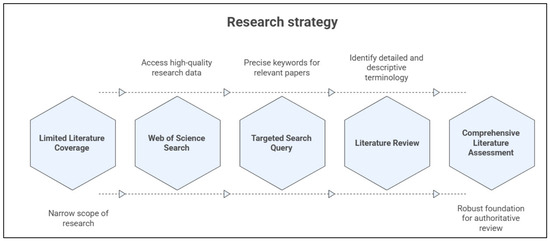
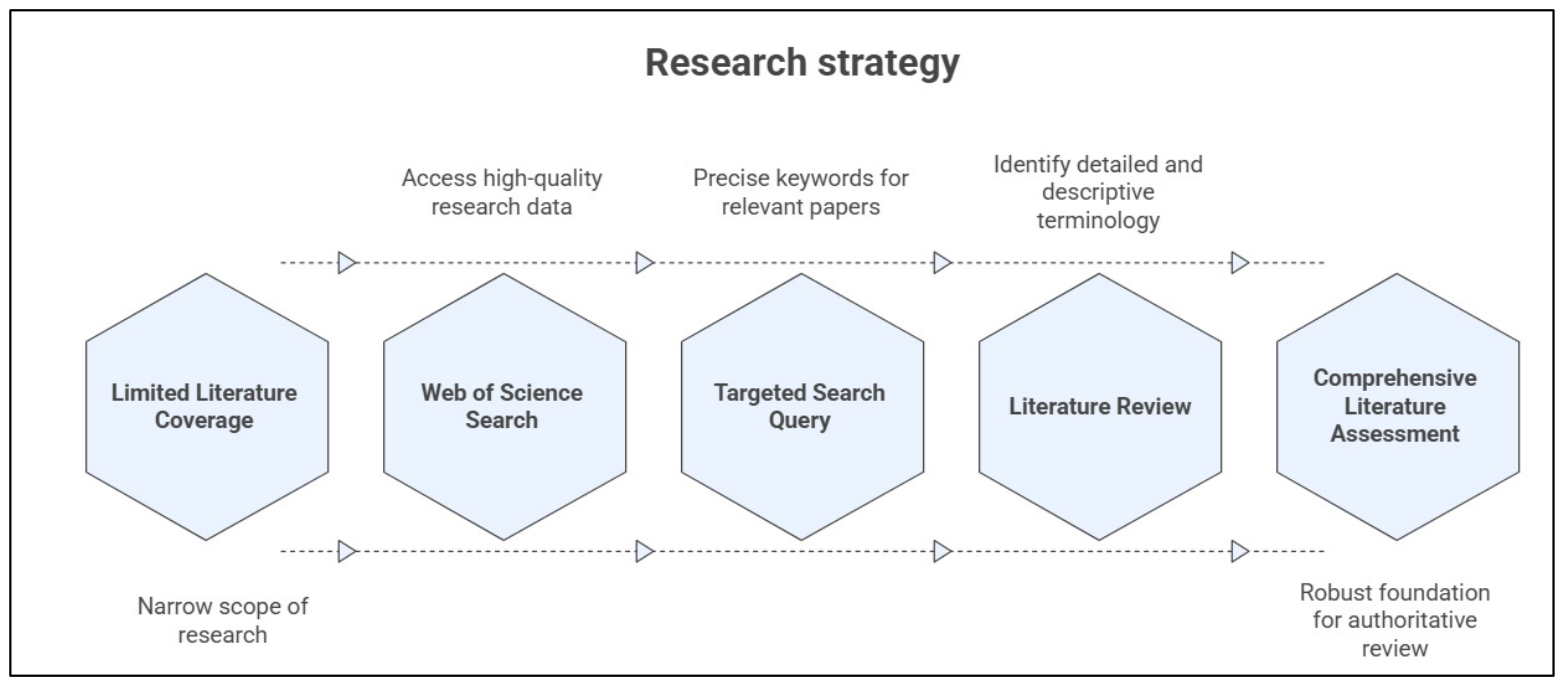
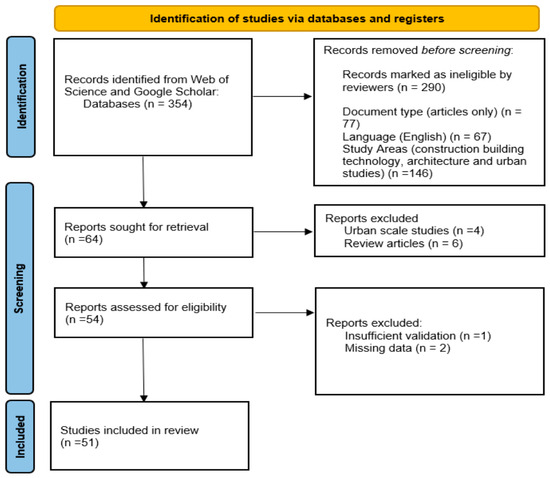
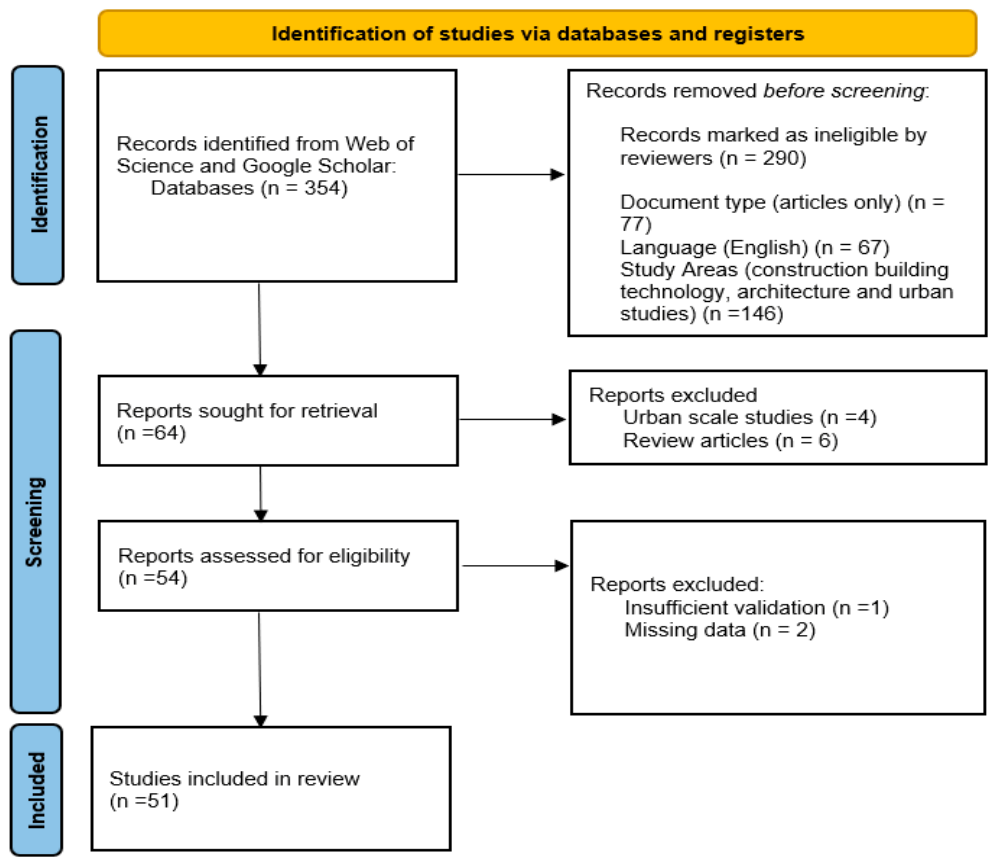
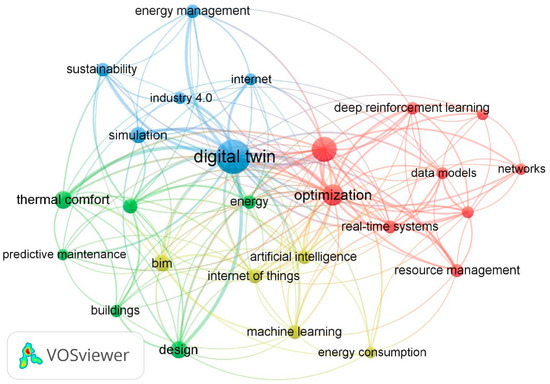
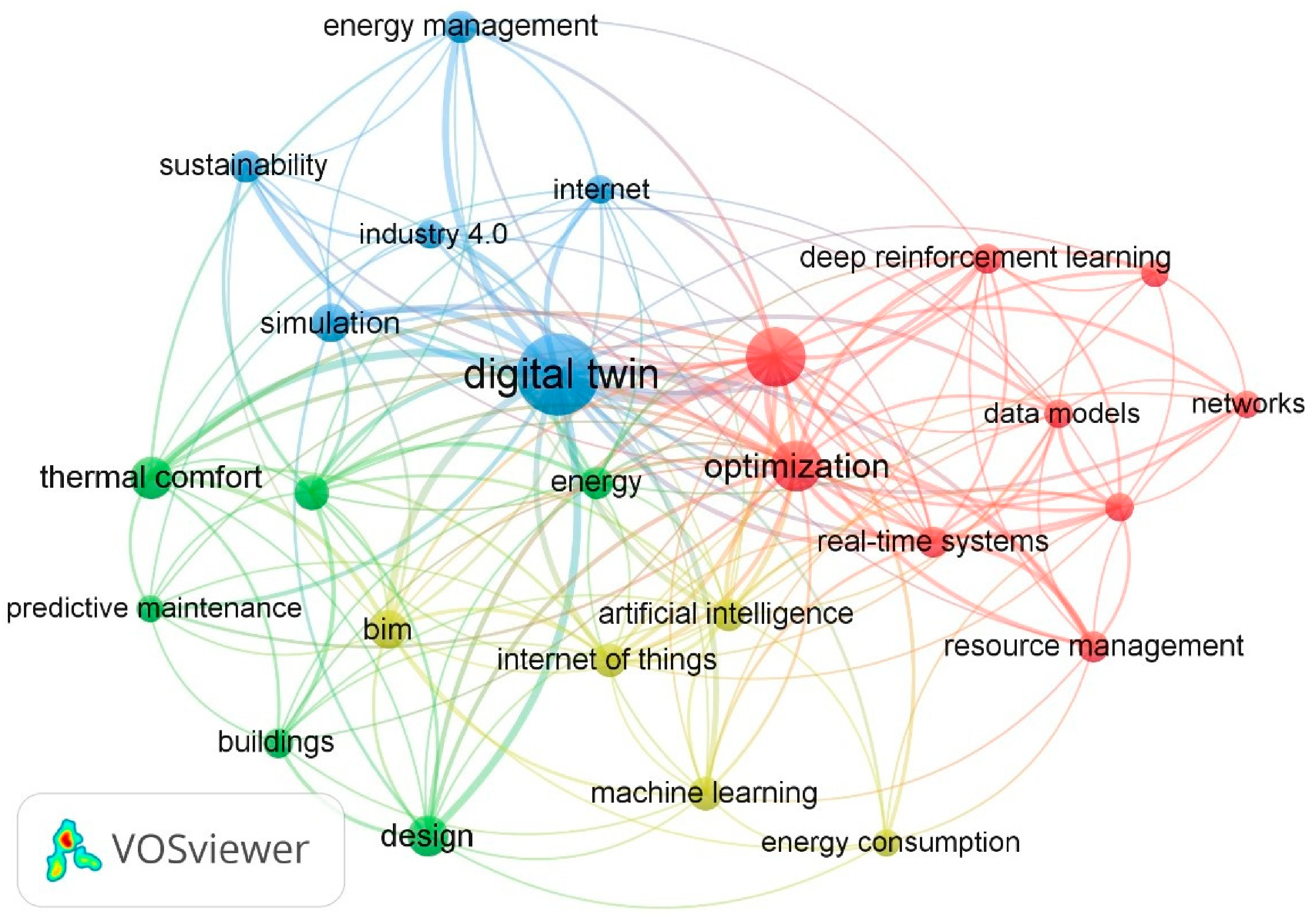
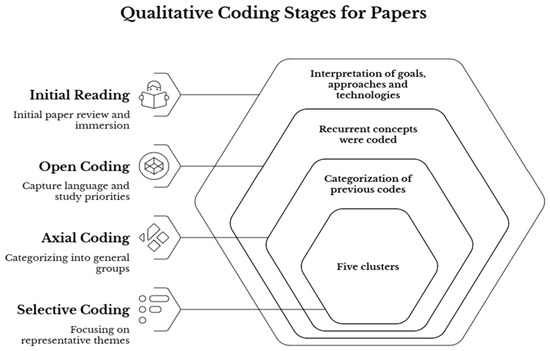
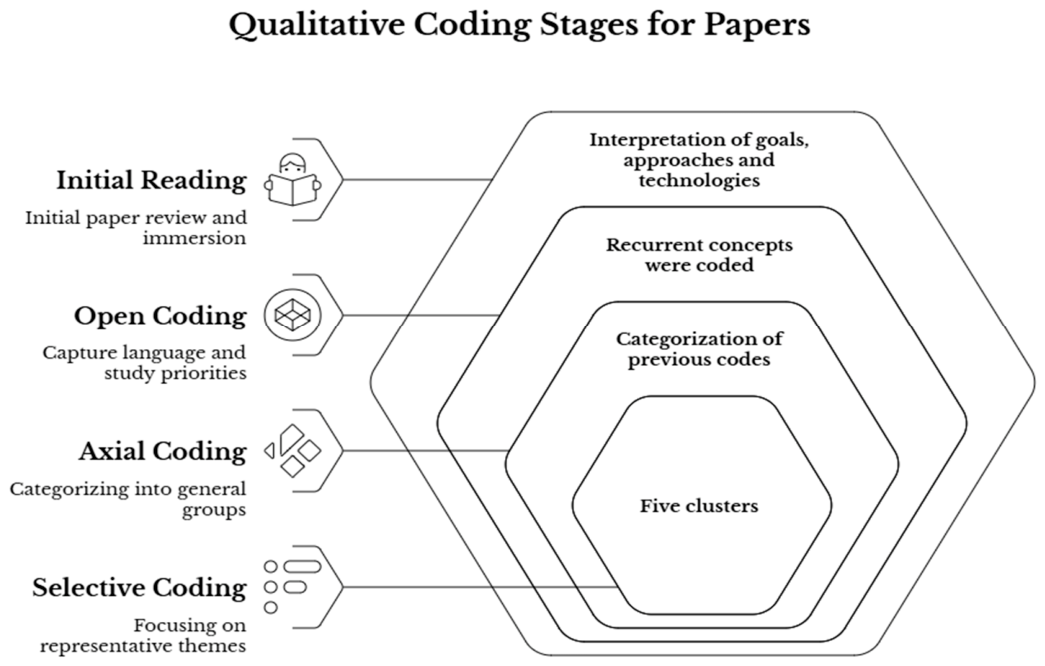
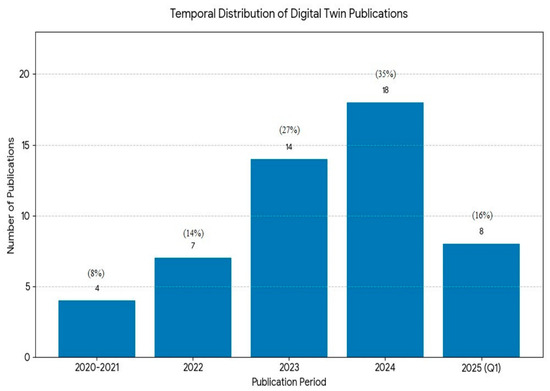
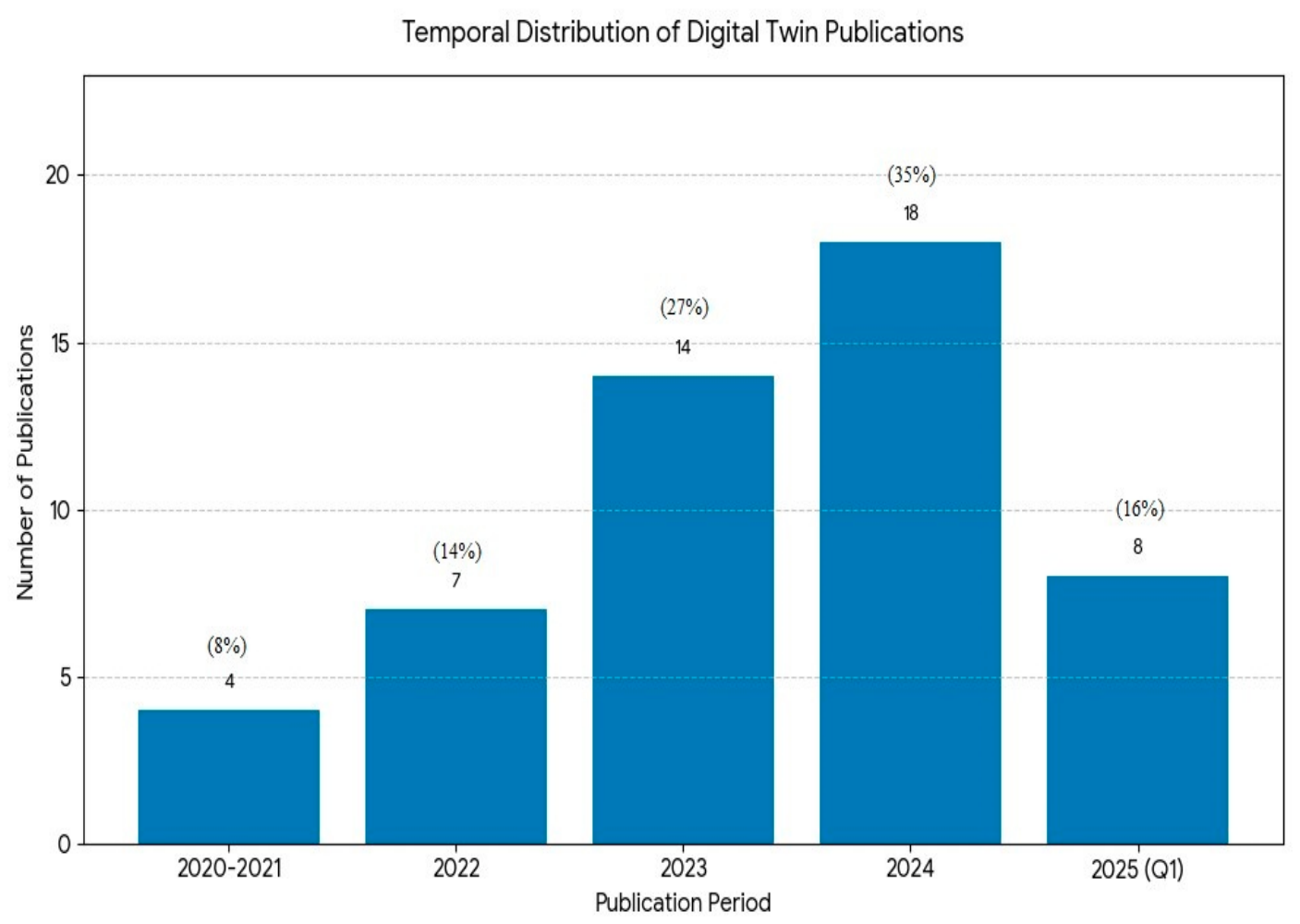
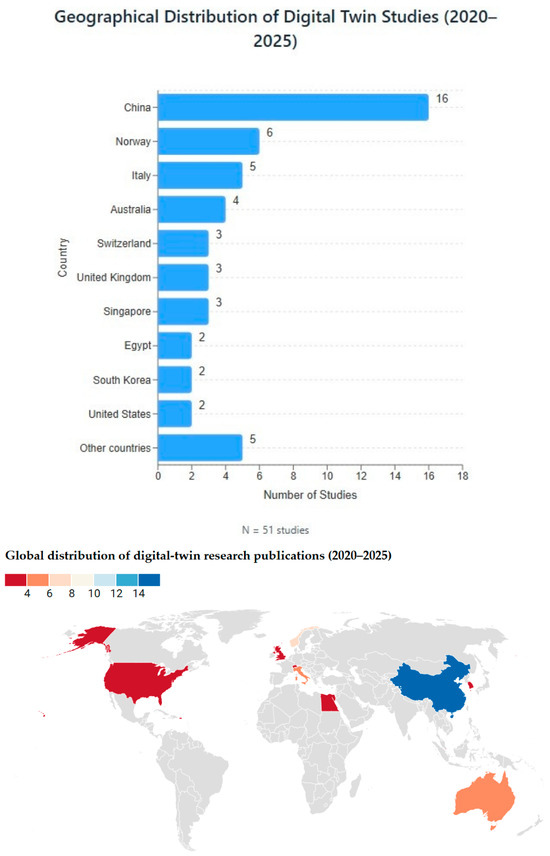
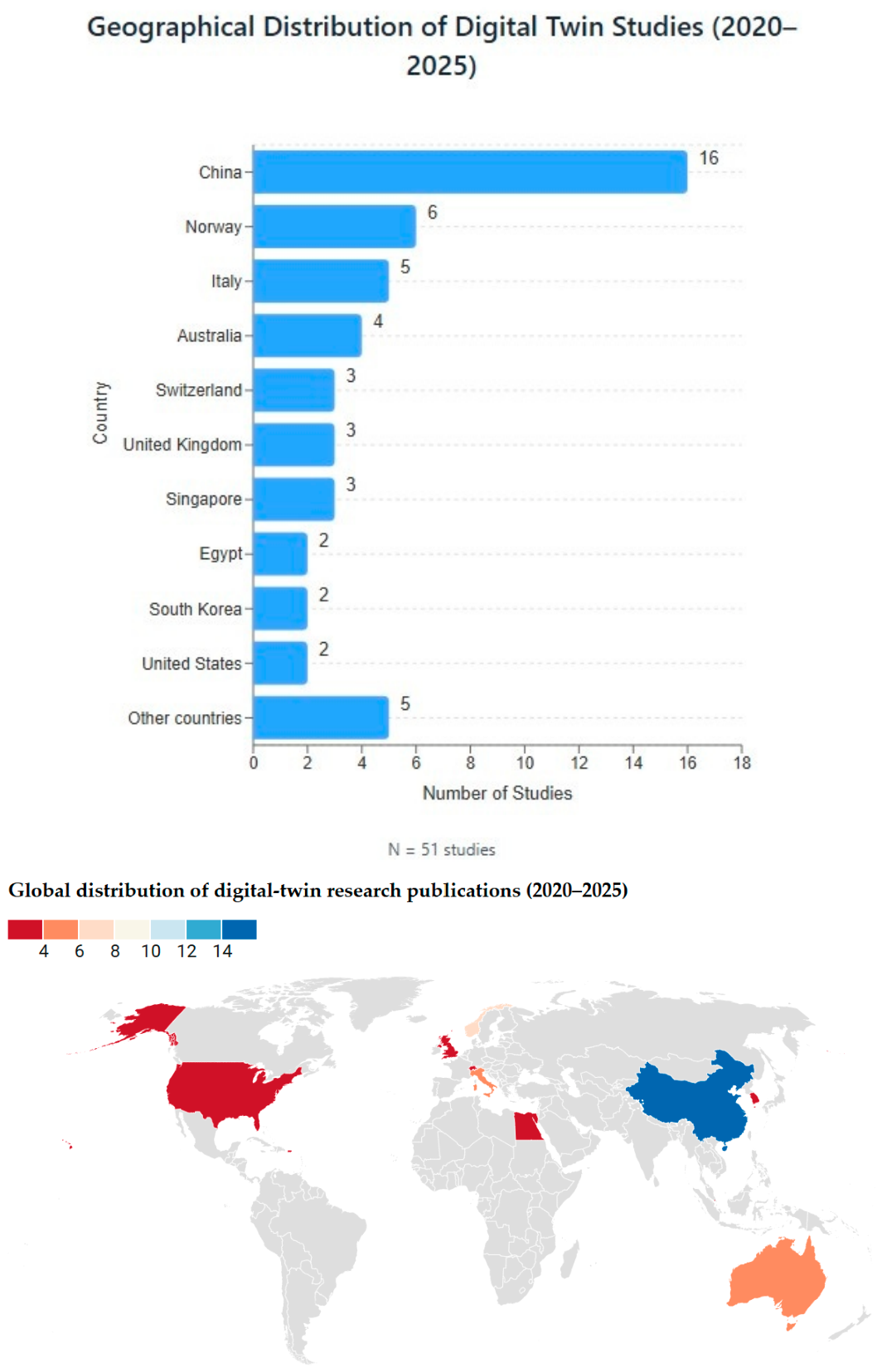
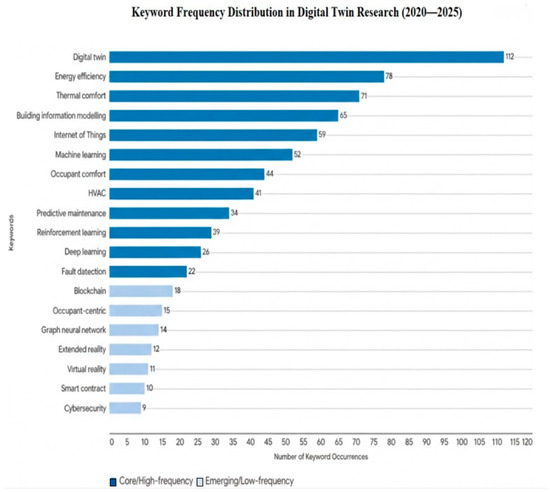
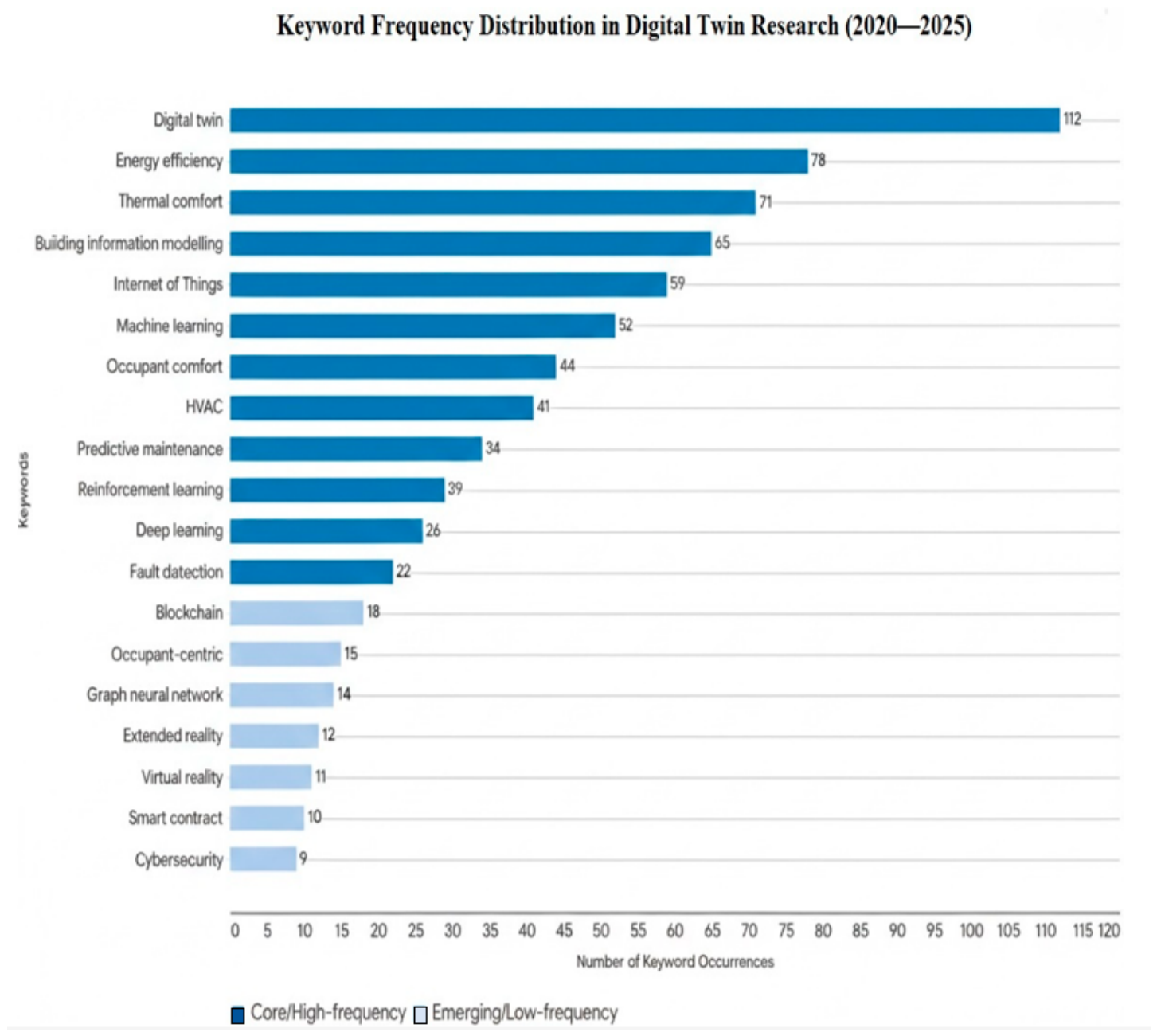
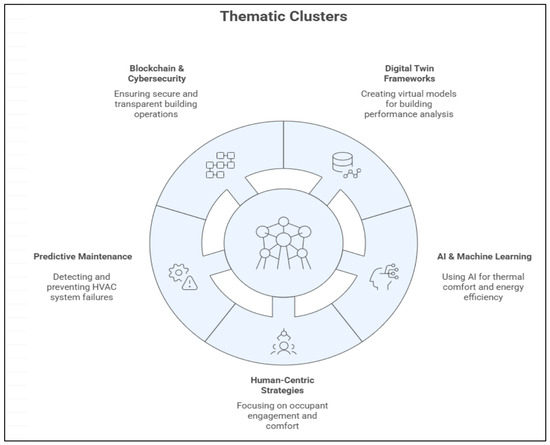
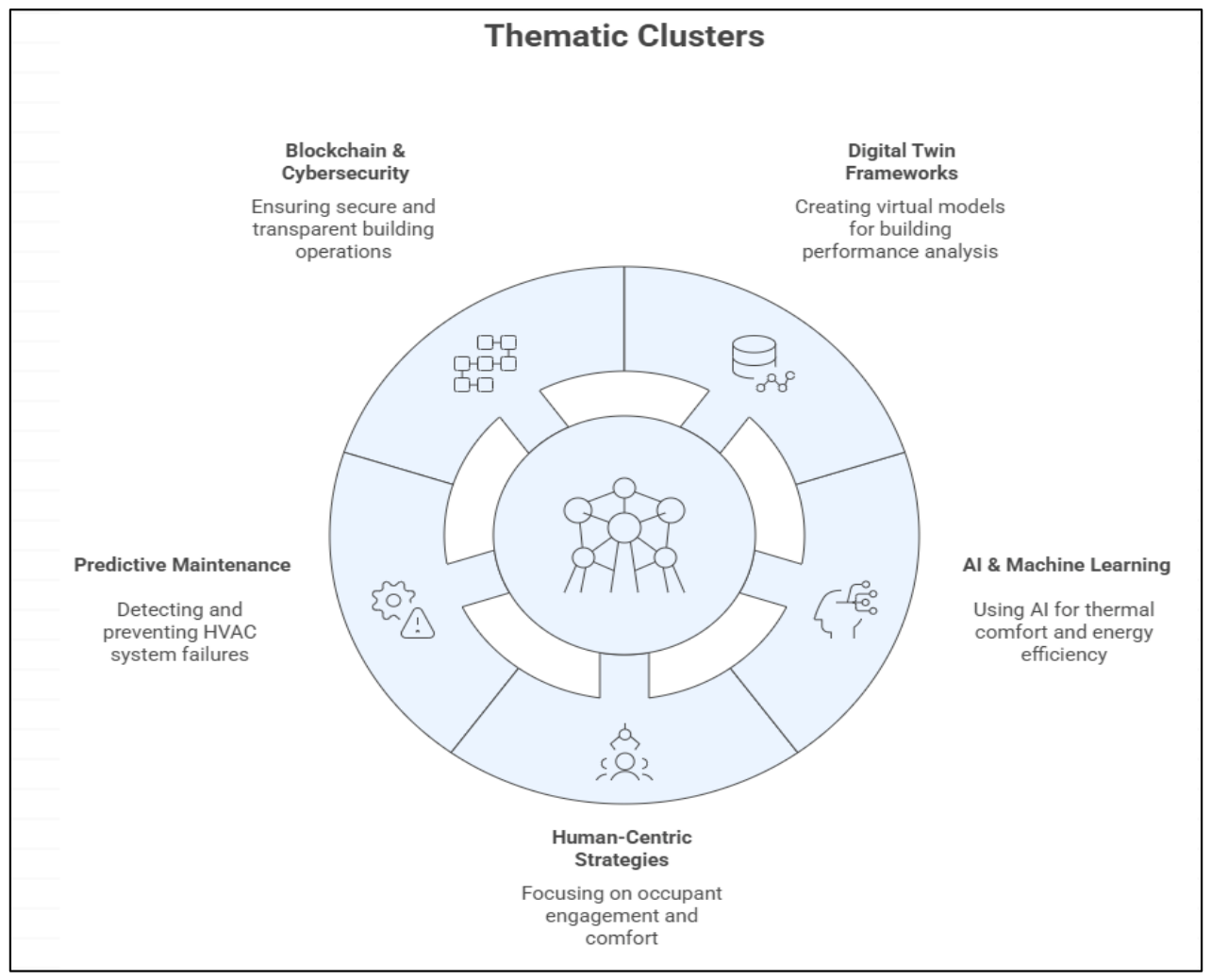
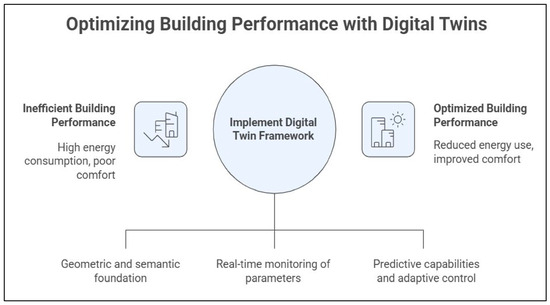
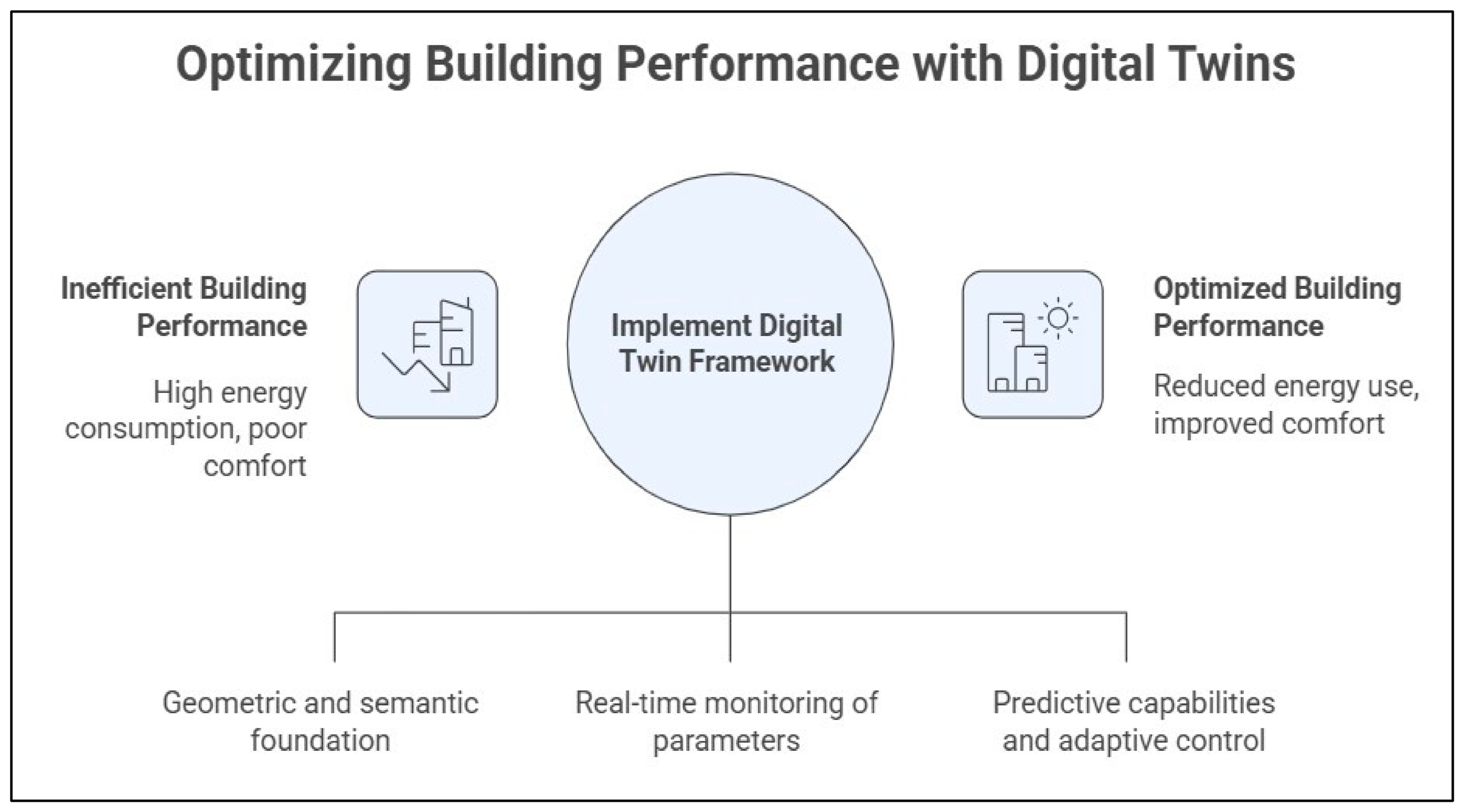
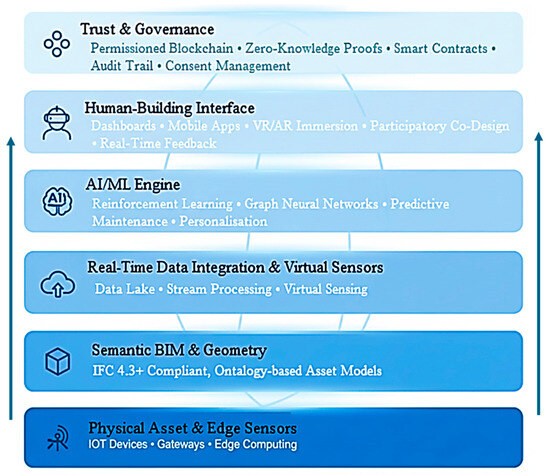
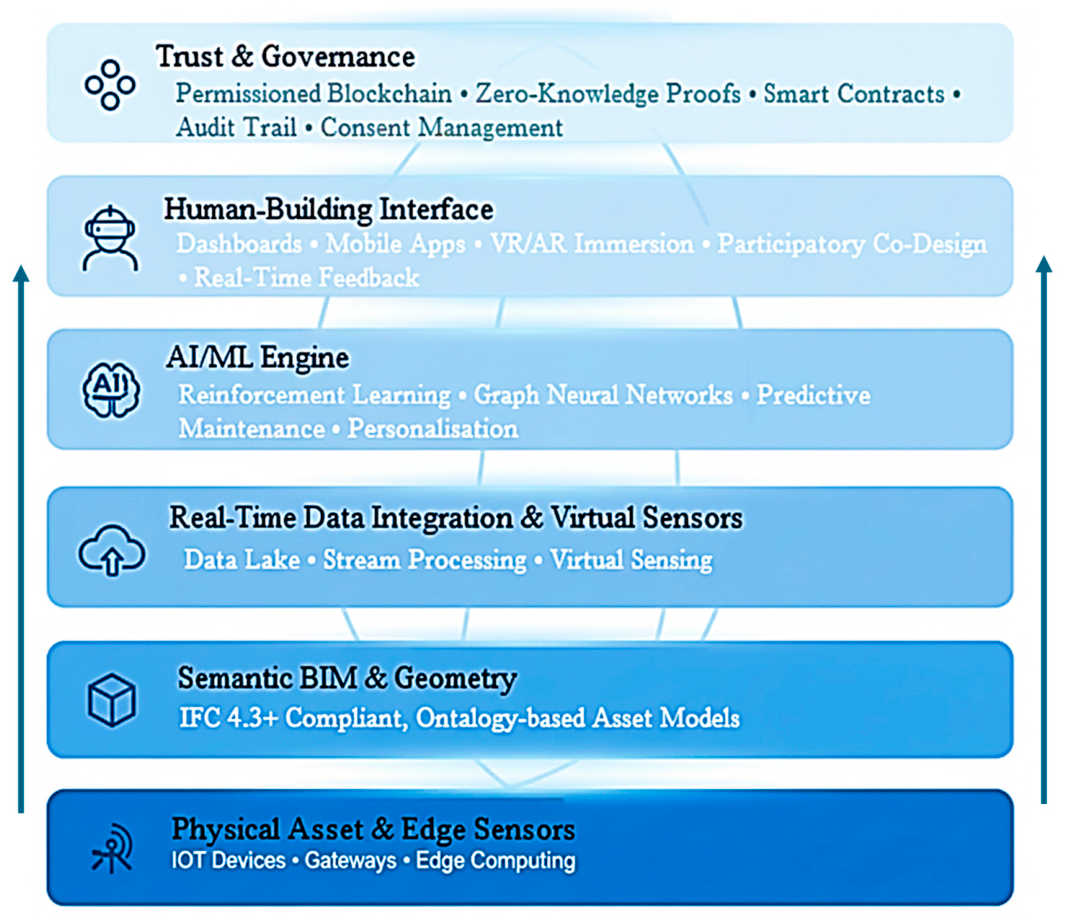

Disclaimer/Publisher’s Note: The statements, opinions and data contained in all publications are solely those of the individual author(s) and contributor(s) and not of MDPI and/or the editor(s). MDPI and/or the editor(s) disclaim responsibility for any injury to people or property resulting from any ideas, methods, instructions or products referred to in the content. |
© 2026 by the authors. Licensee MDPI, Basel, Switzerland. This article is an open access article distributed under the terms and conditions of the Creative Commons Attribution (CC BY) license.