


Abstract
Building Information Modelling (BIM) has emerged as a transformative approach for improving efficiency, coordination, and sustainability in the construction industry; however, its adoption in developing regions remains limited. In the Kurdistan Region of Iraq (KRG), BIM implementation—particularly within the residential construction sector—remains at an early stage and lacks comprehensive empirical investigation. This study aims to assess stakeholders’ perspectives on current BIM practices, identify key adoption barriers, and develop a context-specific strategic framework to support BIM implementation. A mixed-method research design was employed, incorporating literature review, expert validation through semi-structured interviews, and a structured questionnaire survey. A total of 319 valid responses were analyzed using descriptive statistics, Relative Importance Index (RII), Cronbach’s alpha for reliability, Spearman’s rank correlation, independent samples t-tests, and one-way ANOVA. In addition to ranking barriers, an inter-barrier correlation analysis was conducted to examine the relationships, clustering patterns, and hierarchical structure of BIM adoption challenges. The results indicate that while BIM awareness is moderately established among stakeholders, its practical application remains limited, particularly beyond the design phase. The most critical barriers include lack of training and expertise, absence of regulatory frameworks and standards, insufficient government support, and financial constraints. The correlation analysis reveals that these barriers are interdependent, with policy and institutional deficiencies acting as root drivers influencing technical, financial, and awareness-related challenges. Based on these findings, the study proposes a four pillar conceptual strategic framework encompassing human capital development, regulatory and standardization enablement, awareness and demand generation, and organizational and collaborative enhancement. The framework is explicitly derived from empirical results, linking barrier clusters to prioritized strategies, thereby enhancing its practical applicability. This study contributes to the existing literature by providing one of the first multi-province empirical assessments of BIM adoption in the KRG residential sector, integrating statistical validation with strategic development, and offering transferable insights for other developing regions at a similar stage of BIM adoption.
1. Introduction
Building Information Modelling (BIM) has evolved as a disruptive technology in the construction sector, fundamentally altering the design, planning, and management of projects. BIM indicates the procedure of generating a digital representation of a building’s physical and functional attributes, incorporating organized data throughout the project’s lifecycle—from planning and design to construction and operations [1]. BIM serves as a strong instrument for generating digital models and is essential for coordination, integration, and information management throughout a project’s lifecycle. It facilitates the visualization of construction sequences and the management of both functional and physical dimensions of buildings, allowing stakeholders to comprehend and coordinate project progress effectively [2]. A primary promoter for BIM adoption is its capacity to enhance the project management triangle of scope, cost, and time [3], which frequently represent the most significant issues for clients within the architectural, engineering, and construction (AEC) sector. BIM enhances stakeholder value throughout the project lifecycle by optimizing scheduling, cost estimation, and quality control [4]. BIM has been recognized for its capacity to facilitate sustainable construction by improving the analysis and assessment of environmental performance. BIM enhances operational efficiency and supports the overarching objective of protecting the environment [5]. Despite these advantages, the implementation of BIM in developing countries progresses at a slow pace [6]. The construction sector in numerous developing countries continues to face challenges related to limited BIM awareness, technical obstacles, and resistance to adopt change. BIM was initially implemented to resolve persistent issues in the construction project lifecycle, including budget excesses, timeline setbacks, and breakdowns in communication [7]. This global trend is also reflected in the context of the Kurdistan Region of Iraq. The region has had swift growth in the building industry, especially in residential development, propelled by urban expansion and public sector investment [8].
The Kurdistan Region of Iraq has experienced remarkable growth in its construction sector, particularly in residential development. According to data published by the Kurdistan Regional Government (KRG) Board of Investment, the total value of all licensed investment projects in the region exceeded USD 59 billion between 2006 and 2021. Of this, the residential construction sector alone attracted more than USD 17 billion in investment, representing approximately 29% of total licensed investment — making it the single largest non-oil sector by investment volume across the entire KRG economy. According to information that the Board of Investment published about residential projects, over 214,000 housing units have been built since 2006, comprising more than 105,000 apartments, 92,000 houses, and 17,000 villas. This figure underscores the strategic and economic significance of residential construction within the region, and highlights the scale of the sector within which BIM adoption remains nascent and understudied [9]. However, inefficiencies in project execution, financial oversight, and stakeholder collaboration endure challenges that BIM is ideally equipped to address. Nevertheless, the use of BIM in Kurdistan’s construction sector is still constrained. Conventional methods persist in prevailing project execution, but familiarity with BIM tools and practices remains limited [10]. The lack of clear strategy frameworks and inadequate institutional support impedes extensive adoption [11]. Under these circumstances, it is imperative to investigate the more effective integration of BIM into the region’s construction methodologies. While BIM has been examined at the national level in Iraq [12,13] and in Erbil city specifically [10], no published study to date has conducted a structured, multi province empirical investigation covering all four governorates of the Kurdistan Region simultaneously, nor has any prior work focused specifically on the residential construction sector as its unit of analysis. This study provides a context-specific, multi dimensional assessment of BIM adoption in the KRG, where empirical evidence remains limited. The primary aims of this study are to: evaluate current practices of BIM adoption in KRG’s residential construction projects from stakeholders’ perspectives; identify the barriers and challenges to effective BIM adoption; and propose a conceptual strategic framework to support future adoption efforts in the region. The novelty of this research lies in three key contributions. First, it integrates stakeholders’ perception analysis with statistical validation methods, including ANOVA and correlation analysis, to examine differences across demographic and professional groups. Second, it develops a structured conceptual strategic framework grounded in empirical findings, linking identified barriers with actionable strategies tailored to the regional construction environment. Third, the study provides one of the first comprehensive datasets reflecting BIM awareness, experience levels, and adoption readiness in KRG’s residential sector, offering a baseline for future policy development and comparative research in similar developing contexts. This study seeks to offer practical insights for academics, practitioners, and policymakers engaged in digital transformation within the residential construction sector by integrating a comprehensive literature review with empirical data derived from a questionnaire survey.
2. Literature Review
2.1. Current Status
BIM has been used in numerous nations since the early 2000s, with a notable increase in its implementation across projects. The McGraw Hill Construction research indicates that BIM deployment is growing globally, including mandates in the US, UK, and many European nations. Singapore has achieved a 50% adoption rate and mandates that all projects be submitted through BIM e-submissions [14]. Hosseini, M. et al. [15] indicates that Australia has attained significant acceptance, with over 42% of Australian SMEs utilizing BIM at levels 1 and 2, and around 5% having experimented with level 3. The Malaysian Public Works Department (PWD) adopted BIM with the objective of implementing it in 10% of public projects under the Eleventh Malaysia Plan (RMK11) over RM 50 million. Furthermore, commencing in 2018, Building Information Modelling (BIM) is compulsory for any public projects with a budget of RM100 million or above [16]. Norway, Denmark, and Finland are recognized as global leaders in BIM implementation. Scandinavian countries were early adopters in applying model-based design through the utilization of ArchiCAD software [17]. In Asia, Singapore is Asia’s top leader in BIM implementation, possessing one of the strictest governmental BIM mandates. BIM usage is advancing in the Middle East, especially in the UAE [18]. In 2014, Dubai Municipality enforced the use of Building Information Modelling (BIM) for designated projects, necessitating its application for mechanical, electrical, and plumbing (MEP) and architectural work on buildings over 40 stories or 300,000 square feet, projects managed by foreign firms, and intricate structures such as hospitals and institutions. Despite the gradual acceptance of BIM in the UAE, significant projects including the Louvre Museum, Guggenheim, and Midfield Terminal in Abu Dhabi are currently employing BIM [19]. Zaia et al. [12] reported that awareness of BIM in the Iraqi construction industry has increased slightly compared to prior research; however, the application of such technology remains uncommon. Nevertheless, most engineers and professionals in Iraq employ conventional techniques such as 2D drawings and Microsoft Excel spreadsheets in their design processes. Furthermore, 75% of participants had never utilized BIM, and nearly 25% employed BIM simply as a 3D model without visualization; this perception arises from BIM being seen as an advanced feature of AutoCAD. Consequently, this will confirm that the degree of BIM in Iraqi construction is at level (0). Additionally Hassan, M.F. and Al-Kindy, S.K. [20] indicated that there are efforts to implement BIM in certain Iraqi institutions, including the Ministry of Health, which has mandated the application of BIM by consultants through RFPs for prospective hospitals; however, this has not been effectively realized. In Northern Iraq there is a lack of BIM implementation and knowledge; 3.99% of respondent engineers are experts in BIM, 25.36% of respondent engineers are using BIM tools, and 76.45% of respondents have not implemented BIM in any of their projects whether in the private or public sector [21]. Another study carried out stated that an effort was made to fully understand the current state of BIM implementation in Erbil city, Kurdistan Region of Iraq. The results indicated that just 58% of respondents were familiar with BIM, whereas 42% had never heard of it. A majority of 79% reported that they had not utilized BIM, while only 21% indicated that their organizations employed it. Furthermore, 83% of respondents stated that the current level of understanding regarding BIM in Erbil city remains low to extremely low [10]. So, there is significant competition in the construction sectors of those countries to adopt technology and transition from conventional processes to BIM-based methods.
2.2. BIM Adoption Barriers
Many challenges arise in the use of BIM in AEC, some of which have been resolved over time. However, certain challenges emerge throughout the deployment of BIM. This section analyses prior research to determine the relevant obstacles to BIM implementation in building project management. Hosseini, M. et al. (2016) [22] examined the status of BIM in Iran, concentrating on the obstacles and promoters to its implementation. The research revealed significant obstacles, including market structure, project characteristics, the business environment, and inadequate governmental and policy assistance. Conversely, financial profits and enhanced competitiveness were seen as significant motivators. Adoption of BIM is in an early stage and encounters several significant obstacles, including the absence of government incentives, a lack of BIM standards, insufficient understanding of BIM, minimal perceived necessity for BIM, financial constraints, and resistance to change [23]. Another study concluded that the “training expenses,” “BIM software costs,” “deficient BIM technical knowledge and awareness,” “absence of comprehensive BIM guidelines,” and “substantial upfront investment in BIM” are the primary obstacles affecting BIM adoption in Jordanian AEC firms [24]. A study conducted in Saudi Arabia indicates that the primary obstacle to BIM adoption is the “lack of skilled and experienced personnel,” succeeded by “lack of awareness,” “communication issues,” and “long-term setup time” [25]. A study in the Kurdistan region indicated that the primary obstacles to adopting BIM in Northern Iraq include insufficient educational curricula related to advanced software such as ArchiCAD and Revit, a lack of training and mentorship for BIM applications within government agencies, and inadequate governmental support and encouragement for BIM implementation [10]. Zaia et al. [12] showed that the three primary barriers to BIM adoption in Iraq, based on the mean score, were identified as “Lack of BIM experts”, “Lack of BIM awareness”, and “Traditional methods of contracting”. Five primary barriers to the implementation of BIM in Erbil city were identified: the absence of training courses for BIM techniques, inadequate educational curricula and training programs in universities and governmental institutions, insufficient support from stakeholders in the construction sector affecting project development, poor planning and coordination regarding effective implementation and innovation management, and a deficiency of experts and technical personnel in the BIM domain, which ranked fifth [10]. Table 1 consists of identified barriers from the literature review and additional barriers sourced from previous studies.
Table 1.
BIM implementation barriers identified in literature.
2.3. BIM Adoption Strategies
To identify the implications of BIM adoption, many studies and publications related to BIM and its adoption approaches have been consulted. The references indicated that integrating BIM necessitates substantial modifications to the organization’s existing practices. Smith [17] reported progress that BIM implementation has significantly advanced in recent years, with several countries formulating effective strategies, particularly in North America, the UK, and the Scandinavian region. A crucial factor for successful BIM adoption is the coordinated support and leadership from government entities. Additional significant strategies included the establishment of national and international BIM standards, legal frameworks to address liability concerns, BIM certification, education and training, and the articulation of the business case for BIM adoption. Memon et al. [38] proposed feasible strategies for improving BIM adoption in the Malaysian construction industry, including the provision of trial software and the training of construction personnel. Incorporation of BIM into university curricula, reducing the cost of BIM software, establishing regulations for BIM usage, and engaging clients on the significance of BIM are further strategies. Alhumayn [26] stated that the government’s establishment of new regulations and guidelines was identified as the primary strategy for supporting the adoption of BIM. The majority of efforts and strategies for BIM adoption are the responsibility of the government, which should establish a timeline for mandatory BIM implementation in construction projects in Saudi Arabia. Rani et al. [42] demonstrate that six approaches are essential for improving BIM adoption in Indonesia. The strategies included: developing programs to integrate BIM into educational curricula and academia, formulating BIM implementation guidelines, establishing BIM standards, creating a digital transformation strategy for BIM, initiating pilot projects to leverage evidence-based benefits of BIM implementation, and developing BIM-related contractual frameworks. Consequently, these tactics must be prioritized and emphasized to enhance the BIM implementation process. Ogunbayo et al. [43] evaluated the ways to enhance BIM utilization among experts in the South African construction sector. It identified regular training, skills enhancement programs, education for construction staff, application of gained skills, and adherence to BIM requirements in construction activities as key measures to enhance BIM adoption among professionals in the construction sector. Another study proposed that comprehensive implementation of BIM in Saudi Arabia necessitates enabling laws, a supporting regulatory framework, government financial help, and enhanced education for the stakeholders involved [26]. Table 2 lines up the twenty-two (22) BIM adoption strategies that were extracted from the extensive literature review and previous studies.
Table 2.
BIM adoption strategies from previous studies.
3. Materials and Methods
This study employs a quantitative research methodology complemented by qualitative insights to examine the current state of BIM adoption, identify adoption barriers, and propose a conceptual strategic framework for BIM adoption in residential construction projects within the KRG. Given that BIM adoption in the Iraq and Kurdistan Region is still at a very early stage [10,12,21], the availability of measurable project-based BIM performance data is very limited. Therefore, a perception-based approach was adopted as an appropriate and widely accepted method for assessing technological readiness, identifying barriers, and evaluating strategic priorities in emerging markets. This approach has been extensively used in previous BIM studies in developing countries, where adoption levels remain low. The inclusion of expert validation, reliability testing, and statistical analysis further strengthens the robustness of the findings. A survey-based research strategy was selected because the study aims to capture stakeholders’ perspectives, awareness levels, and perceived barriers related to BIM adoption across a wide professional population. Survey methods are particularly appropriate for exploratory and diagnostic studies in contexts where empirical implementation data are limited and BIM adoption remains at an early stage. Alternative strategies such as experiments or case studies were not adopted, as the objective of this research is not to evaluate BIM performance or implementation outcomes, but rather to assess readiness and strategic requirements from a stakeholder perspective. A systematic questionnaire was designed based on the literature, consisting of four primary sections: (1) respondents’ personal information, (2) present BIM adoption practices, (3) obstacles to BIM adoption, and (4) conceptual strategies for improving BIM acceptance.
Semi-structured expert interviews were conducted during the questionnaire design phase to validate content relevance, clarity, and contextual suitability. Their response resulted in the refining, enhancing, or consolidation of items in the questionnaire. Interview questions were formulated based on gaps identified in the literature and focused on current BIM practices, perceived obstacles, and strategic needs within the regional context. Feedback from experts resulted in the rephrasing, consolidation, and elimination of several questionnaire items to improve clarity and relevance. A pilot study was subsequently conducted to evaluate the reliability and comprehensibility of the survey instrument. The final version was distributed to industry experts and academics in both public and private sectors, involving designers, contractors, consultants, site engineers, project managers, and university faculty. Data was gathered through online forms and physical distribution, ensuring extensive participation and varied respondent representation. The steps within the scope of this research are presented in Figure 1.
Figure 1.
Methodology of the study.
3.1. Expert Validation Through Semi-Structured Interviews
After the preliminary development of the questionnaire, a validation phase was executed utilizing semi-structured interviews with BIM specialists to improve the efficacy and clarity of the survey instrument. This phase sought to identify potential deficiencies and strengths in the questionnaire design before extensive distribution. The expert panel consisted of eight specialists selected through purposive sampling, based on their demonstrable professional engagement with BIM in the Kurdistan Region. Given that BIM adoption in the KRG remains at a very early stage, the total population of qualified BIM practitioners in the region is extremely limited. Accordingly, all identified BIM experts working in academic institutions and engineering bureaus specializing in BIM design coordination were approached and included in the panel, ensuring comprehensive coverage of available regional expertise. The panel comprised both academic staff with BIM research experience and industry practitioners actively engaged in BIM design coordination within engineering consultancy offices. All eight interviews were conducted face-to-face at the participants’ respective workplaces, allowing for detailed discussion and contextual clarification of questionnaire items. The semi-structured interview format enabled experts to provide comprehensive input regarding the relevance, clarity, and completeness of the questionnaire items pertaining to BIM status, adoption barriers, and strategic measures. In accordance with the experts’ critiques and recommendations, certain items were modified, rephrased, consolidated, incorporated, or eliminated to enhance contextual relevance and clarity. The validation procedure concluded in the refinement of the BIM adoption barriers to a finalized list of 16 items, Table 3, and the completion of the BIM adoption strategies with 22 items, Table 4.
Table 3.
Validated BIM adoption barriers.
Table 4.
Validated BIM adoption strategies.
3.2. Pilot Study
The present study employed a two-phase data collection methodology. The initial phase of data collecting was founded on a pilot study. A pilot study is a preliminary investigation involving participants whose characteristics match those of the primary sample population [50]. This study determines the appropriateness of the questionnaire for distribution to the target group [51]. In the present study, 30 questionnaires were gathered, examined, and analyzed. The pilot study served as a pretest for the draft questionnaire to evaluate language usage, determine the average completion time, and assess the compatibility of statistical tools with the questionnaire format for primary data collection and analysis.
3.3. Questionnaire Structure
The questionnaire was developed to thoroughly evaluate the current situation, obstacles, and strategic requirements for BIM adoption in residential projects in the Kurdistan Region. The questionnaire’s format was guided by a comprehensive literature analysis and expert interviews, separated into four primary sections:
Section 1: Respondent profile—this part gathers demographic and professional data regarding the respondents. This information supports in classifying replies and comprehending BIM implementation trends across various roles and areas.
Section 2: Current status of BIM in KRG residential projects from the perspective of project stakeholders—this section examines the respondents’ knowledge and engagement with BIM in the residential construction sector of the Kurdistan Region. The investigation encompasses aspects such as BIM awareness, organizational usage levels, BIM-related training, the quantity of BIM-based projects managed, utilized software, years of BIM experience, project phases where BIM is implemented, and the dimensions of BIM employed (3D, 4D, 5D, 6D).
Section 3: Obstacles to BIM adoption in KRG residential projects—this section outlines principal obstacles obstructing BIM adoption in residential construction. It encompasses 16 obstacles related to technical, organizational, financial, legal, and educational domains. Participants were requested to evaluate their degree of agreement utilizing a five-point Likert scale: (1: No Impact, 2: Low Impact 3: Moderate Impact; 4: High Impact 5: Extremely High Impact) These ratings offer measurable data for assessing the perceived intensity of each obstacle.
Section 4: Strategies for promoting BIM adoption in KRG residential projects—this section emphasizes possible drivers and strategic recommendations for enhancing BIM integration in the region. Participants evaluated the significance of 22 suggested strategies for resolving BIM obstacles, employing a five-point Likert scale: (1: Not Important at All 2: Slightly Significant 3: Moderately Significant 4: Significant 5: Highly Significant). These responses are utilized to prioritize strategic initiatives for advancing BIM adoption.
3.4. Sample Size
The sampling strategy adopted in this study was designed to ensure statistically adequate representation of the target population across all four governorates of the Kurdistan Region of Iraq. Given that the total population of construction professionals and academics in KRG cannot be precisely enumerated, the formula for an unknown population was applied to calculate the minimum required sample size, using the following parameters: a 90% confidence level standard normal deviation (z = 1.645), a margin of error of ±5%, and a population proportion of p = 0.5, which maximizes the required sample size and therefore provides the most conservative and representative estimate. The necessary sample size for each Province participating in the survey was statistically calculated using Equation (1) [52]. The choice of a 90% confidence level rather than the more commonly cited 95% was a deliberate methodological decision appropriate to the exploratory and diagnostic nature of this study. As BIM adoption in the KRG is at a nascent stage and no prior comprehensive population data exists for this professional group, a 90% confidence level is widely accepted in exploratory construction management research as providing a sufficient balance between statistical precision and practical feasibility of data collection across geographically dispersed provinces.
where:
- m: The sample size;
- : Margin of error (e.g., 10%);
- : Z value. The confidence level for this research project was selected to be 90% (z score = 1.645).
Applying above equation, the minimum required sample size per province was calculated as 96 respondents, yielding a total minimum target of 384 respondents across the four governorates of Erbil, Sulaymaniyah, Duhok, and Halabja. The study achieved 319 valid responses, which exceeds the minimum required sample size per province and represents a statistically adequate dataset for the analytical methods employed, including descriptive statistics, RII analysis, Spearman rank correlation, independent samples t-tests, and one-way ANOVA.
3.5. Final Data Collection
This study’s data was gathered via an extensive survey aimed at academic and professional stakeholders in the residential construction sector throughout four governorates in the Kurdistan Region of Iraq: Erbil, Duhok, Sulaymaniyah, and Halabja. The study utilised a mixed-method approach, incorporating both online and printed questions to enhance participation and assure varied representation.
An online survey was sent via email to 310 faculty members from ten universities, including Duhok University, Sulaimani University, Salahaddin University, Koya University, Cihan University branches in Erbil and Sulaymaniyah, American University of Duhok, Tishk International University, University of Kurdistan Hewlêr, and Polytechnic University of Duhok. The response rate from academia was 35.8%, resulting in 111 complete questionnaires, while 45 participants rejected due to insufficient expertise with BIM, and the remaining 154 did not answer. The lower academic response rate of 35.8% compared to the 80% industry rate is attributable to several contextual factors. The survey was distributed to faculty members across ten engineering colleges throughout the KRG, of which only five institutions offer Mechanical and Electrical Engineering departments, while all ten maintain Civil and Architecture Engineering departments. Despite distributing questionnaires to 310 academic staff members across all disciplines—Architectural Engineering (100), Civil Engineering (96), Electrical Engineering (70), and Mechanical Engineering (45)—and conducting up to three follow-up reminders per contact through both email and direct visits, the response rate remained limited. Of the non-respondents, 45 faculty members formally declined participation citing insufficient BIM experience, while 154 did not respond. This is consistent with the documented reality that BIM has not yet been formally integrated into university curricula in the region, limiting the pool of academically engaged BIM practitioners. To assess potential non-response bias, the demographic profiles and BIM familiarity levels of early and late respondents were compared and found to be broadly similar, indicating that non-response did not systematically skew the academic subsample results.
Simultaneously, 300 printed questionnaires were distributed to industry professionals in both public and private sectors. Of these, 240 were returned, achieving an 80% response rate, with 208 fully completed and deemed appropriate for analysis, resulting in a 69.3% usable response rate from industry participants.
The process of gathering data lasted eight months, with data collection having been completed in August 2025, and incorporated follow-up reminders through email and phone calls to improve participation. Despite these endeavors, obstacles such as insufficient academic engagement and geographical differences were faced. Only 35.8% of academic participants finalized.
3.6. Reliability Testing
The Cronbach’s alpha reliability test is primarily used to verify the internal consistency or reliability of the construct of the questionnaire items under the adopted Likert scale of measurement [45]. The range of the Cronbach’s alpha coefficient is from 0 to 1. The larger the -value, the higher the reliability of the generated result or scale will be. If the -value , the measurement scale is reliable [53]. The classification of Cronbach’s alpha reliability is presented by Yockey [54] as shown in Table 5. In this study, the recorded Cronbach’s alpha was 0.83 for barriers to BIM adoption, which is in the Good range; additionally, the alpha value was 0.93 for strategies for BIM adoption in KRG’s residential project, which is an excellent degree of reliability, as presented in Table 6.
Table 5.
Cronbach’s alpha reliability values.
Table 6.
Reliability statistics result.
3.7. Validity Test
The statistical validity of the questionnaire was evaluated by internal consistency using Spearman’s rank correlation coefficient. This method was selected for its robustness in handling non-parametric data without necessitating normality. The correlation assessed the degree and direction of the relationship between individual items and the overall construct in the obstacles and strategies sections. All computed p-values were determined to be below 0.05, signifying robust internal consistency and confirming the validity of the questionnaire items [54]. And it was calculated using the following Equation (2).
where is the Spearman’s correlation coefficient between two parties; d is the difference between rank-assigned variables for each cause; n is the number of parties of rank.
The results for BIM barriers show that all Spearman correlations were statistically significant (), indicating strong monotonic relationships. The strongest association was recorded for B10 (), while B6 () and B16 () showed weaker but still significant effects.
All strategies proved statistically significant correlations (). The strongest relations were observed for ST21 () and ST16 (), while ST2 () and ST20 () showed moderately weaker (but still significant) effects.
3.8. Data Analysis Method
The study utilizes quantitative analysis, incorporating descriptive statistics (frequency distributions and mean values) and the Relative Importance Index (RII) to systematically rank each identified component based on survey results. The effectiveness index will be computed using the following Equation (3) [33].
where W is the weight given by respondents for each component (ranging from 1 to 5); A represents the highest weight (which equals 5); N represents the total number of respondents. To provide a comprehensive and consistent statistical framework, the study employs five complementary analytical methods, each serving a distinct and clearly defined purpose: (1) descriptive statistics and RII are used to rank and prioritize barriers and strategies based on respondent ratings; (2) Cronbach’s alpha is applied to verify the internal consistency and reliability of the Likert-scale instrument; (3) Spearman’s rank correlation is used to assess the validity of individual items against the overall construct, and additionally to examine inter-barrier relationships as reported; (4) independent samples t-tests are applied to compare mean perceptions between two independent groups; and (5) one-way ANOVA is applied to test for statistically significant differences in perceptions across three or more independent groups defined by demographic and professional variables. This multi-method analytical approach ensures that the findings are validated through convergent statistical evidence rather than relying on any single technique.
3.9. Independent Samples Test
An independent samples test, or independent t-test, is a statistical technique employed to compare the means of two distinct, unrelated groups to see if a statistically significant difference exists between them. The output comprises the mean difference, t-value, and p-value (significance level). If the p-value is less than 0.05, the disparity between groups is deemed statistically significant.
3.10. One-Way Analysis of Variance (ANOVA)
One-Way Analysis of Variance (ANOVA) is a statistical method employed to compare the means of three or more independent groups to ascertain whether at least one group’s mean substantially differs from the others. The output comprises the F-value (test statistic) and the p-value (significance level). A p-value less than 0.05 signifies that rejecting this hypothesis means that at least one group is very different from the rest.
4. Results and Discussion
4.1. Demographic Information About the Respondents
This section highlights the characteristics of the 319 survey respondents, offering essential background for their perspectives on BIM in KRG’s housing projects. The sample was primarily male (67%), mirroring the wider industry demographics. Respondents were predominantly located in Sulaimaniyah (35%), Erbil (32%), and Duhok (29%). The age distribution was varied, with the predominant cohort aged 31–40 (35%), alongside substantial representation from older, experienced professionals. The sample was well-educated, with 64% possessing a bachelor’s degree, 18% a master’s degree, and 15% a PhD. Architects constituted 51% and Civil Engineers represented 35% of the predominant specializations. The majority possessed over 15 years of professional experience (53%), showing an expert workforce. An equal distribution was noted in the workplace, with 50% in the Public Sector, 30% engaged in both Public and Private sectors, and 20% exclusively in the Private Sector. Academics (38%), Consultants (20%), and Design Engineers (19%) were the predominant positions. Significantly, the majority of respondents exhibited a fundamental comprehension of BIM, with 47% categorized as “Moderately familiar” and 28% as “Somewhat familiar”. This robust general awareness establishes a firm foundation for assessing BIM’s possibilities in KRG’s residential initiatives. Table 7 shows the respondents’ personal information.
Table 7.
Respondents’ background information.
4.2. Current Practices of Building Information Modelling (BIM) in KR’s Residential Project
This section presents the findings related to stakeholders’ self-reported practices, knowledge levels, and experiences with Building Information Modelling (BIM) within the residential project sector of the Kurdistan Region. The findings provide significant insights and correspond with the issues documented in previous studies throughout Iraq and comparable contexts. To ensure the credibility of responses, the study explicitly assessed participants’ BIM-related experience through multiple indicators, including years of BIM usage, number of BIM-related projects involved, project phases where BIM was applied, and familiarity with BIM tools and dimensions. The results indicate that although a portion of respondents had limited or no direct BIM implementation experience, a significant proportion possessed moderate to advanced familiarity (67% reported at least moderate familiarity), and many had indirect exposure through academic, design, or supervisory roles. Therefore, the findings reflect a combination of practical experience and informed professional perception, which is appropriate for assessing adoption readiness in early-stage BIM environments.
Initially, concerning BIM awareness, as shown in Figure 2 more than half of the participants (51.7%) indicated that they were familiar with BIM but had not directly experienced its use, whereas just 43.3% had both heard of and experienced BIM to some extent, and a smaller proportion stated that they had never heard of BIM. These results indicate a comparatively elevated degree of understanding opposed to other research in Iraq, where most professionals were unaware of BIM, as noted by [12]. Thirty-three percent of Iraqi professionals are unfamiliar with BIM, whereas Wali [10] discovered that forty-two percent of professionals in Erbil have not heard of BIM. The recent findings indicate a gradual enhancement in awareness over the past five years; respondents’ reported experience indicates that practical exposure to BIM remains limited.
Figure 2.
BIM knowledge level.
Regarding exposure to BIM within organizations, only just 3.1% of the respondents reported working in the organizations where BIM software is adopted routinely. Most participants had either read studies on BIM (18.2%) or were self-educating (17.9%), while just a small number had participated in official university programs or industry-sponsored training. These findings indicate that formal institutional or organizational support for BIM education is insufficient, aligning with other researchers’ results that 59.4% of professionals have not undergone any BIM training [21]. The reported level of BIM adoption within organizations also remains low. As shown in Figure 3 approximately 27% of respondents indicated that BIM is rarely adopted in their organizations, while an additional 26% claimed occasional usage. Alarmingly, a further 27% indicated that BIM is entirely absent from their organizations. Only a limited number of respondents reported frequent use (9.7%), and 5.6% indicated continued and ongoing usage. These results emphasize the observation that BIM adoption in residential construction within KRG is still at an early stage.
Figure 3.
Using BIM.
Regarding respondents’ reported experience with BIM across project phases, as illustrated in Figure 4 from respondents’ reported experience, 40% indicated that BIM-related activities were mainly associated with design stage, whereas considerably only 8% of respondents reported experience during the construction phase, and 1% in the operations/maintenance phase. Significantly, 41% of the respondents indicated that they had not used BIM at any project phase. BIM-related activities, where present, are predominately perceived as design-oriented with a limited amount reported beyond early project phases.
Figure 4.
Using BIM in project phase.
When respondents were asked to evaluate BIM effectiveness from a perception-based perspective, as shown in Figure 5, a significant percentage (47%) of the respondents considered BIM to be highly effective in enhancing outcomes such as cost, time, and quality, while an additional 31% rated it as moderately effective. These responses reflect stakeholders perceived potential of BIM. The generally positive perception suggests that despite limited practical exposure, stakeholders recognize the prospective advantages associated with adoption of BIM.
Figure 5.
BIM effectiveness.
In enquiries regarding BIM technology familiarity, Figure 6 illustrates that Autodesk Revit was identified as the most commonly recognized software (65%), followed by ArchiCAD at 20%. This corresponds with global usage trends and indicates a steady transition from conventional 2D programs such as AutoCAD.
Figure 6.
BIM software.
Respondent experience levels with BIM remain constrained, as shown in Figure 7: approximately 33% of respondents reported never having experience with utilized BIM, while 30% indicated limited experience, having engaged with it for 0–2 years, and only 6% reported more than 10 years of experience. Moreover, 56% of the respondents stated that they had not participated in any BIM projects, emphasizing the prior conclusion that practical exposure remains limited. In comparison with earlier studies, improvements are evident, as noted by Zaia, Y.Y. et al. [12] who reported that 75% of Iraqi professionals lack experience with BIM. Figure 8 illustrates the number of respondents involved in projects where BIM-related practices were reportedly utilized.
Figure 7.
BIM experience.
Figure 8.
Project with BIM involvement.
Regarding the BIM dimensions, 42.6% of respondents reported engagement primarily with basic 3D modelling. The reported use of more advanced dimensions such as 4D (time), 5D (cost), and 6D (sustainability) was considerably markedly low, with only 3.8% indicating experience across all four dimensions. Significantly, 36.7% of respondents indicated continued reliance on 2D approaches. These findings highlight the limited depth of BIM use and emphasize the necessity for enhanced training and institutional support.
As shown in Figure 9 training is a significant deficiency. Approximately 46% of respondents reported either being self-taught or having received no formal training, whereas only 15% obtained instruction through college courses and 19% through online programs. These findings corroborate with the existing literature, indicating that the absence of structured BIM education and professional development constitutes a significant impediment.
Figure 9.
BIM training method.
Concerning the present level of BIM use in residential projects, 46% of respondents assessed it as including “very few” projects, while only 7% stated that BIM is used extensively. This evaluation aligns with the observed usage data and indicates a necessity for enhanced strategic execution. Figure 10 shows the current level of BIM adoption.
Figure 10.
Current level BIM adoption.
Despite this limitation, as shown in Figure 11, future outlooks remain hopeful. Half of the respondents (50%) believe BIM usage will increase, and 26% think it will become an accepted standard in Kurdistan’s residential sector. Only 2% predict decline. This is a promising indication of readiness and receptiveness for accepting BIM, contingent upon appropriate incentives and training. The adoption of BIM in tenders is yet infrequent. A notable 79.3% reported they have not engaged in any tenders mandating BIM, indicating that neither governmental nor private sector procurement enforces its utilization. These findings align with global statistics indicating that BIM adoption frequently rises when mandated by procurement laws.
Figure 11.
Future BIM adoption.
The survey results indicate a moderate awareness of BIM among respondents, accompanied by limited self-reported practical exposure within Kurdistan’s residential construction sector. The results suggest that many professionals remain at an early stage in their engagement with BIM, with notable gaps in structure training, reported use across later project phases, and familiarity with multidimensional BIM applications. Despite these limitations, respondents expressed generally positive perceptions regarding the potential value and future uptake of BIM. This outlook indicates a degree of readiness for BIM adoption, provided that appropriate intuitional support, capacity-building initiative, and enabling policy measures are introduced.
4.3. Ranking of BIM Adoption Barriers
Although this study primarily relies on perception-based data, efforts were made to enhance the robustness of the findings through methodological triangulation. This includes the integration of literature review, expert validation, pilot testing, and multiple statistical techniques such as RII, correlation analysis, and ANOVA. These combined approaches provide a more comprehensive understanding of BIM adoption dynamics and reduce the limitations associated with relying on a single data source. This section presents the ranking of stakeholders’ perceived barriers to BIM adoption in the residential construction industry of the Kurdistan Region of Iraq, based on responses obtained from the questionnaire survey. The findings are analyzed in relation to the current literature. The Relative Importance Index (RII), mean (M), and standard deviation (SD) values, along with their corresponding ranks, have been used to highlight the primary challenges to BIM adoption—Table 8.
Table 8.
BIM adoption barriers ranking.
An assessment of 16 identified barriers indicates a distinct hierarchy of issues experienced by KRG’s residential construction sector in adopting BIM. The highest ranked barrier was Lack of Expertise and Training (B1), with a Relative Importance Index (RII) of 0.80 and a mean score of 4.02 (SD = 0.84). This result indicates strong agreement among respondents that insufficient human capital and limited professional training represent major constraints, highlighting the importance of capacity building initiatives in the regional construction industry.
“Lack of Standards and Legal Framework” (B3) was rated as the second most significant barrier, with a Relative Importance Index (RII) of 0.78, a mean (M) of 3.89, and a standard deviation (SD) of 0.90. This finding reflects stakeholders’ concerns regarding the absence of standardized procedures, contractual clarity, and regulatory guidance, which are widely recognized in the literature as critical enablers of BIM.
The third most significant barrier discovered is “Lack of Government Support” (B2), with a Relative Importance Index (RII) of 0.76 and a mean of 3.78 (SD = 0.96). This result suggests that respondents perceive limited governmental involvement, policy direction, and institutional encouragement as significant impediments to BIM uptake within the residential construction sector.
The least significant barrier identified was B8: interoperability issues (RII = 0.63). This relatively lower ranking may reflect increasing awareness of interoperable BIM platforms and improved software compatibility. However, the higher standard deviation (SD = 1.02) indicates a diverse perception among respondents, indicating that interoperability challenges may still affect certain organization or project context.
Inter-Barrier Correlation Analysis
The Spearman inter-barrier correlation analysis reveals that BIM adoption barriers in the Kurdistan Region are systemic and interdependent rather than isolated challenges. Three hierarchically structured clusters emerge from the correlation matrix. As shown in Table 9 the first and most influential group comprises policy and institutional barriers, where B2 (lack of government support), B3 (lack of standards) and B5 (lack of collaboration) exhibit strong mutual associations ( up to 0.467), indicating that institutional deficiencies function as root drivers that propagate in other barriers categories. Capacity-related barriers, including B1 (lack of expertise and training), are significantly correlated with these institutional factors (B1–B3: = 0.394; B1–B5: = 0.429), confirming that expertise gaps are not independent phenomena, but are conditioned by broader regulatory and governance failures. The second group encompasses technical and financial barriers, where B8 (interoperability), B9 (complexity) and B11 (high software costs) demonstrate consistent inter-correlations (B8–B11: = 0.451; B9–B11: = 0.384), suggesting that financial constraints amplify perceived technical difficulties. The third group captures awareness and market barriers, with moderate but significant correlations among B4 (resistance to change), B10 (lack of awareness), and B14 (market readiness), indicating that limited awareness reinforces resistance and suppresses market demand. Overall, this hierarchical and interactive barrier structure provides an empirically grounded logical basis for the proposed strategic framework, supporting the prioritization of policy and institutional interventions as primary actions, followed sequentially by capacity building, awareness generation, and organizational enhancement.
Table 9.
Spearman inter-barrier correlation matrix (n = 319).
4.4. Ranking of BIM Adoption Strategies
The examination of 22 recommended strategies for BIM implementation demonstrated a robust consensus among participants, with all solutions attaining statistical significance at (). This debate centers on the five highest-ranked strategies that represent the most significant facilitators of BIM adoption, alongside the least important strategies that indicate areas deemed of relatively lower value by respondents, as shown in Table 10. ST11—University Curriculum and Collaboration with Academia was identified as the top-ranked strategy overall (RII = 0.83, Mean = 4.16, Rank 1, SD = 0.93), indicating a robust consensus among respondents that the adoption of sustainable BIM should be rooted in formal education. Incorporating BIM into university courses guarantees that future construction professionals possess the requisite abilities, hence diminishing the enduring skills gap that hinders adoption. This finding aligns with research from other developing BIM markets, where the lack of BIM-proficient graduates has consistently been recognised as a structural impediment to widespread industry adoption. Ranked second, ST5—Promotion and Awareness (RII = 0.81, Mean = 4.04, Rank 2, SD = 0.86) highlights a significant awareness gap among construction stakeholders concerning the advantages and applications of BIM. Respondents emphasised the need of targeted marketing via workshops, seminars, and client mobilisation as strategies to transform industrial culture and foster enthusiasm for adoption. The notable association identified for this strategy indicates that awareness-raising measures are significantly linked to overall implementation results, suggesting that insufficient marketing may lead to inadequate adoption of even well-funded BIM projects. ST2—Comprehensive BIM Implementation for Government and Investment Projects (RII = 0.81, Mean = 4.04, Rank 3, SD = 0.89) is tied with ST5 in both RII and mean score, underscoring the prevalent belief that government requirements serve as significant accelerators for industry-wide BIM adoption. Requiring BIM implementation in public and investment projects generates an urgent and enforceable demand that necessitates organisations to develop BIM capabilities, irrespective of their initial readiness. This strategy reflects effective worldwide examples from nations like the United Kingdom and Singapore, where government-imposed mandates greatly enhanced BIM maturity within the building industry. ST9—Training of Construction Personnel (RII = 0.80, Mean = 4.00, Rank 4, SD = 0.92) was ranked fourth and had one of the most robust relationships among all strategies. This underscores that, in addition to academic training, the ongoing professional development of current construction professionals is as essential. Numerous organisations in the sector now lack the requisite internal BIM expertise for efficient adoption, and structured training programs are regarded as the most straightforward method to address this deficiency. The robust association indicates that worker readiness is a fundamental prerequisite for other implementation options. Completing the top five, ST12—Subsidised BIM Software (RII = 0.79, Mean = 3.97, Rank 5, SD = 0.92) indicates respondents’ acknowledgement that the substantial expense of BIM software constitutes a considerable financial obstacle, especially for smaller entities. Subsidising software expenses was regarded as a pragmatic and direct measure that may significantly reduce the barriers to BIM adoption. This discovery highlights an equity aspect in BIM dissemination, indicating that, without specific financial assistance, adoption may become concentrated among larger organisations with superior capital, hence marginalising smaller enterprises. These findings provide a perceptions-based foundation for developing a conceptual strategic framework aimed at supporting BIM adoption in the residential construction sector of the Kurdistan region.
Table 10.
BIM adoption strategies ranking.
4.5. Relationship Between Participant Background Information and Their Perceptions About BIM Barriers and Strategies
4.5.1. Analysis Considering Academic and Construction Engineers
An independent samples t-test was performed to investigate variations in perceptions of BIM adoption strategies and barriers based on respondent groups, as indicated in Table 11. The findings show a significant difference in BIM barriers between academic respondents and practitioners in the construction industry or Site Engineers (p = 0.038), with practitioners reporting somewhat higher barrier levels. This suggests that industry professionals face more practical difficulties when implementing BIM. Nonetheless, there was no discernible difference between these two groups in terms of BIM adoption strategies (p = 0.17), suggesting a common understanding of the strategies required to encourage BIM adoption.
Table 11.
Independent samples t-test results for academic and site engineer’s perspectives.
4.5.2. Analysis Considering Gender
The results of the t-test analysis, presented in Table 12, indicate that gender perceptions of BIM barriers did not differ significantly (p = 0.859), but BIM adoption strategies did differ significantly (p = 0.027), with female respondents giving the suggested strategies marginally more weight. Overall, the results indicate that while there is some variation in the assessment of strategies, perceptions of BIM barriers are consistent across genders.
Table 12.
Independent samples t-test results for gender perspectives.
4.5.3. Analysis Considering Different Background Variables
Table 13 shows the results of the one-way ANOVA done to see how the demographics and job characteristics of the respondents affected their opinions on the barriers and strategies for BIM adoption. The results indicate that location does not significantly influence perceptions of BIM adoption obstacles (p = 0.255), suggesting that respondents from the four governorates have similar views regarding the difficulties of BIM implementation. Location has a big effect on BIM adoption strategies (p < 0.001), which means that differences between regions may change how respondents think about the best strategies to embrace BIM. The data shows that there are statistically significant differences in the barriers and ways that different job sectors use BIM (p < 0.01). People who work in different fields (public, private, or both) see BIM-related barriers and strategic needs in different ways. This could be because of differences in how organisations work, what resources they have, and the projects they work on. There was no significant difference in opinions on BIM adoption obstacles depending on academic degree (p = 0.093), which suggests that views were the same across all levels of education. A significant difference was found in BIM adoption strategies (p = 0.0097), which means that people with various levels of education may have different ideas about how to use BIM. The results show that professional specialism has a big effect on how people see both BIM barriers and strategies (p < 0.001). This study demonstrates that engineers from diverse fields (architecture, civil, electrical, and mechanical) face BIM challenges distinctively due to variations in professional roles and project obligations. On the other hand, years of professional experience do not significantly influence judgements of BIM challenges or strategies (p > 0.05), indicating that respondents predominantly share similar views regardless of their level of experience. Ultimately, skill in BIM significantly influences both challenges and strategies (p < 0.001). People who know more about BIM usually have stronger ideas about both the problems and the strategic steps that need to be taken for BIM to work well. This shows how important it is for people who work with BIM to have knowledge and experience that can help stakeholders understand how to use BIM. The results show that the organisational context, professional specialism, and knowledge with BIM have a bigger impact on how people feel about BIM adoption than their geographic location or years of work experience.
Table 13.
One-way ANOVA results for different background variables.
4.6. Proposed Conceptual Strategic Framework for BIM Adoption in KRG’s Residential Projects
The proposed framework is directly derived from the identified barriers and supported by statistical analysis, ensuring that each strategic pillar addresses specific clusters of challenges. Rather than being a generic set of strategies, the framework is explicitly linked to the empirical findings of this study. The barrier clusters identified through Spearman correlation analysis are systematically connected to the highest-ranked strategies, forming the basis of each pillar. This clear linkage between barriers, cluster analysis, and prioritized strategies establishes a coherent and evidence-based framework, distinguishing it from more general strategy models in the existing literature.
The suggested framework, outlined in Figure 12, is structured around four interconnected pillars that collectively encompass the human, regulatory, organizational, and awareness-related factors affecting BIM adoption. The initial pillar, Human Capital Development and Empowerment, underscores the significance of education, vocational training, certification, and the partnership between academia and industry, which respondents uniformly identified as the paramount enabling factors.
Figure 12.
Conceptual framework for BIM adoption in the residential construction industry of the Kurdistan Region of Iraq.
The second pillar, Regulatory and Standardization enablement, encapsulates respondents’ views on the necessity for conducive policy frameworks, standardized protocols, and legal clarity to promote broader adoption of BIM. These initiatives aim to offer guidance and uniformity rather than serve as urgent enforcement instruments. The third pillar, Awareness, Promotion, and Demand Generation, emphasizes stakeholders’ comprehension of BIM and its perceived advantages through awareness initiatives and knowledge sharing. The strategies under this pillar aim to facilitate incremental cultural and organizational transitions towards BIM adoption, rather than to showcase validated implementation results.
The fourth pillar, Organizational and Collaborative Enhancement, pertains to internal organizational preparedness and inter-organizational collaboration. This pillar emphasizes the significance of leadership support, change management, contractual alignment, and collaboration among project stakeholders to foster a more conducive environment for BIM adoption.
This conceptual framework offers a survey-based strategic perspective that synthesizes stakeholders’ insights on obstacles and facilitating factors. It provides a systematic foundation for forthcoming empirical research, pilot projects, or policy assessments intended to promote BIM use in the residential construction industry of the Kurdistan Region. The findings of this study are consistent with international experiences, where government support plays a critical role in BIM adoption. Countries such as the United Kingdom and Singapore have successfully accelerated BIM implementation through regulatory mandates, national standards, and structured training programs. Adapting such approaches to the Kurdistan Region, while considering local institutional and market conditions, could significantly enhance BIM adoption efforts.
Table 14 provides a detailed implementation plan, including key actions, responsible stakeholders, priority levels, and indicative time frames.
Table 14.
BIM implementation roadmap: actions, responsibilities, and KPIs.
5. Comparative Discussion with Previous Studies
5.1. Comparison of BIM Adoption Barriers
B1—Lack of Expertise and Training: The primary obstacle to BIM adoption is the scarcity of proficient experts and insufficient training programs, a difficulty acknowledged worldwide. Developing nations encounter this obstacle most acutely due to the lack of BIM education in universities and professional institutions, initially depending on expatriate expertise to mitigate the local skills shortfall. These findings are considerably consistent with results from many global studies identified as primary impediments [13,33,34,55,56,57,58,59,60].
B3—Lack of Standards and Legal Framework: The absence of standardised BIM protocols and legal frameworks constitutes a primary obstacle to adoption, since project teams encounter data fragmentation, ambiguous responsibilities, and legal ambiguities over model ownership. Developed countries, such as the UK, handled this issue by instituting structured standards like PAS 1192 and ISO 19650, which delineated specific implementation criteria. International research indicates that the lack of standardised BIM rules constantly rates as a primary obstacle to BIM implementation [23,34,59].
B2—Lack of Government Support: Government mandates and procurement regulations are the most effective ways to drive industry-wide BIM adoption, yet government support is lacking. Government subsidies, training, and regulations helped Singapore, the UK, and Nordic nations achieve high adoption rates. In contrast, inactive or passive governments employ BIM unreliable and optionally in Kurdistan, Malaysia, and Yemen [13,23,34,61,62,63].
B15—Lack of Collaboration: BIM requires project stakeholders to work together, and hence lack of cooperation restricts BIM adoption. Multiple entities with particular interests contribute to effective project development. BIM aims to improve collaboration and communication, but all parties must participate. Fragmented project teams and low inter-disciplinary trust cause coordination difficulties, clash detection errors, and costly reworks, a conclusion likely to be more pronounced in locations like Kurdistan where formal collaborative project delivery backgrounds are weak. Many global studies support this finding [59,60].
B10—Lack of Awareness and Clear Understanding of BIM Benefits: A lack of awareness and misconceptions regarding the advantages of BIM constitute a substantial obstacle to its adoption, since experts struggle to articulate the value of BIM investment without definitive evidence of its return on investment. When BIM is viewed as an expensive liability instead of a value-generating instrument, the decisions on its adoption are postponed, particularly in budget-restricted residential building. The disparity between BIM’s academic potential and its perceived implementation costs amplifies significant concern among professionals unfamiliar with successful BIM projects. This discovery corresponds with regional and global research identifying significant obstacles to BIM adoption [13,23,34,59,62,63]. Critically, the dominance of institutional and capacity-related barriers over financial and technical ones in the KRG context diverges from findings in Saudi Arabia Alshibani et al. [25], and the UAE Fasasi [37], where cost-related barriers ranked more prominently. This distinction suggests that KRG remains at a pre-adoption threshold where structural enablers, education, standards, and government support must be established before financial incentives can yield meaningful impact.
5.2. Comparison of BIM Adoption Strategies
ST11—University Curriculum and Collaboration with Academia: Incorporating BIM into university curricula and promoting collaboration between academics and business is the foremost strategy for enhancing BIM adoption, as universities serve as the principal source for cultivating and evolving industry skills. Comprehensive BIM education must extend beyond software instruction to encompass process-oriented thinking, collaborative model management, and information exchange—skills that necessitate formal integration into the curriculum. Prominent nations like the UK and Singapore have effectively executed this strategy via government-sponsored curriculum revisions and corporate mentorship programs integrated into educational institutions. In developing regions, curricular reform is recognised as the most effective long-term strategy, as it concurrently tackles deficiencies in knowledge, gaps in awareness, and restricted research capacity. In the Kurdistan Region and Iraq, including BIM as a fundamental component in engineering and construction curricula is crucial for overcoming the persistent skills shortage that hinders adoption [17,26,38,47,64,65].
ST5—Promotion and Awareness: increasing BIM promotion and awareness via workshops, seminars, and client engagement. One of the most crucial BIM implementation techniques in sustainable home construction projects in Malaysia is the level of BIM awareness among stakeholders. The surveys indicate that enhancing awareness is the foremost priority initiative to implement. This is corroborated by [34,66,67,68] regarding the awareness level strategy. The authors explicitly emphasised that familiarity with BIM software is essential to ensure comprehensive understanding of BIM’s crucial functions. The actionable method involves implementing a BIM training program for construction project stakeholders and organising seminars and workshops focused on BIM for sustainability initiatives inside the impacted organization. Therefore, enhancing awareness is essential for the seamless application of BIM in housing construction projects.
ST3—Government Financial Assistance: Government financial help via subsidies and grants is an essential technique for mitigating the substantial initial expenses of BIM adoption—encompassing software, hardware, training, and workflow reconfiguration—that disproportionately hinder small and medium-sized enterprises. The BCA BIM Fund in Singapore is a premier international model, covering up to 70% of implementation expenses and attaining adoption rates markedly superior to those of unsupported enterprises, with social returns greatly surpassing public expenditure. The UK implemented a supplementary strategy via indirect financial assistance, establishing publicly available BIM standards and guiding resources that alleviated cost pressures throughout the industry. In developing nations with limited budgets, even small targeted subsidies distributed via professional groups can provide substantial adoption effects when cost is the principal obstacle. In the Kurdistan Region, governmental financial support is warranted due to the construction sector’s pivotal function in post-conflict reconstruction, with Singapore’s BIM Fund proposed as a suitable example—many studies support this finding [17,26,65,66].
ST4—Tax Waivers for Housing Developers: Tax waivers serve as an efficacious demand-side fiscal instrument by reducing the expenses associated with BIM adoption and motivating developers to solicit BIM services throughout the supply chain. This methodology is especially appropriate for the Kurdistan Region, characterised by a predominance of residential constructions mostly fuelled by private investment. When direct regulations are challenging to implement, tax incentives offer a versatile alternative to encourage BIM adoption. This conclusion corroborates earlier research indicating that fiscal incentives, including tax relief and deductions, have effectively facilitated BIM implementation in regions such as South Korea and Hong Kong [45,46,69].
ST12—Subsidized BIM Software: Mitigating BIM software expenses via subsidies effectively addresses a significant financial obstacle, particularly for small enterprises struggling with elevated licensing costs. This method is particularly important in underdeveloped contexts such as the Kurdistan Region, where cost-effective or open-source solutions can improve accessibility. This finding corroborates recent studies that demonstrate that reducing software prices substantially promotes BIM adoption in developing countries [38,47,70].
The ANOVA finding that sectors of employment significantly differentiate strategy perceptions (p = 0.0012) has a direct practical implication: a single uniform BIM adoption policy is unlikely to be equally effective across public and private sectors. A differentiated approach applying mandatory BIM requirements initially to public investment projects while offering incentive-based encouragement to private firms is more consistent with the sequencing successfully adopted in Singapore and the UK, and is more likely to achieve broad adoption in the KRG context.
5.3. Comparison of Proposed Framework
To position the proposed framework within the existing body of knowledge, a comparative analysis with previously developed BIM adoption frameworks is presented in Table 15. This comparison highlights the key dimensions and structural differences between the current study and prior models, demonstrating how the proposed framework integrates and extends existing approaches by addressing context-specific challenges in the Kurdistan Region.
Table 15.
Comparison of BIM adoption frameworks.
6. Conclusions
This study investigated stakeholders’ perspectives on current BIM practices, adoption barriers, and strategic requirements for advancing BIM implementation in the residential construction sector of the Kurdistan Region of Iraq (KRG). The findings confirm that although BIM awareness is progressively increasing among both industry professionals and academics, its practical application remains limited and largely confined to the design stage. This highlights a significant gap between conceptual awareness and real-world implementation within the regional construction industry. The statistical analysis, including Relative Importance Index (RII), ANOVA, and Spearman’s rank correlation, provided a robust and multi-dimensional understanding of BIM adoption challenges. The results demonstrate that BIM barriers are not isolated but interdependent, forming a structured system of constraints. In particular, policy and institutional barriers—such as lack of government support, absence of standards, and weak collaboration—emerge as root factors influencing technical, financial, and awareness-related challenges. These findings provide a stronger analytical foundation compared to conventional ranking-based studies and support a more systematic approach to BIM adoption. Based on the empirical results, this study developed a conceptual multi-pillar strategic framework comprising: (1) human capital development, (2) regulatory and standardization enablement, (3) awareness and demand generation, and (4) organizational and collaborative enhancement. Unlike generic frameworks, the proposed model is explicitly derived from empirical data, ensuring direct alignment between identified barriers, statistically validated relationships, and prioritized strategies. This enhances the framework’s practical relevance and provides a structured roadmap for policymakers, educational institutions, and industry stakeholders. The comparative analysis with international studies indicates that while the identified barriers and strategic priorities are consistent with global BIM adoption trends, their intensity and manifestation are strongly influenced by local contextual conditions. This reinforces the importance of adapting global BIM knowledge to regional realities, particularly in developing construction environments such as the KRG. Despite its contributions, this study has several limitations. The findings are based on self-reported perception data, which may introduce response bias and may not fully reflect actual BIM implementation practices. The sample composition, although representative of the regional workforce, is dominated by architects and civil engineers, with limited participation from other stakeholders. The cross-sectional design also captures perceptions at a single point in time, without reflecting dynamic changes in BIM adoption. Furthermore, the proposed framework is conceptual and has not yet been empirically validated through implementation. Therefore, future research should focus on pilot BIM projects within the Kurdistan Region to test the applicability and effectiveness of the framework under real-world conditions. Longitudinal studies, case-based analysis, and integration of objective project data are also recommended to enhance the reliability and practical impact of future research. Overall, this study provides a context-specific and empirically grounded contribution to BIM adoption research in developing regions. It offers both theoretical insights into the interdependent nature of adoption barriers and practical guidance for advancing digital transformation and sustainable development within the KRG residential construction sector.
Author Contributions
K.H.M.K.: PhD candidate as a part of his study contributing to Data collection, Conceptualization, Methodology, Investigation, Formal analysis, Data curation, Writing—original draft, Visualization. O.Q.A.: Supervision, Validation, Writing—review and editing, Project administration. N.S.A.: Supervision, Methodology, Validation, Writing—review and editing. All authors have read and agreed to the published version of the manuscript.
Funding
This research received no external funding.
Institutional Review Board Statement
The research does not involve any medical procedures, clinical interventions, sensitive personal data, or vulnerable participants. All data were collected anonymously, and participation in the study was entirely voluntary. Participants were informed about the purpose of the research, the use of data, and their right to withdraw at any time prior to participation. In accordance with standard academic research practices and applicable institutional guidelines in the Kurdistan Region of Iraq, formal approval from an Institutional Review Board (IRB) or Ethics Committee is not required for this type of non-invasive, survey-based research. The study was conducted in full compliance with the ethical principles outlined in the Declaration of Helsinki (1975, revised in 2013).
Informed Consent Statement
Informed consent was obtained from all subjects involved in the study.
Data Availability Statement
Data are contained within the article.
Conflicts of Interest
The authors declare no conflicts of interest.
References
- Ilhan, B.; Yaman, H. Meta-analysis of building information modeling literature in construction. Int. J. Eng. Innov. Technol. (IJEIT) 2013, 3, 373–379. [Google Scholar]
- Katke, S.S. Time and cost control of construction project using 5D BIM process. Int. Res. J. Eng. Technol. (IRJET) 2020, 7, 3247–3257. [Google Scholar]
- Olawumi, T.O.; Chan, D.W.; Wong, J.K.; Chan, A.P. Barriers to the integration of BIM and sustainability practices in construction projects: A Delphi survey of international experts. J. Build. Eng. 2018, 20, 60–71. [Google Scholar] [CrossRef] [Scilit]
- Chan, D.W.; Olawumi, T.O.; Ho, A.M. Perceived benefits of and barriers to Building Information Modelling (BIM) implementation in construction: The case of Hong Kong. J. Build. Eng. 2019, 25, 100764. [Google Scholar] [CrossRef] [Scilit]
- Li, Q.; Long, R.; Chen, H.; Chen, F.; Wang, J. Visualized analysis of global green buildings: Development, barriers and future directions. J. Clean. Prod. 2020, 245, 118775. [Google Scholar] [CrossRef] [Scilit]
- Adekunle, S.A.; Aigbavboa, C.O.; Ejohwomu, O.; Adekunle, E.A.; Thwala, W.D. Digital transformation in the construction industry: A bibliometric review. J. Eng. Des. Technol. 2021, 22, 130–158. [Google Scholar] [CrossRef] [Scilit]
- Gheisari, M.; Irizarry, J. Investigating human and technological requirements for successful implementation of a BIM-based mobile augmented reality environment in facility management practices. Facilities 2016, 34, 69–84. [Google Scholar] [CrossRef] [Scilit]
- Mohammad, K.H.; Ali, N.S.; Najm, B.M. Assessment of the Cost and Time Impact of Variation Orders on Construction Projects in Sulaimani Governorate. J. Eng. 2021, 27, 106–125. [Google Scholar] [CrossRef] [Scilit]
- Board of Investment. Licensed Projects. 2024. Available online: https://gov.krd/boi/publications/licensed-projects/ (accessed on 2 April 2026).
- Wali, K.I. An investigation into the current situation of implementing building information modeling (BIM) in construction projects in Erbil city, KRG, Iraq. Zanco J. Pure Appl. Sci. 2020, 32, 10–19. [Google Scholar]
- Mcauley, B.; Hore, A.; West, R.; Rowland, D. Enhancing the facilities management process through the application of building information modelling as a tool for managing the Irish public sector estates. Corp. Real Estate J. 2014, 3, 119. [Google Scholar] [CrossRef] [Scilit]
- Youkhanna Zaia, Y.; Mustafa Adam, S.; Heeto Abdulrahman, F. Investigating BIM level in Iraqi construction industry. Ain Shams Eng. J. 2023, 14, 101881. [Google Scholar] [CrossRef] [Scilit]
- Hatem, W.A.; Abd, A.M.; Abbas, N.N. Barriers of Adoption Building Information Modeling (BIM) in Construction Projects of Iraq. Eng. J. 2018, 22, 59–81. [Google Scholar] [CrossRef] [Scilit]
- McGraw Hill Construction. The Business Value of BIM for Construction in Major Global Markets; SmartMarket Report; McGraw Hill Construction: New York, NY, USA, 2014. [Google Scholar]
- Hosseini, M.R.; Banihashemi, S.; Chileshe, N.; Namzadi, M.O.; Udaeja, C.; Rameezdeen, R.; McCuen, T. BIM adoption within Australian Small and Medium-sized Enterprises (SMEs): An innovation diffusion model. Constr. Econ. Build. 2016, 16, 71–86. [Google Scholar] [CrossRef] [Scilit]
- Zahrizan, Z. An Empirical Investigation the Adoption Factors of Building Information Modelling (BIM) from the Perspective of Malaysian Civil and Structure Consultant Firms. Ph.D. Thesis, Universiti Malaysia Pahang, Pekan, Malaysia, 2021. [Google Scholar]
- Smith, P. BIM Implementation—Global Strategies. Procedia Eng. 2014, 85, 482–492. [Google Scholar] [CrossRef] [Scilit]
- Cheng, J.C.; Lu, Q. A review of the efforts and roles of the public sector for BIM adoption worldwide. J. Inf. Technol. Constr. (ITcon) 2015, 20, 442–478. [Google Scholar]
- Mehran, D. Exploring the Adoption of BIM in the UAE Construction Industry for AEC Firms. Procedia Eng. 2016, 145, 1110–1118. [Google Scholar] [CrossRef] [Scilit]
- Hassan, M.F.; Al-Kindy, S.K. Exploring the Challenges and Opportunities of BIM Implementation in Major Architectural Projects in Iraq. Int. J. Sustain. Dev. Plan. 2023, 18, 1841–1849. [Google Scholar] [CrossRef] [Scilit]
- Saber, N.I.; Wali, K.I. A Study of Current situation, Difficulties, and Advantages of implementing BIM in the Construction Sector in Northern Iraq. Zanco J. Pure Appl. Sci. 2020, 32, 93–106. [Google Scholar] [CrossRef] [Scilit]
- Hosseini, M.R.; Azari, E.; Tivendale, L.; Banihashemi, S.; Chileshe, N. Building Information Modeling (BIM) in Iran: An Exploratory Study. J. Eng. Proj. Prod. Manag. 2016, 6, 78–89. [Google Scholar] [CrossRef] [Scilit]
- Matarneh, R.; Hamed, S. Barriers to the Adoption of Building Information Modeling in the Jordanian Building Industry. Open J. Civ. Eng. 2017, 7, 325–335. [Google Scholar] [CrossRef]
- Hyarat, E.; Hyarat, T.; Al Kuisi, M. Barriers to the Implementation of Building Information Modeling among Jordanian AEC Companies. Buildings 2022, 12, 150. [Google Scholar] [CrossRef] [Scilit]
- Alshibani, A.; Aldossary, M.S.; Hassanain, M.A.; Hamida, H.; Aldabbagh, H.; Ouis, D. Investigation of the driving power of the barriers affecting BIM adoption in construction management through ISM. Results Eng. 2024, 24, 102987. [Google Scholar] [CrossRef] [Scilit]
- Alhumayn, S.; Chinyio, E.; Ndekugri, I. The Barriers and Strategies of Implementing BIM in Saudi Arabia. In Proceedings of the Building Information Modelling (BIM) in Design, Construction and Operations II; WIT Press: Southampton, UK, 2017; p. BIM17. [Google Scholar] [CrossRef] [Scilit]
- Eadie, R.; Browne, M.; Odeyinka, H.; McKeown, C.; McNiff, S. BIM implementation throughout the UK construction project lifecycle: An analysis. Autom. Constr. 2013, 36, 145–151. [Google Scholar] [CrossRef] [Scilit]
- Jin, R.; Hancock, C.; Tang, L.; Chen, C.; Wanatowski, D.; Yang, L. Empirical Study of BIM Implementation–Based Perceptions among Chinese Practitioners. J. Manag. Eng. 2017, 33, 04017025. [Google Scholar] [CrossRef] [Scilit]
- Sun, C.; Jiang, S.; Skibniewski, M.J.; Man, Q.; Shen, L. A Literature Review of the Factors Limiting the Application of bim in the Construction Industry. Technol. Econ. Dev. Econ. 2015, 23, 764–779. [Google Scholar] [CrossRef] [Scilit]
- Hong, Y.; Hammad, A.W.; Sepasgozar, S.; Akbarnezhad, A. BIM adoption model for small and medium construction organisations in Australia. Eng. Constr. Archit. Manag. 2018, 26, 154–183. [Google Scholar] [CrossRef] [Scilit]
- Stanley, R.; Thurnell, D.P. The benefits of, and barriers to, implementation of 5D BIM for quantity surveying in New Zealand. Constr. Econ. Build. 2014, 14, 105–117. [Google Scholar] [CrossRef] [Scilit]
- Abdulfattah, N.M.; Khalafallah, A.M.; Kartam, N.A. Lack of BIM training: Investigating practical solutions for the state of Kuwait. World Acad. Sci. Eng. Technol. Int. J. Civ. Environ. Struct. Constr. Archit. Eng. 2017, 11, 1050–1056. [Google Scholar]
- Mahdi, M.M.; Mawlood, D.K. Challenges Facing the Implementation of Building Information Modeling (BIM) Techniques in Iraq. Zanco J. Pure Appl. Sci. 2020, 32, 48–57. [Google Scholar] [CrossRef] [Scilit]
- Manzoor, B.; Othman, I.; Gardezi, S.S.S.; Altan, H.; Abdalla, S.B. BIM-Based Research Framework for Sustainable Building Projects: A Strategy for Mitigating BIM Implementation Barriers. Appl. Sci. 2021, 11, 5397. [Google Scholar] [CrossRef] [Scilit]
- Zhou, Y.; Yang, Y.; Yang, J.B. Barriers to BIM implementation strategies in China. Eng. Constr. Archit. Manag. 2019, 26, 554–574. [Google Scholar] [CrossRef] [Scilit]
- Olanrewaju, O.I.; Chileshe, N.; Babarinde, S.A.; Sandanayake, M. Investigating the barriers to building information modeling (BIM) implementation within the Nigerian construction industry. Eng. Constr. Archit. Manag. 2020, 27, 2931–2958. [Google Scholar] [CrossRef] [Scilit]
- Mojeed FASASI. Challenges and Opportunities in Implementing Building Information Modeling (BIM) in the UAE Construction Sector: A Project Management Perspective. J. Mater. Eng. Struct. Comput. 2024, 3, 12–22. [Google Scholar] [CrossRef]
- Hameed Memon, A.; Abdul Rahman, I.; Memon, I.; Iffah Aqilah Azman, N. BIM in Malaysian Construction Industry: Status, Advantages, Barriers and Strategies to Enhance the Implementation Level. Res. J. Appl. Sci. Eng. Technol. 2014, 8, 606–614. [Google Scholar] [CrossRef] [Scilit]
- Hamada, H.M.; Haron, A.; Zakiria, Z.; Humada, A.M. Benefits and barriers of BIM adoption in the Iraqi construction firms. Int. J. Innov. Res. Adv. Eng. 2016, 3, 76–84. [Google Scholar] [CrossRef]
- Al-Raqeb, H.; Ghaffar, S.H.; Haitherali, H.; Gopakumar, A. Overcoming Barriers to Implementing Building Information Modelling in Kuwait’s Ministry of Public Works: A Framework for Sustainable Construction. Buildings 2024, 14, 130. [Google Scholar] [CrossRef] [Scilit]
- Chmeit, R.; Lyu, J.; Pitt, M. Implementation Challenges of Building Information Modelling (BIM) in Small to Medium-Sized Enterprises (SMEs) Participating in Public Projects in Qatar. Comput. Decis. Making Int. J. 2024, 1, 252–279. [Google Scholar] [CrossRef] [Scilit]
- Rani, H.A.; Al-Mohammad, M.S.; Rajabi, M.S.; Rahman, R.A. Critical Government Strategies for Enhancing Building Information Modeling Implementation in Indonesia. Infrastructures 2023, 8, 57. [Google Scholar] [CrossRef] [Scilit]
- Fatai Ogunbayo, B.; Aigbavboa, C.; Adekunle, S. Strategies to Improve BIM Usage Among Professionals In The Construction Industry. In Proceedings of the Sustainable Construction in the Era of the Fourth Industrial Revolution; AHFE International; AHFE: New York, NY, USA, 2024. [Google Scholar] [CrossRef] [Scilit]
- Belay, S.; Goedert, J.; Woldesenbet, A.; Rokooei, S.; Matos, J. Building information modeling implementation strategies for public infrastructure projects in emerging markets: The case of Ethiopia. Cogent Eng. 2023, 10, 2220481. [Google Scholar] [CrossRef] [Scilit]
- Olawumi, T.O.; Chan, D.W. Development of a benchmarking model for BIM implementation in developing countries. Benchmarking Int. J. 2019, 26, 1210–1232. [Google Scholar] [CrossRef] [Scilit]
- Rahim, N.S.A.; Ismail, S.; Subramaniam, C.; Abdullah Habib, S.N.H.; Durdyev, S. Building Information Modelling Strategies in Sustainable Housing Construction Projects in Malaysia. Sustainability 2023, 15, 2313. [Google Scholar] [CrossRef] [Scilit]
- Zaini, A.A.; Razali, A.W.; Gui, H.C.; Zaini, N.; Tamjehi, S.D. Assessing Strategies of Building Information Modeling (BIM) Implementation in Sarawak Construction Industry. Iop Conf. Ser. Earth Environ. Sci. 2020, 498, 012086. [Google Scholar] [CrossRef] [Scilit]
- Alnaser, A.A.; Hassan Ali, A.; Elmousalami, H.H.; Elyamany, A.; Gouda Mohamed, A. Assessment Framework for BIM-Digital Twin Readiness in the Construction Industry. Buildings 2024, 14, 268. [Google Scholar] [CrossRef] [Scilit]
- Alhumayn, S.A. Developing a Framework for BIM Implementation in the Saudi Arabian Construction Industry. Ph.D. Thesis, University of Wolverhampton, Wolverhampton, UK, 2018. [Google Scholar]
- Heiman, G.W. Essential Statistics for the Behavioral Sciences; Houghton Mifflin Company: Boston, MA, USA, 2004. [Google Scholar]
- Al-Hammadi, M.A.; Tian, W. Challenges and Barriers of Building Information Modeling Adoption in the Saudi Arabian Construction Industry. Open Constr. Build. Technol. J. 2020, 14, 98–110. [Google Scholar] [CrossRef] [Scilit]
- Karim, K.H.M.; Ali, N.; Majeed, B. The Causes of Variation Orders and Their Effects on Cost and Time of Projects in Sulaimani Governorate. Kurd. J. Appl. Res. 2020, 5, 218–235. [Google Scholar] [CrossRef] [Scilit]
- Santos, J.R.A. Cronbach’s alpha: A tool for assessing the reliability of scales. J. Ext. 1999, 37, 15. [Google Scholar]
- Yockey, R.D. SPSS Demystified: A Simple Guide and Reference; Routledge: New York, NY, USA, 2016. [Google Scholar]
- Omokhua, D.; Mayouf, M.; Ashayeri, I.; Ekanayake, E.M.A.C.; Zalloom, B. Adoption of BIM in Architectural Firms in Nigeria: A Survey of Current Practices, Challenges and Enablers. Buildings 2025, 15, 4547. [Google Scholar] [CrossRef] [Scilit]
- Cheng, Q.; Tayeh, B.A.; Abu Aisheh, Y.I.; Alaloul, W.S.; Aldahdooh, Z.A. Leveraging BIM for Sustainable Construction: Benefits, Barriers, and Best Practices. Sustainability 2024, 16, 7654. [Google Scholar] [CrossRef] [Scilit]
- Akcay, E.C. Analysis of Challenges to BIM Adoption in Mega Construction Projects. Iop Conf. Ser. Mater. Sci. Eng. 2022, 1218, 012020. [Google Scholar] [CrossRef] [Scilit]
- Liu, S.; Xie, B.; Tivendal, L.; Liu, C. Critical Barriers to BIM Implementation in the AEC Industry. Int. J. Mark. Stud. 2015, 7, 162. [Google Scholar] [CrossRef] [Scilit]
- Alghuried, A. Measuring the Benefits and Barriers of the Implementation of BIM in Sustainable Practice in the Construction Industry of Saudi Arabia. Sustainability 2023, 15, 14323. [Google Scholar] [CrossRef] [Scilit]
- Lourenço, M.P.; Arantes, A.; Costa, A.A. Barriers to Building Information Modeling (BIM) Implementation in Late-Adopting EU Countries: The Case of Portugal. Buildings 2025, 15, 1651. [Google Scholar] [CrossRef] [Scilit]
- Rogers, J.; Chong, H.Y.; Preece, C. Adoption of Building Information Modelling technology (BIM): Perspectives from Malaysian engineering consulting services firms. Eng. Constr. Archit. Manag. 2015, 22, 424–445. [Google Scholar] [CrossRef] [Scilit]
- Gamil, Y.; Rahman, I.A.R. Awareness and challenges of building information modelling (BIM) implementation in the Yemen construction industry. J. Eng. Des. Technol. 2019, 17, 1077–1084. [Google Scholar] [CrossRef] [Scilit]
- Saka, A.B.; Chan, D.W. Profound barriers to building information modelling (BIM) adoption in construction small and medium-sized enterprises (SMEs): An interpretive structural modelling approach. Constr. Innov. 2020, 20, 261–284. [Google Scholar] [CrossRef] [Scilit]
- Khosrowshahi, F.; Arayici, Y. Roadmap for implementation of BIM in the UK construction industry. Eng. Constr. Archit. Manag. 2012, 19, 610–635. [Google Scholar] [CrossRef] [Scilit]
- Rafindadi, A.; Othman, I.; Shafiq, N.; Alarifi, H.; Wanees, A.; Ibrahim, A. Strategies for enhancing the use of Building Information Modelling (BIM) in the construction industry. In Proceedings of the IOP Conference Series: Earth and Environmental Science; IOP Publishing: Bristol, UK, 2023; Volume 1205, p. 012080. [Google Scholar]
- Mehdi Riazi, S.R.; Zelong, H.; Zichen, M.; Qianwen, L. BIM in Chinese High-Rise Building Projects: Challenges to Adoption and Strategic Recommendations. Int. J. Res. Innov. Soc. Sci. 2025, IX, 6230–6242. [Google Scholar] [CrossRef] [Scilit]
- Ahn, Y.H.; Kwak, Y.H.; Suk, S.J. Contractors’ Transformation Strategies for Adopting Building Information Modeling. J. Manag. Eng. 2016, 32, 05015005. [Google Scholar] [CrossRef] [Scilit]
- Darwish, A.M.; Tantawy, M.M.; Elbeltagi, E. Critical Success Factors for BIM Implementation in Construction Projects. Saudi J. Civ. Eng. 2020, 4, 180–191. [Google Scholar] [CrossRef] [Scilit]
- Ozorhon, B.; Karahan, U. Critical Success Factors of Building Information Modeling Implementation. J. Manag. Eng. 2017, 33, 04016054. [Google Scholar] [CrossRef] [Scilit]
- Amuda-Yusuf, G. Critical Success Factors for Building Information Modelling Implementation. Constr. Econ. Build. 2018, 18, 55–73. [Google Scholar] [CrossRef] [Scilit]
- Succar, B. Building information modelling framework: A research and delivery foundation for industry stakeholders. Autom. Constr. 2009, 18, 357–375. [Google Scholar] [CrossRef] [Scilit]
- Succar, B.; Kassem, M. Macro-BIM adoption: Conceptual structures. Autom. Constr. 2015, 57, 64–79. [Google Scholar] [CrossRef] [Scilit]
- Fatt, C.T. BIM Road Map for Singapore Construction Industry. BIM J. 2011. [Google Scholar]
- Ghaffarianhoseini, A.; Tookey, J.; Ghaffarianhoseini, A.; Naismith, N.; Azhar, S.; Efimova, O.; Raahemifar, K. Building Information Modelling (BIM) uptake: Clear benefits, understanding its implementation, risks and challenges. Renew. Sustain. Energy Rev. 2017, 75, 1046–1053. [Google Scholar] [CrossRef] [Scilit]
- Imoudu Enegbuma, W.; Godwin Aliagha, U.; Nita Ali, K. Preliminary building information modelling adoption model in Malaysia: A strategic information technology perspective. Constr. Innov. 2014, 14, 408–432. [Google Scholar] [CrossRef] [Scilit]
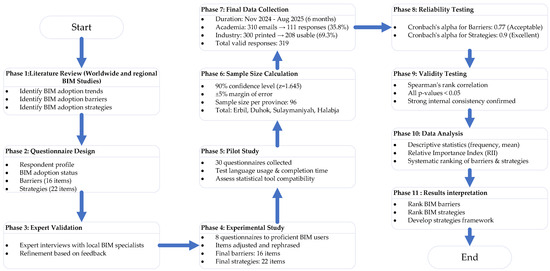
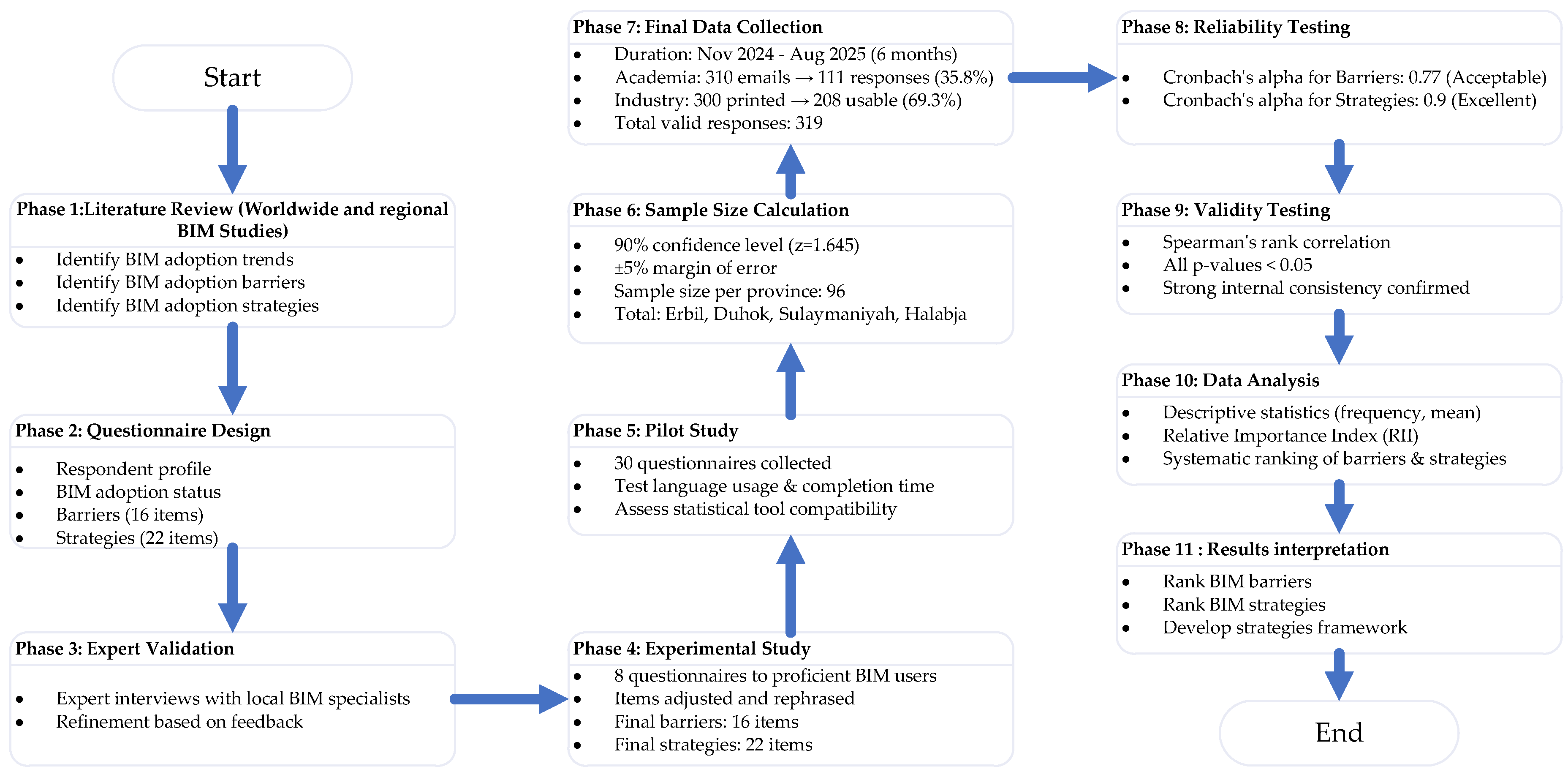
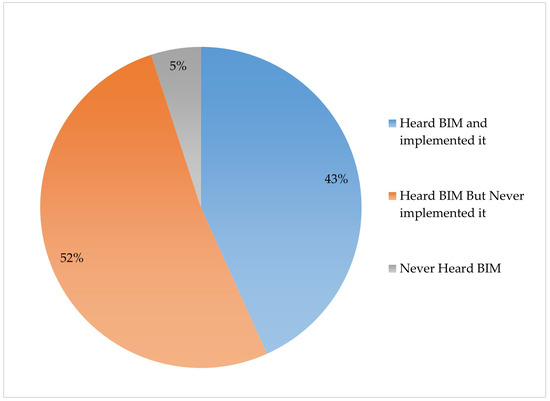
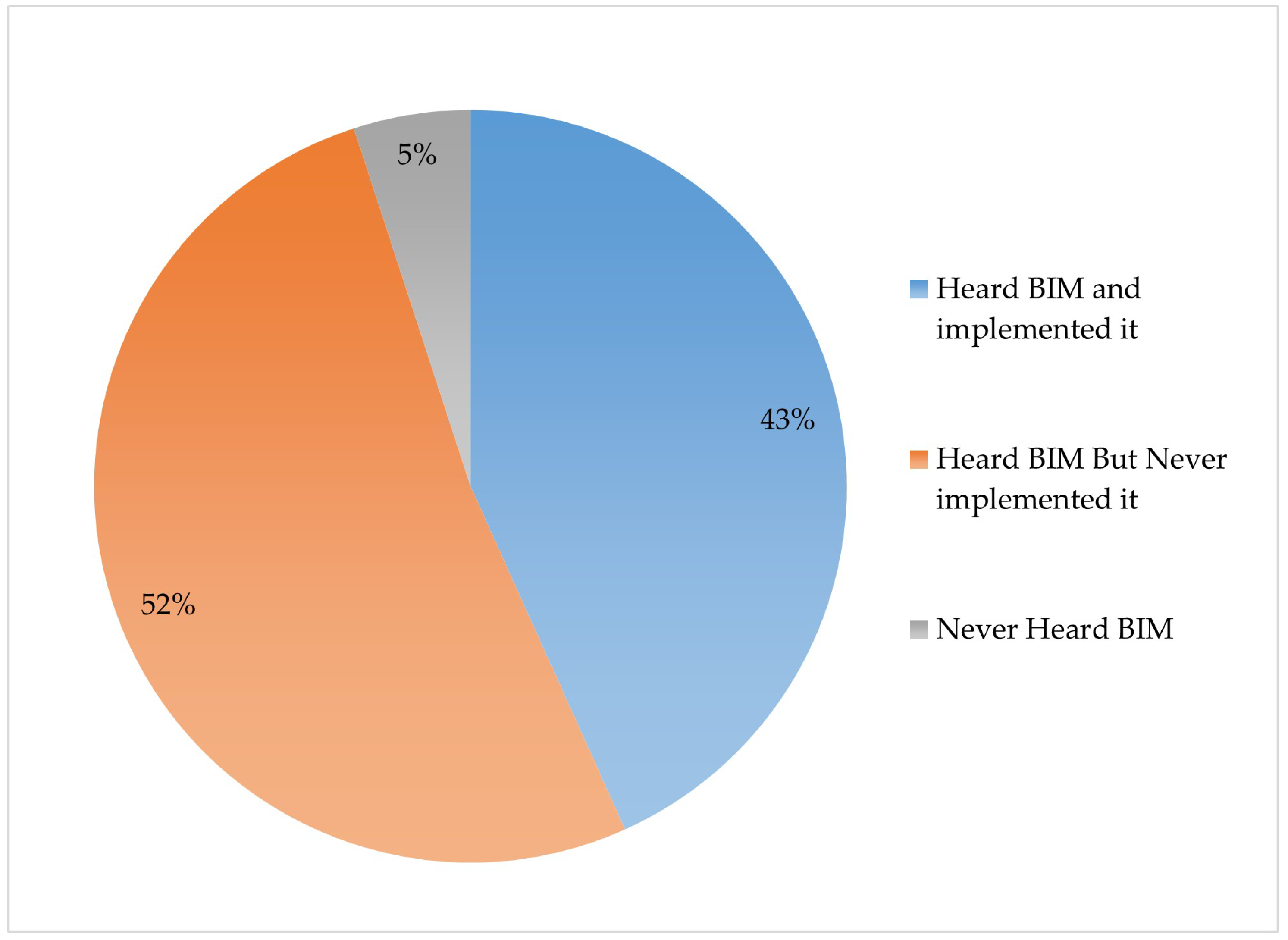
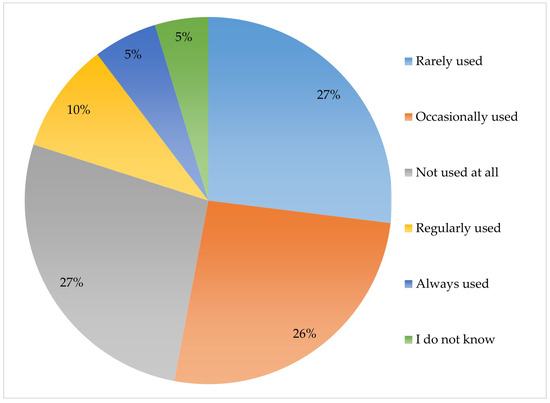
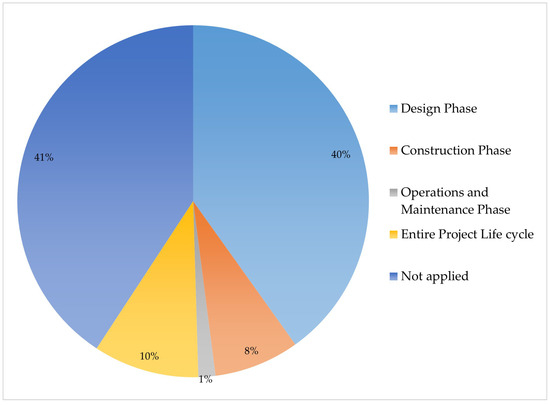
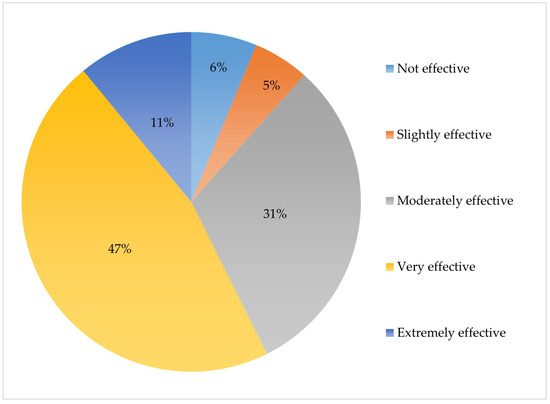
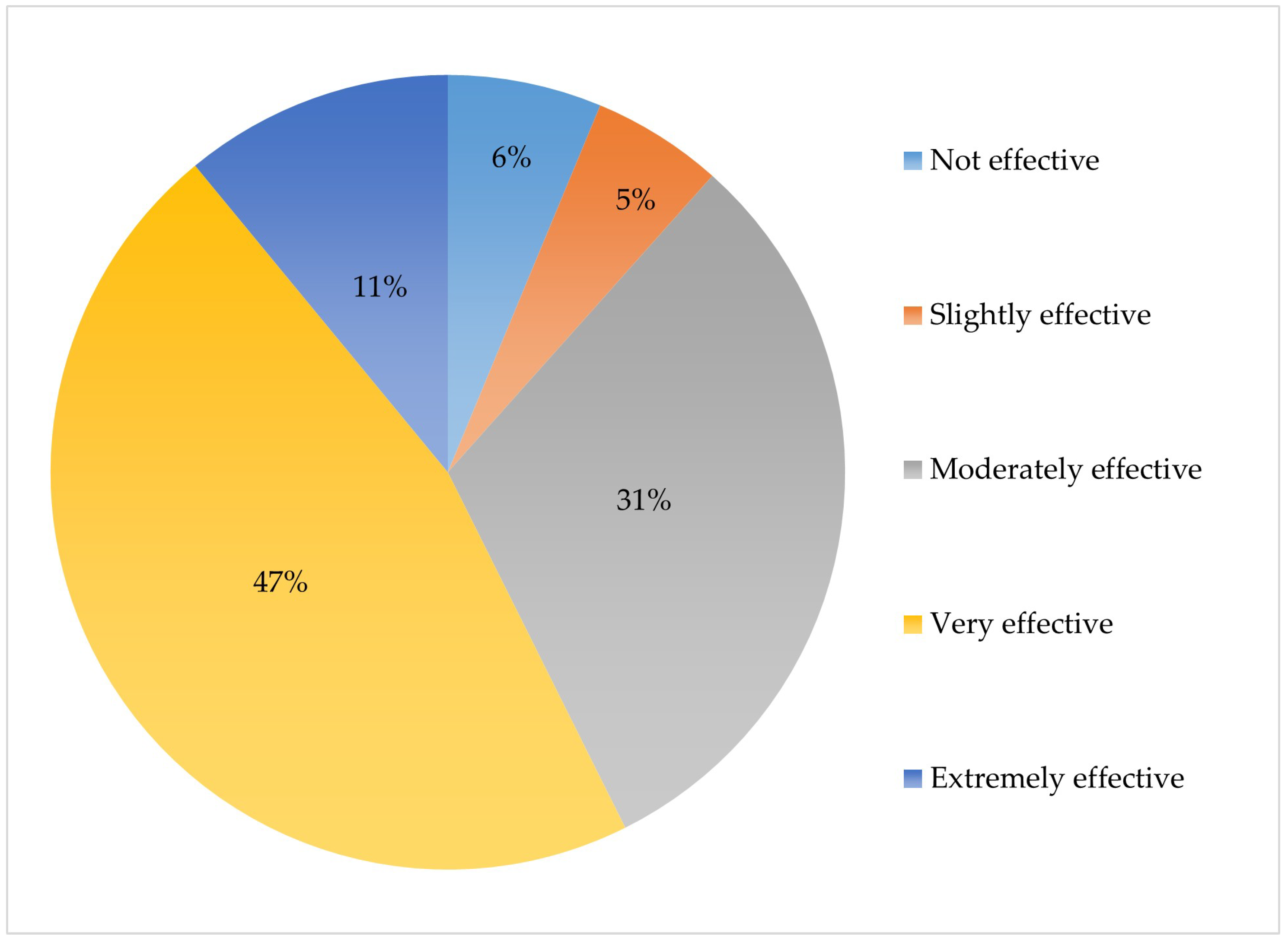
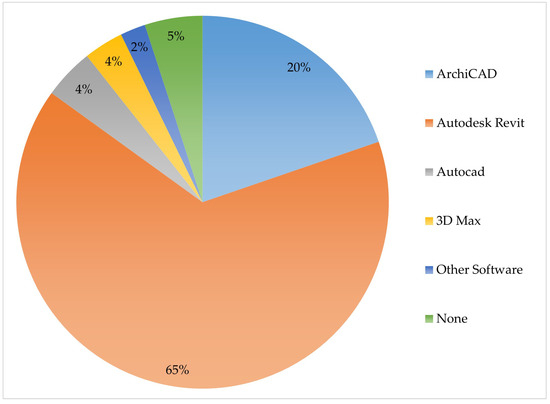
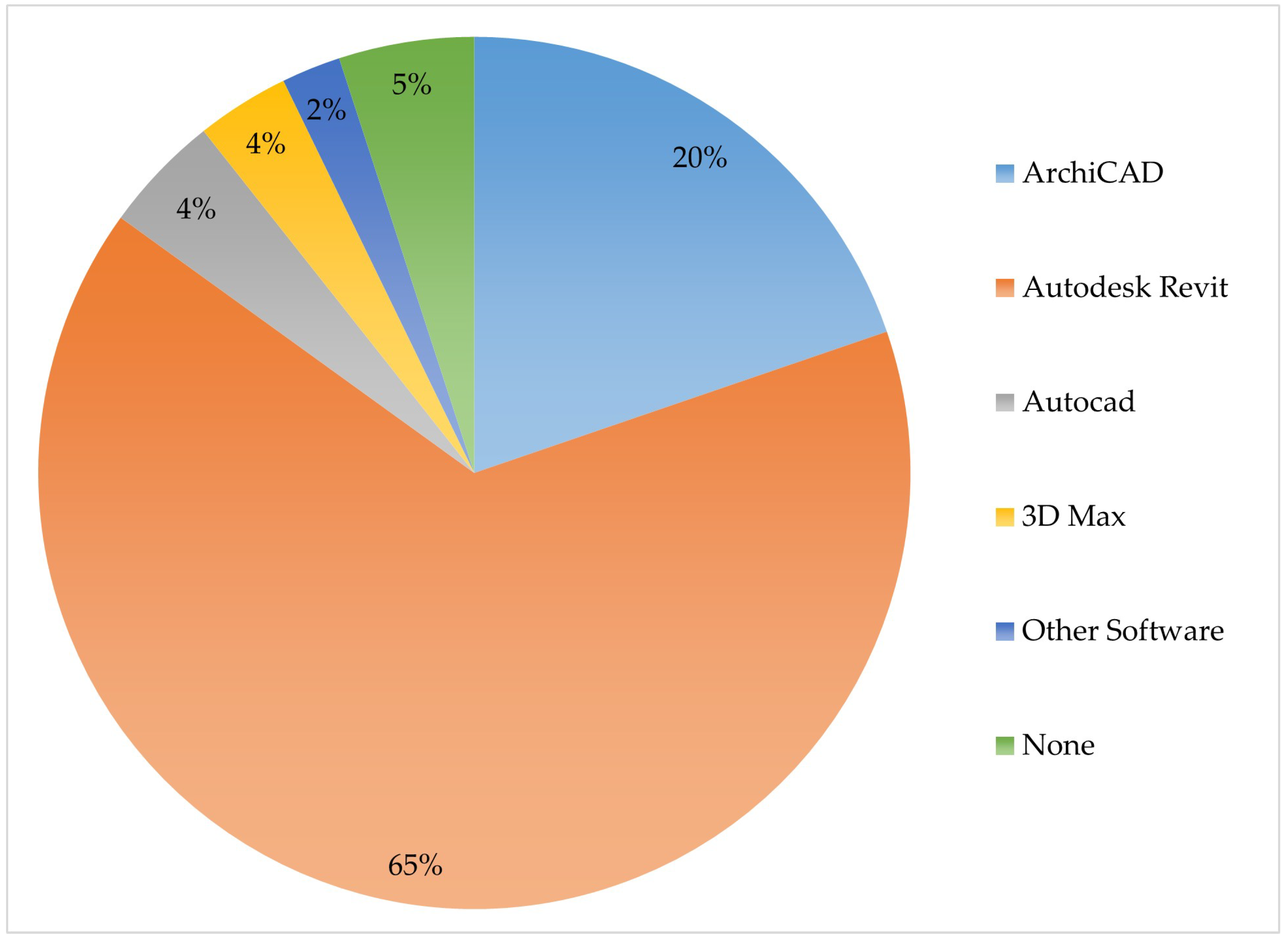
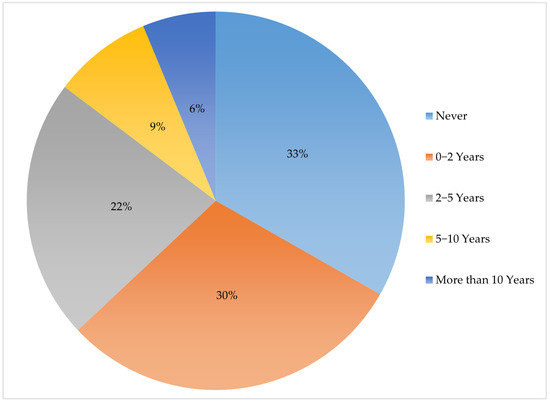
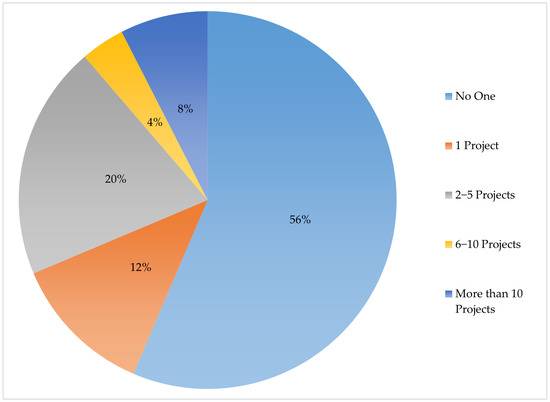
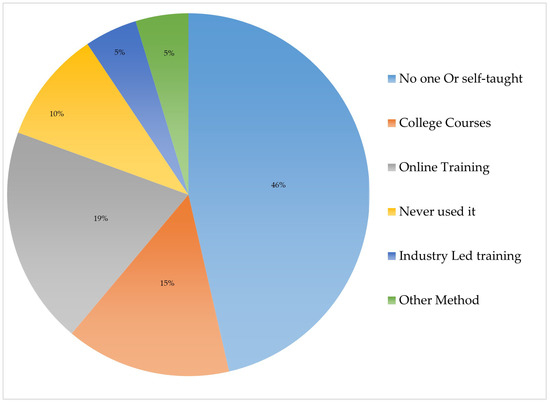
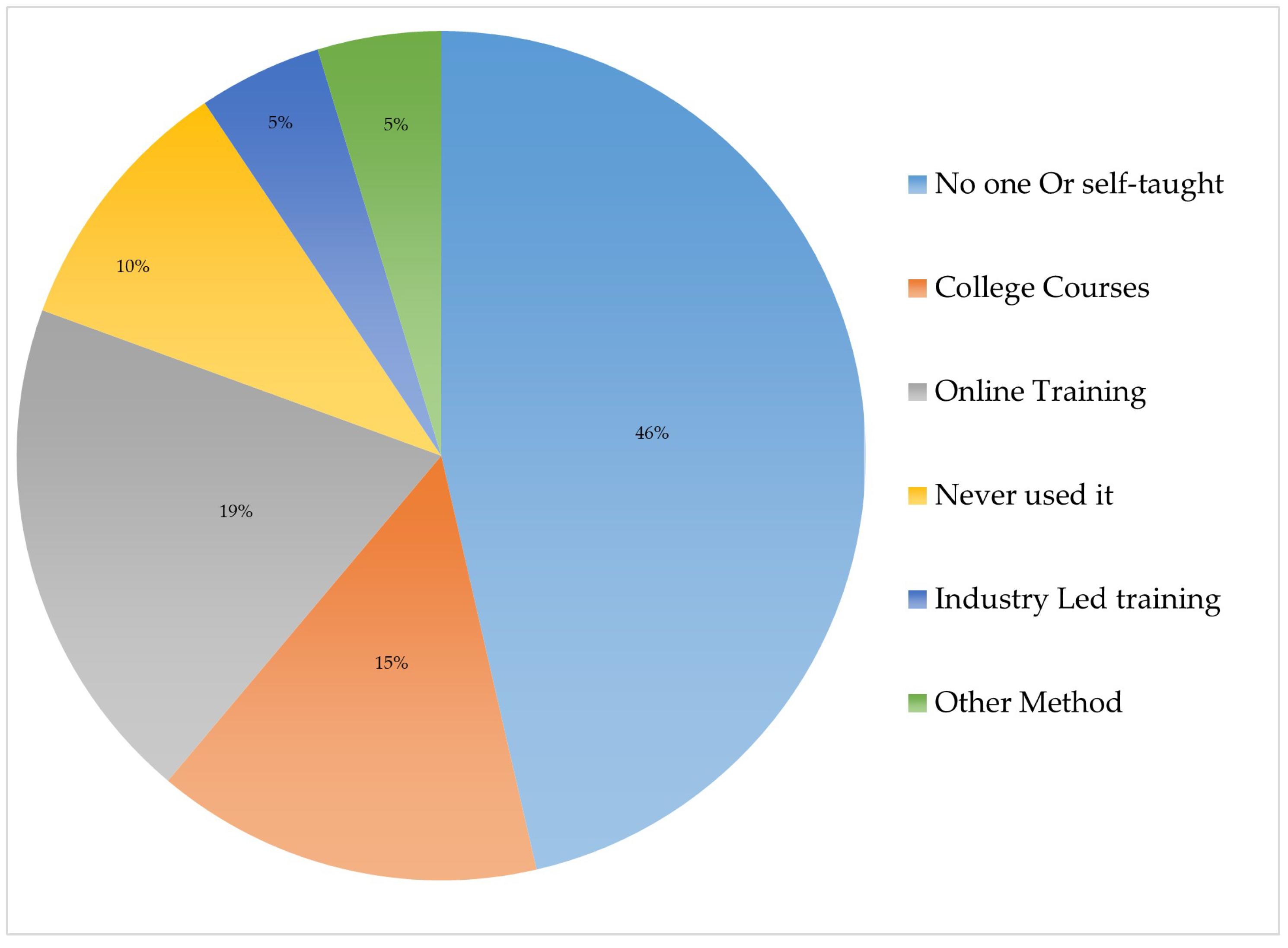
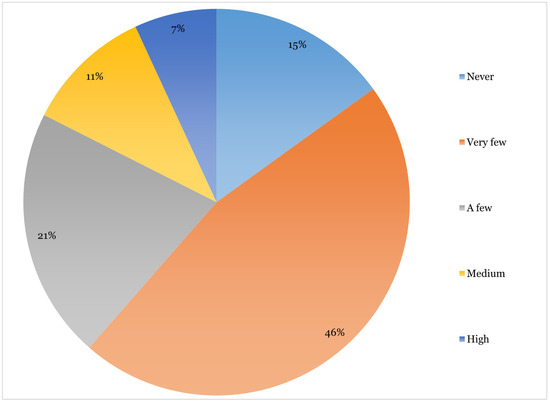
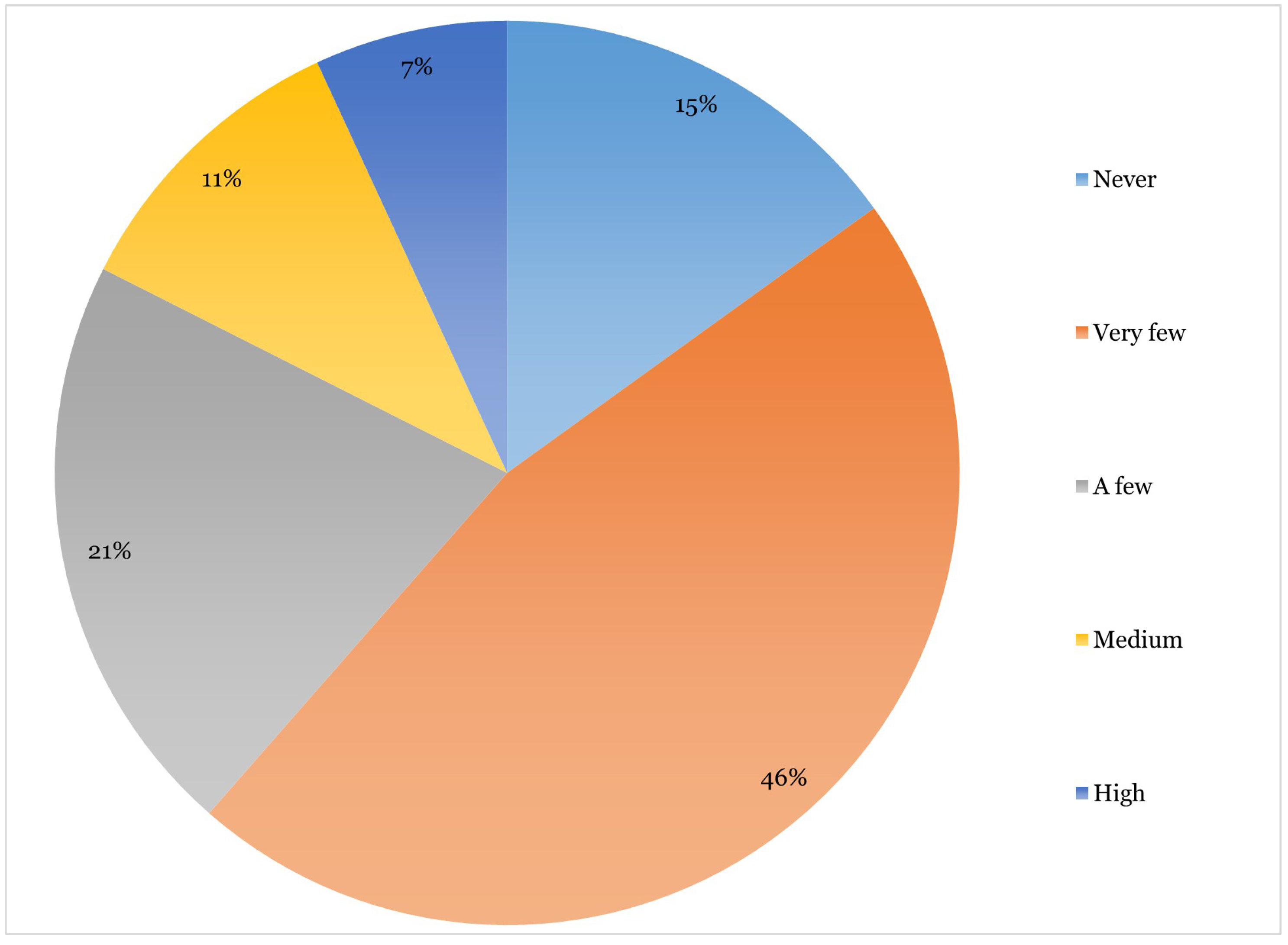
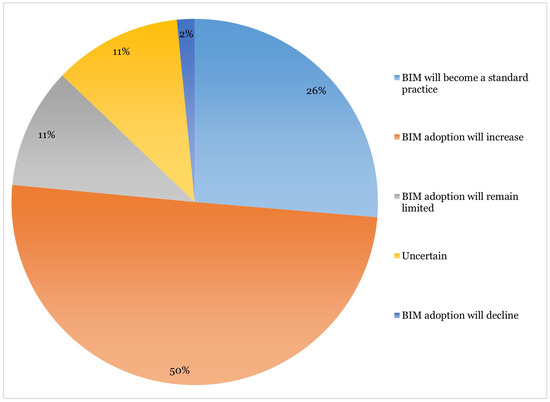
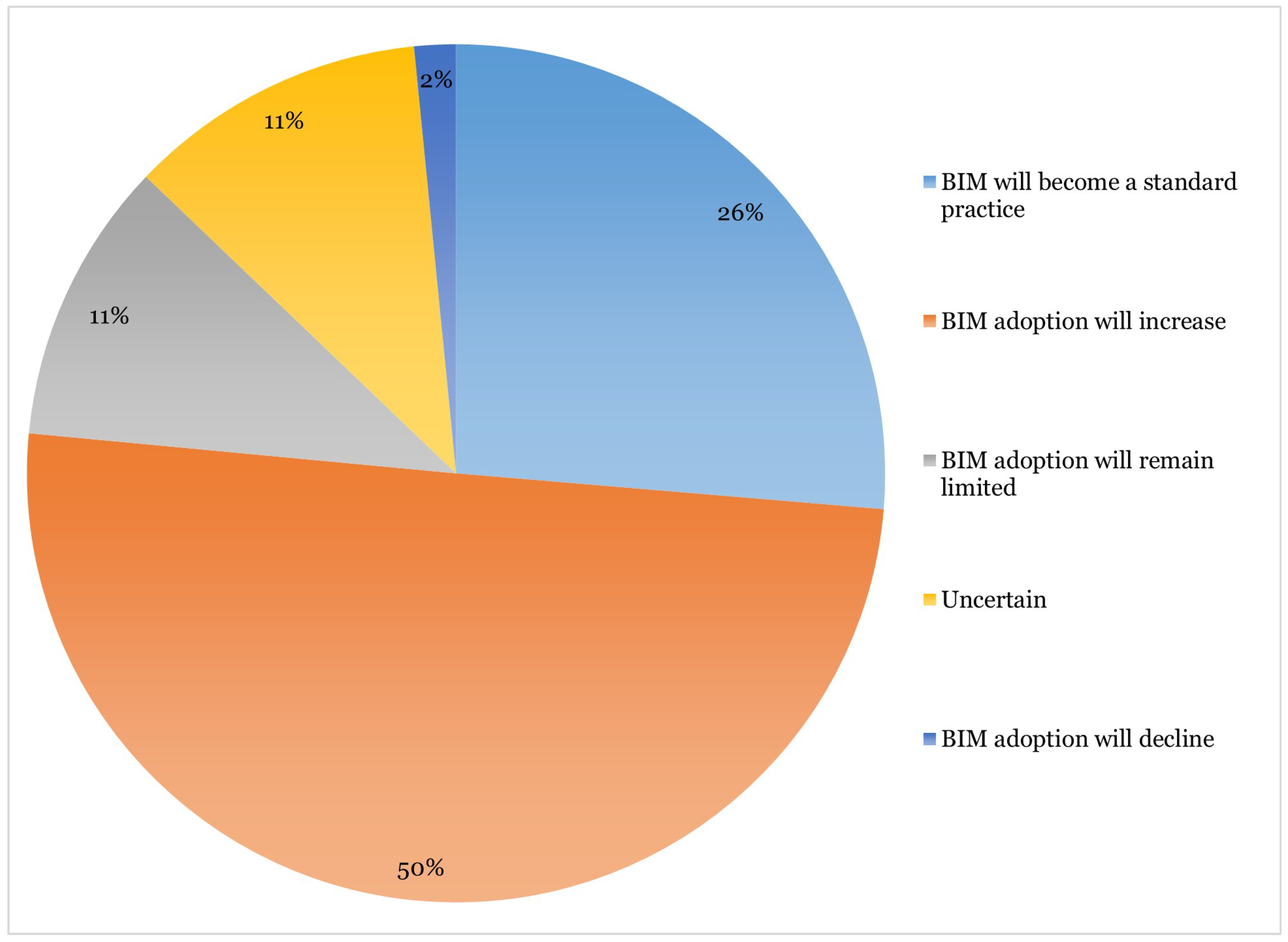
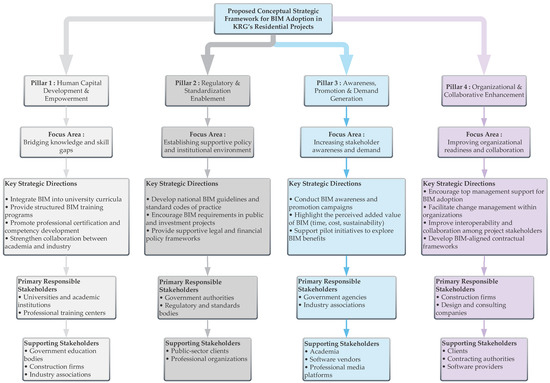
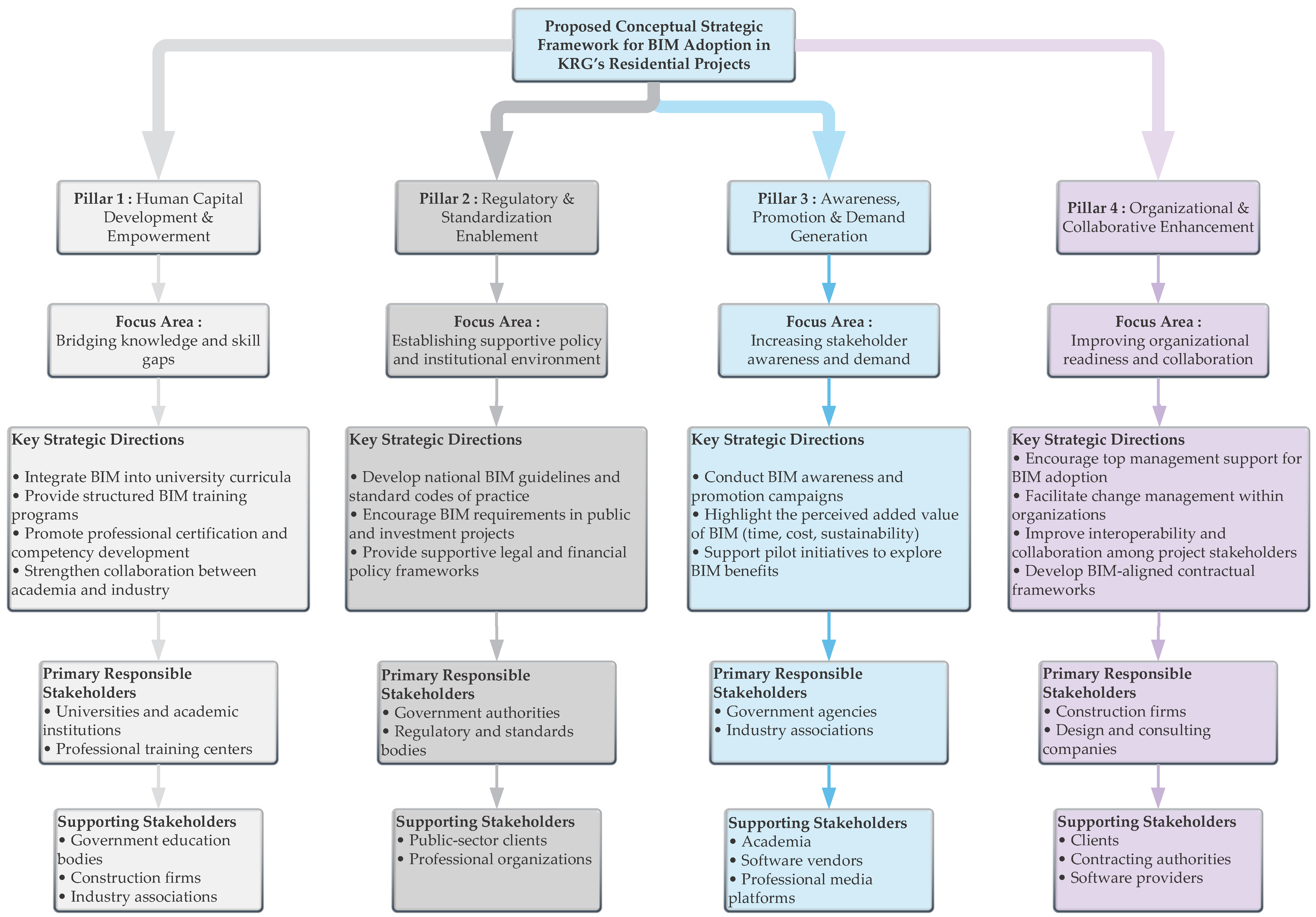

Disclaimer/Publisher’s Note: The statements, opinions and data contained in all publications are solely those of the individual author(s) and contributor(s) and not of MDPI and/or the editor(s). MDPI and/or the editor(s) disclaim responsibility for any injury to people or property resulting from any ideas, methods, instructions or products referred to in the content. |
© 2026 by the authors. Licensee MDPI, Basel, Switzerland. This article is an open access article distributed under the terms and conditions of the Creative Commons Attribution (CC BY) license.