


Abstract
The Kahramanmaraş-centered earthquakes of 6 February 2023 (Mw = 7.7 and Mw = 7.6) caused widespread damage to historical masonry minarets across 11 provinces (Kahramanmaraş, Hatay, Adıyaman, Malatya, Gaziantep, Kilis, Şanlıurfa, Adana, Osmaniye, Diyarbakır, and Elazığ) in southeastern Türkiye. This study evaluates the seismic performance of a representative masonry minaret model using site-specific design response spectra derived from the current national seismic hazard map for each province. Finite element analyses were performed under various earthquake load combinations, and stress distributions and displacement responses were comparatively assessed. The results reveal pronounced regional variations in seismic demand. For instance, the design spectral acceleration (SDS) and corresponding shear stress (S12) values in Gaziantep are approximately four times higher than those in Kilis, indicating a substantially greater seismic demand. Similarly, maximum tensile and compressive stresses consistently reach their highest levels in Gaziantep, Elazığ, and Hatay, whereas Kilis and Şanlıurfa exhibit the lowest stress values across all load combinations. In addition to numerical analyses, post-earthquake field observations from 29 historical minarets were evaluated, and typical damage patterns were identified. A strong correlation was observed between analytically predicted stress concentration zones, particularly at the transition segment, balcony level, and upper body, and the actual damage documented in the field. The study demonstrates that site-specific seismic parameters play a decisive role in the structural response of masonry minarets and that regional differences must be explicitly considered in seismic assessment and conservation strategies. These findings provide a quantitative basis for prioritizing strengthening interventions and improving the resilience of historical structures against future earthquakes.
1. Introduction
Cultural heritage is defined as the totality of tangible and intangible values accumulated by a society throughout its history, transmitted from generation to generation, and reflecting that society’s identity, values, and way of life. Determining and improving the seismic resistance of historical buildings is a strategic engineering necessity that ensures the preservation of their cultural heritage value and their transmission to future generations [1,2,3,4,5,6,7]. Historical religious buildings carry the symbols and architectural styles of different religions as evidence, reflecting the cultural identity of those faiths. Historical masonry minarets occupy a very critical position within this broad spectrum of heritage as emblematic tangible structural elements of Islamic architecture. They are not only a component of worship, but also function as memory spaces that convey the stone masonry techniques, aesthetic understanding, and engineering knowledge of the period in which they were constructed to the present day. With their slender forms and characteristic identity, they add to the urban skyline; these structures are regarded as among the most sensitive and monumental components of cultural heritage that require protection. Such structures are also among the landmark buildings of the cities in which they are located and serve as reference points [8,9,10,11,12,13]. Historical masonry minarets, which are among the most elegant and slender elements of cultural heritage, are classified among the most vulnerable structural types under seismic effects due to their tall and slender characteristics. Türkiye’s location on an active and very high seismic belt makes the preservation of these structures and the understanding of their behavior a matter of vital importance [14,15,16,17]. The Kahramanmaraş-centered earthquakes with magnitudes Mw = 7.7 and Mw = 7.6 that occurred on 6 February 2023 caused severe damage or complete collapse of many historical mosques and minarets located in 11 provinces in the region. The provinces affected at the first degree by these earthquakes, referred to as the earthquake region, and the earthquakes with magnitudes greater than Mw = 5.5 that occurred in the region are shown in Figure 1.
Figure 1.
Earthquake-affected region and earthquakes with Mw ≥ 5.5 (adapted from Directorate of Communications, 2023 [18]).
In studies evaluating the damage observed in historical mosques and minarets following the Kahramanmaraş earthquakes, the general causes of collapse and damage have been examined within the framework of earthquake and structural engineering using a cause–and–effect approach. In addition, some studies have compared whether the observed damages are consistent with field observations by employing numerical analysis methods for mosques and minarets. Furthermore, in several studies, strengthening methods for mosques and minarets have been examined in detail both theoretically and numerically. Erkek and Yetkin [19] investigated the seismic performance of the minaret of the historic Envar-ül Hamit Mosque, which was severely damaged after the two major earthquakes. Kocaman [20] presented a field investigation and performance assessment of historical stone mosques and minarets in 11 different cities shortly after the earthquakes. Işık et al. [21] evaluated the damages and structural losses observed in masonry and reinforced-concrete (RC) minarets and mosques, including historical minarets, in Adıyaman province following the two major earthquakes. Kocaman et al. [22] investigated the collapse of the Envar-ül Hamit Mosque minaret during the Kahramanmaraş earthquake, revealing the collapse mechanism through a finite element model. Atmaca et al. [23] presented a field study aiming to identify the causes of damage and collapse in RC and masonry minarets in 11 cities affected by the 2023 Kahramanmaraş earthquakes. Yılmaz et al. [24] evaluated the seismic performance and damage conditions of 27 historical masonry mosques and minarets in Antakya after these earthquakes. Usta et al. [25] examined seismic damage in minarets during the earthquakes, with particular emphasis on the historic Four-Legged Minaret in Diyarbakır. Kocaman et al. [26] investigated the seismic performance and collapse mechanisms of 12 historical masonry minarets damaged in Hatay province after the earthquakes. Cavuslu and Ülger [27] conducted nonlinear time-history analyses using ten real earthquake records obtained from the 2023 Türkiye earthquakes to evaluate the seismic response of a historical stone minaret. Bayraktar et al. [28], based on observed significant structural damages, investigated the effects of strong velocity pulse-like ground motions near fault lines on the seismic damage behavior of masonry minarets. Demir et al. [29] examined the seismic behavior and collapse mechanisms of the historic Sheikh Ali Mosque in Antakya, severely damaged during the earthquakes. Yücel [30] developed macro- and meso-scale numerical models to evaluate the seismic performance of two damaged historical stone minarets. İzol et al. [31] evaluated the seismic behavior and observed damages of the masonry minaret of the damaged Harran Grand Mosque. Kocaman et al. [32] investigated the seismic performance of the historic Kabasakal Mosque minaret, a typical stone structure that suffered damage in its cone and honeycomb-shaped sections after the 2023 Kahramanmaraş earthquake. Jadallah et al. [33] examined the seismic performance and damage of the minaret of the historic stone Toptaş Mosque in Malatya. Gulkan et al. [34] investigated the seismic behavior of the historic stone Four-Legged Minaret located in Diyarbakır following the 6 February 2023 Kahramanmaraş earthquakes. Nasery [35] presented an integrated structural assessment and strengthening strategy for the severely damaged Harran Grand Mosque minaret. In addition to these studies, works in which other structures affected by earthquakes were also examined, and damages in historical structures were presented as a section, have also found a place in the literature [36,37,38,39,40,41,42,43]. Moreover, studies in the literature focusing on the dynamic behavior of masonry minarets indicate that the seismic response of these structures is highly sensitive to geometric properties and material quality. In these studies, considering different variables, stress concentrations, displacements for various exceedance probabilities, and damage mechanisms have been investigated [44,45,46,47,48,49,50].
The primary requirement of structural studies on masonry minarets is to accurately model their complex dynamic behavior in order to ensure their protection against possible future disasters [51,52,53,54,55,56]. In particular, uncertainties in material properties and environmental effects to which these structures have been exposed over the years make it mandatory to regularly evaluate their seismic capacities in the light of current regulations and local seismic data. Performance analyses carried out with a scientific approach constitute the only rational way to select appropriate strengthening techniques and to ensure the preservation of cultural heritage in an authentic manner [57,58,59,60,61]. This academic necessity has gained vital importance with the 6 February 2023 Kahramanmaraş earthquakes. These severe seismic events pushed the structural safety limits of centuries-old historical minarets in the region, causing widespread damage and collapses, and created the need to re-examine the effects of local seismic loads on these structures in a more comprehensive manner.
The main objective of this study is to numerically compare the effects of different earthquake load combinations and local design response spectrum curves defined for 11 different provinces (Kahramanmaraş, Hatay, Adıyaman, etc.) affected by the 6 February earthquakes on minaret behavior. While many studies present analyses based on a single location, this article provides an original contribution to the literature by testing the spectral data of 11 provinces on the same model and offering a regional comparison. Within the scope of the study, the theoretical findings obtained are also supported by field observations, and typical damage formation mechanisms in minarets are discussed in the light of data from the 2023 earthquakes. Following these destructive earthquakes, the study encompasses the determination of site-specific seismic parameters for the 11 earthquake-affected provinces based on updated earthquake hazard map data, the application of these parameters to spectrum-based finite element analyses on a typical masonry minaret model, and the validation of the numerical findings with post-earthquake field observations. The main novelty and distinction of the study lies in the simultaneous investigation of the same structural model under 11 different seismic inputs and the systematic comparison of the effects of seismic hazard demands on structural response on a provincial basis. In this respect, the study fills an important gap in the literature by addressing the lack of comprehensive data among studies that generally focus on individual structures or limited seismic regions. It is considered that this study will contribute to the numerical mapping of stress concentrations in critical regions of historical masonry minarets such as the pulpit, body, and balcony, provide a scientific basis for restoration strategies optimized according to regional seismic risk levels, and enable the use of more sensitive design parameters in future conservation projects through the correlation of numerical analysis results with actual field damages.
2. Materials and Methods
2.1. Seismotectonic Framework of Türkiye: The 2023 Kahramanmaraş Earthquakes
Türkiye is located in one of the most seismically active regions of the world and is therefore exposed to a high level of seismic risk. The Anatolian Plate is compressed between the Eurasian Plate to the north and the African and Arabian plates to the south. These geodynamic processes have led to the development of numerous active fault systems across the country. As a result, destructive earthquakes have occurred frequently in both historical and instrumental periods. Over the past 15 years, several major earthquakes, including the 2010-Elazığ (Mw = 6.1), 2011-Van (Mw = 7.2), 2019-Denizli (Mw = 6.0), 2020-Elazığ (Mw = 6.8), 2020-İzmir (Mw = 6.9), and 2022-Düzce (Mw = 6.0) events, have highlighted the high seismic potential of Türkiye. However, the Kahramanmaraş earthquakes that occurred on 6 February 2023 with magnitudes of Mw = 7.8 and Mw = 7.6 caused unprecedented loss of life and property. These events once again revealed the severe seismic reality of the country.
Most destructive earthquakes in Türkiye occur along the main tectonic elements, namely the North Anatolian Fault Zone (NAFZ), the East Anatolian Fault Zone (EAFZ), and the Western Anatolian Graben System. The locations of these tectonic elements and the relative motions of the Anatolian Plate with respect to the surrounding plates control the neotectonic framework of Türkiye. A simplified neotectonic map illustrating these features is presented in Figure 2. The NAFZ is a right-lateral strike-slip fault system with an approximate length of 1600 km, whereas the EAFZ is a left-lateral strike-slip fault system extending for about 580 km. These two fault zones represent the most active and hazardous tectonic structures in the country [62,63,64,65].
Figure 2.
Simplified neotectonic maps of Türkiye adapted from [66].
The first main shock of the 6 February 2023 earthquake sequence occurred at 04:17 local time with a magnitude of Mw = 7.7. Its epicenter was located near the Sofalaca district, approximately 22 km west-northwest of Gaziantep. The earthquake occurred on the Narlı–Sakçagöz segment of the Dead Sea Fault Zone. It is considered that the Amanos, Pazarcık, and Erkenek segments of the East Anatolian Fault System ruptured during this event. The second main shock occurred on the same day at 13:24 local time with a magnitude of Mw = 7.6. Its epicenter was located near the Sürgü–Çardak Fault close to Elbistan (Kahramanmaraş), approximately 100 km north of the first earthquake. This event was triggered by the simultaneous rupture of multiple fault segments.
More than 12,000 aftershocks were recorded following these two main shocks. In addition, another earthquake with a magnitude of Mw = 6.4 occurred on 20 February 2023 on the Antakya Fault, which had not ruptured previously. This fault is located on the southwestern extension of the Amanos Fault. The earthquake sequence caused severe structural damage and surface deformation over a wide region, particularly in Kahramanmaraş, Hatay, Adıyaman, Gaziantep, Malatya, and Elazığ. These events represent the largest earthquakes recorded on the East Anatolian Fault Zone in both historical and instrumental periods and clearly demonstrate the level of seismic hazard and potential risk in Türkiye [67,68,69].
2.2. Seismic Damage Observed in Historical Minarets
Historical masonry minarets represent some of the most dynamic and slender structural elements of Islamic architecture, both from an engineering and a cultural heritage perspective. Due to their high slenderness ratios and mass distributions, these structures are particularly sensitive to seismic effects and suffered significant collapses and varying levels of damage following the 6 February 2023 Kahramanmaraş earthquakes. Within the scope of this study, evaluations were carried out using damage data obtained from field observations conducted in 11 provinces affected by the earthquakes. The names and locations of the mosques investigated in the region are presented in Table 1.
Table 1.
Names and locations of the historical minarets.
Historical masonry minarets are slender structures with vertical continuity, composed of sections with distinct geometric characteristics such as the pulpit, transition segment, body, balcony, upper part of the body, and spire. Generally constructed using natural stone and traditional mortar materials, these structures exhibit highly sensitive behavior under seismic effects due to their elevated centers of mass and low ductility capacities. The structural analysis of these buildings is of great importance not only because they are engineering structures, but also because they serve as stone documents that convey the architectural aesthetics, engineering knowledge, and cultural identity of the periods in which they were constructed to the present day. A schematic representation of a single-balcony historical masonry minaret is provided in Figure 3.
Figure 3.
Schematic view of a typical single-balcony historical masonry minaret.
In historic masonry minarets, the upper part of the body and the spire section are critical regions that are subjected to the highest displacements under earthquake loads due to the dynamic characteristics of the structure. During earthquakes, the whipping effect observed in such structures increases shear and tensile stresses at these upper levels beyond the material strength limits, leading to the collapse of the spire, accompanied by a loss of stiffness in the upper part of the body. This structural damage mechanism is generally a result of the inadequacy of horizontal connecting elements and the slender configuration of the sections above the balcony. Examples of minarets damaged in this section are presented in Figure 4.
Figure 4.
Examples of damage to the upper part of the minarets.
When the seismic behavior of historic masonry minarets is examined, it is observed that the dynamic accelerations increase along the height of the structure, leading to capacity exceedance at the balcony and the upper part of the body at the relevant cross-sections. As a result of this mechanism, the upper part of the body, which cannot withstand tensile stresses, separates from the lower structure, enters a global collapse mode, and loses its structural integrity. This type of damage is generally a consequence of the brittle nature of the material and the stress concentrations caused by sudden changes in mass and stiffness at the balcony level. Examples of minarets in which the sections above the balcony are fully or partially damaged in this manner are shown in Figure 5.
Figure 5.
Examples of damage to minaret balconies and the top of the balconies.
In historic masonry minarets, global collapses initiating from the body section generally result from a mismatch between the dynamic characteristics of the structure and the fatigue limit of the material. During an earthquake, the mid-height portion of the minaret functions as a transition zone between the rigidity of the pulpit and the relatively free vibration of the upper segments, and is therefore subjected to severe bending moments and shear forces. When the tensile stresses developing between the stone courses in this region exceed the bond capacity of the material, structural integrity is lost, and the body overturns from the mid-section through a brittle failure mechanism without exhibiting plastic behavior. In addition, in historic masonry structures, minarets constructed adjacent to the mosque mass are exposed to the risk of the pounding effect during earthquakes due to their differing dynamic characteristics. The difference in natural periods between the rigid mosque body and the slender minaret causes the structures to vibrate out of phase during shaking, leading to significant impact forces at the upper levels where the minaret comes into contact with the mosque. As a result of this dynamic interaction, the free-standing portion of the minaret loses its structural integrity and collapses globally, causing secondary severe damage to the main mosque mass (dome or roof) along the overturning path. Examples of collapse damage occurring in the body section are shown in Figure 6.
Figure 6.
Examples of damage to the minaret’s body and top.
The transition segment (pulpit–body transition zone) is the most critical energy dissipation region of the structure in terms of its dynamic characteristics. During seismic excitation, the abrupt transition between the high rigidity of the pulpit and the flexibility of the slender body leads to severe stress concentration in this region. The shear forces generated by the sudden change in structural period and vibration amplitude at this level exceed the tensile strength of the masonry material, causing separation of the body from its lowest level. This, in turn, results in the minaret overturning as a whole and undergoing global collapse. Furthermore, in minarets constructed in an adjacent arrangement with the main mosque mass, the rigid body of the mosque acts as a restraining support for the lower parts of the minaret during seismic motion, thereby unilaterally altering its dynamic behavior. This structural interaction causes excessive bending moments and shear stresses to concentrate at the level where the mosque height terminates, and the minaret transitions into free vibration, namely, the upper pulpit/beginning of the body. Consequently, the structure experiences global collapse, initiated from this critical section. Examples of mosque minarets that collapsed from the transition segment, including pre-earthquake and post-earthquake conditions as well as a schematic illustration of the damage mechanism, are presented in Figure 7.
Figure 7.
Minaret damage examples from the transition segment.
In historic masonry minarets, the foundations generally consist of shallow systems formed by irregular stone infill and low-strength binding materials. This condition prevents adequate structural continuity between the foundation and the superstructure. During earthquakes, shear stresses in masonry minarets concentrate in the lower sections due to the effect of base shear forces. Owing to the limited tensile and shear strength of masonry materials, damage mechanisms such as separation, sliding, and shear cracking develop in the pulpit region. In addition, when the dominant period of the soil is close to the natural vibration period of the minaret, soil-structure interaction effects become more pronounced. This leads to a clear concentration of damage in the lower sections of the minaret and causes the collapse mechanism to develop at the pulpit level. Examples of mosque minarets that have undergone global collapse, initiated from the pulpit, including pre-earthquake and post-earthquake conditions as well as schematic representations of the damage, are presented in Figure 8. Low material properties, inadequacy of connecting elements, the sensitivity of such slender structures to dynamic loads, and similar factors emerge as critical contributors to these types of global collapses.
Figure 8.
Examples of totally collapsed minarets.
Shear cracks observed in the body of masonry minarets are generally diagonal-type structural damage that develops when the frictional resistance between stone courses is exceeded under earthquake loads. In this process, separation cracks form between the blocks due to the insufficient tensile strength of the material, significantly weakening the horizontal load-carrying capacity of the structure. Particularly during strong ground motions, out-of-plane wall damage may cause the circular or polygonal minaret walls to open outward in the radial direction, triggering a brittle failure mechanism that threatens the global stability of the structure. Examples of such minaret wall damage are shown in Figure 9.
Figure 9.
Separation, shear, and planar tooth wall movements occurring in minaret walls.
2.3. Regional Response Spectrum-Based Seismic Performance Evaluation of Historical Masonry Minarets
In the design and analysis processes of modern engineering structures, advanced software tools that accelerate data transfer and directly integrate results into implementation projects are widely used. However, historical structures such as mosques, minarets, palaces, bridges, and fortresses that have survived to the present day possess forms and load-bearing characteristics that differ significantly from those of modern structural systems, as they were symbols of prestige in the periods in which they were constructed. The complex geometry and material diversity of these structures make the Finite Element Method (FEM) the most reliable and appropriate option for structural analyses. The most critical stage of this method is numerical modeling. Numerical modeling is the process of transforming structural members with different material properties and variable cross-sectional geometries into mathematical representations that most closely reflect reality, within the framework of mechanical principles. Compared to experimental methods, numerical analyses provide a much more advantageous solution in terms of cost and time, allowing comprehensive parametric investigations to be carried out on structural models. The realism of the results obtained using the finite element method is directly dependent on the accuracy of the material models employed and on how well the geometric continuity of the structure can be represented by the numerical mesh. Particularly for masonry structures, modeling using the finite element method involves a highly complex process requiring intensive computational effort due to anisotropy and discontinuities in material properties. Within the scope of this study, the minaret under consideration was assumed to be constructed using a single material, namely cut stone (Ahlat Stone). The modulus of elasticity (E) and unit weight (γ) values of the cut stone were considered as single constant values for all structures. The properties of the material used are presented in Table 2.
Table 2.
Mechanical properties of the cut stone are considered in the analyses [70].
In addition to the elastic properties described in Table 2, the strength properties of Ahlat stone used in the historical masonry minaret model in this study should also be considered to interpret the stress results. Based on previous literature studies, the average compressive strength of Ahlat stone is considered to be 11.16 MPa, tensile strength 8 MPa, and shear strength 5.68 MPa [70].
In order to accurately evaluate the structural performance of both historical and modern masonry structures and to perform reliable seismic design, the modeling of wall components plays a strategic role. In the literature, three main modeling approaches are commonly adopted depending on how masonry units and mortar phases are represented: detailed micro-modeling, simplified micro-modeling, and macro-modeling. Schematic representations of these modeling strategies are presented in Figure 10.
Figure 10.
Modeling methods for masonry structures: (a) detailed micro-modeling; (b) simplified micro-modeling; and (c) macro-modeling.
In the present study, the masonry material is modeled within the framework of a macro-modeling approach, in which the structure is represented as a homogeneous and isotropic continuum. The constitutive behavior of the material is defined using a linear elastic model characterized by constant mechanical properties, including modulus of elasticity, unit weight, and Poisson’s ratio, as given in Table 2. No explicit nonlinear constitutive laws, such as cracking models, plasticity-based yield criteria, or damage evolution formulations, are incorporated into the analysis. Similarly, tensile strength is not directly defined as a failure criterion within the numerical model. Instead, the material behavior is assumed to remain within the linear elastic range under the applied loading conditions. This modeling strategy is intentionally adopted to ensure a consistent and comparable evaluation of stress distributions under different site-specific seismic inputs. In this context, the finite element analyses are conducted purely within the linear elastic domain, and the resulting stress components (S11, S22, and S12) are used as demand indicators rather than direct predictors of material failure.
In the analysis of large-scale historical structures such as minarets, the macro-modeling technique is widely preferred in order to reduce computational cost and to represent the global structural behavior. In the macro-modeling approach, instead of modeling the interaction between the masonry units (stone/brick) and the mortar layers separately, the structure is considered as a homogeneous and isotropic continuum, assuming that these components form a composite whole. This method allows macro-level dynamic parameters, such as the overall stiffness, energy dissipation, and damage distribution of the structure under earthquake loads, to be obtained with high accuracy and reasonable computational effort. Many studies using macro modeling techniques to determine the behavior of historical structures under earthquake effects have found their place in the literature [71,72,73,74,75,76,77,78,79,80,81]. It should be noted that the macro-modeling in this study focuses on capturing the overall seismic response and the main stress-concentration regions of the minaret, rather than detailed local failure mechanisms. This method has been widely applied in tall masonry towers and minarets and has been shown to provide reliable predictions when material properties and boundary conditions are carefully defined [82,83,84,85,86,87,88].
In this study, a numerical minaret model was developed by adopting the macro-modeling technique. The sign conventions and directional assumptions of the elements used in the finite element model of the structure were defined in accordance with the assumptions prescribed by the SAP2000 software (Version 19) [89], in which the numerical modeling was performed, as illustrated in Figure 11.
Figure 11.
Sign conventions and direction definitions.
The earthquake parameters obtained for each province and used in the structural analyses were determined through the AFAD/Türkiye Earthquake Hazard Map Interactive Web Application [90] and are presented in Table 3. In order to enable consistent comparisons among all provinces, the ZD local soil class defined in the Turkish Building Earthquake Code (TBEC-2018) [91] was adopted as the reference soil condition. In addition, the following seismic parameters were individually obtained for each province for the design earthquake corresponding to a 10% probability of exceedance in 50 years: the short-period map spectral acceleration coefficient (SS), the map spectral acceleration coefficient at a 1.0 s period (S1), the local soil effect coefficient for the short-period region (FS), the local soil effect coefficient at a 1.0 s period (F1), the short-period design spectral acceleration coefficient (SDS, unitless), and the design spectral acceleration coefficient at a 1.0 s period (SD1, unitless).
Table 3.
Design seismic parameters for the selected locations.
The data were obtained by considering randomly selected geographical locations within each province located in the region defined as the earthquake-affected area during the 6 February 2023 Kahramanmaraş earthquakes. The results indicate that Gaziantep and Hatay exhibit the highest seismic acceleration demand in the region. Kilis and Şanlıurfa have the lowest spectral acceleration values.
In structural analysis, the horizontal design elastic spectrum is used to represent the dynamic behavior of structures under seismic effects. In this study, these spectra were obtained separately for 11 different provinces located in the earthquake zone via the interactive web application of the Turkish Earthquake Hazard Maps and included as input parameters in the analytical models. For example, the horizontal design elastic spectrum defined for Hatay province is shown in Figure 12. This study only considered the horizontal effect. Spectral parameters (SDS and SD1) were used to create a design spectrum for each province, corresponding to a 10% probability of exceedance in 50 years. The ZD soil class was consistently adopted in all analyses to allow for direct comparison.
Figure 12.
Horizontal design elastic spectrum for Hatay.
In dynamic analyses, a damping ratio of 5% was considered, taking into account similar studies in the literature. This value was preferred because it is both compliant with seismic regulations and reasonably represents the energy dissipation mechanisms of masonry structures, such as crack formation and internal friction. As the damping ratio increases, spectral accelerations, displacements, and stresses decrease, while lower damping values lead to higher seismic demands, producing more conservative results. Therefore, the chosen damping ratio is a critical parameter that directly affects the dynamic response of the structure and the analysis results obtained. The representative historical minaret is modeled using shell elements to simulate the continuous behavior of the stone body. The shell thickness was determined according to typical wall thickness values observed in historical minarets and was considered to be 0.30 m. The geometric configuration includes the pulpit (base), transition section, cylindrical body, balcony, and tower, with a gradual decrease in diameter in accordance with traditional minaret geometry (Figure 13). The material was defined as a homogeneous, isotropic, linear elastic continuum representing Ahlat stone. The elastic modulus, unit weight, and Poisson’s ratio were taken as constant values. Soil–structure interaction effects were neglected, and the foundation system was assumed to provide rigid support. The mass of the structure was derived directly from the self-weight of the material, automatically calculated by the software based on the defined unit weight. In the analyses, a sufficient number of modes were considered to ensure that the total mass participation rate in the X and Y directions was above 80%. The above-defined modeling framework ensures that the numerical analyses are fully reproducible and that the influence of regional seismic input on structural response can be evaluated in a consistent and controlled manner.
Figure 13.
Dimensions of the studied masonry minaret and the corresponding 3D model.
The geometrical dimensions of the masonry minaret examined in the numerical study, along with the three-dimensional models obtained from the software program, are illustrated in Figure 13.
In creating the numerical structural model, fundamental geometric parameters of the minarets were compiled using field studies and existing inventory data, and their minimum, maximum, and average values were determined. The numerical model created based on this data was designed to reflect the average values of these parameters. Using a single reference model eliminates the effect of geometric and material variability, allowing for a controlled and consistent comparison of seismic demand arising solely from regional differences in region-specific response spectra. A comparison between the representative model and typical value ranges reported in the literature is presented in Table 4.
Table 4.
Comparison of representative minaret model parameters with typical ranges observed in historical masonry minarets in Türkiye.
3. Results
Modal analysis is a dynamic analysis method that enables the determination of a structure’s free vibration periods, frequency values, mass participation ratios, and mode shapes. In order to determine the dynamic characteristics of the minaret, modal analyses were performed as a preliminary step. The prepared finite element model was composed of a total of 835 nodes and 769 shell elements. By performing modal analyses, the dynamic properties of the minaret considered in this study were determined. In the developed model, only the modes with mass participation ratios exceeding 80% in the X and Y directions were taken into account. Therefore, it was observed that considering additional modes did not have a significant effect on the overall dynamic response of the structure, particularly in terms of displacement, stress distribution, and base shear results. According to the modal analysis results of the model, the effective modes, natural vibration periods, and mass participation ratios corresponding to the first 10 modes of the minaret are presented in Table 5.
Table 5.
Modal properties of the minaret model, including effective mass participation ratios.
The mode shapes obtained during the analysis of the masonry minaret using the software program are illustrated in Figure 14. The 1st and 2nd modes, along with the first torsional mode (5th mode), were taken into consideration. When the three vibration modes presented in Figure 14 are examined, it is seen that the first mode represents the dominant horizontal bending behavior of the structure in the X direction, the second mode shows a similar bending character in the Y direction; in the torsional mode, given as the fifth mode, the structure exhibits a tendency to rotate around its vertical axis, causing an increase in stress and displacement, especially in the upper sections.
Figure 14.
Mode shapes of the masonry minaret for the 1st, 2nd, and 5th (torsional) modes.
In the structural analyses, seismic effects were evaluated by considering dead load (G) and earthquake loads defined through the response spectrum method in two orthogonal directions (EQx and EQy). Since minarets do not carry conventional occupancy-related loads, live load (Q) was assumed to be negligible and taken as zero. The load combinations used in the analyses were defined in accordance with the principles of the Turkish Building Earthquake Code (TBEC-2018) [62], which prescribes the combined effects of horizontal loads for seismic performance evaluation. The load combinations presented in Figure 15, Figure 16 and Figure 17 and Table 6, Table 7, Table 8, Table 9 and Table 10 correspond directly to the above formulations and are reported in terms of their governing stress components under each seismic scenario. For the stress calculations, dead loads, live loads, and earthquake loads were taken into account. The dead load was automatically calculated by the software program based on the material properties. The earthquake loads were applied using the defined response spectrum. Using these load cases, calculations were performed for various load combinations. The stress diagrams corresponding to the vertical stress component in the X direction (S11) obtained from the software for different loading conditions are presented in Figure 15 for the province of Kahramanmaraş as a representative example.
Figure 15.
Vertical stress (S11) distributions under various loading conditions for Kahramanmaraş.
Figure 16.
Normal stress (S22) distributions under various loading conditions for Kahramanmaraş.
Figure 17.
In-plane shear stress (S12) distributions under various loading conditions for Kahramanmaraş.
Table 6.
Maximum tensile stresses (S11) for different earthquake load combinations (MPa).
Table 7.
Maximum compressive stresses (S11) for different earthquake load combinations (MPa).
Table 8.
Maximum tensile stresses (S22) for different earthquake load combinations (MPa).
Table 9.
Maximum compressive stresses (S22) for different earthquake load combinations (MPa).
Table 10.
Maximum shear stresses (S12) for different earthquake load combinations (MPa).
The stress diagrams corresponding to the vertical stress component in the Y direction (S22) obtained from the software for different loading conditions are presented in Figure 16 for the province of Kahramanmaraş.
The stress diagrams corresponding to the shear stress component in the X–Y directions (S12) obtained from the software for different loading conditions are presented in Figure 17 for Kahramanmaraş.
The maximum tensile stress values (S11) obtained from the analysis results are presented in Table 6.
When the seismic load combinations are analyzed for the investigated provinces, it is observed that Gaziantep and Elazığ exhibit the highest coefficients under all loading scenarios, and therefore represent the most critical values for structural design. In contrast, Kilis and Şanlıurfa record the lowest values across all combinations, reflecting relatively lower seismic demand characteristics within the region.
The maximum compressive stress values (S11) obtained from the analysis results are presented in Table 7.
When the seismic load coefficients are examined across the analyzed provinces, it is observed that Gaziantep, Elazığ, and Hatay obtain the highest values, particularly in some load combinations, forming the most critical group in terms of structural dynamic loads. In contrast, Kilis and Şanlıurfa emerge as the provinces with the lowest coefficients in all loading scenarios, and this situation reflects the distinct variation in seismic demand characteristics among the provinces in the region.
The maximum tensile stress values (S22) obtained from the analysis results are presented in Table 8.
It is observed that the overall level of the obtained results remains within a lower range compared to previous data sets, while the relative inter-provincial seismic risk hierarchy is preserved. Gaziantep and Elazığ continue to represent the highest seismic demand in structural design, as they are the only provinces exceeding the 1.0 threshold under certain earthquake loading cases. On the other hand, the fact that the values for Kilis and Şanlıurfa remain quite close to each other is interpreted as a direct reflection of the low spectral acceleration values in this region on the structural load combinations. The fact that the difference between combinations including 0.9 G and those including the full dead load (G) remains constant demonstrates that the stabilizing effect of vertical load components against horizontal earthquake forces follows a systematic correlation across all provinces.
The maximum compressive stress values (S22) obtained from the analysis results are presented in Table 9.
Among the investigated provinces, the highest seismic load coefficients are concentrated in Gaziantep and Elazığ, indicating that these regions represent the most demanding scenarios in terms of structural design parameters. When compared with previous data sets, it is observed that the coefficients in this table show a noticeable increase, and that the G + EQy combination, in particular, exceeds critical thresholds in most provinces, reaching the maximum stress level. Although Kilis and Şanlıurfa maintain relatively lower values, they still exhibit a significant increase in loading within their own range.
The maximum shear stress values (S12) obtained from the analysis results are presented in Table 10.
When the shear stress distribution under seismic load combinations is examined on a provincial basis, Gaziantep and Elazığ show the highest stress accumulation in all scenarios. This results in the greatest shear force demand on the structural sections in these areas. In particular, the stress values reach their peak under the G + EQy loading case, showing that the seismic action acting along the weak direction of the structure increases shear stresses by about 50%. Kilis and Şanlıurfa are the provinces with the lowest shear stress demand, where the values stay below the 1.0 threshold. The marginal differences between the G + EQx remain minimal and do not substantially affect the overall outcome. 0.9G + EQx ± 0.3EQy combinations scientifically reveal that the primary determinant of shear stresses is the resultant effect of horizontal seismic components rather than vertical loads.
The maximum compressive stresses (S11 and S22) obtained in the study ranged from approximately 1.6 MPa to 4.0 MPa, which is below the estimated compressive strength capacity of Ahlat stone. In contrast, tensile stress values reaching approximately 1.0–1.6 MPa in critical regions such as Gaziantep and Elazığ are also below the typical tensile strength capacity of Ahlat stone.
Repair and Strengthening Recommendations for Historic Masonry Minarets
The primary reason minarets are damaged during earthquakes is their slender and tall geometry. The transition segment between the body and the base, along with the upper part of the body, is at high risk of severe damage and collapse. Insufficient stiffness and strength in these sections, along with high stress concentrations forming in the transition segment, cause structural damage at these critical locations. Field observations conducted after earthquakes in Türkiye show that damage to historic masonry minarets is mainly found in the transition segment, the upper part of the minaret, and the spire. Damage observed in the transition segment is linked to stress concentrations between the body and the thicker pulpit/base. In contrast, damage in the upper sections arises from large displacement demands due to material incompatibility and insufficient stiffness. This condition weakens the seismic performance of minarets. The numerical results of this study also highlight that the transition zone and the upper sections of the minaret experience the highest stress concentrations and displacement demands. Interventions aimed at increasing stiffness, particularly in the upper parts of the minaret, play an important role in enhancing resistance against future earthquakes by contributing to the preservation of structural integrity. Previous studies have proposed various strengthening techniques for masonry minarets. As shown in Figure 18a, it is recommended to support the spire with metal sheets that offer protection and add strength. Dynamic analyses show that displacement demands are reduced and the probability of collapse is decreased in models strengthened using this approach. In particular, deformations occurring in the upper part of the body and the spire were controlled, and cracks observed in these regions were largely eliminated.
Figure 18.
Strengthening techniques applied to minarets in previous studies. (a) Strengthening of the spire using metal sheets; (b) Partial FRP ring application around the minaret; (c) Post-tensioned tendon strengthening system applied along the minaret body.
Damage in minarets often occurs due to a reduction in stiffness at the transition segment, where changes in the cross-section create stress concentrations. Tarhan [92] highlighted that the area just above this segment experiences the most severe damage. To address this, a partial FRP ring, 30 cm in height, was applied around the minaret using six symmetrically placed strips (Figure 18b). The findings suggested that while partial FRP rings can provide some reinforcement, their effect is limited. Enhancing seismic resistance relies more on continuous and correctly applied strengthening in critical regions than on the amount of FRP used. Other studies have examined approaches that strengthen the entire minaret. For instance, Pekgökgöz et al. [93] implemented post-tensioned tendons through channels along the minaret’s body (Figure 18c). The tendons were anchored at the top with a circular steel plate and tensioned from a lower gallery to apply compressive force. This method effectively reduced horizontal displacements and stresses, leading to improved seismic performance. Various additional techniques have also been explored in the literature. High-damping rubber bearings, as studied by El-Attar et al., along with composites such as FRP, CFRP, and FRCM/SFRCM, have been investigated for their structural benefits [94,95,96,97,98]. Buttress systems have also been proposed [99]. Analytical results indicate that these methods generally decrease horizontal displacements and stresses while increasing natural frequencies and load-carrying capacity, thus significantly enhancing the seismic safety of minarets.
4. Conclusions
This study presents a regional spectrum-based seismic performance assessment of historical masonry minarets affected by the 6 February 2023 Kahramanmaraş earthquakes. Unlike conventional studies that focus on a single location or a limited number of structures, the present research systematically evaluates the response of a representative minaret model under site-specific seismic inputs obtained for 11 different provinces. This multi-regional comparative framework constitutes the primary novelty of the study, enabling the quantification of how spatial variations in seismic hazard directly influence structural demand. The numerical findings were directly compared with damage data from 29 different minarets examined in the field after the earthquake; thus, an attempt was made to reveal the relationship between theoretical models and actual structural behavior. Among all analyzed parameters, Gaziantep, Elazığ, and Hatay showed the most critical values and were identified as regions with the highest priority in terms of seismic design. Kilis and Şanlıurfa exhibited the lowest spectral responses and were categorized as relatively safe regarding seismic demand. When evaluating all the stress results together, the fact that Gaziantep, Elazığ, and Hatay show the highest values indicates that ground acceleration and the seismic design spectrum in these provinces directly and consistently influence the structural response. This assessment clearly reveals the vulnerable areas of masonry minarets under earthquake loads and the varying seismic risk levels across provinces. This multi-regional comparative framework constitutes the study’s fundamental novelty, enabling the quantification of how spatial variations in seismic hazard directly affect structural demand. Another important contribution of the study is the direct comparison between the results of the numerical analysis and the post-earthquake field observations. The areas where stress concentrations were numerically predicted were found to be completely consistent with the observed damage patterns, particularly in the transition zone, balcony level, and upper body. This correlation provides a high-level correlation of the modeling approach and strengthens the reliability of spectrum-based assessment methods for historical structures. As a result, this article presents a comprehensive and comparative framework integrating regional seismic hazard data with structural analysis and field evidence. The results contribute to a better understanding of the seismic vulnerability of historic masonry minarets and aim to provide a scientific basis for developing site-specific conservation and strengthening strategies. The study also demonstrates that standard design approaches may be insufficient in high-risk areas and that specialized engineering interventions are necessary to ensure the preservation of these culturally significant structures.
The G + EQy combination produced the highest values across all datasets, showing that stiffness or irregularity sensitivity along the Y direction is the main factor determining shear stresses S12 and other design parameters. A positive correlation exists between shear stresses S12 and overall seismic load coefficients. As seismic load coefficients increase, there is a linear rise in the shear force demand on structural elements.
Moreover, among the examined load scenarios, the G + EQy combination stands out as the governing combination that induces the highest stress and shear demand on structural elements. The significant stress differences obtained reveal that increasing ductility and shear capacity in provinces with high seismic risk is of primary importance in achieving targeted structural performance levels. A strong positive correlation is observed between the design spectral acceleration coefficient (SDS) and the maximum shear stress (S12). For example, while the SDS value in Gaziantep is approximately 4.25 times higher than that in Kilis, the shear stresses exhibit a similar proportional increase. The numerical models indicate a direct relationship between seismic input and structural shear stresses (S12). In particular, shear stresses reach critical levels in Gaziantep and Elazığ. Despite the relatively high local site amplification factors (FS) in Kilis and Şanlıurfa, the overall stress levels remain low, indicating that the primary seismic hazard in these provinces is insufficient to mobilize significant structural stress demand. In provinces with high seismic parameters, it is evident that compliance with standard code requirements alone is not sufficient; rather, special constructive measures aimed at enhancing shear safety are mandatory. The regions where stress concentrations were observed in the numerical analyses, namely the transition zones between the pulpit and body and the areas beneath the balcony, are consistent with the shear cracks and partial collapses identified during post-earthquake field observations. The stress concentrations identified in the analytical results form the theoretical basis for the tensile and shear damage observed in the field. Considering the low tensile strength of historic masonry units, high tensile stresses are observed in provinces such as Hatay, Gaziantep, and Kahramanmaraş. This finding clearly indicates that, in their current condition, historic minarets in these regions are prone to severe damage during a large-scale earthquake.
Stress distributions obtained from numerical analyses and field observations conducted on 29 different minarets exhibit a systematic parallelism in terms of the spatial distribution of structural damage. Regions where tensile and shear stresses exceed the material’s characteristic strength limits (e.g., maximum principal stresses calculated in the transition segment) in the finite element model perfectly coincide with the points where the severe damage and collapse mechanisms observed in the field begin. In this context, the stress concentrations identified in the model not only offer a visual similarity but also function as a semi-quantitative indicator determining the fragility hierarchy of the structure under dynamic loads (such as the pulpit-shaft junction and spire region). In more than 85% of the minarets studied, it was determined that the first three regions where the theoretically highest stress was calculated were the first regions to be damaged or disintegrate under the actual earthquake effect. This agreement between field evidence and analytical predictions supports the effectiveness of the developed macro-model in predicting the overall seismic behavior of historical masonry minarets. However, rather than describing the relationship between the current numerical results and field observations as strong quantitative validation, it would be more cautious to consider it a high-level correlation in terms of the model’s ability to predict structural weaknesses. Given uncertainties such as local heterogeneity of structural material and the impact of past restorations, this study uses field evidence as a validation tool supporting the numerical data and the model’s ability to identify critical damage areas.
In addition, the use of a representative structural model within realistic geometric and material ranges enhances the generalizability of the findings, allowing the results to be interpreted as indicative of typical historical masonry minarets rather than case-specific outcomes. Within the scope of the numerical modeling adopted in this study, the masonry material was represented using a macro-modeling approach and assumed to behave as a homogeneous, isotropic, and linear elastic continuum. Accordingly, no explicit tensile strength limitation, cracking formulation, or nonlinear yield criterion was defined in the finite element model. The analyses were therefore carried out within the framework of linear elastic theory, and the obtained stress distributions reflect elastic demand levels rather than direct predictions of damage or failure. This assumption constitutes a recognized limitation of the study. Masonry materials inherently exhibit nonlinear behavior characterized by low tensile strength, brittle cracking mechanisms, and limited ductility capacity. Therefore, the results presented in this study should be interpreted primarily in terms of relative stress concentrations and comparative seismic demand across different regions, rather than as exact representations of cracking patterns or collapse mechanisms. Nevertheless, the adopted modeling strategy provides a consistent and computationally efficient basis for evaluating regional variations in seismic response using a common reference model.
One of the main limitations of this study is the adoption of a linear elastic material model that does not explicitly account for the nonlinear behavior of masonry, including cracking, crushing, and material degradation. The absence of a defined tensile strength parameter and the lack of a specific cracking or yield criterion limit the ability of the model to simulate actual failure mechanisms and post-elastic structural response. As a result, the numerical findings primarily reflect the distribution and relative magnitude of seismic demand rather than the true collapse capacity of the structure. While this approach is suitable for comparative assessment purposes, it may lead to an overestimation of the structural capacity, particularly in regions subjected to high tensile stresses. Future studies incorporating advanced nonlinear constitutive models, such as smeared crack models, damage-plasticity formulations, or discrete interface approaches, are recommended to achieve a more realistic representation of masonry behavior under seismic loading.
The strengthening techniques discussed in this study are drawn from the literature and were not directly tested here. The techniques mentioned in the literature, such as FRP rings, post-tensioned tendons, and composite or buttress systems, are included only to highlight the areas our analysis found most critical. The transition zone and upper parts of the minaret show the highest stresses and displacements, so any suggestions for strengthening should be viewed as general guidance rather than proven results. Testing these methods under real seismic conditions would be an important step for future research. On the other hand, interventions on historic structures should be kept to a minimum, and fidelity to their original form is of paramount importance. During the strengthening process, not only the enhancement of seismic resistance but also the preservation of the cultural identity and aesthetic values of the structures should be regarded as a primary priority. The strengthening proposals presented in this study are engineering inferences based on stress distributions and damage modes identified through field observations, rather than experimental validation of the existing model. Techniques for addressing weaknesses in critical regions (e.g., metal belts reducing whiplash in the cone region) that are consistent with the findings of this study and are found in the literature are presented as options to dampen the dynamic responses observed in our analyses. Therefore, the effectiveness of these methods is based on successful applications in the literature, and this study provides a strategic basis by supporting the question of which structural regions (transition segment, body, etc.) should be concentrated with seismic demand data.
This study is designed as a regional-scale comparative seismic demand assessment exercise conducted under specific assumptions. The homogeneous, isotropic, and linear-elastic macro-model approach used in the analyses was preferred to compare the structural effects of seismic hazard levels in different provinces through a consistent reference. The analyses are a regional-scale comparative seismic demand assessment conducted using a single representative minaret model, a fixed ZD local soil class assumed for all regions, and randomly selected locations. The modeling assumes rigid supports, excluding soil-structure interaction, and adopts a homogeneous isotropic linear-elastic macro-model approach that excludes non-linear behaviors such as cracking or crushing of the material. While this framework provides a suitable basis for comparing the structural effects of different seismic hazard levels, it should be considered a preliminary assessment identifying regional seismic demand concentrations and potential structural weaknesses, rather than making ambitious inferences such as precise structure-specific damage prediction or the need for direct intervention.
The strengthening techniques are presented as a literature-based discussion to highlight potential interventions for the critical regions identified in our stress analysis. These methods were not directly tested or validated within the scope of the present numerical model. Techniques such as FRP rings, post-tensioned tendons, and composite systems (as seen in previous studies) are included to illustrate how typical vulnerabilities in the transition segment and upper body areas, where our analysis found high seismic demand, might be addressed.
Author Contributions
Conceptualization, E.I., B.A., E.A. and F.A.; methodology, E.I., B.A. and F.A.; software, E.A. and B.A.; validation, E.I., F.A., S.L. and D.R.; formal analysis, M.H.-N. and S.L.; investigation, E.I., F.A. and E.A.; writing—original draft preparation, E.I., F.A., A.B., D.R. and M.H.-N.; writing—review and editing, E.I., S.L. and D.R.; visualization, E.I. and E.A.; supervision, E.I. All authors have read and agreed to the published version of the manuscript.
Funding
This research received no external funding.
Data Availability Statement
The original contributions presented in this study are included in the article. Further inquiries can be directed to the corresponding authors.
Acknowledgments
This scientific study was partially supported by results obtained within the scope of research activities carried out under the project HEIstorical—Strengthening Green and Digital Capacities in Higher Education Through Collaboration in Integrating Historical Buildings into a Sustainable and Digital Future (Project No: 2025-1-RO01-KA220-HED-000364478), which is co-founded by the Erasmus+KA220-HED—Cooperation Partnerships in Higher Education programme of the European Union (https://heistorical.unitbv.ro) (accessed on 15 February 2026).
Conflicts of Interest
The authors declare no conflicts of interest.
References
- ICOMOS. Principles for the Analysis, Conservation and Structural Restoration of Architectural Heritage; ICOMOS: Victoria Falls, Zimbabwe, 2003. [Google Scholar]
- Lourenço, P.B. Computations on historic masonry structures. Prog. Struct. Eng. Mater. 2002, 4, 301–319. [Google Scholar] [CrossRef] [Scilit]
- Milani, G. Vulnerability evaluation of historical masonry structures: Italian churches and towers. In Structural Analysis of Historical Constructions: An Interdisciplinary Approach; Springer: Cham, Switzerland, 2019; pp. 19–32. [Google Scholar]
- Puppio, M.L.; Ariu, M.; Deligia, M.; Doveri, F.; Ferrini, M.; Sassu, M. Evaluation of the seismic capacity of cultural heritage in case of aggregate buildings: The Castle of Rosignano Marittimo. Bull. Earthq. Eng. 2025, 23, 553–578. [Google Scholar] [CrossRef] [Scilit]
- Formisano, A.; Longobardi, G. Seismic assessment and restoration strategies for cultural heritage buildings in the Neapolitan area: The Case of Villa Vannucchi. Heritage 2025, 8, 143. [Google Scholar] [CrossRef] [Scilit]
- Fathi, A.; Karimzadeh, S.; Lourenço, P.B. The power of seismic performance assessment of masonry monuments based on simulated ground motions: A case study. Structures 2025, 81, 110263. [Google Scholar] [CrossRef] [Scilit]
- Chieffo, N.; Formisano, A.; Lourenço, P.B. Seismic vulnerability procedures for historical masonry structural aggregates: Analysis of the historical centre of Castelpoto (South Italy). Structures 2023, 48, 852–866. [Google Scholar] [CrossRef] [Scilit]
- Yurdakul, M.; Yılmaz, F.; Artar, M.; Can, Ö.; Öner, E.; Daloğlu, A.T. Investigation of time-history response of a historical masonry minaret under seismic loads. Structures 2021, 30, 265–276. [Google Scholar] [CrossRef] [Scilit]
- Nohutcu, H. Seismic failure pattern prediction in a historical masonry minaret under different earthquakes. Adv. Civil Eng. 2019, 2019, 8752465. [Google Scholar] [CrossRef] [Scilit]
- Adam, M.A.; El-Salakawy, T.S.; Salama, M.A.; Mohamed, A.A. Assessment of structural condition of a historic masonry minaret in Egypt. Case Stud. Constr. Mater. 2020, 13, e00409. [Google Scholar] [CrossRef] [Scilit]
- Duman, C.; Hacıefendioğlu, K.; Gültop, T. Damage assessment in historical masonry minarets with supervised machine learning and deep learning methods. Int. J. Archit. Herit. 2026, 20, 57–76. [Google Scholar] [CrossRef] [Scilit]
- Onat, O.; Ay, E.; Özdemir, E.; Toy, A.T. Impact of restoration-based structural modifications on the seismic response of the historical Vaiz Sunullah Melik minaret during the 2023 Kahramanmaraş earthquakes. Structures 2026, 86, 111344. [Google Scholar] [CrossRef] [Scilit]
- Ergun, M.; Tonyali, Z.; Kiral, A.; Elias, S. Resilience-oriented seismic retrofit of heritage masonry minarets using hybrid base isolation and supplemental damping. Structures 2026, 83, 110893. [Google Scholar] [CrossRef] [Scilit]
- Avcil, F.; Işık, E.; Bilgin, H.; Özmen, H.B. TBDY-2018′de verilen tasarım spektrumlarının anıtsal yığma yapı sismik davranışına etkisi. Adıyaman Üniversitesi Mühendislik Bilim. Derg. 2022, 9, 165–177. [Google Scholar] [CrossRef] [Scilit]
- Yiğit, M.E. Nonlinear dynamic analysis of earthquake damage reduction of historical minarets with liquid column dampers. Struct. Des. Tall Spec. Build. 2026, 35, e70123. [Google Scholar] [CrossRef] [Scilit]
- Crocetti, A.; Miraglia, G.; Ceravolo, R. Rank aggregation to predict the fundamental frequency of historic masonry towers. Bull. Earthq. Eng. 2026, 1–51. [Google Scholar] [CrossRef] [Scilit]
- Jahangiri, M.; Hadianfard, M.A.; Rabiee, R. Seismic pathology and vulnerability assessment of historical masonry buildings implementing supervised ambient vibrations. J. Build. Path. Rehab. 2026, 11, 32. [Google Scholar] [CrossRef] [Scilit]
- Türkiye Cumhuriyeti Cumhurbaşkanlığı. Available online: https://www.sbb.gov.tr/wp-content/uploads/2023/03/2023-Kahramanmaras-ve-Hatay-Depremleri-Raporu.pdf (accessed on 20 April 2025).
- Erkek, H.; Yetkin, M. Assessment of the performance of a historic minaret during the Kahramanmaraş earthquakes (Mw 7.7 and Mw 7.6). Structures 2023, 58, 105620. [Google Scholar] [CrossRef] [Scilit]
- Kocaman, İ. The effect of the Kahramanmaraş earthquakes (Mw 7.7 and Mw 7.6) on historical masonry mosques and minarets. Eng. Fail. Anal. 2023, 149, 107225. [Google Scholar] [CrossRef] [Scilit]
- Işık, E.; Avcil, F.; Arkan, E.; Büyüksaraç, A.; Izol, R.; Topalan, M. Structural damage evaluation of mosques and minarets in Adıyaman due to the 06 February 2023 Kahramanmaraş earthquakes. Eng. Fail. Anal. 2023, 151, 107345. [Google Scholar] [CrossRef] [Scilit]
- Kocaman, İ.; Mercimek, Ö.; Gürbüz, M.; Erbaş, Y.; Anıl, Ö. The effect of the Kahramanmaraş earthquakes on historical Malatya Yeni Mosque. Eng. Fail. Anal. 2024, 161, 108310. [Google Scholar] [CrossRef] [Scilit]
- Atmaca, B.; Ertürk Atmaca, E.; Roudane, B.; Güleş, O.; Demİrkaya, E.; Aykanat, B.; Altunişik, A.C.; Günaydin, M.; Arslan, M.E.; Kahya, V.; et al. Field observations and numerical investigations on seismic damage assessment of RC and masonry minarets during the February 6th, 2023, Kahramanmaraş (Mw 7.7 Pazarcık and Mw 7.6 Elbistan) earthquakes in Türkiye. Int. J. Archit. Herit. 2025, 19, 1117–1142. [Google Scholar] [CrossRef] [Scilit]
- Yılmaz, S.E.M.İ.H.; Arslan, M.; Demir, A.D.; Yılmaz, E.İ.; Cebir, F.; Aydın, Ç.; Baş, G.Y.; Demir, S. Seismic damage assessment of historical mosquesminarets in Antakya/Türkiye after the February 6, 2023, Kahramanmaraş earthquake sequence. Eng. Fail. Anal. 2025, 182, 110125. [Google Scholar] [CrossRef] [Scilit]
- Usta Evci, P.; Sever, A.E.; Şakalak, E.; Karimzadeh, S.; Lourenço, P.B. Seismic damage assessment of minarets: Insights from the 6 February 2023 Kahramanmaraş earthquakes, Türkiye. Buildings 2025, 15, 4358. [Google Scholar] [CrossRef] [Scilit]
- Kocaman, I.; Gedik, B.; Okuyucu, D. The effects of the Kahramanmaraş earthquakes on historical masonry minarets in Hatay, Türkiye. Sādhanā 2025, 50, 155. [Google Scholar] [CrossRef] [Scilit]
- Cavuslu, M.; Ülger, T. Seismic failure assessment of a 19th-Century masonry minaret with and without iron clamp and dowel retrofit: Experimental testing, ambient vibration validation and numerical modeling. Eng. Fail. Anal. 2025, 182, 110006. [Google Scholar] [CrossRef] [Scilit]
- Bayraktar, A.; Hökelekli, E.; Şermet, F.; Özcan, Z. Effects of velocity pulse-like ground motions on the seismic failure behavior of masonry minarets. Int. J. Archit. Herit. 2025, 19, 2355–2368. [Google Scholar] [CrossRef] [Scilit]
- Demir, A.D.; Arslan, M.; Yılmaz, S.; Yavru, T.E.; İmamoğlu, E.; Cebir, F.; Laçin, T.; Mercimek, Ö.; Kocaman, İ. Seismic response and collapse behavior of the Sheik Ali mosque in Hatay: Field observations and numerical correlation. Eng. Fail. Anal. 2025, 181, 109934. [Google Scholar] [CrossRef] [Scilit]
- Yucel, G. Effect of macro-and meso-scale modeling approaches on the numerical analysis of historical masonry minarets: A comparative case study. Structures 2025, 82, 110783. [Google Scholar] [CrossRef] [Scilit]
- Izol, R.; Bayrak, O.F.; Ilki, A.; Lourenco, P.B.; Avcil, F.; Altunisik, A.C. Seismic behavior of historic square cross-section masonry minarets: The minaret of the Harran Ulu Mosque in Şanliurfa (Türkiye). Structures 2025, 82, 110504. [Google Scholar] [CrossRef] [Scilit]
- Kocaman, İ.; Ertosun Yıldız, M.; Yıldız, M.A.; Eroğlu, E.; Çetin, S. A proposal for reinforcement of historical masonry minarets: Gaziantep Kabasakal Mosque Minaret. Buildings 2025, 15, 1213. [Google Scholar] [CrossRef] [Scilit]
- Jadallah, M.; Almustafa, M.K.; Doğangün, A.; Nehdi, M.L. Nonlinear analysis of historical Toptaş minaret and FRP strengthening for sequence earthquake events. J. Build. Pathol. Rehab. 2025, 10, 57. [Google Scholar] [CrossRef] [Scilit]
- Gulkan, P.; Kazaz, İ.; Kazaz, E. Diyarbakır Dört Ayaklı Minarenin Mw 7.7 ve 7.6 Kahramanmaraş depremleri sonrasındaki değerlendirmesi. Turk. J. Civil Eng. 2026. Epub ahead of printing. [Google Scholar] [CrossRef] [Scilit]
- Nasery, M.M. Innovative strengthening techniques for the 1300-Year-Old Harran Grand Mosque minaret severely damaged in the February 6, 2023 Kahramanmaraş earthquakes (Mw 7.7 and Mw 7.6). Eng. Fail. Anal. 2025, 183, 110268. [Google Scholar] [CrossRef] [Scilit]
- Onat, O.; Deniz, F.; Özmen, A.; Özdemir, E.; Sayın, E. Performance evaluation and damage assessment of historical Yusuf Ziya Pasha Mosque after February 6, 2023 Kahramanmaras earthquakes. Structures 2023, 58, 105415. [Google Scholar] [CrossRef] [Scilit]
- Ersoy, S. Evaluation of seismic behavior of the cultural heritage buildings in an ancient district of Antakya after the Kahramanmaraş earthquakes (Mw 7.7 and Mw 7.6). J. Build. Pathol. Rehab. 2024, 9, 41. [Google Scholar] [CrossRef] [Scilit]
- Akar, F.; Işık, E.; Avcil, F.; Büyüksaraç, A.; Arkan, E.; İzol, R. Geotechnical and structural damages caused by the 2023 Kahramanmaraş Earthquakes in Gölbaşı (Adıyaman). Appl. Sci. 2024, 14, 2165. [Google Scholar] [CrossRef] [Scilit]
- Onat, O.; Özmen, A.; Özdemir, E.; Sayın, E. Damage propagation and failure mechanism of single dome historical Masonry Mosque after February 6, 2023, Kahramanmaraş earthquake doublets (Mw= 7.7 and Mw= 7.6). Structures 2024, 69, 107288. [Google Scholar] [CrossRef] [Scilit]
- Demir, A.; Celebi, E.; Ozturk, H.; Ozcan, Z.; Ozocak, A.; Bol, E.; Sert, S.; Sahin, F.Z.; Arslan, E.; Dere Yaman, Z.; et al. Destructive impact of successive high magnitude earthquakes occurred in Türkiye’s Kahramanmaraş on February 6, 2023. Bull. Earthq. Eng. 2025, 23, 893–919. [Google Scholar] [CrossRef] [Scilit]
- Yetkin, M.; Dedeoğlu, İ.Ö.; Erkek, H.; Calayir, Y. Damage/collapse types of minarets for the February 6, 2023 Pazarcık and Elbistan earthquakes: Comparative evaluation of field studies and numerical analyses. Thin Walled Struct. 2025, 26, 114033. [Google Scholar] [CrossRef] [Scilit]
- Kocakaplan, S.; Saygili, O. Architectural heritage after the February 6th Kahramanmaraş Earthquakes: Preliminary observations on historical masonry structures. Afyon Kocatepe Üniversitesi Mühendislik Bilim. Derg. 2025, 25, 621–634. [Google Scholar]
- Demirtaş, B.; Yanik, Y.; Aymelek, A.; Türker, T.; Yıldırım, Ö. Modal testing and full-scale seismic evaluation of a historical minaret according to 2023 Kahramanmaraş earthquake and TBEC 2018 design spectrum. Eng. Comput. 2025, 42, 1616–1640. [Google Scholar] [CrossRef] [Scilit]
- Dogangun, A.; Sezen, H. Seismic vulnerability and preservation of historical masonry monumental structures. Earthq. Struct. 2012, 3, 83–95. [Google Scholar] [CrossRef] [Scilit]
- Işık, E.; Avcil, F.; Harirchian, E.; Arkan, E.; Bilgin, H.; Özmen, H.B. Architectural characteristics and seismic vulnerability assessment of a historical masonry minaret under different seismic risks and probabilities of exceedance. Buildings 2022, 12, 1200. [Google Scholar] [CrossRef] [Scilit]
- Mutlu, Ö.; Şahin, A. Investigating the effect of modeling approaches on earthquake behavior of historical masonry minarets-Bursa Grand Mosque case study. Sigma 2016, 7, 123–136. [Google Scholar]
- Işık, E.; Harirchian, E.; Arkan, E.; Avcil, F.; Günay, M. Structural analysis of five historical minarets in Bitlis (Turkey). Buildings 2022, 12, 159. [Google Scholar] [CrossRef] [Scilit]
- Erdil, B.; Tapan, M.; Akkaya, İ.; Korkut, F. Effects of structural parameters on seismic behaviour of historical masonry minaret. Period. Polytech. Civil Eng. 2018, 62, 148–161. [Google Scholar] [CrossRef] [Scilit]
- Usta, P. Assessment of seismic behavior of historic masonry minarets in Antalya, Turkey. Case Stud. Constr. Mater. 2021, 15, e00665. [Google Scholar] [CrossRef] [Scilit]
- Işık, E.; Ademović, N.; Harirchian, E.; Avcil, F.; Büyüksaraç, A.; Hadzima-Nyarko, M.; Akif Bülbül, M.; Işık, M.F.; Antep, B. Determination of natural fundamental period of minarets by using artificial neural network and assess the impact of different materials on their seismic vulnerability. Appl. Sci. 2023, 13, 809. [Google Scholar] [CrossRef] [Scilit]
- Gürbüz, A.; Demirtaş, B.; Tonyali, Z. Seismic performance assessment of a historical masonry mosque minaret under pulse-like and non-pulse-like near-fault ground motions. Buildings 2026, 16, 1108. [Google Scholar] [CrossRef] [Scilit]
- Feizolahbeigi, A.; Mendes, N. Evaluation of different types of advanced analysis for the study of the seismic behavior of masonry minarets. Structures 2025, 78, 109134. [Google Scholar] [CrossRef] [Scilit]
- Çalık, İ. Observational damage determinations and size–damage relationship for masonry stone minarets after the earthquakes of February 6, 2023. Eng. Comput. 2025, 42, 3768–3802. [Google Scholar] [CrossRef] [Scilit]
- Trešnjo, F.; Humo, M.; Casarin, F.; Ademović, N. Experimental investigations and seismic assessment of a historical stone minaret in Mostar. Buildings 2023, 13, 536. [Google Scholar] [CrossRef] [Scilit]
- Bilgin, H.; Ramadani, F. Numerical study to assess the structural behavior of the Bajrakli Mosque (Western Kosovo). Adv. Civil Eng. 2021, 2021, 4620916. [Google Scholar] [CrossRef] [Scilit]
- Avcil, F.; Radu, D.; Işık, E.; Yuzbasi, J.; Büyüksaraç, A.; Arkan, E.; Hadzima-Nyarko, M.; Topalan, M.; Topçubaşı, M. Post-2023 Kahramanmaraş earthquake assessment of masonry mosques and minarets in Türkiye: Field observations and numerical earthquake analysis. Sustainability 2026, 18, 2680. [Google Scholar] [CrossRef] [Scilit]
- Valente, M.; Milani, G.; Grande, E.; Formisano, A. Historical masonry building aggregates: Advanced numerical insight for an effective seismic assessment on two row housing compounds. Eng. Struct. 2019, 190, 360–379. [Google Scholar] [CrossRef] [Scilit]
- Clementi, F.; Formisano, A.; Milani, G.; Ubertini, F. Structural health monitoring of architectural heritage: From the past to the future advances. Int. J. Archit. Herit. 2021, 15, 1–4. [Google Scholar] [CrossRef] [Scilit]
- Milani, G.; Valente, M. Failure analysis of seven masonry churches severely damaged during the 2012 Emilia-Romagna (Italy) earthquake: Non-linear dynamic analyses vs conventional static approaches. Eng. Fail. Anal. 2015, 54, 13–56. [Google Scholar] [CrossRef] [Scilit]
- Vecchio, D.; Vlachakis, G.; Menon, A.; Lourenco, P.B. Seismic vulnerability assessment against rocking and sliding failure using nonlinear dynamic analysis: Application to the temples of Bagan, Myanmar. Structures 2025, 74, 108584. [Google Scholar] [CrossRef] [Scilit]
- Tarhan, İ.H.; Savalle, N.; Uysal, H.; da Silva, L.C.; Lourenço, P.B. Seismic capacity of unstrengthened and FRP strengthened masonry arches: Tilting test and nonlinear numerical analysis. Earthq. Eng. Struct. Dyn. 2025, 54, 1009–1027. [Google Scholar] [CrossRef] [Scilit]
- Bozkurt, E. Neotectonics of Turkey–a synthesis. Geodin. Acta 2001, 14, 3–30. [Google Scholar] [CrossRef] [Scilit]
- Şengör, A.C.; Yilmaz, Y. Tethyan evolution of Turkey: A plate tectonic approach. Tectonophysics 1981, 75, 181–241. [Google Scholar] [CrossRef] [Scilit]
- Barka, A.; Reilinger, R. Active tectonics of the Eastern Mediterranean region: Deduced from GPS, neotectonic and seismicity data. Ann. Geophys. 1997, 40, 587–610. [Google Scholar] [CrossRef] [Scilit]
- Utkucu, M. 23 October 2011 Van, Eastern Anatolia, earthquake (MW 7.1) and seismotectonics of Lake Van area. J. Seismol. 2013, 17, 783–805. [Google Scholar] [CrossRef] [Scilit]
- Işık, E.; Harirchian, E.; Büyüksaraç, A.; Levent Ekinci, Y. Seismic and structural analyses of the eastern anatolian region (Turkey) using different probabilities of exceedance. Appl. Sys. Innov. 2021, 4, 89. [Google Scholar] [CrossRef] [Scilit]
- Büyüksaraç, A.; Işık, E.; Bektaş, Ö.; Avcil, F. Achieving intensity distributions of 6 February 2023 Kahramanmaraş (Türkiye) earthquakes from peak ground acceleration records. Sustainability 2024, 16, 599. [Google Scholar] [CrossRef] [Scilit]
- Salah, M.K.; Alkan, H.; Öztürk, S.; Güney, R. Tomography of the source zone of the February 6, 2023, Kahramanmaraş Earthquake Doublets of Southern Anatolia. J. African Earth Sci. 2025, 233, 105751. [Google Scholar] [CrossRef] [Scilit]
- Dedeoglu, I.O. The prominent strong ground motion parameters and their effects on structural damage during 6 February 2023, Kahramanmaras sequential earthquakes. J. Seismol. 2025, 29, 1579–1614. [Google Scholar] [CrossRef] [Scilit]
- Işık, E.; Antep, B. Ahlat ilçesinde yer alan tarihi yığma minarenin yapısal analizi. Bitlis Eren Üniversitesi Bilim. Derg. 2018, 7, 46–56. [Google Scholar] [CrossRef] [Scilit]
- Valente, M. Seismic vulnerability assessment and earthquake response of slender historical masonry bell towers in South-East Lombardia. Eng. Fail. Anal. 2021, 129, 105656. [Google Scholar] [CrossRef] [Scilit]
- Formisano, A. Local-and global-scale seismic analyses of historical masonry compounds in San Pio delle Camere (L’Aquila, Italy). Nat. Hazards 2017, 86, 465–487. [Google Scholar] [CrossRef] [Scilit]
- Valente, M.; Milani, G. Damage assessment and collapse investigation of three historical masonry palaces under seismic actions. Eng. Fail. Anal. 2019, 98, 10–37. [Google Scholar] [CrossRef] [Scilit]
- Valente, M.; Milani, G. Advanced numerical insights into failure analysis and strengthening of monumental masonry churches under seismic actions. Eng. Fail. Anal. 2019, 103, 410–430. [Google Scholar] [CrossRef] [Scilit]
- Valente, M. Earthquake response and damage patterns assessment of two historical masonry churches with bell tower. Eng. Fail. Anal. 2023, 151, 107418. [Google Scholar] [CrossRef] [Scilit]
- Formisano, A.; Ademovic, N. An overview on seismic analysis of masonry building aggregates. Front. Built Environ. 2022, 8, 966281. [Google Scholar] [CrossRef] [Scilit]
- Usta, P.; Karimzadeh, S.; Lourenço, P.B. Seismic fragility assessment of historical Khan structures in Izmir (Türkiye). Structures 2025, 81, 110208. [Google Scholar] [CrossRef] [Scilit]
- Luger, H.; Ramirez, R.; Pineda, P.; Lourenço, P.B. Field investigation and numerical modeling for the seismic assessment of the castle of Lanjarón, Spain. Appl. Sci. 2025, 15, 1518. [Google Scholar] [CrossRef] [Scilit]
- Uğurlu, O.; Çelebi, O.; Aydın, A.C. Assesment of the historical Erzurum Karaz Bridge in terms of structural earthquake perspective. Nat. Hazards 2025, 121, 4475–4504. [Google Scholar] [CrossRef] [Scilit]
- Işık, E.; Avcil, F.; İzol, R.; Büyüksaraç, A.; Arkan, E.; Arslan, M.H.; Aksoylu, C.; Özkılıç, Y.O. Structural vulnerability and seismic behavior of minarets in earthquake-affected areas. Struct. Eng. Int. 2026, 1–14. [Google Scholar] [CrossRef] [Scilit]
- Valente, M. Seismic behavior and damage assessment of two historical fortified masonry palaces with corner towers. Eng. Fail. Anal. 2022, 134, 106003. [Google Scholar] [CrossRef] [Scilit]
- Habieb, A.B.; Valente, M.; Milani, G. Effectiveness of different base isolation systems for seismic protection: Numerical insights into an existing masonry bell tower. Soil Dyn. Earthq. Eng. 2019, 125, 105752. [Google Scholar] [CrossRef] [Scilit]
- Formisano, A.; Milani, G. Seismic vulnerability analysis and retrofitting of the SS. Rosario Church Bell Tower in Finale Emilia (Modena, Italy). Front. Built Environ. 2019, 5, 70. [Google Scholar] [CrossRef] [Scilit]
- Nochebuena-Mora, E.; Mendes, N.; Lourenço, P.B.; Greco, F. Dynamic behavior of a masonry bell tower subjected to actions caused by bell swinging. Structures 2021, 34, 1798–1810. [Google Scholar] [CrossRef] [Scilit]
- Testa, F.; Barontini, A.; Chieffo, N.; Lourenço, P.B. Observed damage and simplified risk assessment of Italian Masonry Bell Towers struck by past seismic events. Bull. Earthq. Eng. 2024, 22, 3353–3385. [Google Scholar] [CrossRef] [Scilit]
- Rezapour, M.; Ghassemieh, M.; Hajian, M. Macro-modelling approach for nonlinear analysis of coupled concrete shear walls with symmetrical and asymmetrical openings. Bull. Earthq. Eng. 2026, 24, 1819–1852. [Google Scholar] [CrossRef] [Scilit]
- Monchetti, S.; Bartoli, G.; Betti, M.; Casolo, S.; Clementi, F. Refining the Masonry shear modulus in masonry towers via bayesian model updating. Probab. Eng. Mech. 2026, 83, 103903. [Google Scholar] [CrossRef] [Scilit]
- Szabo, S.; Funari, M.F.; D’Altri, A.M.; de Miranda, S.; Lourenço, P.B. An optimised multi-level method for the pushover analysis of historic masonry structures accounting for the actual masonry pattern. Comput. Struct. 2025, 310, 107656. [Google Scholar] [CrossRef] [Scilit]
- CSI Computers and Structures. SAP2000, Version 19; Integrated Software for Structural Analysis and Design; CSI: Berkeley, CA, USA, 2017. [Google Scholar]
- Turkish Earthquake Hazard Map Interactive Web Application. Available online: https://tdth.afad.gov.tr (accessed on 2 February 2026).
- TBEC-2018; Turkey Building Earthquake Code. Disaster and Emergency Management Presidency of Turkey: Ankara, Turkey, 2018.
- Tarhan, İ.H. Stepwise FRP strengthening of historical masonry minarets: Nonlinear seismic assessment based on a minaret collapsed during the 2023 Kahramanmaraş earthquakes. Eng. Fail. Anal. 2025, 180, 109933. [Google Scholar] [CrossRef] [Scilit]
- Pekgökgöz, R.K.; Gürel, M.A.; Mammadov, Z.; Çili, F. Dynamic analysis of vertically post-tensioned masonry minarets. J. Earthq. Eng. 2013, 17, 560–589. [Google Scholar]
- Bayraktar, A.; Hökelekli, E. A cost-effective FRCM technique for seismic strengthening of minarets. Eng. Struct. 2021, 229, 111672. [Google Scholar] [CrossRef] [Scilit]
- Seker, S.; Sahin, H. Numerical investigation of a historic masonry minaret subjected to seismic excitation. Iran. J. Sci. Technol. Trans. Civ. Eng. 2023, 48, 2249–2262. [Google Scholar] [CrossRef] [Scilit]
- Şentürk, İ.; Ergün, M.; Artar, M. Seismic behavior assessment of historical Alaeddin Bey Mosque and strengthening suggestions by CFRP fabric and steel plate. Eng. Fail. Anal. 2022, 137, 106242. [Google Scholar] [CrossRef] [Scilit]
- El-Attar, A.G.; Saleh, A.M.; Zaghw, A.H. Conservation of a slender historical Mamluk-style minaret by passive control tec niques. Struct. Cont. Health Monit. 2005, 12, 157–177. [Google Scholar] [CrossRef] [Scilit]
- Altunışık, A.C. Dynamic response of masonry minarets strengthened with Fiber Reinforced Polymer (FRP) composites. Nat. Hazards Earth Syst. Sci. 2011, 11, 2011–2019. [Google Scholar] [CrossRef] [Scilit]
- Türkeli, E.; Livaoğlu, R.; Doğangün, A. Dynamic response of traditional and buttressed reinforced concrete minarets. Eng. Fail. Anal. 2015, 49, 31–48. [Google Scholar] [CrossRef] [Scilit]
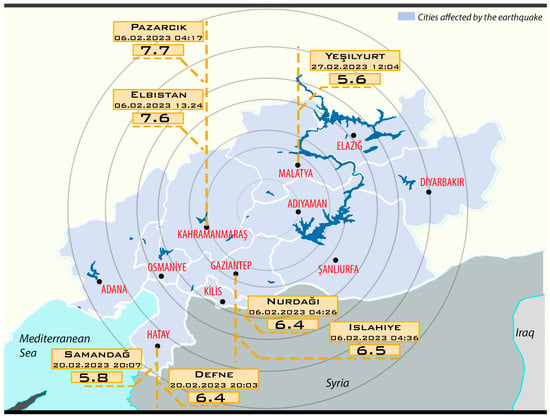
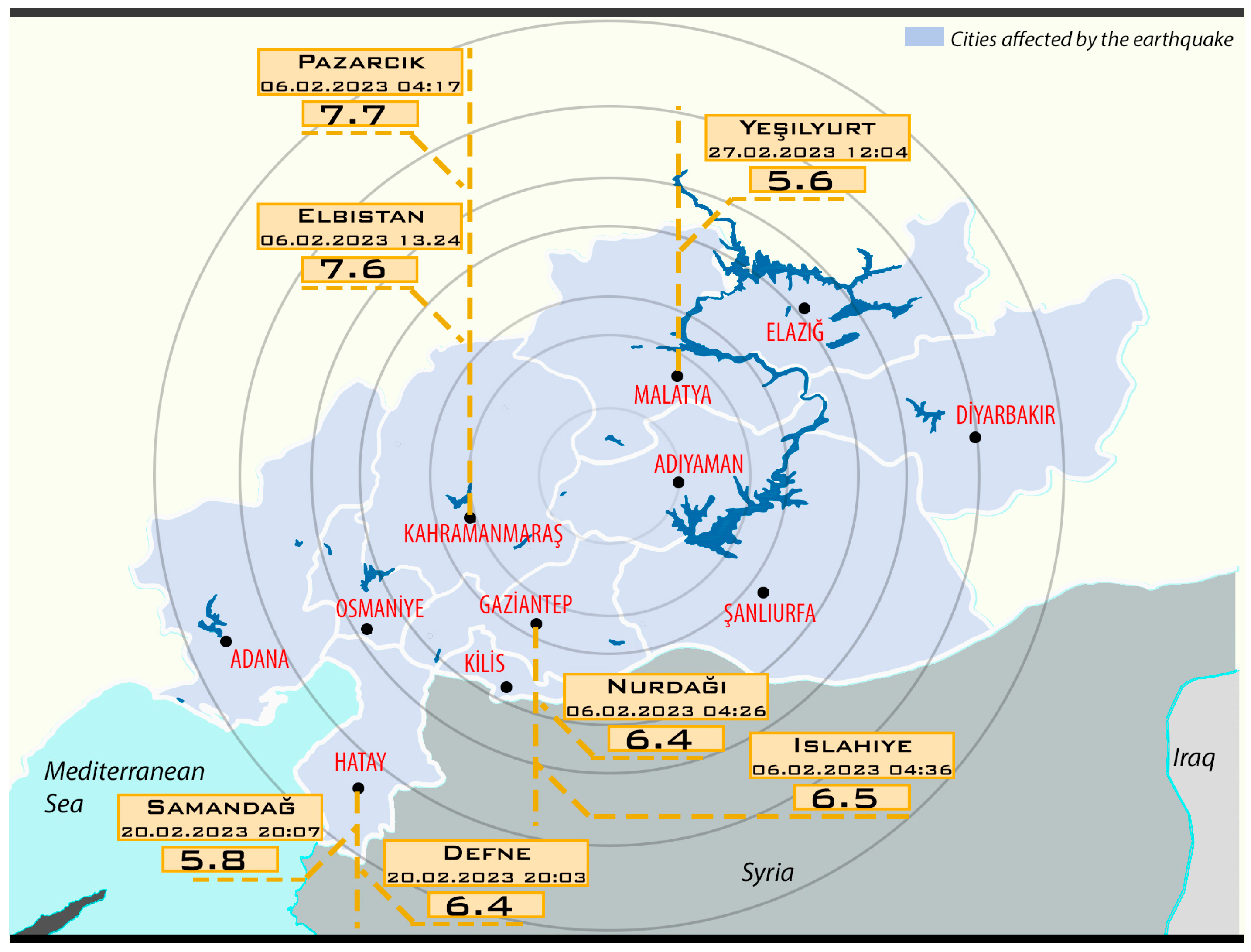
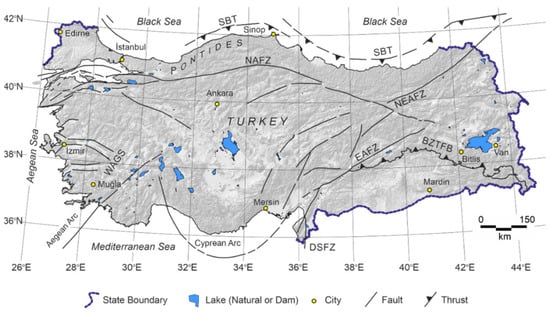
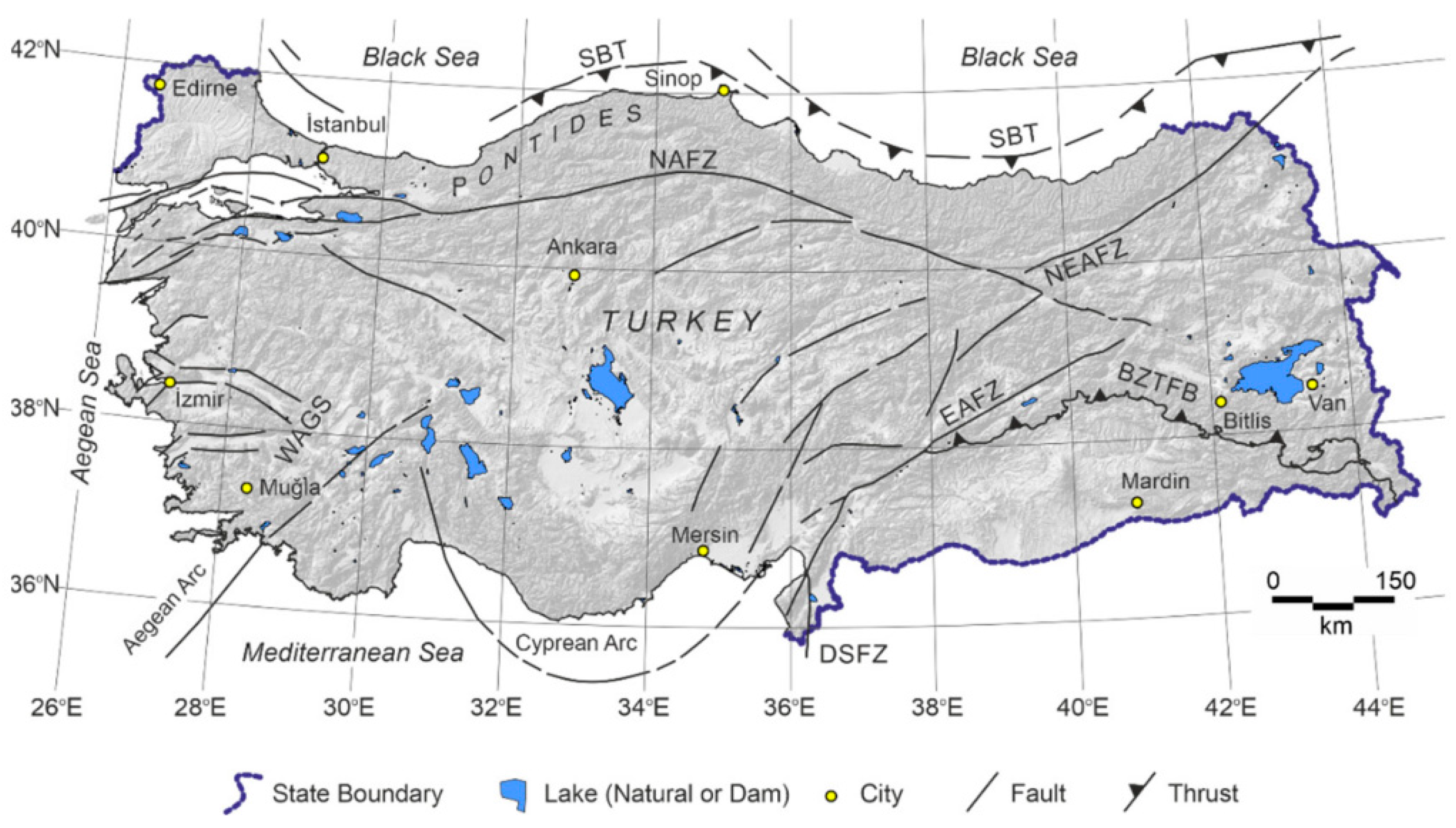
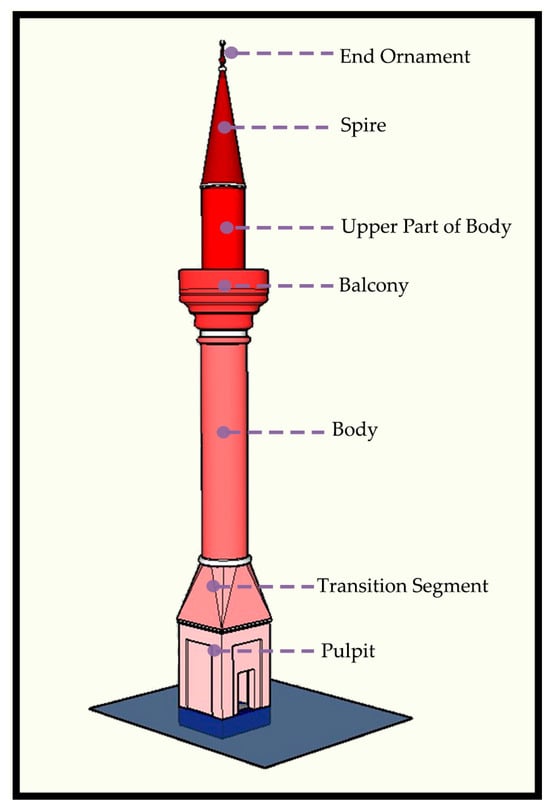
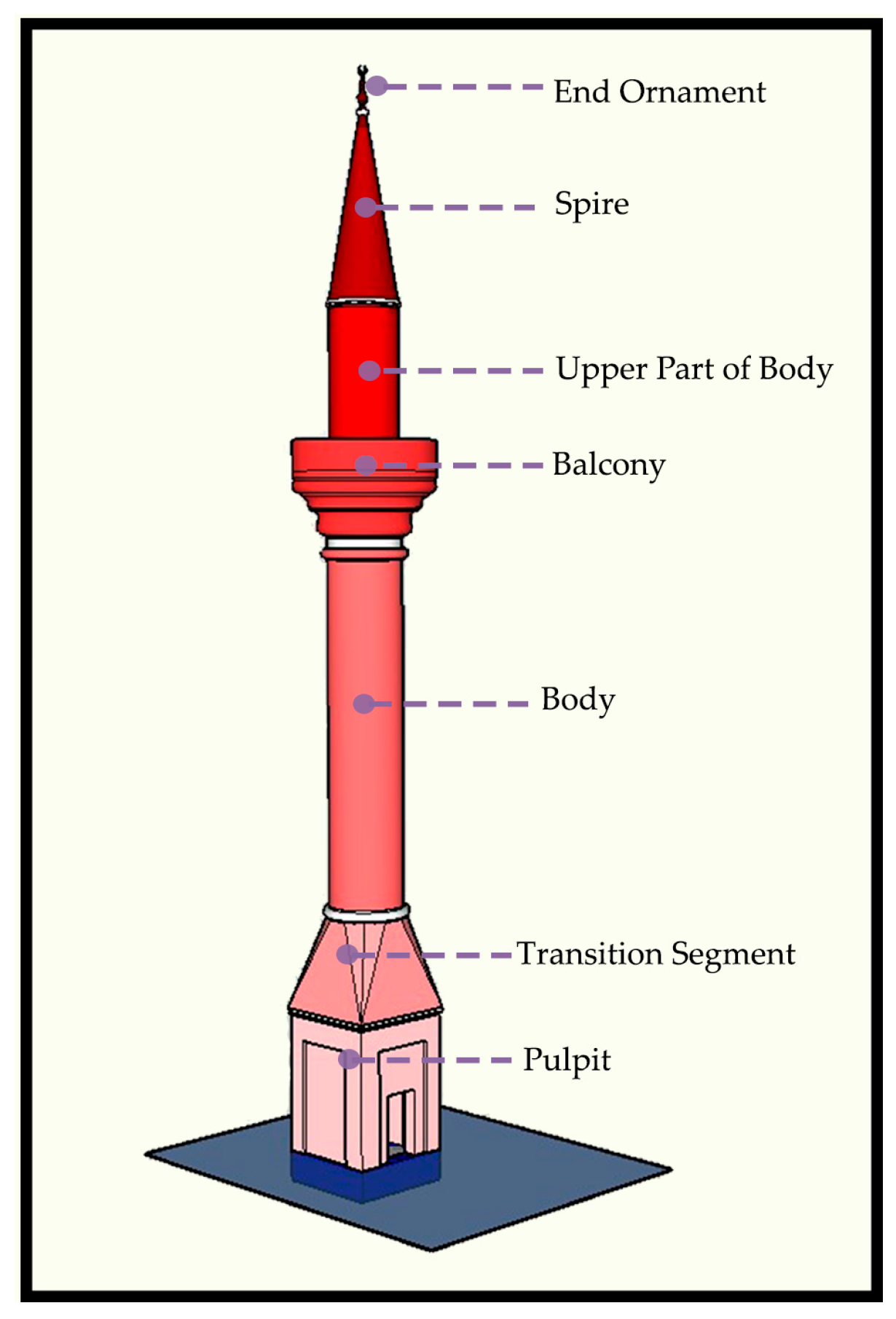
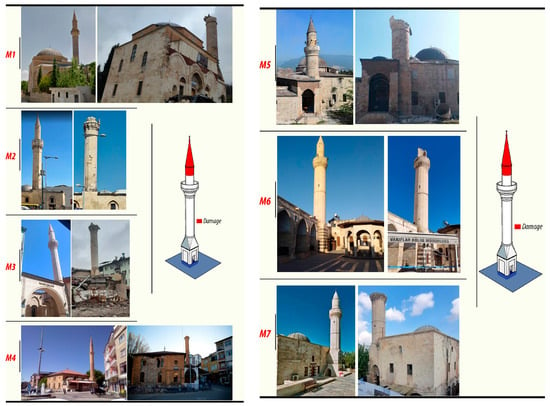
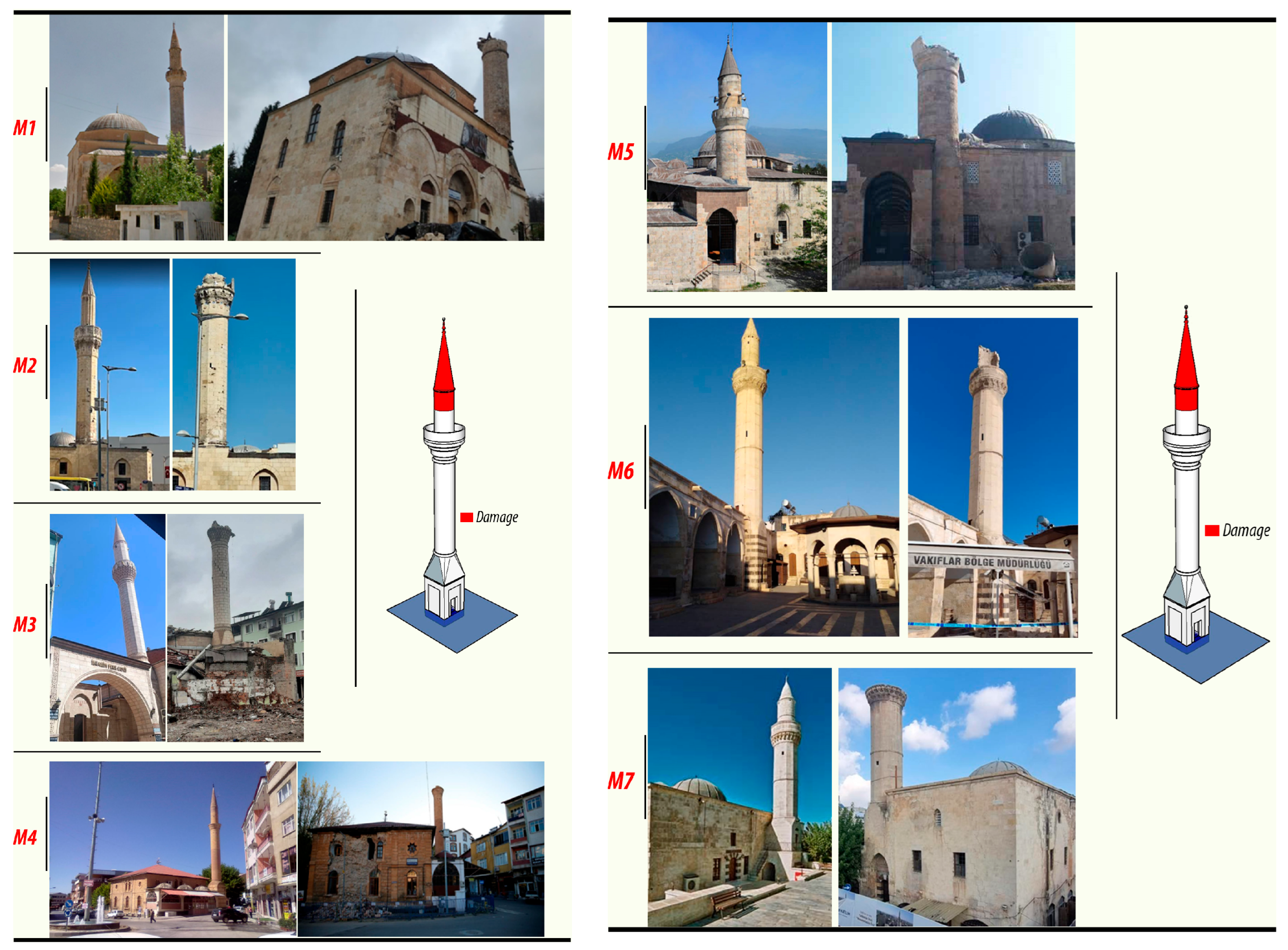
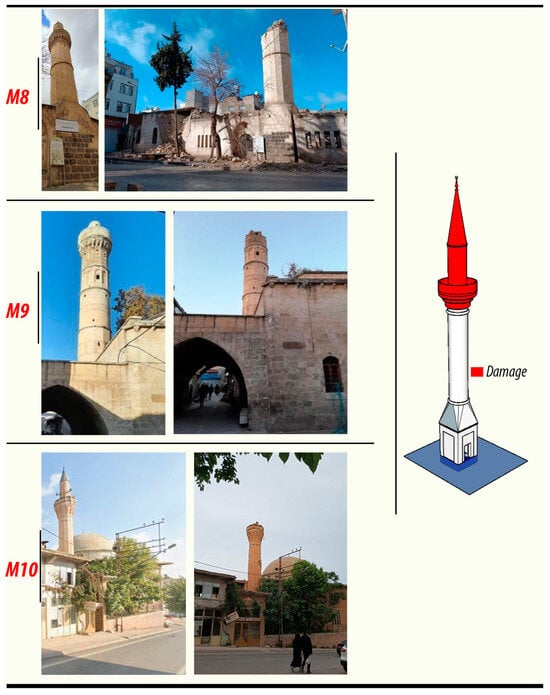
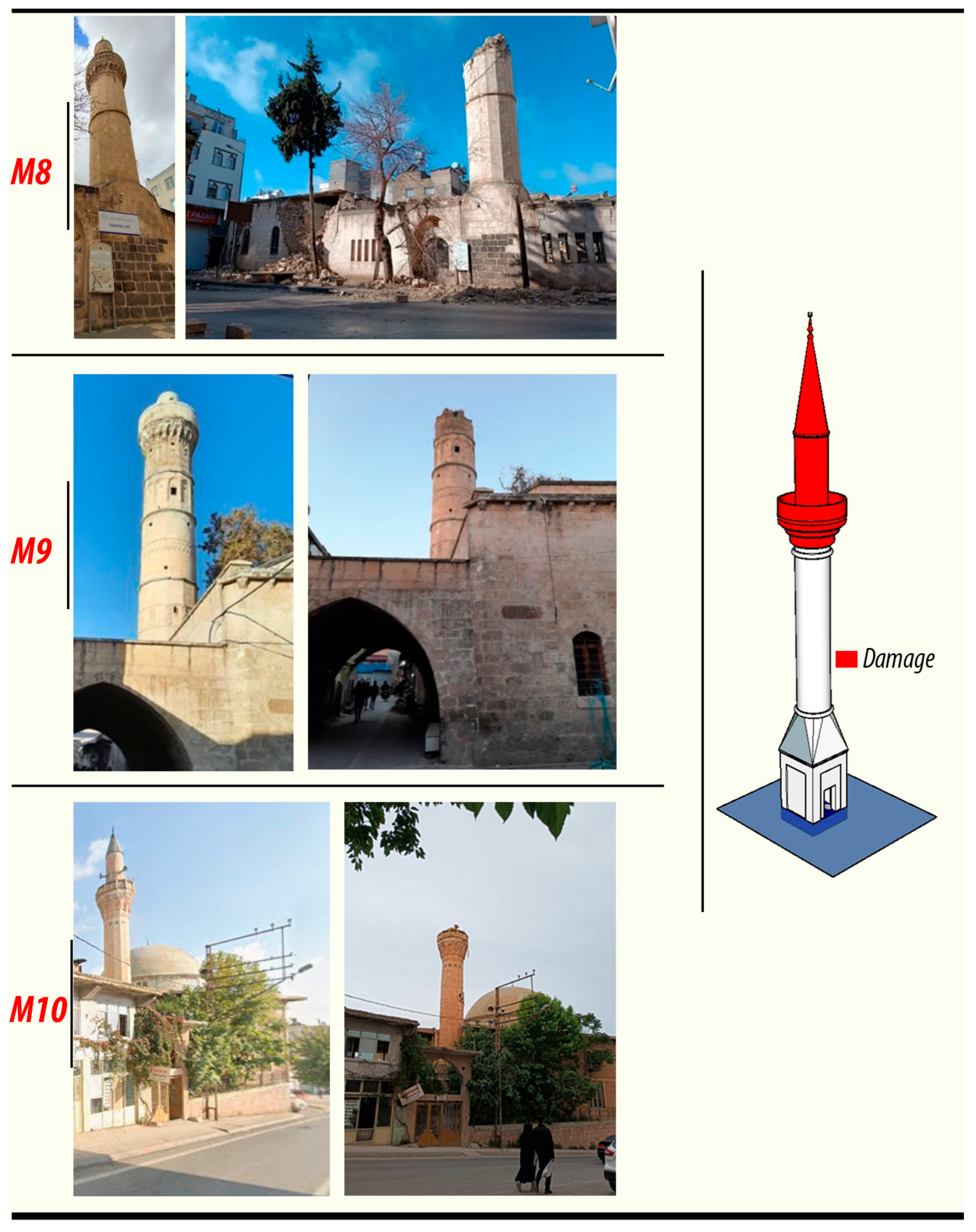
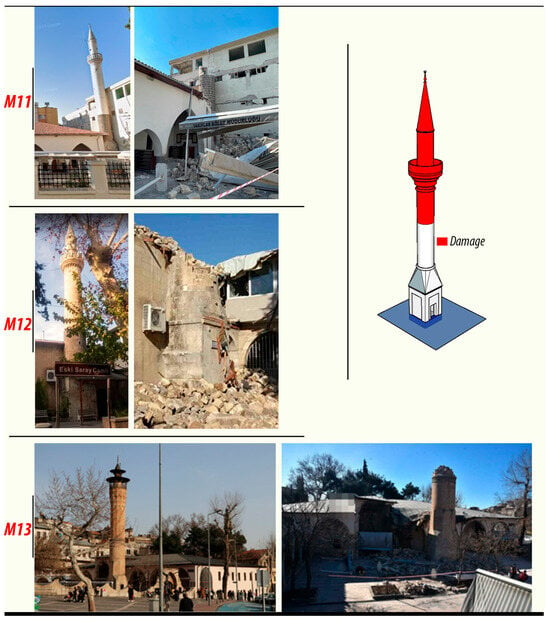
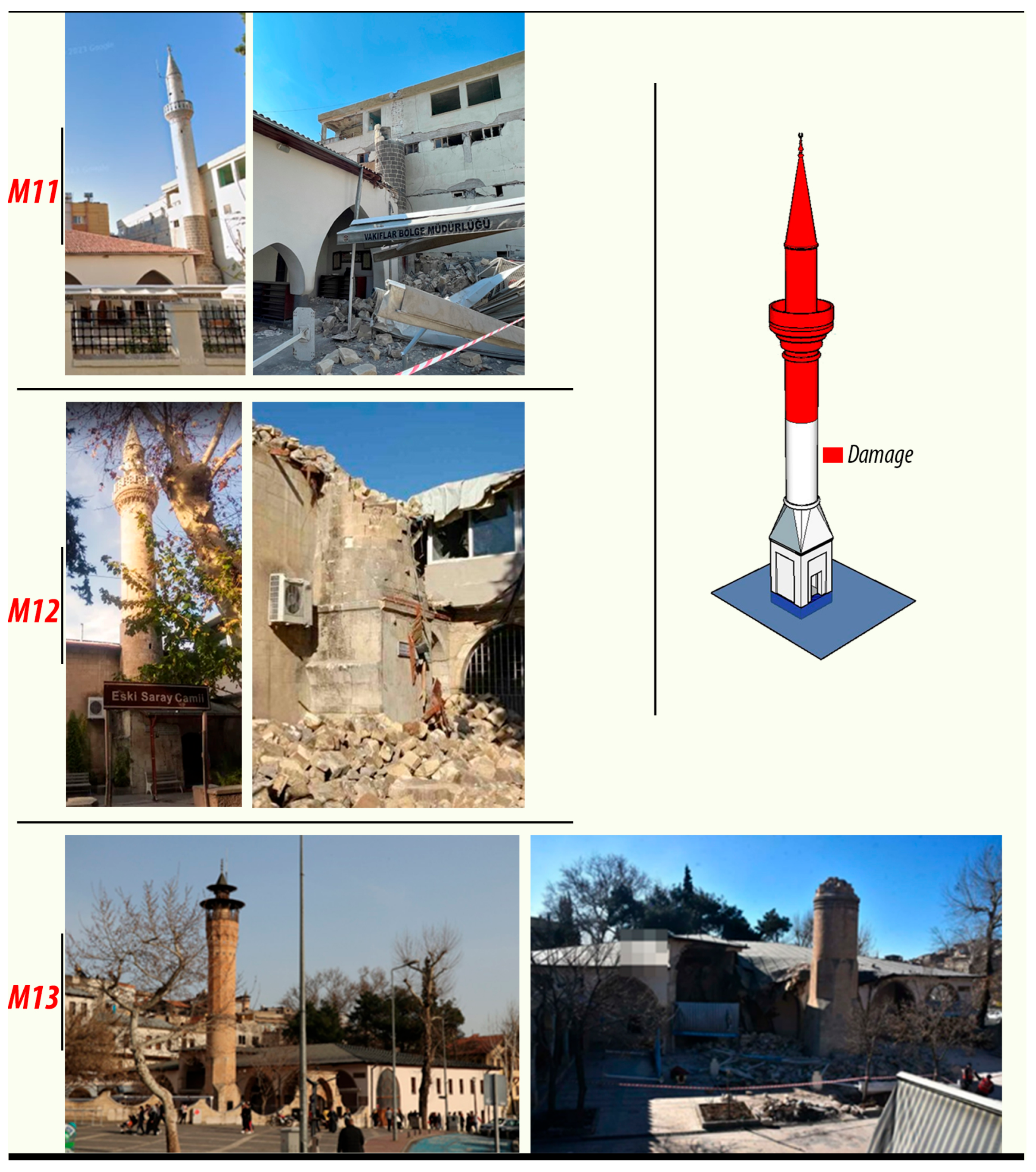
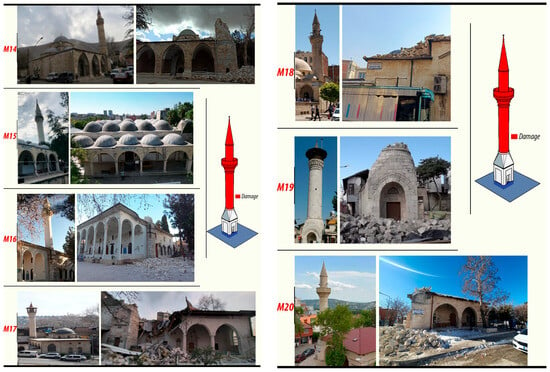
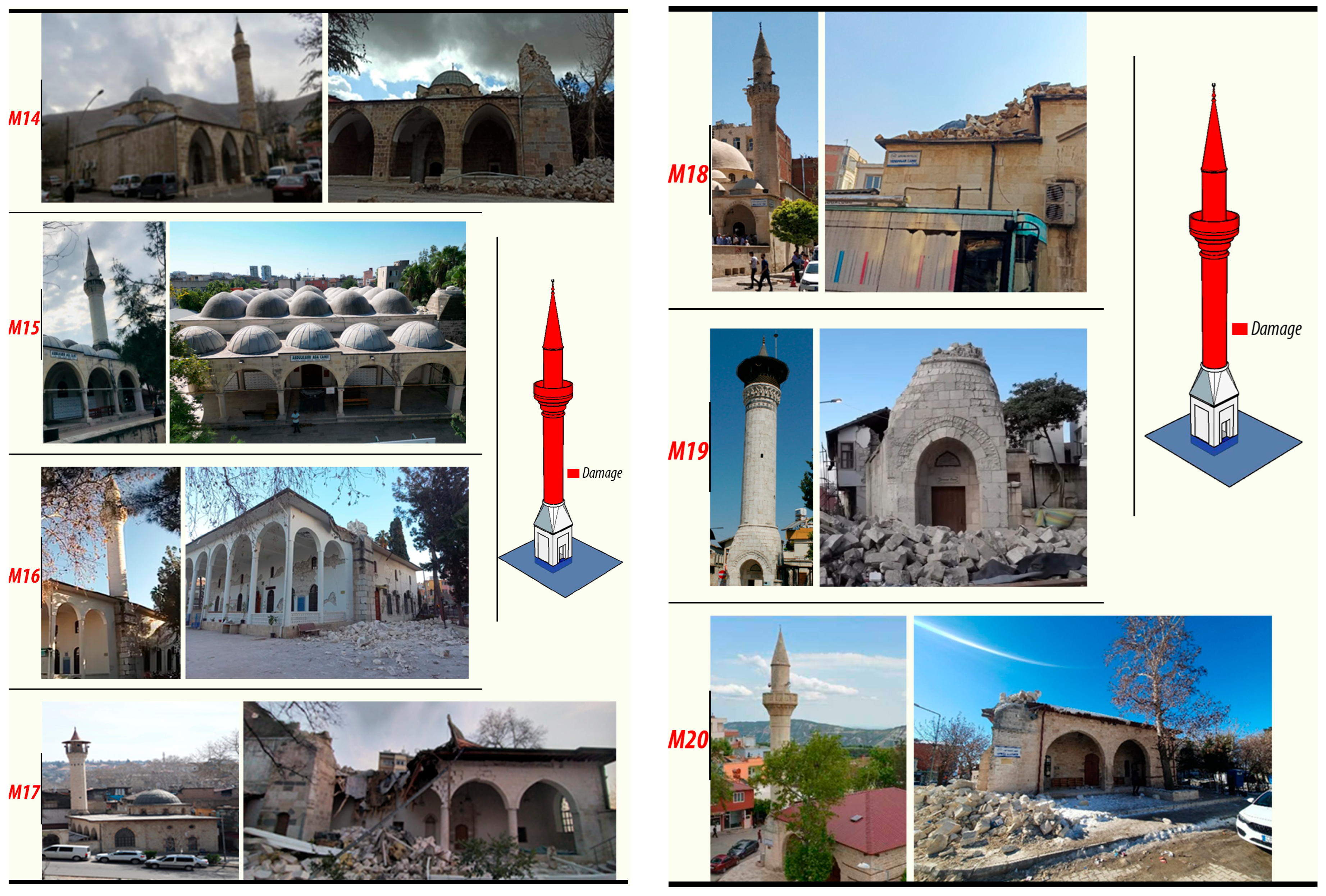
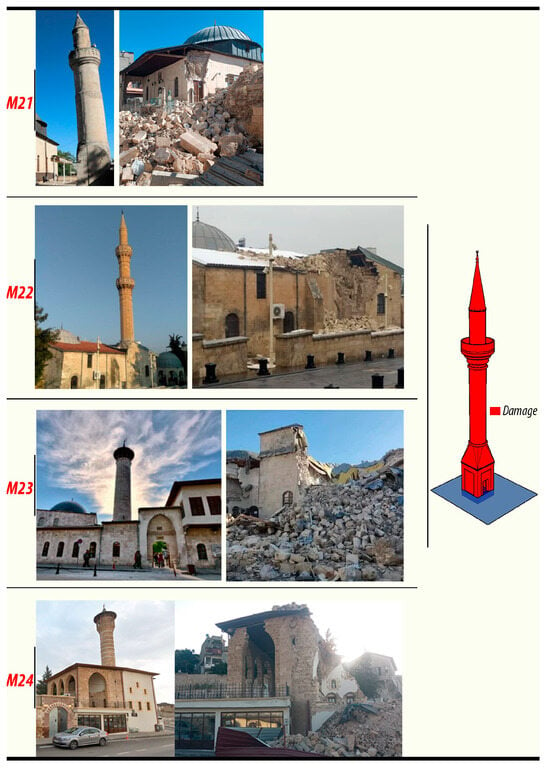
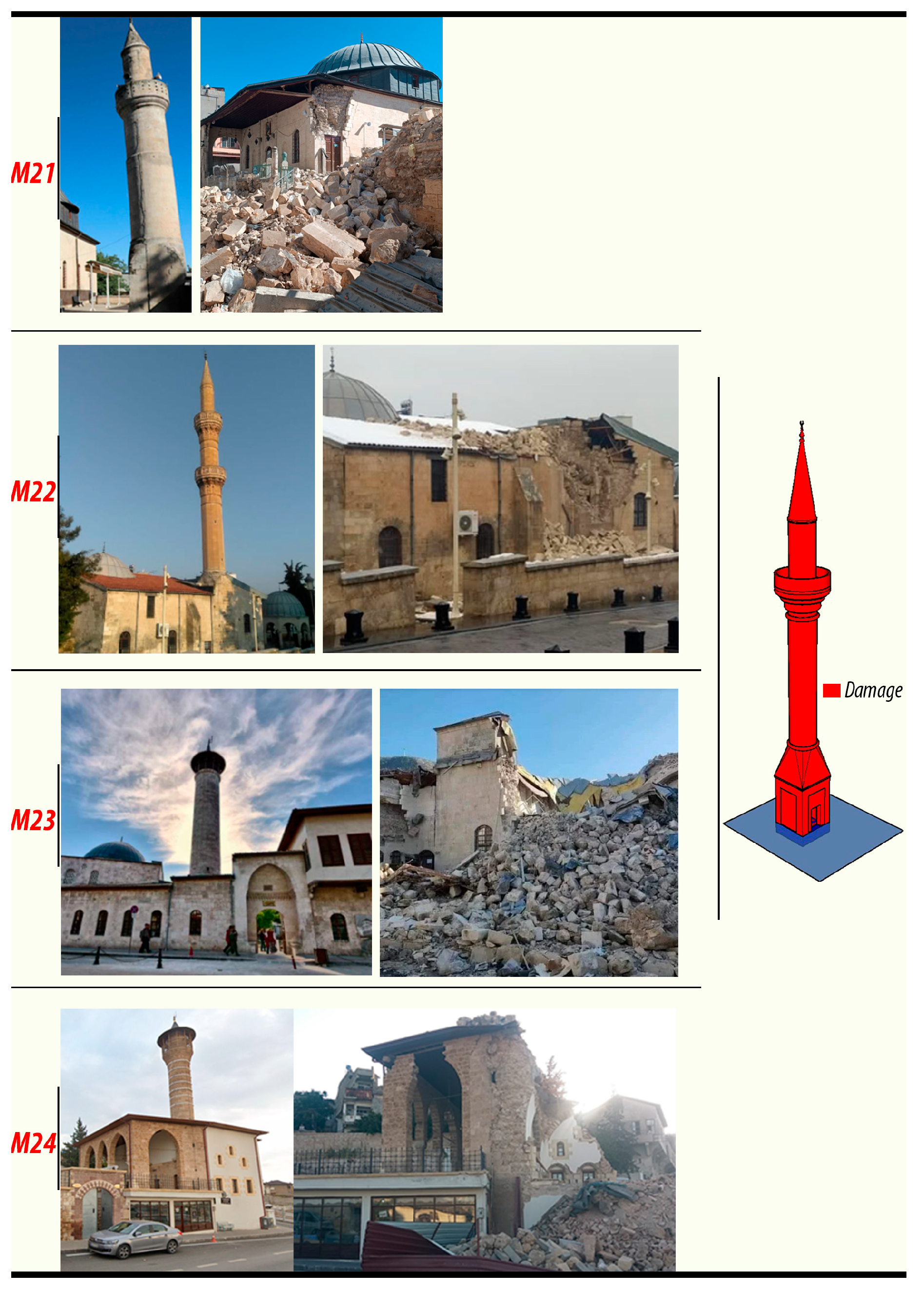
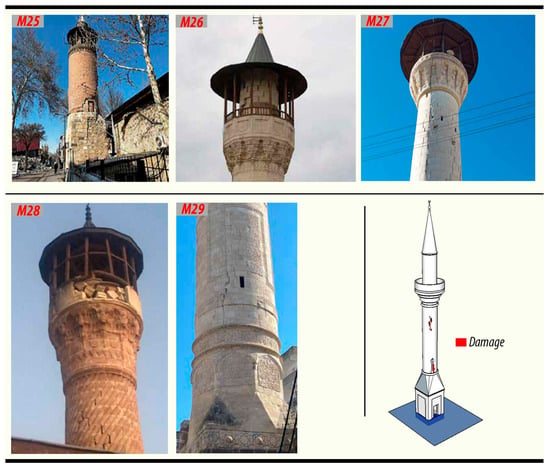
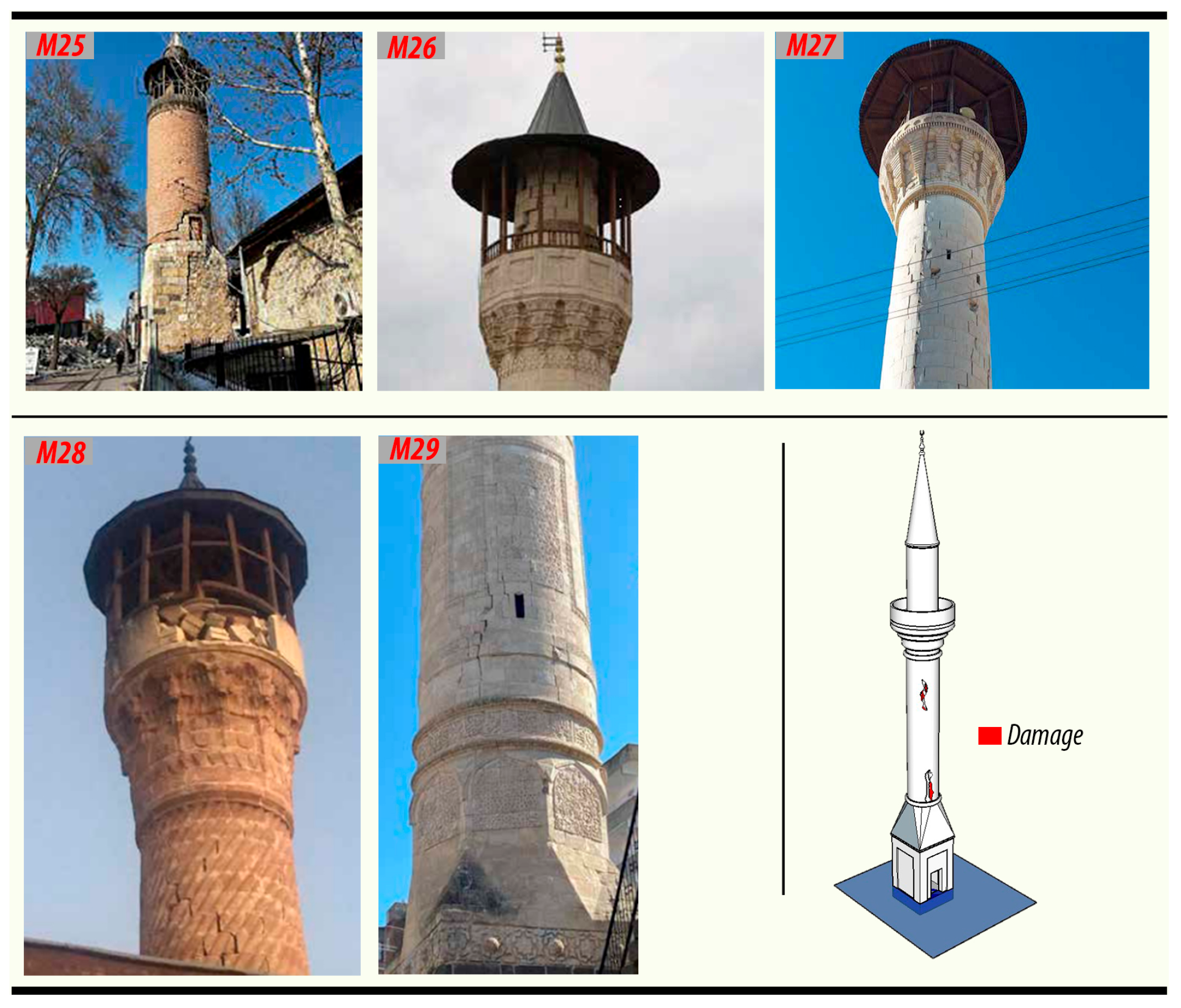
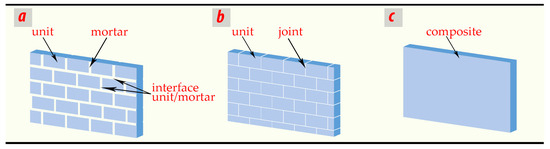
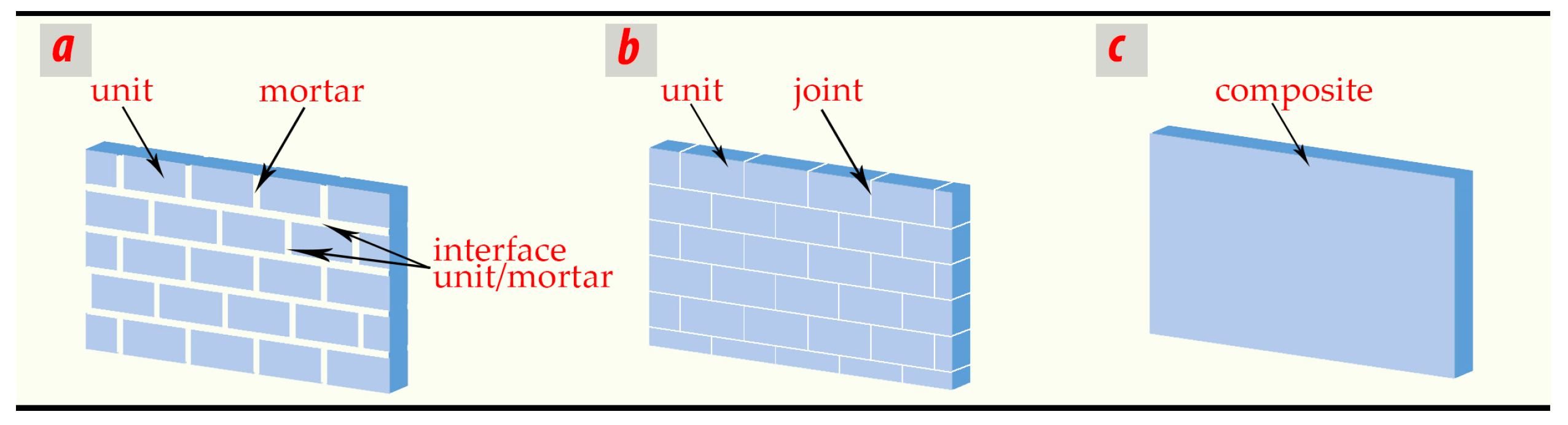
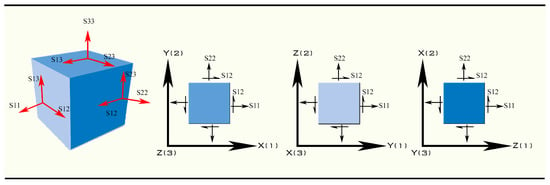
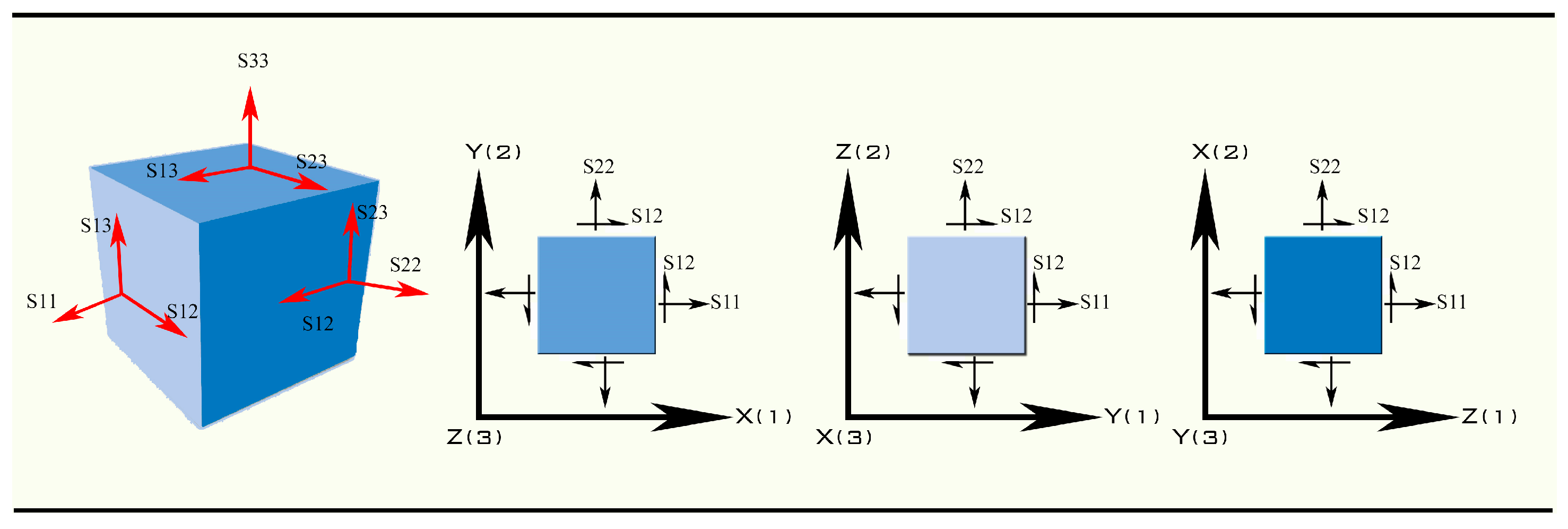
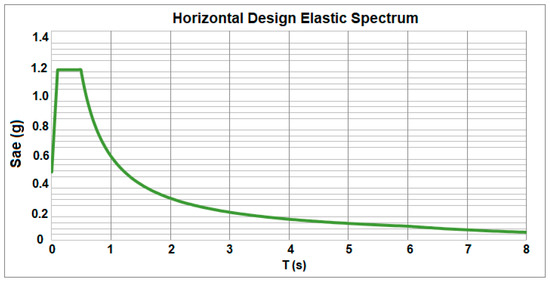
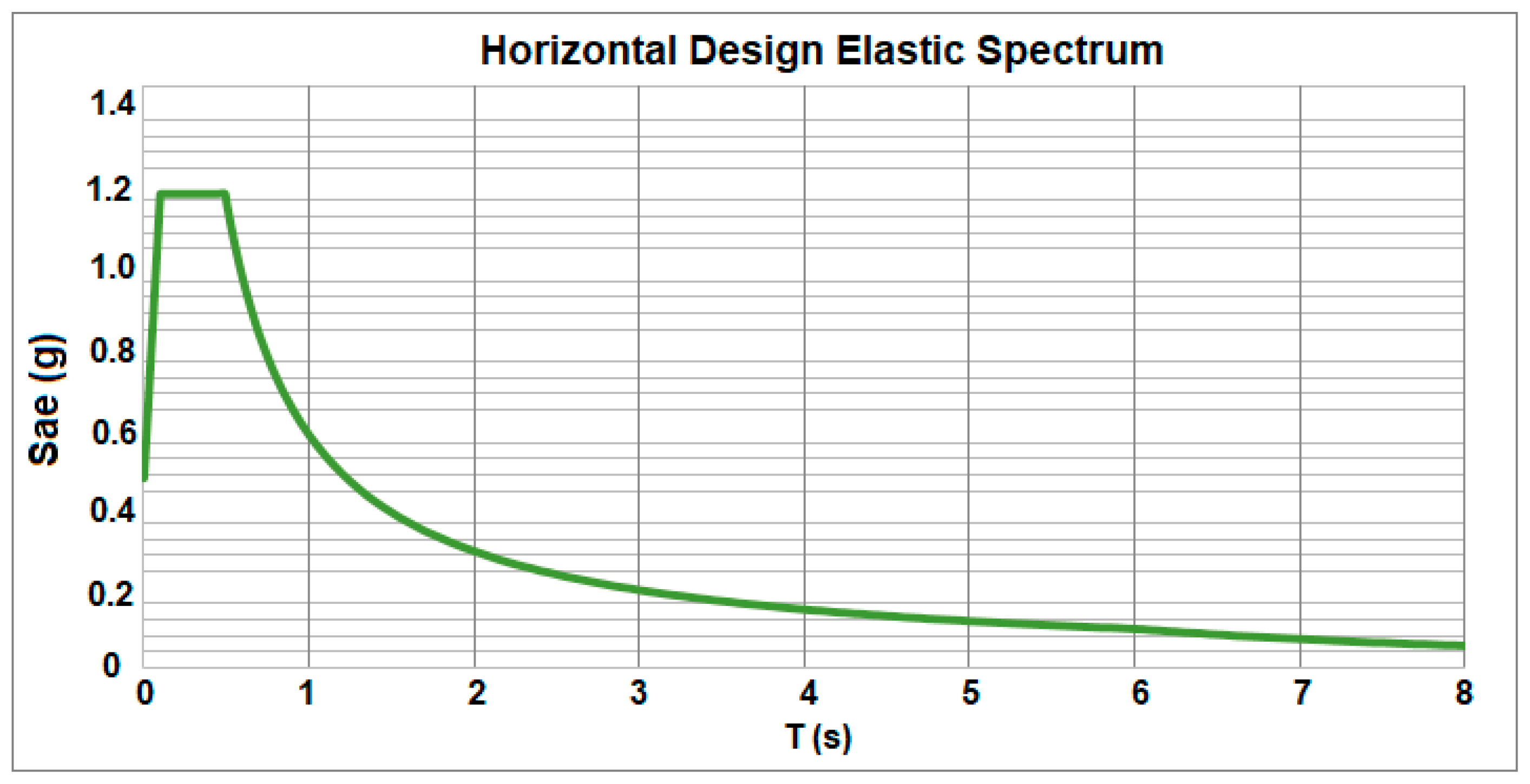
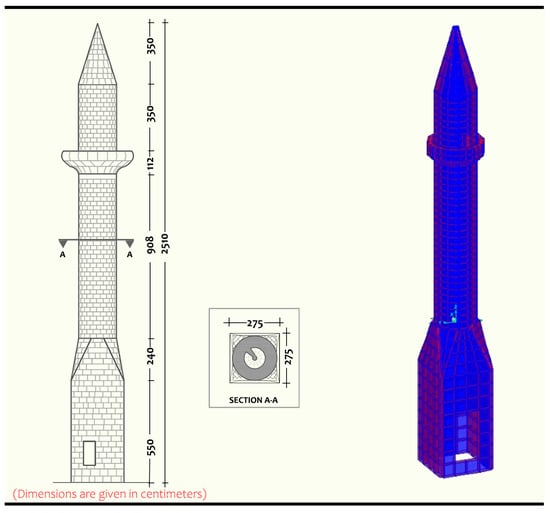
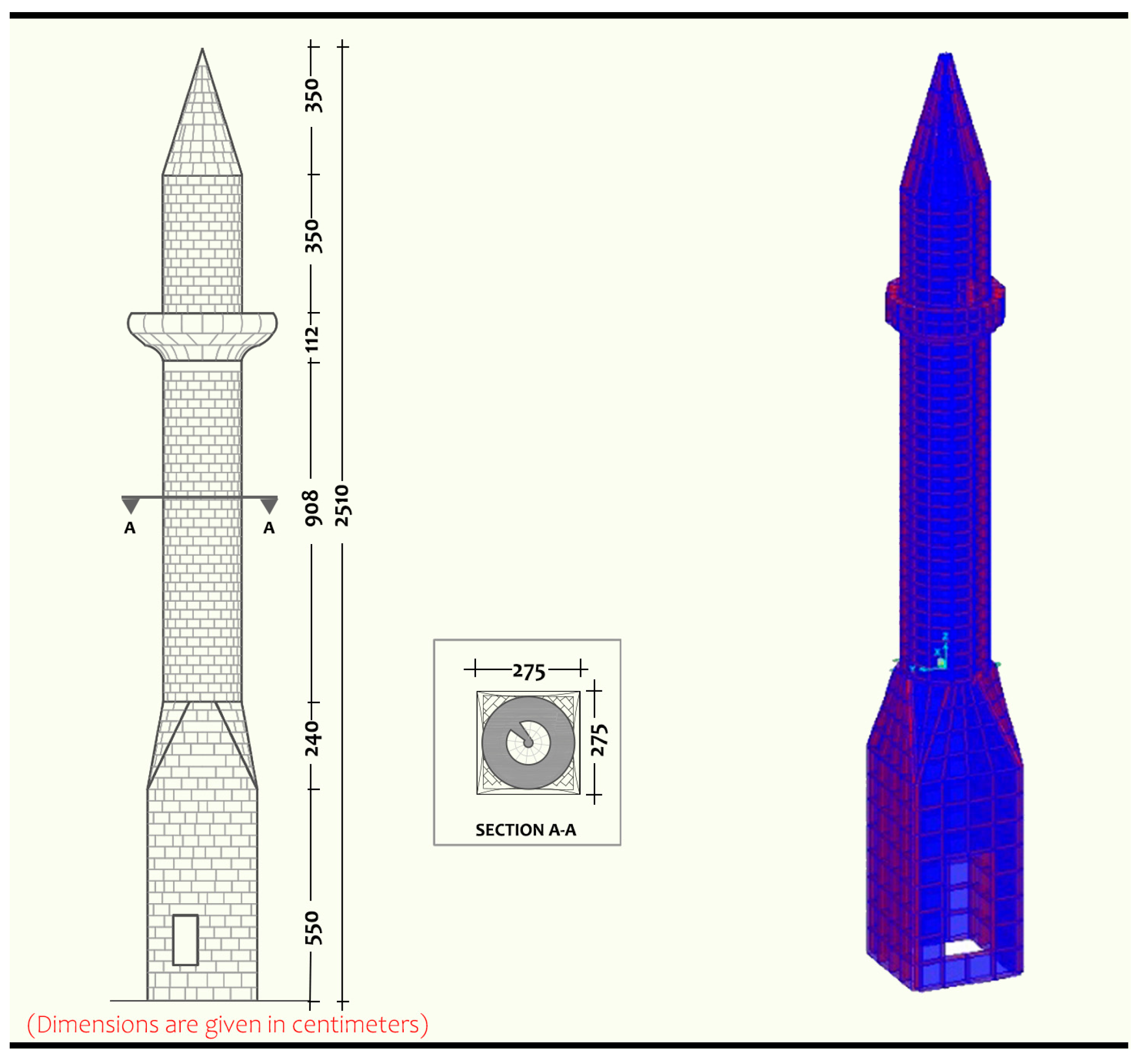
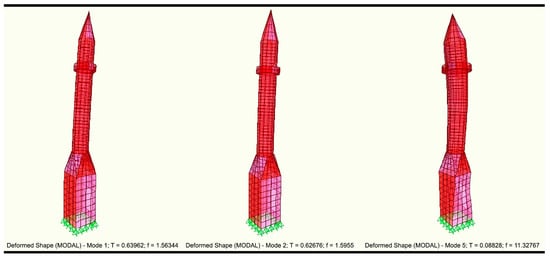
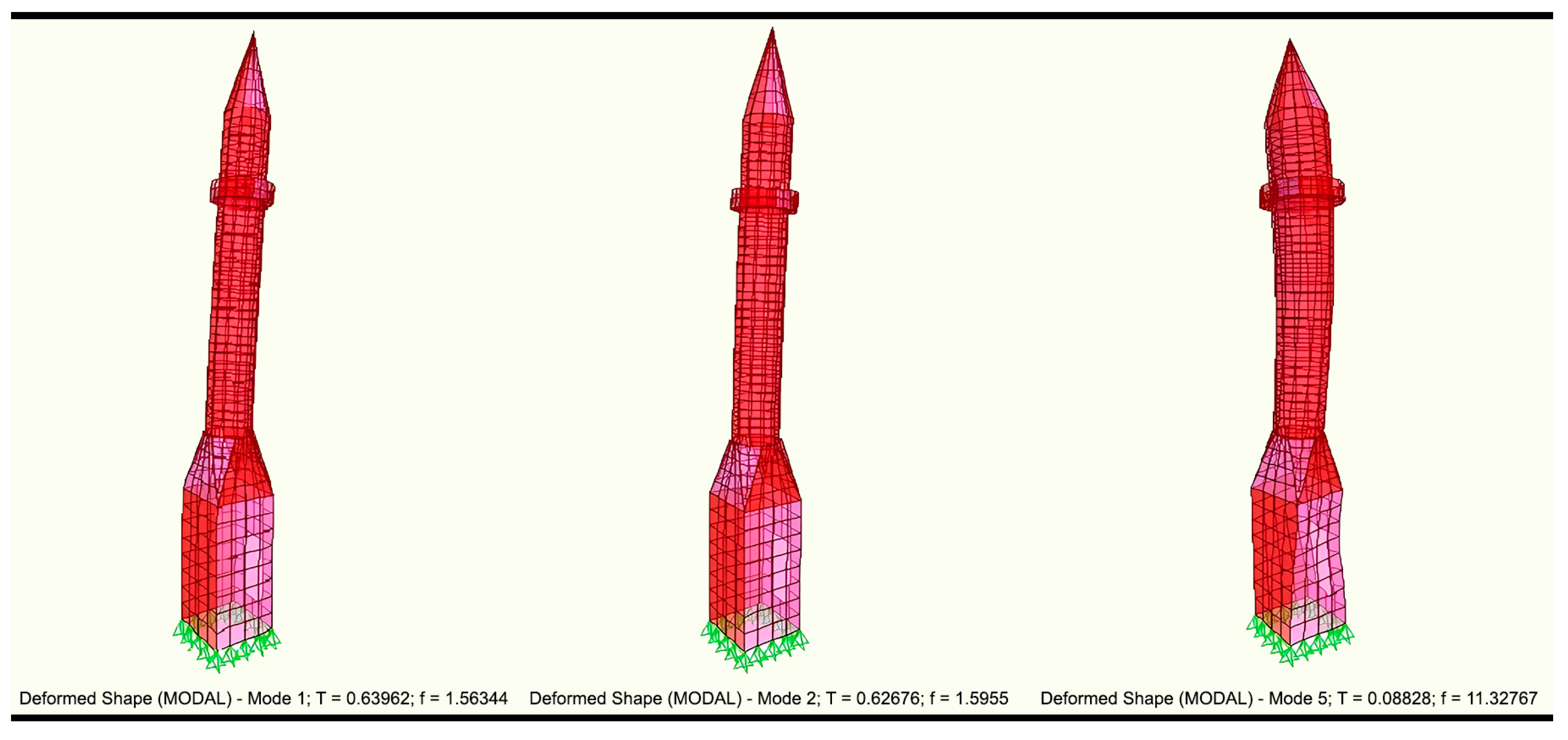
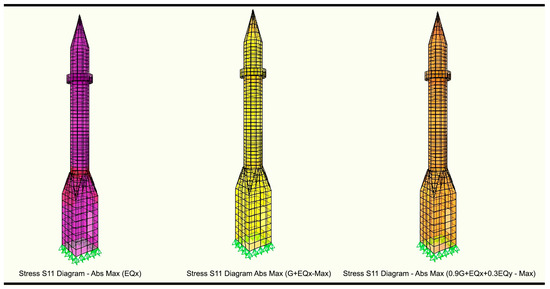
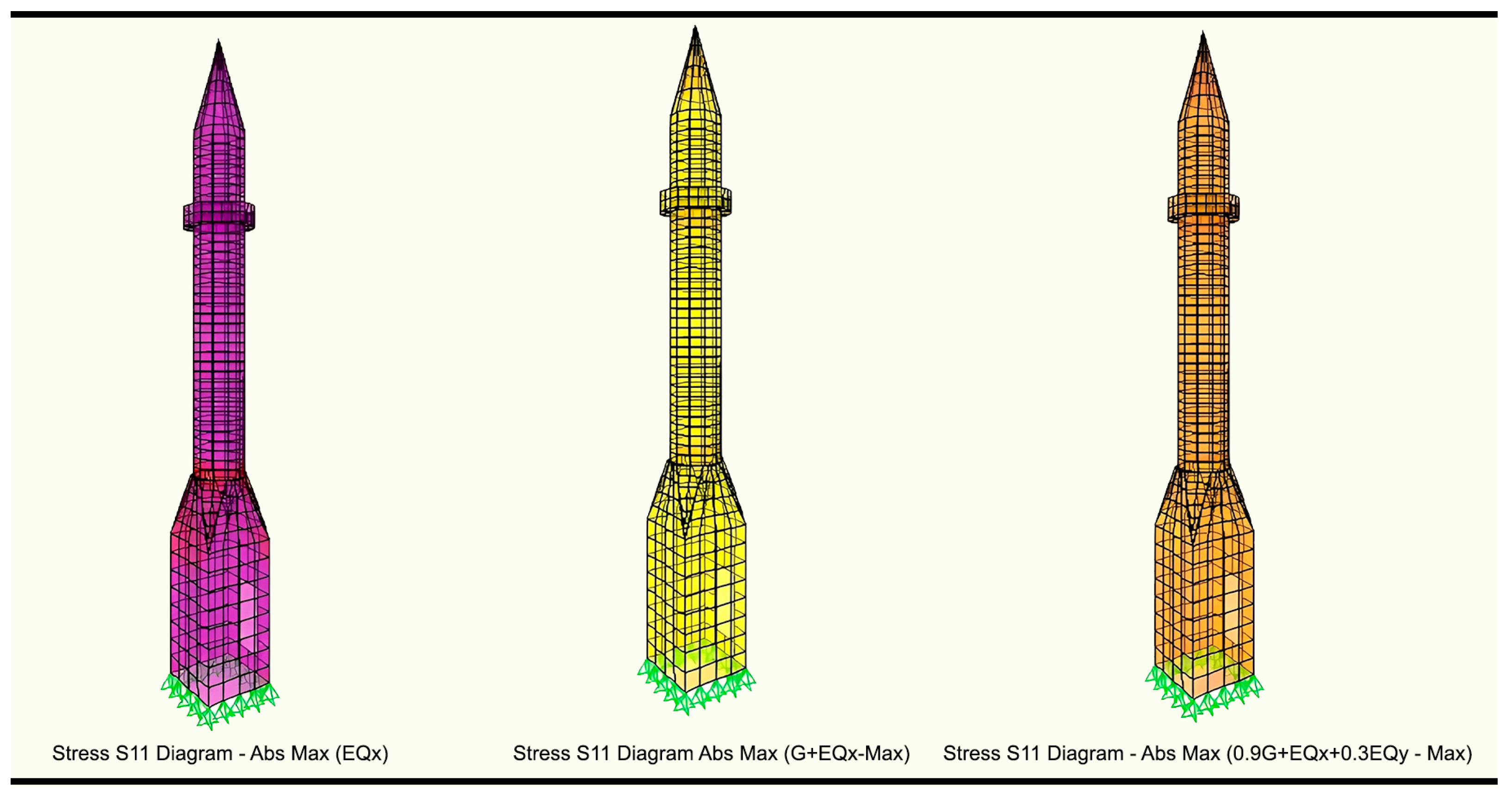
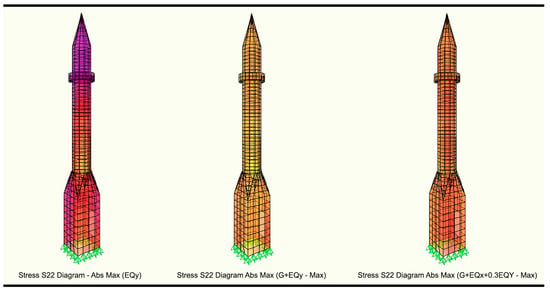
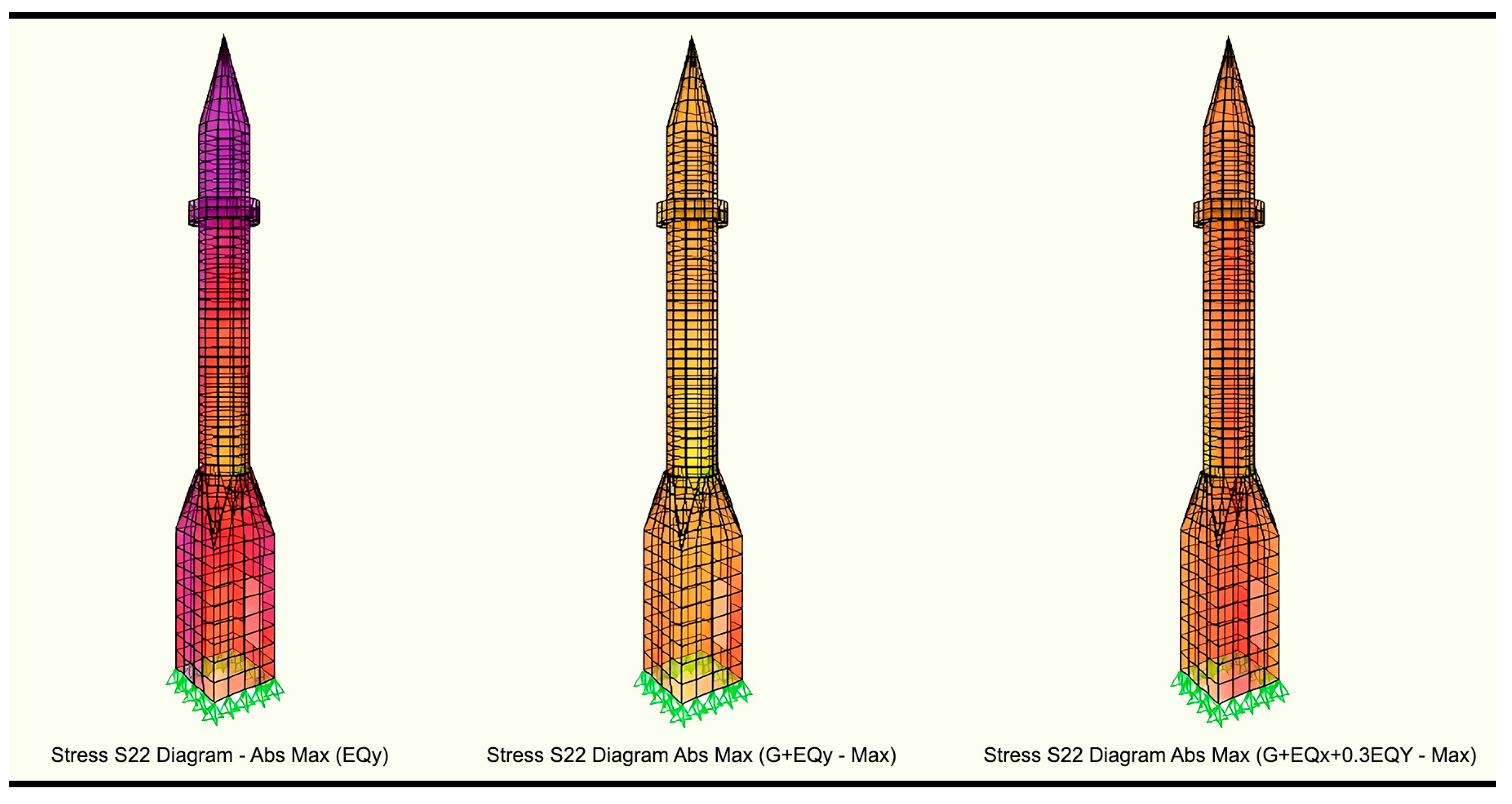
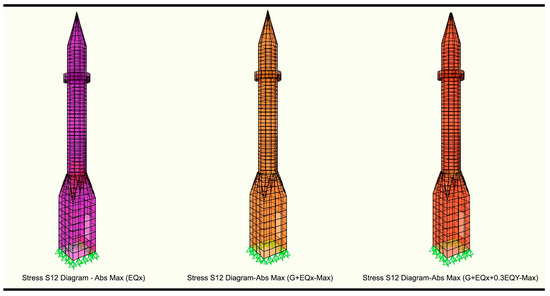
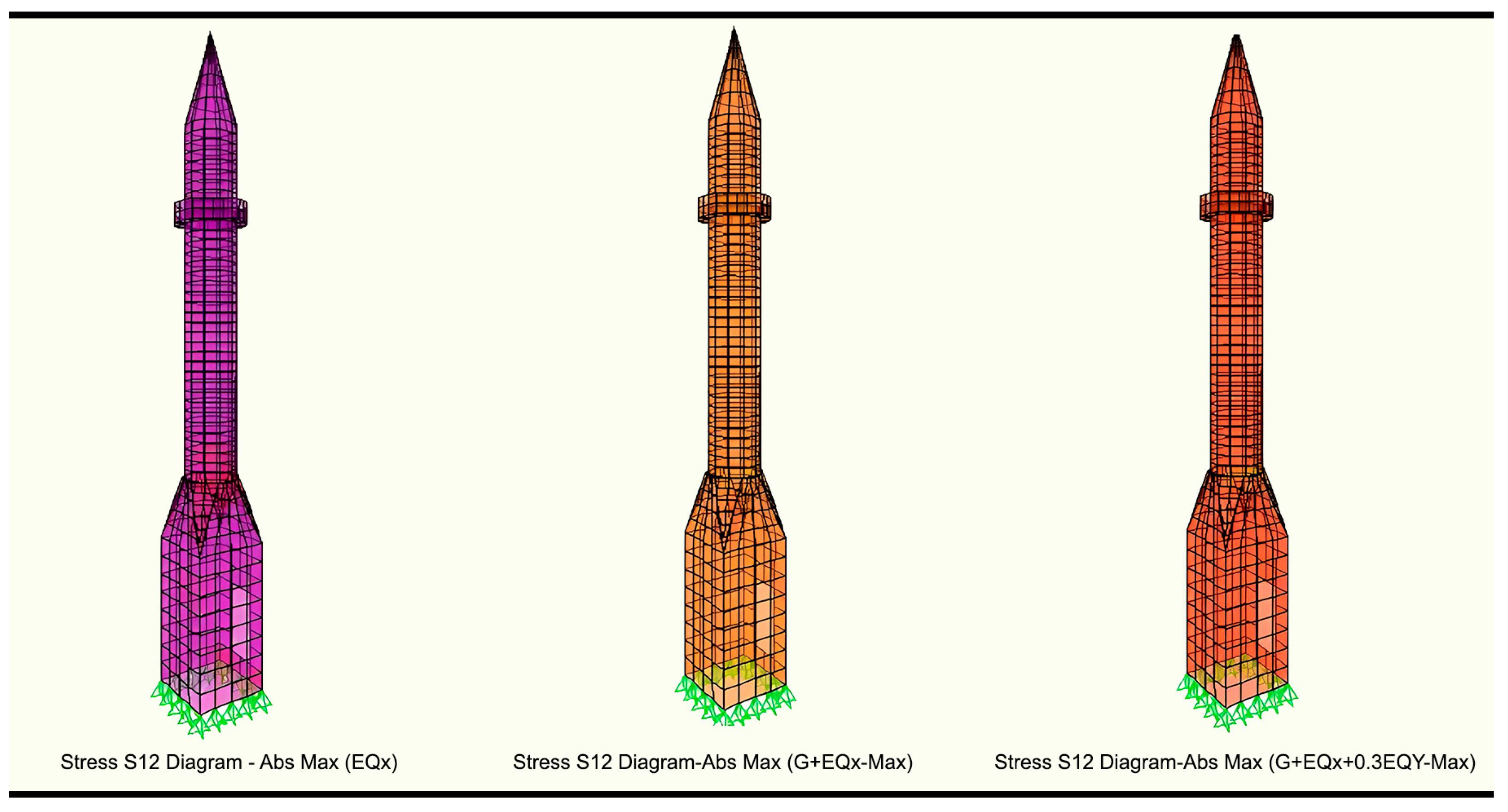
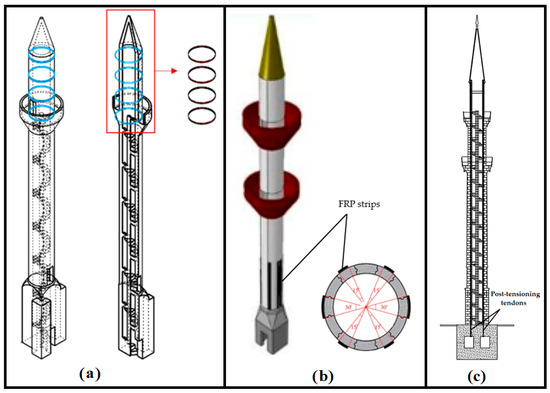
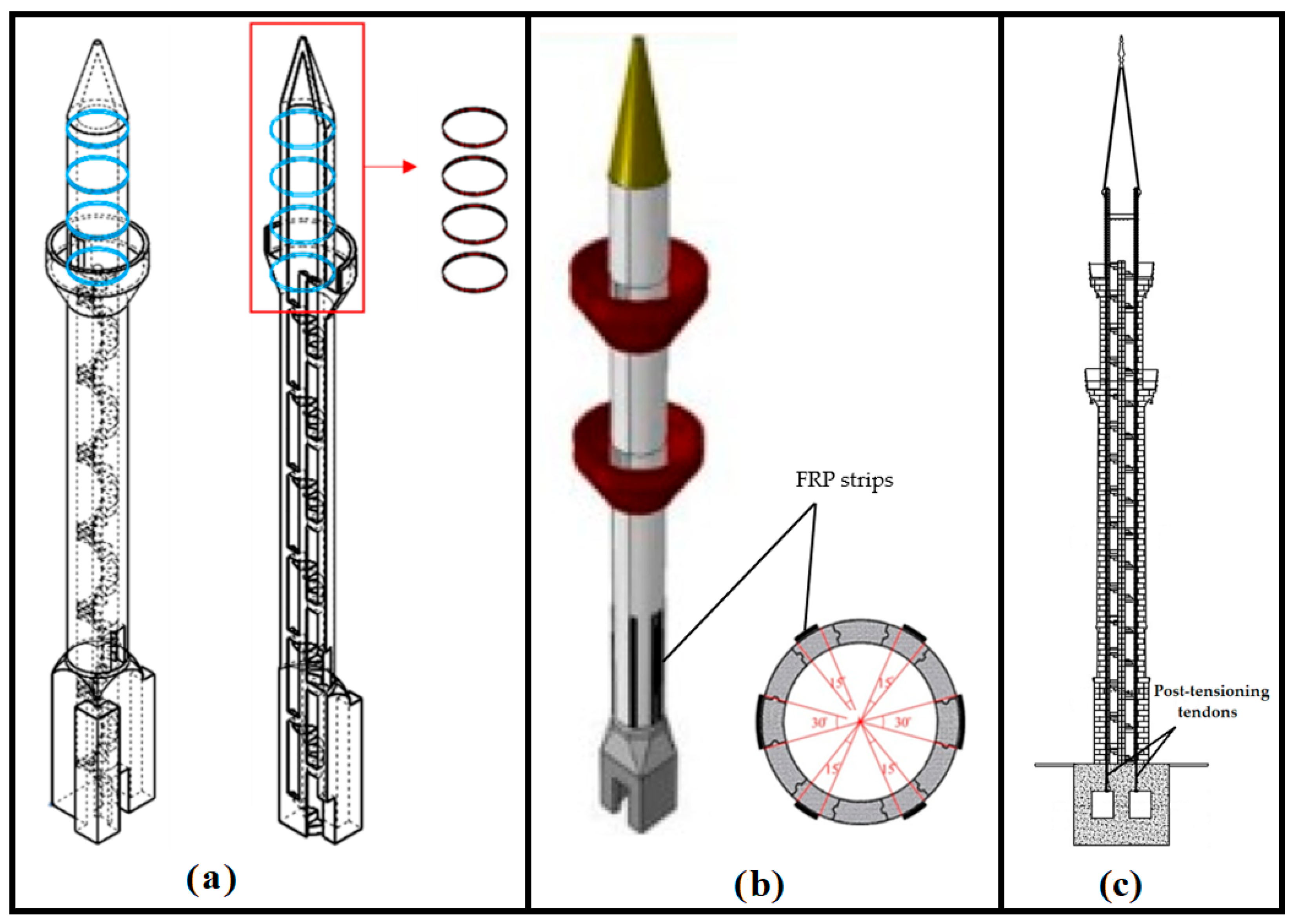

Disclaimer/Publisher’s Note: The statements, opinions and data contained in all publications are solely those of the individual author(s) and contributor(s) and not of MDPI and/or the editor(s). MDPI and/or the editor(s) disclaim responsibility for any injury to people or property resulting from any ideas, methods, instructions or products referred to in the content. |
© 2026 by the authors. Licensee MDPI, Basel, Switzerland. This article is an open access article distributed under the terms and conditions of the Creative Commons Attribution (CC BY) license.