


Abstract
The proper wearing of safety helmets is critical for worker safety in high-risk construction environments, with the fastening of the chin strap serving as a key indicator of correct usage. However, existing detection methods primarily focus on identifying helmet presence, neglecting the crucial assessment of chin strap compliance. This paper proposes an intelligent detection approach that integrates YOLOv8 object detection, instance segmentation, and skin tone recognition to evaluate chin strap wearing status. The system first employs YOLOv8 to detect workers and helmets, filtering out non-wearers before performing facial and neck region segmentation, thereby concentrating computational resources on compliance verification. To address challenges in distinguishing chin straps from similar skin tones under complex lighting conditions, the method incorporates illumination compensation and YCbCr-based skin segmentation. Finally, strap status is determined through morphological operations and contour analysis, with visual annotation of the detection results. This study utilizes a dataset comprising 2000 safety helmet images, which was partitioned into training, validation, and test sets in an 8:1:1 ratio for model training and evaluation. The experimental results demonstrate that the proposed method achieves an accuracy of 96% in detecting chin strap status, exhibits robust performance across diverse construction site conditions, and holds significant practical value and application potential.
1. Introduction
In high-risk occupational environments such as construction sites, ensuring worker safety is a fundamental priority. Statistical evidence, however, reveals persistent and significant vulnerability. The construction industry exhibits an accident rate that is substantially higher than the average across other sectors. Traumatic brain injury (TBI) represents a particularly severe outcome, frequently resulting from incidents such as falls from a height, being struck by objects, and operations involving heavy machinery [1,2]. In the United States, for instance, approximately 25% of construction-related fatalities are attributable to TBI [3], with falls constituting the predominant cause of both fatal and non-fatal incidents [4].To mitigate these hazards, regulatory frameworks and technical standards, such as those enforced by the Occupational Safety and Health Administration (OSHA), mandate the use of certified head protection in environments with identified impact risks [5,6]. Despite these established protocols, non-compliance remains a critical and widespread issue. Violations related to the “failure to use personal protective equipment (PPE)” consistently rank among the most frequently cited by OSHA [7]. This neglect of basic safety measures not only leads to a high number of preventable injuries and fatalities but also imposes a substantial economic burden on healthcare systems and society at large. Consequently, within the context of growing research and development in smart personal protective equipment (Smart PPE), the challenge of ensuring the correct and consistent use of protective gear on worksites has emerged as a central focus in safety management research.
According to an International Labor Organization (ILO) report, the construction industry has a higher accident rate than any other industry [8]. The efficacy of the safety helmet, the most fundamental form of head protection, is directly contingent upon its proper wear. Studies confirm that correctly wearing a standards-compliant helmet can reduce the risk of severe brain injury by up to 95% [9]. In stark contrast, investigations indicate that a significant proportion of accident victims were either not wearing protective equipment or were using it incorrectly, with a reported rate of approximately 47.3% globally [10] and as high as 67.95% in specific regional studies within China [11]. A key determinant of helmet performance is the secure fastening of the chin strap, a critical component for stability. If not properly fastened, the helmet is highly susceptible to dislodgement upon impact, leaving the worker’s head unprotected. Current supervisory practices on most construction sites predominantly rely on manual and periodic inspections to monitor helmet and chin strap usage. While this method provides direct observation, it is inherently limited by high labor costs, difficulties in achieving comprehensive coverage across large or dynamic sites, and the potential for human error or oversight, leading to significant management blind spots [12]. These limitations render the traditional manual inspection model increasingly inadequate for modern, efficiency-driven, and intelligent safety management systems. There is, therefore, a pressing need for advanced technological solutions capable of providing real-time, automated monitoring of PPE compliance to bridge this critical safety gap.
With the rapid development of computer vision and artificial intelligence (AI) technologies, automated safety helmet detection based on images and videos has become a research hotspot. In particular, deep learning models in the field of object detection, such as YOLO (You Only Look Once) and Faster R-CNN, show high efficiency and real-time performance, and many researchers apply them to safety helmet-wearing detection tasks [13,14,15,16]. However, a critical limitation remains in the existing literature: although these studies achieve remarkable progress in detecting the presence of a helmet, most of them ignore the chin strap wearing condition, which is a key factor in evaluating whether a helmet is worn correctly. The chin strap plays an essential role in securing the helmet, and its wearing state directly affects the protective performance. Therefore, developing technologies that accurately identify chin strap wearing conditions is crucial for improving safety management on construction sites. At present, detection methods for safety helmet chin straps can be broadly categorized into sensor-based and vision-based approaches. Beijing Huanao Technology Development Co., Ltd. (Beijing, China) proposes a multi-parameter detection method that uses electromyography (EMG) sensors attached to the chin strap to collect muscle signals from the wearer and determine whether the strap is properly fastened. This method achieves high physical detection accuracy but requires additional hardware, which limits its practicality and scalability on construction sites. Arai et al. [17] presented a multi-view deep learning-based detection method that combines transfer learning, utilizing YOLOv8 and Detectron2 models to annotate front and side-view images in COCO format for automatic chin strap detection. This method performs well in multi-view scenarios but still has limitations; it requires classifying images into front, left, and right perspectives, making the process complex. Furthermore, when the background shares similar colors or textures with the chin strap, the detection accuracy decreases significantly. Consequently, it is evident that although deep learning methods [16] have been introduced, they still face several critical technical challenges that constitute a primary research gap: First, the chin strap is a small and slender object that is often partially occluded by the worker’s face or neck, with significant variations in shape and appearance, which make accurate detection difficult. Second, construction sites exhibit complex and variable lighting conditions, often accompanied by shadows, reflections, and motion blur, which reduce feature stability and model robustness. Third, the chin strap often has a similar color and texture to the surrounding skin or background elements, such as clothing and mask strings, leading to frequent false detections and missed detections. Finally, the lack of large, high-quality annotated datasets dedicated to chin strap detection limits the training effectiveness and generalization capability of deep learning models. These unresolved factors render standard object detection algorithms insufficient for direct application, necessitating the model optimization and auxiliary feature integration proposed in this study.
To address the unresolved limitations identified above, this paper proposes an automated detection approach that synergistically combines YOLOv8 object detection, instance segmentation, and skin tone detection. The evolution of helmet-wearing detection provides the technological foundation for our work: it has progressed from classical CNN or R-CNN-based methods focused on accuracy [18,19,20] to YOLO-series models emphasizing real-time robustness [21,22], and further, to optimized variants for small objects in complex environments [23,24]. However, since simple detection is insufficient for the precise shape of a chin strap, we incorporated facial segmentation techniques for granular feature extraction. Prior research has demonstrated the efficacy of such processing; for instance, Segundo et al. [25] proposed depth image-based facial processing using edge detection and curvature analysis for landmark localization, while other studies have successfully employed deep learning-based semantic segmentation [26,27] or LVQ-based pixel-level segmentation [28]. In this study, we adopted YOLOv8-seg for facial region segmentation due to its optimal balance of real-time capability, structural simplicity, and low computational cost, making it highly suitable for construction site deployment. Nevertheless, relying solely on segmentation may still result in ambiguity when distinguishing the chin strap from surrounding skin. To resolve this, we introduced skin tone detection as an essential auxiliary module to improve boundary discrimination. Current skin detection approaches classify pixels as “skin” or “non-skin” based on either physics-based [29,30] (analyzing light-skin interactions) or statistics-based methods [31,32,33,34,35,36,37,38]. Drawing on findings such as those by Shaik et al. [39]—who compared HSV and YCbCr color spaces—we utilized color space analysis to refine the segmentation results.
Based on the analysis of existing methods, this study aims to develop an automated, efficient, and low-cost detection method for helmet chin strap wearing. The proposed approach first employs YOLOv8 to perform person and helmet detection, as well as facial instance segmentation, to extract the worker’s face and neck regions. Then, a skin detection technique based on the YCbCr color space is used to refine the skin features within the facial region. Finally, through morphological processing and dynamic threshold adjustment, the system determines whether the chin strap is properly fastened, marking cases of no helmet or no chin strap directly on the original image. The main objectives of this study are as follows:
- (1)
- To propose a multi-stage automated method combining YOLOv8 object detection, facial instance segmentation, and skin detection to identify workers’ chin strap wearing status.
- (2)
- To design a complete processing workflow, including person and helmet detection, face extraction, skin feature refinement, and dynamic threshold-based judgment, thereby improving chin strap recognition accuracy.
- (3)
- To develop a hardware-independent system adaptable to multi-view and complex background environments while maintaining high detection accuracy.
- (4)
- To provide a visualization and alert mechanism for safety management by marking unhelmeted and unstrapped workers, offering technical support for construction site safety supervision.
2. Methodology
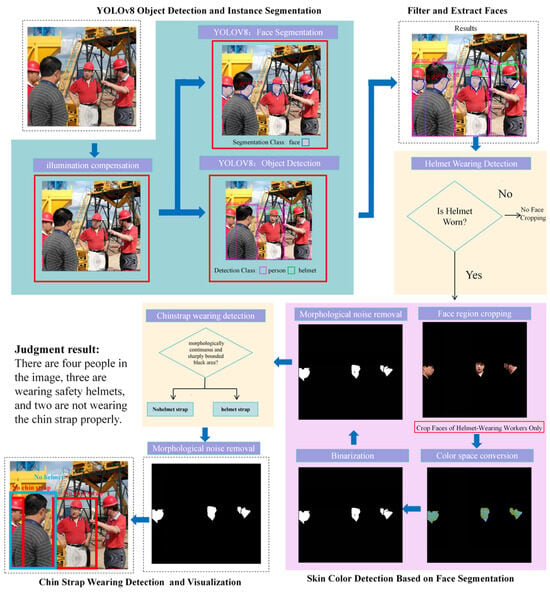
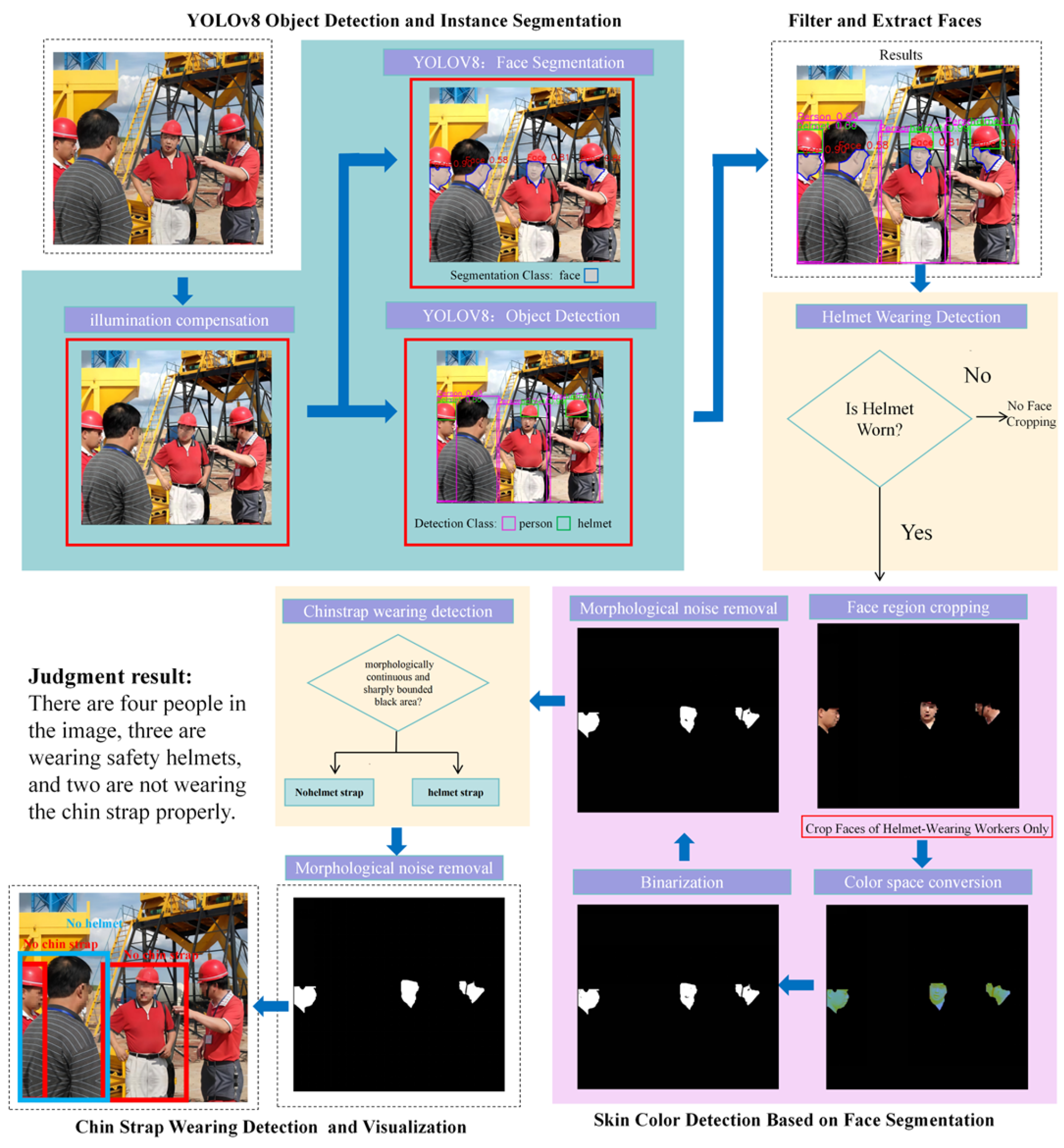
To achieve automated recognition of safety helmet compliance, this study proposes a chin strap detection method that integrates YOLOv8 object detection, instance segmentation, and skin color detection. The method takes the wearing status of the chin strap as the entry point and indirectly determines whether the helmet is properly worn. The overall workflow of the proposed method is illustrated in Figure 1. First, the YOLOv8 object detection algorithm identifies construction workers. Next, YOLOv8 detects safety helmets and segments facial regions, excluding faces of individuals who do not wear helmets at this stage. Third, based on the YOLOv8 localization of the chin strap region, a skin color detection method in the YCbCr color space enhances the separation between the chin strap and skin areas. Finally, by combining morphological processing and contour feature analysis, the method determines the wearing status of the chin strap and visualizes the results. This approach effectively improves the accuracy and practical applicability of safety helmet compliance detection.
Figure 1.
The workflow for the proposed method is to check whether the helmet chinstrap is worn correctly.
2.1. Worker Detection
To construct a comprehensive detection and analysis system, this study first requires a detection module capable of rapidly and robustly localizing workers and safety helmets, thereby providing a reliable foundation for subsequent fine-grained analysis. Given that the core objective of the system is chin strap status verification, rather than pursuing the highest accuracy in generic object detection tasks, the design of the detection module must prioritize real-time performance and engineering feasibility. Consequently, among common object detection paradigms, two-stage detectors with higher computational complexity (e.g., Faster R-CNN [13,14,15,16]) are unsuitable. Within the category of one-stage detectors, this study selects YOLOv8 as the foundational architecture, primarily due to its outstanding balance among speed, accuracy, and architectural maturity. This enables it to efficiently fulfill its designated role as a preprocessing module, thereby allowing us to concentrate our primary research resources on the more innovative downstream analysis stages.
YOLOv8 is a mature single-stage object detection and instance segmentation algorithm that achieves a good balance between detection speed and accuracy. Compared with traditional two-stage detection models such as Faster R-CNN, YOLOv8 directly predicts object bounding boxes and class labels, significantly improving detection efficiency. Building upon the advantages of previous YOLO architectures, it integrates optimization strategies such as dynamic convolution and attention mechanisms, which further enhance its capability to recognize small objects and improve its generalization and adaptability. YOLOv8 undergoes rigorous evaluation against various state-of-the-art benchmark models and demonstrates excellent performance in both detection accuracy and computational efficiency. Numerous experimental results confirm that YOLOv8 maintains high detection performance across diverse datasets and complex scenarios, validating its reliability and applicability in practical applications [40]. Breive et al. [41] compared YOLOv8 and YOLOv9 on a thermal imaging dataset for human detection and found that YOLOv8 achieves higher detection precision (89–90%) and faster inference speed than YOLOv9 (87–88%), further demonstrating YOLOv8’s advantage in object detection tasks. This study follows the work of Ouassine et al. [42], who applied YOLOv8 for object detection tasks. According to model parameter size and computational complexity, the YOLOv8 family includes several variants—YOLOv8n, YOLOv8s, YOLOv8m, YOLOv8l, and YOLOv8x. Generally, larger models achieve higher detection accuracy at the cost of increased inference time. The official performance comparison of YOLOv8 models of different sizes on the COCO dataset is shown in Table 1 [43].
Table 1.
Performance comparison of YOLOv8 models with different sizes on the COCO dataset.
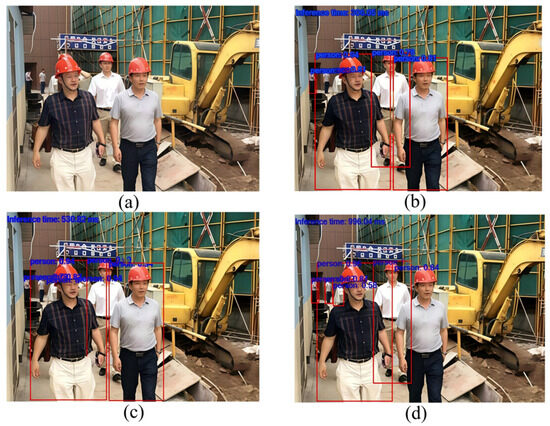
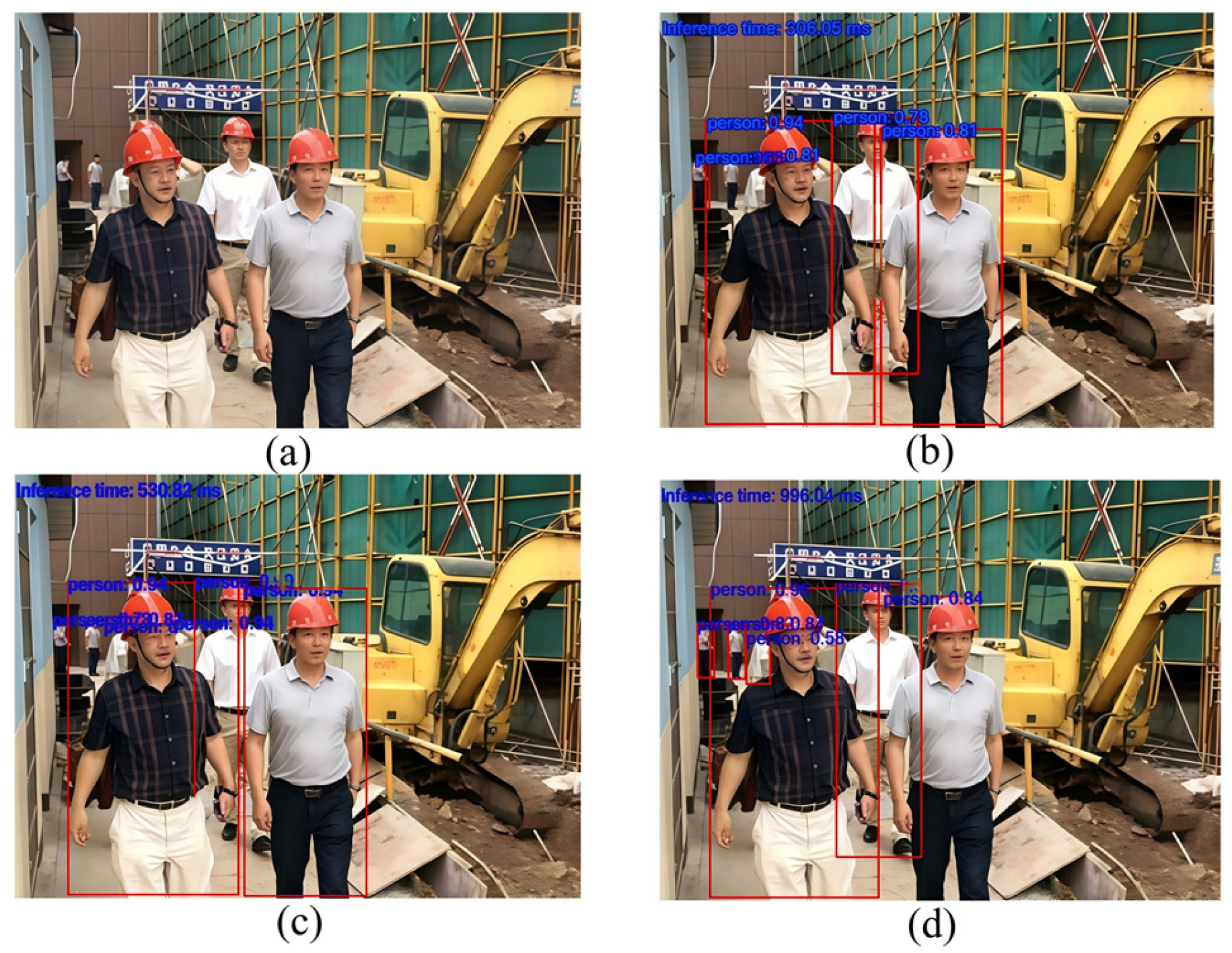
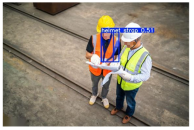
To evaluate the performance of different YOLOv8 models in real-world scenarios, this study compares multiple YOLOv8 variants under default settings. The tests use official pretrained weights based on the COCO dataset, which includes 80 categories. For clarity, the evaluation focuses only on the “person” category, with the actual inference time indicated in the figures (test platform: 3.2 GHz six-core Intel Core i7, without GPU). As shown in Figure 2, under complex background conditions, the YOLOv8n model achieves faster inference but fails to detect valid targets under occlusion; the YOLOv8s model detects some targets but produces false positives; and the YOLOv8l model successfully detects occluded targets without false detections. In addition, Barlybayev et al. [44] conducted experiments based on YOLOv8 using the CHV and SHEL5K datasets for detecting helmets, safety vests, and personnel. Their results show that YOLOv8l and YOLOv8x achieve higher precision and recall in the “person” and “vest” categories. Considering both the experimental results in this study and the balance between detection accuracy and inference speed, YOLOv8l is selected as the base model for worker detection.
Figure 2.
Experimental results of YOLOv8 models with different sizes: (a) Original image (b), detected result with YOLOv8n (c), detected result with YOLOv8s (d), and detected result with YOLOv8l.
2.2. Chin Strap Region Localization
In the task of safety helmet compliance detection, we identified chin strap usage only after confirming the presence of a helmet. Therefore, we first detected workers using YOLOv8, followed by helmet detection, ensuring that only relevant regions were analyzed. To reduce potential interference from exposed skin with other body parts, we adopted an instance segmentation approach to precisely localize the facial region where the chin strap is positioned. This study follows the instance segmentation method proposed by Sapkota et al. [40], which accurately delineates target objects at the pixel level, enabling YOLOv8 to rapidly and reliably locate facial regions and provide a solid basis for chin strap recognition.
We implemented all experiments using the PyTorch framework and Python programming language, training the models on a GPU. The hardware environment includes an Intel(R) Core(TM) i7-10750H CPU, an NVIDIA RTX 4060 GPU with 8 GB of memory, and the Linux operating system. The software environment consists of PyTorch 2.0.0, CUDA 11.8.0, and Python 3.7. We set the training parameters as follows: 100 epochs, a batch size of 8, an Adam optimizer with an initial learning rate of 0.01, a momentum parameter of 0.937, and a weight decay of 0.0005. We compiled the datasets for helmet detection and face segmentation from Google Images, Baidu Image Search, and on-site construction photography. The datasets cover diverse construction site scenarios, including different camera angles (frontal, oblique, top-down), lighting conditions (daylight, low-light, shaded), background complexity, and helmets of various colors and shapes. We collected a total of 2000 annotated images for both helmet detection and face segmentation. We randomly split the datasets into training, validation, and testing subsets with an 8:1:1 ratio [45]. Representative samples appear in Figure 3. We performed data annotation using the AnyLabeling deep learning annotation tool, as shown in Figure 4, where red bounding boxes indicate helmets and blue polygons represent facial regions.
Figure 3.
Dataset samples for safety helmet detection and face segmentation.
Figure 4.
Bounding box annotations for helmet detection and polygon annotations for face segmentation.
To evaluate the quantitative performance of the proposed model, standard object detection metrics are employed. Intersection over Union (IoU) is utilized to assess the geometric overlap between the predicted segmentation masks and the ground truth. Based on a predefined IoU threshold (typically set to 0.5), detection results are categorized into True Positives (TP), False Positives (FP), and False Negatives (FN). Subsequently, model efficacy is measured using Precision and recall; Precision indicates the reliability of the positive predictions, while recall reflects the model’s ability to locate all actual target instances [46]. The specific calculation formulas are as follows:
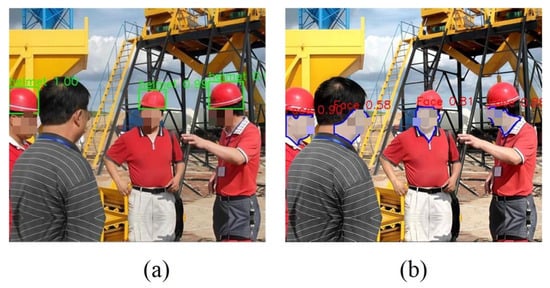
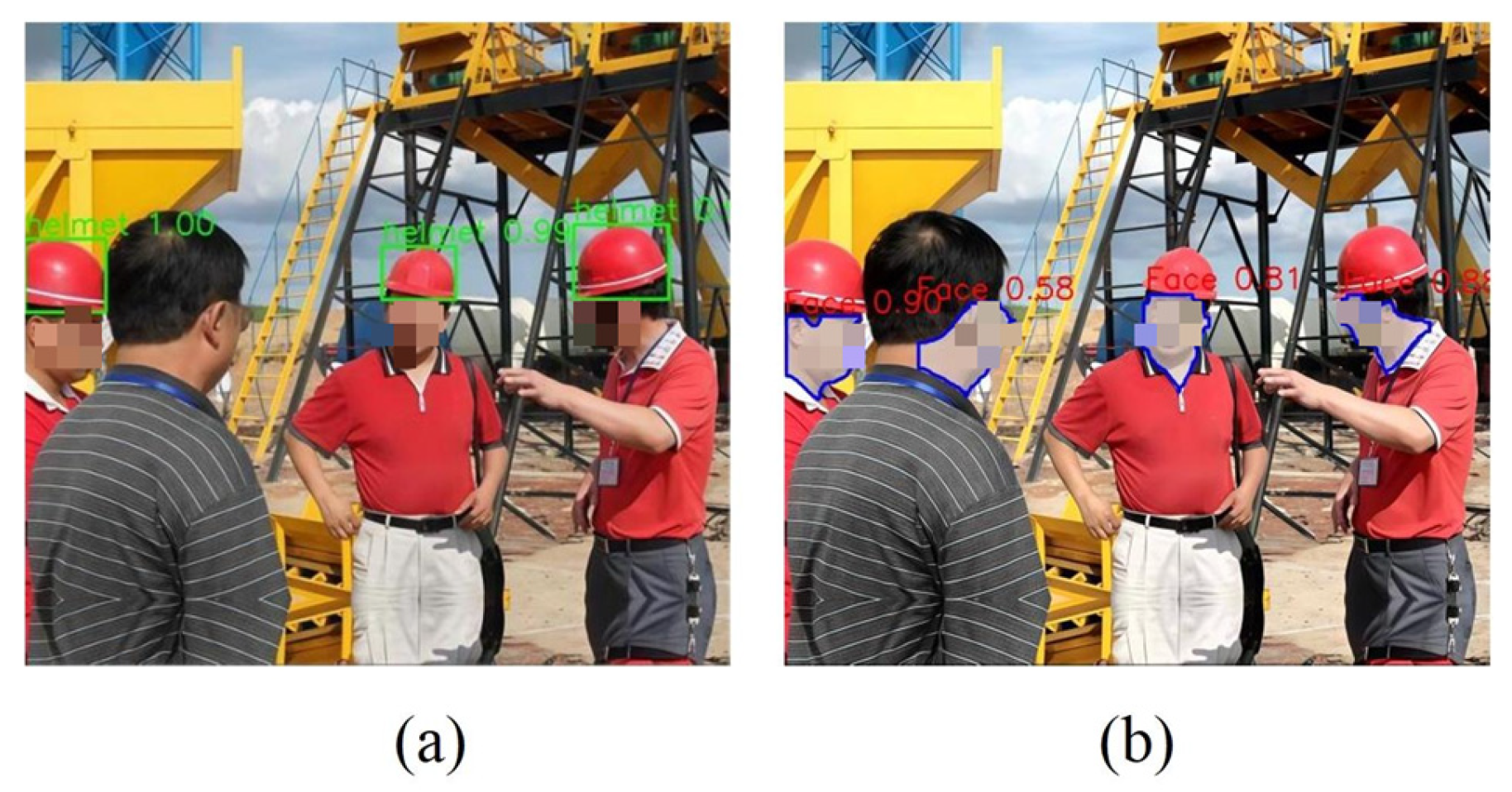
The safety helmet detection model achieved a mAP@0.5 of 0.991 on the validation set, demonstrating its effectiveness in accurately identifying helmet usage in images. The face segmentation model reached a mAP@0.5 of 0.995 on the “face” category, indicating high accuracy and robustness in segmenting facial regions. Figure 5 illustrates the results of safety helmet detection and face segmentation. Subsequently, the segmented facial regions were filtered based on the helmet detection results, removing faces of workers who were not wearing helmets. This filtering step was applied consistently in all subsequent analyses in this study.
Figure 5.
(a) Safety helmet detection visualization; (b) face segmentation visualization.
2.3. Chin Strap Detection
After extracting the facial and neck regions, the proposed method further applies skin color detection to improve the recognition of chin strap usage. As a key technique in the field of computer vision, skin color detection aims to accurately distinguish skin regions from non-skin areas, such as the chin strap beneath the helmet. This method mainly builds on the skin color detection framework proposed by Shaik et al. [39], who systematically compared the performance of HSV and YCbCr color spaces in skin segmentation and demonstrated that YCbCr achieves higher robustness under complex lighting conditions. In this study, we also compare the two color spaces based on the practical application scenarios. In real construction site environments, complex and variable lighting conditions significantly affect the accuracy of skin color detection. To address this challenge, we adopted a multi-stage skin color detection strategy to enhance the stability and reliability of the detection.
2.3.1. Color Space Selection
Different color models are applied in numerous domains, such as television broadcasting, image processing, computer graphics, and computer vision [47,48]. Among them, the most commonly used models are RGB, YCbCr, and HSV. The RGB model directly represents the red, green, and blue components of an image and preserves its complete color information. However, under complex lighting conditions, the high interdependence among these components makes it difficult to effectively separate color and brightness, which hampers the stable extraction of skin regions. To address this limitation, RGB images are often converted to other color spaces. In the HSV space, the transformation from RGB to HSV involves converting the Cartesian coordinate system into a polar coordinate system, which is computationally intensive. HSV-based detection is most suitable for images with simple and uniform backgrounds. In contrast, the YCbCr color space allows for easier conversion and effective separation of color and intensity information. This color space is both effective and efficient for distinguishing pixel colors in color images, making it well-suited for complex images with uneven lighting conditions, such as those encountered on construction sites.
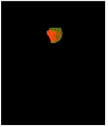
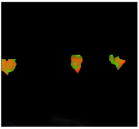
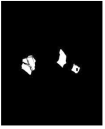
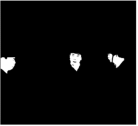
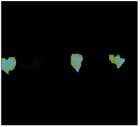
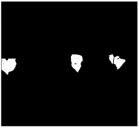
For the method proposed in this study, the focus is directly on the chin strap region by segmenting the facial area. Therefore, the influence of simple or complex backgrounds is minimal. To compare the results of facial segmentation in YCbCr and HSV color spaces, four images from different scenarios were selected. As shown in Table 2, compared with the HSV color space, the YCbCr color space produces binary images with less noise and a more complete representation of the chin strap region. Accordingly, this study adopts the RGB-to-YCbCr color space conversion.
Table 2.
Facial skin detection results in HSV and YCbCr color spaces.
The images in this study are converted from the RGB color space to the YCbCr color space. The conversion formulas are as follows:
Based on the statistical analysis of skin-colored pixels, the skin color range is defined as follows: Cr values are in the range of 140 < Cr < 175, and Cb values are in the range of 100 < Cb < 120. During the image preprocessing stage, the facial and neck regions obtained through instance segmentation are first cropped and then converted to the YCbCr color space. Subsequently, the images within these regions are binarized according to the specified skin color thresholds: pixels falling within the skin color range are marked as white (pixel value 255), while all others are marked as black (pixel value 0). This strategy effectively extracts the skin features of the facial and neck regions and significantly enhances the contrast between the skin and the chin strap, enabling precise separation of the two regions. The binarized images not only highlight the boundary features of the target areas but also provide high-quality input data for subsequent morphological operations such as erosion and dilation.
2.3.2. Morphological Processing
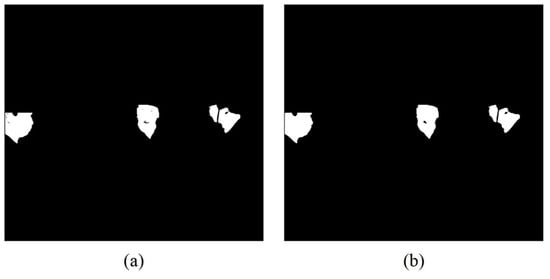
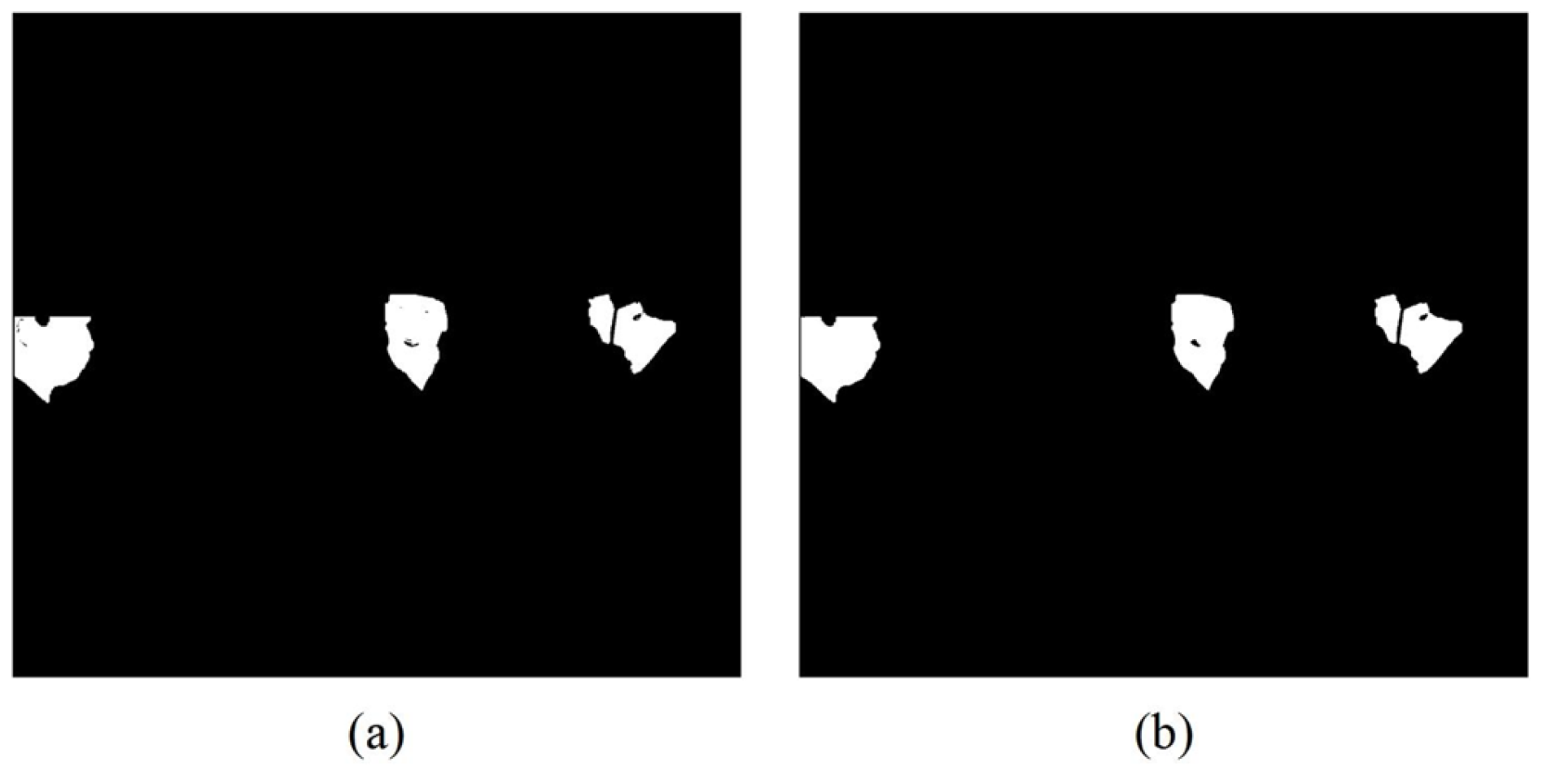
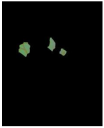
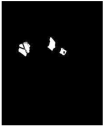
During the skin color detection process, background regions with similar skin tones or areas affected by light reflections may produce some noise. To reduce the impact of such noise on the detection results, the method proposed in this paper introduces morphological processing techniques, including opening and closing operations. Opening, which involves erosion followed by dilation, effectively removes small noise points; closing, which consists of dilation followed by erosion, fills in the holes in the chin region to ensure the continuity of the chin area. Morphological processing not only removes noise but also enhances the continuity of the chin region, thereby improving detection accuracy. As shown in Figure 6, comparing images (a) and (b), there is a noticeable difference in the number of small noise points in the first and second facial regions of the two images.
Figure 6.
(a) Binary image before morphological processing; (b) binary image after morphological processing.
2.3.3. Chin Strap Detection Method
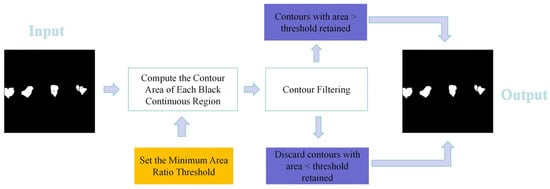
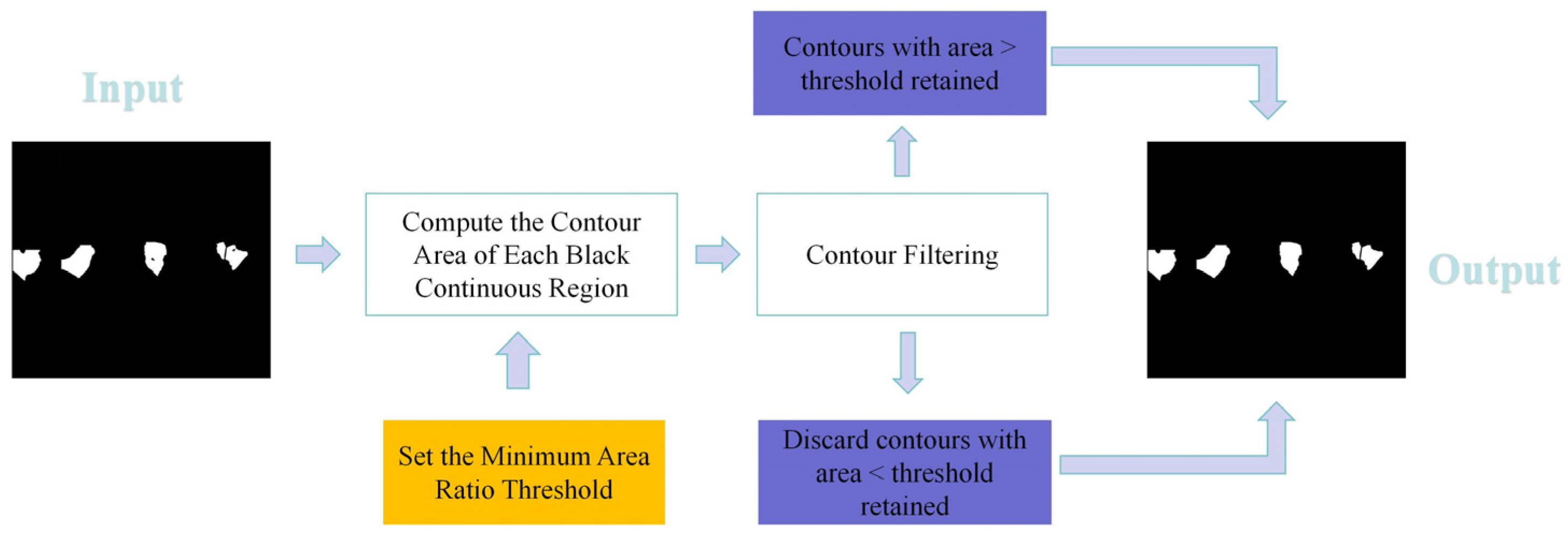
Although the proposed method introduces morphological operations to remove small noise points, these operations cannot completely eliminate all minor noise within the facial region. To further remove noise and irrelevant small regions, we applied a contour area ratio-based filtering method after morphological preprocessing. Specifically, we first calculated the total pixel area of the segmented facial region. For each detected contour, we computed its pixel area and calculated its ratio relative to the entire face. To determine an empirical ratio threshold, we statistically analyzed 50 sample images captured under different shooting angles, lighting conditions, and background complexities. These images cover multiple viewpoints and environmental conditions, including three typical viewing angles (frontal, oblique, and side), various lighting conditions (bright outdoor light, shaded areas, or indoor illumination), and two levels of background complexity (simple background and complex construction scenes). By analyzing the distribution of contour area ratios, we set the empirical ratio threshold. During filtering, we removed contours with a ratio below this threshold while retaining the others. This method effectively removes small noise regions caused by facial structures, such as the eyes, nose, and auricle, providing a reliable basis for subsequent determination of chin strap wearing. The detailed process is illustrated in Figure 7.
Figure 7.
Contour area filtering flowchart.
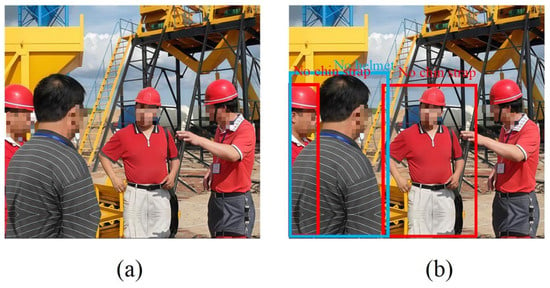
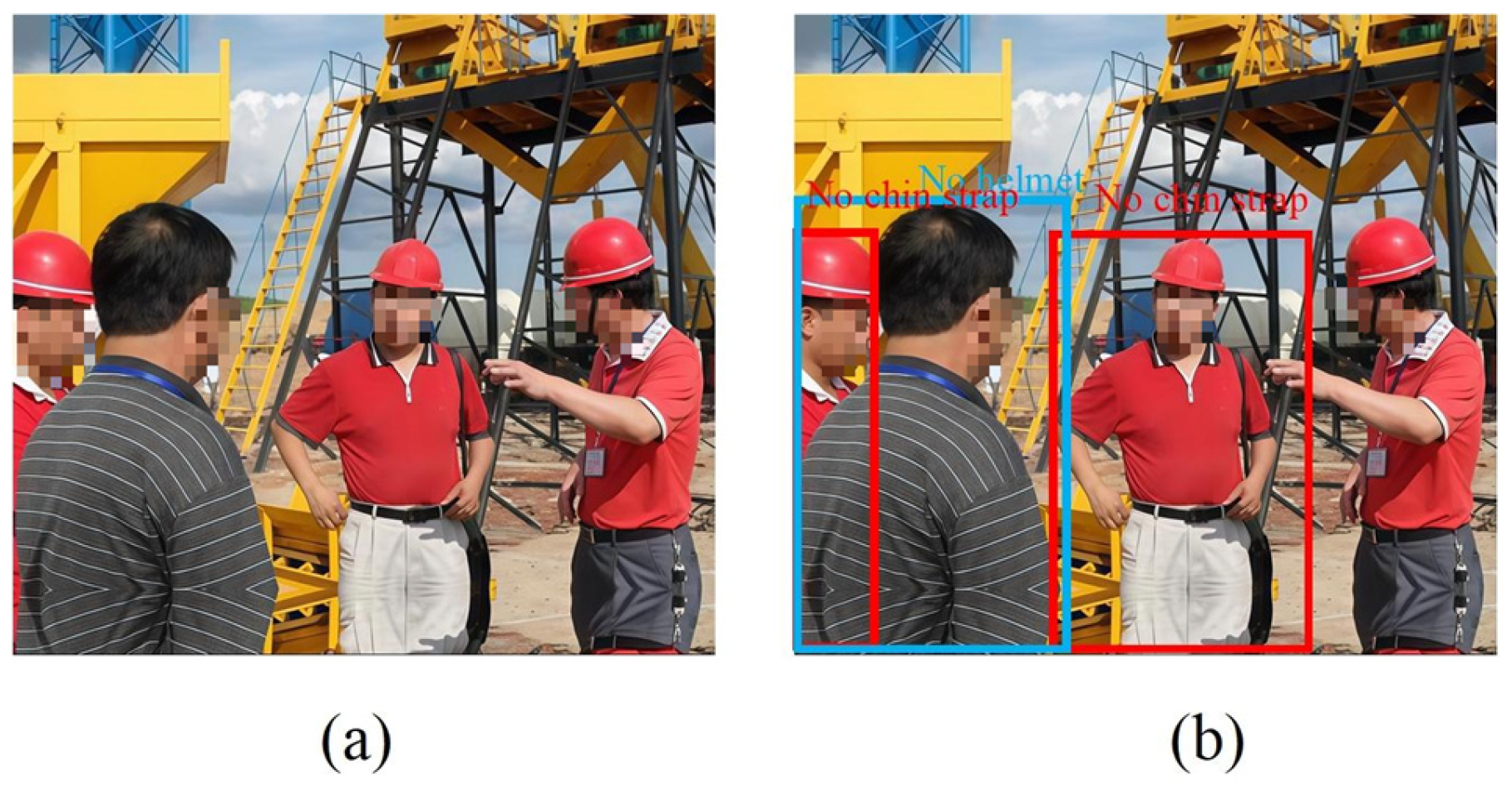
The method proposed in this paper analyzes binary facial images and utilizes the connectivity features of the chin strap area to intelligently determine whether a safety helmet is properly worn: if a continuous, well-defined black region is detected, it is judged as correctly worn; otherwise, it is considered not worn. For workers without a helmet or chin strap, the system marks them with blue and red rectangles, respectively, and triggers an alert mechanism for notification, as shown in Figure 8. This approach enhances the level of automated detection, reduces manual workload and misjudgment rates, and holds significant practical value in construction site safety management.
Figure 8.
(a) Original image, (b) determination result diagram.
3. Case Study and Experimental Results
To validate the practical feasibility and robustness of the proposed framework, a case study approach was adopted. According to Rosenberg [49], case study research is particularly effective for investigating contemporary phenomena within their real-life contexts, especially when the boundaries between the phenomenon and the context are not clearly evident. In the domain of construction safety monitoring, environmental factors, such as cluttered backgrounds, varying lighting conditions, and dynamic personnel movement, are highly complex and uncontrollable. Standard laboratory tests often fail to fully replicate these interferences. Therefore, conducting a field case study enables the comprehensive evaluation of the system’s detection accuracy and adaptability under authentic site conditions, thereby bridging the gap between theoretical algorithm design and practical engineering application.
3.1. Application of the Proposed Method
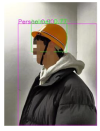
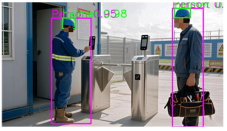
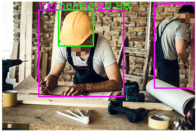
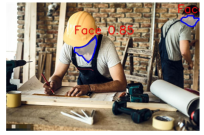
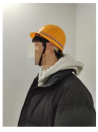
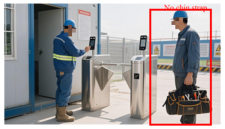
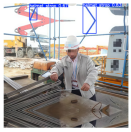
To verify the effectiveness of the proposed method, detection experiments were conducted in different scenarios. Case 1 in Table 3 shows the results for a worker wearing a helmet with a fastened chin strap in an indoor environment, where the system accurately recognized the chin strap. Case 2 presents a side-face image of a worker at a construction site turnstile, and the system similarly determined the chin strap status correctly. Case 3 shows workers in various postures on-site: one wearing a helmet without a chin strap and another not wearing a helmet, with partial face visibility and darker skin. The system skips chin strap detection for workers not wearing helmets, and the results show accurate recognition of the chin strap status for those wearing helmets.
Table 3.
Detection results in three typical scenarios.
3.2. Method Comparison
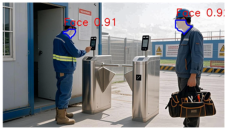
For safety helmet chin strap detection, Arai et al. [17] employed transfer learning with YOLOv8 and Detectron2 for object detection using Roboflow to annotate chin straps in COCO format, enabling the identification of removed or loosely fastened straps. In this study, fifty images of workers wearing safety helmets were collected from the internet as a validation dataset. Figure 9 shows typical examples, including front-facing images of workers wearing chin straps indoors, partially occluded faces, aerial shots, side views on-site, turnstile entry images, and cases where a single image contains workers both wearing and not wearing helmets or chin straps.
Figure 9.
Validation datasets.
Through the analysis of experimental results presented in Table 4, the proposed safety helmet chin strap detection method, which integrates YOLOv8-based object detection, instance segmentation, and skin color detection, demonstrates outstanding performance in terms of accuracy and recall metrics. It should be noted that pursuing higher recall rates inevitably leads to increased false detections, consequently resulting in decreased precision. Conversely, emphasizing higher precision may compromise the recall rate. To achieve an optimal balance between these two metrics, this study employs a comprehensive evaluation index, namely the F1 score, to effectively weigh their trade-offs.
Table 4.
Validation results.
The experimental results show that the proposed method achieves 96% accuracy, recall, and F1 score on the test set, indicating its effectiveness in recognizing workers’ chin strap usage and strong robustness under complex lighting and backgrounds. In contrast, directly using YOLOv8 for chin strap detection yields higher TN and FP rates, with an F1 score of only 88%. Table 5 compares the results of the proposed method and YOLOv8 across three typical scenarios in the validation dataset. For images where the chin strap features are clear, whether front-facing or side views, the proposed method accurately determines the chin strap status, whereas YOLOv8 is prone to misclassification in complex site backgrounds or when workers wear safety vests.
Table 5.
Comparison of results from two methods in three typical cases.
3.3. Discussion
Our experimental results demonstrate that the proposed method achieves 96% accuracy, recall, and F1 score on the test set, significantly outperforming the baseline YOLOv8 model, which yields an F1 score of only 88% due to higher false positive rates. This quantitative advantage validates the robustness of our approach under complex lighting and backgrounds. When contextualized within the wider literature, these findings highlight a clear improvement over the existing vision-based methods. For instance, Arai et al. [17] relied on multi-view classification and often struggled with background interference. In contrast, our method, by integrating explicit skin tone detection, effectively mitigates the confusion between chin straps and skin or safety vests—a limitation evident in the baseline YOLOv8 results (Table 5). This confirms that integrating auxiliary feature extraction (skin detection) is crucial for accurate small object detection in safety compliance tasks.
The proposed method is mainly applicable to two types of practical scenarios. First, in camera monitoring systems installed at construction site entrances, it enables real-time and automatic recognition of workers’ chin strap wearing status. Second, in smart construction management platforms, the method serves as a safety behavior recognition module that integrates with personnel positioning and hazardous area detection subsystems, thereby enhancing the overall safety supervision efficiency on construction sites. Furthermore, in contrast to sensor-based solutions, which require costly hardware for each worker, our vision-based framework provides a non-intrusive, scalable, and cost-effective alternative suitable for large-scale construction sites. This non-intrusive nature also offers a distinct advantage regarding regulatory compliance. While the certification of traditional PPE is governed by strict regulations [50] and the standardization of sensor-embedded ‘Smart PPE’ remains a complex and ongoing international debate, our method monitors compliance without physically altering the safety helmet. This effectively bypasses the certification hurdles associated with modifying certified protective gear, facilitating easier adoption in regulated markets.
Nevertheless, the method still has certain limitations. First, the experimental data were collected from a limited range of construction scenarios, and the model’s generalization capability requires further verification across diverse site environments and extreme lighting conditions. Second, the skin detection component may still be influenced by severe illumination variations or unstable camera exposure in complex field settings, occasionally leading to local recognition inaccuracies. Future research will focus on expanding the diversity and scale of the dataset to strengthen model robustness and adaptability.
4. Conclusions
This paper proposes an intelligent detection method that integrates YOLOv8 object detection, instance segmentation, and skin color detection to identify the wearing status of safety helmet chin straps on construction sites. The YOLOv8 model is first used to detect workers and safety helmets, and instance segmentation is employed to accurately extract the facial and neck regions of workers, providing spatial localization support for subsequent chin strap recognition while excluding the faces of workers not wearing helmets. Next, the YCbCr color space is introduced for skin color detection, improving the separation between the chin strap and skin regions and addressing interference caused by lighting variations or similar skin and strap colors. Finally, morphological processing and contour analysis are applied to determine the integrity and compliance of chin straps within the facial region, yielding the final recognition results. Experimental results demonstrate the method’s excellent performance under various complex construction conditions. Comparative experiments show that the detection accuracy, recall, and F1 score of the proposed method all reached 96%. Compared with traditional methods that directly detect chin straps using YOLOv8, this approach shows significant advantages in accuracy and robustness, particularly under challenging lighting and background conditions. Experiments also indicate that the integration of YOLOv8 with skin color detection effectively enhances chin strap recognition, especially when the lighting is uneven or the skin color is similar to the chin strap. Moreover, morphological operations and contour analysis further refine the determination process, effectively reducing misjudgments. In future work, we plan to extend this research by deploying the optimized model directly onto edge surveillance cameras integrated with AI acceleration units (e.g., DLPU). This will enable distributed analysis to reduce server load and further enhance the system’s scalability for large-scale construction site monitoring.
Author Contributions
C.L.: Writing—original draft, Visualization, Validation, Supervision, Methodology, Investigation, Conceptualization, and Resources. X.J.: Writing—review and editing and Supervision. X.Z.: Supervision, Project administration, and Investigation. Z.Z.: Visualization, Validation, Supervision, and Investigation. Y.X.: Supervision and Investigation. Y.F.: Supervision and Critical Review. Y.W.: Project administration, Funding acquisition, Visualization, Supervision, and investigation. All authors have read and agreed to the published version of the manuscript.
Funding
This work was supported by the Science and Technology Projects of the Construction System in Jiangsu Province in 2024 (2024ZD014). The authors wish to gratefully acknowledge this support.
Institutional Review Board Statement
To address privacy concerns and adhere to ethical guidelines, all personally identifiable information in the collected images, particularly facial features, has been strictly anonymized through intensive blurring. No individual participants were personally involved in the analysis, and the study utilized exclusively de-identified data.
Data Availability Statement
Data will be made available on request.
Conflicts of Interest
Authors Xin Jiao, Xin Zhang and Yiming Xu were employed by the Construction Third Engineering Bureau Group (Shenzhen) Co., Ltd., author Yuan Fan was employed by the China Construction Eighth Engineering Division Co., Ltd. The remaining authors declare that the research was conducted in the absence of any commercial or financial relationships that could be construed as a potential conflict of interest.
References
- Bae, S.; Lee, M. Incidence of traumatic brain injury by severity among work-related injured workers from 2010 to 2019. J. Occup. Environ. Med. 2022, 64, 731–736. [Google Scholar] [CrossRef] [Scilit]
- Konda, S.; Reichard, A.; Tiesman, H.; Hendricks, S. Non-fatal work-related traumatic brain injuries treated in US hospital emergency departments, 1998–2007. Inj. Prev. 2015, 21, 115–120. [Google Scholar] [CrossRef] [Scilit] [PubMed]
- NIOSH Science Blog. Traumatic Brain Injuries in Construction. 2024. Available online: https://blogs.cdc.gov/niosh-science-blog/2016/03/21/constructiontbi (accessed on 2 December 2025).
- Bureau of Labor Statistics. National Census of Fatal Occupation Injuries in 2024. 2024. Available online: https://www.bls.gov/news.release/pdf/cfoi.pdf (accessed on 2 December 2025).
- 1926.100; Head Protection. Occupational Safety and Health Administration: Washington, DC, USA, 2012. Available online: https://www.osha.gov/laws-regs/regulations/standardnumber/1926/1926.100 (accessed on 2 December 2025).
- 1926.501; Duty to Have Fall Protection. Occupational Safety and Health Administration: Washington, DC, USA, 1994. Available online: https://www.osha.gov/laws-regs/regulations/standardnumber/1926/1926.501 (accessed on 2 December 2025).
- Top 10 Most Frequently Cited Standards. Occupational Safety and Health Administration. Available online: https://www.osha.gov/top10citedstandards (accessed on 2 December 2025).
- International Labour Organization (ILO). World Statistic. 2020. Available online: https://www.ilo.org/ (accessed on 2 December 2025).
- Zhang, H.; Yan, X.; Li, H.; Jin, R.; Fu, H. Real-Time Alarming, Monitoring, and Locating for Non-Hard-Hat Use in Construction. J. Constr. Eng. Manag. 2019, 145, 04019006. [Google Scholar] [CrossRef] [Scilit]
- Rubaiyat, A.; Toma, T.; Kalantari-Khandani, M.; Rahman, S.; Chen, L.; Ye, Y.; Pan, C. Automatic Detection of Helmet Uses for Construction Safety. In Proceedings of the 2016 IEEE/WIC/ACM International Conference on Web Intelligence Workshops 2016, Omaha, NE, USA, 13–16 October 2016; pp. 135–142. [Google Scholar] [CrossRef] [Scilit]
- Nath, N.; Behzadan, A.; Paal, S. Deep Learning for Site Safety: Real-Time Detection of Personal Protective Equipment. Autom. Constr. 2020, 112, 103085. [Google Scholar] [CrossRef] [Scilit]
- Barro-Torres, S.; Fernández-Caramés, T.; Pérez-Iglesias, H.; Escudero, C. Real-Time Personal Protective Equipment Monitoring System. Comput. Commun. 2012, 36, 42–50. [Google Scholar] [CrossRef] [Scilit]
- Deng, L.; Li, H.; Liu, H.; Gu, J. A lightweight YOLOv3 algorithm used for safety helmet detection. Sci. Rep. 2022, 12, 10981. [Google Scholar] [CrossRef] [Scilit]
- Wang, J.; Sang, B.; Zhang, B.; Liu, W. A Safety Helmet Detection Model Based on YOLOv8-ADSC in Complex Working Environments. Electronics 2024, 13, 4589. [Google Scholar] [CrossRef] [Scilit]
- Liu, B.; Zhao, W.; Sun, Q. Study of object detection based on Faster R-CNN. In Proceedings of the 2017 Chinese Automation Congress (CAC) 2017, Jinan, China, 20–22 October 2017; pp. 6233–6236. [Google Scholar] [CrossRef] [Scilit]
- Chen, M.; Yu, L.; Zhi, C.; Sun, R.; Zhu, S.; Gao, Z.; Ke, Z.; Zhu, M.; Zhang, Y. Improved faster R-CNN for fabric defect detection based on Gabor filter with Genetic Algorithm optimization. Comput. Ind. 2022, 134, 103551. [Google Scholar] [CrossRef] [Scilit]
- Arai, K.; Beppu, K.; Ifuku, Y.; Oda, M. Method for Detecting the Appropriateness of Wearing a Helmet Chin Strap at Construction Sites. Int. J. Adv. Comput. Sci. Appl. 2024, 15, 175–185. [Google Scholar] [CrossRef] [Scilit]
- Shen, J.; Xiong, X.; Li, Y.; He, W.; Li, P.; Zheng, X. Detecting safety helmet wearing on construction sites with bounding-box regression and deep transfer learning. Comput.-Aided Civ. Infrastruct. Eng. 2021, 36, 180–196. [Google Scholar] [CrossRef] [Scilit]
- Chen, S.; Tang, W.; Ji, T.; Zhu, H.; Ouyang, Y.; Wang, W. Detection of Safety Helmet Wearing Based on Improved Faster R-CNN. In Proceedings of the 2020 International Joint Conference on Neural Networks (IJCNN), Glasgow, UK, 19–24 July 2020; pp. 1–7. [Google Scholar] [CrossRef] [Scilit]
- Fang, Q.; Li, H.; Luo, X.; Ding, L.; Luo, H.; Rose, T.; An, W. Detecting non-hardhat-use by a deep learning method from far-field surveillance videos. Autom. Constr. 2018, 85, 1–9. [Google Scholar] [CrossRef] [Scilit]
- Li, J.; Li, Y.; Villaverde, J.; Chen, X.; Zhang, X. A safety wearing helmet detection method using deep leaning approach. J. Opt. 2024, 53, 1163–1169. [Google Scholar] [CrossRef] [Scilit]
- Huang, Y.; Yao, S.; Lu, F. Safety Helmet Wearing Detection Based on YOLOv7; Springer Nature: Singapore, 2024; pp. 334–346. [Google Scholar] [CrossRef] [Scilit]
- Tang, Z.; Hasan, M.M.; Strauss, T. Optimized YOLOv5 model for safety helmet and flame detection system. Signal Image Video Process. 2025, 19, 595. [Google Scholar] [CrossRef] [Scilit]
- Liu, R.; Shao, Z.; Yu, Z.; Li, R. Research on real-time helmet detection and deployment based on an improved YOLOv7 network with channel pruning. Signal Image Video Process. 2025, 19, 118. [Google Scholar] [CrossRef] [Scilit]
- Segundo, M.; Silva, L.; Bellon, O.; Queirolo, C. Automatic face segmentation and facial landmark detection in range images. IEEE Trans. Syst. Man Cybern. Part B (Cybern.) 2010, 40, 1319–1330. [Google Scholar] [CrossRef] [Scilit]
- Jackson, A.S.; Valstar, M.; Tzimiropoulos, G. A CNN cascade for landmark guided semantic part segmentation. In Computer Vision—ECCV 2016 Workshops; Springer International Publishing: Cham, Switzerland, 2016; pp. 143–155. [Google Scholar] [CrossRef] [Scilit]
- Lin, K.; Zhao, H.; Lv, J.; Li, C.; Liu, X.; Chen, R.; Zhao, R. Face Detection and Segmentation Based on Improved Mask R-CNN. Discret. Dyn. Nat. Soc. 2020, 2020, 9242917. [Google Scholar] [CrossRef] [Scilit]
- Cuevas, E.; Zaldivar, D.; Perez, M.; Sanchez, E. LVQ neural networks applied to face segmentation. Intell. Autom. Soft Comput. 2009, 15, 439–450. [Google Scholar] [CrossRef] [Scilit]
- Weersink, R.A.; Marrett, L.D.; Lilge, L.; Purdue, M.; Walter, S. Validation of self-reported skin color via analysis of diffuse reflectance spectra of skin. Proc. SPIE 2000, 3917, 232–237. [Google Scholar] [CrossRef] [Scilit]
- Zonios, G.; Bykowski, J.; Kollias, N. Skin melanin, hemoglobin, and light scattering properties can be quantitatively assessed in vivo using diffuse reflectance spectroscopy. J. Investig. Dermatol. 2001, 117, 1452–1457. [Google Scholar] [CrossRef] [Scilit]
- Hsu, R.; Abdel-Mottaleb, M.; Jain, A. Face detection in color images. IEEE Trans. Pattern Anal. Mach. Intell. 2002, 24, 696–706. [Google Scholar] [CrossRef] [Scilit]
- De-la-Torre, M.; Granger, E.; Radtke, P.; Sabourin, R.; Gorodnichy, D. Partially-supervised learning from facial trajectories for face recognition in video surveillance. Inf. Fusion 2015, 24, 31–53. [Google Scholar] [CrossRef] [Scilit]
- Argyros, A.A.; Lourakis, M. Real-time tracking of multiple skin-colored objects with a possibly moving camera. In Computer Vision—ECCV 2004; Springer: Berlin/Heidelberg, Germany, 2004; Volume 8, pp. 368–379. [Google Scholar] [CrossRef] [Scilit]
- Roy, K.; Mohanty, A.; Sahay, R. Deep Learning Based Hand Detection in Cluttered Environment Using Skin Segmentation. In Proceedings of the 2017 IEEE International Conference on Computer Vision Workshops (ICCVW), Venice, Italy, 22–29 October 2017; pp. 640–649. [Google Scholar] [CrossRef] [Scilit]
- Han, J.; Award, G.; Sutherland, A.; Wu, H. Automatic Skin Segmentation for Gesture Recognition Combining Region and Support Vector Machine Active Learning. In Proceedings of the 7th International Conference on Automatic Face and Gesture Recognition (FGR06), Southampton, UK, 10–12 April 2006; pp. 237–242. [Google Scholar] [CrossRef] [Scilit]
- Kakumanu, P.; Makrogiannis, S.; Bourbakis, N. A survey of skin-color modeling and detection methods. Pattern Recognit. 2007, 40, 1106–1122. [Google Scholar] [CrossRef] [Scilit]
- Mahmoud, T.M. A new fast skin color detection technique. World Acad. Sci. Eng. Technol. 2008, 43, 501–505. [Google Scholar] [CrossRef]
- Liu, L.; Sang, N.; Yang, S.; Huang, R. Real-time skin color detection under rapidly changing illumination conditions. IEEE Trans. Consum. Electron. 2011, 57, 1295–1302. [Google Scholar] [CrossRef] [Scilit]
- Shaik, K.; Ganesan, P.; Kalist, V.; Sathish, B.; Jenitha, J. Comparative study of skin color detection and segmentation in HSV and YCbCr color space. Procedia Comput. Sci. 2015, 57, 41–48. [Google Scholar] [CrossRef] [Scilit]
- Sapkota, R.; Ahmed, D.; Karkee, M. Comparing YOLOv8 and Mask R-CNN for instance segmentation in complex orchard environments. Artif. Intell. Agric. 2024, 13, 84–99. [Google Scholar] [CrossRef] [Scilit]
- Breive, V.; Sledevic, T. Person detection in thermal images: A comparative analysis of YOLOv8 and YOLOv9 models. In Proceedings of the 2024 IEEE Open Conference of Electrical, Electronic and Information Sciences (eStream), Vilnius, Lithuania, 25 April 2024; IEEE: Piscataway, NJ, USA, 2024; pp. 1–4. [Google Scholar] [CrossRef] [Scilit]
- Ouassine, Y.; Conruyt, N.; Kayal, M.; Martin, P.; Bigot, L.; Regine, V.; Moussanif, H.; Zahir, J. Deep learning for automated coral reef monitoring a novel system based on YOLOv8 detection and DeepSORT tracking. Ecol. Inform. 2025, 89, 103170. [Google Scholar] [CrossRef] [Scilit]
- Jocher, G.; Chaurasia, A.; Qiu, J. Ultralytics YOLOv8, version 8.0.0; Github: San Francisco, CA, USA, 2023. Available online: https://github.com/ultralytics/ultralytics (accessed on 2 December 2025).
- Barlybayev, A.; Amangeldy, N.; Kurmetbek, B.; Krak, L.; Razakhova, B.; Tursynova, N.; Turebayeva, R. Personal protective equipment detection using YOLOv8 architecture on object detection benchmark datasets: A comparative study. Cogent Eng. 2024, 11, 2333209. [Google Scholar] [CrossRef] [Scilit]
- Lin, C.; Zhang, Y.; Chen, G. Intelligent detection of safety helmets and reflective vests based on deep learning. J. Real-Time Image Process. 2025, 22, 5. [Google Scholar] [CrossRef] [Scilit]
- Wu, Z.; Lei, X.; Kumar, M. Advancing construction safety: YOLOv8-CGS helmet detection model. PLoS ONE 2025, 20, e0321713. [Google Scholar] [CrossRef] [Scilit]
- Chai, D.; Bouzerdoum, A. A Bayesian approach to skin color classification in YCbCr color space. In Proceedings of the 2000 TENCON Proceedings. Intelligent Systems and Technologies for the New Millennium, Kuala Lumpur, Malaysia, 24–27 September 2000; Volume 2, pp. 421–424. [Google Scholar] [CrossRef] [Scilit]
- Menser, B.; Wien, M. Segmentation and tracking of facial regions in color image sequences. Proc. SPIE Vis. Commun. Image Process. 2000, 2000, 731–740. [Google Scholar] [CrossRef] [Scilit]
- Rosenberg, J.; Yates, P. Schematic representation of case study research designs. J. Adv. Nurs. 2007, 60, 447–452. [Google Scholar] [CrossRef] [Scilit]
- Bureau of Labor Statistics. Industries at a Glance. Available online: https://www.bls.gov/iag/tgs/iag23.htm (accessed on 2 December 2025).






























Disclaimer/Publisher’s Note: The statements, opinions and data contained in all publications are solely those of the individual author(s) and contributor(s) and not of MDPI and/or the editor(s). MDPI and/or the editor(s) disclaim responsibility for any injury to people or property resulting from any ideas, methods, instructions or products referred to in the content. |
© 2026 by the authors. Licensee MDPI, Basel, Switzerland. This article is an open access article distributed under the terms and conditions of the Creative Commons Attribution (CC BY) license.