


Abstract
Buildings account for nearly 40% of global energy use and 36% of CO2 emissions, positioning Net-Zero Energy Buildings (NZEBs) as vital for climate mitigation. However, large-scale adoption remains limited by technical, economic, and policy barriers. This study systematically reviews 1285 peer-reviewed articles (2015–2025) from Scopus and Web of Science, following PRISMA guidelines and thematic analysis to assess renewable energy integration and efficiency strategies. Results indicate that 70% of studies highlight emissions reduction and cost savings as key NZEB benefits, while 60% cite high storage costs and 45% report grid integration challenges. Only 30% of studies address policy dependency, revealing a research gap. Effective measures include passive solar design (up to 25% heating load reduction), high-performance envelopes (15–40% energy savings), and smart energy management (10–20% efficiency gains). Persistent obstacles involve high upfront costs, renewable variability, and rapid technological obsolescence. Achieving NZEB viability requires integrating energy-efficient design, affordable renewables, advanced storage, and coherent policy frameworks to accelerate the transition toward a sustainable, NZEB-built environment.
1. Introduction
The urgency of climate change has placed unprecedented pressure on the global energy sector, with the building industry emerging as a critical area for emissions reduction. Buildings account for nearly 40% of global energy consumption and contribute significantly to greenhouse gas (GHG) emissions [1]. As a result, the transition toward sustainable energy solutions has gained traction, with energy buildings emerging as a viable strategy to mitigate environmental impact [2]. NZEBs are designed to balance their total energy consumption with on-site renewable energy generation, thus reducing dependency on fossil fuels and lowering carbon footprints [3]. Achieving this balance, however, presents a range of technical, economic, and regulatory challenges that must be critically examined. NZEBs rely on integrating renewable energy sources, such as solar photovoltaics (PV), wind energy, and geothermal systems, to meet their energy demands [4]. The effectiveness of these technologies varies depending on geographic location, climate conditions, and technological advancements [5]. Additionally, energy storage solutions and smart grid interactions play a vital role in ensuring the reliability of renewable energy in NZEBs [6]. Despite the potential of these systems, issues such as intermittency, efficiency losses, and integration complexities pose significant risks to their widespread adoption [7]. Understanding these challenges is essential for developing practical solutions that enhance the feasibility of NZEBs.
Economic and regulatory factors strongly shape NZEB adoption, as high upfront costs for renewable systems and efficient materials remain a barrier despite potential long-term savings and policy incentives [8,9]. Implementation also depends on regional variations in building codes, incentives, and energy policies, underscoring the need for a comprehensive assessment of these economic and regulatory dimensions [10]. Although previous reviews have discussed biomass-based energy systems, most focus on isolated technologies or overlook grid-connected configurations. This review addresses these gaps by offering an updated, comprehensive analysis of biomass systems with emphasis on grid integration, regional challenges, and modeling approaches. By consolidating recent advancements, it provides actionable insights for researchers, planners, and policymakers, guiding sustainable energy development and policy-making.
The novelty of this study lies in its holistic and quantitative evaluation of renewable energy integration in NZEBs. Unlike previous reviews that focus on isolated technologies, single regions, or narrow case studies, this work systematically analyzes 1285 peer-reviewed articles (2015–2025) across technical, economic, and policy dimensions. It offers measurable insights—for example, 70% of studies emphasize emissions reduction, while 60% identify storage costs as a major challenge—providing a more data-driven synthesis than earlier assessments. The study also acknowledges limitations, including its restriction to English-language peer-reviewed literature and the exclusion of grey sources such as industry reports and policy documents. Despite these boundaries, the review contributes a novel, multi-dimensional framework that identifies key advantages, challenges, and risks, and proposes actionable strategies for advancing NZEB adoption globally. Its objective is to evaluate the effectiveness of renewable energy systems in achieving NZEB performance by examining technical efficiency, economic feasibility, and regulatory influences. Subsequent sections assess major renewable technologies, integration challenges, financial and policy considerations, and design strategies for optimized NZEB deployment. Moving beyond descriptive summaries, this study integrates bibliometric trends with thematic analysis to reveal structural research gaps, underexplored risks, and emerging opportunities. This holistic, gap-oriented approach supports researchers, practitioners, and policymakers in navigating the evolving NZEB landscape and shaping a forward-looking research and development agenda.
2. Literature Review
Net-zero energy buildings (NZEBs) represent a key advancement in sustainable architecture, aiming to balance building energy consumption with on-site renewable energy generation. Growing interest in NZEBs reflects their potential to mitigate climate change, reduce dependence on fossil fuels, and lower energy-related emissions. NZEBs achieve this balance primarily through the integration of renewable energy technologies, such as solar and wind systems. Among their main advantages is the significant reduction in greenhouse gas emissions, as renewable energy integration substantially lowers the carbon footprint of building operations. Studies consistently identify solar energy as a practical and effective renewable electricity source for buildings, supporting improved energy efficiency and long-term sustainability [11,12]. This shift not only lessens reliance on conventional fuels but also aligns with global sustainability goals, as NZEBs help improve energy efficiency (EE) while maintaining comfort for occupants [3,13].
However, significant challenges persist in the development and implementation of NZEBs. High upfront investment costs for renewable energy technologies can deter stakeholders, particularly in regions with limited financial incentives or policy support [14]. Regulatory complexity and variations in building codes across jurisdictions further constrain adoption [15]. While advanced tools such as Building Information Modeling (BIM) can improve NZEB design and construction efficiency, they require specialized expertise and may increase initial costs [16]. Energy management systems (EMS) are also critical to NZEB feasibility, as they must operate under uncertainty in energy demand and renewable supply [17]. Recent studies demonstrate that advanced EMS solutions can enhance energy efficiency and system reliability across residential, commercial, and institutional NZEBs [7,18].
Figure 1 illustrates the energy balance concept for a Net Zero Energy Building (NZEB). It shows the interaction between a building’s energy needs—such as heating, cooling, and electricity—and its energy supply sources. Energy is delivered to meet the building’s demand, while excess energy can be exported. The supply comes from renewable sources like solar, wind, hydro, heat pumps, and biomass, primarily generated on-site. The balance between the weighted demand (energy consumed) and weighted supply (renewable energy produced) determines the NZEB status, aiming for NZEB energy consumption within the building energy use boundary [19]. Despite these challenges, the long-term benefits of adopting NZEB principles often outweigh the initial difficulties. For example, not only do NZEBs provide financial savings through reduced energy bills, but they also enhance the resilience of buildings against fluctuating energy prices and climate-related disruptions [20].
Figure 1.
Energy Flow and Balance Concept for Net Zero Energy Buildings [19].
Furthermore, the promotion of NZEBs can stimulate local economies by fostering jobs in renewable energy sectors and sustainable construction practices, leading to broader community benefits and increasing public awareness of sustainability [21]. While the transition to Net-Zero Energy Buildings is fraught with challenges and risks, it offers substantial advantages for energy efficiency, emissions reduction, and economic viability from a long-term perspective. By comprehensively addressing the technological, regulatory, and investment challenges, stakeholders can harness the overall benefits of NZEBs, ultimately contributing to a more sustainable future. Table 1 presents a systematic literature review of recent studies addressing the integration of renewable energy sources into (NZEBs), with a focus on technical and economic challenges. The reviewed literature spans peer-reviewed journal articles, conference papers, and book chapters published between 2020 and 2024. Key themes include energy storage, system modeling, policy and regulatory barriers, and the role of technologies such as hydrogen and solar photovoltaics. This synthesis supports further meta-analytical and bibliometric analyses to identify research gaps and inform future directions in NZEB development and renewable integration strategies.
Table 1.
Challenges in Renewable Integration for NZEBs.
3. Materials and Methods
The methodology for this systematic literature review follows a rigorous process to ensure comprehensive and reliable results. This section outlines the approach adopted to gather, analyze, and synthesize relevant studies on Net-Zero Energy Buildings (NZEBs). The review examines the advantages and challenges associated with NZEB implementation, as well as the risks related to renewable energy generation in these buildings. The study follows the Preferred Reporting Items for Systematic Reviews and Meta-Analyses (PRISMA) framework [32], ensuring transparency, reproducibility, and methodological rigor through clearly defined inclusion and exclusion criteria and a structured analysis process.
3.1. Search Strategy
The search strategy involves conducting a comprehensive search of multiple academic databases to identify relevant studies on NZEBs and renewable energy challenges. Two primary databases—Scopus and Web of Science—were selected due to their comprehensive coverage of peer-reviewed articles in the fields of engineering, environmental science, and renewable energy. These databases provide access to a wide range of studies that meet the required academic rigor for this review.
The keywords used in the search include:
- “Net-Zero Energy Buildings” (NZEBs)
- “Renewable energy challenges”
- “Energy efficiency in buildings”
- “Sustainability in construction”
- “NZEB performance”
Additional keywords focused on specific challenges and technological aspects, such as “solar energy integration,” “energy storage,” “geothermal energy for buildings,” and “economic feasibility of NZEBs,” were included to narrow down results relevant to the scope of the study. The search was limited to studies published between 2015 and 2025, as this period encompasses the most recent advancements and research on NZEBs. The rationale behind this time frame is to focus on contemporary literature that reflects current trends, technologies, and challenges in the field. Furthermore, the review was limited to English-language articles to ensure accessibility and consistency in the analysis. The details of the exact search strings used in Scopus and Web of Science are as follows:
Database 1: Scopus
- Date of search: 25 March 2025
- Search string: TITLE-ABS-KEY (“Net Zero Energy Building*” OR “NZEB*” OR “Zero Energy Building*”) AND TITLE-ABS-KEY (“renewable energy” OR “solar” OR “wind” OR “geothermal” OR “energy efficiency” OR “energy storage”) OR “Renewable energy challenges” OR “Energy efficiency in buildings” OR “Sustainability in construction”
- Fields searched: Title, Abstract, Keywords
- Filters applied: Document type = “Article”; Language = English; Year = 2015–2025
Database 2: Web of Science (Core Collection)
- Date of search: 22 March 2025
- Search string: TS = (“Net Zero Energy Building*” OR “NZEB*” OR “Zero Energy Building*”) AND TS = (“renewable energy” OR “solar” OR “wind” OR “geothermal” OR “energy efficiency” OR “energy storage”)”) OR “Renewable energy challenges” OR “Energy efficiency in buildings” OR “Sustainability in construction”
- Fields searched: Topic (Title, Abstract, Keywords)
- Filters applied: Document type = “Article”; Language = English; Year = 2015–2025
3.2. Inclusion and Exclusion Criteria
A total of 1285 studies were included in the review, following the application of specific inclusion and exclusion criteria as shown in Table 2. The criteria were designed to ensure that only the most relevant and high-quality studies were considered:
Table 2.
Inclusion and Exclusion Criteria for Studies on NZEB.
The inclusion of 243 peer-reviewed articles selected after applying the inclusion and exclusion criteria outlined in Table 2 to the initial set of 1285 studies ensures a broad yet focused dataset, encompassing a wide range of research on the technical, economic, and policy aspects of NZEBs. These 243 studies were carefully analyzed to identify common themes related to the advantages, challenges, and risks associated with NZEBs.
3.3. Data Analysis Process
The studies identified were subjected to thematic categorization, allowing for the systematic extraction of key information across various dimensions of NZEBs. These dimensions include:
- Advantages: The positive impacts of NZEBs, such as environmental benefits (e.g., carbon footprint reduction, sustainability), economic advantages (e.g., long-term cost savings, energy independence), and resilience (e.g., energy security, grid independence).
- Challenges: The technical, economic, and social challenges encountered in the implementation of NZEBs. This includes issues related to the intermittency of renewable energy sources, high upfront costs, storage limitations, public acceptance, and aesthetic concerns.
- Risks: Risks tied to policy changes (e.g., regulatory shifts, subsidy reductions), market volatility (e.g., material cost fluctuations), and technological obsolescence (e.g., the rapid pace of innovation in renewable energy technologies).
The PRISMA (Preferred Reporting Items for Systematic Reviews and Meta-Analyses) flow diagram was employed to ensure transparency and traceability in the study selection process. The PRISMA diagram in Figure 2 illustrates how studies were identified, screened, and included, providing a clear visual representation of the systematic review process. The PRISMA 2020 checklist is provided as Supplementary Materials.
Figure 2.
PRISMA-Based Methodological Framework for Bibliometric Analysis on Renewable Energy Generation in NZEB.
3.4. Quality Assessment
To ensure the reliability and credibility of the studies reviewed, a structured quality appraisal was conducted. We employed an adapted version of the Critical Appraisal Skills Programme (CASP) and the Joanna Briggs Institute (JBI) critical appraisal tools, which are widely used for evaluating qualitative and quantitative studies [33]. Five core criteria were applied:
- Clarity of research objectives
- Appropriateness of research design
- Validity of data collection methods
- Robustness of data analysis
- Transparency and completeness of results reporting
Each criterion was scored on a 0–2 scale (0 = not met, 1 = partially met, 2 = fully met), providing a maximum possible score of 10 points. Studies were categorized based on their total score as follows:
- High quality (≥7/10): Fully included and weighted strongly in the synthesis.
- Moderate quality (5–6/10): Included but weighted less heavily in interpretation.
- Low quality (<5/10): Excluded from the review.
This appraisal process ensured that non-peer-reviewed sources, such as reports, unpublished theses, and opinion pieces, were excluded. Priority was given to studies published in leading peer-reviewed journals indexed in the Web of Science database and widely recognized for their relevance and citation performance in the NZEB and sustainable energy domains. These include Renewable and Sustainable Energy Reviews, Applied Energy, Energy Policy, Energy, Building and Environment, Journal of Cleaner Production, Energy and Buildings, Sustainable Cities and Society, Renewable Energy, and Applied Thermal Engineering. No specific numerical threshold (e.g., minimum Impact Factor value) was used to define “high-impact” journals; rather, classification was based on established academic reputation and field relevance. By systematically applying these quality criteria, the review enhances transparency, reproducibility, and methodological rigor while emphasizing robust and influential contributions to the field.
This systematic literature review employs a transparent, structured approach to gather and analyze studies on NZEBs, focusing on the challenges, advantages, and risks associated with renewable energy generation in these buildings. By adhering to rigorous inclusion and exclusion criteria and conducting a thematic analysis, this review provides a comprehensive overview of the current state of knowledge on NZEBs, as shown in Figure 3. The methodology ensures that the findings are robust, reliable, and based on high-quality peer-reviewed sources, contributing to the academic understanding of NZEBs and guiding future research and practice in the field. Bibliometric network analyses were conducted using [Software VOSviewer 1.6.20]. For network map construction, a minimum threshold of [5 occurrences] was set for inclusion of keywords (or items), ensuring that only the most relevant terms were considered. Clustering of nodes was performed using the [VOS clustering algorithm], and the [normalization method, association strength] was applied to standardize co-occurrence measures. Network maps were interpreted by examining cluster composition and the strength of links between nodes, in line with established bibliometric visualization practices.
Figure 3.
Visual Summary of Methodological Approach for Study Selection and Analysis.
4. Data Extraction and Analysis
4.1. Web of Science Categories
Figure 4 shows the disciplinary distribution of NZEB research based on Web of Science data, highlighting its interdisciplinary nature. The largest contributions come from Energy & Fuels (23%) and Engineering (22%), reflecting the strong technical focus on renewable energy systems, building performance, and energy optimization. Science and Technology–Other Topics (16%) and Construction and Building Technology (14%) indicate substantial cross-disciplinary and practical implementation research. Environmental Sciences & Ecology (12%) emphasize sustainability and emissions reduction, while smaller shares from Thermodynamics (4%), Materials Science (3%), Business & Economics (2%), Chemistry (2%), and Mechanics (2%) reflect more specialized studies on energy processes, materials, structural behavior, and economic feasibility. Overall, the Figure demonstrates that NZEB research is dominated by engineering and energy disciplines, with growing integration of environmental and economic perspectives.
Figure 4.
Research area categories.
4.2. Keyword Co-Occurrence Network
Figure 5 presents a keyword co-occurrence network for research related to (NZEBs), showcasing how frequently specific terms appear together across scientific publications. Each node (circle) represents a keyword, and its size indicates how often that term is used. The links (lines) between nodes represent co-occurrence relationships—how often two keywords appear together in the same documents—while colors signify different thematic clusters.
Figure 5.
The keyword co-occurrence network.
Figure 5 presents a keyword co-occurrence network that reveals the intellectual structure and dominant research clusters within the NZEB literature. Despite its density, several clear thematic clusters can be identified based on keyword proximity and linkage strength. The central cluster (blue/green) is anchored around “net zero energy building,” “energy efficiency,” and “renewable energy,” indicating the core focus of the field on balancing demand reduction with on-site generation. A technology-oriented cluster (yellow/red) groups keywords such as energy storage, optimization, genetic algorithms, Monte Carlo simulation, and uncertainty, reflecting modeling-driven research on system performance and reliability. A design and assessment cluster (orange) links life-cycle assessment, energy simulation, embodied carbon, and economic analysis, highlighting evaluation methods used to assess NZEB feasibility. Finally, a digital and systems integration cluster (light blue) connects BIM, digital twin, building information modeling, and simulation, indicating the growing role of digital tools in NZEB design and operation. Overall, the network demonstrates that NZEB research is structured around a central efficiency–renewables nexus, supported by peripheral but increasingly important clusters focused on optimization, lifecycle assessment, and digitalization.
4.3. Author’s Co-Citation Analysis
The author’s co-citation network visualizes the intellectual structure of (NZEBs) research by mapping frequently co-cited authors and organizations.
Key clusters include leading researchers like Marszal, AJ, Sartori, I, Voss, K, and Kurnitski, J (red cluster), who have significantly contributed to foundational NZEB concepts and European case studies. Other prominent groups include Attia, S and Asdrubali, F (green cluster), focusing on building simulation and sustainable design, and Lu, YH and Zhang, S (yellow cluster), representing optimization and modeling research, particularly from Asia. The blue cluster highlights influential institutions such as the European Commission, IEA, and the U.S. Department of Energy, emphasizing the role of policy and international collaboration. Node size reflects citation frequency, indicating the impact of each author or organization, while dense interconnections suggest strong thematic and collaborative relationships across the field. The author’s co-citation analysis is shown in Figure 6.
Figure 6.
Author co-citation analysis.
4.4. Documents and Citation Record
The bar and line chart in Figure 7 presents the annual trend of publications and citations related to (NZEBs) from 2015 to 2025. The purple bars represent the number of publications per year, showing a steady increase from around 45 in 2015 to a peak of over 240 in 2024, indicating growing research interest in the field. The dark purple line tracks the number of citations, which also rises significantly over time, reflecting the increasing impact and recognition of NZEB-related research. Citations peaked sharply in 2024 at nearly 9000, before dropping in 2025—likely due to the recency of publications in that year not yet accumulating citations. Overall, the graph illustrates a strong upward trend in both research output and influence, highlighting the expanding importance of NZEBs in academic and practical domains.
Figure 7.
Documents and Citation Record Count (2015–2025).
4.5. Journal Co-Citation Network
The journal co-citation network illustrates the interrelationships among academic journals frequently cited together in the field of (NZEBs). Each node represents a journal, with its size reflecting the frequency of co-citation—larger nodes indicate more influence. The network reveals several key clusters: the blue cluster is centered around Energy and Buildings, the most influential journal in the field, with strong connections to Building and Environment, Journal of Building Engineering, and Energy Policy. The red cluster, led by Applied Energy, includes journals like Energy, International Journal of Hydrogen Energy, and Renewable Energy, reflecting a strong focus on energy systems, performance, and integration. The green cluster involves interdisciplinary journals such as Sustainable Cities and Society and Sustainability, emphasizing urban sustainability and policy aspects. Meanwhile, the purple cluster, including Applied Thermal Engineering and International Journal of Refrigeration, leans toward technical studies in HVAC and thermal systems. These clusters showcase the multidisciplinary nature of NZEB research, spanning building performance, energy systems, environmental impact, and urban planning, and highlighting the prominent role of certain journals in shaping the academic discourse. Journal Co-Citation Network shown in Figure 8.
Figure 8.
Journal Co-Citation Network in the Field of NZEB.
5. Findings and Discussions
5.1. Source of Renewable Energy for NZEB
NZEBs aim to generate as much energy as they consume annually, using renewable sources such as solar, wind, biomass, and geothermal (Scholarly references). Figure 9 illustrates a sustainable electrical grid framework integrating three components: the gas pipe network, energy infrastructure, and building design. The gas network supports district heating/cooling, biomass distribution, and energy storage, balancing supply and demand. Energy infrastructure connects on- and off-site renewables, NZEBs, and efficiency measures to promote decarbonized, resilient systems. Building design optimizes demand via efficient HVAC, appliances, smart controls, and occupant behavior, reducing consumption and stabilizing the grid. From a systems theory perspective, NZEBs function as integrated socio-technical systems, where performance emerges from interactions among building envelopes, renewable generation, storage, user behavior, and grid dynamics rather than isolated technologies.
Figure 9.
Achieving Residential NZEB: A Systems-Based Approach [34].
5.1.1. Solar Energy
Solar energy is one of the most widely adopted renewable resources in NZEBs, primarily harnessed through photovoltaic (PV) panels and solar thermal systems. PV systems convert sunlight directly into electricity, enabling buildings to reduce reliance on the grid while minimizing carbon emissions. The integration of solar energy into building designs can create Building-Integrated Photovoltaics (BIPV), where solar panels double as building materials, enhancing aesthetic appeal and functionality [34]. Research highlights that solar energy has the potential to provide more than the total global energy demand, making it an exemplary solution for NZEBs [35]. Moreover, the energy produced from solar facilities often balances out building energy needs when optimized correctly through energy management systems, thus contributing significantly to achieving net-zero energy [36]. In regions where solar irradiance is high, solar energy becomes a particularly viable option due to lower installation costs and advancements in solar technologies [37].
5.1.2. Wind Energy
Wind energy represents another complementary source for NZEBs, especially in areas with favorable wind resources. Wind turbines can be installed on-site or in proximity to the building to harness kinetic energy from wind currents and convert it into electricity [38]. The assessment of wind installations must consider local climate conditions, building design, and regulations governing turbine placement to maximize efficiency and minimize potential noise disturbances [39]. Innovative approaches, like the combination of wind and solar energy systems, have been shown to enhance energy resilience and reliability. Such hybrid models allow buildings to take advantage of both energy sources, thus optimizing their overall performance throughout the year [40]. The complementary nature of wind and solar—where often when solar production is low, wind energy can compensate—cements their roles in the NZEB paradigm [41].
5.1.3. Biomass Energy
Biomass energy can be harnessed in NZEBs through various methods, including the use of biogas systems or biomass heating. Organic materials such as agricultural residues, wood waste, or dedicated energy crops can be transformed into biofuels or heat through anaerobic digestion or combustion processes, thereby generating renewable energy [42]. The feasibility of biomass systems within NZEB frameworks is greatly enhanced in regions with abundant organic waste resources, making them an attractive option for certain environments [43]. Biomass supports renewable energy generation while addressing waste management, aligning with NZEB sustainability principles. Lifecycle assessments show that sustainably managed biomass can deliver significant carbon reductions [44]. Its use has evolved from traditional combustion to advanced gasification, co-firing, and integrated bioenergy systems, increasingly applied in grid-connected settings under policy drivers such as the EU Renewable Energy Directive and global carbon neutrality goals. Key research gaps remain in smart-grid integration, lifecycle sustainability assessments, and harmonized policy frameworks. Future directions include hybrid systems with solar, wind, or storage, AI-driven optimization, and circular bioeconomy approaches, integrating biomass with waste-to-energy strategies and carbon capture, ensuring resilient and sustainable energy systems.
5.1.4. Geothermal Energy
Geothermal energy is a lesser-utilized but potent renewable resource for NZEBs, particularly beneficial in areas with geothermal hotspots. This energy source relies on the consistent thermal energy from the Earth’s crust. Geothermal heat pumps can effectively provide heating and cooling for buildings, significantly reducing energy consumption compared to conventional HVAC systems [44]. The primary benefits of utilizing geothermal systems include their high efficiency and consistent energy supply regardless of external weather conditions [45]. Recent studies have shown that integrating geothermal systems into the architectural design of NZEBs can further enhance the total energy performance, allowing buildings to achieve or exceed net-zero targets [46]. This integration not only supports energy efficiency but also contributes to reducing greenhouse gas emissions associated with conventional heating and cooling methods [47].
Figure 10 illustrates a building energy flow, showing how electricity, solar (PV and heat), biofuels, geothermal, and purchased fuels are converted and delivered to end uses such as space heating/cooling, water heating, refrigeration, and fuel-only systems. Energy flows through components like electricity, heat storage and combined heat and power (CHP) systems, with losses highlighted in red. The diagram also shows grid sales and savings from efficiency measures. Leveraging renewable sources and integrated energy management, NZEBs enhance performance, resilience, and energy independence, providing a framework for sustainable, low-carbon buildings [5].
Figure 10.
Comprehensive Energy Flow Diagram for Building Energy [48].
5.2. Advantages of NZEB
5.2.1. Environmental Benefits
NZEBs significantly reduce carbon footprints by minimizing reliance on fossil fuels. According to the International Energy Agency (IEA), buildings account for nearly 40% of global energy consumption and over 30% of greenhouse gas emissions. By incorporating renewable energy sources, NZEBs contribute to sustainability efforts and climate change mitigation. The UK’s carbon emissions decreased by 4% in 2024, attributed partly to the expansion of renewable energy and the closure of coal-fired power stations [49]. Similarly, carbon-neutral neighborhoods like Bahnstadt in Heidelberg, Germany, have demonstrated substantial reductions in energy consumption, with buildings using 80% less energy for heating compared to conventional structures [18].
5.2.2. Economic Benefits
While the initial investment in NZEBs can be substantial, long-term cost savings are evident. For example, a London homeowner retrofitted their century-old house to a net-zero standard, resulting in their energy supplier paying them £69 over a year for surplus electricity generated [50]. Additionally, NZEBs reduce dependency on fluctuating energy markets, enhancing energy independence and reducing long-term operational costs. A study conducted by the U.S. Department of Energy found that NZEBs can lead to energy cost savings of up to 60% over their lifespan [30]. NZEBs can be understood as niche innovations within dominant fossil-based building regimes. Their diffusion depends not only on technological maturity but also on regulatory alignment, market structures, and institutional support, consistent with socio-technical transition theory.
5.2.3. Resilience and Energy Security
NZEBs enhance grid resilience by reducing dependence on external energy sources. The Bullitt Center in Seattle, Washington, exemplifies this by generating 60% more electricity than it consumes annually, ensuring operational continuity during grid outages [51]. Such resilience is particularly important in areas prone to extreme weather events, where power grid failures can have severe consequences. In California, for instance, homes with integrated solar and battery storage systems continued to operate during widespread blackouts caused by wildfires [52].
5.3. Challenges in Implementing NZEB
5.3.1. Technical Challenges
Integrating renewable energy sources like solar and wind presents issues of intermittency and storage limitations. Energy storage remains one of the most critical barriers to NZEB adoption, as lithium-ion batteries, the most common storage solution, are expensive and have a limited lifespan. The Pearl River Tower in Guangzhou, China, addressed these issues by incorporating vertical axis wind turbines and photovoltaic panels, achieving a 30% energy savings compared to baseline codes [53]. Moreover, spatial constraints in urban environments limit the installation of large solar arrays, necessitating innovative solutions such as building-integrated photovoltaics (BIPV).
5.3.2. Economic Challenges
High upfront costs and uncertain return on investment (ROI) can deter NZEB adoption. A feasibility study conducted for the National Western Center in Denver, Colorado, highlighted the need to optimize the levelized cost of energy (LCOE) and balance grid dependence to achieve economic viability [8,30]. The payback period for NZEBs varies widely, ranging from 10 to 30 years depending on factors such as energy prices, subsidies, and financing options [54]. Government incentives, such as tax credits and net metering policies, play a crucial role in improving the financial attractiveness of NZEB projects [55].
5.3.3. Social Challenges
Aesthetic concerns and public acceptance can impede NZEB projects. In historic districts, for example, integrating modern solar panels into traditional architectural designs can face opposition from preservation committees. Retrofitting Edwardian social housing in Chelsea with ground source heat pumps demonstrated that preserving architectural integrity while implementing low-carbon solutions is achievable [56]. Additionally, public awareness campaigns and incentives for homeowners can help address misconceptions about NZEBs and encourage wider adoption [57].
5.4. Risks Associated with NZEB
NZEBs offer many environmental and economic benefits, but they also come with inherent risks that need to be carefully managed. These risks span across policy, market dynamics, technological advances, and geographic considerations. The following Table 3 summarizes the key risks associated with NZEBs, providing real-world examples to illustrate each risk and its implications.
Table 3.
Summarizes the key risks associated with NZEBs.
Achieving net-zero energy status requires both renewable energy integration and energy efficiency, including high-performance building envelopes, smart grids, and demand-side management. Widespread adoption, however, faces technical, economic, and policy challenges. NZEBs’ viability can be affected by policy and market risks, as seen in the UK’s Feed-in Tariff cuts, Italy’s changing Superbonus 110 rules, and cost overruns at Seattle’s Bullitt Center. These examples highlight that, beyond technical solutions, systemic risks—such as subsidy withdrawal, regulatory shifts, and financial uncertainties—critically influence the scalability and resilience of NZEB projects.
5.5. Building Design Measures for Minimizing Energy Waste in Achieving (NZEBs)
Achieving NZEB requires a comprehensive approach that focuses not only on generating renewable energy but also on minimizing energy waste through efficient building design. This involves a synergy of architectural strategies, passive design principles, high-performance building envelopes, and smart technologies to ensure that energy demand is reduced before renewable systems are even considered. The following are key design measures that significantly contribute to minimizing energy waste in NZEBs.
5.5.1. Passive Solar Design and Orientation
One of the most foundational strategies in NZEBs is passive solar design, which leverages the sun’s energy for heating, cooling, and lighting. Proper orientation of a building ensures maximum solar gain in winter and minimal exposure in summer. For example, in the Northern Hemisphere, orienting the majority of windows and living spaces towards the south allows buildings to harness sunlight effectively during colder months. Additionally, the use of shading devices like overhangs, louvers, and pergolas helps prevent overheating in summer. Thermal mass—such as concrete floors or masonry walls—is also used to absorb, store, and gradually release solar heat, reducing the need for mechanical heating. Proper orientation combined with thermal mass can reduce heating energy demand by up to 30%, according to a study published in the journal Energy and Buildings [60].
5.5.2. High-Performance Building Envelope
A well-designed building envelope is critical in controlling heat flow and minimizing energy loss. This includes insulation, windows, doors, and airtight construction. High levels of thermal insulation in walls, roofs, and floors reduce the rate at which heat escapes or enters the building, thereby reducing the need for heating and cooling systems. Windows should be double- or triple-glazed with low-emissivity (Low-E) coatings to minimize heat transfer while maximizing daylight [61]. Additionally, airtight construction is essential to prevent unwanted air infiltration and exfiltration, which can account for up to 20% of a building’s heating and cooling load [62]. The use of continuous air barriers and meticulous sealing of gaps ensures that conditioned air remains inside the building.
5.5.3. Natural Ventilation and Daylighting
Maximizing the use of natural ventilation and daylighting reduces reliance on mechanical systems. Strategically placed operable windows, vents, and atriums facilitate cross-ventilation, improving indoor air quality and reducing cooling loads. Stack ventilation, where warm air rises and exits through high-level openings, draws cooler air in through low-level openings, is another effective strategy [63]. Daylighting is enhanced through the placement of windows, skylights, and light shelves, which reflect light deeper into interior spaces. When effectively designed, daylighting can reduce electric lighting needs by up to 40% [64]. Moreover, combining daylighting with daylight sensors and dimmable lighting systems ensures consistent interior illumination while saving energy.
5.5.4. Integrated Design and Building Information Modeling (BIM)
An integrated design process brings together architects, engineers, energy consultants, and stakeholders from the early stages of a project [65]. This collaborative approach ensures that all aspects of building performance are considered and optimized [16]. Building Information Modeling (BIM) tools allow teams to simulate energy performance, daylighting, thermal comfort, and HVAC loads, making it easier to evaluate the impact of design decisions [9]. Through BIM and simulation software such as EnergyPlus version 9.6.0 and DesignBuilder version 7.0, energy modeling can inform decisions on insulation levels, window-to-wall ratios, shading systems, and HVAC sizing. Integrated design can lead to energy savings of up to 25% compared to conventional design approaches, according to [15]. Emerging digital technologies are poised to play a transformative role in the future of NZEBs. Internet of Things (IoT) systems enable real-time monitoring of building performance, providing granular data to optimize energy use. Artificial Intelligence (AI) and machine learning algorithms have shown promise in forecasting renewable energy production and enabling predictive control strategies that balance demand with intermittent supply. Building Information Modelling (BIM) and digital twins further enhance design and retrofitting by simulating system performance under varying conditions. These digital innovations not only improve operational efficiency but also reduce reliance on static energy models, thereby increasing resilience and adaptability. Future research should investigate the integration of IoT and AI in large-scale NZEB deployments, explore cybersecurity and data privacy implications, and evaluate how digital twins can accelerate retrofitting of existing building stock.
5.5.5. Energy-Efficient Systems and Appliances
While design strategies minimize energy demand, it is equally important to install energy-efficient systems and appliances. High-efficiency HVAC systems, LED lighting, low-flow water fixtures, and ENERGY STAR-rated appliances all contribute to reducing a building’s operational energy use. In addition, smart thermostats and building automation systems can optimize energy usage by learning occupant behavior and adjusting systems accordingly [66]. Heat recovery ventilators (HRVs) and energy recovery ventilators (ERVs) help maintain indoor air quality without significant energy penalties by capturing heat from exhaust air to preheat incoming fresh air [67]. A Smart Eco-Friendly Home example is shown in Figure 11. An energy justice perspective reveals that NZEB benefits and risks are unevenly distributed. High upfront costs, limited access to financing, and weak institutional capacity constrain NZEB adoption in developing regions, raising concerns about procedural and distributive justice in the global energy transition.
Figure 11.
Smart Eco-Friendly Home: A Sustainable Living Model [59].
5.5.6. Thermal Zoning and Compact Building Form
Designing buildings with thermal zoning—grouping spaces with similar heating and cooling needs—enhances energy efficiency by allowing targeted climate control. For instance, bedrooms can be placed on the cooler side of the building, while living areas can benefit from solar exposure. Compact building forms with low surface-to-volume ratios minimize heat loss through the building envelope [68]. Simple geometric shapes like cubes or rectangles are more energy-efficient than complex or sprawling layouts. A study published in Renewable and Sustainable Energy Reviews [69] found that compact building designs can reduce energy consumption by up to 15%. Minimizing energy waste through thoughtful design is the foundation of achieving NZEB performance. From passive solar orientation and high-performance envelopes to natural ventilation and integrated design tools, each measure contributes to lowering a building’s energy demand [70]. Coupled with energy-efficient systems and smart technologies, these strategies not only reduce environmental impact but also pave the way for buildings that are cost-effective, comfortable, and future-ready. As innovation continues to evolve, adopting these best practices will be essential in the global effort to create a more sustainable built environment.
5.6. Case Study of NZEB: Longfor Guangnian Project
In the quest for sustainability, the Longfor Guangnian project in Qingdao, China, serves as a significant case study for demonstrating the implementation of (NZEBs). This project showcases innovative architectural design and the integration of renewable technologies aimed at achieving near-zero energy consumption and minimizing carbon emissions. Adopted as part of the broader initiative to align with China’s “double-carbon” goals, the project exemplifies the practical exploration of NZEB technologies in a region with climatic challenges ranging from hot summers to cold winters. The Longfor Guangnian project, initiated in 2018, encompasses various building types including residential complexes, commercial spaces, and community facilities. The goal is to create a self-sustaining energy ecosystem that produces as much energy on-site as it consumes annually. The building area covers approximately 32,800 square meters, combining efficiency in design with renewable energy technology to address energy demands comprehensively [71].
5.6.1. Renewable Energy Sources Used
- Solar Energy: The project incorporates advanced Building-Integrated Photovoltaics (BIPV), which not only serve as energy-generating solutions but also as critical components of the building’s façade. The installed solar panels generate approximately 400,000 kWh annually, covering around 50% of the total energy demand of the buildings [71]. Solar energy is especially pertinent in the context of the project, given the geographical advantage that allows for extensive sun exposure for a significant part of the year.
- Geothermal Energy: Geothermal heat pumps are utilized for the heating and cooling systems, tapping into the earth’s natural temperature stability. The system significantly reduces reliance on conventional heating methods, leading to an estimated 30% reduction in building energy requirements for thermal comfort [71]. The geothermal system is projected to save about 180,000 kWh per year, showcasing substantial energy efficiency and reducing carbon emissions.
- Passive Solar Design: Utilizing design elements such as optimized orientation, strategic window placements, and thermal insulation, the Longfor Guangnian project minimizes its energy consumption for heating and cooling. These concepts are embedded into the building’s architectural design and contribute significantly to the NZEB target by reducing the energy load while enhancing indoor comfort. However, additional relevant studies specifically related to passive design principles in NZEBs are required to further substantiate this claim [71].
5.6.2. Energy and Economic Impact
The holistic implementation of renewable energy sources within the Longfor Guangnian project yields tangible economic and environmental benefits. The construction and operational protocols put in place result in operational energy expenditures expected to be 40% lower than traditional buildings within similar climatic conditions [71]. The project is not only a model of energy-efficient design but also serves a dual purpose by acting as an educational and community engagement tool, advocating for greater public awareness regarding sustainable practices in the built environment [72]. The projected payback period for the additional investment in renewable technologies is estimated to be between 7 and 10 years, highlighting an economically viable pathway for similar future developments [73]. Table 4 provides a summary of selected NZEB case studies, highlighting their key technologies, locations, capacities, storage solutions, cost estimates, payback periods, and the methods used for analysis.
Table 4.
Summary of Selected NZEB Case Studies.
The Longfor Guangnian project stands as a landmark example of how the integration of multiple renewable energy sources can effectively lead to the realization of NZEB. Through the innovative application of solar technologies, geothermal systems, and passive design strategies, the project aligns with global sustainability goals while serving as an educational cornerstone for future buildings. By minimizing energy use and maximizing on-site energy generation, this project offers a replicable model for sustainable construction practices worldwide, demonstrating that NZEBs are indeed attainable. This detailed case study highlights the viability of NZEBs in reducing carbon footprints while addressing the inherent energy challenges faced by modern buildings. The Longfor Guangnian project illustrates the tangible benefits of practical applications of advanced technologies in sustainable urban development.
Table 5 synthesizes representative, influential studies in the NZEB literature, highlighting what each contributed, where limitations remain, and how the present systematic review (243 papers, 2015–2025) fills the identified gaps. This comparison clarifies the incremental novelty of this work and shows how it builds a more integrated, quantitative, and risk-aware understanding of renewable integration in NZEBs.
Table 5.
Synthesis of Key NZEB Studies, Limitations, and Addressed Gaps.
Recent advancements in energy storage systems (ESS) are crucial for integrating renewable energy sources and enhancing grid stability. Research highlights various ESS technologies, including battery energy storage systems (BSS) like lithium–ion, sodium–sulfur, and zinc–air batteries, which offer high energy density and portability, despite challenges in cost, safety, and cycle life [74]. Hybrid systems combining batteries with hydrogen storage (HS) are also explored for improved efficiency and reduced reliance on single storage methods, particularly in off-grid and remote applications [75]. Furthermore, the application of deep convolutional neural networks (DCNNs) in power quality disturbance (PQD) classification demonstrates significant progress in smart grid management, achieving high accuracy even in noisy environments through ensemble techniques, which is vital for real-time grid monitoring and stability [76]. While most NZEB case studies originate from developed regions such as the EU, US, and China, significant barriers remain in developing countries that constrain global adoption. In South Asia, high capital costs combined with limited access to financing mechanisms discourage investment in renewable energy systems for buildings [54]. In sub-Saharan Africa, weak grid infrastructure and frequent power outages pose additional hurdles, as NZEBs often depend on hybrid systems that are not yet financially viable at scale [66]. Latin America faces regulatory fragmentation, with countries like Brazil and Mexico lacking consistent building codes or incentive schemes to standardize NZEB implementation. Furthermore, the scarcity of skilled professionals and limited awareness among policymakers and developers reduce the feasibility of large-scale NZEB deployment. Addressing these barriers requires tailored strategies—such as micro-financing, technology transfer, and capacity-building initiatives—that go beyond the frameworks successfully applied in developed regions [77].
6. Conclusions
This research explored the integration of renewable energy technologies and energy-efficient design measures for achieving (NZEBs). The findings highlight that achieving net-zero performance requires a holistic approach, combining building design optimization, energy efficiency improvements, and renewable energy integration. Key strategies such as passive solar design, high-performance building envelopes, efficient natural ventilation, and energy-efficient systems significantly reduce energy demand before renewable energy systems are considered. Case studies illustrate that these strategies can achieve substantial energy savings even in complex urban environments. Despite the potential of NZEBs, several challenges remain. High upfront costs, space constraints for renewable installations, intermittency of solar and wind resources, and the limited availability of cost-effective energy storage solutions continue to hinder widespread adoption. Policy frameworks and government incentives have facilitated NZEB implementation in regions like Europe, but adoption in developing nations remains constrained by regulatory and economic barriers.
To summarize the key findings and implications:
- ➢
- Energy Efficiency First: Passive solar design, high-performance envelopes, and efficient systems reduce energy demand and operating costs.
- ➢
- Renewable Integration: Incorporating PV, wind, and other renewables is essential but must be tailored to available resources and site constraints.
- ➢
- Policy and Incentives: Clear building codes, financial incentives, and long-term strategies are crucial for NZEB adoption.
- ➢
- Technological Limitations: Energy storage solutions need to become more efficient, scalable, and cost-effective.
- ➢
- Climate and Regional Adaptation: Designs must consider diverse climates and regional renewable energy potential.
- ➢
- Retrofitting Existing Buildings: Strategies for upgrading older buildings are critical for achieving net-zero targets at scale.
- ➢
- Smart Grids and Demand Response: Integration with smart grids can optimize energy flows and reduce reliance on centralized generation.
- ➢
- Economic Modeling: Full lifecycle cost analyses and consideration of societal benefits enhance financial viability and decision-making.
Addressing these technological, economic, and policy challenges, stakeholders can contribute to energy-efficient, sustainable, and resilient urban environments. NZEBs provide a practical pathway for reducing energy consumption, minimizing carbon emissions, and promoting sustainability. Achieving their potential requires a concerted effort across design, technology, and policy domains, ensuring a positive impact on both the environment and society.
- Implications for Practice and Policy
The design measures outlined above are crucial in guiding the development of (NZEBs). As energy demand continues to rise globally, the integration of renewable energy systems with energy-efficient building designs is becoming an essential component in reducing carbon footprints and enhancing sustainability in the building sector. The adoption of strategies like passive solar design, high-performance building envelopes, and energy-efficient systems can dramatically reduce energy waste and operating costs while supporting the transition toward low-carbon urban environments. From a policy perspective, governments must continue to incentivize the implementation of NZEBs through financial mechanisms, building codes, and long-term energy strategies. The successful examples of NZEB adoption in Europe, particularly in countries like Denmark and Germany, demonstrate the critical role that clear and supportive policy frameworks play in driving widespread adoption. Furthermore, the focus on energy efficiency and renewable energy integration within building codes should be expanded to include not only new construction but also retrofitting existing buildings.
Beyond its research contributions, this study also provides teaching utility by offering structured case-based learning components for classroom application. The systematic literature review and case study insights can help students understand the technological, economic, and policy challenges of deploying renewable energy systems in net-zero buildings, while also evaluating risks, trade-offs, and emerging solutions such as hybridization, digitalization, hydrogen pathways, and BECCS. To guide discussion, the study proposes open-ended questions on barriers to deployment, the role of AI and policy mechanisms, and strategies for integrating circular bioeconomic principles.
- ➢
- What are the key barriers that hinder large-scale deployment of renewable energy systems in net-zero energy buildings?
- ➢
- How can hybridization (biomass with solar PV, wind, or storage) help reduce intermittency challenges, and what risks remain?
- ➢
- In what ways could digitalization and AI transform renewable energy management in the built environment, and what limitations should be considered?
- ➢
- What role should policy instruments (carbon pricing, incentives, or bioenergy credits) play in accelerating adoption, and how do these vary regionally?
- ➢
- How can circular bioeconomic strategies, such as BECCS or waste-to-energy, be integrated into urban building design to deliver long-term sustainability?
In addition, the paper suggests classroom applications such as modeling energy balances for hypothetical net-zero buildings, structured debates comparing renewable pathways, policy design workshops, and research gap mapping exercises. These elements ensure that the findings not only advance academic research but also serve as a practical and engaging resource for teaching and case-based learning.
- Limitations of Current Research
Despite significant advancements in NZEB design strategies, several limitations exist in the current body of research. Many studies focus on specific geographical regions with ideal conditions, such as temperate climates or areas with abundant solar resources. As such, the applicability of some design measures, particularly those dependent on renewable energy availability (e.g., solar PV or wind), may be limited in regions with less favorable climates. Furthermore, the integration of renewable energy technologies often assumes the availability of cost-effective, large-scale storage solutions, which remain a challenge in the current market. Another limitation lies in the financial aspect of NZEBs. While the long-term savings of energy-efficient designs are widely recognized, the high upfront investment costs of integrating renewable energy technologies can be a significant barrier for many developers and homeowners. Furthermore, the scalability of NZEB solutions in urban areas with limited space for renewable energy installations, such as solar panels and wind turbines, requires more research into space-efficient technologies like building-integrated photovoltaics (BIPV) and vertical wind turbines.
Despite the breadth of the review, certain scope limitations remain. First, restricting the dataset to peer-reviewed, English-language publications indexed in Scopus and Web of Science may have led to regional biases, with stronger representation from Europe, North America, and East Asia, and weaker coverage of Africa, Latin America, and the Middle East. This imbalance may influence the generalizability of findings, particularly in relation to policy effectiveness and socio-economic adoption factors. Second, the reviewed literature demonstrates a technology concentration on solar PV systems, while relatively fewer studies focus on wind, geothermal, biomass, or integrated multi-energy solutions in NZEBs. This technology-specific bias may overemphasize PV-related challenges (such as intermittency and storage) while underrepresenting issues unique to other renewables. Recognizing these scope limitations is essential in interpreting the findings: while the review provides a robust synthesis across 243 studies, its generalizability is constrained by both regional coverage and technological focus. Future work should integrate non-English sources, grey literature, and a more balanced range of renewable technologies to strengthen global applicability. The bibliometric analysis reveals that European countries, particularly Germany, Denmark, and Italy, dominate NZEB research output. This aligns with the thematic findings where supportive policy frameworks and financial incentives emerged as critical enablers of NZEB adoption. Similarly, the bibliometric trend showing the predominance of solar PV research corresponds to the identified technical challenge of intermittency and storage, while the growing focus on smart grids and storage solutions in recent publications mirrors the thematic finding that energy reliability remains a key barrier. By integrating bibliometric insights with thematic results, the analysis underscores how research trajectories reflect practical challenges in NZEB deployment, highlighting the centrality of policy support, technology innovation, and region-specific strategies.
- Recommendations for Future Research
The future of NZEBs will require continued research and innovation in several key areas:
- Improved Energy Storage Solutions: Future research on NZEBs should focus on energy storage solutions with demonstrated potential in the literature, such as phase-change materials (PCMs) and seasonal underground thermal storage, which can improve self-consumption of on-site renewable energy and reduce peak grid demand. Specifically, studies should optimize PCM compositions for building-specific temperature ranges, integrate thermal storage with smart building management systems to coordinate heating and cooling with solar PV output, and evaluate hybrid systems combining short-term electrical storage with long-term thermal storage to address both daily and seasonal energy fluctuations.
- Climatic Adaptation and Regional Variability: Future studies should explore how NZEB principles can be tailored to different climates and geographical contexts. This includes examining how regional renewable resources (e.g., geothermal, hydro, wind) can be optimally integrated into building designs, especially in areas with lower solar or wind potential.
- Building Retrofitting: As the existing building stock continues to grow, more research should focus on retrofitting older buildings to meet NZEB standards. This includes investigating cost-effective strategies for upgrading building envelopes, improving insulation, and integrating renewable energy technologies.
- Smart Grid and Demand Response Integration: The development of smart grids and demand response systems will play a key role in managing energy flows between buildings and the grid. Research into optimizing the interaction between NZEBs and smart grids will help reduce reliance on centralized energy generation and improve the overall efficiency of energy distribution.
- Economic Models for NZEBs: Future research should develop comprehensive economic models that account for the full life-cycle costs and savings associated with NZEBs. This includes the consideration of externalities, such as the environmental impact and public health benefits of reducing energy consumption in buildings.
Future development in biomass energy is likely to be shaped by several interlinked pathways that require deeper research and demonstration. One promising direction is the hybridization of biomass systems with solar PV, wind, or storage technologies, which can improve grid stability, reduce intermittency, and enhance overall efficiency. In parallel, fuel cells and hydrogen production pathways are emerging as critical frontiers, offering opportunities to diversify the role of biomass beyond electricity generation into transport and industrial decarbonization. Digitalization and AI will also play a transformative role, enabling optimization of biomass supply chains, predictive maintenance for conversion technologies, and more accurate demand forecasting to align supply with fluctuating market needs. Policy frameworks will remain pivotal, with carbon pricing, bioenergy credits, and regional incentives driving deployment and investment, especially in markets where biomass competes with other renewables. Finally, integrating biomass into circular bioeconomy strategies, such as waste-to-energy systems and bioenergy with carbon capture and storage (BECCS), will be essential for maximizing resource efficiency and delivering net-negative emissions, underscoring the importance of continued innovation and policy support. NZEBs represent a promising solution to reducing energy consumption and mitigating climate change. While design measures such as passive solar strategies, energy-efficient building envelopes, and the integration of renewable energy systems have proven effective in minimizing energy waste, challenges remain, particularly in regions with less favorable conditions for renewable energy generation. The limitations identified in current research highlight the need for continued innovation in energy storage, building retrofitting, and the integration of smart technologies. Future NZEB research should adopt systems-oriented and justice-informed frameworks to ensure that net-zero transitions are not only technically feasible, but also socially equitable and institutionally resilient.
Supplementary Materials
The following supporting information can be downloaded at: https://www.mdpi.com/article/10.3390/buildings16040879/s1: PRISMA 2020 checklist. Reference [78] is citied in the Supplementary Materials.
Author Contributions
Conceptualization, M.A.K., M.O.A. and R.A.A.-M.; methodology, M.A.K., M.O.A. and R.A.A.-M.; software, M.O.A.; validation, R.A.A.-M. and M.O.A.; formal analysis, M.A.K. and M.O.A.; investigation, M.A.K. and M.O.A.; resources, M.A.K. and M.O.A.; data curation, M.A.K. and R.A.A.-M.; writing—original draft preparation, M.A.K.; writing—review and editing, M.O.A. and R.A.A.-M.; visualization, M.A.K., M.O.A. and R.A.A.-M.; supervision, M.O.A. and R.A.A.-M.; project administration, M.A.K.; funding acquisition, R.A.A.-M. All authors have read and agreed to the published version of the manuscript.
Funding
This research received no specific grant from any funding agency in the public, commercial, or not-for-profit sectors.
Data Availability Statement
All data, models, or codes that support the findings of this study are available from the corresponding author upon reasonable request.
Acknowledgments
The authors would like to express their sincere gratitude to the Department of Earth Sciences, University of Geneva, College of Architecture and Planning, King Saud University and for their valuable support and resources that greatly contributed to the completion of this study.
Conflicts of Interest
The authors declare that they have no known competing financial interests or personal relationships that could have appeared to influence the work reported in this paper.
References
- UNECE. Promoting Energy Efficiency Standards and Technologies to Enhance Energy Efficiency in Buildings. 2020. Available online: https://unece.org/DAM/energy/se/pdfs/geee/pub/ECE-ENERGY-121_energy-series-60.pdf (accessed on 11 October 2025).
- Lou, H.L.; Hsieh, S.H. Towards Zero: A Review on Strategies in Achieving Net-Zero-Energy and Net-Zero-Carbon Buildings. Sustainability 2024, 16, 4735. [Google Scholar] [CrossRef] [Scilit]
- Galvin, R. Net-Zero-Energy Buildings or Zero-Carbon Energy Systems? How Best to Decarbonize Germany’s Thermally Inefficient 1950s–1970s-Era Apartments. J. Build. Eng. 2022, 54, 104671. [Google Scholar] [CrossRef] [Scilit]
- Zhou, Y.K.; Cao, S.L. Quantification of Energy Flexibility of Residential Net-Zero-Energy Buildings Involved with Dynamic Operations of Hybrid Energy Storages and Diversified Energy Conversion Strategies. Sustain. Energy Grids Netw. 2020, 21, 100304. [Google Scholar] [CrossRef] [Scilit]
- Mohamed, A.; Hasan, A. Energy Matching Analysis for Net-Zero Energy Buildings. Sci. Technol. Built Environ. 2016, 22, 885–901. [Google Scholar] [CrossRef] [Scilit]
- Gorjian, S.; Ebadi, H.; Najafi, G.; Chandel, S.S.; Yildizhan, H. Recent Advances in Net-Zero Energy Greenhouses and Adapted Thermal Energy Storage Systems. Sustain. Energy Technol. Assess. 2021, 43, 100940. [Google Scholar] [CrossRef] [Scilit]
- Alghamdi, H.; Alviz-Meza, A. A Novel Strategy for Converting Conventional Structures into Net-Zero-Energy Buildings without Destruction. Sustainability 2023, 15, 1229. [Google Scholar] [CrossRef] [Scilit]
- Koo, C.; Hong, T.; Jeong, K.; Ban, C.; Oh, J. Development of the Smart Photovoltaic System Blind and Its Impact on Net-Zero Energy Solar Buildings Using Technical-Economic-Political Analyses. Energy 2017, 124, 382–396. [Google Scholar] [CrossRef] [Scilit]
- Habibi, S. Role of BIM and Energy Simulation Tools in Designing Zero-Net Energy Homes. Constr. Innov. 2022, 22, 101–119. [Google Scholar] [CrossRef] [Scilit]
- Uspenskaia, D.; Specht, K.; Kondziella, H.; Bruckner, T. Challenges and Barriers for Net-Zero/Positive Energy Buildings and Districts—Empirical Evidence from the Smart City Project SPARCS. Buildings 2021, 11, 78. [Google Scholar] [CrossRef] [Scilit]
- Feng, W.; Zhang, Q.; Ji, H.; Wang, R.; Zhou, N.; Ye, Q.; Hao, B.; Li, Y.; Luo, D.; Lau, S.S.Y. A Review of Net Zero Energy Buildings in Hot and Humid Climates: Experience Learned from 34 Case Study Buildings. Renew. Sustain. Energy Rev. 2019, 114, 109303. [Google Scholar] [CrossRef] [Scilit]
- Shayanmehr, S.; Radmehr, R.; Ali, E.B.; Ofori, E.K.; Adebayo, T.S.; Gyamfi, B.A. How Do Environmental Tax and Renewable Energy Contribute to Ecological Sustainability? New Evidence from Top Renewable Energy Countries. Int. J. Sustain. Dev. World Ecol. 2023, 30, 650–670. [Google Scholar] [CrossRef] [Scilit]
- Liang, W.; Li, H.; Zhan, S.C.; Chong, A.D.; Hong, T.Z. Energy Flexibility Quantification of a Tropical Net-Zero Office Building Using Physically Consistent Neural Network-Based Model Predictive Control. Adv. Appl. Energy 2024, 14, 100167. [Google Scholar] [CrossRef] [Scilit]
- Grigoropoulos, E.; Anastaselos, D.; Nižetić, S.; Papadopoulos, A.M. Effective Ventilation Strategies for Net Zero-Energy Buildings in Mediterranean Climates. Int. J. Vent. 2017, 16, 291–307. [Google Scholar] [CrossRef] [Scilit]
- Liu, Z.S.; Li, M.M.; Ji, W.Y. Development and Application of a Digital Twin Model for Net Zero Energy Building Operation and Maintenance Utilizing BIM-IoT Integration. Energy Build. 2025, 328, 115170. [Google Scholar] [CrossRef] [Scilit]
- Sajjad, M.; Hu, A.; Alshehri, A.M.; Waqar, A.; Khan, A.M.; Bageis, A.S.; Elaraki, Y.G.; Shohan, A.A.A.; Benjeddou, O. BIM-Driven Energy Simulation and Optimization for Net-Zero Tall Buildings: Sustainable Construction Management. Front. Built Environ. 2024, 10, 1296817. [Google Scholar] [CrossRef] [Scilit]
- Yamaguchi, Y.; Shoda, Y.; Yoshizawa, S.; Imai, T.; Perwez, U.; Shimoda, Y.; Hayashi, Y. Feasibility Assessment of Net Zero-Energy Transformation of Building Stock Using Integrated Synthetic Population, Building Stock, and Power Distribution Network Framework. Appl. Energy 2023, 333, 120568. [Google Scholar] [CrossRef] [Scilit]
- Che, Y.B.; Xue, S.Y.; He, W.; Liu, L.L.; Jia, J.J. Optimal Energy Allocation of Net-Zero Energy Building. Ekoloji 2019, 28, 1425–1436. [Google Scholar]
- Ahmed, A.; Ge, T.; Peng, J.; Yan, W.C.; Tee, B.T.; You, S. Assessment of the Renewable Energy Generation towards Net-Zero Energy Buildings: A Review. Energy Build. 2022, 256, 111755. [Google Scholar] [CrossRef] [Scilit]
- Hamdane, S.; Pires, L.C.; Gaspar, P.D.; Silva, P.D. Innovative Strategies for Thermal Energy Optimization and Renewable Energy Integration in Net-Zero-Energy Buildings: A Comprehensive Review. Energies 2024, 17, 5664. [Google Scholar] [CrossRef] [Scilit]
- Arumägi, E.; Kalamees, T. Design of the First Net-Zero Energy Buildings in Estonia. Sci. Technol. Built Environ. 2016, 22, 1039–1049. [Google Scholar] [CrossRef] [Scilit]
- Khashehchi, M.; Thangavel, S.; Rahmanivahid, P. Net Zero Energy Buildings; CRC Press: Boca Raton, FL, USA, 2024. [Google Scholar] [CrossRef] [Scilit]
- Sun, T.Y. Research on Integrating Hydrogen Energy Storage with Solar and Wind Power for Net-Zero Energy Buildings. Appl. Comput. Eng. 2024, 70, 150–155. [Google Scholar] [CrossRef] [Scilit]
- Noh, Y.; Jafarinejad, S.; Anand, P. A Review on Harnessing Renewable Energy Synergies for Achieving Urban Net-Zero Energy Buildings: Technologies, Performance Evaluation, Policies, Challenges, and Future Direction. Sustainability 2024, 16, 3444. [Google Scholar] [CrossRef] [Scilit]
- Iwuanyanwu, O.; Gil-Ozoudeh, I.; Okwandu, A.C.; Ike, C.S. The Integration of Renewable Energy Systems in Green Buildings: Challenges and Opportunities. Int. J. Appl. Res. Soc. Sci. 2022, 4, 431–450. [Google Scholar] [CrossRef] [Scilit]
- Eswaran, U. Integrating Renewable Energy Sources into Existing Energy Systems for Achieving a Low-Carbon Energy Transition. In Sustainable Science and Intelligent Technologies for Societal Development; IGI Global: Hershey, PA, USA, 2023. [Google Scholar] [CrossRef] [Scilit]
- Li, M.; Zhu, K.; Lu, Y.; Zhao, Q.; Yin, K. Technical and economic analysis of multi-energy complementary systems for net-zero energy consumption combining wind, solar, hydrogen, geothermal, and storage energy. Energy Convers. Manag. 2023, 295, 117572. [Google Scholar] [CrossRef] [Scilit]
- Khalil, R.M.A.; Hollweg, G.V.; Hussain, A.; Su, W.; Bui, V.-H. Assessment of Solar Energy Generation Toward Net-Zero Energy Buildings. Algorithms 2024, 17, 528. [Google Scholar] [CrossRef] [Scilit]
- Jang, D.S.; Skye, H.M. Performance of a ground-source integrated heat pump for HVAC and DHW in a residential net-zero energy building. Energy Convers. Manag. 2024, 321, 119003. [Google Scholar] [CrossRef] [Scilit]
- Garg, A.; Aujla, G.S.; Sun, H. Techno-Economic-Environmental Analysis for Net-Zero Sustainable Residential Buildings. In Proceedings of the 2023 IEEE PES Innovative Smart Grid Technologies Europe (ISGT EUROPE), Grenoble, France, 23–26 October 2023. [Google Scholar] [CrossRef] [Scilit]
- Danish, M.S.S.; Ueda, S.; Furukakoi, M.; Dinçer, H.; Shirmohammadi, Z.; Khosravy, M.; Mikhaylov, A.; Senjyu, T. Techno-Economic Modeling of Diverse Renewable Energy Sources Integration: Achieving Net-Zero CO2 Emissions. IEEJ Trans. Electr. Electron. Eng. 2024, 19, 1168–1182. [Google Scholar] [CrossRef] [Scilit]
- Moher, D.; Liberati, A.; Tetzlaff, J.; Altman, D.G.; The PRISMA Group. Preferred reporting items for systematic reviews and meta-analyses: The PRISMA statement. PLoS Med. 2009, 6, e1000097. [Google Scholar] [CrossRef] [Scilit]
- Critical Appraisal Skills Programme (CASP). CASP Critical Appraisal Tools; Critical Appraisal Skills Programme: Oxford, UK, 2023; Available online: https://casp-uk.net/casp-tools-checklists/ (accessed on 21 May 2025).
- Wu, W.; Skye, H.M. Residential Net-Zero Energy Buildings: Review and Perspective. Renew. Sustain. Energy Rev. 2021, 142, 110859. [Google Scholar] [CrossRef] [Scilit]
- Ghasemi, H.; Sheu, E.; Tizzanini, A.; Paci, M.; Mitsos, A. Hybrid Solar-Geothermal Power Generation: Optimal Retrofitting. Appl. Energy 2014, 131, 158–170. [Google Scholar] [CrossRef] [Scilit]
- Ding, X.Q.; Zhou, Y.F.; Zheng, N.; Desideri, U.; Duan, L.Q. Emergy Analysis and Comprehensive Sustainability Investigation of a Solar-Aided Liquid Air Energy Storage System Based on Life Cycle Assessment. Appl. Energy 2024, 365, 123249. [Google Scholar] [CrossRef] [Scilit]
- Panda, S.N.; Saikia, R.; Sagar, S.; Swamy, G.N.; Panotra, N.; Yadav, K.; Singh, B.V.; Rathi, S.; Singh, R.; Pandey, S.K. Solar Energy’s Role in Achieving Sustainable Development Goals in Agriculture. Int. J. Environ. Clim. Change 2024, 14, 10–31. [Google Scholar] [CrossRef] [Scilit]
- Sathish, T.; Sivakumar, D.B.; Sivasankar, G.A.; Thilagham, K.T.; Kaliappan, S.; Saravanan, R.; Ubaidullah, M.; Tamboli, M.S.; Gupta, M. Building Heating by Solar Parabolic Through Collector with Metallic Fined PCM for Net-Zero Energy/Emission Buildings. Case Stud. Therm. Eng. 2024, 53, 103862. [Google Scholar] [CrossRef] [Scilit]
- Portillo, F.; Alcayde, A.; Garcia, R.M.; Fernandez-Ros, M.; Gazquez, J.A.; Novas, N. Life Cycle Assessment in Renewable Energy: Solar and Wind Perspectives. Environments 2024, 11, 147. [Google Scholar] [CrossRef] [Scilit]
- Zhang, Q.J.; Xie, D.; Zeng, Y.J.; Liu, Y.C.; Yu, H.Y.; Liu, S.Y. Optimizing Wind-Solar Hydrogen Production through Collaborative Strategy with ALK/PEM Multi-Electrolyzer Arrays. Renew. Energy 2024, 232, 121116. [Google Scholar] [CrossRef] [Scilit]
- Omidvarnia, F.; Sarhadi, A. Nature-Inspired Designs in Wind Energy: A Review. Biomimetics 2024, 9, 90. [Google Scholar] [CrossRef] [Scilit]
- Zahedi, R.; Sadeghitabar, E.; Khazaee, M.; Faryadras, R.; Ahmadi, A. Potentiometry of Wind, Solar and Geothermal Energy Resources and Their Future Perspectives in Iran. Environ. Dev. Sustain. 2025, 27, 15311–15337. [Google Scholar] [CrossRef] [Scilit]
- Senthil, C.; Lee, C.W. Biomass-Derived Biochar Materials as Sustainable Energy Sources for Electrochemical Energy Storage Devices. Renew. Sustain. Energy Rev. 2021, 137, 110464. [Google Scholar] [CrossRef] [Scilit]
- Hai, T.; Ali, M.A.; Alizadeh, A.A.; Dhahad, H.A.; Almojil, S.F.; Almohana, A.I.; Alali, A.F.; Goyal, V.; Farhang, B. Second Law Evaluation and Environmental Analysis of Biomass-Fired Power Plant Hybridized with Geothermal Energy. Sustain. Energy Technol. Assess. 2023, 56, 102988. [Google Scholar] [CrossRef] [Scilit]
- Zhang, W.; Chen, F.; Shen, H.; Cai, J.; Liu, Y.; Zhang, J.; Wang, X.; Heydarian, D. Design and Analysis of an Innovative Biomass-Powered Cogeneration System Based on Organic Flash and Supercritical Carbon Dioxide Cycles. Alex. Eng. J. 2023, 80, 623–647. [Google Scholar] [CrossRef] [Scilit]
- Xu, D.; Yuan, Z.L.; Bai, Z.Y.; Wu, Z.B.; Chen, S.Y.; Zhou, M. Optimal Operation of Geothermal-Solar-Wind Renewables for Community Multi-Energy Supplies. Energy 2022, 249, 123672. [Google Scholar] [CrossRef] [Scilit]
- Myszograj, S.; Bochenski, D.; Makowski, M.; Pluciennik-Koropczuk, E. Biogas, Solar and Geothermal Energy—The Way to a Net-Zero Energy Wastewater Treatment Plant: A Case Study. Energies 2021, 14, 6898. [Google Scholar] [CrossRef] [Scilit]
- Umar, M.; Awosusi, A.A.; Adegboye, O.R.; Ojekemi, O.S. Geothermal Energy and Carbon Emissions Nexus in Leading Geothermal-Consuming Nations: Evidence from Nonparametric Analysis. Energy Environ. 2024, 35, 2726–2752. [Google Scholar] [CrossRef] [Scilit]
- Deng, S.; Wang, R.Z.; Dai, Y.J. How to Evaluate Performance of Net Zero Energy Building—A Literature Research. Energy 2014, 71, 1–16. [Google Scholar] [CrossRef] [Scilit]
- Parkin, A.; Herrera, M.; Coley, D.A. Net-Zero Buildings: When Carbon and Energy Metrics Diverge. Build. Cities 2020, 1, 86–99. [Google Scholar] [CrossRef] [Scilit]
- Bahadori-Jahromi, A.; Salem, R.; Bohdanowicz Hilton, P.; Mylona, A.; Godfrey, P.; Cook, D. Retrofit of a UK Residential Property to Achieve Nearly Zero Energy Building Standard. Adv. Environ. Res. 2018, 7, 13–28. [Google Scholar] [CrossRef]
- Pena, R. Living Proof: Seattle’s Net Zero Energy Bullitt Center; University of Washington, Department of Architecture: Seattle, WA, USA, 2014; p. 6. [Google Scholar]
- Kim, A.; Miller, S.A. Meeting Industrial Decarbonization Goals: A Case Study of and Roadmap to a Net-Zero Emissions Cement Industry in California. Environ. Res. Lett. 2023, 18, 104019. [Google Scholar] [CrossRef] [Scilit]
- Liu, Z.; Wild, O.; Doherty, R.M.; O’Connor, F.M.; Turnock, S.T. Benefits of Net-Zero Policies for Future Ozone Pollution in China. Atmos. Chem. Phys. 2023, 23, 13755–13768. [Google Scholar] [CrossRef] [Scilit]
- Zhang, X.; Wang, A.; Tian, Z.; Li, Y.; Zhu, S.; Shi, X.; Jin, X.; Zhou, X.; Wei, S. Methodology for Developing Economically Efficient Strategies for Net-Zero Energy Buildings: A Case Study of a Prototype Building in the Yangtze River Delta, China. J. Clean. Prod. 2021, 320, 128849. [Google Scholar] [CrossRef] [Scilit]
- Kassem, M.A.; Moscariello, A.; Hollmuller, P. Reducing LCOE in Geothermal Energy Production in Switzerland: A Comprehensive Review of Technological, Economic, and Policy Strategies. Energy Rep. 2025, 13, 4403–4416. [Google Scholar] [CrossRef] [Scilit]
- Boucher, M.; Pigeon, M.A. Scaling Renewable Energy Cooperatives for a Net-Zero Canada: Challenges and Opportunities for Accelerating the Energy Transition. Energy Res. Soc. Sci. 2024, 115, 103618. [Google Scholar] [CrossRef] [Scilit]
- Kassem, M.A.; Moscariello, A.; Hollmuller, P. Navigating Risk in Geothermal Energy Projects: A Systematic Literature Review. Energy Rep. 2025, 13, 696–712. [Google Scholar] [CrossRef] [Scilit]
- Kivimaa, P.; Primmer, E.; Lukkarinen, J. Intermediating Policy for Transitions Towards Net-Zero Energy Buildings. Environ. Innov. Soc. Transit. 2020, 36, 418–432. [Google Scholar] [CrossRef] [Scilit]
- Jaysawal, R.K.; Chakraborty, S.; Elangovan, D.; Padmanaban, S. Concept of Net Zero Energy Buildings (NZEB)—A Literature Review. Clean. Eng. Technol. 2022, 11, 100582. [Google Scholar] [CrossRef] [Scilit]
- Johra, H.; Heiselberg, P.; Le Dréau, J. Influence of Envelope, Structural Thermal Mass and Indoor Content on the Building Heating Energy Flexibility. Energy Build. 2019, 183, 325–339. [Google Scholar] [CrossRef] [Scilit]
- Carletti, C.; Piselli, C.; Sciurpi, F. Are Design Strategies for High-Performance Buildings Really Effective? Results from One Year of Monitoring of Indoor Microclimate and Envelope Performance of a Newly Built nZEB House in Central Italy. Energies 2024, 17, 741. [Google Scholar] [CrossRef] [Scilit]
- AbuGrain, M.Y.; Alibaba, H.Z. Optimizing Existing Multistory Building Designs Towards Net-Zero Energy. Sustainability 2017, 9, 399. [Google Scholar] [CrossRef] [Scilit]
- Giama, E.; Kyriaki, E.; Fokaides, P.; Papadopoulos, A.M. Energy policy towards nZEB: The Hellenic and Cypriot case. Energy Sources Part A Recover. Util. Environ. Eff. 2025, 47, 5282–5295. [Google Scholar] [CrossRef] [Scilit]
- Gupta, M.; Zala, P.; Gupta, S.; Varshney, S. Solar Concentration-Based Indoor Daylighting System to Achieve Net Zero Sustainable Buildings. Energy Build. 2024, 321, 114662. [Google Scholar] [CrossRef] [Scilit]
- Ali, K.N.; Alhajlah, H.H.; Kassem, M.A. Collaboration and Risk in Building Information Modelling (BIM): A Systematic Literature Review. Buildings 2022, 12, 571. [Google Scholar] [CrossRef] [Scilit]
- Almutairi, K.; Aungkulanon, P.; Algarni, S.; Alqahtani, T.; Keshuov, S.A. Solar Irradiance and Efficient Use of Energy: Residential Construction Toward Net-Zero Energy Building. Sustain. Energy Technol. Assess. 2022, 53, 102550. [Google Scholar] [CrossRef] [Scilit]
- Dezfouli, M.M.S.; Dehghani-Sanij, A.R.; Kadir, K.; Suhairi, R.; Rostami, S.; Sopian, K. Is a Fan Coil Unit (FCU) an Efficient Cooling System for Net-Zero Energy Buildings (NZEBs) in Tropical Regions? An experimental study on thermal comfort and energy performance of an FCU. Results Eng. 2023, 20, 101524. [Google Scholar] [CrossRef] [Scilit]
- Li, X.Q.; Xie, W.R.; Sui, C.X.; Hsu, P.C. Multispectral Thermal Management Designs for Net-Zero Energy Buildings. ACS Mater. Lett. 2020, 2, 1624–1643. [Google Scholar] [CrossRef] [Scilit]
- Zhang, M.; Yan, T.; Wang, W.; Jia, X.; Wang, J.; Klemeš, J.J. Energy-Saving Design and Control Strategy Towards Modern Sustainable Greenhouse: A Review. Renew. Sustain. Energy Rev. 2022, 164, 112602. [Google Scholar] [CrossRef] [Scilit]
- Alshibil, A.M.A.; Farkas, I.; Víg, P. Sustainability Contribution of Hybrid Solar Collector Towards Net-Zero Energy Buildings Concerning Solar Cells Wasted Heat. Energy Sustain. Dev. 2023, 74, 185–195. [Google Scholar] [CrossRef] [Scilit]
- Wang, J.; Chen, L.; Cao, H.; Liu, M.; Cheng, Q.; Yang, C.; Li, Y. Practical Exploration of Net-Zero Building Technology in Hot Summer and Cold Winter Regions—Qingdao Sino-German Eco-Park Longfor Guangnian Project as an Example. J. Bus. Theory Pract. 2024, 12, 48–59. [Google Scholar] [CrossRef] [Scilit]
- Wu, W.; Guo, J.; Li, J.; Hou, H.; Meng, Q.; Wang, W. A multi-objective optimization design method in zero energy building study: A case study concerning small mass buildings in cold district of China. Energy Build. 2018, 158, 1613–1624. [Google Scholar] [CrossRef] [Scilit]
- Abdou, N.; El Mghouchi, Y.; Hamdaoui, S.; El Asri, N.; Mouqallid, M. Multi-objective optimization of passive energy efficiency measures for net-zero energy building in Morocco. Build. Environ. 2021, 204, 108141. [Google Scholar] [CrossRef] [Scilit]
- Harkouss, F.; Farouk, F.; Pascal, H.B. Passive design optimization of low energy buildings in different climates. Energy 2018, 165, 591–613. [Google Scholar] [CrossRef] [Scilit]
- Ibrahim, M.; Harkouss, F.; Biwole, P.; Fardoun, F.; Ouldboukhitine, S. Building retrofitting towards net zero energy: A review. Energy Build. 2024, 322, 114707. [Google Scholar] [CrossRef] [Scilit]
- United Nations Environment Programme (UNEP). Energy Efficiency for Buildings: A Guide for Policy Makers. 2023. Available online: www.unep.org/energy (accessed on 25 June 2025).
- Page, M.J.; McKenzie, J.E.; Bossuyt, P.M.; Boutron, I.; Hoffmann, I.; Mulrow, T.C.; Shamseer, L.; Brennan, S.E.; Chou, R.; Glanville, J. The PRISMA 2020 statement: An updated guideline for reporting systematic reviews. BMJ 2021, 372, n71. [Google Scholar] [CrossRef] [Scilit]
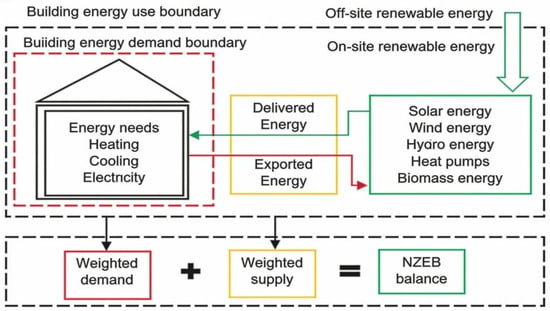
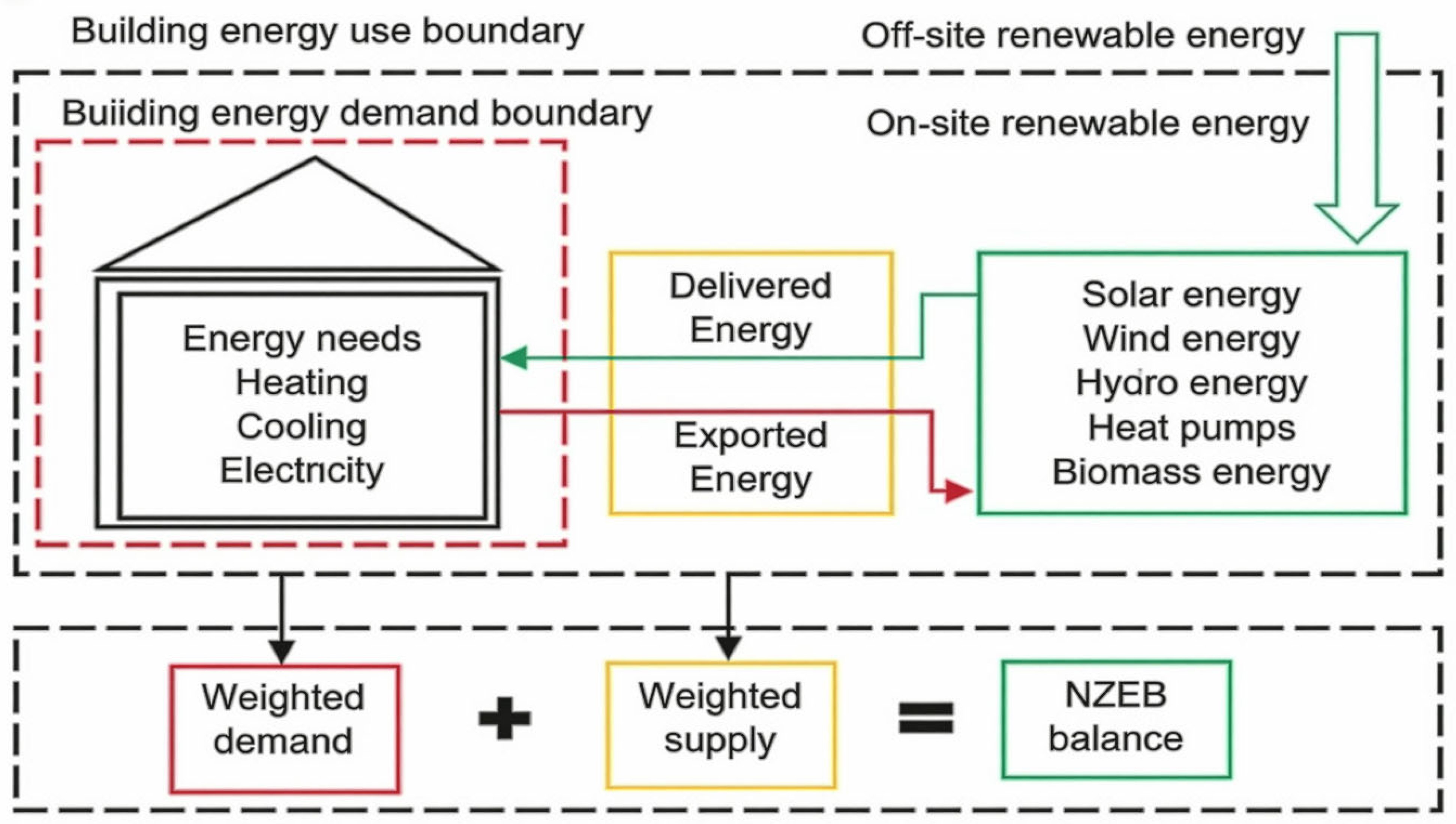
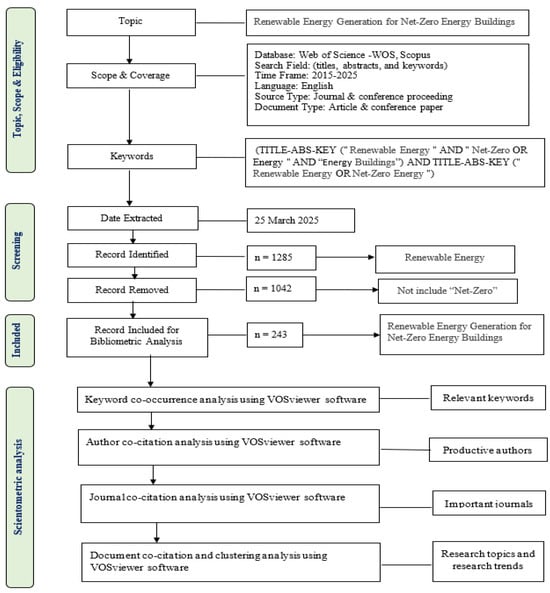
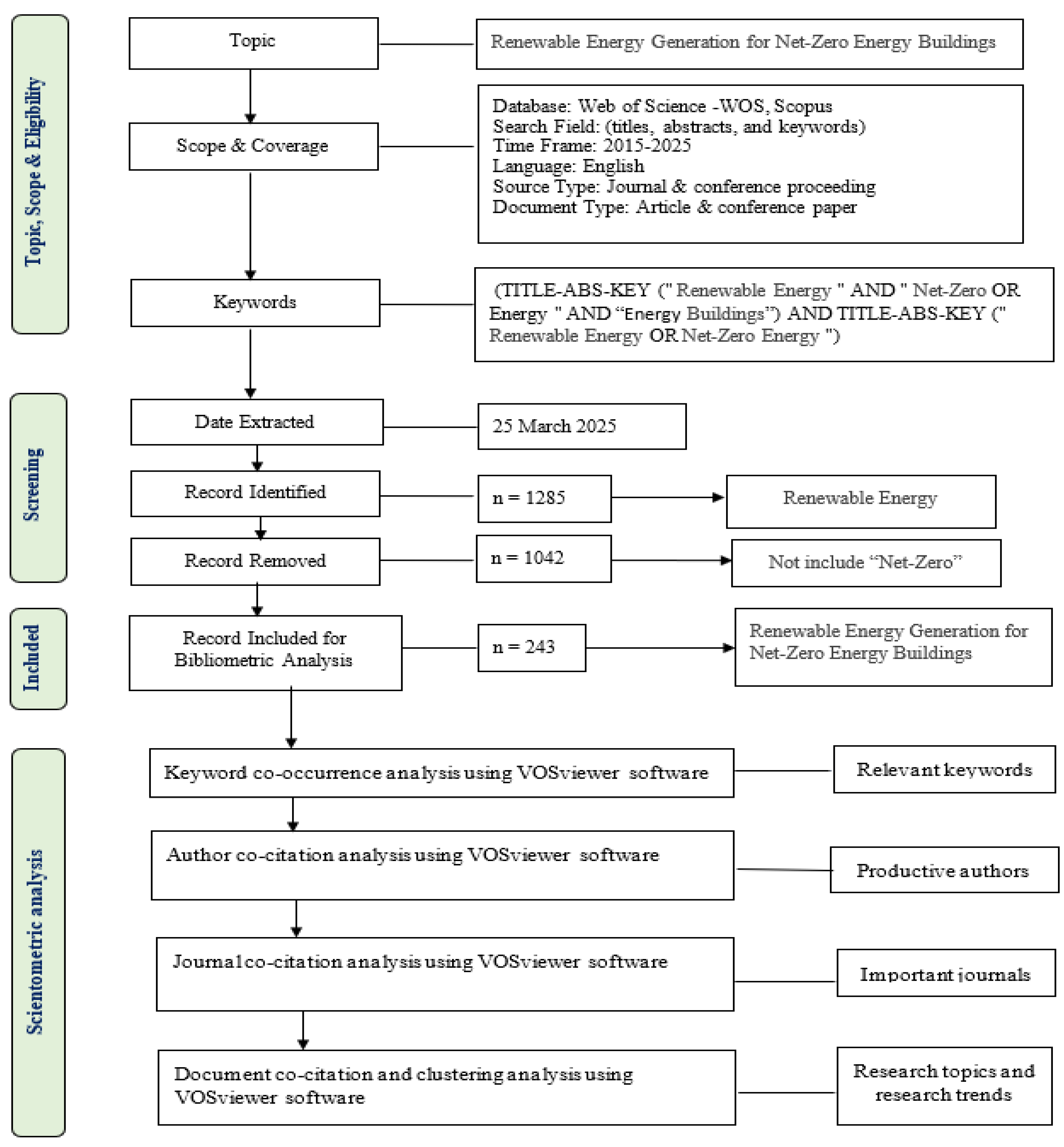
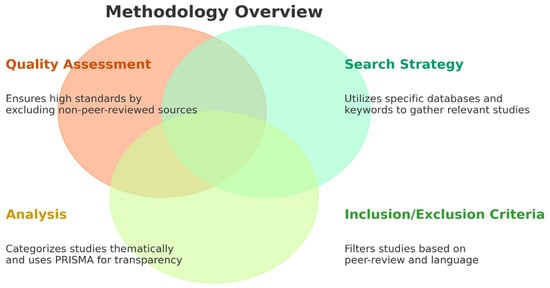
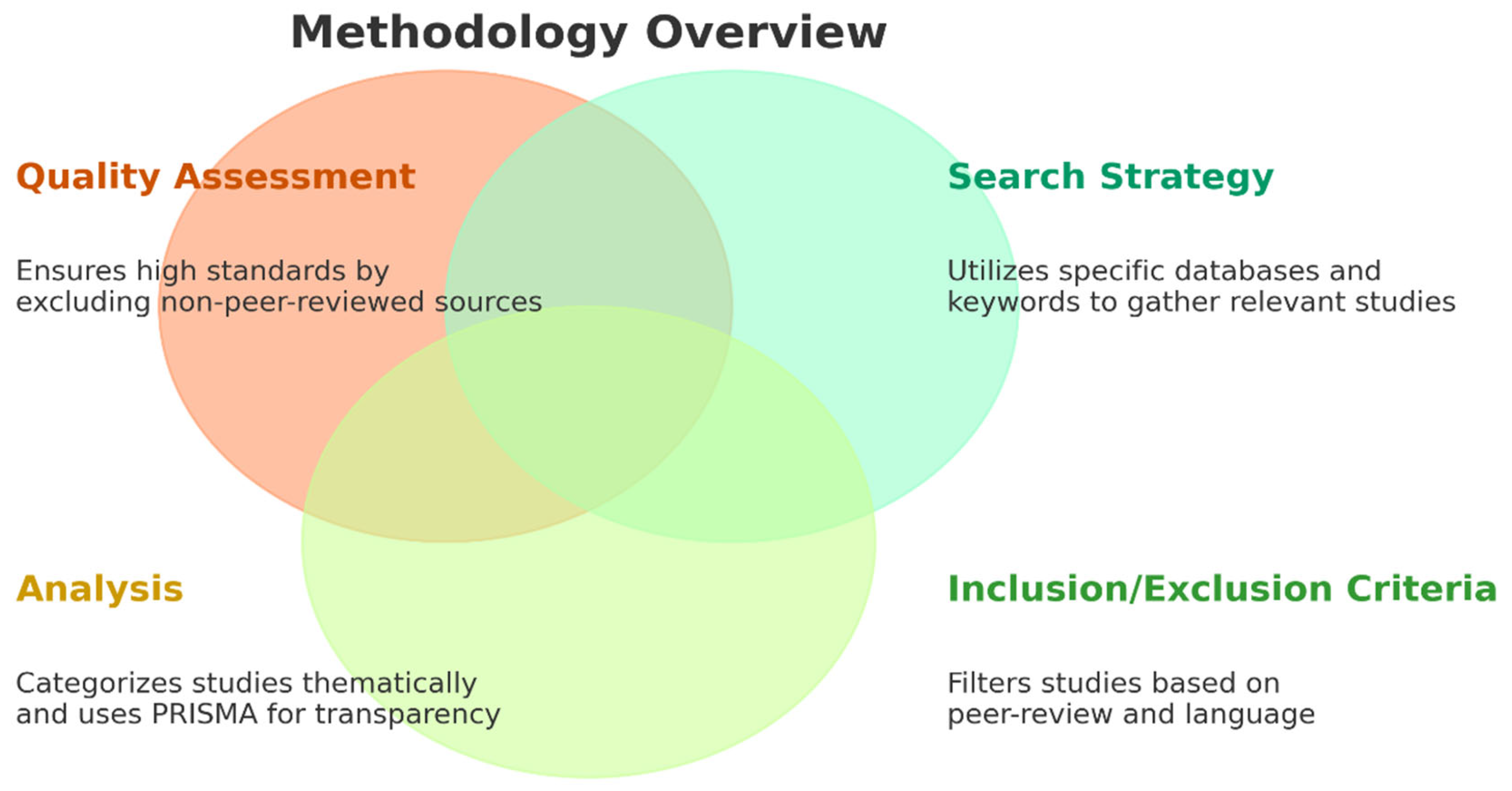
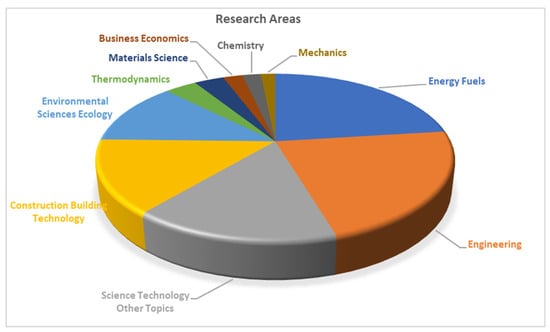
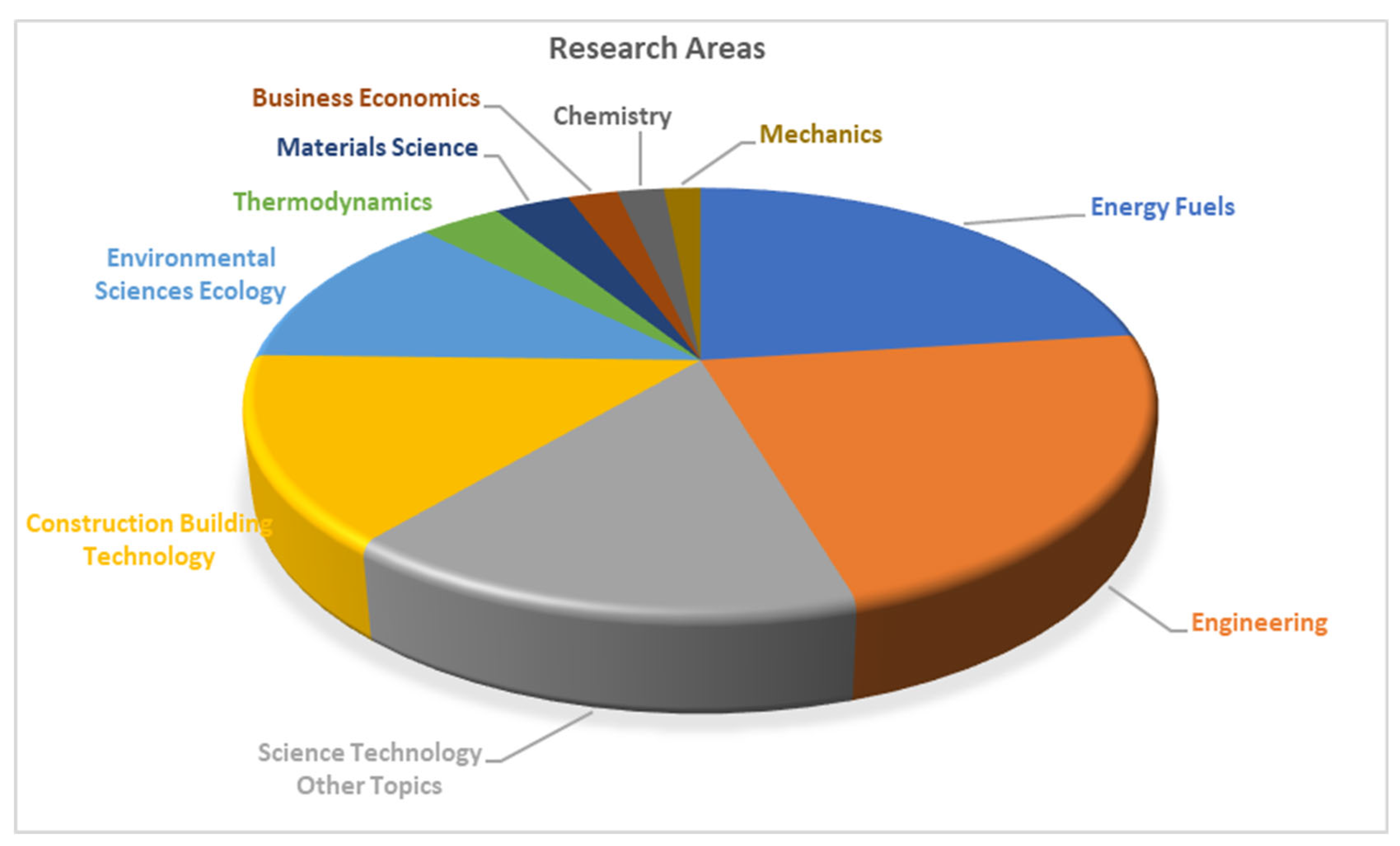
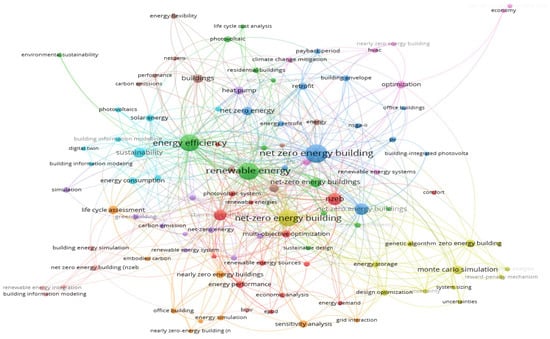
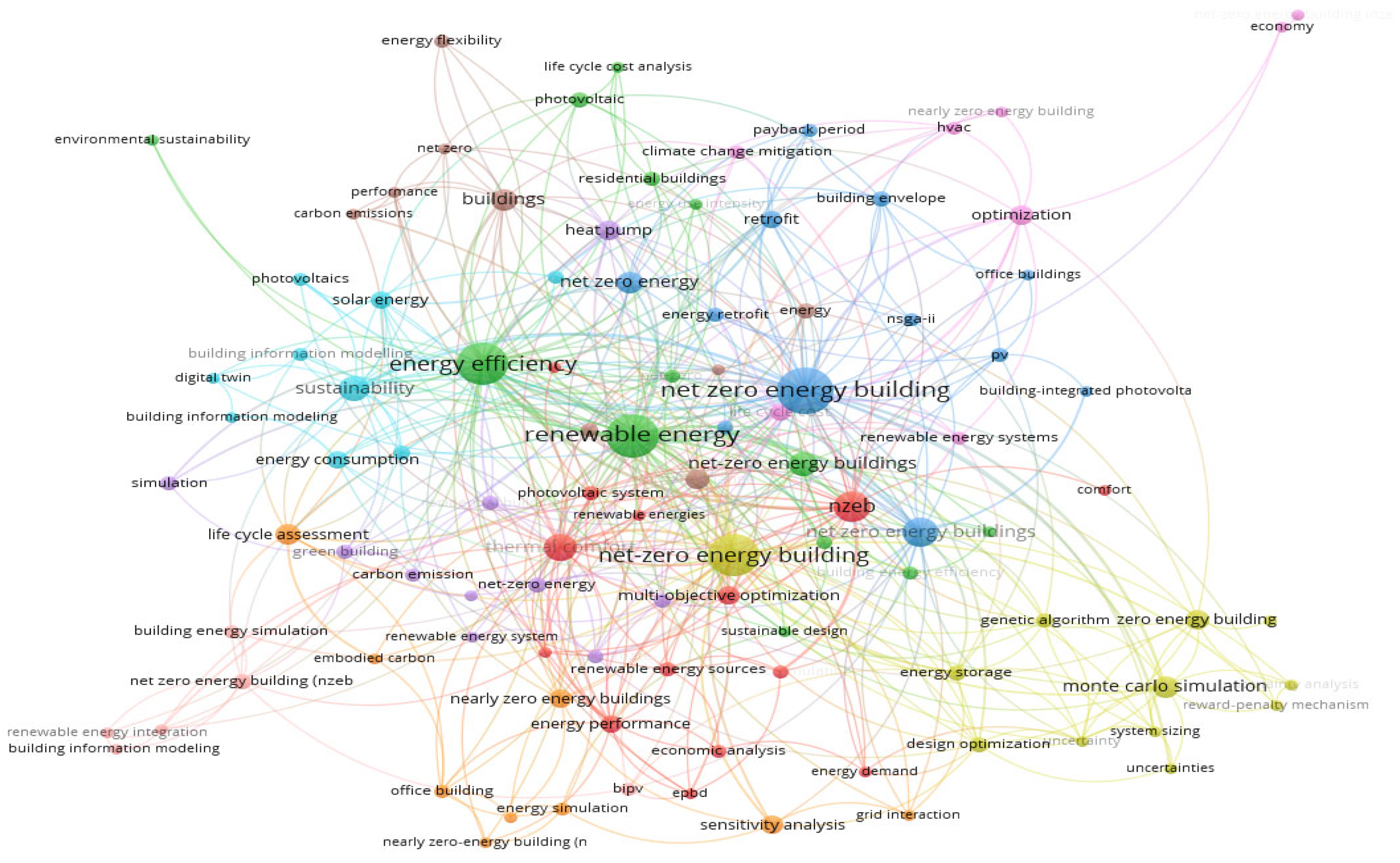
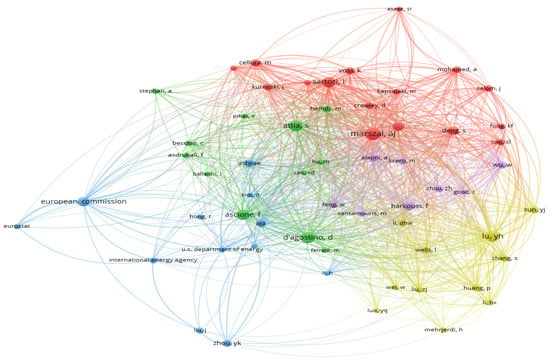
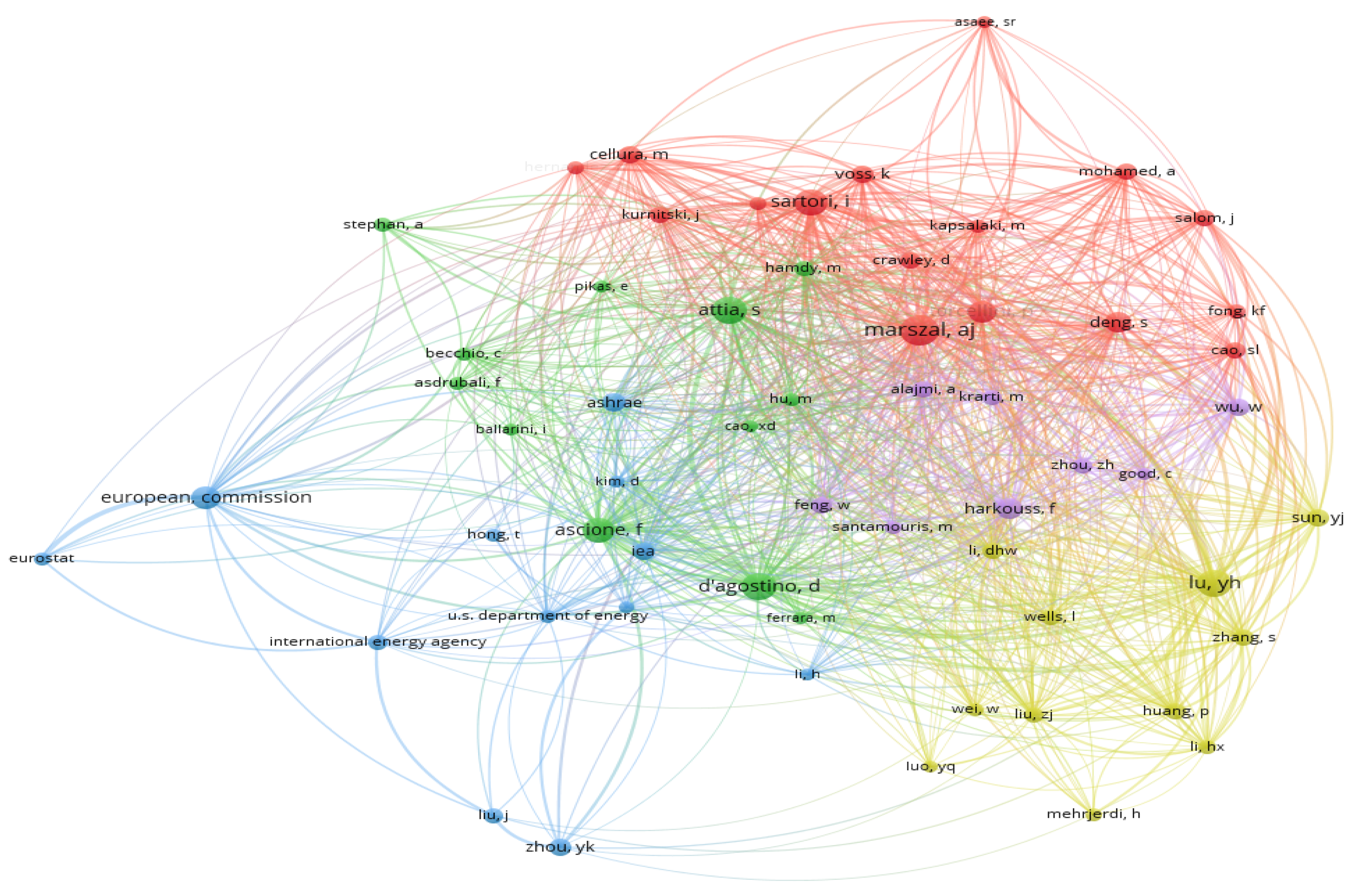
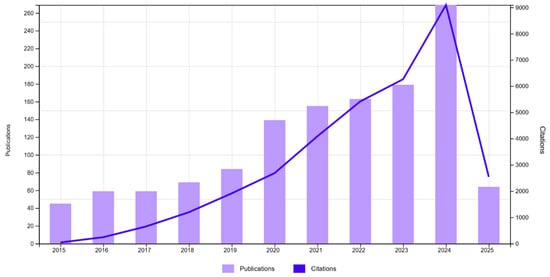
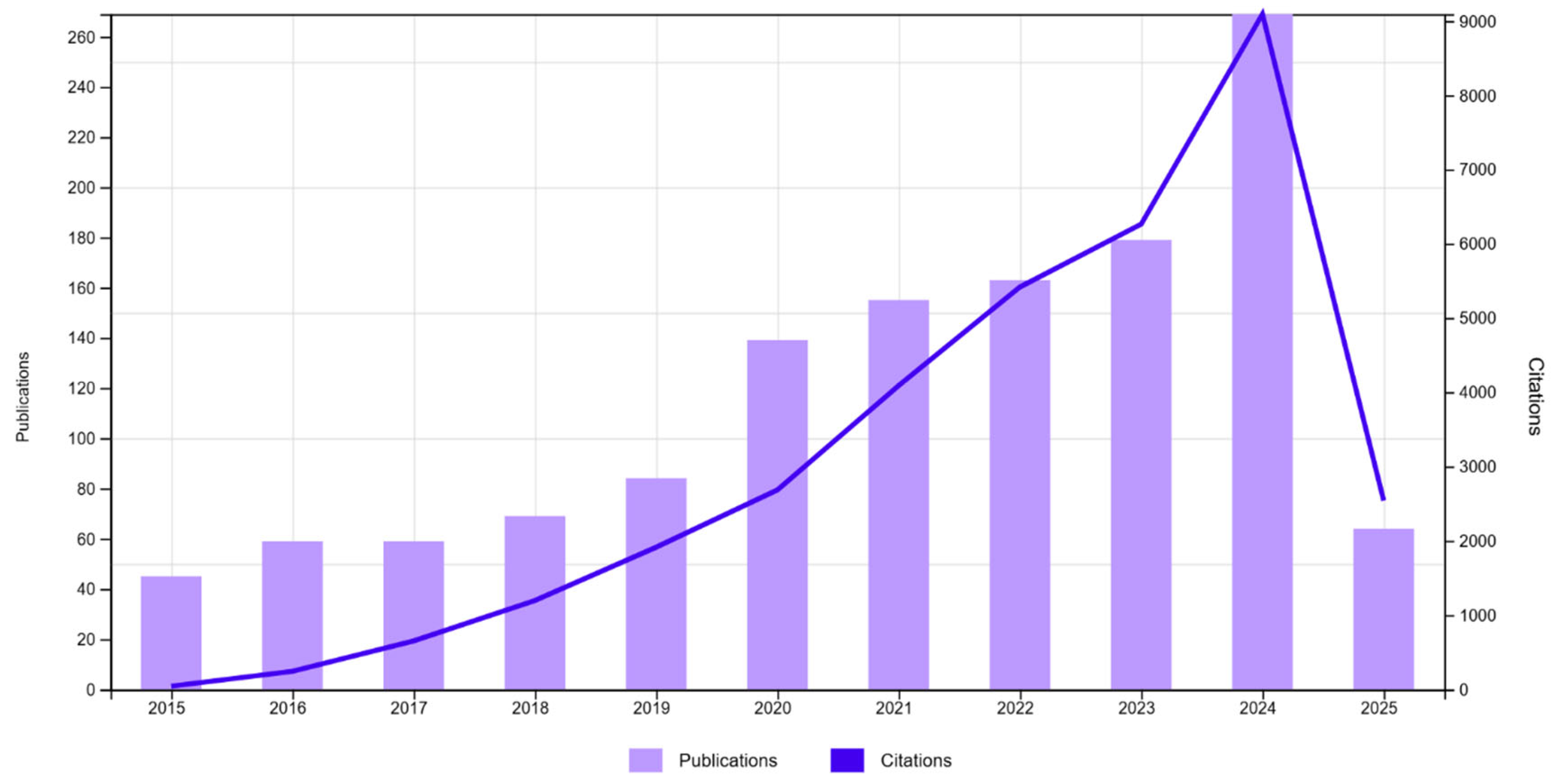
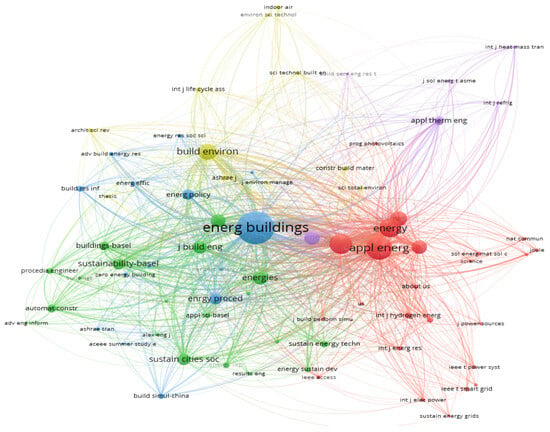
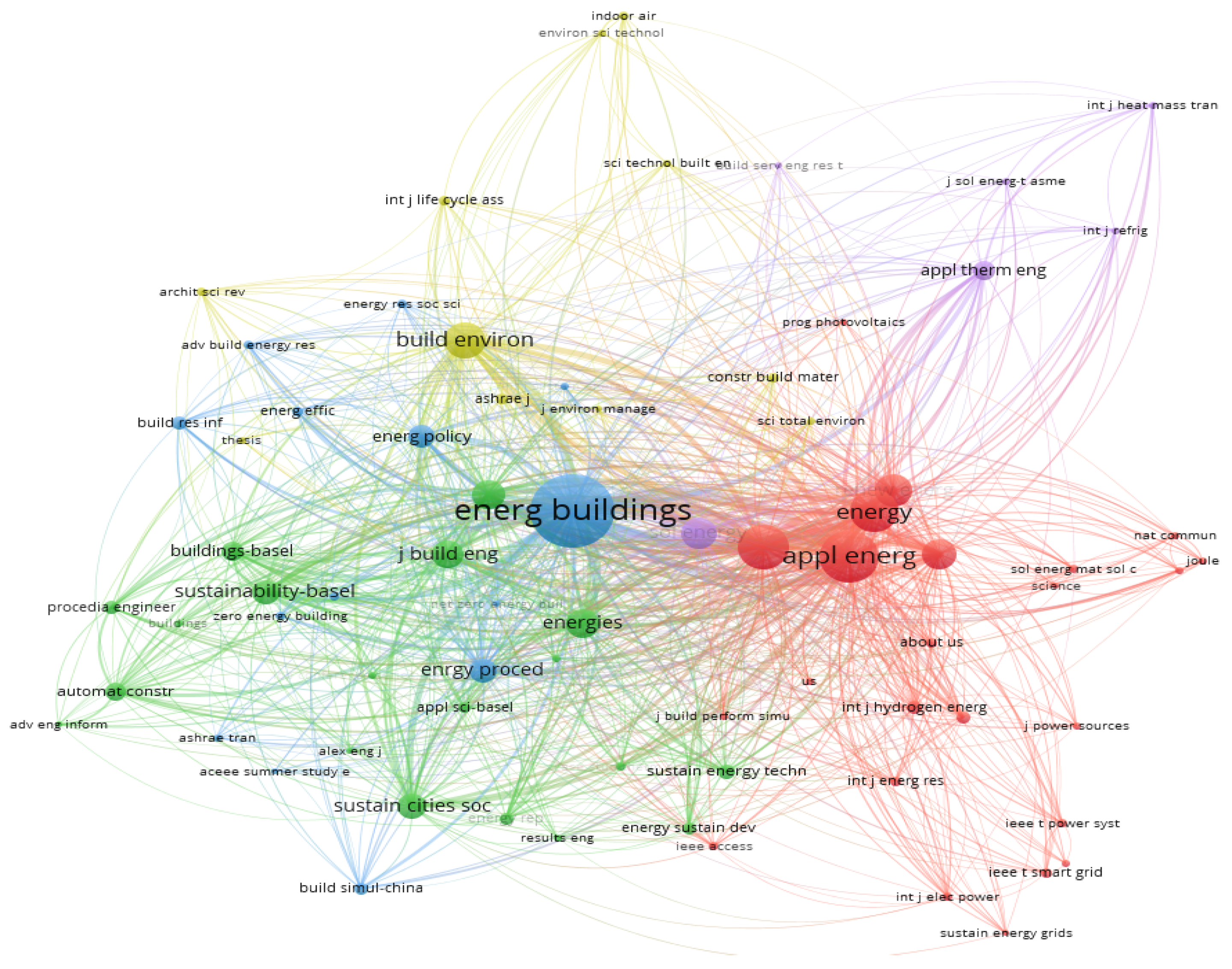
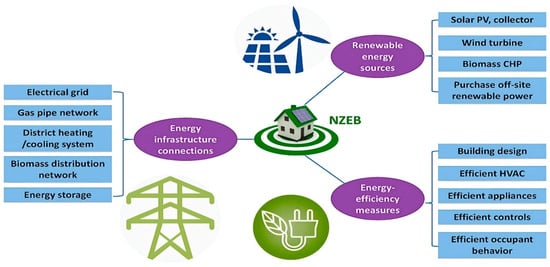
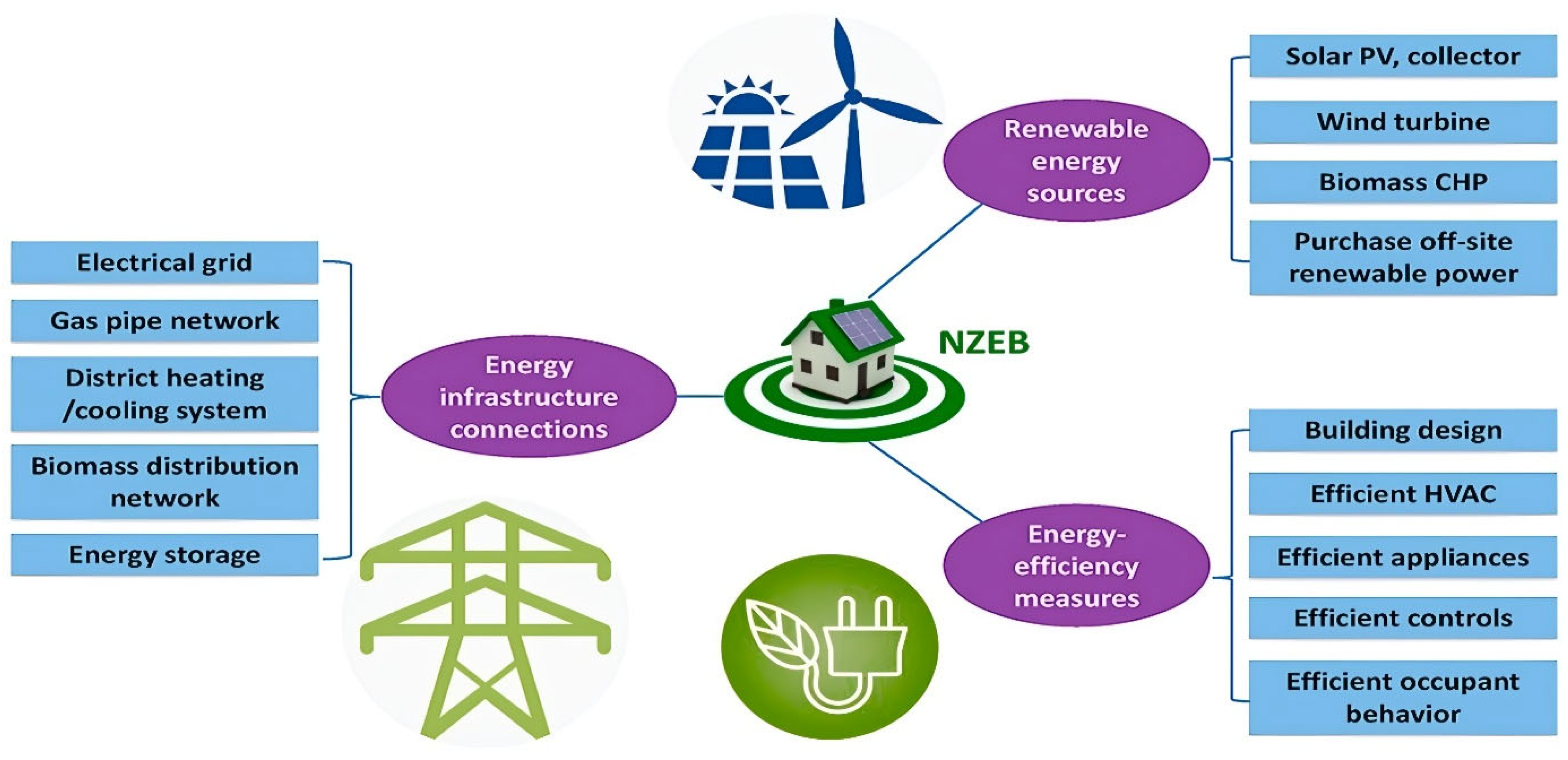
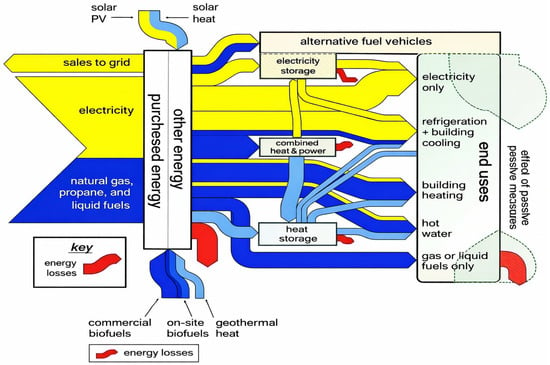
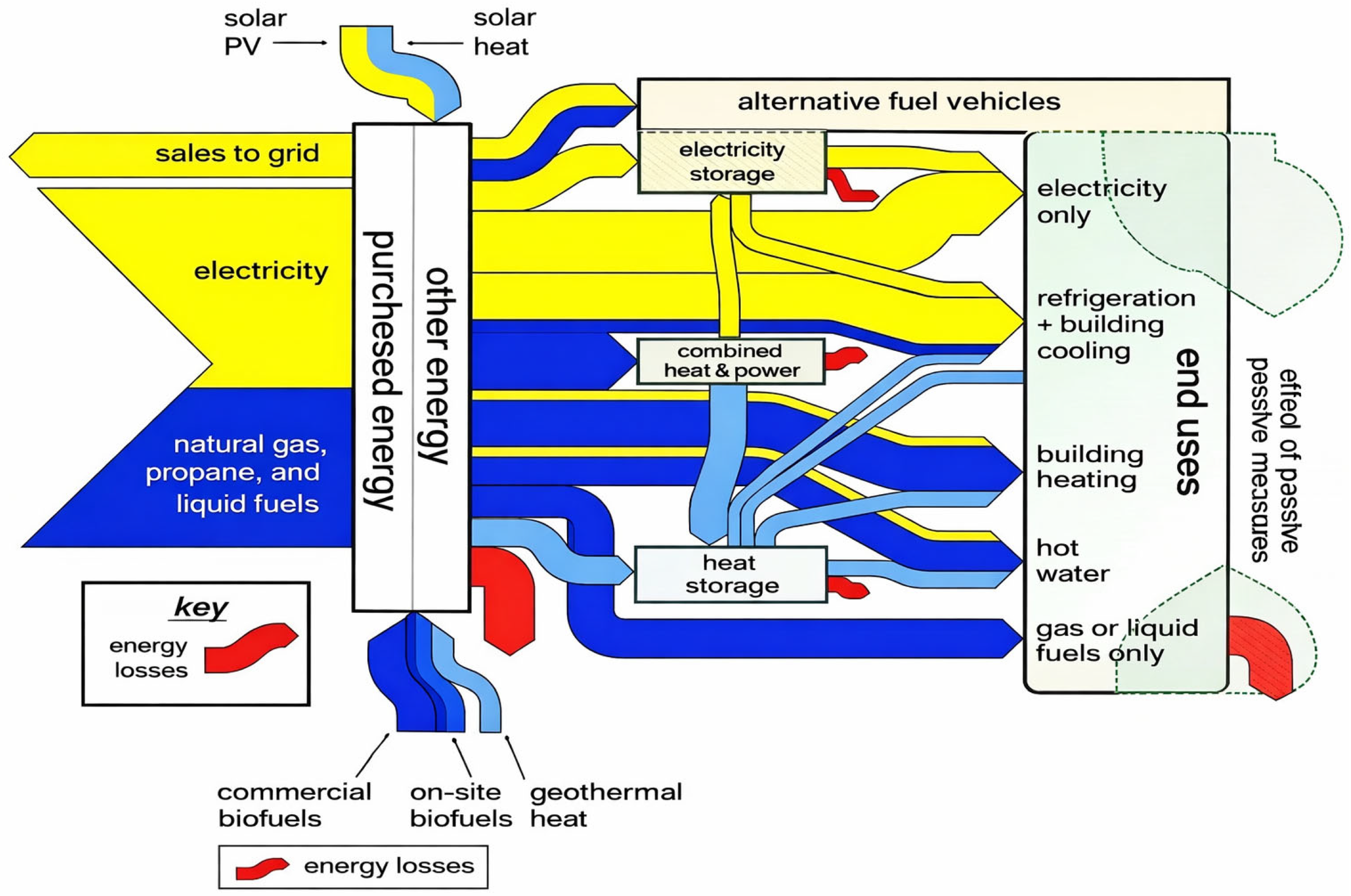
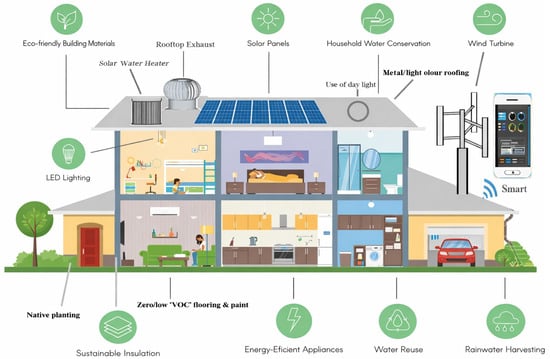
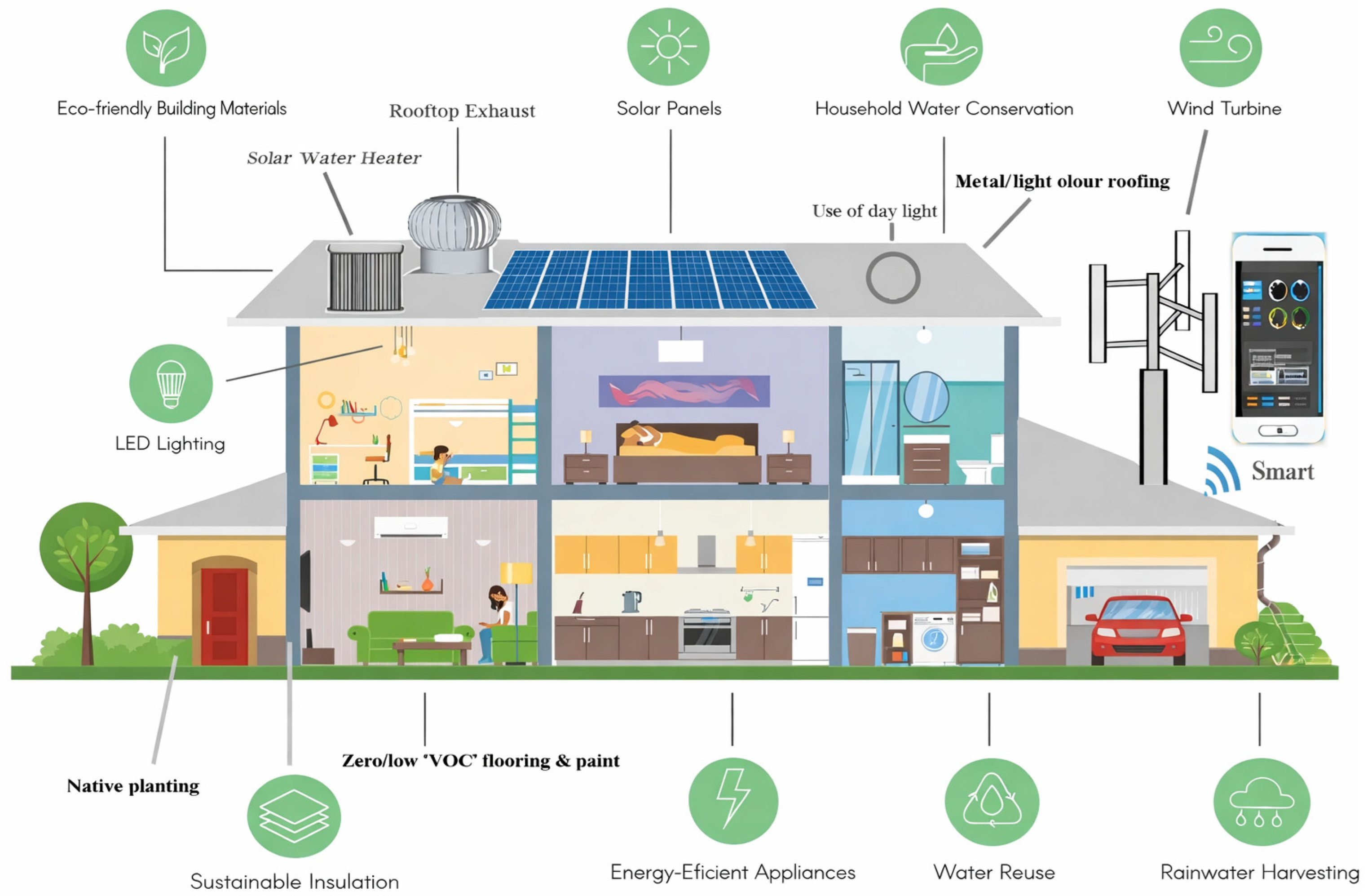

Disclaimer/Publisher’s Note: The statements, opinions and data contained in all publications are solely those of the individual author(s) and contributor(s) and not of MDPI and/or the editor(s). MDPI and/or the editor(s) disclaim responsibility for any injury to people or property resulting from any ideas, methods, instructions or products referred to in the content. |
© 2026 by the authors. Licensee MDPI, Basel, Switzerland. This article is an open access article distributed under the terms and conditions of the Creative Commons Attribution (CC BY) license.