


Abstract
Additive manufacturing (AM) has been increasingly explored in the construction sector for its potential to improve productivity, reduce waste, and enable design flexibility; however, reported outcomes remain inconsistent, and the relationship between AM and Lean Construction (LC) principles is not yet clearly established. This study addresses this gap through an exploratory, theory-building systematic review of 12 peer-reviewed research articles published between 2021 and 2025, examining AM technologies applied in construction, their associated application contexts, Lean principles, performance indicators, and implementation barriers. A mixed quantitative and qualitative analysis was conducted, combining descriptive bibliometric mapping with thematic synthesis to answer three research questions related to AM applications, Lean impacts, and performance measurement. Given the emerging nature of AM–LC integration and the limited number of eligible studies, the review prioritizes conceptual synthesis over empirical generalization. The results suggest that AM contributes primarily to waste reduction, process efficiency, standardization, and built-in quality when integrated with complementary digital and automation technologies. Nevertheless, significant technical, economic, socio-organizational, and regulatory barriers persist, limiting scalability and performance consistency. Based on the synthesized evidence, the study proposes a conceptual framework that interprets AM adoption as a Lean-oriented production system, where barriers act as system-level constraints and enablers function as Lean improvement mechanisms. This study further conceptualizes AM implementation as a Kaikaku-driven transformation that requires Kaizen-based stabilization through established LC tools. These insights contribute to advancing theoretical understanding of AM–LC integration and guide more effective and systematic implementation in construction projects.
1. Introduction
Although the construction industry has made significant advances over recent decades, its development remains relatively slow compared to other sectors. Construction-related spending contributes approximately 13% of global GDP [1] and around 220 million direct and indirect jobs for people worldwide [2]. Furthermore, construction and demolition waste represents a substantial share of global waste, with some estimates indicating that it accounts for roughly one-third of total global waste generation [3]. The global awareness of the environmental implications of this waste is increasing, as highlighted in Bajjou’s study [4].
However, the construction sector continues to face long-standing performance challenges, including productivity stagnation, excessive material waste, schedule overruns, and rising project costs [5]. These persistent issues have sparked increased interest in production-oriented management approaches that can improve workflow reliability and efficiency. Lean Construction (LC) has become one of the most widely adopted frameworks for addressing these problems by focusing on waste elimination, continuous improvement, and stabilizing production flow [6]. Recent systematic reviews indicate that core Lean tools, such as the Last Planner System (LPS), Just-In-Time (JIT) delivery, 5S, and process standardization, contribute to more predictable operations and enhanced project performance [7,8]. Furthermore, Lean implementation has been associated with reductions in construction waste and improvements in environmental performance, supporting broader sustainability objectives [9].
In parallel, digital and automated technologies have expanded rapidly within construction, including Additive Manufacturing (AM), particularly 3D concrete printing (3DCP), which has gained significant research attention recently. Since AM offers potential benefits such as reduced material usage, increased geometric flexibility, and process automation, which may address inefficiencies inherent to traditional construction methods [10]. Recent studies highlight its potential to shorten project timelines, optimize material consumption, and support innovative design strategies [11,12].
Although both domains have advanced substantially, the extent to which AM can support or strengthen LC principles remains insufficiently examined. Current literature tends to treat Lean and AM as separate areas of inquiry, resulting in a limited understanding of their interactions. Existing reviews note the lack of systematic evidence on how AM may contribute to Lean outcomes [7,9]. Moreover, recent mapping studies emphasize the need for research linking Lean methodologies with emerging automated and digital fabrication technologies [8].
While the corpus of peer-reviewed studies directly addressing the integration of AM and LC remains limited, which reflects both the early stage of construction-scale AM adoption and the fact that Lean principles are often addressed implicitly rather than through formal Lean tools or metrics, we have undertook this systematic review, where we do not seek to statistically generalize empirical effects, but instead adopt a theory-building perspective, aiming to conceptually integrate fragmented evidence and interpret how AM adoption could be seen as a Lean-oriented production system, which is an aspect that has not yet been comprehensively addressed in existing reviews.
To fill this gap in the literature, the present study considers studies published between 2021 and 2025 and relies on a combined analytical strategy. First, a descriptive bibliometric examination is carried out to observe publication dynamics, identify recurring keywords/thematics, and highlight the main contributing countries, authors, and sources. This is followed by a qualitative synthesis of the selected articles to evaluate how AM technologies are applied, how they align with Lean principles, and what advantages, limitations, and research gaps the literature reports, as shown in the research design (Figure 1). Beyond synthesizing existing evidence, this study offers an interpretation as a conceptual framework of the AM adoption through a Lean change perspective, distinguishing between system-level constraints and enabling mechanisms.
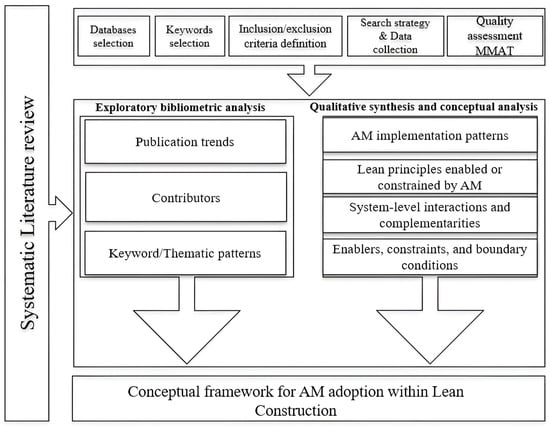
Figure 1.
Research design illustrating the systematic review process, combining exploratory bibliometric analysis with qualitative synthesis to develop a conceptual interpretation of the relationship between AM and LC.
The remainder of this article is organized as follows: Section 2 introduces the conceptual foundations of AM and LC and outlines their potential synergies. Section 3 details the methodology used for the systematic review, including search procedures, screening stages, and analytical techniques. Section 4 presents the results and discussion of the bibliometric analysis and the qualitative findings derived from the included studies, as well as the broader implications of these results. Section 5 offers concluding remarks. Finally, in Section 6, we have included the limitations with avenues for future research.
2. Literature Review
2.1. Lean Construction
LC found its origins from Lean Manufacturing and the Toyota Production System (TPS), whose foundational concepts were articulated by Taiichi Ohno and others in the manufacturing context [13]. Koskela’s influential 1992 report adapted the “new production philosophy” to construction, reframing construction as a production system that should be managed for flow and value rather than only for tasks and costs; this work laid the theoretical basis for LC research and practice [14]. Since the 1990s, LC has evolved from conceptual argumentation to applied techniques and empirical studies, with the LPS and other tools becoming standard topics in research and practice [15,16].
The LC is organized around several interrelated principles, including the elimination of waste, creation of customer value, continuous improvement (kaizen), respect for people (through collaboration and involvement), and pull-based planning to stabilize workflow and avoid overproduction. Koskela’s approach emphasized reconceptualizing production in terms of flow, value, and transformation, which supports many LC strategies [14]. Empirical and review studies document that LC aims to increase predictability and reduce variability through reliable planning, commitment-based scheduling, and continuous learning [15,17].
LC principles are operationalized through a set of planning, control, and improvement tools. The LPS functions as a commitment-based planning and control mechanism aimed at improving workflow reliability and learning through metrics such as Percent Plan Complete (PPC) [16,18,19,20].
Complementary practices, including JIT delivery, Value Stream Mapping (VSM), 5S, and kaizen, support waste reduction, flow stabilization, and continuous improvement by aligning material logistics, process design, and workplace organization with production objectives [8,21,22].
The Lean approach identifies multiple forms of waste (Muda), which construction research has adapted to onsite realities such as excessive material handling, rework caused by information deficiencies, waiting times, and underutilized human potential [15,19,23]. LC tools aim to reduce these wastes by improving coordination, information flow, and production stability.
Although LC offers proven benefits (improved predictability, reduced waste, increased productivity), barriers persist, like industry fragmentation, contractual incentives misaligned with flow objectives, inadequate training, and cultural resistance to collaborative planning [20,24]. Studies also highlight that successful LC implementation typically requires organizational change, early stakeholder engagement, and appropriate performance metrics (such as PPC) to enable learning and improvement [18,19].
2.2. Additive Manufacturing in Construction
AM in construction refers to the automated, layer-by-layer fabrication of building components or entire structures using digital design files, without traditional formwork or molds [25,26,27,28]. The materials choice depends on the specific application and desired properties of the final product [25,27,28,29].
This technology encompasses several distinct processes to create building components layer by layer. Each process has unique methods and materials, enabling new design and construction possibilities, and offers distinct advantages, ranging from rapid, large-scale building with material extrusion to high-precision parts with powder bed fusion. Therefore, the choice of process depends on the material, scale, and specific construction needs [25,27,28,30,31,32]. A detailed classification of AM process types and materials is provided in Supplementary Materials (Table S1).
The key building components that can be effectively printed using AM include structural elements like walls, columns, slabs, and beams, as well as non-structural and customized parts [25,26,27,33,34,35,36,37]. As shown in Supplementary Materials (Table S2).
Concerning the infrastructure in construction, applications including transportation, energy, water, and smart systems [38,39,40,41,42,43,44], are summarized in the Supplementary Materials (Table S3).
From a Construction management perspective, the defining characteristics of AM in construction—digital control, layer-by-layer fabrication, and reduced reliance on formwork—differentiate it from conventional construction processes. These characteristics influence production planning, resource utilization, and process sequencing, and therefore have implications for how AM-based activities can be organized and controlled. Consequently, AM can be understood not only as a fabrication technology but also as a distinct production system, whose interaction with LC principles warrants closer examination.
2.3. Synergy Between Additive Manufacturing and Lean Construction
AM and LC share objectives such as waste minimization, improved flow reliability, and enhanced value delivery, but their operational logics are not always aligned [14,15].
LC prioritizes process standardization, precise sequencing, and predictable results, whereas AM introduces digitally driven, often highly customized fabrication processes with distinct material and timing constraints [45,46]. These differences create integration challenges; for example, reported constraints on AM build speed, layer-dependent material behavior, and post-processing requirements can disrupt takt-based scheduling and pull-driven workflows central to Lean practice [45,47].
Nevertheless, synergies have been identified. AM can eliminate formwork, reduce manual variability, and enable optimized geometries that are associated with lower material consumption and reduced rework, aligning with Lean aims to minimize over-processing and defects [48,49]. Prefabrication of AM elements (offsite or controlled-environment fabrication) can also stabilize site flow and support JIT delivery when integrated with digital planning systems, as reported in case-based studies [50]. Digital continuity (for example, Building Information Modeling (BIM) to fabrication workflows and automated quality monitoring) is widely cited as an enabler of LC, improving information fidelity and supporting the coordination required by LPS and value-stream approaches [48,51].
Empirical evidence is promising but still limited; most studies are case-based or pilot projects, and suggest Lean-aligned outcomes, although causal evidence remains restricted. In addition, barriers such as regulatory gaps, certification of AM materials and components, logistics for large elements, and skills shortages restrict wider adoption [52,53,54]. This review synthesizes how AM–LC integration is conceptualized and implemented in peer-reviewed studies, with the aim of clarifying both the opportunities and the practical constraints.
Notably, formal Lean implementation mechanisms—such as systematic use of LPS metrics, explicit takt planning, or structured continuous improvement routines—are rarely reported explicitly in the reviewed studies, highlighting a critical gap between Lean theory and current AM practice.
3. Research Methodology
3.1. Objective and Research Approach
In this study, we employed a systematic literature review (SLR) to investigate the contribution of AM to the implementation of LC principles. This approach was chosen for its ability to provide a transparent, reproducible, and objective synthesis of existing evidence, thus ensuring a rigorous assessment of conceptual developments and practical applications in the field. The study aims to consolidate fragmented research, identify recurring themes, and highlight gaps requiring further investigation in response to the main research question:
RQ: “How does the integration of AM support the implementation of LC principles?”
To address this overarching question, three sub-questions were formulated:
RQ1: What types of AM technologies are applied in construction, and in which domains are they used?
RQ2: Which LC principles are most impacted by AM implementation, and what complementary technologies enhance this effect?
RQ3: What performance indicators, benefits, and barriers are reported in the literature to characterize the contribution of AM to LC?
This review adheres to the 2020 guidelines of the Preferred Reporting Items for Systematic Reviews and Meta-Analyses (PRISMA) [55], which provides a standardized framework for enhancing clarity and reproducibility. We have followed the four PRISMA stages: identification, screening, eligibility, and inclusion. The complete selection pathway is illustrated in the PRISMA flow diagram presented in Figure 2. This structured reporting ensures that literature is collected and evaluated systematically, minimizing the risk of bias and improving the reliability of the findings.
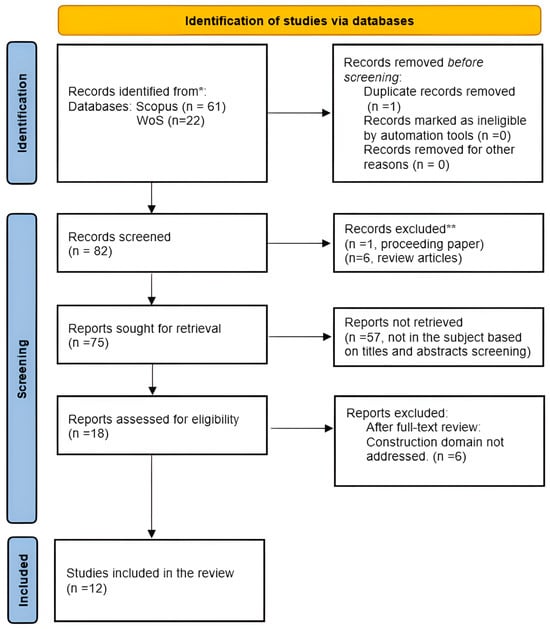
Figure 2.
PRISMA Diagram. Prepared by the authors based on Scopus and Web of Science.
A review protocol outlining the search strategy, inclusion criteria, and analysis procedures was prepared in advance and submitted for registration on the Open Science Framework (OSF). Although the protocol is currently under embargo, its registration timestamp ensures transparency and traceability of methodological decisions and supports future replication or updates of the review.
By employing a systematic review methodology, adhering to PRISMA 2020 standards, and preparing a publicly registered protocol, this research design establishes a robust and credible foundation for examining the interaction between AM technologies and LC principles.
3.2. Search Strategy
3.2.1. Databases and Sources
We have conducted this study using two major academic indexing platforms: Scopus and Web of Science (WoS). They were chosen for their comprehensive coverage of peer-reviewed research across engineering, construction management, and emerging technologies. Scopus and WoS are also widely recognized for their high indexing standards, rigorous inclusion policies, and ability to systematically synthesize evidence. Simultaneous searching of both platforms allowed for the identification of all relevant publications and reduced the risk of database bias. In accordance with the methodological approach that prioritizes validated and archived knowledge, gray literature, such as conference proceedings, theses, technical reports, and white papers, was excluded from the analysis. Only peer-reviewed journal articles already published at the time of the search were considered. This choice was made to ensure that all included studies met established scientific standards for analytical quality, methodology, and citation practices. While this decision may have reduced the number of included publications, it reflects the study’s focus on peer-reviewed empirical evidence. Given the exploratory and theory-building orientation of this review, the resulting sample size is considered appropriate for in-depth qualitative synthesis.
The database search was conducted for studies published between 2015 and 2025 in order to capture the earliest developments related to construction-scale AM-LC. However, all studies that met the inclusion criteria and were retained for final analysis were published between 2021 and 2025, which provides an initial indication that the results summarized in this analysis reflect current technological capabilities, conceptual developments, and industry practices.
3.2.2. Search Terms and Boolean Queries
The search strategy was developed to capture the intersection between AM and LC, as well as their applications within the construction sector. To ensure conceptual breadth and adequate sensitivity, the search terms were constructed around three thematic clusters: (1) AM-related technologies, (2) LC principles and tools, and (3) construction-related contexts. Additionally, exclusion terms were incorporated to prevent the retrieval of publications unrelated to the built environment (e.g., biomedical, aerospace, and metallurgical applications).
The final Boolean query was iteratively refined through preliminary scoping searches in Scopus and WoS to ensure that the string was both comprehensive and precise. The full query applied in both databases was:
(“additive manufacturing” OR “3D printing” OR “3D concrete printing” OR “digital fabrication” OR “automated construction” OR “robotic construction”) AND (“lean construction” OR “lean principles” OR “lean thinking” OR “waste reduction” OR “process improvement” OR “value stream” OR “continuous improvement” OR “Lean” OR “LPS” OR “VSM” OR “Just-in-Time” OR “JIT” OR “Pull Planning” OR “5S” OR “Standard Work” OR “Takt Time Planning” OR “IPD” OR “A3” OR “Kaizen”) AND (“construction” OR “project” OR “build*” OR “housi*” OR “infrastruct*”) AND NOT (“metal printing” OR “bioprinting” OR “powder metallurgy” OR “aerospace” OR “medical”).
This search structure ensured the retrieval of studies explicitly linking AM technologies with LC philosophy. LC was operationally defined as an approach emphasizing the systematic reduction in waste, improvement of flow, value generation for the client, and continuous improvement within construction production systems. Studies were considered eligible only if they explicitly referenced Lean principles (e.g., waste elimination, flow reliability, value creation, standardization, continuous improvement) or discussed process-level outcomes aligned with established LC frameworks. This operational definition was used consistently during screening to reduce subjectivity and enhance reproducibility. In addition, we have filtered out technological publications unrelated to construction.
Wildcard operators (e.g., build*, *housi***) were included to broaden the query to variations in key terms. The use of multiple Lean-related keywords also allowed the search to capture studies that may reference Lean principles implicitly through specific tools (e.g., LPS, JIT) rather than using the general term “Lean Construction.”
All records retrieved from the selected databases were exported to Mendeley reference management software, where duplicate entries were identified and removed before screening. Deduplication was performed automatically and manually verified to ensure accuracy before proceeding to title and abstract screening.
Then, a structured screening protocol was applied during both title/abstract and full-text assessment. Each record was evaluated independently by two reviewers, who submitted their decisions without consultation to preserve screening autonomy. Discrepancies between reviewers were subsequently addressed through discussion, and when consensus could not be reached, a third reviewer provided adjudication. Before commencing the formal screening process, a calibration exercise was conducted to standardize the interpretation and application of the eligibility criteria, with any necessary refinements to the protocol communicated to all reviewers. Although no formal inter-rater reliability coefficient was calculated, reviewer calibration was conducted before screening, and consistency was monitored throughout the process via independent double screening and structured consensus resolution, in line with PRISMA recommendations.
During title and abstract screening, studies were excluded if they: (i) focused solely on AM without reference to construction applications; (ii) addressed automation or digital fabrication without engagement with LC principles; or (iii) were conceptual or technical studies lacking process- or system-level implications. Full-text screening further excluded studies that mentioned Lean concepts only tangentially or did not provide sufficient information to support qualitative synthesis.
The limited number of studies ultimately retained reflects the stringent inclusion criteria and the relatively small body of peer-reviewed research that explicitly examines the convergence of LC and AM. The overall screening workflow aligns with the PRISMA 2020 recommendations and is illustrated in the flowchart presented in Figure 2.
3.3. Inclusion and Exclusion Criteria
All studies identified through the search process were evaluated using a set of predetermined inclusion and exclusion criteria to determine their relevance, methodological quality, and alignment with the aim of this review. A summary of these criteria is presented in Table 1.

Table 1.
Inclusion and exclusion criteria.
3.4. Data Extraction and Quality Assessment
Data extraction was conducted following a structured and transparent protocol to ensure the reliability of the synthesized evidence on 3 November 2025. After the initial search yielded 236 records from Scopus and 84 from WoS, the application of database filters reduced these to 61 and 22 records, respectively. Following deduplication, 82 unique studies proceeded to title and abstract screening, during which 7 papers were excluded due to publication type (1 conference proceeding and 6 review articles), and 57 were removed for lacking relevance to the research scope, leaving 18 studies for full-text assessment. A further six articles were excluded during full-text screening due to not meeting the eligibility criteria, resulting in a final set of 12 studies included in the review.
Data extraction was performed manually in two stages. In the primary extraction stage, two reviewers independently extracted predefined entities from each study, including authorship and publication year, study type, research objectives, the type of AM examined, application domain, LC principles addressed, methodological approach, key findings, reported limitations, contributions to LC–AM integration, complementary technologies discussed, and identified benefits and barriers of AM in construction. In the subsequent quality assessment and reconciliation stage, extracted data were evaluated alongside the Mixed Methods Appraisal Tool (MMAT) version 2018 [56], due to its suitability for appraising diverse study designs within a single review framework. Disagreements were resolved through discussion and adjudication by a third reviewer when necessary.
The MMAT quality appraisal indicated that the overall methodological rigor of the included studies was satisfactory, with scores ranging from 67% to 100% (the scores were calculated as in the paper [57]). The majority of studies (seven out of twelve) achieved scores of 86% or higher, reflecting strong adherence to methodological criteria across qualitative, quantitative descriptive, and mixed-methods categories. Four studies achieved the maximum score of 100%, demonstrating consistent fulfillment of all applicable criteria. Studies employing mixed-methods designs generally demonstrated robust methodological coherence, performing well across all five MMAT domains.
A smaller number of studies showed moderate limitations, particularly within the quantitative non-randomized criteria, where issues related to confounder management, sampling appropriateness, or completeness of outcome data were noted. The lowest score (67%) corresponded to a study that exhibited weaknesses in multiple quantitative descriptive items, particularly regarding measurement validity and the clarity of sampling strategies. Despite these variations, all studies met the initial MMAT screening requirements (S1 and S2), ensuring fundamental methodological soundness.
Overall, the MMAT evaluation confirms that the final body of evidence included in this review is of acceptable to high quality. The full MMAT scoring table for all studies is provided in Appendix A, allowing for transparent assessment of methodological strengths and limitations.
An exploratory bibliometric analysis was conducted using the Bibliometrix package in R (version 5.2.0). This component complemented the qualitative synthesis by situating the reviewed studies within the broader evolution of research on AM and Lean-related topics.
4. Result and Discussion
4.1. Quantitative Analysis
The quantitative results of this review are based on the twelve peer-reviewed studies that met the inclusion criteria. A bibliometric analysis was conducted to provide a descriptive overview of publication patterns, contributing sources, recurring keywords, and thematics within the limited body of AM–LC literature. Given the small number of studies, bibliometric outputs are interpreted as descriptive and exploratory in nature, not as evidence of established research dominance or maturity. All interpretations are therefore made cautiously and are intended to complement, rather than substitute, the qualitative synthesis.
4.1.1. Publications Trend
Although we have set 2015 to 2025 as a search window, the twelve included papers were published from 2021 onwards. As shown in Figure 3, the annual distribution of research articles shows that academic interest in the synergy between AM and LC remained modest in the early years of the dataset. In 2021, only two research articles addressed this topic, followed by a pause in publication activity in 2022 and a single contribution in 2023. This pattern reflects an initial phase characterized by exploratory work rather than sustained or coordinated academic efforts. A slight increase is observed in 2024, with three articles published, suggesting a renewed—though still limited—engagement with AM–LC integration. A notable increase appears in 2025, with six publications, suggesting a recent rise in scholarly attention, which may be related to broader interest in digital fabrication, automation, and waste-reduction strategies within construction research [58]. However, given the short timeframe and limited dataset, it is premature to infer sustained research consolidation or a mature research domain.
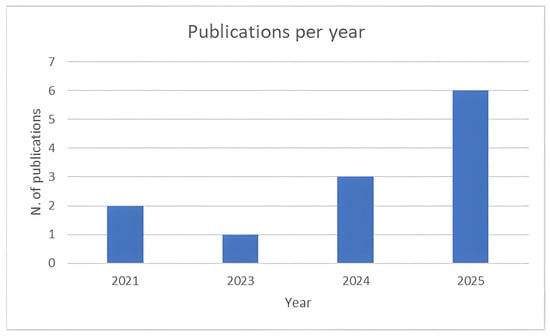
Figure 3.
Trend of publications per year.
4.1.2. Lead Contributors
In Table 2, we have summarized the characteristics of the selected research articles to describe the distribution of authors, institutions, countries, and publication sources within the reviewed literature on AM–LC integration. By mapping these attributes, this section provides an overview of where scholarly contributions originate and how research activity is distributed across academic contexts. This descriptive analysis supports an understanding of the current research landscape and the diversity of contributors engaged in exploring the intersection of AM and LC.
Table 2.
Lead contributors classified by number of citations.
Descriptive analyses of lead authors, institutional affiliations, relevant sources, and Keywords co-occurrence are provided in the Supplementary Materials for transparency, while the main manuscript focuses on results that directly support the qualitative synthesis.
Corresponding Authors Geographic Distribution:
As shown in Figure 4, the countries represented in the selected articles for our study are: Australia, Austria, Brazil, China, Finland, Hong Kong, Indonesia, Japan, Portugal, Turkey, Ukraine, and the United States.
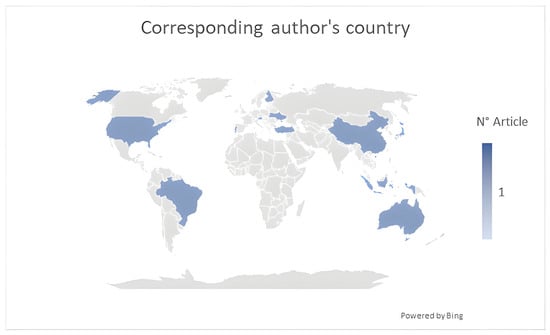
Figure 4.
Geographic Distribution of Corresponding Authors by Article Count.
The geographical distribution of the corresponding authors shows that each contributing country is represented by a single article, reflecting a research field that is both highly dispersed and globally present. We can notice that no country appears more than once in the dataset, suggesting that academic interest in AM within the context of LC is emerging simultaneously in many regions, rather than being concentrated in a few dominant areas.
4.1.3. Thematic Map of the Included Studies
As shown in Figure 5, the thematic map generated by Bibliometrix offers an illustrative view of the conceptual structure of the research field, placing themes in their centrality (relevance within the field) and density (level of development). The four quadrants identify different roles played by each theme within the literature as follows:
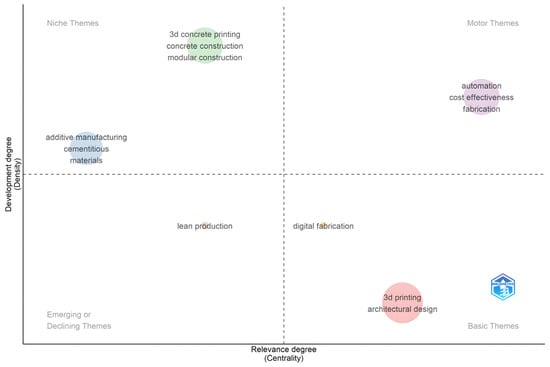
Figure 5.
Thematic map generated using Bibliometrix.
- Motor Themes (High Centrality, High Density): Themes of automation, cost effectiveness, and fabrication appear as well-developed and highly relevant. Their position indicates that these topics are well developed and play a central role in structuring research on AM in construction. These themes reflect the dominant technological and economic drivers motivating AM adoption.
- Niche Themes (High Density, Low Centrality): 3D concrete printing, concrete construction, and modular construction-related clusters show strong internal development while having lower centrality. The topics are specialized and technically advanced, giving deep insights into specific sub-domains; however, they remain specialized and are not yet strongly integrated with broader Construction management or organizational perspectives.
- Emerging or Declining Themes (Low Density, Low Centrality): Lean production appears within the emerging or weakly developed quadrant. Rather than indicating declining relevance, this positioning suggests that LC concepts have not yet been systematically embedded within AM-focused research. This finding highlights a critical research gap, where Lean principles are referenced but rarely operationalized through formal planning, control, or performance measurement mechanisms.
- Basic Themes (High Centrality, Low Density): Themes such as 3D printing and architectural design have high relevance and low development and thus are foundational concepts of the field. These themes are widely used and conceptually central; however, their lower density signals the need for further conceptual refinement and theoretical consolidation.
Overall, the thematic map suggests that research on AM in construction is currently driven by technological and economic considerations, while production-management perspectives such as LC remain underdeveloped. This reinforces the relevance of the present review, which seeks to synthesize and advance understanding at the intersection of these two domains.
4.2. Qualitative Analysis
This section reports the qualitative synthesis of the 12 publications included in this review. The data were organized according to the three predefined research questions in the Section 3 to ensure a clear and systematic presentation of the results. First, the analysis identifies AM technologies used in construction and the specific areas where they are applied (QR1). Second, it examines the principles of LC influenced by the adoption of AM and the complementary technologies that support this interaction (QR2). Finally, it summarizes the performance indicators, advantages, and obstacles identified in the literature regarding the contribution of AM to LC (QR3). The results for each research question are presented in separate subsections, supported by structured summary tables. The ultimate objective is to answer the main research question: How can AM support the implementation of LC principles?
Beyond reporting empirical observations, this qualitative synthesis interprets the reviewed evidence through a construction management lens, linking AM practices to LC principles at the system level.
4.2.1. AM Technologies and Their Application Context in Construction
Table 3 presents the screening results of the 12 peer-reviewed studies used to address RQ1, providing an overview of the study types of the selected papers, the AM technologies examined, and their corresponding application contexts within construction projects.
Table 3.
Overview of AM Technologies and Application Contexts in Construction.
The overview described in Table 3 reveals distinct trends in how AM in construction has been studied in the literature. The 12 studies taken together yield a picture in which 3DCP appears in most of the studies as the most actively pursued AM technique to date [12,49,59,61,63,64,66,67], while only a limited number of studies examine AM in a wider digital fabrication set-up or with other materials than concrete [60,62], pointing to a certain technological limitation in this area.
However, application contexts are even more diversified. Some studies concentrate on residential buildings and low-rise constructions [49,59,63], while other studies explore new application areas of AM in complex geometrical buildings [62], development projects with infrastructure-scale development projects [65], or in digitalized prefabrication workflows [12,58,66]. This indicates that AM research has started a transition from lab-based prototyping to an integration of AM in the project lifecycle.
Notably, multiple studies embed AM within broader digital construction systems, employing BIM, robotic automation, simulation, or optimization techniques [12,58,62,66]. This indicates an emerging shift from isolated technological experimentation to system-level integration, where AM is positioned as part of a coordinated digital workflow. Taken together, these trends point to a body of research that, in terms of technology, remains focused but also increasingly varied in their application strategies, which emphasize both the established role of AM as a technology as well as increasing explorations of its use in operations, management, and design.
From a Lean perspective, this evolution indicates a gradual shift from isolated technological experimentation toward production-oriented integration, where AM begins to interact with planning, coordination, and workflow control across the project lifecycle.
4.2.2. Contribution of AM to LC Principles and Complementary Technologies
To address RQ2, we have analyzed the selected studies to determine which LC principles are influenced by AM and which complementary technologies strengthen these effects.
As shown in Table 4, waste reduction is the most consistently emphasized principle across the corpus [12,58,59,60,61,63,64,65,66,67]. Productivity and process efficiency are also frequently addressed [12,58,59,61,63,64,67], together with standardization and modularization [58,59,64,65,66]. Moreover, several studies highlight aspects of continuous improvement, particularly through iterative prototyping, digital feedback, and refinement of printing parameters [12,58,60,64,67].
Table 4.
Mapping of AM Contribution to LC principles implicitly or explicitly identified in the Reviewed Studies with complementary technologies enabling AM-LC synergy.
Although explicit reference to Lean tools is limited, the underlying concepts, such as value stream analysis [49], integrated design and Target Value Design (TVD) [62], JIT material flow [65], and iterative optimization processes [58,64,67], are present in the literature. A cross-study comparison demonstrates that AM is not implemented in isolation but is systematically embedded within complex digital, organizational, and automation ecosystems. BIM emerges as a central integrative platform [12,49,58,60,62,63,65,66], supporting coordination, clash detection, data interoperability, Industry Foundation Class (IFC), and Printing Information Modeling workflows. AM is frequently combined with robotic and automated systems, including articulated robotic arms, gantry-based printers, Computer Numeric Control (CNC) production, and robotic programming environments [12,57,58,60,63,66] allowing greater control over production sequences, improved accuracy, and enhanced flow efficiency in construction processes. Advanced simulation and analytical tools, such as robotic path simulation, Computational Fluid Dynamics (CFD), Finite Element Analysis (FEA), topology optimization (TO), digital twins, and numerical optimization, are employed to improve material efficiency, process reliability, and print quality [58,61,64,66,67].
Data-driven technologies further support Lean outcomes, including IoT-enabled sensing and monitoring systems, big-data analytics, AI-assisted decision support, and cyber–physical systems and immersive visualization tools such as Augmented Reality (AR) and Virtual Reality (VR), which enhance real-time feedback, training effectiveness, and process transparency [49,58,63,65]. Design-oriented methodologies, such as parametric and generative design [58,64,66], Design for Manufacture and Assembly (DfMA), Design for Automation (DfA), and Robot-Oriented Design (ROD) [62,65], are shown to improve constructability, standardization, and process flow in digitally fabricated projects. In addition, blockchain-based distributed ledger technologies are proposed to support traceability, liability management, and collaborative governance within BIM-enabled and Integrated Project Delivery (IPD) based delivery models [62]. Collectively, these complementary technologies enable tighter integration between AM and LC by enhancing coordination, reducing uncertainty and rework, supporting real-time information exchange, and optimizing resource utilization.
Notably, while several studies report results conceptually aligned with Lean principles, the explicit application of formal LC tools and metrics—such as the LPS, takt planning, PPC, or VSM—remains remarkably limited. In most cases, Lean alignment is inferred from reported process improvements rather than measured through established Lean performance indicators. This observation highlights a structural gap between technological adoption and systematic Lean implementation within the reviewed literature.
Table 4 summarizes these relationships by mapping each study to the LC principles implicitly or explicitly addressed during AM adoption, and the complementary technologies that enable AM–LC synergy.
4.2.3. Performance Indicators, Benefits & Barriers to AM Integration in Construction
To address the third RQ, the analysis was divided into two parts to enhance clarity and interpretability. The first part focuses on the performance indicators used in the reviewed studies to evaluate the benefits of AM, which are subsequently linked to the LC principles addressed by these benefits. The second part examines the barriers and challenges associated with the implementation of AM in the construction domain, as reported in the selected peer-reviewed studies.
- Performance Indicators and Lean-oriented benefits of AM in construction
In this section, we have defined and categorized the Performance indicators mentioned in the peer-reviewed studies to evaluate the contributions of AM to LC outcomes. As presented in Table 5, the performance of AM is most frequently assessed through indicators related to time and schedule performance, cost and economic efficiency, material and waste reduction, labor productivity, quality and precision, design flexibility, and environmental sustainability. The table links each category of performance indicator to representative qualitative and quantitative data from studies and maps these indicators to their Lean benefits. This analytical structure highlights how AM contributes to Lean objectives primarily through waste elimination, flow improvement, value creation, and continuous performance optimization, while also revealing the areas where performance measurement is most well-developed and systematically documented in the literature.
Table 5.
Performance Indicators categories and Lean-Oriented Benefits of AM.
From Table 5, we can observe that the reported performance indicators are mostly concerned with the operational efficiency gains, reflecting a strong techno-economic orientation in current research on AM in construction. While indicators related to time, cost, and materials are frequently quantified, their evaluation is often conducted within controlled case studies or at a pilot scale, limiting the applicability of the observed improvements to heterogeneous and large-scale construction environments. Furthermore, many of these indicators implicitly assume stable process conditions and a high level of digital maturity, suggesting that the observed benefits depend on successful integration with complementary technologies such as BIM, robotic control, and simulation-based planning. This dependence emphasizes that the performance improvements of AM cannot be attributed to the technology in isolation but rather result from socio-technical configurations that align design, planning, and production workflows.
From a LC perspective, we notice an imbalance in how value is conceptualized and measured. Most studies prioritize internal efficiency indicators, such as productivity, waste reduction, and process speed, while external value dimensions, including customer satisfaction, lifecycle performance, and downstream adaptability, remain underexplored or addressed qualitatively. Furthermore, although several performance indicators align with Lean principles, such as waste elimination and flow improvement, few studies explicitly operationalize Lean principles or evaluate AM within a holistic LC system. This suggests that AM is often perceived as an implicit enabler of Lean-aligned outcomes, rather than an integrated component of a broader Lean transformation.
Accordingly, a distinction should be drawn between technology-driven benefits of AM and system-level Lean impacts. Technological benefits, such as geometric freedom, automation, and precision, arise directly from AM capabilities. In contrast, Lean system impacts—such as improved flow reliability, waste reduction across processes, and learning-based improvement—emerge only when AM is embedded within coordinated production planning, organizational routines, and feedback mechanisms. The reviewed studies often conflate these dimensions, underscoring the need for more system-oriented empirical research.
- 2.
- Barriers to AM implementation in the Construction industry
In this section, we have gathered the different Barriers or challenges mentioned in the 12 peer-reviewed articles; meanwhile, we have categorized them into four categories: Technical and Material Barriers, Resource and Economic Barriers, Socio-Organizational and Digital Barriers, and Regulatory and institutional Barriers.
- Technical and Material Barriers characterize the barriers directly related to the physical, technical, and operational performance of AM systems and materials. The structural integrity and the load-bearing performance of AM in construction, particularly in concrete printing, present a persistent concern. Several studies emphasize unresolved challenges in achieving adequate robustness, ductility, and inter-layer shear capacity, as well as the persistent difficulty of integrating reinforcement within layer-by-layer fabrication processes [58,63,66]. These constraints currently confine most applications to non-load-bearing or experimental components, limiting AM’s contribution to structural systems. Material-related challenges further aggravate these issues, including limited material options, complex rheological behavior of cementitious mixes, and sensitivity to process parameters such as extrusion speed, nozzle height, and material flow rates, which introduce uncertainties in print quality and geometric precision [64,66,67]. Moreover, the inadequate support mechanisms can lead to deformation during printing, especially for complex or curved geometries, highlighting the fragile balance between form freedom and material performance [58,64]. The absence of standardized infill patterns and printing strategies also reflects the immaturity of process knowledge and restricts repeatability and quality assurance [58]. Scalability remains another critical technical barrier, since the fixed robotic arms and limited equipment reach necessitate frequent repositioning when printing larger structures, reducing efficiency and increasing operational complexity [58,59]. Furthermore, slow printing speeds, drying times, particularly in off-site production, and insufficient process robustness weaken the feasibility of mass production and industrial deployment [59,66]. Together, these findings suggest that while AM offers high geometric flexibility, its technical reliability and structural maturity remain insufficient for widespread adoption in construction.
- Resource and Economic Barriers define the financial and human capital factors that limit implementation capacity and innovation. Economic feasibility appears to be a major obstacle to the practical implementation of AM technologies. The high initial investment costs of printers, robots, and automation systems are regularly identified as a significant barrier, particularly for Small and Medium-sized Enterprises (SMEs) [58,63,65]. In several cases, the introduction of 3D printing technologies would increase the initial project costs by approximately 10 to 15%, reinforcing the perception of financial risk despite potential long-term gains [65]. Cost-related challenges are particularly pronounced in off-site 3D printing of concrete. Raza and al in [49] highlight significantly higher logistics, warehousing, and assembly costs compared to on-site printing, as well as a higher proportion of non-value-added activities per ton of material processed. These results challenge the assumption that industrialized or prefabricated AM solutions are inherently more cost-effective and indicate that process setup plays a crucial role in value creation. Adding to these problems is the incompleteness of existing cost models. Several studies highlight that critical cost factors, such as equipment wear, printing delays due to strength requirements, environmental disruptions, architectural design costs, and opportunity costs, are often excluded from economic evaluations [49]. This partial consideration compromises the reliability of cost–benefit comparisons with conventional construction methods and contributes to uncertainty in investment decisions. Consequently, the economic rationale for AM remains highly context-dependent and insufficiently supported for widespread adoption.
- Socio-Organizational and Digital Barriers are related to cultural, structural, and digital transformation challenges within the construction ecosystem. The fragmentation of digital workflows, particularly the insufficient integration between BIM, Computer-Aided Design (CAD), and Computer-Aided Manufacturing (CAM) systems, and building-scale printing tools, is a recurring problem in the literature [12,58]. BIM is reduced to a simple geometric representation rather than a true decision support system, as IFC-based BIM models often lack interoperability and the level of detail necessary to facilitate prefabrication and production planning [12,58]. Furthermore, the effectiveness of AM integration is limited by the low level of digital maturity in the construction sector. Slow digitization, inefficient file transfer processes, and reliance on specialized cutting software for CAM lead to data loss, redundant tasks, and suboptimal process planning [12,59]. This fragmentation hinders the implementation of Lean benefits, such as continuous workflows, transparency, and waste reduction. Human factors also play a crucial role. Even when automated, AM technologies still require a highly skilled workforce capable of operating robotic platforms, overseeing printing procedures, and ensuring consistency between digital designs and their physical implementation [59,62,65]. The risk of a mismatch between digital intentions and the physical result increases when design, manufacturing, and construction teams do not share their knowledge, raising questions about constructability and performance risks [62]. These findings indicate that implementing AM presents a significant technological and organizational transformation challenge.
- Regulatory and institutional Barriers are concerned with external institutional policy influencing AM adoption. everal studies highlight that current building codes, procurement frameworks, and approval procedures do not explicitly incorporate AM, which lengthens permitting times and creates regulatory inconsistencies across regions [59,62,63]. The lack of coherent standards weakens the confidence of professionals and customers, thus hindering market integration. Moreover, the digital continuity from design to manufacturing raises new liability issues, particularly when errors result from poorly defined models or mismatches between software assumptions and machine constraints [62]. These uncertainties increase the likelihood of litigation and discourage stakeholders from committing to delivery models based on AM. Furthermore, concerns related to cybersecurity, limited market competition, and the concentration of proprietary technologies represent broader systemic challenges [62]. Together, these regulatory and institutional barriers underline that the successful diffusion of AM in construction depends not only on technological progress, but also on coordinated advances in standardization, legal frameworks, and governance structures.
4.2.4. Synthesis
This analysis demonstrates that the value of AM in construction lies not only in its technological novelty, but also in the systematic deployment of levers that align its implementation with the logic of LC. As summarized in Table 4, the studies examined show that technical enablers, such as optimizing material rheology, calibrating processes through simulation, and assessing constructability using BIM, primarily aim to reduce defects, rework, and process variability, thereby promoting integrated quality and a stable flow. Economic and resource-related levers, including value chain-based cost modeling and contextual choice of on-site or off-site printing, directly target overprocessing, transportation, and inventory waste by improving cost transparency and enabling value-based decision-making. At the organizational and digital levels, integrated BIM-CAD-CAM workflows, parametric design environments, and targeted workforce upskilling reduce waiting times, coordination, and information waste by restoring continuity between design intent and physical production. Finally, regulatory and institutional mechanisms, such as pilot projects, emerging standardization initiatives, and lifecycle sustainability analyses, help to overcome systemic constraints by reducing approval times, inefficiencies related to uncertainty, and waste associated with risk. Collectively, these findings enrich current knowledge by redefining AM not as an isolated construction method, but as a sociotechnical system that fosters Lean, whose performance relies on the coordination of complementary factors across technical, economic, organizational, and regulatory dimensions. This integrated perspective offers both a theoretical explanation of the mixed empirical results observed in previous studies and a practical roadmap for aligning the adoption of AM with LC goals in the construction industry.
4.2.5. AM-LC Conceptual Framework
Based on the qualitative synthesis presented in Section 4.2.1, Section 4.2.2, Section 4.2.3 and Section 4.2.4, a conceptual framework is proposed to synthesize the fragmented evidence identified in the literature (Figure 6). It is representing AM–LC adoption as an iterative and system-oriented process rather than a linear cause–and–effect relationship. The framework is structured around four interrelated stages that reflect how AM is currently conceptualized and implemented within LC contexts.
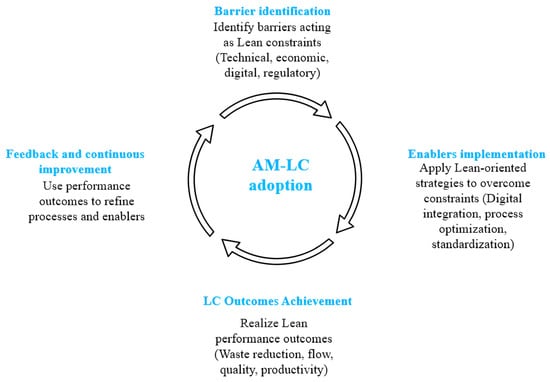
Figure 6.
Conceptual Framework for AM-LC adoption process in construction.
The cycle begins with barrier identification, where technical, economic, digital, and regulatory constraints are interpreted as Lean constraints that restrict flows, increase variability, and generate non-value-added activities throughout the construction value chain. These barriers are not treated as static obstacles but as dynamic system conditions that shape implementation strategies. The determination of these constraints will assist in identifying under which conditions value can be created in AM. Contrary to these factors posing as limitations in adopting AM technology in the industry, they are viewed as structural constraints in transforming the construction sector based on the fundamental principles constituting LC.
The enablers implementation stage represents the deployment of Lean-oriented levers for improvement—such as digital integration, process optimization, and standardization—that are positioned as coordinated mechanisms to address the identified constraints and enable more stable, predictable, and controllable production systems. Importantly, the framework emphasizes that Lean-aligned performance improvements are not derived from the introduction of AM technology alone, but rather from the degree of fit between contextual constraints and the corresponding levers for improvement. This perspective helps account for the variability in performance associated with AM adoption reported across the reviewed studies.
LC outcomes achievement captures the performance effects most frequently reported in the literature, including waste reduction, improved flow, quality enhancement, and productivity gains. These outcomes are predominantly observed at the process level and are often evaluated within controlled or pilot-scale implementations, highlighting the need for caution when extrapolating results to broader construction systems.
The feedback and continuous improvement stage underscores the iterative and evolving nature of AM–LC adoption. Performance outcomes feed back into subsequent refinements of digital workflows, cost structures, and institutional practices, reinforcing learning-based improvement and adaptive system development over time.
While individual elements of this framework are grounded in empirical observations reported in the reviewed studies, the cyclical structure and system-level interactions represent a conceptual synthesis rather than a validated causal model. The framework is therefore intended as a theory-building tool that highlights patterns, gaps, and dependencies in current research, and it points to areas where future empirical studies are needed to operationalize and test Lean-oriented AM implementation pathways.
Beyond identifying barriers, enablers, and outcomes, the proposed framework invites interpretation through the lens of Lean change theory. In particular, it raises the question of whether the adoption of AM in construction should be understood as a gradual improvement within existing production systems or as a more fundamental transformation of construction logic. Addressing this distinction is essential for explaining both the disruption observed during early AM adoption and under which conditions Lean benefits may be sustainably realized.
Based on the empirical patterns identified in the reviewed studies, the adoption and integration of AM in construction can be interpreted, in certain implementation contexts, as exhibiting characteristics analogous to a Kaikaku-type change process. The concept of Kaikaku was developed within the context of the TPS and refers to a revolutionary and disruptive transformation process aimed at changing the logic of the manufacturing system. According to Yamamoto [68], Kaikaku process seeks to fundamentally change the logic, roles, and mechanisms within the manufacturing process.
As discussed in a previous section, AM implementation often entails substantial investments in equipment, skills, digital infrastructure, and changes in the interface between design and production. Within this context, the barriers identified in this review can be interpreted as system-level constraints that typically emerge during Kaikaku-driven transformation processes.
LC theory further emphasizes that such radical transformations may initially destabilize existing production systems before performance improvements materialize [69]. In the absence of complementary Lean mechanisms, AM adoption may reproduce or even amplify wastes such as waiting, overprocessing, and defects, especially when integration between digital design, fabrication planning, and on-site execution remains limited. Within the proposed framework, enablers are therefore conceptualized not as isolated solutions, but as Lean-oriented mechanisms that support stabilization and learning based on Kaizen principles.
While the reviewed studies rarely report the explicit application of formal LC tools, several established Lean practices can be interpreted as theoretically relevant synergies that help explain how AM-enabled systems may transition from initial disruption to controlled flow. One such tool is the LPS, which focuses on enhancing production stability and reliability as a function of collaborative planning, the elimination of constraints, and commitment control [15]. In an AM environment, the LPS may support coordination across design readiness, material availability, equipment, and printing activities, thereby reducing wait times and workflow variation—two prevalent forms of waste observed in early-stage AM projects.
Takt planning can similarly be interpreted as a mechanism for synchronizing AM production volumes with other construction activities, particularly in hybrid projects where printed elements must be integrated with conventionally produced components. Rhythm and space control, as provided by the Takt System, may help address mura and muri, which often arise when AM and conventional processes are not adequately coordinated with respect to production speeds, curing times, and assembly times [70].
At the design–cost–production interface, TVD and Set-Based Design (SBD) can be viewed as mutually complementary Lean principles that align well with the design flexibility afforded by AM. TVD emphasizes upstream cost control through value-driven constraints, potentially mitigating cost overruns associated with mass customization, while SBD supports the concurrent exploration and gradual elimination of design alternatives based on performance feedback rather than premature optimization [71].
When considered with parametric modeling/simulation-driven AM processes, they effectively minimize downstream design changeovers, rework, and over-processing that further emphasize inherent product quality and right-first-time performance.
From a production and supply chain perspective, JIT methods gain significance in the context of AM-enabled construction, where the flow of materials, printing operations, and assembly activities must be closely synchronized to avoid idle time, excessive inventory, and space-related waste [71]. For both on-site and off-site AM applications, JIT may support the alignment of material delivery and printing activities with takt time.
At the organizational level, IPD can be interpreted as an enabling contractual environment that supports the collaborative behaviors required to integrate AM within a LC paradigm. By aligning incentives among designers, engineers, contractors, and technology providers, IPD may help reduce fragmentation and manage the interdependencies generated by digitally driven fabrication processes [72].
Taken together, this interpretation reinforces the understanding of AM as a component of a broader LC system rather than as a standalone technology. Kaikaku represents the initial structural disruption associated with digitally driven fabrication, while Kaizen reflects the gradual stabilization, learning, and waste reduction required for sustained performance improvement. The feedback loops shown in Figure 7 further reflect LC’s emphasis on iterative learning, whereby performance outcomes inform refinements in digital workflows, cost structures, and institutional practices over time. Accordingly, the conceptual framework presented in Figure 7 should be understood as a theory-building synthesis that illustrates how Kaikaku-driven technological disruption and Kaizen-enabled Lean mechanisms may interact over time in AM-based construction systems, rather than as a validated causal model.
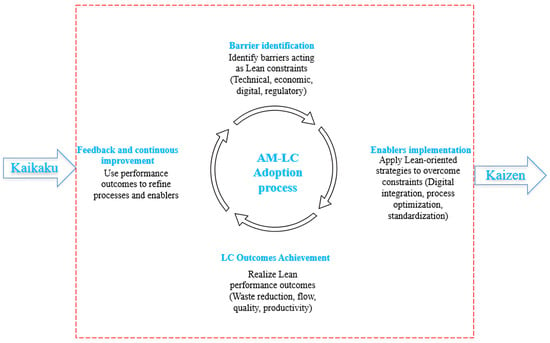
Figure 7.
The Conceptual Framework of AM-LC in construction, with Kaikaku & Kaizen interpretation.
5. Conclusions
In this paper, we have examined the role of AM in construction from an LC perspective by synthesizing evidence from 12 peer-reviewed studies. The objective was not to generalize empirical effects but to clarify how AM adoption has been interpreted and operationalized in relation to Lean principles, performance outcomes, and project delivery. The findings indicate that reported benefits—such as waste reduction, improved flow, enhanced productivity, and built-in quality—are not intrinsic to the technology itself but tend to emerge when AM is embedded within coordinated digital, organizational, and process-oriented systems aligned with Lean thinking.
A central contribution of this study lies in conceptualizing AM adoption as a system-level transformation rather than a discrete technological upgrade. By framing AM-related barriers as Lean constraints and enabling strategies as Lean-oriented improvement mechanisms, the proposed framework provides an explanation for the variability in performance outcomes reported across projects and contexts. From a theoretical perspective, this interpretation extends LC scholarship by positioning AM adoption as a Kaikaku-type transformation that requires subsequent Kaizen-based stabilization through complementary Lean mechanisms, rather than as a standalone technological intervention.
From a practical standpoint, the results suggest that successful AM implementation depends on the alignment of digital workflows, production planning, organizational routines, contractual arrangements, and regulatory conditions. Projects that introduce AM without addressing these systemic interdependencies risk reproducing or displacing waste rather than eliminating it. Conversely, when AM is governed through Lean-oriented strategies, it has the potential to support customization without proportional cost increases, reduce labor intensity, and contribute to more resilient and sustainable construction systems.
Overall, this study contributes to the emerging AM–LC literature by offering a theory-building synthesis that clarifies current patterns, limitations, and research gaps and by providing a structured conceptual basis for future empirical investigations into Lean-enabled AM implementation pathways.
6. Limitations and Future Research Directions
As with any systematic literature review, this study has several limitations that should be considered when interpreting the findings. Although the review followed PRISMA 2020 guidelines and applied a rigorous multi-stage screening and analysis protocol, the results remain contingent on the scope and characteristics of the available literature.
First, the search strategy relied on predefined keywords and database indexing, which may have excluded relevant studies employing alternative terminology or emerging descriptors related to AM and LC integration. Second, the analysis is subject to potential publication bias, as studies reporting positive or innovative outcomes are more likely to be published than those documenting neutral or unsuccessful implementations.
Third, the relatively limited number of included studies reflects both the emerging nature of construction-scale AM and the application of strict inclusion criteria aimed at ensuring conceptual relevance and analytical consistency. While this approach strengthens the depth and coherence of the synthesis, it limits the generalizability of the findings and reinforces the exploratory and theory-building character of the review.
Fourth, the review revealed that LC principles and formal Lean tools are often weakly operationalized in the existing literature. As a result, Lean alignment in many studies was inferred from reported process-level outcomes rather than assessed using standardized Lean performance metrics. This limitation reflects a structural gap in current research rather than a shortcoming of the review itself and highlights an important direction for future empirical work.
Finally, although the review includes studies published up to 2025, the rapidly evolving nature of AM technologies, regulatory frameworks, and industrial-scale applications means that recent developments may not yet be fully captured. In addition, the bibliometric analyses included in this study should be interpreted with caution due to the small sample size and were used descriptively to provide contextual insights rather than to identify stable trends.
To address these limitations, future research should prioritize system-level empirical investigations that explicitly integrate AM with LC principles, tools, and performance metrics across design, production, and organizational interfaces. Longitudinal, comparative, and multi-project studies across different delivery models and maturity levels would be particularly valuable for testing and refining the conceptual framework proposed in this study and for advancing stable, scalable, and Lean-oriented applications of construction-scale AM.
Supplementary Materials
The following supporting information can be downloaded at https://www.mdpi.com/article/10.3390/buildings16040880/s1. The PRISMA 2020 checklist; Table S1: AM different processes; AM Process; Table S2: Printed components in building construction; Table S3: Printed components in infrastructure construction; Leading authors; Prominent Institutions; Most relevant sources; Figure S1: Most relevant sources of the selected papers, generated using Bibliometrix; Figure S2: Keyword Co-Occurrence Word Cloud generated using Bibliometrix.
Author Contributions
Conceptualization, H.J., A.C. and S.K.A.; literature review, H.J., A.C. and S.K.A.; methodology, H.J., A.C. and S.K.A.; formal analysis, H.J.; investigation, H.J., A.C. and S.K.A.; software, H.J.; writing draft, H.J.; supervision, A.C. and S.K.A.; validation, H.J., A.C. and S.K.A. AI-assisted tools were used to support language editing and improvement. All analyses, interpretations, and conclusions remain the sole responsibility of the authors. All authors have read and agreed to the published version of the manuscript.
Funding
This research received no external funding.
Data Availability Statement
The dataset generated and analyzed during this study has been deposited in the Open Science Framework (OSF) repository and is currently under embargo. The data will be made publicly available upon the lifting of the embargo. During the embargo period, data access may be granted by the corresponding author upon reasonable request.
Conflicts of Interest
The authors declare no conflicts of interest.
Abbreviations
The following abbreviations are used in this manuscript:
| AM | Additive Manufacturing |
| 3DCP | Three-Dimensional Concrete Printing |
| LC | Lean Construction |
| LPS | Last Planner System |
| VSM | Value Stream Mapping |
| TVD | Target Value Design |
| IPD | Integrated Project Delivery |
| JIT | Just-in-Time |
| BIM | Building Information Modeling |
| CAD | Computer-Aided Design |
| CAM | Computer-Aided Manufacturing |
| CNC | Computer Numerical Control |
| IoT | Internet of Things |
| LCA | Life Cycle Assessment |
| CFD | Computational Fluid Dynamics |
| SBD | Set-Based Design |
| DFAB | Digital Fabrication |
| MEP | Mechanical, Electrical, and Plumbing |
| LOD | Level of Development |
Appendix A
Table A1.
Mixed Methods Appraisal Tool (MMAT) Quality Assessment of the Study.
Table A1.
Mixed Methods Appraisal Tool (MMAT) Quality Assessment of the Study.
| Paper | First Author, Year | All Studies | Qualitative Studies | Quantitative Non-Randomized | Quantitative Descriptive | Mixed Methods | Score | |||||||||||||||||
|---|---|---|---|---|---|---|---|---|---|---|---|---|---|---|---|---|---|---|---|---|---|---|---|---|
| S1 | S2 | 1.1 | 1.2 | 1.3 | 1.4 | 1.5 | 3.1 | 3.2 | 3.3 | 3.4 | 3.5 | 4.1 | 4.2 | 4.3 | 4.4 | 4.5 | 5.1 | 5.2 | 5.3 | 5.4 | 5.5 | |||
| [58] | Rui He et al., 2021 | Y | Y | C | Y | Y | N | Y | 71% | |||||||||||||||
| [59] | Khajavi et al., 2021 | Y | Y | Y | Y | Y | C | Y | 86% | |||||||||||||||
| [60] | Hassan & Alashwal, 2025 | Y | Y | Y | Y | Y | Y | NA | 100% | |||||||||||||||
| [61] | Leles da Silva et al., 2024 | Y | Y | Y | C | Y | NA | C | 67% | |||||||||||||||
| [49] | Raza et al., 2024 | Y | Y | Y | Y | Y | C | Y | 86% | |||||||||||||||
| [62] | Ng et al., 2023 | Y | Y | Y | Y | Y | Y | Y | 100% | |||||||||||||||
| [63] | Berawi et al., 2024 | Y | Y | Y | Y | Y | Y | Y | 100% | |||||||||||||||
| [64] | Yabanigül & Ozer, 2025 | Y | Y | Y | C | Y | NA | NA | 80% | |||||||||||||||
| [65] | Malykhin et al., 2025 | Y | Y | Y | Y | Y | Y | NA | 86% | |||||||||||||||
| [66] | Kromoser et al., 2025 | Y | Y | N | Y | Y | C | Y | 71% | |||||||||||||||
| [67] | Wagner et al., 2025 | Y | Y | C | Y | Y | N | Y | 71% | |||||||||||||||
| [12] | Rojas & Hasanzadeh, 2025 | Y | Y | Y | Y | Y | Y | Y | 100% | |||||||||||||||
Y: Yes, N: No, NA not applicable, C: Cannot determine. All studies—screening questions: S1: Are there clear research questions? S2: Do the collected data allow addressing the research questions? Qualitative studies: 1.1: Is the qualitative approach appropriate to answer the research question? 1.2: Are the qualitative data collection methods adequate to address the research question? 1.3: Are the findings adequately derived from the data? 1.4: Is the interpretation of results sufficiently substantiated by data? 1.5: Is there coherence between qualitative data sources, collection, analysis and interpretation? Quantitative non-randomised studies: 3.1. Are the participants representative of the target population? 3.2. Are measurements appropriate regarding both the outcome and intervention (or exposure)? 3.3. Are there complete outcome data? 3.4. Are the confounders accounted for in design and analysis? 3.5. During the study period, is the intervention administered (or exposure occurred) as intended? Quantitative descriptive studies: 4.1. Is the sampling strategy relevant to address the research question? 4.2. Is the sample representative of the target population? 4.3. Are the measurements appropriate? 4.4. Is the risk of nonresponse bias low? 4.5. Is the statistical analysis appropriate to answer the research question? Mixed methods studies: 5.1. Is there an adequate rationale for using mixed methods design to address the research question? 5.2. Are the different components of the study effectively integrated to answer the research question? 5.3. Are the outputs of the integration of qualitative and quantitative components adequately interpreted? 5.4. Are divergences and inconsistencies between quantitative and qualitative results adequately addressed? 5.5. Do the different components of the study adhere to the quality criteria of each tradition of the methods involved? [57].
References
- Andersson, T.; Ribeirinho, M.J.; Mischke, J.; Strube, G.; Sjödin, E.; Blanco, J.L.; Palter, R.; Biörck, J.; Rockhill, D. The Next Normal in Construction; Mckinsey & Company: New York, NY, USA, 2020; Available online: https://www.mckinsey.com/business-functions/operations/our-insights/the-next-normal-in-construction-how-disruption-is-reshaping-the-worlds-largest-ecosystem (accessed on 18 November 2025).
- International Labour Organization. Developing the Construction Industry for Employment-Intensive Infrastructure Investments; International Labour Organization: Geneva, Switzerland, 2019; Available online: https://www.ilo.org/sites/default/files/wcmsp5/groups/public/@ed_emp/@emp_policy/@invest/documents/publication/wcms_734235.pdf (accessed on 18 November 2025).
- Tafesse, S.; Girma, Y.E.; Dessalegn, E. Analysis of the socio-economic and environmental impacts of construction waste and management practices. Heliyon 2022, 8, e09169. [Google Scholar] [CrossRef]
- Bajjou, M.S.; Chafi, A. Exploring Causes of Wastes in the Moroccan Construction Industry; Springer: Berlin/Heidelberg, Germany, 2019; pp. 57–64. [Google Scholar] [CrossRef]
- Nguyen, T.A.; Nguyen, T.A.; Van Tran, T. Building Information Modeling (BIM) for Construction Project Schedule Management: A Review. Eng. Technol. Appl. Sci. Res. 2024, 14, 13133–13142. [Google Scholar] [CrossRef]
- Innella, F.; Arashpour, M.; Bai, Y. Lean Methodologies and Techniques for Modular Construction: Chronological and Critical Review. J. Constr. Eng. Manag. 2019, 145, 04019076. [Google Scholar] [CrossRef]
- Pan, W.; Pan, M. Rethinking lean synergistically in practice for construction industry improvements. Eng. Constr. Archit. Manag. 2023, 30, 2669–2690. [Google Scholar] [CrossRef]
- Ogunbiyi, O.; Oladapo, A.; Goulding, J. An empirical study of the impact of lean construction techniques on sustainable construction in the UK. Constr. Innov. 2014, 14, 88–107. [Google Scholar] [CrossRef]
- El Hafiane, A.; En-nadi, A.; Ramadany, M. Towards Sustainable Construction: Systematic Review of Lean and Circular Economy Integration. Sustainability 2025, 17, 6735. [Google Scholar] [CrossRef]
- Hind, J.; Anas, C.; Salaheddine, K.A.; Ab-Derrazzak, E. Advantages and Benefits of Additive Manufacturing in the Construction Industry: A Systematic Review. MATEC Web Conf. 2025, 415, 01006. [Google Scholar] [CrossRef]
- Olawumi, M.A.; Oladapo, B.I.; Ikumapayi, O.M.; Akinyoola, J.O. Science of the Total Environment Waste to wonder to explore possibilities with recycled materials in 3D printing. Sci. Total Environ. 2023, 905, 167109. [Google Scholar] [CrossRef]
- Rojas, J.; Asce, S.M.; Hasanzadeh, S.; Asce, A.M. An Integrated BIM Planning Workflow for 3D Concrete Printing Projects. J. Comput. Civ. Eng. 2025, 39, 1–21. [Google Scholar] [CrossRef]
- Ohno, T. Toyota Production System Beyond Large-Scale Production; Productivity Press: New York, NY, USA, 1978. [Google Scholar]
- Koskela, L. Application of the New Production Philosophy to Construction; Stanford University: Stanford, CA, USA, 1992; Available online: https://www.researchgate.net/profile/Lauri-Koskela-2/publication/243781224_Application_of_the_New_Production_Philosophy_to_Construction/links/5bcd97a792851cae21b8dd9a/Application-of-the-New-Production-Philosophy-to-Construction.pdf (accessed on 23 November 2025).
- Ballard, G.; Howell, G.A. Lean project management. Build. Res. Inf. 2003, 31, 119–133. [Google Scholar] [CrossRef]
- Ballard, H.G. The Last Planner System of Production Control; Faculty of Engineering of The University of Birmingham: Birmingham, UK, 2000. [Google Scholar]
- Genaidy, A.; Salem, O.; Luegring, M.; Solomon, J. Site implementation and assessment of lean construction techniques Site Implementation and Assessment of Lean Construction Techniques. Lean Constr. J. 2015, 2, 1–21. [Google Scholar]
- Dag, M.; Garg, A. Degree Project Institution for Real Estate and Building Construction Project Management Production Planning with the Last Planner System on Construction Projects in Sweden An Exploratory Case Study of Challenges and Improvement Measures Department of Real; Royal Institute of Technology, Department of Real Estate Management and Construction: Stockholm, Sweden, 2019. [Google Scholar]
- Porwal, V.; Fernández-Solís, J.; Lavy, S.; Rybkowski, Z.K. Last planner system implementation challenges. In Proceedings of the Challenging Lean Construction Thinking: What Do We Think and What Do We Know?—18th Annual Conference of the International Group for Lean Construction, IGLC 18, Haifa, Israel, 2 July 2010; pp. 548–556. [Google Scholar]
- Tayeh, B.A.; Al Hallaq, K.; Al Faqawi, A.H.; Alaloul, W.S.; Kim, S.Y. Success Factors and Barriers of Last Planner System Implementation in the Gaza Strip Construction Industry. Open Constr. Build. Technol. J. 2018, 12, 389–403. [Google Scholar] [CrossRef]
- Li, Y.; Fernandez, J. A structured literature review: Value stream mapping (VSM) in construction industry. Management 2013, 53, 123. Available online: https://files01.core.ac.uk/download/pdf/154406141.pdf (accessed on 20 November 2025).
- Gupta, S.; Jain, S.K. The 5S and kaizen concept for overall improvement of the organisation: A case study Shaman Gupta Sanjiv Kumar Jain *. Int. J. Lean Enterp. Res. 2014, 1, 22–40. [Google Scholar] [CrossRef]
- Sarhan, J.G.; Xia, B.; Fawzia, S.; Karim, A. Lean construction implementation in the Saudi Arabian construction industry. Constr. Econ. Build. 2017, 17, 46–69. [Google Scholar] [CrossRef]
- Erol, H.; Dikmen, I.; Birgonul, M.T. Measuring the impact of lean construction practices on project duration and variability: A simulation-based study on residential buildings. J. Civ. Eng. Manag. 2017, 23, 241–251. [Google Scholar] [CrossRef]
- Forcael, E.; Medina, M.; Opazo-Vega, A.; Moreno, F.; Pincheira, G. Additive manufacturing in the construction industry. Autom. Constr. 2024, 169, 105888. [Google Scholar] [CrossRef]
- Delgado Camacho, D.; Clayton, P.; O’Brien, W.J.; Seepersad, C.; Juenger, M.; Ferron, R.; Salamone, S. Applications of additive manufacturing in the construction industry—A forward-looking review. Autom. Constr. 2018, 89, 110–119. [Google Scholar] [CrossRef]
- Gardan, J.; Hedjazi, L.; Attajer, A. Additive Manufacturing in Construction: State of the Art and Emerging Trends in Civil Engineering. J. Inf. Technol. Constr. 2025, 30, 92–112. [Google Scholar] [CrossRef]
- Ghaffar, S.H.; Corker, J.; Fan, M. Additive manufacturing technology and its implementation in construction as an eco-innovative solution. Autom. Constr. 2018, 93, 1–11. [Google Scholar] [CrossRef]
- Paolini, A.; Kollmannsberger, S.; Rank, E. Additive manufacturing in construction: A review on processes, applications, and digital planning methods. Addit. Manuf. 2019, 30, 100894. [Google Scholar] [CrossRef]
- Pasco, J.; Lei, Z.; Aranas, C. Additive Manufacturing in Off-Site Construction: Review and Future Directions. Buildings 2022, 12, 53. [Google Scholar] [CrossRef] [PubMed]
- Labonnote, N.; Rønnquist, A.; Manum, B.; Rüther, P. Additive construction: State-of-the-art, challenges and opportunities. Autom. Constr. 2016, 72, 347–366. [Google Scholar] [CrossRef]
- Al Rashid, A.; Khan, S.A.; Al-Ghamdi, S.G.; Koç, M. Additive manufacturing: Technology, applications, markets, and opportunities for the built environment. Autom. Constr. 2020, 118, 103268. [Google Scholar] [CrossRef]
- Placzek, G.; Schwerdtner, P. Concrete Additive Manufacturing in Construction: Integration Based on Component-Related Fabrication Strategies. Buildings 2023, 13, 1769. [Google Scholar] [CrossRef]
- Hamidi, F.; Aslani, F. Additive manufacturing of cementitious composites: Materials, methods, potentials, and challenges. Constr. Build. Mater. 2019, 218, 582–609. [Google Scholar] [CrossRef]
- Capasso, I.; Andreacola, F.R.; Brando, G. Additive Manufacturing of Metal Materials for Construction Engineering: An Overview on Technologies and Applications. Metals 2024, 14, 1033. [Google Scholar] [CrossRef]
- Wolf, A.; Rosendahl, P.L.; Knaack, U. Additive manufacturing of clay and ceramic building components. Autom. Constr. 2022, 133, 103956. [Google Scholar] [CrossRef]
- Lim, S.; Buswell, R.A.; Le, T.T.; Austin, S.A.; Gibb, A.G.F.; Thorpe, T. Developments in construction-scale additive manufacturing processes. Autom. Constr. 2012, 21, 262–268. [Google Scholar] [CrossRef]
- Kantaros, A.; Petrescu, F.I.T.; Brachos, K.; Ganetsos, T.; Petrescu, N. Leveraging 3D Printing for Resilient Disaster Management in Smart Cities. Smart Cities 2024, 7, 3705–3726. [Google Scholar] [CrossRef]
- Cataldi, P.; Liu, M.; Bissett, M.; Kinloch, I.A. A Review on Printing of Responsive Smart and 4D Structures Using 2D Materials. Adv. Mater. Technol. 2022, 7, 2200025. [Google Scholar] [CrossRef]
- Jeong, H.Y.; An, S.C.; Lim, Y.; Jeong, M.J.; Kim, N.; Jun, Y.C. 3D and 4D printing of multistable structures. Appl. Sci. 2020, 10, 7254. [Google Scholar] [CrossRef]
- Budzik, G.; Tomaszewski, K.; Soboń, A. Opportunities for the Application of 3D Printing in the Critical Infrastructure System. Energies 2022, 15, 1656. [Google Scholar] [CrossRef]
- MacDonald, E.; Wicker, R. Multiprocess 3D printing for increasing component functionality. Science 2016, 353, aaf2093. [Google Scholar] [CrossRef] [PubMed]
- Lee, J.Y.; An, J.; Chua, C.K. Fundamentals and applications of 3D printing for novel materials. Appl. Mater. Today 2017, 7, 120–133. [Google Scholar] [CrossRef]
- Jandyal, A.; Chaturvedi, I.; Wazir, I.; Raina, A.; Ul Haq, M.I. 3D printing—A review of processes, materials and applications in industry 4.0. Sustain. Oper. Comput. 2022, 3, 33–42. [Google Scholar] [CrossRef]
- Bos, F.; Wolfs, R.; Ahmed, Z.; Salet, T. Additive manufacturing of concrete in construction: Potentials and challenges of 3D concrete printing. Virtual Phys. Prototyp. 2016, 11, 209–225. [Google Scholar] [CrossRef]
- Buswell, R.A.; Leal de Silva, W.R.; Jones, S.Z.; Dirrenberger, J. 3D printing using concrete extrusion: A roadmap for research. Cem. Concr. Res. 2018, 112, 37–49. [Google Scholar] [CrossRef]
- Khoshnevis, B. Automated construction by contour crafting—Related robotics and information technologies. Autom. Constr. 2004, 13, 5–19. [Google Scholar] [CrossRef]
- Sacks, R.; Koskela, L.; Dave, B.A.; Owen, R. Interaction of lean and building information modeling in construction. J. Constr. Eng. Manag. 2010, 136, 968–980. [Google Scholar] [CrossRef]
- Raza, M.H.; Besklubova, S.; Zhong, R.Y. Economic analysis of offsite and onsite 3D construction printing techniques for low-rise buildings: A comparative value stream assessment. Addit. Manuf. 2024, 89, 104292. [Google Scholar] [CrossRef]
- Feldmann, F.G. Towards Lean Automation in Construction—Exploring Barriers to Implementing Automation in Prefabrication. Sustainability 2022, 14, 12944. [Google Scholar] [CrossRef]
- Sacks, R.; Radosavljevic, M.; Barak, R. Requirements for building information modeling based lean production management systems for construction. Autom. Constr. 2010, 19, 641–655. [Google Scholar] [CrossRef]
- Mogaji, I.J.; Mewomo, M.C.; Toyin, J.O. Key Barriers to the Adoption of 3D Printing Innovation in Construction: A Review of Empirical Studies. In Proceedings of the International Conference on Construction in the 21st Century, Arnhem, The Netherlands, 8–11 May 2023. [Google Scholar]
- AlBalkhy, W.; Valera, E.H.; Karmaoui, D.; Lafhaj, Z.; Linner, T.; Ayadi, S.; Zerrari, R.; Boutabba, A. Motives and Barriers for Offsite and Onsite Construction 3D Printing. In Proceedings of the International Symposium on Automation and Robotics in Construction, Lille, France, 3–5 June 2024; Isarc: Odense, Denmark, 2024; pp. 1190–1197. [Google Scholar] [CrossRef]
- Strohle, M.; Sadique, M.; Dulaimi, A.; Kadhim, M.A. Prospect and barrier of 3D concrete: A systematic review. Innov. Infrastruct. Solut. 2023, 8, 21. [Google Scholar] [CrossRef]
- Rethlefsen, M.L.; Page, M.J. PRISMA 2020 and PRISMA-S: Common questions on tracking records and the flow diagram. J. Med. Libr. Assoc. 2022, 110, 253–257. [Google Scholar] [CrossRef]
- Hong, Q.; Pierre, P.; Sergi, F.; Gillian, B.; Felicity, B.; Margaret, C.; Pierre, D.; Marie-Pierre, G.; Frances, G.; Belinda, N.; et al. Mixed Methods Appraisal Tool (MMAT), Version 2018. Registration of Copyright (#1148552); McGill: Montréal, QC, Canada, 2018; pp. 1–11. Available online: http://mixedmethodsappraisaltoolpublic.pbworks.com/w/page/24607821/FrontPage (accessed on 27 November 2025).
- Alhawamdeh, M.; Lee, A. Towards Sustainable Construction in China: A Systematic Review of Barriers to Offsite Methods. Buildings 2025, 15, 3299. [Google Scholar] [CrossRef]
- He, R.; Li, M.; Gan, V.J.L.; Ma, J. BIM-enabled computerized design and digital fabrication of industrialized buildings: A case study. J. Clean. Prod. 2021, 278, 123505. [Google Scholar] [CrossRef]
- Khajavi, S.H.; Tetik, M.; Mohite, A.; Peltokorpi, A.; Li, M.; Weng, Y. Additive Manufacturing in the Construction Industry: The Comparative Competitiveness of 3D Concrete Printing. Appl. Sci. 2021, 11, 3865. [Google Scholar] [CrossRef]
- Hassan, N.M.; Alashwal, A. Developing a model for the implementation of designing out waste in construction. Archit. Eng. Des. Manag. 2025, 21, 154–170. [Google Scholar] [CrossRef]
- Douglas, M.; Fernanda, L.; Martins, B.; Cristina, L.; Herek, S. Building a sustainable future: The role of additive manufacturing in civil construction. Case Stud. Constr. Mater. 2024, 20, e02976. [Google Scholar] [CrossRef]
- Ng, M.S.; Hall, D.M.; Hsieh, S.-H. Liability Factors and Conceptual Framework for Contracts to Manage Design for Digital Fabrication in Construction Projects. J. Leg. Aff. Disput. Resolut. Eng. Constr. 2023, 15, 04522043. [Google Scholar] [CrossRef]
- Berawi, M.A.; Sari, M.; Oktaviani, A.D.; Miraj, P.; Susantono, B.; Woodhead, R. Impact of BIM and 3D printing technologies on production process and productivity of precast concrete in construction project. Int. J. Constr. Manag. 2024, 25, 650–660. [Google Scholar] [CrossRef]
- Yabanigül, M.N.; Gulec Ozer, D. Exploring Architectural Units Through Robotic 3D Concrete Printing of Space-Filling Geometries. Buildings 2024, 15, 60. [Google Scholar] [CrossRef]
- Malykhin, M.; Dvornichen, I.; Ziakhor, D.; Tugay, A.; Dubynka, O. Assessment of The Development Project Management Efficiency Under Conditions of Uncertainty. Int. J. Account. Econ. Stud. 2025, 12, 392–401. [Google Scholar] [CrossRef]
- Kromoser, B.; Gappmaier, P.; Ahmed, I.; Reichenbach, S. Case Studies in Construction Materials Circular economy in concrete construction through modular construction, automated design and production of structurally optimised reusable concrete building components. Case Stud. Constr. Mater. 2025, 23, e05139. [Google Scholar] [CrossRef]
- Silva, M.; Figueiredo, B.; Cruz, P.J.S.; Wagner, G. A novel and flexible approach to modeling the additive manufacturing extrusion of cementitious materials. J. Manuf. Process. 2025, 151, 1081–1094. [Google Scholar] [CrossRef]
- Yamamoto, Y. Kaikaku in Production in Japan: An Analysis of Kaikaku in Terms of Ambidexterity; Springer: Berlin/Heidelberg, Germany, 2017. [Google Scholar] [CrossRef]
- Koskela, L. An Exploration Towards a Production Theory and Its Application to Construction; VTT Publications: Espoo, Finland, 2000. [Google Scholar]
- Frandson, A.; Berghede, K.; Tommelein, I.D. Takt Time Planning for Construction of Exterior Cladding. In Proceedings of the 21st Annual Conference of the International Group for Lean Construction, Fortaleza, Brazil, 29 July–2 August 2013; Volume 1, pp. 527–536. [Google Scholar]
- Aslam, M.; Gao, Z.; Smith, G. Integrated implementation of Virtual Design and Construction (VDC) and lean project delivery system (LPDS). J. Build. Eng. 2021, 39, 102252. [Google Scholar] [CrossRef]
- Kent, D.C.; Asce, S.M.; Becerik-gerber, B.; Asce, A.M. Understanding Construction Industry Experience and Attitudes toward Integrated Project Delivery. J. Constr. Eng. Manag. 2010, 136, 815–825. [Google Scholar] [CrossRef]
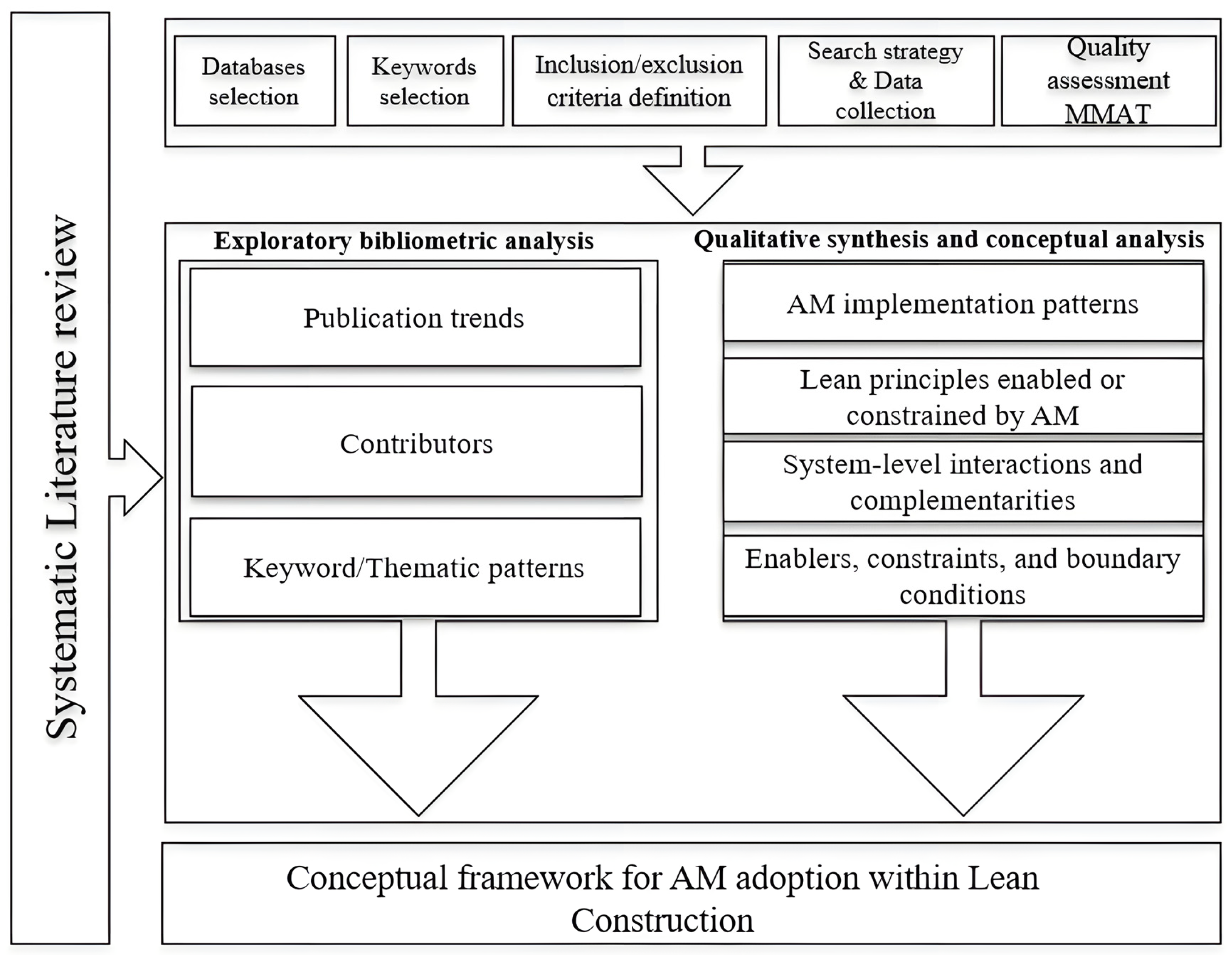
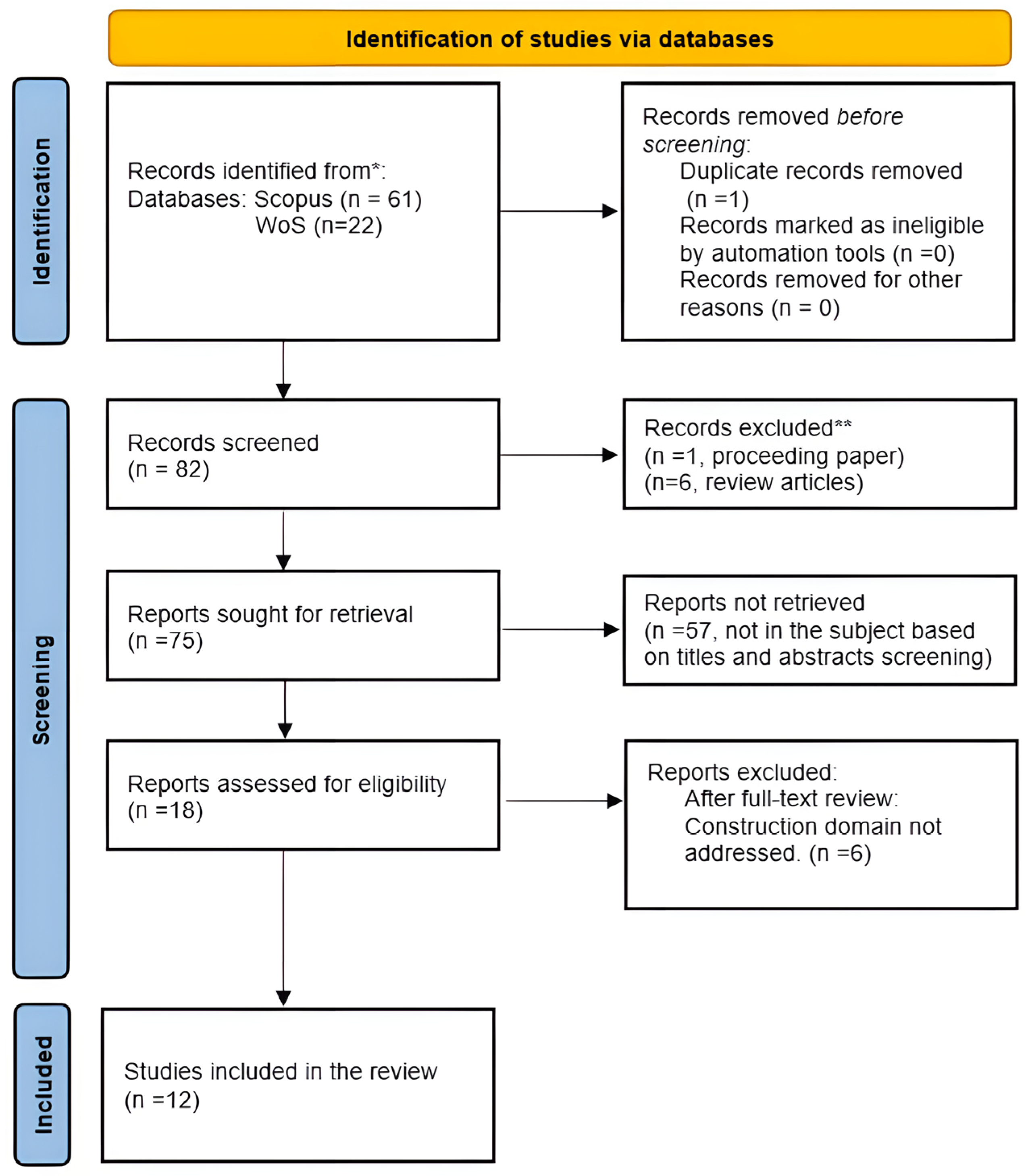
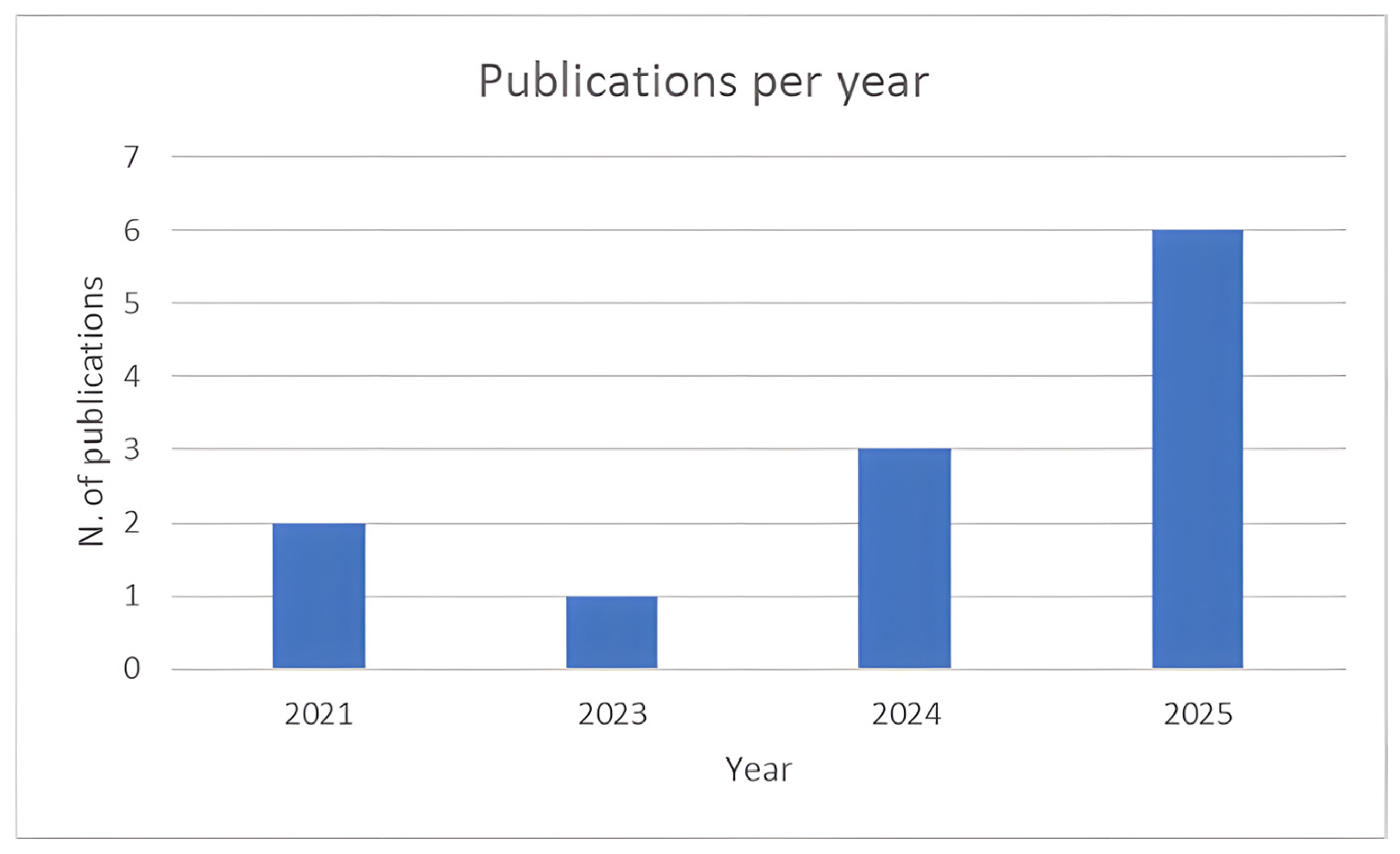
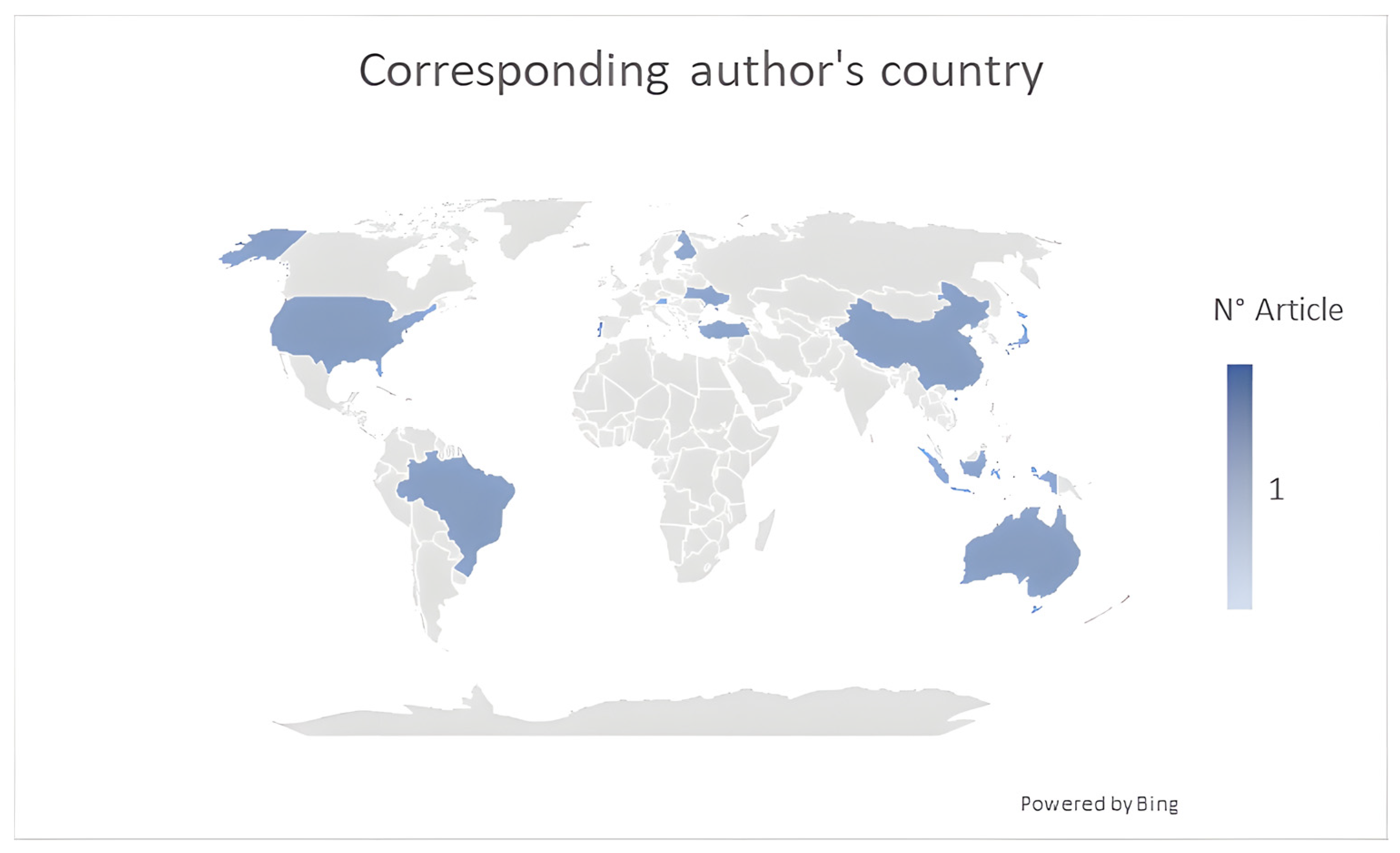
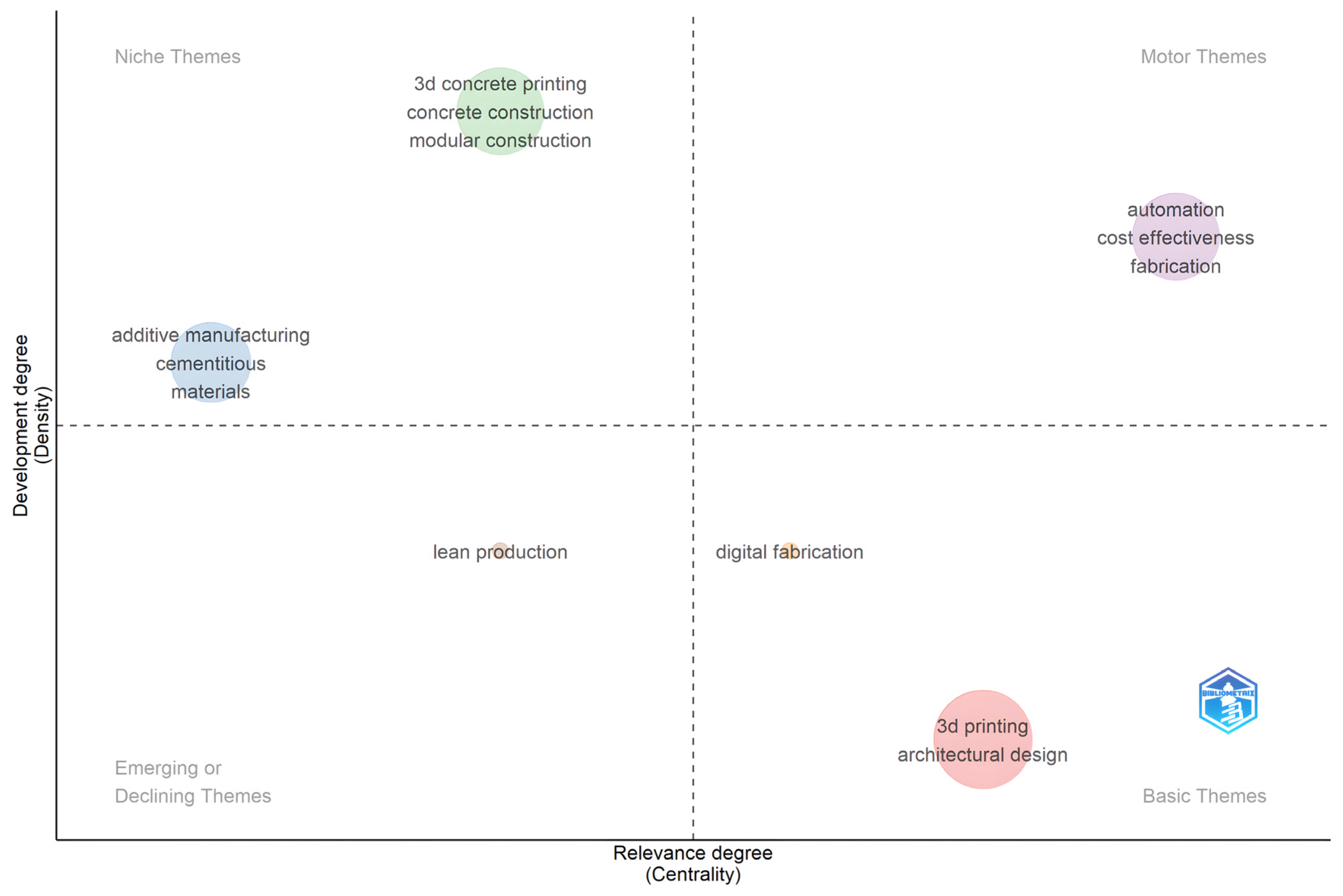
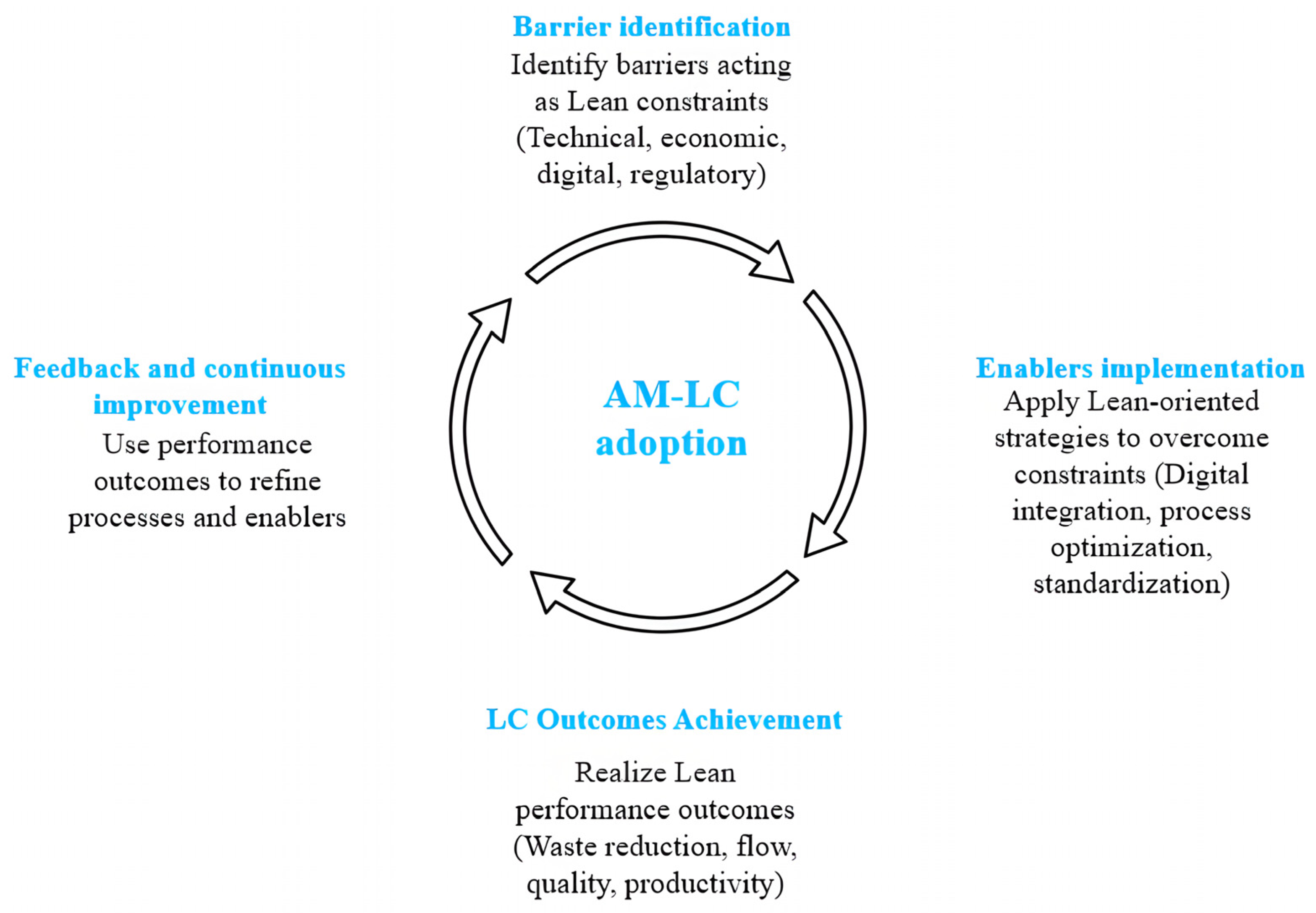
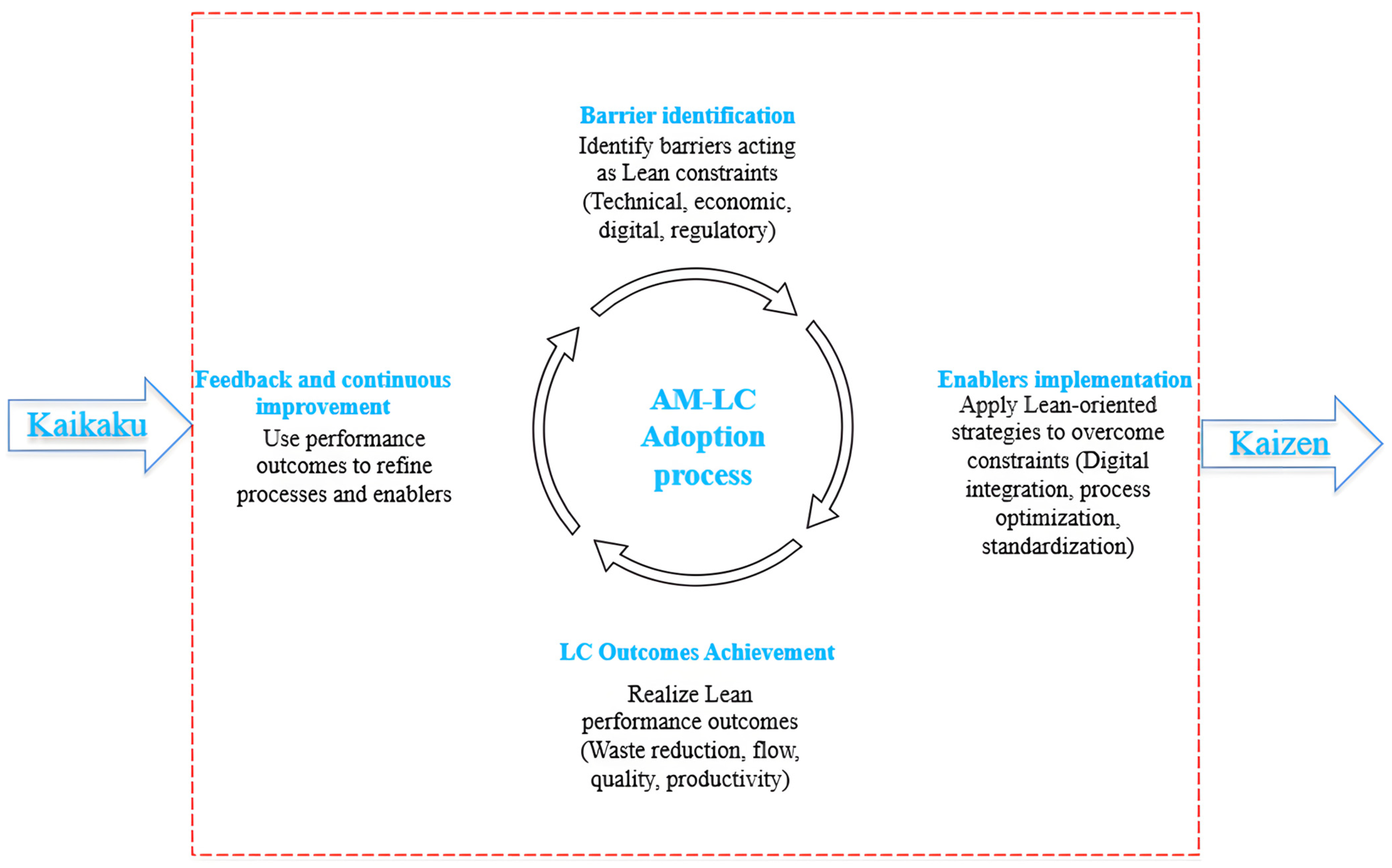
Disclaimer/Publisher’s Note: The statements, opinions and data contained in all publications are solely those of the individual author(s) and contributor(s) and not of MDPI and/or the editor(s). MDPI and/or the editor(s) disclaim responsibility for any injury to people or property resulting from any ideas, methods, instructions or products referred to in the content. |
© 2026 by the authors. Licensee MDPI, Basel, Switzerland. This article is an open access article distributed under the terms and conditions of the Creative Commons Attribution (CC BY) license.