


Abstract
Post-disaster reconstruction in resource-constrained contexts is often delayed by limited material supply, skilled labor, and planning capacity. Following the Mw 7.7 earthquake that struck near Mandalay, Myanmar, in March 2025, extensive housing damage and displacement underscored the need for economical and rapidly constructible reconstruction housing that can also support longer-term recovery. This study proposes a progressive and resident-modifiable housing scheme based on light-gauge steel framing, integrating the seismic design principle of strong-column–weak-beam to improve structural reliability during aftershocks and future events. The proposed system combines a standardized light-gauge steel framing (LGSF) structural frame with locally accessible enclosure and infill materials, allowing rapid assembly of an initial modular unit to meet urgent shelter needs while enabling progressive upgrading of façades and interior space over time to enhance habitability and resilience. Validation analyses focusing on construction efficiency and mechanical performance indicate that the strong-column–weak-beam LGSF scheme, when paired with local materials, offers favorable applicability in terms of buildability, cost-effectiveness, and seismic behavior under realistic conditions in Mandalay. The study provides a feasible technical solution and design approach for progressive post-disaster reconstruction housing in the region.
1. Introduction
Numerous natural disasters have occurred throughout human history, causing extensive casualties and economic losses that have profoundly affected human society [1,2,3]. Compared with developed countries, disasters exert a greater impact on the built environment of developing countries [4,5], with underdeveloped countries being the most severely affected [6]. When confronted with disasters, these countries commonly face more severe post-disaster reconstruction challenges due to insufficient funding, ineffective material coordination, and inadequate reconstruction planning [7]. As a result, many disaster-affected residents whose houses were damaged remain displaced for prolonged periods after disasters [8], making it difficult for affected regions to advance recovery processes. Against this backdrop, exploring how underdeveloped countries can effectively carry out post-disaster housing reconstruction under limited economic and policy conditions through practical solutions has become an urgent core issue. Myanmar, an underdeveloped country located in a seismically active region of the Alpine–Himalayan belt, has long been threatened by moderate to strong earthquakes [9]. In particular, the M7.7 earthquake that struck Mandalay on 28 March 2025 resulted in severe casualties and substantial economic losses [10]. However, constrained by prolonged internal conflict and frequent post-earthquake aftershocks, the government has been unable to provide sufficient financial support, and affected populations have struggled to restore their livelihoods. Consequently, several months after the earthquake, a large number of residents still live in temporary shelters [11]. This harsh reality reflects the structural challenges commonly faced by underdeveloped countries and highlights the urgent need to explore feasible post-disaster housing reconstruction strategies that can adapt to limited economic and policy conditions. Therefore, studying post-disaster reconstruction solutions for the Mandalay disaster area is of critical significance for promoting recovery in underdeveloped countries.
Under stringent economic constraints, numerous successful reconstruction practices targeting underdeveloped regions have emerged internationally for reference. Among them, low-technology approaches relying on local materials and traditional craftsmanship are highly regarded for their broad applicability, such as Yasmeen Lari’s post-earthquake guidance in Pakistan to rebuild using bamboo, timber, mud, and stone [12], and Shigeru Ban’s use of paper tubes for transitional shelter in places such as Rwanda [13]; these practices demonstrate that leveraging locally available resources can substantially reduce costs and foster community participation. However, while such approaches perform excellently in emergency shelter provision and cost control, their long-term residential comfort and durability often fall short of the standards for permanent housing due to the intrinsic physical properties of the materials. Consequently, an important trend has been to explore how to combine the affordability of locally accessible materials with the advantages of modern structural systems to form higher-quality post-disaster reconstruction solutions. Against this backdrop, light-gauge steel framing, with its industrialized production, standardized assembly, and ease of transportation, has become an ideal vehicle for achieving this integration. This system was validated after World War II as a response to large-scale housing shortages. In its subsequent global evolution, the light-gauge steel framing (LGSF) system differentiated into distinct technological lineages to address specific regional constraints, providing a solid foundation for this study. The North American system, as the prototype of modern LGSF, is characterized by on-site construction methods based on standardized components, offering high universality and adaptability for field implementation. In Europe, the technological focus shifted toward environmental performance by integrating advanced thermal-break detailing to ensure energy efficiency and insulation performance in high-latitude cold regions. In contrast, the Australian system pioneered a fully digital manufacturing mode using high-strength thin-walled steel, a widely adopted solution specifically designed to withstand structural loads in coastal high-wind zones. To address the challenges of high-density urbanization and frequent earthquakes, the Japanese system developed sophisticated unit modularization techniques and incorporated structural dampers and sliding-joint designs to effectively accommodate interstory drift and dissipate seismic energy. These diverse global practices collectively demonstrate the structural versatility and substantial potential of light-gauge steel framing in responding to varied environmental challenges. Accordingly, within the specific context of post-disaster reconstruction in China and some underdeveloped countries, the practical explorations of architects such as Zhu Jingxiang and Hsieh Ying-chun have further expanded the applicability of this system, emphasizing rapid assembly and collaborative building modes under resource-constrained conditions. Drawing on the logic of the structural members of the Chuandou (column-and-tie) timber frame system, Hsieh Ying-chun optimized connection detailing and construction sequencing for light-gauge steel framing, pioneeringly verifying its feasibility in low-technology settings and successfully balancing low cost with rapid delivery in the reconstructions following Taiwan’s 1999 Chi-Chi earthquake and the Wenchuan earthquake [14]. Zhu Jingxiang’s Xinya (New Bud) system, developed on the basis of light-gauge steel framing, further validated the feasibility of rapid construction in low-budget, transportation-inaccessible regions [15]. These pioneering practices indicate that integrating industrialized light-gauge steel framing with low-cost, locally accessible materials constitutes a highly promising technical pathway.
However, within the specific context of post-disaster reconstruction in Mandalay, this integrative model still requires further evolution. Although the aforementioned low-technology approaches perform excellently in cost control, responses to persistent hazard threats should not be confined to a single structural logic. The key challenge lies in how to retain the affordability and constructability demonstrated by these pioneering practices while meeting higher standards of post-disaster resilience through targeted optimization of the structural system. Therefore, when applying light-gauge steel framing in the Mandalay region, it is necessary to re-evaluate the balance between technological complexity and local adaptability, thereby exploring a sustainable reconstruction pathway aligned with the area’s specific characteristics.
However, although the aforementioned pioneering practices have preliminarily demonstrated the potential of integrating modern structural systems with locally accessible materials, existing academic research has not yet developed a systematic theoretical response to this comprehensive pathway, instead exhibiting a tendency toward independent and vertically specialized development across disciplines. For example, in the field of post-disaster reconstruction, a large body of research has focused on rapid construction technologies and long-term resilience enhancement. Studies by Yatmo et al. (2021), Jafari (2023), and Abdur (2024) have explored the application of modular prefabricated systems for rapid post-disaster shelter provision [16,17,18]. Liang et al. (2025) proposed an emergency construction approach based on mobile 3D printing technology [19]. With regard to resilience and sustainability, Biswas (2020), Hadlos (2024), and Shrestha (2025) evaluated the role of different sheltering models in supporting community resilience [20,21,22]. In the field of low-technology construction, rather than relying on traditional pathways grounded in local craftsmanship, the existing studies have increasingly emphasized reducing on-site technical thresholds through modern industrialized methods. For instance, Albright’s (2017) Sim[PLY] framing system and Snell’s (2018) “plug-and-play” components demonstrated that digital prefabrication and standardized connections can simplify construction processes and enable participation by non-professional builders [23,24]. Research on demountable modules by Errante and De Capua (2021) further enriched the theoretical foundation of this field [25]. In contrast, studies on light-gauge steel framing have largely concentrated on engineering mechanics and performance evaluation. Numerous scholars have examined its structural resistance under hazard conditions, including experimental investigations into fire resistance limits under different configurations by Ariyanayagam et al. (2017, 2019) and Pancheti and Mahendran (2021) [26,27,28]. Alembagheri et al. (2021), Kishiki et al. (2022), and Navarro et al. (2024) systematically assessed the dynamic characteristics and seismic applicability limits of this structural system [29,30,31]. At the component level, Liu et al. (2022) and Ringas et al. (2025) also provided detailed parametric analyses of mechanical behavior [32,33].
In summary, existing studies have established a solid theoretical foundation in post-disaster reconstruction strategies, low-technology construction methods, and the structural performance of light-gauge steel framing; however, current research has largely focused on in-depth exploration within individual technical domains, while systematic integration and context-sensitive adaptation of modern structural systems with locally accessible materials remain insufficiently addressed. This limitation primarily stems from the substantial differences in disaster risks, regional conditions, and reconstruction resources across different areas, which render standardized design strategies based on universal industrial logic difficult to apply through simple technological transfer to complex and dynamic reconstruction contexts, thereby lacking a design methodology capable of deeply integrating modern technologies with local characteristics in a context-specific manner. Nevertheless, in post-disaster reconstruction, housing design should fundamentally return to the real conditions of the affected areas and the actual needs of disaster victims, because in underdeveloped countries and regions, post-disaster housing is not merely a basic shelter but also a core carrier for livelihood recovery [34], and its construction model is directly linked to the restoration of productivity among affected populations. In response to this research gap, this study aims to propose a low-technology, low-cost post-disaster housing solution that integrates modern light-gauge steel framing technology with locally accessible materials. The primary objective is to develop a design approach that fundamentally aligns with post-disaster resilience requirements, thereby providing a feasible pathway for rapid reconstruction and long-term resilience in underdeveloped regions. Based on this research objective, the study will focus on the following three core research questions:
- What specific environmental constraints and resource limitations does post-disaster reconstruction in the Mandalay region face, and what key design principles should guide housing design in response to these conditions?
- How can modern light-gauge steel framing be effectively integrated with locally accessible materials in Mandalay to generate a housing design solution that is well adapted to the local context?
- What benefits does the proposed design solution offer in terms of post-disaster reconstruction outcomes and long-term post-disaster resilience?
Therefore, to address the aforementioned research questions and to systematically explore post-disaster housing solutions suitable for underdeveloped regions, this study integrates light-gauge steel framing with locally accessible materials, with a focus on developing a low-technology, low-cost design scheme for post-disaster reconstruction in Mandalay and assessing its applicability and benefits under specific disaster environments, climatic conditions, and multiple constraints. Section 2 will present the basic information of the Mandalay disaster-affected area and the specific research methods employed, which are mainly divided into architectural design approaches and methods for validating mechanical performance. Section 3 will analyze the urban context of Mandalay through a combination of literature review and field investigation to identify the key constraints affecting post-disaster housing design, and, together with representative case analyses, will employ inductive and deductive reasoning to distill low-technology, low-cost design strategies adapted to local conditions. Section 4 will develop a specific post-disaster housing design scheme based on the aforementioned strategies, employ relevant software to generate precise production data for quantitative construction cost estimation, and conduct mechanical performance analyses by placing the design within simulated environments of high-intensity earthquakes and specific climatic conditions in Mandalay, thereby verifying its applicability and benefits in post-disaster reconstruction practice and ultimately drawing research conclusions.
2. Materials and Methods
Based on the post-disaster reconstruction needs following the major earthquake that struck Myanmar on 28 March 2025, this study selects Mandalay City, the capital of Mandalay Region, as the research focus. As the second-largest city in Myanmar and an economic and cultural center of the Ayeyarwady River basin, Mandalay is not only a key regional transportation hub but also accommodates a high density of population and urban development activities. Geographically, Mandalay is located in the core of Myanmar’s central dry zone, with the main urban area situated on the eastern bank of the Ayeyarwady River (Figure 1). This plain region is geologically positioned along the Sagaing Fault at the boundary between the Indian Plate and the Sunda Plate. Its unique tectonic setting and climatic characteristics give rise to an extremely complex hazard environment in the region [35]. First, due to its proximity to an active fault zone, the city must constantly contend with the potential threat of high-intensity earthquakes. In addition, as a typical semi-arid climatic zone, Mandalay exhibits pronounced seasonal variation between dry and rainy periods and significant temperature extremes. During the prolonged dry season lasting up to half a year, the climate is extremely hot and arid, posing severe challenges related to drought and thermal insulation for the built environment. Meanwhile, because the main urban area lies on a low-lying alluvial plain along the eastern bank of the Ayeyarwady River, combined with concentrated rainfall and monsoonal influences during the rainy season, the region is highly susceptible to river flooding and urban waterlogging. In summary, the alternating occurrence of extreme climatic conditions characterized by hot and arid dry seasons and storm- and flood-prone rainy seasons, together with the severe regional seismic risk, collectively constitute a compound hazard environment in this area. These natural hazard threats not only define the inherent vulnerability of the site but also serve as fundamental guiding principles and practical premises that post-disaster housing design must adhere to.
Figure 1.
Location map of Mandalay.
Based on the hazard context and reconstruction needs described above, this study developed the technical workflow shown in Figure 2, which follows a progressive sequence from integrated analysis to technical validation. The first stage focuses on preliminary investigation and strategy generation: key design determinants are identified through site analysis in Mandalay, design approaches are then distilled through case studies, and the two are integrated into targeted design strategies to guide the development of an initial architectural scheme. The second stage involves system construction and structural refinement, in which the initial scheme is further translated into a three-dimensional light-gauge steel framing model suitable for numerical simulation. The third stage comprises compliance checking and performance evaluation, where mechanical tests are conducted on the model in a simulation environment in accordance with relevant building codes and standards. Throughout the study, a rigorous iterative optimization logic is embedded, whereby any scheme that fails to pass performance validation is traced back to earlier stages for parameter adjustment until full compliance is achieved and the final design is produced.
Figure 2.
Methodology diagram.
With regard to structural performance evaluation, this study primarily employs the finite element method (FEM) for computational verification. In light of the more stringent seismic design standards promulgated by the Ministry of Construction of the Republic of the Union of Myanmar following the 28 March 2025 earthquake, the simulations strictly adhere to the post-earthquake revised MNBC 2025 [36], while also referencing international standards such as ASCE 7 [37] and AISI S100 [38], with calculations conducted using the 3D3S 2024 software. To ensure that the simulations realistically reproduce the loading conditions of the Mandalay site, calculation parameters are defined in accordance with relevant codes, including values for dead loads, live loads, wind loads, and seismic actions (Table 1).
Table 1.
Calculation condition settings.
After establishing the boundary conditions for the aforementioned load parameters, the next step is to define quantitative criteria for assessing structural safety; accordingly, this study specifies the models and governing equations for each core verification index (Table 2).
Table 2.
Structural Verification Criteria.
Subsequently, based on the established criteria, the study must further conduct a dedicated verification of global structural stability to evaluate the structure’s overall capacity to resist overturning, sliding, and uplift risks under extreme conditions. According to the MNBC 2025 provisions on actions for resistance checks, the load combination most unfavorable to structural stability should be adopted as the basis for assessment. For overturning and uplift stability, a support-reaction verification method is used, with the criterion that the maximum uplift reaction obtained from finite element analysis must be less than the design resistance of the nodal hold-down connector. For sliding stability, the total horizontal base shear at the bottom of the structure must not exceed the sum of the shear resistances of all column-base anchor bolts, thereby ensuring the reliability of the structure–foundation connection.
In summary, all research activities in this chapter follow a clearly defined sequence and progressive logic. Starting from the practical needs of post-disaster reconstruction in Mandalay, Myanmar, the study sequentially advanced a design process from literature review, site investigation, and parameter extraction to strategy integration and scheme generation. Subsequently, to verify the scheme’s physical applicability and structural safety, the study established load parameters and verification benchmarks in accordance with MNBC 2025 and relevant international standards (ASCE 7 and AISI S100), and conducted numerical simulation and compliance checking using structural analysis software. In this way, a closed-loop workflow linking qualitative design with quantitative verification was achieved, providing a methodological foundation for the analyses, scheme presentation, and result validation in subsequent chapters.
3. Analysis of the Urban Context of Mandalay and Design Strategies
3.1. Urban Context and Environmental Risk Assessment
3.1.1. Geographical Conditions and Climatic Characteristics of Mandalay
This study focuses on post-disaster housing design in the disaster-affected area of Mandalay, Myanmar. Mandalay is located in the core of Myanmar’s central dry plain region (21°58′ N, 96°05′ E), with the main urban area situated on the eastern bank of the Ayeyarwady River at an average elevation of approximately 80 m, characterized by generally flat terrain and a distinctive semi-arid climate formed by the rain-shadow effect of the Rakhine Mountains to the west (Figure 1). The regional climate is marked by persistently high temperatures throughout the year and a clear distinction between dry and rainy seasons (Figure 3). The dry season extends from November to April of the following year, with relatively mild conditions from November to February, while March and April become extremely hot and arid, with an average temperature of 28.2 °C and historical maximum temperatures reaching up to 48 °C. The rainy season lasts from May to October and is characterized by highly concentrated and extreme seasonal precipitation. In addition, although located in an inland basin, Mandalay does not experience a uniformly mild wind environment; according to the stringent wind-resistance requirements stipulated in the revised MNBC 2025, the region is frequently subject to highly destructive seasonal strong winds and thunderstorms during monsoon transition periods and throughout the rainy season. This complex climatic pattern—marked by alternating extreme heat and aridity with seasonal strong winds and heavy rainfall—poses multiple challenges to the physical performance of buildings. Consequently, post-disaster housing design in Mandalay must not only establish robust wind-resistant and rainproof systems to meet high-standard load requirements specified by codes, but also employ passive design strategies during the hot dry season to promote natural ventilation and mitigate thermal stress in extreme heat conditions.
Figure 3.
Statistics of temperature and rainfall in Mandalay (source: adapted from the World Meteorological Organization).
3.1.2. Natural Hazard Threats in Mandalay
Mandalay’s geographical location is distinctive, as the city is situated along the Sagaing Fault and in close proximity to the Ayeyarwady River, rendering it persistently exposed to natural hazards such as earthquakes and flooding. Among these threats, earthquakes constitute the most significant hazard, as the Sagaing Fault zone has experienced frequent destructive seismic activity throughout history [9], most notably the Mw 7.7 earthquake that occurred on 28 March 2025. The epicenter of this earthquake was located approximately 16 km from the center of Mandalay, and continuous aftershocks following the main event led to extensive building collapse and substantial casualties. According to records from the United States Geological Survey (USGS), a total of 227 aftershocks had occurred following the Mandalay Mw 7.7 earthquake by September 4, with the largest aftershock reaching a magnitude of Mw 6.7. Statistics released by relevant authorities in Myanmar indicate that the earthquake resulted in at least 3821 fatalities, 5104 injuries, and 5 missing persons. In addition, approximately 500,000 people were directly affected, with more than 11,918 residential buildings collapsing nationwide and 69,717 buildings sustaining varying degrees of damage [10]. To this day, residents of Mandalay continue to live under the persistent shadow of seismic risk. Flooding represents another common natural hazard in Mandalay, as the city’s proximity to the Ayeyarwady River, its flat topography, and the pronounced seasonality of precipitation mean that short-duration intense rainfall during the rainy season often triggers rapid river level rise and urban inundation. Such flood events frequently cause damage to housing and disrupt residents’ livelihoods. In summary, given the long-term exposure of Mandalay to multiple natural hazards, post-disaster housing design should not only ensure basic shelter functions but also provide residents with a living environment capable of coexisting with persistent risks, making the application of effective seismic- and flood-resilient design strategies critically important.
3.1.3. Characteristics of Existing Residential Buildings in Mandalay
As the last royal capital of the Konbaung Dynasty, Mandalay was founded by King Mindon in 1857, and its rigorous tradition of historical land-use planning established a regular grid-based urban system [39]. Although rapid urbanization has left few traditional residential buildings in the urban core, scattered examples remain in the western suburbs (Figure 4, where field visits and survey measurements indicate that extant vernacular houses strictly adhere to two modules—20 × 20 ft and 20 × 40 ft—an instance of standardization that directly reflects the influence of the grid-planning regime. Because the area is adjacent to water bodies and is vulnerable to seasonal flooding during the monsoon, local vernacular dwellings are commonly built as stilt houses, with the main structure typically constructed of bamboo or timber and load-bearing posts anchored to concrete plinths, a building form widely used in flood-prone regions of Myanmar [40]. Functionally, the elevated ground-level space serves as a multifunctional composite zone for animal keeping, storage, and household production. The second floor constitutes the private domestic realm, comprising a balcony that accommodates both circulation and daily activities and an open-plan sleeping area. Within the sleeping area, partitions are generally absent, and mosquito nets are used to delineate sleeping zones, while privacy is primarily ensured through vertical separation from the public space below.
Figure 4.
Schematic map of the distribution of vernacular dwellings in Mandalay.
The distribution density and scale of contemporary residential buildings exhibit a pronounced phased evolutionary pattern, showing an overall decreasing gradient from the CBD core toward Pyi Gyi Tagon Township in the southeast. Located in the earliest planned urban core (Figure 5a), the CBD features a high-density urban fabric due to its mature development and severe land constraints, with buildings predominantly 4–6 stories tall and plots often enlarged through amalgamation based on a standardized 40 × 60 ft parcel to meet development demands (Figure 5b). As second-phase resettlement areas developed after 1985 (Figure 5c), Ma Ha Aung Mye and Chan Mya Thazi Townships standardized a 40 × 60 ft land-use module through an optimized grid layout, and building heights decrease to 2–4 stories. By contrast (Figure 5d), Pyi Gyi Tagon Township is a mixed industrial–residential district established during the city’s southward expansion in 1988 (Figure 5e); although later developed, less populated, and not yet characterized by a compact urban texture, it is the area where the government has allocated the largest amount of land to low-income groups. Unlike the larger-scale parcels in the core area, this district—apart from allocations to public-sector employees—primarily assigns small 20 × 40 ft plots to low-income households, where residential construction remains relatively limited and is mainly 2–4 stories (Figure 5f), a land-allocation pattern that directly reflects the economic profile of its intended beneficiaries.
Figure 5.
Distribution and architectural characteristics of modern residential buildings. (a) Boundary of the CBD, (b) site photographs of housing in the CBD, (c) boundary of Ma Ha Aung Mye and Chan Mya Thazi townships, (d) site photographs of housing in Ma Ha Aung Mye and Chan Mya Thazi townships, (e) Boundary of Pyi Gyi Tagon township, (f) site photographs of housing in Pyi Gyi Tagon township.
In terms of architectural form and spatial logic, contemporary housing in Mandalay generally exhibits a decorative esthetic, and because most construction sites are located far from the riverbanks where flood risk is lower, the building typology has shifted from traditional stilt houses to flood-mitigation designs that rely on raised plinths. Structurally, constrained by economic costs, most modern buildings in the area adopt a brick and concrete structure with relatively poor seismic performance, with only a small proportion using reinforced concrete frame structure; the occurrence of a Mw 7.7 earthquake in 2025 clearly exposed the structural vulnerabilities associated with the widespread use of brick and concrete structures in the region. In functional organization, modern buildings commonly employ a “shop-below, dwelling-above” zoning pattern, with the ground floor devoted to commercial use together with kitchen and sanitary spaces, while the second floor and above retain residential functions and balconies. Notably, to accommodate more fine-grained residential needs, contemporary houses typically subdivide large interior spaces into separate bedrooms by adding partition walls, and this physical segmentation of the overall space into smaller rooms—compared with the open “large shared sleeping platform” arrangement of traditional dwellings—substantially enhances residential privacy among household members.
In summary, Mandalay’s vernacular dwellings and contemporary housing are closely related in terms of dimensional standards and functional logic, as both are governed by the city’s grid-based planning system and embody adaptive responses to flooding. Based on the foregoing analysis—particularly the characteristics of low-income groups in the Pyi Gyi Tagon area—this study defines the design parameters for post-disaster housing in Mandalay by adopting an elevated ground-floor configuration suitable for inland flood mitigation and strengthening seismic structural performance. In terms of scale, the design responds to the economic conditions of average-income households by selecting a smaller 20 × 40 ft plot module. In terms of spatial organization, it retains a vertical zoning scheme comprising an open, service-oriented ground floor integrating kitchen and sanitary functions and an upper level accommodating residential use and balcony space.
3.1.4. Natural Resources in the Surrounding Areas of Mandalay
Myanmar possesses abundant bamboo and timber resources [41], and the mountainous areas surrounding Mandalay were historically important forestry zones rich in hardwood. However, decades of overexploitation have led to a sharp decline in natural forest resources, prompting the Myanmar government to implement strict logging bans. In contrast, extensive bamboo forests are distributed in the Mandalay–Sagaing region, providing plentiful bamboo resources. Owing to the widespread availability and affordability of bamboo in Myanmar, this material is deeply embedded in local daily life and economic activities, and has facilitated the extensive use of bamboo for the construction of low-cost housing in rural areas (Figure 6a–c). Moreover, as a sustainable resource, bamboo also serves as an important source of income through handicraft production for many Myanmar households (Figure 6d–f). Given its familiarity in local construction practices, favorable material properties, and multiple socio-economic advantages, bamboo is therefore highly suitable for post-disaster reconstruction in Mandalay.
Figure 6.
Bamboo houses and bamboo products in Myanmar. (a–c) Self-built bamboo houses in rural Myanmar, (d–f) local bamboo weaving craftsmanship. Source: Weibo (@ Xia’an Duan and Li Liu), http://blog.sina.com.cn/u/1927796660 (accessed on 17 October 2025).
3.2. Case Study Analysis
Based on the preceding analysis of the complex environmental conditions and reconstruction constraints in the Mandalay region, this study turns its attention to underdeveloped areas in Southeast Asia with similar geo-climatic characteristics and socio-economic contexts in order to explore more adaptive design strategies. This chapter reviews post-disaster reconstruction cases developed under comparable constraints and selects several built projects with high reference value for detailed analysis. The analysis is structured around the specific challenges faced by each case, the targeted design measures adopted, and the actual performance after completion. By deconstructing the underlying design theories and methodologies embedded in these cases, the study seeks to provide operable references and theoretical support for post-disaster housing design in Mandalay through experiential learning and logical inference.
The Nong Bua School reconstruction project in northern Thailand is located in Chiang Rai Province, whose climate is highly similar to that of Mandalay, Myanmar; the region likewise lies within an active seismic belt and is shaped by a tropical wet–dry climate, making its reconstruction experience highly relevant for reference. After an M6.3 earthquake damaged the school buildings, the project’s central challenge was how to rebuild a teaching facility that could both withstand future strong earthquakes and adapt to the local extremely hot and humid climate within severely constrained budget and schedule limits. To address this, the design team adopted a strategy that combines an industrialized seismic-resisting structural frame with a localized, climate-responsive building envelope. For seismic performance, a ductile steel frame was used as the primary structural skeleton, absorbing seismic energy through its superior ductility to ensure resilience under strong shaking; for climatic adaptation, an elevated concrete plinth mitigated rising damp and flood risk, while deep overhangs and permeable semi-open bamboo walls (Figure 7a,b) created efficient natural-ventilation corridors and shaded transitional spaces (Figure 7c), effectively reducing indoor thermal loads. Ultimately, the project delivered an educational space that can remain cool and safe without reliance on expensive mechanical systems. The core lesson for Mandalay is how low-cost passive design strategies can effectively address the environmental adaptation challenges posed by high-seismicity settings alongside heat, humidity, and flood hazards. Specifically, given the substantial overlap in environmental conditions, Mandalay’s reconstruction should not be limited to structural seismic safety alone; rather, it should draw on this case by employing architectural measures—such as elevating the ground level, providing deep overhangs, and using breathable enclosures—to ensure structural resilience while enabling a precise response to local climate and hazard conditions.
Figure 7.
Nong Bua School. (a) Semi-open bamboo walls, (b) deep eaves, (c) ventilation corridors and transitional grey spaces. Source: courtesy of SPACESHIFT STUDIO.
The Vietnamese S-house series aims to provide ultra-low-cost housing for low-income populations, and its central challenge is how to deliver a residential solution that is both stable and affordable under the constraints of a 30 m2 modular unit and a budget of only USD 4000, while overcoming the stringent load limitations imposed by soft ground conditions. Conventional heavy construction often requires costly deep pile foundations to address weak subsoil, pushing total costs far beyond what local residents can afford. In response, through continuous iteration, the architects established an extreme lightweight strategy that separates the structural frame from the building envelope (Figure 8a). Structurally, the final S3 scheme adopts a light-gauge steel framing (Figure 8b), and through precise structural calculations, strictly limits the superstructure weight to within 1200 kg; this extreme weight reduction substantially lowers bearing-capacity demands, allowing stability to be achieved with simple shallow foundations and thus sharply reducing hidden works costs. At the envelope level, the scheme fully decouples structure and skin: its standardized lattice framing offers high material compatibility (Figure 8c), supporting progressive upgrading and resident-modifiable choice of low-cost, locally available infill materials—such as cement boards, thatch, or coconut-fiber boards—according to their financial capacity. Ultimately, this strategy not only reduces steel and foundation costs through extreme lightweight design, but also endows the building with strong contextual adaptability, enabling wide deployment as emergency shelter or school facilities across underdeveloped regions such as Southeast Asia and Africa. The key implication for Mandalay is how to achieve overall affordability through lightweight materials and a separation strategy. In view of the geological characteristics of Mandalay’s alluvial plain and the prevailing scarcity of funds, this case suggests leveraging the lightweight advantages of industrialized light-gauge steel framing to reduce foundation costs, while maximizing the use of inexpensive locally available materials through open envelope interfaces, thereby establishing a low-cost reconstruction pathway that matches both local geotechnical and economic conditions.
Figure 8.
S-house 3. (a) Photograph of the facade of S-house 3, (b) interior photograph showing the exposed light-gauge steel framing, (c) photograph of the standardized light-gauge steel framing layout. Source: courtesy of Hiroyuki Oki.
The “Future Village” reconstruction project in Nepal was initiated after the 2015 earthquake under the complex conditions of funding shortages and uncertainty about future housing needs, and its core challenge was how to deliver a dynamic residential system that could meet immediate shelter demands while accommodating future household expansion and economic recovery within a limited initial budget. To this end, the architect Hsieh Ying-chun adopted a “frame-first, dynamically evolving” reconstruction strategy (Figure 9a). At the structural level, the team optimized the detailing of the light-gauge steel framing to establish a highly compatible open support system. During implementation, only the core primary structural frame was constructed, while the resident-modifiable enclosure system allowed residents to use salvaged materials from collapsed debris for initial infill (Figure 9b). This resilient design not only substantially reduced the one-time upfront investment, but also created an organic system capable of growth over time, enabling residents—during post-earthquake economic recovery—to engage in progressive upgrading by replacing higher-quality enclosure materials or extending the living space according to their savings (Figure 9c). The key lesson for Mandalay is how to develop a growable residential system that precisely responds to the widely observed needs for progressive upgrading and extension in post-disaster reconstruction. Given that economic recovery for Mandalay residents is a prolonged process, reconstruction should not deliver a closed, final product; instead, drawing on this case, it should provide a solution with a clear expansion logic and open structural interfaces, ensuring that dwellings can evolve in step with household economic recovery and enabling a smooth transition from temporary shelters to permanent, livable housing.
Figure 9.
Nepal’s “Future Village” post-disaster reconstruction project. (a) Base structural framework of the design, (b) enclosure and infill of the framework by villagers using salvaged bricks, (c) anticipated future evolution of the facade. Source: This diagram was redrawn by the authors, based on reference photographs of Hsieh Ying-chun’s architectural design published on the Position website, https://www.archiposition.com/items/20180525105435 (accessed on 17 October 2025).
After the 2018 Lombok earthquake in Indonesia, local reconstruction faced a fundamental choice of technical pathways, with the core tension arising from the catastrophic collapse of widely used brick and concrete structure dwellings during strong shaking—exposing the fragility of conventional rigid systems—while abundant local bamboo was nevertheless regarded by residents as a cheap and unsafe temporary material due to the lack of a scientifically grounded construction system. In response, the design team moved beyond rudimentary traditional practices and adopted an engineered all-bamboo structural system with seismic optimization strategies. Structurally, the main building was elevated and supported by robust large-diameter bamboo columns as the primary load-bearing elements (Figure 10a), while crossed bamboo members were installed between columns to provide tie-bracing and reinforcement (Figure 10b). This mechanics-informed bracing design markedly improved global structural stability and ductility, enabling effective absorption and resistance of lateral shear forces induced by strong earthquakes and thereby enhancing seismic performance (Figure 10c). Ultimately, the project demonstrates that, when guided by scientific structural design principles, appropriate configuration optimization can significantly improve the seismic capacity of the built form. This practice offers an important technical reference for addressing safety challenges in high-seismicity areas such as Mandalay. In the face of the potential threat posed by the Sagaing Fault, the case indicates that applying modern mechanics to deeply optimize structural forms and validate them through calculation is an effective pathway; through scientifically grounded structural selection and stiffness control, an efficient structural system adapted to specific hazard contexts can be developed to achieve the design objective of resisting strong-earthquake risk.
Figure 10.
Earthquake-resistant bamboo houses in Lombok, Indonesia. (a) Large-diameter bamboo used as columns, (b) small-diameter bamboo used as cross-bracing members and other enclosure components, (c) final architectural appearance. Source: This diagram was redrawn by the authors, based on reference photographs of Ramboll’s architectural design published on the archello website, https://archello.com/project/lombok-bamboo-housing (accessed on 17 October 2025).
Analysis of the above cases with similar geo-contextual characteristics indicates that, even under the dual constraints of limited funding and recurrent hazards, post-disaster reconstruction in underdeveloped regions still has viable technical pathways. These successful practices provide highly valuable methodological support for this study, demonstrating that passive design strategies, cost-efficient strategies separating frame and envelope, progressive upgrading logics, and mechanics-based structural optimization can jointly achieve environmental comfort and strong-earthquake safety at an extremely low cost. This offers direct guidance for Mandalay, which likewise faces the threat of the Sagaing Fault and has a weak economic base. More importantly, these cases reveal that post-disaster reconstruction should not stop at addressing immediate shelter shortages, but should be treated as a dynamic process focused on endowing buildings with the capacity to cope with hazards and economic fluctuations throughout their life cycle. Therefore, post-disaster reconstruction in Mandalay should move beyond the mere rebuilding of physical structures and, through the targeted strategies outlined above, establish a system-level, resilient disaster-mitigation mechanism, thereby enabling a transition from short-term emergency shelter to long-term safety and sustainable development.
3.3. Post-Disaster Housing Design Strategies for Mandalay
In summary, the preceding analysis of Mandalay’s geographical location, climate, natural hazard threats, characteristics of traditional dwellings and modern housing, and surrounding natural resources has clarified the key influencing factors and design considerations for post-disaster housing in Mandalay (Table 3).
Table 3.
Analysis results and design considerations for post-disaster housing design in Mandalay.
Based on the preceding in-depth analysis of representative cases and the on-site survey data from Mandalay, this study distills core strategies for post-disaster reconstruction in underdeveloped regions and integrates them into a systematic design methodology that precisely responds to local needs to guide the generation of the Mandalay proposal. In response to the Mandalay’s waterfront setting and tropical wet–dry climate characterized by urban waterlogging and extreme heat, the spatial paradigm incorporates an elevated ground level, deep overhangs, and breathable enclosures, drawing on passive design strategies to ensure flood resilience and climatic comfort. To overcome the seismic vulnerabilities of prevalent brick and concrete structures and address regional resource constraints, the proposal adopts light-gauge steel framing as the primary structural system, utilizing abundant local bamboo for the enclosure. This approach provides a safe, low-cost solution while supporting progressive upgrading as household finances improve. Furthermore, aligning with the gridded urban fabric and the traditional “shop below, dwelling above” functional model, the design employs a modular unit logic. This framework allows for resident-modifiable layouts and spatial expansion, ensuring the housing remains responsive to long-term livelihood recovery. Finally, to mitigate the persistent high-intensity seismic threats of the Sagaing Fault, the design optimizes the structural form by implementing a strong-column–weak-beam system. By systemically integrating these localized strategies, the resulting design provides a resilient, context-sensitive pathway for post-disaster housing in Mandalay (Figure 11).
Figure 11.
Mandalay post-disaster housing design strategies.
4. Results and Discussion
Based on the preceding analyses, this study proposes a developable post-disaster resilient housing strategy centered on a strong-column–weak-beam light-gauge steel framing, establishing a core logic in which a stable structural framework supports the progressive upgrading of housing throughout its life cycle. At the design level, this strategy defines a framework-constant, envelope-evolving logic, whereby the optimized light-gauge steel framing provides long-term post-disaster structural resilience and seismic safety. In the initial reconstruction phase, basic shelter needs are met through the use of low-cost, locally accessible materials, while subsequent stages support a resident-modifiable process that allows residents to replace the enclosure system with higher-quality industrial materials as their economic conditions recover, thereby achieving a dynamic alignment between housing quality and users’ economic capacity. With respect to generation and construction processes, this study employs Vertex BD 2018 software to conduct a fully integrated prefabricated design for the light-gauge steel framing, enabling seamless output from design to production and reducing technical barriers through software-based optimization, thus creating favorable conditions for the resident-modifiable participation of disaster-affected populations and substantial reductions in labor costs. From the perspective of cost assessment, precise material take-offs and cost calculations are used to demonstrate the cost advantages of this modular unit approach under low-budget constraints, establishing its high feasibility as a post-disaster reconstruction pathway for Mandalay. Based on this logical framework, the following sections will elaborate on the specific implementation of the strategy across three dimensions: architectural design solutions, generation and construction processes, and cost estimation.
4.1. Prototype Design Scheme for Post-Disaster Housing in Mandalay
This study develops a low-technology, low-cost post-disaster housing design scheme that integrates a strong-column–weak-beam light-gauge steel framing with locally accessible materials (Figure 12). The scheme adopts a light-gauge steel framing optimized according to strong-column–weak-beam mechanics as the core structural skeleton, in which column strength is selectively enhanced to direct structural yielding preferentially to beam ends, thereby ensuring superior ductility and collapse resistance of the main structure under seismic actions. Relying on the safety provided by this robust structural skeleton, the scheme further establishes a high degree of compatibility with a wide range of enclosure materials, enabling the use of low-cost, locally accessible materials during the initial reconstruction phase to meet rapid construction and budget constraints. This secure structural carrier supports resident-modifiable adjustments and progressive upgrading of materials in subsequent stages. This model, which combines a highly resilient structural skeleton with a flexible envelope system, effectively addresses the tension between local economic constraints in Mandalay and the demands of high-intensity seismic protection. The following sections provide a detailed analysis of the modular unit from six aspects: architectural layout, foundation, structural system, enclosure, roof, and building functions.
Figure 12.
Rendered perspective of the prototype design for post-disaster housing in Mandalay.
Based on Mandalay’s gridded urban morphology and the typical plot constraint of approximately 12.2 m × 6.1 m, this study establishes a baseline post-disaster housing prototype with overall dimensions of 10.8 m × 4.8 m × 6.0 m. This building scale is achieved by reserving setbacks within the plot boundary—650 mm on both left and right sides, 600 mm at the front, and 800 mm at the rear—which allocate installation space for the elevated trapezoidal column bases and steps while effectively avoiding construction interference with adjacent plots during the building phase. After completion, the inter-building gaps not only function as neighborhood circulation paths (Figure 13a), facilitating rapid movement and social interaction within the block, but also provide flexible working interfaces for service routing and future adaptive modifications (Figure 13b). In addition, the “cool alley” effect induced by the slender building massing and linear gaps can effectively drive natural ventilation through the block (Figure 13c), improving thermal comfort for both interior spaces and the surrounding urban public realm.
Figure 13.
Relationship between architecture and setback space. (a) Circulation space created by building setbacks within the site boundary, (b) construction workspace reserved through building setbacks within the site boundary, (c) “cold alley” cooling effect achieved by building setbacks within the site boundary.
At the foundation level, given that Mandalay is located on the alluvial plain along the eastern bank of the Ayeyarwady River, where the geology is dominated by Quaternary sediments and the upper soil layers are primarily fine silt and silty clay, the site faces a pronounced risk of seismic liquefaction. To address this geotechnical hazard while balancing cost and constructability, the proposal establishes a foundation selection strategy with multi-scenario adaptability. Under typical ground conditions, the design recommends an integral reinforced-concrete strip footing to mitigate structural damage caused by differential settlement under seismic actions (Figure 14). In addition, a 450 mm-high trapezoidal concrete pedestal is cast above the foundation with dedicated hold-down components embedded; this configuration not only elevates the ground floor to resist flood erosion, but also enhances underfloor ventilation, improving safety and living comfort. Importantly, because light-gauge steel framing has a low self-weight, adjustments to the foundation type exert limited influence on the structural performance and erection of the superstructure, allowing the final foundation choice to be dynamically determined based on site-specific soil conditions and economic constraints. Therefore, to accommodate the complexity of micro-topography and soil distribution in Mandalay, the proposal further predefines adaptive strategies for extreme scenarios. In low-lying areas or zones exposed to high flood risk, the scheme allows either increasing the height of the concrete pedestals or converting directly to reinforced-concrete isolated pier foundations, thereby effectively avoiding water damage through physical elevation. For locations with exceptionally poor soil quality or highly nonuniform bearing-capacity distribution, upgrading to a raft foundation is recommended to maximize the contact area and reduce base pressure, and—where necessary—micropiles may be introduced to penetrate soft layers and reach deeper competent strata. If a site additionally suffers from the combined presence of very soft soils and flooding hazards, a composite foundation strategy can be adopted, in which a raft foundation at the base maximizes stress dispersion and resists liquefaction-induced settlement, complemented by elevated concrete piers cast above the raft to accommodate rising water levels. Moreover, because the gravity loads transferred by the light-gauge steel framing superstructure are minimal, even when adverse ground conditions require upgrading to a composite foundation, the required concrete thickness and reinforcement demand remain far lower than those of brick and concrete structures. This advantage not only reduces seismic inertial forces from a mechanics perspective, but also substantially decreases the material and construction costs of substructure works when dealing with complex sites. In summary, this flexible foundation-selection logic further ensures the constructability and safety of the modular unit across the varied topographic and ground conditions of Mandalay.
Figure 14.
Exploded axonometric diagram of the prototype design for post-disaster housing in Mandalay.
In terms of structural design, this modular unit adopts standardized C-shaped light-gauge steel framing studs with a cross-section of 89 × 41 mm as the basic components. To achieve a strong-column–weak-beam seismic mechanism within the light-gauge steel framing, the design prioritizes strengthening the vertical load-bearing system by abandoning the weak-axis behavior of single studs and instead employing paired back-to-back C-shaped studs to form an H-shaped composite section, thereby increasing the sectional moment of inertia and axial load-bearing capacity of the columns. According to the hierarchical distribution of forces, a graded wall thickness ranging from 1.2 mm at the lower levels to 0.8 mm at the upper levels is adopted to ensure that the columns, as the primary structural elements, remain elastic under seismic actions. On this basis, horizontal tie members and diagonal bracing are introduced as auxiliary components and are rigidly connected to the columns by bolts, jointly establishing the global structural stability of the structure. Through this configuration, a light-gauge steel framing exhibiting clear strong-column–weak-beam mechanical behavior is formed. To further accommodate the requirements of rapid post-disaster assembly, a modularization strategy is simultaneously introduced to decompose the modular unit into standardized components. The modular unit is subdivided into six categories of standardized elements, namely ground beams, side walls, partition walls, displacement-resisting shear wall panels, primary trusses, and secondary trusses (Figure 15). Throughout this decomposition process, the original force transfer paths and the load-bearing role of the strong columns are preserved, thereby completing the modular structural design. This approach enables flexible reuse of the six basic modules, achieving rapid construction while maintaining a high level of seismic performance in the strong-column–weak-beam light-gauge steel framing.
Figure 15.
Diagram of modular component decomposition for the prototype post-disaster housing design in Mandalay.
For the material selection of the enclosure system and floor slabs, the design adopts bamboo culms of Thyrsostachys siamensis (local name: Htiyo wa) with a diameter of 25–30 mm as the primary material. According to records from PROSEA and the Royal Botanic Gardens, Kew, this bamboo species naturally inhabits arid or semi-evergreen forests on infertile soils [42], is widely distributed in central Myanmar [43], and constitutes a low-cost resource that is readily available in Mandalay. In terms of physical properties, local measurements reported by the Myanmar Forest Research Institute indicate an average air-dry density of 857 kg/m3, an average compressive strength parallel to grain of 72.57 MPa, and an average bending strength of 119.59 MPa [44], suggesting strong structural load-bearing potential; moreover, chemical analyses show an average starch content of only 0.318% and a silica content in the epidermis as high as 5.05% [45], implying an intrinsically high resistance to insect attack at the material’s biological level. However, to further satisfy outdoor durability requirements, the design employs a field-appropriate high-concentration ambient-temperature immersion treatment by preparing a 10% borax–boric acid solution (mass ratio 1.5:1) and soaking the bamboo continuously for 7–10 days, using osmotic penetration to achieve a preservative retention reaching the outdoor safety threshold of 10 kg/m3 [46], thereby effectively eliminating potential insect eggs, inhibiting fungal growth, and significantly extending the material’s service life.
For wall enclosures, the modular unit exploits the detailing characteristics of light-gauge steel framing by adopting an installation strategy in which bamboo culms are directly inserted into the slots of C-shaped studs. This embedded detailing not only simplifies the installation process and enhances global structural stability through bamboo infill, but also—consistent with the frame–envelope separation logic—supports progressive upgrading and resident-modifiable enclosure replacement: during progressive upgrading, the original bamboo culms need not be dismantled and can instead be directly overclad, whereby the existing bamboo enclosure naturally becomes an interior insulation layer, enabling functional reuse of the material (Figure 16a). To improve indoor habitability, woven bamboo-lath panels are used as interior wall and ceiling finishes, and are directly fastened to the interior light-gauge steel framing using bamboo battens and self-tapping screws (Figure 16b), ensuring rapid and straightforward interior fit-out. For the roof truss system, hemp rope is cross-lashed between trusses to form a flexible X-shaped tie-bracing system (Figure 16c) that leverages hemp’s tensile capacity to resist the horizontal displacement-induced tension under seismic actions, thereby further enhancing global structural stability. The floor assembly fixes bamboo culms directly to the light-gauge steel framing using pan-head screws (Figure 16d). Because the bamboo culms used for the walls and floors require only simple length cutting prior to installation, this low-processing assembly logic can substantially improve overall on-site construction efficiency.
Figure 16.
Schematic diagram of the integration between light-gauge steel structure and locally available accessible materials. (a) Installation details of the exterior wall enclosure, (b) installation details of the interior wall finishes, (c) installation details of the X-shaped hemp rope bracing system on the truss, (d) installation details of the bamboo floor deck, (e) installation details of the bamboo roof truss, (f) installation details of the corrugated iron roofing.
In response to Mandalay’s prolonged dry-season climate, the roof design of the modular unit adopts a distinctive eccentric V-shaped configuration. During the rainy season, this form enables rapid drainage through steep slopes and directs rainwater toward a central gutter, creating favorable conditions for progressive upgrading through future integration with municipal rainwater harvesting systems and alleviating seasonal water scarcity. At the same time, the extended eaves facilitate heat dissipation and effectively improve the building’s thermal environment. In terms of the roof structural system, bamboo tubes are selected as supporting members and differentiated connection strategies are applied. The bamboo tubes are vertically anchored to the light-gauge steel framing using dedicated hold-down connectors, while joints between bamboo members are secured with hemp rope lashing (Figure 16e), a low-processing connection method that further ensures ease and speed of installation. Moreover, this dry-connection logic allows for convenient resident-modifiable vertical expansion, as the bamboo roof structure can be easily dismantled and its components reused during progressive upgrading. The roof covering adopts cost-effective corrugated metal sheets (Figure 16f), which, compared with traditional thatch materials, effectively avoid issues such as dust release, pest infestation, and flammability hazards [47]. By significantly reducing the risks of dengue fever transmission and fire, this choice also aligns with prevailing and pragmatic local building material preferences.
The functional layout of the modular unit is optimized based on commonly used residential plan typologies in Mandalay (Figure 17a,b) and fully aligns with Myanmar residents’ living practices and religious customs. The ground floor establishes a public activity zone centered on an open-plan living hall of 28.58 m2 (Figure 17c), supplemented by a 9.24 m2 kitchen and a 4.57 m2 bathroom, while circulation is limited to 9.45 m2 to ensure spatial efficiency. The second floor and above serve as private residential levels, accommodating a 22.91 m2 bedroom area and a 4.45 m2 bedroom and a 4.45 m2 bathroom. Notably, the 20.29 m2 circulation-and-balcony area is assigned a hybrid function as a second living room and, in response to the Myanmar household tradition of morning and evening Buddhist devotion, incorporates a dedicated shrine niche (Figure 17d). The interior furniture arrangement strictly follows religious taboos by ensuring that all bed headboards are oriented toward the shrine and avoiding the disrespectful condition of “pointing feet”, thereby translating respect for local spiritual culture into the modular unit organization of physical space.
Figure 17.
Comparison between typical residential floor plans in Mandalay and the prototype floor plan of the proposed post-disaster housing design in Mandalay. (a) Typical first-floor plan of houses in Mandalay, (b) typical second-floor plan of houses in Mandalay, (c) first-floor plan of the post-disaster reconstruction housing prototype in Mandalay, (d) second-floor plan of the post-disaster reconstruction housing prototype in Mandalay.
4.2. Low-Technology Benefits of the Prototype Design for Post-Disaster Housing in Mandalay
To address the time-sensitive challenges of post-disaster reconstruction, the modular unit for Mandalay must first resolve the issue of rapid construction. However, given the development conditions of underdeveloped countries, relying on costly professional labor or advanced construction technologies to achieve this goal lacks feasibility. Therefore, adopting low-technology strategies grounded in local realities represents a practical and operable solution for implementing rapid reconstruction. In this context, the low-technology strategy employed in this modular unit essentially involves designers completing design detailing in the early stages, resolving complex construction logic during the design phase to maximize ease of implementation and reduce technical thresholds during on-site construction. This approach is further reinforced by integrating materials and construction methods familiar to local residents, thereby minimizing dependence on specialized skills and heavy machinery during on-site assembly. For post-disaster reconstruction in Mandalay, achieving efficient and low-technology construction requires the establishment of a modular unit framework, as clarified in the preceding sections. For light-gauge steel framing, the refinement and realization of modular unit design into production necessitate the assistance of specialized software tools. In this study, Vertex BD software is selected as the core technical tool for the detailing and optimization of the structural scheme. This software integrates the entire workflow from three-dimensional modeling, module decomposition, and assembly drawing generation to profile data extraction and the output of factory production instructions, enabling a seamless design-to-production process (Figure 18). The process begins with the modular reconfiguration of the modular unit, whereby designers must carry out modular decomposition in accordance with design codes and transportation constraints. For example, taking a 6.8 m truck as a reference, modular units must be strictly defined based on the cargo compartment dimensions of 6.8 × 2.4 × 2.6 m to establish the upper size limits of light-gauge steel framing components and ensure the feasibility of subsequent transportation. The six categories of standardized active components described earlier in this study are precisely decomposed into preassembled modules that comply with these transportation constraints, thereby establishing the foundation for rapid on-site assembly. After structural detailing, the structural model can be exported as modular assembly drawings and NC data required for production equipment. Finally, these data are imported into manufacturing equipment to complete automated component production, followed by factory-based preassembly of modular components suitable for transportation conditions. The components are then transported directly to the site for assembly, achieving a complete closed loop from design conception to rapid physical construction.
Figure 18.
Design and construction process of the light-gauge steel framing system.
Owing to factory-based preassembly and transportation-oriented preprocessing, the modular unit components delivered to the site remain relatively lightweight, enabling on-site construction to be carried out entirely without reliance on heavy machinery such as cranes, and allowing handling and assembly to be completed solely through manual collaboration. Moreover, the overall assembly process is clear and standardized, requiring workers to install components sequentially in the order of ground beams, side walls, partition walls, displacement-resisting shear wall panels, primary trusses, and secondary trusses, with the second-floor structure constructed by fully replicating this straightforward workflow (Figure 19). This simplified construction approach effectively lowers technical barriers, allowing local disaster-affected residents without professional skills to directly participate in resident-modifiable reconstruction efforts, significantly accelerating the recovery process while reducing costs and realizing the low-technology benefits derived from upfront design detailing.
Figure 19.
Assembly workflow diagram for the prototype post-disaster housing design in Mandalay.
Beyond the low-technology benefits brought by the modular unit structural logic, low-technology strategies are also applied in the construction of the enclosure system. Through the embedded bamboo-tube construction logic described earlier, on-site processing requirements for bamboo are simplified, as builders only need to perform basic measurement and cutting of raw materials and fix them with self-tapping screws to rapidly complete wall and floor installation. Fiber cement boards used locally as finished products likewise follow a cut-and-install logic, requiring no complex secondary on-site processing. For partitions, roof trusses, staircases, and interior bamboo finishes, the modular unit continues to employ traditional bamboo-processing techniques that are highly familiar to local residents, effectively leveraging existing local skill sets. Throughout the construction process, only foundation works and a limited number of tasks such as plumbing, electrical installation, and tile laying require assistance from skilled professionals. Given the abundance of such technical labor locally and the relatively low resource demand of these tasks, they do not pose a significant barrier to implementation. In summary, by deeply integrating a modular strong-column–weak-beam light-gauge steel framing with localized material techniques, this approach adopts low-difficulty construction methods and familiar local craftsmanship to effectively reduce overall technical thresholds and establish a resident-modifiable and low-technology reconstruction pathway highly suited to Mandalay’s current constraints.
In addition to improving construction efficiency, the adoption of this low-technology strategy in post-disaster reconstruction in Mandalay also demonstrates a significant benefit in terms of economic cost control. Based on production data generated by Vertex BD and combined with detailed quantity take-offs, this study conducts a systematic cost estimation for the modular unit in Mandalay. In terms of system classification, the project is subdivided into eight components according to engineering attributes, including foundations, light-gauge steel framing system, enclosure, roofing, flooring, interior finishes, installation works, and plumbing and electrical works. Regarding unit price composition, all materials except the light-gauge steel framing are sourced locally, with unit prices comprising local material costs, auxiliary material costs, and labor costs for production and processing. For the light-gauge steel framing components, additional cross-border logistics and transportation costs, calculated in detail, are incorporated on top of these base costs. Furthermore, given that both the light-gauge steel framing and bamboo components follow a resident-modifiable low-technology construction logic that supports collaborative self-building by end users, a substantial portion of on-site installation labor costs can be eliminated. Consequently, no additional construction labor costs are included in the cost calculation, and the detailed cost estimation is presented in Table 4.
Table 4.
Cost estimation of the prototype design for post-disaster housing in Mandalay.
In summary, the proposed scheme has a total gross floor area of 99.49 m2, with an estimated total cost of 52,627,164.05 Myanmar kyat (based on the local exchange rate in Myanmar as of 8 October 2025, at USD 1 = 4085 MMK), resulting in an average construction cost of 528,969.38 MMK per square meter.
4.3. Structural Performance Benefits of Post-Disaster Housing in Mandalay
Post-disaster reconstruction in Mandalay must address the urgent demand for rapid rebuilding while simultaneously establishing long-term resilience to future hazards. Following the Mw 7.7 earthquake that struck Mandalay on 28 March 2025, the Myanmar Ministry of Construction comprehensively revised and promulgated the new MNBC 2025, with the core objective of enhancing disaster-resistant design standards to effectively respond to extreme hazards, including cyclones and earthquakes. Given Mandalay’s distinctive geo-climatic conditions and its exceptionally high seismic intensity risk, this chapter conducts structural analysis and code compliance verification of the modular unit in strict accordance with the limit state design provisions specified in Part 3 of MNBC 2025, in conjunction with simulations performed using the 3D3S software. From the perspective of structural performance, the analysis demonstrates the compliance of the design scheme, ensuring that it not only meets current reconstruction code requirements but also possesses long-term resilience to cope with future uncertain disaster scenarios.
4.3.1. Load Definition
To construct a structural calculation model that reflects the actual service conditions in Mandalay, this section applies precise dead loads, live loads, wind loads, and seismic parameters to the structural system in accordance with the code-based load calculation methods and formulas established in Section 2, thereby creating a mechanical simulation environment representative of local conditions. For dead loads, the self-weight of the primary light-gauge steel framing is automatically generated by the 3D3S software based on sectional properties, while additional surface loads are applied according to the characteristics of the enclosure materials. The additional dead load () is estimated in detail based on specific construction assemblies, with a value of 0.20 kN/m2 assigned to areas using bamboo wall and floor finishes, and 0.70 kN/m2 assigned to bathroom and balcony areas. Live loads () are strictly determined in accordance with the residential building classification standards in the code, with values of 2.155 kN/m2 for bedrooms, 2.870 kN/m2 for balconies, and 2.633 kN/m2 for other areas. Regarding wind loads, Mandalay is influenced by a monsoon climate, and the design scheme adopts a distinctive butterfly roof configuration to enhance ventilation, resulting in pronounced wind suction effects. Wind load calculations are carried out in accordance with MNBC 2025 Section 3.3, yielding a basic design wind pressure of 0.78 kN/m2 for the region, on the basis of which the actual wind load distribution on structural surfaces is determined. With respect to seismic parameters, a comparative response spectrum for the Mandalay region is developed in accordance with MNBC 2025 (Figure 20). In the figure, the upper solid curve represents the elastic design response spectrum determined by site characteristics, with a plateau value as high as 1.20 g, reflecting the theoretical demand for the structure to remain fully elastic. The lower dashed curve represents the final design spectrum reduced by a response modification factor of R = 4.0. The structural calculation model strictly adopts the lower curve as the input basis, maintaining a characteristic period of 1.09 s while reducing the peak acceleration to 0.30 g, thereby ensuring compliance with code-based collapse prevention requirements while achieving reasonable economic efficiency.
Figure 20.
Design response spectrum curve for the Mandalay region.
In addition, because the value significantly exceeds 0.125 g, the code mandates that vertical seismic effects () be considered to simulate the vertical ground motions during an earthquake. Calculations indicate that the current vertical seismic force is approximately 24% of the dead load, and when load combinations are applied, this force both increases axial compression at column bases and reduces overturning resistance moments, thereby becoming the governing factor in the design of column base anchor bolts.
Based on the comprehensive calculations and analyses of the various load types described above, this study summarizes the dead loads, live loads, and wind loads input into the 3D3S software in Table 5. Seismic actions are not included in this table, because in the 3D3S analysis model seismic effects are not directly applied as static surface loads or nodal loads. Instead, they are independently calculated and generated within the software’s seismic load case definition module using the modal response spectrum method, based on the previously derived design response spectrum for the Mandalay region and associated dynamic parameters. Therefore, the table below presents only the input parameters for static and quasi-static loads.
Table 5.
Load information table for the prototype design of post-disaster housing in Mandalay.
4.3.2. Verification Calculations
The core objective of structural design is to ensure that, over the intended service life of the building, the resistance of its components is sufficient to withstand all possible combinations of load effects. In accordance with relevant codes and standards, this study adopts the load and resistance factor design (LRFD) method for structural calculations. This method requires that the design strength of structural members be greater than or equal to the required strength induced by the most unfavorable load combinations, with the fundamental design inequality presented in Table 2. Furthermore, considering the differing probabilities of simultaneous occurrence of various extreme loads, and in compliance with the requirements of MNBC 2025, the structure must pass rigorous verification under seven fundamental load combination cases defined in MNBC 2025 Equations (3.2.1)–(3.2.7). Accordingly, based on the combination logic of these seven code-specified equations and incorporating specific wind directions and seismic load cases, the load combinations are expanded, and the resulting list of load combinations is presented in Table 6.
Table 6.
Load combinations for the prototype design of post-disaster housing in Mandalay.
As noted above, after determining the load combinations and the most unfavorable internal forces, a systematic mechanical performance evaluation of the prototype post-disaster housing design for Mandalay must be conducted in accordance with the relevant codes. The evaluation strictly follows code requirements and is carried out across three dimensions—member strength, structural deformation, and overall stability—to verify the compliance and safety of the design scheme, with the verification results shown in Figure 21.
Figure 21.
Structural performance calculation results of the prototype design for post-disaster Housing in Mandalay. (a) Distribution of combined stress-strength ratios of structural members, (b) vertical displacement distribution of structural members under live load only, (c) vertical displacement distribution of structural members under dead and live load combinations, (d) lateral displacement distribution of structural members under seismic action, (e) lateral displacement distribution of structural members under wind load, (f) node numbering diagram of the foundation supports for the main structure, (g) support reaction envelopes in the X-direction under the most unfavorable load combination, (h) support reaction envelopes in the Y-direction under the most unfavorable load combination, (i) support reaction envelopes in the Z-direction under the most unfavorable load combination.
Figure 21a illustrates the contour map of the comprehensive strength utilization ratios of the main light-gauge steel framing members in the prototype design scheme for Mandalay. As shown in the figure, the stress ratios of most members are concentrated between 0.1 and 0.7, indicating a rational force distribution while maintaining economic efficiency. Statistical results show that the maximum stress ratio of the structure is 0.891, with no members exceeding the limit value of 0.9. This outcome complies with code-based verification requirements and also satisfies the predefined safety margin of 0.9. Therefore, the structure is deemed compliant in terms of member strength verification. Regarding deflection analysis, Figure 21b and Figure 21c present the vertical displacement contour maps of the prototype design scheme under the single live-load case and the combined dead-and-live load case, respectively, reflecting the spatial distribution of vertical deformation and the locations of maximum deflection. Table 7 extracts and summarizes the detailed parameters of the five most critical members exhibiting the largest calculated deflections under both loading conditions. The results indicate that the deflection ratios of all inspected members under both load cases are well below the code-specified limits, satisfying deformation control requirements for the serviceability limit state and therefore being assessed as acceptable.
Table 7.
The top five members with the maximum deflection in the prototype design for post-disaster housing in Mandalay.
Figure 21d and Figure 21e respectively illustrate the lateral displacement contour maps of the prototype design scheme for Mandalay under seismic and wind load actions, reflecting the stiffness characteristics of the structure under extreme horizontal forces. In the seismic deformation check, the elastic displacement obtained from the modified response spectrum analysis is 19.93 mm, which, after nonlinear amplification based on a peak acceleration of 1.2 g as required by the code, results in a maximum design elasto-plastic interstory displacement of 79.72 mm. This value is significantly lower than the code-specified collapse-prevention limit of 120 mm, thereby satisfying seismic safety requirements. In addition, the lateral stiffness results under wind loading indicate that the maximum wind-induced lateral displacement is 13.46 mm, corresponding to an interstory drift ratio of approximately H/446, which is better than the comfort control limit of H/400. Overall, the lateral deformation indices of the structure under both seismic and strong wind conditions comply with code requirements and are therefore assessed as acceptable. With regard to overall stability, Figure 21f presents the layout of foundation support node numbering for the prototype design scheme in Mandalay. Figure 21g–i respectively show the envelope distributions of support reactions in the X, Y, and Z directions under the most unfavorable load combinations. Based on these contour data, a differentiated anchorage configuration strategy was implemented to ensure that the foundation connections meet code-based safety requirements. Table 8 summarizes the governing internal force values at each support and the corresponding selection schemes for hold-down devices and anchor bolts. The design capacities of the connection components are determined based on the Simpson Strong-Tie cold-formed steel connector technical manual and the Hilti anchor product technical evaluation reports. Verification results confirm that the design capacities of all selected components exceed the calculated nodal reaction forces, indicating that the support system fully satisfies uplift and shear stability requirements and that the overall structural connection performance is compliant.
Table 8.
Support reaction forces and selection of uplift resistance and anchorage schemes for the prototype post-disaster housing design in Mandalay.
In summary, the proposed Mandalay post-disaster housing prototype achieves the expected verification outcomes across three key dimensions—member strength, structural deformation, and overall stability—with all indices assessed as satisfactory. The analytical results indicate that the structural system not only strictly complies with the latest MNBC 2025 requirements and is therefore implementable from a code-compliance perspective in Mandalay, but also retains sufficient safety margins at critical load-bearing locations, providing the necessary performance redundancy for progressive upgrading and for coping with extreme hazard scenarios. These findings therefore confirm the mechanical stability and safety of the design scheme at the theoretical level. However, it must be noted that the performance assessment at this stage constitutes a preliminary validation based primarily on finite element simulations rather than a comprehensive structural verification incorporating physical experiments. Given the inherent variability of biomass materials in real construction and the complexity of post-disaster reconstruction practice, the present results should be interpreted as a theoretical basis for design feasibility. To reach more robust conclusions, future research should integrate full-scale prototype testing and long-term in situ monitoring data to further physically calibrate and revise the above numerical-simulation outcomes.
5. Conclusions
Addressing the urgent reconstruction demands in Mandalay, Myanmar following the 28 March 2025 earthquake, this study develops a post-disaster housing scheme that integrates structural resilience, environmental adaptability, and rapid constructability. The findings indicate that, under the dual challenges of high-intensity seismic hazard and an extreme semi-arid climate in Mandalay, a single traditional brick and concrete structure approach cannot adequately balance safety and delivery efficiency, whereas deeply integrating light-gauge steel framing with locally accessible materials constitutes an effective pathway to resolve this tension. In terms of structural performance, composite-section columns and a modular framing system designed on the strong-column–weak-beam mechanism were subjected to finite element analysis (FEA) and indicator verification using 3D3S software in accordance with the post-earthquake revised MNBC 2025. The numerical results show that, in the context of Mandalay’s high-intensity earthquakes and seasonal strong winds, the light-gauge steel framing achieves code-compliant load-bearing capacity and global structural stability, preliminarily confirming its structural safety and applicability under local conditions. Furthermore, the design scheme demonstrates high flexibility for progressive upgrading, allowing for resident-modifiable enclosure replacements that facilitate the transition from temporary shelter to permanent housing. Given the idealized nature of numerical simulation, follow-up work is planned to conduct full-scale prototype testing and long-term on-site monitoring to better address discrepancies between theoretical models and built reality and to obtain more comprehensive validation of structural performance.
From an implementation-efficiency perspective, the study verifies the value of digitally assisted design for low-technology construction. Using Vertex BD, transportation-size constraints were directly translated into controlling parameters for light-gauge steel framing component design, and fabrication data were exported to interface with factory production, thereby forming a closed-loop workflow from automated prefabrication to simplified manual on-site assembly. This modular decomposition-based construction logic not only avoids practical constraints in underdeveloped regions—such as limited access to heavy machinery and shortages of specialized skills—but also improves overall delivery efficiency by substantially reducing labor costs and shortening construction time.
Moreover, this study further clarifies the applicability boundaries and scaling potential of the proposed post-disaster housing system. Although the specific bamboo selection, passive climatic strategies, and spatial configuration are localized adaptations to Mandalay’s semi-arid climate and local culture, the core tectonic logic of combining a light-gauge steel framing with locally accessible materials, together with the modular resilience-oriented design methodology, has broad generalizability. The design scheme fully leverages the strengths of existing light-gauge steel framing reconstruction systems in terms of rapid initial shelter provision and cost control, and, drawing on practice-based experience such as Hsieh Ying-chun’s team’s participatory recovery-oriented building, further proposes a progressive upgrading and resident-modifiable post-disaster housing model. While meeting the need for rapid and economical construction in the immediate post-disaster phase, this model retains a highly resilient modular light-gauge steel framing, enabling resident-modifiable replacement and expand enclosure systems and interior functions during progressive upgrading. This open system—characterized by a constant structural frame and variable infill—effectively endows post-disaster communities with long-term capacity for resilient development.
In terms of broad geographic applicability, given the seismic load-reduction benefits of this light-gauge steel framing system, it is particularly suitable for tropical and subtropical regions along fault zones and in areas exposed to seismic liquefaction risk. However, it must be acknowledged objectively that, constrained by the physical resistance of biomass-based infill enclosures and the overall lightweight nature of the structural system, the design scheme cannot directly withstand the large wind suction forces induced by extreme coastal typhoons or major hurricanes, and its thermal performance is likewise unsuitable for high-latitude cold climates. Moreover, because this light-gauge steel framing system is primarily designed for natural-hazard scenarios, its physical defensive capacity is extremely limited and it is not appropriate for regions severely affected by armed conflict or terrorist activities. Overall, the design scheme provides an effective technical response for post-disaster reconstruction in Mandalay and, at a methodological level, establishes a replicable construction approach, offering a reconstruction pathway that combines technical generalizability with cultural inclusiveness for underdeveloped regions facing similar geo-hazard pressures and resource constraints.
Author Contributions
Conceptualization: Y.H. and I.S.; data curation: Y.H., I.S. and S.W.; software: I.S.; investigation: I.S. and Y.H.; methodology: I.S., Y.H., S.W., C.L. and Z.L.; resources: Y.H., S.W. and Z.L.; supervision: Y.H.; validation: I.S., Y.H. and C.L.; visualization: I.S.; writing—original draft: I.S., Y.H., S.W. and Z.L.; writing—review and editing: I.S., Y.H. and C.L. All authors have read and agreed to the published version of the manuscript.
Funding
This work was supported by the Department of Education, Fujian Province (JAT210576) Huaqiao University (501020404).
Data Availability Statement
Data are contained within the article.
Acknowledgments
We express our deep gratitude to Dahe Zhongbang (Xiamen) Intelligent Technology Co., Ltd. and Xiamen Dahe Rapid Construction Building Technology Co., Ltd. for their technical guidance and support. In addition, we acknowledge the support provided by the Chief Technical Advisory Team of Jimei District for this research. Finally, we sincerely appreciate the valuable and constructive revision comments offered by the reviewers.
Conflicts of Interest
The authors declare no conflicts of interest.
References
- Değer, M.S.; Özdinç, A. Report on the earthquake in Turkey: Field observation on healthcare services and ethical challenges. Bangladesh J. Med. Sci. 2023, 22, 815–826. [Google Scholar] [CrossRef] [Scilit]
- Iqbal, M.; Rabbani, A.; Haq, F.; Bhimani, S. The floods of 2022: Economic and health crisis hits Pakistan. Ann. Med. Surg. 2022, 84, 104800. [Google Scholar] [CrossRef] [Scilit]
- Honma, S.; Ushifusa, Y.; Taghizadeh-Hesary, F.; Okamura, S.; Vandercamme, L. Environmental efficiency of Japanese regions before and after the Great East Japan Earthquake. Sustain. Futures 2025, 10, 101047. [Google Scholar] [CrossRef] [Scilit]
- Barakat, S. Housing Reconstruction After Conflict and Disaster; Humanitarian Policy Group, Network Papers: London, UK, 2003; Volume 43, pp. 1–40. Available online: https://www.researchgate.net/publication/33041200_Housing_Reconstruction_After_Conflict_and_Disaster (accessed on 17 October 2025).
- Ahmed, I. An overview of post-disaster permanent housing reconstruction in developing countries. Int. J. Disaster Resil. Built Environ. 2011, 2, 148–164. [Google Scholar] [CrossRef] [Scilit]
- NATIONSU . The World’s Cities in 2016. United Nations, 2016. Available online: https://www.un-ilibrary.org/content/books/9789210582766 (accessed on 17 October 2025).
- Ugwu, C.F.; Ugwu, C.S.; Ogba, K.T.U. Institutional Response and Mechanisms to the Management of Natural Disaster in Nigeria. In Economic Effects of Natural Disasters; Academic Press: New York, NY, USA, 2021; pp. 381–396. [Google Scholar] [CrossRef] [Scilit]
- Contreras, D.; Antypas, D.; Hervas, J.; Wilkinson, S.; Camacho-Collados, J.; Garnier, P.; Cornou, C. Post-disaster recovery assessment using sentiment analysis of English-language tweets: A tenth-anniversary case study of the 2010 Haiti earthquake. Sustainability 2025, 17, 4967. [Google Scholar] [CrossRef] [Scilit]
- Thein, M.; Myint, T.; Tun, S.T.; Swe, T.L. Earthquake and tsunami hazard in Myanmar. J. Earthq. Tsunami 2009, 3, 43–57. [Google Scholar] [CrossRef] [Scilit]
- Aung, W.Y.; Gautam, S.; Gautam, D. Damage mechanisms and seismic vulnerability of building structures following the 2025 M 7.7 Mandalay earthquake sequence, Myanmar. Eng. Fail. Anal. 2025, 180, 109849. [Google Scholar] [CrossRef] [Scilit]
- Apnews. Available online: https://apnews.com/article/myanmar-earthquake-mandalay-naypyitaw-shelter-4d7966e1be9d747e33fd1eb8aeab61eb?utm_source=copy&utm_medium=share (accessed on 17 October 2025).
- Maria-Cristina Florian. Barefoot Social Architecture: 10 Projects by Yasmeen Lari, the 2023 RIBA Royal Gold Medal Winner. 4 May 2023. ArchDaily. Available online: https://www.archdaily.com/1000417/barefoot-social-architecture-10-projects-by-yasmeen-lari-the-2023-riba-royal-gold-medal-winner (accessed on 17 October 2025).
- Shigerubanarchitects. Available online: https://shigerubanarchitects.com/old/works/1999_paper-emergency-shelter/index.html (accessed on 17 October 2025).
- Archiposition. Available online: https://www.archiposition.com/items/8e453aa563 (accessed on 17 October 2025).
- Gooood. Available online: https://www.gooood.cn/a-countryyard-practice-by-zhujingxiang.htm?lang=en (accessed on 17 October 2025).
- Yatmo, Y.A.; Atmodiwirjo, P.; Saginatari, D.P.; Harahap, M.M.Y. Development of modular school design as a permanent solution for post-disaster reconstruction in Indonesia. Int. J. Disaster Resil. Built Environ. 2021, 12, 101–113. [Google Scholar] [CrossRef] [Scilit]
- Jafari Sharami, H.; Teimouri, S. Towards sustainability in post-disaster constructions with a modular prefabricated structure. Aust. J. Struct. Eng. 2023, 24, 279–293. [Google Scholar] [CrossRef] [Scilit]
- Abdur Rehman, Z. Modular Emergency Relief: A Proposal for Integrating Modular Buildings into Post-Flood Reconstruction and Recovery. 2024. Available online: https://urn.fi/URN:NBN:fi:amk-2024102926949 (accessed on 17 October 2025).
- Liang, J.; Zeng, Z.; Wang, P.; Wang, Z.; Wen, S.; Zhou, Y.; Zhou, C. Emergency response mobile 3D printing system: A case study in rapid manufacturing of polyurethane foam bridges. Case Stud. Constr. Mater. 2025, 23, e05051. [Google Scholar] [CrossRef] [Scilit]
- Biswas, A.; Puriya, A. Comparative assessment of Indian post-disaster temporary housing strategies. J. Archit. Eng. 2020, 26, 05019009. [Google Scholar] [CrossRef] [Scilit]
- Hadlos, A.; Opdyke, A.; Hadigheh, S.A.; Gato, C. Pathways of multi-hazard post-disaster housing reconstruction among Ivatan Indigenous households. J. Build. Eng. 2024, 91, 109636. [Google Scholar] [CrossRef] [Scilit]
- Shrestha, B.; Uprety, S.; Keitsch, M.M. A longitudinal study of post-disaster resettlement in Nepal: Insights into building back better. Architecture 2025, 5, 17. [Google Scholar] [CrossRef] [Scilit]
- Albright, D.; Blouin, V.; Harding, D.; Heine, U.; Huette, N.; Pastre, D. Sim [ply]: Sustainable construction with prefabricated plywood componentry. Procedia Environ. Sci. 2017, 38, 760–764. [Google Scholar] [CrossRef] [Scilit]
- Snell, C. Practical Resilience: Low-Tech Plug-and-Play Innovation in the SU+ RE House. Archit. Des. 2018, 88, 56–63. [Google Scholar] [CrossRef] [Scilit]
- Errante, L.; De Capua, A. Design for Disassembly and the rehabilitation of public housing stock. A case study. TECHNE-J. Technol. Archit. Environ. 2021, 22, 181–191. [Google Scholar] [CrossRef] [Scilit]
- Ariyanayagam, A.D.; Mahendran, M. Fire tests of non-load bearing light-gauge steel frame walls lined with calcium silicate boards and gypsum plasterboards. Thin-Walled Struct. 2017, 115, 86–99. [Google Scholar] [CrossRef] [Scilit]
- Ariyanayagam, A.D.; Mahendran, M. Influence of cavity insulation on the fire resistance of light-gauge steel framed walls. Constr. Build. Mater. 2019, 203, 687–710. [Google Scholar] [CrossRef] [Scilit]
- Pancheti, J.; Mahendran, M. Fire resistance of external light-gauge steel framed walls clad with autoclaved aerated concrete panels. Thin-Walled Struct. 2021, 167, 108201. [Google Scholar] [CrossRef] [Scilit]
- Alembagheri, M.; Sharafi, P.; Rashidi, M.; Bigdeli, A.; Farajian, M. Natural dynamic characteristics of volumetric steel modules with gypsum sheathed LSF walls: Experimental study. Structures 2021, 33, 272–282. [Google Scholar] [CrossRef] [Scilit]
- Kishiki, S.; Fu, X.; Tatsumi, N. Seismic performance evaluation of non-structural light-gauge-steel frame drywall partition subjected to in-plane cyclic loading. Thin-Walled Struct. 2022, 181, 110099. [Google Scholar] [CrossRef] [Scilit]
- Navarro, J.; Casafont, M.; Bové, O.; Bonada, J.; López-Almansa, F. Customary light-gauge steel framing construction with flat strap bracing: Seismicity limits for low to mid-rise buildings in Europe. Bull. Earthq. Eng. 2024, 22, 1111–1146. [Google Scholar] [CrossRef] [Scilit]
- Liu, C.; Mao, X.; He, L.; Chen, X.; Yang, Y.; Yuan, J. A new demountable light-gauge steel framed wall: Flexural behavior, thermal performance and life cycle assessment. J. Build. Eng. 2022, 47, 103856. [Google Scholar] [CrossRef] [Scilit]
- Ringas, N.; Lawson, R.M.; Fernando, D.; Huang, Y. Behaviour and design of sheathed light-gauge steel panels subjected to in-plane shear and gravity loads. Thin-Walled Struct. 2025, 218, 114047. [Google Scholar] [CrossRef] [Scilit]
- Tsai, S.L.; Ochiai, C.; Deng, C.Z.; Tseng, M.H. A sustainable post-disaster housing development framework for an indigenous Hao-Cha community in Taiwan: Considering culture and livelihood in housing extensions. Int. J. Disaster Resil. Built Environ. 2022, 13, 583–600. [Google Scholar] [CrossRef] [Scilit]
- Yang, H.B.; Chang, Y.K.; Liu, W.; Sung, G.-Y.; Gao, J.-C.; Thant, M.; Maung, P.M.; Chan, C.-H. Probabilistic seismic hazard assessments for Myanmar and its metropolitan areas. Geosci. Lett. 2023, 10, 48. [Google Scholar] [CrossRef] [Scilit]
- MNBC 2025; Myanmar National Building Code. Ministry of Construction: Yangon, Myanmar, 2025. Available online: https://library.hpbc.org.mm/MNBC/ (accessed on 17 October 2025).
- ASCE/SEI 7-05; Minimum Design Loads for Buildings and Other Structures. American Society of Civil Engineers: Reston, VA, USA, 2006. Available online: https://fluxus.cca.edu/~bbeazley/extreme-structures/links/ASCE%207-05.pdf (accessed on 17 October 2025).
- AISI S100-16; North American Specification for the Design of Cold-Formed Steel Structural Members. American Iron and Steel Institute: Washington, DC, USA, 2016. Available online: https://www.buildusingsteel.org/wp-content/uploads/2023/06/AISI-S100-16-2020.pdf (accessed on 17 October 2025).
- Maw, T.T.L.; Seo, D. Historical geographies of grid city development: Mandalay from Burma to Myanmar. J. Hist. Geogr. 2024, 86, 133–148. [Google Scholar] [CrossRef] [Scilit]
- Shrestha, B.B.; Kawasaki, A.; Zin, W.W. Development of flood damage assessment method for residential areas considering various house types for Bago Region of Myanmar. Int. J. Disaster Risk Reduct. 2021, 66, 102602. [Google Scholar] [CrossRef] [Scilit]
- Zhou, Y.; Win, H.H.; Wu, Z. Bamboo industry in Myanmar and Sino-Myanmar cooperation prospect. World For. Res. 2021, 34, 106–111. [Google Scholar] [CrossRef]
- Duriyaprapan, S.; Jansen, P.C.M. Thyrsostachys siamensis Gamble. In Plant Resources of South-East Asia No 7: Bamboos; Dransfield, S., Widjaja, E.A., Eds.; PROSEA Foundation: Bogor, Indonesia, 1995; Available online: https://Prota4u.org/prosea (accessed on 12 February 2026).
- Kew Gardens. Available online: https://powo.science.kew.org/taxon/urn:lsid:ipni.org:names:424273-1 (accessed on 12 February 2026).
- Sint, K.M.; Hapla, F.; Myint, C.C. Investigation on physical and mechanical properties of some Myanmar bamboo species. J. Bamboo Ratt. 2008, 7, 183–192. Available online: https://forestdepartment.gov.mm/sites/default/files/Research%20Books%20file/9-2008.pdf (accessed on 12 February 2026).
- Lwin, K.M. Investigation on Chemical Properties of Some Myanmar bamboo species, 2008. Available online: https://forestdepartment.gov.mm/sites/default/files/Research%20Books%20file/8-2008_0.pdf (accessed on 12 February 2026).
- Tang, T.K.H.; Liese, W. Pressure treatment of bamboo culms of three Vietnamese species by boron and CCB preservatives. J. Bamboo Ratt. 2011, 10, 63–76. Available online: https://www.jbronline.org/docs/Sample_Paper.pdf (accessed on 12 February 2026).
- von Seidlein, L.; Wood, H.; Brittain, O.S.; Tusting, L.; Bednarz, A.; Mshamu, S.; Kahabuka, C.; Deen, J.; Bell, D.; Lindsay, S.W.; et al. Knowledge gaps in the construction of rural healthy homes: A research agenda for improved low-cost housing in hot-humid Africa. PLoS Med. 2019, 16, e1002909. [Google Scholar] [CrossRef] [Scilit] [PubMed]
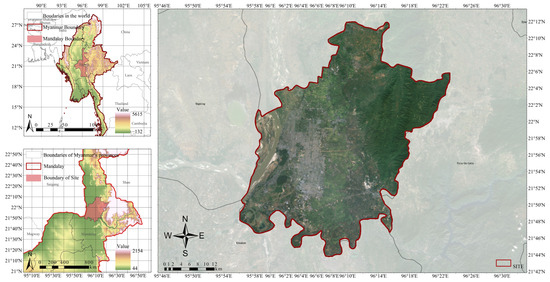
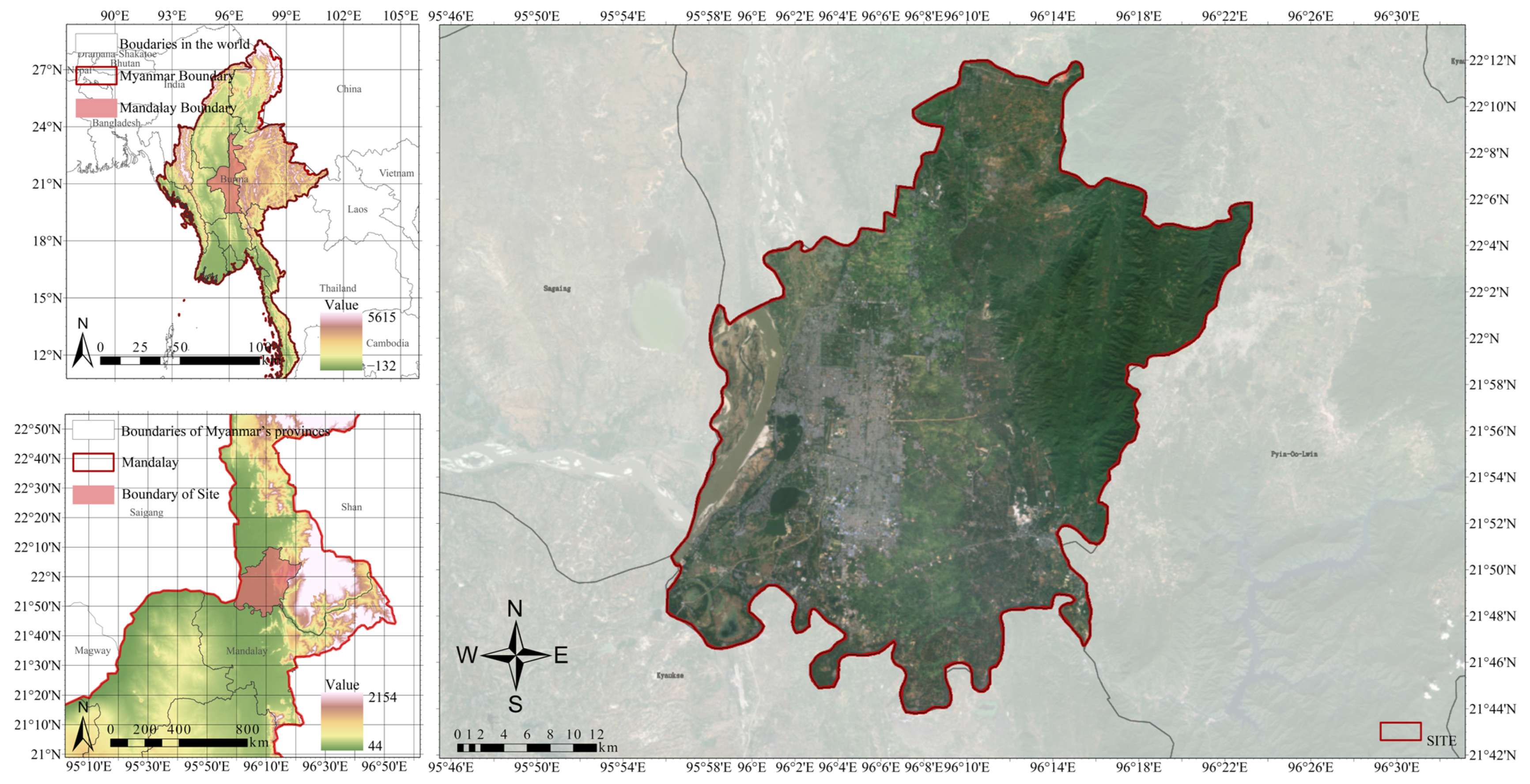
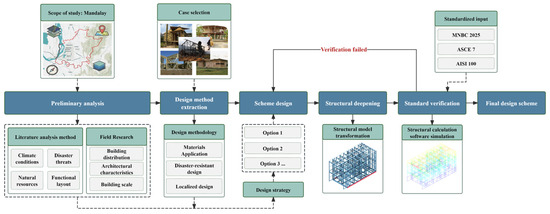
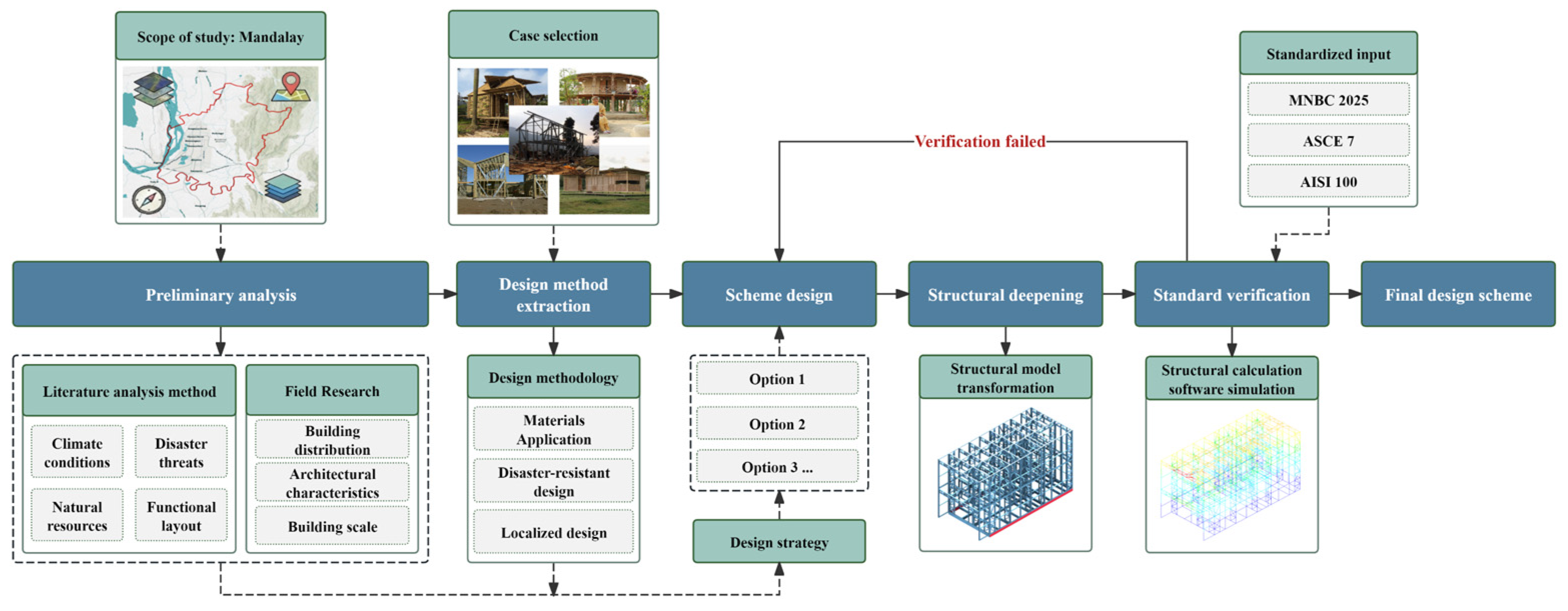
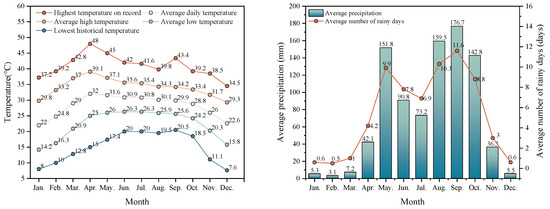
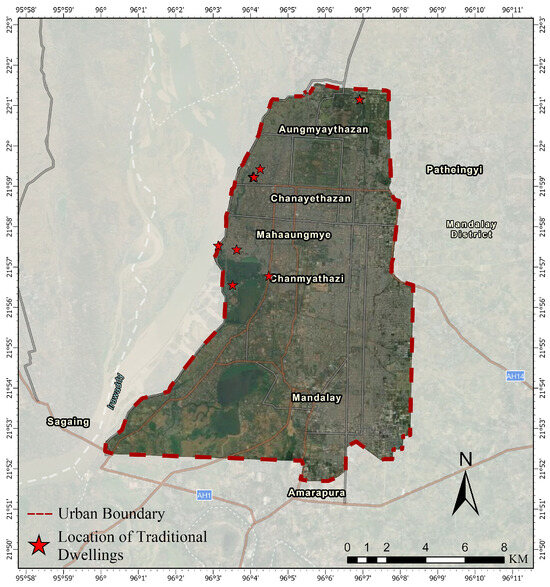
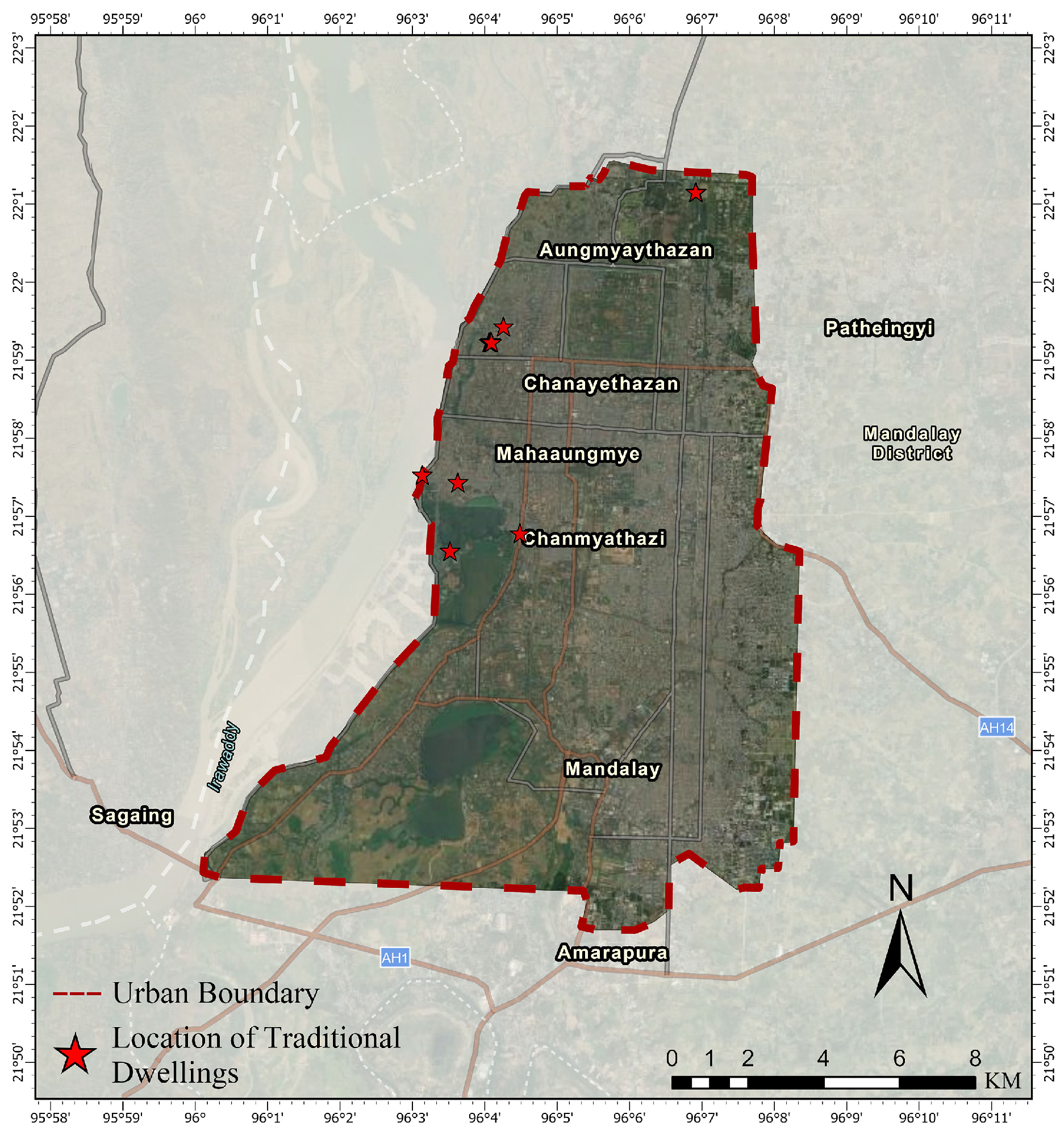
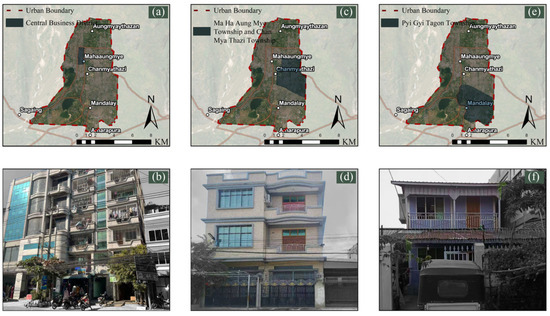
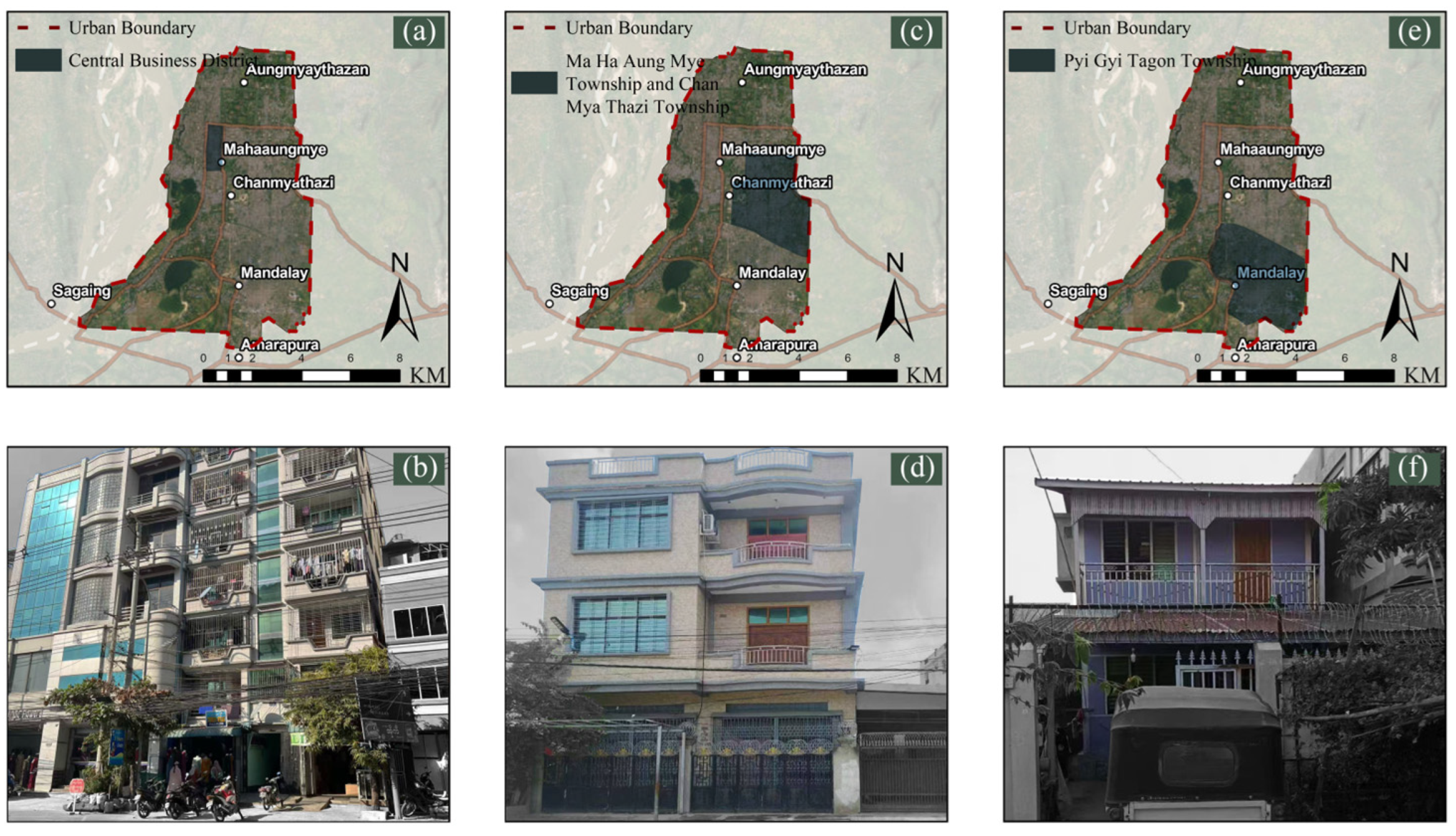
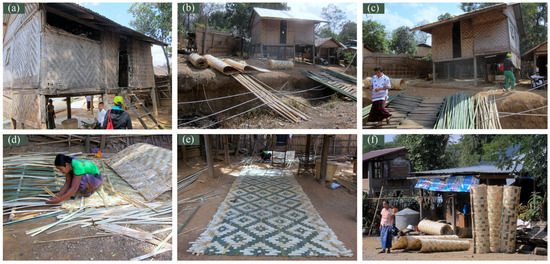
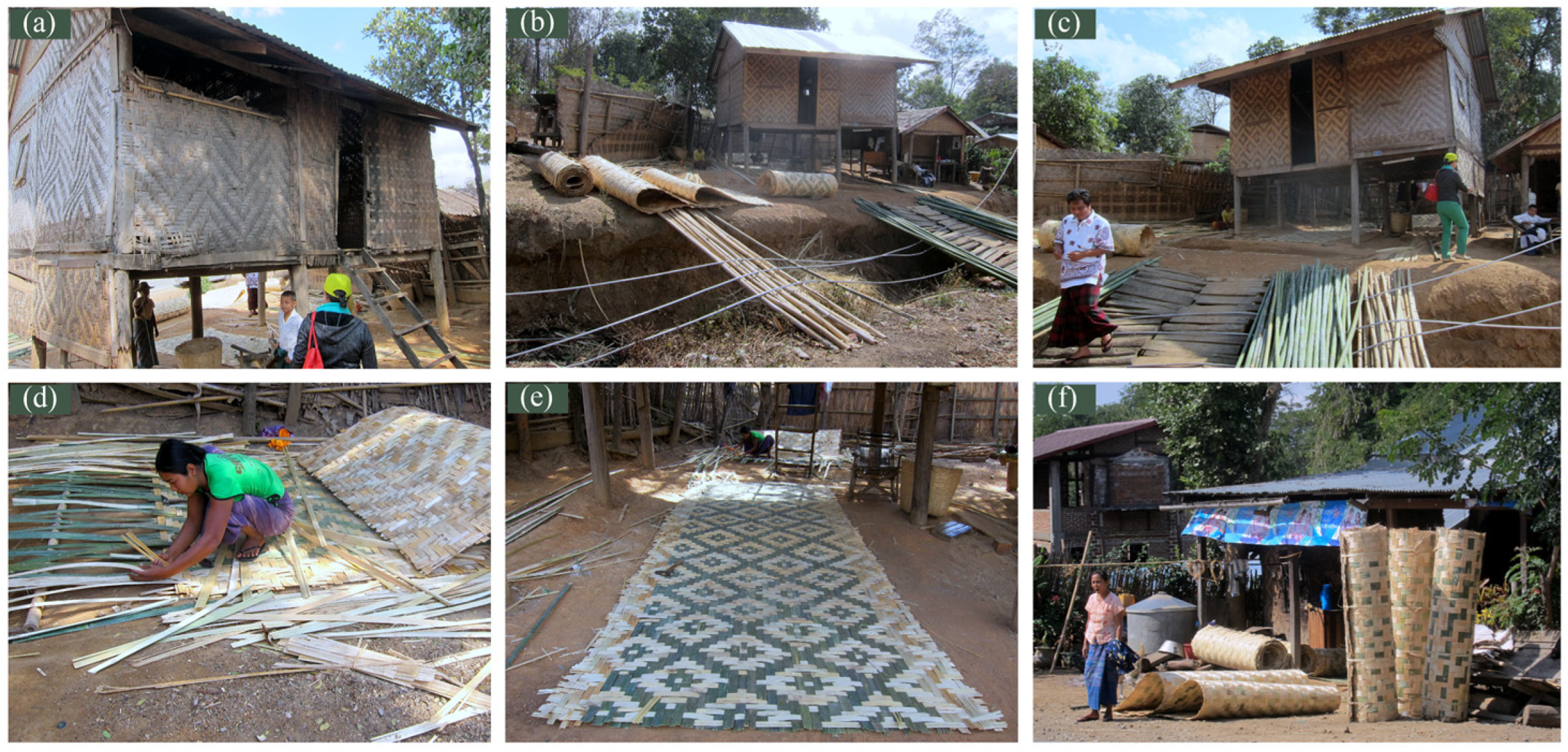
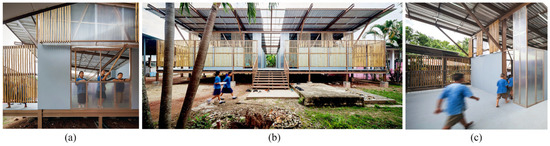
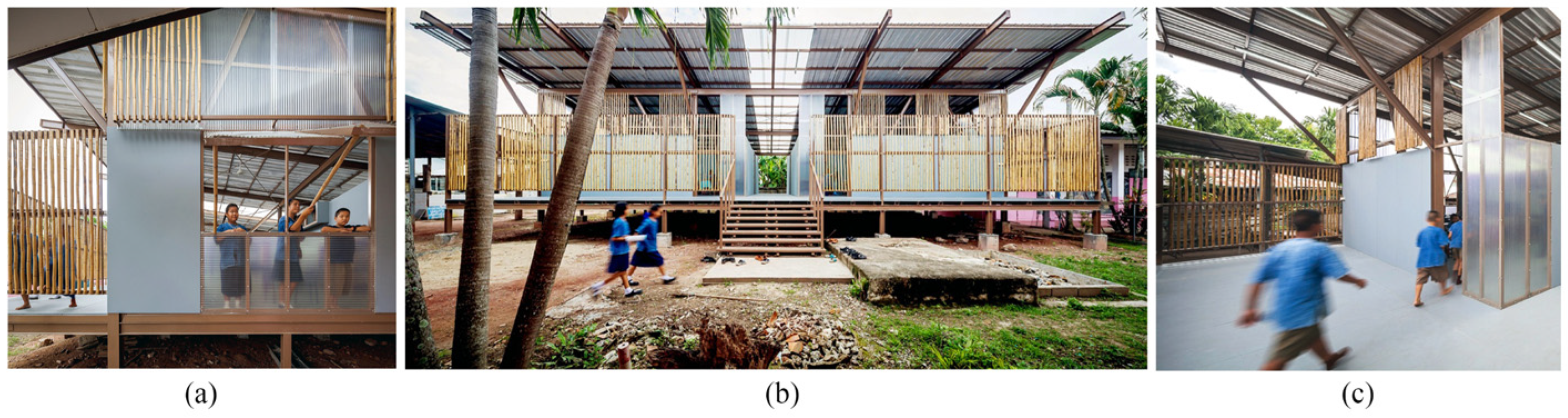
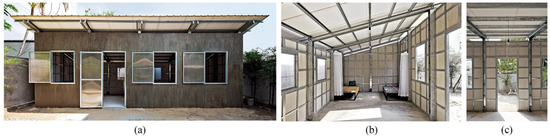
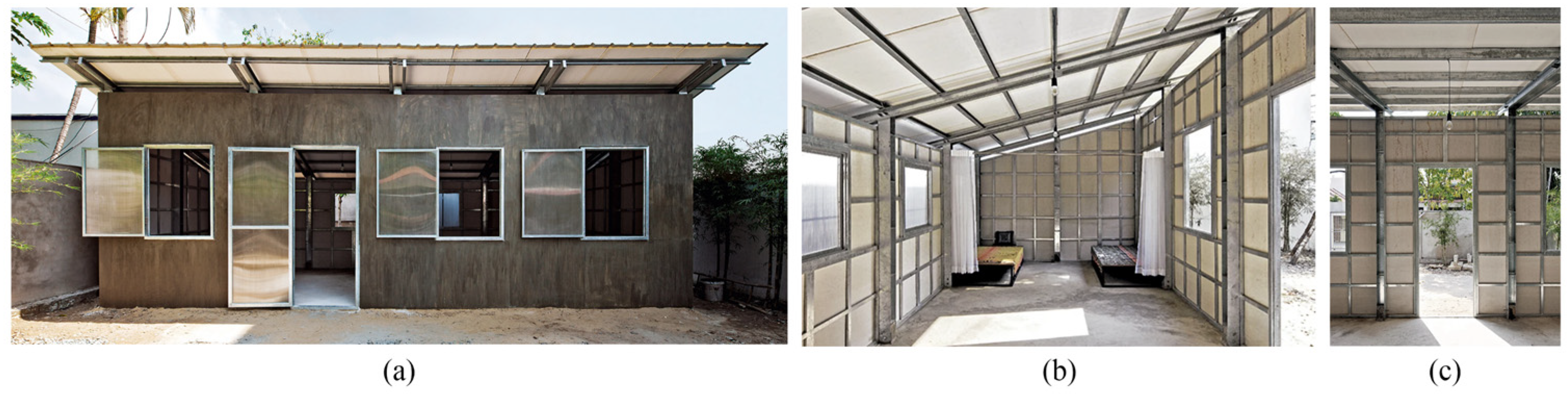
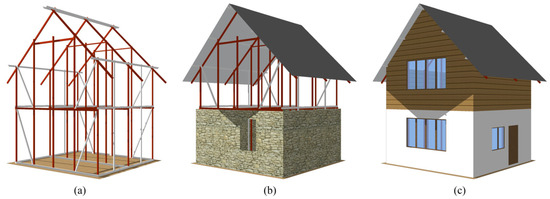
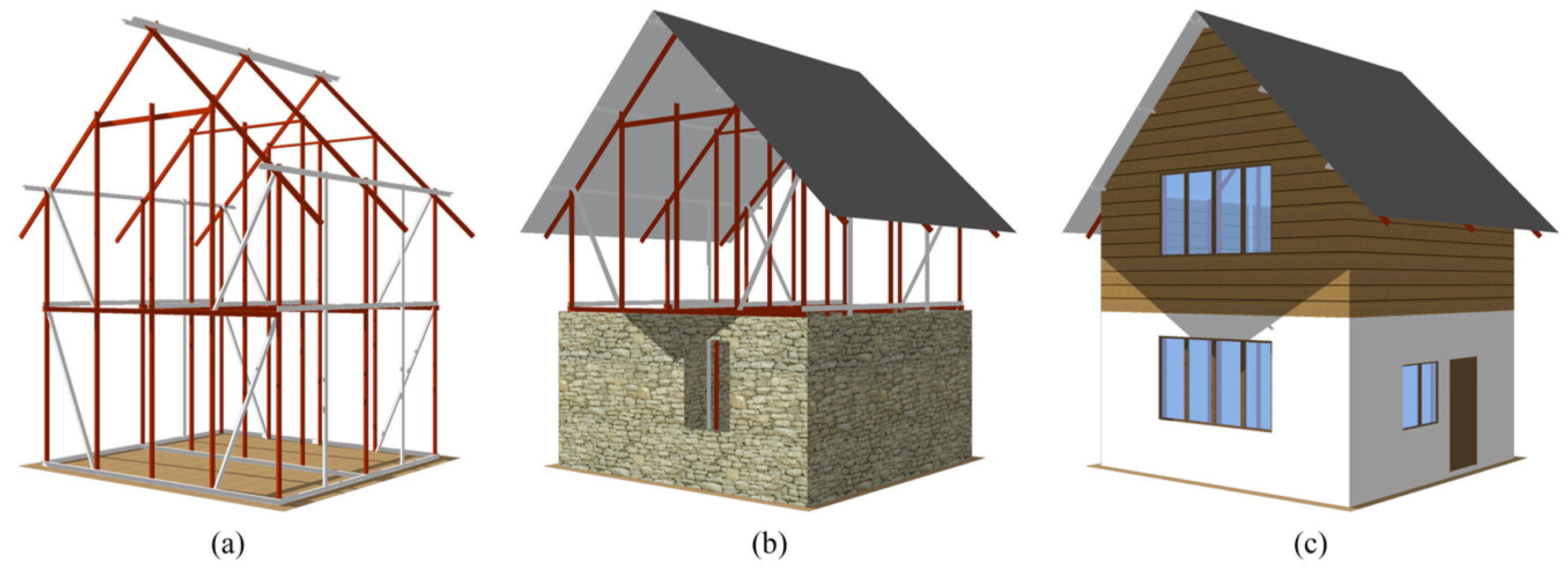
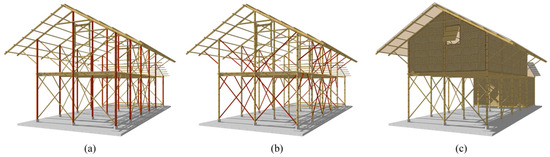
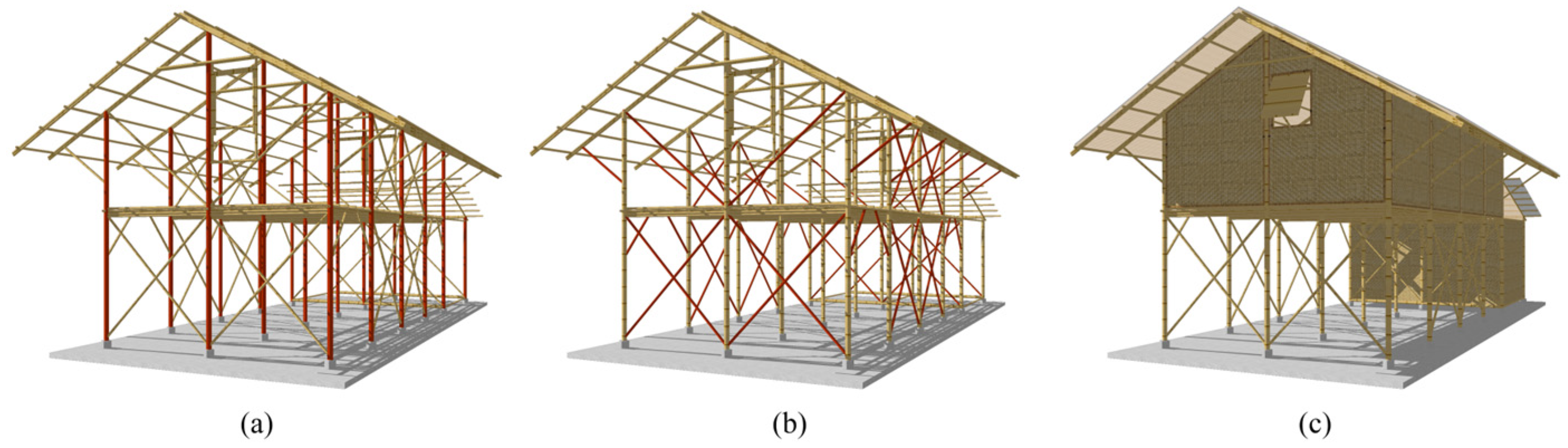
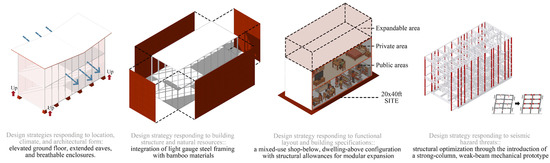
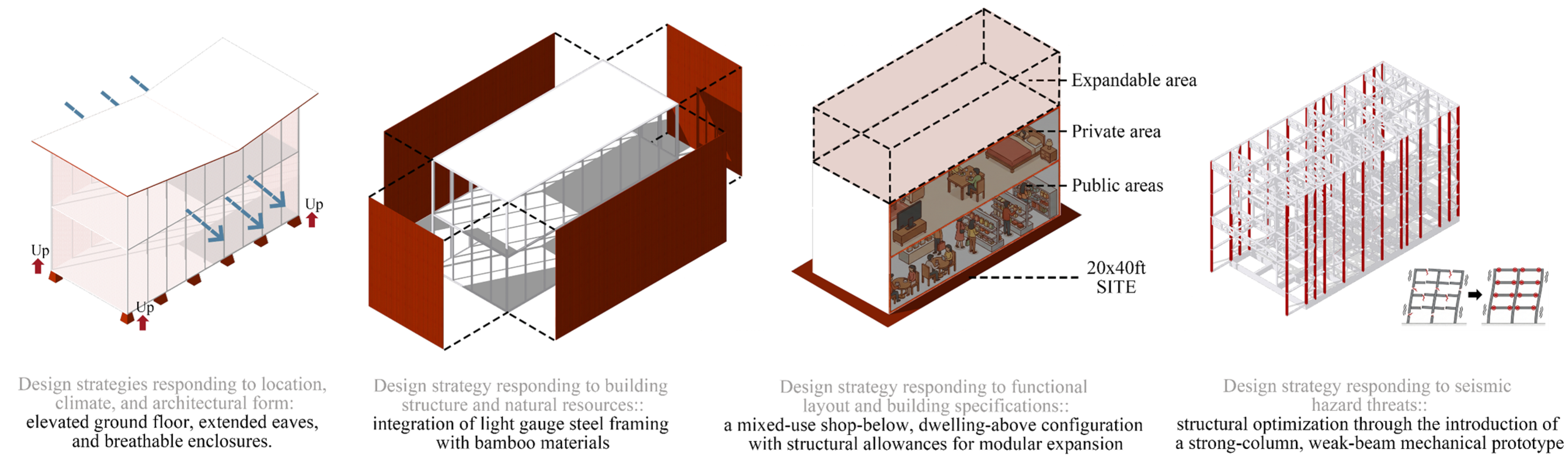
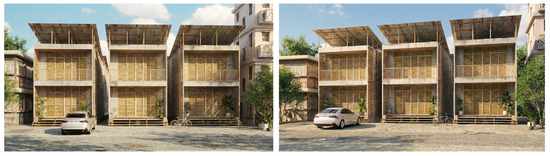
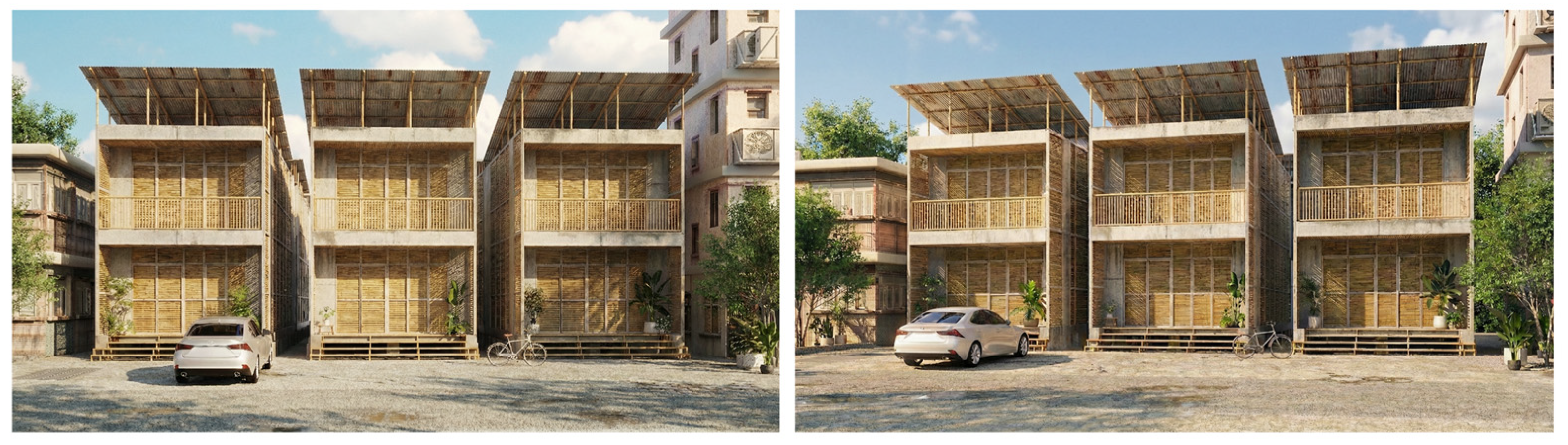


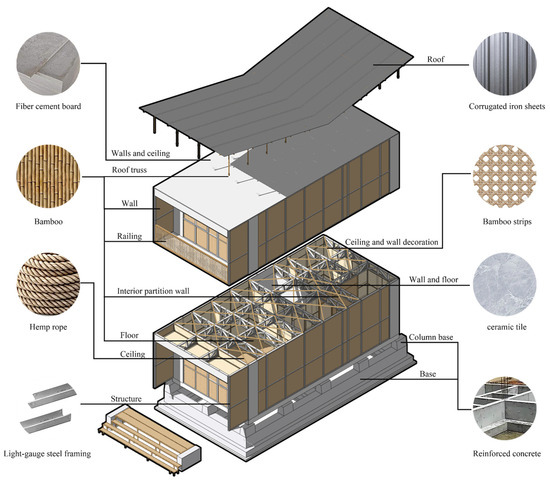
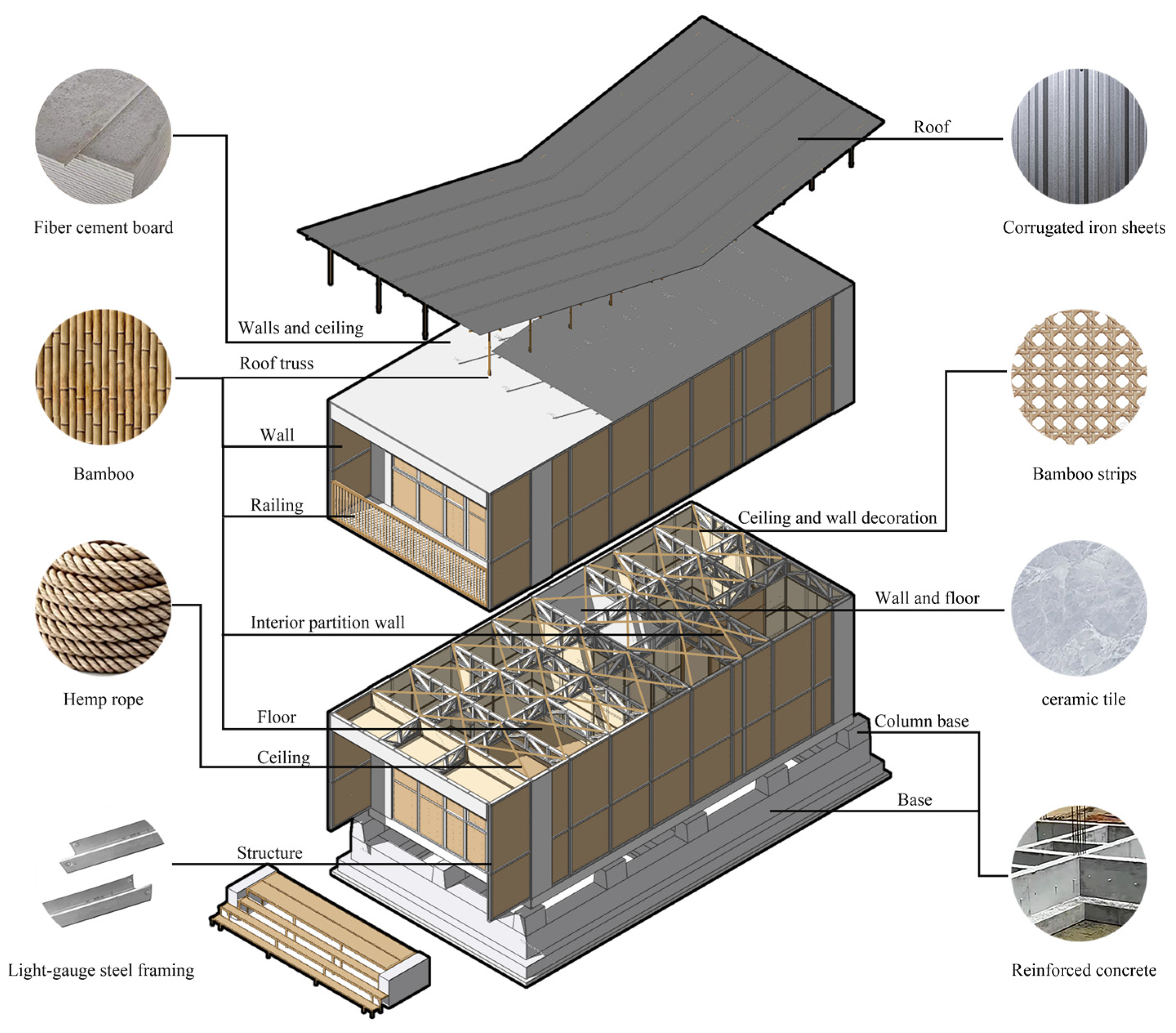
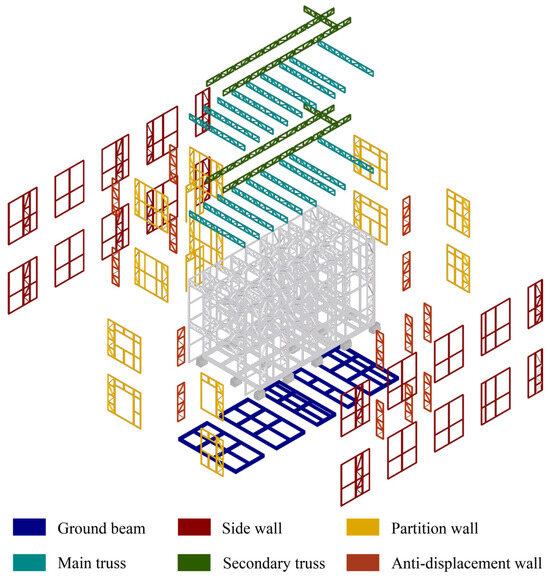
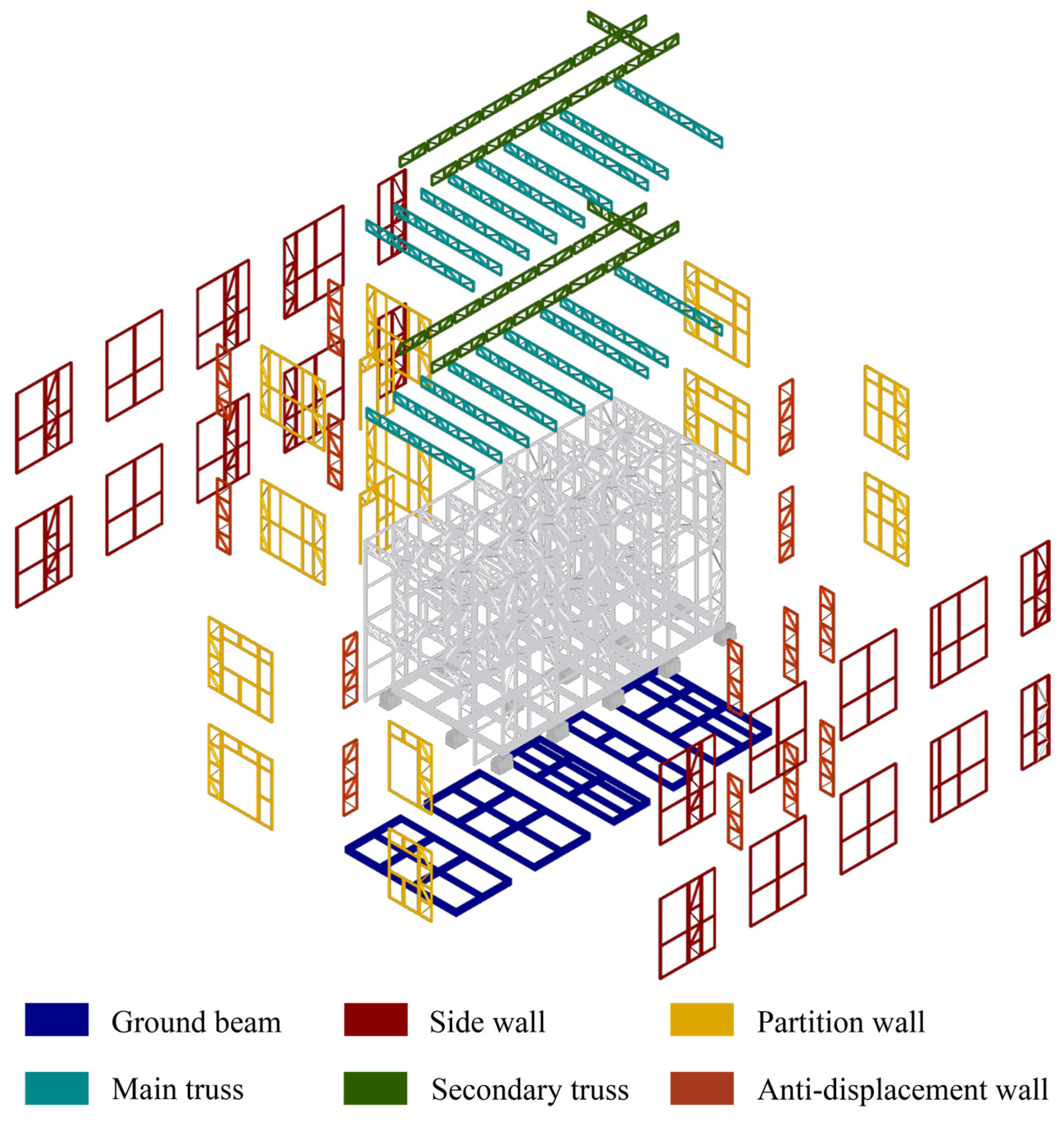
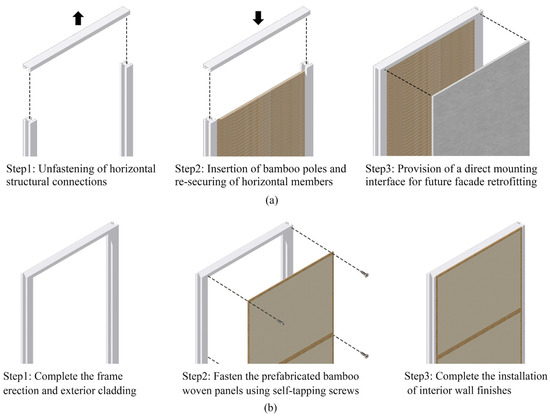
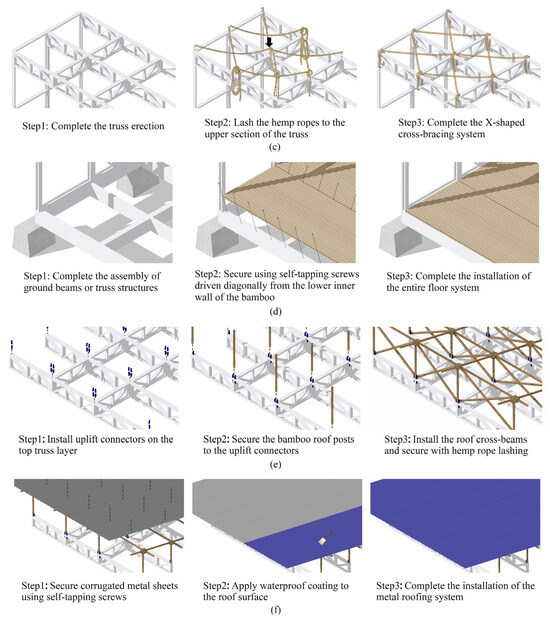
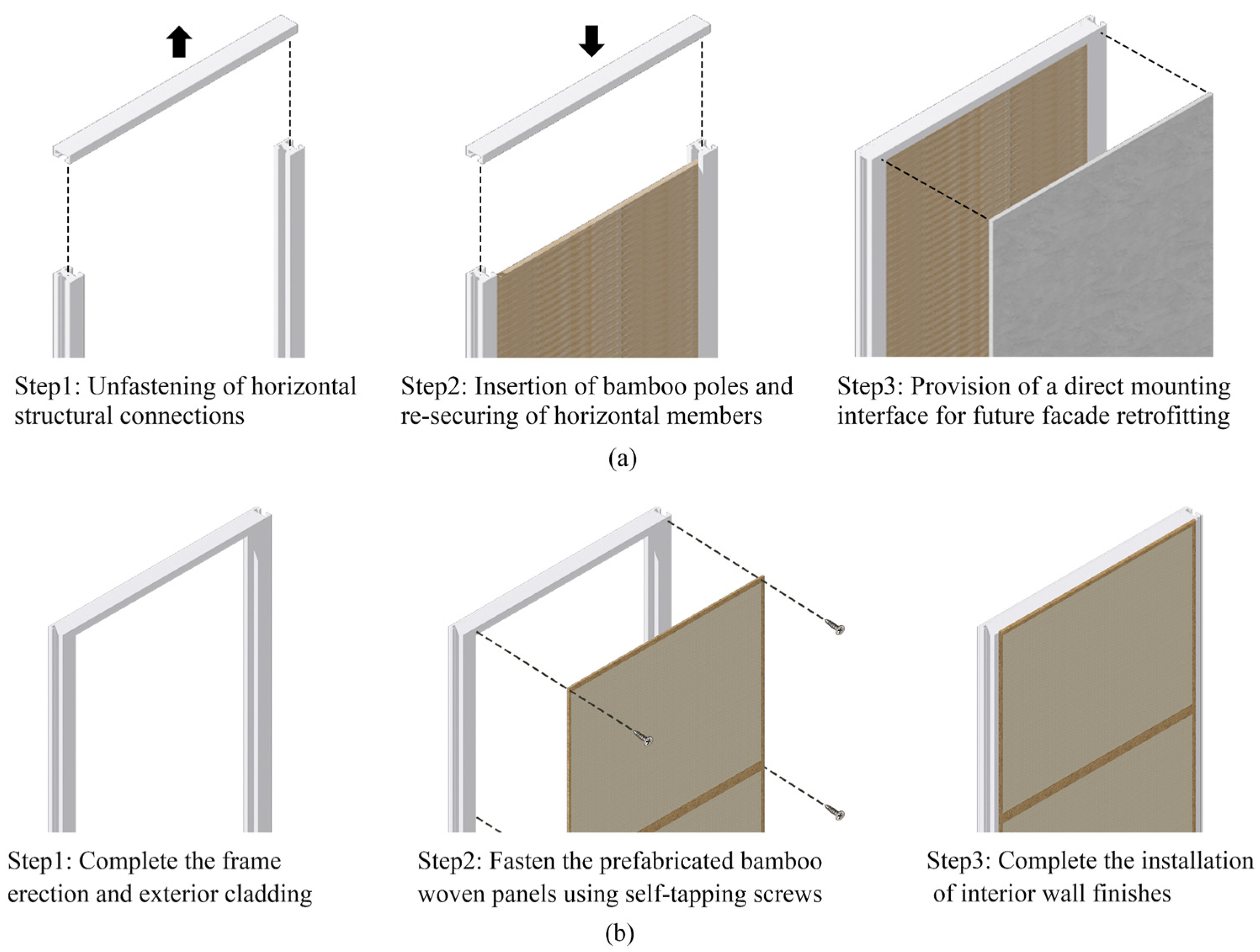
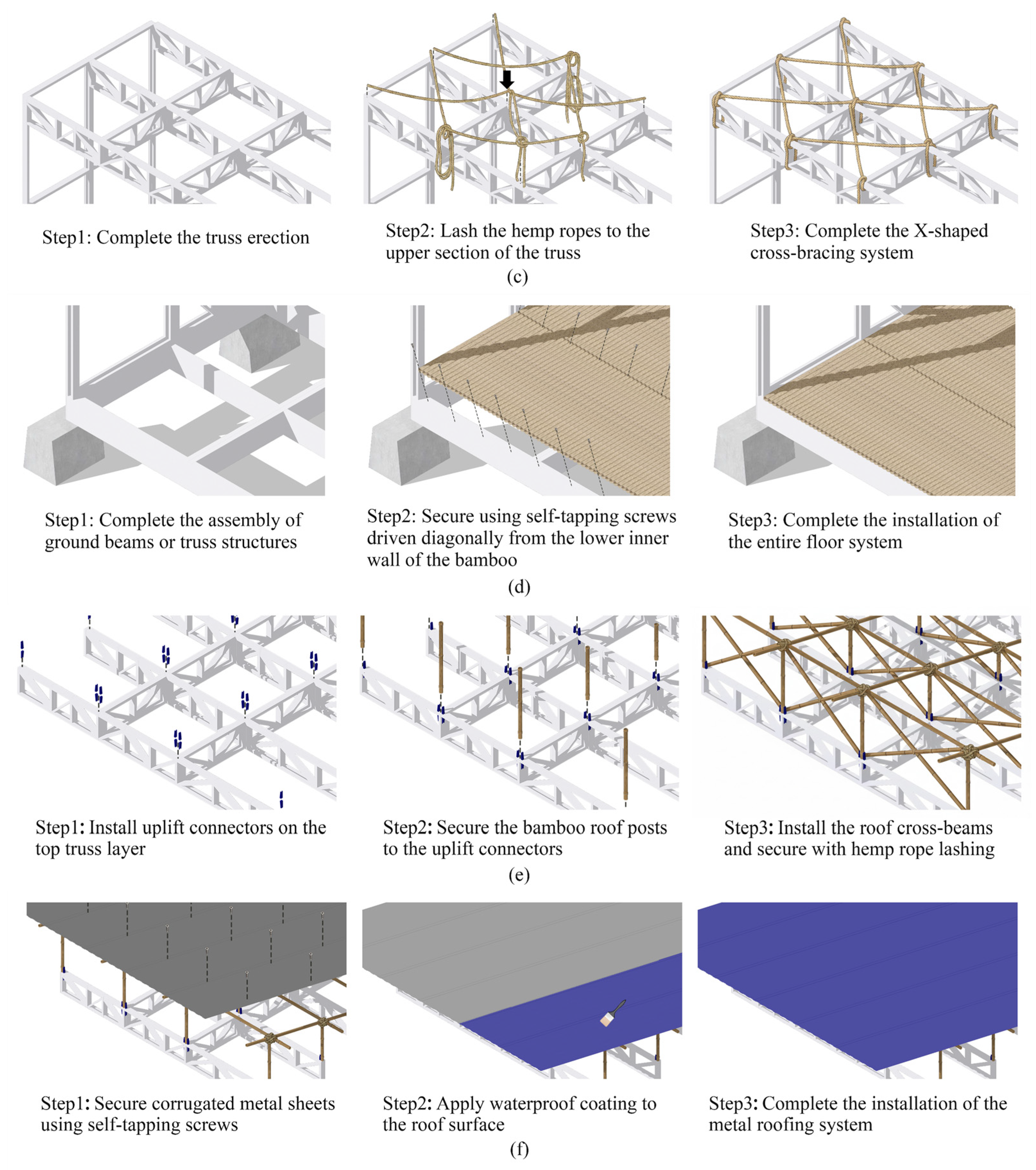
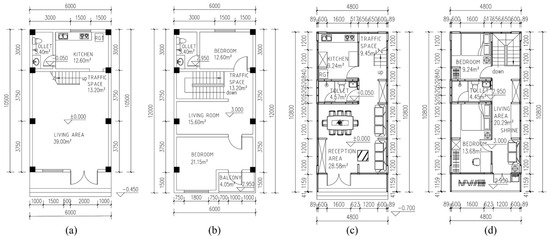
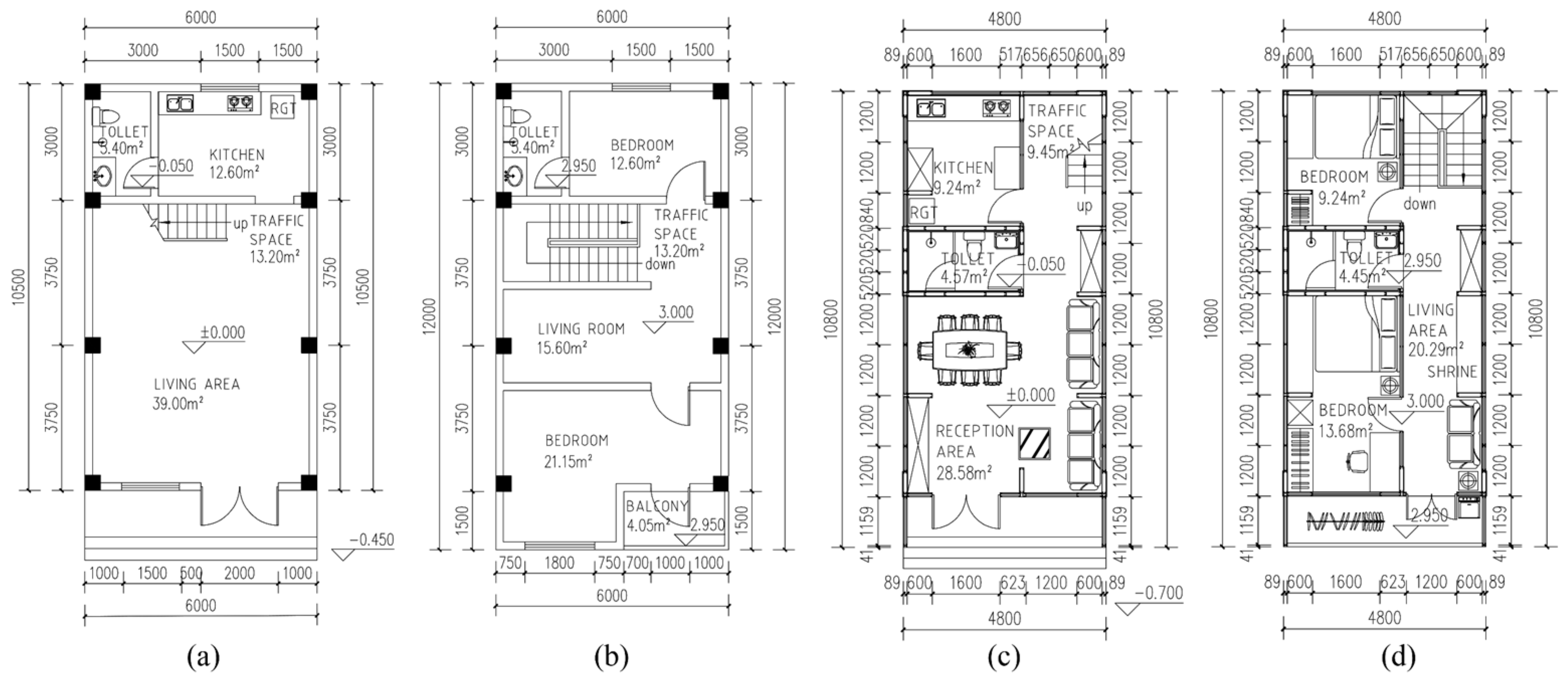
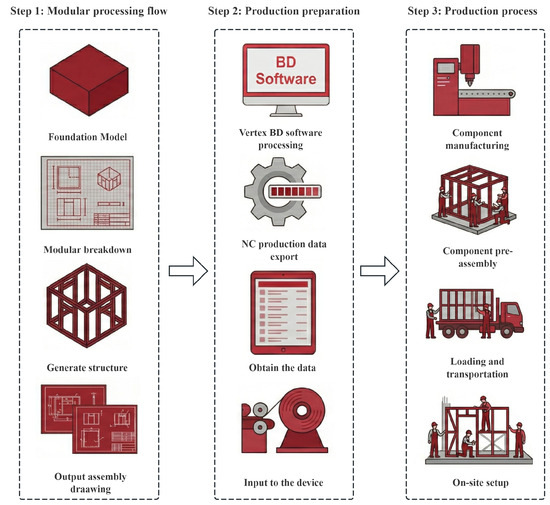
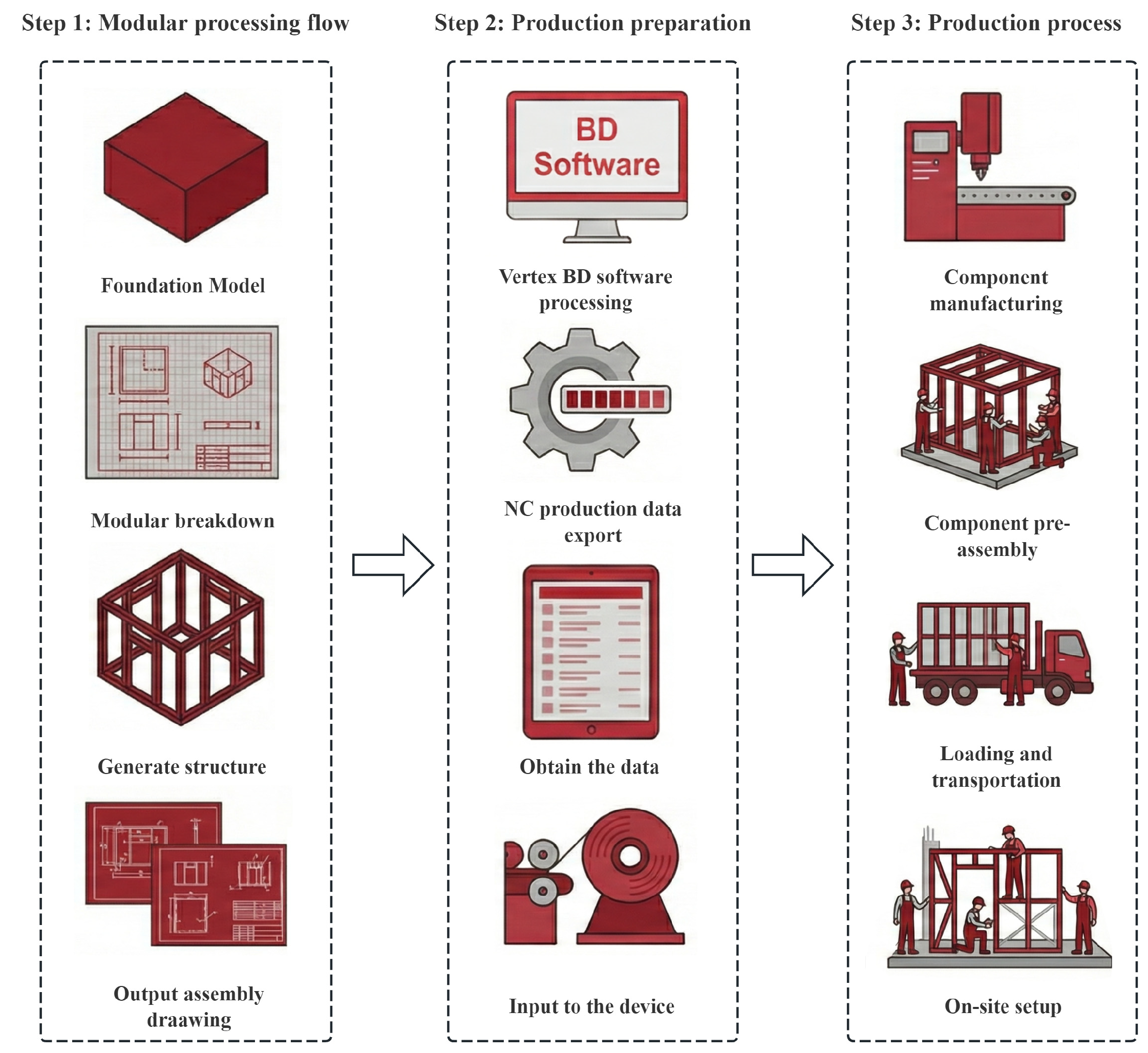
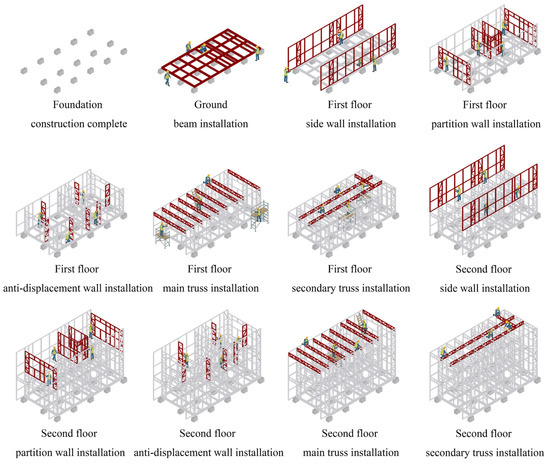
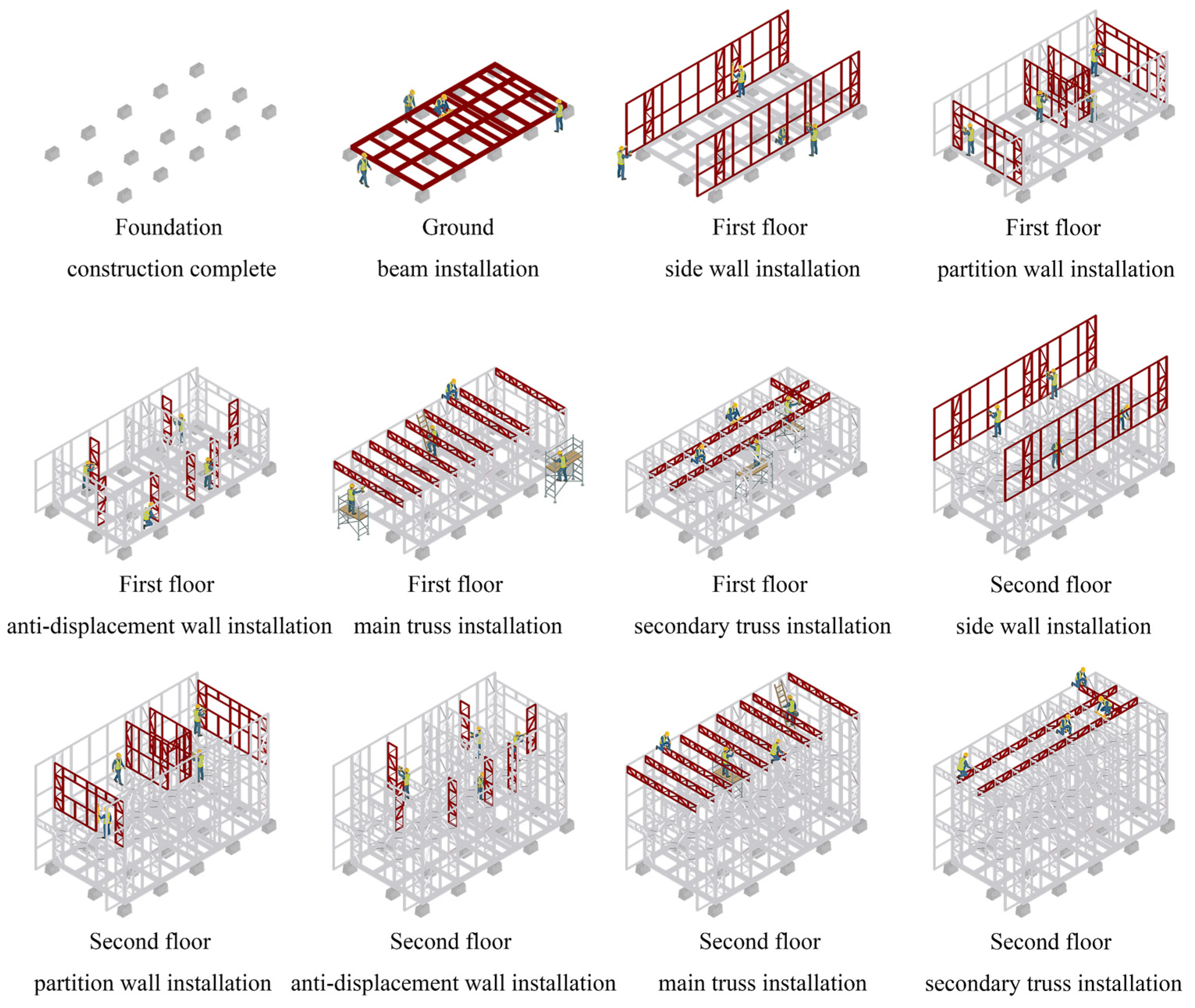
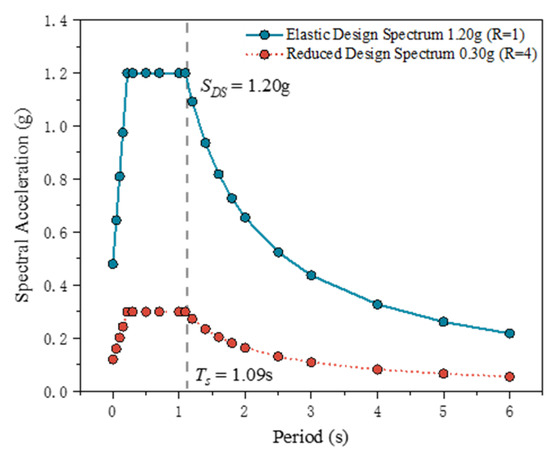
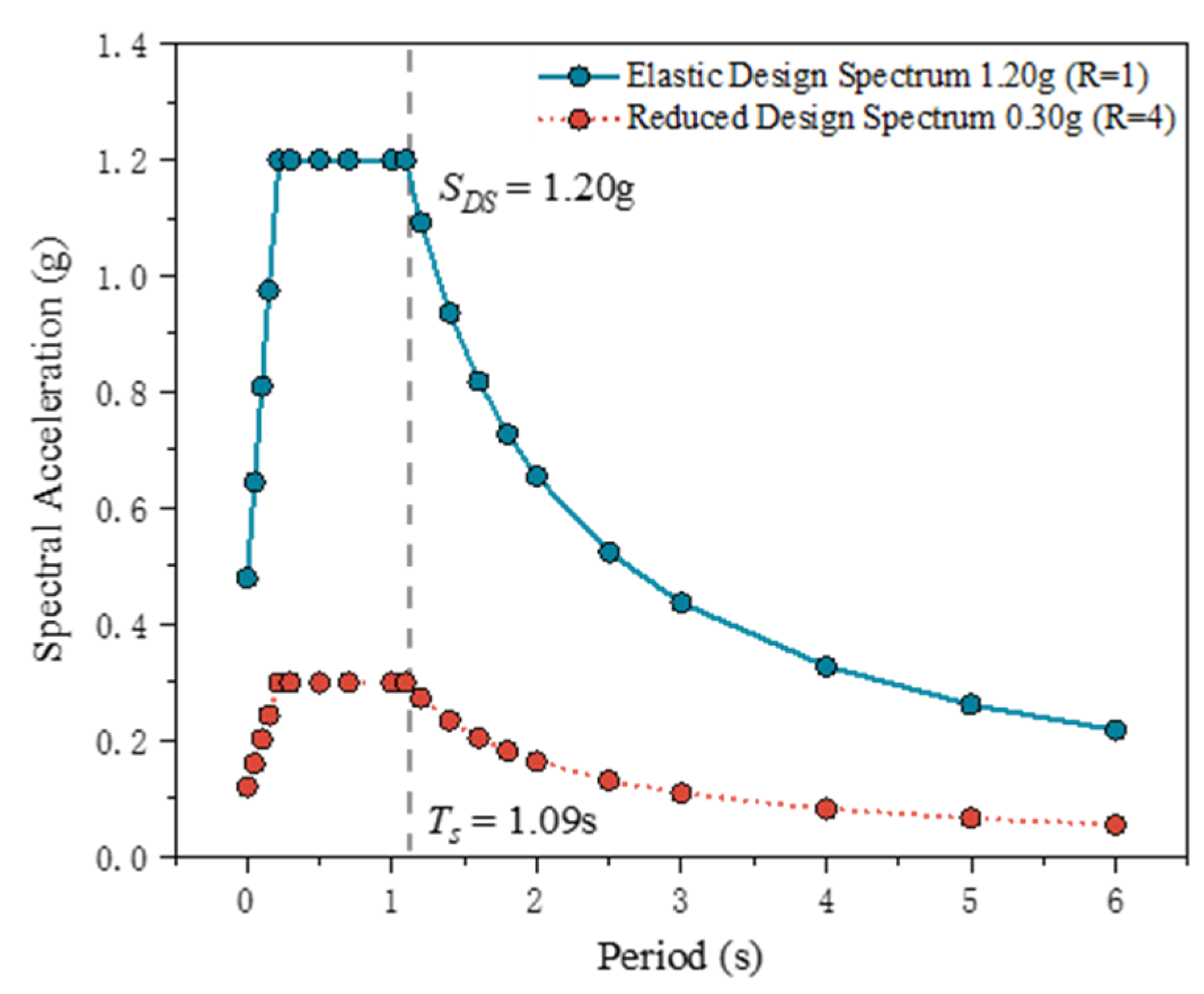
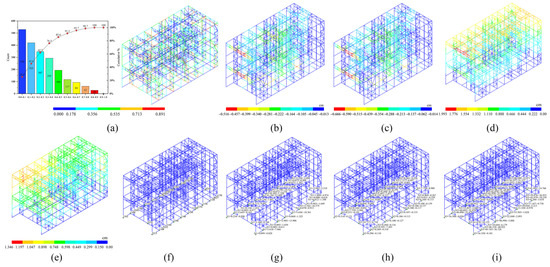
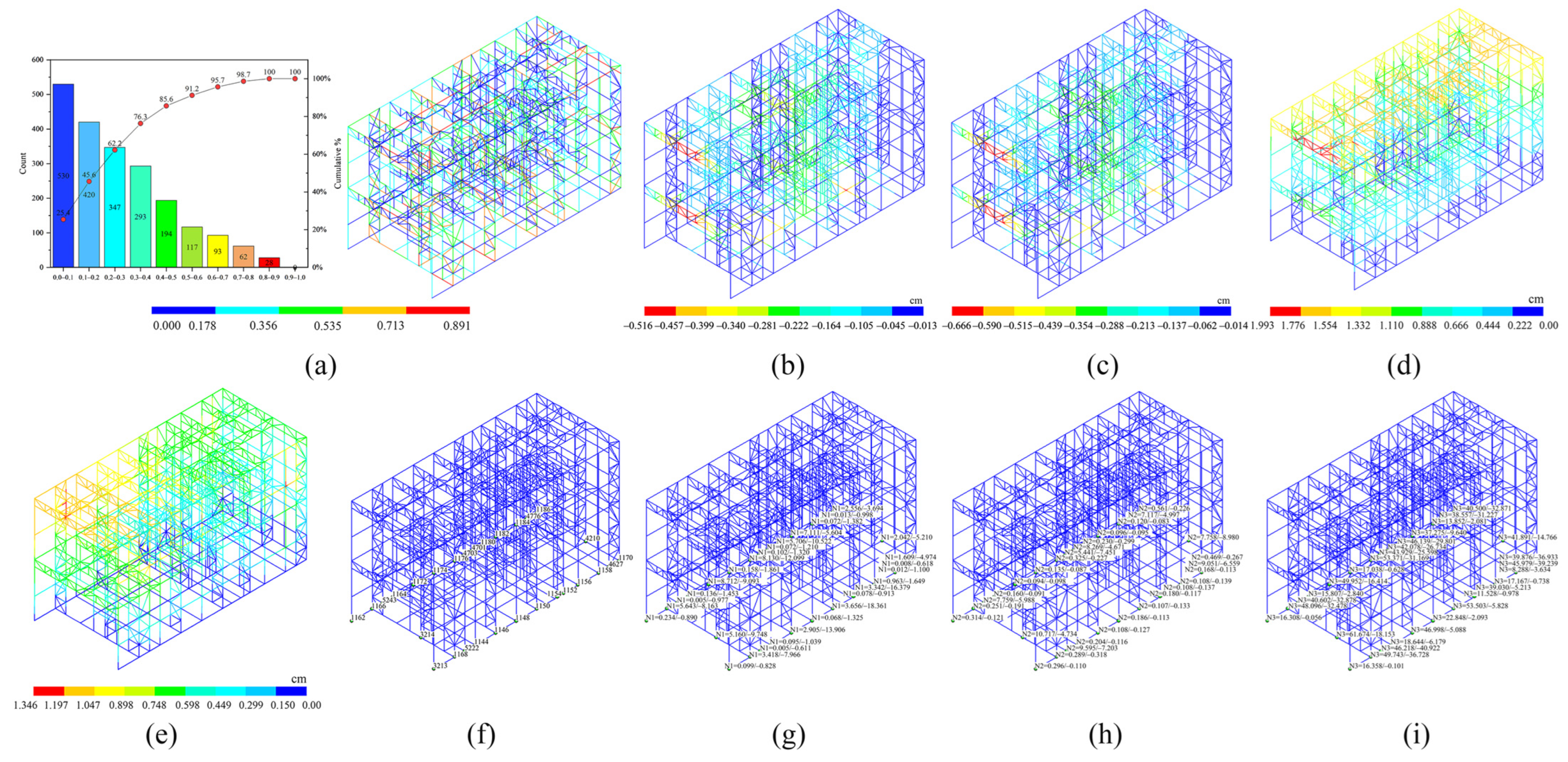

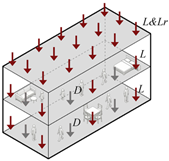
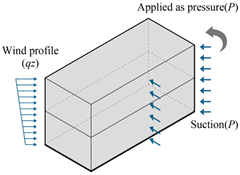
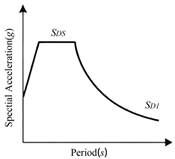
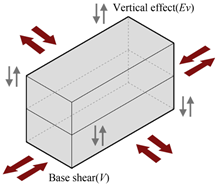
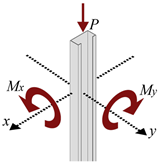
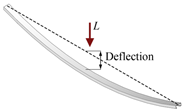
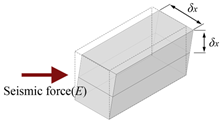
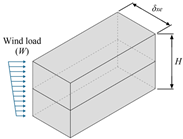
Disclaimer/Publisher’s Note: The statements, opinions and data contained in all publications are solely those of the individual author(s) and contributor(s) and not of MDPI and/or the editor(s). MDPI and/or the editor(s) disclaim responsibility for any injury to people or property resulting from any ideas, methods, instructions or products referred to in the content. |
© 2026 by the authors. Licensee MDPI, Basel, Switzerland. This article is an open access article distributed under the terms and conditions of the Creative Commons Attribution (CC BY) license.