


Abstract
Application of Artificial Intelligence-Generated Content (AIGC) in architectural design has increased rapidly. However, contemporary interpretations of traditional architectural heritage produced through such approaches often remain visually imitative, resulting in compromised cultural integrity and reduced semantic accuracy. To address this issue, this study proposes a traceable and constraint-driven framework that transforms architectural heritage knowledge into reproducible AI-assisted design outcomes, using Huizhou-style architecture in China as a case study. Methodologically, the cultural genes of Huizhou architecture are extracted and encoded through grounded theory. The priorities of these genes are then quantified using the Analytic Hierarchy Process (AHP) and subsequently translated into weighted constraints embedded within AIGC prompts. These constraints are further structured through a three-layer symbolic transformation framework encompassing morphology, semantics, and behavior. The generated outcomes are empirically evaluated using the User Experience Questionnaire (UEQ) and paired-sample t-tests. The results indicate that the proposed workflow significantly enhances users’ perceived cultural accuracy, emotional resonance, and overall perceived quality of AI-generated outputs. This research presents a reproducible AI collaborative workflow that contributes to sustainable and verifiable heritage translation within intelligent design environments.
1. Introduction
With the rapid development of AIGC, traditional cultural content is increasingly produced and circulated in digital form [1]. As a significant system of regional cultural symbols, Huizhou architecture embodies unique spatial configurations [2], craft techniques, and symbolic imagery that carry regional memory, ethical values, and Eastern aesthetics [3]. However, under the dual pressures of rapid commercial replication and fragmented digital dissemination [4], Huizhou architectural symbols are frequently reduced to superficial visual imitations, resulting in semantic distortion in contemporary design. Meanwhile, current AIGC models generally lack semantic constraints and embedded cultural logic when generating cultural content [5], further widening the gap between cultural meaning and visual output. As a result, the sustainable translation of cultural genes faces systemic challenges [6].
Although existing studies have addressed the extraction of intangible cultural heritage symbols, regional architectural value assessment, and AI-assisted design, three major limitations remain. First, cultural-gene extraction is often subjective and weakly standardized. Second, semiotic translation overemphasizes form while underexplaining meaning-making across morphology–semantics–behavior. Third, AIGC outputs lack a verifiable mechanism for semantic embedding and evaluation.
To address these gaps, this study proposes an AI-assisted cultural gene translation model that integrates semiotics and grounded theory, using Huizhou architecture as the core research subject. In this study, cultural genes are not treated as abstract metaphors, but as operational units that can be systematically extracted, coded, and translated into design constraints. The study constructs a cultural gene database, establishes a tri-layer semiotic translation structure, and incorporates AHP-based weighting with AIGC generation mechanisms to achieve contemporary design expression of cultural genes. Finally, user evaluations through the User Experience Questionnaire (UEQ) and paired-sample t-tests are applied to examine cultural cognition, emotional resonance, and sustainability perceived in AI-generated design outcomes.
Within this research framework, three core questions are formulated:
- Q1: What are the key cultural gene components of Huizhou architecture, and can their deep morphological, technical, and cultural meanings be systematically extracted and categorized through grounded theory?
- Q2: Based on the tri-layer semiotic structure, how can these cultural genes be semantically re-encoded and sustainably translated within contemporary design contexts?
- Q3: How can AI-assisted design balance cultural constraints and innovative expression during cultural gene translation, and can the generated outcomes foster perceive-able cultural identity and value enhancement at the user level?
The academic contribution of this study lies not in the independent introduction of multiple theories, but in their integration into a single constraint-driven pipeline. First, grounded theory is employed to define cultural genes. By integrating grounded coding with a semiotic, constraint-based translation of the triadic sign system—Morphological–Semantic–Behavioral—the “cultural genes” of architectural heritage are transformed into computable variables. Their priorities are regulated through the Analytic Hierarchy Process (AHP), providing traceable and reusable semantic embeddings for the AIGC workflow, which subsequently operationalizes them into reproducible design outputs. Second, the study establishes a verifiable closed-loop research framework, grounded theory → AHP → semiotics → AIGC → user evaluation, linking qualitative interpretation, quantitative prioritization, generative design, and empirical validation into an integrated methodological chain. Finally, the study offers empirical evidence of the complementary roles of artificial intelligence and human designers. While AI-generated outputs outperform human designs in terms of attractiveness and hedonic experience, human-designed outcomes remain superior in clarity and reliability. These findings demonstrate why human judgment remains indispensable in AIGC-based design practices oriented toward cultural heritage.
2. Literature Review
2.1. Cultural Heritage Theory and the Sustainability of Architectural Heritage
According to the heritage framework proposed in the 1972 UNESCO World Heritage Convention, cultural heritage encompasses both tangible and intangible dimensions. Tangible heritage refers to material carriers such as buildings, spatial forms, and construction systems, while intangible heritage consists of the knowledge, meanings, practices, and symbolic values that are continuously generated and transmitted within specific communities [7]. The 2003 UNESCO Convention for the Safeguarding of the Intangible Cultural Heritage emphasizes that intangible cultural heritage is fundamentally community-based, is transmitted and maintained across generations through the collective efforts of communities and groups [8].
Based on this understanding, Huizhou architecture examined in this study constitutes a tangible heritage system that incorporates rich intangible dimensions, including architectural knowledge, craft traditions, spatial ethics, and shared cultural symbolic meanings. These intangible dimensions are not definitions imposed by individuals nor do they exist independently of the architectural fabric. Instead, they have been historically accumulated through local everyday practices and social interactions. Therefore, the sustainability of architectural heritage cannot be reduced merely to the preservation or replication of visible forms but must be understood as the continued intelligibility and cultural resonance of the meanings embedded within it in contemporary contexts.
Huizhou architecture originates from the Huizhou region, The Huizhou architecture originated in southern Anhui Province, China (Figure 1) and its surrounding areas—collectively referred to as Huizhou due to their unique natural environment and historically dominant “Huizhou culture”—form a culturally distinctive geographical unit [9]. As the most direct material carrier of Huizhou culture, Hui-style architecture encapsulates the region’s social, historical, and aesthetic characteristics [10]. To safeguard and transmit this cultural legacy, scholars have adopted diverse approaches to explore the sustainable relationship between cultural genes and architectural heritage.
Figure 1.
Location of Huizhou (southern Anhui Province, China).
In studies concerning cultural cognition and the heritage value of Huizhou traditional culture, Fang and Li (2022) [11] evaluated the transmission value of Huizhou traditional villages from a cultural ecology perspective, identifying four types of village resource-constrained, inheritance-challenged, quality-constrained, and vitality-oriented—and proposing corresponding strategies for their reuse. Cao and Mustafa (2023) [12] systematically examined the historical evolution, craftsmanship characteristics, and cultural connotations of Huizhou Three Carvings through literature review, field investigations, and digital modeling methods, providing a comprehensive reference for understanding the technological processes and applications of Huizhou carving craftsmanship, as well as supporting its preservation and sustainable development. Cheng et al. (2024) [13] examined architectural colors through independent, composite, and systemic dimensions, revealing the similarity and stability of Hui-style architectural color systems and emphasizing their cultural meaning and regional identity, thereby promoting cultural diversity and sustainability while preserving architectural cultural genes. Ren and Xu (2024) [14] developed a coupling framework for understanding the cumulative anchoring of heritage landscapes in ancient Huizhou villages from a tourism-destination perspective, demonstrating a co-evolution mechanism between culture and landscape that contributes to sustainable development. These findings collectively show that Hui-style architecture functions not merely as static heritage but as a dynamic cultural symbol; future research should therefore focus on its symbolic transmission mechanisms, pathways of variation, and the reconstruction of cultural meanings.
Regarding traditional architectural heritage in other regions of China, numerous studies have analyzed the modern translation and optimization of cultural heritage. For example, in research on the Goulou cluster of Yue-dialect architecture in Guangxi, Kuang et al. (2025) [15] used GIS spatial analysis and typological extraction to build a traditional architecture database and genealogical system, proposing a modern translation pathway that enhances cultural inheritance. Liu, Qi et al. (2019) [16] demonstrated through a combined dynamic and static spatial analysis that traditional Jiangnan dwellings have consistently maintained a high degree of adaptability to their regional environment throughout historical evolution, while simultaneously preserving local aesthetic values and cultural identity amid external influences, thereby embodying a sustainable architectural paradigm characterized by both ecological wisdom and artistic significance. In another study, Zhang and Zhang (2023) [17] evaluated the sustainability of nine heritage sites along Beijing’s Central Axis using qualitative and quantitative indicators, including AHP-based weighting, enabling accurate assessment of adaptive reuse strategies and ensuring authenticity, integrity, and sustainability of architectural heritage. These regional cases offer valuable perspectives for the sustainable inheritance of Hui-style cultural genes.
International research similarly highlights the evolution from material preservation to cultural-systems-based sustainability. In Turkey, Bekar et al. (2024) [18] conducted an importance–performance analysis of the Mardin Sabanci City Museum, demonstrating its sustainability potential and offering practical guidance for integrating architectural heritage protection with urban development. In Portugal, Costa and Carneiro (2020) [19] examined interpretive tools such as brochures and guidebooks at the Aveiro Cathedral and Museum, confirming their role in enhancing cultural understanding and highlighting architectural heritage as a key mechanism for transmitting cultural genes. Giuliani et al. (2024) [20] developed an integrated HBIM pipeline for the conservation of the Pisa city walls, enabling data continuity from field scanning to 3D modeling and strengthening the temporal traceability of heritage assets. Together, these studies demonstrate that the protection of historical architecture extends beyond physical restoration to include the preservation of cultural logic and ways of life embedded within heritage systems.
Drawing from these insights, this study focuses on extracting and translating the cultural genes of Hui-style architecture, aiming to protect traditional cultural heritage while revitalizing its cultural vitality through contemporary methods.
2.2. Semiotics in the Study of Cultural Genes
Semiotics, as an interdisciplinary methodological approach, has been widely applied in contemporary design research. In particular, the semiotic theory proposed by Charles Sanders Peirce, with its triadic model—namely sign, object, and interpretant—has laid a theoretical foundation for understanding the process of meaning construction in design practice and has been extensively employed in studies of cultural heritage and sustainable conservation [21]. For example, Li, Z. (2025) et al. [22] utilized Peirce’s triadic semiotic framework to conduct a multidimensional decoding of traditional architectural symbols in Xinjiang—covering material form, functional attributes, and cultural semantics—and translated these into computable design logic, thereby providing a theoretical reference for the sustainable and dynamic conservation of vernacular architecture. Similarly, Zhao et al. (2025) [23] constructed a multidimensional evaluation system integrating grey system theory and fuzzy assessment methods from a semiotic perspective, thereby promoting the sustainable development of cultural symbols in blue-and-white porcelain design. Similarly, Kang et al. (2025) [24] developed a pattern design and selection workflow that combines AI generative models (DM + LoRA) with the fuzzy TOPSIS multi-criteria evaluation method. Their study addressed problems commonly found in the transmission of Miao wax-printing patterns—such as weakened cultural expression, poor market adaptability, and inconsistent aesthetic judgment—through a semiotic lens. Furthermore, Tan et al. (2025) [25] analyzed representative works of four prominent architects through a four-dimensional analytical framework—form, culture, narrative and symbolism, and socio-cultural context—to articulate the multifaceted value of architectural symbols in functional, artistic, and cultural dimensions based on semiotic interpretation.
Collectively, these studies demonstrate that semiotic and cultural gene–based approaches effectively reveal the mechanisms of cultural transmission, innovation, and reinterpretation across diverse fields. This study reconstructs Peirce’s foundational triadic semiotic system through Morris’s tripartite framework (syntax, semantics, and pragmatics) [26], centering on the cultural genes of Huizhou architecture in China, this study adopts a three-layer analytical structure consisting of morphology, semantics, and behavior. The morphological layer corresponds to syntax and defines visual and structural features—such as contours, modular composition, and craft textures—that allow architectural elements to function as symbolic carriers. The semantic layer corresponds to semantics and links formal features to culturally shared concepts, ensuring that meaning is traceable to an encoded cultural system rather than arbitrarily assigned. The behavioral layer corresponds to pragmatics and addresses the perceptual, emotional, and behavioral responses evoked by symbols within specific contexts. These three layers operate under relational constraints: semantics must be grounded in identifiable forms, and behavioral interpretation must be validated through interpretable meanings rather than decorative assemblage. This framework provides a structured mechanism for translating architectural forms into meanings and actions within culturally situated interpretive processes.
2.3. Applications of Grounded Theory in Design and Cultural Research
Grounded theory is a bottom-up research methodology that systematically derives core concepts through the continuous collection, organization, and inductive analysis of empirical data, ultimately leading to the construction of models or theories based on iterative data collection and analysis [27].
Within design-related fields, Simms and Trott (2014) [28] employed grounded theory as a methodological framework to examine the role and hierarchical positioning of packaging management in new product development (NPD) processes within the fast-moving consumer goods (FMCG) industry, thereby extending academic understanding of the relationship between NPD and packaging design. Portz et al. (2020) [29] conducted qualitative research through semi-structured interviews and applied open and axial coding based on grounded theory, providing a multi-stakeholder needs framework to inform the human-centered design of digital tools for geriatric palliative care. In another study, Li et al. (2025) [30] adopted grounded theory to systematically construct a theoretical model for integrating traditional Chinese garden elements into contemporary landscape design through structured coding and inductive analysis. Their findings addressed the dual challenges of cultural inheritance and adaptation to modern public functions.
In the field of cultural research, Moshona et al. (2024) [31] conducted soundscape studies within the CSI project and, through continuous comparison and coding, established a classification framework consisting of eight dimensions. Their findings revealed that soundscapes function as carriers of cultural identity and social memory. In another study, Zhong et al. (2025) [32] adopted grounded theory as the core research method to examine tourists’ experiences of wearing Hanfu at destinations and its influence on self-perception and identity formation. They constructed a mechanism model of the Hanfu experience process and demonstrated how Hanfu, as a cultural symbol, operates through social interaction [32]. Similarly, Ning et al. (2025) employed grounded theory as a methodological framework to explore the vulnerability and potential of Yao ethnic culture in the context of rapid modernization, providing support for the development of cultural protection strategies [33].
These cases collectively indicate that grounded theory is applicable across diverse research fields. Through grounded theory analysis, systematic theoretical frameworks can be effectively derived from empirical experience, enabling the elucidation of underlying process mechanisms behind complex social and cultural phenomena. Accordingly, this study applies grounded theory to generate a mechanism-based theoretical understanding of how the cultural genes of Hui-style architecture are interpreted, translated, and sustainably applied in contemporary design practice based on empirical data.
2.4. Applications of AI Collaboration in Cultural Heritage Design
In recent years, AIGC technologies have become transformative tools in the creative industries [34]. AI technologies have also been widely applied in the field of cultural heritage design and, with AI assistance, have successfully contributed to the sustainable development of various forms of cultural heritage.
For example, Deng et al. (2023) [35] investigated the application of AI technologies in ethnic costume design, taking the female costumes of the Basha Miao ethnic group as a case study. By integrating artificial intelligence (AI) with made-to-measure (MTM) technologies, body-shape data were collected, and key measurement points were analyzed, enabling personalized ethnic costume design that meets contemporary aesthetic and functional requirements. Zhang et al. (2023) [36] explored whether AI-generated art could stimulate the sustainability of intangible cultural heritage. Using accidental sampling and questionnaire surveys and analyzing data through partial least squares (PLS), their study verified that AI-generated Yangliuqing New Year Print cultural and creative products had a positive impact on consumer attractiveness and engagement. In another study, Zhou et al. (2025) [37] developed the AIlantern tool based on Stable Diffusion, simplifying the production process through modular design. This approach broke the barrier of “craftsman monopoly,” enabling ordinary users without professional skills to directly engage in making lanterns based on AI-generated design drawings. Similarly, Pisoni et al. (2021) demonstrated that AI technologies (XAI + HCI) can be used to construct dynamically adaptive interactive interfaces that automatically adjust content presentation according to users’ abilities (such as visual or cognitive impairments), thereby overcoming the limitations of traditional interaction models [38]. The above cases collectively indicate that the application of AI technologies in the field of cultural heritage has enhanced both the level of heritage protection and the efficiency of heritage utilization.
Building on innovative AI-based approaches to cultural heritage conservation, the present study attempts to develop a pathway for the extraction and redesign of Huizhou architectural cultural genes by integrating semantic recognition, stylistic reconstruction, and generative design. This approach aims to promote the transition of Hui-style architecture from material preservation toward living heritage transmission, thereby expanding the sustainable value of traditional architecture within contemporary design contexts.
3. Methodology
3.1. Research Objects
This study takes the cultural genes of traditional Huizhou architecture in China as its core research focus and selects representative cultural gene elements as research samples, including morphological symbols and craft techniques such as horse-head walls, wood carving, stone carving, and brick carving. These elements are highly recognizable in terms of visual form, craftsmanship, and cultural significance, and are representative of Hui-style architectural culture.
To ensure the systematicity and representativeness of the research, the selection of research objects followed several criteria. First, the selected elements possess high cultural symbolism and artistic uniqueness within the Hui-style architectural system. Second, they exhibit distinct visual characteristics that can be effectively extracted and learned by AI generative models. Third, these elements demonstrate clear potential for translation in contemporary design contexts, allowing integration with modern packaging design in terms of structure, materials, and narrative logic. Finally, relevant literature, visual records, and craft documentation are available for systematic collection and analysis.
Based on these criteria, the study establishes a cultural gene set consisting of ten core units, categorized into three dimensions: morphological structure (Z1), craft techniques (Z2), and cultural connotations (Z3). These research objects provide a clear analytical foundation and data support for subsequent AHP weight analysis and AI-assisted design generation.
3.2. Research Methods
In this study, cultural genes are defined as the smallest inheritable units of cultural design information. These units are systematically extracted from empirical data through a grounded theory-based coding process and function as generative constraints within a three-layer symbolic framework. Unlike surface-level symbols, cultural genes operate as latent generative rules that regulate symbolic expression across formal, semantic, and behavioral dimensions.
Consequently, through grounded theory every design element must be traceable to a coded cultural gene and transformed into a symbolic element according to explicit semiotic rules. At the same time, the Analytic Hierarchy Process (AHP) is employed to prevent arbitrary or purely decorative elements from dominating the outcome. In this sense, AHP does not merely evaluate importance post hoc; rather, it quantitatively constructs the priority and intensity of cultural genes. Symbolic feasibility and generative stability provide feedback for optimizing weight allocation and constraint definition, while user evaluation based on the User Experience Questionnaire (UEQ) empirically verifies and calibrates the overall translation pathway.
At the operational level, the coded cultural genes are translated into underlying generative rules and mapped onto a three-layer symbolic matrix comprising morphological constraints, semantic constraints, and behavioral constraints. During the AI-assisted generation phase, prompts are explicitly structured to incorporate these three types of constraints, enabling the generated outputs to be evaluated not only in terms of visual similarity but also in terms of semantic traceability and pragmatic coherence.
Based on this definition, the proposed study adopts an integrated methodological framework that combines qualitative analysis, quantitative evaluation, AI-assisted generation, and empirical validation (Figure 2). This framework consists of five interrelated stages.
Figure 2.
A theory-driven framework for AI-assisted cultural translation.
Stage 1: Grounded Theory Analysis
Grounded theory is used to construct a structured system of cultural genes. It combines systematic rigor with methodological flexibility, making it suitable for investigating complex phenomena characterized by fragmented information and the absence of well-established theoretical frameworks [39]. Applying grounded theory to the study of Huizhou architectural cultural elements facilitates the identification of relationships among morphological features, craftsmanship logic, and cultural connotations in contexts where systematic documentation and clear paradigms are lacking [40]. Grounded theory is applied to analyze literature, books, and online materials related to Huizhou architecture. Through open coding, axial coding, and selective coding, cultural gene categories are extracted and organized into a three-dimensional theoretical framework comprising morphological structure, craft techniques, and cultural meanings.
Stage 2: AHP-Based Cultural Gene Weighting and Three-Level Semiotic Translation
The Analytic Hierarchy Process (AHP) is used to derive and validate the relative importance of cultural genes through indicator computation and consistency testing. The advantage of the Analytic Hierarchy Process (AHP) in determining the weights of cultural genes lies in its quantitative and structured decision-making capability, with consistency checks ensuring the logical reliability of the evaluation process [41]. Given the multidimensional and hierarchical nature of Huizhou architectural cultural genes, AHP enables the quantification and prioritization of different cultural elements based on expert judgment, thereby providing a scientifically grounded basis for assessing their relative significance [42]. To evaluate the relative importance of Huizhou architectural cultural genes, ten experts specializing in Huizhou architecture and design were invited to construct Analytic Hierarchy Process (AHP) judgment matrices. Pairwise comparisons were conducted across three criterion layers—morphological structure (Z1), craft techniques (Z2), and cultural meanings (Z3)—and ten sub-indicators (H1–H10). Weight vectors, maximum eigenvalues (λmax), consistency indices (CI), and consistency ratios (CR) were calculated to ensure matrix validity (CR < 0.1).
Semiotics offers an interpretive perspective that extends beyond linguistic structures to explore the production and transformation of meaning, thereby complementing quantitative analytical approaches [43]. While AHP quantifies the relative importance of Huizhou cultural genes, it cannot explain how these elements are interpreted and translated into design. Semiotic analysis therefore converts weighted cultural genes into explicit constraints across three levels morphological, semantic, and behavioral based on Peirce’s triadic model and Morris’s syntactics semantics pragmatics.
Stage 3: AI-Assisted Packaging Design Generation
AI-generated content and control (AIGC) operate as an execution tool within these constraints rather than as an independent decision maker. Artificial intelligence has the potential to enhance the level of automation and efficiency in design processes while fostering creative thinking and emotional understanding [44]. By leveraging AI technologies, Huizhou architectural cultural genes are systematically translated from conceptual understanding into visual design outcomes. Based on AHP weighting and semiotic translation, high-priority cultural genes, together with relevant texts, images, and reference materials, are input into GPT-4o for keyword, pattern, and color extraction. These extracted features are then used to generate multiple packaging design prototypes for the Huixiangyuan brand. The final outputs are refined through expert review and manual calibration, forming a human–AI collaborative design process.
Stage 4: User Experimentation
User evaluation based on the User Experience Questionnaire (UEQ) empirically validates and calibrates the entire translation pathway, thereby verifying and refining the overall translation approach. The UEQ scale facilitates comparability in user experience evaluation by minimizing dimensional overlap and employing consistent formats and rating standards across measurement dimensions [45]. To evaluate the effectiveness of AI-generated designs in terms of cultural translation and user experience, a user study was conducted with 164 consumers using the User Experience Questionnaire (UEQ). The questionnaire measures six dimensions—attractiveness, efficiency, perspicuity, dependability, stimulation, and novelty—using a 7-point Likert scale. Paired-sample t-tests were then performed to examine statistically significant differences between AI-generated designs and designer-created designs, thereby validating the effectiveness of AI-assisted collaboration.
Stage 5: Results and Discussion
This study integrates grounded theory, the analytic hierarchy process (AHP), semiotics, and AI-based graphical computing into a unified, constraint-driven workflow. Grounded theory extracts cultural genes, AHP constrains ornamental arbitrariness, semiotics regulates meaning transformation, and AI operationalizes the framework into reproducible generative design. By combining AHP weights with UEQ analysis, the study evaluates the interpretability and perceptibility of Huizhou architectural cultural genes in AIGC-assisted design, analyzes differences in symbolic translation paths and user perception, and derives design strategies and evaluation criteria for AI-supported heritage translation. These findings provide methodological support for the future transformation of architectural cultural genes.
3.3. Data Collection
The research data were collected from three primary sources.
- (1)
- Literature and documentary materials: A total of 120 sources related to Huizhou culture and architecture including academic publications, books, and museum archives—were collected to support the qualitative analysis.
- (2)
- Expert questionnaires: Ten experts in architecture and design-related fields were invited to complete the Analytic Hierarchy Process (AHP) judgment matrices, providing data for quantitative analysis.
- (3)
- User experiment data: A questionnaire survey based on the User Experience Questionnaire (UEQ) was conducted among Chinese consumers, yielding 164 valid responses. The sample covered diverse groups in terms of gender, age, and design experience.
All collected data were subjected to standardized preprocessing. Statistical analyses, including reliability testing using Cronbach’s alpha, the Kaiser–Meyer–Olkin (KMO) measure, and paired-sample t-tests, were conducted using SPSS 27.0 to ensure the reliability and statistical significance of the research results.
4. Semiotic Translation of Architectural Cultural Genes and AI Design Practice
4.1. Extraction and Classification of Huizhou Architectural Cultural Genes
- (1)
- Open Coding
In this study, NVivo 15 software was employed to label and code qualitative materials related to Huizhou architectural cultural genes, including books, academic literature, and online resources, in order to conduct an initial conceptual exploration. which provide the traceable cultural-gene categories used in the subsequent AHP weighting and semiotic three-layer translation. As shown in Supplementary Table S1, the cultural connotations associated with Huizhou architectural elements—such as horse-head walls and the three carvings of Huizhou are described by identifying initial concepts that link architectural features with their corresponding cultural meanings, along with the associated subcategories. Through abstraction from the initial concepts derived from the raw data, a total of 19 subcategories were identified.
In total, 91 initial concepts were extracted, of which Supplementary Table S1 presents selected examples.
- (2)
- Axial Coding
During the axial coding stage, the structural relationships among the categories identified in the open coding phase were further examined. The 19 subcategories were subsequently reclassified and integrated, resulting in three core categories: morphological structure, craft techniques, and cultural implications. These core categories comprise ten main categories along with several subcategories, as summarized in Table 1. It should be noted that the coding results presented here do not represent isolated visual symbols, but constitute a structured cultural gene set encompassing form, meaning, and behavioral implications.
Table 1.
Axial Coding Results of Hui-Style Architectural Cultural Genes.
- (3)
- Selective Coding
Through a detailed examination of the relationships among the above categories, this study identifies interactive relationships among the horse-head wall, wood carving, stone carving, and brick carving. The horse-head wall functions as a morphological extension of the wall structure and involves complex construction processes that integrate techniques and materials such as brick carving and stone carving. It therefore represents an external morphological cultural gene of Hui-style architecture. In contrast, wood carving, stone carving, and brick carving can be regarded as decorative craft cultural genes within Hui-style architecture.
The relationship from the horse-head wall to the three traditional Hui carvings reflects a vertical progression from form to craft and an extension of construction techniques. Together, these elements contribute to the translation of architectural symbols and cultural genes. Accordingly, “the semiotic translation of Hui-style architectural cultural genes” is identified as the core category, and the relationships between this core category and three main categories are established. These three main categories are morphological structure, craft techniques, and cultural connotations.
The key pathways of morphological structure include H1 color, H2 composition, and H3 form. Craft techniques comprise H4 materials, H5 carving techniques, and H6 construction. Cultural connotations consist of H7 symbolic culture, H8 institutional culture, H9 spiritual culture, and H10 narrative culture. Figure 3 illustrates the conceptual framework of cultural gene translation in Hui-style architecture derived from the selective coding process.
Figure 3.
Framework model of cultural genes in Hui-style architecture.
- (4)
- Theoretical Saturation Test
To verify the reliability of the coding results, a theoretical saturation test was conducted for the key categories and conceptual contents identified during the coding process. Ten experts were invited to perform a secondary validation of the original data and the coding outcomes (as shown in Table 2). Cross-case testing was conducted using 15 research samples. The analysis consistently yielded three main categories and ten subcategories, with no new structural categories emerging, indicating that theoretical saturation had been achieved.
Table 2.
Expert qualification.
4.2. Cultural Gene Weight Allocation Based on AHP
After classifying the cultural genes of Hui-style architecture through grounded theory, three main categories were identified: morphological structure, craft techniques, and cultural connotations. However, the categorical results derived from grounded theory alone are unable to determine the relative importance of individual elements. Therefore, to quantitatively evaluate the importance of cultural gene elements in Hui-style architecture, this study adopts the Analytic Hierarchy Process (AHP). AHP employs a nine-point scale, where 1, 3, 5, 7, and 9 represent equal importance, slight importance, strong importance, very strong importance, and extreme importance between two factors, respectively, while 2, 4, 6, and 8 serve as intermediate values between adjacent judgments. Based on pairwise comparisons of the factors, the corresponding judgment matrices were constructed [46], as shown in Table 3. Drawing on the core categories extracted through grounded theory, a three-level hierarchical model was established. The target layer is defined as the “Hierarchical Analysis of Hui-style Architectural Cultural Genes.” The criterion layer consists of morphological structure (Z1), craft techniques (Z2), and cultural connotations (Z3). The indicator layer includes ten sub-indicators (H1–H10). During the hierarchical analysis process, pairwise comparisons among categories and the integration of expert judgment matrices were conducted to systematically evaluate the relative importance of each category. By combining qualitative coding with quantitative weighting, the weights derived from the Analytic Hierarchy Process (AHP) are not used merely for selecting elements, but for quantifying their importance. These quantified weights are applied to determine the priority order of prompt constraints, the relative importance of cultural gene descriptors, and to distinguish which constraints in the final AIGC prompts must be strictly enforced and which can remain flexible. AHP compensates for the limitations of grounded theory in assessing relative importance and provides a theoretical foundation for the translation of Hui-style architectural cultural genes.
Table 3.
Saaty’s 1–9 Scale and Its Meaning.
Core Computational Steps and Formulas of AHP
(1) Construction of the Judgment Matrix.
Assuming there are indicators, a judgment matrix A is constructed through pairwise comparisons:
where denotes the relative importance of indicator compared to indicator . The Saaty 1–9 scale is adopted, where 1 indicates equal importance, 3 slight importance, 5 strong importance, 7 very strong importance, and 9 extreme importance, while 1/3, 1/5, etc., represent their reciprocals.
(2) Normalization of the Judgment Matrix.
(3) Row Average Calculation.
(4) Weight Vector Calculation.
(5) Maximum Eigenvalue Calculation.
Equations (6) and (7) Consistency Test.
To ensure the logical consistency of expert judgments, the Consistency Index (CI) and Consistency Ratio (CR) are calculated:
where RI denotes the Random Consistency Index. A judgment matrix is considered acceptable when CR < 0.1.
Based on the calculations described in Equations (1)–(7), the final weights of the criterion layer were obtained, as shown in Table 4. The overall priority ranking of the criterion layer is Z1 (Morphological Structure, 0.527) > Z3 (Cultural Connotation, 0.313) > Z2 (Craft Techniques, 0.160). The consistency ratio (CR) is 0.062 < 0.10, indicating that the judgment matrix satisfies the consistency requirement. The sub-criterion judgment matrices were calculated using the same procedure to obtain the weight values of each indicator, as presented in Table 5. These weights were further normalized to derive global weights and establish the final priority ranking (Figure 4).
Table 4.
Judgment Matrix of the Criterion Level.
Table 5.
Weights and CR of the Criteria Layer.
Figure 4.
Global weight analysis.
As illustrated in Figure 3, the global weight analysis shows that within the cultural genes of Hui-style architecture, H3 (Form, 0.273) and H2 (Composition, 0.157) are the most influential factors, playing a dominant role in cultural gene transmission (Table 6). At the craft technique level, H6 (Construction, 0.102) emerges as a key factor, highlighting the fundamental role of structural logic in the translation of traditional craftsmanship. H5 (Carving Techniques) reflects the inheritance value of detailed craftsmanship and aesthetic expression.
Table 6.
Sub-Criteria Judgment Matrix.
Within the cultural connotation dimension, H10 (Narrative Culture, 0.142) has the highest weight, emphasizing the spatial narrativity and humanistic storytelling characteristics of Hui-style architecture. H9 (Spiritual Culture, 0.087) reflects cultural identity and ethical awareness embedded in architectural forms, as summarized in Table 7. In contrast, factors such as H1 (Color), H4 (Material), H7 (Symbolic Culture), and H8 (Institutional Culture) exhibit relatively low global weights (all below 0.06). This indicates that conventional decorative elements—such as landscape motifs, geometric patterns, and animal imagery—have a comparatively limited influence in contemporary design translation. In the modern reinterpretation of Hui-style architectural cultural genes, both users and experts tend to prioritize higher-level visual and cultural attributes, including form composition and narrative meaning, while the role of traditional ornamental symbols is gradually diminished.
Table 7.
Weights and CR Table for Sub-Criteria.
Accordingly, the dominant translation pathway of Hui-style architectural cultural genes can be identified as:
H3 (Form) → H2 (Composition) → H10 (Narrative Culture) → H6 (Construction) → H9 (Spiritual Culture).
These results suggest that the translation of Hui-style architectural cultural genes should prioritize formal innovation as the core, supported by compositional order and complemented by narrative and emotional expression, thereby enhancing visual recognition, emotional resonance, and behavioral coherence to better address users’ core needs.
4.3. A Semiotic Three-Level Translation Matrix
The results of the Analytic Hierarchy Process do not replace the subsequent symbolic-level partitioning. Instead, they function within each layer to determine which genes act as hard constraints and which exist as optional regulatory factors. Based on the AHP weights and expert discussions, the semiotic triadic system is used to constrain cultural-gene translation. By rearticulating Morris’s syntactics, semantics, and pragmatics, Huizhou architectural cultural genes are organized into three levels: morphological, semantic, and behavioral. Through field investigations in the Huizhou region and systematic analysis of online and documentary sources, this study identifies and extracts the core components of Huizhou architectural cultural genes. On this basis, a three-level semiotic translation matrix is constructed to illustrate the translation relationships across different cultural layers. Figure 5 illustrates a three-level transformation process, (1) Morphological level: The form of each cultural gene is translated into designable elements based on its original contour types and craft details. (2) Semantic level: Each cultural-gene element is associated with a finite set of culturally validated semantic propositions (for example, the “protection” embodied in the horse-head wall manifests only when the Zuowen type element serves as its carrier), preventing arbitrary interpretation. (3) Behavioral level: Semantics are further transformed into anticipated interpretive outcomes (such as comfort, awe, or self-discipline), which serve as explicit criteria for evaluation. Therefore, the three-layer translation matrix represents a process in which morphological, semantic, and behavioral transformations are sequentially realized under mutually constraining conditions.
Figure 5.
Three-layer translation matrix.
- (1)
- Morphological Level
The morphological level primarily focuses on three typical forms of horse-head walls in Hui-style architecture—the Zuowen type, the Yindou type, and the Quewei type—as well as representative motifs carved in the “three carvings “of Huizhou (brick carving, stone carving, and wood carving). The Zuowen type is the most structurally complex form of horse-head wall, characterized by kiln-fired animal-shaped ridge ornaments installed on the wall crest. The Yindou type is composed of kiln-fired bricks shaped like square dou blocks and decorated with a “field” pattern. The Quewei type employs manually carved bricks shaped like the tail of a magpie, serving as the wall crest element [47]. In Huizhou brick carving, common motifs include flowers and birds, human figures, theatrical scenes, daily life activities, and auspicious patterns, which are typically composed through overlapping, splicing, and juxtaposition [48]. Stone carving tends to be more concise, with motifs mainly featuring animals, plants, antiquarian symbols, and calligraphic inscriptions [49]. Wood carving generally depicts animals, human figures, plants, and landscapes; due to the higher plasticity of wood compared to stone and brick, wood carvings exhibit greater complexity and finer details [48]. Different types of horse-head walls and carving genes can be distinguished through variations in contours, patterns, and materials. At the morphological level, the most representative horse-head wall forms and carving motifs are selected, and linear contour extraction is applied to express the morphological genes of Hui-style architecture. As shown in Table 8, several common morphological examples are presented to illustrate the process of relative form extraction.
Table 8.
Morphological genes.
- (2)
- Semantic Layer
The semantic meanings embedded in Hui-style architecture are diverse and multilayered. Taking the three basic forms of horse-head walls as examples, the Zuowen type horse-head wall features animal-shaped ridge ornaments, symbolizing the authority of the building owner and conveying auspicious meanings such as protection, warding off evil, and praying for blessings. The Yindou type derives its imagery from ancient official seals or ceremonial tablets worn during court assemblies, representing respect for culture and education as well as aspirations for official success, thereby signifying authority, status, and ritual order. The Quewei type, shaped like a magpie’s tail, symbolizes joyous events, family continuity, and prosperity of descendants. In Huizhou brick carvings, scenes of daily life frequently appear, reflecting local lifestyles and aspirations for a better future [47]. Stone carvings are often used in commemorative arches commissioned by imperial authority, emphasizing themes such as honor, loyalty, filial piety, and moral virtue, and thus symbolizing power, authority, and family prestige. Wood carvings typically depict animals, figures, plants, and landscapes, characterized by rich decorative qualities that satisfy both functional and aesthetic needs. They embody ideals of an auspicious and prosperous life, longevity and happiness, and often convey Confucian values with educational significance [48]. Both the horse-head walls and the Huizhou “Three Carvings” share common cultural characteristics rooted in Huizhou culture. Their motifs are predominantly derived from secular life, landscapes, flora, fauna, and human figures—elements that are visible, audible, and imaginable in everyday life—thereby carrying the collective emotions of Huizhou residents and reflecting the region’s historical memory. Based on this analysis, the most representative motifs across different forms are selected for semantic interpretation and synthesis, as summarized in Table 9.
Table 9.
Semantic Layer.
- (3)
- Behavioral Layer
As summarized in Table 10, the behavioral level corresponds to the pragmatic dimension of semiotics and examines how architectural symbols influence perception, emotion, and behavior within specific social contexts. At this level, Huizhou architectural symbols function not merely as aesthetic representations but as active cultural agents that guide conduct, shape norms, and sustain everyday cultural practices. While form corresponds to what is seen and semantics to what is understood, the behavioral layer concerns how symbols guide action. Horse-head walls not only symbolize family dignity and prosperity. When Huizhou merchants returned home, the undulating silhouettes of horse-head walls were visible from afar, evoking a sense of anticipation and reunion, thereby triggering the emotional response of longing for return [50]. In particular, the Zuowen (seated animal) type, which incorporates auspicious guardian beasts, conveys protection against disasters and evil forces, eliciting respect and encouraging proper conduct upon entering the household. Similarly, Hui-style wood, stone, and brick carvings operate as behavioral regulators through their placement and symbolic themes. Decorative motifs positioned in visually prominent architectural locations subtly encourage self-reflection, etiquette, and moral conduct, while stone carvings in ancestral halls, memorial archways, and bridges function as normative cues that guide behavior through themes such as loyalty, filial piety, integrity, and righteousness [47]. Through carved themes such as loyalty, filial piety, integrity, and righteousness, stone carvings regulate behavior—for example, reminding individuals to adjust their attire and demeanor when passing through memorial archways. Auspicious motifs such as fortune, prosperity, longevity, and happiness carved on walls not only convey collective aspirations of Huizhou communities but also function as a mechanism for regulating social emotions, fostering shared optimism toward the future. Moreover, the grayish-blue tone of brick carvings harmonizes with Huizhou architectural complexes, forming a black-white-gray color scheme that subtly conveys a sense of historical vicissitudes and embodies the Eastern aesthetic philosophy of following nature (Dao fa zi ran) [50]. Therefore, Hui-style architecture should not be understood as static cultural heritage, but rather as a continuously operative cultural mechanism that integrates visual symbols, semantic meaning, and behavioral guidance to sustain cultural life.
Table 10.
Behavioral Layer.
4.4. Construction of an AI-Assisted Packaging Design Generation Pathway
To illustrate the AI-assisted packaging workflow (Figure 6), we adopt three stages: keyword abstraction, pattern/color extraction, and designer screening/refinement. AHP weights are embedded throughout: high-weight cultural genes act as primary constraints, while low-weight genes function as secondary or optional features. Cultural genes with higher weights receive greater emphasis within the three-level symbolic transla-tion framework (morphology–semantics–behavior), while lower-weight genes function as secondary or optional elements during generation. Within this framework, formal features are primarily addressed during pattern and color extraction, cultural mean-ings are constructed through keyword abstraction, and usage scenarios and perceptual effects are refined through designer interpretation. This pathway clarifies the com-plementary roles of AI and designers: AI supports information abstraction and visual generation, while designers provide aesthetic judgment, contextual interpretation, and creative integration. Together, they form a human–AI collaborative workflow from cultural gene extraction to design application, offering methodological guidance for AI-assisted packaging design.
Figure 6.
AI Design Workflow Diagram.
4.5. Final Design Scheme and Cultural Gene Expression
Based on discussions with ten experts, the Anhui regional food brand Huixiangyuan Fuli Ji Roast Chicken was selected for the design experiment. While Huizhou architecture has traditionally functioned as a tangible carrier of collective memory and symbolic order, food packaging—characterized by high-frequency use and low access thresholds—provides a practical medium for testing whether architectural cultural genes can be effectively translated beyond architectural or museum contexts. In this study, packaging is therefore treated as a high-frequency interface for cultural communication, allowing architectural heritage to be examined under real-world consumption and perceptual conditions rather than as a purely decorative application.
Using Huixiangyuan Fuli Ji Roast Chicken (from Suzhou Huixiangyuan Foodstuff Co., Ltd., Location: Fuli Town, Suzhou City, Anhui Province) as a case study, keywords, color palettes, and decorative patterns were extracted to support innovative packaging design. To enable the explicit implementation of the three-layer matrix within the AI generation process, the outputs extracted from the previous prompt steps are reorganized into three corresponding prompt blocks. Keyword extraction corresponds to the semantic layer, while form and color correspond to the morphological layer and the behavioral layer. These blocks integrate the cultural symbols and narrative claims validated in the semantic layer analysis, as well as the scenarios summarized in the behavioral layer analysis. The three blocks are interconnected to construct the final generation prompt, ensuring that every AI-generated result can be traced back to a specific symbolic layer and evaluated accordingly. A prompt template based on AHP analysis results and a three-layer translation structure, in which the corresponding extraction templates for keywords, form, and color are defined in Supplementary File S1.
Prior to keyword extraction, materials related to horse-head walls identified during the coding stage were imported as reference data. A three-level prompt strategy was applied in GPT-4o, including:
- (1)
- “What are the keywords of horse-head walls in Huizhou architectural materials?”
- (2)
- “Based on existing Huizhou architectural materials and verified online sources, extract keywords for the three types of horse-head walls.”
- (3)
- “Extract detailed and precise keywords for the three types of horse-head walls, aligning them with contemporary design trends.”
Through this process, GPT-4o categorized the extracted keywords into four dimensions: core visual features, material and stylistic characteristics, animal-related forms, and cultural symbolism. After manual review and cross-checking with authoritative references, the finalized keyword sets were obtained, as shown in Table 11. By standardizing culturally significant descriptive terms to support the semantic layer, keyword extraction plays a role in providing semantic constraints for subsequent prompt generation.
Table 11.
AIGC Keyword Extraction Results.
Subsequently, a basic image acquisition approach was adopted. Photographs of Huizhou architectural elements collected from online sources and on-site field investigations were digitally processed using the image segmentation tools in GPT-4o. Image extraction corresponds to the morphological layer, as visual and material features such as contour structures, pattern geometries, Decorative elements including brick carving, wood carving, stone carving, and horse-head walls were separately extracted and optimized in terms of patterns and color relationships are translated into controllable formal parameters for subsequent design generation.
During the extraction of patterns and color schemes, each cultural element was processed through three sequential prompts:
- (1)
- “Extract the main patterns and colors from the image.”
- (2)
- “Extract the main patterns and colors of the horse-head wall in the image and indicate CMYK values.”
- (3)
- “Based on the extracted patterns and CMYK color values, provide optimized graphic forms and color palettes.”
During this process, extraction errors occurred in some cases (as illustrated in Table 12), including blurred pattern recognition and inaccurate CMYK color values. Therefore, a limited manual calibration step was introduced with the aim of correcting identifiable technical errors, the rules are shown in Table 13, rather than replacing or contradicting the generative logic. All manual interventions adhered to a three-step calibration workflow. First, outputs were evaluated using a predefined quality checklist covering pattern clarity, structural integrity, color validity, symbolic consistency, and compliance with Analytic Hierarchy Process (AHP) priority weights. Second, corrections were applied according to a principle of minimal intervention, whereby only nonconforming attributes were adjusted while all other features remained unchanged. Third, each calibrated output was reviewed by a second designer, with all modifications documented through version records and before–after comparisons. Importantly, the calibration process did not introduce new design elements but functioned as a constraint-restoration mechanism, ensuring traceability to encoded cultural genes within the syntax–semantics–pragmatics framework. After refinement, the results of pattern and color extraction for horse-head walls and the Huizhou ‘Three Carvings (brick, wood, and stone) were obtained, as presented in Supplementary Table S2.
Table 12.
AIGC Extraction Error Examples.
Table 13.
Rules for Designer–AI Collaborative Manual Calibration.
Based on the keywords, core patterns, and color palettes extracted through GPT-4o, the study further incorporated the researcher’s design intentions into the AI-assisted creative process. The generated prompt integrates constraint conditions from three symbolic layers, combining the morphological layer, semantic layer, and behavioral layer into a single executable set of instructions. Design prompts were issued to GPT-4o in image-generation mode to guide packaging design, for example:
“Taking stone-carved archways as the core symbol, combined with allegory, antique motifs, and animal and plant patterns, and using the concept of ‘a genealogy carved in stone’ as the design inspiration, create a roasted chicken packaging design that integrates Huizhou cultural elements (Figure 1: key elements) with an adventurous culinary narrative style. The front of the package should feature a scroll-style illustrated map incorporating Huizhou elements, with colors referencing Figure 2 (key color palette), and creative labels such as ‘Intangible Cultural Heritage Inheritance’ and ‘Huizhou Characteristics’ marked as symbolic locations.”
Using these prompts, GPT-4o generated initial design sketches. Afterward, the research team manually revised elements that were visually or logically inconsistent to ensure cultural accuracy and design feasibility. As a result, twelve preliminary packaging design sketches for the Huixiangyuan brand were obtained, as shown in Supplementary Table S3).
Subsequently, ten experts conducted a voting-based evaluation and discussion of the generated sketches. Based on consensus, three design schemes, Sketch 5, Sketch 6, and Sketch 11—were selected as the final candidate solutions, as presented in Table 14.
Table 14.
Final Selected Sketches.
The prompt theme of Sketch 5 operationalizes the Quewei type horse-head wall as a dominant morphological constraint. The stepped wall contour functions at the syntactic level to organize the overall layout, while auspicious cloud motifs derived from Quewei carving patterns reinforce semantic continuity. Color selection follows the CMYK ranges extracted from blue-gray brick materials, ensuring consistency with the encoded morphological and semantic layers. The product image is integrated through a constrained mapping strategy, in which architectural genes govern visual hierarchy rather than acting as decorative overlays.
Sketch 6 introduces pragmatic-layer adjustments by explicitly incorporating trend-oriented constraints into the generation prompt. While preserving the syntactic structure of the Quewei horse-head wall, contemporary color accents are selectively introduced to test the framework’s flexibility under behavioral-layer reinterpretation. This case demonstrates how modernization can be achieved without violating the encoded symbolic hierarchy.
The design of Sketch 11 adopts wood carving genes as auxiliary morphological constraints, with pattern density and tonal variation controlled according to AHP priority weights. The relatively uniform color scheme reflects the material semantics of wood carving, while brightness and saturation adjustments are applied within predefined tolerance ranges to maintain symbolic coherence.
To further verify whether AIGC-generated packaging designs align with consumer psychological expectations, Sketches 5, 6, and 11—selected through preliminary evaluation by ten experts—were used as representative AIGC design samples. In parallel, two professional designers from China and one professional designer from South Korea were invited to participate in a comparative design experiment. Using the coding results of this study, along with the keywords, color palettes, and pattern extraction results generated by GPT-4o, the designers were required to follow the same design instructions provided to the AIGC system and develop packaging designs for Huixiangyuan Fuliji Roast Chicken. The three designers independently selected the themes of Quewei-style horse-head wall, Zuowen-style horse-head wall, and wood carving, respectively. The final design outputs and corresponding design durations were collected and are presented in Table 15.
Table 15.
Designer Design Presentation.
The three designers spent 6 h, 48 h, and 9 h, respectively, completing the packaging design process, from preliminary research on Hui-style architecture and the Huixiangyuan brand to final design output. The three designers followed the same constraint conditions, cultural gene sets, and prompt logic used in the AIGC process. Differences in output primarily reflected individual interpretive strategies rather than deviations from the encoded cultural framework, thereby supporting the reproducibility and transferability of the proposed translation pipeline.
5. Empirical Study and Results Analysis
5.1. Data Collection and Questionnaire Design
To further evaluate the design outcomes generated under the AIGC framework, this study employed the User Experience Questionnaire (UEQ) as the primary evaluation instrument. The UEQ was selected because it comprehensively captures multiple dimensions of user experience, enabling an efficient and reliable assessment that integrates both traditional usability parameters and broader experiential factors. The UEQ consists of 26 items measured on a seven-point Likert scale and yields scores across six dimensions: Attractiveness, Perspicuity, Efficiency, Dependability, Stimulation, and Novelty. These dimensions allow for a holistic characterization of both pragmatic and hedonic qualities of the evaluated design solutions.
The questionnaire evaluated six packaging design cases, including three AIGC-generated designs (Sketches 5, 6, and 11) and three human-designed solutions created by professional designers (Designers 1, 2, and 3). A within-subject experimental design was adopted, in which each participant evaluated all six packaging schemes. The UEQ scale covering the six dimensions (72 items in total, using seven-point semantic differential scales) was applied to each design. To control order effects, the presentation sequence of the six schemes followed a Williams 6 × 6 Latin square design. Within each scheme, item order and polarity direction were randomized to minimize response bias.
To reduce participant fatigue, the questionnaire was divided into three blocks, with short breaks provided between blocks. Prior to the formal evaluation, practice items were administered to ensure participants’ understanding of the rating procedure and scale interpretation.
5.2. Reliability and Validity Testing
A total of 200 questionnaires were distributed to consumers in the Huizhou region. After quality control based on preregistered criteria, N = 164 valid responses were retained for analysis. Reliability and validity analyses were conducted using SPSS 27.0. Cronbach’s α coefficient was used to assess the internal consistency of the scale [51]. The results show that Cronbach’s α = 0.939, exceeding the recommended threshold of 0.90, indicating excellent internal consistency and high reliability of the user experience data.
For validity assessment, the Kaiser–Meyer–Olkin (KMO) value was 0.803 (greater than 0.80), and Bartlett’s test of sphericity was significant (p < 0.001), demonstrating strong inter-item correlations and good construct validity. These results indicate that the collected data are both sufficient and representative, providing a robust foundation for subsequent multivariate analyses and enhancing the credibility and validity of the research conclusions.
As a 7-point semantic differential scale (1–7) was employed, the scores were transformed to a unified interval ranging from −3 to +3 to enable direct comparison across the six UEQ dimensions. Positive values indicate favorable evaluations, zero represents neutral perception, and negative values indicate unfavorable perception. Table 16 presents the average scores for the AI-generated and human-designed groups. The UEQ results indicate that the AI group outperformed the human-designed group in Attractiveness, Efficiency, Stimulation, and Novelty, whereas the designer group showed superior performance in Perspicuity and Dependability.
Table 16.
Mean UEQ Scores.
5.3. Paired-Sample t-Test
To further examine whether the observed differences were statistically significant, paired-sample t-tests were conducted based on the UEQ results. Specifically, paired comparisons were performed between the human-designed group (A1/A3/A5) and the AI-generated group (A2/A4/A6) across the six UEQ dimensions.
As shown in Figure 7, statistically significant differences were identified between the two groups in all dimensions (p < 0.05). In terms of Attractiveness, the AI-generated designs scored significantly higher than the human-designed ones (t = 4.366, p < 0.001). A similar pattern was observed for Efficiency, where the AI group also outperformed the human group (t = 4.792, p < 0.001). The Stimulation and Novelty dimensions exhibited the same trend, with significantly higher scores for the AI group (Stimulation: t = 2.914, p = 0.004; Novelty: t = 3.058, p = 0.003).
Figure 7.
Standardized UEQ Scores (Mean ± SD).
In contrast, the Perspicuity and Dependability dimensions showed significantly higher scores for the human-designed group compared to the AI-generated group (Perspicuity: t = −3.264, p = 0.001; Dependability: t = −5.472, p < 0.001).
To further analyze the UEQ results, the six dimensions were regrouped into three higher-level categories: Attractiveness, Pragmatic Quality (Perspicuity, Efficiency, and Dependability), and Hedonic Quality (Stimulation and Novelty). Paired sample t-tests were conducted again to examine differences between AI-generated and human-designed packaging across these three aspects.
As shown in Figure 8, AI-generated designs demonstrated significantly higher user experience scores in Attractiveness than human-designed packaging, t (163) = 4.37, p < 0.001. In contrast, human-designed packaging performed significantly better in Pragmatic Quality, t (163) = −3.91, p < 0.001, indicating superior performance in clarity, efficiency, and reliability. For Hedonic Quality, AI-generated designs again showed significantly higher scores than human designs, t (163) = 3.39, p < 0.001, suggesting stronger novelty and emotional stimulation.
Figure 8.
UEQ Scores (Mean ± SD) Three Dimensions.
These results confirm that AI-generated packaging provides a more positive user experience in terms of visual attractiveness and hedonic appeal, effectively enhancing user interest and perceived novelty. At the same time, AI designs also exhibit advantages in task efficiency and engagement. In contrast, human-designed packaging demonstrates strengths in information comprehension, structural clarity, and interaction stability.
Overall, combining descriptive UEQ trends with inferential paired-sample t-test results reveals a clear complementary relationship: AI-generated designs excel in experiential and affective qualities, while human-designed solutions maintain advantages in pragmatic usability and informational clarity. This complementary pattern highlights the distinct yet synergistic roles of AI and human designers in contemporary packaging design.
6. Discussion
This study focuses on the sustainable translation of Huizhou architectural cultural heritage and proposes a constraint-driven framework for translating Huizhou architectural cultural genes into AI-assisted design outputs. Grounded coding constructs a structured cultural-gene lexicon, AHP ranks gene priorities to prevent low-level ornamentation from dominating, and the morphology–semantics–behavior structure organizes how constraints are embedded into AIGC generation and evaluation. This approach supports traceable and systematic cultural translation rather than superficial stylistic imitation. Through the coherence of cultural structures, the logic of transformation, and the coordination of design outputs, it realizes the sustainable application of regional architectural culture by providing a feasible pathway.
From the perspective of cultural-symbol research, this study does not simply reduce architectural elements to a decorative repository; instead, it constrains their application through a traceable cultural-gene hierarchy and semiotic translation logic. Instead, grounded coding is employed to integrate forms, patterns, and narrative meanings of Huizhou architecture into a hierarchical cultural gene network, while semiotic analysis reorganizes the meanings that these cultural genes can generate in contemporary product contexts. From the perspective of AHP contributions, the results of the Analytic Hierarchy Process indicate that the current translation of Huizhou architectural heritage is driven more by structural and narrative invariance rather than by reliance on surface decoration. At the criterion level, morphological structure (Z1) receives the highest priority, suggesting that the recognizability of heritage in design is closely related to formal grammar and compositional order. At the indicator level, form (H3) and composition (H2) dominate the global weights, while in terms of cultural connotation, narrative culture (H10) outweighs symbolic culture (H7). Accordingly, in AIGC prompting, high weight genes are treated as hard constraints, thereby reducing the risk of purely decorative outcomes and enhancing the traceability of semantic meaning.
From the perspective of AI collaboration, this study conducted UEQ-based user experience evaluations comparing AI-generated designs with designer-created solutions. Across six UEQ dimensions and three quality categories, the results indicate that, under controlled cultural-gene constraints, AI-generated designs outperform human-designed schemes in attractiveness, efficiency, stimulation, and novelty, whereas human designers demonstrate advantages in perspicuity and dependability. These findings highlight both the potential and limitations of AI in sustainable, architecture-oriented cultural design.
By embedding grounded-theory-derived cultural structures and weighted cultural genes into prompts and model constraints, AIGC systems can rapidly generate diverse visual solutions while maintaining consistency in architectural form logic, craft textures, and cultural narratives. This significantly reduces the cost of early-stage information retrieval and iterative sketching. However, AI collaboration cannot replace the leading role of designers and cultural researchers. Issues such as visual distortion, symbolic misinterpretation, and ambiguous information persist, necessitating human screening, correction, and redesigning to ensure cultural accuracy. Moreover, AI-driven innovation remains dependent on existing data distributions and is less capable of capturing contemporary cultural narratives and localized lived experiences that have not yet been digitized. Accordingly, this study positions AI as an advanced design assistant rather than the final arbiter of cultural meaning.
From a practical perspective, the packaging design of architectural cultural symbols demonstrates that merely overlaying traditional patterns on product surfaces is insufficient for effective cultural inheritance. Through the systematic deconstruction and recombination of cultural genes, designers can distinguish which Chinese Huizhou architectural elements—such as silhouettes, color systems, and core symbolic narratives—should remain stable at the brand identity level, while allowing flexible innovation in materials, structures, and formal configurations. AI collaboration supports multi-solution generation and cross-context simulation, enabling brands to explore diverse aesthetic directions while preserving core cultural genes. Meanwhile, user experience evaluation tools such as UEQ provide quantitative evidence for balancing cultural fidelity and market competitiveness.
Despite these contributions, several limitations should be acknowledged. First, the cultural gene system constructed in this study is based on a limited sample size and involves a degree of researcher interpretation; it should therefore be regarded as a context-specific and provisional analytical outcome rather than an exhaustive definition of Chinese Huizhou culture. Second, this research focuses on a regional architectural tradition characterized by relatively stable symbolic structures. When applied to other forms of intangible cultural heritage with more fluid practices or to cross-regional cultural contexts, the extraction, weighting, and hierarchical organization of cultural genes may require re-modeling and recalibration. Third, although the behavioral layer is incorporated into the semiotic translation framework and validated primarily through UEQ-based perceptual evaluation, this approach cannot fully capture the behavioral-level generative capacity of multimodal AI systems. Future research may extend validation methods to include observable behaviors, information recall accuracy, and behavioral indicators such as purchase or click intention, thereby enabling a more comprehensive assessment of culturally guided action.
Finally, at the level of AIGC generation mechanisms, AHP weights in this study mainly inform prompt prioritization and design decisions, while their integration into prompt structures still relies on manual judgment. Future work may explore intelligent prompt engineering approaches that directly embed AHP weights into generative processes, such as weight-based prompt compilers and iterative evaluation–feedback loops, to enhance the controllability, reproducibility, and cross-context applicability of AIGC-driven cultural design. In addition, this research focuses primarily on digital generation and does not fully address material realization, fabrication feasibility, or production constraints. Future studies may therefore extend the framework from digital prototyping to physical implementation and real-world validation.
7. Conclusions
From a theoretical perspective, this study advances architectural heritage research by transforming the concept of cultural genes from a metaphorical notion into an operational and translatable framework. By explicitly distinguishing cultural genes from surface-level symbols and embedding them within a semiotic constraint structure, the proposed model overcomes limitations of conventional symbol-based approaches and enables traceable and reproducible heritage translation in AI-assisted design.
Methodologically, this study integrates grounded theory, AHP, semiotics, and AI-assisted collaborative design into a unified framework for the contemporary reinterpretation of Chinese Huizhou architectural heritage. Its feasibility and design value are verified through UEQ-based empirical evaluation. The results indicate that AI-assisted designs generated under structured cultural-gene constraints outperform human-designed schemes in stimulation, innovation, and design efficiency, while human designers retain advantages in clarity and dependability.
Furthermore, by redefining the cultural structures of Chinese Huizhou architecture in a computable form and systematically embedding them into the design process, AI demonstrates the capacity to function not only as a generative tool but also as an auxiliary reasoning system that supports culturally coherent design exploration. This approach facilitates the translation of Chinese Huizhou architectural cultural genes from theoretical analysis into practical design applications and enhances overall design efficiency.
Importantly, this study emphasizes that artificial intelligence should not replace designers or cultural researchers. Instead, AI is positioned as a collaborative tool that supports cultural interpretation and design innovation under human supervision. With continued advancements in AI technologies, the proposed framework offers a sustainable pathway for strengthening connections between architectural heritage, regional cultural symbols, and contemporary packaging design, providing both theoretical insights and practical foundations for the innovative transmission of Chinese Huizhou architectural cultural genes.
Supplementary Materials
The following supporting information can be downloaded at: https://www.mdpi.com/article/10.3390/buildings16040781/s1, File S1: Operational Prompt Templates for AI-Assisted Design Generation; Table S1: Examples of Categories Generated from Open Coding of Hui-Style; Table S2: AIGC Morphological and Color Extraction.; Table S3: AIGC Packaging Design Sketches.
Author Contributions
Conceptualization, X.F.; methodology, X.F.; software, N.C.; validation, N.C.; formal analysis, X.F.; investigation, Y.L.; resources, X.F.; data curation, Y.L.; writing—original draft preparation, X.F.; writing—review and editing, X.F., and M.S.; visualization, X.F.; supervision, M.S. All authors have read and agreed to the published version of the manuscript.
Funding
This research received no external funding.
Institutional Review Board Statement
This research has been approved by the Design Institute of Hanyang University in South Korea (Approval Date: 12 January 2025, Number: NIL).
Informed Consent Statement
Informed consent was obtained from all subjects involved in the study.
Data Availability Statement
The raw data supporting the conclusions of this article will be made available by the authors on request.
Conflicts of Interest
The authors declare no conflicts of interest.
References
- Lazzeretti, L.; Oliva, S.; Innocenti, N.; Capone, F. Rethinking culture and creativity in the digital transformation. Eur. Plan. Stud. 2025, 33, 671–679. [Google Scholar] [CrossRef] [Scilit]
- Cao, Z.; Mustafa, M.; Mohd Isa, M.H. Regional Architecture Building Identity: The Mediating Role of Authentic Pride. Buildings 2024, 14, 1059. [Google Scholar] [CrossRef] [Scilit]
- Fang, X.; Li, L.; Gao, Y.; Liu, N.; Cheng, L. Expressing the spatial concepts of interior spaces in residential buildings of Huizhou, China: Narrative methods of wood-carving imagery. Buildings 2024, 14, 1414. [Google Scholar] [CrossRef] [Scilit]
- Cooper, M.A.; Camprubí, R.; Koc, E.; Buckley, R. Digital destination matching: Practices, priorities and predictions. Sustainability 2021, 13, 10540. [Google Scholar] [CrossRef] [Scilit]
- Guo, D.; Chen, H.; Wu, R.; Wang, Y. AIGC challenges and opportunities related to public safety: A case study of ChatGPT. J. Saf. Sci. Resil. 2023, 4, 329–339. [Google Scholar] [CrossRef] [Scilit]
- Wang, Y.; Xi, Y.; Liu, X.; Gan, Y. Exploring the dual potential of artificial intelligence-generated content in the esthetic reproduction and sustainable innovative design of Ming-style furniture. Sustainability 2024, 16, 5173. [Google Scholar] [CrossRef] [Scilit]
- United Nations Educational, Scientific and Cultural Organization. Available online: https://www.unesco.org/en/privacy-policy (accessed on 5 February 2026).
- Basic Texts of the 2003 Convention for the Safeguarding of the Intangible Cultural Heritage (2020 Edition). Available online: https://ich.unesco.org/ (accessed on 5 February 2025).
- Gao, X.; Li, Z.; Sun, X. Relevance between tourist behavior and the spatial environment in Huizhou traditional villages—A case study of Pingshan village, Yi County, China. Sustainability 2023, 15, 5016. [Google Scholar] [CrossRef] [Scilit]
- Gao, R.; Liu, J.; Shi, Z.; Zhang, G.; Yang, W. Patio design optimization for Huizhou traditional dwellings aimed at daylighting performance improvements. Buildings 2023, 13, 583. [Google Scholar] [CrossRef] [Scilit]
- Fang, Q.; Li, Z. Cultural ecology cognition and heritage value of huizhou traditional villages. Heliyon 2022, 8, e12627. [Google Scholar] [CrossRef] [Scilit] [PubMed]
- Cao, Z.; Mustafa, M.B. A study of ornamental craftsmanship in doors and windows of Hui-style architecture: The Huizhou three carvings (brick, stone, and wood carvings). Buildings 2023, 13, 351. [Google Scholar] [CrossRef] [Scilit]
- Cheng, G.; Li, Z.; Cheng, Z.; Zhang, Y.; Wang, Q.; Shao, W.; Shi, T. Similarity and stability: A study on the color features of regional built spaces—Taking Chinese Hui-style architecture as an example. J. Asian Archit. Build. Eng. 2024, 24, 3625–3653. [Google Scholar] [CrossRef] [Scilit]
- Ren, K.; Xu, J. Formation process and spatial representation of tourist destination personality from the perspective of cultural heritage: Application in traditional villages in ancient huizhou, China. Land 2024, 13, 423. [Google Scholar] [CrossRef] [Scilit]
- Kuang, Y.; Zheng, F.; Lin, C.; Hu, Y. Research on Chinese Traditional Architectural Culture and Inheritance Strategy: A Case Study of the Goulou Cluster of Yue Dialects in Guangxi. Buildings 2025, 15, 489. [Google Scholar] [CrossRef] [Scilit]
- Liu, Q.; Liao, Z.; Wu, Y.; Mulugeta Degefu, D.; Zhang, Y. Cultural sustainability and vitality of Chinese vernacular architecture: A pedigree for the spatial art of traditional villages in Jiangnan region. Sustainability 2019, 11, 6898. [Google Scholar] [CrossRef] [Scilit]
- Zhang, Y.; Zhang, Q. A model approach for post evaluation of adaptive reuse of architectural heritage: A case study of Beijing central axis historical buildings. Herit. Sci. 2023, 11, 57. [Google Scholar] [CrossRef] [Scilit]
- Bekar, I.; Kutlu, I.; Ergün, R. Importance performance analysis for sustainability of reused historical building: Mardin Sabanci City Museum and art gallery. Open House Int. 2024, 49, 550–573. [Google Scholar] [CrossRef] [Scilit]
- Costa, M.; Carneiro, M.J. The influence of interpretation on learning about architectural heritage and on the perception of cultural significance. J. Tour. Cult. Change 2020, 19, 230–249. [Google Scholar] [CrossRef] [Scilit]
- Giuliani, F.; Gaglio, F.; Martino, M.; De Falco, A. A HBIM pipeline for the conservation of large-scale architectural heritage: The city Walls of Pisa. Herit. Sci. 2024, 12, 35. [Google Scholar] [CrossRef] [Scilit]
- Albert, A. Peirce’s Theory of Signs. In The Stanford Encyclopedia of Philosophy (Spring 2023 Edition); Zalta, E.N., Nodelman, U., Eds.; Stanford University: Stanford, CA, USA, 2023; Available online: https://plato.stanford.edu/archives/spr2023/entries/peirce-semiotics/ (accessed on 5 February 2025).
- Li, Z.; Cao, X.; Wang, L. From Vernacular Syntax to Algorithmic Regenerative Design: Semiotic Decoding and Encoding of Kashgar’s Earthen Dwellings. Space Cult. 2025. [Google Scholar] [CrossRef] [Scilit]
- Zhao, J.; Bao, Q.; Huang, Z.; Zhang, R. A Multidimensional Evaluation-Based Reinterpretation of the Cultural Heritage Value of Blue-and-White Porcelain Patterns in Contemporary Design. Heritage 2025, 8, 250. [Google Scholar] [CrossRef] [Scilit]
- Kang, X.; You, W.; Xie, H. An innovative and sustainable design of intangible Miao wax printing patterns in combination of diffusion model and fuzzy TOPSIS. Humanit. Soc. Sci. Commun. 2025, 12, 1365. [Google Scholar] [CrossRef] [Scilit]
- Tan, L.; Tanaka, T.; Liu, J. Analyzing Architectural Drawing in the Works of Four Contemporary Chinese and Japanese Architects: A Multi-Dimensional Approach. Architecture 2025, 5, 23. [Google Scholar] [CrossRef] [Scilit]
- Morris, C.W. Foundations of the Theory of Signs. In International Encyclopedia of Unified Science; Chicago University Press: Chicago, IL, USA, 1938; pp. 1–59. [Google Scholar]
- Tie, Y.C.; Birks, M.; Francis, K. Grounded Theory Research: A Design Framework for Novice Researchers. SAGE Open Med. 2019, 7, 2050312118822927. [Google Scholar] [CrossRef] [Scilit]
- Simms, C.; Trott, P. Conceptualising the management of packaging within new product development: A grounded investigation in the UK fast moving consumer goods industry. Eur. J. Mark. 2014, 48, 2009–2032. [Google Scholar] [CrossRef] [Scilit]
- Portz, J.D.; Ford, K.L.; Doyon, K.; Bekelman, D.B.; Boxer, R.S.; Kutner, J.S.; Czaja, S.; Bull, S. Using grounded theory to inform the human-centered design of digital health in geriatric palliative care. J. Pain Symptom Manag. 2020, 60, 1181–1192. [Google Scholar] [CrossRef] [Scilit]
- Li, M.; Zhou, Y.; Gong, D.; Dong, J.; Yan, H. Incorporation mechanism of traditional Chinese garden elements in modern urban landscape design: An exploratory analysis based on grounded theory. J. Asian Archit. Build. Eng. 2025, 24, 4088–4102. [Google Scholar] [CrossRef] [Scilit]
- Moshona, C.C.; Fiebig, A.; Aletta, F.; Chen, X.; Kang, J.; Mitchell, A.; Oberman, T.; Schulte-Fortkamp, B. A framework to characterize and classify soundscape design practices based on grounded theory. Noise Mapp. 2024, 11, 20240002. [Google Scholar] [CrossRef] [Scilit]
- Zhong, L.; Qi, X.; Sun, S.; Liu, J.; Law, R. Symbolic interactionism: Exploring the experience of traditional costume in a destination. Curr. Issues Tour. 2025, 28, 1100–1115. [Google Scholar] [CrossRef] [Scilit]
- Ning, B.; Omar, R.; Ye, Y. Intergenerational transmission or cultural loss? The continuity of ethnic identity among the Yao minority in China. Qual. Res. J. 2025. ahead of print. [Google Scholar] [CrossRef] [Scilit]
- Ko, H.K.; Park, G.; Jeon, H.; Jo, J.; Kim, J.; Seo, J. Large-scale text-to-image generation models for visual artists’ creative works. In Proceedings of the 28th International Conference on Intelligent User Interfaces, Sydney, Australia, 27–31 March 2023; pp. 919–933. [Google Scholar]
- Deng, M.; Liu, Y.; Chen, L. AI-driven innovation in ethnic clothing design: An intersection of machine learning and cultural heritage. Electron. Res. Arch. 2023, 31, 5793–5814. [Google Scholar] [CrossRef] [Scilit]
- Zhang, B.; Cheng, P.; Deng, L.; Romainoor, N.H.; Han, J.; Luo, G.; Gao, T. Can AI-generated art stimulate the sustainability of intangible cultural heritage? A quantitative research on cultural and creative products of New Year Prints generated by AI. Heliyon 2023, 9, e20477. [Google Scholar] [CrossRef] [Scilit]
- Zhou, C.; Wu, J.; Fu, X.; Bao, Q.; Tao, Y. AIlantern: An AI-assisted workflow for designing and crafting intangible cultural heritage lantern. J. Eng. Des. 2025, 1–33. [Google Scholar] [CrossRef] [Scilit]
- Pisoni, G.; Díaz-Rodríguez, N.; Gijlers, H.; Tonolli, L. Human-centered artificial intelligence for designing accessible cultural heritage. Appl. Sci. 2021, 11, 870. [Google Scholar] [CrossRef] [Scilit]
- Jones, M.; Alony, I. Guiding the use of Grounded Theory in Doctoral studies–an example from the Australian film industry. Int. J. Dr. Stud. 2011, 6, 95. [Google Scholar] [CrossRef] [Scilit]
- Lianto, F. Grounded theory methodology in architectural research. J. Phys. Conf. Ser. 2019, 1179, 012102. [Google Scholar] [CrossRef] [Scilit]
- Pant, S.; Kumar, A.; Ram, M.; Klochkov, Y.; Sharma, H.K. Consistency indices in analytic hierarchy process: A review. Mathematics 2022, 10, 1206. [Google Scholar] [CrossRef] [Scilit]
- Yang, Y.; Yu, B.; Tai, H.; Shen, L.; Liu, F.; Wang, S. A methodology for weighting indicators of value assessment of historic building using AHP with experts’ priorities. J. Asian Archit. Build. Eng. 2022, 21, 1814–1829. [Google Scholar] [CrossRef] [Scilit]
- Zolyan, S. General sociolinguistics, social semiotics and semiotics of culture–ex pluribus unum? Forty years after Language as Social Semiotic. Sign Syst. Stud. 2019, 47, 400–419. [Google Scholar] [CrossRef] [Scilit]
- Li, H.; Xue, T.; Zhang, A.; Luo, X.; Kong, L.; Huang, G. The application and impact of artificial intelligence technology in graphic design: A critical interpretive synthesis. Heliyon 2024, 10, e40037. [Google Scholar] [CrossRef] [Scilit] [PubMed]
- Mortazavi, E.; Doyon-Poulin, P.; Imbeau, D.; Taraghi, M.; Robert, J.M. Exploring the landscape of UX subjective evaluation tools and UX dimensions: A Systematic Literature Review (2010–2021). Interact. Comput. 2024, 36, 255–278. [Google Scholar] [CrossRef] [Scilit]
- Yao, K.C.; Lai, J.Y.; Huang, W.T.; Tu, J.C. Utilize fuzzy Delphi and analytic network process to construct consumer product design evaluation indicators. Mathematics 2022, 10, 397. [Google Scholar] [CrossRef] [Scilit]
- Liu, T. Huipai Minju Traditional Construction Techniques; Anhui Science and Technology Press: Hefei, China, 2013; pp. 59–63, 127–130. [Google Scholar]
- Xu, J. Huizhou Architectural Culture and Art Appreciation; China Electric Power Press: Beijing, China, 2018; pp. 3–8, 57–60, 70–79. [Google Scholar]
- Feng, J. Zoujin Huizhou Culture; Anhui Normal University Press: Wuhu, China, 2016; pp. 159–160. [Google Scholar]
- Zhao, Y.; Zhang, Y. Huizhou Old Architecture; Anhui University Press: Hefei, China, 2011; pp. 30–33. [Google Scholar]
- Hair, J.F.; Black, W.C.; Babin, B.J.; Anderson, R.E. Multivariate Data Analysis, 7th ed.; Pearson: Upper Saddle River, NJ, USA, 2009. [Google Scholar]
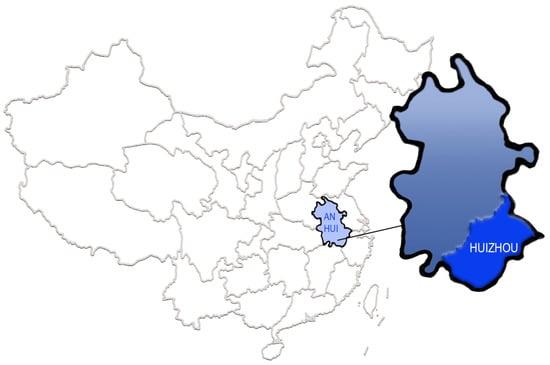
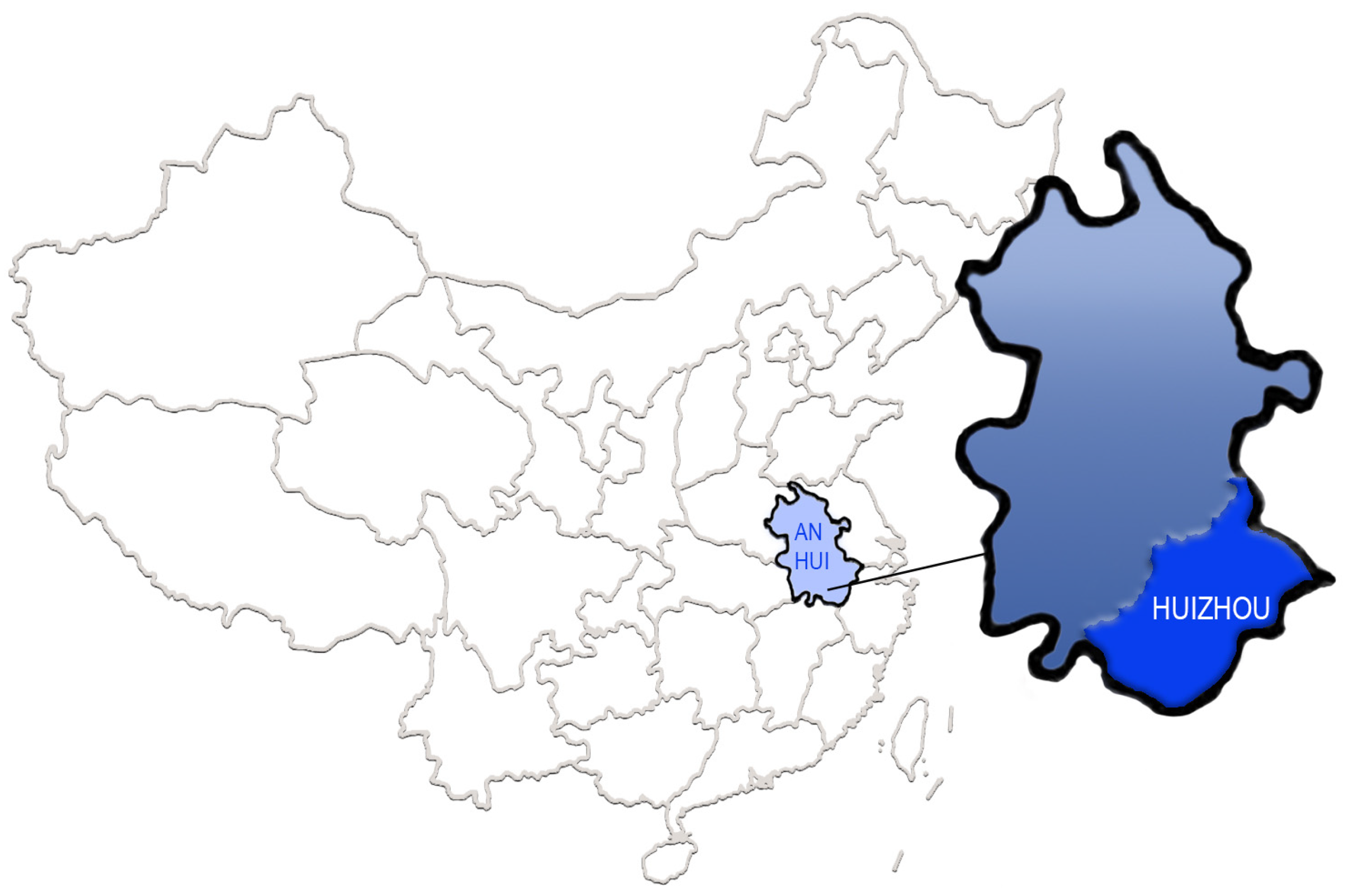
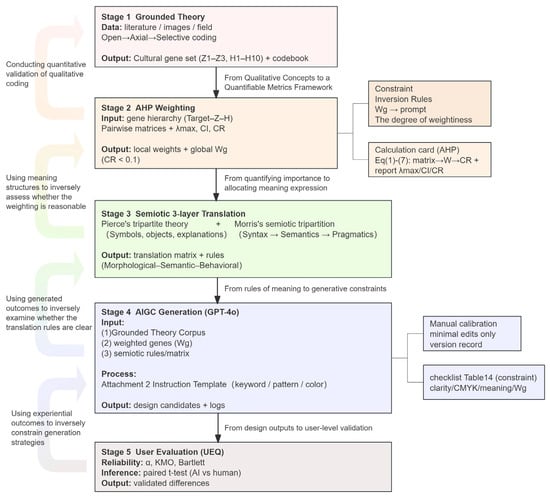
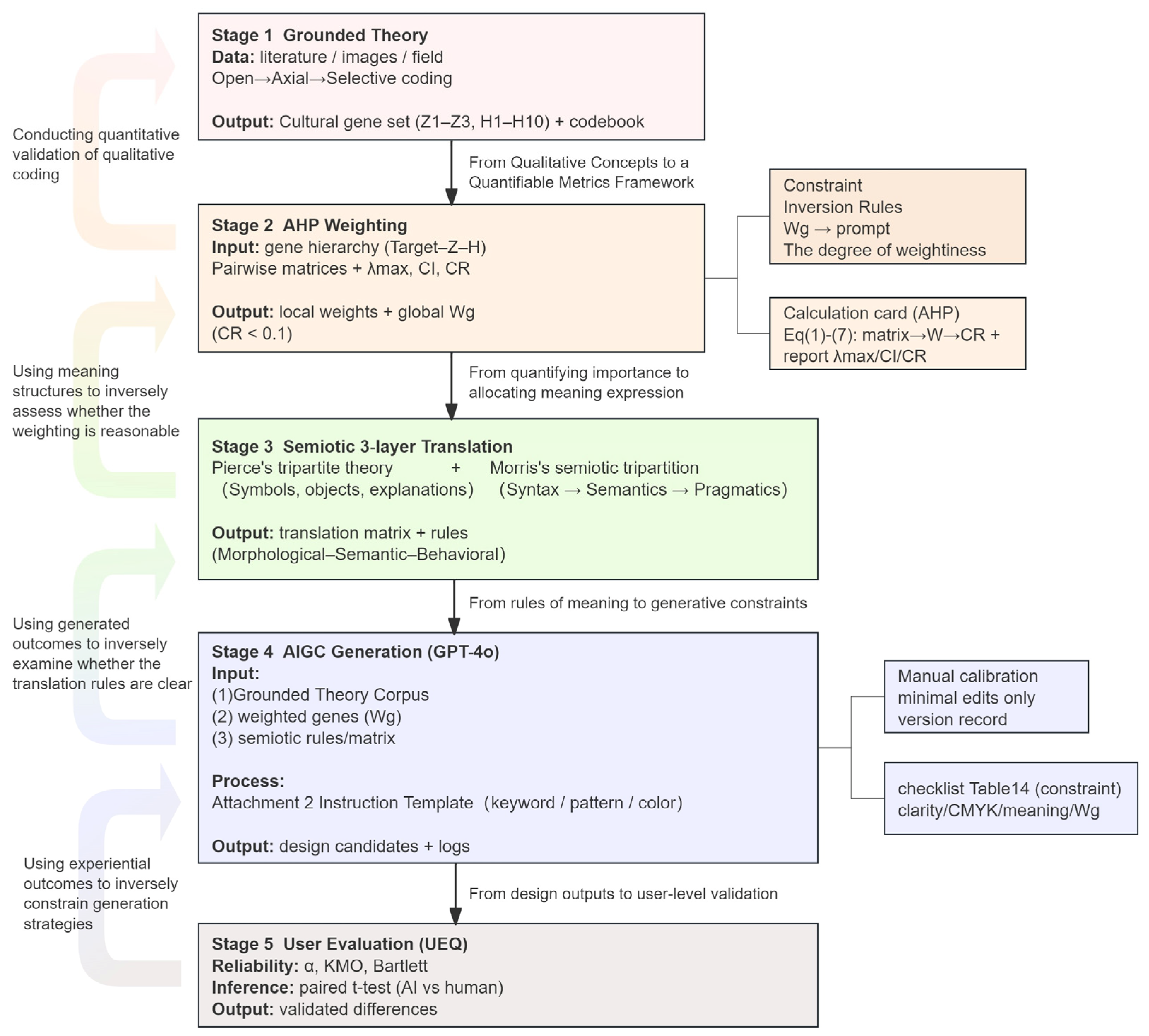
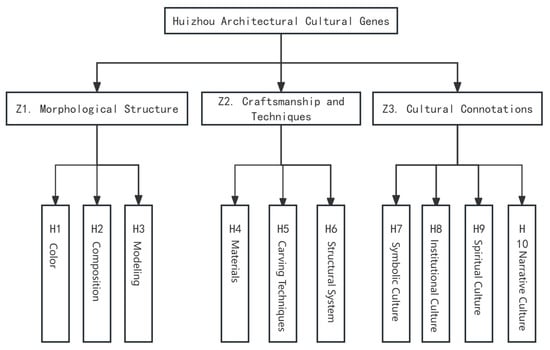
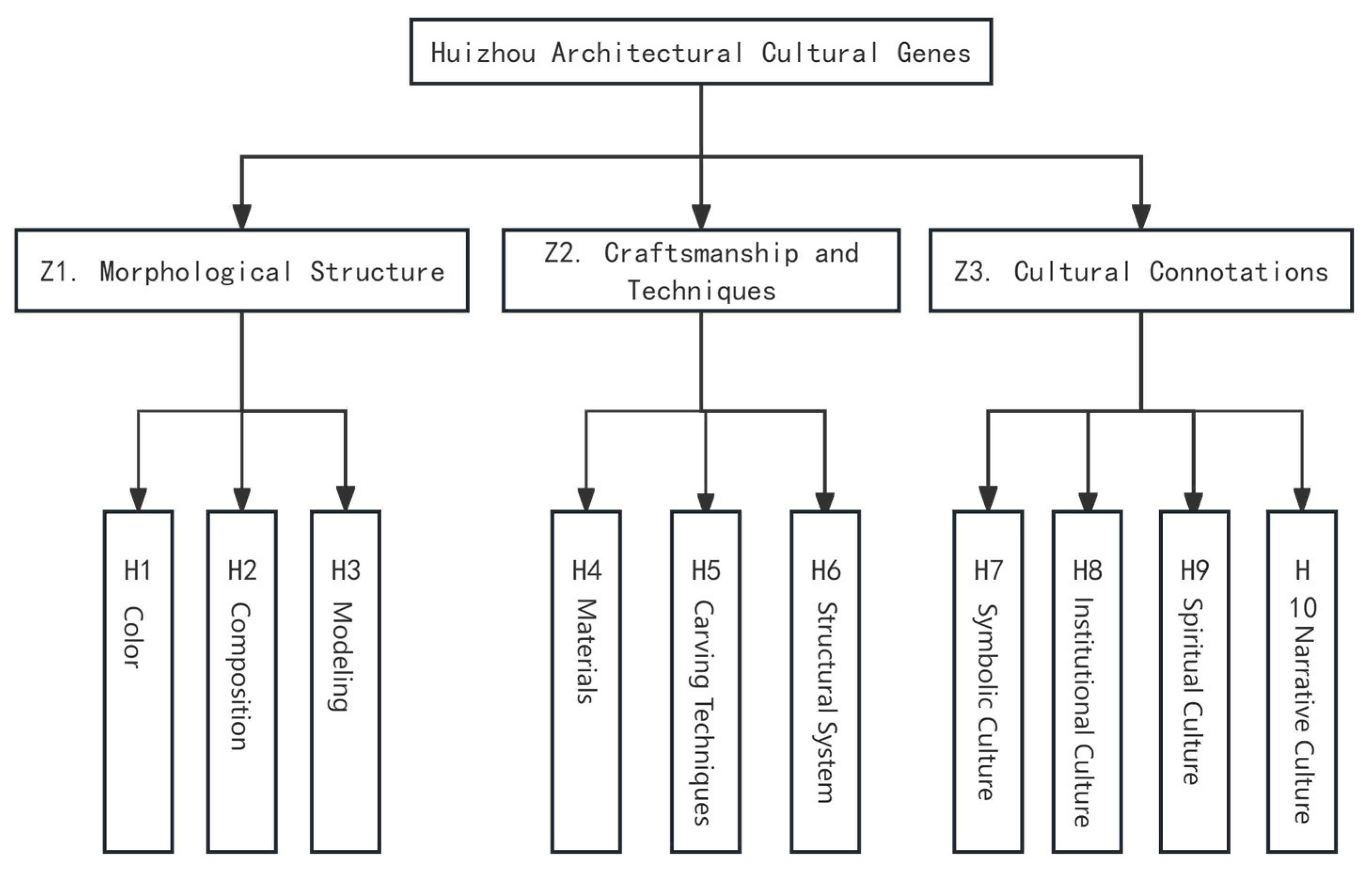
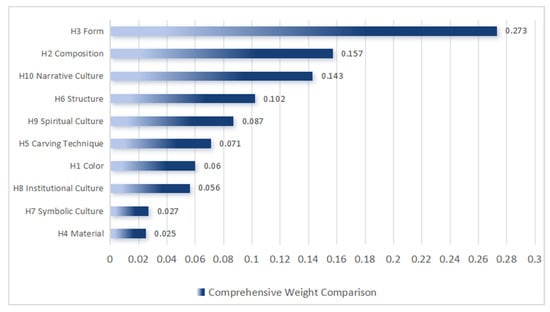
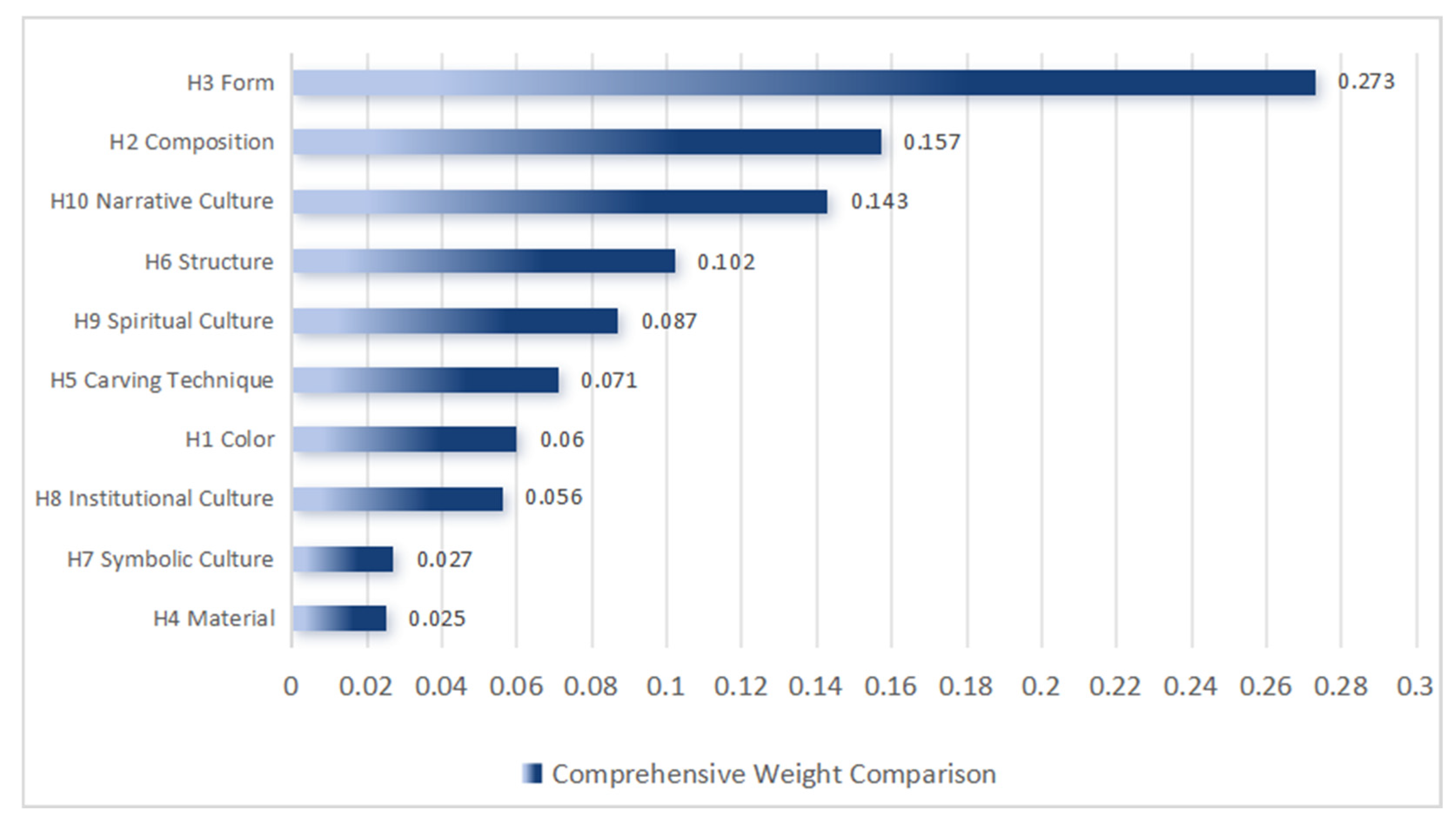
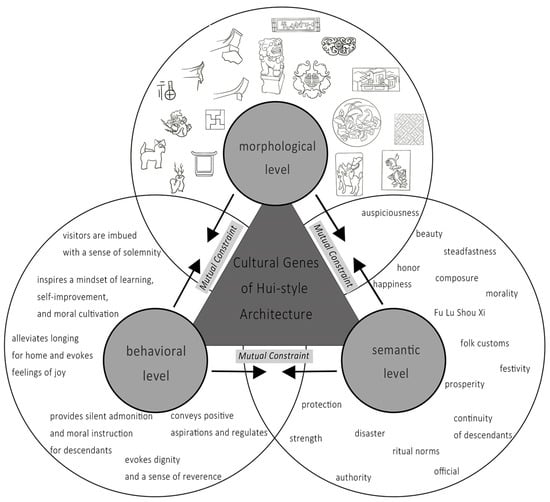
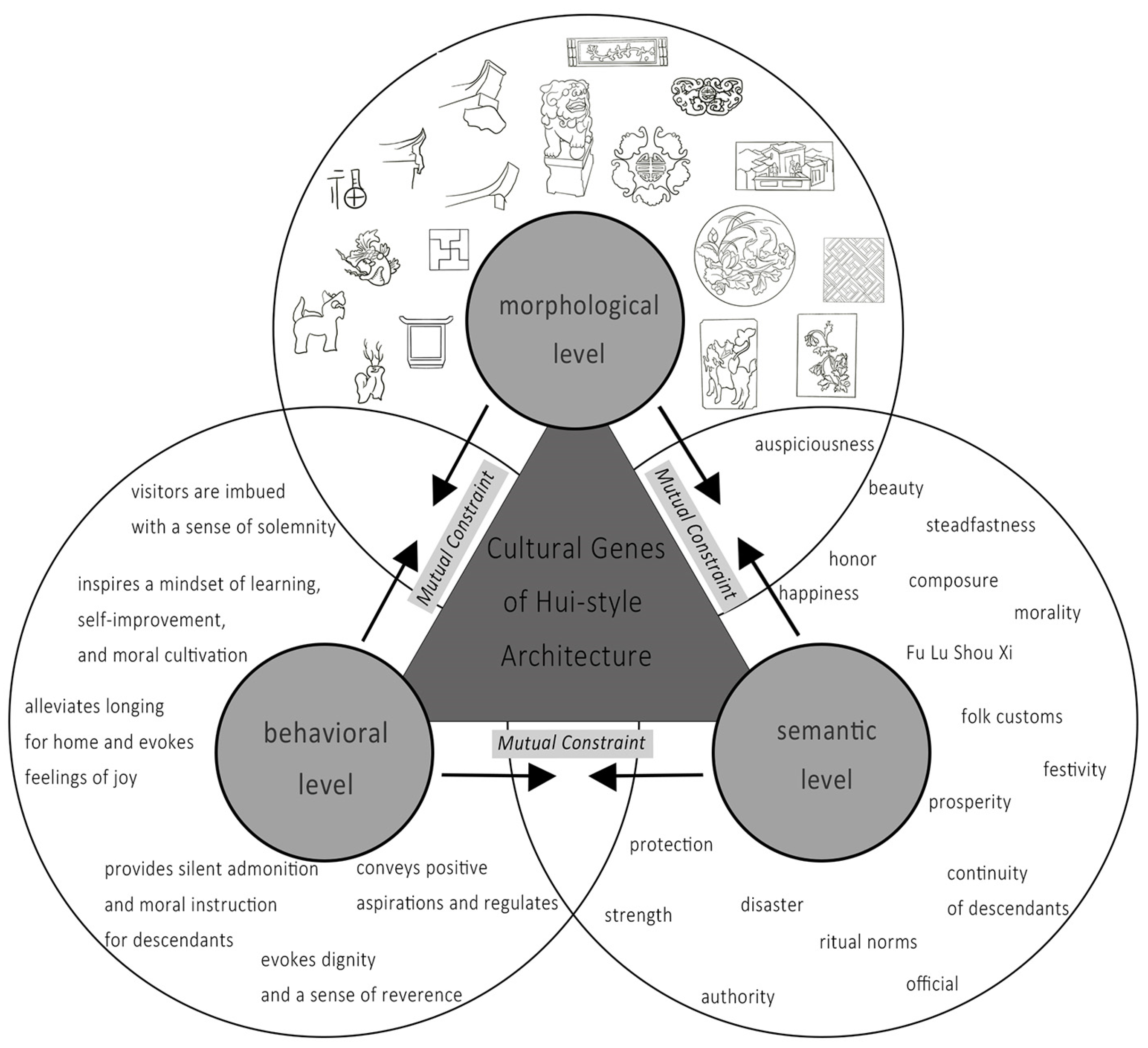
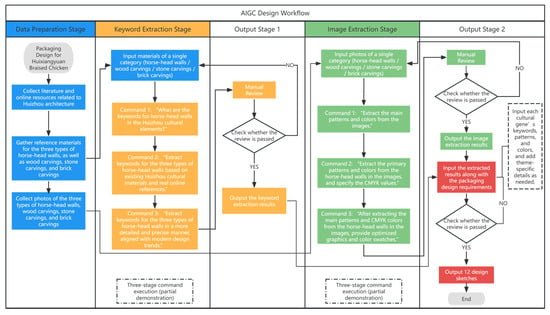
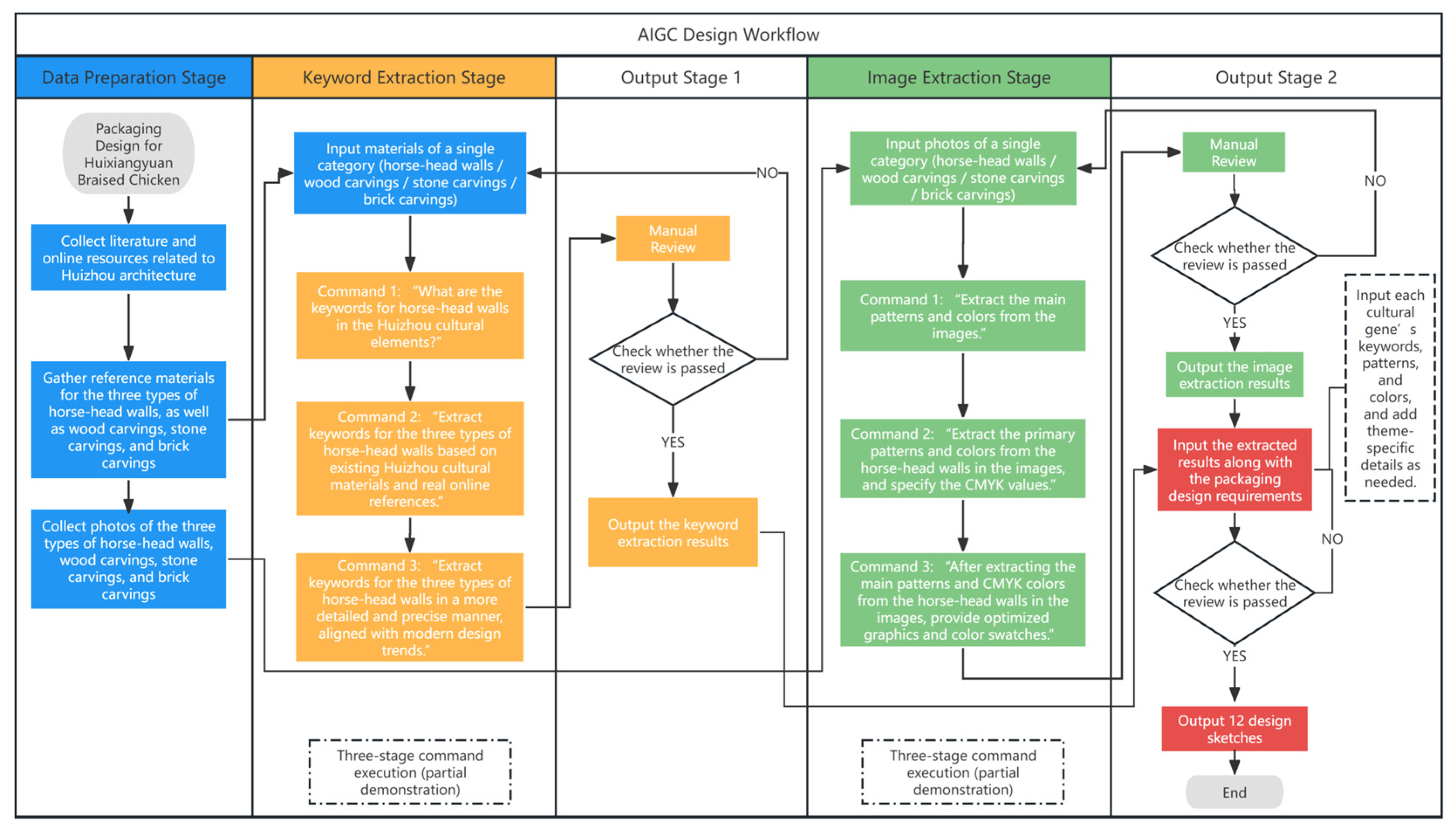
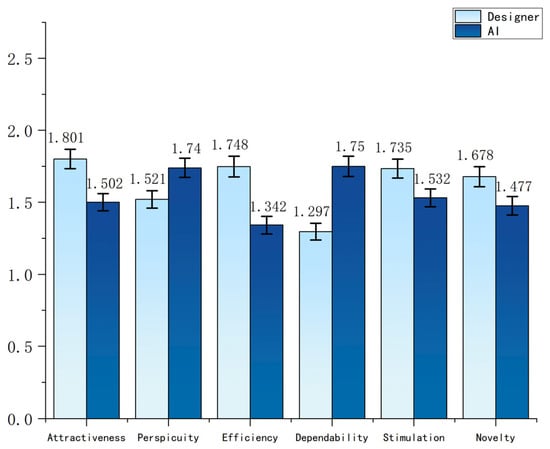
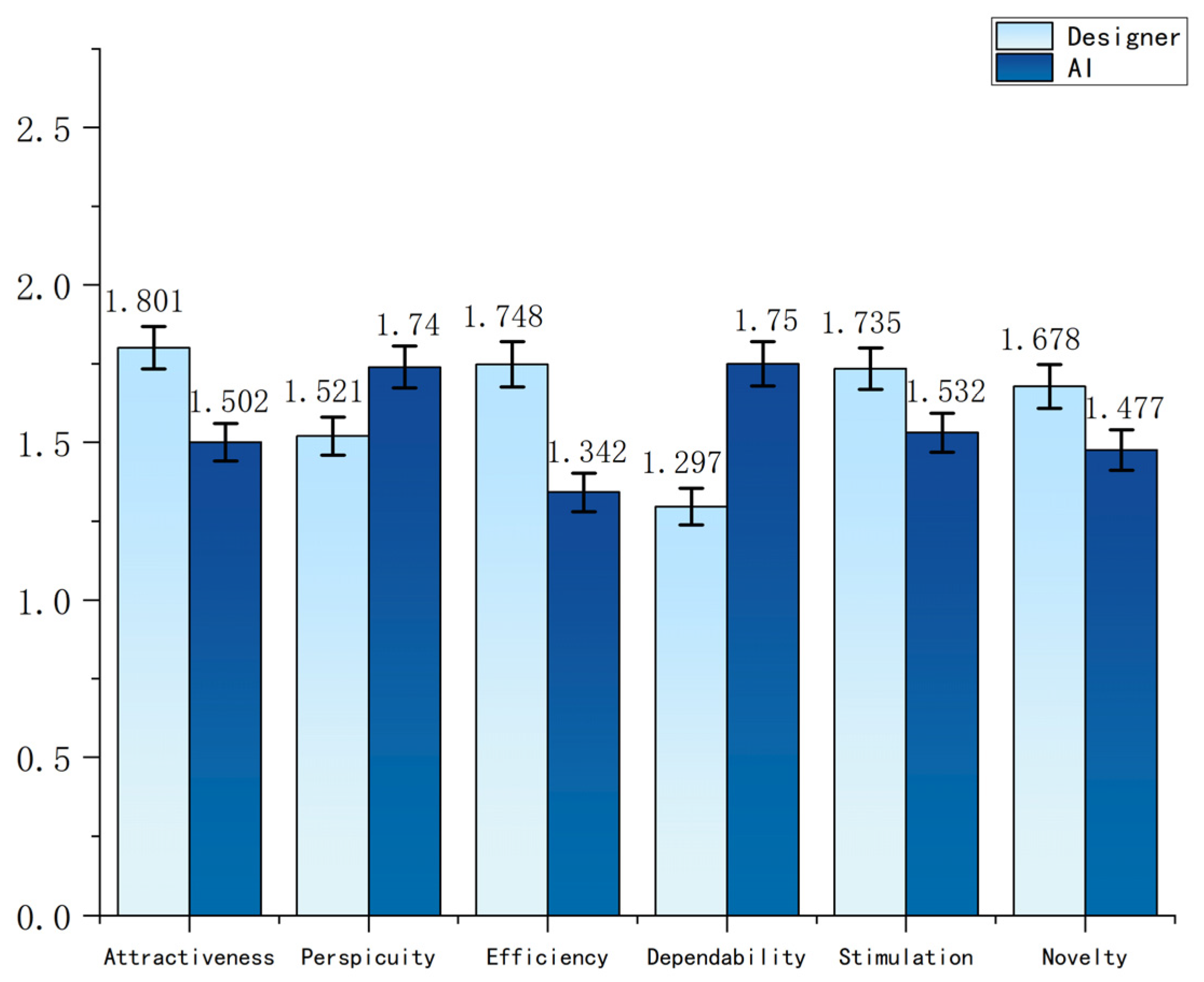
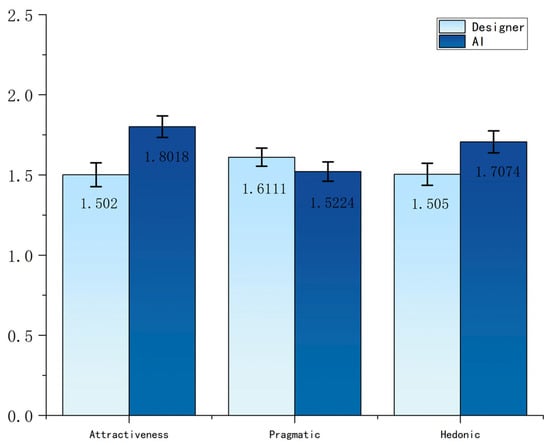
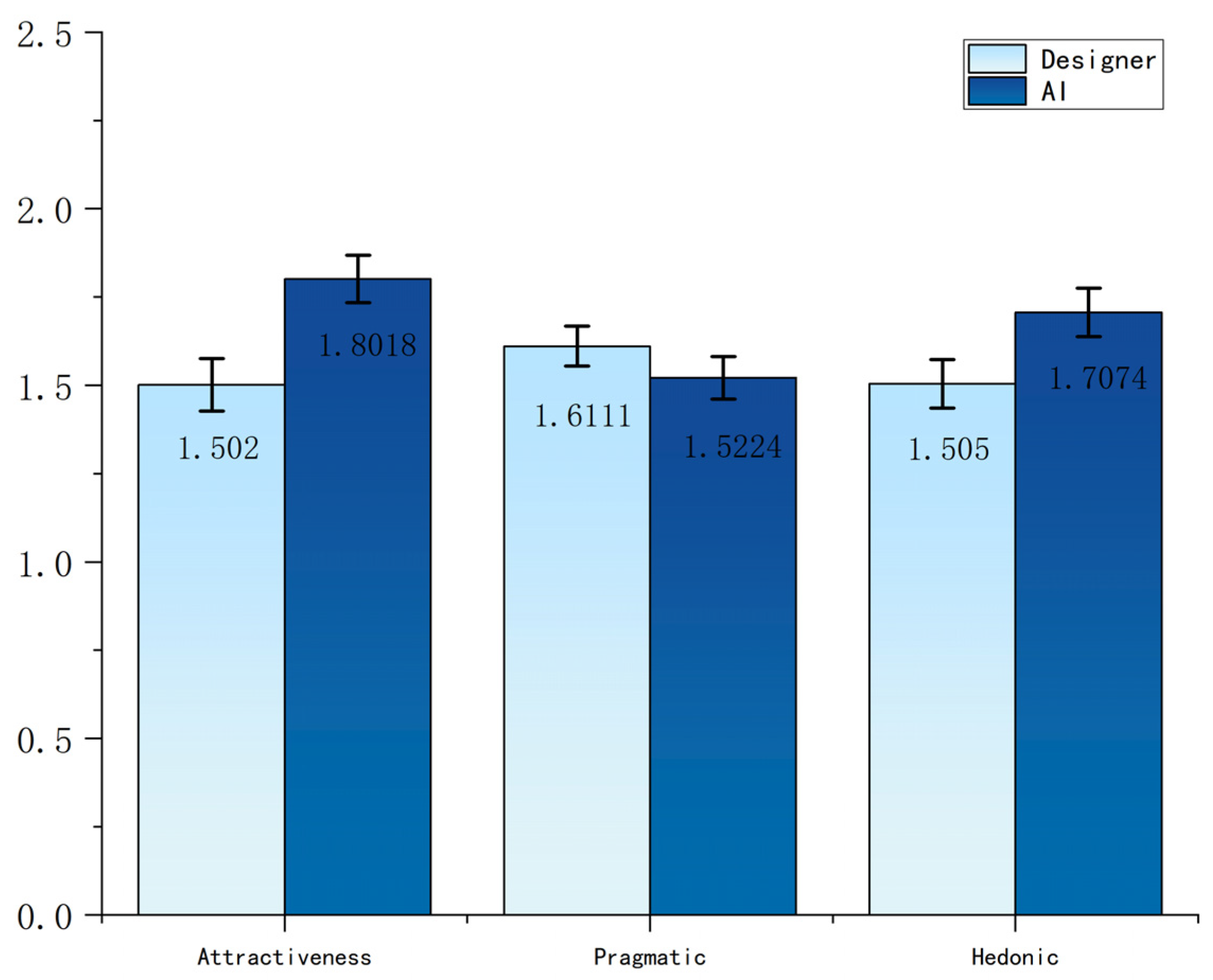

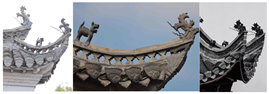





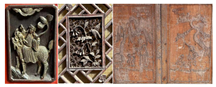
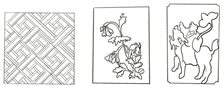
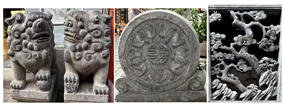
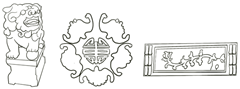
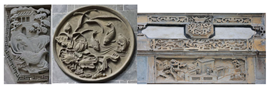

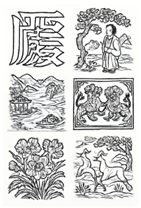
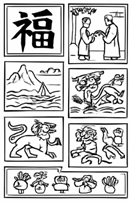
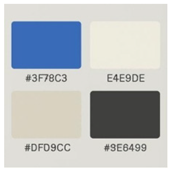
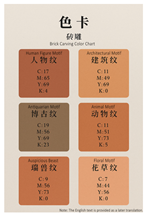
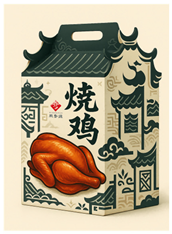
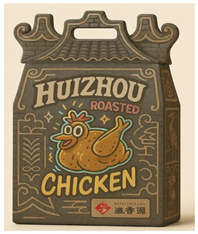
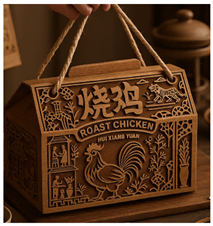
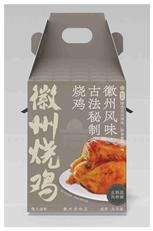

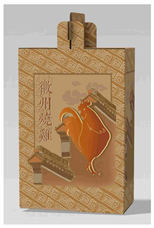
Disclaimer/Publisher’s Note: The statements, opinions and data contained in all publications are solely those of the individual author(s) and contributor(s) and not of MDPI and/or the editor(s). MDPI and/or the editor(s) disclaim responsibility for any injury to people or property resulting from any ideas, methods, instructions or products referred to in the content. |
© 2026 by the authors. Licensee MDPI, Basel, Switzerland. This article is an open access article distributed under the terms and conditions of the Creative Commons Attribution (CC BY) license.