


Abstract
Ecuador is considered one of the South American countries with abundant bamboo resources due to its diversity and abundance. This species, considered a non-timber resource, contributes to multiple SDGs because of its environmental potential and provision of sustainable livelihoods. This study uses a life cycle assessment methodology to evaluate the social and ecological impacts of preserved bamboo in two key production regions in Ecuador. The findings show that bamboo conserved in various by-products and processing forms emits less than 0.5 kg of CO2-Eq, with chemical inputs and transportation distances accounting for most of the environmental impacts. The assessment of the social implications of the actors in the bamboo chain is above average, translating into a “fair” evaluation, which tends to be more positive than negative. Thus, bamboo is seen as a source of livelihood for rural inhabitants, but it faces challenges such as poor agricultural incomes, informal employment, and limited access to basic services. Despite these obstacles, institutional support and the rise in the market for bamboo-based products provide opportunities to improve rural development, create green jobs, and strengthen climate resilience. These findings offer valuable insights for policymakers and industry stakeholders to enhance the role of bamboo in rural development.
1. Introduction
Bamboo, as a non-timber source, is closely related to the Sustainable Development Goals since it has the potential to achieve ambitious goals toward development, climate change, and the environment [1]. Bamboo can restore degraded land, regulate water flow, and act as a carbon sink [2,3].
The economic axis provides opportunities because bamboo-based industries support green jobs and sustainable livelihoods, and the social axis generates improvements in rural communities by providing affordable housing, energy, and food security [4]. According to Zhao et al. [1,5] and INBAR [6], bamboo contributes to multiple SDGs, including SDG 1 (poverty alleviation), SDG 7 (affordable and clean energy), SDG 9 (industry, innovation, and infrastructure), SDG 12 (sustainable consumption and production), SDG 13 (climate action), and SDG 15 (life on land).
Ecuador has rich bamboo resources in terms of species diversity, distribution, and abundance. The country hosts a total bamboo-growing area of 600,026 ha, which is equal to 22% of the country’s total geographical area [7]. Different bamboo species grow in agroclimatic ranges from 0 to 4300 m above sea level [8]. Of the 24 provinces with natural bamboo forests and plantations, 16 host considerable bamboo resources owing to their edaphoclimatic conditions [9]. One key province that hosts excellent bamboo resources is Manabí, with around 145,529 ha, representing 24.3% of Ecuador’s total bamboo area [6].
Bamboo in Ecuador has not been fully utilized to its full potential. Only a small portion of bamboo cultivation is used commercially, and its prices are lower than those of other timber products [10]. Most bamboo plantations are natural bamboo forest spots, and only a few hectares are commercially exploited in the region [11,12]. Bamboo forests, which are mainly located on farmers’ lands, are not technically managed to preserve their environmental and economic sustainability in most cases.
According to the Ministry of Agriculture and Livestock in Ecuador [6], the accounting balance of bamboo utilization in Ecuador was approximately 19% of the goods made with bamboo intended for self-consumption. These goods include living fences, watering holes, animal pen construction, housing construction, and small productive infrastructure (such as support for banana plants, passionfruit, peppers, and tomatoes). Production for self-consumption was valued at USD 51,273,000 in 2017, the most recent year with official national data on bamboo in Ecuador, with updated data expected in 2026.
Considering all productivity and services from bamboo activity, the bamboo sub-sector represented at least 0.5% of the Ecuadorian GDP [13]. Bamboo-related activities directly influence around 12% of employment generated in the agricultural sector, mainly in rural areas, providing temporary employment and additional income sources to 503,000 people who rely on bamboo for their livelihoods in the provinces of Manabí, Los Ríos, Guayas, Santo Domingo de los Tsáchilas, and Esmeraldas [14].
According to the United Nations Development Programme [15], the bioeconomy can significantly contribute to climate resilience by developing new value chains based on more climate-resilient crops, such as bamboo. This type of crop can offer opportunities for diversifying income generation in rural areas where this type of non-timber material has been used for decades for different purposes, for example, as construction material, for bioenergy use, or as a biobased product for other industries [16,17].
According to Van Der Lugt et al. [18], bamboo could be a critical component in the transition to bioeconomy by providing a viable, bio-based alternative for non-renewable, carbon-intensive ‘techno-cycle’ materials. This fast-growing grass can be used to create a wide range of durable consumer products, often substituting those made from manufactured materials. Durable bamboo products, such as construction materials, long-fiber composites, and furniture, exhibit mechanical and resistance properties similar to those of other commonly used resources, including stony materials, metals, tropical hardwoods, and plastics, but with the benefit of a lower carbon footprint and rapid renewability [19,20]. Despite the bamboo resins, laminates, and glues used in their creation, many durable bamboo materials are still preferable and more ‘circular’ alternatives to abiotic materials [21].
Bamboo was chosen as a case study because it is a significant source of revenue for farmers in the research areas and has long been utilized as a multifunctional material on farms. Since 2016, processed bamboo has been legally recognized as an official construction material under the Ecuadorian Construction Standard [22]. Two other South American countries also have specific codes and standards incorporated into their national building regulations. Particular guidelines for structural bamboo use are published by Colombia in its national building code (NSR-10) and by Peru in its National Building Regulations (code E100) [23,24].
The bioeconomy is built on three pillars of sustainability and seeks to reconcile environmental, economic, and social concerns [25,26,27]. This endeavor requires tools that give qualitative and quantitative information on the environmental, economic, and social performance of bio-based goods, as well as tradeoffs between the goals of the three dimensions of sustainability [28]. For the European Commission (2023) [29], Life Cycle Assessment is based on ISO 14040/44 and is considered a powerful and vital sustainability tool.
Patel et al. [30], Robert et al. [31], Lago-Olveira et al. [32], and Lewandowski [33] stated that life cycle assessment considers the value chain of a product or system, with system boundaries that may range from cradle-to-gate to cradle-to-grave or cradle-to-cradle, depending on the scope of the analysis. Consequently, LCA enables the identification of trade-offs between alternatives and supports the development of sustainable bio-economy strategies.
In recent years, life cycle assessment has been widely used to evaluate specific sectors, products, and value chains. A semantic smart search in the Web of Science for ‘life cycle assessment in the productive sector’ identified approximately 200 relevant articles [34].
For example, the studies of Gheewala [35] and Marzban et al. [36] use this methodology to evaluate the specific production chain for biofuels and bioproducts. Other studies have focused exclusively on assessing the environmental impacts of particular processes [37,38,39]. Others concentrate on a comprehensive assessment of all areas of sustainability [40]. As a reference in the timber sector, the European Union has conducted several studies based on the aforementioned methodology, which allows for exploring the potential of woody biomass in reducing environmental impacts and generating renewable energy [41,42,43]. The primary goal of this research is to give a thorough examination of the environmental and social consequences of bamboo cultivation in two of the central provinces that produce this non-timber resource. The scope and system project of the bamboo chain to be examined (preserved pillars and bamboo strips) were determined using the life cycle assessment methodology.
The goal of the environmental impact study is to collect data on the significant environmental indicators in bamboo production, specifically the contribution of CO2 gas emissions in comparison to other wood and non-wood products. In the social component, the goal is to construct subcategories of social impacts for each relevant actor, allowing for the visualization of both the positive and negative effects of bamboo production in the two provinces.
Unlike other existing studies in recent years that use the same life cycle analysis methodology, the current study is novel as it provides an integrated investigation into the social and environmental considerations of bamboo production and transformation in a Latin American country that has a significant portion of this non-forest resource in the region. This dual assessment offers an inclusive approach to bamboo sustainability, distinguishing it from other research types.
The findings will allow industry stakeholders, policymakers, and sustainability scholars to better understand bamboo’s role in the bioeconomy framework and provide informed recommendations.
2. Materials and Methods
2.1. Data Collection
The study data were collected in two phases. The first relates to collecting secondary data in institutional documents provided by the International Bamboo and Ratan Network (INBAR), the Ministry of Agriculture and Livestock, and the National Development Bank of Ecuador. These documents provide the fundamental characteristics of the bamboo production and transformation cycle and the baseline of the parties involved in the bamboo production chain.
The second phase of primary data collection was conducted in two parts. The first was through semi-structured interviews with managers and technical staff of INBAR’s Regional Office who have worked in the study areas for the last ten years and have been key actors in developing sustainable bamboo projects. The contribution of these actors was key to defining the scope and system boundary of the study, as well as the technical parameters necessary to establish the inputs and outputs of the bamboo life cycle analysis in the two provinces. For the second part of the primary data, field surveys were conducted in Manabí and Napo to analyze the actors involved in the life cycle of the fish. Primary information collected for each group identified in the value chain was considered for the social impact assessment.
2.2. Data Analysis Based on Life Cycle Assessment Methodology
2.2.1. Scope, Functional Unit, and System Boundary
The S-LCA and E-LCA study covers the production, harvesting, preservation, and primary processing of bamboo in the two provinces of Ecuador, which are the largest bamboo-producing regions in the country.
For the purposes of this study, one kilogram of bamboo material was considered a functional unit. To ensure accuracy in Life Cycle Assessment (LCA) calculations, this unit represents 1 kg of fresh bamboo culm at the input stage and 1 kg of dried bamboo biomass at the output stage after the preservation procedure. These weights were based on yield per hectare and earlier field measurements conducted by INBAR. The system has a ‘cradle-to-gate’ boundary, with the ‘gate’ defined as the end of the primary processing. This includes the entire cycle, from initial cultivation (Years 1–4) to the production of preserved stalks suitable for use as building materials (Figure 1).
Figure 1.
The product life cycle of bamboo production and preservation is considered a system with system boundaries.
2.2.2. Process Considerations in the System Boundary
Study Area
This study applies its findings to Manabí and Napo, two central bamboo-growing locations in Ecuador. The characterization of the study area is essential, as local meteorological conditions directly influence bamboo growth rates, biomass yield, moisture content, and preservation requirements, which in turn affect the environmental and social inputs considered within the LCA system boundaries [44].
In Manabí, the average annual precipitation is 1000 mm, the highest and minimum temperatures are 30 °C and 21 °C, respectively, and the relative humidity has a yearly average of 82.42% [45]. The average annual precipitation in the Napo region is 3192 mm, the maximum and lowest temperatures are 26 °C and 17 °C, respectively, and the relative humidity averages 89% [46].
Consistent with LCA methodology, the system boundaries encompass environmental and social variables associated with bamboo production and preservation, where meteorological conditions constitute key background parameters for defining region-specific inputs and assumptions.
Production Process
In the two regions evaluated, bamboo production was analyzed using two distinct management approaches: cultivation with fertilizer application (both chemical and organic) and cultivation without fertilizers. This distinction was integrated into the system boundary following technical recommendations from the INBAR team to specifically quantify the environmental trade-offs of agrochemical use in bamboo silviculture.
The life cycle inventory data for bamboo production and preservation were derived from primary field audits and technical reports developed by INBAR in collaboration with the Ecuadorian Ministry of Agriculture and Livestock (MAG) and the National Development Bank (BanEcuador). Specifically, the material and energy flows correspond to the “Production Cost Structure of Bamboo” (Document No. MAG-SPF-DGDPF-JTI-2021-023) [47], which serves as the official basis for national bamboo credit lines. These technical parameters, including labor, fuel, and preservative quantities, were further validated through on-site primary data collection during the social impact assessment phase of the project. All inventory inputs were subsequently normalized to the functional unit of 1 kg of bamboo based on regional yield per hectare measurements.
Energy Process
Since, in general terms, both raw bamboo and preserved bamboo production are mostly used by human labor, the inputs related to the use of machinery are minimal. However, to value this labor and keep in mind that the calculation of the environmental impacts of the life cycles considers the energy values used in the processes, the methodology of Zhang et al. [48] was used to convert the time spent in each productive activity into primary energy use per worker hour. Equation (1) was used for the conversion:
where EPHW represents the energy use per worker hour, TPES denotes the country or region’s total primary energy supply, IFC indicates the industrial final consumption (agricultural input), and TFC indicates the total final consumption.
The information for the above calculation was obtained from government sources in Ecuador, with the total values for the country, sector, and regions evaluated.
Transportation and Distances
Transport was calculated based on the secondary field data reported by INBAR’s regional technicians of INBAR. Figure 2 shows the transport distances in both regions. The transport distance from the production areas to the preservation centers in each canton was considered. In the case of Manabí, the average distance considered was 42.8 km, and for Napo, it was 19.2 km.
Figure 2.
Transport distances from bamboo production sites to preserved centers and fertilizer distribution. (a) Transport distance in Manabi. (b) Transport distance in Napo and Pastaza. (Map created in Python version 3.12.5 with base map courtesy of Global Administrative Databases).
For the production scenario that considers fertilizer application, the distances from the production zones to the most critical agrochemical distribution centers were also considered. For this calculation, the distance estimated for Napo was, on average, 33.86 km, while in Manabí, it was 28.44 km.
2.2.3. Input-Output Inventory
The inventory is segmented according to system boundaries, the bamboo production process, and the particularities of the two regions mentioned in the previous section. Table 1 and Table 2 describe the input–output variables in Manabí and Napo, respectively.
Table 1.
Input–output inventory of bamboo production and preservation in Manabí (per 1 kg of bamboo).
Table 2.
Input–output inventory of bamboo production and preservation in Napo (per 1 kg of bamboo).
This calculation does not consider the waste in the output mentioned because it is recycled and used for different purposes throughout the process.
For the primary processing of bamboo from pole to bamboo strips, processing was considered to use only human labor, while in Napo, in most of the preservation centers, the process uses machinery. This variance is represented in the inputs listed in the tables above and is mostly attributable to geographical differences in scale, technical availability, and manufacturing focus. In Napo, innovation-driven and supported development projects enable automation for higher-value products, whereas in Manabí, processing is primarily labor-based and focuses on traditional construction and local craftsmanship.
2.2.4. Environmental and Social Considerations of the Analysis
Environmental Considerations
The current Life Cycle Assessment study focuses on two principal axes. The first axis concerns the environmental impact assessment of 1 kg of canned bamboo, which considers the environmental impact calculation across the product life cycle and not the individual processes. For this purpose, the OPENLCA program (Version 2.0) with the corresponding license was used to carry out the environmental LCA [49].
The ecoinvent database, which has a specific procedure for non-timber forest products such as bamboo canes, was used for the environmental analysis.
This database enables users to track the environmental impacts of products and services throughout the supply chain, providing accurate data to inform decisions [49].
- Abiotic depletion,
- Acidification,
- Eutrophication,
- Global warming,
- Ozone layer depletion,
- Human toxicity,
- Freshwater ecotoxicity,
- Terrestrial ecotoxicity, and
- Photochemical oxidation.
Social Considerations
For the second part of the social impact assessment analysis of the bamboo product cycle, based on the UNEP/SETAC guidelines for evaluating the social impact [50], we designed participatory surveys according to the types of actors consulted in the two regions of Ecuador (Table 3).
Table 3.
Survey type and consulted stakeholders’ categories in the two regions of Ecuador for the S-LC impact.
Data collection was based on targeted stakeholder consultations rather than statistically representative sampling. Eight survey types were conducted using semi-structured surveys, which were implemented through focus group discussions and individual interviews with key local actors, including farmers, workers, value chain actors, public institutions, and academic stakeholders. This approach is consistent with the exploratory and participatory nature of social life cycle assessment and aims to capture context-specific social impacts along the value chain.
An evaluation scale that weighs the impact of each indicator for every subcategory is necessary to determine the Social Impact Results Analysis. The scoring system used is aligned with the UNEP/SETAC Guidelines for Social Life Cycle Assessment of Products [51]. It provides a structured and transparent approach to measure qualitative information gathered from surveys, stakeholder discussions, and secondary data from various institutional, governmental, and regional sources.
The evaluation scale ranges from 0 = Very Poor to 6 = Very Good, corresponding to graduated levels of social performance. According to Wang et al. [52], a scoring scale provides a quantitative indicator that allows comparisons across stakeholder groups, regions, and subcategories.
The scales enable the identification of critical issues (0 = very poor/poor performance) and best practices (6 = good/excellent performance), which can inform targeted policies and management interventions. Table 4 displays the scales and ponderation values applied to each subcategory in the analysis.
Table 4.
Scale evaluation of the social impact assessment of bamboo applied in the two regions of Ecuador.
Target criteria for each indicator were defined in accordance with Ecuadorian National Standards, sectoral regulations, and the regional development database. Conversely, to ascertain the social impact assessment score, we employed two distinct formulas. Equation (2) was applied to the score derived from survey data, while Equation (3) was applied to the score derived from secondary data.
where score (province) represents the qualification on the social impact in each actor subcategory indicator, survey_derived_value denotes the value obtained from the surveys applied to the bamboo chain actors, and target_criteria_value indicates the desired value for each indicator.
where score (province) denotes the qualification on the social impact in each actor subcategory indicator, Score_source represents the value obtained from secondary data, and max_value_source indicates the desired value for each indicator.
For easier presentation, calculated scores were rounded to the closest integer values. The detailed calculations for each score are presented in the Supplementary Data (Supplementary Tables S1 and S2).
The score system’s robustness is based on the following: (a) multi-actor validation, which incorporates multiple perspectives from farmers, workers, value chain actors, community representatives, public institutions, and academic stakeholders. (b) The scale is sensitive to gradation because it provides sufficient nuance to capture incremental differences in performance, as opposed to binary or three-point systems, which may oversimplify outcomes. Finally, the ordinal scale adheres to widely accepted conventions in social impact assessments, ensuring agreement with established approaches in the S-LCA literature.
In addition to the scores, we employed a traffic-light system to gain a more pictorial grasp of the results, which is used in reporting to express an area’s performance swiftly [53]. The lighting system uses a simple, visual way to demonstrate the data. (Green) indicates optimal indicator values, (yellow) indicates neutral or partially filled optimal values, and (red) indicates poor indicator performance (Table 5).
Table 5.
Traffic-light system applied to score data.
3. Results
3.1. Environmental Results
After applying the CML approach to impact analysis, Table 6 presents the environmental LCA results for bamboo in two regions of Ecuador, with the considerations explained in the previous section.
Table 6.
Environmental LCA results for bamboo in two regions of Ecuador.
The previous data displays the difference between Manabí and Napo for preserved and bamboo strips, considering the production system that uses or does not use chemicals in bamboo plantations.
Generally, the bamboo poles preserved from chemical production in the two regions have higher environmental impact parameters, having more significant values in Napo. The regional difference can be attributed to transportation distances, which in the case of Napo are longer than those in Manabí, to mechanization during the harvesting and processing stages, and, additionally, to the Amazon’s extensive forest cover, which makes large-scale bamboo harvesting an environmental risk if it does not meet the necessary technical parameters. Regarding the preserved bamboo pole originating from a plantation without fertilizer, the environmental impacts were slightly higher in Napo because of its location and the use of machinery to harvest bamboo. When comparing manually and mechanically processed bamboo strips, the latter has more significant environmental impacts due to the use of machinery to transform poles into bamboo strips. Although the use of equipment in this portion of bamboo processing is not common in all Ecuadorian preservation centers, the comparison allows us to highlight the environmental impact of using machinery in one step of the processing chain.
Excluding the impacts of climate change, the results for other environmental impact categories show more significant values for water use, freshwater ecotoxicity, and human toxicity, all of which are primarily influenced by the bamboo preservation and processing stages. Water-related impacts are more pronounced in systems that rely on chemical treatment and prolonged soaking of bamboo culms, whereas water toxicity indicators are associated with the use of preservatives and crop management practices. In contrast, the impacts of land use and resource depletion remain low because of the rapid growth of bamboo and limited agrochemical inputs. Finally, regarding human toxicity, the highest values occurred in systems where people were exposed to agrochemical applications and machinery operations.
Figure 3 compares the two regions analyzed in Ecuador under the climate change category in terms of CO2-Eq emissions. The results suggest that in Napo, more significant emissions are generated in all categories of preserved bamboo, with an average difference of 10–20% between them.
Figure 3.
A comparison of carbon emissions in the two regions of Ecuador.
Figure 4 and Figure 5 provide a data comparison between the current study’s research locations and previous studies, which measure the environmental life cycle analysis impacts of selected timber and non-timber products. The emission comparisons with the existing literature took into consideration the same functional equivalence of kg CO2-Eq but with heterogeneous system boundaries that do not consistently correspond to standardized cradle-to-grave or cradle-to-cradle scopes.
Figure 4.
Comparison of the carbon emissions of the study results and timber products. Note: The system boundaries reported in the reviewed studies are heterogeneous and do not consistently correspond to standardized cradle-to-grave or cradle-to-cradle scopes. Sources: [54,55,56,57,58,59,60].
Figure 5.
Comparison of carbon emissions of the study results and non-timber products. Note: The system boundaries reported in the reviewed studies are heterogeneous and do not consistently correspond to standardized cradle-to-grave or cradle-to-cradle scopes. Source: for non-timber products [61,62,63,64].
In general, lumber products emit significantly higher amounts of CO2-Eq than the bamboo results from the current study.
Although many timber products do not undergo any processing after harvesting, they emit more than preserved bamboo. MDF had the highest overall emissions, which could be attributed to the mechanical and chemical treatments that the wood undergoes (Figure 4).
Figure 5 compares the study’s findings with the most common non-timber items. Emissions from processed bamboo in the examined regions were lower than those from non-timber materials in the evaluated scholarly articles. Although not all non-timber products are considered building materials, the comparison is valid because bamboo is ethnologically considered to be in the non-timber group.
Finally, when comparing the timber and non-timber product groups, the emissions were almost double, highlighting the environmental impact of timber product use.
Figure 6 and Figure 7 show the main impact contributors regarding kg CO2-Eq emissions of the outputs under study. The impacts of climate change were calculated based on the inputs provided for each flow in the bamboo process. They are directly related to the use of fossil fuels at each step of bamboo production and processing.
Figure 6.
Main contributors to the Kg CO2-Eq emissions for preserved bamboo poles.
Figure 7.
Main contributors to the Kg CO2-Eq emissions for bamboo strips.
In the case of preserved poles, the main emission contributors in both production bamboo systems are the chemicals used to preserve the culms, followed by inorganic fertilizers in the case of chemical bamboo production. The other categories include water, transportation, and electricity used in the preservation centers.
As mentioned previously, the main contributors to the emissions from the bamboo strips are the chemicals used to preserve the culms.
However, as the mechanical process involves using specific machinery and fuels to flatten bamboo, significant contributors are those related to this process and the previous steps involved in preserving bamboo. In manual processes, no machinery is used because the process is mainly carried out through human labor.
The other environmental impact categories are not studied or compared to other types of wood or non-timber species since those are part of a more extensive study not included in this article.
3.2. Social Results
Supplementary Figure S1 visualizes the stakeholder map of the examined bamboo actors, illustrating the internal and external stakeholders participating in the analyzed product system.
Internal stakeholders include individuals directly involved in bamboo production and transformation, such as farmers, farmer associations, collection and preservation centers, retailers and transporters, and bamboo master builders. External parties involved in bamboo production include local and regional governments, universities, and governmental institutions, such as the Ministry of Agriculture and the International Bamboo and Rattan Organisation (INBAR).
SF1 illustrates each actor’s position in the assessed system, their characterization as an actor, their action framework, and the institutions that support each stakeholder.
Each of the stakeholders considered plays a significant part in the evaluated system. Nevertheless, the producers and producer organizations are the key elements among the internal actors since they are the bamboo material suppliers. Most farmers consider small farms since the land dedicated to bamboo is less than one hectare.
Bamboo production generally comes from natural spots rather than planted bamboo. In most cases, the labor for the maintenance and harvesting of bamboo comes from family members and occasionally from external workers. The average yield reporter is 500 culms/hectare, and in most cases, the harvest is sold to the collection and preservation centers near the farmer’s houses.
Among the internal actors involved, the bamboo master builders deserve special mention because of their expertise. This category was not initially considered, but it is important to mention because it includes people from the rural areas of the studied regions who had prior construction knowledge and could specialize as bamboo master builders after receiving various theoretical and practical training in bamboo construction. By 2024, according to internal reports from the Bambuzonia project, INBAR had promoted 62 farmer field schools on sustainable bamboo management, in which approximately 930 people had been trained across both regions, with an average attendance of 15 people per school [60,61]. Bamboo master builders are in high demand in the local construction market due to their expertise in employing bamboo as a construction material.
Among external stakeholders, it is essential to highlight the work of various governmental and non-governmental institutions that have supported Ecuador’s bamboo sector for several years. Specific initiatives in the country and regions studied seek to promote bamboo as an alternative construction material and strengthen its traditional use as a forest resource for watershed protection.
Supplementary Table S3 summarizes the Analysis of Social Impact Results in the provinces of Manabí and Napo. The living conditions of the farmers, who are the leading actors involved in bamboo production, are not optimal, which is a reality in rural Ecuador, where most producers do not have full access to household services or their income is insufficient to meet their food security needs.
Regarding productivity metrics, the average bamboo production was less than the target criteria. This metric may be explained by the fact that the present farmers’ bamboo plantations are sourced from natural areas that require ongoing agricultural work to become more productive. One notable characteristic of Ecuadorian farmers in general, which is also reflected in this study, is that the average age of a farmer is more than 50 years, and the degree of education in most cases is less than middle school.
Most of the parameters evaluated were above the mean in the worker category, except for the employment relationship. In most cases, workers are hired according to the agricultural needs of the plantation, and no formal employment instrument is signed. Few interviews were conducted in this category, as most farmers are small producers who rely on family members to manage their bamboo plantations.
We summarized all the actors of the value chain stakeholders as one group to gain an overview of the evaluated sub-category. In general, the actors in this category believe that there is slight competition; however, the existing competition is not regulated in any way, resulting in price uncertainty and, in general, substantial environmental impacts when unethical intermediaries harvest the entire bamboo area in farms without any technical consideration. When bamboo poles are sold in the local market, the parties do not have a contractual legal agreement. However, they consider that the prices received by the actors in this category are fair enough to generate revenue during the year.
Regarding the subcategories and indicators assessed for local communities and society, we conducted a general analysis utilizing institutional and governmental data that indicated the reality of the study’s locations.
In the case of local communities, according to national statistics on living conditions in these two provinces, most of the population has access to basic services; however, coverage is still below the desired level. In terms of adequate employment, only 31% of people in Manabí and 10.3% in Napo had it in 2023, demonstrating the lack of job opportunities in these two provinces, especially in the Amazon region.
Lastly, regarding the conflict rights aspect in Napo, people think that they have been more discriminated against, a perception that could be related to the presence of more indigenous people than in Manabí.
Finally, when we evaluate the subcategory “society,” based on bamboo’s contribution to the economy and institutional development from various documents and interviews, the average social impact is low, as it weighs the contribution of the forestry sector, the GVA of the agricultural industry, the country’s security, corruption factors, and institutional support for the bamboo chain. However, from the mentioned subcategories, the social impact in terms of institutional support for the bamboo chain in Ecuador is high, as there are several regulations, standards, and institutions working for this sector. Bamboo is considered a potential source of income for farmers, a material for the construction industry, and a means of conserving local ecosystems. Table 7 shows the average scores for each province for each actor in the bamboo chain evaluated in the study.
Table 7.
Summary of the social impact score of the bamboo actors in the system evaluated.
For almost all actors, the average score of the two provinces is similar, except for the local communities, where Napo has a lower value. The disparity in socioeconomic development between the two provinces was evident during the initial data collection process. The Amazon region of Ecuador, which includes the province of Napo, has long been underserved in terms of governmental resources and private investment, even though it provides most of Ecuador’s oil exports.
The overall chain has an average assessment of 3, which is classified as “fair” by the proposed system. This illustrates that while the impacts for each actor could be improved, in general terms, the social impact of the actors in the bamboo chain is acceptable but requires more substantial support from both the government and private sectors to achieve a better evaluation.
Figure 8 presents a radial diagram for each category of the examined actor, providing a visual representation of the social impacts. The graph shows that most subcategories in the two provinces share comparable values, with few exceptions, particularly among workers, value chain participants, and the local community.
Figure 8.
Visual representation of the social impact analysis of bamboo in Manabí and Napo.
4. Discussion
The results of the combined environmental and social life cycle assessment of bamboo in the two regions of Ecuador indicate a relatively low environmental impact but moderate social performance across the analyzed system. Our results for the environmental aspects are aligned with Van Der Lugt et al. [18], which indicate that bamboo is potentially the most eco-friendly construction material available, as it can be used in construction in its natural form without the need for additional processing.
Specifically, in terms of CO2 emissions, the most significant difference lies in three main factors: the energy in mechanical processing, the use of chemicals in the production phase [61] and in the preservation of the culms [62], and the ecological burden of transportation. However, as pointed out by Zuraida et al. [65], the relationship between bamboo preservation and the environment is in line with the use of additives for preservation. Although preservatives greatly extend the shelf life of bamboo, some bamboo preservation methods use chemical additives that hurt the environment.
The findings highlight a significant difference between the two regions; the environmental impacts in Napo are greater than those in Manabi. This difference is attributed to different factors such as transportation distance, higher mechanical process in Napo [66], and land conditions in the Amazonia. Regarding the last aspect, Lopez-Cuadra et al. [67] point out that Amazonian soils are acidic with low nutrient content due to high rainfall, which implies increased fertilizer use.
Regarding CO2eq emissions, when comparing the current study data to earlier assessments of timber products used in construction, wood presents higher emission values. According to Van Der Lugt et al. [18] and Lorenzo et al. [68], bamboo could be a critical component in the transition to the bioeconomy, providing a viable, bio-based alternative to non-renewable and carbon-intensive ‘techno-cycle’ materials compared to conventional structural materials. Additionally, industrial bamboo materials have a larger annual yield than hardwoods, higher processing efficiency, and are competitive depending on the production scenario [69,70]. Our findings are related to the life cycle analysis study by Gauch et al. [71], which evaluates various types of wood and non-wood construction materials, including bamboo. This study concludes that, generally, when materials are processed artisanally, the environmental impact is minimal, as it requires a substantial amount of work, which serves as the primary energy source for processing. Other findings by Yadav et al. and Zea Escamilla et al. [69,72] indicate that bamboo-based constructions help reduce atmospheric CO2 levels and create new and long-term carbon sinks [73].
The social impact analysis determines a moderate score of “3” in the two provinces, strongly influenced by the farmers’ social impact evaluation as the main actor in the bamboo chain evaluated. This is consistent with the findings by Morales et al. [74], who indicate that agricultural producers in Ecuador face barriers to accessing productive factors, economic resources, and markets, a lack of infrastructure and appropriate technologies, gender inequalities, a lack of generational renewal, and restrictions on essential services. In general terms, the social impacts in the Province of Napo are inferior to those in Manabí; this may be because, historically, provinces in the eastern part of Ecuador have been more neglected in terms of economic development and the provision of social services. According to Primicias [75], the Amazonian provinces of Ecuador have the highest levels of income inequality, especially Morona Santiago, Napo, and Pastaza. The substantial interregional disparities exist between provinces located in the central north, central west, and southern parts of Ecuador, which have better development levels than the provinces primarily situated in the Amazon region [76].
Regarding the institutional support in the bamboo value chain, in Ecuador, since 2015, the Bamboo Sectoral Board has been formed, which is a body of concertation, articulation, and integration among different actors from the productive sectors, support organizations, local and ministerial governments, and academia to promote the use of bamboo for good living, seeking to maximize the competitiveness of the industry [77].
Our study shows an apparent contradiction between the presence of strong institutional support for bamboo development in Ecuador and the moderate social impact scores observed. This circumstance can be explained by the fact that institutional support has mainly focused on strategic planning, pilot projects developed mainly by international organizations, and technical assistance, rather than structural improvements in labor conditions, social protection, and income stability at the farmer level. The results show that institutional presence does not automatically suggest improvement in social outcomes in the bamboo value chain.
4.1. Comparative Benchmarking Analysis of Bamboo and Other Materials
Table 8 presents a comprehensive analysis of bamboo performance in Ecuador compared with other wood and non-timber resources, facilitating a systematic comparison of the results of this study with the current literature on the topic.
Table 8.
Comprehensive analysis of bamboo performance in two regions in Ecuador in comparison with timber and non-timber materials.
It considers both environmental and social implications when evaluating the overall performance of these materials within the frameworks of the bioeconomy and sustainable development.
The benchmarking comparison highlights that bamboo in Ecuador (Manabí and Napo) stands out for its low environmental footprint (<0.5 kg CO2-eq/kg), which is significantly lower than timber, MDF, hemp-based composites, and bioplastics. The only materials that perform comparably are engineered bamboo from Asia and Ghana, which is a best-practice model due to streamlined value chains.
On the social aspect, Ecuadorian bamboo supports meaningful rural livelihoods; however, low wages, informal employment, and limited access to services hinder it. Timber and MDF, on the other hand, frequently provide more formal positions and are associated with extractive or hazardous working conditions. Traditional materials, such as adobe or bricks, perform poorly on both environmental and social criteria, proving the comparative advantage of bamboo.
Overall, bamboo in an ideal scenario is a balanced bioeconomy material that excels environmentally while performing relatively well socially. Its primary challenge is to turn “fair” social results into “good” ones by enhancing permanent institutional support, increasing farmer incomes, and formalizing employment. If these shortcomings are addressed, Ecuador’s bamboo sector has the potential to join the engineered bamboo success stories of other countries and become a significant driver of sustainable rural development.
4.2. Limitations of the Study
It is vital to note that the current study has severe limitations. One of them is the sample used for primary data collection, which was carried out in accordance with INBAR’s scope of activity in the two provinces evaluated. The surveys undertaken do not necessarily represent most stakeholders in the bamboo chain in this region. We are also aware that the bamboo production system has not been fully evaluated from planting to recycling, resulting in partial data on the social and environmental impacts of the chain. Another limitation is the subjective criteria applied by the authors, as the secondary data presented are subject to regional variability due to socioeconomic and cultural factors; therefore, periodic reevaluation is necessary to maintain relevance over time.
5. Conclusions
One of the significant challenges of the bioeconomy is measuring the long-term impacts of its components. This study demonstrates that integrating environmental and social life cycle assessments offers a more comprehensive understanding of bamboo’s role in the bioeconomy. Unlike many earlier studies that looked at ecological or technical factors, our findings incorporate carbon footprint analysis and social performance measurements, demonstrating both the strengths and structural problems of bamboo cultivation and the primary process in Ecuador.
This study combines the social and environmental impacts of bamboo poles in Ecuador, highlighting regional differences in sustainability. In general, the environmental impacts of bamboo production have a lower score than those of conventional timber and non-timber construction materials. The main contributors to the CO2 emissions impact category were the use of additives for preservation, chemical inputs in the production phase, transport distance, and mechanical methods in primary processing.
In terms of social outcomes, the scores are only moderate in both provinces, despite strong institutional support for bamboo development. The results indicate that institutional efforts have been more effective in promoting strategic planning and technical assistance rather than improving socioeconomic conditions such as labor formalization, income stability, and equitable distribution among value chain actors. These findings reveal an important gap between policy intentions and the current social conditions of the bamboo value chain.
In summary, bamboo emerges as an environmentally viable alternative in Ecuador as a construction material, owing to its multiple contributions to reducing environmental impacts compared to other types of building materials. However, it poses an enormous social challenge to ensure that bamboo production and preservation have a better social impact along the value chain, especially for producers of bamboo. Achieving long-term sustainable socio-environmental development of bamboo opens doors to green jobs, climate-resilient livelihoods, and new industrial prospects. In other words, it represents an untapped bioeconomic frontier, where rural development, climate mitigation, and industrial innovation intersect.
Policy Implications
Given bamboo’s environmental and socio-economic potential, this non-forest resource should be strategically integrated into Ecuadorian National Bioeconomy Policies as a renewable and low-carbon resource for the construction sector.
Specific policy instruments need to be addressed, which prioritize the use of bamboo, particularly in public and housing programs, as an alternative to substitute carbon -intensive materials. Considering that the most relevant primary stakeholders in this study are farmers in rural areas and local processors, sustainable and strong policy support is needed that focuses on value chain strengthening rather than only on production expansion. Targeted financial mechanisms and governmental incentives for sustainable management and efficient processing, combined with technical assistance, can substantially improve long-term income stability within the actors of the value chain.
In terms of environmental impacts, policies should encourage the adoption of lower-toxicity chemicals and promote water-efficient treatment systems, especially in the preservation process of bamboo. To alleviate the socioeconomic gaps in the regions investigated, governmental programs are required to improve access to basic amenities and transportation in bamboo-producing areas, allowing them to increase productivity and access new markets. Furthermore, institutional measures should formalize employment in the bamboo sector by encouraging labor rights, fair salaries, and social security coverage. Additionally, encouraging young people to participate in bamboo-based businesses can help reinvigorate rural economies and counteract the aging of the farming demographic.
Finally, from an institutional and political standpoint, local and academic initiatives should be reinforced to coordinate research, investment, and policy implementation of bamboo based on the needs of the territories. Frameworks for monitoring and evaluation should be created to measure the long-term contributions of bamboo to environmental and socio-economic sustainability.
Supplementary Materials
The following supporting information can be downloaded at: https://www.mdpi.com/article/10.3390/buildings16040715/s1. Figure S1: Stakeholder map of the actors involved in the bamboo project system evaluated in the S-LCA; Table S1: Matrix score calculation used for value chain actors for whom we conducted surveys; Table S2: Matrix score calculation used for value chain actors for whom secondary data was applied; Table S3: Analysis of social impact results in Ecuador’s two regions with traffic-light color differentiation.
Author Contributions
Conceptualization, M.L.O.O. and Z.L.; methodology, M.L.O.O.; software, M.L.O.O.; validation, Z.L., P.J.E. and P.R.I.; formal analysis, M.L.O.O.; investigation, M.L.O.O.; investigation, F.M.O., C.F.V. and P.J.E.; data curation, M.L.O.O.; writing—original draft preparation, M.L.O.O.; writing—review and editing, M.L.O.O.; visualization, M.L.O.O. and P.J.E.; supervision, Z.L. All authors have read and agreed to the published version of the manuscript.
Funding
This research received no external funding.
Data Availability Statement
The data presented in this study are available upon request from the corresponding author.
Acknowledgments
The authors are grateful to the Hungarian University of Agriculture and Life Sciences for the outstanding informatics support in accessing different databases requested for this research article, as well as the use of statistical software to analyze the data presented. In addition, the authors thank the International Bamboo and Rattan Organization (INBAR) for its structural support in carrying out this study, as well as its bamboo project “Think in Bamboo”, funded by the Spanish Agency for International Development Cooperation (AECID) and the European Union.
Conflicts of Interest
The authors declare no conflicts of interest.
Correction Statement
This article has been republished with a minor correction to resolve spelling and grammatical errors. This change does not affect the scientific content of the article.
Abbreviations
The following abbreviations are used in this manuscript:
| SLCA | Sustainable Life Cycle Assessment |
| INBAR | International Bamboo and Rattan Organization |
| S-LCA | Social Life Cycle Assessment |
| E-LCA | Environmental Life Cycle Assessment |
References
- Zhao, H.; Wang, J.; Meng, Y.; Li, Z.; Fei, B.; Das, M.; Jiang, Z. Bamboo and rattan: Nature-based solutions for sustainable development. Innovation 2022, 3, 100337. [Google Scholar] [CrossRef] [Scilit] [PubMed]
- International Network for Bamboo and Rattan (INBAR). Bamboo, Rattan and the SDGs; INBAR: Beijing, China, 2015. [Google Scholar]
- Pan, C.; Zhou, G.; Shrestha, A.K.; Chen, J.; Kozak, R.; Li, N.; Li, J.; He, Y.; Sheng, C.; Wang, G. Bamboo as a Nature-Based Solution (NbS) for Climate Change Mitigation: Biomass, Products, and Carbon Credits. Climate 2023, 11, 175. [Google Scholar] [CrossRef] [Scilit]
- Binfield, L.; Britton, T.L.; Dai, C.; Innes, J. Evidence on the social, economic, and environmental impact of interventions that facilitate bamboo industry development for sustainable livelihoods: A systematic map protocol. Environ. Evid. 2022, 11, 33. [Google Scholar] [CrossRef] [Scilit] [PubMed]
- International Bamboo and Rattan Organization (INBAR). Bamboo and Sustainable Development; INBAR: Beijing, China, 2020; Available online: https://www.inbar.int/wp-content/uploads/2020/05/1560329838.pdf (accessed on 22 February 2025).
- Ministry of Agriculture and Livestock of Ecuador; Bamboo Sector Committee; International Bamboo and Ratan Organization. Ecuador: Estrategia Nacional del Bambú. 2018. Available online: https://bambuecuador.wordpress.com/wp-content/uploads/2019/03/estrategia-nacional-bambc3ba-2018-2022-versic3b3n-resumida.pdf (accessed on 17 February 2025).
- Ministry of Agriculture and Livestock of Ecuador. Ecuador Ejecuta Estrategia Para Aumentar Producción y Demanda de Bambú. 2018. Available online: https://www.agricultura.gob.ec/ecuador-ejecuta-estrategia-para-aumentar-produccion-y-demanda-de-bambu/#:~:text=Ecuador%20tiene%20600%20026%20hect%C3%A1reas,y%20en%20Sierra%20el%2010%25 (accessed on 24 January 2025).
- Lopéz Rodríguez, E.R.; Anzueto del Valle, C.F.; Gordillo Coloma, J.C.; Reyna del Leon, J.F.; Figueroa, L.; Sarmiento Quiroa, H.A. Manual Para El Cultivo de Bambú. 2013. Available online: https://www.icta.gob.gt/publicaciones/Bambu/Manual%20para%20el%20cultivo%20de%20bambu,%202013.pdf (accessed on 24 January 2025).
- Schröder, S. Bamboo Species of Ecuador. Guadua Bamboo SAS. 2022. Available online: https://www.guaduabamboo.com/blog/bamboo-species-of-ecuador (accessed on 25 January 2025).
- Marlin, C.; Klop, A.; Cardenas, E. Bamboo production chain in Ecuador. J. Bamboo Ratt. 2003, 2, 327–343. [Google Scholar] [CrossRef] [Scilit]
- Jacobs, J.M.; von May, R.; Kavanaugh, D.H.; Connor, E.F. Beetles in bamboo forests: Community structure in a heterogeneous landscape of southwestern Amazonia. PeerJ 2018, 6, e5153. [Google Scholar] [CrossRef] [Scilit]
- Fadrique, B.; Veldman, J.W.; Dalling, J.W.; Clark, L.G.; Montti, L.; Ruiz-Sanchez, E.; Rother, D.C.; Ely, F.; Farfan-Ríos, W.; Gagnon, P.; et al. Guidelines for including bamboos in tropical ecosystem monitoring. Biotropica 2020, 52, 427–443. [Google Scholar] [CrossRef] [Scilit]
- International Organization of Bamboo and Ratan (INBAR). Estudio de la Cadena Desde la Producción al Consumo del Bambu en Ecuador; INBAR: Quito, Ecuador, 2015; Available online: https://bambuecuador.wordpress.com/wp-content/uploads/2018/01/2015-estudio-de-la-cadena-desde-la-producciocc81n-al-consumo-del-bmabucc81-en-ecuador.pdf (accessed on 24 January 2025).
- Reyna, M.; Moreno, F. Caracterización de La Cadena de Construcción Con Bambú e Identificación de Las Plantaciones y Manchas Naturales a Través de Teledetección Satelital En Tres Cantones de La Provincia de Manabí, Ecuador; RIUCI Bambu: Quito, Ecuador, 2022; Available online: https://riuci.cdn.prismic.io/riuci/1c99e6fe-3471-4a5b-8dd9-1b59d48fe060_2022+Caracterizaci%C3%B3n+de+la+cadena+de+construcci%C3%B3n+de+bamb%C3%BA+Manabi+Ecuador+.pdf (accessed on 1 June 2025).
- United Nations Development Programme. South-South and Triangular Cooperation on the Bioeconomy in Light of the Paris Agreement and the 2030 Agenda for Sustainable Development Photo: LNBR Table of Contents; United Nations: Rome, Italy, 2019; Available online: https://unsouthsouth.org/wp-content/uploads/2020/08/triangular-cooperation-on-the-bioeconomy-publication.pdf (accessed on 21 March 2023).
- Romero, M.J.A. Vulnerability of ecosystems with Guadua angustifolia in Ecuador in light of climate changes1. Pesqui. Agropecu. Trop. 2019, 49, e55405. [Google Scholar] [CrossRef] [Scilit]
- Van Der Lugt, P.; King, C. Bamboo in the Circular Economy: The Potential of Bamboo in a Zero-Waste, Low Carbon Future; Policy Synthesis Report; International Bamboo and Rattan Organization: Beijing, China, 2019; Volume 6, Available online: https://pure.tudelft.nl/ws/portalfiles/portal/84146701/1578039902.pdf (accessed on 3 March 2025).
- Van Der Lugt, P. TEDx Talk How Bamboo Can Save the Word; MOSO Bamboo: Rotterdam, The Netherlands, 2019; Available online: https://blog.moso-bamboo.com/ted-talk-how-bamboo-can-save-the-world?lang_selected=true (accessed on 1 March 2025).
- Bravo Ochoa, V.P.; Morales Rodríguez, J.A.; Arias Zambrano, J.L.; Moran Ubidia, J.; Loayza, F.; Cadena, D.; Van Drunen, N.; Laso, J.M.; Vega, R.; Jaramillo, A.; et al. Estructuras de Bambu; MIDUVI: Quito, Ecuador, 2016. Available online: https://www.habitatyvivienda.gob.ec/wp-content/uploads/downloads/2017/04/NEC-SE-GUADUA-VERSION-FINAL-WEB-MAR-2017.pdf (accessed on 24 January 2025).
- Witte, D. Contemporary Bamboo Housing in South America Challenges & Opportunities for Building in the Informal Sector; University of Washington: Washington, WA, USA, 2018. [Google Scholar]
- King, C. Bamboo: The forgotten circular economy solution. In Proceedings of the FTA-Kunmimg Scientific Conference 2021, Kunming, China, 22–24 June 2021; Preprint posted online 2021. Available online: https://www.foreststreesagroforestry.org/wp-content/uploads/2021/08/FTA-01-Kunming-Poster_King.pdf (accessed on 25 January 2025).
- Ministry of Urban Development and Housing. Norma Ecuatoriana de Construcción en Caña Guadúa; Government of Ecuador: Quito, Ecuador, 2019. Available online: https://www.habitatyvivienda.gob.ec/wp-content/uploads/2020/07/2017-01-19_Registro-Oficial-No.-842_AM-No.-033-16_Expedici%C3%B3n-NEC-HS-AU-y-NEC-SE-GUADUA.pdf (accessed on 25 January 2025).
- Ministerio de Ambiente V y DT de C. Normas Colombianas de Diseño y Construcción Sismo Resistente: Capitulo Estructuras de Bambu; Gobierno de Colombia: Bogota, Colombia, 2016. Available online: https://guaduabambucolombia.co/wp-content/uploads/2013/02/manual-de-sismoresistencia-snr-10-pag-1-113-143.pdf (accessed on 5 January 2026).
- Gobierno del Peru. Norma E.100. 2012. Available online: https://cdn.www.gob.pe/uploads/document/file/2686424/E.100%20Bamb%C3%BA%20DS%20N%C2%B0%20011-2012.pdf?v=1641411376 (accessed on 30 December 2025).
- Faulkner, J.P.; Murphy, E.; Scott, M. Bioeconomy, Planning and Sustainable Development: A Theoretical Framework. Sustainability 2024, 16, 8303. [Google Scholar] [CrossRef] [Scilit]
- Aguilar, A.; Twardowski, T.; Wohlgemuth, R. Bioeconomy for Sustainable Development. Biotechnol. J. 2019, 14, 1800638. [Google Scholar] [CrossRef] [Scilit]
- Ordoñez Olivo, M.L.; Luzon, E.; Ritter, K. Examining the nexus between productivity growth, circular bioeconomy, and climate change: A bibliometric analysis. Agrosystems Geosci. Environ. 2025, 8, e70085. [Google Scholar] [CrossRef] [Scilit]
- Lewandowski, I. Bioeconomy: Shaping the Transition to a Sustainable, Biobased Economy; Springer International Publishing: Cham, Switzerland, 2017. [Google Scholar] [CrossRef] [Scilit]
- European Commission. Life Cycle Assessment & the EF Methods; European Commission: Brussels, Belgium, 2023; Available online: https://green-forum.ec.europa.eu/green-business/environmental-footprint-methods/life-cycle-assessment-ef-methods_en#:~:text=As%20the%20basis%20of%20the,impacts%20of%20products%20and%20organisations (accessed on 1 February 2025).
- Patel, N.; Feofilovs, M.; Blumberga, D. Evaluation of bioresource value models: Sustainable development in the agriculture biorefinery sector. J. Agric. Food Res. 2022, 10, 100367. [Google Scholar] [CrossRef] [Scilit]
- Roberts, G.; Skinner, C.; Ormondroyd, G.A. The environmental and social impacts of modified wood production: Effect of timber sourcing. Int. Wood Prod. J. 2022, 13, 236–254. [Google Scholar] [CrossRef] [Scilit]
- Lago-Olveira, S.; Arias, A.; Rebolledo-Leiva, R.; Feijoo, G.; González-García, S.; Moreira, M.T. Monitoring the bioeconomy: Value chains under the framework of life cycle assessment indicators. Clean. Circ. Bioeconomy 2024, 7, 100072. [Google Scholar] [CrossRef] [Scilit]
- Lewandowski, I. Securing a sustainable biomass supply in a growing bioeconomy. Glob. Food Sec 2015, 6, 34–42. [Google Scholar] [CrossRef] [Scilit]
- Web of Science. Web of Science Core Collection. 2025. Available online: https://www.webofscience.com/wos/woscc/summary/f4433991-1826-4d25-80e8-2c0c03f16a24-017abe2c03/0b772d48-f61d-420b-899f-e446e4816b9f-017abe2bc6/relevance/1 (accessed on 17 September 2025).
- Gheewala, S.H. Life cycle assessment for sustainability assessment of biofuels and bioproducts. Biofuel Res. J. 2023, 10, 1810–1815. [Google Scholar] [CrossRef] [Scilit]
- Marzban, N.; Psarianos, M.; Herrmann, C.; Schulz-Nielsen, L.; Olszewska-Widdrat, A.; Arefi, A.; Pecenka, R.; Grundmann, P.; Schlüter, O.K.; Hoffmann, T.; et al. Smart integrated biorefineries in bioeconomy: A concept toward zero-waste, emission reduction, and self-sufficient energy production. Biofuel Res. J. 2025, 12, 2319–2349. [Google Scholar] [CrossRef] [Scilit]
- Yacout, D.M.M.; Khalil, H.H.; Yacout, M.M. Climate change impacts on Egyptian aquaculture: Challenges, opportunities, and research gaps. Front. Sustain. Food Syst. 2025, 9, 1527798. [Google Scholar] [CrossRef] [Scilit]
- Biagetti, E.; Gislon, G.; Martella, A.; Zucali, M.; Bava, L.; Franco, S.; Sandrucci, A. Comparison of the use of life cycle assessment and ecological footprint methods for evaluating environmental performances in dairy production. Sci. Total Environ. 2023, 905, 166845. [Google Scholar] [CrossRef] [Scilit]
- Naranjo, L.; Castillo, J.; Montes, V.; Yáñez, E. Calculating the carbon footprint of the artisanal common hake fishery (Merluccius gayi gayi) in Caleta Portales, Valparaíso, Chile. Lat. Am. J. Aquat. Res. 2021, 49, 538–550. [Google Scholar] [CrossRef] [Scilit]
- Ferretti, L.; Di Blasi, S.; Landers, L.; Elli, F.; O’Connor, R.; Pacini, G.C. Agroecology in wine production: Assessing the environmental, productive and social sustainability pillars of conventional, organic and biodynamic vineyard management through the AESIS framework. Ecol. Solut. Evid. 2025, 6, e70101. [Google Scholar] [CrossRef] [Scilit]
- Van den Auwelant, E.; Nimmegeers, P.; Van Passel, S. Life cycle assessment and circular practices in the woodworking sector: A systematic review. Clean Technol. Env. Policy 2025, 27, 1673–1692. [Google Scholar] [CrossRef] [Scilit]
- Sathre, R.; González-García, S. Life cycle assessment (LCA) of wood-based building materials. In Eco-Efficient Construction and Building Materials; Elsevier: Amsterdam, The Netherlands, 2014; pp. 311–337. [Google Scholar] [CrossRef] [Scilit]
- Bais-Moleman, A.L.; Sikkema, R.; Vis, M.; Reumerman, P.; Theurl, M.C.; Erb, K.H. Assessing wood use efficiency and greenhouse gas emissions of wood product cascading in the European Union. J. Clean. Prod. 2018, 172, 3942–3954. [Google Scholar] [CrossRef] [Scilit]
- Van Der Lugt, P.; Vogtländer, J.; Brezet Bamboo, H. Sustainable Solution for Western Europe Design Cases, LCAs and Land-Use. 2009. Available online: https://www.ecocostsvalue.com/EVR/img/references%20ecocosts/LCA_bamboo_website.pdf (accessed on 11 January 2026).
- Sergio, C.; López, V.; Cedeño García, G.; Arteaga, A.G. Análisis Estadístico de los Datos Climáticos Históricos de la SPAM MFL Statistical Analysis of the Historical Climate Data of SPAM MFL. Información del Artículo; Escuela Superior Politécnica Agropecuaria de Manabí: Calceta, Ecuador, 2021; Available online: https://www.manabi.gob.ec/wp-content/uploads/2021/11/Analisis-Estadistico-de-los-datos-climaticos-historicos-de-la-SPAM-MFL.pdf (accessed on 23 March 2025).
- Yan, H.; Xiaojun, Z.; Xiangyang, H.; Solis, W.; Espindola, J. Plan Hidráulico Regional de Demarcación Hidrográfica Napo Memoria; GAD Napo: Napo, Ecuador, 2016. [Google Scholar]
- INBAR-MAG. Unpublished Technical Report Nr. MAG-SPF-DGDPF-JTI-2021-023 (Production Cost of Bamboo in Ecuador); Ministry of Agriculture and Livestock: Quito, Ecuador, 2021.
- Zhang, T.W.; Dornfeld, D.A. Energy Use per Worker-Hour: Evaluating the Contribution of Labor to Manufacturing Energy Use. In Advances in Life Cycle Engineering for Sustainable Manufacturing Businesses; Springer: London, UK, 2007; pp. 189–193. [Google Scholar] [CrossRef] [Scilit]
- Ecoinvent. The Ecoinvent Database. 2023. Available online: https://ecoinvent.org/database/ (accessed on 30 January 2025).
- Benoît Norris, C.; Traverzo, M.; Neugebauer, S.; Ekener, E.; Schaubroeck, T.; Russo Garrido, S. Guidelines for Social Life Cycle Assessment of Products; United Nations Environment Programme: Nairobi, Kenya, 2009. [Google Scholar]
- UNEP; SETAC Life Cycle Initiative. Towards a Life Cycle Assessment; UNEP/SETAC Life Cycle Initiative: Paris, France, 2011; Available online: https://www.lifecycleinitiative.org/wp-content/uploads/2012/12/2011%20-%20Towards%20LCSA.pdf (accessed on 21 March 2023).
- Wang, S.W.; Hsu, C.W.; Hu, A.H. An analytic framework for social life cycle impact assessment—Part 1: Methodology. Int. J. Life Cycle Assess. 2016, 21, 1514–1528. [Google Scholar] [CrossRef] [Scilit]
- Blackstone, J.H. Theory of constraints—A status report. Int. J. Prod. Res. 2001, 39, 1053–1080. [Google Scholar] [CrossRef] [Scilit]
- Roger, S.; Jennifer, O. A Synthesis of Research on Wood Products and Greenhouse Gas Impacts; FPInnovations: Pointe-Claire, QC, Canada, 2010; Available online: https://www.woodworks.org/wp-content/uploads/FPI-Greenhouse-Gas.pdf (accessed on 10 December 2024).
- Puettmann, M.E.; Wilson, J.B. Life Cycle Assessment of Wood and Wood-Based Products. Wood Fiber Sci. 2005, 39, 18–29. Available online: https://www.researchgate.net/publication/298917851_Life-cycle_analysis_of_wood_products_Cradle-to-gate_LCI_of_residential_wood_building_materials (accessed on 10 December 2024).
- Hawkins, W. Timber and carbon sequestration. Struct. Eng. 2021, 99, 18–20. [Google Scholar] [CrossRef] [Scilit]
- de Koning, F.; Olschewski, R.; Veldkamp, E.; Benítez, P.; López-Ulloa, M.; Schlichter, T.; de Urquiza, M. The Ecological and Economic Potential of Carbon Sequestration in Forests: Examples from South America. AMBIO: A J. Hum. Environ. 2005, 34, 224–229. [Google Scholar] [CrossRef]
- Costa, D.; Serra, J.; Quinteiro, P.; Dias, A.C. Life cycle assessment of wood-based panels: A review. J. Clean Prod. 2024, 444, 140955. [Google Scholar] [CrossRef] [Scilit]
- Sandin, G.; MPeters, G.; Svanström, M. Life Cycle Assessment of Forest Products; Springer International Publishing: Cham, Switzerland, 2016. [Google Scholar] [CrossRef] [Scilit]
- Bergman, R.; Puettmann, M.; Taylor, A.; Skog, K.E. The Carbon Impacts of Wood Products. For. Prod. J. 2014, 64, 220–231. [Google Scholar] [CrossRef] [Scilit]
- Fitzgerald, A.; Proud, W.; Kandemir, A.; Murphy, R.J.; Jesson, D.A.; Trask, R.S.; Hamerton, I.; Longana, M.L. A Life Cycle Engineering Perspective on Biocomposites as a Solution for a Sustainable Recovery. Sustainability 2021, 13, 1160. [Google Scholar] [CrossRef] [Scilit]
- Li, J.; Yuan, Y.; Guan, X. Assessing the Environmental Impacts of Glued-Laminated Bamboo Based on a Life Cycle Assessment. Bioresources 2016, 11, 1941–1950. [Google Scholar] [CrossRef] [Scilit]
- Zampori, L.; Dotelli, G.; Vernelli, V. Life Cycle Assessment of Hemp Cultivation and Use of Hemp-Based Thermal Insulator Materials in Buildings. Environ. Sci. Technol. 2013, 47, 7413–7420. [Google Scholar] [CrossRef] [Scilit]
- Islam, M.; Xayachak, T.; Haque, N.; Lau, D.; Bhuiyan, M.; Pramanik, B.K. Impact of bioplastics on environment from its production to end-of-life. Process Saf. Environ. Prot. 2024, 188, 151–166. [Google Scholar] [CrossRef] [Scilit]
- Zuraida, S.; Zr, D.L.; Larasati, D. Environmental Impacts of Bamboo Preservation Methods as an Assessment of Sustainable Material Construction. Available online: https://www.researchgate.net/publication/332351377 (accessed on 10 December 2025).
- Pinto, V.; Moreno, F.; Rodríguez, D. Sistematización de Resultados y Lecciones Aprendidas, Del Proyecto “Apoyo a La Construcción Sostenible a Través de La Escuela Taller de Manabí y El Fortalecimiento de La Cadena Productiva de Construcción Con Bambú”; INBAR: Quito, Ecuador, 2022; Available online: https://riuci.cdn.prismic.io/riuci/70f3b259-1dc7-4e34-8a5b-318f2c161cdf_2022+Sistematizaci%C3%B3n+resultados+y+lecciones+aprendidas+Escuela+Taller+Construcci%C3%B3n+Sostenible+con+bamb%C3%BA.pdf (accessed on 1 March 2025).
- Lopez-Cuadra, Y.M.; Carrasco Vega, Y.L.; Mori Zavaleta, R.; Cunias Rodriguez, M.Y.; Carril-Verastegui, B.; Alvarado Ibanez, J.C. Aspectos socioeconómicos y ambientales delcultivo de bambú en el distrito de Imaza, Amazonas. Univ. Cienc. Tecnol. 2023, 27, 10–20. [Google Scholar] [CrossRef] [Scilit]
- Lorenzo, R.; Godina, M.; Mimendi, L.; Li, H. Determination of the physical and mechanical properties of moso, guadua and oldhamii bamboo assisted by robotic fabrication. J. Wood Sci. 2020, 66, 20. [Google Scholar] [CrossRef] [Scilit]
- Yadav, M.; Mathur, A. Bamboo as a sustainable material in the construction industry: An overview. Mater. Today Proc. 2021, 43, 2872–2876. [Google Scholar] [CrossRef] [Scilit]
- Tan Phuong, V. INBAR Working Paper Technical Paper Life Cycle Assessment for Key Bamboo Products in Viet Nam; INBAR: Beijing, China, 2020; Available online: https://www.researchgate.net/publication/344779285_INBAR_Working_Paper_Technical_Paper_Life_Cycle_Assessment_for_Key_Bamboo_Products_in_Viet_Nam (accessed on 3 March 2025).
- Gauch, M.; Vanegas, P.; Sucozhañay, D. Sostenibilidad de Materiales Locales de Construcción Del Ecuador Desde Un Enfoque Interdisciplinario Strengthening Capacities for Energy Efficiency in Buildings in Latin America; Universidad de Cuenca: Cuenca, Ecuador, 2023; Available online: https://proyectoceela.com/download/sostenibilidad-de-materiales-locales-de-construccion-del-ecuador-desde-un-enfoque-interdisciplinario (accessed on 1 October 2025).
- Zea Escamilla, E.; Habert, G.; Correal Daza, J.F.; Archilla, H.F.; Echeverry Fernández, J.S.; Trujillo, D. Industrial or Traditional Bamboo Construction? Comparative Life Cycle Assessment (LCA) of Bamboo-Based Buildings. Sustainability 2018, 10, 3096. [Google Scholar] [CrossRef] [Scilit]
- Gan, J.; Chen, M.; Semple, K.; Liu, X.; Dai, C.; Tu, Q. Life cycle assessment of bamboo products: Review and harmonization. Sci. Total Environ. 2022, 849, 157937. [Google Scholar] [CrossRef] [Scilit]
- Morales, M.; Mideros, A. Análisis de la pobreza multidimensional en los hogares de la agricultura familiar campesina en el Ecuador, 2009–2019. Rev. Econ. 2021, 73, 7–21. [Google Scholar] [CrossRef] [Scilit]
- Primicias. Ecuador se Convirtió en el Tercer País Más Desigual de América Latina. 2025. Available online: https://www.primicias.ec/noticias/economia/desigualdad-ricos-pobres-estancamiento-ecuador/ (accessed on 23 February 2025).
- Correa-Quezada, R.; Esparza, K.; Campoverde, K. Índice de Desarrollo de las Regiones de Ecuador. Rev. Econ. Y Política 2023, 18–30. [Google Scholar] [CrossRef] [Scilit]
- Bambú Ecuador. Mesa Sectorial del Bambu. 2020. Available online: https://bambu.com.ec/mesa-sectorial-del-bambu/ (accessed on 23 February 2025).
- De Campos, E.F.; Punhagui, K.R.G.; John, V.M. CO2 footprint of Amazon lumber: A meta-analysis. Resour. Conserv. Recycl. 2021, 167, 105380. [Google Scholar] [CrossRef] [Scilit]
- Ratnasingam, J.; Ramasamy, G.; Toong, W.; Senin, A.L.; Kusno, M.A.; Muttiah, N. An Assessment of the Carbon Footprint of Tropical Hardwood Sawn Timber Production. Bioresources 2015, 10, 5174–5190. [Google Scholar] [CrossRef] [Scilit]
- FAO. Forestry for a Low-Carbon Future: Integrating Forests and Wood Products in Climate Change Strategie; Food and Agriculture Organization of the United Nations: Rome, Italy, 2016. [Google Scholar]
- Kurylo, B. The Devastating Impact of Illegal Logging in Latin America. 2024. Available online: https://earth.org/the-devastating-impact-of-illegal-logging-in-latin-america/ (accessed on 18 September 2025).
- Minter, T.; Sunderland, T. Social Impacts of Logging. The International Forestry Review International Forestry Review; CFA Institute: Charlottesville, VA, USA, 2024; Available online: https://www.researchgate.net/publication/381740367_Social_Impacts_of_Logging_The_International_Forestry_Review (accessed on 15 June 2025).
- Riala, M.; Ilola, L. Multi-storey timber construction and bioeconomy—Barriers and opportunities. Scand. J. For. Res. 2014, 29, 367–377. [Google Scholar] [CrossRef] [Scilit]
- Sahoo, K.; Bergman, R.; Alanya-Rosenbaum, S.; Gu, H.; Liang, S. Life Cycle Assessment of Forest-Based Products: A Review. Sustainability 2019, 11, 4722. [Google Scholar] [CrossRef] [Scilit]
- Garcia, R.; Calvez, I.; Koubaa, A.; Landry, V.; Cloutier, A. Sustainability, Circularity, and Innovation in Wood-based Panel Manufacturing in the 2020s: Opportunities and Challenges. Curr. For. Rep. 2024, 10, 420–441. [Google Scholar] [CrossRef] [Scilit] [PubMed]
- Farjana, S.H.; Tokede, O.; Tao, Z.; Ashraf, M. Life cycle assessment of end-of-life engineered wood. Sci. Total Environ. 2023, 887, 164018. [Google Scholar] [CrossRef] [Scilit]
- Piekarski, C.M.; Francisco, A.C.D.; Luz, L.M.D.; Alvarenga, T.H.D.P.; Bittencourt, J.V.M. Environmental profile analysis of MDF panels production: Study in a Brazilian technological condition. CERNE 2014, 20, 409–418. [Google Scholar] [CrossRef] [Scilit]
- Agyekum, E.O.; Fortuin, K.K.; van der Harst, E. Environmental and social life cycle assessment of bamboo bicycle frames made in Ghana. J. Clean. Prod. 2017, 143, 1069–1080. [Google Scholar] [CrossRef] [Scilit]
- Xu, P.; Zhu, J.; Li, H.; Wang, L.; Wang, S.; Xu, X. Is society willing to pay for the environmental benefits of bamboo buildings? A case study of China. Environ. Impact. Assess. Rev. 2023, 102, 107193. [Google Scholar] [CrossRef] [Scilit]
- Xu, P.; Zhu, J.; Li, H.; Wei, Y.; Xiong, Z.; Xu, X. Are bamboo construction materials environmentally friendly? A life cycle environmental impact analysis. Environ. Impac.t Assess. Rev. 2022, 96, 106853. [Google Scholar] [CrossRef] [Scilit]
- Leonardo, V.A. Bamboo Installations Design as an Appreciation of Local and Environmentally Friendly Materials. Environ.-Behav. Proc. J. 2024, 9, 209–216. [Google Scholar] [CrossRef] [Scilit]
- Fahim, M.; Haris, M.; Khan, W.; Zaman, S. Bamboo as a Construction Material: Prospects and Challenges. Adv. Sci. Technol. Res. J. 2022, 16, 165–175. [Google Scholar] [CrossRef] [Scilit] [PubMed]
- Van der Lugt, P.; Vogtlander, J. The Environmental Impact of Industrial Bamboo Products—Life-Cycle Assessment and Carbon Sequestration; INBAR: Beijing, China, 2015; Available online: https://www.researchgate.net/publication/310449562_The_Environmental_Impact_of_Industrial_Bamboo_Products_-_Life-Cycle_Assessment_and_Carbon_Sequestration (accessed on 18 September 2025).
- Tokhun, N.; Somparn, A.; Nuiplot, N. Carbon footprint assessment of producing the bamboo shoots for commercial purposes. Int. J. Agric. Technol. 2024, 20, 825–838. [Google Scholar]
- Yusof, N.M.; Hua, L.S.; Tahir, P.M.; James, R.M.S.; Al-Edrus, S.S.O.; Dahali, R.; Roseley, A.S.M.; Fatriasari, W.; Kristak, L.; Lubis, M.A.R.; et al. Effects of Boric Acid Pretreatment on the Properties of Four Selected Malaysian Bamboo Strips. Forests 2023, 14, 196. [Google Scholar] [CrossRef] [Scilit]
- Crini, G.; Lichtfouse, E.; Chanet, G.; Morin-Crini, N. Applications of hemp in textiles, paper industry, insulation and building materials, horticulture, animal nutrition, food and beverages, nutraceuticals, cosmetics and hygiene, medicine, agrochemistry, energy production and environment: A review. Environ Chem. Lett. 2020, 18, 1451–1476. [Google Scholar] [CrossRef] [Scilit]
- Ahmed, A.T.M.F.; Islam, M.Z.; Mahmud, M.S.; Sarker, M.E.; Islam, M.R. Hemp as a potential raw material toward a sustainable world: A review. Heliyon 2022, 8, e08753. [Google Scholar] [CrossRef] [Scilit]
- Dominish, E.; Berry, F.; Legg, R. Examining Sustainability Claims of Bioplastics; University of Sydney: Sydney, Australia, 2023. [Google Scholar]
- Spierling, S.; Knüpffer, E.; Behnsen, H.; Mudersbach, M.; Krieg, H.; Springer, S.; Albrecht, S.; Herrmann, C.; Endres, H.-J. Bio-based plastics—A review of environmental, social and economic impact assessments. J. Clean. Prod. 2018, 185, 476–491. [Google Scholar] [CrossRef] [Scilit]
- Piao, Z.; Agyei Boakye, A.A.; Yao, Y. Environmental impacts of biodegradable microplastics. Nat. Chem. Eng. 2024, 1, 661–669. [Google Scholar] [CrossRef] [Scilit]
- Yadav, K.; Nikalje, G.C. Comprehensive analysis of bioplastics: Life cycle assessment, waste management, biodiversity impact, and sustainable mitigation strategies. PeerJ 2024, 12, e18013. [Google Scholar] [CrossRef] [Scilit]
- Atiwesh, G.; Mikhael, A.; Parrish, C.C.; Banoub, J.; Le, T.A.T. Environmental impact of bioplastic use: A review. Heliyon 2021, 7, e07918. [Google Scholar] [CrossRef] [Scilit]
- Primaningtyas, A.; Gheewala, S.H. Life cycle assessment of non-timber forest products production systems. J. Sustain. Energy Environ. 2023, 14, 1–15. [Google Scholar]
- Arzate Pérez, M.; Aguirre Contreras, J.; Rahal Martínez, Y. Impacto ambiental del concreto vs. adobe. Estrategias de comunicación para la sustentabilidad. In Diálogo Entre Saberes. Creatividad y Metodologías; Universidad Autónoma Metropolitana: Mexico City, Mexico, 2025; pp. 29–54. [Google Scholar] [CrossRef] [Scilit]
- Brito-del-Pino, J.F.; Santamaría-Herrera, N.M.; Macas-Peñaranda, C.A.; Tasán-Cruz, D. Elaboración de adobe sostenible. Diseño Arte Arquit. 2021, 11, 59–79. [Google Scholar] [CrossRef] [Scilit]
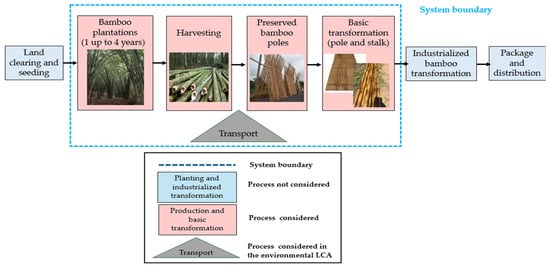
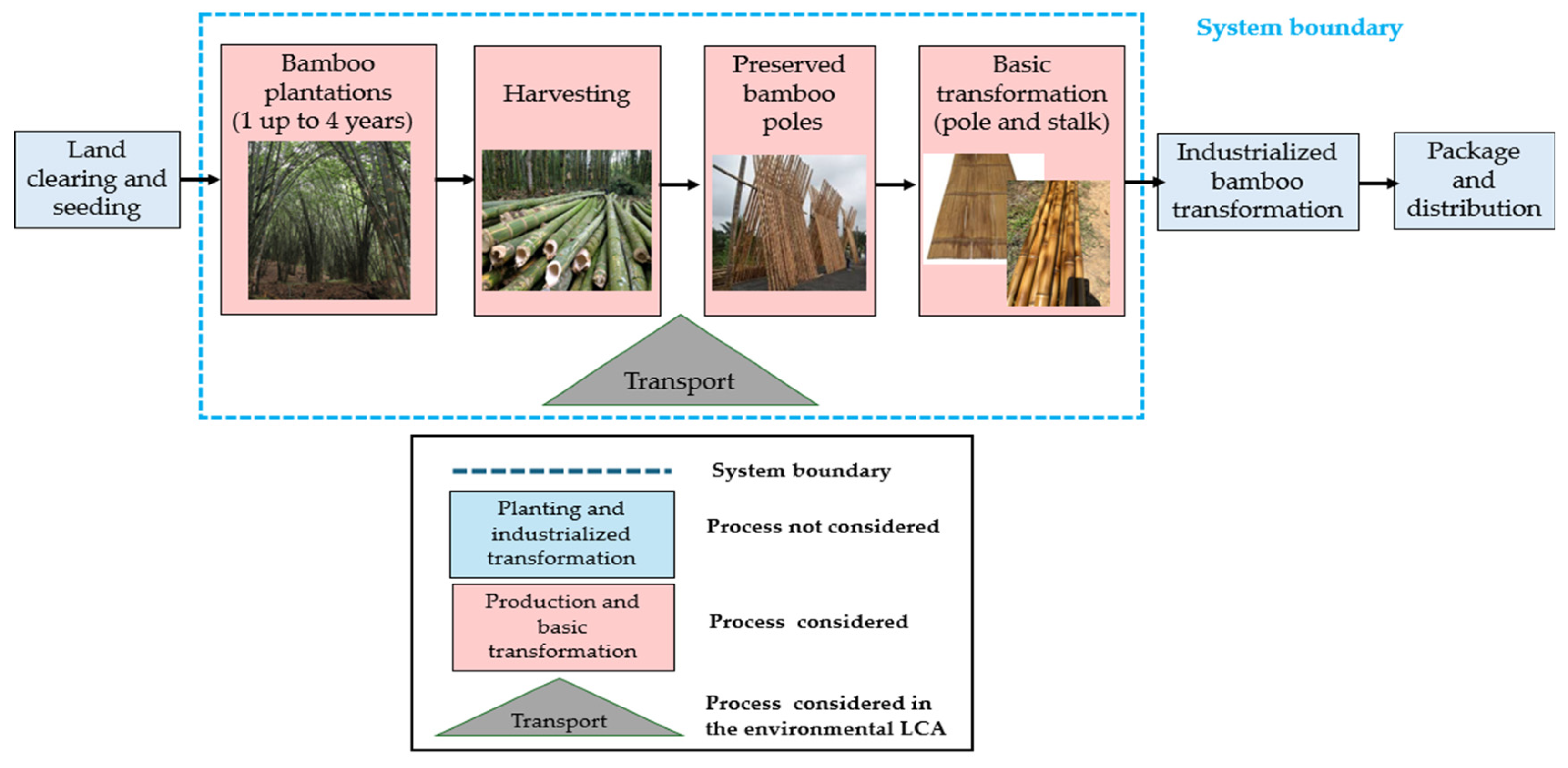
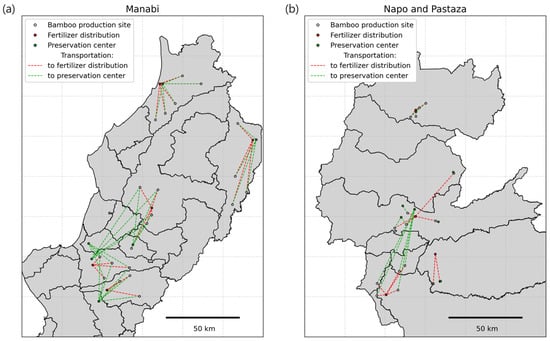
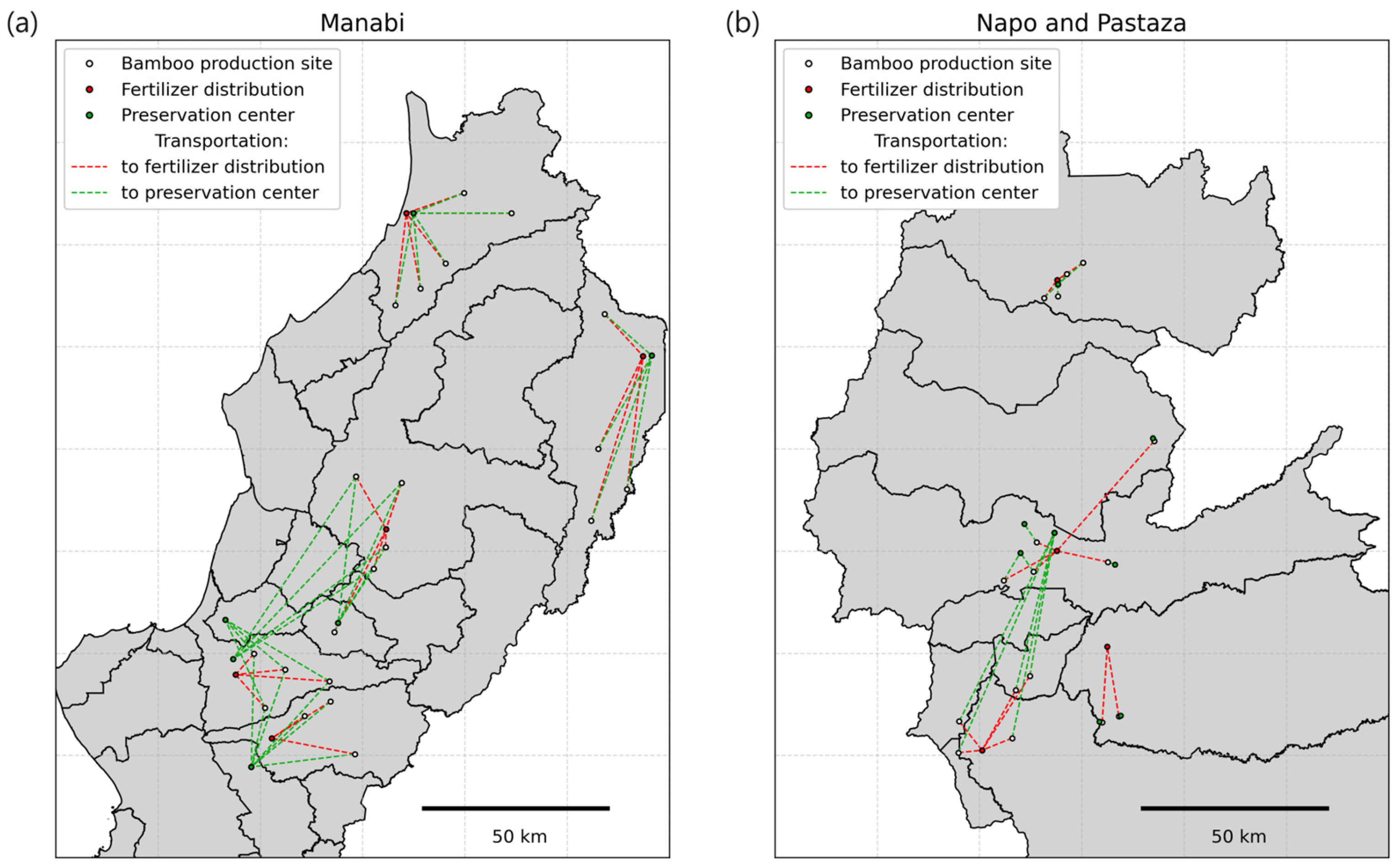
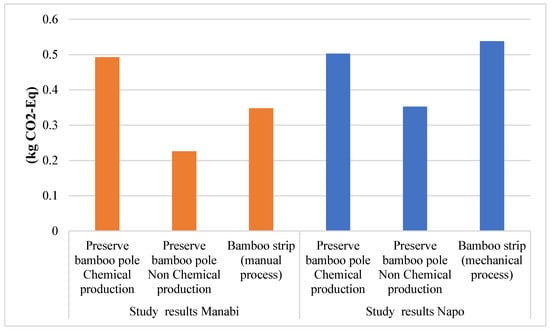
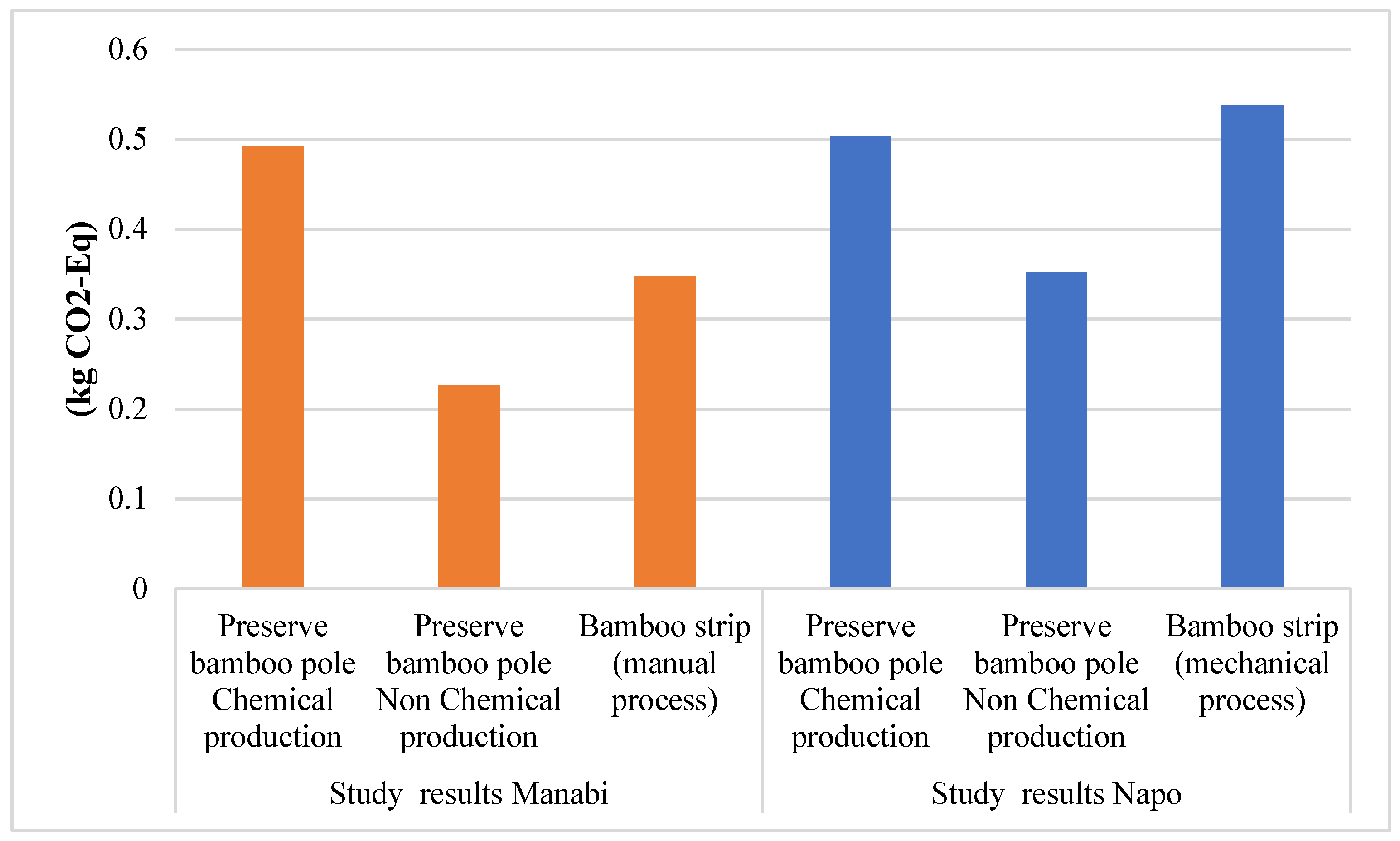
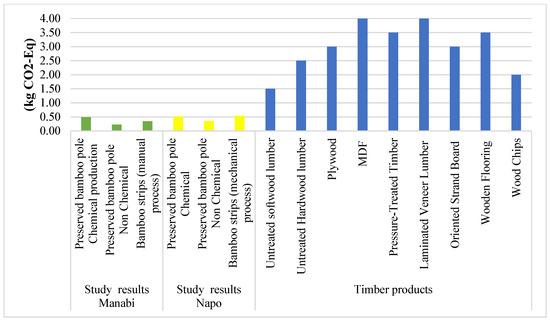
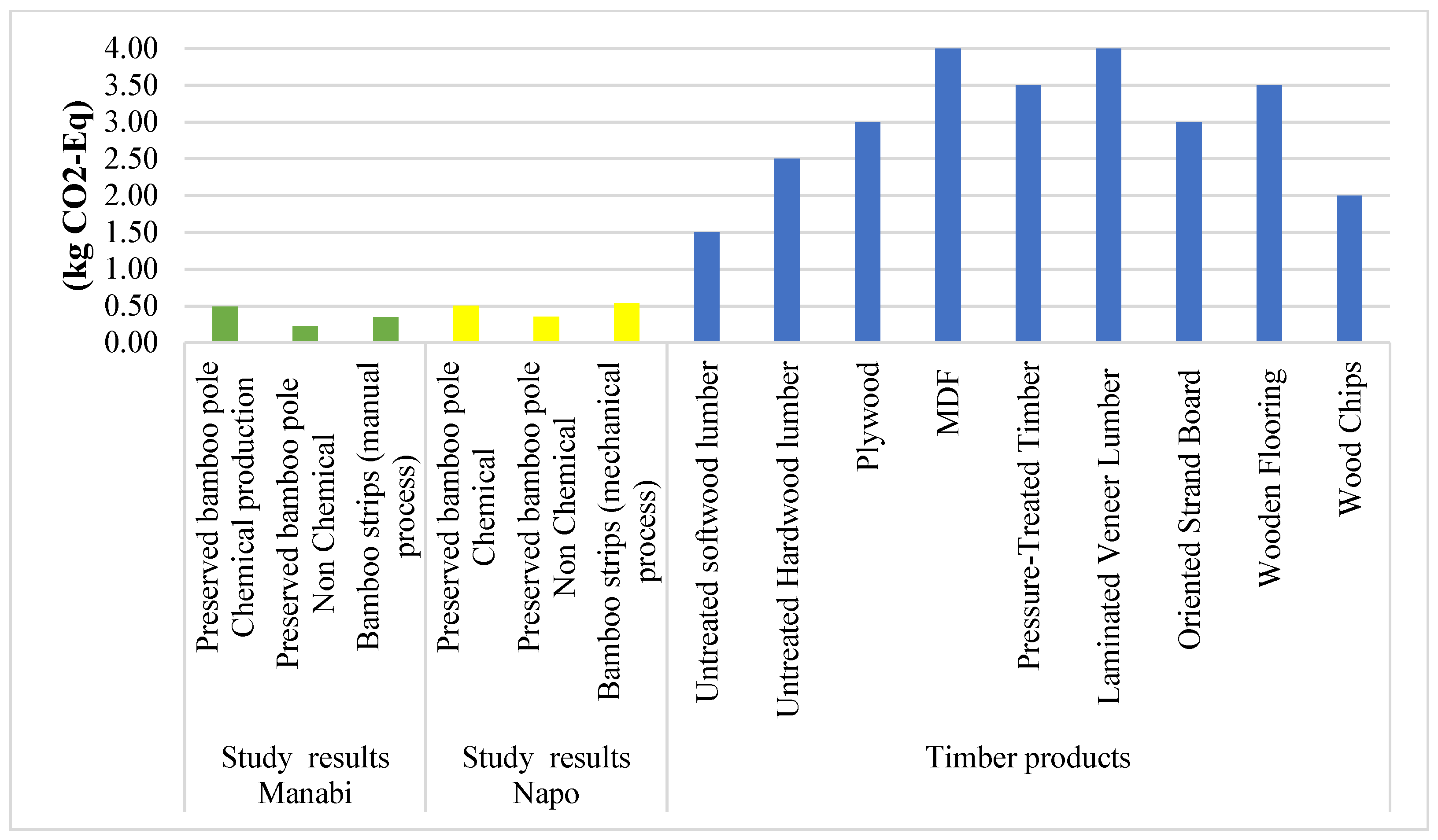
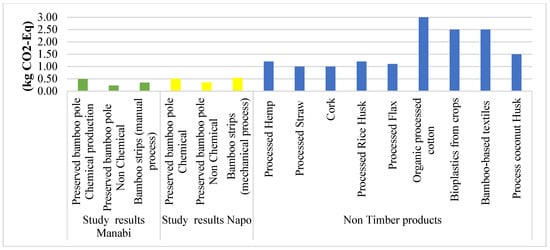
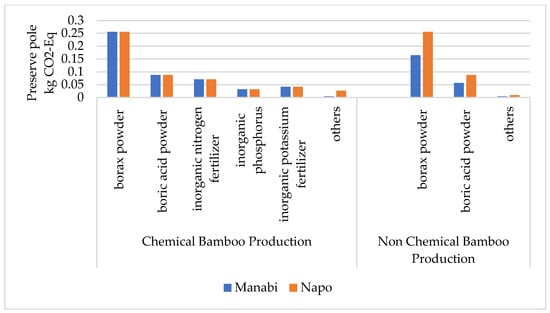
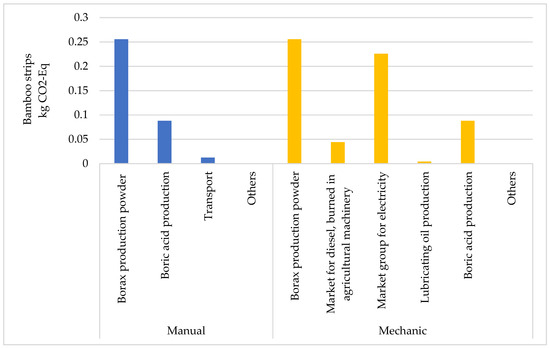
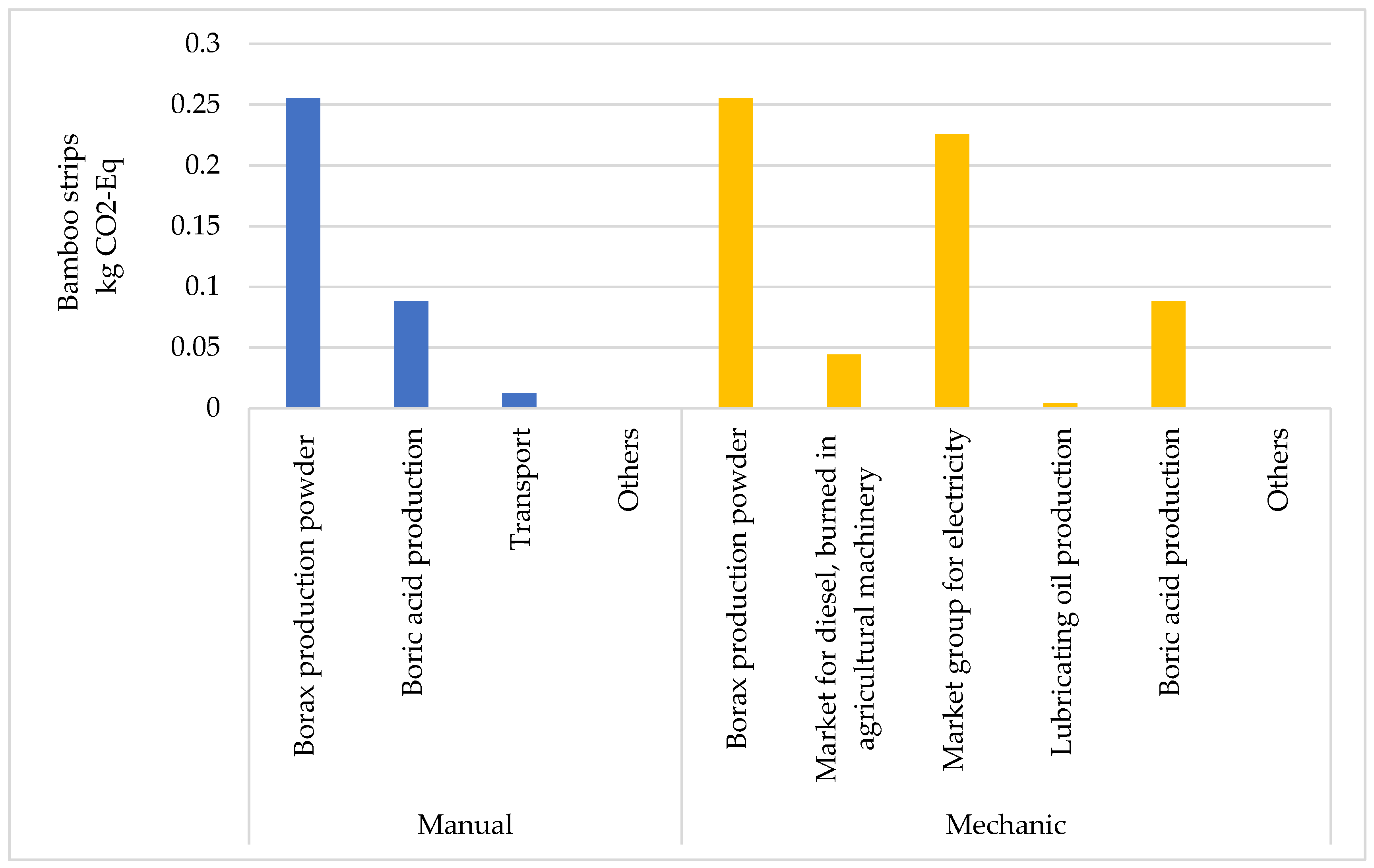
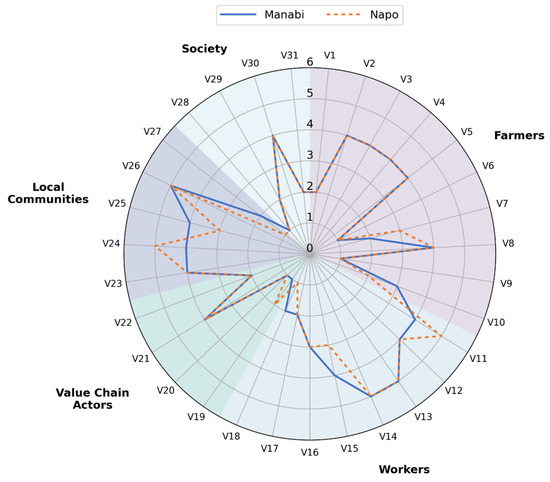
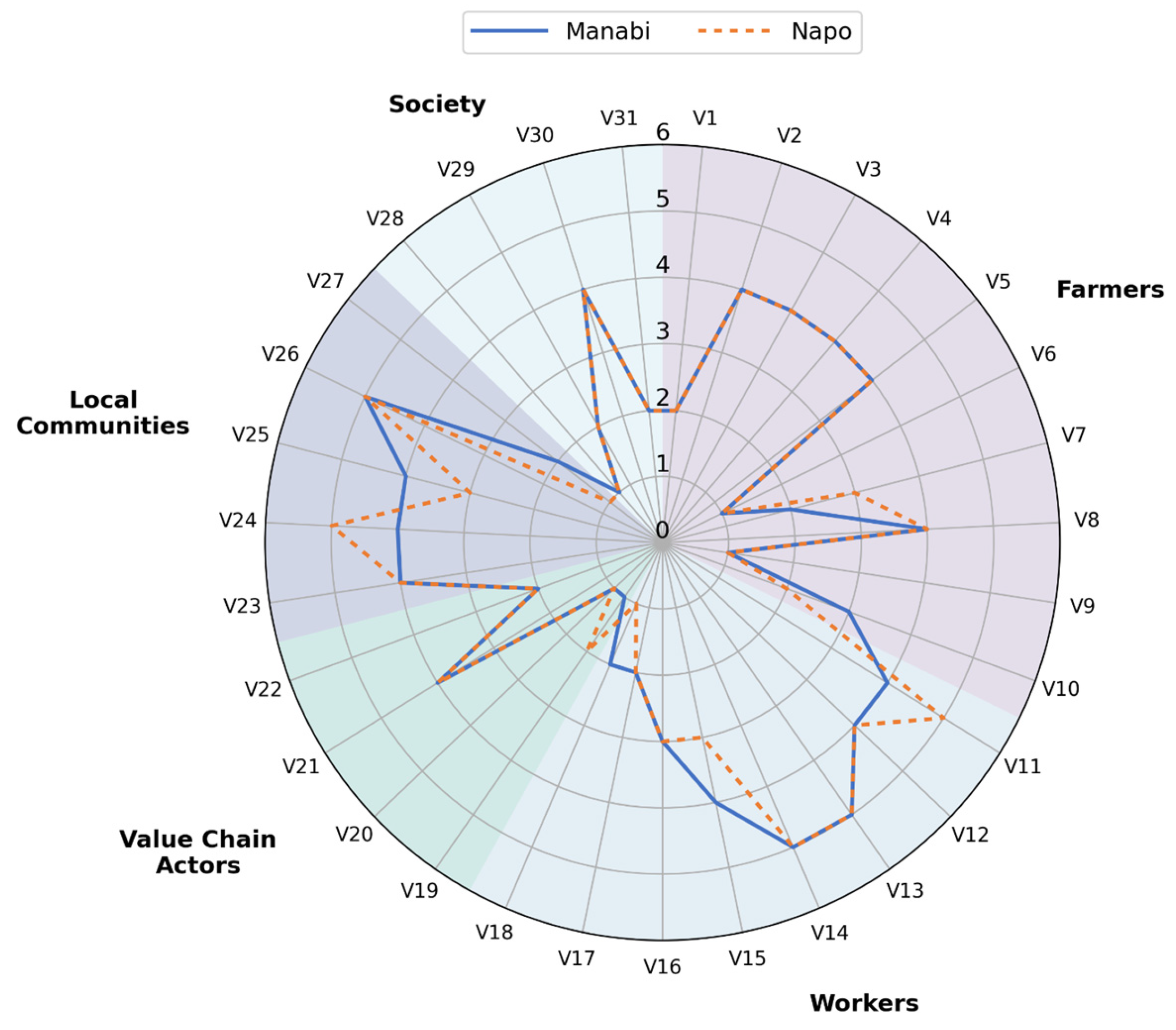



Disclaimer/Publisher’s Note: The statements, opinions and data contained in all publications are solely those of the individual author(s) and contributor(s) and not of MDPI and/or the editor(s). MDPI and/or the editor(s) disclaim responsibility for any injury to people or property resulting from any ideas, methods, instructions or products referred to in the content. |
© 2026 by the authors. Licensee MDPI, Basel, Switzerland. This article is an open access article distributed under the terms and conditions of the Creative Commons Attribution (CC BY) license.