


Abstract
The construction industry is undergoing a rapid digital transformation, with Digital Twins (DTs) and Extended Reality (XR) as two emerging technologies with great potential. Despite their potential, there are several challenges regarding DT and XR use in construction projects, including implementation barriers, interoperability issues, system complexity, and a lack of standardized frameworks. This study presents a systematic literature review (SLR) of DT and XR technologies—including Virtual Reality (VR), Augmented Reality (AR), and Mixed Reality (MR)—in the construction industry. The study analyzes 52 peer-reviewed articles identified using the Web of Science database to explore thematic findings. Key findings highlight DT and XR applications for safety training, real-time monitoring, predictive maintenance, lifecycle management, renovation or demolition, scenario risk assessment, and education. The SLR also identifies core enabling technologies such as Building Information Modeling (BIM), Internet of Things (IoT), Big Data, and XR devices, while uncovering persistent challenges including interoperability, high implementation costs, and lack of standardization. The study highlights how integrating DTs and XR can improve construction by making it smarter, safer, and more efficient. It also suggests areas for future research to overcome current challenges and help increase the use of these technologies. The primary contribution of this study lies in deepening the understanding of DT and XR technologies by examining them through the lenses of their benefits as well as drivers for and challenges to their adoption. This enhanced understanding provides a foundation for exploring integrated DT and XR applications to advance innovation and efficiency in the construction sector.
1. Introduction
The Digital Twin (DT) first emerged nearly 20 years ago, as a concept that aimed to respond to the challenges of the modern manufacturing industry [1]. Michael Grieves introduced the concept initially and presented the DT as a model for Product Lifecycle Management (PLM). Since then, DTs have been an important topic in various academic and non-academic publications [2].
The “twin concept” was created as part of the National Aeronautics and Space Administration (NASA’s) “Apollo Space Program” in the 1970s [3,4]. Two identical spacecraft were built to be used, respectively, in space and on Earth. The last one was used to simulate, mirror, and predict the circumstances of the space vehicle. The DT terminology was used for the first time in 1997, referring to the interactive modification of urban design using road networks [5]. In this case, it was just a theoretical lexis without any specific description or conceptualization.
Grieves [6] first named the presence of this virtual representation as a “Digital Twin”. The author mentioned the term back in 2000 in the context of manufacturing. As defined by Grieves and Vickers [1], a Digital Twin is a set of virtual information constructs that fully describes a potential or actual physical manufactured product from the micro-atomic level to the macro geometrical level. In 2010, the DT was formally proposed by John Wicks in the 2010 NASA roadmap report, marking the official birth of the DT. In 2012, NASA began using the term “Digital Twins” in its technology roadmap [7].
For three decades (1970–2000), the main application of DTs pertained to astronautics and aerospace sectors. Then, from 2001 to 2010, the term was used in the industrial sector, especially for manufacturing, aerospace, and automobile sectors [8], and from 2011 to 2020 for designing, developing, and managing virtual products according to real parameters in the informatics sector [1]. Today, DTs are transforming the construction industry, supporting real-time decision-making across design, construction, and operation phases [8].
Virtual Reality (VR) and Augmented Reality (AR) both play a critical role in construction projects for design visualization, simulation, and quality control, helping stakeholders better interact with 3D models and complex project environments [8]. The VR devices are mainly head-mounted display systems that allow the user to be immersed in an interactive virtual environment [9]. AR, in particular, enables users to overlay digital models onto real-world construction sites, aiding in tasks such as clash detection, defect inspection, and progress tracking. MR, which blends AR and VR, allows users to interact with both real and virtual objects simultaneously, offering immense potential for real-time collaboration and risk analysis on-site [10].
While these technologies are increasingly adopted, the relationship between DTs and XR remains underexplored, indicating the need for research on their integration and their practical value for construction. With the growing number of DT-related publications, traditional literature review methods are becoming less efficient, prompting the need for addressing research gaps [10]. According to Kukushkin et al. [2], DTs and Building Information Modeling (BIM) in construction are among the most prominent future research themes. Similarly, Liu et al. [11] highlight DTs as a preferred technology for real-time asset monitoring and predictive maintenance.
Based on this background, this study aims to gain a comprehensive and in-depth understanding of research trends in the areas of DTs and XR and identify research challenges and opportunities for using DTs and XR technologies in the construction industry. Thus, the research objectives of the study consist of (1) assessing the applications of DTs and XR in construction, (2) identifying key technologies used for DT and XR integration, (3) determining challenges and barriers to the adoption of DTs and XR in construction, (4) determining drivers and benefits of DT and XR use in construction, (5) proposing future research directions for DTs and XR, and (6) developing a conceptual framework for DT and XR adoption.
The paper is organized into seven sections. Section 1 is the introduction, which provides an overview of the study and outlines the research aim and objectives. Section 2 presents a literature review of the previous systematic literature review papers on the topics of DTs and XR. Section 3 describes the methodology of the systematic literature review (SLR) and Preferred Reporting Items for Systematic Reviews and Meta-Analyses (PRISMA) used in the study. Section 4 presents the analysis of the SLR study’s results and also provides future research directions. Section 5 presents the conceptual framework developed in the study. Section 6 shows the discussion of the findings, and Section 7 provides the conclusions of the study.
2. Literature Review of the Previous SLR Papers
We identified six previous studies that conducted a Systematic Literature Review (SLR) focusing on Digital Twins (DTs), Extended Reality (XR), and the integration of DT–XR technologies. These reviews systematically examined the relevant literature using well-defined research methodology frameworks, coupled with conceptual frameworks that guided the analysis and produced structured outcomes. This study follows a similar approach, taking inspiration from the previous studies’ methods to ensure a thorough and organized review.
The main purpose of Kukushkin et al.’s [2] study was to examine the growing literature on DTs. The authors explored the primary research trends, challenges, and future directions of DT research across the various fields. According to the study, DT research is still in its early stages, with emerging topic clusters. The most prominent and rapidly growing topic is DT use for industrial robots, production lines, and objects, with increasing reliance on machine-learning-based analytics implemented, for example, using MATLAB (MathWorks R2022b, Natick, MA, USA) and Python-based simulation environments (Python Software Foundation 3.10, Wilmington, DE, USA). The future of DT research may involve increasing use of machine learning.
Park et al.’s [12] study aimed to investigate the potential and impacts of DTs on the construction industry through a systematic and quantitative review. DTs are most commonly applied in building construction (54.1%), followed by infrastructure (37.7%) and transportation (8.2%). They are primarily used in the design phase (45.5%) and for maintenance and operation (43.9%). The study sought to identify how DTs can optimize project planning, execution, and management processes. The key technologies used, Artificial Intelligence (AI), BIM, and Internet of Things (IoT), are the most frequently implemented using platforms such as Autodesk Revit (Autodesk, Inc., San Rafael, CA, USA) and sensor middleware environments typically developed in Python (Python Software Foundation, Wilmington, DE, USA). The study found that the combination of these technologies provides powerful solutions for real-time monitoring and predictive maintenance. Some of the major challenges to DT adoption, including integration with existing systems, are data standardization and a lack of widespread industry knowledge on how to fully utilize DTs.
The main objective of the study conducted by Lucchi [13] was to provide a comprehensive overview of the applications of DTs in the heritage construction sector. The author explored the potential of DTs to address the unique challenges in the heritage sector, such as managing complex and heterogeneous data, preserving cultural heritage, and improving building performance and sustainability. According to Lucchi [13], DTs and 3D scanning techniques, commonly implemented using terrestrial laser scanners such as Leica BLK360 (Leica Geosystems, Heerbrugg, Switzerland), are used for precise documentation of heritage buildings, whereas DTs and VR developed using Unity 3D (Unity Technologies, San Francisco, CA, USA) are used for creating immersive experiences and virtual heritage tours. In addition, DTs and Heritage Building Information Modeling (HBIM) are developed within Autodesk Revit (Autodesk, Inc., San Rafael, CA, USA) for managing building data, including structural and historical information. Luchi [13] stated that DTs and IoT) are also used for real-time monitoring and predictive maintenance.
Coupry et al.’s [8] review study aimed to explore how BIM-based DT and XR technologies can enhance maintenance procedures in smart buildings. The authors found that BIM is commonly used in the early phases of building projects and can serve as a rich source of geometric and semantic data for creating DTs, typically using Autodesk Revit (Autodesk, Inc., San Rafael, CA, USA). When combined with real-time sensor data, BIM-based DTs provide a dynamic model that can be used for various maintenance tasks. The use of DTs can significantly enhance monitoring, planning, and inspection procedures during building maintenance. DTs allow for better damage assessment, early warning systems, and predictive maintenance, which can reduce overall costs and extend the lifespan of building systems. Furthermore, XR devices, especially AR and MR e.g., Microsoft HoloLens 2 (Microsoft Corp., Redmond, WA, USA) improve user interaction with DTs by providing immersive visualization of maintenance procedures and real-time data. The main challenges identified include a lack of standardization of data formats, the need for up-to-date data in the DT, and privacy concerns related to sharing real-time information across multiple stakeholders.
The main aim of the study conducted by Hou et al. [14] was to explore the application of DT technology for improving construction workforce safety. Hou et al. [14] found that DTs showed effectiveness in improving workforce safety by providing real-time data and virtual simulations. However, DT use in the construction industry is still not fully optimized. There are critical obstacles to applying DT for construction safety, including sensor accuracy, data synchronization, and complexity in mapping between digital and physical construction sites. The authors found that there is a lack of comprehensive studies that combine DTs with other technologies like BIM (e.g., Autodesk Revit, Autodesk, Inc., San Rafael, CA, USA), sensors, and ARBIM to provide more holistic safety solutions. The study suggests further research on improving real-time data processing, enhancing the precision of safety warnings, and implementing the broader integration of DTs with other advanced visualization and monitoring tools, often implemented using Unity 3D (Unity Technologies, San Francisco, CA, USA).
Su et al.’s [15] study aimed to analyze concepts and applications of DTs in the construction industry. The study findings indicate that BIM (e.g., Autodesk Revit, Autodesk, Inc., San Rafael, CA, USA), IoT, AI, and Radio Frequency Identification (RFID) [e.g., Python 3.10 (Python Software Foundation, Wilmington, DE, USA) and MATLAB R2022b (MathWorks, Natick, MA, USA)] are critical technologies that can be integrated with DTs to enhance real-time monitoring, data collection, and decision-making in construction. DTs are applied in different phases of the building lifecycle—design/planning, preconstruction, construction, operation and maintenance, and demolition. Research is focused on the construction and operation phases, particularly exploring safety, monitoring, human–robot interaction, and communication improvements. Although promising, the adoption of DTs in construction faces challenges related to high upfront costs, the integration of diverse technologies, and the need for significant technological investment to fully leverage its benefits.
Previous SLR studies provide a comprehensive overview of how Digital Twin (DT) and DT–XR technologies are being used in construction, heritage, maintenance, and safety. Most of these studies focus on where and how DTs are applied, such as in design, construction, operation, and maintenance, and on the technologies commonly combined with DTs, including BIM, IoT, AI, and sensors. They also highlight common challenges like data integration, lack of standards, high costs, and technical complexity. However, much of the previous research remains technology-focused and is based on pilot projects or specific use cases, with limited attention to how DTs and XR can be adopted at scale in real industry settings. In particular, the role of enabling technologies, adoption drivers, and clear benefits of DT–XR integration is not well explored by the previous studies. This results in a knowledge gap in understanding what actually supports or limits DT and XR adoption in practice. To address this gap, further research is needed to systematically examine these enabling factors and to develop a framework that can guide the construction industry in adopting DT and XR technologies. Thus, the main scientific contribution of this study is the proposed conceptual framework that (1) connects key technologies, drivers, benefits, and challenges; (2) aligns DT–XR capabilities with construction industry needs; and (3) serves as a preliminary practical roadmap for researchers and practitioners to guide implementation and future empirical studies.
3. Research Method
The study used a qualitative research method that comprised a systematic literature review (SLR). In particular, the SLR approach was adopted for identifying and fully assessing the literature, which is a highly efficient method to determine future research directions [16,17]. An overview of this methodological process that consists of six main stages is illustrated in Figure 1.
Figure 1.
Overview of research methodology.
Stage 1: Literature Review of SLR papers on DTs and XR. The initial stage involved conducting a background study through a literature review on DTs and XR. A total of six SLR papers were identified that focused on a literature review of DTs and XR in the construction industry. Most of these six papers examined the growing literature on DTs and XR, i.e., primary research trends, challenges, and future directions. A knowledge gap was found based on the review of these prior SLR studies.
Stage 2: Developing Research Methodology. In the second stage, a research methodology framework was developed. The research methodology was structured into six distinct stages, i.e., (1) Literature Review of SLR papers on DTs and XR, (2) Developing Research Methodology, (3) Data Collection, (4) Analysis of the Results of SLR, (5) Discussion of the SLR Results, and (6) Developing a Conceptual Framework. This methodology enabled the systematic literature review in this study.
Stage 3: Data Collection. The third stage focused on data collection and the selection of relevant papers. The Web of Science database was chosen to obtain bibliographic records for analysis. As one of the most comprehensive abstract and citation databases for publications, Web of Science also enables the application of multiple constraints to refine search results [18]. The database’s structured citation and keyword information enabled close integration of paper selection, coding, and thematic extraction. This allowed consistent classification of studies and reliable identification of research trends and thematic patterns [18,19]. In addition, Web of Science’s strong citation indexing facilitated systematic screening and cross-verification of relevant studies, strengthening the robustness of the coding framework and thematic synthesis [20,21]. Moreover, Web of Science has been identified as one of the most suitable academic databases for systematic reviews due to its balance between coverage, precision, and data quality [21]. Based on the search terms and rules, we created the following query string to be used for searching Web of Science: [TOPIC (“VR” OR “Virtual Reality”) AND (TOPIC (“AR” OR “Augmented Reality”) AND (TOPIC (“MR” OR “Mixed Reality”) AND (TOPIC (“XR” OR “Extended Reality”)] AND [(TOPIC (“Digital Twin*” OR “Digital Shadow” OR “DT”)] AND [(TOPIC (“Construction” OR “Built Environment”)], where the * symbol denotes a fuzzy search.
The paper screening process followed the PRISMA guidelines (See Supplementary Materials) and included a structured manual review conducted by one reviewer (see Figure 2). After the initial database search that yielded 156 records, the exclusion of non-relevant document types and duplicates resulted in 151 articles for screening. One reviewer screened titles, abstracts, and keywords to assess the relevance of DT and XR in the construction domain, leading to the exclusion of 98 articles. The remaining 53 articles underwent full-text assessment to evaluate eligibility using the predefined inclusion criteria, resulting in the exclusion of one non-English article. This process yielded a final set of 52 articles for analysis.
Figure 2.
PRISMA flowchart [17].
Furthermore, a structured screening protocol was employed to ensure transparency and reproducibility in study selection. The review applied predefined inclusion criteria, requiring studies to (i) be peer-reviewed journal articles, review papers, or conference proceedings; (ii) be published between 1991 and 2024; (iii) be written in English; (iv) explicitly address Digital Twin (DT) and/or Extended Reality (XR) technologies—including VR, AR, or MR; and (v) focus on the construction industry or the broader built environment. Exclusion criteria comprised papers addressing unrelated domains (e.g., healthcare, gaming without a construction context), non-English publications, duplicate records, book chapters, editorials, and studies lacking sufficient methodological detail. Screening was conducted using a stepwise process, including title and abstract review followed by full-text assessment. The protocol was applied consistently to all articles using a structured inclusion/exclusion form. Since the screening was conducted by a single reviewer, potential selection bias could not be fully eliminated; however, this risk was mitigated with the use of clearly defined criteria, systematic application of PRISMA guidelines, and repeated verification of borderline cases during full-text review.
Stage 4: Analysis of the SLR Results. The SLR results were analyzed in the fourth stage. The selected papers were reviewed systematically using the various categories defined by the authors and prepared in an Excel sheet. The categories under which the information was placed were abstract, objectives/purpose, problem statement/research gap, methodology, and findings. Various common research themes were identified as the papers were reviewed, and the SLR was performed using these themes. These themes were identified based on the importance of learning about the applications of DTs and XR, key technologies used for DT and XR integration, challenges and barriers to DT and XR adoption, and benefits of using DTs and XR (see Figure 3). In this stage, we also proposed future research directions for DT and XR use in construction.
Figure 3.
Thematic data extraction [10,11].
Stage 5: Discussion of the Results of SLR. The fifth stage comprised the discussion of the SLR results and was based on the analysis of the results of the SLR. The discussion was carried out under the various identified themes, i.e., (1) applications of DTs and XR in construction, (2) key technologies used for DT and XR integration, (3) challenges and barriers to the adoption of DTs and XR in construction, (4) drivers and benefits of adopting DTs and XR in construction, and (5) future research directions related to DT and XR use in construction.
Stage 6: Developing a Conceptual Framework. The sixth stage consists of the development of a conceptual framework for the adoption of DTs and XR in the construction sector. The framework is divided into three sections: the drivers, benefits, and challenges of DT and XR adoption. In this framework, the drivers are the key factors that can affect DT and XR adoption, the benefits include the various advantages that this integration is expected to provide, and the challenges are the difficulties encountered when adopting DTs and XR.
4. Results
This section presents the analysis of the results of the SLR of 52 studies on DTs and XR in the construction industry. Fifty-two articles were reviewed and categorized into the seven main research themes: (1) definitions of DT, XR, VR, AR, and MR; (2) integration of DTs and XR; (3) applications of DTs and XR in the construction industry; (4) key technologies for the integration of DTs and XR; (5) challenges and barriers to the adoption of DTs and XR in construction; (6) drivers and benefits of the adoption of DTs and XR in construction; and (7) future directions for DT and XR research in the construction domain. Table 1 shows the 52 analyzed studies that were classified under the headings consisting of reference number, year, asset type, lifecycle phase, DT definition used, XR modality, integration directionality, data sources, evaluation method, and primary outcomes.
Table 1.
Summary of DT and XR studies.
4.1. Definitions of Digital Twin (DT), Extended Reality (XR), Virtual Reality (VR), Augmented Reality (AR), and Mixed Reality (MR)
4.1.1. Definition of Digital Twin (DT)
Digital Twin (DT) is an emerging technology with growing importance across various sectors, including the manufacturing, aerospace, and automotive sectors [13]. DT commonly refers to terms such as computational mega model, device shadow, avatar, or mirrored system [10]. At its core, a DT represents a dynamic, virtual counterpart of a physical asset, enabled by data and simulations to support real-time monitoring, control, prediction, and optimization [1,10]. Hicks [65] emphasizes that a DT is not merely a virtual prototype but a synchronized digital entity that mirrors the structure, function, and behavior of a physical system, allowing convergence between physical and digital states. Similarly, the Center for Digital Built Britain (CDBB) [66] and Brilakis et al. [67] describe DT as a realistic or digital replica of a built asset.
Building on DT literature, DT functionality can be broadly grouped into (i) a connected virtual representation of the physical asset, (ii) predictive/simulation capabilities (physics-based, data-driven, or hybrid) to forecast behavior, and (iii) prescriptive decision-support that operationalizes those predictions for control and optimization [10,22]. Similarly, Kritzinger et al. [22] and Fuller et al. [23] distinguish between a digital model, digital shadow, and Digital Twin based on the level of data exchange. A digital model is a static representation with no live connection, a digital shadow is a one-way data flow from the physical to the digital, and a Digital Twin is a real-time bidirectional data exchange between both states. Despite variations in definitions, a consensus exists that a DT must reflect the physical asset and remain connected to it to capture and respond to real-time changes [22].
Hence, a DT is a dynamic, data-enabled virtual representation of a physical asset or system that maintains a continuous, bidirectional connection with its physical counterpart. A DT enables real-time monitoring, simulation, prediction, and optimization of structure, behavior, and performance across a project’s lifecycle.
4.1.2. Definition of Extended Reality (XR)
Extended Reality (XR) is an umbrella term that encompasses a variety of technologies, such as Virtual Reality (VR), Mixed Reality (MR), and Augmented Reality (AR), each situated on a spectrum from the most to the least immersive technologies [10,23]. XR technologies have increasingly gained traction in the construction industry due to their potential to enhance various aspects of construction planning, design, training, and facility management [23].
Definition of Virtual Reality (VR)
Virtual Reality (VR) is a fully immersive digital environment that simulates real-world or imagined spaces. VR systems are primarily composed of head-mounted displays that immerse users in fully interactive digital environments. These systems typically include equipment such as the Oculus Rift goggles and motion-tracking controllers, allowing users to interact with virtual surroundings using intuitive physical gestures [10]. As outlined in the same study, the main applications of VR are gaming (such as immersive video games in which users can explore and interact with the virtual world, sometimes used for education and training), the simulation of real-life scenarios, and construction—visualizing architectural designs and building layouts, safety training, and site walkthroughs.
Definition of Augmented Reality (AR)
Augmented Reality (AR) is a real-world environment overlaid with digital content [68]. In other words, AR refers to a technology that overlays digital information onto the physical world, creating a blended environment visible through AR-enabled devices such as smartphones or tablets [69]. Mobile devices typically offer a “see-through” video feed where virtual elements are superimposed on live camera footage [70]. Popular commercial examples include games like Pokémon GO and apps that show real-time information, like nearby gas stations or restaurants, overlaid on the user’s camera view [71]. One example of AR use in construction is AR-enabled tablets, which help field engineers to work or check site conditions [24].
Definition of Mixed Reality (MR)
Mixed Reality (MR) is a hybrid environment that blends physical and digital elements interactively. MR blends elements of both AR and VR [68]. Moreover, MR enables real and virtual components to coexist and interact in real time [72]. According to Coupry et al. [8], a prominent example of MR technology is the Microsoft HoloLens, which allows users to engage with digital objects within their physical surroundings. These head-mounted devices enable hands-free interaction with digital content, offering a more immersive and intuitive user experience [10]. This fusion enhances spatial awareness and interaction, making MR particularly effective for practical, hands-on applications [73,74,75].
In essence, Extended Reality (XR) is an umbrella term encompassing Virtual Reality (VR), Augmented Reality (AR), and Mixed Reality (MR), positioned along a spectrum of immersion from fully virtual to minimally intrusive digital experiences. XR has gained growing attention in the construction industry because of its potential to enhance construction safety, lifecycle assessment, renovation, demolition, scenario risk assessment, and construction education.
4.2. Integration of DT and XR
The integration of XR technologies, including VR, AR, and MR, with DT systems has enhanced user experience, collaboration, and decision-making in the AEC industry. According to Sepaasgozar et al. [76], the growth prediction of XR technologies, such as VR, AR, and MR technologies, was between 18.01% and 44.80% for VR from 2018 to 2023, between 38.15% and 83.30% for AR from 2018 to 2023, and 41.80% for MR from 2019 to 2025. Liu et al. in El Ammari et al. [11] highlight that XR–DT integration improves interaction and communication between field workers and office managers through immersive AR platforms, as seen in collaborative MR frameworks for facility management.
Recent advancements, such as the integrated Digital Twin and Extended Reality (DRX) system, further demonstrate the potential of XR–DT platforms to capture and visualize real-time data, analyze historical trends, and optimize decision-making processes during construction [77]. Similarly, Podder et al. [78] reported improvements in trainee performance and productivity when using VR–DT simulations for operating energy-efficient construction machinery, showing measurable gains in learning outcomes. On the technical front, Grubel et al. [25] introduced the concept of “Fused Twins,” merging real and digital environments through MR devices like HoloLens 2 using Unity 3D, IoT integration, and agent-based simulation. The approach aims to enhance user interaction and support participatory management and decision-making processes. However, challenges remain, including hardware limitations, data accuracy, and system complexity [26].
Yauri and Mallqui [27] further demonstrated the benefits of DT–AR–IoT integration for real-time monitoring and interactive control of devices, although spatial alignment and detection accuracy remain key technical barriers. Acceptance of XR–DT technologies is influenced by factors such as perceived usefulness, perceived ease of use, social norms, and user attitudes, as suggested in the studies on XR and DT adoption by Sepasgozar et al. [69,76] and Ozgen et al. [73]. They also posit that despite the potential of both DT and XR technologies, smaller firms still face obstacles to the adoption of these tools due to cost and complexity. However, DT–XR integration into the DT and metaverse frameworks holds promise for the future of construction and education.
Therefore, the literature suggests that there is a rapid growth in DT–XR integration, and that much of the reported progress lies in the controlled pilots, training environments, and prototype systems [20,79]. According to the literature, DT–XR integration can be defined as the operational link between DTs and immersive XR environments that enables interactive, data-driven visualization and decision support for construction and facility management tasks [26]. The immersive DT–XR platforms enhance visualization, collaboration, and learning outcomes, while they are very dependent on high-quality data, precise spatial alignment, and robust system integration [25,79]. However, despite strong market growth projections and conceptual advances such as fused twins and DRX systems, DT–XR integration currently functions more as an augmentation to decision-making and communication and is mostly effective in the areas of training and facility management [8,25,28].
4.3. Applications of DT and XR in the Construction Industry
Although well-established in these domains, DT and XR applications in the Architecture, Engineering, Construction, and Operations (AECO) industry are still relatively new [22]. In construction, DTs use IoT and sensor data and are often integrated with BIM and XR technologies to enable many applications such as safety training, real-time monitoring, predictive maintenance, lifecycle assessment, renovation, demolition, scenario assessment, and education [74,75,76,78,80].
4.3.1. Applications of DT and XR Used by Various Stakeholders in Different Project Phases
The use of DTs and XR has important practical implications for construction sector stakeholders in different phases of the construction project. For project owners and asset managers, DT–XR integration can support informed decision-making across the asset lifecycle through real-time monitoring, predictive maintenance, and lifecycle assessment, ultimately improving operational efficiency and reducing long-term costs [28]. Similarly, for designers and engineers, DT–XR technologies can be used during the design and preconstruction phases to enhance risk visualization, safety planning, and stakeholder communication, enabling potential issues to be identified and mitigated earlier [25,79]. Lastly, Li et al. [81] and Wu et al. [29] found that for contractors and site managers, immersive XR-based training, real-time safety alerts, and DT-enabled monitoring can improve workforce safety, productivity, and on-site coordination.
4.3.2. Applications of DT and XR in Construction Safety
Traditional safety training methods often fail to engage workers or offer realistic, hands-on experiences. While on-the-job training can be more effective, it is frequently limited due to its time-consuming, costly, and potentially hazardous nature [79]. To address these issues, DT technologies have emerged as innovative alternatives. DT systems can track and record unsafe worker behaviors in real time and subsequently deliver targeted, personalized safety training [25].
Recent studies suggest that DT technology can support the transfer of hazardous or repetitive construction tasks to robotic or remotely operated systems, allowing human workers to focus on higher-level decision-making, supervision, and strategic activities [14]. In addition, DTs enhance construction safety by optimizing physical processes through real-time monitoring, simulation, and advanced visualization technologies, including XR-based interfaces [26]. For example, virtual construction environments simulate real-world scenarios, enabling workers to navigate, interact with, and assess virtual job sites. This allows for objective evaluation of safety compliance and decision-making under various risk conditions [27].
VR adds further value by immersing trainees in simulated environments where they can receive visual, auditory, and tactile feedback [27]. VR enables users to make mistakes and immediately observe the consequences, reinforcing correct behaviors and improving retention [29,81]. Similarly, MR and AR are effective in safety scenario simulations, such as falls, explosions, or impact events, helping workers to better assess risks and internalize proper safety responses [82].
Real-time visual warning systems combining DT, MR, and deep learning (DL) technologies have been shown to proactively alert workers about safety risks, helping them make timely decisions to prevent accidents [82]. Wearable safety technologies are also gaining traction. Choi et al. [82] found that perceived usefulness, social influence, perceived privacy risk, hedonic motivation, and vulnerability were key factors influencing workers’ willingness to adopt such tools.
Furthermore, DT systems, when integrated with XR, can identify unsafe behaviors in real time and trigger targeted safety interventions, essentially replicating some benefits of on-the-job training without the risks [79]. In addition, the integration of BIM, VR, and AR allows for immersive safety planning and risk visualization. Workers, engineers, and designers can virtually assess potential hazards during the preconstruction phase, helping to mitigate or eliminate risks before they occur on-site [83,84]. As noted by Schiavi et al. [80], VR has become a widely adopted training approach in construction, particularly for enhancing worker safety and reducing exposure to real-world risks.
Therefore, Digital Twin (DT)-enabled safety systems have emerged as promising alternatives by enabling real-time monitoring of worker behavior, providing personalized training feedback, and simulating hazardous scenarios without exposing workers to actual danger. The integration of DTs with immersive technologies such as VR, AR, and MR further enhances safety training by allowing workers to experience and respond to high-risk situations in controlled virtual environments, reinforcing learning through immediate feedback and consequence-based interaction.
4.3.3. Applications of DT for Real-Time Monitoring of the Building Structures
Physically monitoring and managing large-scale, complex systems in real time is often impractical due to spatial, temporal, and operational constraints [10,23]. Digital Twin (DT) technology addresses this limitation by enabling continuous real-time monitoring, simulation, and remote control of physical systems through bidirectional data exchange and feedback mechanisms [10,22]. You and Feng [26] demonstrated the practical implementation of such a system through a case study of the Xiong Citizen Service Center, a multi-story model facility incorporating several smart construction technologies. This pilot project utilized a Cyber-Physical System (CPS) framework, integrating VR for real-time safety training in hazardous environments such as high-altitude work.
Boje et al. [85] demonstrate that DTs simulate and analyze real-time states of buildings or systems for better decision-making during operation and maintenance. Maturity levels of DTs range from Pre-digital Twin to Informative Digital Twin, Performance Digital Twin, and Autonomous Digital Twin. Currently, most research and practice are focused on the first three levels, which enable dynamic interaction between physical and digital components [23]. Furthermore, Liu et al. [11] emphasized the value of DTs in heritage conservation. By linking digital models with physical heritage structures, DTs enhance data accessibility and support informed decision-making in heritage management. This is achieved by creating accurate 3D digital replicas that are continuously updated using real-time data from IoT-connected on-site sensors.
Thus, the literature consistently highlights that DT technology is a critical enabler of monitoring and managing complex, large-scale systems, which are otherwise difficult to oversee in real time. DTs enable real-time monitoring through continuous data synchronization and analytics. Also, DTs detect anomalies that flag deviations and predict risks.
4.3.4. Applications of DT for Predictive Maintenance
Advanced Digital Twin (DT) systems integrate networks of real-time sensors to continuously monitor physical assets, generating large volumes of data that support real-time state awareness, analytics, and decision-making [10,22,67,85]. Through intelligent data analysis, system faults can be identified early, enabling more efficient and proactive maintenance scheduling. Siccardi and Villa [30] further emphasized that the facilities management sector is increasingly utilizing predictive maintenance and digitalization, signaling a shift toward data-driven and automated operation strategies.
According to the study by Su et al. [15], DTs are used in the operation and maintenance phase for health monitoring and retrofitting preparation. Health monitoring includes the monitoring of the operation status of the whole building, HVAC systems, and equipment and conducting anomaly detection based on the DT system. Meanwhile, retrofitting preparation includes analysis of the current situation of the building and the development of retrofitting plans with the DT.
According to Coupry et al. [8], maintenance activities supported by DT technology can be categorized into three primary functions, i.e., monitoring, inspection, and planning. Monitoring offers advantages such as enhanced accessibility to data, reduction in data silos, optimized resource consumption, and improved stakeholder collaboration. Inspection functions mainly focus on assessing damage and identifying deviations, while planning involves early warning predictions, occupancy management, and cost optimization. Sarvesh et al. [86] concluded that DTs can help maintain operation and growth and pipeline assets by offering real-time feedback, predictive analysis, and optimization, thus enhancing asset lifecycle management.
Hence, the reviewed studies demonstrate that DTs have a strong potential for the predictive maintenance of building structures. DTs enable predictive maintenance through continuous condition monitoring, anomaly detection, and failure forecasting. DTs also simulate different operating conditions or maintenance actions to evaluate outcomes (e.g., delaying a bearing replacement vs. immediate intervention).
4.3.5. Applications of DT and XR for Lifecycle Assessment
DT technology also shows strong potential for use in modular construction, where it can be combined with BIM to facilitate seamless data exchange across the building lifecycle [8]. According to Liu et al. [11], the integration of XR—including VR, AR, and MR—into a lifecycle BIM environment enables AEC stakeholders to access and analyze project data at various stages. This capability supports the identification of specific conditions and the development of tailored strategies throughout the project timeline [11,87]. According to Su et al. [15], DTs can be applied in different phases of the building lifecycle, including (1) the design/planning phase, (2) the preconstruction phase, (3) the construction phase, (4) the operation and maintenance phase, and (5) the demolition phase. The literature highlights the broad applicability of DT technology, particularly its integration with BIM and XR across modular construction and the full building lifecycle.
Table 2 presents typical DT and XR applications in different project lifecycle phases and the articles from which this information was extracted. As shown in Table 2, during the initial design and preconstruction phases, DT and XR technologies are primarily applied for hazard identification, visualization, and simulation within the construction domain. During the construction phase, these technologies are most commonly utilized for safety management, progress monitoring, and site visualization. In the operation and maintenance phase, DT and XR applications are largely focused on real-time monitoring and predictive maintenance. For the demolition and renovation phases, DT and XR support scenario-based risk assessment and waste planning. Overall, DT and XR demonstrate broad and versatile applications across the construction lifecycle, offering significant potential for expanded use in future practice.
Table 2.
Applications and roles of DTs and XR in project lifecycle phases.
4.3.6. Applications of DT and XR for Renovation, Demolition, and Scenario Risk Assessment
In building renovation projects, effective stakeholder communication and improved spatial understanding are key goals. According to Carbonari et al. [31], MR platforms have been utilized to engage stakeholders in evaluating renovation designs, enhancing the decision-making process and overall project quality. Similarly, Zhu et al. [90] explored the integration of BIM and MR technologies, combined with background elimination techniques, to support collaborative design during renovation phases.
For end-of-life building processes, Liu et al. [11] proposed a conceptual framework for smart demolition, emphasizing efficient waste management. Using intelligent BIM, the approach incorporates scanning, dismantling, and transport of demolition materials. Additionally, DT-enabled BIM simulations help detect potential defects before demolition, improving planning and reducing risks [14,86]. A DT—or, more specifically, a Digital Sibling—enables what-if analysis, allowing users to simulate unexpected scenarios, evaluate system responses, and explore risk mitigation strategies without affecting physical assets. This virtual experiment enhances risk assessment and decision-making capabilities. In building operation and maintenance, security systems play a vital role. Liu et al. [11] highlighted that the integration of BIM and VR improves fire safety through interactive, gamified simulations. Chen et al. [4] used simulated fire scenarios to conduct pilot tests, demonstrating the potential of such immersive technologies to enhance safety management during a building’s operational phase.
Therefore, the prior studies demonstrate the potential of MR-, BIM-, and DT-enabled systems to enhance stakeholder engagement, risk assessment, and safety management in renovation, demolition, and operation phases. The studies show that much of the previous research remains conceptual and prototype-based. DTs and XR are used most extensively in the operation and maintenance phase, followed by construction, with more limited but growing use in design/planning phases.
4.3.7. Applications of DT and XR for Construction Education
The evolving landscape of education emphasizes personalized and smart learning environments. Rasheed et al. [10] note that DT technologies can support individualized learning by tailoring construction education content to meet specific student needs. This aligns with the shift from e-learning to ubiquitous learning (u-learning) and now to smart learning (s-learning), which emphasizes adaptability and personalization [91]. DTs are poised to transform traditional classrooms into intelligent, responsive learning spaces. She et al. [91] introduced a smart education system where AI-driven DTs simulate diverse educational scenarios, enabling adaptive learning and enhancing student engagement. Their study found that DT integration into university facility management can foster motivation and improve learning outcomes.
Sepasgozar [69] explored how VR, AR, and DT technologies were applied in online construction management education, especially during the COVID-19 pandemic. These tools facilitated immersive virtual field trips, replacing in-person site visits and lab work, and improved remote learning experiences. While many AR applications focus on delivering engaging visual experiences disconnected from real-world spatial contexts [92], they still hold great value in fields such as education and training, where visual perception is crucial [78,88]. MR is widely used in education and training, i.e., real-world scenarios can be simulated with high interactivity, making it ideal for skill-building and safety training. In addition, in construction engineering, MR facilitates the visualization of 3D models directly within real-world environments, allowing stakeholders to better understand design intent and spatial relationships [10]. Moreover, the use of BIM as a foundation for immersive technologies has been emphasized in recent studies. Podder et al. [78] highlighted the value of VR, AR, and MR for creating interactive and collaborative educational experiences. For example, VR-based design review meetings can enhance decision-making and help bridge theory with practice in construction education.
Thus, the previous literature focuses on the strong potential of DT-, XR-, and BIM-enabled approaches to support personalized, immersive, and adaptive learning in construction education. The study found that many XR-based educational applications prioritize visual immersion over pedagogical integration, raising questions about knowledge retention, skill transfer, and assessment effectiveness. Among the XR technologies, VR is the most efficient when it comes to immersive teaching and learning. It has the strongest impact on engagement, spatial understanding, and retention.
4.4. Key Technologies Used for DT and XR Integration
The implementation of DTs in the construction industry includes several key technologies that enhance data integration, visualization, and decision-making. Big Data technologies play a critical role by managing and analyzing large datasets collected throughout the building lifecycle. This technology also leverages information from IoT devices, BIM, and other sources to optimize project performance and inform strategic decisions [26]. According to You and Feng [26], IoT technologies, including sensors, RFID, laser scanners, and cameras, enable real-time data acquisition from construction sites. These devices monitor parameters such as temperature and humidity and interact with actuators and visual indicators to create responsive environments. When integrated with BIM, IoT fosters the development of dynamic digital models of construction activities. Ahmed et al. [93] further highlights that communication technologies like 4G and 5G are essential for ensuring seamless data transmission between physical assets and their digital counterparts. Tools such as Rhino 3D and Unity complement BIM by enabling detailed modeling and interactive simulation. Also, 3D reconstruction technologies using laser scanning and UAV data facilitate the real-time creation of 3D models and integration with BIM. This approach supports continuous construction progress tracking and accurate DT updates [30,66,94]. Finally, advances in AR and VR, particularly through SLAM-based AR systems and high-performance headsets like Oculus and HTC Vive, have significantly improved remote collaboration and construction site management [9].
Thus, the previous literature indicates that DT implementation is being strongly enabled by Big Data, IoT, BIM, communication networks, and immersive visualization tools like VR, AR, and MR. Among the tools, DT achieves its highest practical and operational value when BIM is the central integrating platform, with IoT providing real-time inputs and AI/XR acting as supporting layers. In contrast, DT–XR combinations often enhance visualization but lack the data depth and lifecycle continuity required for robust decision-making.
4.5. Challenges and Barriers to Adoption of DT and XR in Construction
The adoption of DT technologies in construction faces several critical challenges. According to Rasheed et al. [10], a major issue is the lack of standardization, especially because different DTs must interact across domains. This challenge can be addressed by making file formats uniform, finding better ways to compress data, and ensuring that data protection rules are followed across different countries. Another core challenge is the typology of DTs. This challenge relates to defining which type of DT is appropriate for different application contexts and clearly specifying what a DT represents in each case. To address the current challenge of inconsistent evaluation approaches, there is a need for a clear DT typology that can support standardized assessment of DT performance and effectiveness [2]. From a modeling perspective, Rasheed et al. [10] also identified four key issues:
- Maintaining real-time, high-resolution, and two-way connectivity between physical and digital assets.
- Model evolution that ensures updates and reflects changes in the physical asset while maintaining backward compatibility.
- Transparency and interpretability, especially in high-risk environments where decision-making must be explainable.
- User interface, which ensures DT systems are intuitive and realistically simulate physical assets.
Sepasgozar et al. [69] noted a lack of robust evaluation frameworks for Mixed Reality and Digital Twin (MR–DT) technologies and limited empirical studies, especially as emerging technologies evolve faster than the current literature can track. Some technical barriers include high costs of hardware and software, large-scale BIM model management in real-time XR environments, cybersecurity and data privacy concerns [32], and interoperability issues across BIM and AR/VR platforms [9]. According to Coupry et al. [8], the challenges associated with XR include the absence of standardized frameworks, outdated systems, privacy concerns, and a lack of organizational strategies. The prolonged use of XR devices can also lead to nausea, headaches, and disorientation of the users [95]. Additional barriers identified include limited access to the existing literature, small sample sizes of participants in the research studies, and restricted financial resources [89,96]. Furthermore, high implementation costs and the need for a skilled workforce remain great obstacles [89]. Together, these challenges emphasize the need for technological convergence, skilled workforce development, standardization, and secure interoperable systems to support the widespread implementation of DTs in construction.
In summary, despite the growing interest in DT technologies, their adoption in construction is constrained by a combination of conceptual, technical, and organizational challenges. The conceptual challenges consist of the lack of a standard definition for the DT–XR, unclear DT typology, and an absence of unified evaluation frameworks. The technical challenges include interoperability issues across various platforms, real-time data connectivity between physical and digital assets, cybersecurity and data privacy risks, and issues related to data quality and accuracy. The organizational challenges comprise a lack of skilled manpower, high implementation and maintenance costs, and a lack of governance workflows.
4.6. Drivers and Benefits of DT and XR
Rasheed et al. [10] emphasize several key drivers that can advance the development and implementation of DT technologies. These drivers include making asset datasets publicly accessible to support research and model validation, engaging in research through practical industry collaboration, and applying insights from predictive twins to real-world business operations to assess their effectiveness. Another crucial area of impact lies in academia, where educating and training the next generation of interdisciplinary professionals is vital. Also, efforts must be made to democratize technology, ensuring ethical use, data privacy, and security, necessitating the creation of robust policies and regulations. Beyond the construction phase, DTs continue to provide value throughout the operation and maintenance phase. As noted by Errandonea et al. [97] and Omrany et al. [98], DTs play a central role in monitoring and optimizing building energy use, improving traffic systems, and tracking infrastructure deterioration. These applications contribute to operational efficiency, sustainability, and long-term infrastructure resilience [8].
The combination of XR and BIM enhances spatial cognition and has been applied across various construction workflows, including pipe spool assembly [31,79], welding [90], electrical work, modular surface construction [99], and site-based information retrieval [92]. XR has also been recognized for its role in heritage preservation and smart education by enabling fully immersive and interactive digital environments [14]. During the COVID-19 pandemic, XR technologies enabled remote training and virtual site visits, providing educational value [33]. Studies also suggest that immersive XR-based visualization enhances collaboration and stakeholder engagement during the design review phase [34]. Moreover, the use of VR for training enhances workers’ knowledge and awareness while minimizing the need for high-risk on-site training [79]. The interactive and game-like format of VR experiences increases engagement and improves training effectiveness [34]. Similarly, in the context of the construction industry, AR serves as a powerful tool for site managers. It enables real-time access to digital information embedded within a DT, allowing critical data to be projected directly onto the physical environment [93]. This integration enhances situational awareness, supports informed decision-making, and improves both operational efficiency and worker safety on active job sites [35].
Jetter et al. [100] examined the impact of AR tools on automotive maintenance. Survey responses from 51 participants indicated that perceived ease of use had little effect on user attitude, and that AR reduced cognitive workload and enhanced the perception of time savings, error reduction, and contextual understanding. According to Nyugen et al. [72], in tandem with DTs, AR applications hold the promise of elevating construction management to unprecedented levels of efficiency and effectiveness. By harnessing the power of AR, construction site managers can access the wealth of information residing within the DT in real time, overlaying virtual data onto their physical surroundings. This fusion of the digital and physical environments empowers on-site managers with instant insights, thus enhancing their ability to make informed decisions; improves worker safety; and streamlines operations [101].
In summary, the previous literature identifies strong drivers for increasing DT adoption such as open data, industry–academia collaboration, workforce training, and ethical governance. The open data enables the model validation and reproducibility of research while raising concerns about data ownership, cybersecurity, and data privacy. Similarly, industry–academia collaboration improves the practical relevance of DT research and facilitates real-world testing, but at the same time, it can experience collaboration issues. Looking at the workforce training, DT builds digital literacy and long-term capacity, but it also requires investment in curriculum development. Lastly, the ethical governance broadens access and improves inclusivity while also causing cost and technical complexity.
4.7. Future Directions for DT and XR Research
The SLR study identified key directions for future research, including the advancement of more sophisticated DT models, deeper integration with complementary technologies, and thorough exploration of the ethical and legal considerations surrounding DT applications in construction. A notable emerging trend is the fusion of AI and DTs to create more dynamic and immersive user experiences, as well as the need to develop standardized interoperability frameworks and evaluation matrices [15].
Figure 4 shows the number of publications related to DT–XR over time. The number of publications increased gradually between 2019 and 2021, followed by a higher surge in 2021 and 2022, reaching a peak of 18 publications in 2022. Although a slight decline is observed in the years following this peak, publication activity has remained relatively strong, with a notable number of studies continuing to appear in recent years.
Figure 4.
Number of publications per year.
In addition, with the integration of DTs and XR, the standardization of data formats and an interoperability framework for the various systems can be developed [13]. Besides this, DT–XR can be used for the sustainability analysis of the building systems. For example, DT–XR models can be used to visualize embodied carbon and energy flow in a building system. This system can also be used in remote collaboration in the post-pandemic context. Lastly, the high cost of XR hardware and DT implementation [32] demands the exploration of scalable and cost-effective solutions, especially for small- and medium-sized construction firms. This includes cloud-based DT–XR platforms and modular toolkits. Furthermore, future research should focus on developing DT platforms integrated with cloud computing and IoT, addressing cybersecurity concerns, and improving decision-making processes with advanced machine learning techniques [102].
In summary, the SLR findings outline future research directions for advancing DT–XR integration, such as AI-driven intelligence, interoperability standardization, sustainability visualization, and cloud-based scalability. For example, future studies can investigate (1) how AI-driven intelligence can assist with challenges including data quality and model validation, (2) how interoperability standards can help with the standardized data formats and interoperability frameworks, (3) how sustainability visualization can enhance the sustainability analysis and remote collaboration, and (4) how cloud-based scalability can resolve the concerns related to the cybersecurity and data privacy.
5. Conceptual Framework
This section presents the conceptual framework developed in this study based on the SLR findings. This is a preliminary framework that will be validated in the future. The framework can provide guidance for the adoption of DT and XR technologies in the construction sector. The framework comprises three essential dimensions: (1) the drivers that explain what pushes adoption forward, (2) the benefits that reveal why adoption matters, and (3) the challenges that underline the barriers that still have to be resolved (see Figure 5).
Figure 5.
Conceptual framework for the adoption of DT and XR.
The benefits are the most compelling starting point of the framework. According to Hou et al. [14], Sepasgozar et al. [69], and Podder et al. [78], DT and XR technologies promise to foster a more skilled workforce by enabling immersive training and interactive learning experiences. They offer pathways for ethical and secure implementation, while simultaneously encouraging research and innovation across disciplines. Siccardi and Villa [30], David and Bork [102], and Grieves [103] emphasized that DT and XR impact stretches well beyond the construction phase, creating long-term value through improved operational efficiency, enhanced sustainability, and resilient infrastructure systems. Moreover, these technologies support smart education initiatives, enrich spatial cognition, and make remote collaboration more seamless. Park et al. [12], Shahzad et al. [68], and Alizadehsalehi and Yitmen [77], further discuss that the stakeholders can engage more effectively through immersive visualization, while businesses can improve operations and decision-making by relying on the real-time insights provided by these digital tools.
The drivers represent the forces that actively push the adoption of DT and XR. One such driver, according to Park et al. [12] and Gusenbauer and Haddaway [19], is the creation of open datasets, which not only advance DT research but also provide a foundation for the validation and replication of results. Another driver, as suggested by She et al. [91], Sepasgozar et al. [33], Adu and Poo [104], and is the democratization of technology, where access is widened to support education, workforce development, and broader industry participation. In parallel, Su et al. [15] and Omrany et al. [98] suggest that operational efficiency is a critical driver, which is made possible through real-time feedback loops and data-driven decision-making.
In addition, DT and XR adoption is affected by certain challenges. According to Rasheed et al. [10] and Boje et al. [85], the interoperability issues remain a fundamental obstacle, since DT and XR systems often struggle to communicate across platforms and standards. Further, Fuller et al. [23] and Sepasgozar et al. [33] indicated that concerns about data privacy and cybersecurity are additional challenges that complicate the implementation of DT and XR, raising questions about trust and accountability in digital environments. Mayer et al. [87] and Omrany et al. [98] stated that a lack of standardization continues to limit seamless DT and XR integration, while the shortage of empirical research leaves gaps in understanding how these technologies function on a scale. At a practical level, Trinidade et al. [89] and Sepasgozar et al. [33] confirmed that the high costs associated with XR hardware and software can deter widespread uptake, particularly for smaller organizations. Finally, Arena et al. [71] and Ozgen et al. [73] raised health-related concerns, such as nausea, headaches, and disorientation caused by prolonged XR use. They highlighted the human dimension of these challenges, reminding us that adoption must prioritize not only technological advancement but also user well-being.
Therefore, the drivers, benefits, and challenges of DT and XR adoption are closely interrelated and collectively shape how these technologies are implemented in the construction industry. Adoption drivers such as operational efficiency, open data availability, and technology democratization directly enable the realization of key benefits, including improved workforce skills through immersive training, enhanced decision-making via real-time insights, and long-term gains in sustainability and asset performance. However, these benefits are neither automatic nor guaranteed, as they are constrained by persistent challenges. Interoperability limitations and the lack of standardized data frameworks restrict the effective use of real-time DT–XR systems, while data privacy and cybersecurity concerns can undermine trust in shared digital environments, slowing adoption. High implementation costs and limited empirical evidence further weaken the ability of smaller organizations to translate drivers into tangible outcomes. Human-centered challenges, such as XR-induced discomfort, also moderate the extent to which immersive benefits can be realized in practice.
Combined together, these three dimensions—benefits, drivers, and challenges—form a balanced conceptual framework that both illuminates the opportunities for DT and XR adoption and grounds them in the realities of practice. It should be noted that this is a preliminary framework that will be validated in the future.
6. Discussion of the SLR Findings
This section discusses the thematic findings obtained by the SLR study. The SLR categorized the literature findings into the following main themes, which correspond to the research objectives of this SLR: (1) applications of DT and XR in construction, (2) key technologies used for DT and XR integration, (3) challenges and barriers to DT and XR adoption, (4) drivers and benefits of using DT and XR, and (5) future research directions in the fields of DT and XR.
- Applications of DT and XR in construction (Research Objective 1): DT and XR technologies are being employed across the project lifecycle. Hou et al. [14], Li et al. [81], and Wu et al. [29] stated that the key applications include (1) safety training through VR/MR scenario simulations, enabling behavior reinforcement and risk evaluation without real-world exposure; (2) real-time monitoring of construction environments using Cyber–Physical Systems and IoT integration; (3) predictive maintenance, where sensor-fed DT models support early fault detection and maintenance scheduling; (4) lifecycle management, such as modular construction, demolition planning, and risk scenario assessments via DT-enabled BIM environments; and (5) education, where XR–DT integrations enable smart learning environments, remote field visits, and skill-based simulations.
Based on the review of Park et al.’s [12] and Su et al.’s [15], research, DT and XR applications vary across building lifecycle phases in terms of purpose and functionality. Hou et al. [14], Sepasgozar et al. [33], and Azhar [105] discussed how DT–XR are primarily used for hazard identification, safety planning, scenario simulation, and stakeholder visualization in the design and preconstruction project phases. Similarly, Martinez-Ruedas et al. [16], Li et al. [81], and Wu et al. [29] suggested that DT–XR applications focus on real-time monitoring, safety training, and dynamic site visualization during the construction phase. Coupry et al. [8], Su et al. [15], and Carbonari et al. [31] explained that DTs support real-time system monitoring, predictive maintenance, and retrofitting analysis, while XR enhances inspection, planning, and decision-making in the operation and maintenance phase. Omrany et al. [98] and Kang et al. [99] and observed that DT–XR enables scenario-based risk assessment and smart demolition planning in the renovation and demolition phases. Also, they explained that DT–XR could be used in education for creating immersive training and learning environments.
Table 3 presents a summary of various applications of DTs and XR and the studies that mention these applications.
Table 3.
Applications of DTs and XR.
- 2.
- Key technologies used for DT and XR integration (Research Objective 2): Grieves and Vickers [1], Rasheed et al. [11], Fuller et al. [69], and Omrany et al. [98] indicated that the core enabling technologies include IoT sensors, Big Data analytics, BIM, Rhino 3D, Unity, and real-time 3D reconstruction tools. However, Boschert and Rosen [3], Boje et al. [85] and Azhar [105] observed that BIM functions as the central digital backbone, integrating geometry, spatial data, and metadata to support DT simulation and control. Some examples of DT–XR integration, such as SLAM-based AR systems and VR headsets like Oculus, are highlighted by Arena et al. [71] and Alizadehsalehi et al. [77], further facilitating interaction, training, and remote management.
In addition, according to Su et al. [15], Shahzad et al. [68], Siccardi and Villa [30], and Omrany et al. [98], BIM, IoT-based sensing technologies, and Big Data platforms are among the most mature and practical technologies supporting DT implementation in construction. Communication technologies (4G/5G) and 3D reconstruction methods using laser scanning and UAVs are also technologically mature, enabling real-time data exchange and accurate DT updates. While AR and VR technologies have advanced greatly, their full integration into operational DT workflows is still maturing. Table 4 presents the summary of the key enabling technologies for the integration of DT and XR and the studies that mention these enabling technologies.
Table 4.
Key enabling technologies for the integration of DT and XR.
- 3.
- Challenges and barriers to DT and XR adoption (Research Objective 3): According to the Rasheed et al. [11], Fuller et al. [69], Boje et al. [85], Mayer et al. [87], Omrany et al. [98], and Trindade et al. [105] the following technical and organizational challenges hinder widespread adoption: gaps in standardization of DT formats, lack of interoperability, high implementation costs of XR hardware and software, data privacy and cybersecurity concerns in multi-system integrations, and limited empirical research and evaluation frameworks for MRDT tools. Park et al. [12], Shahzad et al. [68], Alizadehsalehi and Yitmen [77], Podder et al. [78], and Sepasgozar et al. [33] further emphasized the potential of DT and XR to transform construction practice by improving collaboration, visualization, monitoring, and training.
Figure 6 shows the classification of the publications based on these challenges, as well as the number of publications in each category. The health concerns of XR, like headaches, nausea, and disorientation, emerge as the most critical challenge (25 publications), followed by a lack of skilled manpower (23 publications), limited empirical research (17 publications), and data privacy and cybersecurity concerns (17 publications).
Figure 6.
Classification of challenges and barriers to DT and XR adoption.
- 4.
- Drivers and benefits of using DTs and XR (Research Objective 4): According to Grieves and Vickers [1], Park et al. [12], and Su et al. [15], key drivers include democratizing technology for broader educational and workforce access, providing open datasets to support DT research, and enhancing operational efficiency through real-time feedback and data-driven decision-making. Fuller et al. [69], Siccardi and Villa [30], Omrany et al. [98], David and Bork [102], and Grieves [103] discussed that the benefits of DT use consist of support for research and innovation, improved business operations, fostering a skilled workforce, ensuring ethical and secure implementation, and delivering long-term value beyond construction (like operational efficiency, sustainability and infrastructure resilience). Similarly, Arena et al. [71], Ozgen et al. [73], Trinidade et al. [89], Jackson et al. [96], and Sepasgozar [33] highlighted that the benefits of XR use comprise enhancing spatial cognition, improving workflow efficiency, supporting immersive environments for smart education, enhancing remote collaboration, and improving stakeholder engagement.
Figure 7 and Figure 8 show the classification and the number of publications based on the drivers and benefits, respectively. Figure 7 indicates that democratizing technology has been mentioned as a driver in the largest number of publications (20), followed by industry and academia collaboration (17 publications) and ethical governance and regulations (17 publications). Similarly, Figure 8 indicates fostering a skilled workforce (20 publications) as one of the top benefits, followed by providing remote collaboration (18 publications), improved decision-making (18 publications), and enhancing training effectiveness (18 publications).
Figure 7.
Classification of the drivers for DT and XR adoption.
Figure 8.
Classification of the benefits of using DTs and XR.
- 5.
- Future research directions in the fields of DT and XR (Research Objective 5): Park et al. [12], Su et al. [15], and Omrany et al. [98] noted that while the integration of DT and XR technologies in construction is advancing, several areas require further investigation to enable broader and more effective adoption. This is further supported by Rasheed et al. [10], and Boje et al. [85] who stated that a key priority is the development of standardized and interoperable frameworks that can facilitate seamless communication among DT, XR, BIM, and IoT systems. In addition, Mayer et al. [87], Trinidade et al. [89], Sepasgozar et al. [33], and found that the high costs of XR hardware and DT platforms is essential challenge, particularly for making these technologies accessible to small and medium-sized firms. They also stated that research on finding scalable, cloud-based solutions and developing modular toolkits could help bridge this gap.
Future research should also focus on human-centered design, exploring user experience, cognitive load, and technology acceptance. Rasheed et al. [10] and Omrany et al. [98] supported the need for future studies by stating that integrating AI and predictive analytics can enhance decision-making. In addition, DT–XR platforms hold promise in promoting sustainability through real-time monitoring of energy use and carbon emissions. Lastly, Lucchi [13], Podder et al. [78], Trinidade et al. [89] and, Sepasgozar et al. [33], recommended that future research should explore emerging applications in areas like heritage conservation, remote training, and disaster response, while also addressing ethical concerns about data privacy and digital equity.
In summary, the findings of this SLR study provide a synthesized understanding of how DTs and XR are currently implemented in the construction industry and how these implementations align with the objectives of this study. The results largely support existing expectations that DT–XR technologies can enable improvements across the building lifecycle, particularly in safety training, real-time monitoring, predictive maintenance, lifecycle assessment, and education, driven by the integration of BIM, IoT, Big Data, and immersive visualization tools. However, the findings also challenge assumptions of seamless adoption by revealing persistent barriers related to interoperability, lack of data standardization, high implementation costs, limited evaluation frameworks, and a lack of workforce readiness. By explicitly linking these synthesized insights to the research objectives, the SLR study demonstrates the need for a structured adoption-oriented framework that connects enabling technologies, drivers, and benefits while accounting for the practical challenges influencing DT–XR implementation in the construction sector.
Compared to the previous six SLR studies, our SLR research provides a more integrated review of Digital Twin (DT) and Extended Reality (XR) research in construction. While previous reviews often focused on DT or XR separately or examined specific areas such as safety, maintenance, or heritage, this SLR explored DT–XR integration across the entire building lifecycle. It not only summarizes applications and key technologies but also identifies challenges, drivers, and benefits and shows how often they appear in the literature. Importantly, this study highlights ongoing adoption issues—such as interoperability problems, lack of standardization, high costs, limited real-world validation, and workforce readiness—which are less emphasized in earlier reviews. Overall, this SLR offers a more practical and adoption-focused perspective that connects research findings with real construction practice.
7. Conclusions
This systematic literature review (SLR) study offers a comprehensive examination of the evolution, integration, and potential of Digital Twin (DT) and Extended Reality (XR) technologies—including Virtual Reality (VR), Augmented Reality (AR), and Mixed Reality (MR)—within the construction sector. The results reveal a growth in scholarly interest, highlighting the transformative impact of DT and XR across various project lifecycle phases, from design and construction to operation and maintenance and demolition. Applications such as immersive safety training, real-time system monitoring, predictive maintenance, and lifecycle management demonstrate the wide variety of applications in the field of construction. In particular, the integration of DT and XR has shown promise in enhancing stakeholder collaboration, spatial cognition, and decision-making accuracy. In addition, the SLR identified several challenges to DT and XR adoption, including interoperability issues, high costs, data privacy concerns, and a lack of standardized frameworks for Mixed Reality–Digital Twin (MR–DT) evaluation. These challenges underline the need for industry-wide standardization, additional empirical research, and more inclusive technological development.
Regarding the key technologies, BIM is consistently identified as the central backbone for DT–XR systems, with IoT providing real-time data and XR mainly supporting visualization and interaction rather than full system control. In addition, the SLR revealed that XR is more frequently used as a visualization and training tool than as a fully integrated component of operational DTs. Moreover, there is a noticeable gap between rapid technological development and evaluation practices, as standardized performance metrics for assessing DT–XR effectiveness are rarely applied. Finally, human-centered factors such as user acceptance, training requirements, cognitive load, and health concerns are increasingly acknowledged in the literature but remain less studied compared to technical challenges.
This study’s significance lies in advancing previous DT and XR research by shifting the focus from isolated applications toward an integrated adoption perspective, systematically identifying enabling technologies and their applications, the drivers and benefits of DT and XR use, and the challenges and barriers to their adoption. The main contribution of this study is the development of a conceptual framework that provides an improved understanding of the DT and XR technologies within the dimensions of their benefits as well as drivers for and challenges to their adoption by the construction industry. This framework can ensure a better understanding of the possibility of integrating these technologies for the advancement of the construction sector. This SLR study affirms that DT and XR are some of the key technologies of digital transformation in construction. Their integration not only improves operational efficiency and safety but also supports the democratization of advanced digital tools in education, workforce training, and facility management. As the construction industry moves toward Industry 4.0 and beyond, DT–XR convergence will play a vital role in shaping smarter, safer, and more sustainable built environments. In addition, the SLR also proposes key directions for future research, including the use of complex DT models, proper integration of interrelated technologies, and explorations of ethical and legal considerations with DT and XR applications in construction.
In addition, this study goes beyond only discussing the technology. It shows that DT–XR adoption is also affected by people, organizations, cost, and how work is carried out in real projects. By summarizing applications, enabling technologies, drivers, benefits, and challenges, the review explains why many DT–XR efforts are still limited to pilots and prototypes instead of being used widely in industry. The conceptual framework helps organize these factors and shows how drivers, benefits, and challenges are connected. The framework is still preliminary and needs to be tested in the future using real case studies and collecting and analyzing more data. However, the framework provides a useful starting point for future research and for practitioners who want to implement DT and XR. Overall, this study supports more realistic and practical adoption of DT and XR in construction to improve safety, decision-making, and lifecycle performance.
However, this SLR study has several limitations. It primarily used the Web of Science database to select the articles for analysis, potentially restricting the breadth of perspectives. Its focus on XR- and DT-related keywords may also introduce bias, especially given the relatively nascent stage of research in this field. Moreover, the screening of papers was conducted by a single reviewer. Involving multiple reviewers could have enhanced the rigor and depth of the research process. Also, potential publication bias, language filtering, and the emergent nature of DT–XR studies further constrain the study findings. These limitations highlight the need for continued empirical research, large-scale case studies, and rigorous technology validation to strengthen the evidence base and support the practical adoption of DT and XR technologies in the construction industry.
Supplementary Materials
The following supporting information that can be downloaded at https://www.mdpi.com/article/10.3390/buildings16030517/s1, Table S1. PRISMA abstract checklist [106].
Author Contributions
Conceptualization, I.S. and S.O.; methodology, I.S. and S.O.; writing—original draft, I.S.; writing—review and editing, S.O.; supervision, S.O.; All authors have read and agreed to the published version of the manuscript.
Funding
This research received no external funding.
Data Availability Statement
No new data were created or analyzed in this study.
Conflicts of Interest
The authors declare no conflicts of interest.
Abbreviations
The following abbreviations are used in this manuscript:
| DT | Digital Twin |
| XR | Extended Reality |
| VR | Virtual Reality |
| AR | Augmented Reality |
| MR | Mixed Reality |
| BIM | Building Information Modeling |
| IoT | Internet of Things |
| CPS | Cyber–Physical System |
References
- Grieves, M.; Vickers, J. Digital Twin: Mitigating Unpredictable, Undesirable Emergent Behavior in Complex Systems. In Transdisciplinary Perspectives on Complex Systems; Springer: Cham, Switzerland, 2017; pp. 85–113. [Google Scholar]
- Kukushkin, K.; Ryabov, Y.; Borovkov, A. Digital Twins: A Systematic Literature Review Based on Data Analysis and Topic Modeling. Data 2022, 7, 173. [Google Scholar] [CrossRef] [Scilit]
- Boschert, S.; Rosen, R. Digital Twin—The Simulation Aspect. In Mechatronic Futures; Springer: Cham, Switzerland, 2016. [Google Scholar] [CrossRef] [Scilit]
- Chen, R.; Shen, H.; Lai, Y. A Metaheuristic Optimization Algorithm for energy efficiency in Digital Twins. Internet Things Cyber-Phys. Syst. 2021, 2, 159–169. [Google Scholar] [CrossRef] [Scilit]
- Hernández, L.A.; Hernández, S. Application of digital 3D models on urban planning and highway design. WIT Trans. Built Environ. 1997, 33, 391–402. [Google Scholar] [CrossRef] [Scilit]
- Grieves, M.W. Virtually intelligent product systems: Digital and Physical Twins. In Complex Systems Engineering: Theory and Practice; American Institute of Aeronautics and Astronautics: Reston, VA, USA, 2019. [Google Scholar]
- Haag, S.; Anderl, R. Digital twin—Proof of concept. Manuf. Lett. 2018, 15, 64–66. [Google Scholar] [CrossRef] [Scilit]
- Coupry, C.; Noblecourt, S.; Richard, P.; Baudry, D.; Bigaud, D. BIM-Based Digital Twin and XR Devices to Improve Maintenance Procedures in Smart Buildings: A Literature Review. Appl. Sci. 2021, 11, 6810. [Google Scholar] [CrossRef] [Scilit]
- Pan, N.-H.; Isnaeni, N.N. Integration of Augmented Reality and Building Information Modeling for Enhanced Construction Inspection—A Case Study. Buildings 2024, 14, 612. [Google Scholar] [CrossRef] [Scilit]
- Rasheed, A.; San, O.; Kvamsdal, T. Digital Twin: Values, Challenges and Enablers from a Modeling Perspective. IEEE Access 2019, 8, 21980–22012. [Google Scholar] [CrossRef] [Scilit]
- Liu, Z.; Gong, S.; Tan, Z.; Demian, P. Immersive Technologies-Driven Building Information Modeling (BIM) in the Context of Metaverse. Buildings 2023, 13, 1559. [Google Scholar] [CrossRef] [Scilit]
- Park, J.; Lee, J.-K.; Son, M.-J.; Yu, C.; Lee, J.; Kim, S. Unlocking the Potential of Digital Twins in Construction: A Systematic and Quantitative Review Using Text Mining. Buildings 2024, 14, 702. [Google Scholar] [CrossRef] [Scilit]
- Lucchi, E. Digital twins for the automation of the heritage construction sector. Autom. Constr. 2023, 156, 105073. [Google Scholar] [CrossRef] [Scilit]
- Hou, L.; Wu, S.; Zhang, G.; Tan, Y.; Wang, X. Literature Review of Digital Twins Applications in Construction Workforce Safety. Appl. Sci. 2020, 11, 339. [Google Scholar] [CrossRef] [Scilit]
- Su, S.; Zhong, R.Y.; Jiang, Y. Digital twin and its applications in the construction industry: A state-of-art systematic review. Digit. Twin 2022, 2, 15. [Google Scholar] [CrossRef] [Scilit]
- Van Eck, N.J.; Waltman, L. Visualizing bibliometric networks. In Measuring Scholarly Impact; Springer: New York, NY, USA, 2014; pp. 285–320. [Google Scholar]
- PRISMA. PRISMA 2020 Flow Diagram. 2020. Available online: https://www.prisma-statement.org/prisma-2020-flow-diagram (accessed on 19 October 2025).
- Zupic, I.; Čater, T. Bibliometric methods in management and organization. Organ. Res. Methods 2015, 18, 429–472. [Google Scholar] [CrossRef] [Scilit]
- Gusenbauer, M.; Haddaway, N.R. Which academic search systems are suitable for systematic reviews? Res. Synth. Methods 2020, 11, 181–217. [Google Scholar] [CrossRef] [Scilit] [PubMed]
- Falagas, M.E.; Pitsouni, E.I.; Malietzis, G.A.; Pappas, G.; Kouranos, V.D.; Arencibia-Jorge, R.; Karageorgopoulos, D.E.; Reagan-Shaw, S.; Nihal, M.; Ahmad, N.; et al. Comparison of PubMed, Scopus, Web of Science, and Google Scholar: Strengths and weaknesses. FASEB J. 2008, 22, 338–342. [Google Scholar] [CrossRef] [Scilit]
- Mongeon, P.; Paul-Hus, A. The journal coverage of Web of Science and Scopus: A comparative analysis. Scientometrics 2016, 106, 213–228. [Google Scholar] [CrossRef] [Scilit]
- Kritzinger, W.; Karner, M.; Traar, G.; Henjes, J.; Sihn, W. Digital Twin in manufacturing: A categorical literature review and classification. IFAC-PapersOnLine 2018, 51, 1016–1022. [Google Scholar] [CrossRef] [Scilit]
- Fuller, A.; Fan, Z.; Day, C.; Barlow, C. Digital Twin: Enabling Technologies, Challenges and Open Research. IEEE Access 2020, 8, 108952–108971. [Google Scholar] [CrossRef] [Scilit]
- Cortes, G.; Marchand, E.; Brincin, G.; Lécuyer, A. MoSART: Mobile Spatial Augmented Reality for 3D Interaction with Tangible Objects. Front. Robot. AI 2018, 5, 93. [Google Scholar] [CrossRef] [Scilit]
- Grübel, J.; Gath-Morad, M.; Aguilar, L.; Thrash, T.; Sumner, R.W.; Hölscher, C.; Schinazi, V. Fused Twins: A Cognitive Approach to Augmented Reality Media Architecture. In Proceedings of the Media Architecture Biennale 20, Amsterdam, The Netherlands, 28 June–2 July 2021; ACM: New York, NY, USA, 2021; pp. 215–220. [Google Scholar] [CrossRef] [Scilit]
- You, Z.; Feng, L. Integration of Industry 4.0 Related Technologies in Construction Industry: A Framework of Cyber-Physical System. IEEE Access 2020, 8, 122908–122922. [Google Scholar] [CrossRef] [Scilit]
- Yauri, R.; Mallqui, G. IoT Control and Visualization System with Digital Twins and Augmented Reality in a Digital Transformation Space. Int. J. Online Biomed. Eng. (iJOE) 2024, 20, 18–28. [Google Scholar] [CrossRef] [Scilit]
- Oraee, M.; Hosseini, M.R.; Edwards, D.J.; Li, H.; Papadonikolaki, E.; Cao, D. Collaboration barriers in BIM-based construction networks: A conceptual model. Int. J. Proj. Manag. 2019, 37, 839–854. [Google Scholar] [CrossRef] [Scilit]
- Wu, S.; Hou, L.; Zhang, G.; Chen, H. Real-time mixed reality-based visual warning for construction workforce safety. Autom. Constr. 2022, 139, 104252. [Google Scholar] [CrossRef] [Scilit]
- Siccardi, S.; Villa, V. Trends in Adopting BIM, IoT and DT for Facility Management: A Scientometric Analysis and Keyword Co-Occurrence Network Review. Buildings 2022, 13, 15. [Google Scholar] [CrossRef] [Scilit]
- Carbonari, A.; Franco, C.; Naticchia, B.; Spegni, F.; Vaccarini, M. A mixed reality application for the on-site assessment of building renovation: Development and testing. Sustainability 2022, 14, 13239. [Google Scholar] [CrossRef] [Scilit]
- Hadavi, A.; Alizadehsalehi, S. From BIM to metaverse for AEC industry. Autom. Constr. 2024, 160, 105248. [Google Scholar] [CrossRef] [Scilit]
- Sepasgozar, S.M.E. Digital Twin and Web-Based Virtual Gaming Technologies for Online Education: A Case of Construction Management and Engineering. Appl. Sci. 2020, 10, 4678. [Google Scholar] [CrossRef] [Scilit]
- Delgado, J.M.D.; Oyedele, L. Digital Twins for the built environment: Learning from conceptual and process models in manufacturing. Adv. Eng. Inform. 2020, 49, 101332. [Google Scholar] [CrossRef] [Scilit]
- Wang, X.; Liang, C.-J.; Menassa, C.C.; Kamat, V.R. Interactive and Immersive Process-Level Digital Twin for Collaborative Human–Robot Construction Work. J. Comput. Civ. Eng. 2021, 35, 04021023. [Google Scholar] [CrossRef] [Scilit]
- Voordijk, H.; Vahdatikhaki, F.; Hesselink, L. Digital twin–based asset inspection and user–technology interactions. J. Eng. Des. Technol. 2023, 23, 406–422. [Google Scholar] [CrossRef] [Scilit]
- Kunkera, Z.; Opetuk, T.; Hadžić, N.; Tošanović, N. Using Digital Twin in a Shipbuilding Project. Appl. Sci. 2022, 12, 12721. [Google Scholar] [CrossRef] [Scilit]
- Tavares, P.; Costa, C.M.; Rocha, L.; Malaca, P.; Costa, P.; Moreira, A.P.; Sousa, A.; Veiga, G. Collaborative welding system using BIM for robotic reprogramming and spatial augmented reality. Autom. Constr. 2019, 106, 102825. [Google Scholar] [CrossRef] [Scilit]
- Kwiatek, C.; Sharif, M.; Li, S.; Haas, C.; Walbridge, S. Impact of augmented reality and spatial cognition on assembly in construction. Autom. Constr. 2019, 108, 102935. [Google Scholar] [CrossRef] [Scilit]
- Paavilainen, J.; Korhonen, H.; Alha, K.; Stenros, J.; Koskinen, E.; Mayra, F. The Pokémon GO Experience: A Location-Based Augmented Reality Mobile Game Goes Mainstream. In Proceedings of the 2017 CHI Conference on Human Factors in Computing Systems, Denver, CO, USA, 6–11 May 2017; pp. 1–13. [Google Scholar] [CrossRef] [Scilit]
- Torrecilla-García, J.A.; Pardo-Ferreira, M.C.; Rubio-Romero, J.C. Overall Introduction to the Framework of BIM-based Digital Twinning in Decision-making in Safety Management in Building Construction Industry. Dir. Organ. 2021, 74, 31–38. [Google Scholar] [CrossRef] [Scilit]
- Wang, W.; Guo, H.; Li, X.; Tang, S.; Li, Y.; Xie, L.; Lv, Z. BIM Information Integration Based VR Modeling in Digital Twins in Industry 5.0. J. Ind. Inf. Integr. 2022, 28, 100351. [Google Scholar] [CrossRef] [Scilit]
- Guo, J.; Lv, Z. Application of Digital Twins in multiple fields. Multimed. Tools Appl. 2022, 81, 26941–26967. [Google Scholar] [CrossRef] [Scilit]
- Kikuchi, N.; Fukuda, T.; Yabuki, N. Future landscape visualization using a city digital twin: Integration of augmented reality and drones with implementation of 3D model-based occlusion handling. J. Comput. Des. Eng. 2022, 9, 837–856. [Google Scholar] [CrossRef] [Scilit]
- Fazel, A.; Izadi, A. An interactive augmented reality tool for constructing free-form modular surfaces. Autom. Constr. 2018, 85, 135–145. [Google Scholar] [CrossRef] [Scilit]
- Shishehgarkhaneh, M.B.; Keivani, A.; Moehler, R.C.; Jelodari, N.; Laleh, S.R. Internet of Things (IoT), Building Information Modeling (BIM), and Digital Twin (DT) in Construction Industry: A Review, Bibliometric, and Network Analysis. Buildings 2022, 12, 1503. [Google Scholar] [CrossRef] [Scilit]
- Bruno, S.; Scioti, A.; Pierucci, A.; Rubino, R.; Di Noia, T.; Fatiguso, F. VERBUM—Virtual enhanced reality for building modelling (virtual technical tour in digital twins for building conservation). J. Inf. Technol. Constr. 2022, 27, 20–47. [Google Scholar] [CrossRef] [Scilit]
- Turner, C.J.; Oyekan, J.; Stergioulas, L.; Griffin, D. Utilizing Industry 4.0 on the Construction Site: Challenges and Opportunities. IEEE Trans. Ind. Inform. 2020, 17, 746–756. [Google Scholar] [CrossRef] [Scilit]
- Omer, M.; Margetts, L.; Hadi Mosleh, M.; Hewitt, S.; Parwaiz, M. Use of gaming technology to bring bridge inspection to the office. Struct. Infrastruct. Eng. 2019, 15, 1292–1307. [Google Scholar] [CrossRef] [Scilit]
- Hasan, S.M.; Lee, K.; Moon, D.; Kwon, S.; Jinwoo, S.; Lee, S. Augmented reality and digital twin system for interaction with construction machinery. J. Asian Arch. Build. Eng. 2022, 21, 564–574. [Google Scholar] [CrossRef] [Scilit]
- Banfi, F.; Brumana, R.; Salvalai, G.; Previtali, M. Digital Twin and Cloud BIM-XR Platform Development: From Scan-to-BIM-to-DT Process to a 4D Multi-User Live App to Improve Building Comfort, Efficiency and Costs. Energies 2022, 15, 4497. [Google Scholar] [CrossRef] [Scilit]
- González-Böhme, L.F.; Valenzuela-Astudillo, E. Mixed Reality for Safe and Reliable Human-Robot Collaboration in Timber Frame Construction. Buildings 2023, 13, 1965. [Google Scholar] [CrossRef] [Scilit]
- Salih, F.; El-Adaway, I.H. Quantifying the Impact of Technology Utilization on Schedule and Cost Performance in Construction Projects. J. Constr. Eng. Manag. 2024, 150, 04024078. [Google Scholar] [CrossRef] [Scilit]
- Marocco, M.; Garofolo, I. Integrating disruptive technologies with facilities management: A literature review and future research directions. Autom. Constr. 2021, 131, 103917. [Google Scholar] [CrossRef] [Scilit]
- Zhang, X.; Yang, D.; Yow, C.H.; Huang, L.; Wu, X.; Huang, X.; Guo, J.; Zhou, S.; Cai, Y. Metaverse for Cultural Heritages. Electronics 2022, 11, 3730. [Google Scholar] [CrossRef] [Scilit]
- Chacón, R. Designing Construction 4.0 Activities for AEC Classrooms. Buildings 2021, 11, 511. [Google Scholar] [CrossRef] [Scilit]
- Lyu, B.; Wang, Y. Immersive visualization of 3D subsurface ground model developed from sparse boreholes using virtual reality (VR). Undergr. Space 2024, 17, 188–206. [Google Scholar] [CrossRef] [Scilit]
- Tayeh, R.; Bademosi, F.; Issa, R.R.A. Using Mixed Reality in Online Learning Environments. In Proceedings of the Computing in Civil Engineering 2021, Orlando, FA, USA, 12–14 September 2021; American Society of Civil Engineers: Reston, VA, USA, 2022; pp. 1277–1284. [Google Scholar] [CrossRef] [Scilit]
- Bosch-Sijtsema, P.; Claeson-Jonsson, C.; Johansson, M.; Roupe, M. The hype factor of digital technologies in AEC. Constr. Innov. 2021, 21, 899–916. [Google Scholar] [CrossRef] [Scilit]
- Garcia, I.; Ozdemir, M.; Van Aken, S.; Overdulve, K.; Verlinden, J. A Pilot Study for a 3D Scanning to VR Workflow for Building Spaces: Exploring Possibilities Through the Use of Different Scanning Hardware. In Towards a New European Bauhaus—Challenges in Design Education; Blanco Lage, M., Atalay Franck, O., Marine, N., De La O Cabrera, M.R., Eds.; Springer: Cham, Switzerland, 2024; pp. 194–213. [Google Scholar] [CrossRef] [Scilit]
- Mitterberger, D.; Angelaki, E.-M.; Salveridou, F.; Rust, R.; Vasey, L.; Gramazio, F.; Kohler, M. Extended Reality Collaboration: Virtual and Mixed Reality System for Collaborative Design and Holographic-Assisted On-site Fabrication. In Towards Radical Regeneration; Gengnagel, C., Baverel, O., Betti, G., Popescu, M., Thomsen, M.R., Wurm, J., Eds.; Springer: Cham, Switzerland, 2023; pp. 283–295. [Google Scholar] [CrossRef] [Scilit]
- Dembski, F.; Wössner, U.; Letzgus, M. The Digital Twin Tackling Urban Challenges with Models, Spatial Analysis and Numerical Simulations in Immersive Virtual Environments. In Blucher Design Proceedings; Editora Blucher: Porto, Portugal, 2019; pp. 795–804. [Google Scholar] [CrossRef] [Scilit]
- Wu, S.; Chen, H.; Hou, L.; Zhang, G.; Li, C.-Q. Using Eye-Tracking to Measure Worker Situation Awareness in Augmented Reality. Autom. Constr. 2024, 165, 105582. [Google Scholar] [CrossRef] [Scilit]
- Alizadehsalehi, S.; Hadavi, A.; Huang, J.C. From BIM to extended reality in AEC industry. Autom. Constr. 2020, 116, 103254. [Google Scholar] [CrossRef] [Scilit]
- Nagy, S.; Hicks, M. Full-Speed Fuzzing: Reducing Fuzzing Overhead through Coverage-Guided Tracing. In Proceedings of the 2019 IEEE Symposium on Security and Privacy (SP), San Francisco, CA, USA, 19–23 May 2019; pp. 787–802. [Google Scholar] [CrossRef] [Scilit]
- Centre for Digital Built Britain (CDBB). The Construction Framework 2019; Centre for Digital Built Britain (CDBB): Cambridge, UK, 2019; Available online: https://www.cdbb.cam.ac.uk/files/cf_report_2019_final_online.pdf (accessed on 15 January 2026).
- Lu, R.; Brilakis, I. Digital twinning of existing reinforced concrete bridges from labelled point clusters. Autom. Constr. 2019, 105, 102837. [Google Scholar] [CrossRef] [Scilit]
- Shahzad, M.; Shafiq, M.T.; Douglas, D.; Kassem, M. Digital Twins in Built Environments: An Investigation of the Characteristics, Applications, and Challenges. Buildings 2022, 12, 120. [Google Scholar] [CrossRef] [Scilit]
- Sepasgozar, S.M.E.; Khan, A.A.; Smith, K.; Romero, J.G.; Shen, X.; Shirowzhan, S.; Li, H.; Tahmasebinia, F. BIM and Digital Twin for Developing Convergence Technologies as Future of Digital Construction. Buildings 2023, 13, 441. [Google Scholar] [CrossRef] [Scilit]
- Islam, S.; Lim, S. Vibrotactile feedback in virtual motor learning: A systematic review. Appl. Ergon. 2022, 101, 103694. [Google Scholar] [CrossRef] [Scilit]
- Arena, F.; Collotta, M.; Pau, G.; Termine, F. An Overview of Augmented Reality. Computers 2022, 11, 28. [Google Scholar] [CrossRef] [Scilit]
- Nguyen, L.; Htet, H.T.; Lee, Y.-J.; Park, M.-W. Augmented Reality Framework for Retrieving Information of Moving Objects on Construction Sites. Buildings 2024, 14, 2089. [Google Scholar] [CrossRef] [Scilit]
- Özgen, D.S.; Afacan, Y.; Sürer, E. Usability of virtual reality for basic design education: A comparative study with paper-based design. Int. J. Technol. Des. Educ. 2021, 31, 357–377. [Google Scholar] [CrossRef] [Scilit]
- Kim, M.; Kim, T. Bridging Real and Virtual: Human Digital Twin Strategies for Workspaces. In Proceedings of the IEEE/ACM 10th International Conference on Big Data Computing, Applications and Technologies, Messina, Italy, 4–7 December 2023; ACM: New York, NY, USA, 2023; pp. 1–2. [Google Scholar] [CrossRef] [Scilit]
- Song, J.; Park, S.; Lee, K.; Bae, J.; Kwon, S.; Cho, C.-S.; Chung, S. Augmented Reality-Based BIM Data Compatibility Verification Method for FAB Digital Twin implementation. Buildings 2023, 13, 2683. [Google Scholar] [CrossRef] [Scilit]
- Sepasgozar, S.M.E.; Ghobadi, M.; Shirowzhan, S.; Edwards, D.J.; Delzendeh, E. Metrics development and modelling the mixed reality and digital twin adoption in the context of Industry 4.0. Eng. Constr. Arch. Manag. 2021, 28, 1355–1376. [Google Scholar] [CrossRef] [Scilit]
- Alizadehsalehi, S.; Yitmen, I. Digital twin-based progress monitoring management model through reality capture to extended reality technologies (DRX). Smart Sustain. Built Environ. 2021, 12, 200–236. [Google Scholar] [CrossRef] [Scilit]
- Podder, A.; Gruchalla, K.; Brunhart-Lupo, N.; Pless, S.; Sica, M.; Lacchin, P. Immersive Industrialized Construction Environments for Energy Efficiency Construction Workforce. Front. Virtual Real. 2022, 3, 781170. [Google Scholar] [CrossRef] [Scilit]
- Martinez-Ruedas, C.; Flores-Arias, J.-M.; Moreno-Garcia, I.M.; Linan-Reyes, M.; Bellido-Outeiriño, F.J. A Cyber–Physical System Based on Digital Twin and 3D SCADA for Real-Time Monitoring of Olive Oil Mills. Technologies 2024, 12, 60. [Google Scholar] [CrossRef] [Scilit]
- Schiavi, B.; Havard, V.; Beddiar, K.; Baudry, D. BIM data flow architecture with AR/VR technologies: Use cases in architecture, engineering and construction. Autom. Constr. 2022, 134, 104054. [Google Scholar] [CrossRef] [Scilit]
- Li, W.; Guo, Q.; Jakubowski, M.K.; Kelly, M. A new method for segmenting individual trees from the LiDAR point cloud. Photogramm. Eng. Remote. Sens. 2012, 78, 75–84. [Google Scholar] [CrossRef] [Scilit]
- Choi, J.; Deshmukh, A.; Naderpajouh, N.; Hastak, M. Dynamic relationship between functional stress and strain capacity of post-disaster infrastructure. Nat. Hazards 2017, 87, 817–841. [Google Scholar] [CrossRef] [Scilit]
- Sala, N. Virtual Reality, Augmented Reality, and Mixed Reality in Education: A Brief Overview. In Current and Prospective Applications of Virtual Reality in Higher Education; Business Science Reference: Hershey, PA, USA, 2021. [Google Scholar] [CrossRef] [Scilit]
- Parmar, R.; Leiponen, A.; Thomas, L.D. Building an organizational digital twin. Bus. Horiz. 2020, 63, 725–736. [Google Scholar] [CrossRef] [Scilit]
- Boje, C.; Guerriero, A.; Kubicki, S.; Rezgui, Y. Towards a semantic Construction Digital Twin: Directions for future research. Autom. Constr. 2020, 114, 103179. [Google Scholar] [CrossRef] [Scilit]
- Sarvesh, M.; Kang, R.; Nam, H.; Park, S.; Hugo, R.; Maurer, F.; Kim, K. Extended Reality and Digital Twin in the Oil and Gas Pipeline Industry: A Systematic Review on Applications, Trends, and Future Directions. In Proceedings of the 2024 IEEE International Symposium on Mixed and Augmented Reality (ISMAR), Bellevue, WA, USA, 21–25 October 2024; pp. 710–719. [Google Scholar] [CrossRef] [Scilit]
- Mayer, A.; Greif, L.; Häußermann, T.M.; Otto, S.; Kastner, K.; El Bobbou, S.; Chardonnet, J.-R.; Reichwald, J.; Fleischer, J.; Ovtcharova, J. Digital Twins, Extended Reality, and Artificial Intelligence in Manufacturing Reconfiguration: A Systematic Literature Review. Sustainability 2025, 17, 2318. [Google Scholar] [CrossRef] [Scilit]
- Gierwiało, R.; Witkowski, M.; Kosieradzki, M.; Lisik, W.; Groszkowski, Ł.; Sitnik, R. Medical augmented-reality visualizer for surgical training and education in medicine. Appl. Sci. 2019, 9, 2732. [Google Scholar] [CrossRef] [Scilit]
- Trindade, N.V.; Ferreira, A.; Pereira, J.M.; Oliveira, S. Extended reality in AEC. Autom. Constr. 2023, 154, 105018. [Google Scholar] [CrossRef] [Scilit]
- Zhu, Y.; Fukuda, T.; Yabuki, N. Integrated Co-designing Using Building Information Modeling and Mixed Reality with Erased Backgrounds for Stock Renovation. In Proceedings of the eCAADe 2020, Online, 16–17 September 2020. [Google Scholar]
- She, M.; Xiao, M.; Zhao, Y. Technological Implication of the Digital Twin Approach on the Intelligent Education System. Int. J. Humanoid Robot. 2023, 20, 2250005. [Google Scholar] [CrossRef] [Scilit]
- Chu, M.; Matthews, J.; Love, P.E. Integrating mobile Building Information Modelling and Augmented Reality systems: An experimental study. Autom. Constr. 2019, 85, 305–316. [Google Scholar] [CrossRef] [Scilit]
- Ahmed, S. A Review on Using Opportunities of Augmented Reality and Virtual Reality in Construction Project Management. Organ. Technol. Manag. Constr. Int. J. 2019, 11, 1839–1852. [Google Scholar] [CrossRef] [Scilit]
- Lin, Y.-C. Use of BIM approach to enhance construction interface management: A case study. J. Civ. Eng. Manag. 2015, 21, 201–217. [Google Scholar] [CrossRef] [Scilit]
- Huang, T.-C.; Tseng, H.-P. Extended Reality in Applied Sciences Education: A Systematic Review. Appl. Sci. 2025, 15, 4038. [Google Scholar] [CrossRef] [Scilit]
- Jackson, H.; Thakur, S.; Olanrewaju, O.A. The potential of extended reality in engineering education: A systematic review. Cogent Educ. 2025, 12, 2541442. [Google Scholar] [CrossRef] [Scilit]
- Errandonea, I.; Beltrán, S.; Arrizabalaga, S. Digital Twin for Maintenance: A Literature Review. Comput. Ind. 2020, 123, 103316. [Google Scholar] [CrossRef] [Scilit]
- Omrany, H.; Al-Obaidi, K.M.; Husain, A.; Ghaffarianhoseini, A. Digital Twins in the Construction Industry: A Comprehensive Review of Current Implementations, Enabling Technologies, and Future Directions. Sustainability 2023, 15, 10908. [Google Scholar] [CrossRef] [Scilit]
- Kang, K.; Besklubova, S.; Dai, Y.; Zhong, R.Y. Building demolition waste management through smart BIM: A case study in Hong Kong. Waste Manag. 2022, 143, 69–83. [Google Scholar] [CrossRef] [Scilit]
- Jetter, J.; Eimecke, J.; Rese, A. Augmented reality tools for industrial applications: What are potential key performance indicators and who benefits? Comput. Hum. Behav. 2018, 87, 18–33. [Google Scholar] [CrossRef] [Scilit]
- Nuernberger, B.; Lien, K.-C.; Hollerer, T.; Turk, M. Anchoring 2D gesture annotations in augmented reality. In Proceedings of the 2016 IEEE Virtual Reality (VR), Greenville, SC, USA, 19–23 March 2016; IEEE: New York, NY, USA, 2016; pp. 247–248. [Google Scholar]
- David, I.; Bork, D. Towards a Taxonomy of Digital Twin Evolution for Technical Sustainability. In Proceedings of the 2023 ACM/IEEE International Conference on Model Driven Engineering Languages and Systems Companion (MODELS-C), Västeras, Sweden, 1–3 October 2023; pp. 934–938. [Google Scholar] [CrossRef] [Scilit]
- Grieves, M.W. Digital Twins: Past, Present, and Future. In The Digital Twin; Springer: Cham, Switzerland, 2023. [Google Scholar] [CrossRef] [Scilit]
- Adu, E.K.; Poo, D.C. Smart learning: A new paradigm of learning in the smart age. In Proceedings of the International Conference on Teaching and Learning in Higher Education (TLHE), Hong Kong, China, 23 July 2014; National University of Singapore: Singapore, 2014. [Google Scholar]
- Azhar, S. Building information modeling (BIM): Trends, benefits, risks, and challenges for the AEC industry. Leadersh. Manag. Eng. 2011, 11, 241–252. [Google Scholar] [CrossRef] [Scilit]
- Page, M.J.; McKenzie, J.E.; Bossuyt, P.M.; Boutron, I.; Hoffmann, T.C.; Mulrow, C.D.; Shamseer, L.; Tetzlaff, J.M.; Akl, E.A.; Brennan, S.E.; et al. The PRISMA 2020 statement: An updated guideline for reporting systematic reviews. BMJ 2021, 372, n71. [Google Scholar] [CrossRef] [Scilit]

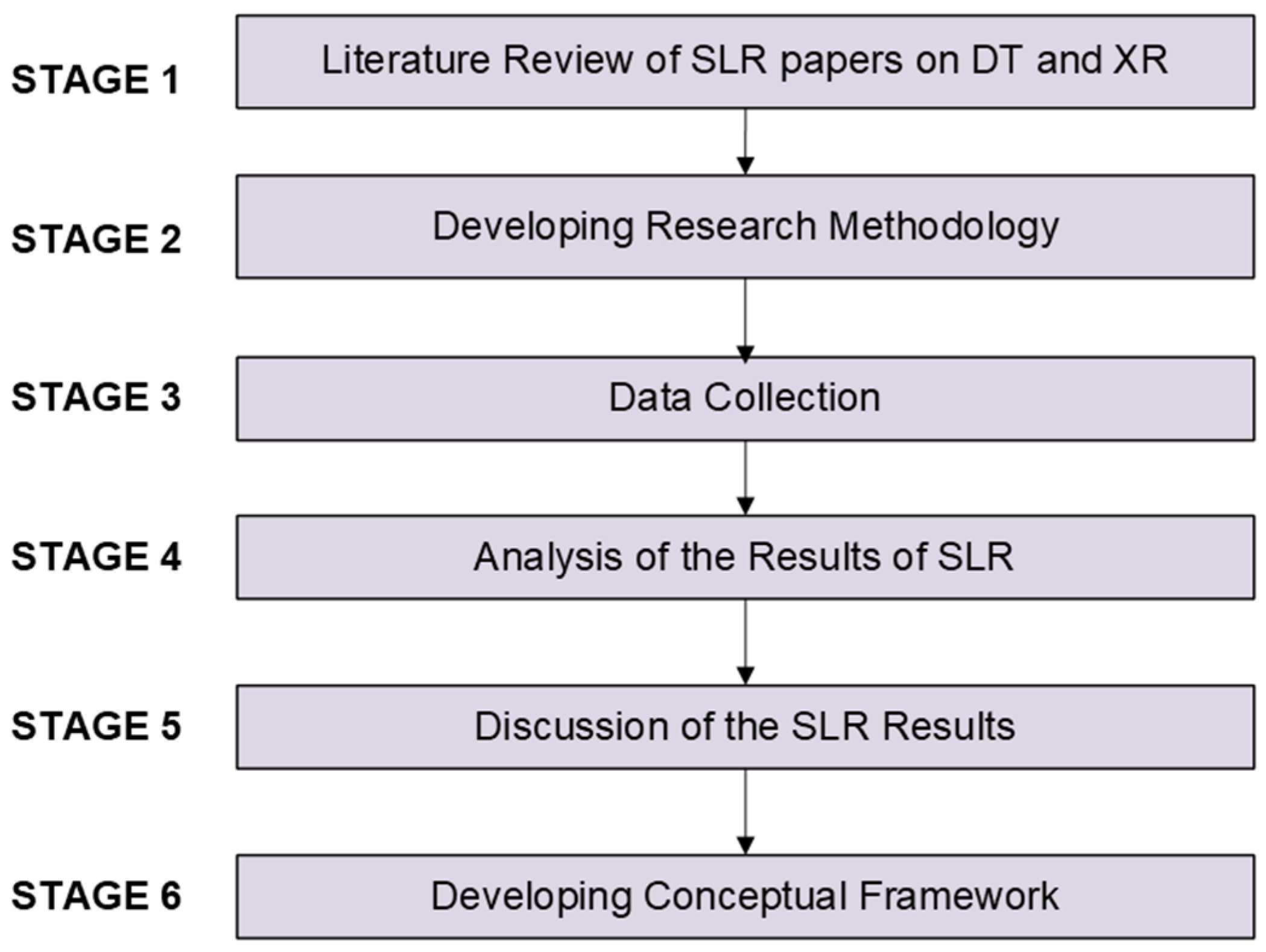
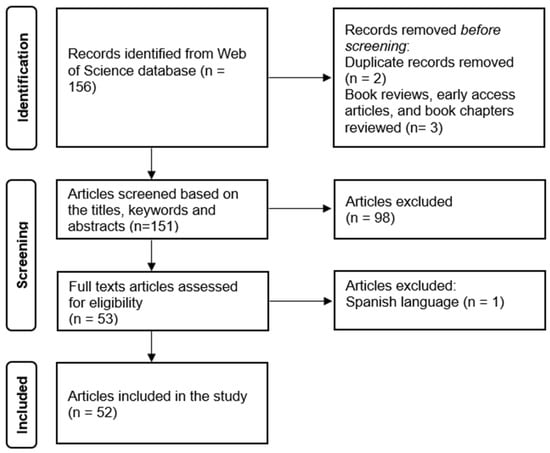
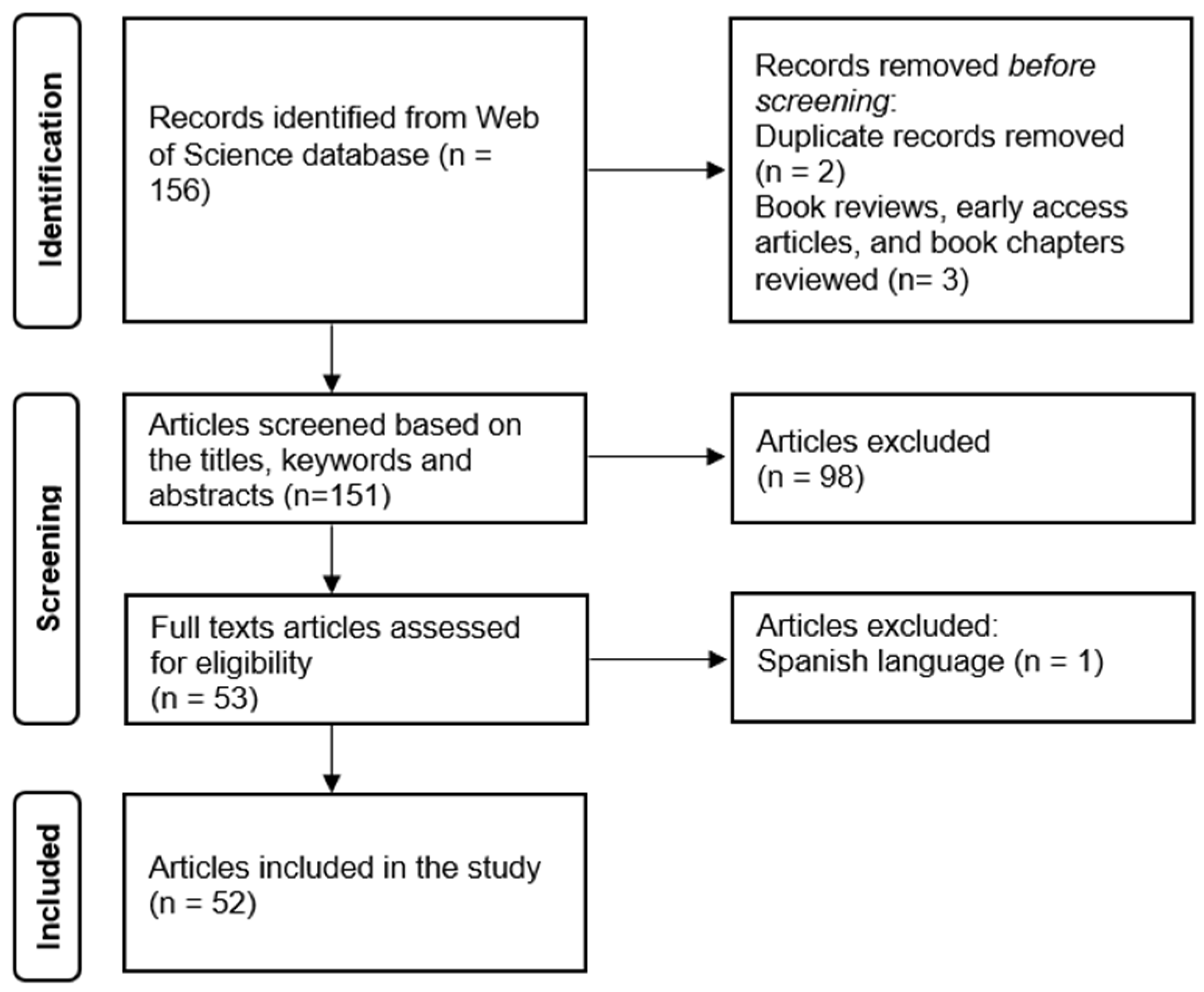
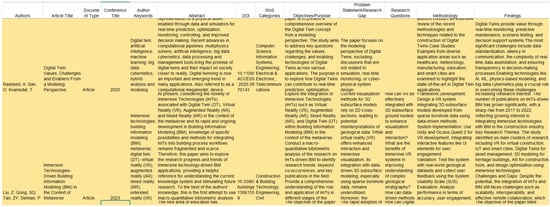
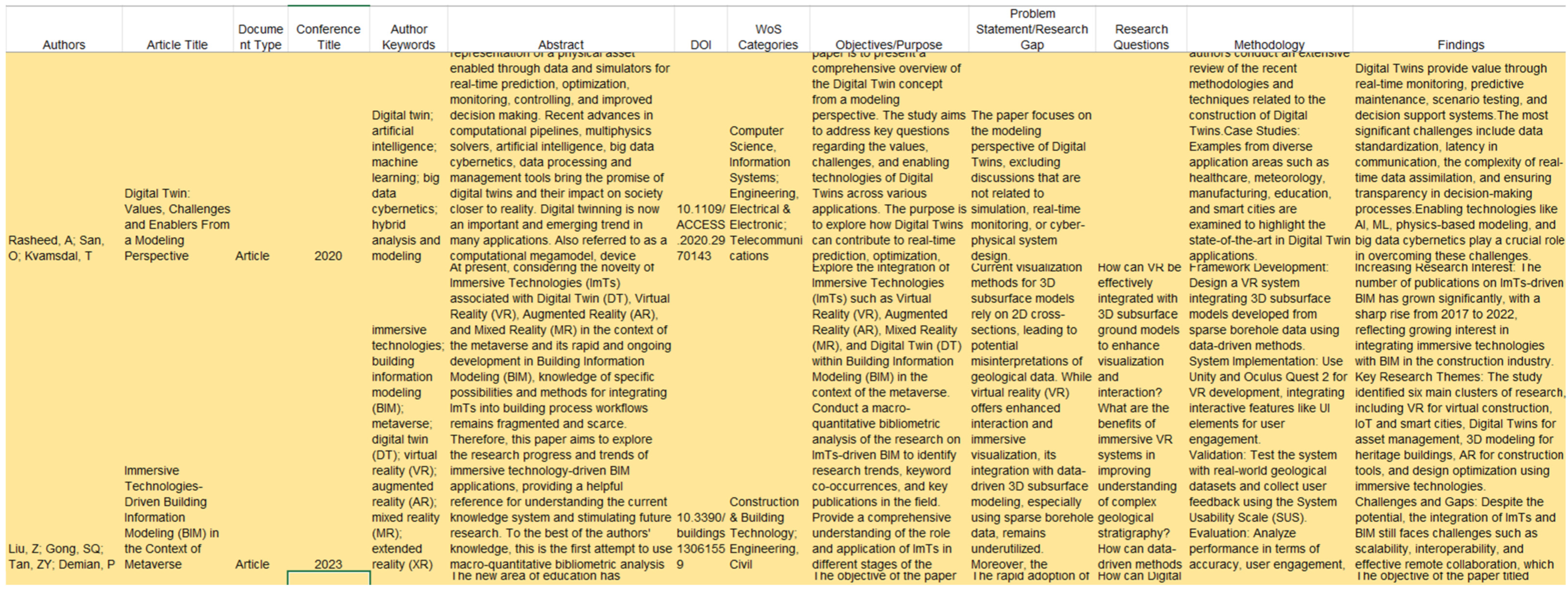
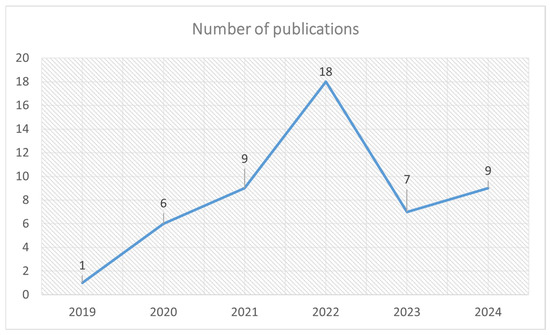
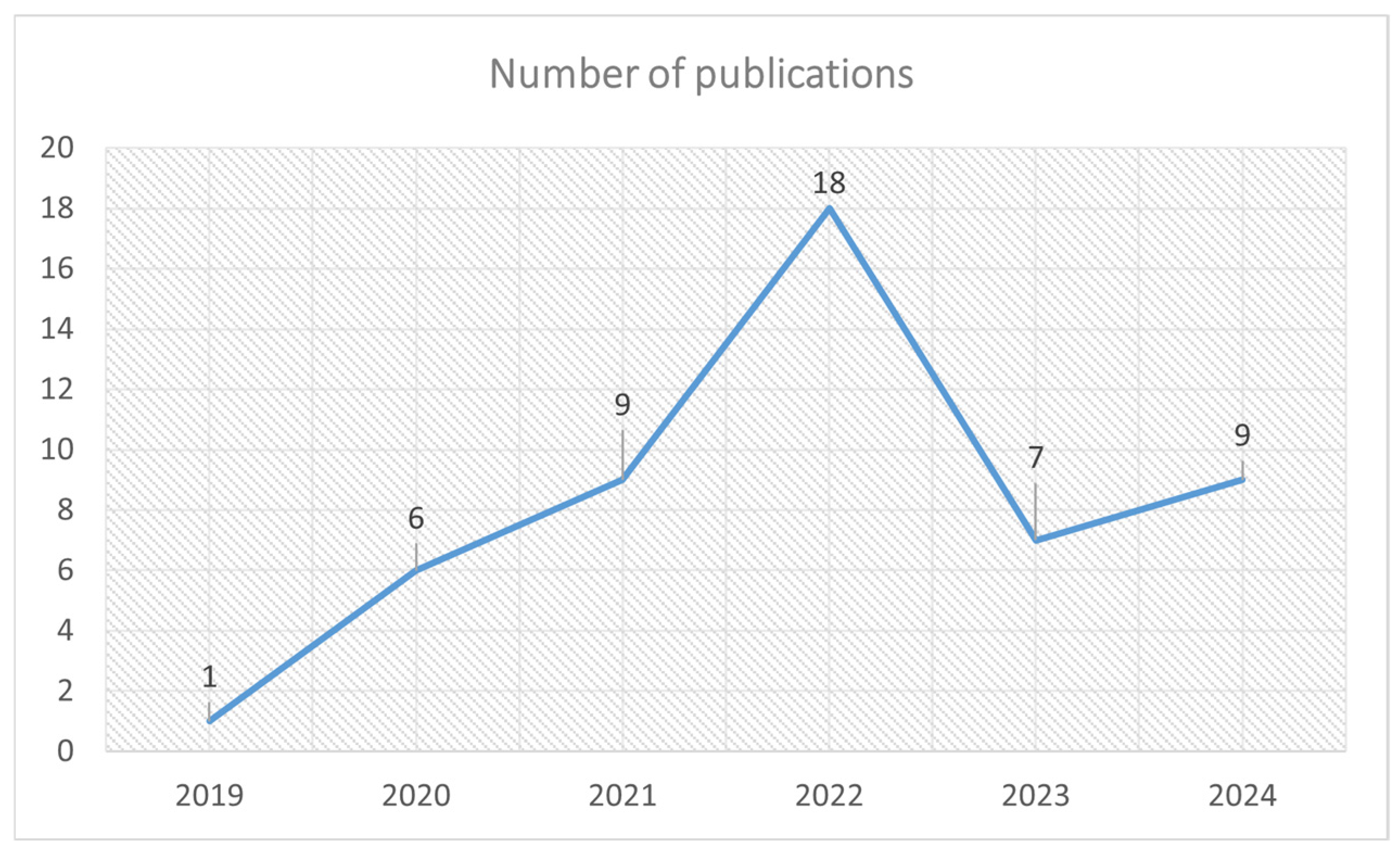
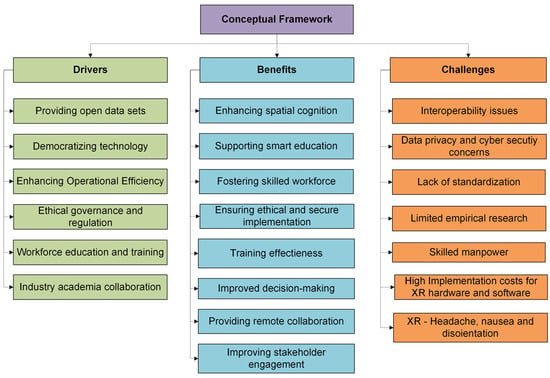
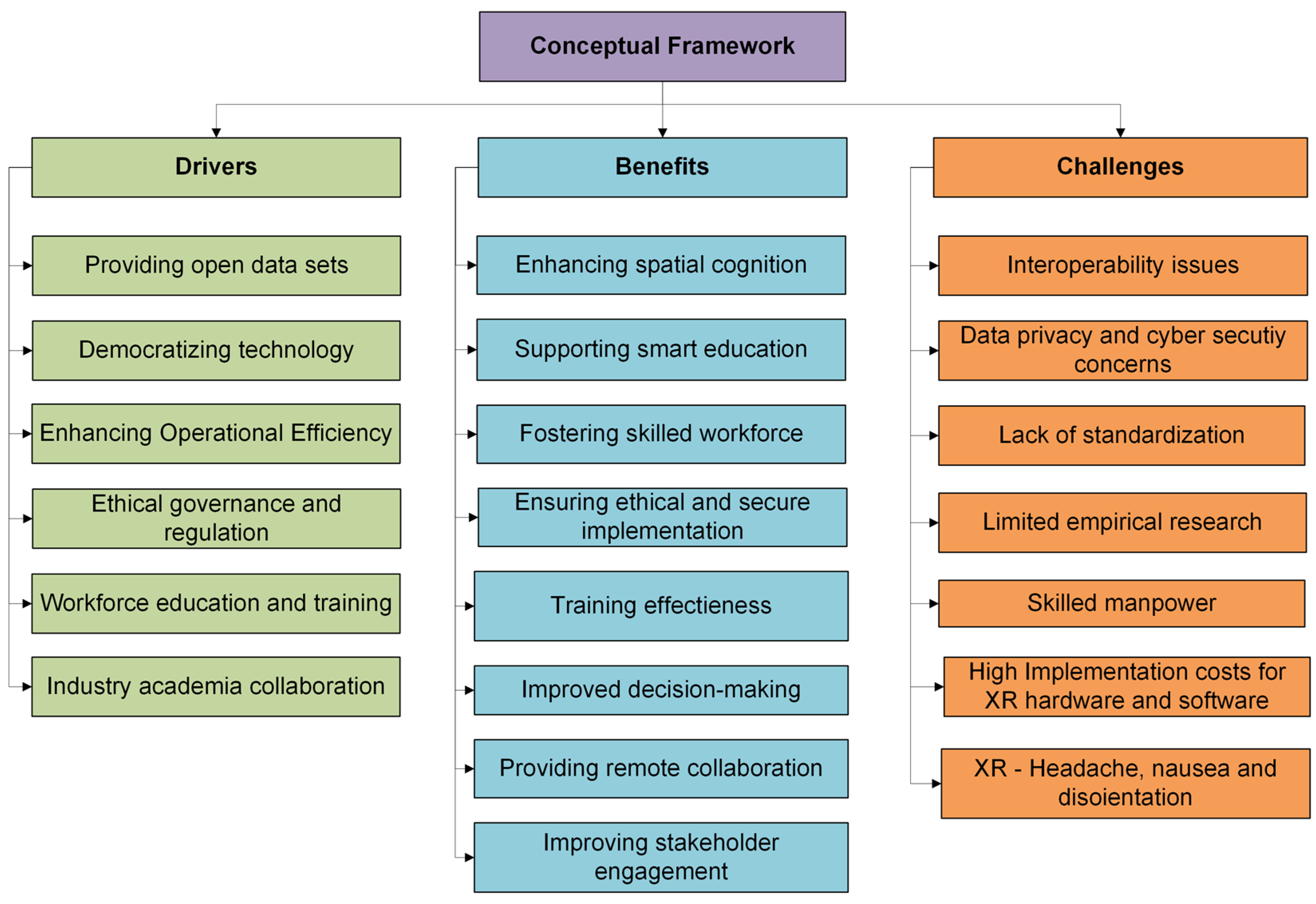
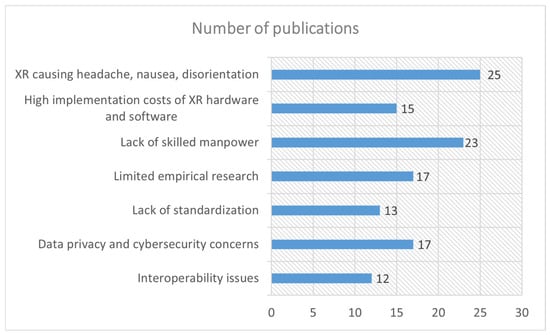
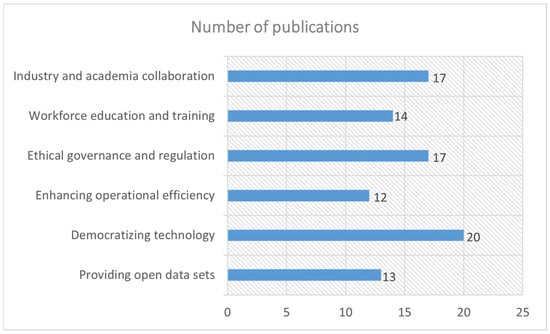
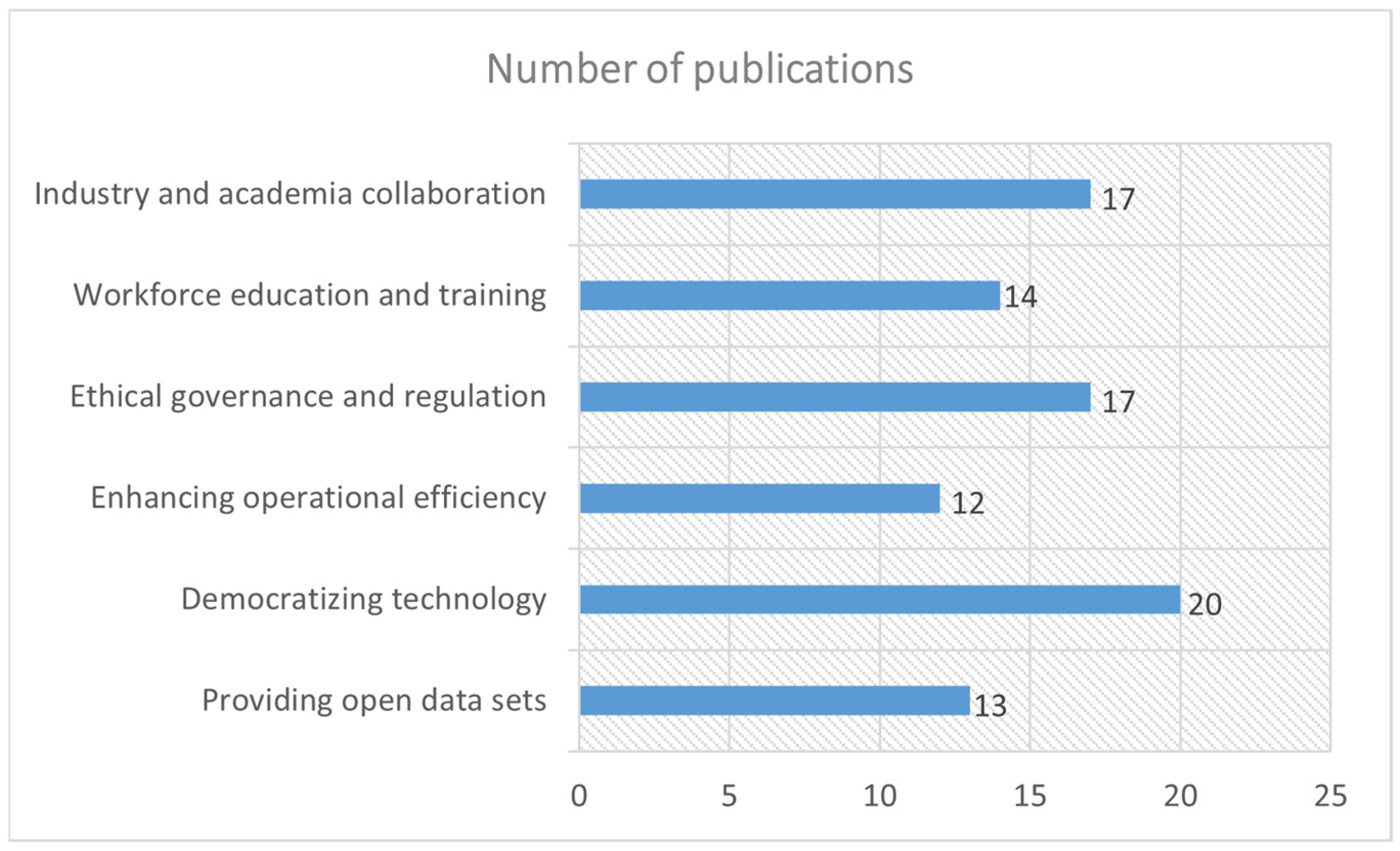
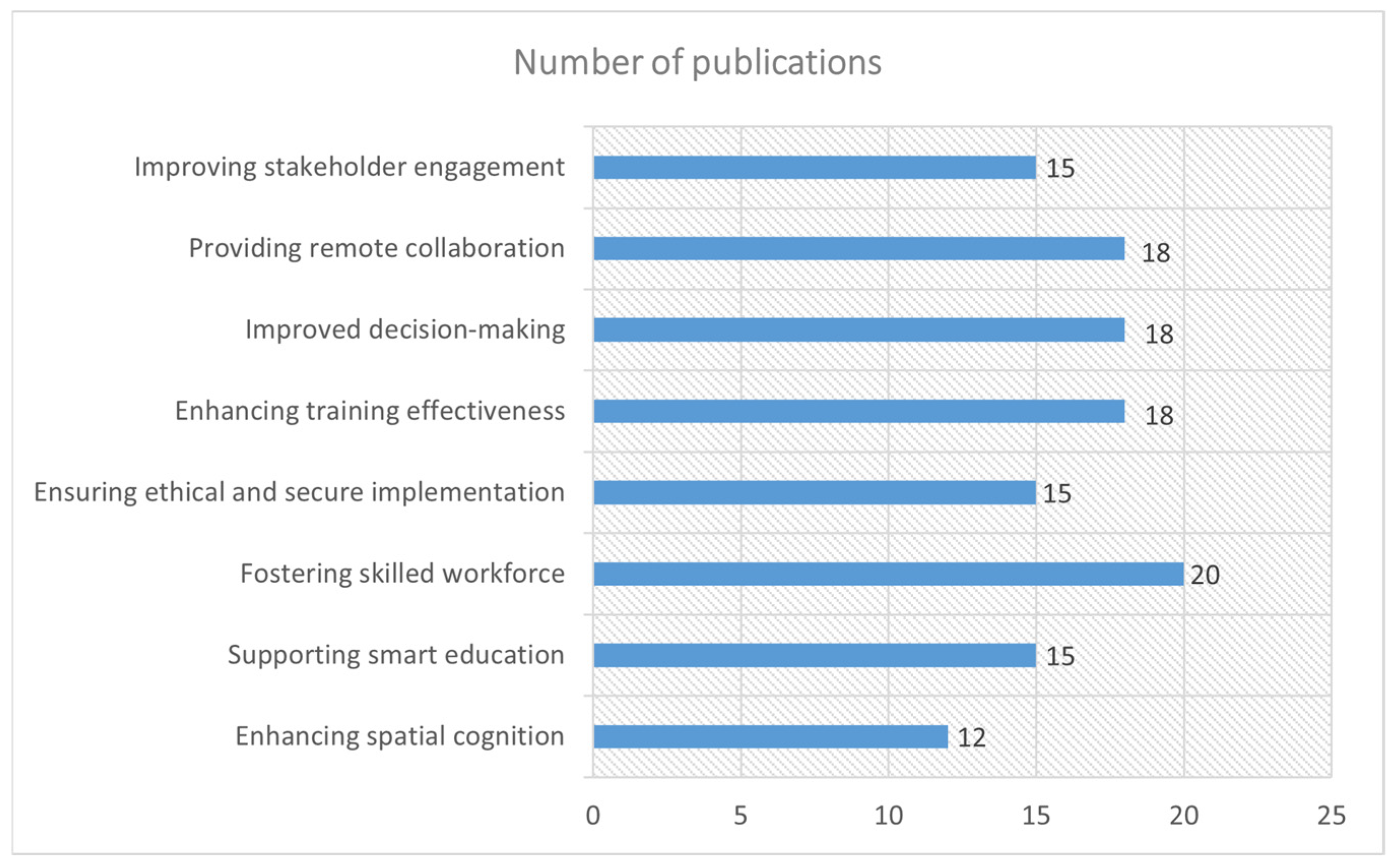

Disclaimer/Publisher’s Note: The statements, opinions and data contained in all publications are solely those of the individual author(s) and contributor(s) and not of MDPI and/or the editor(s). MDPI and/or the editor(s) disclaim responsibility for any injury to people or property resulting from any ideas, methods, instructions or products referred to in the content. |
© 2026 by the authors. Licensee MDPI, Basel, Switzerland. This article is an open access article distributed under the terms and conditions of the Creative Commons Attribution (CC BY) license.