


Abstract
Survey campaigns in non-residential buildings show that occupants are often dissatisfied with the indoor environmental quality (IEQ), including the indoor air quality (IAQ) conditions. Occupant-centric controls (OCCs) have the potential to improve occupants’ satisfaction with IAQ and thermal comfort. Currently, applications of OCC systems with IAQ perceptions are limited due to a lack of a suitable modelling approach to predict occupants’ subjective IAQ assessment. In addition, a comprehensive overview of possible confounding variables for subjective IAQ in non-residential buildings is missing. This paper presents a systematic review of 46 papers on subjective IAQ assessments during field investigations in non-residential buildings. The following characteristics of the studies are examined: (1) the study context, (2) study and survey type, (3) dataset and sample size, (4) subjective IAQ assessment scales, (5) analysis and modelling techniques, and (6) associated variables. The review identified 46 different assessment scales and 20 different analysis techniques, respectively, indicating a lack of uniformity across the studies. The vast majority of studies were conducted in classrooms or offices. Other non-residential buildings, such as hospitals and sports halls, were underrepresented. Moreover, most of the studies failed to elaborate on the choice of a statistical technique and to report on the required sample size, compromising the validity of the statistical results. Furthermore, the review highlighted the limited scope of the subjective IAQ assessment analysis, with half of the reviewed studies investigating no more than four different variables. Lastly, only three of the reviewed papers focused on determining an accurate predictive model for subjective IAQ assessment.
1. Introduction
1.1. Background and Context
Multiple occupant survey campaigns in non-residential buildings have shown that occupants are often dissatisfied with the indoor environmental quality (IEQ), including the indoor air quality (IAQ) conditions [1,2,3,4]. However, good IEQ and IAQ conditions are crucial to optimise employees’ and scholars’ working [5,6] and learning [7,8,9] performance [10]. The American Society of Heating, Refrigerating, and Air-Conditioning Engineers (ASHRAE) defines an acceptable IAQ as “air in which there are no known contaminants at harmful concentrations as determined by cognisant authorities and with which a substantial majority (80 % or more) of the people exposed do not express dissatisfaction” [11]. This definition shows that evaluating indoor air quality involves meeting both objective and subjective requirements. The former involves using measurement devices to determine whether air pollutant concentrations exceed threshold values that could harm occupants’ health. The latter assesses occupants’ satisfaction with the IAQ by gathering feedback directly from occupants on how they perceive the IAQ in a room, for example, through surveys.
Heating, ventilation, and air conditioning (HVAC) control strategies aim to provide IEQ conditions that meet both objective and subjective requirements while using the least amount of energy. However, current control strategies often fail to meet the subjective requirements, as they cannot maximise occupants’ satisfaction with the IEQ due to the use of fixed and conservative setpoints that are not representative of the occupants’ actual IEQ preferences [12,13]. Occupant-centric control (OCC) is a control strategy that is responsive to occupants’ presence, preferences, and behaviour, and it aims at maximising occupants’ satisfaction with IEQ by using Information and Communications Technology (e.g., robust data acquisition systems and wireless communication) [12,13,14,15]. Multiple OCC strategies implementing occupants’ thermal preferences have been defined [16,17,18,19], which can improve occupants’ thermal comfort by 29.1% and reduce HVAC energy consumption by 22% [14]. However, meeting occupants’ thermal preferences does not guarantee occupant satisfaction with the IAQ. Consequently, complaints about stuffy air and unpleasant odours can still occur. Therefore, a control system that responds to occupants’ subjective IAQ assessments is needed. This system would take into account occupants’ personal perceptions and feelings regarding IAQ, such as satisfaction levels and perception of odours or stuffiness. Currently, IAQ-driven control of ventilation systems is solely based on objective setpoints (e.g., CO2 concentration, relative humidity) but neglects occupants’ subjective IAQ assessment. Consequently, such control systems can provide indoor environments that meet objective IAQ requirements (e.g., by ensuring that concentrations of IAQ pollutants remain below threshold values), but they cannot guarantee occupant satisfaction with the IAQ. Yang et al. [20] tested the impact of a demand-controlled ventilation (DCV) system with temperature-dependent CO2 setpoints on perceived air quality, but the controller did not include occupants’ IAQ preferences. Occupant-centric ventilation control systems, integrating occupants’ IAQ preferences, have been investigated only rarely. Carbonare et al. [21] defined and tested an occupant-centric ventilation controller for residential buildings based on humidity, CO2 concentration and occupant feedback. The self-learning controller responded to the occupant’s feedback (i.e., wanting a higher or lower air exchange) [21].
The lack of OCC systems integrating occupants’ preferred IAQ conditions is caused by the absence of a modelling approach to predict IAQ preferences from occupant feedback in real-life conditions. The most well-known model to predict occupants’ satisfaction with the IAQ was established by Fanger in 1988 [22]. Fanger introduced the concepts of olf and decipol to quantify the emission rate of a pollution source in relation to a reference source (i.e., the emission of one standard person) and the perceived air pollution considering dilution by ventilation or perceived air quality (PAQ), respectively [22]. Based on experiments with 168 human subjects, a relationship was established between the predicted level of dissatisfaction with the IAQ and the decipol or PAQ [22]. These concepts are the basis for standards for determining ventilation flow rates in buildings dominantly polluted by human bioeffluents (e.g., EN 16789-1 [23]). The predicted level of dissatisfaction, from which the PAQ can be inferred, can be calculated from people’s assessment of the acceptability of the air quality scale [24]. Fanger’s olf-decipol model is beneficial to predict the satisfaction with IAQ for a group of people. However, catering the predictions to unique occupant IAQ preferences is not possible. Moreover, the model was fitted to experimental data and not field measurement data.
Further experimental studies have quantified the impact of environmental variables, such as air enthalpy and air velocity, on humans’ subjective IAQ assessment [25,26,27]. As experimental studies are typically conducted in a climate chamber, they often overlook contextual variables present in real-life (e.g., interior design and proximity to traffic) that could influence occupants’ IAQ perception. In field studies, data on the effects of variables on occupants’ subjective IAQ assessment are spread out; consequently, a comprehensive overview of the influential variables, which can form the basis for a suitable modelling approach for predicting occupants’ IAQ preferences, is missing. The current literature review aims to provide insights into various factors, including those related to IEQ, as well as personal and contextual variables, that influence subjective assessment of IAQ in non-residential buildings.
In the literature, the term PAQ is often used in a general way to refer to humans’ assessments of air quality perception, including odour intensity, air freshness, and air dryness. However, in the current review, PAQ will be exclusively used to refer to the value originating from the predicted percentage of dissatisfaction with IAQ, which is determined from the evaluation of the acceptability of the air quality. In this study, we apply the term “subjective IAQ assessment” as a container term relating to evaluations of occupants’ perception or satisfaction with the IAQ, including PAQ. In this study, an evaluation is categorised as a “subjective IAQ assessment” if it contains two aspects: (1) it originates directly from occupants’ opinion (e.g., through the completion of a survey), and (2) it evaluates the whole or parts of IAQ (e.g., IAQ satisfaction or odour perception). The first aspect highlights that occupants’ perception or satisfaction with the IAQ should come directly from occupant feedback instead of assuming satisfaction when measured IEQ variables meet objective requirements (e.g., CO2 concentrations staying below a threshold value). The second aspect emphasises the broad range of occupants’ opinions regarding the IAQ that are considered. They are not limited to the overall IAQ acceptability but may also include evaluations of IAQ satisfaction or specific perceptions, such as odour, freshness, or air humidity.
1.2. Novelty of the Current Review
Existing literature reviews related to or partly tackling occupants’ subjective IAQ assessment are summarised in Table 1. Many of these review papers focus narrowly on a limited set of environmental variables (e.g., relative humidity, CO2 concentration, and temperature) or specific aspects of the ventilation system (e.g., ventilation rate or ventilation filters). However, they often neglect the influence of personal or contextual variables in their review, despite evidence from previous studies showing that occupants’ satisfaction with IEQ [28], behaviour [29], and thermal perception [30] are significantly influenced by personal and contextual variables. Therefore, the current review expands upon this by systematically investigating the impact of IEQ-related, personal, and contextual variables on subjective IAQ assessment.
Furthermore, Table 1 highlights that current review papers either concentrate on residential buildings [31], mix residential and non-residential contexts [32,33,34,35], or include both field and experimental data [36,37,38,39]. Torriani et al. [39] performed a systematic literature review on the assessment methods for subjective IAQ in office buildings. Their review combined both field studies and experimental studies in which an office environment was recreated. Their literature review did not discuss influencing factors for subjective IAQ assessments. Another review by Torriani et al. [38] explored the role of personal and contextual variables in IAQ perception within office environments but excluded other non-residential building types and did not consider environmental variables. In contrast, this review focuses on (1) field studies only to ensure real-world relevance, (2) all non-residential building types, including offices, schools, and healthcare facilities, and (3) quantitative modelling approaches, emphasising how environmental, personal, and contextual variables are associated with subjective IAQ assessments.
Table 1.
Overview of existing literature reviews.
1.3. Objectives of the Current Review
The objective of the current review is to systematically summarise field studies that investigate statistical or predictive models describing relationships between environmental, personal, and contextual variables and subjective IAQ assessment in non-residential buildings. Studies conducted in residential buildings, climate chambers, or involving personal comfort systems are excluded from the scope, as this review is focused on real-world, non-residential environments such as offices, schools, and healthcare facilities. This review specifically focuses on identifying which variables influence subjective IAQ and how these relationships are quantified using assessment scales and statistical or predictive modelling approaches applied in field studies. By synthesising existing research, this paper aims to provide a comprehensive overview of current methodologies and findings, and to identify key research gaps in the prediction and understanding of subjective IAQ assessments in non-residential settings. Based on these insights, this review offers recommendations to guide future field studies. Additionally, this review supports the integration of IAQ preferences into OCC systems by examining existing methodologies for predicting subjective IAQ and by providing an overview of confounding variables that influence occupants’ subjective IAQ assessments. This review does not aim to compare methods of assessing objective and subjective IAQ.
2. Methods
The review methodology follows the Preferred Reporting Items for Systematic Reviews and Meta-Analyses (PRISMA) guidelines [41] (shown in Supplementary Materials) and the JBI Manual for Evidence Synthesis [42]. The following steps were performed for the literature selection process: (1) delimiting the research scope, (2) designing a logic grid, (3) determining databases and selection criteria, (4) database search, (5) title and abstract screening, and (6) full paper screening.
2.1. Scope Delimiting and Logic Grid
The initial step in the review process comprised delimiting the research scope. Table 2 summarises the scope of the literature review. Based on the scope of the review, a logic grid was designed for the literature search. Table 3 represents the logic grid, which comprises keywords representing the scope of the review. Each column consisted of synonyms for the same keyword. Each column represented a different keyword, i.e., subjective IAQ, modelling, and non-residential.
Table 2.
Scope of the current literature review.
Table 3.
Logic grid with keywords.
2.2. Determining the Databases and Selection Criteria
The literature search was performed in two databases, i.e., Web of Science and Scopus. The logic grid (Table 3) was translated into a search query in each database. Keywords in the same column were separated by the boolean operator “OR”, leading to an increasing number of search results. On the contrary, each column was separated by the boolean operator “AND”, which decreased the number of search results. Furthermore, modifiers (i.e., asterisk and quotation marks) were used to consider variations on keywords (e.g., satisfaction and dissatisfaction, relation and relationship, …) and to keep multiple keywords together.
Only a language criterion was active for the database search, leading to only English-written papers being selected. No criterion on publication date was active, and both journal as well as peer-reviewed conference papers were eligible for selection. After the database search, the selected records were screened twice: firstly, a title and abstract screening, and secondly, a full paper screening. In both cases, the screening was performed based on the exclusion criteria derived from Table 2.
2.3. Database Search and Paper Screening
The initial search using the logic grid was performed in October 2025 and resulted in 215 papers in the Web of Science database and 126 papers in the Scopus database, respectively. After duplicate removal, the title and abstract of 248 papers were screened (see Figure 1). After the title and abstract screening, the remaining 121 papers were sought for retrieval, of which 10 papers could not be accessed. Finally, 111 papers were fully screened (see Figure 1). The full paper screening led to 46 papers eligible for the current review, comprising 45 journal papers and 1 conference paper. An overview of the screening process is given in Figure 1, using the flowchart from the PRISMA guidelines.
Figure 1.
Paper identification and screening flowchart based on PRISMA guidelines.
The 46 selected studies showed high heterogeneity in assessment scales and statistical techniques. Furthermore, some studies did not properly report the effect sizes of the statistical associations that were determined. Consequently, the current selection of papers is not suitable as a basis to perform a meta-analysis on the defined relationship between IEQ, personal, and contextual variables with subjective IAQ. Therefore, the current literature review focuses solely on reporting the current state-of-the-art on established associations and models for subjective IAQ assessment in non-residential field studies. As this review does not include a meta-analysis, no formal risk-of-bias and methodological quality assessment was conducted.
3. Results
Table 4 summarises the 46 papers studied in this review paper, ordered by their publication date. Table 4 shows information on the study context (i.e., geographical location, room type, ventilation system, and type of study). Furthermore, the subjective IAQ assessment scale(s) that were used in the reviewed studies are presented. Moreover, the dataset and sample size, on which the analysis in the reviewed papers were performed, are given. Finally, the statistically significant IEQ-related, personal, and contextual variables are summarised together with the direction of the association, i.e., negative (-) or positive (+).
Table 4.
Summarising table of 46 reviewed studies ordered by publication date.
3.1. Study Context
Figure 2 shows the geographical locations of the studies. Most of them were performed in China (7) and Finland (7), followed by Norway (4), Sweden (4), South Korea (3), the USA (2), the UK (2), Thailand (2), Italy (2), Spain (2), and Singapore (2). UAE, The Netherlands, Slovenia, Denmark, and Brazil were each mentioned in only one study. A total of 4 out of the 46 studies did not specify the location of the investigated building [45,47,52,53]. The widespread geographic locations also led to multiple climate zones being represented in the studies, ranging from tropical [57,65,71,79,82] and subtropical [46,63,70,72,73,75,77,80,81] to cool [51,67,69,83] to cold climates [20,44,48,49,50,55,58,59,60,61,64,68,74,78] following the ASHRAE climate classification [88]. There is an underrepresentation of studies in climate zones that are warm and dry or temperate. The climate conditions, i.e., outdoor temperatures and humidity, could influence the associations determined between variables and subjective IAQ. Therefore, results obtained in a specific climate zone cannot be generalised to another climate zone.
Figure 2.
Map chart with the distribution of the studies’ geographical location. (Software version 2025).
As shown in Table 4, most of the room types studied were offices (18 studies) and classrooms (24 studies). Other room types, such as a badminton hall [72], a hospital workplace [61], and a store [76], have only been topics in one of the reviewed studies. Thach et al. [65] and Kuurola et al. [78] investigated subjective IAQ in multiple room types. The first study investigated workers’ subjective IAQ in three different workplaces, i.e., office, control, and workshop rooms. The latter studied employees’ and children’s subjective IAQ in classrooms of primary schools and in playrooms of daycare centres.
The ventilation system type also varied among the reviewed papers. Both naturally ventilated (14 studies) and mechanically ventilated spaces (23 studies) were investigated. In the case of mechanically ventilated spaces, the authors did not always describe the characteristics of the ventilation system. Ten studies clarified that the mechanical ventilation system was a balanced system, of which three specified the presence of a heating recovery. Only one study [20] indicated that the investigated room was equipped with a demand-controlled ventilation system. Fourteen studies did not detail the characteristics of the ventilation system present in the studied room(s).
3.2. Study and Survey Type
Four study types can be distinguished from the reviewed papers in Table 4, i.e., (1) retrospective (16 studies), (2) right-here-right-now (RHRN) (8 studies), (3) intervention (11 studies), and (4) longitudinal (14 studies). Each study type varies in the survey type used for assessing participants’ subjective IAQ, the study duration, and the study goal. A retrospective and RHRN study differed in the recall period of the surveys used to evaluate participants’ perception or satisfaction with the IAQ. A retrospective survey evaluated participants’ subjective IAQ in relation to a certain period prior to the moment of assessment. This recall period ranged from one week [51] or one month [43,58,65,76] to multiple months [48,61] or one year [68]. Some studies did not specify a recall period [56,74]. On the other hand, an RHRN survey assessed participants’ perceptions at the moment of completing the survey. The advantage of a retrospective survey is that it can provide a general assessment of the participants’ perceptions for a long period, while an RHRN survey only gives a result for a specific moment in time. However, an RHRN survey is more suitable when the aim is to investigate the associations between IEQ conditions and contextual variables that vary in time (e.g., window opening) with subjective IAQ, given that the RHRN survey is combined with simultaneous monitoring of the IEQ and contextual conditions. Associating IEQ or contextual conditions with the results of a retrospective survey is more challenging since it is unclear to which conditions the survey results relate. If a retrospective study investigated the associations between subjective IAQ and IEQ-related variables, average IEQ conditions over the assessed period were used. Furthermore, retrospective surveys are also prone to a recall bias [89], especially when a large recall period is applied. The RHRN and retrospective study type referred to studies in which this type of survey was completed only once by each participant.
On the contrary, a study is categorised as longitudinal when the participants’ subjective IAQ was assessed multiple times during the study duration (i.e., multiple times per day [57,66,73,81], each day [47], multiple times per week [59], each half month [80], each month [75], multiple times per year [67], and once each two years [50,58]). The type of survey can be both retrospective and RHRN. A longitudinal study makes it possible to investigate the impact of time-dependent variables (i.e., variables that change over time) on subjective IAQ.
The last type of studies were intervention studies. Intervention studies investigate the impact of a certain intervention (i.e., changing IAQ management strategy [49,52,54,60], changing building characteristics [53,69], varying IEQ conditions [20,64], presence of indoor plants [71], and informing occupants of current IEQ conditions [73]) on the subjective IAQ assessment. Intervention studies often consist of a control and test group or perform a pre- and post-test to quantify the influence of the intervention.
3.3. Dataset and Sample Size
Table 4 shows that the dataset sizes varied significantly among the different studies, ranging from as small as 22 datapoints [52] to as large as 26,946 datapoints [55]. Furthermore, the number of participants varied from 10 occupants [73] to 26,946 [55]. A median sample size of 585 datapoints and 261 participants was applied. Three of the reviewed studies did not specify the sample size [64,71,75]. Many studies only evaluate participants’ subjective IAQ once during the study period (22 studies). Sixteen of the reviewed studies evaluate participants’ subjective IAQ multiple times during the study duration. The ratio between the number of datapoints and participants ranged from 1.6 datapoints/person [78] to 128 datapoints/person [73]. The number of datapoints per person was related to the aim of the study. Kuurola et al. [78] aimed to assess the impact of two ventilation operation modes on occupants’ subjective IAQ. Therefore, participants were only required to assess their subjective IAQ no more than twice during the study. On the contrary, Kong et al. [73] intended to investigate the effect of providing information about the objective IAQ on occupants’ subjective IAQ assessment. Furthermore, the authors wanted to examine the continuity of this effect over time; consequently, participants were exposed to 128 assessment cycles throughout a 16-day measurement period.
In the reviewed papers, the discussion of the required sample size was often limited to stating a need for a larger sample size to generalise the statistical results obtained in the study. Only one of the reviewed studies elaborated on a power analysis calculation to determine the minimal sample size to obtain sufficient statistical power [87]. Furthermore, two studies described a required sample size without elaborating on the reason for this number. Haghighat and Donnini [45] set 40 occupants per monitored workstation as a target sample size for their study. Licina and Langer [69] described that 50 occupants per measured building were required as the minimum sample size.
3.4. Subjective IAQ Assessment Scales
Table 5 gives a detailed description of the subjective IAQ assessment questions and scales. The evaluation method for subjective IAQ is divided into 5 categories, i.e., (1) IAQ complaint frequency, (2) air quality acceptability, (3) IAQ satisfaction, (4) odour intensity, and (5) air freshness. The first evaluates the IAQ conditions based on how frequently occupants perceive a problem with the IAQ, such as unpleasant odours, stale, humid, or dry or dusty air. The description of the scale points used to assess the frequency of perceiving IAQ problems can be specific (e.g., “1–3 times/month”, “yes weekly”, or “1–3 times/week”) or more general (e.g., “sometimes”, “a little”, or “a lot”). Four studies [48,60,61,78] applied the same three-point scale to evaluate how frequently occupants are bothered by stuffy air and unpleasant odours. The scale originated from the MM40 questionnaire [90], which is a retrospective survey to assess occupants’ perception in their school or workplace over three months prior to the moment of completing the survey. The MM40 questionnaire had been mostly applied in Nordic countries in Europe [90]. Hedge et al. [43] and Thatcher and Milner [53] both used the same four-point scale (“never”, “1–3 times/month”, “1–3 times/week”, or “every day”) to assess the frequency of IAQ complaints. However, the survey question related to the scale was not specified in either of the studies. The other studies measured the IAQ complaints frequency on a binary [59], three-point [68], four-point [55,58], or five-point scale [76,82].
Table 5.
Overview of the assessment scales used for subjective IAQ assessment and questions asked prior to the assessment. The table is divided per scale category: (1) IAQ complaint frequency, (2) Air quality acceptability, (3) IAQ satisfaction, (4) odour intensity, and (5) air freshness.
A second method to measure occupants’ subjective IAQ was to evaluate their acceptability of the air quality. In most studies, air quality acceptability was evaluated on a non-divided continuous scale, mostly ranging from “clearly unacceptable” to “clearly acceptable” [64,71,77,81]. Three of the reviewed studies assessed the air quality acceptability on a continuous scale that is divided into two equal parts [16,31,41]. The missing mid-point in the divided scale urged occupants to choose between “just unacceptable” and “just acceptable” instead of a mid-point indicating neutrality. Five studies [44,50,63,72,83] applied a four-point scale without a mid-point, similar to the divided continuous acceptability scale. Mui and Wong [46] assessed the indirect and direct IAQ acceptability on a five-point and binary scale, respectively. Kong et al. [73] and Orru et al. [74] measured the air quality acceptability on a three- and five-point Likert scale, respectively, ranging from “(very) bad” to “(very) good” and with “acceptable” as a mid-point. One study assessed the air quality acceptability on a six-point scale, of which only the ends were labelled, i.e., “Extremely poor” and “Extremely good” [49]. Finally, a seven-point scale was used in the study of Miao et al. [86] to evaluate occupants’ IAQ acceptability in a classroom.
Nine of the reviewed studies evaluated occupants’ IAQ satisfaction. Most of the studies applied a five-point [56,66,79] or seven-point [51,62,65,69,70] Likert scale ranging from “very dissatisfied” to “very satisfied” with a neutral mid-point. Kostiainen et al. [47] assessed the occupants’ satisfaction with the IAQ on a simplified three-point Likert scale (“very satisfied”, “neutral”, or “very dissatisfied”).
The odour intensity, perceived by the occupants, was measured in eight studies. Four out of eight studies evaluated the odour intensity on a six-point scale ranging from “no odour” to “overpowering/overwhelming/extremely strong odour” [20,49,63,81]. Xie et al. [72] applied a simplified four-point scale (“strong odour”, “moderate odour”, “weak odour”, or “no odour”). Similarly, Alonso et al. [85] applied a four-point scale to assess odour intensity in classrooms. Markowicz and Larsson [52] and Cablé et al. [54] measured the odour intensity on a continuous scale ranging from “no odour” to “extremely annoying odour” and “very comfortable” to “very uncomfortable”, respectively. The scale points used by Cablé et al. [54] were not related to odour intensity, but the question posed before the scale relates to the perception of odours, i.e., “Is there any unpleasant smell”.
Finally, five studies evaluated occupants’ subjective IAQ by measuring their perception of air freshness. Korsavi et al. [67] and Xie et al. [72] let occupants rate their perception of the air freshness on a five-point scale with a neutral mid-point and a four-point Likert scale, respectively. The authors of the first study also asked occupants’ air freshness preferences on a binary scale (“fresher” or “as it is”) [67]. Jung and Awad [71] assessed occupants’ perceived air freshness on a continuous scale ranging from “very stale” to “very fresh”. Ma et al. [66] combined an assessment of the air freshness and the level of perceived odours into one four-point Likert scale (“fresh”, “stale”, “stale with occasional odour”, or “stale with odour”).
3.5. Analysis Methodologies and Modelling Techniques
A majority of the papers used a statistical analysis methodology to investigate relationships between predictor variables (e.g., room temperature, relative humidity, and gender) and the outcome variable (e.g., air quality acceptability, odour intensity, and IAQ satisfaction). The selection of the statistical technique was based on the goal of the analysis, the data type and the data distribution of both the predictor and outcome variables. Three categories of statistical techniques were mainly applied in the reviewed papers, i.e., (1) comparison tests, (2) correlation analysis, and (3) regression analysis. Comparison tests, such as a (paired) t-test [62,71], Kruskal–Wallis test [56,65], Mann–Whitney U test [49,50,52,56,61,69,81], and Friedman’s test [64], were applied in studies aiming to determine if there are statistically significant differences in subjective IAQ assessments between different groups (e.g., control and test group, pre- and post-intervention group, …). A t-test is only used when the data have a normal distribution; otherwise, the non-parametric variant (i.e., Mann–Whitney U test) is applied. The t-test and Mann–Whitney U test are applicable to determine the difference between two groups. When the number of groups is higher than two, a Kruskal–Wallis test is applied. For studies with a repeated measures design (e.g., studies in which participants’ perceptions are assessed on three or more occasions), a Friedman’s test is used.
Multiple studies performed a correlation analysis to quantify the relationship between an environmental, personal, or contextual variable with subjective IAQ. Various types of correlation coefficients were used, i.e., Pearson correlation coefficient [45,72], Spearman correlation coefficient [67,69,76,83,86], Pearson’s Chi-squared test [59,62,84], and Fisher’s exact test [59,60,84]. One study, by Choe et al. [75], performed a correlation analysis but did not specify the type of correlation coefficient used. The Pearson correlation coefficient is suitable for continuous variables that follow a normal distribution [91]. In case of other data types, such as ordinal variables and non-normally distributed data, a Spearman correlation coefficient is a more appropriate correlation coefficient [91]. Therefore, the Pearson and Spearman correlation coefficients are more suitable when the subjective IAQ is assessed on a continuous or Likert scale, respectively. A Pearson’s Chi-squared test can be applied to determine the relationship between two categorical variables [92]. In the case of a very low sample size, Fisher’s exact test can be performed [60].
Both the comparison and correlation tests give insight into the relationship of one variable (i.e., environmental, personal, or contextual) with subjective IAQ. A regression analysis can account for multiple variables in one regression equation. Therefore, the associations of multiple independent variables on subjective IAQ can be investigated. Multiple types of regression analyses were applied in the reviewed papers, such as linear regression [20,44,57,58,63,66,67,70,77,80,82,85], logistic regression [43,44,46,48,79], ordinal regression [80], and mixed-effects regression models [50,51,54,55,68,78]. A linear regression model is applied when the dependent variable (i.e., subjective IAQ) is a continuous variable. When the dependent variable is a binary (i.e., comprising two categories) or an unordered categorical variable, a logistic regression is more suitable. A logistic regression determines an association between one or more independent variables and the probability of a category of the dependent variable (e.g., satisfied or dissatisfied). In case the dependent variable is an ordered categorical variable (e.g., satisfied or dissatisfied), an ordinal regression should be applied. A linear, logistic, and ordinal regression assume that all datapoints in the investigated dataset are independent. However, this assumption is often violated, e.g., in a longitudinal study when the same occupant is surveyed multiple times, and thus multiple datapoints correspond to the same participant, or when occupants from multiple classrooms or offices are surveyed, and thus occupants and datapoints can be grouped per classroom or office. In cases of dependency in the dataset, a mixed-effects regression analysis can be performed. A mixed-effects model expands upon a linear, logistic, or ordinal regression model by adding a random effect, which tackles the clustering or hierarchy in the dataset [93]. In other words, the random effect can account for the grouping in the dataset based on the participants or the room. One study applied a hierarchical Bayesian modelling technique to describe occupants’ subjective IAQ [47] from a hierarchical dataset. This statistical technique allows prior knowledge to be incorporated into the model [94], making it suitable for analysing complex causal structures.
A regression analysis quantifies the direct associations between an independent and dependent variable (e.g., how variable A affects subjective IAQ). However, there could also be indirect associations that affect a dependent variable (e.g., variable B affects variable A, which affects the dependent variable). To investigate these associations, a latent change model (LCM) or structural equation model (SEM) can be used. Both model types facilitate more complex statistical relationships by including latent variables, which can be inferred from other variables that can be directly observed or measured. An LCM focuses on changes in latent variables over time, while an SEM is not limited to latent variables changing over time. In the current review, LCM [58] and SEM [74] were only applied in one study each. The first quantified the impact of students’ change in socio-emotional difficulties and perceived student–teacher relations on their subjective IAQ [58]. The latter applied an SEM to investigate how the concentration of nanoparticles affects occupants’ subjective IAQ and how subjective IAQ, in turn, impacts occupants’ stress symptoms and risk of perceiving nanoparticles [74]. However, no statistically significant relationship was found between the concentration of nanoparticles and occupants’ subjective IAQ.
Only three studies applied a machine learning algorithm that aimed to predict subjective IAQ based on a set of predictors. Gnecco et al. [87] defined Gaussian Naïve Bayes (GNB) models to determine the probabilistic relationships between occupants’ subjective IAQ assessment and measured environmental variables. In the studies of Cheung et al. [57] and Kong et al. [73], a black-box modelling approach was employed: the former applied a Gaussian process (GP), while the latter applied a gradient boosting machine (GBM). Such modelling approaches can achieve high prediction accuracies but lack transparency on the relationships between input and output variables. As a result, both studies could not establish an interpretable association between the predictor variables and subjective IAQ. However, the impact of the presence of the predictor variables can be quantified by comparing the prediction accuracies of models with a different number of predictors [57] or by performing a variable importance analysis [73]. The limited possibilities for interpreting the relationships between predictors and outcome variables are one of the drawbacks of black-box modelling approaches such as GP and GBM. However, model interpretability is of less importance when the main goal of the model is to maximise its predictive performance. When the aim of the modelling is to establish relationships, including their magnitude, between variables and subjective IAQ, other approaches such as regression or correlation analysis are more suitable.
3.6. Variables Associated with Subjective IAQ
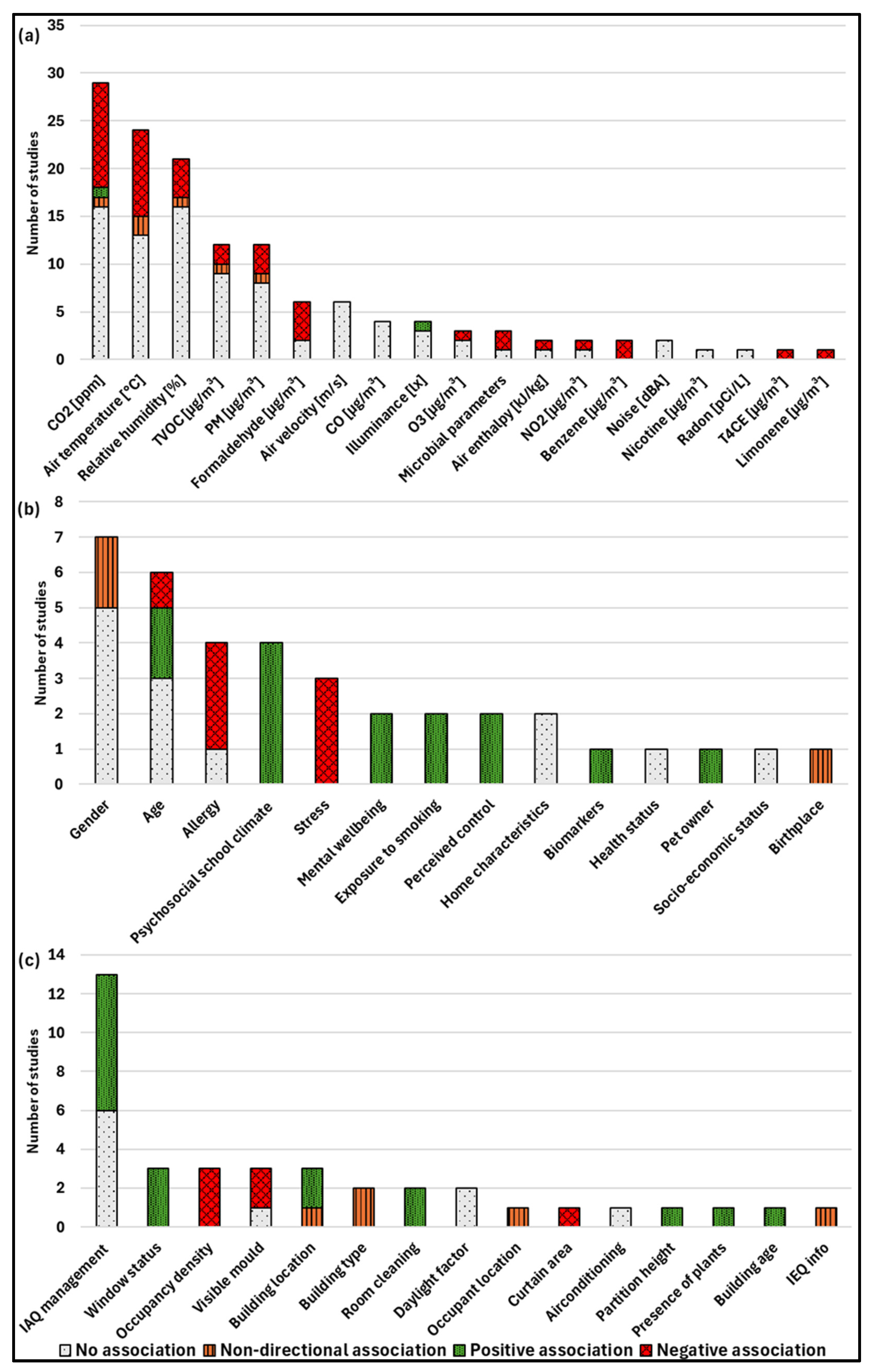
Each of the reviewed studies in Table 4 investigated the associations between one or multiple variables and the subjective assessment of IAQ. Figure 3 provides an overview of the number of studies that investigated associations between a certain variable and subjective IAQ (e.g., air quality acceptability, air freshness, IAQ satisfaction, …), with the number of studies shown on the y-axis and the different variables on the x-axis. The associations are categorised into the following:
- No association: the relationship between the variable and subjective IAQ was examined but found to be statistically insignificant or negligible in effect size.
- Non-directional association: significant associations for which no direction (i.e., positive or negative) could be established, typically due to the nature of the variable (e.g., binary or categorical) or the use of black-box models.
- Positive association: an increase in the variable is associated with an improvement in occupants’ subjective IAQ, and a decrease corresponds with a decline.
- Negative association: an increase in the variable is associated with a decline in occupants’ subjective IAQ, and a decrease corresponds with an improvement.
The results are presented per variable category, i.e., IEQ-related, personal, and contextual variables.
Figure 3.
Overview of the number of studies establishing associations of variables with subjective IAQ for (a) IEQ-related variables, (b) personal variables, and (c) contextual variables.
3.6.1. Associations with Indoor Environmental Variables
Figure 3 shows that environmental variables were the most frequently investigated in the reviewed studies. CO2, indoor temperature, and relative humidity were tested in 29, 24, and 21 studies, respectively, and were, therefore, the most often investigated variables. However, only 24–46% of the studies determined a significant association between the three variables and subjective assessments: CO2 (13 studies), indoor temperature (11 studies), and relative humidity (5 studies). The majority of the studies indicated a significant negative association between CO2 and subjective IAQ. However, Kuurola et al. [78] found a positive relationship between CO2 and subjective IAQ, indicating that an increase in CO2 concentration would improve occupants’ subjective IAQ assessment. The authors [78] stated that the counterintuitive results could be due to the lower ventilation rates in the classroom, which prevented the relative humidity from becoming too low. Sixteen studies found that the association between CO2 concentration and subjective IAQ was insignificant. Similarly, thirteen studies established an insignificant association between the subjective IAQ and indoor temperature. Of the eleven studies that established a significant association, good agreement was found in the direction of the association between indoor temperature and subjective IAQ. Nearly all of these eleven studies showed a negative association between both, which indicated that an increase in indoor temperature led to a decrease in subjective IAQ assessment. The study by Wu and Wagner [80] established an inverted U relationship between indoor temperature and subjective IAQ, which showed a positive and negative association with indoor temperature for temperatures below and above 20.1 °C, respectively. Similar to indoor temperature, a majority of the papers determined a negative relationship between relative humidity and subjective IAQ, which implied that an increase in relative humidity decreased occupants’ IAQ satisfaction in humid climates. The majority of the studies (16 studies) could not determine a significant association between relative humidity and subjective IAQ. Air enthalpy, which combines air temperature and humidity, was investigated in two studies, of which one determined a negative association with subjective IAQ assessments [20]. Six studies analysed the relationship between air velocity and subjective IAQ, but none of the studies determined a significant result between the two.
Moreover, various objective IAQ-related variables were studied, such as particulate matter (PM), total volatile organic compounds (TVOCs), formaldehyde, O3, CO, benzene, NO2, pinene, limonene, tetrachloroethylene (T4CE), nicotine, radon, and microbial parameters [cells/mg]. Ten of these objective IAQ-related variables were tested by Chatzidiakou et al. [51], i.e., PM, TVOCs, formaldehyde, O3, benzene, NO2, pinene, limonene, T4CE, and microbial parameters. All the variables showed a significant negative association with subjective IAQ, which indicated that a higher concentration of these pollutants decreased the subjective IAQ assessment of occupants [51]. A negative relationship for PM with subjective IAQ was also found by Park et al. [62] and Smedje et al. [44]. Shim et al. [76] established a negative association between benzene and subjective IAQ. Furthermore, three additional studies [43,76,82] concluded that an increase in formaldehyde concentration decreased the subjective IAQ evaluation. Moreover, Sørensen and Kristensen [83] also established a negative association between TVOC concentrations and subjective IAQ. None of the studies established a significant impact of nicotine, radon, and CO on subjective IAQ.
Four studies investigated the relationship between illuminance and subjective IAQ [43,44,50,79]. One study by Wang et al. [50] established a positive association between a classroom’s illumination and pupils’ IAQ perception. Finally, the effect of noise was tested in two studies [75,79]. However, no significant relationship between noise and subjective IAQ was determined.
3.6.2. Associations with Personal Variables
The impact of personal variables on subjective IAQ assessment has been less investigated in comparison to environmental variables (see Figure 3). The association between gender and subjective IAQ was studied in seven papers and is the most studied personal variable. However, only Kang et al. [56] and Finell et al. [55] found a statistically significant association, indicating that females tended to be more dissatisfied with the IAQ in comparison to males. A majority of the studies did not find a significant association between gender and subjective IAQ. Occupants’ age was also tested in six studies, of which three [44,50,51] determined that age had a significant impact on subjective IAQ. The remaining three studies could not establish a significant relationship between age and subjective IAQ. Wang et al. [50] and Chatzidiakou et al. [51] both fitted mixed-effects models including pupils’ age. The first established a negative association between age and subjective IAQ, and the latter showed the opposite, that older children were more satisfied with the IAQ than younger children. However, the age range of the tested children was narrow in both studies, i.e., 7 to 13 years old [50] and 9 to 11 years old [51]. Smedje et al. [44] established a positive association between age and subjective IAQ in a sample with a wider age range from 16 to 65 years old. Moreover, Haghighat and Donnini [45] as well as Torriani et al. [77] tested the impact of perceived control on subjective IAQ, and both studies concluded that increasing occupants’ perception of control improves their subjective IAQ evaluation. Furthermore, one study by Kang et al. [56] found a significant relationship between occupants’ birthplace and their subjective IAQ. However, the study was limited to comparing occupants born in the south of China to occupants born in the north of the country. Another study found that occupants who have pets at their home perceive the IAQ as better compared to occupants who do not own pets [44]. Other characteristics of occupants’ homes (e.g., age of the home, number of kids at home, recent repainting at home, …) were tested in two studies but were not found to significantly impact people’s subjective IAQ assessment [44,50]. Finally, Finell et al. [55] tested the relationship between students’ socio-economic status and their subjective IAQ assessment, but no significant association could be determined.
The reviewed studies also investigated the relationship between subjective IAQ and emotional variables, such as mental wellbeing, stress, and psychosocial school climate (i.e., how students feel about their school and their relationship with teachers). Emotional variables showed a significant relationship in all studies in which these variables were tested. The studies had the same conclusion regarding emotional variables, i.e., (1) occupants’ experiencing stress were shown to be more dissatisfied with the IAQ [51,55,65], (2) increasing occupants’ mental wellbeing, increased occupants’ IAQ satisfaction [47,58], and (3) students having a positive attitude towards their psychosocial school climate (e.g., a good relationship with teachers) were more satisfied with the IAQ in their classroom [44,51,55,58].
Finally, the studies tested health-related variables, such as allergy, biomarkers, exposure to smoke, and health status. Allergy was tested in four studies [44,47,48,50], of which three [44,47,50] found a significant relationship with subjective IAQ, showing that occupants with an allergic background perceived the air as stale. Biomarkers were tested by Bakke et al. [48], who showed that MCA2, a measure for nasal patency, was positively associated with occupants’ subjective IAQ evaluation. Exposure to smoke was tested by Smedje et al. [44] and Chatzidiakou et al. [51]. Both studies concluded that people exposed to smoke at home were more likely to report a higher IAQ satisfaction at school. Self-reported health status was tested in one study [54], but this did not lead to a significant relationship with occupants’ subjective IAQ.
3.6.3. Associations with Contextual Variables
Like personal variables, contextual variables were less often investigated in the reviewed studies in comparison to environmental variables. The IAQ management technique was most often tested in the reviewed studies. IAQ management technique group interventions related to the ventilation system design and operations, such as ventilation rate and air distribution systems. Seven studies identified significant relationships between an IAQ management technique and subjective IAQ. Firstly, Norbäck et al. [49] and Smedje et al. [44] showed that pupils perceive the IAQ in their classroom as better when it was equipped with a displacement ventilation system instead of a mixing ventilation system or an exhaust-only ventilation system. Secondly, Wang et al. [50] and Chatzidiakou et al. [51] found a positive association between pupils’ IAQ satisfaction and the air change rate in the classroom. Thirdly, Markowicz and Larsson [52] equipped classrooms with a surface emission trap device (i.e., an absorption cloth) and found that teachers perceived the air as better in those classrooms compared to the classrooms without the device. In addition, Park et al. [62] determined that employees were more satisfied with the IAQ when their office was equipped with a dedicated exhaust in the kitchen and copy area of the office and when the number of people per return air diffuser unit was reduced. Finally, Galičič et al. [84] showed that manually airing classrooms during cleaning resulted in a more favourable subjective IAQ assessment.
Contextual variables, other than IAQ management technique, were only investigated in one to three of the reviewed studies. Except for the operation of the air-conditioning (i.e., on or off) and the daylight factor (i.e., the ratio between indoor and outdoor light level), all remaining contextual variables tested in the reviewed papers were found to have a significant impact on subjective IAQ. Two studies concluded that occupants who were working in a green-labelled office building were more satisfied with the IAQ than occupants working in a non-green-labelled office [53,69]. Furthermore, decreasing the occupancy density in a space did improve the subjective IAQ in three of the reviewed papers [51,63,86]. Multiple building and space-related variables, such as the absence of visible mould [51,68], the presence of operable windows [51,62], a larger distance from traffic [51,84], a smaller curtain area [51], an older building age [44], a higher partition height [62], and the presence of plants [71], were shown to improve occupants’ IAQ satisfaction. Moreover, Chatzidiakou et al. [51] found a significant relationship between the timing of cleaning activities in schools and pupils’ subjective IAQ assessment. Pupils were more satisfied with the IAQ when the school was cleaned at the end of the day instead of the start of the day. Kong et al. [73] included the level of information on the IEQ conditions provided to the occupants as a predictor in their machine learning algorithm to predict occupants’ subjective IAQ. Finally, the reviewed studies indicated that locating occupants closer to windows and doors [56], and increasing occupants’ sense of control over the indoor environment [77] increased their satisfaction with the IAQ.
4. Discussion and Outlook
4.1. Scope of the Subjective IAQ Analysis
Most of the reviewed studies focused on assessing subjective IAQ and combined this with an often-limited exploration into the main factors influencing the subjective IAQ. The number of variables that were tested, and for which a significant association with subjective IAQ was determined in the reviewed studies, is shown in Section 3.6. In total, 48 different variables were tested in the reviewed studies, of which 38 were identified to have a significant association with subjective IAQ in at least one study. Except for CO2 (29 studies), indoor temperature (24 studies), humidity (21 studies), PM (12 studies), TVOCs (12 studies), air velocity (6 studies), formaldehyde (6 studies), gender (7 studies), age (6 studies), and IAQ management technique (13 studies), all variables were tested in less than 5 studies, showing that only ten of the 48 variables were frequently investigated in the field-study campaigns. Moreover, the scope of the studies was also limited, with a median of only four different variables that were tested per study. Furthermore, 63% of the studies limited the analysis to only one category of variables, i.e., IEQ-related (19 studies), personal (4 studies), or contextual variables (6 studies). A total of 28% of the papers investigated two categories of variables, of which seven studies include both environmental and contextual factors. The combinations of environmental and personal variables and contextual and personal variables were examined in three studies. Only 4 out of 46 studies tested IEQ-related, personal, and contextual variables together. The limited scope in the number of tested variables makes it clear that current field studies do not aim at defining well-established causal relationships for subjective IAQ, which would aid in a better understanding of occupants’ subjective IAQ assessment in real-life buildings. Several studies limited their analysis to quantifying the impact of an intervention (e.g., moving to a green-certified building, changing ventilation systems, etc.) or the change in one environmental variable on the occupants’ perception of the IEQ, including occupants’ subjective IAQ. Future research should focus on defining general-applicable causal structures for subjective IAQ. Therefore, the combination of multiple IEQ-related, personal, and contextual variables should be studied. Studying the combined effects of multiple variables on subjective IAQ can expose potential interactions between variables, which remain underexplored in the current literature.
4.2. Validity of the Statistical Results
Most of the reviewed studies applied techniques and modelling approaches for statistical inference purposes, i.e., determining relationships and causal structures of subjective IAQ. However, two concerns on the validity of these statistical results can be identified, i.e., on the (1) suitability of the analysis technique and (2) sample size. As shown in Section 3.5, a large variation in analysis and modelling techniques was applied in the 46 reviewed studies. Depending on the characteristics of the study and data (e.g., continuous or categorical, repeated-measures design, sample size, …) and the goal of the analysis (e.g., determining causal structures, pre- and post-tests, quantifying correlation, …), a suitable statistical technique should be chosen. However, the reviewed studies did not always elaborate on the reasons for choosing a certain analysis technique. As a result, some analysis techniques seemed unsuitable for the given dataset and analysis goal. Six studies applied a linear regression to determine the relationship between a set of predictors and the subjective IAQ, assessed on a categorical scale [58,63,66,67,68,70]. However, a logistic or ordinal regression is more suitable in case the dependent variable (i.e., subjective IAQ) is a categorical or ordinal variable. A study by Favero et al. [95] showed that using a linear regression for an ordinal dependent variable causes errors in the statistical relationships. The authors encouraged researchers to apply an ordinal regression model when determining relationships between predictor variables and an ordinal dependent variable [95].
Another issue with the validity of the statistical results is the lack of checking the required sample sizes in the studies. Consequently, it is unclear whether the results obtained have sufficient statistical power. As mentioned in Section 3.3, only 3 [45,69,87] out of 46 studies quantified a required sample size, while the remaining studies only discuss the need for a larger sample size to generalise the obtained results or do not reflect upon the used sample size at all. Moreover, none of the reviewed studies performed a power analysis to quantify the minimum sample size. Nonetheless, open-source software such as G*Power [96] is available to perform power analyses. The absence of a clear justification of statistical methods used and a quantification of the required sample size via power analysis are common issues in statistical inference studies in the field of IEQ. A literature review on multi-domain comfort studies by Chinazzo et al. [97] showed that 60% of the papers did not justify the choice for a certain statistical method, and only 4% of the studies provided a power analysis to determine or test a required sample size. Moreover, Lan et al. [98] checked 30 studies investigating statistical relationships between IEQ and occupants’ productivity, and none of the studies performed a power analysis.
4.3. Diversity of the Studies
As shown in Table 5, a large variation in assessment scales for subjective IAQ was applied in the studies. In total, 46 different scales were identified, which could be grouped into five categories, i.e., (1) IAQ complaint frequency, (2) air quality acceptability, (3) IAQ satisfaction, (4) odour intensity, and (5) air freshness. The differences between the scales could be as minor as differences in labels, such as in [20,81], where both six-point scales were used to assess odour intensity but with slightly different wording. However, often completely different types of scales (e.g., continuous, categorical, or binary scale) were applied across different studies to assess the same variables (e.g., air quality acceptability, air freshness, and odour intensity). Furthermore, a wide range of statistical methods and modelling techniques were used to quantify the associations between predictor variables and subjective IAQ. In total, 20 statistical techniques or modelling algorithms were applied across the reviewed studies, ranging from a simple t-test to more complex modelling techniques, such as structural equation modelling and mixed-effects models. This lack of uniformity in evaluation scales and analysis methods made it impossible to compare results of different studies and to perform a meta-analysis of the established associations between predictor variables (i.e., IEQ-related, personal, and contextual factors) and subjective IAQ in the reviewed studies.
4.4. Implications for the Design and Control of HVAC Systems
The practical implications of the defined associations between IEQ-related, personal, or contextual variables and subjective IAQ were often not clarified by the authors of the reviewed studies. However, the established relationships in the reviewed studies could inform improved interior design guidelines and HVAC system design and control strategies. In the case of contextual variables, design guidelines for buildings and HVAC systems could be inferred from the established associations. Examples from this literature review are limiting certain areas [51], equipping rooms with displacement ventilation instead of mixing ventilation [49], and lowering occupancy densities [51,63] to improve occupants’ subjective IAQ assessment. The impact of contextual variables on occupants’ subjective IAQ assessment highlights the importance of considering occupant preferences during the building design phase. Further research could investigate an improved method to systematically include subjective IAQ requirements during a building design phase. Moreover, the associations found for IEQ-related and personal variables could benefit HVAC control strategies that account for occupants’ subjective IAQ. The determined relationships between IEQ-related variables and subjective IAQ give insights into the environmental parameters of interest for HVAC control systems. This literature review indicated that not only IAQ-related variables, such as CO2, TVOC, or PM concentrations, affected occupants’ subjective IAQ in field studies, but also thermal-related variables (e.g., indoor temperature, humidity, or air enthalpy). This is in line with various experimental studies showing the effect of thermal-related variables on IAQ perception [99,100,101]. One study by Yang et al. [20] demonstrated a control strategy that considered the impact of thermal-related variables on IAQ perception. The DCV system of Yang et al. [20] applied a higher CO2 setpoint during lower indoor temperatures without decreasing the occupants’ subjective IAQ evaluation. The determined relationships between personal variables and subjective IAQ, such as age [44,50,51], mental wellbeing [47,58], and stress [51,55,65], indicated the influence of occupants’ personal characteristics and background on their perception of the IAQ. This diversity in occupants’ subjective IAQ suggests that occupants could perceive the IAQ differently, despite being exposed to the same IEQ and contextual conditions. As a result, the HVAC systems should consider the individual differences in subjective IAQ among occupants in an occupant-centric control (OCC) loop. However, an OCC requires input on preferred IAQ conditions for it to be responsive to occupants’ subjective assessment. Currently, an appropriate modelling approach must be defined to translate occupants’ feedback on their subjective IAQ to a control input. In contrast to subjective IAQ, various modelling techniques have been defined and tested to integrate occupants’ thermal comfort preferences in occupant-centric HVAC control systems, ranging from regression models [102] to machine learning algorithms [103,104,105,106]. In the current review, only three studies [57,73,87] aimed at constructing a model that maximises the accuracy of predicting occupants’ subjective IAQ. Future research should focus on the use of field measurement data to construct an accurate predictive model for subjective IAQ, which is suitable for integration in an OCC loop.
4.5. Recommendations for Future Research
This section summarises the insights from this review paper and proposes directions for future studies on subjective IAQ assessments in field studies:
- Focus on personalised modelling approaches for subjective IAQ prediction: Current literature lacks accurate predictive models for subjective IAQ. Given the significant influence of personal variables showcased in multiple studies, personalised modelling approaches that predict individual IAQ preferences could be promising. Such models may also enhance the performance of occupant-centric HVAC control systems. Therefore, future research should focus on determining suitable modelling approaches which maximise the accuracy of predicting subjective IAQ. In order to investigate personalised modelling approaches for subjective IAQ prediction, more longitudinal data collection campaigns in which occupants’ subjective IAQ is assessed multiple times during the measurement campaign are required. The benefit of such a data collection approach is that the dataset consists of multiple subjective IAQ assessments per occupant, making it possible to train a predictive model in learning individuals’ IAQ preferences. Therefore, future studies should focus on longitudinal data collection approaches that lead to datasets with a high number of IAQ assessments per occupant.
- Investigate the impact of underexplored IAQ-related variables: This review highlights that the impact of several IAQ pollutants (e.g., benzene, T4CE, and O3) on subjective IAQ remains underexplored. Notably, pollutants such as benzene and T4CE consistently showed significant effects in studies where they were examined, unlike conventional pollutants (e.g., CO2, TVOCs, and PM), which often exhibited insignificant associations. Future field studies should prioritise these underrepresented pollutants.
- Ensure statistical validity of research results: Many of the reviewed papers aimed to establish statistical relationships between IEQ-related, personal, and contextual variables and subjective IAQ assessments. However, a large proportion of these papers failed to clarify the statistical validity of their approach. Future studies should determine minimum sample sizes to ensure adequate statistical power (i.e., 80%) and apply a statistical method that is suitable for the data type that is analysed (e.g., ordinal or continuous variables) and the study design (e.g., accounting for repeated measures). To determine the sample size which ensures sufficient statistical power, researchers could apply open-source software such as G*Power [96] to perform power analyses.
- Account for contextual and personal variables: This review showcased that many personal (e.g., exposure to smoking, exposure to stress, and being a pet owner) and contextual variables (e.g., building location, occupancy density, and presence of plants) have a significant impact on subjective IAQ. These characteristics should be systematically reported, as they may act as confounding variables. Transparent reporting of participant characteristics and building context will help explain variability in subjective IAQ findings across different samples and settings. In addition, the impact of the contextual and personal variables on the predictive performance of models predicting subjective IAQ should be studied, as these could be important predictors.
5. Conclusions
This paper presented a systematic literature review on field measurement studies on subjective IAQ evaluations in non-residential buildings. A total of 46 papers were analysed on (1) their context (including geographical location, climate, room type, and ventilation system of the case study), (2) study and survey type, (3) dataset and sample size, (4) subjective IAQ assessment scales, (5) analysis and modelling techniques, and (6) associated variables. This review highlighted current trends and research gaps in the field of subjective IAQ assessment. Based on the identified research gaps, recommendations for future research directions were provided. The main insights of this review are summarised below:
- The vast majority of the reviewed studies (42 out of the 46) were conducted in classrooms or offices. Other non-residential buildings, such as hospitals, sports facilities, and shopping malls, were examined in only one study each and are, therefore, underrepresented. Further research is needed to determine the impact of variables on subjective IAQ assessment in environments other than classrooms and offices.
- A total of 46 different scales to evaluate occupants’ perceptions of the IAQ and 20 distinct analysis techniques to determine associations with subjective IAQ were identified from the current review. The lack of a unified assessment and analysis approach for subjective IAQ in field studies made a meta-analysis of the established associations with subjective IAQ unattainable.
- The validity of the statistical results was often unclear. To guarantee the statistical validity, studies should report a minimum sample size that guarantees sufficient statistical power. Furthermore, studies should elaborate on the suitability of their statistical method for their dataset and analysis goal.
- The extent of the subjective IAQ analysis in current field studies was, in general, limited. More than half of the reviewed studies investigated the effect of only one to four variables. Moreover, 63% of the studies restricted the analysis to one category of variables (i.e., IEQ-related, personal, or contextual). Future field studies should expand their scope by investigating the combined effect of multiple variables on subjective IAQ in order to define well-established causal structures for subjective IAQ.
- Current field studies focused on a limited exploration of the statistical relationships between a narrow set of IEQ-related, personal, or contextual variables and subjective IAQ. However, only 3 out of 46 studies investigated predictive models for subjective IAQ and quantified the predictive performance of the models. Future research should focus on determining an appropriate and accurate personalised modelling approach for predicting occupants’ subjective IAQ assessment in order to include it in an occupant-centric HVAC controller.
Supplementary Materials
The following supporting information can be downloaded at: https://www.mdpi.com/article/10.3390/buildings16030486/s1. PRISMA 2020 Checklist.
Author Contributions
Conceptualization, Q.C., D.A.-A., J.K. and H.B.; methodology, Q.C., D.A.-A., J.K. and H.B.; formal analysis, Q.C.; investigation, Q.C., D.A.-A., J.K. and H.B.; data curation, Q.C.; writing—original draft preparation, Q.C.; writing—review and editing, Q.C., D.A.-A., J.K. and H.B.; visualization, Q.C.; supervision, J.K. and H.B.; funding acquisition, H.B. All authors have read and agreed to the published version of the manuscript.
Funding
This research received no external funding.
Data Availability Statement
No new data were created or analyzed in this study. Data sharing is not applicable to this article.
Conflicts of Interest
The authors declare no conflicts of interest.
Abbreviations
The following abbreviations are used in this manuscript:
| IEQ | Indoor environmental quality |
| IAQ | Indoor air quality |
| ASHRAE | American Society of Heating, Refrigerating and Air- Conditioning Engineers |
| OCC | Occupant-centric control |
| HVAC | Heating, ventilation and air-conditioning |
| DCV | Demand-controlled ventilation |
| PAQ | Perceived air quality |
| PRISMA | Preferred Reporting Items for Systematic Reviews and Meta-Analyses |
| RHRN | Right-here-right-now |
| NV | Natural ventilation |
| MV | Mechanical ventilation |
| VAV | Variable air volume |
| CAV | Constant air volume |
| MVHR | Mechanical ventilation with heat recovery |
| LogR | Logistic regression |
| LinR | Linear regression |
| Corr | Correlation analysis |
| OrdR | Ordinal regression |
| ME | Mixed-effects |
| GP | Gaussian process |
| LCM | Latent change model |
| GBM | Gradient boosting machine |
| SEM | Structural equation model |
| GNB | Gaussian Naïve Bayes probability model |
| T | Indoor temperature [°C] |
| RH | Relative humidity [%] |
| HCHO | Formaldehyde [μg/m3] |
| CO2 | Carbon dioxide [ppm] |
| O3 | Ozone [μg/m3] |
| PM | Particulate matter [μg/m3] |
| TVOCs | Total volatile organic compounds [μg/m3] |
| T4CE | Tetrachlorethylene [μg/m3] |
| CO | Carbon monoxide [μg/m3] |
| NO2 | Nitrogen dioxide [μg/m3] |
References
- Graham, L.T.; Parkinson, T.; Schiavon, S. Lessons learned from 20 years of CBE’s occupant surveys. Build. Cities 2021, 2, 166–184. [Google Scholar] [CrossRef] [Scilit]
- Centrum voor Gezonde Scholen. Het Binnenklimaat in de Schoolgebouwen in de Benelux; Centrum voor Gezonde Scholen: Brussels, Belgium, 2013. [Google Scholar]
- Carton, Q.; Kolarik, J.; Breesch, H. Driving factors of occupants’ satisfaction with IEQ in a school building. In Proceedings of the Indoor Air 2022 Conference, Kuopio, Finland, 12–16 June 2022; pp. 1–8. [Google Scholar]
- Carton, Q.; Mennes, F.; Vanden, S.; Van Roy, V.; Kolarik, J.; Breesch, H. Evaluation of indoor environmental quality and pupils’ satisfaction in Flemish primary schools. In Proceedings of the 18th Healthy Buildings Europe Conference, Aachen, Germany, 11–14 June 2023; pp. 285–292. [Google Scholar]
- Cheung, T.; Schiavon, S.; Graham, L.T.; Tham, K.W. Occupant satisfaction with the indoor environment in seven commercial buildings in Singapore. Build. Environ. 2021, 188, 107443. [Google Scholar] [CrossRef] [Scilit]
- Feige, A.; Wallbaum, H.; Janser, M.; Windlinger, L. Impact of sustainable office buildings on occupant’s comfort and productivity. J. Corp. Real Estate 2013, 15, 7–34. [Google Scholar] [CrossRef] [Scilit]
- Wargocki, P.; Porras-Salazar, J.A.; Contreras-Espinoza, S. The relationship between classroom temperature and children’s performance in school. Build. Environ. 2019, 157, 197–204. [Google Scholar] [CrossRef] [Scilit]
- Wargocki, P.; Porras-Salazar, J.A.; Contreras-Espinoza, S.; Bahnfleth, W. The relationships between classroom air quality and children’s performance in school. Build. Environ. 2020, 173, 106749. [Google Scholar] [CrossRef] [Scilit]
- Brink, H.W.; Loomans, M.G.L.C.; Mobach, M.P.; Kort, H.S.M. Classrooms’ indoor environmental conditions affecting the academic achievement of students and teachers in higher education: A systematic literature review. Indoor Air 2021, 31, 405–425. [Google Scholar] [CrossRef] [Scilit] [PubMed]
- Wargocki, P.; Wyon, D.P. Ten questions concerning thermal and indoor air quality effects on the performance of office work and schoolwork. Build. Environ. 2017, 112, 359–366. [Google Scholar] [CrossRef] [Scilit]
- ASHRAE ANSI/ASHRAE Standard 62.1; Ventilation for Acceptable Indoor Air Quality. American Society of Heating, Refrigerating and Air-Conditioning Engineers (ASHRAE): Atlanta, GA, USA, 2025.
- O’Brien, W.; Wagner, A.; Schweiker, M.; Mahdavi, A.; Day, J.; Kjærgaard, M.B.; Carlucci, S.; Dong, B.; Tahmasebi, F.; Yan, D.; et al. Introducing IEA EBC annex 79: Key challenges and opportunities in the field of occupant-centric building design and operation. Build. Environ. 2020, 178, 106738. [Google Scholar] [CrossRef] [Scilit]
- Park, J.Y.; Ouf, M.M.; Gunay, B.; Peng, Y.; O’Brien, W.; Kjærgaard, M.B.; Nagy, Z. A critical review of field implementations of occupant-centric building controls. Build. Environ. 2019, 165, 106351. [Google Scholar] [CrossRef] [Scilit]
- Xie, J.; Li, H.; Li, C.; Zhang, J.; Luo, M. Review on occupant-centric thermal comfort sensing, predicting, and controlling. Energy Build. 2020, 226, 110392. [Google Scholar] [CrossRef] [Scilit]
- Jung, W.; Jazizadeh, F. Human-in-the-loop HVAC operations: A quantitative review on occupancy, comfort, and energy-efficiency dimensions. Appl. Energy 2019, 239, 1471–1508. [Google Scholar] [CrossRef] [Scilit]
- Jung, W.; Jazizadeh, F. Energy saving potentials of integrating personal thermal comfort models for control of building systems: Comprehensive quantification through combinatorial consideration of influential parameters. Appl. Energy 2020, 268, 114882. [Google Scholar] [CrossRef] [Scilit]
- Zhu, M.; Pan, Y.; Wu, Z.; Xie, J.; Huang, Z.; Kosonen, R. An occupant-centric air-conditioning system for occupant thermal preference recognition control in personal micro-environment. Build. Environ. 2021, 196, 107749. [Google Scholar] [CrossRef] [Scilit]
- Gunay, H.B.; Brien, W.O.; Beausoleil-Morrison, I.; Bursill, J. Development and implementation of a thermostat learning algorithm. Sci. Technol. Built Environ. 2018, 24, 43–56. [Google Scholar] [CrossRef] [Scilit]
- Li, W.; Zhang, J.; Zhao, T. Indoor thermal environment optimal control for thermal comfort and energy saving based on online monitoring of thermal sensation. Energy Build. 2019, 197, 57–67. [Google Scholar] [CrossRef] [Scilit]
- Yang, A.; Holøs, S.B.; Resvoll, M.O.; Mysen, M.; Fjellheim, Ø. Temperature-dependent ventilation rates might improve perceived air quality in a demand-controlled ventilation strategy. Build. Environ. 2021, 205, 108180. [Google Scholar] [CrossRef] [Scilit]
- Carbonare, N.; Pflug, T.; Bongs, C.; Wagner, A. Design and implementation of an occupant-centered self-learning controller for decentralized residential ventilation systems. Build. Environ. 2021, 206, 108380. [Google Scholar] [CrossRef] [Scilit]
- Fanger, P.O. Introduction of the olf and the decipol Units to Quantify Air Pollution Perceived by Humans Indoors and Outdoors. Energy Build. 1988, 12, 1–6. [Google Scholar] [CrossRef] [Scilit]
- EN 16798-1; Energy Performance of Buildings—Ventilation for buildings—Part 1: Indoor Environmental Input Parameters for Design and Assessment of Energy Performance of Buildings Addressing Indoor Air Quality, Thermal Environment, Lighting and Acoustics—Module M1. NBN: Brussels, Belgium, 2019.
- Wargocki, P.; Knudsen, H.N.; Krzyzanowska, J. Some methodological aspects of sensory testing of indoor air quality. In Proceedings of the Clima 2010: 10th REHVA World Congress—Sustainable Energy Use in Buildings, Antalya, Turkey, 9–12 May 2010; pp. 9–12. [Google Scholar]
- Clausen, G.; Carrick, L.; Fanger, P.O.; Kim, S.W.; Poulsen, T.; Rindel, J.H. A Comparative Study Of Discomfort Caused By Indoor Air Pollution, Thermal Load And Noisec. Indoor Air 1993, 3, 255–262. [Google Scholar] [CrossRef] [Scilit]
- Fang, L.; Wyon, D.P.; Clausen, G.; Fanger, P.O. Impact of indoor air temperature and humidity in an office on perceived air quality, SBS symptoms and performance. Indoor Air 2004, 14, 74–81. [Google Scholar] [CrossRef] [Scilit] [PubMed]
- Melikov, A.K.; Kaczmarczyk, J. Air movement and perceived air quality. Build. Environ. 2012, 47, 400–409. [Google Scholar] [CrossRef] [Scilit]
- Frontczak, M.; Wargocki, P. Literature survey on how different factors influence human comfort in indoor environments. Build. Environ. 2011, 46, 922–937. [Google Scholar] [CrossRef] [Scilit]
- Schweiker, M.; Carlucci, S.; Andersen, R.K.; Dong, B.; O’Brien, W. Occupancy and Occupants’ Actions. In Exploring Occupant Behavior in Buildings: Methods and Challenges; Springer International Publishing: Berlin/Heidelberg, Germany, 2017; pp. 7–38. [Google Scholar]
- Schweiker, M.; Huebner, G.M.; Kingma, B.R.M.; Kramer, R.; Pallubinsky, H. Drivers of diversity in human thermal perception–A review for holistic comfort models. Temperature 2018, 5, 308–342. [Google Scholar] [CrossRef] [Scilit] [PubMed]
- Pei, J.; Qu, M.; Sun, L.; Wang, X.; Yin, Y. The relationship between indoor air quality (IAQ) and perceived air quality (PAQ)—A review and case analysis of Chinese residential environment. Energy Built Environ. 2024, 5, 230–243. [Google Scholar] [CrossRef] [Scilit]
- Toftum, J. Human response to combined indoor environment exposures. Energy Build. 2002, 34, 601–606. [Google Scholar] [CrossRef] [Scilit]
- Wargocki, P. Sensory pollution sources in buildings. Indoor Air 2004, 14, 82–91. [Google Scholar] [CrossRef] [Scilit] [PubMed]
- Wolkoff, P. Indoor air humidity, air quality, and health—An overview. Int. J. Hyg. Environ. Health 2018, 221, 376–390. [Google Scholar] [CrossRef] [Scilit] [PubMed]
- Wargocki, P.; Sundell, J.; Bischof, W.; Brundrett, G.; Fanger, P.O.; Gyntelberg, F.; Hanssen, S.O.; Harrison, P.; Pickering, A.; Seppänen, O.; et al. Ventilation and health in non-industrial indoor environments: Report from a European Multidisciplinary Scientific Consensus Meeting (EUROVEN). Indoor Air 2002, 12, 113–128. [Google Scholar] [CrossRef] [Scilit]
- Clausen, G. Ventilation filters and indoor air quality: A review of research from the International Centre for Indoor Environment and Energy. Indoor Air 2004, 14, 202–207. [Google Scholar] [CrossRef] [Scilit]
- Sekhar, S.C. Thermal comfort in air-conditioned buildings in hot and humid climates—Why are we not getting it right? Indoor Air 2016, 26, 138–152. [Google Scholar] [CrossRef] [Scilit]
- Torriani, G.; Torresin, S.; Albatici, R.; Babich, F. Influence of building- and occupant-related factors on perceived air quality (PAQ) in offices: A systematic review. J. Build. Eng. 2025, 100, 111758. [Google Scholar] [CrossRef] [Scilit]
- Torriani, G.; Torresin, S.; Lara-Ibeas, I.; Albatici, R.; Babich, F. Perceived air quality (PAQ) assessment methods in office buildings: A systematic review towards an indoor smellscape approach. Build. Environ. 2024, 258, 111645. [Google Scholar] [CrossRef] [Scilit]
- Seppänen, O.A.; Fisk, W.J.; Mendell, M.J. Association of Ventilation Rates and CO2 Concentrations with Health and Other Responses in Commercial and Institutional Buildings. Indoor Air 1999, 9, 226–252. [Google Scholar] [CrossRef] [Scilit] [PubMed]
- Page, M.J.; McKenzie, J.E.; Bossuyt, P.M.; Boutron, I.; Hoffmann, T.C.; Mulrow, C.D.; Shamseer, L.; Tetzlaff, J.M.; Akl, E.A.; Brennan, S.E.; et al. The PRISMA 2020 statement: An updated guideline for reporting systematic reviews. BMJ 2021, 372, n71. [Google Scholar] [CrossRef] [Scilit]
- Aromataris, E.; Munn, Z. JBI Manual for Evidence Synthesis; Aromataris, E., Munn, Z., Eds.; JBI: Adelaide, Australia, 2020; ISBN 9780648848806. [Google Scholar]
- Hedge, A.; Erickson, W.A.; Rubin, G. Predicting sick building syndrome at the individual and aggregate levels. Environ. Int. 1996, 22, 3–19. [Google Scholar] [CrossRef] [Scilit]
- Smedje, G.; Norback, D.; Edling, C. Subjective indoor air quality in schools in relation to exposure. Indoor Air 1997, 7, 143–150. [Google Scholar] [CrossRef] [Scilit]
- Haghighat, F.; Donnini, G. Impact of psycho-social factors on perception of the indoor air environment studies in 12 office buildings. Build. Environ. 1999, 34, 479–503. [Google Scholar] [CrossRef] [Scilit]
- Mui, K.W.; Wong, L.T. Evaluation of the neutral criterion of indoor air quality for air-conditioned offices in subtropical climates. Build. Serv. Eng. Res. Technol. 2007, 28, 23–33. [Google Scholar] [CrossRef] [Scilit]
- Kostiainen, T.; Lahtinen, M.; Salmi, K.; Kähkönen, E.; Lampinen, J. Modeling of subjective responses to indoor air quality and thermal conditions in office buildings. HVAC R Res. 2008, 14, 905–923. [Google Scholar] [CrossRef] [Scilit]
- Bakke, J.V.; Wieslander, G.; Norbäck, D.; Moen, B.E. Atopy, symptoms and indoor environmental perceptions, tear film stability, nasal patency and lavage biomarkers in university staff. Int. Arch. Occup. Environ. Health 2008, 81, 861–872. [Google Scholar] [CrossRef] [Scilit] [PubMed]
- Norback, D.; Wieslander, G.; Zhang, X.; Zhao, Z.; Norbäck, D.; Wieslander, G.; Zhang, X.; Zhao, Z.; Norback, D.; Wieslander, G.; et al. Respiratory symptoms, perceived air quality and physiological signs in elementary school pupils in relation to displacement and mixing ventilation system: An intervention study. Indoor Air 2011, 21, 427–437. [Google Scholar] [CrossRef] [Scilit]
- Wang, J.; Smedje, G.; Nordquist, T.; Norback, D.; Norbäck, D. Personal and demographic factors and change of subjective indoor air quality reported by school children in relation to exposure at Swedish schools: A 2-year longitudinal study. Sci. Total Environ. 2015, 508, 288–296. [Google Scholar] [CrossRef] [Scilit]
- Chatzidiakou, L.; Mumovic, D.; Summerfield, A. Is CO2 a good proxy for indoor air quality in classrooms? Part 2: Health outcomes and perceived indoor air quality in relation to classroom exposure and building characteristics. Build. Serv. Eng. Res. Technol. 2015, 36, 162–181. [Google Scholar] [CrossRef] [Scilit]
- Markowicz, P.; Larsson, L. Improving the indoor air quality by using a surface emissions trap. Atmos. Environ. 2015, 106, 376–381. [Google Scholar] [CrossRef] [Scilit]
- Thatcher, A.; Milner, K. Is a green building really better for building occupants? A longitudinal evaluation. Build. Environ. 2016, 108, 194–206. [Google Scholar] [CrossRef] [Scilit]
- Cablé, A.; Hammer, H.L.; Mysen, M. Comparison of Two Ventilation Control Strategies in the First Passive House Standard Norwegian School. Int. J. Vent. 2016, 14, 371–382. [Google Scholar] [CrossRef] [Scilit]
- Finell, E.; Haverinen-Shaughnessy, U.; Tolvanen, A.; Laaksonen, S.; Karvonen, S.; Sund, R.; Saaristo, V.; Luopa, P.; Stahl, T.; Putus, T.; et al. The associations of indoor environment and psychosocial factors on the subjective evaluation of Indoor Air Quality among lower secondary school students: A multilevel analysis. Indoor Air 2017, 27, 329–337. [Google Scholar] [CrossRef] [Scilit]
- Kang, S.; Ou, D.; Mak, C.M. The impact of indoor environmental quality on work productivity in university open-plan research offices. Build. Environ. 2017, 124, 78–89. [Google Scholar] [CrossRef] [Scilit]
- Cheung, T.C.T.; Schiavon, S.; Gall, E.T.; Jin, M.; Nazaroff, W.W. Longitudinal assessment of thermal and perceived air quality acceptability in relation to temperature, humidity, and CO2 exposure in Singapore. Build. Environ. 2017, 115, 80–90. [Google Scholar] [CrossRef] [Scilit]
- Finell, E.; Tolvanen, A.; Pekkanen, J.; Minkkinen, J.; Ståhl, T.; Rimpelä, A. Psychosocial problems, indoor air-related symptoms, and perceived indoor air quality among students in schools without indoor air problems: A longitudinal study. Int. J. Environ. Res. Public Health 2018, 15, 1497. [Google Scholar] [CrossRef] [Scilit]
- Järvi, K.; Vornanen-Winqvist, C.; Mikkola, R.; Kurnitski, J.; Salonen, H. Online questionnaire as a tool to assess symptoms and perceived indoor air quality in a school environment. Atmosphere 2018, 9, 270. [Google Scholar] [CrossRef] [Scilit]
- Vornanen-Winqvist, C.; Järvi, K.; Toomla, S.; Ahmed, K.; Andersson, M.A.; Mikkola, R.; Marik, T.; Kredics, L.; Salonen, H.; Kurnitski, J. Ventilation positive pressure intervention effect on indoor air quality in a school building with moisture problems. Int. J. Environ. Res. Public Health 2018, 15, 230. [Google Scholar] [CrossRef] [Scilit]
- Tahtinen, K.; Lappalainen, S.; Karvala, K.; Remes, J.; Salonen, H. Association between Four-Level Categorisation of Indoor Exposure and Perceived Indoor Air Quality. Int. J. Environ. Res. Public Health 2018, 15, 679. [Google Scholar] [CrossRef] [Scilit] [PubMed]
- Park, J.; Loftness, V.; Aziz, A.; Wang, T.-H. Critical factors and thresholds for user satisfaction on air quality in office environments. Build. Environ. 2019, 164, 106310. [Google Scholar] [CrossRef] [Scilit]
- Liu, J.; Yang, X.; Jiang, Q.; Qiu, J.; Liu, Y. Occupants’ thermal comfort and perceived air quality in natural ventilated classrooms during cold days. Build. Environ. 2019, 158, 73–82. [Google Scholar] [CrossRef] [Scilit]
- Lind, M.; Holos, S.; Thunshelle, K.; Yang, A.; Mysen, M. How Does Low Relative Humidity Affect Perceived Air Quality, Thermal Comfort and Symptoms in Modern Office Buildings in Cold Climates? In Proceedings of the Cold Climate Hvac 2018: Sustainable Buildings in Cold Climates, Kiruna, Sweden, 12–15 March 2018; Johansson, D., Bagge, H., Wahlstrom, A., Eds.; Springer International Publishing: Cham, Switzerland, 2019; pp. 899–909. [Google Scholar]
- Thach, T.-Q.; Mahirah, D.; Sauter, C.; Roberts, A.C.; Dunleavy, G.; Nazeha, N.; Rykov, Y.; Zhang, Y.; Christopoulos, G.I.; Soh, C.-K.; et al. Associations of perceived indoor environmental quality with stress in the workplace. Indoor Air 2020, 30, 1166–1177. [Google Scholar] [CrossRef] [Scilit]
- Ma, F.; Zhan, C.; Xu, X.; Li, G. Winter Thermal Comfort and Perceived Air Quality: A Case Study of Primary Schools in Severe Cold Regions in China. Energies 2020, 13, 5958. [Google Scholar] [CrossRef] [Scilit]
- Korsavi, S.S.; Montazami, A.; Mumovic, D. Perceived indoor air quality in naturally ventilated primary schools in the UK: Impact of environmental variables and thermal sensation. Indoor Air 2021, 31, 480–501. [Google Scholar] [CrossRef] [Scilit]
- Finell, E.; Tolvanen, A.; Pekkanen, J.; Ståhl, T.; Luopa, P. Dampness and student-reported social climate: Two multilevel mediation models. Environ. Health A Glob. Access Sci. Source 2021, 20, 30. [Google Scholar] [CrossRef] [Scilit] [PubMed]
- Licina, D.; Langer, S. Indoor air quality investigation before and after relocation to WELL-certified office buildings. Build. Environ. 2021, 204, 108182. [Google Scholar] [CrossRef] [Scilit]
- de Oliveira, C.C.; Rupp, R.F.; Ghisi, E. Influence of environmental variables on thermal comfort and air quality perception in office buildings in the humid subtropical climate zone of Brazil. Energy Build. 2021, 243, 110982. [Google Scholar] [CrossRef] [Scilit]
- Jung, C.; Awad, J. Improving the iaq for learning efficiency with indoor plants in university classrooms in ajman, united arab emirates. Buildings 2021, 11, 289. [Google Scholar] [CrossRef] [Scilit]
- Xie, R.; Xu, Y.; Yang, J.; Zhang, S. Indoor air quality investigation of a badminton hall in humid season through objective and subjective approaches. Sci. Total Environ. 2021, 771, 145390. [Google Scholar] [CrossRef] [Scilit] [PubMed]
- Kong, M.; Kim, H.; Hong, T. An effect of numerical data through monitoring device on perception of indoor air quality. Build. Environ. 2022, 216, 109044. [Google Scholar] [CrossRef] [Scilit]
- Orru, H.; Olstrup, H.; Hagenbjörk, A.; Nordin, S.; Orru, K. Exposures, Symptoms and Risk Perception among Office Workers in Relation to Nanoparticles in the Work Environment. Int. J. Environ. Res. Public Health 2022, 19, 5789. [Google Scholar] [CrossRef] [Scilit]
- Choe, Y.; Shin, J.; Park, J.; Kim, E.; Oh, N.; Min, K.; Kim, D.; Sung, K.; Cho, M.; Yang, W. Inadequacy of air purifier for indoor air quality improvement in classrooms without external ventilation. Build. Environ. 2022, 207, 108450. [Google Scholar] [CrossRef] [Scilit]
- Shim, I.-K.; Kim, J.; Won, S.R.; Hwang, E.S.; Lee, Y.; Park, S.; Ryu, J.; Lee, J. Prevalence of sick building syndrome symptoms and subjective–objective indoor air quality of stores in underground shopping districts of Korea. Build. Environ. 2023, 228, 109882. [Google Scholar] [CrossRef] [Scilit]
- Torriani, G.; Lamberti, G.; Fantozzi, F.; Babich, F. Exploring the impact of perceived control on thermal comfort and indoor air quality perception in schools. J. Build. Eng. 2023, 63, 105419. [Google Scholar] [CrossRef] [Scilit]
- Kuurola, P.; Raunima, T.; Ketko, J.; Toyinbo, O.; Vinha, J.; Haverinen-Shaughnessy, U. Reduced night ventilation did not impair indoor air quality for occupants in a sample of Finnish school and daycare buildings. Energy Build. 2023, 297, 113470. [Google Scholar] [CrossRef] [Scilit]
- Parhizkar, H.; Taddei, P.; Weziak-Bialowolska, D.; McNeely, E.; Spengler, J.D.; Cedeño Laurent, J.G. Objective indoor air quality parameters and their association to respiratory health and well-being among office workers. Build. Environ. 2023, 246, 110984. [Google Scholar] [CrossRef] [Scilit]
- Wu, Z.; Wagner, A. Thermal comfort of students in naturally ventilated secondary schools in countryside of hot summer cold winter zone, China. Energy Build. 2024, 305, 113891. [Google Scholar] [CrossRef] [Scilit]
- Li, Y.; Fan, Y.; Wei, Y.; Liu, M.; Xu, B.; Ye, W. Can portable air cleaners reconcile conflicting needs for open-door/window autonomy and indoor air quality for occupants in densely populated offices? Appl. Energy 2024, 358, 122548. [Google Scholar] [CrossRef] [Scilit]
- Surawattanasakul, V.; Sirikul, W.; Sapbamrer, R.; Wangsan, K.; Assavanopakun, P.; Panumasvivat, J. Perceived draught and odors: The key to SBS and indoor environment in hospital administrative offices—The AIRMED project. Build. Environ. 2024, 258, 111592. [Google Scholar] [CrossRef] [Scilit]
- Sørensen, S.B.; Kristensen, K. Low-cost sensor-based investigation of CO2 and volatile organic compounds in classrooms: Exploring dynamics, ventilation effects and perceived air quality relations. Build. Environ. 2024, 254, 111369. [Google Scholar] [CrossRef] [Scilit]
- Galičič, A.; Rozanec, J.; Kukec, A.; Medved, S.; Erzen, I. Assessment of Perceived Indoor Air Quality in the Classrooms of Slovenian Primary Schools and Its Association with Indoor Air Quality Factors, for the Design of Public Health Interventions. Atmosphere 2024, 15, 995. [Google Scholar] [CrossRef] [Scilit]
- Alonso, A.; Suárez, R.; Llanos-Jiménez, J.; Muñoz-González, C.M. Students’ thermal and indoor air quality perception in secondary schools in a Mediterranean climate. Energy Build. 2025, 333, 115479. [Google Scholar] [CrossRef] [Scilit]
- Miao, S.; Gangolells, M.; Tejedor, B. Investigating students’ subjective comfort with window-airing during the cold season: Thermal sensation, humidity, air movement, and perceived air quality. Build. Environ. 2025, 278, 112988. [Google Scholar] [CrossRef] [Scilit]
- Gnecco, V.M.; Kousis, I.; Pigliautile, I.; Pisello, A.L. Decoding Living Lab sensing system through Bayesian networks: The preferable working space targeting comfort and productivity. J. Build. Eng. 2025, 101, 111913. [Google Scholar] [CrossRef] [Scilit]
- ASHRAE ANSI/ASHRAE Standard 169-2013; Climatic Data for Building Design Standards. American Society of Heating, Refrigerating and Air-Conditioning Engineers (ASHRAE): Atlanta, GA, USA, 2013; Volume 8400.
- Raphael, K. Recall bias: A proposal for assessment and control. Int. J. Epidemiol. 1987, 16, 167–170. [Google Scholar] [CrossRef] [Scilit]
- Andersson, K. Epidemiological Approach to Indoor Air Problems. Indoor Air 1998, 8, 32–39. [Google Scholar] [CrossRef] [Scilit]
- Ferguson, C.J. An Effect Size Primer: A Guide for Clinicians and Researchers. Prof. Psychol. Res. Pract. 2009, 40, 532–538. [Google Scholar] [CrossRef] [Scilit]
- Kwon, M.; Remøy, H.; van den Dobbelsteen, A.; Knaack, U. Personal control and environmental user satisfaction in office buildings: Results of case studies in the Netherlands. Build. Environ. 2019, 149, 428–435. [Google Scholar] [CrossRef] [Scilit]
- McCulloch, C.E. Generalized Linear Mixed Models; NSF-CBMS Regional Conference Series in Probability and Statistics; Institute of Mathematical Statistics: Beechwood, OH, USA; American Statistical Association: Alexandria, VA, USA, 2003; ISBN 0-94-0600-54-4. [Google Scholar]
- Lee, S.; Bilionis, I.; Karava, P.; Tzempelikos, A. A Bayesian approach for probabilistic classification and inference of occupant thermal preferences in office buildings. Build. Environ. 2017, 118, 323–343. [Google Scholar] [CrossRef] [Scilit]
- Favero, M.; Luparelli, A.; Carlucci, S. Analysis of subjective thermal comfort data: A statistical point of view. Energy Build. 2023, 281, 112755. [Google Scholar] [CrossRef] [Scilit]
- Faul, F.; Erdfelder, E.; Lang, A.-G.; Buchner, A. G*Power 3: A flexible statistical power analysis program for the social, behavioral, and biomedical sciences. Behav. Res. Methods 2007, 39, 175–191. [Google Scholar] [CrossRef] [Scilit]
- Chinazzo, G.; Andersen, R.K.; Azar, E.; Barthelmes, V.M.; Becchio, C.; Belussi, L.; Berger, C.; Carlucci, S.; Corgnati, S.P.; Crosby, S.; et al. Quality criteria for multi-domain studies in the indoor environment: Critical review towards research guidelines and recommendations. Build. Environ. 2022, 226, 109719. [Google Scholar] [CrossRef] [Scilit]
- Lan, L.; Lian, Z. Application of statistical power analysis—How to determine the right sample size in human health, comfort and productivity research. Build. Environ. 2010, 45, 1202–1213. [Google Scholar] [CrossRef] [Scilit]
- Fang, L.; Clausen, G.; Fanger, P.O. Impact of Temperature and Humidity on the Perception of Indoor Air Quality. Indoor Air 1998, 8, 80–90. [Google Scholar] [CrossRef] [Scilit]
- Fang, L.; Clausen, G.; Fanger, P.O. Impact of Temperature and Humidity on Perception of Indoor Air Quality During Immediate and Longer Whole-Body Exposures. Indoor Air 1998, 8, 276–284. [Google Scholar] [CrossRef] [Scilit]
- Piasecki, M.; Kostyrko, K.; Fedorczak-Cisak, M.; Nowak, K. Air enthalpy as an IAQ indicator in hot and humid environment—Experimental evaluation. Energies 2020, 13, 1481. [Google Scholar] [CrossRef] [Scilit]
- Daum, D.; Haldi, F.; Morel, N. A personalized measure of thermal comfort for building controls. Build. Environ. 2011, 46, 3–11. [Google Scholar] [CrossRef] [Scilit]
- Liu, S.; Schiavon, S.; Das, H.P.; Jin, M.; Spanos, C.J. Personal thermal comfort models with wearable sensors. Build. Environ. 2019, 162, 106281. [Google Scholar] [CrossRef] [Scilit]
- Lu, S.; Wang, W.; Wang, S.; Hameen, E.C. Thermal comfort-based personalized models with non-intrusive sensing technique in office buildings. Appl. Sci. 2019, 9, 1768. [Google Scholar] [CrossRef] [Scilit]
- Peng, Y.; Nagy, Z.; Schlüter, A. Temperature-preference learning with neural networks for occupant-centric building indoor climate controls. Build. Environ. 2019, 154, 296–308. [Google Scholar] [CrossRef] [Scilit]
- Shan, C.; Hu, J.; Wu, J.; Zhang, A.; Ding, G.; Xu, L.X. Towards non-intrusive and high accuracy prediction of personal thermal comfort using a few sensitive physiological parameters. Energy Build. 2020, 207, 109594. [Google Scholar] [CrossRef] [Scilit]
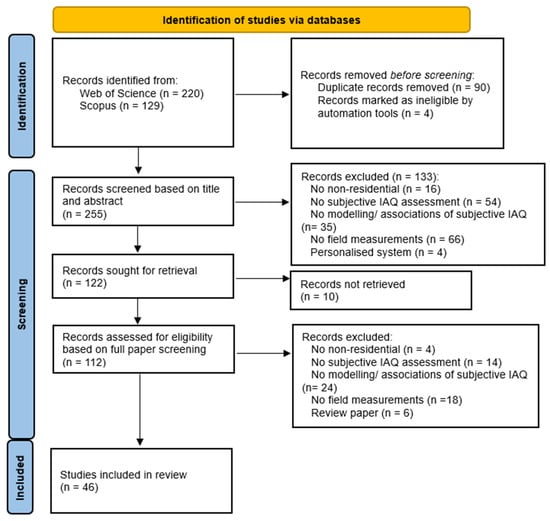
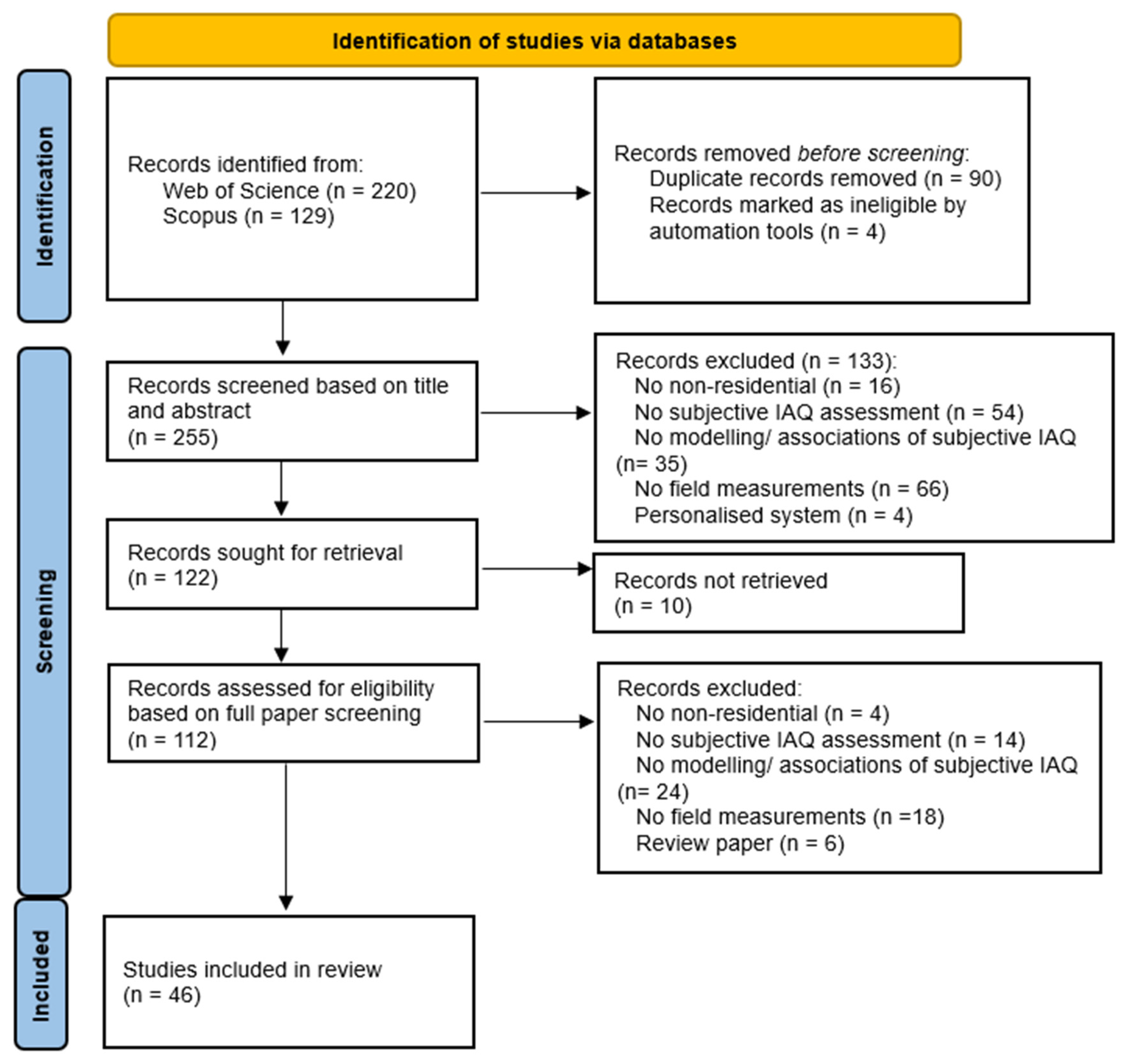
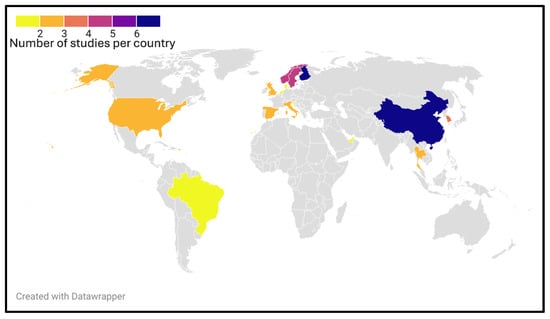
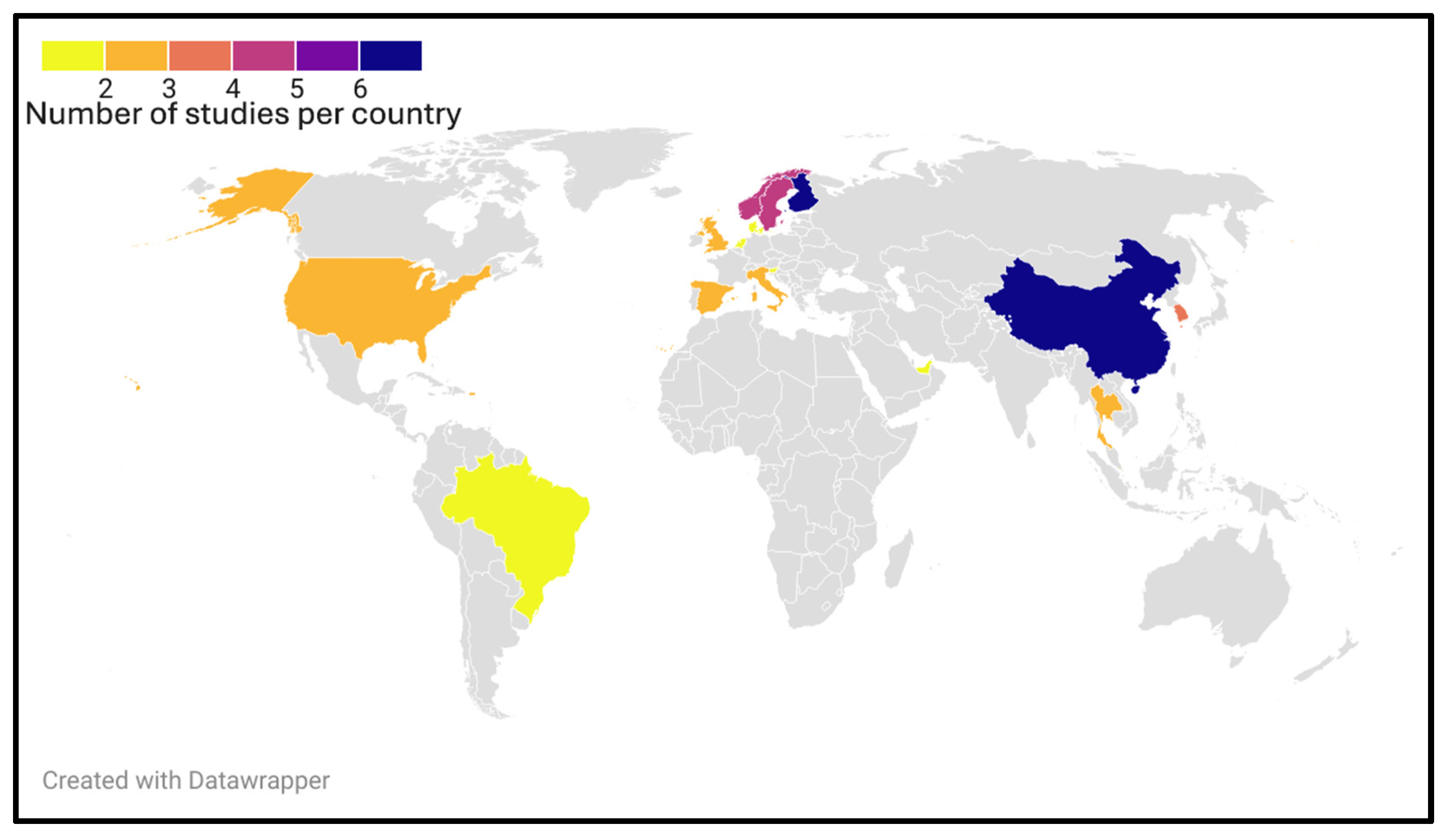

Disclaimer/Publisher’s Note: The statements, opinions and data contained in all publications are solely those of the individual author(s) and contributor(s) and not of MDPI and/or the editor(s). MDPI and/or the editor(s) disclaim responsibility for any injury to people or property resulting from any ideas, methods, instructions or products referred to in the content. |
© 2026 by the authors. Licensee MDPI, Basel, Switzerland. This article is an open access article distributed under the terms and conditions of the Creative Commons Attribution (CC BY) license.