


Abstract
The increasing use of biomass for energy production generates substantial ash waste, highlighting the need for effective valorization strategies. This study investigated waste biomass ash (WBA) obtained from an operating biomass power plant as a partial cement replacement in interlocking concrete paving blocks. WBA, generated from wheat straw, corn cobs, and wood-based biomass, replaced Portland cement (PC) at 0–30% by mass. The paving blocks were produced using an industrial vibro-press process and evaluated in terms of fresh, physical, mechanical, durability, microstructural, and pore-structure properties. Increasing WBA content reduced workability, density, ultrasonic pulse velocity, and mechanical strength, while increasing water absorption and apparent porosity. Nevertheless, paving blocks containing 15% WBA achieved a 28-day compressive strength of approximately 37.7 MPa and water absorption of 5.75%, while meeting the specified water absorption limit and exceeding the 3.6 MPa characteristic splitting tensile strength benchmark in terms of the mean value. Scanning electron microscopy (SEM) observations showed that matrix integrity was largely preserved at 15% WBA, whereas a more heterogeneous microstructure developed at 30%. Mercury intrusion porosimetry (MIP) results confirmed an increase in mercury-accessible pore volume with increasing WBA content. Overall, 15% WBA was identified as a practical upper replacement level, demonstrating its potential for reducing PC consumption in industrially produced paving blocks.
1. Introduction
The continuous expansion of urban areas, coupled with population growth and increasing infrastructure demands, has intensified the consumption of natural resources by the construction industry [1]. Concrete remains the dominant material in this sector, largely because of its durability, economic advantages, and versatility in construction applications [2,3]. Nevertheless, the environmental burden associated with concrete production is considerable, particularly due to the manufacture of PC, which requires substantial energy input and accounts for approximately 7–8% of global anthropogenic CO2 emissions [4,5,6]. In response to these environmental concerns, considerable research attention has been directed toward reducing cement demand through the development of alternative binder systems and the incorporation of industrial residues into construction materials [7]. From this perspective, the beneficial reuse of industrial wastes within cement-based composites is consistent with circular economy principles, offering opportunities to conserve natural resources while improving waste management practices [8].
In this context, biomass energy has become a rapidly growing sector worldwide alongside the increasing share of renewable sources in energy production [9,10]. While utilizing agricultural residues, forestry waste, and other organic biomass sources for energy production reduces reliance on fossil fuels, the large quantities of biomass ash generated during combustion create a new challenge [11,12]. At present, a considerable amount of this ash is disposed of in landfills. This practice not only requires additional disposal capacity but may also result in dust-related problems, increased waste management expenses, and potential environmental concerns, emphasizing the importance of identifying alternative utilization routes [13]. In this regard, incorporating biomass ash into cementitious construction products provides an opportunity to recover this residue for beneficial use while decreasing PC demand and its associated carbon footprint [8,14].
In recent years, numerous studies have examined the potential application of biomass ash as a supplementary mineral component in cementitious composites, generally focusing on its effects on strength-related properties, physical performance, durability, and microstructural characteristics [15,16,17,18,19]. Research indicates that, at appropriate replacement levels, certain biomass ashes can help maintain the performance of cement-based systems through filler effects and potential pozzolanic activity, and in some instances, even exert positive effects on pore structure and durability characteristics [20,21]. Conversely, previous investigations have documented considerable losses in strength at elevated replacement ratios due to the decrease in the binder phase, increased porosity, and changes in hydration products [11,22,23,24]. Furthermore, the performance of biomass ash depends directly on several factors, including its chemical composition, mineralogical structure, particle fineness, combustion conditions, and the origin of the biomass used [12].
The literature contains several studies reporting the successful incorporation of different biomass-derived ashes into concrete and mortar, including rice husk ash [25], bagasse ash [24], wood ash [21], wheat straw ash [26], corncob ash [27], and residues obtained from other agricultural sources [20,28,29]. However, when these studies are evaluated collectively, it becomes evident that reaching common, generalized conclusions about the performance of biomass ashes is quite difficult. The primary reason is that biomass ash is not a uniform material with standardized properties; rather, its physical and chemical characteristics are influenced by the biomass feedstock, combustion technology, and operational conditions [30]. Consequently, the literature reports considerable variations in mechanical and durability performance, highlighting the need to assess each biomass ash according to its individual characteristics. In this context, the WBA investigated in the present study, which was obtained from the co-combustion of wheat straw, corn cobs, and wood-based biomass, represents a mixed-feedstock ash. Therefore, comparisons with studies investigating ashes derived from individual or different biomass sources should be interpreted in terms of general trends rather than direct equivalence, considering the potential variations in their physical and chemical characteristics.
Among cement-based products, concrete paving blocks are among the precast concrete elements with the highest production volumes due to their widespread use in applications such as urban roads, sidewalks, ports, airports, industrial facilities, and pedestrian walkways [15,31]. For a construction element produced in such large quantities, the partial replacement of cement with industrial wastes can yield significant environmental and economic benefits. In this regard, concrete paving blocks represent a highly suitable product group for testing the practical applicability of alternative binders [32,33]. However, most existing studies have focused on mortar or conventional concrete specimens, while research on the use of biomass ash in concrete paving blocks remains limited.
Furthermore, studies investigating the use of heterogeneous ash sourced directly from operating biomass power plants in concrete paving blocks remain scarce. Since the physical and chemical properties of ash generated in biomass power plants can vary significantly depending on the type of biomass used, combustion technology, and operating conditions [34,35], results obtained for specific ash types under controlled laboratory conditions may not be directly generalizable to industrially sourced ash. Therefore, there is a need for a comprehensive evaluation of the performance of biomass ash—representative of actual industrial conditions—in concrete paving blocks.
In this study, concrete paving blocks were produced using an industrial vibro-press method by substituting cement with heterogeneous waste biomass ash (WBA)—sourced from an actively operating biomass power plant—at replacement levels of 0%, 5%, 10%, 15%, 20%, 25%, and 30% by mass. The effects of the WBA replacement ratio on the physical, mechanical, and durability properties of the paving blocks were investigated; additionally, the microstructural and pore structure characteristics of selected mixtures were evaluated using SEM and MIP analyses. The primary objective of the study was to demonstrate the feasibility of using WBA—obtained from an actual biomass power plant—for producing concrete paving blocks and to identify a practical replacement level that meets the relevant performance requirements. Thus, this study contributes to the limited literature regarding the utilization of industrially sourced, heterogeneous WBA in vibro-pressed concrete paving blocks.
2. Materials and Methods
2.1. Materials
The binder employed in this investigation was CEM I 42.5 R PC, manufactured in compliance with TS EN 197-1 [36]. Its chemical composition and physical characteristics are summarized in Table 1. Crushed limestone was selected as the aggregate material. The corresponding physical properties of the coarse and fine aggregate fractions are provided in Table 2, and their gradation characteristics are illustrated in Figure 1. Tap water from the municipal supply network served as the mixing water for all concrete mixtures.
Table 1.
Chemical composition and physical characteristics of PC and WBA.
Table 2.
Main physical characteristics of the coarse and fine aggregates.
Figure 1.
Gradation curves of (a) fine aggregate and (b) coarse aggregate.
The WBA used as a cement replacement was obtained from an electricity generation plant operating in Tokat, Türkiye. The plant primarily utilizes wheat straw, corn cobs, and wood-based biomass wastes for energy production; therefore, the WBA represents a heterogeneous ash generated from the combined use of different biomass sources. Ash samples collected as sludge from the waste ponds were transported to the laboratory and dried at 105 °C for 24 h. The dried ash was subjected to preliminary grinding, followed by further grinding in a ball mill. The physical and chemical properties of WBA are presented in Table 1, while the biomass feedstock used at the plant, the energy facility from which WBA was obtained, and the laboratory preparation stages are shown in Figure 2.
Figure 2.
Source and processing of WBA: (a) biomass feedstock used at the power plant, (b) biomass power plant from which WBA was obtained, and (c) laboratory processing stages of WBA.
The particle morphologies of PC and WBA were further examined by SEM, as presented in Figure 3. PC particles exhibited predominantly angular and irregular shapes with relatively well-defined edges. In contrast, WBA showed a more heterogeneous morphology, consisting mainly of irregularly shaped particles together with agglomerates of finer particles. Similar morphological characteristics have been reported in previous studies on biomass ashes. Šantek Bajto et al. (2021) [37] observed predominantly irregular WBA particles, while Sudeep et al. (2024) [38] reported irregularly shaped agglomerates and rough surface characteristics of wheat straw ash. These observations highlight the distinct morphological characteristics of WBA compared with conventional PC and complement the physical properties reported in Table 1.
Figure 3.
SEM micrographs showing the particle morphology of (a) PC and (b) WBA.
2.2. Mix Design, Production, and Testing of Biomass Ash-Modified Concrete Paving Blocks
The experimental methodology adopted in this study consisted of three main phases: mixture design, production of concrete paving blocks, and experimental testing. The testing program comprised fresh, hardened, and microstructural evaluations. The overall experimental workflow is presented in Figure 4. ChatGPT Plus was used to assist in the preparation of Figure 4, which illustrates the overall experimental workflow.
Figure 4.
Experimental workflow of the study.
2.2.1. Mixture Design
Concrete paving block specimens were produced by replacing cement with WBA at mass-based rates of 0%, 5%, 10%, 15%, 20%, 25%, and 30%. The overall binder dosage was fixed at 408 kg/m3 across all mixtures. The amounts of coarse aggregate, fine aggregate, and mixing water were kept identical throughout the experimental program. Accordingly, the water-to-binder (w/b) ratio was set to 0.412 for every mixture. Detailed mixture compositions are provided in Table 3.
Table 3.
Mix proportions of concrete paving blocks.
The w/b ratio was maintained at 0.412 to ensure that the effects of WBA replacement on the fresh and hardened properties of concrete could be evaluated under consistent water-content conditions. Comparable or higher water-to-binder ratios have also been reported in previous studies on prefabricated and vibro-pressed concrete paving blocks. For instance, Uygunoğlu et al. (2012) [39] used a w/b ratio of 0.45 in prefabricated concrete interlocking blocks incorporating fly ash, while Köksal et al. (2021) [40] and Hernández et al. (2024) [41] reported water-to-cement ratios of 0.50 and approximately 0.47, respectively, for paving block mixtures. These studies indicate that the water content adopted in paving block production may vary depending on mixture composition and production conditions.
Although the nominal water-to-binder ratio was kept constant at 0.412 for all mixtures, this does not imply that the amount of water effectively available for cement hydration was the same across all mixes. The incorporation of WBA may have influenced the amount of water available for hydration, owing to the material’s relatively high fineness, irregular particle morphology, and tendency to form clusters (agglomerates) of fine particles. These characteristics can increase the water demand of the mixtures and restrict the amount of free water available for cement hydration. Furthermore, the relatively high LOI value of the WBA (6.38%) is another characteristic to consider when evaluating the ash’s impact on mixture behavior. However, as the water absorption capacity of the WBA and the effective water content in the mixtures were not directly measured, this potential effect could not be quantified in the present study.
2.2.2. Production of Interlocking Concrete Paving Blocks
The samples were produced using the vibro-press method at a concrete paving block manufacturing plant operating in Tokat province. Molds for interlocking concrete paving blocks with nominal dimensions of 200 × 165 × 80 mm were used in the production. Figure 5 presents the top and side views of the produced concrete paving blocks, illustrating their geometry and dimensions.
Figure 5.
Photographic views of the concrete paving block: (a) top view and (b) perspective view.
The prepared concrete mixtures were placed into molds, and specimens were produced by vibration and pressing. All mixtures were successfully processed using the industrial vibro-press machine under the conditions applied during production. No difficulties were encountered during compaction or demolding, and the produced paving blocks maintained their intended geometrical shape without visible deformation. Furthermore, no bleeding, segregation, or visible water accumulation on the concrete surface was observed during the production process. Following production, the paving blocks were initially stored in a curing chamber for 24 h under controlled conditions of 22 °C and 65% relative humidity. Subsequently, they were kept at the manufacturing plant for three additional days, during which water was sprayed onto their surfaces twice daily (morning and evening). After this period, the specimens were transported to the laboratory and placed in a water-curing tank maintained at 20 ± 2 °C until testing. The curing age was calculated from the time of molding, and the specimens were tested at 7 and 28 days. Figure 6 illustrates the production stages and curing process of the paving blocks.
Figure 6.
Production stages of interlocking concrete paving blocks.
2.2.3. Testing Program
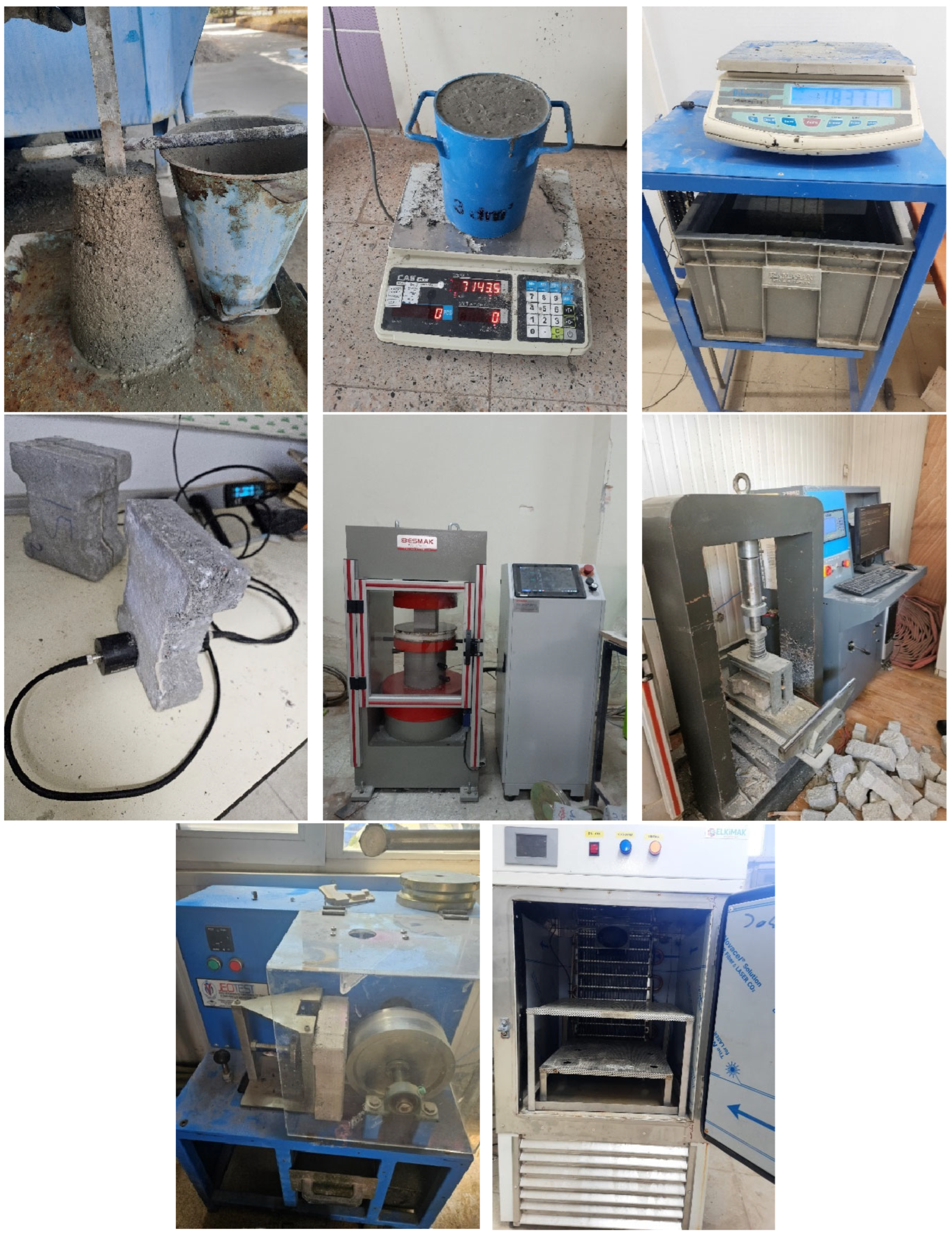
The fresh-state properties were evaluated through slump and fresh density measurements, following TS EN 12350-2 [42] and TS EN 12350-6 [43], respectively. The slump test was conducted to evaluate the effect of WBA replacement on the consistency and workability of the fresh concrete mixtures. The measurements were performed on the fresh concrete batches used in the actual paving block production process. The hardened paving blocks were examined for dimensional and visual conformity, as well as their mechanical, physical, and durability-related properties. The assessment covered compressive and splitting tensile strength, abrasion resistance, water absorption, apparent porosity, density, resistance to freeze–thaw exposure in the presence of de-icing salts, and ultrasonic pulse velocity (UPV).
The physical parameters, namely water absorption, apparent porosity, and density, were assessed following the procedures described in ASTM C642-21 [44]. Splitting tensile strength was measured on the paving blocks based on the test procedure established in TS 2824 EN 1338 [45]. Compressive strength measurements were performed in accordance with TS EN 12390-3 [46]. For this purpose, cubic specimens measuring 80 × 80 × 80 mm were obtained by cutting the concrete paving blocks. During specimen preparation, the original thickness of 80 mm was fully retained, while the horizontal dimensions were reduced to 80 × 80 mm. The use of smaller cubic specimens for determining the compressive strength of concrete paving blocks has also been reported in previous studies. For instance, Köksal et al. [40] used 70 × 70 × 70 mm cubic specimens, whereas Lumingkewas et al. [47] described a specimen preparation method using cubes cut from concrete paving blocks. It should be noted that specimen size may influence the measured compressive strength; therefore, the results obtained from 80 × 80 × 80 mm specimens should not be considered directly equivalent to those obtained from standard 150 mm cubes. Nevertheless, since specimens with identical dimensions and geometry were used for all mixtures under the same testing conditions, the results allow a consistent comparison of the relative effects of WBA replacement on compressive strength. The specimens were loaded axially until failure using a computer-controlled hydraulic compression machine with a maximum capacity of 1000 kN. The applied loading rate was maintained at 0.6 ± 0.2 MPa/s. Three specimens were tested for each mixture, and the corresponding mean values were calculated. EN 1338 [48] does not establish a minimum compressive strength acceptance criterion for concrete paving blocks. Therefore, compressive strength was evaluated as an additional indicator of mechanical performance, whereas the strength requirement specified in EN 1338 was considered in relation to splitting tensile strength. UPV measurements were carried out with a Proceq Pundit Lab+ instrument (Proceq SA, Schwerzenbach, Switzerland). in compliance with TS EN 12504-4 [49]. The measured velocities were subsequently classified according to the Whitehurst [50] criteria, as summarized in Table 4.
Table 4.
Qualitative classification of concrete based on UPV according to Whitehurst [50].
The abrasion performance of the paving blocks was assessed according to TS 2824 EN 1338 using a wide-wheel abrasion testing device. Aluminum oxide (Al2O3) served as the abrasive medium. Each specimen was exposed to the prescribed abrasion procedure defined in the standard. Following the test, the width of the abrasion track was measured with a caliper to quantify the abrasion resistance.
The resistance of the paving blocks to freeze–thaw exposure in the presence of de-icing salts was evaluated in accordance with TS 2824 EN 1338. Specimens representing each mixture were sectioned to obtain an exposed surface measuring approximately 91 × 91 mm, while retaining the original thickness of 80 mm. The surfaces other than the designated test face were sealed, and a 3% sodium chloride (NaCl) solution was placed on the exposed surface. Each specimen was then subjected to 28 consecutive freeze–thaw cycles. Upon completion of the procedure, the detached surface material was recovered, oven-dried, and weighed. The resulting mass was used to calculate the material loss per unit exposed area. The testing equipment used in the study is shown in Figure 7.
2.2.4. Statistical Analysis
The experimental results are presented as mean ± standard deviation (SD). In Figure 8, Figure 9, Figure 10, Figure 11, Figure 12, Figure 14, Figure 16, Figure 18, Figure 21, and Figure 23, the error bars represent the SD of the experimental results, indicating the variability among the measurements for each mixture. Statistical significance was evaluated at a significance level of p < 0.05. One-way analysis of variance (ANOVA) was performed separately for each investigated property to determine whether statistically significant differences existed among the mixtures with different WBA replacement ratios. Each mixture group consisted of three replicate measurements (n = 3).
2.2.5. Microstructural Test
The microstructure of the concrete paving blocks was examined using scanning electron microscopy (SEM) and mercury intrusion porosimetry (MIP). Ref, WBA15, and WBA30 mixtures were selected for microstructural characterization to represent the reference condition, the highest WBA replacement level satisfying the principal performance requirements considered in this study, and a high replacement level, respectively. SEM was employed to observe the particle morphology and internal matrix features of the selected mixtures. Imaging was carried out with a JEOL JSM-5600 Scanning Electron Microscope (SEM; JEOL Ltd., Akishima, Tokyo, Japan).
The mercury-accessible pore structure of the selected mixtures was evaluated by MIP using a Quantachrome PoreMaster PM60 Mercury Intrusion Porosimeter (Quantachrome Instruments, Boynton Beach, FL, USA). The analysis was performed on samples obtained from the 28-day cured paving blocks. The cumulative mercury intrusion volume as a function of pore diameter was determined to evaluate changes in the accessible pore structure associated with increasing WBA replacement.
Figure 7.
Experimental tests and equipment used for the characterization of interlocking concrete paving blocks.
3. Results
3.1. Fresh Properties
3.1.1. Slump Test
The influence of WBA incorporation on the workability of fresh concrete is presented in Figure 8. The measured slump values exhibited a progressive decline with increasing WBA content. Starting from 55 mm for the reference mixture, the slump values were 52, 47, 43, 38, 32, and 24 mm at WBA replacement levels of 5%, 10%, 15%, 20%, 25%, and 30%, respectively. At the 30% replacement level, the slump value was 56.4% lower than that of the reference mixture.
Figure 8.
Variation in slump values with different WBA replacement levels.
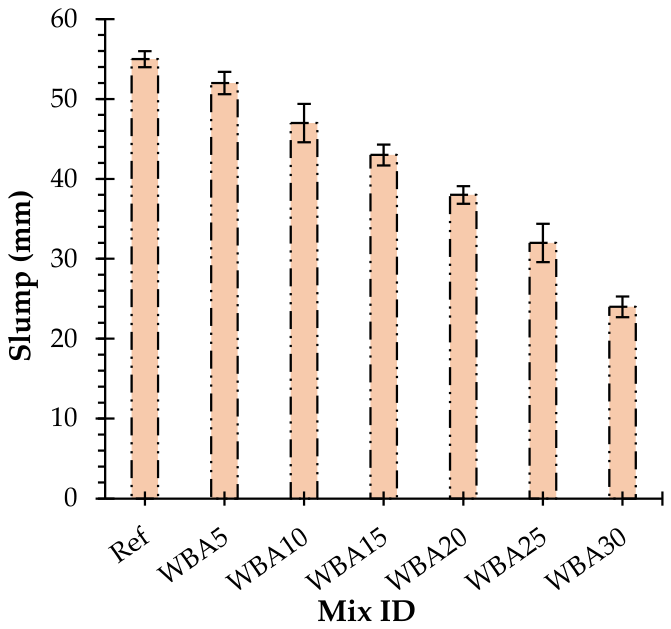
The decline in workability may be associated with the greater Blaine fineness of WBA relative to PC and its heterogeneous morphology, including irregularly shaped particles and fine particle agglomerates observed in SEM images. The higher fineness of WBA increases the total particle surface area exposed to mixing water, while its irregular morphology and tendency to form agglomerates may further restrict the flowability of the fresh mixture. At a constant water content, these effects likely contributed to the gradual decrease in slump values observed with increasing WBA replacement level.
Similarly, Katman et al. [23] reported that replacing cement with wheat straw ash at proportions of 5%, 10%, 15%, and 20% resulted in slump reductions of 10.3%, 20.6%, 34.4%, and 50%, respectively. The researchers attributed this reduction to the high specific surface area and water demand of wheat straw ash particles, which increased the amount of mixing water required to maintain workability. Bheel et al. [51] reported that the slump value, determined to be 58 mm for the reference mix, decreased to 51, 43, 35, and 26 mm when millet husk ash (MHA) was incorporated as a cement substitute at proportions of 5%, 10%, 15%, and 20%, respectively. The researchers stated that this reduction in workability stemmed from MHA’s greater water absorption capacity relative to cement.
Comparable patterns have also been documented in studies investigating the incorporation of biomass-derived residues as cement substitutes [52,53,54]. Collectively, these findings suggest that higher biomass ash replacement ratios tend to impair the workability of fresh concrete. The trend observed in the present investigation is therefore in agreement with the findings reported in previous studies.
3.1.2. Fresh Density
Figure 9 shows the variation in fresh density among concrete mixtures containing different WBA replacement levels. The measurements indicate a progressive decline in fresh density as the proportion of WBA increases. The reference mixture exhibited a fresh density of 2453 kg/m3, whereas this value decreased to 2263 kg/m3 at 30% WBA replacement, representing a reduction of approximately 7.7%. The intermediate mixtures also followed this decreasing pattern, with lower fresh density values recorded at higher WBA contents.
Figure 9.
Fresh density variations in concrete mixtures with different WBA replacement levels.
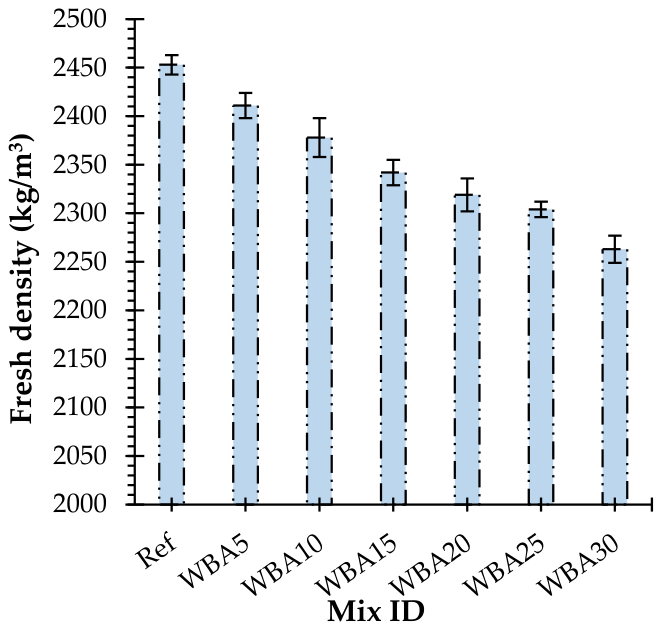
The decrease in fresh density is mainly associated with the lower specific gravity of WBA (2.64 g/cm3) relative to PC (3.15 g/cm3). Since cement was substituted with WBA on an equal-mass basis, this difference in specific gravity resulted in a lower average density of the binder constituents and, consequently, reduced fresh density. Moreover, the aggregate and water contents remained unchanged across the mixtures, indicating that the density variation was predominantly governed by the physical characteristics of the substituted binder materials. Similar decreases have been documented in previous investigations involving agricultural residue-derived ashes as partial cement replacements, which have been associated with the relatively low density of biomass ash [55,56,57]. This systematic reduction demonstrates that WBA has a significant effect on concrete’s volumetric properties.
3.2. Physical and Mechanical Performance
3.2.1. Density
Figure 10 illustrates the 28-day density measurements of the concrete paving blocks. Three specimens were tested for each mixture, and the corresponding average values are shown together with error bars. The measured density exhibited a gradual decline as the WBA content increased. Specifically, the reference mixture had a density of approximately 2383 kg/m3, whereas the corresponding value for the mixture containing 30% WBA was approximately 2206 kg/m3. This change represents an overall decrease of about 7.4%.
Figure 10.
Hardened density of interlocking concrete paving blocks at different WBA replacement levels.
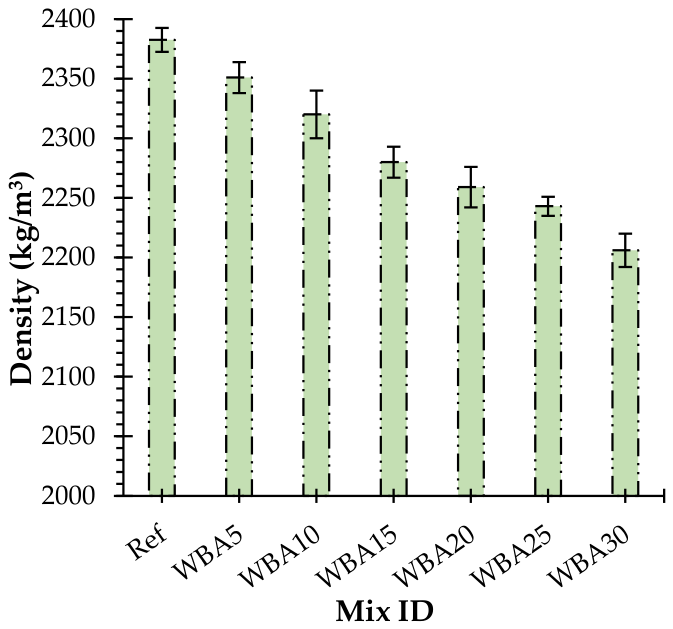
The lower density of the hardened concrete can be mainly explained by the relatively low specific gravity of WBA (2.64 g/cm3). Because WBA replaced cement on an equal-mass basis, its incorporation reduced the average specific gravity of the binder constituents. In addition, higher WBA contents resulted in lower cement proportions, which may have restricted hydration product formation and promoted a less dense matrix, particularly at elevated replacement levels. This interpretation is also supported by the increases in apparent porosity and MIP-derived accessible pore volume recorded with increasing WBA content. The combined influence of these changes provides an explanation for the progressive decline in hardened density as the WBA replacement ratio increased [15,58].
Comparable density reductions have also been documented in investigations involving cementitious mixtures incorporating different biomass ashes [57,59]. In a study in which corn stalk ash was used to replace cement in concrete paving blocks, Raheem et al. [56] reported that the density of the reference mix was 1940 kg/m3, whereas at a 25% replacement level, it decreased to 1760 kg/m3. Similarly, Kareem et al. [15] reported a steady decrease in density with increasing ash replacement level in concrete paving blocks containing cashew leaf ash. Meanwhile, Koksal et al. [40] reported that the density of concrete paving blocks containing bottom ash decreased by up to 5.3% compared to the reference mix.
3.2.2. Water Absorption
Figure 11 illustrates the 28-day water absorption values obtained for the WBA-containing concrete paving blocks. The measurements revealed an upward trend in water absorption with increasing WBA content. The reference mixture exhibited a water absorption value of 4.12%, which increased to 4.86% at 5% WBA replacement. At higher replacement levels, the measured values reached 5.15%, 5.75%, 6.82%, 7.20%, and 7.70% for WBA10, WBA15, WBA20, WBA25, and WBA30, respectively. The WBA30 mixture showed the greatest increase, corresponding to approximately 86.9% relative to the reference mixture.
Figure 11.
Water absorption characteristics of interlocking concrete paving blocks containing different WBA proportions.
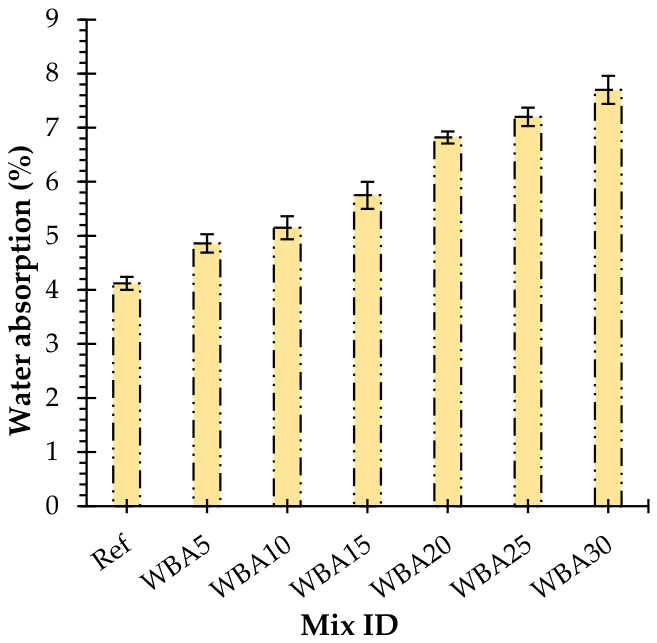
The observed increase in water absorption is associated with modifications in the pore structure of the cementitious matrix following WBA incorporation. As the proportion of cement decreases, the formation of hydration products may become limited, potentially resulting in a more porous internal structure, particularly at higher replacement levels. The rising apparent porosity values recorded in this study provide further evidence for this interpretation. An increase in accessible voids can facilitate moisture movement into the concrete and consequently lead to greater water uptake. Moreover, the presence of interconnected pores may promote the transport of water and potentially harmful ions, which can adversely affect concrete durability. For this reason, water absorption serves as an important indicator when assessing the durability-related properties of concrete paving blocks [60].
Kareem et al. [15] reported that in concrete paving blocks produced using cashew leaf ash, the water absorption rate increased as the ash replacement ratio rose, attributing this to the ash’s low specific gravity and porous structure. The researchers noted that water absorption values increased steadily with higher ash replacement ratios, a phenomenon attributable to reduced cement content—which increases porosity—and the porous nature of the ash particles. In a study by El Hajjar et al. [61], the use of biomass ash fines at various cement replacement levels (0%, 5%, 10%, 15%, 20%, 25%, and 30%) in cement-based mortars was investigated; a continuous increase in water absorption rates was observed as the proportion of biomass ash increased. In another study, Djamaluddin et al. [57] replaced cement with processed waste tea ash at replacement levels of 10%, 20%, 30%, 40%, and 60% in concrete paving blocks and reported a steady increase in water absorption as the replacement level increased. Water absorption rates for samples containing waste tea ash increased by up to 21% compared to the reference sample. Similar trends have been reported in studies using biomass ash and other agricultural waste-based materials, with the increase in water absorption primarily attributed to increased open porosity and capillary void volume. The results obtained in the present study are consistent with these previously reported findings [15,62].
According to TS 2824 EN 1338, the allowable water absorption limit for concrete paving blocks is 6%. Based on this criterion, the Ref, WBA5, WBA10, and WBA15 mixtures satisfied the specified requirement, whereas WBA20, WBA25, and WBA30 exceeded the prescribed limit.
3.2.3. Apparent Porosity
Figure 12 presents the 28-day apparent porosity results for concrete paving blocks incorporating WBA. The results indicate that apparent porosity values consistently increase as the WBA replacement ratio rises. The apparent porosity value, determined to be 10.13% for the reference mixture, was found to be 11.85%, 12.34%, 13.89%, 15.01%, 16.09%, and 17.76% for the WBA5, WBA10, WBA15, WBA20, WBA25, and WBA30 mixtures, respectively. The apparent porosity of the WBA30 mixture was approximately 75% higher than that of the reference mixture.
Figure 12.
Apparent porosity of interlocking concrete paving blocks incorporating different WBA replacement levels.
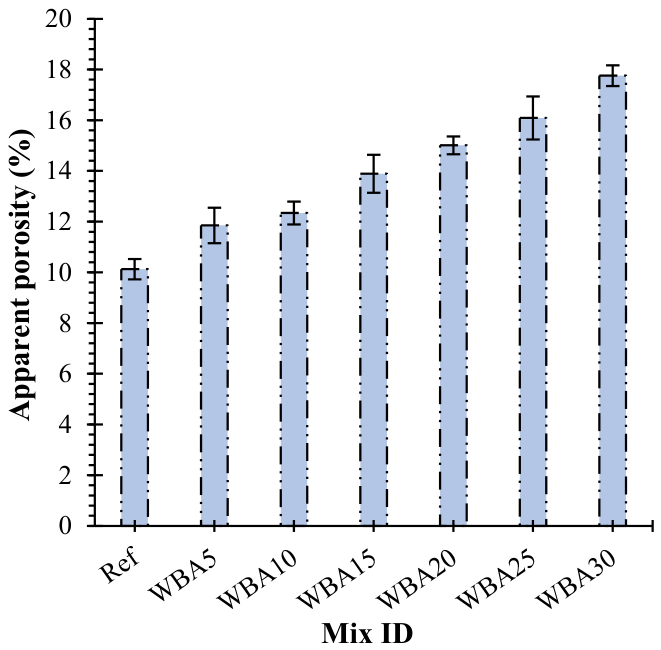
Apparent porosity is a key physical parameter that reflects the volumetric proportion of water-accessible voids in the concrete structure. The increase in apparent porosity with higher WBA replacement levels indicates a greater volume of water-accessible voids within the binder matrix. This behavior may be attributed to the reduced cement content, which can limit hydration product formation and result in a less compact matrix, particularly at higher replacement levels. Furthermore, the heterogeneous and irregular particle morphology of the WBA—along with fine particle agglomerates observed in SEM—may have adversely affected the homogeneity of the matrix structure, especially at high replacement levels [40,58,63]. In addition, the increased water demand potentially associated with the physical characteristics of WBA may have affected the workability and compaction of the mixtures, thereby contributing to the formation of a less homogeneous and less compact matrix. However, since the effective availability of water was not directly measured, this should be considered only as a possible contributing factor.
Koksal et al. [40] demonstrated that incorporating bottom ash as a partial cement substitute in concrete paving blocks led to a progressive rise in apparent porosity, with an increase of approximately 82% at a 30% replacement level relative to the reference mixture. Similarly, Rissanen et al. [64] reported increased porosity in cementitious composites incorporating peat and wood fly ash as a cement replacement and attributed this behavior to the development of a less compact binder matrix. Furthermore, studies incorporating biomass ash and other pozzolanic waste materials have associated increased porosity with reduced compactness of the binder matrix and an increase in total pore volume [61]. The findings of this investigation are in agreement with the trends documented in earlier studies.
Considering density, apparent porosity, and water absorption collectively, WBA incorporation appears to modify the internal pore structure of concrete paving blocks. The associations between these physical parameters are illustrated in Figure 13. The results demonstrate a strong relationship among density, apparent porosity, and water absorption: mixtures exhibiting higher porosity also show greater water absorption and lower density. Studies in the literature also confirm the relationships observed in these data [40,65].
Figure 13.
Relationships between (a) water absorption and density, (b) apparent porosity and density, and (c) apparent porosity and water absorption.
3.2.4. Ultrasonic Pulse Velocity (UPV)
UPV is a widely used non-destructive testing technique for evaluating the internal quality and structural integrity of cement-based materials. Generally, high UPV values indicate a denser and more homogeneous concrete matrix, whereas low UPV values signify an increase in void content and a weakening of the internal structure [66]. Figure 14 illustrates the influence of different WBA replacement levels on the UPV values of concrete paving blocks at 7 and 28 days.
Figure 14.
Effect of WBA replacement on the UPV of interlocking concrete paving blocks at 7 and 28 days.
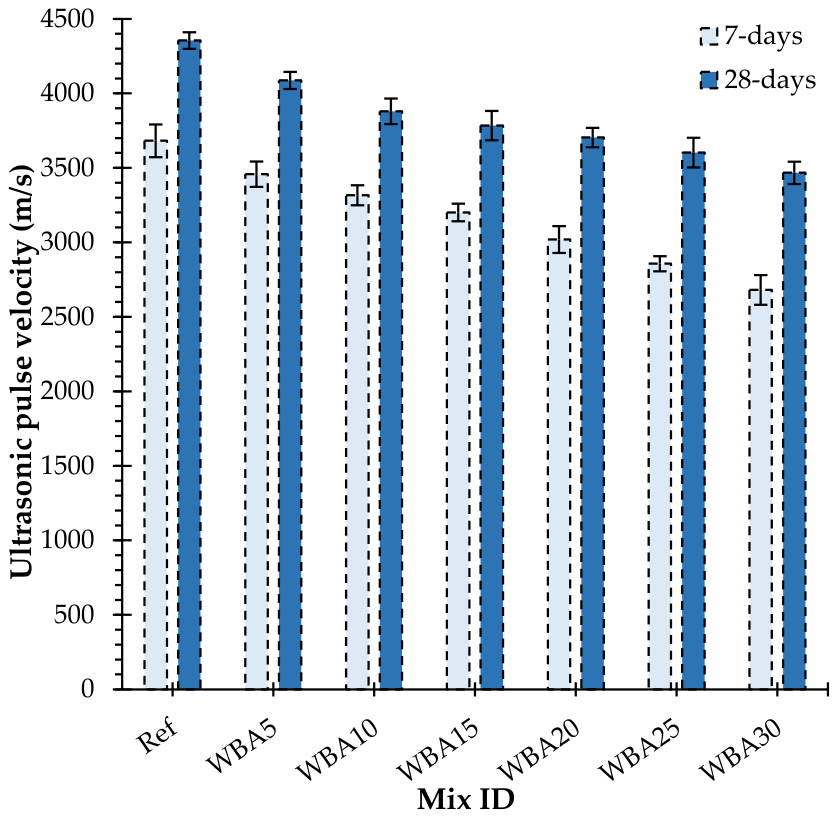
An examination of the results reveals that UPV values increased across all mixtures as the curing period was extended from 7 to 28 days. This phenomenon can be attributed to the densification of the matrix structure and the reduction in capillary voids resulting from the progression of hydration reactions. Conversely, increasing the WBA replacement ratio led to a consistent decline in UPV values for both 7-day and 28-day samples. While the UPV values for the reference mixture were recorded as 3682 m/s and 4355 m/s at 7 and 28 days, respectively, these figures dropped to 2681 m/s and 3467 m/s at a 30% WBA replacement level. Consequently, the use of 30% WBA resulted in reductions of approximately 27.2% and 20.4% in UPV values at 7 and 28 days, respectively, compared to the reference mixture. This decrease in UPV values can be linked to a more porous matrix structure—resulting from reduced cement content due to WBA replacement—and to an increase in voids that impede the propagation of ultrasonic waves. Furthermore, the higher Blaine fineness of WBA compared with PC may have increased water demand under constant water content conditions, thereby reducing workability and contributing to a less compact matrix structure. Similar findings have been reported in the literature for cementitious materials incorporating biomass-derived pozzolanic materials [67]. It has been noted that UPV values decrease as the replacement ratio of various biomass ashes increases, a trend attributed to reduced matrix density [68]. However, according to the quality classification presented in Table 4, the reference mixture fell into the “good” quality category at both curing ages. While the quality classification for 7-day samples gradually declined to “doubtful” and “poor” levels as the WBA replacement ratio increased, all mixtures up to WBA25 maintained the “good” quality classification at 28 days; only the WBA30 mixture dropped to the “doubtful” category, with a value of 3467 m/s. This result indicates that hydration reactions progress with extended curing time, and the resulting densification of the concrete matrix positively affects UPV values.
To evaluate the relationships between UPV and the physical properties of the concrete paving blocks in greater detail, correlation analyses were performed using the 28-day test results. The results revealed strong linear relationships between UPV and all physical properties. Similar relationships have also been reported in the literature, indicating that UPV is closely associated with the density, porosity, and water absorption characteristics of concrete [58,69]. As shown in Figure 15, a strong positive relationship was observed between UPV and density (R2 = 0.9658), whereas strong negative relationships were obtained between UPV and water absorption (R2 = 0.9161) and apparent porosity (R2 = 0.9380). In other words, UPV increased with increasing density, whereas it decreased with increasing water absorption and apparent porosity. This behavior can be attributed to the faster propagation of ultrasonic waves through denser concrete with fewer voids. The strong correlations obtained in this study indicate that UPV may serve as a potential non-destructive indicator for assessing changes in the physical properties of WBA-containing concrete paving blocks.
Figure 15.
Relationships between UPV and (a) density, (b) water absorption, and (c) apparent porosity.
3.2.5. Splitting Tensile Strength
Figure 16 presents the 7-day and 28-day splitting tensile strength results for WBA-incorporated concrete paving blocks. An examination of the results reveals that the splitting tensile strength consistently decreased as WBA replacement levels increased at both curing ages. The reference mixture exhibited the highest splitting tensile strength, recording 3.41 MPa at 7 days and 4.88 MPa at 28 days. In contrast, the 28-day splitting tensile strengths of the WBA5, WBA10, WBA15, WBA20, WBA25, and WBA30 mixtures were 4.17, 3.86, 3.66, 3.03, 2.61, and 2.18 MPa, respectively. Compared to the reference mixture, reductions of approximately 14.5%, 20.9%, 25.0%, 37.9%, 46.5%, and 55.3% were observed in the 28-day splitting tensile strength, respectively.
Figure 16.
Effect of WBA replacement on the splitting tensile strength of interlocking concrete paving blocks at 7 and 28 days.
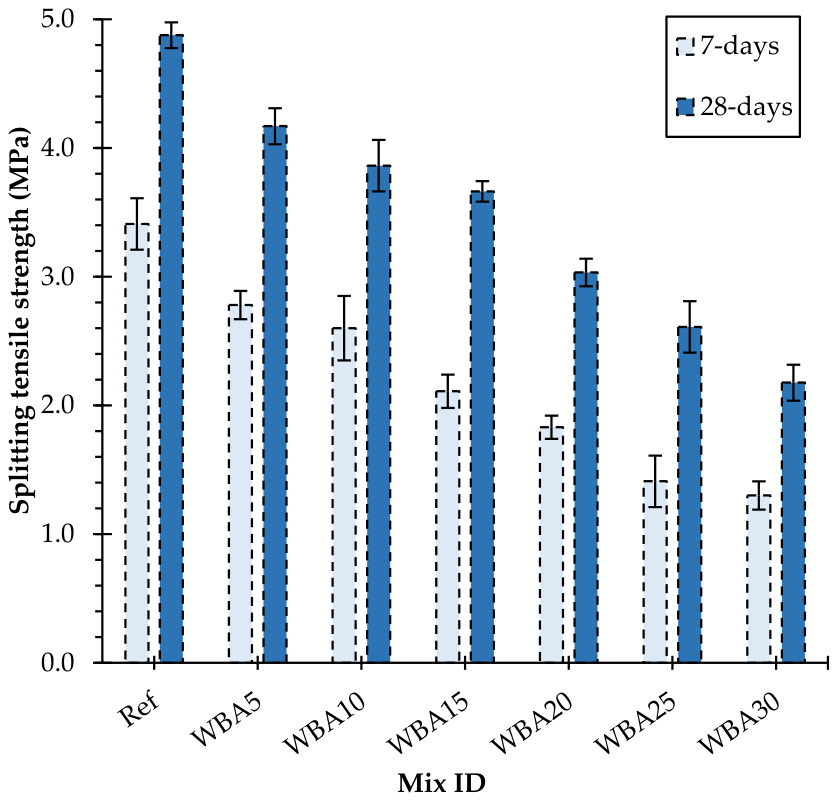
According to TS 2824 EN 1338, the characteristic splitting tensile strength of concrete paving blocks is specified as 3.6 MPa. In the present study, the mean splitting tensile strength values were compared with this threshold to evaluate the mechanical performance of the mixtures. The reference mixture and the WBA5, WBA10, and WBA15 mixtures exhibited mean values above 3.6 MPa, whereas mixtures containing 20% or higher WBA replacement showed lower mean values. These results should therefore be interpreted as a comparison of the mean splitting tensile strengths with the characteristic strength threshold specified in EN 1338, rather than as evidence of formal conformity with this requirement. This progressive reduction in splitting tensile strength can be attributed to changes in the binder matrix associated with the decreasing PC content. In particular, the formation of a more porous matrix may have weakened the bond at the aggregate–binder interface, thereby facilitating crack initiation and propagation under tensile stresses [40,70]. Similar findings were reported by Prayuda et al. [71], who investigated concrete paving blocks incorporating different waste biomass ashes (rice husk ash, sugarcane bagasse ash, and corn cob ash) as cement replacements. Their results also revealed a general decline in splitting tensile strength with increasing ash replacement levels, attributed to weakening of the binder matrix due to reduced cement content and increased total pore volume. The results of the present study are consistent with these findings and confirm the adverse effect of increasing WBA replacement levels on the splitting tensile strength of concrete paving blocks.
Figure 17 illustrates the relationship between splitting tensile strength and UPV. Strong positive linear correlations were observed for both 7- and 28-day specimens, with coefficients of determination (R2) of 0.9764 and 0.9472, respectively. The simultaneous increase in UPV and splitting tensile strength indicates that both properties are closely associated with the internal characteristics of the concrete matrix, particularly its porosity, continuity, and the presence of internal defects. As the WBA replacement level increased, the resulting increase in porosity and disruption of matrix continuity may have hindered ultrasonic wave propagation while also reducing the resistance of the material to tensile stresses. These findings suggest that UPV can provide useful non-destructive information regarding the tensile performance of WBA-incorporated concrete paving blocks.
Figure 17.
Relationship between UPV and splitting tensile strength of interlocking concrete paving blocks.
3.2.6. Compressive Strength
The compressive strength development of concrete paving blocks containing different WBA replacement levels was investigated at 7 and 28 days, as illustrated in Figure 18. Although TS 2824 EN 1338 does not establish specific compressive strength limits for concrete paving blocks, this parameter remains important for assessing the mechanical integrity of the cementitious matrix and its ability to withstand applied loads. Furthermore, monitoring compressive strength provides insight into how the partial replacement of PC with WBA influences the load-bearing performance of the resulting mixtures. Accordingly, the test results were evaluated to determine the extent to which WBA incorporation affects compressive strength development over time. Therefore, these values are presented primarily to compare the relative effects of WBA replacement among mixtures tested using the same specimen geometry, and they should not be directly compared with values obtained from standard 150 mm cube specimens.
Figure 18.
Effect of WBA replacement on the compressive strength of interlocking concrete paving blocks at 7 and 28 days.
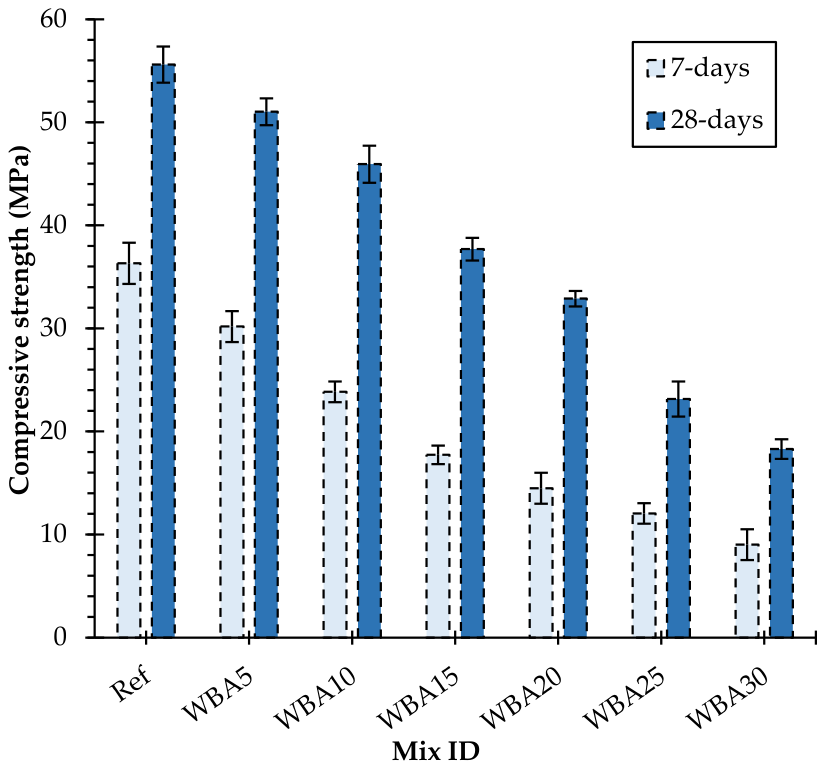
The results indicate that compressive strength gradually declines as the WBA replacement ratio increases, regardless of the curing age. The reference mixture exhibited the highest compressive strength at both 7 and 28 days, whereas increasing the WBA content resulted in a progressive reduction in strength. Nevertheless, the 28-day compressive strength values exceeded those recorded at 7 days for all mixtures. Notably, a compressive strength of 37.7 MPa was achieved at 28 days with 15% WBA replacement, indicating that a relatively high strength level could be retained at this substitution rate. In comparison, the substantially greater losses recorded at replacement levels of 20% and above highlight the increasingly adverse influence of WBA on the binder system.
The decline in compressive strength is mainly associated with the dilution effect induced by WBA incorporation into the binder system [72]. As WBA replaces cement, the amount of reactive clinker minerals available for hydration decreases, which may restrict the production of hydration products contributing to strength development [73,74]. Although the chemical composition of WBA indicates a potential for pozzolanic activity, this effect appears insufficient to compensate for the reduced cement content, particularly at higher replacement levels. This accounts for the progressive loss of compressive strength observed with increasing WBA proportions. In addition to this dilution effect, the potentially lower availability of free water for cement hydration in WBA-containing mixtures may also have contributed to the observed strength reduction, particularly at higher replacement levels. Conversely, the higher compressive strength values obtained at 28 days compared with those at 7 days indicate that hydration reactions continued during the extended curing period, contributing to further strength development. Nevertheless, as cement replacement increases, the reduction in reactive cement constituents becomes the governing factor, and the additional strength gained through continued hydration remains insufficient to recover the losses associated with higher WBA contents.
The compressive strength results obtained in this study are in agreement with previously published research. Koksal et al. [40] demonstrated that incorporating biomass-derived ash into concrete paving blocks can lead to considerable losses in mechanical strength, particularly at higher substitution levels. Their study reported a maximum compressive strength reduction of 34.2% compared with the control mixture when 30% ash was incorporated. Likewise, Kareem et al. [15] investigated the partial substitution of cement with cashew leaf ash in concrete paving blocks and observed strength losses of approximately 42–50% relative to the reference mixture as the ash content increased. A similar pattern was identified by Sofri et al. [75] in concrete mixtures containing palm oil fuel ash (POFA). Their experimental results showed compressive strength values of 48.4, 47.7, 37.1, and 20.6 MPa at POFA replacement ratios of 0%, 10%, 30%, and 50%, respectively, demonstrating the progressive deterioration in strength at higher replacement levels.
Overall, WBA can be considered a sustainable mineral addition for concrete paving blocks, particularly when used at limited replacement levels. Nevertheless, higher WBA contents may impair strength development due to the lower availability of cementitious constituents, resulting in considerable reductions in compressive strength. Therefore, the WBA usage rate should be determined by considering the targeted mechanical performance and service conditions.
Figure 19 presents the correlation between ultrasonic pulse velocity (UPV) and compressive strength. Regression analysis demonstrated a pronounced positive linear association between these two parameters at both curing ages. The coefficients of determination were calculated as R2 = 0.9558 for 7-day specimens and R2 = 0.9118 for 28-day specimens. The obtained coefficients of determination confirm the close association between ultrasonic wave velocity and compressive performance. The concurrent increase in compressive strength and UPV indicates that ultrasonic measurements may provide a useful means of indirectly evaluating the mechanical performance of WBA-containing concrete paving blocks without damaging the specimens.
Figure 19.
Relationship between UPV and compressive strength of interlocking concrete paving blocks at 7 and 28 days.
Figure 20 illustrates the relationship between compressive strength and splitting tensile strength of WBA-incorporated concrete paving blocks at 7 and 28 days of curing. The high coefficients of determination at both curing ages (R2 = 0.9746 for 7 days; R2 = 0.9683 for 28 days) indicate a strong linear relationship between these two mechanical properties. This finding suggests that both strength parameters respond similarly to changes in the WBA replacement ratio, potentially reflecting their common dependence on matrix integrity and binder development. Similar relationships have been reported in previous studies [23,40,70,76].
Figure 20.
Relationship between compressive strength and splitting tensile strength of interlocking concrete paving blocks at 7 and 28 days.
3.3. Durability
3.3.1. Abrasion Resistance
Abrasion performance was assessed on the concrete paving blocks at 28 days, following the procedures outlined in TS 2824 EN 1338. The abrasion widths of the paving blocks are presented in Figure 21 and ranged from 19.7 to 22.8 mm. The reference specimen exhibited the lowest abrasion width, whereas WBA replacement resulted in increased abrasion. Compared with the reference specimen, the abrasion width increased by 5.1%, 8.2%, 10.2%, 11.7%, 13.7%, and 16.0% for WBA5, WBA10, WBA15, WBA20, WBA25, and WBA30, respectively. According to TS 2824 EN 1338, the abrasion width must not exceed 23 mm. The abrasion widths of all specimens remained below the 23 mm limit specified in the standard.
Figure 21.
Influence of WBA substitution level on the abrasion resistance of interlocking concrete paving blocks.
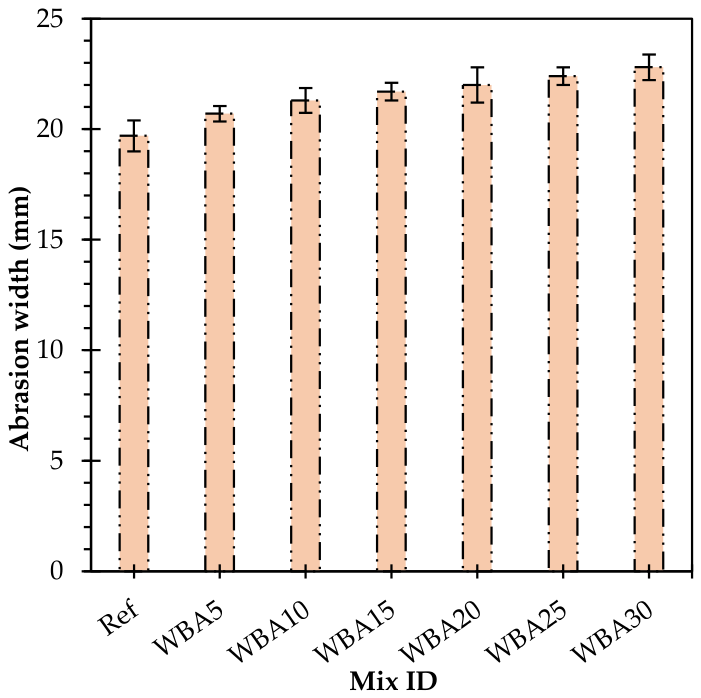
Figure 22 shows a strong relationship (R2 = 0.9206) between abrasion width and compressive strength. Previous studies have also established an inverse relationship between compressive strength and abrasion resistance [77,78]. The reduction in cement content and the observed decrease in compressive strength associated with WBA substitution can be linked to the increase in abrasion width. Koksal et al. [40] reported that increased porosity in concrete paving blocks containing bottom ash reduced the compactness of the binder matrix, thereby negatively affecting abrasion resistance. The researchers noted that a denser and more compact microstructure provides higher resistance to abrasion. In the present study, the increase in apparent porosity observed with WBA substitution can be considered one of the potential causes for the reduction in abrasion resistance.
Figure 22.
Correlation between compressive strength and abrasion width of interlocking concrete paving blocks.
3.3.2. Freeze–Thaw Resistance
Figure 23 presents the weight loss values determined for WBA-incorporated concrete paving blocks following the freeze–thaw test. The results indicate that weight loss increased steadily as the WBA replacement ratio rose. While the weight loss for the reference mixture was 0.41 kg/m2, the values measured for the WBA5, WBA10, WBA15, WBA20, WBA25, and WBA30 mixtures were 0.63, 0.72, 0.82, 0.95, 1.02, and 1.83 kg/m2, respectively. The greatest weight loss relative to the reference mixture was observed in the WBA30 mixture, indicating that freeze–thaw resistance decreases as the WBA replacement ratio increases.
Figure 23.
Effect of WBA replacement on the weight loss of interlocking concrete paving blocks after freeze–thaw cycles.
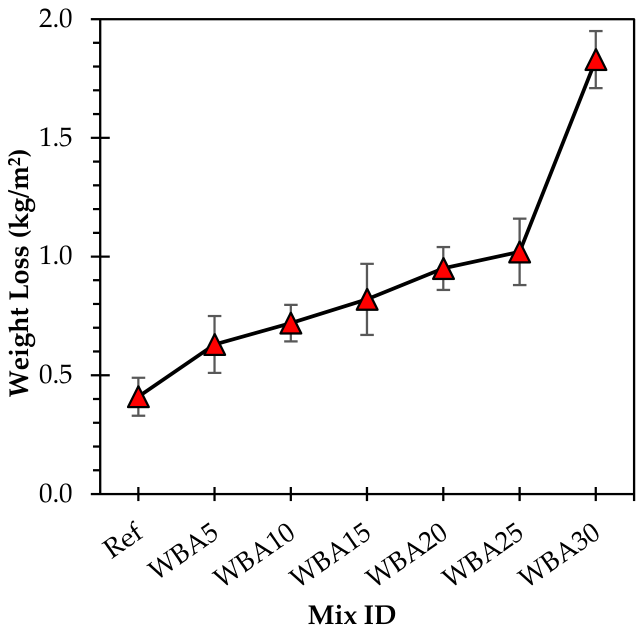
A particularly pronounced increase in mass loss was observed between WBA25 and WBA30, rising from 1.02 to 1.83 kg/m2. However, the corresponding standard deviation values were 0.14 and 0.12 kg/m2, respectively, indicating that the marked increase was not accompanied by greater specimen variability. A similar pronounced increase in mass loss at higher replacement levels was reported by Xu et al. [79] for pressed concrete blocks incorporating polymeric aluminum chloride waste residue. This comparison suggests that the deterioration observed at higher replacement levels in the present study is consistent with trends reported in previous research. Nevertheless, the present results are insufficient to establish a definitive critical threshold.
According to TS 2824 EN 1338, the maximum permissible surface mass loss for concrete paving blocks is 1.0 kg/m2. Based on this criterion, the Ref, WBA5, WBA10, WBA15, and WBA20 mixtures meet the standard’s requirements, whereas the WBA25 and WBA30 mixtures exceed the permissible limit. This result indicates that using WBA at replacement rates above 20% causes the standard limit value for freeze–thaw resistance to be exceeded.
During freeze–thaw cycles, water penetrating the concrete matrix expands by approximately 9% in volume upon freezing, generating hydraulic pressure against the pore walls. This pressure accelerates micro-crack formation—particularly in more porous structures—and leads to material loss through surface scaling over repeated cycles [39,63]. In this study, the increase in water absorption and apparent porosity values associated with higher WBA ratios can be considered a primary mechanism explaining the rise in weight loss observed after freeze–thaw testing. The development of a more porous binder matrix, especially at high replacement levels, may have facilitated easier penetration of water into the concrete and contributed to increased internal hydraulic stresses during freezing.
These findings are consistent with previous studies. Koksal et al. [40] reported that the freeze–thaw resistance of concrete paving blocks incorporating bottom ash decreased due to increases in porosity and water absorption rates. Furthermore, Zhang et al. [80] and Gencel et al. [78] reported that freeze–thaw durability is directly related to the porosity and water absorption characteristics of concrete, and that concretes with a more compact microstructure exhibit higher resistance to cyclic freeze–thaw effects.
In addition to examining the trends observed for individual properties, one-way analysis of variance (ANOVA) was performed separately for each investigated property to determine whether the differences among the mixtures were statistically significant. The results are summarized in Table 5. The analysis revealed statistically significant differences among the mixtures for all evaluated properties, including fresh, physical, mechanical, and durability-related characteristics (p < 0.001). These findings confirm that the WBA replacement ratio had a statistically significant effect on the investigated properties of the concrete paving blocks. It should be noted that ANOVA identifies overall differences among the mixtures but does not determine which specific pairs of mixtures differ significantly.
Table 5.
One-way ANOVA results for the investigated properties of concrete paving blocks.
3.4. Microstructural Analysis
3.4.1. SEM Analysis
To investigate the effect of the WBA replacement ratio on the microstructure of concrete paving blocks, 28-day-old Ref, WBA15, and WBA30 samples were selected for SEM analysis. The Ref sample represents the control group containing no WBA; WBA15 represents the practical replacement level at which acceptable performance regarding mechanical and physical properties is maintained; and WBA30 represents the highest WBA replacement ratio examined in the study. Comparing these samples aims to evaluate the microstructural changes occurring at moderate and high WBA replacement levels.
Figure 24 shows a relatively dense and intact hydration matrix in the Ref sample. Plate-like structures consistent with calcium hydroxide (CH) morphology, together with calcium silicate hydrate (C–S–H) products, were observed within the matrix. Furthermore, needle-like crystal morphology characteristic of ettringite is evident in various regions of the Ref sample. In the WBA15 sample, C–S–H products were found to persist within the matrix; in addition to CH-like plate-like structures, needle-like ettringite crystals were observed in localized areas. This appearance indicates that the integrity of the hydration matrix is largely preserved at a 15% WBA replacement level. Literature suggests that biomass ashes used in appropriate proportions can contribute to the development of the cementitious matrix—not only through a physical filler effect but also via secondary reactions driven by the ash’s chemical and mineralogical properties [81]. However, since the reactivity of biomass ashes depends significantly on the ash source, combustion conditions, and chemical/mineralogical composition, it is not appropriate to attribute the microstructural characteristics observed in WBA15 solely to a pozzolanic reaction.
Figure 24.
SEM micrographs of the interlocking concrete paving blocks: (a) Ref, (b) WBA15, and (c) WBA30.
Increasing the WBA replacement level to 30% resulted in a more heterogeneous microstructure than that observed in the Ref and WBA15 samples. Although C–S–H products and CH-like plate-like structures remain distinguishable in the WBA30 sample, the characteristic needle-like ettringite crystals observed in the Ref and WBA15 images could not be clearly identified in the WBA30 images. However, due to the localized and qualitative nature of SEM analysis, this observation should not be interpreted as a quantitative phase change indicating a reduction in ettringite content as WBA levels increase. The more heterogeneous microstructure observed at the high WBA replacement level can be attributed to the dilution effect from the reduced amount of reactive PC in the binder system, as well as to the physical and chemical properties of WBA. Similarly, the literature reports that high biomass ash replacement levels can lead to a more heterogeneous and porous microstructure due to reduced binder phase content and changes in pore structure, whereas a more cohesive matrix structure can be maintained at low or moderate replacement levels [82,83,84].
This trend becomes more apparent when SEM observations are evaluated alongside MIP results. Total porosity was determined to be 10.13%, 13.89%, and 17.76% for the Ref, WBA15, and WBA30 samples, respectively. The more heterogeneous matrix observed in the SEM image of WBA30 is consistent with the higher porosity determined via MIP analysis. Conversely, the largely preserved integrity of the hydration matrix in WBA15 aligns with the mechanical and physical performance observed at this substitution level. When SEM and MIP findings are evaluated together, it is evident that the matrix structure remains largely intact at 15% WBA substitution, whereas increasing the substitution rate to 30% results in a more heterogeneous and porous microstructure.
3.4.2. MIP Analysis
Figure 25 shows the mercury intrusion porosimetry (MIP) data for the Ref, WBA15, and WBA30 concrete paving blocks, illustrating the variation in cumulative mercury intrusion volume with pore diameter. Whereas SEM observations offer a qualitative view of matrix morphology and compactness, MIP provides quantitative data regarding the pore network accessible to mercury [85]. Accordingly, Ref was selected as the baseline mixture, WBA15 represented the highest WBA replacement level satisfying the principal performance requirements considered in this study, and WBA30 was incorporated to investigate alterations in the pore structure at a high replacement level.
Figure 25.
Variation in cumulative mercury intrusion volume with pore diameter for the Ref, WBA15, and WBA30 mixtures.
As shown in Figure 25, the cumulative mercury intrusion volume increased progressively with increasing WBA replacement. The maximum cumulative intrusion volumes of Ref, WBA15, and WBA30 were approximately 0.048, 0.061, and 0.069 mL/g, respectively. Compared with Ref, the maximum cumulative intrusion volume increased by approximately 26% for WBA15 and 42% for WBA30. The higher cumulative mercury intrusion indicates an increase in the accessible pore volume of the matrix with increasing WBA content. This behavior can primarily be associated with the reduction in cement content caused by WBA replacement and the resulting dilution effect. At higher replacement levels, the contribution of WBA to the binder system appears insufficient to fully offset the loss of cementitious material, resulting in a more open matrix with a greater volume of accessible pores [86,87].
The MIP findings are consistent with the physical properties determined for the paving blocks. The apparent porosity increased from 10.13% for Ref to 13.89% and 17.76% for WBA15 and WBA30, respectively, while the corresponding water absorption values increased from 4.12% to 5.75% and 7.70%. In parallel, the hardened density decreased with increasing WBA replacement. These trends are consistent with the increase in cumulative mercury intrusion, collectively indicating a progressively less compact and more accessible pore structure with increasing WBA content.
The changes identified by MIP are also consistent with the UPV and mechanical performance of the mixtures. The 28-day values followed a downward trend, decreasing from 4355 m/s for Ref to 3784 m/s for WBA15 and 3467 m/s for WBA30. Similarly, both compressive and splitting tensile strength values declined as the WBA replacement percentage increased. Notably, WBA30, which exhibited the highest cumulative mercury intrusion, also showed the highest apparent porosity and water absorption and the lowest density, UPV, and mechanical performance among the mixtures examined by MIP. Overall, these parallel trends indicate that the increase in mercury-accessible pore volume associated with increasing WBA replacement is closely linked to a decline in the physical and mechanical performance of the paving blocks, particularly at higher replacement levels.
4. Conclusions
The present study assessed the potential use of WBA, sourced from an operating biomass power plant, as a partial substitute for cement in industrially manufactured vibro-pressed concrete paving blocks. WBA was incorporated at replacement levels ranging from 5% to 30% by mass, and its effects on the fresh, physical, mechanical, durability, and pore-structure properties of the paving blocks were systematically evaluated. The experimental results are summarized in the following conclusions.
- Increasing WBA replacement progressively reduced the workability and density of the mixtures. At 30% WBA replacement, the slump decreased by 56.4% relative to the control mixture, whereas the hardened density showed a reduction of approximately 7.4%. Despite the reduction in workability, all mixtures were successfully produced using the industrial vibro-press process.
- Mechanical performance gradually decreased with increasing WBA content. However, WBA15 maintained a 28-day compressive strength of approximately 37.7 MPa, and its mean splitting tensile strength exceeded the 3.6 MPa benchmark specified in TS 2824 EN 1338.
- Ref, WBA5, WBA10, and WBA15 satisfied the 6% water absorption limit, whereas WBA20 and higher replacement levels exceeded this requirement.
- Although abrasion resistance decreased with increasing WBA content, all mixtures remained below the 23 mm abrasion-width limit. For freeze–thaw resistance, the mean mass loss remained below 1.0 kg/m2 up to WBA20, while WBA25 and WBA30 exceeded this value.
- SEM examination indicated that the hydration matrix was largely preserved at 15% WBA replacement, whereas a more heterogeneous microstructure developed at 30% replacement. Consistently, MIP results revealed a progressive increase in mercury-accessible pore volume with increasing WBA content, supporting the observed increases in apparent porosity and water absorption and the corresponding deterioration in mechanical performance.
Overall, considering the physical, mechanical, and durability requirements collectively, 15% WBA replacement emerged as a practical upper replacement level among the mixtures investigated in this study. At this level, the paving blocks met the specified water absorption limit, while their mean splitting tensile strength exceeded the 3.6 MPa characteristic strength benchmark, with cement consumption reduced by 15%. The findings demonstrate the potential for valorizing heterogeneous WBA generated by biomass power plants in industrial vibro-pressed concrete paving blocks, providing a pathway for reducing both waste disposal and PC consumption. However, the present conclusions are specific to the WBA source, processing conditions, mixture design, and curing regime investigated. Future studies should therefore examine the variability of WBA from different biomass feedstocks and combustion conditions, its long-term durability under field exposure, and the environmental performance of WBA-containing paving blocks through leaching and life-cycle assessments.
Author Contributions
Conceptualization, E.H.A.; methodology, E.H.A., M.N.A. and E.M.; validation, E.H.A. and E.M.; investigation, E.H.A., M.N.A. and E.M.; resources, E.H.A., M.N.A. and E.M.; writing—original draft preparation, E.H.A. and E.M.; writing—review and editing, E.H.A., M.N.A. and E.M.; supervision, E.H.A. and M.N.A. All authors have read and agreed to the published version of the manuscript.
Funding
This research received no external funding.
Data Availability Statement
The original contributions presented in this study are included in the article. Further inquiries can be directed to the corresponding author(s).
Acknowledgments
During the preparation of this work, the authors used AI-assisted tools to improve the readability, grammatical accuracy, and clarity of the text. The authors reviewed and revised the suggested changes and take full responsibility for the content of this work.
Conflicts of Interest
The authors declare no conflicts of interest.
Abbreviations
The following abbreviations are used in this manuscript:
| WBA | waste biomass ash |
| SEM | scanning electron microscopy |
| CO2 | carbon dioxide |
| MIP | mercury intrusion porosimetry |
| PC | Portland cement |
| UPV | ultrasonic pulse velocity |
| Al2O3 | aluminum oxide |
| NaCl | sodium chloride |
| MHA | millet husk ash |
| POFA | palm oil fuel ash |
| C-S-H | calcium silicate hydrate |
| CH | calcium hydroxide |
| w/b | Water-to-binder ratio |
| SD | Standard deviation |
| ANOVA | Analysis of variance |
| R2 | Coefficient of determination |
References
- Ghorbani, S.; Sharifi, S.; Ghorbani, S.; Tam, V.W.; de Brito, J.; Kurda, R. Effect of Crushed Concrete Waste’s Maximum Size as Partial Replacement of Natural Coarse Aggregate on the Mechanical and Durability Properties of Concrete. Resour. Conserv. Recycl. 2019, 149, 664–673. [Google Scholar] [CrossRef] [Scilit]
- Olsson, J.A.; Miller, S.A.; Kneifel, J.D. A Review of Current Practice for Life Cycle Assessment of Cement and Concrete. Resour. Conserv. Recycl. 2024, 206, 107619. [Google Scholar] [CrossRef] [Scilit]
- Griffiths, S.; Sovacool, B.K.; Furszyfer Del Rio, D.D.; Foley, A.M.; Bazilian, M.D.; Kim, J.; Uratani, J.M. Decarbonizing the Cement and Concrete Industry: A Systematic Review of Socio-Technical Systems, Technological Innovations, and Policy Options. Renew. Sustain. Energy Rev. 2023, 180, 113291. [Google Scholar] [CrossRef] [Scilit]
- Benhelal, E.; Zahedi, G.; Shamsaei, E.; Bahadori, A. Global Strategies and Potentials to Curb CO2 Emissions in Cement Industry. J. Clean. Prod. 2013, 51, 142–161. [Google Scholar] [CrossRef] [Scilit]
- Oh, D.-Y.; Noguchi, T.; Kitagaki, R.; Park, W.-J. CO2 Emission Reduction by Reuse of Building Material Waste in the Japanese Cement Industry. Renew. Sustain. Energy Rev. 2014, 38, 796–810. [Google Scholar] [CrossRef] [Scilit]
- De Lena, E.; Spinelli, M.; Gatti, M.; Scaccabarozzi, R.; Campanari, S.; Consonni, S.; Cinti, G.; Romano, M.C. Techno-Economic Analysis of Calcium Looping Processes for Low CO2 Emission Cement Plants. Int. J. Greenh. Gas Control 2019, 82, 244–260. [Google Scholar] [CrossRef] [Scilit]
- Juenger, M.C.G.; Siddique, R. Recent Advances in Understanding the Role of Supplementary Cementitious Materials in Concrete. Cem. Concr. Res. 2015, 78, 71–80. [Google Scholar] [CrossRef] [Scilit]
- Thomas, B.S.; Yang, J.; Mo, K.H.; Abdalla, J.A.; Hawileh, R.A.; Ariyachandra, E. Biomass Ashes from Agricultural Wastes as Supplementary Cementitious Materials or Aggregate Replacement in Cement/Geopolymer Concrete: A Comprehensive Review. J. Build. Eng. 2021, 40, 102332. [Google Scholar] [CrossRef] [Scilit]
- Wang, L.; Hustad, J.E.; Skreiberg, Ø.; Skjevrak, G.; Grønli, M. A Critical Review on Additives to Reduce Ash Related Operation Problems in Biomass Combustion Applications. Energy Procedia 2012, 20, 20–29. [Google Scholar] [CrossRef] [Scilit]
- Vassilev, S.V.; Baxter, D.; Andersen, L.K.; Vassileva, C.G. An Overview of the Composition and Application of Biomass Ash. Part 1. Phase–Mineral and Chemical Composition and Classification. Fuel 2013, 105, 40–76. [Google Scholar] [CrossRef] [Scilit]
- Mirzaei, L.; Ghebrab, T.; Fedler, C.B. Review and Evaluation of Agricultural Biomass Ashes as Supplementary Cementitious Materials for Sustainable Concrete. Processes 2025, 13, 3571. [Google Scholar] [CrossRef] [Scilit]
- Bülbül, F.; Courard, L. Turning Waste into Greener Cementitious Building Material: Treatment Methods for Biomass Ashes—A Review. Materials 2025, 18, 834. [Google Scholar] [CrossRef] [Scilit]
- Maj, I.; Niesporek, K.; Płaza, P.; Maier, J.; Łój, P. Biomass Ash: A Review of Chemical Compositions and Management Trends. Sustainability 2025, 17, 4925. [Google Scholar] [CrossRef] [Scilit]
- Olatoyan, O.J.; Kareem, M.A.; Adebanjo, A.U.; Olawale, S.O.A.; Alao, K.T. Potential Use of Biomass Ash as a Sustainable Alternative for Fly Ash in Concrete Production: A Review. Hybrid Adv. 2023, 4, 100076. [Google Scholar] [CrossRef] [Scilit]
- Kareem, M.A.; Adebayo, A.O.; Adeosun, J.O.; Akinwusi, A.I.; Orogbade, B.O.; Ayanlere, A.S.; Adebanwi, A.A.; Obadare, G.O.; Ishola, K.; Bello, A.A. Characteristics of Interlocking Paving Blocks Made with Cashew Leaf Ash as Partial Replacement for Cement. Mater. Today Proc. 2023, 86, 121–127. [Google Scholar] [CrossRef] [Scilit]
- Salem, S.; Hamdy, Y.; Abdelraouf, E.-S.; Shazly, M. Towards Sustainable Concrete: Cement Replacement Using Egyptian Cornstalk Ash. Case Stud. Constr. Mater. 2022, 17, e01193. [Google Scholar] [CrossRef] [Scilit]
- Rajasekar, A.; Arunachalam, K.; Kottaisamy, M.; Saraswathy, V. Durability Characteristics of Ultra High Strength Concrete with Treated Sugarcane Bagasse Ash. Constr. Build. Mater. 2018, 171, 350–356. [Google Scholar] [CrossRef] [Scilit]
- Shafigh, P.; Mahmud, H.B.; Jumaat, M.Z.; Zargar, M. Agricultural Wastes as Aggregate in Concrete Mixtures—A Review. Constr. Build. Mater. 2014, 53, 110–117. [Google Scholar] [CrossRef] [Scilit]
- Tomar, R.; Kishore, K.; Singh Parihar, H.; Gupta, N. A Comprehensive Study of Waste Coconut Shell Aggregate as Raw Material in Concrete. Mater. Today Proc. 2021, 44, 437–443. [Google Scholar] [CrossRef] [Scilit]
- Tekin, İ.; Dirikolu, İ.; Gökçe, H.S. A Regional Supplementary Cementitious Material for the Cement Industry: Pistachio Shell Ash. J. Clean. Prod. 2021, 285, 124810. [Google Scholar] [CrossRef] [Scilit]
- Siddique, R. Utilization of Wood Ash in Concrete Manufacturing. Resour. Conserv. Recycl. 2012, 67, 27–33. [Google Scholar] [CrossRef] [Scilit]
- Cheah, C.B.; Ramli, M. The Implementation of Wood Waste Ash as a Partial Cement Replacement Material in the Production of Structural Grade Concrete and Mortar: An Overview. Resour. Conserv. Recycl. 2011, 55, 669–685. [Google Scholar] [CrossRef] [Scilit]
- Katman, H.Y.B.; Khai, W.J.; Bheel, N.; Kırgız, M.S.; Kumar, A.; Khatib, J.; Benjeddou, O. Workability, Strength, Modulus of Elasticity, and Permeability Feature of Wheat Straw Ash-Incorporated Hydraulic Cement Concrete. Buildings 2022, 12, 1363. [Google Scholar] [CrossRef] [Scilit]
- Bahurudeen, A.; Kanraj, D.; Gokul Dev, V.; Santhanam, M. Performance Evaluation of Sugarcane Bagasse Ash Blended Cement in Concrete. Cem. Concr. Compos. 2015, 59, 77–88. [Google Scholar] [CrossRef] [Scilit]
- Endale, S.A.; Taffese, W.Z.; Vo, D.-H.; Yehualaw, M.D. Rice Husk Ash in Concrete. Sustainability 2022, 15, 137. [Google Scholar] [CrossRef] [Scilit]
- Memon, S.A.; Wahid, I.; Khan, M.K.; Tanoli, M.A.; Bimaganbetova, M. Environmentally Friendly Utilization of Wheat Straw Ash in Cement-Based Composites. Sustainability 2018, 10, 1322. [Google Scholar] [CrossRef] [Scilit]
- Akindahunsi, A.A.; Ogune, C.N.; Ayodele, A.L.; Fajobi, A.B.; Olajumoke, A.M. Evaluation of the Performance of Corncob Ash in Cement Mortars. J. Build. Pathol. Rehabil. 2022, 7, 72. [Google Scholar] [CrossRef] [Scilit]
- Chen, H.; Yang, J. A New Supplementary Cementitious Material: Walnut Shell Ash. Constr. Build. Mater. 2023, 408, 133852. [Google Scholar] [CrossRef] [Scilit]
- Baran, Y.; Gökçe, H.S.; Durmaz, M. Physical and Mechanical Properties of Cement Containing Regional Hazelnut Shell Ash Wastes. J. Clean. Prod. 2020, 259, 120965. [Google Scholar] [CrossRef] [Scilit]
- Overmann, S.; Allwicher, I.; Montag, D.; Vollpracht, A.; Matschei, T. Comparative Evaluation of Different Biomass Ashes as Supplementary Cementitious Materials: Reactivity, Hydration Impact and Environmental Considerations. Materials 2025, 18, 4239. [Google Scholar] [CrossRef] [Scilit]
- Mohamad, H.M.; Bolong, N.; Saad, I.; Gungat, L.; Tioon, J.; Rosman, P.; Delton, M. Manufacture of concrete paver block using waste materials and by-products: A review. Int. J. Geomate 2022, 22, 9–19. [Google Scholar] [CrossRef] [Scilit]
- Silva, W.B.C.; Barroso, S.H.A.; Cabral, A.E.B.; Stefanutti, R.; Picado-Santos, L.G. Assessment of Concrete Road Paving Blocks with Coal Bottom Ash: Physical and Mechanical Characterization. Case Stud. Constr. Mater. 2023, 18, e02094. [Google Scholar] [CrossRef] [Scilit]
- Olofinnade, O.; Morawo, A.; Okedairo, O.; Kim, B. Solid Waste Management in Developing Countries: Reusing of Steel Slag Aggregate in Eco-Friendly Interlocking Concrete Paving Blocks Production. Case Stud. Constr. Mater. 2021, 14, e00532. [Google Scholar] [CrossRef] [Scilit]
- Vassilev, S.V.; Vassileva, C.G. Composition, Properties and Challenges of Algae Biomass for Biofuel Application: An Overview. Fuel 2016, 181, 1–33. [Google Scholar] [CrossRef] [Scilit]
- Unchaisri, T.; Fukuda, S. Investigation of Ash Formation and Deposit Characteristics in CFB Co-Combustion of Coal with Various Biomass Fuels. J. Energy Inst. 2022, 105, 42–52. [Google Scholar] [CrossRef] [Scilit]
- TS EN 197-1; Standard’s TS EN 197-1: Cement – Part 1: Composition, Specifications and Conformity Criteria for Common Cements. Turkish Standards Institution: Ankara, Türkiye, 2002.
- Šantek Bajto, J.; Štirmer, N.; Cerković, S.; Carević, I.; Kostanić Jurić, K. Pilot Scale Production of Precast Concrete Elements with Wood Biomass Ash. Materials 2021, 14, 6578. [Google Scholar] [CrossRef] [Scilit]
- Sudeep, Y.H.; Ujwal, M.S.; Mahesh, R.; Shiva Kumar, G.; Vinay, A.; Ramaraju, H.K. Optimization of Wheat Straw Ash for Cement Replacement in Concrete Using Response Surface Methodology for Enhanced Sustainability. Low-Carbon Mater. Green Constr. 2024, 2, 29. [Google Scholar] [CrossRef] [Scilit]
- Uygunoğlu, T.; Topcu, I.B.; Gencel, O.; Brostow, W. The Effect of Fly Ash Content and Types of Aggregates on the Properties of Pre-Fabricated Concrete Interlocking Blocks (PCIBs). Constr. Build. Mater. 2012, 30, 180–187. [Google Scholar] [CrossRef] [Scilit]
- Koksal, F.; Gencel, O.; Sahin, Y.; Okur, O. Recycling Bottom Ash in Production of Eco-Friendly Interlocking Concrete Paving Blocks. J. Mater. Cycles Waste Manag. 2021, 23, 985–1001. [Google Scholar] [CrossRef] [Scilit]
- Hernández, M.; Sánchez, I.; Navarro, R.; Sánchez, M.; Rodríguez, C. Influence of the Properties of Different Types of Recycled Aggregate on the Service Properties and Leaching of Paving Blocks Manufactured at Industrial Scale. Materials 2024, 17, 2898. [Google Scholar] [CrossRef] [Scilit]
- TS EN 12350-2; Standard’s TS EN 12350-2: Testing Fresh Concrete – Part 2: Slump Test. Turkish Standards Institution: Ankara, Türkiye, 2019.
- TS EN 12350-6; Standard’s TS EN 12350-6: Testing fresh concrete – Part 6: Density. Turkish Standards Institution (TSE): Ankara, Türkiye, 2019.
- ASTM C642-21; ASTM C642-21: Standard Test Method for Density, Absorption, and Voids in Hardened Concrete. ASTM International: West Conshohocken, PA, USA, 2021. [Google Scholar] [CrossRef] [Scilit]
- TS 2824 EN 1338; Standard’s TS 2824 EN 1338: Concrete Paving Blocks – Requirements and Test Methods. Turkish Standards Institution (TSE): Ankara, Türkiye, 2005.
- TS EN 12390-3; Standard’s TS EN 12390-3: Testing Hardened Concrete – Part 3: Compressive Strength of Test Specimens. Turkish Standards Institution (TSE): Ankara, Türkiye, 2019.
- Lumingkewas, R.H.; Hadiwardoyo, S.P.; Hadiwardoyo, F.A. Laboratory Innovation to Investigate Concrete Paving Blocks Compressive Strength. Civ. Eng. J. 2023, 9, 2672–2688. [Google Scholar] [CrossRef] [Scilit]
- EN 1338:2003; EN 1338:2003: Concrete Paving Blocks – Requirements and Test Methods. European Committee for Standardization: Brussels, Belgium, 2003.
- TS EN 12504-4; Standard’s TS EN 12504-4: Testing Concrete in Structures – Part 4: Determination of Ultrasonic Pulse Velocity. Turkish Standards Institution (TSE): Ankara, Türkiye, 2021.
- Whitehurst, E.A. Soniscope Tests Concrete Structures. J. Proc. 1951, 47, 433–444. [Google Scholar] [CrossRef] [Scilit]
- Bheel, N.; Ali, M.O.A.; Kirgiz, M.S.; de Sousa Galdino, A.G.; Kumar, A. Fresh and Mechanical Properties of Concrete Made of Binary Substitution of Millet Husk Ash and Wheat Straw Ash for Cement and Fine Aggregate. J. Mater. Res. Technol. 2021, 13, 872–893. [Google Scholar] [CrossRef] [Scilit]
- Ukrainczyk, N. Reuse of Woody Biomass Ash Waste in Cementitious Materials. Chem. Biochem. Eng. Q. 2016, 30, 137–148. [Google Scholar] [CrossRef] [Scilit]
- Berra, M.; Mangialardi, T.; Paolini, A.E. Reuse of Woody Biomass Fly Ash in Cement-Based Materials. Constr. Build. Mater. 2015, 76, 286–296. [Google Scholar] [CrossRef] [Scilit]
- Teker-Ercan, E.; Andreas, L.; Cwirzen, A.; Habermehl-Cwirzen, K. Wood Ash as Sustainable Alternative Raw Material for the Production of Concrete—A Review. Materials 2023, 16, 2557. [Google Scholar] [CrossRef] [Scilit]
- Bilir, T.; Aygun, B.F.; Shi, J.; Gencel, O.; Ozbakkaloglu, T. Influence of Different Types of Wastes on Mechanical and Durability Properties of Interlocking Concrete Block Paving (ICBP): A Review. Sustainability 2022, 14, 3733. [Google Scholar] [CrossRef] [Scilit]
- Raheem, A.A.; Adedokun, S.I.; Adeyinka, E.A.; Adewole, B.V. Application of Corn Stalk Ash as Partial Replacement for Cement in the Production of Interlocking Paving Stones. Int. J. Eng. Res. Afr. 2017, 30, 85–93. [Google Scholar] [CrossRef] [Scilit]
- Djamaluddin, A.R.; Caronge, M.A.; Tjaronge, M.W.; Lando, A.T.; Irmawaty, R. Evaluation of Sustainable Concrete Paving Blocks Incorporating Processed Waste Tea Ash. Case Stud. Constr. Mater. 2020, 12, e00325. [Google Scholar] [CrossRef] [Scilit]
- Sevim, O.; Alakara, E.H.; Guzelkucuk, S. Fresh and Hardened Properties of Cementitious Composites Incorporating Firebrick Powder from Construction and Demolition Waste. Buildings 2023, 13, 45. [Google Scholar] [CrossRef] [Scilit]
- Abebaw, G.; Bewket, B.; Getahun, S. Experimental Investigation on Effect of Partial Replacement of Cement with Bamboo Leaf Ash on Concrete Property. Adv. Civ. Eng. 2021, 2021, 6468444. [Google Scholar] [CrossRef] [Scilit]
- Sadek, D.M.; El-Attar, M.M.; Ali, A.M. Physico-Mechanical and Durability Characteristics of Concrete Paving Blocks Incorporating Cement Kiln Dust. Constr. Build. Mater. 2017, 157, 300–312. [Google Scholar] [CrossRef] [Scilit]
- El Hajjar, M.; Haddad, B.; Alassaad, F. Valorization of Biomass Ash Fines as a Cementitious Addition: Effects on the Microstructural, Mechanical, and Thermal Properties of Mortars. Biomass Futur. 2026, 1, 100012. [Google Scholar] [CrossRef] [Scilit]
- Adhikary, S.K.; Ashish, D.K.; Rudžionis, Ž. A Review on Sustainable Use of Agricultural Straw and Husk Biomass Ashes: Transitioning towards Low Carbon Economy. Sci. Total Environ. 2022, 838, 156407. [Google Scholar] [CrossRef] [Scilit]
- Mashaly, A.O.; El-Kaliouby, B.A.; Shalaby, B.N.; El-Gohary, A.M.; Rashwan, M.A. Effects of Marble Sludge Incorporation on the Properties of Cement Composites and Concrete Paving Blocks. J. Clean. Prod. 2016, 112, 731–741. [Google Scholar] [CrossRef] [Scilit]
- Rissanen, J.; Giosué, C.; Ohenoja, K.; Kinnunen, P.; Marcellini, M.; Letizia Ruello, M.; Tittarelli, F.; Illikainen, M. The Effect of Peat and Wood Fly Ash on the Porosity of Mortar. Constr. Build. Mater. 2019, 223, 421–430. [Google Scholar] [CrossRef] [Scilit]
- Alakara, E.H.; Alkan, C.; Gökşen Tosun, N.; Demi̇r, İ.; Alay Aksoy, S. Hybrid Functional N-Octadecane@melamine-Formaldehyde-Boric Acid Microencapsulated Phase Change Material for Building Energy Management and Flame Retardancy. Constr. Build. Mater. 2025, 489, 142392. [Google Scholar] [CrossRef] [Scilit]
- Hamada, H.M.; Al-attar, A.A.; Yahaya, F.M.; Muthusamy, K.; Tayeh, B.A.; Humada, A.M. Effect of High-Volume Ultrafine Palm Oil Fuel Ash on the Engineering and Transport Properties of Concrete. Case Stud. Constr. Mater. 2020, 12, e00318. [Google Scholar] [CrossRef] [Scilit]
- Awal, A.S.M.A.; Shehu, I.A. Performance Evaluation of Concrete Containing High Volume Palm Oil Fuel Ash Exposed to Elevated Temperature. Constr. Build. Mater. 2015, 76, 214–220. [Google Scholar] [CrossRef] [Scilit]
- Chinnu, S.N.; Minnu, S.N.; Bahurudeen, A.; Senthilkumar, R. Influence of Palm Oil Fuel Ash in Concrete and a Systematic Comparison with Widely Accepted Fly Ash and Slag: A Step towards Sustainable Reuse of Agro-Waste Ashes. Clean. Mater. 2022, 5, 100122. [Google Scholar] [CrossRef] [Scilit]
- Hong, G.; Oh, S.; Choi, S.; Chin, W.-J.; Kim, Y.-J.; Song, C. Correlation between the Compressive Strength and Ultrasonic Pulse Velocity of Cement Mortars Blended with Silica Fume: An Analysis of Microstructure and Hydration Kinetics. Materials 2021, 14, 2476. [Google Scholar] [CrossRef] [Scilit]
- Olofinnade, O.; Awoyera, P.; Edemirukewa, K.; Ogundipe, K. Utilization of Periwinkle and Palm Kernel Shells in Load-Bearing Ecofriendly Interlocking Concrete Paver. Front. Built Environ. 2025, 10, 1504953. [Google Scholar] [CrossRef] [Scilit]
- Prayuda, H.; Monika, F.; Dwi Cahyati, M.; Arya Nurega, B.; Fathurrahman, M.; Yusuf Firman Hidayat Subani, A. Engineering Properties and Production Costs of Paving Blocks Incorporating Different Types of Agricultural Wastes. Int. J. Sustain. Constr. Eng. Technol. 2025, 16, 61–86. [Google Scholar] [CrossRef] [Scilit]
- Danish, A.; Ali Mosaberpanah, M.; Usama Salim, M.; Ahmad, N.; Ahmad, F.; Ahmad, A. Reusing Biochar as a Filler or Cement Replacement Material in Cementitious Composites: A Review. Constr. Build. Mater. 2021, 300, 124295. [Google Scholar] [CrossRef] [Scilit]
- Danish, A.; Mosaberpanah, M.A. Influence of Cenospheres and Fly Ash on the Mechanical and Durability Properties of High-Performance Cement Mortar under Different Curing Regimes. Constr. Build. Mater. 2021, 279, 122458. [Google Scholar] [CrossRef] [Scilit]
- Danish, A.; Karadag, O.; Bilir, T.; Ozbakkaloglu, T. Valorization of Biomass Ashes in the Production of Cementitious Composites: A Comprehensive Review of Properties and Performance. Constr. Build. Mater. 2023, 405, 133244. [Google Scholar] [CrossRef] [Scilit]
- Sofri, L.A.; Mohd Zahid, M.Z.A.; Isa, N.F.; Azizi Azizan, M.; Ahmad, M.M.; Ab Manaf, M.B.H.; Abdul Rahim, M.; Md Ghazaly, Z.; Abu Bakar, J.; Ahmran, M.S.A. Performance of Concrete by Using Palm Oil Fuel Ash (POFA) as a Cement Replacement Material. Appl. Mech. Mater. 2015, 815, 29–33. [Google Scholar] [CrossRef] [Scilit]
- Mehta, A.; Siddique, R. Strength, Permeability and Micro-Structural Characteristics of Low-Calcium Fly Ash Based Geopolymers. Constr. Build. Mater. 2017, 141, 325–334. [Google Scholar] [CrossRef] [Scilit]
- Gencel, O.; Sabri Gok, M.; Brostow, W. Effect of Metallic Aggregate and Cement Content on Abrasion Resistance Behaviour of Concrete. Mater. Res. Innov. 2011, 15, 116–123. [Google Scholar] [CrossRef] [Scilit]
- Gencel, O.; Ozel, C.; Koksal, F.; Erdogmus, E.; Martínez-Barrera, G.; Brostow, W. Properties of Concrete Paving Blocks Made with Waste Marble. J. Clean. Prod. 2012, 21, 62–70. [Google Scholar] [CrossRef] [Scilit]
- Xu, P.; Tong, J.; Shi, R. The Mechanical and Frost Resistance Properties of Pressed Concrete Blocks Mixed with the Polymeric Aluminum Chloride Waste Residue. Sci. Rep. 2024, 14, 12128. [Google Scholar] [CrossRef] [Scilit]
- Zhang, K.; Zhou, J.; Yin, Z. Experimental Study on Mechanical Properties and Pore Structure Deterioration of Concrete under Freeze–Thaw Cycles. Materials 2021, 14, 6568. [Google Scholar] [CrossRef] [Scilit]
- Qudoos, A.; Kakar, E.; Rehman, A.U.; Jeon, I.K.; Kim, H.G. Influence of Milling Techniques on the Performance of Wheat Straw Ash in Cement Composites. Appl. Sci. 2020, 10, 3511. [Google Scholar] [CrossRef] [Scilit]
- Ahmad, J.; Arbili, M.M.; Alqurashi, M.; Althoey, F.; Deifalla, A.F. Concrete Made with Partial Substitutions of Wheat Straw Ash: A Review. Int. J. Concr. Struct. Mater. 2023, 17, 61. [Google Scholar] [CrossRef] [Scilit]
- Khan, K.; Ishfaq, M.; Amin, M.N.; Shahzada, K.; Wahab, N.; Faraz, M.I. Evaluation of Mechanical and Microstructural Properties and Global Warming Potential of Green Concrete with Wheat Straw Ash and Silica Fume. Materials 2022, 15, 3177. [Google Scholar] [CrossRef] [Scilit]
- Guo, S.; Zhang, H.; Yuan, C.; Bi, Y.; Gao, X.; Hua, W. Biomass Ash as Supplementary Cementitious Material: Microstructural Mechanism Underlying Cement Paste Strength Evolution. Sci. Rep. 2026, 16, 26329. [Google Scholar] [CrossRef] [Scilit]
- Zeng, Q.; Li, K.; Fen-Chong, T.; Dangla, P. Analysis of Pore Structure, Contact Angle and Pore Entrapment of Blended Cement Pastes from Mercury Porosimetry Data. Cem. Concr. Compos. 2012, 34, 1053–1060. [Google Scholar] [CrossRef] [Scilit]
- Vaičienė, M.; Malaiškienė, J.; Maqbool, Q. The Impact of Milled Wood Waste Bottom Ash (WWBA) on the Properties of Conventional Concrete and Cement Hydration. Materials 2023, 16, 6498. [Google Scholar] [CrossRef] [Scilit]
- Carević, I.; Serdar, M.; Ducman, V.; Dolenec, S.; Mrak, M.; Štirmer, N. Understanding the Reactivity of Biomass Ash from a Pulverised Fuel Combustor. Case Stud. Constr. Mater. 2026, 25, e06244. [Google Scholar] [CrossRef] [Scilit]
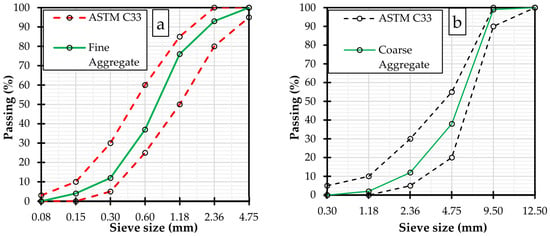
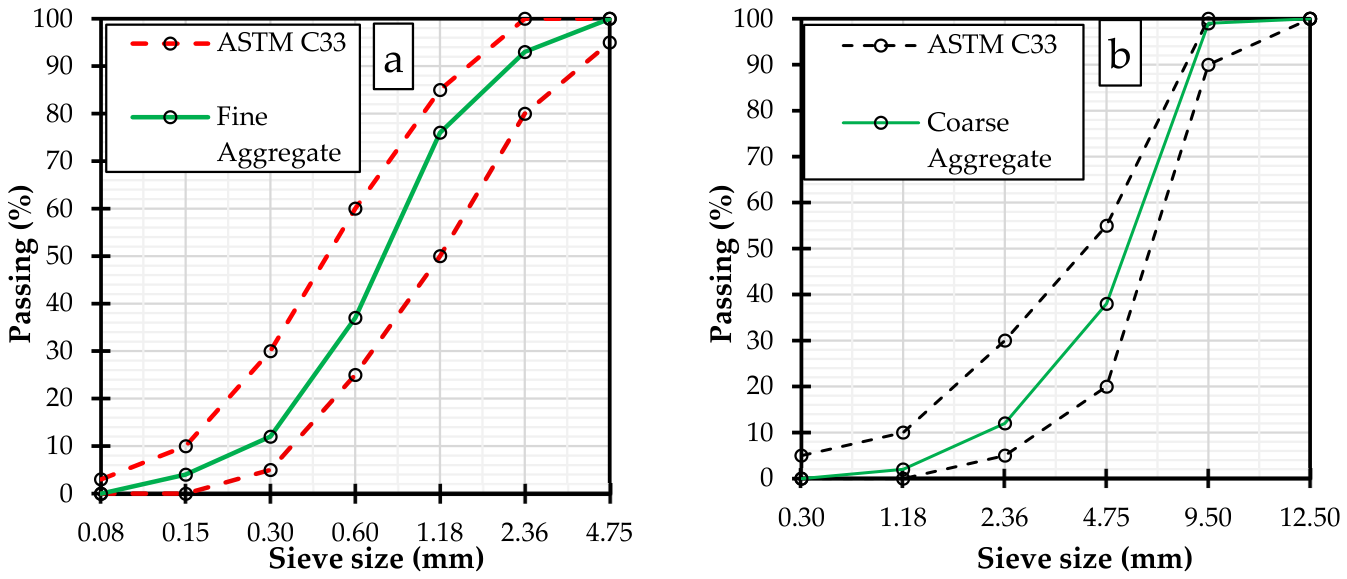
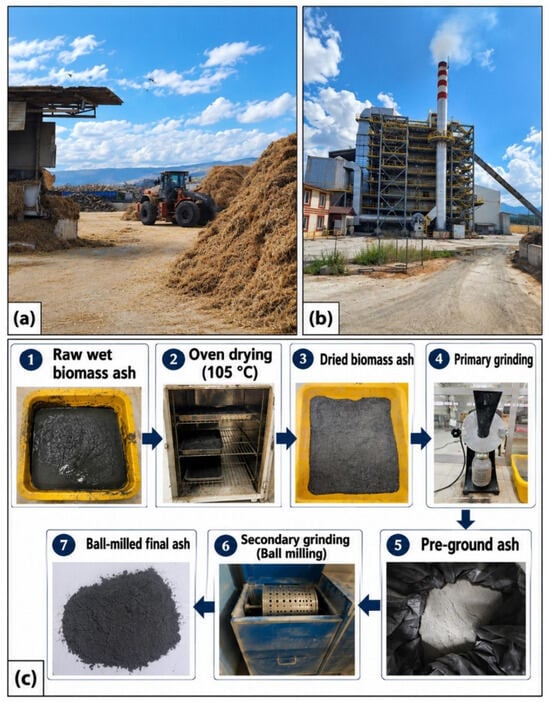
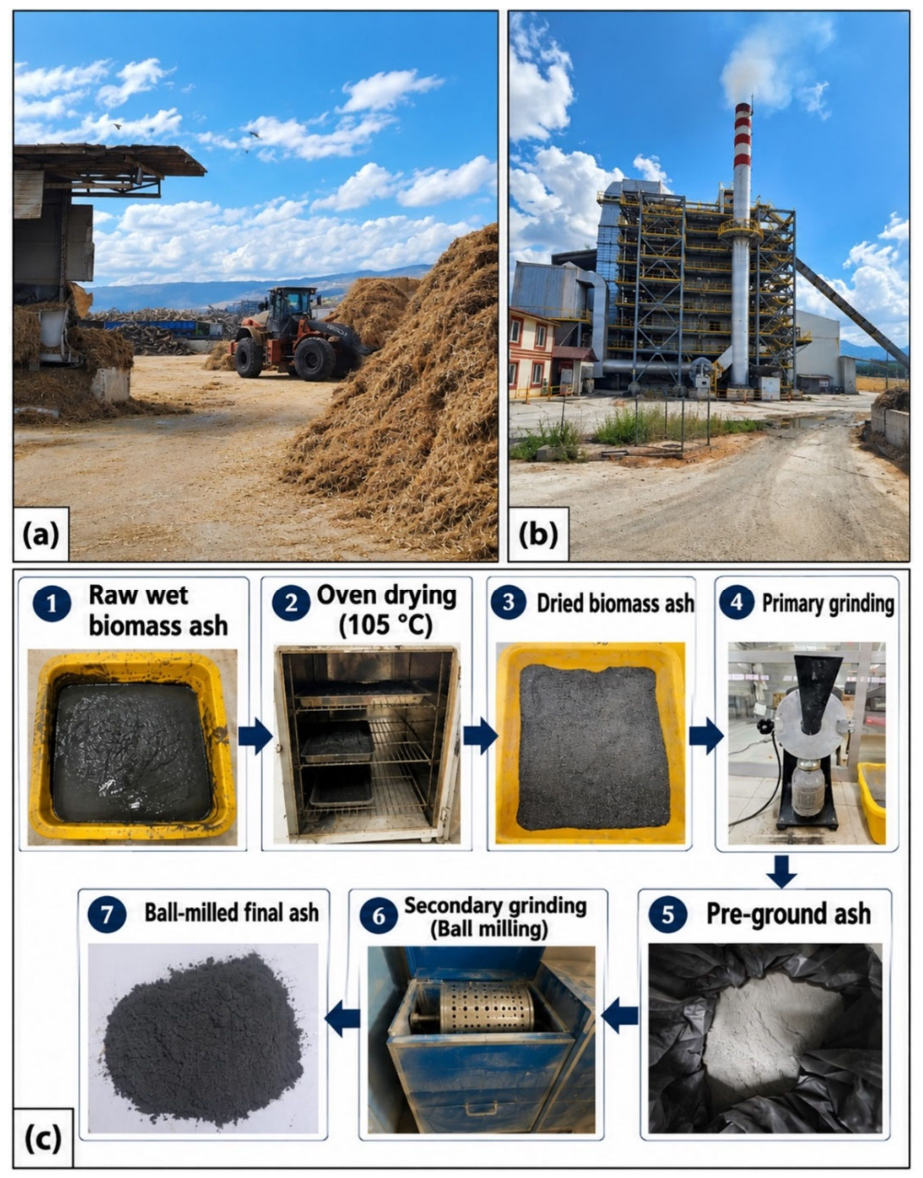
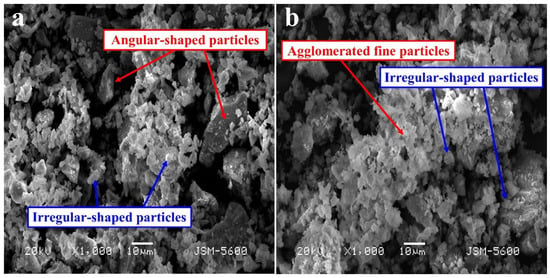
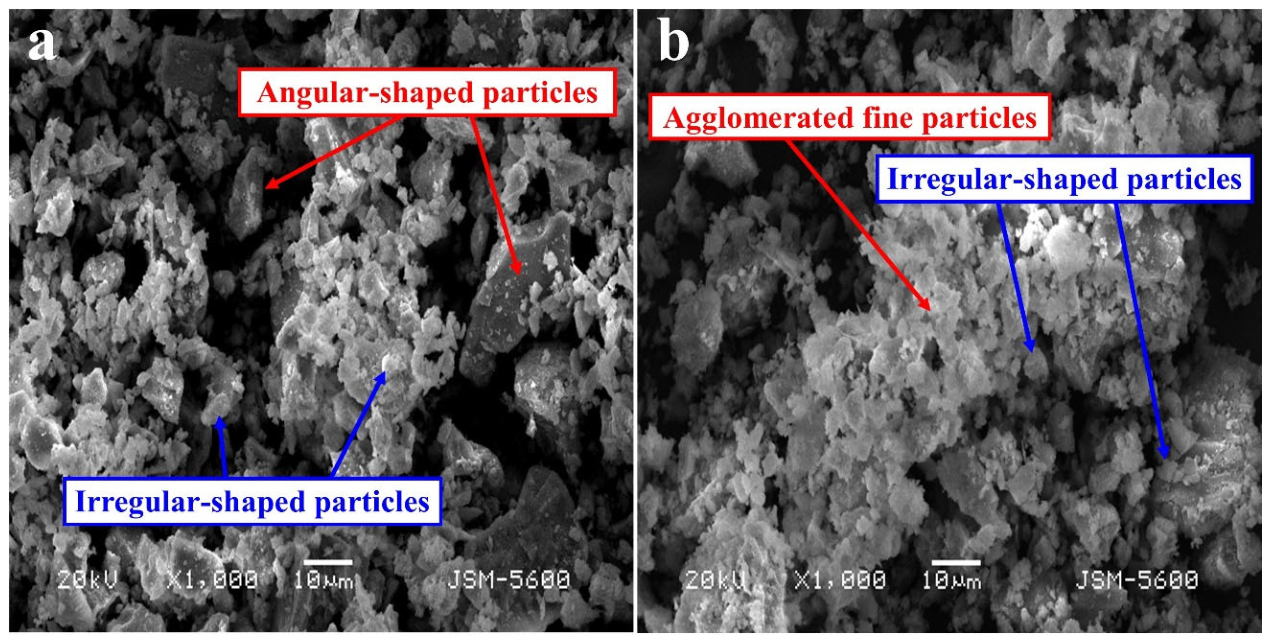
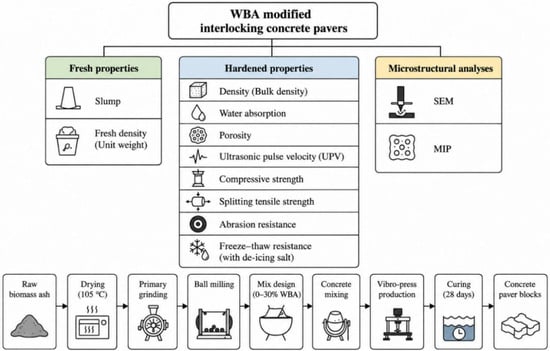
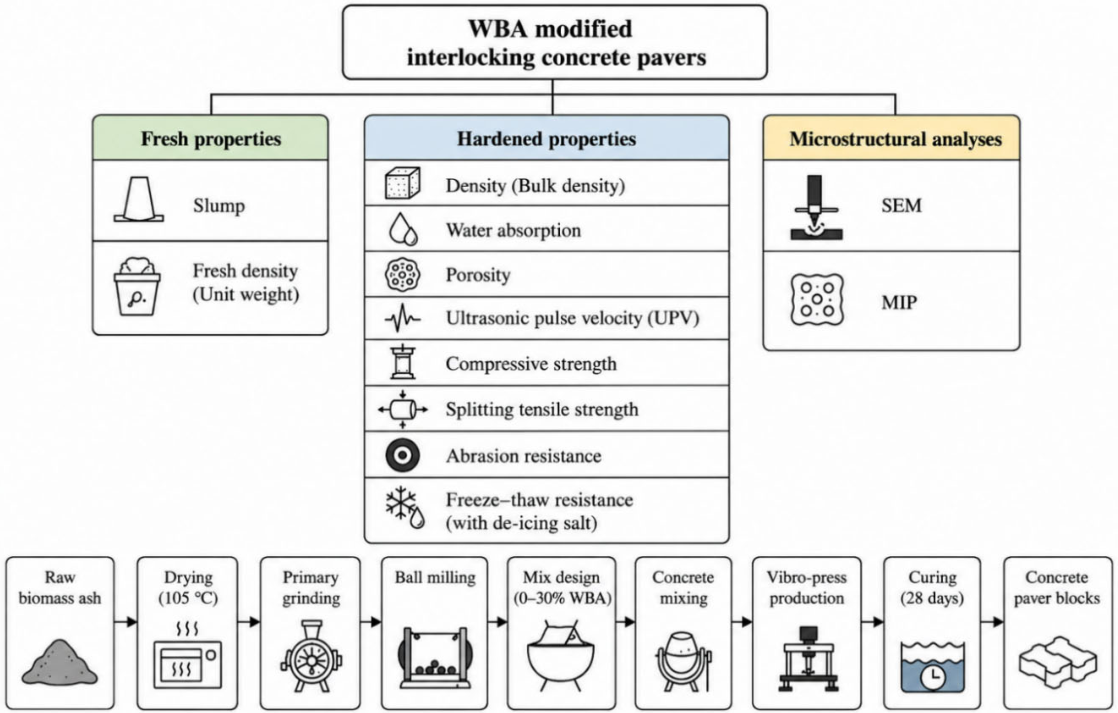
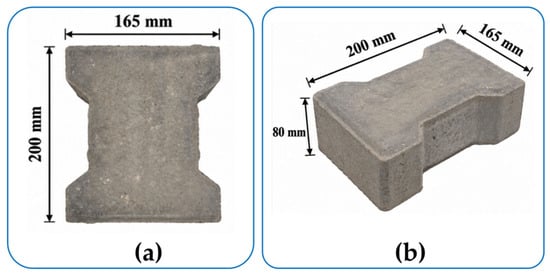
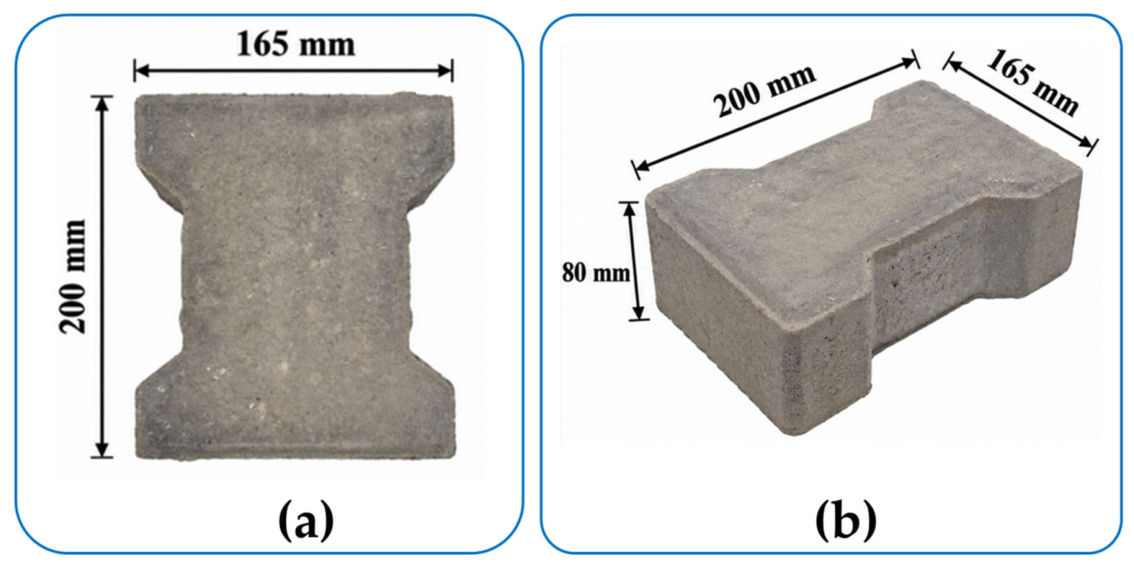
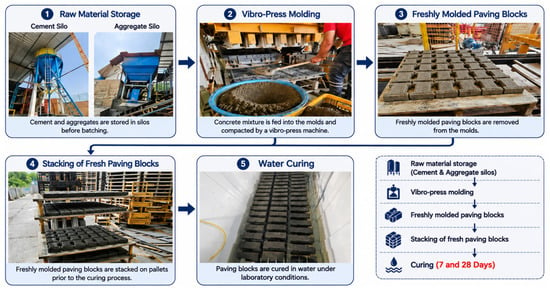
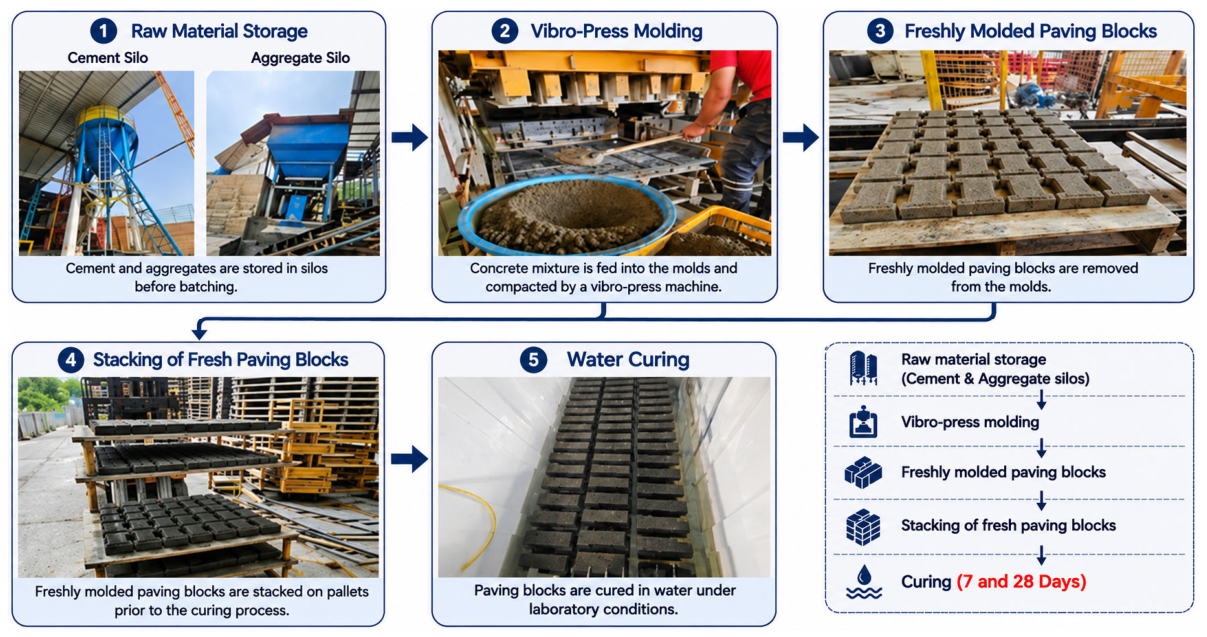
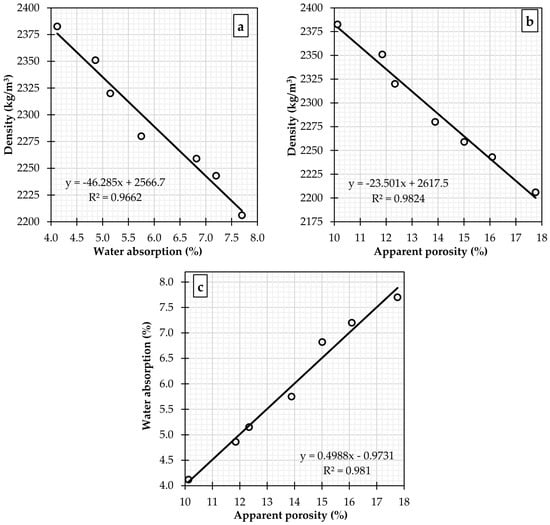
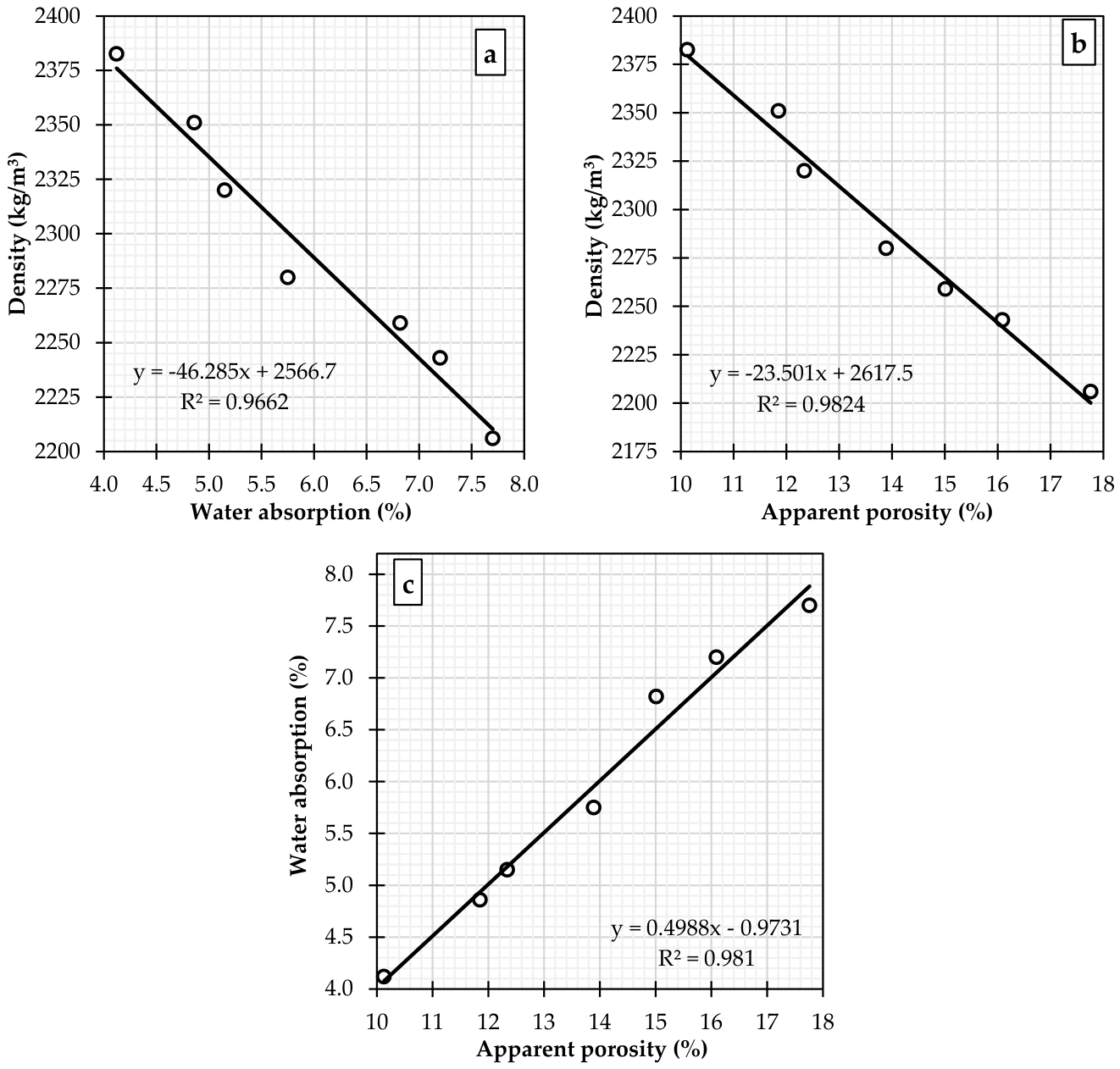
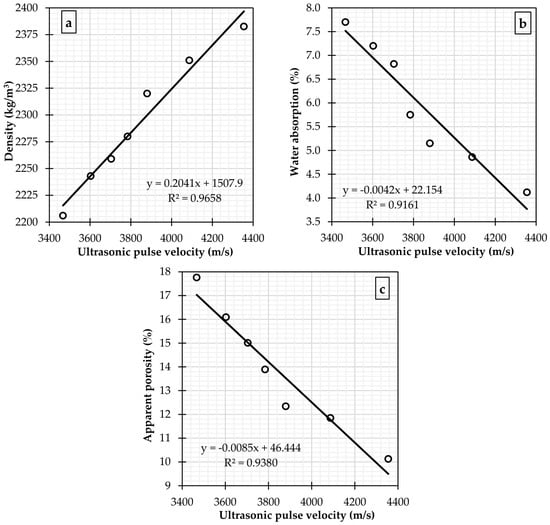
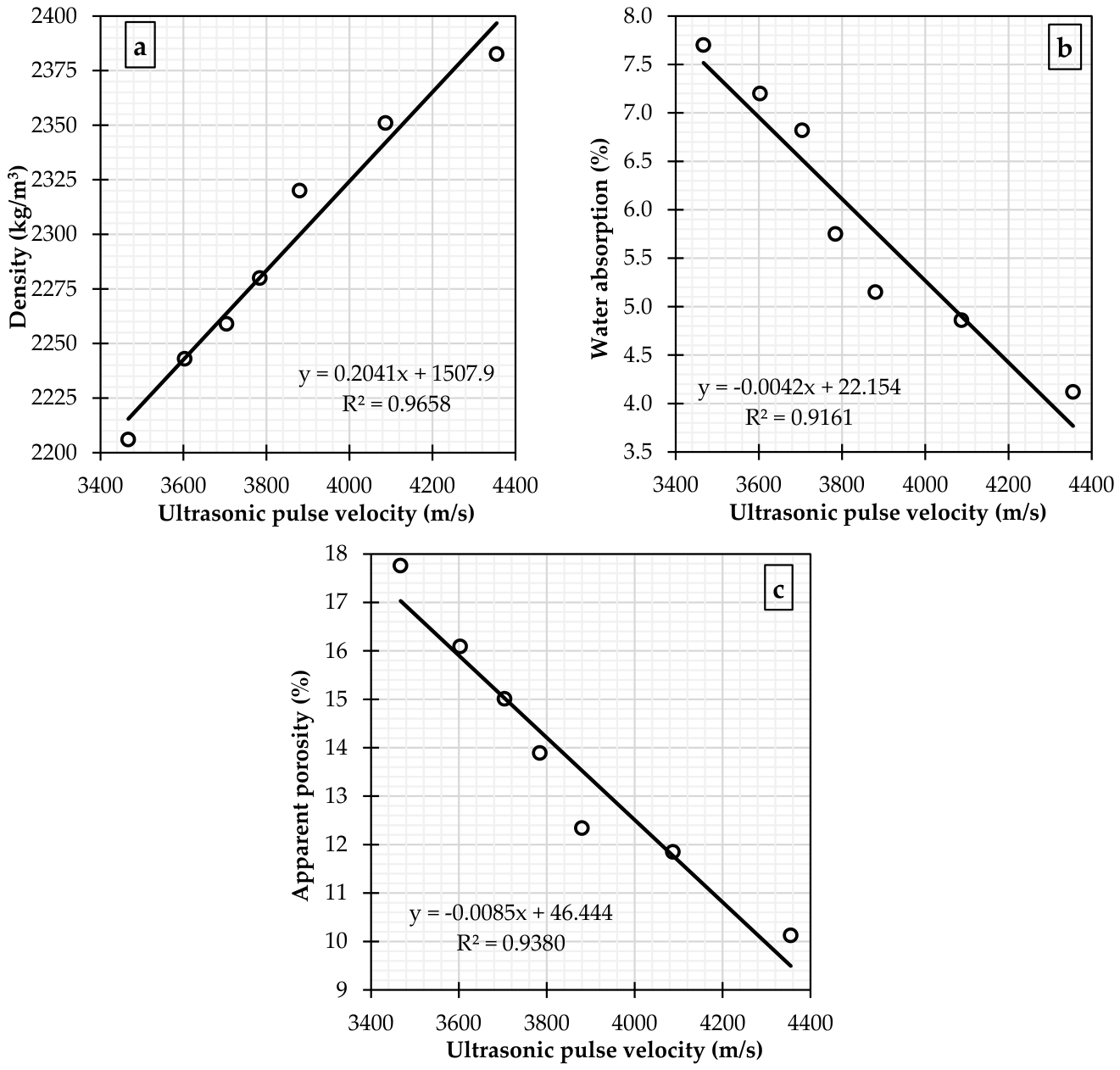
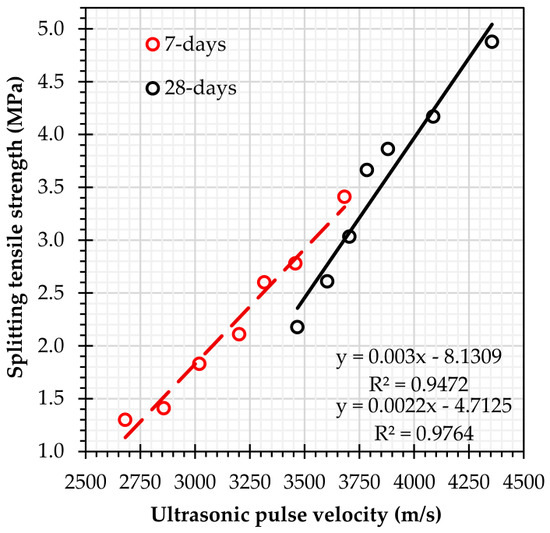
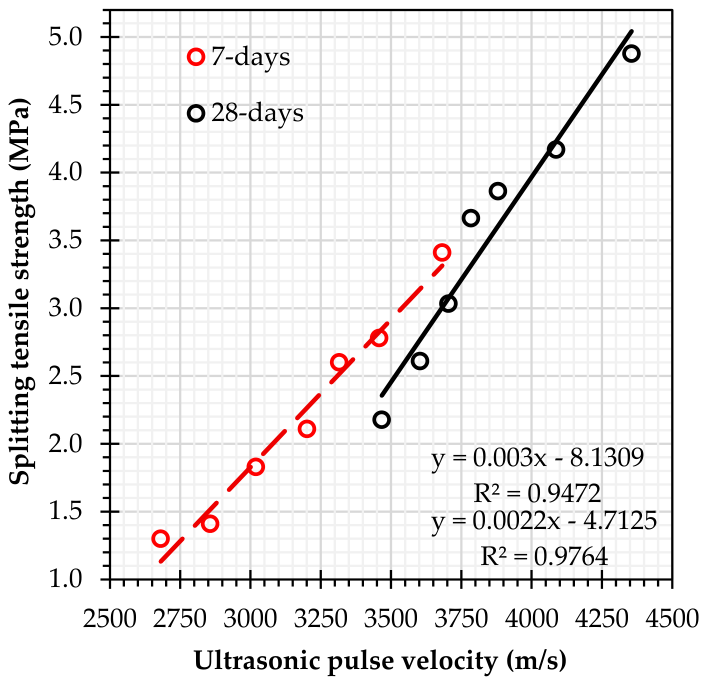
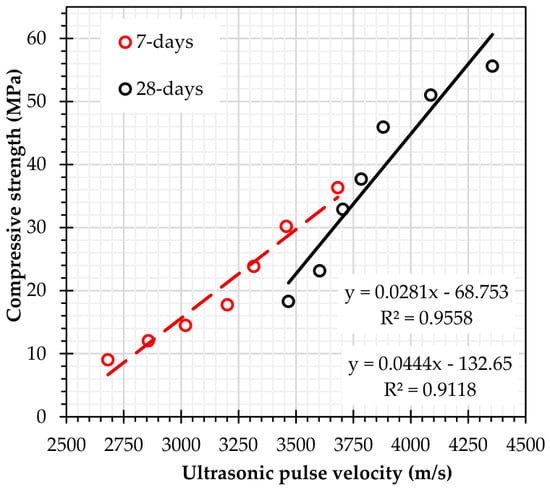
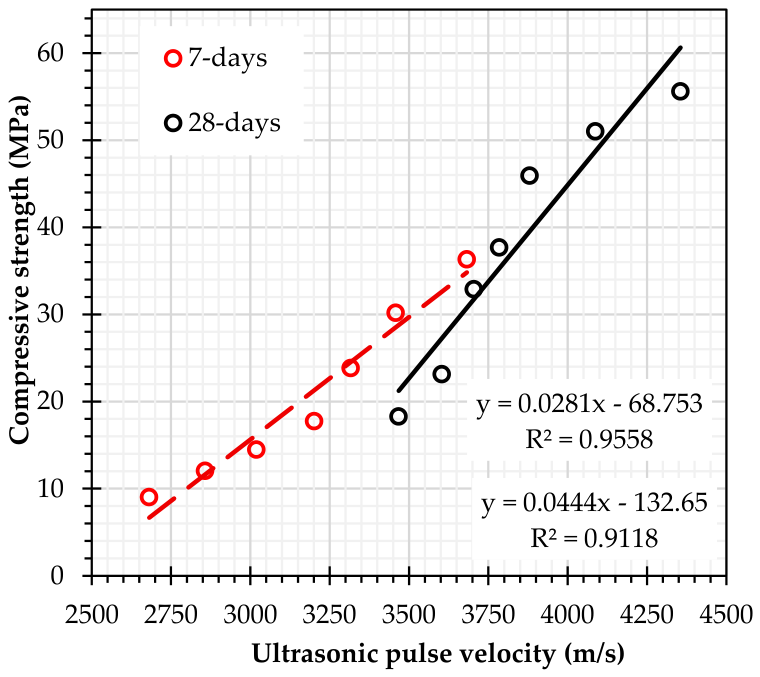
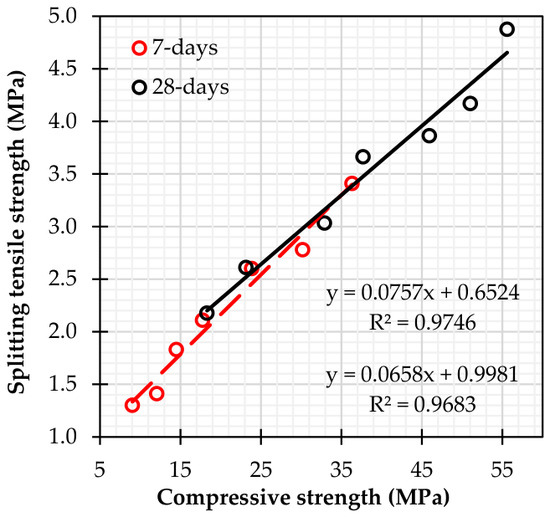
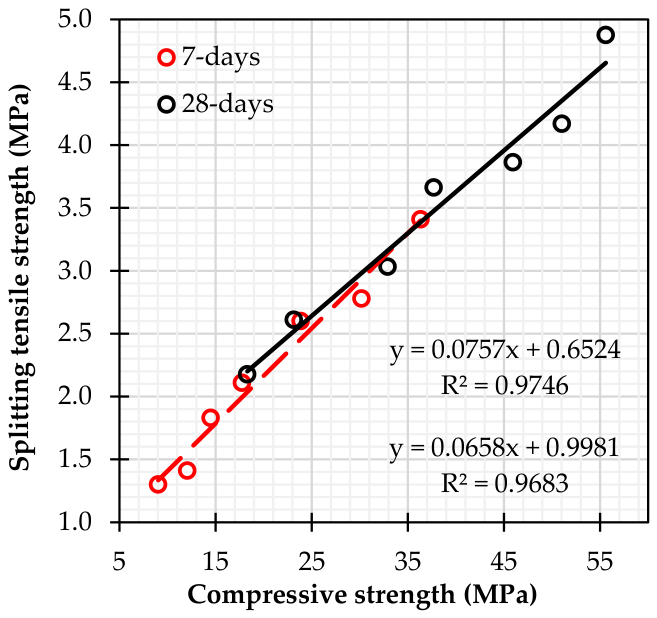
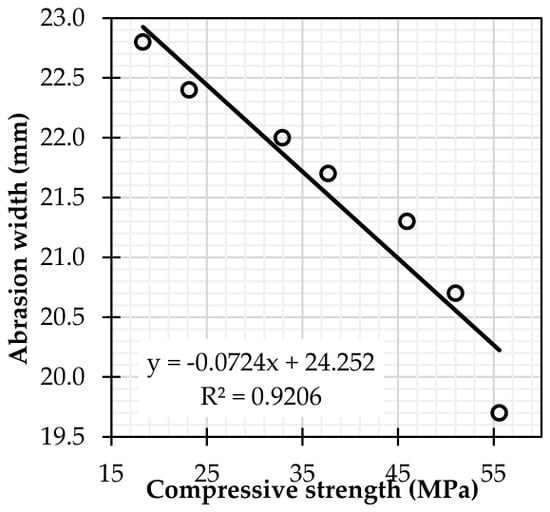
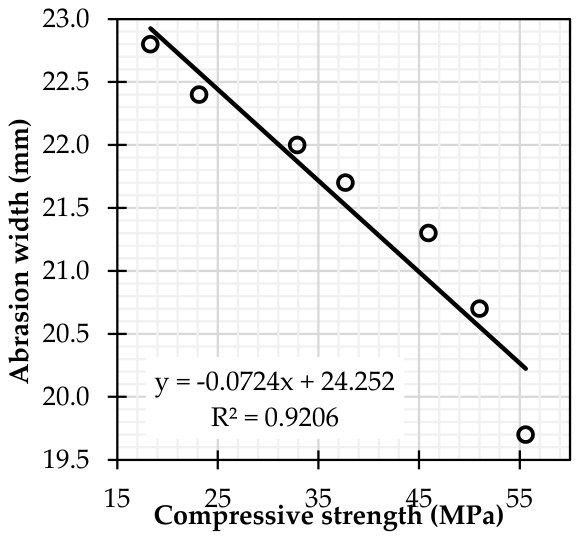
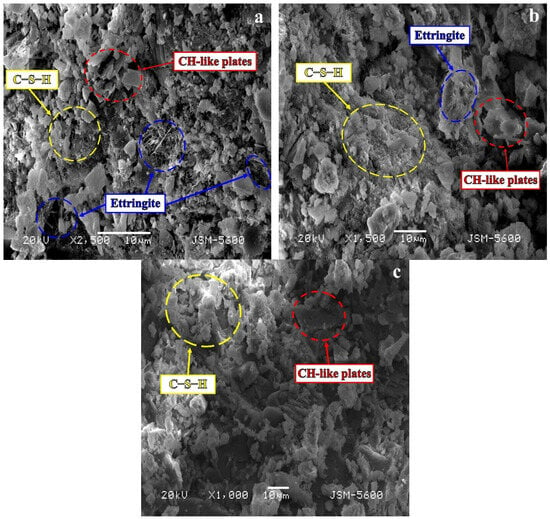
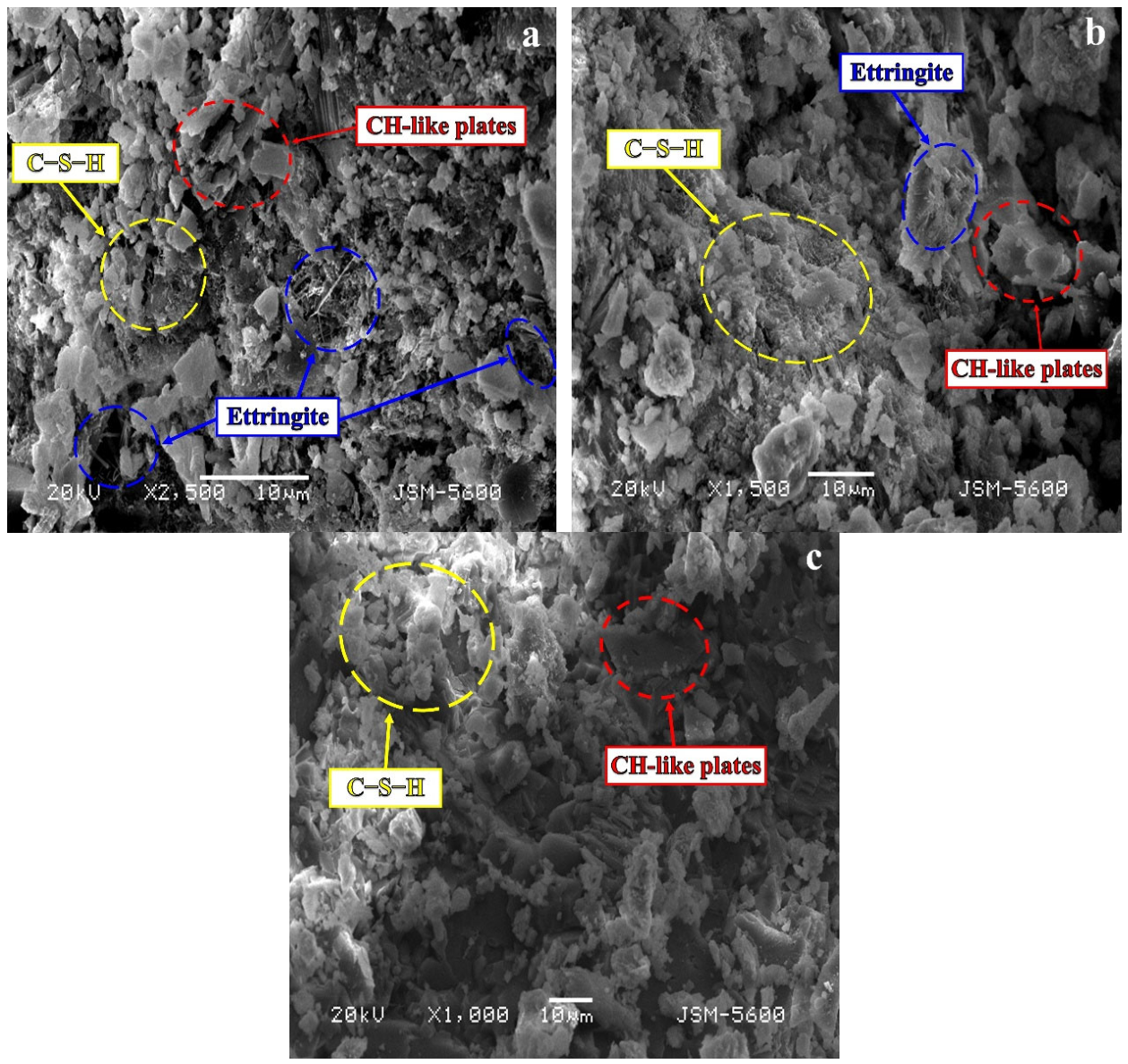
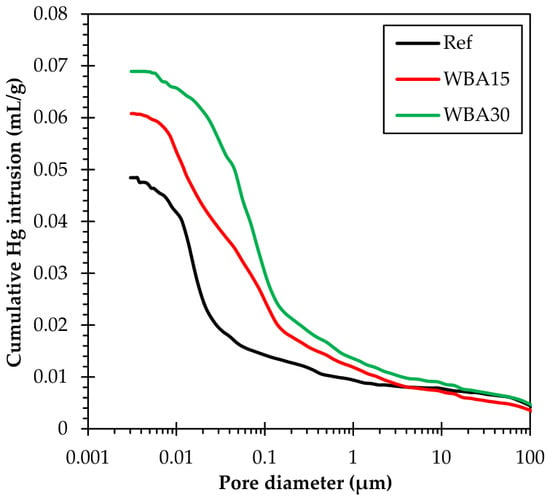
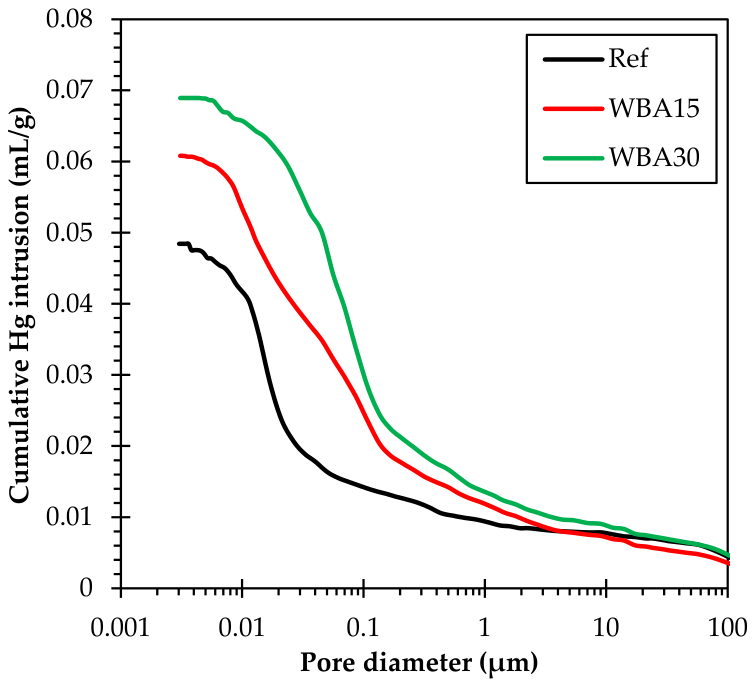

Disclaimer/Publisher’s Note: The statements, opinions and data contained in all publications are solely those of the individual author(s) and contributor(s) and not of MDPI and/or the editor(s). MDPI and/or the editor(s) disclaim responsibility for any injury to people or property resulting from any ideas, methods, instructions or products referred to in the content. |
© 2026 by the authors. Licensee MDPI, Basel, Switzerland. This article is an open access article distributed under the terms and conditions of the Creative Commons Attribution (CC BY) license.