


Abstract
Despite the importance of building regulations/codes/standards in the architecture, engineering, and construction industry, the characteristics of its regulation and compliance research are yet to be examined. This study addresses this knowledge gap. Adopting bibliometric, content, and scientometric analyses, as well as inferential statistics, a systematic review of enforcement and compliance with building regulations research from 1990 to 2022 was conducted. The five main research domains found are digital compliance, building energy efficiency and regulations compliance, and natural disaster mitigation through compliance. While there is a strong emphasis on compliance rate/levels and factors domain in various areas such as building daylight regulations, regulatory theories (with a focus on stakeholders and fire protection) have received minimal attention. A framework for future research directions is proposed. Overall, regulation and compliance theories, the benchmarking aspects of regulation, and fire safety require further research. Developed countries are research-active, and the developing ones are inactive. There are linear relationships; for example, as keyword occurrence increases, the total link strength between it and other keywords increases. The more papers journals publish, the more the average number of normalised citations received by the document they publish will increase. The study broadens the horizons of academics, policymakers, and regulators of artificial intelligence in digital compliance of building regulations and building energy efficiency in the climate change crisis. This study is the first detailed evidence and insight into the characteristics of compliance and enforcement of building regulations/codes/standards research. It is also the first of such research on the topic that adopts bibliometric and scientometric analyses, conducts an in-depth and sophisticated visualisation of the characteristics of the literature, and develops a framework for future research directions. Methodologically, the hybrid review methodology in this topic is novel, enabling the limitations of the traditional literature method to be mitigated by the analyses and the in-depth and sophisticated visualisation of the characteristics of the literature. Theoretically, there is extensive and scientific mapping of enforcement and compliance with building regulations research.
1. Introduction, Background, and Rationale
The performance of the Architecture, Engineering, and Construction (AEC) industry continuously fails to adequately contribute to meeting sustainable development goals. The building process and maintenance result in fatal injuries [1] and building fire safety issues [2,3], including the decentralised/dysfunctional regulation system [4,5]. The buildings are energy inefficient [6], and the consumption of materials for construction is environmentally unsustainable. Examples of building collapse fatalities are as follows: the Miami Building in 2021 with a death toll of 98; the Rana Plaza in Bangladesh, which killed 1132 people and left 2500 injured in 2013; the Synagogue Church of Nation Building in Nigeria, which left 115 people dead in 2014; and the Kiss nightclub fire incident in Brazil, where 242 people were killed in 2013.
The enforcement and compliance with regulations is one of the fundamental and effective tools for addressing these [5]. Adequate enforcement and compliance with building regulations (BRs)/codes/standards contribute to protecting lives and properties in major disasters such as earthquakes [7,8]. The contributions of enforcement and compliance with building structural codes in ensuring structural safety, hence averting building collapse, are covered in studies [1,9]. According to Seyrfaret et al. [10], with proper enforcement and compliance with Building Energy Regulations, 50 to 57 percent of carbon emissions from buildings in the United States and the poor energy efficiency record of buildings can be reduced significantly. This is where, in the country, buildings are the single largest user of energy. Further, the Grenfell Tower fire incident in London in 2017, which killed 72 people, and other fire incidents (such as the Kiss nightclub fire [4]) continue to highlight the need for revamping the BRs, enforcement, and compliance regimes. Consequently, enforcement and compliance with building codes, standards, and regulations (hereinafter referred to as BRs) are coming to the forefront of policymaking/agendas in organisations and countries [4]. Buildings must comply with fire safety requirements [11], energy efficiency/performance requirements [6], daylight regulations/requirements [12], building services requirements [8], among many others, and building structural safety requirements [1].
Despite several studies on the topic, there are still knowledge gaps. For example, Nawari [13] focuses on automated compliance, Lai and Yik [14] address building services maintenance compliance, and Agapiou and Yakubu [1] examine the factors for non-compliance with building structural safety codes. A simulation model for complying with fire safety requirements is covered in Lo et al. [3], and building energy efficiency/policy compliance is addressed by Garmston and Pan [6]. While the authors make significant contributions to knowledge, there is yet to be a comprehensive review of the literature on the characteristics of enforcement and compliance with building (or associated) regulations globally. Reviews of this nature highlight the research trend, knowledge gaps, and future direction of research. Consequently, this study aims to systematically review literature using the science mapping approach and traditional review method to examine the characteristics of enforcement and compliance with BRs research globally from 1990 to 2022. The following objectives are set:
- •
- To identify the main research topics and focus on enforcement and compliance with BRs research and scientifically map the status.
- •
- To identify current achievements, implications, limitations, and gaps in knowledge in enforcement and compliance with BRs research.
- •
- To propose future directions of research into the enforcement and compliance with BRs and associated framework.
2. Methodology
Adopting a hybrid (science mapping and traditional review methods) five-stage approach, a systematic literature review of journal articles indexed in the Scopus database (1990–2022) was conducted. While other databases, such as Web of Science, could have been used, Scopus was selected exclusively for several reasons. For example, Aghaei Chadegani et al. [15] and Vieira and Gomes [16] found that Scopus provides up to 20 percent greater coverage than Web of Science. They also report that Scopus includes a more recent and broader range of journals compared with Web of Science. More recent studies, such as Visser et al. [17], support this, finding that Scopus is one of the largest bibliometric databases and offers broader coverage than Web of Science across many disciplines. Given the interdisciplinary nature of the topic, Scopus’s broader subject coverage facilitates the inclusion of literature from all relevant domains. This makes it particularly suitable for studies that span multiple fields. Furthermore, authors such as Jin et al. [18] and Umeokafor et al. [19] support the use of Scopus as the sole database and have used it exclusively for systematic reviews published in high-ranking journals.
The phases of the methodology are as follows: (1) bibliometric analysis, (2) scientometric analysis, (3) content analysis, (4) inferential statistics (Pearson correlation analysis) using the Statistical Package for the Social Sciences (SPSS), and a discussion of the findings. Justifications for this approach are discussed in the introduction. The benefits of bibliometric and scientometric analyses are highlighted in the literature. For example, the bibliometric and scientometric approach addressed any risk of bias (subjectivity) in traditional systematic review methods (review methods that do not adopt bibliometric and scientometric approaches) [18,20]. They enable in-depth and sophisticated analysis [18], and scientometrics enables the creation of bibliometric maps and visualisation with advanced technological tools [21]. Umeokafor et al. [19] critically discuss the traditional methods of systematic literature and bibliometric and scientometric approaches, demonstrating the advantages of the latter over the former. However, the scientometric approach is also limited; for example, it is unable to answer ‘what’ and ‘how’ questions [22]. Consequently, content analysis (which is normally used in traditional review methods) is adopted to complement the limitations of the bibliometric and scientometric approaches [22]. This hybrid approach is consistent with extant studies such as that by Wang et al. [22].
Figure 1 captures the overall research process. The research commenced with bibliometric analysis, which resulted in the confirmatory screening process, after which the relevant documents were extracted. After the ‘documents extraction’, the ‘scientometric analysis and mapping’ was conducted, resulting in the simultaneous ‘inferential statistics’ and ‘in-depth content analysis’, where the extracted documents were used for the latter. The outputs of the last four activities and the literature review informed the ‘discussion’.
Figure 1.
Summary of overall research process.
2.1. Bibliometric Analysis Procedure
This method excels in capturing research trends and the characteristics of publications (including authors, affiliations and locations of authors, and types of sources) using evaluative and descriptive approaches [23]. The resulting data can be further analysed using software such as CitNetExplorer and VOSviewer. On the 7th of September 2022, a systematic search of the Scopus database was conducted covering 1990 to 2022.
The abstracts of articles indexed in Scopus from the years 1990 till 2022 were searched for keywords (TITLE-ABS-KEY (Enforcement OR Compliance AND Building AND Regulations) OR TITLE-ABS-KEY (Regulatory AND Compliance) AND (Construction AND Industry) that appear on the title, abstract, and keywords. Seven hundred and seventy-four documents were found. The search was further refined by excluding all other languages except English, and limiting the search to ‘Engineering’, ‘Business management and accounting’, ‘Social Science’, ‘Environmental Sciences’, and ‘Energy’, and only journal articles. This resulted in 213. The abstracts and titles were reviewed manually to ensure suitability; 36 met the requirements and were used for the study. In line with Melina [24], the eligibility criteria were based on relevance and acceptability, where two questions were asked. First, is the area (e.g., social science) or study relevant to the review’s purpose? Second, is the area (e.g., social science) or study acceptable for the review’s purpose? Papers in English were chosen because it is the authors’ language. Only journals were used because they contain the ‘highest’ quality of peer-reviewed papers. While it is true that scholars in developing countries often publish in conferences, these papers typically undergo shorter review cycles and vary widely in methodological completeness. Including them would have introduced heterogeneity that could compromise the reliability of cross-study comparisons. Country names and general academic terms were excluded from the keyword analysis because they do not represent conceptual themes. Country names reflect geographical distribution rather than substantive content, and generic terms (e.g., ‘study,’ ‘analysis’) appear across most abstracts and do not contribute to identifying meaningful thematic patterns.
A summary of the systematic search is presented in Figure 2. As illustrated there, a confirmatory screening stage was applied after the eligibility filtering. This involved manually reviewing the titles and abstracts of all 213 documents to verify conceptual relevance and methodological suitability. Each document was assessed using the eligibility criteria adapted from Melina [24], which asked whether the study was relevant to the purpose of the review and whether it was acceptable for inclusion based on methodological completeness and alignment with building-regulation enforcement or compliance. This step ensured that the final dataset of 36 articles was conceptually coherent and suitable for scientometric analysis.
Figure 2.
Graphic presentation of the systematic search.
2.2. Scientometric Analysis
One difference between the science mapping approach of a literature review and the traditional approaches (where analytical software is not used) is the ability of the former to use software (e.g., VOSviewer) for text mining on bibliometric data to construct and visualise occurrences and networks relevant in papers, bibliometric networks, document analysis, and keyword source analysis [25]. After the bibliometric analysis, the data were imported into VOSviewer software (for retrieving, visualising, and analysing publication information [26]), where analyses and mapping of keywords, citations of authors, journals, countries, and publications were conducted.
2.3. Inferential Statistics
Following the descriptive statistics that bibliometric analysis offers, inferential statistics were conducted in SPSS to gain a deeper insight into the output. Pearson correlation coefficient analysis of ‘All keywords’ indicators (occurrence, average publication year, normalised citations, average normalised citations, and total link strength) was conducted in pairs. The same analysis was carried out on the documents, citations of authors, and citations by country using the following indicators: number of documents, average publication year, citations, average citations, normalised citations, and average normalised citations. The aim was to see if there were correlations (linear relationships) among them.
2.4. In-Depth Qualitative Content Analysis
This was conducted on 36 papers examined in the study to gain deeper insight into the science mapping and bibliometric analysis. Wang et al. [22] argue that despite the advantages of science mapping and bibliometric analysis, these methods are unable to answer some ‘how’ and ‘what’ questions. In the current study, the research questions examine how the topics contribute to knowledge and practice, and what specific issues the keywords and clusters address.
2.5. In-Depth Qualitative Discussion
Drawing on the main results, including the descriptive and inferential statistics and content analysis, in-depth qualitative discussions are presented (Figure 1), resulting in a framework of future research directions.
3. Results
3.1. Bibliometric Analysis
A graphical presentation of the annual research trend is shown in Figure 3, demonstrating a dearth of research into the enforcement and compliance with BRs globally. However, this has gradually increased over the years. For the 32 years examined, there have been no more than four publications per year. Before 2004, there were no publications. However, from 2004 to 2022, the publication rates have fluctuated throughout the 18 years. There have been no more than 36 journal publications on the topic.
Figure 3.
Annual publication trend in research on enforcement and compliance with building regulations from 1990 to 2022.
3.2. Scientometric Analysis of Keywords
All Keyword Analysis
The mapping of the co-occurrence of keywords was conducted. It indicates the frequency of occurrence of topics in a paper and the interrelationships with other topics [18]. By implication, it shows the focus of the papers on the topic [19]. Consequently, ‘All keywords’ (Author keywords and Index keywords) analysis was conducted, and two was the threshold, the minimum number of occurrences of keywords the included papers must possess. Of the 394 keywords, 89 met the threshold. They were all reviewed, and country names (such as ‘Sweden‘, ‘Australia’, and ‘England’), and general words such as ‘Construction’, ‘Building codes’, ‘Building regulations’, ‘Compliance ’, and ‘Regulatory framework ’ were deleted. The keywords are in Figure 4.
Figure 4.
Visualisation of ‘all keywords’ co-occurrence network of research on building regulation enforcement and compliance. Key: Cluster 1—Red: Law, governance, urban planning, and design themes; Cluster 2—Green: Regulatory Approaches, building performance, and residential development; Cluster 3—Blue: Building control, fire safety, and performance optimisation; Cluster 4—Lemon: Digital compliance, Building Information Model, and environmental regulation; Cluster 5—Purple: Energy policy, carbon emissions, and regulatory compliance; and Cluster 6—Teal: Sustainability governance and environmental performance.
Figure 4 is a visualisation of the ‘All Keywords’ in the documents, showing their interconnectedness. The node size represents keyword frequency; the link strength suggests the degree of co-occurrence; and the colours represent the themes. The network in Figure 4 highlights major research themes on energy efficiency, building controls, housing, architectural design, sustainability, and regulatory governance. Figure 5, Figure 6, Figure 7, Figure 8, Figure 9 and Figure 10 present the keyword clusters, and all are highlighted. The mentioned figures show how the keywords are co-studied [18]. In line with Umeokafor et al. [19], the shorter the distance between the nodes (circles) in these figures, the stronger the strength. Also, the bigger the nodes, the larger the weighting of the keywords and their occurrence. The curved lines show the connectedness; the closer the location of the clusters, the more related they are based on citation and vice versa [18]. In Figure 4, energy efficiency is the most frequently occurring keyword, followed by building control, then law and legislation; see Table 1 and associated sections for details.
Figure 5.
Cluster 1: Law, governance, urban planning, and design themes (red).
Figure 6.
Cluster 2: Regulatory approaches, building performance, and residential development (green).
Figure 7.
Cluster 3: Building control, fire safety, and performance optimisation (blue).
Figure 8.
Cluster 4: Digital compliance, Building Information Model, and environmental regulation (lemon).
Figure 9.
Cluster 5: Energy policy, carbon emissions, and regulatory compliance. (purple).
Figure 10.
Cluster 6: Sustainability governance and environmental performance (teal).
Table 1.
Quantitative analysis of the impact of selected main All keywords.
- Cluster 1: Law, governance, urban planning, and design themes.
Law and legislation is the highest-occurring keyword followed by ‘stakeholder’ and ‘urban planning’. As seen in Figure 4, stakeholder is more closely co-studied with energy efficiency, governance, and historic preservation in Cluster 6 than with law enforcement in the same cluster. Furthermore, law enforcement and stakeholders (Cluster 1) are frequently co-studied; however, this co-occurrence is less pronounced than that between law enforcement and building services. For example, by interviewing stakeholders, Jones and Vasvani [8] focus on challenges in compliance with building codes in the changing roles and responsibilities of the regulator and the local authorities in Bihar, India. Lai and Yik [14] focus on issues related to compliance with building services maintenance, including ordinances, regulations, and liabilities for non-compliance in Hong Kong. Building services and computer-aided design are also co-studied (Figure 5). In terms of urban planning (Figure 5), although it is co-studied with stakeholders within the same cluster (cluster1), it is co-studied, albeit less closely, with daylights in Cluster 2, as discussed below.
- Cluster 2: Regulatory approaches, building performance, and residential development.
Regulatory approaches and daylight factors are the most frequently occurring keywords and are more closely co-studied with residential buildings, building performance, and performance criteria than with benchmarking and housing, all of which belong to the same cluster (Figure 6).
However, daylight is also interconnected with urban planning in Cluster 1 through inter-cluster connections. One of such study is by Bournas [12], which focuses on Swedish Daylight Regulation in buildings, compliance with it, and whether it improved building performance. Another by Bournas [27] examines daylight compliance of residential buildings, comparing different performance criteria and associations with room geometry and urban density.
- Cluster 3: Building control, fire safety, and performance optimisation.
Fire protection has the highest occurrence and is more closely co-studied with building control in Cluster 4 than with residential buildings and optimisation. The latter are closely co-studied with structural design, cost–benefit analysis, and cost-effectiveness (Figure 4 and Figure 7). For example, following the introduction of a performance-based regulatory approach, opportunities for innovation in compliance emerged. Lo et al. [3] developed a simulation model to study the implementation of performance-based fire safety design in buildings. Similarly, Jin and Hui [11] demonstrated the interrelationship between planning, fire safety regulations, and housing development in Singapore. Regarding the other nodes, Zuraimi and Tan [28] conducted a cost–benefit analysis of residential building regulations (BRs) aimed at reducing exposure to outdoor PM2.5.
- Cluster 4: Digital compliance, Building Information Model, and environmental regulation.
There is a strong emphasis on digital compliance and technologies. For example, automated compliance checking is closely co-studied with interoperability (Figure 8). Malsane et al. [29] examine automated compliance checking of building design documents against BRs, driven by the transition from 2D Computer-Aided Design to Building Information Modelling. Further, Murtagh et al. [30] focus on the role of building control surveyors (BCSs) and their power to promote sustainable construction by ensuring compliance with BRs that govern aspects of a building’s environmental performance.
- Cluster 5: Energy policy, carbon emissions, and regulatory compliance.
Figure 9 shows that Cluster 5, which focuses on energy policy and building performance in relation to compliance with legislation, is strongly interconnected with Cluster 6 (Figure 10) where energy efficiency is the most frequently occurring keyword. For example, Garmston and Pan [6] examine the non-compliance with building energy regulations in terms of the profile, issues, and implications on practice and policy in England and Wales. Using a mixed-methods approach, Raslan and Davies [31] address the implementation of EU policy, Article 3 of the Directive on Energy Performance of Buildings.
- Cluster 6: Sustainability governance and environmental performance.
Figure 10 (Cluster 6) addresses energy efficiency, including the study by Pan and Garmston [32], which examines compliance with building energy regulations for new-build dwellings in the UK between 2006 and 2009. In another study published in the same year, the authors examine levels of compliance with energy BRs of new-build dwellings in England and Wales, exploring underlying issues and identifying possible solutions [33].
Table 1 presents a summary of the main keywords (those with three or more occurrences), their occurrences, average citations, and normalised citations. Importantly, citations are limited as indicators of impact [20] because they do not account for self-citation practices, real-world impact, and the fact that citations may occur for either positive or negative reasons [20,34,35]. Therefore, citations only indicate the usefulness of a paper to the authors who cite it [19,20]. Umeokafor et al. [19] provide a detailed discussion of these limitations.
The total link strength of a keyword indicates the overall strength of its linkages with other keywords. The average year of publication refers to the average publication year of the documents in which a keyword occurs. ‘The average citation is the average number of citations received by the documents in which a keyword occurs, or the average number of citations received by the documents published by a source, an author, an organisation, or a country’ [36] (p. 28). The authors also define the average normalised citation as ‘the average normalised number of citations received by the documents in which a keyword or term occurs, or the average normalised number of citations received by the documents published by a source, an author, an organisation, or a country’ [36] (p. 28). Van Eck and Waltman [36] argue that normalisation corrects biases in citation analysis. For example, older documents have had more time to accumulate citations than newer ones; however, normalisation helps to account for this difference. This is because the normalised number of citations of a document is calculated by dividing the number of citations received by that document by the average number of citations received by all documents published in the same year and included in the dataset provided to VOSviewer [37] (p. 37).
Table 1 shows that energy efficiency has the highest occurrence, followed by building control and housing. However, these keywords do not have the highest average normalised citation scores. Instead, BIM, compliance checking, and automated compliance have the highest average normalised citations (56.00 each); however, these keywords each occur only twice and are therefore not reported in Table 1. According to Jin et al. [11], studies with higher average citation counts are likely to have a greater impact on the scientific community. By implication, studies on building regulations (BRs) and compliance that focus on automated building code compliance checking [13] and digital technologies, particularly building environmental monitoring and compliance checking in a Building Information Modelling environment, such as the work of Zhong et al. [38], are likely to have a greater impact than studies focusing on cost-related issues, such as that by Zuraimi and Tan [28]. Zuraimi and Tan [28] have investigated the cost–benefit analysis of residential BRs aimed at reducing exposure to outdoor PM2.5 in Toronto. Nevertheless, this should not be misconstrued as advocating research on topics solely because they are likely to receive higher citation counts, as such an approach is considered unethical [19].
3.3. Pearson’s Correlation Coefficient Analysis
To determine whether correlations (i.e., the strength of linear relationships) exist among the keyword indicators, Pearson’s correlation coefficient analysis was conducted on each pair of indicators. Keyword occurrence showed no correlation with either average citations or average normalised citations. However, it was significantly and positively correlated with total link strength (r = 0.706, n = 30, p = 0.001) at the 0.01 significance level. This indicates that as keyword occurrence increases, total link strength tends to increase. Therefore, it can be inferred that keywords receiving greater attention in building regulations (BRs) and compliance research are likely to have stronger linkages with other keywords. Average normalised citations and average citations were each not correlated with total link strength. However, there was a significant positive correlation between average normalised citations and average citations (r = 0.605, n = 30, p = 0.001). By implication, and as expected, as the average number of citations received by the documents in which keywords occur increases, the average normalised number of citations received by those documents also tends to increase. The average publication year was not correlated with total link strength, average normalised citations, or keyword occurrence. However, it had a significant negative correlation with average citations (r = −0.372, n = 30, p = 0.001). In other words, average publication year and average citations are inversely correlated. This means that, in the context of regulation and compliance with BRs research, as the average publication year of the documents in which keywords occur increases, the average number of citations received by those documents tends to decrease, and vice versa.
3.4. Content Analysis
Main Research Areas, Future Research Direction (Knowledge Gaps)
Drawing on the scientometric analysis, a content analysis was conducted on the 36 studies. The findings presented below demonstrate details of the main research areas, current achievements/outcomes, implications, limitations, future research directions on the topic, and associated knowledge gaps. The five main research domains found are BR compliance factors/rate/level, digital compliance, natural disaster mitigation through compliance, regulatory theories in fire safety and stakeholders, and building energy efficiency and regulations.
- (1)
- Digital compliance
Four of the studies, mainly in Cluster 4, focus on compliance checking (Table 1). Aimed at improving quality and cost-effectiveness and preventing failure in the design system, design review involves checking a design against building codes, regulations, and standard provisions within AEC [13]. For example, Nawari [13] has developed a comprehensive framework to address limitations in automatic and semi-automatic design reviews. Similarly, Malsane et al. [29] focus on automated code compliance building design review through a review of relevant literature, identifying previous research in the field, the status of BRs relevant to the fire safety of dwellings, and future development trends. In these studies, BIM was fundamental. Raslan and Davies [39] examine software-based methodology for demonstrating compliance with building performance standards, and Zhong et al. [38] address building environmental monitoring and compliance checking. The analysis is summarised in Table 2.
Table 2.
Digital compliance: Summary of content analysis.
While these studies advance the understanding of automated code-compliance checking of BRs, they have limitations. Adoption of digital technology has received limited attention. For example, limited attention has been given to big data analytics in the enforcement of BRs. The testing of the ontology-based framework by Zhong et al. [38] is limited to the context of a real distributed energy station project. Drawing on Figure 4 and Figure 8 and Table 1, selected gaps or future research are as follows:
- •
- Attention needs to shift to using smart and digital technology [40], including artificial intelligence in enforcement, away from the non-technological (traditional) approaches.
- •
- The skills and knowledge requirements for the above are yet to be examined.
- •
- The ontology-based framework by Zhong et al. [38] should be tested in other contexts.
- •
- The formalisation of knowledge to improve compliance checking needs further examination [29].
- (2)
- Mitigating natural disasters through compliance with BRs
The built environment has negative implications for the environment in various ways, including the excessive consumption of natural resources, the energy used for its construction and operation, and the burning of fossil fuels. For example, according to Seyrfart et al. [10], buildings account for 50% to 75% of carbon emissions and are the single largest consumers of energy in the United States of America. However, effective enforcement of, and compliance with, building regulations (BRs) can help mitigate natural disasters and their impacts. For instance, proper enforcement and compliance can contribute to reducing climate change [10,41], while also minimising the impacts of earthquakes on lives and property when such events occur [8]. Three studies address this topic (Table 3). First, focusing on the United States of America, Shapiro [41] identifies the political and practical challenges associated with enforcing building codes intended to mitigate climate change. Second, Jones and Vasvani [8] draw on stakeholder perspectives and regulatory theories to examine the building code enforcement process, including the changing roles and responsibilities of local authorities in India. Their study identifies factors that inhibit earthquake-resistant construction practices, thereby exacerbating people’s vulnerability to earthquakes. Third, Conejos et al. [42] identify the challenges and barriers to successful adaptive reuse in Australia, with implications for climate change mitigation.
Table 3.
Mitigating natural disasters through compliance with building regulations: summary of content analysis.
However, these studies primarily focus on challenges and barriers, with limited attention given to good practices and enabling factors. Future research could therefore focus on the following:
- (1)
- Developing and testing strategies to address the issues identified by Shapiro [41], such as improving climate change awareness among stakeholders.
- (2)
- Investigating opportunities and drivers for climate change mitigation through the enforcement of, and compliance with, building regulations (BRs) and codes.
- (3)
- Examining regulatory approaches that embrace green technologies while incorporating the principles of heritage buildings.
- (4)
- Exploring how regulations can better respond to technological and environmental changes, given their dynamic nature and the challenges they face in keeping pace with such developments [ 40].
- (3)
- Building energy efficiency and regulations compliance
The four studies in this area are mainly located in Clusters 5 and 6 (Table 4). Focusing on scope and compliance, implementation and enforcement, and contributions to greenhouse gas reduction, Seyrfar et al. [10] appraise local building energy benchmarking laws and mandates across seven US cities. The aim of benchmarking is to compare the energy use of similar buildings. However, the study is limited to seven cities in the United States. Other studies focus on compliance in England and Wales [32,33]: (a) the relationship between compliance and factors associated with new-build dwellings, their influence on compliance, and the resulting implications [32]; and (b) the level of compliance with building energy regulations, including a review of non-compliance with building energy regulations in England and Wales [33] (see Table 4 for details). Non-compliance with building energy regulations hinders the ability of the built environment to reduce its impact on global warming [6]. Rosenberg et al. [43] examine the role of building codes and regulations in shaping the future of buildings. While these studies advance understanding of the subject, they are predominantly focused on developed countries.
Table 4.
Building energy regulations/policy and energy efficiency: summary of content analysis.
Drawing on Figure 4 and Figure 9, Table 1 and Table 4, the following knowledge gaps and further research directions were found:
- •
- Future research is needed on improving the data used for building benchmarking, potentially by holding building owners accountable for data and training them on accurate reporting [10].
- •
- Larger-scale studies on the evaluation of building energy benchmarking regulations and laws are needed to strengthen our understanding of this topic [10].
- •
- Quantitative studies into compliance with building energy regulations for new builds, including assessing the impact of Part L 2010 [6], are needed.
- •
- More studies in developing countries on this domain are needed.
- •
- Pan and Garmston [33] identified limited knowledge of Building Energy Regulations among stakeholders, including developers, designers, and those lower in the building control chain (e.g., the site workforce). They also highlighted complexities arising from the combination of prescriptive and performance-based regulatory approaches used in Building Energy Regulations in England and Wales. Evidence suggests that these issues persist. Therefore, further research is needed to improve stakeholders’ awareness and understanding of Building Energy Regulations and to address complexities within the regulatory process.
- (4)
- Compliance factors and level/rate
Five studies are compliance factor- or compliance level-based studies covering various topics (Table 5). The findings of Agyefi-Mensah et al. [44], which provide insights into stairway design, have implications for safety, accident prevention, and the development of relevant building regulations (BRs) in developing countries. Dennehy et al. [45] stress that the integration of the Building Control (Amendment) Regulations 2014 into large construction firms in Ireland has impacts that extend beyond mere compliance, although compliance itself remains essential. Their study also establishes the need for a lead authority for building control. However, the study is limited to large-scale construction firms in Ireland, highlighting the need for further research in other contexts. Furthermore, Baiche et al. [46], although limited to national and regional housing schemes in England and Wales, demonstrate the need for more rigorous site management procedures and continuous training of tradespersons.
Table 5.
Compliance factors and level/rate: summary of content analysis.
Following on from Table 5, Agapiou and Yakubu [1] found the need for engagement with professionals in regulatory decision-making. The framework developed therein will improve administrative and technical failures of BRs and standards and their compliance. However, they examined only residential buildings. Arku et al. [47] question the non-contextualised planning legislation adopted from developed countries and implemented in developing countries, a major factor in regulatory regime failure. They contribute to the debate on rampant building collapse and structural failures in Ghana. The rest of the studies centre on urban planning/density (Cluster 1). Focusing on Sweden, Bournas [27] found that most spaces tested for daylight compliance using DFp EN17037 are non-compliant, while the highest level of compliance is achieved when the Swedish criterion SS914201 is used. Further, Bournas’s [12] study on Building Daylight Regulations (BDRs) found that they do not improve building performance; geometry-based criteria are not applicable in the assessment of the residential building assessed; and the two assessment methods in force (the Glass-to-Floor Ratio scheme and the Daylight Factor scheme (DFp)) both agree and disagree. The findings on the moderate correlation between the density of the surroundings and compliance with daylight regulations in Bournas and Dubois [48] are expanded upon in Table 5.
However, most of these studies focus on barriers and drivers, overlooking many areas including opportunities and strategies for improving aspects of the BRs. Hence, the suggested knowledge gaps or future research directions include the following:
- •
- Opportunities and strategies for improving aspects of the BRs. For example, step requirements require examination.
- •
- A comprehensive study of accidents and discomforts from stairways in public buildings [44].
- •
- A review of the relevant legislation for stairways in developing countries (Ibid)
- •
- Country-specific studies on the integration of BRs into organisations and their compliance protocol, with a focus on small- and medium-scale enterprises.
- •
- Contextualisation of BRs remains an issue in developed countries yet underexamined. Indeed, a study can examine associated issues with the ineffective adoption or transposition of BRs from developed countries to developing ones.
- •
- Bournas and Dubois [48] highlight the need for a study on new daylight performance indicators and benchmarks for households.
- (5)
- Regulatory theories in stakeholders in compliance and enforcement, and fire protection
Examining the challenges to compliance with building codes in terms of the roles and responsibilities of the local authorities in Bihar, India, Jones and Vasvani [8] also focus on the underpinning regulation and compliance theories (Table 6). Pan and Garmston [32] draw on the two main generic approaches to regulating building energy regulations (prescriptive and performance-based theories) to address compliance issues in England and Wales. While many studies consider fire safety, only one focused on this in detail. Drawing on regulatory theories, Lo et al. [3] exploit the shift from prescriptive requirements in building and fire codes and regulations to performance-based approaches to develop a simulation model for studying the implementation of performance-based fire safety design in buildings in Hong Kong. Building control surveyors have institutional power in the building control regulatory framework in England and many other countries, but little is known about their activities. Addressing this issue is the aim of Murtagh et al. [30]. They focus on sustainable construction, but more specifics are needed.
Table 6.
Regulatory theories in stakeholders in compliance and enforcement, and fire protection: summary of content analysis.
Although these studies make significant contributions to knowledge, some gaps and future research direction include the following:
- •
- A qualitative exploration of the roles of BCSs in areas such as fire safety in buildings.
- •
- More developing-country-specific studies that draw on regulatory theories to explain or refute compliance behaviours relating with BRs are recommended, especially as most of these theories originate from developed countries.
- •
- Digitalisation comes with its limitations, and there is a limited understanding of how the extant theories explain its involvement in building regulatory compliance.
- •
- Furthermore, Furmanek [2] highlights the need for robust strategies for ensuring compliance while balancing safety or other social issues such as culture. Future studies can focus on exploring this further.
- (6)
- Further knowledge gaps
Additional knowledge gaps include the following:
- •
- How the characteristics of BRs influence compliance, and their moderating effect on building performance, requires examination.
- •
- The influence of compliance with BRs on building performance remains underexamined/unexamined.
- •
- Digital compliance is gaining attention, but the role of organisational cultures and data management (sharing, security, and privacy) is poorly understood.
- •
- Despite the attention on fire safety since the Grenfell fire incident, the compliance and enforcement aspects have received limited attention in peer-reviewed literature. Perhaps the existing literature is mainly in the form of industry reports and conference papers.
- •
- The role of regulators in building control, and how they work with the other regulatory authorities and the regulated, requires more attention.
- •
- Equality in regulation and compliance is also worth examining in future studies, ensuring that, for example, standards do not penalise small organisations [49]. No study examined this area.
3.5. Document Analysis
Citation analyses of documents, authors, sources, publications, and co-authorship have been conducted. These analyses demonstrate the usefulness, accuracy, and importance of the units of analysis, suggesting the level of quality [50]. However, this can be misleading because of its limitations; for example, a higher citation count for a piece of research does not necessarily indicate a breakthrough [51].
3.5.1. Citation Analysis of Documents
The threshold (minimum number of citations per document) was set at two. Of the 36 documents, 25 met this threshold. Table 7 summarises the selected results, showing that Pan and Garmston [33] have the highest number of citations in terms of frequency, but when normalised (to ensure that older publications do not have an advantage), Zhong et al. [38] have the highest normalised citations, hence indicating their research is the most impactful. The second is Lo et al. [3]. The limitations of citations are discussed elsewhere in this paper. It suggests usefulness to citers, which is indicative of impact [19].
Table 7.
Summary of publications’ usefulness based on citations.
3.5.2. Citation Analysis of Sources
The source of publication influences the level of readership and citation; the average normalised citation of sources (journals or conference proceedings) indicates their impact on the scientific community [19]. For the analysis, the threshold for the number of documents for each source was one; and the threshold for citations of a source was set at two. Table 8 details the results where the contributions of the journals are measured; only those with more than 1.00 average normalised citations are presented. A lower threshold allows more sources to be considered in the analysis; a source just needs one document to indicate impact or usefulness.
Table 8.
Quantitative measurement of mainstream journals.
Energy Policy has the highest average normalised citations but not the highest citation frequency. Automation in Construction has the second-highest average normalised citations but the highest citation count. This indicates that publications in Energy Policy, followed by Automation in Construction, may have comparatively greater impact, although this should be interpreted with caution (see the Discussion Section).
Pearson’s correlation coefficient analysis was conducted to determine whether there are correlations (that is, the strength of linear relationships) among the journal measurement indicators. Because the dataset contained only eight journals, the correlations should be interpreted cautiously due to limited statistical power. Pearson’s correlation coefficient analysis was conducted to examine linear relationships among the journal-level indicators. Across all journal indicators, no statistically significant correlations were found. Specifically, the number of documents published by a journal was not significantly correlated with average normalised citations (r = 0.44, p = 0.720), total citations (r = 0.41, p = 0.728), or normalised citations (r < 0.001, p = 0.958). Likewise, total citations were not significantly correlated with average citations (r = 0.071, p = 0.801).
These results indicate that the absence of statistically significant relationships is likely due to the small sample size (N = 8), which limits statistical power, rather than demonstrating a lack of association in the broader field.
3.5.3. Citation Analysis of Authors
The citation of authors’ papers on a subject indicates their impact in that area. While this is criticised elsewhere in this paper, where it is concluded that it indicates its usefulness to the citers, it is still used in the bibliometric and scientometric analysis. To conduct this analysis, the threshold for the number of documents by an author was set at two and the minimum citation was also set at two. Of the 77 authors, five met the threshold and hence are presented in Table 9. It shows that Garmston, H and Pan, W have the highest number of citations and average normalised citations, indicating that they are the most useful to their citers.
Table 9.
Quantitative summary of citations analysis of authors.
3.5.4. Citation Analysis of Country
The contributions of countries (that is, the research-active ones) were examined here. While 17 countries have papers, only 15 have met the thresholds for inclusion in the analysis: at least one document and one citation. However, only countries with two or more documents are presented in Table 10. While the UK has the highest number of publications and citations, this does not apply to average normalised citations, which are highest for Hong Kong despite Hong Kong having only five papers. Mainly developed countries are research-active in this area.
Table 10.
Quantitative analysis of the contributions of countries (including the research-active ones) in enforcement and compliance with Building Regulations.
Pearson’s correlation coefficient analysis shows that the number of documents published by that country is not correlated with the average normalised number of citations that the documents the country published receive. However, it has a significant positive correlation with the number of citations that the documents the country published received (r = 0.938, N = 15, p ≤ 0.001). Therefore, a country with a high number of publications (above average) is not expected to have a correspondingly high average number of citations.
4. Discussion
4.1. Research Trend and Future Directions
There is a dearth of research into enforcement and compliance with BRs, including some years where no research is recorded (Figure 3), which is consistent with the literature. For example, Pan and Garmston [32] report little research into the factors affecting compliance with building energy regulations. Pan and Garmston [33] echo this, calling for more research into compliance with BRs. However, 10 years later, the dearth of research continues. This is ironic given the poor record of the AEC industry in structural safety [1], building fire safety [2,3,4], energy efficiency [6], and building services [14], making the limited attention to these issues a concern. Following the Grenfell fire incident in London, countries have taken steps to avert such incidents, resulting in improved building standards, at least on paper. For example, in England and Wales, the Building (Amendment) Regulations 2018 (SI 2018/1230) came into force in 2018, banning the use of combustible materials in the external walls of high-rise residential buildings. In England, a new piece of legislation, the Building Safety Act, is now law which, among many, establishes a new safety regulator, the Health and Safety Executive. Yet detailed research into building fire safety is extremely limited, but studies recognise it [2]. However, in addressing compliance issues, care must be taken to ensure that compliance does not pose risks, hence becoming counterproductive, as found in Furmanek’s [2] study. For example, improvement strategies must be tailored to ensure adequate collaboration, balancing safety and culture or the like [2].
Nevertheless, the increasing trend in publications (although still small) observed from 2004 onwards indicates growing academic and professional interest in enforcement and compliance issues. This potentially reflects increased regulatory attention, advances in digital compliance systems, and increased concerns about building safety and regulatory effectiveness.
Further, the increased attention to digital compliance and energy efficiency found is applauded but still below expectations. While digital technology improves services and productivity [40], it poses some challenges that need consideration. Equally important are the findings on developing countries where there is a high rate of building collapse [1,9], and weak and dysfunctional building and planning regulation systems and un-contextualised legislation [47]. While it is ironic that there are just a few papers from four of these countries, according to Umeokafor et al. [19], most scholars in developing countries publish their research in conference proceedings. The findings of the current research reinforce the dearth of studies on various aspects of building construction with construction safety and health regulations, as reported in Umeokafor et al. [19]. However, this is worse given that there are just a few studies on enforcement and compliance with BRs.
Furthermore, while BIM can be viewed as one of the major drivers of digital technology adoption in the construction industry, BIM-based automated compliance checking is not the only lens through which digital compliance can be viewed. The digital compliance studies identified in this review focus mainly on automated compliance checking [13,29], ontology-based compliance checking and environmental monitoring [38], and software-based approaches for demonstrating compliance with building regulations [39]. While these studies make important contributions to improving the efficiency and effectiveness of compliance processes, they primarily focus on the digital verification of regulatory requirements. Therefore, digital compliance should be viewed more broadly than automated rule checking alone. Greater conceptual clarity regarding different forms of digital compliance and their roles in supporting regulatory compliance and enforcement would further strengthen future research in this area.
Also, the findings demonstrate that research on BR compliance and enforcement is not focused on a single geographical or regulatory context. The reviewed studies span multiple jurisdictions, including the United Kingdom, Ireland, Sweden, Hong Kong, Singapore, Ghana, Nigeria, India, Australia, Canada, the United States, and Poland. They reflect different regulatory systems, governance arrangements, socio-economic environments, and sectoral priorities, highlighting both common challenges and context-specific issues in BRs enforcement and compliance. The country analysis in Section 3.5.4 further illustrates the international distribution of research activity within the field.
Furthermore, the findings bring to light the interdisciplinary nature of building regulations research. The research domains and keyword clusters include digital compliance, sustainability, governance, building performance, fire safety, energy efficiency, urban planning, and regulatory theory. This demonstrates that BRs research extends beyond technical compliance considerations and increasingly intersects with environmental, legal, managerial, technological, and social issues. Consequently, future research can consider stronger interdisciplinary approaches that integrate technical, governance, policy, and sustainability perspectives to address emerging challenges in BRs enforcement and compliance (Table 1).
In terms of the inferential statistics, the correlation patterns offer insights into how knowledge is structured within BR compliance and enforcement research. These patterns indicate mature, well-established research clusters and areas that are still developing. However, they also offer opportunities for further exploration. In particular, the positive association between keyword occurrences and total link strength indicates that terms which are frequently used are in central and interconnected positions in the conceptual network. This suggests that there is consolidation around the themes. For example, themes such as energy efficiency and building control occupy central positions in the research landscape and are likely to influence future developments in the field. Conversely, topics with lower occurrences and weaker link strengths may represent underexplored areas requiring further scholarly attention. The strong relationship between average citations and average normalised citations demonstrates consistency in how influence is spread across documents despite the citation norms within the discipline. The negative correlations between the average publication year and average citations are a reflection of the age of the publications, in that older publications have more time to accumulate citations while the new ones do not. Emerging areas, such as digital compliance, are examples where the evidence base is still developing despite growing interest. However, they also offer opportunities for further exploration. These findings can assist researchers, policymakers, and funding bodies in identifying mature research areas and prioritising underexamined topics for future investigation.
Despite providing insights into the structure of the literature, these findings should be interpreted with caution. This is because 36 studies were used for the study, and some analyses were conducted on considerably smaller subgroups, such as journals, authors, and countries that met specified thresholds. Therefore, the results of the inferential statistics are exploratory and should be viewed as indicative patterns within the available dataset. They must not be misconstrued as definitive evidence of broader relationships within the field.
Further, the inferential statistics reinforce and expand upon the descriptive statistics. For example, they provide the platform to predict that keywords with higher occurrences (that is, those receiving greater attention) in BR regulation and compliance research will be more linked to other keywords, echoing the attention that energy efficiency has received. The keyword ‘energy efficiency’ has the highest occurrence of seven and the highest total link strength. The content analysis also confirmed that this has received significant attention across other topics. The same applies to the keyword ‘building control ’, which has an occurrence of seven and a total link strength of 43. The link strengths of keywords (Table 1) show how widely linked the keywords are to others. Therefore, energy efficiency and building control have become core themes within the field, reflecting their strong visibility and interconnectedness across the literature. Conversely, topics with weaker connections and lower occurrences may represent emerging or underexplored areas that provide opportunities for future research. In addition to supporting the findings in the content analysis, it offers deeper insight into the knowledge gaps and the topics of the papers. Unexpectedly, the number of studies that draw on regulatory theories is below expectations. This presents a significant challenge for socio-legal scholarship in BRs research. Although some studies draw on theoretical perspectives such as neoliberal governance and prescriptive versus performance-based approaches to regulation, the majority focus on practical challenges, compliance levels, technological solutions, and implementation barriers. This suggests that the field remains largely practice-driven rather than theory-driven. Consequently, theoretical explanations of compliance behaviour, enforcement effectiveness, and regulatory outcomes remain underdeveloped. Future research should therefore engage more explicitly with regulatory theory and examine how different regulatory approaches influence compliance and enforcement outcomes across different institutional and national contexts. Drawing on the keywords and content analyses, the status quo of BR enforcement and compliance research and a framework of future research direction is presented in Figure 11.
Figure 11.
A framework visualising the status quo of building regulations compliance and enforcement research and further directions.
Figure 11 contributes to the discourse by synthesising the major research themes, knowledge gaps, and future research directions identified in this review. Also, it highlights the limited theoretical development within the field. The framework shows that, while substantial attention has been devoted to compliance factors, energy efficiency, digital compliance, and regulatory implementation challenges, comparatively few studies have drawn explicitly on regulatory theories. By identifying this imbalance, the framework advances understanding of the current state of the field and provides a foundation for future theory-informed studies that seek to explain compliance behaviour, enforcement practices, and regulatory effectiveness in the BR context.
4.2. Influential Journals, Authors, and Documents
This study also found the key journals in the subject (Table 8), where Energy Policy is ranked highest based on the average number of normalised citations. However, this should be treated with caution for many reasons. The motivation for citation varies. While some citations are made due to relevance, others can be for convenience or to satisfy journal editors’ or reviewers’ requirements. The measure may not show real-life impact. Umeokafor et al. [19] discuss the limitations of using citations as an indicator including indicating that some topics attract more attention. In conclusion, while not all the citations will be biased, this finding should be viewed as indicative. In terms of influential authors, while Garmston H and Pan W have the highest number of citations and average normalised citations, this should be treated with caution for many reasons, including those above. Therefore, academics and students in the field are expected to familiarise themselves with the works of Garmston H and Pan W to make informed decisions. The same argument applies to publications where ‘Ontology-based framework for environmental monitoring and compliance checking’ by Zhong et al. [38] has a normalised citation of 2.71, the highest, and is followed by ‘A simulation model for studying the implementation of performance-based fire safety design in buildings’ written by Lo et al. [3].
The lack of correlation between the average normalised citations and the number of documents indicates that a higher number of outputs does not necessarily translate into higher per-document impact. In other words, countries producing more documents generate more citations in total; however, it does not guarantee stronger average citation performance when field and publication-year differences are considered. The results demonstrate the difference between quality-driven total impact and quality-adjusted average impact: with a larger number of publications, countries can obtain higher citation counts without necessarily having publications with stronger normalised influence.
4.3. Implications for Research and Practice
The study provides valuable insights into the complexities of using citation indicators to measure the impact of authors, documents, and journals because of different reasons for citing authors, journals, and documents. Its findings create a fundamental direction for developing detailed frameworks and guidance notes for academics, policymakers, and regulators regarding future research direction, capacity development, and knowledge mobilisation. The study contributes to the socio-legal and building construction body of knowledge by conducting a health check on BR and compliance in research and developing a framework of its characteristics and future research directions. It broadens the horizons of academics, policymakers, and regulators of artificial intelligence in digital compliance of BRs and in improving building energy efficiency amid the climate change crisis. In particular, the findings offer policymakers and regulators insight into the skills and knowledge requirements and gaps for making BR enforcement and regulation fully automated. They can now understand the status quo of digitalisation of enforcement and compliance with BRs. This can enable them to channel their resources into bridging these digitalisation and skills development gaps. Further, the findings enable stakeholders in developing countries to better understand the lack of literature on regulation and compliance with BRs in their AEC industry and the skewness of the current knowledge on the topic in decision-making.
5. Conclusions
Using the scientometric approach, bibliometric and content analyses, and inferential statistics, the characteristics of enforcement and compliance with BRs research globally from 1990 to 2022 have been examined. The study found that there is a dearth of research into the topic. However, the five main research domains are digital compliance, building energy efficiency regulations compliance, natural disaster mitigation through compliance, regulatory theories for stakeholders and fire protection, and compliance factors/rates/levels in various areas. Energy efficiency and building control keywords have the highest and second-highest links with other keywords. A framework for the future direction of research was developed. It shows the need for studies on using artificial intelligence in enforcement. Many studies focus on factors or rates of compliance, but how the characteristics of BRs influence compliance and moderate building performance needs examination. Further research is required on the influence of compliance with BRs on building performance. Building fire safety has gained more attention because of the Grenfell fire incident, but it is reflected in the literature differently. Detailed attention is limited, but the topic has a high level of consideration in the studies examined. Further, some of the key achievements or outcomes of BR enforcement and compliance research include the establishment of compulsory benchmarking and transparency laws that can reduce greenhouse gas emissions, the creation of the enabling environment for innovation (through the shift from prescriptive design rules to energy performance-based ones), and the development of credible and acceptable practice policy frameworks for enforcement control.
5.1. Study Contributions
Methodologically, the hybrid methodology for examining the characteristics of enforcement and compliance with BRs is novel and improves research quality. The scientometric approach and bibliometric analysis address the limitations of the traditional literature review and enable an in-depth and sophisticated visualisation of the characteristics of the research and its features. The content analysis complements the limitations of these analyses, enabling a deeper understanding of the findings from there and answering ‘how’ and ‘what’ questions. Theoretically, this is the first study on this topic to adopt bibliometric and scientometric analyses and in-depth and sophisticated visualisation and detailed, extensive, and scientific mapping of the characteristics of enforcement and compliance with BRs research to develop a framework for future research directions. Further, it reinforces the dearth of research in various aspects of building construction research in developing countries.
5.2. Study Limitations and Direction of Future Review Studies
The literature search was limited to peer-reviewed journal articles. Including conference proceedings would likely increase coverage, particularly of studies from developing countries where scholars often publish in conference venues. However, conference papers typically undergo shorter review cycles and vary widely in methodological completeness, which would introduce heterogeneity and reduce the reliability of cross-study comparisons in a systematic review of this type. Given the aim of this study—to synthesise rigorously reviewed and methodologically comparable research—conference papers were therefore excluded. Future review studies may choose to incorporate conference proceedings if their objective is to map emerging research trends, capture early-stage work, or provide a broader exploratory overview of the field.
Although studies have shown that Scopus contains a broader and more recent range of journals than Web of Science, the resulting sample of 36 articles is relatively small. This should not be misconstrued as a limitation of Scopus; rather, it reflects the early and underdeveloped state of research in this area and the limited number of studies meeting the inclusion criteria. Given Scopus’s comprehensive coverage, it remains sufficient and appropriate for the present review. Authors of future studies may opt to include additional databases if they wish to broaden the scope or explore adjacent areas, but this is not necessary for validating the findings of the current review.
Although inferential statistical techniques have explored the relationships among bibliometric indicators, the findings should be interpreted with caution. Thirty-six studies were used for the research, while some journal-, author-, and country-level analyses were based on considerably smaller subgroups. These small sample sizes may limit statistical power and the robustness of correlation estimates. Therefore, the findings of the inferential statistics should be considered exploratory. They should also be viewed as complementary to the bibliometric, scientometric, and content analyses. They must not be regarded as standalone evidence of causal or generalisable relationships.
In addition, only English-language publications were included by implication excluding relevant studies published in other languages. Also, although citation and normalised citation indicators provide useful insights into scholarly influence, they do not necessarily reflect real-world impact and may be affected by factors such as publication age, research trends, and citation practices.
Funding
This research received no external funding.
Data Availability Statement
The original contributions presented in this study are included in the article. Further inquiries can be directed to the corresponding author.
Conflicts of Interest
The author declares no conflict of interest.
References
- Agapiou, A.; Yakubu, S. Determinants of non-compliance with structural building code standards in Nigeria. Proc. Inst. Civ. Eng. Manag. Procure. Law 2019, 172, 47–59. [Google Scholar] [CrossRef] [Scilit]
- Furmanek, A.F. Impact of the Fire Protection Requirements on the Cultural Heritage of the Polish Old Towns—Selected Problems. Sustainability 2025, 17, 176. [Google Scholar] [CrossRef] [Scilit]
- Lo, S.M.; Zhao, C.M.; Liu, M.; Coping, A. A simulation model for studying the implementation of performance-based fire safety design in buildings. Autom. Constr. 2008, 17, 852–863. [Google Scholar] [CrossRef] [Scilit]
- Rodrigues, E.E.C.; Rodrigues, J.P.C.; da Silva Filho, L.C.P. Comparative study of building fire safety regulations in different Brazilian states. J. Build. Eng. 2017, 10, 102–108. [Google Scholar] [CrossRef] [Scilit]
- Poyyamozhi, M.; Murugesan, B.; Rajamanickam, N.; Shorfuzzaman, M.; Aboelmagd, Y. IoT—A Promising Solution to Energy Management in Smart Buildings: A Systematic Review, Applications, Barriers, and Future Scope. Buildings 2024, 14, 3446. [Google Scholar] [CrossRef] [Scilit]
- Garmston, H.; Pan, W. Non-compliance with building energy regulations: The profile, issues, and implications on practice and policy in England and Wales. J. Sustain. Dev. Energy Water Environ. Syst. 2013, 1, 340–351. [Google Scholar] [CrossRef]
- Ainuddin, S.; Mukhtar, U.; Ainuddin, S. Public perception about enforcement of building codes as risk reduction strategy for seismic safety in Quetta, Baluchistan. Int. J. Disaster Risk Reduct. 2014, 9, 99–106. [Google Scholar] [CrossRef] [Scilit]
- Jones, S.; Vasvani, V. Compliance with the building byelaws and earthquake safety in urban areas of Bihar: Progress, constraints and challenges. Environ. Hazards 2017, 16, 345–362. [Google Scholar] [CrossRef] [Scilit]
- Windapo, A.O.; Rotimi, J.O. Contemporary Issues in Building Collapse and Its Implications for Sustainable Development. Buildings 2012, 2, 283–299. [Google Scholar] [CrossRef] [Scilit]
- Seyrfar, A.; Ataei, H.; Osman, I. Municipal Greenhouse Gas Emission Reduction Targets: The Role of Building Energy Regulations and Laws. J. Leg. Aff. Disput. Resolut. Eng. Constr. 2022, 14. [Google Scholar] [CrossRef] [Scilit]
- Jin, T.K.; Hui, L.S. Condominium housing in Singapore: Design development and regulatory control. Int. J. Hous. Sci. Its Appl. 2005, 29, 125–136. [Google Scholar]
- Bournas, I. Swedish daylight regulation throughout the 20th century and considerations regarding current assessment methods for residential spaces. Build. Environ. 2021, 191, 107594. [Google Scholar] [CrossRef] [Scilit]
- Nawari, N.O. A Generalized Adaptive Framework (GAF) for automating code compliance checking. Buildings 2019, 9, 86. [Google Scholar] [CrossRef] [Scilit]
- Lai, J.H.K.; Yik, F.W.H. Law and building services maintenance in Hong Kong. HKIE Trans. Hong Kong Inst. Eng. 2004, 11, 7–14. [Google Scholar] [CrossRef] [Scilit]
- Aghaei Chadegani, A.; Salehi, H.; Md Yunus, M.M.; Farhadi, H.; Fooladi, M.; Farhadi, M.; Ale Ebrahim, N. A comparison between two main academic literature collections: Web of science and Scopus databases. Asian Soc. Sci. 2013, 9, 18–26. [Google Scholar] [CrossRef] [Scilit]
- Vieira, E.S.; Gomes, J.A.N.F. A comparison of Scopus and Web of Science for a typical university. Scientometrics 2009, 81, 587–600. [Google Scholar] [CrossRef] [Scilit]
- Visser, M.; van Eck, N.J.; Waltman, L. Large-scale comparison of bibliographic data sources: Scopus, Web of Science, Dimensions, Crossref, and Microsoft Academic. Quant. Sci. Stud. 2021, 2, 20–41. [Google Scholar] [CrossRef] [Scilit]
- Jin, R.; Zou, P.; Piroozfar, P.; Wood, H.; Yang, Y.; Yan, L.; Han, Y. A science mapping approach-based review of construction safety research. Saf. Sci. 2019, 113, 285–297. [Google Scholar] [CrossRef] [Scilit]
- Umeokafor, N.; Umar, T.; Evangelinos, K. Bibliometric and scientometric analysis-based review of construction safety and health research in developing countries from 1990 to 2021. Saf. Sci. 2022, 156, 105897. [Google Scholar] [CrossRef] [Scilit]
- Belter, C.W. Bibliometric indicators: Opportunities and limits. J. Med. Libr. Assoc. 2015, 103, 219–221. [Google Scholar] [CrossRef] [Scilit]
- Karakus, M.; Ersozlu, A.; Clark, A. Augmented Reality Research in Education: A Bibliometric Study. EURASIA J. Math. Sci. Technol. Educ. 2019, 15, em1755. [Google Scholar] [CrossRef] [Scilit]
- Wang, M.; Wang, C.C.; Sepasgozar, S.; Zlatanova, S.A. Systematic Review of Digital Technology Adoption in Off-Site Construction: Current Status and Future Direction towards Industry 4.0. Buildings 2020, 10, 204. [Google Scholar] [CrossRef] [Scilit]
- McBurney, M.K.; Novak, P.L. What is bibliometrics and why should you care? In Professional Communication Conference, 2002. IPCC 2002; IEEE: New York, NY, USA, 2002; pp. 108–114. [Google Scholar]
- Meline, T. Selecting Studies for Systematic Review: Inclusion and Exclusion Criteria. Contemp. Issues Commun. Sci. Disord. 2006, 33, 21–27. [Google Scholar] [CrossRef] [Scilit]
- VOSviewer. Welcome to VOSviewer. 2021. Available online: https://www.vosviewer.com/ (accessed on 10 September 2022).
- Van Eck, N.J.; Waltman, L. Citation-based clustering of publications using CitNetExplorer and VOSviewer. Scientometrics 2017, 111, 1053–1070. [Google Scholar] [CrossRef] [Scilit]
- Bournas, I. Daylight compliance of residential spaces: Comparison of different performance criteria and association with room geometry and urban density. Build. Environ. 2020, 185, 107276. [Google Scholar] [CrossRef] [Scilit]
- Zuraimi, M.S.; Tan, Z. Impact of residential building regulations on reducing indoor exposures to outdoor PM2.5 in Toronto. Build. Environ. 2015, 89, 336–344. [Google Scholar] [CrossRef] [Scilit]
- Malsane, S.; Matthews, J.; Lockley, S.; Love, P.E.D.; Greenwood, D. Development of an object model for automated compliance checking. Autom. Constr. 2015, 49, 51–58. [Google Scholar] [CrossRef] [Scilit]
- Murtagh, N.; Achkar, L.; Roberts, A. The role of building control surveyors and their power in promoting sustainable construction. Constr. Manag. Econ. 2018, 36, 363–374. [Google Scholar] [CrossRef] [Scilit]
- Raslan, R.; Davies, M. Legislating building energy performance: Putting EU policy into practice. Build. Res. Inf. 2012, 40, 305–316. [Google Scholar] [CrossRef] [Scilit]
- Pan, W.; Garmston, H. Compliance with building energy regulations for new-build dwellings. Energy 2012, 48, 11–22. [Google Scholar] [CrossRef] [Scilit]
- Pan, W.; Garmston, H. Building regulations in energy efficiency: Compliance in England and Wales. Energy Policy 2012, 45, 594–605. [Google Scholar] [CrossRef] [Scilit]
- Choudhri, A.F.; Siddiqui, A.; Khan, N.R.; Cohen, H.L. Understanding Bibliometric Parameters and Analysis. Radiographics 2015, 35, 736–746. [Google Scholar] [CrossRef] [Scilit]
- Grinäv, A.V. The Disadvantages of Using Scientometric Indicators in the Digital Age. IOP Conf. Ser. Mater. Sci. Eng. 2020, 940, 012149. [Google Scholar] [CrossRef] [Scilit]
- Van Eck, N.J.; Waltman, L. VOSviewer Manual. 2022. Available online: https://www.vosviewer.com/documentation/Manual_VOSviewer_1.6.18.pdf (accessed on 5 September 2022).
- Van Eck, N.J.; Waltman, L. VOSviewer Manual. 2021. Available online: https://www.vosviewer.com/documentation/Manual_VOSviewer_1.6.15.pdf (accessed on 25 July 2021).
- Zhong, B.; Gan, C.; Luo, H.; Xing, X. Ontology-based framework for building environmental monitoring and compliance checking under BIM environment. Build. Environ. 2018, 141, 127–142. [Google Scholar] [CrossRef] [Scilit]
- Raslan, R.; Davies, M. An analysis of industry capability for the implementation of a software-based compliance approach for the UK Building Regulations 2006. Build. Serv. Eng. Res. Technol. 2010, 31, 141–162. [Google Scholar] [CrossRef] [Scilit]
- Lin, F.; Wang, B.; Chen, Z.; Zhang, X.; Song, C.; Yang, L.; Cheng, J.C.P. Efficient visual inspection of fire safety equipment in buildings. Autom. Constr. 2025, 171, 105970. [Google Scholar] [CrossRef] [Scilit]
- Shapiro, S. The realpolitik of building codes: Overcoming practical limitations to climate resilience. Build. Res. Inf. 2016, 44, 490–506. [Google Scholar] [CrossRef] [Scilit]
- Conejos, S.; Langston, C.; Chan, E.H.W.; Chew, M.Y.L. Governance of heritage buildings: Australian regulatory barriers to adaptive reuse. Build. Res. Inf. 2016, 44, 507–519. [Google Scholar] [CrossRef] [Scilit]
- Rosenberg, M.; Jonlin, D.; Nadel, S. A perspective of energy codes and regulations for the buildings of the future. J. Sol. Energy Eng. 2017, 139, 010801. [Google Scholar] [CrossRef] [Scilit]
- Agyefi-Mensah, S.; Kpamma, Z.E.; Hagan, D.E. Stair step geometry compliance with standard specifications for safety and usability: A study of selected university buildings in Ghana. Int. J. Build. Pathol. Adapt. 2022, 40, 20–39. [Google Scholar] [CrossRef] [Scilit]
- Dennehy, G.; Kennedy, B.; Spillane, J. Building control (amendment) regulations 2014: Integration and compliance in large Irish construction organisations. Int. J. Build. Pathol. Adapt. 2021, 41, 225–237. [Google Scholar] [CrossRef] [Scilit]
- Baiche, B.; Walliman, N.; Ogden, R. Compliance with building regulations in England and Wales. Struct. Surv. 2006, 24, 279–299. [Google Scholar] [CrossRef] [Scilit]
- Arku, G.; Mensah, K.O.; Allotey, N.K.; Addo Frempong, E. Non-compliance with building permit regulations in Accra-Tema city-region, Ghana: Exploring the reasons from the perspective of multiple stakeholders. Plan. Theory Pract. 2016, 17, 361–384. [Google Scholar] [CrossRef] [Scilit]
- Bournas, I.; Dubois, M.C. Daylight regulation compliance of existing multi-family apartment blocks in Sweden. Build. Environ. 2019, 150, 254–265. [Google Scholar] [CrossRef] [Scilit]
- Kaur, S.; Anand, B.; Roy, S. State of Regulation: Building standards reforms for jobs and growth. Authorea 2024. [Google Scholar] [CrossRef] [Scilit]
- Bornmann, L.; Wohlrabe, K. Normalisation of citation impact in economics. Scientometrics 2019, 120, 841–884. [Google Scholar] [CrossRef] [Scilit]
- Ahern, E.; Bescos, C.J.; Desai, A. Evaluating how Ireland has improved building regulations compliance and energy efficiency. In International Conference for Sustainable Design of the Built Environment; Elsharkawy, H., Zahiri, S., Clough, J., Eds.; University of East London: London, UK, 2018. [Google Scholar]
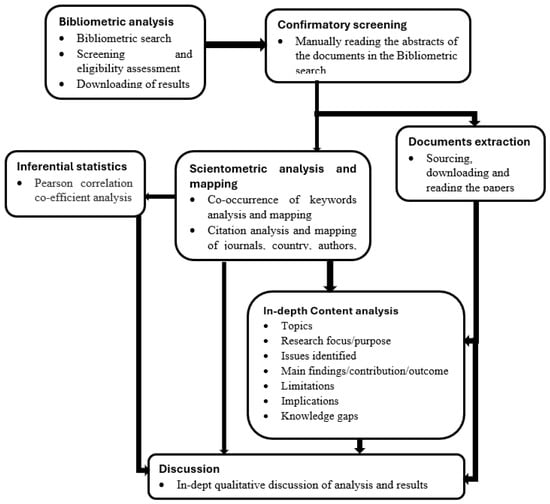
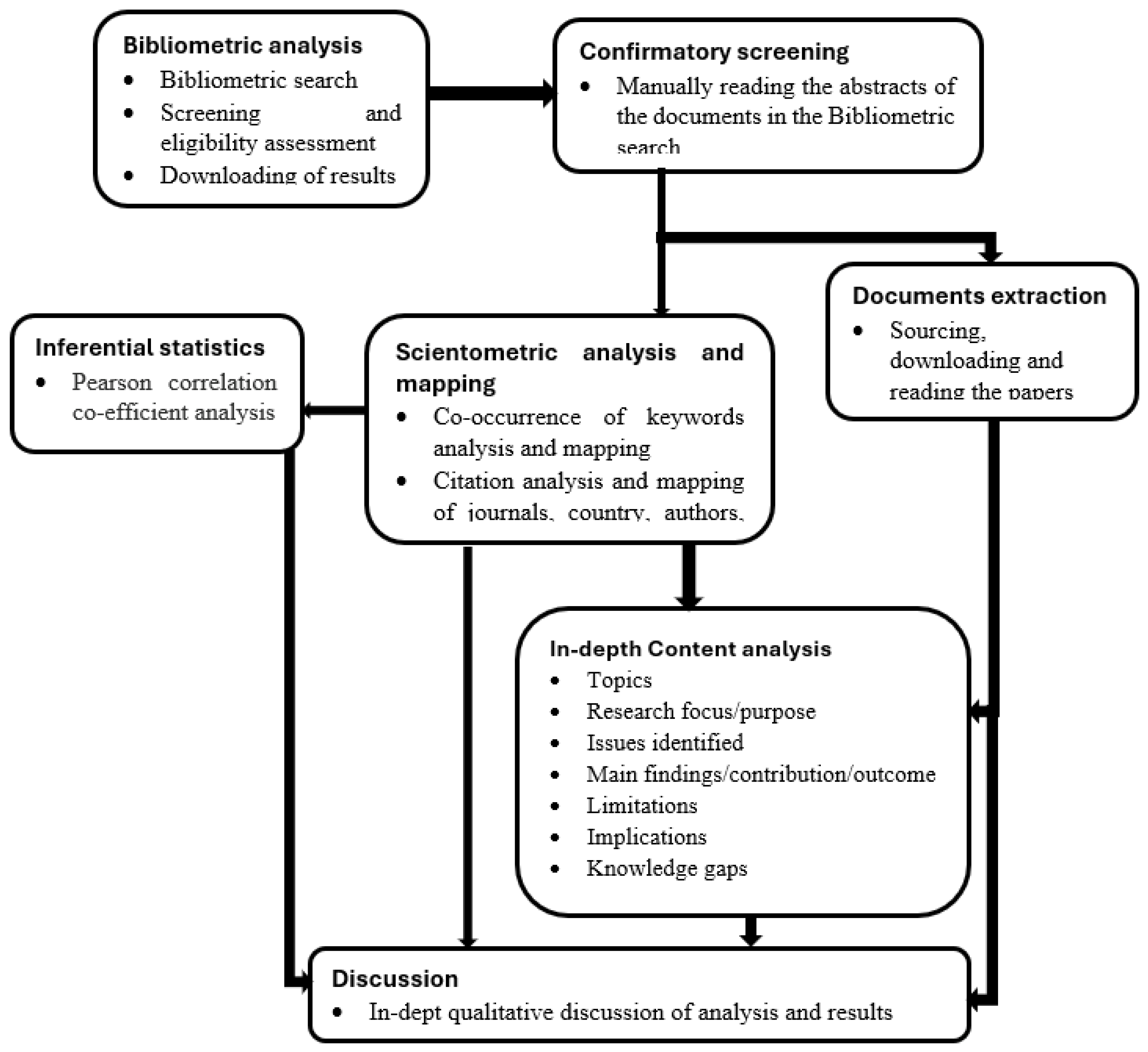
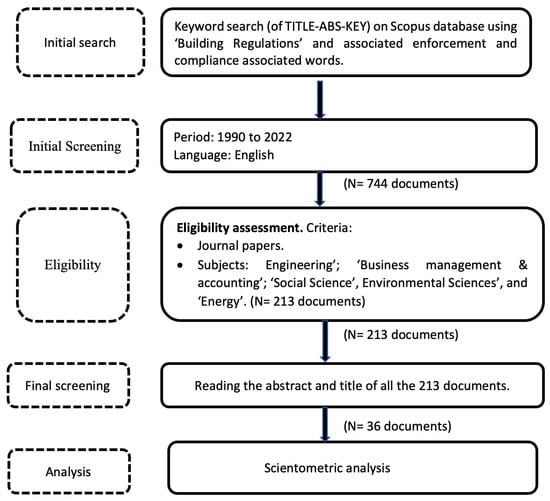
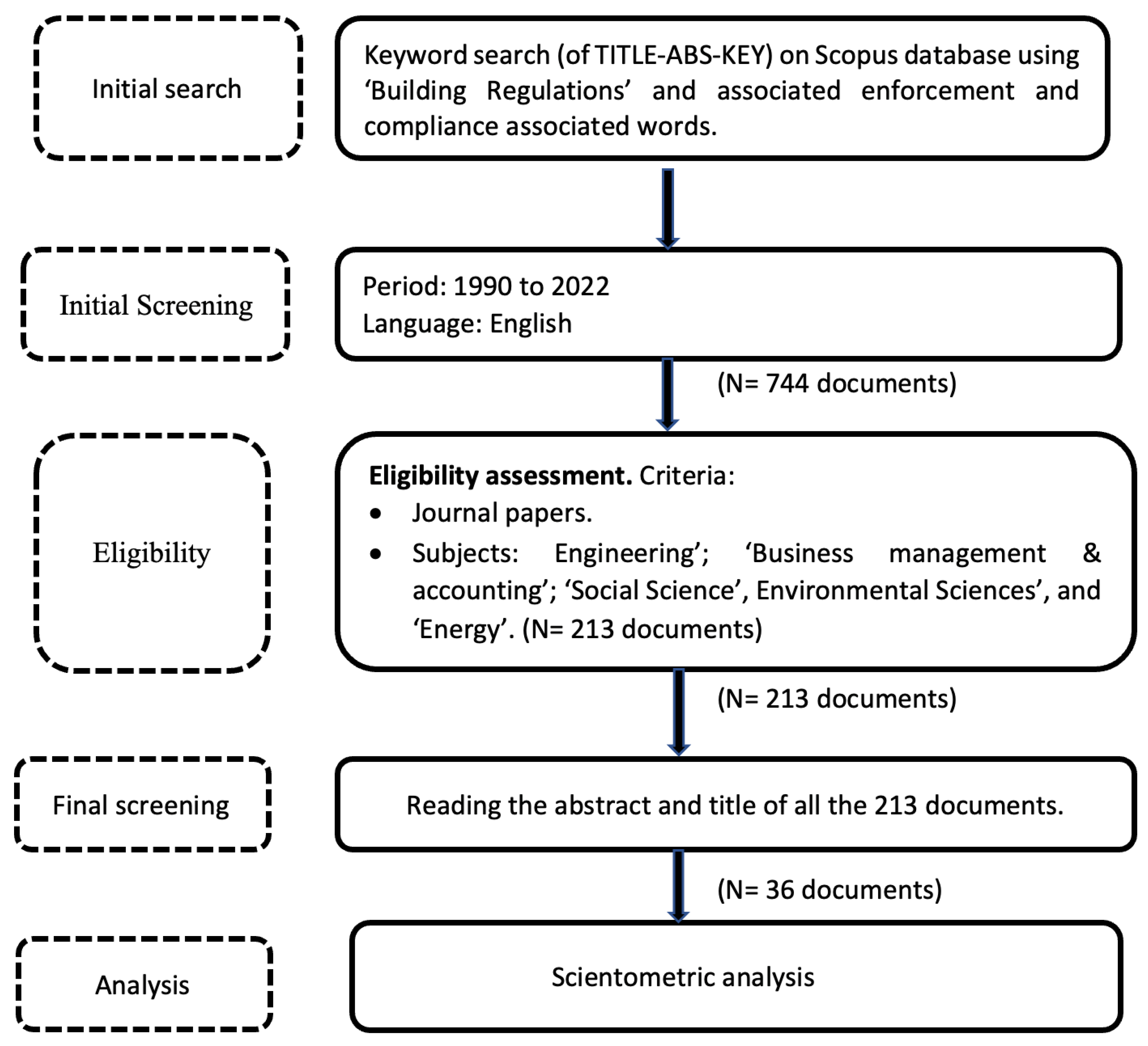
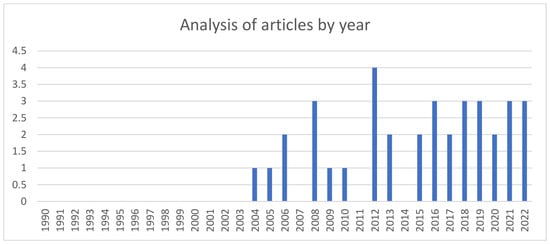
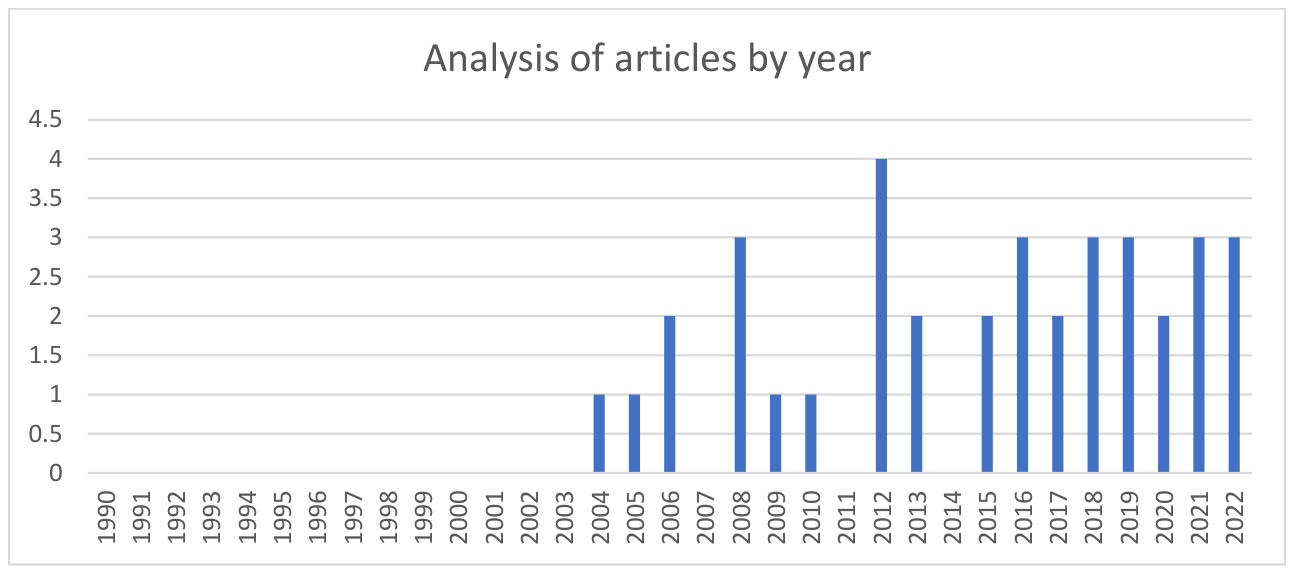
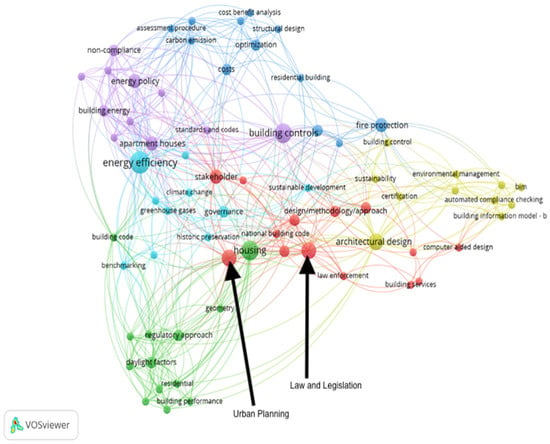
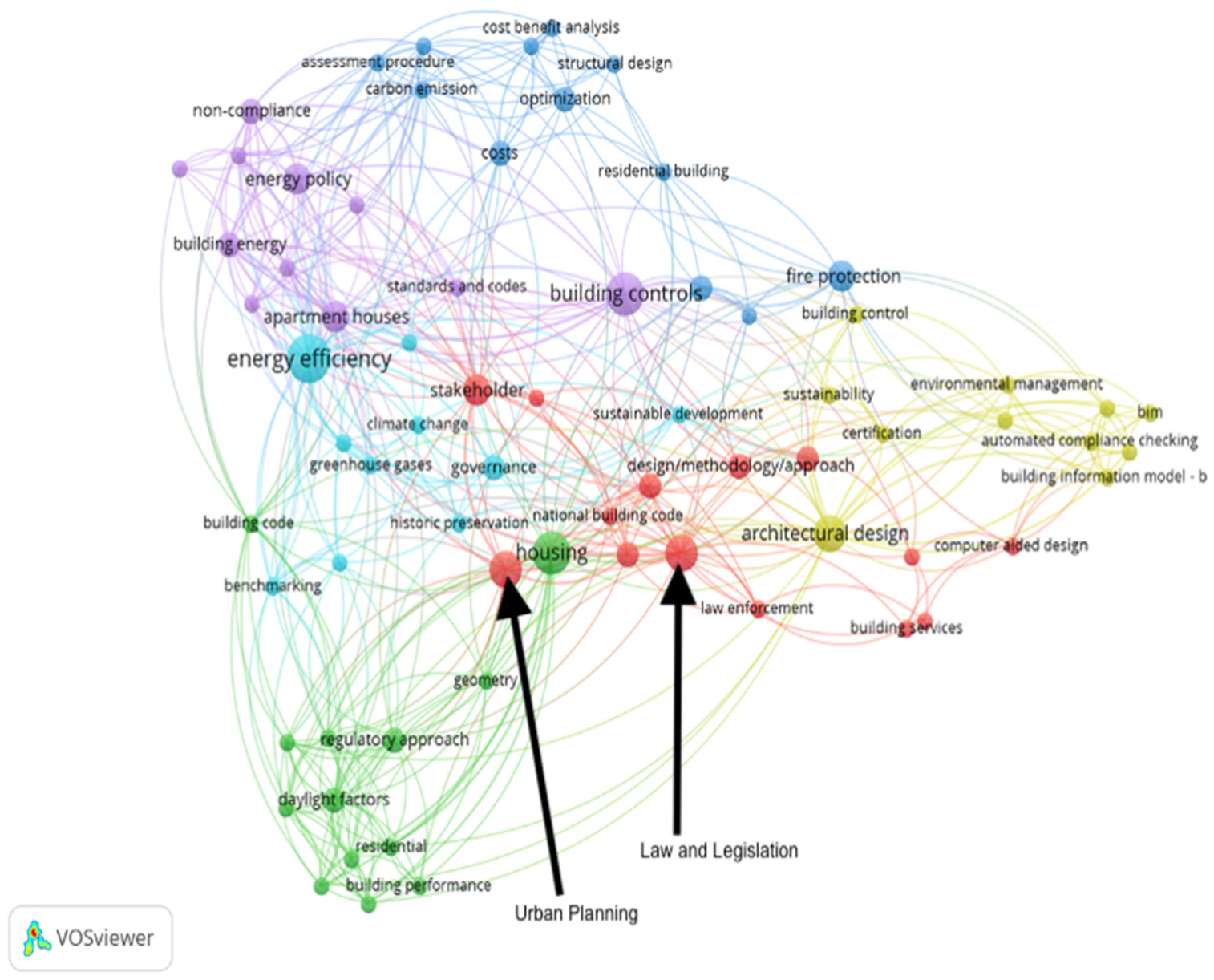
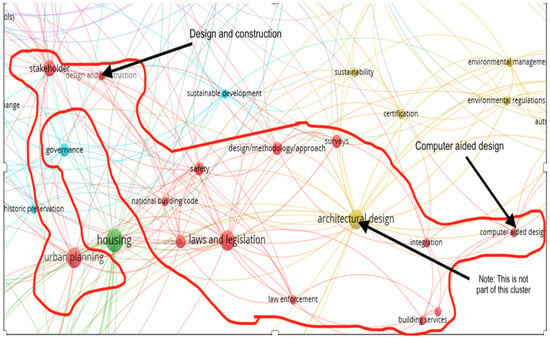
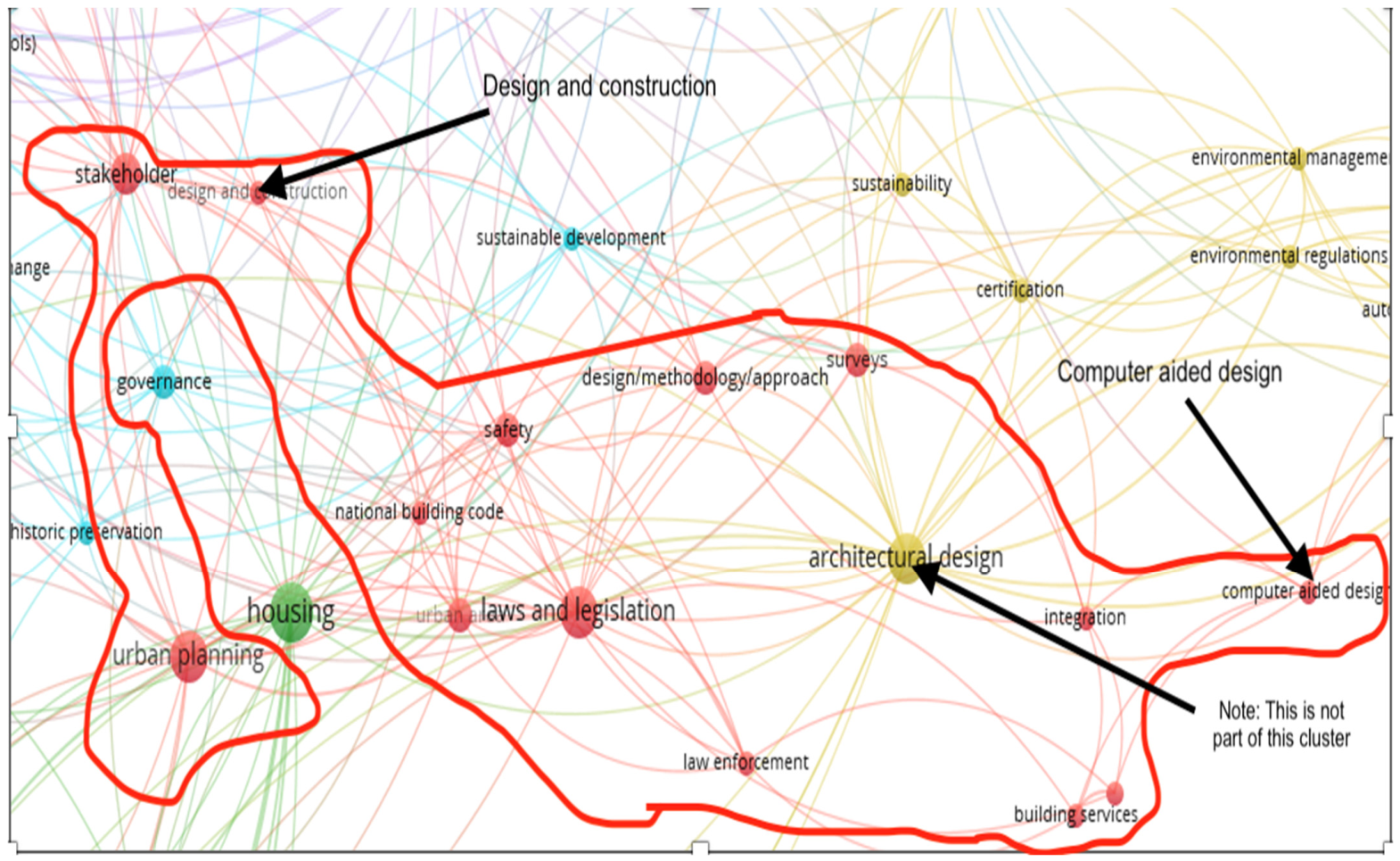
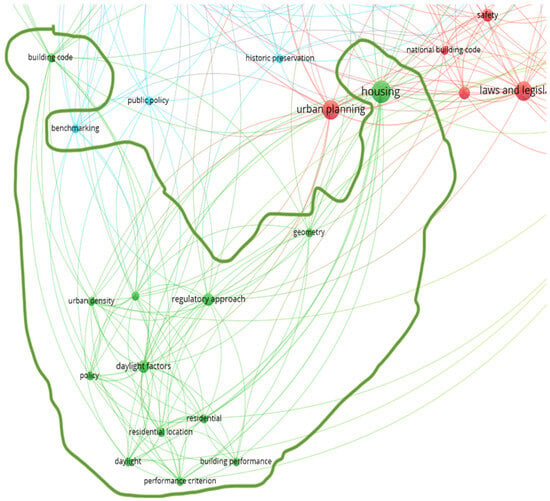
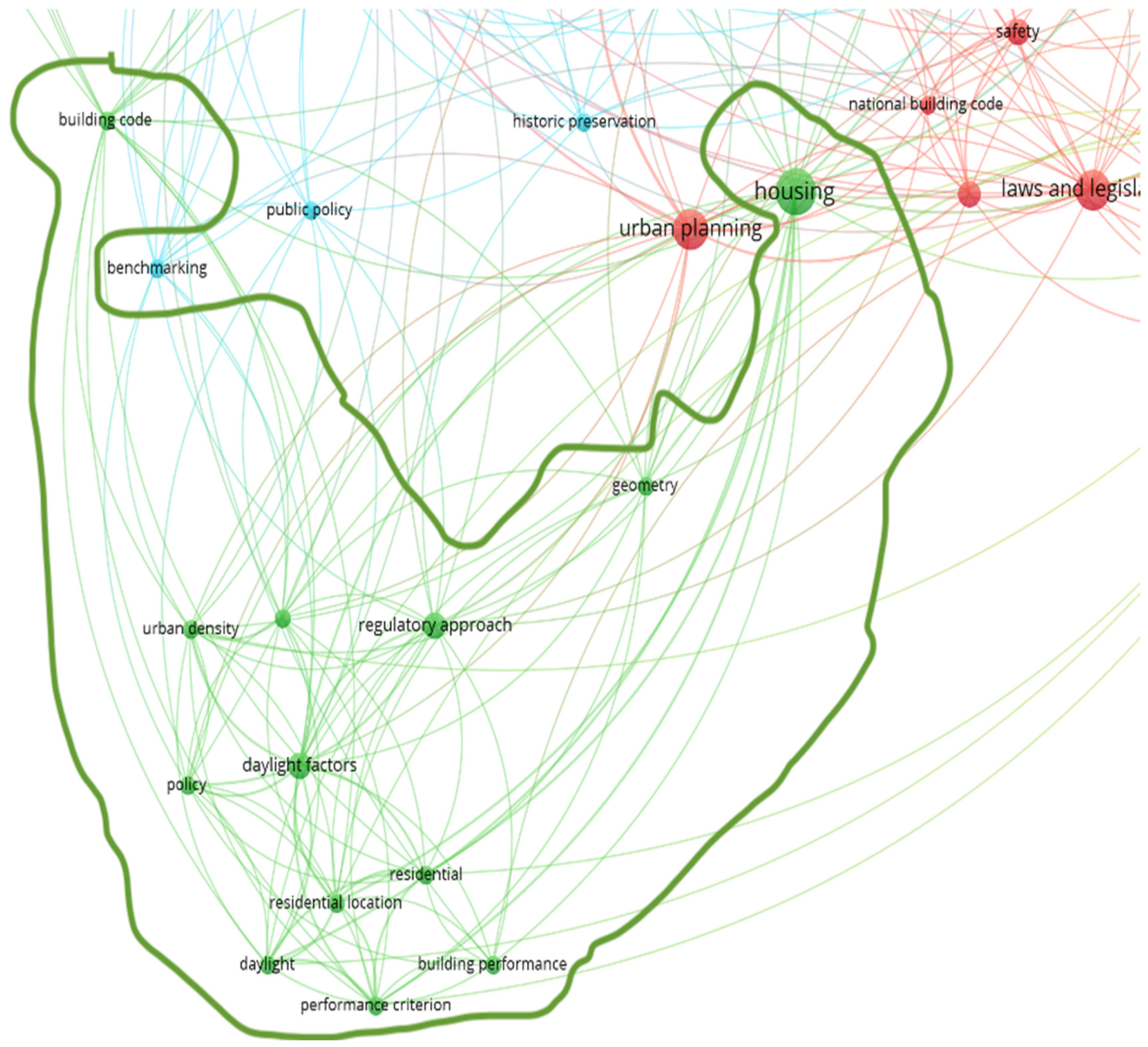
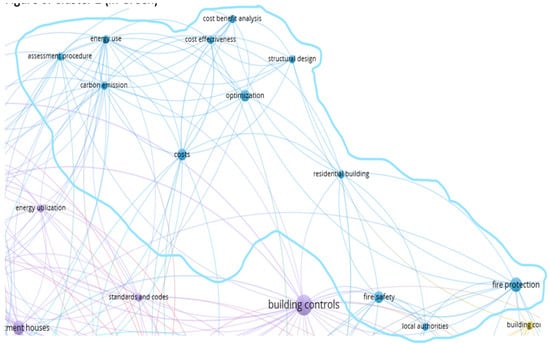
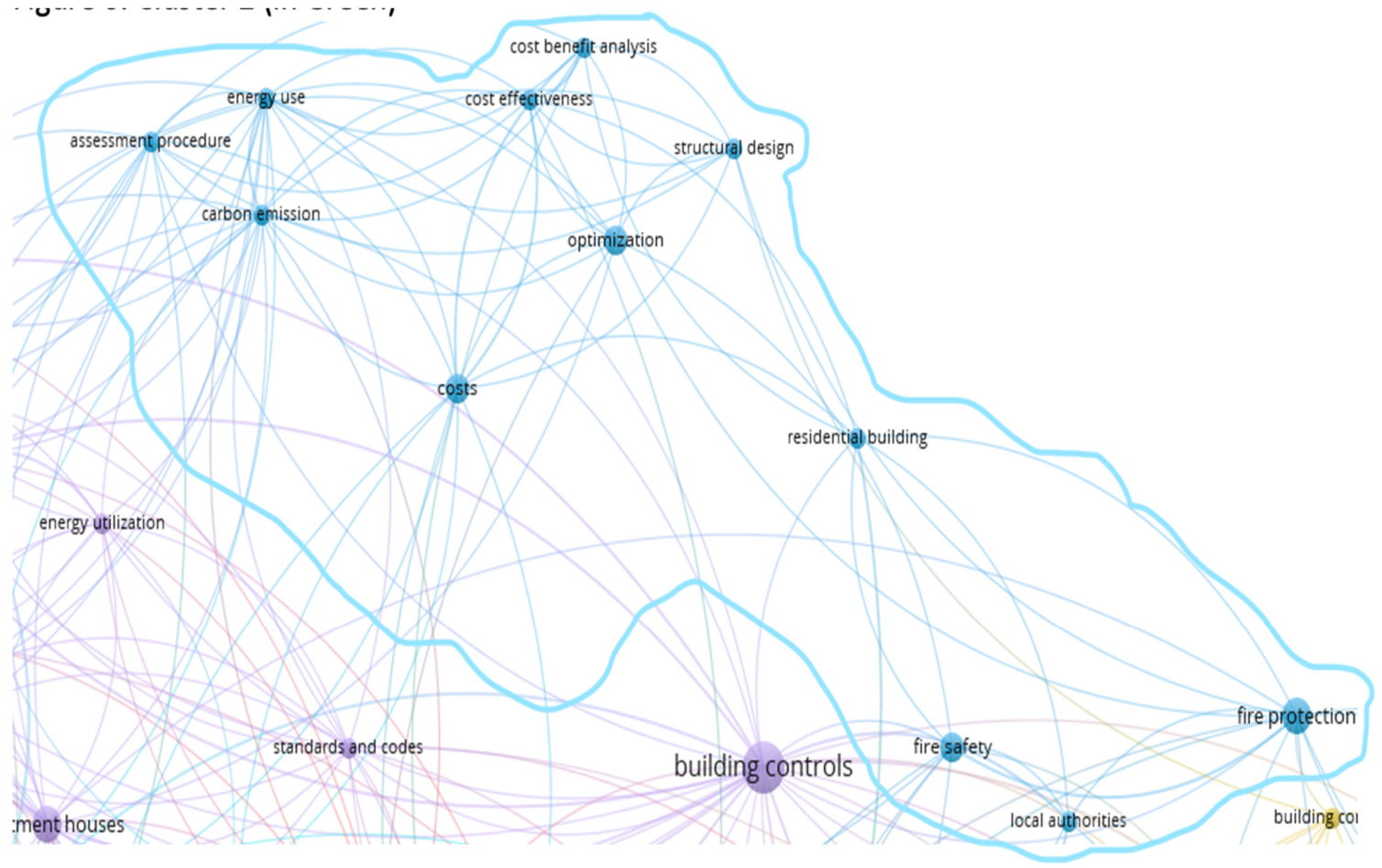
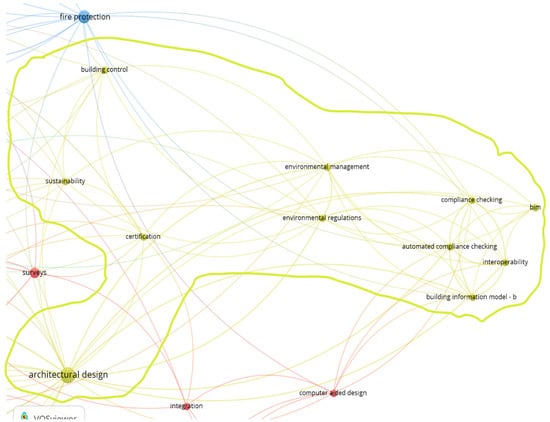
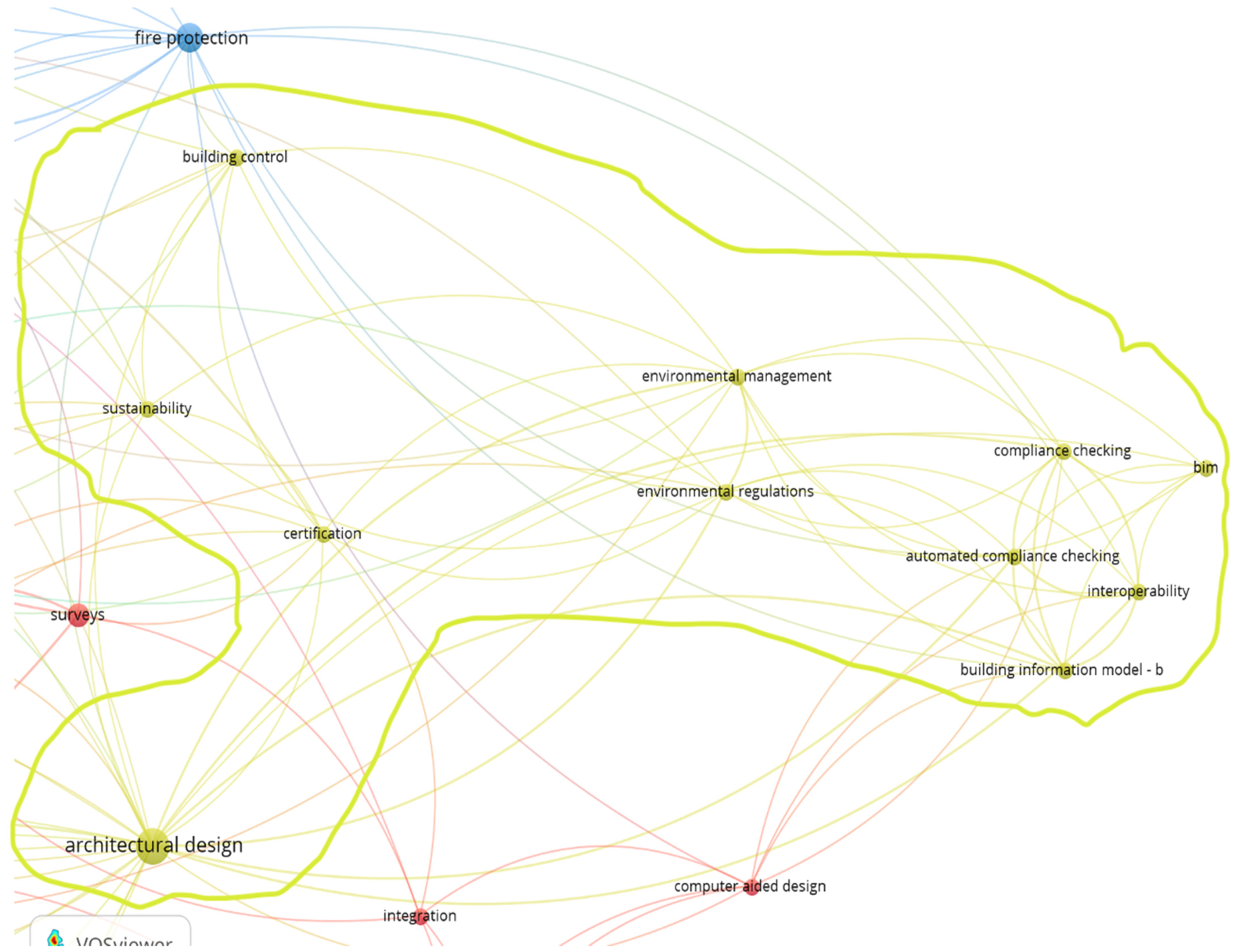
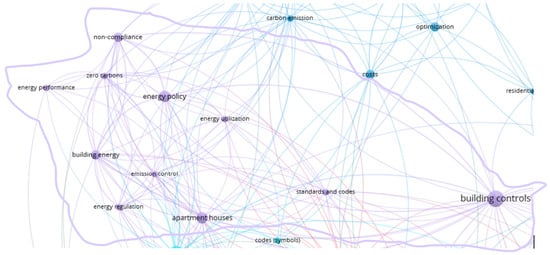
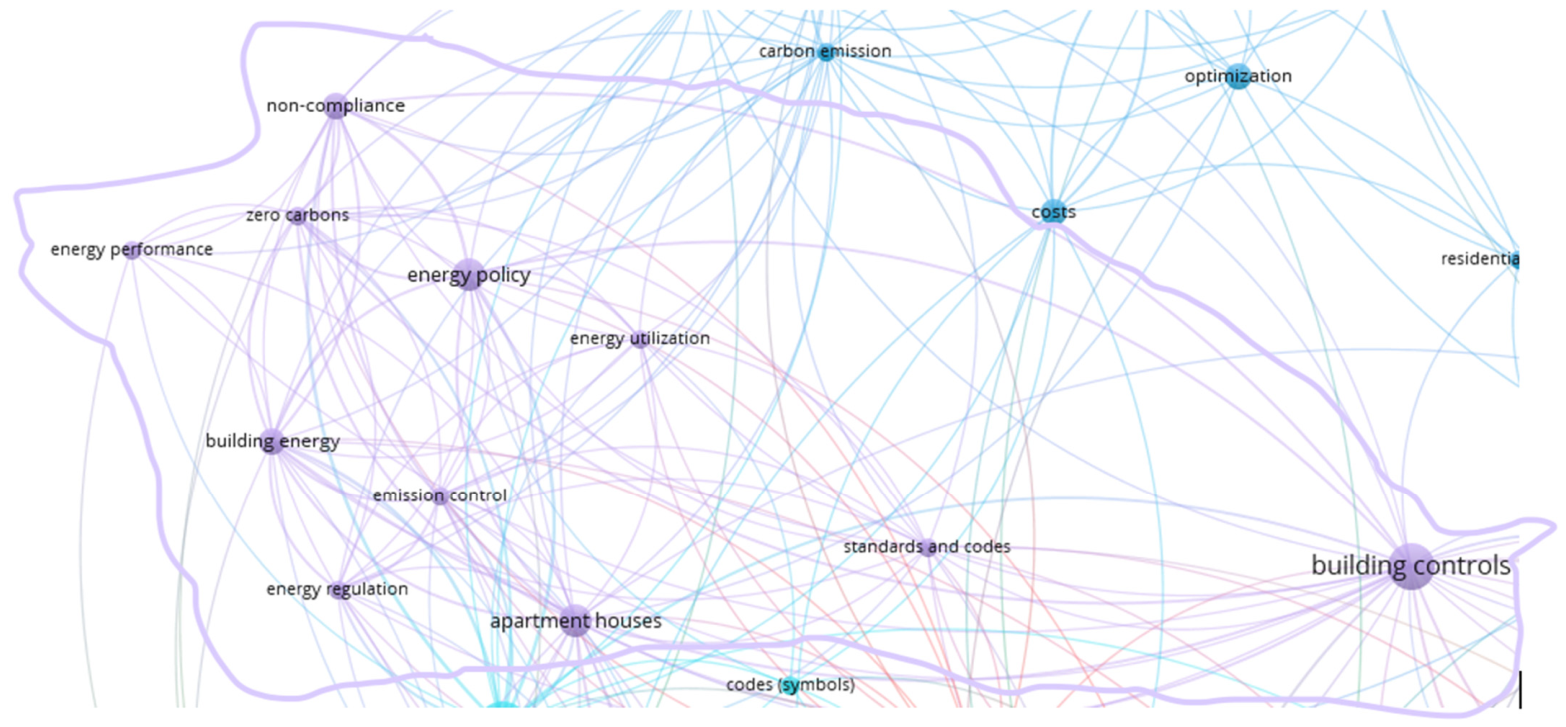
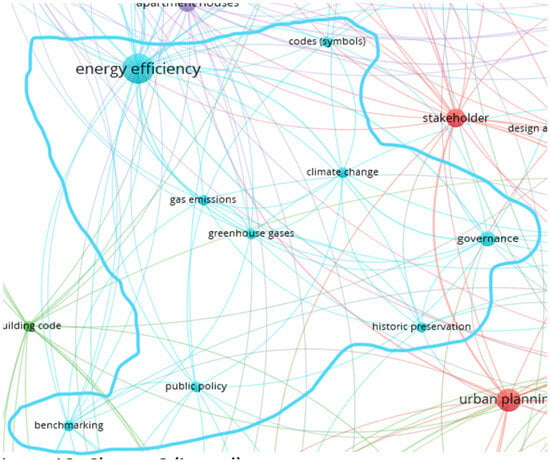
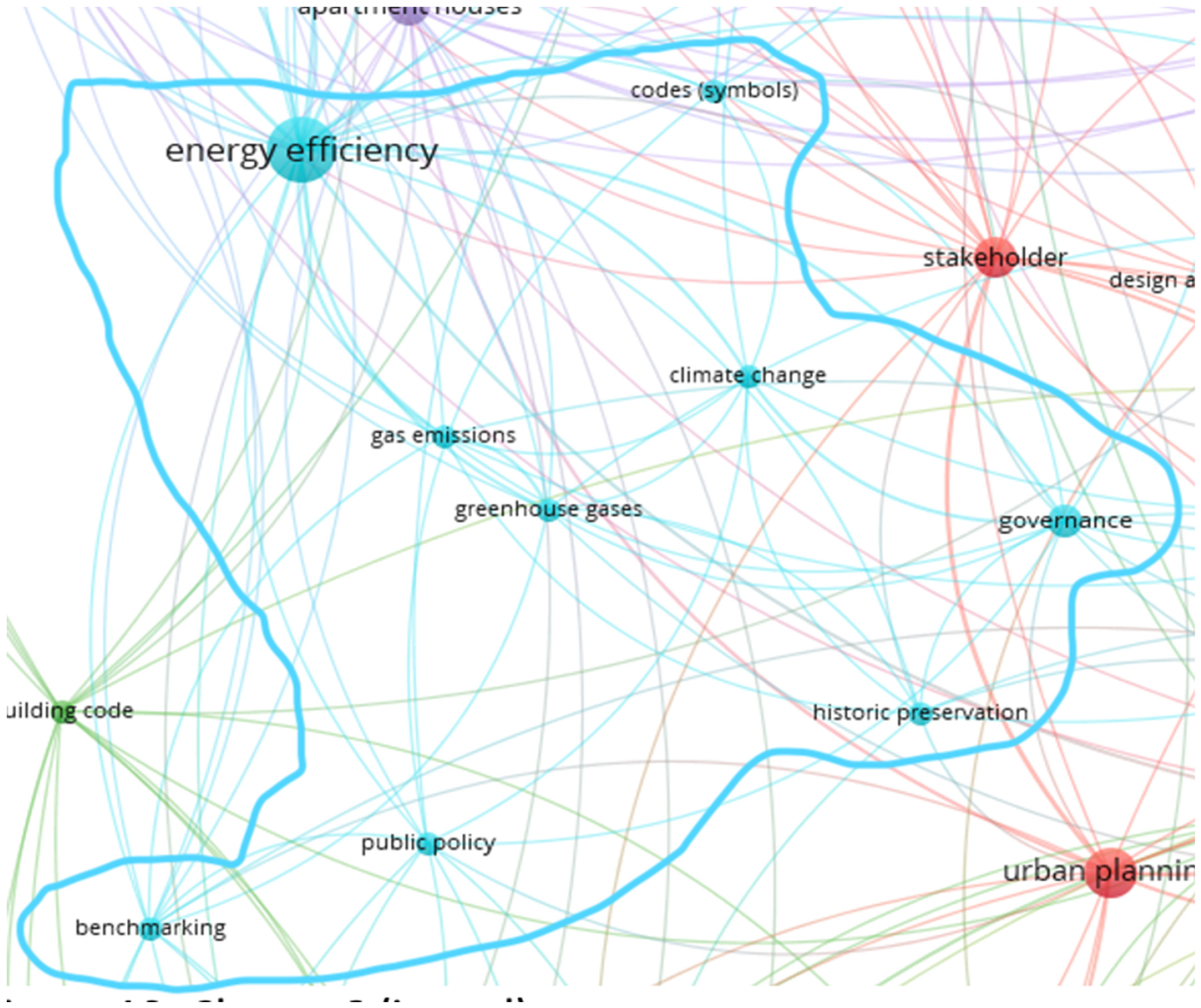
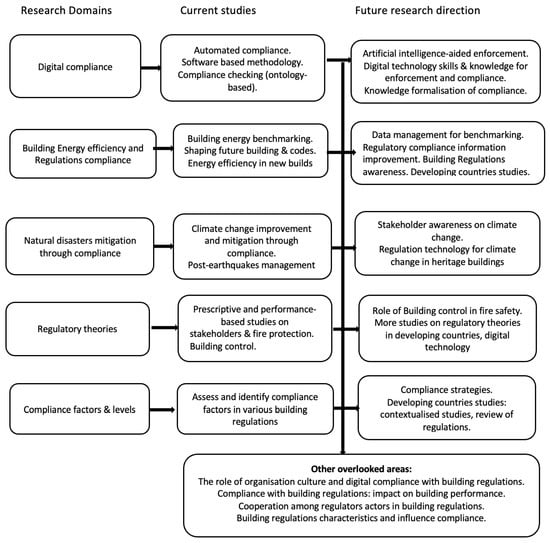
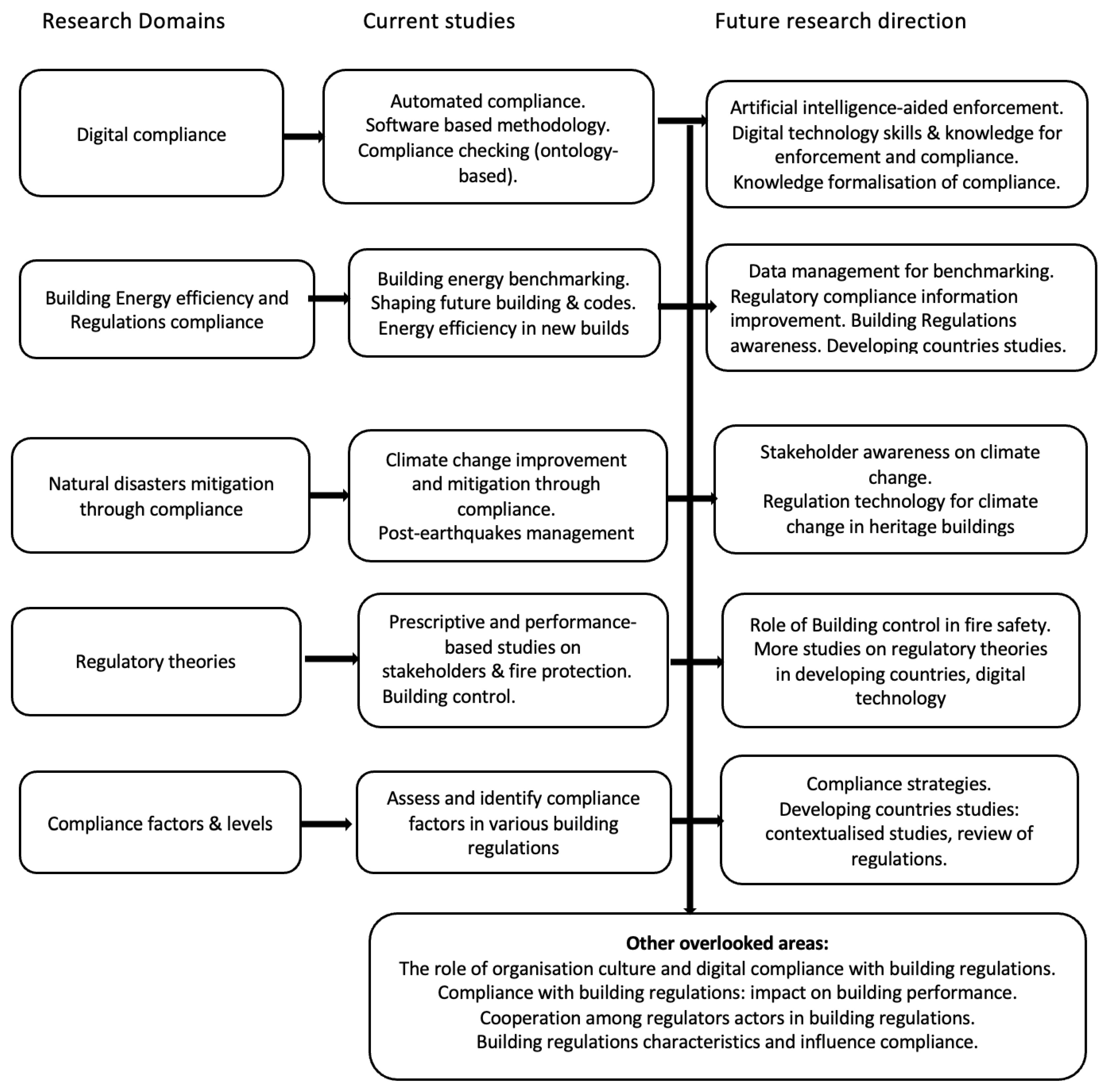

Disclaimer/Publisher’s Note: The statements, opinions and data contained in all publications are solely those of the individual author(s) and contributor(s) and not of MDPI and/or the editor(s). MDPI and/or the editor(s) disclaim responsibility for any injury to people or property resulting from any ideas, methods, instructions or products referred to in the content. |
© 2026 by the author. Licensee MDPI, Basel, Switzerland. This article is an open access article distributed under the terms and conditions of the Creative Commons Attribution (CC BY) license.