


Abstract
The use of recycled-concrete aggregate (RCA) and waste glass powder (WGP) in geopolymer and alkali-activated materials may support resource efficiency and waste diversion by partially replacing virgin constituents and creating recovery pathways for construction-and-demolition waste and post-consumer glass. This PRISMA-informed systematic critical synthesis examines peer-reviewed studies published between 2015 and 2026 on geopolymer and alkali-activated concretes, mortars, pastes, blocks, paving-related materials, and road-base mixtures containing RCA, WGP, or both materials. The review distinguishes direct combined recycled-aggregate–WGP evidence from indirect RCA-only and WGP-only evidence and assesses fresh, physical, mechanical, durability, microstructural, environmental, economic, and application-related outcomes. Fourteen primary experimental studies and seven review articles were included; primary studies formed the performance evidence base, while review articles were used only for contextual interpretation. Three direct combined experimental programmes were identified: a hybrid fly-ash-based alkali-activated mortar containing recycled construction-and-demolition aggregate and ground waste glass, fibre-reinforced metakaolin–red-mud geopolymer mortars containing RCA and WGP fillers, and alkali-activated slag–glass-powder mortars containing recycled-concrete fine aggregate. The evidence indicates that RCA may increase liquid demand, porosity, and performance variability because of adhered mortar and aggregate heterogeneity, whereas suitably fine WGP may improve particle packing and matrix densification under specific mixture-design and curing conditions. However, the direct combined evidence base is limited and heterogeneous; it does not demonstrate a consistent or transferable synergistic benefit of combining RCA and WGP. The most credible near-term opportunities are performance-based non-structural applications, subject to product-specific requirements for strength, water absorption, abrasion resistance, dimensional stability, durability, production consistency, and relevant exposure conditions. Future research should prioritise replicated factorial mixture designs, standardised feedstock characterisation, long-term durability testing, transparent product-specific life-cycle and cost assessments using consistent system boundaries and functional units, and field-scale validation.
1. Introduction
The construction industry faces growing pressure to reduce the environmental burden associated with conventional construction materials [1]. Ordinary Portland cement remains the dominant binder in concrete production, while natural sand and coarse aggregates continue to be extracted at large scale to meet infrastructure and building demand [2]. At the same time, construction and demolition activities generate substantial volumes of concrete waste, and post-consumer glass is frequently landfilled or downgraded despite its potential use as a secondary raw material [3]. These interconnected challenges have intensified interest in circular construction materials that reduce demand for virgin resources, divert waste from disposal, and lower the environmental impacts associated with cement-based products [4].
Geopolymer concrete, often grouped with alkali-activated materials, has emerged as a potential alternative to conventional Portland-cement concrete [5]. It is generally produced by activating aluminosilicate-rich precursors such as fly ash, ground-granulated blast-furnace slag, metakaolin, red mud, or selected industrial by-products with alkaline solutions [6]. Depending on precursor type, activator composition, curing regime, and system boundaries used in life-cycle assessment, geopolymer concrete may reduce global-warming impacts relative to conventional concrete. However, its sustainability should not be assumed. Sodium silicate and sodium hydroxide production can contribute substantially to environmental impacts, and reported benefits vary with raw-material allocation assumptions, transport distances, curing energy, and mixture design [7]. Therefore, the sustainability of geopolymer concrete must be assessed across material performance, resource efficiency, durability, processing requirements, and life-cycle impacts rather than through cement replacement alone [8]. In this review, “alkali-activated material” (AAM) is used as the broader term for binders produced by activating aluminosilicate-rich precursors with alkaline solutions. “Geopolymer” is used more specifically where the source study describes a predominantly low-calcium alkali-activated aluminosilicate binder or geopolymeric gel network. Although the terms are sometimes used interchangeably in the literature, their chemistry, calcium content, reaction products, curing response, and performance may differ. The original terminology and material descriptions used by each study were therefore retained during data extraction and synthesis.
Recycled-concrete aggregate (RCA), derived from processed construction and demolition waste, offers an opportunity to reduce dependence on virgin aggregate and close material loops within the construction sector [9]. However, RCA commonly contains adhered old mortar, residual paste, and a more porous interfacial zone than natural aggregate [10]. These characteristics may increase water absorption, reduce workability, increase permeable voids, and adversely affect strength and durability when RCA is used at high replacement levels [11]. The magnitude of these effects depends on aggregate source, original parent concrete, crushing and grading method, contamination level, particle-size distribution, pre-treatment, moisture condition, replacement ratio, precursor system, activator chemistry, and curing method [12]. Consequently, the literature does not support a universal RCA replacement percentage for geopolymer concrete; instead, performance must be interpreted in relation to material quality and mixture design. Reviews of recycled aggregate geopolymer concrete similarly identify variable aggregate properties, inconsistent mix-design procedures, and limited long-term validation as key barriers to reliable comparison across studies [13].
Waste glass powder (WGP) is another promising secondary material because finely ground glass is silica rich and may function as a reactive component, filler, or fine aggregate replacement in cementitious and geopolymer systems [14]. When appropriately processed and incorporated at suitable levels, WGP may improve particle packing, promote matrix densification, reduce porosity, and contribute to long-term performance [15]. Nevertheless, the influence of WGP is not consistently positive. Its behaviour varies according to glass chemistry, particle size, replacement function, dosage, alkaline activator, precursor composition, curing conditions, and the interaction between WGP and other constituents [16]. Fine glass powder may improve durability-related properties through a denser matrix, whereas coarser glass particles or unsuitable replacement levels may adversely affect workability, strength, and dimensional stability [17]. Concerns also remain regarding alkali–silica reaction, though finely ground glass may reduce expansion relative to coarser glass aggregates under suitable mix conditions [17]. These divergent findings indicate that WGP should be evaluated as a mix-specific material rather than as an inherently beneficial waste additive.
The combined incorporation of RCA and WGP in geopolymer concrete is particularly attractive from a circular-economy perspective because it can simultaneously valorise construction and demolition waste and post-consumer glass [18]. The two materials may also exhibit competing or complementary effects [19]. RCA may increase water demand and pore connectivity because of its porous adhered mortar, while fine WGP may contribute silica and a filler effect that can refine pore structure or improve matrix continuity [20]. However, these hypothesised synergies remain insufficiently established because the available literature is fragmented across different precursors, alkaline activators, glass-powder fineness levels, RCA qualities, curing conditions, and testing methods [21]. Some studies report improved performance when waste-derived constituents are appropriately proportioned and cured, whereas others report declining strength with higher recycled-aggregate or WGP replacement levels [22]. For example, a recent study of recycled aggregate and WGP in concrete reported reduced compressive and splitting-tensile strength as WGP replacement increased, illustrating that waste incorporation alone does not guarantee improved material performance [23]. Accordingly, a critical synthesis is needed to distinguish evidence of genuine performance enhancement from outcomes that depend on specific mixture and processing conditions [24].
This issue is especially important for non-structural construction applications, where performance criteria may be more achievable than those required for primary load-bearing elements, but durability, water absorption, abrasion resistance, dimensional stability, production feasibility, and safety remain critical [25]. Potential applications include masonry units, partition blocks, paving blocks, kerbs, pedestrian walkways, drainage channels, low-load precast components, and stabilised road-base materials [22]. Research on glass-powder-based geopolymer stabilisation has shown that recycled glass aggregate may reduce mechanical performance in untreated road-base materials, while geopolymer stabilisation can improve strength, demonstrate the importance of binder design, and cure conditions for application suitability [26]. However, laboratory compressive strength alone is insufficient to establish application readiness [27]. Material selection must also consider exposure conditions, product-specific standards, raw-material variability, processability, availability of activators, cost, life-cycle impacts, and field performance [28].
Previous reviews have separately examined recycled aggregate in concrete and geopolymer-related systems, including the influence of RCA quality, adhered mortar, water absorption, and mixture-design adjustments on performance. Other reviews have evaluated the roles of waste glass and waste glass powder in cementitious and geopolymer materials, with particular attention to particle size, glass chemistry, replacement function, alkali–silica reaction, workability, strength, durability, and microstructural development. However, the evidence concerning the combined incorporation of RCA and WGP in the same geopolymer or alkali-activated mixture remains fragmented and requires careful separation from evidence obtained from RCA-only and WGP-only systems. Although previous reviews have examined recycled aggregates in geopolymer or alkali-activated materials and waste glass in cementitious or geopolymer systems, the evidence concerning their combined use remains fragmented. This review therefore systematically and critically synthesises peer-reviewed evidence on geopolymer and alkali-activated materials containing RCA, WGP, or both materials, with specific attention to their potential use in non-structural construction products. Previous reviews have examined recycled aggregates in geopolymer or alkali-activated materials, particularly the influence of aggregate quality, adhered mortar, water absorption, replacement level, and mixture-design adjustment on material performance [13,19,24]. Other reviews have evaluated waste glass and waste glass powder in cementitious and geopolymer systems, with emphasis on glass fineness, chemical composition, functional role, alkali–silica reaction, workability, mechanical properties, durability, and microstructural development [14,15,20]. However, evidence concerning the combined incorporation of recycled-concrete aggregate (RCA) and waste glass powder (WGP) in the same geopolymer or alkali-activated mixture remains limited and fragmented. This review therefore distinguishes: (i) direct evidence from mixtures containing both RCA and WGP; (ii) indirect evidence from RCA-only systems; and (iii) indirect evidence from WGP-only systems. This distinction prevents constituent-specific effects from being interpreted as evidence of a verified combined-material interaction or synergistic effect.
2. Materials and Methods
2.1. Review Design and Reporting Guideline
This study employed a PRISMA-informed systematic critical synthesis to examine evidence on recycled concrete aggregate, waste glass powder, and their individual and combined use in geopolymer and alkali-activated materials for non-structural construction applications. The review was reported with reference to the Preferred Reporting Items for Systematic Reviews and Meta-Analyses 2020 (PRISMA 2020) statement to promote transparent reporting of the search, screening, eligibility assessment, study inclusion, and synthesis procedures. The PRISMA 2020 flow diagram is presented in Figure 1, and the completed PRISMA 2020 checklist is provided in Supplementary Table S5.
Figure 1.
PRISMA 2020 flow diagram of the study identification, screening, eligibility assessment, and inclusion process. Adapted from the PRISMA 2020 flow-diagram template under the Creative Commons Attribution 4.0 International (CC BY 4.0) licence. The study-selection data were supplied by the authors. (https://www.bnl.gov/chemistry/see/publications.php) (accessed on 12 September 2026).
2.2. Review Questions
The review was guided by the following questions:
- What geopolymer or alkali-activated material systems have incorporated RCA, WGP, or both materials, and what functional role does each material perform?
- What direct experimental evidence exists for mixtures containing both RCA and WGP, and how does this evidence compare with RCA-only and WGP-only systems?
- How do RCA and WGP, separately and in combination, affect fresh, physical, mechanical, durability, and microstructural properties?
- Which material characteristics and mixture-design variables explain divergent findings, including potential interaction effects in combined systems?
- What environmental, economic, standardisation, and implementation evidence is required before potential non-structural applications can be evaluated responsibly?
2.3. Information Sources and Search Strategy
A structured search was conducted in the Web of Science Core Collection on 17 August 2026. Web of Science Core Collection was selected as the sole bibliographic database because it provides curated multidisciplinary coverage of peer-reviewed journals, consistent bibliographic indexing, reproducible topic-search functionality, cited-reference linking, and exportable full-record metadata. These features supported transparent searching, duplicate checking, bibliographic verification, and citation tracking. The use of a single database was intended to prioritise search reproducibility and traceability within a systematic critical synthesis. However, this approach may have omitted relevant studies indexed only in Scopus, Engineering Village, Google Scholar, or regional databases. Accordingly, the findings should be interpreted as a synthesis of evidence retrieved through a predefined Web of Science-based strategy rather than as an exhaustive census of all available literature. The search was restricted to English-language journal articles and review articles published between 1 January 2015 and 17 August 2026. The Web of Science Topic field was used because it searches article titles, abstracts, author keywords, and Keywords Plus. The exact search string was:
TS = ((geopolymer OR “alkali-activated” OR “alkali activated”) AND (“recycled-concrete aggregate” OR “recycled aggregate*” OR RCA) AND (“waste glass powder” OR “glass powder” OR “recycled glass” OR “waste glass”)).
The applied filters were document types: article and review article; language: English; publication period: 1 January 2015 to 17 August 2026; database: Web of Science Core Collection. All retrieved records were exported in full-record and cited-reference format to support duplicate checking, screening, bibliographic verification, and citation tracking. The complete search strategy, database settings, applied filters, search date, and record counts are reported in Supplementary Table S1, while the full-text exclusion decisions and reasons are provided in Supplementary Table S2.
The use of one database remains a limitation because relevant studies indexed exclusively in Scopus, Engineering Village, Google Scholar, or regional databases may not have been retrieved. To reduce this risk, the reference lists of included studies and relevant review articles were checked, and forward citation tracking was undertaken within Web of Science Core Collection. Nevertheless, the findings should be interpreted as a synthesis of evidence retrieved through this predefined Web of Science-based search strategy rather than as an exhaustive census of all literature on RCA, WGP, and alkali-activated materials.
No simultaneous multi-database searches were conducted. No study registries, additional websites, journal tables of contents or print conference proceedings were searched. No authors, experts, manufacturers or other organisations were contacted to identify additional studies or data. No additional study-identification methods were used beyond the Web of Science Core Collection search and backward and forward citation searching.
No published methodological search filters were applied. The search strategy was developed specifically for this review and was not adapted from a previous review. No search updates were undertaken after the original database search on 17 August 2026. The search strategy was not formally peer reviewed.
2.4. Eligibility Criteria
The table below shows inclusion and exclusion criteria for this review (Table 1).
Table 1.
Inclusion and exclusion criteria for systematic critical review.
The 2015–2026 publication period was selected to capture contemporary research on waste-derived geopolymer and alkali-activated construction materials, including recent advances in material characterisation, durability assessment, life-cycle evaluation, and non-structural application development. Studies were included when they were peer-reviewed journal articles published in English and examined geopolymer or alkali-activated material systems containing recycled-concrete aggregate, recycled aggregate, waste glass powder, recycled glass, or related waste-derived constituents. Eligible studies were required to report at least one relevant outcome, including fresh, physical, mechanical, durability, microstructural, environmental, economic, or application-related performance. Studies were excluded if they addressed conventional Portland-cement concrete without relevant geopolymer or alkali-activated content, did not report sufficient material or performance information, were not peer reviewed, or were unrelated to construction-material applications. PRISMA recommends explicitly reporting both eligibility criteria and how studies are grouped for synthesis.
2.5. Study Selection Process
All records retrieved from the electronic databases and supplementary citation searches were exported to Visio in full-record format. Duplicate records were identified using DOI, title, author, publication year, and journal metadata. Potential duplicates identified automatically were manually verified before removal. The number of records identified, duplicates removed, records screened, reports sought for retrieval, full texts assessed, reports excluded, and studies included is presented in the PRISMA 2020 flow diagram.
Screening was conducted in two stages. First, titles and abstracts were assessed against the predefined eligibility criteria. Second, potentially eligible records underwent full-text assessment. Full-text exclusions were recorded using predefined reason codes: (i) material system was not geopolymer or alkali activated; (ii) no relevant RCA/recycled aggregate, WGP/recycled glass, or combined material configuration; (iii) conventional Portland-cement system without relevant AAM/geopolymer content; (iv) no relevant performance, durability, microstructural, environmental, economic, or application outcome; (v) inadequate reporting of the material system or mixture design; (vi) not relevant to construction-material applications; or (vii) ineligible document type, language, or publication period.
The detailed full-text exclusion decisions and reasons are provided in Supplementary Table S2. The study-level extraction data and reporting-completeness appraisal are presented in Supplementary Tables S3 and S4, respectively.
Title and abstract screening and full-text eligibility assessment were conducted by Nkosi and Chikafalimani. The full-text studies excluded after eligibility assessment and the corresponding reasons for exclusion are reported in Supplementary Table S2.
2.6. Data Extraction
A standardised data-extraction form was used to capture bibliographic information, study location, material system, precursor type, alkaline activator, recycled-concrete-aggregate characteristics, waste-glass-powder characteristics, replacement levels, curing regime, testing age, reported fresh and hardened properties, durability indicators, microstructural evidence, environmental or economic findings, stated application, and key study limitations. Extracted data were checked for completeness and organised into evidence tables to support thematic comparison across studies (Table 2).
Table 2.
Data-extraction categories used in the systematic critical review.
AI-Assisted Bibliographic Management and Data Checking
Artificial-intelligence-assisted tools were used only for administrative and consistency-checking tasks during the review. Specifically, AI-assisted text processing was used to identify possible duplicate bibliographic records, flag inconsistent author names, journal titles, DOI formats, and keywords, group records containing synonymous material descriptors, and compare study identifiers across the PRISMA database, evidence-extraction matrix, tables, and manuscript citations. AI assistance was also used to flag possible omissions in reporting fields, such as missing RCA replacement level, WGP particle-size information, curing condition, test age, or reported outcome.
AI tools were not used to decide study eligibility, extract numerical results without author verification, judge study quality, interpret experimental findings, generate citations, or draw conclusions. All screening decisions, full-text assessments, data extraction, verification of numerical values, reference checking, and final synthesis were performed by the authors using the original articles. Any AI-generated suggestion was treated only as a prompt for manual checking against the bibliographic record or full text. This approach was used to improve organisational efficiency and reduce transcription errors while preserving author responsibility and methodological transparency.
2.7. Quality Appraisal
The methodological quality and reporting completeness of the primary experimental studies were appraised using a structured framework developed for this review and adapted to the reporting requirements of construction-materials research. The framework was not intended to function as a formally validated risk-of-bias tool; rather, it was used to make the basis for confidence in individual findings transparent. The appraisal assessed nine domains: material characterisation; mix-design reporting; curing and conditioning; testing protocol; replication and statistical reporting; durability assessment; microstructural characterisation; environmental/economic assessment; and application relevance.
Each domain was rated as low, moderate, or high according to predefined decision rules in Table 3. Low ratings indicated insufficient reporting or absence of the relevant information; moderate ratings indicated partial reporting or limited evidence; and high ratings indicated detailed, reproducible, and application-relevant reporting. All domains were assigned equal descriptive weight because no validated evidence base was available for assigning differential weights across the diverse material-property and implementation domains considered in this review.
Table 3.
Predefined decision rules for the methodological quality and reporting-completeness appraisal of primary experimental studies.
Ratings were not summed to create a numerical quality score, and no study was excluded solely because of its appraisal rating. Instead, the appraisal informed an interpretive-confidence judgement for each study finding. Findings from studies with clear material characterisation, reproducible mix designs, stated testing standards, replication or variability information, and relevant durability evidence were given greater interpretive weight. Findings based on incomplete reporting, single-property testing, or limited replication were discussed cautiously and were not used to support broad performance or application-readiness claims. The complete criterion-level appraisal matrix is provided in Supplementary Table S4.
This appraisal framework was developed for the present review to assess reporting completeness and support study-specific interpretive confidence. It is not a validated risk-of-bias tool. All domains were assigned equal descriptive weight. Ratings were not aggregated into a numerical quality score and were not used as exclusion criteria.
2.8. Data Synthesis
A quantitative meta-analysis was not undertaken because of substantial heterogeneity in material systems, precursor composition, activator chemistry, RCA source and quality, WGP particle size and functional role, replacement basis and level, curing regime, test age, specimen geometry, test method, and reported outcome definitions. A structured narrative synthesis was therefore conducted.
Primary experimental studies were first grouped by evidence category: direct combined RCA–WGP systems, RCA-only systems, and WGP-only systems. Within each category, studies were compared according to: (i) material form and intended application; (ii) precursor or binder composition; (iii) activator composition and liquid-to-binder ratio; (iv) RCA source, particle fraction, water absorption, moisture state, pre-treatment, and replacement level; (v) WGP or recycled-glass particle size, chemistry, functional role, and replacement level; (vi) curing temperature, duration, and storage condition; (vii) test age and test method; and (viii) reported fresh, physical, mechanical, durability, microstructural, environmental, economic, and application-related outcomes.
Conflicting results were not treated as simple contradictions. Instead, they were interpreted in relation to differences in feedstock characteristics, mixture design, activator chemistry, curing, test age, and reporting quality. Findings were described as consistent only where similar directional outcomes occurred under sufficiently comparable conditions. Where comparable data were unavailable, the synthesis identifies the evidence as mixed, insufficient, or study specific.
Given the heterogeneity of precursor materials, alkaline activators, RCA quality, WGP fineness and functional role, replacement levels, curing regimes, specimen ages, and testing methods, a statistical meta-analysis was not undertaken. A structured narrative synthesis was instead conducted using an explicit evidence hierarchy. Original experimental studies formed the primary evidence base for reported fresh, physical, mechanical, durability, microstructural, environmental, economic, and application-related outcomes. Review articles were used only to contextualise the field, identify recurring methodological limitations, and compare the findings of the primary evidence base with broader research trends. Review articles were not treated as independent empirical observations and were not used to substantiate quantitative material-performance claims.
To strengthen transparency in the absence of meta-analysis, a structured quantitative narrative synthesis was undertaken. For each primary experimental study, the review extracted the material category, RCA and WGP replacement levels, WGP particle size and functional role, precursor and activator system, curing regime, test age, and reported values for compressive strength, workability, density, water absorption, porosity, sorptivity, shrinkage, abrasion resistance, and relevant durability indicators where available. Results were summarised by evidence category and direction of effect. Numerical ranges were reported only when the underlying outcome definition, test age, and material system were sufficiently comparable; otherwise, the findings were described qualitatively and linked to the relevant study conditions.
The Supplementary Materials provide the complete Web of Science search strategy and record counts in Supplementary Table S1, the full-text eligibility decisions and reasons for exclusion in Supplementary Table S2, the detailed extraction matrix for the included primary experimental studies in Supplementary Table S3, the criterion-level reporting-completeness and interpretive-confidence appraisal in Supplementary Table S4, and the PRISMA 2020 checklist in Supplementary Table S5.
2.9. Study Limitations
The review was limited to peer-reviewed English-language literature and the databases searched. Relevant studies indexed elsewhere or published in other languages may therefore not have been identified. In addition, differences in material sources, mix-design methods, curing practices, test standards, and reporting detail may limit direct comparison between studies. These limitations were addressed through transparent eligibility criteria, quality appraisal, and thematic rather than statistical synthesis. The review may still be subject to publication, database, language, and indexing bias. Although multiple searches were used to identify direct combined RCA–WGP evidence and indirect RCA-only and WGP-only evidence, relevant studies may remain unpublished, may be indexed only in databases not searched, or may use terminology not captured by the search strings. The review was also limited by substantial heterogeneity in feedstock properties, mixture design, activator chemistry, curing conditions, testing ages, and reporting practices, which precluded a pooled meta-analysis. Screening and extraction were led by one reviewer, with discussion of eligibility uncertainties among the co-authors. Formal independent duplicate screening and inter-reviewer reliability assessment were not undertaken. This may have increased the risk of selection or extraction error and limits the strength of claims concerning systematic comprehensiveness.
The review was not registered, and no publicly accessible protocol was prepared before the search was undertaken. Consequently, no protocol amendments were applicable.
3. Results
3.1. Study Selection
The study-selection process is presented in Figure 1. The database search identified 78 records published between 2015 and 2026. Titles and abstracts of all retrieved records were screened against the predefined eligibility criteria. At this stage, 42 records were excluded because they were not sufficiently relevant to the review scope. The main grounds for exclusion included studies that did not focus on geopolymer or alkali-activated construction materials, did not investigate recycled-concrete aggregate (RCA) and/or waste glass powder (WGP), addressed conventional Portland-cement-based concrete only, lacked relevant material-performance outcomes, or were not relevant to non-structural construction applications.
Following title-and-abstract screening, 36 full-text articles were sought for retrieval. Of these, 35 full-text articles were assessed for eligibility, while one article was not available for full-text assessment. During full-text screening, 14 articles were excluded because they did not satisfy one or more of the inclusion criteria. The most common reasons for full-text exclusion were insufficient reporting of RCA or WGP characteristics, absence of relevant fresh, mechanical, durability, microstructural, environmental, or application-related performance data, lack of relevance to geopolymer or alkali-activated material systems, and limited relevance to non-structural construction applications. Ultimately, 14 primary experimental studies were included in the qualitative performance synthesis. Seven review articles were retained separately for background mapping, contextual interpretation, and identification of research gaps; they were not treated as primary empirical evidence. Seven review articles were retained separately for background mapping, contextual interpretation, and identification of research gaps; they were not treated as primary empirical evidence. Accordingly, the final included corpus comprised twenty-one records: fourteen primary experimental studies forming the performance evidence base and seven review articles retained solely for contextual interpretation.
The twenty-one included studies were subsequently examined to identify the material systems investigated, precursor and alkaline-activator combinations, RCA and WGP replacement levels, curing regimes, performance measures, durability evidence, and relevance to non-structural construction applications.
3.2. Characteristics of Included Studies
The included evidence was first classified according to whether it investigated: (i) direct combined RCA–WGP geopolymer or alkali-activated mixtures; (ii) RCA-only systems; (iii) WGP-only systems; or (iv) secondary review evidence used for contextual interpretation. This classification was applied before thematic synthesis to prevent indirect evidence from being interpreted as proof of a combined-material effect.
The studies investigated geopolymer or alkali-activated pastes, mortars, concretes, blocks, paving-related materials, and road-base stabilisation mixtures [14]. Fly ash, ground-granulated blast-furnace slag, metakaolin, and blended aluminosilicate precursors were used either individually or in combination, while sodium hydroxide and sodium silicate were the most commonly reported alkaline activators [5].
RCA was used primarily as a partial or complete replacement for natural fine or coarse aggregate [9]. Waste glass was incorporated in different forms and functions, including finely ground powder as a reactive silica-bearing constituent or filler, glass powder as a partial precursor replacement, and recycled glass particles as fine aggregate. This variation is important because the effects attributed to WGP cannot be interpreted independently of particle size, chemical composition, replacement function, activator chemistry, and curing regime.
Direct studies incorporating both RCA and WGP in the same geopolymer mixture were limited relative to the wider body of studies considering the materials separately. Consequently, the synthesis distinguishes between direct evidence on combined RCA–WGP systems and indirect evidence drawn from RCA-containing and WGP-containing geopolymer materials. This distinction avoids overstating the extent to which synergistic effects have been experimentally verified.
The appraisal indicated variation in reporting completeness across the primary experimental studies. Studies that reported detailed feedstock characterisation, fully reproducible mixture proportions, activator composition, curing procedures, standardised test methods, specimen replication or variability measures, and relevant durability or microstructural evidence were interpreted with higher confidence. Studies with incomplete material characterisation, insufficient mix-design information, unclear curing or testing procedures, absent replication or statistical reporting, or limited durability assessment were interpreted more cautiously. These appraisal outcomes were used to qualify the strength of the narrative synthesis; they were not used to exclude studies. The number of records in each category and their evidentiary roles are reported in Table 4 and Figure 2. Supplementary Table S3 provides a publication-level summary of all 21 publications retained following eligibility assessment. Each publication is identified by its authors, publication year, title and corresponding reference number. The table summarises the material system or review scope, principal variables, assessed outcomes, main findings and evidentiary role. Primary experimental articles and contextual review articles are distinguished, and publications reporting results from the same experimental programme are assigned a shared study identifier to prevent double counting.
Table 4.
Classification of primary experimental studies by evidence category.
Figure 2.
Classification and evidentiary role of the included literature.
This classification enabled the review to distinguish direct combined-material evidence from indirect constituent-specific evidence and secondary contextual literature. Linked publications were considered together when interpreting findings from the same experimental programme, while review articles were not treated as independent primary observations.
3.2.1. Publication Type and Evidentiary Role
Of the twenty-one records included in the qualitative synthesis, fourteen were original experimental research studies and seven were review articles. Original experimental studies formed the primary evidence base for material-performance findings. Review articles were used only as secondary contextual evidence and were not treated as equivalent to primary experimental observations. Of the fourteen primary experimental studies, three investigated direct combined RCA–WGP systems, five investigated RCA-only systems, and six investigated WGP-only systems.
The direct combined category comprised three experimental programmes: a hybrid fly-ash-based alkali-activated mortar containing recycled construction-and-demolition aggregate and ground waste glass; linked engineering-properties and durability reports on fibre-reinforced metakaolin–red-mud geopolymer mortar containing recycled-concrete aggregate and waste glass powder fillers, which were counted as one experimental programme; and an alkali-activated slag–glass-powder mortar incorporating recycled fine aggregate and carbonated recycled fine aggregate. Direct combined studies were the only evidence used to assess potential interaction effects between RCA and WGP. RCA-only and WGP-only studies were used to interpret constituent-specific mechanisms and plausible explanations but were not treated as proof of combined-material behaviour or synergy. The classification and evidentiary roles are presented in Table 4 and Figure 2.
Of the twenty-one included records, fourteen were primary experimental studies and seven were review articles. The primary experimental evidence comprised three direct combined RCA–WGP experimental programmes, five RCA-only studies, and six WGP-only studies. Review articles were used only for contextual interpretation and were excluded from the primary performance synthesis.
The three primary-evidence categories are mutually exclusive subsets of the fourteen original experimental studies: three direct combined RCA–WGP experimental programmes, five RCA-only studies, and six WGP-only studies. The seven review articles were retained solely for contextual interpretation and were not counted as primary empirical evidence. The engineering-properties and durability reports by [28] are linked outputs from the same fibre-reinforced metakaolin–red-mud geopolymer experimental programme and were counted once in the evidence classification.
Seven review articles were used separately for contextual interpretation and were not counted as primary experimental evidence. The three material-evidence categories are subsets of the 14 original experimental studies. Review articles were used for contextual interpretation and were not treated as independent primary evidence for material-performance outcomes.
Table 5 summarises the material systems, recycled-material replacement strategies, activator conditions, curing regimes, test ages, and principal outcomes reported in the 14 included primary experimental studies. The detailed study-level evidence-extraction matrix, including recycled-aggregate characteristics, WGP fineness and functional role, replacement basis, activator composition, curing conditions, test ages, and reported performance outcomes, is provided in Supplementary Table S3.
Table 5.
Summary of material systems, mixture conditions, and evidentiary roles in the included primary experimental studies.
Refs. [30,32] are linked reports from the same fibre-reinforced metakaolin–red-mud geopolymer experimental programme. They are presented separately because they report engineering and durability outcomes, respectively, but they were counted as one direct combined experimental study in the evidence classification. The bibliographic characteristics, evidence classification, and detailed study-level data for the included primary experimental studies are provided in Supplementary Table S3.
3.2.2. Quality-Appraisal Results
The criterion-level reporting-completeness and interpretive-confidence appraisal results for each primary experimental study are provided in Supplementary Table S4. Across the evidence base, reporting was generally stronger for basic mixture preparation, curing description, and short-term mechanical testing than for complete feedstock characterisation, replication and statistical reporting, long-term durability testing, microstructural confirmation, environmental or economic assessment, and product-specific application validation.
Interpretive confidence was therefore assigned at the level of individual findings rather than through an aggregated study-quality score. Higher interpretive confidence was assigned where studies reported detailed RCA and/or WGP characterisation, reproducible mix proportions, activator composition, curing conditions, testing standards, replication or variability information, and relevant durability or microstructural evidence. Moderate confidence was assigned where the principal material and testing information was reported but one or more domains were incomplete. Lower confidence was assigned where material characterisation, mixture design, curing, testing procedures, replication, or durability evidence was insufficiently reported. Findings from lower-confidence studies were retained because of their relevance to the review scope, but they were interpreted cautiously and were not used to support broad design recommendations or universal application claims.
3.3. RCA Characteristics and Effects
Recycled-concrete aggregate (RCA) is not a uniform material because its physical and microstructural properties depend on the source of the parent concrete, demolition and processing route, particle-size fraction, crushing intensity, contamination level, and amount of adhered mortar. In geopolymer and alkali-activated systems, RCA may replace natural fine aggregate, coarse aggregate, or a combined aggregate fraction. These functions should be reported separately because fine RCA, coarse RCA, and mixed recycled aggregate have different particle-size distributions, specific surface areas, water-demand effects, and interfacial characteristics. The detailed material characteristics and mixture conditions of the included studies are reported in Table 5 and Supplementary Table S3.
The defining structural feature of RCA is the presence of residual cement paste and adhered old mortar around portions of the original natural aggregate. This adhered mortar is generally more porous and microcracked than virgin aggregate and may contain unhydrated cement particles, calcium-bearing phases, carbonation products, and remnants of the old interfacial transition zone. Consequently, RCA may exhibit lower particle density and higher water absorption than natural aggregate from the same source region. However, the extent of the difference must be established from each individual study because RCA quality is strongly affected by parent-concrete strength, contamination, processing technology, particle grading, and pre-treatment [9,10,11,12,13,19].
In the included RCA-containing alkali-activated materials, the key properties requiring interpretation were RCA density, 24-h water absorption, particle-size distribution, aggregate fraction replaced, moisture condition before mixing, and any pre-treatment. RCA used in an oven-dry condition may absorb water or alkaline liquid during mixing, thereby reducing the effective liquid available for precursor dissolution and workability. This may increase mixture stiffness, alter compaction, and contribute to a more heterogeneous pore structure. In contrast, pre-saturation, saturated-surface-dry conditioning, adjustment of the activator-to-binder ratio, or optimised particle grading may reduce the immediate liquid-demand effect [11,12,13,19,24].
The RCA-related microstructure also has implications for hardened behaviour. The old mortar attached to RCA can create a more porous interfacial region between the recycled aggregate and the alkali-activated binder matrix. Where the new geopolymer gel does not adequately penetrate or bond to the irregular RCA surface, the interfacial zone may form preferential transport paths for water and ions. This may contribute to increased water absorption, sorptivity, apparent porosity, and variability in strength. Conversely, some RCA surfaces may provide nucleation sites or mechanical interlocking where particle grading, surface texture, precursor reactivity, activator chemistry, and curing conditions are favourable [19].
The performance effects of RCA were therefore conditional. Studies reporting reduced workability, increased liquid demand, lower density, or increased water absorption should be interpreted in relation to the RCA absorption capacity, moisture state, particle fraction, and replacement basis. Studies reporting acceptable compressive strength or durability-related behaviour at a specific RCA replacement level should not be interpreted as establishing a universal threshold, because the outcome may also reflect the precursor blend, sodium hydroxide concentration, sodium-silicate-to-sodium-hydroxide ratio, liquid-to-binder ratio, curing process, and test age [19,24].
Overall, the available evidence supports a performance-based interpretation of RCA use in geopolymer and alkali-activated materials. RCA should be characterised and conditioned as a variable feedstock rather than treated as a direct one-for-one substitute for natural aggregate. At a minimum, future studies should report aggregate source, particle-size distribution, density, water absorption, adhered-mortar content or proxy indicators, contamination level, moisture condition, pre-treatment, replacement fraction, and replacement basis. Without this information, the transferability of reported mechanical and durability results remains limited [11,12,13,19].
3.4. WGP Characteristics and Effects
Waste glass powder (WGP) is also not a single uniform material. Its behaviour in alkali-activated materials depends on glass type and colour, chemical composition, amorphous silica content, particle-size distribution, specific surface area, milling route, degree of contamination, replacement basis, and functional role in the mixture. In the included studies, recycled glass was used as a finely ground silica-rich precursor, partial precursor replacement, supplementary filler, activator-related constituent, fine-aggregate replacement, or granular recycled-glass aggregate. These roles should not be combined analytically because each involves a different physical and chemical mechanism [14].
When WGP is used as a fine powder, its physical contribution may arise from particle packing. Fine glass particles can occupy voids between larger precursor particles and aggregate grains, which may reduce the volume and connectivity of capillary pores when the powder is well dispersed and the mixture contains sufficient reactive binder. The potential packing effect is influenced by relative particle-size distribution, WGP dosage, liquid-to-binder ratio, compaction, and curing process. Evidence for densification should therefore be supported by measured reductions in apparent porosity, water absorption, sorptivity, permeability, or by microstructural observations such as SEM imaging, XRD phase analysis, FTIR spectra, or pore-size measurements [14].
WGP may also play a chemical role because soda–lime–silica glass is generally rich in amorphous silica. Under alkaline conditions, dissolution of silica from sufficiently fine glass particles may contribute to the formation or modification of reaction products in geopolymer or alkali-activated binder systems. The relevance of this chemical contribution depends on precursor chemistry, particularly available aluminium and calcium content, activator type and concentration, sodium-silicate content, curing temperature, and reaction time [14].
In soda–lime–silica glass-powder alkali-activated pastes, ref. [31] used glass powder with a Blaine fineness of and a median particle diameter of D50 = 15.6 μm. The authors compared NaOH, sodium silicate, and sodium carbonate activation and found that long-term strength and environmental performance were strongly controlled by activator type and dosage. NaOH activation at 3 mol/L and 3.5 wt% relative to glass powder produced approximately 90 MPa compressive strength at 360 days, while the system activated with 10 wt% sodium carbonate reached approximately 74 MPa at the same age [15].
In contrast, coarse recycled glass used as fine or coarse aggregate performs primarily as an aggregate phase. Its particle shape, surface texture, stiffness, interfacial bonding, grading, and alkali–silica-reaction susceptibility become more important than its potential chemical reactivity. Glass used as aggregate may reduce workability or disrupt packing if its shape and grading differ materially from the replaced sand or stone. Fine milling can reduce alkali–silica-related expansion risk and may promote filler or precursor-type behaviour, but this outcome must be demonstrated using reported particle-size information and durability tests rather than assumed.
The evidence does not support a universal optimum WGP dosage. Low or moderate powder additions may improve packing or support reaction-product development in some material systems, whereas high replacement levels may dilute reactive alumina, alter the silica-to-alumina ratio, increase unreacted particles, reduce workability, or impair early-age strength. Accordingly, reported WGP effects should always be interpreted with reference to glass fineness, chemical composition, dosage, replacement basis, activator chemistry, precursor blend, curing regime, and test age.
Future studies should report glass colour and source, major oxide composition, particle-size distribution or D50, specific surface area where available, replacement basis, milling process, functional role, activator composition, curing regime, and evidence of physical or chemical mechanisms. This information is essential for distinguishing a genuine matrix-densification or reaction-chemistry effect from an outcome caused by changes in water demand, packing, compaction, or aggregate grading.
3.5. Direct Evidence on Combined RCA–WGP Geopolymer and Alkali-Activated Systems
Three direct combined experimental programmes were identified: [29]: the linked engineering and durability reports by [30,32] examined hybrid fly-ash-based alkali-activated mortars containing recycled construction-and-demolition aggregate and ground waste glass; ref. [30] investigated fibre-reinforced metakaolin–red-mud geopolymer mortars incorporating recycled-concrete aggregate (RCA) and industrial-waste glass powder as filler materials; and [32] assessed alkali-activated slag–glass-powder mortars containing recycled-concrete fine aggregate or carbonated recycled-concrete fine aggregate. These studies provide direct, but limited and heterogeneous, evidence on combined recycled aggregate–WGP systems.
Direct combined evidence remains substantially smaller than the wider body of literature examining RCA-only and WGP-only geopolymer or alkali-activated systems. Consequently, favourable outcomes reported in separate RCA-only or WGP-only studies cannot be interpreted as proof that WGP consistently compensates for RCA-related increases in porosity, water absorption, liquid demand, or potential strength loss when both constituents are incorporated into the same mixture. The performance of combined systems depends on multiple interacting variables, including recycled-aggregate source, particle size, water absorption, adhered-mortar content, and moisture condition; WGP fineness, chemical composition, functional role, and replacement level; precursor composition; activator concentration and silicate modulus; aggregate-to-binder and liquid-to-binder ratios; curing temperature and duration; fibre type and dosage where applicable; and the test age and performance indicator considered.
Accordingly, the three studies should be interpreted as mixture-specific feasibility evidence rather than as a basis for universal mixture-design recommendations or a general claim of synergistic interaction between RCA and WGP.
Overall, Table 6 demonstrates that the available evidence is heterogeneous and that the observed effects of RCA, WGP, and their combined use are conditional rather than uniform. Changes in strength, density, water absorption, porosity, and durability-related indicators cannot be attributed to replacement level alone because they are influenced by feedstock characteristics, precursor and activator chemistry, mixture proportions, curing conditions, and testing age. The table therefore supports a conditional interpretation of the evidence: direct combined RCA–WGP studies demonstrate material feasibility under specific conditions, but they do not yet establish a generalisable synergistic effect or a universal replacement range for non-structural applications. Findings from studies with incomplete feedstock, activator, curing, or replication reporting were interpreted as low-confidence feasibility observations rather than as transferable design recommendations.
Table 6.
Structured synthesis of performance patterns, evidence strength, and interpretation across RCA, WGP, and combined RCA–WGP alkali-activated material systems.
3.6. Durability and Microstructure
Durability and microstructural evidence was less consistently reported than compressive strength in the included studies. Although strength provides an initial indication of matrix development, it is insufficient on its own to establish suitability for blocks, pavers, kerbs, drainage elements, low-load precast products, or stabilised road-base applications. Product-relevant assessment should consider water absorption, apparent porosity, sorptivity, permeability or transport behaviour, shrinkage, abrasion resistance, wet–dry or freeze–thaw resistance, sulphate or acid resistance, thermal exposure, dimensional stability, and the relevant product specification [13,14,15,20,25].
The durability relevance of RCA arises principally from its adhered mortar, pre-existing pores, microcracks, and moisture sensitivity. These features can increase water uptake and provide transport pathways if they remain poorly integrated with the alkali-activated matrix. However, the magnitude of this effect depends on aggregate quality, particle fraction, pre-treatment, grading, replacement level, compaction, and the quality of the new binder phase. Therefore, claims that RCA reduces durability must be supported by measured transport, absorption, porosity, exposure, or microstructural evidence rather than inferred from aggregate origin alone [10,11,12,13,19,24].
For WGP, durability-related benefit is plausible where fine particles improve packing, reduce connected porosity, and participate in binder development. Evidence for this mechanism should include a reduction in water absorption, apparent porosity, sorptivity, or other transport-related properties, together with microstructural observations that show a denser matrix, reduced voids, improved aggregate-matrix contact, or changes in reaction products. Where WGP is used as granular aggregate, its durability influence may instead be controlled by interfacial bonding, grading, moisture exposure, and the risk of alkali–silica-related expansion [14].
In the direct combined RCA–WGP evidence reported by [16] material performance was evaluated under high-temperature exposure, freeze–thaw cycles, and sulphate exposure in fibre-reinforced metakaolin–red-mud geopolymer mortar. These tests provide relevant indicators for potential non-structural applications because they examine degradation mechanisms that cannot be assessed through compressive strength alone [13]. Nevertheless, the transferability of the outcomes remains limited by the combined effects of fibre type, RCA fraction, WGP fraction, activator chemistry, precursor composition, and curing process.
Microstructural methods are essential for connecting material inputs to performance outcomes. SEM can identify matrix compactness, unreacted particles, microcracks, and aggregate–binder interface features. XRD can identify crystalline phases and the persistence of unreacted precursor constituents. FTIR can indicate changes in aluminosilicate gel structure and polymerisation. Pore-structure testing, such as mercury intrusion porosimetry or image-based analysis, can provide direct evidence of changes in pore-size distribution. These methods are especially valuable in RCA–WGP systems because a measured increase or decrease in strength alone cannot distinguish between improved packing, altered reaction chemistry, fibre bridging, reduced effective liquid content, or changes in compaction.
The evidence base therefore supports cautious interpretation. Direct combined studies provide preliminary durability indications, but there is insufficient consistently reported long-term evidence to conclude that WGP systematically mitigates RCA-related permeability or durability loss. Future research should report strength together with water absorption, sorptivity, porosity, shrinkage, exposure resistance, and at least one microstructural technique at early and later ages. The studies should also report the physical properties and processing conditions of both RCA and WGP so that durability mechanisms can be tested rather than inferred [13,14,15,19,20,25].
3.7. Environmental/Economic Evidence
Environmental and economic evidence was substantially less developed than laboratory performance evidence. Although RCA and WGP may reduce the demand for virgin aggregate or silica-bearing constituents and may divert selected waste streams from disposal, these material-flow benefits should not be interpreted as evidence of an overall environmental advantage [3]. Only a limited subset of the reviewed literature reported life-cycle assessment, embodied-carbon, energy, or cost outcomes, and the available assessments were not directly comparable [7]. Differences in system boundaries, functional units, waste-allocation rules, transport distances, aggregate-processing intensity, glass-milling energy, alkaline-activator production, curing energy, durability assumptions, and service-life scenarios can materially alter reported results [4].
3.8. Non-Structural Application Evidence
Evidence directly linking RCA–WGP geopolymer materials to compliance with named non-structural product specifications was limited. The available studies are more commonly reported laboratory material properties than application-specific performance criteria. Accordingly, the applications discussed in this review should be interpreted as potential development pathways, not as validated or generally deployable uses. Any future product claim should be based on direct comparison with the relevant product standard and exposure-specific requirements [13]. Future assessments should state whether they adopt cradle-to-gate, cradle-to-site, or cradle-to-grave boundaries; apply a functional unit linked to the required product performance and service life; report the impacts of sodium hydroxide and sodium silicate production; and include waste processing, transport, curing, replacement frequency, and end-of-life assumptions. For paving units, for example, comparison on a volumetric basis alone may be misleading unless the materials deliver equivalent strength, abrasion resistance, water absorption, durability, and design service life [11].
Economic evidence was similarly sparse and context dependent. Future research should report local feedstock availability, waste collection and sorting requirements, RCA processing and WGP milling costs, activator prices, energy demand, transport distances, equipment requirements, curing conditions, quality-control costs, likely production scale, and avoided-disposal costs where applicable. Until such analyses are undertaken using transparent and comparable assumptions, economic benefits should be described as potential rather than established.
4. Discussion
4.1. Integrated Interpretation of Material, Process, and Performance Effects
The evidence indicates that RCA–WGP alkali-activated materials cannot be interpreted as one uniform material class. Their performance is governed by the interaction between feedstock characteristics, material function, matrix chemistry, activator composition, curing process, and intended product. RCA contributes a porous and compositionally variable aggregate phase whose influence depends on old mortar content, density, water absorption, particle grading, moisture state, and replacement fraction. WGP contributes differently when used as a fine silica-rich precursor, filler, aggregate replacement, or activator-related constituent.
The direct combined studies demonstrate why these details matter. In the heat-cured fly-ash-based system of [29], 1% WGP combined with 10% recycled aggregate produced 31.4 MPa at 28 days under a specific activator and curing regime. This outcome cannot be transferred directly to ambient-cured, high-calcium, metakaolin–red-mud, or granular-glass systems because the reaction chemistry and microstructure are different. Similarly, the reported 50% replacement of RCA with glass powder in the fibre-reinforced metakaolin–red-mud mortar represents a study-specific optimum, not a general dosage recommendation. The review therefore interprets apparent improvements only when the source study provides a coherent link between input properties, mixture design, process conditions, and measured output. For RCA, this requires material data such as density, absorption, grading, and pre-conditioning. For WGP, it requires particle size, chemical composition, function in the mixture, and dosage. For the alkali-activated matrix, it requires precursor composition, activator concentration, sodium-silicate-to-sodium-hydroxide ratio, liquid-to-binder ratio, curing temperature, and curing duration. Where one or more of these variables was not reported, the confidence assigned to transferability of the findings was reduced.
4.2. Implications for Non-Structural Application Development
The reviewed materials should be assessed against the requirements of the intended non-structural product rather than against compressive strength alone. For masonry units, paving blocks, kerbs, drainage elements, architectural precast products, and stabilised road-base materials, the relevant evidence may include compressive strength, flexural strength, water absorption, abrasion resistance, dimensional stability, wet–dry or freeze–thaw resistance, chemical resistance, thermal behaviour, and production consistency. The importance of each parameter depends on the product function and exposure environment.
A mixture that performs satisfactorily in a laboratory cube-strength test may remain unsuitable for practical use if it exhibits high absorption, poor abrasion resistance, high shrinkage, inconsistent curing response, or inadequate feedstock reproducibility. The evidence therefore supports a performance-based approach in which RCA source and conditioning, WGP fineness and role, activator safety, curing feasibility, production consistency, and product-specific standards are evaluated together.
The framework groups these recurrent considerations into five linked domains: feedstock characterisation; mixture design and production robustness; product-specific laboratory performance; environmental and economic assessment; and scale-up, standards, and field validation. It should be interpreted as a research-planning and reporting guide, not as a validated decision tool or threshold-based criterion for practical adoption.
The review does not establish a validated application-readiness assessment system. Rather, it identifies five recurring evidence domains that may assist researchers, manufacturers, and decision-makers in organising future investigation of RCA–WGP geopolymer materials for non-structural applications. The proposed framework is an authors’ conceptual synthesis of issues repeatedly identified in the reviewed literature. It should therefore be interpreted as a research-planning and reporting guide, not as a certification protocol, regulatory requirement, or decision rule for product adoption [11,12,13,14,15,20,23,26,28]:
- Feedstock quality: Characterise RCA source, grading, density, water absorption, adhered mortar, contaminants, WGP particle size, glass chemistry, and variability between batches [10,11,12,13,14,15,20].
- Mixture robustness: Demonstrate consistent fresh properties and hardened performance across repeated batches rather than relying on a single optimum mix [11,12,13,14,15,20,21].
- Product-specific performance: Test properties relevant to the intended product, including strength, absorption, abrasion, dimensional stability, transport properties, and hydraulic behaviour where required [13].
- Environmental and economic viability: Conduct context-specific life-cycle and cost assessments that include activators, processing, transport, curing, and likely service life [7].
- Scale-up and compliance: Validate manufacturing practicality, quality control, worker safety in handling alkaline activators, field exposure performance, and conformity with relevant standards [8].
A material should be considered application-ready only when sufficient evidence is available across all five dimensions. High laboratory compressive strength alone represents early technical feasibility, not market readiness [13].
Based on recurring considerations identified across the reviewed studies, this review proposes a preliminary application-readiness framework for RCA–WGP geopolymer materials. The framework is conceptual rather than validated and is intended to guide future experimental design, product development, and implementation assessment (Table 7 and Table 8).
Table 7.
Proposed framework dimensions and evidence considerations for evaluating RCA–WGP geopolymer materials for non-structural applications.
Table 8.
Preliminary evidence domains for future evaluation of RCA–WGP geopolymer materials for non-structural applications.
The framework is a preliminary conceptual synthesis and does not establish validated thresholds, mandatory criteria, or a basis for product certification or practical adoption.
4.3. Research Gaps and Agenda
The review identifies several priority gaps:
- Direct comparative studies of control, RCA-only, WGP-only, and combined RCA–WGP geopolymer mixtures are scarce [14].
- RCA and WGP characterisation remain inconsistent, preventing reliable comparison across studies [11,12,13,14,15,20].
- Long-term durability data, particularly shrinkage, transport properties, abrasion, wet–dry cycling, chemical resistance, and field-weathering performance, are limited [13,14,15,20].
- Many studies do not link tested properties to the requirements of a named non-structural product standard [13].
- Lifecycle and cost studies rarely include activator production, waste processing, transport, and curing energy [7].
- Pilot-scale manufacturing, field trials, and quality-control protocols remain underdeveloped [8].
Future research should employ standardised reporting templates, factorial experimental designs, longer test durations, microstructure–property correlations, and application-specific validation [11,12,13,14,15,20,21]. In South Africa and similar contexts, studies should additionally examine regional availability of suitable waste streams, processing infrastructure, activator supply chains, and alignment with locally applicable construction standards [4]. Existing environmental and economic studies use inconsistent system boundaries, functional units, waste-allocation approaches, transport scenarios, curing-energy assumptions, and service-life assumptions; therefore, their results cannot yet be compared or generalised across material systems.
4.4. Practical Implications
For practitioners and product developers, the review does not provide sufficient evidence to recommend routine adoption of RCA–WGP geopolymer materials in any specific product category. Instead, it identifies considerations that should guide cautious, performance-based research and development. RCA should be appropriately characterised and conditioned, WGP should be finely processed and its functional role clearly defined, and mixtures should be evaluated against the properties and exposure conditions of a specified intended product. Laboratory compressive strength alone should not be interpreted as evidence of market readiness or compliance.
For policymakers and industry stakeholders, the findings support investment in source separation of demolition waste, glass collection and milling, consistent recycled-material specifications, and demonstration projects. Such measures would help reduce feedstock variability, which is currently one of the main barriers to wider implementation.
5. Conclusions
This systematic critical review evaluated the use of recycled-concrete aggregate and waste glass powder in geopolymer and alkali-activated materials for non-structural construction applications. Based on the synthesis of 21 included studies, the following conclusions are drawn:
- RCA and WGP offer a potentially circular route for reducing reliance on virgin aggregates and diverting construction-and-demolition waste and post-consumer glass from disposal. However, sustainability benefits are conditional and should be verified through context-specific life-cycle and economic assessment.
- RCA performance is strongly influenced by adhered mortar, higher water absorption, porosity, grading, contamination, and moisture condition. These characteristics can reduce workability and durability-related performance unless addressed through aggregate treatment and mixture optimisation.
- WGP can contribute to particle packing and matrix densification when sufficiently fine and appropriately proportioned, but its effects depend on glass characteristics, replacement function, precursor composition, alkaline activator chemistry, and curing conditions. It should not be assumed to improve performance at all dosage levels.
- Direct evidence for an interaction between RCA and WGP in geopolymer systems remains limited to three identified combined-material experimental programmes. Therefore, improvements reported in RCA-only or WGP-only systems should not be interpreted as evidence of a general RCA–WGP synergy. Comparative factorial studies containing a control mixture, RCA-only mixture, WGP-only mixture, and combined RCA–WGP mixture are required to determine individual and interaction effects reliably.
- The reviewed evidence identifies several potential non-structural product-development pathways, including blocks, paving units, kerbs, drainage components, architectural precast elements, and stabilised road-base materials. However, these pathways should not be interpreted as validated applications. Product-specific development requires direct testing against relevant mechanical, absorption, abrasion, dimensional-stability, durability, constructability, exposure, and applicable-standard requirements.
- The preliminary five-domain framework proposed in this review is intended to guide future research, reporting, and product-development investigations. It is not a validated application-readiness assessment system. Further work is required to test its usefulness across different material systems, product types, exposure conditions, regulatory contexts, and manufacturing scales.
Supplementary Materials
The following supporting information can be downloaded at: https://www.mdpi.com/article/10.3390/buildings16224599/s1, Table S1: Complete Web of Science Core Collection search strategy, search date, applied filters, and record counts; Table S2: Full-text studies excluded after eligibility assessment, with reasons for exclusion; Table S3: Detailed data-extraction matrix for the primary experimental studies included in the qualitative synthesis; Table S4: Criterion-level reporting-completeness and interpretive-confidence appraisal of the included primary experimental studies; and Table S5: PRISMA 2020 checklist and manuscript location of reporting items. References [6,35,36,37,38,39,40,41,42,43,44,45,46,47,48,49,50,51,52,53,54,55,56,57,58,59,60,61,62] are cited in Supplementary Materials.
Author Contributions
Conceptualisation, T.L.N. and S.H.P.C.; methodology, T.L.N. and S.H.P.C.; software, T.L.N.; validation, T.L.N., N.W.N., M.N. and S.H.P.C.; formal analysis, T.L.N.; investigation, T.L.N.; resources, S.H.P.C.; data curation, T.L.N.; writing—original draft preparation, T.L.N.; writing—review and editing, T.L.N., N.W.N., M.N. and S.H.P.C.; visualisation, T.L.N.; supervision, S.H.P.C.; project administration, T.L.N. and S.H.P.C. All authors have read and agreed to the published version of the manuscript.
Funding
This research received no external funding.
Data Availability Statement
The data supporting the findings of this review, including the complete search strategy, full-text exclusion decisions, detailed data-extraction matrix, reporting-completeness appraisal, and PRISMA 2020 checklist, are available in Supplementary Tables S1–S5.
Acknowledgments
The authors gratefully acknowledges the support and resources that contributed to the completion of this study.
Conflicts of Interest
The authors declare no conflicts of interest.
Abbreviations
The following abbreviations are used in this manuscript:
| AAM | Alkali-Activated Material |
| ASR | Alkali–Silica Reaction |
| C&D | Construction and Demolition |
| GGBS | Ground-Granulated Blast-Furnace Slag |
| GPC | Geopolymer Concrete |
| LCA | Life-Cycle Assessment |
| NaOH | Sodium Hydroxide |
| Na2SiO3 | Sodium Silicate |
| PRISMA | Preferred Reporting Items for Systematic Reviews and Meta-Analyses |
| RCA | Recycled-Concrete Aggregate |
| SEM | Scanning-Electron Microscopy |
| WGP | Waste Glass Powder |
| XRD | X-ray Diffraction |
References
- Al-Numan, B.S.O. Construction industry role in natural resources depletion and how to reduce it. In Natural Resources Deterioration in MENA Region: Land Degradation, Soil Erosion, and Desertification; Al-Quraishi, A.M.F., Mustafa, Y.T., Eds.; Springer International Publishing: Cham, Switzerland, 2024; pp. 93–109. [Google Scholar] [CrossRef] [Scilit]
- Afsoosbiria, H.; Machowska, A. Development of sustainable concrete using by-products as a green material, and potential solutions for sustainability in mass concrete construction—Comprehensive review. Sustainability 2025, 17, 9983. [Google Scholar] [CrossRef] [Scilit]
- Sivasuriyan, A.; Koda, E. Incorporation of waste glass powder in the sustainable development of concrete. Materials 2025, 18, 3223. [Google Scholar] [CrossRef] [Scilit] [PubMed]
- Hammood, M.N.; Abu-Mahadi, M.I.; Chiadighikaobi, P.C.; Stashevskaya, N.A.; Ubani-Wokoma, B.C. Low-carbon concrete systems: A comparative review of binder technologies and alternative materials. J. Eng. 2026, 2026, 7707595. [Google Scholar] [CrossRef] [Scilit]
- Singh, N.B.; Middendorf, B. Geopolymers as an alternative to Portland cement: An overview. Constr. Build. Mater. 2020, 237, 117455. [Google Scholar] [CrossRef] [Scilit]
- Poonia, M.K.; Boora, A. Utilization of industrial by-products in sustainable geopolymer concrete: A comprehensive review. Environ. Sci. Pollut. Res. 2026, 33, 44–66. [Google Scholar] [CrossRef] [Scilit] [PubMed]
- Dal Pozzo, A.; Carabba, L.; Bignozzi, M.C.; Tugnoli, A. Life cycle assessment of a geopolymer mixture for fireproofing applications. Int. J. Life Cycle Assess. 2019, 24, 1743–1757. [Google Scholar] [CrossRef] [Scilit]
- Kolade, A.S.; Ikotun, B.D.; Oyejobi, D.O. A review of the chemistry, waste utilization, mix design and performance evaluation of geopolymer concrete. Iran. J. Sci. Technol. Trans. Civ. Eng. 2025, 49, 5421–5454. [Google Scholar] [CrossRef] [Scilit]
- Makul, N.; Fediuk, R.; Amran, M.; Zeyad, A.M.; Klyuev, S.; Chulkova, I.; Ozbakkaloglu, T.; Vatin, N.; Karelina, M.; Azevedo, A. Design strategy for recycled aggregate concrete: A review of status and future perspectives. Crystals 2021, 11, 695. [Google Scholar] [CrossRef] [Scilit]
- Dundar, B.; Tugluca, M.S.; Ilcan, H.; Sahin, O.; Sahmaran, M. Valorization of low-quality recycled concrete aggregates in cement-based systems through carbonation: Assessment of engineering performance. J. Aust. Ceram. Soc. 2025, 61, 1769–1784. [Google Scholar] [CrossRef] [Scilit]
- Prasittisopin, L.; Tuvayanond, W.; Kang, T.H.K.; Kaewunruen, S. Concrete mix design of recycled concrete aggregate (RCA): Analysis of review papers, characteristics, research trends, and underexplored topics. Resources 2025, 14, 21. [Google Scholar] [CrossRef] [Scilit]
- de Brito, J.; Agrela, F. (Eds.) New Trends in Eco-Efficient and Recycled Concrete; Woodhead Publishing: Oxford, UK, 2018. [Google Scholar]
- Sahani, K.; Kunwar, A.; Dhakal, P.; Kunwar, A.; Sahani, S.K.; Pandey, B.K.; Pandey, D. Evaluating properties and applications of innovative recycled aggregate concrete. Eng. Rep. 2025, 7, e70251. [Google Scholar] [CrossRef] [Scilit]
- Siddika, A.; Hajimohammadi, A.; Ferdous, W.; Sahajwalla, V. Roles of waste glass and the effect of process parameters on the properties of sustainable cement and geopolymer concrete: A state-of-the-art review. Polymers 2021, 13, 3935. [Google Scholar] [CrossRef] [Scilit] [PubMed]
- Barbhuiya, S.; Kanavaris, F.; Ashish, D.K.; Tu, W.; Das, B.B.; Adak, D. Ground waste glass as a supplementary cementitious material for concrete: Sustainable utilization, material performance and environmental considerations. J. Sustain. Cem.-Based Mater. 2025, 14, 1221–1249. [Google Scholar] [CrossRef] [Scilit]
- Li, J.; Hasan, S.; Xin, W.; Zheng, X.; Azad, M.; Islam, M.M. Alkali-activated grouting materials for underground coal mines: A critical review of rheology, mechanical performance, and engineering applicability. Appl. Sci. 2026, 16, 5874. [Google Scholar] [CrossRef] [Scilit]
- Salih, A.F.M. Impact of glass powder as a sustainable material on the workability, strength, and durability properties in high-performance basalt fiber reinforced concrete: A statistical analysis. J. Sustain. Constr. Mater. Technol. 2026, 11, 6. [Google Scholar] [CrossRef] [Scilit]
- Afshinnia, K.; Rangaraju, P.R. Influence of fineness of ground recycled glass on mitigation of alkali–silica reaction in mortars. Nstr. Build. Mater. 2015, 81, 257–267. [Google Scholar] [CrossRef] [Scilit]
- Qi, Y.; Wang, L.; Fang, Z.; Kang, H.; Lv, J.; Yang, J. High-temperature performance and microstructural evolution of geopolymer blocks incorporating waste glass powder with reduced life-cycle impacts. Constr. Build. Mater. 2026, 540, 147735. [Google Scholar] [CrossRef] [Scilit]
- Manikandan, P.; Vasugi, V. A critical review of waste glass powder as an aluminosilicate source material for sustainable geopolymer concrete production. Silicon 2021, 13, 3649–3663. [Google Scholar] [CrossRef] [Scilit]
- Martínez, Á.H.; Augusto, N.R.C.; Gabriel, R.M.J.; Garcia-Barajas, M.G.; Carrillo-Serrano, R.V.; Luis, R.A.J.; Ernesto, C.N.; Mario, T.P. Materials pathways for low-carbon construction: A systematic review of bio-based, recycled, and alternative cementitious systems. Infrastructures 2026, 11, 158. [Google Scholar] [CrossRef] [Scilit]
- Maroszek, M.; Rudziewicz, M.; Hebda, M. Recycled components in 3D concrete printing mixes: A review. Materials 2025, 18, 4517. [Google Scholar] [CrossRef] [Scilit] [PubMed]
- Benjeddou, O. Recycled concrete aggregate for pavement applications: A state-of-the-art review. Innov. Infrastruct. Solut. 2026, 11, 415. [Google Scholar] [CrossRef] [Scilit]
- Koenigsmann, C.; Santulli, A.C.; Gong, K.; Vukmirovic, M.B.; Zhou, W.P.; Sutter, E.; Wong, S.S.; Adzic, R.R. Enhanced electrocatalytic performance of processed, ultrathin, supported Pd–Pt core–shell nanowire catalysts for the oxygen reduction reaction. J. Am. Chem. Soc. 2011, 133, 9783–9795. [Google Scholar] [CrossRef] [Scilit] [PubMed]
- Zhang, P.; Tai, H.W.; Su, T. From waste textile fibres to circular building materials: A problem-oriented review of functional performance, risk boundaries and governance pathways. J. Asian Archit. Build. Eng. 2026, in press. [Google Scholar] [CrossRef] [Scilit]
- Perera, S.T.A.M.; Zhu, J.; Saberian, M.; Liu, M.; Cameron, D.; Maqsood, T.; Li, J. Application of glass in subsurface pavement layers: A comprehensive review. Sustainability 2021, 13, 11825. [Google Scholar] [CrossRef] [Scilit]
- Almonayea, N.; Garcia-Troncoso, N.; Xu, B.; Bompa, D.V. Probabilistic embodied carbon assessments for alkali-activated concrete materials. Sustainability 2024, 17, 152. [Google Scholar] [CrossRef] [Scilit]
- Page, M.J.; McKenzie, J.E.; Bossuyt, P.M.; Boutron, I.; Hoffmann, T.C.; Mulrow, C.D.; Shamseer, L.; Tetzlaff, J.M.; Akl, E.A.; Brennan, S.E.; et al. The PRISMA 2020 statement: An updated guideline for reporting systematic reviews. BMJ 2021, 372, n71. [Google Scholar] [CrossRef] [Scilit] [PubMed]
- Miraldo, S.; Lopes, S.; Lopes, A.V.; Pacheco-Torgal, F. Design of fly ash-based alkali-activated mortars containing waste glass and recycled construction and demolition waste aggregates for compressive-strength optimisation. Materials 2022, 15, 1204. [Google Scholar] [PubMed]
- Nazir, K.; Canpolat, O.; Uysal, M. Durability properties of steel, polyamide, and polyethylene fibre-reinforced geopolymer mortar made with recycled concrete aggregate and glass powder as fillers. J. Build. Eng. 2023, 76, 107313. [Google Scholar] [CrossRef] [Scilit]
- Lemesre, L.; Idir, R.; Cyr, M. Strength development and environmental impact of waste-glass-based cements activated with Portland cement, NaOH, Na-silicate or Na-carbonates at ambient temperature. Materials 2024, 17, 5097. [Google Scholar] [CrossRef] [Scilit] [PubMed]
- Li, L.; Lu, J.; Shen, P.; Sun, K.; Pua, L.E.L.; Xiao, J.; Poon, C.S. Roles of recycled fine aggregate and carbonated recycled fine aggregate in alkali-activated slag and glass powder mortar. Constr. Build. Mater. 2023, 364, 129876. [Google Scholar] [CrossRef] [Scilit]
- Sasui, S.; Kim, G.; Nam, J.; van Riessen, A.; Eu, H.; Chansomsak, S.; Alam, S.F.; Cho, C.H. Incorporation of waste glass as an activator in Class-C fly ash/GGBS based alkali-activated material. Materials 2020, 13, 3906. [Google Scholar] [CrossRef] [Scilit] [PubMed]
- Xiao, R.; Polaczyk, P.; Zhang, M.; Jiang, X.; Zhang, Y.; Huang, B.; Hu, W. Evaluation of glass powder-based geopolymer stabilized road bases containing recycled waste glass aggregate. Transp. Res. Rec. 2020, 2674, 22–32. [Google Scholar] [CrossRef] [Scilit]
- Limbachiya, M.C.; Leelawat, T.; Dhir, R.K. Use of recycled concrete aggregate in high-strength concrete. Mater. Struct. 2000, 33, 574–580. [Google Scholar] [CrossRef] [Scilit]
- Shi, C.; Wu, Y.; Riefler, C.; Wang, H. Characteristics and pozzolanic reactivity of glass powders. Cem. Concr. Res. 2005, 35, 987–993. [Google Scholar] [CrossRef] [Scilit]
- Ismail, Z.Z.; Al-Hashmi, E.A. Recycling of waste glass as aggregate in concrete. Waste Manag. 2009, 29, 655–659. [Google Scholar] [CrossRef] [Scilit] [PubMed]
- Silva, R.V.; de Brito, J.; Dhir, R.K. Properties and composition of recycled aggregates from construction and demolition waste suitable for concrete production. Constr. Build. Mater. 2014, 65, 201–217. [Google Scholar] [CrossRef] [Scilit]
- Poon, C.S.; Shui, Z.H.; Lam, L. Effect of microstructure of ITZ on compressive strength of concrete prepared with recycled aggregates. Constr. Build. Mater. 2004, 18, 461–468. [Google Scholar] [CrossRef] [Scilit]
- Idir, R.; Cyr, M.; Tagnit-Hamou, A. Use of fine glass as ASR inhibitor in glass aggregate mortars. Constr. Build. Mater. 2010, 24, 1309–1312. [Google Scholar] [CrossRef] [Scilit]
- Qaidi, S.; Najm, H.M.; Abed, S.M.; Özkılıç, Y.O.; Al Dughaishi, H.; Alosta, M.; Sabri, M.M.S.; Alkhatib, F.; Milad, A. Concrete containing waste glass as an environmentally friendly aggregate: A review on fresh and mechanical characteristics. Materials 2022, 15, 6222. [Google Scholar] [CrossRef] [Scilit] [PubMed]
- Nodehi, M.; Mohamad Taghvaee, V. Sustainable concrete for circular economy: A review on use of waste glass. Glass Struct. Eng. 2022, 7, 3–22. [Google Scholar] [CrossRef] [Scilit]
- Park, S.B.; Lee, B.C.; Kim, J.H. Studies on mechanical properties of concrete containing waste glass aggregate. Cem. Concr. Res. 2004, 34, 2181–2189. [Google Scholar] [CrossRef] [Scilit]
- Tan, K.H.; Du, H. Use of waste glass as sand in mortar: Part I–Fresh, mechanical and durability properties. Cem. Concr. Compos. 2013, 35, 109–117. [Google Scholar] [CrossRef] [Scilit]
- Le, H.-B.; Bui, Q.-B.; Tang, L. Geopolymer recycled aggregate concrete: From experiments to empirical models. Materials 2021, 14, 1180. [Google Scholar] [CrossRef] [Scilit] [PubMed]
- Liu, Z.; Cai, C.S.; Peng, H.; Fan, F. Experimental study of the geopolymeric recycled aggregate concrete. J. Mater. Civ. Eng. 2016, 28, 04016077. [Google Scholar] [CrossRef] [Scilit]
- Ren, X.; Zhang, L. Experimental study of geopolymer concrete produced from waste concrete. J. Mater. Civ. Eng. 2019, 31, 04019114. [Google Scholar] [CrossRef] [Scilit]
- Junak, J.; Sicakova, A. Effect of surface modifications of recycled concrete aggregate on concrete properties. Buildings 2017, 8, 2. [Google Scholar] [CrossRef] [Scilit]
- Irum, S.; Shabbir, F.; Salahuddin, H.; Waqas, R.M. Performance evaluation of sustainable recycled aggregates geopolymer concrete using cement and graphite nano/micro platelets under heat and ambient curing. Emergent Mater. 2025, 8, 4963–4987. [Google Scholar] [CrossRef] [Scilit]
- Moodi, F.; Hanafi, M.R.; Shariatinia, Z. Toward high sustainability using fully recycled geopolymer concrete: Mechanical, rheological, and microstructural properties. RSC Adv. 2025, 15, 22953–22971. [Google Scholar] [CrossRef] [Scilit] [PubMed]
- Mokhtar, G.; El Basha, M.M.; Younis, S. Strength and sustainability of recycled alkali-activated concrete across temperature and curing regimes. Sci. Rep. 2025, 15, 32465. [Google Scholar] [CrossRef] [Scilit] [PubMed]
- Akbarnezhad, A.; Huan, M.; Mesgari, S.; Castel, A. Recycling of geopolymer concrete. Constr. Build. Mater. 2015, 101, 152–158. [Google Scholar] [CrossRef] [Scilit]
- Alhazmi, H.; Shah, S.A.R.; Mahmood, A. Sustainable development of innovative green construction materials: A study for economical eco-friendly recycled aggregate based geopolymer concrete. Materials 2020, 13, 4881. [Google Scholar] [CrossRef] [Scilit] [PubMed]
- Gopalakrishna, B.; Dinakar, P. Durability performance of recycled aggregate geopolymer concrete incorporating fly ash and ground granulated blast furnace slag. J. Mater. Civ. Eng. 2024, 36, 04024037. [Google Scholar] [CrossRef] [Scilit]
- Tayyab, S.; Ferdous, W.; Lokuge, W.; Ngo, T.; Gerdes, A.; Manalo, A. Ceramic Waste Powder-Derived Dry Activator for Sustainable One-Part Fly Ash-Based Geopolymer Mortars. Buildings 2026, 16, 3834. [Google Scholar] [CrossRef] [Scilit]
- Mobasheri, F.; Mirvalad, S.; Shirzadi Javid, A.A.; Azizi, S.; Ghoroqi, M. Waste glass as a precursor in alkali-activated materials: Mechanical, durability, and microstructural properties. Struct. Concr. 2022, 23, 3651–3671. [Google Scholar] [CrossRef] [Scilit]
- Khan, M.N.N.; Kuri, J.C.; Sarker, P.K. Effect of waste glass powder as a partial precursor in ambient cured alkali activated fly ash and fly ash-GGBFS mortars. J. Build. Eng. 2021, 34, 101934. [Google Scholar] [CrossRef] [Scilit]
- Zhao, J.; Li, S. Alkali-activated binder with waste photovoltaic glass powder and blast furnace slag as precursors: Performance study, shrinkage-reducing technology and mechanism analysis. J. Non-Cryst. Solids 2023, 609, 122263. [Google Scholar] [CrossRef] [Scilit]
- Deepti, Y.; Kumar, S.; Bandyopadhyay, A.; Chithambaram, S.J.; Kumar, P.; Sembeta, R.Y. Synergic utilization of waste glass powder for fire-resilient and low alkali-activated concrete. Sci. Rep. 2026, 16, 4989. [Google Scholar] [CrossRef] [Scilit] [PubMed]
- Navarro, R.; Alcocel, E.G.; Sánchez, I.; Aguirre, M.A.; Zornoza, E. Waste glass powder as silica source for the activator in the preparation of alkali activated SiMn slag mortar. Constr. Build. Mater. 2025, 475, 141237. [Google Scholar] [CrossRef] [Scilit]
- Zhang, P.; Sun, X.; Wang, F.; Wang, J. Mechanical properties and durability of geopolymer recycled aggregate concrete: A review. Polymers 2023, 15, 615. [Google Scholar] [CrossRef] [Scilit] [PubMed]
- Zafar, M.J.; Elsayed, H.; Bernardo, E. Waste glass upcycling supported by alkali activation: An overview. Materials 2024, 17, 2169. [Google Scholar] [CrossRef] [Scilit] [PubMed]
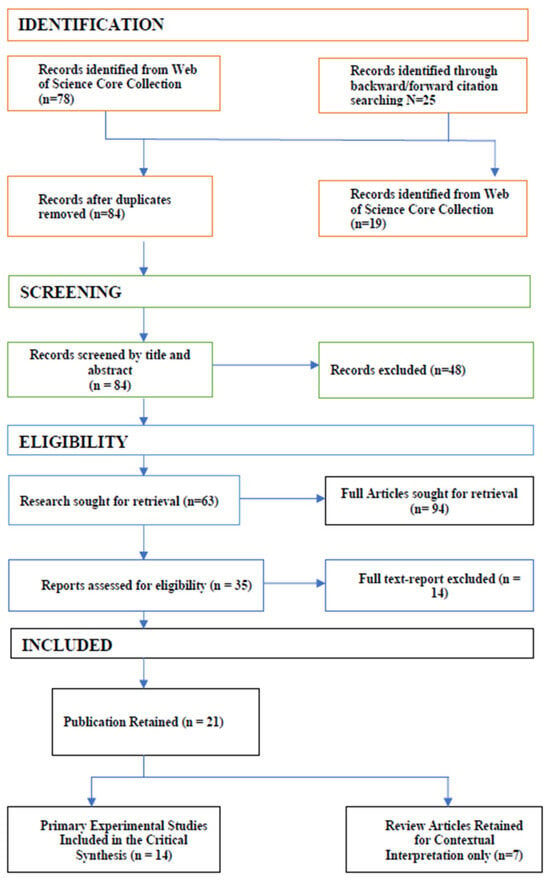
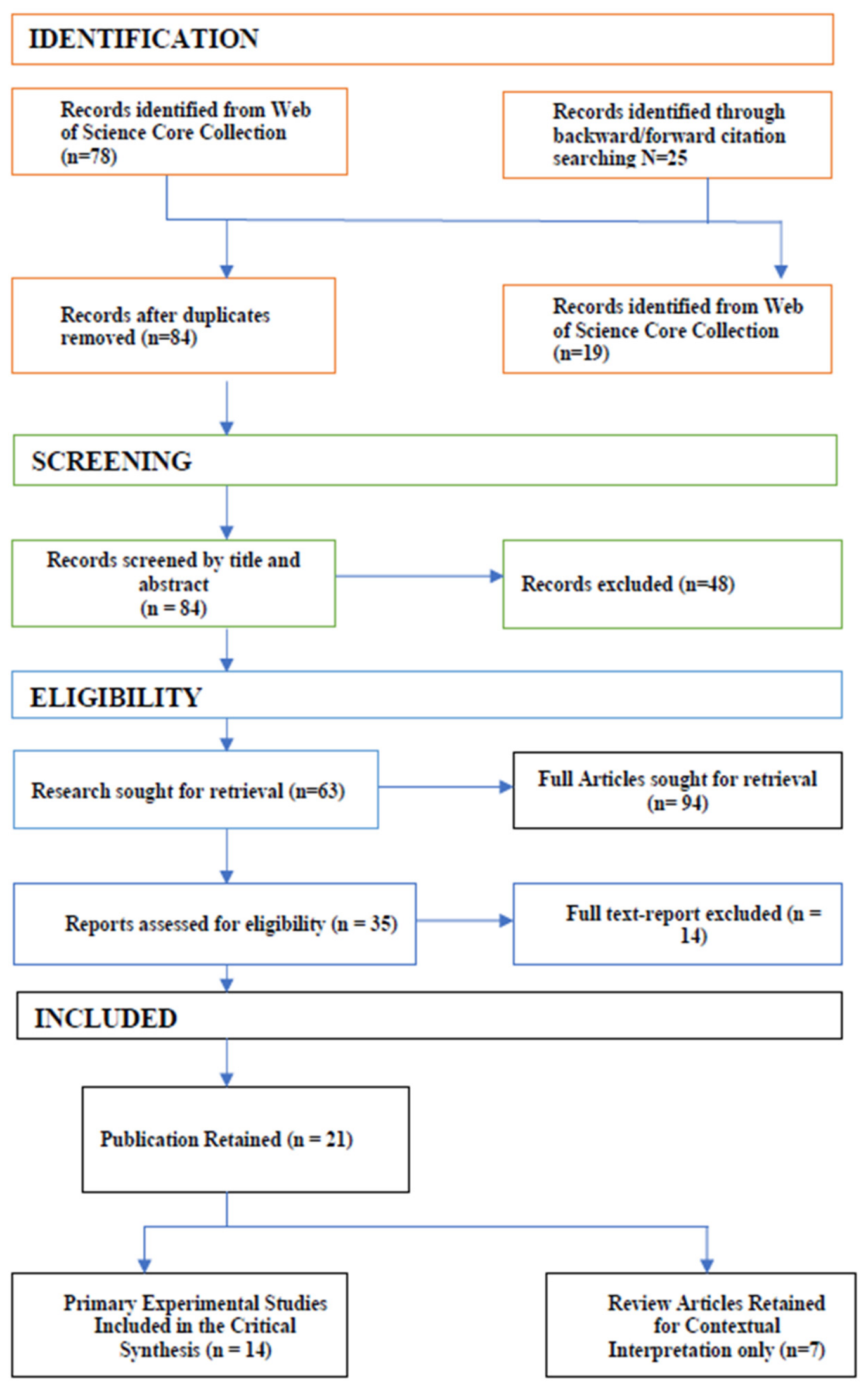
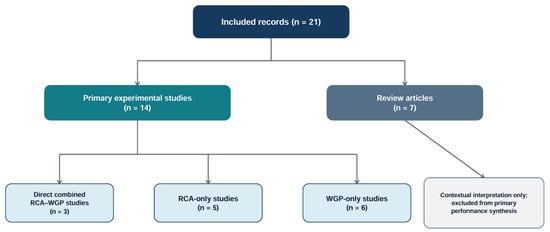
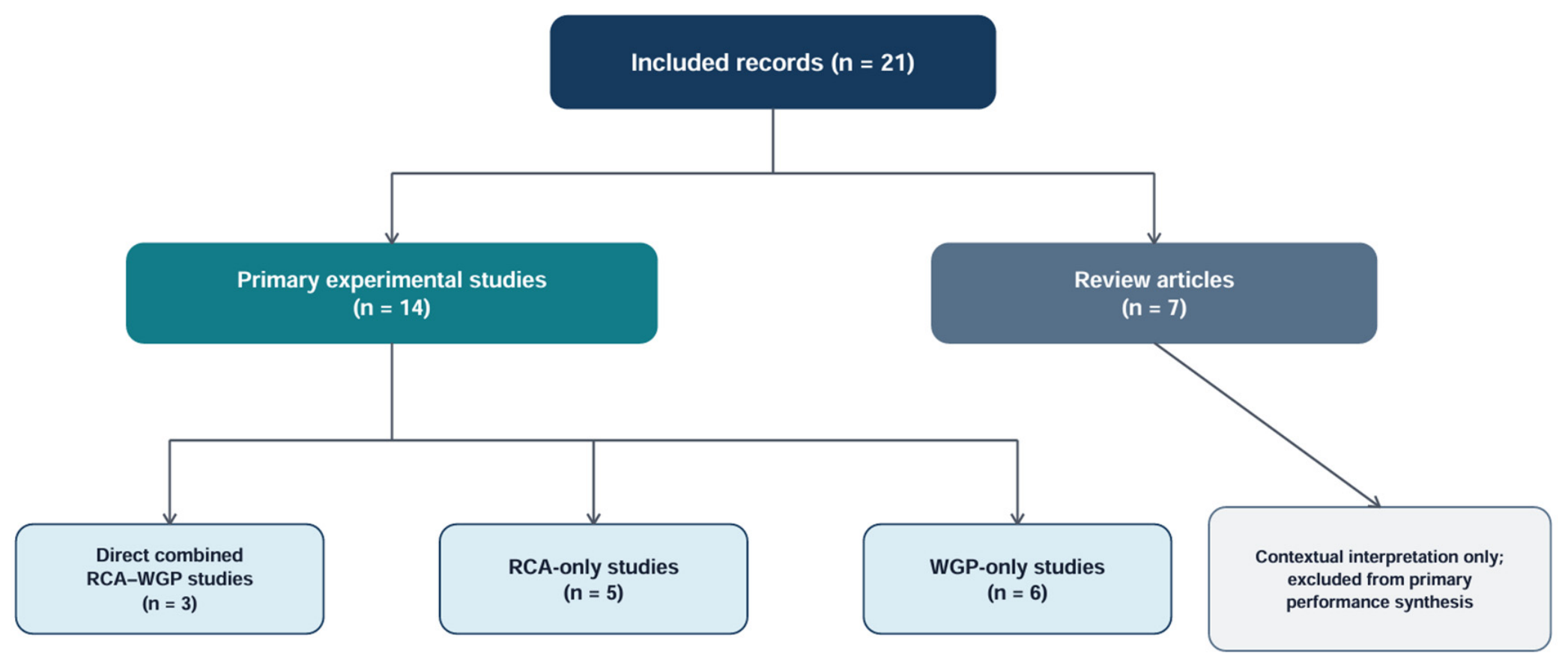

Disclaimer/Publisher’s Note: The statements, opinions and data contained in all publications are solely those of the individual author(s) and contributor(s) and not of MDPI and/or the editor(s). MDPI and/or the editor(s) disclaim responsibility for any injury to people or property resulting from any ideas, methods, instructions or products referred to in the content. |
© 2026 by the authors. Licensee MDPI, Basel, Switzerland. This article is an open access article distributed under the terms and conditions of the Creative Commons Attribution (CC BY) license.