


Abstract
Construction and construction materials constitute the essential components of structural development. Various classifications exist for construction and building materials. Bio-based materials and nanoparticles are two primary classifications of construction and building materials, demonstrating considerable advantages for their application in this sector. The construction sector is among the various domains that have benefited from nanotechnology, experiencing significant progress in recent decades. Nanotechnology has enabled substantial qualitative improvements in the construction and building industry. Conversely, the efficacy of bio-based materials constitutes a pivotal domain in contemporary construction. Bio-based materials promote sustainability and enhance social welfare. This review paper suggests the amalgamation of these two advantageous groups of materials as sustainable construction and building resources.
1. Introduction
The construction sector has a major role in defining urban environments globally, offering housing, infrastructure, and venues for human activity [1,2,3,4,5,6,7]. The building sector, accountable for almost 40% of worldwide carbon emissions, significantly contributes to environmental deterioration, chiefly because of its considerable resource utilisation and waste production. Consequently, sustainability is not simply an elective factor but a crucial need for the industry, which faces mounting pressure to reduce its environmental impact and carbon emissions. The utilisation of eco-friendly construction materials is an essential strategy to address these ecological issues. By concentrating on materials that provide renewable resources, minimal emissions, and improved energy efficiency, the construction sector can markedly diminish its total environmental footprint. This tactical transition not only bolsters the international sustainability objectives established by the United Nations Sustainable Development Goals (SDGs) but also corresponds with the increasing regulatory requirements and evolving consumer inclinations toward environmentally friendly construction solutions [8,9,10,11,12]. Various categories of sustainable construction and building materials encompass bio-based and natural substances, innovative composites and hybrids, as well as recycled materials [8].
Nonetheless, conventional construction methods depend greatly on materials that are resource-intensive and detrimental to the environment, leading to substantial greenhouse gas emissions, high energy usage, and the exhaustion of non-renewable resources, creating a considerable ecological impact. Moreover, their manufacturing procedures produce substantial quantities of trash, intensifying the ecological consequences of the construction sector. As worldwide consciousness regarding environmental issues escalates, architects, engineers, legislators, and stakeholders are progressively prioritising sustainable and eco-friendly construction methods. Bio-based materials, sourced from renewable resources, have surfaced as a potential game-changer in the building industry, mitigating environmental effects while offering innovative and economical substitutes for traditional materials. Consequently, enhancing energy efficiency, advocating for the use of renewable construction materials, and resource conservation are vital for attaining carbon neutrality in the building sector. The transition from conventional construction materials such as cement, steel, and bricks to sustainable and environmentally friendly bio-based materials will enhance ecological conservation [1]. Bio-based materials have been employed as eco-friendly construction and building materials [13,14,15]. Sophisticated materials, such as nanoparticles, are a primary category of sustainable construction and building materials [16,17,18,19,20]. Nanotechnology has increasingly attracted attention from both the industrial sector and researchers recently. The construction industry is one of the numerous fields that have benefited from nanotechnology, witnessing considerable advancements over the last several decades. The unique characteristics of nanoparticles can enhance performance, including tunable conductivity, air purification, and a reduced carbon dioxide footprint [21]. A primary technological obstacle in the advancement of sustainable materials is the creation of goods that fulfil environmental criteria while also equalling or surpassing the performance of conventional materials regarding strength, durability, and safety. This undertaking is quite intricate, as it frequently necessitates the development of innovative technologies and formulations. For instance, incorporating recycled plastics into concrete while maintaining the material’s structural integrity requires sophisticated chemical additives and novel mixing methods to attain the appropriate characteristics [22]. Extensive current investigations seek to tackle these issues. A multitude of universities and private research organisations are investigating bio-derived composites and improved recycling techniques that reduce the performance disparity between sustainable and conventional materials. Current research incorporates nanotechnology to enhance the structural characteristics of recycled materials, making them appropriate for high-load-bearing construction applications [8,23]. Consequently, sustainable development has garnered significant attention in recent decades and has consistently been regarded as a crucial subject in emerging sciences and technologies [24,25,26,27,28,29,30]. Currently, a multitude of technologies are employed to enhance comfort and reduce expenses, particularly in energy resource consumption; conversely, the application of nanotechnology can yield rational and suitable solutions in the construction sector to ensure human comfort conditions [24]. Consequently, there is an absence of discourse regarding the connection between the latest pertinent literature on these two primary categories (nanomaterials and bio-based materials) of construction and building materials. The approach of this study emphasises the unique connection between sustainable construction requirements and the utilisation of nanomaterials and bio-based materials as viable building resources. The primary focus of this review article is to link key nanomaterials such as titanium dioxide, carbon nanotubes, nano-silica, nano-alumina, and nano-clay with essential bio-based materials, including plant-derived materials, bio-based polymers, and mycelium, within a unified review framework to investigate their potential contributions to sustainable construction. The initial group encompasses nanoparticles such as titanium dioxide, carbon nanotubes, nano-silica, nano-alumina, and nano-clay. This report provides an overview of recent research on the utilisation of nanoparticles in construction and building applications. The second category comprises bio-based materials, including Plant-based bio-based materials, bio-based polymers, and mycelium. The second section of this paper provides an overview of recent research regarding the use of bio-based materials in construction and building applications. The literature for this review paper was sourced from three academic databases: Google Scholar, Scopus, and Web of Science, utilising keywords such as construction and building materials, nanomaterials (titanium dioxide, carbon nanotubes, nano-silica, nano-alumina, and nano-clay), bio-based materials (plant-derived bio-based materials, bio-based polymers, and mycelium), and sustainable construction. Furthermore, this analysis assesses the latest pertinent literature about the utilisation of these materials within the building industry.
2. Nanomaterials as Sustainable Construction and Building Materials
Nanotechnology is an emerging scientific discipline focused on the manipulation of nanoscale particles made from various substances. Nanotechnology is defined as the examination of manipulating matter at the molecular and atomic levels, enabling the development of novel techniques and devices measuring between 1 nm and 100 nm, with applications spanning from mechanical to medical fields. This technology creates significant business opportunities for sectors and is typically regarded as highly promising. Materials exhibit distinct behaviours at the nanoscale, and the utilisation of nanomaterials can yield remarkable outcomes across various domains [31]. Nanomaterials possess considerable potential to enhance the strength, longevity, energy efficiency, and resource utilisation of construction materials [32]. Their contribution to sustainable building relies on elements like manufacturing techniques, material volumes, enhancements in service life, expenses, recyclability, and ecological and health repercussions. Ongoing investigation and life-cycle assessment are thus essential prior to extensive implementation [30,33].
Nonetheless, nanomaterials present some difficulties. The manufacturing process may necessitate considerable energy and resources, and the environmental and health implications of nanoparticles throughout manufacture, application, and disposal warrant thorough evaluation. Consequently, a substance must not be deemed sustainable solely due to its incorporation of nanotechnology [34]. Nanotechnology is a crucial and varied scientific domain including numerous applications, particularly in construction, since it holds significant potential for creating more sustainable structures through the benefits of nanoparticles. Sustainability is closely linked to the application of nanomaterials in construction. Every sector of construction and architecture has attained energy efficiency and enhanced sustainable building practices with innovations in nanotechnology [35,36]. Notwithstanding advancements in nanotechnology, adequate knowledge concerning the environmental and health effects of nanomaterials has remained lacking to date. Consequently, a meticulous strategy needs to be formulated while handling these substances. Nanosafety is regarded as an escalating issue, given that persistent exposure to artificial nanomaterials correlates with various health repercussions, such as lung inflammation, genotoxicity, carcinogenicity, and circulatory consequences. The challenging detection of nanoparticles upon their environmental release might result in various environmental and health issues if the remediation system poses risks. Consequently, additional research is crucial for methodically categorising the structure–function correlation of nanomaterials in respect to their fundamental chemistry. Furthermore, comprehensive risk assessments must be conducted on nanomaterials, which pose a genuine exposure threat throughout their production or application. Consequently, green nanotechnology is regarded as a means to mitigate potential ecological and human health risks associated with the production and application of nanoscale materials, while advancing the transition from conventional materials to novel nanosized alternatives that are highly eco-friendly [31]. In the last twenty years, there has been a swift expansion of studies on nanotechnology in construction materials [30,36,37,38,39,40,41]. A recent study offers a thorough and relevant analysis that examines the impact of integrating diverse nanoparticles into cement-based, polymeric, and composite materials frequently utilised in construction and architecture. The main aim is to thoroughly evaluate the possible advantages and drawbacks linked to the use of nanoparticles, especially in improving mechanical performance, longevity, functionality, and sustainability. The research technique encompasses a comprehensive examination of existing literature about the use of nanoparticles in construction materials. The influence of nanoparticles on characteristics such as compressive strength, fracture toughness, stiffness, self-sensing ability, environmental degradation resistance, antibacterial capabilities, and recyclability is meticulously investigated. The results indicate considerable advancements in showcasing the potential of nanoparticles to modify the characteristics of cement-based composites, coatings, and plastics. Nonetheless, obstacles remain in domains such as dispersion, agglomeration, forecasting long-term efficacy, toxicity assessment, and feasibility analysis. Suggestions are offered that emphasise assessing durability in operational environments, creating sustainable production techniques, and instituting uniform procedures for material preparation and evaluation. The results highlight the necessity for a comprehensive strategy that incorporates technological, environmental, economic, and social elements to promote the extensive use of nano-engineered materials. This extensive evaluation acts as a significant resource for researchers, engineers, architects, and construction experts keen on grasping the contemporary advancements, constraints, and prospective developments regarding the incorporation of nanoparticles in construction practices [30]. Consequently, the construction industry was one of the initial sectors recognised in the early 1990s as a prospective domain for nanotechnology applications. As of now, the innovations have failed to provide the anticipated outcomes, and the sector remains predominantly in a nascent phase. The articulated aims of researchers in nanomaterials and nano-systems primarily involve a transition from a materials development approach reliant on resource extraction to one grounded in knowledge, capable of transforming the construction industry into a domain with significant technological potential, emphasising innovation, competitiveness, environmental sustainability, and social welfare. This pertains to several critical concerns, including a more judicious utilisation of raw materials, the minimisation of costs throughout the product life cycle, the development of innovative materials with superior performance, and the enhancement of product efficiency and longevity. Nanotechnology facilitates the development of concrete exhibiting steel-like properties in terms of weight-to-load capacity, ceramics with enhanced strength and toughness, metals with increased hardness, superior yield resistance, and unique electrical characteristics. Enhanced mechanical strength, superior resistance to thermal and chemical degradation, electrical conductivity, and durability against environmental factors and ageing can be attained in the domain of polymers. The regulation of nanostructures in various construction materials and the potential utilisation of the unique characteristics of nanomaterials render a diverse array of goods with distinct functionalities feasible: structural components, envelopes, coatings, apparatus, and sensors. Nanotechnology facilitates the creation of novel material classes exhibiting entirely unique characteristics, including transparent ceramics, invisible insulating coatings, and advanced smart materials with specialised interactions with their surroundings and self-regulatory capabilities [42]. Currently, research in nanotechnology has progressed significantly, leading to the development of more sophisticated, selective, and efficient nanomaterials [43]. The incorporation of cutting-edge materials like titanium dioxide, silica, and nano-clayhas broadened their functionalities in the construction industry, facilitating the application of these sophisticated nanomaterials to shift paradigms in sustainable building initiatives [43,44]. The primary nanomaterials examined in the construction industry, such as titanium dioxide, carbon nanotubes, nano-silica, nano-alumina, and nano-clay, are outlined below, along with their physicochemical properties that enable them to serve effectively as construction additives, as well as their prospective environmental, economic, and aesthetic benefits in design and construction [43]. Consequently, nanomaterials have attained significance in technological progress owing to their remarkable adjustable characteristics. These nanoparticles are transforming numerous industrial applications, particularly in the construction and building sectors, owing to their exceptional and distinctive properties [45]. Figure 1 shows the nanomaterials examined in the construction industry.
Figure 1.
Classification of nanomaterials as construction and building materials.
2.1. Nano-Silica (SiO2)
Nanomaterials demonstrate remarkable characteristics attributable to their nanoscale size, facilitating revolutionary advancements in various domains. A multitude of nanomaterials is extensively utilised to improve efficacy across various domains, such as precision drug administration in healthcare, superior energy storage and electronics, and efficient environmental remediation for pollution management. Nano-silica (NS) possesses a multitude of advantageous characteristics, such as its small dimensions and elevated surface reactivity. Replacing a fraction of cement in concrete with NS enhances the microscale density and compactness of the material. Prior research indicates that nanoparticles, including NS, can significantly alter the characteristics of cementitious materials, exhibiting superior pozzolanic activity relative to silica fume. Silica fume and nano-silica (NS) are both pozzolanic substances comprising more than 90% SiO2 [46]. The incorporation of nano-SiO2 in concrete has been on the rise in recent years. Recent investigations have demonstrated the beneficial impacts of nano-SiO2 on the mechanical characteristics of concrete and cement mortar [46,47,48,49,50,51,52,53,54,55,56]. A study indicated that the mechanical characteristics of concrete were markedly enhanced with the combined application of nano-SiO2 and pozzolan. Nonetheless, the research undertaken to date has been sporadic and has not explored the application of a diverse array of ground ceramics or the incorporation of nano-SiO2 with ground ceramic and their influence on the mechanical characteristics of cement [47]. The primary objective of this research is to investigate the effects of incorporating ground ceramic and nano-SiO2, leading to a preliminary investigation of the pozzolanic properties of waste ground ceramic and its prospective application as a partial cement substitute in concrete. A further study indicated that the exploration of sophisticated technologies, including nanomaterials and innovative materials like shape memory alloy (SMA), warrants further examination. This study investigates the compressive, splitting tensile, flexural, and secondary compressive strengths, together with the ultrasonic pulse velocity (UPV) of concrete samples. The samples consist of SMA at concentrations of 0.1%, 0.2%, and 0.3%, nano-silica (NS) at concentrations of 1%, 3%, and 5%, along with a composite mix design that integrates both materials during a 28-day curing period. The results indicate that incorporating 3% NS not only yields a 17% enhancement in compressive strength and a 4% improvement in both splitting tensile and flexural strength but is also more economical compared to the inclusion of 5% NS. Furthermore, samples containing NS demonstrate the greatest dynamic modulus of elasticity (MOE). A notable association is present between the compressive strength of specimens containing NS and their secondary compressive strength, splitting tensile strength, modulus of elasticity, and ultrasonic pulse velocity. Specimens that incorporate SMA exhibit a strong association with their secondary compressive, flexural, and splitting tensile strengths. These results underscore the promise of integrating SMA and NS into concrete to enhance its mechanical properties while considerably diminishing environmental repercussions [46]. One article examines the historical advancements and contemporary discoveries on nano-silica (NS) integrated cement composites. The influence of nano-silica on the mechanical and durability attributes of cement composites through alterations in microstructural features is examined. Moreover, the compact microstructure and expedited hydration, along with the impermeable microstructure, contribute to improved strength and durability. Ultimately, the manuscript delineates the constraint that the ideal dosage of nano-silica fluctuates based on its dimensions, classification, and admixture dosage, as well as the water-to-binder ratio, which remains contentious. Furthermore, the integration of Nano-silica represents a possible advancement in construction materials for a particular need. This article elucidates the ideal dosage of cement composite for varieties and dimensions of nano-silica particles [55]. Other scholars have shown that innovative understandings of utilising nano-silica’s unique characteristics can facilitate the attainment of the preferred self-consolidating concrete (SCC) attributes while minimising the ecological footprint of this category of combinations [56]. Employing waste concrete powder as a substitute binder in eco-friendly cementitious composites aids in diminishing building and demolition debris, necessitating the advancement of a proficient technique to enhance the performance of cementitious materials blended with waste concrete powder. The effects of nano-SiO2 at dosages ranging from 0 to 3% on cementitious materials using waste concrete powder as a partial substitute for cement (0–50%) were examined in a study, focusing on both microstructural and macro-performance characteristics, with a water-to-binder and binder-to-sand ratio of 1:2 (under a ratio of 1:2 for both water-to-binder and binder-to-sand). Enhancing the composition of waste concrete powder and nano-SiO2 can yield eco-friendly cementitious materials with excellent strength and reduced transport characteristics [57]. A study indicated that high-performance ternary mixed nano-concrete is widely employed in skyscrapers owing to its advantageous strength, durability, and thermal insulation properties. Furthermore, the application of nano-concrete represents the next frontier in concrete component research. This study examines the compressive strength, flexural characteristics, and microstructural behaviour of concrete specimens using nano-SiO2. This research moreover assesses the strength progression of mixtures that incorporate binary and ternary combinations of agricultural by-products (rice husk ash, corncob ash, and bagasse ash) alongside industrial by-products (fly ash, ground granulated blast furnace slag, and metakaolin). The sustainability potential of ternary blended nano-concrete with diverse additives was assessed based on its cost-effectiveness, energy efficiency, and ecological efficiency [58]. A review article offers an exhaustive comparative analysis of the contributions of nano-silica (NS) and nano-titanium (NT) to enhance concrete characteristics, a viewpoint that has not been thoroughly addressed in earlier reviews. The research rigorously analyses the impact of different dosages of NS and NT on compressive, split tensile, and flexural strength, as well as essential durability factors including resistance to sulphate and chloride assaults, freeze–thaw cycles, and permeability. A notable aspect of this review is its microstructural examination, emphasising the impact of NS and NT on C-S-H gel development, porosity diminishment, and the densification of the interfacial transition zone (ITZ). Additionally, the analysis highlights nascent research deficiencies, such as the combined impacts of NS and NT with alternative nanomaterials (graphene and quantum dots), unexamined durability considerations, and optimisation hurdles in real-world applications. Furthermore, the economic viability of integrating NS and NT is examined, taking into account cost-performance balances and any sustainability advantages. These findings establish a basis for forthcoming progress in nano-engineered concrete, rendering this review an essential asset for researchers and industry experts aiming to enhance concrete efficacy via nanotechnology [59]. Consequently, the long-term resilience of concrete has captivated researchers over the past several decades, prompting them to explore several methodologies to enhance its durability. One method involves incorporating a novel substance into the concrete. A substance that has garnered significant interest from researchers is nano-SiO2 (NS). Its significant efficacy in improving the durability characteristics of concrete and mortar meets the expectations of researchers [60].
2.2. Carbon Nanotubes (CNTs)
The distinctive characteristics of CNTs transcend building, being utilised across multiple sectors to enhance material robustness, malleability, and longevity. The incorporation of these elements into construction materials results in novel composites exhibiting improved properties, including heightened strength and less shrinkage in concrete. Functional coatings possessing attributes such as waterproofing, fire resistance, and corrosion protection can enhance the quality and durability of construction materials. The literature emphasises the substantial investigation of CNTs in building, demonstrating their capacity to transform the industry and develop materials and structures with enhanced characteristics and efficiency. Nanotechnology, encompassing carbon nanotubes, has unveiled thrilling opportunities for the construction sector, facilitating the creation of groundbreaking materials and edifices [61]. Carbon nanotubes (CNTs) consist of cylindrical structures formed by carbon atoms, measuring around 1 nm in diameter, which may be assembled into CNT forests and fabricated into materials several metres in length. Since the early 1990s, carbon nanotubes have garnered heightened interest due to burgeoning research, and their production and functionalisation require further exploration. CNTs can be constructed into innovative shapes and configurations. Pillared carbon nanostructures have been developed for the purpose of hydrogen storage. As a remarkable entity in nanotechnology, carbon nanotubes exhibit outstanding mechanical, thermal, electrical, optical, and electrochemical attributes, characterised primarily by their great strength, significant flexibility, and lightweight nature. They could enhance both the quality and stability of structures while simultaneously diminishing pollutants. Moreover, CNTs are frequently utilised as an additive in many materials, like glass, cement, metal, or wood, to improve their properties. Carbon nanotubes are pliable and lightweight, perhaps serving to enhance the structural elements of a building. Furthermore, with their electrical and thermal characteristics, CNTs have the potential to facilitate energy collection, transfer, storage, and heating, thereby replacing current heating and cooling techniques. The characteristics of CNTs facilitate extensive applications in the construction sector, encompassing both expansive space-oriented edifices and urban infrastructure. The industry has experienced growth in CNT products owing to their exceptional mechanical characteristics, rising demand for lightweight polymer composites, and extensive manufacturing of CNT products [62]. The literature emphasises the comprehensive investigation of CNTs in building [63,64,65,66,67,68,69,70,71,72,73,74,75]. A study examines the effects of multi-walled carbon nanotubes (0–0.20%) in concrete made using rice husk ash (15%) as a substitute for Portland cement. The mechanical and durability characteristics of four concrete formulations were examined. Consequently, the feasibility of multi-walled carbon nanotubes in sustainable concrete derived from rice husk ash plays a substantial role in eco-friendly building [63]. The incorporation of carbon nanostructures into cement paste presents challenges owing to the complexities of achieving uniform mixes. A study presents a superior method for incorporating carboxylated multi-walled carbon nanotubes (MWCNT-COOH) into cement pastes. In this instance, the impacts of cement altered by the incorporation of minimal quantities of MWCNT-COOH alongside polycarboxylate superplasticizer (SP) are evaluated against the composite devoid of carbon nanostructures [64]. Cementitious substances are the most prevalent and frequently utilised building materials. Nonetheless, these substances exhibit drawbacks including diminished tensile strength, fragility, porosity, contraction, and fissuring. To address these deficiencies, contemporary scientists have suggested incorporating CNTs into cementitious materials. Integrating CNTs into cementitious composites not only augments the microstructure of these materials but also elevates their mechanical, electrical, and durability characteristics. This review study examines the properties and manufacturing techniques of CNTs. The various impacts of CNTs on the physical and hydration characteristics of cementitious materials were examined in relation to design factors, dispersion techniques, and temperature. The findings indicate that the compressive and flexural strength of CNT cement composites with 0.02% content improved by 9.33% and 10.18% from 3 days to 28 days. The correct quantity of carbon nanotubes is crucial for minimising shrinkage and enhancing carbonisation resistance of the cement base. The incorporation of scattered carbon nanotubes diminishes resistivity, while the nucleation of carbon nanotubes facilitates the hydration reaction. Typically, at the ideal dosage, carbon nanotubes exhibiting uniform distribution and a minimal length-to-diameter ratio substantially influence the cement-based lifting effect [65]. A particular study offers an extensive analysis of the integration of carbon nanotubes (CNTs) in cement-based mortars subjected to high-temperature environments, tackling a significant issue in the longevity and efficacy of concrete substances. Two separate mortar compositions—a standard reference mixture and a CNT-augmented composite—were methodically exposed to elevated temperature conditions and then assessed through comprehensive physico-mechanical analysis. Durability evaluations encompassed sophisticated corrosion examinations focused on the incorporated steel reinforcement. Collectively, the results underscore the versatile function of CNTs in improving the thermal and chemical durability of cement-based composites. In conclusion, this research offers significant perspectives for the advancement of next-generation, high-performance, and sustainable construction materials designed for challenging and hostile conditions [66]. In a separate study, the improvement of the physical and durability characteristics of standard cement-based mortars subjected to chloride exposure is experimentally examined here. The experimental programme detailed in this paper is to assess the impact of integrating multi-walled carbon nanotubes on the physical and mechanical characteristics of reinforced mortars in relation to chloride ion exposure. The test outcomes reveal that the incorporation of nanomaterials in the mixture enhanced the durability of the mortar samples, whilst the nano-modified composites demonstrated superior chloride penetration resistance and flexural strength compared to the reference mortars [67]. The examination of test outcomes and the juxtaposition of nanomodified and reference mortars indicated that the incorporation of CNTs as an additive provided safeguarding for steel reinforcing bars against pitting corrosion, alongside a notable enhancement in the flexural strength and porosity of the mortars. Investigators have examined the formulation and analysis of cement-based composites enhanced with carbon nanotubes. Research indicates that the incorporation of CNTs will markedly enhance the efficacy of cementitious composites. This article presents methods for characterising the dispersion of CNTs and outlines the benefits and drawbacks of these methods. The applications of functionalised carbon nanotubes in cementitious materials are examined, encompassing sensing capabilities, concrete structural health assessment, electromagnetic interference protection, and other uses. Furthermore, the potential applications and developmental outlook of CNT in the realm of 3D concrete printing have been examined. Ultimately, the researchers examined the current issues and obstacles in the development and use of CNT in cementitious materials and proposed avenues for future investigation [68]. Consequently, their use in building materials results in novel composites exhibiting improved properties, like heightened strength and less shrinkage in concrete. Functional coatings possessing attributes such as waterproofing, fire resistance, and corrosion protection can enhance the quality and durability of construction materials [61].
2.3. Nano-Titanium Dioxide (TiO2)
Progress in nanotechnology presents encouraging opportunities for material innovation at the nanoscale, facilitating precise control of substances at atomic dimensions. Nano-engineered materials provide enhanced performance compared to their larger-scale equivalents owing to their nanoscale dimensions. In the building industry, the introduction of titanium dioxide (TiO2) as a nanomaterial has fulfilled the need for superior materials at an economical price [76]. Titanium dioxide (TiO2) nanoparticles are produced by specific techniques and processes, yielding a range of particles with dimensions from 1 to 100 nm. Their nanometre scale offers a significant surface area, greatly enhancing their reactivity. Titanium dioxide nanoparticles emerged as a significant nanomaterial in cement composites owing to their distinctive properties and varied applications. Nano-titanium dioxide (NT), frequently produced in spherical or ellipsoidal forms, has gained prominence in cement-based constructions. This nanomaterial, composed of titanium dioxide, possesses characteristics that render it highly versatile and suitable for numerous industrial applications. Titanium dioxide is extensively utilised for numerous purposes due to its excellent chemical characteristics, minimal toxicity, cost-effectiveness, anti-corrosive electrical properties, and remarkable photocatalytic capabilities. The crystalline configurations of titanium dioxide (TiO2) exist in both two-dimensional and three-dimensional representations. Three unique phases of TiO2 can exist: rutile, anatase, and brookite. These phases possess certain attributes that render them appropriate for diverse potential uses. TiO2 possesses photocatalytic properties and functions as a nanoscale semiconductor, leading to several potential applications across various sectors. The two predominant crystalline structures of titanium dioxide are anatase and rutile. Rutile is widely utilised as a colouring agent in the paper, textile, paint, and plastics sectors. Due to its distinctive photocatalytic properties, anatase is commonly utilised in air and water cleaning technologies. The third structure, brookite, presents industrial challenges, and its full range of possible applications remains predominantly unexplored [77].
Nanotechnology is pivotal in the domain of materials science and technology, significantly influencing construction materials. This aims to enhance the conventional characteristics of cementitious substances (e.g., durability and resistance), while also aspiring to include innovative functionality in building materials, including self-cleaning, antibacterial, and air-purifying attributes [78]. Owing to their diminutive dimensions, nanoparticles possess an extraordinarily extensive specific surface area. The characteristics of cementitious substances can be profoundly modified by including these nanoparticles, usually in quantities as minimal as a few percent. Numerous nanoparticles have been examined for their ability to improve cementitious composites. Nano-titanium dioxide (nano-TiO2) is notable for its exceptional photocatalytic characteristics, which improve longevity and provide supplementary advantages including self-cleaning and air-purifying functions. The multifunctional characteristics of nano-TiO2 render it a compelling option for eco-friendly construction methods. In contrast to other nanoparticles, nano-TiO2 offers superior resilience and ecological advantages, distinguishing it within the construction materials sector. Significantly, titanium nano-oxides have shown their capacity to improve resistance, accelerate hydration processes, and provide self-cleaning characteristics to the material [77]. TiO2 has garnered significant interest owing to its straightforward synthesis, remarkable stability, and chemical inertness, as well as its outstanding compatibility with construction materials [79]. A considerable amount of research has focused on synthesising information regarding TiO2 nanoparticles and their utilisation in the building industry as documented in the current literature [80,81,82,83,84,85,86,87,88,89,90]. A research study examines the mechanical properties and sulphate resistance of ultra-high-performance concrete (UHPC) enhanced with nano-TiO2 and reinforced with either industrial steel fibres (I-SF) or tyre-derived recycled steel fibres (R-SF). The results indicate that the combination of nano-modification and recycled steel fibres yields a robust and sustainable UHPC alternative for sulfate-laden settings [80]. A different study indicated that sustainable materials are increasingly vital in the swiftly evolving construction sector. The current research examined the compressive strength, water absorption, and thermal characteristics of ferrock bricks infused with nanoparticles. Titanium dioxide (TiO2), incorporated at levels of 1%, 2%, and 3%, was utilised to assess its impact on the performance of bricks. The findings demonstrated that an addition of 2% TiO2 was ideal for enhancing the characteristics of the ferrock bricks [81]. One study examines the effect of nano-TiO2 on the properties of the pore system and the frost resistance of concretes containing and lacking SCMs, particularly Class C fly ash (FA) and Grade 100 slag cement. The assessment included both scaling resistance and freeze–thaw performance. Findings demonstrate that including nano-TiO2 markedly enhances the frost resistance of FA concrete in comparison to combinations comprising solely conventional Portland cement or slag cement. A functional and accessible metric for delineating the pore system is suggested and employed to create a relationship between pore architecture and frost resilience. The results demonstrate a significant correlation between the advantageous impact of nano-TiO2 on the pore structure and the enhanced longevity of FA concrete, underscoring a synergistic relationship between nano-TiO2 and FA [82]. A study has meticulously examined the influence of nano-TiO2 (NT) on the hydration characteristics of mixed cement. The stain resistance properties of blended cements in the presence of NT have been examined. Numerous studies have been conducted in accordance with Indian norms and testing methods to evaluate the mechanical performance at varying concentrations of NT (0%, 1.0%, 1.5%, and 2.0%). The findings indicate a notable enhancement in the primary mechanical characteristics of blended cement, with the methylene blue stain dissipating more rapidly in external conditions compared to internal ones when 1% NT is incorporated into the blended cement. Research indicated that PSC has superior mechanical properties and stain resistance compared to PPC when NT is present. It is determined that PPC and PSC integrated with NT can revolutionise the construction sector by facilitating decarbonisation and minimising cleaning requirements while offering appealing cost benefits [83]. One research investigation seeks to examine the impact of partially replacing cement with nano-TiO2 in concrete on its mechanical strength and microstructure. The macro-level characteristics of M40 and M60 are examined with cement substitutions ranging from 0% to 2% using nano-TiO2. SEM pictures were analysed to investigate particle dispersion, while XRD was utilised to assess hydration products at a microscopic level. Research indicates that at a 1% concentration of nano-TiO2, the strength of M40 and M60 surpasses that of other percentage substitutions [84]. This study employs nano-TiO2 (NT) to improve the mechanical characteristics and thermal reflectivity of inorganic ornamental panels, commonly utilised for exterior walls in China. The findings indicate that NT can alter the pore size distribution of the ornamental panels and diminish the occurrence of macropores, with the compressive strength of panels containing 2% NT rising by 4.78%. The thermal reflecting characteristics of the ornamental panels initially rose and subsequently fell with the augmentation of NT content and particle dimensions. Significantly, the panels composed of 6% NT with a particle dimension of 100 nm demonstrate enhanced heat reflectivity. Furthermore, to assess the energy efficiency of the decorative panels, the Designer’s Simulation Toolkit (DeST) is utilised, revealing that thermal reflective decorative panels with 6% NT can decrease building air-conditioning energy usage by 7.19% and lower the indoor temperature by 1.5 °C [85]. Nanotechnology, particularly nano-TiO2, holds significant promise for the building sector. It is widely recognised that nano-TiO2, when exposed to UV light, serves as an efficient method for pollutant reduction and improving environmental safety [91].
2.4. Nano-Alumina (Nano-Al2O3)
Alumina (Al2O3), a compound formed from aluminium and oxygen, is esteemed for its exceptional mechanical hardness, thermal and chemical resilience, and electrical insulating properties. Among its several polymorphs, α-alumina (corundum) is the most thermodynamically stable, while the γ phase demonstrates a greater surface area and enhanced reactivity, which are beneficial for catalytic and adsorptive uses. At the nanoscale, alumina demonstrates characteristics that differ from its bulk counterpart, such as heightened reactivity, elevated surface energy, and enhanced nucleation activity. Numerous synthesis routes are available for the fabrication of nano alumina, such as arc-plasma, hydrothermal, precipitation, combustion, and sol–gel techniques. The sol–gel method is distinguished by its meticulous regulation of stoichiometry, morphology, and crystallinity [92]. Nanomaterials offer an eco-friendly substitute in the construction sector by reducing reliance on finite resources. Their incorporation enhances the compressive and tensile strength of concrete, improves soil stability, and alleviates asphalt issues like cracking and warping. Nanomaterials like nano-alumina significantly improve mechanical strength, longevity, and functional properties. Nano-alumina reduces porosity. Nanomaterials offer versatile, high-efficiency, and eco-friendly enhancements, making them an ideal substitute for traditional construction materials [93]. Numerous studies have documented the application of nano-alumina within the building sector [94,95,96,97,98,99,100,101,102,103,104,105]. The research aims to assess the impact of nanomaterials (nano-alumina (NA) and nano-silica (NS)) on the mechanical and durability characteristics of fibre-reinforced alkali-activated mortars (FRAAM). Polypropylene fibre (PPF) was incorporated into the binders at concentrations of 0.5% and 1% of the alkali-activated mortar (AAM) volume. Software specialised in design was utilised to generate the central composite design (CCD) for the mixture ratios. The mechanical characteristics of AAM were demonstrated by assessing the compressive and flexural strength, flowability, and unit weight of the alkali-activated mortar. Furthermore, the assessment of durability performance and microstructural analysis was conducted. The results revealed that the AAM devoid of fibres and nanoparticles had a superior flow rate compared to the other mixes. Nonetheless, the flow characteristics of all combinations were satisfactory. The maximum compressive strength was determined with the application of 2% NA, while enhanced flexural tensile strength was achieved in combinations containing 1% NS and 0.5% PPF. The reduced water absorption was seen with the amalgamation of 2% nano-silica and 1% polypropylene fibre. The amalgamation of 2% nano-silica, 1% nano-alumina, and 0.5% polypropylene fibre exhibited reduced sorptivity. Furthermore, the microstructural examination revealed that the nanomaterials markedly enhanced the matrix, whereas the porosity of the matrix was substantially diminished [94]. A study examined the influence of nano-alumina (NA) on both the fresh and hardened stages of fly ash and/or slag-based alkali-activated self-compacting concrete (A-ASCC) cured under ambient conditions. Three distinct categories of binders were employed: entirely slag, a combination of 50% slag and 50% fly ash, and entirely fly ash. Four proportions of nano-alumina (0%, 0.5%, 1%, and 1.5%) were utilised as partial substitutes for binder substances. The mechanical properties of alkali-activated A-ASCC were markedly enhanced with the addition of NA. The integration of NA with an equal mix of 50% slag and 50% fly ash exhibited superior characteristics compared to alternative binder materials. The greatest flexural and compressive strengths were attained with 1% NA and 100% FA, whereas the peak splitting tensile strength was reached with 1.5% NA. Moreover, the incorporation of NA markedly prolongs the setting time of A-ASCC and can facilitate the production of A-ASCC in a standard environment [95]. A study investigates the impact of various nanomaterials on the initial characteristics of cement pastes and their progression in compressive strength over the course of a year. Among the evaluated nanomaterials, NA enhanced compressive strength by 10% at advanced ages. Despite the unaltered fresh characteristics of NC-cement pastes, their open porosity diminished by 54% after 28 days. Conversely, the rise in hydration heat inside NS-cement pastes did not lead to notable enhancements in strength. In light of these results, NA was chosen for the use of ultra-high-performance cement (UHPC)-based materials. The study demonstrates that the inclusion of nano-alumina enhances the microstructural evolution and compressive strength of ultra-high-performance cement-based systems, marking a significant improvement in the mechanical properties and durability of these materials across diverse environmental conditions [96]. A study examines the effects of nano-silica (NS) and nano-alumina (NA) on the physical properties, strength attributes, and durability of cement mortar to identify the ideal type and quantity of nanomaterial for performance improvement. In conclusion, the results of this study indicate that NS surpasses NA regarding reactivity and longevity. The ideal dosages were determined to be 1.5% for NS and 1% for NA, yielding the most favourable equilibrium of workability, mechanical fortification, and durability enhancements. These findings underscore the efficacy of integrating nanomaterials as a viable strategy for creating high-performance, resilient cement mortars appropriate for sophisticated infrastructure uses [97]. E. Mohseni et al. performed a study examining the combined influence of nano-silica, nano-alumina, and nano-titanium dioxide on the durability, rheological, and mechanical characteristics of self-compacting mortar incorporating fly ash as an additive. The findings reveal that 1%, 3%, and 5% of the binder provided optimal compressive strength for nano-alumina, nano-silica, and nano-titanium dioxide, respectively, when utilised independently. In this combination, the potency escalated and attained its zenith on day 90 [98]. Li et al. examined the effect of nano-alumina on the elastic modulus and compressive strength of cement composites, demonstrating a notable improvement in the elastic modulus. The group discovered that the density of the interfacial transition zone increased while the porosity of the cement diminished through the addition of nano-alumina in the mortars, consequently noting that both the elastic modulus and compressive strength of the mortars also rose [99]. Ding et al. indicated that supersulfated cement (SSC) has garnered considerable interest due to its myriad advantages, such as a substantial decrease in carbon emissions and efficient waste utilisation, showcasing its promising applicability. Nonetheless, the inadequate hydration rate at an early age and the restricted compressive strength constrain its utilisation in construction endeavours. Nano-alumina (NA) was incorporated into SSC, and the effect of NA on early hydration behaviour, as well as the underlying mechanisms, was evaluated. The results indicated that NA accelerated the initial hydration of SSC due to the seed crystal effect of nanoparticles and promoted the formation of ettringite through the initial reaction with volcanic ash. Additionally, NA obstructed harmful pores in the early stage and improved the pore structure. Furthermore, NA markedly improved the early strength development of SSC. As a result, NA is expected to address the insufficient hydration rate in early stages and improve the initial compressive strength of SSC [100]. Currently, a range of nanomaterials will be utilised in conjunction with cementitious substances to enhance the characteristics of concrete. Nano-alumina has demonstrated considerable promise in enhancing the mechanical properties of concrete. Experimental research suggests that whereas control mixtures exhibit satisfactory mechanical strength, including nano-alumina, especially at levels under 3%, can further improve these characteristics. Nano-alumina has excellent performance when integrated with superabsorbent polymers, improving concrete characteristics by occupying micropores and minimising shrinkage, making it suitable for the construction sector. Nano-alumina has excellent performance when integrated with other nanomaterials to improve concrete characteristics [101].
2.5. Nano-Clay
Clay is a naturally occurring, fine-textured mineral that solidifies when dried and remains malleable while wet, comprising phyllosilicates and various components that confer plasticity, as well as other phases and organic materials. The characteristics of clay, such as its mineral composition and qualities, are affected by the conditions of production, the traits of the parent rock, and the chemical alterations in volcanic ash. Clay minerals, derived from the Earth’s crust and atmosphere, have distinctive attributes such as structure, minute particle size, and cation-exchange capacity, which influence water retention, expansion, impermeability, and flexibility. Clay, originating from the Greek term “argilos,” is a finely textured substance characterised by its fluidity and ability to solidify, resulting from the weathering, disintegration, and chemical alteration of igneous rocks. Clay particles originate from the prolonged weathering and erosion of rocks that encompass soil, ceramic clays, clay shales, glacial clays, and substantial quantities of detrital and transportable clays. Clays and clay minerals originate in several geological settings such as soil layers, sedimentary deposits, geothermal areas, volcanic materials, and weathered rock formations via physical disintegration and chemical alteration. Clays are widely employed throughout many sectors, such as refractory production, pottery and ceramic creation, structural component manufacturing, and as fillers or extenders in diverse items. Ancient societies esteemed clay substances for their applications in construction, pottery, brick fabrication, paints, ceramics, plastics, cosmetics, rubbers, and pharmaceuticals, as they improved the functionality and characteristics of materials [106]. Clay minerals often possess a one-dimensional layered structure with 0.7 nm in thickness for a 1:1 ratio and 1 nm for a 2:1 ratio, and display many surface geometries, such as planar and interlayer forms. They can be readily linked to both internal and external surfaces and can be enhanced through ion exchange, adsorption, and grafting techniques. They demonstrate pliability and solidity when subjected to drying and combustion. Nano-clay particles are predominantly produced through mechanical means utilising high-energy ball milling [107]. Clay nanoparticles are garnering attention because of their plentiful natural occurrence, availability, efficacy, and eco-friendly properties. Characterised by a diminutive grain size and distinctive crystalline arrangement, they exhibit remarkable physicochemical attributes including an extensive specific surface area, surface charge, and cation exchange capacity. Clay minerals are stratified silicates, consisting of superimposed aluminosilicate layers with significant surface area, created by amalgamated tetrahedral and octahedral sheets together with unbonded oxygen atoms in hydroxyl configuration [106]. The integration of nanomaterials has emerged as a viable approach. Nanomaterials can improve the microstructure, hasten hydration, and alter fibre-matrix interfacial characteristics, thus augmenting mechanical performance. Nano-clay (NC) provides a unique method for altering the rheological and thixotropic characteristics of fresh concrete, as well as the mechanical attributes of cured concrete, owing to its layered architecture and elevated specific surface area. Besides facilitating nucleation and nano-filling effects, NC can enhance the rheological characteristics of new mixes, promoting fibre distribution and consistency [108]. The incorporation of nano-clay to enhance the properties of construction materials and engineering applications has generated considerable discourse [109,110,111,112,113,114,115,116,117,118,119,120]. A research investigation assesses the combined impacts of nano-clay (NC) and rice husk ash (RHA) as adjunct cementitious substances in high-performance geopolymer concrete (HPGC). The findings underscore NC–RHA geopolymer mixtures as feasible, environmentally sustainable substitutes for traditional high-performance concrete, enhancing both ecological integrity and structural durability [109]. Fawzi et al. emphasise nanomaterials as a viable sustainable option for eco-friendly construction methods, referencing extensive prior studies that identified appropriate ratios of 6% nano-clay and 3% nano-silica to improve concrete’s mechanical characteristics. The research primarily investigates the performance of various concrete mixtures utilising these proportions and aims to determine conventional concrete blends that demonstrate mechanical characteristics comparable to those with nano-silica and nano-clay. Although nanomaterials are presently expensive because of their innovative manufacturing processes, mass production will reduce expenses, resulting in the rise in niche enterprises in these sectors. The research validated that the inclusion of nanomaterials in concrete compositions, especially nano-clay particles, improves structural characteristics and facilitates the development of denser C-S-H gel. This eco-friendly strategy enhances the efficacy of concrete while also mitigating environmental issues by lowering pollutants and promoting sustainable construction methods [110]. Hameed et al. examine the efficacy of nano-clay as a substitute for cement in concrete to alleviate environmental impacts and enhance building sustainability. The parameters of density, workability, compressive strength, tensile strength, water absorption, ultrasonic pulse velocity, compressive factor, and thermal conductivity were analysed for nano-clay substitution levels of 5%, 10%, and 15%. Substituting 5% nano-clay enhances thermal conductivity, compressive strength, and tensile strength while diminishing workability. This research demonstrates that nano-clay diminishes the ecological footprint of concrete and fosters sustainable construction [111]. The primary objective of the research conducted by Anand and Mehra is to evaluate the viability of producing dry lean concrete (DLC) for stiff pavement uses utilising substantial nanomaterials such as nano-silica and nano-clay. This research investigates the capability of these nanoparticles to provide a more robust and enduring foundational layer for stiff pavements through the analysis of their use in dry lean concrete. The assessment measures functionality, longevity, tensile resilience, compressive integrity, and microstructural enhancements resulting from the incorporation of nano-silica and nano-clay. Ultimately, these nanoparticles have the potential to provide more resilient, low-maintenance surfaces, rendering roadways both economically viable and ecologically sustainable [112]. In the research conducted by Amiri et al., the influence of biological healing on the characteristics of concrete mortars using nano-clay was examined. The findings indicated that the rate of bacterial deposition was elevated in samples with nano-clay relative to untreated samples. Furthermore, the permeability rate in the specimens treated with nano-clay was elevated in the short term compared to the untreated specimens. Post-coating, specimens incorporating nano-clay and those that were untreated exhibited superior resistance to sulfate attack compared to untreated specimens that were not covered. Furthermore, the resilience of the mortar in these specimens against this impairment was augmented by 15.2% and 9.2%, respectively. The untreated specimens exhibited a 6.7% enhancement in strength following the application of the coating. Ultimately, the strength was augmented by 13.5% in the coated specimen incorporating nano-clay [113]. The research conducted by Sharo et al. seeks to examine the effectiveness of hydrophilic bentonite Nano-Clay in enhancing the geotechnical properties of expansive soil obtained from the Al-Mushaqar area in Jordan. This research employed sonic wave-assisted and hand mixing methods on expansive soil samples. The results highlight the considerable capability of Nano-Clay in strengthening expansive soils, therefore presenting favourable opportunities for geotechnical engineering uses [114]. Johari et al. indicated that nanomaterials serve as a pivotal stabilising agent in enhancing soil properties. This research examines the wall of an actual excavation, stabilised using Nano-clay injection, to understand the impact of contemporary techniques on the resistance of soil slopes akin to a genuine vertical cut. The findings regarding the loading on both stabilised and non-stabilised excavation walls indicate that the incorporation of Nano-clay substantially influences the stability of the excavation wall. Furthermore, although a cost–benefit assessment indicates that employing Nano-clay may be more expensive than soil nailing for the stabilisation of excavation walls, this technique remains advantageous for various reasons [115]. Consequently, in the field of construction engineering, there is a significant focus on identifying construction materials, particularly binders, that satisfy several criteria such as sustainability, economic viability, longevity, and minimised environmental repercussions. There is an increasing interest in investigating substitutes for conventional binders to overcome the constraints linked to their manufacturing and application. One option is the utilisation of naturally sourced substances such as clay. Clay deposits are plentiful and readily accessible, rendering them a viable resource for construction purposes. Additionally, clay comprises substantial quantities of silica and alumina, which are essential elements for facilitating pozzolanic reactions that enhance the strength and longevity of concrete. Recent research indicates that nano-clays (NCs) have surfaced as a valuable enhancement to construction materials, serving as supplemental cementitious agents. These nanoparticles exhibit distinctive characteristics that can improve the efficacy of concrete. Nano-clays markedly enhance the compressive strength, sustainability, and longevity of concrete edifices. The elevated surface area and reactivity of nano-clays promote superior adhesion among cement particles, leading to improved mechanical characteristics [106].
3. Bio-Based Materials as Sustainable Construction and Building Materials
Bio-based materials are substances obtained from biological sources, including flora, agricultural byproducts, fungi, algae, and several other renewable biological resources. Sustainability and bio-based materials are mutually reinforcing and facilitate the creation of innovative sustainable materials through the implementation of modern technological methods. The bio-based materials are environmentally sustainable. They are derived from various biological sources [121,122,123]. The construction sector plays a pivotal role in moulding urban environments globally, offering housing, infrastructure, and areas for human habitation, employment, and social interaction. Nevertheless, conventional building methods predominantly depend on resource-demanding and ecologically detrimental materials, which substantially exacerbate greenhouse gas emissions, energy usage, and the exhaustion of non-renewable resources, creating a considerable ecological impact. Moreover, their manufacturing procedures produce substantial quantities of waste, intensifying the ecological consequences of the construction sector. As worldwide consciousness regarding environmental issues escalates, architects, engineers, legislators, and stakeholders are progressively prioritising sustainable and eco-friendly construction methods. Bio-based materials, sourced from renewable resources, have surfaced as a potential game-changer in the building industry, mitigating environmental effects while offering innovative and economical substitutes for traditional materials. Consequently, enhancing energy efficiency, advocating for the use of renewable construction materials, and resource conservation are vital for attaining carbon neutrality in the building sector. The transition from conventional construction materials such as cement, steel, and bricks to sustainable and environmentally friendly bio-based materials will enhance ecological conservation [124]. The study conducted by Jaramillo et al. highlights the increasing enthusiasm for sustainable building methods and the potential of bio-based material-enhanced concrete within the engineering field, aiming to enhance the understanding and utilisation of bio-based materials in concrete technology [125]. In recent decades, there has been considerable recognition of the acceptance of biotechnology within the construction sector. This increase in awareness has transpired significantly. In contemporary society, the advancement of innovative construction materials and methodologies utilising bio-based elements, including microorganisms and microbially influenced substances, exemplifies the evolution of scientific technology. Typically, construction materials produced using biotechnology, such as cement and grout, are considered environmentally friendly, economically viable, and sustainable. In contrast to traditional cementitious materials, bio-based cementitious materials have the ability to substantially reduce the negative impacts of the building sector on the environment [126]. Figure 2 depicts the benefits of utilising bio-based materials for environmental sustainability [124]. Numerous studies have employed bio-based materials in applications within the construction sector [126,127,128,129,130,131,132,133,134,135]. Bio-based materials are extensively utilised in many capacities within the building sector. As previously stated, certain bio-based materials such as wood are utilised in their natural form, while others undergo chemical modifications to enhance their efficiency. They are derived from a diverse array of natural resources, including soil, animals, plants, and industrial biotechnological methods. In addition to agricultural crops, wood is increasingly being utilised in the construction sector. Despite their restricted use for watertight interiors, this represents a notable advancement in the construction sector. Currently, concrete reinforcement can be achieved by the utilisation of natural fibres, and walls can be built employing hemp-shive concrete combined with a lime binder. Furthermore, the incorporation of linseed oil in paints and wool in insulation products is currently employed. An exemplary instance of biobased architecture is the Straw Bale Farmhouse located in Mid Wales, United Kingdom. It is built using timber sourced from the forest and substantial bundles of densely packed straw on a concrete foundation. These straw bales offer tenfold insulation compared to synthetic blocks. Moreover, wool obtained from the farm’s sheep provides insulation for the roof [127]. Keena et al. indicated that traditional construction materials, dependent on a fossil-fuel-based, nonrenewable extractive economy, are generally linked to a deeply rooted linear economic model of production. Recent studies demonstrate the evident connections between the manufacturing and utilisation of construction materials and human-induced climate change. This study examines the prospects of innovative high-performance biobased construction materials, created sustainably and/or utilising waste byproducts, to facilitate a more ecologically sustainable method for the built environment [128]. Reflecting on over three centuries of industrialisation, which has caused concerning levels of pollution and depletion of non-renewable resources, resulting in the earth’s diminished capacity, humanity is just beginning to comprehend the immense potential of natural systems. For more than 40 million years, Nature has evolved materials and techniques that exhibit superior performance and are entirely biodegradable. The article authored by Pacheco-Torgal and Labrincha examines the existing understanding of the possibilities within this nascent domain, especially with the advancement of materials and technology for the building sector. It addresses the application of bacteria to improve the durability of concrete and to stabilise soil. It furthermore encompasses bioinspired resilient composite substances, bioinspired bonding agents and coatings, as well as self-cleaning materials. Integrating fundamental biology into the civil engineering curriculum would facilitate dialogue between biologists and civil engineers, promoting research on biotechnologies and bioinspired materials for the construction sector [129]. Consequently, the building industry is increasingly integrating bio-based materials to address challenges associated with sustainability and ecological effects [130]. Figure 3 illustrates the categorisation of bio-based materials as sustainable construction and building materials.
Figure 2.
The advantages of employing bio-based products for ecological sustainability [Adapted from [124]].
Figure 3.
Classification of bio-based construction materials as sustainable construction and building materials.
3.1. Plant-Based Bio-Based Materials
The incorporation of particles derived from agricultural lignocellulosic materials into concrete imparts favourable environmental and multiphysical properties. The application of various fibres, timbers, and plant-derived by-products in construction has been extensively researched, primarily in proximity to their native environments and processing sites. The primary objective of these enhancements was initially to augment concrete’s tensile strength, ductility, and post-cracking performance. The incorporation of fibrous substances derived from plants or animals into construction materials has been practiced instinctively since ancient times. The scientific examination of Fibre Reinforced Concretes (FRC) utilising mineral or synthetic fibres commenced in the early 20th century. Recently, organic fibres have been regarded as alternatives to mineral or synthetic materials. They originate from various materials, including hardwood, softwood, coconut, sisal, date palm, bamboo, hemp, and bagasse. Brazil, endowed with a diverse array of botanical resources, generates substantial research in this domain. The lignified section of the stem is currently garnering heightened attention, along with epidermal fibres. This pertains to the inclination of material and architectural designers to utilise local resources, particularly by-products or waste materials, to the greatest extent feasible [136]. The use of plant aggregates derived from agricultural by-products combined with mineral binders to create sustainable insulating building materials has commenced in recent years to provide eco-conscious alternatives in the construction industry. Numerous investigations into diverse agro-resources have been conducted, yielding a wealth of information regarding the characteristics of plant aggregates and plant-derived concrete. Nonetheless, the attributes of the agricultural co-product that enable its classification as a plant aggregate for plant-based concrete remain rather ambiguous, despite the extensive data available, particularly for hemp concrete [137]. Certain scholars have documented the utilisation of plant-derived bio-based materials within the building sector [136,137,138,139,140,141,142,143,144,145,146,147,148,149,150]. Fu et al. indicated that bio-mineralisation, a crucial aspect of geological development, offers novel opportunities and difficulties in geotechnical, hydraulic, and environmental engineering. As a result of this process, bio-geotechnical technology, especially plant-based bio-cement (PBBC), has arisen as a leading frontier in environmental geotechnical engineering. In recent years, significant advancements have been achieved in bio-geotechnical technology, transitioning from the proof-of-concept phase to technical demonstration in pertinent domains. This paper systematically reviews previously published articles on plant-based bio-cement enhancement technology to enhance comprehension of the technology and propose ideas for associated research and engineering applications, concentrating on three main aspects: the biochemical principles of PBBC, the techniques for soil enhancement using PBBC, and the macro and micro characteristics and applications of PBBC. Moreover, this document examines the outstanding problems and obstacles confronting this technology, in addition to investigating prospective research focal points and future application opportunities [138]. The study conducted by Farooqi and Ali highlights the use of plant fibres, specifically wheat straw, in enhancing the performance and strength of reinforced concrete for structural uses. Experimental investigations are conducted on reinforced concrete beam-lets with diverse flexural and shear reinforcement, both with and without the incorporation of wheat straw, to examine the modified behaviour resulting from the fibres. The study determines that incorporating wheat straw into reinforced concrete enhances flexural strength (by as much as 7.5%), energy absorption (up to 30.4%), and toughness indices (up to 11.1%), in addition to augmenting the crack arresting mechanism. Concrete pavement incorporating wheat straw exhibits a similar design with potentially enhanced durability and sustainability [139]. One such material is rice husk, which, when subjected to controlled combustion and adequately pulverised, yields ash that can serve as a substitute for cement in concrete. A study has been conducted to examine the primary attributes of Rice Husk Ash (RHA), the qualities of new concrete, and the evolution of the essential properties of hardened concrete. The study encompasses the creation of an extensive engineering database on RHA concretes, incorporating durability factors such as long-term performance in artificial seawater (5% NaCl solution). The acquired test findings indicated that the incorporation of RHA enhanced the various examined characteristics of concrete [140]. In one research investigation, cement including Rice Husk Ash (RHA) was formulated by substituting 5%, 7%, 11.25%, 15%, 20.25%, and 25% by weight of Ordinary Portland Cement (OPC) clinker with RHA. It was determined that blended cement containing up to 15% RHA is appropriate for structural applications [141]. A particular study encapsulates past investigations on rice husk-infused concrete in infrastructure initiatives. Its physical and chemical characteristics enhance compressive strength, tensile strength, workability, durability, flexural strength, and water absorption. The objective of augmenting compressive strength by including rice husk ash as a substitute for cement is to improve the longevity and load-bearing ability of concrete [142]. Bamboo is frequently utilised as a building material in affordable housing initiatives in tropical and subtropical regions. This custom is particularly common in rural regions where bamboo flourishes organically, and households possess expertise in its utilisation. Bamboo has the potential to serve as an eco-friendly construction material for residences, including those requiring resilience against seismic activity or severe weather. Numerous exemplary instances of bamboo dwelling constructions exist in different nations, where contemporary architectural techniques are integrated with inventive bamboo practices. Local communities can significantly contribute to bamboo processing, enabling inhabitants to engage in the building of their residences with expert oversight. This highlights the social sustainability dimension linked to bamboo. Guaranteeing the resilience of bamboo housing structures is essential for their enduring lifespan, underscoring the necessity for technical support for self-builders and community residents. With adequate structuring, bamboo dwellings can integrate into the societal creation of housing [143]. Natural fibres such as flax and hemp provide ecological sustainability and diminished environmental consequences. Hemp fibres are distinguished as an eco-friendly material characterised by significant tensile strength and minimal density, rendering them an ideal option for enhancing crack resistance and mechanical attributes. Their hydrophilic and porous characteristics additionally promote hydration responses, enabling prolonged hydration processes essential for improving healing efficacy. Hemp fibres offer significant benefits for sustainable construction and energy-efficient building materials. Hemp fibre is increasingly acknowledged in the construction and design industries for its advantages, such as sustainability, renewability, biodegradability, and exceptional strength with reduced density. The study introduces a sustainable composite of hemp fibre-reinforced cement mortar integrated with self-healing bacteria, designed to enhance mechanical characteristics and crack remediation efficacy. The current research highlights the promise of microbe-immobilised hemp fibres as an eco-friendly reinforcing alternative in cement-based materials, enhancing mechanical properties, self-repairing abilities, and ecological sustainability. These results correspond with the growing emphasis on bio-based composites in the advancement of structural engineering, supporting the sector’s transition to sustainable building materials [144]. Wood is a commonly utilised construction material. It is distinguished by its elevated strength-to-weight ratio, reliable fire performance, commendable efficacy in seismic regions, and its user-friendliness in the assembly of prefabricated structures. Moreover, timber diminishes energy usage during the construction process and lessens a structure’s total ecological footprint, possesses lower embedded energy relative to steel and concrete, and positively influences a building’s carbon footprint [145]. The objective of the Special Issue by Wdowiak-Postulak is to showcase the most recent insights and prevailing trends in the creation of unique wood-based materials, encompassing composite materials for contemporary wood structures, while offering novel methods to enhance strength characteristics and improve the safety of wood constructions. Proposed by Wdowiak-Postulak, such solutions encompass the fortification of ashlar glulam beams [145,146]. Cork is a sustainable, bio-derived substance distinguished by its closed-cell configuration and a blend of thermal, acoustic, and ecological properties pertinent to eco-friendly architecture and indoor settings. In recent years, cork has been progressively investigated for uses beyond its conventional applications, propelled by the rising need for sustainable construction and enhanced indoor environmental quality. The singular review article delineates its uses in insulation systems, sustainable building envelopes, indoor air purification by VOC adsorption, sound regulation, and eco-friendly infrastructure. Recent developments in biodegradable materials sourced from cork, electromagnetic wave suppression, sensing technologies, energy storage innovations, and smart interior systems are also analysed. This study highlights cork as a versatile bio-based substance for low-carbon constructions and sustainable urban environments by integrating material characteristics with building efficiency and interior environmental performance [147]. As a result, the quest for sustainability in the use of construction materials has made the integration of more renewable resources in the building industry essential. Botanical natural fibres are cost-effective, sustainable materials that are abundantly accessible in many countries [148].
3.2. Mycelium
Mycelium, a network of fungal filaments, functions as a natural bonding agent for materials, producing mycocomposites that are lightweight, flexible, and eco-friendly. The vegetative part of fungi can be cultivated on various organic substrates and transformed into a variety of biobased products, thereby improving the sustainability of their production, use, and recycling [151]. Mycelium, the essential network of fungi, can be combined with various natural fibres (NF) to create a durable and lightweight material with environmental benefits. Incorporating natural fibres like hemp, jute, or bamboo within the mycelial framework enhances mechanical properties. Initially rooted in fields such as biology, mycelium was first utilised as a packaging material and, more recently, in construction as an insulating agent. In the last decade, it has evolved into an ornamental substance for architectural purposes. At present, its properties are being examined through the incorporation of natural fibres to enhance mechanical strength for the creation of self-supporting structures. Substances generated from mycelium offer a novel production approach that prioritises the cultivation of ingredients over their procurement. The ability of mycelium to bond with organic surfaces and its inherent traits as a self-organising biological material make it appealing for sustainable construction applications [152]. Some researchers have recorded the application of mycelium in the construction and building industry [152,153,154,155,156,157,158,159,160]. The construction industry is increasingly adopting sustainable materials to mitigate environmental impacts. A research investigation assesses the ecological efficacy of Mycelium-Based Straw Insulation Composite (MBSIC), a novel substance that merges mycelium with agricultural byproducts to provide a biodegradable, lightweight, and thermally efficient insulation option. The research highlights MBSIC’s capacity for incorporation into eco-friendly building methods, providing significant perspectives for legislators, industry participants, and scholars [153]. Another research investigation formulated an enhanced botanical concrete composite known as pretreated botanical concrete (PBC), which is produced by preconditioning wood waste with mycelium prior to its amalgamation with concrete waste and subsequent hot-pressing. The findings suggest that mycelium pretreatment can augment the characteristics of BC and promote its usability [154]. The investigation conducted by Sharma and Sumbria evaluated the mechanical characteristics of mycelium bricks and composites as analysed by multiple researchers. Research findings indicate that mycelium bricks serve as effective thermal insulation materials. An interwoven network of filaments was detected in mycelium fibres, which diminishes the fragility of the bricks and improves their ductility. Mycelium bricks had superior fire resistance. The mass production of mycelium bricks within a reduced timeframe proved to be difficult. Combining mycelium with additional materials such as miscanthus enhances its characteristics, and the outcomes were deemed adequate for its use as a sustainable and unconventional construction material [155]. A research study investigates the advancement of novel materials and methods to address the design of our constructed surroundings via the application of economical biotechnological techniques. It specifically emphasises two distinct research avenues: bacterial-induced cementation processes and the cultivation of mycelium panels derived from agricultural waste. The entire initiative, encompassing both study avenues, represents an exceptionally novel proposition, as the integration of biotechnology and design has been little investigated for these objectives. In accordance with that rationale, its primary objective was to establish sustainable and environmentally conscious operational methodologies and resources, using organic forms of intelligence to provide results that fulfil our requirements, without depleting energy or damaging the ecosystem [156]. The objective of the review article is to encapsulate the technical characteristics and attributes of mycelium-derived biocomposites, emphasising current uses and future outlooks [157]. Consequently, the exhaustion of pristine resources is a significant concern within the construction industry. Mycelium, a pioneering bio-material, has the potential to serve as an alternative resource in the construction sector [155].
3.3. Bio-Based Polymers
The building sector has emerged as a significant application area for biopolymers. The utilisation of biopolymers in construction is extensive and varied. In select circumstances, biopolymers offer distinct advantages regarding performance and/or cost relative to synthetic polymers; nevertheless, in other areas, biopolymers may be the only viable choice for providing particular characteristics in construction materials. Biopolymers are perceived as more environmentally friendly, and while this assertion is debatable, it does affect material selection, particularly in residential construction [161]. In recent years, there has been a significant rise in the production of innovative bio-polymeric materials derived from renewable biomass. The utilisation of bio-polymeric materials in architectural facades has yet to achieve expected benchmarks. In contrast to traditional façade materials, bio-polymeric substances can markedly diminish the carbon footprint of building facades and lessen the quantity of construction and demolition waste sent to landfills each year by providing more ecologically favourable end-of-life alternatives. The discovery of new biological resources is expected to rise. This will aid in preserving natural resources, conserving landfill space, reducing pollution, and decreasing structural weight and energy consumption. As a result, the introduction of novel material families with complex chemical compositions and distinctive characteristics will require the development of innovative screening methods and selection strategies in the foreseeable future [162]. Cellulose and alginate are two varieties of biopolymers that have been extensively utilised in the construction and building sector [162,163,164,165,166,167,168,169,170]. Cellulose is the primary organic material, easily obtained from wood pulp in the form of thin, elongated fibres. Recent advancements in science have enabled the development of industrial techniques for the extensive extraction of cellulose fibre from timber, attaining total yield without the use of enzymes or chemicals. The fibres exhibit unique attributes, such as a substantial specific surface area, remarkable strength, and advantageous rheological properties, making them a versatile, biodegradable, and compostable component for composites, whether utilised as a membrane or a coating. Recent investigations have utilised cellulose fibres in the development of films emphasising mechanical and optical properties. Nevertheless, certain studies have demonstrated exceptional vapour barrier properties in packaging applications and their application in the construction industry. Cellulose demonstrates considerable affinity for water due to the presence of hydroxyl groups in its molecular structure. Increased moisture susceptibility in bio-based materials can lead to fungal growth and compromise the durability of the substance. Moreover, the calibre of the final product may be compromised during the production phases if cellulosic substances are exposed to moist conditions or unforeseen moisture. The elevated water absorption ability of bio-based materials renders them incompatible with hydrophobic polymers, resulting in inadequate interfacial adhesion inside the composites [163]. In a study, rotating belt filters were evaluated to improve the extraction of sludge abundant in cellulose fibres for potential utilisation in building purposes. With the incorporation of 20% recovered cellulose fibres, the flexural strength exhibited enhancement. Furthermore, a streamlined economic evaluation was documented for two potential pre-mixed formulations containing 5% and 20% of reclaimed fibre content. The retrieved cellulosic substance attained a value of 26.6 gm−3, with a peak solids removal rate of 74%. The average content of cellulose, hemicellulose, and lignin was determined to be 87% of the overall composition. The predictive formula for cellulosic material was subsequently derived. The incorporation of reclaimed cellulose fibres in mortars enhances lightness, microstructure, and moisture buffering capacity (0.17 g/m2%UR) [164]. Combo nanocellulose offers a viable pathway for improving the sustainability and efficacy of cement-based products. The analysis conducted by Naseem and Rizwan investigates the prospects of Combo nanocellulose as an eco-friendly ingredient in cement, emphasising its capacity to enhance mechanical characteristics, longevity, and ecological effects. The distinct properties of several nanocellulose forms, including cellulose nanofibrils (CNF), cellulose nanocrystals (CNC), and bacterial nanocellulose (BNC), are synergistically combined to enhance reinforcing outcomes. These impacts encompass augmented tensile strength, superior crack resistance, and diminished shrinkage [165]. In a particular research endeavour, a novel technique for generating cellulose II aerogels derived from date palm byproducts and microcrystalline lab-grade cellulose was presented, aimed at thermal insulation uses in the building sector [166]. One research study examines the capacity of cellulose fibres (CF) to enhance the structural characteristics of rammed earth. The cellulose fibres, sourced from repurposed newspapers and commonly provided as blown-in insulation, are incorporated into the rammed earth blend. These results suggest that CF possesses considerable promise as an addition to improve the efficacy of clay-based construction materials. Using repurposed waste materials, CF provides an environmentally sustainable and recyclable alternative that conforms to green building methodologies. This study lays the groundwork for novel methodologies in sustainable development, advocating for more environmentally friendly options within the building sector [167]. Among the various biopolymers examined, alginate, an anionic polysaccharide sourced from brown algae or bacteria, is distinguished by its ionic cross-linking, significant water attraction, and the formation of viscoelastic hydrogels by metal-ion gelation. Alginate can enhance the unconfined compressive strength (UCS) of kaolinite soils by more than two times when compared to xanthan gum, while also maintaining moisture up to 1.5 times its weight. In cementitious formulations, alginate can function as a viscosity-modifying agent while also encapsulating healing ingredients, improving the plastic viscosity and yield stress of the novel mixture to maintain stability and minimise segregation. Research on algal-derived biopolymers, including alginate, in earth suspensions confirms their thickening properties, illustrating their impact on hydration dynamics and improvement of suspension stability. Consequently, alginate predominantly serves as a thickening agent in fresh cement, a crucial element for accurate mix formulation [168]. Cellulose aerogel (CellA) was produced from raw cellulose obtained from coconut peat and sodium alginate, with zinc ions serving as the binding agent. The inquiry concentrated on the variation in the cellulose-to-sodium alginate ratio, which resulted in differences in distinctive features, mechanical integrity, and antibacterial efficacy. The results obtained indicate that the synthesised CellA material holds significant promise for applications in environmental cleanup and antibacterial or thermal insulation domains [169]. The aim of the study is to stabilise soils using natural polymers and fibres to create a composite, eco-friendly, non-toxic, and locally available construction material. Mechanical evaluations have been performed using clay soil provided by a Scottish brick manufacturer. Alginate, a natural polymer derived from the cell walls of brown algae, has been utilised as an adhesive in the composite. Wool from sheep is used as a strengthening agent. Incorporating alginate and fortifying with wool fibre enhances the soil’s compression resistance twofold. Superior outcomes were achieved with a diminished amount of wool [170]. Contemporary advancements increasingly emphasise environmental sustainability, striving to create a lasting future. The domain of civil engineering adheres to this methodology and is, in fact, linked to nearly all sustainable development objectives established by the United Nations. Consequently, industry plays a crucial role in realising these objectives. One such advancement involves investigating the potential of utilising eco-friendly materials across various applications. Biopolymers such as cellulose and alginate represent a category of environmentally sustainable materials [171]. Table 1 illustrates bio-based materials and nanomaterials as eco-friendly construction and building materials [172,173,174,175,176,177,178,179,180,181,182,183,184,185,186,187,188,189,190,191].
Table 1.
Bio-based materials and nanomaterials as sustainable construction and building materials [172,173,174,175,176,177,178,179,180,181,182,183,184,185,186,187,188,189,190,191].
4. Conclusions and Perspectives
Nanotechnology, as a burgeoning field of the 21st century, offers significant advantages for humanity owing to the remarkable properties of nanomaterials that can facilitate the creation of innovative products and services. In several domains of human activity, the constructed environment, primarily encompassing construction engineering, architecture, fine and applied arts, as well as urban and regional planning, can leverage nanomaterials to develop new facilities with enhanced characteristics and innovation [192]. Therefore, nanotechnology has the potential to create goods with distinctive properties that could greatly facilitate sustainable construction development [86]. A multitude of researchers have sought to improve sustainability within many segments of the construction sector, including construction and building materials [193,194,195,196,197,198,199,200,201,202,203,204,205]. In the past few decades, extensive scientific investigations have been conducted on the diverse applications of nanoscale materials, such as nanoparticles, in the field of construction. The benefits of employing nanoscale materials in construction are substantial, offering remarkable physical and chemical characteristics for enhanced building materials. Among the several categories of nanoscale materials, such as silica, titanium dioxide, carbon nanotubes, aluminium oxide, and clay, these are the most prevalent in the building industry. Nanoscale materials have been utilised in certain applications within conventional substances, especially in standard concrete, wood, steel, asphalt concrete, and bricks. The potential of nanoscale materials seen in construction is mirrored in other adopting sectors, propelling an unprecedented increase in demand and manufacturing volume. The domain of nanotechnology is seen as relatively nascent in comparison to established sectors, hence constraining the duration for research and risk assessment [86]. Nanotechnology can contribute to producing products with unique characteristics that could significantly provide solutions to achieve sustainable construction development [206]. The efficacy of bio-based materials constitutes a crucial domain in the contemporary construction industry. How materials respond in service affects the way they perform, which in turn is linked to design, maintenance, and protective treatments [207]. Notwithstanding the existence of specific exemplary projects showcasing effective performance and enduring operating cost reductions, there has been a lack of widespread adoption of bio-based initiatives in both commercial and residential sectors. As the transition to a circular economy in construction intensifies, bio-based structures may be easily embraced to align with this trend [208]. Bio-based materials enhance the mechanical characteristics of construction components, facilitating recycling opportunities [124]. In conclusion, nanomaterials are still at an early stage of development and application in the construction sector, underscoring the need for more study to investigate their potential as sustainable construction and building materials. Although these materials provide several important advantages, including increased physical, mechanical, and functional qualities, their widespread application remains constrained by relatively high production costs and economic constraints. On the other hand, bio-based materials offer important benefits, including cost-effectiveness, sustainability, and outstanding physical and chemical qualities, making them potential choices for increasing the performance and environmental sustainability of building materials. Consequently, this review article emphasises the promise of integrating bio-based materials more comprehensively within the construction industry. Additionally, it underscores the necessity for additional investigation into the amalgamation of two or three varieties of bio-based substances to create pioneering, high-performance, and sustainable building materials.
Author Contributions
Conceptualisation, S.P.; methodology, S.P.; validation, H.S. and D.J.E.; investigation, H.S. and D.J.E.; resources, S.P.; writing—original draft preparation, S.P.; writing—review and editing, H.S. and D.J.E.; visualisation, D.J.E.; supervision, S.P.; project administration, S.P.; funding acquisition, S.P. All authors have read and agreed to the published version of the manuscript.
Funding
This research received no external funding.
Data Availability Statement
The data that support the findings of this study are available on request from the corresponding authors.
Conflicts of Interest
The authors declare no conflicts of interest.
References
- Allen, E.; Iano, J. Fundamentals of Building Construction: Materials and Methods; John Wiley & Sons: Hoboken, NJ, USA, 2019. [Google Scholar]
- Cheshmehzangi, A. Urban planning for the contemporary age: Navigating complexities and shaping urban futures. Encyclopedia 2025, 5, 19. [Google Scholar] [CrossRef] [Scilit]
- Berge, B. The Ecology of Building Materials; Routledge: London, UK, 2009. [Google Scholar]
- Duggal, S.K. Building Materials; New Age International: New Delhi, India, 2009. [Google Scholar]
- Zhang, C.; Yang, L.; Wiedenhofer, D.; Guo, J.; Chen, Z.; Li, S.; Wang, Z.; Kwan, M.P.; Zhou, Y.; Lin, L.; et al. Building material stock drives embodied carbon emissions and risks future climate goals in China. Nat. Clim. Change 2026, 16, 164–171. [Google Scholar] [CrossRef] [Scilit]
- Beza, A.D.; Opeoluwa Rotimi, D.; Zerihun, B.A.; Bolanle, D.I. Use of concrete husk filler for the development of magnesia-based cement as a sustainable building material to promote green construction. Eur. J. Environ. Civ. Eng. 2026, 30, 1–34. [Google Scholar] [CrossRef] [Scilit]
- Arif, M.; Hannan Zahid, A.; Saghir, S.; Mahsud, A. From sunlight to sustainability: The properties, evolution, and prospects of photocatalytic building materials. Catal. Rev. 2026, 68, 350–421. [Google Scholar] [CrossRef] [Scilit]
- Firoozi, A.A.; Firoozi, A.A.; Oyejobi, D.O.; Avudaiappan, S.; Flores, E.S. Emerging trends in sustainable building materials: Technological innovations, enhanced performance, and future directions. Results Eng. 2024, 24, 103521. [Google Scholar] [CrossRef] [Scilit]
- Sachs, J.D.; Schmidt-Traub, G.; Mazzucato, M.; Messner, D.; Nakicenovic, N.; Rockström, J. Six transformations to achieve the sustainable development goals. Nat. Sustain. 2019, 2, 805–814. [Google Scholar] [CrossRef] [Scilit]
- Isaksson, A.; Linderoth, H. Environmental considerations in the Swedish building and construction industry: The role of costs, institutional setting, and information. J. Hous. Built Environ. 2018, 33, 615–632. [Google Scholar] [CrossRef] [Scilit] [PubMed]
- Swain, R.B. A critical analysis of the sustainable development goals. In Handbook of Sustainability Science and Research; Springer International Publishing: Cham, Switzerland, 2017; pp. 341–355. [Google Scholar]
- Sandanayake, M.S. Environmental impacts of construction in building industry—A review of knowledge advances, gaps and future directions. Knowledge 2022, 2, 139–156. [Google Scholar] [CrossRef] [Scilit]
- Asmara, Y.P. Green Engineering Materials: Innovations and Applications for Sustainable Construction; CRC Press: Boca Raton, FL, USA, 2025. [Google Scholar]
- Bektas, Y.; Zboinska, M.A.; Geijer, C.; Nypelö, T.; Hefny, Z. Novel 3D Printable Yeast-Based Materials for Architectural Applications; Frontiers of Architectural Research: Nanjing, China, 2026. [Google Scholar]
- Trivedi, V.; Gharib, M. Decarbonising Building Construction Using Bio-Digital Fabrication: An ISM Approach. In E3S Web of Conferences; EDP Sciences: Les Ulis, France, 2026; Volume 694, pp. 1–8. [Google Scholar]
- Casini, M. Smart Buildings: Advanced Materials and Nanotechnology to Improve Energy-Efficiency and Environmental Performance; Woodhead Publishing: Cambridge, UK, 2016. [Google Scholar]
- Gopalakrishnan, K.; Birgisson, B.; Taylor, P.; Attoh-Okine, N.O. Nanotechnology in Civil Infrastructure; Springer: Berlin/Heidelberg, Germany, 2011. [Google Scholar]
- Huseien, G.F.; Khalid, N.H.; Mirza, J. Nanotechnology for Smart Concrete; CRC Press: Boca Raton, FL, USA, 2022. [Google Scholar]
- Huseien, G.F.; Shah, K.W. Sustainable Nanomaterials for the Construction Industry; CRC Press: Boca Raton, FL, USA, 2022. [Google Scholar]
- Elvin, G. Nanotechnology in architecture. In Nanotechnology for Energy Sustainability; Wiley: Hoboken, NJ, USA, 2017; pp. 967–996. [Google Scholar]
- Lazaro, A.; Yu, Q.L.; Brouwers, H.J. Nanotechnologies for sustainable construction. In Sustainability of Construction Materials; Woodhead Publishing: Cambridge, UK, 2016; pp. 55–78. [Google Scholar]
- Amjad, H.; Ahmad, F.; Qureshi, M.I. Enhanced mechanical and durability resilience of plastic aggregate concrete modified with nano-iron oxide and sisal fiber reinforcement. Constr. Build. Mater. 2023, 401, 132911. [Google Scholar] [CrossRef] [Scilit]
- Usman, O.; Alola, A.A.; Saint Akadiri, S. Effects of domestic material consumption, renewable energy, and financial development on environmental sustainability in the EU-28: Evidence from a GMM panel-VAR. Renew. Energy 2022, 184, 239–251. [Google Scholar] [CrossRef] [Scilit]
- Aliyari, M. The Role of Nanomaterials in Sustainable Architecture. Int. J. Mod. Achiev. Sci. Eng. Technol. 2025, 2, 151–160. [Google Scholar] [CrossRef] [Scilit]
- Elzein, B. Nano Revolution: “Tiny tech, big impact: How nanotechnology is driving SDGs progress”. Heliyon 2024, 10, e31393. [Google Scholar] [CrossRef] [Scilit] [PubMed]
- Ghorbani, M.J.; Sattarzadeh, D. Smart and renewable building materials for sustainable architecture: Properties, applications, challenges, future perspectives, systematic review. Rev. Transdiciplinaria Estud. Soc. Tecnológicos 2026, 6, 106–116. [Google Scholar] [CrossRef] [Scilit]
- Abutu, D.; Ameh, A.O.; Umunnawuike, C.; Barima, M.; Nyah, F.; Nwaichi, P.I.; Charity, O.C.; Yerima, E.A. Reinforcing concrete with nano-enhanced bio-additives: A path toward sustainable construction materials. Discov. Concr. Cem. 2025, 1, 20. [Google Scholar] [CrossRef] [Scilit]
- Algahtany, M.; Radzi, A.R.; Rani, H.A.; Rahman, R.A. Sustainable development goals in the construction industry: Science mapping of present and future trends. Built Environ. Proj. Asset Manag. 2026, 16, 681–700. [Google Scholar] [CrossRef] [Scilit]
- Selvakumar, P.; Manjunath, T.C.; Nathsharma, S.K.; zahoor Khan, I.; Gulani, M. Smart materials and nanomaterials in façade applications. In Principles, Materials, and Applications in Facade Engineering; IGI Global Scientific Publishing: Hershey, PA, USA, 2026; pp. 1–28. [Google Scholar]
- Ning, X.; Fiaidhi, A.; Abdulahi, S. A comprehensive review of nanoparticle incorporation in construction and architecture materials: Impacts on properties, performance, and sustainability. Iran. J. Chem. Chem. Eng. (IJCCE) Rev. Artic. 2024, 43, 1–45. [Google Scholar]
- Saleem, H.; Zaidi, S.J.; Alnuaimi, N.A. Recent advancements in the nanomaterial application in concrete and its ecological impact. Materials 2021, 14, 6387. [Google Scholar] [CrossRef] [Scilit] [PubMed]
- Papadaki, D.; Kiriakidis, G.; Tsoutsos, T. Applications of nanotechnology in construction industry. In Fundamentals of Nanoparticles; Elsevier: Amsterdam, The Netherlands, 2018; pp. 343–370. [Google Scholar]
- Ferreira, M.T.; Soldado, E.; Borsoi, G.; Mendes, M.P.; Flores-Colen, I. Nanomaterials applied in the construction sector: Environmental, human health, and economic indicators. Appl. Sci. 2023, 13, 12896. [Google Scholar] [CrossRef] [Scilit]
- Ray, P.C.; Yu, H.; Fu, P.P. Toxicity and environmental risks of nanomaterials: Challenges and future needs. J. Environ. Sci. Health Part C 2009, 27, 1–35. [Google Scholar] [CrossRef] [Scilit] [PubMed]
- Madkour, M.; Agha, L. Nanotechnology Sustainable Construction Towards Green Heritage; Archcairo8At: Four Seasons Hotel: Cairo, Egypt, 2019. [Google Scholar]
- Firoozi, A.A.; Firoozi, A.A.; Maghami, M.R. Transformative impacts of nanotechnology on sustainable construction: A comprehensive review. Results Eng. 2025, 26, 104973. [Google Scholar] [CrossRef] [Scilit]
- Alkhatib, A.; Basha, S.I.; Shameem, M.; Maslehuddin, M. Use of industrial byproducts and nanomaterials in developing sustainable cement concrete: A review. Arab. J. Sci. Eng. 2026, 51, 3887–3929. [Google Scholar] [CrossRef] [Scilit]
- Caparrós-Pérez, D.; Zaverdinos, G.; Solís-Guzmán, J. Nanomaterials in Construction and Demolition Waste (CDW) Management. In Life Cycle Analysis Based on Nanoparticles Applied to the Construction Industry: A Comprehensive Curriculum; Springer Nature: Cham, Switzerland, 2025; pp. 95–108. [Google Scholar]
- Yaseen, A.H.; Ghazi, A.; Al-Hatem, A.I.; Rajab, A.B.; Bodnar, N.; Jasim, W.A.; Ahmed, O.S.; Salman, A.S. Nanostructured Materials in Sustainable Construction: A Comprehensive Review of Durability, Thermal Efficiency, and Environmental Impact. J. Nanostructures 2024, 14, 1082–1096. [Google Scholar]
- Mamdouh, H. Using Nanotechnology in Construction Materials to Raise Energy Efficiency as an Approach to Sustainability; Department of Architecture, Faculty of Engineering: Tanta, Egypt, 2023. [Google Scholar]
- Nnsewo, I.I.; Oguike, M.C.; Etim, N.M. The Prospects of Nanomaterials in Architecture. Int. J. Sci. Archit. Technol. Environ. 2026, 3, 290–298. [Google Scholar] [CrossRef] [Scilit]
- Leone, M.F. Nanotechnology for architecture. Innovation and eco-efficiency of nanostructured cement-based materials. J. Archit. Eng. Technol. 2012, 1, 5–6. [Google Scholar]
- Macías-Silva, M.A.; Cedeño-Muñoz, J.S.; Morales-Paredes, C.A.; Tinizaray-Castillo, R.; Perero-Espinoza, G.A.; Rodríguez-Díaz, J.M.; Jarre-Castro, C.M. Nanomaterials in construction industry: An overview of their properties and contributions in building house. Case Stud. Chem. Environ. Eng. 2024, 10, 100863. [Google Scholar] [CrossRef] [Scilit]
- Singh, L.P.; Karade, S.R.; Bhattacharyya, S.K.; Yousuf, M.M.; Ahalawat, S. Beneficial role of nanosilica in cement based materials—A review. Constr. Build. Mater. 2013, 47, 1069–1077. [Google Scholar] [CrossRef] [Scilit]
- Jun, L.Y.; Khan, F.S.; Mubarak, N.M.; Yon, L.S.; Bing, C.H.; Khalid, M.; Abdullah, E.C. Importance of nanomaterials in engineering application. In Contemporary Nanomaterials in Material Engineering Applications; Springer International Publishing: Cham, Switzerland, 2020; pp. 1–20. [Google Scholar]
- Javadkhani, R.; Abdi Kordani, A.; Mehdizadeh Momen, A.; Farbod, A.; Moradi, N. Enhancing Concrete Performance: The Synergistic Effects of Shape Memory Alloys and Nano-Silica. J. Eng. 2026, 2026, 5542620. [Google Scholar] [CrossRef] [Scilit]
- Heidari, A.; Tavakoli, D. A study of the mechanical properties of ground ceramic powder concrete incorporating nano-SiO2 particles. Constr. Build. Mater. 2013, 38, 255–264. [Google Scholar] [CrossRef] [Scilit]
- Ji, T. Preliminary study on the water permeability and microstructure of concrete incorporating nano-SiO2. Cem. Concr. Res. 2005, 35, 1943–1947. [Google Scholar] [CrossRef] [Scilit]
- Jo, B.W.; Kim, C.H.; Tae, G.H.; Park, J.B. Characteristics of cement mortar with nano-SiO2 particles. Constr. Build. Mater. 2007, 21, 1351–1355. [Google Scholar] [CrossRef] [Scilit]
- Li, H.; Xiao, H.G.; Yuan, J.; Ou, J. Microstructure of cement mortar with nano-particles. Compos. Part B Eng. 2004, 35, 185–189. [Google Scholar] [CrossRef] [Scilit]
- Qing, Y.; Zenan, Z.; Deyu, K.; Rongshen, C. Influence of nano-SiO2 addition on properties of hardened cement paste as compared with silica fume. Constr. Build. Mater. 2007, 21, 539–545. [Google Scholar] [CrossRef] [Scilit]
- Jo, B.W.; Kim, C.H.; Lim, J.H. Investigations on the development of powder concrete with nano-SiO2 particles. KSCE J. Civ. Eng. 2007, 11, 37–42. [Google Scholar] [CrossRef] [Scilit]
- Eldemary, I.F.; Yousef, M.A.; Eleiche, M.; Amin, N.M.; Matter, H.E.; Elshahat, M.R. Investigation of silica fume influence on the compaction and strength properties of cement-stabilized fine to medium sand. Int. J. Geo-Eng. 2026, 17, 18. [Google Scholar] [CrossRef] [Scilit]
- Xiaohan, Z.; Ahmad, J.; Jebur, Y.M.; Deifalla, A.F. A review on partial substitution of nanosilica in concrete. Rev. Adv. Mater. Sci. 2024, 63, 20230157. [Google Scholar] [CrossRef] [Scilit]
- Abhishek, R.; Nayaka, R.R. Overview on evaluation of the mechanical, durability properties and microstructure of nano-silica assimilated cement composites (Nano-SAC). Mater. Today Proc. 2022, 58, 1431–1435. [Google Scholar] [CrossRef] [Scilit]
- Nia, S.B.; Shafei, B. Synergistic effects of nano and micro silica on fresh and hardened properties of self-consolidating concrete. Case Stud. Constr. Mater. 2024, 21, e03443. [Google Scholar] [CrossRef] [Scilit]
- Wu, H.; Wang, C.; Yang, D.; Ma, Z. Utilizing nano-SiO2 for modifying the microstructure, strength and transport properties of sustainable cementitious materials with waste concrete powder. J. Build. Eng. 2023, 63, 105522. [Google Scholar] [CrossRef] [Scilit]
- Rao, M.V.; Sivagama2sundari, R.; Nagaraju, T.V. Achieving strength and sustainability in ternary blended concrete: Leveraging industrial and agricultural By-Products with controlled Nano-SiO2 content. Clean. Mater. 2023, 9, 100198. [Google Scholar] [CrossRef] [Scilit]
- Nisar, N.; Rahman, I.; Paruthi, S.; Khan, A.H.; Sabi, E.; Alyaseen, A. Enhancing concrete properties with nano-SiO2 and nano-TiO2: A review. J. Struct. Integr. Maint. 2025, 10, 2496613. [Google Scholar]
- Balapour, M.; Joshaghani, A.; Althoey, F. Nano-SiO contribution to mechanical, durability, fresh and microstructural characteristics of concrete: A review. Constr. Build. Mater. 2018, 181, 27–41. [Google Scholar] [CrossRef] [Scilit]
- Vafaeva, K.M.; Zegait, R. Carbon nanotubes: Revolutionizing construction materials for a sustainable future: A review. Res. Eng. Struct. Mater. 2023, 10, 559–621. [Google Scholar] [CrossRef] [Scilit]
- Yang, S. Properties, applications, and prospects of carbon nanotubes in the construction industry. Archit. Struct. Constr. 2023, 3, 289–298. [Google Scholar] [CrossRef] [Scilit]
- Jing, Y.; Lee, J.C.; Moon, W.C.; Ng, J.L.; Yew, M.K.; Jin, Y. Durability and environmental evaluation of rice husk ash sustainable concrete containing carbon nanotubes. Sci. Rep. 2025, 15, 4352. [Google Scholar] [CrossRef] [Scilit] [PubMed]
- Kupka, T.; Makieieva, N.; Świsłowski, P.; Rajfur, M.; Małolepszy, A.; Stobiński, L.; Grzeszczyk, S.; Jurowski, K.; Sudoł, A.; Wrzalik, R.; et al. Carbon Nanotubes in Cement—A New Approach for Building Composites and Its Influence on Environmental Effect of Material. Molecules 2024, 29, 5379. [Google Scholar] [CrossRef] [Scilit] [PubMed]
- Guo, E.; Zhang, W.; Lai, J.; Hu, H.; Xue, F.; Su, X. Enhancement of cement-based materials: Mechanisms, impacts, and applications of carbon nanotubes in microstructural modification. Buildings 2025, 15, 1234. [Google Scholar] [CrossRef] [Scilit]
- Chousidis, N.; Zeris, C. Carbon nanotube reinforcement for cementitious Composites: Advancing thermal stability, mechanical strength and durability in fire-resistant concrete. J. Build. Eng. 2025, 111, 113587. [Google Scholar] [CrossRef] [Scilit]
- Zacharopoulou, A. Corrosion resistance and physical-mechanical properties of reinforced mortars with and without carbon nanotubes. J. Mater. Sci. Chem. Eng. 2022, 10, 1–23. [Google Scholar]
- Cui, K.; Chang, J.; Feo, L.; Chow, C.L.; Lau, D. Developments and applications of carbon nanotube reinforced cement-based composites as functional building materials. Front. Mater. 2022, 9, 861646. [Google Scholar] [CrossRef] [Scilit]
- Jayakumari, B.Y.; Swaminathan, E.N.; Partheeban, P. Sustainable construction material using nanosilica and multi-walled carbon nanotubes in cement concrete. Adv. Nano Res. 2024, 16, 459–472. [Google Scholar]
- Garas, G.; Sayed, A.M.; Bakhoum, E.S. Application of nano waste particles in concrete for sustainable construction: A comparative study. Int. J. Sustain. Eng. 2021, 14, 2041–2047. [Google Scholar] [CrossRef] [Scilit]
- Lu, H.; Jiang, C.; Xie, Y.; Yuan, B. Electrochemical assessment of abrasion-resistant concrete using carbon nanomaterial sensors for sustainable infrastructure monitoring. Microchem. J. 2025, 219, 115944. [Google Scholar] [CrossRef] [Scilit]
- Li, H.; Shi, Y. High-strength, waterproof, corrosion-resistant nano-silica carbon nanotube cementitious composites. Materials 2020, 13, 3737. [Google Scholar] [CrossRef] [Scilit] [PubMed]
- Ahmad, J.; Zhou, Z. Properties of concrete with addition carbon nanotubes: A review. Constr. Build. Mater. 2023, 393, 132066. [Google Scholar] [CrossRef] [Scilit]
- Verma, P.; Shukla, S.; Pal, P. A comprehensive review on the usage of industrial wastes and nanomaterials as additives in sustainable concrete pavement. Innov. Infrastruct. Solut. 2026, 11, 542. [Google Scholar] [CrossRef] [Scilit]
- Adanu, G.A.; Ikotun, B.D.; Abdulwahab, R. Effects of Nanomaterials on the Fresh and Hardened Properties of Concrete: A Review. Nanomaterials 2026, 16, 426. [Google Scholar] [CrossRef] [Scilit]
- Abdullah, G.M.; Chohan, I.M.; Ali, M.; Bheel, N.; Ahmad, M.; Najeh, T.; Gamil, Y.; Almujibah, H.R. Effect of titanium dioxide as nanomaterials on mechanical and durability properties of rubberised concrete by applying RSM modelling and optimizations. Front. Mater. 2024, 11, 1357094. [Google Scholar] [CrossRef] [Scilit]
- Jenima, J.; Dharshini, M.P.; Ajin, M.L.; Moses, J.J.; Retnam, K.P.; Arunachalam, K.P.; Avudaiappan, S.; Munoz, R.F. A comprehensive review of titanium dioxide nanoparticles in cementitious composites. Heliyon 2024, 10, e39238. [Google Scholar] [CrossRef] [Scilit] [PubMed]
- Castro-Hoyos, A.M.; Rojas Manzano, M.A.; Maury-Ramírez, A. Challenges and opportunities of using titanium dioxide photocatalysis on cement-based materials. Coatings 2022, 12, 968. [Google Scholar] [CrossRef] [Scilit]
- Wei, Y.; Meng, H.; Wu, Q.; Bai, X.; Zhang, Y. TiO2-based photocatalytic building material for air purification in sustainable and low-carbon cities: A review. Catalysts 2023, 13, 1466. [Google Scholar] [CrossRef] [Scilit]
- Khoshkanabi, P.; Mehrdadi, N.; Nabi-Bidhendi, G.; Amiri, M.J. Mechanical behavior and durability of nano TiO2–modified UHPC reinforced with recycled steel fibers under corrosive wastewater environment. Int. J. Nano Dimens. 2026, 17. [Google Scholar] [CrossRef]
- Ganesh, P.; Sujatha, T.; Naresh, G. Effect of Nano TiO2 on performance of Ferrock Concrete Brick. In EPJ Web of Conferences; EDP Sciences: Les Ulis, France, 2026; Volume 379, p. 01007. [Google Scholar]
- Huang, D.; Velay-Lizancos, M.; Olek, J. Connecting the Influence of Nano-TiO2 on the Characteristics of Pore Systems with the Frost Resistance of Concretes with and without Supplementary Cementitious Materials. Transp. Res. Rec. 2026, 03611981261465425. [Google Scholar] [CrossRef] [Scilit]
- Goyal, R.; Verma, V.K.; Singh, N.B. Hydration and stain resistance of blended cements in presence of nano-TiO2. Innov. Infrastruct. Solut. 2025, 10, 58. [Google Scholar] [CrossRef] [Scilit]
- Suneel, M.; Rao, G.R. Effect of Nano-TiO2 at macro and micro level of concrete by partial substitution of cement. Res. Eng. Struct. Mater. 2025, 11, 1545–1559. [Google Scholar] [CrossRef] [Scilit]
- Zhang, R.; Wang, G.; Maude, H.T.; Huang, B.; Liu, F.; Zhu, M. Compressive strength, thermal reflectivity and energy saving of nano-TiO2-based inorganic decorative panels. Case Stud. Constr. Mater. 2024, 20, e03048. [Google Scholar] [CrossRef] [Scilit]
- Mohajerani, A.; Burnett, L.; Smith, J.V.; Kurmus, H.; Milas, J.; Arulrajah, A.; Horpibulsuk, S.; Abdul Kadir, A. Nanoparticles in construction materials and other applications, and implications of nanoparticle use. Materials 2019, 12, 3052. [Google Scholar] [CrossRef] [Scilit] [PubMed]
- Mondal, A. Nanomaterials in Pavement and Structural Concrete: A Comprehensive Review of Mechanisms, Performance, Safety, and Sustainability. Next Res. 2026, 12, 102201. [Google Scholar] [CrossRef] [Scilit]
- Raj, P.; Singh, N.; Singh, S.P. Direct Shear and Flexural Strength Performance of n-TiO2 Concrete infused with m-SiO2. Prog. Eng. Sci. 2026, 3, 100236. [Google Scholar] [CrossRef] [Scilit]
- Ashwini, R.M.; Sambhana, K.D.; Manjunatha, M. Enhancing concrete performance and sustainability with nano TiO2: Engineering, microstructural, and life cycle evaluation. Iran. J. Sci. Technol. Trans. Civ. Eng. 2026, 50, 2687–2702. [Google Scholar] [CrossRef] [Scilit]
- Zhang, X.; Chen, W.; Lin, W.; Zheng, J.; Yan, G.; Chen, X. Enhanced photocatalytic activity in photocatalytic concrete: Synthesis, characterization, and comprehensive performance assessment of nano-TiO2-modified recycled aggregates. Catalysts 2024, 14, 711. [Google Scholar] [CrossRef] [Scilit]
- Khitab, A.; Tausif Arshad, M. Nano construction materials. Rev. Adv. Mater. Sci. 2014, 38, 181. [Google Scholar]
- Muhammad, N.; Jawad, M.; Noor, N.; Noor, S.; Gul, S.; Kim, S.H.; Amin, N.U. Thermal Phase-Controlled Nano-Alumina for Structural and Chemical Enhancement of Geopolymer Composites: A Sol-Gel Based Approach. Chem. Afr. 2026, 9, 104. [Google Scholar] [CrossRef] [Scilit]
- Sharma, V.; Gupta, P. Nanomaterials for the Construction Industry. In Exploring Nanotechnology for a Sustainable Economy; CRC Press: Boca Raton, FL, USA, 2025; pp. 193–210. [Google Scholar]
- Dheyaaldin, M.H.; Mosaberpanah, M.A.; Alzeebaree, R. Performance of fiber-reinforced alkali-activated mortar with/without nano silica and nano alumina. Sustainability 2022, 14, 2527. [Google Scholar] [CrossRef] [Scilit]
- Younus, S.J.; Mosaberpanah, M.A.; Alzeebaree, R. The performance of alkali-activated self-compacting concrete with and without nano-Alumina. Sustainability 2023, 15, 2811. [Google Scholar] [CrossRef] [Scilit]
- Tsardaka, E.C.; Tsampali, E.; Stefanidou, M. The contribution of nano-alumina to ultra-high-performance cement-based systems. Materials 2024, 17, 4120. [Google Scholar] [CrossRef] [Scilit] [PubMed]
- Al-Mulali, M.Z.; Aljoumaily, Z.S.; Ibrahim, T.H.; Albayati, A.H.; Oukaili, N.K.; Al-Kheetan, M.J.; Ghaffar, S.H. Performance Analysis of Cement Mortar Modified with Nano-Silica and Nano-Alumina. Buildings 2026, 16, 929. [Google Scholar] [CrossRef] [Scilit]
- Mohseni, E.; Miyandehi, B.M.; Yang, J.; Yazdi, M.A. Single and combined effects of nano-SiO2, nano-Al2O3 and nano-TiO2 on the mechanical, rheological and durability properties of self-compacting mortar containing fly ash. Constr. Build. Mater. 2015, 84, 331–340. [Google Scholar] [CrossRef] [Scilit]
- Li, Z.; Wang, H.; He, S.; Lu, Y.; Wang, M. Investigations on the preparation and mechanical properties of the nano-alumina reinforced cement composite. Mater. Lett. 2006, 60, 356–359. [Google Scholar] [CrossRef] [Scilit]
- Ding, X.; Shan, L.; Wang, J.; Zhang, T.; Huang, Y.; Zhou, Z.; Wang, Y.; Du, P. Effect of nano-alumina on the early hydration performance of supersulfated cement. J. Build. Eng. 2026, 129, 116804. [Google Scholar] [CrossRef] [Scilit]
- Rahman, I.; Dev, N.; Arif, M.; Paruthi, S.; Khan, A.H.; Yusufi, F.N.; Alam, M.M. Effect of high shear-dispersed nano-alumina on concrete strength, durability, and microstructure. Sci. Rep. 2026, 16, 5346. [Google Scholar] [CrossRef] [Scilit] [PubMed]
- Krishnaveni, C.; Selvan, S.S. Study on nano-alumina in concrete. Mater. Today Proc. 2021, 46, 3648–3652. [Google Scholar] [CrossRef] [Scilit]
- Li, C.; Li, G.; Du, Q.; Wu, X.; Wang, F.; Lin, J.; Yue, J.; Zhang, H.; Tang, L.; Jia, H. Effects of nano-alumina on Portland concrete at low temperatures (5 °C). Case Stud. Constr. Mater. 2024, 20, e02922. [Google Scholar] [CrossRef] [Scilit]
- Abouelnour, M.A.; Abd EL-Aziz, M.A.; Osman, K.M.; Fathy, I.N.; Tayeh, B.A.; Elfakharany, M.E. Recycling of marble and granite waste in concrete by incorporating nano alumina. Constr. Build. Mater. 2024, 411, 134456. [Google Scholar] [CrossRef] [Scilit]
- Zou, Q.; Liu, Y.; Li, Q.; Hu, Y.; Yan, F.; Chen, Z. Effect of particle size and dosage on hydration kinetics of nano-alumina-modified cement. Constr. Build. Mater. 2025, 494, 143283. [Google Scholar] [CrossRef] [Scilit]
- Bantie, Z.; Tezera, A.; Abera, D.; Nega, T. Nanoclays as fillers for performance enhancement in building and construction industries: State of the art and future trends. In Developments in Clay Science and Construction Techniques; IntechOpen: London, UK, 2024. [Google Scholar]
- Mansi, A.; Sor, N.H.; Hilal, N.; Qaidi, S.M. The impact of nano clay on normal and high-performance concrete characteristics: A review. In IOP Conference Series: Earth and Environmental Science; IOP Publishing: Bristol, UK, 2022; Volume 961, p. 012085. [Google Scholar]
- Zhang, Z.; Shen, Q.; Shi, X. Nano-clay-modified high-strength ECC with enhanced strength–ductility–stiffness balance: Mechanical properties and pavement performance. Constr. Build. Mater. 2026, 538, 147257. [Google Scholar] [CrossRef] [Scilit]
- Zeyad, A.M.; Amin, M.; Selim, S.; Aldahdooh, M.A.; Shaban, W.M.; Agwa, I.S. Sustainable high-performance geopolymer concrete incorporating nano clay and rice husk ash. Constr. Build. Mater. 2025, 495, 143472. [Google Scholar] [CrossRef] [Scilit]
- Fawzi, A.; Lasheen, M.; Elkashif, A.; Gamil, M. Enhancing Concrete Properties Through Using Nano-Clay and Nano-Silica in Concrete Mix. J. Al-Azhar Univ. Eng. Sect. 2025, 20, 765–778. [Google Scholar] [CrossRef] [Scilit]
- Hameed, O.M.; Usman, F.; Hayder, G.; Al-Ani, Y. Evaluation of Eco-Friendly Nano Clay in Concrete Mix Design. Civ. Environ. Eng. 2025, 21, 671–679. [Google Scholar] [CrossRef] [Scilit]
- Anand, S.; Mehra, P. Incorporating nano silica and nano clay in the production of dry lean concrete for rigid pavement construction. In Applications of Nanomaterials in Civil and Environmental Engineering: Towards Sustainable Development and Environment Remediation; Springer Nature: Singapore, 2025; pp. 109–121. [Google Scholar]
- Amiri, Y.; Hassaninasab, S.; Chehri, K.; Zahedi, M. Investigating the effect of adding bacillus bacteria and nano-clay on cement mortar properties. Case Stud. Constr. Mater. 2022, 17, e01167. [Google Scholar] [CrossRef] [Scilit]
- Sharo, A.; Bani Baker, M.; Tarawneh, D.A.; Khasawneh, M.; Ghuzlan, K. Stabilising highly expansive soil by using Nano-Clay additive. Int. J. Pavement Eng. 2025, 26, 2460077. [Google Scholar] [CrossRef] [Scilit]
- Johari, A.; Golkarfard, H.; Mesbahi, M. The effect of nano-clay stabilizing treatment on the real excavation wall failure: A case study. Sci. Iran. 2022, 29, 1006–1023. [Google Scholar] [CrossRef] [Scilit]
- Gupta, P.; Sharma, V.; Nagpal, G. A comprehensive review of nano clay: From development and applications to research opportunities. Environ. Prog. Sustain. Energy 2025, 44, e70055. [Google Scholar] [CrossRef] [Scilit]
- Jahami, A.; Chamseddine, F.; Issa, C.A.; Zeaiter, H.; Salhab, A.; Khalil, F. Utilization of nano clay in concrete: A review of mechanical, durability, and workability properties. ES Mater. Manuf. 2024, 27, 1333. [Google Scholar] [CrossRef] [Scilit]
- Palanisamy, E.; Deivasigamani, M.; Kandasamy, M.; Eswaramoorthy, K. Performance evaluation of nano-silica and calcined nano-clay modified cement mortar. Matéria 2026, 31, e20260097. [Google Scholar] [CrossRef] [Scilit]
- Basha, M.T.; Al-Dahiri, R.H.; Al-Bukhari, S.M.; Ismail, S.H.; Hussein, M.A. Novel Nano-Na-Bentonite Membranes Synthesized from Purified Egyptian Bentonitic Clay for Superior Waterproofing of Civil Structures. Results Eng. 2026, 29, 109422. [Google Scholar] [CrossRef] [Scilit]
- Hamed, N.; El-Feky, M.S.; Kohail, M.; Nasr, E.S. Effect of nano-clay de-agglomeration on mechanical properties of concrete. Constr. Build. Mater. 2019, 205, 245–256. [Google Scholar] [CrossRef] [Scilit]
- Insuasti-Cruz, E.; Suárez-Jaramillo, V.; Mena Urresta, K.A.; Pila-Varela, K.O.; Fiallos-Ayala, X.; Dahoumane, S.A.; Alexis, F. Natural biomaterials from biodiversity for healthcare applications. Adv. Healthc. Mater. 2022, 11, 2101389. [Google Scholar] [CrossRef] [Scilit] [PubMed]
- Biswal, T.; BadJena, S.K.; Pradhan, D. Sustainable biomaterials and their applications: A short review. Mater. Today Proc. 2020, 30, 274–282. [Google Scholar] [CrossRef] [Scilit]
- Chauhan, B.; Singh, B.K.; Kumar, A.; Trivedi, N.; Faiyazuddin, M.; Webster, T.J. Green biomaterials: Challenges and opportunities. In Design and Processing of Green Materials: Exploring Sustainable Applications in Medical and Pharmaceuticals Sciences; Springer: Berlin/Heidelberg, Germany, 2025; pp. 1–27. [Google Scholar]
- Chen, L.; Zhang, Y.; Chen, Z.; Dong, Y.; Jiang, Y.; Hua, J.; Liu, Y.; Osman, A.I.; Farghali, M.; Huang, L.; et al. Biomaterials technology and policies in the building sector: A review. Environ. Chem. Lett. 2024, 22, 715–750. [Google Scholar] [CrossRef] [Scilit]
- Jaramillo, H.Y.; Vasco-Echeverri, O.H.; Moreno-Pacheco, L.A.; García-León, R.A. Biomaterials in concrete for engineering applications: A bibliometric review. Infrastructures 2023, 8, 161. [Google Scholar] [CrossRef] [Scilit]
- Dhanasingh Sivalinga, V.; Devarajan, P.; Ramalingam, B.; Soudagar, M.E.; Mohanavel, V.; Khan, T.Y.; Shahapurkar, K.; Cuce, E. Current trends and biotechnology infused cleaner production of biomaterials for the construction industry: A critical review. Int. J. Low.-Carbon Technol. 2024, 19, 833–849. [Google Scholar] [CrossRef] [Scilit]
- Khitab, A.; Anwar, W.; Mehmood, I.; Khan, U.A.; Kazmi, S.M.; Munir, M.J. Sustainable construction with advanced biomaterials: An overview. Sci. Int. 2016, 28, 2351–2356. [Google Scholar]
- Keena, N.; Raugei, M.; Lokko, M.L.; Aly Etman, M.; Achnani, V.; Reck, B.K.; Dyson, A. A life-cycle approach to investigate the potential of novel biobased construction materials toward a circular built environment. Energies 2022, 15, 7239. [Google Scholar] [CrossRef] [Scilit]
- Pacheco-Torgal, F.; Labrincha, J.A. Biotechnologies and bioinspired materials for the construction industry: An overview. Int. J. Sustain. Eng. 2014, 7, 235–244. [Google Scholar] [CrossRef] [Scilit]
- Pellicer, E.; Nikolic, D.; Sort, J.; Baró, M.; Zivic, F.; Grujovic, N.; Grujic, R.; Pelemis, S. (Eds.) Advances in Applications of Industrial Biomaterials; Springer International Publishing: New York, NY, USA, 2017. [Google Scholar]
- Goyal, S.; Goyal, S. A comprehensive review of biomaterials synthesized using the MICP process for sustainable construction. Int. J. Inven. Eng. Sci. 2024, 11, 7–12. [Google Scholar] [CrossRef] [Scilit]
- Amponsah, O.; Nopuo, P.S.; Manga, F.A.; Catli, N.B.; Labus, K. Future-oriented biomaterials based on natural polymer resources: Characteristics, application innovations, and development trends. Int. J. Mol. Sci. 2025, 26, 5518. [Google Scholar] [CrossRef] [Scilit] [PubMed]
- Kozlova, E.; Demidova, A.; Edilsultanova, L. Innovative biomaterials in green construction: Economic benefits and challenges. In E3S Web of Conferences; EDP Sciences: Les Ulis, France, 2024; Volume 537, p. 06011. [Google Scholar]
- Yang, B.; Wang, Q.; Man, S.S. Sustainable material innovation design for building construction: Exploring bio-based alternatives. In Proceedings of the Design Studies and Intelligence Engineering: Proceedings of DSIE 2023, Hangzhou, China, 28–29 October 2023; SAGE Publications: London, UK, 2024; pp. 81–87. [Google Scholar]
- Dikou, C. Biomaterials in architecture, and biomimicry principles, as tools for envisioning the sustainable cities of the future. Emerg. Issues Environ. Geogr. Earth Sci. 2023, 2, 110–127. [Google Scholar] [CrossRef] [Scilit]
- Nozahic, V.; Amziane, S.; Torrent, G.; Saïdi, K.; De Baynast, H. Design of green concrete made of plant-derived aggregates and a pumice–lime binder. Cem. Concr. Compos. 2012, 34, 231–241. [Google Scholar] [CrossRef] [Scilit]
- Ratsimbazafy, H.H.; Laborel-Préneron, A.; Magniont, C.; Evon, P. A review of the multi-physical characteristics of plant aggregates and their effects on the properties of plant-based concrete. Recent Prog. Mater. 2021, 3, 026. [Google Scholar] [CrossRef] [Scilit]
- Fu, X.; Ye, W.; Wang, C.; Zhu, P.; Tian, J. A Review on the Improvement Technology of Plant-Based Bio-Cement (PBBC). Geomicrobiol. J. 2025, 42, 651–665. [Google Scholar] [CrossRef] [Scilit]
- Farooqi, M.U.; Ali, M. Contribution of plant fibers in improving the behavior and capacity of reinforced concrete for structural applications. Constr. Build. Mater. 2018, 182, 94–107. [Google Scholar] [CrossRef] [Scilit]
- Anwar, M.; Miyagawa, T.; Gaweesh, M. Using rice husk ash as a cement replacement material in concrete. In Waste Management Series; Elsevier: Amsterdam, The Netherlands, 2000; Volume 1, pp. 671–684. [Google Scholar]
- Raheem, A.A.; Kareem, M.A. Chemical composition and physical characteristics of rice husk ash blended cement. Int. J. Eng. Res. Afr. 2017, 32, 25–35. [Google Scholar] [CrossRef] [Scilit]
- Indumathi, M.; Nakkeeran, G.; Roy, D.; Gupta, S.K.; Alaneme, G.U. Innovative approaches to sustainable construction: A detailed study of rice husk ash as an eco-friendly substitute in cement production. Discov. Appl. Sci. 2024, 6, 597. [Google Scholar] [CrossRef] [Scilit]
- Bredenoord, J. Bamboo as a sustainable building material for innovative, low-cost housing construction. Sustainability 2024, 16, 2347. [Google Scholar] [CrossRef] [Scilit]
- Chaudhary, P.; Palanisamy, T.; Gupta, A.; Gopal, M. Macro and microstructure evaluation of self-healing cement mortar enhanced with microbe-immobilized hemp fiber. In Structures; Elsevier: Amsterdam, The Netherlands, 2025; Volume 73, p. 108301. [Google Scholar]
- Dukarska, D.; Mirski, R. Wood-Based materials in building. Materials 2023, 16, 2987. [Google Scholar] [CrossRef] [Scilit] [PubMed]
- Wdowiak-Postulak, A. Strengthening of structural flexural glued laminated beams of ashlar with cords and carbon laminates. Materials 2022, 15, 8303. [Google Scholar] [CrossRef] [Scilit] [PubMed]
- Zhong, Y.; Zhai, W.; Hosseinaei, O.; Goliszek-Chabros, M.; Tao, X.; Wu, Y. Cork as a multifunctional bio-based material platform for low-carbon buildings, healthy indoor environments, and smart living systems. J. Mater. Chem. A 2026, 14, 33308–33335. [Google Scholar] [CrossRef] [Scilit]
- Onuaguluchi, O.; Banthia, N. Plant-based natural fibre reinforced cement composites: A review. Cem. Concr. Compos. 2016, 68, 96–108. [Google Scholar] [CrossRef] [Scilit]
- Adier, M.F.; Sevilla, M.E.; Valerio, D.N.; Ongpeng, J.M. Bamboo as sustainable building materials: A systematic review of properties, treatment methods, and standards. Buildings 2023, 13, 2449. [Google Scholar] [CrossRef] [Scilit]
- Alomayri, T.; Ali, B. Effect of plant fiber type and content on the strength and durability performance of high-strength concrete. Constr. Build. Mater. 2023, 394, 132166. [Google Scholar] [CrossRef] [Scilit]
- Lewandowska, A.; Sydor, M.; Bonenberg, A. A review of mycelium-based composites in architectural and design applications. Sustainability 2025, 17, 11350. [Google Scholar] [CrossRef] [Scilit]
- Voutetaki, M.E.; Mpalaskas, A.C. Natural fiber-reinforced mycelium composite for innovative and sustainable construction materials. Fibers 2024, 12, 57. [Google Scholar] [CrossRef] [Scilit]
- Babenko, M.; Klitou, T.; Klumbyte, E.; Fokaides, P.A. Environmental assessment of mycelium based straw insulation composite: A sustainability analysis at building material level. Case Stud. Constr. Mater. 2025, 22, e04572. [Google Scholar] [CrossRef] [Scilit]
- Byiringiro, D.; Matsushita, N.; Sakai, Y. Property Improvement of Botanical Concrete with Mycelium. In International Conference on Geomatics in Civil Engineering; Springer Nature: Cham, Switzerland, 2024; pp. 65–79. [Google Scholar]
- Sharma, R.; Sumbria, R. Mycelium bricks and composites for sustainable construction industry: A state-of-the-art review. Innov. Infrastruct. Solut. 2022, 7, 298. [Google Scholar] [CrossRef] [Scilit]
- Mayoral González, E.; Gonzalez Diez, I. Bacterial induced cementation processes and mycelium panel growth from agricultural waste. Key Eng. Mater. 2016, 663, 42–49. [Google Scholar] [CrossRef] [Scilit]
- Girometta, C.; Picco, A.M.; Baiguera, R.M.; Dondi, D.; Babbini, S.; Cartabia, M.; Pellegrini, M.; Savino, E. Physico-mechanical and thermodynamic properties of mycelium-based biocomposites: A review. Sustainability 2019, 11, 281. [Google Scholar] [CrossRef] [Scilit]
- Wierzbicka, A.M.; Jagiełło-Kowalczyk, M.; Ławińska, K.; Haupt, P.; Gubert, M.; Paoletti, G.; Lollini, R.; Kavka, U. Innovative use of mycelium in construction. Środowisko Mieszk. Hous. Environ. 2024, 49, 180–198. [Google Scholar] [CrossRef] [Scilit]
- Aiduang, W.; Jinanukul, P.; Thamjaree, W.; Kiatsiriroat, T.; Waroonkun, T.; Lumyong, S. A comprehensive review on studying and developing guidelines to standardize the inspection of properties and production methods for mycelium-bound composites in bio-based building material applications. Biomimetics 2024, 9, 549. [Google Scholar] [CrossRef] [Scilit] [PubMed]
- Motamedi, S.; Rousse, D.R.; Promis, G. A review of mycelium bio-composites as energy-efficient sustainable building materials. Energies 2025, 18, 4225. [Google Scholar] [CrossRef] [Scilit]
- Plank, J. Applications of biopolymers in construction engineering. In Biopolymers Online: Biology, Chemistry, Biotechnology, Applications; Wiley Online Library: Hoboken, NJ, USA, 2005; p. 10. [Google Scholar]
- Tamošaitienė, J.; Parham, S.; Sarvari, H.; Chan, D.W.; Edwards, D.J. A review of the application of synthetic and natural polymers as construction and building materials for achieving sustainable construction. Buildings 2024, 14, 2569. [Google Scholar] [CrossRef] [Scilit]
- Hussain, A.; Blanchet, P. Preparation of breathable cellulose based polymeric membranes with enhanced water resistance for the building industry. Materials 2021, 14, 4310. [Google Scholar] [CrossRef] [Scilit] [PubMed]
- Palmieri, S.; Cipolletta, G.; Pastore, C.; Giosuè, C.; Akyol, Ç.; Eusebi, A.L.; Frison, N.; Tittarelli, F.; Fatone, F. Pilot scale cellulose recovery from sewage sludge and reuse in building and construction material. Waste Manag. 2019, 100, 208–218. [Google Scholar] [CrossRef] [Scilit] [PubMed]
- Naseem, S.; Rizwan, M. Sustainable construction and combo nanocellulose: A synergistic approach to greener building materials. Energy Build. 2025, 328, 115218. [Google Scholar] [CrossRef] [Scilit]
- Al Abdallah, H.; Tannous, J.H.; Abu-Jdayil, B. Date palm wood-derived cellulose aerogel dissolved in ionic liquids as a green thermal insulation construction material. Constr. Build. Mater. 2024, 436, 136957. [Google Scholar] [CrossRef] [Scilit]
- Daube, L. Strengthening earthen building materials with cellulose fibres. ce/papers 2025, 8, 34–44. [Google Scholar] [CrossRef] [Scilit]
- Alawadhi, A.; Pedrotti, M.; Tubaldi, E. Applications of alginate in geotechnical engineering and construction: A review. Buildings 2026, 16, 775. [Google Scholar] [CrossRef] [Scilit]
- Phong, D.T.; Hieu, N.T.; Hai, N.D.; Tu, P.M.; Dat, N.M.; Nam, N.T.; Cong, C.Q.; An, H.; Minh, D.T.; Thy, L.T.; et al. Multifunctional applications of cellulose/sodium alginate aerogel material: Antibacterial, adsorption, and heat insulation. Mater. Today Sustain. 2024, 25, 100618. [Google Scholar] [CrossRef] [Scilit]
- Galán-Marín, C.; Rivera-Gómez, C.; Petric, J. Clay-based composite stabilized with natural polymer and fibre. Constr. Build. Mater. 2010, 24, 1462–1468. [Google Scholar] [CrossRef] [Scilit]
- Kannan, G.; Sujatha, E.R.; Almajed, A.; Moghal, A.A. Microbial-derived biopolymers: A pathway to sustainable civil engineering. Polymers 2025, 17, 172. [Google Scholar] [CrossRef] [Scilit] [PubMed]
- Kansotiya, M.; Chaturvedy, G.K.; Pandey, U.K. Improving concrete performance with nano-SiO2: A review. In AIP Conference Proceedings; AIP Publishing LLC: New York, NY, USA, 2025; Volume 3227, p. 020005. [Google Scholar]
- Madhushan, S.; Buddika, S.; Bandara, S.; Navaratnam, S.; Abeysuriya, N. Uses of bamboo for sustainable construction—A structural and durability perspective—A review. Sustainability 2023, 15, 11137. [Google Scholar] [CrossRef] [Scilit]
- Abobakr, H.; Raji, M.; Essabir, H.; Bensalah, M.O.; Bouhfid, R.; el Kacem Qaiss, A. Enhancing oriented strand board performance using wheat straw for eco-friendly construction. Constr. Build. Mater. 2024, 417, 135135. [Google Scholar] [CrossRef] [Scilit]
- Orakzai, M.A. Hybrid effect of nano-alumina and nano-titanium dioxide on Mechanical properties of concrete. Case Stud. Constr. Mater. 2021, 14, e00483. [Google Scholar] [CrossRef] [Scilit]
- Ardra, R.; Karthik, S.; Padmakumar, T.G.; Kishnan, R.; Shukla, S.K.; Sathyan, D. Mycelium-infused geopolymer bricks for non-load-bearing walls: Experimental investigation and life cycle assessment. Innov. Infrastruct. Solut. 2024, 9, 72. [Google Scholar] [CrossRef] [Scilit]
- Vignesh, J.; Ramesh, B.; Xavier, J.R. A comprehensive review on emerging nanocomposite materials in cementitious coatings for sustainable corrosion protection of steel structures. Arab. J. Sci. Eng. 2026, 51, 3951–3979. [Google Scholar] [CrossRef] [Scilit]
- Sargunan, K.; Rao, M.V.; Rajesh, A.A.; Babu, R.; Prasanthni, P.; Jagadeep, K.; Rinawa, M.L. Experimental investigations on mechanical strength of concrete using nano-alumina and nano-clay. Mater. Today Proc. 2022, 62, 5420–5426. [Google Scholar] [CrossRef] [Scilit]
- Lakreb, N.; Şen, U.; Toussaint, E.; Amziane, S.; Djakab, E.; Pereira, H. Physical properties and thermal conductivity of cork-based sandwich panels for building insulation. Constr. Build. Mater. 2023, 368, 130420. [Google Scholar] [CrossRef] [Scilit]
- Zoriyeh, H.; Erdem, S.; Gürbüz, E.; Bozbey, İ. Nano-clay modified high plasticity soil as a building material: Micro-structure linked engineering properties and 3D digital crack analysis. J. Build. Eng. 2020, 27, 101005. [Google Scholar] [CrossRef] [Scilit]
- Buda, R.; Pucinotti, R. Natural lime–cork mortar for the seismic and energetic retrofit of infill walls: Design, materials, and method. Appl. Sci. 2024, 14, 7503. [Google Scholar] [CrossRef] [Scilit]
- Hospodarova, V.; Stevulova, N.; Sicakova, A. Possibilities of using cellulose fibres in building materials. In Proceedings of the IOP Conference Series: Materials Science and Engineering, Macau, China, 3–6 August 2015; Volume 96, p. 012025. [Google Scholar]
- Geng, Z.; Zhang, Y.; Zhou, Y.; Duan, J.; Yu, Z. Effect of Nano-SiO2 on the Hydration, Microstructure, and Mechanical Performances of Solid Waste-Based Cementitious Materials. Materials 2025, 18, 2636. [Google Scholar] [CrossRef] [Scilit] [PubMed]
- Bunea, G.; Alexa-Stratulat, S.M.; Mihai, P.; Toma, I.O. Use of clay and titanium dioxide nanoparticles in mortar and concrete—A state-of-the-art analysis. Coatings 2023, 13, 506. [Google Scholar] [CrossRef] [Scilit]
- Mignon, A.; Snoeck, D.; D’Halluin, K.; Balcaen, L.; Vanhaecke, F.; Dubruel, P.; Van Vlierberghe, S.; De Belie, N. Alginate biopolymers: Counteracting the impact of superabsorbent polymers on mortar strength. Constr. Build. Mater. 2016, 110, 169–174. [Google Scholar] [CrossRef] [Scilit]
- Stevulova, N.; Hospodarova, V. Cellulose fibres used in building materials. In Proceedings of the REHVA Annual Conference” Advanced HVAC and Natural Gas Technologies”, Riga, Latvia, 6–9 May 2015; pp. 211–216. [Google Scholar]
- Huang, J.; Wang, Z.; Li, G.; Yu, J. Synergistic effects of carbon nanotubes and polyvinyl alcohol on enhancing mechanical strength and carbonation resistance of concrete. Constr. Build. Mater. 2025, 492, 143036. [Google Scholar] [CrossRef] [Scilit]
- Zuhier, B.; Al-Mulali, M.Z. An innovative approach on recycle foam concrete as a sustainable alternative with the addition of nano titanium dioxide TiO2 on the properties of foam concrete. Eng. Technol. Appl. Sci. Res. 2025, 15, 19196–19199. [Google Scholar] [CrossRef] [Scilit]
- El-Feky, M.S.; Badawy, A.H.; Helal, Y.H. Nanotechnology-enabled innovations in cement: Enhancing durability, and impact load resistance with nanocellulose, nano silica, and nano clay additives. Egypt. J. Chem. 2025, 68, 223–231. [Google Scholar] [CrossRef] [Scilit]
- Zhang, X.; Hu, J.; Fan, X.; Yu, X. Naturally grown mycelium-composite as sustainable building insulation materials. J. Clean. Prod. 2022, 342, 130784. [Google Scholar] [CrossRef] [Scilit]
- Berglund, L.; Nissila, T.; Sivaraman, D.; Komulainen, S.; Telkki, V.V.; Oksman, K. Seaweed-derived alginate–cellulose nanofiber aerogel for insulation applications. ACS Appl. Mater. Interfaces 2021, 13, 34899–34909. [Google Scholar] [CrossRef] [Scilit] [PubMed]
- Elegbede, J.A.; Lateef, A. Nanotechnology in the built environment for sustainable development. In IOP Conference Series: Materials Science and Engineering; IOP Publishing: Bristol, UK, 2020; Volume 805, p. 012044. [Google Scholar]
- Ghazwani, K.; Beach, T.; Rezgui, Y. Energy retrofitting using advanced building envelope materials for sustainable housing: A review. Build. Environ. 2025, 267, 112243. [Google Scholar] [CrossRef] [Scilit]
- Motaleb, K.A.; Pranta, A.D.; Repon, M.R.; Karim, F.E. Preparation and characterization of MgO-based composites: Analysis of moisture, corrosion, and fungal resistance, and mechanical properties. Constr. Build. Mater. 2024, 447, 137926. [Google Scholar] [CrossRef] [Scilit]
- Das, B.B.; Neithalath, N. (Eds.) Sustainable Construction and Building Materials: Select Proceedings of ICSCBM 2018; Springer: Berlin/Heidelberg, Germany, 2018. [Google Scholar]
- Ramezani, N.; Tamošaitienė, J.; Sarvari, H.; Golestanizadeh, M. Determining Essential Indicators for Feasibility Assessment of Using Initiative Green Building Methods in Revitalization of Worn-Out Urban Fabrics. Sustainability 2025, 17, 3389. [Google Scholar] [CrossRef] [Scilit]
- Sharma, N.K. Sustainable building material for green building construction, conservation and refurbishing. Int. J. Adv. Sci. Technol. 2020, 29, 5343–5350. [Google Scholar]
- Vaghefi-Rezaee, H.A.; Sarvari, H.; Khademi-Adel, S.; Edwards, D.J.; Roberts, C.J. A scientometric review and analysis of studies on the barriers and challenges of sustainable construction. Buildings 2024, 14, 3432. [Google Scholar] [CrossRef] [Scilit]
- Sahlol, D.G.; Elbeltagi, E.; Elzoughiby, M.; Abd Elrahman, M. Sustainable building materials assessment and selection using system dynamics. J. Build. Eng. 2021, 35, 101978. [Google Scholar] [CrossRef] [Scilit]
- Moghayedi, A.; Awuzie, B.O.; Mehmood, A. Evaluating the sustainability performance of sustainable, innovative, and affordable housing. Int. Plan. Stud. 2026, 31, 1–36. [Google Scholar] [CrossRef] [Scilit]
- Sarvari, H.; Rakhshanifar, M.; Tamošaitienė, J.; Chan, D.W.M.; Beer, M. A Risk Based Approach to Evaluating the Impacts of Zayanderood Drought on Sustainable Development Indicators of Riverside Urban in Isfahan-Iran. Sustainability 2019, 11, 6797. [Google Scholar] [CrossRef] [Scilit]
- Amaechi, C.V.; Beddu, S.B.; Ja’e, I.A.; Oyetunji, A.K.; Salia, R.A.; Oyewole, O.M.; Ojedokun, O.O.; Huang, B. An overview of composites as construction materials for the development of sustainable structures. Mater. Today Sustain. 2026, 33, 101298. [Google Scholar] [CrossRef] [Scilit]
- Maraveas, C. Production of sustainable construction materials using agro-wastes. Materials 2020, 13, 262. [Google Scholar] [CrossRef] [Scilit] [PubMed]
- Parham, S.; Sarvari, H.; Edwards, D.J. Polyaniline, polypyrrole, and polythiophene as anticorrosive materials. In Advanced Anti-Corrosive Materials; CRC Press: Boca Raton, FL, USA, 2026; pp. 72–89. [Google Scholar]
- Ali, M.; Zubair, A.; Abbas, W.; Masoud, Z.; Aldrees, A. Integrating AI models for cost prediction in green housing in diverse climates− an innovative framework for stakeholder understanding in Pakistan. Ain Shams Eng. J. 2026, 17, 103643. [Google Scholar] [CrossRef] [Scilit]
- Bakhoum, E.S.; Garas, G.L.; Allam, M.E.; Ezz, H. The role of nano-technology in sustainable construction: A case study of using nano granite waste particles in cement mortar. Eng. J. 2017, 21, 217–227. [Google Scholar] [CrossRef] [Scilit]
- Jones, D. Introduction to the performance of bio-based building materials. In Performance of Bio-Based Building Materials; Woodhead Publishing: Cambridge, UK, 2017; pp. 1–19. [Google Scholar]
- Dams, B.; Maskell, D.; Shea, A.; Allen, S.; Cascione, V.; Walker, P. Upscaling bio-based construction: Challenges and opportunities. Build. Res. Inf. 2023, 51, 764–782. [Google Scholar] [CrossRef] [Scilit]
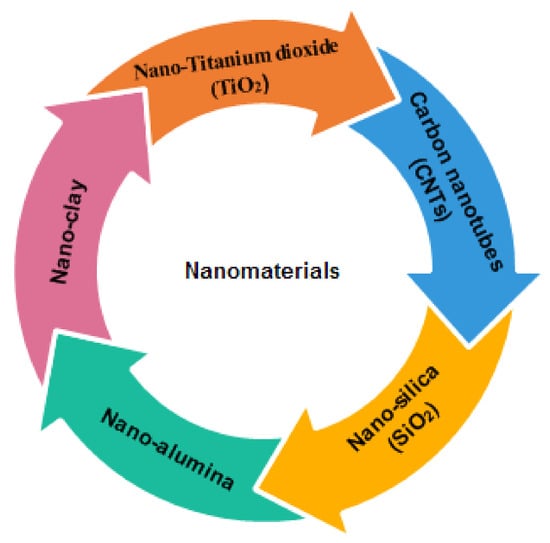
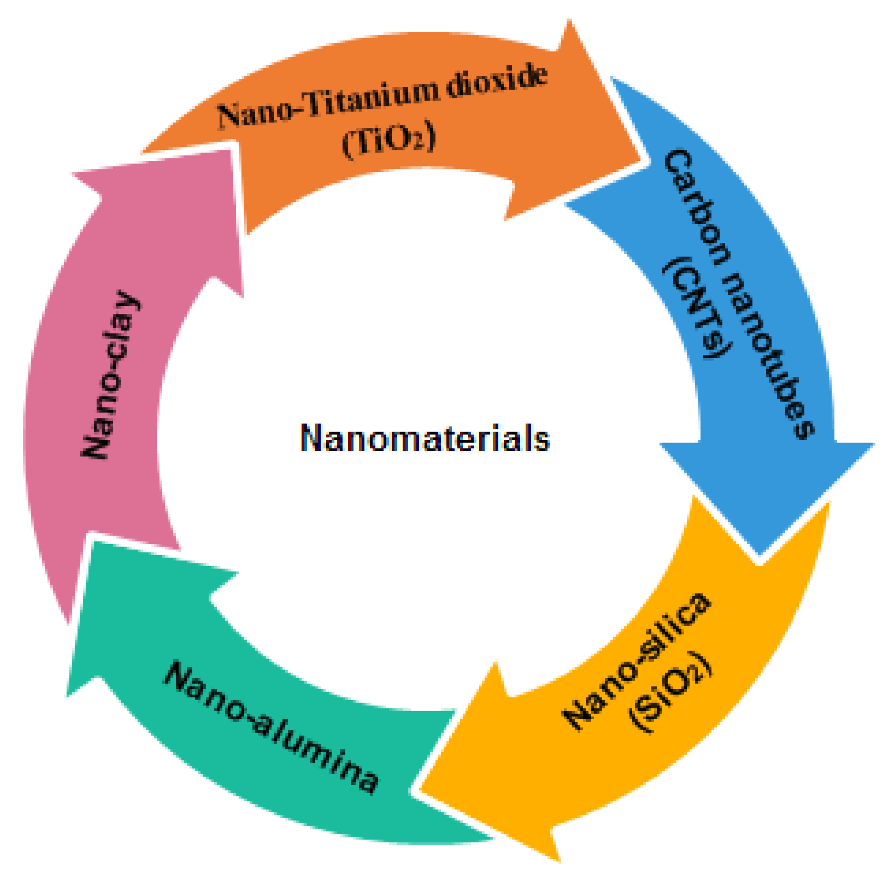
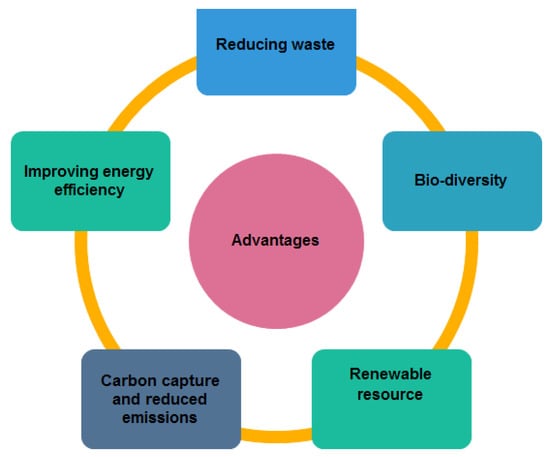
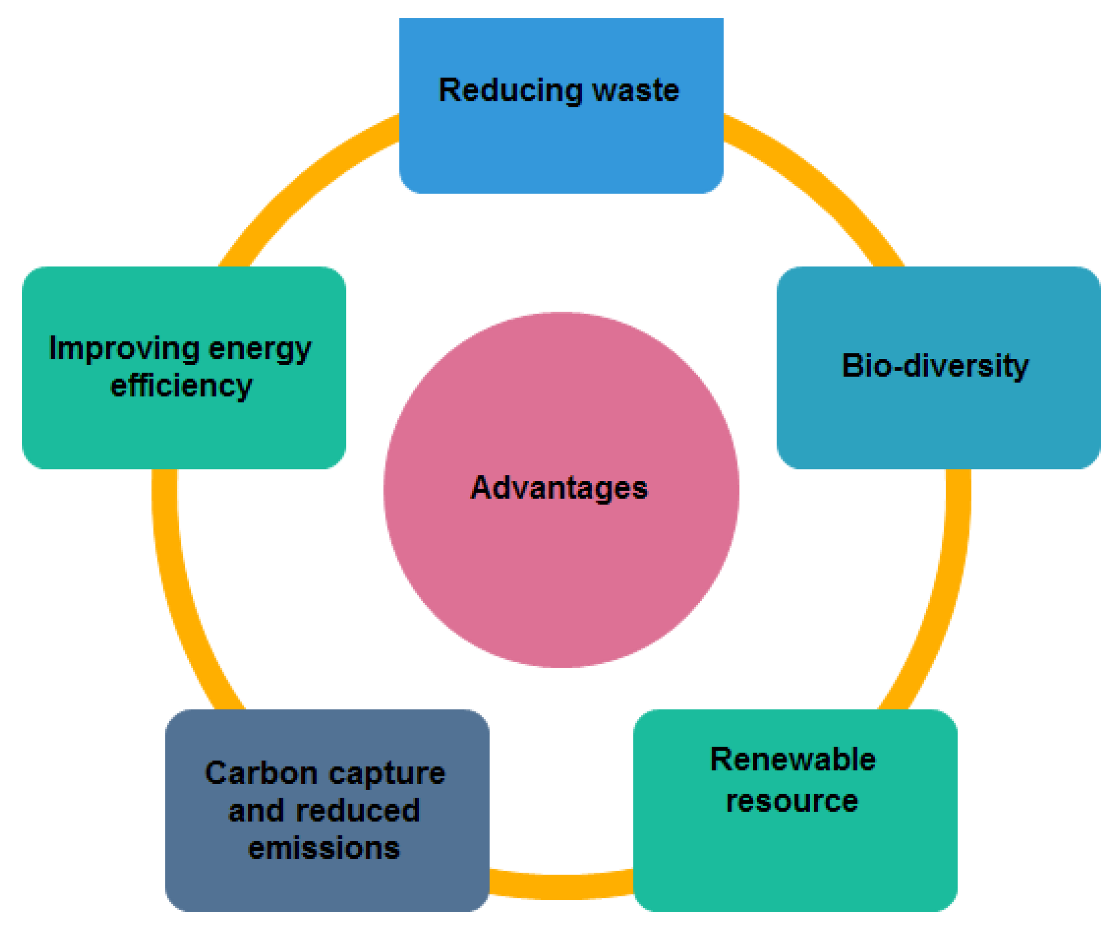
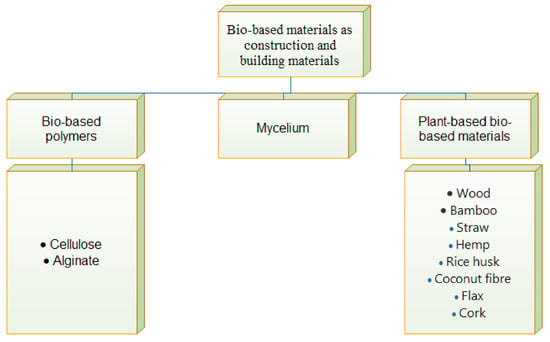
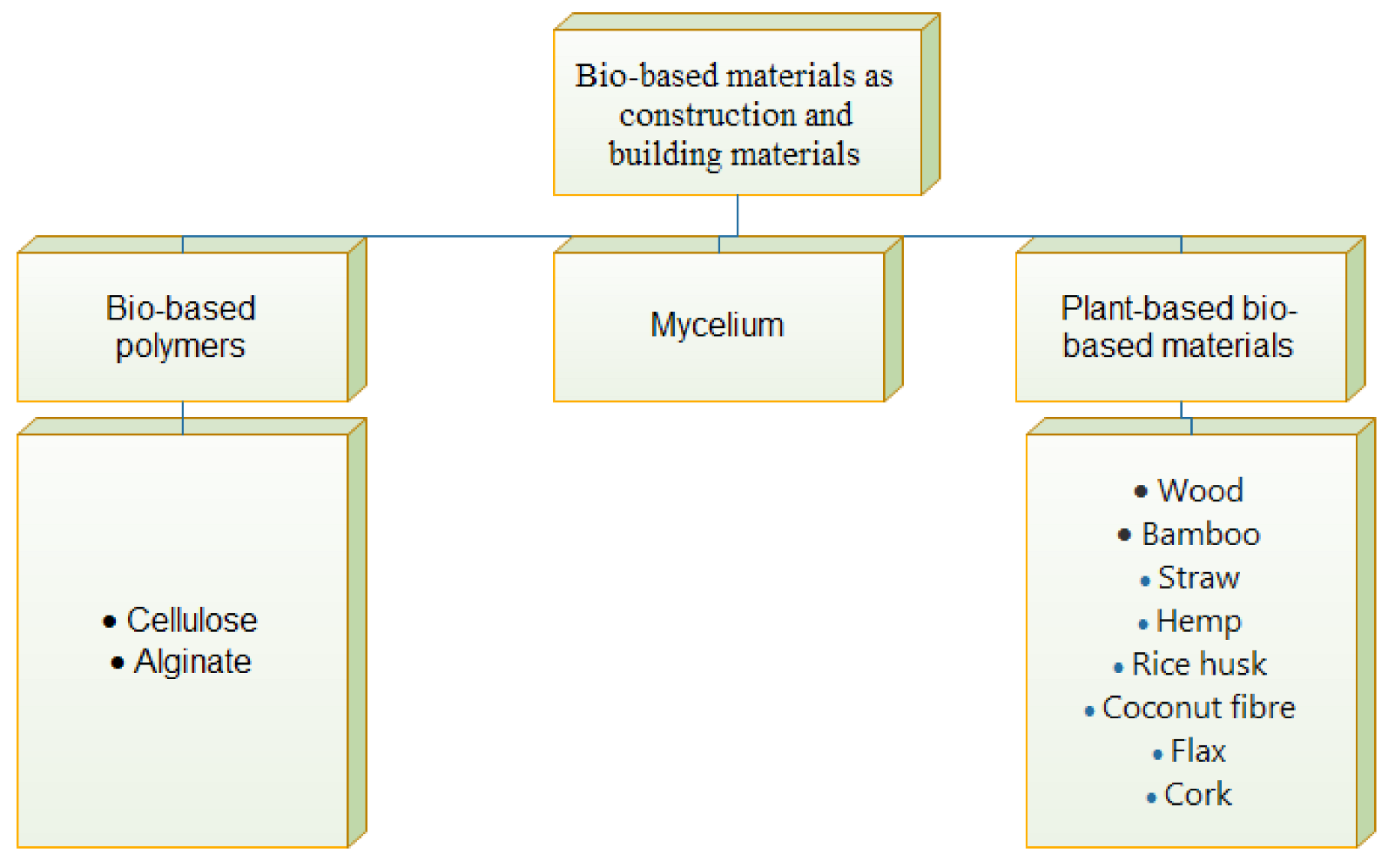

Disclaimer/Publisher’s Note: The statements, opinions and data contained in all publications are solely those of the individual author(s) and contributor(s) and not of MDPI and/or the editor(s). MDPI and/or the editor(s) disclaim responsibility for any injury to people or property resulting from any ideas, methods, instructions or products referred to in the content. |
© 2026 by the authors. Licensee MDPI, Basel, Switzerland. This article is an open access article distributed under the terms and conditions of the Creative Commons Attribution (CC BY) license.