


Abstract
Cultural heritage narrative architectural complexes (CHNAC) are historic built heritage environments in which preserved and adaptively reused architectural fabric serves as a medium for communicating cultural narratives. However, limited research has examined how visitors’ cognitive appraisals of such environments are associated with affective responses and willingness to revisit (WR). Based on the cognitive–affective–behavioral (CAB) framework, this study constructs a serial mediation model to examine how narrative understanding (NU), perceived authenticity (PA), and perceived spatial immersion (PSI) are linked to WR through two affective mechanisms, namely restorative experience (RE) and heritage attachment (HA), which are collectively referred to as emotional resonance. Based on 616 valid questionnaires, the model was tested using partial least squares structural equation modeling. The findings reveal differentiated cognitive–affective pathways to revisitation. NU was associated with WR primarily through emotional resonance, whereas PA showed both a direct association with WR and an indirect association through heritage attachment. PSI was associated with WR through the largest number of supported pathways, including a direct pathway and indirect pathways through RE, HA, and their sequential relationship. Across these pathways, RE was positively associated with HA, which in turn was positively associated with WR. These findings clarify the relationships between cognitive appraisals of narrative built heritage environments and emotional resonance reflected in restorative and attachment responses and provide implications for spatial design and revitalization that emphasize heritage conservation.
1. Introduction
Historic built heritage can function not only as an object of conservation but also as an experiential medium through which historical and cultural meanings are interpreted and communicated [1]. In this study, the term Cultural Heritage Narrative Architectural Complexes (CHNAC) draws on the design concept of “narrative architecture” proposed by Coates [2]. CHNAC refers to a historic built-heritage environment composed of multiple historic or traditional buildings and associated spaces, in which preserved or adaptively reused architectural fabric serves as a primary medium for communicating cultural narratives. Through conservation, restoration, adaptive reuse, and related interventions, historic buildings and spaces enable historical ways of life, traditional crafts, and rituals to be interpreted or presented as part of the heritage experience.
Although heritage tourism focuses on tourists’ perceptions, experiences, and management issues [3,4], it generally does not place architecture itself at the center of analysis. Heritage environment research focuses on the fabric and spatial context of historic buildings [5,6], but cultural heritage narration is not an explicitly defined dimension of this concept. Narrative architecture examines how architecture and spatial organization function as media for storytelling and meaning making [7,8], but it does not require the architectural environment itself to constitute historic heritage. Therefore, at the intersection of these three research concepts, CHNAC establishes a new analytical category that integrates the material heritage value of historic architecture, spatial organization, and cultural heritage narration within a single analytical category.
CHNAC differs from heritage tourism sites more broadly because its narrative experience is specifically grounded in historic architectural fabric and spatial organization. It also differs from adaptive-reuse commercial districts centered primarily on contemporary consumption and from newly constructed “historic-style” streets or themed environments lacking identifiable historic fabric. This definition emphasizes the capacity of architectural heritage to convey historical and cultural meanings, structure narrative experience, and support emotional connections between visitors and heritage [2,9,10].
Wuzhen is an illustrative case within the Chinese heritage context. Its historic buildings and spatial structure have been preserved and adapted to accommodate tourism development [11], while traditional ways of life and cultural performances are interpreted through its water town architectural environment. As visitors move through riverside dwellings, stone streets, and waterfront spaces, the built environment becomes both the setting and medium of cultural narration. The experiential value of CHNAC therefore extends beyond leisure and entertainment to the affective responses evoked through engagement with narrated cultural heritage.
Existing research suggests that visitors’ responses to cultural heritage environments involve important affective processes. One such process is restorative experience. Stress relief and emotional recovery have been associated with visitor loyalty [12] and revisit intention [13]. However, restorative-environment research has largely focused on natural and green settings, with comparatively limited attention to built environments [14,15,16]. Although historic districts can facilitate attention restoration, stress reduction, and mental well-being [17], architectural design in cultural buildings has also been shown to enhance perceived restorativeness and emotional resonance [14]. Nevertheless, the restorative role of historic architectural environments organized around cultural narration remains insufficiently understood.
A second affective process concerns visitors’ emotional bonds with heritage environments. Such bonds are commonly examined through place attachment [18,19,20,21]. However, place attachment may not fully capture visitors’ affective relationships with both the preserved architectural fabric and the cultural meanings embodied in CHNAC. Historic buildings function simultaneously as heritage assets and narrative media through which histories, traditions, and cultural meanings are communicated. Through such interpretation, visitors may form emotional connections with both the architectural heritage and the meanings it conveys [22]. Heritage attachment is therefore particularly relevant for explaining affective bonds formed in CHNAC.
Despite these two research streams, their combined role remains unclear. In particular, little is known about whether visitors’ cognitive appraisals of CHNAC are associated with willingness to revisit through restorative experience, heritage attachment, or a sequential process linking the two. Restorative benefits may deepen emotional connections with the environment [23], providing a basis for examining whether restorative experience is associated with stronger heritage attachment.
To address this gap, this study adopts cognitive–affective–behavioral framework to examine the relationships among cognitive appraisals, emotional resonance, and subsequent behavioral intention. Narrative understanding, perceived authenticity, and perceived spatial immersion represent three cognitive appraisals of CHNAC. Restorative experience and heritage attachment serve as two distinct affective responses, with emotional resonance used as the collective term for this stage. Willingness to revisit represents the behavioral outcome. Accordingly, this study examines the direct pathways linking these cognitive appraisals to willingness to revisit, as well as the indirect pathways through restorative experience, heritage attachment, and the theoretically proposed sequential relationship between the two. By clarifying these pathways, the study seeks to explain how narrative built heritage environments are associated with visitors’ affective responses and subsequent willingness to revisit.
This study introduces CHNAC as a distinct analytical category and differentiates it from the broader concepts of heritage environments, narrative architecture, and heritage tourism, thereby advancing research on heritage built environments. Because this category is defined based on the relationship between narrative and the architectural heritage environment rather than a specific cultural or geographical context, it also provides a transferable analytical perspective for similar studies. In addition, this study applies the cognitive–affective–behavioral framework to the field of narrative architectural heritage, providing a structured analytical approach for examining visitors’ interpretations of such environments, emotional resonance, and behavioral intentions, as well as a conceptual reference for future research on similar architectural heritage environments. At the same time, this study distinguishes between the relatively immediate restorative experience and the more enduring heritage attachment and theoretically specifies a directional relationship between them. This conceptualization advances research on psychological and emotional experiences in heritage built environments by providing a process oriented explanation of how restorative processes may contribute to the development of deeper and more enduring emotional connections with heritage.
The remainder of this paper is organized into three parts. First, a theoretical model was developed and research hypotheses were proposed based on the cognitive–affective–behavioral framework. Second, the methodology and PLS-SEM analysis are presented. Third, the findings and their theoretical and practical implications are discussed.
2. Theoretical Background and Hypothesis Development
2.1. Cognitive–Affective–Behavioral (CAB) Framework
The cognitive–affective–behavioral (CAB) theory is rooted in cognitive psychology and regards cognition, affect, and behavior as three components of attitude [24]. Studies based on the CAB model indicate that when individuals are exposed to external environmental stimuli, they develop cognitive appraisals and affective responses that are associated with subsequent behavioral intentions [25], while also supporting a direct pathway between cognitive appraisals and behavioral intentions [26]. Evidence from communication research embedded in cultural contexts similarly indicates that specific cultural cues can be associated with subsequent behavior through both cognitive and affective psychological pathways [27]. Similarly, architectural complexes that use historic buildings and their spatial environments to communicate historical and cultural narratives may activate visitors’ cognitive and affective responses, which in turn are associated with their intentions and behaviors [28,29].
The CAB framework has also been used to examine relationships among visitors’ cognitive appraisals, affective responses, and behavioral intentions arising from the quality of architectural spaces [30]. Therefore, this study adopts the CAB framework to examine the direct relationships between visitors’ cognitive appraisals of CHNAC and their behavioral intentions, as well as the indirect relationships through affective responses.
Building on this framework, the research model is shown in Figure 1. Within CHNAC, heritage interpretation, cultural activities, and spatial design are organized around cultural narratives grounded in the historic architectural complex and its surrounding environment. Visitors evaluate how well they understand these narratives, how authentic they perceive the historic buildings and related cultural representations to be, and how strongly they become immersed in the spatial environment. These evaluations correspond to narrative understanding (NU), perceived authenticity (PA), and perceived spatial immersion (PSI) in the cognitive layer [31,32]. Visitors’ experiences of historic buildings and their cultural atmosphere may be associated with emotional restoration and emotional connections with heritage [33,34]. These responses are represented by restorative experience (RE) and heritage attachment (HA) in the affective layer, followed by willingness to revisit (WR) in the behavioral layer.
Figure 1.
Research model.
NU and PA are classified as cognitive appraisals because they involve visitors’ interpretation and evaluation of the heritage environment. NU reflects visitors’ understanding of the relationships among historic buildings, cultural narratives, historical figures, and events [35], whereas PA reflects judgments regarding the authenticity of preserved architectural fabric and the credibility of its historical and cultural representations [36].
The classification of PSI requires greater conceptual distinction because immersion can encompass cognitive, experiential, and affective components. Research on cognitive absorption and flow has shown that highly immersive states may involve not only focused attention but also enjoyment and other experiential responses [37]. However, in the present study, PSI is conceptualized specifically as perceived spatial immersion rather than as flow or affective absorption. Presence research describes spatial immersion in terms of directed attention, reduced awareness of the external environment, spatial representation, and the subjective sense of being located within an environment [38,39]. Consistent with this distinction, the present PSI construct captures visitors’ attentional focus on historic buildings and spaces, attenuation of awareness of the outside environment, perception of spatial sequence, and sense of spatial presence. In archaeological heritage environments, PSI has likewise been treated as a process preceding affective experience [40]. Accordingly, in the present model, PSI is operationalized as a perceptual and cognitive appraisal of the spatial environment rather than as an affective state itself. Thus, NU, PA, and PSI jointly constitute the cognitive layer of the model.
The affective layer refers to the subjective emotional responses that arise when visitors evaluate historic buildings and their associated cultural meanings [41]. In this study, these responses are collectively referred to as emotional resonance. RE represents emotional recovery associated with environmental experience and has been positioned as an affective mechanism in studies based on the CAB framework [42]. HA represents the emotional bond between visitors and architectural heritage and its associated cultural meanings and has likewise been treated as an affective component linking cognitive responses to behavioral intentions [43]. Thus, RE and HA constitute two distinct affective responses in the model, with emotional resonance used as the overarching concept encompassing both.
Although RE and HA are both affective responses, the present model specifies a directional ordering from RE to HA. RE is conceptualized as a psychological state associated with a specific experience such as relaxation, emotional balance, and relief from mental fatigue, that can arise during or immediately after interaction with an environment [44]. HA, by contrast, represents a relatively more enduring emotional bond formed when visitors attribute personal and cultural significance to the heritage experience [45]. Previous studies have modeled RE as an antecedent of place attachment and have also reported a positive association between the two [46,47], providing theoretical support for specifying RE before HA in the present model. Although attachment has also been modeled as a predictor of perceived restoration [48], the present model focuses on the directional ordering that places RE before HA, based on the distinction between a relatively immediate restorative state and a relatively more enduring emotional bond.
Finally, WR represents the behavioral layer. It is regarded as an immediate psychological predictor of actual revisit behavior [49] and is frequently positioned as a behavioral intention resulting from cognitive appraisals and affective responses in studies based on CAB [50,51,52]. In this study, WR refers to visitors’ willingness to revisit CHNAC in the future [53,54] and to reexperience its historic architecture and associated cultural narratives [55].
2.2. Hypothesis Development
Restorative experience (RE) refers to the psychological recovery visitors experience through interaction with an environment, including relief from stress and mental fatigue and temporary detachment from everyday concerns [44]. Such benefits can provide a reason to return in order to experience similar restoration again [56]. RE has also been linked to greater personal significance attributed to an environment and to stronger emotional bonds with that environment [46,47]. HA captures this bond, encompassing affection for historic architectural structures, materials, and design ingenuity as well as identification with related cultural values and historical meanings [45]. Stronger attachment may mean that visitors are more willing to maintain or renew this valued relationship by revisiting. Therefore, the following hypotheses are proposed:
H1.
Restorative experience is positively related to heritage attachment.
H2.
Restorative experience is positively related to willingness to revisit.
H3.
Heritage attachment is positively related to willingness to revisit.
Narrative understanding (NU) represents visitors’ ability to integrate architectural, spatial, historical, and cultural cues into a coherent understanding of the heritage narrative [57]. When the relationships among historic buildings, historical figures, events, the ways of life being represented, and cultural meanings are clear and comprehensible, visitors encounter fewer interpretive barriers and can engage more meaningfully with the experience. Such understanding may provide a foundation for revisitation because coherent and meaningful narratives can sustain visitors’ engagement and encourage reinterpretation [58,59]. Similarly, cognitive coherence may facilitate psychological restoration by reducing the effort required to interpret the heritage and helping visitors maintain their attention on the heritage experience itself. At the same time, understanding the beliefs and values embodied in the historic architectural complex may foster visitors’ personal identification with and emotional connection to the heritage [60]. Given the theoretically proposed sequence from RE to HA, NU may be associated with WR not only through each affective mechanism independently but also through the sequential pathway involving RE and HA. Accordingly, the following hypotheses are proposed:
H4.
Narrative understanding is positively related to willingness to revisit.
H5.
Narrative understanding is indirectly and positively related to willingness to revisit through restorative experience.
H6.
Narrative understanding is indirectly and positively related to willingness to revisit through heritage attachment.
H7.
Narrative understanding is indirectly and positively related to willingness to revisit through a sequential pathway involving restorative experience and heritage attachment.
Perceived authenticity (PA) refers to visitors’ subjective judgments regarding the authenticity and credibility of historic buildings, cultural representations, and interactive experiences within CHNAC [61]. When the treatment and interpretation of historic buildings, spatial configurations, performances, and other elements are consistent with their historical contexts and cultural meanings, visitors are more likely to perceive the architectural and cultural experience as authentic [62]. Such credibility may make visitors perceive greater value in returning to the environment [63]. In addition, PA may be positively associated with RE when the heritage experience is perceived as coherent and psychologically meaningful. Related research on heritage has linked authenticity with psychological and subjective well-being [64]. Meanwhile, a stronger perception of authenticity may be accompanied by a stronger sense that visitors’ encounters with the heritage and its meanings are genuine, thereby laying the foundation for emotional connections with both the architectural fabric and the culture it represents [65]. Given the theoretically proposed sequence from RE to HA, PA may be associated with WR not only through each affective mechanism independently but also through the sequential pathway involving RE and HA. Therefore, the following hypotheses are proposed:
H8.
Perceived authenticity is positively related to willingness to revisit.
H9.
Perceived authenticity is indirectly and positively related to willingness to revisit through restorative experience.
H10.
Perceived authenticity is indirectly and positively related to willingness to revisit through heritage attachment.
H11.
Perceived authenticity is indirectly and positively related to willingness to revisit through a sequential pathway involving restorative experience and heritage attachment.
Perceived spatial immersion (PSI) refers to the degree to which visitors perceive themselves as immersed in the surrounding spatial environment [66]. It is characterized by sustained attention to historic buildings and their extending spaces, reduced awareness of the external environment, and a sense of being situated within an environment rich in cultural heritage [67,68]. A highly immersive spatial experience can itself provide a reason for revisitation. At the same time, its attentional characteristics may be associated with affective responses. As attention shifts away from everyday stressors and toward the spatial sequence of the architectural complex, mental fatigue may be alleviated and psychological restoration facilitated [69,70,71]. Sustained engagement with historic buildings, spatial features, and cultural symbols can also deepen visitors’ understanding of the heritage and strengthen their emotional connections to it [72]. Therefore, PSI may be associated with WR directly and indirectly through RE or HA independently. Given the theoretically proposed sequence from RE to HA, PSI may also be associated with WR through their sequential pathway. Therefore, the following hypotheses are proposed:
H12.
Perceived spatial immersion is positively related to willingness to revisit.
H13.
Perceived spatial immersion is indirectly and positively related to willingness to revisit through restorative experience.
H14.
Perceived spatial immersion is indirectly and positively related to willingness to revisit through heritage attachment.
H15.
Perceived spatial immersion is indirectly and positively related to willingness to revisit through a sequential pathway involving restorative experience and heritage attachment.
3. Methodology
To test the proposed theoretical model, this study adopted a quantitative research approach and collected data through a questionnaire survey. The choice of method was based on the following considerations. First, the study required data on visitors’ subjective perceptions and psychological evaluations of CHNAC, which can be effectively captured using standardized psychometric scales. Second, the questionnaire survey method can improve the interpretability of the research findings [73]. Third, no publicly available dataset provided measures of the constructs examined in this study, making primary data collection necessary for the empirical analysis.
3.1. Questionnaire Design
All measurement items used in the questionnaire were adapted from established scales in prior studies, as shown in Table 1. This study systematically reviewed established items for the relevant variables and adapted the scales to the characteristics of CHNAC, resulting in a preliminary measurement instrument designed to assess the relationships among visitors’ cognitive appraisals, affective responses, and willingness to revisit (WR) in CHNAC.
Table 1.
Adapted measurement items and source scales.
The questionnaire comprised three sections. The first section included an informed consent form, an explanation of the study background, and respondent eligibility criteria. In addition, to help respondents understand the concept of CHNAC, the questionnaire provided the explanation shown in Table 2. Respondents first confirmed that they were aged 18 years or older and, based on Table 2, determined whether they had visited and experienced such an architectural complex within the previous 12 months. Respondents who considered that they had visited a CHNAC and consented to the collection and use of their anonymous data proceeded to the subsequent sections, whereas the questionnaire ended automatically for those who did not meet these conditions. In addition, to ensure that respondents’ answers were relevant to the topic of this study, they provided the name of the CHNAC they had most recently visited, allowing the researchers to assess and verify, after data collection, whether the reported site met the defining characteristics and boundaries of CHNAC specified in Table 2 by cross checking it against official information about the architectural complex. The second section collected demographic and other relevant background information. The third section assessed the study constructs using distinct temporal reference points. Narrative understanding (NU), perceived authenticity (PA), and perceived spatial immersion (PSI) referred to respondents’ experiences during their most recent visit, whereas restorative experience (RE) concerned their feelings during or immediately after that visit. Heritage attachment (HA) assessed their current emotional bonds with the architectural and cultural heritage of the complex, while WR assessed their current willingness to revisit it in the future. All items were measured using a five-point Likert scale ranging from 1 (“strongly disagree”) to 5 (“strongly agree”).
Table 2.
Defining Characteristics and Boundaries of Cultural Heritage Narrative Architectural Complexes (CHNAC).
To ensure the questionnaire’s validity across cultures, this study followed a rigorous localization process. A procedure involving back translation was adopted. The measurement items used in this study were originally in English, whereas the questionnaire administered to respondents was in Chinese. To ensure linguistic equivalence, the English items were first translated into Chinese and then back translated into English. The forward translation and back translation were independently conducted by two bilingual researchers who were proficient in both Chinese and English and had extensive experience in reading and handling English academic materials. A review panel consisting of three architectural design experts and three scholars in the field of cultural heritage tourism, all of whom were proficient in both Chinese and English, compared the original English version with the back translated version, identified semantic discrepancies, and suggested necessary revisions. Based on this feedback, the two researchers from the original translation team reviewed, discussed, and finalized the relevant items to ensure semantic consistency between the English and Chinese versions. After the translation process was completed, the same expert panel further evaluated the revised questionnaire to assess the contextual applicability and content validity of the measurement items in the CHNAC context. The original translation team made further revisions based on the professional feedback from the expert panel to improve clarity and contextual appropriateness. Following the final review by the research team, 36 respondents who had visited and experienced a CHNAC within the previous 12 months were invited to participate in the questionnaire pretest. The pretest results indicated satisfactory internal consistency for all six constructs, with Cronbach’s α values of NU (0.910), PA (0.902), PSI (0.926), RE (0.881), HA (0.868), and WR (0.948). No items were identified for revision or deletion, and all 30 items were retained without modification for the main survey. Formal data collection was conducted from January to March 2026. Convenience and snowball sampling were used to recruit eligible respondents through multiple channels, including tourism forums, visitor groups focused on cultural heritage attractions and narrative architectural complexes, and related social media discussion groups. Participation was voluntary, and respondents received no compensation or other incentives.
3.2. Participants and Data Collection
The target population consisted of visitors aged 18 years or older who had visited a CHNAC within the previous 12 months. A total of 750 respondents participated in the screening process. The CHNAC sites reported as most recently visited were distributed across various regions of China. To ensure data validity, 134 responses were excluded. As shown in Figure 2, these included 31 responses in which the reported site either did not meet the characteristics of CHNAC described in Table 2 or could not be verified, 64 with incomplete item responses, 21 with a completion time of less than half of the 9 min average completion time, and 18 with a response standard deviation of zero. Ultimately, 616 valid questionnaires were retained for structural model validation and hypothesis testing, accounting for 82.1% of the initially collected responses. Kline and Santor [79] recommend a sample size of at least 10 times the number of items. As the present study includes 30 items, a minimum sample size of 300 is required to meet this criterion. The available sample size exceeds this threshold, indicating that it is adequate for the subsequent analyses.
Figure 2.
Questionnaire screening and exclusion process. Note: Percentages in gray indicate the proportion of responses retained relative to the immediately preceding stage.
The gender distribution was relatively balanced, with female respondents comprising a slightly larger proportion (51.9%) than male respondents (48.1%). The sample was relatively young, with respondents aged 25 to 34 accounting for the largest proportion (35.1%), followed by those aged 18 to 24 (31.0%), while respondents aged 45 or older represented only 10.9%. Approximately three quarters of the respondents had attained at least a junior college education, with those holding a bachelor’s degree accounting for the largest proportion (41.9%). Regarding companion type during respondents’ most recent visits to CHNAC, traveling with child(ren) under 18 was the most common (36.0%), followed by traveling with spouse or romantic partner (23.9%), while solo visits accounted for only 5.8%. Regarding annual travel frequency, 41.9% of respondents reported traveling two to three times per year, followed by 34.1% who traveled four to five times per year. Respondents’ annual travel expenditures were concentrated in the moderate ranges of RMB 3000–4999 (37.0%) and RMB 1000–2999 (35.1%).
3.3. Analytical Methods
In order to test the theoretical framework proposed in this study, structural equation modelling (SEM) is used to evaluate the measurement model and structural model, allowing for the verification of theoretical relationships. Specifically, this study employs partial least squares structural equation modelling (PLS-SEM) and utilises Smart-PLS 4.0 software for model estimation and path analysis.
Given the study’s emphasis on explaining variance in key endogenous constructs and assessing their predictive relevance, PLS-SEM was selected. This method enables the measurement and structural models to be evaluated within an integrated framework while estimating the proposed direct, indirect, and sequential indirect relationships. PLS-SEM is particularly suitable for relatively complex latent variable models that combine explanatory analysis with predictive relevance assessment [80,81].
At the level of data analysis, Smart-PLS 4.0 was used to perform the core PLS-SEM computations and to test the significance of the path coefficients, while IBM SPSS Statistics 30.0 was employed for descriptive statistics, correlation analysis, and selected diagnostic tests, so as to ensure the quality and applicability of the data.
4. Results and Analyses
Data analysis followed the two-step approach proposed by Anderson and Gerbing [82]. First, the measurement model was systematically evaluated to confirm that it met the requirements for subsequent structural analysis [83]. Subsequently, the structural model was then assessed, and the hypotheses were tested [84].
4.1. Model Measurement
First, Harman’s single-factor test was conducted to examine whether a single factor accounted for the majority of variance in the self-report measures [85]. The largest factor explained 36.75% of the total variance, below the conventional 50% benchmark, while six factors with eigenvalues greater than 1 collectively explained 74.39% of the variance. These results indicate that no single factor accounted for the majority of the observed variance. The measurement model was then evaluated for reliability, convergent validity, and discriminant validity.
Second, Table 3 shows that the measurement model achieved acceptable reliability and validity. Cronbach’s α values for all constructs ranged from 0.898 (RE) to 0.927 (PSI), while composite reliability (CR) values ranged from 0.901 (RE) to 0.928 (PSI). All values exceeded the recommended threshold of 0.70, supporting the internal consistency of the scales. Furthermore, the average variance extracted (AVE) values ranged from 0.710 (RE) to 0.774 (PSI), exceeding the criterion of 0.50 and indicating good convergent validity. Appendix A (Table A1) shows that the standardized outer loadings of all measurement items range from 0.810 (NU4) to 0.906 (WR2), all exceeding the commonly recommended threshold of 0.70 and supporting adequate indicator reliability. Together with the CR results reported in Table 3, these findings demonstrate that the measurement model met the overall psychometric requirements [86,87].
Table 3.
Reliability and convergent validity.
Third, discriminant validity was verified through the Fornell–Larcker criterion [88]. In Table 4, the square roots of the AVE values are shown on the diagonal. The coefficients on this diagonal are all greater than the other numbers in their respective rows and columns. This means that the strength of the association between each latent variable and its own measurement indicators exceeds its association with other different concepts, demonstrating good discriminant validity. Subsequently, verification by the Heterotrait–Monotrait (HTMT) was carried out for a more rigorous assessment.
Table 4.
Fornell–Larcker criterion.
According to the discriminant validity results evaluated by the HTMT ratio of correlations in Table 5, all HTMT values ranged from 0.149 to 0.547, which are well below the conservative threshold of 0.85 [89]. This result, together with the previously satisfied Fornell–Larcker criterion, demonstrated the robustness of the model and confirmed the good discriminant validity among the variables. Collectively, these results supported the internal consistency, convergent validity, and discriminant validity of the measurement model. Based on this, this study conducted a PLS-SEM structural analysis to test the hypothesized paths and the serial mediation model.
Table 5.
HTMT ratio of correlations.
4.2. Structural Equation Modeling and Hypothesis Testing
Predictive relevance was assessed using the PLSpredict procedure with 10-fold cross-validation repeated 10 times. RMSE and MAE were calculated from the out-of-sample prediction errors, with RMSE representing the square root of the mean squared prediction errors and MAE representing the mean absolute prediction error; lower values indicate smaller prediction errors. Q2 predict was calculated as 1 minus the ratio of the sum of squared prediction errors (SSE) generated by the PLS-SEM model to the SSE obtained from the indicator-mean benchmark model. In the benchmark model, the mean value of the corresponding indicator in the training sample was used to predict observations in the holdout sample. A Q2 predict value greater than 0 indicates that the PLS-SEM model yields lower prediction error than the mean benchmark and therefore demonstrates out-of-sample predictive ability.
Table 6 presents the explanatory power and construct-level predictive relevance of the endogenous variables. HA (R2 = 0.392; adjusted R2 = 0.388) and WR (R2 = 0.358; adjusted R2 = 0.353) showed modest explanatory power, whereas RE (R2 = 0.066; adjusted R2 = 0.062) exhibited relatively weak explanatory power. The positive Q2 predict values for HA (0.308), WR (0.250), and RE (0.055) indicate predictive relevance for all three endogenous constructs. The corresponding RMSE and MAE values are reported as additional construct-level prediction-error statistics.
Table 6.
Explanatory power and predictive relevance of endogenous constructs.
Appendix A (Table A2) presents the correlations among the study constructs. All constructs were significantly and positively correlated (p < 0.01), with correlation coefficients ranging from 0.135 to 0.498. The strongest correlation was observed between HA and WR (r = 0.498, p < 0.01), whereas the weakest was observed between PA and RE (r = 0.135, p < 0.01). All correlations between constructs were below 0.50, and the correlation matrix provided no preliminary indication of serious multicollinearity. These preliminary correlation results were followed by further structural model assessment, including bootstrapping-based significance testing and VIF-based collinearity diagnostics.
To assess the statistical significance of the structural relationships and indirect effects, bootstrapping with 5000 resamples was performed using bias-corrected and accelerated (BCa) 95% confidence intervals, a two-sided test, and a significance level of 0.05. A fixed random seed was used to improve the reproducibility of the results. Indirect effects and sequential indirect effects were considered statistically significant when their 95% BCa confidence intervals did not include zero.
Table 7 shows no collinearity issues in the model, as all VIF values range between 1.071 and 1.644, well below the recommended threshold of 5.0. The path from HA to WR shows the highest VIF (1.644), while the path from RE to HA shows the lowest value (1.071). Together, these results indicate that the estimated path coefficients are unlikely to be affected by multicollinearity, providing a stable statistical foundation for subsequent structural model analysis.
Table 7.
Direct effects and collinearity assessment of the structural model.
As shown in Table 7, the majority of direct relationships were statistically significant. The substantive magnitude of these relationships was further assessed using f2, with values of 0.02, 0.15, and 0.35 representing small, medium, and large effects, respectively. Specifically, the paths from PSI (β = 0.167, 95% CI [0.069, 0.268]) and NU (β = 0.141, 95% CI [0.040, 0.235]) to RE were positive and statistically significant, with PSI showing a small effect (f2 = 0.020) and NU showing a negligible effect (f2 = 0.015). In contrast, the path from PA to RE was not statistically significant (β = −0.012, 95% CI [−0.104, 0.083]) and showed a negligible effect size (f2 = 0.000). For HA as the dependent variable, all direct paths were statistically significant. The theoretically specified path from RE to HA was positive and statistically significant (β = 0.282, 95% CI [0.209, 0.352]) and showed a small effect (f2 = 0.122). Therefore, H1 was supported.
Regarding the formally hypothesized paths to WR, all hypothesized paths were supported except the path from NU to WR (β = 0.011, 95% CI [−0.068, 0.086]), which was not statistically significant and showed a negligible effect (f2 = 0.000). Specifically, the paths from HA (β = 0.260, 95% CI [0.173, 0.340], f2 = 0.064), PSI (β = 0.209, 95% CI [0.125, 0.288], f2 = 0.043), RE (β = 0.177, 95% CI [0.106, 0.250], f2 = 0.040), and PA (β = 0.161, 95% CI [0.088, 0.232], f2 = 0.027) to WR all supported the corresponding hypotheses. Therefore, H2, H3, H8, and H12 were supported, whereas H4 was not supported.
Figure 3 presents the structural model results, including the standardized path coefficients and their significance levels. The results indicate that 10 out of 12 direct pathways achieve significance. Among these, the four direct pathways where the pathways from RE, PSI, PA, and NU to HA, and the four direct pathways where the pathways from RE, HA, PA, and PSI to WR, both achieve p < 0.001. Concurrently, the significance of the PSI and RE pathway is p = 0.001, while the NU and RE pathway yields p = 0.005. Only the pathways from NU to WR (p = 0.775) and from PA to RE (p = 0.803) were not statistically significant. These significance conclusions are consistent with the determination that the 95% confidence interval (95% CI) as to whether it crosses zero, supporting the hypothesized paths.
Figure 3.
Structural model results. Note: ** p < 0.01; *** p < 0.001. Solid arrows indicate statistically significant relationships, whereas dashed arrows indicate statistically nonsignificant relationships.
Table 8 presents the mediation pathways in which HA serves as the dependent variable. PSI (β = 0.047, 95% CI [0.020, 0.082]) and NU (β = 0.040, 95% CI [0.011, 0.071]) showed significant positive indirect relationships with HA through RE. However, PA effect on HA through RE is not supported (β = −0.003, 95% CI [−0.029, 0.025]), thus indicating RE does not mediate the relationship.
Table 8.
Mediation and Serial Mediation Effects of the Structural Model.
For WR as the dependent variable, all indirect effects through HA are supported. Among these, the largest indirect coefficient through HA was observed for RE (β = 0.073, 95% CI [0.046, 0.108]). Subsequently, PSI (β = 0.062, 95% CI [0.036, 0.095]), NU (β = 0.059, 95% CI [0.034, 0.090]) and PA (β = 0.038, 95% CI [0.017, 0.065]) showed significant positive indirect relationships with WR through HA. Therefore, the hypotheses for H6, H10, and H14 are supported. In the hypothesis with RE as the mediating variable, the two pathways, which are PSI (β = 0.030, 95% CI [0.012, 0.056]) and NU (β = 0.025, 95% CI [0.008, 0.048]), are supported. Therefore, H5 and H13 are supported. However, the indirect relationship between PA and WR through RE was not significant (β = −0.002, 95% CI [−0.020, 0.014]). Therefore, H9 is not supported.
The serial indirect pathway through RE and HA was significant for PSI and NU but not for PA. Specifically, the serial indirect relationship was significant for PSI (β = 0.012, 95% CI [0.005, 0.024]) and NU (β = 0.010, 95% CI [0.003, 0.020]), whereas the corresponding pathway for PA was not significant (β = −0.001, 95% CI [−0.008, 0.007]). Therefore, H15 and H7 were supported, whereas H11 was not supported.
5. Discussion
Grounded in the cognitive–affective–behavioral (CAB) framework, this study examined how visitors’ cognitive appraisals and emotional resonance are associated with willingness to revisit (WR) in CHNAC. Narrative understanding (NU), perceived authenticity (PA), and perceived spatial immersion (PSI) were specified as the three cognitive appraisals, while restorative experience (RE) and heritage attachment (HA) were specified as the two affective factors representing emotional resonance. The findings indicate that the three cognitive appraisals differ in their patterns of direct association with WR and in the pathways through which emotional resonance between visitors and the architectural complexes and the cultural heritage they represent is sustained.
Narrative understanding (NU) was indirectly associated with WR through RE, HA, and the theoretically specified RE–HA sequential pathway. Consistent with Irimiás et al. [90], when features of historic buildings, spatial settings, and descriptions of historical figures and events convey heritage meanings through concrete and comprehensible narratives, visitors can understand these meanings more easily. This cognitive ease may be associated with relaxation and emotional recovery, which may in turn be associated with revisitation. Furthermore, visitors’ deeper understanding may be associated with greater attribution of personal meaning to the protected buildings and their related cultural heritage and to form emotional connections with them, while revisiting provides a means of renewing these valued connections [91]. By contrast, NU did not show a significant direct relationship with WR, which differs from the findings of Ko et al. [92]. A possible explanation is that visitors may understand the heritage narrative presented by the complex yet remain indifferent to it or even dislike it. Moreover, visitors may complete the cognitive task of understanding during their initial visit, meaning that revisiting offers little additional informational value.
Perceived authenticity (PA) showed a significant direct relationship with WR and a significant indirect relationship through HA. In CHNAC, architectural settings and details make the heritage environment appear authentic and credible, while performances and sensory elements lend credibility to the historical and cultural narratives experienced within it. Revisiting allows visitors to enter this valued setting again. This finding is consistent with the evidence reported by Zhou et al. [93]. At the same time, credible interactive experiences may accompany a stronger perception of the cultural meanings embodied in the architectural heritage and deeper emotional connections between visitors and the heritage [65]. However, neither the pathway through RE nor the theoretically specified RE–HA sequential pathway was supported. This result contrasts with the findings of Yi et al. [64]. One possible explanation is that credible architectural environments and cultural representations give somber historical events greater emotional impact. When narratives involving conflict, sacrifice, or loss are convincingly presented, visitors may experience stronger negative emotions rather than relaxation and renewed vitality [94].
Perceived spatial immersion (PSI) was positively associated with WR both directly and indirectly through RE, HA, and the theoretically specified RE–HA sequential pathway. This direct relationship is consistent with the findings of Ngan and Lei [95]. Visitors become immersed in the historical and cultural environment created through the spaces of the complex, and revisiting the complex provides a means of reliving this memorable experience. At the same time, as the spaces progressively unfold, visitors remain focused while becoming less aware of the external world, allowing them to gain temporary relief from everyday stress and relax emotionally [96,97]. Furthermore, immersive engagement with various spaces and scenes, accompanied by positive emotions, may coincide with deeper emotional attachment to the heritage content, stronger cultural identification, and greater willingness to revisit [98].
The pathway results involving emotional resonance and behavioral intention indicate a significant positive association between RE and HA, consistent with the theoretically proposed ordering from RE to HA. At the same time, both RE and HA are positively associated with WR. Consistent with He et al. [99], because cultural heritage shapes and organizes the complex and its contents, visitors may attribute the relaxation, emotional balance, and renewed vitality gained during their visit to both the cultural heritage being narrated and the architectural heritage that serves as its medium, and these experiences may accompany stronger emotional attachment to the heritage. Furthermore, consistent with Li and He [100], visitors may return to recapture the psychological restoration they previously experienced at the architectural complex. At the same time, consistent with the findings of Zou et al. [101], revisiting CHNAC may provide an opportunity for visitors to reconnect with the cultural heritage narrated through them. Although NU and PSI were significantly associated with RE, the model explained only 6.6% of the variance in RE, and its Q2 predict value was also relatively low (0.055). This limited explanatory and predictive power indicates that the cognitive appraisals examined in the present model capture only a small part of the processes associated with restorative experience. One possible explanation is that, beyond NU, PA, and PSI, restorative experience may also depend on other characteristics of the physical and experiential environment, as well as visitor specific circumstances, which were not included in the model.
The results reveal a multidimensional and differentiated pattern of relationships underlying willingness to revisit CHNAC. NU exhibited an indirect-only mediation pattern. Its direct relationship with WR was not significant, whereas the indirect relationships through RE, HA, and the theoretically specified RE–HA sequential pathway were all significant. For PA, both its direct relationship with WR and its indirect relationship through HA were significant, indicating complementary mediation through HA, whereas the indirect relationships through RE and the theoretically specified RE–HA sequential pathway were not significant and therefore did not support mediation through these routes. PSI had a significant direct relationship with WR, while significant indirect relationships were also observed through RE, HA, and the theoretically specified RE–HA sequential pathway, indicating complementary mediation across these pathways. These differentiated patterns indicate that the affective mechanisms associated with willingness to revisit vary according to the type of cognitive appraisal rather than operating uniformly across NU, PA, and PSI.
6. Conclusions
Grounded in the cognitive–affective–behavioral framework, this study examined how visitors’ cognitive appraisals of CHNAC relate to willingness to revisit through direct and affective pathways. Partial least squares structural equation modeling was applied to 616 valid questionnaires. The results revealed differentiated pathway patterns. Narrative understanding showed an indirect-only mediation pattern, with no significant direct relationship with willingness to revisit but significant indirect relationships through restorative experience, heritage attachment, and the theoretically specified serial indirect pathway through both affective mechanisms. Perceived authenticity showed complementary mediation through heritage attachment, while the indirect relationships through restorative experience and the serial pathway were not significant. Perceived spatial immersion showed complementary mediation across the largest number of supported pathways, including a significant direct relationship plus significant indirect relationships through restorative experience, heritage attachment, and the same serial pathway.
Theoretically, this study applies the cognitive–affective–behavioral framework to historic architectural heritage environments revitalized through conservation, adaptive reuse, and cultural narration, thereby extending research on the relationship between the built environment and visitor responses. In addition, by defining CHNAC as a distinct analytical category, this study integrates narrative understanding, perceived authenticity, and perceived spatial immersion, which are often examined separately in related research, within a common heritage context. The study incorporates restorative experience and heritage attachment into the affective stage and further conceptualizes heritage attachment as an integrative emotional bond with preserved architectural heritage and the historical and cultural meanings embedded within it. These theoretical contributions and empirical findings provide an additional theoretical basis for researchers to conduct similar studies of historic heritage environments in which architectural and cultural elements provide the basis for narration, while also offering a research design reference for examining the theoretically proposed sequence from restorative experience to heritage attachment.
Practically, the findings suggest that CHNAC revitalization and operation should prioritize narrative clarity, spatial continuity, and immersive experience while preserving the authenticity and integrity of historic architectural fabric. For heritage managers, architects, and decision makers, cultural narration should help visitors understand relationships among architectural elements, spatial sequences, and embedded cultural meanings, while creating conditions that may support psychological restoration and deeper emotional connections with architectural heritage. Conservation professionals should maintain spatial continuity, transitions, visual connections, and interrelationships while safeguarding the authenticity and legibility of historic fabric, so as to support coherent and immersive experiences. Because PSI was associated with WR through the largest number of supported pathways, in Wuzhen, this finding may inform efforts to maintain continuous visitor experiences across stone streets, waterways, waterfront spaces, and historic buildings. Project operators should integrate interpretive elements and cultural activities into existing spatial sequences and historic buildings where feasible, thereby maintaining continuity between narration and the heritage setting. In addition, these findings can inform the design of narrative interventions that remain compatible with the heritage context, while established conservation principles such as minimal intervention and reversibility may be considered where appropriate.
This study has several limitations. First, the model covers a limited range of cognitive and affective dimensions, and its explanatory and predictive power for restorative experience is relatively low, suggesting that other relevant factors may remain unexamined. Future research could incorporate a broader range of environmental, individual, cultural, social, and operational variables. Second, non-probability online recruitment and the 12 month recall period may introduce self-selection bias and recall bias. Future research could adopt different sampling strategies and shorter recall periods. Third, respondents reported visits to different CHNAC sites, all of which were located in China. Therefore, site heterogeneity and cultural context may limit the generalizability of the findings. Multigroup and cross-cultural comparisons could examine the stability of these relationships. Fourth, all constructs were measured using a single self-report questionnaire, and Harman’s single-factor test alone cannot rule out common method bias. Future research could use multiple data sources, temporal separation, or additional diagnostic methods. Fifth, willingness to revisit reflects self-reported behavioral intention rather than actual revisit behavior. Future research could incorporate longitudinal behavioral data. Finally, the cross-sectional design cannot establish temporal ordering or causal relationships. Therefore, the ordering from restorative experience to heritage attachment should be regarded as theoretically specified. Future longitudinal and experimental studies could examine the temporal ordering of this pathway.
Author Contributions
Conceptualization, J.Y. and W.C.; methodology, S.W. and J.Y.; software, S.W.; validation, J.Y., W.C. and S.W.; formal analysis, S.W. and G.S.; investigation, J.Y., G.S. and C.X.; resources, J.Y.; data curation, C.X.; writing—original draft preparation, J.Y. and C.X.; writing—review and editing, K.N. and C.X.; visualization, J.Y., W.C. and G.S.; supervision, K.N. and S.W.; project administration, K.N. and C.X.; funding acquisition, J.Y. All authors have read and agreed to the published version of the manuscript.
Funding
This research received no external funding.
Institutional Review Board Statement
This study did not require formal ethics approval in accordance with the applicable national regulations and institutional policies. All participants voluntarily took part in the study and provided informed consent before completing the survey. The research involved only adult respondents aged 18 or older who had visited and experienced a cultural heritage narrative architectural complex within the previous twelve months, and no vulnerable populations or individuals in dependent relationships were included. Furthermore, the data collected were fully anonymized at the point of entry, with no identifying information recorded. The raw dataset is securely stored and accessible only to the researcher responsible for data management, thereby ensuring that the privacy, dignity, and professional standing of all participants are fully protected. In line with relevant legal provisions, this study is exempt from ethics review. Specifically, Article 32, Chapter III of the Implementation of Ethical Review Measures for Human-Related Life Science and Medical Research issued by the Chinese government states that research involving anonymized data that poses no risk of harm, does not contain sensitive personal or commercial information, and is used solely for academic purposes is not subject to mandatory ethics committee approval [102]. Additionally, the study complied with local institutional norms and the relevant legal framework in Korea, as specified in the Bioethics and Safety Act [103].
Informed Consent Statement
Informed consent was obtained from all subjects involved in the study.
Data Availability Statement
The data presented in this study are available on request from the corresponding author. The data are not publicly available due to confidentiality considerations and the data management procedures adopted for the participant survey.
Conflicts of Interest
The authors declare no conflicts of interest.
Abbreviations
The following abbreviations are used in this manuscript:
| CHNAC | Cultural Heritage Narrative Architectural Complexes |
| NU | Narrative Understanding |
| PA | Perceived Authenticity |
| PSI | Perceived Spatial Immersion |
| RE | Restorative Experience |
| HA | Heritage Attachment |
| WR | Willingness to Revisit |
Appendix A
Table A1.
Standardized outer loadings of measurement items.
Table A2.
Correlations.
References
- Chronis, A. Coconstructing heritage at the Gettysburg storyscape. Ann. Tour. Res. 2005, 32, 386–406. [Google Scholar] [CrossRef] [Scilit]
- Coates, N. Narrative Architecture; Wiley: Chichester, UK, 2012. [Google Scholar]
- Nuryanti, W. Heritage and postmodern tourism. Ann. Tour. Res. 1996, 23, 249–260. [Google Scholar] [CrossRef] [Scilit]
- Poria, Y.; Butler, R.; Airey, D. The core of heritage tourism. Ann. Tour. Res. 2003, 30, 238–254. [Google Scholar] [CrossRef] [Scilit]
- Tweed, C.; Sutherland, M. Built cultural heritage and sustainable urban development. Landsc. Urban Plan. 2007, 83, 62–69. [Google Scholar] [CrossRef] [Scilit]
- Ginzarly, M.; Roders, A.P.; Teller, J. Mapping historic urban landscape values through social media. J. Cult. Herit. 2019, 36, 1–11. [Google Scholar] [CrossRef] [Scilit]
- Jo, S.; Lee, K. Architecture as Narrative: On Bernard Franken’s Ruminations on Characterization, Integration, and Imagination. J. Asian Archit. Build. Eng. 2007, 6, 213–220. [Google Scholar] [CrossRef] [Scilit]
- Yin, J.; Feng, J. Research on the design of narrative space construction: A case study of the revitalization project of the Macau Lychee Bowl Shipyard. J. Asian Archit. Build. Eng. 2025, 24, 3996–4010. [Google Scholar] [CrossRef] [Scilit]
- Jenkins, H. Game design as narrative architecture. In First Person: New Media as Story, Performance, and Game; Wardrip-Fruin, N., Harrigan, P., Eds.; MIT Press: Cambridge, MA, USA, 2004; pp. 118–130. [Google Scholar]
- Stokowski, P.A. Languages of place and discourses of power: Constructing new senses of place. J. Leis. Res. 2002, 34, 368–382. [Google Scholar] [CrossRef] [Scilit]
- Porfyriou, H. Urban heritage conservation of China’s historic water towns and the role of Professor Ruan Yisan: Nanxun, Tongli, and Wuzhen. Heritage 2019, 2, 2417–2443. [Google Scholar] [CrossRef] [Scilit]
- Cao, C.; Liu, H.; Wang, Z. Influencing factors of tourist loyalty in China camping destinations based on Expectation Confirmation Theory: The mediating role of satisfaction and well-being. Humanit. Soc. Sci. Commun. 2025, 12, 1418. [Google Scholar] [CrossRef] [Scilit]
- Lee, S.; Jeong, E.; Qu, K. Exploring theme park visitors’ experience on satisfaction and revisit intention: A utilization of experience economy model. J. Qual. Assur. Hosp. Tour. 2020, 21, 474–497. [Google Scholar] [CrossRef] [Scilit]
- Chen, Y.; Wang, S.; Yang, H.; Nah, K. The Impact of Wooden Design on User Satisfaction in Music Halls Based on a Serial Mediation Model: The Chain Mediation Mechanism of Perceived Restorativeness and Musical Resonance. Buildings 2025, 15, 4157. [Google Scholar] [CrossRef] [Scilit]
- Bornioli, A.; Subiza-Pérez, M. Restorative urban environments for healthy cities: A theoretical model for the study of restorative experiences in urban built settings. Landsc. Res. 2023, 48, 152–163. [Google Scholar] [CrossRef] [Scilit]
- Subiza-Pérez, M.; Korpela, K.; Pasanen, T. Still not that bad for the grey city: A field study on the restorative effects of built open urban places. Cities 2021, 111, 103081. [Google Scholar] [CrossRef] [Scilit]
- Masullo, M.; Ozcevik Bilen, A.; Toma, R.A.; Akin Guler, G.; Maffei, L. The restorativeness of outdoor historical sites in urban areas: Physical and perceptual correlations. Sustainability 2021, 13, 5603. [Google Scholar] [CrossRef] [Scilit]
- Wu, D.; Shen, C.; Wang, E.; Hou, Y.; Yang, J. Impact of the perceived authenticity of heritage sites on subjective well-being: A study of the mediating role of place attachment and satisfaction. Sustainability 2019, 11, 6148. [Google Scholar] [CrossRef] [Scilit]
- Dandotiya, R.; Aggarwal, A. An examination of tourists’ national identity, place attachment and loyalty at a dark tourist destination. Kybernetes 2023, 52, 6063–6077. [Google Scholar] [CrossRef] [Scilit]
- Fang, Q.; Ko, W. Beyond satisfaction: Authenticity, attachment, and engagement in shaping revisit intention of palace museum visitors. Sustainability 2025, 17, 8803. [Google Scholar] [CrossRef] [Scilit]
- Cheng, W.; Yu, J.; Wang, S.; Sang, G.; Nah, K. Environmental Perceptions and Older Adults’ Continued Usage Intention Toward Community Green Open Spaces: The Mediating Roles of Outdoor Activity Motivation and Perceived Emotional Healing. Buildings 2026, 16, 3659. [Google Scholar] [CrossRef] [Scilit]
- Cross, J.E. Processes of place attachment: An interactional framework. Symb. Interact. 2015, 38, 493–520. [Google Scholar] [CrossRef] [Scilit]
- Shen, C.C.; Wang, D.; Loverio, J.P. Influence of consumer landscape on place attachment in agritourism—The case of Huatung, Taiwan. Agriculture 2022, 12, 1557. [Google Scholar] [CrossRef] [Scilit]
- Breckler, S.J. Empirical validation of affect, behavior, and cognition as distinct components of attitude. J. Pers. Soc. Psychol. 1984, 47, 1191–1205. [Google Scholar] [CrossRef] [Scilit] [PubMed]
- Li, L.; Wang, D.; Li, Q. Research on Influencing Factors of Tourism Support Behavior of Residents in Health and Wellness Tourism Destination: The Moderating Role of Active Health. Sustainability 2025, 17, 4507. [Google Scholar] [CrossRef] [Scilit]
- Agapito, D.; Oom do Valle, P.; da Costa Mendes, J. The cognitive-affective-conative model of destination image: A confirmatory analysis. J. Travel Tour. Mark. 2013, 30, 471–481. [Google Scholar] [CrossRef] [Scilit]
- Chen, J.; Wang, S.; Ke, W. Wise sage or goofy performer: The double-edged sword effect of chatbots using Chinese Xiehouyu on prosocial consumer behavior. J. Retail. Consum. Serv. 2026, 92, 104840. [Google Scholar] [CrossRef] [Scilit]
- Van Laer, T.; De Ruyter, K.; Visconti, L.M.; Wetzels, M. The extended transportation-imagery model: A meta-analysis of the antecedents and consequences of consumers’ narrative transportation. J. Consum. Res. 2014, 40, 797–817. [Google Scholar] [CrossRef] [Scilit]
- Wang, S.; Nah, K. Evaluating user experience, emotional attitudes, and repurchase intentions in virtual reality: An example of China Digital Dunhuang. Humanit. Soc. Sci. Commun. 2026, 13, 811. [Google Scholar] [CrossRef] [Scilit]
- Huang, D.; Gong, W.; Wang, X.; Liu, S.; Zhang, J.; Li, Y. A Cognition–Affect–Behavior Framework for Assessing Street Space Quality in Historic Cultural Districts and Its Impact on Tourist Experience. Buildings 2025, 15, 2739. [Google Scholar] [CrossRef] [Scilit]
- Hannam, K.; Ryan, E. Time, authenticity and photographic storytelling in The Museum of Innocence. J. Herit. Tour. 2019, 14, 436–447. [Google Scholar] [CrossRef] [Scilit]
- Tasci, A.D.; Milman, A. Exploring experiential consumption dimensions in the theme park context. Curr. Issues Tour. 2019, 22, 853–876. [Google Scholar] [CrossRef] [Scilit]
- Cabanas, E. Experiencing designs and designing experiences: Emotions and theme parks from a symbolic interactionist perspective. J. Destin. Mark. Manag. 2020, 16, 100330. [Google Scholar] [CrossRef] [Scilit]
- McCarthy, W.; Cheung, M. The first and last signs of Main Street: Semiosis and modality in California and Hong Kong Disneylands. Soc. Semiot. 2018, 28, 443–471. [Google Scholar] [CrossRef] [Scilit]
- Alexiou, A.; Schippers, M.C.; Oshri, I.; Angelopoulos, S. Narrative and aesthetics as antecedents of perceived learning in serious games. Inf. Technol. People 2022, 35, 142–161. [Google Scholar] [CrossRef] [Scilit]
- Wang, S.; Peng, K.L.; Huang, Z.; Ma, L. AI-generated videos: Influencing trustworthiness, awe, and behavioral intention in space tourism e-commerce. J. Theor. Appl. Electron. Commer. Res. 2025, 20, 307. [Google Scholar] [CrossRef] [Scilit]
- Agarwal, R.; Karahanna, E. Time flies when you’re having fun: Cognitive absorption and beliefs about information technology usage. MIS Q. 2000, 24, 665–694. [Google Scholar] [CrossRef] [Scilit]
- Witmer, B.G.; Singer, M.J. Measuring presence in virtual environments: A presence questionnaire. Presence Teleoper. Virtual Environ. 1998, 7, 225–240. [Google Scholar] [CrossRef] [Scilit]
- Wirth, W.; Hartmann, T.; Böcking, S.; Vorderer, P.; Klimmt, C.; Schramm, H.; Saari, T.; Laarni, J.; Ravaja, N.; Gouveia, F.R.; et al. A process model of the formation of spatial presence experiences. Media Psychol. 2007, 9, 493–525. [Google Scholar] [CrossRef] [Scilit]
- Karagöz, D.; Ramkissoon, H. The effect of heritagescapes on immersion and hedonia: The moderating role of visitor type. Int. J. Tour. Res. 2025, 27, e70026. [Google Scholar] [CrossRef] [Scilit]
- Mano, H.; Oliver, R.L. Assessing the dimensionality and structure of the consumption experience: Evaluation, feeling, and satisfaction. J. Consum. Res. 1993, 20, 451–466. [Google Scholar] [CrossRef] [Scilit] [PubMed]
- Liao, W.; Khan, M.S.; Liao, G. From appraisal to word-of-mouth: Affective pathways through awe and restoration in high-altitude ecocultural tourism using a mixed-methods design. Front. Psychol. 2025, 16, 1740267. [Google Scholar] [CrossRef] [Scilit] [PubMed]
- Cai, S.; Hu, Y.; He, J.; Li, K. The impact of embodied cognition on place attachment and supportive behavior toward historic buildings in heritage sites: Exploring the moderating role of resident identity climate. Front. Psychol. 2025, 16, 1702052. [Google Scholar] [CrossRef] [Scilit] [PubMed]
- Yan, X.; He, S. The co-evolution of therapeutic landscape and health tourism in Bama longevity villages, China: An actor-network perspective. Health Place 2020, 66, 102448. [Google Scholar] [CrossRef] [Scilit] [PubMed]
- Yi, X.; Fu, X.; So, K.K.F.; Zheng, C. Perceived authenticity and place attachment: New findings from Chinese world heritage sites. J. Hosp. Tour. Res. 2023, 47, 800–826. [Google Scholar] [CrossRef] [Scilit]
- Feng, N.; Cui, L. The relation between restorative experience and place attachment: The role of environment preference and length of residence. J. Psychol. Sci. 2017, 40, 1215–1221. (In Chinese) [Google Scholar]
- Zhou, B.; Wang, L.; Huang, S.S.; Xiong, Q. Impact of perceived environmental restorativeness on tourists’ pro-environmental behavior: Examining the mediation of place attachment and the moderation of ecocentrism. J. Hosp. Tour. Manag. 2023, 56, 398–409. [Google Scholar] [CrossRef] [Scilit]
- Ratcliffe, E.; Korpela, K.M. Memory and place attachment as predictors of imagined restorative perceptions of favourite places. J. Environ. Psychol. 2016, 48, 120–130. [Google Scholar] [CrossRef] [Scilit]
- Seong, B.H.; Hong, C.Y. Does risk awareness of COVID-19 affect visits to national parks? Analyzing the tourist decision-making process using the theory of planned behavior. Int. J. Environ. Res. Public Health 2021, 18, 5081. [Google Scholar] [CrossRef] [Scilit] [PubMed]
- Zhao, Z.; Li, Z.; Chen, C. Reliving the Old Dream: Rural tourism autobiographical memory on behavioral intention. Front. Psychol. 2022, 13, 736637. [Google Scholar] [CrossRef] [Scilit] [PubMed]
- Nguyen-Viet, B.; Nguyen My, P.; Dang-Van, T. Enhance domestic tourists’ revisit intention in spiritual destinations originating in patriotism and religious orientation. J. Hosp. Tour. Insights 2025, 8, 1687–1703. [Google Scholar] [CrossRef] [Scilit]
- Qin, L.; Zhang, H. Impact of rich cultural tourism experience on tourist satisfactions and behavioral intentions toward Ningxia’s cultural heritage: Moderation role of perceived cultural distance. PLoS ONE 2025, 20, e0336220. [Google Scholar] [CrossRef]
- Tang, H.; Wang, R.; Jin, X.; Zhang, Z. The effects of motivation, destination image and satisfaction on rural tourism tourists’ willingness to revisit. Sustainability 2022, 14, 11938. [Google Scholar] [CrossRef] [Scilit]
- Baker, D.A.; Crompton, J.L. Quality, satisfaction and behavioral intentions. Ann. Tour. Res. 2000, 27, 785–804. [Google Scholar] [CrossRef] [Scilit]
- Kou, Y.; Xue, X. The influence of rural tourism landscape perception on tourists’ revisit intentions—A case study in Nangou village, China. Humanit. Soc. Sci. Commun. 2024, 11, 620. [Google Scholar] [CrossRef] [Scilit]
- Cho, K.S.; Um, S.H.; Lee, T.J. Perceived restorativeness of visits to cultural heritage sites. Asia Pac. J. Tour. Res. 2016, 21, 1046–1069. [Google Scholar] [CrossRef] [Scilit]
- Van Leeuwen, L.; Van Den Putte, B.; Renes, R.J.; Leeuwis, C. Do narrative engagement and recipients’ thoughts explain the impact of an entertainment-education narrative on discouraging binge drinking? Media Psychol. 2017, 20, 194–220. [Google Scholar] [CrossRef] [Scilit]
- Busselle, R.; Bilandzic, H. Measuring narrative engagement. Media Psychol. 2009, 12, 321–347. [Google Scholar] [CrossRef] [Scilit]
- Oliver, M.B.; Bartsch, A. Appreciation as audience response: Exploring entertainment gratifications beyond hedonism. Hum. Commun. Res. 2010, 36, 53–81. [Google Scholar] [CrossRef] [Scilit]
- Alcindor, M.; Jackson, D.; Alcindor-Huelva, P. Heritage places and the place attachment of adolescents: The case of the Castelo of Vila Nova de Cerveira (Portugal). J. Rural Stud. 2021, 88, 410–421. [Google Scholar] [CrossRef] [Scilit]
- Naoi, T. Visitors’ evaluation of a historical district: The roles of authenticity and manipulation. Tour. Hosp. Res. 2004, 5, 45–63. [Google Scholar] [CrossRef] [Scilit]
- Milman, A. Guests’ perception of staged authenticity in a theme park: An example from Disney’s Epcot’s World Showcase. Tour. Rev. 2013, 68, 71–89. [Google Scholar] [CrossRef] [Scilit]
- Cheng, W.; Yu, J.; Wang, S.; Yan, W.; Nah, K.; Gong, J. Tropical island visual strategies for sustainable tourism: Contrasting real photographs and AI-generated images. Sustainability 2026, 18, 285. [Google Scholar] [CrossRef] [Scilit]
- Yi, X.; Fu, X.; Lin, V.S.; Xiao, H. Integrating authenticity, well-being, and memorability in heritage tourism: A two-site investigation. J. Travel Res. 2022, 61, 378–393. [Google Scholar] [CrossRef] [Scilit]
- Liu, J.; Li, X.; Zhang, L.; Lu, Q.; Su, X. Authenticity, psychological ownership and tourist commitment in heritage tourism: The moderating effect of cultural intelligence. Curr. Issues Tour. 2023, 26, 3955–3972. [Google Scholar] [CrossRef] [Scilit]
- Buttazzoni, A.; van Rompay, T.; Minaker, L. Operationalizing “place immersion” as a spatial neuropsychosocial phenomenon: Development and validation of the Place Immersion Scale (PLIMS). J. Environ. Psychol. 2026, 111, 103008. [Google Scholar] [CrossRef] [Scilit]
- Böhme, G. The Aesthetics of Atmospheres; Thibaud, J.-P., Ed.; Routledge: London, UK, 2017. [Google Scholar]
- Biggin, R. Immersive Theatre and Audience Experience; Palgrave Macmillan: Basingstoke, UK, 2017. [Google Scholar]
- Agapito, D.; Pinto, P.; Mendes, J. Tourists’ memories, sensory impressions and loyalty: In loco and post-visit study in Southwest Portugal. Tour. Manag. 2017, 58, 108–118. [Google Scholar] [CrossRef] [Scilit]
- Wu, J.; Tuo, Y.; Bai, C.; Lin, Z. Curating wellness: Exploring healing experiences in digitally transformed museums. Tour. Manag. 2025, 111, 105207. [Google Scholar] [CrossRef] [Scilit]
- Karacan, B.; Kombeiz, O.; Steidle, A. Powered by virtual realities: Promoting emotional recovery through technology-based recovery interventions. Ergonomics 2021, 64, 1351–1366. [Google Scholar] [CrossRef] [Scilit] [PubMed]
- Richardson, M.; Hamlin, I.; Butler, C.W.; Thomas, R.; Hunt, A. Actively noticing nature (not just time in nature) helps promote nature connectedness. Ecopsychology 2022, 14, 8–16. [Google Scholar] [CrossRef] [Scilit]
- Kerlinger, F.N. Foundations of Behavioral Research; Holt, Rinehart and Winston: New York, NY, USA, 1966. [Google Scholar]
- Atzeni, M.; Del Chiappa, G.; Mei Pung, J. Enhancing visit intention in heritage tourism: The role of object-based and existential authenticity in non-immersive virtual reality heritage experiences. Int. J. Tour. Res. 2022, 24, 240–255. [Google Scholar] [CrossRef] [Scilit]
- Arya, V. When reality meets intelligence: Integrating ARIx attributes with spatial immersion, self-brand connection, and aesthetic experience to influence retail brand equity. J. Retail. Consum. Serv. 2026, 90, 104693. [Google Scholar] [CrossRef] [Scilit]
- Zhu, Y.; Huang, N.; Weng, Y.; Tong, H.; Wang, X.; Chen, J.; Liu, J.; Chen, Z.; Dong, J.; Wang, M. Does soundscape perception affect health benefits, as mediated by restorative perception? Forests 2023, 14, 1798. [Google Scholar] [CrossRef] [Scilit]
- Sing’ambi, E.; Lwoga, N.B. Heritage attachment and domestic tourists’ visits to historic sites. Int. J. Cult. Tour. Hosp. Res. 2018, 12, 310–326. [Google Scholar] [CrossRef] [Scilit]
- Tosun, C.; Dedeoğlu, B.B.; Fyall, A. Destination service quality, affective image and revisit intention: The moderating role of past experience. J. Destin. Mark. Manag. 2015, 4, 222–234. [Google Scholar] [CrossRef] [Scilit]
- Kline, R.B.; Santor, D.A. Principles & practice of structural equation modelling. Can. Psychol. 1999, 40, 381. [Google Scholar] [CrossRef] [Scilit]
- Hair, J.F.; Risher, J.J.; Sarstedt, M.; Ringle, C.M. When to use and how to report the results of PLS-SEM. Eur. Bus. Rev. 2019, 31, 2–24. [Google Scholar] [CrossRef] [Scilit]
- Wold, H. Soft modeling: The basic design and some extensions. In Systems Under Indirect Observation, Part II; Jöreskog, K.G., Wold, H., Eds.; North-Holland: Amsterdam, The Netherlands, 1982; pp. 1–54. [Google Scholar]
- Anderson, J.C.; Gerbing, D.W. Structural equation modeling in practice: A review and recommended two-step approach. Psychol. Bull. 1988, 103, 411–423. [Google Scholar] [CrossRef] [Scilit]
- Yu, J.; Yan, W.; Gong, J.; Wang, S.; Nah, K.; Cheng, W. Motivation of University Students to Use LLMs to Assist with Online Consumption of Sustainable Products: An Analysis Based on a Hybrid SEM–ANN Approach. Appl. Sci. 2025, 15, 8088. [Google Scholar] [CrossRef] [Scilit]
- Wang, S.; Chen, J.; Yan, W.; Yu, J.; Cheng, W.; Sang, G.; Nah, K. Gamified metacognitive support in smart health wearable platforms: A SEM–ANN study of subscription renewal intention. Acta Psychol. 2026, 270, 107754. [Google Scholar] [CrossRef] [Scilit] [PubMed]
- Chin, W.W.; Thatcher, J.B.; Wright, R.T. Assessing common method bias: Problems with the ULMC technique. MIS Q. 2012, 36, 1003–1019. [Google Scholar] [CrossRef] [Scilit]
- Cheung, G.W.; Cooper-Thomas, H.D.; Lau, R.S.; Wang, L.C. Reporting reliability, convergent and discriminant validity with structural equation modeling: A review and best-practice recommendations. Asia Pac. J. Manag. 2024, 41, 745–783. [Google Scholar] [CrossRef] [Scilit]
- Wang, S.; Ahn, S. Exploring user behavior based on metaverse: A modeling study of user experience factors. In Culture and Computing (HCII 2024); Rauterberg, M., Ed.; Springer: Cham, Switzerland, 2024; Volume 14717, pp. 99–118. [Google Scholar]
- Fornell, C.; Larcker, D.F. Evaluating structural equation models with unobservable variables and measurement error. J. Mark. Res. 1981, 18, 39–50. [Google Scholar] [CrossRef] [Scilit]
- Henseler, J.; Ringle, C.M.; Sarstedt, M. A new criterion for assessing discriminant validity in variance-based structural equation modeling. J. Acad. Mark. Sci. 2015, 43, 115–135. [Google Scholar] [CrossRef] [Scilit]
- Irimiás, A.; Mitev, A.Z.; Michalkó, G. Narrative transportation and travel: The mediating role of escapism and immersion. Tour. Manag. Perspect. 2021, 38, 100793. [Google Scholar] [CrossRef] [Scilit]
- Zhu, K.; Tang, H. Restorative Experiences Associated with Built Heritage Settings: The Role of Cognitive and Emotional Pathways in Public Mental Well-Being. Buildings 2026, 16, 3512. [Google Scholar] [CrossRef] [Scilit]
- Ko, S.H.; Kim, J.Y.; Choi, Y.; Kim, J.; Kang, H.C. Storytelling festival participation and tourists’ revisit intention. Front. Psychol. 2022, 13, 968472. [Google Scholar] [CrossRef] [Scilit] [PubMed]
- Zhou, G.; Chen, W.; Wu, Y. Research on the effect of authenticity on revisit intention in heritage tourism. Front. Psychol. 2022, 13, 883380. [Google Scholar] [CrossRef] [Scilit] [PubMed]
- Light, D. Progress in dark tourism and thanatourism research: An uneasy relationship with heritage tourism. Tour. Manag. 2017, 61, 275–301. [Google Scholar] [CrossRef] [Scilit]
- Ngan, H.F.B.; Lei, W.S. Exploring the dynamic relationship of telepresence, presence, authenticity, and revisit intention in AR events. J. Travel Res. 2025, in press. [Google Scholar] [CrossRef] [Scilit]
- Feng, M.; Xu, Y.H. Conceptualising audience immersion in tourism performing arts: Definition and characteristics. Ann. Tour. Res. 2025, 112, 103956. [Google Scholar] [CrossRef] [Scilit]
- Yusli, N.A.N.M.; Roslan, S.; Zaremohzzabieh, Z.; Ghiami, Z.; Ahmad, N. Role of restorativeness in improving the psychological well-being of university students. Front. Psychol. 2021, 12, 646329. [Google Scholar] [CrossRef] [Scilit] [PubMed]
- Deng, Z.; Du, Q.; Lei, B.; Bi, W. Unpacking digital heritage experiences using PLS SEM and fsQCA through a perception-place behavior model. npj Herit. Sci. 2026, 14, 65. [Google Scholar] [CrossRef] [Scilit]
- He, M.; Liu, B.; Li, Y. Recovery experience of wellness tourism and place attachment: Insights from feelings-as-information theory. Int. J. Contemp. Hosp. Manag. 2022, 34, 2934–2952. [Google Scholar] [CrossRef] [Scilit]
- Li, C.; He, J. Restorative environmental perception’s influence on post-tour behavior of desert off-road self-driving tourists: The mediating role of flow experience. Sustainability 2023, 15, 12934. [Google Scholar] [CrossRef] [Scilit]
- Zou, W.; Wei, W.; Ding, S.; Xue, J. The relationship between place attachment and tourist loyalty: A meta-analysis. Tour. Manag. Perspect. 2022, 43, 100983. [Google Scholar] [CrossRef] [Scilit]
- National Health Commission of the People’s Republic of China; Ministry of Education of the People’s Republic of China; Ministry of Science and Technology of the People’s Republic of China; National Administration of Traditional Chinese Medicine. Measures for the Ethical Review of Life Sciences and Medical Research Involving Humans. Beijing, China. 2023. Available online: https://www.gov.cn/zhengce/zhengceku/2023-02/28/content_5743658.htm (accessed on 22 January 2025).
- Republic of Korea. Bioethics and Safety Act (Act No. 20327); National Law Information Center: Sejong, Republic of Korea, 2024.
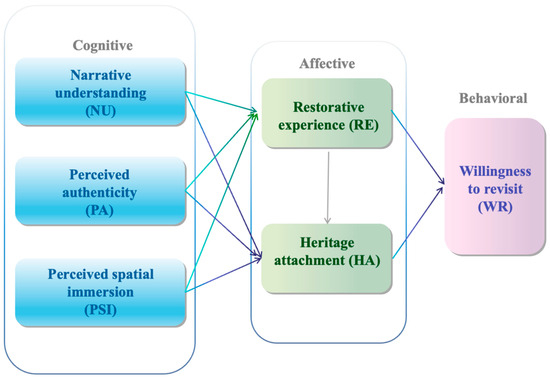
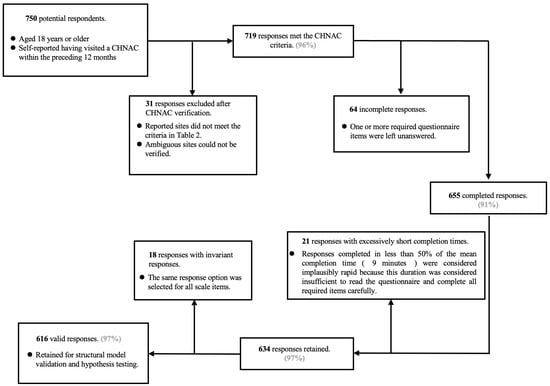
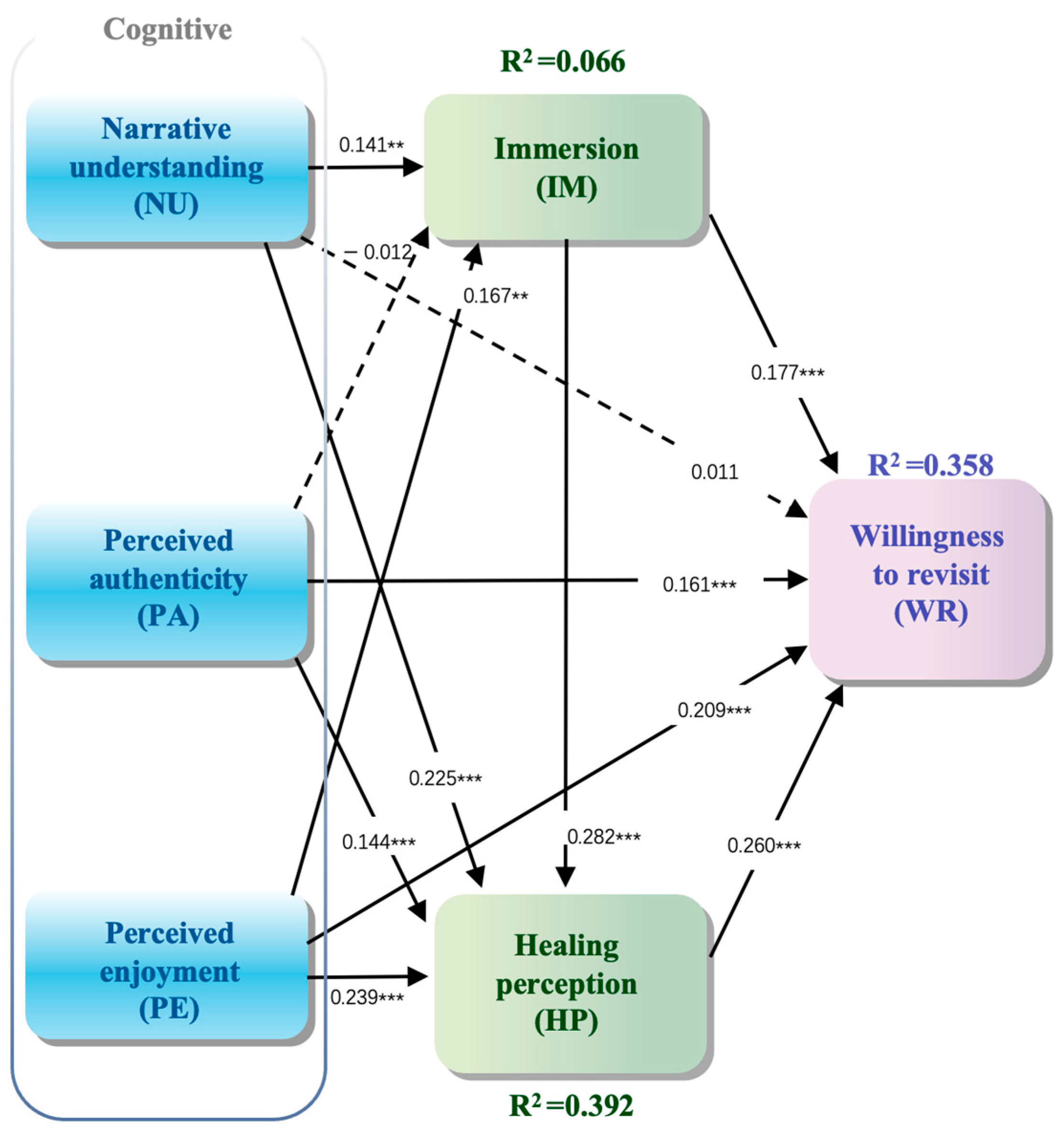

Disclaimer/Publisher’s Note: The statements, opinions and data contained in all publications are solely those of the individual author(s) and contributor(s) and not of MDPI and/or the editor(s). MDPI and/or the editor(s) disclaim responsibility for any injury to people or property resulting from any ideas, methods, instructions or products referred to in the content. |
© 2026 by the authors. Licensee MDPI, Basel, Switzerland. This article is an open access article distributed under the terms and conditions of the Creative Commons Attribution (CC BY) license.