


Abstract
Digitalisation and explainable artificial intelligence (XAI) will reshape sustainable materials engineering by enabling data-driven design and performance prediction for smart infrastructure. In this study, experimental durability assessment and machine learning techniques were combined to investigate silica fume (SF) and ground granulated blast-furnace slag (GGBFS)-based UHPC subjected to normal curing (NC), steam curing (SC), and wrapped curing (WC). Mechanical, durability, and mineralogical characterisation tests were performed, including compressive strength, the Rapid Chloride Penetration Test (RCPT), water absorption, sorptivity, an accelerated corrosion test, and X-ray diffraction (XRD). Accelerated steam curing (SC) produced a measured early-age compressive strength of 85.97 MPa at 6 h and the lowest RCPT value of 81.09 Coulombs among the investigated curing conditions. The measured water absorption and accelerated corrosion results also varied with curing conditions, with SC showing comparatively favourable performance. These findings provide experimental evidence of curing-dependent mechanical and durability behaviour, although the pore structure was not directly quantified. XRD analysis provided qualitative evidence of differences in the crystalline and amorphous features of the UHPC matrix under the investigated curing conditions. An exploratory comparison of compressive strength and chloride-ion penetrability was performed; however, the measurements were obtained at different curing ages and from only three experimental curing conditions, so no age-matched or quantitative strength–RCPT relationship was established. An XGBoost model (R2 = 0.9591) was developed using the adopted dataset and 80/20 test partition to support digital materials engineering. SHAP-based feature attribution identified SF, curing age, superplasticizer dosage, and fibre reinforcement as important model features for compressive-strength prediction. The combined experimental–XAI framework enables a qualitative consistency assessment between observed UHPC behaviour and data-driven feature attribution. Because the experimental specimens were independent of the ML database, the experimental programme serves as a qualitative consistency check of SHAP-based feature attribution rather than a rigorous validation of the model predictions.
1. Introduction
The deterioration of reinforced concrete (RC) infrastructure remains a major challenge for the global construction industry. Chloride ingress, carbonation, moisture penetration, and reinforcement corrosion cause premature degradation of concrete structures, leading to substantial reductions in service life and significant economic losses associated with maintenance, rehabilitation, and replacement [1]. Chloride-induced corrosion is particularly problematic in marine, industrial, and high-humidity environments, where chloride ions penetrate the interconnected pore structure of conventional concrete and reach the embedded steel reinforcement, triggering electrochemical corrosion [2]. Over time, the deterioration of RC structures can lead to unsafe structural conditions and increase environmental impacts over the life cycle, as multiple repair interventions require additional material consumption.
The pore structure, permeability, and microstructural connectivity of concrete govern its transport properties. In conventional concrete, interconnected capillary pores in the hardened cementitious matrix allow the rapid transport of water, chlorides, sulfates, and carbon dioxide into the matrix [3]. As a result, developing high-performance cement-based materials with a more refined pore structure and greater resistance to ionic transport has become an important research direction in modern concrete technology [4]. Among such materials, Ultra-High-Performance Concrete (UHPC) is an advanced cementitious composite exhibiting high durability and exceptional mechanical performance under severe exposure conditions [5,6,7].
The present study focuses specifically on Ultra-High-Performance Concrete (UHPC). UHPC is characterised by refined particle packing, low permeability, and high resistance to chemical and environmental deterioration [5,6,7,8,9,10]. These characteristics are achieved through optimised granular packing, the use of ultrafine supplementary cementitious materials (SCMs), avoidance of coarse aggregates, and very low water-to-binder ratios [9,10]. The lower pore connectivity and dense microstructure of UHPC greatly limit the diffusion of harmful ions, resulting in significant improvements in durability and long-term service life [11].
SCMs such as silica fume (SF), ground granulated blast-furnace slag (GGBFS), and fly ash are important components for improving the microstructure and durability of UHPC [12]. SF exhibits secondary pozzolanic activity and forms additional C–S–H gel, which refines the pore structure and densifies the matrix owing to its small particle size and high amorphous silica content. Similarly, GGBFS can contribute to long-term hydration and microstructural densification while reducing clinker use and carbon emissions from clinker manufacture [13]. Recent studies on slag/fly ash-based geopolymer systems have further shown that mechanical performance development is closely associated with the formation of cementitious reaction products, matrix densification, and interactions between the binder and the surrounding mineral matrix [14]. In particular, geopolymer-stabilized clay systems have shown that mineralogical characteristics can influence gel formation, interparticle bonding, and the resulting strength development [15].
Optimised blends of SF and GGBFS can enhance resistance to chloride-ion and water penetration through the development of a favourable composite pore structure and reduced ionic diffusivity, which may also contribute to increased compressive strength [16].
UHPC is recognised for its exceptional durability; however, its behaviour can be significantly affected by curing conditions that influence moisture retention mechanisms and microstructural development, including pore refinement [17]. Steam curing, for example, is a common method used to accelerate hydration reactions and achieve rapid early-age strength by promoting the precipitation of hydration products [18]. Conversely, inadequate curing conditions can result in unhydrated cement particles, higher porosity, and lower durability. Steam-cured UHPC exhibits greater compressive strength and lower chloride permeability than UHPC subjected to conventional curing methods [19]. Similarly, a study of steam-curing regimes reported compressive strengths greater than 150 MPa for UHPC containing SF and GGBFS [20]. However, other studies have also highlighted the significant influence of curing methods on UHPC systems [17,21].
Despite extensive research on UHPC, very few studies have compared long-term durability behaviour using comprehensive indicators such as the Rapid Chloride Penetration Test (RCPT), water absorption (WA), water sorptivity (WS), and accelerated corrosion test (ACT) for UHPC incorporating both SF and GGBFS under different curing conditions. In addition, little effort has been made to establish analytical relationships between compressive strength and chloride-ion penetrability in UHPC under different curing conditions. Furthermore, the sustainability implications of SCM use and improved durability for concrete-infrastructure management warrant further investigation.
Although machine learning has demonstrated excellent capability for predicting the mechanical properties of UHPC, most existing studies employ black-box predictive models with limited physical interpretability. Comparisons between experimentally observed performance trends and data-driven feature attributions across independent evidence streams remain limited. Integrating explainable artificial intelligence (XAI) with independent experimental durability assessments can provide complementary evidence for examining the qualitative agreement between data-driven feature attributions and experimentally observed UHPC behaviour.
Digitalisation and artificial intelligence have advanced rapidly, enabling data-driven optimisation of cementitious materials for smart infrastructure applications. Machine learning algorithms such as Random Forest and XGBoost 2.1.1 provide computationally efficient approaches for predicting mechanical performance and potentially reducing experimental effort. However, studies integrating durability characterisation with explainable artificial intelligence (XAI) for the design of sustainable UHPC systems remain scarce. Accordingly, this work integrates laboratory assessments with explainable machine learning methods to establish a digital materials engineering framework for smart construction materials.
Thus, the current study aims to examine the impact of normal curing (NC), accelerated steam curing (SC), and wrapped curing (WC) on the mechanical, durability, and microstructural properties of UHPC containing SF and GGBFS. Compressive-strength development was evaluated at different curing ages, while durability performance was assessed using RCPT, WA, WS, and ACT. Mineralogical characteristics and hydration behaviour under different curing conditions were also assessed using X-ray diffraction (XRD) analysis. Moreover, an exploratory comparison of compressive strength and chloride-ion penetrability was performed to examine the consistency of the measured mechanical and durability trends across the investigated curing conditions. The paper also identifies sustainability advantages arising from the use of industrial by-product SCMs and improved service-life performance of UHPC. The results provide insights into curing-time-dependent durability behaviour and offer useful design guidance for sustainable UHPC under aggressive environmental conditions.
The novelty of the present framework lies not in proposing a new machine learning or SHAP methodology, but in integrating independent experimental evidence with interpretable data-driven prediction around a common UHPC engineering response. The experimental programme investigates compressive-strength development under normal curing (NC), steam curing (SC), and wrapped curing (WC), together with durability and mineralogical characteristics. Independently, the ML-XAI analysis predicts compressive strength as a function of mixture- and curing-related variables using a public UHPC database and interprets the resulting predictions using SHAP. The explicit point of convergence is compressive strength as the common engineering response, with curing age serving as the clearest shared explanatory variable. Experimentally, cu***ring age is associated with the measured development of compressive strength, while the independent SHAP analysis identifies curing age as an influential predictor of modelled compressive strength. The durability and mineralogical results provide complementary engineering context but are not used to directly validate the ML model. This distinction allows the two evidence streams to be integrated without implying causality, direct model validation, or equivalence between the experimental and ML datasets.
2. Materials and Methods
2.1. Materials
Grade 53 ordinary Portland cement (OPC), conforming to the appropriate Indian Standards, was used as the primary binder. The physical and chemical properties of the OPC, SF, and GGBFS used in this study are summarised in Table 1. The OPC had a specific gravity of 3.18 and an average particle size of approximately 30 μm. SF and GGBFS were incorporated into the UHPC mixture to support particle packing and durability performance. Previous studies have reported that these supplementary cementitious materials can promote pozzolanic reactions, matrix densification, and reduced pore connectivity in UHPC systems [12,22].
Table 1.
Physical and Chemical Properties of UHPC Constituent Materials.
The particle size distribution of the binder and aggregate constituents is presented in Figure 1. Ultrafine SF and GGBFS were incorporated into the UHPC mixture as part of the selected binder system. Previous studies on SF–GGBFS-containing UHPC have reported associations between these SCMs, matrix refinement, and the development of hydration products [23,24]. In the present study, the individual contribution of GGBFS to these reactions was not independently quantified.
Figure 1.
Particle Size Distribution of the Binder and Aggregate.
The fine aggregates were divided into three particle-size ranges to optimise packing density and limit void content. As shown in Table 2, the average particle sizes of Sand 1, Sand 2, and Sand 3 were approximately 300 μm, 600 μm, and 1.18 mm, respectively. The aggregates were obtained from a local manufactured-sand quarry and were repeatedly washed to remove dust particles and foreign materials before use. The physical properties of the fine aggregates were tested in accordance with IS 2386 [25].
Table 2.
Physical Properties of Fine Aggregates.
A high-range water-reducing admixture (HRWRA), specifically a polycarboxylate ether (PCE), was used to improve workability and flowability at a low water-to-binder ratio. MasterGlenium SKY 8233 CP, conforming to ASTM C494 [26], was used for this purpose. Due to the low water content characteristic of UHPC systems, the HRWRA contributed to achieving self-compacting properties without compromising mechanical performance.
Glass fibres were also added to the mixture to improve post-cracking performance and reduce brittleness. In contrast to conventional steel fibres often employed in UHPC systems, glass fibres were selected for the present study based on their resistance to corrosion and compatibility with the optimised matrix system. Previous studies have reported that the incorporation of glass fibres enhances the cracking and flexural performance of UHPC composites [27].
The high silica content of SF and GGBFS has been associated in previous studies with secondary pozzolanic reactions and the development of hydration products, which may contribute to matrix refinement and improved durability in UHPC systems [23,24]. In the present study, these effects were not independently quantified because only a single UHPC mixture was experimentally investigated.
2.2. Mixture Proportioning
The UHPC mixture proportions were designed using a trial-and-error optimisation strategy guided by the available literature [28]. The UHPC mixture design aimed to achieve higher compressive strength, lower permeability, and better flowability by optimising particle-packing density and incorporating SCMs.
The binder composition was optimised to an OPC:GGBFS:SF ratio of 1:0.58:0.08. The water-to-total-binder ratio, where total binder comprises OPC, GGBFS, and SF, was maintained at 0.17 to reduce capillary pore formation and support matrix densification. The corresponding water-to-OPC ratio is approximately 0.28, as shown in Table 3. SF and GGBFS were included as components of the optimised UHPC mixture; however, because the current experimental programme investigated only a single final mixture, the individual contributions of these constituents and particle-packing effects cannot be isolated from the observed performance. Various trial blends were prepared, and the final mixture designed to target a compressive strength of 140 MPa is given in Table 3.
Table 3.
Mixture Proportions of UHPC Constituents.
The fine aggregate content was limited to achieve maximum granular packing and minimise voids within the concrete matrix. The glass fibre content was maintained at 7.1 kg/m3, corresponding to approximately 0.8% of the mass of OPC (m_c), and the high-range water-reducing admixture (HRWRA) was maintained at 1.5% of the total powder content. Table 3 presents the mixture proportions of the UHPC constituents used in this study. The constituents were mixed using a laboratory pan mixer until a homogeneous and workable mixture was obtained.
2.3. Curing Techniques
Curing conditions significantly affect the hydration process, pore structure development, and durability of UHPC systems. The three curing regimes—normal curing (NC), accelerated steam curing (SC), and wrapped curing (WC)—adopted in the present investigation are shown in Figure 2.
Figure 2.
Different Curing Conditions Adopted in the Study (a) Normal Curing (b) Accelerated Steam Curing (c) Wrapped Curing.
Under the NC regime, specimens were continuously immersed in water for the duration of curing, in accordance with IS 456 recommendations [29]. Steam curing (elevated-temperature exposure designed to accelerate hydration reactions and develop early-age strength) was performed in accordance with IS 9013:1978 [30]. In the WC method, specimens were wrapped in plastic sheets to reduce external moisture exchange during curing. The NC and WC specimens were cured for 3, 7, 28, and 84 days, whereas the SC specimens were subjected to accelerated steam curing in accordance with IS 9013:1978 [30]. The effects of the curing regimes on compressive strength development, chloride-ion penetrability, water transport behaviour, corrosion resistance, and microstructural characteristics were subsequently evaluated.
2.4. Experimental Programme
The experimental programme comprised mechanical, durability, and microstructural characterisation of glass-fibre-reinforced UHPC specimens under different curing conditions. Fresh UHPC mixtures were tested for flowability in accordance with ASTM C1437 [31]. Compressive strength tests were conducted on 70.6 × 70.6 × 70.6 mm cube specimens using a modified procedure based on ASTM C109 [32]. The NC and WC specimens were tested at curing ages of 3, 7, 28, and 84 days, whereas the SC specimens were tested after specified durations of accelerated curing in accordance with the relevant Indian Standards.
Durability performance was assessed using the following tests:
- Rapid Chloride Penetration Test (RCPT),
- Water Absorption (WA),
- Water Sorptivity (WS), and
- Accelerated Corrosion Test (ACT).
To assess long-term durability, all specimens used in this study were cured for 84 days before testing. Moreover, X-ray diffraction (XRD) analysis was performed to examine the mineralogical and hydration characteristics of UHPC matrices subjected to different curing conditions.
2.5. Durability Characterisation
2.5.1. Rapid Chloride Penetration Test (RCPT)
The Rapid Chloride Penetration Test (RCPT), based on ASTM C1202 [33], was conducted to evaluate the resistance of UHPC to chloride-ion penetration. Chloride-ion penetration is a leading cause of reinforcement corrosion and durability loss in reinforced concrete (RC) structures exposed to adverse conditions. The experimental arrangement used for the RCPT is shown in Figure 3. The test was conducted to characterise the resistance of UHPC specimens cured under different conditions to ionic migration.
Figure 3.
RCPT Analysis of UHPC.
Disk specimens (diameter = 100 mm; thickness = 50 mm) were cast and cured under NC, SC, and WC conditions for 84 days. Before testing, the specimens were dried in an oven at 50 °C for 72 h, and their cylindrical surfaces were coated with epoxy to achieve one-dimensional chloride-ion flow. Internal moisture conditions were stabilised by vacuum-saturating the conditioned specimens.
As shown in Figure 3, one side of the specimen was exposed to a 3% NaCl solution, while the opposite side, with the same exposed area, was placed in a 0.3 N NaOH solution. A constant DC potential of 60 V was applied across the specimen for 6 h, and the current passing through the specimen was monitored at 30 min intervals, as shown in Equation (1).
where
Q = 900(I0 + 2I30 + 2I60 +⋯+ 2I330 + I360)
- Q = total charge passed (Coulombs),
- I0 = initial current (A),
- I30 to I360 = current readings at corresponding time intervals.
The ASTM C1202 [33] chloride-ion penetrability classification adopted in this study is summarised in Table 4.
Table 4.
Chloride Ion Penetrability Classification Based on ASTM C1202 [33].
2.5.2. Water Absorption (WA)
The water absorption test was performed in accordance with ASTM C642 [34] to evaluate the permeability and moisture transport behaviour of UHPC. Figure 4 illustrates the experimental setup used to measure water absorption. Lower water absorption, resulting from a denser cementitious matrix, suggests improved durability and reduced pore connectivity.
Figure 4.
Water Absorption (WA) Test of f UHPC Cube Specimens.
Cube specimens measuring 70.6 × 70.6 × 70.6 mm were cast and cured under NC, SC, and WC conditions for 84 days. The specimens were dried in an oven at 106 °C until a constant mass was achieved and then immersed in water for 24 h. The initial dry mass (W1) and saturated mass (W2) were recorded to calculate water absorption. Water absorption was calculated as a percentage using Equation (2).
where:
WA (%) = (W2 − W1)/W1 ×100
- W1 = initial dry mass,
- W2 = saturated mass after immersion.
The measured WA values were used to evaluate the influence of curing conditions on the pore refinement and moisture transport characteristics of UHPC.
2.5.3. Water Sorptivity (WS)
Sorptivity is a measure of the rate at which water penetrates the pores of concrete by capillary suction. The cylindrical UHPC specimens used for the NC, SC, and WC conditions had a diameter of 50 mm and a height of 100 mm. The specimens were oven-dried at 110 °C for 24 h and then allowed to cool under dry conditions for the following 24 h. The test was carried out by allowing one surface of each specimen to come into contact with water at a depth of 5 mm, in accordance with ASTM C1585-20 [35]. The remaining surfaces of the specimen were coated with a high-quality waterproofing material (High Bond Polymers) to create a unidirectional flow pattern through the concrete specimen. Water sorptivity tests using capillary suction were carried out on the UHPC specimens under the three curing conditions at the specified measurement intervals of 30, 60, 90, 120, 150, and 180 min. The water sorptivity test setup for the different sets of cured specimens is shown in Figure 5.
Figure 5.
Water Sorptivity (WS) Test on UHPC Specimens.
The increase in specimen mass was recorded at specified time intervals and then normalised by the exposed surface area and water density. In accordance with ASTM C1585-20 [35], sorptivity is determined from the slope of the relationship between absorption and the square root of time. However, the original time-resolved mass records were insufficiently complete to reliably reproduce the sorptivity coefficient; therefore, no numerical sorptivity coefficient is reported in this study.
2.5.4. Accelerated Corrosion Test (ACT)
An accelerated electrochemical corrosion test under chloride exposure was used to investigate the corrosion behaviour of steel reinforcement embedded in UHPC, as shown in Figure 6. Previous studies have investigated the corrosion behaviour and mass loss of steel reinforcement embedded in high-performance and ultra-high-performance concrete under chloride exposure [36]. The immersion and mass-loss evaluation was based on ASTM G31 [37], a standard guide for laboratory immersion corrosion testing, while the direct-current application used in the present study was a modified experimental procedure employed to accelerate corrosion.
Figure 6.
Accelerated Corrosion Test (ACT) on UHPC.
Cylindrical UHPC specimens measuring 150 × 300 mm and containing steel reinforcement with a diameter of 20 mm and an exposed length of 300 mm were used. The exposed lateral surface area of the reinforcing steel was approximately 188.5 cm2, and the initial mass of the reinforcing steel was recorded before exposure. The UHPC specimens were prepared and cured for 84 days under normal curing (NC), steam curing (SC), and wrapped curing (WC) conditions. Following curing, the specimens were exposed to a sodium chloride solution, with a direct-current potential of 14 V applied between the reinforcing steel (anode) and a stainless-steel electrode (cathode). The reinforcing steel was then weighed after 6 h of exposure; the cleaning and weighing procedures were performed in accordance with ASTM G31 [37], Clause 9.3.1. The mass loss of the steel sample was determined, and the corrosion rate was calculated using Equation (3).
where D is the steel density (g/cm3), W is the weight loss of steel (mg), A is the exposed surface area of steel (cm2), and T is the exposure time (h). The corrosion-rate calculation was rechecked using the stated units of W (mg), A (cm2), T (h), and D (g/cm3). With a conversion factor of 87.6, the resulting corrosion rate is expressed in mm/year. The obtained corrosion rates were used to compare the accelerated corrosion behaviour of UHPC under the three curing conditions.
Corrosion Rate = 87.6W/(A × T × D)
2.6. Mineralogical Characterisation
The mineralogical characterisation of UHPC samples cured under different conditions was carried out using X-ray diffraction (XRD) analysis. The analysis was used to examine differences in the crystalline and diffuse features of the UHPC matrix under the investigated curing conditions.
To analyse the phase composition, XRD analysis using Cu–Kα radiation was carried out on a PANalytical Empyrean diffractometer. The scan range was 10° to 90° (2θ), with a step size of 0.01°. The specimens were tested after 84 days of curing, and the XRD patterns of the NC, SC, and WC specimens were compared to examine qualitative differences in the crystalline and diffuse features of the UHPC matrix.
2.7. Machine Learning Framework
The public UHPC dataset used for the machine learning analysis was obtained from Mendeley Data and was published by Kashem et al. [38]. The UHPC dataset, comprising 810 samples and 14 attributes (cement, slag, SF, limestone powder, quartz powder, fly ash, nano-silica, aggregate, water, fibre, superplasticiser, curing temperature, curing age, and compressive strength), was used to develop the machine learning models. The dataset was screened for completeness and consistency prior to model development.
There were no missing values. A small number of duplicate records were retained because they represented independently reported mixtures with identical proportions and similar curing conditions. Similarly, all zero values obtained for variables corresponding to supplementary cementitious materials represented actual mixture designs in which specific constituents had been omitted, rather than missing or erroneous data.
The features were not scaled or normalised because the predictive models used in this study are tree-based ensemble algorithms that partition the feature space using rule-based thresholds rather than distance- or gradient-based optimisation over feature scales and magnitudes. All models were trained using a single 80/20 split of the original dataset with random_state = 42. No systematic hyperparameter optimisation or cross-validation was performed in this initial exploration. Specifically, the selected configurations were Random Forest (n_estimators = 300), XGBoost (n_estimators = 300, learning_rate = 0.05, max_depth = 6), and CatBoost (iterations = 300, learning_rate = 0.05, depth = 6). The laboratory specimens evaluated in the experimental programme were not included in the public dataset used to train or test the ML models.
Model performance was assessed using the coefficient of determination (R2), root mean square error (RMSE), and mean absolute error (MAE), as summarised in Table 5. For the adopted single 80/20 train–test split, XGBoost yielded the highest R2 and the lowest RMSE and MAE among the three evaluated models (R2 = 0.9591, RMSE = 7.8146 MPa, MAE = 5.6243 MPa), followed by CatBoost (R2 = 0.9542, RMSE = 8.2666 MPa, MAE = 6.2045 MPa) and Random Forest (R2 = 0.9504, RMSE = 8.6060 MPa, MAE = 6.3448 MPa). This comparison is exploratory and specific to the adopted data partition because repeated cross-validation and uncertainty estimation were not performed. To improve interpretability, we conducted SHAP (SHapley Additive exPlanations) analysis of the trained XGBoost model to quantify the contribution of each input variable to the prediction of compressive strength. SHAP provides interpretability by showing both the magnitude and direction of each feature’s contribution to the model prediction. The samples evaluated in this work were not included in the training of the ML model. Thus, the experimental data from this work were not used to benchmark the machine learning model predictions. This allows us to compare the experimental and microstructural results as independent, complementary evidence to assess whether the feature-importance patterns identified by SHAP are qualitatively consistent with the experimentally observed trends in strength development, durability, and microstructural behaviour.
Table 5.
Performance Comparison of Machine Learning Models for UHPC Compressive Strength Prediction.
Compressive strength was used as the shared engineering response to frame convergence between these two evidence streams. The experimental programme directly measures strength across various curing conditions and ages, while the ML–XAI framework provides an independent prediction of compressive strength as a function of mixture and curing variables. Curing age stands out as the most obvious of these shared variables, because its experimental effect on strength development can be directly explored in relation to its SHAP-derived contribution to model predictions. The comparison is therefore made to assess qualitative engineering consistency between the independent evidence streams, based on independent observations, and should not be directly interpreted as quantitative validation of the ML model.
3. Results
3.1. Compressive Strength
The development of UHPC compressive strength with age under the three curing conditions (NC, SC, and WC) is shown in Figure 7. The results also indicate that curing conditions influence the mechanical performance of UHPC.
Figure 7.
Compressive Strength under Different Curing Conditions.
The results revealed that after 3 days of curing, UHPC achieved compressive strengths of 82.93 MPa and 74.10 MPa under NC and WC conditions, respectively. The accelerated steam-cured specimens achieved a compressive strength of 85.97 MPa after 6 h of curing, demonstrating rapid early-age strength gain. After 28 days, the NC specimens achieved a compressive strength of 136.33 MPa, compared with 117.69 MPa for the WC specimens. For the accelerated-curing condition, a corresponding 28-day strength was estimated rather than directly measured, using the generalised correlation specified in IS 9013:1978 [30]:
where is the experimentally measured compressive strength under accelerated curing, and is the corresponding estimated 28-day compressive strength. Substituting the experimentally measured accelerated-curing strength of MPa into the equation gives an estimated of 149.08 MPa. This value represents an empirical estimate derived from the accelerated-curing relationship and was not experimentally measured at 28 days; therefore, it is not used for direct comparison with the measured 28-day NC and WC strengths.
R28 = 8.09 + 1.64Ra
The findings also indicate that the WC specimens showed lower measured compressive strength than the NC specimens at the corresponding curing ages. At 84 days, the compressive strength of the WC specimens was approximately 17% lower than that of the NC specimens. This difference may be associated with limited moisture availability during the hydration period of the WC specimens.
Under the investigated curing conditions, the choice of curing method influenced the strength development of the UHPC specimens. SC showed favourable early-age strength development, based on the experimentally measured strength of 85.97 MPa at 6 h, whereas NC provided continued long-term strength development. The estimated 28-day SC value obtained from the IS 9013:1978 [30] relationship is not considered a direct experimental measurement.
3.2. Rapid Chloride Penetration Test (RCPT)
Figure 8 displays the RCPT results for UHPC specimens subjected to NC, SC, and WC conditions. The charge values were 181.71 Coulombs for NC, 81.09 Coulombs for SC, and 258.75 Coulombs for WC. Based on the ASTM C1202 [33] classification (see Table 4) for chloride-ion penetration, NC and WC are categorised as having very low chloride-ion penetrability, while SC is classified as having negligible chloride-ion penetrability.
Figure 8.
Outcomes from RCPT for Different Curing Conditions.
Among the curing regimes, SC exhibited the lowest charge passed and therefore the lowest chloride-ion penetrability. This result may be associated with differences in matrix development and ionic transport behaviour under the investigated curing condition. However, the degree of hydration and pore connectivity were not directly quantified in the present study. The results were obtained under laboratory conditions and should not be taken as direct evidence of long-term field performance in marine or chloride-rich environments.
The durability performance of UHPC specimens under different curing conditions after 84 days of curing is summarised in Table 6.
Table 6.
Durability Performance of UHPC under Different Curing Conditions at 84 days.
3.3. Water Absorption (WA)
Figure 9 shows the water absorption results of UHPC under the three curing conditions. Water absorption by the NC and SC specimens was 0.23%, compared with 0.85% for the WC specimen. This indicates that water absorption is sensitive to the curing condition, with comparatively higher water uptake observed for the WC specimen. These results provide a quantitative experimental illustration of distinct differences in moisture transport behaviour among the curing regimes.
Figure 9.
Water Absorption (WA) Test Results under Different Curing Condition.
3.4. Water Sorptivity (WS)
The capillary absorption behaviour of UHPC under the three curing conditions was assessed using the water sorptivity test. However, the original experimental records did not contain sufficient time-resolved mass measurements to independently reproduce the sorptivity coefficient in accordance with ASTM C1585-20 [35]. Accordingly, the sorptivity assessment is considered supplementary qualitative evidence of capillary water-transport behaviour under the investigated curing conditions. The water transport behaviour is discussed primarily using the measured water absorption results, for which the available experimental records were sufficient.
3.5. Accelerated Corrosion Test (ACT)
Figure 10 presents the results of the accelerated corrosion tests on UHPC specimens subjected to different curing conditions. The measured corrosion rates were 0.016 mm/y for NC, 0.012 mm/y for SC, and 0.020 mm/y for WC.
Figure 10.
Outcomes of the Corrosion Test.
The low corrosion rates observed in the present study may be related to the low chloride penetrability and low water absorption observed in the UHPC specimens; however, no direct measurements of diffusion coefficients or pore-structure characteristics were made as part of the experimental programme. In contrast, the higher corrosion rate of the WC specimens is consistent with the comparatively higher transport-related measurements obtained for these specimens.
The results indicate comparatively low corrosion rates under the adopted accelerated test conditions.
3.6. X-Ray Diffraction (XRD) Analysis
Figure 11 shows the XRD patterns of the UHPC specimens cured for 84 days under NC, SC, and WC conditions. The diffraction patterns show sharp crystalline reflections superimposed on a broad diffuse background, indicating the presence of both crystalline and poorly crystalline or amorphous features in the cementitious matrix. Residual crystalline reflections attributable to the constituent and hydration-related phases were observed under the investigated curing conditions.
Figure 11.
XRD Outcomes for Various Curing Regimes.
The curing regimes exhibited qualitative differences in the XRD patterns. The portlandite reflections in the SC specimen appear less intense and more diffuse than those observed in the NC and WC specimens. These differences are reported only as qualitative variations in the XRD patterns and may reflect differences in the phases present or their degree of crystallinity. However, because the patterns were neither normalised nor subjected to quantitative phase analysis, differences in peak intensity cannot be used to establish differences in phase abundance or to quantify hydration, pozzolanic reactions, C-S-H formation, or matrix densification.
The NC and WC specimens also exhibited qualitative differences in the relative prominence of the crystalline reflections and the diffuse background. Such differences may be associated with variations in the material state resulting from the respective curing environments; however, the present XRD data do not permit direct determination of the degree of hydration, C–S–H content, or pore refinement. Accordingly, the XRD results are presented as qualitative observations of crystalline and diffuse features and are interpreted cautiously alongside the mechanical and durability results.
3.7. Machine Learning Prediction of UHPC Strength
As shown in Table 5, XGBoost produced the lowest prediction errors for the adopted test partition. However, because the comparison was based on a single 80/20 random split without repeated cross-validation or source-aware partitioning, these results should be regarded as exploratory and should not be interpreted as evidence of statistically established model superiority or generalisation to independent UHPC datasets.
Figure 12 shows he relationship between the experimentally obtained compressive-strength values and those predicted by XGBoost. For the selected test partition, XGBoost yielded the highest R2 and the lowest RMSE and MAE among the evaluated models. These results indicate better predictive agreement for this particular partition; however, they should not be interpreted as evidence of superior generalisation because repeated cross-validation and independent external validation were not performed.
Figure 12.
Comparison between Actual and XGBoost-Predicted Compressive Strength Values of UHPC Specimens.
3.8. Global SHAP-Based Feature Attribution
The current XAI analysis for this model includes global feature attribution using mean absolute SHAP values and SHAP summary plots. These analyses link the relative contributions of input variables to the XGBoost predictions but do not draw conclusions about causality, physical mechanisms, feature interactions, or individual explanations for each sample. Using the widely accepted SHAP (SHapley Additive exPlanations) approach, the contribution of each input variable to the model predictions was evaluated.
Based on the mean absolute SHAP values across the analysed samples, input variables were ranked according to their relative importance, and Figure 13 (SHAP summary plot) visualised the magnitude and direction of feature contributions to the model output across the evaluated dataset. Positive SHAP values indicate contributions towards higher predicted compressive strength, whereas negative SHAP values indicate contributions towards lower predicted compressive strength. The colour of each point corresponds to the feature value, while the horizontal spread of the points indicates the variability in the contribution of each analysed feature across the samples.
Figure 13.
SHAP Summary Plot Illustrating the Influence of Input Variables on UHPC Compressive Strength Prediction.
The most important features for the XGBoost model, as shown in Figure 13, were SF content, curing age, superplasticiser dosage, and fibre reinforcement. Table 7 lists the global mean absolute SHAP values for each feature. The results indicate the importance of these variables to the model predictions within the adopted UHPC dataset. These results should be viewed as model-based feature attributions rather than as evidence of causality, hydration mechanisms, workability effects, or crack-bridging mechanisms. The experimental programme used a single fixed glass-fibre dosage of 7.1 kg/m3; therefore, the experimental results do not provide a direct comparison of different fibre contents. The fibre-related SHAP attribution arises from variations in fibre content within the independent public UHPC dataset and should therefore be interpreted as a model-based association within that dataset rather than as an experimentally quantified fibre effect in the present study.
Table 7.
SHAP-Based Feature Importance of Input Variables in the XGBoost Model.
The SHAP feature-attribution patterns were compared with the experimental observations solely to assess broad qualitative consistency. Because the experimental and ML datasets were analysed independently, this comparison does not constitute direct model validation or establish a mechanistic or causal relationship between the SHAP results and the experimental observations.
SHAP summary information for global feature importance (mean absolute SHAP values and summary plot). To predict compressive strength using XGBoost, the most dominant input variables were silica fume content (silica), curing age (age), superplasticizer dosage (SP) and fibre reinforcement (FR). These results provide a high-level overview of feature importances for the models trained on the selected data set, but do not offer a comprehensive measure of either interactions between features or local explanatory behaviour or causal impact. For the defined scope of this data set, the current XAI results will be described in terms of global model-based feature importance.
Figure 14 presents the pairwise correlations among the UHPC mixture variables and compressive strength. These correlations provide descriptive information on linear associations within the adopted dataset and should not be interpreted as evidence of causal relationships.
Figure 14.
Correlation Matrix Among UHPC Mixture Constituents and Compressive Strength.
4. Discussion
The experimental results indicate that the curing conditions studied were correlated with changes in UHPC properties, including strength, water transport, chloride-ion penetrability, and accelerated corrosion behaviour. These differences align with the expected impacts of mixture composition and curing on matrix development; however, properties such as hydration degree, pore-structure evolution, and long-term field durability were not directly quantified in this study.
The previously measured improvements in the durability properties of UHPC containing supplementary cementitious materials (SCM) [39,40,41] were similar to the current results.
Under the investigated curing conditions, SC (steam curing) showed favourable early-age strength development and the lowest measured RCPT and corrosion-rate values. The observed differences in the XRD patterns may reflect changes in the crystalline and diffuse features of the matrix associated with the different curing conditions; however, the present XRD data do not permit direct quantification of secondary C–S–H formation or the extent of pozzolanic reaction.
The experimental results showed that steam curing promoted rapid early-age strength development, with an experimentally measured compressive strength of 85.97 MPa at 6 h. A corresponding 28-day SC strength was estimated using the accelerated-to-normal curing relationship specified in IS 9013:1978 [30], but this value was not directly measured. Therefore, this estimated value should not be interpreted as equivalent to the experimentally measured 28-day strengths obtained under NC and WC, and no direct ranking of the curing regimes based on 28-day SC strength is made. The durability results provide an independent basis for comparison, with SC showing the lowest measured RCPT value and corrosion rate among the investigated curing conditions.
In addition, the SC condition produced the lowest RCPT value of 81.09 Coulombs among all curing conditions investigated according to ASTM C1202 [33] and was classified as having negligible chloride-ion penetrability (Figure 9 and Table 4).
The explainable machine learning analysis provides a complementary data-driven interpretation of the variables associated with compressive-strength development under different curing conditions. SHAP analysis indicated that, among all mixture parameters, SF was the most dominant contributor to compressive strength.
The experimental results showed relatively good mechanical and durability performance of the studied SF-containing UHPC system. These observations are consistent with the performance of SF-containing UHPC reported in previous studies; however, the present experimental programme did not isolate the distinct contribution of SF, and secondary C–S–H formation and matrix densification were not directly measured. Similar observations have been reported for steam-cured UHPC systems, where increased curing temperature has been associated with changes in hydration development and matrix densification [17,42].
The decrease in chloride-ion penetrability observed under SC may be associated with differences in matrix development under the investigated curing conditions. However, the present experiments did not directly quantify hydration kinetics or pore connectivity, and therefore no specific hydration mechanism is established from the XRD observations.
Earlier studies have reported changes in chloride-ion transport behaviour in UHPC systems containing SF and GGBFS, which have been associated with differences in matrix structure and pore connectivity [43,44]. In the present study, however, the GGBFS contribution cannot be independently evaluated because only a single UHPC mixture was experimentally investigated and the available chemical characterisation of GGBFS was incomplete. SF was the main feature identified in the SHAP analysis, independently of compressive-strength prediction, but this model-based attribution should not be read as evidence for a pozzolanic or pore-refinement mechanism, but as a feature-importance term.
Similarly, NC also produced highly durable Ultra-High-Performance Concrete (UHPC) with compressive strength up to about 136 MPa and RCPT results classifying the material as “very low” in chloride penetrability. A steady supply of moisture during curing may have supported continued hydration and the growth of hydration products. The XRD pattern of NC specimens (Figure 12) shows qualitative differences in the crystalline and diffuse features compared with the other curing conditions. These observations may reflect differences in the material state associated with the curing environment; however, the XRD data do not permit direct identification or quantification of C–S–H formation or degree of hydration. The observed strength development with curing age is consistent with the SHAP analysis, which identified curing age as one of the important variables for compressive-strength prediction. The experimental and statistical observations show broad qualitative agreement regarding the observed influence of curing duration on mechanical and durability behaviour. These results are consistent with earlier investigations into UHPC curing, which reported that longer moist curing can improve hydration and transport properties [45,46].
WC showed lower compressive strength, together with higher RCPT, water absorption, and corrosion rate, than the more moisture-accessible curing conditions. These differences may be associated with moisture availability during curing and its influence on continued hydration and microstructural development. Recent studies have reported that reduced humidity can limit water availability for hydration and influence pore-structure development in cementitious systems containing supplementary cementitious materials [47]. Similarly, humidity-dependent internal moisture evolution has been shown to influence the behaviour of UHPC systems [48]. These findings provide a plausible context for interpreting the higher transport-related measurements observed under WC in the present study. However, internal relative humidity and degree of hydration were not directly measured in the present experimental programme. Therefore, the moisture-related mechanism is considered a plausible qualitative explanation rather than a demonstrated or quantified causal relationship.
The available water-absorption results indicate relatively low water uptake under the investigated curing conditions. The lower water absorption may be associated with the dense matrix and reduced pore connectivity characteristic of UHPC; however, pore connectivity and the degree of hydration were not directly quantified in the present study. As the available time-resolved records were insufficient to reliably reconstruct a numerical sorptivity coefficient, the sorptivity assessment is interpreted qualitatively and used as supplementary evidence of capillary water-transport behaviour under the investigated curing conditions.
The SHAP analysis also indicated that superplasticizer dosage and SF were important predictors of compressive strength within the adopted model. The superplasticizer helps maintain sufficient workability at a very low water-to-binder ratio, which may support the production of a dense UHPC matrix and the low water absorption observed experimentally.
Furthermore, the accelerated corrosion test (ACT) results showed relatively low observed corrosion rates for UHPC under the investigated curing conditions. The test procedure was based on the principles of laboratory immersion corrosion testing described in ASTM G31, with a modified direct-current application used to accelerate corrosion under the experimental conditions of the present study. SC showed the lowest measured corrosion rate (0.012 mm/y) among the curing regimes tested in this investigation.
The low corrosion rates achieved in the present work are closely related to decreased chloride ingress and moisture migration towards the embedded reinforcement. Similar results were reported in previous investigations of UHPC durability when exposed to a chloride-rich environment [49,50].
The XRD patterns qualitatively indicate differences in the crystalline and diffuse features of the UHPC matrix under the examined curing conditions. The less intense portlandite reflections and broader diffuse background observed for SC represent qualitative differences in the recorded diffraction patterns. Because the patterns were not normalised and no quantitative phase analysis was performed, these observations cannot be used to determine phase abundance or to quantify C–S–H formation, degree of hydration, pozzolanic reaction, or matrix densification. The XRD results are therefore interpreted only as qualitative characterisation of the crystalline and diffuse features of the investigated specimens.
The relatively stronger residual hydration phases observed under the wrapped condition may be associated with differences in matrix development and are consistent with the experimentally observed higher water absorption, chloride-ion penetrability, and corrosion rate. However, these XRD observations are qualitative, and pore connectivity, degree of hydration, and sorptivity were not quantitatively established in the present study. Overall, the XRD observations are discussed alongside the experimentally measured durability behaviour under the three curing regimes. Because the compressive-strength measurements were obtained at different curing ages, whereas the RCPT measurements were conducted at 84 days, the two properties are not age-matched. Therefore, the present analysis is limited to an exploratory comparison of independently measured mechanical and durability properties across the three curing conditions. The observed trends are described without establishing a quantitative strength–RCPT relationship or implying that higher compressive strength directly results in lower chloride-ion penetrability. Previous studies have reported associations between compressive strength and chloride-ion penetrability in UHPC systems containing SF and GGBFS [51,52]; however, the present dataset cannot quantitatively assess such relationships because it includes only three experimental cases and measurements taken at different curing ages. Accordingly, the present observations should not be interpreted as a generalized correlation or predictive relationship.
The compressive strength achieved in this work, however, generally agrees with values reported for UHPCs in previous works [53,54]. However, exercise caution when making direct comparisons, as reported strengths in the literature correspond to different mixture compositions, curing regimes, and testing ages. In the present study, the highest experimentally measured early-age strength was obtained under SC at 6 h. A corresponding 28-day SC strength was estimated using the accelerated-to-normal curing relationship specified in IS 9013:1978 [30] rather than directly measured; therefore, this estimated value is not used for direct comparison with the measured 28-day NC and WC strengths. The lowest RCPT value of 81.09 Coulombs obtained under SC qualifies for a “negligible” chloride-ion penetrability rating according to ASTM C1202 [33] and, in this work, is used as a descriptor to indicate chloride-ion penetrability under the specific considerations based on the adopted test conditions.
At the sustainability level, GGBFS and SF have potential to minimise Portland cement use, thereby reducing clinker demand and associated carbon emissions. In addition to reducing the environmental impact during production, the measured results in this study, including low chloride penetrability, reduced water absorption, and low observed corrosion rates, may contribute to extended service life for reinforced concrete structures. Such implications should be interpreted within the specific experimental conditions of the present study.
The combined use of resource-efficient industrial by-products and durability assessment through the proposed UHPC mixture supports the broader sustainability objectives of concrete construction. Moreover, combining experimental durability assessment with explainable artificial intelligence offers a data-driven strategy for informing future optimisation of sustainable UHPC mixtures and supporting smart construction applications [55,56].
Previous studies on UHPC blended with SF and GGBFS under various curing conditions have reported improvements in hydration-related development, matrix densification, compressive strength and durability [17,19,20]. Similarly, the reductions in chloride penetrability and water absorption are consistent with Hakeem et al. [40] Wang et al. [44] and Amin et al. [57].
Supplementary cementitious materials (SCMs) have been associated with finer pore structures and improved durability [8]. Recent works have shown that the application of machine learning methods is expanding to various properties of UHPC. Mahmoodzadeh et al. [58] applied different machine learning strategies to predict crack-mouth opening displacement in UHPC and demonstrated how data-driven models can be used to assess crack opening in UHPC. Escalante-Tovar et al. [59] studied the prediction and interpretability of the flexural behaviour of fibre-reinforced UHPC using machine learning models. Zhang et al. [60] developed explainable machine learning models for UHPC tensile-strength prediction through engineered features and a competitive assessment of 27 algorithms. Similarly, Hoque et al. [61] predicted the autogenous shrinkage in UHPC using hybridised machine learning methods. Collectively, these studies demonstrate the expanding application of machine learning and explainable modelling approaches to a range of UHPC performance characteristics and provide relevant context for integrating data-driven interpretation with experimental characterisation of UHPC.
In contrast to these prior studies, the present work combines experimental durability assessment with explainable artificial intelligence methods within a comprehensive and interpretable framework for sustainable UHPC mixture optimisation.
Unlike traditional black-box machine learning approaches, the current framework integrates predictive modelling with independent experimental characterisation to examine the qualitative consistency of data-driven feature attributions with experimentally observed UHPC behaviour. SHAP results were neither generated nor confirmed using the experimental dataset. In the absence of quantitative model validation, experimentally observed trends in hydration, matrix densification, durability and strength development were considered supporting evidence for qualitative consistency with the dominant feature attributions derived from the independent UHPC dataset.
Integration of Experimental Findings with Explainable Artificial Intelligence
The experimental and ML–XAI components were developed using independent datasets and therefore are not intended to constitute direct model validation. The two components are integrated through a common engineering response and shared explanatory variables. In the present study, compressive strength serves as the common engineering response, while curing age provides the clearest shared explanatory variable. The experimental programme directly measures curing-dependent strength development, whereas the independent ML–XAI analysis predicts compressive strength and quantifies the contribution of curing age and mixture variables through SHAP. The relationship between the two components and the role of the additional experimental characterisation are summarised in Table 8.
Table 8.
Convergence between Experimental Evidence and the ML–XAI Framework for UHPC Performance Assessment.
The convergence of evidence in Table 8 should not be taken as direct quantitative validation of the ML predictions as the results stem from independent data. While the experimental programme systematically characterises the mechanical, durability and microstructural behaviour the ML–XAI analysis reveals data-driven relationships between mixture/curing parameters and compressive-strength predictions across an expansive UHPC database. The most notable correspondence is for curing age: the experimental outcomes show that strength depends on curing age, and SHAP identifies it as an important predictor. This correspondence supports the engineering interpretation of model-based feature attribution but does not imply causation or a one-to-one mapping between empirical observations and ML predictions.
From an application perspective, the two components fulfil complementary functions in an initial digital materials-engineering workflow. The experimental programme provides direct measurements of the mechanical, durability, and mineralogical performance of the investigated UHPC and must be conducted to verify all mechanical, durability and microstructural properties. The ML–XAI framework can be used to evaluate candidate mixture and curing combinations for their predicted compressive strength prior to experimental confirmation in resource-intensive trials but only after appropriate model validation. Although such a workflow can presumably reduce the number of candidate mixtures requiring resource-intensive experimental screening and associated costs in terms of materials and testing, this study does not quantify specific savings (cost, material consumption, or testing time) and does not propose ML to replace experimental validation.
SHAP identified SF as the most important input variable for compressive-strength prediction, while the experimental programme showed measured matrix-related and durability characteristics for the SF-containing UHPC system. Because the experimental programme investigated a single UHPC mixture and did not systematically vary SF content, these observations cannot be used to attribute the measured improvements directly to SF. Because the experimental programme used a single mixture with fixed SF, superplasticizer, and fibre contents, the laboratory results cannot be used to quantify the individual effects of these variables or to experimentally validate their relative SHAP importance.
Likewise, Superplasticizer dosage and fibre reinforcement were important SHAP features, but their values were held constant in the experimental programme. As a result, while the experimental results confirm the effectiveness of the selected mixture, they do not separately analyse or quantify individual contributions.
A more general case of relating XAI interpretation to engineering behaviour was reported by Wu et al. [62], who used machine learning models along with SHAP analysis to evaluate the stability of unlined double tunnels in rock masses. The study presents three examples of how feature patterns derived from SHAP can be interpreted in a machine learning engineering context. In line with this, the current study applies SHAP for model-based interpretation but not as evidence of causation or as experimentally confirmed determinations.
5. Limitations
The study has some limitations that must be taken into account when interpreting these results. The experimental and machine learning analyses used independent datasets, so the experimental data provide qualitative support for the SHAP feature attributions but not direct validation of the ML predictions. Moreover, while SHAP illustrates model-based associations between features and predictions, it should not be taken as evidence of causality because the experimental programme did not systematically vary all the factors that strongly influenced the ML model.
The ML models were tested using a single 80/20 random train–test split. This means that the reported performance can depend on the selected data partition and on similarities between records from related sources. More extensive studies using, for instance, repeated cross-validation, source-aware data partitioning where applicable, and independent experimental datasets would provide a more confident assessment of model performance and generalisation to UHPC systems. Furthermore, the stability of SHAP feature attributions with respect to hyperparameter selection was not systematically investigated; future work should therefore examine SHAP consistency across optimised model configurations and repeated data partitions.
6. Conclusions
This research studied the combined effects of SF and GGBFS on UHPC under normal curing (NC), accelerated steam curing (SC), and wrapped curing (WC), with each sample placed in a separate room. The conclusions drawn from the experimental results are as follows:
- The investigated UHPC mixture, designed with a low water-to-binder ratio, optimised particle packing, and the incorporation of SF and GGBFS, exhibited good mechanical and durability performance. Compressive strengths greater than 136 MPa were achieved under NC at 28 days, whereas SC attained a measured compressive strength of 85.97 MPa within 6 h of accelerated steam curing.
- The minimum RCPT value of 81.09 Coulombs, indicating negligible chloride-ion penetrability according to the ASTM C1202 classification system, was observed under steam curing. The SC condition showed very low water absorption of 0.23%. While these results suggest relatively favourable chloride-ion penetrability and water transport performance under the investigated curing conditions, none of the present data are directly related to the degree of hydration or pore-structure evolution.
- Wrapped curing (WC) performed worse than NC and SC, as indicated by the water absorption, RCPT, and corrosion rates measured under the laboratory test conditions. The observed differences may be attributed to limited moisture exchange during the curing period, but pore connectivity and the extent of hydration were not directly measured.
- The available water absorption results indicate relatively low water uptake under the investigated curing conditions. Water sorptivity testing was also conducted to provide supplementary qualitative insight into the capillary water-transport behaviour of UHPC under the different curing regimes.
- The SC condition exhibited the lowest corrosion rate (0.012 mm/y) among all the curing conditions tested. This result indicates relatively favourable performance under the accelerated corrosion test conditions employed, but it does not constitute direct evidence of long-term field corrosion susceptibility or behaviour following protective layer formation.
- XRD analysis provided qualitative evidence of differences in the crystalline and diffuse features of the UHPC matrix under the investigated curing conditions. Because the XRD patterns were not normalised and no quantitative phase analysis was performed, the observed differences were not interpreted as quantitative evidence of the degree of hydration, C–S–H formation, pozzolanic reactions, or matrix densification.
- An exploratory comparison between compressive strength and RCPT results was performed across the investigated curing conditions. Because the two properties were measured at different curing ages and only three experimental cases were available, the observed trends should not be interpreted as a definitive age-matched correlation or a direct causal relationship.
- The investigated UHPC mixture contains partial cement replacement with GGBFS and SF, reducing the cement content and possibly contributing to resource efficiency by lowering clinker demand. Nevertheless, the quantification of environmental impacts, embodied carbon, or service-life extension was not within the scope of the current study.
- In general, the results revealed that steam curing led to better early-age strength and durability-related performance than the other curing conditions studied. Normal curing also demonstrated quantifiable strength and durability performance using the implemented laboratory test methods; however, this study does not directly assess long-term field performance under extreme environmental exposure.
- Among the machine learning models assessed using the adopted 80/20 train–test split, XGBoost yielded the highest test-set R2 value (0.9591) and the lowest RMSE and MAE among the evaluated models. These results describe the performance obtained for the selected data partition and should be interpreted as exploratory because repeated cross-validation, uncertainty estimation, and source-aware partitioning were not performed. Therefore, the results do not establish superior generalisation to unseen independent UHPC datasets.
- Explainable AI analysis identified SF, curing age, superplasticiser dosage, and fibre reinforcement as the most influential features for predicting compressive strength in the XGBoost model, providing a data-driven basis for interpreting the influence of UHPC mixture and curing variables.
- This experimental and ML-XAI framework qualitatively compares feature-attribution patterns derived from SHAP with experimentally derived trends in strength, durability, and XRD characteristics. The experimental and ML-XAI components provide complementary evidence linked through compressive strength and curing-related variables. Their qualitative correspondence supports engineering interpretation of the model-based feature attributions but does not constitute direct experimental validation, causal evidence, or mechanistic confirmation.
- Future research should focus on hyperparameter sensitivity and optimisation, repeated cross-validation and source-aware data partitioning, and SHAP-stability analysis across model configurations, together with external validation of machine learning predictions using larger independent experimental datasets, extended durability evaluations under long-term field exposure conditions, and explainable machine learning models that directly integrate experimentally measured durability indicators.
Author Contributions
Conceptualization, V.S., G.B.G.A. and K.R.; methodology, V.S., G.B.G.A. and K.R.; software, V.S. and R.G.S.; formal analysis, V.S., R.G.S. and R.P.; investigation, V.S., R.G.S. and R.P.; data curation, V.S. and R.G.S.; validation, G.B.G.A., K.R. and S.K.L.; visualization, V.S. and R.G.S.; writing—original draft preparation, V.S.; writing—review and editing, G.B.G.A., K.R., S.K.L. and R.P.; supervision, G.B.G.A. and K.R.; project administration, G.B.G.A. and K.R.; funding acquisition, G.B.G.A. and K.R. All authors have read and agreed to the published version of the manuscript.
Funding
This research received no external funding.
Data Availability Statement
The public UHPC dataset used for the machine learning analysis was obtained from Mendeley Data: Kashem A, Karim R, Malo SC, Das P. Ultra-high-performance concrete (UHPC). Mendeley Data. 2023; Version 1. DOI: 10.17632/85r7bh4zsz.1 [38]. The dataset contains 810 records and 14 input attributes used in the present analysis.
Conflicts of Interest
The authors declare no conflicts of interest.
References
- Sai, K.P.; Rao, B.K.; Veerendra, G.T.; Dey, S.; Manoj, A.V. A critical examination on service life prediction of RC structures with respect to chloride-ion penetration. J. Bio- Tribo-Corros. 2024, 10, 5. [Google Scholar] [CrossRef] [Scilit]
- Ye, H.; Fu, C.; Tian, Y.; Jin, N. Chloride-Induced Steel Corrosion in Concrete Under Service Loads; Springer: Singapore, 2020. [Google Scholar] [CrossRef] [Scilit]
- Wang, Y.; Song, Y.; Xue, J.; Sun, X.; Xue, R. Effects of incorporating polynary SCMs on sulfate resistance and chloride impermeability of concrete considering capillary action in dry-wet cycling environment. Constr. Build. Mater. 2023, 395, 132262. [Google Scholar] [CrossRef] [Scilit]
- Zhao, C.; Dong, W.; Qu, F.; Tsang, D.C.; Yu, T.; Wang, K.; Li, W. Boosting volume energy density in structural energy supercapacitors via highly interconnected porous cement-based electrolytes. Sustain. Mater. Technol. 2026, 48, e01947. [Google Scholar] [CrossRef] [Scilit]
- Liu, X.; Liang, C.; Zhang, Z.; Zhang, Y.; Xu, J.; Ma, Z. Mechanical performance of low-carbon ultra-high performance engineered cementitious composites (UHP-ECC) with high-volume recycled concrete powder. J. Build. Eng. 2024, 88, 109153. [Google Scholar] [CrossRef] [Scilit]
- Wang, D.; Zhang, Z.; Shi, C.; Wang, Y.; Ren, Q.; Ning, C.; Liu, X.; Jiang, Z. Comparison study of ultra-high performance geopolymer concrete (UHPGC) and ultra-high performance concrete (UHPC): Mechanical properties, durability and carbon emissions. Compos. B Eng. 2025, 307, 112903. [Google Scholar] [CrossRef] [Scilit]
- Al-Azzawi, H.A.; Aules, W.A.; Alshandah, M.; Saeed, Y.M. Bonding strength between ultra high-performance concrete (UHPC) and the surface of normal and high-strength concrete. J. Build. Pathol. Rehabil. 2025, 10, 29. [Google Scholar] [CrossRef] [Scilit]
- Chahar, A.S.; Pal, P. A review on various aspects of high performance concrete. Innov. Infrastruct. Solut. 2023, 8, 175. [Google Scholar] [CrossRef] [Scilit]
- Zong, H.; Wang, Y.; Wang, G.; Li, Q.; Li, F.; Li, Q.; Hou, P. The role of ultra-fine supplementary cementitious materials in the durability and microstructure of airport pavement concrete. Constr. Build. Mater. 2023, 392, 131954. [Google Scholar] [CrossRef] [Scilit]
- Renuka, V.; Rao, S.V.; Tadepalli, T. Influence of particle packing on the properties of multi-component cementitious systems. J. Sustain. Cem. Based Mater. 2025, 14, 837–858. [Google Scholar] [CrossRef] [Scilit]
- Kang, W.; Mei, K.; Liu, W.; Sun, S. Study on chloride diffusion performance and structural durability design of UHPC under chloride salt erosion. Buildings 2025, 15, 3569. [Google Scholar] [CrossRef] [Scilit]
- Prakash, S.; Kumar, S.; Biswas, R.; Rai, B. Influence of silica fume and ground granulated blast furnace slag on the engineering properties of ultra-high-performance concrete. Innov. Infrastruct. Solut. 2022, 7, 117. [Google Scholar] [CrossRef] [Scilit]
- Chen, W.; Chen, X.F.; Liang, R.; Sun, G. Synergistic enhancement of microstructure-property relationship in high-volume industry waste cementitious composites via graphene oxide/silica fume hybridization. Constr. Build. Mater. 2025, 490, 142520. [Google Scholar] [CrossRef] [Scilit]
- Su, Y.; Luo, B.; Luo, Z.; Xu, F.; Huang, H.; Long, Z.; Shen, C. Mechanical characteristics and solidification mechanism of slag/fly ash-based geopolymer and cement solidified organic clay: A comparative study. J. Build. Eng. 2023, 71, 106459. [Google Scholar] [CrossRef] [Scilit]
- Luo, B.; Su, Y.; Hu, X.; Chen, Z.; Chen, Y.; Ding, X. Strength behavior and microscopic mechanisms of geopolymer-stabilized waste clays considering clay mineralogy. J. Clean. Prod. 2025, 530, 146877. [Google Scholar] [CrossRef] [Scilit]
- Behera, A.; Pratap, B.; Kumar, P.; Rout, M.D.; Sembeta, R.Y. Prediction of rapid chloride permeability using silica fume, fly ash, GGBS and micro fibers based geopolymer concrete. Sci. Rep. 2026, 16, 959. [Google Scholar] [CrossRef] [Scilit]
- Datta, S.D.; Mazumder, S. Effect of steam, carbonation, and autoclave curing on the mechanical, durability, and microstructure properties of UHPC: A comprehensive review. Adv. Civ. Eng. 2026, 2026, 9719452. [Google Scholar] [CrossRef] [Scilit]
- Li, B.; Tang, Z.; Huo, B.; Liu, Z.; Cheng, Y.; Ding, B.; Zhang, P. The early age hydration products and mechanical properties of cement paste containing GBFS under steam curing condition. Buildings 2022, 12, 1746. [Google Scholar] [CrossRef] [Scilit]
- Mohaisen, K.O.; Ahmad, S.; Adekunle, S.K.; Maslehuddin, M.; Al-Dulaijan, S.U. Effect of curing methods on the performance of UHPC. Arab. J. Sci. Eng. 2023, 48, 13791–13805. [Google Scholar] [CrossRef] [Scilit]
- Zeyad, A.M.; Tayeh, B.A.; Adesina, A.; de Azevedo, A.R.; Amin, M.; Hadzima-Nyarko, M.; Agwa, I.S. Review on effect of steam curing on behavior of concrete. Clean. Mater. 2022, 3, 100042. [Google Scholar] [CrossRef] [Scilit]
- Shanmugasundaram, A.; Jayakumar, K. Effect of curing regimes on microstructural and strength characteristics of UHPC with ultra-fine fly ash and ultra-fine slag as a replacement for silica fume. Arab. J. Geosci. 2022, 15, 345. [Google Scholar] [CrossRef] [Scilit]
- Ahmed, A. Assessing the effects of supplementary cementitious materials on concrete properties: A review. Discov. Civ. Eng. 2024, 1, 145. [Google Scholar] [CrossRef] [Scilit]
- Al-Saffar, F.Y.; Wong, L.S.; Paul, S.C. An elucidative review of the nanomaterial effect on the durability and calcium-silicate-hydrate (CSH) gel development of concrete. Gels 2023, 9, 613. [Google Scholar] [CrossRef] [Scilit]
- Li, H.; Wang, R.; Wei, M.; Lei, N.; Wei, T.; Liu, F. Characteristics of carbide-slag-activated GGBS-fly ash materials: Strength, hydration mechanism, microstructure, and sustainability. Constr. Build. Mater. 2024, 422, 135796. [Google Scholar] [CrossRef] [Scilit]
- IS 2386 (Part I):1963; Methods of Test for Aggregates for Concrete—Part I: Particle Size and Shape. Bureau of Indian Standards: New Delhi, India, 1963.
- ASTM C494/C494M-24; Standard Specification for Chemical Admixtures for Concrete. ASTM International: West Conshohocken, PA, USA, 2024. [CrossRef] [Scilit]
- Zhao, J.; Liu, Y.; Liu, W.; Lin, J.; Lu, Z.; Feng, Y.; Xie, J. Lightweight ultra-high performance concrete with waste glass powder: Mixing proportioning design, mechanical properties and microstructure. J. Build. Eng. 2025, 112, 113662. [Google Scholar] [CrossRef] [Scilit]
- Sadrossadat, E.; Basarir, H.; Karrech, A.; Elchalakani, M. Multi-objective mixture design and optimisation of steel fiber reinforced UHPC using machine learning algorithms and metaheuristics. Eng. Comput. 2022, 38, 2569–2582. [Google Scholar] [CrossRef] [Scilit]
- IS 456:2000; Plain and Reinforced Concrete—Code of Practice. Bureau of Indian Standards: New Delhi, India, 2000.
- IS 9013:1978; Method of Making, Curing and Determining Compressive Strength of Accelerated-Cured Concrete Test Specimens. Bureau of Indian Standards: New Delhi, India, 1978.
- ASTM C1437-20; Standard Test Method for Flow of Hydraulic Cement Mortar. ASTM International: West Conshohocken, PA, USA, 2020. [CrossRef] [Scilit]
- ASTM C109/C109M-24; Standard Test Method for Compressive Strength of Hydraulic Cement Mortars (Using 50 mm [2 in.] Cube Specimens). ASTM International: West Conshohocken, PA, USA, 2024. [CrossRef] [Scilit]
- ASTM C1202-25; Standard Test Method for Electrical Indication of Concrete’s Ability to Resist Chloride Ion Penetration. ASTM International: West Conshohocken, PA, USA, 2025. [CrossRef] [Scilit]
- ASTM C642-21; Standard Test Method for Density, Absorption, and Voids in Hardened Concrete. ASTM International: West Conshohocken, PA, USA, 2021. [CrossRef] [Scilit]
- ASTM C1585-20; Standard Test Method for Measurement of Rate of Absorption of Water by Hydraulic-Cement Concretes. ASTM International: West Conshohocken, PA, USA, 2020. [CrossRef] [Scilit]
- Wang, B.; Belarbi, A.; Dawood, M.; Gencturk, B. Corrosion behavior of conventional and corrosion-resistant steel reinforcements in high-performance and ultra-high-performance concrete. ACI Mater. J. 2023, 120, 141–152. [Google Scholar] [CrossRef] [Scilit]
- ASTM G31-21(2025); Standard Guide for Laboratory Immersion Corrosion Testing of Metals. ASTM International: West Conshohocken, PA, USA, 2025. [CrossRef] [Scilit]
- Kashem, A.; Karim, R.; Malo, S.C.; Das, P. Ultra-High-Performance Concrete (UHPC); Version 1; Mendeley Data: London, UK, 2023. [Google Scholar] [CrossRef]
- Magudeaswaran, P.; Kumar, V.; Krishna, K.V.; Nagasaibaba, A.; Ravinder, R. Investigational studies on the impact of supplementary cementitious materials (SCM) for identifying the strength and durability characteristics in self curing concrete. Mater. Today Proc. 2023. [Google Scholar] [CrossRef] [Scilit]
- Hakeem, I.Y.; Althoey, F.; Hosen, A. Mechanical and durability performance of ultra-high-performance concrete incorporating SCMs. Constr. Build. Mater. 2022, 359, 129430. [Google Scholar] [CrossRef] [Scilit]
- Zhuang, W.; Li, S.; Yu, Q. The effect of supplementary cementitious material systems on dynamic compressive properties of ultra-high performance concrete paste. Constr. Build. Mater. 2022, 321, 126361. [Google Scholar] [CrossRef] [Scilit]
- Cai, L.; Tian, X.; Wang, H.; Deng, X.; Ge, X.; Zhang, Y.; Li, D. Mechanical performance and hydration behavior of anhydrite blended concrete under different steam curing regimes. Case Stud. Constr. Mater. 2026, 24, e05882. [Google Scholar] [CrossRef] [Scilit]
- Li, C.; Hu, S.; Hu, Y.; Ye, Y. Investigating the impact of steam curing parameters on the chloride ion penetration resistance of the prestressed concrete cylinder pipe (PCCP) protective layer. J. Build. Eng. 2024, 92, 109777. [Google Scholar] [CrossRef] [Scilit]
- Wang, L.; Wei, W.; Zhang, J.; Hu, Y.; Zhang, L. Effect of curing regime on the mechanical properties and durability of steam cured-concrete. Buildings 2023, 13, 1697. [Google Scholar] [CrossRef] [Scilit]
- Zhang, J.; Yu, R.; Shui, Z.; Liu, K. Hydration kinetics and microstructure development of ultra-high performance concrete (UHPC) subjected to microwave pre-curing. Cem. Concr. Compos. 2022, 129, 104484. [Google Scholar] [CrossRef] [Scilit]
- Xia, D.; Liu, H.; Liang, X. Effect of curing regimes on mechanical properties and microstructure of ultra-high performance concrete with full aeolian sand. Constr. Build. Mater. 2025, 472, 140812. [Google Scholar] [CrossRef] [Scilit]
- Mandor, A.; Taie, B. Toward resilient infrastructure: A critical review and roadmap for ultra-high-performance concrete (UHPC) design, performance and standards. Discov. Concr. Cem. 2026, 2, 11. [Google Scholar] [CrossRef] [Scilit]
- Karimi, T. A comprehensive review on ultra-high performance concrete: Composition, properties, and applications. J. Civ. Eng. Urban. 2025, 15, 77–111. [Google Scholar] [CrossRef] [Scilit]
- Ma, R.; Chen, Q.; Jiang, Z.; Qian, X.; Song, Y.; Ruan, S. Performances of UHPC bonded cementitious composite systems containing styrene-butadiene rubber latex in a chloride-rich environment. Constr. Build. Mater. 2022, 353, 129126. [Google Scholar] [CrossRef] [Scilit]
- Guo, Z.; Liang, X.; Xu, Z.; Geng, O.; Tang, G. Fatigue-chloride time-sequential effects on UHPC fatigue performance for nearshore wind turbine towers. Fatigue Fract. Eng. Mater. Struct. 2026, 49, 1158–1176. [Google Scholar] [CrossRef] [Scilit]
- Zheng, S.; Yin, X.; Wang, J.; Zhou, Z.; Luan, C. Exploring the relationship between fractal dimension and microstructure of ultra-high performance concrete under the synergistic effect of ultra-fine slag and silica fume. Constr. Build. Mater. 2025, 485, 141829. [Google Scholar] [CrossRef] [Scilit]
- Khaksefidi, S.; Ghalehnovi, M.; De Brito, J.; Rahdar, H.A. Effect of chloride and sulphate environments on the compressive strength, density and electrical resistivity of ultra-high performance concrete (UHPC). J. Rehabil. Civ. Eng. 2022, 10, 158–186. [Google Scholar] [CrossRef] [Scilit]
- Hussein, H.Z. Feasibility of Using Ultra-High-Performance Concrete (UHPC) as a Repair Material: Durability Performance, Rebar Coating, and Bond Characterization. Dissertation Thesis, Clemson University, Clemson, SC, USA, 2022. [Google Scholar]
- Regalla, S.; Senthil Kumar, N. Experimental investigations on performance efficiency characteristics of ultra-high-performance concrete (UHPC) with enhanced sustainable mineral admixtures. J. Struct. Integr. Maint. 2025, 10, 2538978. [Google Scholar] [CrossRef] [Scilit]
- Li, X.; Bai, T.; Liu, T.; Umar, H.A.; Hu, X.; Shi, C. Effects of low pressure and low humidity on hydration and freeze-thaw resistance of air-entrained concrete with fly ash and GGBS. Cem. Concr. Compos. 2026, 170, 106566. [Google Scholar] [CrossRef] [Scilit]
- Liu, Z.; Dong, T.; Lv, Y.; Qi, X.; Shui, Z. Internal moisture evolution and humidity-dependent shrinkage behavior of metakaolin-modified ultra-high-performance concrete. Constr. Build. Mater. 2026, 541, 147873. [Google Scholar] [CrossRef] [Scilit]
- Amin, M.; Ahmed, E.; Ahmed, S.A. Influence of micro and nano eco-friendly materials on sustainable ultra high performance concrete properties. Innov. Infrastruct. Solut. 2026, 11, 107. [Google Scholar] [CrossRef] [Scilit]
- Mahmoodzadeh, A.; Kewalramani, M.; Alghamdi, A.; Ahmed, A.; Alsubai, S.; Alqahtani, A.; Alanazi, A.; Palani, S. Machine learning-based prediction of crack mouth opening displacement in ultra-high-performance concrete. Sci. Rep. 2025, 15, 39930. [Google Scholar] [CrossRef] [Scilit]
- Escalante-Tovar, J.D.; Abellán-García, J.; Fernández-Gómez, J. Predicting and unraveling flexural behavior in fiber-reinforced UHPC through based machine learning models. J. Compos. Sci. 2025, 9, 333. [Google Scholar] [CrossRef] [Scilit]
- Zhang, Z.; Zeng, T.; Zeng, Y.; Zhu, P. Explainable Prediction of UHPC Tensile Strength Using Machine Learning with Engineered Features and Multi-Algorithm Comparative Evaluation. Buildings 2025, 15, 3217. [Google Scholar] [CrossRef] [Scilit]
- Hoque, M.A.; Shrestha, A.; Sapkota, S.C.; Ahmed, A.; Paudel, S. Prediction of autogenous shrinkage in ultra-high-performance concrete (UHPC) using hybridized machine learning. Asian J. Civ. Eng. 2025, 26, 649–665. [Google Scholar] [CrossRef] [Scilit]
- Wu, G.; Tan, Y.; Xu, Z.; Yuan, Z.; Zhang, J.; He, Y.; Wang, C. XAI-Aided Method for Accurately Assessing the Stability of Unlined Double Tunnels in Rock Masses. Transp. Geotech. 2026, 61, 102052. [Google Scholar] [CrossRef] [Scilit]
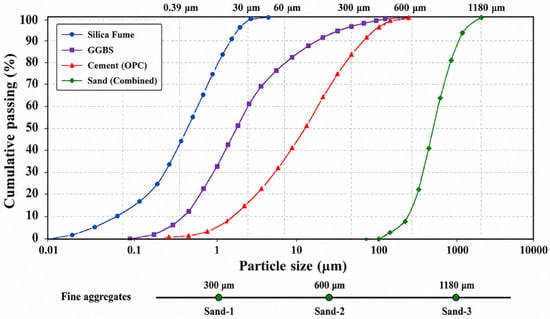
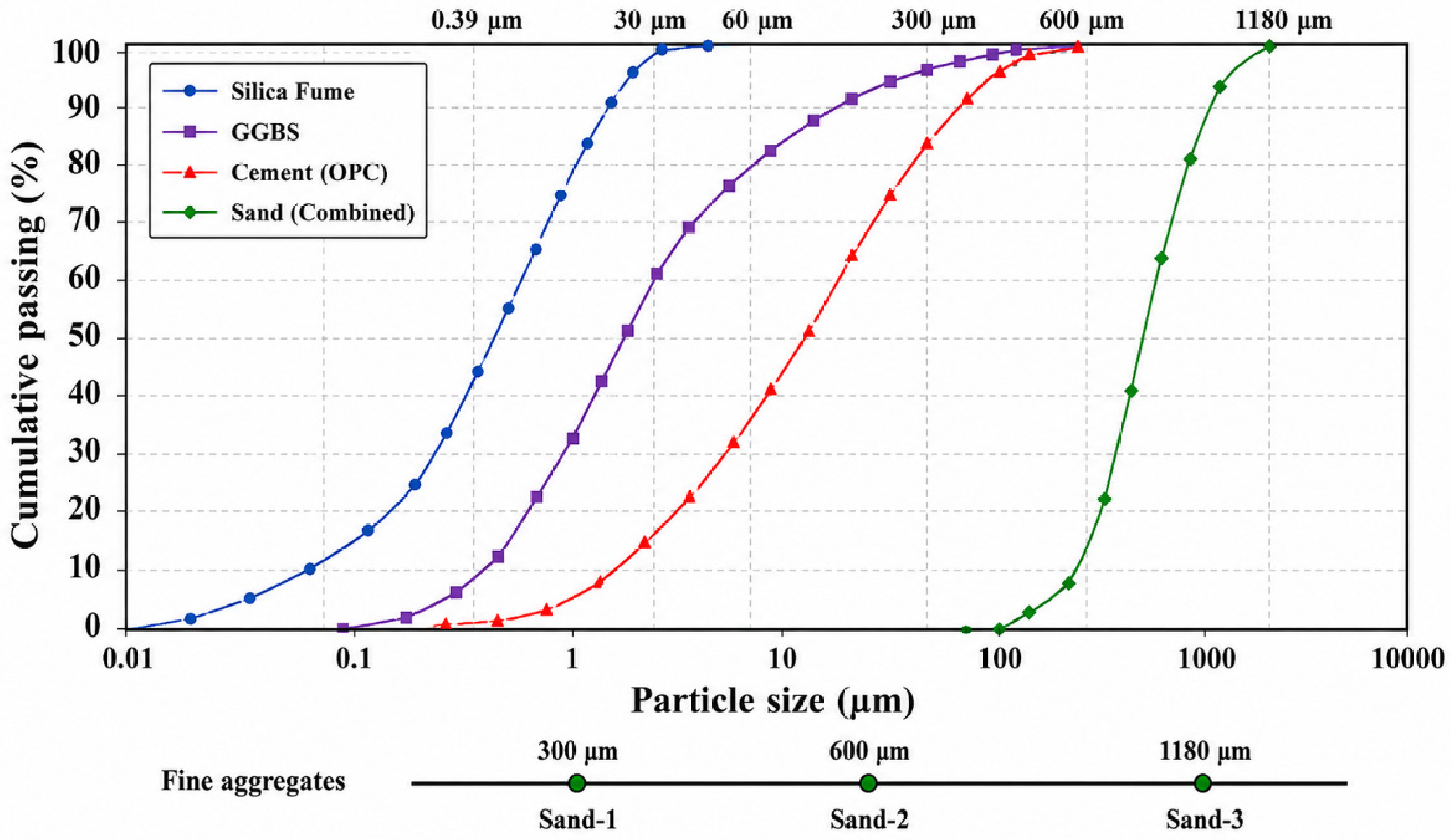
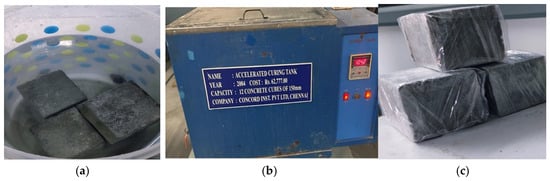
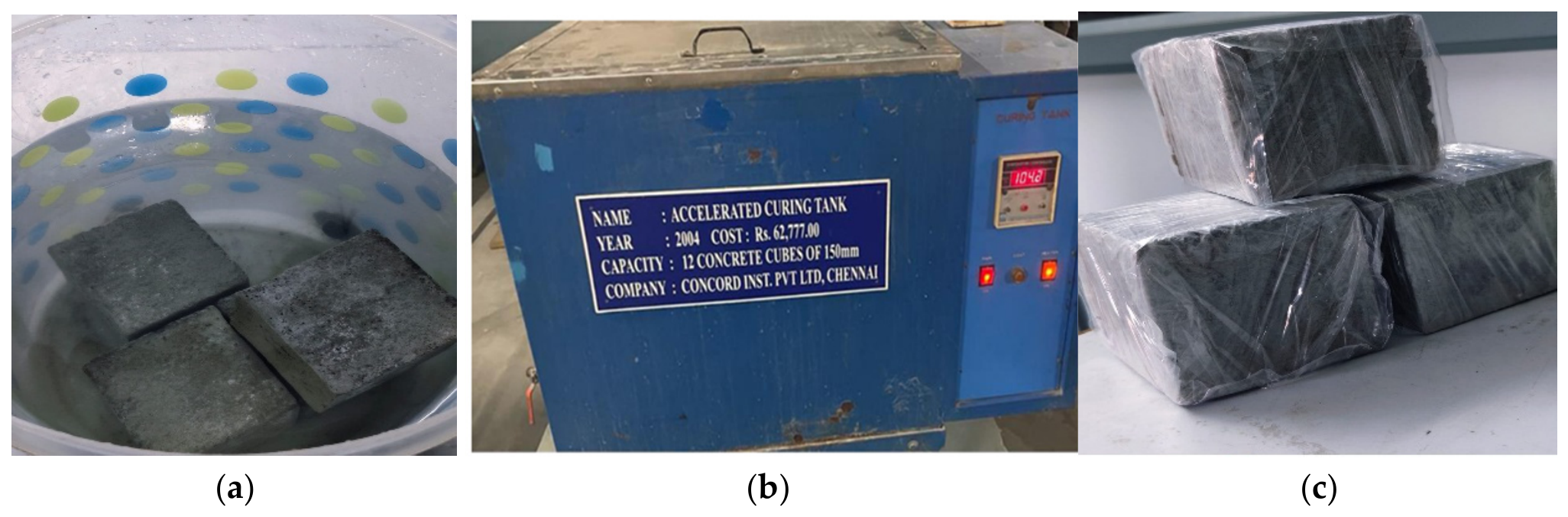
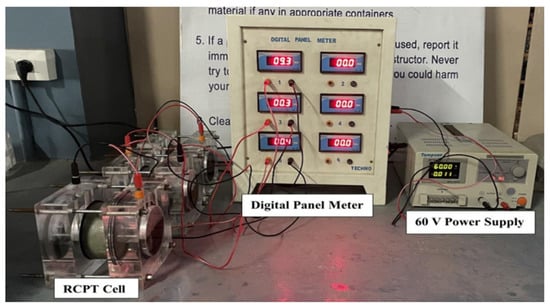
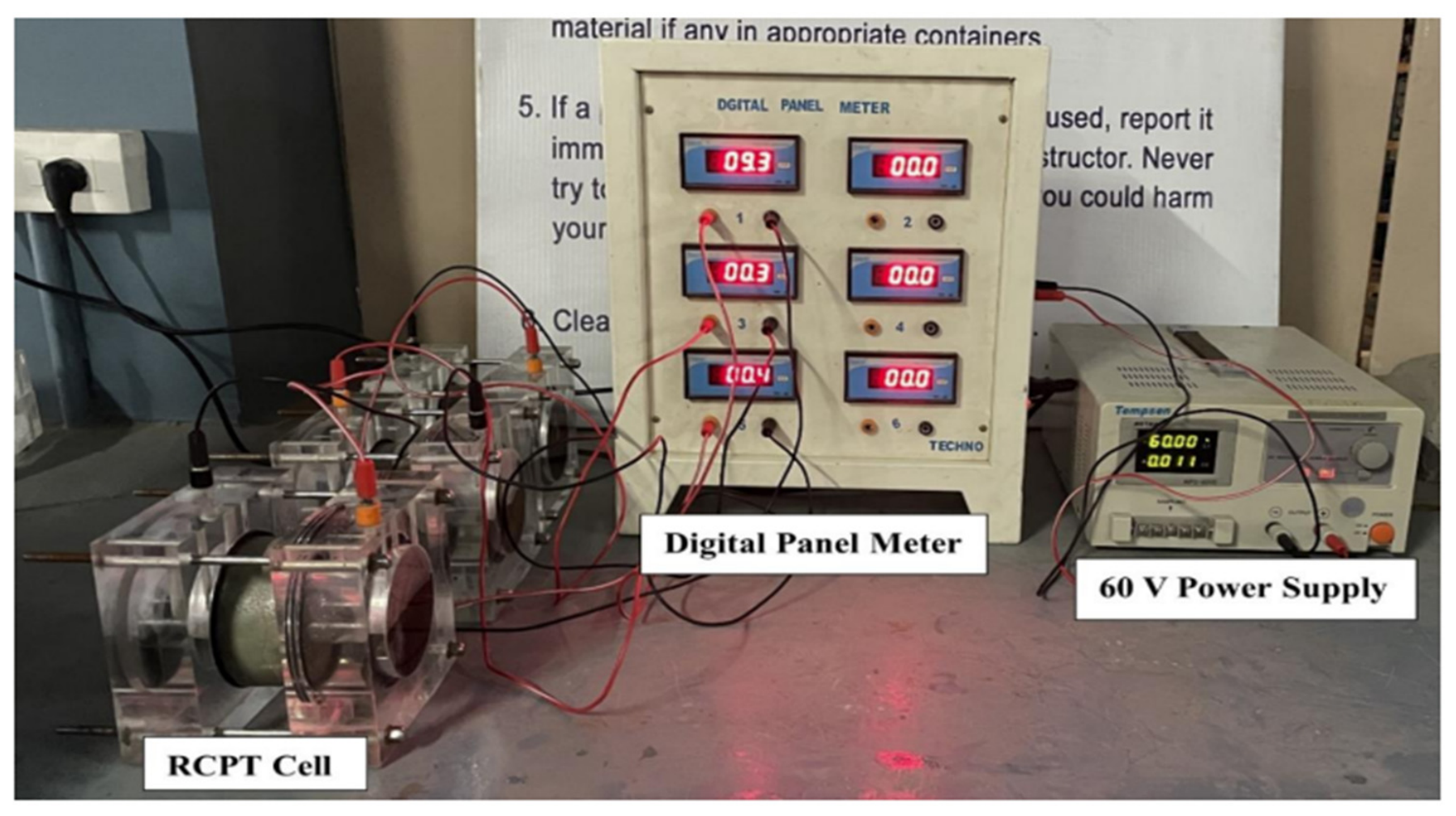
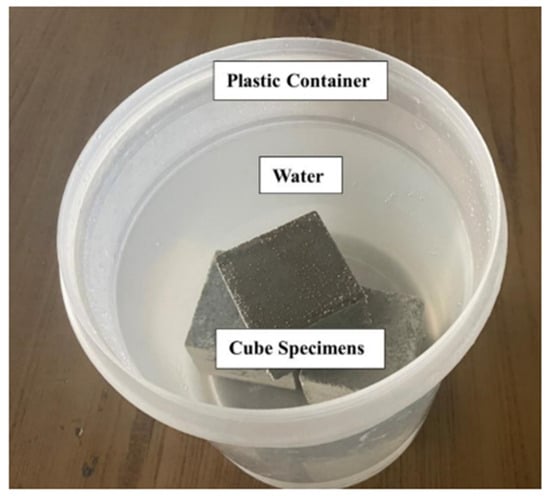
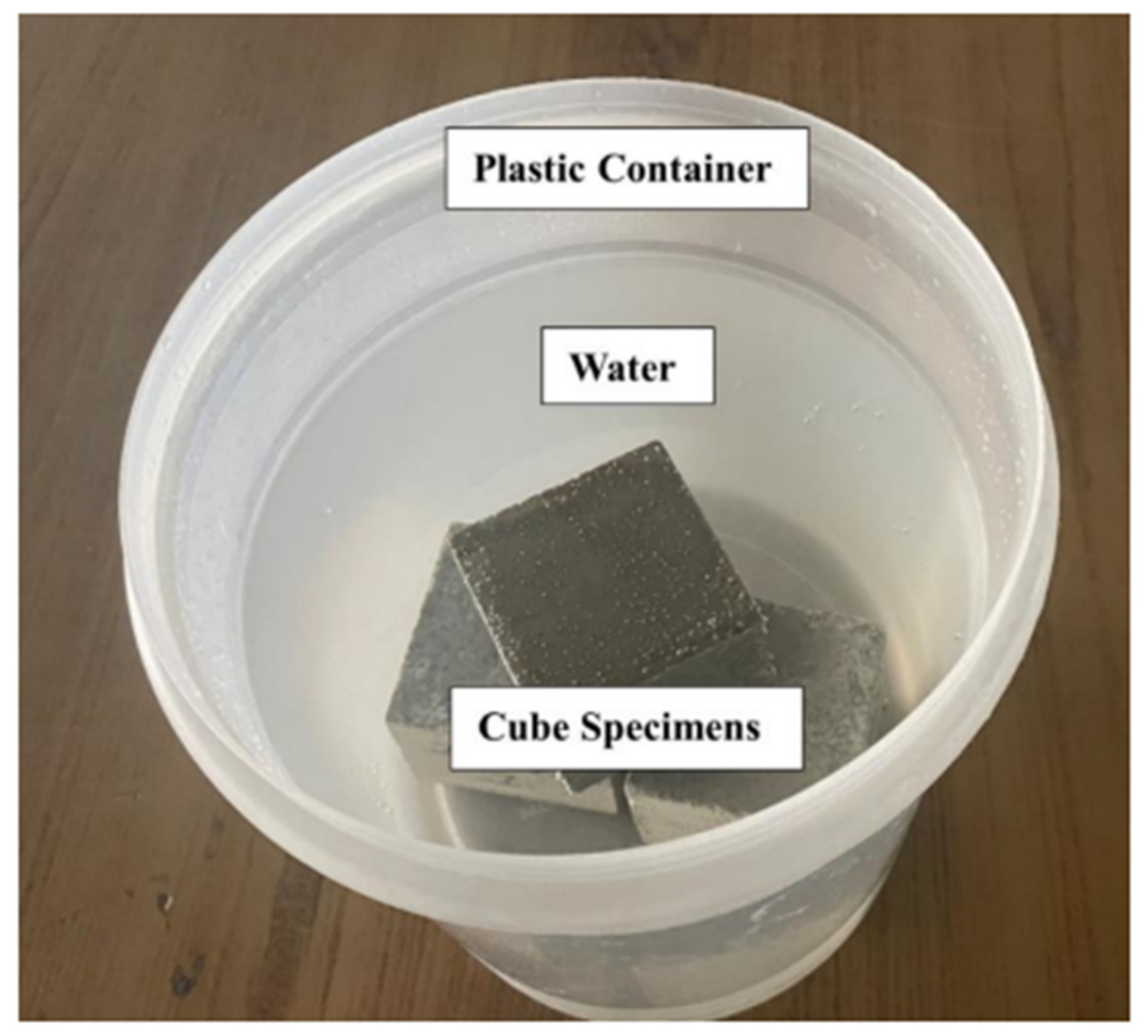
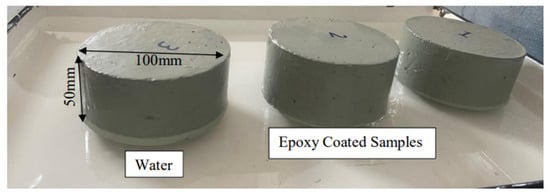
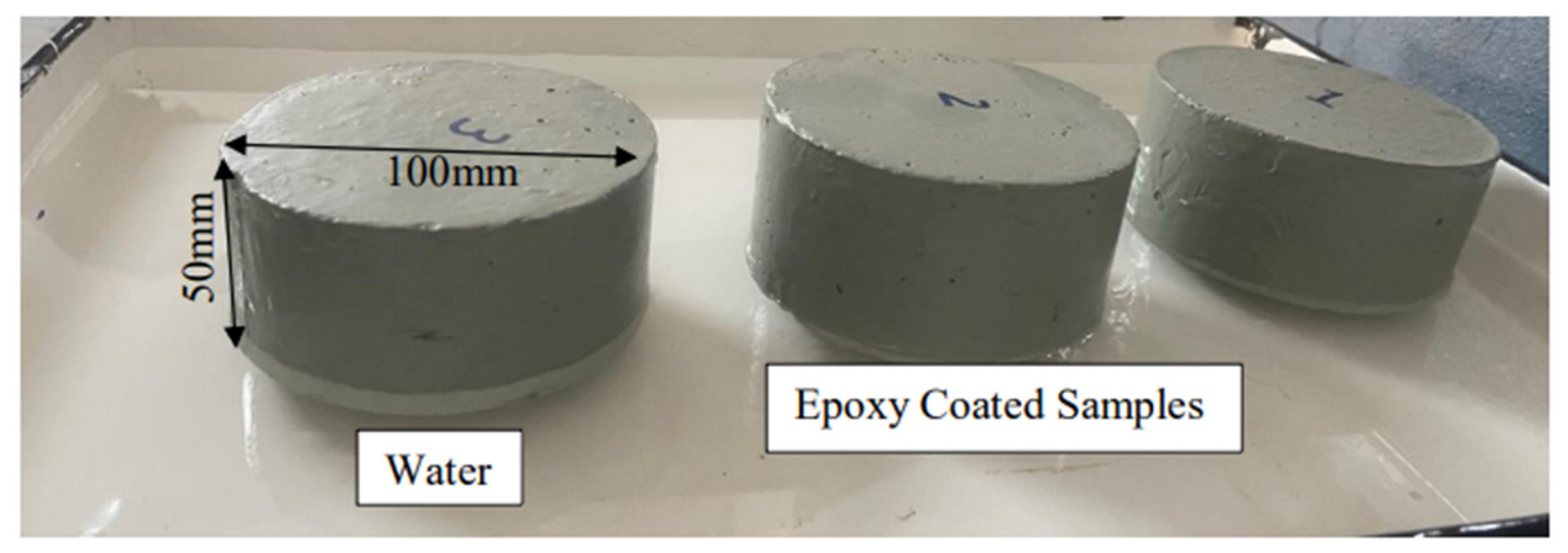
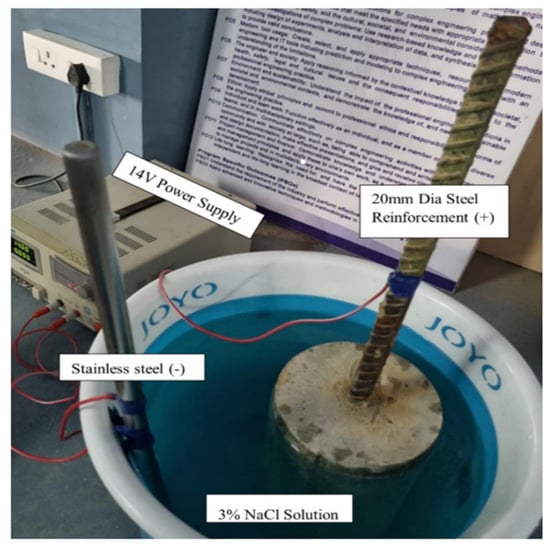
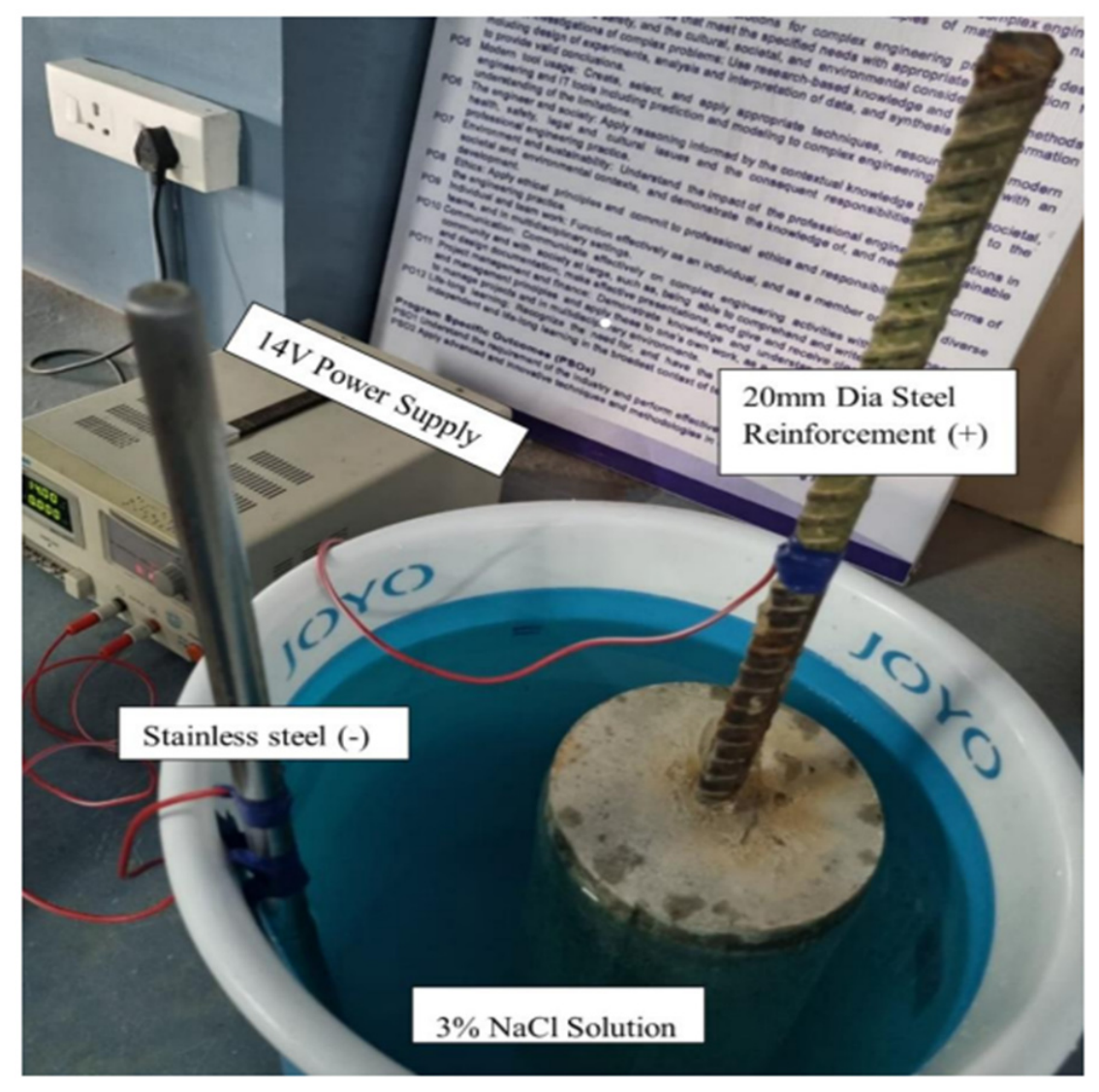
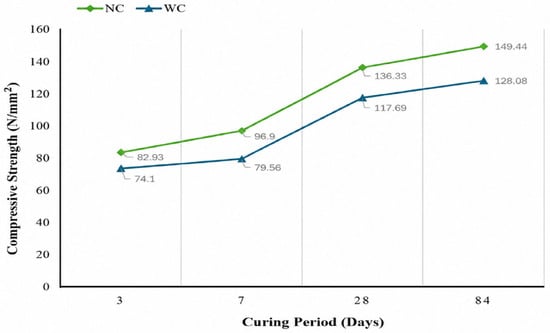
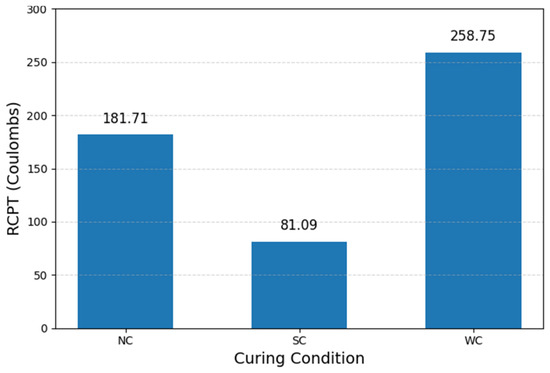
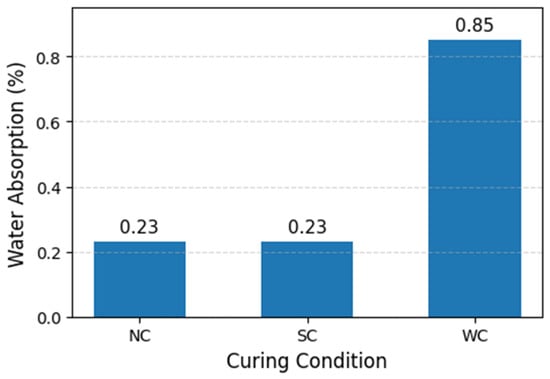
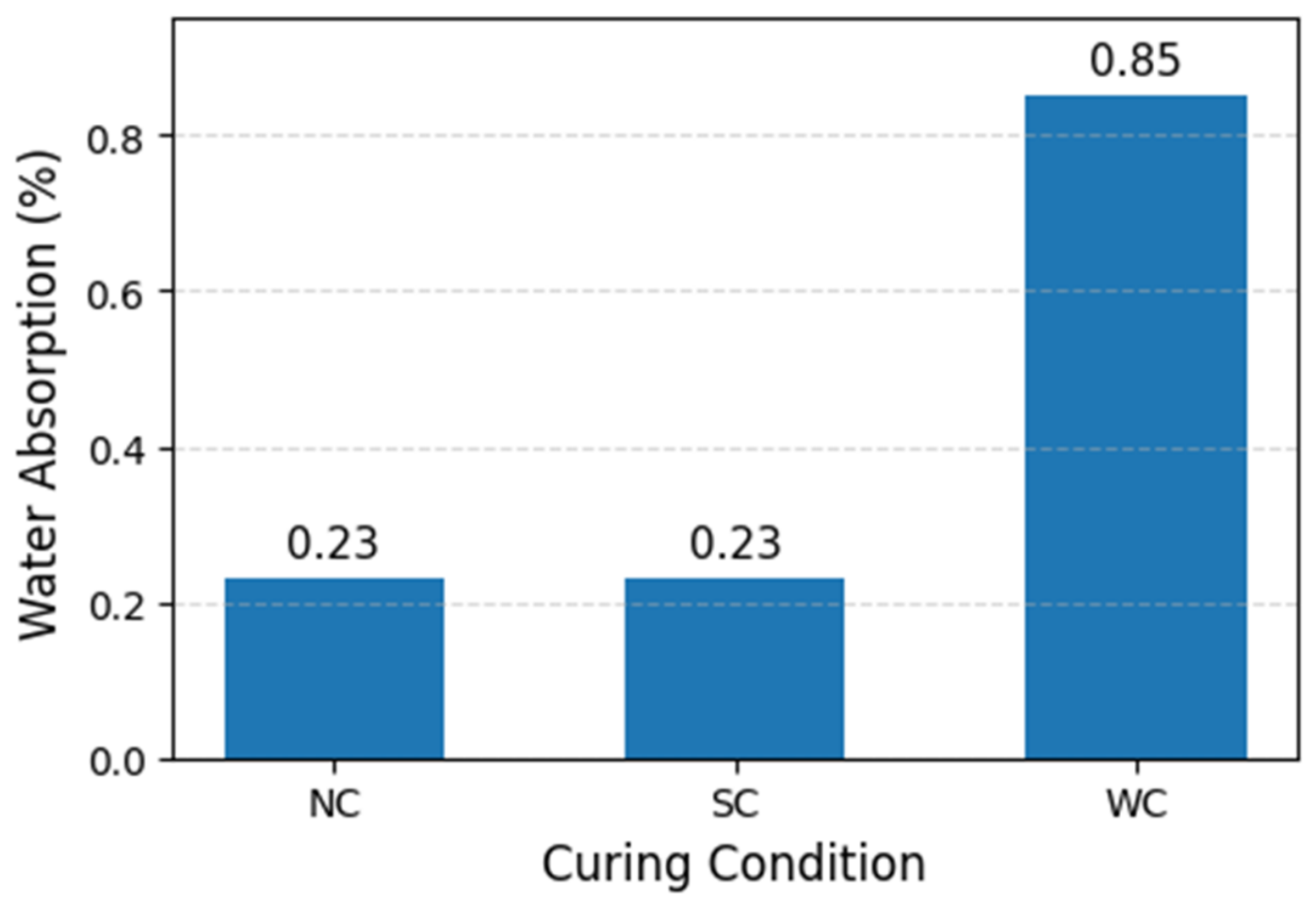
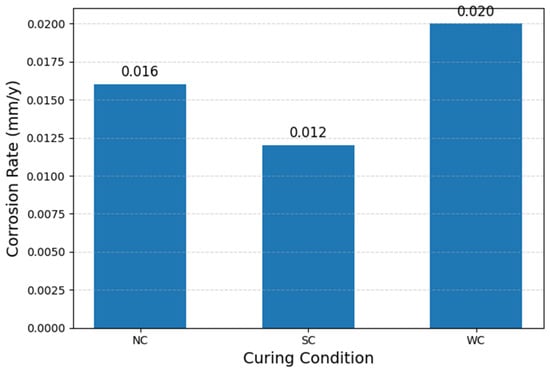
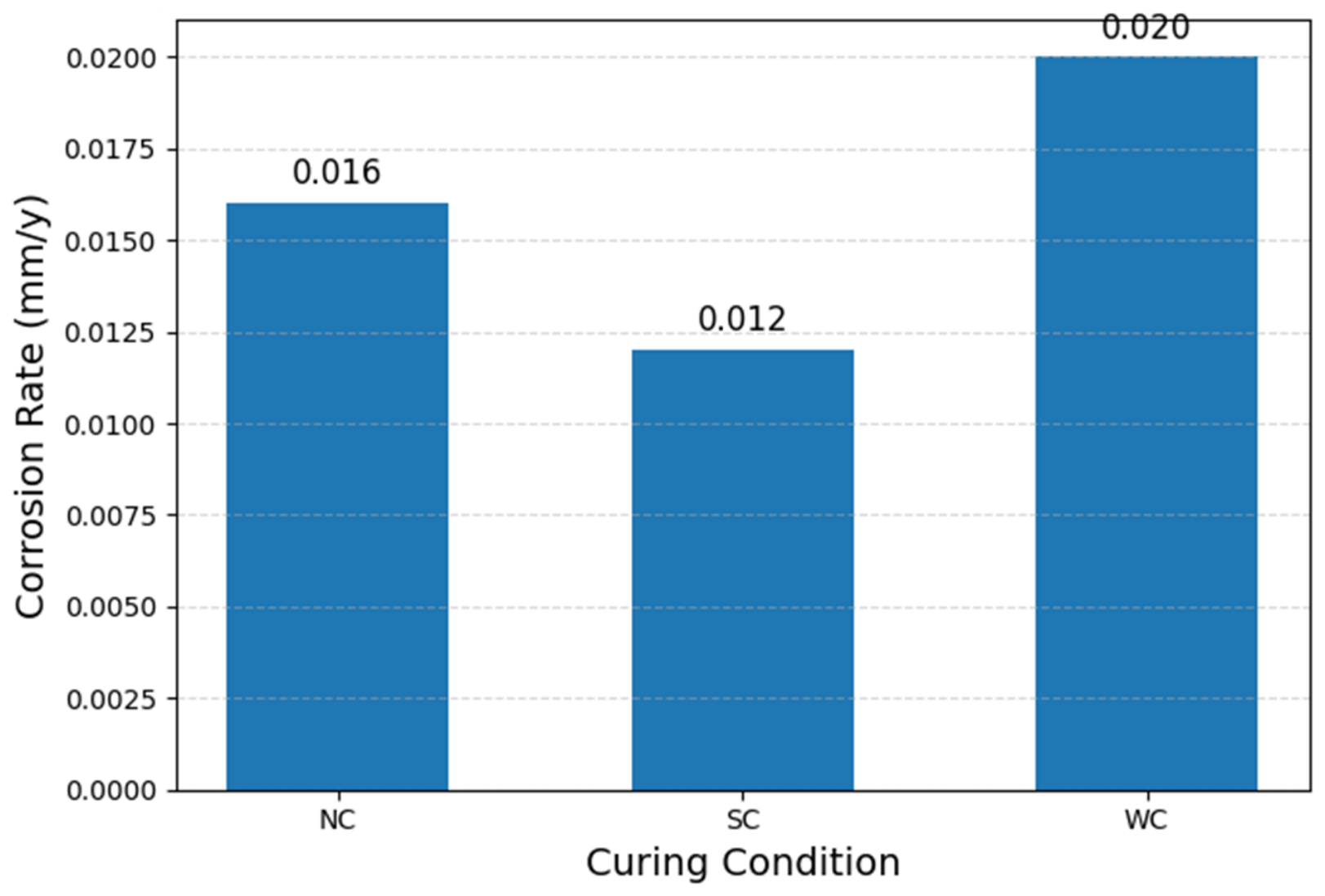
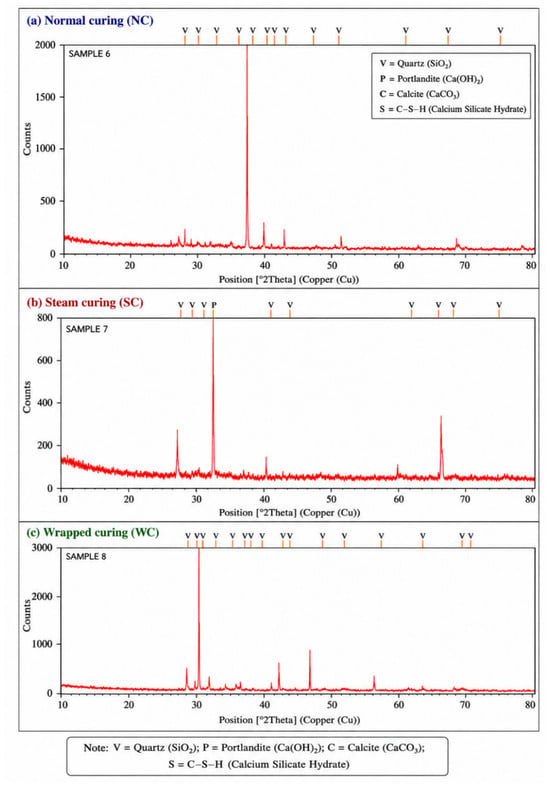
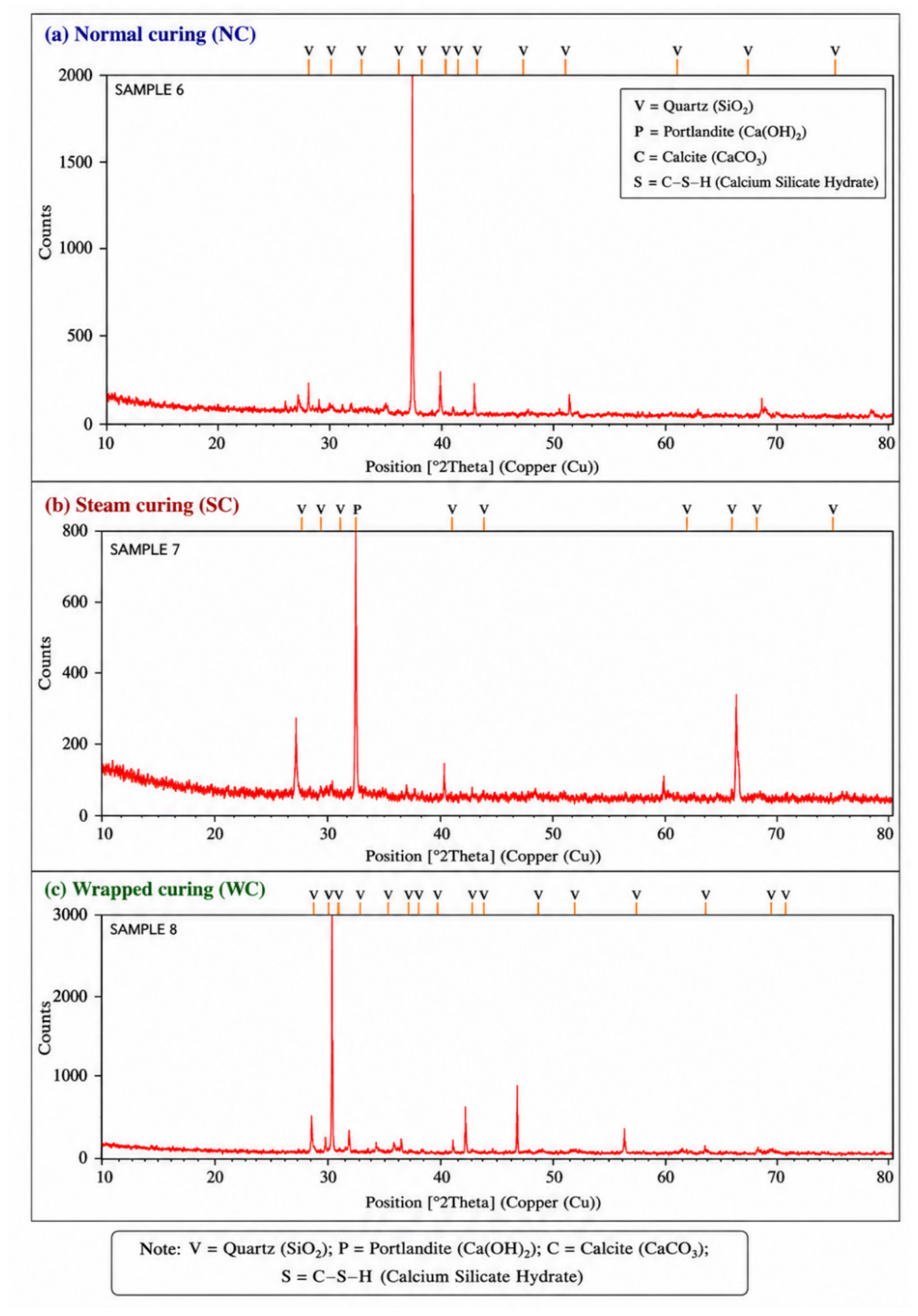
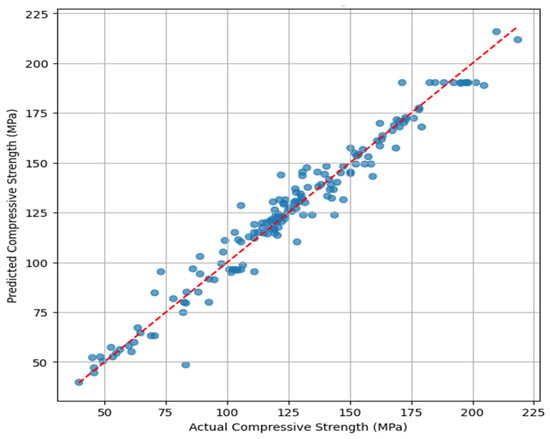
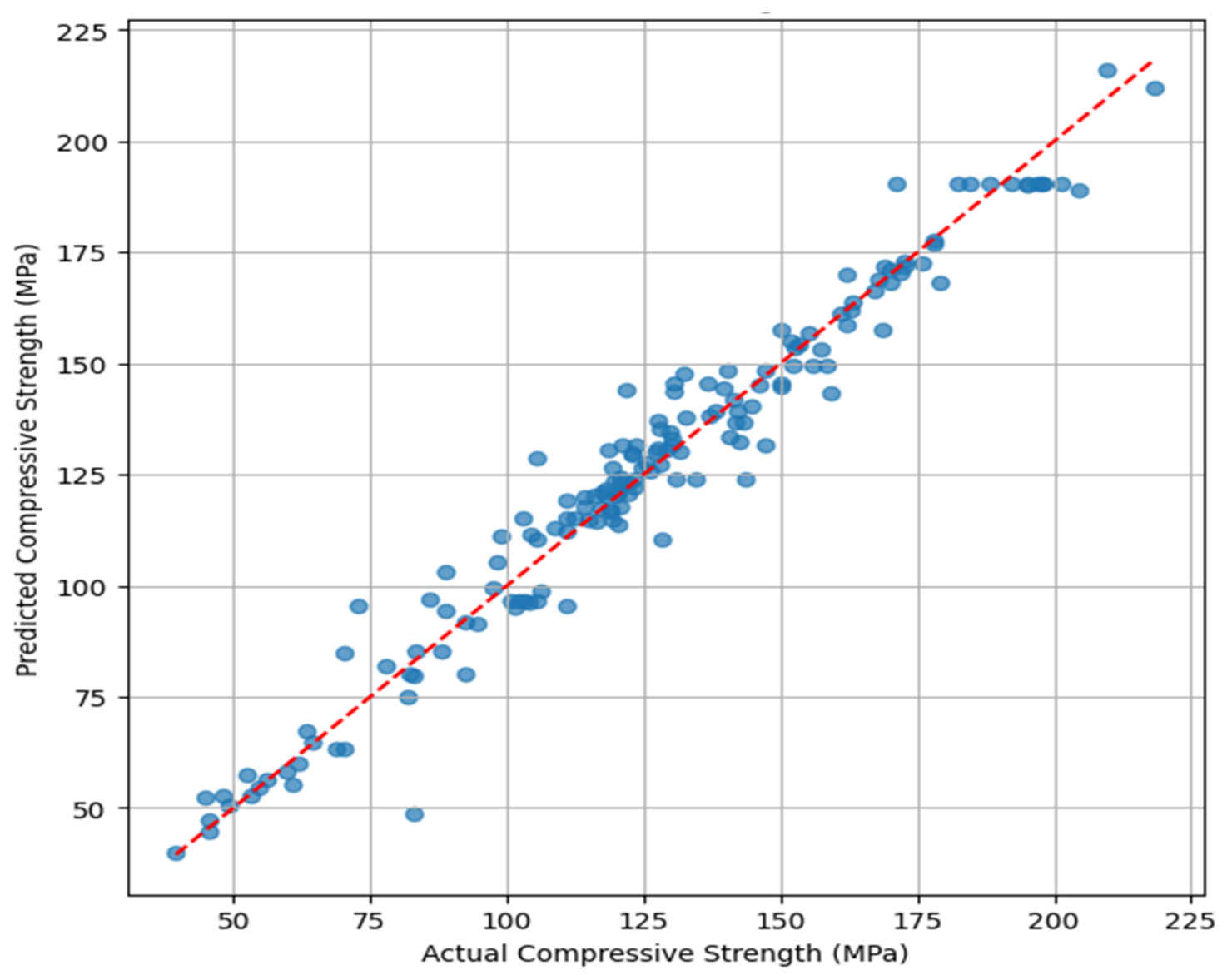
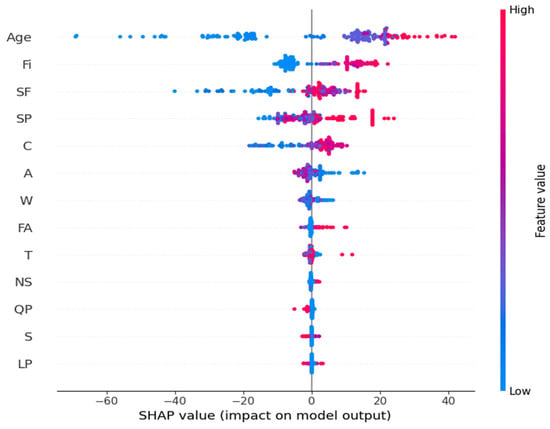
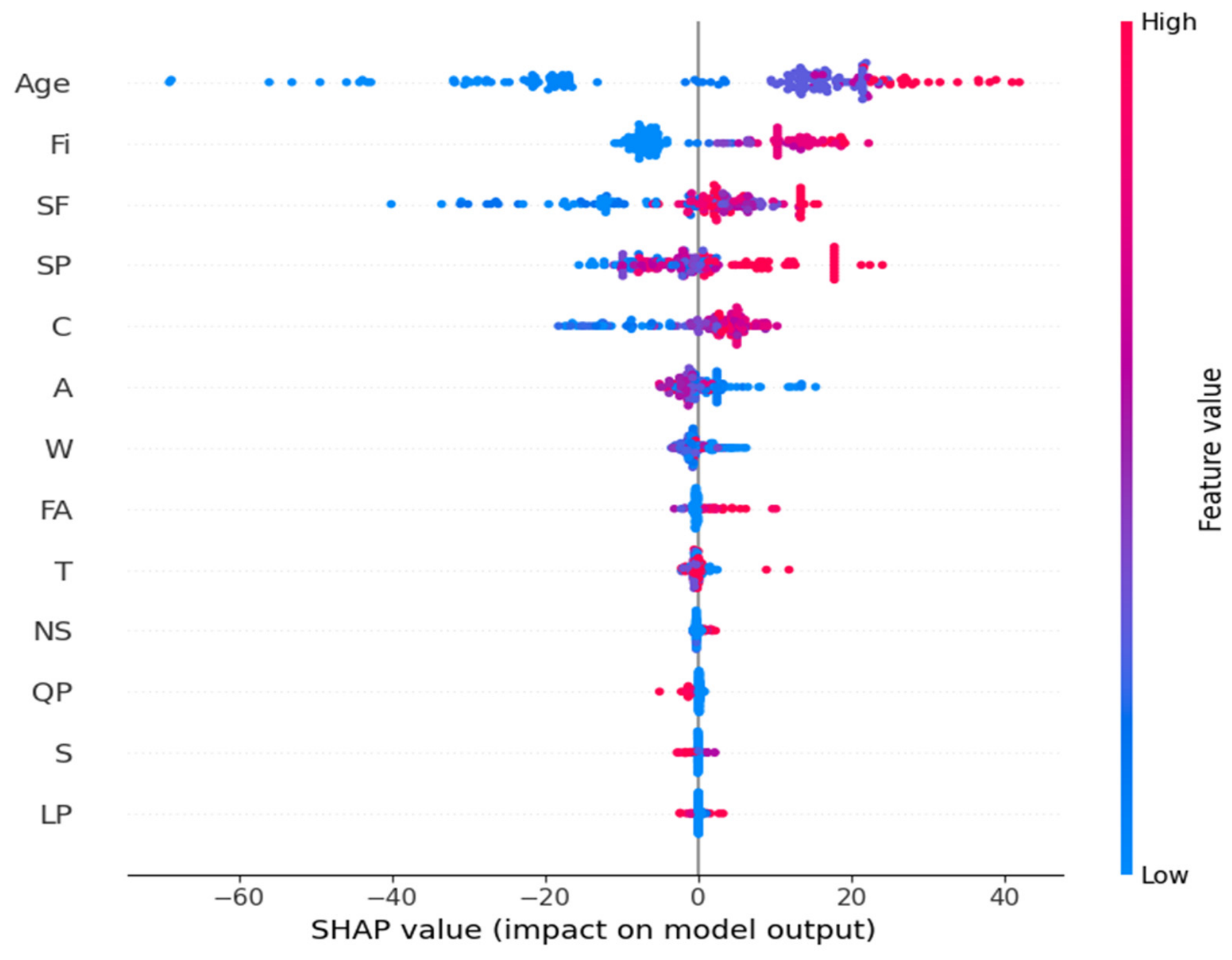
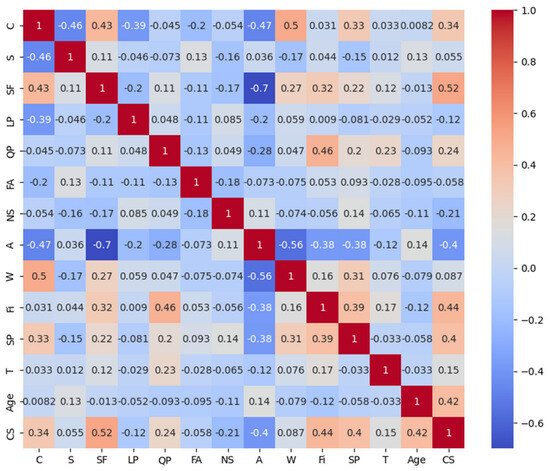
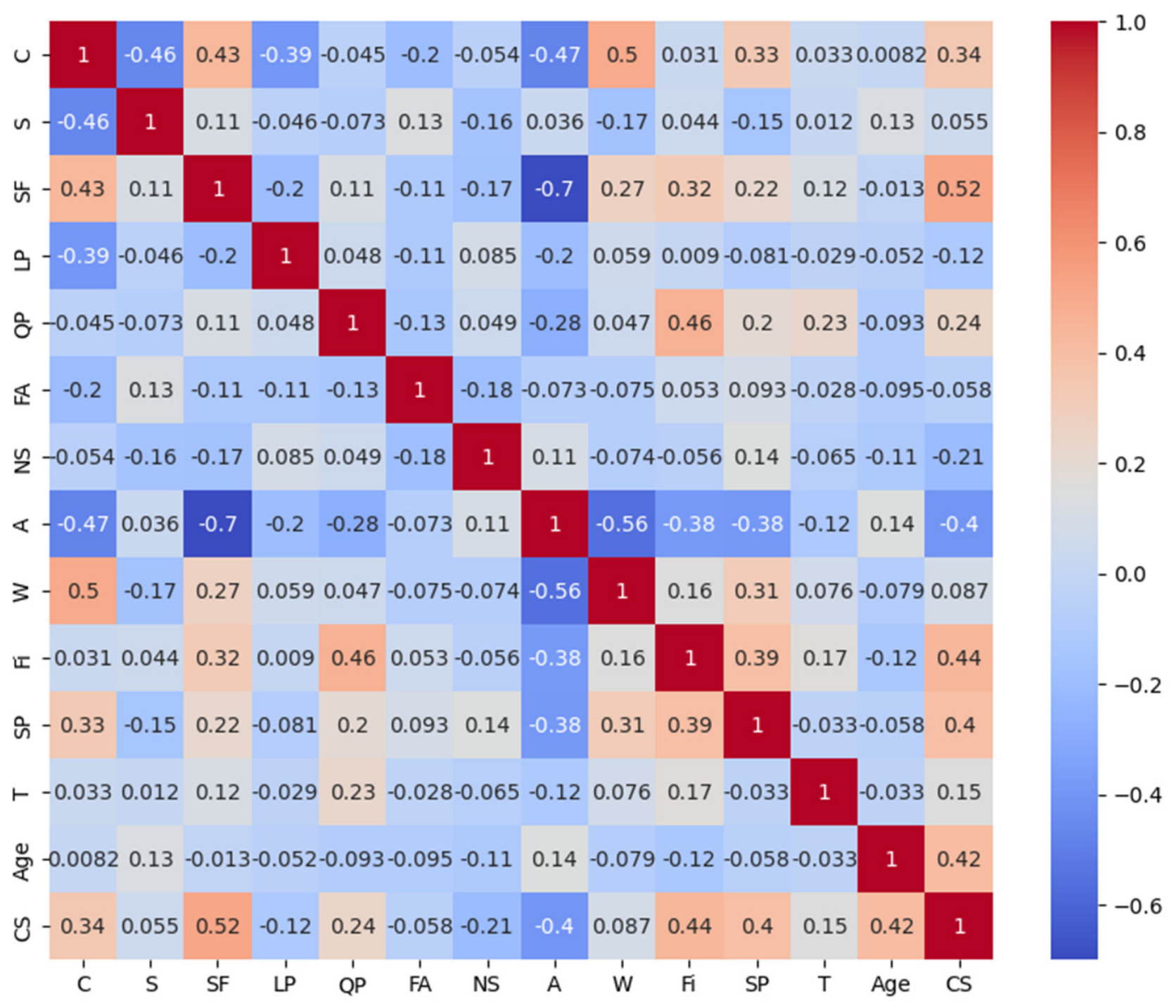

Disclaimer/Publisher’s Note: The statements, opinions and data contained in all publications are solely those of the individual author(s) and contributor(s) and not of MDPI and/or the editor(s). MDPI and/or the editor(s) disclaim responsibility for any injury to people or property resulting from any ideas, methods, instructions or products referred to in the content. |
© 2026 by the authors. Licensee MDPI, Basel, Switzerland. This article is an open access article distributed under the terms and conditions of the Creative Commons Attribution (CC BY) license.