


Abstract
Appalachia faces a housing challenge that is not only a shortage of affordable units, but also a regional housing-production capacity problem shaped by workforce availability, financing, regulation, market awareness, technology readiness, and institutional coordination. This study examines how participatory stakeholder workshops can identify and prioritize regional constraints and strategies for using industrialized off-site construction (IOC) to expand housing delivery capacity in Appalachia. The study used a three-step qualitative methodology: a regional context review, seven participatory design workshops across Appalachian locations, and agreement testing and a practitioner advisory review of workshop-derived themes. A total of 129 stakeholders participated, representing construction, manufacturing, modular construction, education, workforce development, economic development, local government, finance, and related sectors. Workshop data were analyzed through structured prompts, affinity clustering, PICK chart prioritization, independent re-clustering, and Cohen’s κ agreement testing. Across the workshops, institutional and industry stakeholders identified five common conditions that, in their view, shape IOC’s potential in their regions: Education & Training, Policy & Regulation Framework, Marketing & Awareness, Financing & Funding, and Technology & Innovation. In PICK prioritization, participants rated marketing and awareness as high impact and easier to implement, and workforce, policy, financing, and technology conditions as harder. In discussion, they described the harder conditions as requiring longer coordination. The study contributes a replicable participatory process for diagnosing regional housing-production constraints and positioning IOC as a context-dependent pathway for improving housing delivery, affordability, and access.
1. Introduction
Appalachia’s housing challenge is not only a matter of affordability or housing supply. It is also a regional housing-production capacity problem. In this study, housing-production capacity refers to a region’s ability to deliver needed housing by aligning workforce availability, construction capacity, financing mechanisms, policy and regulatory processes, market acceptance, and technology readiness [1,2]. This framing matters because housing delivery does not depend on a single constraint. It depends on how labor, institutions, capital, construction methods, and local demand interact within a regional housing system.
The United States continues to face linked housing and labor shortages. Construction labor constraints affect the pace, cost, and feasibility of residential development, with implications for housing availability and affordability [3]. Associated Builders and Contractors (ABC) estimated that the construction industry would need to attract about 501,000 workers in 2024 on top of its normal pace of hiring, based on a model linking Census Bureau construction spending to Bureau of Labor Statistics payroll employment [4]. Estimates of the housing shortfall are of a similar order across sources. Freddie Mac placed the national housing supply deficit at 3.8 million units as of the fourth quarter of 2020 [5], and Up for Growth estimated that the country underproduced 3.8 million homes in 2019 [6]. The National Association of Home Builders reported in 2024 a shortage of roughly 400,000 construction workers in any given month [7]. These conditions are especially relevant for Appalachia, where housing needs, demographic shifts, economic restructuring, and workforce limitations intersect in ways that constrain local housing delivery [8,9]. Within this context, industrialized off-site construction (IOC) has gained attention as one possible pathway for expanding housing-production capacity. IOC is a construction system in which standardized building components or modules are manufactured in controlled factory settings before final assembly on site. It combines industrial principles such as standardization, mechanization, digital coordination, and quality-controlled production with site-based assembly to expand and stabilize housing delivery capacity [10,11]. However, IOC is not treated in this study as a stand-alone technical solution. Its usefulness depends on whether regional workforce systems, regulatory processes, financing structures, market awareness, and technology readiness can support its adoption.
IOC represents more than a technical alternative to conventional construction. It shifts the locus of work from the construction site to the factory floor, which changes how workforce skills are organized, how construction tasks are sequenced, how design and procurement decisions are coordinated, and how inspection and quality control are performed [12,13]. These operational changes have implications that extend beyond the construction process itself. They also affect who participates in the construction labor market, how housing supply chains are structured, and how local institutions support or constrain housing delivery [14,15]. For this reason, IOC adoption cannot be evaluated as a stand-alone construction decision. It must be understood as part of a broader change in how a region produces housing. Because housing-production capacity is shaped by local systems, stakeholder knowledge is needed to understand where constraints are most severe and which actions are most feasible. Regional actors, including builders, educators, housing organizations, local officials, workforce-development agencies, lenders, manufacturers, and community partners, often hold practical knowledge about barriers that are not visible in broad housing or construction data alone. Participatory design methods are useful for examining how local stakeholders define problems, connect housing and workforce issues, and prioritize possible strategies, especially when challenges are multi-stakeholder and context-dependent [16,17]. In this study, participatory workshops were used not simply to collect opinions, but to diagnose how Appalachian stakeholders understand regional housing-production constraints and the conditions under which IOC may support housing delivery.
Existing research documents housing and labor challenges in Appalachia [8] and identifies potential benefits of IOC [10]. However, these bodies of work rarely examine how regions such as Appalachia translate IOC into locally grounded housing-production strategies through participatory stakeholder processes. Studies of IOC adoption barriers identify issues such as regulation, financing, market acceptance, supply-chain readiness, and institutional coordination, but provide limited evidence on how regional actors themselves identify and prioritize these conditions for housing delivery capacity [14,15]. This gap matters because housing strategies developed for larger metropolitan or more mature industrialized construction markets may not transfer directly to Appalachian communities, where housing systems are shaped by post-industrial transitions, limited construction capacity, aging housing stock, uneven market demand, and varying familiarity with IOC. This study addresses that gap by examining seven participatory stakeholder workshops conducted across Appalachian locations.
Research Question and Objectives
The study addresses one research question: How can participatory stakeholder workshops identify and prioritize regional housing-production constraints and strategies for using IOC to expand housing delivery capacity in Appalachia? Because the study is exploratory, it does not state or test hypotheses (Section 3 explains the evaluative standard used instead). The question is addressed through three research objectives, each linked to a step of the methodology and to the section where it is reported:
- RO1: Examine regional housing, workforce, economic, and construction-capacity conditions across selected Appalachian workshop locations (Step 1, reported in Section 2.1).
- RO2: Use participatory design workshops to identify stakeholder-perceived constraints and opportunities related to housing-production capacity (Step 2, reported in Section 4.1).
- RO3: Identify and prioritize locally grounded strategies through which IOC may support regional housing delivery systems (Steps 2 and 3, reported in Section 4.2, Section 4.3 and Section 4.4).
This study contributes to housing research in four ways. First, it reframes IOC adoption as part of a broader regional housing-production capacity problem rather than a pure construction-technology issue. Second, it provides empirical evidence from participatory workshops in seven Appalachian locations, showing how institutional and industry stakeholders connect housing delivery with workforce development, institutional conditions, financing, market awareness, and technology readiness. Third, it shows that, in the view of the institutional stakeholders consulted, industrializing housing production involves more than adopting factory-based construction methods, because the regional systems that deliver housing would need to change alongside the technology. Fourth, it offers a replicable participatory process for translating local expertise into prioritized implementation strategies. The paper positions IOC not as a universal solution, but as a context-dependent pathway that may support housing delivery, affordability, and access when aligned with regional capacity, institutional readiness, and community needs.
2. Background
This section situates the study within three areas of scholarship relevant to the research question: regional housing-production systems, IOC as a shift in housing delivery, and participatory approaches to diagnosing local housing constraints. The purpose is not to review IOC technologies in detail, but to explain why IOC must be examined through the housing systems that shape production capacity, affordability, workforce development, regulation, financing, and market acceptance.
2.1. Regional Housing-Production Systems and Appalachian Constraints
Housing delivery is shaped by more than aggregate demand or unit shortages. It depends on the capacity of local and regional systems to coordinate land, labor, capital, regulation, infrastructure, market confidence, and production methods. Prior housing research shows that local housing production is affected by governance structures, institutional fragmentation, and the coordination of public and private actors [1,2]. This systems perspective is especially important for regions where housing needs intersect with workforce limitations, uneven investment, and constrained development capacity.
In Appalachia, these issues are visible across communities with older housing stock, affordability constraints, repair needs, and uneven access to adequate housing [8,18]. Housing constraints are also connected to regional economic development. In many communities, limited housing availability affects workforce recruitment and retention, while workforce shortages constrain the ability to build, repair, and maintain housing. This means that housing need cannot be separated from the systems that produce housing. Workforce constraints are particularly pronounced. Between 2011 and 2019, the Appalachian Region lost 30,003 coal mining jobs, 77 percent of all coal mining jobs lost nationally over that period. Between 2000 and 2019, it also had a net loss of 555,000 manufacturing jobs, a 29 percent decline [19]. Aging trends in the construction workforce add to these pressures. Nationally, about 22 percent of employed construction workers were aged 55 or older in 2025, based on Current Population Survey annual averages [20]. Comparable estimates were not assembled for the workshop regions, so this figure indicates the direction of the pressure rather than its regional magnitude. These workforce shifts shape regional housing-production capacity by limiting the local labor base available to build, repair, and adapt housing, while also reflecting longer-term economic restructuring across the region.
The seven workshop locations reflect this broader regional pattern. They include post-industrial cities, rural and small-metro communities, growth corridors, and places with older housing stock and shifting employment bases. Across these locations, housing constraints are linked to local labor markets, economic restructuring, population change, and uneven production capacity. Table 1 summarizes the housing and workforce context across the seven workshop locations.
Table 1.
Regional housing and workforce context across workshop locations [21,22].
Together, this context supports the framing of Appalachia’s housing challenge as a regional housing-production capacity problem. Expanding housing supply requires more than identifying land or demand. It requires coordination among workforce pipelines, financing mechanisms, regulatory processes, construction capacity, infrastructure, and local market demand.
2.2. IOC as a Shift in Housing Delivery Systems
IOC is relevant to this study because it changes how housing production is organized. Rather than relying entirely on conventional site-based construction, IOC shifts some building activities into controlled off-site or factory settings before final assembly on site. Prior research associates off-site and industrialized approaches with potential gains in productivity, schedule reliability, quality control, safety, and cost predictability [10,14]. However, these benefits depend on the surrounding system in which IOC is introduced.
This shift affects more than construction technique. Moving work from the site to the factory changes labor requirements, production sequencing, design coordination, procurement timing, inspection processes, transportation logistics, and capital needs. It can create new workforce pathways and make construction work more predictable, but it also requires coordination among manufacturers, builders, regulators, lenders, educators, and housing organizations [12,15]. In this sense, IOC should be understood as a housing-delivery system shift rather than simply a technical alternative to conventional construction.
This study uses a socio-technical transitions lens to interpret its findings. That perspective treats a technology not as a discrete object that can be adopted on its merits, but as one element of a regime that also includes user practices, regulation, industrial networks, infrastructure, and cultural meaning, so that changing the technology requires the surrounding regime to change with it [23]. The lens has been applied directly to off-site manufacturing, where the argument is that the established construction regime is not configured to support widespread adoption, and that pressure from broader economic and policy conditions creates openings for change only where regime-level conditions can shift in response [24]. The workshop prompts and the coding were not derived from this lens. The prompts followed a standard participatory design sequence, and the themes were generated inductively by participants, so the lens is applied after the analysis as an interpretive framework rather than serving as the foundation of the analytical process. It is consistent with the study’s focus on regional conditions rather than IOC performance. Read through this lens, the five themes reported below correspond to regime dimensions, with Education & Training covering skills and labor organization, Policy & Regulation Framework covering rules and approval processes, Financing & Funding covering capital structures, Marketing & Awareness covering market acceptance and cultural meaning, and Technology & Innovation covering the technical practices themselves. Reading them as regime dimensions rather than as an implementation checklist offers one explanation for the interdependence discussed in Section 5, although the workshop design did not test that explanation.
For Appalachia, this distinction matters because the region’s housing challenge is shaped by local capacity. IOC is more likely to help address production constraints where it fits regional workforce systems, regulatory pathways, financing structures, supply chains, and community expectations. If those conditions are weak or misaligned, IOC may remain technically possible but difficult to implement. The relevant question is therefore not whether IOC is generally beneficial, but how regional actors understand the constraints and conditions that would allow IOC to contribute to housing delivery.
2.3. Participatory Approaches to Regional Housing-System Diagnosis
Because housing-production capacity is shaped by local institutions, markets, and workforce systems, participatory methods are useful for examining how stakeholders understand regional constraints. Participatory design and related design-thinking approaches are commonly used for problems that are multi-actor, context-dependent, and socio-technical in nature [16,17]. These methods allow researchers and practitioners to elicit local knowledge, compare stakeholder perspectives, and move from problem identification toward prioritized action.
In this study, participatory workshops were used as a diagnostic method for regional housing-production systems. The workshops were framed around IOC from the outset. Facilitators introduced a working definition of IOC, and two of the three idea-generation prompts asked directly how IOC could address local conditions. The first prompt, however, asked stakeholders to describe current housing and workforce conditions without reference to IOC, so that local constraints were recorded before the prompts turned to IOC, although participants had already heard the working definition. Starting from current conditions matters because regional actors often understand constraints that may not appear clearly in secondary data, including local permitting practices, workforce gaps, financing concerns, public perception, institutional readiness, and coordination barriers.
The conceptual logic of the study is therefore straightforward. Appalachia’s housing challenge reflects a regional production-capacity problem, IOC represents a possible shift in housing delivery systems, and participatory workshops provide a method for identifying how local actors understand and prioritize the conditions needed for that shift to support housing outcomes.
3. Methodology
This study is exploratory rather than hypothesis-testing. It does not specify a relationship between variables in advance and then test it. It asks how regional stakeholders characterize and prioritize housing-production constraints, which is a question about framing, meaning, and relative priority rather than about magnitude or association. The appropriate evaluative standard for this design is analytic transparency and interpretive credibility rather than the confirmation or rejection of a stated hypothesis [25]. Credibility is established here through documented prompts, a shared codebook, re-clustering by the research team independent of participant groupings, agreement testing between participant and research team clustering, and a practitioner advisory review by the project’s Industry Advisory Board.
This study used a qualitative participatory research design to examine how regional stakeholders identify and prioritize housing-production constraints and IOC-related strategies in Appalachia. The methodology consisted of three steps that correspond to the three research objectives. Step 1 reviewed regional housing, workforce, economic, and demographic conditions across the workshop locations (RO1). Step 2 used participatory design workshops to collect and analyze stakeholder input on regional housing-production constraints, IOC-related opportunities, and locally grounded strategies (RO2 and RO3). Step 3 checked the resulting themes through agreement testing between participant and research team clustering and a practitioner advisory review. Figure 1 summarizes the methodological workflow, and participant composition is summarized in Figure 2.
Figure 1.
Methodological workflow. Stars on the map mark the seven workshop locations. Developed by the authors.
Figure 2.
Distribution of industry backgrounds of workshop participants (n = 129). Developed by the authors from workshop attendance records.
3.1. Step 1: Regional Context Review
The first step reviewed secondary data and prior research to establish the housing, workforce, economic, and demographic context of the selected Appalachian workshop locations. This review was not designed as a standalone systematic literature review. Instead, it provided the regional background needed to frame the participatory workshops and interpret stakeholder responses. Sources included regional housing studies, public demographic and housing datasets, workforce and economic development reports, and local housing or planning documents relevant to the workshop locations [8,21,22,26].
The review focused on four areas: local housing conditions, workforce and employment trends, economic and demographic change, and regional assets or constraints relevant to housing delivery. Housing indicators included affordability, housing-stock age, supply constraints, and condition-related concerns. Workforce and economic indicators included employment sectors, labor availability, industrial transition, manufacturing capacity, and education or training infrastructure. The purpose was to understand how each workshop location was positioned within the broader Appalachian housing-production system before engaging stakeholders. This regional context review informed the workshop framing and supported the interpretation of stakeholder-identified constraints and strategies.
3.2. Step 2: Participatory Workshop Data Collection and Analysis
Seven participatory design workshops were conducted across Appalachia. Workshop locations were Bluefield (West Virginia), Morganton (North Carolina), Pittsburgh (Pennsylvania), Knoxville (Tennessee), Huntington (West Virginia), Prestonsburg (Kentucky), and Marietta (Ohio). Sites were selected against three criteria. First, each location lies within a core-based statistical area and functions as a regional centroid from which personnel and resources are drawn, which was necessary for convening stakeholders across a geographically dispersed region. Under the July 2023 delineations issued in OMB Bulletin No. 23-01 [27], four sites lie in metropolitan statistical areas: Pittsburgh (PA), Knoxville (TN), Huntington–Ashland (WV-KY-OH), and Hickory–Lenoir–Morganton (NC). The other three lie in micropolitan statistical areas: Bluefield (WV-VA), Marietta (OH), and Pikeville (KY), which includes Prestonsburg in Floyd County. Second, the set was chosen to span the geographic and economic range of the Appalachian Region. The seven locations sit across six states and vary in population trajectory, with four declining and three increasing between 2020 and 2025, and in economic base. Education and health care is the largest employing sector at every site, but manufacturing ranks second in Morganton and professional and administrative services rank second in Pittsburgh (Table 1). Third, the set varies in the housing conditions the study is concerned with, spanning median home values from $105,400 in Bluefield to $239,700 in Knoxville and median construction years from 1942 in Pittsburgh to 1976 in Morganton. The research team then consulted community colleges and economic development groups to confirm that each location functioned as a convening point for housing, workforce, education, construction, and economic development stakeholders.
A total of 129 stakeholders participated in the workshops (Appendix A and Appendix B). Participants were recruited based on their leadership and professional roles in sectors relevant to housing-production capacity and IOC-related delivery systems. These sectors included construction, manufacturing, modular and prefabricated construction, economic development, local government, zoning, planning, code enforcement, education, finance, and workforce development. Local convening partners supported participant identification and recruitment. Figure 2 summarizes the distribution of participant backgrounds across the workshops.
Recruitment targeted stakeholders holding institutional or professional roles within housing-production systems, which shaped the sample in ways that bear on interpretation. Higher education and economic development were among the largest represented categories, reflecting the convening partners through whom participants were identified (Figure 2). Residents, renters, prospective homebuyers, and construction tradespeople without institutional affiliation were not recruited, and no participant category corresponds to housing end users. The workshops therefore elicit how regional institutions and industry actors understand housing-production constraints rather than how households experience housing need. This scope follows from the research question, which concerns regional production capacity rather than household housing experience, but it bounds what the findings can support and is treated as a constraint on interpretation in the sections that follow.
The university’s Institutional Review Board determined the study exempt from review (protocol #23-1369), and all data collection procedures followed the protocol as submitted. Participants were briefed on the purpose and societal benefits of the research initiative. Participation was voluntary, and individual responses were not collected with personal identifiers. Attendance was recorded for workshop management purposes, but individual sticky-note responses were not linked to participant identities.
The seven workshops were held between March and June 2024: Bluefield on 7 March, Morganton on 8 March, Pittsburgh on 12 April, Knoxville on 18 April, Huntington on 7 May, Prestonsburg on 30 May, and Marietta on 6 June. Each was hosted at a convening partner’s venue (Appendix B) and ran for three hours in the morning under the same written agenda and facilitation script. Three members of the research team led facilitation. They delivered the prompts, kept time, and moved between groups to ensure that no single participant dominated the discussion. Three other team members recorded the process by photographing the wall after each prompt, and these photographs were later transcribed into the site-level dataset. For Prompts 1 to 3, the research team assigned participants to teams of approximately four people using the registration roster, balancing each team by background and expertise so that construction, education, finance, government, and other sectors were mixed. For Prompts 4 and 5, the teams at each site were combined into one group, so that each workshop produced a single set of themes and a single PICK chart.
The script fixed a time allocation for each prompt: 30 min each for Prompts 1 and 2, 20 min for Prompt 3, 25 min for Prompt 4, and 30 min for Prompt 5. The remaining 45 min covered a 15-min welcome and instructions, a 15-min icebreaker and team formation, and two breaks totaling 15 min. In Prompts 1 and 2, each participant wrote one idea per sticky note, announced it to the group, and placed it on the wall, and every participant contributed once before anyone contributed a second time. In Prompt 4, participants moved notes simultaneously, set aside any note whose placement was disputed, and named a cluster once it had remained unchanged for five minutes.
At the beginning of each workshop, facilitators introduced IOC using a working definition consistent with the one presented in the Introduction. This was intended to give participants a shared general understanding of IOC before they discussed regional constraints and opportunities. The workshops then used five structured prompts.
Prompts 1–3 generated stakeholder input on current conditions, future opportunities, and practical strategies. Prompts 4–5 organized and prioritized those strategies through participant-led clustering and PICK chart analysis. Table 2 summarizes the prompt structure and analytical purpose. This sequence bounded the responses. Prompt 1 did not refer to IOC, although participants had already heard the working definition. Prompts 2 and 3 asked explicitly how IOC could address the conditions raised in Prompt 1. The strategies generated in Prompt 3, and the themes built from them, are therefore stakeholder views elicited within an IOC-focused discussion. They show how participants would direct IOC toward local needs, not whether participants would choose IOC over other ways of expanding housing-production capacity.
Table 2.
Workshop prompt structure.
For Prompts 1–3, participants wrote responses on sticky notes and placed them around a visual facilitation structure organized around a blue triangle. Prompt 1 asked participants to describe the status quo of housing and workforce in their region, including education, infrastructure, technology, challenges, and opportunities. These responses were placed below the triangle to represent current regional conditions. Prompt 2 asked participants how IOC could take advantage of opportunities or address concerns in their region. These responses were placed above the triangle to represent desired opportunities or future directions. Prompt 3 asked participants to identify practical IOC-related strategies connected to the needs and opportunities raised in the first two prompts. These responses were placed in the center of the triangle to represent strategies for moving from current conditions toward desired outcomes. Figure 3 shows the participatory design process used for Prompts 1–3.
Figure 3.
Example of participatory design process, Prompts 1–3. Photograph of workshop output, annotated by the authors.
Prompt 4 used affinity clustering to organize the strategy statements generated in Prompt 3. Participants grouped similar solutions into thematic areas that represented local priorities for strengthening housing-production capacity through IOC. Affinity diagramming originates with Kawakita’s KJ method and is commonly used in human-centered design to organize qualitative inputs into meaningful groups and support collective sense-making [28,29]. Figure 4 provides an example of the theme-clustering output.
Figure 4.
Example of affinity diagram: theme clustering output, Prestonsburg workshop. Photograph of workshop output, annotated by the authors.
Prompt 5 used a PICK chart to prioritize the themes generated through affinity clustering. Participants evaluated each theme according to perceived impact and ease of implementation. Themes considered low impact and easy to implement were placed in the Possible quadrant. Themes considered high impact and easy to implement were placed in the Implement quadrant. Themes considered high impact but difficult to implement were placed in the Challenge quadrant. Themes considered low impact and difficult to implement were placed in the Kill quadrant. Placement followed a two-step procedure set out in the facilitation script. After a short warm-up that practiced ranking unrelated items, participants first arranged the themes from low to high impact by comparing each theme with the others, and then re-arranged them from easy to hard to implement. Placement was decided through open group discussion rather than individual voting. Where participants could not agree on a quadrant, or judged a theme to be intermediate, the theme was placed on the line between quadrants, and these boundary placements are retained in the site-level results. Impact referred to a theme’s contribution to the local housing and workforce goals identified in Prompts 2 and 3. The script did not define a narrower outcome measure or a reference timeframe, so the ratings capture participants’ relative judgments of impact and difficulty rather than estimates for a specified period. The PICK chart is commonly used in process improvement to compare actions by feasibility and expected value [30]. Figure 5 provides an example of the prioritization process.
Figure 5.
Example of PICK chart: prioritizing themes, Bluefield workshop. Developed by the authors from workshop output.
Data Processing and Thematic Coding
Workshop data moved from individual sticky notes to consolidated cross-site themes through five stages. All responses from Prompts 1 through 3 were transcribed verbatim into a site-level dataset. The Prompt 3 dataset contains 457 strategy notes, each assigned a stable identifier (for example, MAR-039 for a Marietta note): Bluefield 64, Morganton 61, Pittsburgh 68, Knoxville 68, Huntington 75, Prestonsburg 77, and Marietta 44 (Supplementary Table S1). Participants performed the initial clustering themselves during Prompt 4, grouping Prompt 3 statements into site-level thematic areas without researcher-imposed categories. The research team then developed a shared codebook from these participant-generated clusters, with each entry consisting of a theme label and a written definition specifying the substantive content the label covered. Two members of the research team then re-clustered the Prompt 3 notes for each site in a joint sorting session using the codebook, working without reference to the participant-generated groupings. Their consensus assignment for each site provided the comparison set for the Cohen’s κ analysis reported in Section 4.4. Because the two researchers sorted the notes together, the analysis measures agreement between participant clustering and research team clustering. It does not measure agreement between the two researchers.
Site-level themes were consolidated into cross-site themes through a two-pass procedure. In the first pass, the team compiled all 57 site-level theme labels generated across the seven workshops and grouped labels carrying equivalent substantive content, so that Marketing (Bluefield, Knoxville, Prestonsburg), Perception & Outreach (Morganton), Marketing + Community Awareness Demand (Pittsburgh), Outreach & Marketing (Huntington), and Market Acceleration (Marietta) were treated as one candidate cross-site theme. In the second pass, candidate themes appearing in at least six of the seven workshops were retained as cross-site themes. Five candidates met this threshold. Supplementary Table S2 lists all 57 site-level labels with the cross-site theme to which each was assigned, or marks the label as not retained and names the candidate theme it was tested under, so the path from each workshop’s clusters to the five themes can be traced label by label. The six-of-seven threshold was chosen to retain themes present at nearly every site while allowing for one site whose participants partitioned the material differently. To test its influence, the retention rule was re-applied at other thresholds. At seven of seven, only three themes would be retained (Education & Training, Marketing & Awareness, and Technology & Innovation), because no Marietta label mapped to either policy or financing. At five of seven, a sixth theme would enter: worker support and benefits, which grouped benefit programs, support and wrap-around services, job benefits, and social infrastructure for the labor force at five sites. No other candidate appeared at more than three sites. The retained set is therefore sensitive to the threshold in both directions. A stricter rule removes two themes because of a single site, and a looser rule adds worker support, which Section 4.2 discusses as a near-threshold pattern.
3.3. Step 3: Agreement Testing and Practitioner Review
The third step assessed the consistency and interpretive plausibility of the workshop findings through agreement testing and a practitioner advisory review. Agreement testing was based on independent re-clustering by the research team. After the workshops, the team reviewed the sticky-note data and independently repeated the clustering process using the shared codebook described in Section 3.2. The independent clustering was then compared with the original participant-generated clustering to assess whether the thematic structure was stable beyond the workshop setting. Figure 6 illustrates the comparison between participant-generated clustering and independent re-clustering for Marietta. The research team formed seven clusters where participants had formed nine, mainly because the team combined the participants’ Innovation Hub and Process Improvement & Infrastructure clusters into a single Technology Development cluster and distributed the notes in the Risk Management and Data Access & Management clusters across Technology Development, Marketing, and Resources.
Figure 6.
Example of agreement testing: participant clustering and research team re-clustering, Marietta workshop. Each note carries its identifier from Supplementary Table S1. Note color shows the content-aligned category used for κ, so a note that changes color between panels was assigned differently by the two sources. Dashed borders mark notes excluded from the κ calculation. Developed by the authors from workshop and re-clustering data.
Agreement between participant clustering and research team re-clustering was assessed using Cohen’s κ for nominal categories [31,32]. Agreement was evaluated at the note level by comparing each note’s workshop theme assignment with its research team assignment. For each workshop site, Cohen’s κ was calculated from a k × k contingency table using the formula:
where Po represents observed agreement, and Pe represents expected agreement by chance. Each site-level κ value was reported with the number of notes compared. Before κ was computed, participant and research team clusters at each site were aligned by content, so that clusters covering the same material under different labels were treated as one category (for example, the Pittsburgh participants’ Policy + Regulation and the research team’s Regulation & Policy). κ was then computed on the notes that both sources assigned to categories present in both schemes, which yielded the site sample sizes reported in Section 4.4 (360 of 457 notes). The remaining 97 notes were placed by one source in a category that the other source did not form, which reflects differences in how finely participants and researchers partitioned the notes (Section 4.2). Supplementary Table S1 lists every note with its identifier, both assignments, and whether it entered the κ calculation, and a label crosswalk in the same file shows how each participant-generated theme was aligned. Site-level values are the primary reliability result. Because each site has its own category set and prevalence structure, the site coefficients are not combined into a pooled κ. They are summarized descriptively by their range, median, and sample-size-weighted mean. The strength of agreement was interpreted using the Landis and Koch [33] benchmarks. Following these benchmarks, values from 0.41 to 0.60 indicate moderate agreement, 0.61 to 0.80 substantial agreement, and 0.81 to 1.00 almost perfect agreement.
κ = (Po − Pe)/(1 − Pe)
The practitioner advisory review was conducted with the project’s Industry Advisory Board. The research team presented preliminary findings, including regional trends and workshop-derived themes, to Advisory Board members with experience across industry, education, nonprofit work, government, economic development, research, and related agencies. Appendix A lists the organizations involved across the project and identifies the roles each held, including Advisory Board membership, convening partnership, and workshop participation. The purpose was to test whether the emerging findings were credible and useful beyond the individual workshop settings. Advisory Board feedback focused on priorities that appeared across multiple workshops, including housing delivery, education and training, exposure to IOC, market understanding, and regional coordination. The review was consistent with the view that IOC should not be approached as a one-size-fits-all solution, but as a context-dependent housing-production pathway shaped by local needs, workforce capacity, institutional readiness, and community priorities.
This review is not an external validation in the strict sense, and this bears on how its result should be read. The Advisory Board was drawn from the same regional networks that supplied workshop participants and convening partners, and several organizations held more than one role (Appendix A). The group was therefore not independent of the process it reviewed. Members who helped recruit participants or attended a workshop had prior exposure to the material and reason to find the resulting themes recognizable. The review accordingly tested interpretive plausibility, meaning whether the themes were coherent and credible to experienced regional practitioners, rather than establishing that the themes are objectively correct or that the prioritization is accurate. No formal agreement measure was collected from the group, and divergent views were noted during discussion but not systematically recorded.
4. Results
4.1. Stakeholder-Identified Housing-Production Constraints and IOC Opportunities
Across the seven workshops, participants, who were drawn primarily from institutional and industry roles, described housing and workforce challenges as linked regional problems rather than separate issues. Stakeholders consistently connected housing availability, workforce recruitment, local economic development, and construction capacity. In several locations, participants noted that housing constraints affected the ability to attract and retain workers, while workforce shortages limited the ability to produce, repair, and deliver housing at the pace needed.
Participants identified several recurring constraints across the workshop locations. These included shortages of skilled construction labor, aging or inadequate housing stock, limited attainable housing options, infrastructure gaps, uneven access to training pathways, and limited familiarity with IOC. These concerns appeared across different local contexts, although the emphasis varied by location. Morganton participants highlighted public–private partnerships, specialized training programs, and lower manufacturing costs. Pittsburgh participants emphasized technology, collaboration, and community workforce education. Knoxville stakeholders connected IOC opportunities with process improvement, technology integration, and realistic workforce training. Huntington participants pointed to local materials, technology, funding strategies, vacant industrial sites, and regional alignment as possible assets. Prestonsburg participants emphasized home-buying options, alternative funding, and education and training beginning at the K-12 level. Marietta participants discussed local economic development, workforce development, technology integration, and community investment.
When asked how IOC could address these conditions, participants described it as a potential pathway for addressing housing and workforce challenges, but not as a stand-alone solution. Instead, IOC was discussed as one part of a broader regional strategy for improving housing delivery, workforce development, and construction productivity. Participants saw potential for IOC to create more predictable construction processes, reduce labor-intensive site work, support safer and more stable work environments, and connect housing delivery with new training and employment pathways. IOC was also linked to the possible use of regional manufacturing assets, vacant industrial sites, and existing workforce-development institutions.
At the same time, participants identified conditions that would need to be addressed before IOC could support housing delivery effectively. These included public awareness, market acceptance, workforce training, financing, policy and regulatory alignment, technology readiness, and local coordination. Together, these findings show that the institutional and industry stakeholders who took part framed the housing challenge in their regions as a production-capacity issue. In their account, the constraint was not only the need for more units. It was also the capacity of their regions to align workers, institutions, financing, technology, and local market demand around housing delivery.
4.2. Common Themes Across the Workshops
The affinity clustering process produced five common themes across the workshop locations: Education & Training, Policy & Regulation Framework, Marketing & Awareness, Financing & Funding, and Technology & Innovation. These themes represent the main areas stakeholders believed would need to be addressed for IOC to support housing-production capacity in their regions. They are common patterns identified across the seven locations studied, not consolidated priorities for Appalachia as a whole, because the sites were selected purposively and do not represent the region statistically. This study refers to them as cross-site themes.
The number of themes participants generated in Prompt 4 ranged from five in Morganton to eleven in Huntington (Table 3). This variation does not track the volume of input. Prestonsburg produced the largest set of strategy statements of any site, 77 notes, and consolidated them into six themes. Marietta produced the smallest set, 44 notes, and organized them into nine themes. Notes per theme therefore ranged from roughly five in Marietta to thirteen in Prestonsburg. The difference reflects how finely each group chose to partition its statements rather than how much material each group had to work with. Huntington participants separated Infrastructure, Support Services, and Regional Alignment into distinct clusters, while Morganton grouped comparable content under Industry Funding & Opportunity and Regulatory. The same effect appears within a single site during independent re-clustering. Working from the Marietta notes, the research team produced seven clusters where workshop participants had produced nine, while assigning individual notes consistently enough to yield substantial agreement (Figure 6, Table 4). Substantive content converged even where partitioning did not, and every site contributed labels to the cross-site themes (Supplementary Table S2). Variation in cluster granularity may reflect differences in facilitation, labeling practice, or local constraints. The data do not distinguish their contributions.
Table 3.
Participant-generated themes by workshop location (Prompt 4).
Education & Training focused on workforce pipelines, skill development, K-12 exposure, community college programs, specialized training, and upskilling for IOC-related work. Participants emphasized that workforce development would need to begin before workers entered the construction industry and continue through technical education, employer partnerships, and on-the-job learning.
Policy & Regulation Framework included permitting, codes, inspection processes, public-sector coordination, and institutional alignment. Participants viewed these issues as important because IOC may require different inspection timing, code interpretation, procurement pathways, and coordination between local and state-level actors.
Marketing & Awareness focused on increasing familiarity with IOC among the public, local officials, developers, lenders, workers, and potential homebuyers. Participants suggested that market acceptance would depend on reducing misconceptions, showing successful examples, and explaining how IOC could support local housing and workforce needs.
Financing & Funding included capital access, investment risk, lender confidence, funding programs, incentives, and business models. Participants viewed financing as essential because IOC often requires upfront investment, coordinated capital, and confidence from public and private partners.
Technology & Innovation included digital tools, factory-based production, process improvement, data access, automation, and other innovations that could support IOC implementation. Participants recognized the importance of technology but emphasized that it would need to be introduced in ways that fit local workforce capacity and regional industry culture.
Together, the five themes show that stakeholders understood IOC implementation as a systems problem. Education, policy, awareness, financing, and technology were not treated as separate concerns. They were viewed as connected conditions that would shape whether IOC could support regional housing-production capacity.
These themes reflect the vantage point of the participants who generated them. Education & Training, Policy & Regulation Framework, and Financing & Funding are domains in which many workshop participants hold professional responsibility, so their prominence may indicate where participants have institutional capacity to act as much as where constraints bind most tightly on households. The pattern is visible in the site-level data. Housing attainability appeared as a distinct participant-generated theme at only one location, Knoxville, where participants named “more attainable options”, and it did not recur as a distinct participant-generated theme label at the other six workshops (Table 3). Because the consolidation procedure retained only themes recurring across sites, attainability did not enter the five cross-site themes. Worker support and benefits, which appeared at five sites, fell just below the retention threshold. Like attainability, it concerns conditions faced by workers and households rather than by the institutions that produce housing, which is consistent with the reading that the retention rule favored themes within institutional reach. The five themes should therefore be read as the conditions regional institutions identify as actionable within housing-production systems, not as a complete account of the region’s housing problem.
4.3. Prioritization of Common Themes Through PICK Charts
The PICK chart activity helped participants move from identifying common themes to prioritizing them according to perceived impact and ease of implementation. Across the workshops, participants did not treat all themes as equally actionable in the short term. Figure 7 summarizes the prioritization of the five common themes. It is a composite prepared by the research team. It shows the 40 site-level labels that map to the five cross-site themes, each placed in the quadrant, or on the quadrant boundary, recorded in its site’s PICK chart and color-coded by workshop. Positions within a quadrant are schematic, and each cross-site theme is linked to its main cluster. The 17 labels that were not retained are listed with their placements in Supplementary Table S2. The composite preserves site-level positions rather than averaging them, so it shows the spread of placements within each cross-site theme. Supplementary Table S2 reports the original placements recorded at each site, including themes placed on quadrant boundaries.
Figure 7.
Prioritization of common themes using PICK chart. Colored arrows link each group of site-level labels to its cross-site theme. Black arrows show the PICK axes. Developed by the authors from site-level PICK chart outputs across the seven workshops.
Marketing & Awareness was generally viewed as high impact and easier to implement than the other themes. Themes explicitly about marketing or outreach were placed in the Implement quadrant at six of the seven sites and on the Implement/Challenge boundary at Prestonsburg. Culture-shift themes, which map to the same cross-site theme, were placed in the Challenge quadrant at Knoxville and Huntington, which suggests that participants saw communicating IOC as easier than changing attitudes toward it. Participants saw awareness-building as a step that could reduce resistance to IOC, improve public understanding, and build confidence among local stakeholders, and they therefore proposed it as an entry point for broader IOC implementation.
Education & Training was also viewed as highly impactful, but more resource-intensive. Its placements were the most varied of the five themes. Training-related themes sat on the Implement/Challenge boundary at four sites (Pittsburgh, Knoxville, Prestonsburg, and Marietta), in the Implement quadrant at Huntington, and in the Challenge quadrant at Morganton. At Bluefield, Education & Skills Development was placed in Challenge, while New Skills Development lay on the Challenge/Kill boundary. Participants connected this theme to long-term workforce development, technical education, K-12 exposure, community college partnerships, and employer involvement. Because these activities require sustained coordination, infrastructure, and investment, education and training were seen as important but harder to implement than awareness-building.
Policy & Regulation Framework was viewed as difficult to change quickly. Policy and regulation themes were placed in the Challenge quadrant at five sites. Bluefield placed its regulation theme in the Kill quadrant, judging it low impact as well as hard to implement, and no Marietta theme mapped to this category. Participants recognized that codes, permitting, inspection pathways, and public-sector procedures could strongly affect IOC adoption. However, these systems were also seen as institutionally complex because they involve multiple agencies, jurisdictions, and decision-making levels.
Financing & Funding was more often placed as high impact but difficult to implement, although placements varied with the type of funding. Themes about capital, financing, and business models were placed in the Challenge quadrant at five sites (Bluefield, Morganton, Pittsburgh, Knoxville, and Prestonsburg). Themes centered on grant and incentive programs sat on the easier side. Knoxville placed Support Program Funding in the Implement quadrant alongside a Financing theme in the Challenge quadrant, and Huntington placed Finance and Incentives on the boundary between Possible and Implement. Participants connected this difficulty to upfront capital needs, lender and investor risk perception, uncertainty around IOC business models, and expectations for quick financial returns. These concerns, and the easier placement of existing grant and incentive programs, suggest that financing barriers are not only about the availability of money. They are also about confidence, risk-sharing, and the ability to package investment around a housing-production model that may be unfamiliar to local markets.
Technology & Innovation was viewed as essential to IOC, but participants emphasized that technology should be introduced incrementally. Technology themes were placed in the Challenge quadrant at five sites, on the Implement/Challenge boundary at Morganton, and on the Possible/Implement boundary at Pittsburgh, where the theme was framed as research. Participants described many local construction and housing markets as shaped by traditional practices, limited technical capacity, and cautious adoption cultures. For this reason, participants suggested that digital tools, factory processes, automation, and data systems should be matched with workforce training and local readiness rather than introduced as stand-alone upgrades.
Taken together, the placements describe a participant-proposed ordering rather than a tested implementation sequence. Participants judged awareness-building easier to act on than the other themes, and judged education, policy, financing, and technology to require longer and more coordinated effort. PICK ratings capture perceived impact and difficulty. They do not measure how long each action would take or whether one action depends on another. What the ratings do indicate is where participants expected the least resistance, and on that basis participants saw IOC implementation as depending less on promoting a single technology than on building the regional conditions that allow it to work.
4.4. Agreement Testing and Practitioner Review
The agreement testing assessed whether the workshop-generated themes were stable when independently re-clustered by the research team. Table 4 reports the site-level κ values, which are the primary result, with the number of notes compared at each site. These are the 360 of 457 notes that both sources placed in shared categories (Section 3.3). Strength benchmarks for Cohen’s κ are shown in Appendix C.
Table 4.
Site-level agreement between participant clustering and research team re-clustering (Cohen’s κ).
Across the seven workshops, Cohen’s κ values ranged from 0.55 to 0.88. Morganton showed moderate agreement, while the remaining six sites showed substantial to almost perfect agreement. The median of the seven site values was 0.80, and the sample-size-weighted mean was also 0.80. Both are descriptive summaries of seven separate coefficients rather than a pooled κ. Agreement was lowest at Morganton, where participants formed five broad clusters and the research team divided the same notes into more, narrower categories, so many notes that participants grouped together were split across several research team categories. These results suggest that, at six of the seven sites, the thematic structure generated during the workshops was reasonably stable when reviewed independently, for the notes placed in shared categories.
The practitioner advisory review supported the plausibility of the workshop themes. Advisory Board members agreed that the five common themes captured the conditions they viewed as most important for IOC adoption in Appalachia, while emphasizing that prioritization would need to reflect local housing markets, workforce capacity, and institutional readiness. The group also noted that awareness-building and workforce-training pathways could function as practical near-term entry points, while financing structures and policy alignment would require longer-term coordination across public, private, and educational actors. This feedback was consistent with the interpretation that IOC should not be introduced as a one-size-fits-all solution, but as a housing-production pathway shaped by local needs, workforce capacity, institutional readiness, and community priorities.
5. Discussion
The findings show that the institutional and industry stakeholders consulted did not understand the housing challenge in their regions as only a shortage of units or as a narrow construction-technology problem. They described housing delivery as a regional production-capacity issue shaped by workforce pipelines, financing, regulation, market awareness, technology readiness, and institutional coordination. This is consistent with the central argument of the study: IOC may contribute to housing delivery only when it is aligned with the local systems that produce, regulate, finance, and accept housing.
The five themes are better read as interdependent conditions than as a checklist of separate issues, with each theme likely to shape the feasibility of the others. The workshop data do not test these links directly, but the reasoning participants gave for their placements suggests how they may operate. Awareness may influence financing because lenders, public agencies, and residents need a basic understanding of off-site construction before they will commit capital, write favorable policy, or accept new housing forms. Workforce training may enable technology adoption because factory processes, digital tools, and automation cannot operate without a skilled labor base. Policy frameworks may shape financing because permitting predictability, inspection pathways, and procurement rules affect lender risk and investor confidence. Read this way, the five themes describe a connected set of regional conditions rather than five parallel problems. On this reading, IOC’s contribution to housing delivery would depend less on improving any one condition than on whether enough of them can advance in coordination.
The PICK chart prioritization adds participants’ judgments of impact and ease to this pattern. Stakeholders did not view IOC adoption as something that could be achieved through a single action. They proposed building awareness as an entry point and saw workforce, policy, financing, and technology as requiring longer coordination. One plausible reading is that most of these conditions sit in institutional structures, capital systems, and workforce pipelines that change slowly, whereas awareness depends mainly on information and communication. The PICK data cannot confirm this reading. They record perceived impact and ease, not implementation time or causal dependence, so they do not show that awareness building must precede institutional change or that this ordering would be more effective than another. The participant-proposed ordering is better treated as a hypothesis for regional IOC strategies to test, for example, through pilot programs that track whether early awareness work changes the responses of lenders, regulators, and prospective workers.
These findings matter for housing affordability and access because construction efficiency alone does not guarantee better housing outcomes for residents, renters, first-time buyers, or low-income households. Participants identified regional conditions that they saw as relevant to IOC’s potential contribution to affordability: reducing delivery uncertainty, expanding skilled labor capacity, improving financing pathways, and building trust in the quality and suitability of off-site housing. For example, workforce training can reduce production bottlenecks, but it can also connect housing strategy to local employment and economic development. Clearer policy and regulatory pathways can reduce uncertainty for builders, manufacturers, lenders, and public agencies. Marketing and awareness can help address misconceptions that off-site housing is lower quality, temporary, or disconnected from community needs. Financing and funding mechanisms can determine whether IOC supports attainable housing or remains limited to market-rate development. Technology and innovation can improve quality control and production reliability, provided local workers, firms, and regulators have the capacity to use them effectively. In this sense, the five themes are not merely implementation concerns. Participants treated them as conditions that shape whether IOC can contribute to more attainable, reliable, and locally acceptable housing delivery, although, as the limitations below note, households themselves were not consulted.
The findings also connect to international debates on industrialized and off-site construction. In Finland, research on industrialized timber and modular construction links adoption to sustainability goals, quality improvement, and production capacity, while also identifying barriers related to fragmented operating models, uneven code interpretation, contractor capability, and financing risk [34,35]. In Japan, the longer-established prefabricated housing sector shows how regulation, factory production, product standardization, and firm-led quality systems can co-evolve to support delivery performance [36,37]. In China, prefabrication has been promoted through national policy to improve productivity, quality, safety, and environmental outcomes, but adoption remains constrained by cost concerns, incentive design, technical capacity, and uneven market acceptance [38,39]. These examples show that the Appalachian themes are not isolated local concerns. Training, regulation, awareness, finance, and technology recur across industrialized housing contexts.
At the same time, Appalachia should not be read as a smaller version of Finland, Japan, or China. The value of international comparison is not to claim that these housing systems are directly transferable, because that would oversimplify the institutional, economic, and market differences that shape adoption. Rather, comparison shows that similar implementation pressures are shaped by different institutional, economic, and market conditions. Appalachia’s IOC conditions are embedded in a mix of metropolitan, micropolitan, and rural housing markets, post-industrial economic transitions, limited local construction capacity, older housing stock, and uneven familiarity with off-site housing. This regional specificity matters because strategies developed in mature, industrialized construction systems may not work where lenders are unfamiliar with IOC, workforce pipelines are thin, local governments have limited inspection capacity, or residents have limited exposure to off-site housing models. The contribution of this study is therefore not a universal IOC roadmap. It is a participatory process for identifying the local configuration of IOC implementation conditions, and the order in which local actors would address them, within a specific regional housing system.
These findings extend prior work on regional housing-production systems by showing how stakeholders in a post-industrial regional context that spans metropolitan and micropolitan markets translate abstract capacity dimensions into concrete implementation conditions. Where the existing literature emphasizes that local housing production depends on coordinated governance, institutional capacity, and the alignment of public and private actors [1,2], the workshop findings specify which dimensions of regional capacity local actors identify as most consequential for adopting a particular delivery pathway. This adds empirical grounding to the regional systems view of housing production and shows how participatory methods can operationalize that view for specific delivery innovations such as IOC.
This point shifts IOC adoption from a construction-sector question to a housing-system question. The workshops show that stakeholders did not simply ask whether IOC could build housing faster. They asked what training, policy support, financing, public awareness, and technology conditions would be needed for IOC to work in their communities. This makes the study relevant beyond Appalachia because the participatory process can be adapted in other regions to diagnose housing-production constraints, compare stakeholder priorities, and identify starting points that local actors judge feasible. The use of structured prompts, affinity clustering, PICK chart prioritization, independent re-clustering, and practitioner advisory review provides a transparent process that can be replicated and compared across regions.
The study has limitations. The findings reflect seven Appalachian workshop locations and should not be treated as statistically representative of all Appalachian communities or IOC markets. Participants were primarily institutional, professional, and industry stakeholders. The study therefore captures a systems and stakeholder perspective on housing production rather than a household perspective on housing need. This matters how the findings should be used. The five themes describe conditions that regional institutions can act on, and prioritization reflects what those institutions judged feasible within their own spheres of influence. It does not establish that these are the constraints residents experience most acutely, nor that acting on them in the order participants proposed would deliver the affordability outcomes households need. Studies that include renters, first-time buyers, low-income households, and construction tradespeople would likely surface different priorities and might order them differently, particularly around financing and attainability. Reading the findings as a full account of the region’s housing problem would overstate what a stakeholder-based participatory design can support. The findings also capture perceived priorities rather than the outcomes of completed IOC projects. Because Prompts 2 and 3 asked about IOC directly, the findings do not indicate how stakeholders would rank IOC against other approaches to expanding housing-production capacity. Although independent re-clustering and Cohen’s κ testing strengthened confidence in the thematic structure, some interpretation is inherent in qualitative clustering. Two features of the agreement testing also limit what κ shows. The coefficients cover the 360 notes that both sources placed in shared categories, not all 457 notes. And because the research team derived its codebook from the participant clusters it was then compared against, κ indicates how consistently those groupings could be reproduced, not agreement between independent coders. Future research should apply this protocol in other regions, include more resident and end-user voices, and connect workshop priorities to cost, schedule, permitting, workforce, financing, and post-occupancy outcomes. Longitudinal studies of pilot IOC projects would be especially useful for testing whether the priorities identified through participatory workshops translate into measurable housing-production gains.
6. Conclusions
This study reframes Appalachia’s housing challenge as a regional housing-production capacity problem rather than only a shortage of affordable units. Through seven participatory stakeholder workshops, the study identified five conditions that institutional and industry stakeholders saw as shaping IOC’s potential role in housing delivery: Education & Training, Policy & Regulation Framework, Marketing & Awareness, Financing & Funding, and Technology & Innovation. Participants treated IOC not as a universal technical solution but as a context-dependent housing-production pathway whose value depends on regional workforce systems, institutional readiness, financing structures, market confidence, and community acceptance.
This study makes four contributions.
- It reframes Appalachia’s housing challenge as a regional housing-production capacity problem rather than only a shortage of affordable units.
- It provides empirical evidence of how institutional and industry stakeholders in seven Appalachian locations connect housing delivery with workforce development, institutional conditions, financing, market awareness, and technology readiness.
- It shows that, in the view of the institutional stakeholders consulted, industrializing housing production involves more than adopting factory-based construction methods, because the regional systems that make housing delivery possible would need to change alongside the technology.
- It offers a replicable participatory process for diagnosing regional housing-production constraints, which other regions can adapt to identify starting points that local actors judge feasible.
For Appalachia and similar regions, the central question is therefore not simply whether IOC can build housing faster, but whether regional actors can create the conditions for IOC to support attainable, reliable, and locally grounded housing outcomes. For policymakers and regional housing actors, this means that IOC adoption strategies should begin by diagnosing local conditions rather than importing technology models from elsewhere. For researchers, the participatory protocol provides a transparent and comparable method for studying how regional housing systems adapt to delivery innovations.
Supplementary Materials
The following supporting information can be downloaded at https://www.mdpi.com/article/10.3390/buildings16193916/s1: Table S1: Note-level correspondence between participant clustering and research team re-clustering for all 457 Prompt 3 notes, with stable note identifiers, and a crosswalk from participant-generated themes to the labels used for κ. Table S2: Site-level theme labels, their cross-site theme assignments, candidate themes for labels not retained, PICK placements, and the threshold sensitivity check.
Author Contributions
S.N.: Conceptualization, Methodology, Validation, Writing—Review and Editing, Visualization, Formal Analysis, Investigation, Data Curation; P.A.: Supervision, Investigation, Formal Analysis, Project Administration, Funding Acquisition, Writing—Review and Editing, Visualization, Validation; V.B.: Writing—Review and Editing, Data Curation, Validation; A.P.M.: Supervision, Investigation, Formal Analysis, Project Administration, Funding Acquisition, Writing—Review and Editing, Validation; A.Y.: Data Curation, Validation; N.P.: Writing—Original Draft, Writing—Review and Editing, Conceptualization, Methodology. All authors have read and agreed to the published version of the manuscript.
Funding
This research was funded by the Appalachian Regional Commission (ARC) through the Appalachian Regional Initiatives for Stronger Economies (ARISE) program (Grant #545378).
Institutional Review Board Statement
The study was conducted in accordance with the Declaration of Helsinki. The Virginia Tech Institutional Review Board determined that the study was exempt from IRB review under 45 CFR 46.104(d), category 2(ii) (protocol code: 23-1369, date of determination: 6 February 2024).
Informed Consent Statement
Informed consent was obtained from all subjects involved in the study.
Data Availability Statement
The note-level data supporting the findings are provided in the Supplementary Materials (Tables S1 and S2). Other workshop materials are available from the corresponding author on reasonable request.
Acknowledgments
This research was generously supported by the Appalachian Regional Commission (ARC). The contents of this article are the views of the authors and do not necessarily reflect the views or policies of the Appalachian Regional Commission. The authors gratefully acknowledge the generosity and financial support of the Appalachian Regional Commission (ARC). The funding provided by the commission’s Appalachian Regional Initiatives for Stronger Economies (ARISE) grant contributed to the success of the work and enabled researchers to collaborate with leaders to drive local change. This work would not be possible without the continuous support of our partners. While many individuals played a key part in the success of this work, special acknowledgment is given to the following partnerships: ADL Ventures, Community Colleges of Appalachia, Ohio University Economic Development Institute, Virginia Tech Center for Economic and Community Engagement, and the Virginia Center for Housing Research. These partners demonstrated unwavering commitment to advancing the construction industry and were instrumental in supporting initiatives that foster development, growth, and innovation across Appalachia.
Conflicts of Interest
The authors declare no conflicts of interest.
Appendix A
Table A1.
Organizations involved in the project and the role or roles each held: Industry Advisory Board member, convening partner, technical partner, community advisory board member, or participating stakeholder. Stakeholder type abbreviations: NP, nonprofit. ED, economic development. WF, workforce. Govt, government.
Appendix B
Table A2.
Workshop log: dates, host venues, attendance, and group organization. Each workshop ran for three hours under the same agenda and facilitation script. At every site, participants worked in teams of approximately four, balanced by background and expertise, during Prompts 1–3, and the teams were combined into a single group for Prompts 4 and 5. EDA, Economic Development Authority. UT, University of Tennessee. CC, Community College.
Appendix C
Table A3.
Cohen’s κ benchmarks [33].
References
- Buitelaar, E.; de Kam, G. Steering local housing production: Evaluating the performance of governance structures. J. Hous. Built Environ. 2009, 24, 185–201. [Google Scholar] [CrossRef] [Scilit]
- Taşan-Kok, T.; Özogul, S. Fragmented governance architectures underlying residential property production in Amsterdam. Environ. Plan. A Econ. Space 2021, 53, 1314–1330. [Google Scholar] [CrossRef] [Scilit]
- Howard, T.; Wang, M.; Zhang, D. How Do Labor Shortages Affect Residential Construction and Housing Affordability? SSRN 2024. [Google Scholar] [CrossRef] [Scilit]
- Associated Builders and Contractors. ABC: 2024 Construction Workforce Shortage Tops Half a Million. News Release. 31 January 2024. Available online: https://www.globenewswire.com/news-release/2024/01/31/2821013/0/en/ABC-2024-Construction-Workforce-Shortage-Tops-Half-a-Million.html (accessed on 25 September 2026).
- Khater, S.; Kiefer, L.; Yanamandra, V. Housing Supply: A Growing Deficit; Freddie Mac Economic & Housing Research Note; Freddie Mac: McLean, VA, USA, 2021; Available online: https://www.freddiemac.com/research/insight/20210507-housing-supply (accessed on 26 May 2026).
- Kingsella, M.; MacArthur, L. Housing Underproduction in the U.S. 2022; Up for Growth: Washington, DC, USA, 2022; Available online: https://upforgrowth.org/wp-content/uploads/2022/09/Up-for-Growth-2022-Housing-Underproduction-in-the-U.S.pdf (accessed on 26 May 2026).
- National Association of Home Builders. NAHB Announces a 10-Point Plan to Tame Shelter Inflation and Ease the Housing Affordability Crisis. Available online: https://www.nahb.org/news-and-economics/press-releases/2024/05/nahb-announces-a-10-point-plan-to-tame-shelter-inflation-ease-the-housing-affordability-crisis (accessed on 26 May 2026).
- Jones, M.; Eades, D.; Choi, S. Housing Needs and Trends in Central Appalachia and Appalachian Alabama; Fahe and Virginia Center for Housing Research: Blacksburg, VA, USA, 2023; Available online: https://hdl.handle.net/10919/118031 (accessed on 26 May 2026).
- Larussa, R. Beyond Brick and Mortar: Exploring Innovative Housing Solutions in Rural Appalachia. 2023. Available online: https://www.dickensonva.org/DocumentCenter/View/3157 (accessed on 26 May 2026).
- Blismas, N.; Pasquire, C.; Gibb, A. Benefit evaluation for off-site production in construction. Constr. Manag. Econ. 2006, 24, 121–130. [Google Scholar] [CrossRef] [Scilit]
- Modular Building Institute. 2022 Permanent Modular Construction Report; Modular Building Institute: Charlottesville, VA, USA, 2022; Available online: https://www.modular.org/2022/07/12/mbi-releases-2022-modular-industry-reports/ (accessed on 26 May 2026).
- Lessing, J. Industrialised House-Building: Concept and Processes; Lund University: Lund, Sweden, 2006; Available online: https://portal.research.lu.se/en/publications/industrialised-house-building-concept-and-processes (accessed on 26 May 2026).
- Lu, N. The current use of offsite construction techniques in the United States construction industry. In Proceedings of the Construction Research Congress 2009, Seattle, WA, USA, 5–7 April 2009; pp. 946–955. [Google Scholar] [CrossRef] [Scilit]
- Pan, W.; Sidwell, R. Demystifying the cost barriers to offsite construction in the UK. Constr. Manag. Econ. 2011, 29, 1081–1099. [Google Scholar] [CrossRef] [Scilit]
- Rahman, M.M. Barriers of implementing modern methods of construction. J. Manag. Eng. 2013, 30, 69–77. [Google Scholar] [CrossRef] [Scilit]
- Sanoff, H. Community Participation Methods in Design and Planning; Wiley: New York, NY, USA, 2000. [Google Scholar]
- Steen, M. Co-design as a process of joint inquiry and imagination. Des. Issues 2013, 29, 16–28. [Google Scholar] [CrossRef] [Scilit]
- Jones, M.; Spencer, S. Housing Needs and Trends in Central Appalachia and Appalachian Alabama; Virginia Center for Housing Research: Blacksburg, VA, USA, 2018; Available online: https://hdl.handle.net/10919/96748 (accessed on 26 May 2026).
- Appalachian Regional Commission. Appalachia Envisioned: ARC Strategic Plan FY 2022–2026; Appalachian Regional Commission: Washington, DC, USA, 2022. Available online: https://www.arc.gov/wp-content/uploads/2022/01/Appalachia-Envisioned-ARC-Strategic-Plan-FY-2022-2026.pdf (accessed on 26 May 2026).
- U.S. Bureau of Labor Statistics. Labor Force Statistics from the Current Population Survey, Table 18b: Employed Persons by Detailed Industry and Age, 2025 Annual Averages. Available online: https://www.bls.gov/cps/cpsaat18b.htm (accessed on 25 September 2026).
- U.S. Census Bureau. American Community Survey 2020 to 2024 5-Year Estimates (Tables B25035, B25077, and C24050). Available online: https://data.census.gov/ (accessed on 28 September 2026).
- U.S. Census Bureau. Vintage 2025 City and Town Population Estimates. Available online: https://www.census.gov/programs-surveys/popest.html (accessed on 28 September 2026).
- Geels, F.W. Technological transitions as evolutionary reconfiguration processes: A multi-level perspective and a case-study. Res. Policy 2002, 31, 1257–1274. [Google Scholar] [CrossRef] [Scilit]
- Oti-Sarpong, K.; Burgess, G. Offsite manufacturing and construction industry transformation: A multi-level sociotechnical transitions perspective. In Proceedings of the 36th Annual ARCOM Conference, Online, 7–8 September 2020; Scott, L., Neilson, C.J., Eds.; Association of Researchers in Construction Management: Leeds, UK, 2020; pp. 475–484. [Google Scholar]
- Lincoln, Y.S.; Guba, E.G. Naturalistic Inquiry; Sage: Beverly Hills, CA, USA, 1985. [Google Scholar]
- Mather, M. Housing and Commuting Patterns in Appalachia; Appalachian Regional Commission: Washington, DC, USA, 2004. Available online: https://www.arc.gov/report/housing-and-commuting-patterns-in-appalachia/ (accessed on 26 May 2026).
- Office of Management and Budget. Revised Delineations of Metropolitan Statistical Areas, Micropolitan Statistical Areas, and Combined Statistical Areas, and Guidance on Uses of the Delineations of These Areas; OMB Bulletin No. 23-01; Executive Office of the President: Washington, DC, USA, 2023. Available online: https://www.bls.gov/bls/omb-bulletin-23-01-revised-delineations-of-metropolitan-statistical-areas.pdf (accessed on 25 September 2026).
- Martin, B.; Hanington, B. Universal Methods of Design: 100 Ways to Research Complex Problems, Develop Innovative Ideas, and Design Effective Solutions; Rockport Publishers: Beverly, MA, USA, 2012. [Google Scholar]
- Kawakita, J. The Original KJ Method, Revised ed.; Kawakita Research Institute: Tokyo, Japan, 1991. [Google Scholar]
- Badiru, A.B.; Thomas, M.U. Quantification of the PICK chart for process improvement decisions. J. Enterp. Transform. 2013, 3, 1–15. [Google Scholar] [CrossRef] [Scilit]
- Cohen, J. A coefficient of agreement for nominal scales. Educ. Psychol. Meas. 1960, 20, 37–46. [Google Scholar] [CrossRef] [Scilit]
- Viera, A.J.; Garrett, J.M. Understanding interobserver agreement: The kappa statistic. Fam. Med. 2005, 37, 360–363. [Google Scholar]
- Landis, J.R.; Koch, G.G. The measurement of observer agreement for categorical data. Biometrics 1977, 33, 159–174. [Google Scholar] [CrossRef] [Scilit]
- Ilgın, H.E.; Karjalainen, M. Insights from Finnish experts on the construction practices and future prospects of cross-laminated timber (CLT). Forests 2024, 15, 31. [Google Scholar] [CrossRef] [Scilit]
- Kinnunen, S.; Annunen, P.; Kujala, J. Challenges hindering industrialized wooden multi-story construction from a contractor’s perspective: A case study from Finland. Smart Sustain. Built Environ. 2026, 15, 2679–2697. [Google Scholar] [CrossRef] [Scilit]
- Chau, H.-W.; Jamei, E.; Muttil, N.; Noguchi, M. Japanese prefabricated housing manufacturers. Encyclopedia 2024, 4, 1073–1090. [Google Scholar] [CrossRef] [Scilit]
- Noguchi, M. The effect of the quality-oriented production approach on the delivery of prefabricated homes in Japan. J. Hous. Built Environ. 2003, 18, 353–364. [Google Scholar] [CrossRef] [Scilit]
- Jiang, L.; Li, Z.; Li, L.; Gao, Y. Constraints on the promotion of prefabricated construction in China. Sustainability 2018, 10, 2516. [Google Scholar] [CrossRef] [Scilit]
- Qi, B.; Qian, S.; Costin, A. A predictive analysis on emerging technology utilization in industrialized construction in the United States and China. Algorithms 2020, 13, 180. [Google Scholar] [CrossRef] [Scilit]
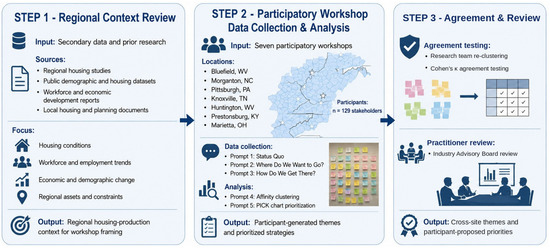
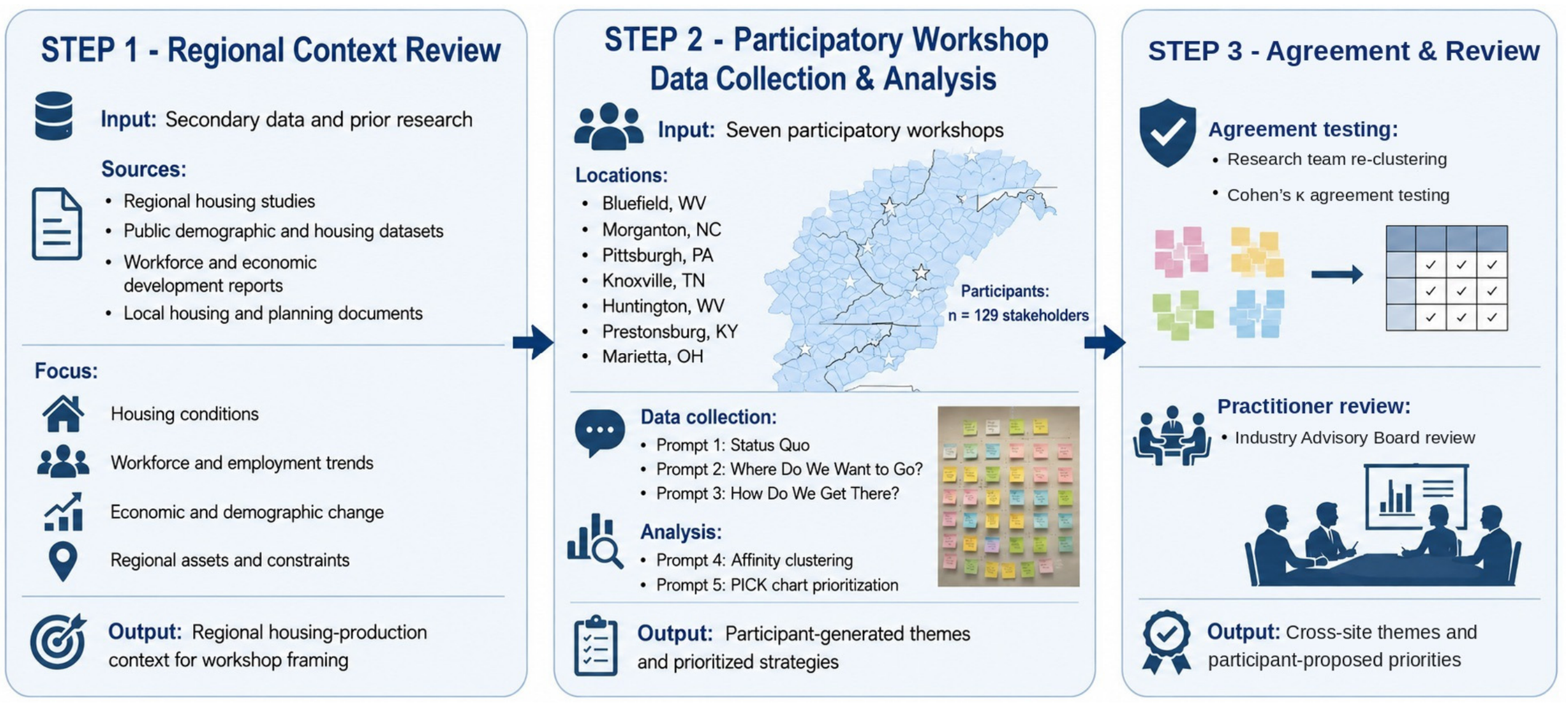
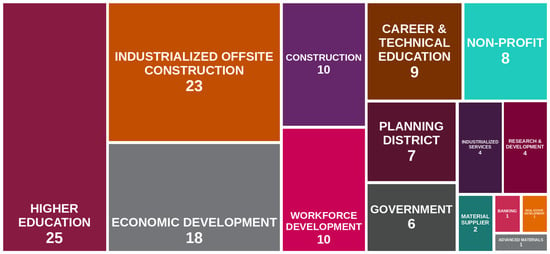
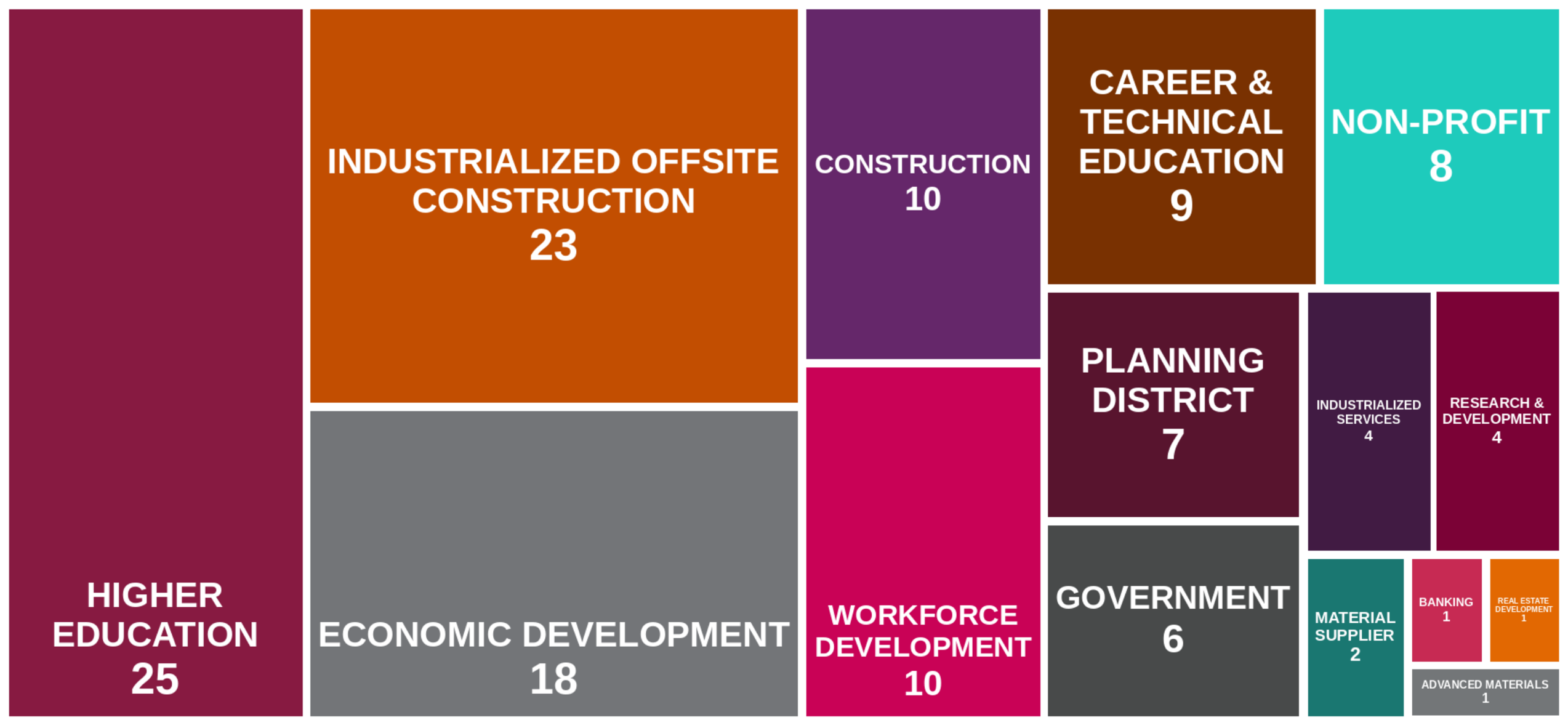
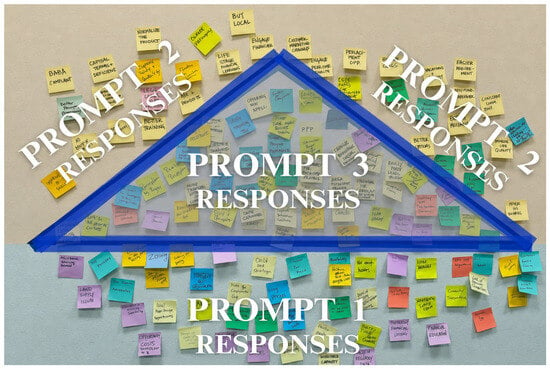
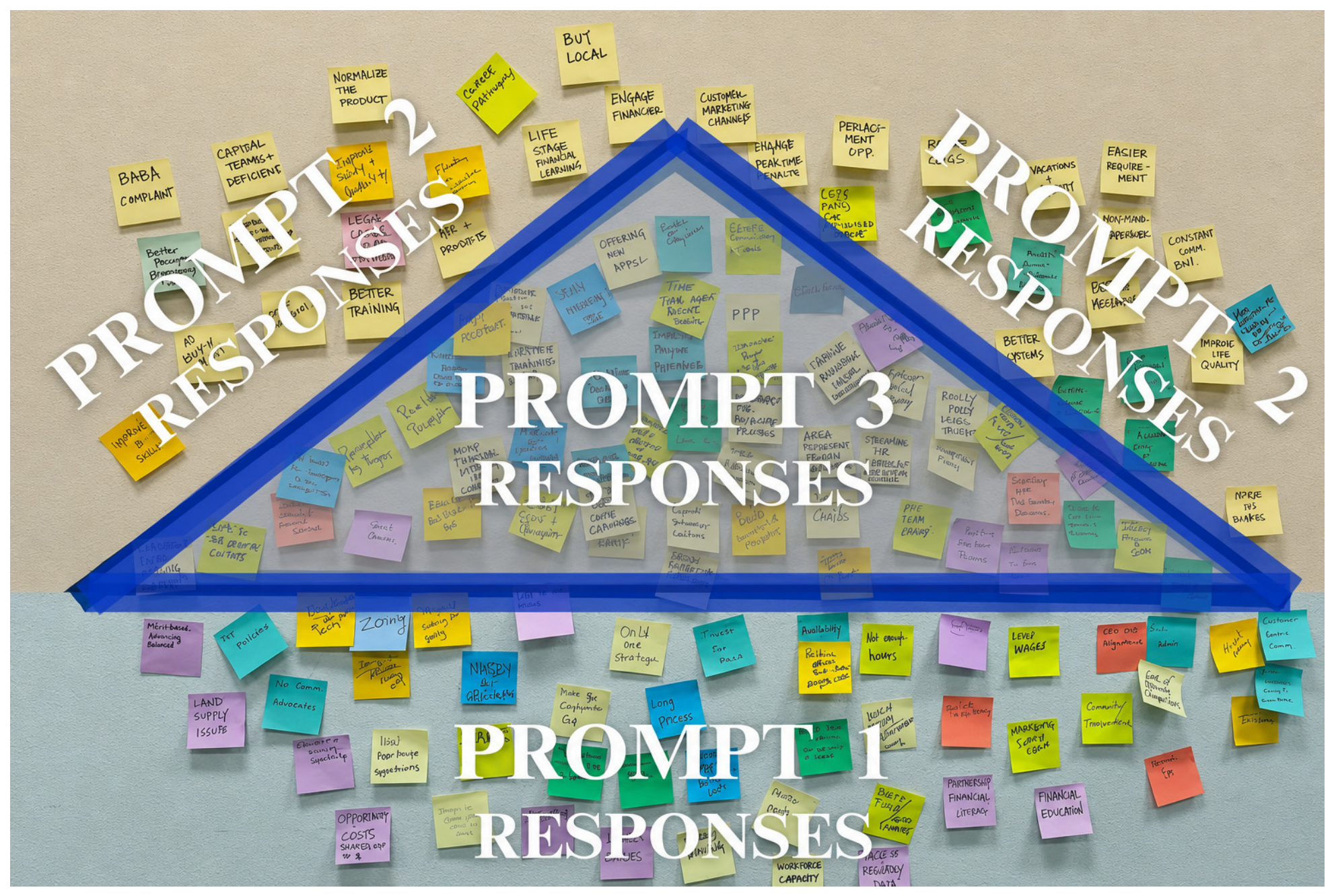
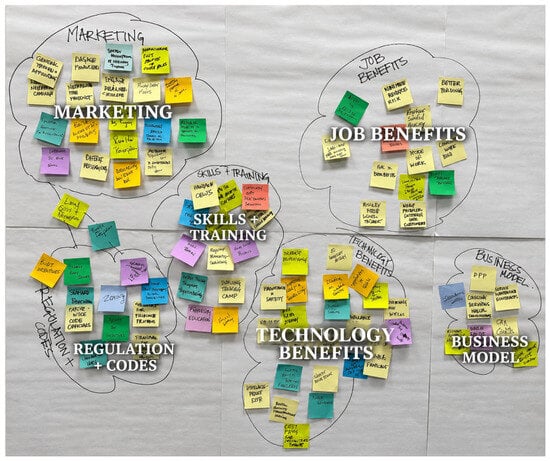
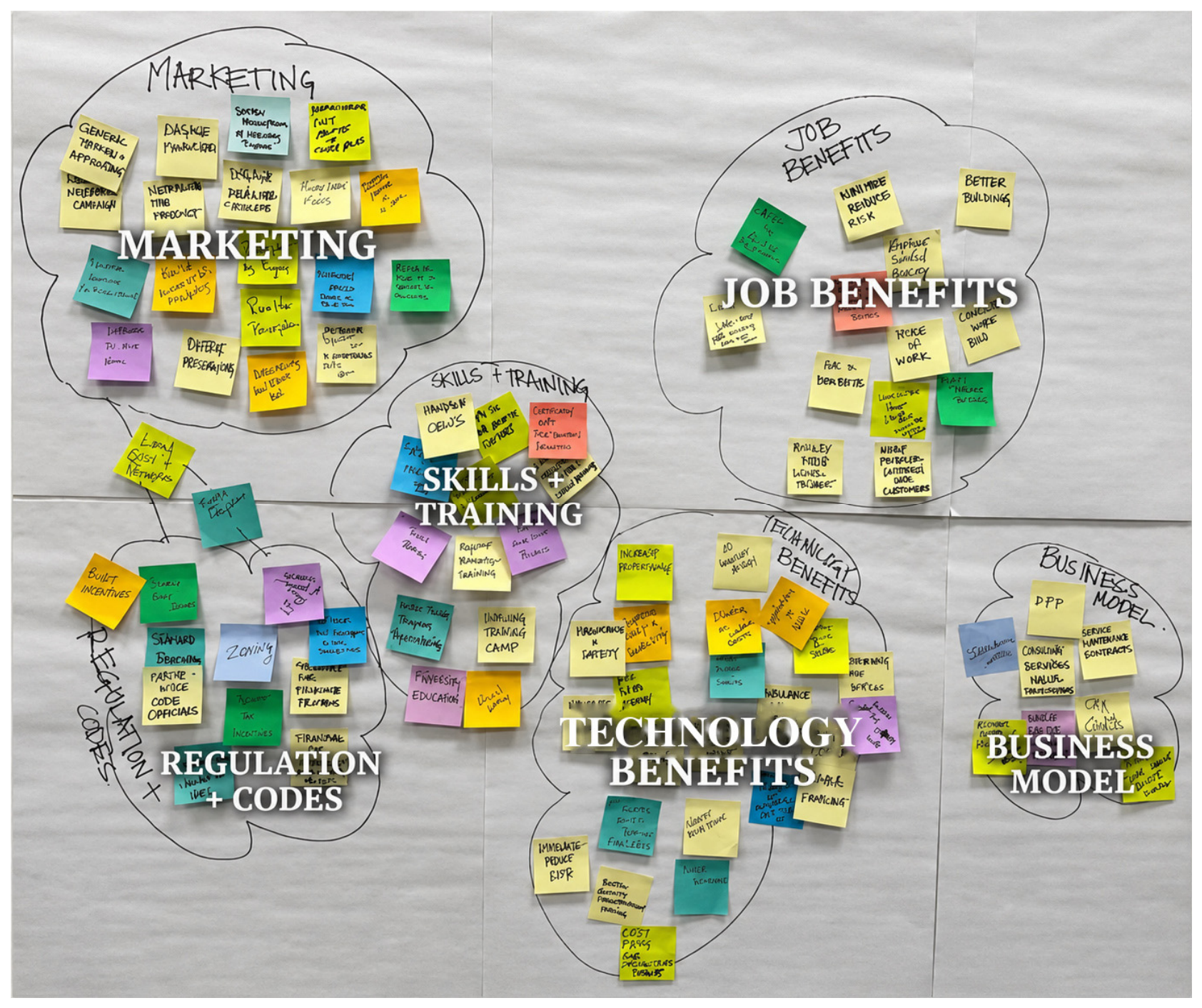
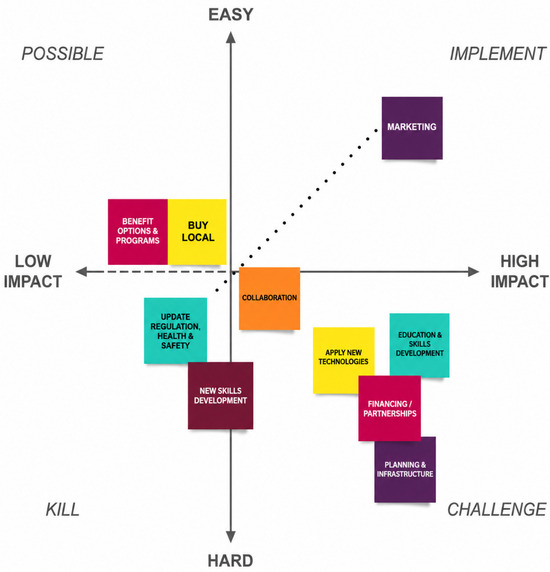
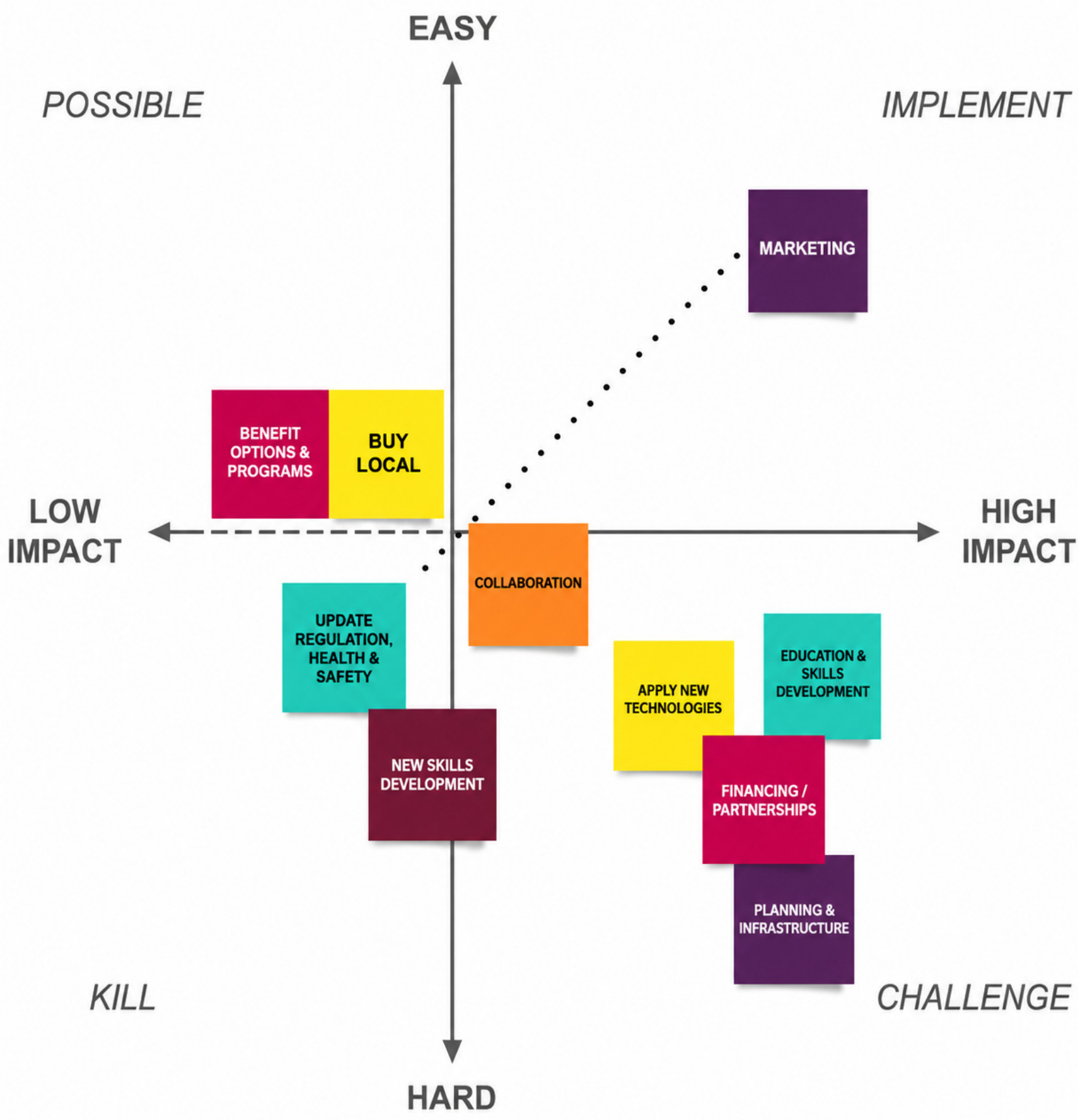
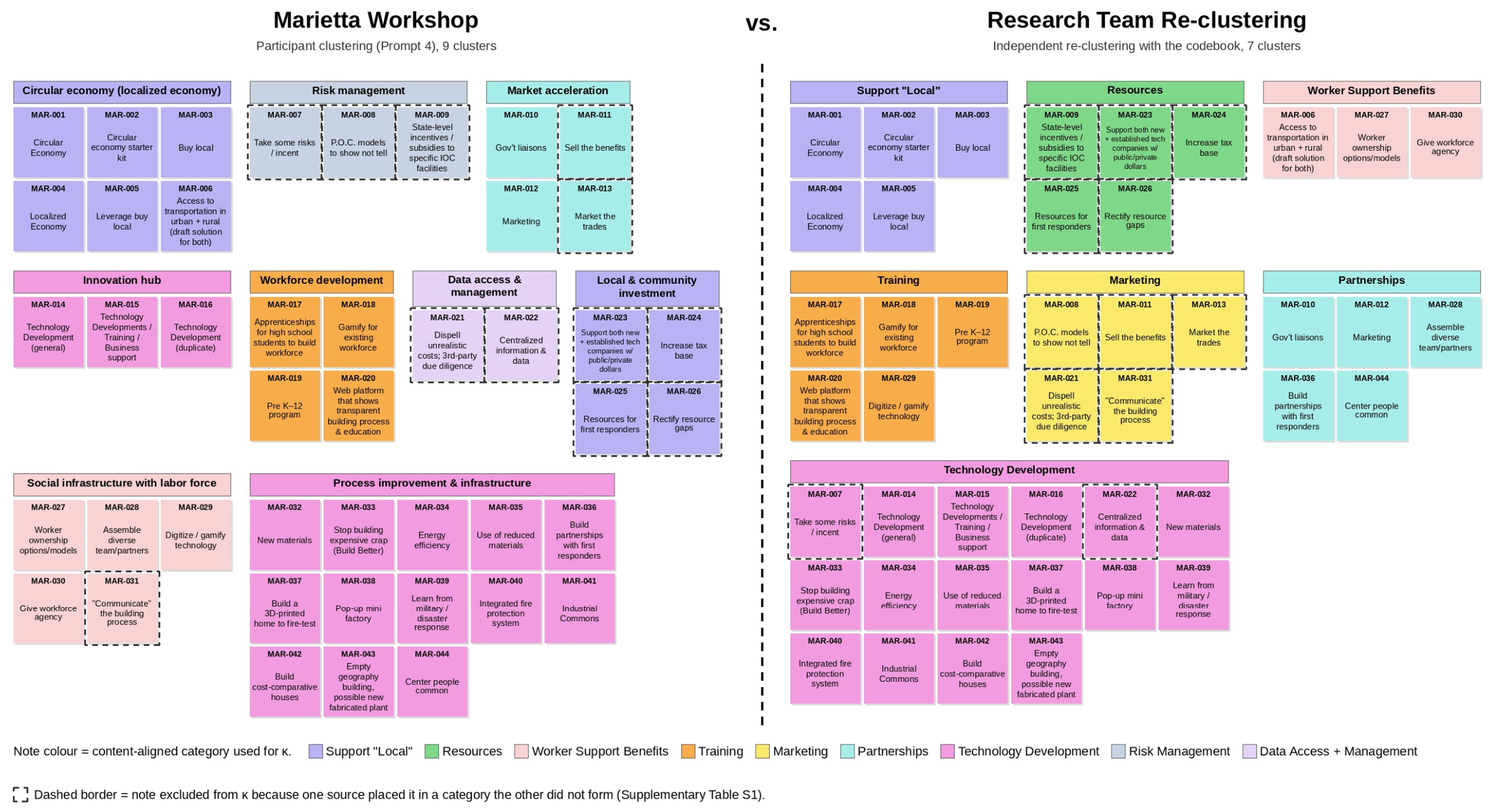
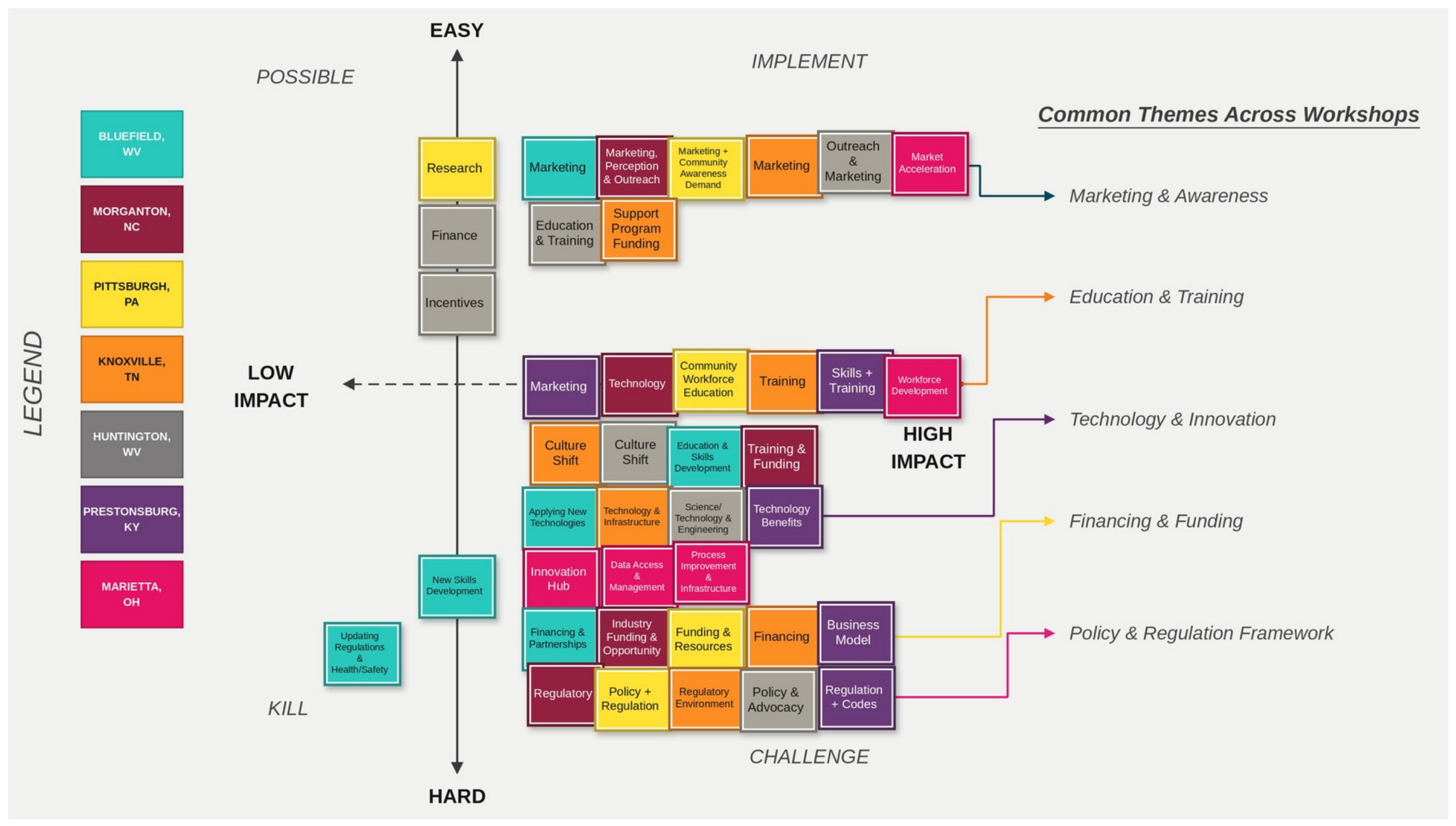

Disclaimer/Publisher’s Note: The statements, opinions and data contained in all publications are solely those of the individual author(s) and contributor(s) and not of MDPI and/or the editor(s). MDPI and/or the editor(s) disclaim responsibility for any injury to people or property resulting from any ideas, methods, instructions or products referred to in the content. |
© 2026 by the authors. Licensee MDPI, Basel, Switzerland. This article is an open access article distributed under the terms and conditions of the Creative Commons Attribution (CC BY) license.