


Abstract
Externally bonded fiber-reinforced polymer systems are used to strengthen steel structures, but their long-term reliability depends on the integrity of the FRP–adhesive–steel interfaces. Existing studies have examined static bond behavior, fatigue performance, and environmental durability as separate topics, while an integrated interface-centered synthesis remains limited. This paper reviews the bond behavior, fatigue degradation, and environmental durability of externally bonded FRP-to-steel systems. It compares specimen configurations, test and measurement methods, failure modes, governing factors, bond–slip relationships, fatigue degradation characteristics, environmental degradation mechanisms, residual bond capacity, and predictive models. The evidence indicates that static interfacial performance is governed by material properties, bond geometry, steel surface condition, corrosion, and bond defects. Repeated loading leads to stiffness degradation, slip accumulation, strength loss, and debonding, whereas the effects of variable-amplitude loading and the transferability of existing fatigue models remain insufficiently understood. Environmental exposure alters adhesive properties, interfacial adhesion, steel surface condition, and failure mechanisms, while existing durability models are calibrated for specific material systems and exposure regimes. Overall, a unified framework linking static bond behavior with fatigue- and environment-induced degradation remains to be established. The findings provide a basis for the characterization, modeling, and performance assessment of externally bonded FRP-to-steel systems.
1. Introduction
Existing steel structures, including bridges, offshore platforms, and industrial facilities, are often exposed to aggressive service environments. Fatigue and corrosion, acting individually or interactively, are among the principal deterioration mechanisms affecting these structures during long-term service. Fatigue cracks tend to initiate at locations with high stress concentrations, such as welded joints, bolt holes, diaphragm connections, and stiffener ends [1,2]. Corrosion produces surface pits and gradually reduces the effective cross-sectional area of steel members. The resulting stress concentrations can accelerate fatigue crack initiation and propagation, thereby shortening the remaining service life of steel structures [3,4,5,6]. Although member replacement or structural reconstruction can effectively restore structural performance, these approaches are generally expensive and time-consuming. Consequently, efficient strengthening techniques have become increasingly important for extending the service life of existing steel structures.
Conventional strengthening methods for steel structures include welded cover plates, bolted splice plates, additional stiffeners, and steel encasement. Welded cover plates can improve structural stiffness and strength, but welding-induced residual stresses, weld imperfections, and local geometric discontinuities may adversely affect fatigue performance [7,8,9]. Bolted plate strengthening avoids the thermal effects of welding, but bolt holes, slip between connected components, and uncertainties in bolt pretension may introduce local stress concentrations and increase the variability of fatigue resistance [10,11,12]. Additional stiffeners and external steel encasement can improve local buckling resistance and load-carrying capacity; nevertheless, these methods generally increase structural dead weight and often require welding or bolting. These limitations have motivated the use of lightweight and corrosion-resistant fiber-reinforced polymer (FRP) composites for strengthening steel structures.
Common FRP materials include glass fiber-reinforced polymer (GFRP), basalt fiber-reinforced polymer (BFRP), and carbon fiber-reinforced polymer (CFRP). GFRP is relatively inexpensive, but its comparatively low elastic modulus can limit its efficiency in redistributing tensile stresses in steel members [13,14]. BFRP offers good corrosion resistance and potentially favorable thermal stability, although its application to steel strengthening remains comparatively limited [15]. By contrast, CFRP has high tensile strength and stiffness, together with favorable corrosion and fatigue resistance, and has therefore been the most extensively investigated FRP material for the local strengthening of steel structures. FRP strengthening can be implemented using mechanically fastened, adhesively bonded, or hybrid bonded–fastened systems [16,17]. Mechanically fastened systems transfer loads through bolts or anchors but may introduce drilling-induced damage and local stress concentrations. In hybrid bonded–fastened systems, the adhesive layer and mechanical fasteners jointly transfer loads, and their performance is governed by the adhesive properties and fastener arrangement. Adhesively bonded systems attach FRP reinforcement to the steel surface using structural adhesives, thereby enabling continuous stress transfer and facilitating installation. Such systems are particularly suitable for strengthening tensile flanges and regions adjacent to fatigue cracks. This review focuses on externally bonded FRP-to-steel systems, in which load transfer is governed primarily by the FRP–adhesive–steel interfaces. Previous studies have shown that the performance of externally bonded CFRP-strengthened steel members is closely related to adhesive properties, interfacial behavior, and debonding failure [18,19]. At the structural level, externally bonded CFRP can improve the load-carrying performance of locally weakened steel beams [20,21], delay fatigue crack propagation, and enhance the fatigue performance of damaged steel members [22,23]. However, interfacial debonding and adhesive-layer damage can reduce the strengthening efficiency of externally bonded FRP systems [24,25]. Reliable stress transfer through the FRP–adhesive–steel interfaces is therefore critical to the effectiveness of externally bonded FRP strengthening.
Because the strengthening action relies on interfacial stress transfer, static bond behavior determines the development and distribution of stress in the CFRP, the effective bond length, and the onset of debonding. Experimental investigations of CFRP-to-steel bonded joints have demonstrated that adhesive stiffness, strength, and ductility affect bond capacity, slip response, and failure mode [26,27,28]. Bond–slip models and interfacial stress analyses therefore provide an important analytical basis for interpreting load transfer and predicting debonding in FRP-strengthened steel members [29,30,31].
Under cyclic loading, repeated interfacial load transfer induces cyclic shear stresses and progressive damage within the bonded interfaces. Studies of CFRP-to-steel bonded joints have reported stiffness degradation, slip accumulation, reductions in interfacial strength and fracture energy, and propagation of the debonding front with an increasing number of load cycles [32,33,34,35,36,37,38,39]. These changes can compromise the ability of bonded FRP reinforcement to restrain crack opening and reduce fatigue crack growth in steel members [40,41,42,43]. Fatigue strengthening performance is therefore governed not only by the applied stress range and load level but also by the stability of interfacial load transfer throughout the loading history.
Environmental exposure further modifies the bonded interfaces by changing adhesive properties, interfacial adhesion, and the condition of the steel surface. Moisture ingress and hygrothermal exposure can soften the adhesive and promote a transition from cohesive failure to interfacial debonding [44,45,46]. Chloride exposure, wet–dry cycling, and combined environmental–mechanical actions can accelerate degradation at the steel–adhesive interface and reduce residual bond capacity [47,48,49,50,51,52,53]. These findings indicate that static bond behavior defines the initial load-transfer capacity, whereas fatigue and environmental actions govern its subsequent degradation.
Existing review articles have examined FRP-strengthened steel structures at different scales and from different perspectives. Zhao and Zhang [54] reviewed FRP strengthening at the system and member levels, covering material selection, bond behavior, strengthening configurations, and structural response. Delzendeh Moghadam et al. [55] surveyed externally bonded CFRP retrofitting under static and fatigue loading, including member response, numerical analysis, and research needs. These broader reviews mainly address strengthening systems and member-level behavior. In contrast, Zhang et al. [56] focused on CFRP-strengthened steel plate techniques, including test configurations, failure modes, design parameters, environmental effects, and strengthening schemes, while Ke et al. [57] concentrated on CFRP-to-steel bond behavior and the effects of material properties, joint geometry, surface conditions, and environmental exposure. Heshmati et al. [58] specifically reviewed environmental performance, durability tests, and degradation mechanisms of bonded FRP/steel joints. Borrie et al. [59] further discussed bond degradation, fatigue resistance, and mitigation measures, whereas Samali et al. [60] examined combined environmental exposure, environmental–mechanical coupling, and modeling of aged joints. Although these reviews provide valuable coverage of particular subsets of the topic, they differ substantially in scope, structural scale, exposure conditions, and modeling emphasis. Static bond behavior, fatigue-induced degradation, and environmental deterioration have rarely been compared within a common interface-centered framework. In particular, the relationships between initial bond characteristics, subsequent degradation processes, and the assumptions and applicability of the corresponding predictive models remain insufficiently synthesized.
Consequently, the available findings remain fragmented across different specimen configurations, loading protocols, material systems, and exposure conditions. A systematic assessment is necessary due to the limitations of the available evidence and the discrepancies among the reported findings. Existing bond–slip, fatigue, and durability models also need to be compared in terms of their assumptions, governing parameters, predicted responses, and ranges of applicability. Accordingly, this paper reviews externally bonded FRP-to-steel interfaces subjected to static loading, cyclic loading, and environmental exposure. It compares test and measurement methods, failure modes, governing factors, bond–slip relationships, fatigue degradation characteristics, environmental degradation mechanisms, residual bond performance, and predictive models. The review identifies consistent findings, discrepancies, and research limitations across these three areas and evaluates the applicability and limitations of the existing models. Compared with existing reviews that focus mainly on the overall performance of strengthened members or on bond performance under specific loading or environmental conditions, the novelty of this review lies in its systematic comparison of interfacial bond behavior and degradation under static loading, fatigue loading, and environmental exposure, together with the classification and critical assessment of the corresponding predictive models, thereby enabling the evaluation of interfacial performance and model applicability under different conditions. The findings provide a basis for assessing FRP-to-steel interfacial performance and for guiding further experimental and theoretical investigations.
2. Review Methodology and Scope
This review followed a structured process of literature identification, screening, eligibility assessment, classification, and thematic synthesis, as summarized in Figure 1.
Figure 1.
Literature search, screening, and classification process.
Relevant publications were retrieved from Web of Science, Scopus, Google Scholar, ScienceDirect, ASCE Library, and SpringerLink, covering the period from 2001 to 2026. The search keywords included “FRP-to-steel”, “CFRP-to-steel bonded joint”, “bonded CFRP steel”, “bond–slip”, “fatigue debonding”, “environmental durability”, “hygrothermal aging”, “freeze-thaw”, and so on. To improve the coverage of the search, these keywords were used both individually and in different combinations, with the search terms designed to capture three aspects of FRP-to-steel interfacial research, namely static bond behavior, fatigue degradation, and environmental durability. The retrieved records were initially screened based on their titles and abstracts, followed by a full-text assessment of potentially relevant publications. A total of 327 publications from different countries, including journal articles, conference papers, theses, books, and relevant preprints, were initially identified. The inclusion criteria required studies to specifically investigate the interfacial performance of externally bonded FRP-to-steel systems, including bond behavior, fatigue-induced interfacial degradation, and environmental durability. Specifically, a study was considered eligible when the externally bonded FRP-to-steel interface constituted a primary subject of investigation and the study provided experimental, analytical, or numerical information relevant to interfacial behavior, failure, degradation, or prediction. Publications addressing FRP-concrete interfaces, mechanically fastened FRP-to-steel systems, or other structural configurations beyond the scope of externally bonded FRP-to-steel interfaces were excluded. Studies in which the FRP-to-steel interface was only incidental to the structural application, without direct assessment of interfacial behavior or degradation, were also excluded. After removing duplicates and irrelevant publications, 113 records remained for further evaluation. At this stage, publications were excluded primarily because their titles and abstracts indicated that they did not satisfy the defined interface type, bonding method, or research topics. Full-text screening was then conducted to retain studies directly related to the interface performance of externally bonded FRP-to-steel systems, resulting in 94 studies being included in the core review. Thus, the screening process consisted of sequential identification, duplicate and irrelevance removal, title-and-abstract screening, and full-text eligibility assessment before the final literature set was established. The selected literature was then classified according to loading condition, environmental exposure, and modeling approach. Based on this classification framework, the review was organized into three main themes: static bond behavior, fatigue-induced bond degradation, and environmental durability. Within these themes, experimental methods, failure modes, degradation mechanisms, and predictive models were critically reviewed to identify consistent findings and discrepancies among studies, thereby clarifying research gaps and supporting the synthesis of the main conclusions.
To examine the quality of the available evidence, a structured assessment of study quality and reporting completeness was conducted for studies that provided full texts and original experimental data. The assessment covered experimental design and control groups, reporting of specimen materials and geometry, adhesive, surface preparation and curing conditions, specimen numbers and replication, loading or environmental exposure conditions, and data dispersion. Each domain was classified as adequately reported, partially reported, or inadequately reported according to the completeness of the information and the reproducibility of the experiment. The assessment results were used to support the synthesis and interpretation of the evidence, particularly for studies with limited reporting or inconsistent findings. Among the 94 core publications included in this review, 76 provided sufficient original experimental information for this assessment. The remaining publications were primarily theoretical, numerical, or review studies, or did not provide sufficient full-text information, and were therefore not assessed using these criteria.
Among the 76 experimental studies assessed, 18 were classified as adequately reported overall, 47 as partially reported, and 11 as inadequately reported, as shown in Table 1. The main reporting limitations concerned specimen numbers and replication, data dispersion, and the adhesive, surface preparation, and curing conditions. To limit the influence of variations in study quality on the conclusions, the findings were interpreted by considering the assessment results together with the available evidence and the specific experimental conditions. When inconsistent findings were identified, variations in material properties, specimen configurations, surface preparation, and loading or environmental conditions were further considered, and general conclusions were not drawn from a single study alone.
Table 1.
Assessment of study quality and reporting completeness of the included experimental studies.
3. Bond Behavior Under Static Loading
3.1. Experimental Methods
The characterization of the static bond behavior of FRP-to-steel interfaces requires controlled test methods and the acquisition of localized response data. The testing method is essential for determining the dominant stress state, which ranges from pure shear to shear–peel coupling, whereas observation approaches allow for the acquisition of key parameters. Zhao and Zhang [54] classified bond test methods into four types, including indirect loading through beam-type specimens [61], direct loading applied to the steel member without a gap [62], direct loading applied to the steel member with a gap [63], and direct loading applied to the FRP [64] and indicated that these four methods serve different research purposes. Specifically, the first type focuses on reproducing the actual stress state in strengthened beam members, whereas the latter types are more suitable for characterizing interfacial bond response and the evolution of debonding failure.
In terms of characterization of interfacial bond performance, experimental frameworks can be further divided into unilateral and bilateral strengthening, depending on whether the FRP reinforcement is applied to a single side or both sides of the steel substrate. As summarized by Zhang et al. [56], unilateral strengthening encompasses configurations such as single-side tensile loading on the FRP plate, dual-side tensile loading on the steel plate, and single-lap joint test; in contrast, bilateral strengthening is typically implemented through double-side loading test on the steel plate, double-lap joint test, and bolted-lap joint test, with their configurations and loading directions illustrated in Figure 2. Unilateral strengthening is characterized by asymmetric load paths, which inherently induce an eccentric bending moment during loading, resulting in interfacial peel stress, as shown in Figure 3 [55]. Consequently, experimental outcomes from such setups reflect a coupled response of shear transfer, secondary bending, and peeling effects, often leading to conservative estimations of bond capacity [65]. In contrast, bilateral strengthening, owing to its symmetric configuration, significantly attenuates eccentricity-induced peel components, facilitating a more stable interfacial stress state, making it suitable for characterizing the Mode II bond–slip relationship, albeit at the cost of more stringent requirements for specimen alignment and preparation [66]. Although different test configurations may produce different shear–peel stress states, their effects can be reduced through appropriate specimen and loading designs, such as using a thicker steel substrate, providing lateral supports and end spacers, or aligning the loading axis. Furthermore, a direct comparison of CFRP-to-steel single-shear and double-shear joints showed that, under appropriately controlled test conditions, the two configurations produced generally consistent failure modes and bond–slip relationships, although differences in ultimate load and interfacial stress distribution remained [67]. Therefore, the comparisons among different studies in this review are primarily based on results normalized against reference specimens tested using the same configuration, thereby reducing systematic effects caused by differences in test configuration.
Figure 2.
Schematic illustration of representative unilateral and bilateral strengthening configurations for FRP-to-steel bonded joints.
Figure 3.
Effect of unilateral strengthening configuration on eccentric bending and interfacial stresses.
Under monotonic loading, quantitative assessment of the bond behavior generally requires measurement of the load–slip response and surface strain distribution. The load–slip curve characterizes the initial stiffness, nonlinear progression, peak load-carrying capacity, and post-peak softening. The axial strain distribution on the FRP surface, with steel-surface strain measurements included where necessary, enables the identification of interfacial shear transfer and the effective bond length. Experimentally, these quantities are commonly obtained via observation techniques including load and displacement transducers, strain gauges, digital image correlation (DIC), and acoustic emission (AE). Specifically, load cells combined with displacement transducers, such as LVDTs, generally provide the global load–slip response but lack local slip information. For strain distribution measurement, strain gauges measure axial strains at selected locations and are therefore widely used to quantify stress-transfer characteristics along the bonded length. However, their measurements remain discrete, and the gauge spacing affects the determination of interfacial shear stress [68]. By contrast, DIC is a non-contact, full-field technique capable of resolving spatially continuous displacement and strain fields, thereby facilitating a more comprehensive characterization of interfacial bond behavior. However, appropriate smoothing is generally required to reduce differentiation-induced errors [69]. Additionally, AE has also been used for damage assessment, enabling early real-time detection but involving uncertainty in source localization and damage-mode identification [70]. The characteristics of these measurement methods are summarized in Table 2.
Table 2.
Measurement methods for FRP-to-steel bonded interfaces.
3.2. Failure Modes
Externally bonded FRP systems for steel structures typically comprise a steel substrate, an adhesive layer, and FRP reinforcement, with loads transferred through the structural adhesive. An early comprehensive review by Zhao and Zhang [54] categorized the characteristic failure modes into six primary types: FRP rupture, FRP delamination, FRP–adhesive interface debonding, cohesive failure in the adhesive layer, steel–adhesive interface debonding, and steel substrate yielding. More recently, in a fatigue-repair study of steel plates containing central inclined cracks, Li et al. [75] reported an additional adhesive failure pattern, termed oblique compression failure of the adhesive layer. The seven reported failure modes are schematically illustrated in Figure 4.
Figure 4.
Schematic illustration of failure modes reported for externally bonded FRP-to-steel systems.
FRP rupture is characterized by the tensile fracture of fibers in FRP sheets, plates, or CFRP strand sheets along the loading direction. It typically occurs when the steel–adhesive–FRP interface provides adequate bond capacity, allowing the FRP to develop high tensile stress or strain close to its capacity. Compared with premature interfacial debonding, FRP rupture generally indicates more effective utilization of the FRP reinforcement; however, it remains an inherently brittle failure mode and should not be regarded as universally preferable.
FRP delamination involves crack propagation along weak interlaminar planes within the FRP laminate. It generally indicates effective interfacial load transfer, whereby interfacial stresses trigger interlaminar tensile or shear failure in the FRP. When the FRP interlaminar strength is lower than the bond or adhesive resistance, the crack may deviate into the laminate and cause delamination. Typical fracture features include surface-layer peeling, fiber/resin tearing, and thin FRP fragments attached to the adhesive or bonded surface [76,77].
FRP–adhesive interfacial debonding occurs when cracks propagate along the interface between the FRP surface and the adhesive layer. This failure is mainly attributed to insufficient bonding at the FRP side interface and is strongly affected by FRP surface cleanliness, resin-rich surface layers, release-agent or contaminant residues, surface roughness, adhesive wettability, and adhesive–FRP compatibility. He and Xian [78] noted that FRP–adhesive debonding can be mitigated by using a clean or freshly prepared FRP surface, highlighting the important role of FRP surface condition. Since this mode indicates premature interfacial failure before effective FRP participation, it should generally be avoided through proper surface preparation and compatible adhesive selection.
Similarly, steel–adhesive interfacial debonding develops when cracks propagate along the steel–adhesive interface. It is typically evidenced by a relatively clean steel surface, with most adhesive remaining on the FRP side, indicating insufficient steel–adhesive adhesion. This mode is often associated with inadequate surface preparation, residual corrosion products, oil, oxide layers, improper priming, or subsequent corrosion [79]. Both FRP–adhesive and steel–adhesive debonding failures are generally undesirable because interfacial separation takes place before the adhesive fully develops its cohesive capacity.
Cohesive failure in the adhesive is manifested by crack propagation mainly within the adhesive layer, with adhesive residues typically observed on both bonded surfaces, indicating failure of the adhesive layer. Fernando [80] suggested that cohesive failure is a preferable debonding mode for FRP-to-steel joints, as design models can be developed based on adhesive properties. However, cohesive failure does not necessarily indicate ductile behavior; joint toughness should be evaluated in terms of adhesive type and thickness. Oblique compression failure in the adhesive layer can be regarded as a special form of cohesive failure, with damage mainly occurring within the adhesive layer and characterized by oblique crushing damage. This mode is generally associated with adhesive shear deformation and local coupled compressive and shear actions. Previous studies by Li et al. [75] have shown that oblique compression failure in the adhesive layer may indicate a well-bonded interface, reflecting adhesive failure after the bondline reaches its deformation capacity under complex stresses.
Steel yielding failure in externally bonded FRP-to-steel system occurs when the stress in the steel substrate reaches its yield strength before premature interfacial debonding or FRP rupture. This failure mode generally indicates that the bonded interface and the FRP remain effective while the steel member enters a plastic deformation stage. After yielding, the increasing plastic deformation of steel, together with the essentially linear-elastic response of FRP, may intensify deformation incompatibility and increase interfacial shear and peel stresses, potentially promoting subsequent debonding [81]. Compared with sudden debonding or FRP rupture, steel yielding usually provides more evident deformation development and warning signs before failure. The failure paths, dominant mechanisms, and key influencing factors associated with the above failure modes are summarized in Table 3.
Table 3.
Failure modes, paths, mechanisms, and key factors of externally bonded FRP-to-steel system.
Beyond these individual failure modes, mixed failure can also occur in externally bonded FRP-to-steel systems. A previous study [76] showed that mixed failure is common in FRP-to-metal bonded joints and may involve combinations of interfacial debonding, cohesive failure within the adhesive, and FRP delamination. Moreover, environmental aging can promote a transition from cohesive failure to combined interfacial and delamination failure in FRP-to-steel joints [45]. In addition, improved steel surface preparation may shift the failure mode from steel–adhesive interfacial debonding toward mixed interfacial–cohesive failure [82].
3.3. Factors Affecting Interfacial Performance
The interfacial performance of externally bonded FRP-to-steel system is governed by material properties, adherend surface condition, and service environment. This section focuses primarily on the material and surface condition factors of the bonded system, while environmental effects are discussed in detail in the subsequent section on durability.
FRP material properties are key factors affecting bond performance in externally bonded FRP-to-steel systems. Recent studies indicate that FRP modulus, thickness, or number of layers can affect the bond capacity and effective bond length of FRP-to-steel joints [57,83]. Figure 5 compares previous studies on the influence of CFRP modulus on ultimate bond capacity. Over the investigated modulus range of approximately 159–640 GPa, the reported increase in bond capacity varies from 1.1% to 50.4%. It should be noted that the percentages in Figure 5 represent changes in bond capacity relative to the reference specimens within each study and are intended to illustrate the reported influence of CFRP modulus rather than provide directly comparable results across studies. Figure 6 further summarizes the reported effects of CFRP thickness and bond length on the bond capacity. Increasing the bond length from 20 to 80 mm produces an overall capacity increase of approximately 42% for the three-layer joints, whereas the capacity of the one-layer joints remains nearly unchanged; moreover, increasing the CFRP thickness from one to three layers enhances the capacity by between 31% and 102%. The results shown in Figure 6 were obtained from a single experimental study by Hu et al. [83], with the variation mainly arising from the different bond lengths considered in that study.
Figure 5.
Effect of FRP elastic modulus on bond capacity [84,85,86,87,88].
Figure 6.
Effect of FRP layer number on bond capacity [83].
Adherend surface condition also affects bond performance in FRP-to-steel system. At the steel–adhesive interface, corrosion is a primary cause of bond degradation. Cai et al. tested 30 CFRP-to-corroded-steel bonded joints and quantified the corrosion level using the average corrosion depth, , as shown in Figure 7 [79]. As increased from 0.086 to 0.338 mm, the normalized bond capacity decreased from 0.966 to 0.918 for acid-solvent cleaning, from 0.973 to 0.925 for abrasive blasting, and from 0.822 to 0.275 for disk sanding. Among the surface treatments, abrasive blasting consistently achieved the highest bond capacity, acid-solvent cleaning produced comparable results, and disk sanding was markedly less effective. Li et al. also investigated CFRP-to-steel double-strap joints with corrosion quantified by the steel weight-loss rate, [89]. As shown in Figure 8, increasing from 0% to 15% raised the normalized bond capacity by up to 14.6%, while the normalized effective bond length increased by up to 33.8%. These contrasting findings indicate that corrosion may affect bond performance through multiple underlying mechanisms. Corrosion may increase the actual contact area at the bonded interface and enhance mechanical interlocking, thereby improving bond capacity and increasing the effective bond length. Conversely, residual rust, secondary corrosion products, and deep corrosion pits may hinder adhesive wetting and induce bonding defects and local stress concentrations, thereby weakening the steel–adhesive interface and promoting interfacial debonding. Therefore, the influence of corrosion on bond performance is not determined solely by the corrosion level but is also governed by factors such as corrosion morphology. At the FRP–adhesive interface, the FRP surface condition mainly governs bonding quality. CFRP surfaces may contain release agents, contaminants, or resin-rich layers, which can reduce adhesive bonding by limiting surface activation and chemical interaction with the CFRP substrate [90]. Surface treatments can modify these conditions, but their effectiveness varies with the initial surface state and treatment procedure, as shown in Figure 9. Reported increases in shear strength range from approximately 7% for plasma treatment to 266% for air–plasma treatment, while sanding and porous-release-film treatments produced increases of approximately 10% and 45%, respectively; however, some peel-ply and combined treatments resulted in strength reductions [91,92].
Figure 7.
Effect of corrosion level and surface preparation on bond capacity [79].
Figure 8.
Effect of corrosion-induced steel weight loss on bond capacity and effective bond length [89].
Figure 9.
Effects of CFRP surface treatments on normalized bond strength [90,91,92].
The properties of the adhesive layer mainly influence bond performance through the adhesive type, bondline thickness, and defect area. Wang and Wu conducted 13 single-shear tests on joints between CFRP and steel using brittle Sikadur 30 and ductile Araldite 2015 adhesives, whereas Calabrese et al. tested 18 single-lap direct shear specimens with conventional and toughened epoxy adhesives [27,69]. As displayed in Figure 10, ductile or toughened adhesives increased bond capacity by factors ranging from 1.82 to 2.66 and increased interfacial fracture energy by factors ranging from 3.72 to 6.21 relative to brittle or conventional adhesives. Wang and Wu also reported that increasing the bondline thickness from 0.5 to 2.0 mm increased bond capacity by about 14% for the brittle adhesive and 46% for the ductile adhesive, while the corresponding interfacial fracture energy increased by about 36% and 136%, respectively, and the peak interfacial shear stress changed only slightly. These results indicate that the increase in bond capacity was mainly associated with higher interfacial fracture energy. Figure 11 further illustrates the bond–slip responses proposed by Wang and Wu for brittle and ductile adhesives. The brittle adhesive is represented by a bilinear model, whereas the ductile adhesive is described by a trilinear model with a plastic plateau. Increasing the bondline thickness reduces the initial interfacial stiffness and increases the slip capacity, while having little effect on the peak interfacial shear stress. Additionally, several studies have examined the effect of bond defects on bond capacity [93,94,95,96]. Figure 12 shows that the residual bond capacity generally decreases as the defect area ratio increases, but the reduction depends strongly on adhesive type and defect configuration. The reported results indicate that residual capacity can remain near 90% at high defect ratios for less sensitive ductile adhesives but may fall to about 62% to 71% at a defect ratio of around 35% for brittle adhesives or severe defect distributions.
Figure 10.
Effects of adhesive type and thickness on bond capacity, fracture energy, and peak shear stress [27,69].
Figure 11.
Bond–slip responses with different adhesive thicknesses [27].
Figure 12.
Effect of bond defect area on residual bond capacity [94,95,96].
Despite these advances, joint-level studies on the effects of FRP form, fiber architecture, and FRP surface treatment on bond capacity and interfacial behavior remain limited, while the reported effects of steel corrosion are still inconsistent. In addition, a potential future research direction is to quantify the coupled effects of FRP properties, adhesive characteristics, and interfacial conditions on CFRP-to-steel bonded joints.
3.4. Interfacial Bond Behavior Modeling
The load-transfer mechanism and debonding progression along bonded interfaces are commonly described using interfacial bond models, which provide a basis for predicting the load-carrying capacity and deformation response of bonded systems. Central to such modeling is the bond–slip constitutive relationship, which relates the local interfacial shear stress to the relative slip. In practice, identification of the bond–slip relationship relies on deriving the local response from experimentally measured strain or displacement data. As shown in Figure 13, for an FRP with width , thickness , and elastic modulus , the axial force along the FRP can be expressed as Equation (1):
where is the axial strain of the FRP [93]. Based on the axial equilibrium of an infinitesimal FRP segment, the interfacial shear stress can be obtained as Equation (2):
Figure 13.
Schematic of the one-dimensional FRP-to-steel bonded joint model.
In addition, the relative slip is defined as the displacement difference between the FRP and the steel substrate along the bonded interface, as given by Equation (3):
where , are the axial displacements of the FRP and steel substrate at the bonded interface, respectively. Alternatively, it can be determined by integrating the strain difference, as shown in Equation (4):
where , are the surface strains of the FRP and steel plate, respectively, and is the slip at the reference point. For bonded joints where the axial stiffness of the steel substrate, , is much greater than that of the FRP, , the deformation of the steel substrate can be neglected in strain-based slip identification, as adopted in previous CFRP-to-steel bond studies [97]. However, in thin steel plates or flexural members, the steel deformation should be explicitly considered in the definition of interfacial slip [98,99].
Bond–slip curves exhibit diverse forms, depending on adhesive properties. Specifically, previous studies have shown that FRP-to-steel interfaces bonded with linear brittle adhesives may exhibit an approximately triangular bond–slip response, whereas those bonded with nonlinear ductile adhesives may develop a trapezoidal profile [28,100,101]. Based on analytical representation, bond–slip models can be classified into bilinear or triangular models, trilinear or trapezoidal models, and continuous nonlinear or exponential models, as illustrated in Table 4. Bilinear or triangular models are widely used simplified bond–slip models. As shown in Equation (5), the interfacial shear stress is assumed to increase linearly to the peak value and then decrease linearly to zero, where is the peak shear stress, is the corresponding slip, and is the slip at complete debonding. However, it may not capture the yielding plateau and stress redistribution of ductile adhesives and may therefore underestimate post-peak deformation. To describe the interfacial bond behavior with ductile adhesives, trilinear or trapezoidal models have been proposed, as given by Equation (6), where and denote the slips corresponding to the onset and end of the plateau branch, respectively. Additionally, continuous nonlinear models have also been adopted to describe smooth interfacial damage evolution; one representative exponential form is expressed as Equation (7), where and are model parameters controlling the stress magnitude and the shape of the bond–slip curve, respectively. Compared with bilinear and trapezoidal models, this formulation provides a continuous relationship without abrupt stiffness changes at transition points. It is therefore suitable for representing gradual stiffness degradation and progressive debonding at the bonded interface. Accordingly, Jiang et al. [31] developed a unified bond–slip model that accounts for different failure modes and epoxy adhesive types. Typical bond–slip models listed in Table 4 are characterized in Figure 14.
Table 4.
Summary of typical bond–slip models for FRP-to-steel bonded interfaces.
Figure 14.
Typical bond–slip models for FRP-to-steel bonded interfaces.
The analytical model for the FRP-to-steel interface can be formulated as a continuously distributed interfacial spring model, as expressed in Equation (8), where , , and are the elastic modulus, thickness, and width of the FRP, and , , and are those of the steel substrate.
The FRP plate and steel substrate are idealized as axial members, while the adhesive interface is represented by shear springs distributed along the bond length, and the bond–slip relationship defines the constitutive behavior of the interfacial springs, as depicted in Figure 13 [80,93].
Table 5 compares representative analytical formulations for the ultimate bond capacity and effective bond length of CFRP-to-steel bonded joints. Most models express the ultimate capacity using the common term , with additional factors accounting for adherend stiffness and the number of active interfaces. The effective bond length, , is generally defined as the minimum bonded length required to mobilize a specified proportion of the infinite length capacity, commonly 97% [100,103]. Its formulation varies more substantially with the assumed bond–slip law and may involve fracture energy, peak shear stress, adhesive properties, slip parameters, and adherend stiffness. Overall, the ultimate capacity prediction models exhibit a broadly consistent form, generally characterized by the common term whereas the effective bond length formulations remain more dependent on the assumed bond–slip law and joint configuration.
Table 5.
Summary of prediction formulas for ultimate load and effective bond length of CFRP-to-steel bonded joints, adapted and extended from Moghadam et al. [55].
Table 6 compares the formulations for the key bond–slip parameters and their validated ranges. Although most models relate primarily to adhesive tensile strength, substantial differences appear in the expressions for , , , and , with later models incorporating adhesive thickness, stiffness, strain energy, FRP form, and adherend stiffness. The comparison indicates that parameter prediction has evolved from simple adhesive-based expressions toward more comprehensive formulations, but their applicability remains closely tied to the materials and thickness ranges used for calibration. Accordingly, the qualitative effects of material and geometric parameters on the bond–slip characteristics are summarized in Table 7. While the effects of adhesive properties and thickness are supported by several studies, those of FRP form, FRP axial rigidity, and steel stiffness are derived primarily from a single investigation and therefore require further validation.
Table 6.
Summary of prediction formulas for bond–slip parameters of CFRP-to-steel bonded joints, adapted and extended from Moghadam et al. [55].
Table 7.
Effects of material and geometric parameters on the bond–slip characteristics of FRP-to-steel interfaces.
Current models are developed mainly under idealized Mode II shear conditions, with limited consideration of peel stress and eccentric bending. Future research should account for nonuniform adhesive thickness and more realistically quantify defects beyond simple bond area, including defect location, shape, and distribution.
4. Bond Degradation Under Cyclic Loading
4.1. Fatigue Test Methods
Fatigue tests of externally bonded FRP-to-steel systems usually focus on capacity loss, the accumulation of interfacial slip, and stiffness degradation under cyclic loading. In existing studies, constant-amplitude fatigue tests remain the main method for characterizing the fatigue performance of FRP-to-steel interfaces. Constant-amplitude fatigue tests usually define the fatigue load level based on the static ultimate load of the specimen. The loading protocol is then described using parameters such as maximum and minimum load and , load range , the load ratio , the loading frequency , as shown in Figure 15a [32,33]. The termination criterion is typically defined as complete interfacial debonding or a pronounced loss of load-carrying capacity, whereas specimens that survive a prescribed maximum number of cycles without failure are classified as run-outs [32,33,34,35]. Existing fatigue life studies of FRP-to-steel bonded interfaces mainly provide a basis for high-cycle fatigue assessment through S-N relationships. Zhang et al. [33] established an S-N relationship between stress level and fatigue life, while Ke et al. [34] further developed probabilistic S-N curves based on mean and local bond stress ranges. In addition to high-cycle constant-amplitude fatigue tests, low-cycle or quasi-static cyclic bond–slip tests are commonly used to identify the cyclic bond–slip law and characterize the constitutive degradation of FRP-to-steel interfaces. These tests are generally conducted at a low loading frequency, with repeated loading-unloading cycles applied to obtain the parameters, including unloading stiffness, plastic slip, energy dissipation, and interfacial damage variables [36,37].
Figure 15.
Loading protocols for constant-amplitude fatigue test, variable-amplitude fatigue test, and post-fatigue static loading test.
Although constant-amplitude fatigue tests provide a fundamental basis for fatigue life characterization, actual service loads are often variable in amplitude. Variable-amplitude fatigue tests, as shown in Figure 15b, are therefore more representative of practical loading conditions because they can reflect the effects of different load amplitudes, load spectra, loading sequences, and cycle combinations on damage accumulation. Due to the limited database for variable-amplitude fatigue of FRP-to-steel interfaces, current understanding is mainly drawn from studies on general bonded joints. Specifically, Erpolat et al. [109] reported that transitions between different load levels accelerated crack growth and that the Palmgren-Miner rule overestimated fatigue life under variable-amplitude loading. Sarfaraz et al. [110] further identified pronounced loading sequence effects, with overloads and transitions between different load levels causing acceleration or retardation of subsequent crack propagation. From the perspective of nonlinear damage accumulation, Shenoy et al. [111] showed that strength degradation under variable-amplitude fatigue was nonlinear and dependent on the preceding loading history. These findings indicate that variable-amplitude fatigue damage depends on load transitions, loading sequence, and loading history, and these effects cannot be adequately captured by the Miner rule, which linearly sums damage fractions and assumes that damage is independent of loading history.
Additionally, post-fatigue static loading tests are used to evaluate the residual performance of FRP-to-steel bonded interfaces after cyclic loading. In this method, fatigue loading is usually stopped after the specimen has experienced a prescribed load level and number of cycles, and a subsequent monotonic loading test is conducted to determine the residual capacity, residual stiffness, residual slip capacity, and failure mode, as shown in Figure 15c. This method can reflect the remaining load-carrying capacity after a specific fatigue history.
Table 8 compares the main fatigue test methods used for FRP-to-steel bonded interfaces. Existing studies have predominantly employed constant-amplitude fatigue testing, with post-fatigue static loading also commonly adopted, whereas research on variable-amplitude fatigue remains limited; future studies may therefore focus on characterizing the bond behavior under variable-amplitude loading, which more closely represents fatigue action in practical applications.
Table 8.
Comparison of fatigue test methods relevant to FRP-to-steel bonded interfaces.
4.2. Factors Affecting Fatigue Degradation
The fatigue load level is one of the key factors governing the fatigue performance of FRP-to-steel bonded interfaces. Cyclic loading degrades interfacial properties, with Doroudi et al. [38] reporting retention ratios of 0.47–0.59 for interfacial fracture energy and 0.68–0.74 for peak shear stress under maximum cyclic load levels of 0.68–0.74, as illustrated by Figure 16. However, these retention ratios do not exhibit a pronounced monotonic dependence on load level within the investigated range. Zhang et al. [33] defined the fatigue stress level using the ratios of the upper and lower fatigue loads to the static debonding load and established a logarithmic S-N relationship, with a fatigue limit of 0.343 at cycles. The compiled fatigue life data from different studies further show an approximately linear relationship between the normalized maximum fatigue load and , with increasing fatigue load levels leading to a significant reduction in fatigue life, as shown in Figure 17a.
Figure 16.
Effect of maximum cyclic load level on the retention of interfacial fracture energy and peak shear stress [38].
Figure 17.
Comparison of fatigue life relationships based on load level and mean bond stress range [32,33,34,113,114].
In addition to the fatigue load level, the stress range is another key parameter governing the fatigue performance of FRP-to-steel bonded interfaces. For the interfacial bond stress range , Ke et al. [34] demonstrated that the mean bond stress range provided a better correlation with fatigue life than the local bond stress range, and the compiled results from multiple studies confirmed an approximately linear relationship between and , as presented in Figure 17b. Colombi and Fava [35] established S-N relationships based on the steel stress range and showed that fatigue life decreased approximately linearly with increasing steel stress range, which was further supported by Al-Mosawe et al. [112] under different stress ratios, as displayed by Figure 18a. These results indicate that both the steel stress range and the interfacial bond-stress range can be used to evaluate fatigue life of CFRP-to-steel bonded interfaces.
Figure 18.
Fatigue life and stiffness degradation under different stress ratios and stress ranges [35,112].
Regarding the effect of stress ratio, Al-Mosawe et al. [112] conducted constant-amplitude fatigue tests on steel/CFRP double-shear lap joints under and . Their S-N results showed similar fatigue life trends under the two stress ratios, indicating that the stress ratio had a relatively limited influence compared with the dominant effect of stress range, as given in Figure 18a. Colombi and Fava [35] reported similar stiffness degradation trends under different stress ratios, with only minor differences in Figure 18b observed due to variations in stress range. Overall, these findings suggest that an increase in the stress ratio slightly reduces interfacial fatigue life and degrades interfacial bond performance.
In addition to loading parameters, material properties also affect the fatigue degradation of CFRP-to-steel bonded interfaces, mainly through the FRP modulus, adhesive type, and adhesive layer thickness. Liu et al. [116] compared normal- and high-modulus CFRP sheets ( and GPa) and found that both exhibited bond–slip stiffness degradation after fatigue loading, while the high-modulus specimens showed fiber rupture instead of interfacial debonding. Gao and Deng [113] compared T300 and T800 CFRP plates with longitudinal elastic moduli of and GPa, respectively. As shown in Figure 19, the T800 specimens generally exhibited higher interfacial fracture energy, softening slip, failure slip, and peak interfacial shear stress at the same fatigue load level. These results indicate that a higher FRP elastic modulus generally increases interfacial fracture energy and the bond–slip parameters.
Figure 19.
Effect of fatigue load level and CFRP grade on interfacial bond–slip parameters [113].
Adhesive type and adhesive-layer thickness affect the fatigue life of CFRP-to-steel bonded joints differently. Wang et al. [32] found that Sikadur-30 provided a longer fatigue life at the same normalized load ratio, whereas Araldite-2015 performed better under similar load ranges. Wang et al. [32] also reported that thicker adhesive layers reduced fatigue life at the same normalized load ratio but increased it under similar load ranges, while Al-Mosawe et al. [112] found no significant thickness effect for adhesive layers below 2 mm. Doroudi et al. [36] further showed that increasing adhesive thickness mainly improved interfacial fracture energy, with little influence on the peak interfacial shear stress, as illustrated by Figure 20. Therefore, the effects of adhesive type and thickness on fatigue performance should be interpreted in conjunction with the specific cyclic loading conditions.
Figure 20.
Effect of adhesive thickness and cyclic loading scheme on interfacial bond parameters [36].
4.3. Modeling of Interfacial Fatigue Performance
Currently, fatigue performance prediction models for FRP-to-steel bonded interfaces can be mainly classified into four categories: fatigue life S-N models, nonlinear strength degradation models, bond–slip damage plasticity models, and interfacial crack growth models, as shown in Table 9. The fatigue life S-N model is the most widely used empirical method for fatigue performance prediction of FRP-to-steel interfaces. As shown in Equation (9), denotes the selected fatigue demand parameter, such as a normalized load level or stress amplitude, denotes the fatigue life, and are experimentally fitted parameters. Zhang et al. [33] conducted fatigue tests on CFRP sheet-steel plate double-shear specimens and established an S-N relationship between fatigue stress level and fatigue life. Their results indicated that fatigue life decreased significantly with increasing stress level. Ke et al. [34] further extended the S-N model to probabilistic life prediction by developing S-N curves based on average and local bond stress amplitudes. They found that the probabilistic S-N curve based on the two-parameter Weibull model was more suitable for engineering design. Thus, S-N models are simple and easy to calibrate and can provide global fatigue life estimates. However, they cannot describe fatigue damage initiation or propagation.
Table 9.
Summary of typical models for FRP-to-steel interfacial fatigue performance prediction.
Unlike S-N models, nonlinear strength degradation models describe the reduction in residual load-carrying capacity of FRP-to-steel bonded interfaces or joints after fatigue cycling, as illustrated in Equation (10). In this equation, is the residual load-carrying capacity after cycles, is the static ultimate load of the unfatigued specimen, is the maximum fatigue load, and are fitted degradation parameters. This model can capture the nonlinear loss of load-carrying capacity caused by cyclic damage accumulation. Liu et al. [117] applied this model to steel/GFRP double-strap joints and found clear nonlinear degradation in the residual load-carrying capacity. Compared with S-N models, this model is more suitable for post-fatigue performance evaluation and residual strength prediction. Shenoy et al. [111] also evaluated strength degradation models for bonded joints and showed that strength degradation data under different fatigue load levels could be normalized into a unified nonlinear degradation relationship.
Bond–slip damage plasticity models describe local degradation of FRP-to-steel interfaces under cyclic loading. Through the interfacial shear stress-slip relationship, these models capture unloading/reloading stiffness degradation, plastic slip accumulation, and energy dissipation, as expressed in Equation (11). In this equation, is the damage variable, is the dissipated energy, is the interfacial fracture energy or total energy dissipation capacity, is the initial elastic stiffness, is the reloading slip, and is the plastic slip. The damage variable reduces the effective stiffness and thus modifies the bond–slip constitutive relationship. Yang et al. [37] investigated CFRP-to-steel bonded joints under cyclic loading and found local slip accumulation and stiffness degradation near the loaded end. Pang et al. [39] further analyzed cyclic load–slip curves, bond–slip envelopes, and dissipated energy evolution, and related the damage parameter to normalized dissipated energy and slip. Doroudi et al. [38] developed a bond–slip damage-plasticity model for FRP-to-steel interfaces, incorporating peak shear stress degradation, plastic slip, and stiffness degradation into the cyclic interfacial constitutive model.
When a recognizable debonding front has formed at the FRP-steel interface, interfacial crack growth models can be used to describe the increase in debonding length with fatigue cycles, as expressed in Equation (12). In this equation, is the interfacial debonding length or crack length, is the number of fatigue cycles, is the fatigue stress level, and are experimentally fitted parameters. Zhang et al. [33] identified the interfacial crack (i.e., debonding front) from the CFRP strain distribution, and then calculated the crack growth rate, . Based on a Paris-type relationship, they proposed an interfacial crack growth model using the stress level as the controlling parameter. Their results illustrated that the interfacial crack growth rate increased with fatigue stress level, and that the crack growth process could be divided into a relatively stable propagation stage and a final debonding failure stage. Nevertheless, it should be emphasized that Equation (12) is not a criterion for debonding initiation but is used to describe the growth rate after a debonding front has already formed.
Table 10 compares the four model types in terms of their applications, required data, and limitations in describing fatigue behavior. These models describe fatigue degradation of bonded interfaces at different scales and stages. The bond–slip damage model captures local stiffness degradation, plastic slip, and energy dissipation under cyclic loading. Their accumulation along the bond length leads to the reduction in residual capacity described by the strength degradation model at the joint level. Once local damage reaches the debonding criterion, its location defines the initial front for the crack growth model. Thus, the bond–slip damage and crack growth models describe damage evolution before and after debonding initiation, respectively. The strength degradation model determines fatigue life when the residual capacity decreases to the peak cyclic load, whereas the S-N model further relates the load or stress level to fatigue life. Together, these models link local damage, crack propagation, global strength degradation, and fatigue life, providing a basis for developing a unified multiscale framework for predicting fatigue bond performance. Future research should clarify the links among these models and develop a unified multiscale framework for interface fatigue degradation, while extending current approaches beyond constant-amplitude loading and post-fatigue static tests to variable-amplitude loading conditions.
Table 10.
Comparison of the application, required data, and limitations of fatigue prediction models for FRP-to-steel bonded interfaces.
5. Environmental Durability of Bond Interfaces
5.1. Environmental Actions and Degradation Mechanisms
Experimental research on durability has gradually shifted from single environmental exposure to combined service conditions. Early studies mainly adopted monotonic quasi-static loading after moisture, humidity, temperature, or hygrothermal exposure, whereas recent studies increasingly consider salt spray, wet–dry or freeze–thaw cycles, and coupled environmental-mechanical actions. Representative exposure regimes and loading protocols used in durability studies of FRP-to-steel bonded interfaces are summarized in Table 11.
Moisture ingress is one of the most common exposure conditions considered in durability studies of FRP-to-steel interfaces, mainly affecting the adhesive layer and interfacial adhesion. Heshmati et al. [45] exposed CFRP/GFRP–steel double-lap shear joints to distilled water, de-icing salt solution, and high humidity for up to three years, and reported that the residual performance was not directly related to the average moisture content of the adhesive. Moisture ingress can plasticize the adhesive, reducing joint stiffness and peak load. It may also weaken the steel/adhesive interface when entering through joint ends or defects, causing the failure mode to shift from adhesive cohesive failure to interfacial debonding. Therefore, moisture-related environments mainly affect residual bond capacity, joint stiffness, slip response, and failure location.
Temperature affects the stress-transfer capacity of FRP-to-steel interfaces mainly by changing the thermo-mechanical properties of the adhesive. Liu et al. [71] tested CFRP-to-steel double-strap joints at 10–90 °C and found that joint strength and stiffness decreased more markedly as the temperature approached or exceeded the adhesive glass transition temperature, due to adhesive softening and redistribution of end shear and peel stresses. These effects are reflected in reduced interfacial stiffness and failure load, consistent with the results shown in Figure 21.
Figure 21.
Temperature effects on the strength and stiffness retention of FRP-to-steel bonded joints [45,46,118].
Hygrothermal exposure combines moisture and temperature effects and often causes more severe degradation than either factor alone. Nguyen et al. [46] exposed steel/CFRP double-strap joints to simulated seawater, high humidity, and cyclic temperature–humidity conditions, followed by monotonic tensile testing. Under hygrothermal exposure, elevated temperature accelerates moisture diffusion, while moisture reduces the adhesive glass transition temperature and wet-state strength. These coupled effects reduce adhesive stiffness and weaken interfacial adhesion.
Marine chloride environments mainly affect the steel–adhesive interface in FRP-to-steel bonded systems. Chloride media can enter the bonded region through joint ends, edge defects, and microcracks, creating a local electrolyte environment that promotes steel corrosion and weakens adhesion between the adhesive and steel substrate. Yang et al. [49] conducted Mode-II tests on CFRP-to-steel double-strap joints after long-term cyclic salt-spray exposure and found that the bond capacity changed markedly with exposure duration, and they also identified corrosion-related debonding as an important form of interfacial degradation under salt-spray exposure. Wang et al. [50] tested CFRP-to-steel double-lap joints after 500–2000 h of neutral salt-spray exposure and showed that changes in joint strength, stiffness, and fracture energy were closely related to the steel surface treatment, indicating that chloride deposition and intermittent wetting can amplify the effect of steel/adhesive interfacial degradation on the overall bond performance. It is worth noting that the use of stainless steel recently, particularly in combination with UHPC, may offer an alternative approach to mitigating corrosion-related durability problems in aggressive environments. Existing studies have examined the compressive behavior of stainless steel–UHPC composite columns [119,120,121] and characterized the static bond–slip response of the stainless steel–UHPC interface [122]. However, the environmental durability and cyclic bond behavior of this interface, as well as the applicability of externally bonded FRP strengthening to these composite systems, remain to be further investigated in future studies.
Wet–dry and freeze–thaw cycles mainly affect interfacial damage accumulation and bond–slip response. Heshmati et al. [51] reported that, after one wet–dry cycle, the strength of CFRP/steel joints decreased by about 11% in distilled water and 47% in saltwater, whereas 125 and 250 freeze–thaw cycles did not cause comparable adverse effects in dry or preconditioned joints, suggesting that wet media and the subsequent drying stage play important roles in interfacial degradation. Wet–dry cycles can induce repeated moisture absorption and shrinkage of the adhesive, promote end microcrack growth, and cause local salt accumulation at the interface. These effects are reflected by reduced peak load, increased slip, softened bond–slip curves, and changes in failure mode. The effect of freeze–thaw cycles depends on the interfacial moisture state, and damage may be limited if water has not reached critical interface regions, but local debonding may be amplified by ice expansion when moisture-filled defects are present.
The coupled effects of environmental deterioration and fatigue loading may further aggravate the degradation of FRP-to-steel bonded interfaces. Existing studies have mainly investigated combined conditions involving environmental exposure followed by fatigue loading, fatigue pre-damage followed by wet–dry cycling, and marine exposure under sustained loading followed by fatigue loading [47,48,52,53]. Yu et al. [47] and Borrie et al. [52] investigated the fatigue performance of bonded interfaces after marine environmental exposure and reported that environmental deterioration reduced the subsequent fatigue performance and residual bond performance of the joints. Furthermore, Wang et al. [48] and Li et al. [53] subjected the joints to saltwater wet–dry cycling after fatigue pre-damage and found that pre-existing fatigue damage further intensified interfacial degradation during subsequent environmental exposure. In terms of degradation mechanisms, moisture ingress can plasticize the adhesive, reduce its stiffness and strength, and weaken interfacial adhesion [45,46]. Salt-fog and chloride-containing environments can also cause deterioration of the steel–adhesive interface [49,50], with corrosion-related debonding observed after prolonged salt-fog exposure [49]. Additionally, the microscopic analyses of Li et al. [53] further showed that overloading fatigue generated localized cracks in the adhesive, whereas subsequent wet–dry cycling led to more extensive microcracking and hydrolysis of the adhesive. Thus, fatigue-induced cracks can accelerate moisture ingress and promote further development of microcracks during wet–dry cycling, thereby causing further deterioration of interfacial bond performance. Therefore, environmental degradation and fatigue damage can jointly accelerate interfacial deterioration. Nevertheless, available studies have predominantly adopted sequential protocols involving environmental pre-exposure or fatigue pre-damage, while experimental investigations in which fatigue loading and environmental exposure are applied simultaneously remain limited. Given that fatigue loading and environmental deterioration commonly coexist under practical service conditions, their coupled degradation behavior deserves further investigation. Degradation mechanisms of FRP-to-steel interfaces under typical environmental exposure are demonstrated in Figure 22.
Figure 22.
Degradation mechanisms of FRP-to-steel interfaces under typical environmental exposure.
Table 11.
Representative exposure regimes and loading protocols in durability studies of FRP-to-steel bonded interfaces.
5.2. Factors Affecting Interfacial Durability Performance
FRP-to-steel bonded-interface durability is strongly affected by steel-surface preparation and interfacial stability. Fernando et al. [125] showed that cleaning and roughening methods modify surface morphology, surface energy, and failure mode, while Dawood and Rizkalla [126] and Borrie et al. [127] reported that silane treatment can delay steel/adhesive interfacial degradation. As shown in Figure 23a, Ou et al. [128] found that grit blasting combined with silane produced the highest unaged and residual ultimate loads after marine exposure, although all treatments experienced substantial strength loss. Figure 23b further shows that sandblasted joints retained about 70% of their shear strength after 2000 h of neutral salt-spray exposure, compared with approximately 58% for joints with polish and silane, and 54% for polished joints [50]. Overall, mechanical roughening provided the most consistent durability improvement, whereas the benefit of silane depended on the surface preparation and exposure condition.
Figure 23.
Effect of surface treatment on CFRP-to-steel joint durability [50,128].
The adhesive layer influences residual bond performance through thermal stability and moisture sensitivity. Nguyen et al. [129] showed that 120 °C–cured CFRP-to-steel double-strap joints had much better high-temperature and environmental resistance than room-temperature-cured joints. Specifically, at 50 °C, the room-temperature-cured specimens lost about 50% of their strength and failed within 2 h of exposure, whereas the 120 °C–cured specimens showed negligible strength loss and remained effective for about 270 h. Heshmati et al. [130] reported that adhesive modulus decreased with moisture uptake and showed a slight strength increase after 8 months of aging, but a 9% reduction in failure load after 12 months via double-lap joint tests, indicating that short-term post-curing may temporarily enhance bond performance, whereas long-term moisture uptake weakens residual capacity through adhesive softening. Gálvez et al. [131] further showed that the retention of , modulus, and strength of ductile epoxy adhesives after hygrothermal exposure can also affect the durability of CFRP-to-steel strengthening system.
In addition, the FRP type can affect the retention of strength and stiffness after exposure. Heshmati et al. [45] found that, after 365 days in salt water, CFRP/steel joints retained 117% and 65% of their failure load at 20 and 45 °C, respectively, compared with 80% and 59% for GFRP/steel joints, as shown in Figure 24a. CFRP/steel joints also showed higher stiffness retention than GFRP/steel joints under both salt-water and distilled-water aging, although the reported exposure durations were not always identical, as indicated in Figure 24b. This superior performance was attributed to the lower permeability of CFRP, which limits moisture transport into the adhesive layer and reduces degradation at the FRP/adhesive interface.
Figure 24.
Effect of FRP type on the environmental durability of FRP-to-steel joints [45].
5.3. Predictive Models for Interfacial Durability Degradation
Currently, to the authors’ knowledge, predictive models for the durability performance of FRP-to-steel interfaces remain relatively limited. Existing studies have mainly focused on the load capacity, failure modes, or changes in material properties after degradation. However, the development of predictive models capable of characterizing the degradation of the interfacial bond–slip relationship remains comparatively limited. Table 12 summarizes representative models for the bond performance of FRP-to-steel interfaces under several typical durability conditions, including moisture, temperature, freeze–thaw cycles, combined freeze–thaw and wet–dry cycles, and corroded steel substrates.
Table 12.
Bond performance models for FRP-to-steel interfaces under typical durability conditions.
Regarding moisture-related durability, Heshmati et al. [130] investigated the influence of moisture on the long-term performance of FRP-to-steel joints used in bridges. Their model was not directly based on the interfacial bond–slip relationship. Instead, the adhesive moisture uptake, , was first calculated using Equation (13), and was then used to determine the degraded elastic modulus and strength of the adhesive. The diffusion coefficient and equilibrium moisture uptake were obtained from moisture absorption tests, while the degradation relationships of and with were fitted from adhesive mechanical tests. In finite element analysis, this model can update the adhesive-layer material parameters with exposure time, thereby simulating stress transfer, stiffness variation, and load response of steel/CFRP joints under moisture exposure.
By considering interfacial bond–slip behavior, Li et al. [132] developed a temperature-dependent bond–slip model based on CFRP-to-steel double-lap tests conducted at 27, 40, 50, 60, 80, 100, and 120 °C. In Equation (14), the temperature-dependent fracture energy is used as the key variable to incorporate temperature effects into the interfacial shear stress-slip relationship. Here, , and , , and are regression parameters for the fracture energy degradation function, while is a bond–slip curve parameter. By accounting for fracture energy degradation, the model reflects the reduction in interfacial energy dissipation and stress-transfer capacity at elevated temperatures. It can be used for local interfacial analysis under high-temperature or temperature-varying conditions.
Additionally, Pang et al. [133] proposed a bilinear bond–slip degradation model under freeze–thaw action based on single-lap shear tests of CFRP plate-steel plate joints after 0, 50, 100, 200, and 300 freeze–thaw cycles. In Equation (15), the number of cycles is introduced into the peak slip and ultimate slip . The empirical coefficients and were fitted from the experimentally obtained bond–slip parameters. The model assumes that the peak shear stress remains unchanged and mainly describes the reduction in interfacial slip capacity caused by freeze–thaw cycles. Similarly, a corresponding degradation model under freeze–thaw cycles was also proposed for the trapezoidal bond–slip model [123].
Furthermore, Ren et al. [124] investigated the effect of combined freeze–thaw and wet–dry cycles on CFRP-to-steel double-lap interfaces. The specimens were subjected to 0, 30, 60, 90, and 120 cycles, each consisting of a freeze–thaw process from to and a wet–dry process in 5% NaCl solution. Their model, given in Equation (16), uses damage factors to describe the degradation of interfacial parameters. The peak shear stress is assumed to degrade linearly with a coefficient of , while the peak slip is fitted by a quadratic function with coefficients and . This model modifies both strength and slip parameters and can be used to update interfacial constitutive parameters under combined cyclic environmental conditions.
For the interface bonded to the corroded steel substrate, Li and Xu [72] established a bond–slip model for the interface between externally bonded CFRP plates and corroded steel plates. In their study, double-lap specimens were prepared using pre-corroded steel plates, and the maximum height difference in the corroded surface, , was obtained by three-dimensional surface morphology measurement. In Equation (17), the effective adhesive thickness is first defined using and the nominal adhesive thickness . Relationships are then established between and the peak slip , shape parameter , fracture energy , and ultimate slip . Among these parameters, , , and were obtained by regression of test results, while was determined from the fracture-energy relationship. This model converts the morphology of the corroded surface into interfacial constitutive parameters and can be used to describe the effects of corroded steel substrates on the slip capacity and energy dissipation capacity of CFRP-to-steel interfaces.
Building on the interface-level models reviewed above, micromechanical approaches may further connect changes in FRP constituents with interfacial performance. Recent studies have shown that the Halpin–Tsai model and representative volume element analysis can estimate effective elastic properties from constituent properties, reinforcement volume fraction, and geometry [134,135]. Probabilistic micromechanical analysis has coupled these estimates with structural response analysis [136]. Additionally, related fracture analysis has also examined the effects of reinforcement content and geometry on crack opening in notched composites [137]. Therefore, future studies could incorporate constituent property changes caused by fatigue loading or environmental exposure into micromechanical homogenization. The resulting effective FRP properties could then be introduced into interfacial bond slip and damage models. Such integration may support a multiscale prediction framework spanning constituent degradation, effective FRP property evolution, interfacial damage, and joint-level bond performance under fatigue loading and environmental exposure.
6. Conclusions
This paper reviews the externally bonded FRP-to-steel system with respect to interfacial bond behavior, fatigue-induced degradation, and environmental durability. The main conclusions are as follows:
- Existing studies have established systematic test methods, measurement techniques, and failure mode classifications for FRP-to-steel bonded joints and have clarified the effects of FRP and adhesive properties, surface conditions, corrosion, and bond defects on interfacial performance. Various bond–slip models and analytical methods have also been developed to predict interfacial response, ultimate bond capacity, and effective bond length, providing a relatively mature basis for the characterization and modeling of static bond behavior.
- Under cyclic loading, FRP-to-steel interfaces exhibit stiffness degradation, slip accumulation, reductions in strength and fracture energy, and progressive debonding. Fatigue performance is influenced by load level, stress range, and material and bondline parameters. Existing S-N, residual strength degradation, bond–slip damage-plasticity, and crack-growth models describe fatigue life, residual capacity, local damage, and debonding propagation, respectively, and constitute the main approaches for interfacial fatigue analysis.
- Environmental exposure affects residual bond capacity, stiffness, slip response, fracture energy, and failure mode through adhesive degradation, loss of interfacial adhesion, and changes in steel surface condition. Moisture, temperature, chloride exposure, wet–dry and freeze–thaw cycles, and environmental-mechanical coupling can lead to interfacial degradation. Existing durability models mainly represent these effects by modifying adhesive properties or bond–slip parameters, providing a basic framework for evaluating bond degradation under different exposure conditions.
- Future research should focus on three priorities. First, the effects of key material, surface, and defect-related factors should be further identified, while complex stress states, bondline nonuniformity, and defect characteristics should be incorporated into interfacial models. Second, fatigue and durability studies should be extended to variable-amplitude loading, load-sequence effects, and long-term environmental-mechanical coupling. Third, fatigue models at different scales should be linked to develop a unified multiscale degradation framework, together with time-dependent durability models applicable to different material systems and environmental conditions.
Author Contributions
Conceptualization, G.W. and K.L.; methodology, G.W.; validation, G.W. and K.L.; formal analysis, G.W.; investigation, G.W.; resources, K.L.; data curation, G.W.; writing—original draft preparation, G.W.; writing—review and editing, K.L.; visualization, G.W.; supervision, K.L.; project administration, K.L. All authors have read and agreed to the published version of the manuscript.
Funding
This research received no external funding.
Data Availability Statement
No new data were created or analyzed in this study. Data sharing is not applicable to this article.
Conflicts of Interest
The authors declare no conflicts of interest.
References
- Haghani, R.; Al-Emrani, M.; Heshmati, M. Fatigue-Prone Details in Steel Bridges. Buildings 2012, 2, 456–476. [Google Scholar] [CrossRef] [Scilit]
- Fuštar, B.; Lukačević, I.; Dujmović, D. Review of Fatigue Assessment Methods for Welded Steel Structures. Adv. Civ. Eng. 2018, 2018, 3597356. [Google Scholar] [CrossRef] [Scilit]
- Zhang, Y.; Zheng, K.; Heng, J.; Zhu, J. Corrosion-Fatigue Evaluation of Uncoated Weathering Steel Bridges. Appl. Sci. 2019, 9, 3461. [Google Scholar] [CrossRef] [Scilit]
- Zhang, Y.; Zheng, K.; Zhu, J.; Lei, M.; Feng, X. Research on Corrosion and Fatigue Performance of Weathering Steel and High-Performance Steel for Bridges. Constr. Build. Mater. 2021, 289, 123108. [Google Scholar] [CrossRef] [Scilit]
- Milone, A.; Landolfo, R. A Simplified Approach for the Corrosion Fatigue Assessment of Steel Structures in Aggressive Environments. Materials 2022, 15, 2210. [Google Scholar] [CrossRef] [Scilit] [PubMed]
- Liu, X.; Yan, B.; Sun, H. Fatigue Life Prediction of High Strength Steel with Pitting Corrosion under Three-Point Bending Load. Metals 2023, 13, 1839. [Google Scholar] [CrossRef] [Scilit]
- Wang, L.; Qian, X.; Feng, L. Effect of Welding Residual Stresses on the Fatigue Life Assessment of Welded Connections. Int. J. Fatigue 2024, 189, 108570. [Google Scholar] [CrossRef] [Scilit]
- Zhong, W.; Ding, Y.; Song, Y.; Liu, S.; Xu, M.; Wang, X. The Fatigue Life Prediction of Welded Joints in Orthotropic Steel Bridge Decks Considering Weld-Induced Residual Stress and Its Relaxation Under Vehicle Loads. Buildings 2025, 15, 1644. [Google Scholar] [CrossRef] [Scilit]
- Vilhauer, B.; Bennett, C.R.; Matamoros, A.B.; Rolfe, S.T. Fatigue Behavior of Welded Coverplates Treated with Ultrasonic Impact Treatment and Bolting. Eng. Struct. 2012, 34, 163–172. [Google Scholar] [CrossRef] [Scilit]
- Zampieri, P.; Curtarello, A.; Maiorana, E.; Pellegrino, C. A Review of the Fatigue Strength of Shear Bolted Connections. Int. J. Steel Struct. 2019, 19, 1084–1098. [Google Scholar] [CrossRef] [Scilit]
- Maljaars, J.; Euler, M. Fatigue S-N Curves of Bolts and Bolted Connections for Application in Civil Engineering Structures. Int. J. Fatigue 2021, 151, 106355. [Google Scholar] [CrossRef] [Scilit]
- Jiang, C.; Xiong, W.; Cai, C.S.; Zhou, X.; Zhu, Y. Corrosion Effects on the Fatigue Performance of High-Strength Bolted Friction Connections. Int. J. Fatigue 2023, 168, 107392. [Google Scholar] [CrossRef] [Scilit]
- El Damatty, A.A.; Abushagur, M.; Youssef, M.A. Experimental and Analytical Investigation of Steel Beams Rehabilitated Using GFRP Sheets. Steel Compos. Struct. 2003, 3, 421–438. [Google Scholar] [CrossRef] [Scilit]
- Jiang, Z.; Wan, S.; Fang, Z.; Song, A. Static and Fatigue Behaviours of a Bolted GFRP/Steel Double Lap Joint. Thin-Walled Struct. 2021, 158, 107170. [Google Scholar] [CrossRef] [Scilit]
- Bastani, A.; Das, S.; Lawn, D. Rehabilitation of Shear Deficient Steel Beams Using BFRP Fabric. Structures 2019, 19, 349–361. [Google Scholar] [CrossRef] [Scilit]
- AbouEl-Hamd, O.R.; Sweedan, A.M.I.; El-Ariss, B.; El-Sawy, K.M. Experimental and Numerical Investigation of the Behavior of Steel Beams Strengthened by Bolted Hybrid FRP Composites. Buildings 2023, 13, 824. [Google Scholar] [CrossRef] [Scilit]
- El-Sisi, A.E.-D.; Sallam, H.E.-D.; Salim, H.A.; El-Husseiny, O.M. Structural Behavior of Hybrid CFRP/Steel Bolted Staggered Joints. Constr. Build. Mater. 2018, 190, 1192–1207. [Google Scholar] [CrossRef] [Scilit]
- Fernando, D.; Yu, T.; Teng, J.G.; Zhao, X.L. CFRP Strengthening of Rectangular Steel Tubes Subjected to End Bearing Loads: Effect of Adhesive Properties and Finite Element Modelling. Thin-Walled Struct. 2009, 47, 1020–1028. [Google Scholar] [CrossRef] [Scilit]
- Zeng, J.-J.; Gao, W.-Y.; Liu, F. Interfacial Behavior and Debonding Failures of Full-Scale CFRP-Strengthened H-Section Steel Beams. Compos. Struct. 2018, 201, 540–552. [Google Scholar] [CrossRef] [Scilit]
- Altaee, M.J.; Cunningham, L.S.; Gillie, M. Experimental Investigation of CFRP-Strengthened Steel Beams with Web Openings. J. Constr. Steel Res. 2017, 138, 750–760. [Google Scholar] [CrossRef] [Scilit]
- Selvaraj, S.; Madhavan, M. CFRP Strengthened Steel Beams: Improvement in Failure Modes and Performance Analysis. Structures 2017, 12, 120–131. [Google Scholar] [CrossRef] [Scilit]
- Yu, Q.Q.; Chen, T.; Gu, X.L.; Zhao, X.L.; Xiao, Z.G. Fatigue Behaviour of CFRP Strengthened Steel Plates with Different Degrees of Damage. Thin-Walled Struct. 2013, 69, 10–17. [Google Scholar] [CrossRef] [Scilit]
- Chen, T.; Wang, X.; Qi, M. Fatigue Improvements of Cracked Rectangular Hollow Section Steel Beams Strengthened with CFRP Plates. Thin-Walled Struct. 2018, 122, 371–377. [Google Scholar] [CrossRef] [Scilit]
- Teng, J.G.; Fernando, D.; Yu, T. Finite Element Modelling of Debonding Failures in Steel Beams Flexurally Strengthened with CFRP Laminates. Eng. Struct. 2015, 86, 213–224. [Google Scholar] [CrossRef] [Scilit]
- Wang, Z.; Xian, G.; Yue, Q. Finite Element Modeling of Debonding Failure in CFRP-Strengthened Steel Beam Using a Ductile Adhesive. Compos. Struct. 2023, 311, 116818. [Google Scholar] [CrossRef] [Scilit]
- Mohabeddine, A.; Malik, G.; Correia, J.; Silva, F.; De Jesus, A.; Fantuzzi, N.; Castro, J.M. Experimental Parametric Investigation on the Behavior of Adhesively Bonded CFRP/Steel Joints. Compos. Struct. 2023, 307, 116598. [Google Scholar] [CrossRef] [Scilit]
- Wang, H.-T.; Wu, G. Bond-Slip Models for CFRP Plates Externally Bonded to Steel Substrates. Compos. Struct. 2018, 184, 1204–1214. [Google Scholar] [CrossRef] [Scilit]
- Yu, T.; Fernando, D.; Teng, J.G.; Zhao, X.L. Experimental Study on CFRP-to-Steel Bonded Interfaces. Compos. Part B Eng. 2012, 43, 2279–2289. [Google Scholar] [CrossRef] [Scilit]
- Chiew, S.P.; Yu, Y.; Lee, C.K. Bond Failure of Steel Beams Strengthened with FRP Laminates—Part 1: Model Development. Compos. Part B Eng. 2011, 42, 1114–1121. [Google Scholar] [CrossRef] [Scilit]
- Yu, Y.; Chiew, S.P.; Lee, C.K. Bond Failure of Steel Beams Strengthened with FRP Laminates—Part 2: Verification. Compos. Part B Eng. 2011, 42, 1122–1134. [Google Scholar] [CrossRef] [Scilit]
- Jiang, C.; Yu, Q.-Q.; Gu, X.-L. A Unified Bond-Slip Model for the Interface between FRP and Steel. Compos. Part B Eng. 2021, 227, 109380. [Google Scholar] [CrossRef] [Scilit]
- Wang, H.-T.; Wu, G.; Pang, Y.-Y.; Shi, J.-W.; Zakari, H.M. Experimental Study on the Bond Behavior between CFRP Plates and Steel Substrates under Fatigue Loading. Compos. Part B Eng. 2019, 176, 107266. [Google Scholar] [CrossRef] [Scilit]
- Zhang, L.; Cao, S.; Tao, X. Experimental Study on Interfacial Bond Behavior between CFRP Sheets and Steel Plates under Fatigue Loading. Materials 2019, 12, 377. [Google Scholar] [CrossRef] [Scilit] [PubMed]
- Ke, L.; Zhu, F.; Chen, Z.; Feng, Z.; Zhou, J.; Li, Y. Fatigue Failure Mechanisms and Probabilistic S-N Curves for CFRP–Steel Adhesively Bonded Joints. Int. J. Fatigue 2023, 168, 107470. [Google Scholar] [CrossRef] [Scilit]
- Colombi, P.; Fava, G. Fatigue Behaviour of Tensile Steel/CFRP Joints. Compos. Struct. 2012, 94, 2407–2417. [Google Scholar] [CrossRef] [Scilit]
- Doroudi, Y.; Fernando, D.; Nguyen, V.T.; Torres, J.P. Experimental Study on CFRP-to-Steel Bonded Interfaces under Quasi-Static Cyclic Loading. J. Compos. Constr. 2019, 23, 04019023. [Google Scholar] [CrossRef] [Scilit]
- Yang, Y.; Silva, M.A.G.; Biscaia, H.; Chastre, C. CFRP-to-Steel Bonded Joints Subjected to Cyclic Loading: An Experimental Study. Compos. Part B Eng. 2018, 146, 28–41. [Google Scholar] [CrossRef] [Scilit]
- Doroudi, Y.; Fernando, D.; Zhou, H.; Nguyen, V.T.; Ghafoori, E. Fatigue Behavior of FRP-to-Steel Bonded Interface: An Experimental Study with a Damage Plasticity Model. Int. J. Fatigue 2020, 139, 105785. [Google Scholar] [CrossRef] [Scilit]
- Pang, Y.; Wu, G.; Wang, H.; Su, Z.; He, X. Experimental Study on the Bond Behavior of CFRP-Steel Interfaces under Quasi-Static Cyclic Loading. Thin-Walled Struct. 2019, 140, 426–437. [Google Scholar] [CrossRef] [Scilit]
- Colombi, P.; Fava, G. Experimental Study on the Fatigue Behaviour of Cracked Steel Beams Repaired with CFRP Plates. Eng. Fract. Mech. 2015, 145, 128–142. [Google Scholar] [CrossRef] [Scilit]
- Colombi, P.; Fava, G. Fatigue Crack Growth in Steel Beams Strengthened by CFRP Strips. Theor. Appl. Fract. Mech. 2016, 85, 173–182. [Google Scholar] [CrossRef] [Scilit]
- Feng, P.; Hu, L.; Zhao, X.-L.; Cheng, L.; Xu, S. Study on Thermal Effects on Fatigue Behavior of Cracked Steel Plates Strengthened by CFRP Sheets. Thin-Walled Struct. 2014, 82, 311–320. [Google Scholar] [CrossRef] [Scilit]
- Ghafoori, E.; Motavalli, M.; Zhao, X.-L.; Nussbaumer, A.; Fontana, M. Fatigue Design Criteria for Strengthening Metallic Beams with Bonded CFRP Plates. Eng. Struct. 2015, 101, 542–557. [Google Scholar] [CrossRef] [Scilit]
- Xie, J.; Yang, M.; Kainuma, S. Investigation on Irreversible Deterioration Mechanism of CFRP–Steel Adhesive Joint Based on the Hydrothermal Aging Behavior of Resin Matrix. Structures 2023, 58, 105581. [Google Scholar] [CrossRef] [Scilit]
- Heshmati, M.; Haghani, R.; Al-Emrani, M. Durability of Bonded FRP-to-Steel Joints: Effects of Moisture, de-Icing Salt Solution, Temperature and FRP Type. Compos. Part B Eng. 2017, 119, 153–167. [Google Scholar] [CrossRef] [Scilit]
- Nguyen, T.-C.; Bai, Y.; Zhao, X.-L.; Al-Mahaidi, R. Durability of Steel/CFRP Double Strap Joints Exposed to Sea Water, Cyclic Temperature and Humidity. Compos. Struct. 2012, 94, 1834–1845. [Google Scholar] [CrossRef] [Scilit]
- Yu, Q.-Q.; Gao, R.-X.; Gu, X.-L.; Zhao, X.-L.; Chen, T. Bond Behavior of CFRP-Steel Double-Lap Joints Exposed to Marine Atmosphere and Fatigue Loading. Eng. Struct. 2018, 175, 76–85. [Google Scholar] [CrossRef] [Scilit]
- Wang, Y.; Li, J.; Deng, J.; Li, S. Bond Behaviour of CFRP/Steel Strap Joints Exposed to Overloading Fatigue and Wetting/Drying Cycles. Eng. Struct. 2018, 172, 1–12. [Google Scholar] [CrossRef] [Scilit]
- Yang, Y.; Silva, M.A.G.; Silva, R.J.C. Material Degradation of CFRP-to-Steel Joints Subjected to Salt Fog. Compos. Part B Eng. 2019, 173, 106884. [Google Scholar] [CrossRef] [Scilit]
- Wang, T.; Tong, L.; Zhu, X.; Wang, F.; Pandey, M. Study on the Durability of CFRP-to-Steel Joints under Neutral Salt Spray Exposure. J. Constr. Steel Res. 2024, 223, 109062. [Google Scholar] [CrossRef] [Scilit]
- Heshmati, M.; Haghani, R.; Al-Emrani, M. Durability of CFRP/Steel Joints under Cyclic Wet-Dry and Freeze-Thaw Conditions. Compos. Part B Eng. 2017, 126, 211–226. [Google Scholar] [CrossRef] [Scilit]
- Borrie, D.; Liu, H.B.; Zhao, X.L.; Singh Raman, R.K.; Bai, Y. Bond Durability of Fatigued CFRP-Steel Double-Lap Joints Pre-Exposed to Marine Environment. Compos. Struct. 2015, 131, 799–809. [Google Scholar] [CrossRef] [Scilit]
- Li, J.; Xie, Y.; Zhu, M.; Xu, H.; Deng, J. Degradation Mechanism of Steel/CFRP Plate Interface Subjected to Overloading Fatigue and Wetting/Drying Cycles. Thin-Walled Struct. 2022, 179, 109644. [Google Scholar] [CrossRef] [Scilit]
- Zhao, X.-L.; Zhang, L. State-of-the-Art Review on FRP Strengthened Steel Structures. Eng. Struct. 2007, 29, 1808–1823. [Google Scholar] [CrossRef] [Scilit]
- Delzendeh Moghadam, M.; Fathi, A.; Chaallal, O. Retrofitting of Steel Structures with CFRP: Literature Review and Research Needs. Appl. Sci. 2024, 14, 5958. [Google Scholar] [CrossRef] [Scilit]
- Zhang, Y.; Peng, X.; Cao, H.; Xia, K.; Yang, Q. A Review of Carbon Fiber Reinforced Polymer-Strengthened Steel Plate Techniques. Coatings 2026, 16, 358. [Google Scholar] [CrossRef] [Scilit]
- Ke, L.; Li, Y.; Li, C.; Cheng, Z.; Ma, K.; Zeng, J. Bond Behavior of CFRP-Strengthened Steel Structures and Its Environmental Influence Factors: A Critical Review. Sustain. Struct. 2024, 4, 000038. [Google Scholar] [CrossRef] [Scilit]
- Heshmati, M.; Haghani, R.; Al-Emrani, M. Environmental Durability of Adhesively Bonded FRP/Steel Joints in Civil Engineering Applications: State of the Art. Compos. Part B Eng. 2015, 81, 259–275. [Google Scholar] [CrossRef] [Scilit]
- Borrie, D.; Al-Saadi, S.; Zhao, X.-L.; Raman, R.K.S.; Bai, Y. Bonded CFRP/Steel Systems, Remedies of Bond Degradation and Behaviour of CFRP Repaired Steel: An Overview. Polymers 2021, 13, 1533. [Google Scholar] [CrossRef] [Scilit] [PubMed]
- Samali, B.; Shadan, P.; Saeed, N. Bond Degradation at Environmentally Exposed FRP-Strengthened Steel Elements: State of the Art. Compos. Part C Open Access 2023, 12, 100374. [Google Scholar] [CrossRef] [Scilit]
- Nozaka, K.; Shield, C.K.; Hajjar, J.F. Effective Bond Length of Carbon-Fiber-Reinforced Polymer Strips Bonded to Fatigued Steel Bridge I-Girders. J. Bridge Eng. 2005, 10, 195–205. [Google Scholar] [CrossRef] [Scilit]
- Miller, T.C.; Chajes, M.J.; Mertz, D.R.; Hastings, J.N. Strengthening of a Steel Bridge Girder Using CFRP Plates. J. Bridge Eng. 2001, 6, 514–522. [Google Scholar] [CrossRef] [Scilit]
- Colombi, P.; Poggi, C. Strengthening of Tensile Steel Members and Bolted Joints Using Adhesively Bonded CFRP Plates. Constr. Build. Mater. 2006, 20, 22–33. [Google Scholar] [CrossRef] [Scilit]
- Yao, M.; Zhu, D.; Yao, Y.; Zhang, H.; Mobasher, B. Experimental Study on Basalt FRP/Steel Single-Lap Joints under Different Loading Rates and Temperatures. Compos. Struct. 2016, 145, 68–79. [Google Scholar] [CrossRef] [Scilit]
- Yu, Q.-Q.; Chen, T.; Gu, X.-L.; Zhang, N.-X. Fatigue Behaviour of CFRP Strengthened Out-of-Plane Gusset Welded Joints with Double Cracks. Polymers 2015, 7, 1617–1637. [Google Scholar] [CrossRef] [Scilit]
- Guo, X.; Wu, Z.; Yang, Y.; Bai, J.; Zhou, Q. A Study on the Bond–Slip Relationship of the CFRP–Steel Interface of CFRP Strengthened Steel. Materials 2022, 15, 4187. [Google Scholar] [CrossRef] [Scilit] [PubMed]
- Wang, H.-T.; Liu, S.-S.; Liu, Q.-L.; Pang, Y.-Y.; Shi, J.-W. Influences of the Joint and Epoxy Adhesive Type on the CFRP-Steel Interfacial Behavior. J. Build. Eng. 2021, 43, 103167. [Google Scholar] [CrossRef] [Scilit]
- Ida, N.; Meyendorf, N. (Eds.) Handbook of Advanced Nondestructive Evaluation; Springer International Publishing: Cham, Switzerland, 2019; ISBN 978-3-319-26552-0. [Google Scholar]
- Calabrese, A.S.; D’Antino, T.; Colombi, P. Effect of Adhesive Ductility on the Bond Behavior of CFRP-Steel Cohesive Interfaces Made with Toughened Epoxy Resin. Compos. Sci. Technol. 2024, 257, 110824. [Google Scholar] [CrossRef] [Scilit]
- Matta, F.; Rizzo, P.; Karbhari, V.M.; Lanza Di Scalea, F. Acoustic Emission Damage Assessment of Steel/CFRP Bonds for Rehabilitation. J. Compos. Constr. 2006, 10, 265–274. [Google Scholar] [CrossRef] [Scilit]
- Liu, Y.; Chen, W.; Liu, C.; Li, N. Bond Performance of CFRP/Steel Double Strap Joint at Elevated Temperatures. Sustainability 2022, 14, 15537. [Google Scholar] [CrossRef] [Scilit]
- Li, A.; Xu, S. Interfacial Bond-Slip Model for CFRP Plate Externally Bonded to Corroded Steel Plate. Materials 2022, 15, 8488. [Google Scholar] [CrossRef] [Scilit] [PubMed]
- Wang, H.-T.; Wu, G.; Dai, Y.-T.; He, X.-Y. Determination of the Bond–Slip Behavior of CFRP-to-Steel Bonded Interfaces Using Digital Image Correlation. J. Reinf. Plast. Compos. 2016, 35, 1353–1367. [Google Scholar] [CrossRef] [Scilit]
- Saeedifar, M.; Saleh, M.N.; De Freitas, S.T.; Zarouchas, D. Damage Characterization of Adhesively-Bonded Bi-Material Joints Using Acoustic Emission. Compos. Part B Eng. 2019, 176, 107356. [Google Scholar] [CrossRef] [Scilit]
- Li, L.; Chen, T.; Zhang, N.; Hidekuma, Y. Test on Fatigue Repair of Central Inclined Cracked Steel Plates Using Different Adhesives and CFRP, Prestressed and Non-Prestressed. Compos. Struct. 2019, 216, 350–359. [Google Scholar] [CrossRef] [Scilit]
- Guo, J.; Zhan, L.; Ma, B.; Zhang, D.; Fan, Y.; Yao, S.; Feng, J. A Review on Failure Mechanism and Mechanical Performance Improvement of FRP-Metal Adhesive Joints under Different Temperature-Humidity. Thin-Walled Struct. 2023, 188, 110788. [Google Scholar] [CrossRef] [Scilit]
- Pang, Y.; Wu, G.; Wang, H.; Gao, D.; Zhang, P. Bond-Slip Model of the CFRP-Steel Interface with the CFRP Delamination Failure. Compos. Struct. 2021, 256, 113015. [Google Scholar] [CrossRef] [Scilit]
- He, J.; Xian, G. Debonding of CFRP-to-Steel Joints with CFRP Delamination. Compos. Struct. 2016, 153, 12–20. [Google Scholar] [CrossRef] [Scilit]
- Cai, L.; Yang, M.; Kainuma, S.; Liu, Y. Investigation on Bonding Behavior between CFRP Patch and Corrosion-Damaged Steel Associated with Surface Preparation Techniques. Constr. Build. Mater. 2024, 411, 134279. [Google Scholar] [CrossRef] [Scilit]
- Fernando, N.D. Bond Behaviour and Debonding Failures in CFRP-Strengthened Steel Members. Ph.D. Thesis, Hong Kong Polytechnic University, Hong Kong, China, 2010. [Google Scholar]
- Lu, Y.; Li, W.; Li, S.; Li, X.; Zhu, T. Study of the Tensile Properties of CFRP Strengthened Steel Plates. Polymers 2015, 7, 2595–2610. [Google Scholar] [CrossRef] [Scilit]
- Russian, O.; Khan, S.; Belarbi, A.; Dawood, M. Effect of Surface Preparation Technique on Bond Behavior of CFRP-Steel Double-Lap Joints: Experimental and Numerical Studies. Compos. Struct. 2021, 255, 113048. [Google Scholar] [CrossRef] [Scilit]
- Hu, B.; Li, Y.; Jiang, Y.-T.; Tang, H.-Z. Bond Behavior of Hybrid FRP-to-Steel Joints. Compos. Struct. 2020, 237, 111936. [Google Scholar] [CrossRef] [Scilit]
- Al-Mosawe, A.; Al-Mahaidi, R.; Zhao, X.-L. Bond Behaviour between CFRP Laminates and Steel Members under Different Loading Rates. Compos. Struct. 2016, 148, 236–251. [Google Scholar] [CrossRef] [Scilit]
- Moghadam, M.D. Strengthening of Steel Bridge Components with Externally Bonded Ultra-High Modulus CFRP. Doctoral Dissertation, École de Technologie Supérieure, Montréal, QC, Canada, 2024. [Google Scholar]
- Fawzia, S.; Zhao, X.L.; Al-Mahaidi, R.; Rizkalla, S. Bond Characteristics between CFRP and Steel Plates in Double Strap Joints. Adv. Steel Constr. 2005, 1, 17–27. [Google Scholar] [CrossRef] [Scilit]
- Peiris, A.; Harik, I. FRP-Steel Bond Study of IM and UHM CFRP Strips. Constr. Build. Mater. 2018, 185, 628–637. [Google Scholar] [CrossRef] [Scilit]
- Peiris, N.A. Steel Beams Strengthened with Ultra High Modulus CFRP Laminates. Doctoral Dissertation, University of Kentucky, Lexington, KY, USA, 2011. [Google Scholar]
- Li, A.; Wang, H.; Li, H.; Kong, D.; Xu, S. Estimation of Bond Strength and Effective Bond Length for the Double Strap Joint between Carbon Fiber Reinforced Polymer (CFRP) Plate and Corroded Steel Plate. Polymers 2022, 14, 3069. [Google Scholar] [CrossRef] [Scilit] [PubMed]
- Sun, C.; Gu, P.; Wan, H.; Ren, M.; Lin, J.; Min, J. Enhancements of Physical Microstructure and Chemical Activation on Interfacial Bonding Strength of Carbon Fiber Reinforced Polymer. Compos. Part A Appl. Sci. Manuf. 2025, 188, 108530. [Google Scholar] [CrossRef] [Scilit]
- Wang, T.; Gong, B.; Hu, W.; Wang, H.; Ouyang, W.; Peng, H. Correlation between Interfacial Bonding Behavior and Surface Treatments in Bonded Carbon Fiber Composite Joints. Polym. Compos. 2025, 46, 9410–9422. [Google Scholar] [CrossRef] [Scilit]
- Kanerva, M.; Saarela, O. The Peel Ply Surface Treatment for Adhesive Bonding of Composites: A Review. Int. J. Adhes. Adhes. 2013, 43, 60–69. [Google Scholar] [CrossRef] [Scilit]
- Wang, G.; Chen, T.; Cao, C.; Zheng, Y. Strip-Based Numerical Analysis of CFRP-Reinforced Steel Plates with Multiple Debonding Defects Using the Runge-Kutta Method. Compos. Struct. 2024, 337, 118059. [Google Scholar] [CrossRef] [Scilit]
- Biscaia, H.C.; Coelho, P.; Conde, F.; D’Antino, T. Theoretical Study on the Bond Performance of CFRP-to-Steel Single-Lap Shear Tests with Multiple Debonding Defects. Compos. Struct. 2024, 345, 118406. [Google Scholar] [CrossRef] [Scilit]
- Wu, C.; Yu, Y.-Z.; Tam, L.; He, L. Effects of Bondline Defects on the Bond Behaviour of CFRP-Steel Double Strap Joints. Compos. Struct. 2023, 308, 116682. [Google Scholar] [CrossRef] [Scilit]
- Wang, G.; Chen, T. Numerical Analysis of CFRP-Reinforced Steel Plates with Interfacial Debonding Defects. In Proceedings of the 12th International Symposium on Steel Structures; Korean Society of Steel Construction (KSSC): Seoul, Republic of Korea, 2023; pp. 185–188. [Google Scholar]
- Ke, L.; Li, C.; Luo, N.; He, J.; Jiao, Y.; Liu, Y. Enhanced Comprehensive Performance of Bonding Interface between CFRP and Steel by a Novel Film Adhesive. Compos. Struct. 2019, 229, 111393. [Google Scholar] [CrossRef] [Scilit]
- Zhang, N.; Gu, X.; Hou, W. Analysis of Interfacial Mechanical Properties of Steel Beams Strengthened with CFRP Sheets under Temperature and Creep. Polymers 2022, 14, 2384. [Google Scholar] [CrossRef] [Scilit] [PubMed]
- Biscaia, H.C.; Micaelo, R.; Cornetti, P.; Almeida, R. Numerical Bond Assessment of Carbon-Epoxy Stepped-Lap Joints. Eng. Fract. Mech. 2023, 289, 109413. [Google Scholar] [CrossRef] [Scilit]
- Fernando, D.; Yu, T.; Teng, J.G. Behavior of CFRP Laminates Bonded to a Steel Substrate Using a Ductile Adhesive. J. Compos. Constr. 2014, 18, 04013040. [Google Scholar] [CrossRef] [Scilit]
- He, J.; Xian, G.; Zhang, Y.X. Numerical Modelling of Bond Behaviour between Steel and CFRP Laminates with a Ductile Adhesive. Int. J. Adhes. Adhes. 2021, 104, 102753. [Google Scholar] [CrossRef] [Scilit]
- Reis, P.; Yang, Y.; Fernando, D.; Biscaia, H.C. Analytical Formulation for FRP-to-Substrate Bonded Joints Considering the Test Setup and Adhesive Type. Eng. Fract. Mech. 2026, 336, 111987. [Google Scholar] [CrossRef] [Scilit]
- Dehghani, E.; Daneshjoo, F.; Aghakouchak, A.A.; Khaji, N. A New Bond-Slip Model for Adhesive in CFRP–Steel Composite Systems. Eng. Struct. 2012, 34, 447–454. [Google Scholar] [CrossRef] [Scilit]
- Xia, S.H.; Teng, J.G. Behaviour of FRP-to-Steel Bonded Joints; International Institute for FRP in Construction (IIFC): Kingston, ON, Canada, 2005; pp. 411–418. [Google Scholar]
- Bocciarelli, M.; Colombi, P.; Fava, G.; Poggi, C. Interaction of Interface Delamination and Plasticity in Tensile Steel Members Reinforced by CFRP Plates. Int. J. Fract. 2007, 146, 79–92. [Google Scholar] [CrossRef] [Scilit]
- Yang, Y.; Biscaia, H.; Chastre, C.; Silva, M.A.G. Bond Characteristics of CFRP-to-Steel Joints. J. Constr. Steel Res. 2017, 138, 401–419. [Google Scholar] [CrossRef] [Scilit]
- Fawzia, S.; Zhao, X.-L.; Al-Mahaidi, R. Bond–Slip Models for Double Strap Joints Strengthened by CFRP. Compos. Struct. 2010, 92, 2137–2145. [Google Scholar] [CrossRef] [Scilit]
- Altaee, M.J.; Altayee, S.A.S.; Kadhim, M.M.A.; Jawdhari, A.; Majdi, A.; Chabuk, A.; Al-Ansari, N. Evaluation of Existing Bond-Slip Relations for CFRP-Steel Joints and New Model for Linear and Nonlinear Adhesives. Adv. Civ. Eng. 2022, 2022, 3673438. [Google Scholar] [CrossRef] [Scilit]
- Erpolat, S.; Ashcroft, I.A.; Crocombe, A.D.; Abdel-Wahab, M.M. A Study of Adhesively Bonded Joints Subjected to Constant and Variable Amplitude Fatigue. Int. J. Fatigue 2004, 26, 1189–1196. [Google Scholar] [CrossRef] [Scilit]
- Sarfaraz, R.; Vassilopoulos, A.P.; Keller, T. Variable Amplitude Fatigue of Adhesively-Bonded Pultruded GFRP Joints. Int. J. Fatigue 2013, 55, 22–32. [Google Scholar] [CrossRef] [Scilit]
- Shenoy, V.; Ashcroft, I.A.; Critchlow, G.W.; Crocombe, A.D.; Abdel Wahab, M.M. An Evaluation of Strength Wearout Models for the Lifetime Prediction of Adhesive Joints Subjected to Variable Amplitude Fatigue. Int. J. Adhes. Adhes. 2009, 29, 639–649. [Google Scholar] [CrossRef] [Scilit]
- Al-Mosawe, A.; Agha, M.; Oraim, H.; Al-Mahadi, R. Enhancing Fatigue Life of Steel Plates with CFRP Laminate: Effects of Curing Temperature, Stress Range, and Adhesive Thickness. J. Constr. Steel Res. 2024, 213, 108352. [Google Scholar] [CrossRef] [Scilit]
- Gao, L.; Deng, Z. DIC Analysis of Fatigue Performance at the CFRP-Steel Interface Using CFRP Plates of Varying Strength Grades. Structures 2026, 83, 110874. [Google Scholar] [CrossRef] [Scilit]
- Wu, C.; Zhao, X.L.; Chiu, W.K.; Al-Mahaidi, R.; Duan, W.H. Effect of Fatigue Loading on the Bond Behaviour between UHM CFRP Plates and Steel Plates. Compos. Part B Eng. 2013, 50, 344–353. [Google Scholar] [CrossRef] [Scilit]
- Papa, T.; Calabrese, A.S.; Bocciarelli, M.; Colombi, P. Fatigue Performance of CFRP-Steel Joints Bonded with Toughened Adhesive: Experimental Investigation and Numerical Modelling. Thin-Walled Struct. 2025, 215, 113580. [Google Scholar] [CrossRef] [Scilit]
- Liu, H.B.; Zhao, X.L.; Al-Mahaidi, R. Effect of Fatigue Loading on Bond Strength between CFRP Sheets and Steel Plates. Int. J. Str. Stab. Dyn. 2010, 10, 1–20. [Google Scholar] [CrossRef] [Scilit]
- Liu, J.; Guo, T.; Hebdon, M.H.; Jia, J. Investigation of Fatigue Behavior of Steel and GFRP Double-Strap Joints under Varied Cyclic Loading at Given Temperatures. J. Mater. Civ. Eng. 2020, 32, 04020035. [Google Scholar] [CrossRef] [Scilit]
- Li, S.; Liu, R.; Xie, G.; Wang, S.; Tao, Z. Hygrothermal Effect on Interfacial Properties of CFRP-Steel Joint Modified by Nanosilica. Constr. Build. Mater. 2023, 397, 132318. [Google Scholar] [CrossRef] [Scilit]
- Lai, B.-L.; Li, Y.-R.; Becque, J.; Zheng, Y.-Y.; Fan, S.-G. Axial Compressive Behavior of Circular Stainless Steel Tube Confined UHPC Stub Columns under Monotonic and Cyclic Loading. Thin-Walled Struct. 2025, 208, 112830. [Google Scholar] [CrossRef] [Scilit]
- Lai, B.-L.; Li, Y.-R.; Guo, T.; Vasdravellis, G.; Mensinger, M.; Mo, Z. Experimental and Numerical Study on the Buckling Behavior of UHPC Columns Confined by Stainless Steel Tube. Structures 2026, 90, 112392. [Google Scholar] [CrossRef] [Scilit]
- Lai, B.-L.; Li, Y.-R.; Jin, L.; Fan, S.-G. Experimental Study on the Compressive Behavior of UHPC Filled Stainless Steel Tubes Subjected to Monotonic and Cyclic Loading. Constr. Build. Mater. 2024, 449, 138301. [Google Scholar] [CrossRef] [Scilit]
- Lai, B.-L.; Li, Y.-R.; Zhao, J.-H.; Kong, Z.-Y.; Fan, S.-G. Experimental Study on the Interfacial Bond Behavior of UHPC Filled Circular Stainless Steel Tubes. J. Constr. Steel Res. 2025, 224, 109172. [Google Scholar] [CrossRef] [Scilit]
- Pang, Y.; Wu, G.; Wang, H.; Liu, Y. Interfacial Bond-Slip Degradation Relationship between CFRP Plate and Steel Plate under Freeze-Thaw Cycles. Constr. Build. Mater. 2019, 214, 242–253. [Google Scholar] [CrossRef] [Scilit]
- Ren, X.; Jiang, L.; He, J.; Yang, Y.; Sun, Y.; Liu, Q.; Chen, S. Durability of CFRP–Steel Double–Lap Joints under Cyclic Freeze–Thaw/Wet–Dry Conditions. Polymers 2022, 14, 3445. [Google Scholar] [CrossRef] [Scilit] [PubMed]
- Fernando, D.; Teng, J.G.; Yu, T.; Zhao, X.L. Preparation and Characterization of Steel Surfaces for Adhesive Bonding. J. Compos. Constr. 2013, 17, 04013012. [Google Scholar] [CrossRef] [Scilit]
- Dawood, M.; Rizkalla, S. Environmental Durability of a CFRP System for Strengthening Steel Structures. Constr. Build. Mater. 2010, 24, 1682–1689. [Google Scholar] [CrossRef] [Scilit]
- Borrie, D.; Al-Saadi, S.; Zhao, X.L.; Singh Raman, R.K.; Bai, Y. Effects of CNT Modified Adhesives and Silane Chemical Pre-Treatment on CFRP/Steel Bond Behaviour and Durability. Constr. Build. Mater. 2021, 273, 121803. [Google Scholar] [CrossRef] [Scilit]
- Ou, J.; Shao, Y.; Zong, L. Durability of CFRP Sheets-to-Steel Double-Lap Shear Joints Subjected to Marine Environment. Eng. Struct. 2026, 351, 122072. [Google Scholar] [CrossRef] [Scilit]
- Nguyen, T.-C.; Bai, Y.; Zhao, X.-L.; Al-Mahaidi, R. Curing Effects on Steel/CFRP Double Strap Joints under Combined Mechanical Load, Temperature and Humidity. Constr. Build. Mater. 2013, 40, 899–907. [Google Scholar] [CrossRef] [Scilit]
- Heshmati, M.; Haghani, R.; Al-Emrani, M. Effects of Moisture on the Long-Term Performance of Adhesively Bonded FRP/Steel Joints Used in Bridges. Compos. Part B Eng. 2016, 92, 447–462. [Google Scholar] [CrossRef] [Scilit]
- Galvez, P.; Abenojar, J.; Martinez, M.A. Effect of Moisture and Temperature on the Thermal and Mechanical Properties of a Ductile Epoxy Adhesive for Use in Steel Structures Reinforced with CFRP. Compos. Part B Eng. 2019, 176, 107194. [Google Scholar] [CrossRef] [Scilit]
- Li, S.; Zhu, T.; Lu, Y.; Li, X. Effect of Temperature Variation on Bond Characteristics between CFRP and Steel Plate. Int. J. Polym. Sci. 2016, 2016, 5674572. [Google Scholar] [CrossRef] [Scilit]
- Pang, Y.-Y.; Wu, G.; Wang, H.-T.; Su, Z.-L.; He, X.-Y. Experimental Study on the Bond Behavior of the CFRP-Steel Interface under the Freeze–Thaw Cycles. J. Compos. Mater. 2020, 54, 13–29. [Google Scholar] [CrossRef] [Scilit]
- Jasti, A.; Akhil Chandra, B.; Biswas, S. Modified Halpin–Tsai Model for Predicting the Mechanical Properties of Polymer Composites Reinforced with Different Cross-Sectional Fibers. Mater. Today Proc. 2023, 91, 14–18. [Google Scholar] [CrossRef] [Scilit]
- Devireddy, S.B.R.; Biswas, S. Effect of Fiber Geometry and Representative Volume Element on Elastic and Thermal Properties of Unidirectional Fiber-Reinforced Composites. J. Compos. 2014, 2014, 629175. [Google Scholar] [CrossRef] [Scilit]
- Kabir, H.; Aghdam, M.M. A Robust Bézier Based Solution for Nonlinear Vibration and Post-Buckling of Random Checkerboard Graphene Nano-Platelets Reinforced Composite Beams. Compos. Struct. 2019, 212, 184–198. [Google Scholar] [CrossRef] [Scilit]
- Kabir, H.; Aghdam, M.M. A Generalized 2D Bézier-Based Solution for Stress Analysis of Notched Epoxy Resin Plates Reinforced with Graphene Nanoplatelets. Thin-Walled Struct. 2021, 169, 108484. [Google Scholar] [CrossRef] [Scilit]
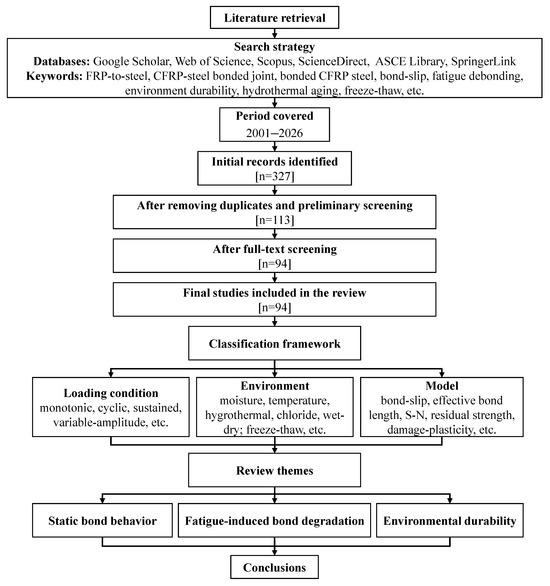
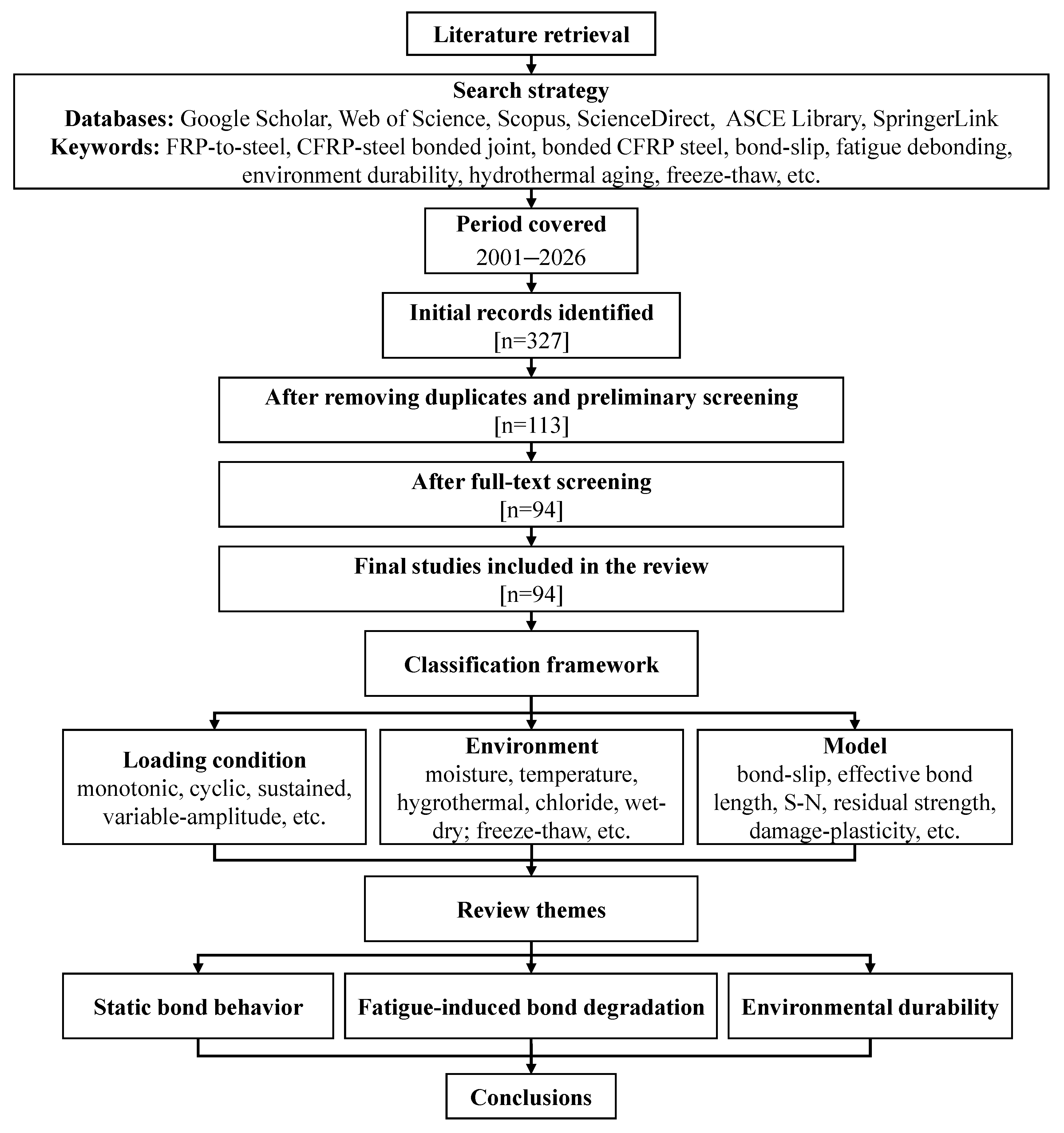
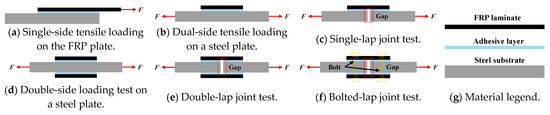
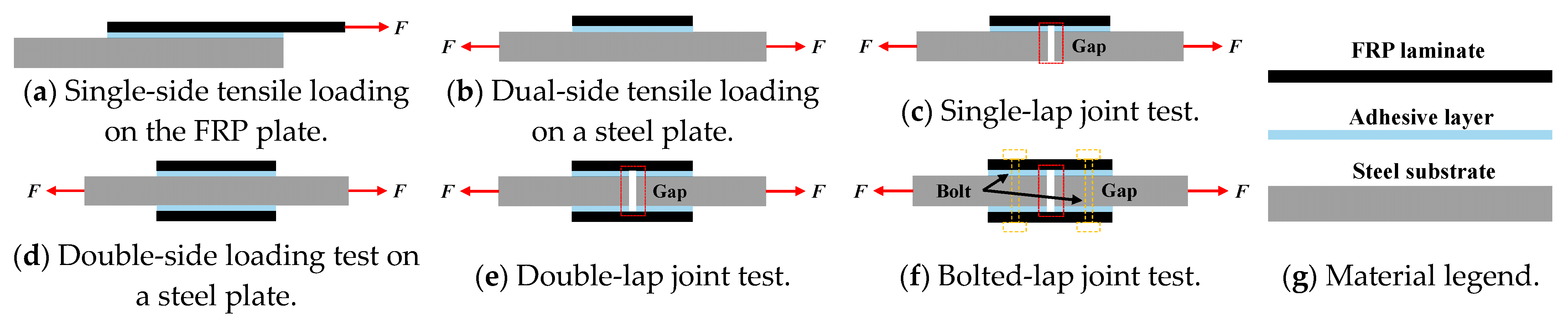
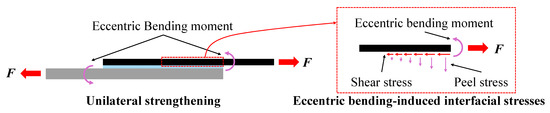
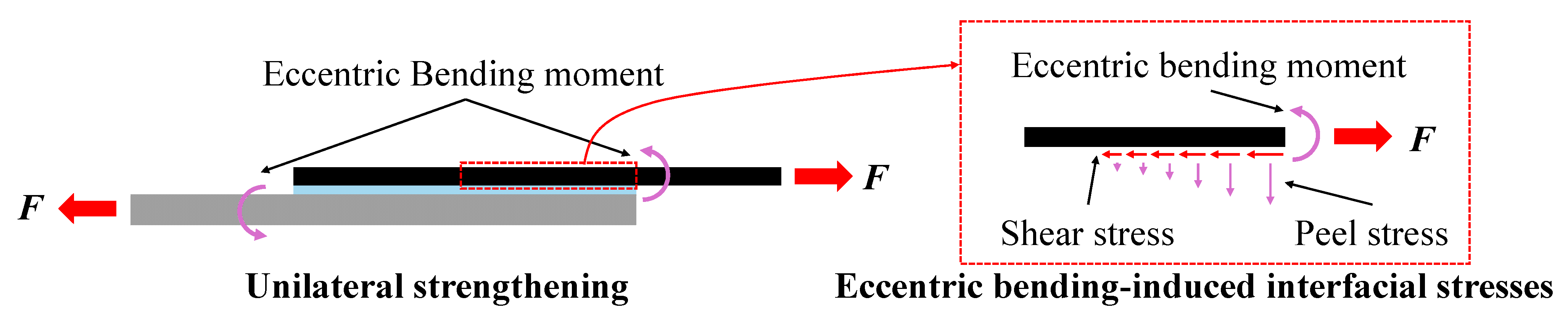
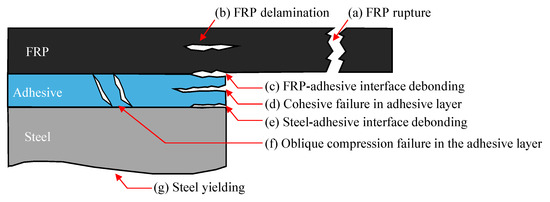
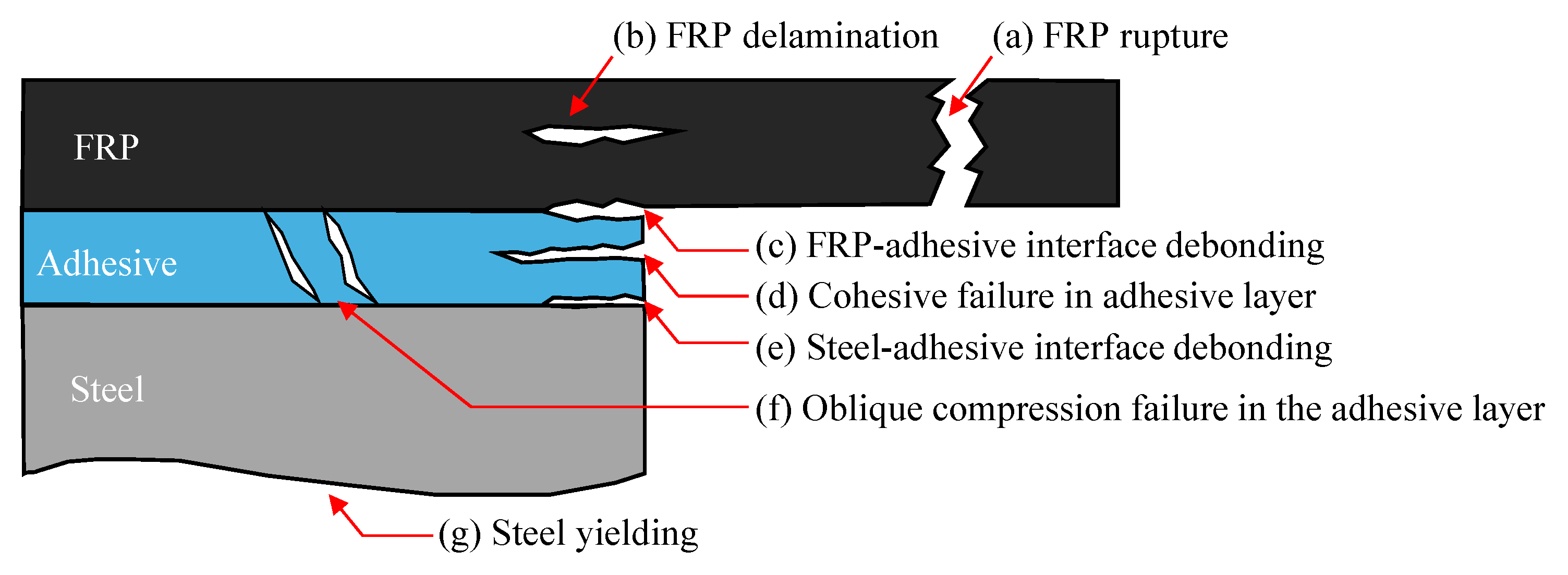
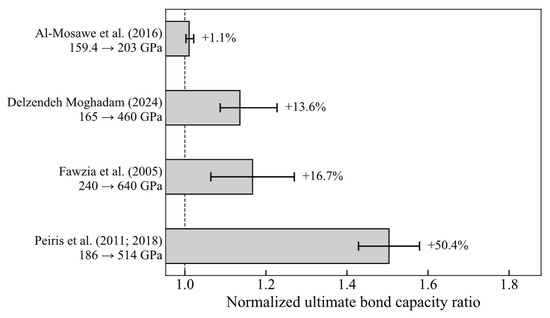
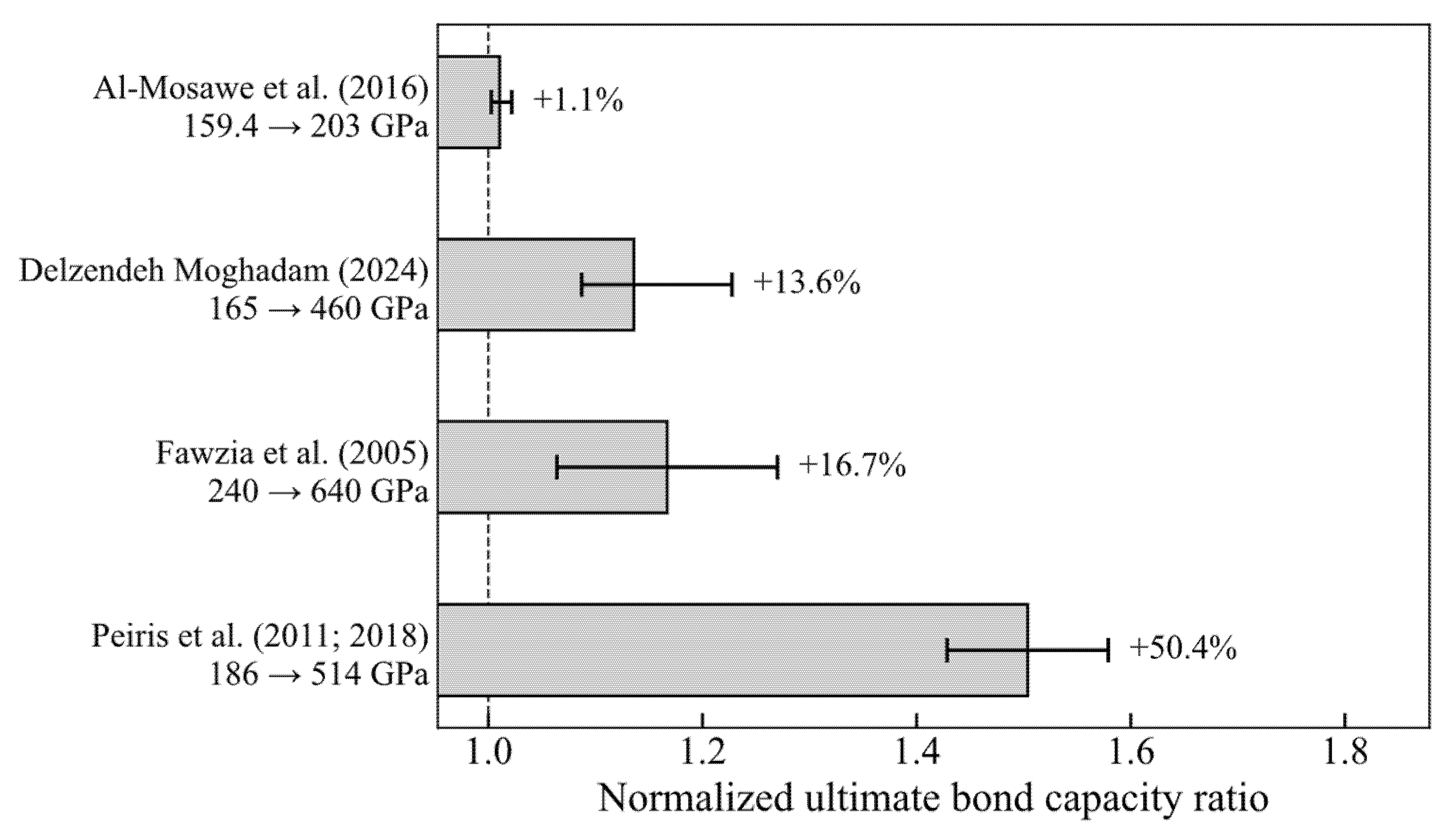
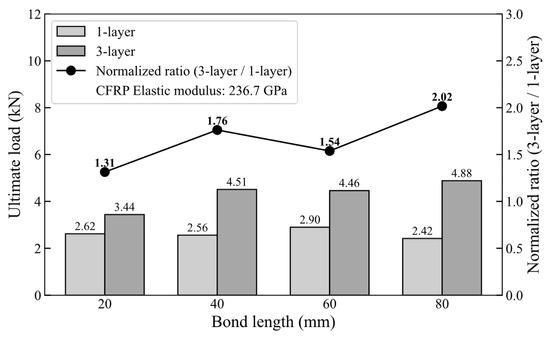
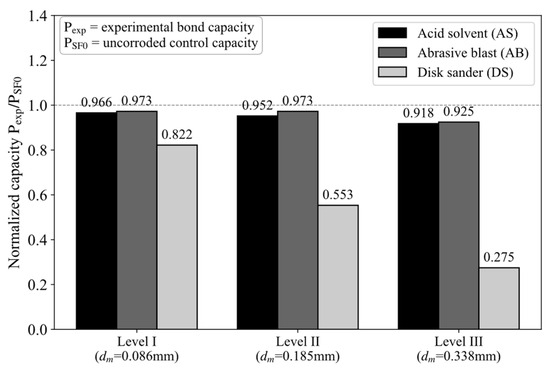
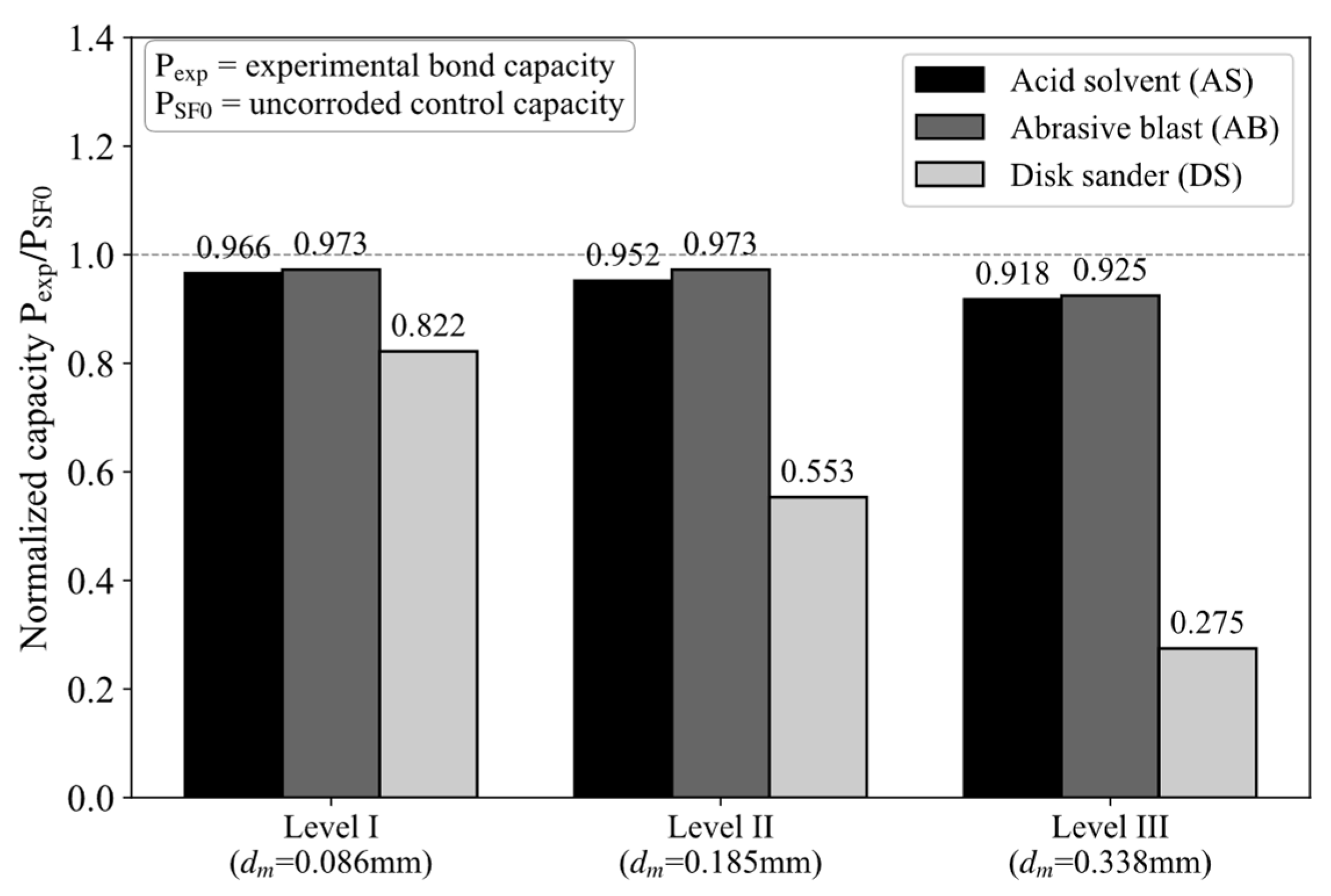
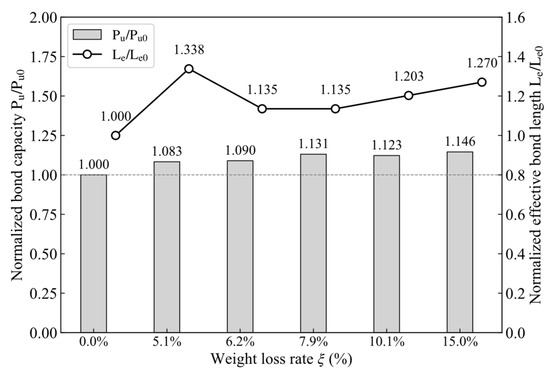
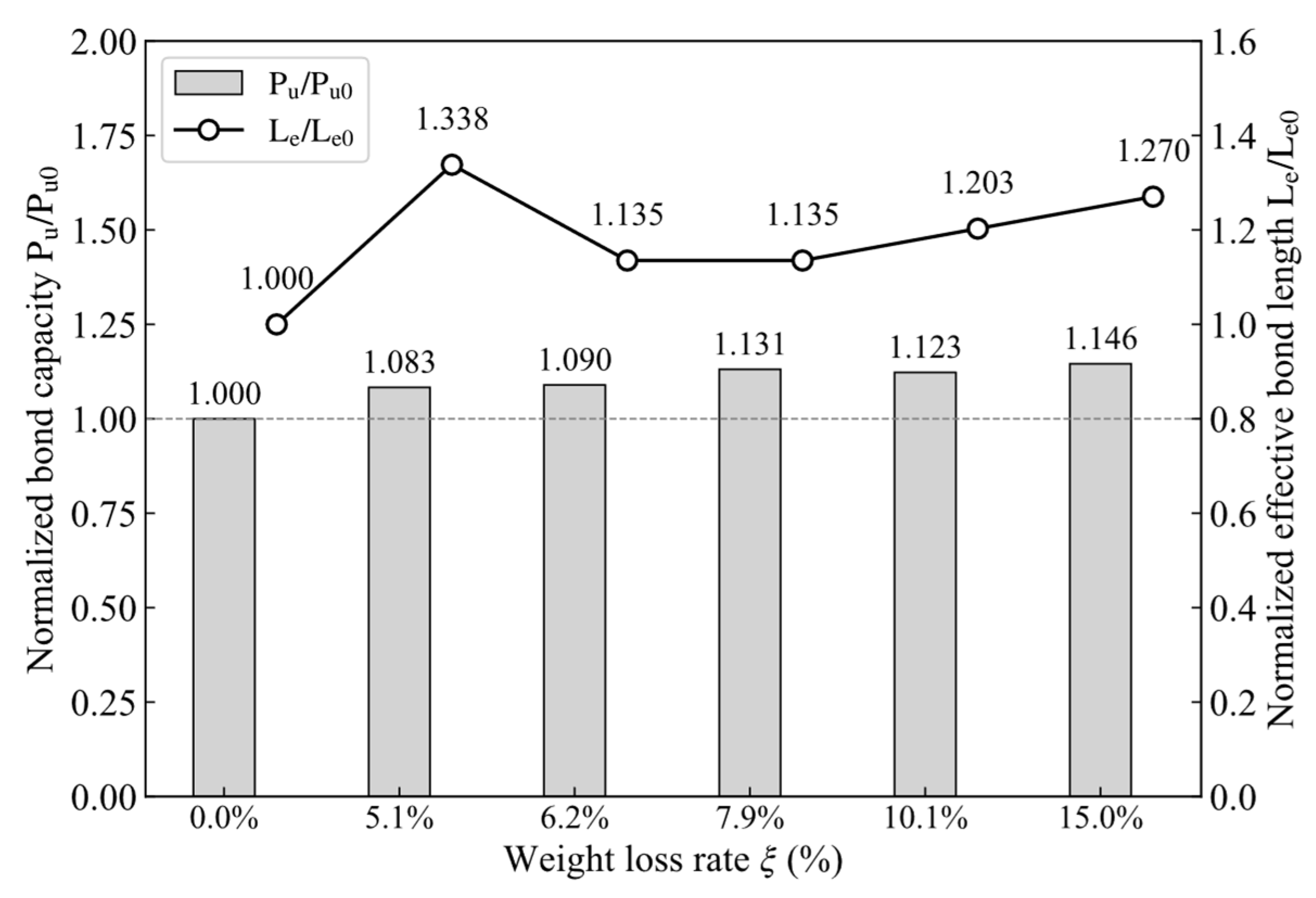
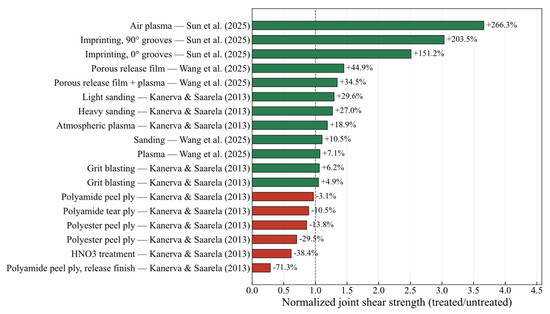
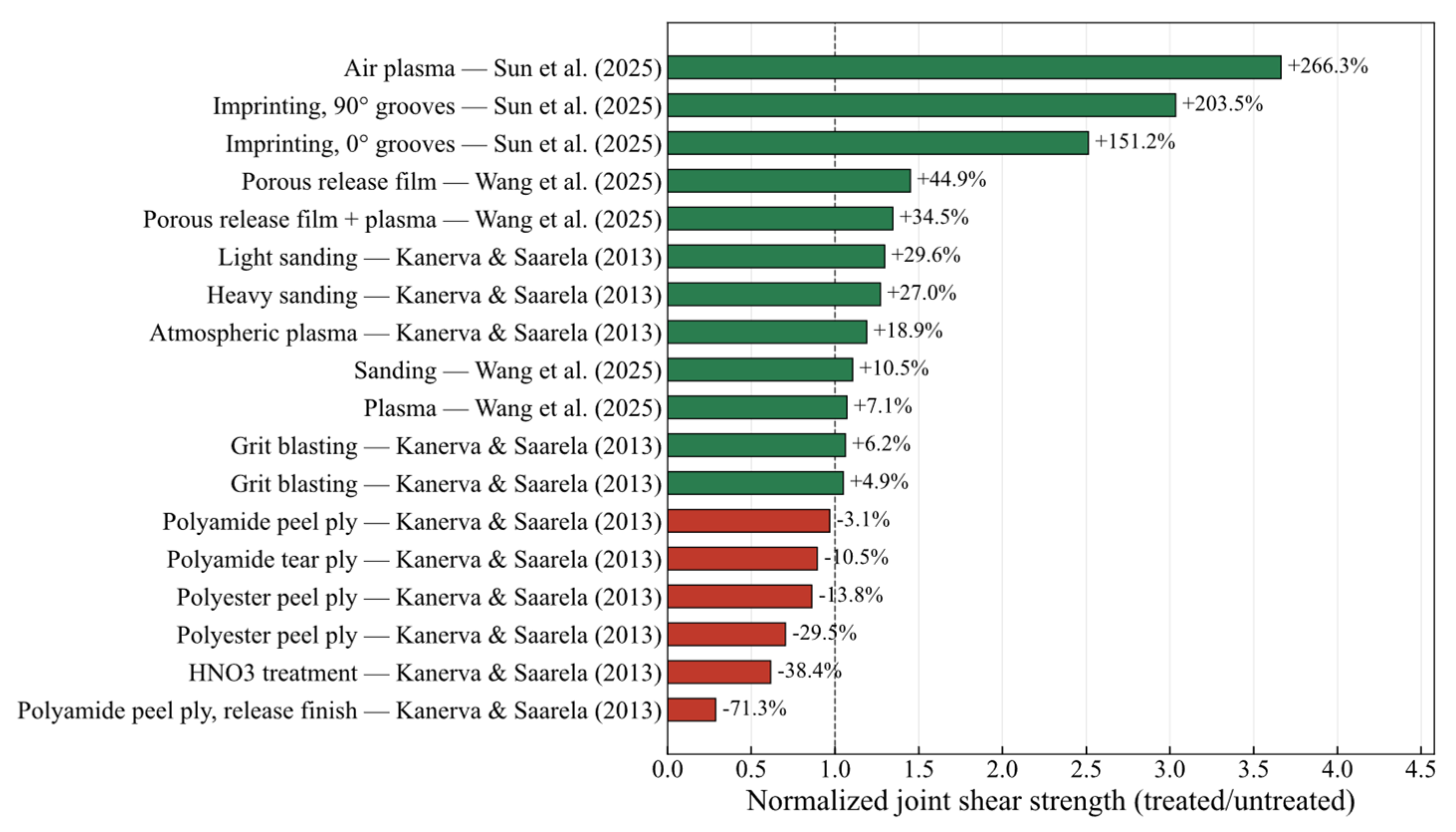
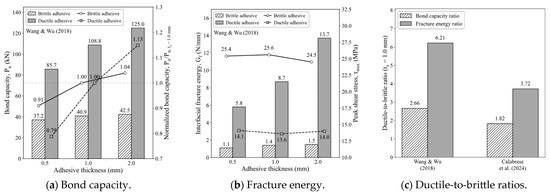
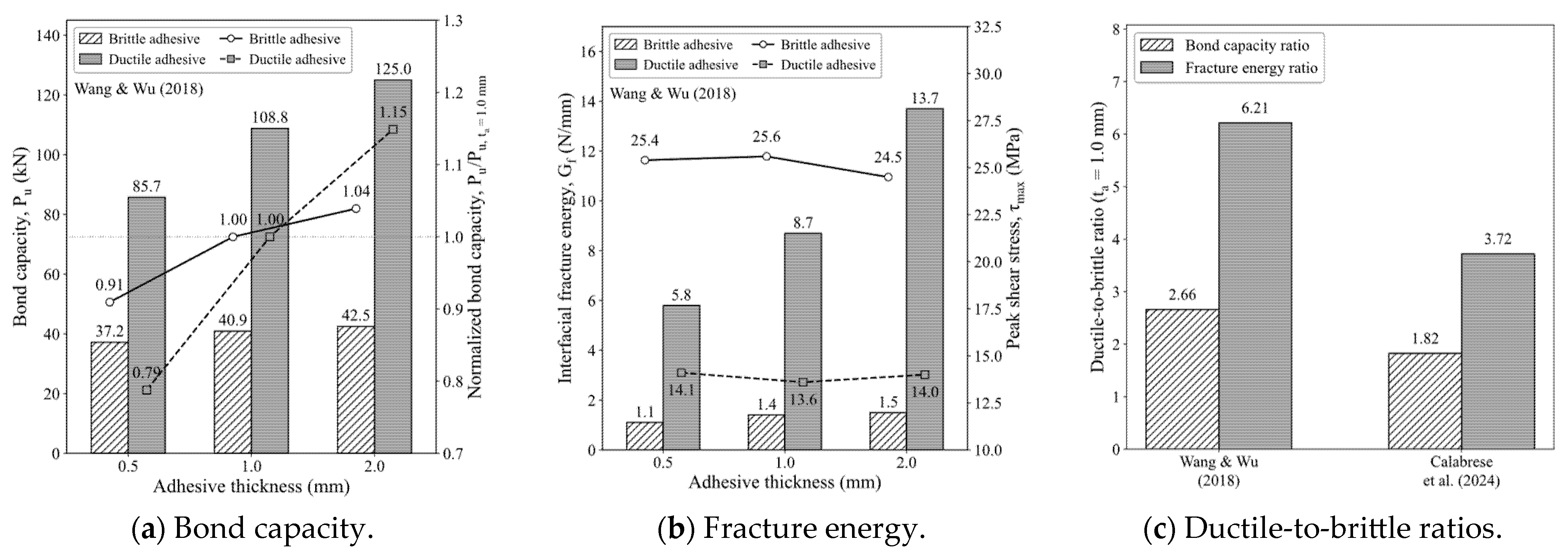
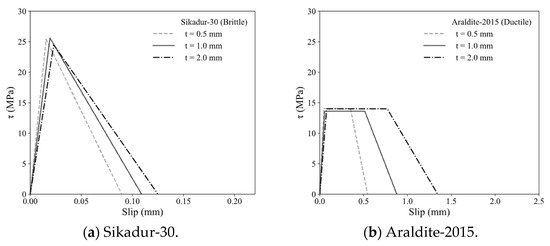
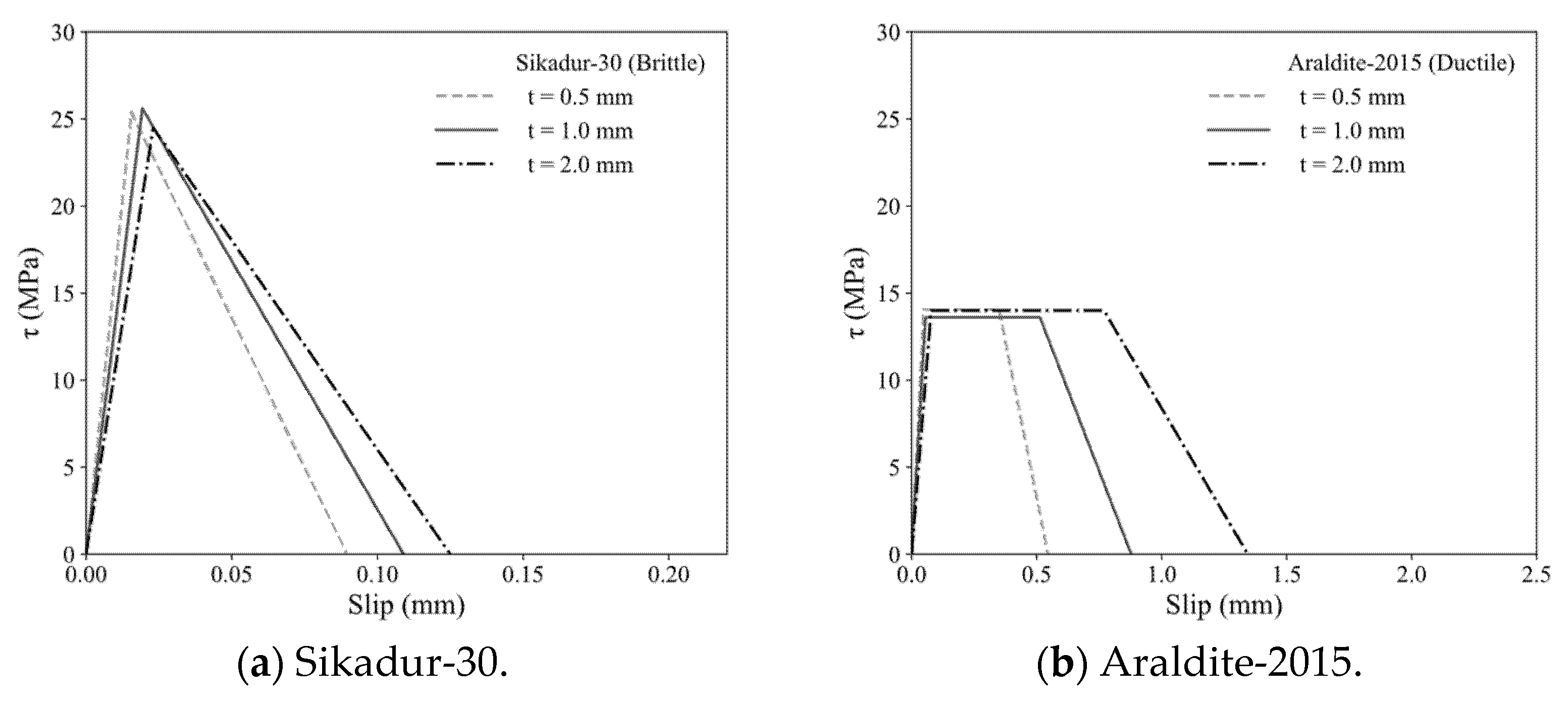
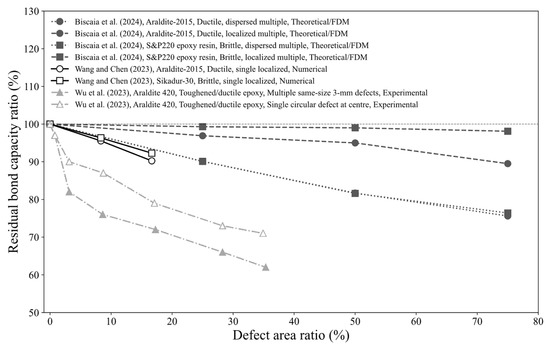
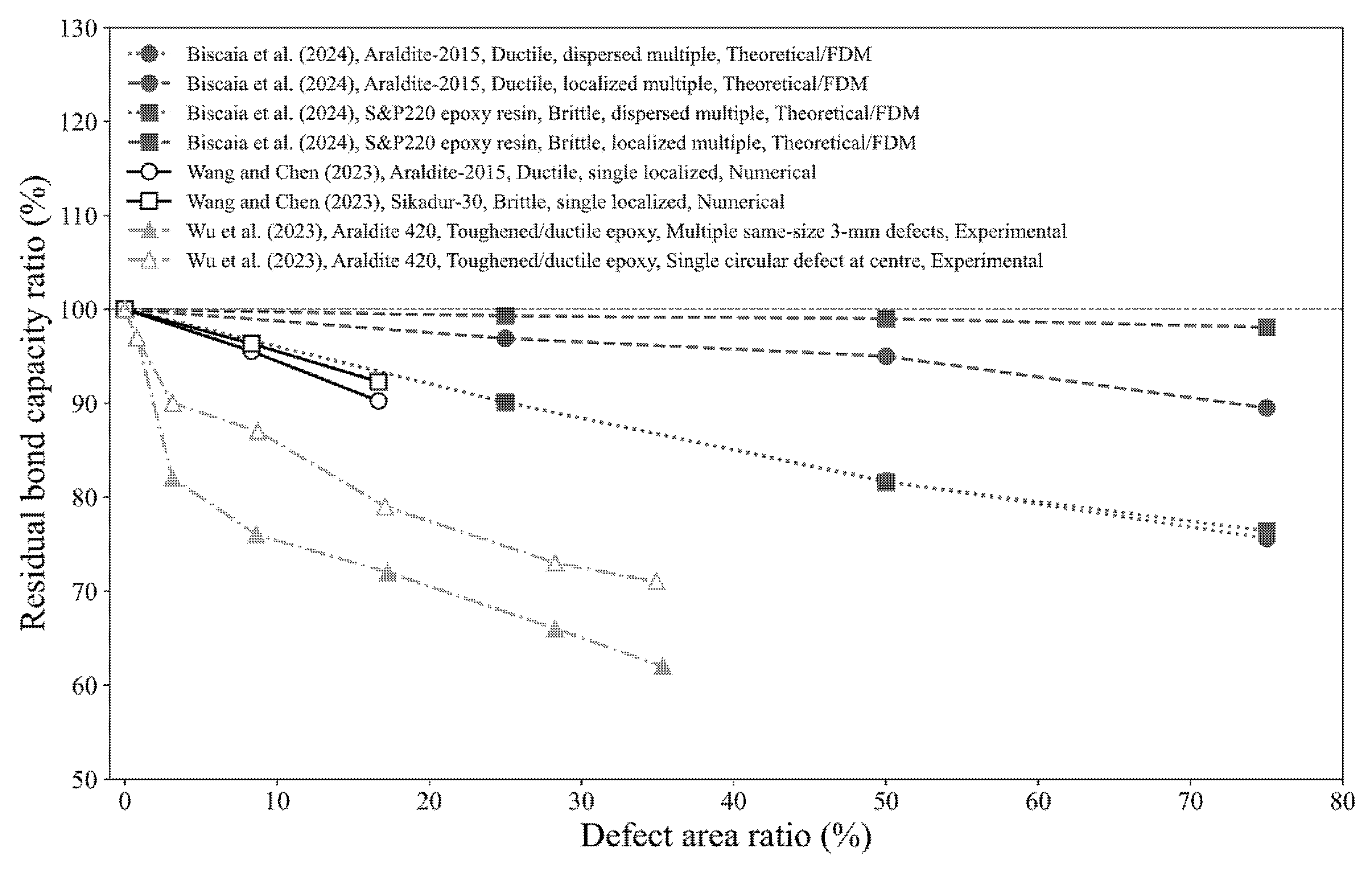
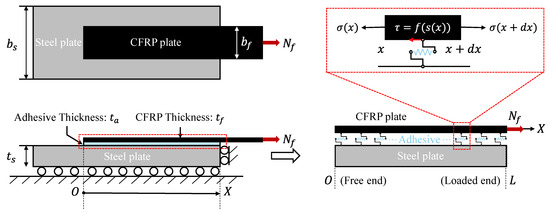
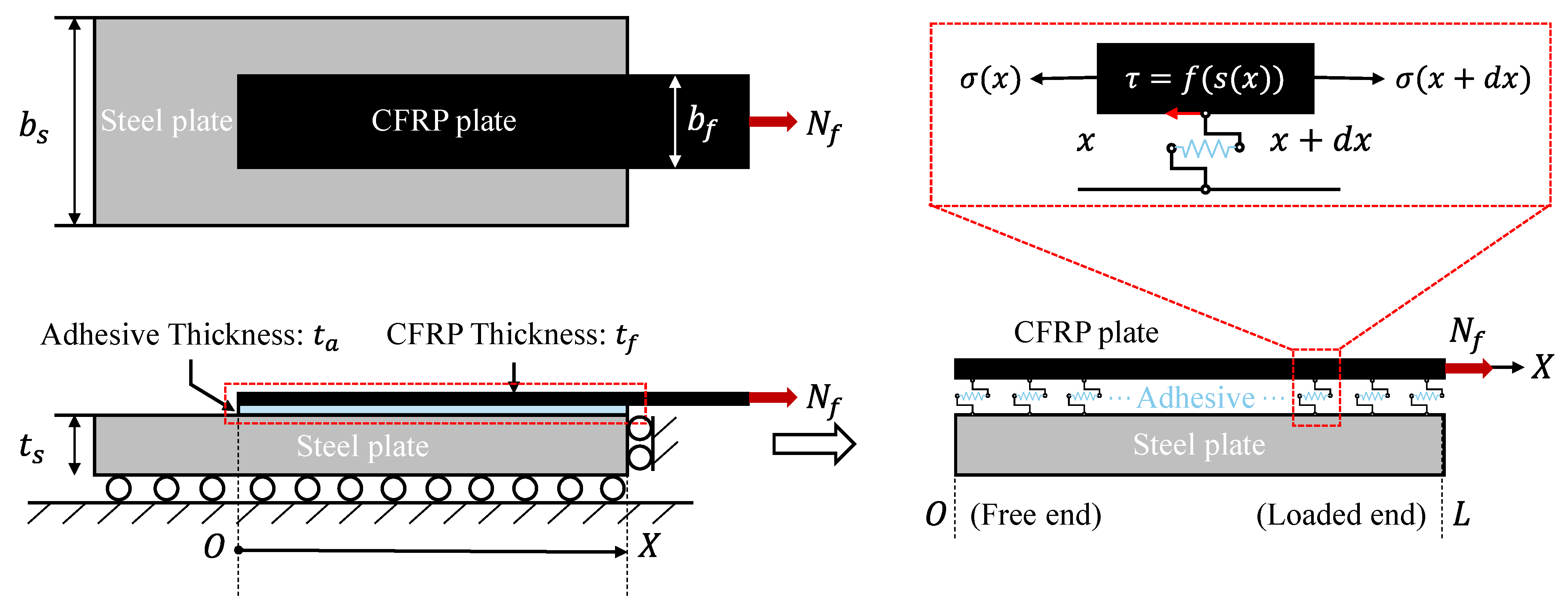
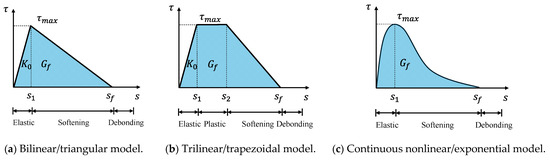
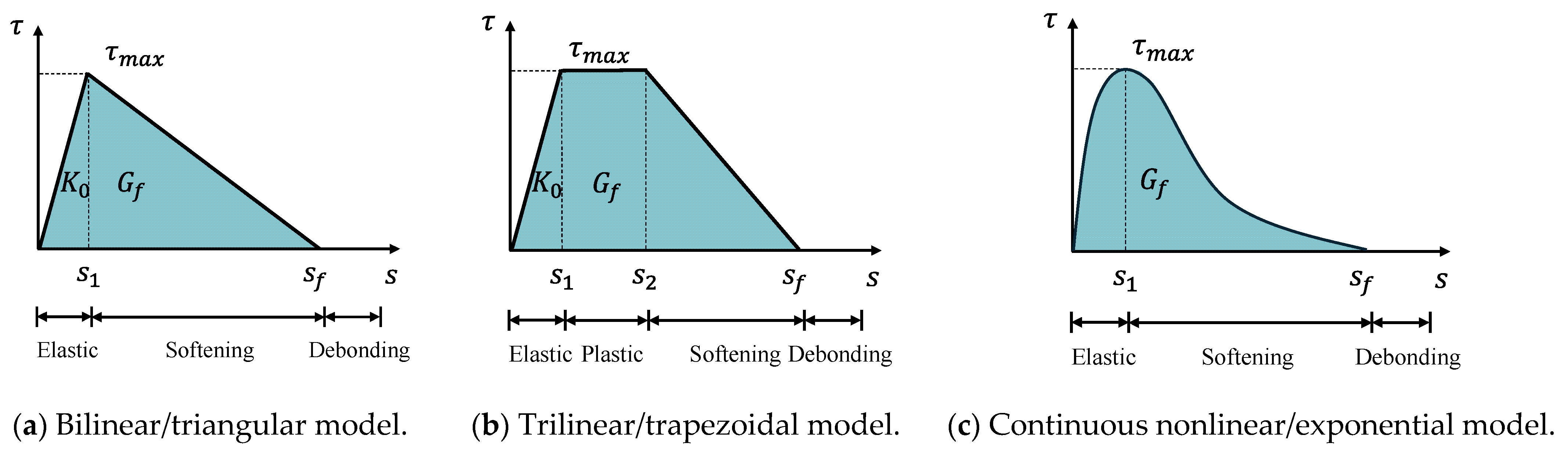
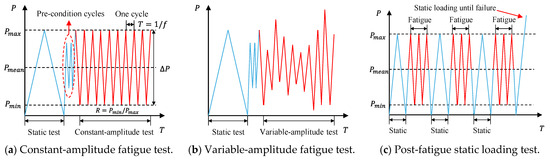
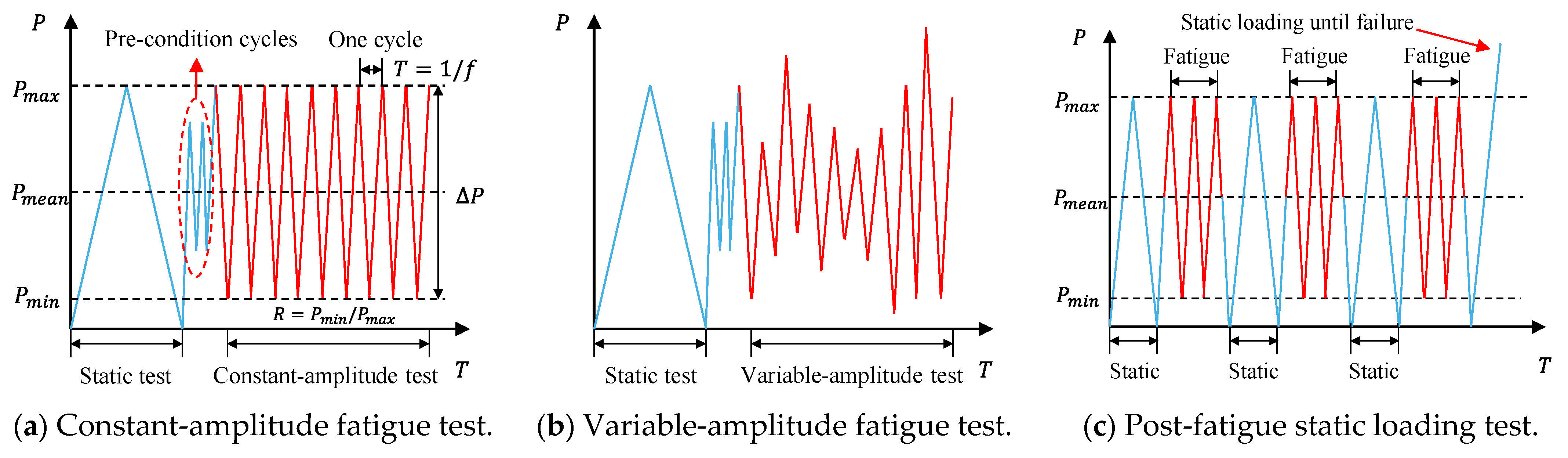
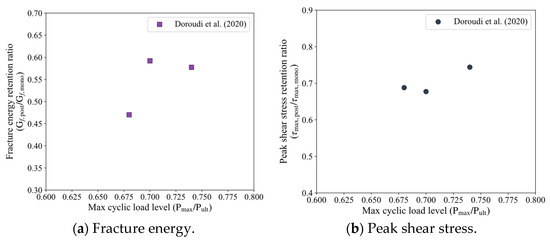
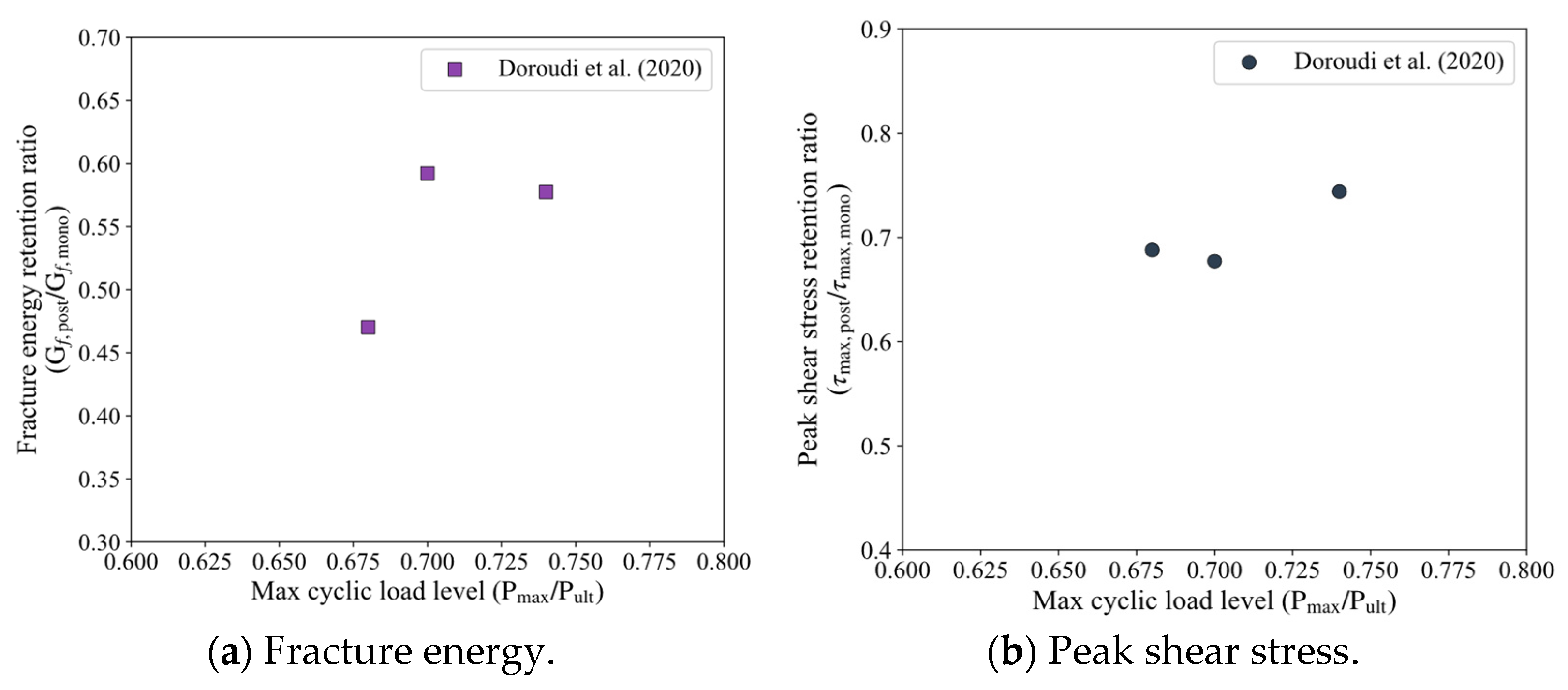
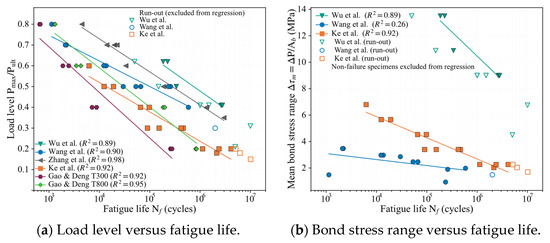
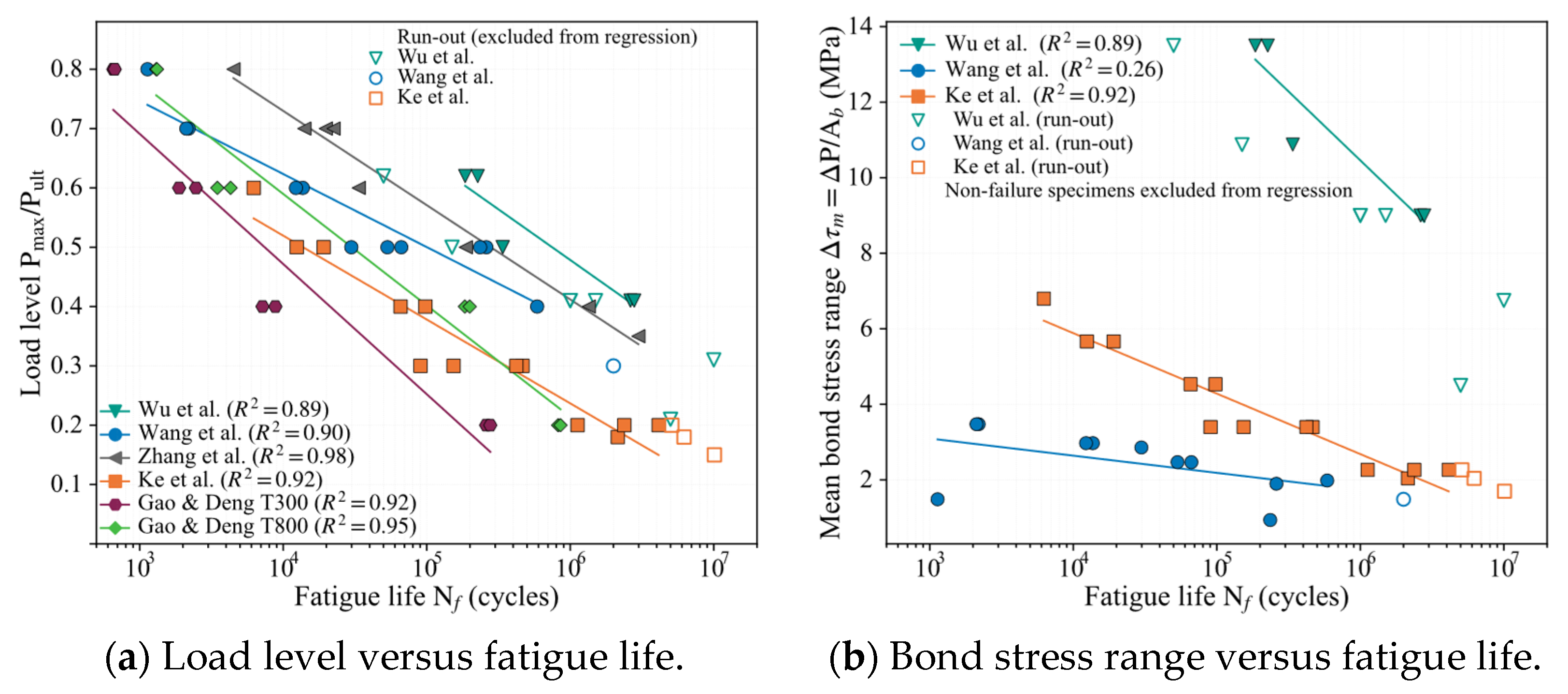
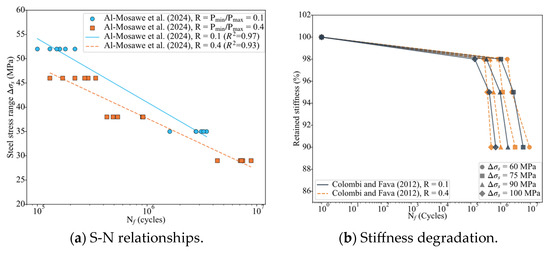
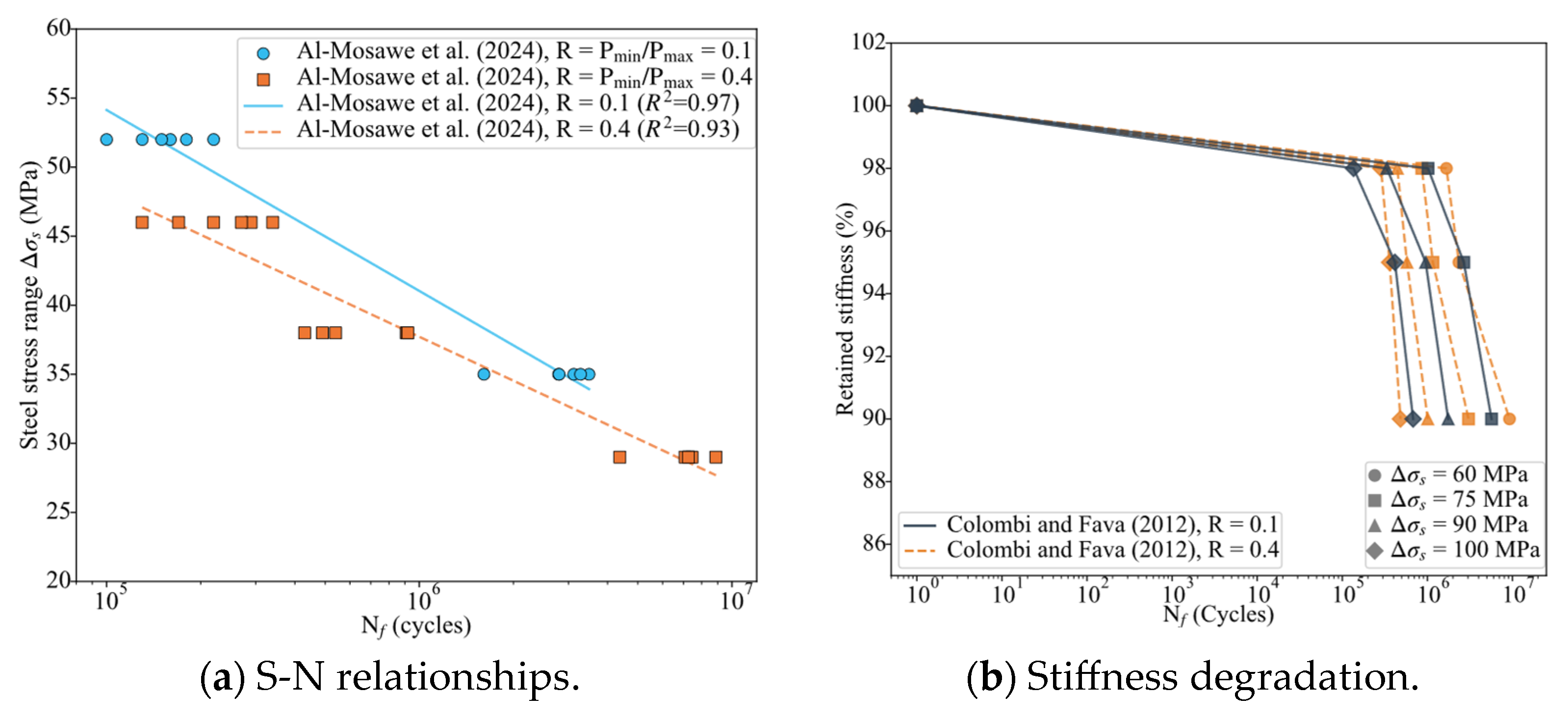
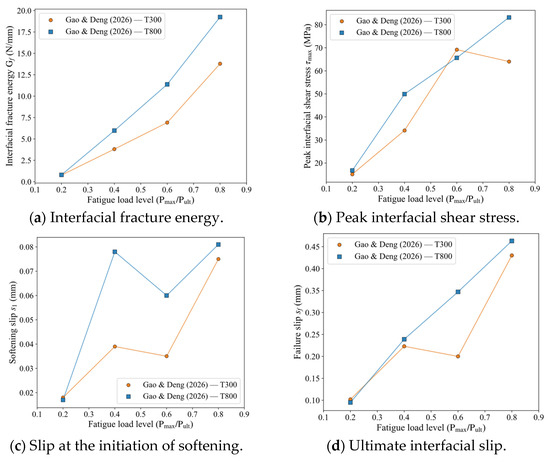
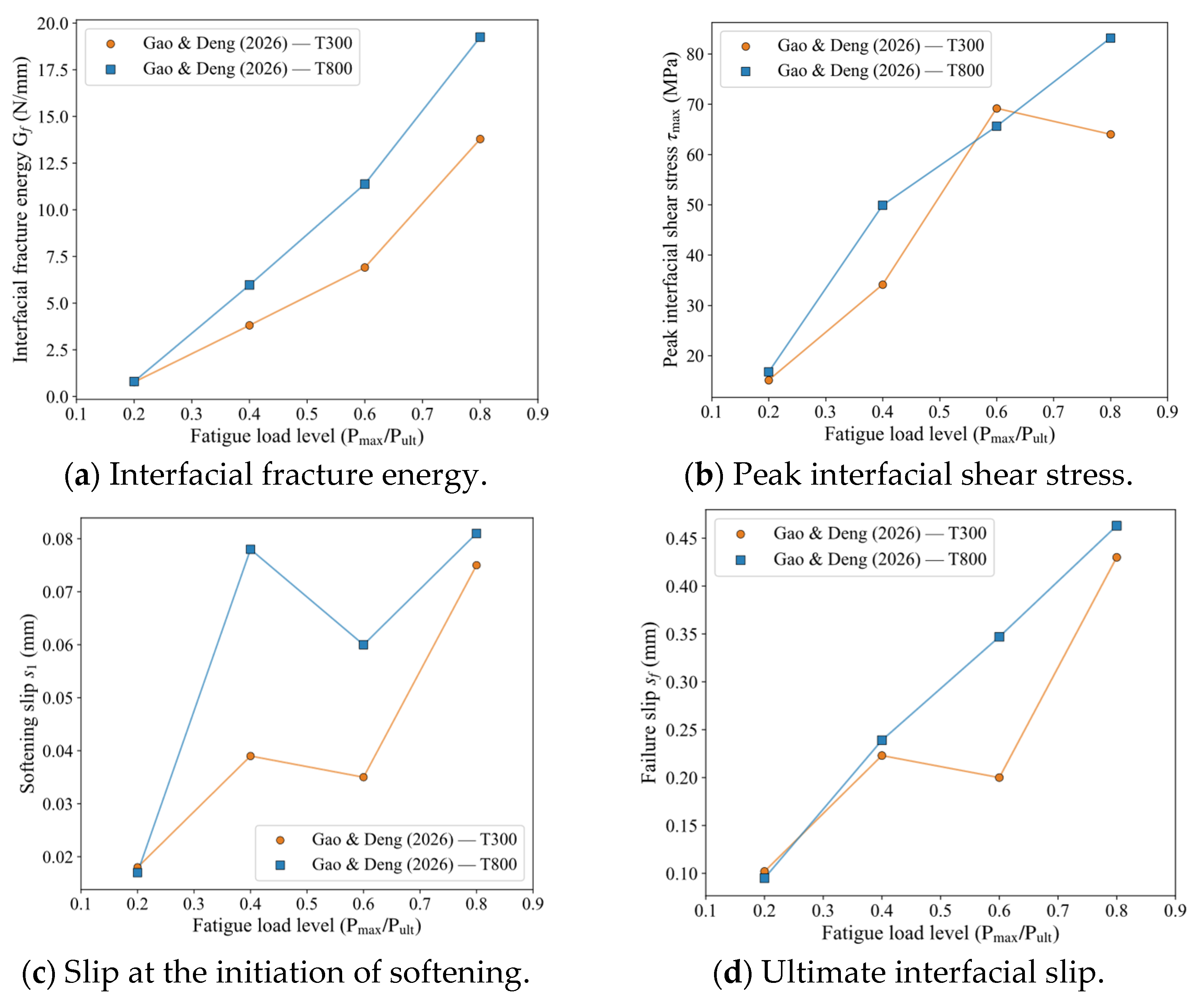
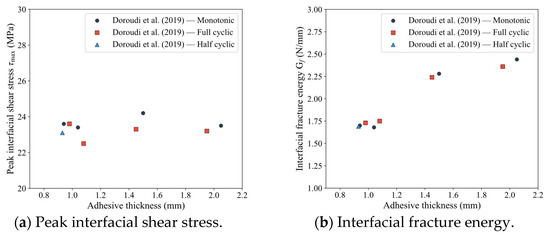
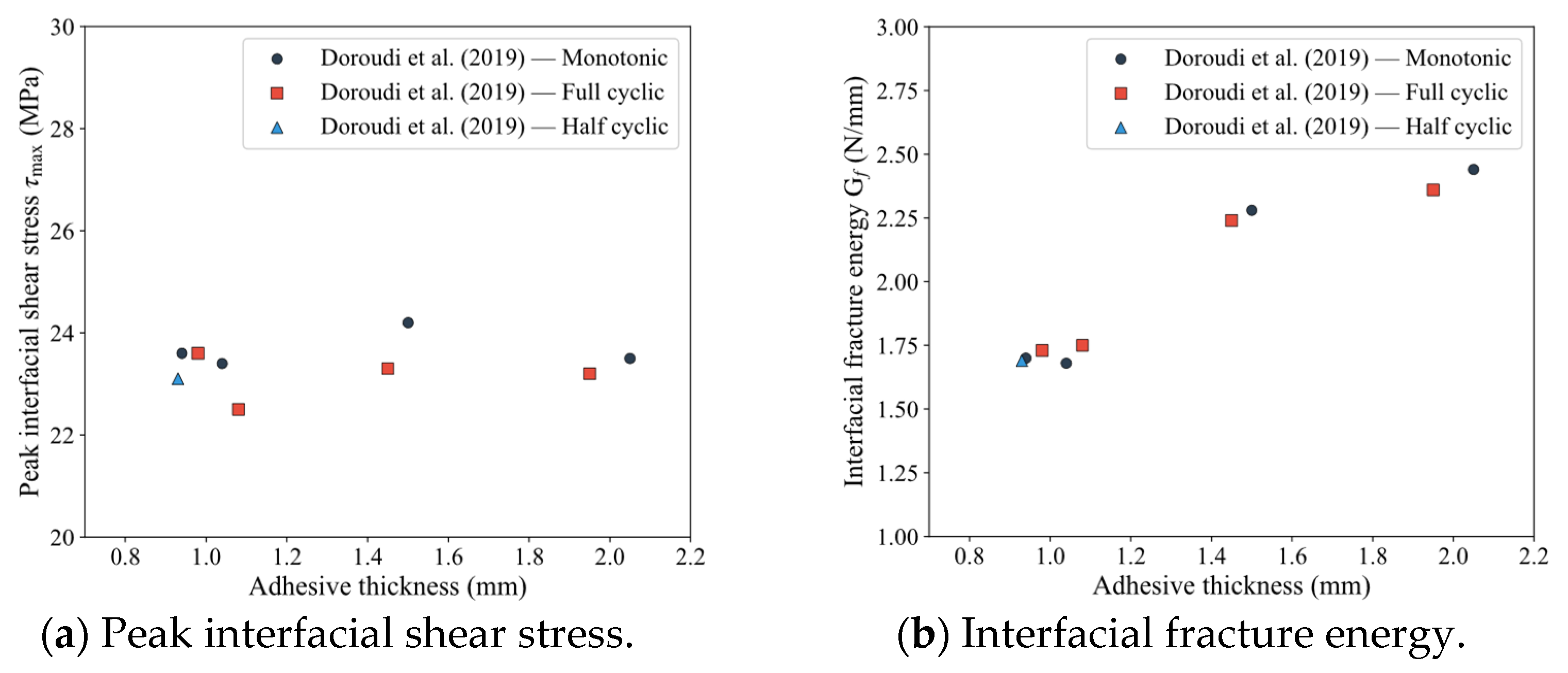
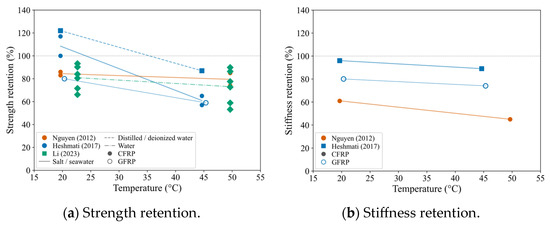
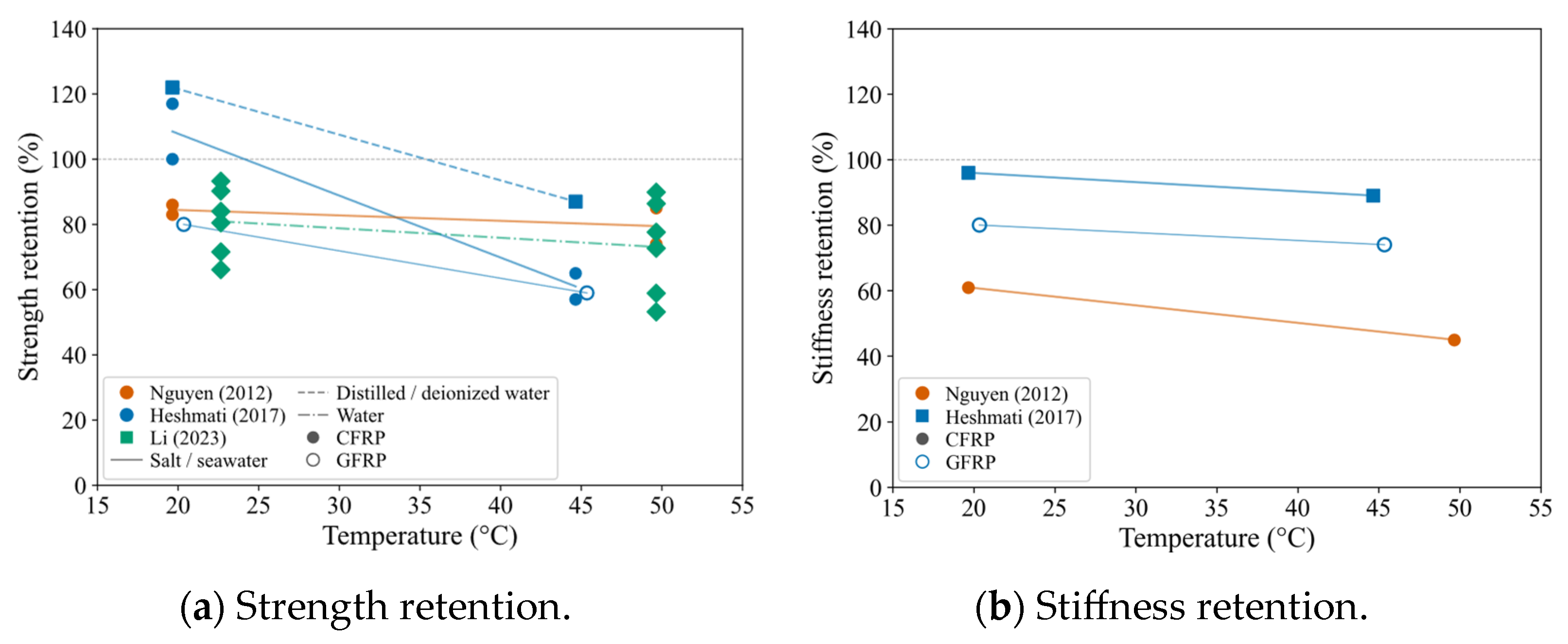
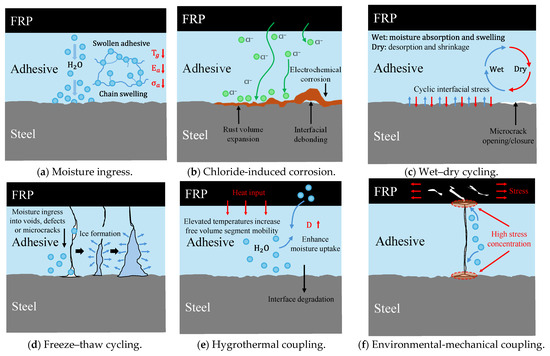
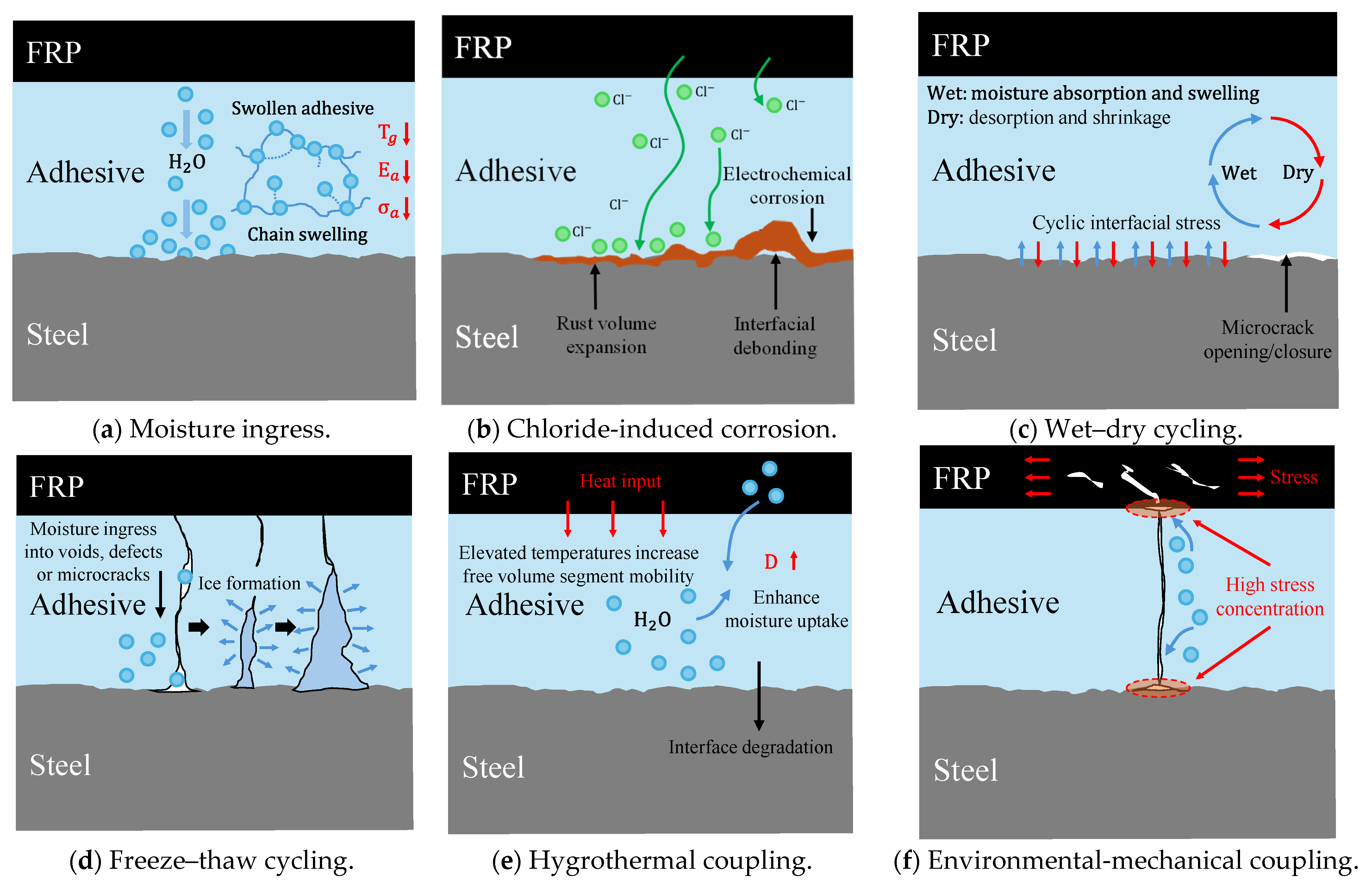
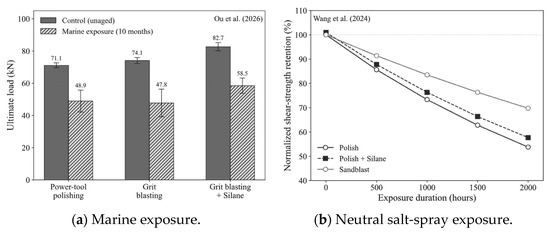
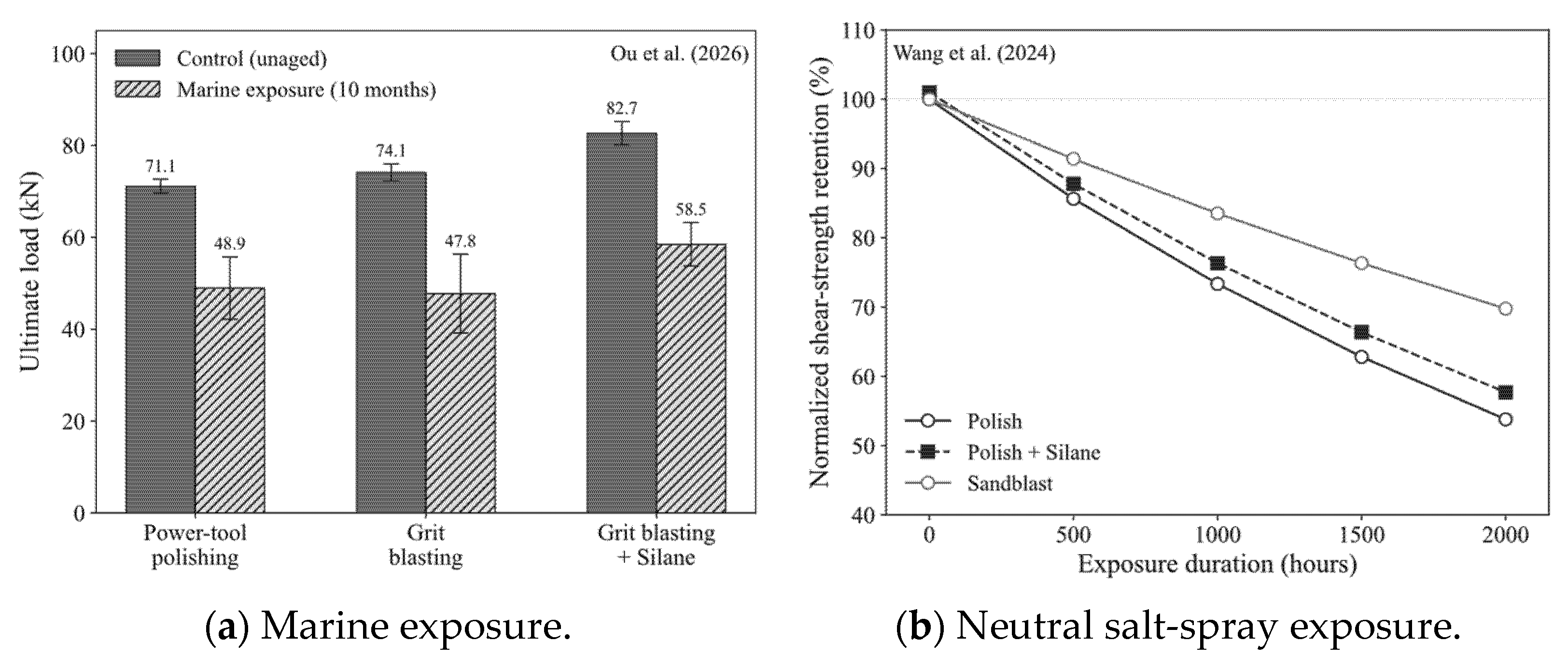
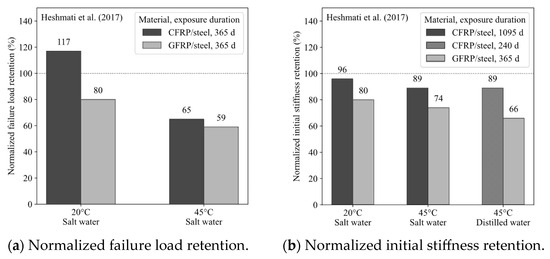
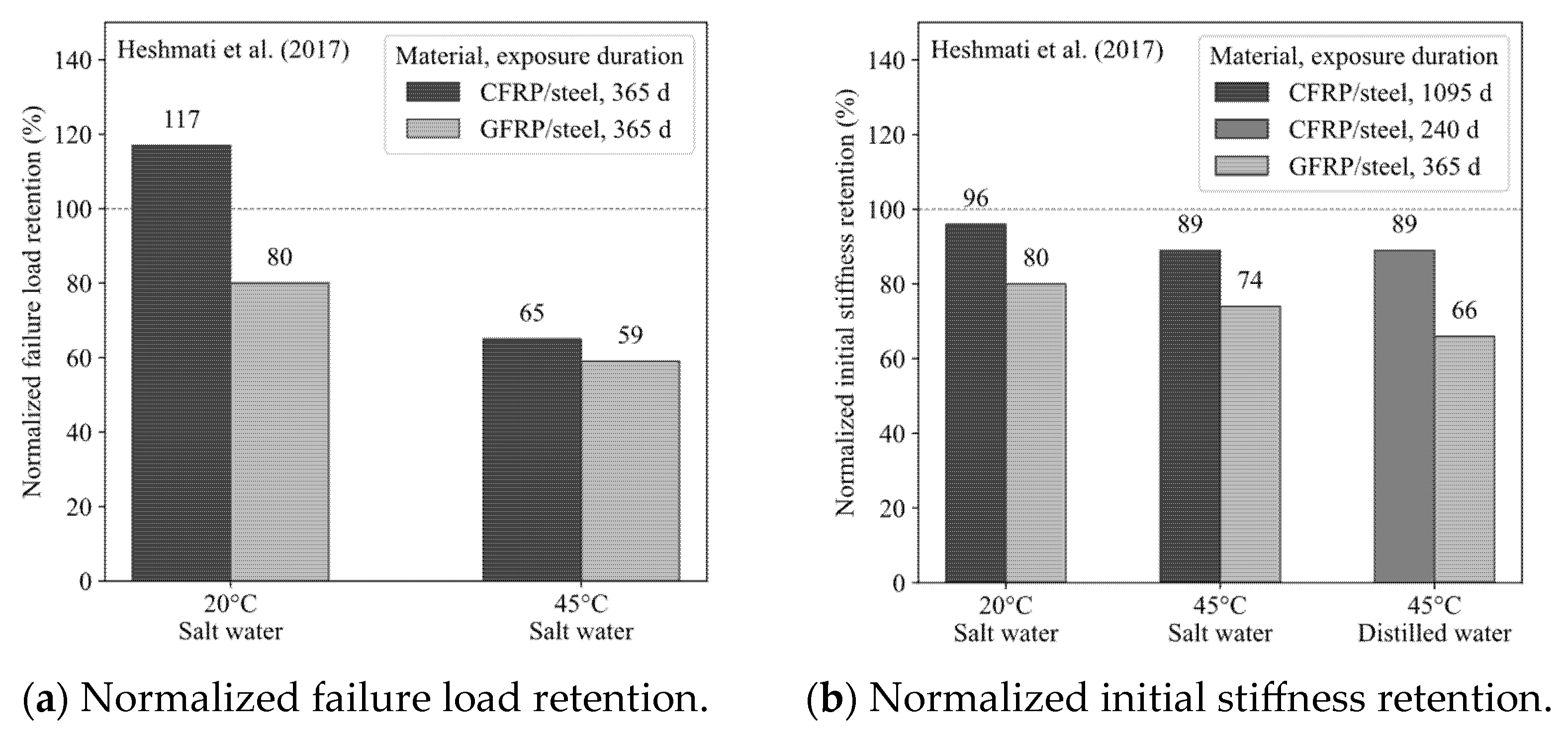

Disclaimer/Publisher’s Note: The statements, opinions and data contained in all publications are solely those of the individual author(s) and contributor(s) and not of MDPI and/or the editor(s). MDPI and/or the editor(s) disclaim responsibility for any injury to people or property resulting from any ideas, methods, instructions or products referred to in the content. |
© 2026 by the authors. Licensee MDPI, Basel, Switzerland. This article is an open access article distributed under the terms and conditions of the Creative Commons Attribution (CC BY) license.