


Abstract
Archaeological sites with limited surface visibility and low spatial legibility often depend on presentation systems to communicate historical functions and heritage meaning. Using the Site of Xuanquan Posthouse as a case study, this study examined how visual attention and visitor perceptions jointly inform the interpretive effectiveness of such low-visibility archaeological sites. A complementary two-stage quantitative design was adopted. First, 20 adults viewed 12 static presentation images, and visual attention was compared across eight categories of information. Second, 252 valid questionnaires were analyzed using partial least squares structural equation modeling (PLS-SEM) and importance–performance map analysis (IPMA). Archaeological remains, reconstructed architecture or models, and digital media generally showed shorter time-to-first-fixation values and greater cumulative visual attention, whereas explanatory text, diagrams and maps, and bamboo and wooden slip documents were less visually prominent. Interpretation quality, perceived authenticity, and exhibition experience quality were all positively associated with perceived heritage understanding and perceived interpretation effectiveness, with heritage understanding playing a central mediating role. The findings indicate that effective presentation should connect visually prominent entry points with explanatory, spatial, and evidentiary information so that visitors can progress from recognizing physical remains to understanding their historical functions and heritage significance.
1. Introduction
Archaeological sites preserve material evidence of human activities, spatial organization, institutional functioning, and exchanges among civilizations, making them important resources for cultural heritage conservation and public education. The presentation and interpretation of archaeological sites connect material remains, historical knowledge, and public understanding, playing a key role in enabling the public to recognize and understand heritage significance. UNESCO’s Operational Guidelines for the Implementation of the World Heritage Convention identify authenticity, integrity, and effective protection and management as key conditions for sustaining the Outstanding Universal Value of World Heritage properties [1]. The ICOMOS Charter for the Interpretation and Presentation of Cultural Heritage Sites further emphasizes that interpretation and presentation are integral components of heritage conservation and management, should be grounded in reliable evidence, and should promote public understanding of the significance of heritage sites [2].
Archaeological sites of considerable antiquity often exhibit fragmentary remains, incomplete spatial outlines, and historical functions that are difficult to identify because of weathering, erosion, long-term deterioration, and subsequent environmental changes. This study uses the term “low-visibility archaeological sites” to describe archaeological sites characterized by limited visibility of surface remains, low legibility of spatial relationships, difficulty for ordinary visitors to directly understand historical functions, and substantial reliance on explanatory text, diagrams, reconstruction models, and digital media for interpretation. Such sites may retain only scattered surface traces, making original buildings and spatial boundaries difficult to identify directly. Even where wall foundations, platforms, roads, or other material remains survive, visitors often struggle to infer the functions of different spaces or the connections between the site and historical institutions, social activities, and regional transportation networks. Accordingly, presentation systems need to draw on reliable evidence to organize fragmentary, dispersed, and difficult-to-identify site traces into an information structure that the public can observe, compare, and understand.
Located in Dunhuang, Gansu Province, the Site of Xuanquan Posthouse is a component site of the World Heritage property Silk Roads: the Routes Network of Chang’an–Tianshan Corridor. This heritage network connected multiple ancient civilizations and facilitated long-term exchanges in trade, religious beliefs, scientific knowledge, technological innovation, cultural practices, and the arts [3]. As an important remnant of the Han Dynasty postal-relay system in the Hexi Corridor, Xuanquan Posthouse comprised a fortified compound, buildings, stables, and other functional spaces. Excavations yielded large numbers of bamboo and wooden slips, paper documents, and artifacts of daily life. The documentary materials record activities such as document transmission, the reception of envoys, the movement of people, and the provision of supplies, providing important evidence for understanding the Han Dynasty postal-relay system, frontier governance, and the operation of the Silk Road transport network [4]. Its heritage significance derives from both the material remains of the fortified compound, buildings, and stables and the detailed records preserved in the bamboo and wooden slip documents concerning the operation and daily activities of the postal-relay institution.
However, Xuanquan Posthouse consists primarily of rammed-earth structures and has long been exposed to strong wind erosion, flash flooding, salt weathering, and extreme temperature fluctuations, leaving the site in a relatively fragile state of preservation. Visitors cannot readily understand the functions of different structures, the operation of the postal-relay system, or the relationships between bamboo and wooden slip documents and specific spaces within the site solely from the site boundaries, rammed-earth remains, and partial spatial outlines. Xuanquan Posthouse therefore exhibits a distinct pattern of “high historical information density–low on-site visual legibility.” Site plans, functional explanations, reconstruction models, images of bamboo and wooden slips, and digital imagery are needed to re-establish connections among the site’s spatial organization, postal-relay activities, and documentary evidence.
Existing studies of heritage presentation have examined heritage interpretation, visitor experience, and the use of digital media [5,6,7]. However, two related research gaps remain particularly relevant to low-visibility archaeological sites. First, evaluations based mainly on questionnaires, interviews, satisfaction measures, and post-visit feedback can capture visitors’ overall judgments, but provide limited process-level evidence about which types of presentation information actually attract visual attention, how long they are viewed, and whether they are revisited. Eye tracking can provide such evidence by recording the allocation of visual attention to specific visual elements [8,9,10]. At the same time, visual attention alone cannot establish whether visitors understand the spatial relationships, historical functions, or evidentiary meaning conveyed by those elements.
Second, although heritage interpretation has been associated with visitors’ perceptions of heritage value [11], limited empirical evidence explains how interpretation quality, perceived authenticity, and exhibition experience quality are associated with perceived interpretation effectiveness through visitors’ heritage understanding in sites where the surviving remains have low on-site visual legibility. These two gaps concern different but complementary levels of the interpretive process: whether presentation information receives visual attention, and how the presentation system is subsequently understood and evaluated. Addressing them therefore requires a complementary approach that examines visual attention and visitor perceptions at their respective levels of analysis.
From the perspective of architectural heritage and built environment research, the presentation of low-visibility archaeological sites extends beyond information communication to encompass how the spatial outlines of the site, visitor routes, reconstructed displays, and interpretive media jointly shape spatial legibility. Accordingly, this study examines visual information within the site’s spatial presentation system, with particular attention to the relationships among material remains, spatial organization, and public understanding.
To address the research gaps identified above, this study examines the issue from two complementary perspectives: visual attention and visitor perception. In Stage 1, an eye-tracking experiment was conducted in which the presentation information at Xuanquan Posthouse was classified into eight AOI categories, and time to first fixation, total fixation duration, fixation count, average fixation duration, and visit count were compared across these categories. In Stage 2, a survey was conducted to measure interpretation quality, perceived authenticity, exhibition experience quality, perceived heritage understanding, and perceived interpretation effectiveness, and partial least squares structural equation modeling (PLS-SEM) was applied to examine the structural relationships among these constructs [12]. Following the assessment of the structural model, an importance–performance map analysis (IPMA) was conducted with perceived interpretation effectiveness as the target construct, jointly considering the importance and performance levels of the antecedent constructs to identify priority areas for improving the presentation system [13].
Accordingly, this study addresses the following three research questions:
RQ1: How do different types of visual information in the presentation of Xuanquan Posthouse differ in terms of initial attention, cumulative fixation duration, fixation frequency, and visit behavior?
RQ2: What are the direct associations between interpretation quality, perceived authenticity, and exhibition experience quality and perceived interpretation effectiveness, and are these associations partially mediated by perceived heritage understanding?
RQ3: Based on the structural model and importance–performance analysis, which factors should be prioritized in optimizing the presentation and interpretation system of Xuanquan Posthouse?
The contributions of this study are threefold. First, the study develops an analytical perspective on the presentation of low-visibility archaeological sites based on the visibility of physical remains, the legibility of spatial relationships, the extent to which historical functions can be identified, and the degree to which public understanding depends on presentation systems. This perspective connects the material manifestation of archaeological remains, the organization of presentation information, and public understanding, providing an analytical approach for examining the cognitive distance between surviving physical forms and their associated historical and cultural information.
Second, the study combines eye tracking with visitor-perception modeling to examine two complementary levels of the interpretive process. Eye tracking provides process-level evidence of how different types of presentation information enter visual attention, receive sustained attention, and are revisited, while partial least squares structural equation modeling (PLS-SEM) examines the relationships among presentation attributes, perceived heritage understanding, and perceived interpretation effectiveness. The two forms of evidence are interpreted at their respective levels of analysis rather than treated as a single individual-level causal sequence.
Third, the study examines presentation as an integrated information system by relating the visual-attention characteristics of archaeological remains, reconstructed content, digital media, explanatory text, diagrams and maps, spatial guidance, and documentary evidence to visitors’ perceptions of heritage understanding and interpretation effectiveness. The findings provide a basis for identifying how visually prominent entry points can be connected with spatial, historical, and evidentiary information in the presentation of Xuanquan Posthouse and other archaeological sites facing similar challenges of visual legibility.
2. Literature Review and Hypotheses Development
2.1. Analytical Definition of Low-Visibility Archaeological Sites and Requirements for Presentation and Interpretation
This study uses the term “low-visibility archaeological sites” as an analytical concept for public presentation contexts, referring to archaeological sites characterized by limited visibility of surface remains, low legibility of spatial relationships, difficulty for ordinary visitors in directly identifying historical functions, and substantial reliance on presentation systems to mediate heritage meaning. Its analytical dimensions primarily concern the visibility of the site’s material form, the legibility of spatial relationships, the extent to which historical functions can be identified, and the degree to which public understanding depends on presentation systems. Sites with these characteristics typically require explanatory text, diagrams and maps, reconstruction models, documentary evidence, and digital media to establish connections between the surviving remains and their spatial organization, historical activities, and cultural significance.
The issue of “low visibility” in archaeological research provides a useful point of reference for understanding the conditions under which heritage information can be identified. Stek and Waagen used the term “low-visibility zones” to describe areas where surface visibility is limited by factors such as vegetation or topography and that are therefore often excluded from conventional surface surveys. They further discussed the implications of low visibility for the survey and recording of surface archaeological remains [14]. Studies of underwater archaeology under low-visibility conditions and non-invasive archaeological investigation likewise show that, when complete information about archaeological remains cannot be obtained through direct observation, methods such as photogrammetry, aerial survey, geophysical prospection, and digital modeling can support their documentation, detection, and visualization [15,16]. Collectively, these studies demonstrate that visibility influences the identification and interpretation of archaeological information. This study extends this issue to the context of public presentation at archaeological sites open to visitors, focusing on how ordinary visitors infer spatial relationships, historical functions, and cultural significance from visible material remains.
Within the analytical framework of this study, low visibility is identified primarily through four interrelated dimensions. First, the physical remains have limited visibility. Only scattered or discontinuous traces may survive on the surface, making the original architectural forms and spatial boundaries difficult to identify directly. Even where material remains such as wall foundations, platforms, roads, or partial structures are preserved, their original forms may still be difficult to discern fully from the surviving remains alone. Second, the spatial layout has low legibility. Even when visitors can see the locations and outlines of individual remains, they may still find it difficult to infer the spatial organization and relationships among them. Third, historical functions are difficult to identify, as functions related to administration, military activity, transportation, production, or social life cannot readily be inferred from the site’s surviving physical form alone. Fourth, understanding heritage significance depends substantially on presentation and interpretation. The public needs to draw on explanatory text, diagrams, reconstructed content, archaeological evidence, and digital media to further understand the relationships between the surviving remains and historical events, institutional functioning, and cultural value. Together, these four dimensions reflect the cognitive distance between the site’s surviving physical form and its spatial structure, historical functions, and cultural significance.
These characteristics place greater demands on both the evidentiary basis and the organization of presentation information at low-visibility archaeological sites. The ICOMOS Charter for the Protection and Management of the Archaeological Heritage states that archaeological heritage is a fragile and non-renewable cultural resource and that its protection and management should be based on adequate knowledge of its extent and nature [17]. The Charter for the Interpretation and Presentation of Cultural Heritage Sites further emphasizes that interpretation and presentation should be grounded in reliable evidence obtained through scientific and scholarly methods and should promote public understanding of the values and significance of heritage sites [2]. For sites where the surviving physical form is incomplete and spatial relationships are difficult to discern directly, presentation should establish clear relationships among the archaeological remains, archaeological findings, historical documents, and reconstructed content on the basis of reliable archaeological evidence, enabling different types of information to support one another and form a clear and coherent interpretive structure.
Authenticity further shapes the selection and representation of such presentation information. The Nara Document on Authenticity states that assessments of authenticity should draw on multiple sources of information, including form and design, materials and substance, use and function, traditions and techniques, and location and setting [18]. When reconstructed buildings, models, diagrams, and digital media are used, their evidentiary relationships with the surviving remains, archaeological records, and historical context should be made explicit. Presentation should also clearly distinguish between verifiable historical information, interpretations based on archaeological evidence, and reconstructed content based on inference, thereby avoiding the conflation of information with different levels of evidential certainty.
Opening archaeological sites to the public requires the coordination of heritage conservation, public education, tourism activities, and long-term management. The ICOMOS Salalah Guidelines for the Management of Public Archaeological Sites emphasize that archaeological sites open to the public should be managed through sustainable mechanisms grounded in heritage conservation and should enhance public understanding of the sites and their cultural values through appropriate public access and presentation [19]. For low-visibility archaeological sites, the extent to which presentation enables the public to recognize archaeological remains, understand their spatial relationships and historical functions, and appreciate the heritage significance of the site is therefore an important aspect of evaluating presentation effectiveness.
Based on these considerations, the presentation of low-visibility archaeological sites can be conceptualized as a presentation system comprising the archaeological remains themselves and multiple forms of interpretive information. Different media vary in their visibility, informational content, and interpretive functions, and their effectiveness is closely related to whether the information receives visual attention, is clearly organized, and supports visitor understanding. Accordingly, this study further examines the roles of different types of presentation information from the perspectives of visual attention and visitor perception to analyze their functions and interrelationships within the site presentation system.
2.2. Visual Attention and Identification of Presentation Information at Low-Visibility Archaeological Sites
Visual attention is an important prerequisite for the subsequent cognitive processing of presentation information. Questionnaires, interviews, and post-visit evaluations can capture visitors’ overall assessments of exhibition content, the environment, and their experience, but they are less able to determine what visitors notice first during viewing, how long they attend to particular content, and whether they revisit it. Scott et al. noted that eye tracking can record viewers’ allocation of attention to different types of visual information using metrics such as time to first fixation, fixation duration, and fixation count, together with areas of interest (AOIs) [9]. Accordingly, eye tracking can provide process-level evidence for comparing when different types of presentation information at low-visibility archaeological sites enter the visual field and how visual attention is distributed among them.
The form and visual organization of presentation information can influence how viewers allocate their attention. Research on visual communication in tourism has shown that textual information embedded in images and the way it is presented can influence viewers’ visual attention and evaluations [20]. Research on museum exhibitions has further found that the arrangement of text and images, together with visitors’ interest in the displayed content, is associated with viewing sequence, text-reading behavior, and shifts in visual attention [21]. In real-world archaeological museum settings, different display elements also exhibit distinct patterns of visual attention, with artifacts, text panels, image panels, and video screens differing in measures such as time to first fixation and fixation duration [22]. Understanding low-visibility archaeological sites typically requires visitors to integrate physical remains, explanatory text, spatial diagrams, reconstructed content, excavated documentary materials, and digital media. Information that explains spatial relationships or provides historical interpretation must first enter visitors’ visual field and receive sufficient attention before it can be further read and integrated. Differences among types of presentation information in initial entry into the visual field, cumulative fixation duration, fixation frequency, and repeated viewing can therefore reflect their visual identification patterns within the presentation environment.
Different eye-tracking metrics reflect different aspects of attentional processing. A shorter time to first fixation indicates that information enters the visual field earlier; total fixation duration and fixation count reflect sustained viewing and attentional engagement, while repeated visits indicate renewed attention to the relevant area. Longer fixation durations may reflect visual appeal, reading demands, information complexity, or difficulty in identifying the content; therefore, no single eye-tracking metric is sufficient to determine the interpretive role of a particular type of presentation information. This study therefore combines multiple eye-tracking metrics to examine patterns of attention across different types of presentation information. These results are interpreted specifically in terms of visual identification and attention allocation, without treating greater fixation as direct evidence of heritage understanding.
On this basis, the study adopts a complementary two-stage research design. In Stage 1, an eye-tracking experiment examines when different types of presentation information enter the visual field and how attention is distributed among them. In Stage 2, a survey and partial least squares structural equation modeling (PLS-SEM) are used to examine the relationships among presentation attributes, perceived heritage understanding, and perceived interpretation effectiveness. The two forms of evidence address visual attention and visitor perceptions, respectively, and are integrated to interpret the functions of presentation information and inform priorities for presentation optimization.
2.3. Perceived Heritage Understanding (PHU) as a Mediating Variable
Perceived Heritage Understanding (PHU) serves as a central mediating variable in the conceptual model of this study. Low-visibility archaeological sites are often characterized by incomplete boundaries of surviving remains, dispersed spatial cues, and functional information that is difficult to identify directly. Visitors therefore need to integrate archaeological remains, explanatory text, spatial diagrams, excavated documentary materials, and reconstructed content to gradually develop an overall understanding of the site’s historical background, spatial organization, and primary functions. Accordingly, the organization of presentation information into a coherent interpretive structure with clear internal connections is closely related to whether visitors can develop a more comprehensive understanding of the heritage from partial and fragmented cues.
Research on heritage interpretation and visitor learning provides a theoretical and empirical basis for understanding this process. Liao and Bartie’s research on visitor experiences at heritage sites suggests that visitors do not passively receive isolated interpretive information. Instead, they connect verbal interpretation with visual, spatial, and other semiotic resources encountered on site and construct their understanding of the heritage site through interactions among these different forms of information [23]. Moscardo further argues that effective interpretation can encourage visitors to actively process information in their surroundings, attend to new contextual cues, and increase their cognitive engagement during the visit [24]. Ham notes that organizing presentation information around a clear theme helps audiences connect discrete facts with supporting content and develop a coherent overall understanding [25]. Falk and Dierking’s contextual model of learning indicates that meaning-making during heritage visits is jointly shaped by personal experience, sociocultural context, and the physical environment [26]. Together, these perspectives suggest that heritage understanding does not arise from a single source of information but develops progressively as multiple cues are connected, organized, and interpreted. For low-visibility archaeological sites, this integrative process is particularly important because the surviving remains alone are generally insufficient to fully convey the original spatial relationships and historical functions of the site.
Accordingly, this study defines perceived heritage understanding (PHU) as visitors’ subjective assessment of how well they understand the site’s historical background, spatial structure, principal functions, cultural value, and conservation significance, based on their visit and their experience of the site’s presentation. This construct concerns visitors’ perceived understanding, including whether they can connect dispersed archaeological remains with presentation information and develop an overall understanding of the site’s significance. This study measures visitors’ self-perceived level of understanding, which is conceptually distinct from objective learning outcomes assessed through knowledge tests, spatial recognition tasks, or memory tasks.
PHU is related to perceived interpretation effectiveness (PIE), but the two constructs have different evaluative targets. PHU reflects visitors’ assessment of their own state of understanding, whereas PIE reflects their overall evaluation of whether the presentation system effectively communicates information, links different forms of evidence, and conveys heritage meaning. When interpretation quality, the presentation of authenticity, and the presentation experience help visitors establish connections among different types of information and develop a clearer understanding of the heritage, this understanding may in turn contribute to their assessment of the overall effectiveness of the presentation. Accordingly, this study positions PHU between the antecedent presentation attributes and PIE to examine the mediating role of visitors’ perceived heritage understanding in the relationships between the antecedent presentation attributes and PIE.
2.4. Relationships of Interpretation Quality (IQ) with Perceived Heritage Understanding (PHU) and Perceived Interpretation Effectiveness (PIE)
Interpretation Quality (IQ) primarily reflects the accuracy of historical facts and functional explanations, the completeness of core content, the clarity and comprehensibility of language, and the clarity of information organization. At low-visibility archaeological sites, the surviving remains often provide only limited material cues, requiring visitors to draw on explanatory text, diagrams, documentary evidence, and reconstructed content to understand the spatial relationships among the remains, their historical functions, and their cultural significance. Accordingly, interpretation quality is closely related to whether fragmented remains and historical information can be organized into a coherent interpretive structure with clear internal connections.
Previous research has shown that interpretation quality is closely associated with visitors’ cognitive gains in heritage knowledge. Wang et al. found that visitors’ positive evaluations of interpretive information and service quality were significantly associated with cognitive gains concerning basic information about heritage sites, historical events, and heritage values [27]. Eck et al. further noted that modes of interpretation and visitors’ interest in the content can influence information processing and cognitive engagement, which, in turn, are associated with learning outcomes [28]. These findings suggest that the clear presentation and effective organization of interpretive information are important for visitors’ acquisition and integration of heritage knowledge. At low-visibility archaeological sites, visitors need to connect archaeological remains, spatial cues, historical documents, and reconstructed content to understand the site’s historical background, spatial relationships, and principal functions. Accordingly, interpretive information that is accurate, complete, comprehensible, and clearly organized is more likely to help visitors integrate dispersed heritage cues and develop a clearer self-perceived understanding of the heritage. The following hypothesis is proposed:
H1.
Interpretation Quality (IQ) is significantly and positively associated with Perceived Heritage Understanding (PHU).
Interpretation quality is also directly associated with visitors’ evaluations of the overall effectiveness of the presentation. When evaluating whether a presentation is informative and helpful, visitors can directly assess whether the content is accurate, key information is clearly emphasized, the language is easy to understand, and different types of information are coherently organized. Such evaluations do not depend entirely on the heritage understanding that visitors ultimately develop but also reflect their immediate judgments of the presentation information itself. Song and Song found that different interpretive media used in heritage tourism can influence visitors’ perceived interpretation quality and subsequent behavioral responses [29], providing empirical support for the relationship between modes of interpretation and visitor evaluations. For low-visibility archaeological sites that rely heavily on the mediation of heritage information, the accuracy, clarity, and organization of information therefore constitute important criteria in visitors’ evaluations of interpretation effectiveness. Accordingly, the following hypothesis is proposed:
H2.
Interpretation Quality (IQ) is significantly and positively associated with Perceived Interpretation Effectiveness (PIE).
2.5. Relationships of Perceived Authenticity (AUTH) with Perceived Heritage Understanding (PHU) and Perceived Interpretation Effectiveness (PIE)
Perceived Authenticity (AUTH) reflects visitors’ subjective assessment of whether the presentation content is consistent with the archaeological remains, historical evidence, and the site’s spatial and cultural context. Presentation at low-visibility archaeological sites often uses reconstruction drawings, architectural models, digital reconstructions, and narrative explanations to supplement spatial and historical information that cannot be readily conveyed by the surviving remains alone. While making such information more accessible and legible, these forms of presentation also require visitors to assess the relationship between reconstructed representations and archaeological evidence. Accordingly, whether the presentation has a clear evidentiary basis and respects the existing state and historical context of the site is an important consideration in visitors’ understanding and evaluation of the interpretive content.
Kolar and Žabkar examined authenticity in cultural heritage tourism from the visitor perspective, conceptualizing authenticity as a perceived construct within the visitor experience and distinguishing between object-based authenticity and existential authenticity [30]. The Nara Document on Authenticity likewise emphasizes that authenticity should be understood by drawing on multiple sources of information, including materials and form, use and function, location and setting, and cultural context [18]. Accordingly, AUTH as conceptualized in this study does not imply that a site must be presented in an untouched or unaltered original state. Instead, it concerns whether visitors perceive the presentation as consistent with the surviving remains and established historical facts, whether reconstructions and digital representations have a credible evidentiary basis, and whether the site’s original spatial and cultural relationships are maintained in the presentation of information.
When visitors perceive credible connections between reconstruction drawings, models, or digital content and the supporting archaeological and historical evidence, they are more likely to regard these materials as valid sources of information for understanding the site and to further recognize its spatial relationships, historical functions, and cultural significance. Zhu et al. found that perceived authenticity was significantly associated with visitors’ educational experiences in a heritage tourism context, providing empirical support for the relationship between authenticity and visitors’ understanding of heritage [31]. At low-visibility archaeological sites, the surviving remains alone are often insufficient to convey the complete spatial structure and historical information of the site, requiring visitors to draw on reconstructed content, diagrams, and digital representations to establish connections between the physical remains and historical information. When visitors perceive such presentation content as being grounded in credible archaeological and historical evidence, they are more likely to accept and integrate the information it conveys, thereby developing an understanding of the site’s spatial relationships, historical functions, and cultural significance. Accordingly, the following hypothesis is proposed:
H3.
Perceived Authenticity (AUTH) is significantly and positively associated with Perceived Heritage Understanding (PHU).
Perceived authenticity may also be directly associated with visitors’ overall evaluations of interpretation effectiveness. When evaluating whether a presentation is informative and convincing, visitors consider not only the richness of the information and the visual appeal of the presentation but also whether it respects the surviving archaeological remains, is grounded in historical and archaeological evidence, and keeps reconstructed content within reasonable interpretive boundaries. Presentation content that lacks an adequate evidentiary basis or is clearly disconnected from the site context may undermine visitors’ perceptions of its interpretive value, even when it is visually compelling. Using the Forbidden City as a case study, Eck et al. found that perceived authenticity was associated with greater visitor mindfulness, which in turn was associated with learning, enjoyment, and satisfaction [32]. This finding suggests that authenticity is an important factor in visitors’ evaluations of heritage experiences. For low-visibility archaeological sites, the consistency of presentation content with the site’s existing state, historical records, and archaeological evidence is an important criterion in visitors’ evaluations of interpretation effectiveness. Accordingly, the following hypothesis is proposed:
H4.
Perceived Authenticity (AUTH) is significantly and positively associated with Perceived Interpretation Effectiveness (PIE).
2.6. Relationships of Exhibition Experience Quality (EQ) with Perceived Heritage Understanding (PHU) and Perceived Interpretation Effectiveness (PIE)
Exhibition Experience Quality (EQ) reflects visitors’ overall experience of accessing and using the site presentation system, including the ease of obtaining information, the clarity of the visual hierarchy, the coherence of visitor routes, the coordination among different presentation media, and the ease of viewing and interaction. At low-visibility archaeological sites, visitors often need to shift their attention among archaeological remains, explanatory text, spatial diagrams, models, and digital media while obtaining information from these different sources. Accordingly, the extent to which the presentation environment provides a coherent and accessible information experience is closely related to visitors’ ability to integrate different archaeological cues and presentation content.
Chen and Chen found that experience quality was significantly associated with heritage visitors’ perceived value, satisfaction, and subsequent behavioral intentions [33]. Huang et al. further found that different modes of museum visitation and interpretation were associated with different patterns of learning, with visitors who received interpretive guidance showing greater learning gains in reflective observation and abstract conceptualization [34]. At low-visibility archaeological sites, when presentation information is dispersed, visitor routes are unclear, or different media are poorly integrated, visitors must devote greater effort to locating relevant information and establishing connections among different sources. By contrast, clear spatial guidance, coherent information organization, and well-coordinated presentation media can help visitors identify and integrate different presentation cues, thereby helping them develop an overall understanding of the site’s spatial relationships and historical information. Accordingly, the following hypothesis is proposed:
H5.
Exhibition Experience Quality (EQ) is significantly and positively associated with Perceived Heritage Understanding (PHU).
Exhibition Experience Quality may also be directly associated with visitors’ evaluations of the overall interpretive effectiveness of the presentation system. During their visit, visitors directly perceive the ease of accessing information, the clarity of spatial guidance, the smoothness of the visit, and the coordination among different presentation media. Together, these experiences contribute to their overall evaluation of the effectiveness of the presentation. A study by de Rojas and Camarero at a heritage interpretation center found a significant relationship between visitors’ experiences and satisfaction [35]. Io further reported that effective heritage interpretation was associated with greater heritage knowledge and understanding, as well as positive emotional experiences and visitor satisfaction [36]. At low-visibility archaeological sites, visitors often need to draw on multiple types of information, including explanatory text, diagrams, reconstructed content, and digital media, to understand the site. Clear information organization, a coherent visiting process, and well-coordinated presentation media can therefore contribute to a positive exhibition experience and support favorable evaluations of the presentation’s helpfulness and overall interpretive effectiveness. Accordingly, the following hypothesis is proposed:
H6.
Exhibition Experience Quality (EQ) is significantly and positively associated with Perceived Interpretation Effectiveness (PIE).
2.7. Relationship Between Perceived Heritage Understanding (PHU) and Perceived Interpretation Effectiveness (PIE)
Perceived Interpretation Effectiveness (PIE) is the outcome variable in the model and refers to visitors’ overall evaluation of whether the presentation system effectively communicates information, establishes connections among different forms of evidence, conveys core themes, and communicates heritage significance. PIE focuses on whether the presentation helps visitors become familiar with the site, understand its historical functions, and appreciate its cultural value and conservation significance. Its evaluative target is the interpretive effectiveness of the presentation system rather than the comfort or enjoyment of the visit itself. PIE is also distinct from objective learning outcomes assessed through knowledge tests, memory tasks, or behavioral measures; it reflects visitors’ subjective evaluation of interpretation effectiveness based on their visit experience. Whereas PHU concerns visitors’ assessment of their own state of understanding, PIE concerns their evaluation of the interpretive effectiveness of the presentation system.
Existing research on heritage interpretation suggests that the learning and cognitive outcomes that visitors develop during a visit constitute an important component of their evaluation of the interpretive experience. Zhang and Zhang’s study of experiential learning among adult museum visitors showed that museum interpretation can promote visitors’ cognitive, affective, and behavioral engagement and extend learning throughout the visit experience [37]. Huang et al. further found in a heritage tourism context that cognitive outcomes of interpretation were significantly associated with visitor satisfaction and were more strongly associated with satisfaction than affective outcomes of interpretation [38]. These studies suggest that visitors’ ability to acquire new information, establish connections among different pieces of knowledge, and develop an understanding of heritage content through interpretation provides an important basis for their evaluation of the interpretive experience.
This relationship is particularly important at low-visibility archaeological sites. Because the surviving remains often cannot directly convey the site’s complete spatial structure, historical functions, and cultural significance, visitors need to draw on presentation information such as explanatory text, diagrams, reconstructed content, models, and digital media to supplement and integrate relevant cues. When visitors are able to develop a clearer understanding of the site’s historical background, spatial relationships, principal functions, and cultural value through this information, they are also more likely to perceive the presentation as effective in helping them understand the site. Conversely, if visitors still find it difficult to grasp the site’s basic structure and significance after encountering multiple types of presentation information, their evaluation of the overall interpretive effectiveness of the presentation may also be lower. Accordingly, the following hypothesis is proposed:
H7.
Perceived Heritage Understanding (PHU) is significantly and positively associated with Perceived Interpretation Effectiveness (PIE).
2.8. Mediating Role of Perceived Heritage Understanding (PHU)
The preceding theoretical analysis suggests that Interpretation Quality, Perceived Authenticity, and Exhibition Experience Quality are all associated with visitors’ Perceived Heritage Understanding and Perceived Interpretation Effectiveness. At low-visibility archaeological sites, the relationships between presentation attributes and Perceived Interpretation Effectiveness may also be partly mediated by visitors’ Perceived Heritage Understanding. The accuracy of the information encountered by visitors, the perceived credibility of the presentation, and the quality of the visiting experience are not, in themselves, equivalent to an overall judgment that the presentation has achieved its interpretive objectives. Whether visitors can develop a clearer understanding of the site’s historical background, spatial relationships, principal functions, and cultural value on the basis of these presentation conditions constitutes an important cognitive link between presentation attributes and visitors’ overall evaluation of interpretation effectiveness.
Domínguez-Quintero et al. found in a cultural heritage tourism context that authenticity positively influenced experience quality and emotions, that experience quality was in turn related to emotions, and that emotions further contributed to visitor satisfaction [39]. Cheng and Chen further found that cognitive, affective, and cultural experiences were directly associated with visitors’ environmentally responsible behavior and were also indirectly associated with such behavior through cultural attachment [40]. These studies suggest that visitors’ perceptions of heritage attributes and visit experiences may be linked to subsequent evaluative or behavioral outcomes through intermediate psychological states. Although these studies did not directly test the mediating pathway of PHU proposed in this study, the mediating mechanisms identified in them provide relevant empirical support for examining the indirect relationships between presentation attributes and Perceived Interpretation Effectiveness from the perspective of Perceived Heritage Understanding.
With regard to Interpretation Quality, accurate, complete, and clearly organized information can help visitors connect archaeological remains, spatial relationships, historical documents, and functional explanations. When such information contributes to a clearer understanding of the site’s historical background and overall significance, visitors are also more likely to perceive the presentation as effective in communicating information and conveying heritage meaning. Accordingly, PHU may mediate the relationship between IQ and PIE.
With regard to Perceived Authenticity, visitors’ perception of credible relationships between presentation content and the archaeological remains, archaeological evidence, and historical context can encourage them to regard reconstructed content, diagrams, and digital representations as reliable sources of information for understanding the site. When such judgments of authenticity help visitors develop an understanding of the site’s spatial functions and historical significance, this understanding may in turn contribute to more positive evaluations of the explanatory capacity and interpretive value of the presentation. Accordingly, PHU may mediate the relationship between AUTH and PIE.
With regard to Exhibition Experience Quality, a clear visual hierarchy, coherent visitor routes, and well-coordinated presentation media can help visitors locate, compare, and integrate presentation information distributed across different locations and media. When a coherent and accessible presentation experience helps visitors develop an overall understanding of the site, this understanding may also be associated with more positive evaluations of the overall effectiveness of the presentation system. Accordingly, PHU may mediate the relationship between EQ and PIE. The following hypotheses are proposed:
H8.
Perceived Heritage Understanding (PHU) significantly mediates the relationship between Interpretation Quality (IQ) and Perceived Interpretation Effectiveness (PIE).
H9.
Perceived Heritage Understanding (PHU) significantly mediates the relationship between Perceived Authenticity (AUTH) and Perceived Interpretation Effectiveness (PIE).
H10.
Perceived Heritage Understanding (PHU) significantly mediates the relationship between Exhibition Experience Quality (EQ) and Perceived Interpretation Effectiveness (PIE).
Based on the preceding theoretical analysis and research hypotheses, this study develops a structural model in which Interpretation Quality, Perceived Authenticity, and Exhibition Experience Quality serve as antecedent constructs, Perceived Heritage Understanding serves as the mediating construct, and Perceived Interpretation Effectiveness serves as the outcome construct. The eye-tracking experiment examines patterns of visual attention to presentation information, whereas the questionnaire-based model examines the relationships among the visitor-perception constructs. The two forms of evidence are then integrated to interpret the functions of presentation information. The overall research framework is shown in Figure 1.
Figure 1.
Research framework. Source: Created by the authors.
3. Materials and Methods
3.1. Research Design
This study adopted a complementary two-stage quantitative research design to examine the role of presentation information at low-visibility archaeological sites from the perspectives of visual attention and visitor perception. In Stage 1, an eye-tracking experiment was conducted to record participants’ allocation of visual attention while they viewed presentation images of the Site of Xuanquan Posthouse. Eight categories of presentation information—archaeological remains, explanatory text, diagrams and maps, reconstructed architecture or models, digital media, spatial guidance, bamboo and wooden slip documents, and cultural symbols—were compared in terms of time to first fixation, total fixation duration, fixation count, average fixation duration, and visit count to identify differences in visual attention across information categories. In Stage 2, a paper-based survey was conducted, and partial least squares structural equation modeling (PLS-SEM) was used to examine the relationships among Interpretation Quality (IQ), Perceived Authenticity (AUTH), Exhibition Experience Quality (EQ), Perceived Heritage Understanding (PHU), and Perceived Interpretation Effectiveness (PIE), as well as the mediating role of PHU. An importance–performance map analysis (IPMA) was then conducted to further identify presentation factors that were closely associated with PIE and showed potential for improvement.
The two stages addressed different processes: how presentation information was attended to and how presentation effectiveness was perceived. Eye tracking captured when different types of information entered the visual field, how much attention they received, and whether they were revisited, thereby providing process-level evidence for examining visual identification and attention allocation. The questionnaire and PLS-SEM were used to analyze visitors’ subjective evaluations of presentation attributes, heritage understanding, and interpretation effectiveness, together with the relationships among these constructs. The former focused on visual behavior during viewing, whereas the latter focused on subjective judgments formed after the visit. Together, the two forms of data provided complementary perspectives on the role of presentation information.
The two stages used independent participant samples. Participants in the eye-tracking experiment were not individually matched with questionnaire respondents, and the eye-tracking metrics were not directly incorporated into the PLS-SEM structural model. The results from the two stages were integrated primarily at the levels of presentation information categories, functional interpretation, and optimization priorities. The eye-tracking results were used to characterize patterns of visual identification and attention allocation across different types of presentation information; PLS-SEM was used to examine the relationships among presentation attributes, Perceived Heritage Understanding, and Perceived Interpretation Effectiveness; and IPMA provided additional evidence for identifying priorities for presentation optimization. Accordingly, the two forms of evidence were interpreted at their respective analytical levels, and the study does not test an individual-level predictive sequence from visual attention to PHU or PIE.
3.2. Study Site and Experimental Materials
This study focuses on the Site of Xuanquan Posthouse in Dunhuang, Gansu Province, and its associated presentation and interpretation system. Xuanquan Posthouse is located at the western end of the Hexi Corridor, along an ancient transportation route between Dunhuang and Guazhou, and served as an important postal-relay institution in the Hexi region during the Han Dynasty. Its geographic location and surrounding spatial context are shown in Figure 2. In 2014, the Site of Xuanquan Posthouse was inscribed on the World Heritage List as a component site of the World Heritage property Silk Roads: the Routes Network of Chang’an–Tianshan Corridor. This transnational serial property extends across China, Kazakhstan, and Kyrgyzstan and encompasses a wide range of heritage components, including ancient urban sites, roads, post stations, passes, beacon towers, religious buildings, and tombs. Together, these components bear witness to long-term exchanges among different civilizations along the Silk Roads in areas such as trade, religious beliefs, scientific knowledge, technological innovation, culture, and the arts [3].
Figure 2.
Geographical location of the Site of Xuanquan Posthouse. Source: Created by the authors using ArcGIS 10.8 based on the data sources specified below. Note: Administrative boundary data were obtained from DataV.GeoAtlas (Alibaba Cloud), with the underlying data provided by the Amap Open Platform. Hydrographic and railway data were derived from OpenStreetMap. © OpenStreetMap contributors; data available under the Open Database License.
The Site of Xuanquan Posthouse was discovered in 1987 and systematically excavated between 1990 and 1992. The excavations revealed a site layout centered on a square fortified enclosure, comprising enclosure walls, corner bastions, buildings inside and outside the enclosure, stables to the south, and ash deposits, thereby clarifying the site’s overall plan, architectural layout, and spatial organization. The excavations yielded more than 21,399 inscribed bamboo and wooden slips and approximately 12,000 uninscribed slips, together with paper documents, inscriptions on wall plaster, and a large number of artifacts associated with daily life. The bamboo and wooden slip documents cover a wide range of subjects, including politics, economic affairs, military affairs, transportation, interethnic relations, and social life. In particular, they preserve extensive information on postal-relay transportation, the movement of people, and cultural exchanges between China and the West, providing important evidence for understanding document transmission, the reception of envoys, the provision of supplies, frontier governance, and the operation of the Silk Road transport network during the Western and Eastern Han dynasties [41].
A notable feature of the archaeological materials from Xuanquan Posthouse is the mutual corroboration between the site’s spatial remains and the excavated bamboo and wooden slip documents. Architectural remains such as the enclosure walls, building foundations, and stables reflect the spatial organization of the Han Dynasty postal-relay institution, while the excavated bamboo and wooden slips record specific operational activities, including document transmission, personnel reception, the provision of supplies, and routine administrative affairs. Together, these materials allow clear connections to be drawn between the spatial organization of the site and the operation of the postal-relay system. Other excavated artifacts provide further material evidence of production activities, daily life, and institutional operations at the time. Accordingly, the heritage significance of Xuanquan Posthouse lies both in the material evidence preserved in the site remains and excavated artifacts and in the historical connections among institutional operations, the movement of people, and Silk Road transport revealed by the combined archaeological and documentary evidence.
The rich historical information associated with Xuanquan Posthouse is only partially legible in the surviving surface remains. Following prolonged natural erosion and conservation interventions, visitors can mainly observe rammed-earth remains, wall-foundation outlines, and partial spatial contours on site, while the original architectural forms and their functional relationships are difficult to identify fully through direct observation. Even when general visitors can see the archaeological remains themselves, they may find it difficult to determine the specific functions of different spaces or to connect remains such as building foundations, stables, and roads with historical activities such as document transmission, the reception of envoys, and the provision of supplies. At the same time, the institutional operations and historical activities recorded in the bamboo and wooden slip documents are difficult to relate directly to the surviving remains on site. Presentation information such as explanatory text, site plans, route maps, reconstructed architecture, models, and digital imagery is therefore needed to establish connections between the documentary evidence and the physical remains. Xuanquan Posthouse thus combines a high density of historical information with relatively limited on-site legibility. This combination closely corresponds to the public-presentation context of low-visibility archaeological sites defined in this study.
Xuanquan Posthouse was selected as the case study for two main reasons. First, the marked differences among the preservation state of the physical remains, the difficulty of identifying spatial functions, and the richness of documentary evidence make the site particularly suitable for examining the interpretive transition from “seeing the remains” to “understanding their meaning” at low-visibility archaeological sites. Second, the existing presentation system includes multiple types of visual information, including archaeological remains, text-and-image panels, bamboo and wooden slip documents, maps and diagrams, reconstruction models, wayfinding signage, and digital media, providing a sufficiently comprehensive set of materials for comparing patterns of visual attention across different presentation types.
All visual stimuli used in the eye-tracking experiment consisted of photographs taken by the researchers on site at Xuanquan Posthouse and in its associated presentation spaces. Using photographs taken on site ensured that the stimuli were derived from actual presentation settings and captured the visual relationships among the archaeological remains, presentation media, and the spatial contexts in which they were presented. All photographs were taken and processed using consistent procedures by the research team, helping to reduce potential interference arising from differences in image sources, post-processing, and visual style while preserving the characteristics of the actual presentation environment and ensuring relatively consistent image quality.
The stimulus materials were purposively selected based on three main criteria. First, they covered the major types of information represented in the Xuanquan Posthouse presentation system. Second, they included different forms of presentation content, including archaeological remains, explanatory text, diagrams and maps, bamboo and wooden slip documents, spatial guidance, reconstructed architecture or models, digital media, and cultural symbols. Third, the boundaries of the principal information elements were sufficiently distinguishable to facilitate the delineation and comparison of areas of interest (AOIs). A final set of 12 representative images was selected, showing the current condition of the archaeological remains, an outdoor interpretive panel, a site plan, bamboo and wooden slips with text-and-image panels, on-site wayfinding signage, reconstructed architecture, a visitor-route map, historical images and maps, an indoor reconstruction display, a digital screen, an immersive digital passage, and a site reconstruction model. The specific stimulus content and principal AOIs are presented in Table 1.
Table 1.
Experimental stimuli and their main AOI categories.
All experimental stimuli were presented as static photographs. Digital screens, digitally reconstructed scenes, and the immersive digital passage were therefore analyzed based on their static visual appearance at the time of photography. Accordingly, the eye-tracking metrics for digital media reflect patterns of visual attention under static compositional conditions and were not used to evaluate dynamic playback, interactive feedback, or immersive processes. The standardized two-dimensional image-based task was intended to support controlled comparisons of visual attention across presentation elements rather than to reproduce the full embodied and navigational experience of a three-dimensional archaeological site.
All stimulus images were standardized to a resolution of 6000 × 4000 pixels and an aspect ratio of 3:2 to control for differences in image dimensions and presentation boundaries. Image processing was limited to standardizing resolution, aspect ratio, and image boundaries and did not alter the spatial relationships or visual hierarchy of the core presentation content. During the experiment, the images were displayed in full-screen mode in ErgoLAB while preserving their original aspect ratio. Because the experimental display had a 16:10 aspect ratio, which differed from the 3:2 aspect ratio of the stimulus images, small blank margins appeared on both sides of the screen when each image was displayed in its entirety. These blank margins contained no presentation information and were therefore excluded from AOI delineation and statistical analysis.
3.3. Eye-Tracking Equipment and Experimental Environment
Visual behavior data were collected using a Tobii X2-30 Compact screen-based eye tracker (Tobii Technology AB, Danderyd, Sweden), and ErgoLAB 3.17.21 was used for stimulus presentation, eye-movement recording, AOI delineation, and data export. Eye-movement data were recorded at a sampling rate of 30 Hz while participants viewed the experimental stimuli. A sampling rate of 30 Hz can support object- or AOI-level identification of fixation, but it does not provide sufficient temporal resolution for detailed characterization of saccadic dynamics [42]. Accordingly, the present study did not analyze saccade velocity, saccade duration, microsaccades, or fine-grained scanpath dynamics, but focused on comparative patterns of visual attention across AOI categories under standardized viewing conditions. Previous research has shown that the accuracy and precision of the Tobii X2-30 under non-ideal measurement conditions can be affected by factors such as participant position, calibration, and head movement, and that measurement error should also be considered when defining target areas [43]. Accordingly, display conditions, ambient lighting, viewing distance, and calibration procedures were standardized throughout the experiment, and the completeness of individual trials and the quality of the eye-tracking recordings were checked during data processing.
The stimuli were presented on a 16-inch display with a resolution of 2560 × 1600 pixels. Automatic brightness adjustment was disabled, and the display settings were kept constant throughout the experiment. Stable artificial lighting was used in the room to avoid direct sunlight, noticeable screen reflections, and substantial variations in ambient illumination. Participants were seated directly in front of the screen at a viewing distance of approximately 60–70 cm. No chin rest was used, and participants viewed the stimulus images in a natural seated posture. Before the formal experiment, the researchers adjusted the chair and screen positions and calibrated the eye tracker. Participants were also instructed to remain relatively stable during viewing and to avoid large head or body movements. Following methodological recommendations for calibration, recording conditions, and data-quality control in eye-tracking research [44,45], data quality was assessed on the basis of the calibration results and the completeness of the eye-movement recordings to reduce the potential effects of head movement and data loss on the measurements.
3.4. Participants and Experimental Procedure
Participants were voluntarily recruited through convenience sampling and were screened according to the eligibility criteria for the eye-tracking experiment. A total of 26 adults were initially recruited. Six participants were excluded during participant screening and calibration because of high refractive errors or repeated failure to meet the calibration criteria, leaving 20 participants for the final analysis. The final sample comprised 5 male and 15 female participants aged 21–35 years. All participants included in the final analysis had normal or corrected-to-normal vision and had no color blindness, severe astigmatism, or other ocular conditions likely to substantially affect eye-tracking recordings. Before the experiment, the researchers informed participants about the study purpose, experimental procedure, use of the data, anonymization procedures, and their right to withdraw. The experiment was conducted only after informed consent had been obtained. The eye-tracking stage employed a free-viewing task using static images, in which patterns of visual attention to different types of presentation information were recorded and compared under standardized experimental conditions.
A nine-point calibration procedure was performed before the formal experiment. Participants proceeded to the formal viewing phase only when the software-defined calibration criteria were met; otherwise, calibration was repeated. Before each stimulus image was presented, a fixation point appeared at the center of the screen to provide a relatively consistent initial fixation position across stimuli. Each image was then displayed for 10 s, with a 2 s gray screen inserted between consecutive images. The 12 images were presented in a randomized order to reduce the potential effects of a fixed presentation sequence and viewing fatigue. Because time to first fixation (TTFF) was measured from a common central fixation point, its values could also be influenced by the spatial position of each AOI and its distance from the center of the image. TTFF was therefore used to compare the relative latency to first fixation across AOIs under this common starting condition.
The experiment employed a free-viewing task without a specific information-search goal, and participants were not given advance explanations of the historical content shown in the images. Participants were instructed only to view the materials naturally, as they would normally view presentation materials at an archaeological site, thereby minimizing the influence of task instructions on viewing strategies. Each image was presented for a fixed duration of 10 s, providing a consistent observation window across stimuli for comparing AOI categories in terms of time to first fixation, total fixation duration, fixation count, average fixation duration, and visit count. This presentation duration was intended primarily to support comparisons of visual attention under standardized conditions; the complete reading of lengthy explanatory text, bamboo and wooden slip content, or complex diagrams was not assessed at this stage.
Eye-tracking data were recorded and exported using ErgoLAB 3.17.21, and fixations were identified using the software’s built-in algorithm. Based on previous research on fixation-duration thresholds in free-viewing tasks, the minimum fixation duration was set at 100 ms [46]. Data-quality checks included calibration status, the availability of valid eye-tracking recordings, whether participants moved substantially away from the intended viewing position during the task, and the completeness of the recordings for individual trials. Participants were excluded from the analysis if calibration repeatedly failed to meet the required criteria, eye-tracking recordings were severely interrupted, or valid AOI data could not be obtained. After data-quality screening, 20 participants were retained for the final analysis. The experimental procedure is shown in Figure 3.
Figure 3.
Eye-tracking experimental procedure. Source: Created by the authors.
3.5. AOI Delineation and Eye-Tracking Metrics
To compare patterns of visual attention across different types of presentation information, areas of interest (AOIs) were delineated separately for each of the 12 stimulus images in ErgoLAB 3.17.21. The AOIs were classified according to the primary informational functions of the corresponding visual regions within the Xuanquan Posthouse presentation system and were grouped into eight categories: archaeological remains, reconstructed architecture or models, explanatory text, diagrams and maps, digital media, spatial guidance, bamboo and wooden slip documents, and cultural symbols. Areas such as the sky, ordinary ground surfaces, blank walls, and regions serving only as scene backgrounds were not defined as study AOIs and were excluded from the statistical analysis. The definitions, included elements, and delineation criteria for each AOI category are presented in Table 2, and representative examples of AOI delineation are shown in Figure 4.
Table 2.
AOI categories and delineation criteria.
Figure 4.
Representative examples of AOI delineation: (a) S01, Archaeological Remains; (b) S03, Site Plan and Functional Description; (c) S06, Reconstructed Site Architecture; (d) S10, Multimedia Interpretive Display. The non-English text visible in the subfigures is part of the original on-site exhibition content in the stimulus photographs and has been retained to preserve the original stimulus materials. Source: Created by the authors from photographs taken at Xuanquan Posthouse.
AOI boundaries were delineated according to the identifiable outer contours of the principal information elements and excluded irrelevant blank areas, decorative backgrounds, and ordinary environmental regions. When multiple regions belonging to the same functional category appeared within a single image, their boundaries were delineated separately and the resulting data were subsequently aggregated by category. Boundaries of different functional categories were not allowed to overlap, thereby preventing the same fixation from being counted more than once. Because the 12 stimulus images represented different presentation settings, the frequency of occurrence, area, position, shape, and visual contrast of the AOIs varied across images and categories. Given that the spatial properties and delineation of AOIs can affect eye-tracking statistics, consistent functional definitions and boundary-delineation rules were applied to the same types of presentation information to maintain consistency in AOI classification and data processing [47].
For aggregation across images, the participant served as the basic statistical unit. Eye-tracking metrics were first calculated for each participant within each individual AOI in each image and were then aggregated according to the eight functional categories. For multiple AOIs belonging to the same category within a single image, total fixation duration (TFD), fixation count (FC), and visit count (VC) were summed across the AOIs. Time to first fixation (TTFF) was defined as the earliest valid first-fixation time among the AOIs in that category. Average fixation duration (AFD) was calculated from the aggregated TFD and FC values as AFD = TFD/FC.
For aggregation across images, TFD, FC, and VC were averaged over the number of images in which the corresponding AOI category was present. When an AOI category was present in an image but was not fixated, the corresponding metric was coded as 0; when that AOI category was absent from an image, the image was excluded from the denominator used to calculate the average. TTFF was calculated only from valid trials in which the AOI category was present and received at least one fixation. Trials in which the AOI was not fixated were not assigned a value of 0. TTFF therefore represents a conditional latency to first fixation and should not be interpreted as the overall probability of detecting the corresponding information category across all relevant trials. AFD was not calculated when FC was 0.
Five eye-tracking metrics—TFD, FC, AFD, TTFF, and VC—were used to characterize patterns of visual attention across AOIs; their specific definitions are provided in Table 3. TFD describes cumulative fixation duration, FC reflects fixation frequency, AFD represents the mean duration of individual fixations, TTFF represents the latency to the first fixation on the relevant AOI under a standardized starting condition, and VC reflects the number of visits to the relevant AOI during viewing. Because AOI categories still differed in area, position, shape, visual contrast, occurrence frequency across the stimulus set, and overall image composition, and these visual properties were not manipulated independently of information category, cross-category comparisons were used to describe patterns of visual attention associated with different functional types of information within the present set of static stimuli. The results were therefore not interpreted as intrinsic effects attributable solely to AOI category or as visual-feature-adjusted estimates of cognitive processing. Heat maps were used as a supplementary visualization of the spatial distribution of visual attention at the group level, whereas comparisons among AOI categories were based primarily on the quantitative eye-tracking metrics and the corresponding statistical tests.
Table 3.
Definitions and interpretations of eye-tracking metrics.
3.6. Questionnaire Design and Construct Measurement
The Stage 2 questionnaire was structured around five latent constructs: Interpretation Quality (IQ), Perceived Authenticity (AUTH), Exhibition Experience Quality (EQ), Perceived Heritage Understanding (PHU), and Perceived Interpretation Effectiveness (PIE). The measurement items were developed based on the preceding theoretical analysis and prior studies of the relevant constructs and were refined in accordance with established principles of construct measurement concerning conceptual definition, item generation, and content validity, while preserving the core meaning of each construct [52]. The wording of the items was further adapted to the presentation context of Xuanquan Posthouse so that the items corresponded to the on-site presentation content and visitors’ actual visit experiences. The specific items and the aspects they measure are presented in Table 4.
All five latent constructs were specified as reflective constructs. IQ, AUTH, EQ, PHU, and PIE represent latent subjective evaluations related to the corresponding presentation attributes, state of understanding, and interpretation effectiveness. The individual items were designed to reflect different manifestations of these overall perceptions rather than to function as independent components that collectively form the constructs. Accordingly, the measurement model was assessed using outer loadings, internal consistency, convergent validity, and discriminant validity to evaluate how well the items reflected their respective latent constructs.
Based on previous research on rating scales, this study employed a seven-point Likert-type scale [53], ranging from 1 (“strongly disagree”) to 7 (“strongly agree”). Before the formal survey, researchers with expertise in heritage conservation, exhibition design, and tourism research reviewed the questionnaire, focusing on the coverage of construct content, redundancy among items, technical wording, and comprehensibility for general visitors. Based on their feedback, several items were simplified and adapted to the site context, and key terms such as “presentation system,” “reconstructed content,” “archaeological remains,” and “historical evidence” were standardized throughout the questionnaire.
PHU and PIE were designed to have distinct evaluative targets. PHU focuses on visitors’ subjective assessment of whether they understand the site’s historical background, spatial structure, principal functions, and heritage significance, whereas PIE focuses on their overall evaluation of whether the presentation system effectively communicates information, establishes connections among different forms of evidence, and conveys heritage meaning. By distinguishing the subjects and evaluative content of the items, the two constructs were designed to capture, respectively, visitors’ perceived state of understanding and their evaluation of the interpretive effectiveness of the presentation system.
Table 4.
Measurement items for the study constructs.
3.7. Survey Administration and Sample Screening
The survey was administered using paper-based questionnaires at the Xuanquan Posthouse scenic area and at selected locations in urban Dunhuang. Eligible respondents were adult visitors who had visited the Xuanquan Posthouse scenic area, the archaeological remains, and the associated presentation spaces, and they were recruited through on-site intercept sampling. After the researchers explained the purpose of the study, the anonymity of responses, and the voluntary nature of participation to eligible visitors, respondents completed the questionnaires independently. Before completing the questionnaire, respondents were shown the same 12 representative images used in the eye-tracking experiment to help them recall specific presentation content. The images served only as memory cues for the visit, and respondents were not asked to evaluate them individually. Instead, they completed the questionnaire based on their actual experience of the overall visit and the presentation system.
A total of 300 paper-based questionnaires were distributed. After collection, the questionnaires were screened for completeness and response quality. A total of 48 questionnaires were excluded because of missing responses to key items, failure to meet the eligibility criteria, evident logical inconsistencies, or clear indications of careless responding. This resulted in 252 valid questionnaires, corresponding to a valid response rate of 84.00%.
To reduce potential common method bias, procedural measures were implemented during questionnaire design and administration. Participation was anonymous and voluntary, and respondents were instructed to answer on the basis of their actual visit experience. The questionnaire items were formulated to improve clarity and comprehensibility [67]. A fixed item order was used during questionnaire administration.
The maximum number of predictors for any endogenous construct in the model was four, with IQ, AUTH, EQ, and PHU jointly predicting PIE. To assess the adequacy of the questionnaire sample size, an a priori statistical power analysis was conducted using G*Power 3.1 [68]. Following commonly used power-analysis settings, the effect size was set at a medium level of f2 = 0.15, the significance level at α = 0.05, and the target statistical power at 1 − β = 0.80. Using the endogenous construct with the largest number of predictors as the basis for the calculation, the minimum required sample size was 85 with four predictors. The 252 valid questionnaires obtained in this study exceeded this minimum sample-size requirement and were therefore considered adequate for subsequent structural model estimation and path testing.
3.8. Data Analysis Methods
The data analysis was organized around the three research questions. RQ1 addressed differences in visual attention across AOI categories and was examined using descriptive statistics, the Friedman test, and Nemenyi post hoc comparisons. RQ2 addressed the direct relationships among presentation attributes, Perceived Heritage Understanding (PHU), and Perceived Interpretation Effectiveness (PIE), as well as the mediating role of PHU, and was examined using partial least squares structural equation modeling (PLS-SEM). RQ3 focused on the relative priorities for presentation optimization and was addressed using importance–performance map analysis (IPMA) following assessment of the structural model.
Eye-tracking data were first preprocessed and exported in ErgoLAB 3.17.21, with checks conducted on calibration quality, recording completeness, the availability of valid eye-tracking data, and data loss during viewing. Total fixation duration (TFD), fixation count (FC), average fixation duration (AFD), time to first fixation (TTFF), and visit count (VC) were then aggregated for the eight AOI categories at the participant level. Means, standard deviations, and distributional characteristics were calculated, and heat maps were used to supplement the quantitative analysis by visualizing the spatial distribution of visual attention at the group level. Because measurements across the eight AOI categories constituted paired repeated measures within participants and some metrics did not satisfy the distributional assumptions required for parametric testing, the Friedman test was used to compare overall differences among AOI categories, with the significance level set at 0.05. When the omnibus test was statistically significant, Nemenyi post hoc tests were conducted for pairwise comparisons, and Kendall’s W was reported as the effect-size measure. The eight AOI categories yielded 28 pairwise comparisons. The main text summarizes the principal statistically significant results, while the complete pairwise comparison results for all five eye-tracking metrics are provided in the Supplementary Materials.
Given that the structural model included both direct relationships and mediating effects among multiple latent constructs, and that IPMA was subsequently used to compare the relative importance of the antecedent constructs for the target construct, PLS-SEM was employed to estimate and assess the proposed structural model. The questionnaire data were analyzed using SmartPLS 4 [69,70]. IQ, AUTH, EQ, PHU, and PIE were all specified using reflective measurement models, with the observed items serving as reflective indicators of their respective latent constructs. The measurement model was assessed in terms of indicator reliability, internal consistency reliability, convergent validity, and discriminant validity.
Standardized outer loadings should generally exceed 0.708; Cronbach’s alpha, rho_A, and composite reliability (rho_C) should exceed 0.70 while avoiding values substantially above 0.95; and the average variance extracted (AVE) should be at least 0.50 [12]. Discriminant validity was assessed using the Fornell–Larcker criterion and the heterotrait–monotrait ratio (HTMT). According to the Fornell–Larcker criterion, the square root of the AVE for each construct should exceed its correlations with the other constructs [71]. For HTMT, the stricter threshold of 0.85 was used as the primary reference; for constructs expected to be more closely related theoretically, the 0.90 threshold was also considered in conjunction with the theoretical relationships among the constructs [72].
The structural model was first assessed for potential multicollinearity by examining the inner VIF values of the predictor constructs, after which standardized path coefficients, t-values, p-values, and 95% confidence intervals were reported. Path significance was assessed using bootstrapping with 5000 resamples, together with an examination of whether the corresponding confidence intervals included zero. The explanatory power of the model was evaluated using the coefficient of determination (R2) for the endogenous constructs, while the contribution of individual predictor constructs was assessed using the effect size f2. The mediating role of PHU was assessed through specific indirect-effect analysis, with the indirect effect, bootstrap standard error, t-value, p-value, and bias-corrected 95% confidence interval reported. Complementary partial mediation was identified when both the indirect effect and the corresponding direct effect were significant and had the same sign [73]. The out-of-sample predictive performance of the model was assessed using PLSpredict, with Q2 predict, root mean square error (RMSE), and mean absolute error (MAE) reported [74]. A Q2 predict value greater than 0 indicates that the PLS-SEM model has lower prediction error than the simple mean benchmark. Because this study did not further compare the indicator-level prediction errors of the PLS-SEM model with those of a linear model, no further classification of predictive power was performed.
Following assessment of the structural model, an importance–performance map analysis (IPMA) was conducted with PIE as the target construct. In the IPMA, the unstandardized total effect of each antecedent construct on PIE represented its “importance,” whereas the mean construct performance score rescaled to a 0–100 range represented its “performance.” These two dimensions were used to compare the relative importance and performance of the antecedent constructs and to help identify presentation factors with potential for further improvement [13].
4. Results
4.1. Analysis of Eye-Tracking Results
4.1.1. Overall Distribution of Visual Attention
Based on eye-tracking data from the 20 participants included in the final analysis, this study examined the distribution of visual attention while participants viewed presentation images of the Site of Xuanquan Posthouse, using heat maps and area-of-interest (AOI) metrics. Eye tracking can capture when different types of information first receive visual attention, how long they are viewed cumulatively, and whether they are revisited. However, these metrics primarily reflect visual attention processes and cannot be used directly as indicators of the level of heritage understanding. In Section 4.1, heat maps are first used to present the overall spatial distribution of visual attention at the group level, followed by comparisons of visual-attention patterns across different types of presentation information using quantitative AOI metrics.
Figure 5 shows that participants’ visual attention exhibited clear spatial clustering across the different stimulus images. Archaeological remains, reconstructed architecture or models, and digital media formed relatively concentrated hotspots across multiple images. Explanatory text and some areas containing diagrams and maps also received noticeable attention, whereas hotspots associated with cultural symbols were generally weaker. The sky, ordinary ground surfaces, and other environmental background areas not included as AOIs were excluded from subsequent quantitative comparisons. The heat maps primarily depict the spatial distribution of fixation locations and cumulative visual attention at the group level. Specific differences among AOIs in time to first fixation, total fixation duration, fixation count, average fixation duration, and visit count are examined further in the subsequent quantitative analyses.
Figure 5.
Eye-tracking heat maps. Note: Red areas indicate longer fixation durations, yellow and green areas indicate relatively lower levels of visual attention, and transparent or low-intensity areas indicate relatively limited visual attention. Source: Created by the authors.
Overall, archaeological remains, reconstructed architecture or models, and digital media constituted relatively prominent areas of visual attention within this set of stimuli. Hotspots associated with explanatory text, diagrams and maps, and bamboo and wooden slip documents were comparatively dispersed, whereas cultural symbols received relatively limited attention. Given that factors such as AOI area, position, shape, and delineation procedures may affect the statistical results, Figure 5 is used primarily to describe the overall distribution of visual attention rather than as the sole basis for determining statistical differences among AOIs. Specific differences are evaluated in conjunction with the subsequent quantitative metrics and statistical test results.
4.1.2. Descriptive Analysis of Eye-Tracking Metrics Across AOI Categories
To compare patterns of visual attention across different types of presentation information, descriptive statistics were calculated for total fixation duration (TFD), fixation count (FC), average fixation duration (AFD), time to first fixation (TTFF), and visit count (VC) across eight AOI categories: archaeological remains, reconstructed architecture or models, explanatory text, diagrams and maps, digital media, spatial guidance, bamboo and wooden slip documents, and cultural symbols. The results are presented in Table 5. The distributions of TFD, FC, TTFF, and VC are further illustrated in Figure 6.
Table 5.
Descriptive statistics of eye-tracking metrics across AOI categories.
Figure 6.
Comparison of eye-tracking metrics across AOI categories: (a) total fixation duration (TFD); (b) fixation count (FC); (c) time to first fixation (TTFF); (d) visit count (VC). Source: Created by the authors.
For TFD, archaeological remains had the highest mean (3.943 ± 2.010 s), followed by reconstructed architecture or models (3.809 ± 1.193 s) and digital media (3.377 ± 1.250 s). The mean TFD values for explanatory text, diagrams and maps, and bamboo and wooden slip documents were 2.354 ± 0.914 s, 2.175 ± 1.045 s, and 1.873 ± 0.894 s, respectively. Spatial guidance had a mean TFD of 1.417 ± 0.631 s, whereas cultural symbols had the lowest mean TFD (0.604 ± 0.420 s). Based on the mean values, archaeological remains, reconstructed architecture or models, and digital media showed relatively longer total fixation durations, whereas cultural symbols showed a relatively shorter duration.
The overall pattern of FC was broadly similar to that of TFD. Reconstructed architecture or models had the highest mean FC (16.900 ± 3.839), followed by archaeological remains (16.700 ± 4.390) and digital media (14.275 ± 3.046). The mean FC values for explanatory text, diagrams and maps, and bamboo and wooden slip documents were 10.150 ± 3.301, 8.800 ± 3.295, and 8.267 ± 2.737, respectively. Spatial guidance had a mean FC of 5.400 ± 1.905, whereas cultural symbols had the lowest mean FC (3.100 ± 2.003). Thus, the descriptive results indicate that archaeological remains, reconstructed architecture or models, and digital media were characterized by both relatively long total fixation durations and relatively high fixation counts.
Mean AFD values ranged from 0.211 to 0.271 s, with relatively small differences among the AOI categories. Spatial guidance had the highest mean AFD (0.271 ± 0.115 s), followed by diagrams and maps (0.247 ± 0.082 s), digital media (0.237 ± 0.073 s), and explanatory text (0.235 ± 0.083 s). The mean AFD values for archaeological remains, reconstructed architecture or models, and bamboo and wooden slip documents were 0.229 ± 0.100 s, 0.228 ± 0.065 s, and 0.226 ± 0.075 s, respectively, whereas cultural symbols had the lowest mean AFD (0.211 ± 0.101 s). Compared with TFD and FC, AFD values were more closely clustered across the eight AOI categories.
For TTFF, archaeological remains had the shortest mean TTFF (0.133 ± 0.229 s), followed by reconstructed architecture or models (0.480 ± 0.506 s) and digital media (0.531 ± 0.779 s). The mean TTFF values for cultural symbols, diagrams and maps, and explanatory text were 1.578 ± 1.247 s, 1.669 ± 1.184 s, and 1.685 ± 0.809 s, respectively, while those for spatial guidance and bamboo and wooden slip documents were 2.146 ± 0.897 s and 2.225 ± 1.606 s, respectively. Under the standardized central starting condition, archaeological remains, reconstructed architecture or models, and digital media generally showed shorter times to first fixation, whereas spatial guidance and bamboo and wooden slip documents showed relatively longer times.
For VC, reconstructed architecture or models had the highest mean VC (6.317 ± 1.412), followed by digital media (4.575 ± 1.104) and archaeological remains (4.300 ± 1.867). The mean VC values for spatial guidance and explanatory text were 3.100 ± 0.972 and 3.025 ± 0.716, respectively, while those for diagrams and maps and bamboo and wooden slip documents were 2.733 ± 0.889 and 2.467 ± 0.661, respectively. Cultural symbols had the lowest mean VC (1.267 ± 0.714). The descriptive results indicate that reconstructed architecture or models had the highest visit count, while digital media and archaeological remains also showed relatively high visit counts.
Across the five eye-tracking metrics, archaeological remains, reconstructed architecture or models, and digital media generally showed higher mean values for TFD, FC, and VC, together with relatively shorter TTFF values, whereas cultural symbols showed relatively low values for TFD, FC, and VC. The relative rankings of explanatory text, diagrams and maps, spatial guidance, and bamboo and wooden slip documents varied across the different metrics. Overall, AFD values were relatively similar across the AOI categories. These differences in mean values are descriptive in nature; whether statistically significant differences exist among the AOI categories is examined further in Section 4.1.3.
4.1.3. Tests of Differences in Eye-Tracking Metrics Across AOI Categories
To examine whether the eight AOI categories differed overall in the eye-tracking metrics, Friedman tests were first conducted, with Kendall’s W used as the effect-size measure. When the omnibus test was statistically significant, Nemenyi post hoc tests were subsequently performed to identify the specific pairwise differences. The results are presented in Table 6. Because each metric involved 28 pairwise comparisons, the main text primarily reports the statistically significant comparisons, while the complete pairwise comparison results are provided in the Supplementary Materials.
Table 6.
Friedman test and Nemenyi post hoc comparison results for eye-tracking metrics across AOI types.
The Friedman test for TFD was statistically significant, χ2(7) = 97.433, p < 0.001, Kendall’s W = 0.696, indicating substantial overall differences in total fixation duration among the AOI categories. The Nemenyi post hoc tests showed that TFD for archaeological remains was significantly higher than that for diagrams and maps, spatial guidance, bamboo and wooden slip documents, and cultural symbols, with p-values of 0.049571, 0.001, 0.009, and 0.001, respectively. TFD for reconstructed architecture or models was significantly higher than that for explanatory text, diagrams and maps, spatial guidance, bamboo and wooden slip documents, and cultural symbols, with p-values of 0.022, 0.002, 0.001, 0.001, and 0.001, respectively. TFD for digital media was significantly higher than that for spatial guidance, bamboo and wooden slip documents, and cultural symbols, with p-values of 0.001, 0.012, and 0.001, respectively. In addition, TFD for explanatory text, diagrams and maps, and bamboo and wooden slip documents was significantly higher than that for cultural symbols, with p-values of 0.001, 0.009, and 0.049571, respectively. No statistically significant differences in TFD were found among archaeological remains, reconstructed architecture or models, and digital media.
The Friedman test for FC was statistically significant, χ2(7) = 114.013, p < 0.001, Kendall’s W = 0.814. This was the largest effect size among the five eye-tracking metrics, indicating substantial overall differences in fixation count among the AOI categories. The Nemenyi post hoc tests showed that FC was significantly higher for both archaeological remains and reconstructed architecture or models than for explanatory text, diagrams and maps, spatial guidance, bamboo and wooden slip documents, and cultural symbols. FC for digital media was significantly higher than that for diagrams and maps, spatial guidance, bamboo and wooden slip documents, and cultural symbols, with p-values of 0.022, 0.001, 0.034, and 0.001, respectively. FC for explanatory text was significantly higher than that for cultural symbols (p = 0.002), and FC for bamboo and wooden slip documents was also significantly higher than that for cultural symbols (p = 0.041). No statistically significant differences in FC were found among archaeological remains, reconstructed architecture or models, and digital media.
The Friedman test for AFD reached statistical significance, χ2(7) = 14.386, p = 0.045; however, Kendall’s W was only 0.108, indicating a small overall effect size. The Nemenyi post hoc tests further showed that only the difference between spatial guidance and cultural symbols was statistically significant, with AFD being higher for spatial guidance than for cultural symbols (p = 0.013). None of the remaining pairwise comparisons reached statistical significance. Together with the relatively narrow range of mean AFD values across the AOI categories (0.211–0.271 s), these results indicate that differences in the duration of individual fixations across types of presentation information were generally limited.
The Friedman test for TTFF was statistically significant, χ2(7) = 77.664, p < 0.001, Kendall’s W = 0.584, indicating substantial overall differences in time to first fixation among the AOI categories. The Nemenyi post hoc tests showed that TTFF was significantly shorter for archaeological remains, reconstructed architecture or models, and digital media than for explanatory text, diagrams and maps, spatial guidance, bamboo and wooden slip documents, and cultural symbols, with all corresponding pairwise comparisons yielding p ≤ 0.032. No statistically significant differences in TTFF were found among archaeological remains, reconstructed architecture or models, and digital media. Under the same central starting fixation condition, these three information categories showed significantly shorter recorded TTFF values than the other categories. Given the 30 Hz sampling rate, these differences are interpreted as relative category-level patterns rather than high-precision estimates of fixation-onset timing.
The Friedman test for VC was statistically significant, χ2(7) = 91.275, p < 0.001, Kendall’s W = 0.652, indicating substantial overall differences in revisiting behavior among the AOI categories. The Nemenyi post hoc tests showed that VC for reconstructed architecture or models was significantly higher than that for explanatory text, diagrams and maps, spatial guidance, bamboo and wooden slip documents, and cultural symbols, with p = 0.001 for all comparisons. VC for archaeological remains was significantly higher than that for bamboo and wooden slip documents and cultural symbols, with p-values of 0.013 and 0.001, respectively. VC for digital media was significantly higher than that for diagrams and maps, bamboo and wooden slip documents, and cultural symbols, with p-values of 0.008, 0.001, and 0.001, respectively. VC for both explanatory text and spatial guidance was also significantly higher than that for cultural symbols, with p = 0.004 for both comparisons. No statistically significant differences in VC were found among archaeological remains, reconstructed architecture or models, and digital media.
Within the present set of static stimuli, substantial differences among the eight AOI categories were observed for TFD, FC, TTFF, and VC. Archaeological remains, reconstructed architecture or models, and digital media generally showed longer total fixation durations, higher fixation counts and visit counts, and shorter times to first fixation. Explanatory text, diagrams and maps, spatial guidance, and bamboo and wooden slip documents generally occupied intermediate positions across the different metrics. Cultural symbols generally showed lower total fixation durations, fixation counts, and visit counts. Although the omnibus test for AFD reached statistical significance, the effect size was small, and the post hoc tests identified a significant difference only between spatial guidance and cultural symbols. Taken together, differences among the types of presentation information were primarily reflected in total fixation duration, fixation count, time to first fixation, and visit count, whereas differences in the duration of individual fixations were relatively limited. These differences should be interpreted as visual-attention patterns observed under the present stimulus configuration rather than as intrinsic effects attributable solely to the information categories.
4.2. Partial Least Squares Structural Equation Modeling (PLS-SEM) Results
4.2.1. Sample Characteristics
A total of 252 valid questionnaires were obtained. The sample included 123 male respondents (48.81%) and 129 female respondents (51.19%), indicating a relatively balanced gender distribution.
In terms of age, 83 respondents (32.94%) were aged 18–25 years, 88 (34.92%) were aged 26–35 years, and 59 (23.41%) were aged 36–45 years. Overall, 230 respondents (91.27%) were aged 18–45 years. A further 18 respondents (7.14%) were aged 46–60 years, and 4 (1.59%) were over 60 years old.
Regarding educational attainment, 118 respondents (46.83%) held a bachelor’s degree and 103 (40.87%) had completed junior college education, together accounting for 221 respondents (87.70%). Nineteen respondents (7.54%) had a high school or secondary vocational education or below, while 12 (4.76%) held a master’s degree or higher.
In terms of place of origin, 132 respondents (52.38%) came from other provinces or municipalities in mainland China, 63 (25.00%) were local residents of Dunhuang, 43 (17.06%) came from other areas of Gansu Province, and 14 (5.56%) were from Hong Kong, Macao, Taiwan, or overseas.
Regarding visit experience, 194 respondents (76.98%) were first-time visitors, 38 (15.08%) had visited twice, and 20 (7.94%) had visited three or more times. With respect to visit mode, 160 respondents (63.49%) visited independently, 57 (22.62%) followed a tour guide or site interpreter, 23 (9.13%) visited as part of a tour group, and 12 (4.76%) reported other visit modes.
Overall, the sample had a relatively balanced gender distribution. Most respondents were aged 18–45 years and had either junior college or bachelor’s-level education, and the majority were first-time visitors who visited independently. Detailed sample characteristics are presented in Table 7.
Table 7.
Characteristics of the questionnaire respondents.
4.2.2. Assessment of Measurement Model Reliability and Validity
The measurement model included five latent constructs: Interpretation Quality (IQ), Perceived Authenticity (AUTH), Exhibition Experience Quality (EQ), Perceived Heritage Understanding (PHU), and Perceived Interpretation Effectiveness (PIE). Table 8 reports the standardized outer loadings, Cronbach’s alpha, rho_A, composite reliability (rho_C), and average variance extracted (AVE) for each latent construct. All standardized outer loadings ranged from 0.761 to 0.874 and exceeded 0.70. Cronbach’s alpha ranged from 0.845 to 0.879, rho_A from 0.850 to 0.883, and composite reliability (rho_C) from 0.896 to 0.917, with all values exceeding 0.70. AVE values ranged from 0.670 to 0.733 and were all above 0.50. These results indicate that the measurement model demonstrated satisfactory indicator reliability, internal consistency reliability, and convergent validity.
Table 8.
Reliability and convergent validity of the measurement model.
The results of the Fornell–Larcker assessment are presented in Table 9. The square roots of the AVE values for IQ, AUTH, EQ, PHU, and PIE were 0.827, 0.831, 0.856, 0.821, and 0.818, respectively. Each value exceeded the corresponding construct’s correlations with the other constructs, thereby satisfying the Fornell–Larcker criterion [71].
Table 9.
Fornell–Larcker criterion.
Table 10 shows that the heterotrait–monotrait ratio (HTMT) values among the constructs ranged from 0.583 to 0.866. All construct pairs except PHU and PIE had HTMT values below 0.85. The HTMT value between PHU and PIE was 0.866, exceeding the stricter threshold of 0.85 but remaining below the more lenient threshold of 0.90 [72]. Accordingly, discriminant validity was supported under the 0.90 criterion, whereas the PHU–PIE pair did not satisfy the stricter 0.85 criterion, indicating relatively limited empirical separation between these two constructs. PHU reflects visitors’ subjective assessment of their own state of heritage understanding, whereas PIE reflects their overall evaluation of the interpretive effectiveness of the presentation system. The two constructs therefore have distinct evaluative targets. Accordingly, PHU and PIE were retained as two distinct constructs in the analysis, while the relatively high HTMT value between them was taken into account when interpreting the subsequent structural relationships.
Table 10.
HTMT values.
4.2.3. Structural Model and Hypothesis Testing
Before assessing the structural paths, collinearity among the predictor constructs in the structural model was examined using the variance inflation factor (VIF). When PHU was specified as the endogenous construct, the VIF values for IQ, AUTH, and EQ were 1.704, 1.478, and 1.685, respectively. When PIE was specified as the endogenous construct, the VIF values for IQ, AUTH, EQ, and PHU were 1.855, 1.624, 1.935, and 2.119, respectively. All VIF values were below 3.0, indicating no substantial multicollinearity among the predictor constructs in the structural model [12]. The structural model is shown in Figure 7, and the path-testing results are presented in Table 11.
Figure 7.
PLS-SEM structural model results. Source: Created by the authors based on the PLS-SEM results.
Table 11.
Results of the structural model and hypothesis testing.
The structural model results showed that IQ, AUTH, and EQ were all significantly and positively associated with PHU. The path coefficient for IQ → PHU was β = 0.266, t = 4.423, p < 0.001, supporting H1; that for AUTH → PHU was β = 0.262, t = 5.247, p < 0.001, supporting H3; and that for EQ → PHU was β = 0.343, t = 6.058, p < 0.001, supporting H5. Among the three paths, EQ → PHU had the largest path coefficient, while the coefficients for IQ → PHU and AUTH → PHU were similar in magnitude. These results indicate that, within the proposed model, Interpretation Quality, Perceived Authenticity, and Exhibition Experience Quality were all positively associated with visitors’ Perceived Heritage Understanding, with Exhibition Experience Quality showing the strongest association with PHU among the three antecedent constructs.
The path coefficient for PHU → PIE was β = 0.498, t = 9.172, p < 0.001, making it the largest direct path coefficient in the model and supporting H7. IQ, AUTH, and EQ were also significantly and positively associated with PIE: IQ → PIE, β = 0.121, t = 2.273, p = 0.023; AUTH → PIE, β = 0.128, t = 2.325, p = 0.020; and EQ → PIE, β = 0.189, t = 3.418, p = 0.001. Thus, H2, H4, and H6 were supported. A comparison of the path coefficients showed that the direct association between PHU and PIE was stronger than the respective direct associations of IQ, AUTH, and EQ with PIE, indicating a relatively close relationship between Perceived Heritage Understanding and visitors’ overall evaluation of the interpretive effectiveness of the presentation system.
Regarding effect sizes, PHU → PIE had an f2 of 0.331, the largest in the model and close to the conventional threshold for a large effect. EQ → PHU had an f2 of 0.148, close to the threshold for a medium effect, while the f2 values for the remaining paths ranged from 0.022 to 0.099 and generally fell within the small-effect range. The R2 values for PHU and PIE were 0.528 and 0.647, respectively. Thus, IQ, AUTH, and EQ jointly explained 52.8% of the variance in PHU, while IQ, AUTH, EQ, and PHU jointly explained 64.7% of the variance in PIE. According to commonly used evaluation criteria in PLS-SEM, the model demonstrated moderate explanatory power for both endogenous constructs [12].
4.2.4. Mediating Effect of Perceived Heritage Understanding
To examine the mediating role of PHU in the relationships between the three presentation factors and PIE, bootstrapping was used to test the specific indirect effects of IQ, AUTH, and EQ on PIE through PHU. Mediation was assessed based on the statistical significance of the indirect effects and whether the bias-corrected 95% confidence intervals included zero [73]. The results are presented in Table 12.
Table 12.
Results of the mediation analysis of perceived heritage understanding.
The indirect effect of IQ → PHU → PIE was 0.133 (t = 4.150, p < 0.001, 95% CI [0.072, 0.196]), supporting H8. The indirect effect of AUTH → PHU → PIE was 0.130 (t = 4.346, p < 0.001, 95% CI [0.075, 0.194]), supporting H9. The indirect effect of EQ → PHU → PIE was 0.171 (t = 4.912, p < 0.001, 95% CI [0.105, 0.240]), supporting H10. The bias-corrected 95% confidence intervals for all three indirect effects excluded zero, with EQ → PHU → PIE showing the largest indirect effect.
The corresponding direct effects for all three indirect pathways remained statistically significant and had the same sign as the indirect effects. PHU therefore exhibited complementary partial mediation in the respective relationships between IQ, AUTH, and EQ and PIE. The total effects of IQ, AUTH, and EQ on PIE were 0.254, 0.258, and 0.360, respectively, with EQ showing the largest total effect.
4.2.5. Assessment of Out-of-Sample Predictive Performance
To further assess the out-of-sample predictive performance of the model, the PLSpredict procedure was applied, and the results are presented in Table 13. The Q2 predict values for both PHU and PIE were 0.515 and thus greater than zero, indicating out-of-sample predictive relevance for both endogenous constructs [74]. For PHU, the root mean square error (RMSE) and mean absolute error (MAE) values were 0.702 and 0.552, respectively, whereas for PIE they were 0.704 and 0.563, respectively, indicating similar levels of prediction error for the two endogenous constructs. Because this study did not further compare the indicator-level prediction errors of the PLS-SEM model with those of a linear model, its out-of-sample predictive performance was not further classified as low, medium, or high.
Table 13.
PLSpredict results for the model.
4.3. Importance–Performance Map Analysis (IPMA) Results for Perceived Interpretation Effectiveness
Following assessment of the structural model, an importance–performance map analysis (IPMA) was conducted with PIE as the target construct. In the IPMA, construct importance was measured by the total effect of each construct on the target construct, PIE, whereas performance was derived by rescaling the construct scores to a 0–100 range [13]. The results are presented in Table 14.
Table 14.
IPMA results for perceived interpretation effectiveness (PIE).
PHU had the highest importance value (0.498), with a performance value of 67.732. EQ had an importance value of 0.360 and a performance value of 67.756. The importance values of AUTH and IQ were 0.258 and 0.254, respectively, with corresponding performance values of 67.674 and 67.798. The performance values of the four constructs were tightly clustered between 67.674 and 67.798, with a maximum difference of only 0.124, indicating minimal variation in performance at the construct level. In contrast, differences in importance were more pronounced, with the constructs ranked in the following order: PHU, EQ, AUTH, and IQ.
Consistent with the structural model results, the total effect of PHU on PIE was 0.498, which was identical to its direct effect. The total effect of EQ on PIE was 0.360, comprising both its direct effect and its indirect effect through PHU. Because the performance values of the four constructs were highly similar, the construct-level IPMA primarily reflects differences in their relative importance to PIE. The small differences in performance do not provide a sufficient basis for distinguishing clear strengths or weaknesses among the constructs. PHU reflects visitors’ perceived state of heritage understanding, and its high importance suggests that facilitating heritage understanding should remain a central objective of presentation optimization. Among the three antecedent constructs—IQ, AUTH, and EQ—that can be more directly addressed through presentation design and management interventions, EQ had the highest importance. Exhibition Experience Quality may therefore be prioritized in practical efforts to optimize the presentation system.
5. Discussion
This study combined eye tracking and partial least squares structural equation modeling (PLS-SEM) to examine the interpretive process of presentation at low-visibility archaeological sites from the perspectives of visual attention allocation and visitor perceptions. The results of the two stages indicate that different types of presentation information serve distinct functions within the presentation system. The eye-tracking results revealed differences among information categories in time to first fixation, cumulative visual attention, and revisiting, while the structural model showed significant associations among presentation attributes, Perceived Heritage Understanding, and Perceived Interpretation Effectiveness. Taken together, the key to presenting low-visibility archaeological sites lies in establishing clear connections between information that readily receives visual attention and information that supports spatial explanation, historical interpretation, and connections among different forms of evidence, thereby facilitating visitors’ understanding of the archaeological remains, the site’s spatial functions, and its historical significance.
5.1. Visual Attention Differentiation and Functional Stratification of Display Information
Within the present stimulus set, the eye-tracking results revealed differences in visual attention across the eight categories of presentation information. Archaeological remains, reconstructed architecture or models, and digital media generally showed comparatively shorter TTFF values, longer total fixation durations, higher fixation counts, and more frequent revisiting. Explanatory text, diagrams and maps, spatial guidance, and bamboo and wooden slip documents generally occupied intermediate positions across the different metrics, whereas cultural symbols received relatively limited cumulative visual attention. The time to first fixation (TTFF) values for these three categories were 0.133 s, 0.480 s, and 0.531 s, respectively. Overall differences in total fixation duration (TFD), fixation count (FC), TTFF, and visit count (VC) were statistically significant, with Kendall’s W ranging from 0.584 to 0.814. In contrast, differences in average fixation duration (AFD) were limited, with Kendall’s W of only 0.108; the post hoc tests identified a statistically significant difference only between spatial guidance and cultural symbols. These findings indicate that differences among the presentation information categories were mainly reflected in time to first fixation, total fixation duration, fixation count, and revisiting, whereas differences in the duration of individual fixations were relatively limited.
These differences in visual attention may be related to factors such as the visual form, spatial position, and visual contrast of the presentation content. Archaeological remains provide direct visual cues to the material remains preserved on site. Reconstructed architecture or models present relatively complete contours and spatial forms, which may help viewers develop an overall impression of the site’s original form. In the static photographs, digital media generally had clearly defined screen boundaries and were visually differentiated from their surroundings through image content, color, or luminance contrast. The eye-tracking study of historic buildings by Hao et al. similarly found that different architectural components and their visual characteristics were associated with distinct patterns of visual attention allocation [75]. Digital media were presented as static images in this study; therefore, the corresponding results reflect patterns of visual attention under static viewing conditions and should not be used to infer the effects of animation, interface interaction, or immersive experiences themselves. Accordingly, these category-level differences are interpreted as patterns observed within the present stimulus configuration and may reflect the combined influence of information type, AOI properties, and image composition.
Considering the content characteristics of the different information categories within the presentation system helps to clarify the presentation functions associated with these patterns of visual attention. Because archaeological remains, reconstructed architecture or models, and digital media showed comparatively shorter TTFF values together with relatively high levels of cumulative visual attention, they may function as important visual entry points into the presentation content. Explanatory text communicates historical facts and site functions, diagrams and maps organize the spatial relationships among the remains, and bamboo and wooden slip documents provide historical evidence of activities such as postal-relay operations, the movement of people, and the supply of materials. Spatial guidance connects visitor routes with the locations of presentation information, while cultural symbols function primarily as thematic cues and identity markers within this set of presentation materials. Accordingly, effective presentation of low-visibility archaeological sites requires clear connections between information that readily receives visual attention and information that supports spatial explanation, historical interpretation, and the presentation of evidence. Such connections can help visitors move from viewing the archaeological remains toward a progressively clearer understanding of the site’s spatial organization, functions, and historical significance.
5.2. Display Quality and Perceived Heritage Understanding
The structural model showed that Interpretation Quality (IQ), Perceived Authenticity (AUTH), and Exhibition Experience Quality (EQ) were all significantly and positively associated with Perceived Heritage Understanding (PHU). Among the three paths, EQ → PHU had the largest path coefficient (β = 0.343, f2 = 0.148), while the path coefficients for IQ → PHU and AUTH → PHU were 0.266 and 0.262, with f2 values of 0.088 and 0.099, respectively. Together, the three factors explained 52.8% of the variance in PHU. In this study, EQ primarily encompasses visual hierarchy, wayfinding signage, visitor routes, coordination among presentation media, and the ease of accessing information. Its path coefficient with PHU was the largest among the three antecedent constructs, indicating that visitors’ evaluations of the overall presentation experience were relatively strongly associated with their Perceived Heritage Understanding. The presentation content at Xuanquan Posthouse covers the boundaries of the fortified enclosure, the functions of buildings and stables, the postal-relay system, bamboo and wooden slip documents, and connections with Silk Road transportation. This information is distributed across different media, including outdoor archaeological remains, text-and-image panels, reconstruction models, and digital media. Clear correspondences among information elements and effective coordination across presentation media can help visitors organize dispersed heritage cues into an interconnected body of information.
This finding is consistent with recent research on digital heritage presentation. At the Sungai Batu archaeological site, archaeological information was transformed into augmented reality (AR) animations and holographic imagery to present iron-smelting techniques and production processes, helping visitors understand the functions of the site and the historical activities associated with it [76]. Galani and Vosinakis combined augmented reality, digital characters, and a physical scale model to reenact traditional tanning processes, thereby reconnecting historical activities with the architectural spaces of an old tannery and the original functions of those spaces [77]. De Luca et al. superimposed virtual reconstructions of lost buildings onto the real-world environments of their original sites and evaluated the user experience of a mobile mixed-reality application in terms of interest, attentional focus, presence, and usability [78]. These studies suggest that digital and reconstructive media can connect surviving material remains with historical forms or activities that are difficult to observe directly. Whereas these studies focused on specific digital or mixed-reality media, the present study examines a presentation system comprising archaeological remains, explanatory text, diagrams and maps, reconstructed architecture or models, bamboo and wooden slip documents, and digital media. The eye-tracking results showed that reconstructed architecture or models and digital media received visual attention relatively early and also received comparatively greater attention; however, this visual prominence alone does not demonstrate that heritage understanding has been achieved. Digital and reconstructive media therefore need to be connected with other presentation content through spatial referencing, information linkage, and historical interpretation, so that the forms and activities they represent can be clearly related to the archaeological remains and historical evidence.
The path coefficients for IQ → PHU and AUTH → PHU were similar in magnitude, indicating that both Interpretation Quality and Perceived Authenticity were associated with visitors’ Perceived Heritage Understanding. IQ primarily concerns the accuracy, clarity, and organization of the content, whereas AUTH concerns whether reconstructed and interpretive content is credibly linked to the archaeological remains, archaeological findings, and historical materials. At Xuanquan Posthouse, information concerning chronology, spatial functions, and the postal-relay system needs to be clearly organized, while reconstructed architecture and digital scenes need to be explicitly linked to the corresponding remains, archaeological evidence, and bamboo and wooden slip records. Accurate but poorly organized content may make it more difficult for visitors to access information and establish connections among different elements. Likewise, reconstructed scenes that present complete forms without sufficient explanation of their evidentiary basis may weaken visitors’ perceptions of their historical credibility. Accordingly, the presentation of low-visibility archaeological sites should improve the readability of information while clearly communicating the archaeological and historical evidence on which reconstruction and interpretation are based.
As a component site of the World Heritage property Silk Roads: the Routes Network of Chang’an–Tianshan Corridor, Xuanquan Posthouse also requires on-site interpretation that relates the overall values of the serial property to specific spatial settings and historical activities. Wolfling-Assa et al. showed that the overarching value framework established through serial World Heritage nomination can influence on-site interpretation at individual component sites and that discrepancies or misalignments may arise between the broader value narrative and the archaeological evidence and interpretation presented at specific sites [79]. For Xuanquan Posthouse, the broader themes of Silk Road exchange and transportation networks can be interpreted through specific elements such as the layout of the fortified enclosure, postal-relay functions, the reception of travelers and envoys, document transmission, and material supply, thereby linking the broader values associated with the Silk Roads to archaeological evidence that visitors can observe and understand on site.
5.3. The Central Role of Perceived Heritage Understanding in Interpretive Effectiveness
The path coefficient from PHU to Perceived Interpretation Effectiveness (PIE) was 0.498, with an f2 of 0.331, making it the largest direct path coefficient in the model. By comparison, the path coefficients for IQ → PIE, AUTH → PIE, and EQ → PIE were 0.121, 0.128, and 0.189, respectively. Together, the four predictor constructs explained 64.7% of the variance in PIE, indicating that visitors’ assessment of their own state of heritage understanding was strongly associated with their overall evaluation of the interpretive effectiveness of the presentation system. This association was stronger than the respective direct associations of IQ, AUTH, and EQ with PIE. The magnitude of the PHU → PIE association should nevertheless be interpreted in light of the relatively high empirical overlap between the two constructs. The HTMT value between PHU and PIE was 0.866, exceeding the stricter 0.85 criterion while remaining below 0.90. PHU concerns visitors’ perceived state of heritage understanding, whereas PIE concerns their evaluation of how effectively the presentation system communicates and interprets the heritage. Thus, the strong PHU → PIE path indicates a close relationship between two conceptually distinct but empirically related constructs and should not be interpreted as evidence that the constructs are interchangeable or that perceived understanding causally determines interpretation effectiveness. The mediation analysis further showed that the indirect effects of IQ → PHU → PIE, AUTH → PHU → PIE, and EQ → PHU → PIE were 0.133, 0.130, and 0.171, respectively. The 95% confidence intervals for all three indirect effects excluded zero, while the corresponding direct effects remained statistically significant. Accordingly, PHU exhibited complementary partial mediation in the relationships of IQ, AUTH, and EQ with PIE. Among the three indirect pathways, EQ → PHU → PIE showed the largest indirect effect, further suggesting that Exhibition Experience Quality is closely related to how visitors integrate heritage information and evaluate interpretation effectiveness.
Research on digital heritage storytelling has shown that narratives concerning historical objects, events, and people can be organized through interconnected story elements and interactive tasks, enabling digital presentations to provide a more coherent cultural heritage experience [80]. The findings of the present study further suggest that models, digital imagery, and interactive displays at low-visibility archaeological sites need to be clearly connected to the site’s spatial organization, historical functions, and supporting evidence. At Xuanquan Posthouse, such connections involve helping visitors recognize the site’s original spatial configuration, understand the historical functions of different areas, and identify the archaeological and documentary evidence on which the corresponding interpretations are based. Accordingly, the interpretive value of digital media and reconstructed content depends on both their visual presentation and their capacity to connect remains that are difficult to identify directly with the corresponding historical information.
The importance–performance map analysis (IPMA) results further highlighted the central role of PHU in the model. PHU had an importance value of 0.498 for PIE, the highest among the constructs included in the IPMA. EQ ranked second with an importance value of 0.360, while AUTH and IQ showed similar levels of importance. The performance values of the four constructs were tightly clustered between 67.674 and 67.798, with a maximum difference of only 0.124. Accordingly, the construct-level IPMA primarily differentiated the constructs in terms of importance rather than the small differences in performance. The high importance of PHU indicates that visitors’ Perceived Heritage Understanding is closely associated with their evaluation of the interpretive effectiveness of the presentation system. Among the three antecedent constructs—IQ, AUTH, and EQ—that can be more directly addressed through presentation design and management interventions, EQ had the highest importance. Exhibition Experience Quality therefore has more direct practical relevance for presentation optimization.
AUTH was significantly and directly associated with PIE and also showed a significant indirect effect through PHU, indicating that Perceived Authenticity was related both to visitors’ evaluation of interpretation effectiveness and to their Perceived Heritage Understanding. At low-visibility archaeological sites, reconstructed architecture, models, and digital scenes can supplement spatial forms and historical activities that are difficult to convey directly through the surviving remains. The perceived authenticity of such reconstructed content is closely related to whether it can be credibly linked to the archaeological remains, archaeological findings, and documentary materials. Horkai’s research on virtual heritage modeling based on archival sources noted that gaps and inconsistencies in historical sources, together with interpretive decisions made during modeling, can introduce uncertainty into reconstruction. The use of process documentation (paradata) to record source materials, modeling decisions, and associated uncertainties can make the evidentiary basis and reconstruction process of digital models more transparent [81]. This perspective has direct implications for Xuanquan Posthouse: reconstructed architecture, models, and digital scenes should clearly distinguish among surviving remains, interpretations supported by archaeological and documentary evidence, and conjectural reconstructions, while also identifying the relevant sources of evidence and associated uncertainties. This would enable visitors to understand the evidentiary basis of the reconstructed content and its interpretive boundaries.
5.4. Integrated Interpretation of Eye-Tracking and PLS-SEM Evidence
Eye tracking and PLS-SEM revealed different aspects of presentation and interpretation at low-visibility archaeological sites. The eye-tracking results showed that archaeological remains, reconstructed architecture or models, and digital media generally had shorter recorded TTFF values, longer total fixation durations, and more frequent revisiting, making them relatively prominent visual entry points. Explanatory text, diagrams and maps, spatial guidance, and bamboo and wooden slip documents showed different patterns across the visual-attention metrics and respectively served functions related to historical explanation, spatial organization, route guidance, and the presentation of evidence. The PLS-SEM results showed that Interpretation Quality, Perceived Authenticity, and Exhibition Experience Quality were all significantly and positively associated with both PHU and PIE. PHU → PIE had the largest path coefficient, and PHU exhibited complementary partial mediation in the relationships of all three presentation attributes with PIE. The two sets of results reflect visual attention allocation and visitors’ post-visit perceptions, respectively, providing complementary evidence for understanding how visitors attend to presentation information and how they evaluate it.
Taken together, the results of the two stages support an interpretive framework of “visual entry–information linkage–heritage understanding” from the perspective of presentation functions. Archaeological remains, reconstructed architecture or models, and digital media, which showed comparatively shorter TTFF values and relatively high cumulative visual attention, may provide visual entry points, while explanatory text, diagrams and maps, spatial guidance, and bamboo and wooden slip documents further communicate spatial relationships, historical functions, and supporting evidence. The interpretive effectiveness of presentation at low-visibility archaeological sites therefore depends on whether relevant information receives visual attention and whether different types of presentation content are connected through clear information organization, credible presentation of evidence, and coherent coordination among presentation media. By combining visitor self-reports with participant observation, Pinto and Huertas found that different methods did not yield entirely consistent information about visitor experiences and that integrating multiple methods can provide a more comprehensive understanding of heritage experiences [82]. Similarly, the two-stage design of the present study distinguishes between patterns of visual attention to presentation information and visitors’ perceived heritage understanding and evaluations of interpretation effectiveness.
The proposed “visual entry–information linkage–heritage understanding” framework is an interpretation of presentation functions derived from the overall results of the two stages; it does not represent a sequential causal pathway validated with individual-level data. The eye-tracking experiment and survey used independent participant samples, the data from the two stages were not matched at the individual level, and the eye-tracking metrics were not directly incorporated into the PLS-SEM model. Accordingly, greater visual attention to a particular category of presentation information is not interpreted as direct evidence of higher PHU or PIE. Taken together, the two forms of evidence point to a common presentation issue: at low-visibility archaeological sites with limited on-site visual legibility, important information needs to receive visitors’ visual attention and to be organized into comprehensible presentation content through spatial referencing, historical explanation, and connections among different forms of evidence.
5.5. Practical Implications
The presentation of Xuanquan Posthouse and similar low-visibility archaeological sites should strengthen the connections between visually prominent entry points and the spatial, historical, and evidentiary information required for interpretation. Archaeological remains, reconstructed architecture or models, and digital media showed comparatively shorter TTFF values and relatively high visual attention, while the structural model and importance–performance map analysis (IPMA) highlighted the central role of Perceived Heritage Understanding and the relatively high importance of Exhibition Experience Quality among the directly actionable antecedent constructs. Accordingly, reconstructed buildings, stables, enclosure walls, roads, and digitally represented historical activities should be explicitly linked to the corresponding on-site remains, site plans, and documentary evidence. Consistent terminology, numbering systems, and graphic codes across signage, maps, models, documentary displays, and digital media can further support these cross-media connections.
Explanatory text, diagrams and maps, and bamboo and wooden slip documents should perform complementary functions in historical explanation, spatial organization, and evidentiary presentation. Explanatory text should clarify the nature and functions of the remains before introducing broader institutional or historical information. Maps should indicate visitors’ current locations, major archaeological features, and their spatial relationships. Representative bamboo and wooden slip documents can be linked to specific spaces and historical activities through transcription, contextual illustration, and spatial referencing. Reconstructed architecture, models, and digital scenes should also communicate their evidentiary basis and interpretive boundaries, distinguishing surviving remains and evidence-based interpretations from conjectural reconstruction. Together, these measures can establish clearer connections among different types of presentation information and support visitors in progressing from recognizing archaeological remains to understanding their spatial functions, historical activities, and supporting evidence.
5.6. Limitations and Future Research
This study has several limitations. First, the eye-tracking experiment involved 20 adults viewing standardized two-dimensional static images under controlled conditions and therefore did not reproduce depth perception, self-directed navigation, embodied movement, changes in viewing distance, changing outdoor illumination, wind, or other environmental conditions encountered at the actual site. The 30 Hz sampling rate of the Tobii X2-30 limits the temporal resolution available for detailed analysis of rapid oculomotor dynamics. Accordingly, the present study did not examine fine-grained saccadic or scanpath dynamics, and TTFF and fixation-duration measures were interpreted as relative AOI-level indicators rather than high-precision temporal estimates. Future studies requiring detailed characterization of rapid eye movements should employ eye trackers with higher sampling frequencies. In addition, digital screens and immersive displays were represented by static images, so the results do not capture visual-attention patterns associated with dynamic imagery, interaction, audiovisual integration, or actual immersive experiences. The present stimulus design also did not permit independent estimation of information-category effects and bottom-up visual characteristics, because factors such as font size, luminance or color contrast, AOI area and position, and layout complexity were not manipulated independently of information category. Accordingly, the eye-tracking findings represent attention patterns under the present stimulus configuration rather than visual-feature-adjusted estimates of cognitive processing. Caution is therefore warranted when generalizing these findings to visual behavior during on-site three-dimensional visits.
Second, the survey was based on a single case and relied on cross-sectional self-report data. The structural-model results should therefore be interpreted as statistical associations rather than strict temporal or causal relationships. The survey did not directly measure visitors’ prior historical or domain knowledge. Visit mode was recorded for sample characterization but was not included as a control or moderator in the structural model. Moreover, the categories of independent visit, guided visit, tour-group travel, and other modes were not designed to isolate actual exposure to professional interpretation. Accordingly, the reported structural paths do not adjust for prior domain knowledge or exposure to guided interpretation; future studies should measure these factors separately and incorporate them as controls or moderators where appropriate. Because the eye-tracking experiment and survey used independent participant samples, the study also cannot establish an individual-level sequence linking visual attention, Perceived Heritage Understanding, and Perceived Interpretation Effectiveness. Future research could employ on-site mobile eye tracking combined with route recording and environmental measurements, use controlled or dynamic stimuli, systematically manipulate relevant visual characteristics, and collect individually matched behavioral and perceptual data. Quantified stimulus features could also be incorporated as covariates in multilevel models to separate variance associated with visual properties, participant differences, and information categories. Including a broader range of archaeological-site types would also help examine the applicability of the analytical framework across different low-visibility presentation contexts.
6. Conclusions
Using the Site of Xuanquan Posthouse as a case study, this study combined an eye-tracking experiment with partial least squares structural equation modeling (PLS-SEM) to examine the presentation of archaeological sites characterized by limited on-site visual legibility and substantial reliance on presentation systems for interpretation, from the perspectives of visual attention and visitor perceptions. This presentation context is analytically conceptualized in this study as that of “low-visibility archaeological sites.” The eye-tracking experiment compared patterns of visual attention across eight categories of presentation information: archaeological remains, reconstructed architecture or models, explanatory text, diagrams and maps, digital media, spatial guidance, bamboo and wooden slip documents, and cultural symbols. The survey included 252 valid responses and examined the relationships among Interpretation Quality (IQ), Perceived Authenticity (AUTH), Exhibition Experience Quality (EQ), Perceived Heritage Understanding (PHU), and Perceived Interpretation Effectiveness (PIE), while importance–performance map analysis (IPMA) was used to assess the relative importance and performance of the constructs.
The eye-tracking results showed that archaeological remains, reconstructed architecture or models, and digital media generally had shorter recorded TTFF values, longer total fixation durations, higher fixation counts, and more frequent revisiting, making them relatively prominent visual entry points within this set of presentation materials. Explanatory text, diagrams and maps, and bamboo and wooden slip documents showed relatively limited cumulative visual attention and lower visit counts, but served interpretive functions related to historical explanation, spatial organization, and the presentation of evidence, respectively. Differences among AOI categories were mainly reflected in time to first fixation, total fixation duration, fixation count, and visit count, whereas differences in AFD across categories were relatively small. These findings indicate that different types of presentation information exhibit distinct patterns of visual attention and serve different interpretive functions, and that greater visual attention alone should not be directly equated with higher levels of heritage understanding or greater interpretive value.
The structural model results showed that IQ, AUTH, and EQ were all significantly and positively associated with both PHU and PIE. Among the three antecedent constructs, EQ → PHU had the largest path coefficient, while PHU → PIE had the largest direct path coefficient in the model. PHU exhibited complementary partial mediation in the relationships of IQ, AUTH, and EQ with PIE, indicating that the three presentation attributes were associated with Perceived Interpretation Effectiveness both directly and indirectly through Perceived Heritage Understanding. The IPMA results further showed that PHU had the highest relative importance to PIE, followed by EQ, while AUTH and IQ showed similar levels of importance. Because the performance values of the four constructs differed only marginally, the construct-level IPMA primarily reflected differences in relative importance rather than minor differences in performance.
Taken together, the two-stage results indicate that archaeological sites such as Xuanquan Posthouse, where on-site visual legibility is limited and public understanding of heritage meaning depends substantially on presentation systems, require attention both to whether important information receives visitors’ visual attention and to whether different types of information support their understanding of the site’s spatial relationships, historical functions, and cultural significance. Archaeological remains, reconstructed architecture or models, and digital media may function as relatively prominent visual entry points, while explanatory text, diagrams and maps, spatial guidance, and bamboo and wooden slip documents further support spatial referencing, historical interpretation, and connections among different forms of evidence. Presentation optimization should therefore focus on establishing clear, credible, and coherent interpretive connections among these different types of information in relation to specific archaeological remains and their historical significance. This study therefore provides a research approach for Xuanquan Posthouse and other archaeological sites with incomplete surviving remains, where spatial organization and historical functions are difficult to identify directly from the extant remains, by integrating visual-behavior evidence with visitor-perception data to examine the roles of presentation information.
Supplementary Materials
The following supporting information can be downloaded at: https://www.mdpi.com/article/10.3390/buildings16173532/s1, Supplementary File S1: Full questionnaire used in the survey; Supplementary File S2: Complete results of the Nemenyi pairwise comparisons for the five eye-tracking metrics.
Author Contributions
Conceptualization, Q.Z. and H.Z.; methodology, Q.Z. and H.Z.; software, H.Z.; validation, Q.Z. and G.D.; formal analysis, H.Z.; investigation, H.Z. and G.D.; resources, Q.Z.; data curation, H.Z.; writing—original draft preparation, H.Z.; writing—review and editing, Q.Z., H.Z. and G.D.; visualization, H.Z.; supervision, Q.Z.; project administration, Q.Z.; funding acquisition, Q.Z. Q.Z. and H.Z. contributed equally to this work. All authors have read and agreed to the published version of the manuscript.
Funding
This research was funded by the National Social Science Fund of China (General Project in Art Studies), grant number 21BG107; the Shaanxi Provincial Special Research Project in Philosophy and Social Sciences, grant number 2025ZT1533; and the Shaanxi Province Sanqin Talent Special Support Program—Provincial First-Class Team (Silk Road Culture and Art Design Innovation Team, Shaanxi University of Science and Technology).
Institutional Review Board Statement
All subjects gave their informed consent for inclusion before they participated in the study. The study was conducted in accordance with the Declaration of Helsinki, and the protocol received ethics approval through the Ethics Review for Humanities and Social Sciences Research at Shaanxi University of Science and Technology, with review by the College of Art and Design and the Office of Science and Technology (Approval No. SUST-2026-0716-001, 16 July 2026).
Informed Consent Statement
Informed consent was obtained from all subjects involved in the study.
Data Availability Statement
The data supporting the findings of this study are available from the corresponding author upon reasonable request. The individual-level eye-tracking and questionnaire data are not publicly available due to participant privacy and ethical considerations. The full questionnaire and the complete results of the Nemenyi pairwise comparisons are provided in the Supplementary Materials.
Conflicts of Interest
The authors declare no conflicts of interest.
Abbreviations
The following abbreviations are used in this manuscript:
| AFD | Average Fixation Duration |
| AOI | Area of Interest |
| AUTH | Perceived Authenticity |
| EQ | Exhibition Experience Quality |
| FC | Fixation Count |
| IPMA | Importance–Performance Map Analysis |
| IQ | Interpretation Quality |
| PHU | Perceived Heritage Understanding |
| PIE | Perceived Interpretation Effectiveness |
| PLS-SEM | Partial Least Squares Structural Equation Modeling |
| TFD | Total Fixation Duration |
| TTFF | Time to First Fixation |
| VC | Visit Count |
References
- UNESCO World Heritage Centre. Operational Guidelines for the Implementation of the World Heritage Convention; WHC.25/01; UNESCO World Heritage Centre: Paris, France, 2025. [Google Scholar]
- ICOMOS. The ICOMOS Charter for the Interpretation and Presentation of Cultural Heritage Sites; ICOMOS: Québec, QC, Canada, 2008. [Google Scholar]
- UNESCO World Heritage Centre. Silk Roads: The Routes Network of Chang’an–Tianshan Corridor. Available online: https://whc.unesco.org/en/list/1442/ (accessed on 10 July 2026).
- UNESCO World Heritage Centre. Nomination File 1442: Silk Roads—Initial Section of the Silk Roads, the Routes Network of Tian-shan Corridor; UNESCO World Heritage Centre: Paris, France, 2014. [Google Scholar]
- King, E.; Smith, M.P.; Wilson, P.F.; Stott, J.; Williams, M.A. Creating Meaningful Museums: A Model for Museum Exhibition User Experience. Visit. Stud. 2023, 26, 59–81. [Google Scholar] [CrossRef] [Scilit]
- Li, J.; Zheng, X.; Watanabe, I.; Ochiai, Y. A systematic review of digital transformation technologies in museum exhibition. Comput. Hum. Behav. 2024, 161, 108407. [Google Scholar] [CrossRef] [Scilit]
- Timothy, D.J.; Erdoğan, H.A.; Samuels, J. Archaeological Heritage and Tourism: The Archaeotourism Intersection. Conserv. Manag. Archaeol. Sites 2024, 26, 103–112. [Google Scholar] [CrossRef] [Scilit]
- Mandolesi, S.; Gambelli, D.; Naspetti, S.; Zanoli, R. Exploring Visitors’ Visual Behavior Using Eye-Tracking: The Case of the “Studiolo Del Duca”. J. Imaging 2022, 8, 8. [Google Scholar] [CrossRef] [Scilit] [PubMed]
- Scott, N.; Zhang, R.; Le, D.; Moyle, B. A review of eye-tracking research in tourism. Curr. Issues Tour. 2019, 22, 1244–1261. [Google Scholar] [CrossRef] [Scilit]
- Shi, W.; Zhou, M.; Ono, K. Cognitive Style and Visual Attention in Multimodal Museum Exhibitions: An Eye-Tracking Study on Visitor Experience. Buildings 2025, 15, 2968. [Google Scholar] [CrossRef] [Scilit]
- Weng, L.; Liang, Z.; Bao, J. The effect of tour interpretation on perceived heritage values: A comparison of tourists with and without tour guiding interpretation at a heritage destination. J. Destin. Mark. Manag. 2020, 16, 100431. [Google Scholar] [CrossRef] [Scilit]
- Hair, J.F.; Risher, J.J.; Sarstedt, M.; Ringle, C.M. When to use and how to report the results of PLS-SEM. Eur. Bus. Rev. 2019, 31, 2–24. [Google Scholar] [CrossRef] [Scilit]
- Ringle, C.M.; Sarstedt, M. Gain more insight from your PLS-SEM results. Ind. Manag. Data Syst. 2016, 116, 1865–1886. [Google Scholar] [CrossRef] [Scilit]
- Stek, T.D.; Waagen, J. Scratching the Surface: Integrating Low-Visibility Zones and Large Rural Sites in Landscape Archaeology Using Point Sampling. J. Field Archaeol. 2022, 47, 228–244. [Google Scholar] [CrossRef] [Scilit]
- Dahle, K.; Solem, D.-Ø.E.; Gran, M.M.; Stamnes, A.A. Making the Invisible Visible: The Applicability and Potential of Non-Invasive Methods in Pastoral Mountain Landscapes—New Results from Aerial Surveys and Geophysical Prospection at Shielings Across Møre and Romsdal, Norway. Remote Sens. 2025, 17, 1281. [Google Scholar] [CrossRef] [Scilit]
- Pacheco-Ruiz, R.; Adams, J.; Pedrotti, F. 4D modelling of low visibility Underwater Archaeological excavations using multi-source photogrammetry in the Bulgarian Black Sea. J. Archaeol. Sci. 2018, 100, 120–129. [Google Scholar] [CrossRef] [Scilit]
- ICOMOS. Charter for the Protection and Management of the Archaeological Heritage; ICOMOS: Québec, QC, Canada, 1990. [Google Scholar]
- ICOMOS. The Nara Document on Authenticity; ICOMOS: Nara, Japan, 1994. [Google Scholar]
- ICOMOS. Salalah Guidelines for the Management of Public Archaeological Sites; ICOMOS: Québec, QC, Canada, 2017. [Google Scholar]
- Li, Q.; Huang, Z.; Christianson, K. Visual attention toward tourism photographs with text: An eye-tracking study. Tour. Manag. 2016, 54, 243–258. [Google Scholar] [CrossRef] [Scilit]
- Hsieh, Y.-L.; Lee, M.-F.; Chen, G.-S.; Wang, W.-J. Application of Visitor Eye Movement Information to Museum Exhibit Analysis. Sustainability 2022, 14, 6932. [Google Scholar] [CrossRef] [Scilit]
- Shi, W.; Ono, K.; Li, L. Cognitive Insights into Museum Engagement: A Mobile Eye-Tracking Study on Visual Attention Distribution and Learning Experience. Electronics 2025, 14, 2208. [Google Scholar] [CrossRef] [Scilit]
- Liao, M.-H.; Bartie, P. Translating heritage: A study of visitors’ experiences mediated through multilingual audio guides in Edinburgh Castle. J. Herit. Tour. 2022, 17, 283–295. [Google Scholar] [CrossRef] [Scilit]
- Moscardo, G. Mindful visitors. Ann. Tour. Res. 1996, 23, 376–397. [Google Scholar] [CrossRef] [Scilit]
- Ham, S.H. Interpretation: Making a Difference on Purpose; Fulcrum Publishing: Golden, CO, USA, 2013. [Google Scholar]
- Falk, J.H.; Dierking, L.D. The Museum Experience Revisited; Routledge: New York, NY, USA, 2016. [Google Scholar]
- Wang, J.; Wang, G.; Zhang, J.; Wang, X. Interpreting disaster: How interpretation types predict tourist satisfaction and loyalty to dark tourism sites. J. Destin. Mark. Manag. 2021, 22, 100656. [Google Scholar] [CrossRef] [Scilit]
- Eck, T.; An, S.; Jiang, L. The Role of Heritage Interpretation and Mindfulness in Dark Tourism Experiences. J. Hosp. Tour. Res. 2026, 50, 20–35. [Google Scholar] [CrossRef] [Scilit]
- Song, H.; Song, X. The effect of heritage tourism interpretation media type on tourists’ eWOM: The moderating role of travel group size. J. Sustain. Tour. 2025, 33, 2240–2260. [Google Scholar] [CrossRef] [Scilit]
- Kolar, T.; Zabkar, V. A consumer-based model of authenticity: An oxymoron or the foundation of cultural heritage marketing? Tour. Manag. 2010, 31, 652–664. [Google Scholar] [CrossRef] [Scilit]
- Zhu, P.; Chi, X.; Ryu, H.B.; Han, H. Experience economy and authenticity in the heritage tourism sector: A multiple-dimensional approach. Acta Psychol. 2025, 257, 105118. [Google Scholar] [CrossRef] [Scilit] [PubMed]
- Eck, T.; Zhang, Y.; An, S. A Study on the Effect of Authenticity on Heritage Tourists’ Mindful Tourism Experience: The Case of the Forbidden City. Sustainability 2023, 15, 7756. [Google Scholar] [CrossRef] [Scilit]
- Chen, C.-F.; Chen, F.-S. Experience quality, perceived value, satisfaction and behavioral intentions for heritage tourists. Tour. Manag. 2010, 31, 29–35. [Google Scholar] [CrossRef] [Scilit]
- Huang, X.; Chen, M.; Wang, Y.; Yi, J.; Song, Z.; Ryan, C. Visitors’ spatial-temporal behaviour and their learning experience: A comparative study. Tour. Manag. Perspect. 2022, 42, 100951. [Google Scholar] [CrossRef] [Scilit]
- De Rojas, C.; Camarero, C. Visitors’ experience, mood and satisfaction in a heritage context: Evidence from an interpretation center. Tour. Manag. 2008, 29, 525–537. [Google Scholar] [CrossRef] [Scilit]
- Io, M.-U. Testing a model of effective interpretation to boost the heritage tourism experience: A case study in Macao. J. Sustain. Tour. 2013, 21, 900–914. [Google Scholar] [CrossRef] [Scilit]
- Zhang, X.; Zhang, C. Adult visitors’ experiential learning in museum interpretation: A longitudinal study. Tour. Manag. 2026, 115, 105391. [Google Scholar] [CrossRef] [Scilit]
- Huang, S.; Weiler, B.; Assaker, G. Effects of Interpretive Guiding Outcomes on Tourist Satisfaction and Behavioral Intention. J. Travel Res. 2015, 54, 344–358. [Google Scholar] [CrossRef] [Scilit]
- Domínguez-Quintero, A.M.; González-Rodríguez, M.R.; Roldán, J.L. The role of authenticity, experience quality, emotions, and satisfaction in a cultural heritage destination. J. Herit. Tour. 2019, 14, 491–505. [Google Scholar] [CrossRef] [Scilit]
- Cheng, Z.; Chen, X. The Effect of Tourism Experience on Tourists’ Environmentally Responsible Behavior at Cultural Heritage Sites: The Mediating Role of Cultural Attachment. Sustainability 2022, 14, 565. [Google Scholar] [CrossRef] [Scilit]
- Gansu Provincial Institute of Cultural Relics and Archaeology; Gansu Bamboo and Wooden Slips Museum; Dunhuang Museum. Excavation of Dunhuang Xuanquanzhi Site in 1990–1992; Cultural Relics Press: Beijing, China, 2023. [Google Scholar]
- Nyström, M.; Hooge, I.T.C.; Hessels, R.S.; Andersson, R.; Hansen, D.W.; Johansson, R.; Niehorster, D.C. The fundamentals of eye tracking part 3: How to choose an eye tracker. Behav. Res. Methods 2025, 57, 67. [Google Scholar] [CrossRef] [Scilit] [PubMed]
- Clemotte, A.; Velasco, M.; Torricelli, D.; Raya, R.; Ceres, R. Accuracy and Precision of the Tobii X2-30 Eye-tracking under Non Ideal Conditions. In Proceedings of the 2nd International Congress on Neurotechnology, Electronics and Informatics (NEUROTECHNIX 2014), Rome, Italy, 25–26 October 2014; pp. 111–116. [Google Scholar]
- Duchowski, A.T. Eye Tracking Methodology: Theory and Practice, 3rd ed.; Springer: Cham, Switzerland, 2017. [Google Scholar]
- Holmqvist, K.; Nyström, M.; Andersson, R.; Dewhurst, R.; Jarodzka, H.; van de Weijer, J. Eye Tracking: A Comprehensive Guide to Methods and Measures; Oxford University Press: Oxford, UK, 2011. [Google Scholar]
- Manor, B.R.; Gordon, E. Defining the temporal threshold for ocular fixation in free-viewing visuocognitive tasks. J. Neurosci. Methods 2003, 128, 85–93. [Google Scholar] [CrossRef] [Scilit] [PubMed]
- Hooge, I.T.C.; Nyström, M.; Niehorster, D.C.; Andersson, R.; Foulsham, T.; Nuthmann, A.; Hessels, R.S. The fundamentals of eye tracking part 6: Working with areas of interest. Behav. Res. Methods 2026, 58, 65. [Google Scholar] [CrossRef] [Scilit] [PubMed]
- Falkowska, J.; Sobecki, J.; Falkowski, M. Utilization of Eye-Tracking Metrics to Evaluate User Experiences—Technology Description and Preliminary Study. Sensors 2025, 25, 6101. [Google Scholar] [CrossRef] [Scilit] [PubMed]
- Mahanama, B.; Jayawardana, Y.; Rengarajan, S.; Jayawardena, G.; Chukoskie, L.; Snider, J.; Jayarathna, S. Eye Movement and Pupil Measures: A Review. Front. Comput. Sci. 2022, 3, 733531. [Google Scholar] [CrossRef] [Scilit]
- Hu, X.; Aryadoust, V. A Systematic Review of Eye-Tracking Technology in Second Language Research. Languages 2024, 9, 141. [Google Scholar] [CrossRef] [Scilit]
- Malone, S.; Altmeyer, K.; Vogel, M.; Brünken, R. Homogeneous and heterogeneous multiple representations in equation--solving problems: An eye--tracking study. J. Comput. Assist. Learn. 2020, 36, 781–798. [Google Scholar] [CrossRef] [Scilit]
- Mackenzie, S.B.; Podsakoff, P.M.; Podsakoff, N.P. Construct Measurement and Validation Procedures in MIS and Behavioral Research: Integrating New and Existing Techniques1. MIS Q. 2011, 35, 293-A5. [Google Scholar] [CrossRef] [Scilit]
- Preston, C.C.; Colman, A.M. Optimal number of response categories in rating scales: Reliability, validity, discriminating power, and respondent preferences. Acta Psychol. 2000, 104, 1–15. [Google Scholar] [CrossRef] [Scilit] [PubMed]
- Wang, R.Y.; Strong, D.M. Beyond Accuracy: What Data Quality Means to Data Consumers. J. Manag. Inf. Syst. 1996, 12, 5–33. [Google Scholar] [CrossRef] [Scilit]
- Mo, J.; Chen, H.; Ye, C.; Wang, Z.; Chen, C. Exploring the drivers of users’ adoption of museum digital humans. npj Herit. Sci. 2026, 14, 43. [Google Scholar] [CrossRef] [Scilit]
- Park, E.; Choi, B.-K.; Lee, T.J. The role and dimensions of authenticity in heritage tourism. Tour. Manag. 2019, 74, 99–109. [Google Scholar] [CrossRef] [Scilit]
- Denard, H. The London Charter for the Computer-Based Visualisation of Cultural Heritage; Version 2.1; King’s College London: London, UK, 2009. [Google Scholar]
- Pietroni, E.; Ferdani, D. Virtual Restoration and Virtual Reconstruction in Cultural Heritage: Terminology, Methodologies, Visual Representation Techniques and Cognitive Models. Information 2021, 12, 167. [Google Scholar] [CrossRef] [Scilit]
- Othman, M.K.; Petrie, H.; Power, C. Engaging Visitors in Museums with Technology: Scales for the Measurement of Visitor and Multimedia Guide Experience. In Proceedings of the INTERACT 2011; Springer: Berlin/Heidelberg, Germany, 2011; pp. 92–99. [Google Scholar]
- Damala, A.; Ruthven, I.; Hornecker, E. The MUSETECH Model. J. Comput. Cult. Herit. 2019, 12, 7. [Google Scholar] [CrossRef] [Scilit]
- Davey, G. Understanding Visitor Path Choice and Enhancing Wayfinding in Museums: A Critical Review of a Century of Research. Curator. Mus. J. 2026, 69, 225–232. [Google Scholar] [CrossRef] [Scilit]
- Weiler, B.; Ham, S.H. Development of a Research Instrument for Evaluating the Visitor Outcomes of Face-to-Face Interpretation. Visit. Stud. 2010, 13, 187–205. [Google Scholar] [CrossRef] [Scilit]
- Costa, M.; Carneiro, M.J. The influence of interpretation on learning about architectural heritage and on the perception of cultural significance. J. Tour. Cult. Change 2021, 19, 230–249. [Google Scholar] [CrossRef] [Scilit]
- Hvenegaard, G.T. Visitors’ perceived impacts of interpretation on knowledge, attitudes, and behavioral intentions at Miquelon Lake Provincial Park, Alberta, Canada. Tour. Hosp. Res. 2017, 17, 79–90. [Google Scholar] [CrossRef] [Scilit]
- Kim, A.K.; Airey, D.; Szivas, E. The Multiple Assessment of Interpretation Effectiveness: Promoting Visitors’ Environmental Attitudes and Behavior. J. Travel Res. 2011, 50, 321–334. [Google Scholar] [CrossRef] [Scilit]
- Md Noor, S.; Rasoolimanesh, S.M.; Ganesan, V.; Jaafar, M. Effective interpretation using various media toward mindfulness: A case study of Malacca. J. Herit. Tour. 2015, 10, 263–279. [Google Scholar] [CrossRef] [Scilit]
- Podsakoff, P.M.; Mackenzie, S.B.; Lee, J.-Y.; Podsakoff, N.P. Common method biases in behavioral research: A critical review of the literature and recommended remedies. J. Appl. Psychol. 2003, 88, 879–903. [Google Scholar] [CrossRef] [Scilit] [PubMed]
- Faul, F.; Erdfelder, E.; Buchner, A.; Lang, A.-G. Statistical power analyses using G*Power 3.1: Tests for correlation and regression analyses. Behav. Res. Methods 2009, 41, 1149–1160. [Google Scholar] [CrossRef] [Scilit] [PubMed]
- Cheah, J.-H.; Magno, F.; Cassia, F. Reviewing the SmartPLS 4 software: The latest features and enhancements. J. Mark. Anal. 2024, 12, 97–107. [Google Scholar] [CrossRef] [Scilit]
- Ringle, C.M.; Wende, S.; Becker, J.-M. SmartPLS 4. Available online: https://www.smartpls.com (accessed on 1 July 2026).
- Fornell, C.; Larcker, D.F. Evaluating Structural Equation Models with Unobservable Variables and Measurement Error. J. Mark. Res. 1981, 18, 39. [Google Scholar] [CrossRef] [Scilit]
- Henseler, J.; Ringle, C.M.; Sarstedt, M. A new criterion for assessing discriminant validity in variance-based structural equation modeling. J. Acad. Mark. Sci. 2015, 43, 115–135. [Google Scholar] [CrossRef] [Scilit]
- Nitzl, C.; Roldan, J.L.; Cepeda, G. Mediation analysis in partial least squares path modeling. Ind. Manag. Data Syst. 2016, 116, 1849–1864. [Google Scholar] [CrossRef] [Scilit]
- Shmueli, G.; Sarstedt, M.; Hair, J.F.; Cheah, J.-H.; Ting, H.; Vaithilingam, S.; Ringle, C.M. Predictive model assessment in PLS-SEM: Guidelines for using PLSpredict. Eur. J. Mark. 2019, 53, 2322–2347. [Google Scholar] [CrossRef] [Scilit]
- Hao, S.; Hou, R.; Zhang, J.; Shi, Y.; Zhang, Y.; Wang, C. Visual behavior characteristics of historical landscapes based on eye-tracking technology. J. Asian Archit. Build. Eng. 2025, 24, 487–506. [Google Scholar] [CrossRef] [Scilit]
- Abd Halim, M.H.; Mohd Mokhtar, N.A.; Mohamad, S.N.S.; Zakaria, I.I.; Abd Hamid, N.S.; Masnan, S.S.K.; Saidin, M. Application of digital technology in offering tourism packages at iron smelting sites, Sungai Batu Archeological Complex (SBAC), Bujang Valley, Kedah, Malaysia. Digit. Appl. Archaeol. Cult. Herit. 2024, 32, e00294. [Google Scholar] [CrossRef] [Scilit]
- Galani, S.; Vosinakis, S. An augmented reality approach for communicating intangible and architectural heritage through digital characters and scale models. Pers. Ubiquitous Comput. 2024, 28, 471–490. [Google Scholar] [CrossRef] [Scilit]
- De Luca, V.; Barba, M.C.; D’Errico, G.; Nuzzo, B.L.; De Paolis, L.T. A user experience analysis for a mobile Mixed Reality application for cultural heritage. Virtual Real. 2023, 27, 2821–2837. [Google Scholar] [CrossRef] [Scilit]
- Wolfling-Assa, O.; Alon-Mozes, T.; Liberty-Shalev, R. Serial properties and heritage interpretation. Lessons from the Israeli Biblical Tels inscription. Int. J. Herit. Stud. 2024, 30, 519–539. [Google Scholar] [CrossRef] [Scilit]
- Rizvic, S.; Boskovic, D.; Mijatovic, B. Advanced interactive digital storytelling in digital heritage applications. Digit. Appl. Archaeol. Cult. Herit. 2024, 33, e00334. [Google Scholar] [CrossRef] [Scilit]
- Horkai, A. From Archives to 3D Models: Managing Uncertainty with Paradata in Virtual Heritage. Heritage 2025, 8, 441. [Google Scholar] [CrossRef] [Scilit]
- Pinto, I.; Huertas, A. A comparative study of VR and AR heritage applications on visitor emotional experiences: A case study from a peripheral Spanish destination. Virtual Real. 2025, 29, 36. [Google Scholar] [CrossRef] [Scilit]
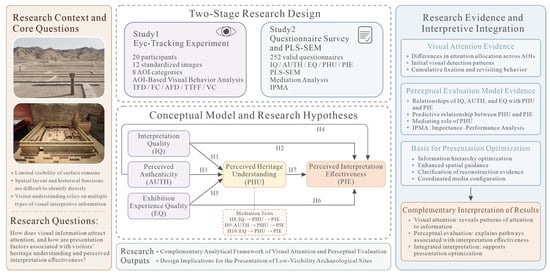
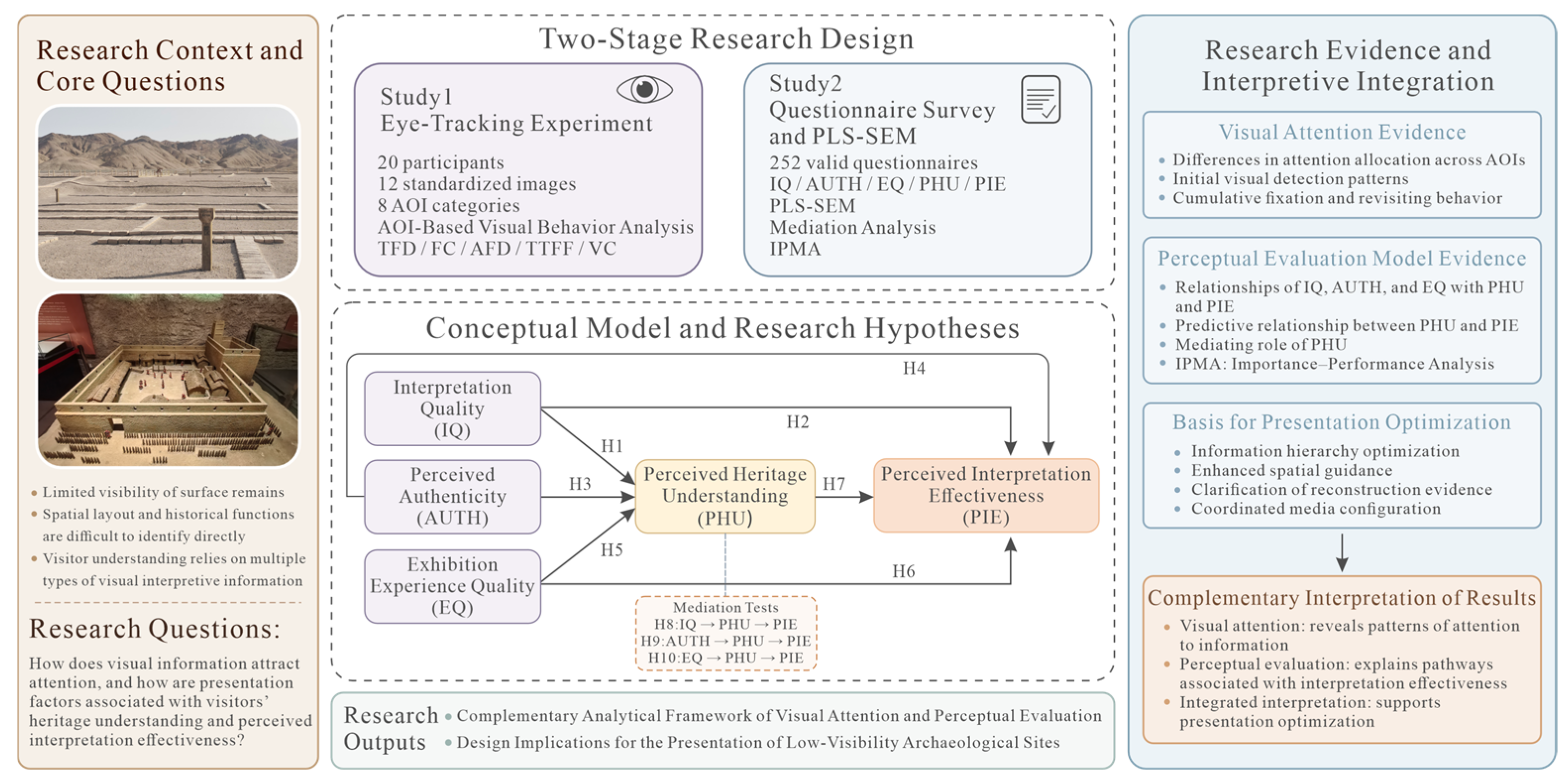
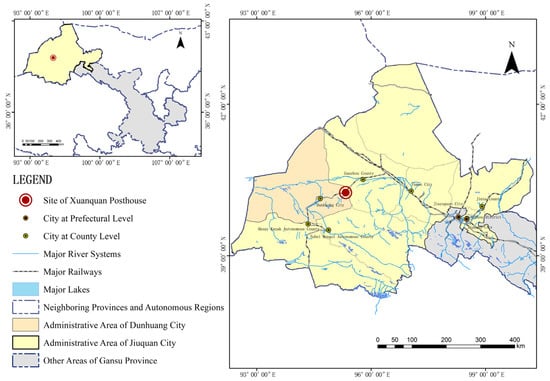
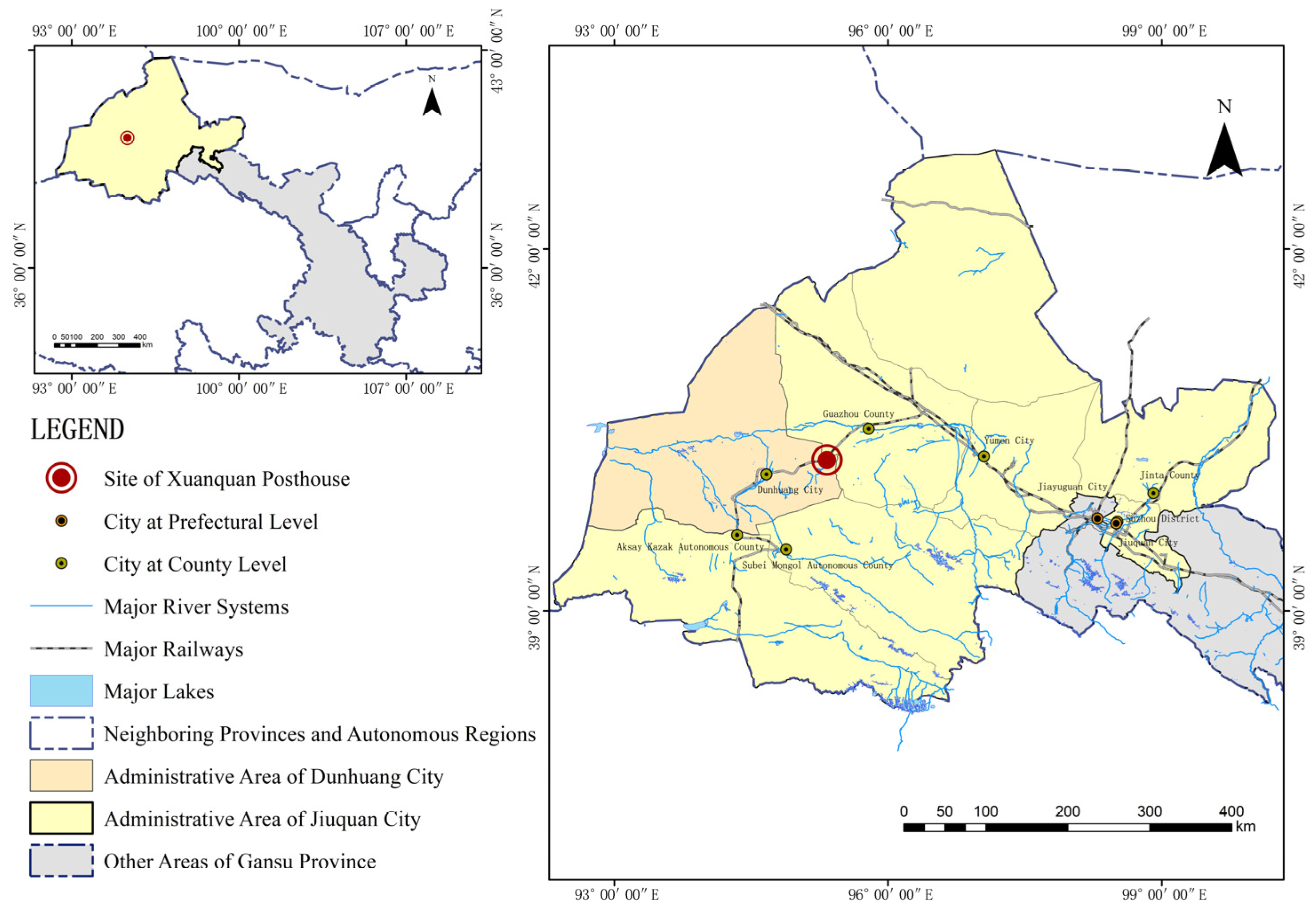
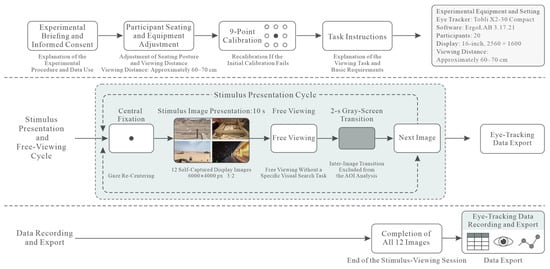
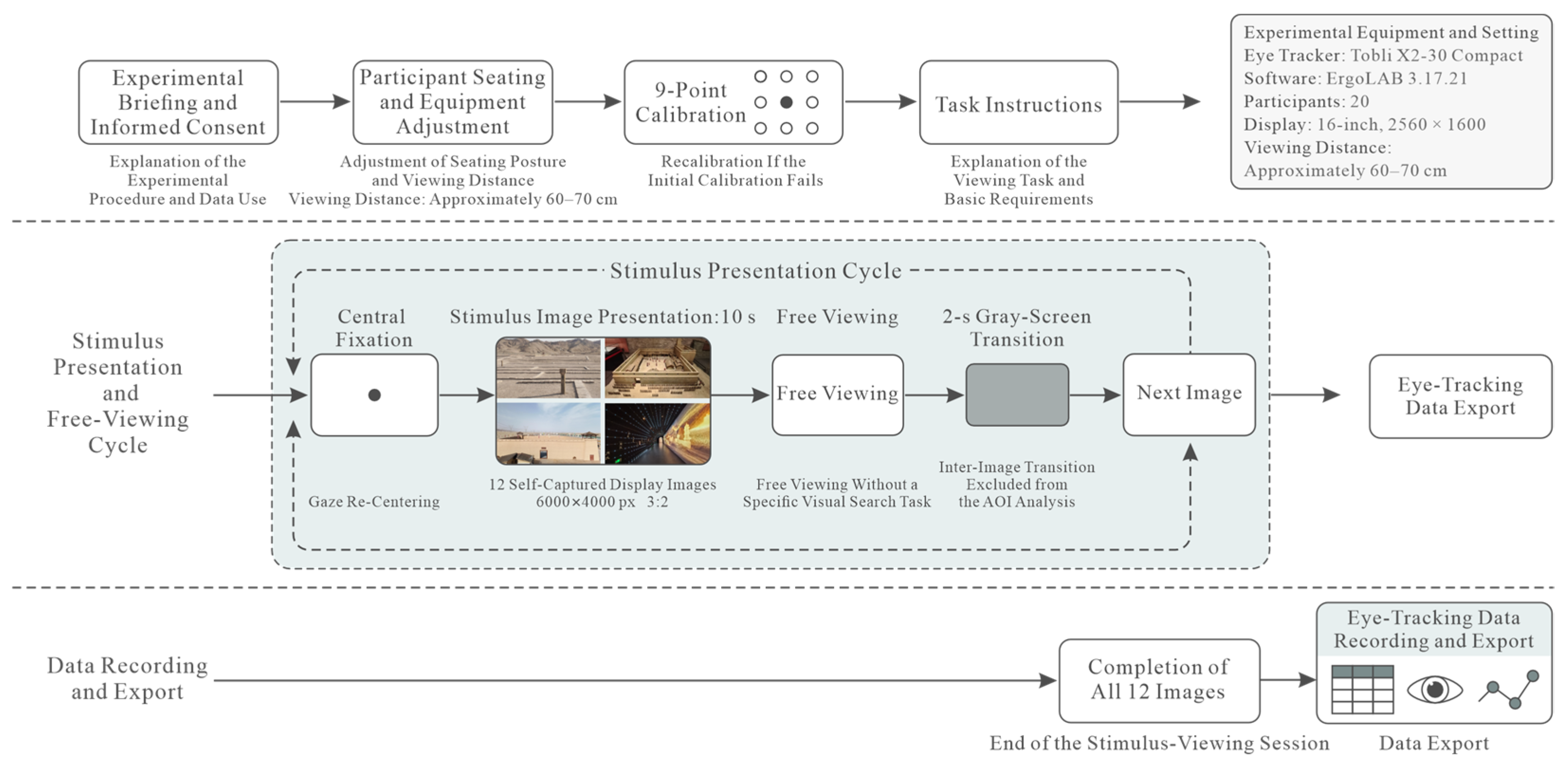
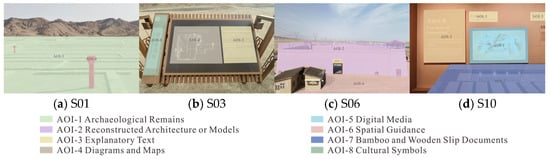
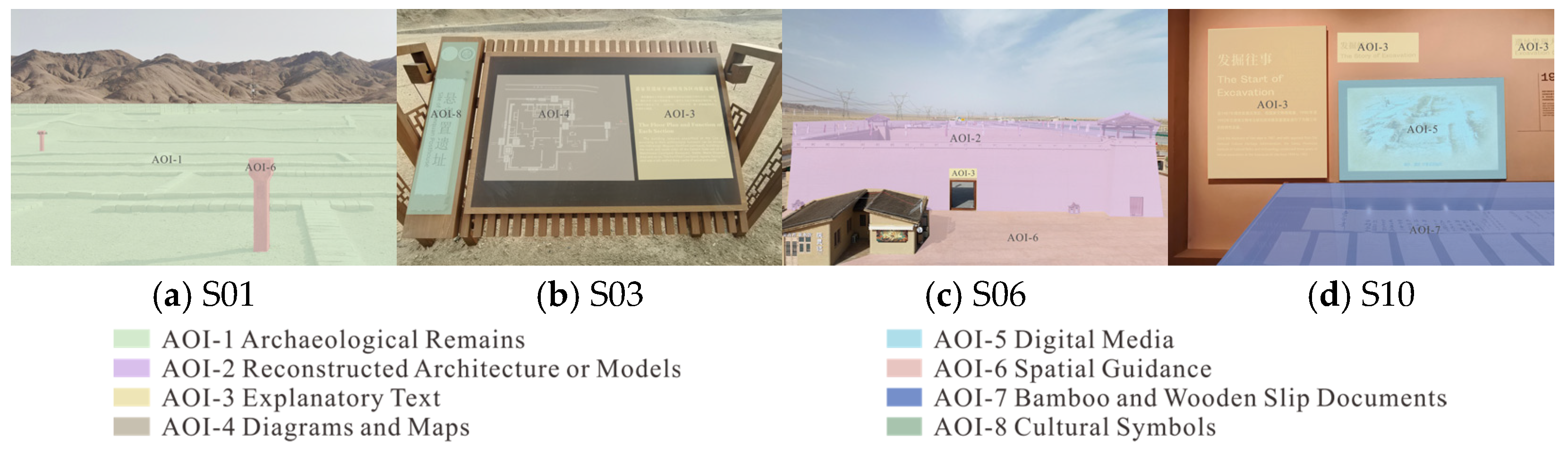
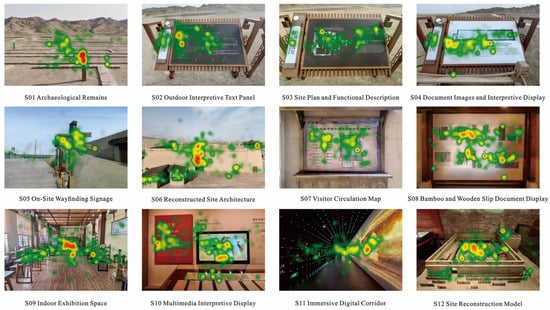
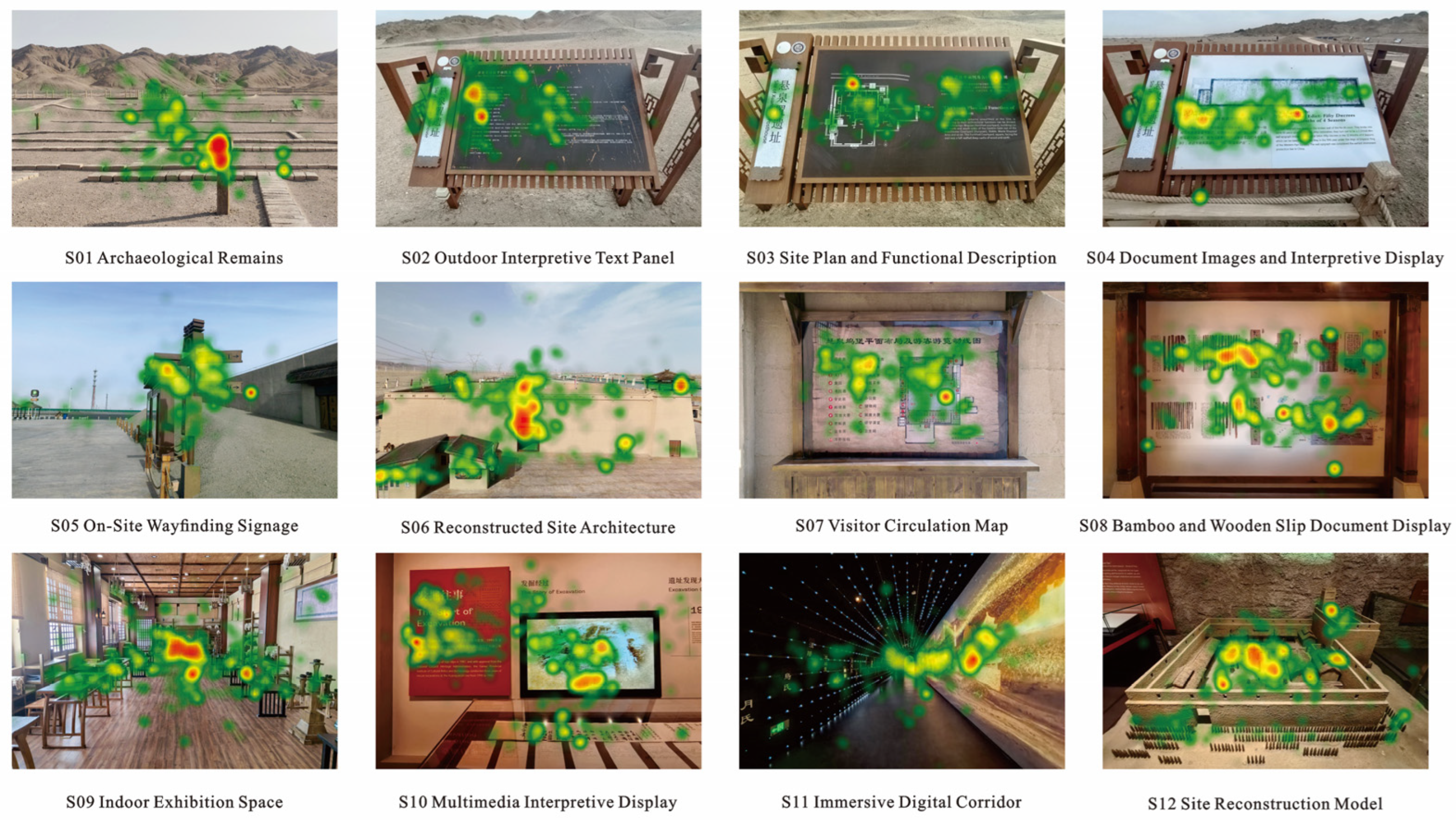
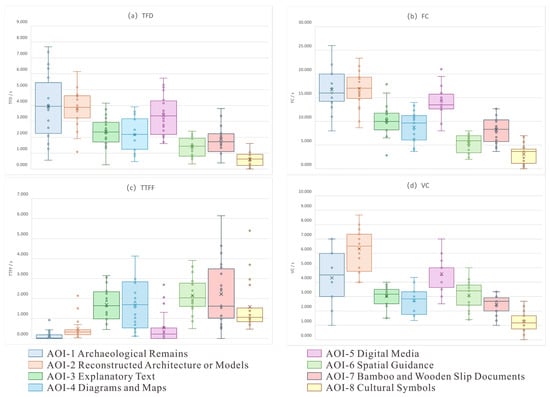
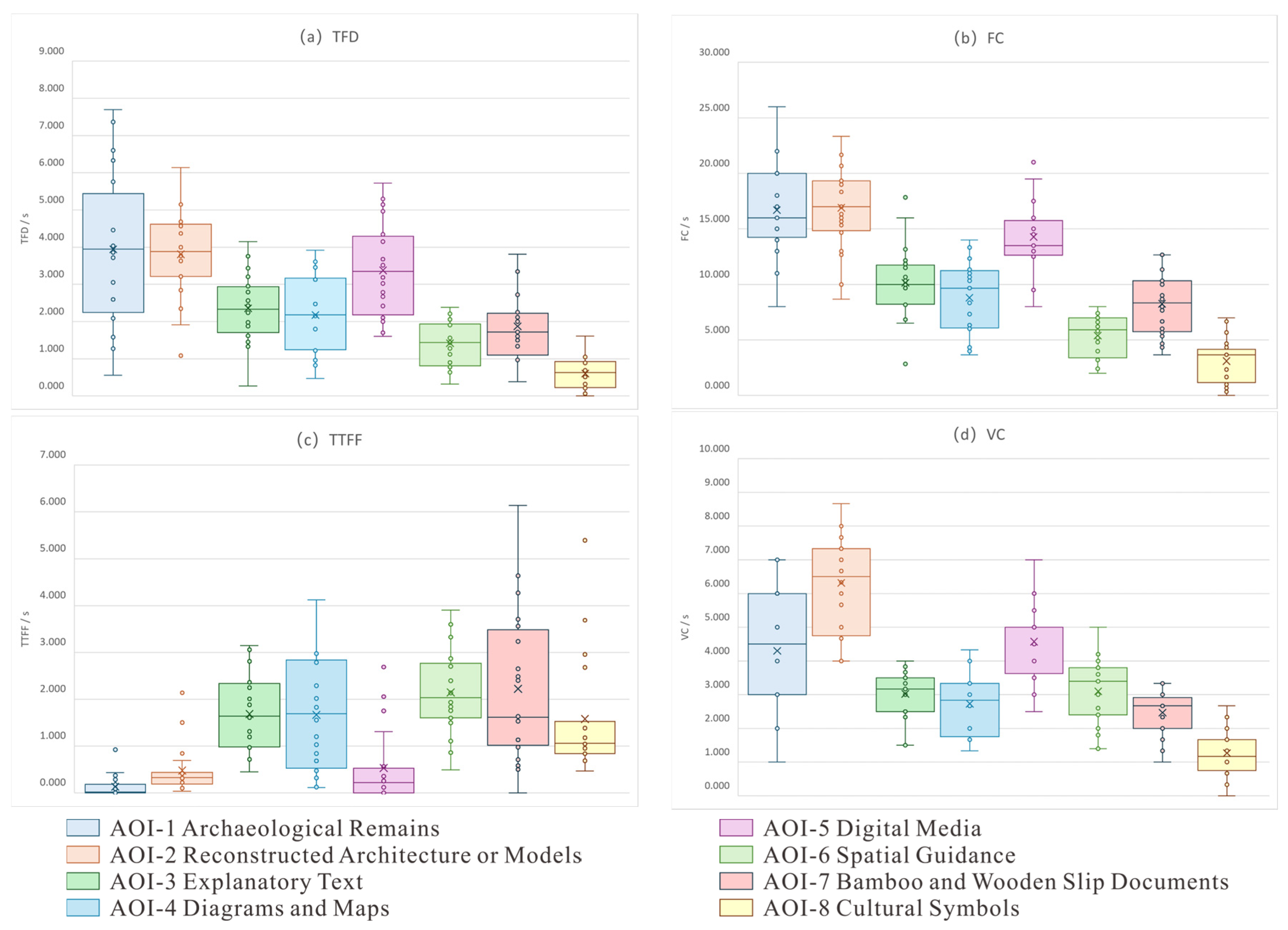
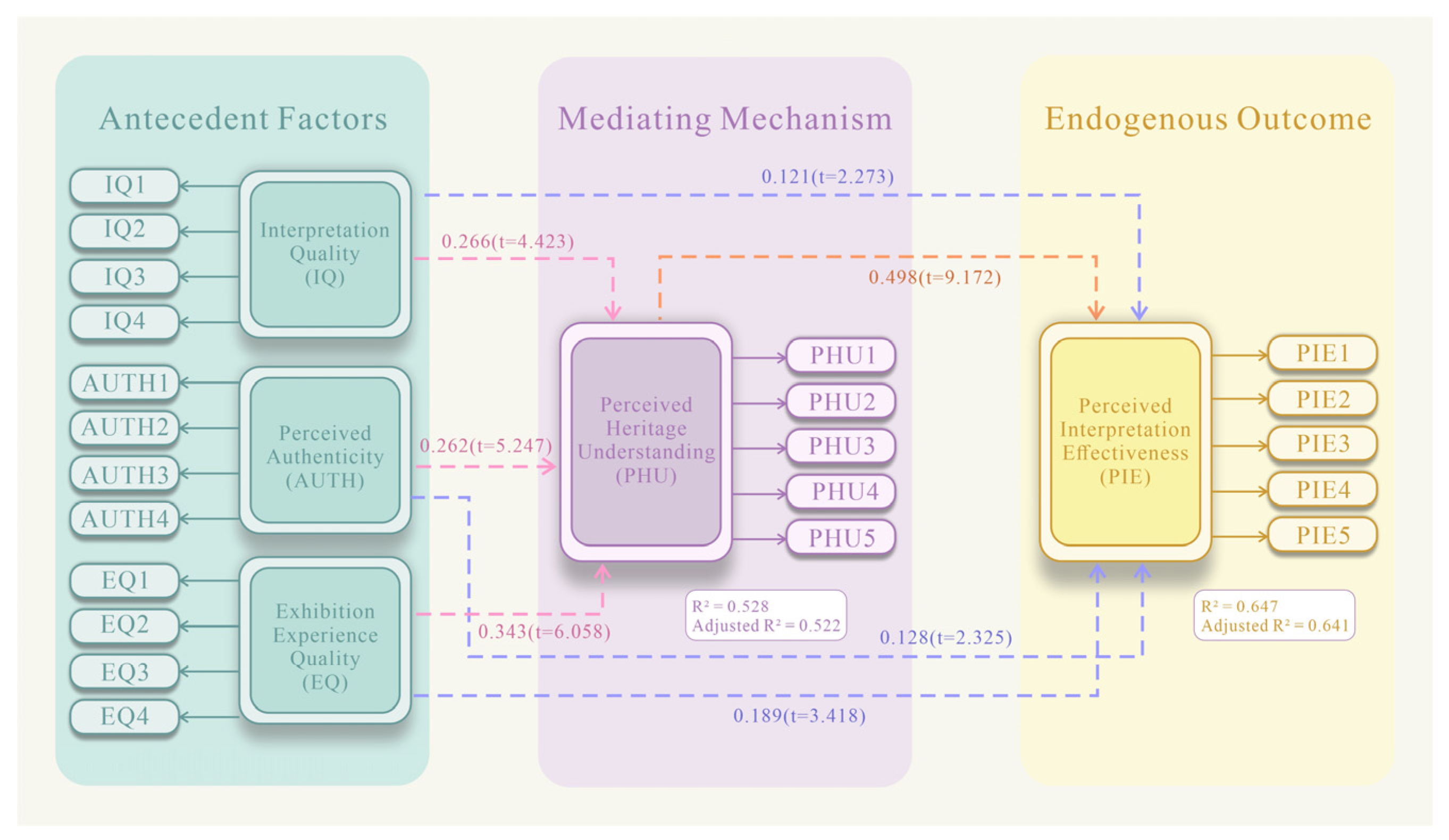

Disclaimer/Publisher’s Note: The statements, opinions and data contained in all publications are solely those of the individual author(s) and contributor(s) and not of MDPI and/or the editor(s). MDPI and/or the editor(s) disclaim responsibility for any injury to people or property resulting from any ideas, methods, instructions or products referred to in the content. |
© 2026 by the authors. Licensee MDPI, Basel, Switzerland. This article is an open access article distributed under the terms and conditions of the Creative Commons Attribution (CC BY) license.