


Abstract
Meeting growing construction demand with materials that can be emissions-free in the near future is a critical part of decarbonisation, but given the finite nature of land and biomass, this requires careful planning of resources and land use. Straw is a promising example of this, since it is an agricultural co-product, can be used in load-bearing strawbale and prefabricated straw construction, avoids competition with arable land, and is compatible with zero-emissions production. However, the resource availability and implications of scaling-up the use of straw for construction in the UK have not been quantified. Here, we estimate the quantities of straw currently produced and used in different applications. Scenario and sensitivity analysis show that it is feasible to supply 300,000 low-rise dwellings with straw for load-bearing construction demand in the UK, meeting house-building targets with little impact on other sectors. UK straw supply and demand vary spatially and temporally, with surpluses in eastern regions and deficits in urban centres, alongside year-to-year production fluctuations. Even at the lower bound of these variations, the results indicate that the key limitation is not resource availability, but rather the need for improved supply chain coordination, certification and regulatory acceptance, greater economic efficiency of strawbale construction comparable to prefabricated systems, and alignment with land use and agricultural policy. This study provides a framework that can be applied to other materials to assess resource availability.
1. Introduction
The construction sector in the United Kingdom accounts for approximately 25% of national greenhouse gas (GHG) emissions, with around 80% of these arising from the production of key structural materials such as concrete, steel, aluminium, and fired clay products [1]. In light of the UK’s dual policy objectives of achieving net-zero national emissions by 2050 [2] and delivering 300,000 new homes annually [3], it is evident that the continued use of carbon-intensive materials is incompatible with the UK’s decarbonisation trajectory. While technological breakthrough solutions such as carbon capture, utilisation and storage (CCUS) are frequently cited as potential mitigation measures, their large-scale implementation remains unproven and uncertain [4]. Consequently, an alternative is to use construction materials sourced from a ‘zero-emissions resource pool’, which could be produced in an emissions-free economy with existing technologies [5].
Straw is a promising example of this, as it has technical potential for use as the primary wall material in low-rise buildings [6], replacing current high-carbon materials [7], and the production of straw-based systems is increasingly compatible with a zero-emissions economy [5]. Decarbonisation options are now available across the full supply chain—from tillage and fertilisation to harvesting, baling, and transport—supported by innovations such as electrified harvesters [8] and green-ammonia fertilisers [9], albeit energy-intensive and costly. As a biogenic material, the use of straw in construction offers substantial climate benefits, as it enables the long-term sequestration of biogenic carbon within the built environment while avoiding emissions associated with alternative end-of-life pathways such as combustion or decomposition [10,11,12]. Still, it can decompose at its end of life [13]. Furthermore, straw constitutes a highly renewable material relative to timber [14], as it regenerates annually, and requires less land because it is an agricultural co-product [15]. This positions it as a promising component in circular and low-impact construction systems, as evidenced by the significant increase in published articles on the subject [16,17,18,19], and increasing (but still small-scale) use of straw in real projects, for example, the Bombasei development of 22 apartments and six terraced houses in Zurich, Switzerland (constructed in 2020) [17], and LILAC co-housing scheme (20 households) in Leeds, UK (constructed 2013) [20].
The UK should be well placed to benefit from these advantages: low-rise buildings suitable for straw-based construction constitute approximately 87% of annual domestic floor area additions in the UK [21], indicating significant potential for sectoral impact; the UK currently cultivates approximately 2.5 million hectares of wheat, barley, and oats—representing 14.9% of total agricultural land area [22]—and possesses established agricultural infrastructure for straw baling, transport, and handling. However, use of straw in construction in the UK is currently very low. In 2020, the European Strawbale Building Association (ESBA) reported that 1000 buildings are being built in straw every year in Europe. However, straw’s current use in UK construction is limited to fewer than 20 new builds annually (compared to around 500 in France) [23]. The current baling practices are relatively uniform across Europe and the UK—large square bales dominating commercial straw handling and transport limits and standard truck configurations create similar logistical challenges [24]—suggesting that differences in uptake reflect policy and industry factors rather than differences in baling logistics. The realistic potential for scale-up of straw as a resource pool remains poorly understood, in terms of biophysical resource availability, limitations due to variation in its supply and demand across spatial and temporal scales, and wider barriers.
Straw could be employed as the primary wall material in contemporary buildings, by typically adopting one of three construction approaches, each having distinct structural and material implications. The load-bearing method is typically limited to:
- Three-storey buildings [23] with openings below 50% of wall area and involves the lowest timber demand [25] as the bales provide structural capacity [6].
- The infill system [26], using timber frames, supports multi-storey applications with moderate to high timber use, depending on the framing strategy, from standard studwork to double-frame or post-and-beam arrangements.
- Prefabricated systems [27] enable efficient on-site assembly and high-quality control [28] but generally have the greatest timber demand due to their fully framed panel construction.
Despite this apparent potential, no study has comprehensively assessed its large-scale application in the UK. Research on straw use in construction varies widely in scope and methodology. Existing work has largely focused on thermal performance for insulation [29] or on load-bearing behaviour through material characterisation [18,30,31], experimental testing [32,33,34], and life cycle analyses [35,36]. Together with built precedents [20,37], these studies demonstrate straw’s suitability and durability for low-rise construction. However, little is known about how increased demand for straw in construction could be met, given competing sectoral uses and agricultural constraints. Göswein et al. [38] estimate the land area needed for straw-based construction but do not quantify actual production volumes, limiting supply assessment. Gourovitch et al. [16] identify a similar issue in France, noting that existing studies examine straw applications in isolation; construction studies rarely consider competition from other sectors, while energy analyses often assume total availability at national [39,40,41] or European scales [42,43,44,45,46]. While some more nuanced analyses, such as that by Glithero et al. [41], explore scenarios where only straw which is left on the fields and incorporated (not baled) might be mobilised for energy, these studies are based on a relatively small questionnaire samples in the UK and therefore provide little clarity on real-world sectoral allocation of straw.
The production of straw is inherently variable, and fluctuates due to several factors. Firstly, weather patterns (especially drought or excessive rainfall during harvest) can impact straw yields, straw quality and the ability to bale it [47]. These factors, in addition to shifts in cereal crop areas (e.g., fallow land, crop rotation decisions) and pest and disease outbreaks result in year-on-year changes in total UK straw output. For a construction sector depending on a consistent straw supply, such volatility introduces key risks such as higher material prices in years of straw shortfall.
In summary, whilst there are studies in Europe that provide precise data on the potential straw supply at scale for construction, studies in the UK have only focused on straw use for bioenergy and therefore do not reflect the reality of multiple, simultaneous demands across different sectors. In addition, there is no detailed data available on straw utilisation by the construction sector in the UK, and the spatio-temporal variation of the straw resource supply.
This study addresses this knowledge gap by:
1. Developing an integrated modelling framework to evaluate the technical availability, allocation potential, and feasibility of straw as a construction material;
2. Quantifying total straw production and existing end uses within the UK agricultural system;
3. Constructing a scenario analysis to evaluate how much straw could be available for use in construction, including sensitivity analysis and consideration of competing uses of straw in agriculture and bioenergy;
4. Assessing spatial and temporal variability in straw supply and construction demand to identify regional opportunities and logistical constraints.
For readers not familiar with the UK straw system, Section 2 provides an overview of how straw is produced, processed, and utilised across agricultural, bioenergy, and other sectors. This contextual overview underpins the methodology, which is presented in Section 3, followed by the results in Section 4. These show that biophysical resource availability is unlikely to be the major constraint to use of straw in construction, so we discuss in Section 5 the wider barriers and enablers, and the overall scalability of straw-based construction as a critical material in the zero-emissions resource pool.
2. Background
2.1. Production of Cereal Straw
Straw is the dry stalks of cereal plants, after the grain has been removed [48], and is a co-product of cereal cropping systems grown on arable land [49]. In 2024, cereal crops covered around 12.1% of the UK land area [50] and the most dominant cereal types in terms of tonnes of straw production in England were wheat (59%), followed by barley (35%), then oats (5%). Production data for the rest of the UK is not available. The straw yields for wheat, spring barley, winter barley and oats are shown in Table 1.
Table 1.
Straw yields for wheat, winter barley, spring barley, and oats. All values taken from Chapter 7: Crops UK Government Defra June Survey online pages from 2020 to 2024 [22,51,52,53,54].
Wheat straw is used for the majority of strawbale construction in the UK [23], although it is possible to build with a range of cereal varieties, including barley and oats [19,55]. Optimised selection is an emerging area of research [56], such as why the hardiness of winter wheat makes it more durable in construction terms and how fertilisers affect the natural wax coating of the stalk [23]. Rye contains a natural fungicide so is very resistant to rot but currently is difficult to source in the UK at scale [57,58].
In the UK, arable farming is largely concentrated in the East and South-East of England, where flatter terrain, warmer and drier conditions, and fertile soils provide favourable growing conditions. Conversely, the north and west—characterised by hillier landscapes and higher rainfall—are predominantly used for pastoral or livestock farming.
2.2. Baling Standards
During harvest, combine harvesters leave cut straw in the field, which can be collected and baled. Mechanical balers compress and bind straw into dense, transportable units [23]. Standard UK bale sizes are 1200 × 1200 × 2500 mm, whereas load-bearing strawbale construction typically requires smaller bales of 460 × 355 × 1040 mm, (450 × 345 × 1000 mm after dressing and trimming), although bales can be resized if necessary [59] and prefabricated systems can make use of any bale size. Baled straw may be used on-farm, for example as livestock bedding, feed, or biomass fuel, or sold for external uses such as bioenergy or construction.
2.3. Straw Incorporation and Determinants of Practice
Where straw is not baled, it is incorporated into the soil through ploughing or mixing, contributing to soil organic matter and structural improvement [60]. Decisions between baling and incorporation are shaped by climatic, agronomic and economic considerations [61]. Interviews with farmers indicate that choices are often pragmatic and driven by operational constraints, including time pressure during harvest and the need to prepare land for subsequent crops [39]. Market conditions—particularly straw prices and the availability of dry storage—can also strongly influence the extent of baling [61]. In years with low harvest volumes, anticipated price increases may encourage farmers to bale and store more straw [62]. Baling rates have increased modestly over the past three years, with winter barley consistently above 91% and oats lowest at 70% in 2023 (Table 2).
Table 2.
Straw baled as % of total cereal area (by crop and year) [22,51,52].
Evidence suggests that partial straw removal does not significantly affect soil fertility, although complete removal can lead to soil-degradation without alternative nutrient inputs [63]. It is likely that the Sustainable Farming Incentive has also increased incorporation rates due to its emphasis on soil-health improvement [64]. Alternatives to incorporation, including farmyard manure, digestate, compost, and cover crops, can mitigate nutrient losses but are often more costly or logistically challenging [65].
2.4. Additional Arable Land
The potential availability of additional arable land for straw production is linked to the area that remains uncropped each year. The UK contains 616,000 ha of uncropped arable land [22]. The Department for Environment, Food, & Rural Affairs (Defra) categorises this land as fallow or managed for environmental benefit [66]. Fallowing—temporary non-cropping—varies with weather conditions, particularly waterlogging, and may be used to support soil recovery [67]. Recent agri-environment schemes, including the Sustainable Farming Incentive, have contributed to increases in land managed for environmental benefit [68].
The contribution of uncropped land to straw supply depends on its agricultural land classification (ALC) and associated yield potential [69]. Defra’s regional grain yield statistics show limited variation between regions, suggesting only modest downward adjustments to standard straw-yield assumptions for fallow or marginal land across the UK [70].
In the longer term, dietary-shift scenarios—such as those proposed by the Climate Change Committee—may release additional arable land currently used for livestock feed, further influencing potential straw availability [71].
2.5. Current Use of Straw and Substitution Options
Baled straw has three main uses in the UK: livestock feed and bedding, biomass fuel, and various industrial and horticultural applications [22].
2.5.1. Livestock Feed and Bedding
Barley and oat straw are preferred for feed, while wheat straw, being of lower nutritional value, is mainly used as bedding [72]. Alternatives to straw feed include silage, legumes such as clover and alfalfa, and by-products from food processing such as brewers’ grains and soya hulls [73]. Bedding alternatives include hay, sawdust, wood shavings, corn stover, and shredded paper [22]. Among these, sustainably sourced sawdust offers a relatively low-carbon alternative; however, supply volumes are limited because certified material (e.g., Forest Stewardship Council-certified) is heavily demanded for wood-based panel manufacture and, increasingly, for wood-pellet bioenergy in the UK, which often outbids agricultural users. Locally sourced materials, such as rushes in West Wales, are also used as straw substitutions by farmers when straw prices increase [74].
Whilst livestock herd sizes might decrease due to diet changes and decarbonisation efforts [75], minimal short-term change can be expected, maintaining predictable straw demand for bedding and feed [72,76].
2.5.2. Biomass Fuel
The UK currently produces approximately 65% of its biomass domestically, with the remainder imported [64]. Straw contributes only ~750,000 tonnes/year to the UK power stations (~11.9% of total feedstocks for electricity and heat generation) and this is projected to remain constant to 2050 [77]. While UK biomass strategy aims to expand domestic sourcing, dedicated energy crops such as Miscanthus, short rotation coppice (SRC), and forestry residues are projected to meet that growth, not straw [78,79].
2.5.3. Other Uses
Minor markets include mushroom cultivation and horticulture [61], which could generally be substituted with sawdust, woodchips, bark, or compost-based materials [80].
3. Methodology
3.1. Overview
First, the method for hypothetical straw demand associated with prevailing UK domestic building typologies and government housing targets is estimated to establish a baseline figure against which supply quantities can be compared. Followed by the method for quantifying the current straw supply, then an explanation of the methodology used to construct alternative supply scenarios, including diversion from existing sectors and expansion through additional arable land. This framework enables the investigation of potential pathways for meeting national housing targets. Finally, the methods for the spatial, temporal, and sensitivity analyses are outlined, providing a means to assess the variability of results and their sensitivity to key assumptions.
In devising the method, several experts were contacted to provide an understanding of farming, agricultural economics, agricultural geography, and strawbale and prefabricated straw construction in practice. The subsequent correspondence and discussions played an important part in refining assumptions and identifying real-world constraints.
3.2. Estimating Hypothetical Straw Demand Based on Current UK Domestic Construction
The analysis is limited to low-rise residential construction typologies for which load-bearing strawbale and timber-frame straw infill systems are currently considered technically feasible. In the context of this study, ‘typology’ refers to the classification of residential dwellings based on structural characteristics, such as detached, semi-detached, terraced houses, or purpose-built flats, as described by the English Housing Survey [81]. The potential demand for straw was estimated by modelling material use in all new low-rise residential construction in the UK, in line with current UK government targets to build 300,000 new homes per year [3]. A bottom-up analysis was carried out to estimate the straw material intensity of seven archetypal housing typologies, as categorised by the 2023–2024 English Housing Survey (EHS) [81]. The material demand per dwelling was calculated for each typology using Equation 1. Straw waste during harvesting, handling, and transportation is assumed to be zero.
where
Two straw construction systems are considered:
1. Load-bearing strawbale;
2. Prefabricated straw construction (composite of straw and timber).
The straw infill system was excluded to reduce methodological complexity and focus the comparison on two strategically contrasting systems: prefabricated systems offering rapid scalability, and load-bearing strawbale construction, minimising structural timber demand. For the scenario analysis, 80% of new low-rise dwellings were modelled as prefabricated, reflecting their suitability for accelerated deployment. The remaining 20% were assigned to load-bearing strawbale construction, representing a lower timber–intensity pathway within the housing mix.
For load-bearing strawbale construction, a wall thickness tm of 0.45 m and a material density ρm of 110 kg m−3 were assumed; for prefabricated straw systems, corresponding values of 0.40 m and 110 kg m−3 were used, following Bennett et al. [23]. In prefabricated straw systems, 90% of the wall mass is attributed to straw and 10% to timber, reflecting the composite nature of these assemblies, based on information from an experienced practitioner [82].
Typology-specific external wall areas (At) were estimated from case studies presented by Drewniok et al. [83], and used to calculate the per-dwelling material mass. The straw intensity for an average UK dwelling was then calculated based on the proportions of each typology currently built (Table 3), based on annual UK new build rates from the 2023–2024 EHS data [81]. It was assumed that changes in the housing stock are dominated by new construction rather than demolition, and that the dwelling typology distribution in the EHS is representative of the entire UK housing stock. Therefore, assumed net additions were taken as equivalent to changes in the building stock reported in the EHS.
Table 3.
Model buildings used for analysis. Typologies and wall areas from Drewniok et al. [83], a based on five-year average (2018–2023).
As shown in Table 3, low-rise flats account for the largest proportion of new additions. Figure 1 describes the straw demand intensity for each typology.
Figure 1.
Calculated straw material intensity for seven low-rise building typologies for both lead-bearing strawbale construction and prefabricated straw construction.
3.3. Estimating Current Straw Supply
This study focuses on wheat, barley, and oats—the dominant UK cereal crops and those most suitable for strawbale construction in the UK [23]. We assume that straw from different cereal crop types is equally suitable for construction, in terms of density, based on empirical research showing that wheat-, oat-, and barley-based bales have similar densities [34]. To estimate a total average annual UK straw production, cereal crop area data (2014–2023) [58,84,85,86] was combined with crop-specific straw yield data (per hectare) from the closest matching available time periods for wheat, barley, and oats, (2020–2024) [87]. There is no strong trend between the cereal crop area and associated variation in crop yield from year to year. Region-specific straw yield data is not currently available (2026) and therefore uniform national straw yields for each crop were assumed.
A weighted average based on the proportions of straw baled from each crop in 2023 is applied in the calculation of the total quantity of baled straw (proportion baled: wheat = 76%, spring barley = 82%, winter barley = 92%, oats = 70%), as this was the available data at the time of undertaking the study. Whilst a consistent baling rate is assumed based on the rates in 2023, due to a lack of empirical data for other years, the impact of variation in the percentage straw baled has been tested in the sensitivity analysis in Section 4.5.1.
For baled straw, England’s average end-use proportions (2014–2024) were applied to estimate the share going to each downstream use. Since data on shares going to each downstream use are available only for England, we assumed similar proportions also applied to baled straw in the rest of the UK. Losses occurring during harvest and handling are assumed to be implicitly captured within the reported yield estimates, based on discussions with agricultural experts. This assumption is evaluated further in the sensitivity analysis (Section 4.5.1).
This method produces an estimated annual quantity of straw allocated across three different end uses in the UK, as shown in Table 4.
Table 4.
End uses of straw, averaged over 2014–2024, as assumed in the model [58].
The study does not attempt to optimise straw allocation across all competing sectors, but instead evaluates whether construction-scale deployment is physically plausible within current UK production levels.
3.4. Scenario Analysis: Scaling up Straw Dwelling Construction
This analysis explores the availability of straw for construction under three independent straw supply scenarios which are summarised in Table 5. Each scenario applies a different prioritisation strategy for sourcing straw for construction: diverting existing straw, adding new cropped land, and utilising straw currently incorporated back into soil.
Table 5.
Summary of supply scenarios.
3.4.1. Scenario: Divert
The model allocates straw flows to satisfy the imposed demand from the construction sector within the overall straw production budget, while respecting a hierarchical diversion-from-existing-uses framework. The underlying logic is that, in a zero-emissions economy where large-scale deployment of straw-based construction may be required, additional demand for straw would first be met by sectors that are least reliant on straw or most able to substitute alternative materials or fuels. Accordingly, straw reallocation follows a tiered prioritisation system (Table 6), based on the relative capacity of each sector to adapt to reduced straw availability. Straw is diverted first from Tier 1 uses (biomass energy), where substitution by other energy crops is considered feasible.
Table 6.
Summary of tiered priorities for the diversion of straw from existing markets in the Divert scenario.
3.4.2. Scenario: Add
An alternative means of increasing straw available for construction is through increased overall production through land use change. In this scenario, it is assumed that all uncropped land could be brought into straw production, applying standard yields to fallow land and land managed for environmental benefit (see Section 2.4 for context). This provides a simplified estimate of maximum theoretical supply and does not account for agronomic, environmental, or economic constraints [88].
Only Grade 3 agricultural land is considered, as Grades 1–2 are prioritised for growing food, while Grades 4–5 have physical limitations that reduce productivity and viability. In the absence of detailed data, uncropped land is also assumed to have the same grade distribution as cropped land, meaning ~50.5% (310,900 ha) of all uncropped land is Grade 3, and could be available for additional straw production in our model. The 5-year average (2020–2025) UK crop split (59% wheat, 35% barley, 5% oats) is maintained. National average yields are applied, consistent with the approach in Section 3.3 to obtain total straw tonnage. Whilst unrealistic, regulatory and land use constraints are temporarily excluded to isolate biophysical potential (the ‘upper limit’ of the additional straw resource) and create a baseline for later scenario comparison. If additional straw is required beyond what land use change can provide to meet construction demand, then the ‘Divert’ strategy is used.
3.4.3. Scenario: Utilise
In this scenario, it is assumed that the use of straw currently chopped and incorporated into soil is prioritised over diversion from existing uses. It is assumed that no additional fertiliser or organic inputs are required to compensate for reduced straw return. The baseline share of straw that is currently chopped and returned to field is calculated based on national estimates of the proportion of total straw produced which is baled (see Table 2). It is assumed that all straw which is currently incorporated into the soil could be diverted for use in construction. Based on this assumption, if additional straw is required beyond what land use change can provide to meet construction demand, then the ‘Divert’ strategy is used.
3.5. Spatial Analysis
Straw is not currently transported large distances, and the locations of supply and demand may not be aligned. A spatial analysis was therefore performed to determine two things: (1) the geographical distribution of wheat, barley, and oat production in the UK, and (2) the geographical variation of the supply/demand balance of straw for use in construction in the UK. Part (1) was mapped in QGIS using the UKCEH Land Cover plus Crops 2023 dataset [89]. Part (2) was mapped by summarising straw supply at the county level and comparing this to current (2023/2024) house building rates per county, as reported by the UK government for England, Wales, Scotland, and Northern Ireland [81,90,91].
3.6. Temporal Analysis
A temporal analysis is required to evaluate whether annual and seasonal variations in straw supply support scalable construction use, and to identify logistical needs such as storage or supply chain coordination. We calculated year-to-year variation in straw production in the UK by obtaining annual UK grain production data (wheat, barley, and oats) from DEFRA (2014–2024) [58] and applying average straw-to-grain ratios, as provided by the Agriculture and Horticulture Development Board [92]. Intra-annual variation in availability was not considered because straw demand from the construction sector is characterised by relatively long project timescales and the capacity for buffering through storage, in contrast to more temporally sensitive end uses such as bioenergy or animal bedding. The results were used to identify trends in straw availability and to assess how inter-annual fluctuations might affect the reliability of straw supply for construction purposes.
3.7. Sensitivity Analysis
Several assumptions were made for some variables of the study, due to limited existing data availability at a national scale. Uncertainty lies in these assumptions due to data collection errors, variation in data quality, and simplifications. We carry out sensitivity analysis based on the principle of adjusting one parameter at a time within a best-estimate range of its variability [93], assuming independence between variables. Whilst a multivariate analysis would identify interactions between variables, this would require robust joint probability distributions which were not available. Separate analyses are conducted for the supply and demand of straw for construction. The list of factors and their distribution are provided in Table 7 and Table 8.
Table 7.
List of assumed supply variables and estimated distribution of uncertainties. a Via straw-to-grain ratio. b Average yield from Defra 2020–2024 [22,51,52,53,54]. c Proportion of total straw produced which was baled in 2023. d Using only available data from 2022 to 2024 the lower and upper bounds of straw baled rates were used.
Table 8.
List of assumed demand variables and estimated distribution of uncertainties. Net additional dwellings from 2019 to 2020 to 2023–2024 housebuilding rates were used to calculate the percentage change in straw demand relative to the baseline annual housing demand scenario (lower and upper bounds). Straw waste on construction site range was advised by a practical straw building expert. Strawbale wall thickness = 0.45 m, prefabricated straw system wall thickness = 0.4 m, wall density = 110 kg m−3. a Via straw-to-grain ratio. b Average yield from Defra 2020–2024 [22,51,52,53,54]. c Proportion of total straw produced which was baled in 2023.
To test the sensitivity of the mix of new-build typologies, which determines the straw required per dwelling due to differences in wall areas, the typology with the highest straw demand (detached dwellings) was assigned a 10 percentage-point increase in its share, based on National House Building Council (NHBC) statistics (which cover 70%+ of all new homes built in the UK) [94] while the shares of all remaining typologies were reduced by 1.6 percentage points to compensate.
4. Results
4.1. Current Uses of Straw and Equivalent Dwellings
Figure 2 presents straw production and demand from current end uses in the UK. Particularly distinctive is the category of animal bedding/feed which accounts for over three quarters of annual baled straw. Such an industrial structure reflects the demands from the UK food system. Straw is the most frequently used bedding material for the livestock sector due to its good thermal properties and moderate absorption capacity. Due to the majority of the livestock sector operating on a large-scale intensive farming system, with animals kept indoors for much or the year, the demand for straw is high (compared to livestock bred primarily outdoors) [95]. Many livest [ock farms also produce straw on site, to make it more economical due to high transport costs for this low-density material, with around half of the total bedding/feed demand being met with this ‘home-use’ straw.
Figure 2.
Assumed current annual UK straw production. The figure shows the distribution of straw between baled and chopped-and-incorporated uses, the subsequent allocation of baled straw across typical end uses, and the corresponding equivalent dwelling values, representing the number of dwellings that could be constructed under current UK straw construction practices. Sankey diagrams produced using floWeaver [96].
In contrast, the biomass (for bioenergy) sector accounts for just 8% of baled straw, primarily used for electricity generation at dedicated biomass power stations [39]. Straw used for other purposes suggest that the scale of the mushroom industry, etc., are greater and therefore have greater reliance on straw than the bioenergy sector. Finally, the remaining straw produced in the UK is incorporated into soil, rather than baled and sold, primarily due to practical, economic, and policy-driven factors [97]. The results demonstrate that the current annual straw production is almost an order of magnitude greater than the maximum annual straw demand from the construction sector (300,000 dwellings), in terms of equivalent dwellings, indicating the potential for significant scale-up of strawbale construction through changes to today’s practice. Scenarios for this are explored in the next section.
4.2. Scaling up Straw—Scenario Analyses
4.2.1. Divert: Sufficient Straw from Low-Priority Sectors to Meet Housing Targets
The results from the Divert scenario, presented in Figure 3, suggest that a very significant number of dwellings can be constructed through diversion only using sectors for which alternatives are available, as previously discussed in Section 2. The results show that it is possible to supply the equivalent of up to 100,000 dwellings only by diverting straw currently used by the bioenergy sector, and up to 300,000 dwellings by diverting all of the straw from the bioenergy sector plus most of the straw from the ‘other purposes’ sector.
Figure 3.
Sankey diagrams for the ‘Divert’ scenarios with increasing numbers of straw dwellings constructed annually. The current flows are shown in pale grey for reference.
4.2.2. Add: Full Allocation of Uncropped Land Needed to Satisfy Construction Straw Demand
This scenario prioritises the use of straw that could hypothetically be grown on currently uncropped land. The results, shown in Figure 4, show that using additional land alone, 163,350 dwellings could be constructed annually, requiring an additional diversion of 90% of straw currently used as biomass by the bioenergy sector to meet 300,000 dwellings.
Figure 4.
Sankey diagram for the ‘Add’ scenario showing how 300,000 annual dwellings could be built using all of the straw from additional straw grown on currently uncropped Grade 3 agricultural land first, and then from current end uses.
4.2.3. Utilise: 60% of Incorporated Straw Needed to Meet Full Construction Demand
The results from the ‘Utilise’ scenario, presented in Figure 5, show that a 300,000 annual dwelling demand can be met utilising 60% of straw which is currently chopped and incorporated. This avoids any impact on current uses of straw, mitigating competition for resources.
Figure 5.
Sankey diagram for the ‘Utilise’ scenario showing how 300,000 annual dwellings could be built using 60% of the straw currently chopped and incorporated.
4.3. Spatial Analysis
The spatial analysis, as shown in Figure 6, indicates a positive supply/demand balance across the majority of the UK, with a deficit in large urban regions, though these areas are often surrounded by regions of high surplus, such as the East of England, with the Highlands of Scotland being the only exception.
Figure 6.
Spatial distribution of cereal production and implications for straw availability for construction in the UK. (a) Distribution of wheat, barley, and oat production across the UK. Field-level spatial data were not available for Northern Ireland. (b) Estimated straw demand expressed in terms of equivalent number of dwellings, based on 2023/2024 housebuilding rates. (c) Estimated annual straw surplus or deficit expressed in terms of equivalent number of dwellings [98,99,100,101].
From our spatial analysis, as seen in Figure 6, we found that the current distribution of straw supply (Figure 6a) is concentrated in the arable eastern parts of England; around 70% of UK wheat straw is produced in the Yorkshire and the Humber region, the East Midlands, East Anglia and the southeast regions. In contrast, Wales, Northern Ireland and Scotland produce minimal straw, due to their limited arable agriculture and dominance of permanent grasslands and rough grazing.
On the other hand, the geographical variation in current (2023/2024) housebuilding rates (Figure 6b), assumed to be equivalent to the spatial distribution of potential straw demand, is predominately across the Midlands, Devon, and South East of England. Although it would be expected that London would have a high construction material demand due to the housing crisis [102], actual housebuilding rates are low. Figure 6c shows the surplus or deficit by region, indicating that counties such as Lincolnshire, North Yorkshire, Norfolk, and Cambridgeshire demonstrate the highest positive supply–demand balances of construction straw, respectively, while Birmingham, London, and Manchester show the greatest deficits, respectively, although these counties are within broader regions of straw supply surplus.
4.4. Temporal Analysis
The results from the temporal analysis, as shown in Figure 7, show that significant variation in year-on-year supply is possible, with evidence of inter-year fluctuations ranging from −6% to +3%, relative to the 10-year average, over the period 2014–2024. Future risks associated with climate change, including extreme rainfall amounts and distribution, the availability of water for irrigation, and the increased frequency of drought and flooding, are likely to impact the quality and quantity of crops [103]. In low-supply years, competition between construction and existing markets could force construction activities to run below capacity or push the industry to seek costly alternatives [39]. At the same time, the proportion of straw chopped and incorporated may continue to adapt to increased demand, as can be seen in recent years by the increase in percentage of total straw baled (Table 2). Ultimately, there remains a substantial surplus of straw relative to construction demand; only a significant increase in uptake would render availability a material constraint.
Figure 7.
Annual straw production by crop type between 2014 and 2024. Stacked bars show the contribution of wheat, spring barley, winter barley, and oats to total straw production in each year.
4.5. Sensitivity Analysis
4.5.1. Supply-Side Sensitivities
According to the assumed variability of input parameters outlined in Section 2.5, the availability of straw for construction is most sensitive to two key parameters, the wheat and barley straw yield, as shown in Figure 8. Assuming all straw produced could be diverted to construction, this translates to a minimum supply of around 1,378,000 dwellings or a maximum supply of around 1,795,000 dwellings, based on the lowest yield scenario (wheat yield at minimum and barley and oats at baseline) or the maximum yield scenario (barley yield at maximum and wheat and oats at baseline yield), respectively. Reasons for variation in straw yield include the variation in sowing date of the crop [104], genetic variations [105], and environmental conditions [106].
Figure 8.
Bars show the percentage change in total straw supply relative to the baseline scenario resulting from low and high perturbations of individual supply-side parameters, varied one at a time. Parameters include the proportion of straw baled versus incorporated, crop-specific straw yields (via straw-to-grain ratios for barley, oats, and wheat), and losses during harvesting, handling, and transportation. The ranges over which each parameter is varied are defined in Table 7, Section 3.7. Positive values indicate an increase in total straw supply relative to the baseline.
In addition to yield, the proportion of straw which is baled vs. incorporated plays a critical role in supply. Uncertainty in UK straw baling rates stems from the common practice of ‘selling in swath’, where straw is baled and removed by third parties, making its final use (e.g., for bioenergy or other industries) difficult to trace [41], and also due to year-on-year differences in demand [74]. This translates to a minimum dwelling supply of around 1,549,000 and a maximum dwelling supply of around 1,681,000, or a lower limit of −2.3% and upper limit of +13.8% from the 2023 baling rate baseline.
Although the straw waste rate during harvesting, handling, and transportation was initially assumed to be zero, if this increased to 5%, there is an impact on the straw supply of an equal magnitude (−5%). Assuming all straw produced could be diverted to construction, this translates to a minimum supply of around 1,566,000 dwellings and a maximum of 1,730,000 dwellings. Post-sowing straw losses mainly arise from delayed collection of bales and weather exposure. For this reason, durable sheeting systems and improved storage in barns or sheeted ricks are common across the UK. Modern polypropylene twine and netting reduce damage from vermin compared to older sisal twines, while round bales offer greater weather resistance but incur higher transport costs per tonne. Once loaded for transport, losses are minimal apart from rare fire incidents [74].
Finally, assuming all uncropped Grade 3 land is available for new straw crops is likely optimistic. If only 50% proves usable, additional straw production could be overestimated by 200,000–300,000 tonnes/year. The 2024 UK Government statistics give the confidence interval for crop areas of barley as +/- 15,709 hectares [22]. This is 17% as a percentage of the best-estimate value for available uncropped land. If the crop area varied +/−17%, and assuming all straw produced could be diverted to construction, this translates to a minimum supply 147,000 dwellings and a maximum dwelling supply of around 208,000, compared with the baseline no. dwellings from additional straw of 177,000, under the ‘Add’ scenario. Integrating spatial land use data (e.g., from DEFRA, Land Cover Map, or RPA), alongside agronomic constraints, would improve this assumption’s realism and provide a stronger foundation for scale-up feasibility.
4.5.2. Demand-Side Sensitivities
Demand for straw in construction is most sensitive to variation in housing typology mix among the parameters tested, as shown in Figure 9. Differences in material intensity between typologies mean that changes in their relative proportions affect total straw demand; for example, a 10% increase in the share of detached dwellings, with a corresponding reduction across other dwelling types (Table 5), results in a 16% increase in straw demand. While this represents the largest sensitivity observed, the magnitude of change remains modest in absolute terms and could be accommodated through diversion from existing straw uses, indicating that overall availability is not a limiting factor at this scale.
Figure 9.
Bars show the percentage change in total straw demand relative to the baseline scenario resulting from low and high perturbations of individual input parameters, varied one at a time. The range of variation applied to each parameter (including construction rates, straw waste rates, wall thickness or density, strawbale–prefabricated straw construction shares, and building typology mix) is defined in Table 8, Section 3.7. Positive values indicate increased straw demand relative to the baseline.
Sensitivity to total housebuilding rates shows a linear relationship with demand for straw, as expected, still with a range in demand of around 827,000 to 921,000 tonnes straw (baseline = 844,000 for current housebuilding rates), assuming all straw produced could be diverted to construction.
Despite differences in absolute straw demand per dwelling, variations in the proportion of strawbale versus prefabricated straw construction produced only modest changes (±1.9%) in total straw demand. This reflects the relatively similar straw intensities of the two construction systems, such that changes in their relative shares primarily redistribute demand rather than strongly altering aggregate material requirements.
Straw waste on construction sites is assumed to be 0% (of bought straw) currently, but could range anywhere from 0 to 15%, according to [82,107]. This has a linear impact on the demand for straw. With better knowledge of bale quality and size, waste can be reduced considerably. Accuracy and significance could be improved through field data collection from live projects, comparing waste across construction methods (e.g., prefab vs. on-site baling), and adjusting estimates based on build scale and contractor experience. Similarly, if wall thickness is increased or decreased by 5%, due to change in bale size, for example, there is a linear impact on the demand for straw. Therefore, these parameters are the least sensitive.
5. Discussion
In the Introduction, this paper identified a gap in current knowledge regarding the scale of straw availability and the extent to which straw could contribute to meeting construction material demand from new dwellings. Whilst the results presented are specific to the UK, the methodology could be replicated in other countries characterised by extensive arable land and predominantly low-rise residential construction, where local data is available.
Section 4 presents results under three supply scenarios. This section evaluates the extent to which those results address the stated aims and objectives, situates the findings within the broader literature on zero-emissions construction materials, and outlines implications for future research, industry, and policy.
5.1. Can UK Straw Production Supply a Significant Part of UK Domestic Construction Needs?
The primary finding of this study is that a substantial proportion of the UK government’s annual housing delivery target of 300,000 dwellings could be met using load-bearing straw construction, using straw currently allocated to sectors for which alternative materials or pathways exist.
Gourovitch et al. [16] and Göswein et al. [108] also found that for regions rich in straw, e.g., France, and Europe, respectively, there is significant straw supply potential. For example, Gourovitch et al. established that 69% of available straw (total straw produced in France, minus the straw used or animal bedding and mulching) would be required to meet 2025 construction demand (447,000 housing units built annually). Göswein et al. argue that maintaining diversity is critical in efforts to scale up bio-based construction materials, as this enables responsiveness to heterogeneous building requirements and regionally specific supply chains, where alternative locally abundant resources, such as stone, may offer greater potential for scaled deployment. Both studies demonstrate that material supply constraints do not constitute the primary limitation for straw; rather, a range of other factors account for its current low level of adoption.
The results presented in Figure 2, Figure 3, Figure 4, Figure 5, Figure 6 and Figure 7 rely on several simplifying assumptions, including:
(1) The use of nationally averaged straw yields despite known regional variability. Sensitivity analyses indicate that the overall conclusions are robust within the expected ranges of variable inputs. Glithero et al., [41] identified strong sensitivity of straw availability estimates to yield assumptions in the context of bioethanol production, where demand operates close to national supply limits. The study estimated that the 1.45 Mt of straw annually incorporated into soils could offset around 1.5% of UK petrol consumption. Given that an equivalent quantity of straw could meet approximately 67% of the material demand associated with building 300,000 homes per year, this sensitivity is likely to be more consequential in the biofuel context. Still, regional yield variation may accentuate spatial imbalances in local construction supply–demand and the incorporation of region-specific yield data would improve the accuracy of future assessments.
(2) A nationally uniform baling rate was applied for wheat, spring barley, winter barley and oats, respectively, based on 2023 data. No previous study has explicitly tested the sensitivity of straw availability for construction to variation in baled versus incorporated fractions. Still, despite evidence indicating that such variation can be substantial—for example, De Toro et al. [41] report marked inter-annual variability in baled proportions under weather-constrained conditions, while UK data show strong spatial concentration of incorporation practices, particularly in the East of England, where over half of barley and nearly two-thirds of wheat straw are incorporated [41]—sensitivity testing indicates that projected housing demand remains within national production bounds even under higher incorporation scenarios. This suggests that national-level sufficiency conclusions are robust to plausible variation in baling rates, though regional constraints may be more sensitive.
(3) The total quantity of straw currently incorporated into soils is assumed to be available for diversion into construction use when establishing an upper-bound estimate of potential supply. Whilst the broader ecological implications of increasing straw removal were outside the scope of this study, previous research has shown that substantial removal of post-harvest straw can negatively affect soil health [63], as discussed in Section 2.3. However, the results suggest that the construction demand associated with 300,000 homes per year could be met using only around 60% of the straw currently incorporated into soils. This indicates that partial diversion may have a more limited impact on soil health than complete removal, although further research is required to evaluate these effects empirically.
(4) The modelling assumes a stable distribution of housing typologies based on recent completion statistics, although typology shares vary annually in response to planning regimes and market dynamics. The results indicate that material demand is more sensitive to what is built than to short-term changes in how much is built. Although our sensitivity analysis suggests that recent year-to-year variations in typology shares remain within ranges that do not threaten national supply limits, a sustained structural shift toward more detached housing would materially increase biomass demand. To date, no other studies have explicitly examined how shifts in UK housing typology shares affect straw resource demand at scale. However, resource optimisation methods are well established for concrete [109], steel [110], and timber structures [111], suggesting a clear methodology for more experimental research of this assumption.
(5) The ‘Divert’ and ‘Utilise’ scenarios further assume that straw can be reallocated from existing uses without explicitly modelling economic decision-making. Empirical studies indicate that farmer willingness to sell straw depends on current usage patterns, nutrient management practices, and price incentives [112,113]. These behavioural factors may constrain realised supply relative to technical potential, though they do not negate the significant number of dwellings that could be constructed with straw at the system level.
Cultivation on additional uncropped land could further increase straw availability, although this ‘Add’ scenario represents an upper bound and is unlikely to be realised in full due to competing land use pressures [88]. A recent study by Taylor & Ridgway [114] argued that, in the context of scaling up bio-based construction materials in a zero-emissions economy, land use planning for increased biomass production has not been explicitly addressed within the current systems of food, energy, and nature conservation in the UK and that this risks unintended consequences [114]. Goswein et al. [108] also suggest that cross-sectoral policies should be developed considering the needs and challenges of the energy, agriculture and building sectors, as well as environmental consequences of land use and land use change, instead of relying on market self-regulation.
We also found that straw supply for the construction sector is characterised by spatial and temporal variability. Inter-annual fluctuations in straw production were observed over the study period, and future climate-related risks, including more severe precipitation patterns, are likely to exacerbate this variability [103]. In years of reduced supply, competition between construction and established end markets such as livestock bedding and bioenergy may constrain the availability of straw for building applications, potentially forcing construction activity to operate below capacity or rely on alternative materials [39], although storage of straw materials in warehouses could ensure continued supply during these periods. The present analysis did not explicitly model intra-annual dynamics such as harvest timing, storage losses, or supply-chain buffering requirements, which may further influence the reliability and continuity of straw supply in practice and should therefore be investigated in future work.
Turley and Copeland [115] observed similar results to our spatial analysis; the only region with a deficit and also far from surplus regions is the North of Scotland. Here, other materials from the zero-emissions resource pool [5] may be more suitable for wall construction, such as load-bearing stone [116].
On the demand side, straw requirements were estimated using dwelling typology mixes, assuming proportionality between typology and material demand following Drewniok et al., [83]. NHBC data [94] indicate that, to date, the share of detached dwellings in new housing completions has increased, which could, if continued, exert upward pressure on straw demand given their higher material intensity per dwelling. However, longer-term projections by BRE suggest a divergent trajectory, with flats forecast to comprise around 50% of new housing completions by 2050, a typology associated with comparatively low straw demand per unit [117]. Sensitivity analysis indicates that even under a high-demand scenario, straw availability is unlikely to be a limiting factor at the national scale.
5.2. Interactions with Timber Supply and Biogenic Carbon Storage
Assuming around 80% of straw-based construction is delivered via prefabricated straw systems, scaling up straw construction would drive a corresponding increase in demand for timber framing. While these hybrid systems improve buildability and thermal performance [118], they introduce additional pressures on resource availability. Meeting 80% of the UK government’s housing target (240,000 homes) with such systems would require approximately 398,000 tonnes of timber—around 150% of current UK structural sawnwood consumption in new residential construction [119]. However, this scenario is unlikely; if only 10,000 dwellings used prefabricated systems, the associated timber demand would represent 6.3% of current UK structural sawnwood consumption.
Woodland currently covers approximately 13% of UK land [120], and domestic production of construction-grade timber remains limited, with substantial reliance on imports [121]. Expanding domestic timber supply without careful management risks adverse ecological impacts and delayed carbon mitigation benefits [122]. The interdependence between straw and timber highlights the importance of integrated material strategies, including increased use of reclaimed timber [123]. Quantifying these interactions lies beyond the scope of this study but represents a priority for future consequential life-cycle assessment.
The findings of the study reinforce arguments in favour of fast-growing bio-based materials such as straw, which offer high rates of biogenic carbon storage with relatively low land use intensity [38]. The total biogenic carbon storage of 300,000 dwellings constructed from strawbale and prefabricated straw systems is between 1.8 and 2.4 MtCO2 from the straw alone, or 2.4–3.1 MtCO2 including the timber in prefabricated systems, depending on the moisture content and carbon content by dry weight of the materials. For context, that is 7.2–9.5% of the UK’s total emissions from construction materials (based on 25 MtCO2e from [21]).
5.3. Wider Barriers and Enablers for Scaling Straw Construction
The results raise the question: if supply is not the reason that straw-based construction has not been scaled up in the UK, then what is?
Widespread adoption of strawbale construction would require corresponding changes in construction skills and training provision. The Construction Industry Training Board projects sustained growth in construction output alongside persistent skills shortages, with over 350,000 additional workers required by 2028 [124].
At present, mainstream construction education in the UK largely excludes straw-based systems, with green skills curricula focusing primarily on operational energy efficiency. While specialist training providers exist, these operate on a limited scale. Coordinated regional initiatives linking education, research, and supply chains may therefore be necessary to support broader adoption.
Further research is required to assess labour requirements, certification pathways, and the institutional arrangements needed to integrate straw-based construction into established training frameworks.
Although the results indicate that straw availability is sufficient to support a substantial share of new housing construction, realising this potential depends on the structure and functioning of agricultural and construction markets, as well as the policy frameworks within which they operate. The current market structure for housing delivery presents a fundamental challenge to uptake. Straw construction operates within a highly risk-averse development model [111] dominated by volume housebuilders, mortgage lenders, insurers, and warranty providers, for whom standardisation and predictability are prioritised over material innovation. Straw construction systems remain marginal because they sit outside established procurement, finance, and warranty pathways [112].
Within this market structure, insurance and certification have been highlighted as significant constraints on scaling straw construction. Although load-bearing and prefabricated straw systems can meet current fire performance requirements, including B-s1, d0 classifications [125], professional and mortgage-related insurance frameworks have not evolved in parallel. There is emerging evidence that large conventional material manufacturers could play a role in supporting market integration by facilitating certification, scaling production, and forming partnerships with smaller bio-based material producers [126]. Whilst this clearly makes sense for prefabricated systems, this approach could also be paired with development in scaling the economic efficiency of strawbale construction: if the labour is too labour-intensive and slow to be cheap, it is unlikely to become popular.
A further constraint relates to confidence in emerging supply chains. Large housebuilders have reported uncertainty regarding whether novel material suppliers can reliably deliver the volumes required for standardised housing delivery [127]. De-risking the supply chain critically involves the willingness of farmers to engage in the scale-up of straw-based construction [62,97]. A recent study in Denmark found that long-term, stable contracts between the construction sector and farmers are critical for straw construction, as they present an attractive diversification option, reducing exposure to volatile commodity markets [128]. Material Cultures & Arup [129] also suggest that coordinated regional approaches to supply-chain development could offer additional leverage. Farmer participation is likely to depend on the relative profitability of straw sales compared with existing uses, including livestock bedding, soil incorporation, and bioenergy, as well as confidence in long-term demand and contractual stability. Furthermore, although outside the scope of this study, future research should explicitly evaluate transportation feasibility, regional processing requirements, storage capacity, and supply-chain optimisation for large-scale straw construction systems.
Given that market barriers appear to be so present, public policy is a clear critical lever for enabling scale. Allwood et al. [4] and Material Cultures & ARUP [129] identify policy approaches to expand the bio-based construction and the zero-emissions resource pool, respectively. In both cases, supporting the development of new standards and guidelines for low-carbon building materials and supporting policy interventions which make bio-based materials competitive, for example carbon pricing, are listed as key approaches. No study has investigated the investment needed to achieve the material production of straw-based construction systems at scale yet, although Dunant & Allwood [130] investigated this in the context for steel, cement, and timber in the UK, with a seemingly transferrable methodology.
Proposals to recognise biogenic carbon storage in buildings as a form of negative emissions have been advanced as a means of incentivising bio-based construction in Europe [38]. Fiscal measures, such as reduced taxation on bio-based and reused materials—as advocated in recent French policy debates [131]—could also improve the competitiveness of straw-based systems relative to conventional materials. In the UK, at both national and regional levels, planning instruments such as Local Plans and Supplementary Planning Documents could be used to normalise embodied carbon assessment and incentivise materials that store biogenic carbon. Proposals to regulate embodied carbon through Building Regulations, such as Part Z, would further reduce reliance on voluntary client leadership and redistribute risk away from early adopters.
Furthermore, a policy framework similar to the EU’s Carbon Removal Certification Framework could be highly relevant to scaling straw construction in the UK, as a domestic certification system for carbon storage in long-lived products could create additional revenue streams and shift demand from combustion toward material use [132]. Meanwhile, EN ISO 13391—which sets out a harmonised method for quantifying biogenic carbon content in wood and forestry products—provides the technical basis for credible measurement and integration into embodied carbon policy, procurement, and future carbon market mechanisms, and could be adapted in the context of straw products [133].
Taken together these findings suggest that enabling straw construction at scale requires more than sufficient resource availability. Coordinated interventions across supply chains, logistics, certification, and policy are necessary to manage market risks and align incentives across agricultural and construction sectors. Public policy therefore has a role not only in facilitating straw diversion from fields to building sites, but also in supporting training, regulatory clarity, and economic conditions that enable straw-based construction to compete within mainstream housing delivery.
6. Conclusions
This paper quantified straw availability in the UK and assessed its potential to meet construction material demand for new low-rise housing under three supply scenarios (‘Divert’, ‘Utilise’, and ‘Add’). The results show that the UK produces approximately 9.9 Mt of straw annually and that, at the national scale, biophysical straw availability is sufficient to support government housebuilding targets, of 300,000 dwellings per year. In particular, a significant number of dwellings could be delivered using straw diverted from existing uses for which alternative pathways are available, such as animal feed/bedding and biofuel, indicating that straw availability is not, in itself, a limiting factor for wider deployment.
Spatial and temporal analyses indicate that straw supply is unevenly distributed and subject to inter-annual variability. However, these effects do not undermine the overall conclusion regarding availability at scale, nor do they appear more restrictive than the spatial and temporal constraints associated with many conventional construction materials. The only large region with a potential lack of supply is the Scottish Highlands. Sensitivity analysis shows that estimates are most responsive to wheat straw yields and housing typology mix, but even under conservative assumptions the central finding remains robust.
The significance of these findings extends beyond straw as a single material. They contribute to the emerging concept of the zero-emissions resource pool, which frames future construction as constrained by a finite set of materials that can be produced, processed, and deployed without fossil fuel emissions. Within this framework, straw can be considered a viable component of the zero-emissions resource pool: it is bio-based, requires low processing energy, stores biogenic carbon and can be supplied in quantities that are material to housing delivery without exceeding national resource limits.
This study contributes to the broader question of what proportion of future buildings could be delivered from the zero-emissions resource pool. The findings are consistent with existing literature identifying agricultural co-products as potentially significant contributors to low-carbon construction [16,17,134]. The abundance of straw found in this study is in contrast to timber construction in the UK, which although is compatible with a zero-emissions economy [5] and has potential to be used in higher-rise applications [135], is much more difficult to source domestically (see Section 5.3).
By demonstrating that straw availability does not constitute a binding constraint at the national scale, this study shifts attention towards the systemic conditions required to enable its use in practice. However, the results remain contingent on several simplifying assumptions, including nationally averaged yields, stable housing typology distributions, and the ability to divert straw from existing uses without explicitly modelling market equilibrium or farmer decision-making. In practice, realised supply is likely to depend on economic and behavioural factors such as straw pricing, competing end uses, labour requirements, contractual stability, regional logistics, and farmer willingness to participate in construction supply chains. Likewise, uptake within the construction sector depends on the willingness of developers, insurers, lenders, regulators, and clients to adopt unfamiliar materials within a highly risk-averse market structure. The findings should therefore be interpreted as an assessment of technical and systemic potential rather than a prediction of near-term market adoption.
Nevertheless, the results indicate that straw could form a significant component of the UK’s future zero-emissions resource pool under appropriate institutional and policy conditions. Realising this potential is likely to require coordinated interventions across agriculture, construction, finance, education, and regulation, including support for regional supply chains, certification pathways, embodied carbon regulation, and procurement policies that improve the competitiveness of low-emission materials. Future research should therefore move beyond resource quantification alone and examine the economic viability, ecological impacts, labour requirements, and governance arrangements associated with scaling straw-based construction. More broadly, the study highlights the importance of integrated, multi-material analyses capable of assessing how different zero-emissions materials can be allocated across competing uses within shared land, resource, and environmental constraints.
Author Contributions
Conceptualization, C.T. and J.T.; methodology, C.T., J.T., R.L. and W.H.; validation, C.T.; formal analysis, C.T.; investigation, C.T.; resources, C.T.; data curation, C.T.; writing—original draft, C.T.; writing—review and editing, C.T., J.T., R.L. and W.H.; visualisation, C.T.; supervision, R.L. and W.H. All authors have read and agreed to the published version of the manuscript.
Funding
C.T., R.L. and W.H. are funded by the Engineering and Physical Sciences Research Council, grant number EP/S019111/1. J.M.T. is funded by the Perennial Biomass Crops for Greenhouse Gas Removal project, BB/V011553/1 (UKRI).
Data Availability Statement
The datasets analysed in this study are publicly available and are cited in the Methods section, with the corresponding datasets referenced in the References section.
Acknowledgments
The author gratefully acknowledges the valuable insights and technical guidance provided by several subject-matter experts. Their comments substantially improved the interpretation of the results and the clarity of the methodology.
Conflicts of Interest
The authors declare no conflicts of interest.
References
- Green, A.; Jonca, A.; Spurrier, T.; Pountney, C.; Giesekam, J.; Stelle, K. Net Zero Whole Life Carbon Roadmap: A Pathway for the UK Built Environment; UKGBC: London, UK, 2021. [Google Scholar]
- Department for Energy Security and Net Zero. Net Zero Strategy: Build Back Greener; Department for Business, Energy and Industrial Strategy (BEIS): London, UK, 2021.
- Ministry of Housing; Communities and Local Government; Rayner, A. Ministry of Housing. Housing Targets Increased to Get BRITAIN Building Again. Available online: https://www.gov.uk/government/news/housing-targets-increased-to-get-britain-building-again (accessed on 13 November 2024).
- Allwood, J.; Drewniok, M.; Hawkins, W.; Dunant, C.; Romain, P.; Horton, P.; Stephenson, S.; Sergent, F. Construction Sector Innovation within Absolute Zero; Apollo-University of Cambridge Repository: Cambridge, UK, 2021. [Google Scholar] [CrossRef]
- Taylor, C.; Allwood, J.M.; Watari, T.; Hawkins, W. The zero-emissions resource pool: Construction materials compatible with a realistic view of delivering zero-emissions in the UK by 2050. Arch. Struct. Constr. 2025, 5, 55. [Google Scholar] [CrossRef] [Scilit] [PubMed]
- Peng, H.; Walker, P.; Maskell, D.; Jones, B. Structural characteristics of load bearing straw bale walls. Constr. Build. Mater. 2021, 287, 122911. [Google Scholar] [CrossRef] [Scilit]
- Sodagar, B.; Rai, D.; Jones, B.; Wihan, J.; Fieldson, R. The carbon-reduction potential of straw-bale housing. Build. Res. Inf. 2011, 39, 51–65. [Google Scholar] [CrossRef] [Scilit]
- Zhu, Z.; Chai, X.; Xu, L.; Quan, L.; Yuan, C.; Tian, S. Design and performance of a distributed electric drive system for a series hybrid electric combine harvester. Biosyst. Eng. 2023, 236, 160–174. [Google Scholar] [CrossRef] [Scilit]
- Boyce, J.; Sacchi, R.; Goetheer, E.; Steubing, B. A prospective life cycle assessment of global ammonia decarbonisation scenarios. Heliyon 2024, 10, e27547. [Google Scholar] [CrossRef] [Scilit] [PubMed]
- Phan-huy, C.; Göswein, V.; Habert, G. Climate-effective use of straw in the EU bioeconomy—Comparing avoided and delayed emissions in the agricultural, energy and construction sectors. Environ. Res. Lett. 2023, 18, 124004. [Google Scholar] [CrossRef] [Scilit]
- Pittau, F.; Krause, F.; Lumia, G.; Habert, G. Fast-growing bio-based materials as an opportunity for storing carbon in exterior walls. Build. Environ. 2018, 129, 117–129. [Google Scholar] [CrossRef] [Scilit]
- Churkina, G.; Organschi, A.; Reyer, C.P.O.; Ruff, A.; Vinke, K.; Liu, Z.; Reck, B.K.; Graedel, T.E.; Schellnhuber, H.J. Buildings as a global carbon sink. Nat. Res. 2020, 3, 269–276. [Google Scholar] [CrossRef] [Scilit]
- Tornay, N.; Floissac, L.; Garcia, C.; Rollet, D.; Aventin, C. Straw Material: End-of-Life Cycle Analysis Scenario. Constr. Technol. Archit. 2022, 1, 812–816. [Google Scholar] [CrossRef] [Scilit]
- Myntti, O.; Ilgın, H.E.; Karjalainen, M. Integrating prefabricated straw bale panels into timber framed housing in cold climate urban contexts. Discov. Sustain. 2025, 6, 948. [Google Scholar] [CrossRef] [Scilit]
- Vonk, W.J.; Schut, A.; Hijbeek, R.; Topp, C.; Grillot, M.; Odgaard, M.; Dalgaard, T.; van Ittersum, M. Evaluating alternatives for co-product use in European agriculture: Does regional context matter? Sci. Total Environ. 2025, 1003, 180698. [Google Scholar] [CrossRef] [Scilit] [PubMed]
- Gourovitch, M.; Laratte, B.; Costes, J.P. A strong straw policy can supply three quarters of the insulation needs for construction and renovation in France. Energy Build. 2025, 344, 116013. [Google Scholar] [CrossRef] [Scilit]
- Mazelli, R.; Guarneri, A.B. Strawbale buildings as carbon sinks: Influence of the design and construction process on carbon emissions. IOP Conf. Ser. Earth Environ. Sci. 2024, 1363, 12036. [Google Scholar] [CrossRef] [Scilit]
- Peng, H.; Walker, P.; Maskell, D. Compressive load resistance of straw bale assemblies under concentric and eccentric loading. Constr. Build. Mater. 2023, 397, 132434. [Google Scholar] [CrossRef] [Scilit]
- Koh, C.H.; Kraniotis, D. A review of material properties and performance of straw bale as building material. Constr. Build. Mater. 2020, 259, 120385. [Google Scholar] [CrossRef] [Scilit]
- Chatterton, P. Towards an agenda for post-carbon cities: Lessons from lilac, the uk’s first ecological, affordable cohousing community. Int. J. Urban Reg. Res. 2013, 37, 1654–1674. [Google Scholar] [CrossRef] [Scilit]
- Drewniok, M.P.; Dunant, C.F.; Allwood, J.M.; Ibell, T.; Hawkins, W. Modelling the embodied carbon cost of UK domestic building construction: Today to 2050. Ecol. Econ. 2023, 205, 107725. [Google Scholar] [CrossRef] [Scilit]
- DEFRA. Chapter 7: Crops; Cambridge University Press: Cambridge, UK, 2024. [Google Scholar]
- Bennett, J.; Butler, J.; Jones, B.; Sutherland, E. Straw Construction in the UK Technical Guide First Edition 2022. 2022. Available online: https://schoolofnaturalbuilding.co.uk/wp-content/uploads/2022/03/Technical-Guide-UK-Feb-2022-1.pdf (accessed on 28 August 2025).
- Edwards, R.A.H.; Šúri, M.; Huld, T.A.; Dallemand, J.F. Gis-Based Assessment of Cereal Straw Energy Resource in The European Union. 2005. Available online: https://www.researchgate.net/publication/237629630_GIS-based_assessment_of_cereal_straw_energy_resource_in_the_European_Union (accessed on 28 August 2005).
- Structural Engineer, Personal Communication. 2025. Available online: https://apastyle.apa.org/style-grammar-guidelines/citations/personal-communications (accessed on 4 August 2025).
- Tlaiji, G.; Biwole, P.; Ouldboukhitine, S.; Pennec, F. A Mini-Review on Straw Bale Construction. Energies 2022, 15, 7859. [Google Scholar] [CrossRef] [Scilit]
- Gross, C.; Fovargue, J.; Homer, P.; Mander, T.; Walker, P.; White, C. Lateral Stability of Prefabricated Straw Bale Housing. In Sustainability in Energy and Buildings; Howlett, R.J., Jain, L.C., Lee, S.H., Eds.; Springer: Berlin/Heidelberg, Germany, 2009; pp. 147–154. [Google Scholar]
- Sun, C.; Gu, J.; Dong, Q.; Qu, D.; Chang, W.; Yin, X. Are straw bales better insulation materials for constructions? A review. Dev. Built Environ. 2023, 15, 100209. [Google Scholar] [CrossRef] [Scilit]
- Platt, S.L.; Maskell, D.; Shea, A.; Walker, P. Impact of fibre orientation on the hygrothermal properties of straw bale insulation. Constr. Build. Mater. 2022, 349, 128752. [Google Scholar] [CrossRef] [Scilit]
- Taube, C.; Morgenthal, G. Experimental investigation of the biaxial load-bearing and deformation behaviour of wheat straw big bales for construction. Constr. Build. Mater. 2024, 433, 136630. [Google Scholar] [CrossRef] [Scilit]
- Thornton, J.M.; Rowan, B.; Mos, M.; Donnison, I.S. Construction and As-Built Performance of a Miscanthus Straw Bale House. Buildings 2025, 15, 75. [Google Scholar] [CrossRef] [Scilit]
- Cao, B.; Hu, J.; Sun, Y.; Nie, H. Laboratory Investigations into the Bearing Capacity of Straw Bales for Low-Rise Building Applications. Adv. Civ. Eng. 2021, 2021, 5557040. [Google Scholar] [CrossRef] [Scilit]
- Lehner, P.; Horňáková, M.; Vlček, P.; Teslík, J. Experimental investigation of two test setups on straw bales used as load-bearing elements of buildings. Buildings 2021, 11, 539. [Google Scholar] [CrossRef] [Scilit]
- Maraldi, M.; Molari, L.; Regazzi, N.; Molari, G. Analysis of the parameters affecting the mechanical behaviour of straw bales under compression. Biosyst. Eng. 2017, 160, 179–193. [Google Scholar] [CrossRef] [Scilit]
- Li, H.; Luo, Z.; Xu, X.; Cang, Y.; Yang, L. Assessing the embodied carbon reduction potential of straw bale rural houses by hybrid life cycle assessment: A four-case study. J. Clean. Prod. 2021, 303, 127002. [Google Scholar] [CrossRef] [Scilit]
- Vanova, R.; Vlcko, M.; Stefko, J. Life cycle impact assessment of load-bearing straw bale residential building. Materials 2021, 14, 3064. [Google Scholar] [CrossRef] [Scilit] [PubMed]
- Straw Works. Crop Based Products within Buildings; Case Study: North Kesteven Council Housing; School of Natural Building: West Yorkshire, UK, 2009. [Google Scholar]
- Göswein, V.; Reichmann, J.; Habert, G.; Pittau, F. Land availability in Europe for a radical shift toward bio-based construction. Sustain. Cities Soc. 2021, 70, 102929. [Google Scholar] [CrossRef] [Scilit]
- Townsend, T.J.; Sparkes, D.L.; Ramsden, S.J.; Glithero, N.J.; Wilson, P. Wheat straw availability for bioenergy in England. Energy Policy 2018, 122, 349–357. [Google Scholar] [CrossRef] [Scilit]
- Helliwell, R.; Seymour, S.; Wilson, P. Neglected intermediaries in bioenergy straw supply chains: Understanding the roles of merchants, contractors and agronomists in the England. Energy Res. Soc. Sci. 2020, 63, 101387. [Google Scholar] [CrossRef] [Scilit]
- Glithero, N.J.; Wilson, P.; Ramsden, S.J. Straw use and availability for second generation biofuels in England. Biomass Bioenergy 2013, 55, 311–321. [Google Scholar] [CrossRef] [Scilit] [PubMed]
- Ben, B.K.; Hart, A.K. Mobilising Cereal Straw in the EU to Feed Advanced Biofuel Production May 2012 Report Produced for Novozymes. 2012. Available online: https://ieep.eu/publications/mobilising-cereal-straw-in-the-eu-to-feed-advanced-biofuel-production/ (accessed on 2 May 2025).
- Hamelin, L.; Borzęcka, M.; Kozak, M.; Pudełko, R. A spatial approach to bioeconomy: Quantifying the residual biomass potential in the EU-27. Renew. Sustain. Energy Rev. 2019, 100, 127–142. [Google Scholar] [CrossRef] [Scilit]
- Daioglou, V.; Stehfest, E.; Wicke, B.; Faaij, A.; van Vuuren, D.P. Projections of the availability and cost of residues from agriculture and forestry. GCB Bioenergy 2016, 8, 456–470. [Google Scholar] [CrossRef] [Scilit]
- Monforti, F.; Bódis, K.; Scarlat, N.; Dallemand, J.F. The possible contribution of agricultural crop residues to renewable energy targets in Europe: A spatially explicit study. Renew. Sustain. Energy Rev. 2013, 19, 666–677. [Google Scholar] [CrossRef] [Scilit]
- Scarlat, N.; Martinov, M.; Dallemand, J.F. Assessment of the availability of agricultural crop residues in the European Union: Potential and limitations for bioenergy use. Waste Manag. 2010, 30, 1889–1897. [Google Scholar] [CrossRef] [Scilit] [PubMed]
- de Toro, A.; Gunnarsson, C.; Jonsson, N.; Sundberg, M. Effects of variable weather conditions on baled proportion of varied amounts of harvestable cereal straw, based on simulations. Sustainability 2021, 13, 9449. [Google Scholar] [CrossRef] [Scilit]
- Xu, F. Chapter 2—Structure, Ultrastructure, and Chemical Composition. In Cereal Straw as a Resource for Sustainable Biomaterials and Biofuels; Sun, R.-C., Ed.; Elsevier: Amsterdam, The Netherlands, 2010; pp. 9–47. [Google Scholar] [CrossRef] [Scilit]
- Brankatschk, G.; Finkbeiner, M. Crop rotations and crop residues are relevant parameters for agricultural carbon footprints. Agron. Sustain. Dev. 2017, 37, 58. [Google Scholar] [CrossRef] [Scilit]
- UK Government Department for Environment. Agriculture in the United Kingdom 2024; UK Government Department for Environment: London, UK, 2025.
- DEFRA. Chapter 7: Crops; Cambridge University Press: Cambridge, UK, 2023. [Google Scholar]
- DEFRA. Chapter 7: Crops; Cambridge University Press: Cambridge, UK, 2022. [Google Scholar]
- DEFRA. Chapter 7: Crops; Cambridge University Press: Cambridge, UK, 2021. [Google Scholar]
- DEFRA. Chapter 7: Crops; Cambridge University Press: Cambridge, UK, 2020. [Google Scholar]
- Ashour, T.; Wu, W. Using Barley Straw as Building Material; Nova Science Publishers: New York, NY, USA, 2012. [Google Scholar]
- Minke, G.; Krick, B. Straw Bale Construction Manual: Design and Technology of a Sustainable Architecture; Birkhäuser: Basel, Switzerland, 2020. [Google Scholar]
- Crespo-Herrera, L.A.; Garkava-Gustavsson, L.; Åhman, I. A systematic review of rye (Secale cereale L.) as a source of resistance to pathogens and pests in wheat (Triticum aestivum L.). Hereditas 2017, 154, 14. [Google Scholar] [CrossRef] [Scilit] [PubMed]
- Department for Environment, Food & Rural Affairs. Cereal and oilseed production in the United Kingdom 2024; Department for Environment, Food & Rural Affairs: London, UK, 2024.
- Jones, B. Building with Straw Bales: A Practical Guide for the UK and Ireland; Green Books: Devon, UK, 2015. [Google Scholar]
- Nicholson, F.; Cook, S.; Kindred, D.R.; Bhogal, A.; Roques, S.; Kerley, J.; Twining, S.; Brassington, T.; Gladders, P.; Gladders, P.; et al. Straw incorporation review. Res. Rev. 2013, 38. [Google Scholar] [CrossRef]
- McDowell, M.; Bell, J.; Inman, G. Straw and Forage Study. 2018. Available online: https://www.gov.scot/binaries/content/documents/govscot/publications/factsheet/2018/04/straw-and-forage-study-sruc-research-report/documents/straw-forage-study-sruc-report-2017-2018-pdf/straw-forage-study-sruc-report-2017-2018-pdf/govscot:document/Straw+and+forage+study+-+SRUC+report+2017-2018.pdf (accessed on 13 May 2025).
- Blennow, K.; Anander, E.; Björnsson, L.; Börjesson, P. Assessing farmers’ willingness to sell straw for energy and material applications in Sweden. Energy Policy 2026, 209, 114980. [Google Scholar] [CrossRef] [Scilit]
- Powlson, D.S.; Glendining, M.J.; Coleman, K.; Whitmore, A.P. Implications for soil properties of removing cereal straw: Results from long-term studies. Agron. J. 2011, 103, 279–287. [Google Scholar] [CrossRef] [Scilit]
- Department for Energy Security and Net Zero. DUKES 2024 Chapter 6: Renewable Sources of Energy. 2024. Available online: https://assets.publishing.service.gov.uk/media/66a7e14da3c2a28abb50d922/DUKES_2024_Chapters_1-7.pdf (accessed on 24 May 2025).
- Khan, M.T.; Aleinikovienė, J.; Butkevičienė, L.M. Innovative Organic Fertilizers and Cover Crops: Perspectives for Sustainable Agriculture in the Era of Climate Change and Organic Agriculture. Agronomy 2024, 14, 2871. [Google Scholar] [CrossRef] [Scilit]
- DEFRA. Agricultural Land Use in United Kingdom at 1 June 2024; Department for Environment, Food & Rural Affairs: London, UK, 2025.
- Żarczyński, P.J.; Krzebietke, S.J.; Sienkiewicz, S.; Wierzbowska, J. The Role of Fallows in Sustainable Development. Agriculture 2023, 13, 2174. [Google Scholar] [CrossRef] [Scilit]
- DEFRA. An Update on the Sustainable Farming Incentive. Available online: https://defrafarming.blog.gov.uk/2025/03/11/an-update-on-the-sustainable-farming-incentive/#:~:text=The%20SFI%20story%20so%20far,over%20the%20next%20three%20years (accessed on 30 January 2026).
- Natural England. Provisional Agricultural Land Classification (ALC). Available online: https://naturalengland-defra.opendata.arcgis.com/datasets/Defra::provisional-agricultural-land-classification-alc-england/about (accessed on 13 May 2025).
- UK Government. June Survey of Agriculture and Horticulture, UK; Department for Environment, Food and Rural Affairs: London, UK, 2018.
- Catovsky, S.; Humphrey, K.; Ibitoye, I.; Sura, K.; Thompson, D.; Townsend, A.; Vallejo, L. Managing the land in a changing climate. 2013. Available online: https://www.theccc.org.uk/wp-content/uploads/2013/07/ASC-2013-Book-singles_2.pdf (accessed on 1 July 2025).
- Cottee, J.; McCormack, C.; Hearne, E.; Sheane, R. The Future of Feed: How Low Opportunity Cost Livestock Feed Could Support a More Regenerative UK Food System; World Wildlife Fund (WWF-UK): Woking, UK, 2022; 39p. [Google Scholar]
- Farming Future Food. Alternative Feed Sources for Sustainable Livestock Production: Everything you Need to Know. Available online: https://farmingfuturefood.com/putting-insects-and-algae-on-the-menu-everything-you-need-to-know-about-alternative-feeds/ (accessed on 31 July 2025).
- Agricultural Material Specialist. Personal communication, 2025.
- Climate Change Committee. The Sixth Carbon Budget Agriculture and Land Use, Land Use Change and Forestry. 2020. Available online: https://www.theccc.org.uk/publication/sixth-carbon-budget/ (accessed on 24 May 2025).
- Department for Energy Security & Net Zero. Biomass Strategy 2023. 2023. Available online: https://www.gov.uk/government/publications/biomass-strategy (accessed on 24 May 2025).
- DEFRA. Figure 13—Bioenergy Crops in England and the UK: 2008–2023. Available online: https://www.gov.uk/government/statistics/bioenergy-crops-in-england-and-the-uk-2008-2023/bioenergy-crops-in-england-and-the-uk-2008-2023#plant-biomass-miscanthus-short-rotation-coppice-and-straw (accessed on 20 February 2026).
- Aylott, M.J.; Casella, E.; Farrall, K.; Taylor, G. Estimating the supply of biomass from short-rotation coppice in England, given social, economic and environmental constraints to land availability. Biofuels 2010, 1, 719–727. [Google Scholar] [CrossRef] [Scilit]
- Sperandio, G.; Suardi, A.; Acampora, A.; Civitarese, V. Environmental sustainability of heat produced by poplar short-rotation coppice (Src) woody biomass. Forests 2021, 12, 878. [Google Scholar] [CrossRef] [Scilit]
- Jasonsmith, J. Feasibility of Compost Substrate Alternatives for Mushroom Production. 2019. Available online: https://www.horticulture.com.au/growers/help-your-business-grow/research-reports-publications-fact-sheets-and-more/mu17007/ (accessed on 12 April 2025).
- Ministry of Housing, Communities and Local Government, Ministry of Housing, Communities & Local Government (2018 to 2021) and Department for Levelling Up, Housing and Communities. Housing Supply: Indicators of New Supply Statistics; Department for Levelling Up: London, UK, 2025. [Google Scholar]
- UK Straw Construction Practitioner. Personal communication, 2024.
- Drewniok, M.P.; Azevedo, J.M.C.; Dunant, C.F.; Allwood, J.M.; Cullen, J.M.; Ibell, T.; Hawkins, W. Mapping material use and embodied carbon in UK construction. Resour. Conserv. Recycl. 2023, 197, 107056. [Google Scholar] [CrossRef] [Scilit]
- Agricultural, Environment and Rural Affairs; Department of Agriculture. Results from the June Agricultural Census. 2024. Available online: https://www.daera-ni.gov.uk/news/results-june-agricultural-census-2024 (accessed on 10 May 2025).
- Scottish Government. Cereal and Oilseed Rape Harvest: Final Estimates—2024. 2025. Available online: www.gov.scot/publications/cereal-and-oilseed-rape-harvest-final-estimates-2024/ (accessed on 11 May 2025).
- Welsh Government. Survey of Agriculture and Horticulture: June 2024. 2024. Available online: https://www.gov.wales/survey-agriculture-and-horticulture-june-2024 (accessed on 14 May 2025).
- UK Government. Agriculture in the United Kingdom; Department for Environment, Food & Rural Affairs: London, UK, 2025.
- Angus, A.; Burgess, P.J.; Morris, J.; Lingard, J. Agriculture and land use: Demand for and supply of agricultural commodities, characteristics of the farming and food industries, and implications for land use in the UK. Land Use Policy 2009, 26, S230–S242. [Google Scholar] [CrossRef] [Scilit]
- UK Centre for Ecology & Hydrology. UKCEH Land Cover® Plus: Crops. 2024. Available online: https://www.ceh.ac.uk/data/ceh-land-cover-plus-crops-2015 (accessed on 20 August 2025).
- Northern Ireland Department of Finance. New Dwelling Statistics. Available online: https://www.finance-ni.gov.uk/topics/new-dwelling-statistics (accessed on 17 May 2025).
- Welsh Government. New House Building. Available online: https://www.gov.wales/new-house-building-april-2024-march-2025-html (accessed on 20 May 2025).
- AHDB. The Main Components of Yield in Wheat. Available online: https://ahdb.org.uk/knowledge-library/the-main-components-of-yield-in-wheat#:~:text=51%25%20grain,6%25%20leaves%20and%20dead%20shoots (accessed on 20 August 2025).
- Tribe, M.A.; Alpine, R.L.W. Scale Economies and the “0.6 RULE”. Eng. Costs Prod. Econ. 1986, 10, 271–278. [Google Scholar] [CrossRef] [Scilit]
- NHBC. Analysis of New Home Registrations New Home Registrations-Private Sector and Rental And Affordable Sector UK House Types. 2024. Available online: https://www.nhbc.co.uk/kontentdocuments/584b0061-1ef7-49a8-b820-894270c63fa8/NHBC%20new%20home%20statistics%20review%202025.pdf (accessed on 28 May 2025).
- Mkwanazi, M.V.; Ncobela, C.N.; Kanengoni, A.T.; Chimonyo, M. Effects of environmental enrichment on behaviour, physiology and performance of pigs—A review. Asian-Australas. Assoc. Anim. Prod. Soc. 2019, 32, 1–13. [Google Scholar] [CrossRef] [Scilit] [PubMed]
- Lupton, R.C.; Allwood, J.M. Hybrid Sankey diagrams: Visual analysis of multidimensional data for understanding resource use. Resour. Conserv. Recycl. 2017, 124, 141–151. [Google Scholar] [CrossRef] [Scilit]
- Wilson, P.; Glithero, N.J.; Ramsden, S.J. Prospects for dedicated energy crop production and attitudes towards agricultural straw use: The case of livestock farmers. Energy Policy 2014, 74, 101–110. [Google Scholar] [CrossRef] [Scilit] [PubMed]
- Northern Ireland Department of Finance. New Dwelling Statistics Detailed Reports. Available online: https://www.finance-ni.gov.uk/publications/new-dwelling-statistics-detailed-reports (accessed on 13 May 2026).
- Scottish Government. Housing Statistics Quarterly Update: New Housebuilding and Affordable Housing Supply. Housing Statistics. Available online: https://www.gov.scot/publications/housing-statistics-for-scotland-new-house-building/ (accessed on 30 January 2026).
- Welsh Government. New Dwellings Completed by Period and Tenure. StatsWales. Available online: https://statswales.gov.wales/Catalogue/Housing/New-House-Building/newdwellingscompleted-by-period-tenure (accessed on 30 January 2026).
- UK Parliament. Local Authority Data: Housing Supply. House of Commons Library. Available online: https://commonslibrary.parliament.uk/local-authority-data-housing-supply/ (accessed on 30 January 2026).
- Gallent, N.; Durrant, D.; May, N. Housing supply, investment demand and money creation: A comment on the drivers of London’s housing crisis. Urban Stud. 2017, 54, 2204–2216. [Google Scholar] [CrossRef] [Scilit]
- Furtak, K.; Wolińska, A. The impact of extreme weather events as a consequence of climate change on the soil moisture and on the quality of the soil environment and agriculture—A review. Catena 2023, 231, 107378. [Google Scholar] [CrossRef] [Scilit]
- Donaldson, E.; Schillinger, W.F.; Dofing, S.M. Straw production and grain yield relationships in winter wheat. Crop Sci. 2001, 41, 100–106. [Google Scholar] [CrossRef] [Scilit]
- Larsen, S.U.; Bruun, S.; Lindedam, J. Straw yield and saccharification potential for ethanol in cereal species and wheat cultivars. Biomass Bioenergy 2012, 45, 239–250. [Google Scholar] [CrossRef] [Scilit]
- Joshi, A.K.; Kumar, U.; Mishra, V.; Chand, R.; Chatrath, R.; Naik, R.; Biradar, S.; Singh, R.P.; Budhlakoti, N.; Devulapalli, R.; et al. Variations in straw fodder quality and grain–Straw relationships in a mapping population of 287 diverse spring wheat lines. Field Crops Res. 2019, 243, 107627. [Google Scholar] [CrossRef] [Scilit] [PubMed]
- Strawbale Housebuilder. Personal communication, 2025.
- Göswein, V.; Arehart, J.; Phan-huy, C.; Pomponi, F.; Habert, G. Barriers and opportunities of fast-growing biobased material use in buildings. Build. Cities 2022, 3, 745–755. [Google Scholar] [CrossRef] [Scilit]
- Kanavaris, F.; Di Benedetto, G.; Campbell, A.; Gedge, G.; Kaethner, S. Reducing the embodied carbon of concrete-framed buildings through improved design and specification: Influence of building typologies, construction types and concrete mix. Structures 2024, 67, 107005. [Google Scholar] [CrossRef] [Scilit]
- D’Amico, B.; Pomponi, F. Sustainability Tool to Optimise Material Quantities of Steel in the Construction Industry. Procedia CIRP 2018, 69, 184–188. [Google Scholar] [CrossRef] [Scilit]
- Xie, Y.M.; Harry, F.M.; Antiopi, K.; Darshil, U.S.; Michael, H.R. Material efficiency in local timber construction: Unlocking the potential of English timber. In IASS Annual Symposia, Proceedings of the IASS 2023 Melbourne Symposium: Timber and Bio-Based Structures, Melbourne, Australia, 10–14 July 2023. [Google Scholar]
- Giannoccaro, G.; de Gennaro, B.C.; De Meo, E.; Prosperi, M. Assessing farmers’ willingness to supply biomass as energy feedstock: Cereal straw in Apulia (Italy). Energy Econ. 2017, 61, 179–185. [Google Scholar] [CrossRef] [Scilit]
- Zuo, A.; Hou, L.; Huang, Z. How does farmers’ current usage of crop straws influence the willingness-to-accept price to sell? Energy Econ. 2020, 86, 104639. [Google Scholar] [CrossRef] [Scilit]
- Taylor, C.; Ridgway, G. (Im)material production: Investigating the spatial ecologies born out of new bio-based architectures. Arch. Res. Q. 2025, 29, 69–78. [Google Scholar] [CrossRef] [Scilit]
- Turley, D.; Copeland, J. National and Regional Supply/Demand Balance for Agricultural Straw in Great Britain. 2008. Available online: https://www.researchgate.net/publication/265823113 (accessed on 6 June 2025).
- Taylor, C.; Gold, H.; Watson, D.; Darby, A.; Ball, R.; Ibell, T.; Hawkins, W. On solid ground: Assessing the scale-up potential of structural stone in the UK. Resour. Policy 2025, 106, 105601. [Google Scholar] [CrossRef] [Scilit]
- Piddington, J.; Nicol, S.; Garrett, H.; Custard, M. The Housing Stock of The United Kingdom. 2020. Available online: https://files.bregroup.com/bretrust/The-Housing-Stock-of-the-United-Kingdom_Report_BRE-Trust.pdf (accessed on 18 June 2025).
- Ecococon. Ecococon—Technical Specification. 2020. Available online: https://ecococon.eu/downloads (accessed on 3 May 2025).
- Anspach, R.L.; Allen, S.R.; Lupton, R.C. Robust modeling of material flows to end-uses under uncertainty: UK wood flows and material efficiency opportunities. J. Ind. Ecol. 2024, 28, 953–965. [Google Scholar] [CrossRef] [Scilit] [PubMed]
- Forest Research. UK Wood Production and Trade 2022 Provisional Figures. 2022. Available online: https://www.forestresearch.gov.uk/tools-and-resources/statistics/publications/uk-wood-production-and-trade-provisional-figures/ (accessed on 19 June 2025).
- Forest Research. Forestry Statistics 2024, Chapter 3: Trade; Forest Research, Forestry Commission: Edinburgh, UK, 2024. Available online: https://www.forestresearch.gov.uk/tools-and-resources/statistics/publications/forestry-statistics/forestry-statistics-2024/2024-3-trade/ (accessed on 28 August 2025).
- Hart, J.; Pomponi, F. More timber in construction: Unanswered questions and future challenges. Sustainability 2020, 12, 3473. [Google Scholar] [CrossRef] [Scilit]
- de Tudela, A.R.P.; Rose, C.M.; Stegemann, J.A. Quantification of material stocks in existing buildings using secondary data—A case study for timber in a London Borough. Resour. Conserv. Recycl. X 2020, 5, 100027. [Google Scholar] [CrossRef] [Scilit]
- CITB. Net Zero: 350,000 New Construction Roles to Be Created by 2028; CITB: Peterborough, UK, 2021. [Google Scholar]
- Butler, J. Safety of Strawbale Walls in the Event Of Fire. Jun. 2020. Available online: https://www.citb.co.uk/about-citb/news-events-and-blogs/net-zero-22-500-new-construction-roles-to-be-created-in-scotland-by-2028/ (accessed on 12 May 2025).
- Rossi, C.; Shen, L.; Junginger, M.; Wicke, B. Sustainability certification of bio-based products: Systematic literature review of socio-economic impacts along the supply chain. J. Clean. Prod. 2024, 468, 143079. [Google Scholar] [CrossRef] [Scilit]
- Home Builders Federation. State of Play Report Challenges and Opportunities Facing SME Home Builders. 2025. Available online: https://www.hbf.co.uk/policy/campaigns-and-initiatives/sme-state-of-play/ (accessed on 8 June 2025).
- Salvador, R.; Eriksen, M.L.; Kjærsgaard, N.C.; Hedegaard, M.; Lund, V.; Knudby, T. Building Elements from Straw: Challenges of a Circular Business Model. Eur. J. Sustain. Dev. 2025, 14, 91. [Google Scholar] [CrossRef] [Scilit]
- Material Cultures and ARUP. Circular Biobased Construction in the North East and Yorkshire. 2021. Available online: https://yorknorthyorks-ca.gov.uk/wp-content/uploads/2024/01/Circular-Biobased-Construction-in-the-North-East-and-Yorkshire.pdf (accessed on 3 May 2025).
- Dunant, C.F.; Allwood, J.M. What investments in material production are needed to achieve net-zero construction in the UK by 2050? J. Clean. Prod. 2024, 464, 142709. [Google Scholar] [CrossRef] [Scilit]
- Happy and Creative Frugality. Lower VAT on Organic, Geo-Sourced and Reused Materials in Construction! Available online: https://www.mesopinions.com/petition/nature-environment/baisser-la-tva-sur-les-materiaux/198118 (accessed on 20 August 2025).
- Fallasch, F.; Böttcher, H.; Schneider, L.; Herrmann, H.; Jörß, W.; Siemons, A.; Reija, M.F. The EU Carbon Removal Certification Framework: Options for Using Certified Removal Units and Funding Mitigation Activities. 2024. Available online: https://www.ecologic.eu/sites/default/files/publication/2024/50122-the-eu-carbon-removal-certification-framework.pdf (accessed on 6 May 2025).
- ISO/DIS 13391-1; Wood and Wood-Based Products—Greenhouse Gas Dynamics—Part 1: Framework for Value Chain Calculations. ISO: Geneva, Switzerland, 2025.
- Li, A.; Guo, C.; Gu, J.; Hu, Y.; Luo, Z.; Yin, X. Promoting Circular Economy of the Building Industry by the Use of Straw Bales: A Review. Buildings 2024, 14, 1337. [Google Scholar] [CrossRef] [Scilit]
- Ilgın, H.E. High-Rise Residential Timber Buildings: Emerging Architectural and Structural Design Trends. Buildings 2024, 14, 25. [Google Scholar] [CrossRef] [Scilit]
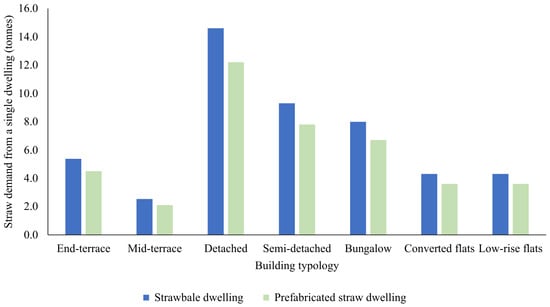
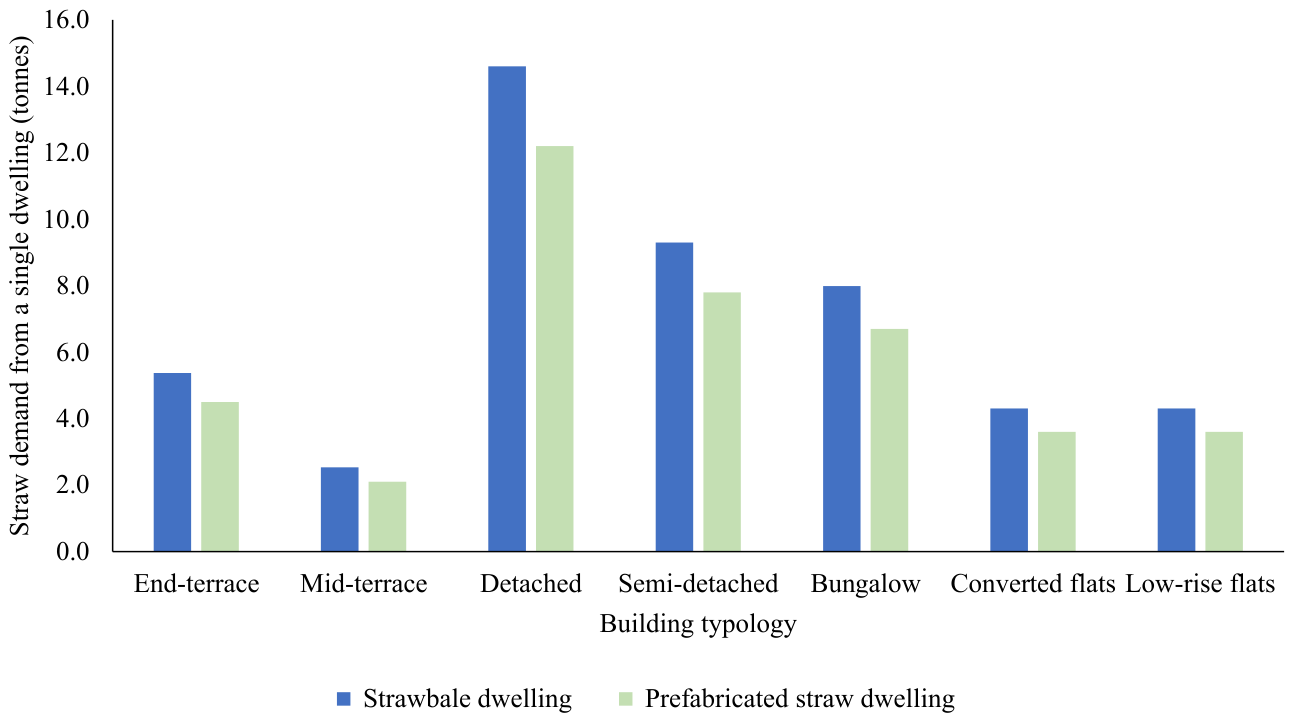
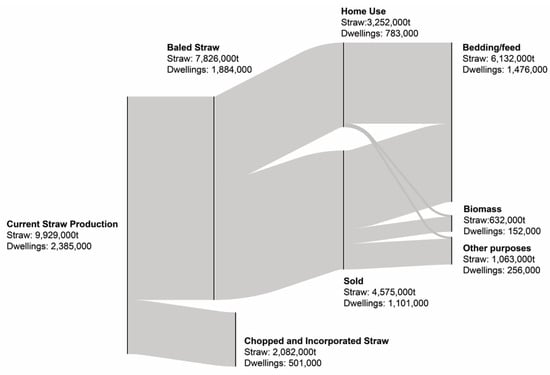
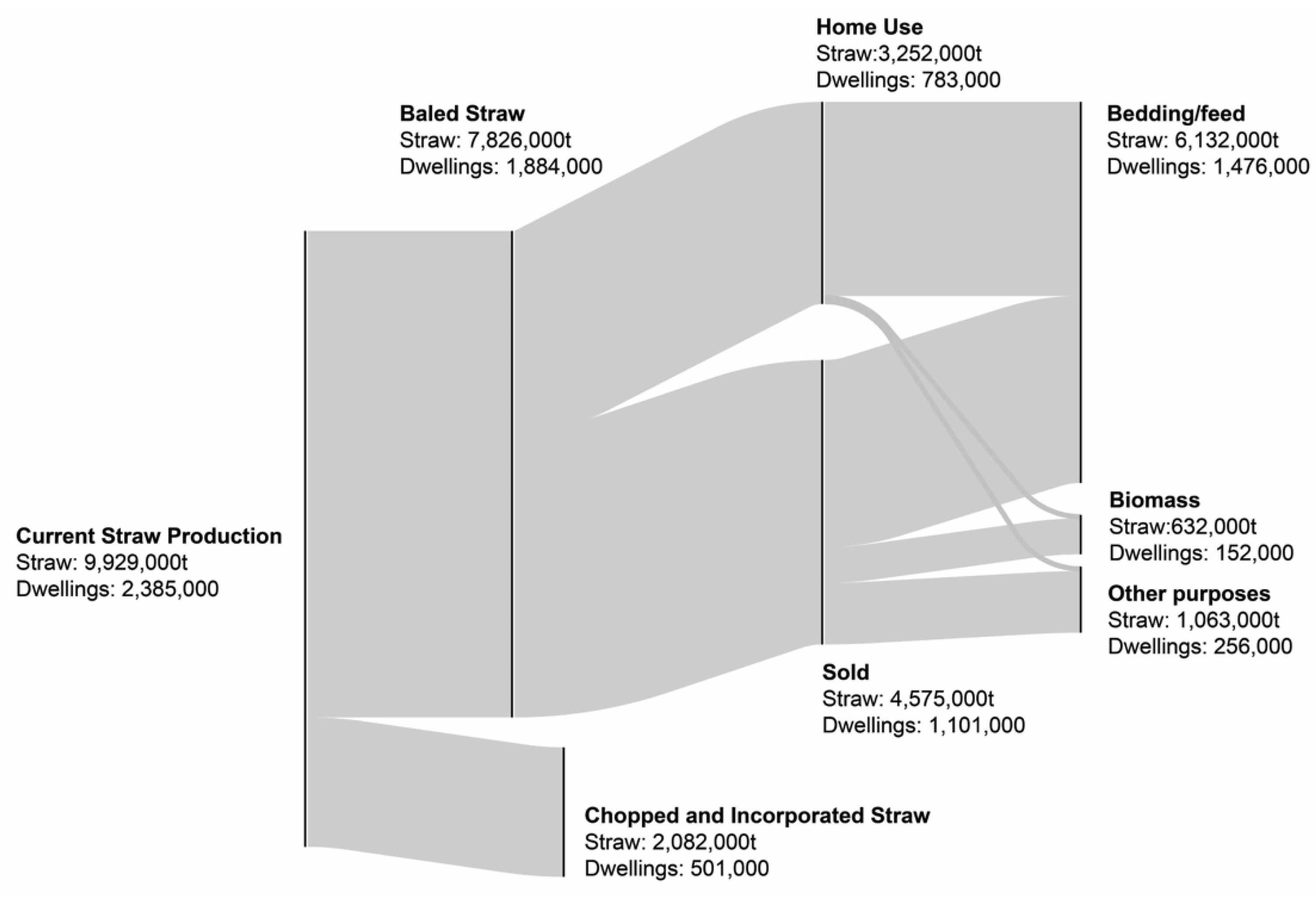
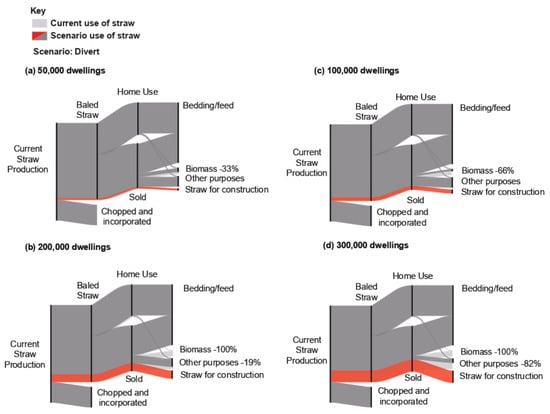
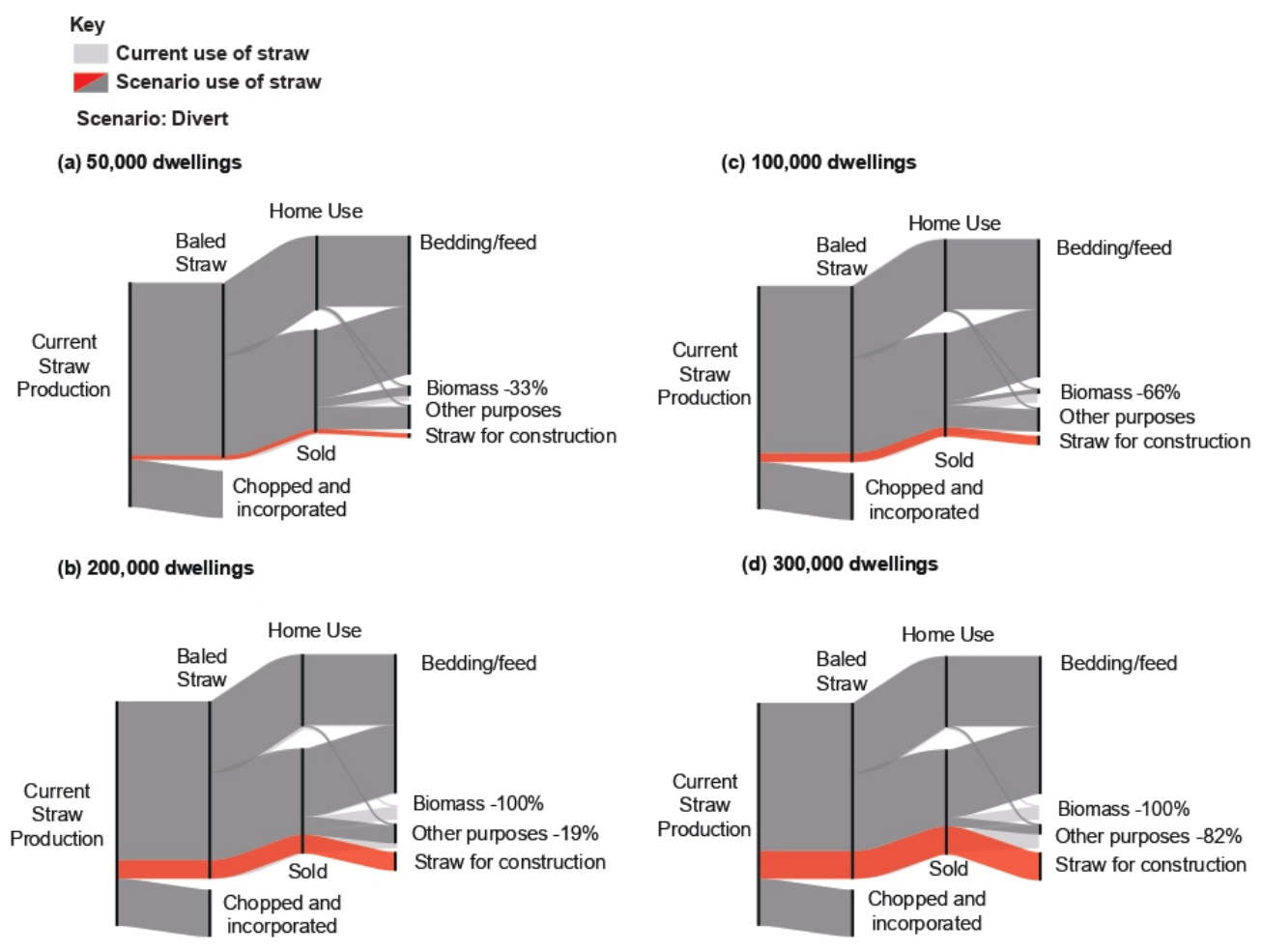
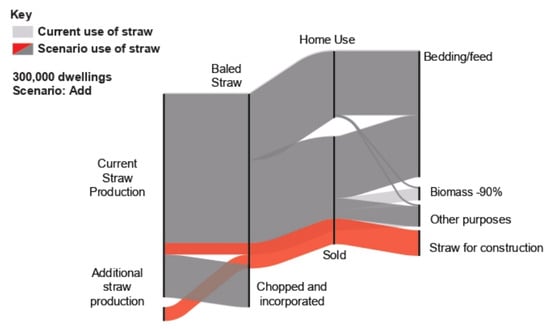
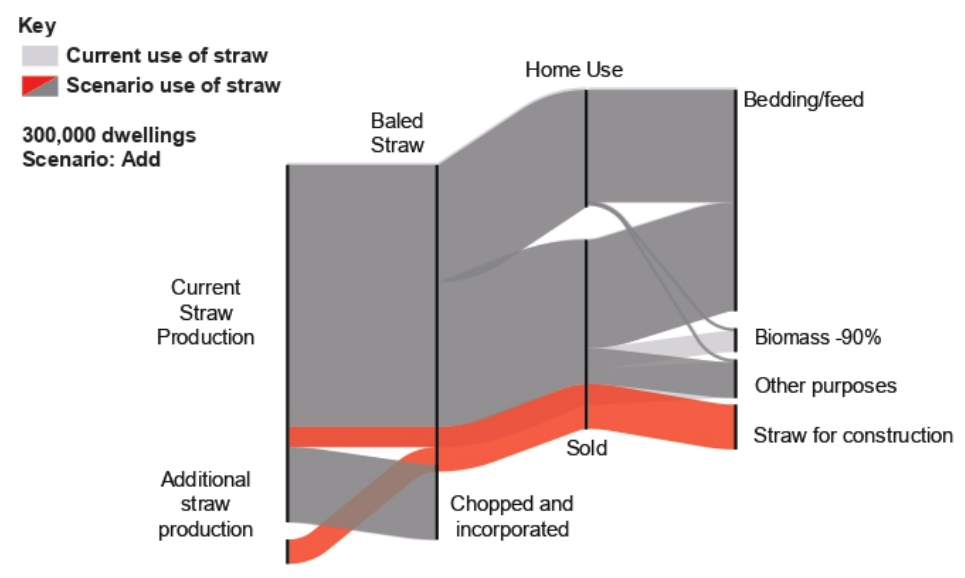
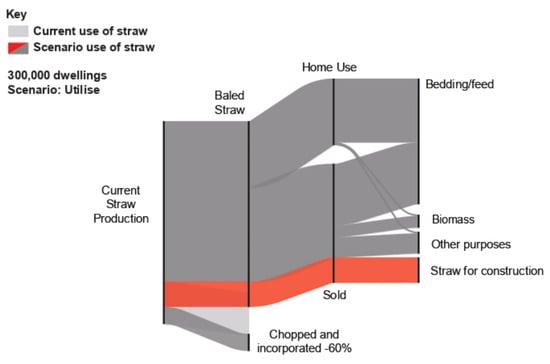
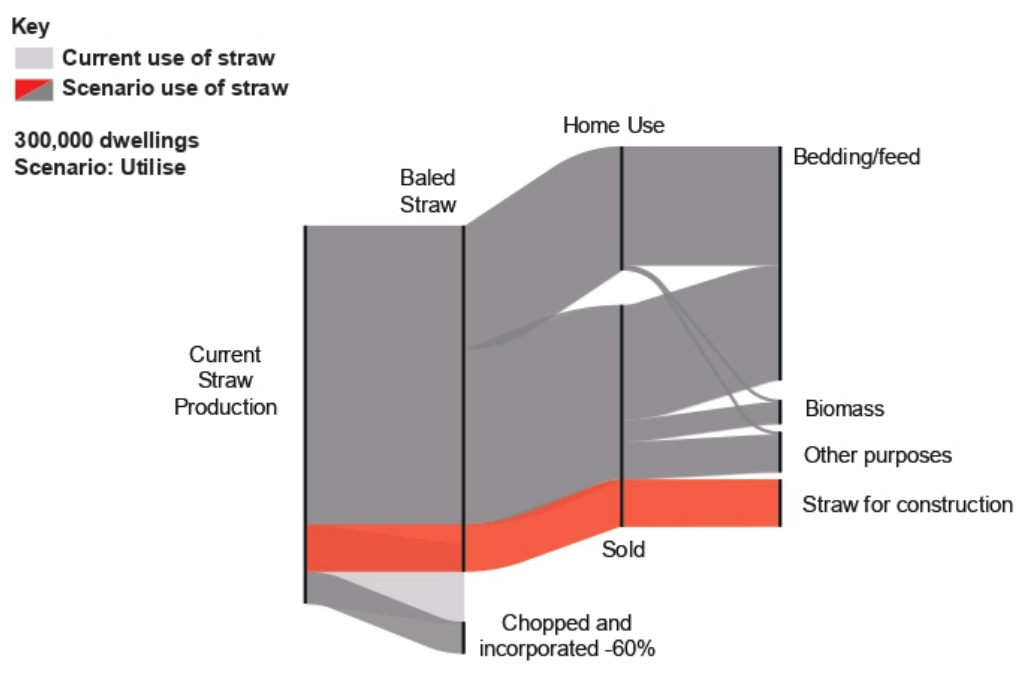
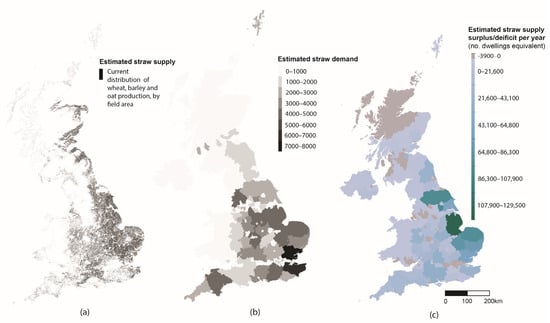
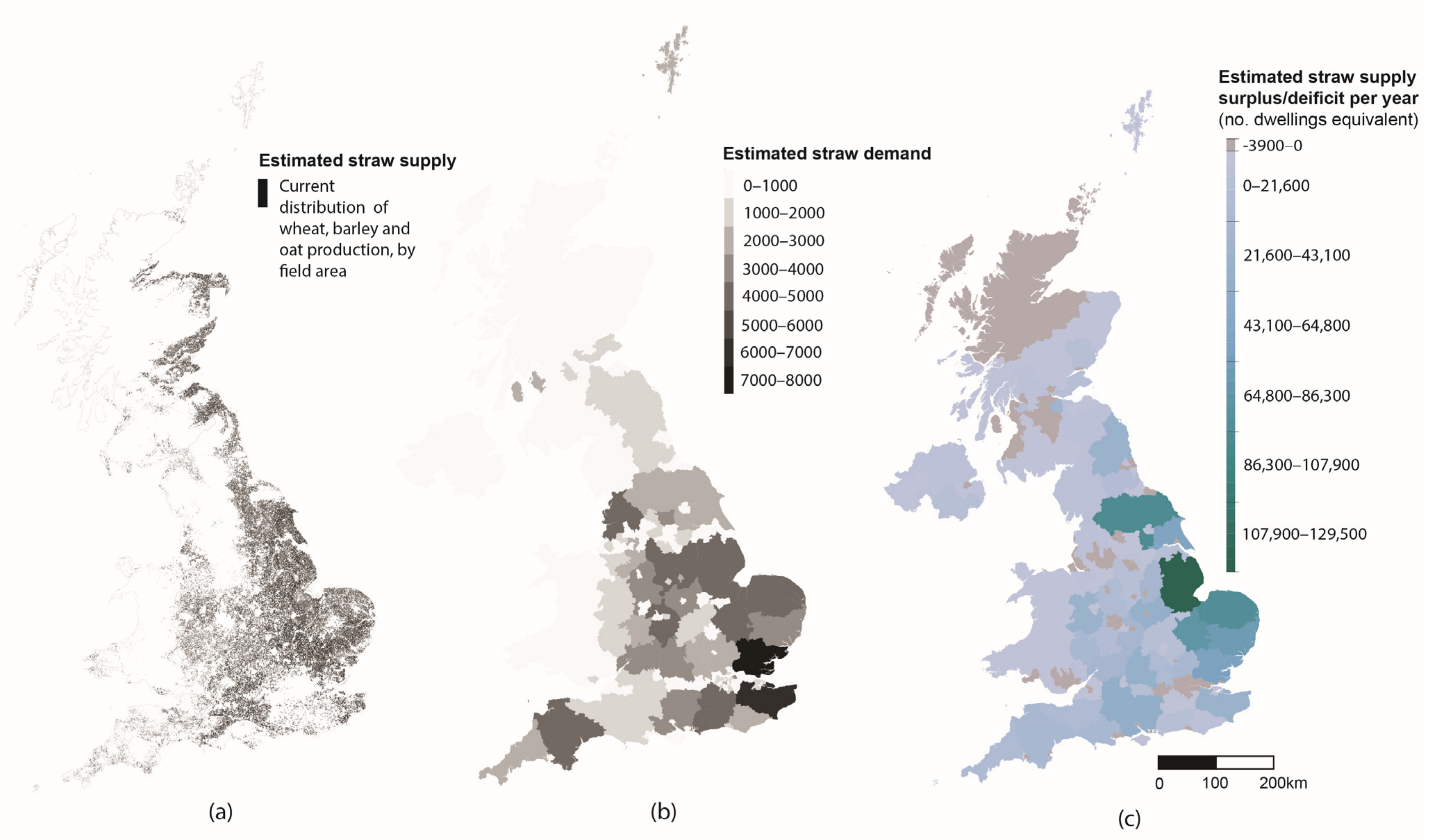
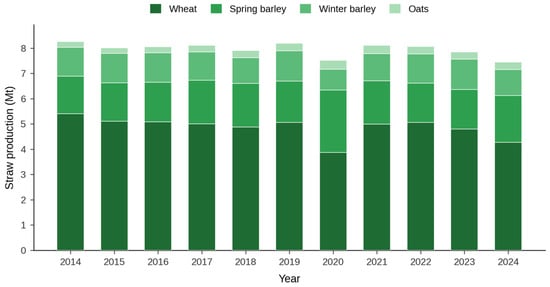
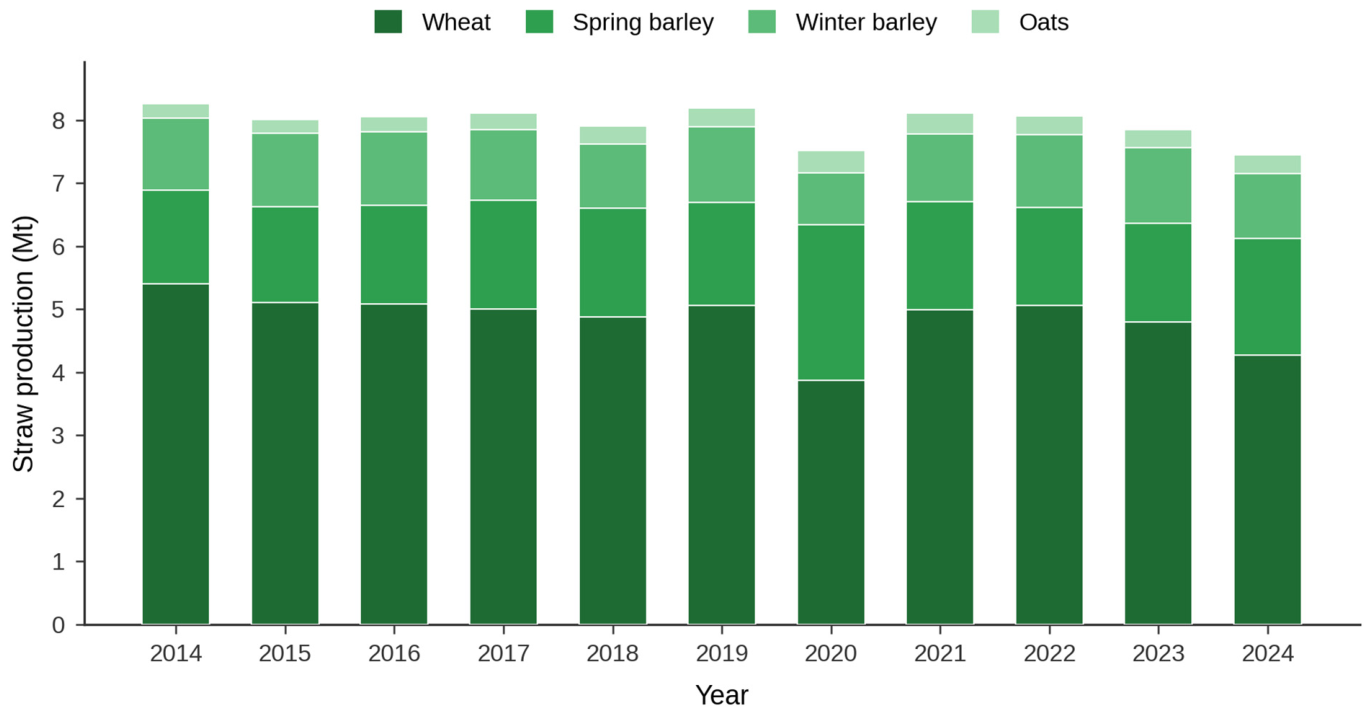
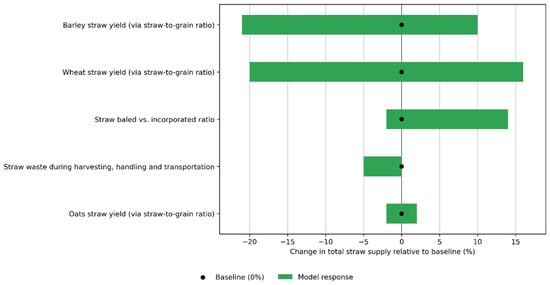
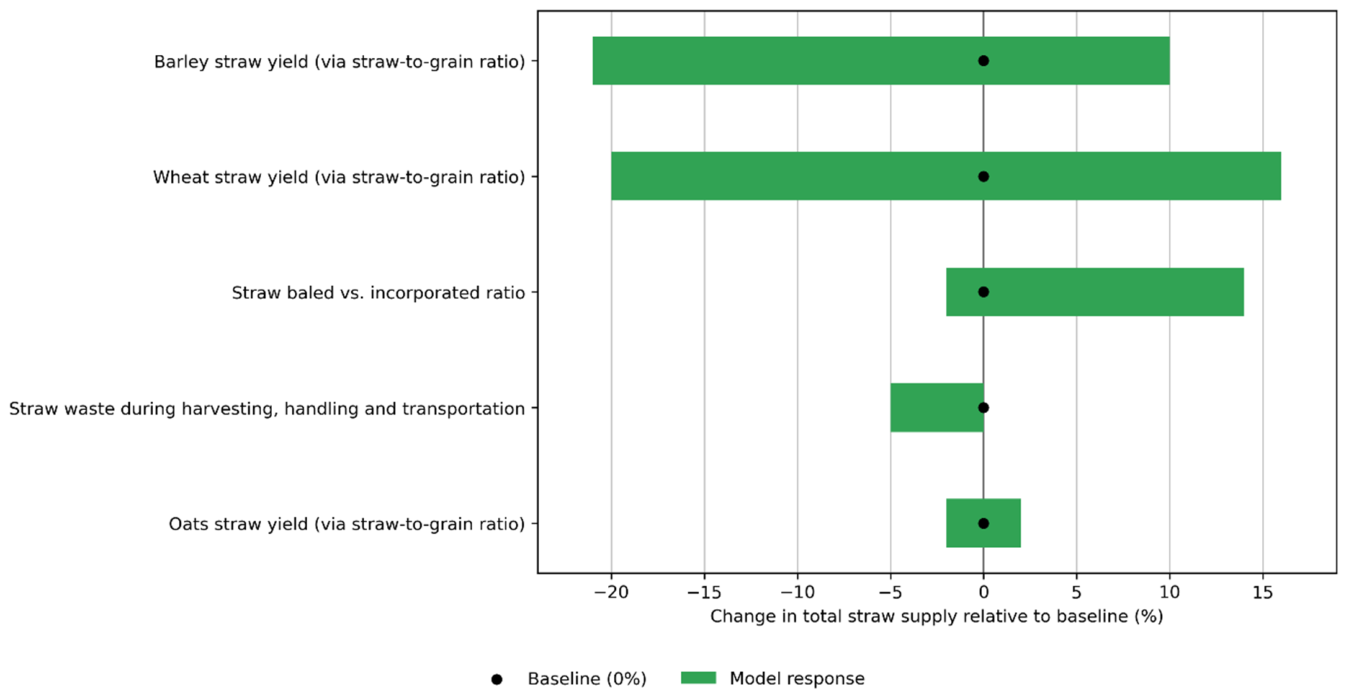
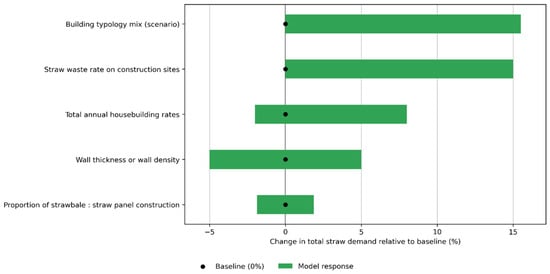
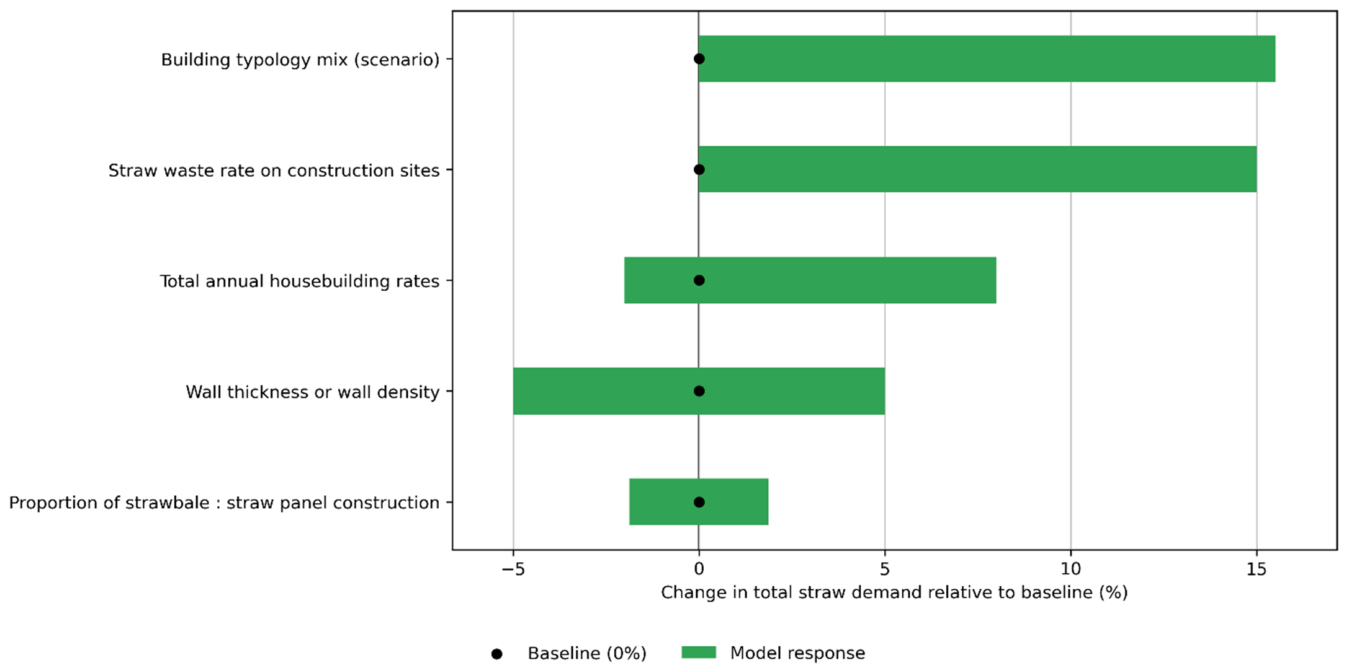

Disclaimer/Publisher’s Note: The statements, opinions and data contained in all publications are solely those of the individual author(s) and contributor(s) and not of MDPI and/or the editor(s). MDPI and/or the editor(s) disclaim responsibility for any injury to people or property resulting from any ideas, methods, instructions or products referred to in the content. |
© 2026 by the authors. Licensee MDPI, Basel, Switzerland. This article is an open access article distributed under the terms and conditions of the Creative Commons Attribution (CC BY) license.