


Abstract
Construction material descriptions in engineering projects are often heterogeneous due to inconsistent naming conventions, supplier-specific terminology, and incomplete specification information, making it difficult to automatically map non-standard descriptions to standardized material dictionaries. Existing rule-based approaches rely heavily on manually constructed rules and predefined dictionaries, limiting their adaptability, whereas direct large language model (LLM)-based methods often lack domain-specific constraints, resulting in less reliable material classification and attribute decomposition. To address these challenges, this paper proposes LLM-MSMA, an LLM-based multi-agent framework for construction material classification and attribute decomposition. The framework adopts a multi-scale task decomposition strategy that integrates hybrid retrieval, logic validation, and template-guided attribute decomposition. Hybrid retrieval generates candidate material categories, which are subsequently refined through LLM-based semantic reasoning. A Logic Validation Agent further verifies classification results using engineering rules, while an Attribute Decomposition Agent extracts structured material attributes according to classification-specific templates. The proposed framework is evaluated using a real-world bill-of-materials dataset containing 2912 material records collected from a large-scale engineering project as a case study. Experimental results show that, compared with the rule-based baseline, LLM-MSMA improves material classification accuracy by 43.39 percentage points and increases the attribute decomposition F1-score by 68.89 percentage points. Compared with the direct LLM baseline, the proposed framework further improves material classification accuracy by 8.24 percentage points and the attribute decomposition F1-score by 7.31 percentage points, while achieving an Exact Match Accuracy of 82.83%. These results indicate that combining hybrid retrieval with domain-specific structured knowledge and multi-agent LLM reasoning improves the reliability of construction material classification and attribute decomposition for heterogeneous material descriptions within the evaluated engineering context.
1. Introduction
Construction materials constitute a major component of engineering projects, often accounting for more than 50% of total project costs. Consequently, accurate material management is essential for the procurement, cost estimation, and project delivery [1]. With the widespread adoption of Building Information Modeling (BIM), digital procurement platforms, and intelligent construction technologies, engineering projects generate rapidly growing volumes of material-related data [2]. However, most material information is recorded as unstructured text in procurement lists, materials bills, design documents, and change orders, making automatic processing difficult.
A fundamental challenge is that construction material descriptions are highly heterogeneous. The same material may be described using different naming conventions, abbreviations, supplier-specific expressions, or incomplete specifications in projects and information systems. As a result, non-standard material descriptions cannot be directly mapped to standardized material dictionaries, limiting the efficiency of downstream engineering workflows such as cost estimation, procurement management, and BIM information exchange [3].
Existing approaches mainly rely on manually defined rules, keyword matching, or predefined material dictionaries. Although these methods perform well for standardized inputs, they are difficult to maintain and exhibit limited adaptability to diverse engineering scenarios involving heterogeneous material descriptions. Recent advances in large language models (LLMs) have demonstrated strong semantic understanding capabilities, providing new opportunities for construction material processing. However, direct LLM-based classification often lacks engineering-specific constraints, making it susceptible to ambiguous classifications and inconsistent attribute decomposition when processing complex engineering materials.
To address these limitations, this study proposes LLM-MSMA, an LLM-based multi-agent framework for construction material classification and attribute decomposition. The framework adopts a multi-scale task decomposition strategy that divides the overall task into material classification, logic validation, and attribute decomposition. A hybrid retrieval module first generates candidate materials through keyword and semantic retrieval, which are further refined by Cross-Encoder reranking before LLM reasoning. A Logic Validation Agent further verifies classification results using engineering constraints, while an Attribute Decomposition Agent extracts structured material attributes according to classification-specific templates. The proposed framework is evaluated using a real-world engineering dataset collected from a large construction project to examine its effectiveness in handling heterogeneous material descriptions within an industrial case context.
The main contributions of this study are summarized as follows.
- A domain-specific construction material knowledge architecture is developed, centered on a three-level material dictionary, standardized attribute definitions, and material coding rules. It provides the structured knowledge required for Level-3 material classification and template-guided attribute decomposition.
- A multi-scale task decomposition strategy is proposed to decompose the construction material matching task into three collaborative stages: material classification, logic validation, and attribute decomposition, enabling progressive semantic refinement through multi-agent collaboration.
- A hybrid retrieval and validation framework is developed by integrating keyword retrieval, semantic retrieval, cross-encoder re-ranking, LLM reasoning, and logic validation, enhancing the reliability of construction material classification for heterogeneous material descriptions within the evaluated engineering context.
2. Literature Review
2.1. Current Retrieval Technology
Existing retrieval methods can generally be categorized into four groups according to their underlying retrieval mechanisms: rule-based retrieval, statistical retrieval, semantic retrieval, and hybrid retrieval [4], as illustrated in Figure 1.
Figure 1.
Categorization of current retrieval technologies.
Rule-based retrieval relies on manually defined logical rules, domain-specific dictionaries, or ontologies to perform exact or constraint-based matching. Such methods provide high precision for standardized queries but require extensive manual maintenance and exhibit limited adaptability to heterogeneous engineering data. For example, Moreno et al. incorporated domain ontologies into an information retrieval system to improve semantic interpretation during retrieval [5].
Statistical retrieval methods rank candidate documents according to lexical relevance. Representative approaches include TF–IDF [6,7] and BM25 [8], both of which estimate document relevance based on term frequency and distribution statistics. These methods are computationally efficient and remain widely used in large-scale retrieval systems. However, because they rely primarily on lexical overlap, they often fail to identify semantically equivalent expressions that employ different terminology, abbreviations, or engineering conventions.
Semantic retrieval addresses this limitation by representing queries and documents as dense vector embeddings generated by deep language models such as BERT [9]. Similarity is then computed in the embedding space rather than through lexical matching, enabling the retrieval of semantically related candidates with different surface forms. However, semantic similarity alone may introduce conceptually related but engineering-inconsistent candidates because it does not explicitly consider domain-specific constraints, hierarchical classifications, or standardized terminology.
To leverage the complementary strengths of lexical and semantic matching, recent studies have increasingly adopted hybrid retrieval strategies that combine multiple retrieval signals within a unified framework. Hybrid retrieval improves candidate recall while reducing ambiguity in heterogeneous engineering data by integrating keyword matching with semantic similarity. Consequently, it has become a common retrieval paradigm in retrieval-augmented generation (RAG) systems and domain-specific intelligent retrieval applications.
For construction material information processing, retrieval serves as an important preliminary step for semantic entity resolution and material candidate generation. Unlike general text retrieval tasks, construction material descriptions often contain abbreviations, supplier-specific terminology, incomplete specifications, and project-dependent expressions. Therefore, effective material matching requires retrieval mechanisms that consider both semantic similarity and engineering consistency. These characteristics suggest that hybrid retrieval is a promising strategy for generating candidate materials in heterogeneous construction information processing scenarios.
2.2. Vector Knowledge Base for Semantic Retrieval
Knowledge bases provide structured semantic repositories that organize domain-specific information for efficient retrieval and reasoning. In retrieval-augmented systems, unstructured documents are transformed into dense vector representations and indexed to support semantic similarity search [10,11]. Compared with traditional keyword indexing, vector-based knowledge bases enable the retrieval of semantically related documents even when different expressions or terminologies are used.
The construction of a vector knowledge base typically consists of four stages: data preprocessing, text chunking, embedding generation, and vector storage [12], as illustrated in Figure 2.
Figure 2.
End-to-end processing pipeline for knowledge base construction.
2.2.1. Data Preprocessing
Let the raw material dataset be represented as D.
where denotes the material description, the corresponding material category, the associated metadata, and the structured material attributes.
Before indexing, the raw data are standardized through data cleansing, terminology normalization, unit conversion, and removal of invalid characters to improve the consistency of subsequent semantic retrieval.
2.2.2. Text Chunking
Long documents are divided into semantically coherent text chunks to facilitate efficient embedding generation and retrieval [13]. For the i-th document,
which is partitioned into
The complete chunk collection is therefore
which serves as the input for embedding generation.
2.2.3. Embedding Generation
Each text chunk is converted into a dense semantic embedding using a pre-trained language model [14]. Documents with similar semantic meanings are mapped to nearby locations in the embedding space, enabling semantic retrieval beyond lexical matching. During retrieval, the similarity between a query vector q and a stored embedding is computed using cosine similarity:
Candidate text segments are ranked according to their similarity scores, providing semantic support for downstream retrieval and reasoning tasks.
2.2.4. Knowledge Base Storage
Each embedding is stored together with its corresponding text and metadata:
where each record maintains the association among the semantic embedding, the original text segment, and its structured metadata. This organization enables efficient semantic retrieval while preserving traceability to the source material.
2.3. Construction Material Processing
Construction material information is a fundamental data resource throughout the lifecycle of engineering projects, supporting quantity take-off, procurement management, cost estimation, BIM-based information exchange, and digital construction workflows. In practice, however, material descriptions are typically generated by different stakeholders using inconsistent naming conventions, abbreviations, supplier-specific terminology, and heterogeneous specification formats. Such inconsistencies hinder semantic interoperability and make it difficult to map non-standard material descriptions to standardized material dictionaries.
Recent studies have shown that improving construction material processing requires not only standardized classification systems but also consistent semantic representations, property definitions, and interoperable information models. Kaltenegger et al. conducted a systematic review of building material classification and information management approaches, revealing substantial inconsistencies in material taxonomies, property definitions, and information granularity across different engineering applications [15]. These inconsistencies limit the integration, exchange, and reuse of material information across different databases and software platforms.
To address these challenges, standardized classification systems and semantic information modelling approaches have been widely investigated. Classification standards, such as ISO 12006-2, provide hierarchical frameworks for organizing construction information and establishing consistent classification structures across different applications [16]. Meanwhile, property-based information modelling standards, such as ISO 23386 and ISO 23387, further define methodologies for maintaining standardized properties and product data templates, enabling more consistent representation and exchange of construction object information [17,18]. These approaches provide important foundations for representing construction entities, material properties, and engineering knowledge in machine-interpretable forms.
Ontology-based semantic modelling has also become an important research direction for improving interoperability among heterogeneous construction information systems. For example, Sivashanmugam et al. proposed a BIM-integrated semantic framework based on Semantic Web Technologies, in which a construction ontology was developed to standardize material information and support interoperable data exchange and automated reasoning across heterogeneous BIM environments [19]. Existing studies demonstrate that ontology-based representations, standardized material dictionaries, and structured property definitions can improve the consistency and interoperability of construction material information.
Despite these advances, most existing approaches still rely heavily on manually maintained classification systems, predefined property structures, or handcrafted semantic rules. As construction material descriptions become increasingly heterogeneous across projects, suppliers, and regional engineering practices, maintaining these knowledge structures becomes progressively more difficult. In particular, descriptions containing abbreviations, implicit specifications, mixed naming conventions, and incomplete attribute information remain challenging for conventional semantic matching and structured information extraction methods.
Therefore, effective construction material processing can be regarded as a domain-specific semantic entity resolution problem, requiring not only standardized engineering knowledge structures but also robust semantic reasoning capabilities to map heterogeneous descriptions to predefined material entities and attribute schemas.
2.4. Application of LLM and Multi-Agent Frameworks in Construction
Recent advances in large language models (LLMs) have expanded their applications in construction engineering, particularly for tasks involving heterogeneous textual information, natural language interaction, and engineering knowledge retrieval. Compared with traditional task-specific models, LLMs provide flexible language understanding and reasoning capabilities; however, their application in engineering scenarios still requires external knowledge, structured information, and validation mechanisms to improve reliability. Consequently, recent studies have increasingly adopted multi-agent systems (MAS), in which multiple specialized agents collaborate through task decomposition, external knowledge, and tool invocation to improve reasoning reliability and execution accuracy [20,21,22].
Existing studies have mainly explored the application of LLM-based multi-agent frameworks in architectural design, construction management, and engineering information management, as summarized in Table 1.
Table 1.
Application of LLM and Multi-Agent Frameworks in Construction.
In architectural design, LLM-based multi-agent frameworks have primarily been employed to bridge the gap between unstructured engineering specifications and structured BIM data. For example, Xu et al. incorporated domain-specific knowledge graphs into an LLM-based multi-agent framework to automate carbon emission assessment for duct-work systems within OpenBIM environments [21]. Similarly, Pan et al. developed a graph-based digital twin framework in which multiple agents collaborate to perform query generation, reasoning, and specification verification, thereby improving the reliability of natural language interaction with engineering models [20].
In construction management, recent studies have focused on planning, monitoring, and multimodal perception. Singh et al. combined LLMs with an agent-based workflow to generate and refine construction schedules, while employing a lightweight language model to evaluate the quality of generated results [23]. Liu et al. proposed a multi-agent drone inspection system capable of integrating semantic point clouds, scene graphs, and visual reasoning to support infrastructure inspection and autonomous task planning [24]. These studies demonstrate that task decomposition enables LLMs to coordinate multiple reasoning processes when solving complex engineering problems.
LLM-based multi-agent frameworks have also been applied to engineering information management. Representative applications include BIM-assisted modeling, automated clash detection, document generation, contract analysis, and BIM code generation [22,25,26]. Compared with conventional end-to-end prompting, these frameworks improve execution reliability by assigning specialized responsibilities to different agents and incorporating external tools or engineering knowledge into the reasoning process. These studies indicate that reliable engineering applications of LLMs increasingly depend on combining language reasoning with structured knowledge, domain constraints, and task-specific workflows rather than relying solely on standalone model inference.
Despite these advances, relatively limited attention has been devoted to construction material processing, particularly the standardization and semantic mapping of heterogeneous material descriptions. Unlike BIM interaction or engineering document understanding, construction material processing requires mapping non-standard descriptions to standardized material entities while maintaining consistency with material dictionaries, engineering coding systems, and structured attribute definitions. Existing approaches either rely heavily on manually defined rules and domain knowledge or directly apply general-purpose LLMs without sufficient engineering constraints, making them less suitable for standardized material classification and attribute decomposition.
Table 2 summarizes the major research gaps identified from the existing literature and highlights how the proposed LLM-MSMA framework addresses these limitations. Compared with previous studies, our framework combines hybrid retrieval, collaborative multi-agent reasoning, logic validation, and knowledge-guided attribute decomposition within a unified multi-scale reasoning architecture, providing an effective solution for the standardization of heterogeneous construction material descriptions.
Table 2.
Research gaps identified from existing studies and corresponding contributions of the proposed framework.
Furthermore, although recent LLM-based multi-agent frameworks demonstrate the advantages of task decomposition and collaborative reasoning, most existing systems are organized around functional workflows rather than progressive semantic refinement for engineering data standardization. They generally lack hierarchical reasoning mechanisms that incrementally combine candidate retrieval, LLM reasoning, logic validation, and structured attribute extraction. This limitation motivates the proposed LLM-MSMA framework, which reformulates construction material processing as a multi-scale reasoning task and employs collaborative agents to progressively transform non-standard material descriptions into standardized material representations.
3. Methodology
3.1. Overall Methodology
The proposed LLM-MSMA framework integrates a standardized construction material knowledge architecture with a multi-agent collaborative workflow based on a multi-scale strategy. Its objective is to transform heterogeneous and non-standard construction material descriptions into standardized material names and structured attribute representations. The overall framework is illustrated in Figure 3.
Figure 3.
Overview of the proposed LLM-MSMA framework.
The framework consists of two complementary components: a standardized construction material knowledge architecture and a multi-agent collaborative workflow.
The knowledge architecture provides standardized engineering knowledge through a material standard dictionary, a material classification knowledge base, and an attribute template knowledge base. These resources establish the semantic foundation for material classification, logic validation, and attribute decomposition.
Built upon this knowledge architecture, the multi-agent workflow decomposes construction material matching into three progressively refined tasks. The Classification Agent first identifies the standardized material category through rule matching, hybrid retrieval, Cross-Encoder re-ranking, and LLM reasoning. The Logic Validation Agent then verifies the classification result against engineering constraints and standardized material definitions. Finally, the Attribute Decomposition Agent extracts structured material attributes according to category-specific attribute templates.
By combining standardized engineering knowledge with progressive task decomposition, the proposed framework reduces the complexity of end-to-end material matching while maintaining consistency with standardized material definitions. The final output consists of a standardized material name together with its corresponding structured attributes.
3.2. A Standardized Construction Material Knowledge Architecture
To address the heterogeneity and lack of standardization in construction material data, this study proposes a unified knowledge architecture that organizes domain-specific knowledge into structured and machine-interpretable forms.
The architecture consists of three core components: material standard dictionary, classification template knowledge base, and specialized rule knowledge base.
3.2.1. Material Standard Dictionary
The material standard dictionary provides standardized material definitions for the subsequent material classification, logic validation, and attribute decomposition tasks. It is constructed by integrating national standards, industry specifications, and enterprise standards into a unified three-level material classification hierarchy.
Each material is assigned a unique hierarchical code consisting of three levels, where Level-1 represents the major material category, Level-2 represents the intermediate category, and Level-3 corresponds to the standardized material category used throughout the proposed framework. The dictionary therefore serves as the reference standard for construction material matching and ensures that all downstream processing is performed on consistent material definitions.
The resulting dictionary contains 63 Level-1 categories, 837 Level-2 categories, and 5003 Level-3 categories. An example of the material standard dictionary is shown in Table 3.
Table 3.
Example of the material standard dictionary.
3.2.2. Classification Template Knowledge Base
After a material has been assigned to a standardized Level-3 category, the required attributes vary substantially across different material categories. For example, reinforcing bars require attributes such as grade and diameter, whereas H-shaped steel additionally requires cross-sectional dimensions, and cables require conductor material, insulation type, and the number of cores. To ensure consistent attribute decomposition across different material categories, a classification template knowledge base is constructed to define the standardized attribute schema for each Level-3 category.
Each template is indexed by the corresponding level3_code in the material standard dictionary. Besides the standardized material name and quantity unit, each template specifies an ordered list of attributes together with their representation rules, including prefix symbols, suffix symbols, attribute units, and connection symbols. These predefined rules ensure that attribute values can be reconstructed into standardized material descriptions following engineering naming conventions.
Table 4 presents an example classification template for “Hot-rolled H-shaped steel”. The template defines the extraction order of each attribute and the corresponding formatting rules. For instance, the overall height is prefixed with the symbol “H”, while the geometric dimensions are concatenated using the symbol “×”. Different attribute groups are separated by the delimiter “\”, enabling standardized reconstruction of material descriptions such as “H300×150×6.5×9”.
Table 4.
Example of a classification template.
To facilitate implementation, each classification template is represented as a JSON object. In addition to the standardized material information, the JSON template explicitly defines the extraction schema for each attribute, allowing the Attribute Decomposition Agent to generate structured outputs that conform to the predefined template. Listing 1 illustrates the corresponding JSON representation.
| Listing 1. Example JSON representation of a classification template. |
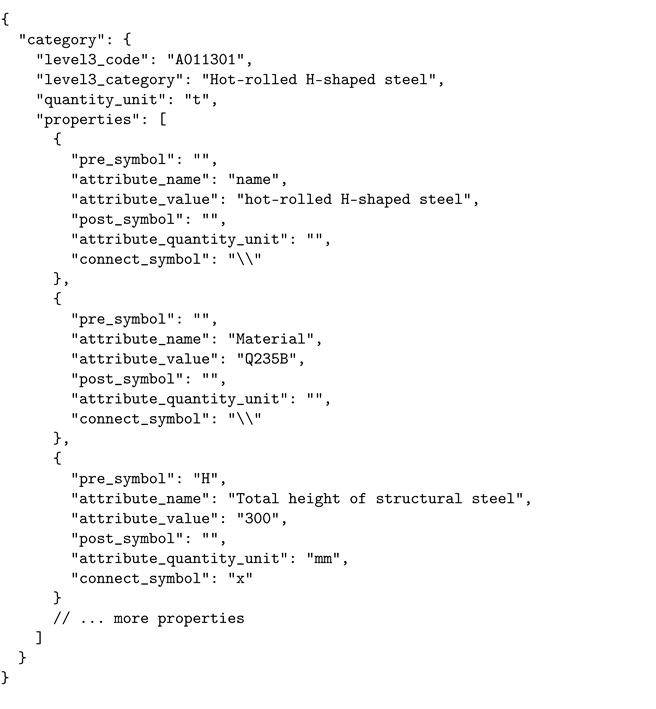 |
Unlike the material standard dictionary, which defines standardized material categories, the classification template knowledge base specifies the structured representation of each Level-3 category. During attribute decomposition, the corresponding template is retrieved according to the predicted Level-3 category and provided to the LLM together with the original material description. Consequently, the LLM extracts only the predefined attributes rather than generating unrestricted outputs, thereby improving the consistency of structured attribute decomposition.
3.2.3. Specialized Rule Knowledge Base
Although most construction material descriptions can be processed through LLM reasoning, some categories follow highly standardized engineering conventions with deterministic syntactic patterns. Typical examples include cable models, steel specifications, equipment model numbers, and standardized engineering abbreviations. These descriptions contain dense domain-specific symbols and specification codes that can be parsed accurately using predefined engineering rules without requiring semantic reasoning.
To exploit these deterministic characteristics, a Specialized Rule Knowledge Base is constructed to encode domain-specific parsing knowledge. Rather than replacing LLM reasoning, this knowledge base provides rule-based decomposition for material descriptions with well-defined expression patterns, thereby improving parsing consistency and reducing unnecessary reasoning overhead.
According to the characteristics of engineering expressions, the rule knowledge base contains two types of parsing rules.
- Pattern-based parsing rules. These rules are designed for material categories with fixed syntactic structures. Regular expressions and deterministic parsing templates are employed to directly extract standardized attributes from material descriptions. Because the parsing logic is completely predefined, all descriptions satisfying the same expression pattern are decomposed consistently.Cable materials provide a representative example. Their descriptions usually contain standardized fields such as performance grade, fire-resistance rating, cable type, voltage level, conductor specification, and core configuration. Since these fields follow relatively stable naming conventions, high-precision attribute decomposition can be achieved through deterministic pattern matching without invoking LLM reasoning.
- Example-based parsing rules. Some engineering equipment does not follow explicit grammatical patterns. Instead, important engineering semantics are encoded in compact model identifiers or industrial abbreviations. These identifiers cannot be decomposed through regular expressions alone because their meanings originate from engineering conventions rather than textual syntax.For such materials, the rule knowledge base stores representative engineering examples together with their corresponding standardized attribute mappings. During attribute decomposition, the system performs exact matching against these predefined examples and directly outputs the associated structured attributes.Tower cranes provide a representative example. A model identifier such as “6013” implicitly represents multiple engineering attributes defined by industry conventions rather than explicit textual descriptions. When the input exactly matches “6013”, the system directly applies the predefined decomposition rules shown in Table 5 to generate the corresponding structured attributes.Table 5. Example of example-based parsing rules for tower crane models.
By integrating deterministic pattern-based rules with example-based engineering mappings, the Specialized Rule Knowledge Base complements LLM reasoning for material categories with highly standardized industrial expressions. This hybrid design enables the framework to combine deterministic parsing for structured descriptions with semantic reasoning for more heterogeneous material data.
3.3. Multi-Scale Task Decomposition Strategy Based on Multi-Agent
To address the complexity and ambiguity of construction material matching, this study reformulates the problem as a multi-scale decision-making process, decomposing it into a series of hierarchical sub-tasks with progressively refined semantic granularity.
Rather than implementing these sub-tasks as a conventional sequential pipeline, the proposed framework organizes them as three collaborative task-oriented agents. In this study, an agent is defined as an autonomous task executor responsible for a specific engineering objective. Each agent independently performs decision-making by invoking dedicated tools and knowledge resources, generates intermediate outputs, and exchanges information with other agents through explicit interfaces. Instead of requiring every agent to perform general-purpose planning or negotiation, the proposed framework adopts a lightweight collaboration mechanism in which each agent specializes in a different stage of the material processing workflow while collectively contributing to the overall task.
3.3.1. Classification Agent
Construction material descriptions are often heterogeneous and non-standardized across engineering projects because different stakeholders adopt inconsistent naming conventions, abbreviations, supplier-specific expressions, and incomplete specifications. As a result, a single material description may correspond to multiple standardized Level-3 material categories, making direct end-to-end classification unreliable. The proposed Classification Agent therefore formulates material classification as a progressive decision-making process that incrementally reduces lexical and semantic ambiguity through multiple retrieval and reasoning stages.
The Classification Agent progressively narrows the candidate search space through deterministic rule matching, dual-path retrieval, candidate pool construction, Cross-Encoder re-ranking, and LLM reasoning. Rather than directly predicting the final material category, each stage reduces the candidate space before passing a smaller set of candidates to the subsequent stage.
Figure 4 illustrates the complete workflow using the representative engineering description “Steel casing DN450×3”, while Algorithm 1 summarizes the overall implementation procedure.
Figure 4.
Workflow of the proposed Classification Agent. The asterisk (*) in the raw input denotes a separator between specification components, and the ellipses indicate omitted retrieval candidates or intermediate results for illustration purposes.
Rule Matching Module:
The rule matching module is designed to process standardized material descriptions exhibiting fixed lexical patterns. It consists of a regular-expression library and a terminology mapping table. The regular-expression library extracts structured specifications such as cable models, steel section dimensions, and pipe diameters, while the terminology mapping table normalizes common engineering expressions into standardized terminology.
| Algorithm 1 Material Classification Agent |
| Require: Material description q Ensure: Standardized Level-3 material category
|
For the representative example “Steel casing DN450×3”, the regular-expression library extracts the specification “DN450×3”. However, multiple standardized Level-3 material categories satisfy these lexical constraints. Since no unique category can be determined, the material description proceeds to the retrieval stage.
Dual-path Retrieval:
To construct a comprehensive candidate space, the framework simultaneously performs keyword retrieval and semantic retrieval.
- Keyword RetrievalKeyword retrieval is implemented over an inverted index constructed from the enterprise material dictionary.For the representative input “Steel casing DN450×3”, the retrieved candidates include Glass-fiber reinforced plastic casing, Metal casing, Waterproof casing, Plastic casing, Galvanized steel pipe, Welded steel pipe, PVC pipe, and other related categories.Because keyword retrieval evaluates lexical overlap rather than engineering semantics, categories sharing common textual tokens with the input may receive high relevance scores. For example, the Chinese engineering term for “Glass-fiber reinforced plastic casing” (commonly abbreviated as “FRP casing”) literally contains both the words “steel” and “casing”, although it denotes a non-metallic composite material rather than a metallic casing. Consequently, keyword retrieval assigns a relatively high relevance score based on lexical similarity while failing to distinguish the underlying engineering semantics.
- Semantic RetrievalTo complement lexical retrieval, semantic retrieval employs a Sentence-BERT encoder to represent both material descriptions and standardized material names as dense semantic vectors,and computes semantic similarity byUnlike keyword retrieval, semantic retrieval captures conceptual similarity between engineering materials. For the representative example, the retrieved candidates mainly include Metal casing, Waterproof casing, and Cable protection casing, where “Metal casing” receives the highest semantic similarity score.
Candidate Pool Construction:
The Top-N candidates returned by keyword retrieval and semantic retrieval are merged, and duplicate entries are removed to construct a unified candidate pool. The resulting candidate pool preserves complementary lexical and semantic evidence while maintaining a manageable search space for subsequent re-ranking.
Cross-Encoder Re-ranking:
The merged candidate pool inevitably contains noisy candidates. Therefore, each candidate is further evaluated using a Cross-Encoder re-ranking model, which jointly encodes the original material description and the candidate category to compute a fine-grained relevance score.
For the representative example, the highest-ranked candidates after re-ranking are shown in Table 6.
Table 6.
Top-ranked candidates after Cross-Encoder re-ranking.
Unlike independent retrieval models, the Cross-Encoder jointly encodes the material description and each candidate category, producing fine-grained relevance scores for candidate ordering.
LLM Reasoning:
Finally, the original material description together with the Top-N re-ranked candidates is provided to the LLM for constrained engineering reasoning. Rather than directly selecting the highest-ranked candidate, the LLM performs semantic reasoning by jointly considering engineering naming conventions, specification parameters, and structural characteristics.
For the representative example, the two most competitive candidates are “Metal casing” and “Waterproof casing”. Since these categories exhibit high lexical and semantic similarity, the LLM performs reasoning from three complementary perspectives.
First, waterproof casings follow strict engineering naming conventions. Their descriptions normally contain explicit functional identifiers such as “waterproof” and are frequently associated with standardized drawing references. Since the input description contains neither of these characteristics, it is more consistent with the naming convention of an ordinary metallic casing.
Second, the specification “DN450×3” indicates a nominal diameter of 450 mm with a wall thickness of 3 mm. According to engineering specifications, a pipe with this wall thickness cannot satisfy the structural strength and sealing requirements of a DN450 waterproof casing, whereas it is consistent with the specification of a metallic protection casing.
Finally, waterproof casings generally include welded water-stop rings as mandatory structural components. Because no such structural features are described in the input material description, the LLM infers that the material refers to a plain steel casing rather than a waterproof casing.
Based on the above reasoning process, the LLM eliminates the semantically similar but structurally inconsistent candidate “Waterproof casing” and determines “Metal casing” as the standardized Level-3 material category.
The predicted category is subsequently passed to the Logic Validation Agent together with the reranked candidate list. Rather than terminating after producing an intermediate prediction, the Classification Agent remains available to revise its decision if validation feedback indicates that engineering constraints have been violated.
3.3.2. Logic Validation Agent
Unlike the Classification Agent, which performs semantic reasoning to identify the most appropriate Level-3 standardized material, the Logic Validation Agent is a deterministic verification module. Its purpose is not to generate new predictions, but to verify that the selected material satisfies a series of engineering constraints before attribute decomposition. Only validated materials are passed to the Attribute Decomposition Agent.
As illustrated in Figure 5, the Logic Validation Agent forms a lightweight feedback loop with the Classification Agent. After the Classification Agent predicts a Level-3 standardized material, the Logic Validation Agent performs three sequential validation steps. If any validation fails, the corresponding failure message is returned to the Classification Agent, which performs another round together with the validation feedback. The process terminates when all validation rules are satisfied or when the maximum number of reasoning attempts (three in this study) is reached. Compared with a one-pass processing pipeline, this interaction establishes explicit communication between the Classification Agent and the Logic Validation Agent, allowing intermediate predictions to be iteratively refined before attribute decomposition.
Figure 5.
Iterative validation-feedback mechanism between the Classification Agent and the Logic Validation Agent.
The Logic Validation Agent performs the following three validation steps.
- Material Dictionary ValidationThe first step verifies whether the predicted material exactly matches a Level-3 standardized material in the enterprise material dictionary.Each Level-3 material corresponds to a unique standardized material name and identifier. Therefore, successful dictionary lookup guarantees both the existence and uniqueness of the predicted material. If no exact match is found, the prediction is rejected and a validation message is returned to the Classification Agent for another round of reasoning.
- Candidate Consistency ValidationThe second step verifies whether the selected material appears in the reranked candidate list generated by the hybrid retrieval module.Since the Classification Agent performs reasoning only over the retrieved candidates, the final prediction should always be supported by the retrieval results. This validation prevents the LLM from generating plausible but unsupported material names outside the candidate space.In this study, the reranking module returns the Top-10 candidates. Therefore, the selected material must appear in this candidate list; otherwise, the prediction is rejected.
- Template ValidationThe final step verifies whether the selected Level-3 standardized material has a corresponding classification template.The Attribute Decomposition Agent relies on classification templates to determine the required attribute fields and output format for each material category. Therefore, every validated material must be associated with a predefined template before attribute decomposition can proceed.All Level-3 materials in the current material dictionary have corresponding classification templates. Consequently, this validation is expected to succeed in the current experiments. It is nevertheless retained as a consistency check to support future expansion of the material dictionary and template repository.
The validation rules adopted by the Logic Validation Agent are summarized in Table 7. All rules are deterministic and directly interpretable by engineering experts.
Table 7.
Validation rules implemented by the Logic Validation Agent.
For example, given the input description “HRB400E 18”, the Classification Agent first predicts “Grade III Steel”. During Material Dictionary Validation, the Logic Validation Agent determines that this name does not exactly match any Level-3 standardized material in the enterprise material dictionary. The validation result is therefore returned to the Classification Agent, which performs another round of reasoning. The updated prediction, “Hot-rolled ribbed steel bars”, passes all three validation steps and is subsequently forwarded to the Attribute Decomposition Agent.
The Logic Validation Agent verifies the engineering consistency of the Classification Agent’s prediction rather than enhancing the reasoning capability of the LLM itself. The Classification Agent is responsible for material classification through retrieval and semantic reasoning, whereas the Logic Validation Agent performs deterministic verification using the Level-3 material dictionary, reranked candidate list, and classification template repository. Through this validation-feedback mechanism, the Classification Agent can revise its prediction when engineering constraints are violated before the workflow proceeds to attribute decomposition.
3.3.3. Attribute Decomposition Agent
After the Logic Validation Agent confirms the selected Level-3 standardized material, the Attribute Decomposition Agent converts the original material description into structured attributes. Unlike the Classification Agent, which identifies the standardized material category, the Attribute Decomposition Agent focuses on extracting category-specific attribute values according to a predefined classification template, thereby producing a standardized structured representation for downstream engineering applications.
Construction material descriptions are typically recorded as natural language or semi-structured engineering expressions containing heterogeneous naming conventions, abbreviations, specification parameters, and supplier-specific terminology. Such descriptions often exhibit inconsistent attribute ordering, mixed symbols, and incomplete information, making direct structured extraction difficult.
To address these challenges, the proposed Attribute Decomposition Agent adopts a template-guided LLM reasoning framework. Unlike the Classification Agent, which determines the standardized Level-3 material category, the Attribute Decomposition Agent operates only after receiving a validated material category from the Logic Validation Agent. This validation-feedback mechanism ensures that structured attribute extraction is performed on engineering-consistent material representations rather than directly on unconstrained LLM predictions. The Classification Template Knowledge Base specifies the required attribute schema for each validated material category, while the Specialized Rule Knowledge Base provides category-specific parsing rules for materials with highly standardized engineering expressions. Guided by these structured knowledge sources, the LLM extracts attribute values and organizes them according to the predefined template. The overall workflow is illustrated in Figure 6.
Figure 6.
Workflow of the proposed Attribute Decomposition Agent.
The Attribute Decomposition Agent consists of the following four processing steps.
- Classification Template RetrievalThe first step retrieves the classification template corresponding to the validated Level-3 standardized material.Each classification template defines the required attribute fields, extraction order, attribute units, and output format for a specific material category. Once the standardized material has been determined, the corresponding template is loaded from the Classification Template Knowledge Base to provide structural constraints for subsequent attribute extraction.
- Specialized Rule LoadingAfter the classification template is loaded, the system checks whether the current material category has predefined specialized parsing rules.For material categories with highly standardized engineering expressions, such as power cables, steel sections, and engineering equipment models, the corresponding rules are loaded from the Specialized Rule Knowledge Base to provide additional parsing constraints. If no specialized rules are available, the system proceeds directly to the next step.
- Template-guided LLM ReasoningAfter loading the classification template and specialized rules, the attribute decomposition task is performed by the LLM.Let the input material description beand letdenote the structured attribute set defined by the corresponding classification template.The attribute decomposition process can be formulated aswhere T denotes the retrieved classification template and R represents the specialized parsing rules.The classification template specifies the required attribute schema, while the specialized rules provide category-specific parsing constraints. Guided by these structured knowledge sources, the LLM maps heterogeneous material descriptions to the predefined attribute fields.For example, consider the material description“Power cable WDZ-B1-YJY-0.6/1KV-4×25+1×16 mm2”.Using the corresponding classification template together with the cable parsing rules, the LLM extracts the structured attributes shown in Table 8.Table 8. Example of attribute decomposition for a power cable.
- Structured Output GenerationFinally, the extracted attribute values are organized according to the predefined classification template to generate a standardized structured representation.The output follows a unified attribute schema that can be directly stored in the engineering database and used by downstream applications, including material management, quantity take-off, cost estimation, and information retrieval. An example of the structured output is presented in Listing 2.
| Listing 2. Example of structured attribute output. |
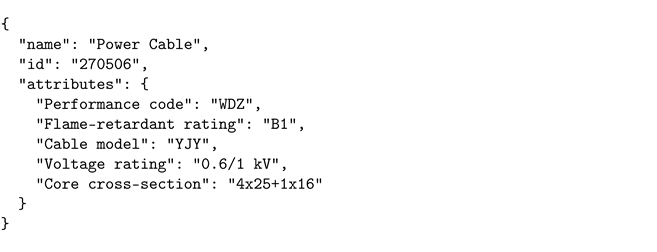 |
The Attribute Decomposition Agent focuses on extracting structured attribute values for the validated material. The classification template defines the target attribute schema, while the specialized rules provide additional constraints for category-specific engineering expressions. Guided by these structured knowledge sources, the LLM converts heterogeneous material descriptions into standardized structured outputs for downstream engineering applications.
Collectively, the three agents perform complementary roles throughout the material processing workflow. The Classification Agent is responsible for candidate identification and semantic reasoning, the Logic Validation Agent verifies engineering consistency and provides validation feedback, and the Attribute Decomposition Agent generates structured attributes from validated material categories. Rather than independently solving the complete task, the three agents exchange intermediate information through the validation-feedback mechanism, allowing engineering constraints to be incorporated before attribute decomposition. This task-oriented collaboration decomposes a complex engineering problem into multiple specialized reasoning stages while maintaining the interpretability, modularity, and extensibility of the proposed framework.
To further facilitate reproducibility while protecting proprietary engineering knowledge, this study is reproducible at the workflow and illustrative-example level rather than fully reproducible at the complete industrial dataset level. An anonymized minimal reproducible subset containing representative material dictionary entries, classification templates, engineering parsing rules, and an end-to-end inference example is provided in Appendix A.
4. Experimental Validation
To evaluate the effectiveness of the proposed LLM-MSMA framework, experiments were conducted on two representative tasks: standardized material classification and attribute decomposition. The evaluation was designed to analyze the performance of the proposed framework from multiple perspectives, including comparison with baseline and intermediate methods, component-level analysis, category-level performance evaluation, uncertainty analysis, sensitivity analysis, and error analysis. All experiments were conducted on a refined real-world engineering dataset collected from a large construction project.
4.1. Dataset Construction
The experimental dataset was collected from the bill of materials of a large-scale construction project in Sanya, China, with a total floor area of approximately 405,700 m2 and a construction period of 21 months. The project covers six engineering disciplines, including civil, installation, decoration, municipal, landscaping, and mechanical engineering. Each record consists of two fields: List Name and List Specification. The dataset was constructed based on the material classification system and coding standards adopted by the participating enterprise. Therefore, this dataset represents a real-world engineering case study rather than a universal benchmark, and the experimental results should be interpreted within the evaluated project context. A representative sample is shown in Table 9.
Table 9.
Sample Input Data.
To improve data quality and ensure reliable ground-truth annotations, the raw dataset was refined through the following procedures:
- Remove records with incomplete information, including missing material names, empty specification fields, or non-informative specifications (e.g., “comprehensive” or “/”).
- Merge duplicate records with identical material names and specifications while preserving the original category distribution.
- Remove records that cannot be uniquely mapped to a standardized material due to inconsistent descriptions, conflicting specifications, or obvious data quality issues.
- Independently annotate all remaining records by two domain experts according to the enterprise Level-3 material dictionary and corresponding classification templates. For each record, the annotators determined the standardized material category and verified the corresponding structured attributes. Disagreements were resolved through consensus review based on the enterprise coding rules. Records that remained ambiguous after expert discussion were excluded from the final dataset.
Only duplicate or ambiguous records were removed during refinement. Material descriptions containing abbreviations, inconsistent naming conventions, or non-standard specification formats were intentionally retained to preserve the complexity of real-world engineering data.
The final dataset contains 2912 material records. The refinement process is summarized in Table 10.
Table 10.
Distribution of the Final Experimental Dataset.
The expert annotation procedure was designed to ensure the reliability and consistency of the ground-truth labels used for evaluation. The corresponding annotation protocol, including the annotation guideline, expert workflow, conflict resolution strategy, and treatment of ambiguous cases, is summarized in Table 11.
Table 11.
Ground-truth Annotation Protocol.
The objective of the annotation process was to establish a consensus reference standard for evaluation rather than to analyze annotator variability. Therefore, the final benchmark was generated through expert consensus instead of reporting inter-annotator agreement statistics. The absence of inter-annotator agreement statistics is acknowledged as a limitation of the present evaluation.
Table 12 summarizes the category distribution of the final dataset. The samples are relatively balanced, with each engineering discipline accounting for approximately 13–23% of the dataset, providing comprehensive coverage of common construction material categories.
Table 12.
Composition of the Final Experimental Dataset.
Since all samples were collected from a single large-scale engineering project, the experimental results should be interpreted as evidence from a representative real-world case study rather than proof of universal applicability. Future work will evaluate the proposed framework using datasets collected from multiple projects with different regional standards and enterprise coding systems.
The resulting dataset was used for all experiments reported in the following sections.
4.2. Experimental Protocol
This section describes the baseline methods, implementation settings, and evaluation protocols adopted in the experiments.
4.2.1. Classification Experiment
The classification experiment evaluates the ability of different methods to identify standardized Level-3 material categories from heterogeneous construction material descriptions.
To provide a more comprehensive evaluation, six methods are compared under identical experimental settings:
- (1)
- a rule-based baseline;
- (2)
- an LLM direct matching baseline;
- (3)
- keyword retrieval + LLM;
- (4)
- semantic retrieval + LLM;
- (5)
- hybrid retrieval + LLM;
- (6)
- the proposed LLM-MSMA framework.
The first five methods serve as progressively stronger baselines by incrementally introducing lexical retrieval, semantic retrieval, and hybrid retrieval. The proposed LLM-MSMA framework further incorporates Cross-Encoder reranking together with the Logic Validation Agent and its validation-feedback mechanism before producing the final classification result.
The rule-based baseline classifies materials using manually defined keyword dictionaries and regular-expression rules. Candidate categories are determined according to predefined priority rules without semantic reasoning.
The LLM direct matching baseline directly predicts the standardized material category from the original material description using the same large language model adopted in the proposed framework, without retrieval augmentation or intermediate validation.
The keyword retrieval + LLM baseline first retrieves candidate materials using BM25 keyword retrieval and then performs LLM reasoning over the retrieved candidates.
The semantic retrieval + LLM baseline replaces keyword retrieval with dense vector retrieval using the BGE-large-zh-v1.5 embedding model.
The hybrid retrieval + LLM baseline combines keyword retrieval and semantic retrieval to construct the candidate pool before LLM reasoning, but does not employ Cross-Encoder reranking or the Logic Validation Agent.
The proposed LLM-MSMA framework performs hybrid retrieval, Cross-Encoder reranking, and collaborative reasoning between the Classification Agent and the Logic Validation Agent to progressively identify the standardized material category. All methods are evaluated using the same refined dataset, identical LLM backbone, and identical inference settings to ensure a fair comparison.
The implementation configuration is summarized in Table 13.
Table 13.
Implementation Configuration for the Material Classification Experiment.
The material classification task requires semantic discrimination among multiple candidate materials generated by the hybrid retrieval module. Qwen2.5-72B-Instruct is adopted as the reasoning component in the classification experiment. To ensure a fair comparison, both the LLM direct matching baseline and the proposed LLM-MSMA framework employ the same LLM, inference parameters, and output format. Consequently, the reported performance differences can be attributed to the proposed LLM-MSMA framework rather than to differences in the underlying language model.
To facilitate understanding of the experimental settings, the main prompt components used by the representative LLM-based methods are summarized in Table 14. The table highlights the key differences in the information available to the LLM during inference.
Table 14.
Representative prompt configurations for the material classification experiment. Intermediate baselines (Retrieval + LLM, Semantic Retrieval + LLM, and Hybrid Retrieval + LLM) use the same prompt structure as the proposed framework, differing only in the candidate generation stage.
4.2.2. Attribute Decomposition Experiment
The attribute decomposition experiment evaluates the ability of different methods to extract standardized material attributes from heterogeneous material descriptions. Three methods are compared: a rule-based baseline, an LLM direct matching baseline, and the proposed LLM-MSMA framework.
For the rule-based baseline, attribute extraction is implemented using manually designed regular-expression templates and engineering parsing rules. Different templates are developed for different material categories to extract commonly used attributes, such as material type, strength grade, diameter, dimensions, model number, and pressure rating, without semantic reasoning.
The LLM direct matching baseline directly extracts structured attributes using the same large language model adopted in the proposed framework, without incorporating classification templates or specialized engineering rules.
The proposed LLM-MSMA framework performs attribute decomposition using the classification template knowledge base, the specialized rule knowledge base, and LLM reasoning. The extracted attributes are subsequently standardized to generate structured material records. The experiment evaluates the effectiveness of integrating engineering knowledge with LLM reasoning for complex specification parsing.
To facilitate reproducibility, the implementation configuration is summarized in Table 15. Except for the task-specific prompts and large language model, the experimental environment is identical to that used in the classification experiment.
Table 15.
Implementation Configuration for the Attribute Decomposition Experiment.
To ensure a fair comparison, both the LLM direct matching baseline and the proposed LLM-MSMA framework employ the same inference parameters and output format. The proposed framework differs only in that classification templates and a specialized rule knowledge base are introduced to guide LLM reasoning during attribute decomposition.
Different LLM backbones are adopted for the classification and attribute decomposition experiments because the two tasks place different requirements on the reasoning component. These model selections represent task-specific implementation choices rather than methodological dependencies, while the overall LLM-MSMA framework remains unchanged.
To illustrate the differences between the two LLM-based methods, the major prompt components are summarized in Table 16. Rather than presenting the complete prompt templates, the table emphasizes the engineering knowledge incorporated during attribute decomposition.
Table 16.
Representative prompt configurations for the attribute decomposition experiment. The rule-based baseline performs deterministic parsing using manually defined engineering rules and therefore does not involve prompt design.
Unlike the material classification experiment, the attribute decomposition experiment employs DeepSeek-V4 because preliminary internal evaluations showed that it achieved more stable structured attribute extraction under template-guided prompting. The proposed framework is model-agnostic in principle; however, the reported results are tied to the selected model combination (Qwen2.5-72B-Instruct for classification and DeepSeek-V4 for attribute decomposition). Equivalent performance with other LLM backbones has not been experimentally verified and should not be assumed without further evaluation.
4.3. Experimental Evaluation Metrics
To comprehensively evaluate the proposed LLM-MSMA framework, different evaluation metrics are adopted for the two experimental tasks. Material classification is evaluated using classification accuracy, whereas attribute decomposition is evaluated using Precision, Recall, F1-score, and Exact Match Accuracy (EMA). The first three metrics measure attribute-level extraction performance, while EMA evaluates the correctness of the entire structured material record.
4.3.1. Material Classification Accuracy
Material classification aims to assign each material description to a standardized material entry. A prediction is regarded as correct only when the predicted standardized material exactly matches the manually annotated ground truth. Therefore, material classification performance is measured using Classification Accuracy, which quantifies the proportion of correctly classified material categories and is the standard metric for multi-class classification problems [27]:
where denotes the number of correctly classified material samples, and denotes the total number of evaluated samples.
4.3.2. Attribute Decomposition Metrics
The attribute decomposition task extracts multiple structured attributes from each material description, such as material type, specification, dimensions, diameter, strength grade, pressure rating, and model number. An extracted attribute is regarded as correct only when both the attribute type and its normalized value exactly match the manually annotated ground truth. To comprehensively evaluate extraction performance, Precision, Recall, and F1-score are adopted following standard practice in information retrieval and information extraction tasks [28].
Precision is defined as
where denotes the number of correctly extracted attributes, and denotes the number of incorrectly extracted attributes.
Recall is defined as
where denotes the number of ground-truth attributes that are not successfully extracted.
The F1-score is calculated as
While the above metrics evaluate individual attribute extraction performance, engineering applications generally require that all attributes of a material record be correctly extracted before the result can be directly used. Therefore, Exact Match Accuracy (EMA) is further introduced to evaluate record-level extraction quality. A material record is considered correct only when all extracted attributes exactly match the corresponding ground-truth annotations. Exact Match Accuracy has been widely adopted in machine reading comprehension and structured information extraction tasks [29].
where denotes the number of material records whose extracted attributes completely match the ground-truth annotations, and denotes the total number of evaluated records.
To further evaluate the performance stability of the proposed framework across different engineering categories, all metrics are additionally reported for each engineering category. This category-level evaluation provides a more comprehensive assessment of framework performance under different engineering scenarios.
4.4. Experimental Results and Discussion
This section evaluates the proposed LLM-MSMA framework from four complementary perspectives. First, the overall performance is compared with conventional baseline methods. Second, intermediate retrieval baselines are introduced to analyze the contribution of different retrieval strategies. Third, a lightweight component analysis is conducted to investigate the contribution of the major framework components. Finally, category-level results and representative error cases are analyzed to evaluate performance consistency and remaining limitations.
4.4.1. Comparison with Baseline Methods
To evaluate the effectiveness of the proposed LLM-MSMA framework, its overall performance is compared with two baseline methods, namely a rule-based method and an LLM direct matching method. The comparison results are summarized in Table 17.
Table 17.
Overall Comparison of Different Methods.
As shown in Table 17, the proposed LLM-MSMA framework consistently achieves the best performance across all evaluation metrics. Specifically, it improves classification accuracy by 8.24 percentage points over direct LLM matching (84.92% vs. 76.68%) and increases the attribute decomposition F1-score by 7.31 percentage points (93.97% vs. 86.66%), indicating that integrating knowledge-guided retrieval, multi-agent collaboration, and LLM reasoning contributes to improved classification and attribute extraction within the evaluated case study.
For the material classification task, LLM-MSMA achieves an overall classification accuracy of 84.92%, substantially outperforming both the rule-based method (41.53%) and the LLM direct matching method (76.68%). Compared with the rule-based method, the classification accuracy improves by 43.39 percentage points, indicating that manually designed rules alone are insufficient to handle the heterogeneous naming conventions and specification descriptions commonly encountered in engineering material data. Compared with direct LLM matching, the proposed framework further improves the classification accuracy by 8.24 percentage points. This improvement demonstrates that hybrid retrieval together with logic validation effectively constrains the candidate search space, enabling the LLM to make more reliable decisions while reducing semantic ambiguity.
For the attribute decomposition task, the proposed framework also achieves the highest performance across all evaluation metrics, with a Precision of 96.61%, Recall of 91.46%, F1-score of 93.97%, and Exact Match Accuracy (EMA) of 82.83%. Compared with the rule-based method, the proposed framework improves the F1-score and EMA by 68.89 and 65.20 percentage points, respectively. Compared with the LLM direct matching method, the corresponding improvements are 7.31 and 5.24 percentage points.
These improvements indicate that combining category-specific attribute templates, specialized engineering rules, and LLM reasoning yields more complete and consistent structured outputs than direct LLM prompting, as reflected in the F1-score improvement from 86.66% to 93.97% and the EMA improvement from 77.59% to 82.83% within the evaluated dataset.
Overall, the experimental results demonstrate that integrating structured engineering knowledge with LLM reasoning substantially improves both material classification and attribute decomposition for heterogeneous construction material descriptions within the evaluated case study, validating the effectiveness of the proposed LLM-MSMA framework for engineering material standardization in the investigated project context.
4.4.2. Comparison with Intermediate Retrieval Baselines
Although the comparison in Section 4.4.1 demonstrates that the proposed framework outperforms both the rule-based method and direct LLM matching, these two baselines alone cannot fully reveal the contribution of different retrieval strategies. Therefore, additional intermediate baselines are introduced to evaluate the effectiveness of progressively enhancing the candidate generation process before the final LLM reasoning stage.
The following intermediate baselines are considered.
- Keyword Retrieval + LLM: candidate materials are retrieved only by BM25 keyword retrieval, and the LLM selects the final material from the retrieved candidates.
- Semantic Retrieval + LLM: candidate materials are retrieved only by dense vector retrieval using Sentence-BERT embeddings, followed by LLM reasoning.
- Hybrid Retrieval + LLM: keyword retrieval and semantic retrieval are combined to construct the candidate pool before LLM reasoning, but without the validation-feedback mechanism adopted by the proposed framework.
Except for the candidate generation strategy, all methods employ the same large language model, inference parameters, prompt structure, and evaluation dataset described in Section 4.2. The comparison results are summarized in Table 18.
Table 18.
Comparison with Intermediate Retrieval Baselines.
The results demonstrate a clear performance improvement as progressively richer retrieval information is incorporated into the framework.
Compared with direct LLM matching (76.68%), introducing BM25 keyword retrieval increases the classification accuracy to 79.18%. This improvement indicates that restricting the candidate space using lexical matching effectively reduces the search space and alleviates ambiguity caused by heterogeneous engineering terminology.
Replacing keyword retrieval with semantic retrieval further improves the accuracy to 80.63%. Because dense vector retrieval captures semantic similarity beyond lexical overlap, it is more effective for identifying standardized materials described using different naming conventions or synonymous engineering expressions.
Combining keyword retrieval and semantic retrieval achieves a classification accuracy of 83.41%, demonstrating that the two retrieval strategies provide complementary information. Keyword retrieval preserves important lexical evidence, whereas semantic retrieval compensates for terminology variations that cannot be captured by exact token matching alone.
Finally, the complete LLM-MSMA framework further improves the classification accuracy to 84.92%. Compared with the Hybrid Retrieval + LLM baseline, the proposed framework achieves an additional improvement of 1.51 percentage points. Since both methods employ the same hybrid retrieval strategy, the remaining improvement can be attributed to the validation-feedback mechanism between the Classification Agent and the Logic Validation Agent. By verifying dictionary consistency, candidate consistency, and classification template availability before attribute decomposition, the framework is able to revise unsupported intermediate predictions while preserving the advantages of hybrid retrieval.
Overall, the comparison demonstrates that each additional stage progressively improves the classification performance. Rather than relying solely on the reasoning capability of the LLM, the proposed framework incrementally constrains the candidate space through complementary retrieval strategies and subsequently improves prediction reliability through validation feedback. These results provide empirical evidence that the performance gains arise from the coordinated design of the overall framework rather than from a single retrieval or reasoning component.
4.4.3. Lightweight Component Analysis of the Proposed LLM-MSMA Framework
To further investigate the contribution of the major functional components in the proposed framework, a lightweight component analysis was conducted for the material classification task. Since the Classification Agent, Logic Validation Agent, and Attribute Decomposition Agent are designed as tightly coupled collaborative agents rather than interchangeable independent modules, directly removing individual agents would fundamentally alter the workflow. Therefore, instead of performing agent-level ablation, this study progressively enables the major functional components within the classification process to evaluate their cumulative contributions.
Specifically, five configurations were evaluated:
- LLM Direct Matching;
- Hybrid Retrieval + LLM;
- Hybrid Retrieval + Cross-Encoder Re-ranking + LLM;
- Hybrid Retrieval + Cross-Encoder Re-ranking + LLM + Logic Validation (without validation feedback);
- Full LLM-MSMA (with validation-feedback mechanism).
The comparison results are summarized in Table 19.
Table 19.
Component analysis of the proposed LLM-MSMA framework.
As shown in Table 19, each functional component contributes incrementally to the overall classification performance.
Compared with LLM Direct Matching, introducing the hybrid retrieval module increases the classification accuracy from 76.68% to 83.41%, corresponding to an improvement of 6.73 percentage points. This result indicates that restricting LLM reasoning to a retrieval-generated candidate space substantially reduces semantic ambiguity and enables more reliable material classification than reasoning over the complete material dictionary.
Adding the Cross-Encoder re-ranking module further improves the classification accuracy to 84.15%. Unlike independent retrieval models, the Cross-Encoder jointly encodes the material description and each candidate material, producing finer-grained relevance scores that improve candidate ordering before LLM reasoning.
After introducing the Logic Validation module, the classification accuracy further increases to 84.56%. The validation module does not modify the reasoning capability of the LLM itself. Instead, it verifies the engineering consistency of the predicted material by checking material dictionary validity, candidate consistency, and classification template availability, thereby filtering unsupported predictions before downstream processing.
Finally, enabling the validation-feedback mechanism achieves the highest classification accuracy of 84.92%. When a prediction violates one or more validation rules, the validation result is returned to the Classification Agent, allowing the LLM to perform another reasoning iteration using the same reranked candidate list together with the validation feedback. This iterative interaction corrects a subset of inconsistent predictions that cannot be resolved through one-pass reasoning alone.
Overall, the results indicate that the performance improvement of the proposed framework does not originate from a single module. Instead, hybrid retrieval provides the largest performance gain by effectively narrowing the candidate search space, while Cross-Encoder re-ranking, logic validation, and validation feedback further improve classification accuracy through progressively refined candidate ranking and engineering consistency verification. The cumulative effect of these complementary components results in an overall improvement of 8.24 percentage points over the LLM Direct Matching baseline.
It should be noted that the present analysis evaluates the cumulative contribution of the major functional components rather than removing entire agents. Because the three agents collaborate through tightly coupled information exchange, agent-level removal would fundamentally change the workflow and would not provide a meaningful comparison. Furthermore, the present analysis evaluates cumulative configurations for the classification task but does not completely isolate every individual factor, especially in the attribute decomposition task. This distinction should be preserved to avoid overstating the evidential strength of the analysis.
4.4.4. Performance Across Engineering Categories
After evaluating the overall framework performance and the contribution of different retrieval strategies and framework components, we further analyze the category-wise performance on six representative engineering categories, namely civil engineering, installation engineering, decoration engineering, municipal engineering, landscaping engineering, and mechanical engineering. Since the numbers of samples differ across categories, the overall performance is reported as a weighted average according to the dataset distribution presented in Table 12. The detailed results are summarized in Table 20.
Table 20.
Performance of the Proposed LLM-MSMA Framework across Different Engineering Categories.
Figure 7 further illustrates the classification accuracy achieved in each engineering category.
Figure 7.
Classification accuracy across different engineering categories.
As shown in Table 20 and Figure 7, the proposed framework achieves consistently high classification performance across all engineering categories, with accuracies ranging from 74.57% to 90.26%. Decoration engineering achieves the highest classification accuracy (90.26%), followed by municipal engineering (89.82%) and installation engineering (88.10%). These categories generally adopt relatively standardized naming conventions and specification formats, allowing the hybrid retrieval module to retrieve highly relevant candidate materials while enabling the LLM to effectively distinguish among semantically similar categories.
Civil engineering also achieves competitive performance (85.54%), although its material descriptions frequently contain abbreviated reinforcement grades, diameter specifications, and supplier-dependent naming conventions. The relatively high accuracy indicates that the proposed multi-scale retrieval strategy effectively combines lexical matching with semantic retrieval, thereby alleviating ambiguity introduced by non-standard engineering expressions.
In contrast, landscaping engineering (79.62%) and mechanical engineering (74.57%) exhibit relatively lower classification accuracy. These categories contain a larger proportion of manufacturer-specific product names, customized equipment models, and proprietary abbreviations that rarely appear in standardized material dictionaries. Consequently, semantic ambiguity becomes more pronounced during candidate retrieval, increasing the difficulty of the subsequent LLM reasoning process. Nevertheless, the proposed framework still achieves classification accuracies above 74% for all categories within the evaluated dataset, indicating that the multi-scale retrieval strategy alleviates a substantial portion of ambiguity introduced by non-standard engineering expressions.
The attribute decomposition results are illustrated in Figure 8.
Figure 8.
Attribute decomposition performance across different engineering categories.
As shown in Table 20 and Figure 8, the proposed Attribute Decomposition Agent consistently achieves high extraction performance across all engineering categories. Precision remains between 94.36% and 98.32%, while Recall varies from 89.89% to 92.76%, resulting in F1-scores exceeding 92% for all categories. These results indicate that the combination of category-specific attribute templates, specialized rule knowledge, and LLM reasoning enables accurate extraction of structured engineering attributes despite substantial differences in material descriptions.
Compared with the relatively stable Precision and F1-score, Exact Match Accuracy exhibits larger variation, ranging from 72.86% to 88.55%. This observation is expected because EMA evaluates complete record correctness rather than individual attribute correctness. A record is regarded as correct only when every attribute exactly matches the ground truth. Installation engineering achieves a comparatively lower EMA (72.86%), primarily because many installation materials, such as cables, valves, electrical equipment, and mechanical components, contain long specification strings involving multiple interdependent attributes. Consequently, even a single missing or incorrectly parsed attribute results in the entire record being counted as incorrect under the strict EMA criterion.
Despite these differences, the overall weighted results remain highly competitive, with an F1-score of 93.97% and an Exact Match Accuracy of 82.83%. More importantly, no engineering category exhibits a significant degradation in performance, demonstrating consistent performance across the six engineering categories included in the present case study.
Overall, the category-level evaluation demonstrates that the proposed LLM-MSMA framework is not optimized for a specific engineering domain but maintains stable classification and attribute decomposition performance across the six engineering categories included in the evaluated dataset. Within the evaluated case study, this consistent performance across engineering categories can be attributed to the collaborative multi-agent architecture, in which hybrid retrieval progressively narrows the semantic search space, logic validation guarantees engineering consistency, and template-guided attribute decomposition further constrains the structured extraction process. Together, these components enable the framework to effectively adapt to heterogeneous engineering material descriptions encountered in the evaluated construction project.
The above results further indicate that the proposed multi-scale task decomposition strategy is effective across the different engineering domains included in the evaluated dataset, while the remaining performance gaps mainly originate from the intrinsic ambiguity and incompleteness of engineering material descriptions rather than deficiencies of the proposed framework. Representative failure cases are further analyzed in the following subsection.
4.4.5. Uncertainty and Sensitivity Analysis
- (1)
- Uncertainty Analysis
To assess the statistical reliability of the reported results, a bootstrap-based uncertainty analysis was conducted for the proposed LLM-MSMA framework. Following common evaluation practice, the experimental dataset was resampled with replacement 1000 times, and the classification accuracy and attribute decomposition metrics were recomputed for each bootstrap sample. The resulting empirical distributions were used to estimate the 95% confidence intervals (CI) of the evaluation metrics.
The estimated confidence intervals are summarized in Table 21. All confidence intervals are relatively narrow, indicating that the reported performance is statistically stable with respect to sampling variation. In particular, the classification accuracy varies within less than one percentage point, while the confidence intervals of Precision, Recall, F1-score, and Exact Match Accuracy are similarly compact. These results suggest that the observed performance improvements are unlikely to result from random fluctuations in the evaluation dataset.
Table 21.
Bootstrap-based 95% Confidence Intervals of the Proposed LLM-MSMA Framework.
Although only a single engineering project was available for evaluation, the bootstrap analysis indicates that the reported improvements are statistically stable under repeated resampling of the experimental dataset. This analysis evaluates uncertainty arising from data sampling rather than variations in prompt design, retrieval configuration, or LLM backbone. A more comprehensive sensitivity analysis across different prompts, retrieval settings, and foundation models will be investigated in future work together with evaluations on multiple engineering datasets.
- (2)
- Sensitivity Analysis
To evaluate the sensitivity of the proposed framework to the candidate retrieval size, we further investigate the effect of different Top-k retrieval settings while keeping all other configurations unchanged. Specifically, the hybrid retrieval module returns the Top-k candidates before Cross-Encoder reranking and subsequent LLM reasoning. The reranking stage consistently selects the Top-10 candidates for downstream reasoning.
The experimental results are summarized in Table 22.
Table 22.
Sensitivity Analysis with Different Top-k Retrieval Settings.
The proposed framework achieves the best performance when the hybrid retrieval module returns the Top-10 candidates. When only the Top-5 candidates are retrieved, the candidate space becomes overly restrictive, occasionally excluding the correct material category before the reranking stage. Consequently, the classification accuracy decreases by 1.21 percentage points.
Increasing the retrieval size beyond Top-10 provides slightly higher candidate recall but also introduces additional semantically similar yet irrelevant candidates. Although the Cross-Encoder reranking module effectively suppresses most noisy candidates, the increased candidate diversity may still introduce minor ambiguity during the subsequent LLM reasoning stage. As a result, the classification accuracy decreases slightly for both Top-15 and Top-20 retrieval settings.
Overall, the observed variation remains within 0.39 percentage points for retrieval sizes larger than Top-10, indicating that the proposed framework is relatively insensitive to moderate changes in the retrieval size while achieving its best performance with Top-10 retrieval.
4.4.6. Error Analysis
Although the proposed LLM-MSMA framework achieves strong overall performance, a small number of prediction errors remain in practical engineering applications. A detailed examination of these cases reveals that they can be broadly categorized into two types: business-context ambiguity and information incompleteness. Representative examples are summarized in Table 23. Although these errors are mainly associated with insufficient contextual information or ambiguous descriptions, they also reveal limitations of the current framework, which primarily performs reasoning based on isolated material descriptions without incorporating broader project-level context.
Table 23.
Representative Failure Cases of the Proposed LLM-MSMA Framework.
The first error category originates from business-context ambiguity. In engineering practice, identical or highly similar material descriptions may correspond to different standardized materials depending on the specific business scenario. Although the textual expressions are nearly identical, their underlying engineering semantics differ significantly. Since the current framework performs reasoning primarily based on material descriptions, it may not fully resolve such ambiguity when additional business context is required.
For example, the description “Commercial concrete, truck pump 15 m” should be classified as Ordinary Concrete, where “truck pump” refers to the pumping service associated with concrete placement. However, similar descriptions also frequently appear in equipment procurement and equipment rental records, causing the framework to occasionally predict Truck Pump. Likewise, the description “Truck, 8 m, 10 t” may represent either a purchased transport vehicle or a rented construction machine. Although the hybrid retrieval module successfully recalls both candidate materials, neither the retrieval results nor the material description itself contains sufficient contextual evidence for the LLM to determine the intended business semantics with complete certainty.
The second error category is caused by information incompleteness. Many engineering material records contain abbreviated or partially specified descriptions in which only a subset of engineering attributes is explicitly provided. Unlike business-context ambiguity, where multiple semantic interpretations exist, these cases lack sufficient information to recover the missing attributes.
For example, the specification “DN100 PN16” explicitly provides only the nominal diameter and pressure rating, while critical attributes such as material type and connection method are omitted. In practical engineering projects, experienced engineers often infer these missing attributes from procurement documents, design drawings, or surrounding bill-of-material records. However, such external contextual information is not currently incorporated into the framework. To avoid introducing unsupported or hallucinated information, the proposed Attribute Decomposition Agent adopts a conservative extraction strategy that outputs only attributes explicitly supported by the input description. Although this strategy occasionally reduces record-level completeness under the Exact Match Accuracy metric, it substantially improves the reliability and trustworthiness of the generated structured data.
These observations further illustrate both the strengths and limitations of the proposed multi-agent architecture. In the business-context ambiguity cases, the hybrid retrieval module successfully retrieves relevant candidate materials, indicating that candidate generation is generally effective. However, when multiple candidates require additional business or project-level context for disambiguation, the current framework remains limited by the available reasoning scope. Likewise, the Attribute Decomposition Agent adopts a conservative extraction strategy to avoid unsupported attribute generation, but this may reduce completeness when required attributes depend on external engineering information.
Overall, the error analysis indicates that the current framework performs effectively for record-level material descriptions but remains limited in scenarios requiring broader engineering context. Further improvements therefore require not only enhanced reasoning mechanisms but also integration of richer contextual information. Future work will extend the current record-level framework toward document-level and project-level reasoning by incorporating additional contextual information, including bill item descriptions, procurement categories, engineering drawings, project metadata, and cross-document relationships. Integrating these complementary information sources with the proposed retrieval-augmented multi-agent framework is expected to further reduce semantic ambiguity and improve the accuracy of engineering material classification and attribute decomposition.
5. Conclusions and Future Work
5.1. Conclusions
This study presented LLM-MSMA, a multi-agent framework with a multi-scale task decomposition strategy for construction material matching. Instead of treating material matching as a single end-to-end prediction task, the proposed framework progressively decomposes the problem into material classification, logic validation, and attribute decomposition, enabling large language models to collaborate with domain-specific knowledge throughout the decision-making process. By integrating hybrid retrieval, rule-based logic validation, category-specific templates, and template-guided attribute decomposition, the proposed framework addresses the challenges of heterogeneous material descriptions, non-standardized engineering terminology, and complex specification expressions within the evaluated engineering context.
Experimental evaluation was conducted on a real-world dataset collected from a large construction project. Compared with the rule-based baseline, LLM-MSMA improves material classification accuracy by 43.39 percentage points and increases the attribute decomposition F1-score by 68.89 percentage points. Compared with direct LLM matching, the proposed framework further improves classification accuracy by 8.24 percentage points and attribute decomposition F1-score by 7.31 percentage points while achieving an Exact Match Accuracy of 82.83%. Category-level evaluation demonstrates that the proposed framework achieves consistent performance across the six engineering categories included in the evaluated dataset. Error analysis indicates that the remaining errors are mainly associated with ambiguous business contexts and incomplete input specifications, while such cases also reflect the current limitation of the framework in handling insufficient contextual information.
The experimental results indicate that combining domain-specific structured knowledge with LLM-based semantic reasoning can improve the classification of construction materials and the decomposition of attributes for the descriptions of heterogeneous materials in the engineering scenario investigated. The proposed multi-scale task decomposition strategy reduces the semantic search space before LLM reasoning, while the Logic Validation Agent provides deterministic consistency checking, and the Attribute Decomposition Agent generates structured material information under category-specific constraints. This collaborative architecture combines the flexibility of large language models with explicit engineering constraints, providing a reference approach for material standardization in engineering scenarios with comparable data characteristics.
5.2. Future Work
Although the proposed framework achieves promising results in the evaluated case study, several limitations remain and provide directions for future research. First, the current experiments are conducted using material data collected from a single large-scale engineering project with a specific enterprise material dictionary and coding system. Future work will further validate the proposed framework using datasets from multiple projects, enterprises, regional standards, and coding systems to investigate its transferability across different engineering contexts.
Second, the current framework mainly performs reasoning based on material descriptions and associated structured knowledge. As revealed by error analysis, some classification and attribute decomposition errors are related to insufficient contextual information. Future research will investigate the integration of additional engineering information, such as bill item descriptions, procurement categories, technical specifications, engineering drawings, BIM object properties, and project metadata, to provide richer semantic evidence for material processing.
Finally, although the current multi-agent architecture adopts a predefined collaboration workflow, more adaptive collaboration mechanisms remain worth exploring. Future work will investigate dynamic agent scheduling, iterative reasoning, self-reflection, and agent communication strategies to support more flexible task decomposition and knowledge interaction. Combining these capabilities with retrieval-augmented generation and continuously evolving engineering knowledge bases may further improve the adaptability of intelligent engineering information processing systems.
More broadly, this study suggests that reliable engineering intelligence requires not only the reasoning capability of large language models but also explicit integration of domain knowledge and deterministic engineering constraints. The proposed framework provides a potential reference for other engineering information processing scenarios involving comparable data characteristics; however, this generalization requires further validation in diverse application contexts.
Author Contributions
Methodology, Y.S.; Software, M.W.; Validation, Y.S., M.W. and Y.W.; Formal analysis, Y.S.; Writing—original draft, H.L., M.W. and Y.W.; Writing—review & editing, H.L. All authors have read and agreed to the published version of the manuscript.
Funding
This research received no external funding.
Data Availability Statement
The original contributions presented in this study are included in the article. Further inquiries can be directed to the corresponding author.
Conflicts of Interest
Authors Yawu Su, Meng Wang and Yanxi Wen were employed by the company China Construction Digital Technology Co., Ltd., Beijing, China. The remaining authors declare that the research was conducted in the absence of any commercial or financial relationships that could be construed as a potential conflict of interest.
Appendix A. Minimal Reproducible Subset of the Proposed Framework
The complete enterprise material dictionary, classification templates, engineering rule bases, and production prompts adopted in this study cannot be publicly released because they contain proprietary engineering knowledge and enterprise-specific coding standards. To facilitate independent understanding of the proposed framework while respecting these confidentiality constraints, this appendix provides an anonymized minimal reproducible subset that preserves the complete inference workflow. The examples presented below are representative samples extracted from the proprietary knowledge bases and are sufficient to illustrate how the proposed LLM-MSMA framework performs material classification, logic validation, and attribute decomposition.
Appendix A.1. Representative Material Dictionary
Table A1 presents an anonymized subset of the enterprise Level-3 material dictionary. The complete material dictionary used in this study contains 5003 standardized Level-3 material categories organized under a three-level hierarchical classification system.
Table A1.
Representative entries from the Level-3 material dictionary.
Appendix A.2. Representative Classification Templates
Each Level-3 standardized material is associated with a predefined classification template specifying the required attribute schema for downstream structured extraction. Table A2 shows representative templates for two material categories.
Table A2.
Representative classification templates.
Appendix A.3. Representative Engineering Parsing Rules
Some engineering materials exhibit highly standardized naming conventions. For these materials, category-specific engineering parsing rules are incorporated to guide attribute decomposition.
Table A3 presents representative parsing rules adopted in this study.
Table A3.
Representative engineering parsing rules.
Appendix A.4. Example Input and Expected Output
Table A4 presents two representative examples illustrating the expected outputs produced by the proposed framework. Together with the representative material dictionary, classification templates, and engineering parsing rules presented above, these examples constitute a minimal reproducible subset that preserves the complete input–output behavior of the proposed LLM-MSMA framework while avoiding disclosure of proprietary engineering knowledge.
Table A4.
Representative input and expected structured output.
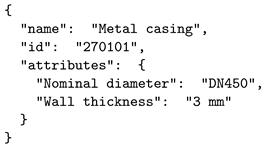
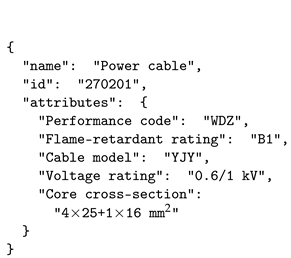
Appendix A.5. Notes on Proprietary Knowledge Components
The proprietary knowledge components employed in this study comprise four parts:
- Material dictionary. The complete enterprise material dictionary contains 5003 standardized Level-3 material categories organized under a three-level hierarchical classification system. The representative entries presented in Appendix A provide examples of the naming convention and hierarchical organization adopted in the proposed framework.
- Classification templates. Each Level-3 material category is associated with a predefined attribute template specifying the required attribute fields, extraction order, attribute units, and output format. The complete template repository contains 5003 templates corresponding to the standardized material dictionary.
- Engineering parsing rules. Category-specific parsing rules are developed only for material categories exhibiting highly standardized engineering expressions (e.g., power cables, steel sections, and pipeline materials). These rules encode engineering abbreviations, specification formats, and domain-specific naming conventions to guide attribute decomposition.
- LLM prompts. The production prompts additionally include enterprise-specific output constraints, standardized coding instructions, and formatting requirements. Because these prompts directly reflect proprietary engineering standards and business processes, only representative prompt configurations and anonymized examples are presented in the main text.
Appendix A.6. Overall Decision Workflow
To further improve reproducibility, Algorithm A1 summarizes the overall decision process of the proposed LLM-MSMA framework. The pseudocode describes the interaction among candidate retrieval, LLM reasoning, logic validation, and template-guided attribute decomposition.
| Algorithm A1 Overall inference workflow of LLM-MSMA |
Require: Material description x, material dictionary D, templates T, rules R
|
The representative examples provided in this appendix preserve the overall inference workflow of the proposed framework while avoiding disclosure of proprietary engineering knowledge. Together with the algorithm descriptions, implementation details, prompt configurations, and pseudocode presented in Section 3 and Section 4, they provide sufficient information for readers to understand the proposed methodology and implement an equivalent framework using their own engineering knowledge bases. However, the study is not fully reproducible at the complete industrial dataset level, as the production prompts, complete material dictionary, classification templates, and engineering rules remain proprietary.
References
- Sawan, R.; Low, J.F.; Schiffauerova, A. Quality cost of material procurement in construction projects. Eng. Constr. Archit. Manag. 2018, 25, 974–988. [Google Scholar] [CrossRef] [Scilit]
- Salah, M.; Alabdullatief, A. Architecture of Tomorrow: The Construction Industry in the Era of Artificial Intelligence. Autom. Constr. 2025, 178, 106429. [Google Scholar] [CrossRef] [Scilit]
- Waqar, A. Natural language processing for construction engineering: Artificial intelligence-driven text analysis techniques. Appl. Soft Comput. 2026, 190, 114585. [Google Scholar] [CrossRef] [Scilit]
- Jiang, Z.; Chen, G.; Xu, Z. Building regulation question-answering system using retrieval-augmented generation with dual-stage fine-tuned large language model. Adv. Eng. Inform. 2026, 69, 104089. [Google Scholar] [CrossRef] [Scilit]
- Moreno, A.; Isern, D.; Fuentes, A.C.L. Ontology-based information extraction of regulatory networks from scientific articles with case studies for Escherichia coli. Expert Syst. Appl. 2013, 40, 3266–3281. [Google Scholar] [CrossRef] [Scilit]
- Birthriya, S.K.; Ahlawat, P.; Jain, A.K. Smishing Detection Based on Machine Learning Using Fuzzy Logic and TF-IDF Feature Engineering. Frankl. Open 2026, 14, 100506. [Google Scholar] [CrossRef] [Scilit]
- Abeyie, G.A. Beyond News Headlines and TF-IDF: Enhancing Text-Based Forecasting Models with Validated Collocations and Improved Attention. Int. J. Forecast. 2026, 42, 752–773. [Google Scholar] [CrossRef] [Scilit]
- Xiong, S.H.; Wang, Z.H.; Chen, Z.S.; Li, G.; Zhang, H. Text Classification of Public Online Messages in Civil Aviation: A N-BM25 Weighted Word Vectors Method. Inf. Sci. 2025, 704, 121956. [Google Scholar] [CrossRef] [Scilit]
- Zu, F.; Zhang, X. Real-time knowledge management for construction value engineering: Live capture and BERT-aided case-based retrieval. Autom. Constr. 2026, 183, 106782. [Google Scholar] [CrossRef] [Scilit]
- Topsakal, O.; Akinci, T.C. Creating Large Language Model Applications Utilizing LangChain: A Primer on Developing LLM Apps Fast. In Proceedings of the International Conference on Applied Engineering and Natural Sciences, Konya, Turkey, 14–17 May 2023; pp. 1050–1056. [Google Scholar] [CrossRef] [Scilit]
- Kim, E.W.; Shin, Y.J.; Kim, K.J.; Kwon, S. Development of an automated construction contract review framework using large language models and domain knowledge. Buildings 2025, 15, 923. [Google Scholar] [CrossRef] [Scilit]
- Gao, Y.; Xiong, Y.; Gao, X.; Jia, Y.; Pan, J.; Bi, Y.; Dai, Y.; Sun, J.; Guo, Q.; Wang, M.; et al. Retrieval-augmented generation for large language models: A survey. arXiv 2023, arXiv:2312.10997. [Google Scholar]
- Brown, T.B.; Mann, B.; Ryder, N.; Subbiah, M.; Kaplan, J.; Dhariwal, P.; Neelakantan, A.; Shyam, P.; Sastry, G.; Askell, A.; et al. Language models are few-shot learners. In Proceedings of the Advances in Neural Information Processing Systems (NeurIPS), Vancouver, BC, Canada, 6–12 December 2020. [Google Scholar]
- Devlin, J.; Chang, M.W.; Lee, K.; Toutanova, K. BERT: Pre-training of deep bidirectional transformers for language understanding. In Proceedings of the North American Chapter of the Association for Computational Linguistics: Human Language Technologies (NAACL-HLT), Minneapolis, MI, USA, 2–4 June 2019. [Google Scholar]
- Kaltenegger, J.; Frandsen, K.M.; Petrova, E. A Data Management Perspective on Building Material Classification: A Systematic Review. J. Build. Eng. 2024, 92, 109172. [Google Scholar] [CrossRef] [Scilit]
- ISO 12006-2:2015; Building Construction—Organization of Information about Construction Works—Part 2: Framework for Classification. International Organization for Standardization: Geneva, Switzerland, 2015.
- ISO 23386:2020; Building Information Modelling and Other Digital Processes Used in Construction—Methodology to Describe, Author and Maintain Properties in Interconnected Data Dictionaries. International Organization for Standardization: Geneva, Switzerland, 2020.
- ISO 23387:2020; Building Information Modelling (BIM)—Data Templates for Construction Objects Used in the Life Cycle of Built Assets—Concepts and Principles. International Organization for Standardization: Geneva, Switzerland, 2020.
- Sivashanmugam, S.; Rodriguez Trejo, S.; Rahimian, F.P. BIM-Integrated Semantic Framework for Construction Waste Quantification and Optimisation. Autom. Constr. 2024, 168, 105842. [Google Scholar] [CrossRef] [Scilit]
- Pan, Y.; Wang, M.; Lu, L.; Lamsal, R.; Parn, E.; Zlatanova, S.; Brilakis, I. LLM-enabled multi-agent framework for natural language interaction with graph-based digital twins. Autom. Constr. 2026, 183, 106791. [Google Scholar] [CrossRef] [Scilit]
- Xu, Y.; Li, A.; Guo, X.; Gong, X.; Kwok, H.H.L.; Cheng, J.C.P. Automated carbon-aware assessment of openBIM-based ductwork design using a knowledge graph-augmented LLM multi-agent framework. Autom. Constr. 2026, 181, 106611. [Google Scholar] [CrossRef] [Scilit]
- Koh, P.T.; Xue, H.; Ma, J.; Cheng, J.C.P. Cost-effective and Minimal-Intervention BIM Information Retrieval via Condensed Multi-LLM Agent Code Generation. Autom. Constr. 2026, 181, 106585. [Google Scholar] [CrossRef] [Scilit]
- Singh, A.K.; Hsieh, S.H. Multi-LLM-based augmentation and synthetic data generation of construction schedules and task descriptions with SLM-as-a-judge assessment. Adv. Eng. Inform. 2026, 69, 103825. [Google Scholar] [CrossRef] [Scilit]
- Liu, J.; Li, H.; Chai, C.; Chen, K.; Wang, D. An LLM-Informed Multi-Agent AI System for Drone-Based Visual Inspection of Infrastructure. Adv. Eng. Inform. 2025, 68, 103643. [Google Scholar] [CrossRef] [Scilit]
- Dong, Y.; Zhan, Z.; Hu, Y.; Doe, D.M.; Han, Z. AI BIM Coordinator for Non-Expert Interaction in Building Design Using LLM-Driven Multi-Agent Systems. Autom. Constr. 2025, 180, 106563. [Google Scholar] [CrossRef] [Scilit]
- Tang, Y.; Zheng, C.; Kassem, M.; Xie, X.; Su, X. Bridging the research-practice gap in construction contract management with NLP and LLMs. Autom. Constr. 2026, 181, 106614. [Google Scholar] [CrossRef] [Scilit]
- Bishop, C.M. Pattern Recognition and Machine Learning; Springer: New York, NY, USA, 2006. [Google Scholar]
- Manning, C.D.; Raghavan, P.; Schütze, H. Introduction to Information Retrieval; Cambridge University Press: Cambridge, UK, 2008. [Google Scholar]
- Rajpurkar, P.; Zhang, J.; Lopyrev, K.; Liang, P. SQuAD: 100,000+ Questions for Machine Comprehension of Text. In Proceedings of the 2016 Conference on Empirical Methods in Natural Language Processing (EMNLP), Austin, TX, USA, 1–5 November 2016; Association for Computational Linguistics: Stroudsburg, PA, USA, 2016; pp. 2383–2392. [Google Scholar] [CrossRef] [Scilit]
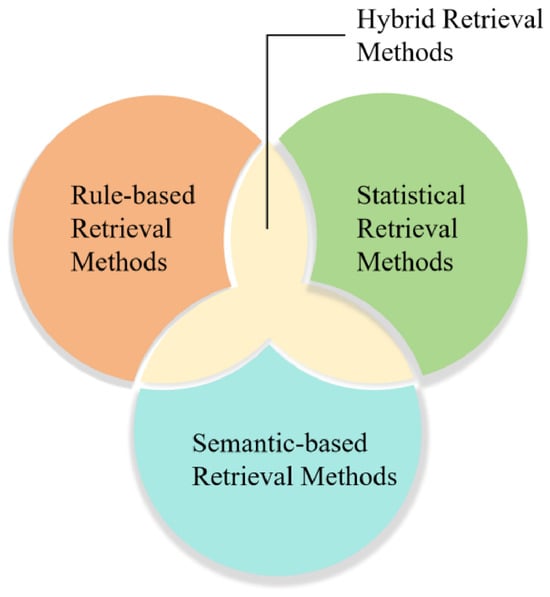
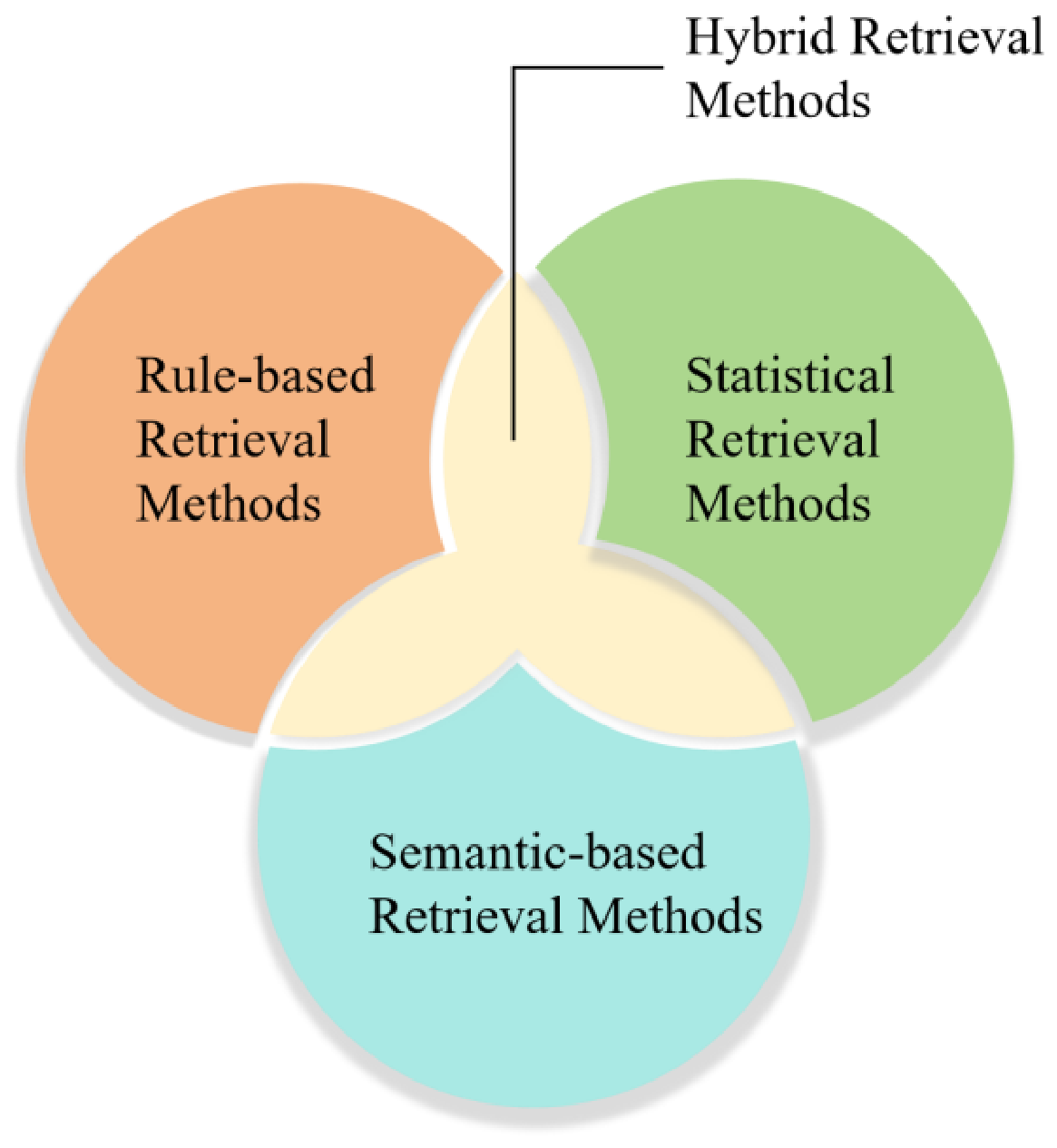
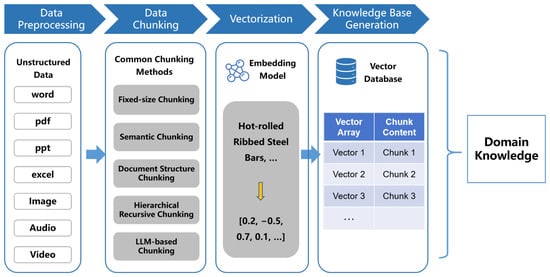
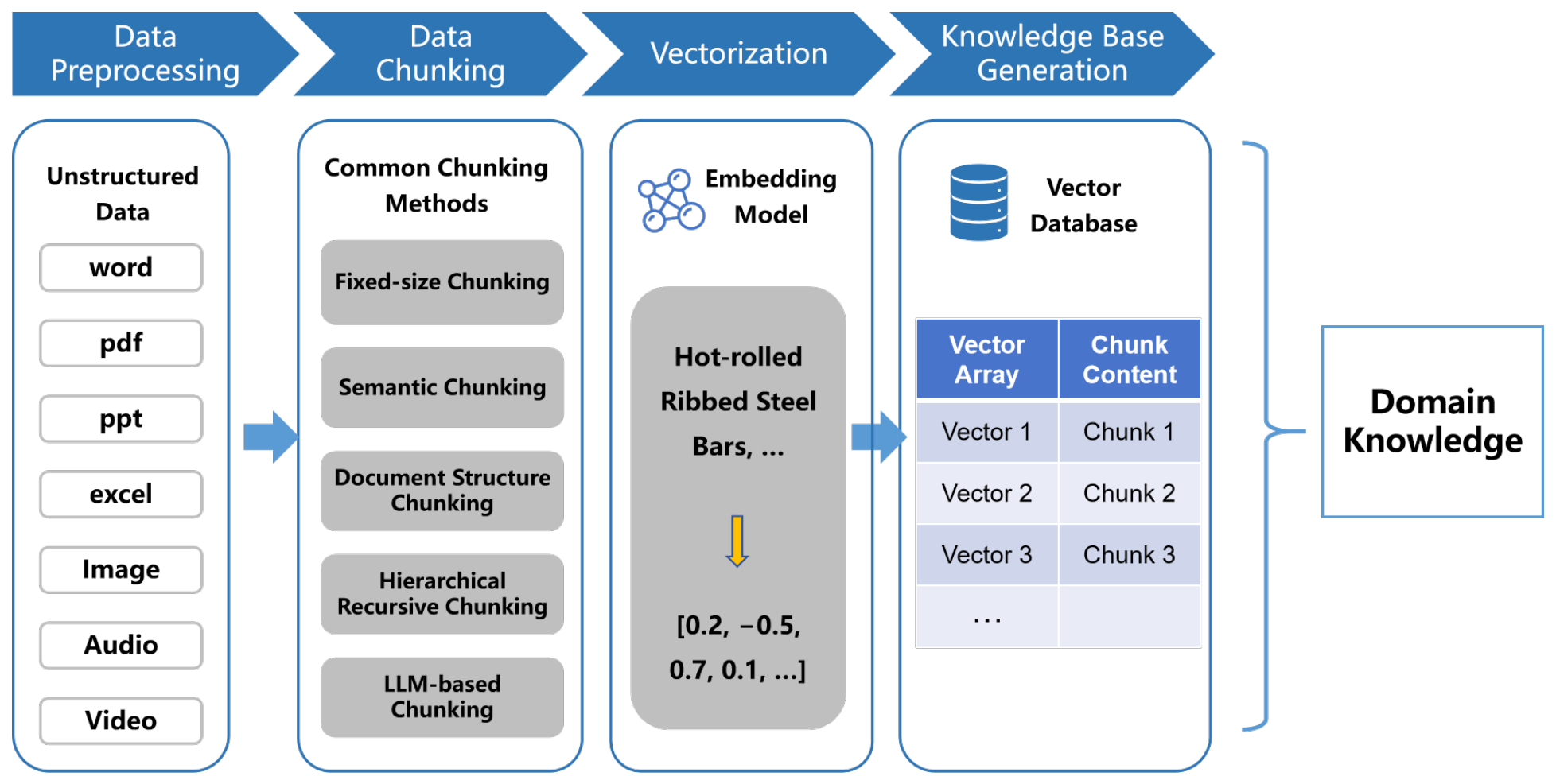
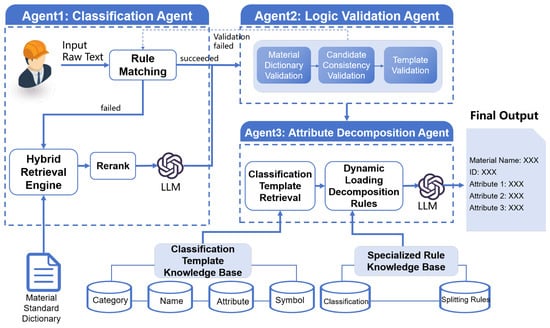
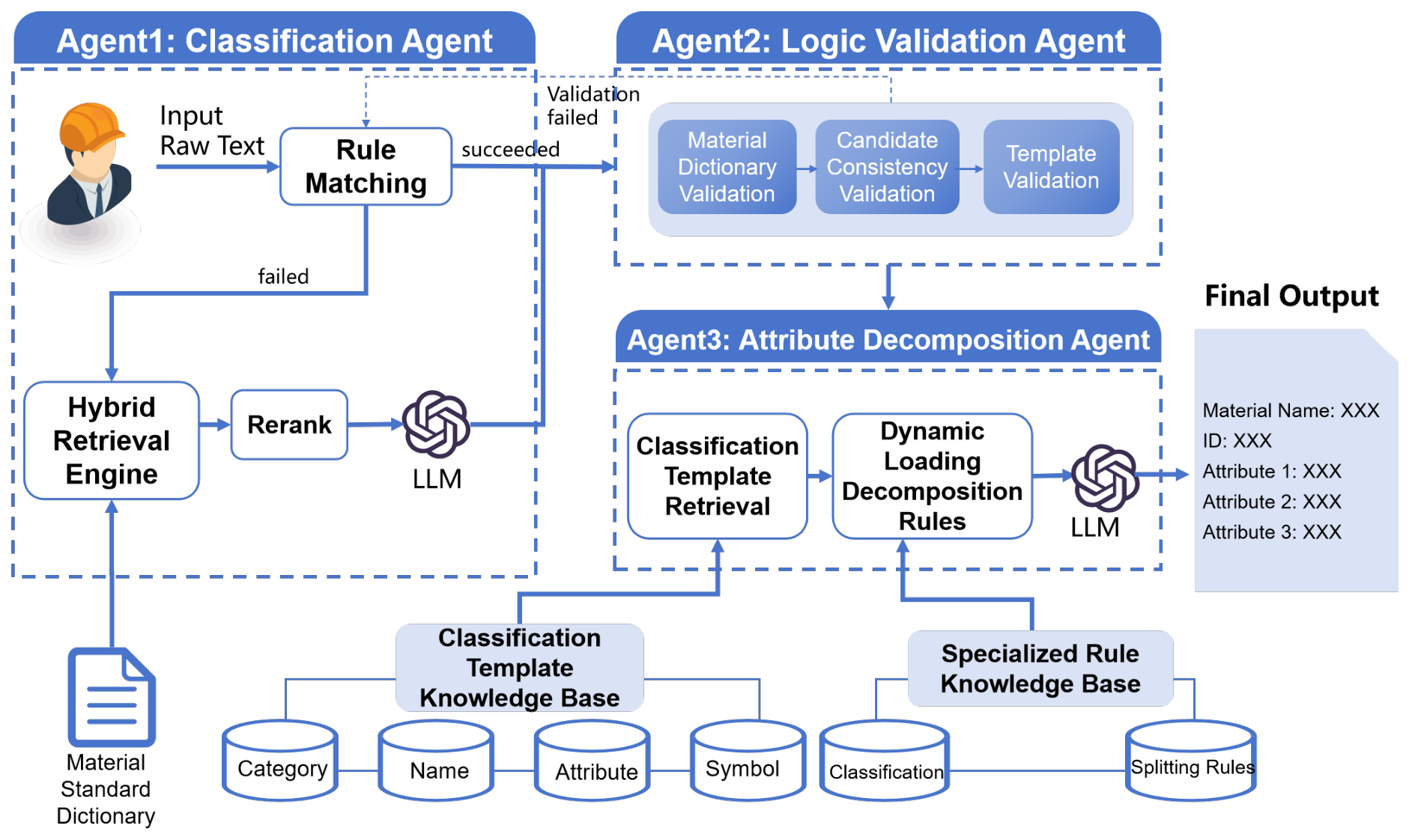
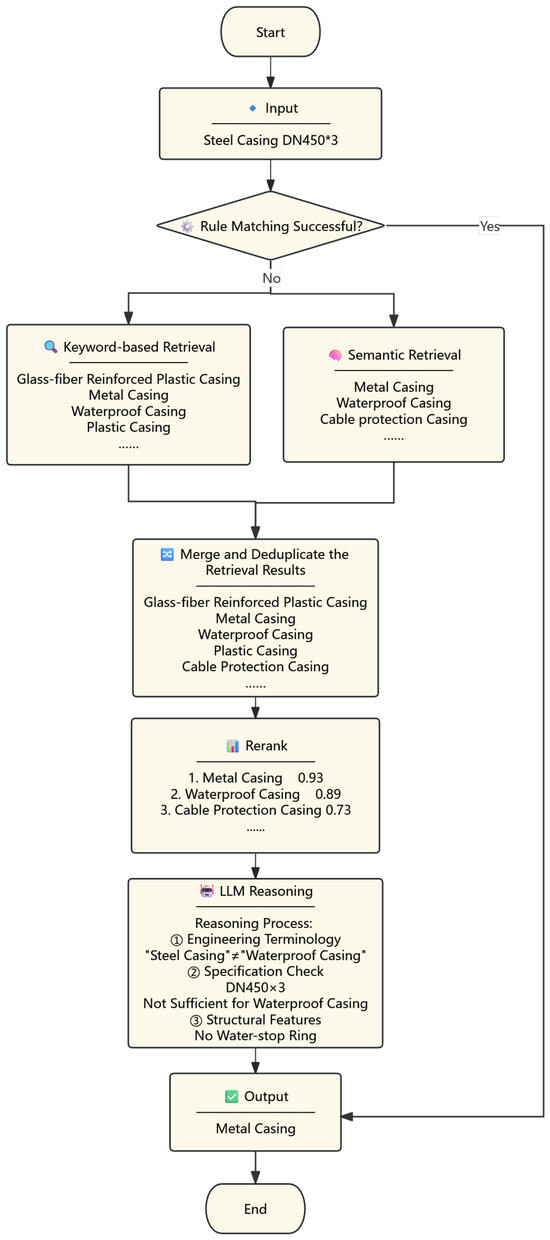
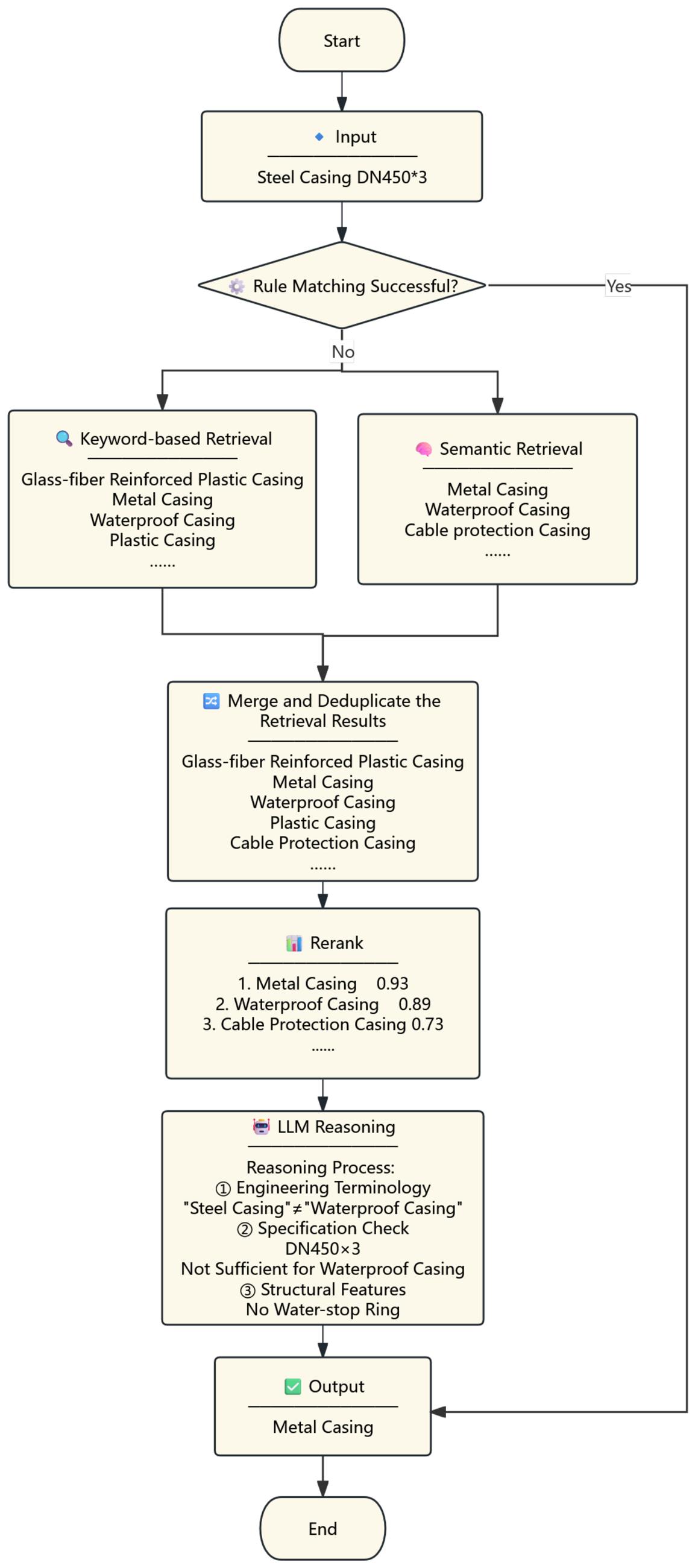
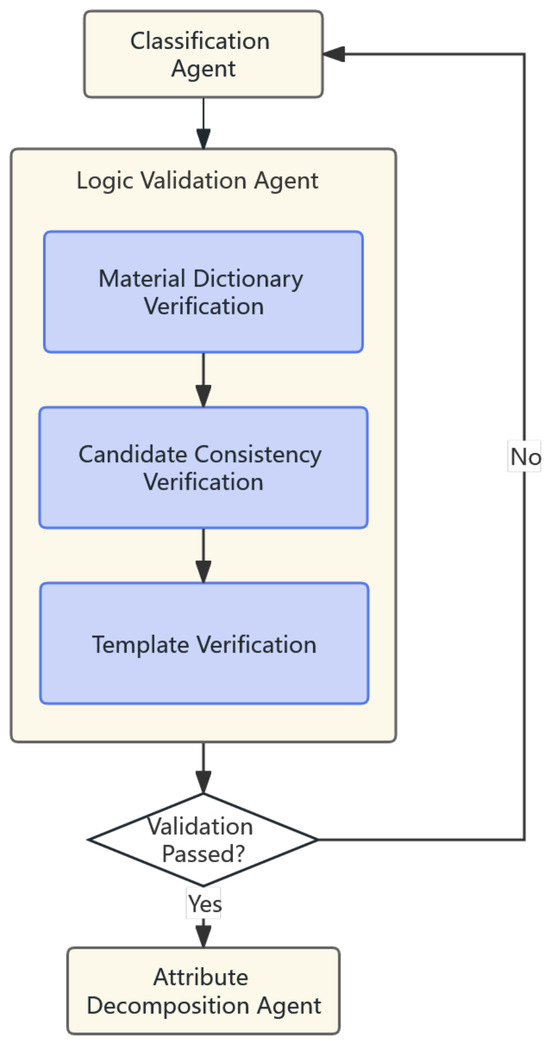
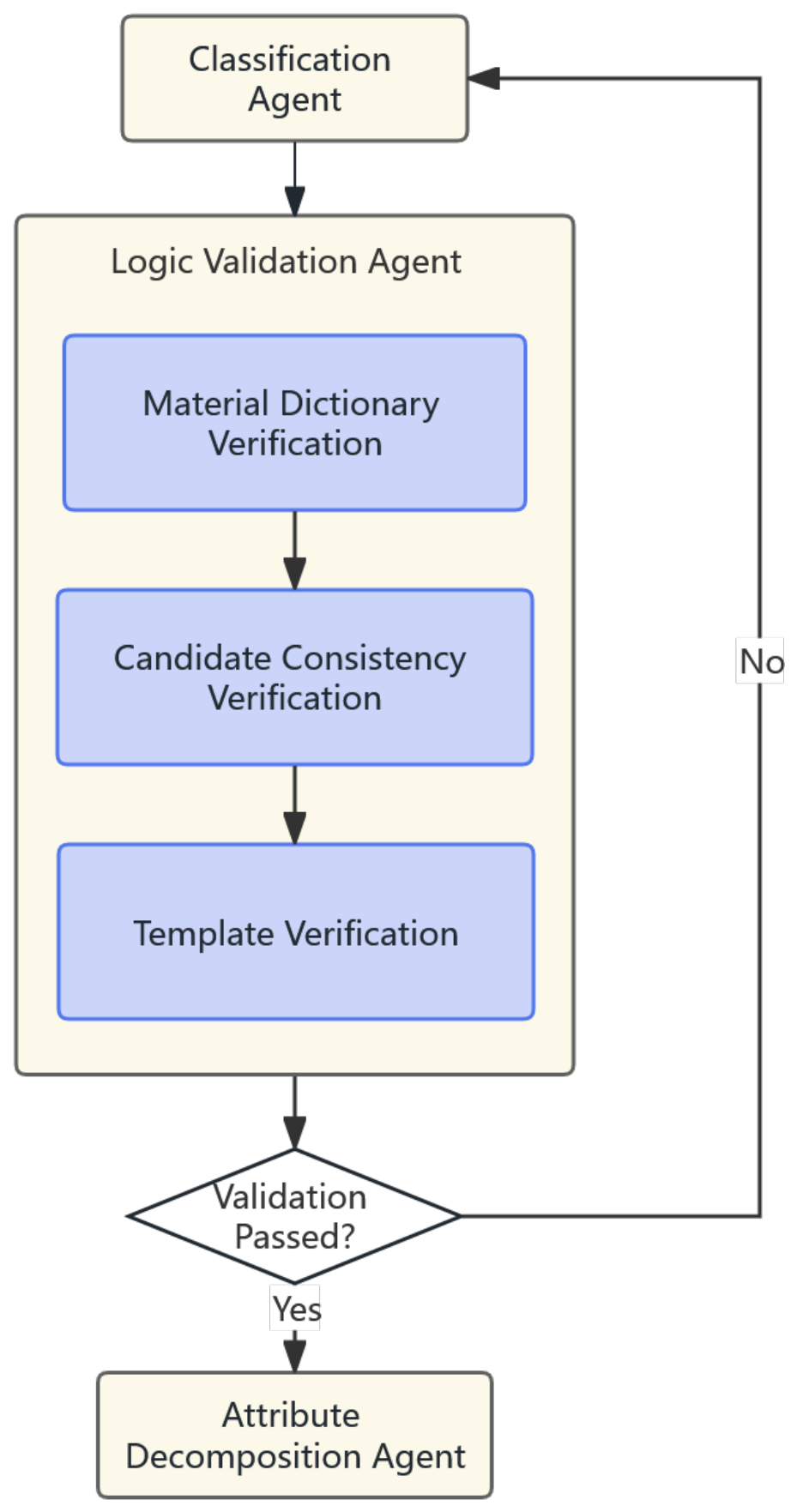
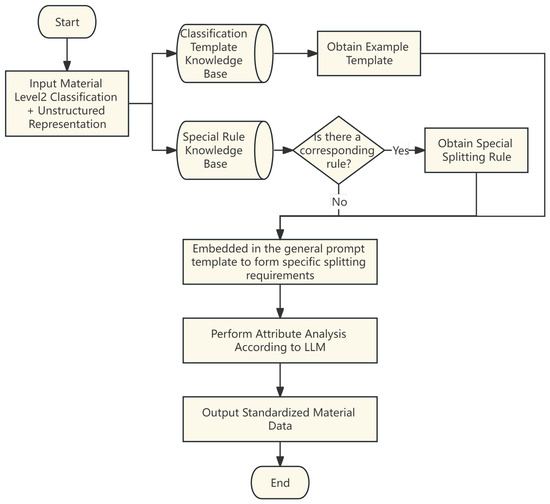
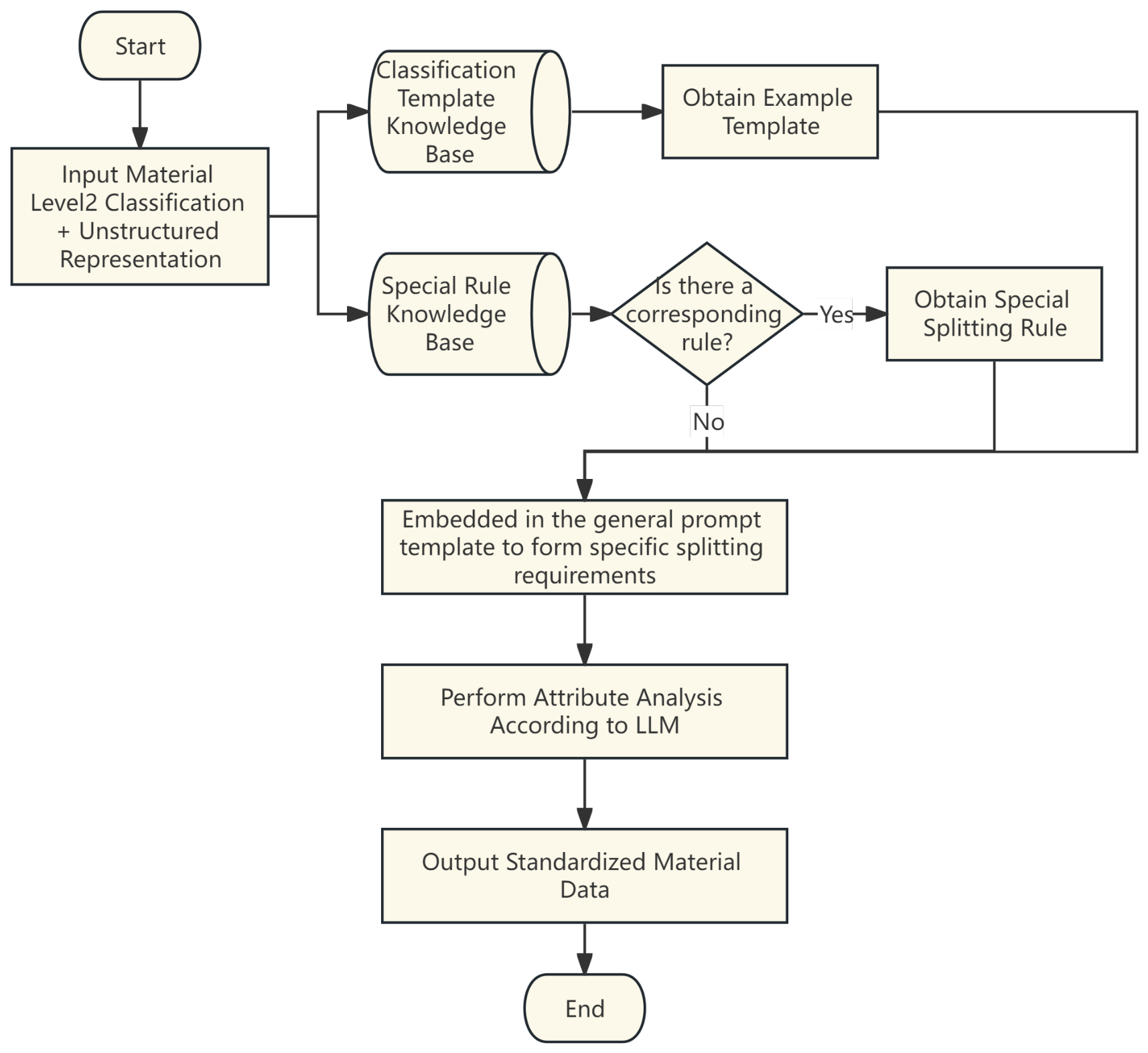
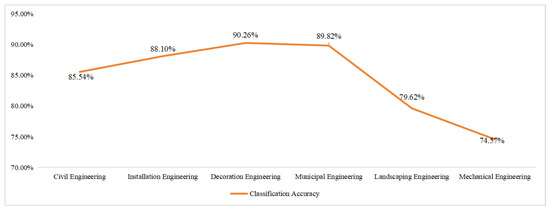
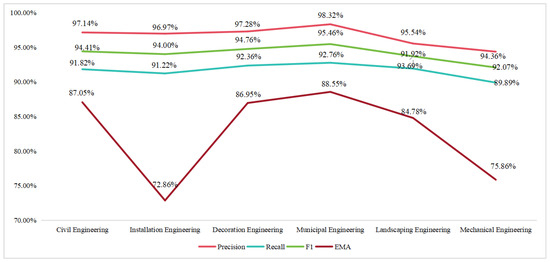

Disclaimer/Publisher’s Note: The statements, opinions and data contained in all publications are solely those of the individual author(s) and contributor(s) and not of MDPI and/or the editor(s). MDPI and/or the editor(s) disclaim responsibility for any injury to people or property resulting from any ideas, methods, instructions or products referred to in the content. |
© 2026 by the authors. Licensee MDPI, Basel, Switzerland. This article is an open access article distributed under the terms and conditions of the Creative Commons Attribution (CC BY) license.