


Abstract
Building- and residential-scale energy systems are becoming increasingly complex due to the growing use of renewable energy sources, variable generation profiles, and uncertainties in user demand. This study comprehensively examines the role of electrical, thermal, and hydrogen-based energy storage technologies in building-scale hybrid energy systems and evaluates these systems alongside energy management strategies. In this context, lithium-ion batteries, supercapacitors, flywheel systems, thermal energy storage solutions, and hydrogen-/fuel cell-based architectures are discussed in terms of their technical characteristics, intended uses, limitations, and complementary aspects. The reviewed studies show that individual storage technologies remain limited in their ability to meet all operational requirements, whereas hybrid storage architectures offer significant advantages in terms of power quality, energy flexibility, energy storage system lifetime, renewable energy utilization, and long-duration energy supply security. Furthermore, energy management systems are shown to be critical not only for cost minimization but also for user comfort, grid interaction, forecasting accuracy, uncertainty management, and the coordination of storage units operating at different timescales. Consequently, achieving high efficiency, low-carbon operation, and energy autonomy in building- and residential-scale systems requires the integrated design of multilayered hybrid storage approaches that are supported by intelligent energy management.
1. Introduction
One-third of global energy consumption occurs in buildings; therefore, energy efficiency and green transformation within the building sector are of great importance. Considering the environmental impacts and limited reserves of fossil fuel-based resources, the use of renewable energy sources in buildings is essential for a sustainable future. In achieving this transformation, the integration of renewable energy sources such as solar and wind plays a critical role, particularly in line with the objective of zero-energy buildings [1]. However, the inherently intermittent nature of renewable energy sources makes the effective storage of the generated energy necessary [2]. Energy storage systems play an important role in mitigating supply–demand mismatches. However, they also pose challenges such as efficiency, cost and scalability. These challenges can be overcome through the hybrid integration of storage technologies. The use of hybrid energy storage systems enables cost reductions and increases system efficiency [1]. In this context, storing energy in different forms emerges as a solution for reducing the adverse effects of uncertainties arising from the use of renewable energy sources in building microgrids and for providing more stable energy management that can respond to changing demand [3]. Thus, renewable sources such as photovoltaic (PV) systems and small-scale turbines integrated into buildings are decisive elements for achieving green transformation by improving energy efficiency, particularly in residential applications [4,5].
Generated energy, consumption on the load side and storage systems need to be evaluated together, and the adoption of a dynamic energy management approach throughout the overall system is important both for reducing energy costs and for extending the lifetime of system components [6,7]. The integrated design of energy generation, consumption and storage systems is an approach that not only increases grid flexibility but also enables more effective management of the supply–demand balance and the efficient reduction of energy consumption at the building/residential scale [8,9]. Through this holistic approach, energy supply security can be ensured while the grid integration of renewable energy sources can also be optimized; the reliability of microgrids can be increased and power quality can be improved without the need to increase the capacity of the electrical energy transmission system [10]. Systems configured through these integrated approaches make significant contributions to reducing average energy costs, particularly by providing reliable power to settlements in remote areas [11]. This demonstrates the potential offered by building-scale microgrids operating either independently from or connected to centralized grids, particularly in terms of efficiency and reliability in the integration of intermittent renewable energy sources [12].
Building-scale energy systems represent a multidimensional process that requires resources and storage units to be managed in a compatible and dynamic manner. Microgrid systems integrated with storage units offer advantages in coping with the intermittency and fluctuations of renewable energy sources more effectively through artificial intelligence, evolutionary algorithms and machine learning-based control approaches. These technologies maximize building energy performance through the optimization of energy flow, load forecasting and real-time management of storage systems [13].
At building scale, optimal sizing of a hybrid energy storage system (HESS) should be treated as a coupled design–operation problem rather than as the independent selection of nominal device capacities. The required power and energy ratings depend on the building load profile, renewable-generation variability, the tariff structure, export constraints, the desired autonomy, and the services assigned to each storage layer. Recent building-focused literature, therefore, increasingly evaluates storage together with photovoltaic generation, conversion equipment, and energy management logic [14]. For household prosumers, Hernández et al. showed that battery aging and operating strategy can materially change the techno-economic optimum, demonstrating that a capacity selected only to maximize self-consumption may not minimize the total cost of energy or maximize self-sufficiency [15]. Consequently, a defensible sizing study should state the system boundary, temporal resolution, load and weather data, degradation assumptions, reliability target, and economic perspective before reporting an “optimal” capacity.
Methodologically, the literature has progressed from rule-based sizing and deterministic annual simulations toward joint capacity–operation optimization. Iijima et al. combined mathematical programming and metaheuristic search to optimize building energy-system capacities and operating schedules, illustrating the value of optimizing design and dispatch simultaneously [16]. Li et al. extended this logic through a double-loop framework in which capacity decisions are updated using stochastic operating scenarios, thereby reducing sensitivity to incomplete initial information and variable demand and renewable supply [17]. Multi-objective formulations further expose trade-offs that a single cost function can conceal; for example, Ren et al. evaluated economic, energy, and environmental objectives in a hybrid cooling, heating, and power system with thermal storage [18]. These approaches are complementary rather than interchangeable: deterministic formulations are transparent and computationally efficient but may underestimate the required capacity, whereas stochastic and multi-objective models improve robustness and decision insight at the expense of greater data requirements, a greater computational burden, and a dependence on scenario construction and objective weighting.
Uncertainty and component interaction are especially important when electrical storage technologies are hybridized. Ntube and Li formulated residential battery sizing as a two-stage stochastic, multi-objective problem and showed that explicitly representing load uncertainty changes the preferred capacity relative to a deterministic solution [19]. For a battery–supercapacitor HESS, Mohseni and Brent co-optimized capacity and scheduling under probabilistic conditions, highlighting that uncertainty can create a measurable capacity and cost premium [20]. However, the latter case concerns a community microgrid rather than a single building, so its numerical results should not be transferred directly to residential buildings. More broadly, reported optima remain difficult to compare because studies employ different weather years, load datasets, forecast errors, tariffs, component models, state-of-charge limits, replacement rules, and reliability metrics. Future building-scale studies should, therefore, include sensitivity and out-of-sample testing, disclose scenario-generation methods, and benchmark deterministic, stochastic, and robust formulations on the same dataset.
The sizing problem becomes more strongly multi-timescale when hydrogen is included alongside batteries or other short-duration storage. In high-rise residential applications, Liu et al. jointly evaluated renewable generation, battery storage, and hydrogen-vehicle storage, demonstrating that storage selection and capacity planning must reflect both short-term balancing and longer-duration energy transfer [21]. In such configurations, the decision vector should distinguish electrolyzer power, hydrogen-storage capacity, fuel cell or reconversion power, battery power and energy, and the capacity of associated converters; collapsing these elements into a single HESS energy rating obscures efficiency losses and bottlenecks. A remaining research gap is the lack of building-specific studies that simultaneously represent electrochemical degradation, electrolyzer and fuel cell part-load behavior, hydrogen compression and safety constraints, occupant-driven demand uncertainty, resilience requirements, and life-cycle cost and emissions. Addressing this gap requires transparent, reproducible co-optimization frameworks supported by measured building data and validated across multiple climates, tariffs, and occupancy patterns rather than a single idealized case.
Building upon these observations, although numerous review studies have investigated energy storage technologies and energy management in buildings, they generally focus on specific storage technologies, particular application areas, or individual energy management system (EMS) strategies. As a result, the existing literature provides valuable but fragmented knowledge regarding the integration of hybrid energy storage systems in buildings. The present review addresses this fragmentation by synthesizing the available literature on electrical, thermal, and hydrogen-based energy storage technologies within a common building-scale perspective and by discussing their coordinated operation through EMSs. In addition to providing a comparative assessment of existing technologies, this review identifies current research trends, highlights remaining research gaps, and discusses future research directions for building-scale hybrid energy systems.
Accordingly, this review provides a comprehensive synthesis of the current literature on building-scale hybrid energy storage systems and their integration with EMSs, while identifying existing challenges and future research opportunities. Section 2 discusses the fundamental principles of energy efficiency and green transformation in buildings. Section 3 examines the integration of renewable energy sources, such as solar and wind, into buildings, and their associated technical requirements. Section 4 details energy storage technologies, with a specific focus on electrical storage, thermal energy storage, and hydrogen energy/fuel cell solutions. Section 5 reviews the components and architecture of EMSs, current control approaches and recent developments in the literature on hybrid energy storage systems. Finally, Section 6 and Section 7 present a comprehensive discussion and conclusion evaluating the technical, economic, and environmental benefits of these systems, as well as future challenges and potential research areas.
2. Energy Efficiency at the Building and Residential Scales
In addition to passive and active design approaches developed to reduce the operational energy consumption of buildings, the role of integrated energy systems is becoming increasingly important. In this context, energy efficiency is no longer limited solely to reducing consumption; rather, it has evolved into a multidimensional concept that requires the joint optimization of energy generation, storage and consumption processes. Particularly with the widespread adoption of microgrid structures at the building scale, buildings are moving beyond the role of passive consumers and becoming active and flexible components of the energy system.
At the global scale, buildings are responsible for approximately 40% of total energy consumption and 30% of CO2 emissions [1]. Nevertheless, the reported shares vary depending on the scope, methodology, and system boundaries adopted by different studies. For instance, the building sector has also been reported to account for more than 30% of final energy consumption and approximately 40% of total CO2 emissions [2]. This data indicates that transforming buildings from passive consumers into active energy units is critical for sustainability and for meeting environmental targets.
2.1. Transformation of Existing Buildings and Sustainability
Many existing buildings were constructed before electrical and thermal energy standards were established [22]. Therefore, most existing buildings exhibit low energy performance, and it is concluded that their energy efficiency needs to be improved because they fall below current standards [23]. Improving the energy performance of existing buildings is an important step toward reducing dependence on fossil fuels, and two main methods, active and passive, are applied to this end. While the active method manages energy flow through artificial intelligence and machine learning algorithms, the passive method offers architectural solutions such as improvements in building insulation and retrofits aimed at making maximum use of sunlight and natural ventilation [23]. The active method also includes the integration of heat pumps and photovoltaic panels into buildings [24]. This integrated system targets the transition to buildings that consume less energy, are sustainable, and can generate their own energy when necessary.
The main objective of the transformation toward highly energy-efficient buildings is to minimize the use of fossil fuels, particularly natural gas, and to reduce carbon emissions by transitioning to electricity- and hydrogen-based systems. In particular, the integration of green hydrogen and renewable energy sources into buildings plays a key role in achieving carbon-neutral targets [25]. With hybrid systems involving PVs, heat pumps and hydrogen, primary energy consumption has been shown to decrease by 40% to 60% compared with the conventional method [26]. Self-Consumption Ratio (SCR), which indicates how much of the energy generated in a building is consumed within the building, and Self-Sufficiency Ratio (SSR), which indicates how much of the building’s total demand is met by its own resources, are important parameters for evaluating buildings. In addition, for buildings to become grid-independent and sustainable active energy producers, the environmental impacts of the components used in the transformation, such as insulation materials, PV panels and electrolyzers, should also be considered throughout their life cycle, from production to disposal [25]. Table 1 provides an overview of representative building retrofit studies and the associated technical and sustainability performance indicators.
Table 1.
Overview of building-scale energy retrofit/hybrid energy storage studies: applied measures, approach, quantitative performance and reported limitations.
As summarized in Table 1, these representative studies confirm that active and passive strategies are rarely applied in isolation; most retrofits combine envelope improvements with heat pumps, photovoltaics and, increasingly, on-site storage, whether thermal [27,33], hydrogen-based [28] or electrochemical [34]. The reported performance is substantial but unevenly documented. Primary energy reductions range from approximately 44% to more than 70% at the building and district scales [27,31], while self-consumption and self-sufficiency improve markedly once storage and community-level sharing are introduced [30]. Two trends nonetheless limit direct comparison across the literature. First, key indicators are reported in heterogeneous units (renewable fraction, thermal capacity, primary energy, financial return and, less frequently, life-cycle or material-criticality metrics) [34], which prevents studies from being readily benchmarked; this gap is further widened by the disconnect between building-scale case studies and general or policy-level assessments [29,31]. Second, most results rely on simulation, and validation remains limited to a small number of cases or to laboratory-scale tests [30,32,33]. Consequently, although the technical feasibility of highly energy-efficient, self-generating buildings is well established, the field still lacks standardized performance reporting and long-term field validation, particularly with respect to the life-cycle and environmental impacts emphasized above.
2.2. Next-Generation Energy-Efficient Buildings and Smart Designs
Unlike the conventional understanding of static structures, next-generation buildings are designed to provide energy flexibility through intelligent control strategies. Through the integrated management of energy generation, storage and distribution processes, these structures become not only consumers but also active components of the energy grid. Energy flexibility enables surplus generation to be stored in different forms of energy and used when needed. In this context, renewable energy integration, electrical and thermal storage units and building energy management systems emerge as key components [35]. In particular, the use of photovoltaic systems at the building scale plays a critical role.
The combined use of Building Information Modeling (BTES), Smart Readiness Indicator (SRI) and AI-based digital tools increases the accuracy and effectiveness of energy management processes [23]. The Positive Energy District Framework (PEDF) approach, defined by the integrated use of photovoltaic systems and energy storage technologies, enables buildings to interact bidirectionally with the grid and provide flexible energy services [36]. It has been shown that IoT-based energy management systems reduce energy consumption and that peak loads can be balanced through storage integration [37]. This demonstrates that energy generation and consumption should be addressed through an integrated systems approach.
Automation and intelligent control approaches constitute the foundation of this system. IoT technology reduces unnecessary consumption through sensor-based monitoring and control mechanisms and ensures coordination among systems [38]. The hierarchical model predictive control (MPC) method addresses energy management within a multilayered architecture by integrating planning and real-time optimization. While energy planning and demand-side management are carried out at the upper layer, Heating, Ventilation and Air Conditioning (HVAC) systems and thermal storage units are dynamically optimized at the lower layer. This approach enables short- and long-term energy targets to be met simultaneously [39].
The transformation of the existing building stock is a critical requirement for sustainable energy management. This process includes passive design strategies, high-performance building envelopes, efficient HVAC systems and renewable energy integration [29]. These studies indicate that next-generation energy-efficient and smart building designs rely on a systems approach in which generation, storage and consumption processes are managed holistically. This progress, however, is not adequately validated. Most studies rely on simulation. Field cases remain confined to single buildings and short monitoring periods. A second trend is the shift from single storage media toward complementary hybrid configurations. These hybrid components are rarely reported within a common energy-flow budget. The systems approach is, therefore, well established in principle. Yet the field still lacks standardized performance reporting and long-term field validation.
3. Integration of Renewable Energy Sources into Buildings
In this context, solar panels and small-scale wind turbines are among the key technologies that enable buildings to generate their own energy [40]. The combined use of multiple renewable energy sources reduces the intermittency and uncertainty problems observed in systems dependent on a single source. It has been observed that activating wind energy systems when solar irradiance is insufficient and supporting both sources with energy storage systems can improve energy supply security and system stability at the building scale. In addition to electrical storage, the use of thermal storage systems also contributes to reducing peak loads and strengthens system flexibility [37]. This integrated structure enables buildings to move beyond serving as passive energy consumers and to become active systems that generate and manage energy.
Building-Integrated Photovoltaics (BIPV) systems provide both aesthetic and functional benefits through applications such as façade cladding and transparent solar panels. Vertical-Axis Wind Turbines (VAWTs) installed in areas with high wind potential, such as roof corners and ventilation shafts, enable more efficient use of the limited energy potential in urban areas. Such applications not only generate electricity but also reduce heating and cooling demand by forming an additional thermal layer on the building, thereby contributing to Nearly Zero Energy Building (NZEB) targets [40].
In terms of system flexibility and continuity, the combined use of solar and wind energy reduces interruptions in energy generation. While solar panels provide high generation during daytime hours, micro wind turbines are activated at night and during windy periods, thereby balancing generation [41]. Figure 1 presents the direct integration of renewable energy into the building structure and the support for this process by energy storage units using a typical DC microgrid topology that enhances system flexibility.
Figure 1.
A Typical DC Microgrid Topology.
Table 2 presents representative studies on current approaches and methods for renewable energy integration in buildings.
Table 2.
Representative studies on renewable energy integration in buildings.
Table 2 summarizes a set of representative studies, which show that storage options in renewable energy integration for buildings are rarely adopted in isolation; instead, they are implemented as integrated systems that combine generation, control and storage. On the storage side, the trend moves from single electrochemical and thermal solutions toward complementary hybrid configurations [42,43]. The reported performance is considerable but unevenly documented. Gains are expressed as DC energy savings in one study [40], CO2 reduction in another [42], on-site energy surplus in a third [43], or algorithmic efficiency improvement in yet another [12]; this diversity of metrics makes the studies difficult to compare directly. Two tendencies further constrain such comparison. First, the components of hybrid storage are often not reported within a common energy-flow budget [42], exclude the battery’s contribution from their evaluation [43], or do not specify the hydrogen tank or its source. As a result, although these systems are architecturally hybrid, they remain incompletely characterized at the evaluation level. Second, most results rely on simulation, and in-field validation is limited to a small number of cases or to short measurement periods [38,39]. Consequently, although the technical feasibility of highly energy-efficient, self-generating buildings is well established, the field still lacks standardized performance reporting and long-term field validation, particularly integrated reporting that captures both components of hybrid storage.
4. Energy Storage Technologies and Hybrid Systems
This section discusses the main energy storage technologies used in modern energy systems and the roles of these technologies within hybrid energy systems. Lithium-ion batteries, supercapacitors, flywheel systems, thermal energy storage technologies and hydrogen-based systems are examined in separate subsections from a residential-scale perspective. Figure 2 summarizes the proposed three-axis classification of building-scale HESS technologies.
Figure 2.
Classification of building-scale hybrid energy storage systems along three axes: physical storage form, energy/power characteristic, and timescale.
A meaningful comparison cannot be based on energy density or efficiency alone because the preferred storage technology changes with the service timescale and the system boundary. Lithium-ion batteries are generally suited to energy shifting over tens of minutes to several hours, supercapacitors and flywheels are better matched to high-power transients, thermal storage is attractive when the final demand is heat or cooling, and hydrogen becomes relevant mainly where very long duration and sector coupling justify additional conversion stages. Accordingly, the following subsections compare technologies using a common set of criteria: response time, power and energy requirements, round-trip efficiency, degradation, safety, spatial constraints, controllability, cost and integration complexity [44,45].
Across the literature, the prevailing trend is a shift from single-device comparisons toward service-oriented and hybrid architectures in which fast and slow dynamics are assigned to different components. This trend is technically plausible, but the reported advantages are difficult to compare because studies use different load profiles, tariffs, weather data, degradation models and component boundaries. Many studies also optimize nominal operation under deterministic or perfect-forecast assumptions, whereas residential performance is shaped by uncertain occupancy, appliance use, PV generation and electricity prices. The key evidence gap is, therefore, not another isolated performance comparison but rather reproducible residential field studies using common duty cycles, transparent cost and lifetime assumptions, and multi-objective metrics that jointly represent homeowner value, grid impact, emissions, safety and material circularity [44,46,47].
4.1. Lithium-Ion Battery Energy Storage System
Batteries are among the most widely used energy storage technologies today and are based on the principle of storing energy through electrochemical reactions. Lithium-based batteries have a wide range of applications owing to their different cathode and anode chemistries. These battery chemistries, formed by combining lithium with different elements, differ in parameters such as specific energy, specific power, safety, life cycle, performance, and cost.
Lithium-ion batteries should not be treated as a homogeneous technology. At the residential scale, LFP chemistry generally prioritizes thermal stability and cycle life, whereas nickel-rich chemistries such as NMC offer higher gravimetric energy density but require tighter thermal and safety control. The practical choice is, therefore, application-dependent: the energy-density advantage of NMC may matter in space-constrained installations, while the safety and durability profile of LFP can be more important where the footprint is less restrictive. Moreover, cell-level specifications do not directly translate into system-level performance because the inverter, BMS, thermal management system, protection devices and usable state-of-charge window introduce additional losses, constraints and cost.
The energy density of lithium batteries is considerably higher than that of flywheel energy storage systems (FESSs) and supercapacitor energy storage systems (SESSs). By contrast, both their calendar life and cycle life are shorter than those of the aforementioned storage technologies. Furthermore, because energy conversion occurs via electrochemical reactions, their operating temperature range is narrower than that of other energy storage technologies. Nevertheless, in recent years, advances in manufacturing technologies and economies of scale and increases in global production volume have significantly reduced the unit energy costs of lithium batteries, making this technology more economically accessible. Figure 3 presents an overview of the lithium-ion battery system hierarchy and cell structure.
Figure 3.
Lithium-ion battery system hierarchy and cell structure.
These comparisons depend strongly on the selected boundary. Cell energy density favors lithium-ion batteries, but rack- or system-level values fall when power electronics, cooling, fire protection and reserve capacity are included. Similarly, high nominal cycle-life values are not directly comparable unless depth of discharge, C-rate, temperature and end-of-life criteria are harmonized. A more defensible interpretation is, therefore, that lithium-ion technology currently offers a strong compromise between efficiency, modularity and commercial maturity, rather than a universal optimum across all residential services.
Li-ion BESSs are currently the most mature and widely adopted solutions for small-scale residential storage. At the residential scale, this technology is most often used in combination with rooftop photovoltaic systems. It is preferred for storing surplus solar energy generated during the day and shifting it to evening hours, reducing the energy drawn from the grid and increasing self-consumption [10]. Recent reviews focusing on buildings and end users examine PV-BESS configurations in detail, ranging from the single-building level to energy-sharing community-scale applications [47,48].
The literature nevertheless shows that higher self-consumption does not automatically imply favorable economics, lower emissions or greater network benefit. Results are highly sensitive to retail tariffs, export remuneration, PV-to-load coincidence, climate, battery replacement assumptions and dispatch objectives. Ren et al. [48], for example, demonstrate that a strategy optimized for peak reduction and economic return can differ from one optimized for environmental benefit. Reviews of building and end user PV-BESS studies likewise identify inconsistent optimization objectives and the limited treatment of uncertainty as major barriers to cross-study comparison [44,47]. Consequently, claims of feasibility should be reported together with tariff, location, control and degradation assumptions rather than generalized from a single scenario.
In residential applications, the main advantages of Li-ion batteries are their high energy density, high round-trip efficiency, modularity and relatively easy integration into inverter-based residential systems. Therefore, they are highly suitable for applications such as backup during power outages, cost optimization under time-of-use (TOU) tariffs, increased self-consumption and reduced PV-induced reverse power flows in low-voltage grids.
Available evidence indicates that residential batteries can reduce household peaks and reverse power flow when their dispatch is coordinated with feeder conditions; however, batteries scheduled only for individual self-consumption or tariff arbitrage do not necessarily mitigate voltage or congestion problems. Grid benefit is, therefore, a control outcome rather than an intrinsic property of battery installation, and it can conflict with the homeowner’s economic objective [46,48].
However, the main limitations of small-scale residential battery systems are cost, aging, temperature effects and electro-thermal stress under high power draw. In particular, when a battery in a residence is required to both perform demand-side energy shifting and simultaneously provide supply for sudden high-power demands, battery health may be adversely affected in the long term. Therefore, the current literature considers not only capacity sizing but also energy management strategies, load forecasting and demand-side flexibility as critical factors in residential systems [44].
The reviewed approaches can be broadly separated into rule-based control, optimization-based scheduling and learning-based energy management. Rule-based methods are transparent and inexpensive to implement but may perform poorly outside the conditions for which their thresholds were tuned. Model predictive and stochastic optimization methods can coordinate tariffs, forecasts and degradation more explicitly, although their advantage depends on model accuracy and computational tractability. Learning-based methods reduce reliance on explicit models but require representative data and introduce explainability and safety-verification challenges. Importantly, a systematic comparison of small-scale PV-battery strategies found that greater algorithmic sophistication does not necessarily improve economic performance when uncertainty, data quality and battery degradation are modeled inconsistently [46].
The role of the Battery Management System (BMS) is particularly important in residential applications. Cell balancing, temperature monitoring, state of charge/state of health (SoC/SoH) estimation and inverter coordination determine not only safety but also economic performance. Therefore, in small-scale residential systems, battery selection should be evaluated with respect to not only energy capacity but also cycle life, allowable charge/discharge C-rate, safety architecture, fire prevention measures and compatibility with smart home/energy management systems.
Recent studies show that intelligent energy management can include battery-use and degradation proxies within system sizing and dispatch decisions [49]. However, the magnitude of lifetime extension remains uncertain because it is commonly inferred from simplified cycle-counting or throughput models rather than long-term electrochemical and field validation. Future studies should couple SoH estimation, electro-thermal aging and forecast uncertainty and should report whether improved lifetime is achieved at the expense of self-consumption, backup capability or economic return.
Consequently, lithium-ion battery systems are currently the core technology for small-scale residential energy storage. Especially when used together with rooftop PV systems, they remain the most economically and technically feasible solution. However, when longer lifetimes, lower degradation and greater flexibility are targeted, the hybridization of batteries with other storage technologies becomes increasingly important.
Three gaps remain particularly important. First, longitudinal residential datasets are needed to validate lifetime, safety and control claims across different climates and user profiles. Second, economic studies should co-optimize homeowner, distribution-network and carbon objectives instead of reporting self-consumption as a sufficient proxy for value. Third, future comparisons should include installation constraints, fire-safety architecture, interoperability, repairability, second-life use and recycling. Without these dimensions, the apparent superiority of one chemistry or control strategy may reflect a narrow system boundary rather than a robust residential advantage.
4.2. Supercapacitor Energy Storage System
Supercapacitors store energy in an electrostatic field and provide very-high-power density. Their energy density is lower than that of batteries; however, their charge–discharge rates are extremely high. Their cycle life can reach up to two million cycles. Therefore, at the residential scale, supercapacitors are primarily useful not for storing energy over several hours but rather for damping sudden power fluctuations that occur over seconds to minutes. Recent studies show that, for this very reason, supercapacitors should be considered not as replacements for batteries but rather as complementary components [45]. The supercapacitor system hierarchy and cell structure are shown in Figure 4.
Figure 4.
Supercapacitor system hierarchy and cell structure.
The frequently cited advantages of high-power density and long cycle life should be interpreted together with low energy density, voltage-dependent usable energy, self-discharge and the need for cell balancing and bidirectional conversion. These characteristics make supercapacitors attractive for transient power support but weaken their business case for low-utilization residential systems, where the added converter, controls and standby losses may not be recovered through battery-life savings. Reference [45] supports the broad technology comparison, but residential value requires application-specific sizing and economic evidence.
In small-scale residential systems, supercapacitors are particularly useful for managing sudden transitions at the inverter output, short-duration peak powers, motor start-ups and frequent changes in power direction. For example, during cloud transients in which solar irradiance changes very rapidly or when several high-power devices are activated simultaneously in a residence, supercapacitor-supported architectures can reduce the sudden current load imposed on the battery.
DC microgrid studies show that a supercapacitor branch can absorb fast PV and load transients while the battery supplies the slower energy component [50,51,52,53]. This evidence is more directly relevant than electric-vehicle results, although much of it remains based on simulation or laboratory-scale prototypes rather than occupied-home field trials. Accordingly, reduced battery stress should be presented as a plausible mechanism that still requires long-duration residential validation, not as an established lifetime outcome.
However, due to their low energy density, supercapacitors alone are insufficient to supply a home throughout the night or to meet backup power requirements lasting several hours. Therefore, their most appropriate role in residential applications is to serve as a short-duration support layer for a PV-battery system. In recent years, battery–supercapacitor hybrids have been extensively investigated in the literature for both electric vehicles and distributed energy systems; the basic principle has been shown to be task sharing between a high-energy-density component and a high-power-density component [54].
The magnitude of this benefit depends on the architecture and control. Passive hybrids are inexpensive but provide limited control over current sharing. Semi-active arrangements add one converter and improve power allocation, while fully active architectures allow independent control of both devices at the cost of higher component count, conversion loss and control complexity. Rule-based or low-pass-filter strategies are transparent and have been validated in microgrid prototypes [52], whereas model-free and adaptive strategies can better accommodate uncertain system dynamics [50,51] but add tuning, data and verification requirements. Thus, hybridization is not inherently superior: its value must exceed the efficiency penalty, converter cost and additional failure modes introduced by the interface.
Considering these characteristics, supercapacitors should be regarded not as the backbone of residential storage but rather as complementary components that protect the battery and improve power quality in small-scale residential microgrids.
Battery–supercapacitor hybrids are receiving increasing research attention in DC microgrids and multi-source systems [45,46,50,51], but evidence on commercial residential deployment remains limited. The main research gaps are standardized residential transient profiles, field-validated battery-aging benefits, optimal sizing under realistic tariffs, converter reliability, standby loss, and life-cycle cost and environmental assessment. Until these gaps are addressed, supercapacitors are best characterized as a technically promising power-buffering layer for selected high-transient applications rather than a generally cost-effective addition to every residential BESS.
4.3. Flywheel Energy Storage System
A flywheel energy storage system is a mechanical energy storage technology that stores energy as the kinetic energy of a rotating rotor. Its basic structure consists of a high-speed rotor, a motor/generator unit, power-electronic converters and low-loss bearing systems. During energy storage, electrical energy is used to accelerate the rotor; during the recovery phase, the generator again produces electricity as the rotor slows. The high-power density and fast response time of FESSs are among their major advantages [45,55]. The general structure of a FESS is shown in Figure 5.
Figure 5.
Structural components of the flywheel energy storage system.
For small-scale residential applications, flywheel systems are less widespread than conventional residential lithium batteries; the main reason is that their energy density is lower than that of batteries and their mechanical infrastructure is more complex and costly. Nevertheless, a FESS is a theoretically valuable solution for very-short-duration, high-power requirements, such as washing machine motor start-up, heat pump compressor operation, short-duration inverter transitions, microgrid islanding, and sudden load changes. The recent FESS literature shows that this technology is particularly prominent in microgrids and in suppressing fluctuations from renewable sources such as PV and wind; however, as the energy delivery duration increases, its competitiveness decreases compared with battery and hydrogen solutions [56,57,58].
At the residential scale, the most meaningful use of FESSs is not as a standalone “main storage unit” but rather as a sudden power buffer in a PV-battery-based system. In this scenario, the flywheel can meet high-frequency power fluctuations and very-short-duration peaks, thereby reducing the sudden current load imposed on the battery and limiting its electrical stress and thermal load. Recent studies examining the task-sharing logic of hybrid architectures particularly emphasize that, despite their low energy capacity, FESSs have value as a complementary storage element due to their dynamic response and cycle life [59,60].
However, for a typical detached house or apartment, flywheel systems have not yet achieved widespread commercial adoption. In the field of residential energy storage, the main market focus remains on battery-based systems. Therefore, FESSs should be considered more as a future-oriented, niche, or special power-quality-focused technology for small-scale residences; however, as energy management algorithms develop and hybrid systems become more widespread, their role may increase, particularly in residential microgrids requiring high power quality [44].
4.4. Thermal Energy Storage Systems
A significant portion of energy consumption in buildings results from heating, cooling and domestic hot water demand. With the widespread adoption of solar energy- and heat pump-based systems, TES technologies integrated with these systems have become an important solution for building energy management. TES applications provide advantages such as load shifting, the reduction of energy costs, the increased utilization of renewable energy and the reduction of peak demand in HVAC systems. Current integration approaches enable the development of TES solutions that are more compatible with building components and allow flexible and advanced energy management strategies.
Thermal energy storage (TES) systems are classified as active and passive systems according to the heat transfer mechanism, which can be either forced or natural. In active TES systems, thermal energy is stored in a storage medium located within a defined storage volume, such as a tank or borehole. Heat is utilized through forced convection by circulating a heat transfer fluid, generally water, through pipes inside the storage tank at a controlled mass flow rate. Heat storage media may be fluids, such as water, ice, heat transfer oil, or phase change material (PCM), or fixed filling materials, such as sand, water, or PCM. Therefore, operating the system requires an insulated storage tank, chemical and material components, heat transfer fluid and a pump. In passive energy storage, indoor temperature fluctuations are dampened and peak thermal loads are shifted without the need for mechanical systems by increasing the thermal mass through building envelope elements, such as wall components made of brick or concrete or PCM panels integrated into them; in this process, heat transfer occurs largely through natural convection mechanisms [61]. In terms of the form in which energy is stored, TES technologies can be classified as sensible and latent heat storage technologies. In sensible heat storage, energy is stored by changing the temperature of the storage medium. In latent heat storage, energy is stored in the form of latent heat absorbed or released during phase change. In this case, a large amount of energy can be stored at a relatively low temperature, without fluctuations in the source temperature. An alternative approach is to use thermochemical methods, in which energy is stored as thermochemical reaction energy. The characteristics of TES systems used in buildings are presented in Figure 6.
Figure 6.
Representation of TES Used in Buildings.
Research on active and passive TES methods has increased significantly in recent years; in particular, PCMs stand out as a strong passive TES solution due to their high latent heat capacities when integrated into walls, façades and roof structures. In response to the increasing energy- and climate-related demands of cities, the diversification of TES systems applied to buildings and their optimization through hybrid (active–passive) approaches have become inevitable. In a bibliometric study by Borri et al. covering the literature between 2000 and 2021, the development of sensible, latent and thermochemical energy storage technologies from buildings to urban networks was systematically examined [62]. The analysis shows that more than 60% of TES publications were published in the last five years and that latent heat storage technology is the fastest-growing research area. Huang et al. emphasized the indispensability of these technologies for decarbonization targets, stating that hybrid systems can increase energy storage density by 3 to 5 times [63]. Laafer et al. provided a general perspective by reviewing studies published between 2022 and 2025 and reported that passive PCM integration can reduce building energy consumption by 10–30%, while active systems increase operational flexibility when combined with heat pumps [64].
4.4.1. Active Sensible Heat Storage
In active sensible storage systems, energy is stored through the temperature change of the storage medium, without any phase change. Water-based tank systems are widely preferred in building applications due to their high specific heat capacity and low cost. The performance of these systems is under extensive investigation, particularly in HVAC applications supported by renewable energy. Baniasadi et al. analyzed an active storage system in which a heat pump was integrated with a water tank having a volume of 1 m3 and an insulation thickness of 100 mm. PV electricity generation and a battery-based storage solution were also integrated. In the investigated building, daily energy consumption decreased by 44.2% on summer days and by 18.3% on winter days compared with the scenario in which storage technologies were not used [65]. Zhang et al. experimentally investigated the integration of PVs and a heat pump with battery and TES for an NZEB under cold climate conditions. In the study, in which a 1.2 m3 water tank and an 18 kW heat pump were used, on-grid and off-grid scenarios were evaluated. While the NZEB criteria were satisfied, under off-grid operation, the heat pump capacity increased by 20%, PV capacity by 45% and battery and TES capacities by 50% compared with the on-grid case. The levelized cost of energy was found to be the highest in the off-grid case [66]. Additional efficiency can be achieved when active TES systems are optimized using control algorithms. Wei and Calautit examined the performance of an active water storage tank with MPC control in buildings with variable occupancy rates, i.e., variable consumption profiles. The system meets 63% of the total heating demand from solar energy and reduces electricity costs by more than 50% [67]. Al-Atari et al. stated that heat pump and TES optimization through digital twins at the neighborhood scale, with a capacity of 76 houses, could reduce electricity demand during peak hours by 30% and lower energy costs [68].
4.4.2. Active Latent Heat Storage
In active latent heat storage systems, energy is stored as latent heat absorbed during the phase change processes of chemical materials, generally the solid–liquid transition. This approach provides higher energy density than sensible storage and enables the development of more-compact systems. Materials that can store a large amount of latent heat during phase change are referred to as PCMs.
In the literature, studies focusing on the integration of PCM tanks with HVAC systems are prominent. Nunna et al. investigated the use of active PCM-based TES systems together with heat pumps. The storage tank (TES) was designed as a tube-in-tank system, in which PCM was placed inside a cylindrical tank and water was circulated as the heat transfer fluid through the central tube. In the study, 1-octadecanol was selected as the organic PCM due to its high latent heat capacity and non-toxic nature. Among the control methods examined, the genetic algorithm approach was reported to reduce energy costs by 42% and energy consumption by 31% [69]. Sevault et al. examined the integration of district heating, a heat pump and PCM-TES in a real building application. CrodaTherm 37 PCM, with a melting temperature of 34–37 °C, was used in a storage tank with a volume of approximately 4.725 m3. As a result of the study, it was stated that the PCM-TES system offered a more compact structure and higher thermal performance compared with water-tank-based systems, although it had a disadvantage in terms of cost [70]. In the spiral heat-exchanger-based thermal battery system developed by Shukla et al., OM42 and OM65 organic PCMs were used. The system was able to maintain the indoor temperature within the range of 20–25 °C, with an energy consumption of less than 200 W, even under conditions where the outdoor temperature was below zero [71].
These studies show that active PCM-based storage systems can provide high energy flexibility, particularly through heat pump integration and advanced control strategies. In addition, the use of PCM enables more compact storage volumes while maintaining thermal comfort in low-temperature building applications.
Lee et al. experimentally investigated a modular PCM thermal battery unit integrated into building cooling systems to reduce peak electricity demand. A salt hydrate PCM with a melting temperature of 15 °C was used in the TES unit with a volume of 1.2 m3. The system reached a total energy storage capacity of 52 kWh and a discharge power of 32.58 kW, reducing grid electricity demand by 40% during peak cooling loads [72]. Kang et al. developed a Photovoltaic Storage Thermal Flexible System (PSTFS) that jointly uses solar panels, an ice storage tank, a battery system and building thermal inertia. In the study, the building walls and indoor air volume were modeled as a virtual energy storage system; it was reported that the release of overcooling performed at night during daytime peak hours reduced the operating cost by 16.28% [73]. In the field study conducted by Gupta et al., a shell-and-tube-type TES unit containing PCM with a melting temperature of 80 °C was integrated with a fan–coil system, and a heating capacity between 1.77 and 4.53 kW was achieved at flow rates of 3–7 L/min [74].
These studies show that active latent heat storage systems are not limited to conventional tank-type applications; they are also moving toward more-flexible energy management strategies including building thermal inertia, virtual storage and modular thermal battery approaches. PCM-based systems offer significant potential, particularly for peak load reduction and demand-side management.
Altuntaş et al. investigated cold storage possibilities using 12 different encapsulated PCM materials, including water, with respect to heat transfer and performance parameters. The study was carried out at a scale of 1 MWh of cooling capacity. The interaction between the PCM material and the cooling cycle was analyzed in detail in terms of thermodynamics, heat transfer and flow characteristics. The use of PCM increased the storage tank volume by 45–50% compared with water-based systems. Among the PCMs examined, water, which exhibited the highest latent phase change energy, was reported to provide the best performance [75].
Studies on tank-type PCM-based active storage systems are mostly supported by experimental data. However, due to the diverse thermophysical properties of PCM materials, such as melting temperature and density, future research is expected to focus on optimizing operating parameters according to material characteristics. In addition, the limited number of studies on the cost burden introduced by such integrations and on holistic techno-economic analyses of these systems presents important academic research opportunities.
4.4.3. Passive Sensible Heat Storage
The thermal inertia of the building envelope forms the basis of passive sensible energy storage applications. By releasing the heat stored during the day with a delay, indoor temperature fluctuations can be reduced. In the literature, this approach is evaluated particularly in terms of load shifting and thermal comfort. Alesci et al. stated that underfloor heating systems have a higher load-shifting potential compared with radiator-based systems. The building thermal mass can shift the load by 2–4 h without compromising comfort conditions [76]. Król analyzed active thermal insulation systems using concrete slabs as an energy storage medium. It was stated that the system would have potential for sustainable energy management when integrated with solar collectors [77].
4.4.4. Passive Latent Heat Storage
PCM-enhanced building elements have become one of the most extensively investigated areas in passive thermal energy storage applications. The high latent heat capacity of PCMs significantly increases the energy storage capability of building elements. In the literature, studies mostly focus on PCM location, melting temperature and climatic effects. Zuo et al. directly incorporated PCM into concrete building material using an experimental sample. By modeling a reference building with the thermal behavior data they obtained, they reported that the cooling load of the building could be reduced by 12.1% and the heating load by 16.8% [78]. Pirasaci and Sunol evaluated a composite structure obtained by filling PCM material into pumice brick. The mass ratio of the incorporated PCM to the brick was determined to be approximately 23%. As a result of the study, it was stated that the energy gain in terms of performance remained limited and that the difficulty of producing PCMs suitable for cold/hot climates had a limiting effect [79]. Terhan et al. created four different wall types by changing the position of PCM (InfiniteRPCM and BioPCM27) in the exterior wall of a building. It was reported that the PCM wall structure positioned behind the internal plaster provided the highest savings in heating and cooling, with 24.45% savings in cooling and 14.76% savings in heating [80].
Jahangir et al. applied a similar method to an industrial office building. In a 2500 m2 building, the position of the PCM layer and two different PCM layer configurations were modeled. It was found that the RT28HC (28 °C) wall type positioned close to the inner surface was the most effective solution in terms of energy efficiency. With this application, energy savings reached 6.39% in heating and 5.91% in cooling [81]. In another study using a dual PCM layer, Dardouri et al. reported that energy consumption decreased by 70% under the investigated conditions [82]. Kamel et al. stated that PCMs alone are limited in their load reduction compared with insulation materials and showed that the cooling load could be reduced by 65% when the PCM layer was actively cooled regeneratively with cooling water [83]. Li et al. mitigated the performance limitations caused by the fixed PCM location through a dynamic PCM placement approach. Heat gain reduction was achieved by changing the position of the 2 cm thick PCM with a melting temperature of 22–26 °C [84]. Kulumkanov et al. analyzed building energy performance according to future climate scenarios using different PCM materials with melting temperatures of 18–30 °C. It was reported that PCMs with low melting temperatures are more effective in heating regions, corresponding to cold climates, whereas PCMs with high melting temperatures are more effective in cooling regions, corresponding to hot climates [85].
The performance demonstrated by wall elements containing PCMs in model-based studies needs to be verified with experimental data. This requirement constitutes an important research area. In addition, potential problems that may be encountered during the implementation of PCM walls indicate a continuing need for research in this field.
4.4.5. Hybrid (Active/Passive) Walls
Hybrid wall systems in which active and passive TES mechanisms are used together transform the building envelope into an active energy management element. In these systems, PCM layers are facilitated by controlled heat transfer, thereby achieving faster charging and discharging. In recent years, hybrid solutions supported particularly by renewable energy have come to the forefront. Hosseini et al. investigated active layered systems supported by wall-embedded PCM and solar collectors for cold climate conditions. The system provides savings of up to 35% in the annual heating load [86]. Li et al. developed an active solar-assisted segmented PCM wall system for rural houses in severely cold climates. A 50 mm thick three-segment paraffin-based PCM was integrated with a piping system and a heat pump. The system provides a solar contribution ratio of 33.01% and primary energy savings of 66.5%. While the segmented design shortens the melting time by 16.7%, it increases the heating capacity by 15.5% and reduces heat losses by 23.8% [87]. Chen et al. designed a PCM-based pipe-embedded wall (PE wall) to overcome the long phase change duration of passive PCM walls. Paraffin-based PCM with a melting temperature of 26 °C was combined with pipes having a diameter of 30 mm and a spacing of 150 mm. With this integration, the phase change process, which takes 8 h in passive mode, is completed in 2.3 h. Through this application, the peak load is reduced by 39.10%, while the total energy consumption is reduced by 45.57% [88]. Guo et al. developed a solar-integrated bio-based building façade system. The hybrid system, consisting of a solar collector module, a closed pipe loop on the south façade and a thermal storage module on the north façade, eliminates the south–north imbalance. When PCM—namely, paraffin with a melting temperature of 19 °C and latent heat of 210 kJ/kg—is used, energy savings reach 31.7%. In addition, the room temperature variation on the north façade is reduced by 62.8%. Although the system shows high effectiveness in cold and temperate climates, it has been reported to increase energy consumption in hot climates [89]. Maturo et al. achieved active cooling/heating by creating air gaps between layers in a multilayer PCM material. The PCM plate operates as a regenerative heat exchanger by directing air between two volumes. The energy performance is analyzed through the integration of a Photovoltaic Thermal system (PVT) system, a heat pump and a PCM heat exchanger [90]. The physical properties of PCM materials are presented in Table 3.
Table 3.
Thermal and physical properties of PCM materials reported in the literature.
4.4.6. Borehole Thermal Energy Storage
Another type of energy storage integration in buildings is borehole thermal energy storage (BTES) systems. Regardless of the outdoor air temperature, the underground temperature remains nearly constant within the range of 10–15 °C. The use of underground thermal energy is enabled by piping systems installed in drilled boreholes. Because heat loss is low in BTES systems, seasonal heat storage is possible. Miglani et al. used the Mixed-Integer Linear Programming (MILP) method to integrate seasonal BTES systems into district heating and cooling networks. It was stated that, through optimized BTES integration, carbon emissions in district heating systems could be reduced by 40% and seasonal storage efficiency could exceed 70% [97]. Kolo et al. analyzed underground modeling methodologies and the optimization of mass flow rate in vertical Double Borehole Heat Exchanger (DBHE) systems with a depth of 500 m. Flow rate optimization could increase thermal efficiency by 15–25%. It was also reported that drilling costs could be reduced by 70% through the conversion of abandoned wells [98].
Millar et al. presented a comprehensive experimental dataset obtained from heat injection and extraction cycles carried out at a BTES site between 2021 and 2023. A total of 340 GJ of heat was injected into the ground, and 192 GJ of heat was recovered, resulting in a seasonal recovery efficiency of 56.5%; in addition, it was verified that the 3D numerical model operated with an error margin of 2% [99]. In the study conducted by Kolo et al., it was evaluated that a BTES system consisting of 192 boreholes, each 42 m deep, for a university building supplied by solar collectors with an area of 4920 m2 could store 318 MWh of surplus heat annually and meet 16% of the winter heating demand of the system [100].
Skarphagen et al. investigated the design parameters of BTES systems and the convective heat transfer induced by groundwater flow. The potential for energy storage at the GWh scale through the utilization of the volumetric heat capacity of rocks was addressed. It was stated that, when the groundwater velocity exceeds a certain threshold, convective heat losses reduce the total thermal efficiency by 20–30% [101].
4.4.7. Thermochemical Storage
Another TES technology integrated into buildings is thermochemical energy storage (TCES). In this system, energy is stored as chemical bond energy. Kant et al. addressed the potential and techno-economic barriers to deploying thermochemical energy storage systems, which are stored in chemical bonds, for meeting building heating loads. It was emphasized that TCES systems offer 8 to 10 times higher energy storage density than sensible and latent heat systems and can provide seasonal storage without heat loss; however, reactor efficiencies still remain at around 60% [102]. Nevertheless, building-scale applications remain limited due to reactor design, cycle stability and high system costs.
4.5. Hydrogen Energy and Fuel Cells
Hydrogen (H2) is a non-polluting energy carrier due to its high energy density per unit mass; its versatile structure that enables its use in different sectors such as transportation, industry, heating and energy storage; and the fact that it produces only water at the point of use through combustion or fuel cells [103]. In the context of residential-scale energy management, hydrogen stands out as a long-term energy carrier, particularly in mitigating the imbalances arising from the intermittent nature of renewable energy sources. The genuine sustainability of hydrogen largely depends on the production method used [104].
Hydrogen can be produced using different resources, including domestic sources such as coal, nuclear energy, natural gas and biomass, as well as renewable energy sources such as solar, wind, geothermal, hydro and Ocean Thermal Energy Conversion (OTEC) [105]. Today, a large share of hydrogen is produced from fossil fuels, and the most used method is Steam Methane Reforming (SMR) [104]. Although technologically mature and economically advantageous, this method produces significant CO2 emissions; therefore, hydrogen produced in this way is referred to as gray hydrogen. As an alternative, blue hydrogen has come to the forefront, in which the CO2 released during production is captured using Carbon Capture and Storage (CCS) technologies. While this approach reduces environmental impacts to some extent, it increases production costs [106]. In parallel, the widespread deployment of green hydrogen, which is produced by electrolysis using renewable energy sources and minimizes CO2 emissions throughout the entire supply chain, is becoming increasingly important [103,107,108]. However, despite its clear environmental advantages, the production costs of green hydrogen are still significantly higher than those of gray and blue hydrogen [109]. The International Energy Agency (IEA) has highlighted the potential of green hydrogen to reduce carbon emissions [110]; however, this depends on overcoming key challenges such as infrastructure, safety and production costs [103].
At the residential and microgrid scales, hydrogen production is mostly carried out through water electrolysis, particularly because it can be easily matched with renewable energy sources and integrated into distributed energy systems. Water electrolysis is a well-established and widely used technology for producing high-purity hydrogen [111]. Various technologies are available for water electrolysis, ranging from mature alkaline systems to more advanced methods such as Proton Exchange Membrane (PEM) electrolysis. Although these systems offer different advantages in terms of efficiency, cost and operational flexibility, they also involve various technical and commercial challenges [112].
As important as hydrogen production methods is its post-production storability, which is a decisive parameter, especially for residential-scale energy systems, because safe and efficient storage solutions are required due to its low volumetric energy density [113]. One of the most common methods today is high-pressure gas storage, in which hydrogen is compressed and stored in tanks at pressures in the range of 350–700 bar. To store hydrogen in liquid form, it must be cooled to cryogenic temperatures (−253 °C); this method provides high energy density, but the energy cost of liquefaction is high. In solid-state storage, the most mature technology is based on metal hydrides. In this method, hydrogen is retained within specific metal alloys through chemical bonds, offering a safer alternative. In addition, indirect storage methods based on chemical carriers, such as Liquid Organic Hydrogen Carriers (LOHCs) and compounds such as ammonia, are becoming increasingly important [114]. The suitability of a given storage option varies depending on factors such as the intended use, cost level, safety requirements and system scale [113].
The performance of hydrogen-based energy systems is directly related to the stage in which stored hydrogen is converted back into energy. The process of generating electricity from hydrogen is referred to as the “re-electrification of hydrogen”. Electricity generation by burning hydrogen in gas turbines or combined-cycle systems can occur within thermodynamic efficiency ranges similar to those of advanced conventional fossil fuel cycles; however, it has limitations in overall system efficiency because of the additional conversion steps and losses arising from system integration. This becomes particularly evident in multistage energy conversion chains. By contrast, approximately 40–50% electrical efficiency can be achieved by using fuel cells to directly convert the chemical energy of hydrogen into electrical energy, while total efficiency can reach up to 85% in Combined Heat and Power (CHP) systems; in this process, only water is released as a by-product [115]. Therefore, fuel cells are increasingly used in various commercial applications. Despite their advantages, FC systems are sensitive to structural problems such as excessive humidification and membrane drying. By contrast, operating these systems in hybrid configurations with batteries and renewable energy sources, or optimizing energy demand through demand-side management, increases the efficiency of both the fuel cell and the overall system and extends their operating lifetime [116].
At the residential scale, the integration of hydrogen into domestic consumption is particularly feasible through the Power-to-Hydrogen (P2H) approach, which is based on the on-site utilization of surplus renewable electricity generation. In this approach, excess electricity obtained from rooftop PV systems or small-scale wind turbines can be converted into hydrogen through electrolyzers and stored on site [117], and, when needed, it can be converted back into electricity and heat through FC-based micro-CHP systems [118]. This structure is considered the residential-scale counterpart of a Power-to-Gas (P2G) chain that increases energy flexibility and reduces grid dependence, particularly in distributed energy systems.
The applicability of hydrogen-based systems at the residential scale has been comprehensively examined in the literature through different hybrid energy architectures and modeling approaches. Owing to their high energy density and long-duration storage capacity, hydrogen-based energy storage systems offer significant potential at the residential scale, particularly for mitigating seasonal energy imbalances; in this context, they stand out as one of the most applicable solutions among existing energy storage technologies that enable seasonal-scale energy storage [119]. However, limiting factors such as low round-trip efficiency, high initial costs and safety requirements constitute barriers to the widespread adoption of these technologies in the short term. The round-trip efficiency of hydrogen-based energy storage systems is generally reported to be in the range of 30–50% due to losses occurring in multiple energy conversion steps such as electrolysis, storage and re-electrification; this value is significantly lower when compared with battery-based storage systems (85–95%) [120]. Therefore, hydrogen-based energy storage systems are considered a more suitable solution for applications requiring long-term energy transfer over days, weeks, or even seasons, rather than for short-duration storage requirements [119,121]. An overview and the main components of a hydrogen energy storage system are shown in Figure 7.
Figure 7.
Overview and main components of a hydrogen energy storage system.
In the literature, the potential of residential-scale hydrogen-based hybrid systems has been evaluated using various modeling approaches and assumptions. Although differences in methodologies and system boundaries make direct comparisons difficult, each study reveals distinct performance dimensions related to the integration of hydrogen into energy systems. For example, in a study conducted for an off-grid smart home with a photovoltaic, wind and FC–electrolyzer system, the renewable energy source (RES) utilization rate was increased through a Fuzzy Logic Controller (FLC)-based home energy management system (HEMS), while hydrogen consumption and FC efficiency were improved by 7.03% and 4.6%, respectively [116]. In a three-building system in which Peer-to-Peer (P2P) energy management in buildings was modeled, surplus solar energy was converted into hydrogen and stored; it was reported that the installed capacity requirement decreased by 17% as the solar profile increased [122].
Because hydrogen storage offers lower round-trip efficiency than direct electrical storage methods, effective thermal management and waste heat recovery strategies play a critical role in reducing energy losses occurring in the system [123]. In this context, a thermal management strategy developed for metal hydride (MH)-based residential hydrogen storage systems increased the Power-to-Hydrogen-to-Power (P2H2P) efficiency to 47% and the CHP efficiency to 87.5% through waste heat recovery and an oxygen-enriched FC; a CHP efficiency of 89.1% was achieved in seasonal storage [123]. In parallel, Knosala et al. [124] reported that battery storage alone is not sufficient to provide self-sufficient electricity and heat supply for residential buildings throughout the year and that a hybrid system using Reversible Solid Oxide Cells (rSOCs) and LOHCs provides a cost advantage of 72–80% compared with a lithium-ion battery system. In another striking example, full-year energy autonomy was optimized in a single-family house including 132 m2 of PV, a 7 kW electrolyzer, a 6 kW fuel cell, 135 kg of H2 storage and a 6 kWh battery through battery-based daily balancing and hydrogen-based seasonal balancing [125]. When these studies are considered together, hydrogen is positioned at the residential scale not only as an energy storage medium but also as a multilayered system component that provides seasonal balancing, grid flexibility and hybrid energy optimization. When energy storage is required to fill long-term gaps in generation, electricity production from stored hydrogen via FCs is becoming increasingly attractive economically, particularly as the costs of fuel cells and electrolyzers continue to decline. This positions hydrogen as a long-term and sustainable solution in residential-scale energy systems.
The potential of hydrogen at the residential scale is directly related not only to technical performance but also to economic feasibility and energy policies. In particular, the expected cost reductions in electrolyzer and fuel cell technologies, together with economies of scale and learning-curve effects, have the potential to reduce the Levelized Cost of Hydrogen (LCOH) in the long term [126]. In parallel, factors such as carbon pricing mechanisms, net-zero targets and the utilization of surplus renewable energy increase the economic competitiveness of hydrogen [110]. National hydrogen strategies and large-scale investment programs implemented in countries such as Germany, Japan and Australia show that this technology is increasingly being positioned not only at the experimental level but also as a market-based energy solution [111]. In this context, residential hydrogen demonstration and pilot applications indicate that the integration of hydrogen into domestic energy systems may be technically feasible and show that technological maturity in this field is still under development [110,126,127].
5. Energy Management Systems and Control Strategies
In building-scale energy systems, the increasing penetration of renewable energy sources, energy storage solutions and flexible loads has significantly expanded the scope and function of EMSs. While conventional EMS approaches mostly focus on load-following and scheduling problems, recent studies have shown that these systems should be addressed as uncertain, multivariable and grid-interactive structures. Mao et al. [128] demonstrated the effectiveness of a multi-agent EMS architecture for coordinating distributed energy resources in microgrids. Shi et al. [129] further extended EMS functionality by incorporating the health status of hydrogen fuel cells and batteries into the control strategy. In addition, Rathor and Saxena [130] provided a comprehensive review of EMS architectures, optimization techniques, and uncertainty management approaches, highlighting the growing complexity of modern energy management systems.
In this context, EMSs are regarded as integrated decision-support and control platforms that not only coordinate the energy flow within buildings along the axes of generation, consumption and storage but also include bidirectional interaction with the grid [131,132].
The main objectives of EMSs in building applications can be summarized under three headings: minimizing energy costs, maintaining user comfort and ensuring flexible operation compatible with the grid. This multi-objective structure moves EMS design beyond single-objective optimization problems and brings forward multi-objective and constrained optimization problems in which PV generation, dynamic electricity prices and user behaviors are considered together [133,134]. In particular, the grid-interactive building approach requires that EMSs not remain limited to in-building optimization but also actively contribute to demand-side participation and grid balancing processes.
When EMS architectures are examined, centralized approaches have long dominated the literature. Stluka et al. [135] demonstrated the effectiveness of centralized energy management for coordinating buildings and microgrids through a unified control framework. In centralized EMS structures, all energy sources and loads are gathered under a single controller, and an optimal solution is obtained for the overall system through a global objective function. This approach has produced effective results in reducing energy costs, particularly in small- and medium-scale building applications [130,135]. However, as the system size increases, the growth in computational burden, dependence on communication infrastructure and single point of failure problem emerge as the main limitations of centralized architecture [129].
In distributed EMS approaches developed to overcome these limitations, the decision-making is delegated to local control units. Kahrobaeian and Mohamed [136] proposed a network-based distributed control strategy that enables coordinated power sharing among multiple units in islanded microgrids. These structures, developed using multi-agent systems and distributed optimization algorithms, offer higher flexibility and scalability, particularly in microgrid and smart building applications [136]. However, in distributed structures, the inability to guarantee the global optimum solution and the need for system-wide coordination are among the important challenges [129].
Hierarchical EMS architectures, which combine the advantages of centralized and distributed approaches, have come to the forefront in recent years as a more balanced solution. Choi [137] proposed a hierarchical distributed energy management framework that coordinates smart homes, smart grids, and cities through multiple control layers. In these structures, upper-level control layers undertake long-term planning and optimization tasks, while lower-level control layers perform real-time control tasks. Hierarchical structures integrated particularly with MPC provide effective results in terms of both system-wide optimization and rapid response to dynamic conditions [137,138]. In addition, with the development of IoT-, edge- and cloud-computing technologies, hybrid EMS structures in which data collection and decision-making processes are distributed are becoming increasingly widespread [132].
Rule-based methods are widely used due to their low computational requirements and ease of implementation; however, in most cases, they produce results far from the optimum [131]. Therefore, there has been an increasing tendency toward optimization-based methods in the literature. EMS approaches developed using linear and nonlinear programming techniques provide successful results, particularly in energy cost minimization and load balancing problems. Recent studies have adopted different optimization strategies to improve EMS performance. Abdolahzadeh et al. [139] proposed a multi-objective stochastic optimization framework that considers renewable energy uncertainty and demand response, whereas Wynn et al. [140] developed a decentralized EMS to manage uncertainty through distributed decision-making. These developments complement earlier studies on coordinated multi-agent EMS architectures for microgrids [128].
In this context, MPC is one of the most prominent methods in the EMS literature. The MPC approach continuously updates control decisions by predicting the future behavior of the system over a specific prediction horizon, thereby adapting to variable conditions. It has been shown that MPC offers significant advantages, particularly in cases where uncertainties in renewable generation and load demand are high [138]. However, the performance of this method largely depends on forecasting accuracy, and its high computational requirement may be a limiting factor in real-time applications.
In recent years, AI-based approaches have also gained an important place in EMS design. Reinforcement Learning (RL) methods enable the development of adaptive control policies by learning through the interaction of the system with its environment. Huang et al. [141] demonstrated the application of multi-agent learning for demand-response management in smart buildings, while comprehensive developments in deep RL have been reviewed by François-Lavet et al. [142]. Deep learning (DL)-based approaches provide high accuracy, particularly in load and PV generation forecasting [143,144]. However, these methods have limitations such as high data requirements, the training process and a lack of interpretability [145]. Therefore, recent studies have focused on hybrid EMS structures that combine data-driven methods and model-based approaches.
Another critical factor that directly affects EMS performance is forecasting mechanisms. The literature clearly demonstrates that errors in load demand, PV generation and electricity price forecasts have a decisive effect on system performance [146]. Studies using Long Short-Term Memory (LSTM), Convolutional Neural Network (CNN) and hybrid models have been shown to provide high accuracy in load and PV forecasting [147,148,149]. The integration of these forecasts with EMSs plays a critical role in reducing energy costs, increasing system stability and improving renewable energy integration.
The scope of EMSs has further expanded with the grid-interactive building approach. Demand-side participation, dynamic pricing and the integration of electric vehicles into the system through the Vehicle-to-Grid (V2G) concept make EMSs an active component of the broader energy system [133,150]. In this context, mechanisms such as real-time pricing, critical peak pricing and time-of-use tariffs enable the optimization of energy consumption over time. In addition, through V2G technology, electric vehicles can be used as distributed energy storage units and can contribute to services such as grid balancing, frequency regulation and peak load reduction. Pillai and Bak-Jensen [151] demonstrated the potential of V2G for frequency regulation. Onishi et al. [152] extended this concept to integrated energy and reserve market management in renewable microgrids. Recent studies have further highlighted the role of V2G in improving grid performance and predictive energy management [153,154].
To present these different approaches more clearly, Table 4 presents the prominent EMS methods in the literature for comparison.
Table 4.
Comparison of EMS approaches in building applications.
The interaction between EMS architectures and components [150,152,153,154] is conceptually illustrated in Figure 8. This structure demonstrates how the EMS coordinates energy flows among generation, consumption, storage and the grid.
Figure 8.
EMS Architectures and Components.
Finally, important open problems remain in the literature regarding EMS design. In particular, the balance between optimization complexity and solution time in real-time applications remains a fundamental research topic. For example, Abdolahzadeh et al. [139] showed that incorporating uncertainty and multiple optimization objectives improves EMS performance but also increases computational complexity. In addition, the requirement of data-driven methods for high-quality data and the impact of forecasting errors on system performance constitute important limitations. Studies on LSTM- and deep learning-based forecasting have demonstrated that EMS performance strongly depends on forecasting accuracy [143,144,146,148]. The uncertainty of renewable energy sources and the unpredictability of user behavior are also among the factors that directly affect EMS performance [130,157]. Furthermore, the coordination of multiple energy storage systems and their effective integration with EMSs constitute a critical research area, particularly for building applications, and this topic is discussed in detail in the next section [158,159,160].
6. Discussion
6.1. EMS Design Requirements for Hybrid Energy Storage Systems: A Building Applications Perspective
In building-scale energy systems, the combined use of energy generation and storage components with different characteristics introduces new requirements in the design of EMSs. The integration of PV systems, small-scale wind turbines, battery systems, high-power-density solutions such as supercapacitors/flywheels, electric vehicles and, alternatively, hydrogen-based storage or thermal energy storage components within the same structure necessitates a multilayered and flexible control architecture beyond conventional EMS approaches [157,161]. Therefore, beyond the architectural and control approaches discussed in Section 5, clearly defining the functional EMS requirements that will enable these systems to operate together is critical.
In addition to real-time energy management, the effectiveness of a building-scale HESS depends on the joint optimization of component capacities and operational control, as discussed in the methodological synthesis presented in Section 1.
In this context, an EMS developed for hybrid energy storage systems in building applications should not be limited to a design that only minimizes energy cost. Rather, the system should be considered a decision-making mechanism capable of coordinating energy components operating at different timescales, managing uncertainties and maintaining user comfort. The literature particularly emphasizes that MPC and data-driven methods provide more successful results in such multivariable systems; however, limitations such as forecasting errors and computational burden remain important [138,139,145].
Within this framework, the main features that the proposed EMS should possess for hybrid energy storage systems in building applications are summarized in Table 5.
Table 5.
EMS Requirements for Building-Based Hybrid Energy Storage Systems.
An examination of the features presented in Table 5 shows that EMS design is not merely an optimization problem but also a multidimensional systems engineering problem. Particularly in systems that integrate different storage technologies, the energy management problem requires a simultaneous solution of interrelated subproblems such as power sharing, scheduling, thermal effects and system lifetime. This situation causes conventional rule-based or single-layer control approaches to remain insufficient and increases the need for more advanced, forecast-supported and adaptive EMS structures [131,134,162].
Another important issue in building applications is that the energy flow extends not only to electrical components but also to thermal and chemical storage. While thermal energy storage systems play an important role in balancing HVAC loads, hydrogen-based systems offer an alternative solution for long-duration energy storage [129,163]. This diversity requires that EMSs be designed within a holistic structure capable of evaluating different physical processes together.
In addition, with the integration of electric vehicles into building energy systems, the role of EMS becomes even more critical. Through V2G and Vehicle-to-Home (V2H) approaches, electric vehicles are included in the system not only as consumers but also as flexible energy sources, and this directly affects the decision-making mechanism of the EMS [151,152,154].
Consequently, EMS structures to be developed for building-scale hybrid energy storage systems should have a flexible architecture that is forecast-supported, robust against uncertainties, operable across multiple timescales, and capable of coordinating different energy components.
6.2. Advantages of Hybrid Energy Storage Systems (Battery, Flywheel, Supercapacitor and Hydrogen)
Hybrid energy storage systems (HESSs) aim to benefit simultaneously from the strengths of each constituent technology by combining different storage technologies within a single structure. In small-scale residential applications, the basic rationale of this approach is as follows: batteries are used for hourly energy shifting and daily self-consumption, supercapacitors and/or flywheels are used to mitigate the effects of sudden power variations and hydrogen is used for longer-duration backup and long-term energy storage. This multilayered structure provides a technically robust framework, particularly for residential microgrids operating with rooftop PVs [10]. The comparative performance characteristics of batteries, supercapacitors, flywheels and fuel cells across key technical criteria, including energy density, power density, cyclability, safety and affordability, are summarized in Figure 9. Figure 10 compares the operating regions of the considered storage technologies on the specific energy–specific power plane, highlighting their complementary roles from high-power, short-duration support to long-duration energy storage.
Figure 9.
Comparison of Energy Storage Technologies (Battery, Supercapacitor, Flywheel and Fuel Cell) in Terms of Performance Criteria.
Figure 10.
Comparative Analysis of Energy Storage Systems on the Specific Energy–Specific Power Axis.
Table 6 highlights that the suitability of energy storage technologies is strongly influenced by climatic conditions, application requirements, technology maturity, and operational constraints. Thermal energy storage technologies can be effectively utilized in both heating- and cooling-dominated climates; however, their design and performance are highly dependent on local operating conditions. For example, PCM-based systems require careful selection of phase change temperature according to the intended application and regional climate, whereas seasonal storage technologies such as BTES are generally more suitable for cold and temperate climates with significant seasonal variations in heating demand.
Table 6.
Comparative Techno-Economic Characteristics of Energy Storage Technologies.
The comparison also reveals that each technology faces distinct implementation barriers. Water-based thermal storage systems are characterized by their technological maturity and reliability but often require large installation volumes. PCM-based systems offer higher energy storage densities but may be limited by material costs, encapsulation requirements, and long-term performance uncertainties. Seasonal storage technologies, including BTES, typically involve high initial investment costs and site-specific design considerations, while thermochemical storage systems still face challenges related to commercial maturity and large-scale deployment.
Safety considerations represent another important factor affecting technology selection. Although most thermal storage technologies are inherently safe, specific risks such as PCM leakage, material compatibility issues, high operating temperatures, groundwater protection requirements, or chemical handling constraints must be addressed through appropriate design and operational practices. Therefore, safety aspects should be evaluated together with technical and economic performance during the technology selection process.
Finally, the representative demonstration projects summarized in Table 6 provide evidence that many of these technologies have progressed beyond laboratory-scale investigations and have been successfully implemented under real operating conditions. Commercial PCM installations with capacities reaching several thousand megawatt-hours, district-scale seasonal thermal storage systems, and large-scale renewable energy integration projects demonstrate the practical feasibility of energy storage technologies across a wide range of applications. These field experiences confirm that successful deployment depends not only on storage performance but also on climate compatibility, system integration, operational requirements, and long-term reliability.
Battery–supercapacitor hybrids are among the most applicable near-term combinations for residential applications. In this structure, the battery operates as the energy carrier, while the supercapacitor handles sudden power surges and short-duration fluctuations. Thus, high charge/discharge C-rate stresses on the battery are reduced, the degradation rate decreases and the inverter–load interaction becomes more stable. Studies on smart home energy management show that an architecture consisting of battery, supercapacitor and hydrogen energy storage systems provides both technical and economic advantages [49,54].
Battery–flywheel hybrids are particularly beneficial in residential microgrids that require high power quality and rapid dynamic response. Although flywheel systems currently have limited penetration in the residential market, the literature shows that FESSs can help keep batteries operating in a smoother regime by handling high-frequency power components. Therefore, in high-performance, islandable residential microgrids or those with specific power quality requirements, a flywheel may serve as a small but technically valuable support layer [57,59,60].
When hydrogen is added to the hybrid structure, the character of the system changes significantly. At the residential scale, hydrogen storage becomes important not for daily energy shifting but rather for long-duration backup and seasonal storage over days or weeks. Producing hydrogen with an electrolyzer during periods of high solar energy generation, storing it in a tank and later converting it back into electricity through a fuel cell provides advantages for long-duration energy storage scenarios in which batteries may be economically or technically insufficient. Recent building- and residential-focused studies show that hydrogen provides long-term flexibility, particularly in buildings that prioritize low-carbon operation and energy supply security [175].
Nevertheless, hydrogen-based residential hybrid systems are currently more complex than battery systems. Investment cost and system complexity increase due to the electrolyzer, hydrogen tank, fuel cell, safety infrastructure and conversion losses. Therefore, in small-scale residences, hydrogen is more appropriate not as a standard solution but rather for projects targeting high autonomy, grid independence, long-duration backup, or pilot demonstration applications. Despite this, recent studies show that PV–hydrogen-based architectures in scenarios such as apartment buildings and social housing are now being seriously discussed not only at the theoretical level but also at the pilot/demonstration level [176,177].
Therefore, the most rational hybrid approach at the residential scale is to move away from the idea that “a single technology should do everything”. When batteries are considered for daily cycling and economic self-consumption, supercapacitors or flywheels are used for second-to-minute-scale dynamics, and a hydrogen layer is employed for much longer backup requirements, it becomes possible to achieve both technical flexibility and the proper allocation of storage tasks to the most suitable technologies. Particularly when combined with smart home energy management systems, forecast-based operation and demand-side flexibility, these hybrid structures are seen to provide significant advantages in terms of efficiency and durability [54,60].
Consequently, for small-scale residential applications, the most mature structure today is still PV + battery systems; however, when higher flexibility, lower battery degradation, better power quality and longer-duration energy autonomy are targeted, battery–supercapacitor, battery–flywheel and especially battery–hydrogen-based hybrid solutions are becoming increasingly strong areas of research and application [44]. In the coming period, the direction of residential energy storage is evolving from single-technology structures toward multilayered hybrid architectures coordinated by intelligent energy management [178].
6.3. Comparative Assessment of Energy Storage Technologies in Terms of Applicability
Table 6 highlights that the suitability of energy storage technologies is strongly influenced by climatic conditions, application requirements, technology maturity, and operational constraints. Thermal energy storage technologies can be effectively utilized in both heating- and cooling-dominated climates; however, their design and performance are highly dependent on local operating conditions. For example, PCM-based systems require careful selection of phase change temperature according to the intended application and regional climate, whereas seasonal storage technologies such as BTES are generally more suitable for cold and temperate climates with significant seasonal variations in heating demand.
The comparison also reveals that each technology faces distinct implementation barriers. Water-based thermal storage systems are characterized by their technological maturity and reliability but often require large installation volumes. PCM-based systems offer higher energy storage densities but may be limited by material costs, encapsulation requirements, and long-term performance uncertainties. Seasonal storage technologies, including BTES, typically involve high initial investment costs and site-specific design considerations, while thermochemical storage systems still face challenges related to commercial maturity and large-scale deployment.
Safety considerations represent another important factor affecting technology selection. Although most thermal storage technologies are inherently safe, specific risks such as PCM leakage, material compatibility issues, high operating temperatures, groundwater protection requirements, or chemical handling constraints must be addressed through appropriate design and operational practices. Therefore, safety aspects should be evaluated together with technical and economic performance during the technology selection process.
Finally, the representative demonstration projects summarized in Table 7 provide evidence that many of these technologies have progressed beyond laboratory-scale investigations and have been successfully implemented under real operating conditions. Commercial PCM installations with capacities reaching several thousand megawatt-hours, district-scale seasonal thermal storage systems, and large-scale renewable energy integration projects demonstrate the practical feasibility of energy storage technologies across a wide range of applications. These field experiences confirm that successful deployment depends not only on storage performance but also on climate compatibility, system integration, operational requirements, and long-term reliability.
Table 7.
Climate Suitability, Implementation Barriers, Safety Considerations, and Documented Demonstration Projects.
7. Conclusions
The increasing adoption of renewable energy technologies and the growing need for flexible, low-carbon energy systems have accelerated the development of hybrid energy solutions for buildings. However, the diversity of available storage technologies and energy management approaches makes it difficult to identify their individual roles and interactions within integrated systems. Therefore, this review provides a comprehensive assessment of renewable energy integration, energy storage technologies, and energy management strategies at the building and residential scales to identify current trends, key challenges, and future research directions.
The reviewed literature demonstrates that no single energy storage technology can independently satisfy all operational requirements of modern buildings. Instead, different storage technologies provide complementary functions over different timescales. Battery energy storage systems remain the most mature solution for short-term energy balancing, self-consumption enhancement, and load shifting. Thermal energy storage systems contribute significantly to the management of heating, cooling, and domestic hot water demand while improving HVAC system flexibility and reducing peak loads. Hydrogen-based storage systems offer promising opportunities for long-duration and seasonal energy storage, particularly in applications targeting high renewable energy penetration and energy autonomy. The findings further indicate that hybrid configurations combining electrical, thermal, and hydrogen-based storage technologies generally provide greater operational flexibility and resilience than systems relying on a single storage solution.
Another key finding is the critical role of energy management systems in coordinating increasingly complex hybrid energy infrastructures. Advanced optimization, predictive control, artificial intelligence, and data-driven approaches enable more effective utilization of renewable energy resources, improve storage operation, and support grid-interactive building concepts. However, challenges related to forecasting accuracy, computational requirements, data quality, interoperability, and practical implementation remain important barriers to large-scale deployment.
The primary contribution of this review is the holistic evaluation of renewable energy technologies, multilayered energy storage options, and energy management strategies from a building-scale perspective. By synthesizing recent developments across these domains, this study highlights the complementary nature of different storage technologies and emphasizes the importance of integrated system design rather than technology-specific optimization. This review also identifies the growing importance of hybrid architectures in which multiple storage technologies operate together under coordinated control frameworks.
Future research should prioritize building-specific, experimentally validated frameworks for jointly sizing and coordinating batteries, thermal storage, hydrogen, supercapacitors, and flywheels across different climates, building types, occupancy patterns, tariffs, renewable-generation profiles, and resilience requirements. For residential hydrogen systems, priorities include modular electrolyzer–storage–fuel cell architectures, partial-load performance, start–stop degradation, safe and compact storage, and waste heat recovery. Supercapacitors and flywheels should be assessed as high-power, high-cycle support layers for mitigating PV and load fluctuations, reducing battery stress, improving power quality, and extending battery lifetime. Standardized residential duty cycles should account for converter cost, standby losses, containment, noise, space requirements, and life-cycle economics. Energy-price volatility, supply-security concerns, and affordability pressures in Europe and globally further strengthen the case for behind-the-meter electrical and thermal storage, which can increase renewable self-consumption, reduce exposure to peak prices, provide backup power, and support household participation in demand response, energy communities, and virtual power plants.
Another priority is the development of degradation-aware, multi-objective energy management systems that remain robust under uncertainty while coordinating distributed storage, flexible loads, heat pumps, electric vehicles, and grid interaction. Artificial intelligence, digital twins, predictive analytics, and model predictive control should be evaluated using real-time data and multi-season field demonstrations rather than idealized simulations alone. Standardized assessment frameworks should address cost, energy autonomy, resilience, emissions, safety, cybersecurity, user comfort, material circularity, and grid-support capability. Collectively, these priorities can transform energy storage from an individual household asset into an actively controlled component of resilient, affordable, and low-carbon energy networks.
Author Contributions
Conceptualization, E.Ç.Ç., K.E., S.S., K.E.E. and M.A.; methodology, E.Ç.Ç., K.E., S.S., K.E.E. and M.A.; software, E.Ç.Ç., K.E. and S.S.; validation, E.Ç.Ç., K.E. and S.S.; formal analysis, E.Ç.Ç. and K.E.E.; investigation, E.Ç.Ç., K.E., S.S. and K.E.E.; resources, E.Ç.Ç., K.E. and S.S.; data curation, E.Ç.Ç. and K.E.E.; writing—original draft preparation, E.Ç.Ç., K.E., S.S. and K.E.E.; writing—review and editing, K.E., S.S., K.E.E. and M.A.; visualization, E.Ç.Ç. and K.E.; supervision, M.A. and K.E.; project administration, M.A.; funding acquisition, M.A. All authors have read and agreed to the published version of the manuscript.
Funding
This research was funded by the Scientific Research Projects Coordination Unit of Kocaeli University, grant number FBA-2026-5164.
Data Availability Statement
No new data were created or analyzed in this study. Data sharing is not applicable to this article.
Acknowledgments
During the preparation of this study, the authors used OpenAI ChatGPT (GPT-5.5) to improve the quality of figures and graphical materials. The authors have carefully reviewed and edited all generated outputs and take full responsibility for the content of this publication.
Conflicts of Interest
The authors declare no conflicts of interest.
Abbreviations
The following abbreviations are used in this manuscript:
| AI | Artificial intelligence |
| BESS | Battery energy storage system |
| BIM | Building Information Modeling |
| BMS | Battery Management System |
| BIPV | Building-Integrated Photovoltaics |
| BTES | Borehole thermal energy storage |
| CCS | Carbon Capture and Storage |
| CHP | Combined Heat and Power |
| CO2 | Carbon dioxide |
| CNN | Convolutional Neural Network |
| DBHE | Double Borehole Heat Exchanger |
| DL | Deep learning |
| DR | Demand response |
| EDLC | Electric Double-Layer Capacitor |
| EV | Electric vehicle |
| FESS | Flywheel energy storage system |
| FC | Fuel cell |
| FLC | Fuzzy Logic Controller |
| H2ESS | Hydrogen energy storage system |
| HESS | Hybrid energy storage system |
| HEMS | Home energy management system |
| HVAC | Heating, Ventilation and Air Conditioning |
| IoT | Internet of Things |
| LCOH | Levelized Cost of Hydrogen |
| LFP | Lithium Iron Phosphate |
| LOHC | Liquid Organic Hydrogen Carrier |
| LSTM | Long Short-Term Memory |
| LTO | Lithium Titanate Oxide |
| MH | Metal hydride |
| MILP | Mixed-Integer Linear Programming |
| MPC | Model predictive control |
| MPPT | Maximum Power Point Tracking |
| NLP | Nonlinear programming |
| NMC | Nickel Manganese Cobalt Oxide |
| NZEB | Nearly Zero Energy Building |
| OTEC | Ocean Thermal Energy Conversion |
| P2H | Power to Hydrogen |
| P2H2P | Power to Hydrogen to Power |
| P2G | Power to Gas |
| P2P | Peer to Peer |
| PbC | Lead Carbon battery |
| PEDF | Positive Energy District Framework |
| PEM | Proton Exchange Membrane |
| PCM | Phase change material |
| PSTFS | Photovoltaic Storage Thermal Flexible System |
| PVT | Photovoltaic Thermal system |
| PV | Photovoltaic |
| RES | Renewable energy source |
| RL | Reinforcement Learning |
| rSOC | Reversible Solid Oxide Cell |
| SESS | Supercapacitor Energy Storage System |
| SCR | Self-Consumption Ratio |
| SMR | Steam Methane Reforming |
| SoC | State of charge |
| SoH | State of health |
| SRI | Smart Readiness Indicator |
| SSR | Self-Sufficiency Ratio |
| TCES | Thermochemical energy storage |
| TES | Thermal energy storage |
| TOU | Time of use |
| VAWT | Vertical-Axis Wind Turbines |
| V2B | Vehicle to Building |
| V2G | Vehicle to Grid |
| V2H | Vehicle to Home |
References
- Nazari-Heris, M.; Esfehankalateh, A.T.; Ifaei, P. Hybrid Energy Systems for Buildings: A Techno-Economic-Enviro Systematic Review. Energies 2023, 16, 4725. [Google Scholar] [CrossRef] [Scilit]
- Canale, L.; Di Fazio, A.R.; Russo, M.; Frattolillo, A.; Dell’Isola, M. An Overview on Functional Integration of Hybrid Renewable Energy Systems in Multi-Energy Buildings. Energies 2021, 14, 1078. [Google Scholar] [CrossRef] [Scilit]
- Yamashita, D.Y.; Vechiu, I.; Gaubert, J.P. Two-level hierarchical model predictive control with an optimised cost function for energy management in building microgrids. Appl. Energy 2021, 285, 116420. [Google Scholar] [CrossRef] [Scilit]
- Wu, J.; Li, S.; Fu, A.; Cvetković, M.; Palensky, P.; Vasquez, J.C.; Guerrero, J.M. Hierarchical online energy management for residential microgrids with Hybrid hydrogen–electricity Storage System. Appl. Energy 2024, 363, 123020. [Google Scholar] [CrossRef] [Scilit]
- Zhang, S.; Ocłoń, P.; Klemeš, J.J.; Michorczyk, P.; Pielichowska, K.; Pielichowski, K. Renewable energy systems for building heating, cooling and electricity production with thermal energy storage. Renew. Sustain. Energy Rev. 2022, 165, 112560. [Google Scholar] [CrossRef] [Scilit]
- Basnet, S.; Deschinkel, K.; Le Moyne, L.; Péra, M.C. A review on recent standalone and grid integrated hybrid renewable energy systems: System optimization and energy management strategies. Renew. Energy Focus 2023, 46, 103–125. [Google Scholar] [CrossRef] [Scilit]
- Elmouatamid, A.; Ouladsine, R.; Bakhouya, M.; El Kamoun, N.; Zine-Dine, K. A Predictive Control Strategy for Energy Management in Micro-Grid Systems. Electronics 2021, 10, 1666. [Google Scholar] [CrossRef] [Scilit]
- Lin, X.; Zamora, R.; Jiang, Y.; Chen, G.; Srivastava, A.K. A Multi-Level Home Energy Management System (HEMS) for DC-Microgrids. IEEE Trans. Sustain. Energy 2025, 16, 2358–2373. [Google Scholar] [CrossRef] [Scilit]
- Liu, J.; Chen, X.; Yang, H.; Shan, K. Hybrid renewable energy applications in zero-energy buildings and communities integrating battery and hydrogen vehicle storage. Appl. Energy 2021, 290, 116733. [Google Scholar] [CrossRef] [Scilit]
- Rajendran, G.; Raute, R.; Caruana, C. A Comprehensive Review of Solar PV Integration with Smart-Grids: Challenges, Standards, and Grid Codes. Energies 2025, 18, 2221. [Google Scholar] [CrossRef] [Scilit]
- Jeyaraj, T.; Ponnusamy, A.; Selvaraj, D. Hybrid renewable energy systems stability analysis through future advancement technique: A review. Appl. Energy 2025, 383, 125355. [Google Scholar] [CrossRef] [Scilit]
- Ramkumar, M.S.; Subramani, J.; Sivaramkrishnan, M.; Munimathan, A.; Michael, G.K.O.; Alam, M.M. Optimal energy management for multi-energy microgrids using hybrid solutions to address renewable energy source uncertainty. Sci. Rep. 2025, 15, 7755. [Google Scholar] [CrossRef] [Scilit] [PubMed]
- Shahid, M.N.; Shahid, M.U.; Irfan, M. Advances in Building Energy Management: A Comprehensive Review. Buildings 2025, 15, 4237. [Google Scholar] [CrossRef] [Scilit]
- Tu, R.; Guo, Z.; Liu, L.; Wang, S.; Yang, X. Reviews of Photovoltaic and Energy Storage Systems in Buildings for Sustainable Power Generation and Utilization from Perspectives of System Integration and Optimization. Energies 2025, 18, 2683. [Google Scholar] [CrossRef] [Scilit]
- Hernández, J.C.; Sanchez-Sutil, F.; Muñoz-Rodríguez, F.J. Design criteria for the optimal sizing of a hybrid energy storage system in PV household-prosumers to maximize self-consumption and self-sufficiency. Energy 2019, 186, 115827. [Google Scholar] [CrossRef] [Scilit]
- Iijima, F.; Ikeda, S.; Nagai, T. Automated computational design method for energy systems in buildings using capacity and operation optimization. Appl. Energy 2022, 306, 117973. [Google Scholar] [CrossRef] [Scilit]
- Li, H.; Zhang, C.; Sun, B. Optimal design and operation method of integrated energy system based on stochastic scenario iteration and energy storage attribute evaluation. Sustain. Cities Soc. 2023, 95, 104585. [Google Scholar] [CrossRef] [Scilit]
- Ren, X.Y.; Wang, Z.H.; Li, L.L. Multi-objective optimization and evaluation of hybrid combined cooling, heating and power system considering thermal energy storage. J. Energy Storage 2024, 86, 111214. [Google Scholar] [CrossRef] [Scilit]
- Ntube, N.; Li, H. Stochastic multi-objective optimal sizing of battery energy storage system for a residential home. J. Energy Storage 2023, 59, 106403. [Google Scholar] [CrossRef] [Scilit]
- Mohseni, S.; Brent, A.C. Probabilistic sizing and scheduling co-optimisation of hybrid battery/super-capacitor energy storage systems in micro-grids. J. Energy Storage 2023, 73, 109172. [Google Scholar] [CrossRef] [Scilit]
- Liu, J.; Cao, S.; Chen, X.; Yang, H.; Peng, J. Energy planning of renewable applications in high-rise residential buildings integrating battery and hydrogen vehicle storage. Appl. Energy 2021, 281, 116038. [Google Scholar] [CrossRef] [Scilit]
- Sayce, S.; Wilkinson, S. An inadequate building stock. In Resilient Building Retrofits; Routledge: London, UK, 2022; pp. 43–60. [Google Scholar] [CrossRef] [Scilit]
- Hernández, J.L.; de Miguel, I.; Vélez, F.; Challenges, A.V. and opportunities in European smart buildings energy management: A critical review. Renew. Sustain. Energy Rev. 2024, 199, 114472. [Google Scholar] [CrossRef] [Scilit]
- Lu, T.; Yi, X.; Li, J.; Wu, S. Collaborative planning of integrated hydrogen energy chain multi-energy systems: A review. Appl. Energy 2024, 393, 126019. [Google Scholar] [CrossRef] [Scilit]
- Ogarek, P.; Wojtoń, M.; Słyś, D. Hydrogen as a Renewable Energy Carrier in a Hybrid Configuration of Distributed Energy Systems: Bibliometric Mapping of Current Knowledge and Strategies. Energies 2023, 16, 5495. [Google Scholar] [CrossRef] [Scilit]
- Mennilli, F.; Jin, L.; Rossi, M.; Mugnini, A.; Comodi, G. Energy analysis of a hydrogen integrated system in the residential sector. J. Phys. Conf. Ser. 2023, 2648, 012057. [Google Scholar] [CrossRef] [Scilit]
- Huerto-Cardenas, H.E.; Aste, N.; Buzzetti, M.; Del Pero, C.; Leonforte, F.; Miglioli, A. Examining the role of the superbonus 110% incentive in Italy through analyses of two residential buildings. E3S Web Conf. 2024, 546, 02007. [Google Scholar] [CrossRef] [Scilit]
- Kurniawati, H.; Broersma, S.; Itard, L.; Mohammadi, S. Integrated Hydrogen in Buildings: Energy Performance Comparisons of Green Hydrogen Solutions in the Built Environment. Buildings 2025, 15, 3232. [Google Scholar] [CrossRef] [Scilit]
- Iwuanyanwu, O.; Gil-Ozoudeh, I.; Okwandu, A.C.; Ike, C.S. Retrofitting existing buildings for sustainability: Challenges and innovations. Eng. Sci. Technol. J. 2024, 5, 2616–2631. [Google Scholar] [CrossRef] [Scilit]
- An, Y.S.; Kim, J.; Joo, H.-J.; Han, G.-W.; Kim, H.; Lee, W.; Kim, M.-H. Retrofit of renewable energy systems in existing community for positive energy community. Energy Rep. 2023, 9, 3733–3744. [Google Scholar] [CrossRef] [Scilit]
- Aruta, G.; Ascione, F.; Bianco, N.; Mauro, G.M. Sustainability and energy communities: Assessing the potential of building energy retrofit and renewables to lead the local energy transition. Energy 2023, 282, 128377. [Google Scholar] [CrossRef] [Scilit]
- Bleyl, J.W.; Bareit, M.; Casas, M.A.; Chatterjee, S.; Coolen, J.; Hulshoff, A.; Ürge-Vorsatz, D. Office building deep energy retrofit: Life cycle cost benefit analyses using cash flow analysis and multiple benefits on project level. Energy Effic. 2018, 12, 261–279. [Google Scholar] [CrossRef] [Scilit]
- Osterman, E.; Del Pero, C.; Zavrl, E.; Leonforte, F.; Aste, N.; Stritih, U. Phase-Change Material Thermal Energy Storage for the Smart Retrofitting of Existing Buildings. Energies 2023, 16, 6127. [Google Scholar] [CrossRef] [Scilit]
- Zuffi, C.; Fiaschi, D. Energy transition buildings: A representative case study of refurbished single household shifted to full electric utilities combined with PV, wind and battery storage. Energy Convers. Manag. X 2026, 30, 101582. [Google Scholar] [CrossRef] [Scilit]
- Bampoulas, A.; Saffari, M.; Pallonetto, F.; Mangina, E.; Finn, D.P. A fundamental unified framework to quantify and characterise energy flexibility of residential buildings with multiple electrical and thermal energy systems. Appl. Energy 2021, 282, 116096. [Google Scholar] [CrossRef] [Scilit]
- Liu, X.; Zu, L.; Li, X.; Wu, H.; Ha, R.; Wang, P. Day-Ahead and Intra-Day Economic Dispatch of Electricity Hydrogen Integrated Energy System with Virtual Energy Storage. IEEE Access 2023, 11, 104428–104440. [Google Scholar] [CrossRef] [Scilit]
- Le, T.V.; Chuduc, H.; Tran, Q.X. Optimized Integration of Renewable Energy in Smart Buildings: A Systematic Review from Scopus Data. In Proceedings of the 2024 9th International Conference on Applying New Technology in Green Buildings, ATiGB, Danang, Vietnam, 30–31 August 2024; pp. 397–402. [Google Scholar] [CrossRef] [Scilit]
- Metallidou, C.K.; Psannis, K.E.; Egyptiadou, E.A. Energy Efficiency in Smart Buildings: IoT Approaches. IEEE Access 2020, 8, 63679–63699. [Google Scholar] [CrossRef] [Scilit]
- Taha, M.S.; Mohamed, Y.A.R.I. Hierarchical Model Predictive Control for Multi-Time-Scale Energy Management in V2B-Integrated Smart Buildings. IEEE Access 2026, 14, 55601–55620. [Google Scholar] [CrossRef] [Scilit]
- Liu, X.; Liu, X.; Jiang, Y.; Zhang, T.; Hao, B. Photovoltaics and Energy Storage Integrated Flexible Direct Current Distribution Systems of Buildings: Definition, Technology Review, and Application. CSEE J. Power Energy Syst. 2023, 9, 829–845. [Google Scholar] [CrossRef] [Scilit]
- Li, H.; Wang, Z.; Hong, T.; Piette, M.A. Energy flexibility of residential buildings: A systematic review of characterization and quantification methods and applications. Adv. Appl. Energy 2021, 3, 100054. [Google Scholar] [CrossRef] [Scilit]
- Segawa, Y.; Endo, N.; Shimoda, E.; Yamane, T.; Maeda, T. Pilot-scale hydrogen energy utilization system demonstration: A case study of a commercial building with supply and utilization of off-site green hydrogen. Int. J. Hydrogen Energy 2024, 50, 26–36. [Google Scholar] [CrossRef] [Scilit]
- De Masi, R.F.; Festa, V.; Penchini, D.; Ruggiero, S.; Tariello, F.; Vanoli, G.P.; State, A.Z. of art of hydrogen utilization for building sector and set-up with preliminary experimental results of 1 kWel solid oxide fuel cell installed in a nearly zero energy house. Energy 2024, 302, 131810. [Google Scholar] [CrossRef] [Scilit]
- Chatzigeorgiou, N.G.; Theocharides, S.; Makrides, G.; Georghiou, G.E. A review on battery energy storage systems: Applications, developments, and research trends of hybrid installations in the end-user sector. J. Energy Storage 2024, 86, 111192. [Google Scholar] [CrossRef] [Scilit]
- Olabi, A.G.; Onumaegbu, C.; Wilberforce, T.; Ramadan, M.; Abdelkareem, M.A.; Al–Alami, A.H. Critical review of energy storage systems. Energy 2021, 214, 118987. [Google Scholar] [CrossRef] [Scilit]
- Azuatalam, D.; Paridari, K.; Ma, Y.; Förstl, M.; Chapman, A.C.; Verbič, G. Energy management of small-scale PV-battery systems: A systematic review considering practical implementation, computational requirements, quality of input data and battery degradation. Renew. Sustain. Energy Rev. 2019, 112, 555–570. [Google Scholar] [CrossRef] [Scilit]
- Li, B.; Liu, Z.; Wu, Y.; Wang, P.; Liu, R.; Zhang, L. Review on photovoltaic with battery energy storage system for power supply to buildings: Challenges and opportunities. J. Energy Storage 2023, 61, 106763. [Google Scholar] [CrossRef] [Scilit]
- Ren, M.; Mitchell, C.R.; Mo, W. Managing residential solar photovoltaic-battery systems for grid and life cycle economic and environmental co-benefits under time-of-use rate design. Resour. Conserv. Recycl. 2021, 169, 105527. [Google Scholar] [CrossRef] [Scilit]
- Gunmi, M.A.; Hu, F.; Abu-Ghunmi, D.; Abu-Ghunmi, L. A smart home energy management system methodology for techno-economic optimal sizing of standalone renewable-storage power systems under uncertainties. J. Energy Storage 2024, 85, 111072. [Google Scholar] [CrossRef] [Scilit]
- Hu, Q.; Xie, S.; Zhang, J. Data-based power management control for battery supercapacitor hybrid energy storage system in solar DC-microgrid. Sci. Rep. 2024, 14, 26164. [Google Scholar] [CrossRef] [Scilit] [PubMed]
- Shuvo, J.I.; Badoruzzaman, M.; Anik, S.T.I.; Ahmad, S.; Ahmed, T.; Karimi, M. Hybrid energy storage power management system harnessing battery-supercapacitor synergy for grid-isolated DC microgrid. J. Energy Storage 2025, 119, 116170. [Google Scholar] [CrossRef] [Scilit]
- Arunkumar, C.R.; Manthati, U.B.; Srinivas, P. Accurate modelling and analysis of battery–supercapacitor hybrid energy storage system in DC microgrid systems. Energy Syst. 2021, 13, 1055–1073. [Google Scholar] [CrossRef] [Scilit]
- Gopi, C.V.V.M.; Ramesh, R. Review of battery-supercapacitor hybrid energy storage systems for electric vehicles. Results Eng. 2024, 24, 103598. [Google Scholar] [CrossRef] [Scilit]
- Hannan, M.A.; Abu, S.M.; Al-Shetwi, A.Q.; Mansor, M.; Ansari, M.N.; Muttaqi, K.M.; Dong, Z.Y. Hydrogen energy storage integrated battery and supercapacitor based hybrid power system: A statistical analysis towards future research directions. Int. J. Hydrogen Energy 2022, 47, 39523–39548. [Google Scholar] [CrossRef] [Scilit]
- Li, X.; Palazzolo, A. A review of flywheel energy storage systems: State of the art and opportunities. J. Energy Storage 2022, 46, 103576. [Google Scholar] [CrossRef] [Scilit]
- Matos, C.; Rosales-Asensio, E.; Carta, J.A.; Cabrera, P. Flywheels in renewable energy Systems: An analysis of their role in managing intermittency. J. Energy Storage 2025, 122, 116674. [Google Scholar] [CrossRef] [Scilit]
- Mulumba, A.N.; Farzaneh, H. Techno-economic analysis and dynamic power simulation of a hybrid solar-wind-battery-flywheel system for off-grid power supply in remote areas in Kenya. Energy Convers. Manag. X 2023, 18, 100381. [Google Scholar] [CrossRef] [Scilit]
- Mathivanan, V.; Ramabadran, R.; Nagappan, B.; Devarajan, Y. Assessment of photovoltaic powered flywheel energy storage system for power generation and conditioning. Sol. Energy 2023, 264, 112045. [Google Scholar] [CrossRef] [Scilit]
- Hou, E.; Xu, Y.; Tang, J.; Wang, Z. Strategy of Flywheel–Battery Hybrid Energy Storage Based on Optimized Variational Mode Decomposition for Wind Power Suppression. Electronics 2024, 13, 1362. [Google Scholar] [CrossRef] [Scilit]
- Wen, S.; Gong, Y.; Mu, X.; Zhao, S.; Wang, C. Optimal Configuration of Flywheel–Battery Hybrid Energy Storage System for Smoothing Wind–Solar Power Generating Fluctuation. Energies 2025, 18, 2055. [Google Scholar] [CrossRef] [Scilit]
- Antypa, D.; Petrakli, F.; Gkika, A.; Ali, A.; Pawelz, F.; Kieseritzky, E.; Koumoulos, E.P. Life Cycle Assessment of a PCM-Filled Compact Storage Module for Building Applications. Buildings 2025, 15, 1545. [Google Scholar] [CrossRef] [Scilit]
- Borri, E.; Zsembinszki, G.; Cabeza, L.F. Recent developments of thermal energy storage applications in the built environment: A bibliometric analysis and systematic review. Appl. Therm. Eng. 2021, 189, 116666. [Google Scholar] [CrossRef] [Scilit]
- Huang, X.; Li, M.; Li, Y.; Yang, X.; He, Y.L. Current progress in energy utilization of building systems combining solar thermal and heat storage technologies. Renew. Sustain. Energy Rev. 2026, 226, 116330. [Google Scholar] [CrossRef] [Scilit]
- Laafer, A.; Hammouma, T.; Hmida, A.; Bourouis, M. Comprehensive Review of Phase Change Materials for Building Applications: Passive, Active, and Hybrid Systems (2022–2025). Energies 2026, 19, 1151. [Google Scholar] [CrossRef] [Scilit]
- Baniasadi, A.; Habibi, D.; Al-Saedi, W.; Masoum, M.A.S. A Cost-effective Thermal and Electrical Energy Storage Management Strategy for Smart Buildings. In Proceedings of the 2019 IEEE PES Innovative Smart Grid Technologies Europe, ISGT-Europe, Bucharest, Romania, 29 September–2 October 2019. [Google Scholar] [CrossRef] [Scilit]
- Zhang, L.; Feng, G.; Huang, K.; Bi, Y.; Chang, S.; Li, A. Design and optimization for photovoltaic heat pump system integrating thermal energy storage and battery energy storage. Energy Build. 2025, 329, 115277. [Google Scholar] [CrossRef] [Scilit]
- Wei, Z.; Calautit, J. Evaluation of model predictive control (MPC) of solar thermal heating system with thermal energy storage for buildings with highly variable occupancy levels. Build. Simul. 2023, 16, 1915–1931. [Google Scholar] [CrossRef] [Scilit]
- Al-Atari, Z.; Shipman, R.; Gillott, M. Optimisation of Integrated Heat Pump and Thermal Energy Storage Systems in Active Buildings for Community Heat Decarbonisation. Energies 2024, 17, 5310. [Google Scholar] [CrossRef] [Scilit]
- Nunna, A.C.; Zong, Y.; Georges, L.; You, S. Demand response with active phase change material based thermal energy storage in buildings. Energy Rep. 2023, 9, 227–235. [Google Scholar] [CrossRef] [Scilit]
- Sevault, A.; Vullum-Bruer, F.; Tranås, O.L. Active PCM-Based Thermal Energy Storage in Buildings. Encycl. Energy Storage 2022, 1, 453–469. [Google Scholar] [CrossRef] [Scilit]
- Shukla, P.K.; Kumar, A.; Kishan, P.A. Experimental study of a solar active space heating system with cascaded PCM energy storage for sustainable off-grid use in cold climates. Energy Build. 2026, 354, 117003. [Google Scholar] [CrossRef] [Scilit]
- Lee, S.H.; Liu, M.; Saman, W.; Bostrom, M. Smoothing cooling demand of buildings with PCM thermal batteries. Renew. Energy Environ. Sustain. 2024, 9, 6. [Google Scholar] [CrossRef] [Scilit]
- Kang, J.; Gao, W.; Wang, J.; Yuan, F. Building virtual energy storage integrated to the operation of photovoltaic-storage-thermal-flexible system. Appl. Therm. Eng. 2025, 281, 128685. [Google Scholar] [CrossRef] [Scilit]
- Gupta, S.K.; Rizvi, I.H.; Premachandran, B.; Rakshit, D.; Kumar, K.R.; Reddy, K.S. Field study of sustainable space heating systems coupled with thermal energy storage for thermal comfort. Energy Build. 2026, 352, 116850. [Google Scholar] [CrossRef] [Scilit]
- Altuntas, M.; Erdemir, D.; Unalan, S. A comprehensive performance evaluation of phase change materials for cold energy storage systems. Energy Build. 2025, 330, 115349. [Google Scholar] [CrossRef] [Scilit]
- Alesci, R.; Fiorentini, M.; Zanetti, E.; Scoccia, R. Energy flexibility quantification of the building’s thermal mass for radiator and floor heating systems. Energy 2025, 325, 135903. [Google Scholar] [CrossRef] [Scilit]
- Król, B. Analysis of the Use of Energy Storage in the Form of Concrete Slabs as a Method for Sustainable Energy Management in a System with Active Thermal Insulation and Solar Collectors. Sustainability 2024, 16, 7645. [Google Scholar] [CrossRef] [Scilit]
- Zuo, X.; Li, Q.; Tang, Y.; Li, Y.; Zhao, X.; Yang, H. Experimental and numerical investigation of building envelopes constructed with mineral based composite phase change material for thermal management. Constr. Build. Mater. 2025, 474, 141067. [Google Scholar] [CrossRef] [Scilit]
- Pirasaci, T.; Sunol, A. Potential of phase change materials (PCM) for building thermal performance enhancement: PCM-composite aggregate application throughout Turkey. Energy 2024, 292, 130589. [Google Scholar] [CrossRef] [Scilit]
- Terhan, M.; Ilgar, G. Investigation of used PCM-integrated into building exterior walls for energy savings and optimization of PCM melting temperatures. Constr. Build. Mater. 2023, 369, 130601. [Google Scholar] [CrossRef] [Scilit]
- Jahangir, M.H.; Tarhani, M.; Azadi, K. Comprehensive energy optimization in buildings using dual-layer PCM in different climates. Appl. Therm. Eng. 2025, 274, 126585. [Google Scholar] [CrossRef] [Scilit]
- Dardouri, S.; Mankai, S.; Almoneef, M.M.; Mbarek, M.; Sghaier, J. Energy performance based optimization of building envelope containing PCM combined with insulation considering various configurations. Energy Rep. 2023, 10, 895–909. [Google Scholar] [CrossRef] [Scilit]
- Kamel, J.A.; Elsabbagh, A.M.M.; Mina, E.M. Enhancing building thermal performance using active PCM walls with regenerative water flow. Energy Build. 2025, 347, 116334. [Google Scholar] [CrossRef] [Scilit]
- Li, W.; Rahim, M.; Wu, D.; El Ganaoui, M.; Bennacer, R. Dynamic integration of phase change material in walls for enhancing building thermal performance—A novel self-adaptive method for moving PCM layer. Energy Convers. Manag. 2024, 308, 118401. [Google Scholar] [CrossRef] [Scilit]
- Kulumkanov, N.; Memon, S.A.; Khawaja, S.A. Evaluating future building energy efficiency and environmental sustainability with PCM integration in building envelope. J. Build. Eng. 2024, 93, 109413. [Google Scholar] [CrossRef] [Scilit]
- Hosseini, M.; Tasnim, S.H.; Mahmud, S. Application of PCM for radiant heating of residential buildings in Canada towards achieving nearly zero energy buildings. J. Energy Storage 2024, 102, 114030. [Google Scholar] [CrossRef] [Scilit]
- Li, J.; Han, Z.; Luo, D.; Xue, T.; Jia, J.; An, S.; Li, D.; Cheng, Y.; Li, Q.; Jiang, W. Modeling and analysis of active thermal regulation in segmented PCM wall systems for optimizing energy efficiency in severe cold regions. Sustain. Energy Technol. Assess. 2025, 84, 104690. [Google Scholar] [CrossRef] [Scilit]
- Chen, Y.; Sun, Y.; Yang, J.; Tan, J.; Liu, Y.; Gao, D. Demand response with PCM-based pipe-embedded wall in commercial buildings: Combined passive and active energy storage in envelopes. Energy 2024, 308, 132980. [Google Scholar] [CrossRef] [Scilit]
- Guo, J.; Tan, C.; Jin, Y.; Zhao, J.; Liu, Z. A novel solar-active integrated biobased façade system for enhanced thermal storage, energy efficiency, and climate adaptability. Energy Convers. Manag. 2026, 349, 120851. [Google Scholar] [CrossRef] [Scilit]
- Maturo, A.; Buonomano, A.; Athienitis, A. Design for energy flexibility in smart buildings through solar based and thermal storage systems: Modelling, simulation and control for the system optimization. Energy 2022, 260, 125024. [Google Scholar] [CrossRef] [Scilit]
- Çelik, A.; Mandev, E.; Ersan, O.; Muratçobanoğlu, B.; Ceviz, M.A.; Kara, Y.A. Thermal performance evaluation of PCM-integrated interior shading devices in building glass facades. J. Energy Storage 2025, 113, 115614. [Google Scholar] [CrossRef] [Scilit]
- Hu, W.; Duan, Y.; Li, D.; Zhang, C.; Yang, H.; Yang, R. Optimizing the indoor thermal environment and daylight performance of buildings with PCM glazing. Energy Build. 2024, 318, 114481. [Google Scholar] [CrossRef] [Scilit]
- Vanaga, R.; Narbuts, J.; Zundāns, Z.; Blumberga, A. On-site testing of dynamic facade system with the solar energy storage. Energy 2023, 283, 128257. [Google Scholar] [CrossRef] [Scilit]
- Kamaraj, D.; Senthilkumar, S.R.R.; Ramalingam, M.; Vanaraj, R.; Kim, S.C.; Prabakaran, M.; Kim, I.S. A Review on the Effective Utilization of Organic Phase Change Materials for Energy Efficiency in Buildings. Sustainability 2024, 16, 9317. [Google Scholar] [CrossRef] [Scilit]
- Koželj, R.; Osterman, E.; Leonforte, F.; Del Pero, C.; Miglioli, A.; Zavrl, E.; Stritih, U. Phase-change materials in hydronic heating and cooling systems: A literature review. Materials 2020, 13, 2971. [Google Scholar] [CrossRef] [Scilit] [PubMed]
- Pompei, L.; Nardecchia, F.; Miliozzi, A. Current, Projected Performance and Costs of Thermal Energy Storage. Processes 2023, 11, 729. [Google Scholar] [CrossRef] [Scilit]
- Miglani, S.; Orehounig, K.; Carmeliet, J. Integrating a thermal model of ground source heat pumps and solar regeneration within building energy system optimization. Appl. Energy 2018, 218, 78–94. [Google Scholar] [CrossRef] [Scilit]
- Kolo, I.; Brown, C.S.; Nibbs, W.; Cai, W.; Falcone, G.; Nagel, T.; Chen, C. A comprehensive review of deep borehole heat exchangers (DBHEs): Subsurface modelling studies and applications. Geotherm. Energy 2024, 12, 19. [Google Scholar] [CrossRef] [Scilit]
- Millar, C.; Lightstone, M.F.; Cotton, J.S. Reference data set for injection and extraction cycle of a borehole thermal energy storage field: A numerical and experimental study. J. Energy Storage 2025, 118, 116164. [Google Scholar] [CrossRef] [Scilit]
- Kolo, I.; Brown, C.S.; Watson, S.; Lyden, A.; Friedrich, D.; Falcone, G. Surface–subsurface modelling of seasonal borehole thermal energy storage for a university building. J. Energy Storage 2025, 113, 115598. [Google Scholar] [CrossRef] [Scilit]
- Skarphagen, H.; Banks, D.; Frengstad, B.S.; Gether, H. Design Considerations for Borehole Thermal Energy Storage (BTES): A Review with Emphasis on Convective Heat Transfer. Geofluids 2019, 2019, 4961781. [Google Scholar] [CrossRef] [Scilit]
- Kant, K.; Pitchumani, R. Advances and opportunities in thermochemical heat storage systems for buildings applications. Appl. Energy 2022, 321, 119299. [Google Scholar] [CrossRef] [Scilit]
- Akpasi, S.O.; Anekwe, I.M.S.; Tetteh, E.K.; Amune, U.O.; Mustapha, S.I.; Kiambi, S.L. Hydrogen as a clean energy carrier: Advancements, challenges, and its role in a sustainable energy future. Clean. Energy 2025, 9, 52–88. [Google Scholar] [CrossRef] [Scilit]
- Fantasia, N.; Pedrazzi, S.; Allesina, G.; Tartarini, P. Modeling an integrated system for the enhancement of viticulture residues for the production of biogenic hydrogen. Int. J. Hydrogen Energy 2026, 228, 154508. [Google Scholar] [CrossRef] [Scilit]
- Ishaq, H.; Dincer, I.; Crawford, C. A review on hydrogen production and utilization: Challenges and opportunities. Int. J. Hydrogen Energy 2022, 47, 26238–26264. [Google Scholar] [CrossRef] [Scilit]
- Curcio, E. Techno-economic analysis of hydrogen production: Costs, policies, and scalability in the transition to net-zero. Int. J. Hydrogen Energy 2025, 128, 473–487. [Google Scholar] [CrossRef] [Scilit]
- Boettcher, S.W. Introduction to Green Hydrogen. Chem. Rev. 2024, 124, 13095–13098. [Google Scholar] [CrossRef] [Scilit] [PubMed]
- Bhandari, R.; Adhikari, N. A comprehensive review on the role of hydrogen in renewable energy systems. Int. J. Hydrogen Energy 2024, 82, 923–951. [Google Scholar] [CrossRef] [Scilit]
- Ali, M.S.; Khan, M.S.H.; Tuhin, R.A.; Kabir, M.A.; Azad, A.K.; Farrok, O. Chapter 9—Hydrogen energy storage and transportation challenges: A review of recent advances. In Hydrogen Energy Conversion and Management; Elsevier: Amsterdam, The Netherlands, 2023; pp. 255–287. [Google Scholar] [CrossRef] [Scilit]
- IEA. Global Hydrogen Review 2025. 2025. Available online: www.iea.org (accessed on 1 May 2026).
- Algburi, S.; Al-Dulaimi, O.; Fakhruldeen, H.F.; Khalaf, D.H.; Hanoon, R.N.; Jabbar, F.I.; Hassan, Q.; Al-Jiboory, A.K.; Kiconco, S. The green hydrogen role in the global energy transformations. Renew. Sustain. Energy Transit. 2025, 8, 100118. [Google Scholar] [CrossRef] [Scilit]
- Kumar, S.S.; Lim, H. An overview of water electrolysis technologies for green hydrogen production. Energy Rep. 2022, 8, 13793–13813. [Google Scholar] [CrossRef] [Scilit]
- Al-Mufachi, N.A.; Shah, N. The role of hydrogen and fuel cells in the global energy system. Energy Policy 2022, 171, 113286. [Google Scholar] [CrossRef] [Scilit]
- Usman, M.R. Hydrogen storage methods: Review and current status. Renew. Sustain. Energy Rev. 2022, 167, 112743. [Google Scholar] [CrossRef] [Scilit]
- Mekhilef, S.; Saidur, R.; Safari, A. Comparative study of different fuel cell technologies. Renew. Sustain. Energy Rev. 2012, 16, 981–989. [Google Scholar] [CrossRef] [Scilit]
- Boynuegri, A.R.; Tekgun, B. Real-time energy management in an off-grid smart home: Flexible demand side control with electric vehicle and green hydrogen production. Int. J. Hydrogen Energy 2023, 48, 23146–23155. [Google Scholar] [CrossRef] [Scilit]
- Arunachalam, M.; Han, D.S. Efficient solar-powered PEM electrolysis for sustainable hydrogen production: An integrated approach. Emergent Mater. 2024, 7, 1401–1415. [Google Scholar] [CrossRef] [Scilit]
- Huylo, M.; Taheri, S.; Novoselac, A. Integration of renewable energy generation and storage systems for emissions reduction in an islanded campus microgrid. Build. Environ. 2025, 274, 112736. [Google Scholar] [CrossRef] [Scilit]
- Khakimov, R.; Moskvin, A.; Zhdaneev, O. Hydrogen as a key technology for long-term & seasonal energy storage applications. Int. J. Hydrogen Energy 2024, 68, 374–381. [Google Scholar] [CrossRef] [Scilit]
- Bıkmaz, K. Li-ion batteries vs. photovoltaic—Regenerative hydrogen fuel cell: Comprehensive review. Int. J. Energy Appl. Technol. 2025, 11, 100–107. [Google Scholar] [CrossRef] [Scilit]
- Ahmed, M.R.; Hasan, M.R.; Barua, T.; Hoque, M.E. Techno-economic and feasibility investigation of standalone renewable energy-based hybrid systems with battery and hydrogen storage. Next Res. 2025, 2, 100720. [Google Scholar] [CrossRef] [Scilit]
- Mehrjerdi, H. Peer-to-peer home energy management incorporating hydrogen storage system and solar generating units. Renew. Energy 2020, 156, 183–192. [Google Scholar] [CrossRef] [Scilit]
- Ye, H.; Chen, F.; Pei, Y.; Hou, Z.; Zhang, B.; Hu, H. High-efficiency thermal management solutions for metal hydride-based residential hydrogen storage systems. Energy Convers. Manag. 2025, 344, 120337. [Google Scholar] [CrossRef] [Scilit]
- Knosala, K.; Kotzur, L.; Röben, F.T.C.; Stenzel, P.; Blum, L.; Robinius, M.; Stolten, D. Hybrid Hydrogen Home Storage for Decentralized Energy Autonomy. Int. J. Hydrogen Energy 2021, 46, 21748–21763. [Google Scholar] [CrossRef] [Scilit]
- Rutnik, M.; Pregelj, B.; Jovan, D.; Dolanc, G. Modelling, optimization and control of hydrogen-based power supply system for residential buildings. Energy Convers. Manag. 2026, 355, 121244. [Google Scholar] [CrossRef] [Scilit]
- Hydrogen Council. Hydrogen Insights 2023 An Update on the State of the Global Hydrogen Economy, with a Deep Dive into North America. 2023. Available online: www.hydrogencouncil.com (accessed on 16 July 2026).
- European Commision. Communication from the Commission to the European Parliament, the Council, the European Economic and Social Committee and the Committee of the Regions a Hydrogen Strategy for a Climate-Neutral Europe Social Committee and the Committee of the Regions a Hydrogen Strategy for a Climate-Neutral Europe. 2020. Available online: https://eur-lex.europa.eu/legal-content/EN/TXT/?uri=CELEX:52020DC0301&print=true (accessed on 16 July 2026).
- Mao, M.; Jin, P.; Hatziargyriou, N.D.; Chang, L. Multiagent-based hybrid energy management system for microgrids. IEEE Trans. Sustain. Energy 2014, 5, 938–946. [Google Scholar] [CrossRef] [Scilit]
- Shi, J.; Aarsnes, U.J.F.; Tao, S.; Wang, R.; Nærheim, D.; Moura, S. Health-aware energy management for multiple stack hydrogen fuel cell and battery hybrid systems. Appl. Energy 2025, 397, 126257. [Google Scholar] [CrossRef] [Scilit]
- Rathor, S.K.; Saxena, D. Energy management system for smart grid: An overview and key issues. Int. J. Energy Res. 2020, 44, 4067–4109. [Google Scholar] [CrossRef] [Scilit]
- Sayed, K.; Gabbar, H.A. Building Energy Management Systems (BEMS). In Energy Conservation in Residential, Commercial, and Industrial Facilities; Amazon.com, Inc.: Washington, DC, USA, 2018; pp. 15–83. [Google Scholar] [CrossRef] [Scilit]
- Shen, Z.; Jin, J.; Zhang, T.; Tagami, A.; Higashino, T.; Han, Q.L. Data-Driven Edge Computing: A Fabric for Intelligent Building Energy Management Systems. IEEE Ind. Electron. Mag. 2022, 16, 44–52. [Google Scholar] [CrossRef] [Scilit]
- Fei, L.; Shahzad, M.; Abbas, F.; Muqeet, H.A.; Hussain, M.M.; Bin, L. Optimal Energy Management System of IoT-Enabled Large Building Considering Electric Vehicle Scheduling, Distributed Resources, and Demand Response Schemes. Sensors 2022, 22, 7448. [Google Scholar] [CrossRef] [Scilit] [PubMed]
- Wang, M.; Gao, H.; Pan, D.; Sheng, X.; Xu, C.; Wang, Q. Multi-Energy Load Collaborative Optimization of the Active Building Energy Management Strategy. Energies 2024, 17, 2569. [Google Scholar] [CrossRef] [Scilit]
- Stluka, P.; Godbole, D.; Samad, T. Energy management for buildings and microgrids. In Proceedings of the IEEE Conference on Decision and Control, Orlando, FL, USA, 12–15 December 2011; pp. 5150–5157. [Google Scholar] [CrossRef] [Scilit]
- Kahrobaeian, A.; Mohamed, Y.A.R.I. Networked-based hybrid distributed power sharing and control for islanded microgrid systems. IEEE Trans. Power Electron. 2015, 30, 603–617. [Google Scholar] [CrossRef] [Scilit]
- Choi, J.S. A Hierarchical distributed energy management agent framework for smart homes, grids, and cities. IEEE Commun. Mag. 2019, 57, 113–119. [Google Scholar] [CrossRef] [Scilit]
- Kennel, F.; Gorges, D.; Liu, S. Energy management for smart grids with electric vehicles based on hierarchical MPC. IEEE Trans. Ind. Inform. 2013, 9, 1528–1537. [Google Scholar] [CrossRef] [Scilit]
- Abdolahzadeh, A.; Hassannia, A.; Mousavizadeh, F.; Askari, M.T. Multi-objective stochastic model optimal operation of smart microgrids coalition with penetration renewable energy resources with demand responses. Sci. Rep. 2025, 15, 22443. [Google Scholar] [CrossRef] [Scilit] [PubMed]
- Wynn, S.L.L.; Boonraksa, T.; Boonraksa, P.; Pinthurat, W.; Marungsri, B. Decentralized Energy Management System in Microgrid Considering Uncertainty and Demand Response. Electronics 2023, 12, 237. [Google Scholar] [CrossRef] [Scilit]
- Huang, H.; Cai, Y.; Xu, H.; Yu, H. A multiagent minority-game-based demand-response management of smart buildings toward peak load reduction. IEEE Trans. Comput.-Aided Des. Integr. Circuits Syst. 2017, 36, 573–585. [Google Scholar] [CrossRef] [Scilit]
- François-Lavet, V.; Henderson, P.; Islam, R.; Bellemare, M.G.; Pineau, J. An Introduction to Deep Reinforcement Learning. Found. Trends Mach. Learn. 2018, 11, 219–354. [Google Scholar] [CrossRef] [Scilit]
- Bui, V.; Le, N.T.; Nguyen, V.H.; Kim, J.; Jang, Y.M. Multi-Behavior with Bottleneck Features LSTM for Load Forecasting in Building Energy Management System. Electronics 2021, 10, 1026. [Google Scholar] [CrossRef] [Scilit]
- Qin, C.; Srivastava, A.K.; Saber, A.Y.; Matthews, D.; Davies, K. Geometric Deep-Learning-Based Spatiotemporal Forecasting for Inverter-Based Solar Power. IEEE Syst. J. 2023, 17, 3425–3435. [Google Scholar] [CrossRef] [Scilit]
- Jain, R.; Singh, S.K.; Palaniappan, D.; Parmar, K.; Premavathi, T. Data-Driven Civil Engineering: Applications of Artificial Intelligence, Machine Learning, and Deep Learning. Turk. J. Eng. 2025, 9, 354–377. [Google Scholar] [CrossRef] [Scilit]
- Bhat, S.R.; Ayyagari, A.; Pagidi, R.K.; Singh, S.P.; Kumar, S.; Jain, S. Time Series Forecasting Models for Energy Load Prediction. J. Quantum Sci. Technol. 2024, 1, 37–52. [Google Scholar] [CrossRef] [Scilit]
- Wang, Z.; Koprinska, I.; Troncoso, A.; Martínez-Álvarez, F. Static and Dynamic Ensembles of Neural Networks for Solar Power Forecasting. In Proceedings of the International Joint Conference on Neural Networks, Rio de Janeiro, Brazil, 8–13 July 2018. [Google Scholar] [CrossRef] [Scilit]
- Chellaswamy, C.; Babu, R.G.; Vanathi, A. A framework for building energy management system with residence mounted photovoltaic. Build. Simul. 2021, 14, 1031–1046. [Google Scholar] [CrossRef] [Scilit]
- Houchati, M.; Beitelmal, A.M.H.; Khraisheh, M. Predictive Modeling for Rooftop Solar Energy Throughput: A Machine Learning-Based Optimization for Building Energy Demand Scheduling. J. Energy Resour. Technol. Trans. ASME 2022, 144, 011302. [Google Scholar] [CrossRef] [Scilit]
- Kok, K.; van Pruissen, O. Dynamic pricing by scalable energy management systems Field experiences and simulation results using PowerMatcher. In Proceedings of the IEEE Power and Energy Society General Meeting, San Diego, CA, USA, 22–26 July 2012. [Google Scholar] [CrossRef] [Scilit]
- Pillai, J.R.; Bak-Jensen, B. Vehicle-to-grid systems for frequency regulation in an islanded Danish distribution network. In Proceedings of the 2010 IEEE Vehicle Power and Propulsion Conference, VPPC, Lille, France, 1–3 September 2010. [Google Scholar] [CrossRef] [Scilit]
- Onishi, V.C.; Antunes, C.H.; Trovão, J.P.F. Optimal Energy and Reserve Market Management in Renewable Microgrid-PEVs Parking Lot Systems: V2G, Demand Response and Sustainability Costs. Energies 2020, 13, 1884. [Google Scholar] [CrossRef] [Scilit]
- Boodoo, C. Optimizing Grid Performance in Trinidad and Tobago: The Role of Vehicle-to-Grid (V2G) Technology. Eur. J. Energy Res. 2024, 4, 36–43. [Google Scholar] [CrossRef] [Scilit]
- Anuoluwapo, G.P.; Kumar, S.A. Predictive Control of Adaptive Micro-Grid Energy Management System Considering Electric Vehicles Integration. Int. J. Eng. Res. Afr. 2022, 59, 175–204. [Google Scholar] [CrossRef] [Scilit]
- Jamil, M.; Mittal, S. Building Energy Management System: A Review. In Proceedings of the 2017 14th IEEE India Council International Conference, INDICON, Roorkee, India, 15–17 December 2017. [Google Scholar] [CrossRef] [Scilit]
- Shuford, J. Deep Reinforcement Learning Unleashing the Power of AI in Decision-Making. J. Artif. Intell. Gen. Sci. 2024, 1, 1–3. [Google Scholar] [CrossRef] [Scilit]
- Hannan, M.A.; Faisal, M. A review of internet of energy based building energy management systems: Issues and recommendations. IEEE Access 2018, 6, 38997–39014. [Google Scholar] [CrossRef] [Scilit]
- Nambisan, P.; Khanra, M. Optimal Energy Management of Battery Supercapacitor Aided Solar PV Powered Agricultural Feed Mill Using Pontryagin’s Minimum Principle. IEEE Trans. Power Electron. 2022, 37, 2216–2225. [Google Scholar] [CrossRef] [Scilit]
- Li, M.; Wang, L.; Wang, Y.; Chen, Z. Sizing Optimization and Energy Management Strategy for Hybrid Energy Storage System Using Multiobjective Optimization and Random Forests. IEEE Trans. Power Electron. 2021, 36, 11421–11430. [Google Scholar] [CrossRef] [Scilit]
- Mahmoudi, A.; Yazdani, A.; Shafiullah, G.M.; Omakor, J.; Alzayed, M.; Chaoui, H. Particle Swarm-Optimized Fuzzy Logic Energy Management of Hybrid Energy Storage in Electric Vehicles. Energies 2024, 17, 2163. [Google Scholar] [CrossRef] [Scilit]
- Sankarkumar, R.S.; Natarajan, R. Energy management techniques and topologies suitable for hybrid energy storage system powered electric vehicles: An overview. Int. Trans. Electr. Energy Syst. 2021, 31, e12819. [Google Scholar] [CrossRef] [Scilit]
- Chakraborty, S.; Mehta, P.; Bharadwaj, P. Smart Hybrid Energy Management System for Green Microgrid with Optimized Energy and Enhanced Voltage Stability. IEEE Trans. Ind. Appl. 2025, 61, 8418–8429. [Google Scholar] [CrossRef] [Scilit]
- Esmaeilion, F.; Hoseinzadeh, S.; Shafiei, S.; Pilali, E.; Taklifi, A.; Soltani, M.; Garcia, D.A. Review of renewable energy-based products application for battery thermal management. Renew. Sustain. Energy Rev. 2026, 226, 116247. [Google Scholar] [CrossRef] [Scilit]
- U.S. Department of Energy. Technology Strategy Assessment Findings from Storage Innovations 2030 Supercapacitors. 2023. Available online: https://www.energy.gov/oe/storage-innovations-2030 (accessed on 16 July 2026).
- Koloch, J.; Heienbrok, M.; Kasperek, M.; Lienkamp, M. From Cell to Pack: Empirical Analysis of the Correlations Between Cell Properties and Battery Pack Characteristics of Electric Vehicles. World Electr. Veh. J. 2025, 16, 484. [Google Scholar] [CrossRef] [Scilit]
- Caprio, M.; Herbst, J.; Thelen, R. 2 MW 130 kWh Flywheel Energy Storage System. In Proceedings of the Electrical Energy Storage Applications and Technology (EESAT2003), San Francisco, CA, USA, 27–29 October 2003. [Google Scholar]
- Mongird, K.; Viswanathan, V.V.; Balducci, P.J.; Alam, M.E.; Fotedar, V.; Koritarov, V.S.; Hadjerioua, B. Energy Storage Technology and Cost Characterization Report; Pacific Northwest National Laboratory (PNNL): Richland, WA, USA, 2019. [Google Scholar]
- Mongird, K.; Viswanathan, V.; Alam, J.; Vartanian, C.; Sprenkle, V.; Baxter, R. 2020 Grid Energy Storage Technology Cost and Performance Assessment. Energy 2020, 2020, 6–15. [Google Scholar]
- Viswanathan, V.; Mongird, K.; Franks, R.; Li, X.; Sprenkle, V.; Baxter, R. 2022 Grid Energy Storage Technology Cost and Performance Assessment. Energy 2022, 2022, 1–151. [Google Scholar] [CrossRef] [Scilit]
- Kwasi-Effaha, C.C.; Okpako, O. Comprehensive review of emerging trends in thermal energy storage mechanisms, materials and applications. Front. Energy Res. 2025, 13, 1651471. [Google Scholar] [CrossRef] [Scilit]
- Palacios, A.; Krabben, Y.; Linder, E.; Thamm, A.K.; Arpagaus, C.; Paranjape, S.; Stamatiou, A. Thermal Energy Storage Technology Roadmap for Decarbonising Medium-Temperature Heat Processes—A Review. Sustainability 2025, 17, 9693. [Google Scholar] [CrossRef] [Scilit]
- Tafere, A.T. Thermal Energy Storage Technologies: A Review of Current Landscape and Future Directions. F1000Research 2026, 15, 83. [Google Scholar] [CrossRef] [Scilit]
- Porru, C. Techno-Economic Assessment of Thermal Energy Storage in Urban District Heating Applications. 2023. Available online: https://aaltodoc.aalto.fi/handle/123456789/123171 (accessed on 16 July 2026).
- Lüchinger, R.; Hendry, R.; Walter, H.; Worlitschek, J.; Schuetz, P. Cost Analysis for Large Thermal Energy Storage Systems. J. Eng. Sustain. Build. Cities 2025, 6, 021006. [Google Scholar] [CrossRef] [Scilit]
- Zaki, D.D.; Esmaeilzadeh, A.; Sameh, M.A.; Hamdy, M. Hydrogen-based technologies towards energy-resilient low-carbon buildings: Opportunities and challenges review. Int. J. Hydrogen Energy 2025, 188, 152032. [Google Scholar] [CrossRef] [Scilit]
- Alshareef, R.S.; Maghrabie, H.M. Building-integrated photovoltaics with energy storage systems—A comprehensive review. J. Energy Storage 2025, 116, 115916. [Google Scholar] [CrossRef] [Scilit]
- Maestre, V.M.; Ortiz, A.; Ortiz, I. Sustainable and self-sufficient social home through a combined PV-hydrogen pilot. Appl. Energy 2024, 363, 123061. [Google Scholar] [CrossRef] [Scilit]
- Wang, J.; Wang, X.; Chen, H.; Gao, Y.; Chen, H.; Liu, W.; Zhang, L. Capacity configuration of a hybrid energy storage system for the fluctuation mitigation and frequency regulation of wind power based on Aquila Optimizer and Variational Mode Decomposition. Energy 2025, 330, 136894. [Google Scholar] [CrossRef] [Scilit]
- SiNGULAR Final Report THEME [ENERGY.2012.7.1.1] Integration of Variable Distributed Resources in Distribution Networks FINAL REPORT. 2016. Available online: https://cordis.europa.eu/docs/results/309/309048/final1-singular-final-report-final.pdf (accessed on 16 July 2026).
- Germany’s Sonnen Announces 250MWh VPP as ‘Europe’s Largest’ | Enlit World. Available online: https://www.enlit.world/library/germany-s-sonnen-announces-250mwh-vpp-as-europe-s-largest (accessed on 16 July 2026).
- Sonnen Grubu | Sonnen. Available online: https://sonnengroup.com/ (accessed on 16 July 2026).
- Tesla Sanal Enerji Santrali—Avustralya Yenilenebilir Enerji Ajansı (ARENA). Available online: https://arena.gov.au/projects/tesla-virtual-power-plant/ (accessed on 16 July 2026).
- Schram, W.L.; Lampropoulos, I.; van Sark, W.G.J.H.M. Photovoltaic systems coupled with batteries that are optimally sized for household self-consumption: Assessment of peak shaving potential. Appl. Energy 2018, 223, 69–81. [Google Scholar] [CrossRef] [Scilit]
- New York Eyaleti’nin Temiz Enerji Ekonomisi | NYSERDA. Available online: https://www.nyserda.ny.gov/ny/New-York-States-Clean-Energy-Economy?gad_source=1&gad_campaignid=23646092363&gbraid=0AAAAADlA_kBJ1TspFUiUtmDbzia8YtjyV&gclid=Cj0KCQjwguLSBhDLARIsAH-yPrFbbmUTubefBaJqFwmBaKBWLVgUXCucnCDfTcLPDrglGhxrCBsDqSsaAlDSEALw_wcB (accessed on 16 July 2026).
- Hydrogen-Aeolic Energy with Optimised eLectrolysers Upstream of Substation; European Commission: Brussels, Belgium, 2018. [CrossRef]
- Bauer, D.; Marx, R.; Nußbicker-Lux, J.; Ochs, F.; Heidemann, W.; Müller-Steinhagen, H. German central solar heating plants with seasonal heat storage. Sol. Energy 2010, 84, 612–623. [Google Scholar] [CrossRef] [Scilit]
- Phase Change Materials Manufacturers PCM Air Condition Electronic. Available online: https://www.pcmenergy.com/products.htm?gad_source=1&gad_campaignid=3150299&gbraid=0AAAAAD_Xc-nSarDBF2DLugVs8WigwCddr&gclid=Cj0KCQjwguLSBhDLARIsAH-yPrHNN0GNQ_sjuFy4xsjcLwxTDSHykStzTQMPyDk1ztEBlEWcSFMmM8EaAr6VEALw_wcB (accessed on 16 July 2026).
- Knowledge Centre—MiniStor. Available online: https://ministor.eu/home/ (accessed on 16 July 2026).
- Renewable Energy Based Seasonal Storage Technology in Order to Raise Economic and Environmental Sustainability of DHC; European Commission: Brussels, Belgium, 2021. [CrossRef]
- Sibbitt, B.; McClenahan, D.; Djebbar, R.; Thornton, J.; Wong, B.; Carriere, J.; Kokko, J. The performance of a high solar fraction seasonal storage district heating system—Five years of operation. Energy Procedia 2012, 30, 856–865. [Google Scholar] [CrossRef] [Scilit]
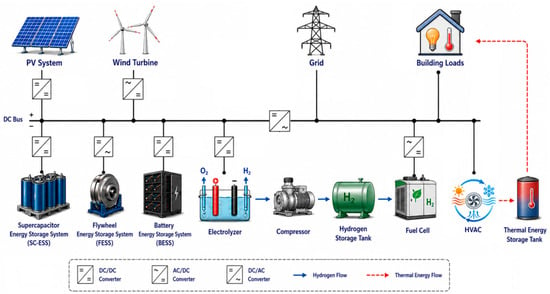
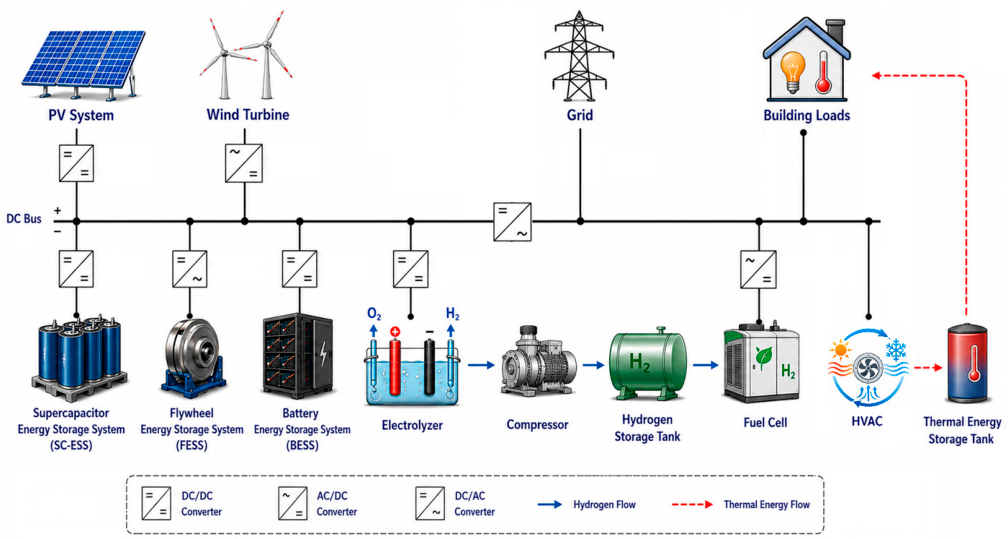
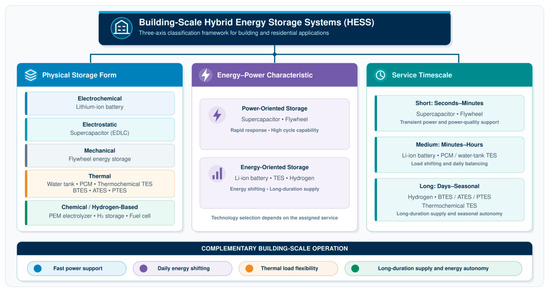
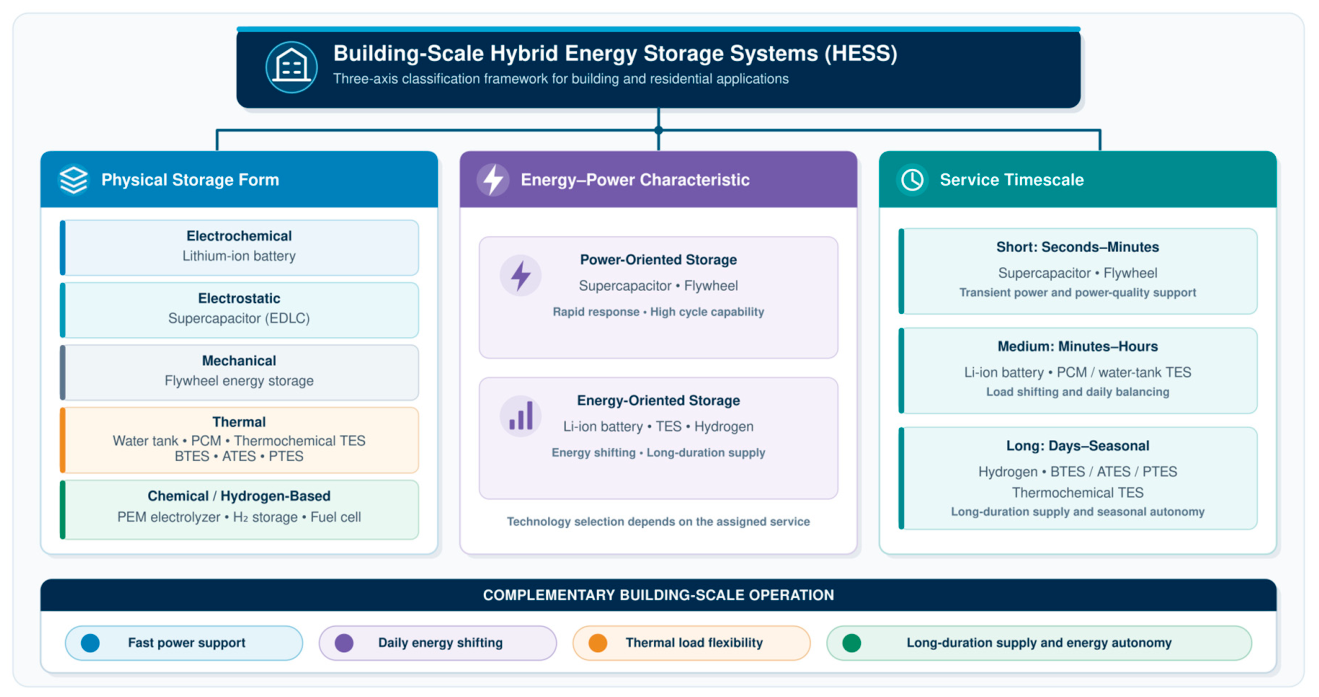
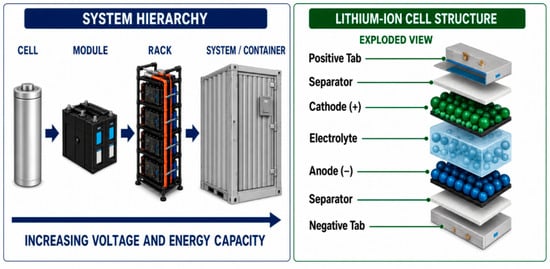
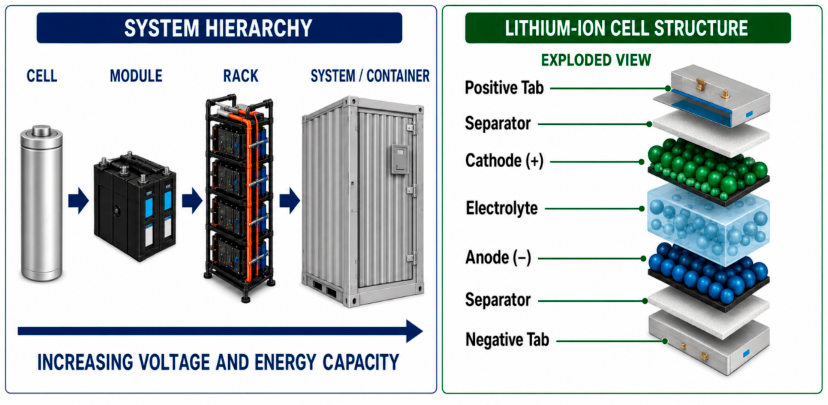
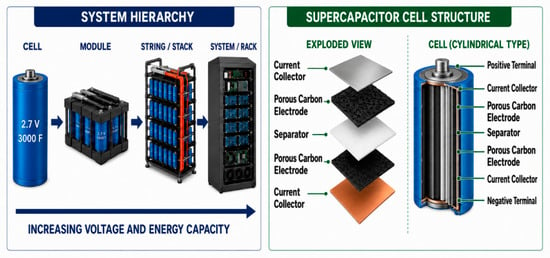
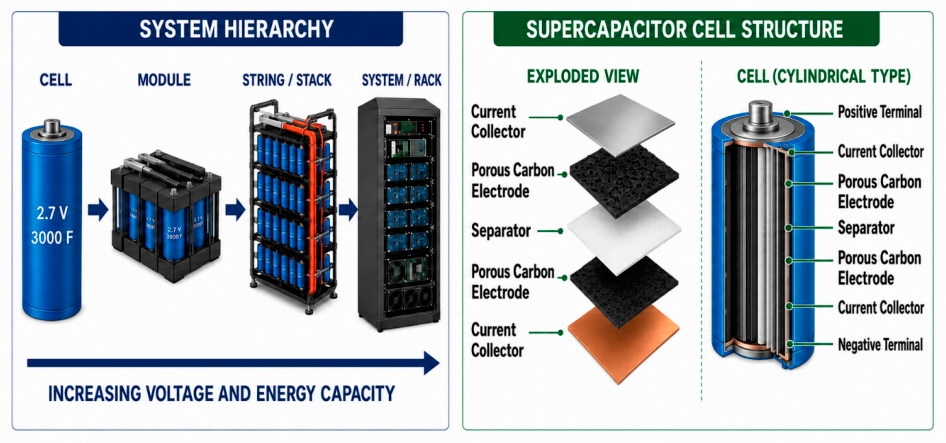
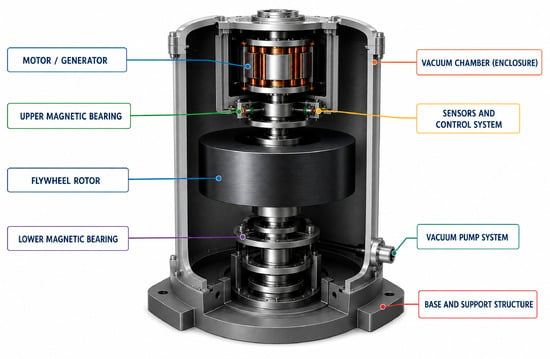
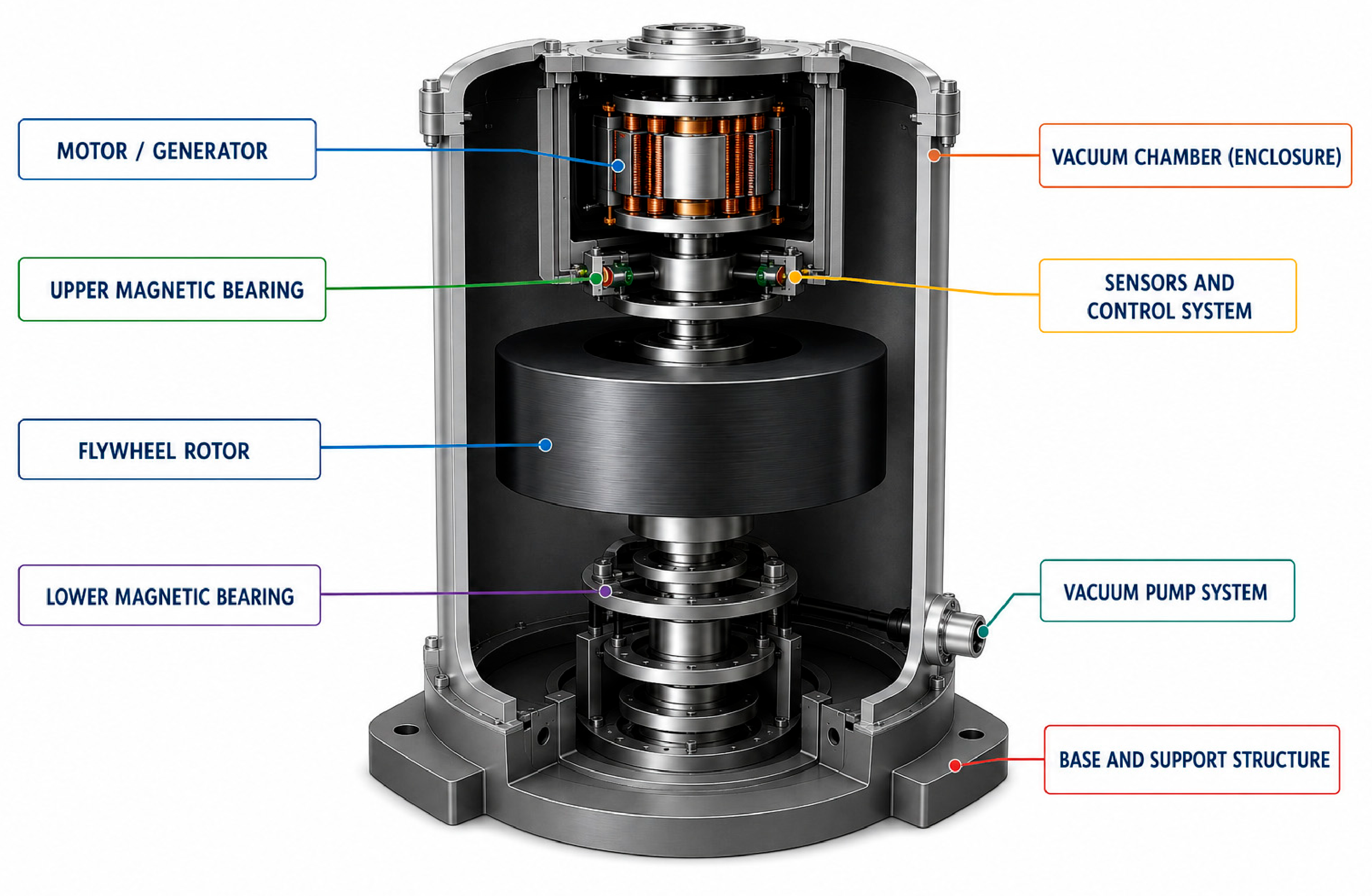
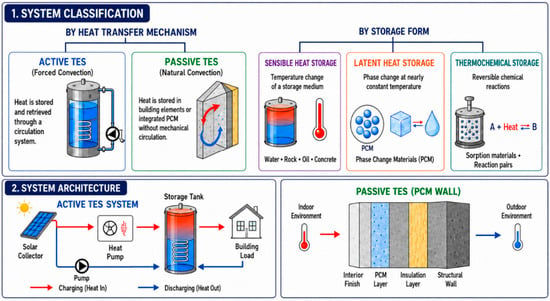
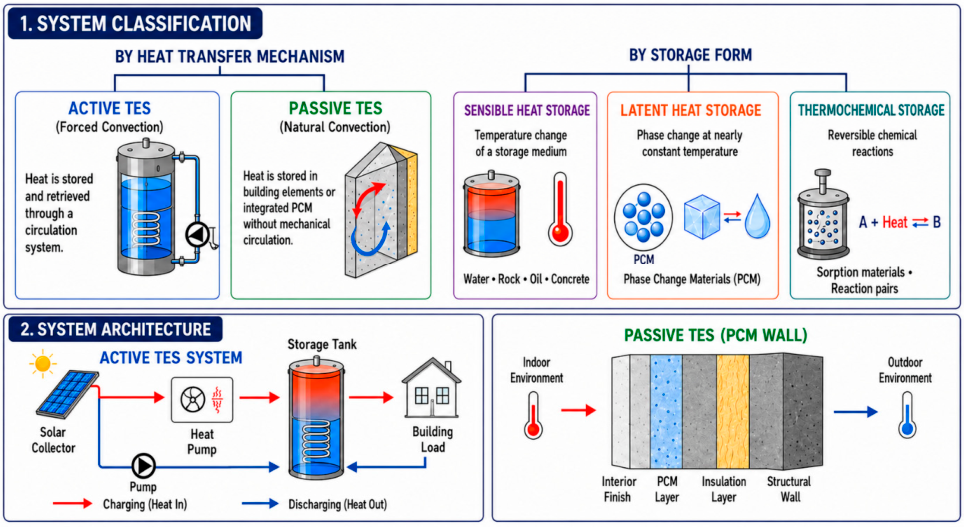
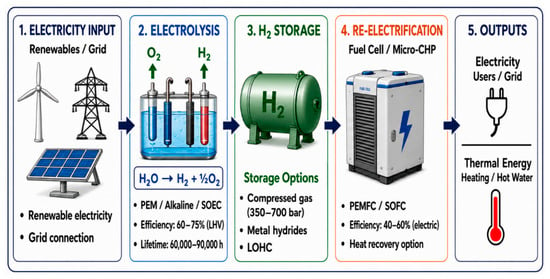
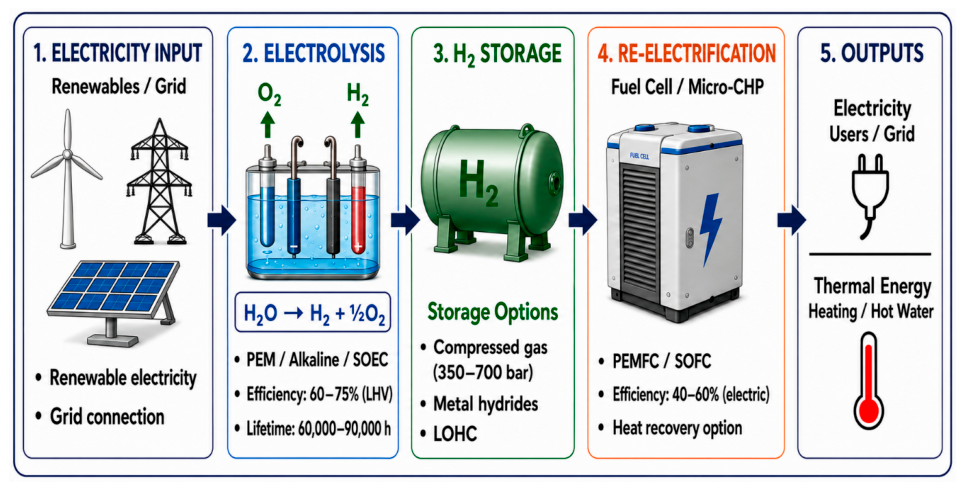
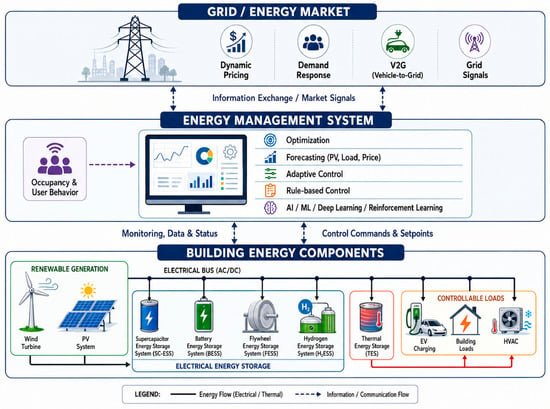
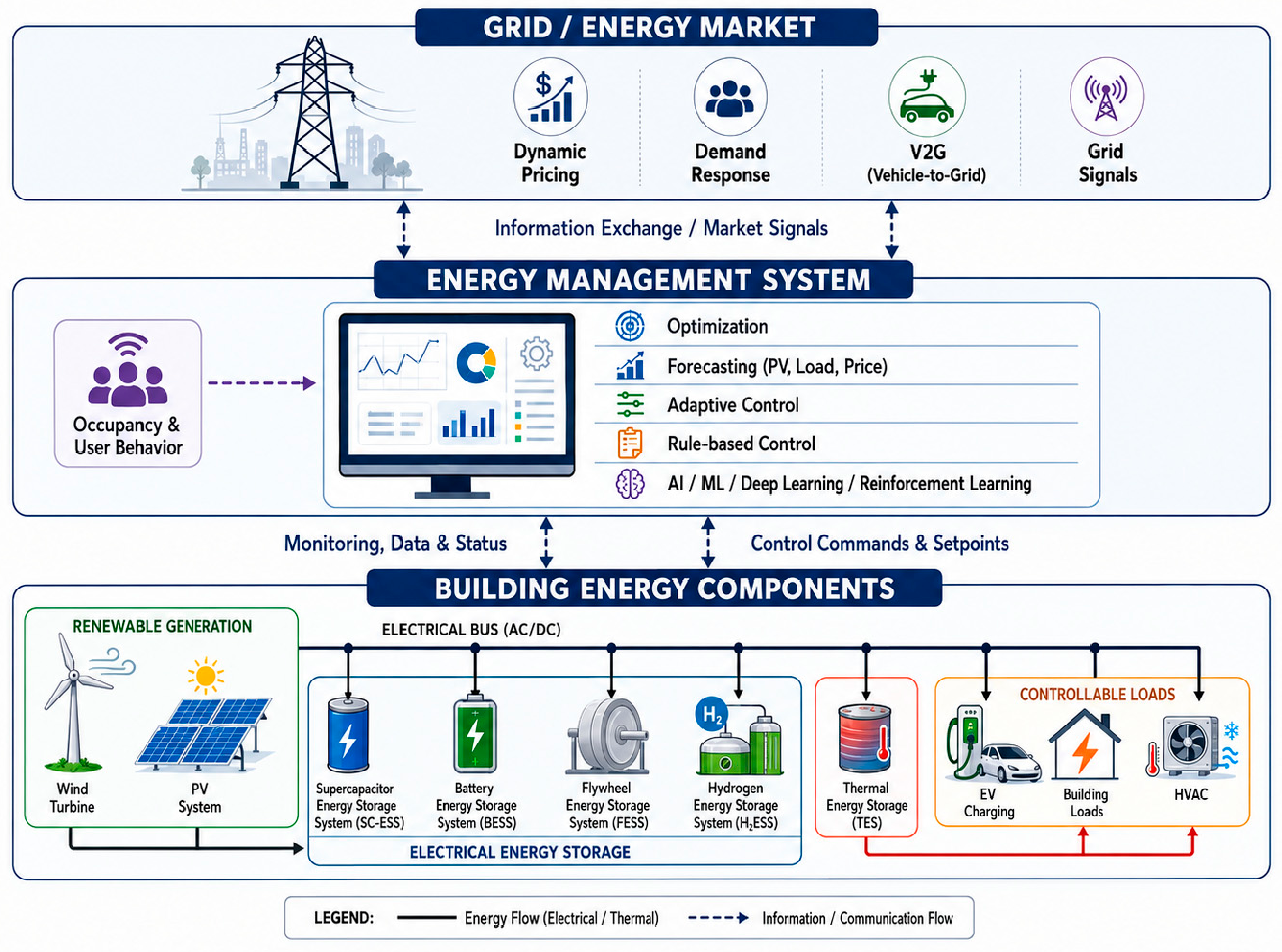
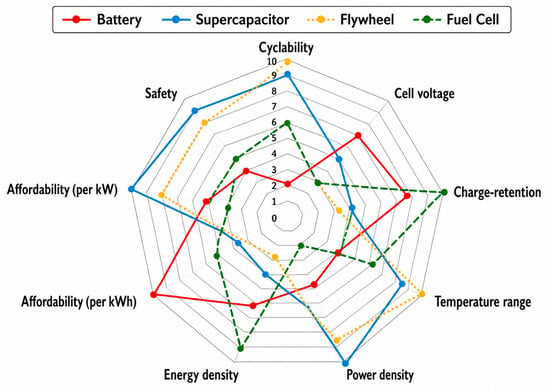
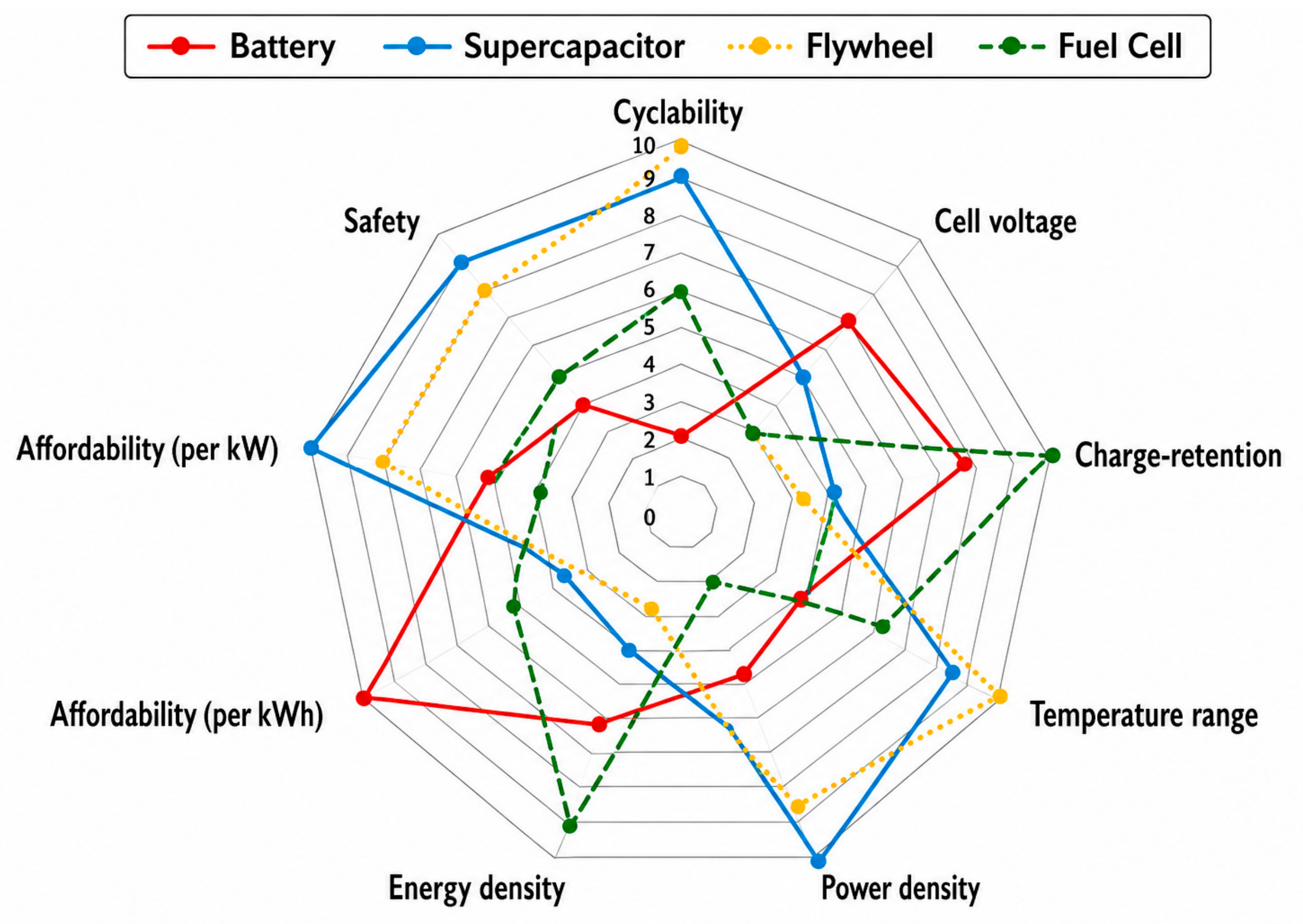
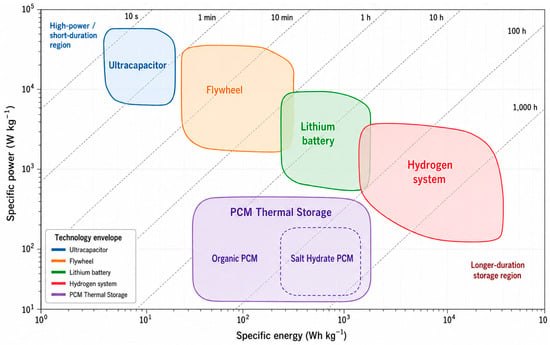
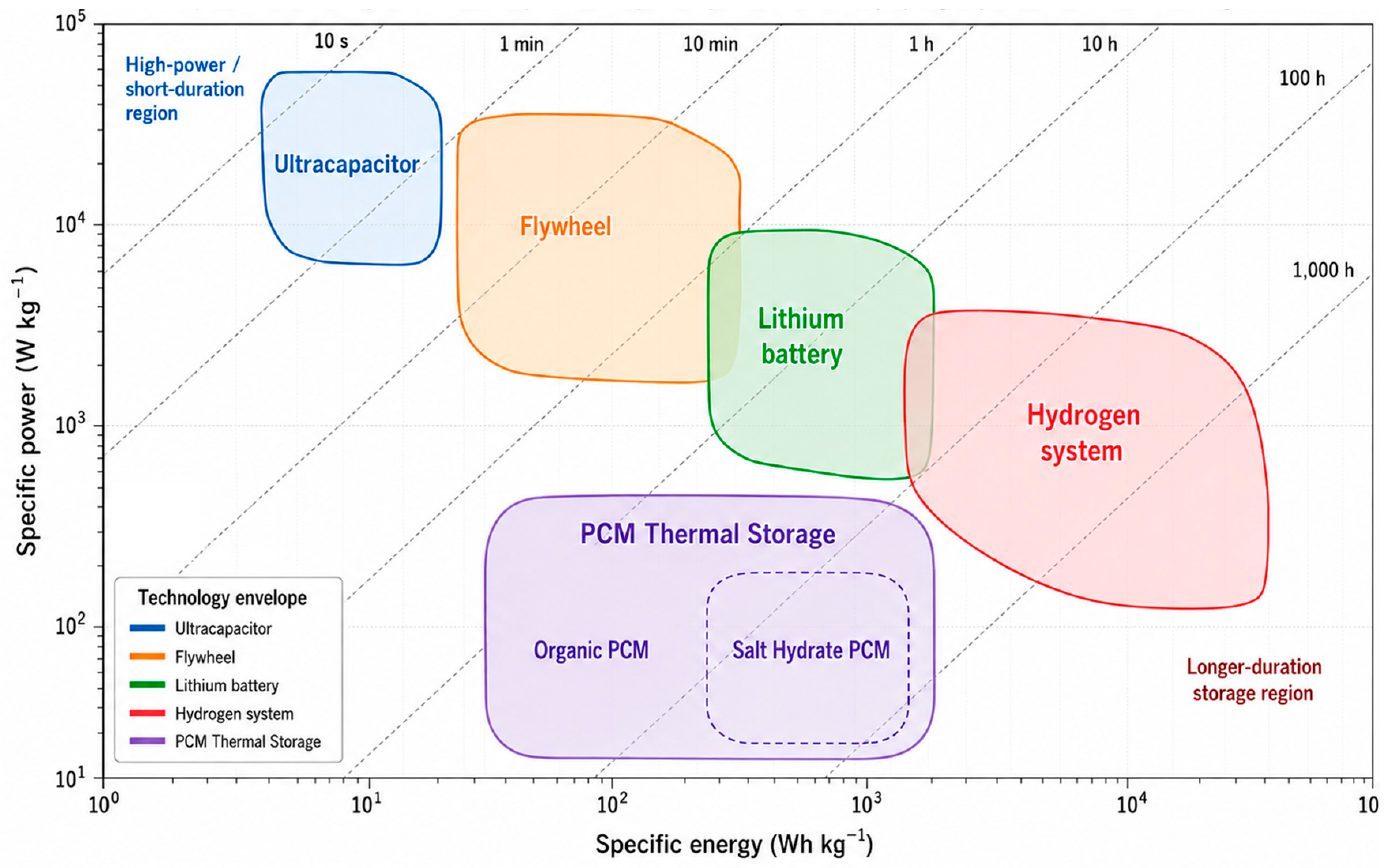

Disclaimer/Publisher’s Note: The statements, opinions and data contained in all publications are solely those of the individual author(s) and contributor(s) and not of MDPI and/or the editor(s). MDPI and/or the editor(s) disclaim responsibility for any injury to people or property resulting from any ideas, methods, instructions or products referred to in the content. |
© 2026 by the authors. Licensee MDPI, Basel, Switzerland. This article is an open access article distributed under the terms and conditions of the Creative Commons Attribution (CC BY) license.