


Abstract
Adverse imaging conditions such as fog, rain, and low light degrade the reliability of vision-based Personal Protective Equipment (PPE) detection systems on construction sites, yet most existing models are trained under clear-weather assumptions. This paper introduces a physics-based weather augmentation framework integrated with the YOLOv8n architecture to improve PPE detection robustness under adverse environmental conditions. The original Color Helmet and Vest (CHV) dataset was expanded from 1330 clear-weather images to 6650 images across five conditions using four physically grounded augmentation models: the Koschmieder atmospheric scattering model for fog, the Garg–Nayar streak model for rain, gamma-corrected attenuation with Poisson–Gaussian noise for low light, and a PSF-based glare model for bright sunlight. The weather-resistant model, a clear-weather baseline, and an augmented baseline were evaluated on the same 665-image weather-augmented test set. The weather-resistant model achieves 89.2% mAP50, a 5.7 percentage-point improvement over the clear-weather baseline (83.5%), with a nearly four-fold improvement in cross-condition stability (standard deviation 1.5% vs. 5.7%). Under matched training-data volume, the weather-resistant model still outperforms a conventionally augmented baseline across all five simulated conditions, indicating that these gains stem from physics-based modeling rather than larger training-data volume. The largest gain occurs under low light, where mAP50 improves from 73.4% to 87.9%. Gradient-weighted Class Activation Mapping (Grad-CAM) analysis confirms that the weather-resistant model directs more attention toward PPE regions across all conditions, with the largest improvement under low light (+10.0 percentage points). The lightweight design (3.0 M parameters) and quantitative and qualitative validation on 205 annotated real-world construction site images under normal and low-light conditions provide preliminary evidence of practical applicability.
1. Introduction
In recent years, computer vision (CV) systems have made remarkable strides in detecting and tracking various objects within dynamic environments [1]. This includes advanced object detection, semantic segmentation, and continuous multi-object tracking capabilities that account for occlusion and appearance variations [2]. Breakthroughs in high-performance object detection architectures, such as the YOLO (You Only Look Once) series, have enabled real-time object detection with high accuracy across benchmark datasets [3,4]. The high detection accuracy of these models has unlocked numerous possibilities for safety monitoring systems, enabling many safety mitigation operations to transition from traditional ambulatory inspections to automated safety detection and assessment. Moreover, recent studies have demonstrated the exceptional capabilities of CV models in identifying and tracking different body parts, which in turn allows CV-based safety monitoring systems to estimate worker pose and activity in (near) real-time [5]. This capability has transformed safety assessment from a basic worker-machine proximity assessment to a more nuanced compliance evaluation [6] and hazardous behavior assessment [7], bringing us one step closer to proactive risk assessment and practical mitigation approaches [8].
However, the effectiveness of these predictive models largely depends on the quality of visual inputs that can be affected by environmental visibility and visual obstruction [9]. Weather-related visual barriers, including fog, rain, and illumination extremes such as low light and glare, can adversely affect the quality of the captured video feeds, resulting in lower object detection accuracy [10]. In fact, several investigations have shown that weather-related visual degradations substantially reduce the detection accuracy of CV models, limiting their reliability across diverse operational scenarios [11,12,13]. This performance drop creates a dangerous paradox: the times when visibility is lowest, and the risk of accidents is highest, are precisely when our current automated safety systems are most likely to fail.
This vulnerability is also largely a byproduct of dataset bias. Predominant training sets, such as CHV [4] and CHVG [14], consist almost entirely of images captured under clear skies and favorable lighting. This training bias results in models that implicitly learn to associate object detection with visual patterns of clear air, resulting in fragile representations that are not generalizable when weather conditions change.
To solve this, researchers have turned to image augmentation to teach models how to see through interference. However, traditional techniques, such as rotation, scaling, or simple color jittering, cannot adequately model the complex physical interactions of atmospheric phenomena [15]. A simple reduction in brightness or the addition of Gaussian noise cannot replicate the intricate interplay of atmospheric scattering, color shifting, and contrast reduction found in thick fog or driving rain.
Earlier efforts employing GAN-based image translation have similarly struggled, often producing stylized images that lack the physical realism necessary for high-stakes safety training [16]. This highlights a critical need for weather-resistant models that are not just digitally manipulated, but rather trained on data that reflects the actual physics of environmental variability [17]. Physically grounded weather augmentation represents a paradigm shift from heuristic augmentation to principled modeling inspired by atmospheric phenomena [17]. By designing the augmentation process based on physical principles, these frameworks generate training datasets that can better represent the visual degradation patterns encountered in real-world scenarios. By infusing atmospheric scattering for fog, rain streak formation and motion blur for rain, illumination decay for low-light conditions, and overexposure effects for bright sunlight, these augmentation methods can notably improve the performance of computer vision models in adverse weather conditions. This helps ensure that augmented images maintain visual plausibility across multiple intensity levels for each weather condition, allowing systematic and reproducible degradation effects to be generated [11]. Accordingly, the computer vision models will exhibit superior performance under varying real-world environmental conditions.
To develop weather-resistant frameworks, we must test them against the most demanding and essential tasks on a job site. Personal Protective Equipment (PPE) detection stands out as the ideal case study for this challenge. PPE detection is a fundamental, mission-critical task [18]. Unlike large machinery or vehicles, PPE involves small objects, such as helmets and vests, that are the first to “disappear” from a model’s view when visibility drops.
Notably, despite its importance as the primary line of defense against hazards, National Safety Statistics reveal that a significant portion of the workforce still does not consistently utilize required gear [19]. The stakes are substantial: according to reports from the International Labour Organization, approximately 2.9 million work-related deaths occur annually, with improper or inconsistent PPE use identified as a contributing factor in many cases [20]. This problem is compounded by the fact that manual monitoring by safety officers cannot provide continuous coverage across large construction sites with multiple active zones, especially during the very storms or low-light shifts where PPE is most vital. That is why regulatory and industry standards governing PPE have become increasingly stricter in recent years, aiming to improve protection against on-site hazards. Beyond human cost, PPE non-compliance has significant economic consequences for the construction industry [21]. Companies face regulatory penalties, experience increased insurance premiums, and suffer reputational damage if safety protocols are not consistently implemented.
By focusing on PPE detection, this study aims to bridge the gap between idealized laboratory performance and the high-variance, real-world conditions of an active job site. To achieve this, we introduced a novel deep learning framework that combines physics-based weather augmentation with state-of-the-art YOLOv8n architectures. We have gone beyond common synthetic weather scenarios and have physically modeled the very processes that lower visibility in fog (atmospheric light scattering), produce rain streaks (oriented Gaussian streak formation and directional motion blur), and shift luminance in darkness (low-light conditions). By simulating the physical processes of light scattering and rain streak formation, this study generated 5320 physics-based synthetic weather-augmented images from the original 1330 clear-weather CHV images. Together with the original clear-weather images, these samples formed a 6650-image weather-augmented dataset across five conditions, supporting improved model robustness under diverse environmental conditions. Our results demonstrate that this approach maintains consistent performance across diverse weather conditions with a standard deviation of only 1.5% in mAP50, while achieving real-time inference speed of 1.3 ms per image on an NVIDIA A100 GPU, indicating potential suitability for real-time PPE monitoring under visually degraded construction-site conditions.
To move beyond the current state of the art, this research introduces a physics-based weather augmentation method designed to balance object detection accuracy with environmental robustness. This contribution offers a cost-effective and scalable path toward deploying real-time vision systems in unpredictable field conditions. The paper begins with a review of PPE-related environmental challenges, followed by a deep dive into our physics-based methodology. After a rigorous performance evaluation in our Section 4, we conclude with a discussion on the framework’s long-term implications and future development.
2. Literature Review
2.1. Construction Safety and PPE Detection
The high frequency of injuries and fatalities on construction sites has reinforced the need for strict PPE compliance [22]. However, manual safety monitoring is difficult to sustain continuously across active and dynamic construction sites, which has accelerated the transition toward automated vision-based PPE monitoring systems [22]. These systems support scalable and real-time verification of whether workers are equipped with required safety gear, such as helmets and vests [4,22]. Nevertheless, their practical reliability depends on maintaining detection performance under the diverse and visually challenging conditions commonly encountered on construction sites [23].
The development of deep learning-based PPE detection has been strongly shaped by benchmark datasets such as the CHV dataset, which provides labeled construction-site images for PPE-related detection tasks [4]. These datasets have enabled meaningful progress in model benchmarking, but their reliance on visually favorable construction-site imagery limits their ability to represent adverse environmental conditions. This limitation introduces dataset bias because models trained primarily under favorable conditions may not generalize well to degraded visual environments such as fog, low-light, or other extreme construction conditions [13,23,24]. Consequently, a gap remains between laboratory-level detection accuracy and field-level reliability, particularly when visual degradation affects PPE visibility [23].
PPE detection methods have evolved from early machine learning and deep learning approaches to modern real-time detection architectures [4,22]. Early deep learning-based systems demonstrated the feasibility of real-time PPE detection on construction sites, while subsequent studies expanded the task toward broader deployment-oriented PPE detection frameworks [4,25]. Among these early efforts, Kang et al. [10] applied image-based weather augmentation covering brightness variation, rain, snow, and fog to train a one-stage instance segmentation model for construction site surveillance cameras, providing early evidence that weather-aware training strategies can improve detection robustness under degraded conditions. Building on this direction, Ding et al. [23] extended the scope to a broader range of extreme construction conditions including dust, artificial lighting distortion, and combined degradations, demonstrating that environmental robustness requires deliberate training strategies rather than architectural refinements alone. More recent methods have improved model efficiency and multi-scale helmet detection through lightweight architectures, feature pyramid enhancements, and attention mechanisms [26]. Despite these architectural refinements, performance degradation under fog, low-light, and other extreme visual conditions remains a persistent challenge [13,23,24].
To address environmental variability, recent research has explored condition-specific enhancement and robustness strategies, including image dehazing for foggy helmet detection, low-light enhancement for helmet or PPE detection, and robust object detection under extreme construction conditions [13,23,24]. These studies confirm that degraded visual conditions affect safety-related detection tasks and that targeted preprocessing or enhancement can improve performance under specific conditions. Critically, while Ding et al. [23] and Kang et al. [10] demonstrated that weather-aware training improves construction site detection, neither study trains and evaluates a PPE detector simultaneously across five distinct weather conditions on a standardized benchmark dataset with per-condition mAP reporting. The following subsections examine how degraded-condition PPE studies and broader weather-robust detection methods have attempted to address this challenge.
2.2. PPE Detection Under Degraded Visual Conditions
Building on these limitations, the effectiveness of computer vision-based Personal Protective Equipment (PPE) compliance monitoring is frequently reduced by degraded visual conditions such as low illumination, shadows, and atmospheric particulates such as fog. Detection models trained mainly on clear and well-lit datasets can suffer performance degradation under these conditions because visibility loss and feature distortion weaken object recognition [18,27]. Recent studies have therefore combined image restoration or enhancement modules with advanced detection architectures to improve robustness in industrial and construction-related safety monitoring.
Low-light environments, including underground mines, night-shift sites, and poorly illuminated work zones, introduce low contrast, noise, and uneven illumination that interfere with feature extraction [24,28]. To address these challenges, Low-Light Image Enhancement (LLIE) methods such as CLAHE and Auto-CLAHE have been used to improve local contrast before detection, while EnlightenGAN has been explored as an unsupervised enhancement approach [18]. Task-specific detectors also follow this direction: BLP-YOLOv10 incorporates a Low-frequency Enhancement Filter to capture semantic information in low-light mining environments, while YOLO-DS integrates a Low-Light Image Enhancement Network to adapt illumination before detection [24,29]. EIQ-based enhancement similarly addresses illumination variation caused by artificial light reflections in interior work environments [28]. These approaches improve detection under poor illumination, but they remain centered on low-light enhancement rather than broader multi-weather robustness.
Fog-specific safety-equipment detection studies address a different degradation mechanism, where scattering and attenuation blur object boundaries and obscure small targets such as safety helmets [13]. Fog-YOLO uses fog simulation based on the atmospheric scattering model and improves YOLOv5 through Atrous Convolution Feature Fusion and a Multi-Scale Adaptive Detection Head to preserve local details and capture small-object features in foggy images [27]. DST-DETR further integrates a PAOD-Net dehazing module with an ST-DETR detection module in an end-to-end framework, using dehazing and feature-fusion components to recover structural and semantic information under light, medium, and heavy haze conditions [13]. These studies show that fog-related degradation can be mitigated through specialized dehazing and feature-enhancement designs, but their solutions remain condition-specific.
Overall, the reviewed degraded-condition PPE and safety-equipment detection studies demonstrate that low-light and fog-related degradation can be reduced through targeted enhancement, restoration, or model redesign. However, the same studies also show a clear limitation: most approaches rely on condition-specific preprocessing or enhancement modules, and many are evaluated within one degradation category rather than across multiple weather and illumination conditions [13,18,27]. Understanding how broader weather-robust detection research addresses these multi-condition challenges is therefore necessary, and is reviewed in the following subsection.
2.3. Weather-Robust Object Detection Methods
While degraded-condition PPE studies demonstrate the value of targeted enhancement, broader weather-robust object detection research has mainly developed in autonomous vehicle (AV) perception and related outdoor vision domains. The main challenge in these settings is domain shift, where models trained on clear, high-quality images lose reliability under adverse weather [12]. Rain streaks, fog, and low illumination introduce noise, contrast loss, and occlusion, creating a gap between training and testing distributions [30]. This problem is methodologically relevant to construction safety monitoring, although construction-specific PPE detection involves different objects, datasets, and deployment constraints.
A major response to adverse-weather domain shift is domain adaptation, which aligns feature distributions between clear and degraded images [31]. Unsupervised Domain Adaptation methods often use adversarial learning to extract domain-invariant features, while some approaches separate global style gaps from localized weather gaps caused by rain or other corruptions [32]. More advanced methods use causal intervention and memory networks to learn invariant object representations across multiple weather conditions [31]. However, these approaches generally require target-domain adverse-weather images during training, which limits their direct applicability to construction sites where systematically collected adverse-weather PPE data are limited.
Another line of work uses learned image-adaptive detection, where differentiable image processing modules enhance each input before detection [30]. IA-YOLO introduced a CNN-based parameter predictor that estimates filter parameters for defogging, white balance, and contrast enhancement, jointly optimizing image enhancement with YOLOv3 detection rather than visual quality alone [33]. Recent extensions aim to unify these adaptive filters into compact modules for broader weather conditions, but they still add learnable parameters and inference-time computation [30]. This creates a practical limitation for construction PPE monitoring, where lightweight models and low latency are important for site-based deployment.
Recent weather-robust detection methods also use two-stage or cascaded frameworks that first adapt feature distributions and then fine-tune detection performance. Some strategies use auxiliary synthetic domains to calibrate backbone features while regularization prevents degradation on clear images [34]. Others rely on restoration-detection pipelines that improve robustness but introduce additional training stages or computational complexity [35]. Although these methods are effective in autonomous-vehicle settings, their complexity does not directly align with construction PPE detection, where the target objects are smaller safety items such as helmets and vests, the backgrounds are cluttered, and edge deployment is often required.
A complementary line of research addresses adverse-weather perception through multimodal sensor fusion, exploiting the fact that different sensing modalities degrade under different physical mechanisms. RGB cameras can lose contrast under fog and saturate under glare, while thermal cameras remain useful under low illumination and radar can remain effective in fog or rain despite its lower spatial resolution. Bijelic et al. [9] introduced the Seeing Through Fog benchmark and showed that fusion of RGB, gated near-infrared, LiDAR, and radar improves object detection reliability under adverse weather. More recent work such as SAMFusion further adaptively reweights RGB, LiDAR, gated-camera, and radar modalities according to visibility and distance, improving 3D object detection under heavy fog, snow, and other sensor-degrading conditions [36]. Similarly, recent LiDAR–4D radar fusion methods such as L4DR have shown that combining LiDAR geometry with weather-robust 4D radar measurements can improve 3D object detection under adverse weather conditions, including fog and other sensor-degrading environments [37]. Although multimodal fusion is promising, its direct adoption for construction PPE monitoring may be limited by the need for additional sensors, calibration, synchronization, and deployment cost, as well as by the limited availability of multi-sensor PPE datasets. Therefore, the present study focuses on improving RGB-only PPE detection robustness through training-time weather augmentation, while recognizing multimodal sensing as an important future extension.
Overall, broader weather-robust detection research provides useful strategies for addressing adverse-weather domain shift, but these methods have not been directly translated to construction PPE monitoring. Existing domain adaptation and image-adaptive approaches are generally developed for AV-specific objects and require adverse-weather target-domain data or inference-time enhancement modules [12,30]. In contrast, construction PPE detection requires a lightweight framework that can improve robustness while reducing reliance on limited adverse-weather construction images or added inference-time complexity. This motivates the present study’s training-time physics-based augmentation strategy for improving PPE detection across multiple adverse environmental conditions.
2.4. Physics-Based and Synthetic Augmentation
Given the data and complexity limitations of domain adaptation and image-adaptive methods, physics-based and synthetic augmentation offer a training-time alternative for improving detector robustness. Deep learning detectors often experience performance degradation under adverse weather because of the domain shift between clear training data and degraded testing conditions [12,34]. To address this issue, prior studies have used physics-based and synthetic augmentation to expand training data with controlled adverse-condition samples. Physics-based rendering relies on established optical models, including the Beer–Lambert law and atmospheric scattering, to simulate light attenuation, scattering, and reduced visibility with physical plausibility [27,38]. For example, Fog-YOLO constructs the HazeSim dataset by simulating fog using an atmospheric scattering model across multiple density levels, and achieves 6.9% higher detection accuracy than YOLOv5 when trained on this augmented data [27]. Similarly, intensity-controlled rain rendering has been used to evaluate performance degradation under heavy rain and to train more resilient detectors using calibrated rainfall rates [11,39].
Beyond analytical physics models, synthetic augmentation methods such as Generative Adversarial Networks (GANs) and Neural Style Transfer (NST) have been used to generate visually complex degradation patterns, including rain streaks, snowflakes, and nighttime relighting [12,40]. CycleGAN-based approaches have generated rainy and foggy scenes for surveillance applications, although such methods may introduce artifacts that reduce downstream detection precision [38,40]. Recent work has also explored low-light enhancement modules and image-adaptive filters, such as ERUP-YOLO, to combine image processing with object detection under varying illumination and weather conditions [12,30]. In construction-related safety detection, synthetic dust, blur, and low-light conditions have been used to evaluate safety-equipment detection and improve generalization to hazardous visual scenarios [41,42].
More recently, diffusion-based generative models have emerged as a promising extension of synthetic augmentation for adverse-weather synthesis and weather-robust perception. Oh et al. [43] proposed a weather-adaptive diffusion model that enhances degraded visual features for robust monocular 3D object detection under clear and foggy conditions. In the LiDAR domain, Wu et al. [44] introduced WeatherGen, a Spider Mamba diffusion framework that generates diverse rainy, snowy, and foggy LiDAR point clouds, significantly improving downstream 3D detection performance under adverse weather conditions. In the image domain, Gurbindo et al. [45] used Instruct Pix2Pix to generate weather-conditioned image augmentations for object detection, demonstrating improved robustness for Faster R-CNN and YOLO-based detectors on autonomous-driving datasets such as BDD100K and ACDC. These diffusion-based methods enable realistic and controllable weather synthesis, but they are primarily designed for autonomous-driving perception and may require large-scale training data, generative inference, or additional modality-specific modeling. In contrast, the present study adopts a lightweight physics-based RGB augmentation strategy tailored to construction PPE detection and applied only during training without adding inference-time complexity.
Despite these advances, existing augmentation studies remain fragmented across application domains and degradation types. Many methods are validated on autonomous-driving datasets such as BDD100K or Cityscapes, while others focus on domain-specific settings such as underground mining or maritime surveillance [24,27,46]. In construction safety, available studies often address single conditions such as low-light detection or rely on relatively small, non-standardized datasets that do not fully support comprehensive PPE monitoring [23,29]. Consequently, to the best of current literature, existing research has not yet established a unified multi-condition training and evaluation framework that applies physics-based or synthetic augmentation to the CHV dataset across clear, rain, fog, low-light, and bright sunlight conditions with per-condition performance reporting. This gap motivates the present study’s use of physics-based weather augmentation to improve PPE detection robustness under diverse construction-site visual conditions.
3. Materials and Methods
The proposed methodology integrates a physics-based weather augmentation framework with a YOLOv8 object detection architecture to achieve robust detection of PPE under diverse environmental conditions. The approach consists of five phases: dataset preparation, physics-based weather augmentation, model training, comparative evaluation, and explainable AI analysis. Both the baseline and weather-resistant models use the identical YOLOv8n architecture, ensuring that any performance differences arise solely from training data composition rather than architectural changes.
3.1. Dataset Preparation
The Color Helmet and Vest (CHV) dataset [4] was selected as the base dataset for PPE detection. This publicly available dataset comprises 1330 annotated images covering three object classes: person, vest, and helmet. Images were divided into training (1064 images), validation (133 images), and testing (133 images) sets following the standard CHV dataset split. Since the CHV dataset contains only clear-weather imagery, it is not suitable for weather-robust training. A physics-based augmentation framework was implemented to overcome this limitation, expanding the dataset to 6650 images across five weather categories: clear, rain, fog, low-light, and bright sunlight. Table 1 summarizes the dataset statistics and augmentation expansion.
Table 1.
CHV dataset statistics and augmentation expansion.
3.2. Physics-Based Weather Augmentation Framework
The proposed augmentation framework is distinguished from standard computer vision and image processing techniques by its foundation in physical models of atmospheric optics and sensor response. Rather than applying heuristic transformations such as brightness scaling or noise injection, each weather effect is derived from established physics models that govern how environmental conditions degrade captured imagery. This grounding in physical principles differentiates the proposed approach from conventional data augmentation strategies such as color jittering, random erasing, or simple brightness adjustment. Figure 1 shows the workflow of the four-path weather augmentation pipeline.
Figure 1.
Data augmentation pipeline that expands 1330 clear images into 6650 weather samples across five conditions.
3.2.1. Fog Simulation via Koschmieder’s Atmospheric Scattering Model
Fog is simulated using the atmospheric scattering model commonly adopted in image dehazing studies [47,48], which is based on Koschmieder’s image formation theory [49] and describes the image formation process in a participating scattering medium:
where is the observed degraded image, is the scene radiance under clear conditions, A is the global atmospheric light intensity, and is the spatially varying transmission map. The transmission follows Beer–Lambert’s law:
where is the spatially varying transmission map introduced in Equation (1), denotes the atmospheric scattering coefficient controlling fog density, and represents the scene depth at pixel location x. Larger values of or reduce , thereby increasing fog-related attenuation in the observed image. Since ground-truth depth maps are unavailable for the CHV dataset, this study approximates scene depth using a vertical gradient combined with low-frequency spatial noise generated via Gaussian blurring of a random field, producing spatially inhomogeneous fog that varies realistically across the scene. This approximation is used as a practical depth proxy rather than a true geometric reconstruction, as the CHV dataset does not provide ground-truth depth maps or camera geometry. In depth-aware fog synthesis, the transmission map is ideally computed from actual scene depth; therefore, the vertical-gradient approximation may not fully represent complex construction-site geometry, such as workers on elevated platforms, multi-level scaffolding, equipment occlusions, or objects whose vertical image position does not correspond to their actual camera-to-object distance. The added low-frequency spatial noise reduces a strictly height-dependent fog pattern by introducing spatial variation, but it does not replace true depth information. This limitation is further discussed in Section 5.5. Three fog density levels corresponding to , , and are applied, representing light haze, moderate fog, and dense fog conditions respectively.
3.2.2. Rain Simulation via the Garg–Nayar Streak Model
Rain streaks are simulated using a simplified Garg–Nayar-inspired rain streak model [39], where individual streaks are represented using oriented Gaussian-like intensity profiles along the rain trajectory:
where is the streak intensity, is the streak fall angle incorporating wind direction, controls streak width, and controls streak length. Multiple streaks are randomly synthesized per image with randomized positions, intensities, and fall angles. Atmospheric attenuation from cloud cover is approximated by reducing overall scene brightness proportional to rain intensity. Directional motion blur is applied along the rain trajectory to approximate the elongation of rain streaks caused by the finite camera exposure time during precipitation. Three rain intensity levels (0.3, 0.5, and 0.7) represent light drizzle, moderate rain, and heavy rain, respectively. The rain simulation is performed in the image plane and does not explicitly condition streak length or width on scene depth, because the CHV dataset does not provide depth maps, camera calibration, or 3D scene geometry. Instead, streak position and intensity were randomized per streak, while streak length and fall orientation were set per image according to the sampled rain intensity and wind direction, to represent the stochastic appearance of rain streaks under varying rainfall, wind, and exposure conditions. This design improves robustness to rain-like visual artifacts but may not fully capture depth-dependent rain appearance, particularly for small or distant helmets whose visibility can be more strongly affected by atmospheric attenuation and foreground streak occlusion.
3.2.3. Low-Light Simulation via Camera Response Modeling
Low-light conditions are simulated through nonlinear gamma-corrected attenuation that models camera sensor response curves [50]:
where controls the degree of illumination reduction. A physically grounded Poisson–Gaussian noise model is then applied to simulate the two primary noise sources in low-light imaging: shot noise (Poisson-distributed, proportional to signal intensity) and read noise (Gaussian-distributed, independent of signal) [50]:
where k is the sensor gain factor and is the read noise standard deviation. Color saturation is additionally reduced to model chromatic response degradation under low illumination. This desaturation step is intended to approximate the reduced chromatic reliability commonly observed at low signal-to-noise ratios, rather than to fully reproduce camera-specific automatic gain-control behavior. In real night cameras, automatic gain or ISO amplification can increase both luminance noise and color-channel noise, producing chromatic artifacts that vary with the camera sensor, exposure settings, and onboard image-processing pipeline. Because the CHV dataset does not provide camera metadata or raw sensor measurements, the present low-light simulation models general signal attenuation and Poisson–Gaussian noise, while camera-specific gain-amplified color artifacts are acknowledged as a limitation. Three intensity levels corresponding to , , and represent twilight, dim interior, and near-darkness scenarios, respectively, with higher gamma values producing greater illumination reduction consistent with progressively darker environmental conditions.
3.2.4. Bright Sunlight via PSF-Based Glare Model
Overexposure from direct sunlight is modeled through a simplified PSF-inspired glare simulation, where a randomized bright source is placed in the upper portion of the image and a Gaussian spread function is used to approximate glare propagation:
where is the peak glare intensity, is a randomized sun position within the upper portion of the image, and controls the spatial extent of glare. Additional diffraction-like horizontal and vertical spike fields are generated around the sun position to approximate lens flare artifacts. A four-direction spike pattern was used as a simplified approximation of glare spread and sensor blooming rather than as a detailed reconstruction of aperture-blade diffraction. Real camera diffraction patterns can vary depending on lens aperture geometry and may appear as hexagonal, octagonal, or other multi-sided flare structures. In this study, the four-direction pattern was selected to introduce directional overexposure artifacts while keeping the augmentation lightweight, controllable, and independent of unknown camera-specific lens parameters. Nonlinear soft-clip saturation is applied to model the sensor’s non-linear response to overexposure in highlight regions. Three intensity levels (1.3, 1.5, and 1.8) represent bright daylight, strong glare, and extreme overexposure, respectively. Each weather effect is applied independently to each original clear-weather image, producing four augmented versions per image and a total augmented dataset of 6650 images balanced equally across five weather conditions with 1330 images per condition.
3.3. Model Architecture and Training
The YOLOv8 Nano (YOLOv8n) architecture was selected as the base detection model due to its favorable balance between detection accuracy and computational efficiency, making it suitable for edge deployment in construction environments. The model contains 3.0 million parameters and requires 8.1 GFLOPs for inference [51]. Three models were trained using the same YOLOv8n architecture to isolate the effect of training data composition rather than architectural differences:
- 1.
- Baseline YOLOv8n: trained on the 1064 clear-weather training images from the original CHV dataset, without any weather augmentation.
- 2.
- Augmented Baseline YOLOv8n: trained on a dataset of 5320 images created by applying conventional non-physics photometric augmentation to the original 1064 clear-weather images. Each original image was expanded into five versions (the original plus four augmented copies) using simple augmentation methods: brightness jitter (pixel intensities multiplied by a random factor in the range ), contrast jitter (pixel values rescaled around the image mean by a factor in ), HSV color jitter (random hue shifts within , saturation scaling in , and value scaling in ), and additive Gaussian noise (pixel-wise Gaussian noise with randomly sampled from ). These augmentation methods were selected as the conventional photometric counterparts to the four physics-based weather augmentations used in the Weather-Resistant model. Bounding-box annotations were preserved across all augmented copies since these operations do not alter object positions. This model isolates the effect of training-data volume from the effect of physics-based weather modeling.
- 3.
- Weather-Resistant YOLOv8n: trained on the full physics-augmented training set of 5320 images spanning all five weather conditions.
All three models were trained for 50 epochs with a batch size of 8 and an image size of 640 pixels. The Ultralytics automatic optimizer setting was used during training. Loss function weighting applied a box loss weight of 7.5, a classification loss weight of 0.5, and a distribution focal loss weight of 1.5. Standard YOLOv8 training augmentations were applied according to the final training configuration, including horizontal flipping, HSV color-space augmentation, translation, scale augmentation, mosaic augmentation, and random erasing.
Training and validation loss curves were monitored across all epochs to verify convergence and assess potential overfitting. The training losses for the weather-resistant model decreased consistently across all 50 epochs, and the convergence behavior is analyzed in detail in Section 4.2.
3.4. Evaluation Methodology
A critical design principle of this study is that all three models are evaluated on the same test set, comprising the weather-augmented test split of 665 images (133 per weather condition). This ensures that performance comparisons reflect genuine differences in model robustness rather than differences in test distribution difficulty, a common methodological flaw in prior weather-augmentation studies that evaluate each model on its own training distribution.
Evaluation uses the YOLOv8 built-in validation function model.val(), which runs inference over all test images, matches predictions to ground-truth bounding boxes using intersection-over-union (IoU) thresholds, constructs precision–recall curves, and derives detection metrics accordingly. A confidence threshold of 0.001 is used during evaluation to ensure complete precision–recall curve computation, and an IoU threshold of 0.6 is applied for non-maximum suppression.
Primary evaluation metrics include mean Average Precision at IoU threshold of 0.5 (mAP50), mean Average Precision across IoU thresholds from 0.5 to 0.95 (mAP50–95), precision, recall, and F1-score. Per-class metrics are reported separately for the person, vest, and helmet categories.
Weather-specific evaluation is conducted by creating five separate test subsets, one per weather condition, each containing the 133 test images for that condition with their corresponding ground-truth labels. The model.val() function is run independently on each subset, producing per-condition mAP50, precision, and recall values grounded in ground-truth comparisons. This approach replaces the confidence-score averaging used in prior work, which does not involve ground-truth comparison and is not a valid detection quality metric. Performance stability across weather conditions is quantified by the standard deviation of per-condition mAP50 values.
3.5. Explainable AI Analysis Setup
To examine how weather-robust training affects the model’s internal feature representations, Gradient-weighted Class Activation Mapping [52] was applied to both models. Grad-CAM computes the gradient of a target class score with respect to the feature maps of a target convolutional layer, then produces a weighted combination of those feature maps as a spatial attention heatmap indicating which image regions drove the model’s prediction. Specifically, for a convolutional layer with activation maps and the gradient of the target score with respect to the k-th activation map, the importance weight is computed as:
where Z is the number of spatial locations. The Grad-CAM heatmap is then:
The ReLU operation retains only activations that have a positive influence on the target class score.
The C2f feature fusion layer at position 12 in the YOLOv8n network was selected as the Grad-CAM target. This layer is located within the detection neck, integrating multi-scale semantic features from the backbone with spatial information prior to the detection head. It produces class-discriminative attention maps at sufficient spatial resolution for meaningful visualization, while avoiding the noisy, low-resolution activations produced by the detection head’s distribution focal loss layers. This balance between semantic abstraction and retained spatial detail is important for PPE detection because helmets are relatively small objects, while vests occupy medium-sized regions that require both localized boundary information and contextual worker-body features. Selecting this layer therefore allows the Grad-CAM maps to capture PPE-relevant activation patterns without being dominated by either low-level texture responses or final detection-head noise. This layer selection follows the standard Grad-CAM practice of targeting the deepest convolutional feature layer before task-specific prediction heads [52].
The backward pass targets the maximum PPE class score across all three classes (person, vest, helmet) in the model’s prediction output, producing heatmaps that specifically reflect the model’s attention toward PPE-relevant features rather than generic scene activations. Heatmaps are generated for both models on the same set of five representative test images, one per weather condition, enabling direct visual comparison of attention patterns under each degradation type.
To quantify attention focus beyond visual inspection, the fraction of Grad-CAM activation falling within annotated PPE bounding boxes was computed across 50 randomly selected test images per weather condition using a fixed random seed for reproducibility (250 total evaluations per model). For each image, the Grad-CAM heatmap was resized to match the original image dimensions, and the fraction of total activation mass falling within the union of all ground-truth bounding boxes was calculated as:
where is a binary mask equal to 1 inside annotated PPE bounding boxes and 0 elsewhere, and is the Grad-CAM activation at spatial location x. This metric provides a direct, quantitative measure of whether the model’s learned representations are aligned with task-relevant regions rather than background artifacts or weather-induced patterns. Because is computed as the ratio between Grad-CAM activation inside PPE regions and total image-level Grad-CAM activation, it is normalized with respect to total activation magnitude. However, it is not explicitly normalized by bounding-box area, and larger annotated regions may contain more activation mass. To ensure a fair comparison between models, was computed using the same test images and the same ground-truth bounding-box masks for both the baseline and weather-resistant models. Therefore, differences in reflect how each model redistributes attention over identical object regions rather than differences in object size across model evaluations.
4. Results
The experimental results of the proposed physics-based weather augmentation framework are presented in this section, along with a discussion of their implications for model robustness, interpretability, and deployment feasibility. The primary comparison is between the baseline YOLOv8n model trained exclusively on clear-weather data and the weather-resistant YOLOv8n model trained on the physics-augmented dataset. To isolate the effect of training-data volume, an augmented baseline trained on an equal-size conventionally augmented dataset is also evaluated. All three models share the identical YOLOv8n architecture and are evaluated on the same weather-augmented test set comprising 665 images (133 per weather condition).
4.1. Dataset Augmentation Outcomes
Through physics-based weather augmentation, the original CHV dataset comprising 1330 images was expanded to 6650 images, with 1330 images per weather condition (clear, rain, fog, low-light, and bright sunlight). The photometric evaluation confirms that the physics-based augmentation produces distinct photometric distributions across weather types. Low-light conditions substantially reduce scene luminance (mean brightness = 34.6), consistent with severe illumination loss. Fog significantly elevates mean brightness (200.1) and drastically reduces contrast (standard deviation = 28.6) due to atmospheric scattering. This elevated brightness value exceeds that of bright sunlight because the Koschmieder model blends every pixel toward a near-white atmospheric light value, producing a globally uniform brightness increase rather than the localized highlight regions characteristic of direct sunlight overexposure. Bright sunlight increases brightness to 177.9 with elevated contrast from highlight saturation. Rain introduces mild brightening from the additive white streak layer (brightness = 129.9), with the rain streak intensity slightly exceeding the atmospheric attenuation applied to simulate cloud cover, while preserving most scene structure. These photometric patterns are consistent with the physical models described in the augmentation framework, as shown in Figure 2.
Figure 2.
Average brightness and contrast variation across different weather conditions.
Different weather conditions altered image brightness and contrast in distinct ways, while simultaneously preserving the object boundaries needed for PPE detection, as illustrated in Figure 3, and confirmed through quantitative analysis. For example, compared to clear weather (mean contrast value of 60.7), fog reduced contrast to an average value of 28.6, while bright sunlight increased brightness to an average grayscale intensity of 177.9, which is consistent with overexposure.
Figure 3.
Representative annotated samples from the CHV dataset illustrating the localization of person (red), vest (green) and helmet (blue) across diverse construction scenes.
The corresponding RGB intensity histograms in Figure 4 further confirm these photometric shifts, showing fog compressing the intensity distribution toward mid-tones, low-light concentrating energy in very dark bins, and bright sunlight producing saturated highlights in the upper intensity range.
Figure 4.
Augmented samples and RGB intensity histograms, where the red, green, and blue curves denote the respective color channels, across different weather conditions.
4.2. Training Performance and Convergence
To assess potential overfitting and justify the selected 50-epoch training schedule, training and validation curves were monitored across all epochs for the baseline and weather-resistant YOLOv8n models, as shown in Figure 5. For both models, the training box loss, classification loss, and distribution focal loss decreased steadily across epochs. The validation losses generally decreased during early training and stabilized toward the later epochs, with only minor fluctuations observed near the final training stage. For the weather-resistant model, the validation box loss settled at a higher level than the training box loss but did not increase over training, reflecting a generalization gap rather than overfitting, as the detection metrics continued to improve before plateauing. In parallel, precision, recall, mAP50, and mAP50–95 increased during the early epochs and plateaued near the final training stage. These trends indicate practical convergence within the selected 50-epoch training schedule and provide no clear evidence of undertraining or overfitting.
Figure 5.
Training and validation convergence curves for the baseline and weather-resistant YOLOv8n models over 50 epochs. The curves include training and validation box loss, classification loss, distribution focal loss, precision, recall, mAP50, and mAP50–95. Both models show steadily decreasing training losses, generally stabilizing validation losses, and plateauing detection metrics toward the later epochs, indicating practical convergence within the selected 50-epoch training schedule.
4.3. Overall Model Evaluation
Table 2 presents the overall performance comparison. The weather-resistant model achieves an mAP50 of 89.2%, compared to 83.5% for the baseline, a 5.7 percentage-point improvement. Recall improved by 7.5 percentage points (76.3% to 83.8%), representing the most substantial gain, reflecting the model’s improved ability to detect PPE objects under degraded visual conditions. Precision improved by 1.5 percentage points (88.7% to 90.2%), and the F1-score improved from 0.820 to 0.869.
Table 2.
Overall performance comparison of baseline and weather-resistant YOLOv8n models evaluated on the same weather-augmented test set (665 images, 5 weather conditions).
Per-class results in Table 3 show consistent improvements across all three PPE categories. Vest detection shows the largest absolute gain (+4.5 pp), indicating that weather augmentation improves PPE-specific feature extraction under degraded visual conditions.
Table 3.
Per-class mAP50–95 comparison for person, vest, and helmet detection.
Figure 6 presents radar chart comparisons of both models across the four primary detection metrics. The weather-resistant model expands the coverage area across all four axes, confirming comprehensive performance improvement.
Figure 6.
Radar chart comparing baseline and weather-resistant YOLOv8n across four detection metrics. All values derived from evaluation on the same weather-augmented test set.
Figure 7 provides a side-by-side bar chart comparison of overall and per-class metrics.
Figure 7.
Overall performance (left) and per-class mAP50–95 (right) for baseline and weather-resistant YOLOv8n, both evaluated on the same weather-augmented test set.
4.4. Weather-Specific Evaluation
Table 4 presents per-condition mAP50 values computed using model.val() on five independent weather-specific test subsets, each containing 133 images with ground-truth labels. This per-condition evaluation uses proper mAP computation against annotated bounding boxes rather than confidence-score averaging, providing genuine detection quality metrics for each weather type.
Table 4.
Weather-specific mAP50 comparison across three models: Baseline (1064 clear images), Augmented Baseline (5320 conventionally augmented images), and Weather-Resistant (5320 physics-augmented images). All values computed via model.val() on per-condition test subsets with ground-truth labels (133 images per condition).
The weather-resistant model demonstrates substantially improved stability across conditions, with a standard deviation of only 1.5% in mAP50 compared to 5.7% for the original baseline and 3.6% for the augmented baseline, indicating improved environmental robustness beyond both clear-weather training and conventional photometric augmentation. The most significant gain occurs under low-light conditions, where the original baseline mAP50 drops to 73.4% and the augmented baseline improves to 78.8%, while the weather-resistant model maintains 87.9%, corresponding to a 14.5 percentage-point improvement over the original baseline and a 9.1 percentage-point improvement over the augmented baseline. This result is consistent with the physics-based low-light augmentation, which uses gamma-corrected attenuation and Poisson–Gaussian sensor noise to simulate real camera degradation in darkness, enabling the model to learn discriminative features under low illumination. For the weather-resistant model, bright sunlight yields the lowest mAP50, although the model still outperforms both the original baseline and the augmented baseline under bright sunlight (87.1% vs. 83.5% and 83.2%, respectively). Performance under clear conditions remains similar across all three models (90.9% for the weather-resistant model, 90.2% for the original baseline, and 89.9% for the augmented baseline), indicating that physics-based weather augmentation does not reduce performance under clear-weather conditions.
Because mAP50 evaluates detection at a single IoU threshold, an additional mAP50–95 evaluation was conducted to examine whether the observed robustness also holds under stricter localization criteria. Table 5 reports the weather-specific mAP50–95 values for the original baseline, augmented baseline, and weather-resistant models. Unlike mAP50, which evaluates detection performance at an IoU threshold of 0.50, mAP50–95 averages performance across IoU thresholds from 0.50 to 0.95 and therefore provides a stricter measure of detection and localization quality under adverse weather conditions.
Table 5.
Weather-specific mAP50–95 comparison across three models: Baseline, Augmented Baseline, and Weather-Resistant YOLOv8n. All values were computed via model.val() on per-condition test subsets with ground-truth labels (133 images per condition).
The mAP50–95 results show a trend consistent with the mAP50 evaluation. The weather-resistant model achieves the most stable performance across weather conditions, with the lowest standard deviation of 0.013 compared with 0.045 for the original baseline and 0.027 for the augmented baseline. Although the original baseline slightly outperforms the weather-resistant model under clear conditions in mAP50–95, the proposed model performs better under rain, fog, low-light, and bright sunlight. This indicates that the physics-based augmentation improves localization robustness under adverse weather conditions without causing a meaningful loss in clear-weather performance.
Figure 8 presents the per-condition mAP50 bar chart and performance consistency heatmap, visually confirming the stability improvement across all five weather conditions.
Figure 8.
Weather-specific mAP50 comparison (left) and performance consistency heatmap (right). All values computed using model.val() with ground-truth labels on per-condition test subsets.
4.5. Explainable AI Analysis
Gradient-weighted Class Activation Mapping was applied to both models to examine how weather-robust training affects internal feature representations. Heatmaps were generated from the C2f feature fusion layer (layer 12) of the YOLOv8n neck network, targeting the maximum PPE class scores across the three annotated categories (person, vest, helmet). The same representative test image was used across all five weather conditions to enable direct visual comparison. Figure 9 presents the resulting heatmaps.
Figure 9.
Grad-CAM attention comparison: original input image (left), baseline (center) vs. weather-resistant (right) YOLOv8n across five weather conditions. Warm colors indicate high activation; cool colors indicate low activation.
Under clear conditions, both models show broadly similar attention patterns centered on the helmet and upper body region, consistent with their near-identical clear-weather mAP50 values (90.2% vs. 90.9%). The most notable visual differences emerge under degraded conditions. Under rain, the baseline model’s attention fragments across rain streak artifacts and background structures, while the weather-resistant model maintains a concentrated hotspot directly on the helmet, reflecting the model’s learned ability to suppress streak-related noise. Under fog, the baseline activates widely across background regions affected by atmospheric scattering, while the weather-resistant model retains a tight activation peak on the helmet boundary despite severe contrast reduction, consistent with its higher fog mAP50 (90.6% vs. 87.3%). Under bright sunlight, the baseline is visibly distracted by lens flare artifacts in the upper image region, while the weather-resistant model remains focused on the PPE-relevant areas. Under low-light conditions, both models produce subdued heatmaps due to the extreme luminance reduction, which limits feature activation across all network layers. This behavior is physically expected and does not contradict the quantitative findings: despite the subdued heatmaps, the weather-resistant model achieves an 87.9% mAP50 under low-light compared to 73.4% for the baseline (Table 4), indicating that the model has learned to extract discriminative features from the residual signal present in dark images, even when those features are not prominently visible in the heatmap visualization. The apparent discrepancy between visually subdued Grad-CAM maps and the larger improvement arises because measures the relative fraction of total activation falling inside annotated PPE regions, not the absolute brightness or sharpness of the heatmap. Therefore, even when low-light heatmaps appear visually weak, the weather-resistant model can still obtain a higher value if a larger proportion of its remaining activation is concentrated within PPE bounding boxes rather than background regions. To quantify attention focus beyond visual inspection, the fraction of Grad-CAM activation falling within annotated PPE bounding boxes (, defined in Equation (9)) was computed across 50 randomly selected test images per weather condition (250 total evaluations per model). Table 6 presents these results.
Table 6.
Fraction of Grad-CAM attention () falling within annotated PPE bounding boxes per weather condition, reported as the mean over up to 50 images per condition and computed on unsmoothed Grad-CAM maps.
The weather-resistant model consistently directs a higher proportion of its attention toward PPE regions across all five conditions. The largest improvements occur under low-light (+10.0 percentage points, from 49.5% to 59.5%) and fog (+8.1 percentage points, from 50.6% to 58.7%), with rain also showing a substantial gain (+7.1 percentage points, from 43.3% to 50.4%). These findings are consistent with the mAP50 improvements in Table 4 and indicate that physics-based augmentation produces more task-focused internal representations rather than merely improving aggregate detection statistics. Under rain, the baseline allocates over 56% of its attention to background and artifact regions rather than PPE objects, directly explaining its lower rain mAP50. The weather-resistant model, trained on physically realistic rain patterns, has learned to suppress streak-related activations and maintain focus on safety-relevant regions.
The range of PPE attention fractions across conditions narrows from 12.4 percentage points for the baseline (43.3–55.7%) to 11.4 percentage points for the weather-resistant model (50.4–61.8%), reflecting more stable and environmentally invariant attention patterns. This consistency mirrors the detection stability finding reported in Table 4, where the weather-resistant model’s standard deviation in mAP50 across conditions (1.5%) is nearly four times lower than that of the baseline (5.7%), and provides interpretable evidence that the stability gain originates from more robust learned feature representations.
4.6. Real-World Construction Site Validation
To assess practical deployment viability, the models were evaluated qualitatively and quantitatively on 205 images collected from an active construction site under two representative conditions: normal illumination and low-light environments. Figure 10 presents a side-by-side comparison of the original images, baseline model detections, and weather-resistant model detections under each condition.
Figure 10.
Real-world detection comparison between original images, baseline YOLOv8n detections, and proposed weather-resistant YOLOv8n detections under different construction-site conditions.
Under normal illumination, two workers wearing helmets and safety vests are visible in the scene. The baseline model detects both workers as persons with reasonable confidence but identifies only one vest, and with low confidence (0.25). The right worker’s vest is missed entirely, and helmet detection is absent for both workers despite the helmets being clearly visible. The weather-resistant model improves upon this by detecting vests on both workers with higher confidence (0.54 for both), demonstrating stronger PPE-specific feature extraction even under favorable lighting conditions. This is consistent with the per-class vest improvement reported in Table 3, where the weather-resistant model achieves higher vest mAP50 across the synthetic test set.
Under low-light conditions, a single worker is visible in the foreground with reduced scene contrast and luminance. The baseline model detects only the helmet (confidence 0.72), failing to produce bounding boxes for the person or vest despite both being present in the scene. This represents a critical failure mode for automated PPE compliance monitoring: a system that detects only the helmet cannot determine whether the full PPE set is being worn or whether a worker is even present. The weather-resistant model recovers all three detection targets, producing a person bounding box alongside vest (confidence 0.79) and helmet (confidence 0.81) detections. This qualitative improvement is consistent with the low-light mAP50 gain reported in Table 4.
To complement this qualitative analysis with quantitative evidence, all 205 real-world images (103 normal-illumination and 102 low-light) were manually annotated with ground-truth person, vest, and helmet bounding boxes. The three trained models were then evaluated on this annotated set using the same model.val() configuration applied to the synthetic test set (conf = 0.001, IoU = 0.6, image size 640). Table 7 reports per-condition and combined mAP50, mAP50–95, and per-class mAP50–95 for all three models.
Table 7.
Real-world quantitative evaluation on annotated construction-site images. Values computed against ground-truth bounding boxes.
On the combined evaluation, the Weather-Resistant model achieves the highest mAP50 (83.2%) and mAP50–95 (41.9%), exceeding the Baseline (79.7%/37.4%) and the Augmented Baseline (82.1%/40.4%). The advantage is most pronounced under low-light, where the Weather-Resistant model reaches 88.4% mAP50 and 44.4% mAP50–95, and percentage points above the Baseline and and percentage points above the Augmented Baseline. Per-class low-light mAP50–95 shows the Weather-Resistant model leading on all three categories (person 54.3%, vest 38.7%, helmet 40.3%), with the largest absolute gain for the vest class ( percentage points over the Baseline). Under normal illumination, the three models perform comparably, within approximately 1.3 percentage points of each other (78.9% to 80.2% mAP50), with the Weather-Resistant model essentially matching the Baseline, indicating that physics-based augmentation does not meaningfully degrade normal-illumination performance. The substantial low-light improvement on real construction-site imagery provides empirical evidence that the physics-based augmentation benefits observed on synthetic data transfer to genuine camera degradation, beyond what conventional photometric augmentation alone can deliver.
These real-world results are based on a limited set of 205 images from a single construction site under two conditions; this scope and its implications are discussed further in Section 5.5.
5. Discussion
The experimental results demonstrate that physics-based weather augmentation substantially improves both the detection accuracy and environmental robustness of YOLOv8n for PPE detection on construction sites. By simulating the physical processes that govern real weather degradation, including atmospheric light scattering in fog, oriented rain streak formation, nonlinear sensor response in low light, and PSF-based glare from direct sunlight, the proposed framework produces training data that closely approximates the visual degradation patterns encountered in field deployment. The following subsections discuss the key findings and their implications.
5.1. Performance Trade-Offs and Practical Implications
When both models are evaluated on the same weather-augmented test set, the weather-resistant model achieves an mAP50 of 89.2% compared to 83.5% for the baseline, a 5.7 percentage-point improvement. The most substantial gain is in recall, which improved by 7.5 percentage points (from 76.3% to 83.8%), indicating that the weather-resistant model misses substantially fewer PPE detections under adverse conditions. This is the safety-critical metric in PPE monitoring: a missed detection of a non-compliant worker carries direct safety consequences that a false positive does not. The precision improvement is more modest (+1.5 pp), confirming that the gain in robustness is not achieved at the cost of increased false positives.
Per-class results show consistent improvements across all three PPE categories, with vest detection showing the largest absolute gain (+4.5 pp mAP50–95), followed by person (+3.4 pp) and helmet (+2.8 pp). The strong vest improvement is consistent with vest being a large, visually prominent object whose color and texture patterns are most affected by brightness shifts and atmospheric scattering under adverse weather conditions. The weather-resistant model’s improved vest mAP50–95 (0.480 vs. 0.435) reflects enhanced feature extraction for safety-critical PPE items under degraded visual conditions.
From a deployment perspective, the baseline and weather-resistant models share the identical YOLOv8n architecture and computational graph, so the robustness improvement is achieved with no additional inference-time module or runtime cost; the weather augmentation pipeline is applied only during training-data generation. This makes the proposed approach particularly suitable for edge deployment in construction environments, where computational resources are constrained and low latency is essential for timely safety alerts.
5.2. Weather Robustness Analysis
The weather-specific evaluation reveals a key finding that aggregate mAP50 alone does not capture: the weather-resistant model is dramatically more stable across environmental conditions. The standard deviation of per-condition mAP50 drops from 5.7% for the baseline to 1.5% for the weather-resistant model, representing a nearly four-fold improvement in robustness. This stability is practically important because it means the model’s behavior is predictable across changing field conditions, reducing the risk of unexpected performance failure during critical monitoring periods.
The most significant per-condition improvement occurs under low-light conditions, where the baseline mAP50 drops to 73.4%, its worst performance, while the weather-resistant model achieves 87.9%, a 14.5 percentage-point improvement. This result is particularly meaningful from a safety perspective: low-light conditions correspond precisely to the operational scenarios of early morning shifts, late evening work, and poorly lit indoor construction zones, which are when worker visibility is reduced and the risk of accidents is highest. The current study confirms that without weather-aware training, automated safety monitoring systems are least reliable exactly when reliable monitoring matters most.
The improvement under rain (+4.4 pp) and fog (+3.3 pp) is also noteworthy. Rain introduces motion blur and streak artifacts that the baseline interprets as noise; the weather-resistant model, trained on Garg-Nayar-modeled rain streaks, has learned to suppress these artifacts and maintain PPE feature extraction. Fog reduces scene contrast via atmospheric scattering; the Koschmieder-modeled fog augmentation enables the weather-resistant model to extract discriminative features from low-contrast, mid-tone-compressed imagery.
The weather-resistant model records its lowest per-condition score under bright sunlight, reaching 87.1% mAP50 compared to 83.5% for the baseline ( pp). This relatively modest gain, compared to the +14.5 pp improvement under low-light, stems from two complementary factors. First, the baseline already performs comparatively well under bright sunlight, well above its low-light performance (73.4%), which leaves less headroom for improvement; the weather-resistant model’s absolute bright-sunlight performance nevertheless remains strong and close to its low-light performance (87.9%), indicating that the smaller gain reflects a higher baseline rather than weaker handling of bright sunlight. Second, there is a fundamental asymmetry in how these two degradation types affect feature information. Low-light degradation mainly reduces intensity and increases noise, but object boundaries and color relationships may remain partially recoverable from residual signal. In contrast, strong glare and overexposure can saturate pixels, wash out helmet and vest colors, reduce local contrast, and obscure object boundaries through highlight clipping and strong shadow–glare interactions. Once PPE regions are saturated or clipped, the lost texture and color information cannot be fully recovered by detector training alone. The PSF-based glare augmentation therefore improves robustness to directional overexposure artifacts, but bright sunlight remains the most challenging condition because it can cause localized information loss around reflective PPE surfaces and high-contrast construction backgrounds.
The only condition where the gap narrows is clear weather, where the weather-resistant model achieves 90.9% compared to 90.2% for the baseline. This confirms that physics-based augmentation does not degrade clear-weather performance, a non-trivial finding given that the weather-resistant model’s training set is distributed across five conditions with proportionally less clear-weather exposure.
5.3. Explainable AI and Model Interpretability
The Grad-CAM analysis provides complementary evidence that physics-based augmentation produces qualitatively different, more task-focused feature representations. The PPE attention fraction metric, defined as the proportion of Grad-CAM activation falling within annotated PPE bounding boxes, shows that the weather-resistant model consistently directs more of its attention toward PPE objects across all five conditions.
The largest improvement in attention focus occurs under low-light (+10.0 percentage points, from 49.5% to 59.5%) and fog (+8.1 percentage points, from 50.6% to 58.7%), with rain also showing a substantial gain (+7.1 percentage points, from 43.3% to 50.4%). Under rainy conditions, the baseline allocates over half of its feature activation to background regions and rain artifacts rather than PPE objects, which directly explains its 4.4pp mAP50 disadvantage in rain. The weather-resistant model, having been trained on physically realistic rain patterns, has learned to suppress streak-related activations and maintain focus on safety-relevant regions.
Attention stability across conditions also mirrors the detection stability finding: the baseline’s PPE attention fraction ranges by 12.4 percentage points (43.3–55.7%), while the weather-resistant model varies by only 11.4 percentage points (50.4–61.8%). This confirms that the improvements observed in the quantitative metrics are not statistical artifacts but reflect genuine changes in the model’s learned feature representations.
These attention findings have practical implications for safety monitoring deployment. A model that maintains consistent attention on PPE objects regardless of weather conditions provides more reliable and auditable decision support for site managers and compliance inspectors. This interpretability property is particularly important in safety-critical applications, where regulatory frameworks increasingly require algorithmic transparency.
The YOLOv8n architecture used in this study contains only 3.0 million parameters and requires 8.1 GFLOPs for inference, making it suitable for deployment on edge GPUs and embedded computing platforms commonly used for on-site monitoring. With an inference time of 1.3 ms per image, a single GPU-based monitoring station can process multiple concurrent camera feeds in real time, supporting continuous multi-zone PPE compliance monitoring across large construction sites.
5.4. Comparison with Related Construction Safety Methods
Table 8 compares the proposed framework against the three most relevant prior methods in the construction PPE and safety detection domain. Wang et al. [4] established the CHV benchmark and evaluated eight YOLO-family detectors on clear-weather images only, reporting a best mAP of 86.55% using YOLOv5x across six classes. Ding and Luo [53] proposed NST-YOLOv5, applying neural style transfer to synthesize extreme-condition training images on the combined CHV and Pictor datasets, achieving 86.4% mAP50 on conventional data and improving mAP50–95 by 0.141 over the YOLOv5x baseline on synthesized extreme-condition data; however, per-condition mAP50 was not reported. Ding et al. [23] proposed UIA-YOLOv5, an end-to-end unified image adaptation framework reporting an 8.21% mAP50 improvement over the YOLOv5x baseline on the MOCS and ExtCon construction datasets under five extreme conditions; unlike the proposed approach, UIA-YOLOv5 attaches a learned image adaptation module at inference time, introducing additional computational overhead, and was not evaluated on PPE-specific classes.
Table 8.
Comparison with prior construction-domain PPE and safety detection methods.
The proposed weather-resistant model achieves an mAP50 of 89.2% across all five weather conditions simultaneously, surpassing the best clear-weather result of [4] by 2.65 percentage points while using approximately 29 times fewer parameters (3.0 M vs. ∼87 M) and maintaining 1.3 ms inference latency with no added overhead. NST-YOLOv5 [53] shares the same training-time-only augmentation philosophy and uses the CHV dataset as part of its training data, but its YOLOv5x backbone carries approximately 87 million parameters and does not provide per-condition mAP50 reporting. The proposed framework is the only method to report per-condition mAP50 across all five weather conditions on a standardized CHV-based benchmark, directly addressing the evaluation gap identified in the literature review.
5.5. Limitations
The proposed framework demonstrates strong results across simulated weather conditions, but several limitations should be acknowledged. First, although the physics-based augmentation is grounded in established atmospheric and sensor models, it remains a simulation. The depth proxy used for fog simulation (a vertical gradient with spatial noise) does not correspond to actual scene geometry, and real fog can exhibit irregular spatial patterns that the model may not fully capture. This limitation may be more pronounced in complex construction-site layouts involving elevated platforms, multi-level scaffolding, equipment occlusions, or workers whose vertical image position may not accurately represent their true distance from the camera. In such scenarios, the fog transmission map may assign imperfect attenuation levels to objects at different depths. While the current CHV-based evaluation does not support systematic quantification of this specific failure mode, future work should investigate depth-aware fog synthesis using real depth annotations or monocular depth estimation to better model multi-level construction scenes. Mixed weather events, such as simultaneous rain and fog, or fog under low-light conditions, were not modeled in this study.
Second, the framework was evaluated only under four degraded weather categories (rain, fog, low-light, and bright sunlight). More extreme conditions such as heavy snow, sandstorms, or severe weather events were not addressed and should be explored in future work to further expand the model’s operational envelope.
Third, all evaluations were conducted using the YOLOv8n architecture. It remains to be established whether the benefits of physics-based augmentation generalize to larger model variants (YOLOv8s, YOLOv8m) or alternative architectures, and whether the optimal augmentation hyperparameters transfer across datasets and deployment environments.
Fourth, the experimental evaluation is limited to three PPE categories (person, helmet, vest). Construction safety monitoring also requires detection of safety harnesses, gloves, high-visibility clothing, and other protective equipment, none of which are addressed by the current framework.
Fifth, the real-world validation in this study is limited to 205 images across two conditions (normal illumination and low light) from a single construction site, with approximately 100 images per condition. Although all 205 images were manually annotated and used for the quantitative evaluation reported in Section 4.6 (Table 7), the per-condition subsets remain small, which introduces non-trivial sampling variance. Real adverse-weather scenarios such as rain, fog, and direct bright sunlight could not be captured on active construction sites within the timeframe of this study, and extending validation to these conditions would further strengthen the generalization evidence. Future work should collect multi-site real-weather datasets covering rain, fog, and bright sunlight to complement the synthetic evaluation presented here.
6. Conclusions
This study proposed a comprehensive framework for weather-resilient PPE detection in construction environments, combining YOLOv8n with a physics-based weather augmentation pipeline grounded in established atmospheric optics and sensor noise models. By simulating authentic environmental degradation, including fog via Koschmieder’s atmospheric scattering model, rain via the Garg-Nayar streak model, low-light via gamma-corrected attenuation and Poisson-Gaussian sensor noise, and bright sunlight via PSF-based glare modeling, the proposed approach enables YOLOv8n to learn robust PPE detection features that generalize across diverse environmental conditions.
When both models are evaluated on the same weather-augmented test set under identical conditions, the weather-resistant model achieves an mAP50 of 89.2%, representing a 5.7 percentage-point improvement over the clear-weather baseline (83.5%). More critically, the weather-resistant model demonstrates a standard deviation of only 1.5% in mAP50 across five weather conditions, compared to 5.7% for the baseline, representing a nearly four-fold improvement in environmental stability. The largest gain occurs under low-light conditions, where the weather-resistant model achieves 87.9% mAP50 compared to 73.4% for the baseline, a 14.5 percentage-point improvement that is particularly relevant for construction safety monitoring during early morning shifts, evening operations, and poorly lit indoor environments.
The Grad-CAM analysis confirms that these performance improvements reflect genuine changes in model behavior: the weather-resistant model consistently directs a higher fraction of its attention toward annotated PPE regions across all weather conditions, with the largest improvement under low-light (+10.0 percentage points). This stable, task-focused attention behavior supports the model’s suitability for safety-critical applications where algorithmic transparency and reliability are required.
The framework’s lightweight design (3.0 M parameters, 8.1 GFLOPs) is well-suited for edge deployment in construction environments, with inference latency of 1.3 ms per image measured on an NVIDIA A100 GPU, indicating strong real-time potential across a range of hardware platforms. Both models share the identical architecture, ensuring that robustness gains incur no additional inference cost. The physics-based augmentation approach requires no secondary network during inference, as all augmentation is applied exclusively during training data generation, which distinguishes it from learned image-adaptive methods that add trainable modules at inference time.
This work contributes to the construction safety and computer vision body of knowledge by demonstrating that physics-based weather augmentation, grounded in atmospheric scattering theory, photometric rain modeling, and camera sensor physics, yields more stable and interpretable PPE detection than training on clear-weather data alone. The proposed framework demonstrates that physics-based weather augmentation substantially improves PPE detection robustness across diverse environmental conditions, supporting its potential for deployment in construction safety monitoring applications where lighting and weather variability are critical operational challenges.
Future work should address several directions identified in this study. Integration of real, time-synchronized multi-weather image datasets from actual construction sites will validate the generalization capabilities of the model beyond synthetic augmentation. Extension to video sequences will enable temporal tracking of PPE compliance over time, which is essential for continuous monitoring applications. Exploration of physics-informed diffusion models and generative adversarial networks may produce more realistic and diverse weather simulations while preserving physical plausibility. Combining RGB imagery with thermal or LiDAR sensing modalities could improve detection accuracy under extreme darkness or dense fog conditions where optical sensors are fundamentally limited. Finally, expansion of the PPE class set and evaluation across multiple construction sites under naturally occurring weather conditions will be necessary to validate the framework for broad field deployment.
Author Contributions
Conceptualization, S.G. (Sujan Gyawali) and M.H.; methodology, S.G. (Sujan Gyawali), A.M. and S.G. (Saurav Ghimire); software, S.G. (Sujan Gyawali) and A.M.; validation, S.G. (Sujan Gyawali), A.M., S.G. (Saurav Ghimire), and M.H.; formal analysis, S.G. (Sujan Gyawali); investigation, S.G. (Sujan Gyawali); resources, M.H.; data curation, S.G. (Sujan Gyawali); writing—original draft preparation, S.G. (Sujan Gyawali); writing—review and editing, S.G. (Sujan Gyawali), A.M., S.G. (Saurav Ghimire), and M.H.; visualization, S.G. (Sujan Gyawali); supervision, M.H.; project administration, M.H. All authors have read and agreed to the published version of the manuscript.
Funding
This research received no external funding.
Institutional Review Board Statement
Not applicable.
Informed Consent Statement
Not applicable.
Data Availability Statement
Some or all data, models, or code that support the findings of this study are available from the corresponding author upon reasonable request.
Acknowledgments
The authors would like to acknowledge colleagues who provided helpful discussions and technical insights during model implementation and evaluation.
Conflicts of Interest
The authors declare no conflicts of interest.
Abbreviations
The following abbreviations are used in this manuscript:
| PPE | Personal Protective Equipment |
| CV | Computer Vision |
| CHV | Color Helmet and Vest |
| mAP | Mean Average Precision |
| IoU | Intersection over Union |
| YOLO | You Only Look Once |
| XAI | Explainable Artificial Intelligence |
| Grad-CAM | Gradient-weighted Class Activation Mapping |
| SHAP | SHapley Additive exPlanations |
| PSF | Point Spread Function |
| SGD | Stochastic Gradient Descent |
| GAN | Generative Adversarial Network |
| REBA | Rapid Entire Body Assessment |
| FPS | Frames Per Second |
| GPU | Graphics Processing Unit |
| GFLOPs | Giga Floating Point Operations Per Second |
References
- Zou, Z.; Chen, K.; Shi, Z.; Guo, Y.; Ye, J. Object detection in 20 years: A survey. Proc. IEEE 2023, 111, 257–276. [Google Scholar] [CrossRef] [Scilit]
- Wojke, N.; Bewley, A.; Paulus, D. Simple Online and Realtime Tracking with a Deep Association Metric. In Proceedings of the 2017 IEEE International Conference on Image Processing (ICIP); IEEE: New York, NY, USA, 2017; pp. 3645–3649. [Google Scholar] [CrossRef] [Scilit]
- Redmon, J.; Divvala, S.; Girshick, R.; Farhadi, A. You Only Look Once: Unified, Real-Time Object Detection. In Proceedings of the IEEE Conference on Computer Vision and Pattern Recognition; IEEE: New York, NY, USA, 2016; pp. 779–788. [Google Scholar] [CrossRef] [Scilit]
- Wang, Z.; Wu, Y.; Yang, L.; Thirunavukarasu, A.; Evison, C.; Zhao, Y. Fast personal protective equipment detection for real construction sites using deep learning approaches. Sensors 2021, 21, 3478. [Google Scholar] [CrossRef] [Scilit] [PubMed]
- Chen, W.; Gu, D.; Ke, J. Real-time ergonomic risk assessment in construction using a co-learning-powered 3D human pose estimation model. Comput.-Aided Civ. Infrastruct. Eng. 2024, 39, 1337–1353. [Google Scholar] [CrossRef] [Scilit]
- Zaidi, S.F.A.; Yang, J.; Abbas, M.S.; Hussain, R.; Lee, D.; Park, C. Vision-Based Construction Safety Monitoring Utilizing Temporal Analysis to Reduce False Alarms. Buildings 2024, 14, 1878. [Google Scholar] [CrossRef] [Scilit]
- Liu, W.; Meng, Q.; Li, Z.; Hu, X. Applications of Computer Vision in Monitoring the Unsafe Behavior of Construction Workers: Current Status and Challenges. Buildings 2021, 11, 409. [Google Scholar] [CrossRef] [Scilit]
- Tang, S.; Golparvar-Fard, M. Machine Learning-Based Risk Analysis for Construction Worker Safety from Ubiquitous Site Photos and Videos. J. Comput. Civ. Eng. 2021, 35, 04021020. [Google Scholar] [CrossRef] [Scilit]
- Bijelic, M.; Gruber, T.; Mannan, F.; Kraus, F.; Ritter, W.; Dietmayer, K.; Heide, F. Seeing Through Fog Without Seeing Fog: Deep Multimodal Sensor Fusion in Unseen Adverse Weather. In Proceedings of the IEEE/CVF Conference on Computer Vision and Pattern Recognition (CVPR); IEEE: New York, NY, USA, 2020; pp. 11679–11689. [Google Scholar] [CrossRef] [Scilit]
- Kang, K.S.; Cho, Y.W.; Jin, K.H.; Kim, Y.B.; Ryu, H.G. Application of one-stage instance segmentation with weather conditions in surveillance cameras at construction sites. Autom. Constr. 2022, 133, 104034. [Google Scholar] [CrossRef] [Scilit]
- Tremblay, M.; Halder, S.S.; de Charette, R.; Lalonde, J.F. Rain Rendering for Evaluating and Improving Robustness to Bad Weather. Int. J. Comput. Vis. 2020, 129, 341–360. [Google Scholar] [CrossRef] [Scilit]
- Gholinavaz, S.; Saeedi, N.; Gharehveran, S.S. Robustness analysis of YOLO and faster R-CNN for object detection in realistic weather scenarios with noise augmentation. Sci. Rep. 2025, 15, 44888. [Google Scholar] [CrossRef] [Scilit] [PubMed]
- Liu, Z.; Sun, C.; Wang, X. DST-DETR: Image Dehazing RT-DETR for Safety Helmet Detection in Foggy Weather. Sensors 2024, 24, 4628. [Google Scholar] [CrossRef] [Scilit] [PubMed]
- Ferdous, M.; Ahsan, S.M.M. PPE Detector: A YOLO-Based Architecture to Detect Personal Protective Equipment (PPE) for Construction Sites. PeerJ Comput. Sci. 2022, 8, e999. [Google Scholar] [CrossRef] [Scilit] [PubMed]
- Li, R.; Huang, J.; Luo, J. Heavy Rain Image Restoration: Integrating Physics Model and Conditional Adversarial Learning. In Proceedings of the IEEE/CVF Conference on Computer Vision and Pattern Recognition; IEEE: New York, NY, USA, 2019; pp. 1633–1642. [Google Scholar] [CrossRef] [Scilit]
- Zhu, J.Y.; Park, T.; Isola, P.; Efros, A.A. Unpaired Image-to-Image Translation Using Cycle-Consistent Adversarial Networks. In Proceedings of the IEEE International Conference on Computer Vision; IEEE: New York, NY, USA, 2017; pp. 2242–2251. [Google Scholar] [CrossRef] [Scilit]
- Sakaridis, C.; Dai, D.; Van Gool, L. Semantic Foggy Scene Understanding with Synthetic Data. Int. J. Comput. Vis. 2018, 126, 973–992. [Google Scholar] [CrossRef] [Scilit]
- Fajri, F.N.; Malik, K.; Tholib, A. Enhancing Low-Light PPE Violation Detection in Industrial Environments Using Multi-Contrast Image Processing and YOLOv9. Eng. Technol. Appl. Sci. Res. 2025, 15, 29751–29758. [Google Scholar] [CrossRef] [Scilit]
- Sehsah, R.; El-Gilany, A.H.; Ibrahim, A.M. Personal protective equipment (PPE) use and its relation to accidents among construction workers. La Med. Del Lav. 2020, 111, 285–295. [Google Scholar] [CrossRef] [Scilit] [PubMed]
- International Labour Organization. A Call for Safer and Healthier Working Environments: Global Report on Occupational Safety and Health; Technical Report; International Labour Office: Geneva, Switzerland, 2023. [Google Scholar]
- Pinto, V.S.; Silva, I.S.; Costa, D. The Impact of Contextual Constraints on the Role of Management Commitment in Safety Culture: A Moderation Analysis. Societies 2025, 15, 145. [Google Scholar] [CrossRef] [Scilit]
- Nath, N.D.; Behzadan, A.H.; Paal, S.G. Deep learning for site safety: Real-time detection of personal protective equipment. Autom. Constr. 2020, 112, 103085. [Google Scholar] [CrossRef] [Scilit]
- Ding, Y.; Zhang, M.; Pan, J.; Hu, J.; Luo, X. Robust object detection in extreme construction conditions. Autom. Constr. 2024, 165, 105487. [Google Scholar] [CrossRef] [Scilit]
- Du, Q.; Zhang, S.; Yang, S. BLP-YOLOv10: Efficient safety helmet detection for low-light mining. J. Real-Time Image Process. 2024, 22, 10. [Google Scholar] [CrossRef] [Scilit]
- Malaikrisanachalee, S.; Wongwai, N.; Kowcharoen, E. ESPCN-YOLO: A High-Accuracy Framework for Personal Protective Equipment Detection Under Low-Light and Small Object Conditions. Buildings 2025, 15, 1609. [Google Scholar] [CrossRef] [Scilit]
- Du, Y.; Chen, Q.; Li, J.; Hao, J.; Liang, Z.; LiJiang, D. Lightweight Deep Learning Model for Multi-Scale Helmet Detection in Construction Scenarios Based on LBi-FPN and CBAM. In Proceedings of the 2025 IEEE 3rd International Conference on Computer, Vision and Intelligent Technology (ICCVIT); IEEE: New York, NY, USA, 2025; pp. 1–6. [Google Scholar] [CrossRef] [Scilit]
- Wang, X.; Fu, R.; Li, S.; Liang, X. Fog-YOLO: An Efficient Object Detection Model for Autonomous Vehicles in Foggy Environment. In Proceedings of the 2025 9th CAA International Conference on Vehicular Control and Intelligence (CVCI); IEEE: New York, NY, USA, 2025; pp. 1–6. [Google Scholar] [CrossRef] [Scilit]
- Wong, J.; Maghrebi, M.; Fini, A.A.F.; Golestani, M.A.A.; Ahmadnia, M.; Er, M. Development of a refined illumination and reflectance approach for optimal construction site interior image enhancement. Constr. Innov. 2022, 24, 470–491. [Google Scholar] [CrossRef] [Scilit]
- Zhang, C.; Shen, J. YOLO-DS: Application of One-Stage Instance Segmentation in the Dark at Construction Sites. In Proceedings of the 2024 International Joint Conference on Neural Networks (IJCNN); IEEE: New York, NY, USA, 2024; pp. 1–8. [Google Scholar] [CrossRef] [Scilit]
- Ogino, Y.; Shoji, Y.; Toizumi, T.; Ito, A. ERUP-YOLO: Enhancing Object Detection Robustness for Adverse Weather Condition by Unified Image-Adaptive Processing. In Proceedings of the 2025 IEEE/CVF Winter Conference on Applications of Computer Vision (WACV); IEEE: New York, NY, USA, 2025; pp. 8597–8605. [Google Scholar] [CrossRef] [Scilit]
- Zhang, H.; Xiao, L.; Cao, X.; Foroosh, H. Multiple Adverse Weather Conditions Adaptation for Object Detection via Causal Intervention. IEEE Trans. Pattern Anal. Mach. Intell. 2022, 46, 1742–1756. [Google Scholar] [CrossRef] [Scilit] [PubMed]
- Jeon, M.; Seo, J.; Min, J. DA-RAW: Domain Adaptive Object Detection for Real-World Adverse Weather Conditions. In Proceedings of the 2024 IEEE International Conference on Robotics and Automation (ICRA); IEEE: New York, NY, USA, 2024; pp. 2013–2020. [Google Scholar] [CrossRef] [Scilit]
- Liu, W.; Ren, G.; Yu, R.; Guo, S.; Zhu, J.; Zhang, L. Image-Adaptive YOLO for Object Detection in Adverse Weather Conditions. In Proceedings of the Thirty-Sixth AAAI Conference on Artificial Intelligence; AAAI Press: Washington, DC, USA, 2022; pp. 1792–1800. [Google Scholar] [CrossRef] [Scilit]
- Zhang, M.; Rong, Q.; Jing, H. TTSDA-YOLO: A Two Training Stage Domain Adaptation Framework for Object Detection in Adverse Weather. IEEE Trans. Instrum. Meas. 2024, 74, 5000213. [Google Scholar] [CrossRef] [Scilit]
- Wang, L.; Qin, H.; Zhou, X.; Lu, X.; Zhang, F. R-YOLO: A Robust Object Detector in Adverse Weather. IEEE Trans. Instrum. Meas. 2022, 72, 5000511. [Google Scholar] [CrossRef] [Scilit]
- Palladin, E.; Dietze, R.; Narayanan, P.; Bijelic, M.; Heide, F. SAMFusion: Sensor-Adaptive Multimodal Fusion for 3D Object Detection in Adverse Weather. In Proceedings of the Computer Vision–ECCV 2024; Springer: Cham, Switzerland, 2024; pp. 484–503. [Google Scholar] [CrossRef] [Scilit]
- Huang, X.; Xu, Z.; Wu, H.; Wang, J.; Xia, Q.; Xia, Y.; Li, J.; Gao, K.; Wen, C.; Wang, C. L4DR: LiDAR-4DRadar Fusion for Weather-Robust 3D Object Detection. In Proceedings of the AAAI Conference on Artificial Intelligence; AAAI Press: Washington, DC, USA, 2025; Volume 39, pp. 3806–3814. [Google Scholar] [CrossRef] [Scilit]
- Gupta, H.; Kotlyar, O.; Andreasson, H.; Lilienthal, A.J. Robust Object Detection in Challenging Weather Conditions. In Proceedings of the 2024 IEEE/CVF Winter Conference on Applications of Computer Vision (WACV); IEEE: New York, NY, USA, 2024; pp. 7508–7517. [Google Scholar] [CrossRef] [Scilit]
- Garg, K.; Nayar, S.K. Vision and Rain. Int. J. Comput. Vis. 2007, 75, 3–27. [Google Scholar] [CrossRef] [Scilit]
- Hao, C.Y.; Chen, Y.C.; Chen, T.; Lai, T.H.; Chou, T.; Ning, F.S.; Chen, M.H. Synthetic Data-Driven Real-Time Detection Transformer Object Detection in Raining Weather Conditions. Appl. Sci. 2024, 14, 4910. [Google Scholar] [CrossRef] [Scilit]
- Shanti, M.Z.; An, B.H.; Yeun, C.Y.; Cho, C.S.; Damiani, E.; Kim, T. Enhancing Worker Safety at Heights: A Deep Learning Model for Detecting Helmets and Harnesses Using DETR Architecture. IEEE Access 2025, 13, 151788–151802. [Google Scholar] [CrossRef] [Scilit]
- Jin, K.; Kang, K.; Shin, B.K.; Kwon, J.; Jang, S.; Kim, Y.; Ryu, H.G. Development of robust detector using the weather deep generative model for outdoor monitoring system. Expert Syst. Appl. 2023, 234, 120984. [Google Scholar] [CrossRef] [Scilit]
- Oh, Y.; Kim, H.I.; Kim, S.T.; Kim, J.U. MonoWAD: Weather-Adaptive Diffusion Model for Robust Monocular 3D Object Detection. In Proceedings of the Computer Vision–ECCV 2024; Springer: Cham, Switzerland, 2024; pp. 326–345. [Google Scholar] [CrossRef] [Scilit]
- Wu, Y.; Zhu, Y.; Zhang, K.; Qian, J.; Xie, J.; Yang, J. WeatherGen: A Unified Diverse Weather Generator for LiDAR Point Clouds via Spider Mamba Diffusion. In Proceedings of the IEEE/CVF Conference on Computer Vision and Pattern Recognition (CVPR); IEEE: New York, NY, USA, 2025; pp. 17019–17028. [Google Scholar] [CrossRef] [Scilit]
- Gurbindo, U.; Brando, A.; Abella, J.; Konig, C. Object Detection in Adverse Weather Conditions for Autonomous Vehicles Using Instruct Pix2Pix. In Proceedings of the 2025 International Joint Conference on Neural Networks (IJCNN); IEEE: New York, NY, USA, 2025; pp. 1–8. [Google Scholar] [CrossRef] [Scilit]
- Liu, B.; Jin, J.; Zhang, Y.; Sun, C. WRRT-DETR: Weather-Robust RT-DETR for Drone-View Object Detection in Adverse Weather. Drones 2025, 9, 369. [Google Scholar] [CrossRef] [Scilit]
- He, K.; Sun, J.; Tang, X. Single Image Haze Removal Using Dark Channel Prior. IEEE Trans. Pattern Anal. Mach. Intell. 2011, 33, 2341–2353. [Google Scholar] [CrossRef] [Scilit] [PubMed]
- Fattal, R. Single Image Dehazing. ACM Trans. Graph. 2008, 27, 1–9. [Google Scholar] [CrossRef] [Scilit]
- Koschmieder, H. Theorie der horizontalen Sichtweite. Beiträge Phys. Freien Atmos. 1924, 12, 171–181. [Google Scholar]
- Hasinoff, S.W.; Durand, F.; Freeman, W.T. Noise-Optimal Capture for High Dynamic Range Photography. In Proceedings of the IEEE Computer Society Conference on Computer Vision and Pattern Recognition; IEEE: New York, NY, USA, 2010; pp. 553–560. [Google Scholar] [CrossRef] [Scilit]
- Ultralytics. YOLOv8: Explore Ultralytics YOLOv8. 2023. Available online: https://docs.ultralytics.com/models/yolov8/ (accessed on 30 April 2026).
- Selvaraju, R.R.; Cogswell, M.; Das, A.; Vedantam, R.; Parikh, D.; Batra, D. Grad-CAM: Visual Explanations from Deep Networks via Gradient-Based Localization. In Proceedings of the IEEE International Conference on Computer Vision; IEEE: New York, NY, USA, 2017; pp. 618–626. [Google Scholar] [CrossRef] [Scilit]
- Ding, Y.; Luo, X. Personal Protective Equipment Detection in Extreme Construction Conditions. In Proceedings of the Computing in Civil Engineering 2023: Resilience, Safety, and Sustainability, Corvallis, OR, USA, 25–28 June 2023; pp. 672–679. [Google Scholar] [CrossRef] [Scilit]
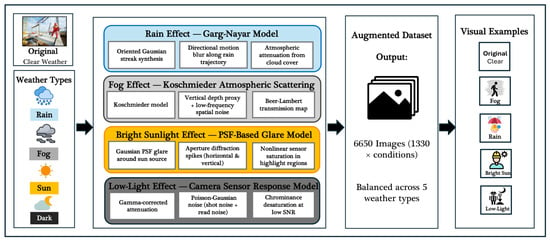
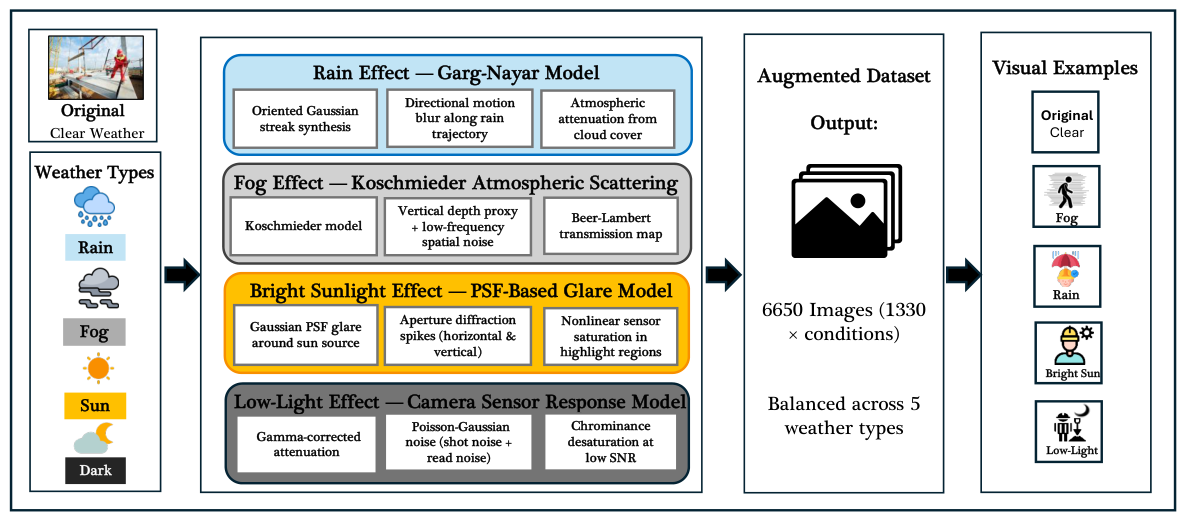
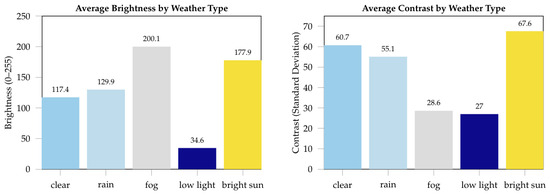
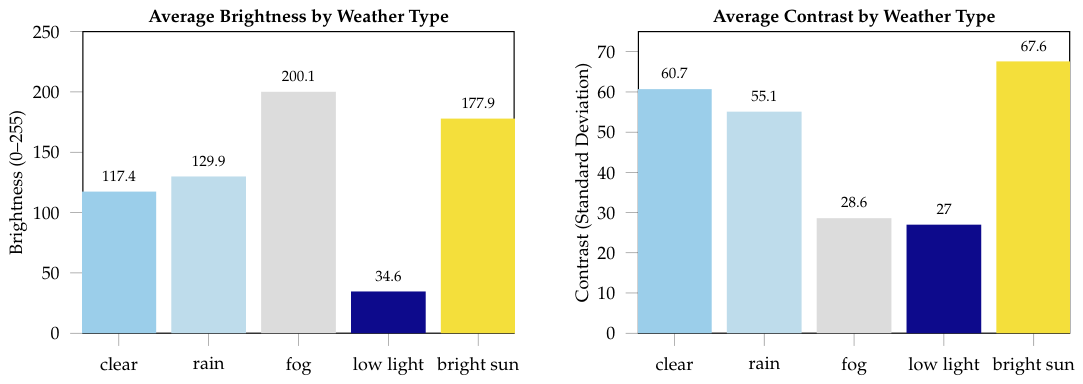
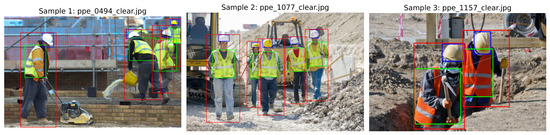
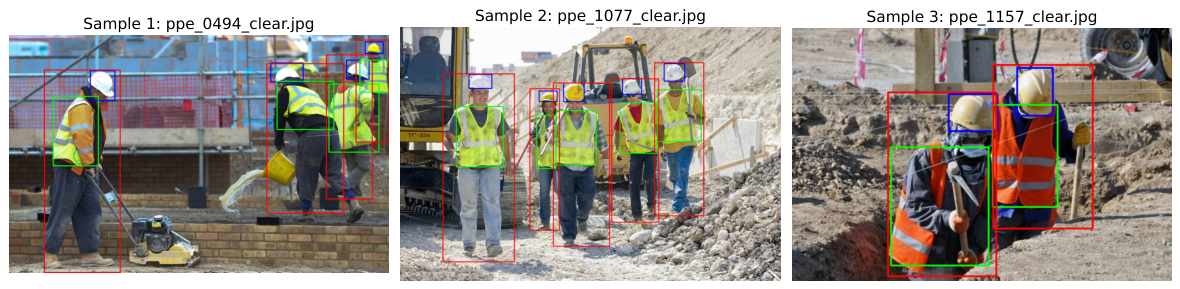
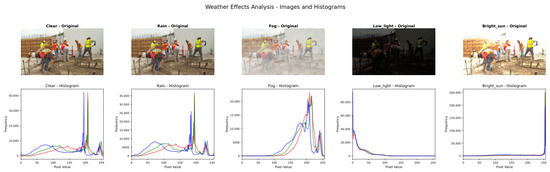
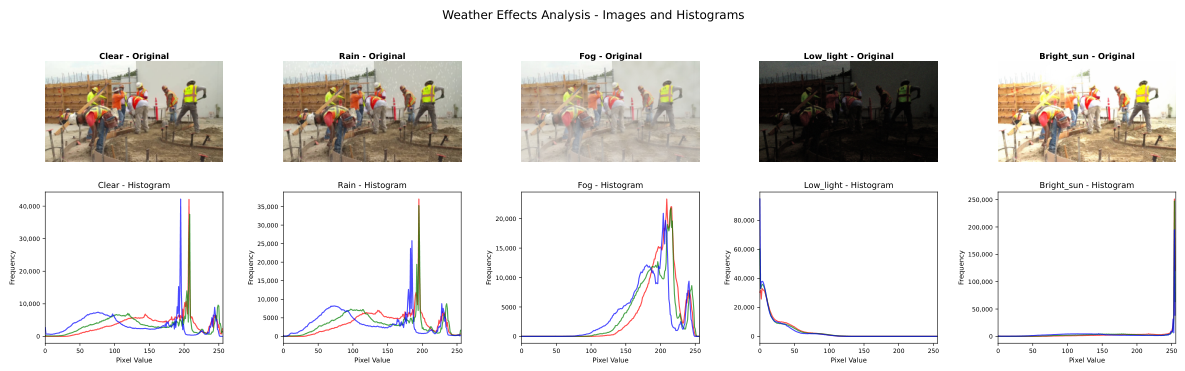
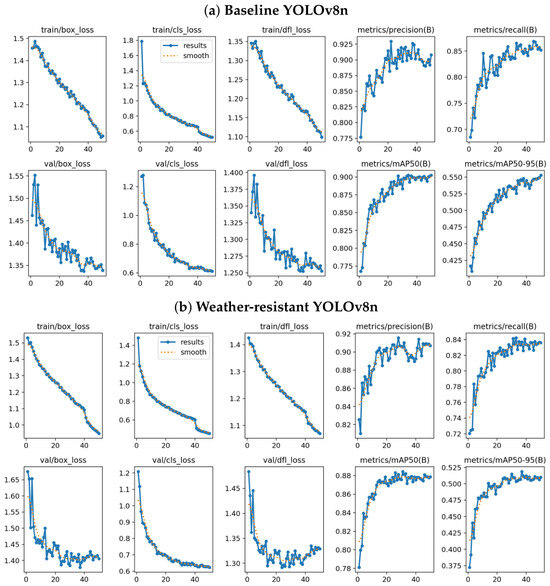
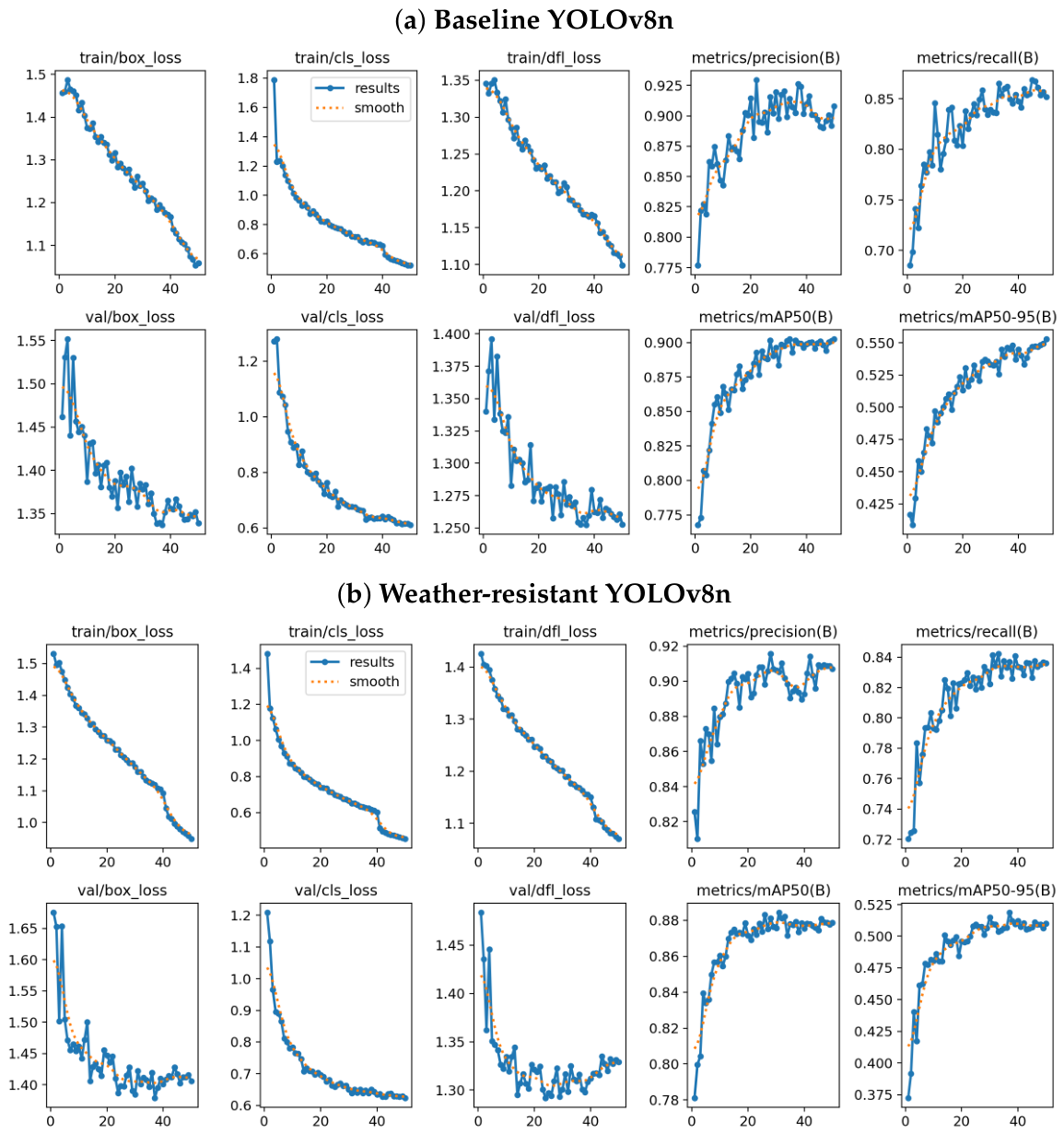
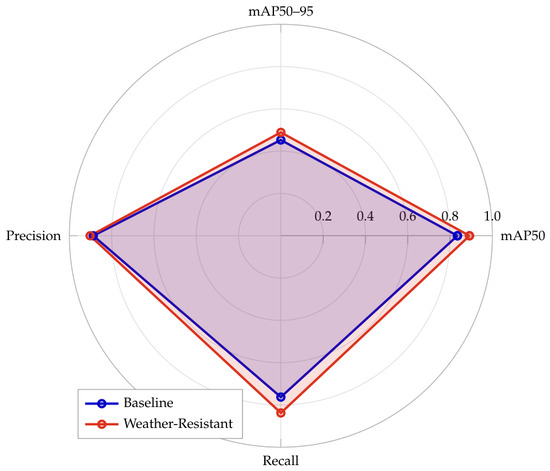
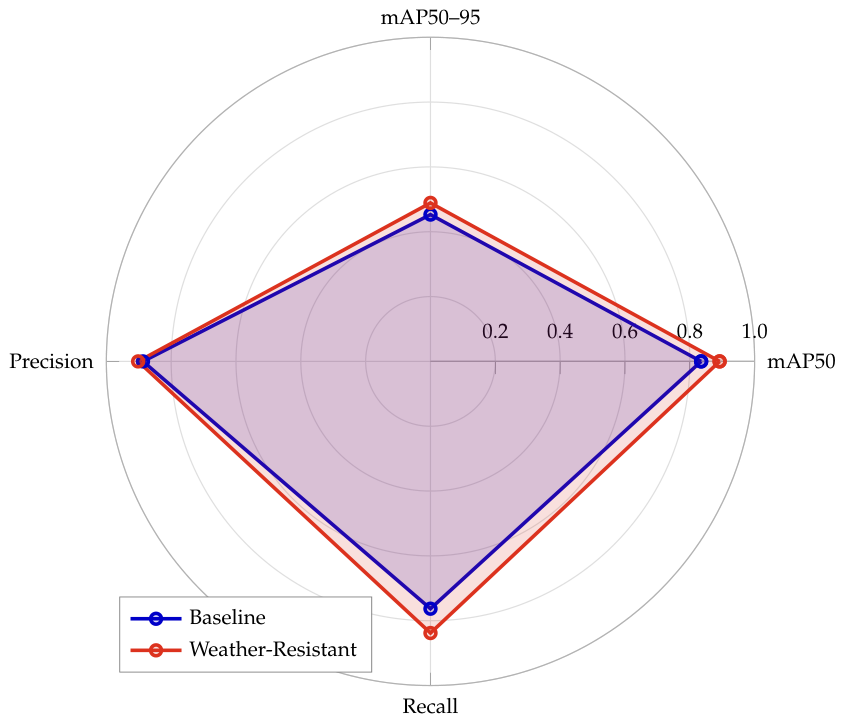
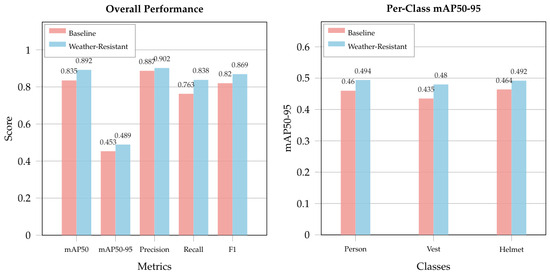
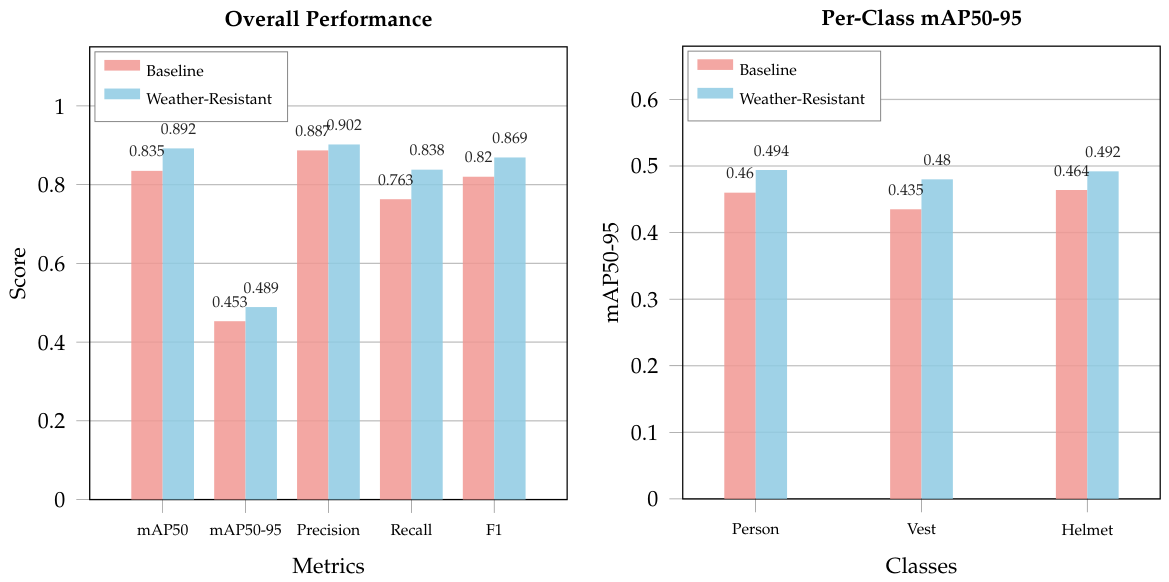
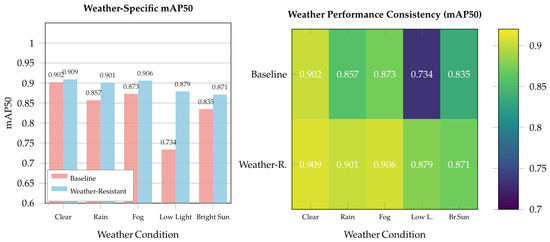
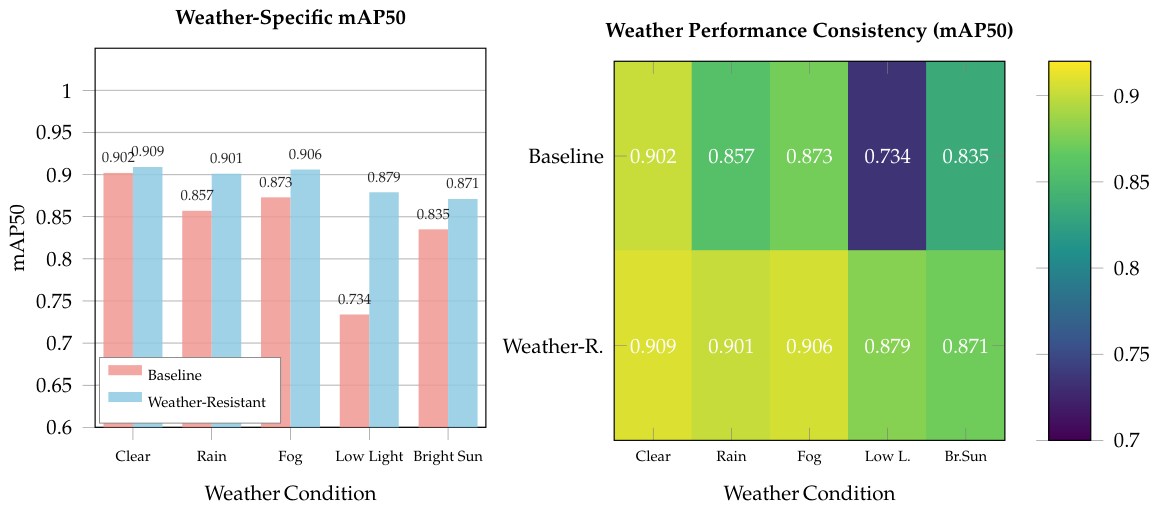
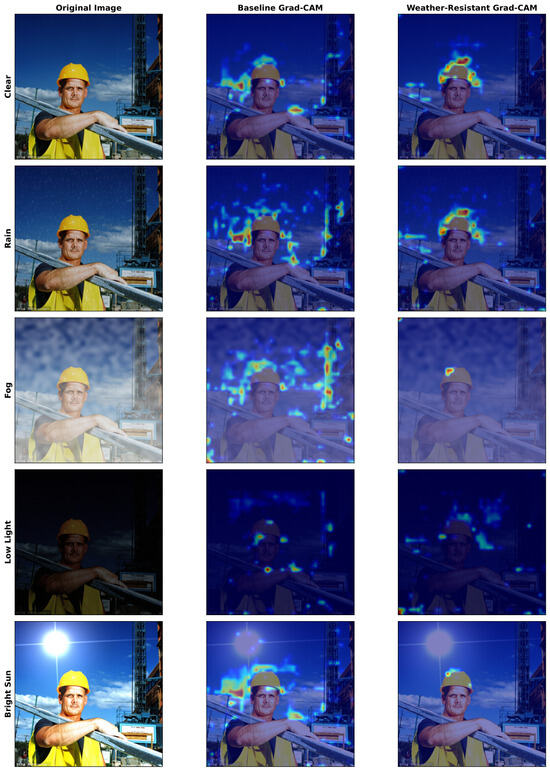
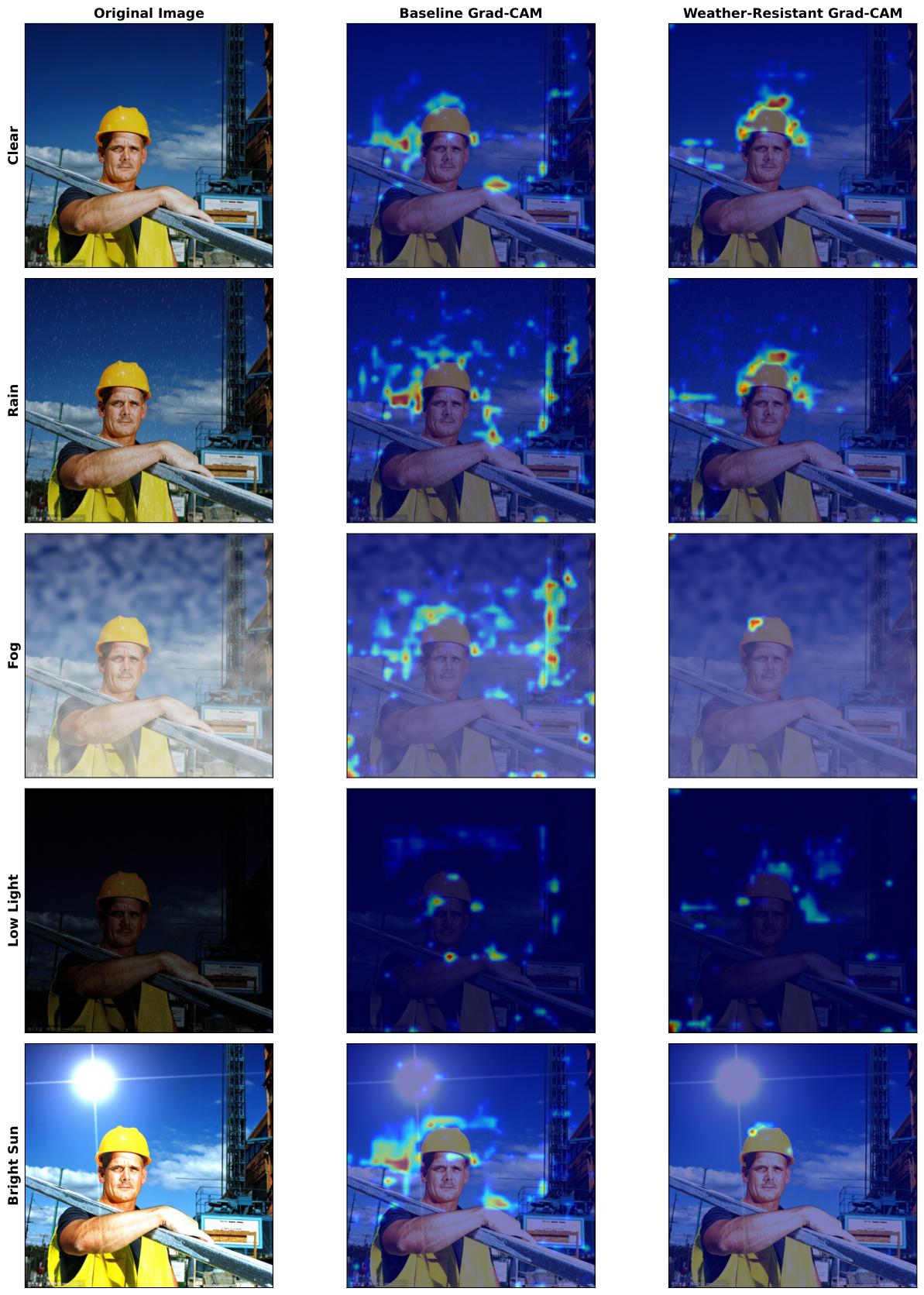
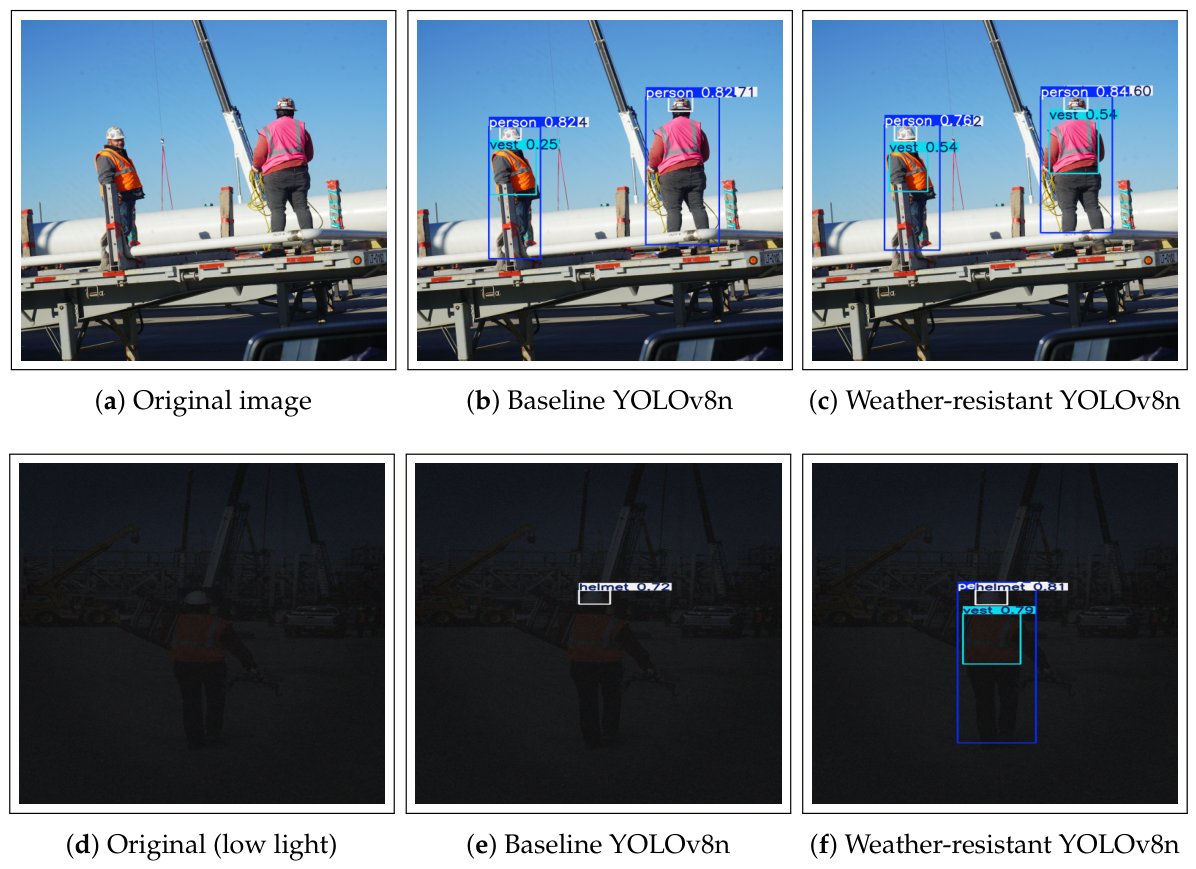

Disclaimer/Publisher’s Note: The statements, opinions and data contained in all publications are solely those of the individual author(s) and contributor(s) and not of MDPI and/or the editor(s). MDPI and/or the editor(s) disclaim responsibility for any injury to people or property resulting from any ideas, methods, instructions or products referred to in the content. |
© 2026 by the authors. Licensee MDPI, Basel, Switzerland. This article is an open access article distributed under the terms and conditions of the Creative Commons Attribution (CC BY) license.