


Abstract
Construction projects are characterized by fragmented project organizations, complex stakeholder coordination, and inefficient information communication, which often hinder collaborative project management and digital coordination efficiency in the architecture, engineering, and construction industry. Internet-based multi-stakeholder collaborative management technology (IMCMT) has emerged as an important digital solution for improving information sharing, real-time communication, and collaborative project management among project participants. However, its implementation is not optimistic because building professionals are reluctant to implement IMCMT. This study aims to identify the determinants affecting IMCMT implementation and investigate the practical roadways to promote building professionals’ IMCMT implementation. The data were collected from 323 valid building professionals in China through the questionnaire survey. The findings reveal that perceived usefulness and perceived ease of use influence building professionals’ IMCMT implementation through both direct and indirect mechanisms. The relation between building professionals’ behavioral intention and actual usage behavior is expanded by adding moderators of normative pressure and innovative culture. Moreover, practical roadways are explored by identifying the mediating role of technical values and behavioral intention and by adding the moderating role of organizational institutions. This study identifies practical roadmaps to promote building professionals’ IMCMT implementation by identifying its determinants and testing their relations. It also enriches the emerging construction information technology acceptance literature by identifying its boundary conditions and practical mediators in the architecture, engineering, and construction industry.
1. Introduction
Emerging construction information technologies implementation in project management has rapidly developed in the architecture, engineering, and construction (AEC) industry to promote digital transformation that improves data sharing and information communication [1,2]. The Ministry of Housing and Urban-Rural Development of the People’s Republic of China (MOHURD) has announced a notice on the emerging construction information technologies in the AEC industry and suggested that Internet-based multi-stakeholder collaborative management technology (IMCMT) provides a platform for building professionals to achieve data sharing and information communication. Internet-based multi-stakeholder collaborative management technology (IMCMT) refers to an integrated ICT-enabled collaborative management system that supports real-time information sharing, multidisciplinary coordination, collaborative decision-making, and cross-organizational project communication among construction project participants through Internet-enabled technologies [3,4]. IMCMT integrates multiple collaborative technologies and management functions, including BIM-enabled collaboration, web-based project management systems, cloud-based information sharing, and online communication platforms, to improve coordination efficiency and stakeholder interaction in the AEC industry. The government has formulated policies to encourage the application of IMCMT in project management, such as standards, operational guidelines, and incentive policies. As prominent practitioners, building professionals’ IMCMT implementation is significant for evaluating the practical application of emerging construction information technologies. Building professionals refer to employees identified as corporate managers, project managers, project department managers, corporate primary professionals, and on-site engineers from multiple project participants such as clients, general contractors, designers, and supervisors.
According to the MOHURD, IMCMT, based on the theory of Computer Supported Cooperative Work (CSCW), is a practical emerging construction information management technology for achieving data sharing and information communication between multiple stakeholders, supported by emerging information technologies such as cloud computing, big data, mobile Internet, and Building Information Modeling (BIM). IMCMT technical contents refer to collaborative task management, quality and safety management, project drawing collaboration, online communication services, etc. [5,6]. The detailed applications of IMCMT for on-site management work in the AEC industry are as follows: (1) collaborative task management, enabling data sharing and information communication of on-site construction tasks between building professionals from multiple parties (i.e., general contractor, client, subcontractor, and supervisor) using cloud computing, mobile Internet, big data, and BIM [7]; (2) collaborative management of quality and safety, where multiple building professionals share real-time information to improve quality and reduce safety risks using cloud computing, big data, mobile Internet, and BIM [8]; (3) project drawing collaboration management, where building professionals utilize cloud computing, mobile Internet, big data, and BIM to carry out drawing approvals, revisions, distributions, and borrowing and to achieve collaborative office work [9,10]; and (4) online communication services, through which building professionals enhance communication capabilities by leveraging the mobile Internet and big data [11,12,13]. IMCMT is widely used for on-site management to improve project performance and enhance productivity in the AEC industry through multiple stakeholder collaboration and real-time monitoring [14,15]. Hence, building professionals must apply IMCMT in their daily work to enhance data sharing and information communication and then improve project performance in the AEC industry.
However, building professionals’ IMCMT implementation is not as optimistic as expected due to organizational inertia, employee negative attitudes, and unexpected technical values and traits [16,17]. As a practical tool, technical values are essential for building professionals implementing IMCMT. Building professionals are reluctant to adopt these technologies because they need to obtain new experience or knowledge, although emerging construction information technologies are useful [18]. Additionally, organizational institutions affect building professionals’ IMCMT usage behavior in terms of formal organizational norms and informal corporate culture. For example, building professionals are reluctant to apply BIM unless their companies establish standard criteria specifying rewards or punishments for BIM implementation [19,20]. Moreover, building professionals change hostile intentions and accept emerging construction information technologies when companies create a positive atmosphere [21,22]. Hence, building professionals’ IMCMT implementation is determined by multiple factors from the organizational environment, institutions, technical values, and individual intentions. It is necessary to identify determinants enabling building professionals’ IMCMT implementation from a systematic perspective.
Prior studies have explained the determinants underlying usage behavior of emerging construction information technologies in the AEC industry at the individual level. Technical values, institutional environment, and supportive conditions are the main predictors for analyzing building professionals’ emerging technology implementation [23]. As practical tools, technical values such as perceived usefulness (PU) and perceived ease of use (PEU) are necessary for building professionals when they select emerging construction information technologies for on-site work. For example, Ma et al. found that PU and PEU affect BIM implementation [19]. The organization institutions influenced several emerging construction information technology implementations in terms of formal and informal norms. For example, corporate standards and innovative culture urge building professionals to implement emerging construction information technologies, such as BIM, augmented hearing protection technology, and three-dimensional printing technology [18,24,25]. Moreover, as an office tool, the corporate supportive environment may affect building professionals’ emerging construction information technology implementation because these technologies are usually provided by corporations or projects rather than individuals [6]. Hence, a systemic frame should be verified to explore building professionals’ IMCMT implementation by embedding factors such as technical value, organizational institutions, and a supportive corporate environment in the AEC industry.
To deliver this aim, this study first identifies the antecedent factors affecting IMCMT acceptance in the AEC industry. Then, this study tests the relevant pair-wise relations between determinants to reveal the theoretical framework enhancing building professionals’ application of IMCMT. The findings enrich the emerging construction information technology acceptance in the AEC industry by combining the TAM and institutional theory to identify the mediator and moderator. Moreover, this study provides a guideline for practitioners to promote IMCMT adoption in the AEC industry, supporting valuable references for construction enterprises and governments ready for emerging construction information technology acceptance and digital transformation.
2. Theoretical Foundation and Hypotheses Development
2.1. Theoretical Foundation
Technology acceptance theories provide an important theoretical foundation for explaining building professionals’ implementation behavior toward emerging construction information technologies. Among these theories, TAM and its extended frameworks have been widely applied to explain how users’ technological perceptions, organizational support, and social influence affect technology adoption behavior in organizational environments. UTAUT emphasized the important roles of facilitating conditions, social influence, and organizational support in shaping users’ technology implementation behavior [26]. Prior studies in the AEC industry have applied these theories to explain building professionals’ adoption behavior toward BIM, collaborative information platforms, cloud-based project management systems, and other emerging construction information technologies [3,4,27]. However, relatively limited attention has been paid to how organizational institutional mechanisms influence the transformation of behavioral intention into actual collaborative technology usage behavior in complex multi-stakeholder project environments. Therefore, this study further integrates organizational institutions into the technology acceptance framework to explain building professionals’ IMCMT implementation behavior in construction project contexts.
Current studies on emerging construction information technology implementation in the AEC industry are divided into three types: (1) One type of study systematically identifies antecedents affecting emerging construction information technology implementation in the AEC industry, referring to the challenges, barriers, performance, and policies [9,23,25,28]. These studies proposed a systemic framework for identifying antecedent factors affecting emerging construction information technologies, but most ignored quantitative analysis and correlations between these antecedents. (2) The second type of study explores the relations between factors and emerging construction information technology acceptance from a specific perspective, such as instrumentalism, technology acceptance, and institutional pressure. For example, instrumentalism studies focused on the significance of technical elements such as technical values and benefits from the instrumental perspective at organization, company, or project levels, while institution studies focused on the effects of policy and culture at industry and organization levels [6,29]. (3) Another type of study focused on identifying external variables (e.g., policies, organizational norms) and individual factors (e.g., intentions), and exploring their effects on emerging construction information technology adoption in terms of theoretical models such as planned behavior (TPB), Technology Acceptance Model (TAM), extended TAM, and Unified Theory of Acceptance and Use of Technology (UTAUT) [18,30,31,32,33]. Considering the literature on IMCMT implementation remains limited in the existing literature, prior studies focused on BIM adoption, collaborative ICT systems, cloud-based project management technologies, and other related emerging construction information technologies to provide theoretical and empirical references for understanding building professionals’ collaborative technology implementation behavior. Table 1 shows representative articles on emerging technology adoption or acceptance in the AEC industry.
Table 1.
Antecedents affecting emerging technology adoption in AEC industry.
As a practical tool, technical value may drive building professionals to implement IMCMT. Instrumentalism-related research indicates that emerging construction information technology (i.e., BIM, mobile Internet) empowers on-site management productivity and improves employee job performance [1,36,37]. These studies mainly revolve around technology acceptance behavior-related theories, including the theory of TPB, TAM, UTAUT, and task–technology fit model. They found that technical values (i.e., PU and PEU), behavioral intention, and external environment (e.g., facilitating conditions supports) are essential factors affecting employees’ IMCMT adoption, such as Ma et al. [19], Gurgun et al. [5], Huang et al. [21]. Instrumentalist scholars emphasize the significance of technical values for employee usage behavior but overlook the influence of institutional effects. IMCMT as an office tool is also provided by enterprises or projects rather than by employee individuals. Organizational institution constraints are building professional technology implementation, manifested through institutional support and controls. For example, subjective norms and corporate supportive culture provide a foundation for employees to use BIM, information, and communications technology [18,25]. Thus, this study aims to explore determinants that affect building professionals’ IMCMT implementation combining the technology acceptance models and institutional theory.
Factors are selected based on technology acceptance studies, referring to TAM, TPB, and UTAUT, which are the prevailing models used to improve emerging construction information technology adoption in the AEC industry. As TPB shows, behavioral intention directly affects actual usage behavior. Ref. [31] used UTAUT to explore factors affecting employees’ BIM adoption and found that performance expectancy, effort expectancy, and social influence affect behavioral intention while facilitating conditions and behavioral intention influence usage behavior. As TAM shows, PU and PEU have effects on behavioral intention, while behavioral intention has a direct impact on actual use. When TAM is extended, external conditions are added to identify the effects of supportive environments on usage behavior. For example, Howard et al. Park et al. [31,35] used TAM extension to explain construction professionals’ acceptance of web-based training and found that computer anxiety and organizational support are more critical external factors than enjoyment and social influence on professionals’ acceptance. Liu et al. [38] extended TAM to identify the factors affecting smart construction systems’ adoption and found that external variables (i.e., supports, accessibility, experience) affect technical values (i.e., PU and PEU), PU and PEU affect the behavioral intention of use, and behavioral intention influences actual system use.
As the institutional theory shows, building professionals’ IMCMT implementation is also affected by the organizational institution, such as formal corporate institutional pressure and informal corporate culture [18]. For example, institutional pressure affects the adoption of three-dimensional printing technology through legal regulations and incentives [39,40]. Innovation culture encourages building professionals to own positive behavioral intentions and accept emerging construction information technologies in their jobs [14,20]. He et al. [20] used scientometric analysis to explore factors affecting information technology adoption in the AEC industry and found that these antecedents can be divided into three dimensions: technical (T), organization institution (O), and supportive environment (E). Moreover, internal behavioral intention is necessary to predict building professionals’ usage behavior. Based on the previous reviews, this study explores the antecedents affecting building professionals’ IMCMT implementation using the TOE framework by combining TAM extension and the institutional theory, including technical values (T), organization institution (O), and corporate supportive environment (E) (see Figure 1).
Figure 1.
Conceptual framework of IMCMT implementation by combining the TAM extension and institutional theory.
2.2. Hypotheses Development
2.2.1. Corporate Supportive Environment: Facilitating Conditions and Social Influence
Facilitating conditions (FCs) are the basis for building professionals to implement IMCMT because corporations or projects offer these technologies rather than individuals. FCs are defined as the degree to which a user believes their companies or organizations support IMCMT implementation [41]. FCs reflect individual perceptions of the availability of technological resources (e.g., knowledge, software, professionals) that can remove barriers to emerging construction information technology adoption [42]. In practice, available facilitating conditions are primary for IMCMT implementation, considering most emerging technologies are provided by enterprises or projects rather than by employee individuals in the AEC industry [31,33]. Companies offer convenient conditions for IMCMT implementation, providing a positive signal for technical effectiveness [25]. Howard et al. (2017) [31] found that building professionals are more likely to recognize the importance of emerging construction information technologies when enterprises provide supportive facilitating conditions. Ghobakhloo (2019) [43] found that an available state offers convenience for users’ sense of user experience, making it easier for them to use the new technologies. The operation manual and training are necessary for construction enterprise employees because they can reduce the efforts of employees to obtain a new technology [32]. Thus, this study proposes the following hypotheses:
H1a.
FCs positively affect PU.
H1b.
FCs positively affect PEU.
Building professionals’ usage behaviors are affected by the attitudes of their supervisors or managers. Social influence (SI) is defined as the degree to which a user perceives that these important people (i.e., immediate supervisor or top manager) believe they should use the new technologies [39]. Essential people’s attention and behaviors can affect building professionals’ cognition of technical values [44]. For example, manager support makes employees believe that emerging construction information technology is useful [44]. Partners’ application reduces employees’ rejection and makes them learn knowledge from each other. Ahmed and Kassem (2018) [45] and Son et al. (2015) [27] found that employees recognize the technical value when their colleagues gain rewards due to the emerging construction information technology implementation. Thus, this study proposes the following hypotheses:
H2a.
SI positively affects PU.
H2b.
SI positively affects PEU.
2.2.2. Technical Values: PU and PEU
As a practical tool, IMCMT value increases on-site work efficiency and encourages employees to accept it. Two variables are used to describe technical value in TAM: PU and PEU. PU mainly refers to the degree to which an employee believes emerging technology implementation will improve their job performance [32]. In the TAM, perceived usefulness primarily affects actual behavior through behavioral intention. Smart construction technologies can reduce work time, improve quality, and reduce conflict in the AEC industry through remote control, real-time monitoring, and information sharing [1,46,47]. However, unlike voluntary consumer technologies, IMCMT is embedded in organizational workflows and project execution processes in the AEC industry [48]. In organizational technology implementation contexts, perceived usefulness may also directly influence actual usage behavior because employees tend to apply technologies that can immediately improve work efficiency, task coordination, and project performance [44]. In the AEC industry, IMCMT supports real-time monitoring, collaborative communication, and information sharing across multiple stakeholders. Therefore, IMCMT implementation is not entirely dependent on spontaneous individual willingness but is closely associated with task completion and organizational coordination requirements because collaborative digital technologies are increasingly embedded in project execution and interdisciplinary coordination processes within the AEC industry [48,49]. In such organizationally embedded contexts, building professionals may translate perceived technical value into actual usage behavior because IMCMT has become an essential work-supporting system in project management [34]. Thus, this study proposes the following hypotheses:
H3a.
PU positively affects building professionals BI.
H3b.
PU positively affects building professionals’ actual UB.
PEU is defined as the degree to which an employee believes that implementing the IMCMT will be free of effort [44]. In the TAM, the effort expectancy affects the PU and BI, as proved by several settings [26]. Users always believe that operation performance is a critical factor in evaluating the utility of an emerging technology. In users’ opinions, being free of effort to learn new technology can improve their recognition of the latest technology [50] and encourage employees to accept it more easily. According to psychological theories, extra time and energy on obtaining the IMCMT may reduce the users’ willingness to accept these technologies. Liu et al. found that users prefer to use emerging construction information technologies that are received with free effort [39]. Perceived ease of use may also directly affect actual usage behavior in organizational project environments. Construction projects are characterized by tight schedules, fragmented coordination, and intensive communication requirements [37]. Building professionals are likely to use IMCMT when the technologies reduce operational complexity, learning costs, and coordination burdens [27]. In practice, technologies that are easier to operate can be rapidly integrated into project workflows and daily management activities, thereby directly promoting actual usage behavior beyond behavioral intention [48]. Thus, this study proposes the following hypotheses:
H4a.
PEU positively affects PU.
H4b.
PEU positively affects building professionals’ BI.
H4c.
PEU positively affects building professionals’ actual UB.
2.2.3. The Mediator Role of PU and PEU
Facilitating conditions and social influence may indirectly influence building professionals’ IMCMT implementation behavior through technological value perceptions. According to TAM, users’ perceptions regarding the usefulness and ease of use of technologies are important mechanisms through which external environmental and organizational factors affect technology implementation behavior [44]. In construction project environments, facilitating conditions such as technical infrastructure, organizational support, training resources, and operational assistance can improve building professionals’ perceptions regarding the usefulness and ease of use of IMCMT. When building professionals perceive IMCMT as practical, efficient, and easy to operate, they are more likely to directly apply these technologies in project coordination and collaborative management activities [26,51].
In addition, social influence may strengthen building professionals’ technological perceptions toward IMCMT. In multi-stakeholder construction project environments, encouragement from managers, colleagues, project partners, and organizations may increase users’ recognition of the practical value and operational convenience of collaborative digital technologies. Prior studies on BIM and collaborative ICT implementation have shown that social influence and organizational communication positively affect users’ perceived usefulness and perceived ease of use toward emerging construction technologies [27,33]. Unlike voluntary consumer technologies, IMCMT is embedded within project coordination processes and organizational workflows in the AEC industry. Building professionals may directly translate positive technological perceptions into actual IMCMT implementation behavior, particularly when collaborative technologies are embedded within project coordination processes and organizational workflows in the AEC industry [3,27]. In particular, when IMCMT is perceived as useful for improving project coordination efficiency and reducing operational complexity, building professionals are more likely to integrate it into their daily project management activities [33,44]. The following hypotheses are proposed:
H5a.
PU mediates the relationship between FCs and building professionals’ IMCMT usage behavior.
H5b.
PEU mediates the relationship between FCs and building professionals’ IMCMT usage behavior.
H5c.
PU mediates the relationship between SI and building professionals’ IMCMT usage behavior.
H5d.
PEU mediates the relationship between SI and building professionals’ IMCMT usage behavior.
2.2.4. The Effect of BI on UB
BI is defined as the degree to which an employee formulates plans to use or not use the new technology [44]. It has been used as a predictor of actual UB in TAM, which has been verified in education, business tourism, and AEC [27]. According to well-established theories, PU and PEU indirectly affect users’ actual UB through the mediator role of BI [44]. High PU or PEU leads to a higher BI and followers achieving a high actual UB [6]. Thus, this study proposes the following hypothesis:
H6.
BI positively affects building professionals’ actual UB.
2.2.5. The Moderator Roles of Organizational Institutions: Normative Pressure and Innovative Culture
Studies found that the impact of BI on actual usage behavior is verified but suggested that BI alone is not enough to ensure the realization of UB. As institutional theory shows, corporate institutions promote building professionals to implement emerging construction information technologies even if their BI is not optimistic [18]. Official documents are formulated to enable digital transformation and project management performance [18,32]. Building professionals are reluctant to implement IMCMT in their daily jobs because it is not related to their salary or promotion but requires time and effort. Liu et al. (2020) [37] found that employees apply BIM despite their hostile behavioral intentions with the high institutional pressure. Normative pressure (NP) is a soft environment affecting employees’ attitudes and usage behavior of new technology implementation [18,29]. It entails five aspects: a formal strategy, incentives, performance appraisal, supportive document, and top management incentives. Under tremendous institutional pressure, building professionals’ usage intention is more likely to be transformed into actual usage behavior. Taking the implementation of BIM as an example, a significant reason for adoption success is high institutional pressure [18]. Although building professionals have a negative attitude toward emerging construction information technology implementation, they still apply these techniques in their daily jobs when the company establishes formal norms [31]. Based on the previous analysis, this study hypothesized as follows:
H7a.
NP moderates the relations between BI and actual UB, such that the relations will be stronger at higher levels of NP than at lower levels of NP.
Culture is thought of as a series of values shared by members of a corporation, which can affect their employees’ cognition and behavior [26,52]. In an innovative culture (IC), employees quickly learn knowledge and skills to obtain emerging construction information technologies [52]. In contrast, building professionals prefer to use conventional management methods to complete their work when a company lacks IC despite their interest in emerging construction information technologies [31]. An innovative culture can encourage building professionals to translate their positive intentions into actual usage behavior. For example, in creative culture, building professionals prefer to use BIM and smart construction technologies in their daily work, given the motivation of their colleagues [43]. For companies with rich innovation culture, building professionals prefer to learn new knowledge on emerging technologies to improve their job performance, although their intentions are not high [53]. Hence, the corporate IC affects the effect of building professionals’ BI on the actual UB. This study proposes the following hypothesis:
H7b.
IC moderates the relations between BI and actual UB, such that the relations will be stronger at higher IC levels than at lower IC levels.
A theoretical model is proposed in Figure 2. Although FCs and SI may appear conceptually related to NP and IC, these constructs operate at different theoretical levels within the IMCMT implementation process. FCs and SI primarily represent operational support mechanisms that shape building professionals’ technology cognition and behavioral intention formation by providing technical assistance, implementation resources, training support, and interpersonal encouragement. These factors mainly reduce barriers to technology understanding and acceptance during the cognition formation stage. In contrast, NP and IC represent institutional governance mechanisms embedded in organizational norms, managerial expectations, and innovation-oriented cultural values. Rather than directly influencing technology cognition, these institutional mechanisms mainly regulate whether behavioral intention can be effectively translated into actual implementation behavior. Therefore, FCs and SI mainly influence technology acceptance formation, whereas NP and IC primarily affect the enactment of technology usage behavior in organizational project environments.
Figure 2.
The theoretical model.
3. Research Methods
3.1. Procedure and Participants
A survey instrument is designed to collect data for the eight constructs of the theoretical model, consisting of three parts: determinant factors (i.e., FCs, SI, PU, PEU, BI, IC, and NP), UB, and demographic information. A pilot is conducted to verify the validity of the questionnaire. A total of 15 experts were interviewed to check the questionnaire. To reduce potential common method bias, several procedural remedies were adopted during questionnaire design and data collection. (1) Respondents were informed that the survey was anonymous and that all responses would be used only for academic research purposes, thereby reducing evaluation apprehension and social desirability bias. (2) The questionnaire items were adapted from well-established studies and carefully refined through pilot investigations to improve item clarity and comprehensibility. (3) Respondents were assured that there were no right or wrong answers and were encouraged to provide responses based on their actual IMCMT implementation experiences. A convenience sampling technique is used to collect data from the construction companies on the “Top 100 Chinese Construction Enterprises in 2020” list published by the Chinese Construction Enterprises Management Association. The sampling approach was motivated not only by considerations of response accessibility but also by the need to ensure that participants possessed sufficient knowledge and practical experience related to IMCMT implementation. Prior to the formal survey, we conducted preliminary interviews and pilot investigations with construction professionals from different types of enterprises to assess the applicability and comprehensibility of the questionnaire. The preliminary findings suggested that many small and medium-sized construction firms had relatively limited exposure to IMCMT practices, and some respondents were unfamiliar with the concept, functions, and practical applications of IMCMT. Under such circumstances, respondents may encounter difficulties in accurately interpreting and evaluating the questionnaire items, thereby affecting the reliability and validity of the collected data. Moreover, large-scale construction enterprises were selected as the initial sampling source because these organizations were likely to possess practical IMCMT implementation experience and relatively mature digital management practices. This sampling strategy helped improve the relevance and credibility of respondents’ evaluations regarding IMCMT adoption and usage behavior. Nevertheless, the selection of respondents from the “Top 100 Chinese Construction Enterprises” does not imply homogeneous or universal IMCMT adoption across all sampled firms. Considerable variation still existed among enterprises in terms of IMCMT adoption status, implementation depth, application scope, and usage frequency. Such variation helped preserve heterogeneity within the sample and provided an appropriate empirical basis for examining differences in IMCMT implementation behavior across organizational contexts.
Snowball sampling is suitable for collecting data from participants requiring specific criteria [54]. First, snowball sampling is chosen because it is feasible and economical, as the questionnaires could be sent to building professionals when objective construction enterprises are selected [55]. Then, we encourage the selected respondents to share the questionnaire with their colleagues experienced in IMCMT. Finally, 500 survey packets were sent out online from 1 November 2021 to 31 January 2022. The survey was conducted when COVID-19-related disruptions were still affecting construction project management practices in China. During this period, remote collaboration, digital communication, and reduced face-to-face coordination became more prevalent in many construction projects, potentially increasing organizations’ reliance on IMCMT for project coordination and information management. A total of 323 valid responses were obtained by removing the respondents without knowledge of IMCMT and project management or who completed the questionnaire in 200 s or less.
Table 2 shows that most respondents are male (63.5%). An amount of 70.28% are under 35 years old. Building professionals include multiple departments, such as the technical department (22.60%), the contract department (37.77%), and the engineering department (19.50%). An amount of 28.17% of the respondents are corporate managers, including top corporate management (1.55%), middle-level corporate management (13.93%), and low-level corporate managers (12.69%). Most (79.26%) have rich experience with three or more years of work experience. Building professionals are mainly from the developers (30.34%) and general contractors (30.08%).
Table 2.
Demographic profile of valid respondents.
3.2. Measurement
FCs measure the facilitating conditions on IMCMT supported by building professionals’ companies or projects using a four-item scale based on Venkatesh et al. (2003) [26]. An example item is “Our company or project provides us with necessary conditions of the IMCMT, such as software or application”.
SI measures the surrounding environment in which building professionals perceive that these crucial people believe they should use the IMCMT in daily work, using a four-item scale, according to Venkatesh et al. (2003) [26]. An example item is “People that affect my decision-making believe that I should apply IMCMT in my job”.
PU measures the performance of IMCMT when building professionals implement it, using a four-item scale, according to Venkatesh et al. (2003) [26]. An example item is “IMCMT implementation improves my job performance”.
PEU measures the physical and mental effort of IMCMT implementation for building professionals, using the five-item scale based on Venkatesh et al. (2003) [26]. An example item is “It is easy for me to implement IMCMT in my job”.
IC measures the degree of corporate culture in which the building professionals are located using a four-item scale based on Bock et al. (2005) [41] and Al-Gahtani et al. (2007) [42]. An example item is “Our company always provides the advanced concept related to IMCMT”.
NP reveals the corporate norms related to IMCMT in which the building professionals are located, using the five-item scale developed by Teo et al. (2003) [56]. An example item is “Our company formulates formal rewards to promote the IMCMT implementation”.
BI is defined as the degree to which a building professional formulates plans to use or not use the IMCMT in their future job, using the four-item scale developed by Venkatesh et al. (2003) [26]. An example item is “If our enterprise provides IMCMT, I will use it in my future job”.
UB refers to the degree to which the building professional would actually use the IMCMT in their jobs, using a four-item scale [26]. An example item is “I always implement IMCMT in my daily work”.
3.3. Analytical Approach
The reliability and validity of the measurement model were checked before conducting regression analysis. The reliability level was investigated using Cronbach’s α value, where a higher value suggested a higher reliability of the instrument [57]. Tests were conducted to ascertain validity using goodness-of-fit, convergent validity, and discriminant validity. A model had a goodness-of-fit with χ2/df ≤ 3.0, incremental fit index (IFI) ≥ 0.90, Tucker–Lewis index (TLI) ≥ 0.90, comparative fit index (CFI) ≥ 0.90, and the root mean square error of approximation (RMSEA) ≤ 0.08. A good convergent validity was obtained with composite reliability (CR) values ≥ 0.7 and average variance extracted (AVE) ≥ 0.5. Discriminant validity was verified when the square root of the AVE value was all greater than the absolute value of the inter-construct correlations [18,58].
After, the path analysis and moderated mediation analysis were conducted to test the hypotheses using Mplus 8.0 software. Regression analysis mainly explored the relations between latent variables considering the regression coefficient and significance [59]. A positive relation was significant, with the regression coefficient being greater than zero at a certain considerable level.
Third, the mediating and moderating effects were tested using the bootstrapping test. The mediating role was verified when a 95% bootstrap confidence interval did not include zero [60]. The significance of the slopes and curvatures of the two lines were examined, i.e., the congruence line (X = Y) indicated by a solid line and the incongruence line (X = −Y) characterized by a dashed line. Regarding the congruence line (X = Y), the slope of this line represents how the agreement between two independent variables relates to the outcome variable. When the slope of the congruence line (X = Y) was significant and positive, a conclusion might be drawn that the congruence at high levels of two independent variables results in a higher outcome variable than congruence at low levels [60,61].
4. Results
4.1. Measurement Validation
The reliability of all the measures is good because Cronbach’s α value of each construct exceeded the acceptable value of 0.7 [58] (see Table 3). The validity of all measurements is good, as Table 3 shows. The CR values of each construct exceed the acceptable value of 0.7, and the AVE values are all higher than the acceptable 0.5 [58]. The factor loading of the variables also exceeds 0.7. Harman’s single-factor test was conducted to assess the potential influence of common method bias. The results showed that the first unrotated factor accounted for 44.96% of the total variance, which was below the recommended threshold of 50% [35]. Furthermore, no single factor emerged to explain the majority of the covariance among the measurement items. Namely, common method bias was unlikely to affect the validity of the study results.
Table 3.
The results of factor analysis.
In addition, the square roots of AVE are all greater than the absolute value of the inter-construct correlations, suggesting a good discriminant validity [62] (see Table 4). The fit indexes in Table 5 also show that the eight-factor model fits the data better than any alternative models, with /df = 2.069, CFI = 0.942, TLI = 0.935, and RMSEA = 0.058, SRMR = 0.052.
Table 4.
Means, standard deviations, and correlations among variables.
Table 5.
Results of confirmatory factor analysis.
4.2. Hypotheses Testing
4.2.1. The Direct Effect Testing
The direct effects of FCs (H1a), SI (H2a) and PEU (H4a) on PU are verified (see Table 6 and Table 7). The results show that FCs (b = 0.214, p < 0.001), SI (b = 0.437, p < 0.001), and PEU (b = 0.119, p < 0.10) positively affect PU. Thus, H1a, H2a and H4a are supported. The direct effects of FCs (H1b) and SI (H2b) on PU are tested. The results show that FCs (b = 0.395, p < 0.001) and SI (b = 0.408, p < 0.001) affect PEU. Thus, H1b and H2b are supported. PU directly affects the BI (b = 0.197, p < 0.05), revealing that H3a is supported. However, PEU does not significantly affect BI (b = −0.042, p > 0.10), suggesting that H4b is not supported. PEU also positively affects the UB (b = 0.316, p < 0.001), revealing that H4c is supported. H6 was not supported because BI did not significantly affect UB (b = −0.042, p > 0.10). Additionally, the effects of demographic control variables were further examined in the regression models. The results indicate that demographic characteristics, including gender, age, department, position, tenure, and company type, did not exhibit statistically significant effects on building professionals’ actual IMCMT usage behavior. These findings suggest that the proposed relationships among technological perceptions, organizational institutions, behavioral intention, and IMCMT implementation behavior remain relatively stable across different respondent demographic groups. Therefore, the findings of this study are less likely to be substantially influenced by demographic heterogeneity among respondents.
Table 6.
Results of direct effects on PU, PEU, and BI.
Table 7.
Results of effects on UB with moderation interactions.
4.2.2. The Mediation Effect Testing
The mediating roles of PU are verified between FCs and BI, and FCs and actual UB using the bootstrapping test (see Table 8 and Figure 3). FCs affect PU (b = 0.204, p < 0.001) and have an indirect effect on BI through PU (b = 0.494, p < 0.001). A bootstrapping test is conducted to confirm the mediating role of PU further. Table 6 shows that the indirect effect of FCs on BI via PU is 0.101 (p < 0.005), with a 95% bootstrap confidence interval (CI) = [0.037, 0.179]. FCs indirectly affect actual UB through PU (b = 0.421, p < 0.001). As Table 8 shows, the indirect effect of FCs on actual UB via PU is 0.063 (p < 0.01), with a 95% bootstrap (CI) = [0.014, 0.139], suggesting H5a is supported.
Table 8.
Results of mediation and moderation using bootstrapping approach.
Figure 3.
The results of the mediation model. Note: The dashed line represents the non-significant effect. *** p < 0.001, ** p < 0.01.
The mediating roles of PU are verified between SI and BI, and SI and UB using the bootstrapping test. SI has a direct effect on PU (b = 0.437, p < 0.001) and indirectly affects BI through PU (b = 0.197, p < 0.005). SI also indirectly affects UB through PU (b = 0.368, p < 0.001). As Table 8 shows, the indirect impact of SI on UB via PU is 0.137 (p < 0.005), with a 95% bootstrap (CI) = [0.057, 0.249], suggesting H5c is supported.
The mediating role of PEU is verified between FCs and actual UB using the bootstrapping test. FCs have a direct effect on PEU (b = 0.395, p < 0.001) and indirectly affect actual UB through PEU (b = 0.421, p < 0.001), suggesting H5b is supported. A bootstrapping test is conducted to further confirm the mediating role of PEU. Table 8 shows that the indirect effect of FCs on actual UB via PEU is 0.270 (p < 0.001), with a 95% bootstrap confidence interval (CI) = [0.148, 0.393].
SI has a direct effect on PEU (b = 0.408, p < 0.001) and has an indirect impact on actual UB through PEU (b = 0.368, p < 0.001). A bootstrapping test is conducted to further confirm the mediating role of PEU, suggesting H5d is supported. Table 8 shows that the indirect effect of SI on actual UB via PEU is 0.268 (p < 0.001), with a 95% bootstrap confidence interval (CI) = [0.169, 0.388].
4.2.3. The Moderating Effect Testing
The moderating role of NP on the direct effect of BI on the actual UB is tested. Table 5 shows that the interaction effect of BI × NP (b = 0.178, p < 0.05) is significantly related to actual UB. To further test the moderating role of NP, this study tests how the effect of BI on the actual UB differed at the lower (−1 SD) and higher (+1 SD) levels of NP. Table 8 shows that BI is positively related to actual UB when NP is low (b = −0.207, p < 0.05, CI = [−0.406, −0.005]). The moderating effect of NP on the direct effect of BI on the actual UB is shown in Figure 4 and Figure 5. The result suggests that high NP promotes building professionals to translate their BI into actual UB, while low NP reduces the building professionals’ BI and hinders the actual UB. Thus, H7a is supported.
Figure 4.
The model results of the moderation of normative pressure. Note: The dashed line represents the non-significant effect. *** p < 0.001, ** p < 0.01, * p < 0.05.
Figure 5.
The moderation of normative pressure.
The moderating role of IC on the direct effects of BI on the actual UB is tested. Table 5 shows that the interaction effects of BI × IC (b = 0.174, p < 0.05) are significantly related to actual UB. To further test the moderating role of IC, this study tests how the effects of BI on the actual UB differed at the lower (−1 SD) and higher (+1 SD) levels of IC. Table 8 shows that BI is positively related to actual UB when IC is low (b = −0.231 *, p < 0.01, CI = [−0.426, −0.045]). The moderating effect of IC on the direct impact of BI on the actual UB is shown in Figure 6 and Figure 7. The result suggests that high IC improves the building professionals’ BI and promotes their actual UB, while low IC reduces the building professionals’ BI and hinders the actual UB. Thus, H7b is supported.
Figure 6.
The model results of the moderation of innovation culture. Note: The dashed line represents the non-significant effect. *** p < 0.001, ** p < 0.01, * p < 0.05.
Figure 7.
The moderation of innovation culture.
5. Discussion
5.1. Findings
Determinants are identified that affect building professionals’ IMCMT implementation. The findings provide important insights into how technological perceptions influence building professionals’ IMCMT implementation behavior considering H1, H2 and H3 were supported. Previous studies suggested that the user’s actual UB of emerging construction information technology is determined by BI directly [44], but this study finds that PU and PEU affect actual UB directly through both direct (H2 and H3 were supported) and indirect mechanisms. Although BI remains an important mediating effect in a specific context (i.e., high NP or high IC), PU and PEU also exhibit direct effects on actual usage behavior in organizational project environments. The result suggests that building professionals prefer to accept practical and readily available IMCMT. Interestingly, PEU did not significantly affect behavioral intention (H4 was not supported), although it directly promoted actual usage behavior (H3 was supported). This finding differs from the traditional TAM logic in which perceived ease of use generally enhances users’ behavioral intentions. One possible explanation is that IMCMT implementation in the AEC industry is highly embedded in project workflows and organizational coordination processes. Building professionals may directly use technologies that reduce operational complexity and coordination burdens in daily project activities, regardless of whether strong behavioral intention has fully formed. In addition, the contextual background of the COVID-19 pandemic may also help explain the observed findings. The data collection period coincided with the COVID-19 pandemic, during which construction organizations increasingly relied on digital communication and remote coordination technologies to maintain project continuity. Under such circumstances, building professionals may have perceived IMCMT as necessary and valuable for supporting project coordination, information sharing, and operational management. Moreover, this study finds that BI did not exhibit a statistically significant direct effect on UB, suggesting that substantial variance in UB had been explained by users’ technology perceptions. The findings reflect overlapping explanatory effects or potential suppression effects among the predictors rather than the complete absence of a relation between BI and UB. Namely, the findings do not necessarily imply that behavioral intention is irrelevant to IMCMT usage behavior but rather suggest that its independent explanatory effect becomes weaker after accounting for users’ perceived technological value. In practice, IMCMT usage in construction projects is frequently associated with project coordination and operational collaboration requirements. Consequently, actual technology usage may be driven not only by behavioral intention but also by practical project demands and task-related considerations [39,63]. The findings verify the relationship between technical values (i.e., PU and PEU), BI, and actual UB, compared to the prior studies that focused on the direct effects of BI on UB [33,44]. Additionally, FCs and SI are also crucial factors affecting the BI and actual UB. Despite the unique pandemic context during the data collection period, the identified relationships among perceived usefulness, behavioral intention, institutional mechanisms, and usage behavior remain generally consistent with prior IMCMT and construction technology adoption studies [18,27,31], suggesting that the proposed framework retains a certain degree of theoretical robustness across different project environments. This finding suggests that an available facilitator on IMCMT should be provided for building professionals, and people who can decide building professionals’ behavior decisions should formulate strategies for encouraging them to implement IMCMT.
The moderation effects of NP and IC are verified on the relations between BI and UB. The relations between BI and UB are explored in prior studies and suggested that BI affects the UB directly [44]. However, this study verifies that BI significantly affects UB when a high NP or IC emerges. It expands the detailed relations between BI and UB by adding the moderators of NP and IC. This finding suggests that NP and IC can affect the relations between building professionals’ BI and actual UB in the IMCMT implementation context. High NP promotes building professionals to adopt IMCMT in their jobs, although their BI is not optimistic [31,43,64]. Our study found that the effect of BI on UB is not significant (H6 was not supported) but verified the interaction effects of BI × NP (H7a was supported) and BI × IC (H7b was supported). The reason is that companies have formulated formal norms to promote IMCMT implementation in their projects, which urge building professionals to apply IMCMT. Meanwhile, an IC encourages building professionals to get knowledge and skills for IMCMT implementation.
Practical paths are identified to promote building professionals’ actual UB. Prior studies focused on the paths such as external variables (i.e., FCs and SI) → technical value (i.e., PU and PEU) → BI → UB [33,51]. This study further explores the practical paths by examining the direct relations between technical values and UB, and the interaction effects of external variables such as organizational institutions. Eight proper paths are identified to promote building professionals’ IMCMT implementation. Path 1 and path 2 begin with FCs: FCs → PU → UB (H5a) and FCs → PEU → UB (H5b). Path 3 and path 4 begin with SI: SI → PU → UB (H5c) and SI → PEU → UB (H5d). These four paths suggest that available FCs and SI can encourage building professionals to implement IMCMT regardless of the level of BI. Path 5 is FCs → PU → BI → UB with the integration effect of BI × NP. Path 6 is SI → PU → BI → UB with the integration effect of BI × NP. Path 7 is FCs → PU → BI → UB with the integration effect of BI × IC. Path 8 is SI → PU → BI → UB with the integration effect of BI × IC. These four paths suggest that BI does not significantly affect building professionals’ UB unless a high NP or IC emerges.
5.2. Theoretical Implications
This study enriches the relations between the technical values, BI, and UB in the AEC industry. Prior studies suggested that PU and PEU indirectly affect UB through BI, and BI has a direct effect on UB [13], but this study finds that PU and PEU can directly affect building professionals’ actual UB of IMCMT and BI affects building professionals’ actual UB in terms of integration with a high NP or IC. It expands technology acceptance reviews by enriching the relations between PU, PEU, BI, and actual UB. The findings reveal that technical values can determine building professionals’ actual UB of IMCMT regardless of the level of BI. It expands the TAM and TPB application at the individual level in the emerging construction information technology context.
Moderators are identified in the TAM to enrich the relations between BI and actual UB. Prior studies found that BI directly affects users’ actual UB [13,27], but this study suggested that BI has no direct effect on actual UB unless a high NP or IC emerges. Our study explores the moderation effect of NP and IC between the relations of BI and actual UB. It expands the paths from BI to actual UB by adding the boundary conditions: normative pressure and innovative culture. This study shows building professionals’ natural UB emergence on the conditions of a high NP or IC, while BI alone is not enough to ensure the realization of UB. The findings verified the interaction effects of organizational institutions and BI, which enriches the literature on TAM and PBT.
This study extends the conventional technology acceptance framework by revealing a technology-value-driven implementation logic for collaborative construction technologies. Prior studies mainly emphasized the sequence of external variables → behavioral intention → usage behavior [33,51]. In contrast, this study suggests that actual IMCMT implementation may also be driven directly by users’ technological value perceptions in organizational project environments. The significant mediation effects of FCs → PU → UB (H5a), FCs → PEU → UB (H5b), SI → PU → UB (H5c), and SI → PEU → UB (H5d) show that supportive organizational environments and social support can promote actual IMCMT usage by enhancing perceived usefulness and perceived ease of use. These findings extend TAM by showing that collaborative technology implementation in the AEC industry is shaped not only by behavioral intention, but also by task requirements, coordination efficiency, and operational value. This study also enriches technology acceptance research by incorporating organizational institutional mechanisms. The moderation results show that normative pressure and innovative culture strengthen the relationship between behavioral intention and actual usage behavior. Thus, the transformation from intention to use depends not only on individual perceptions, but also on institutional conditions. This study integrates technological value mechanisms and organizational institutional mechanisms into a collaborative technology implementation framework for the AEC industry.
5.3. Practical Implications
It provides determinants to promoting building professionals’ IMCMT implementation. According to previous studies, BI should be enhanced to encourage emerging construction information technology acceptance as the main predictor [18,19]. However, this study found that the BI’s direct effect on UB is not verified. The findings suggest that building professionals’ BI alone is insufficient to realize IMCMT implementation and PU and PEU can affect UB directly. The reason is that building professionals’ UB is driven by the external environment rather than spontaneity within the professionals, but PU and PEU can affect building professionals’ actual UB. Additionally, FCs and SI were identified as organizational supportive environments that affect building professionals’ perceived technical values and UB, similar to [6,29,40]. Hence, construction enterprises should provide available facilitating conditions on software, knowledge, and guidelines for building professionals to promote IMCMT implementation. Moreover, managers’ attitudes towards IMCMT can also affect building professionals’ UB, which reveals that top management should participate in IMCMT promotion.
It provides a reference that promotes BI’s transformation into UB in the emerging construction information technology adoption. BI is a significant predictor for actual UB in primary TAM or extended TAM [32]. However, the relation between BI and UB has not been validated in building professionals’ IMCMT implementation unless a high IC or NP occurs. Ahmed and Kassem (2018) [45] found that institutional pressure is necessary for BIM adoption, ignoring the interaction effect of BI and organizational institutions that is identified in our study. Hence, construction corporations can formulate formal norms and offer an innovative culture to promote building professionals’ IMCMT implementation. For example, corporations can prepare legal documents that rule the IMCMT implementation level as an indicator for building professionals’ salaries and promotions [65]. Moreover, corporations can encourage building professionals to adopt IMCMT by fostering an innovative corporate culture, for example, by increasing inputs on emerging construction information technology innovation and offering rewards for individuals or projects using ICMCT.
It guides the government to promote construction enterprises to achieve digital transformation. Governments have formulated mandatory and favorable policies to encourage construction enterprises to implement emerging construction information technologies, but the actual implementation is a gimmick due to building professionals being reluctant to apply these technologies. This study identifies several potential implementation pathways that may help governments improve IMCMT adoption effectiveness. In particular, governments can establish supportive digital implementation environments by developing standardized technical guidelines, formal operational manuals, industry-wide collaboration standards, and digital capability evaluation systems for construction enterprises [45,65]. These measures may help reduce implementation uncertainty and improve organizational coordination during IMCMT deployment. In addition, PU and PEU were found to be critical factors influencing building professionals’ IMCMT adoption, which is consistent with prior smart construction technology adoption studies [16,21]. Therefore, governments may further support the development of highly compatible and readily applicable IMCMT systems. Specifically, emerging construction information technologies should strengthen cross-platform interoperability, cloud-based collaborative functions, mobile accessibility, standardized data exchange interfaces, and integration with BIM and project management systems. Moreover, lightweight operational design and user-friendly interfaces may help reduce learning costs and improve technology usability among project participants. Furthermore, governments may introduce more targeted policy instruments to accelerate IMCMT implementation, such as digital transformation subsidies, tax incentives for technology investment, pilot demonstration projects, software procurement support, and training programs for building professionals. Governments may also encourage IMCMT adoption by incorporating digital collaboration capability into public project bidding evaluation systems and enterprise qualification assessments. These measures may help construction enterprises improve digital readiness and strengthen the practical implementation of IMCMT in project environments.
In addition, differentiated IMCMT promotion strategies may be necessary across organizational contexts. For developers and project management organizations, IMCMT implementation should emphasize project-level information integration, decision-making transparency, and inter-organizational coordination capabilities to improve overall project governance and communication efficiency. For general contractors, attention should be paid to construction process coordination, on-site information sharing, schedule control, and multidisciplinary task integration because they are directly responsible for project execution and operational collaboration. In contrast, designers and subcontractors may place emphasis on technical interface coordination, drawing communication, and reducing operational complexity during collaborative work processes. Lightweight operational functions, targeted technical training, and simplified information-sharing procedures may help improve IMCMT acceptance and practical usage among these project participants. These findings suggest that although IMCMT implementation represents a common digital coordination issue across the AEC industry, implementation strategies should still be flexibly adjusted according to different project responsibilities and collaborative requirements.
5.4. Limitations
Despite our best efforts, this study is not without limitations. Although the sampling strategy helped ensure that respondents possessed sufficient IMCMT-related knowledge and practical implementation experience, potential selection bias may still exist. Since the initial sampling process was primarily conducted through large-scale construction enterprises, the sample may disproportionately represent organizations with relatively advanced digital infrastructure, more mature management systems, and higher levels of technological readiness. As a result, the relationships identified among technology acceptance, institutional mechanisms, and IMCMT usage behavior may appear stronger than those observed in smaller or less technologically developed construction firms. Furthermore, as the Top 100 Chinese Construction Enterprises served as the initial sampling source, IMCMT adoption was not homogeneous across all participating firms. Considerable variation remained in terms of adoption status, implementation depth, application scope, and usage frequency. Nevertheless, caution should be exercised when generalizing the findings to small and medium-sized construction enterprises or organizations with different levels of digital maturity. Future studies will expand the data scale into different countries for contrastive analysis. Additionally, a longitudinal study will be conducted to further identify the effects of organizational elements on the building professionals’ actual implementation or other emerging construction technologies. In addition, the data collection period coincided with the COVID-19 pandemic, during which construction organizations experienced substantial changes in project communication and coordination practices. Pandemic-related work arrangements, including remote collaboration and reduced on-site interaction, may have increased respondents’ dependence on IMCMT for maintaining project continuity and coordination efficiency. Therefore, the observed relationships among technology acceptance, institutional mechanisms, and IMCMT usage behavior may have been partially reinforced by the pandemic context. Future studies are encouraged to further examine whether the identified relationships remain stable under post-pandemic project management environments.
6. Conclusions
This study investigates the practical roadmap to promote building professionals’ IMCMT implementation. This study enriches the relations between the technical values, BI, organizational institutions, and UB by identifying the mediators and moderators and then determines the practical paths to promote building professionals’ IMCMT implementation. The findings reveal that PU and PEU directly affect the building professionals’ IMCMT implementation rather than having indirect effects through BI. The relations between building professionals’ BI and actual UB are expanded by adding the moderators of NP and IC. Meanwhile, practical roadmaps between external variables such as corporate supportive environment and building professionals’ actual UB are explored by identifying the suitable governance mechanisms (i.e., mediation roles of technical values and BI) and expanding its boundary conditions (i.e., moderation roles of corporate culture and corporate norms). This study enriches the paths and boundary conditions by enhancing the TAM and TPB application at the individual level in the emerging construction information technology acceptance. Meanwhile, this study provides practical roadmaps to promote building professionals’ emerging construction technology information implementation and improve the AEC industry’s digital transformation.
Author Contributions
Conceptualization and data, D.Z.; methodology, L.L. and D.Z.; writing—original draft preparation, D.Z. and S.G.; writing—review and editing, D.Z. and S.G. All authors have read and agreed to the published version of the manuscript.
Funding
This research was funded by the Research on the Collaborative Innovation Mechanism of Leading Construction Enterprises (Educational Department of Liaoning Province, Grant number: LJKR0214).
Institutional Review Board Statement
According to the Common Rule, this study did not require formal ethics approval because it used anonymized data, involved no direct interaction with human participants, and did not collect identifiable personal information.
Informed Consent Statement
Informed consent was obtained from all subjects involved in the study.
Data Availability Statement
The raw data supporting the conclusions of this article will be made available by the authors on request.
Acknowledgments
We thank the interviewees who took the time to complete the survey.
Conflicts of Interest
The authors declare no conflicts of interest.
References
- Zhu, H.; Hwang, B.-G.; Ngo, J.; Tan, J.P.S. Applications of Smart Technologies in Construction Project Management. J. Constr. Eng. Manag. 2022, 148, 04022010. [Google Scholar] [CrossRef] [Scilit]
- Teo Ai Lin, E.; Ofori, G.; Tjandra, I.; Kim, H. Framework for productivity and safety enhancement system using BIM in Singapore. Eng. Constr. Archit. Manag. 2017, 24, 1350–1371. [Google Scholar] [CrossRef] [Scilit]
- Nitithamyong, P.; Skibniewski, M.J. Web-based construction project management systems: How to make them successful? Autom. Constr. 2004, 13, 491–506. [Google Scholar] [CrossRef]
- Reyes-Veras, P.F.; Renukappa, S.; Suresh, S. Challenges Faced by the Adoption of Big Data in the Dominican Republic Construction Industry: An Empirical Study. ITcon 2021, 26, 812–831. [Google Scholar] [CrossRef] [Scilit]
- Gurgun, A.P.; Koc, K.; Kunkcu, H. Exploring the adoption of technology against delays in construction projects. Eng. Constr. Archit. Manag. 2022, 31, 1222–1253. [Google Scholar] [CrossRef] [Scilit]
- Saka, A.B.; Chan, D.W.M.; Mahamadu, A.-M. Rethinking the Digital Divide of BIM Adoption in the AEC Industry. J. Manag. Eng. 2022, 38, 04021092. [Google Scholar] [CrossRef] [Scilit]
- Ogunrinde, O.; Nnaji, C.; Amirkhanian, A. Quality Management Technologies in Highway Construction: Stakeholders’ Perception of Utility, Benefits, and Barriers. Pract. Period. Struct. Des. Constr. 2021, 26, 04020043. [Google Scholar] [CrossRef] [Scilit]
- Kim, S.; Park, C.H.; Chin, S. Assessment of BIM acceptance degree of Korean AEC participants. KSCE J. Civ. Eng. 2015, 20, 1163–1177. [Google Scholar] [CrossRef] [Scilit]
- Akinlolu, M.; Haupt, T.C.; Edwards, D.J.; Simpeh, F. A bibliometric review of the status and emerging research trends in construction safety management technologies. Int. J. Constr. Manag. 2020, 22, 2699–2711. [Google Scholar] [CrossRef] [Scilit]
- Okpala, I.; Nnaji, C.; Karakhan, A.A. Utilizing Emerging Technologies for Construction Safety Risk Mitigation. Pract. Period. Struct. Des. Constr. 2020, 25, 04020002. [Google Scholar] [CrossRef] [Scilit]
- Heidari, M.; Allameh, E.; de Vries, B.; Timmermans, H.; Jessurun, J.; Mozaffar, F. Smart-BIM virtual prototype implementation. Autom. Constr. 2014, 39, 134–144. [Google Scholar] [CrossRef] [Scilit]
- Lim, T.-K.; Park, S.-M.; Lee, H.-C.; Lee, D.-E. Artificial Neural Network–Based Slip-Trip Classifier Using Smart Sensor for Construction Workplace. J. Constr. Eng. Manag. 2016, 142, 04015065. [Google Scholar] [CrossRef] [Scilit]
- Pishdad-Bozorgi, P. Future Smart Facilities: State-of-the-Art BIM-Enabled Facility Management. J. Constr. Eng. Manag. 2017, 143, 02517006. [Google Scholar] [CrossRef] [Scilit]
- Kochovski, P.; Stankovski, V. Building applications for smart and safe construction with the DECENTER Fog Computing and Brokerage Platform. Autom. Constr. 2021, 124, 103562. [Google Scholar] [CrossRef] [Scilit]
- Jia, R.; Jin, B.; Jin, M.; Zhou, Y.; Konstantakopoulos, I.C. Design Automation for Smart Building Systems. Proc. IEEE 2018, 106, 1680–1699. [Google Scholar] [CrossRef] [Scilit]
- Ghansah, F.A.; Owusu-Manu, D.-G.; Ayarkwa, J.; Edwards, D.J.; Hosseini, M.R. Exploration of latent barriers inhibiting project management processes in adopting smart building technologies (SBTs) in the developing countries. Constr. Innov. 2021, 21, 685–707. [Google Scholar] [CrossRef] [Scilit]
- Osunsanmi, T.O.; Aigbavboa, C.O.; Emmanuel Oke, A.; Liphadzi, M. Appraisal of stakeholders’ willingness to adopt con-struction 4.0 technologies for construction projects. Built Environ. Proj. Asset Manag. 2020, 10, 547–565. [Google Scholar] [CrossRef] [Scilit]
- Wang, G.; Lu, H.; Hu, W.; Gao, X.; Pishdad-Bozorgi, P. Understanding Behavioral Logic of Information and Communication Technology Adoption in Small- and Medium-Sized Construction Enterprises: Empirical Study from China. J. Manag. Eng. 2020, 36, 05020013. [Google Scholar] [CrossRef] [Scilit]
- Ma, P.; Zhang, S.; Hua, Y.; Zhang, J. Behavioral Perspective on BIM Postadoption in Construction Organizations. J. Manag. Eng. 2020, 36, 04019036. [Google Scholar] [CrossRef] [Scilit]
- He, Q.; Wang, G.; Luo, L.; Shi, Q.; Xie, J.; Meng, X. Mapping the managerial areas of Building Information Modeling (BIM) using scientometric analysis. Int. J. Proj. Manag. 2017, 35, 670–685. [Google Scholar] [CrossRef] [Scilit]
- Hwang, B.-G.; Ngo, J.; Teo, J.Z.K. Challenges and Strategies for the Adoption of Smart Technologies in the Construction In-dustry: The Case of Singapore. J. Manag. Eng. 2022, 38, 05021014. [Google Scholar] [CrossRef] [Scilit]
- Yuan, H.; Yang, Y. BIM Adoption under Government Subsidy: Technology Diffusion Perspective. J. Constr. Eng. Manag. 2020, 146, 04019089. [Google Scholar] [CrossRef] [Scilit]
- Nnaji, C.; Okpala, I.; Awolusi, I.; Gambatese, J. A systematic review of technology acceptance models and theories in con-struction research. J. Inf. Technol. Constr. 2023, 28, 39–69. [Google Scholar] [CrossRef] [Scilit]
- Choi, B.; Hwang, S.; Lee, S. What drives construction workers’ acceptance of wearable technologies in the workplace?: Indoor localization and wearable health devices for occupational safety and health. Autom. Constr. 2017, 84, 31–41. [Google Scholar] [CrossRef] [Scilit]
- Won, D.; Hwang, B.-G.; Chi, S.; Kor, J.L. Adoption of Three-Dimensional Printing Technology in Public Housing in Singapore: Drivers, Challenges, and Strategies. J. Manag. Eng. 2022, 38, 05022010. [Google Scholar] [CrossRef] [Scilit]
- Venkatesh, V.; Morris, M.G.; Davis, G.B.; Davis, F.D. User Acceptance of Information Technology: Toward a Unified View. MIS Q. 2003, 27, 425–478. [Google Scholar] [CrossRef] [Scilit]
- Son, H.; Lee, S.; Kim, C. What drives the adoption of building information modeling in design organizations? An empirical investigation of the antecedents affecting architects’ behavioral intentions. Autom. Constr. 2015, 49, 92–99. [Google Scholar] [CrossRef] [Scilit]
- Gurevich, U.; Sacks, R. Longitudinal Study of BIM Adoption by Public Construction Clients. J. Manag. Eng. 2020, 36, 05020008. [Google Scholar] [CrossRef] [Scilit]
- Huang, Y.; Trinh, M.T.; Le, T. Critical Factors Affecting Intention of Use of Augmented Hearing Protection Technology in Construction. J. Constr. Eng. Manag. 2021, 147, 04021088. [Google Scholar] [CrossRef] [Scilit]
- Xu, J.; Lu, W.; Papadonikolaki, E. Human-Organization-Technology Fit Model for BIM Adoption in Construction Project Or-ganizations: Impact Factor Analysis Using SNA and Comparative Case Study. J. Manag. Eng. 2022, 38, 04022004. [Google Scholar] [CrossRef] [Scilit]
- Howard, R.; Restrepo, L.; Chang, C.-Y. Addressing Individual Perceptions: An Application of the Unified Theory of Acceptance and Use of Technology to Building Information Modelling. Int. J. Proj. Manag. 2017, 35, 107–120. [Google Scholar] [CrossRef] [Scilit]
- Badi, S.; Ochieng, E.; Nasaj, M.; Papadaki, M. Technological, organisational and environmental determinants of smart contracts adoption: UK construction sector viewpoint. Constr. Manag. Econ. 2020, 39, 36–54. [Google Scholar] [CrossRef] [Scilit]
- Qin, X.; Shi, Y.; Lyu, K.; Mo, Y. Using a TAM-TOE Model to Explore Factors of Building Information Modelling (BIM) Adoption in the Construction Industry. J. Civ. Eng. Manag. 2020, 26, 259–277. [Google Scholar] [CrossRef] [Scilit]
- Wang, T.; Chen, H.-M. Integration of building information modeling and project management in construction project life cycle. Autom. Constr. 2023, 150, 104832. [Google Scholar] [CrossRef] [Scilit]
- Park, Y.; Son, H.; Kim, C. Investigating the determinants of construction professionals’ acceptance of web-based training: An extension of the technology acceptance model. Autom. Constr. 2012, 22, 377–386. [Google Scholar] [CrossRef] [Scilit]
- Durdyev, S.; Ashour, M.; Connelly, S.; Mahdiyar, A. Barriers to the implementation of Building Information Modelling (BIM) for facility management. J. Build. Eng. 2022, 46, 103736. [Google Scholar] [CrossRef] [Scilit]
- Liu, H.; Song, J.; Wang, G. Development of a tool for measuring building information modeling (BIM) user satisfaction–method selection, scale development and case study. Eng. Constr. Archit. Manag. 2020, 27, 2409–2427. [Google Scholar] [CrossRef] [Scilit]
- Liu, D.; Lu, W.; Niu, Y. Extended Technology-Acceptance Model to Make Smart Construction Systems Successful. J. Constr. Eng. Manag. 2018, 144, 04018035. [Google Scholar] [CrossRef] [Scilit]
- Cao, D.; Shao, S.; Huang, B.; Wang, G. Multidimensional behavioral responses to the implementation of BIM in construction projects: An empirical study in China. Eng. Constr. Archit. Manag. 2021, 29, 819–841. [Google Scholar] [CrossRef] [Scilit]
- Chan, D.W.; Olawumi, T.O.; Ho, A.M. Critical success factors for building information modelling (BIM) implementation in Hong Kong. Eng. Constr. Archit. Manag. 2019, 26, 1838–1854. [Google Scholar] [CrossRef] [Scilit]
- Bock, G.-W.; Zmud, R.W.; Kim, Y.-G.; Lee, J.-N. Behavioral Intention Formation in Knowledge Sharing: Examining the Roles of Extrinsic Motivators, Social-Psychological Forces, and Organizational Climate. MIS Q. 2005, 29, 87–111. [Google Scholar] [CrossRef] [Scilit]
- Al-Gahtani, S.S.; Hubona, G.S.; Wang, J. Information technology (IT) in Saudi Arabia: Culture and the acceptance and use of IT. Inf. Manag. 2007, 44, 681–691. [Google Scholar] [CrossRef] [Scilit]
- Ghobakhloo, M. Determinants of information and digital technology implementation for smart manufacturing. Int. J. Prod. Res. 2019, 58, 2384–2405. [Google Scholar] [CrossRef] [Scilit]
- Venkatesh, V.; Davis, F.D. A Theoretical Extension of the Technology Acceptance Model: Four Longitudinal Field Studies. Manag. Sci. 2000, 46, 186–204. [Google Scholar] [CrossRef] [Scilit]
- Ahmed, A.L.; Kassem, M. A unified BIM adoption taxonomy: Conceptual development, empirical validation and application. Autom. Constr. 2018, 96, 103–127. [Google Scholar] [CrossRef] [Scilit]
- Ghansah, F.A.; Owusu-Manu, D.-G.; Ayarkwa, J. Project management processes in the adoption of smart building technologies: A systematic review of constraints. Smart Sustain. Built Environ. 2020, 10, 208–226. [Google Scholar] [CrossRef] [Scilit]
- Olawumi, T.O.; Chan, D.W.M. Developing project evaluation models for smart sustainable practices implementation in con-struction projects: A comparative study between Nigeria and Hong Kong. Eng. Constr. Archit. Manag. 2021, 29, 1522–1552. [Google Scholar] [CrossRef] [Scilit]
- Dossick, C.S.; Neff, G. Organizational divisions in BIM-enabled commercial construction. J. Constr. Eng. Manag. 2010, 136, 459–467. [Google Scholar] [CrossRef] [Scilit]
- Brown, S.A.; Massey, A.P.; Montoya-Weiss, M.M.; Burkman, J.R. Do I really have to? User acceptance of mandated technology. Eur. J. Inf. Syst. 2002, 11, 283–295. [Google Scholar] [CrossRef] [Scilit]
- Hosseini, M.R.; Pärn, E.A.; Edwards, D.J.; Papadonikolaki, E.; Oraee, M. Roadmap to Mature BIM Use in Australian SMEs: Competitive Dynamics Perspective. J. Manag. Eng. 2018, 34, 05018008. [Google Scholar] [CrossRef] [Scilit]
- Marangunić, N.; Granić, A. Technology acceptance model: A literature review from 1986 to 2013. Univers. Access Inf. Soc. 2014, 14, 81–95. [Google Scholar] [CrossRef] [Scilit]
- Zhang, L.; Zhu, J.; Liu, Q. A meta-analysis of mobile commerce adoption and the moderating effect of culture. Comput. Hum. Behav. 2012, 28, 1902–1911. [Google Scholar] [CrossRef] [Scilit]
- Loch, K.D.; Straub, D.W.; Kamel, S. Diffusing the Internet in the Arab World: The Role of Social Norms and Technological Culturation. In Global Information Systems; Routledge: London, UK, 2008. [Google Scholar]
- Noy, C. Sampling Knowledge: The Hermeneutics of Snowball Sampling in Qualitative Research. Int. J. Soc. Res. Methodol. 2008, 11, 327–344. [Google Scholar] [CrossRef] [Scilit]
- Naderifar, M.; Goli, H.; Ghaljaie, F. Snowball Sampling: A Purposeful Method of Sampling in Qualitative Research. Strides Dev. Med. Educ. 2017, 14, e67670. [Google Scholar] [CrossRef] [Scilit]
- Teo, H.H.; Wei, K.K.; Benbasat, I. Predicting Intention to Adopt Interorganizational Linkages: An Institutional Perspective. MIS Q. 2003, 27, 19–49. [Google Scholar] [CrossRef] [Scilit]
- Creswell, J.W.; Guetterman, T.C. Educational Research: Planning, Conducting, and Evaluating Quantitative and Qualitative Research, 6th ed.; Pearson: New York, NY, USA, 2018. [Google Scholar]
- O’Leary-Kelly, S.W.; Vokurka, R.J. The empirical assessment of construct validity. J. Oper. Manag. 1998, 16, 387–405. [Google Scholar] [CrossRef] [Scilit]
- Edwards, J.R.; Lambert, L.S. Methods for integrating moderation and mediation: A general analytical framework using mod-erated path analysis. Psychol. Methods 2007, 12, 1–22. [Google Scholar] [CrossRef] [Scilit] [PubMed]
- Hillis, D.M.; Bull, J.J. An Empirical Test of Bootstrapping as a Method for Assessing Confidence in Phylogenetic Analysis. Syst. Biol. 1993, 42, 182–192. [Google Scholar] [CrossRef] [Scilit]
- Zheng, J.W.; Wu, G.D.; Xie, H.T.; Li, H.Y. Leadership, organizational culture, and innovative behavior in construction projects: The perspective of behavior-value congruence. Int. J. Manag. Proj. Bus. 2019, 12, 888–918. [Google Scholar] [CrossRef] [Scilit]
- Winfred Arthur, J.; Woehr, D.J.; Maldegen, R. Convergent and Discriminant Validity of Assessment Center Dimensions A Conceptual and Empirical Reexamination of the Assessment Center Construct-Related Validity Paradox. J. Manag. 2000, 26, 813–835. [Google Scholar] [CrossRef] [Scilit]
- Jin, R.; Hancock, C.; Tang, L.; Chen, C.; Wanatowski, D.; Yang, L. Empirical Study of BIM Implementation–Based Perceptions among Chinese Practitioners. J. Manag. Eng. 2017, 33, 04017025. [Google Scholar] [CrossRef] [Scilit]
- Karahanna, E.; Straub, D.W.; Chervany, N.L. Information Technology Adoption Across Time: A Cross-Sectional Comparison of Pre-Adoption and Post-Adoption Beliefs. MIS Q. 1999, 23, 183–213. [Google Scholar] [CrossRef] [Scilit] [PubMed]
- Murguia, D.; Demian, P.; Soetanto, R. Systemic BIM Adoption: A Multilevel Perspective. J. Constr. Eng. Manag. 2021, 147, 04021014. [Google Scholar] [CrossRef] [Scilit]
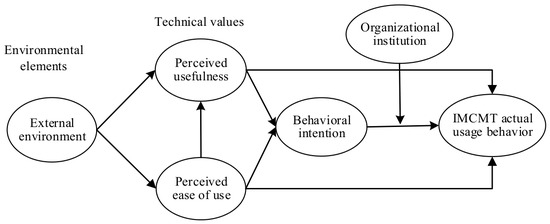
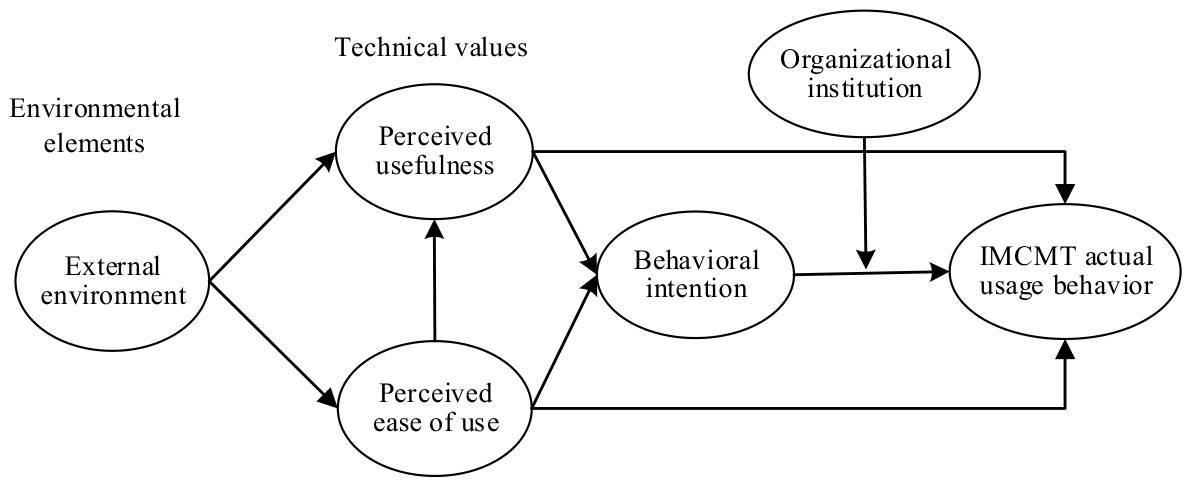
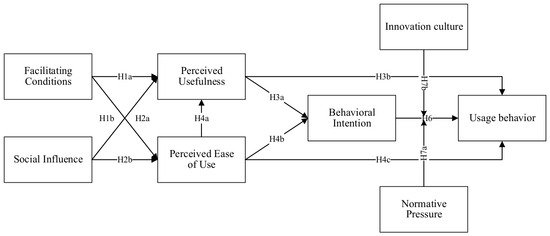
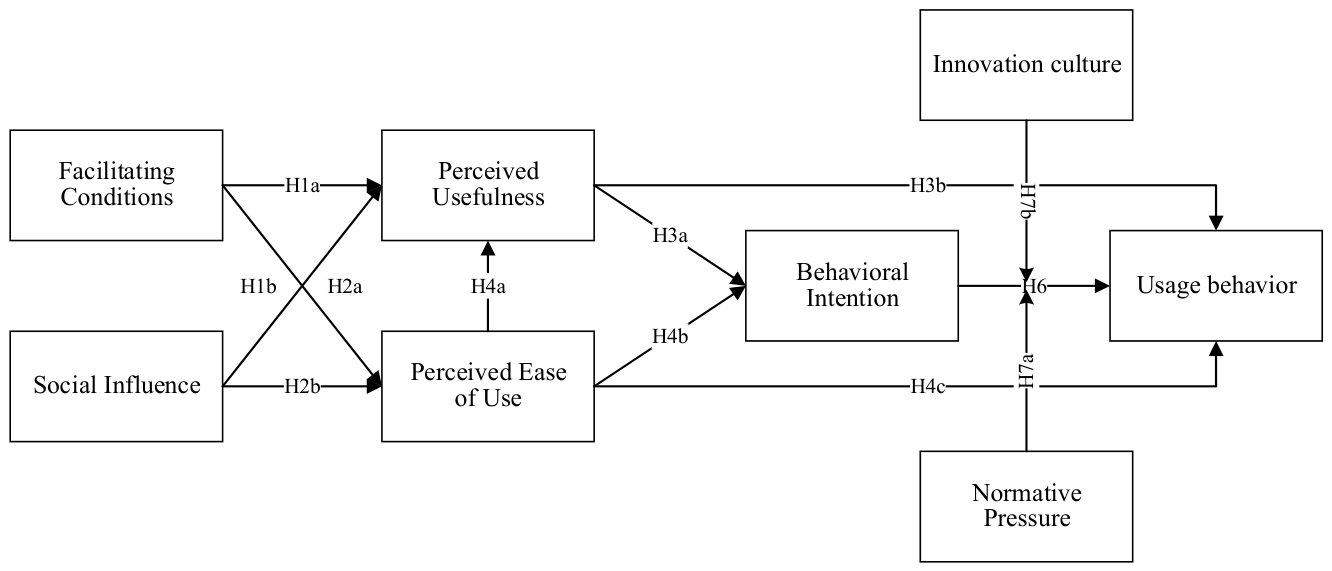
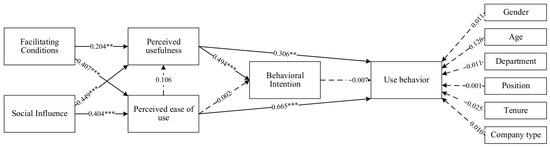
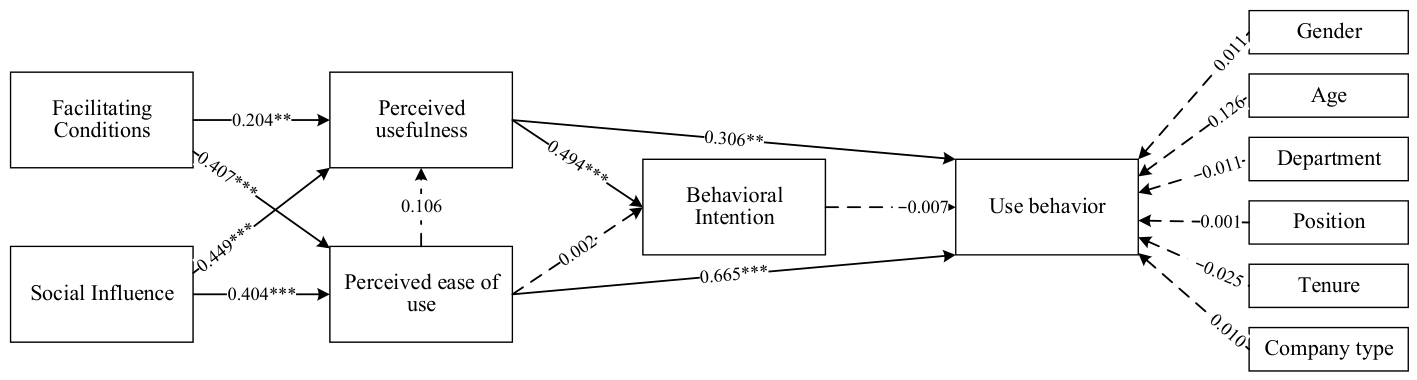
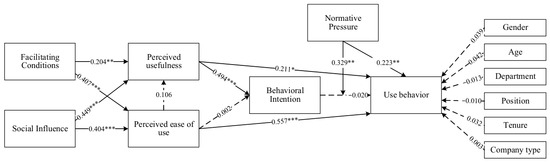
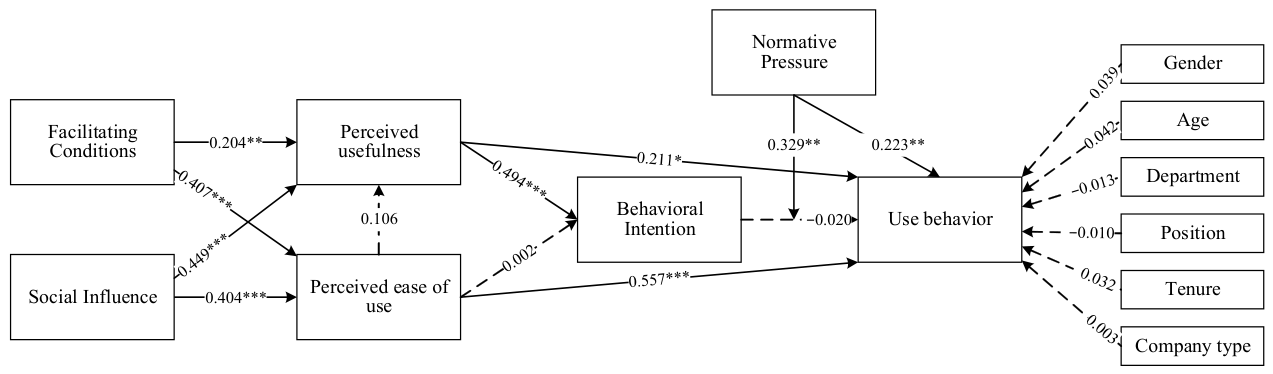
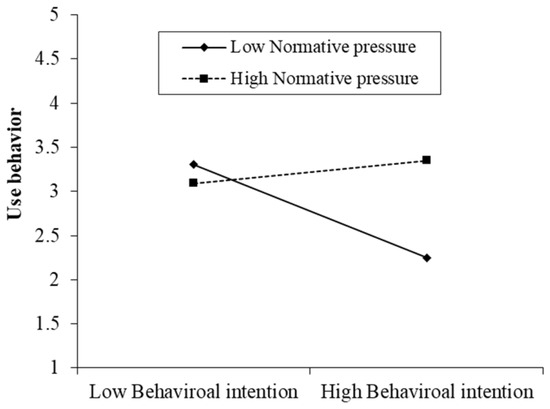
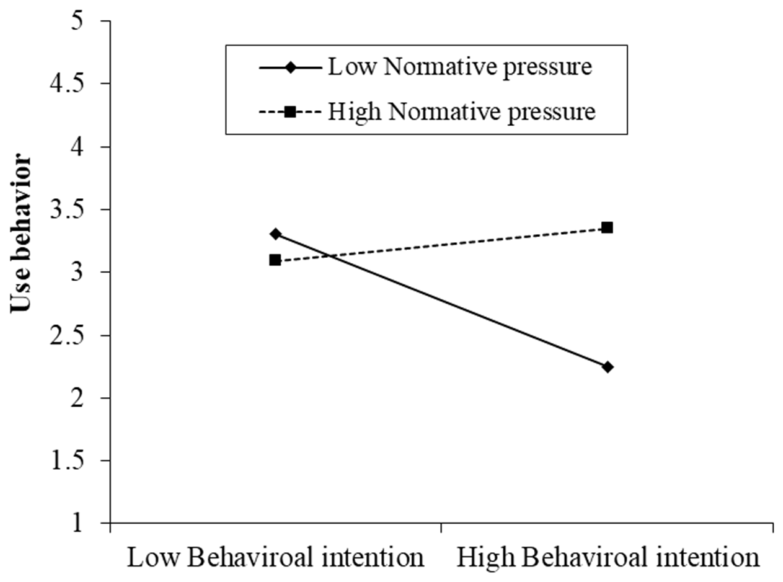
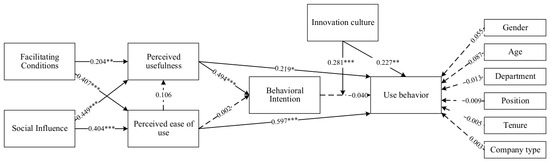
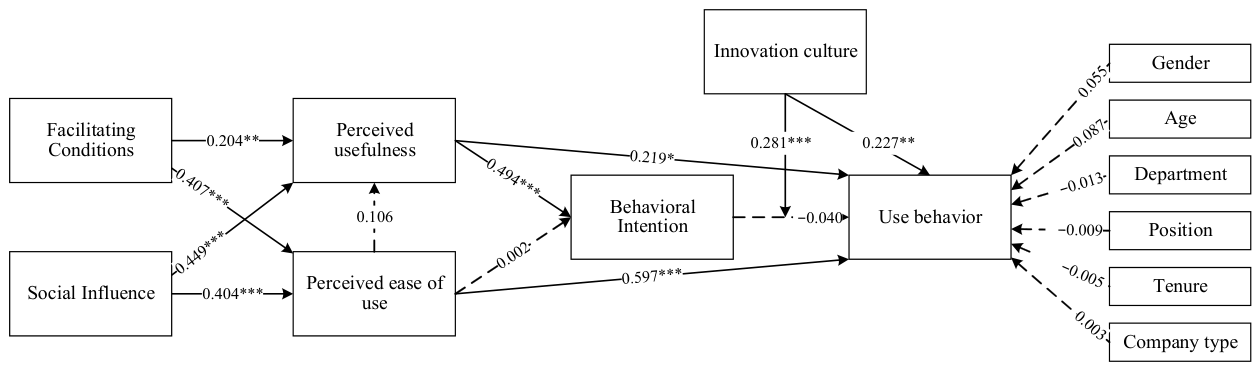
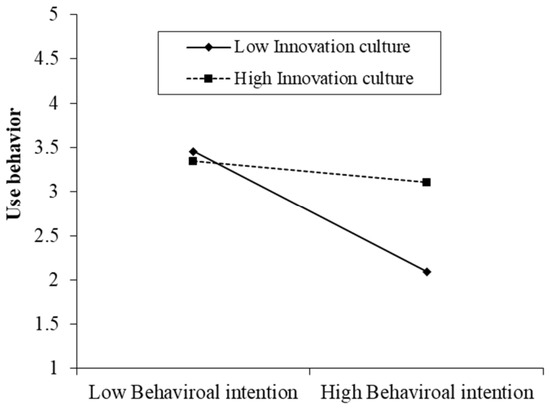
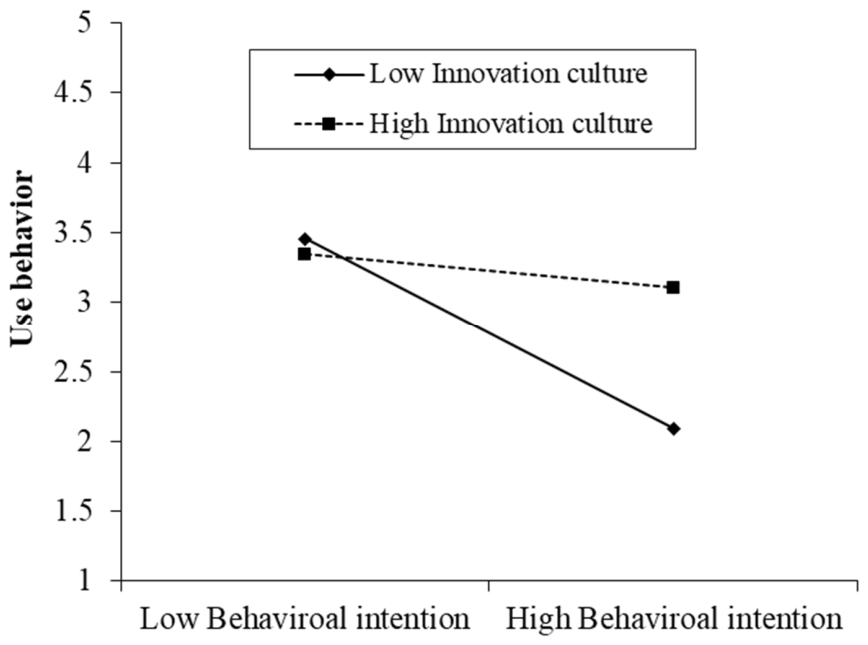

Disclaimer/Publisher’s Note: The statements, opinions and data contained in all publications are solely those of the individual author(s) and contributor(s) and not of MDPI and/or the editor(s). MDPI and/or the editor(s) disclaim responsibility for any injury to people or property resulting from any ideas, methods, instructions or products referred to in the content. |
© 2026 by the authors. Licensee MDPI, Basel, Switzerland. This article is an open access article distributed under the terms and conditions of the Creative Commons Attribution (CC BY) license.