Article

Simulation-Based Hybrid Analysis of Eco-Friendly Wall Coatings Using LODECI, MAXC and DEPART Methods for Energy-Efficient Buildings


1
Department of METE, Engineering Faculty, Firat University, Elazıg 23119, Turkey
2
Department of International Trade and Business, Inonu University, Malatya 44210, Turkey
3
Sustainable Transportation Research Group, Civil Engineering, School of Engineering, University of Kwazulu Natal, Durban 4041, South Africa
4
Faculty of Transport and Traffic Engineering, University of East Sarajevo, Vojvode Mišića 52, 74000 Doboj, Bosnia and Herzegovina
5
Department of Industrial Management Engineering, Korea University, 145 Anam-Ro, Seongbuk-Gu, Seoul 02841, Republic of Korea
6
Department of Mobile Machinery and Railway Transport, Faculty of Transport Engineering, Vilnius Gediminas Technical University, 10223 Vilnius, Lithuania
*
Author to whom correspondence should be addressed.
Buildings 2026, 16(1), 19; https://doi.org/10.3390/buildings16010019

Submission received: 18 November 2025 / Revised: 11 December 2025 / Accepted: 17 December 2025 / Published: 19 December 2025
(This article belongs to the Section Building Energy, Physics, Environment, and Systems)

Abstract

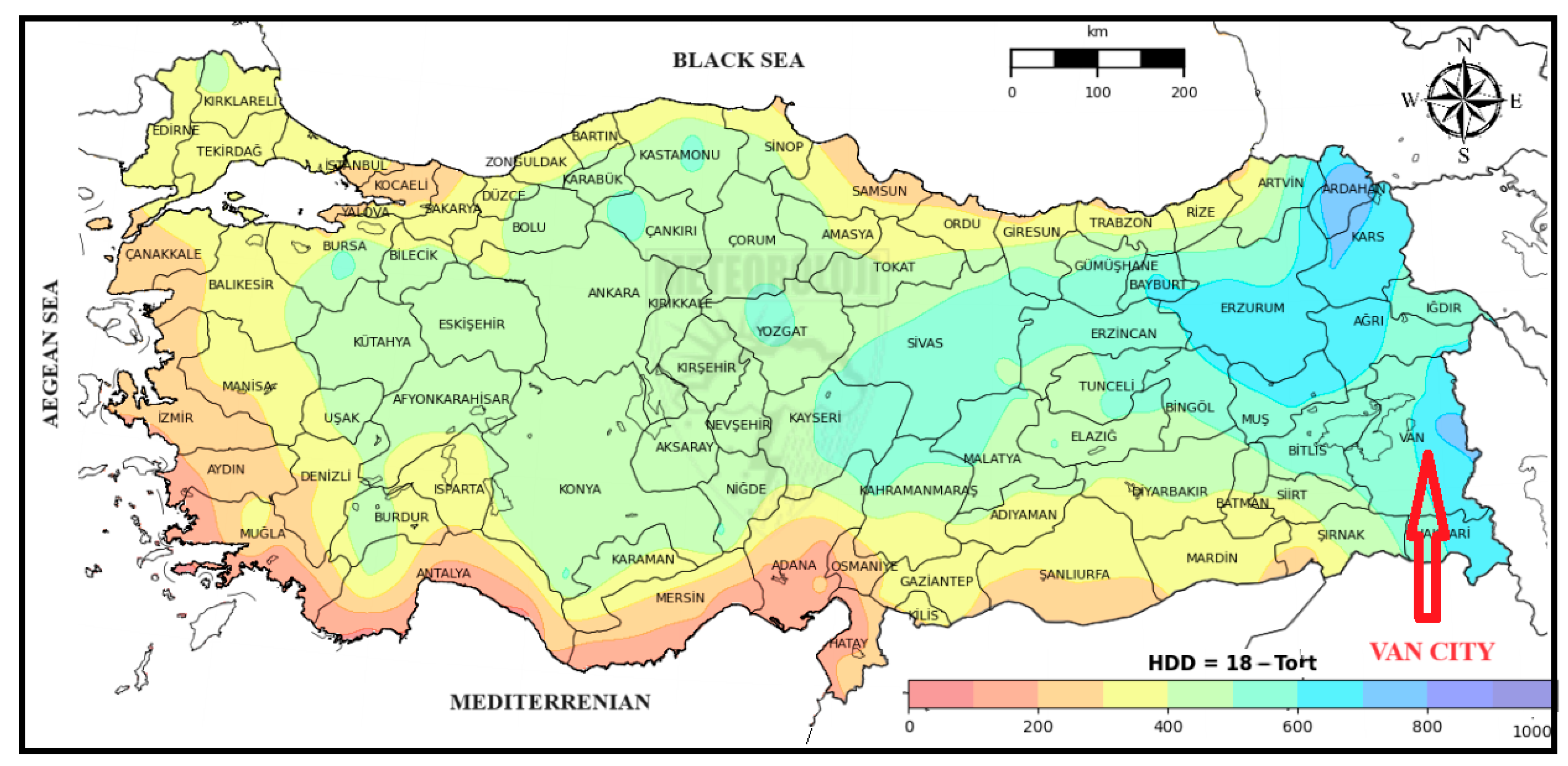
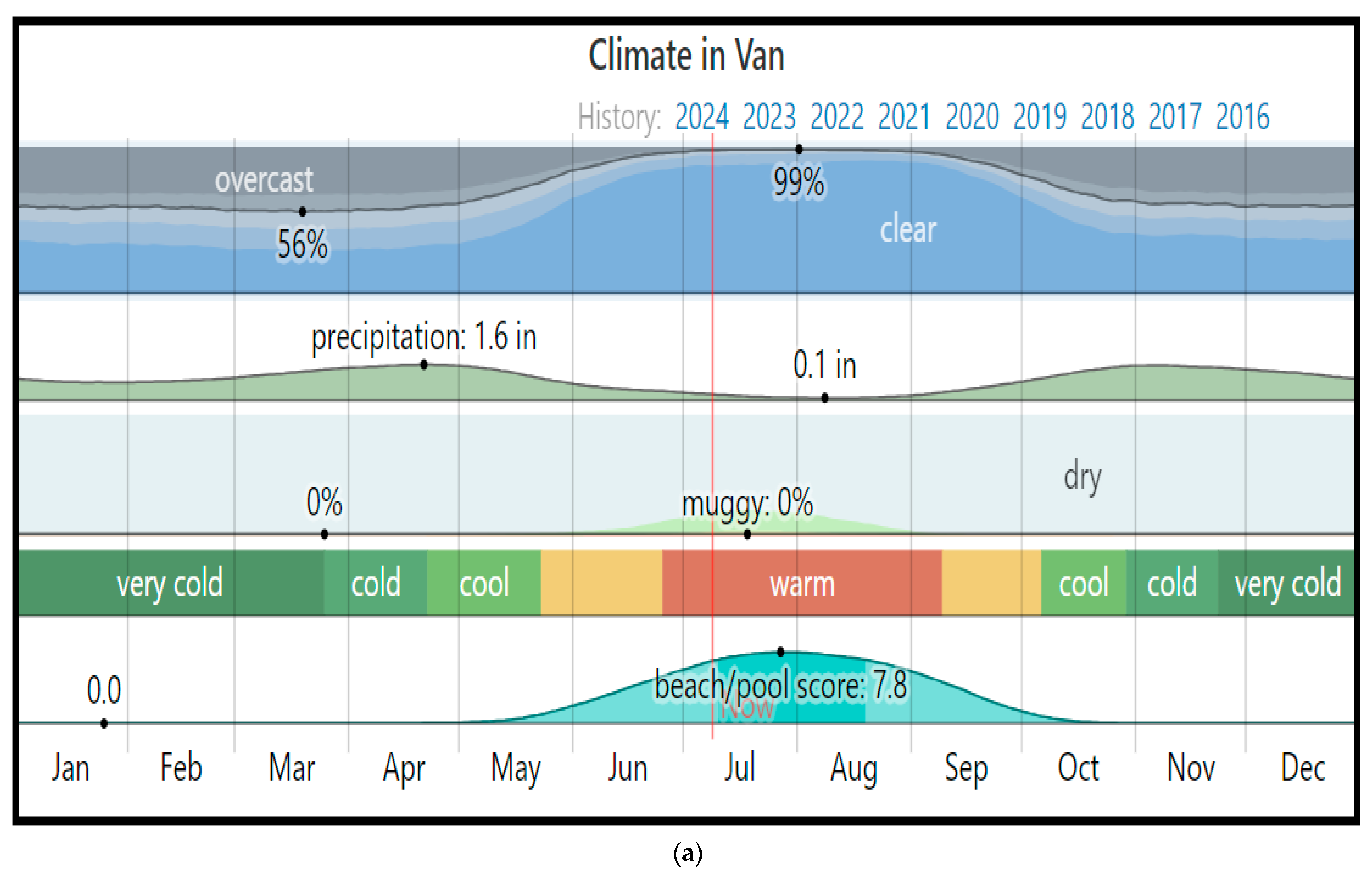
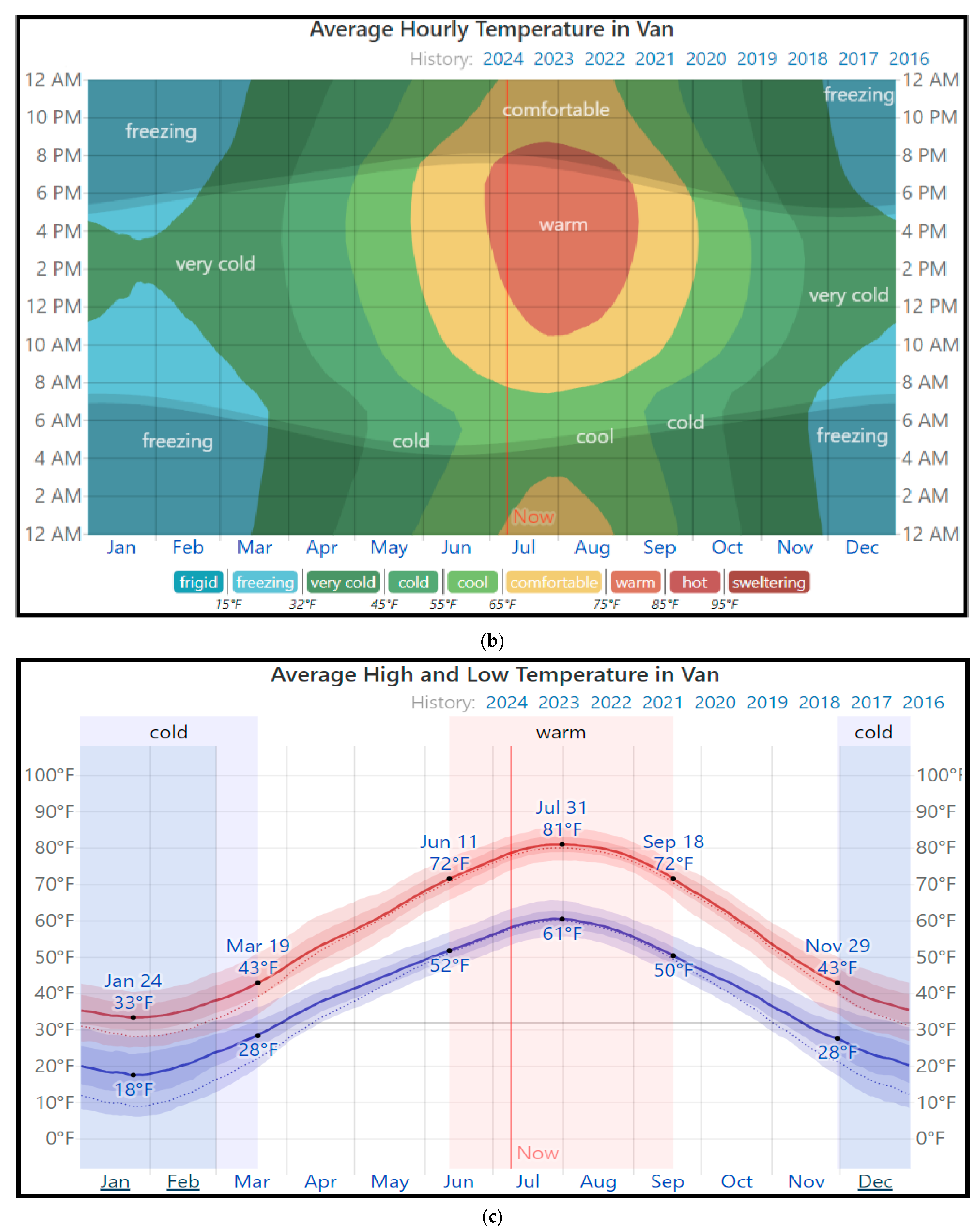
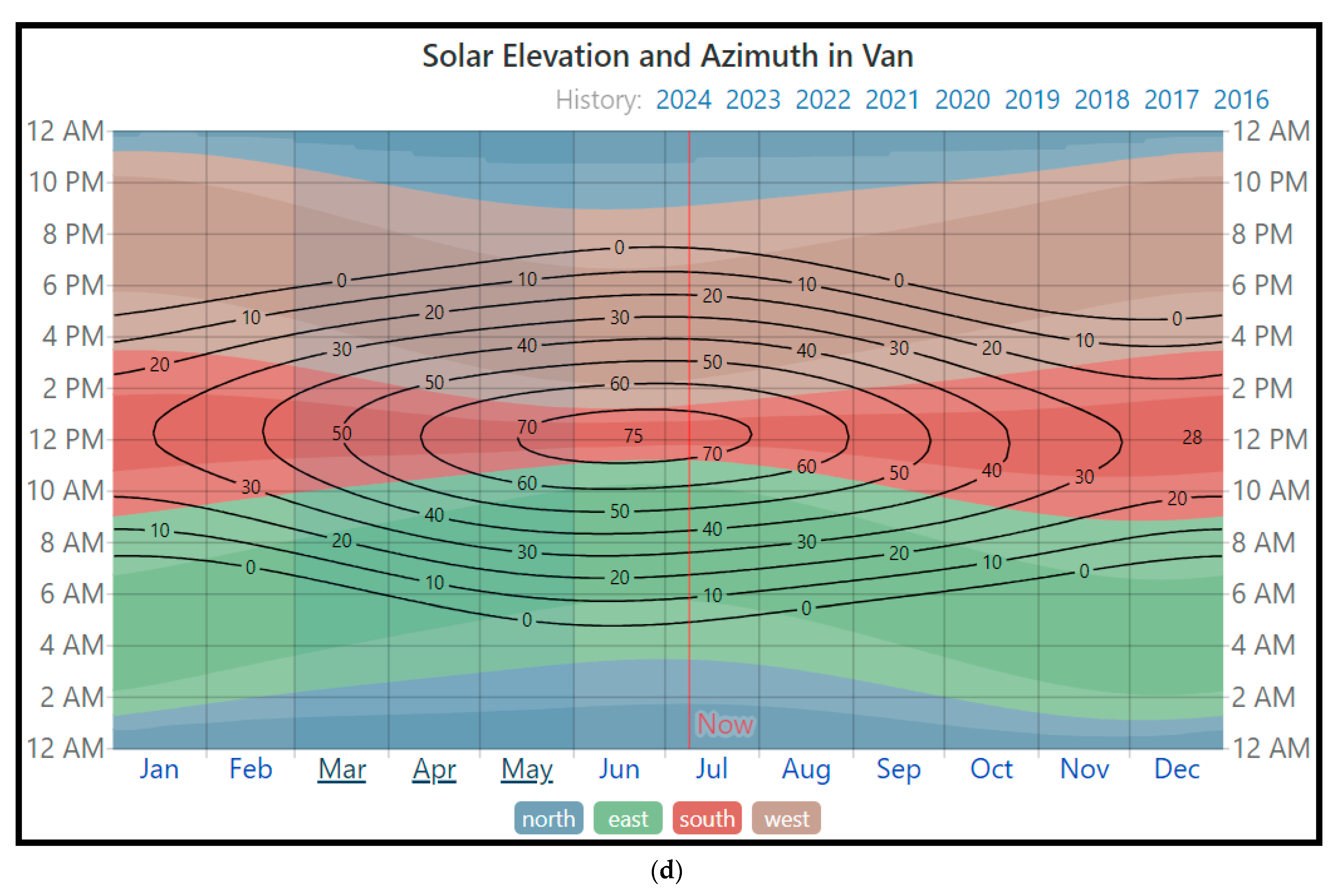
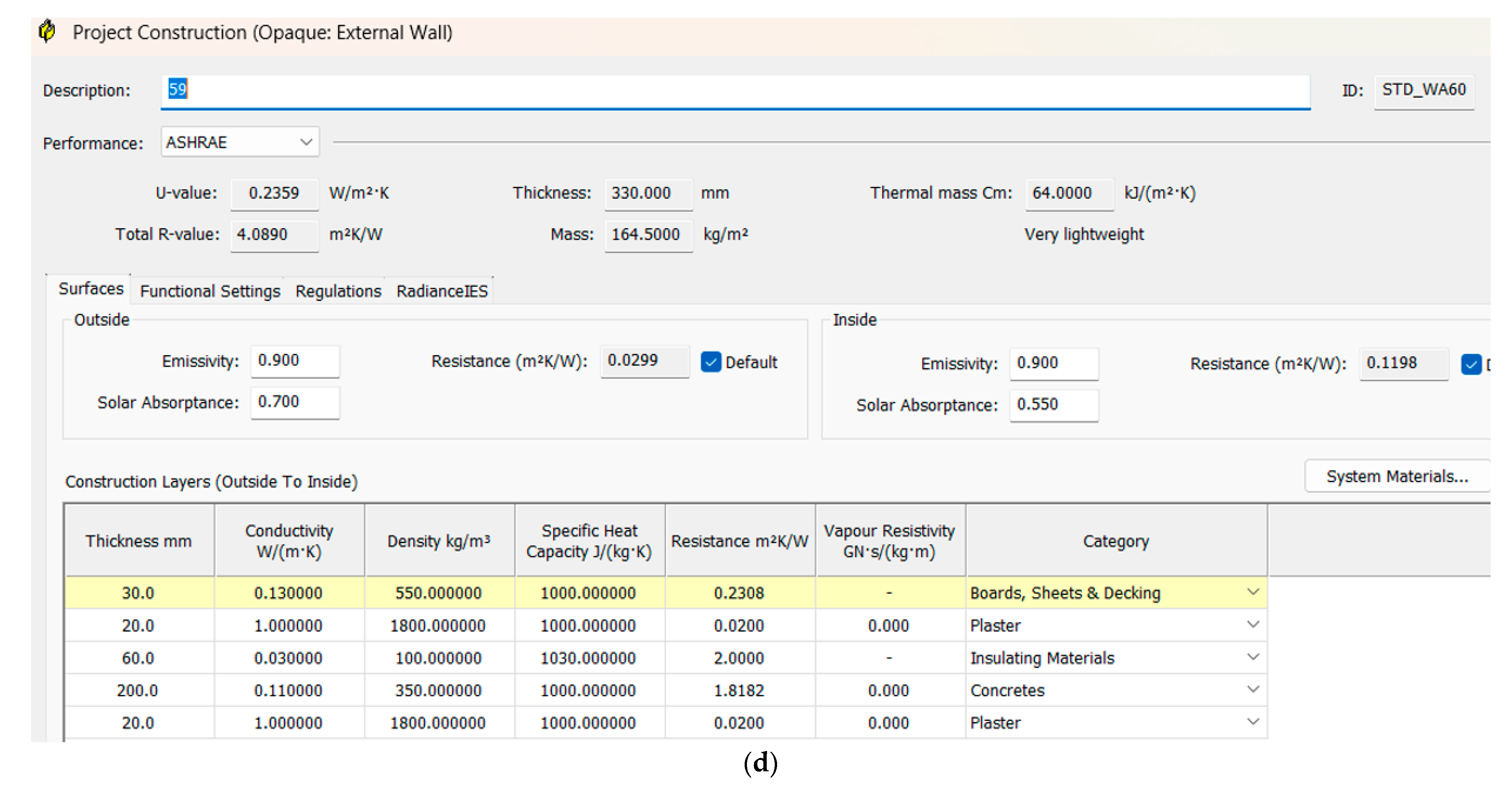
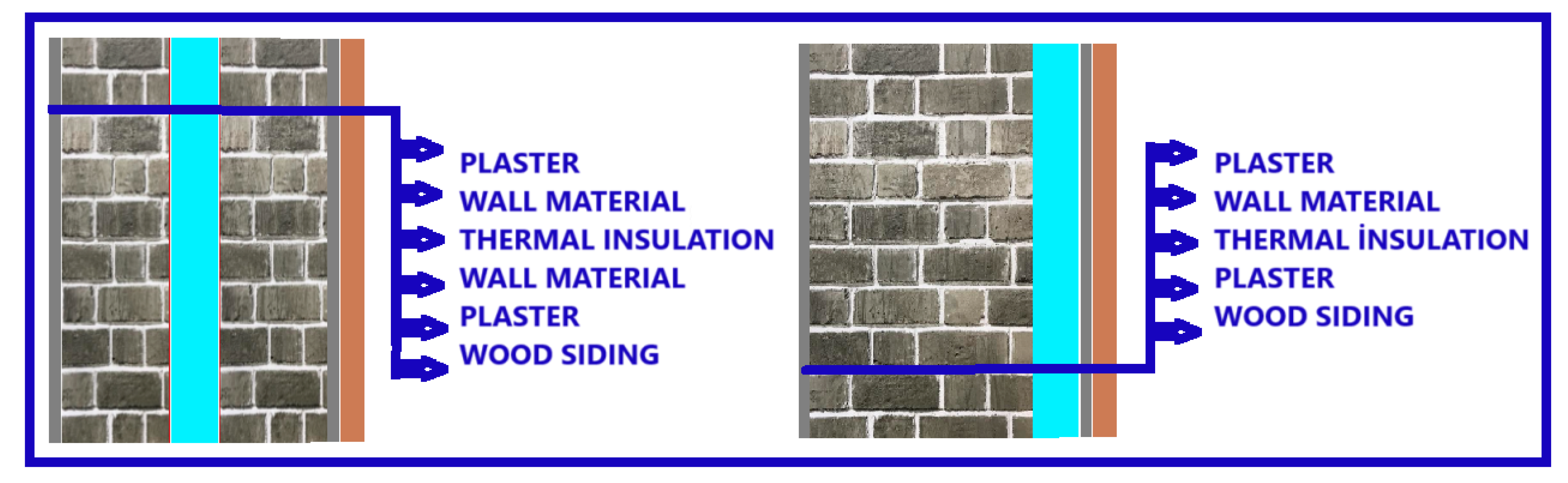
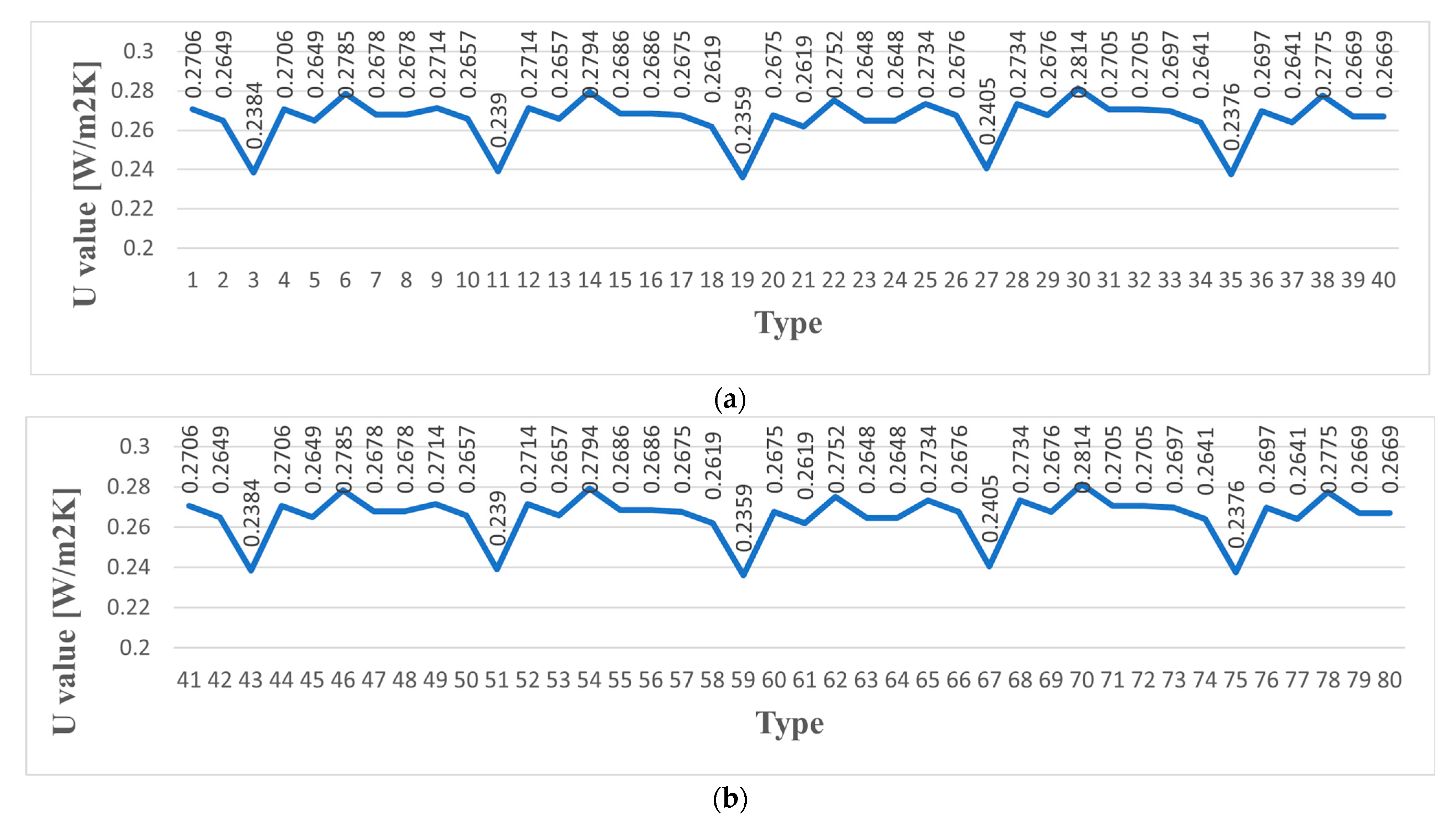
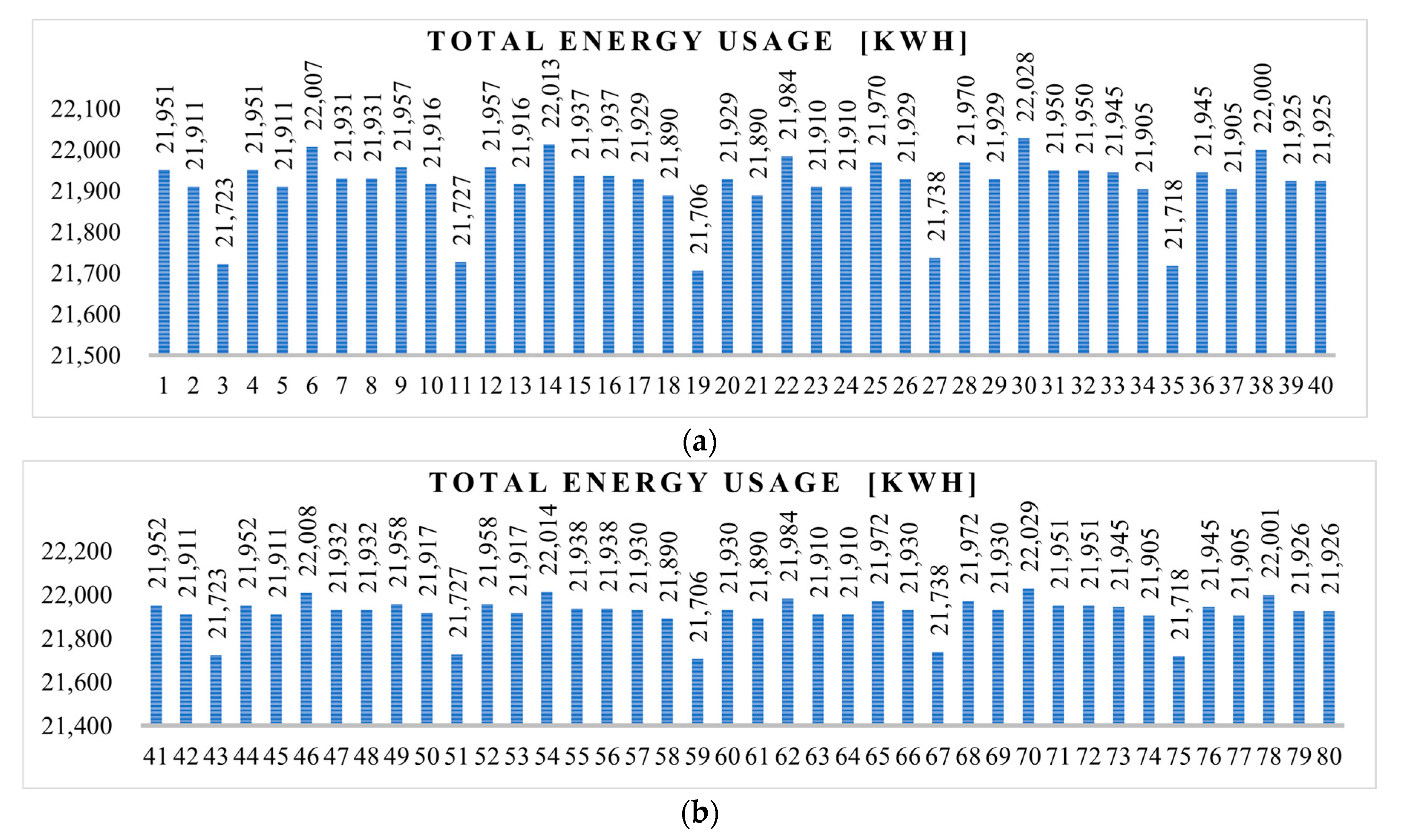
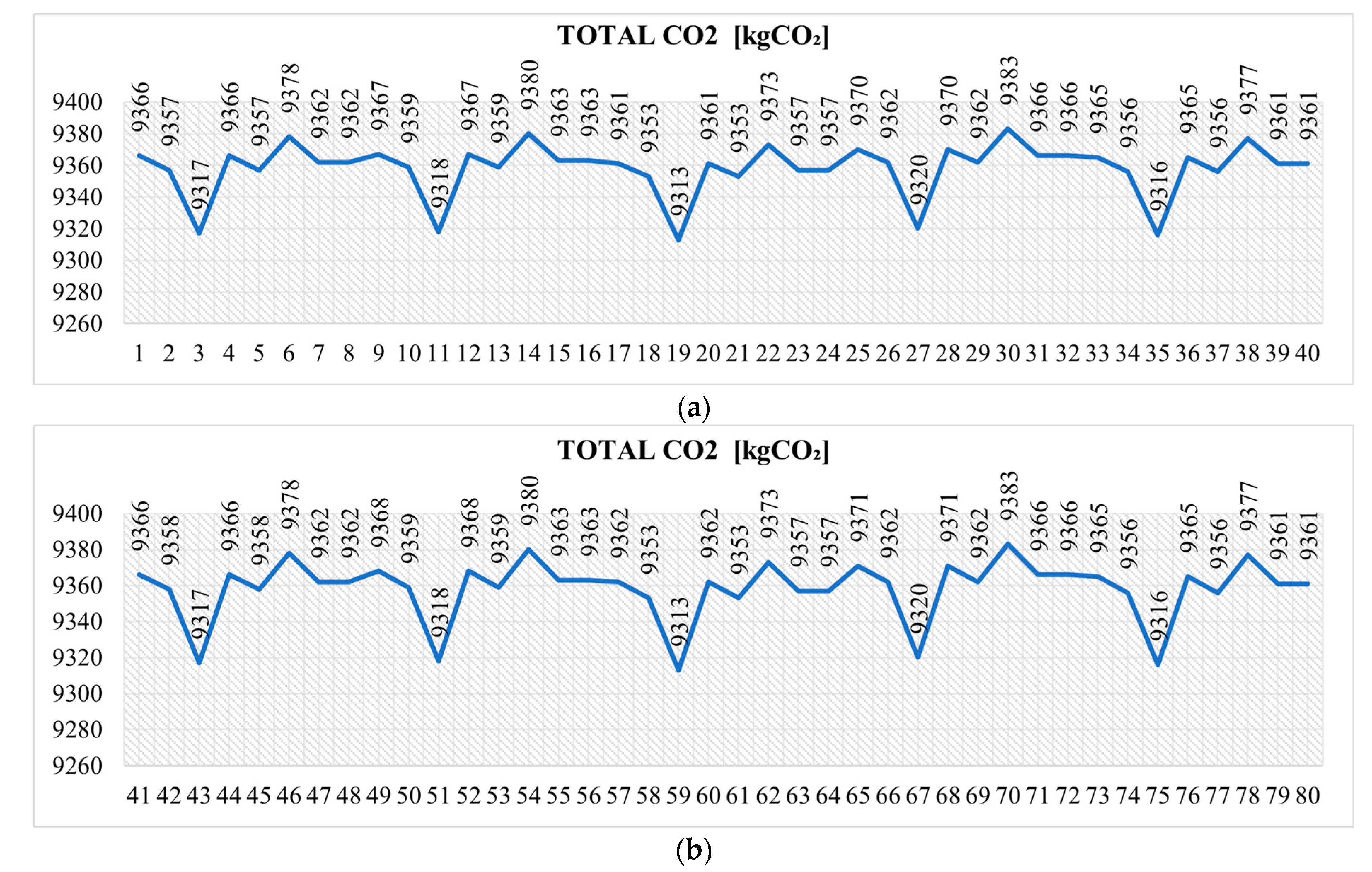
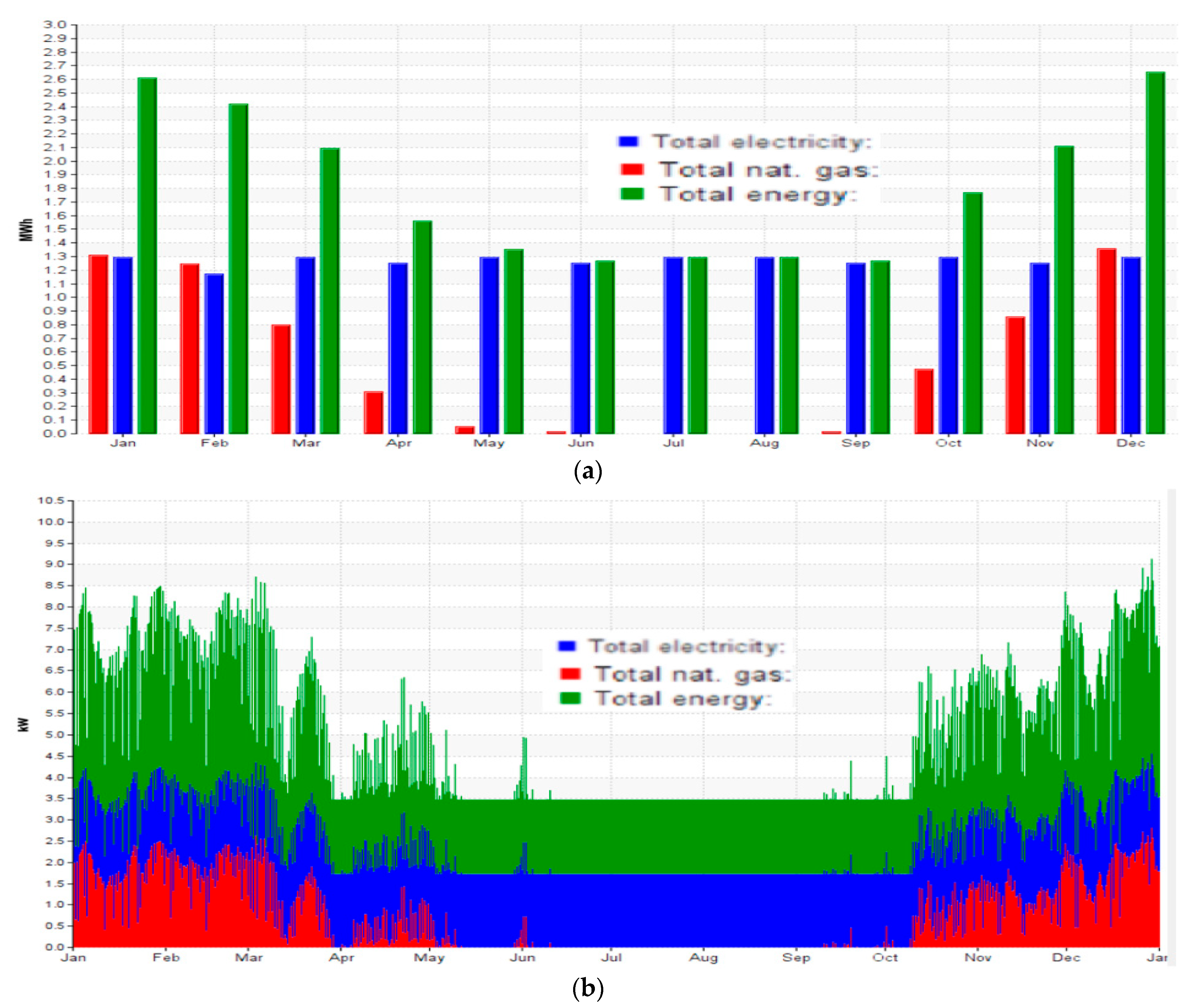
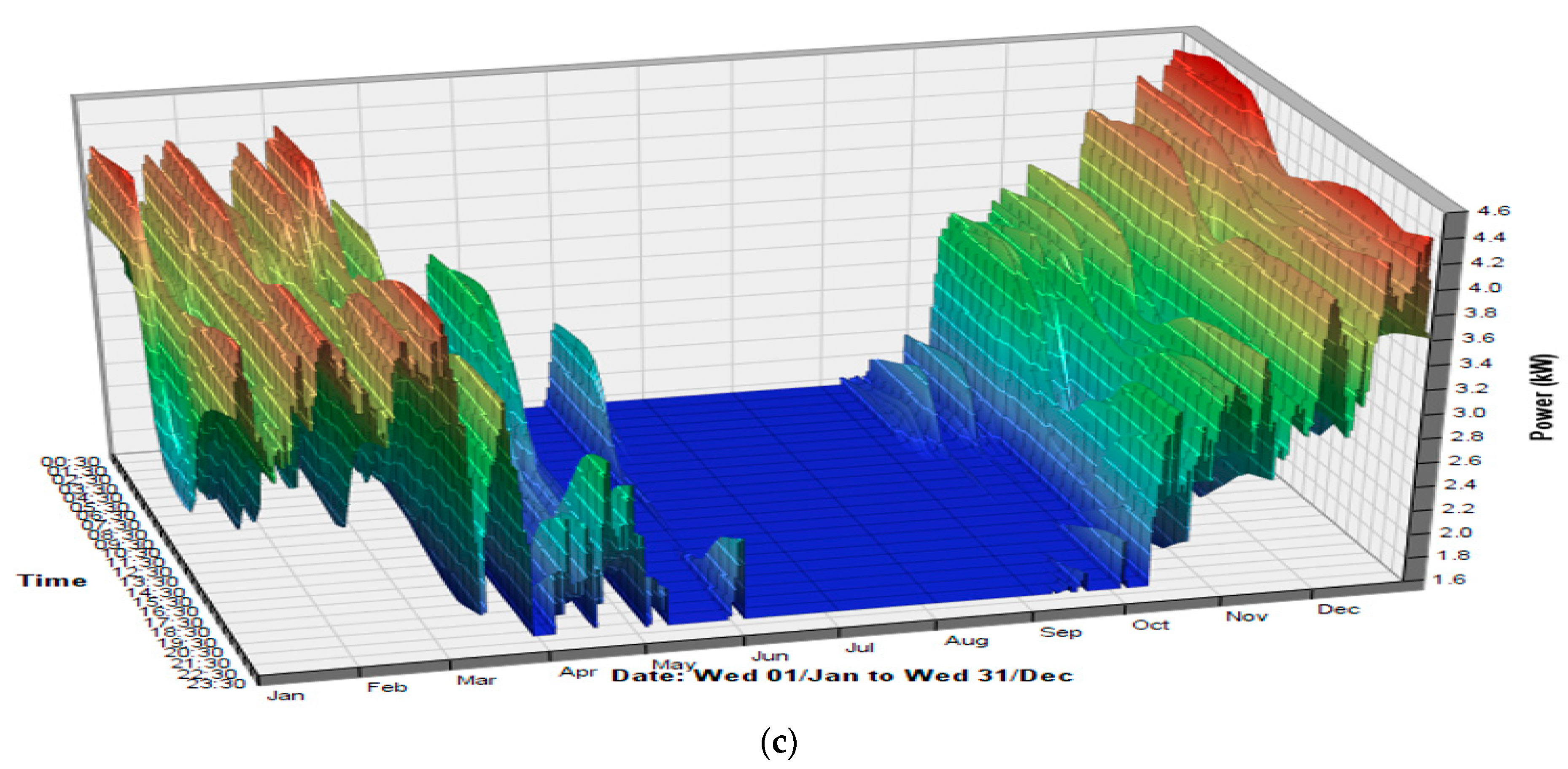
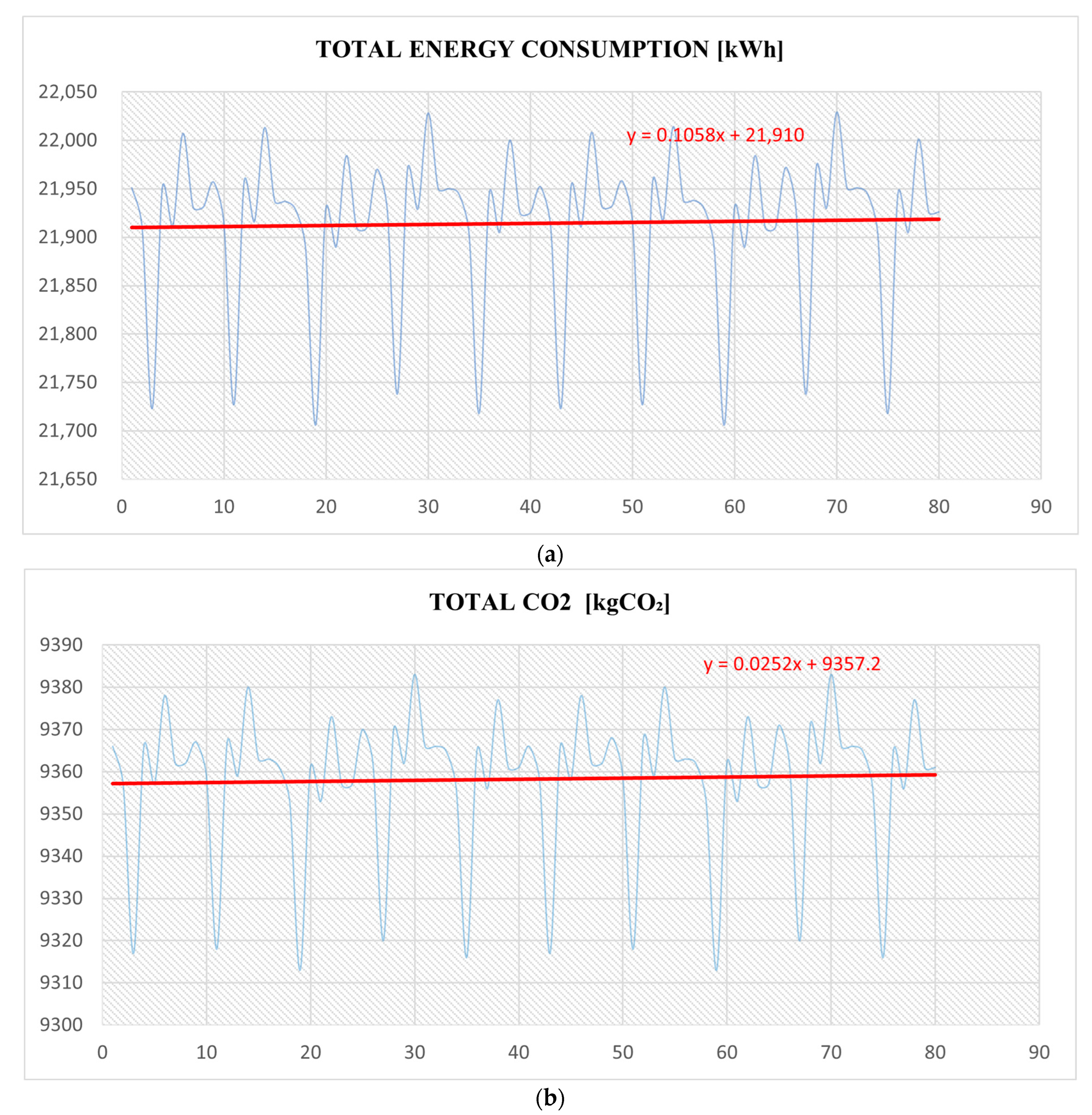
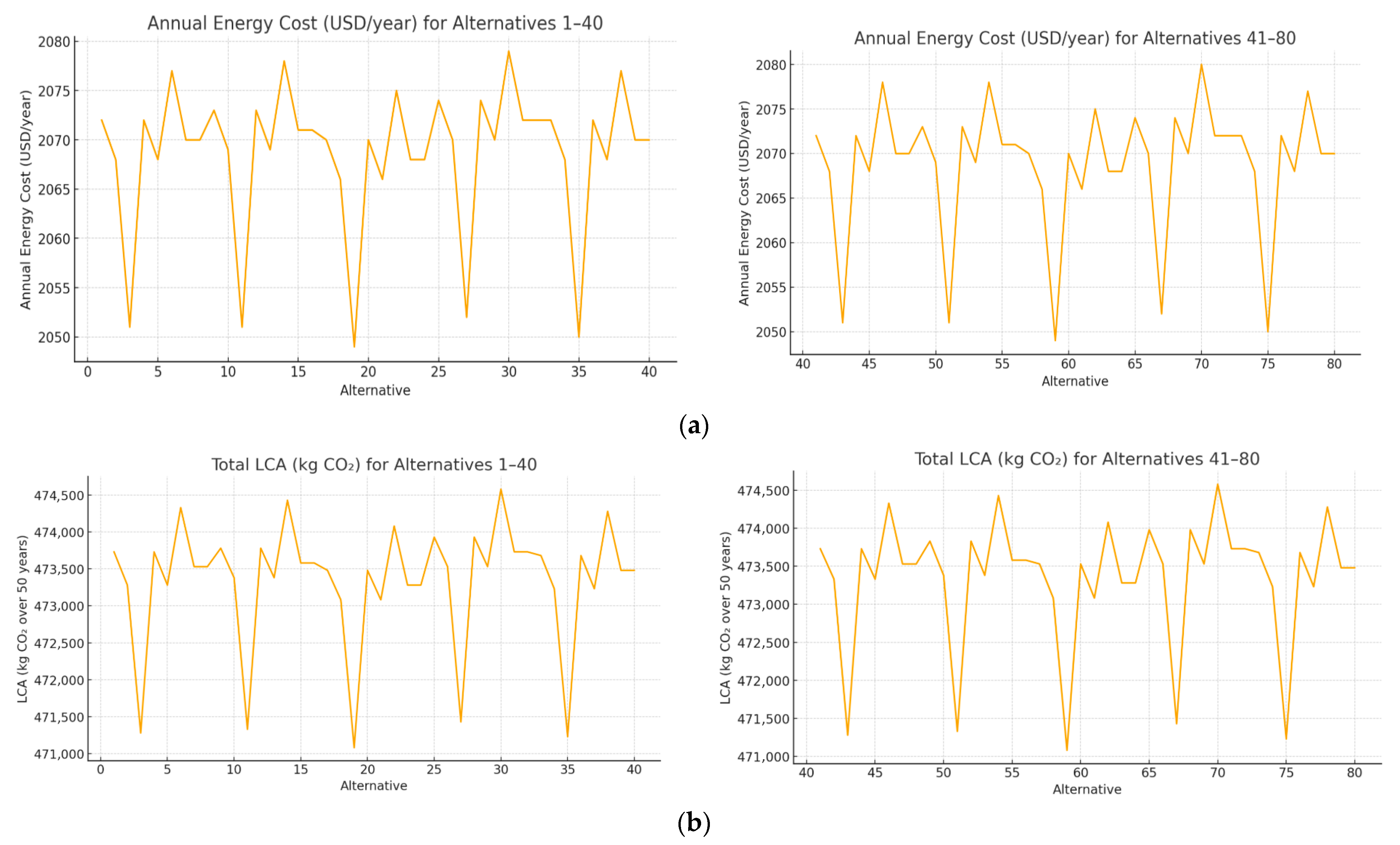
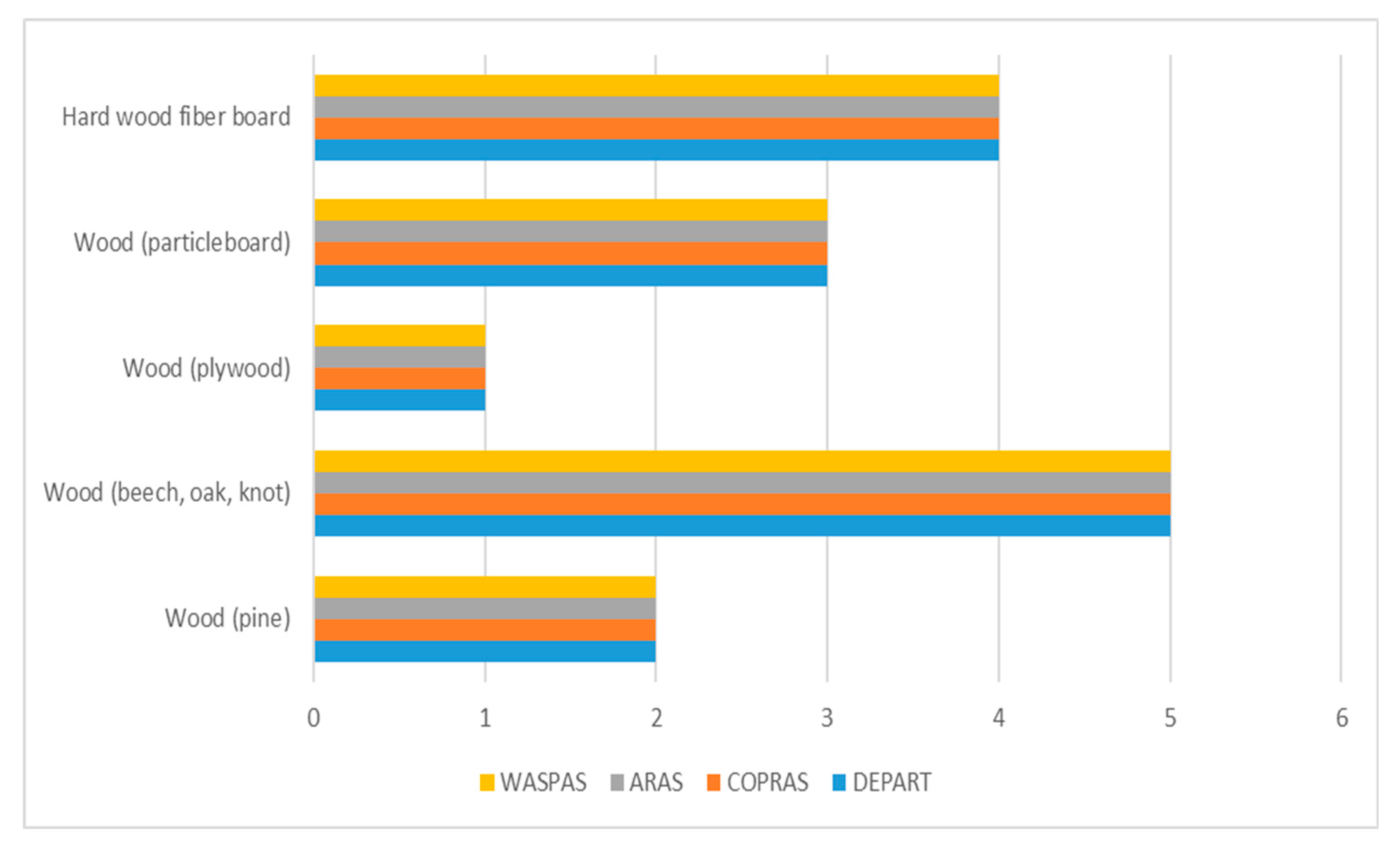
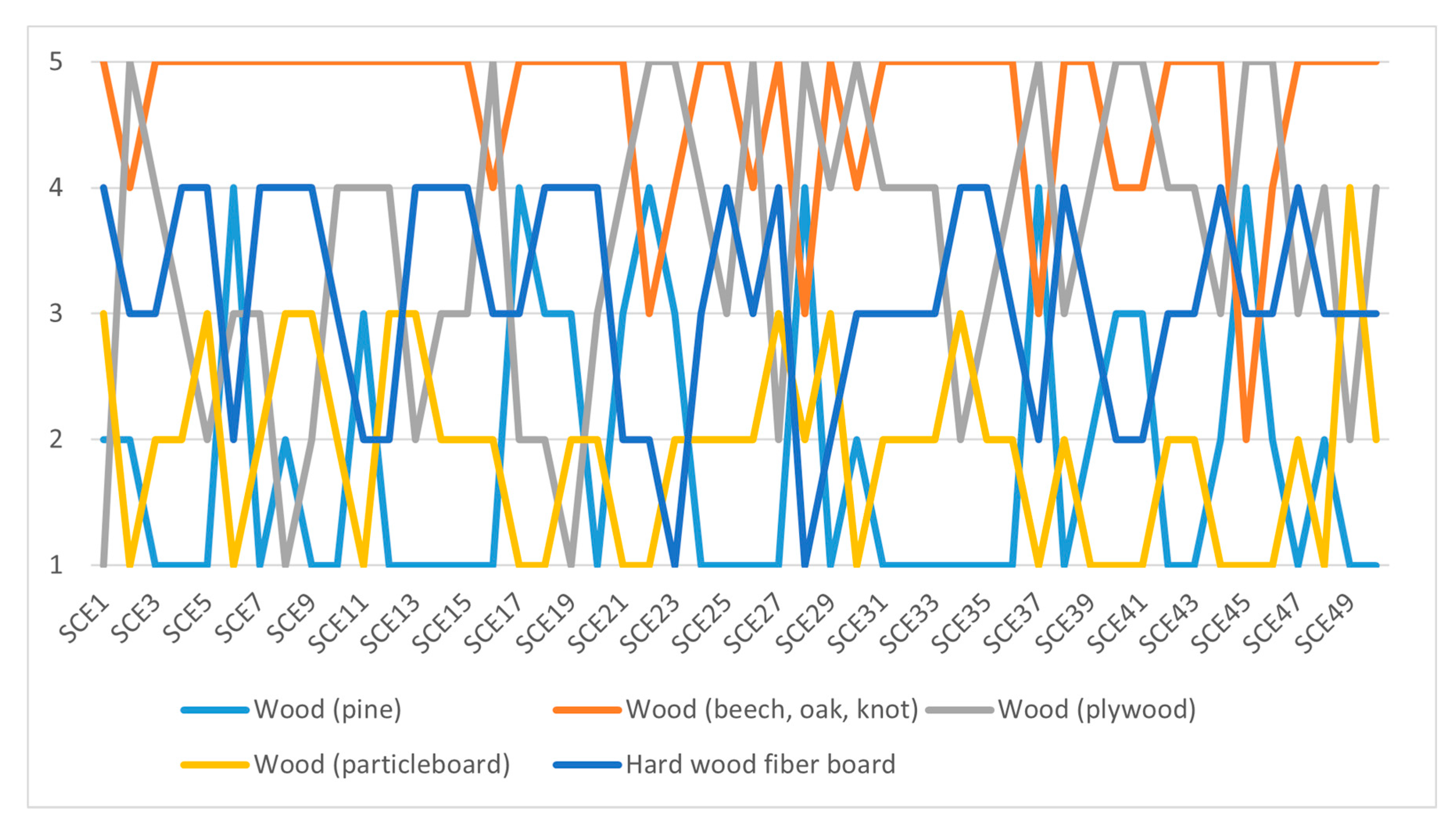
Thermal insulation is essential in lowering the energy consumption of buildings. However, many fossil-based insulation and exterior cladding materials are derived from petrochemical components, which often have adverse ecological impacts. This study explores the effectiveness of integrating sustainable thermal insulation solutions into building design to reduce energy consumption and minimize ecological impact. Focusing on an energy-efficient breakfast house located in Van, Turkey, the project was modeled using Autodesk-Revit software (2023). A comprehensive analysis was conducted by generating eighty alternative scenarios, combining two distinct wall structures, eight fiber-based natural insulation materials, and five wood-based exterior cladding materials. The energy performance of each scenario was evaluated using IES-VE software (2024.1), focusing on annual total energy consumption and CO2 emissions, while accounting for regional climatic conditions and targeted indoor comfort levels. To further refine the selection of optimal materials, a hybrid evaluation was performed using multi-attribute decision approaches, including LODECI, MAXC, and DEPART. These methods provided a systematic framework for comparing the performance of wood-based insulation materials across multiple criteria. In order to verify the accuracy of the proposed multi-attribute decision models, a comparative analysis has been undertaken with other multi-attribute decision methods (COPRAS, ARAS and WASPAS). The study highlights the technical feasibility of incorporating cost-effective, eco-friendly fiber-based and wood-based materials into building envelopes, demonstrating their potential to significantly enhance energy efficiency and reduce environmental impact. By combining advanced simulation tools with robust decision-making methodologies, this research offers a scientifically grounded approach to sustainable architectural design, providing important outputs for future applications in energy-efficient construction.
Keywords: building envelope optimization; sustainable construction; energy efficiency; IES-VE software; MCDM building envelope optimization; sustainable construction; energy efficiency; IES-VE software; MCDM